12 items
4.8/5 based on 508 reviews collected online and in stores

Freediving Ballasts FAQs

What is the difference between freediving ballasts and scuba weights?

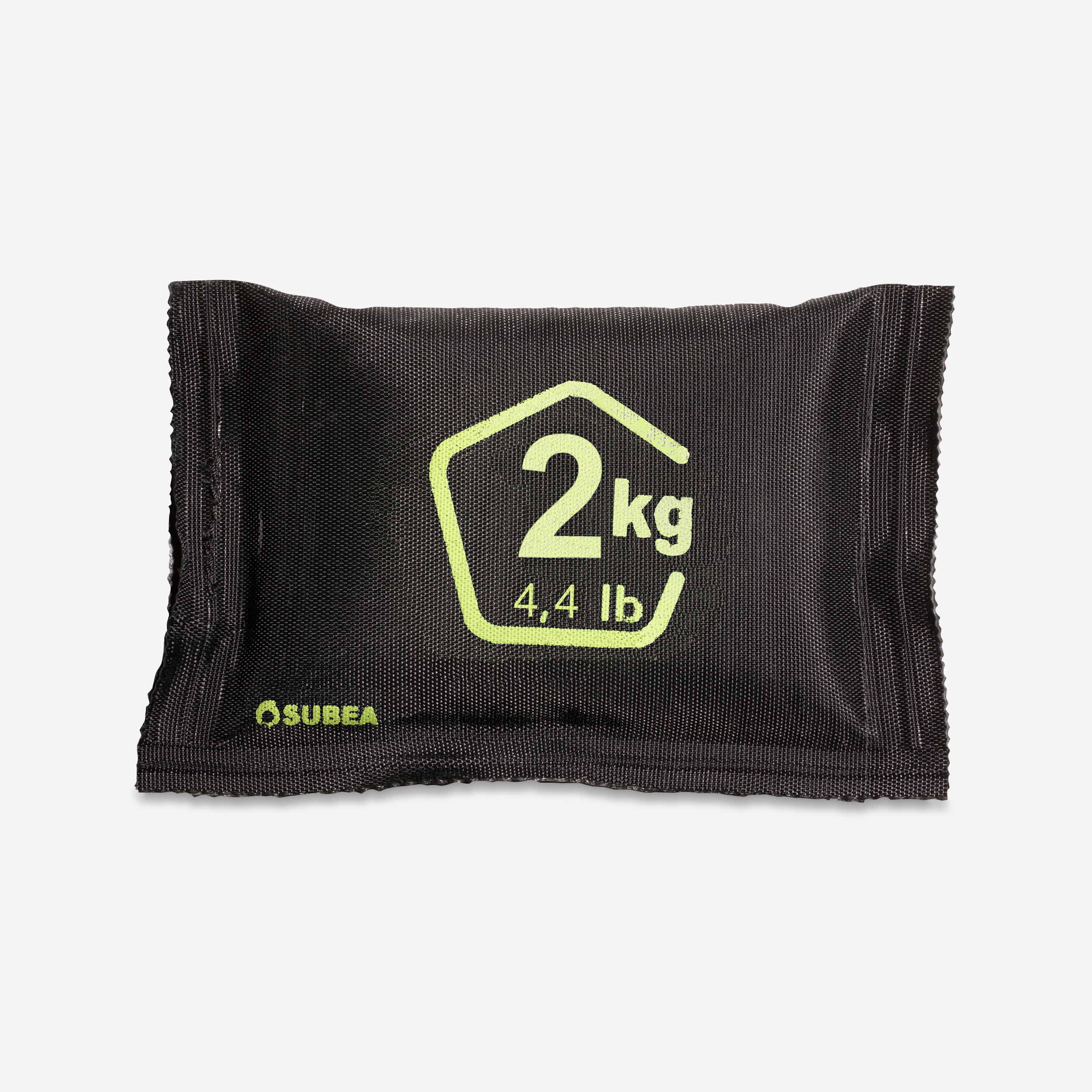
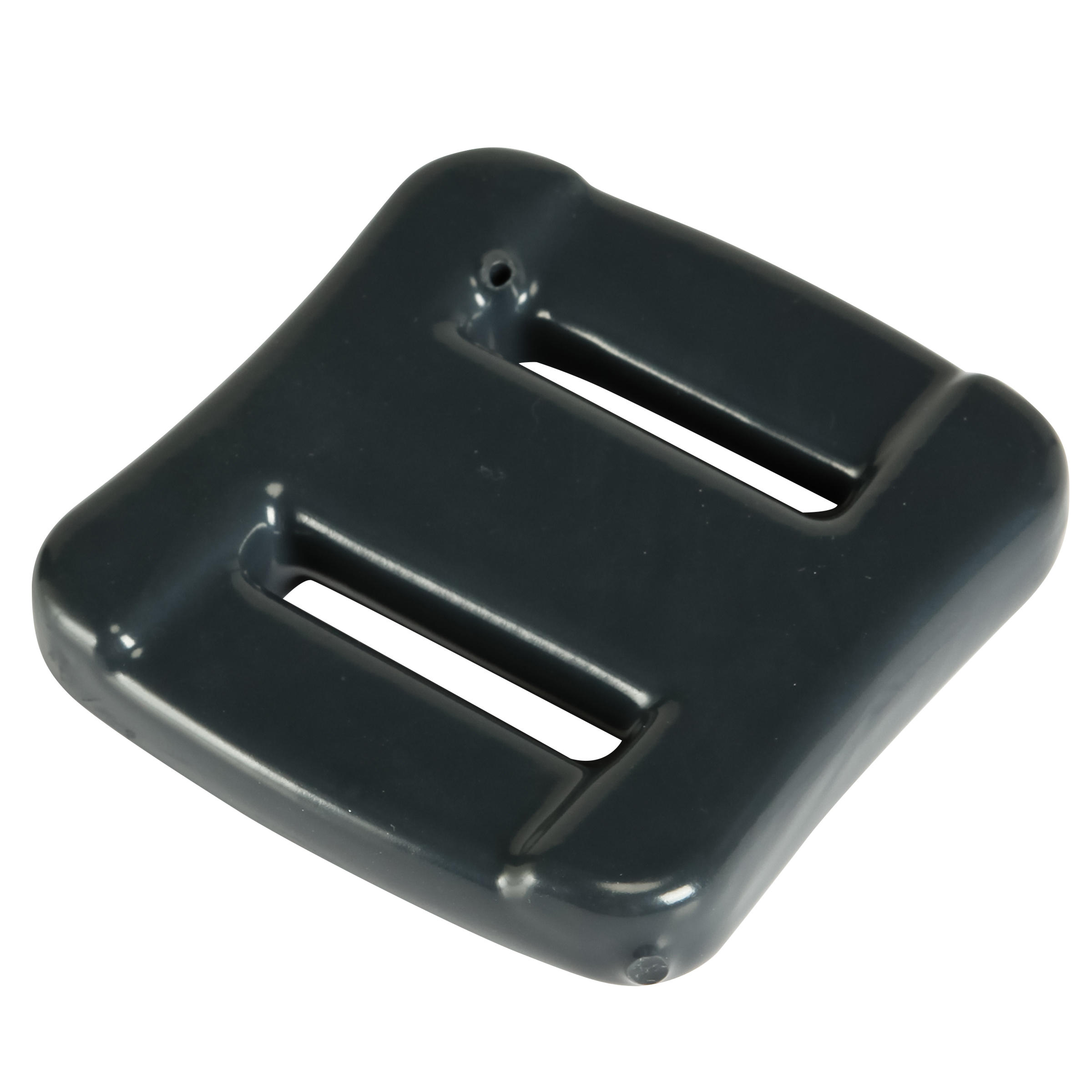
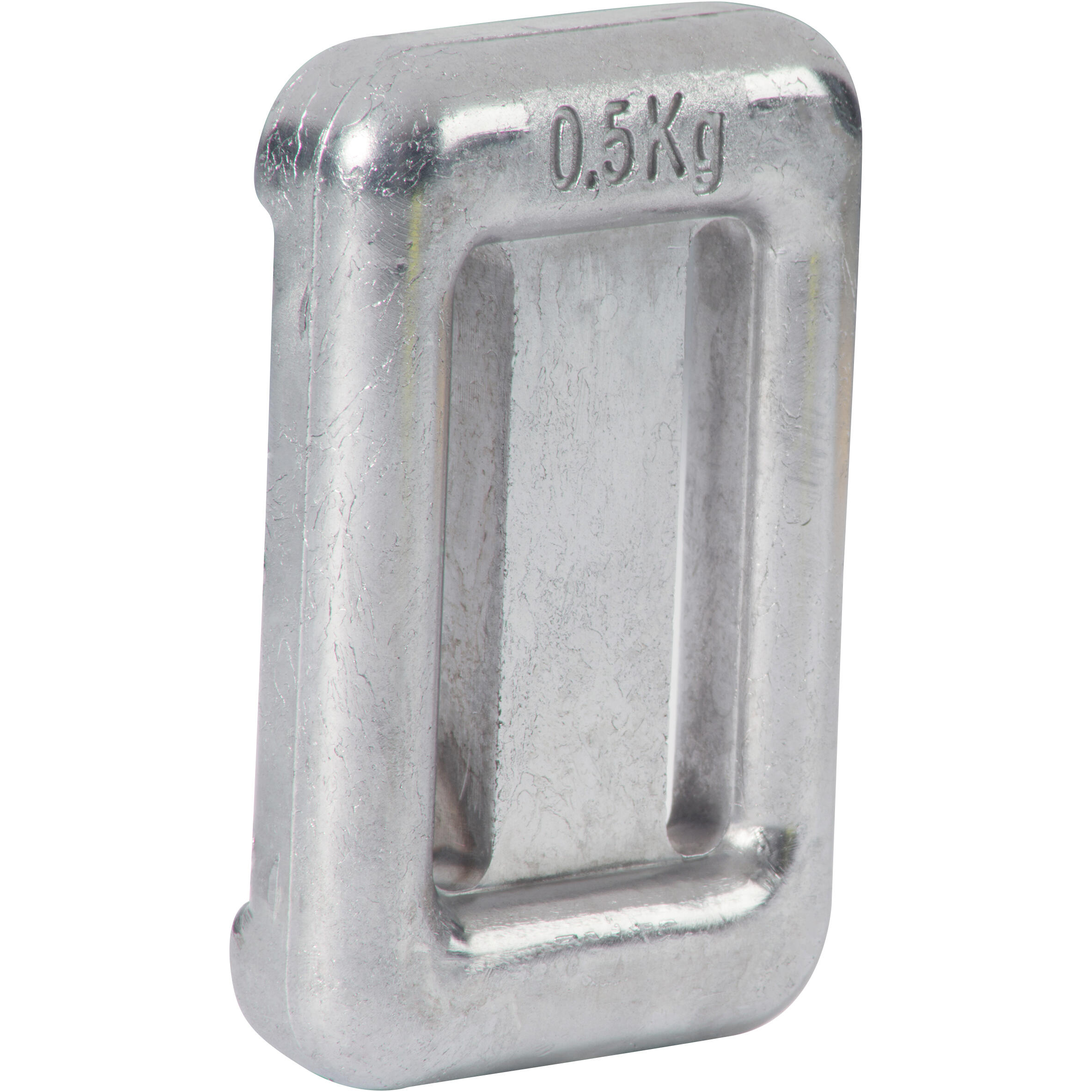
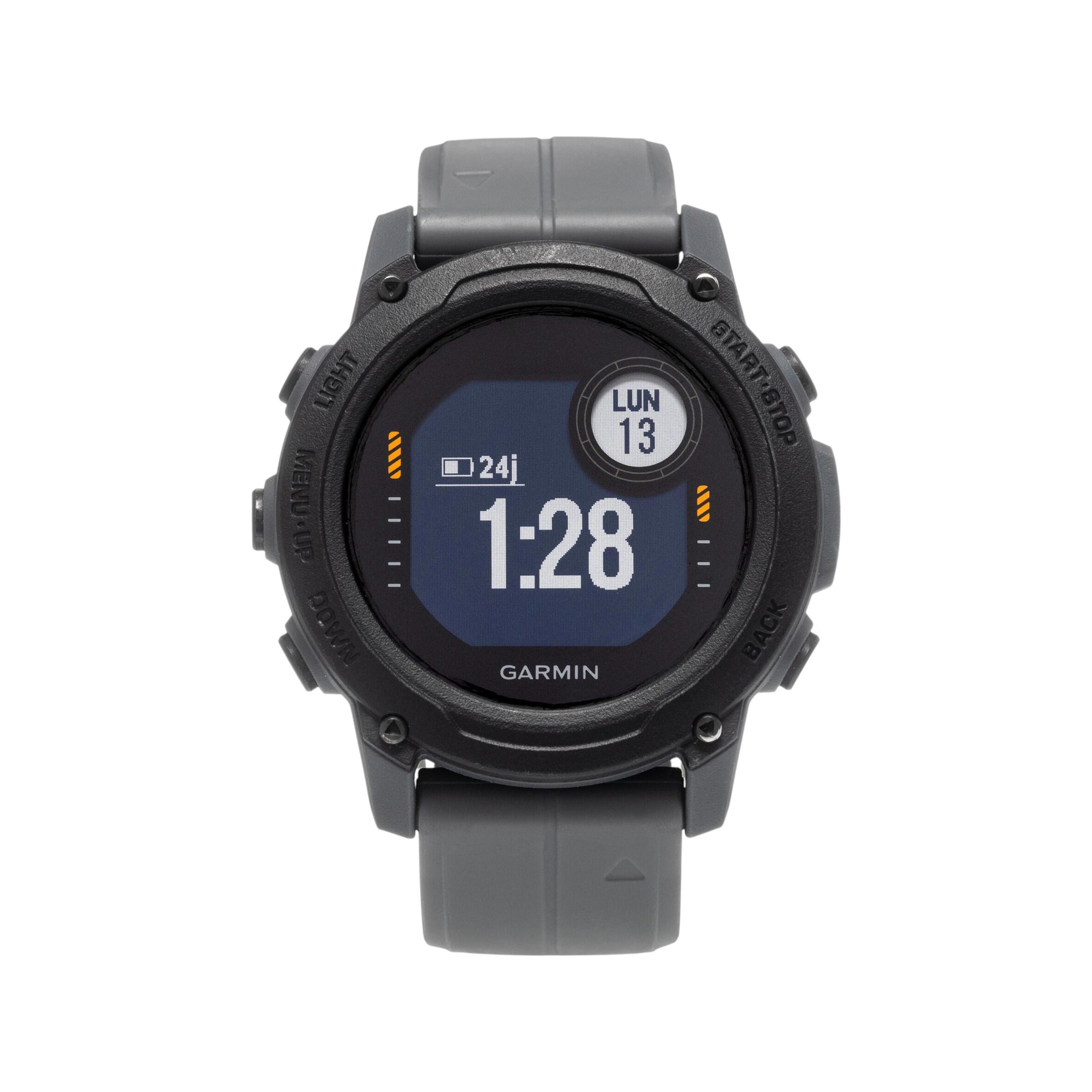
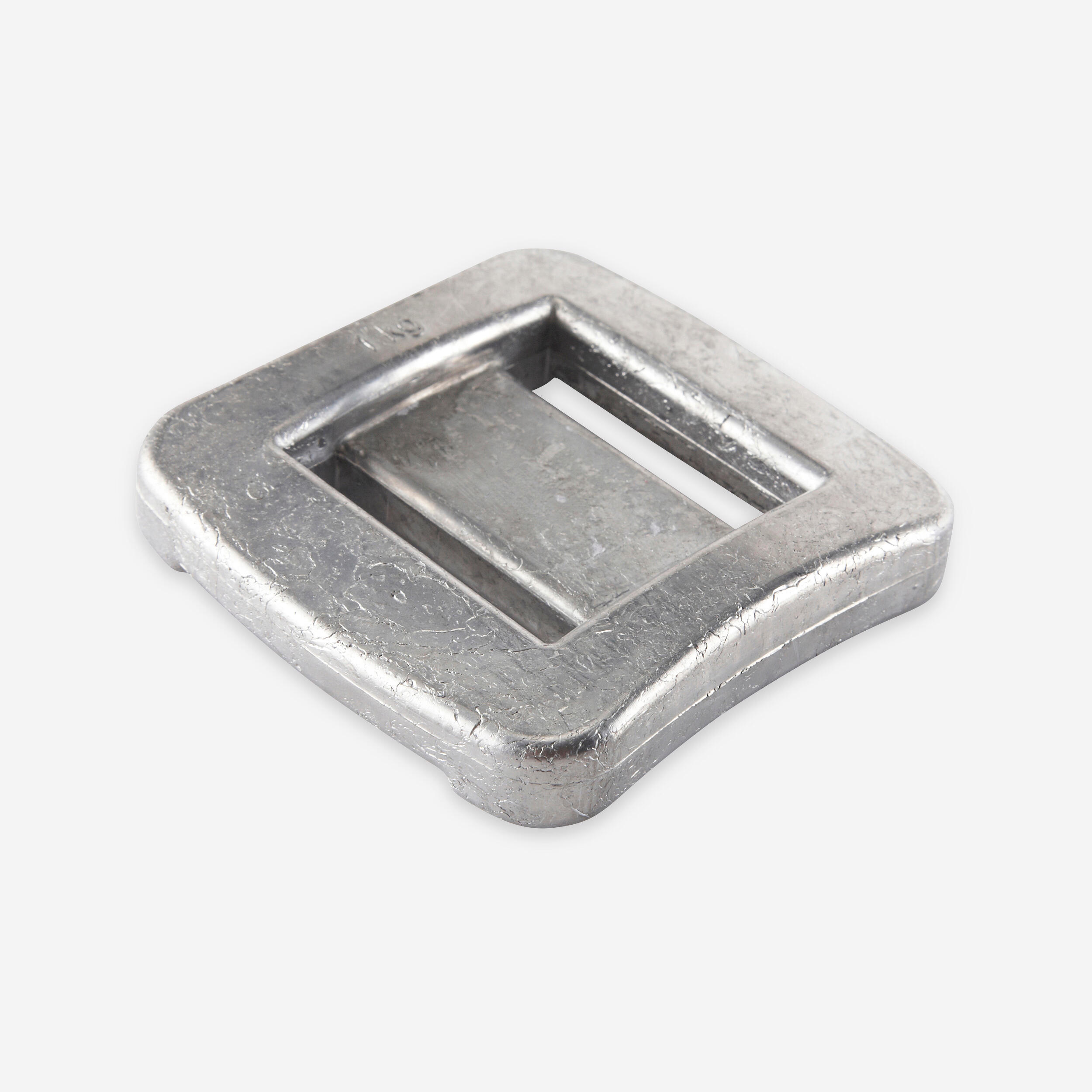
Traditional scuba diving weights are often blocky and rigid, whereas specialised freediving ballasts are built to minimise drag and maintain streamlined positions during vertical descents. Streamlined weight shapes reduce water resistance, helping divers conserve valuable oxygen. When diving deep, monitoring recovery times and safety data requires wearing reliable dive watches that manage depth data accurately. Standard blocks can slide around during compression at depth, but dedicated freediving lead styles fit snug against the body or inside specialised harness systems to ensure stability during active movement.

How do freediving soft lead ankle weights improve body positioning?

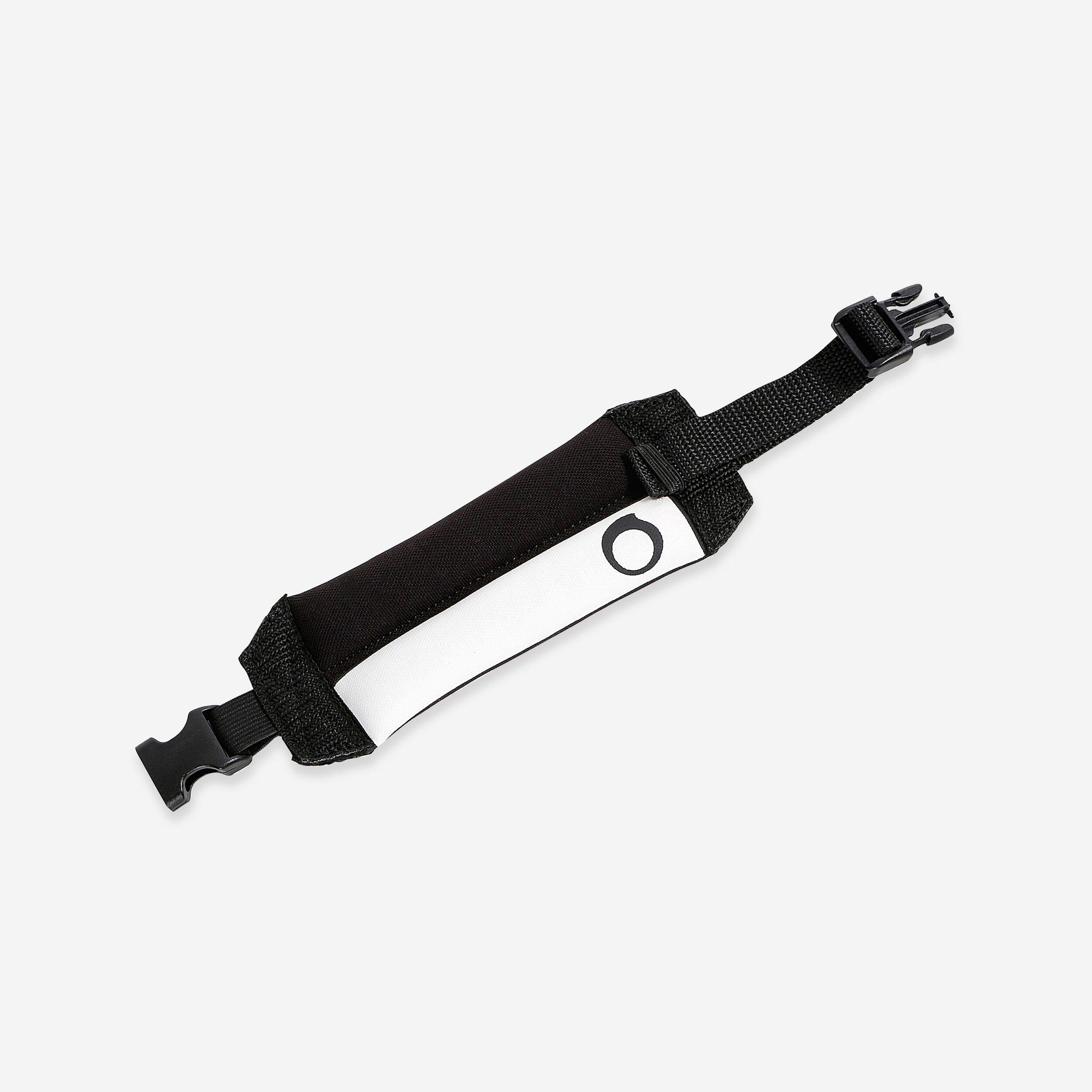
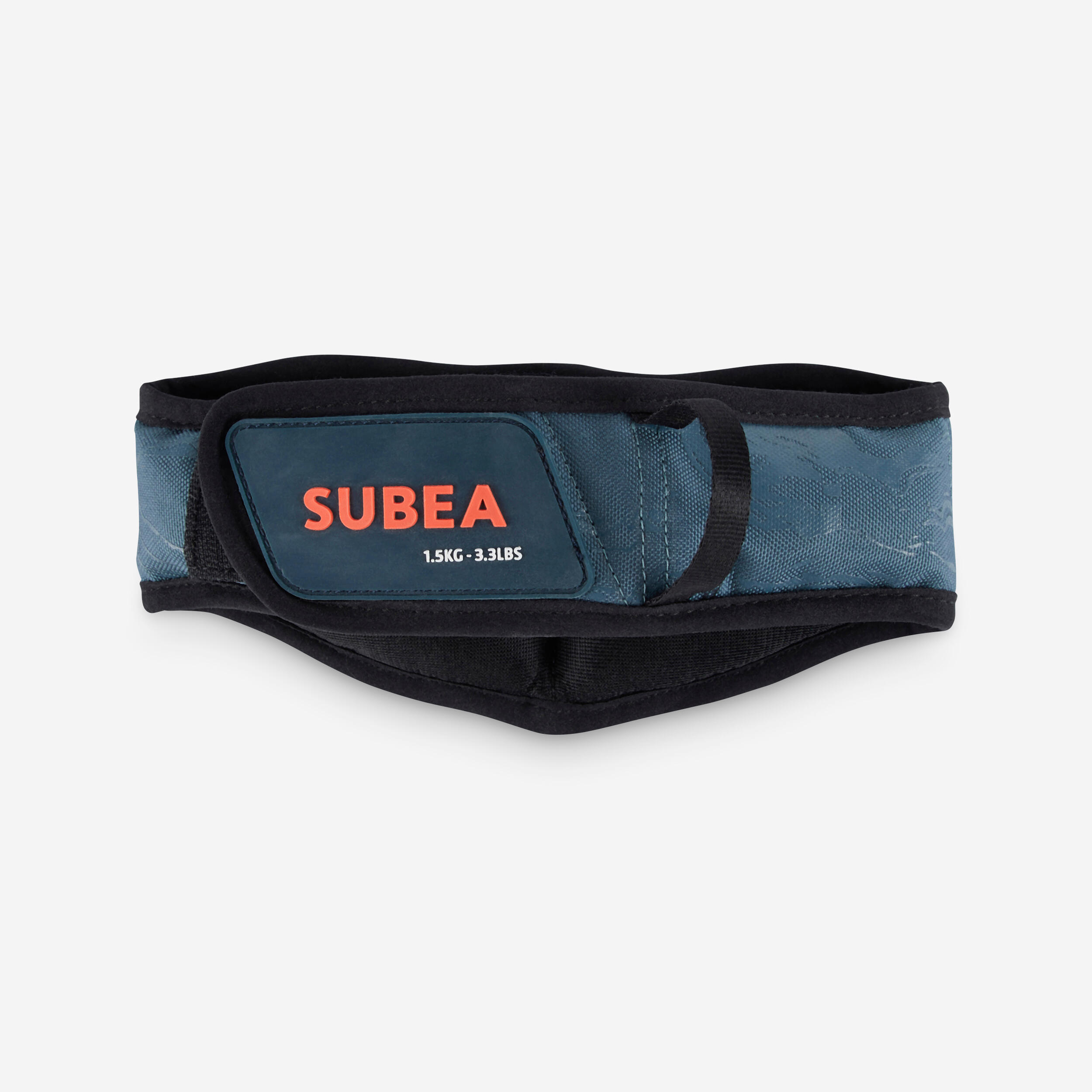
Ankle weight setups use loose lead shot contained inside flexible neoprene pockets to conform comfortably around your lower legs. Utilising freediving soft lead ankle weights helps counteract the natural buoyancy of thick neoprene boots or suit bottoms, bringing the legs down into a horizontal or perfectly vertical alignment. Proper leg ballast stops your fins from breaking the surface during the initial duck dive, allowing long polymer or composite freediving fins to work efficiently from the very first stroke. Keeping the feet properly weighted ensures consistent propulsion without wasting physical energy on correction strokes.

When should you choose freediving modular neck weights over a traditional waist belt?

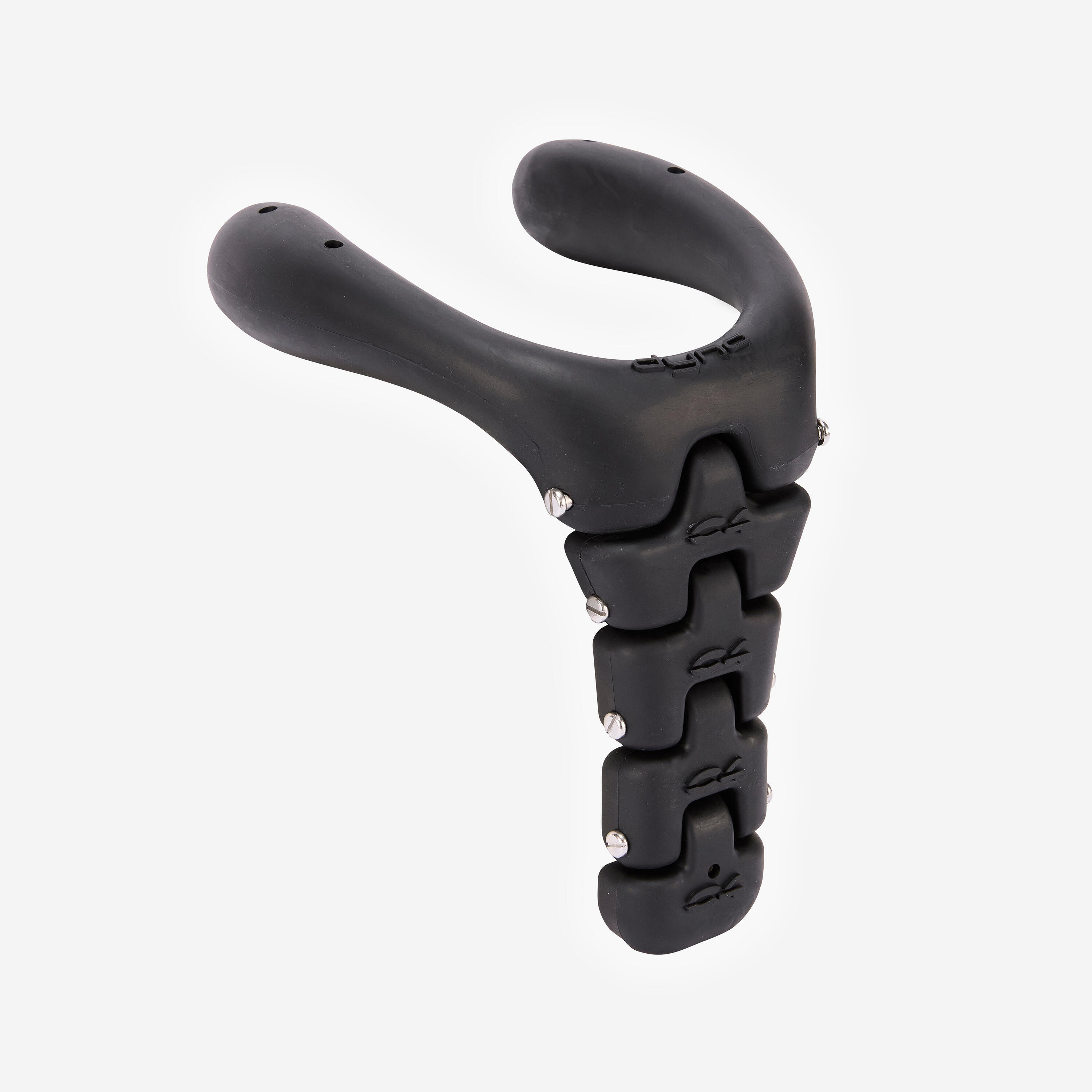
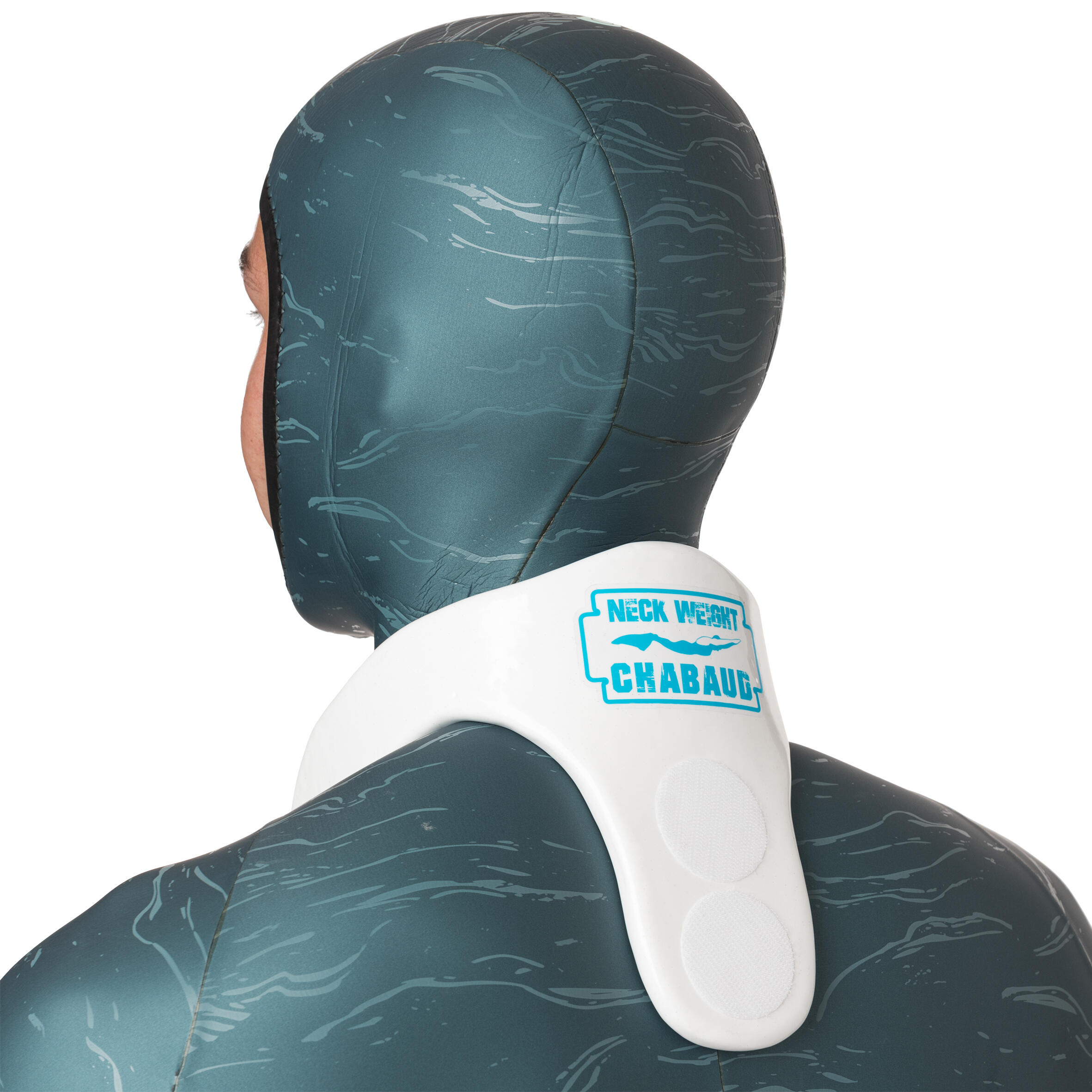
Neck weight systems position the ballast closer to the centre of buoyancy in your lungs, which creates a highly balanced glide phase during dynamic apnea pool sessions or deep free immersion drops. Using freediving modular neck weights allows precise distribution changes by adding or removing small segments, keeping the head and torso perfectly aligned. A balanced upper body makes it much easier to maintain a relaxed throat and face when clearing water from high-visibility freediving masks and snorkels during equalisation. Waist belts can sometimes cause the lower back to arch, whereas weight around the neck encourages a flatter, more hydrodynamic profile.

What are the safety benefits of a Marseillaise belt with a stainless steel buckle?

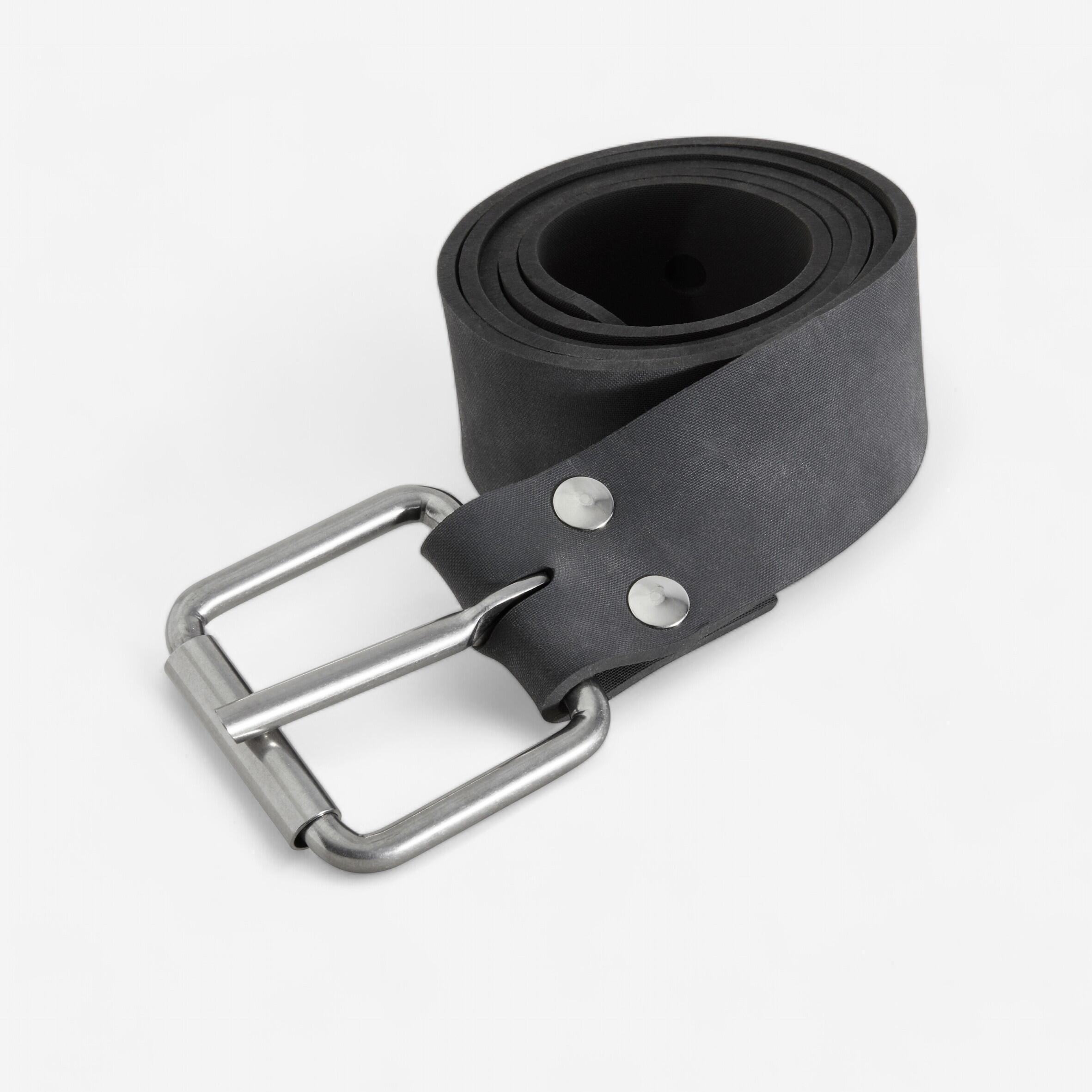
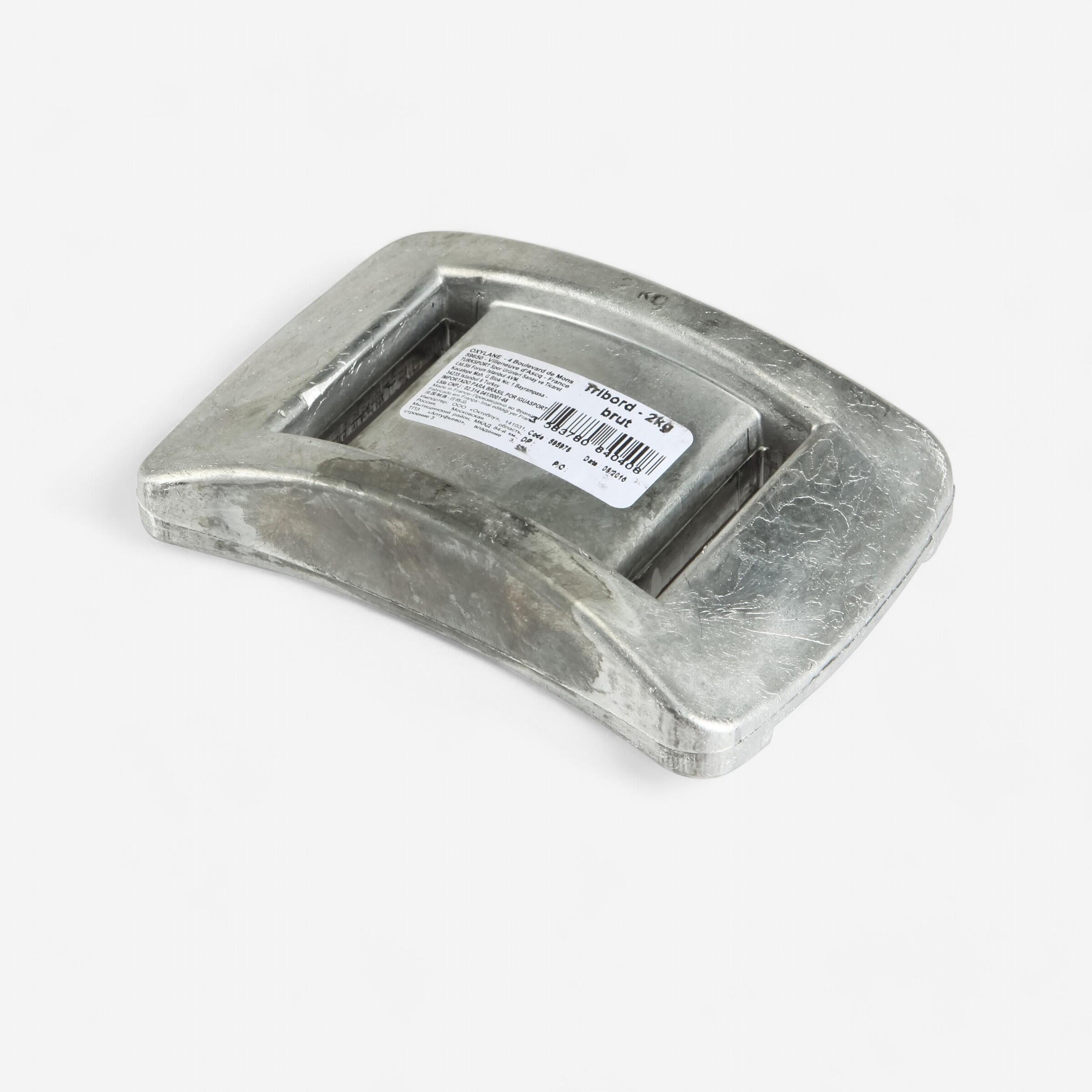
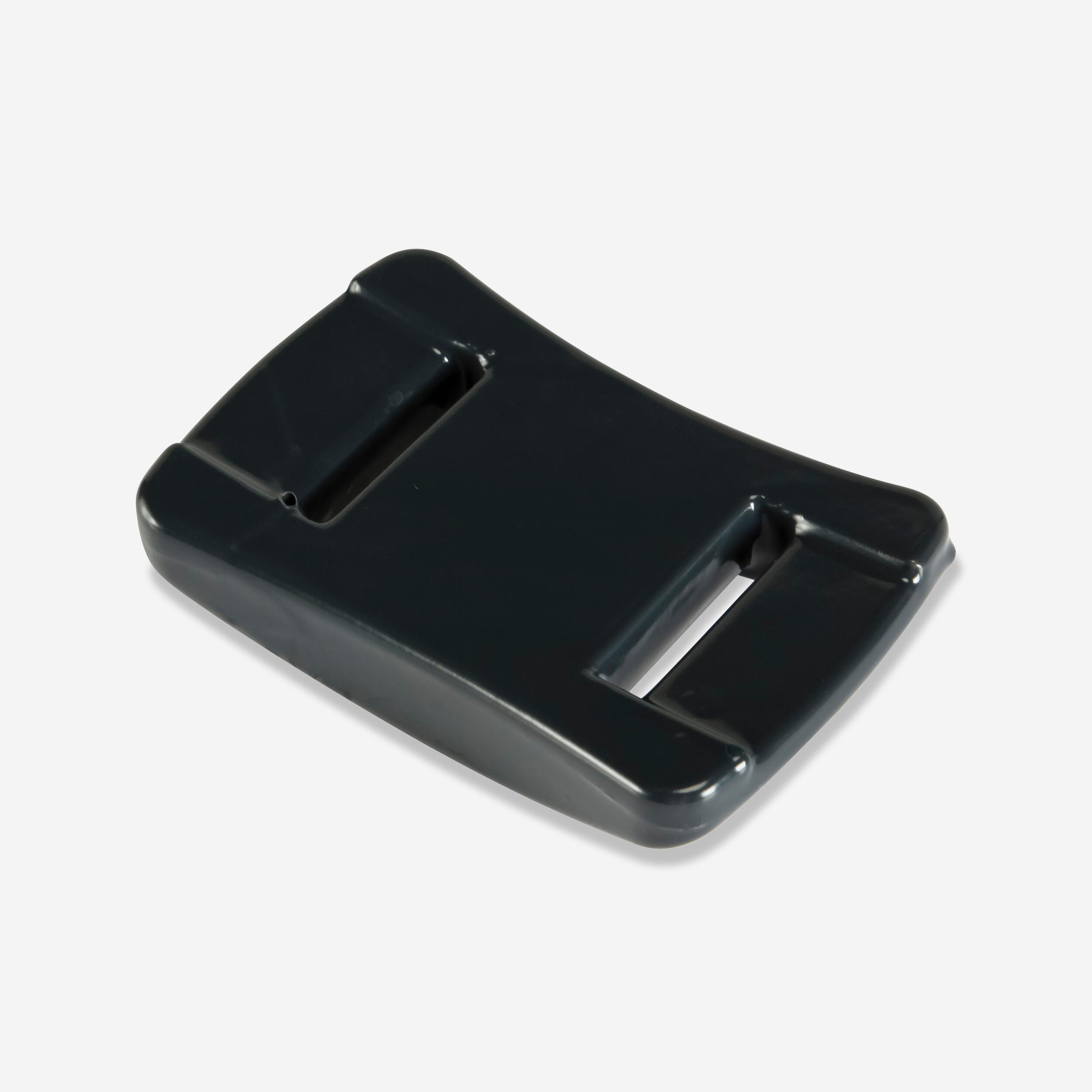
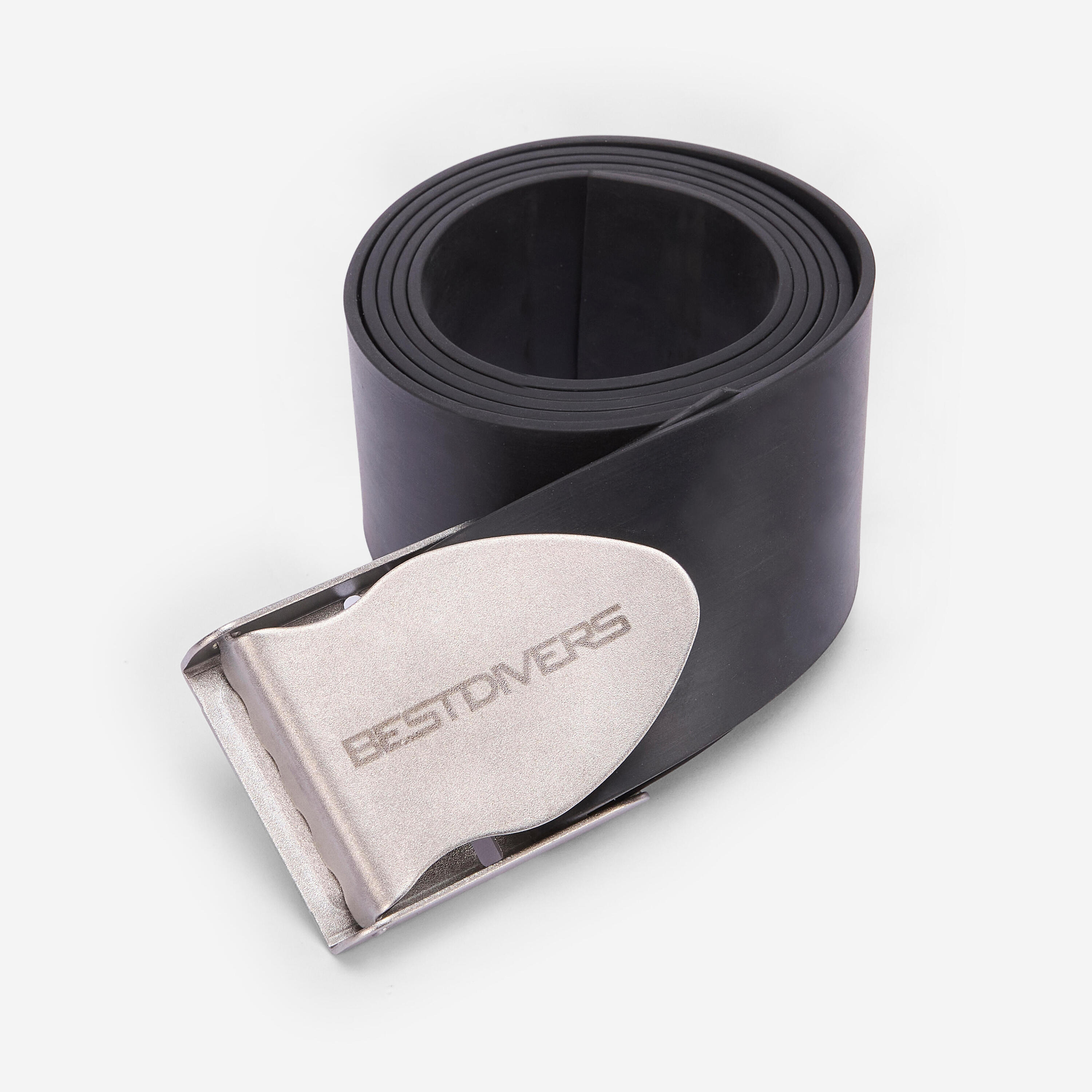
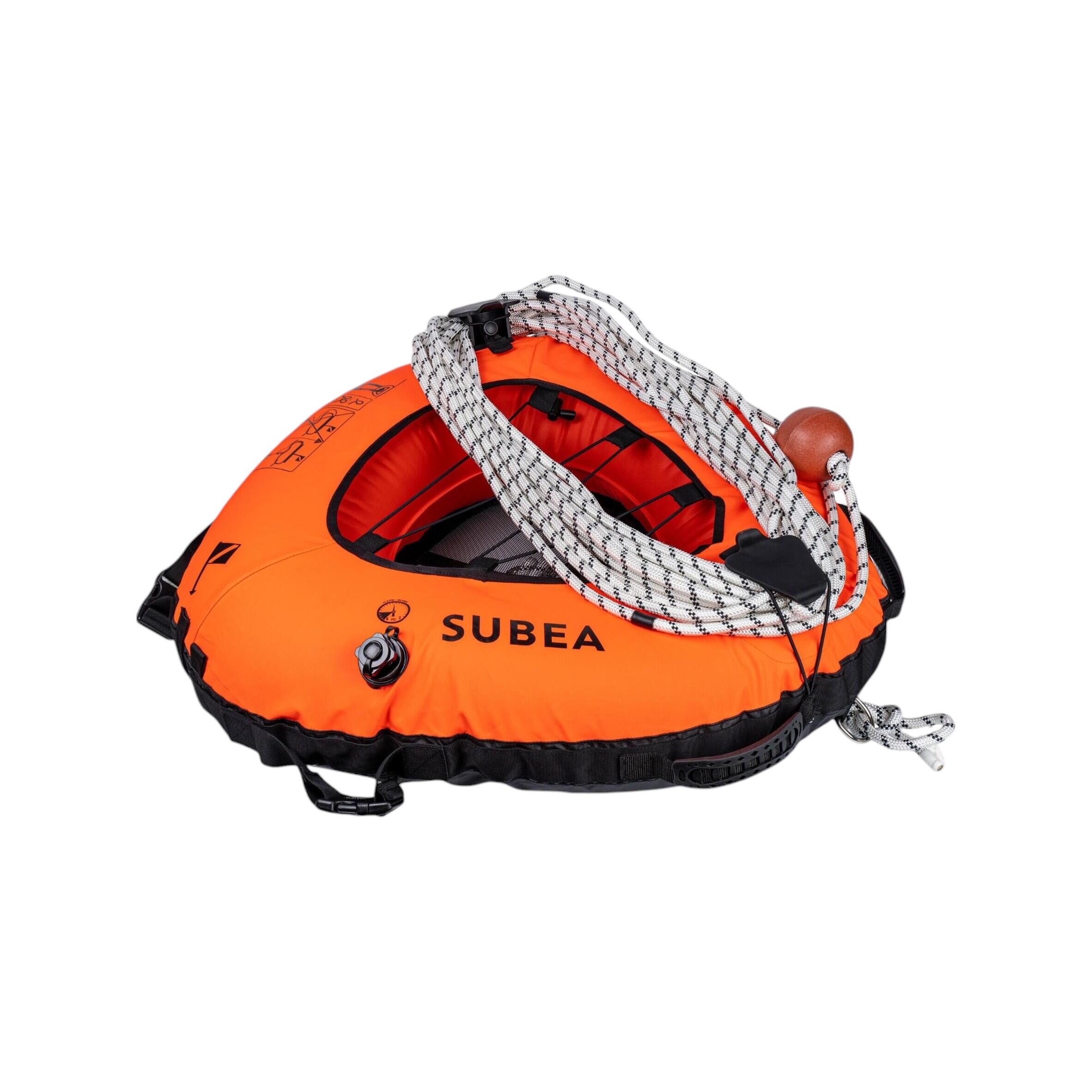
Flexible rubber or silicone belts stretch as the depth increases and your torso compresses, preventing the entire weight setup from sliding up towards your chest during upside-down descents. A heavy-duty Marseillaise belt with a stainless steel buckle uses a classic roller mechanism that allows immediate, single-handed emergency release if neutral buoyancy needs to be broken quickly. This flexible rubber style grips your wetsuit securely, keeping heavy C4 carbon ballasts or coated blocks firmly positioned on the hips. Safe weight setups require reliable surface marker setups, so attaching high-visibility lines to sturdy buoys and ropes ensures the dive team can monitor your position throughout the descent.

How does water salinity affect the total weight of ballasts needed for neutral buoyancy?

Saltwater is denser than freshwater, which increases your natural buoyancy and means you will need more lead mass to submerge comfortably. Divers' testing gear in coastal waters requires heavier setups than those training in inland lakes or deep quarry pools to achieve neutral buoyancy at their targeted depth. Adding small tools, lanyards, or nose clips from a collection of durable freediving accessories can alter your overall weight profile slightly. The ideal configuration allows you to float effortlessly at a depth of 10 metres, ensuring you remain positive at the surface where recovery breathing takes place.