479 items
4.6/5 based on 6498 reviews collected online and in stores

Fishing Rods FAQs

How do you match a fishing rod to your technique?

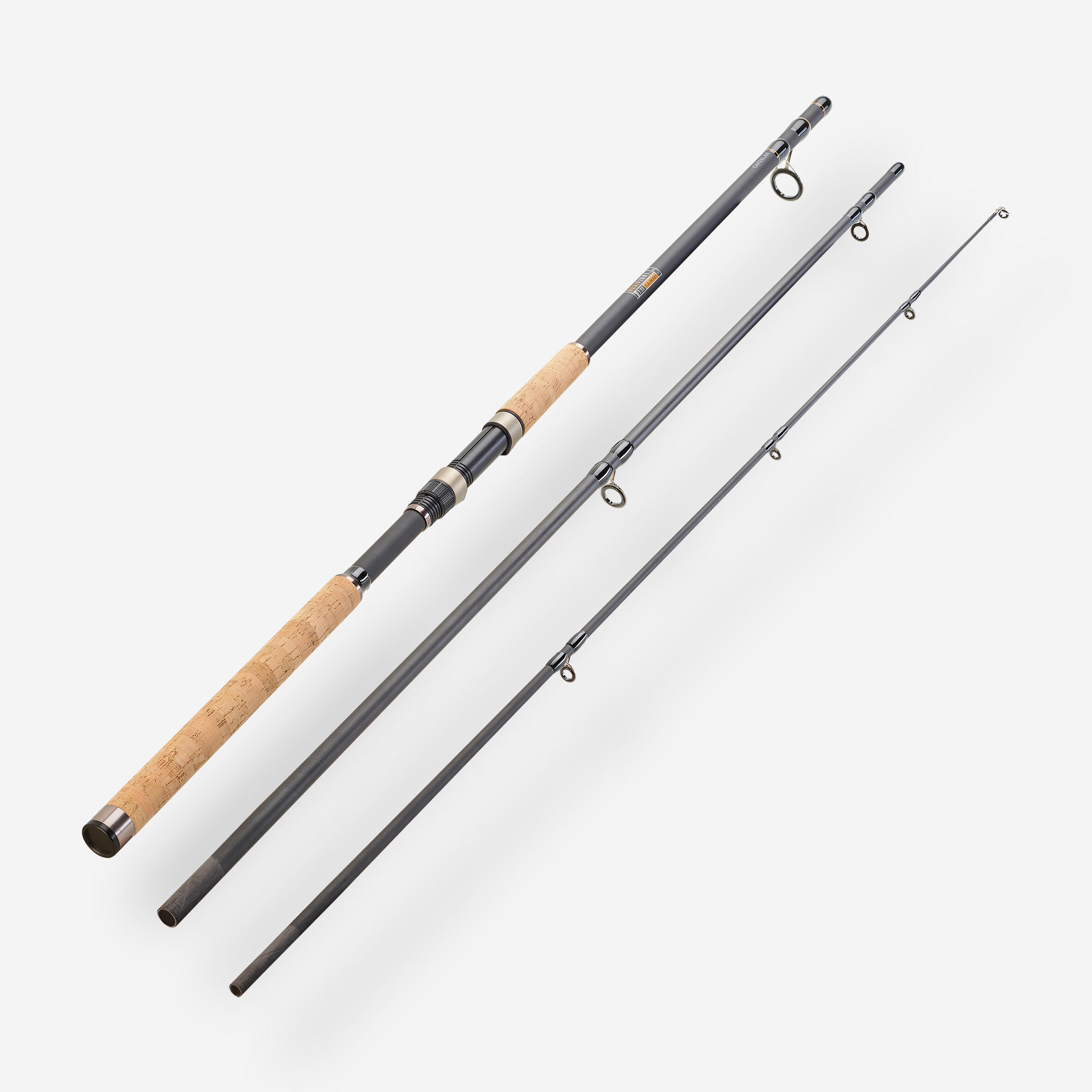
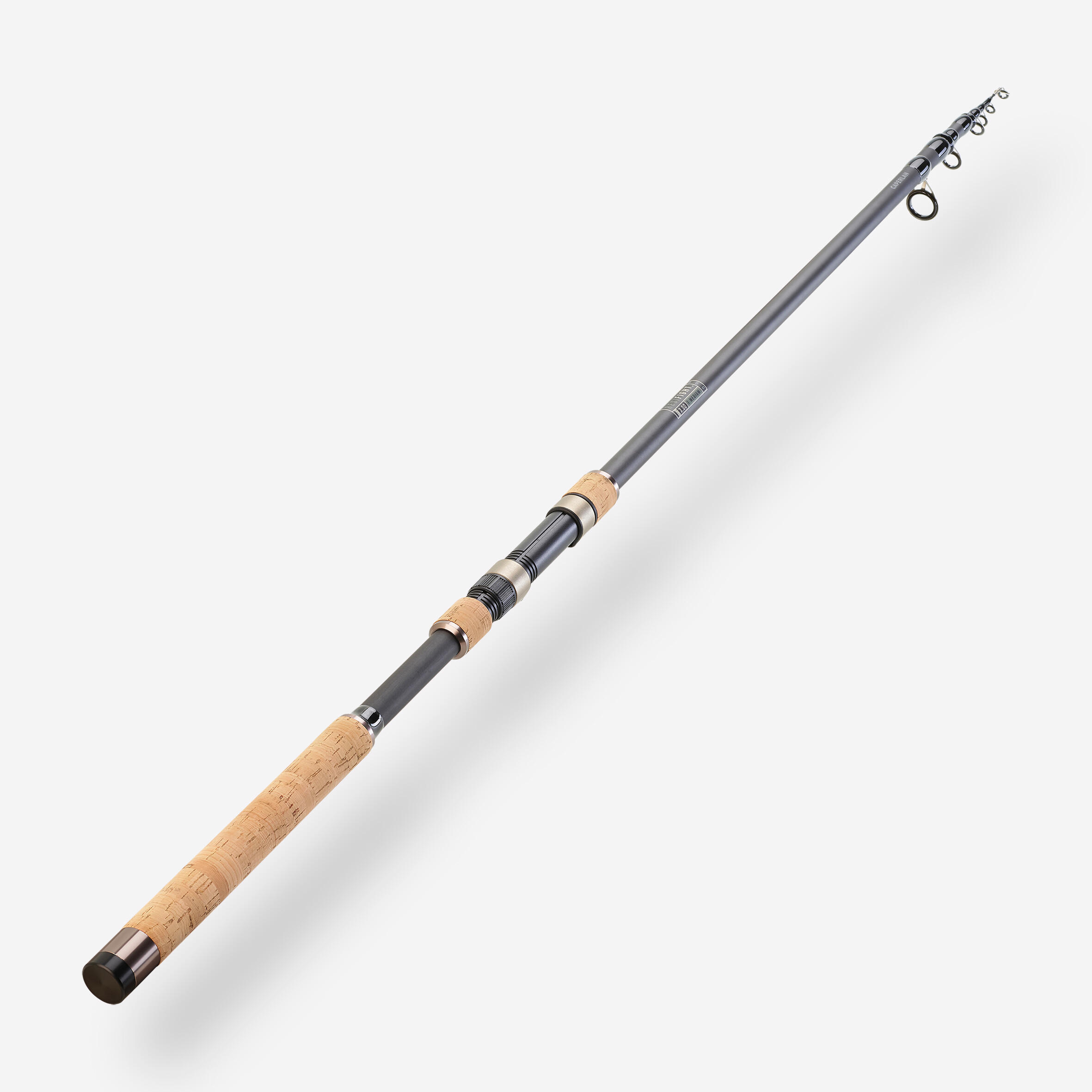
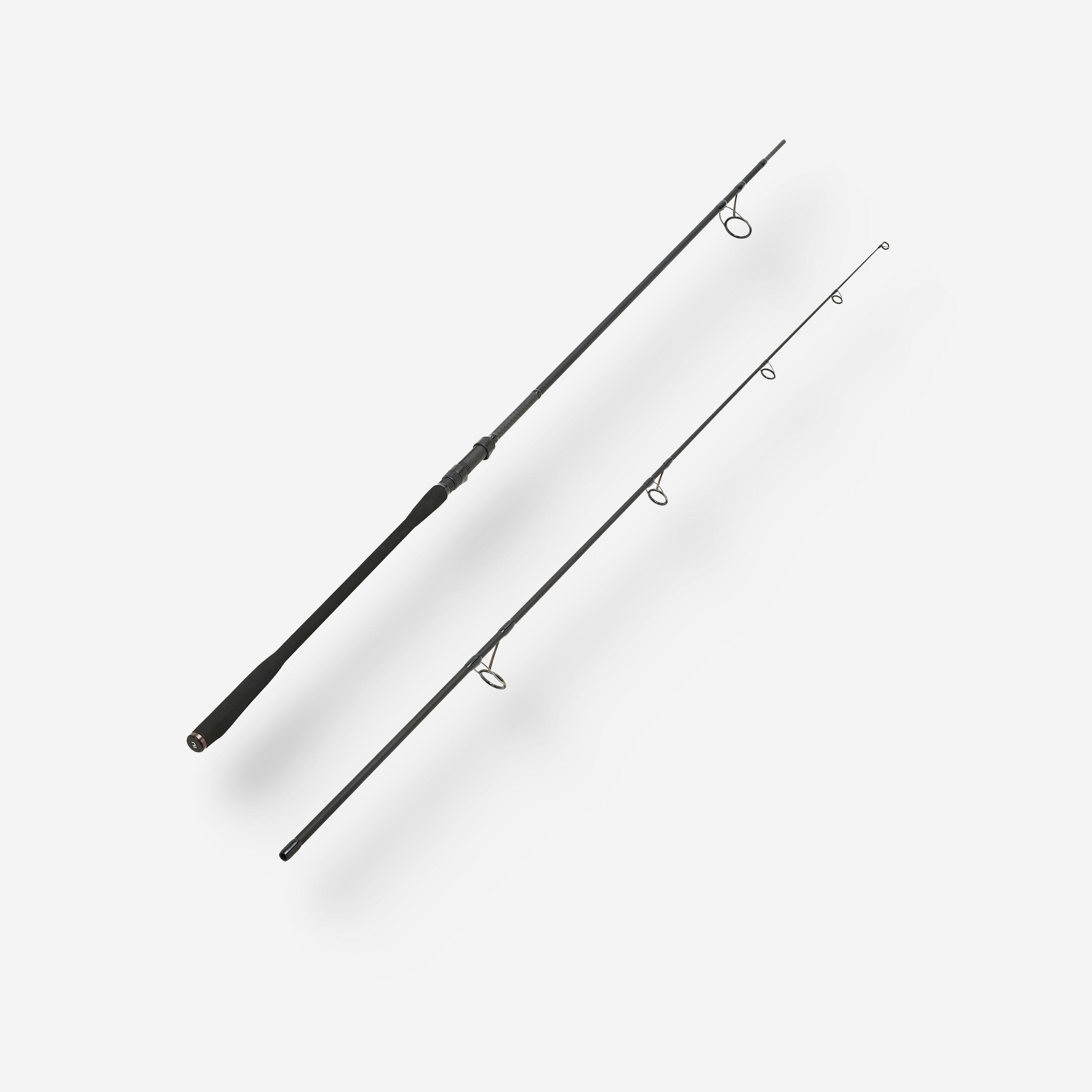
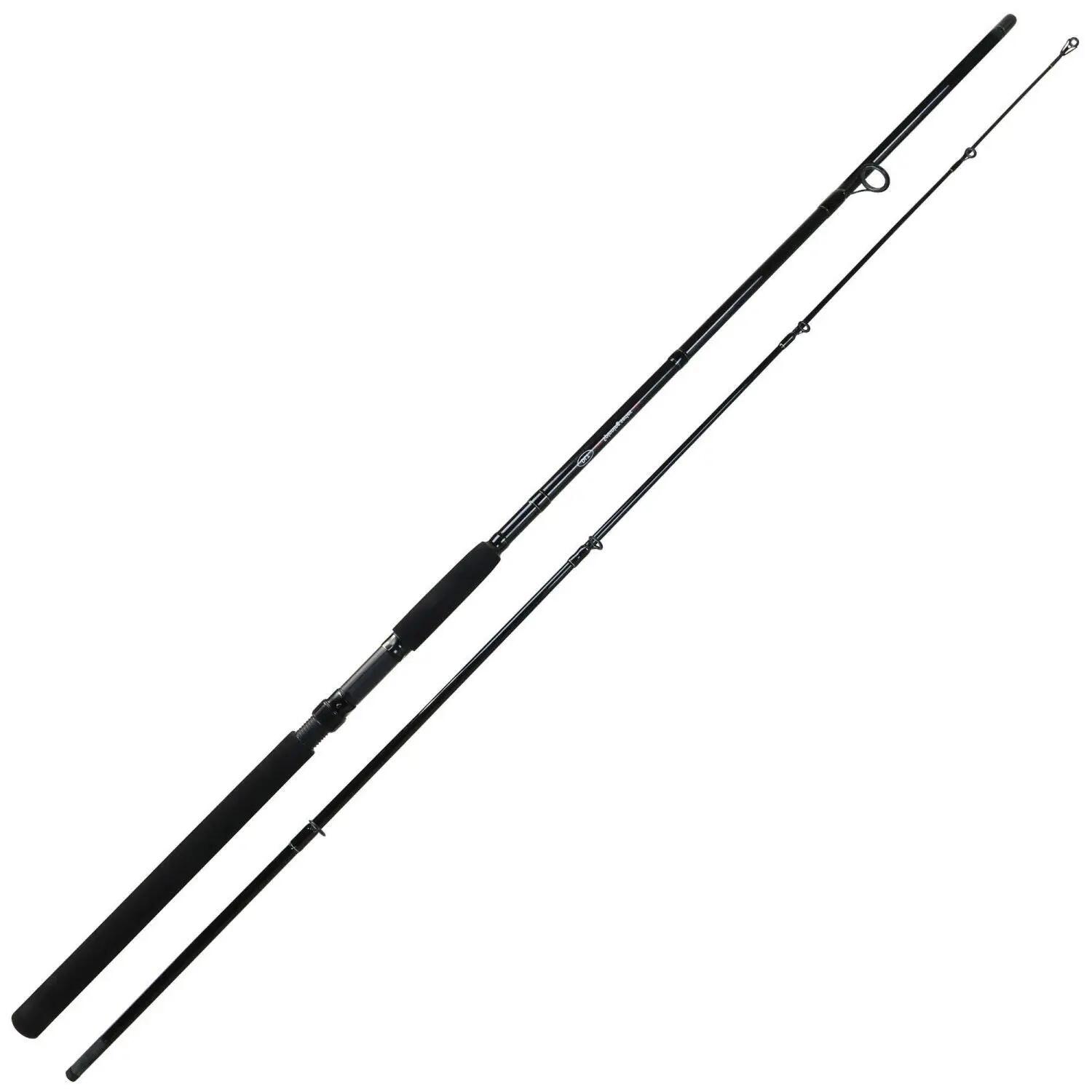
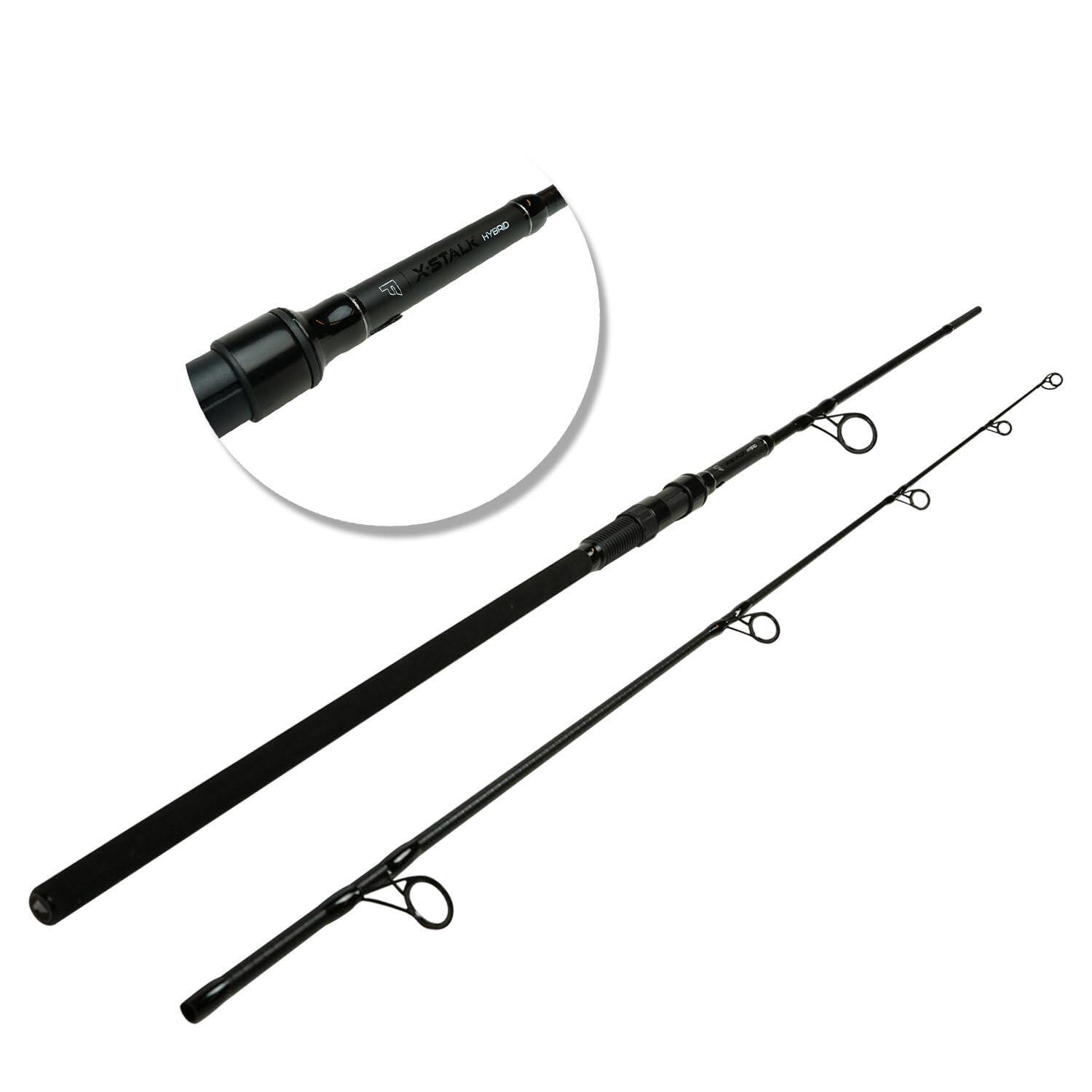
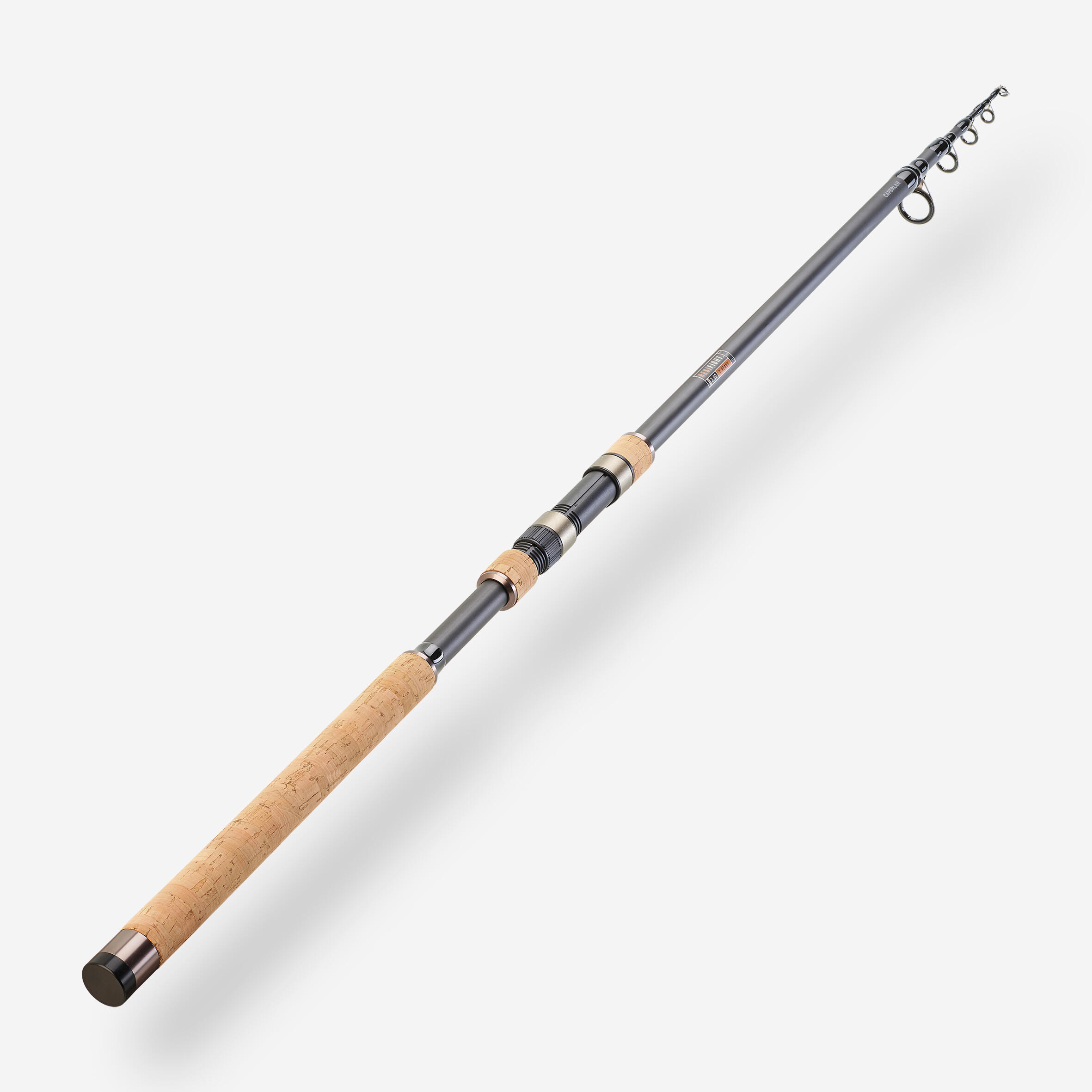
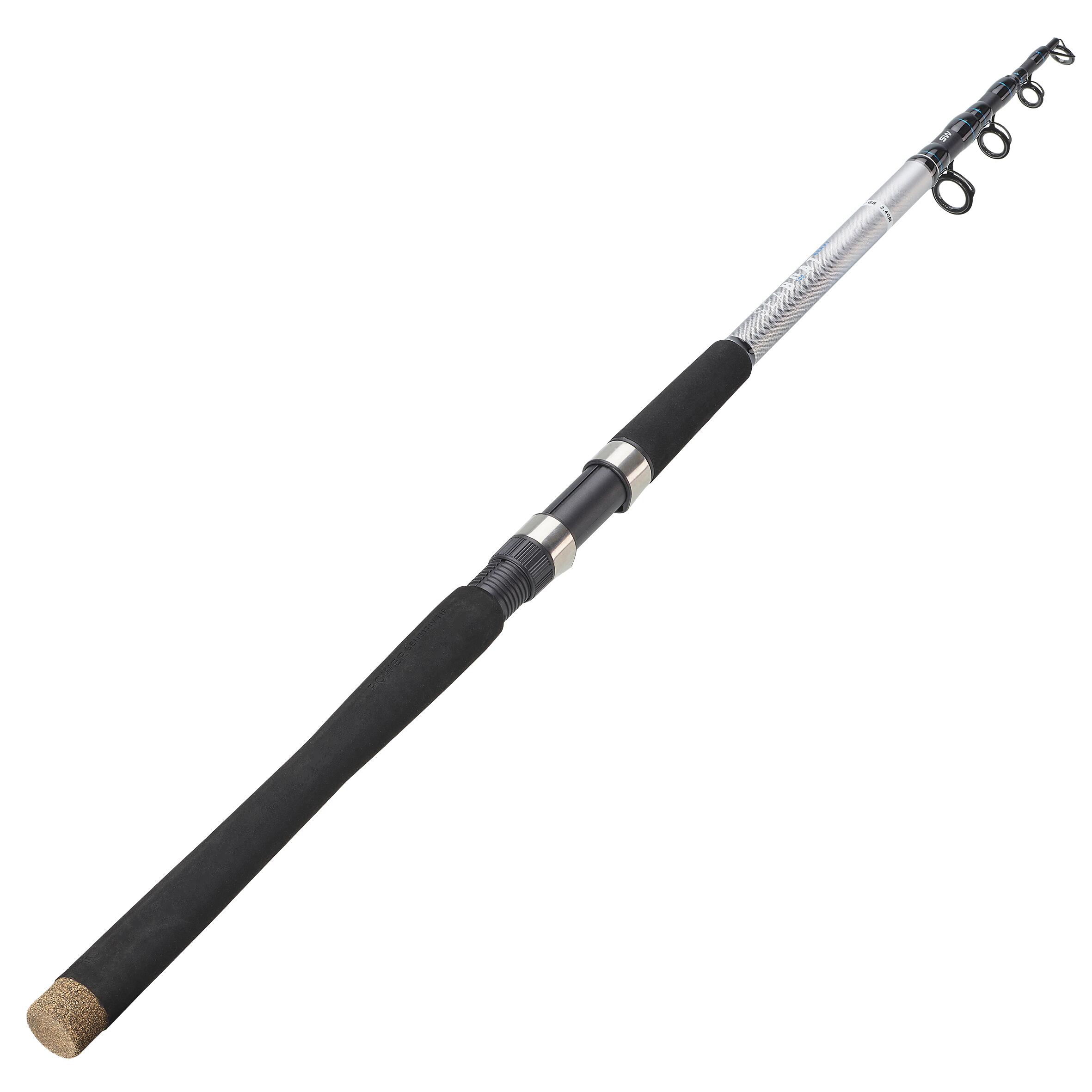
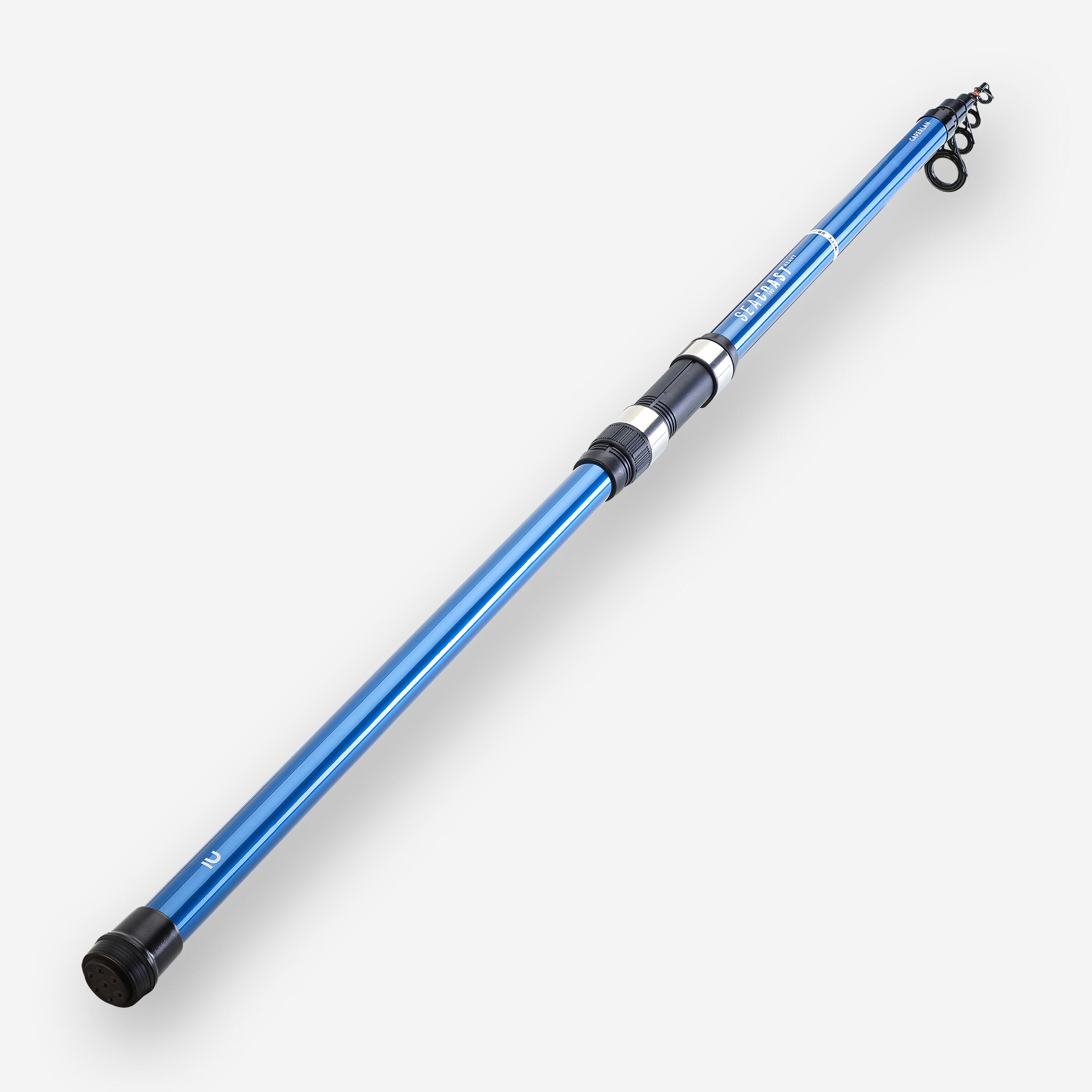
Start with the technique, lure or rig weight and the water you plan to fish. Casting weight tells you the load a rod works with effectively, so a light 5-14 g model serves a very different purpose from an 80-150 g sea rod. Rod action matters as well. A faster blank concentrates more movement towards the tip for sensitivity and lure control, while a more progressive action bends farther through the blank and can feel forgiving when playing fish. Length affects casting reach, line control and transport too. For sea fishing from the bank, a 3.50 m ledgering sea fishing rod combines extra reach with an 80-150 g casting range for heavier coastal rigs.

When does a lighter spinning rod make sense?

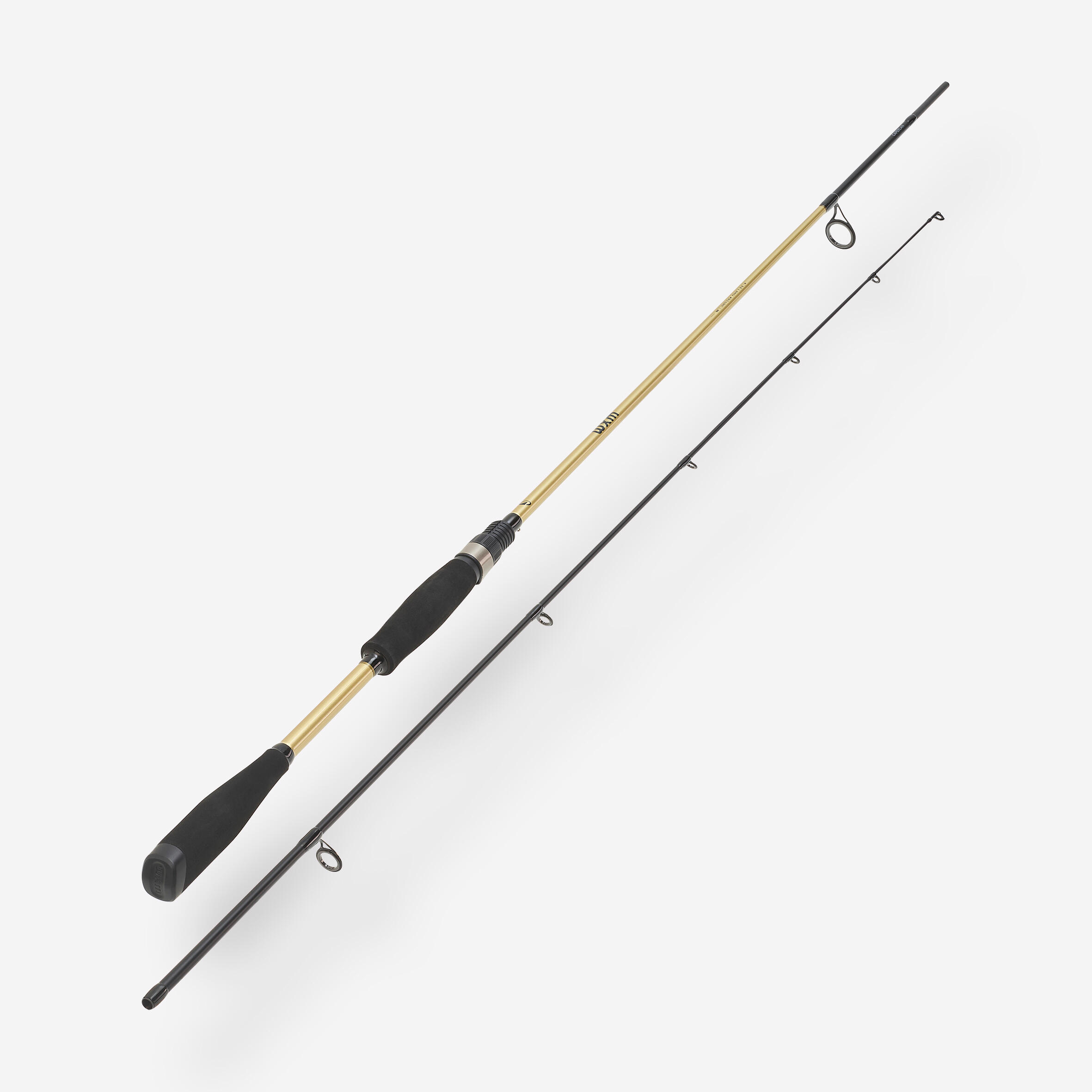
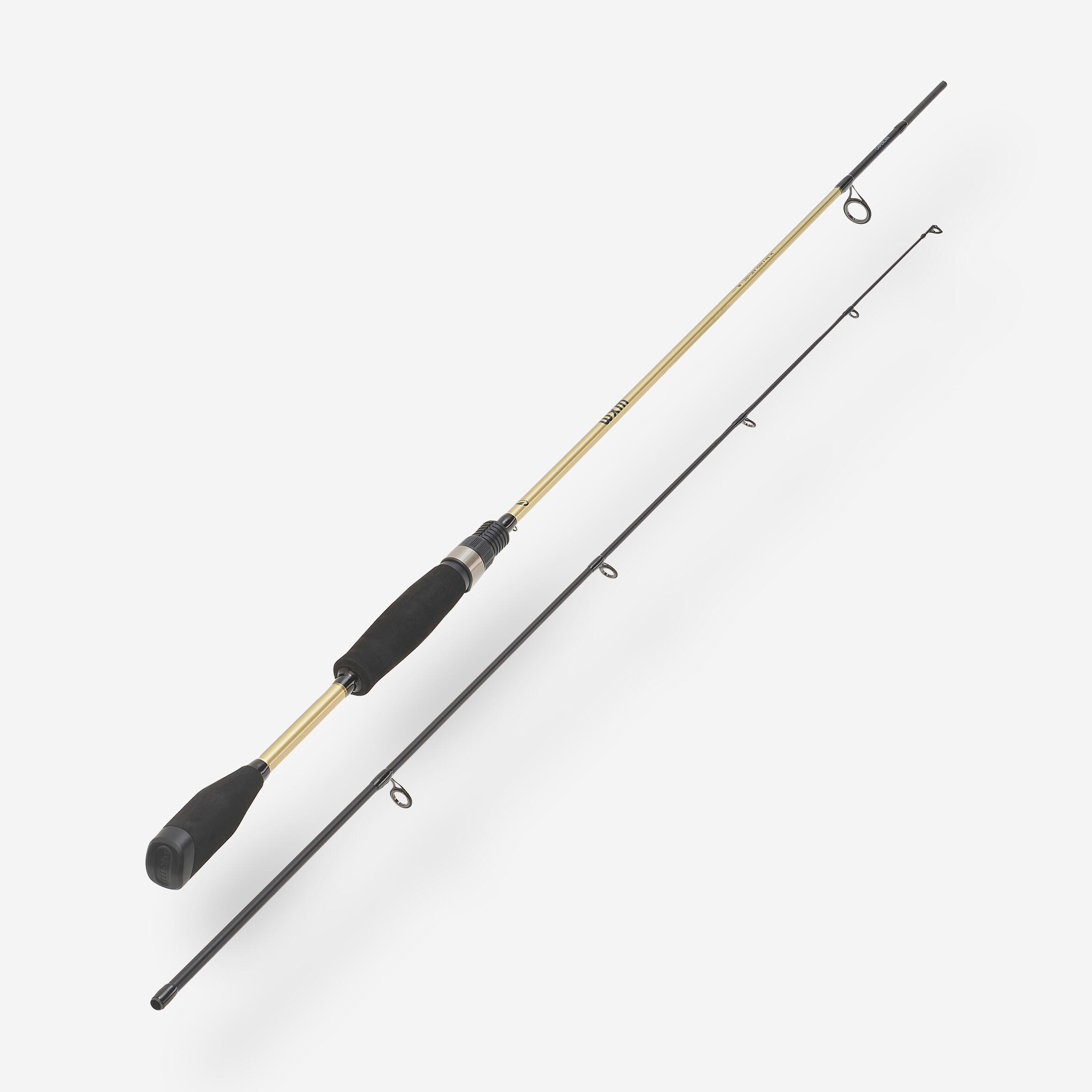
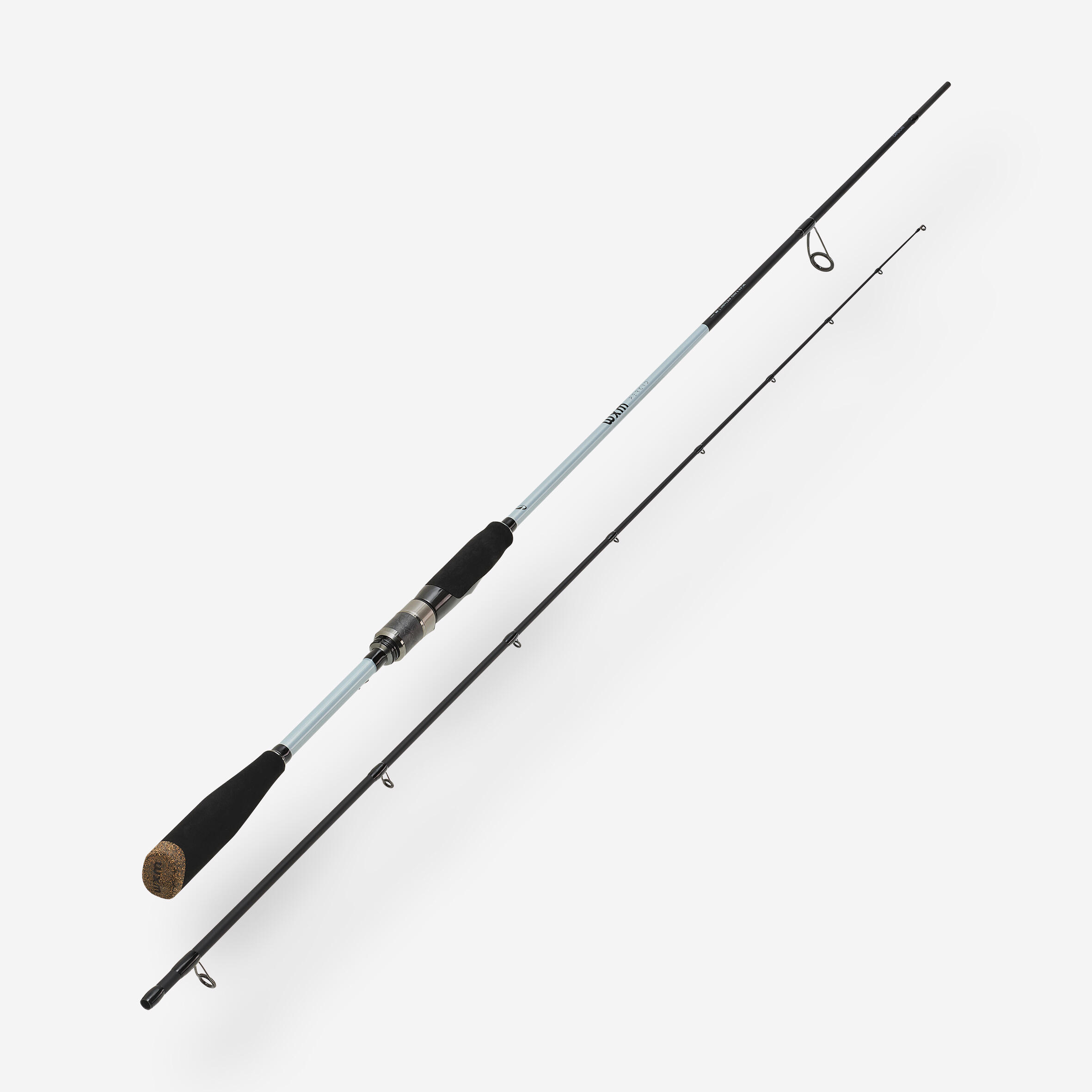
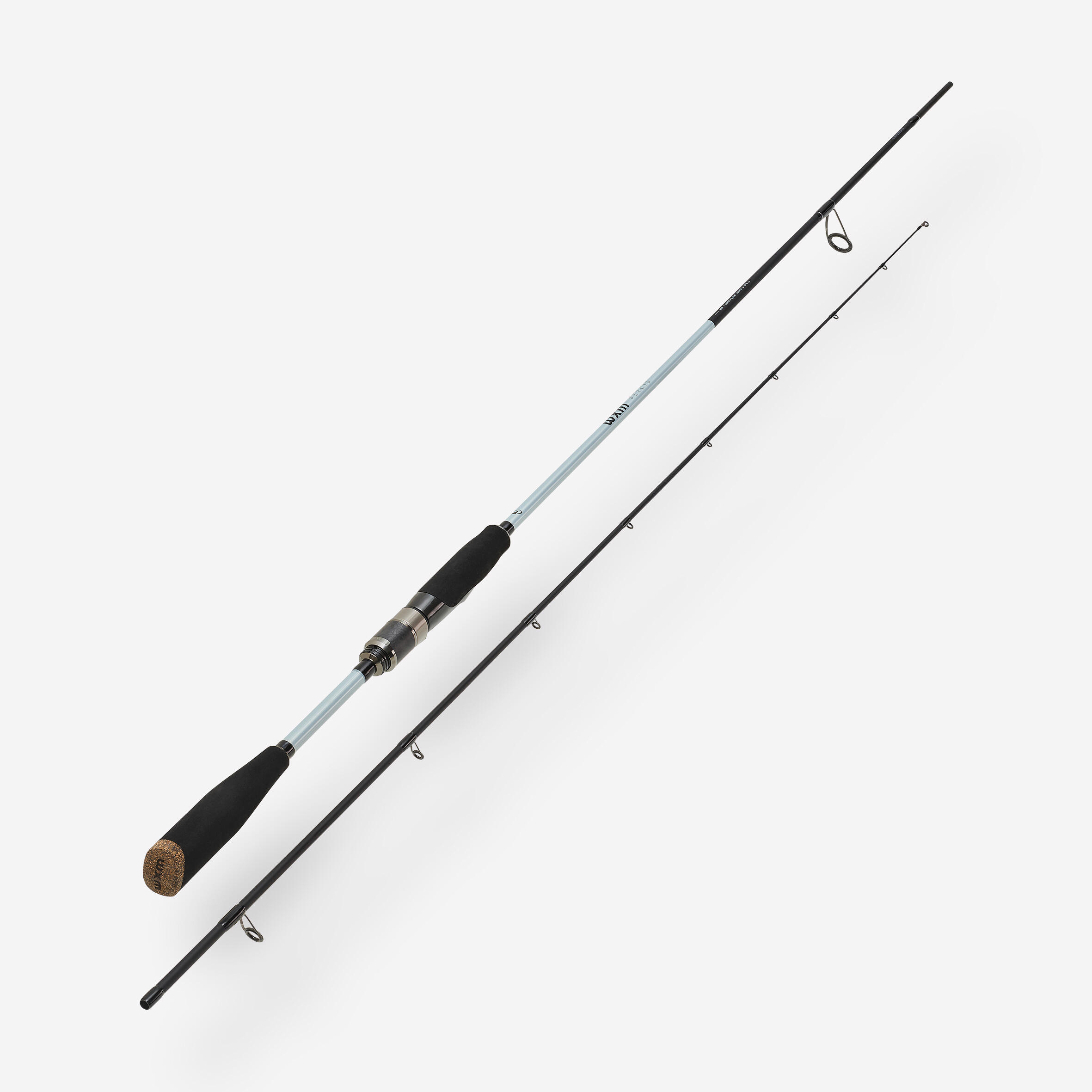
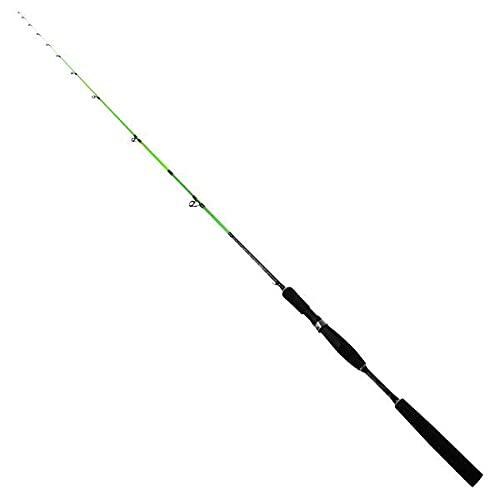
A lighter spinning technique works well when you cast smaller lures repeatedly and want to feel what is happening at the end of the line. Shorter rods can also feel easier to control around confined banks, vegetation or other places where a long blank becomes awkward. The Caperlan WXM 100 combines carbon fibre and fibreglass, giving the blank a balance of responsiveness and durability for anglers building confidence with lure fishing. Its 1.80 m length and 5-14 g casting range suit lighter presentations rather than large pike lures or heavy sinkers. A spinning fishing rod with this specification can suit frequent casting where manageable weight and precise lure control matter.

What makes a sensitive lure rod useful?

Sensitivity helps you detect subtle changes through the line, including a lure touching the bottom, moving through vegetation or receiving a light take. Caperlan uses higher-grade carbon construction on selected WXM 500 rods to reduce unnecessary weight while increasing responsiveness through the blank. Guide quality also influences how smoothly the line travels and how the rod feels during repeated casts. The 2.40 m WXM 500 uses a 10-30 g casting range, giving it enough versatility for several medium-weight lure presentations without moving into the heavier tackle used for large pike. This type of lure fishing rod suits anglers who value bite detection, lure feedback and more accurate control during the retrieve.

Why do pike rods use heavier casting ranges?

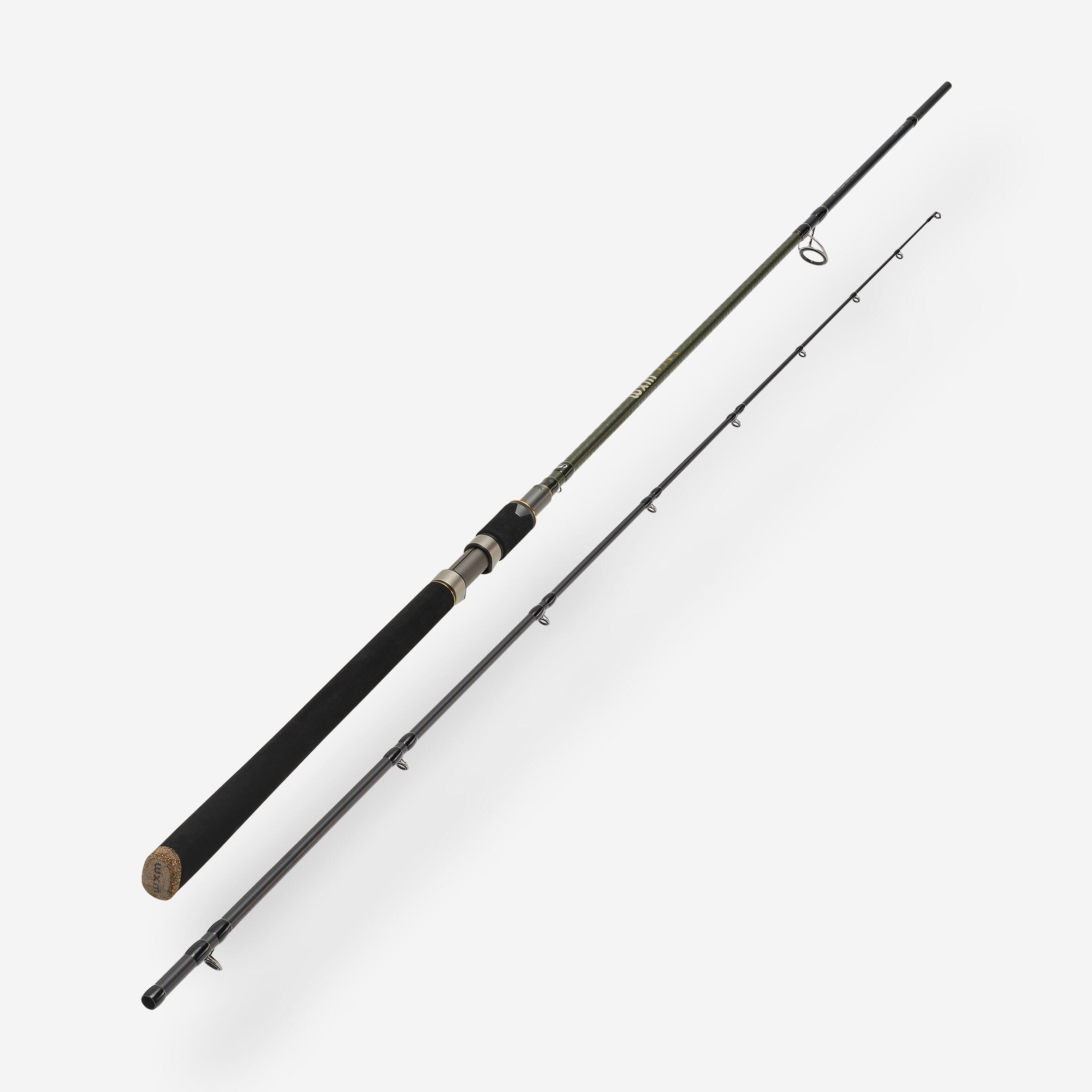
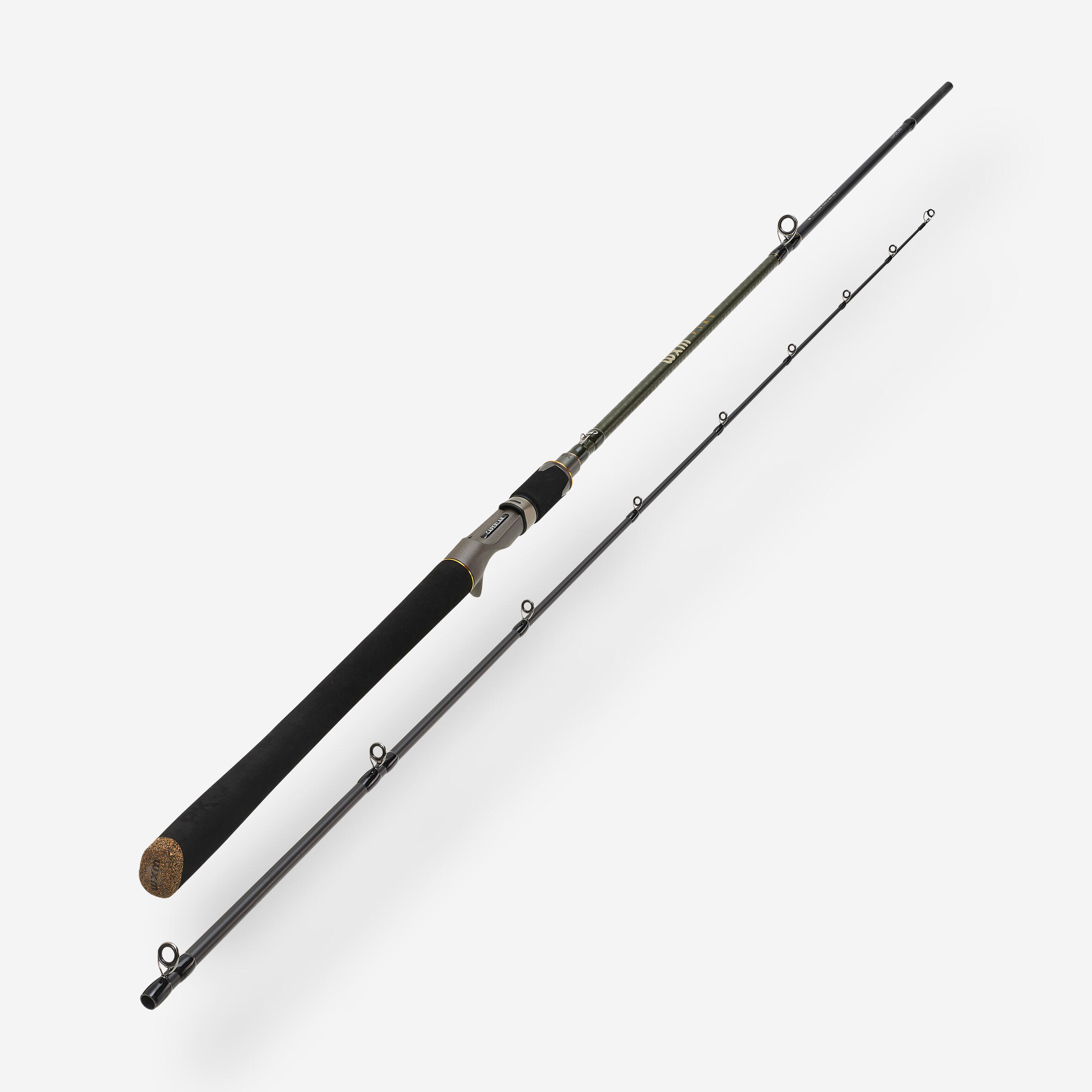
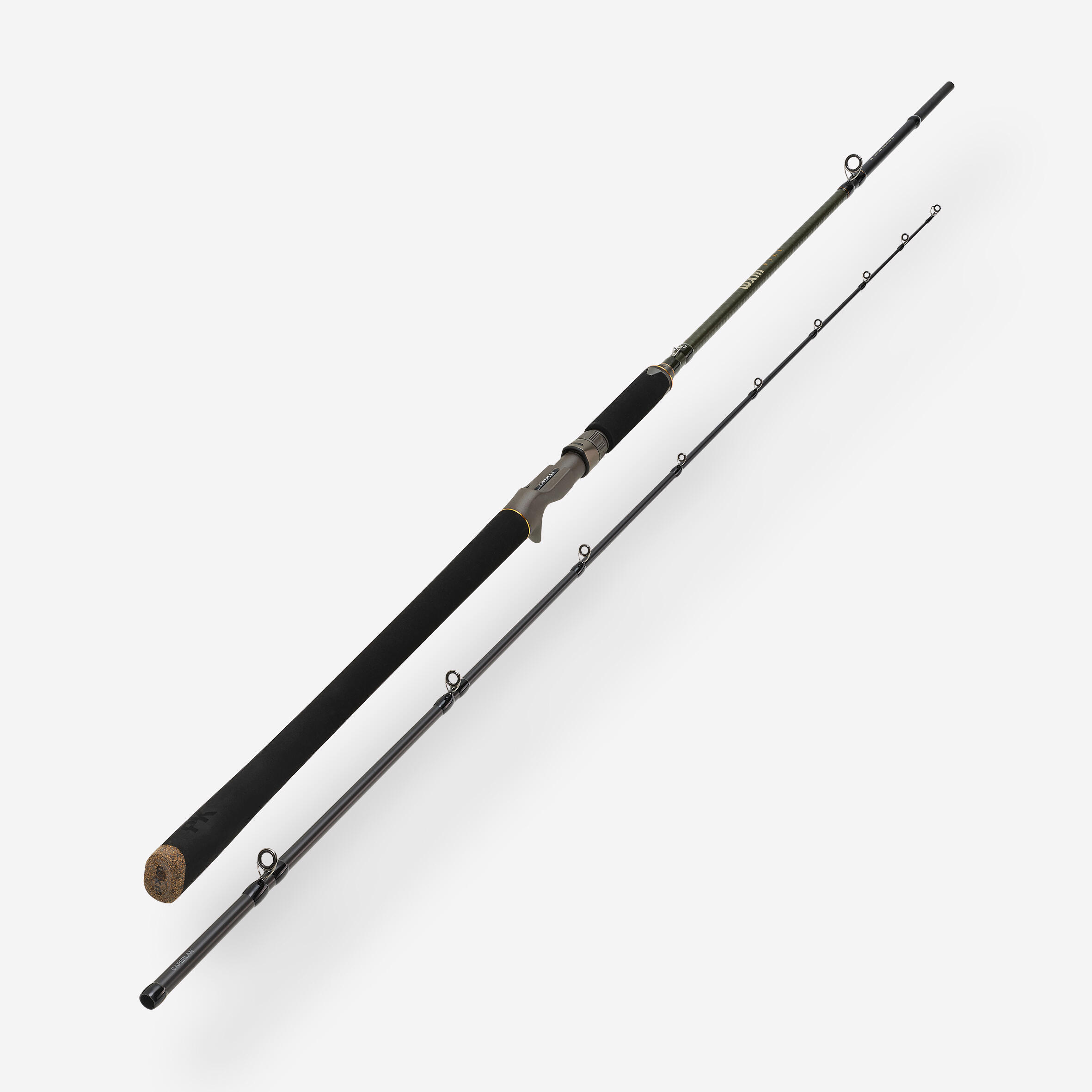
Large soft lures, swimbaits and other pike presentations can weigh considerably more than small perch lures, so the rod needs enough power to cast and control them safely. Using a lure above the stated casting range places unnecessary strain on the blank, while an excessively heavy rod can make smaller lures difficult to work properly. Caperlan's WXM 500 pike model uses a 14-85 g range, allowing one rod to cover several heavier lure weights. Its action and blank construction also help control larger fish once hooked. A dedicated casting pike rod therefore makes more sense when heavy lures form a regular part of your fishing rather than an occasional exception.
How do you transport and care for fishing rods?

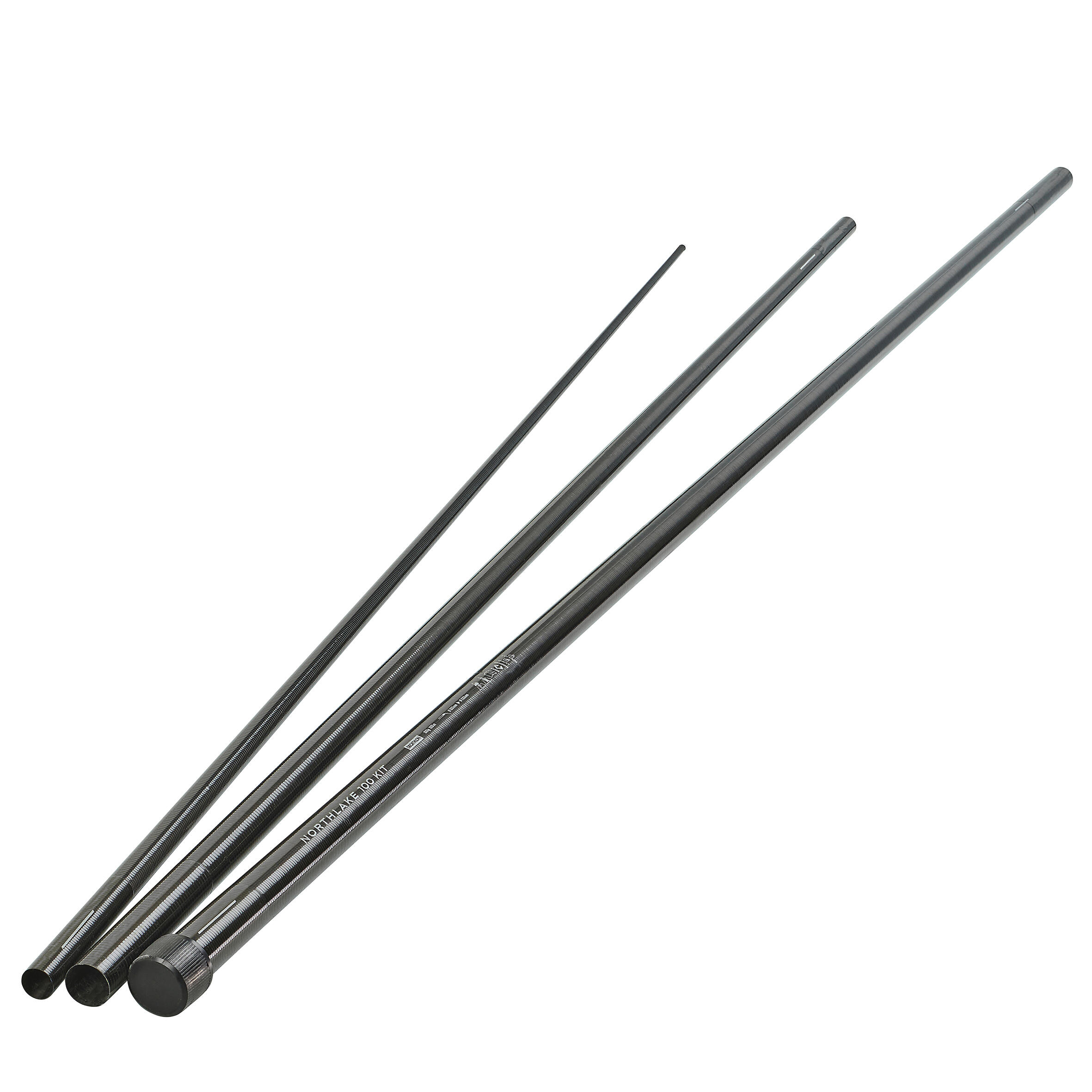
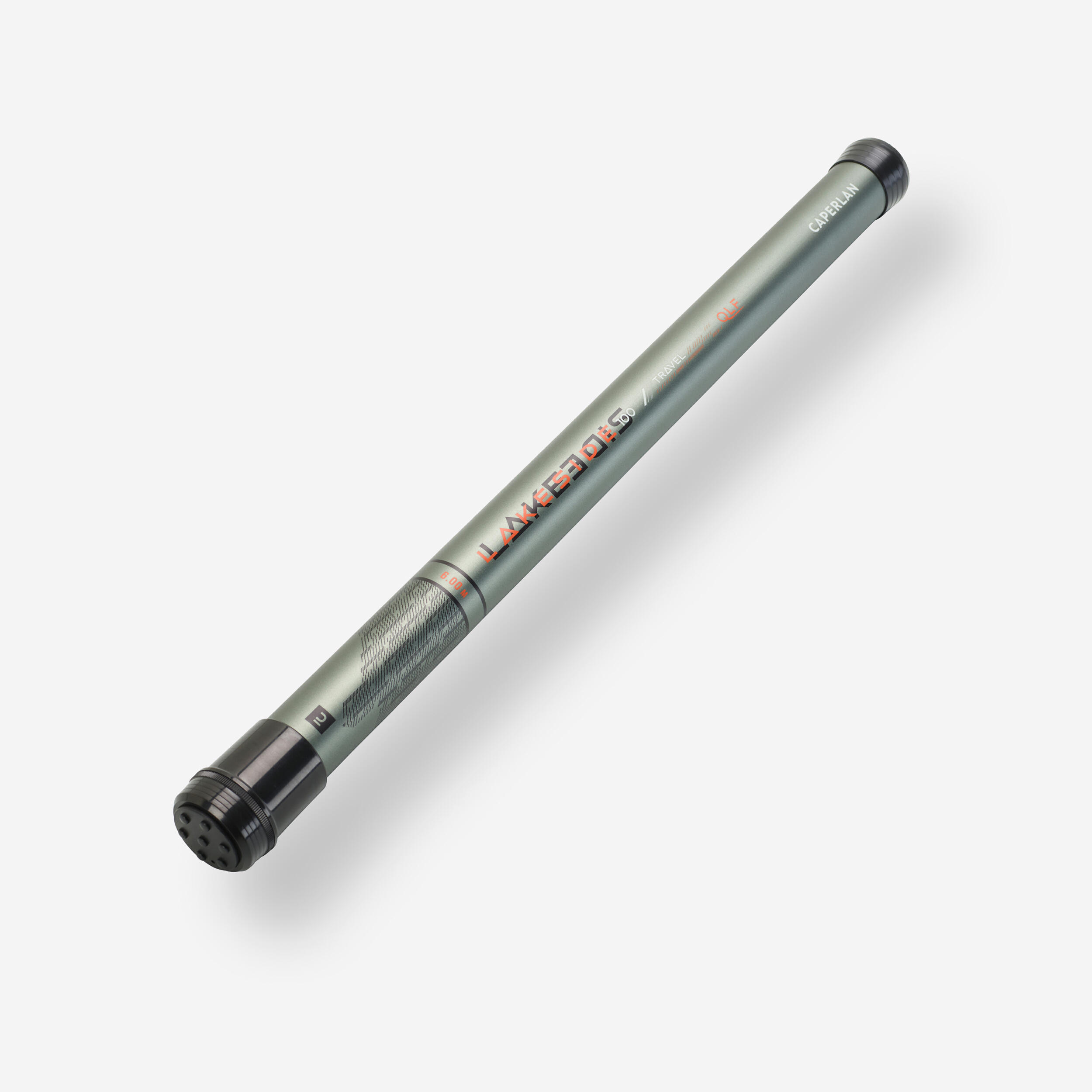
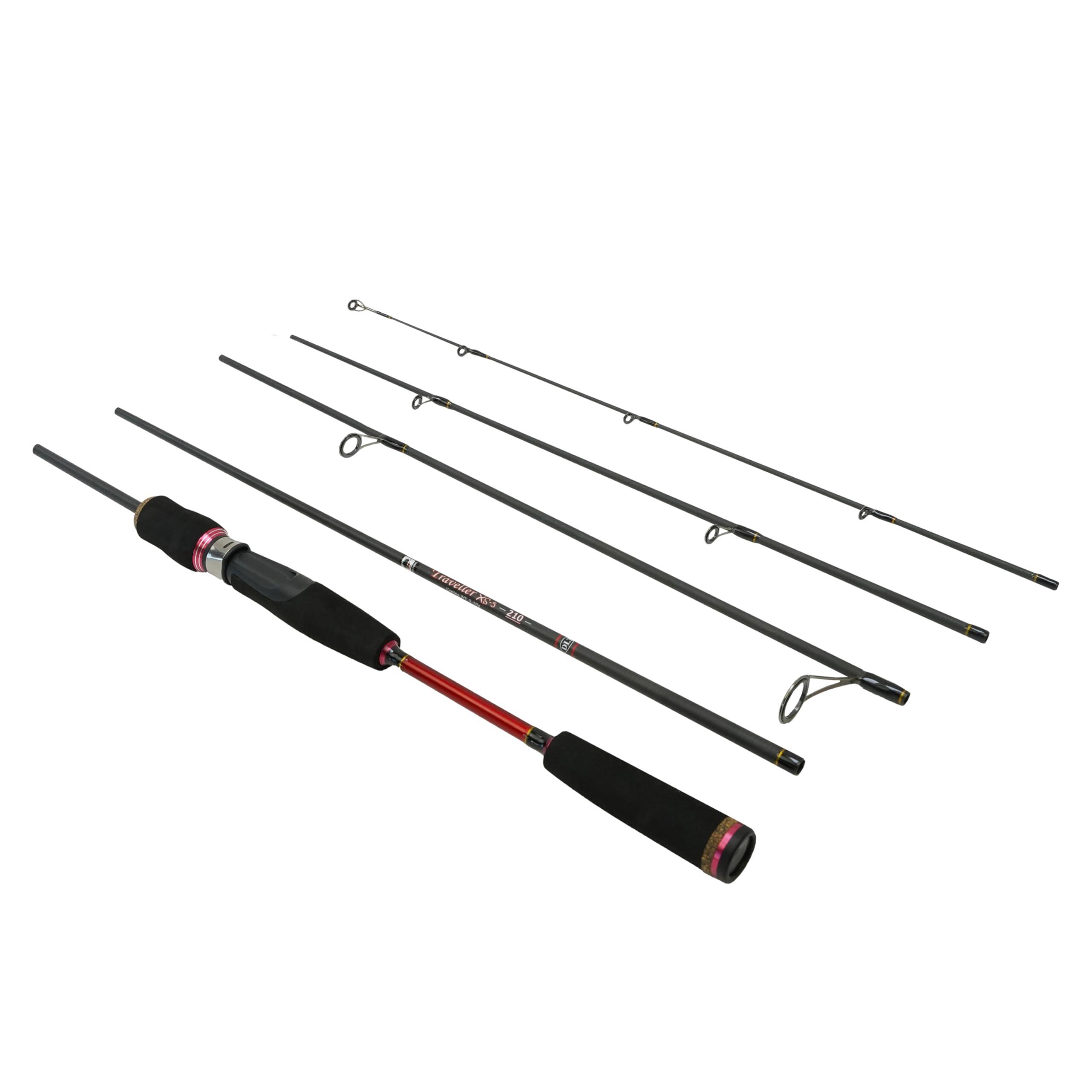
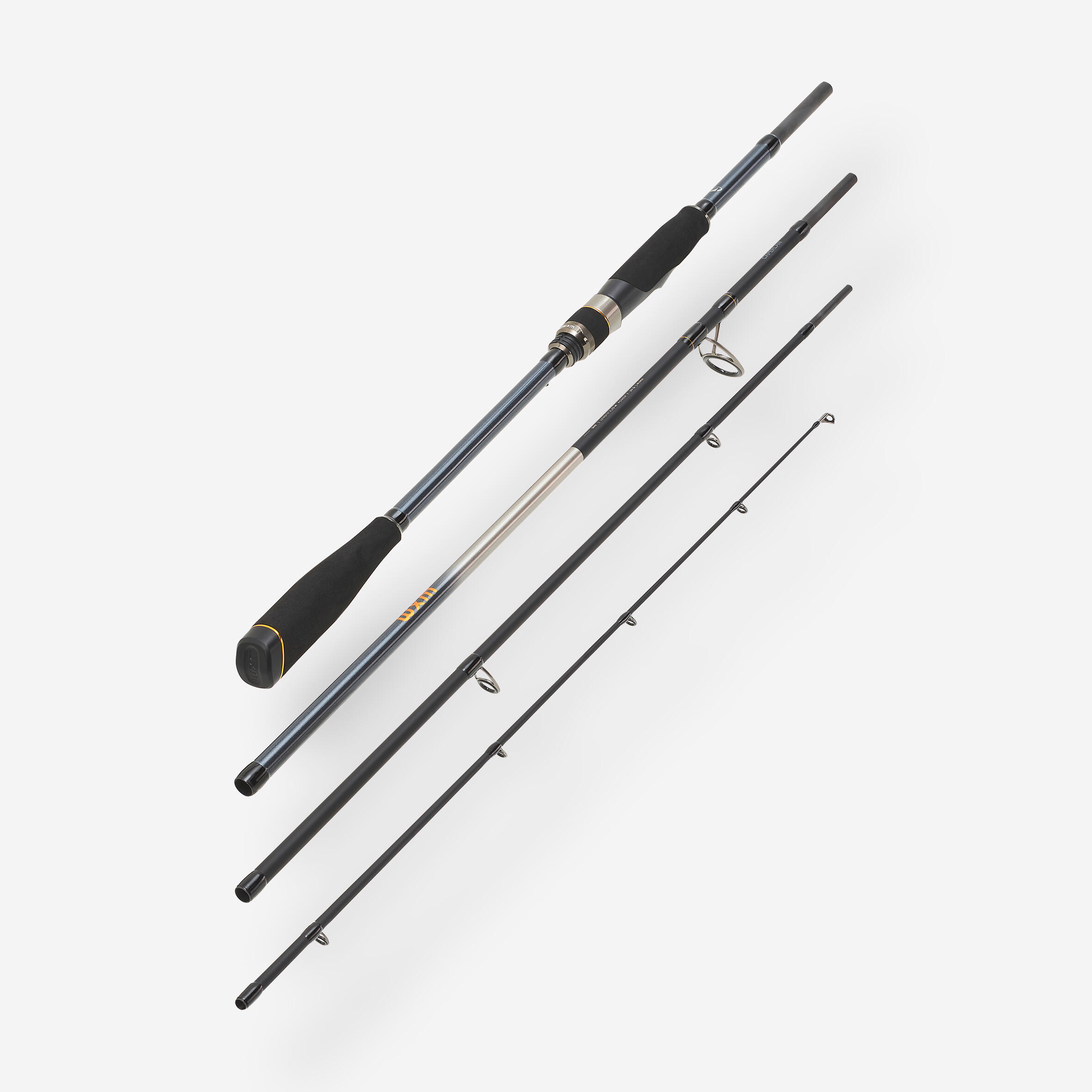
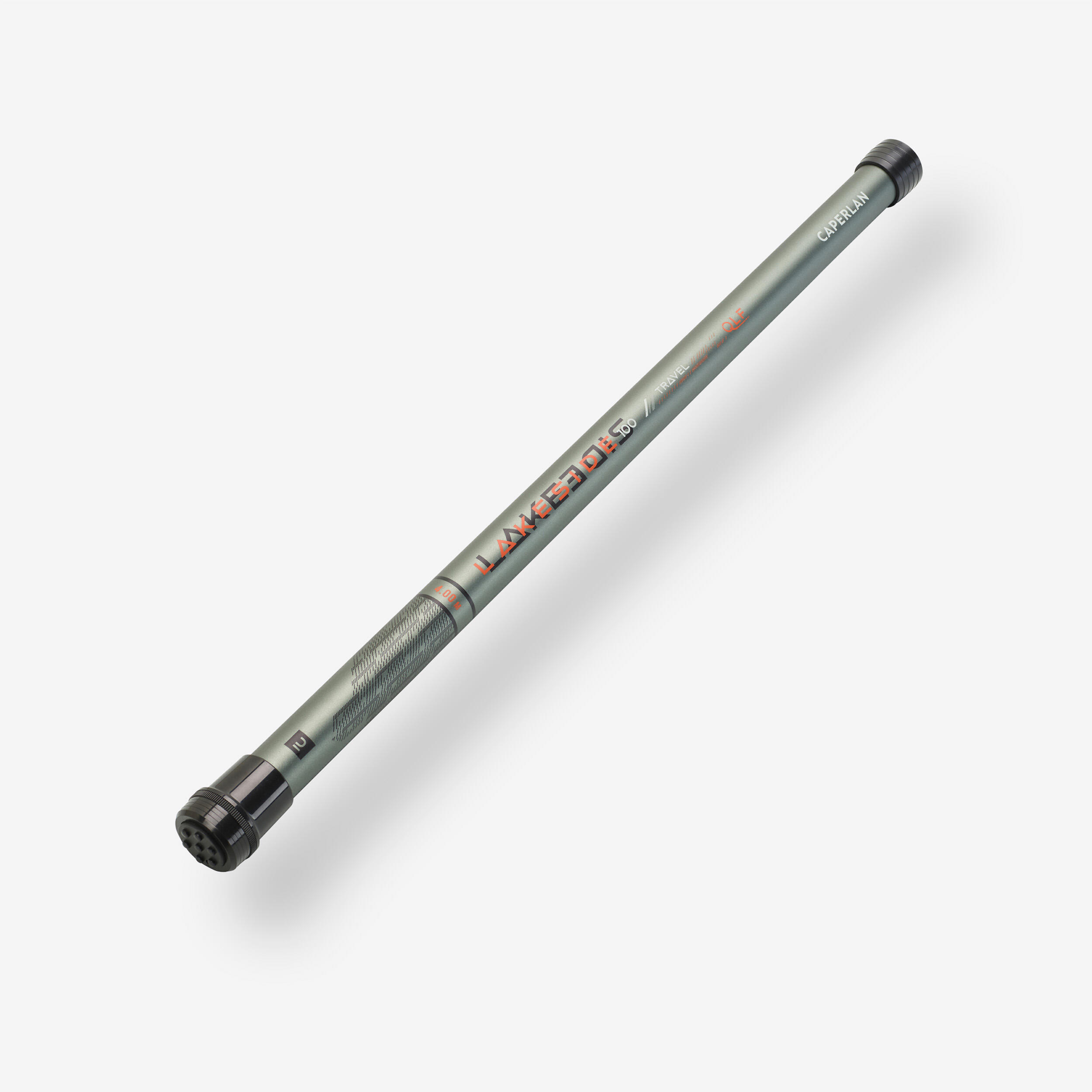
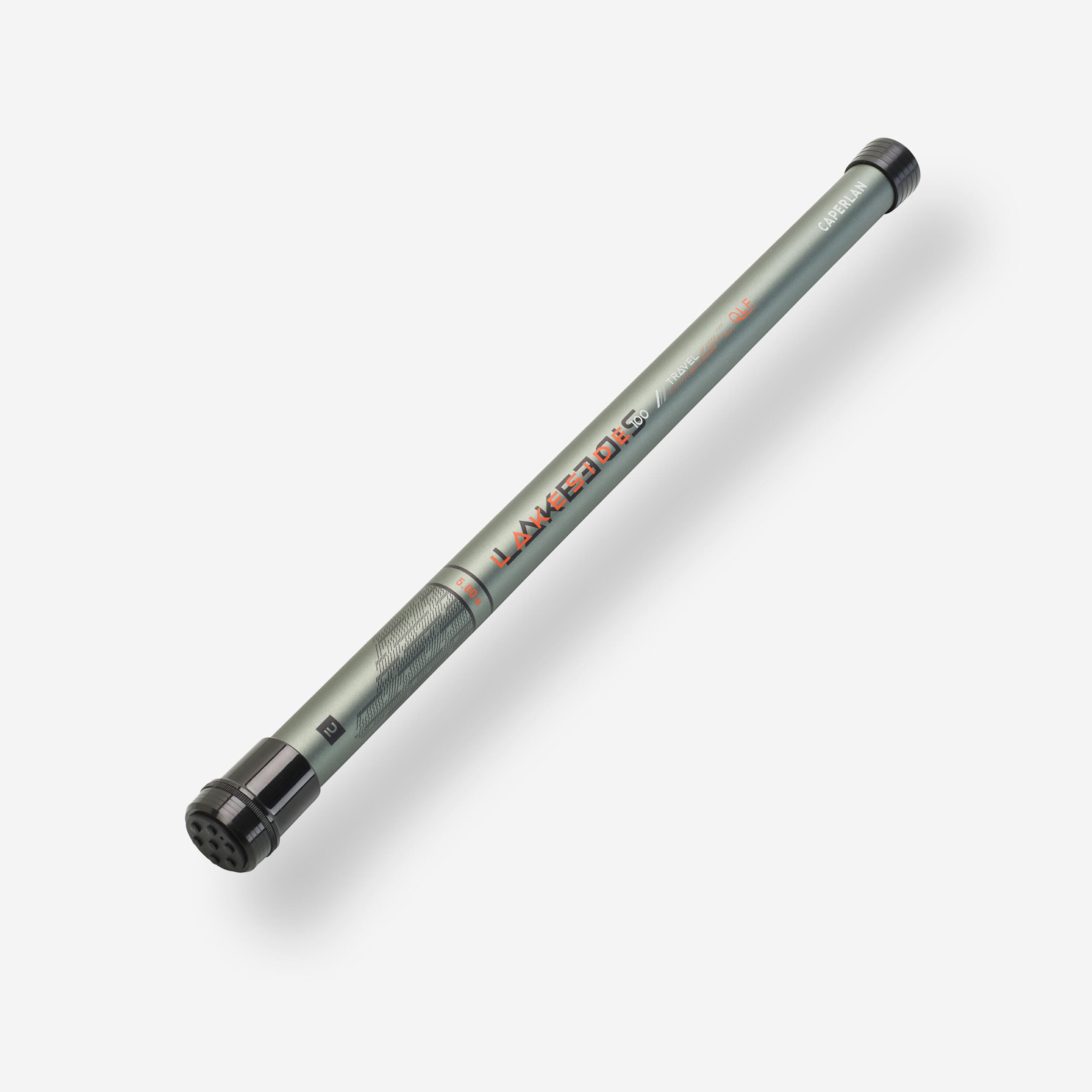
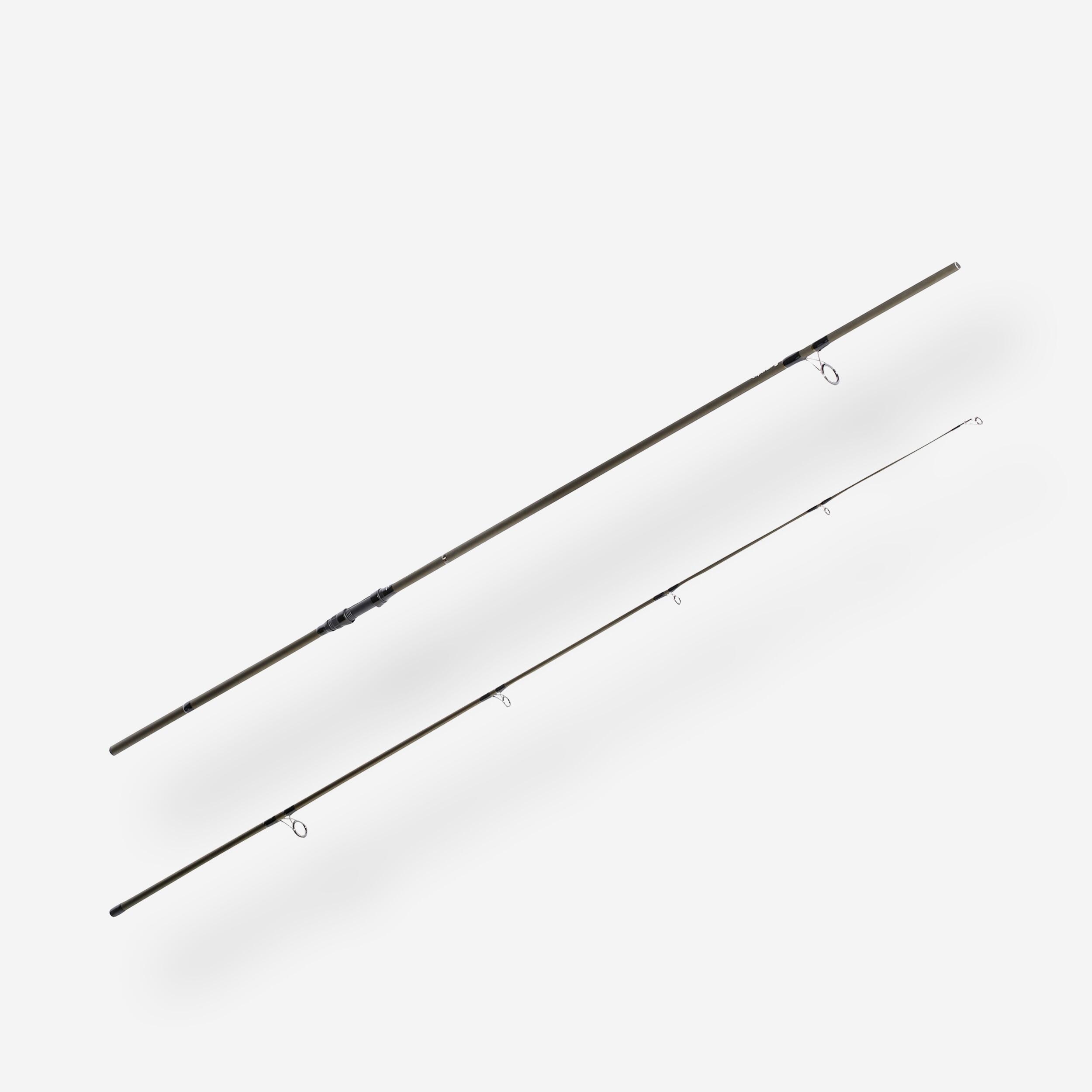
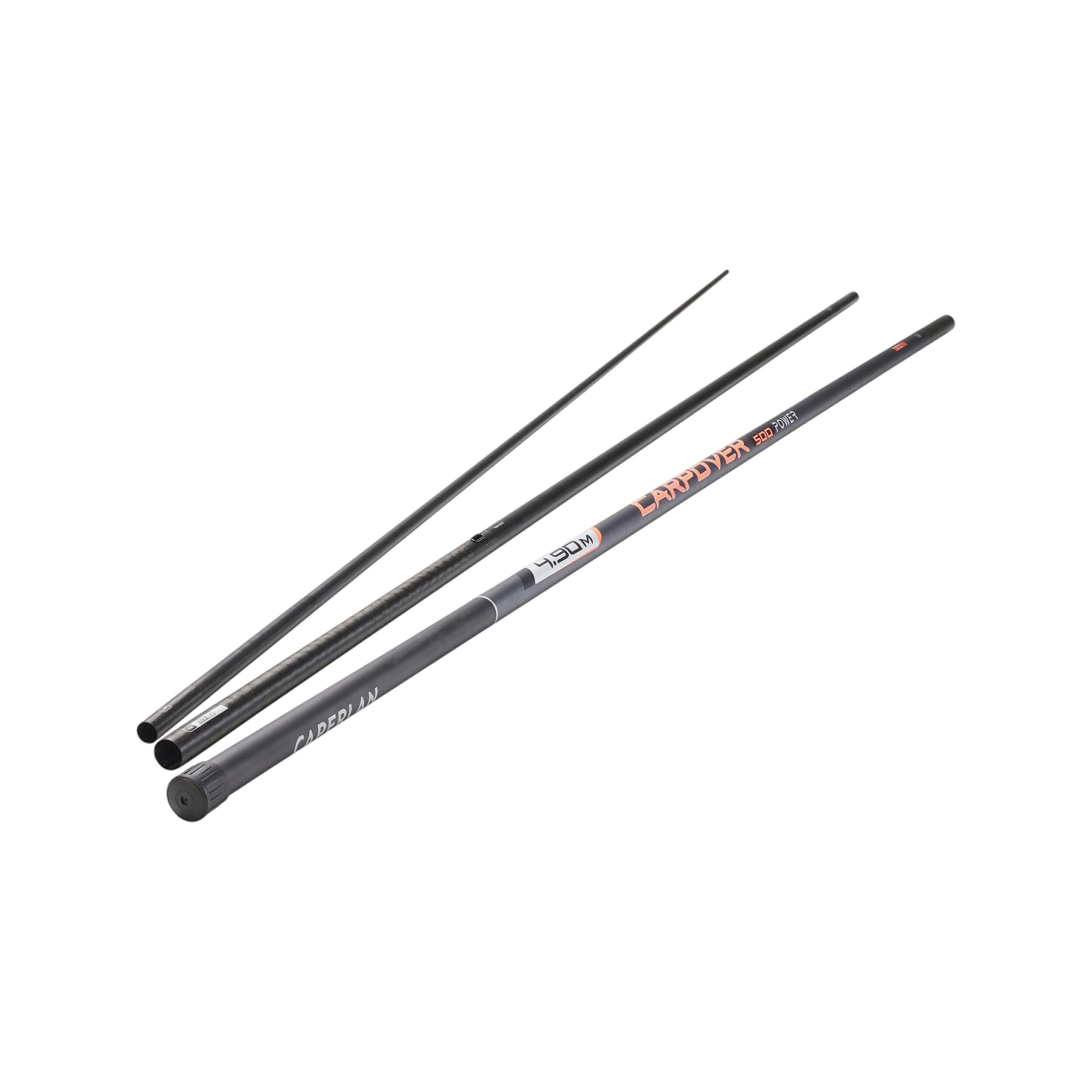
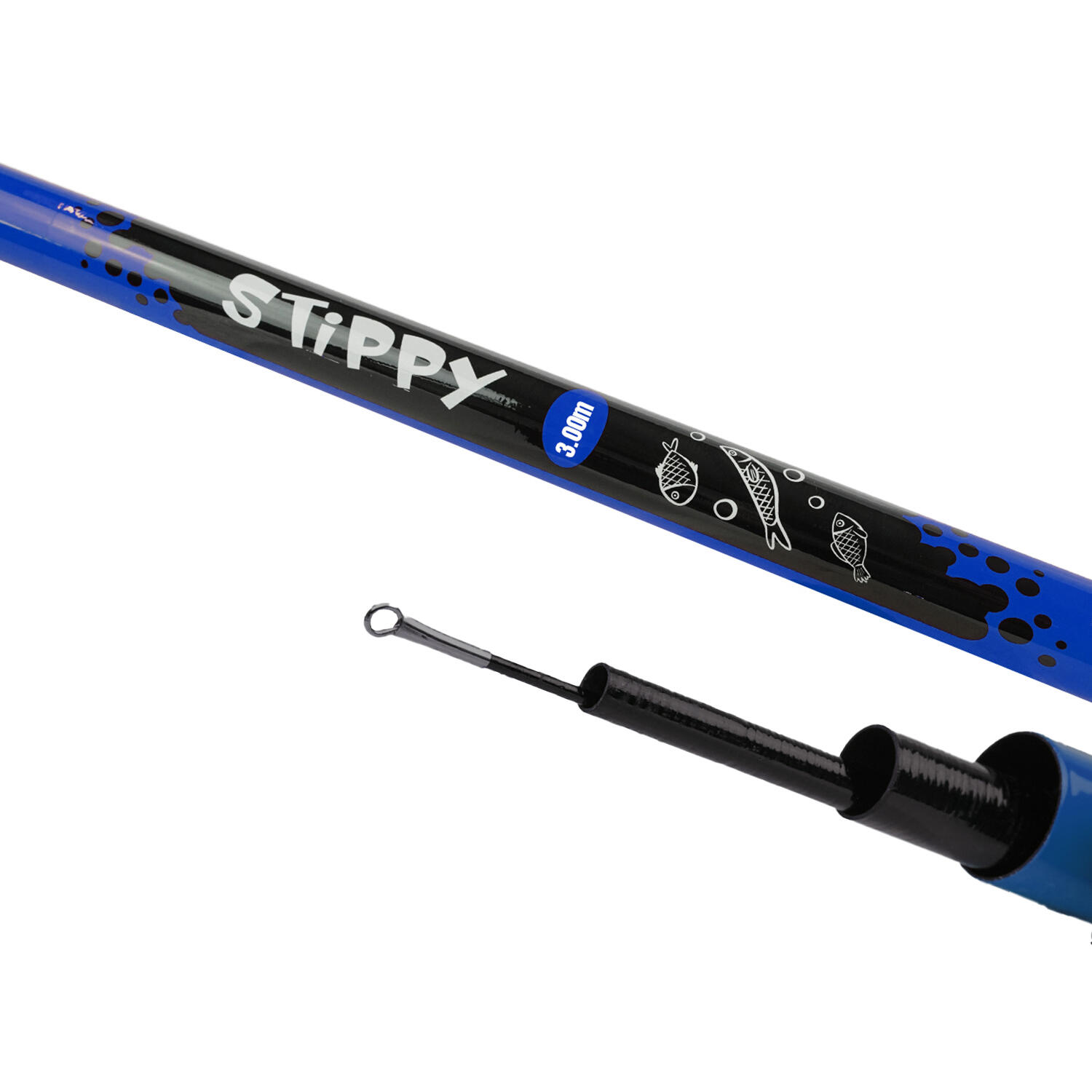
Break down sectional rods carefully and collapse telescopic models one section at a time rather than forcing several sections together. Keep guides aligned during assembly and inspect them for chips or cracks, as a damaged guide can wear fishing line. After saltwater use, rinse suitable rod components with fresh water and allow everything to dry before storage. Caperlan also supplies replacement tips, sections and caps for selected models, so localised damage does not always mean replacing the complete rod. Travel models can reduce packed length substantially, with some full-size rods separating into sections around 60 cm long. Keep rods protected alongside your other fishing equipment during transport, and never use a long rod near overhead power lines or during thunderstorms.