514 items
4.7/5 based on 48880 reviews collected online and in stores

Saltwater Fishing FAQs

What kind of rig works best for your initial saltwater fishing sessions?

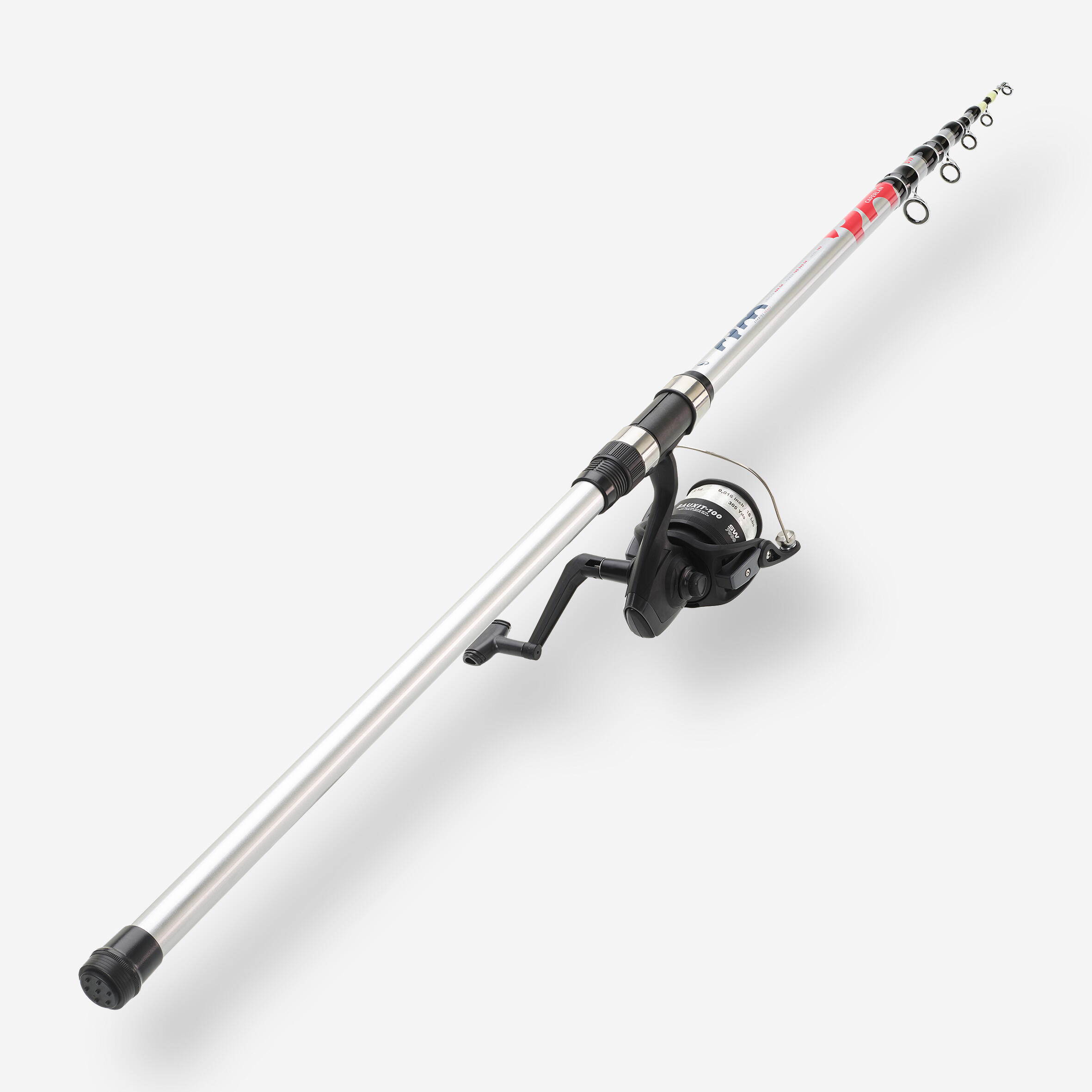
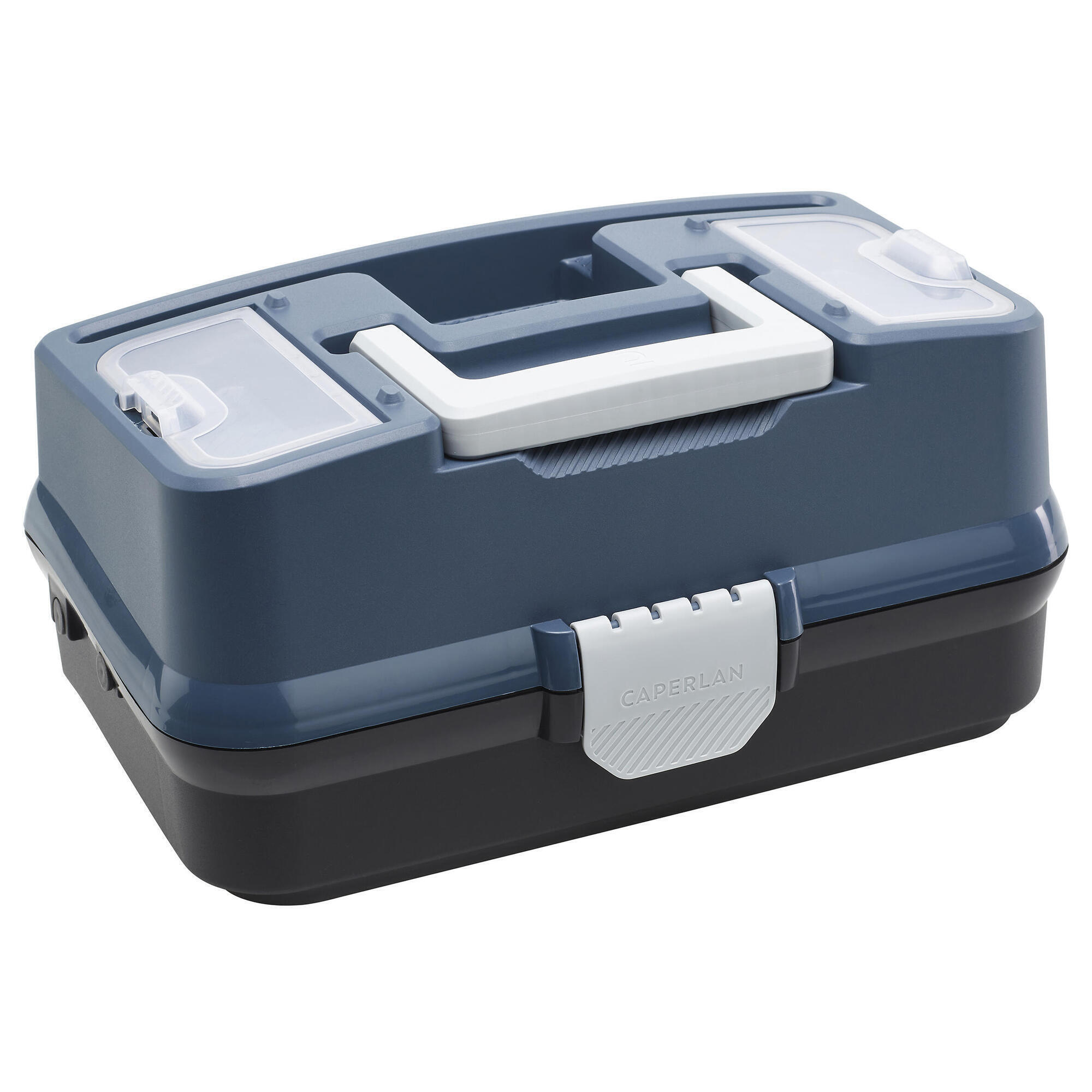
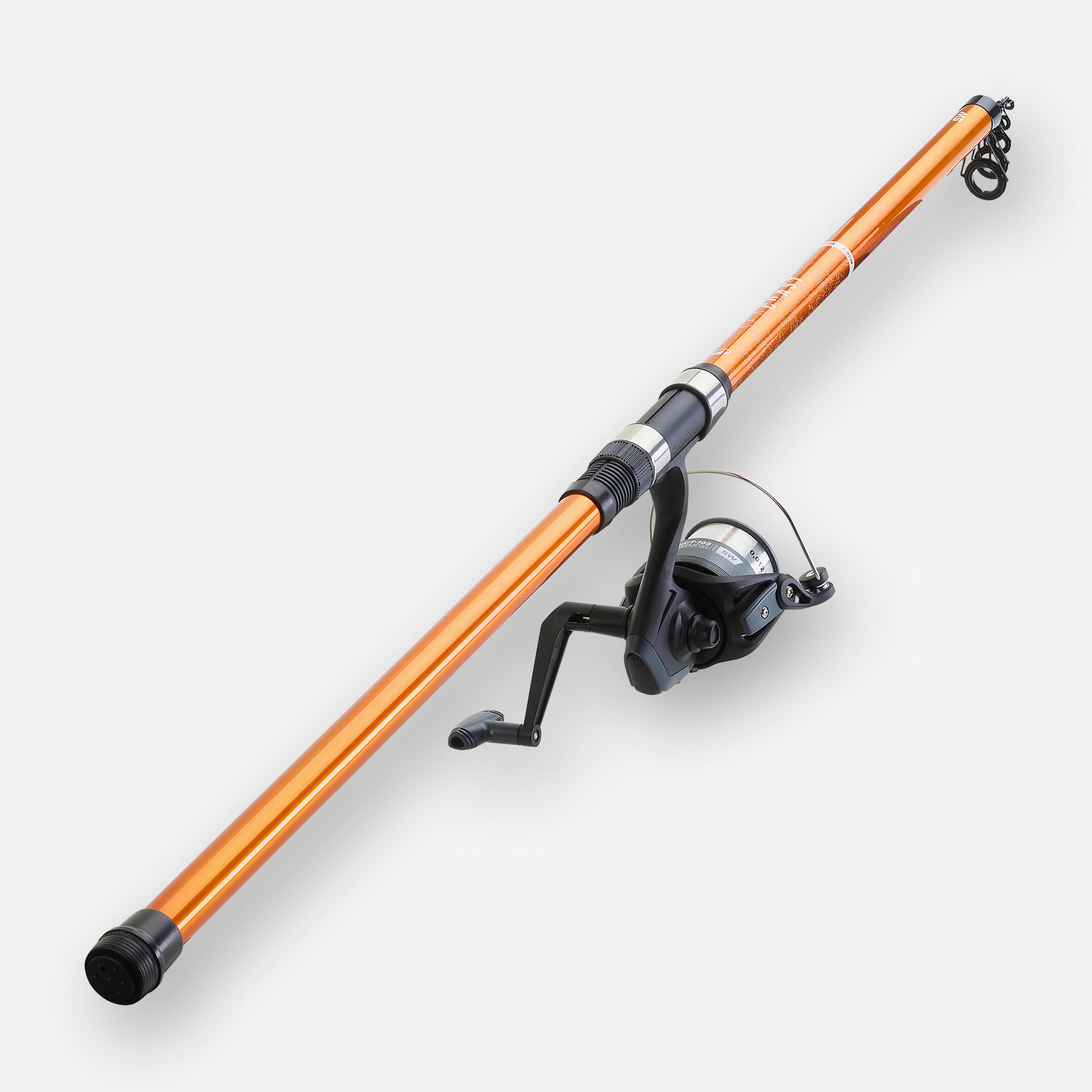
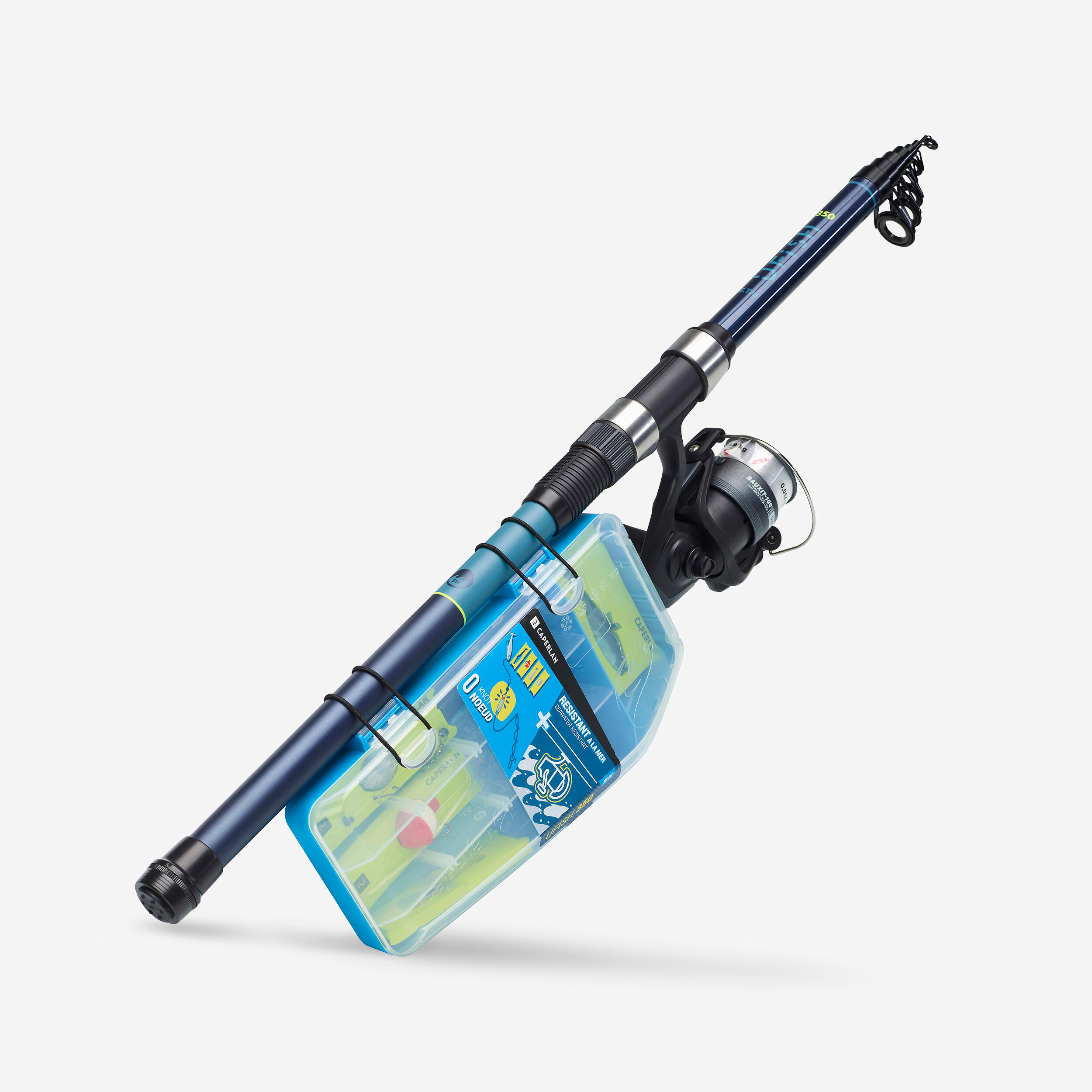
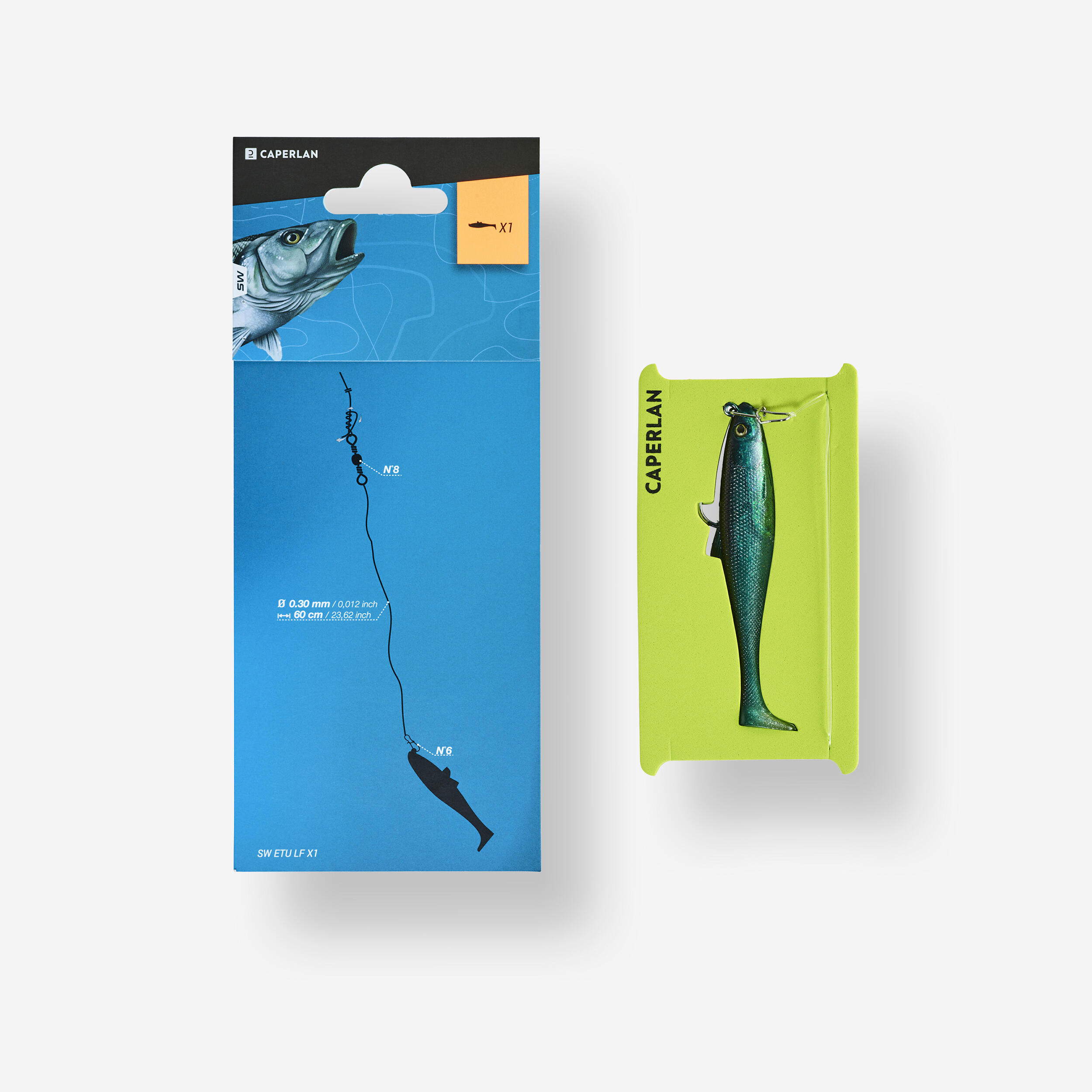
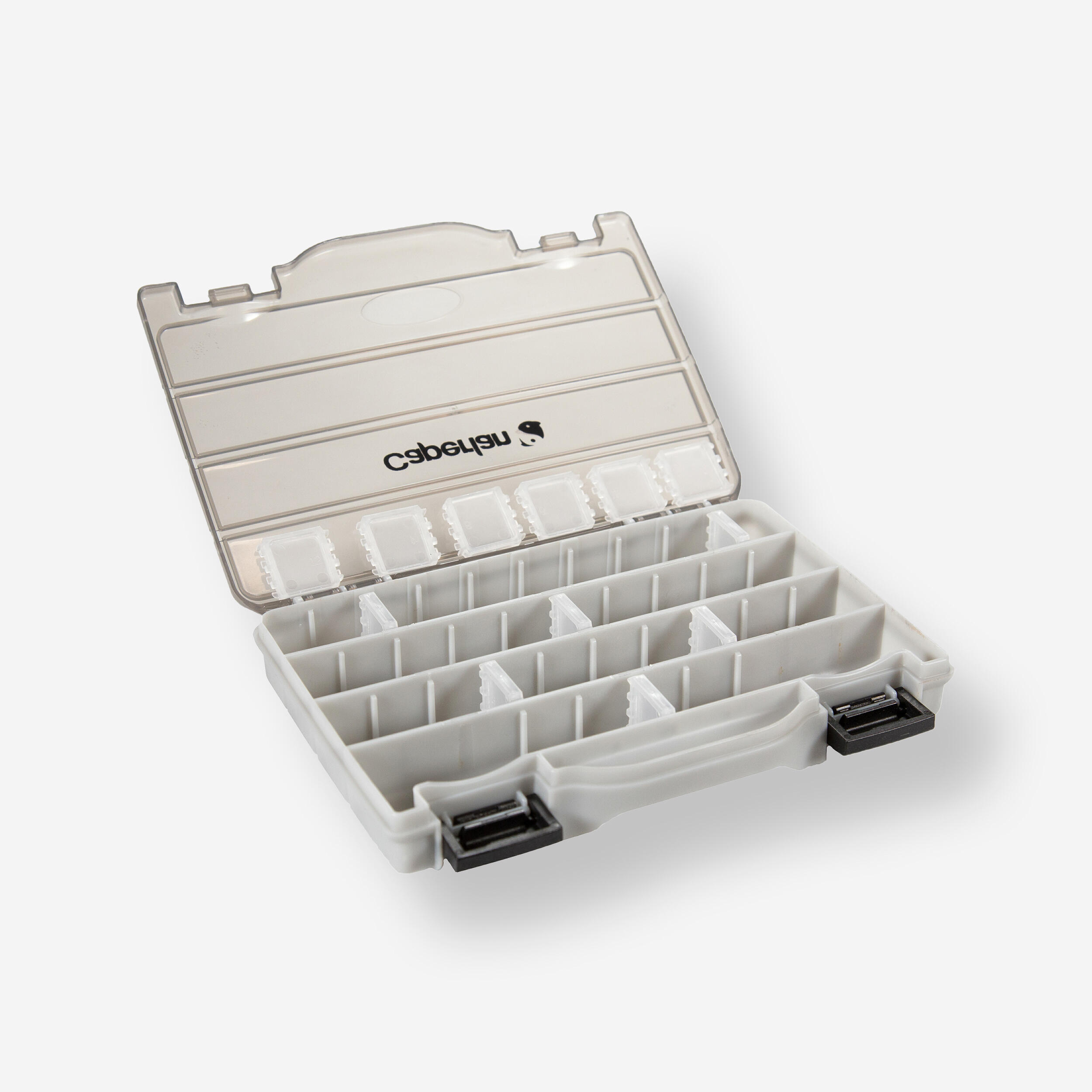
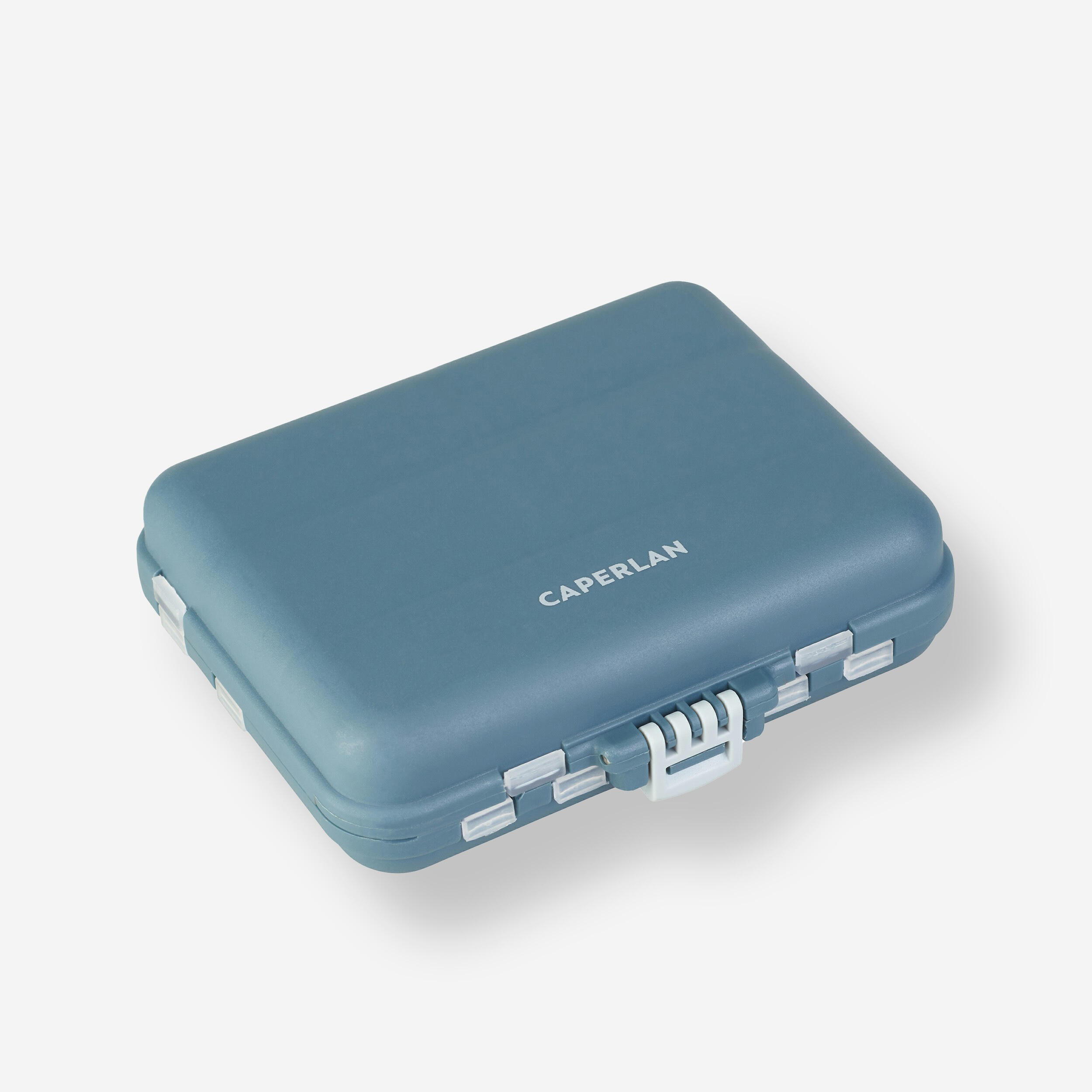
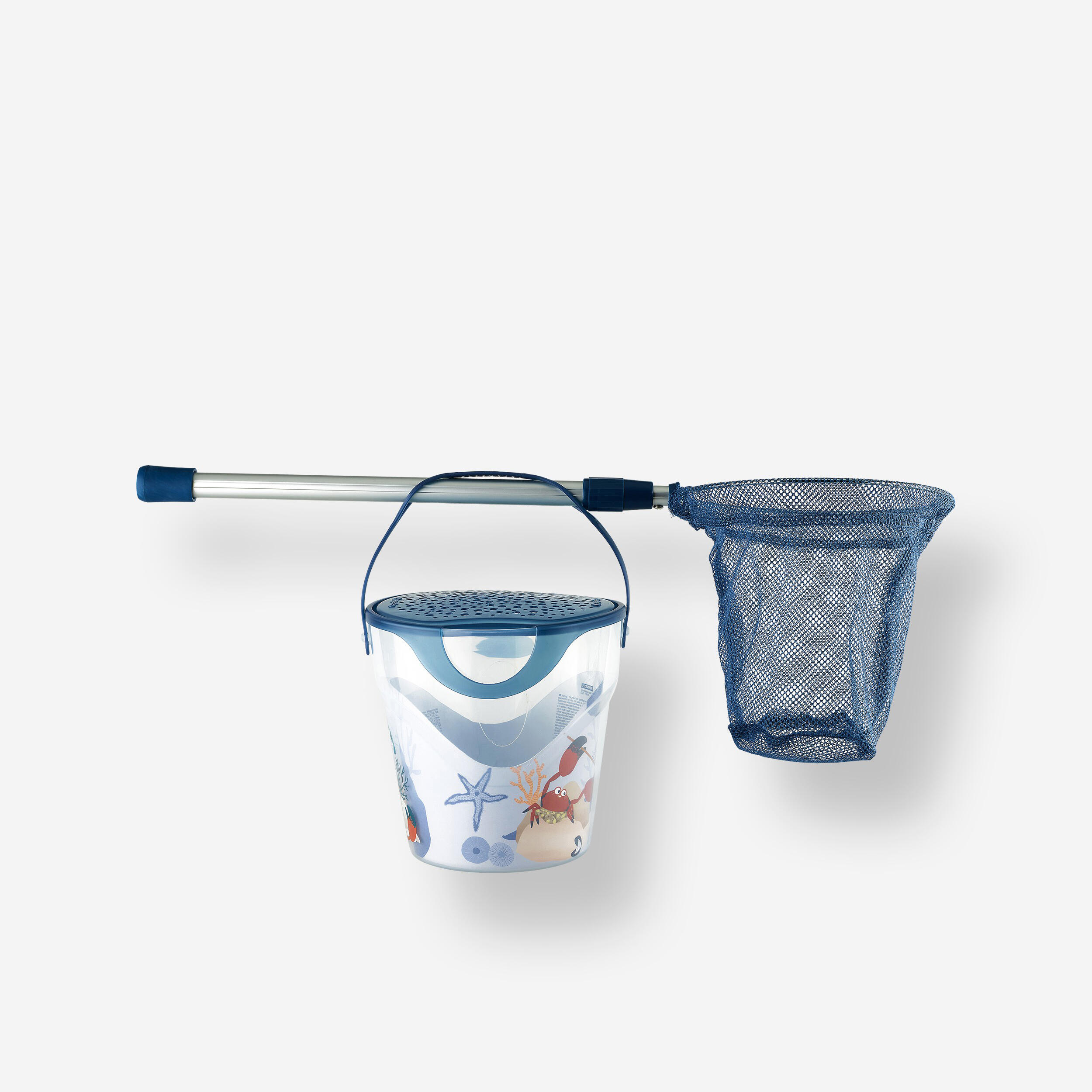
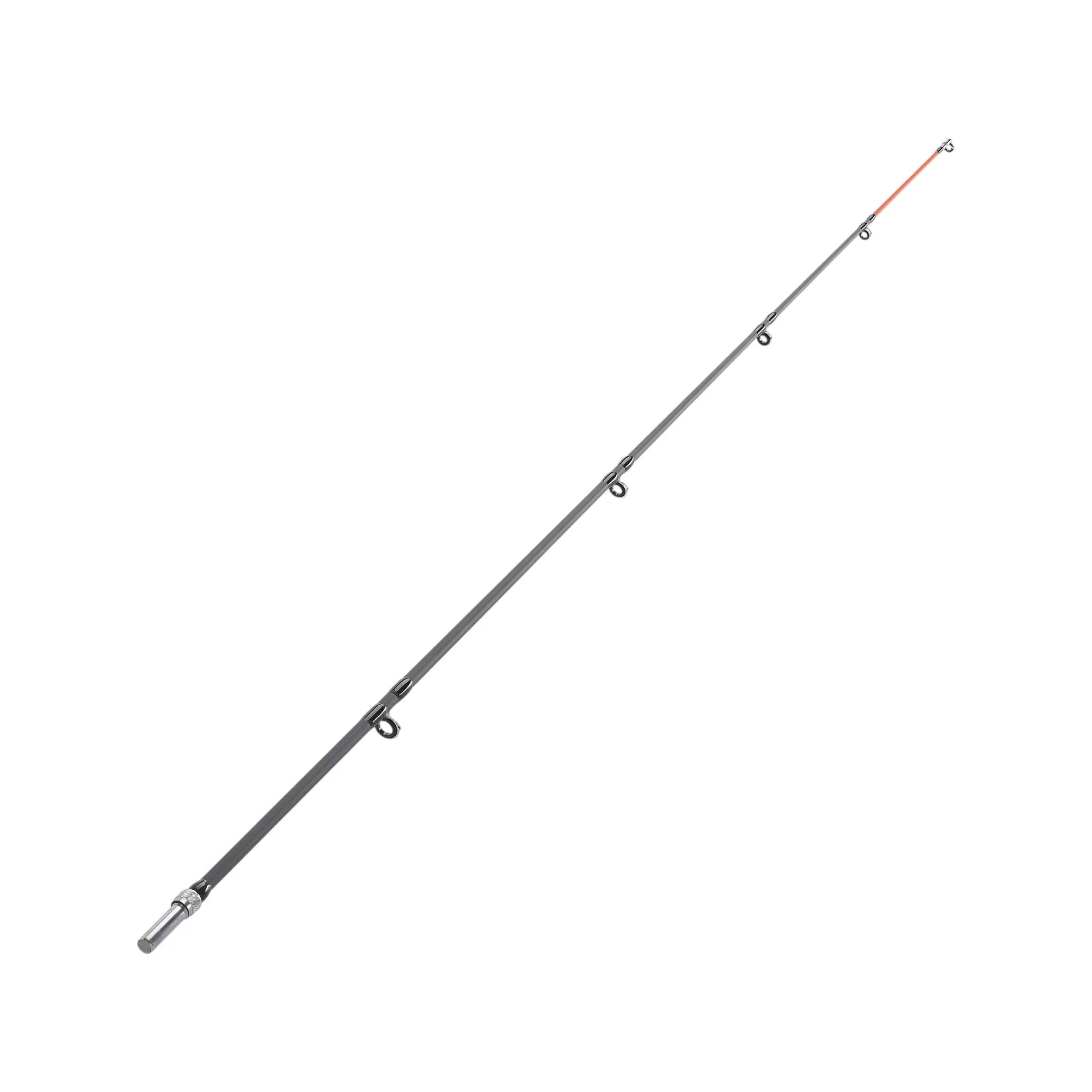
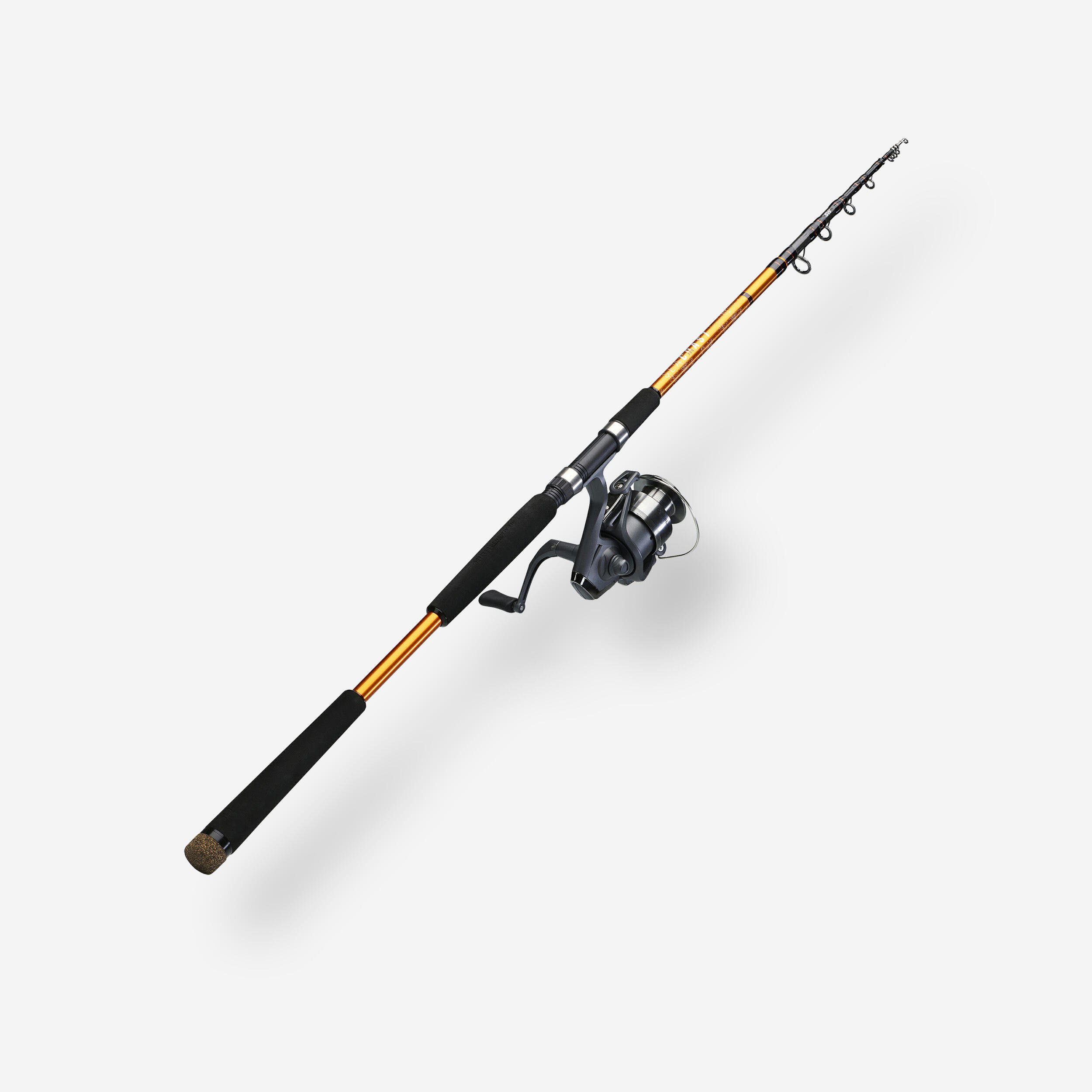
Start with where you plan to fish and how you want to present the bait or lure. A ready-to-fish Caperlan kit can simplify your first installation by combining a rod, pre-loaded reel, line and prepared rigs in one package. Some ETU kits use a connector that lets you attach the supplied rig without tying a conventional knot, which removes a fiddly step when you are learning. Compact multi-section rods can also reduce storage length while still providing the reach needed at the coast. Add practical sea fishing equipment such as tackle storage, landing nets or rod supports according to your fishing location rather than carrying accessories you do not need.
What should you consider when choosing a sea lure?

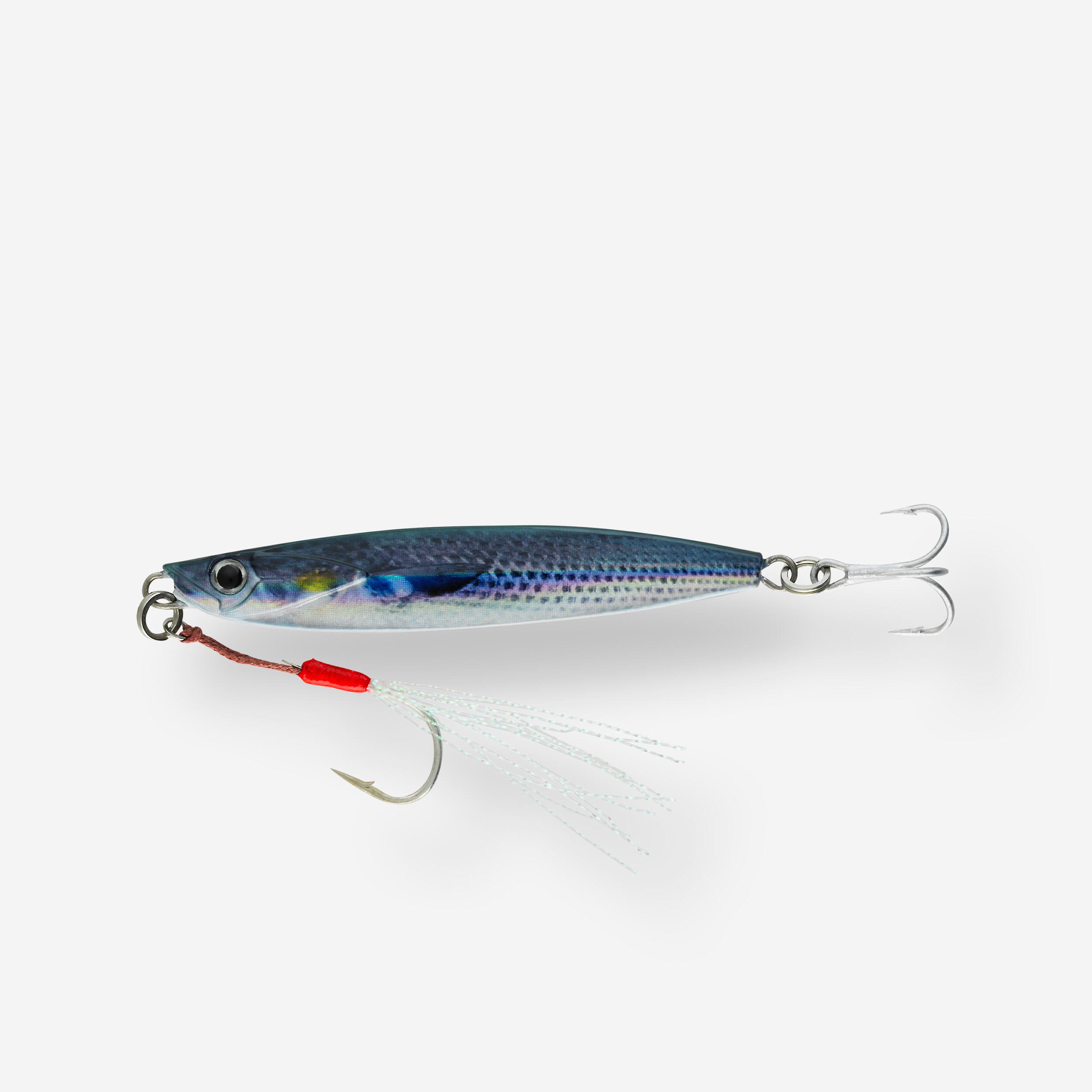
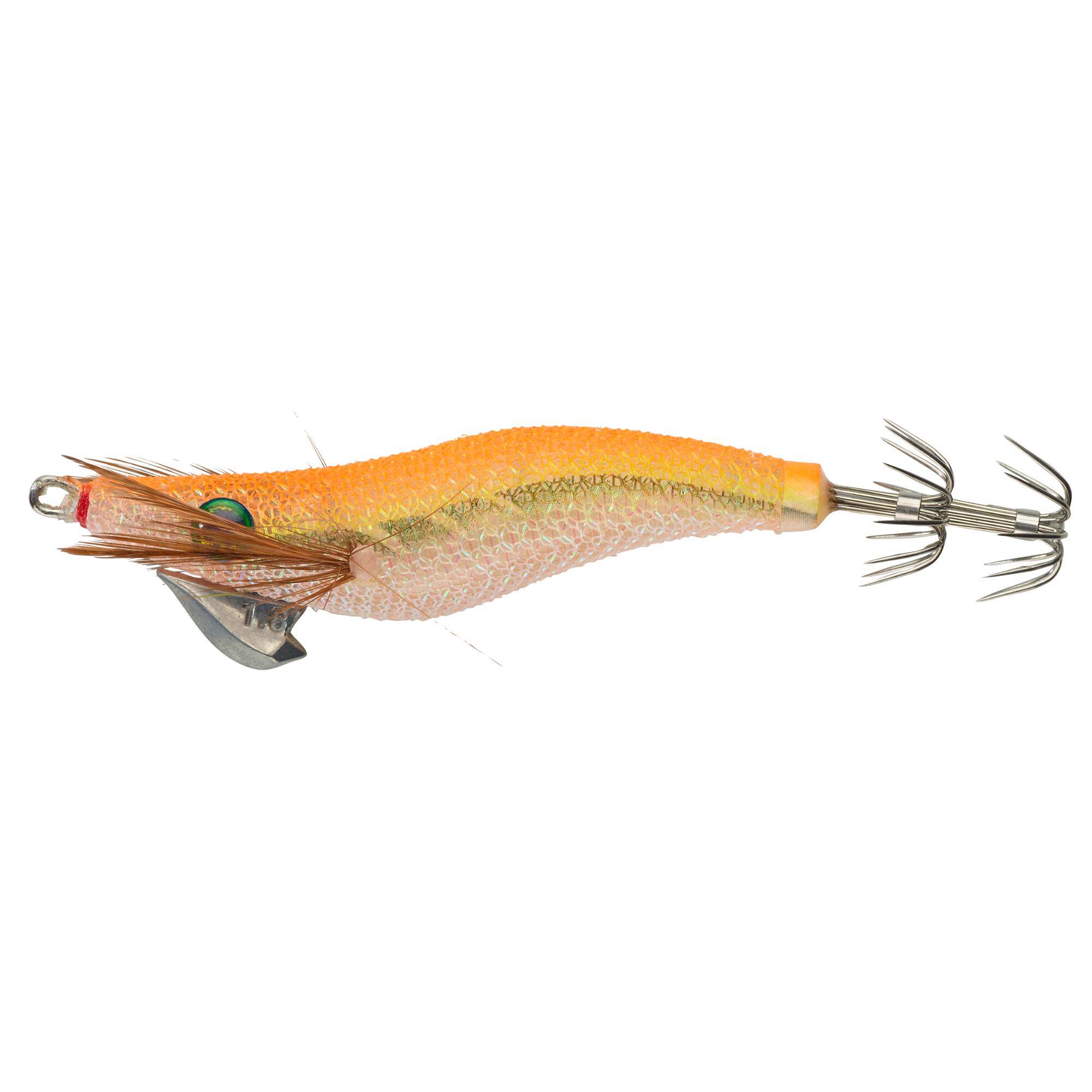
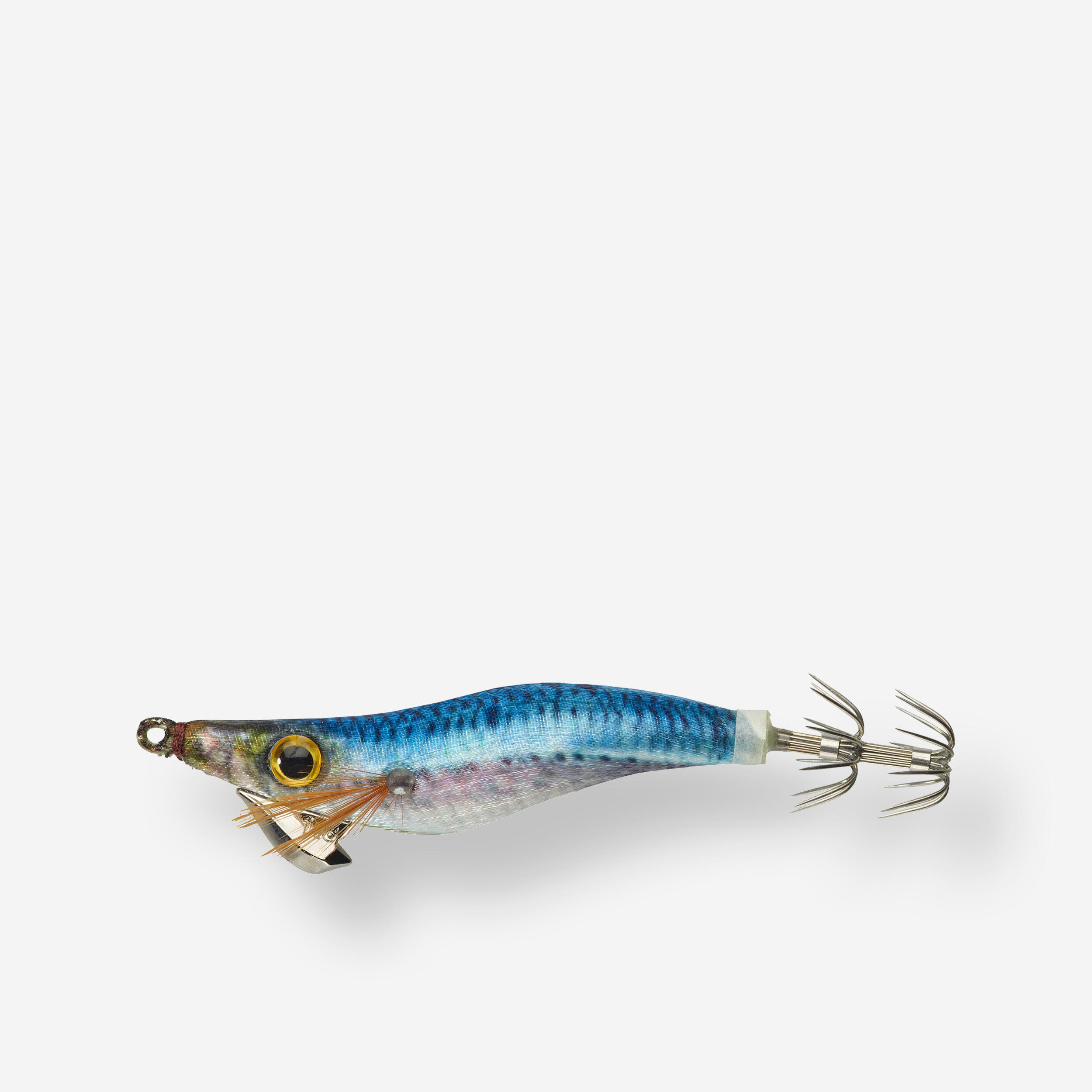
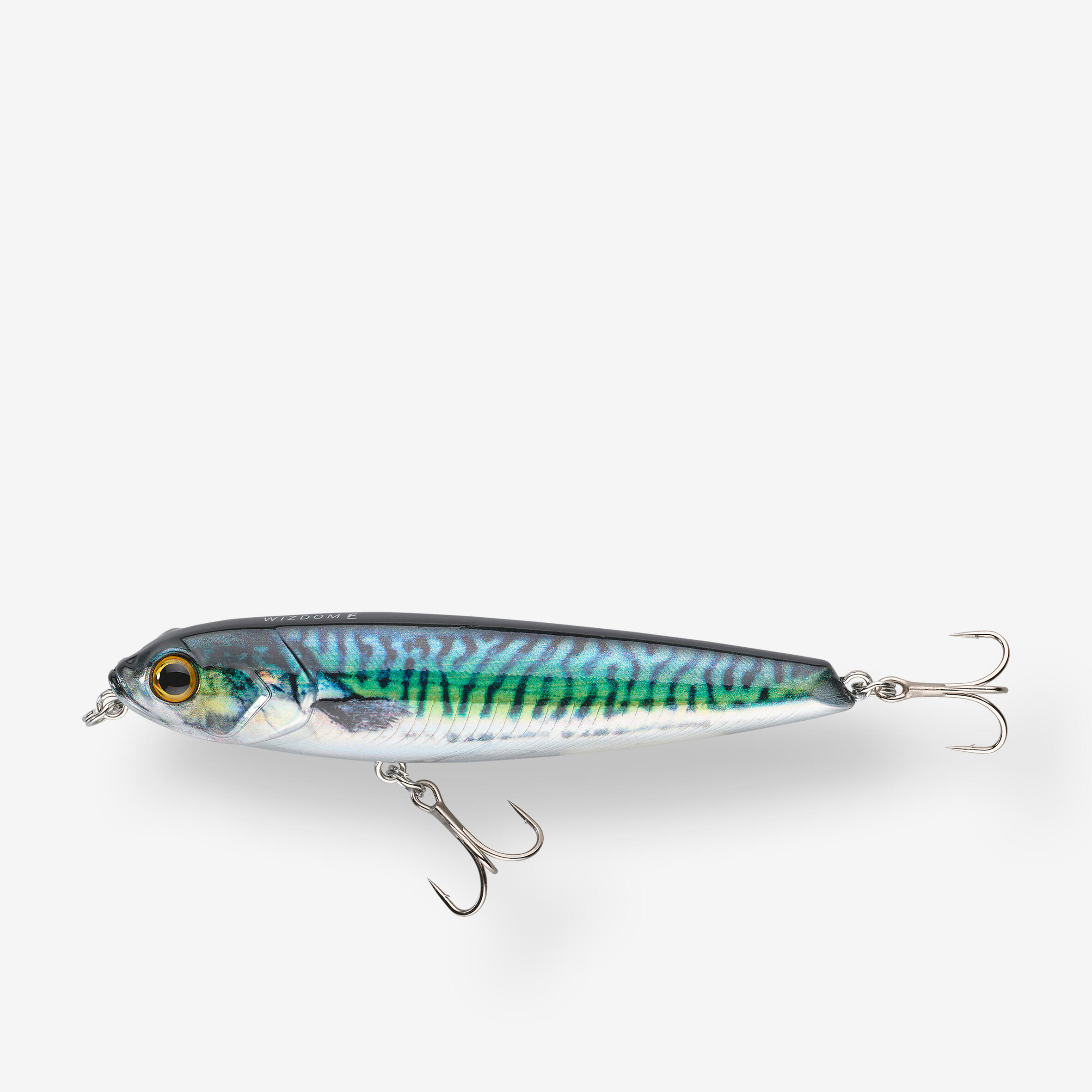
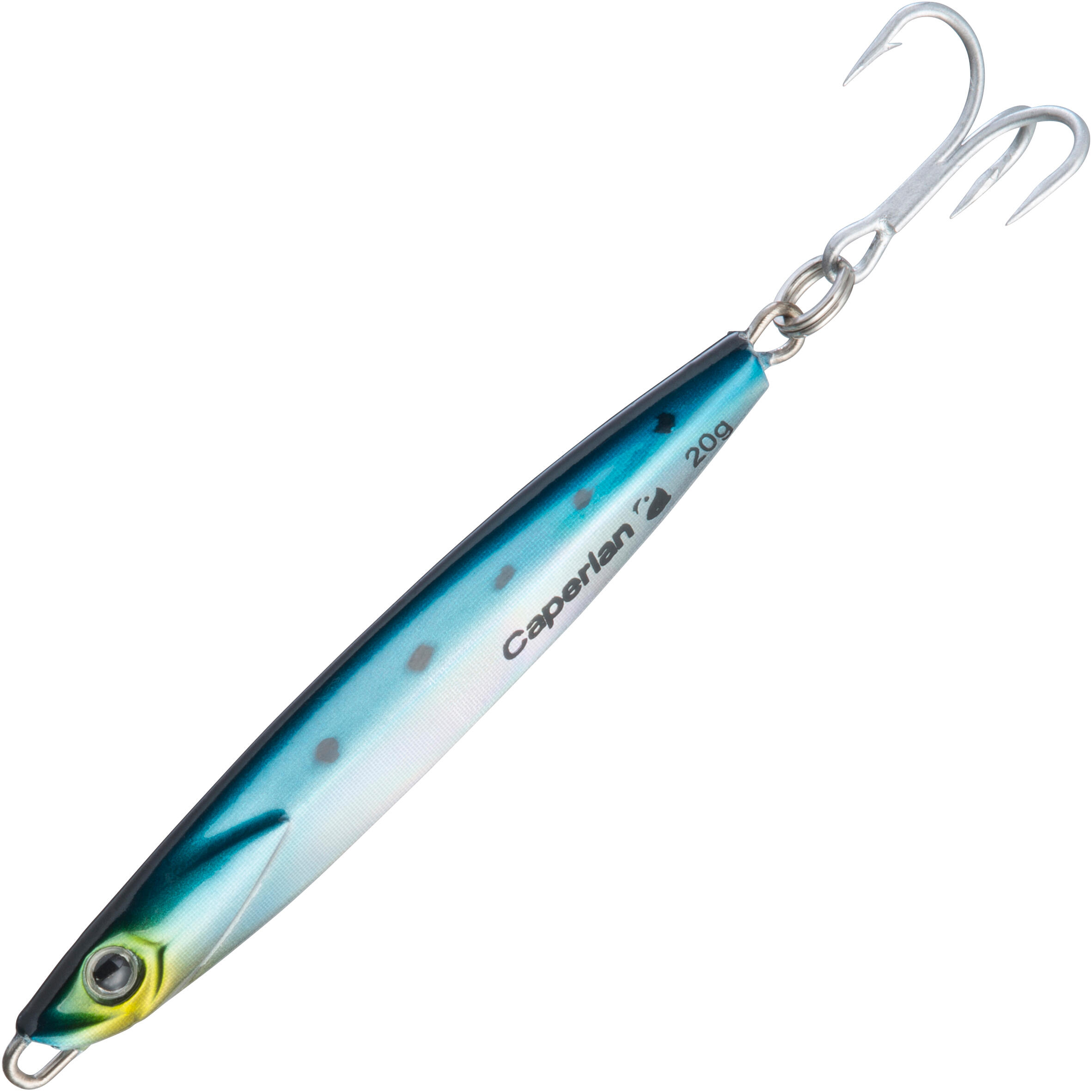
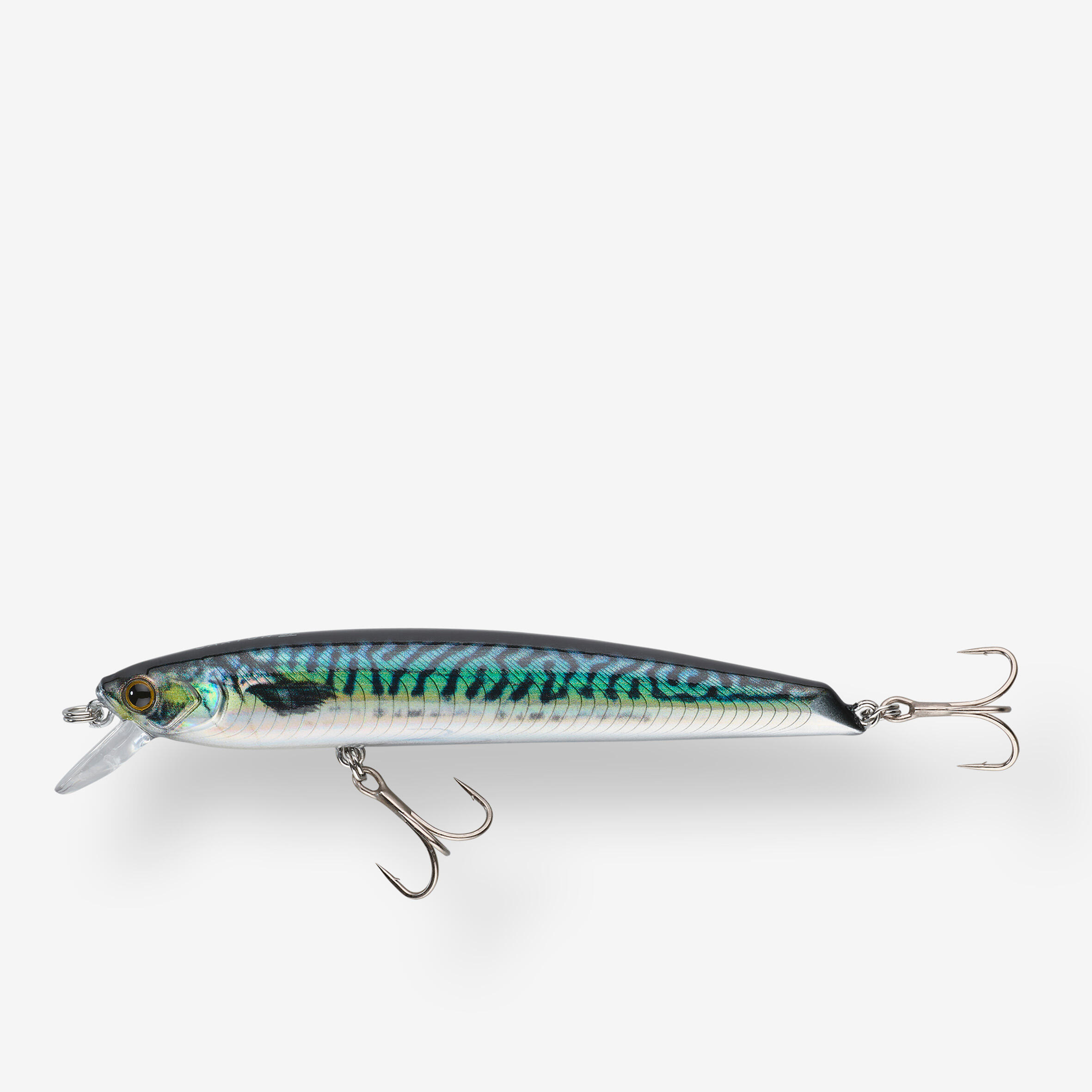
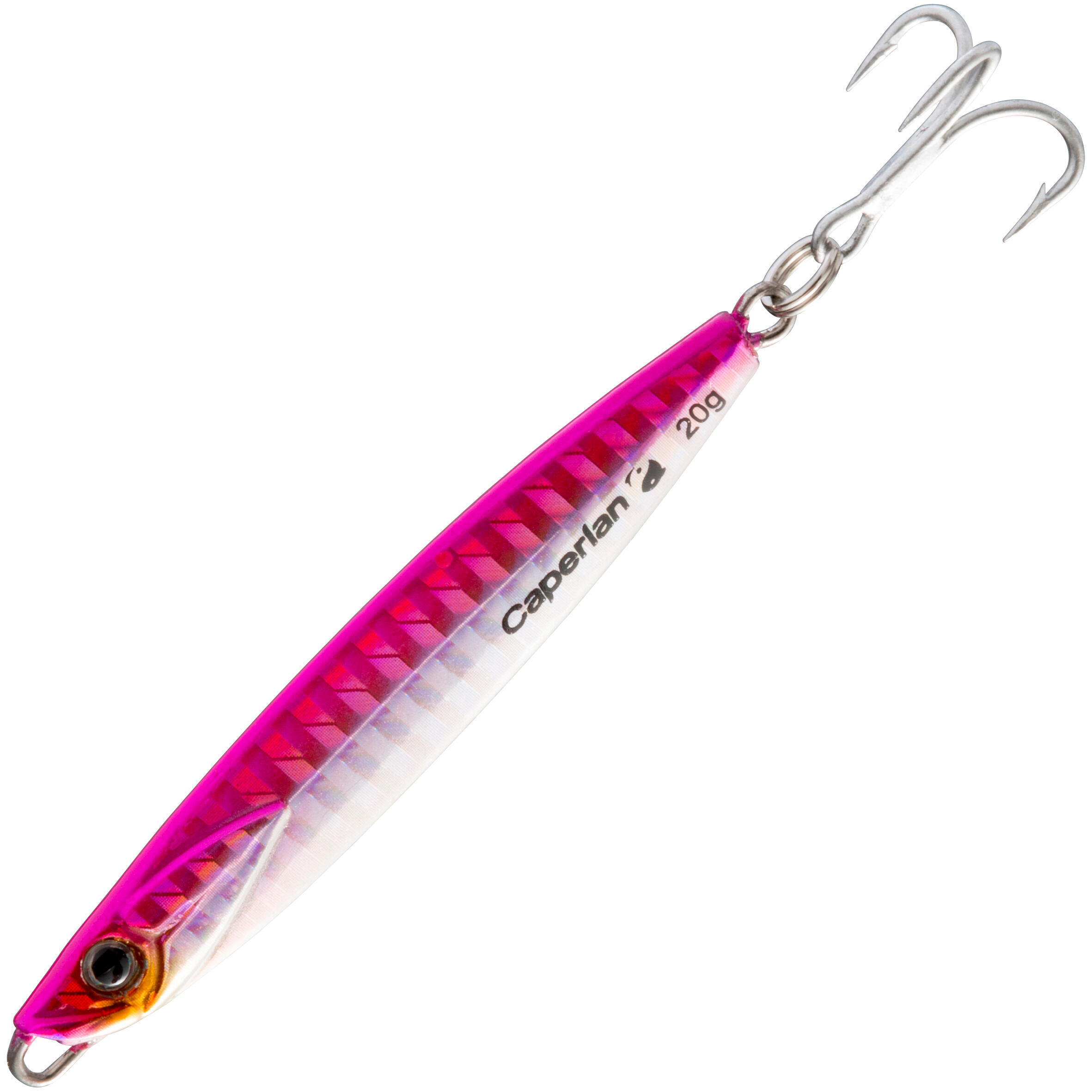
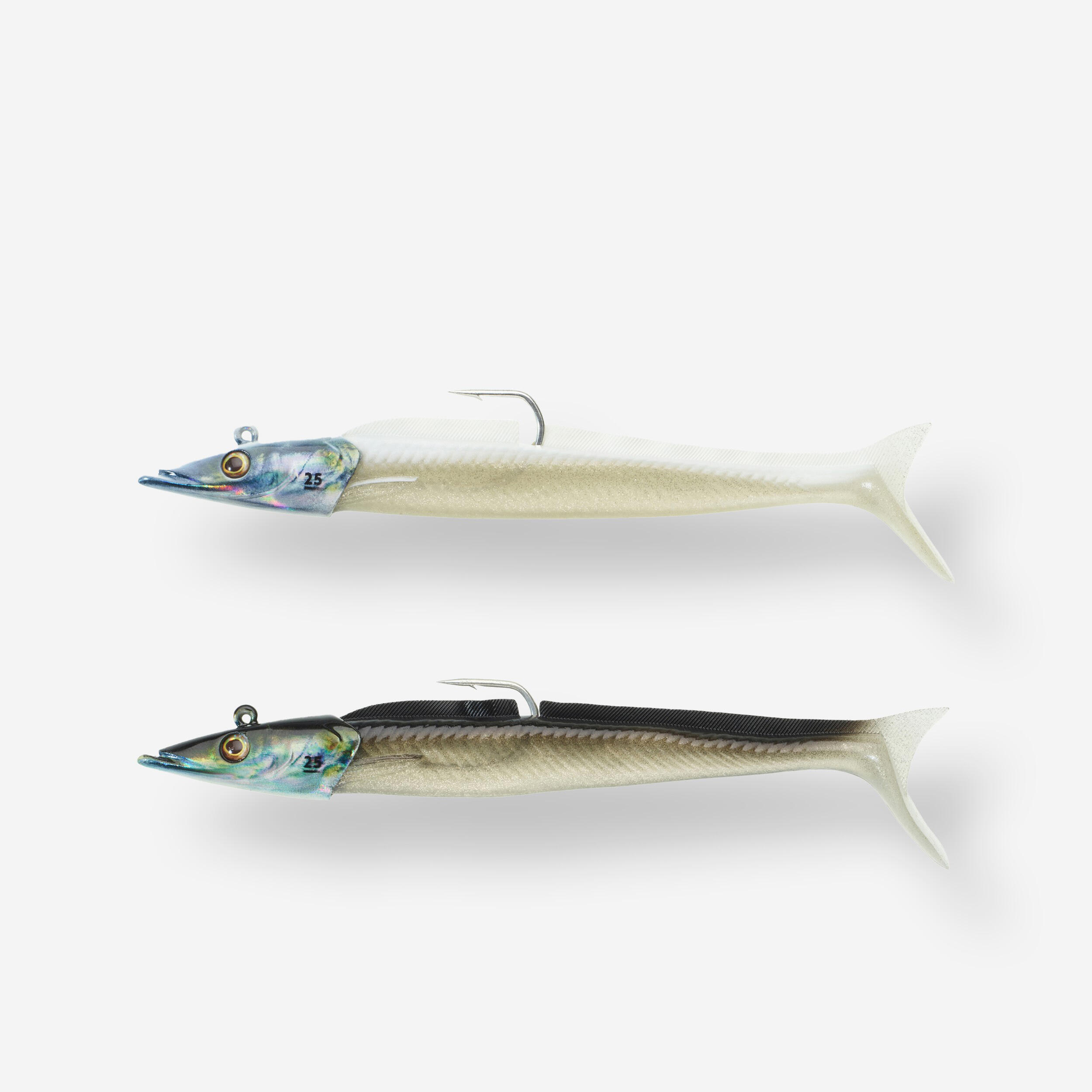
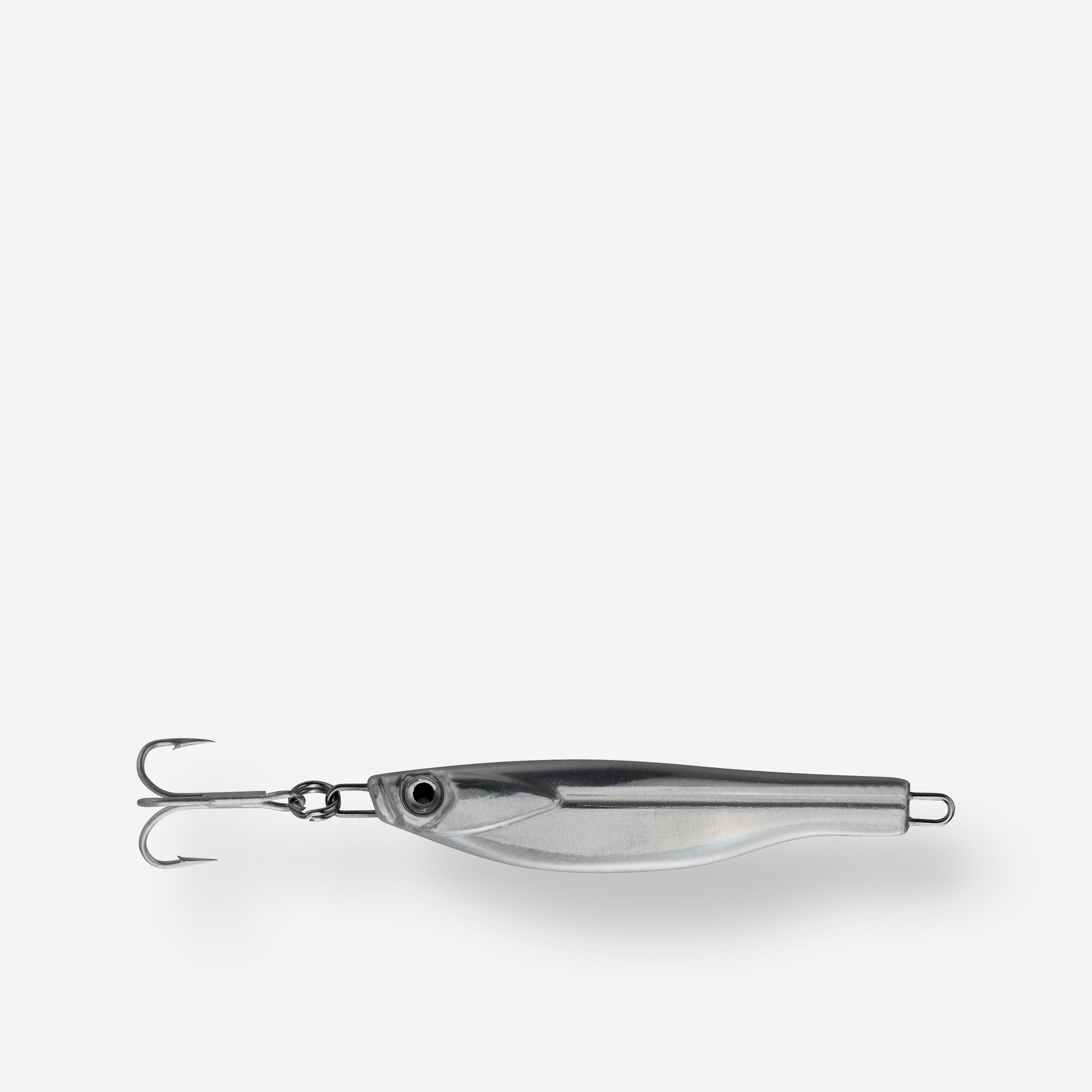
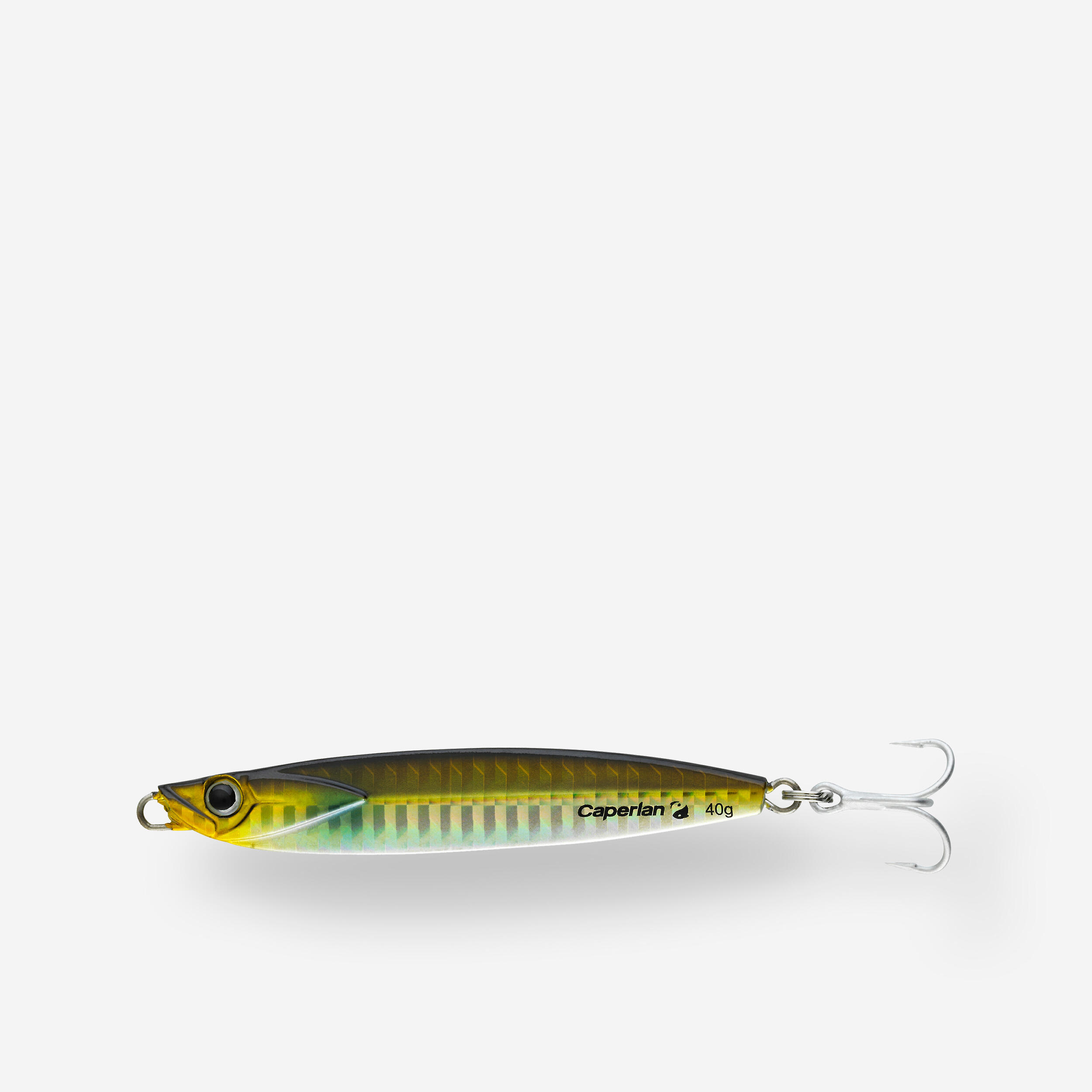
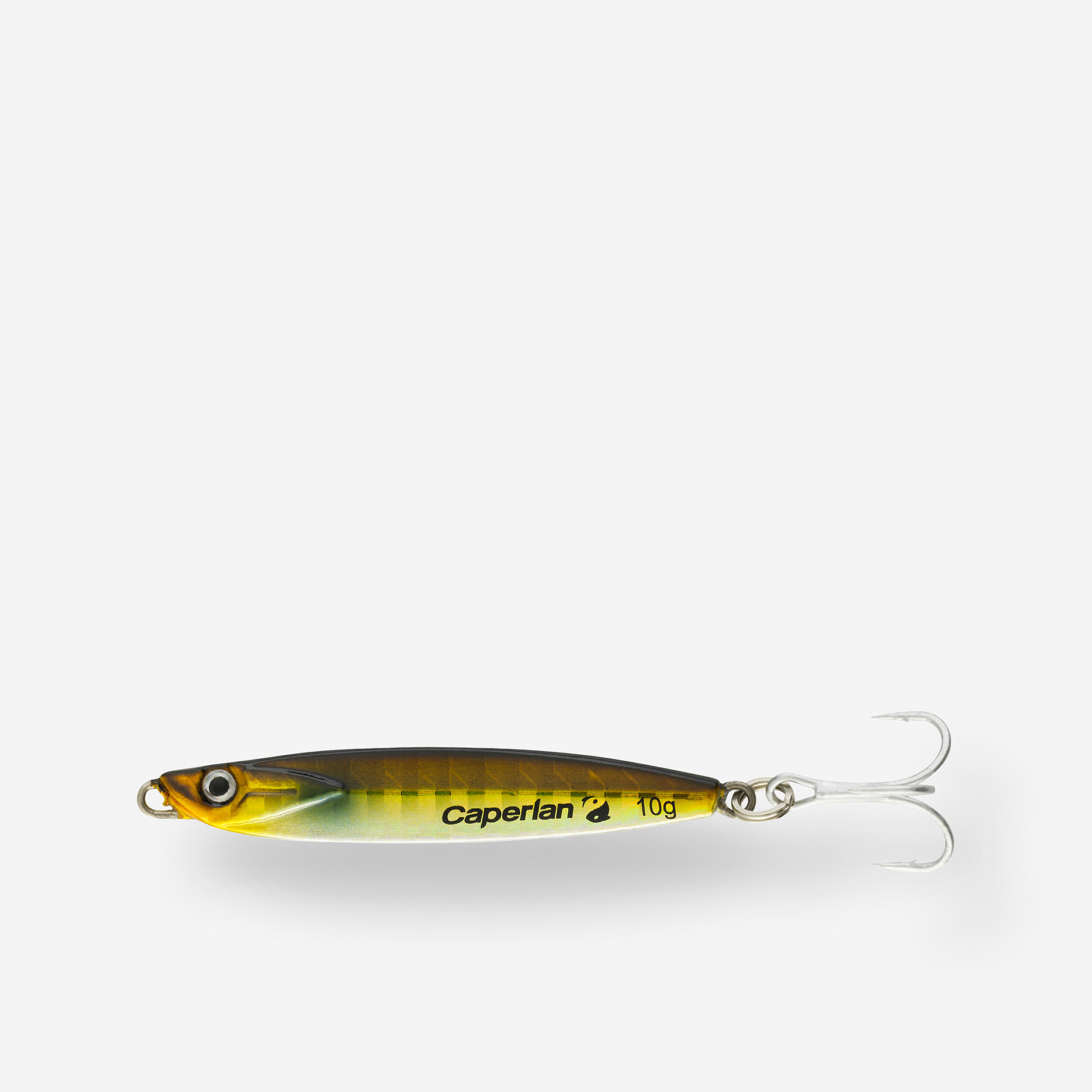
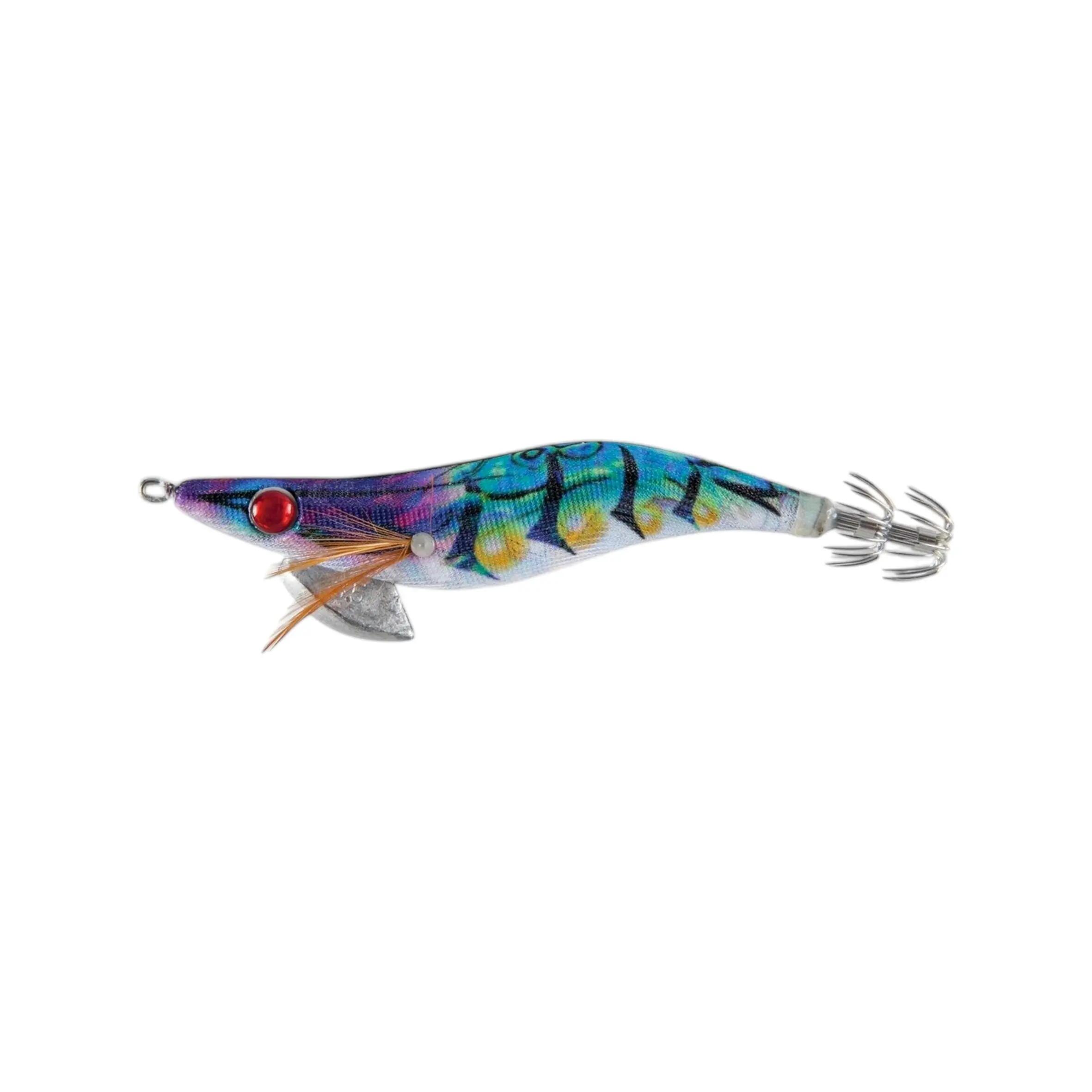
Think about casting distance, fishing depth and retrieve style before selecting the lure. A weighted spoon can cast well from exposed shorelines and descend quickly, while a suspending hard lure can remain within a controlled depth when you pause the retrieve. Caperlan sea lures also use details such as holographic finishes, realistic baitfish profiles, 3D eyes and internal movement to create visibility or vibration underwater. Some hard lures use a moving internal weight to support longer casts. The sea fishing with lures category separates hardbaits, softbaits, spoons and rigging components, making it easier to match the presentation to your intended technique.

What makes a rig suitable for fishing at depth?

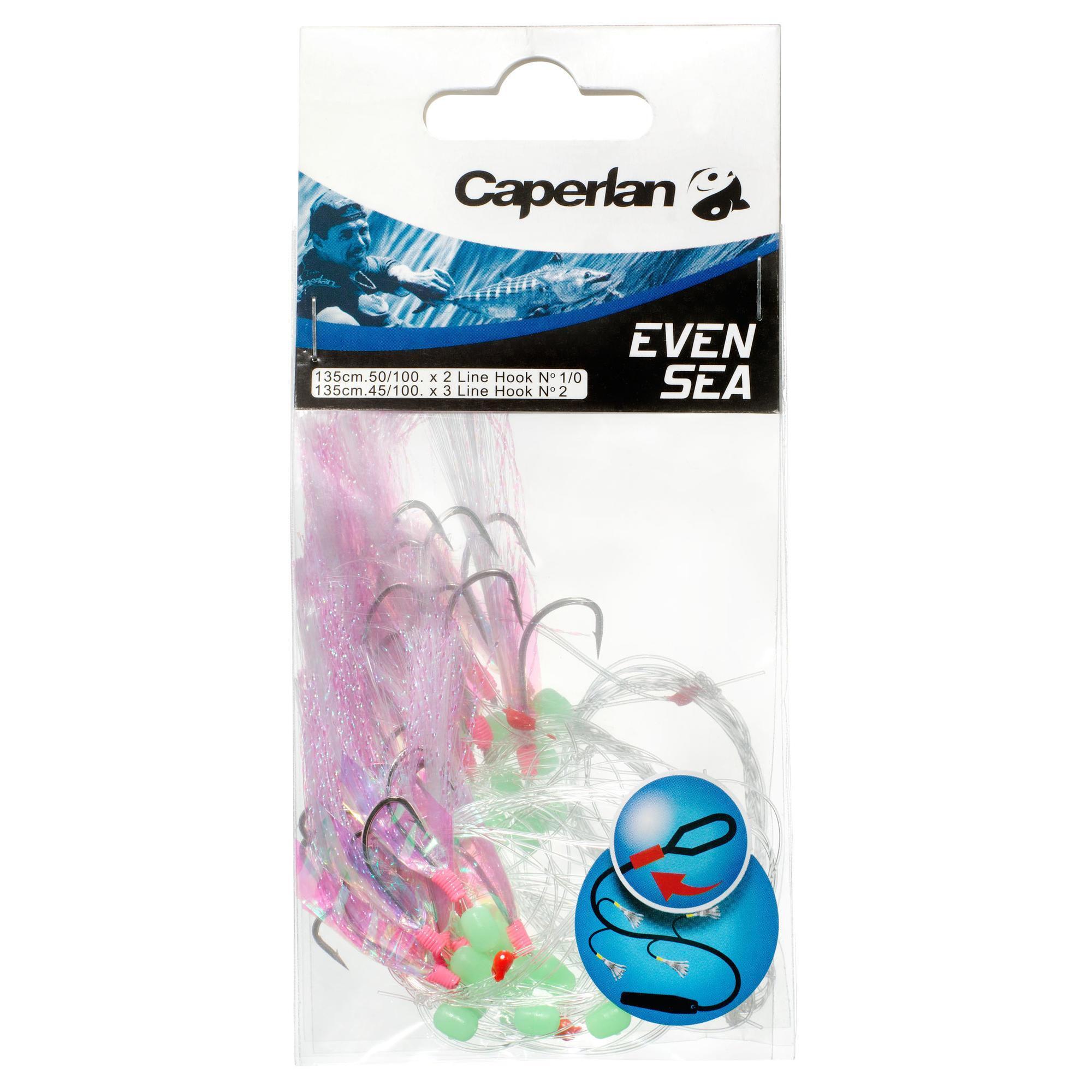
Boat fishing often allows you to lower a rig directly beneath you, so control at depth can matter more than casting distance. Feather rigs offer a practical option for species feeding on small baitfish or krill. Caperlan versions use features such as iridescent feathers and phosphorescent beads to add visibility, while a coloured indicator beside the knot helps identify the correct assembly direction. Pair the rig with line and terminal tackle rated for the expected fish and fishing depth. The boat fishing category also covers lines, weights, reels and rods for jigging or bottom fishing. Rinse metal tackle with fresh water afterwards and dry it before storage.

When can float fishing work well at the coast?

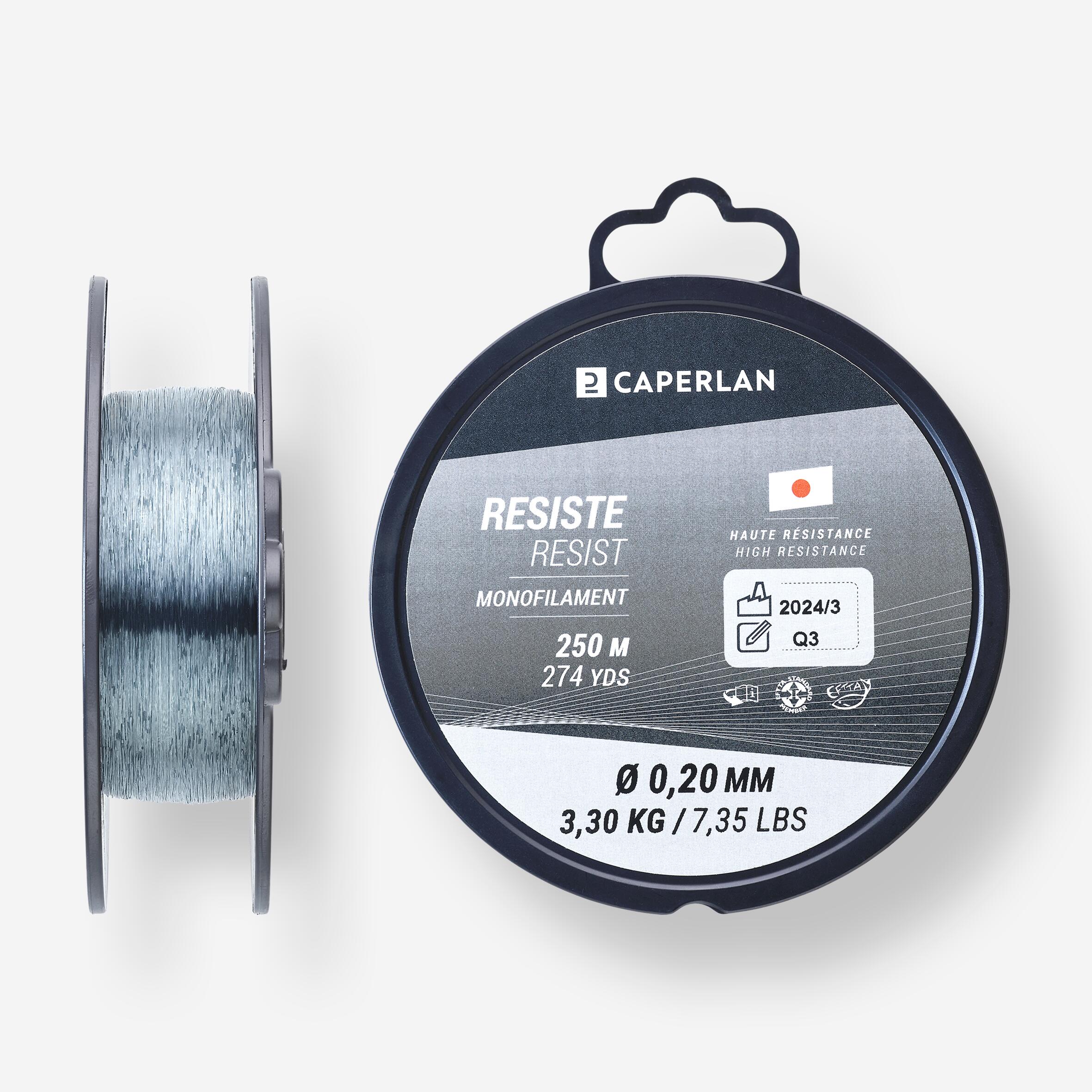
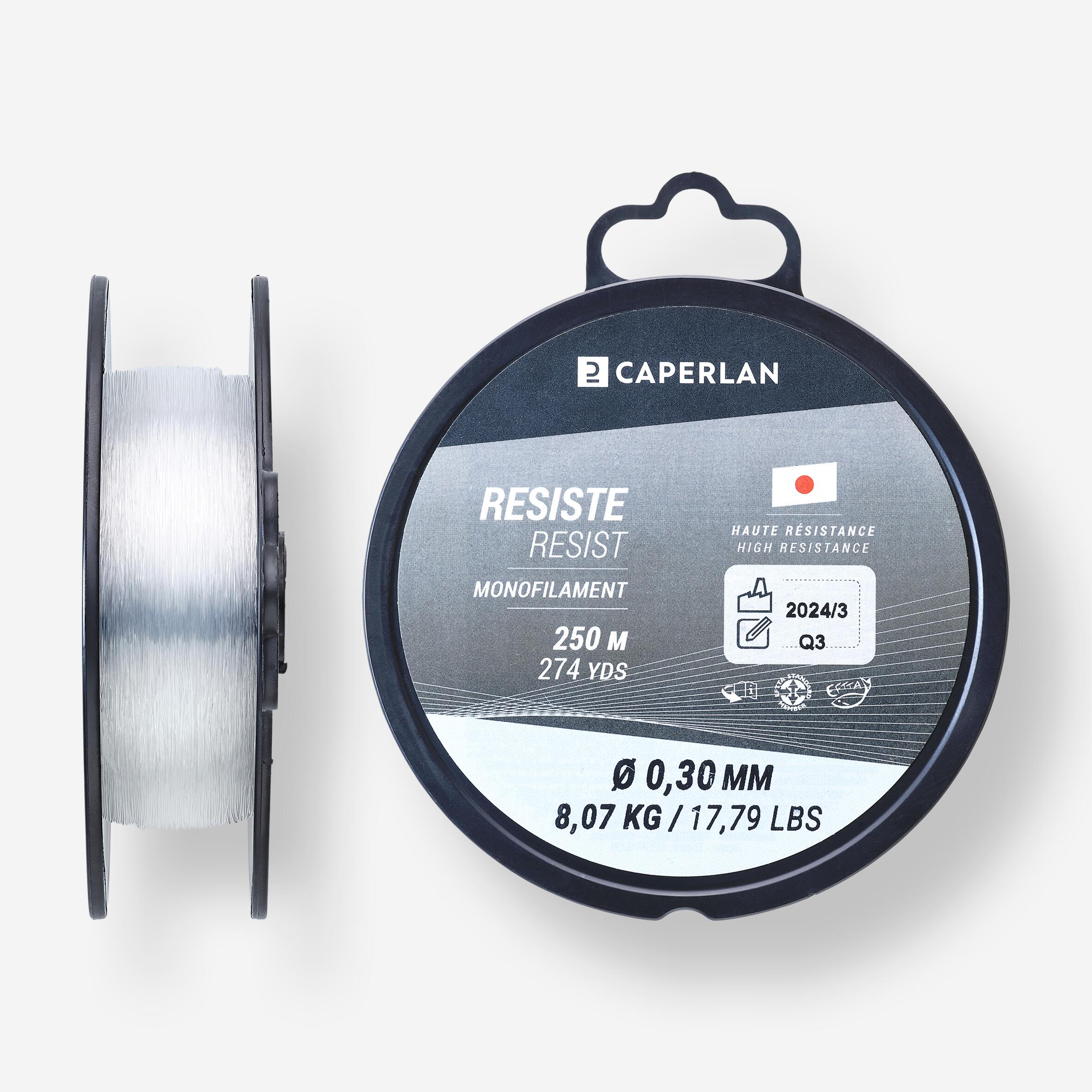
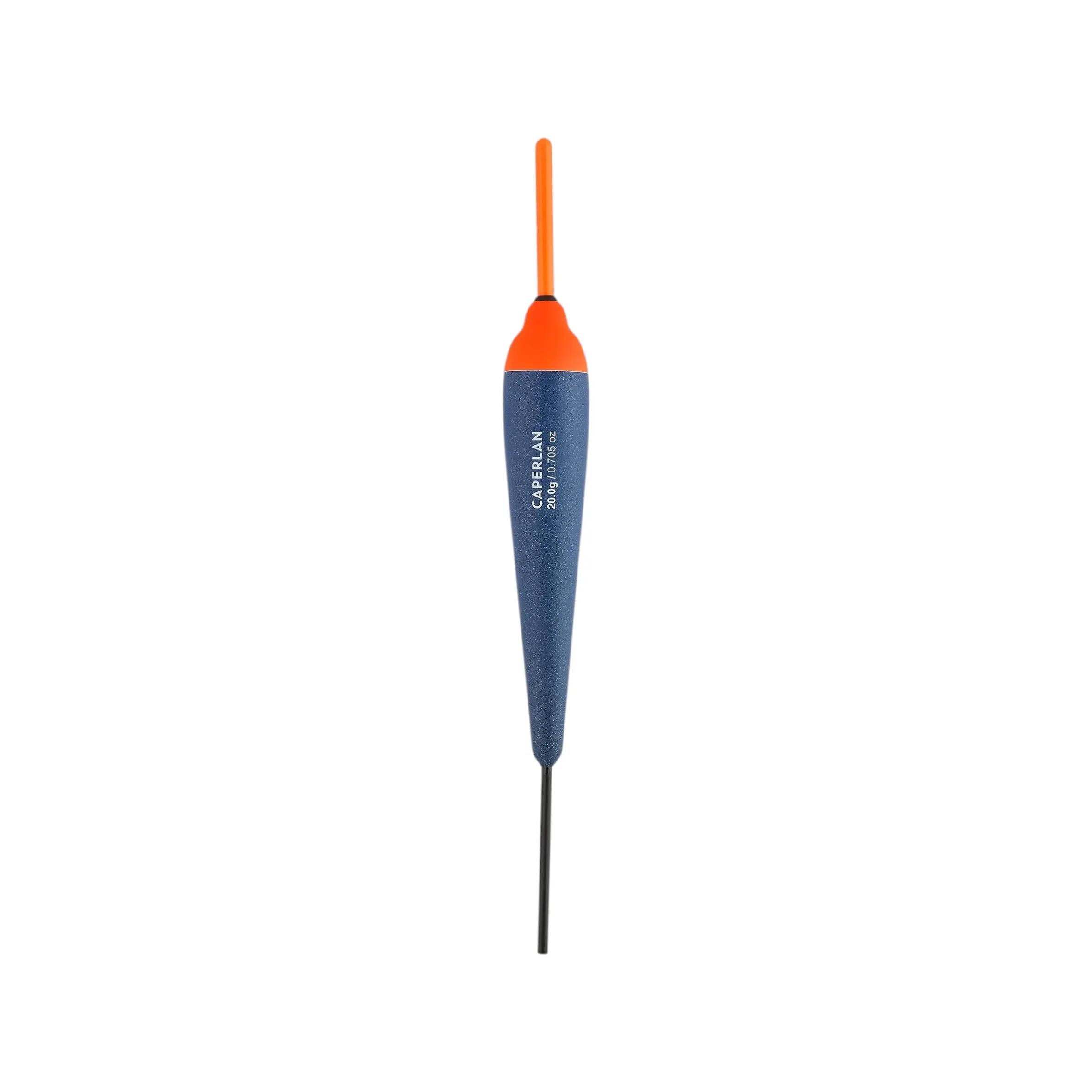
Float fishing gives you a visible indication of what is happening below the surface and lets you control the depth at which the bait sits. It can suit harbour walls, piers and sheltered coastal areas where you want to keep bait above the seabed. Match the float with the correct amount of weight so it sits properly rather than lying flat or sinking too easily. Line diameter also matters: lighter line can improve presentation, while stronger line provides more security around rough ground or larger fish. Products within sea fishing with float include rods, lines, floats, baits and prepared rigs. Keep monofilament away from prolonged direct light during storage to help preserve its condition.

How do you prepare your tackle for shore fishing?

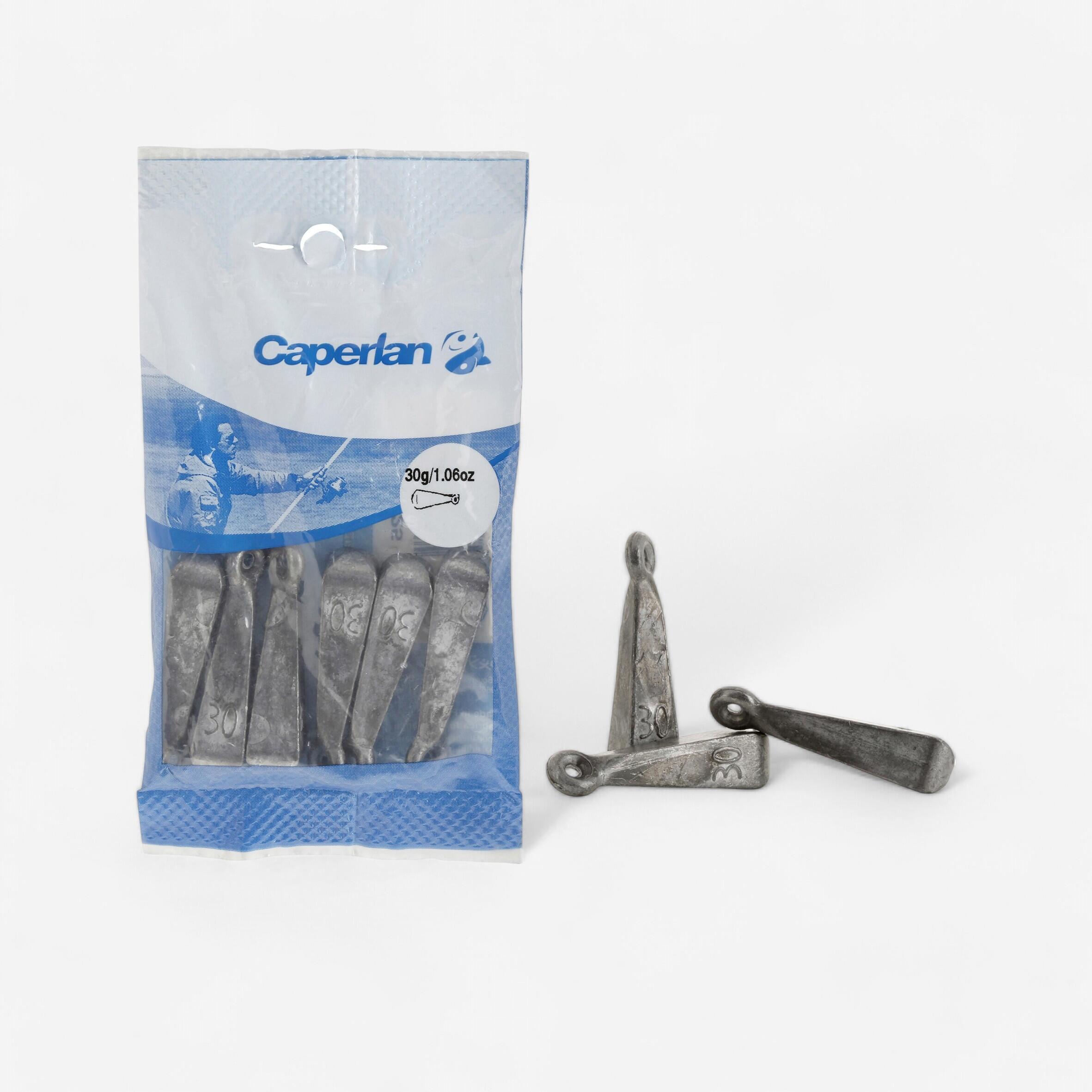
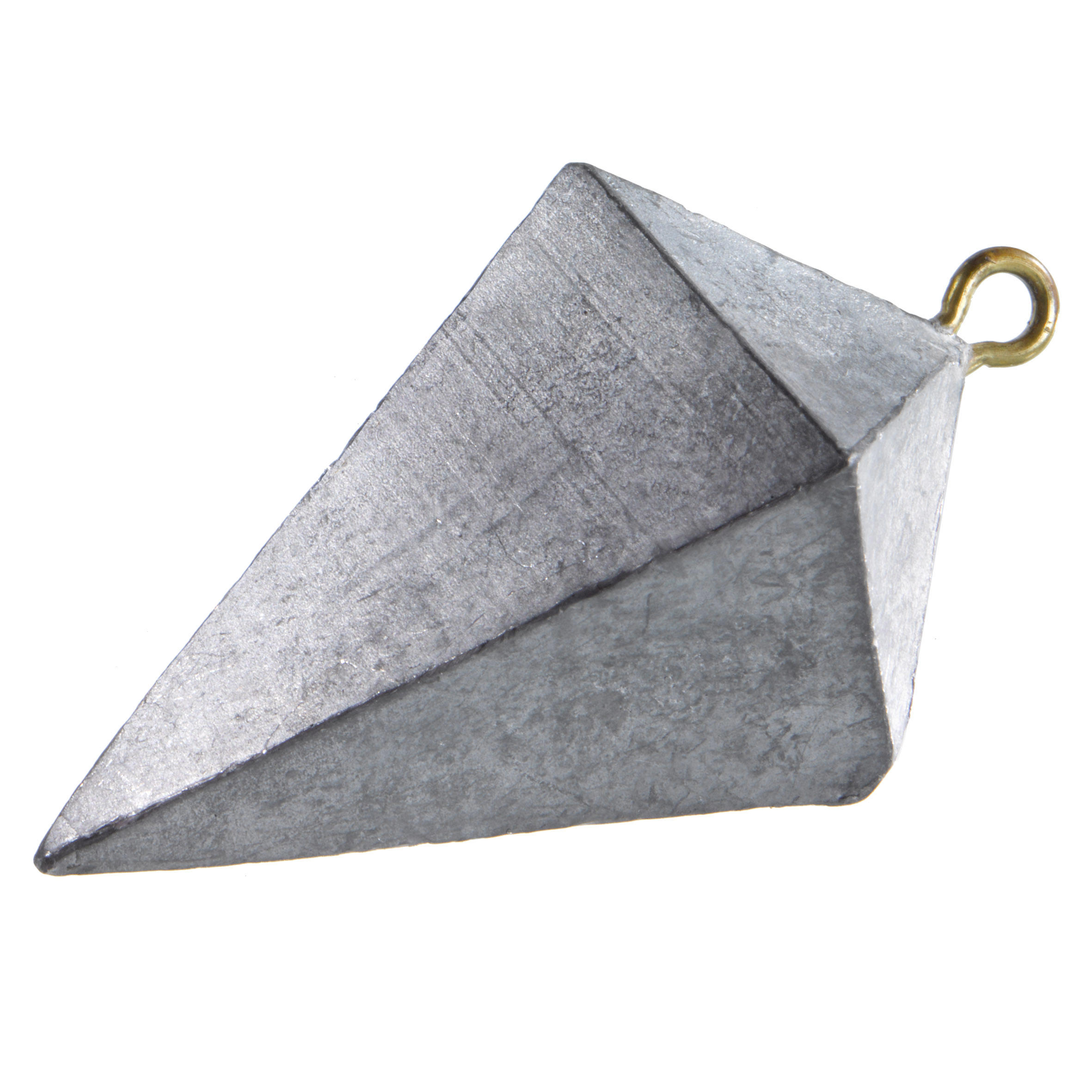
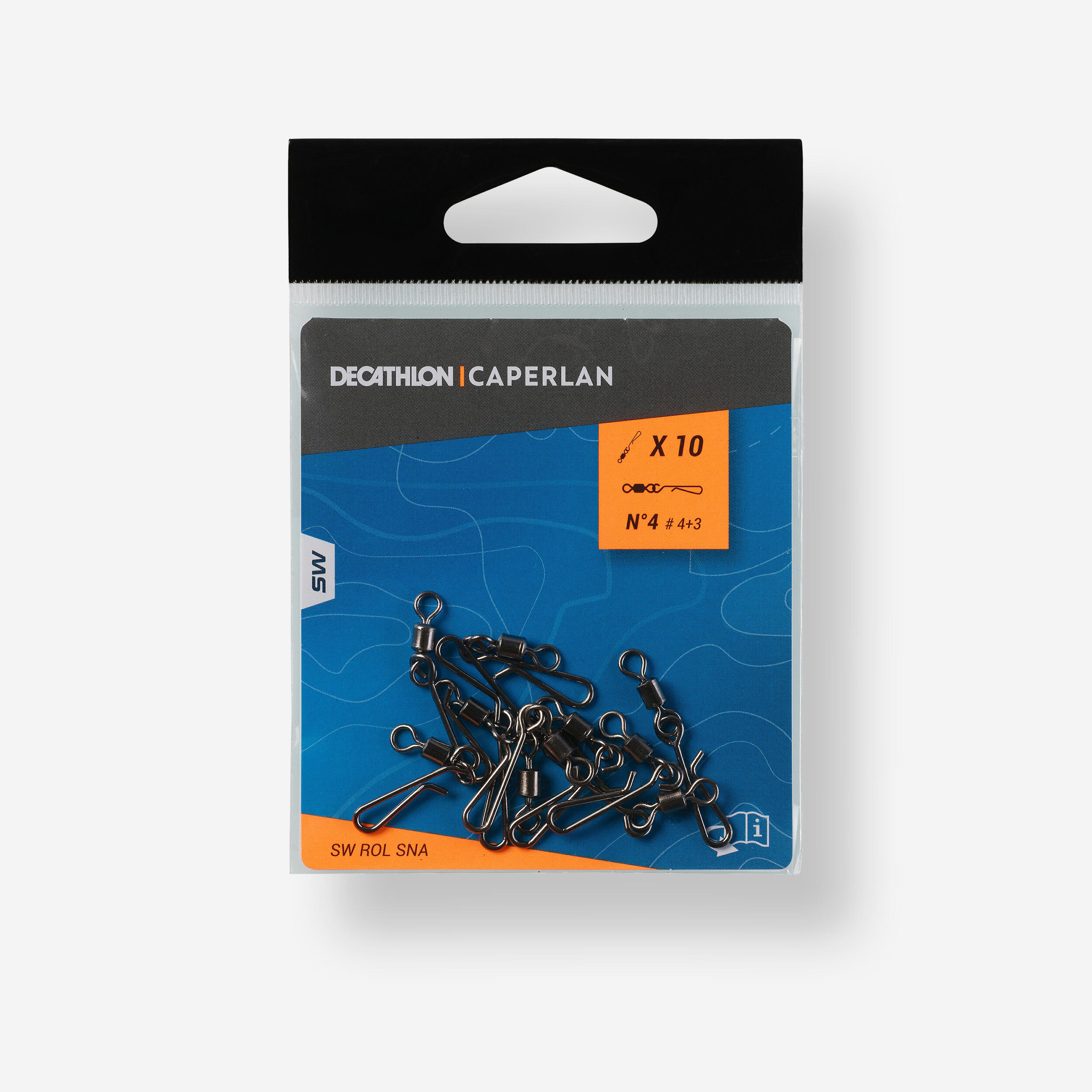
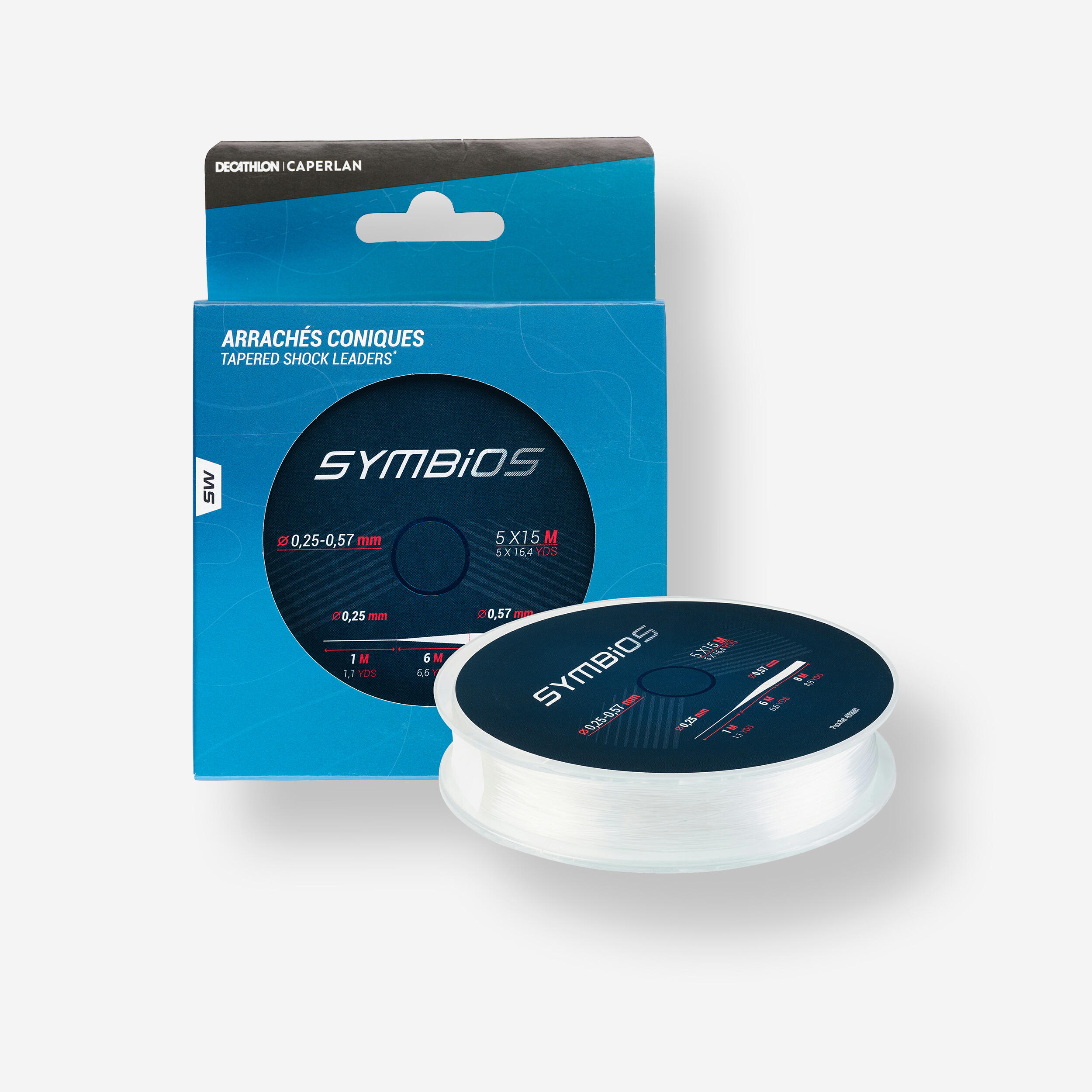
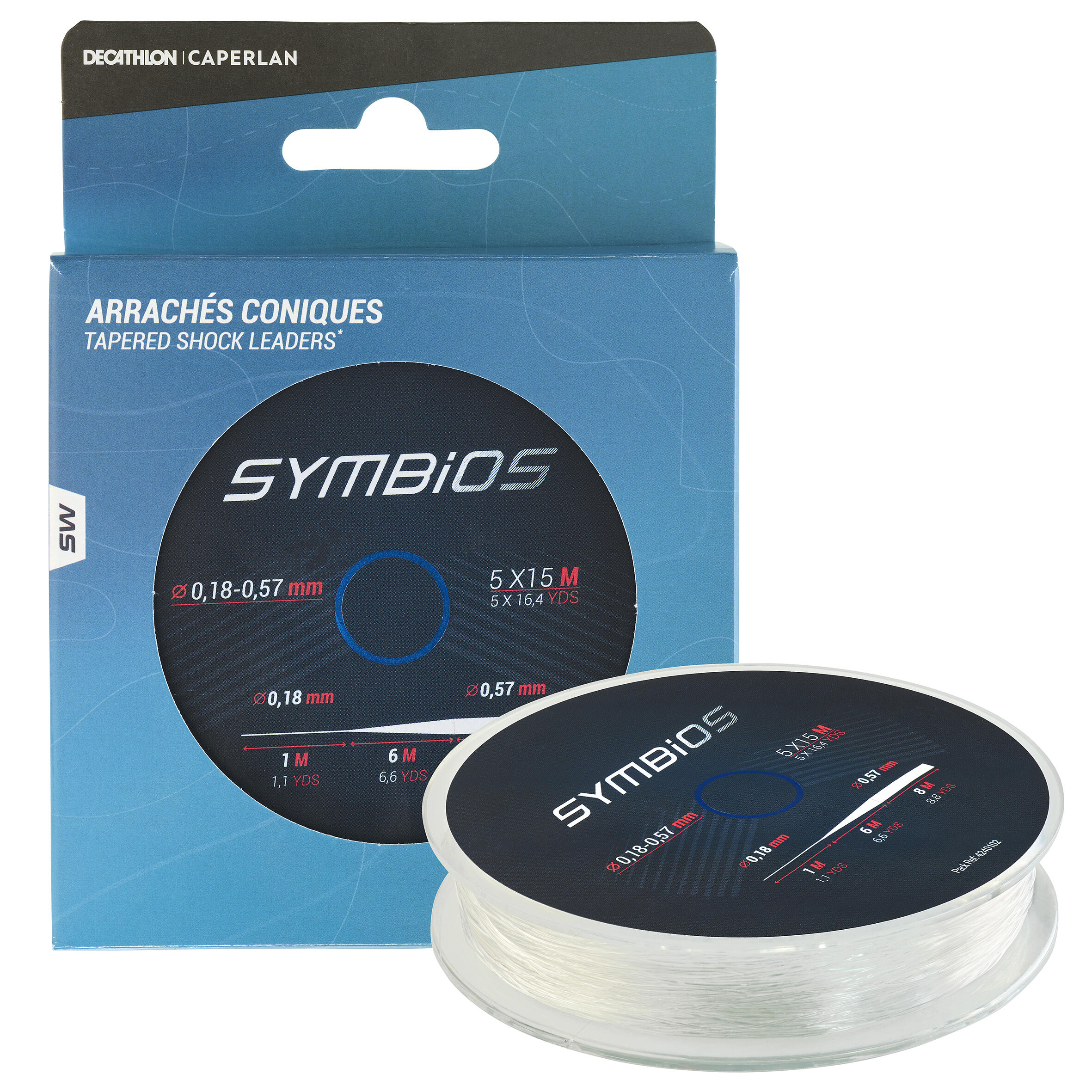
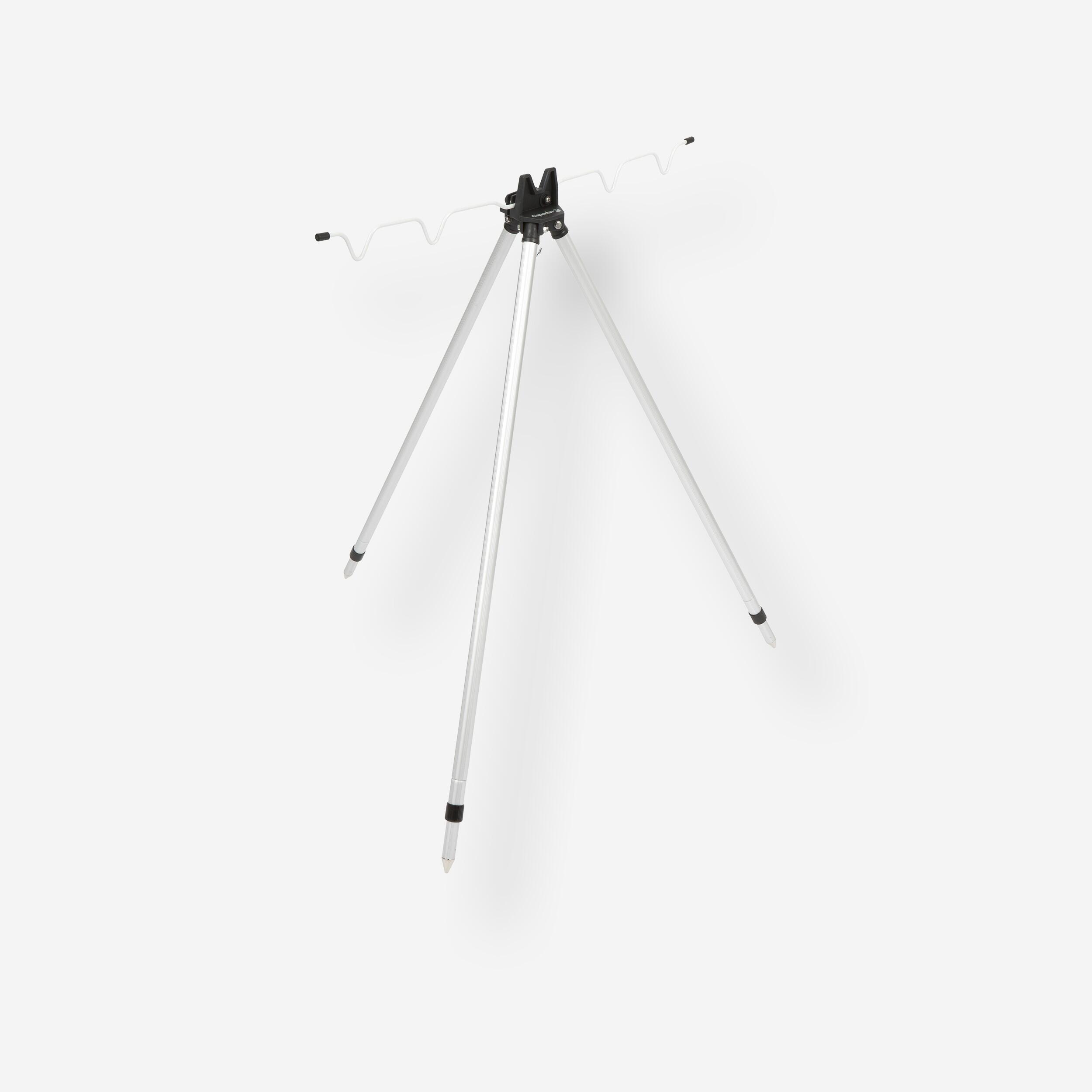
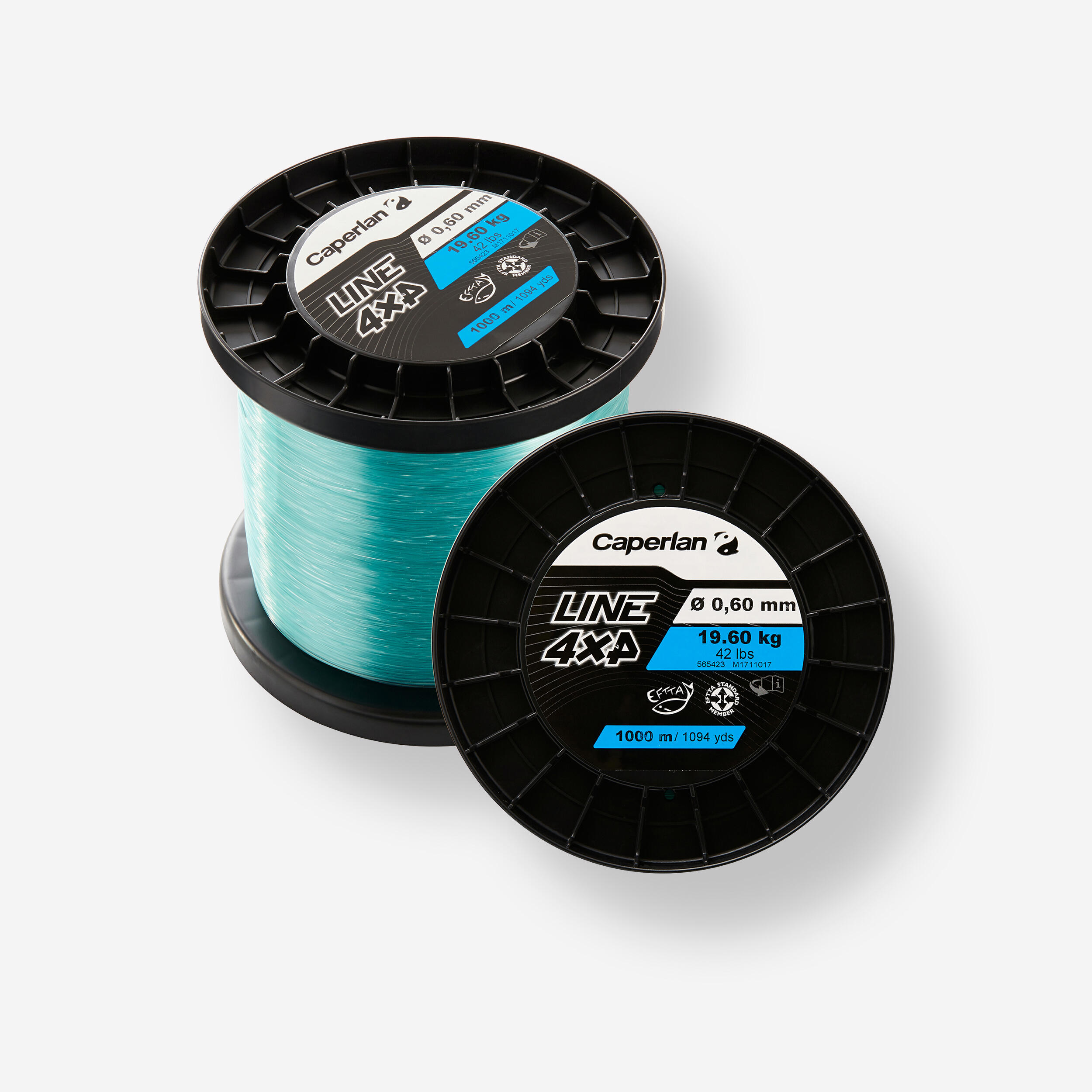
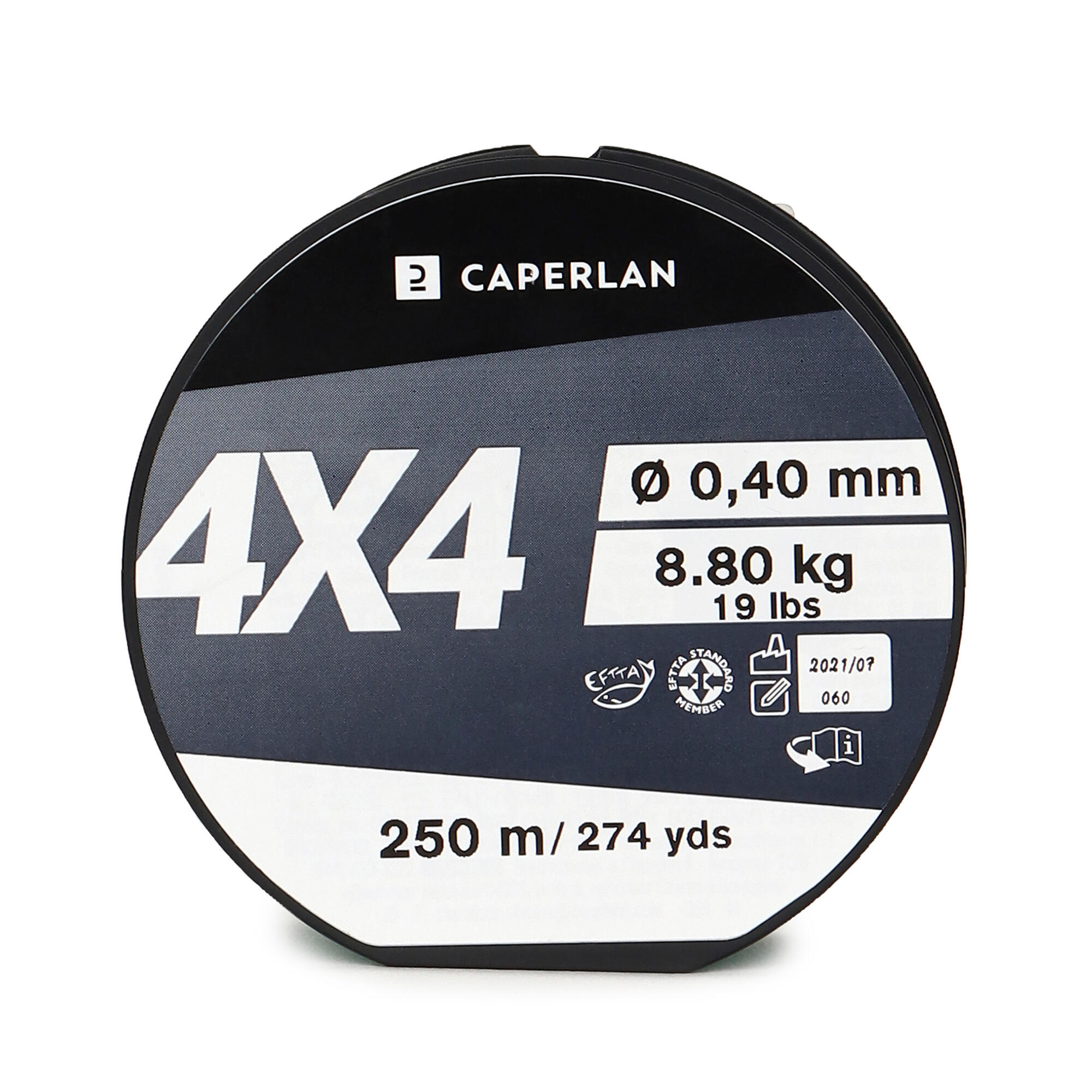
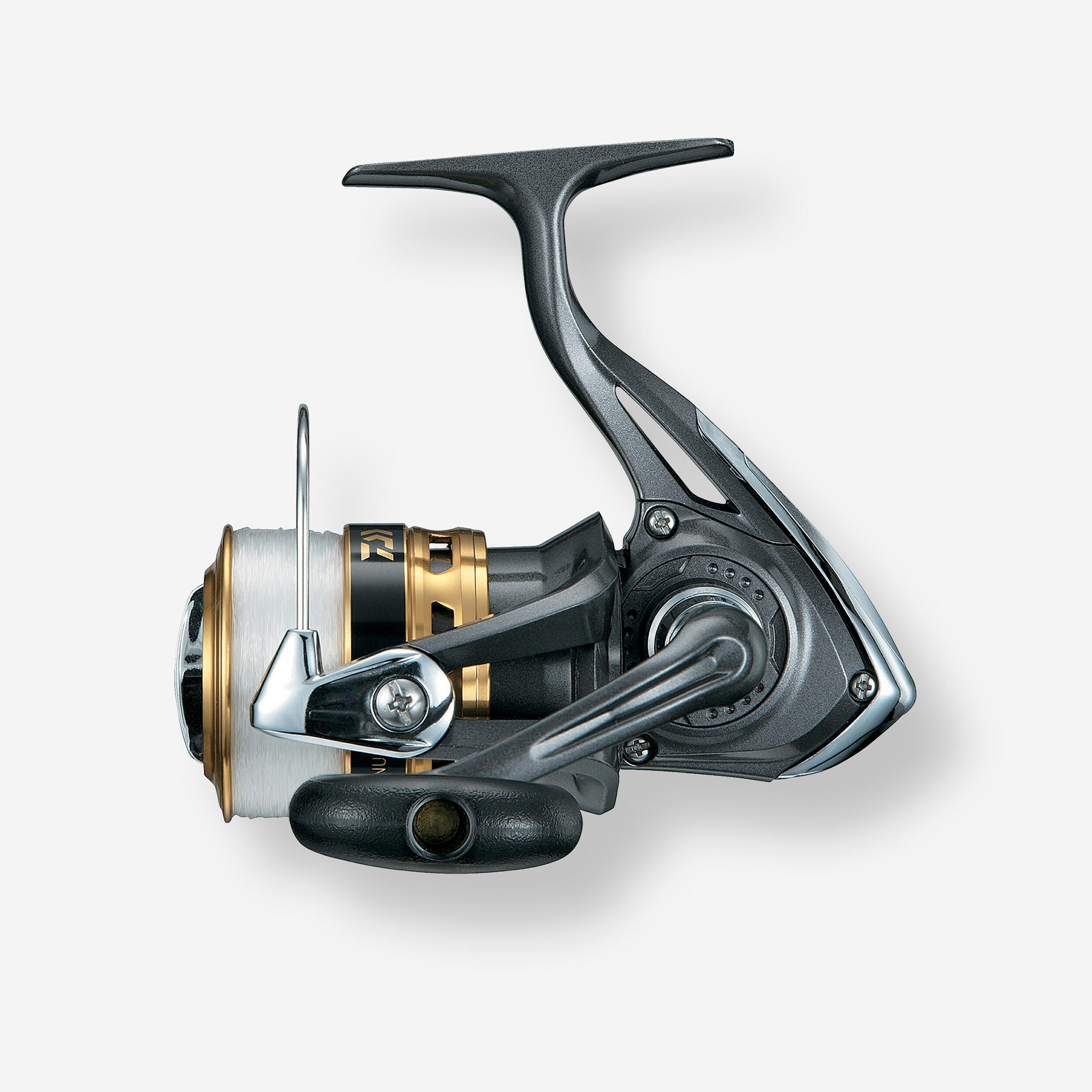
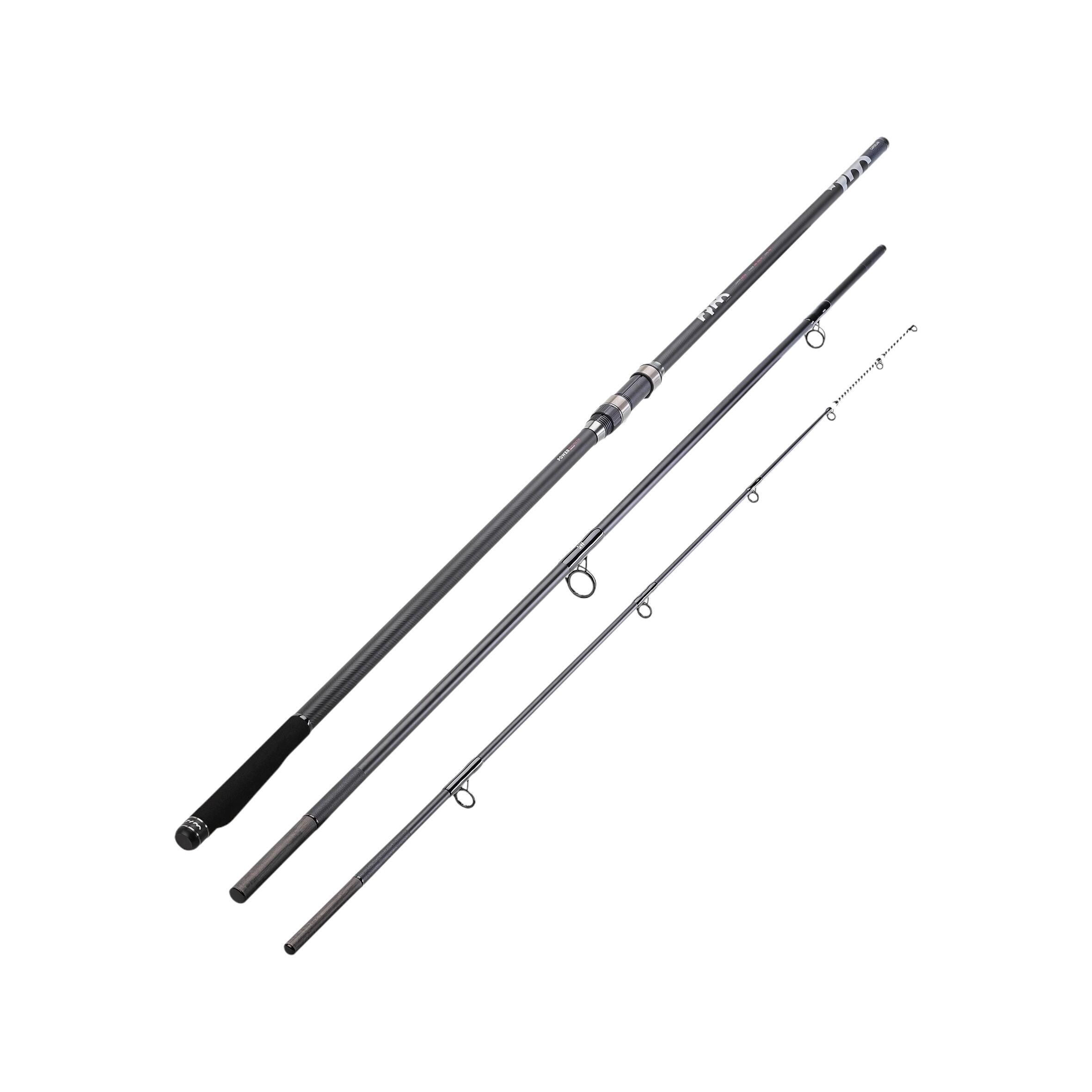
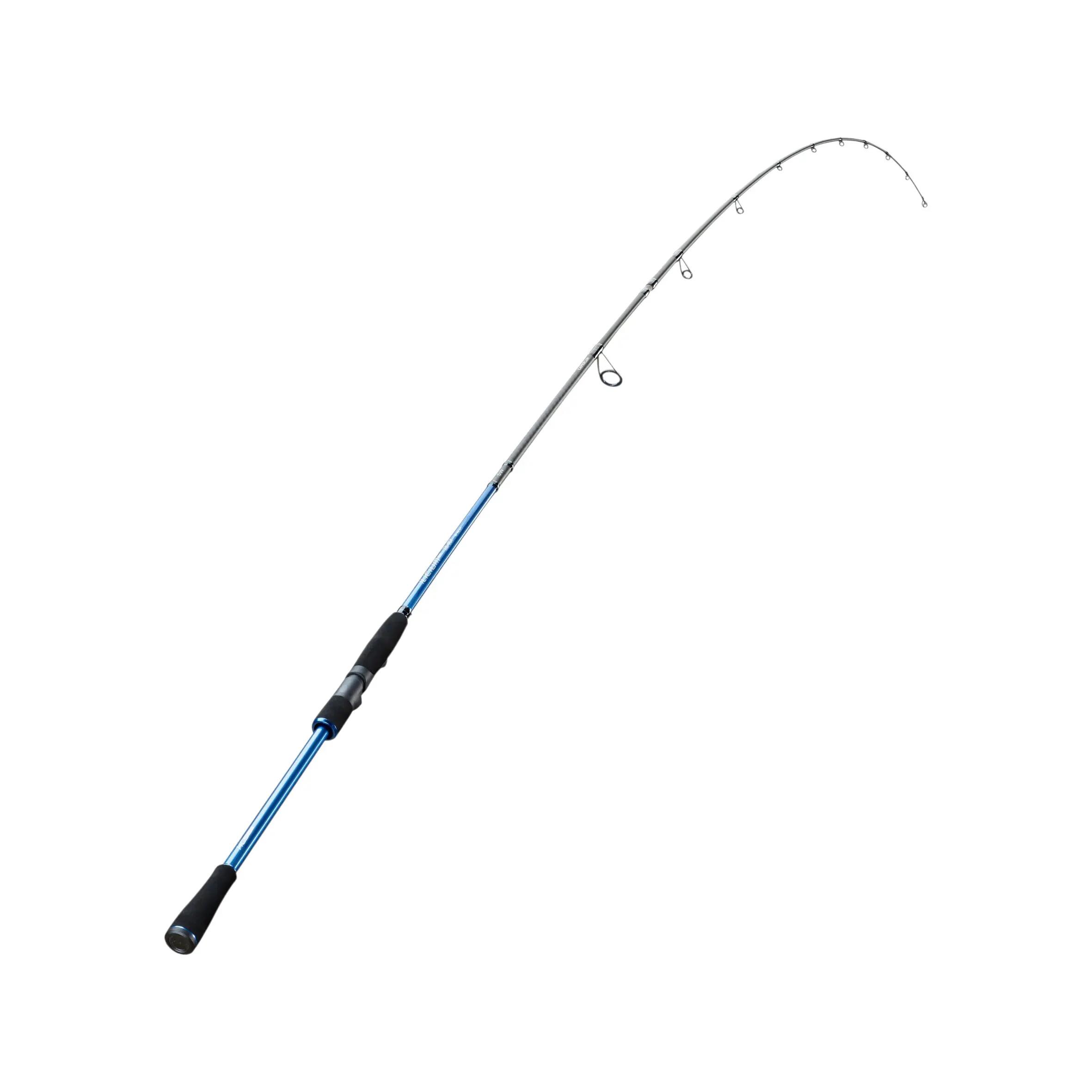
Plan around casting distance, the seabed and the weight of your complete rig. A longer rod can help reach beyond breaking water, while the reel needs enough line capacity for the distance and the fish you expect to encounter. Caperlan monofilament lines provide published diameter and breaking-strain information, and some versions use controlled stretch to absorb sudden pulls during a fight. A stable tripod also keeps rods clear of sand and can be weighted from its central hook when conditions become breezy. Relevant shore fishing tackle includes rods, reels, lines, weights, swivels and prepared rigs. After fishing, rinse salt from metal components and never use long rods near overhead power lines or during thunderstorms.