194 items
4.6/5 based on 8675 reviews collected online and in stores

Baits, Ground Baits and Accessories FAQs

What is the best way to mix groundbait evenly?

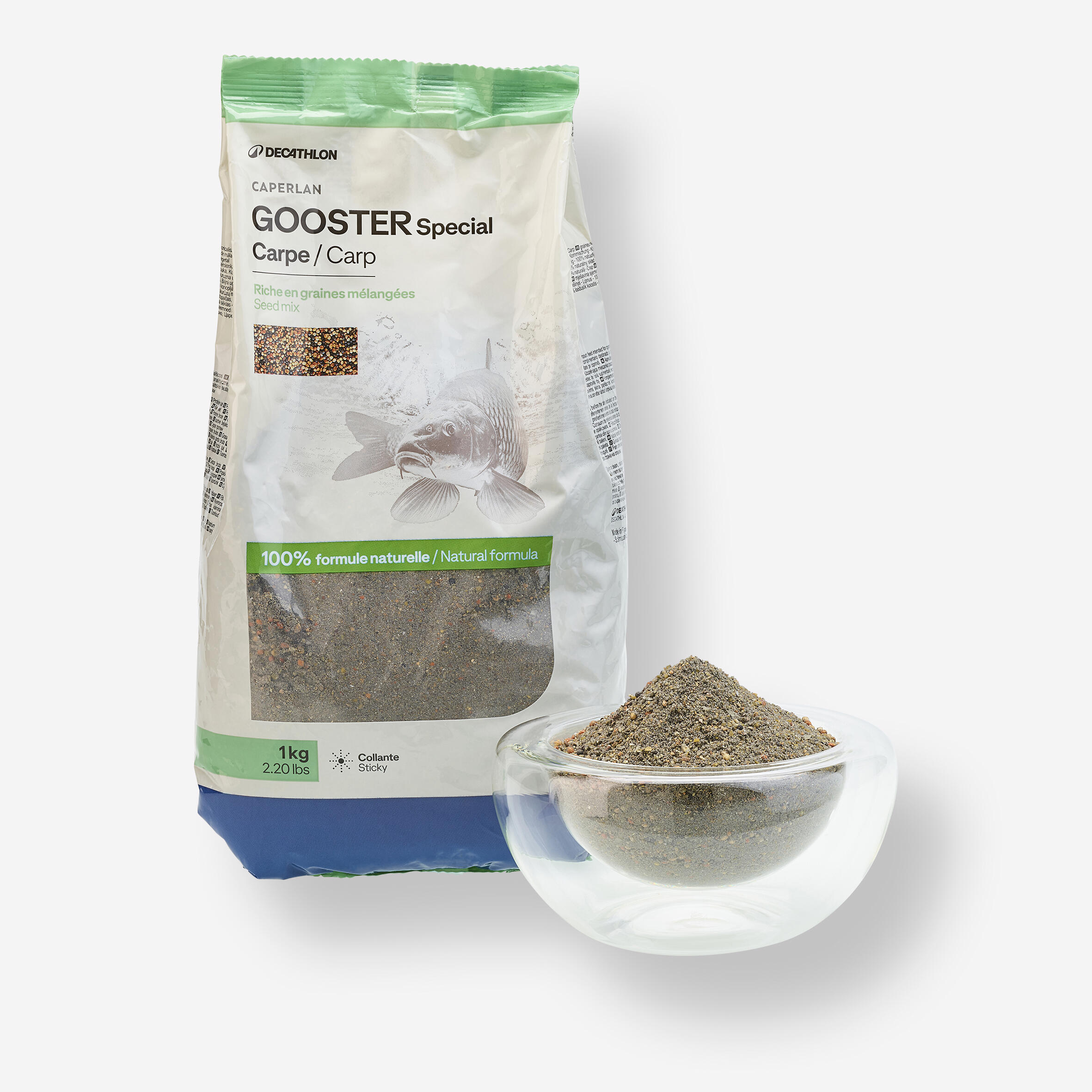
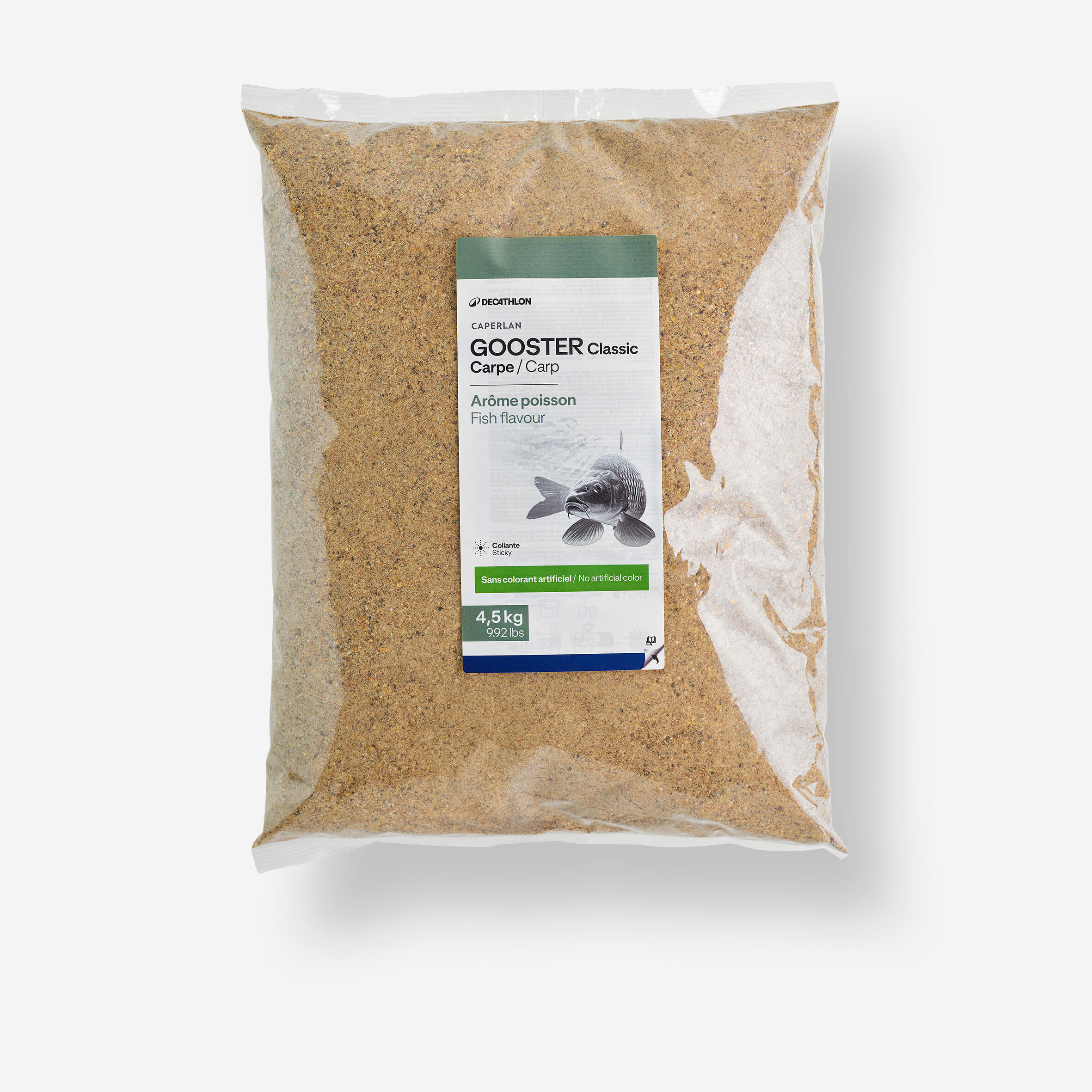
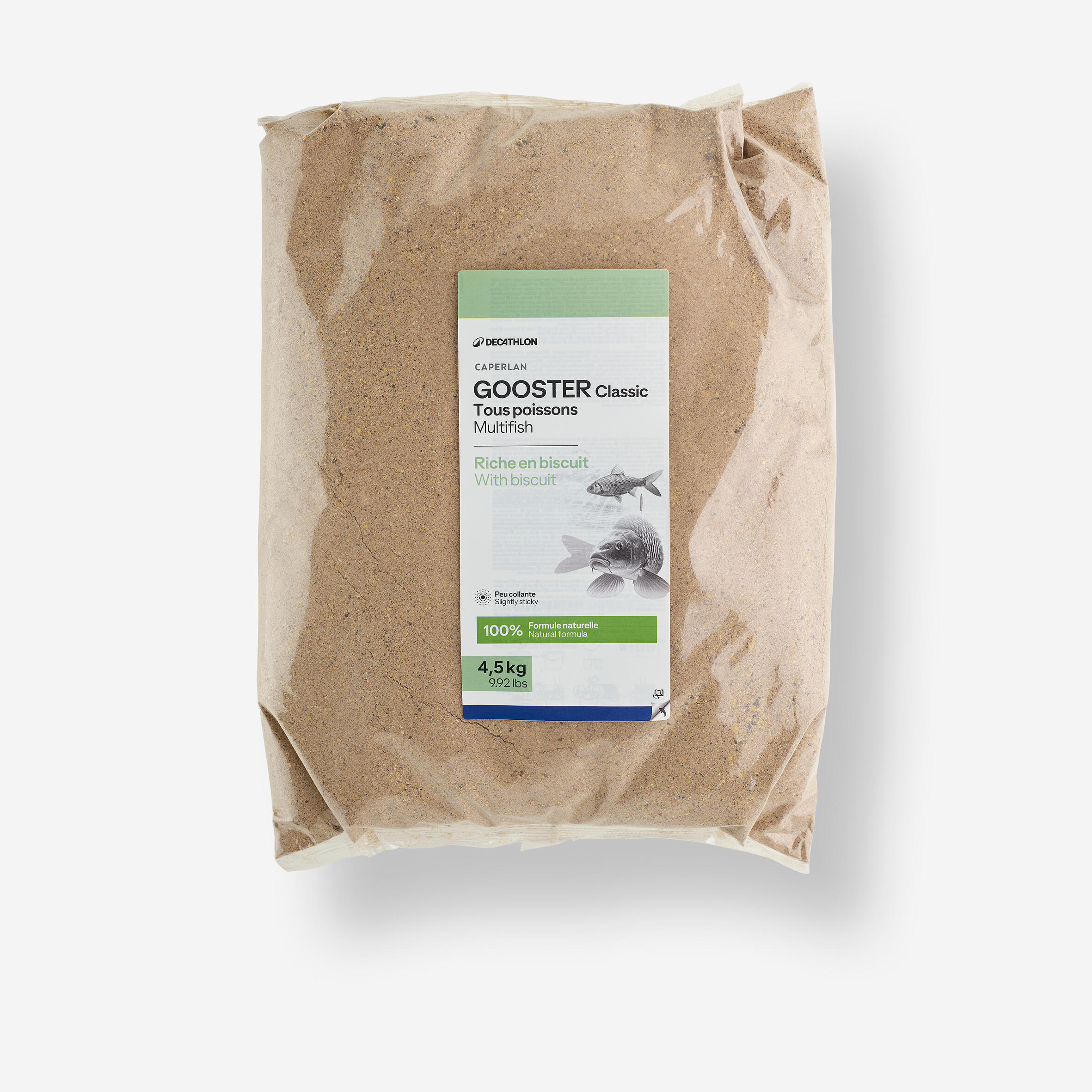
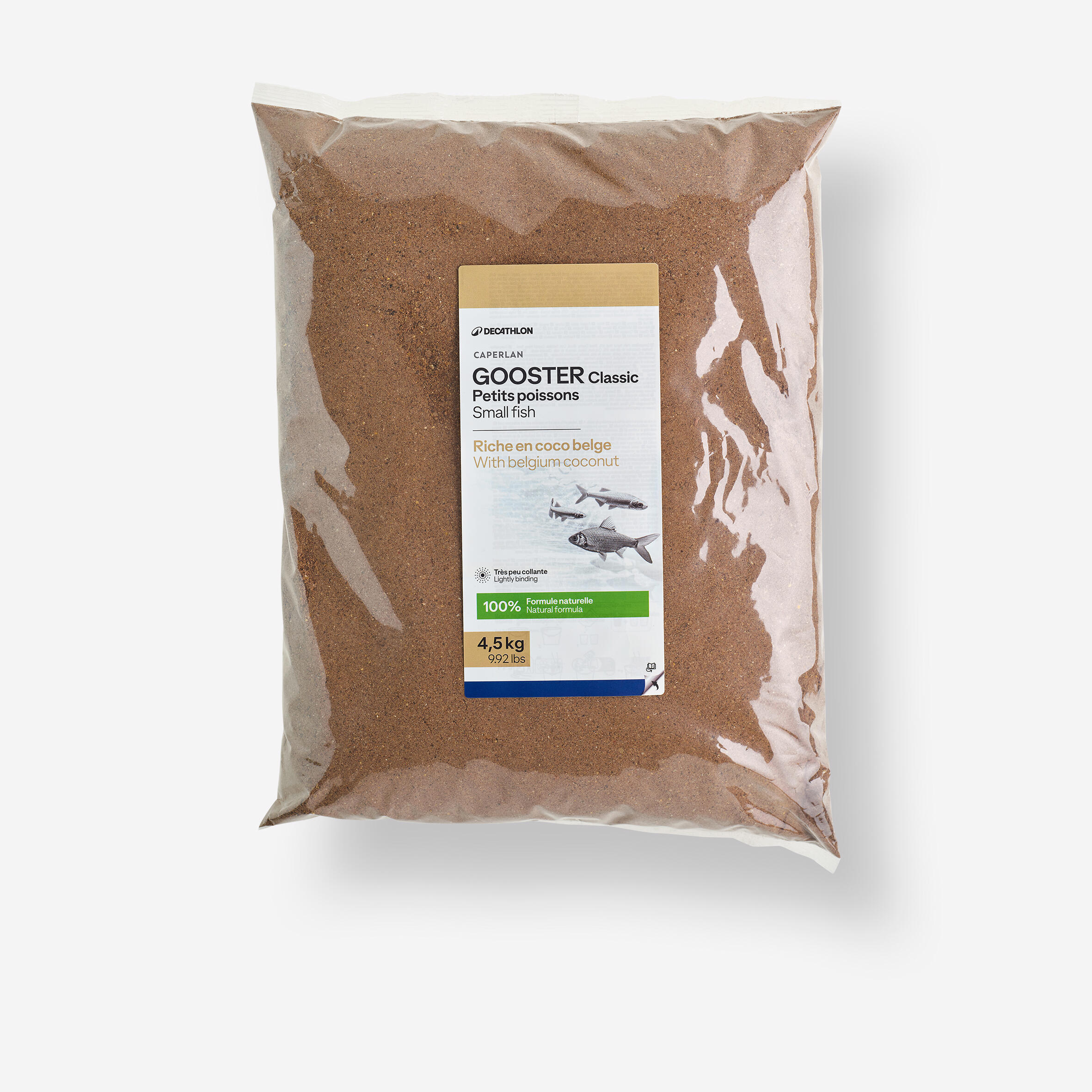
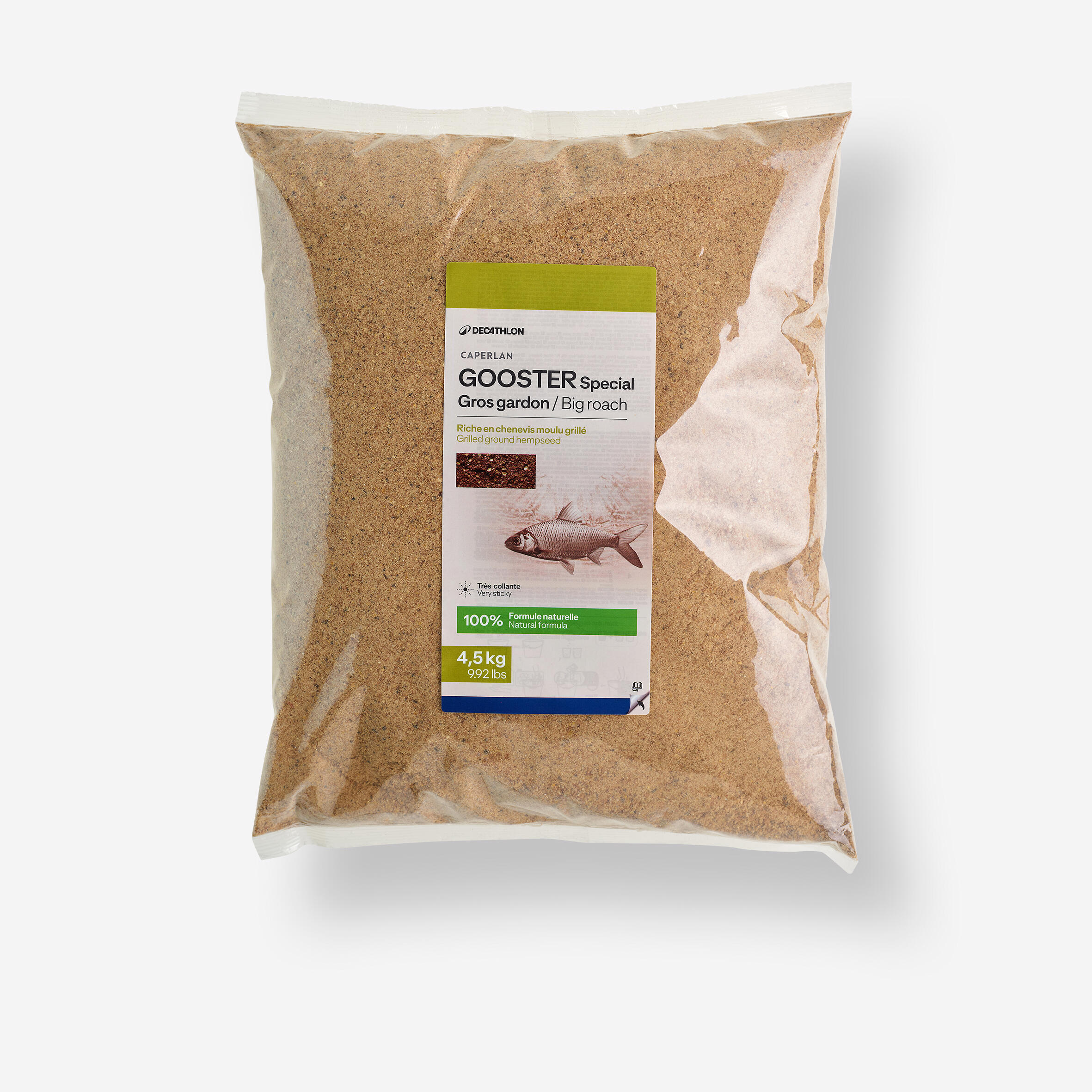
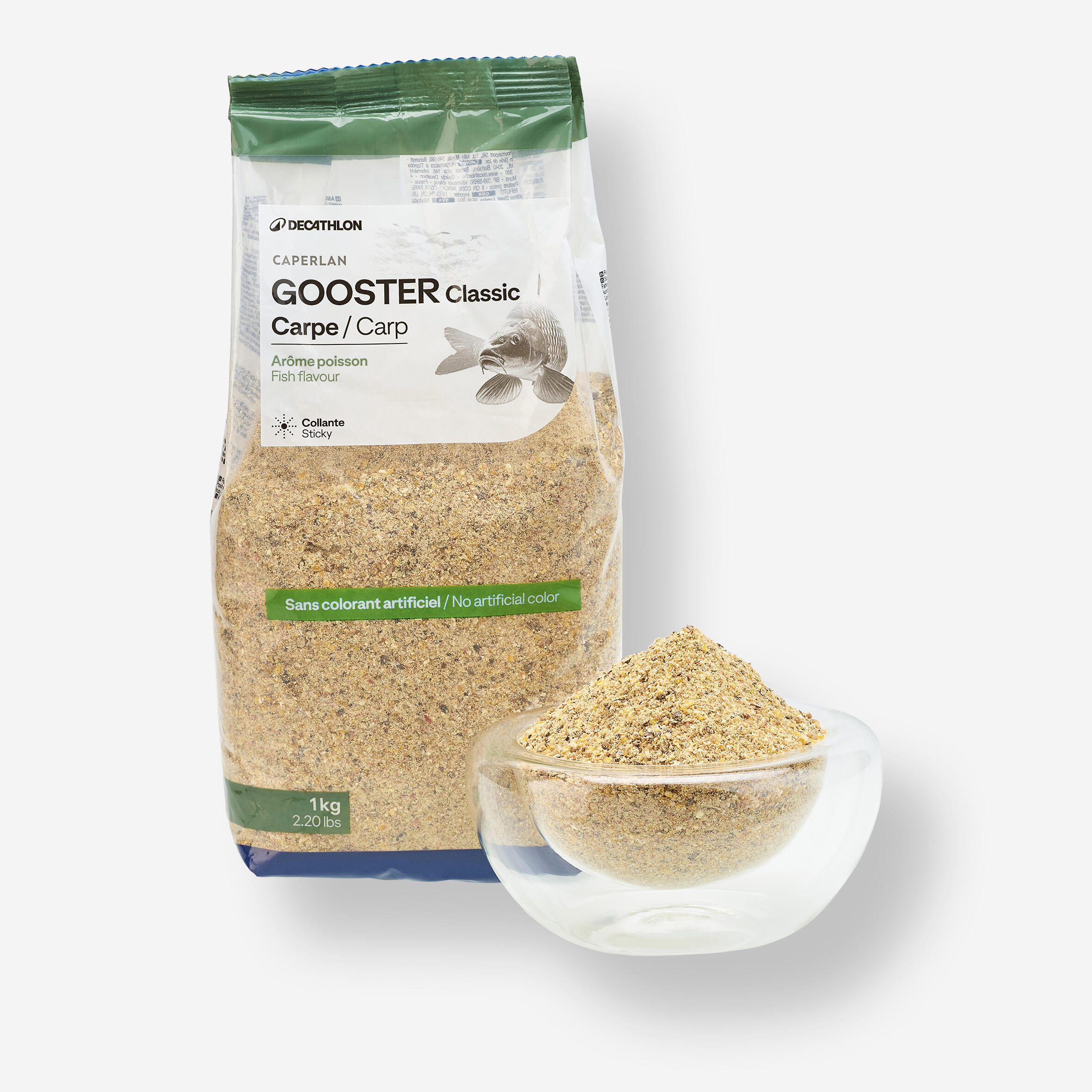
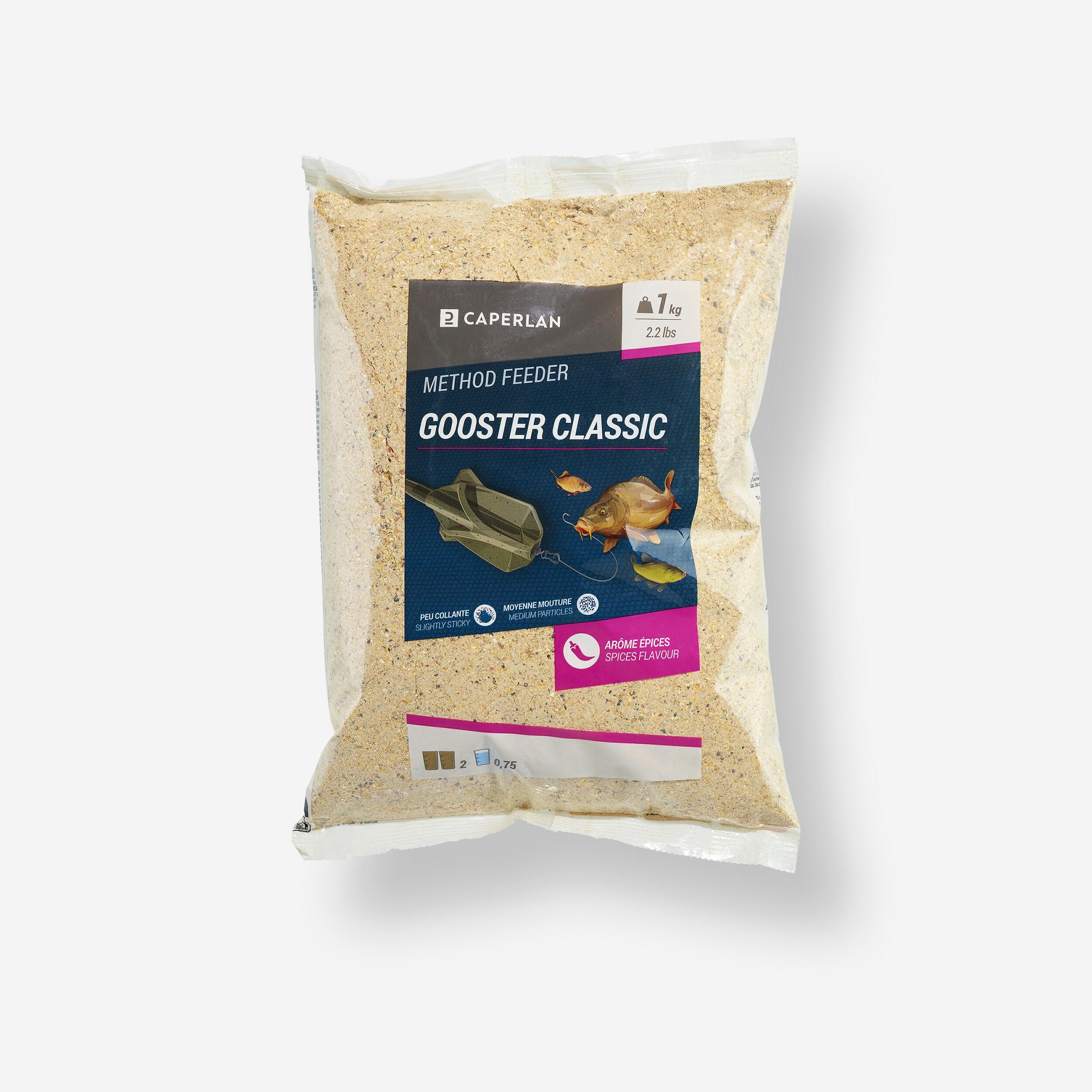
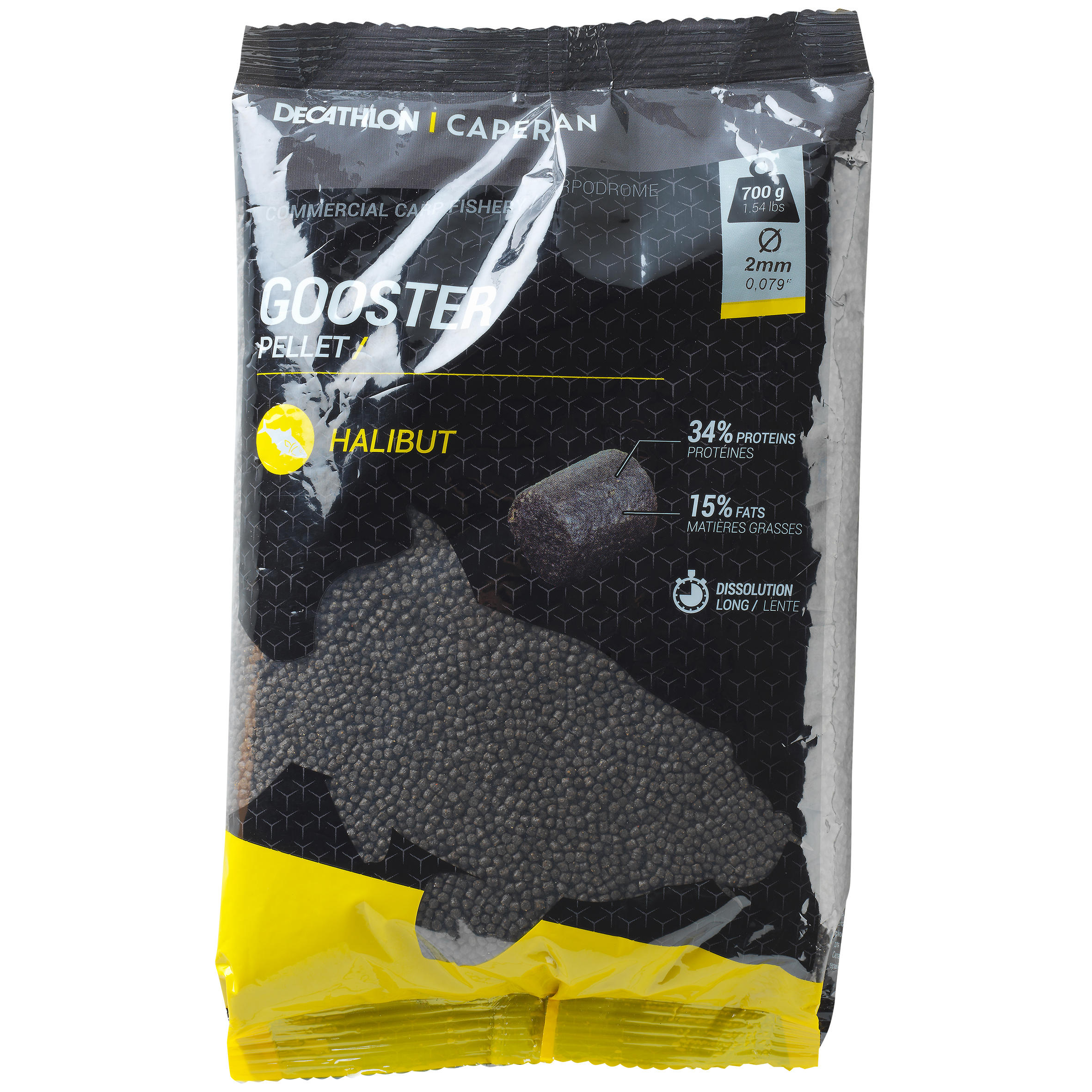
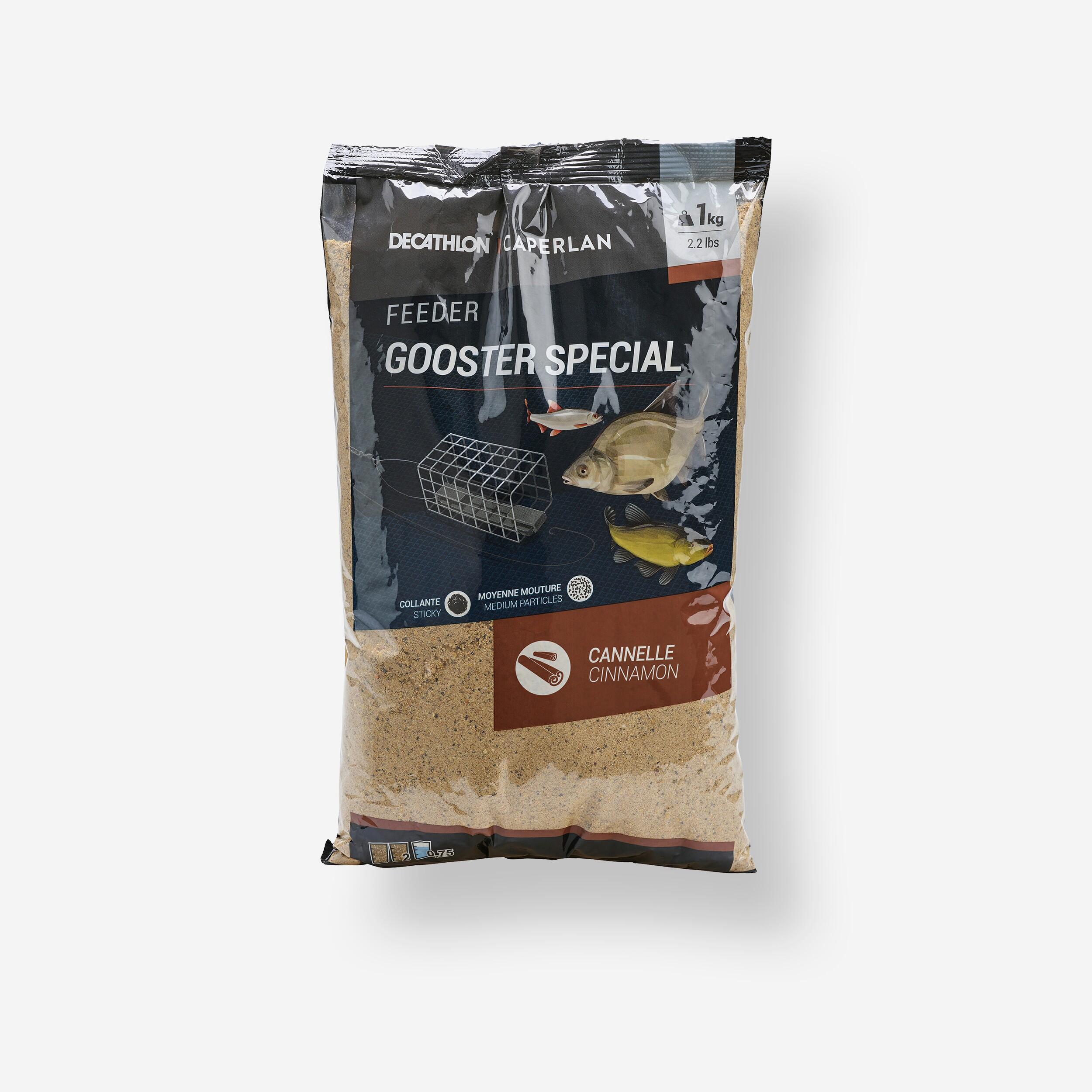
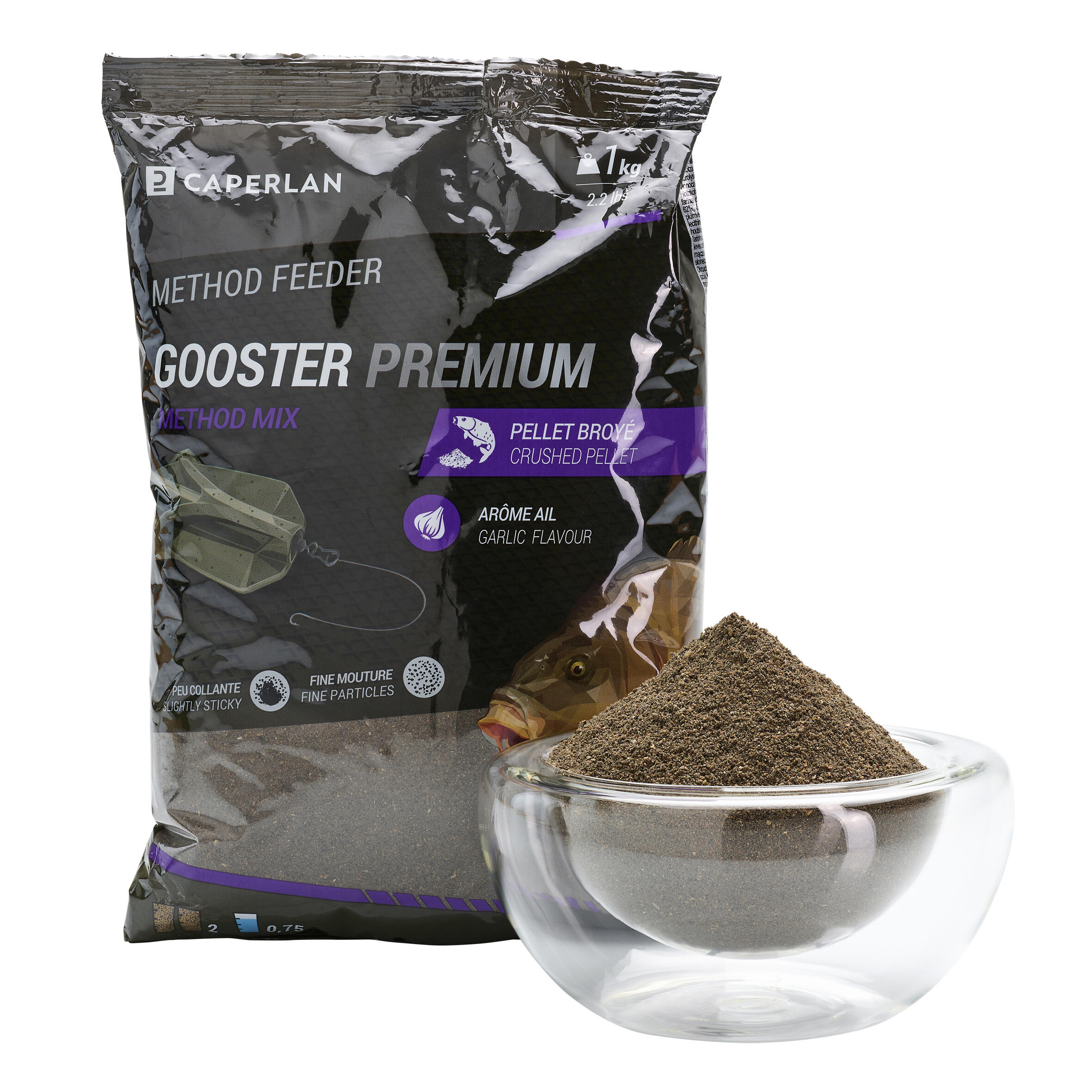
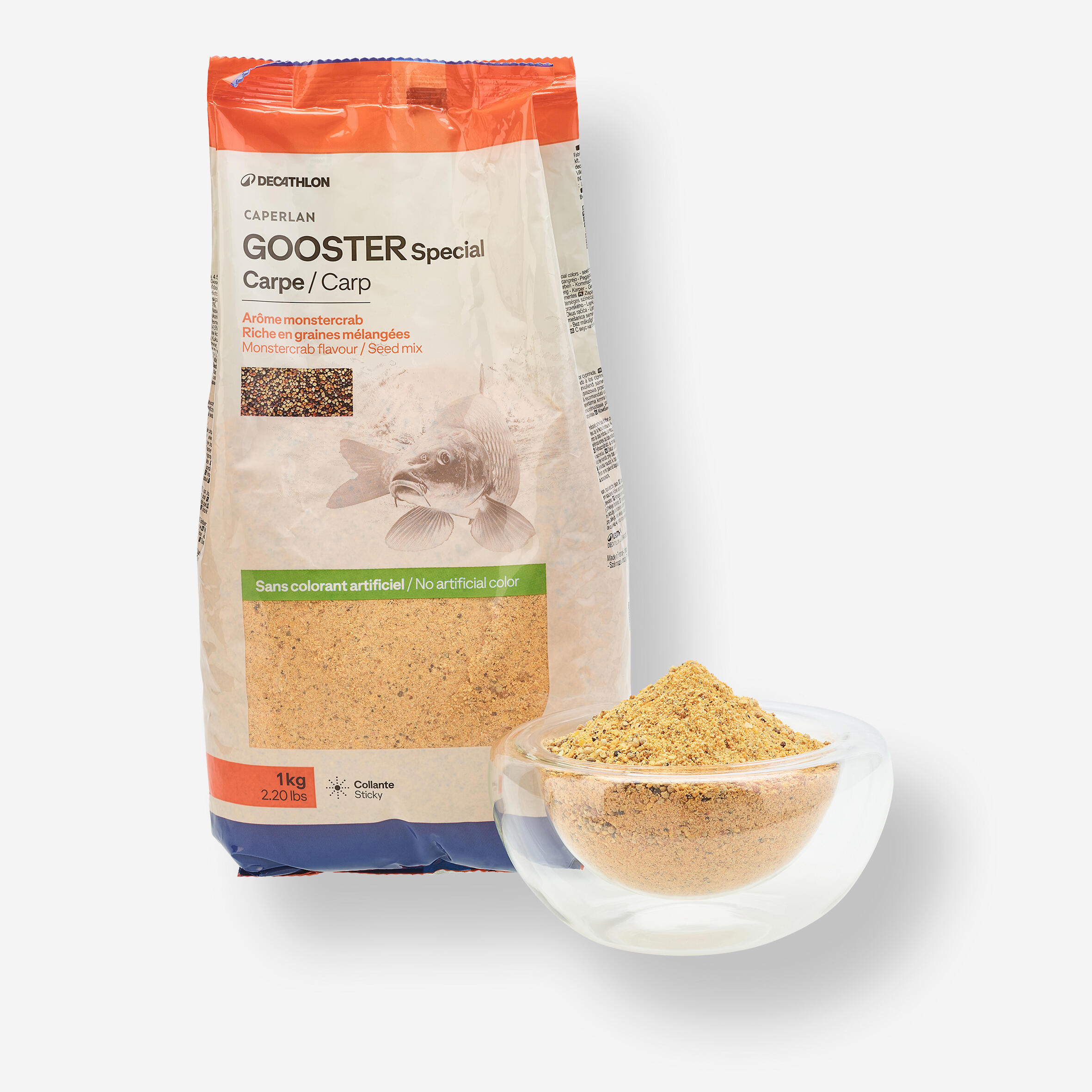
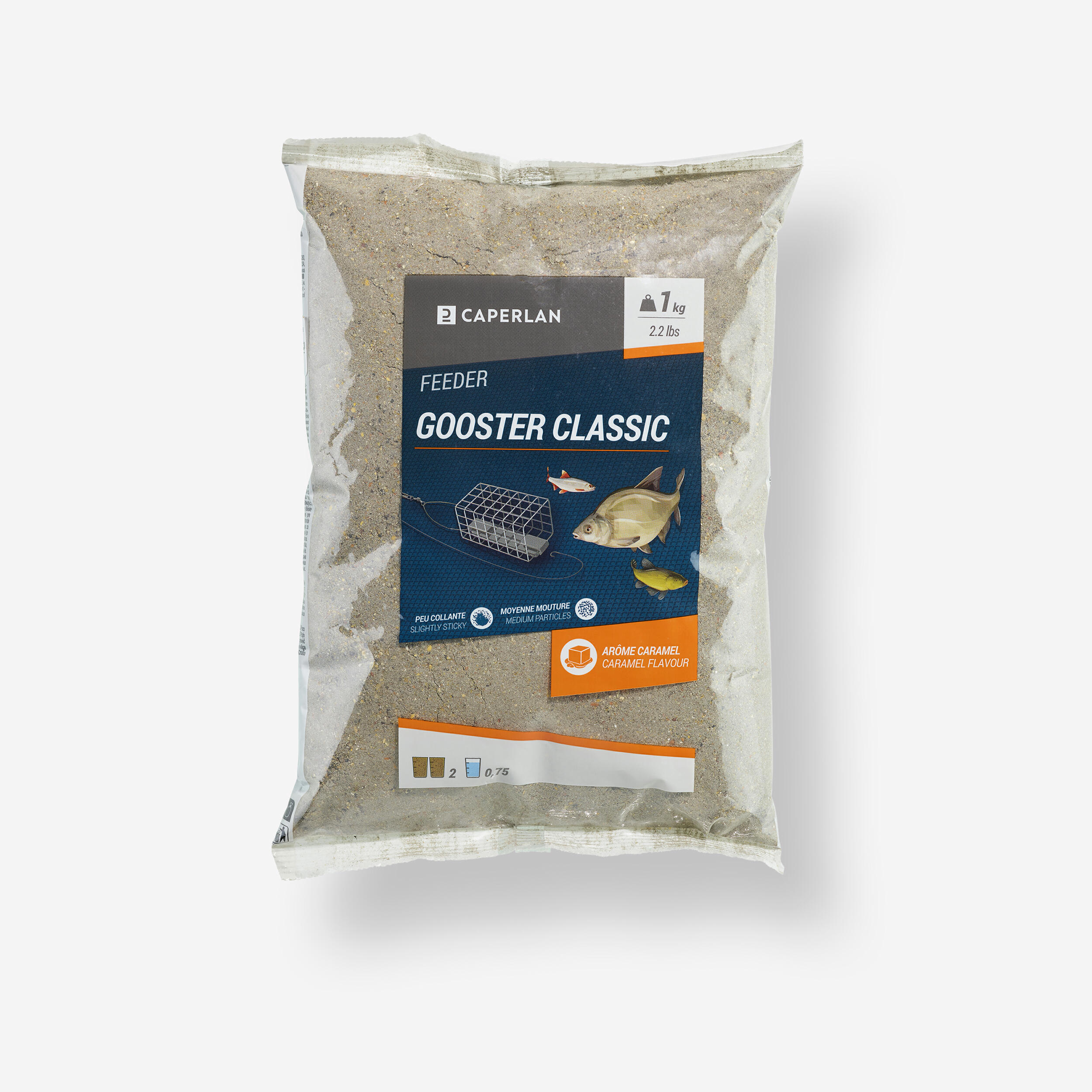
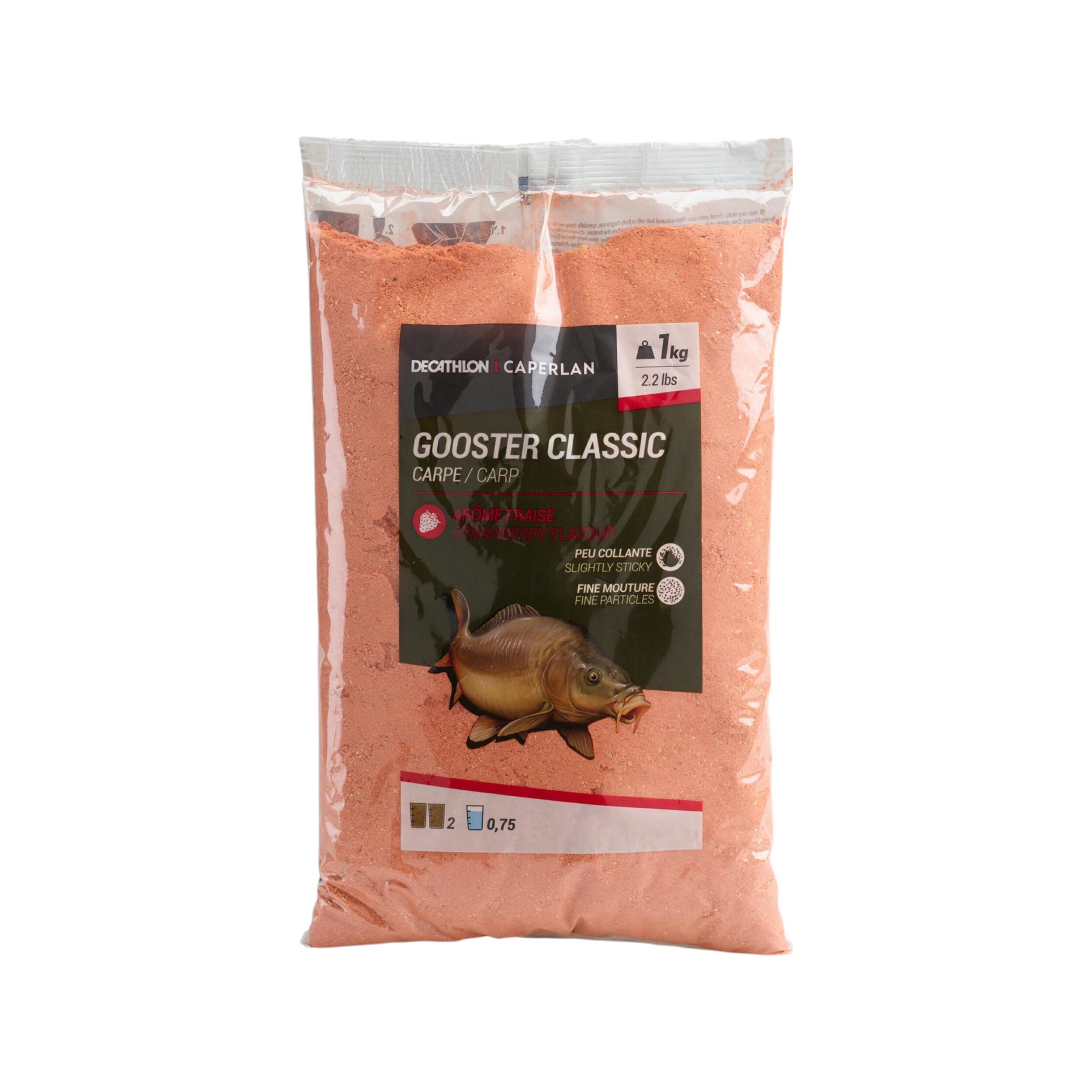
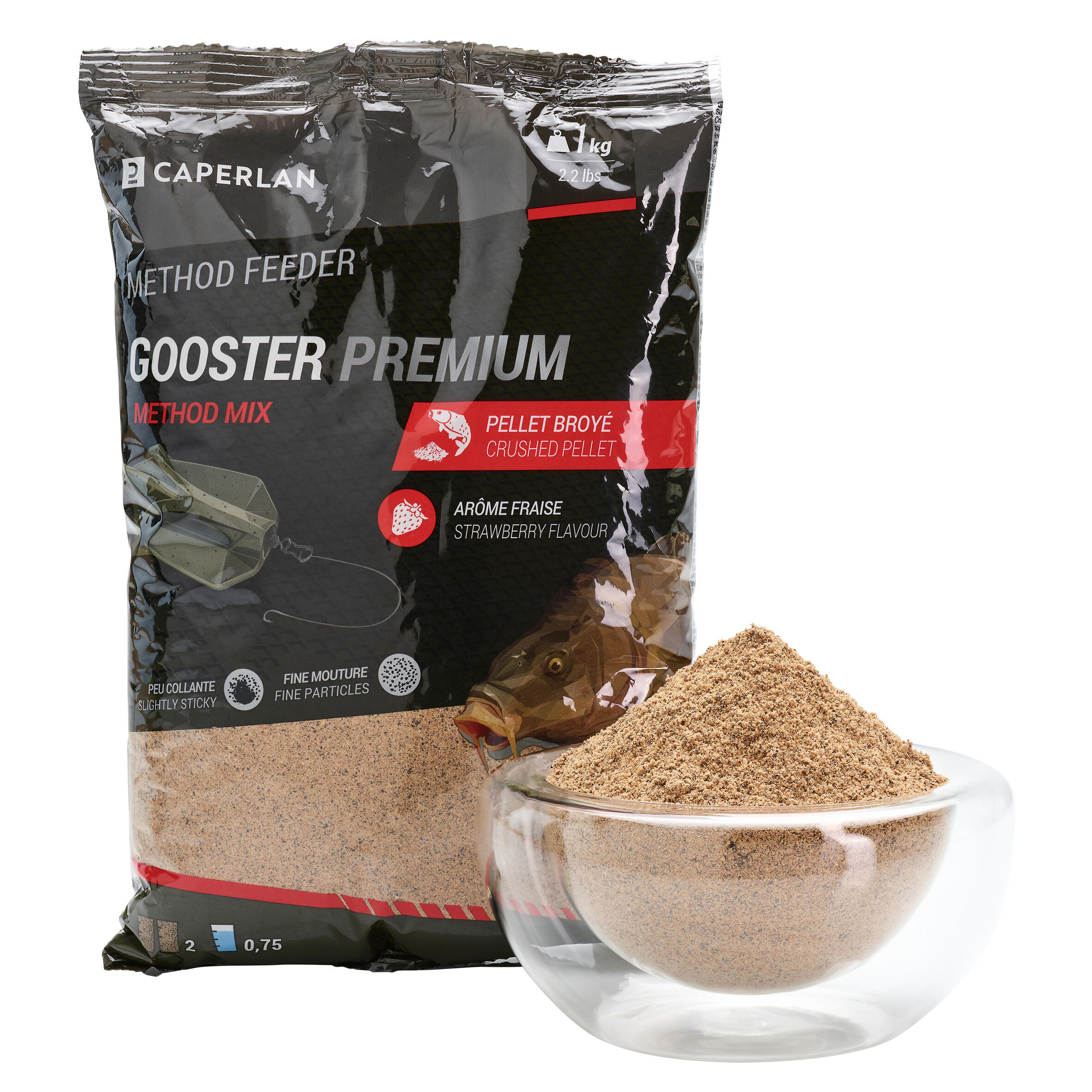
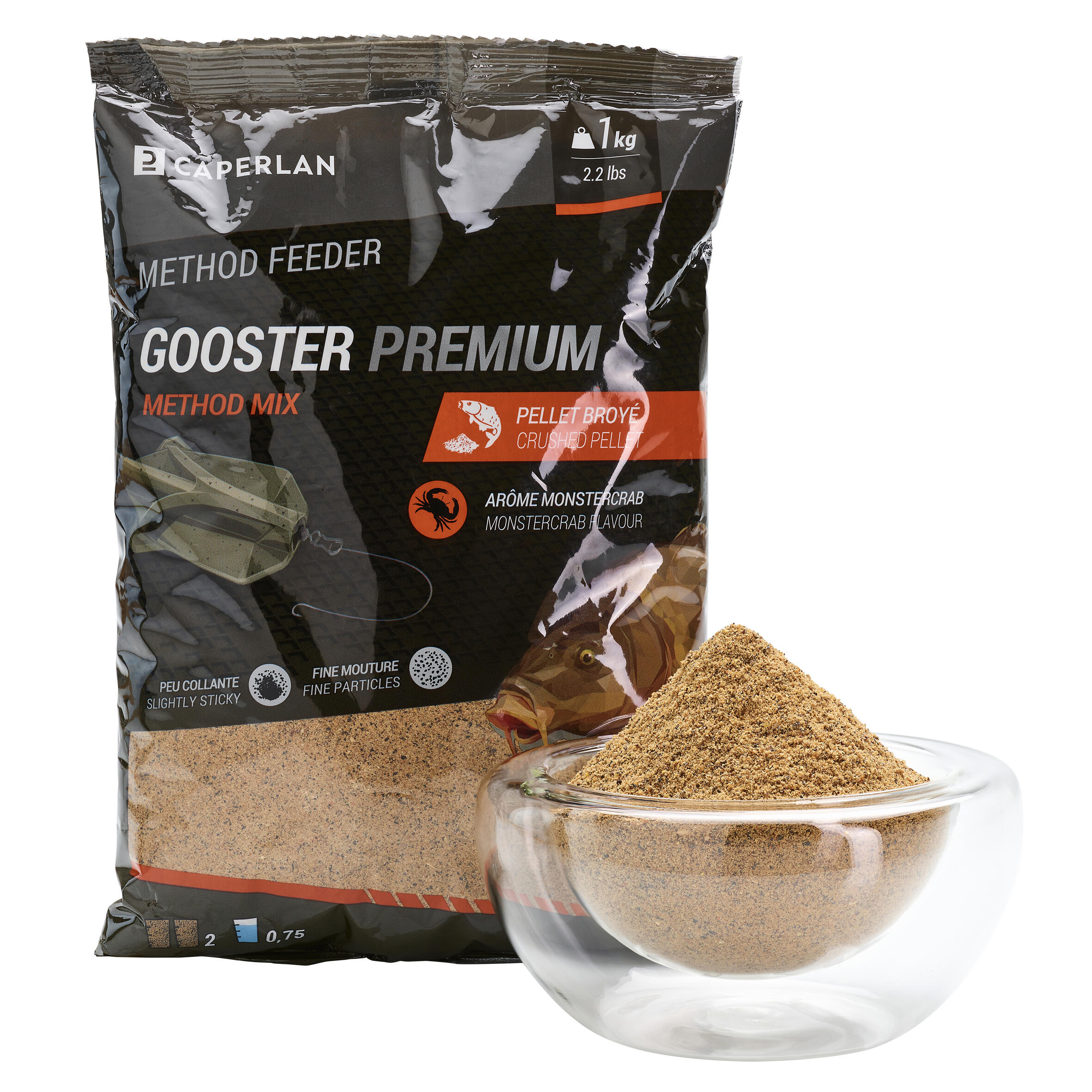
Accurate wetting helps groundbait hold together during casting while still breaking down once it reaches the fishing area. Caperlan's GOOSTER feeder mixes give a useful starting ratio of two parts groundbait to 0.75 parts water. Add roughly three-quarters of the water first, mix thoroughly and leave the bait for around 15 minutes so the particles absorb moisture evenly. Use the remaining water to make smaller adjustments rather than pouring everything in at once. The method gives you more control over consistency and reduces the risk of an over-wet mix. Different recipes within ground baits, paste and additives can behave differently, so make the final adjustment according to how firmly you need the bait to hold together.

Why are stickiness and grain size important in coarse fishing groundbait?

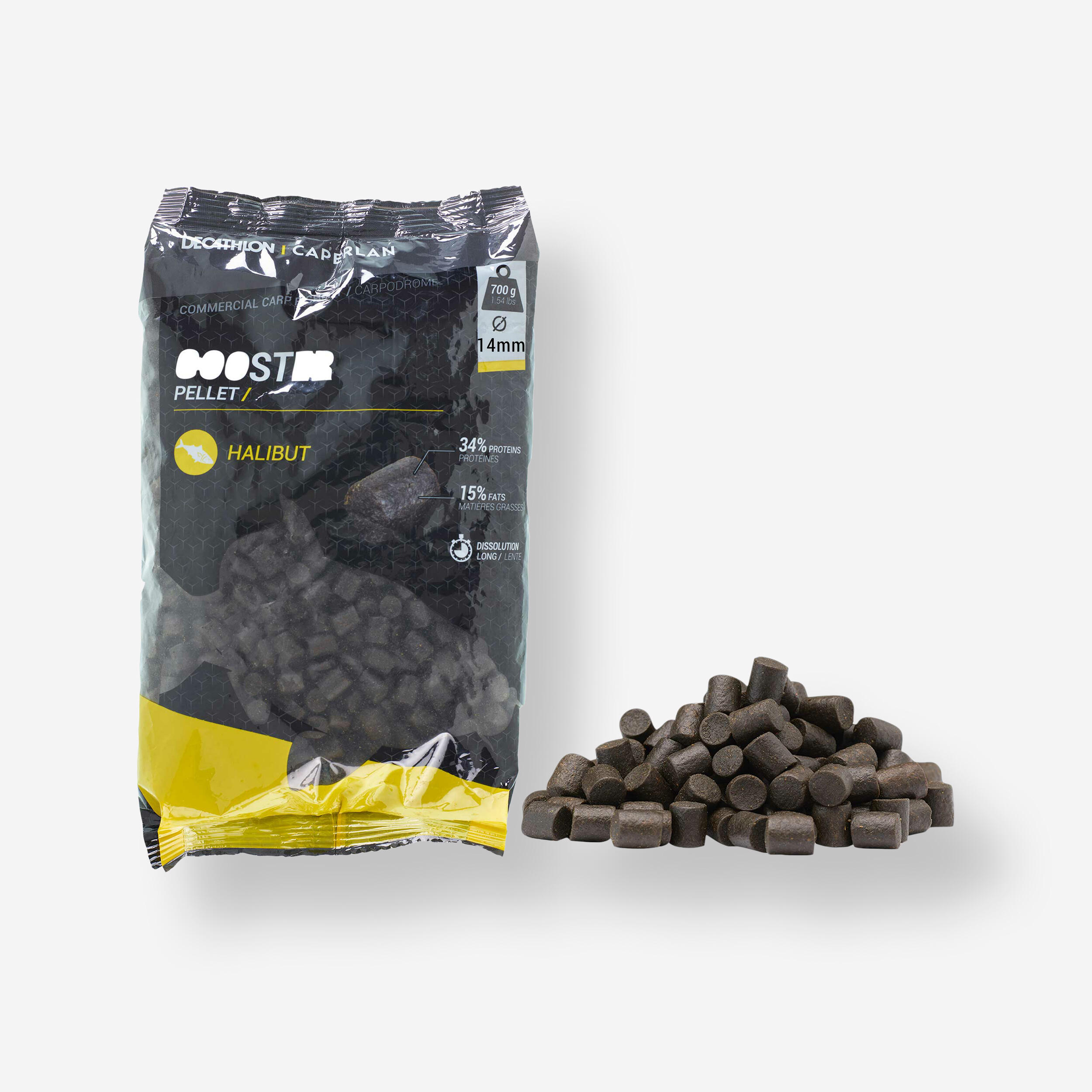
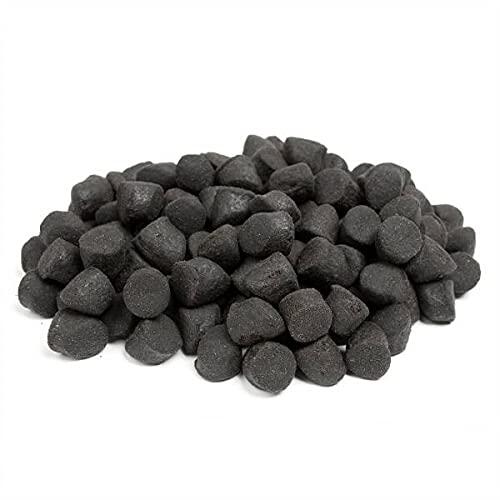
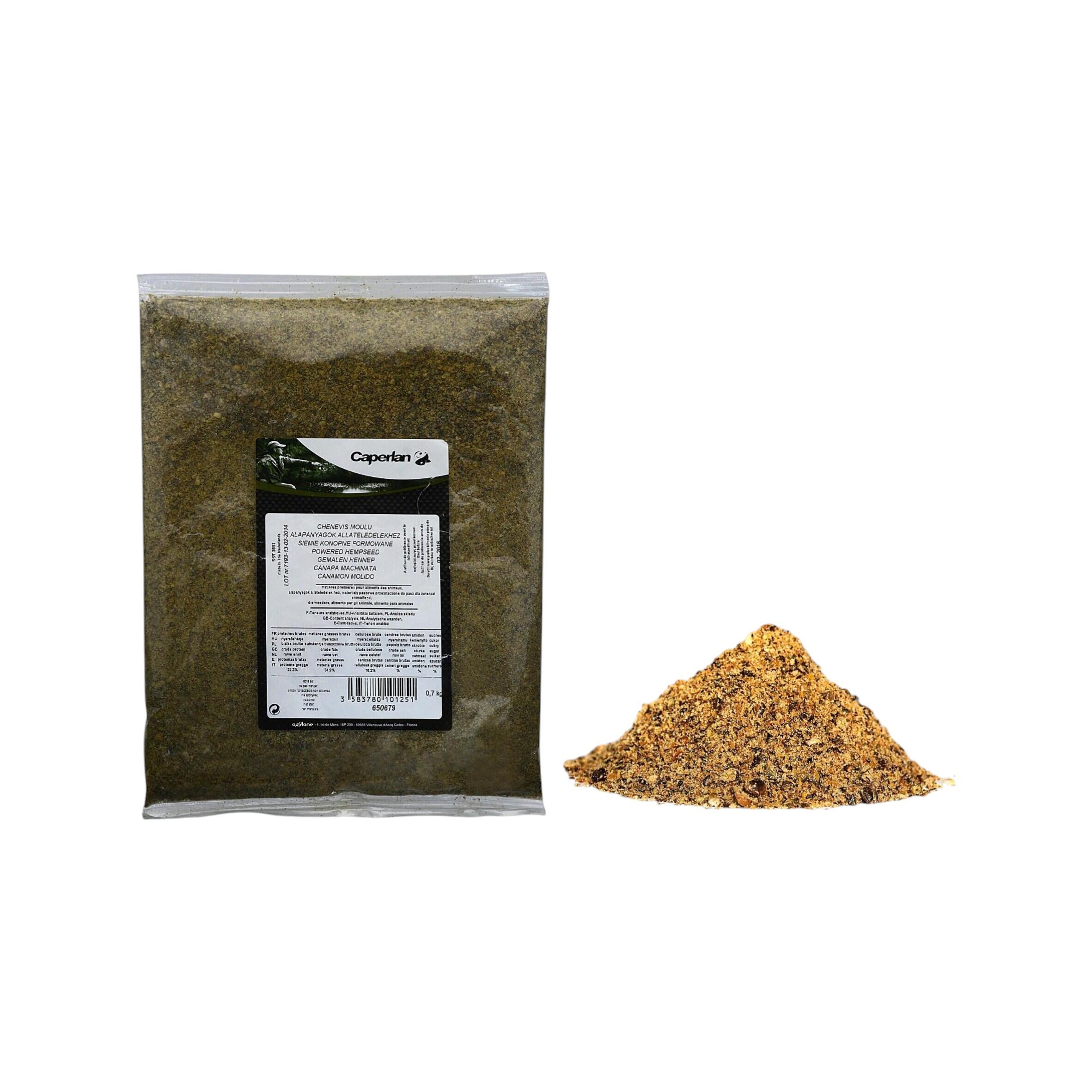
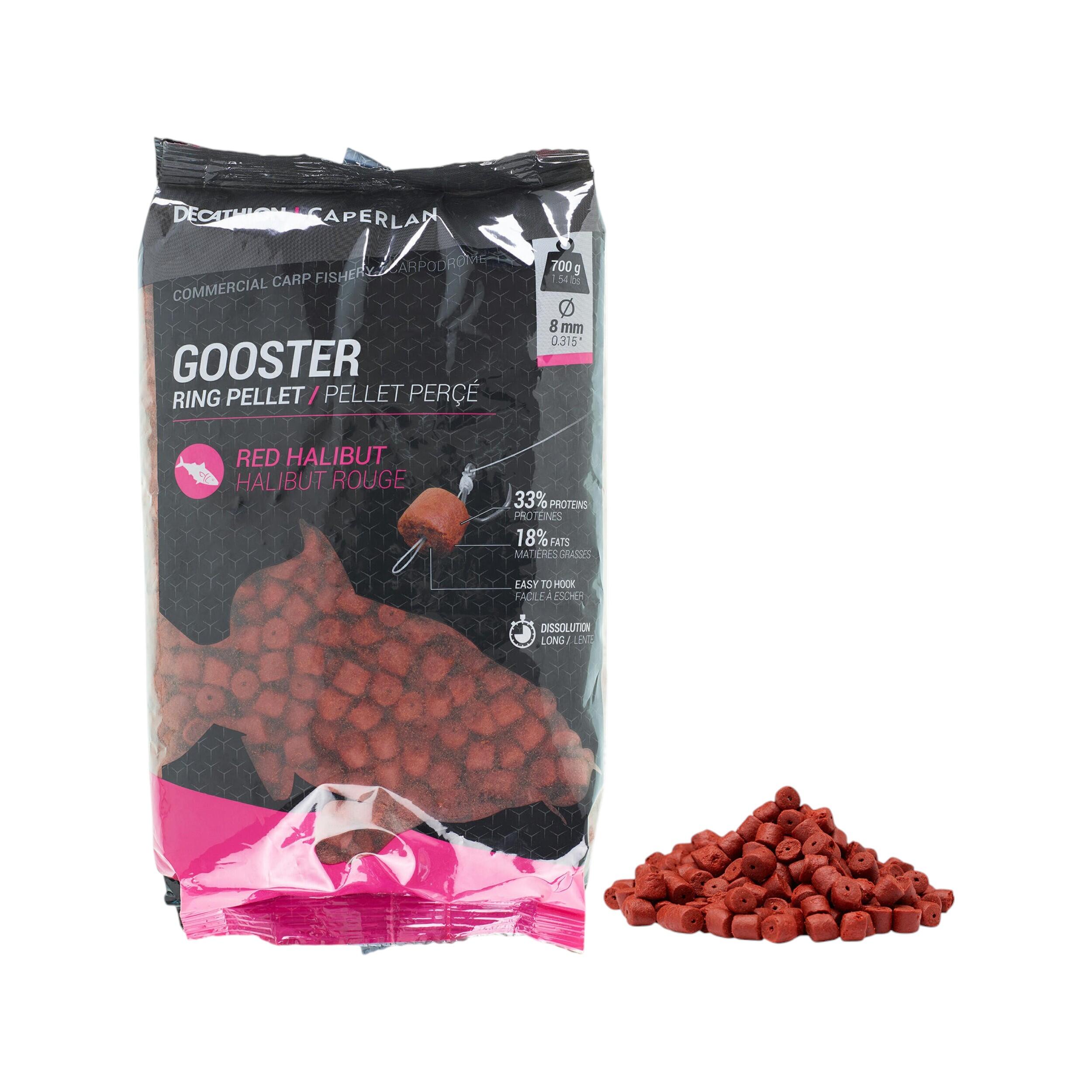
Groundbait does more than add scent to a swim. Its particle size and stickiness affect how quickly it opens up and how the feed spreads around your hook bait. Caperlan uses medium-ground mixtures for general feeder fishing, while recipes for larger fish can include more noticeable particles or pellets. Lower-stickiness feeder mixes break down relatively quickly once they reach the bottom, which helps distribute particles instead of leaving one compact lump. Adding suitable cornbaits and pellets can also change the size and feeding value of the particles in your mix. Start with the intended species, water movement and feeding method, then adjust the mix rather than relying on flavour alone.

How can you keep different fishing baits organised at the bank?

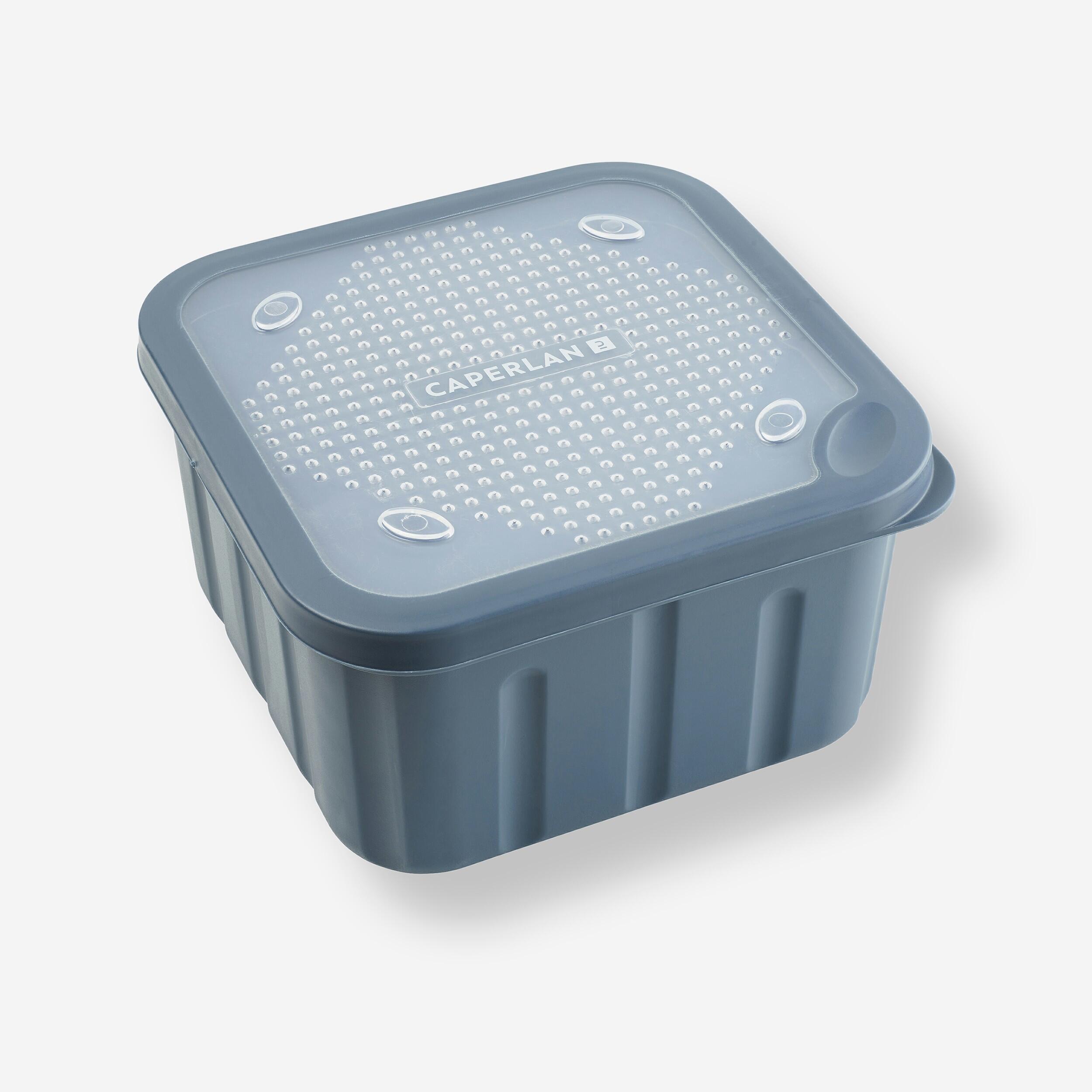
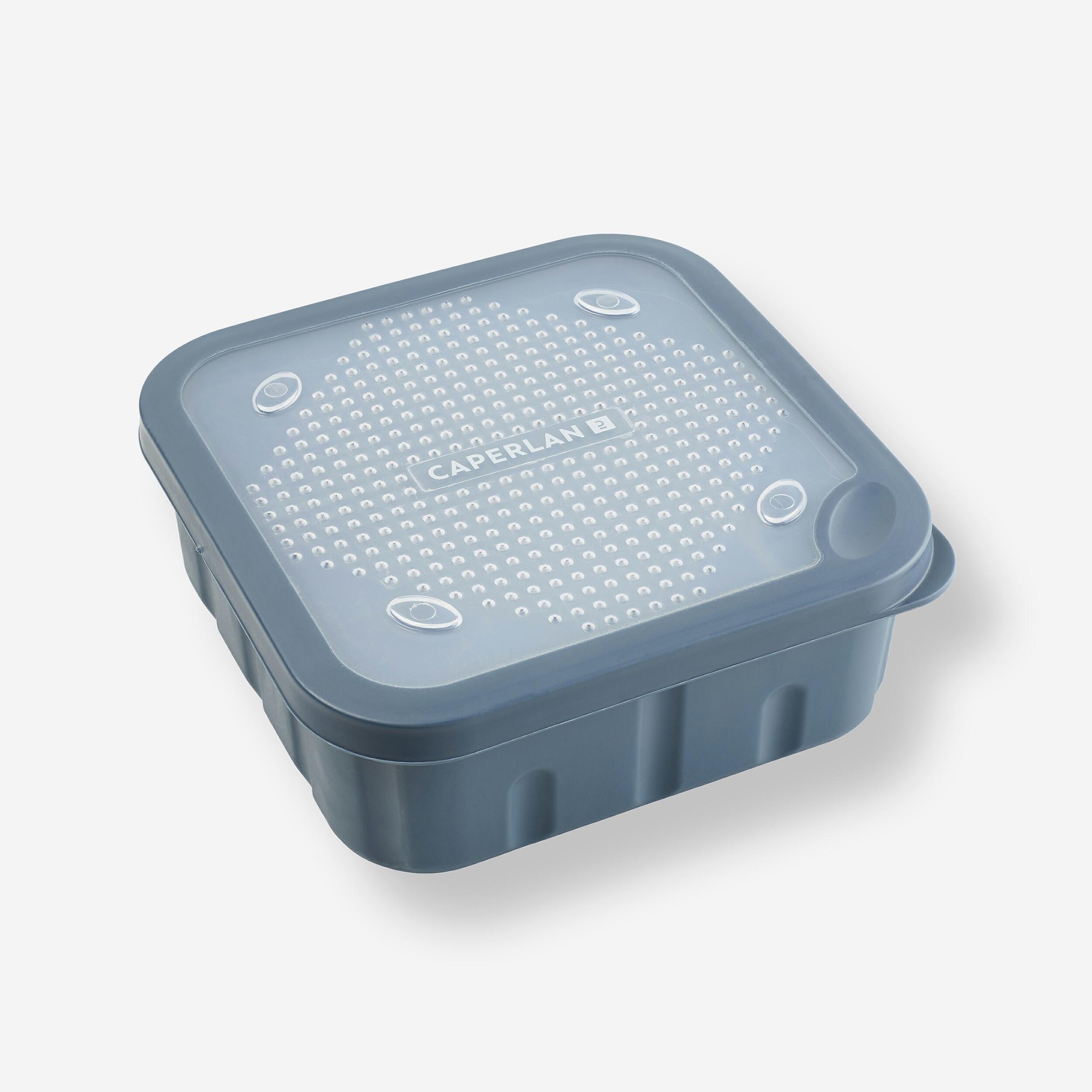
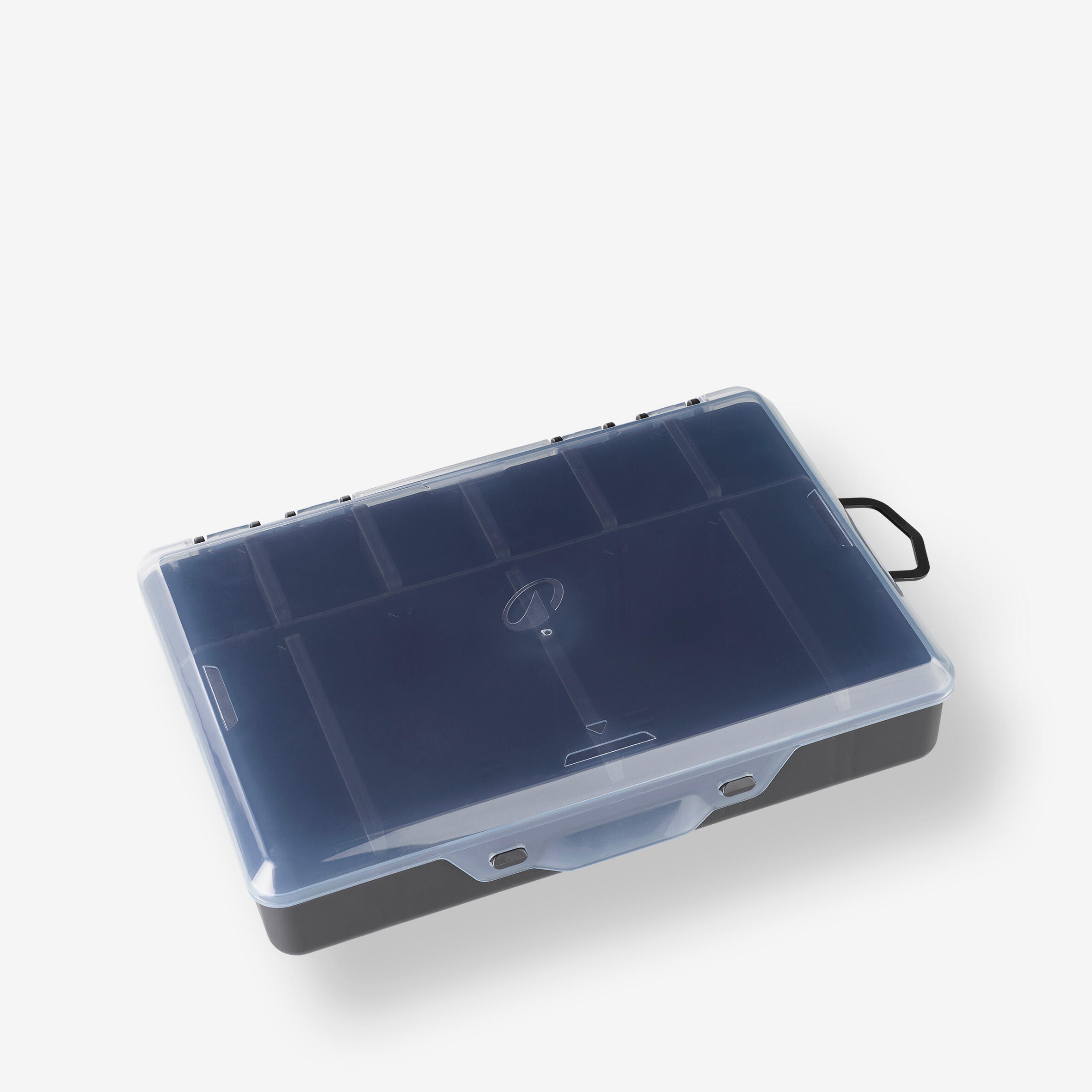
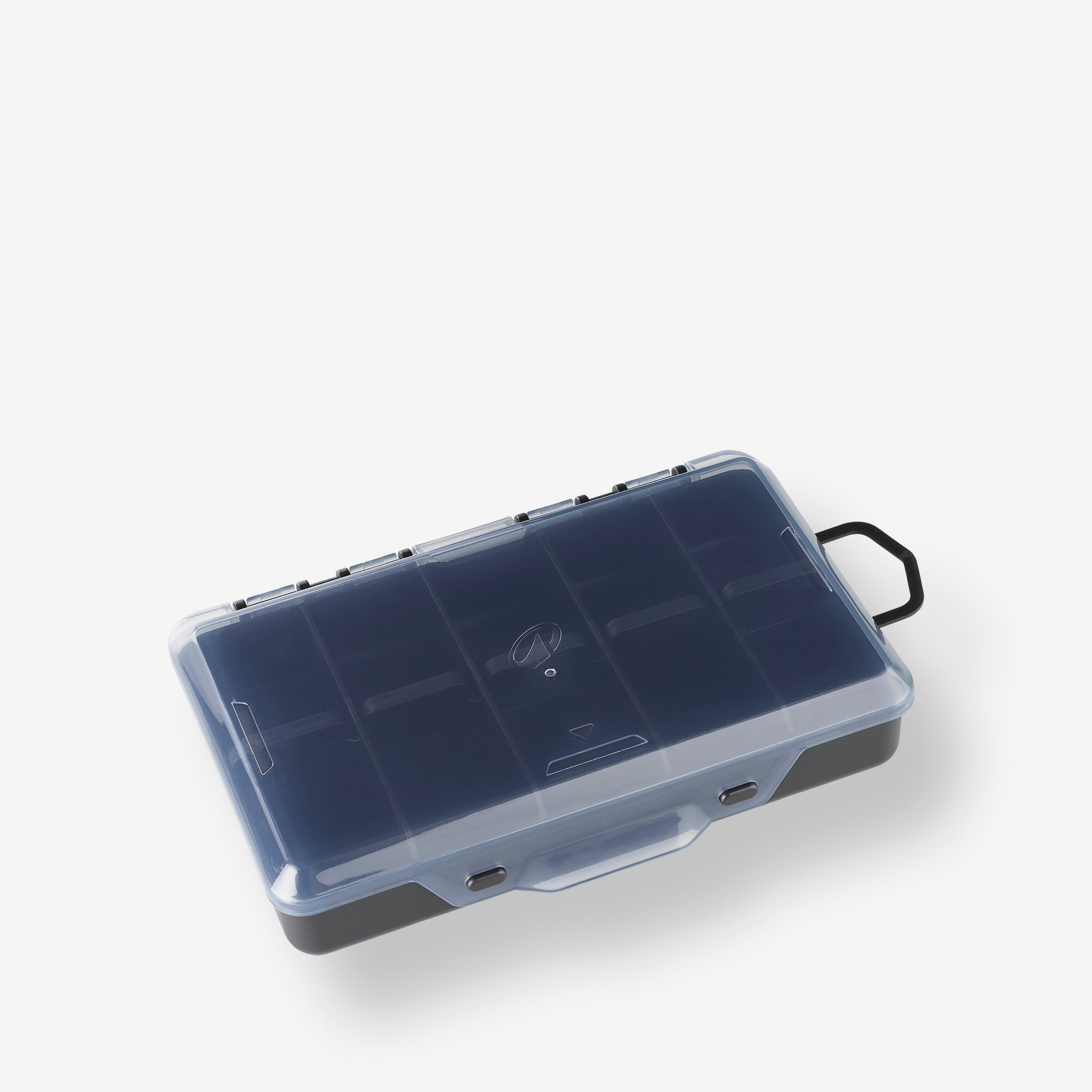
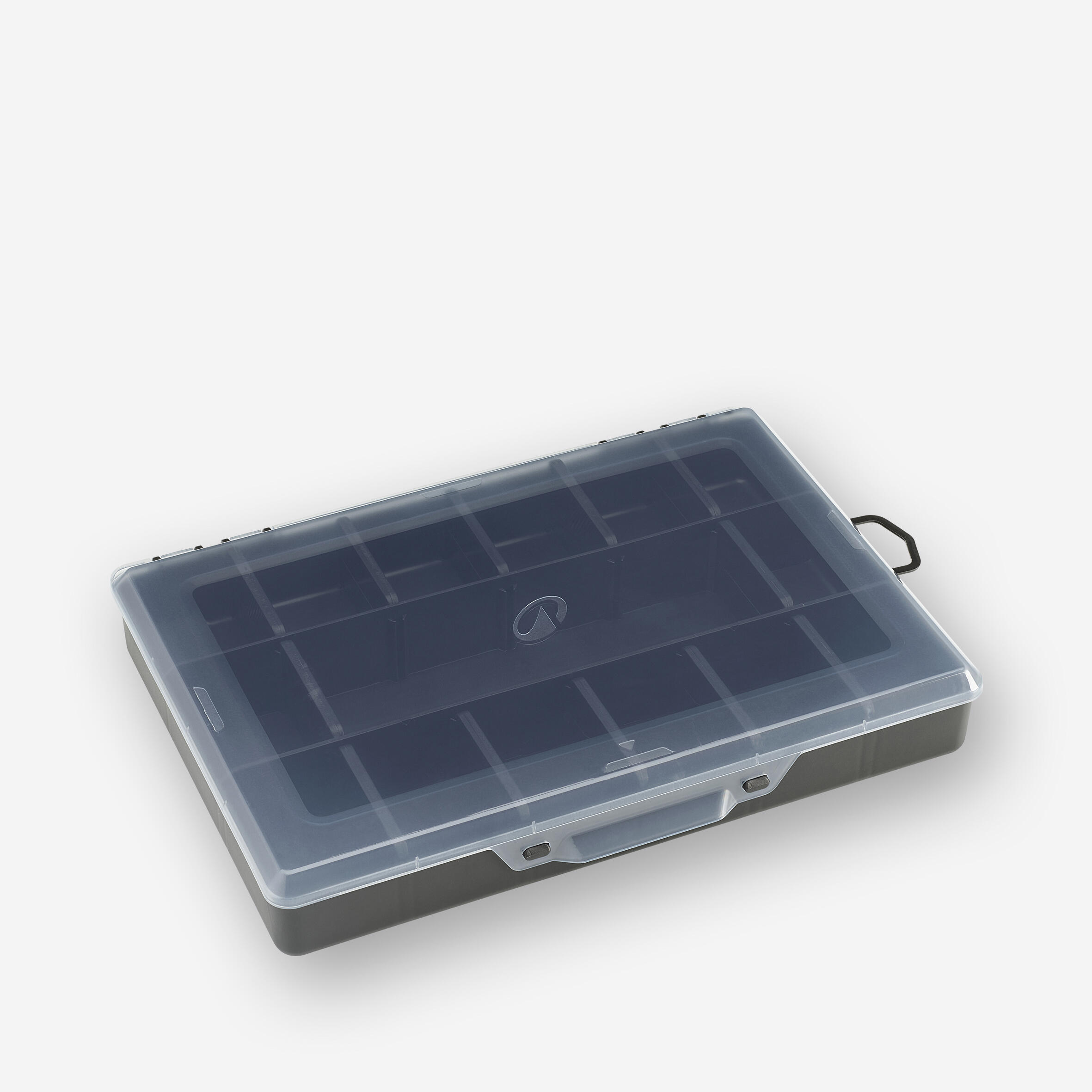
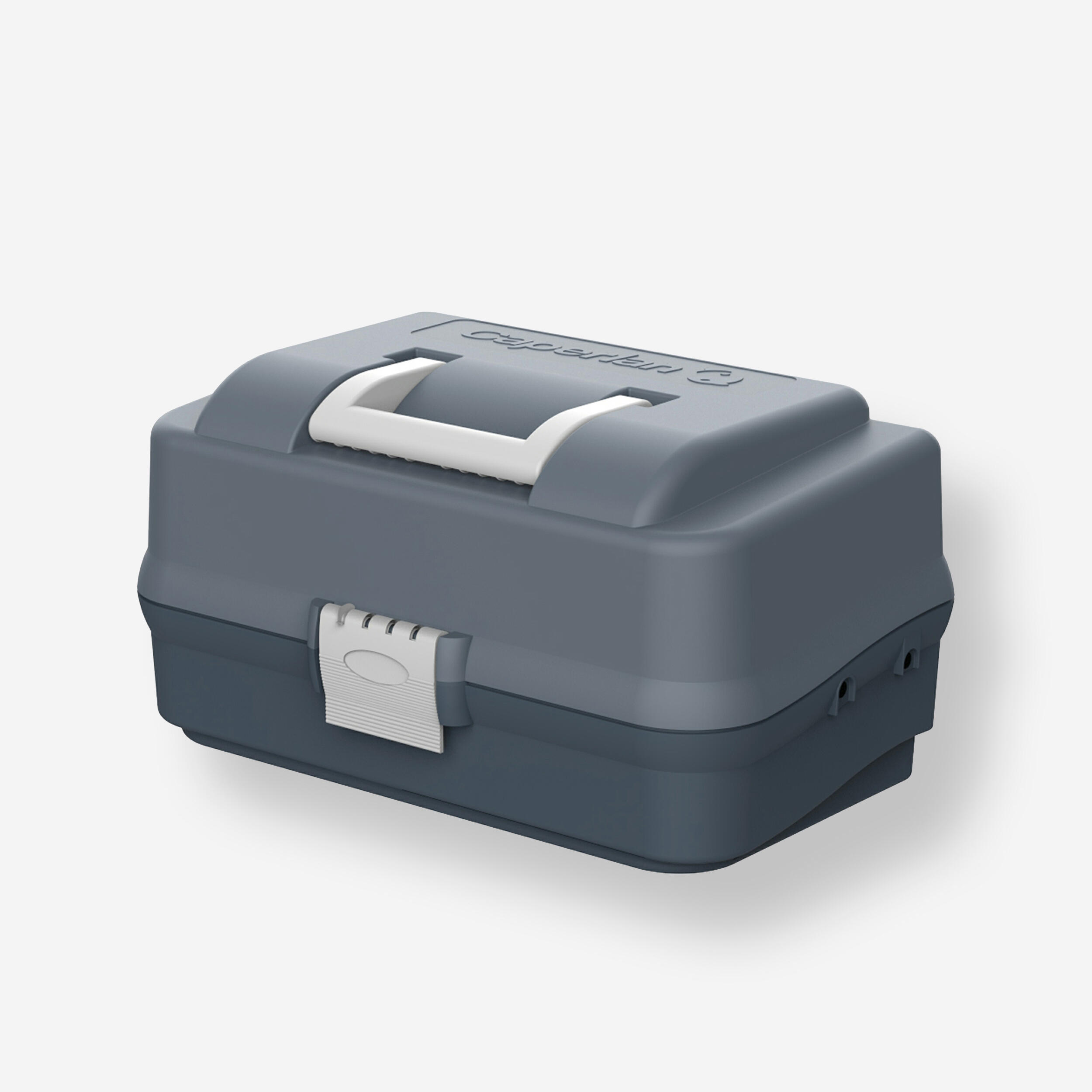
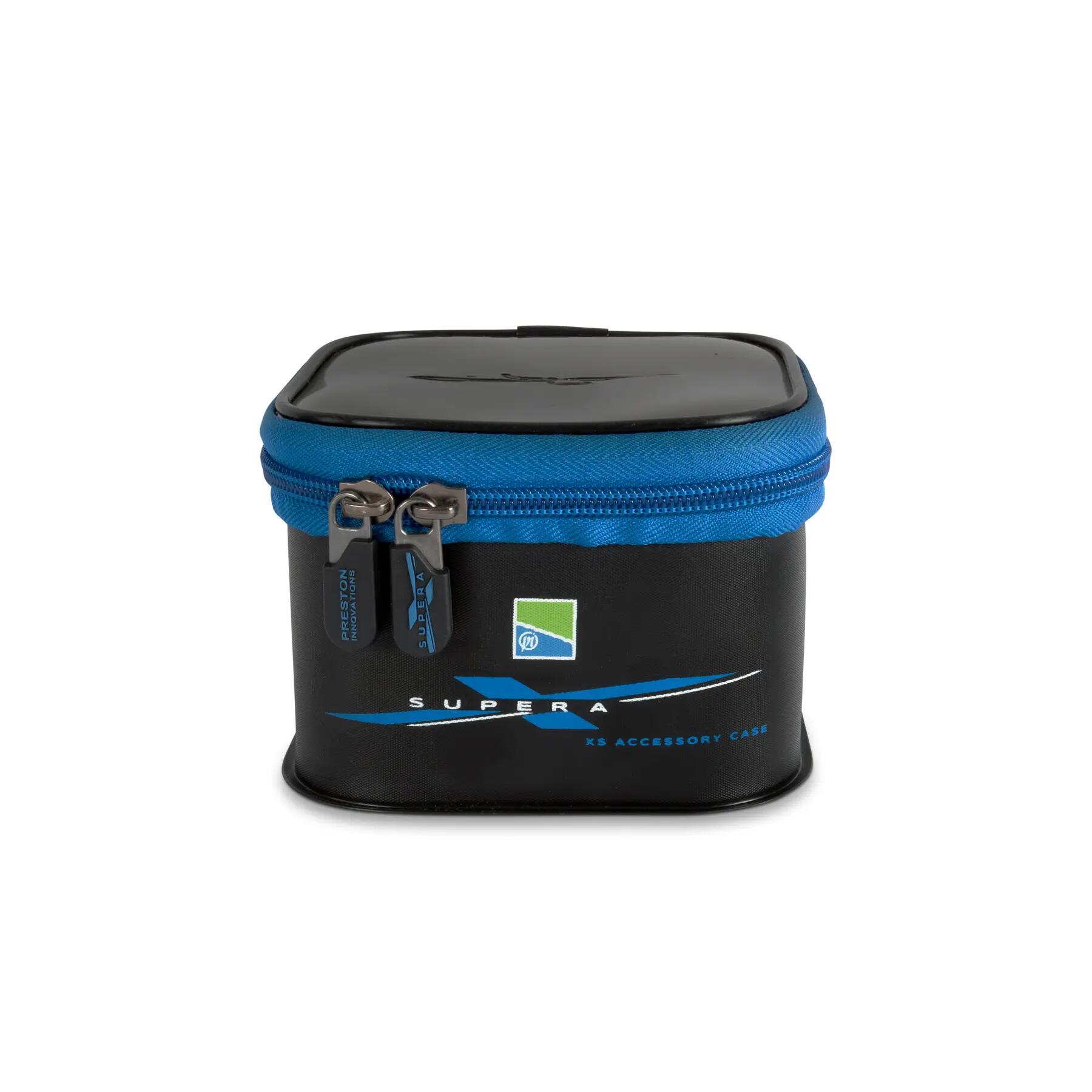
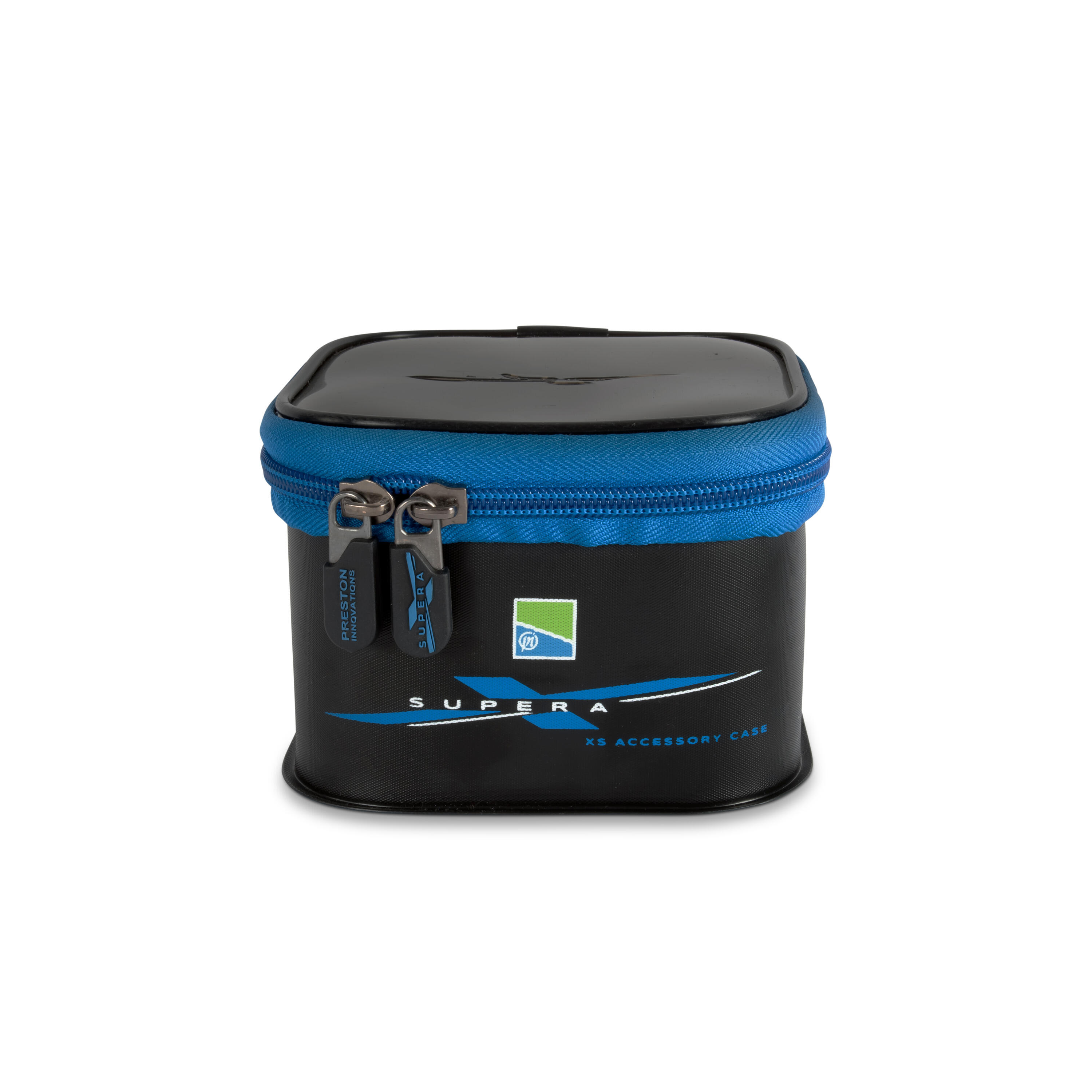
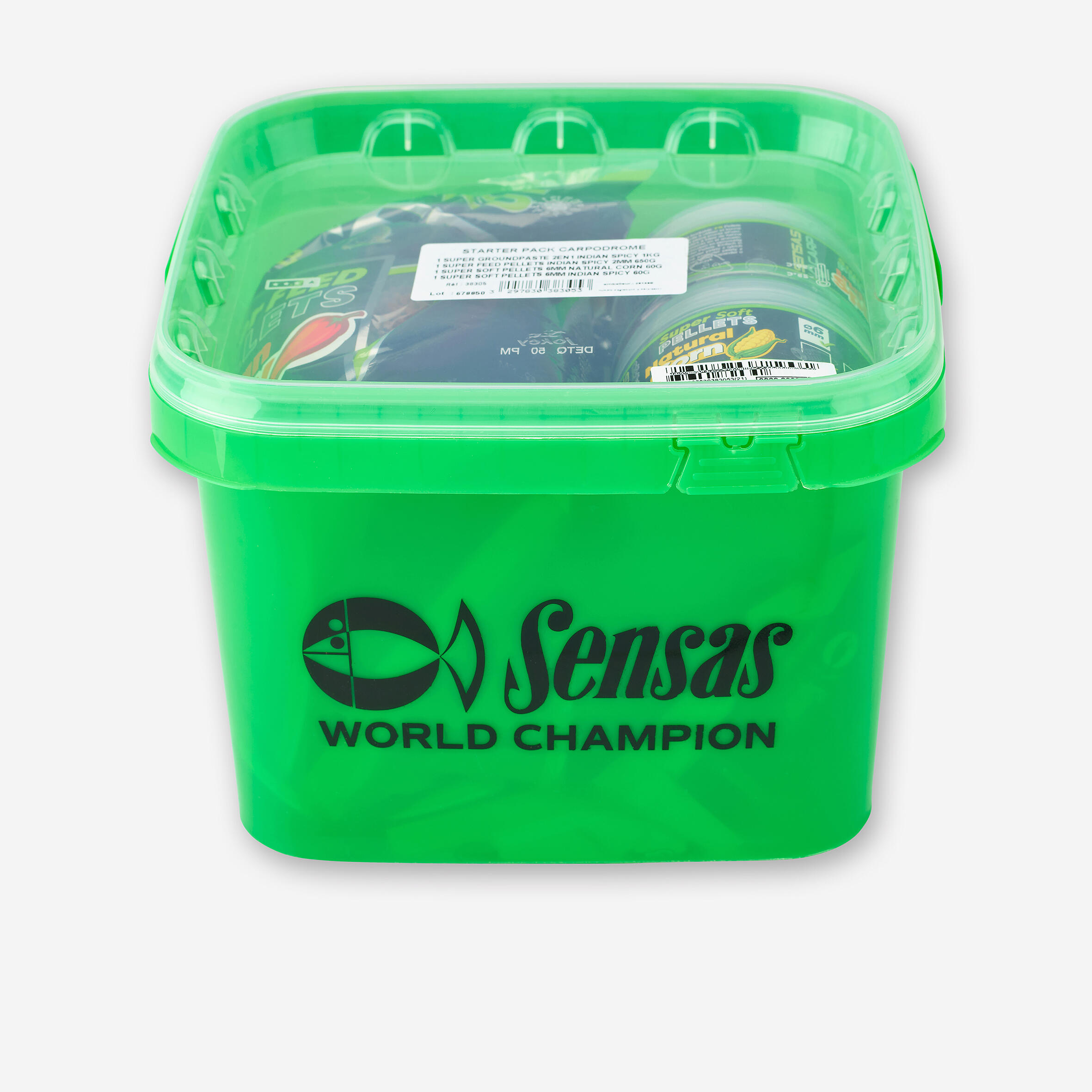
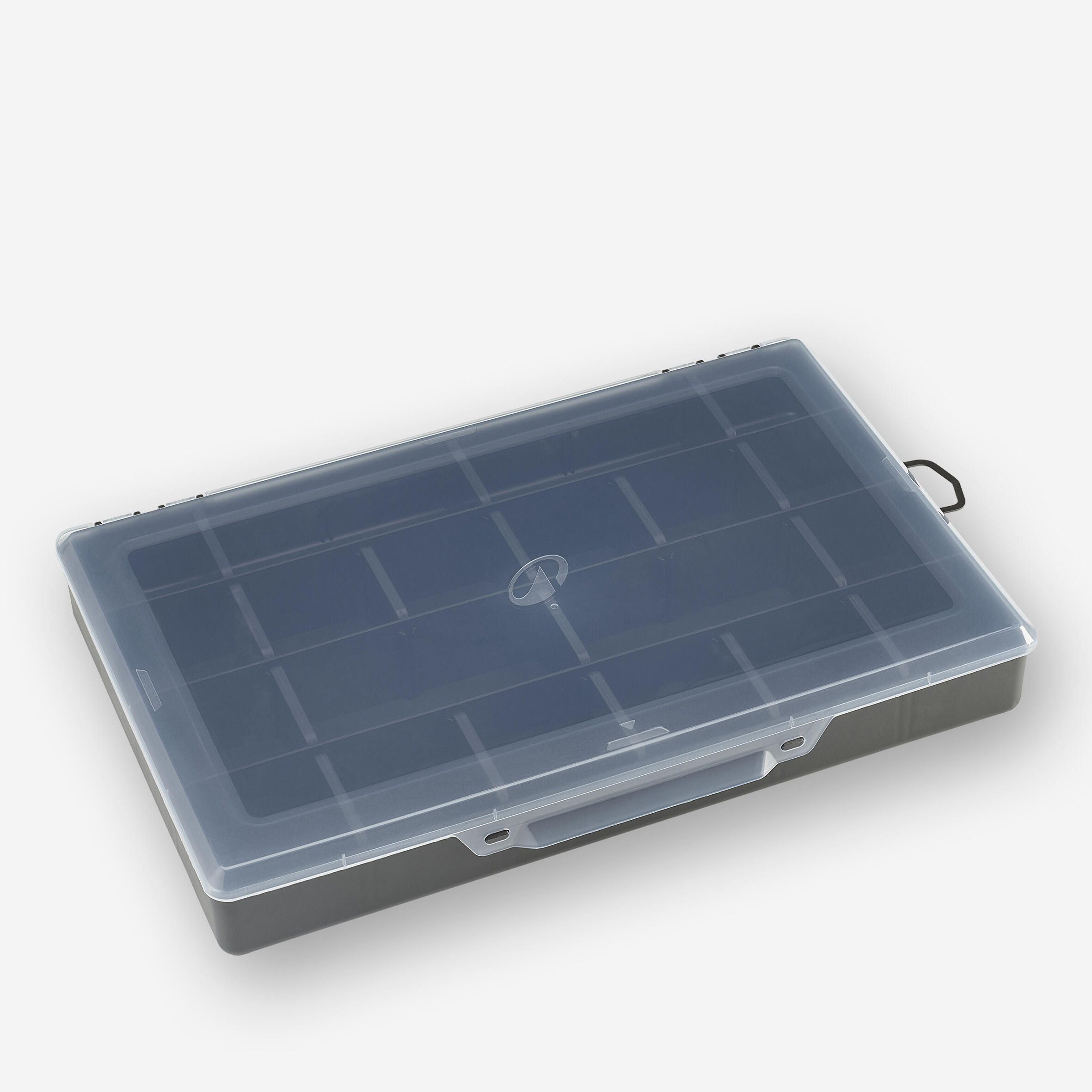
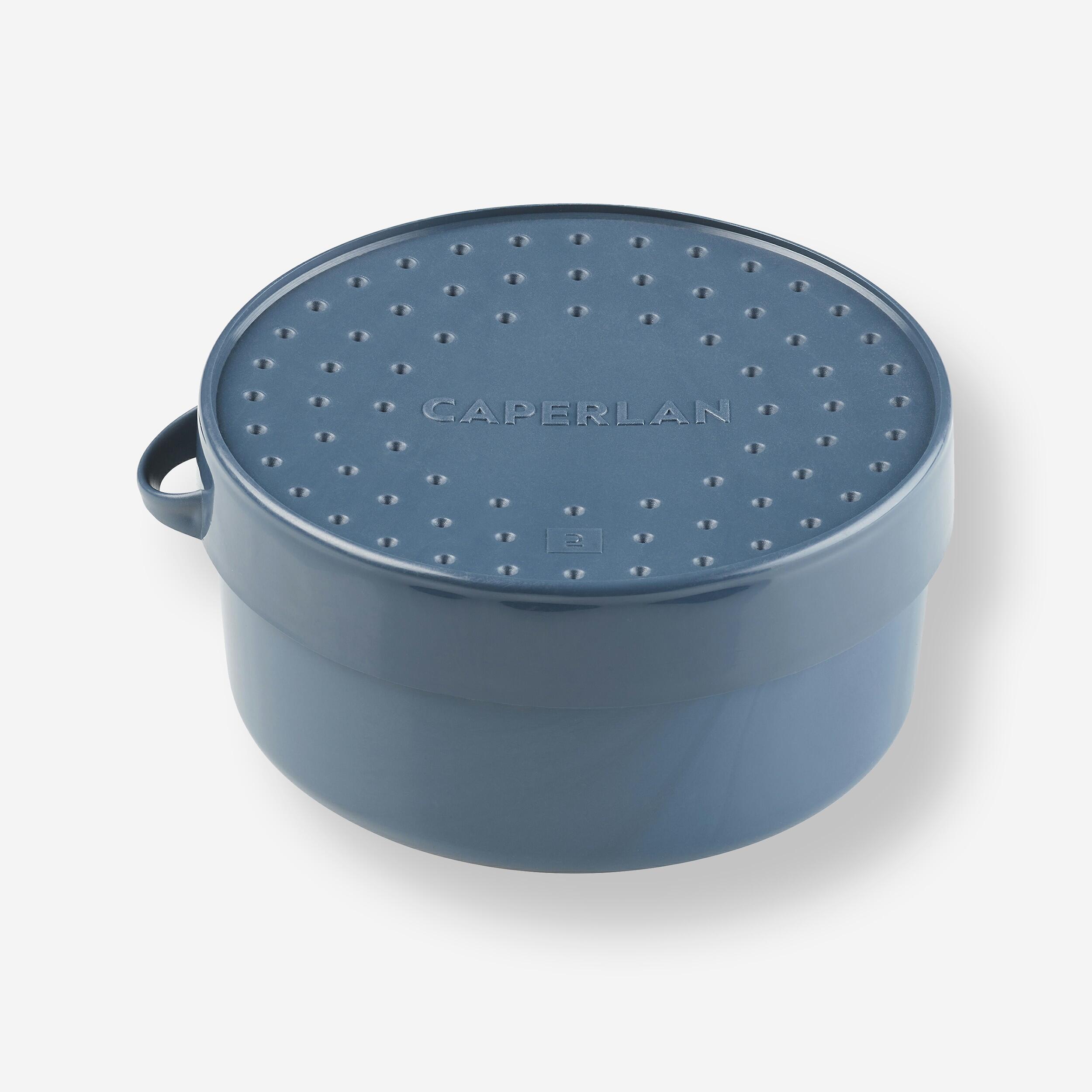
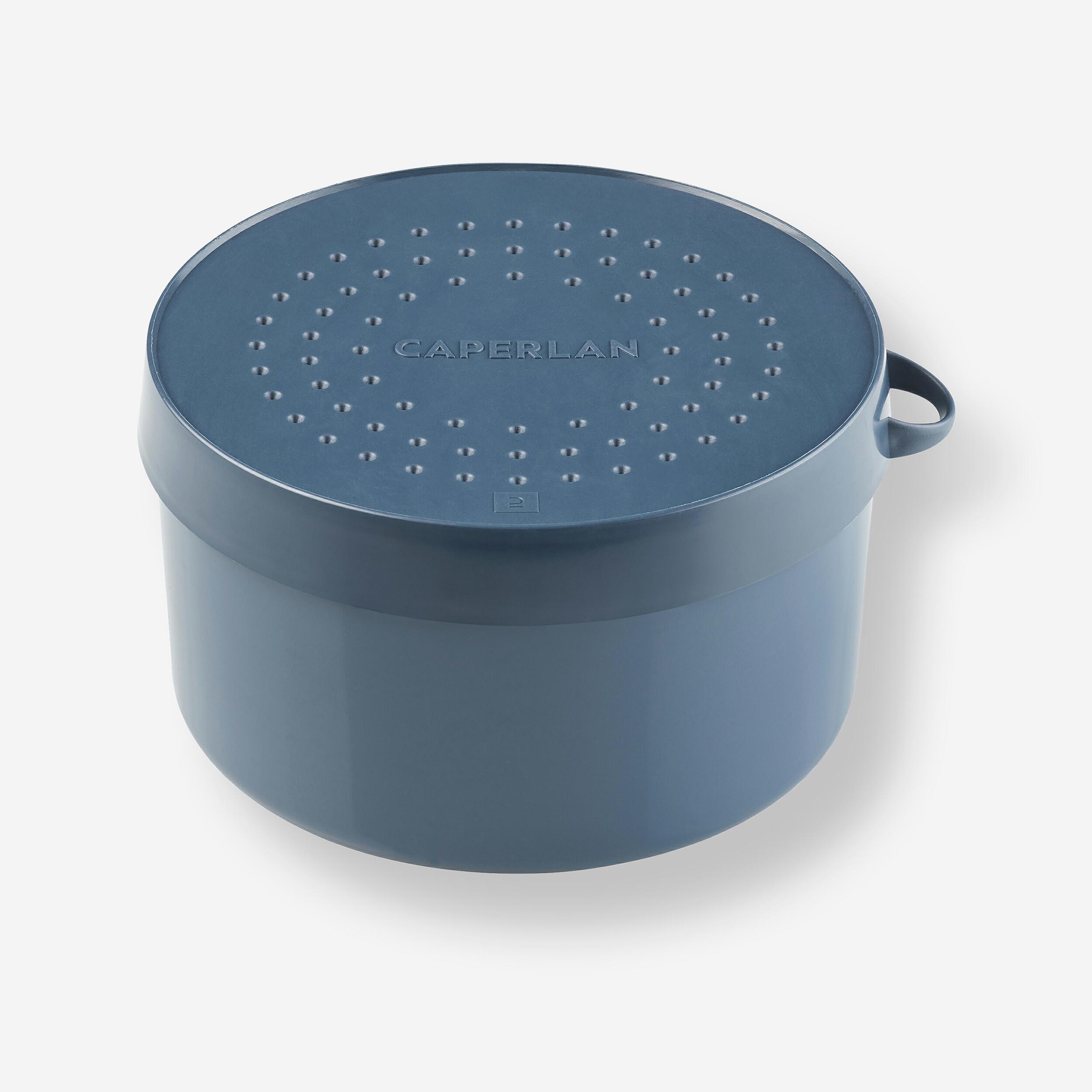
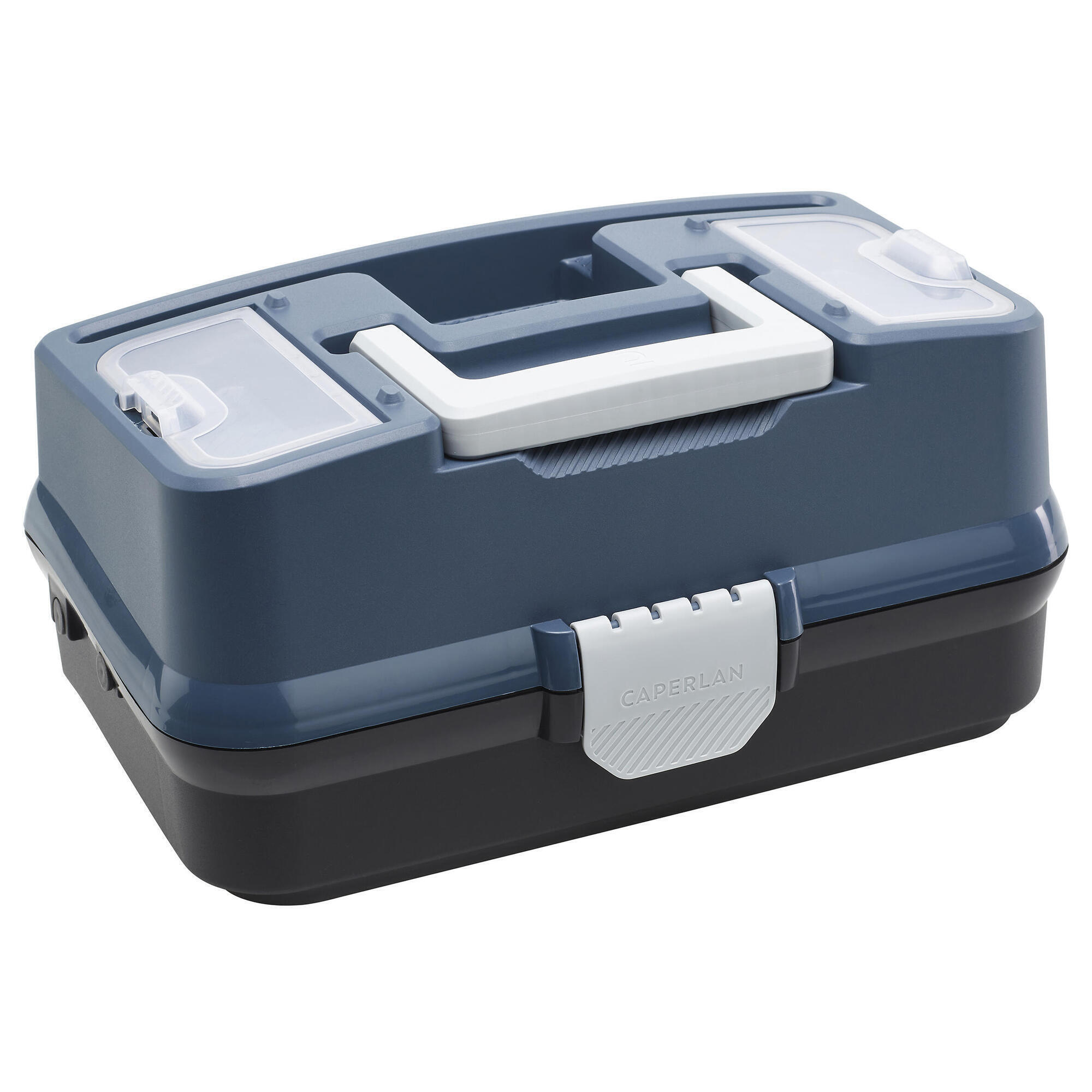
Separating bait before fishing makes it easier to change presentation without repeatedly opening large bags or mixing ingredients together. Keep dry groundbait, prepared particles and hook baits in suitable containers and prepare only the quantity you expect to use during the session. Dedicated bait boxes give different bait types their own space and can make portioning simpler beside your fishing position. Dry GOOSTER mixes benefit from storage in a clean, cool and dry place, and opened packaging needs to be resealed properly to protect the ingredients. Avoid leaving bait exposed to direct sun or unnecessary moisture, particularly when you plan to keep the remainder for another trip.
What is the practical way to prepare cereal baits for coarse fishing?

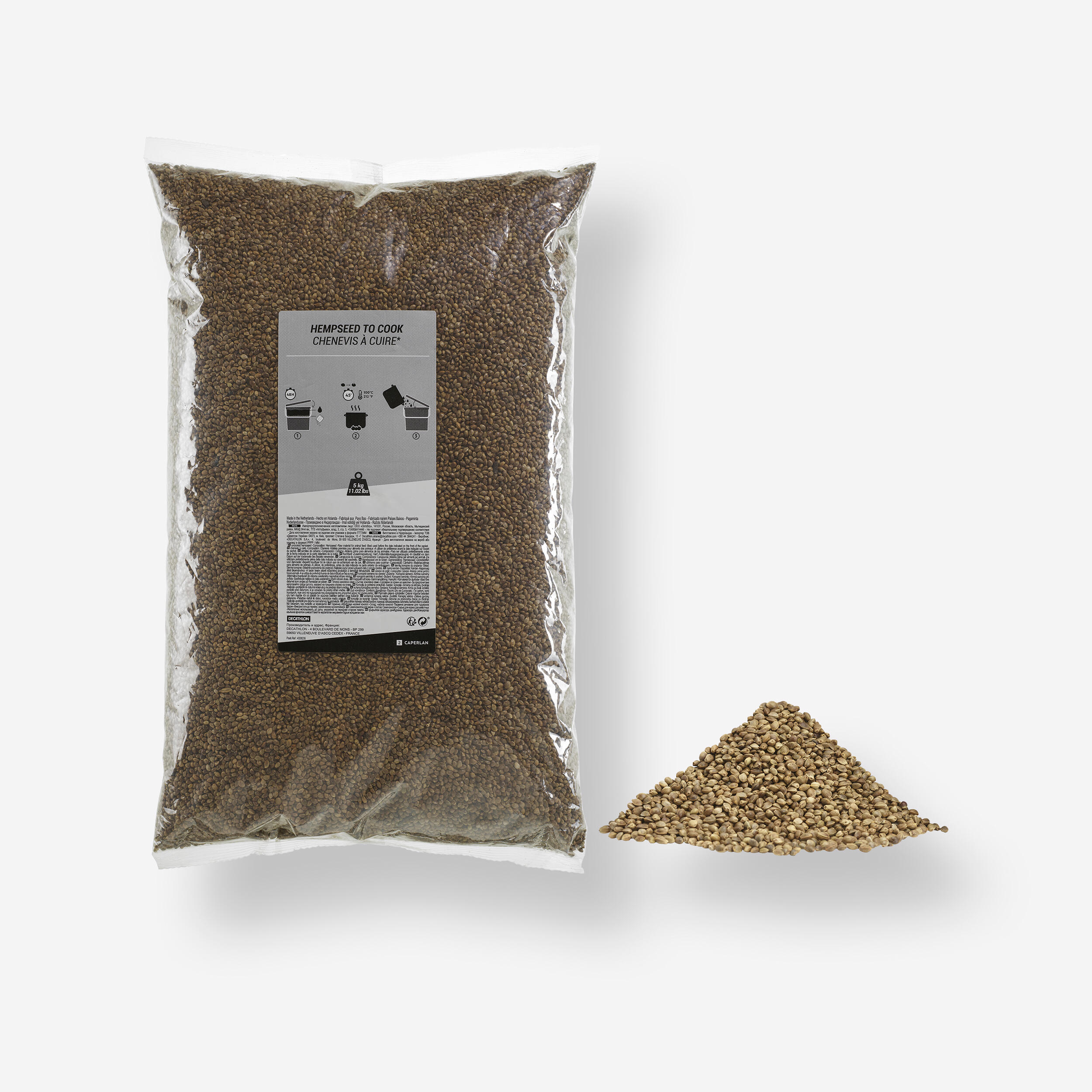
Cereal and particle baits work differently from dry groundbait because preparation can affect their texture and how readily fish can feed on them. Follow the preparation directions for the particular ingredient rather than assuming every grain needs the same soaking or cooking time. Once prepared, portion the bait so you can introduce small amounts and monitor how fish respond, rather than feeding heavily from the start. The cereals category provides options that can be used as part of a wider baiting approach alongside groundbait, pellets or hook bait. Keep prepared particles in a clean container and discard anything that has spoiled rather than carrying it into the next fishing session.
How can a fishing bucket help when mixing groundbait on awkward banks?

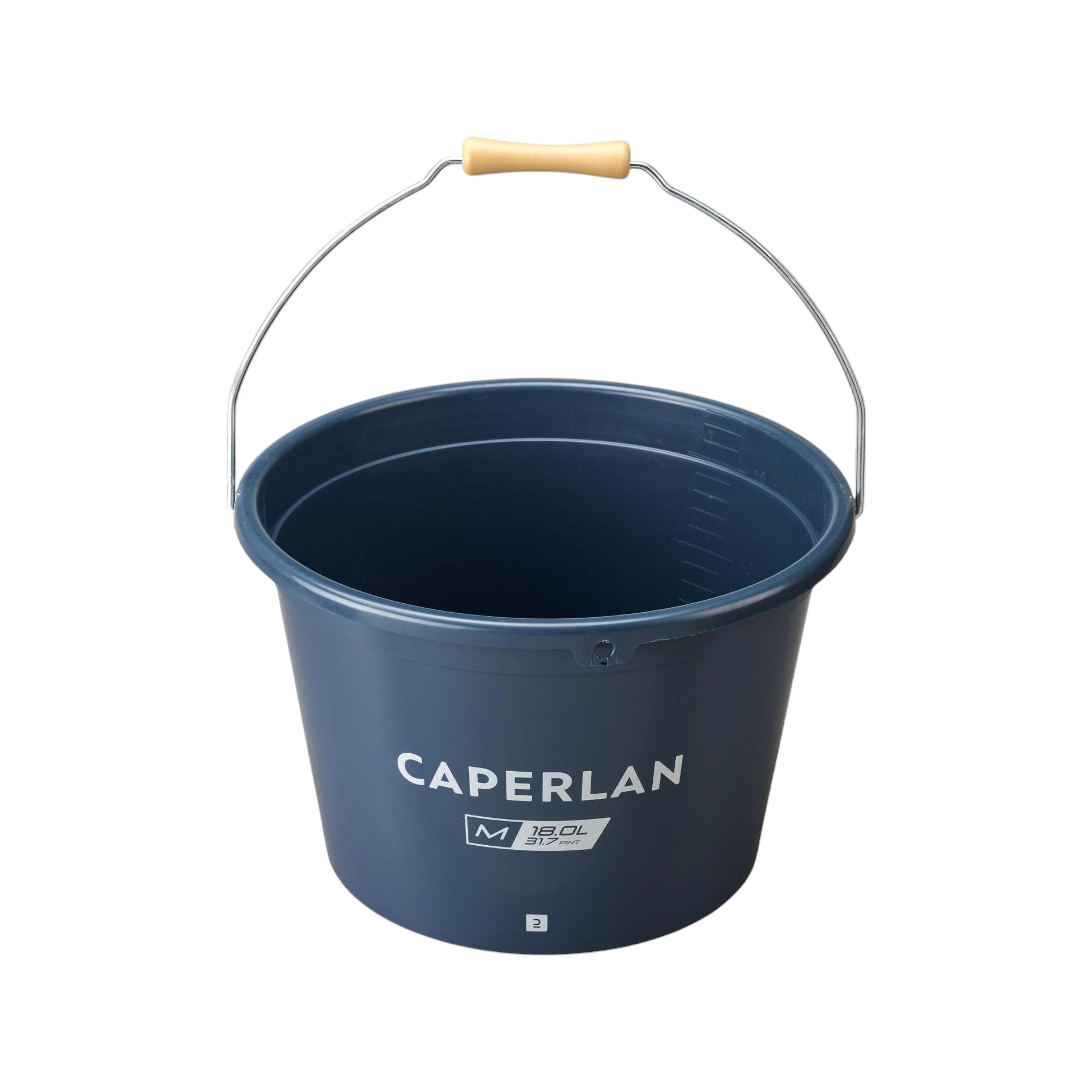
A stable container makes it easier to add water gradually, mix the full depth of the groundbait and judge consistency before filling a feeder or forming bait balls. Access to water can be less straightforward when the bank sits well above the surface. Some Caperlan fishing buckets use a collapsible EVA construction and a cord that lets you collect water without reaching down towards a difficult bank edge. Add water to the groundbait in measured stages rather than dipping the complete mix into the water. After fishing, empty and clean the bucket, allow it to dry fully and keep it away from excess heat or damp storage conditions before packing it with the rest of your bait equipment.