92 items
4.6/5 based on 2369 reviews collected online and in stores

Ground Baits, Paste and Additives FAQs

What helps you achieve a consistent groundbait mix?

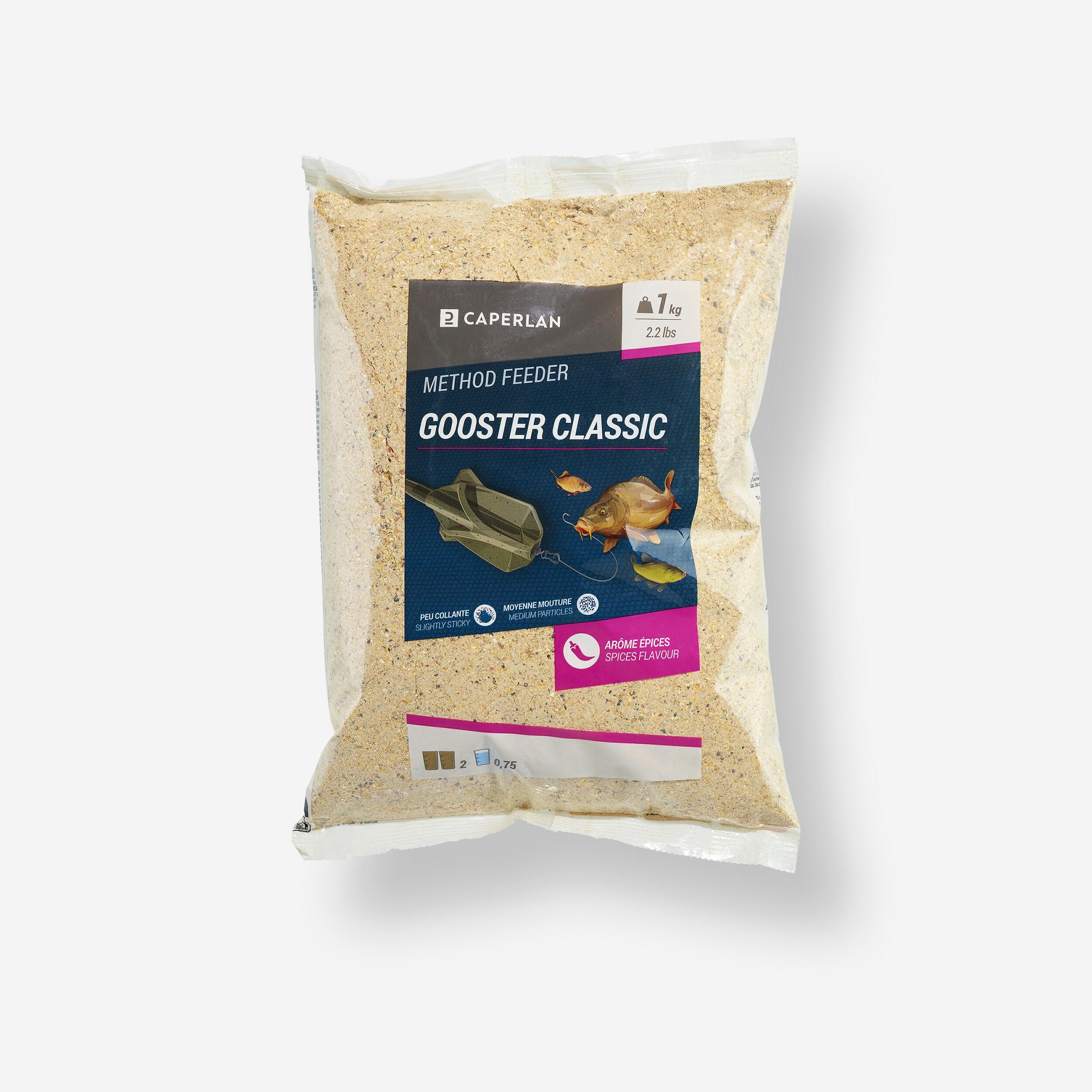
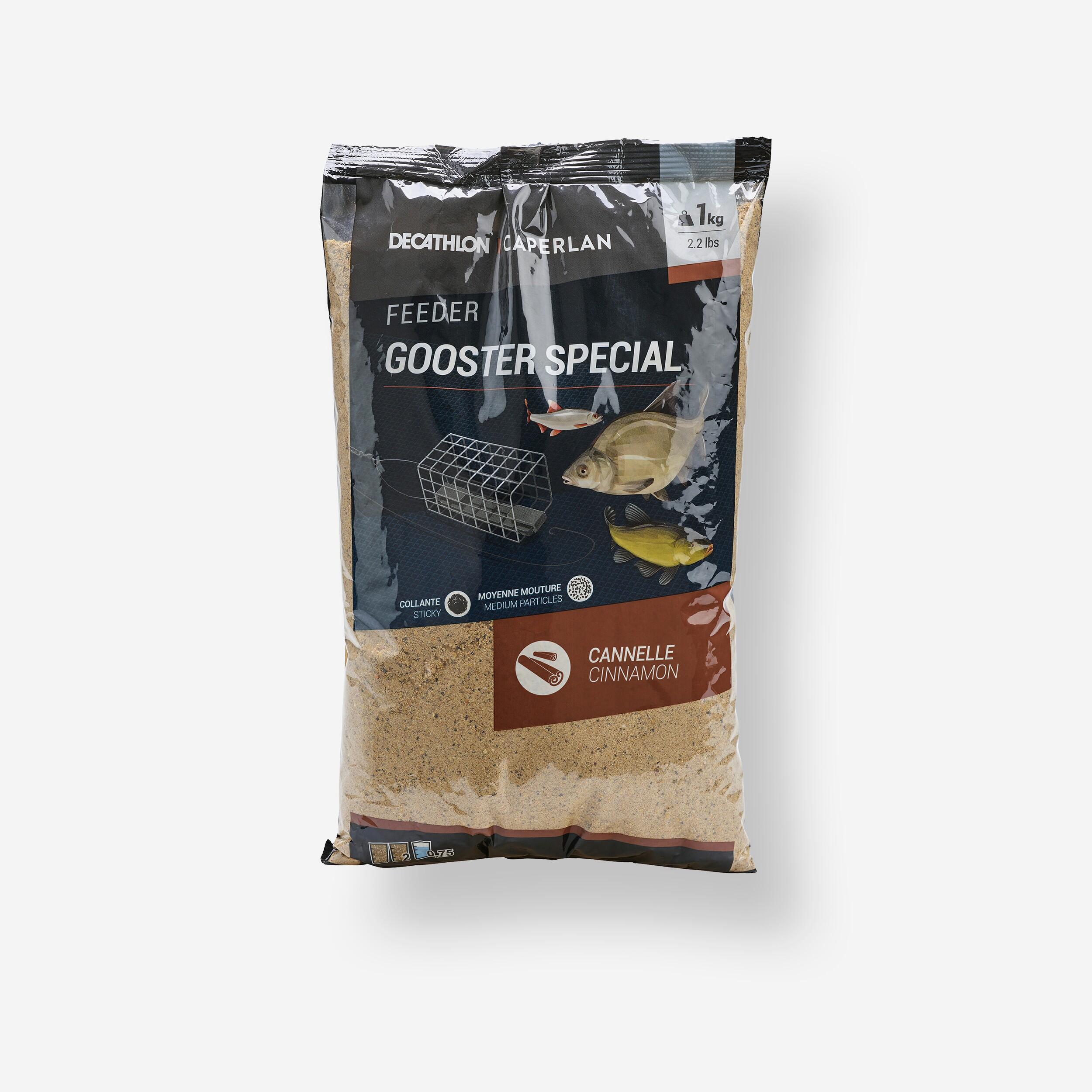
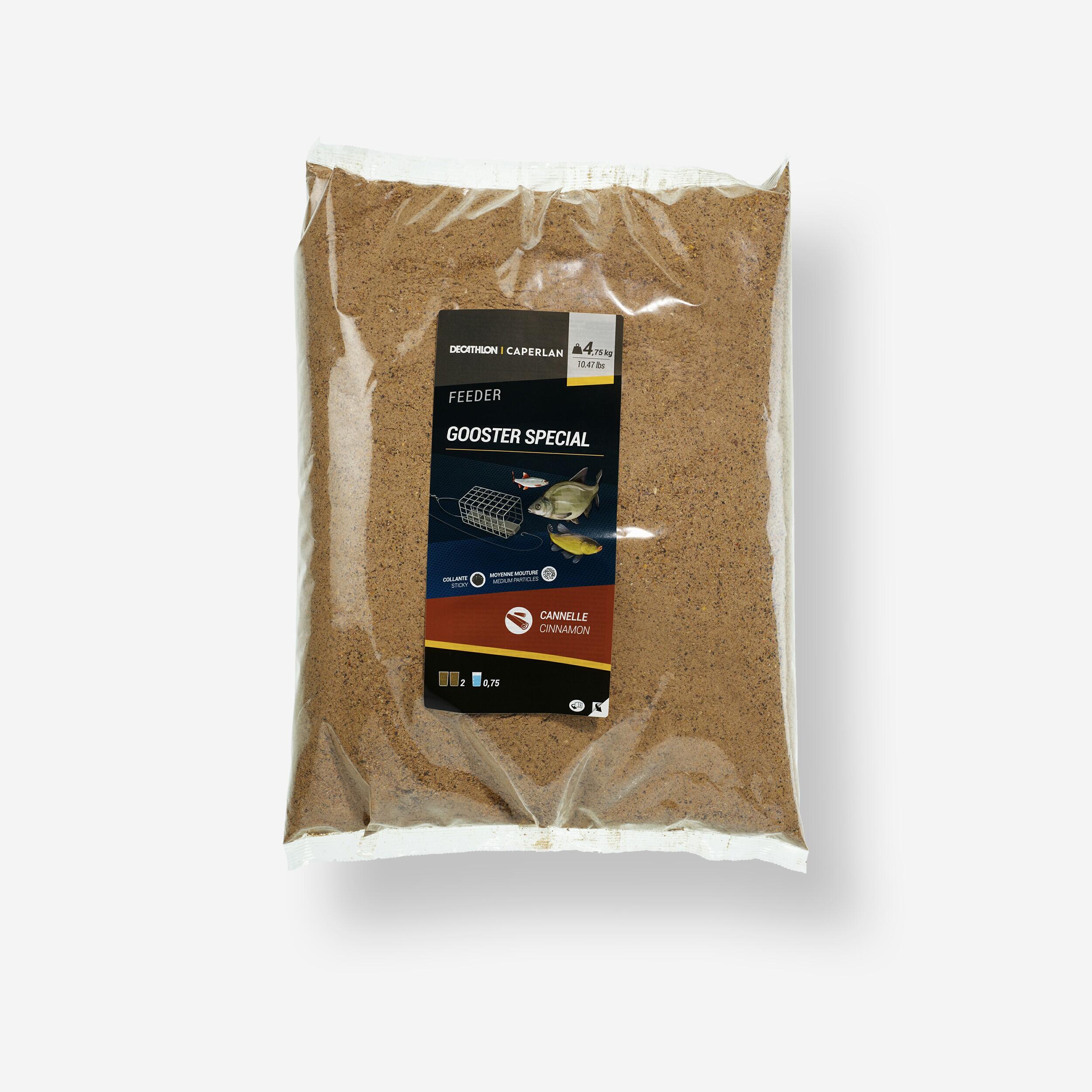
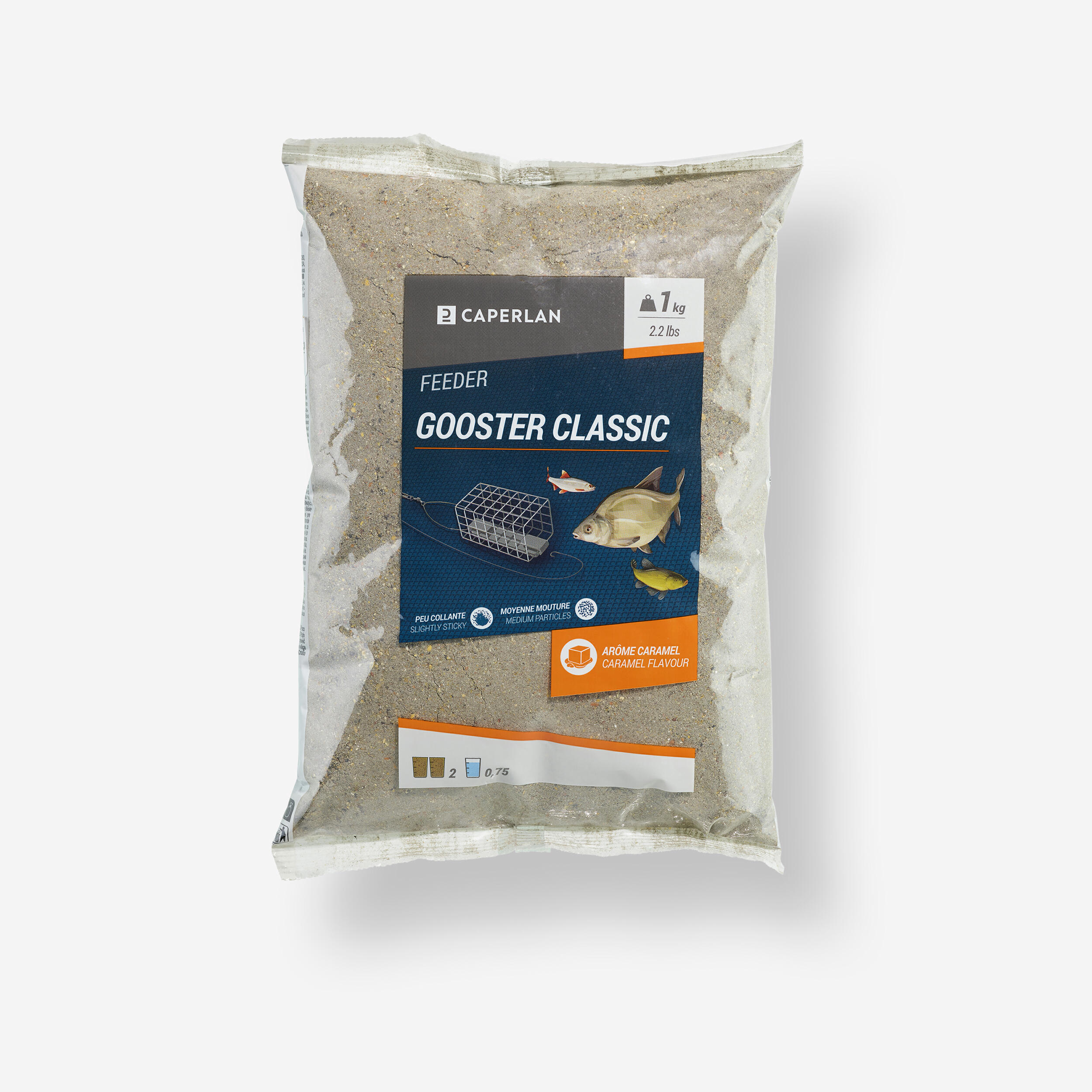
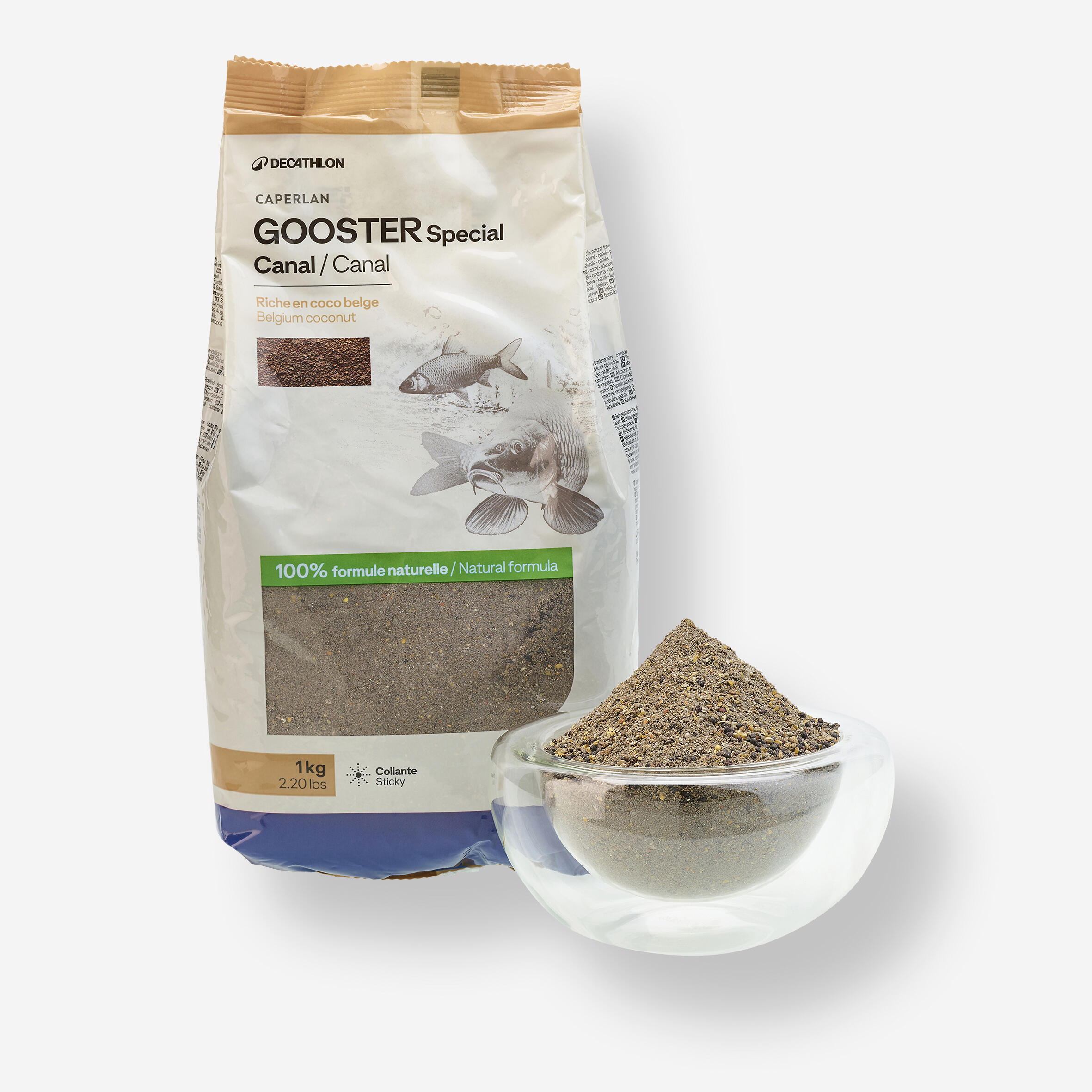
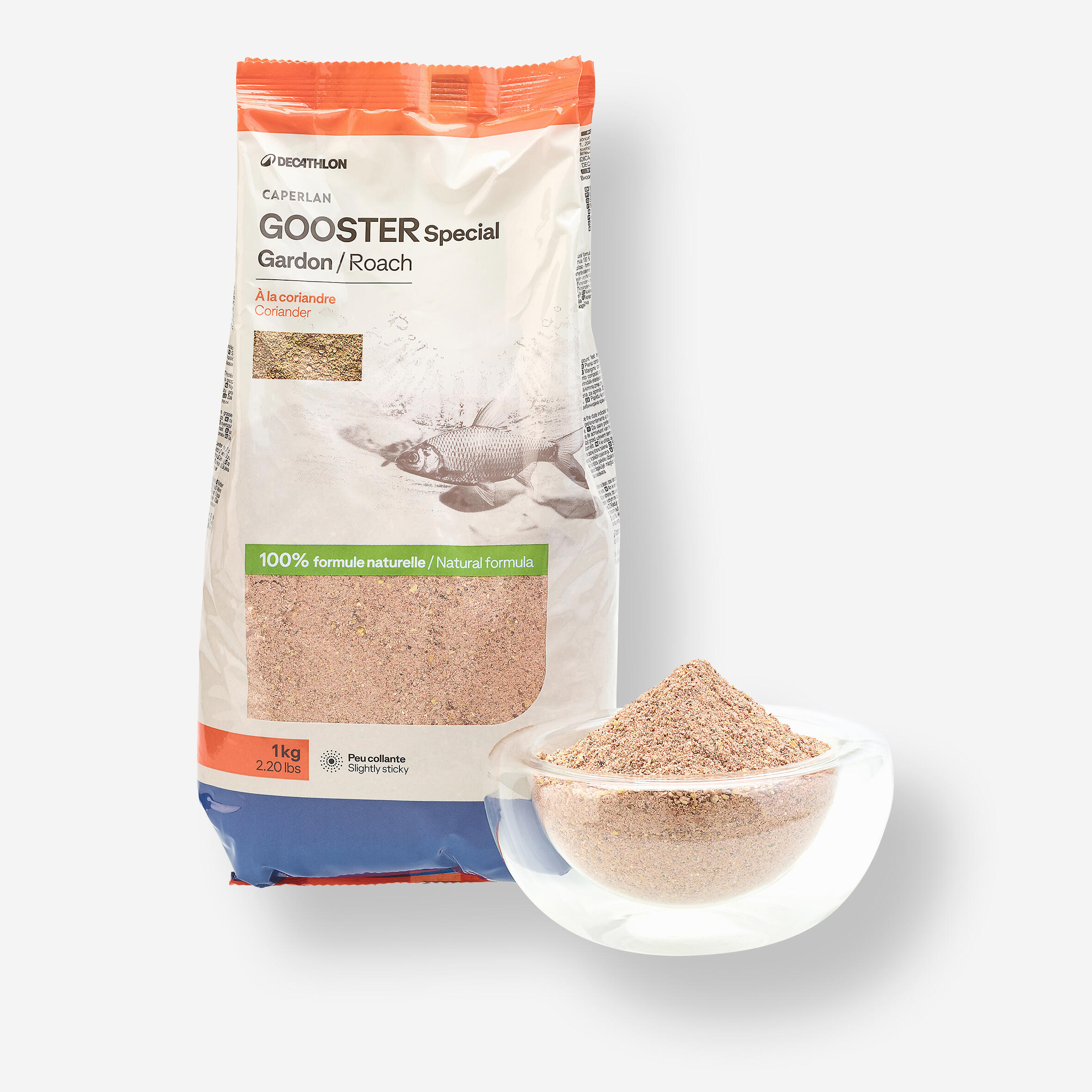
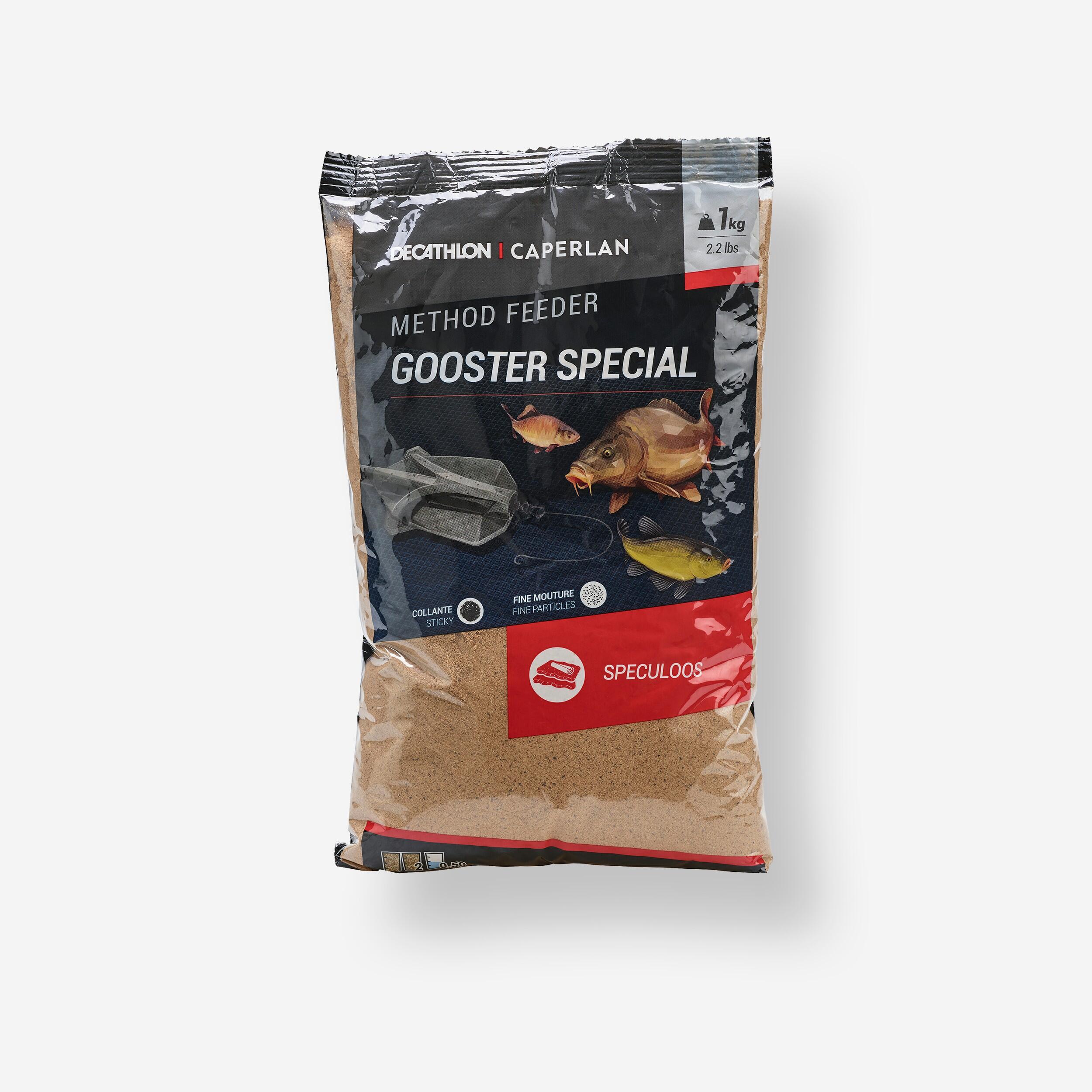
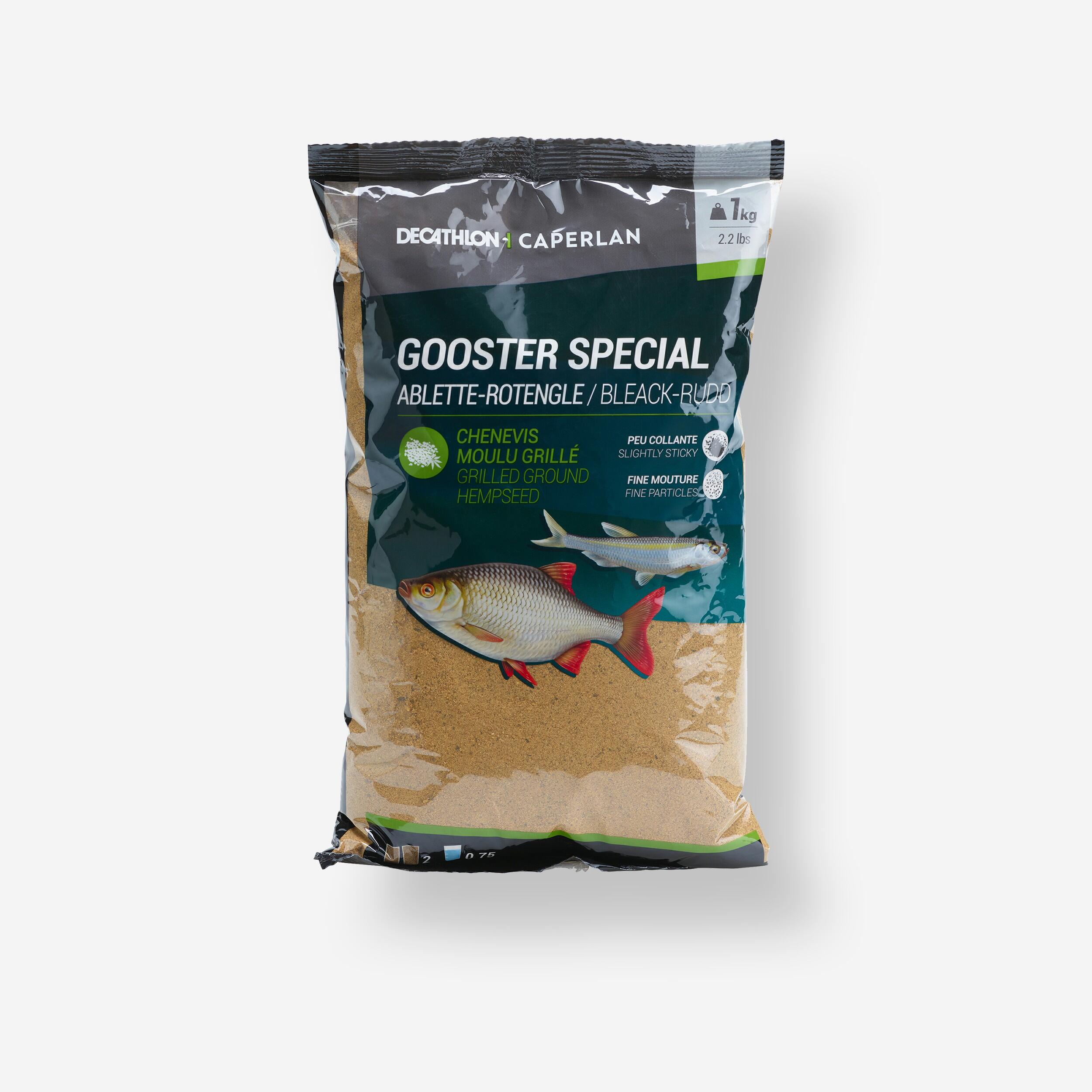
The amount and timing of the water you add can change how groundbait behaves during casting and once it reaches the swim. Caperlan GOOSTER recipes use measured ratios rather than one general mixing rule, with some formulas using around two parts groundbait to 0.5 parts water and others closer to two parts to 0.75 parts water. Add roughly three-quarters of the required water first, mix it through and leave the bait for about 15 minutes before making the final adjustment. Different special fishing ground baits use ingredients and textures suited to particular fish, so follow the ratio for the specific mix rather than relying on the same amount every time.
What is the significance of particle size and stickiness in groundbait?

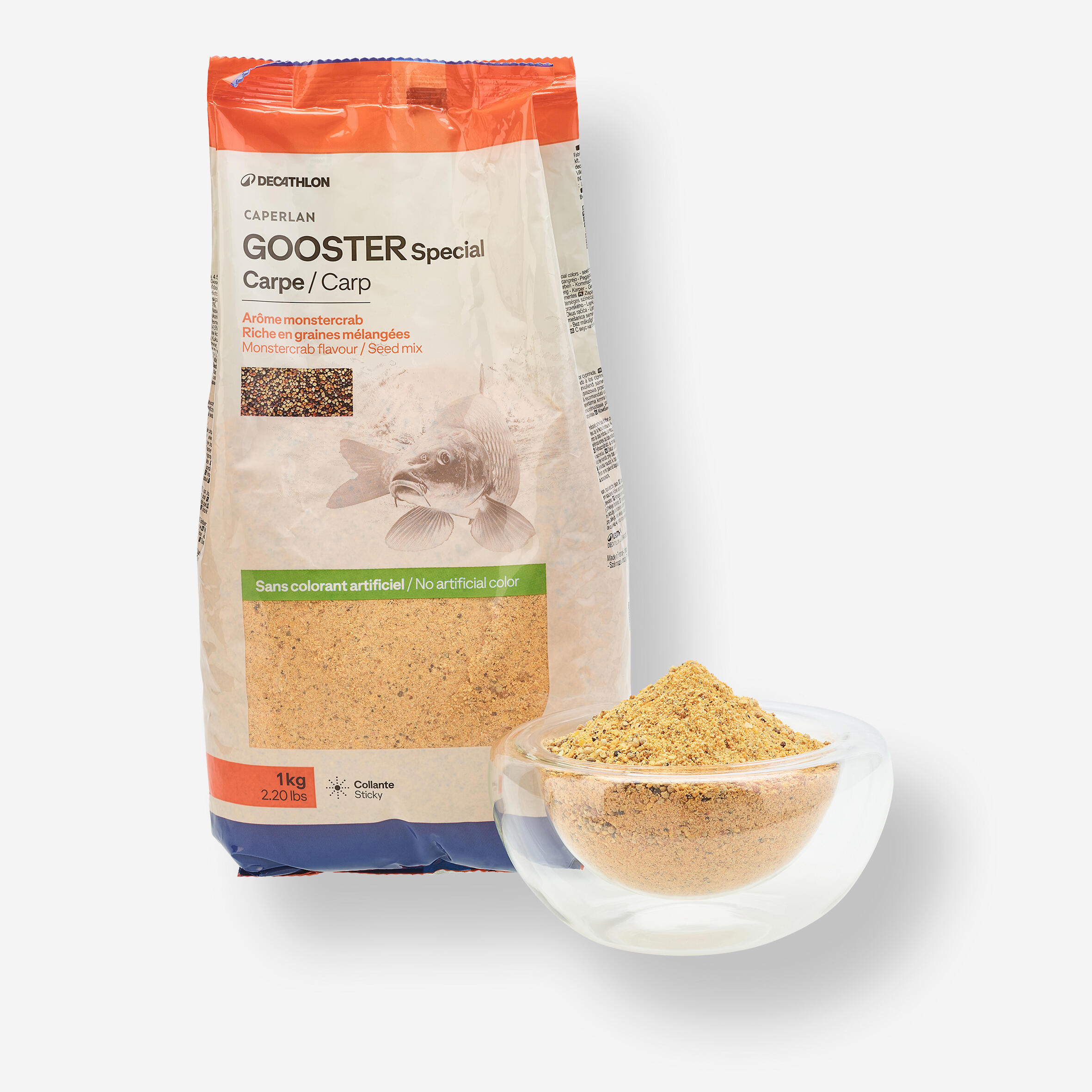
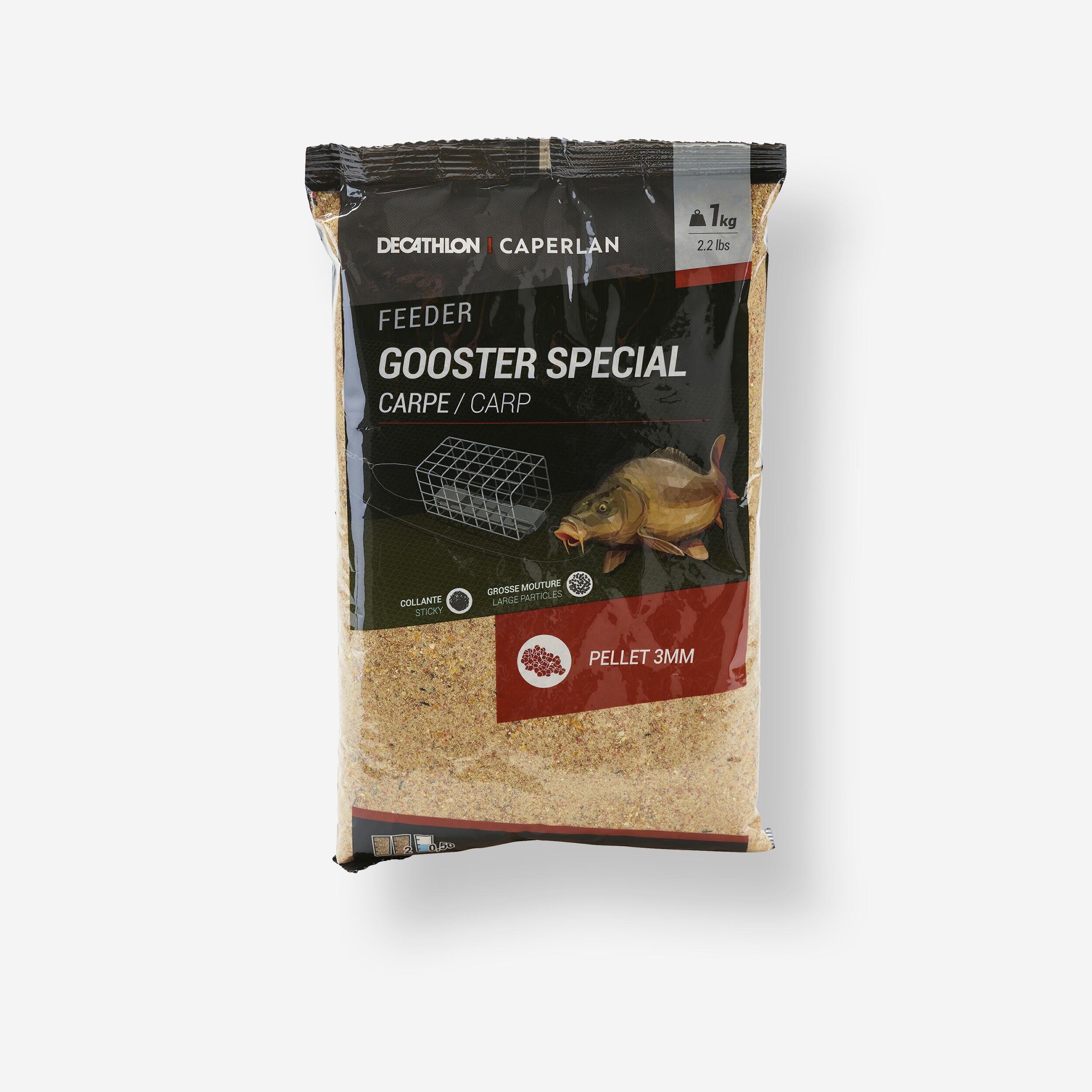
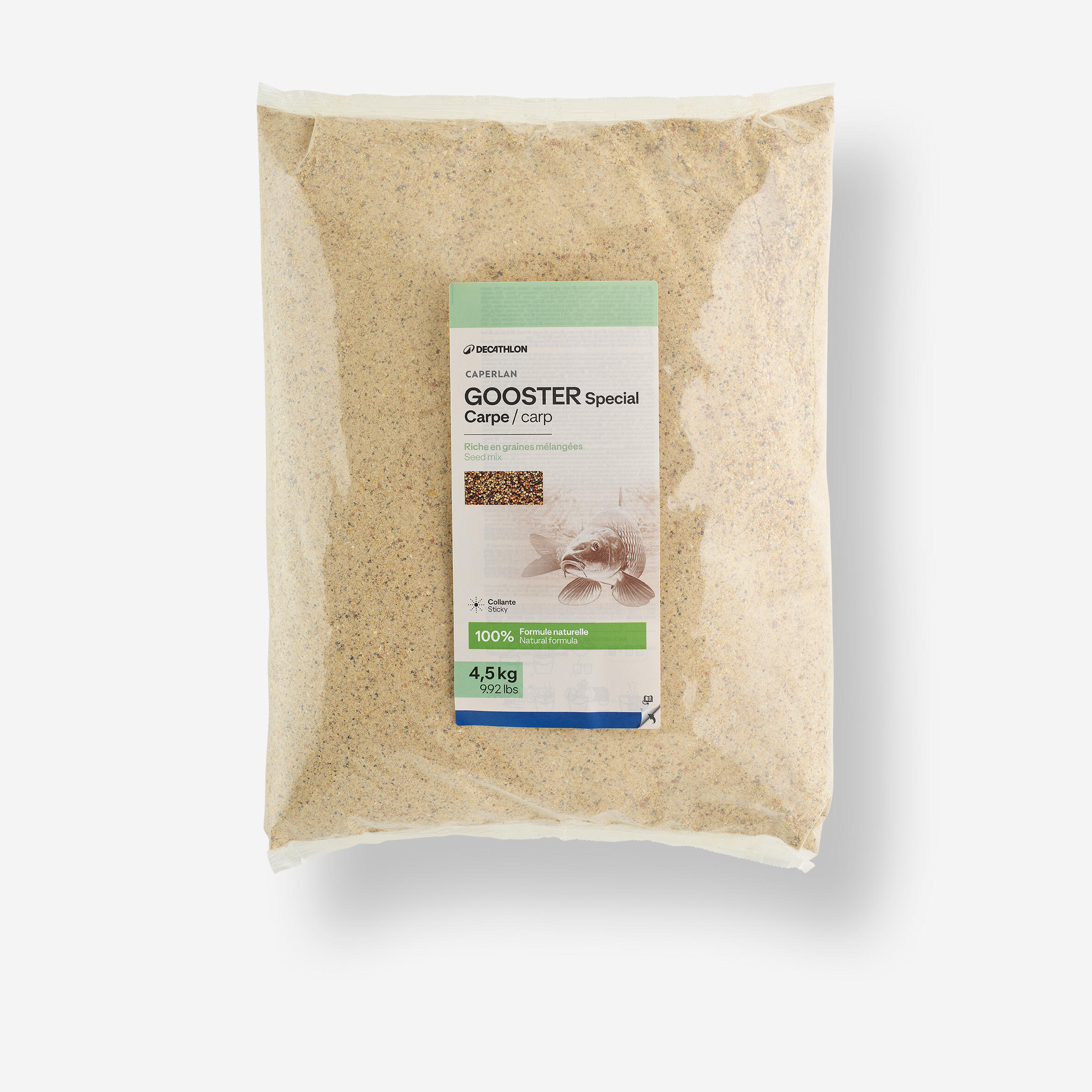
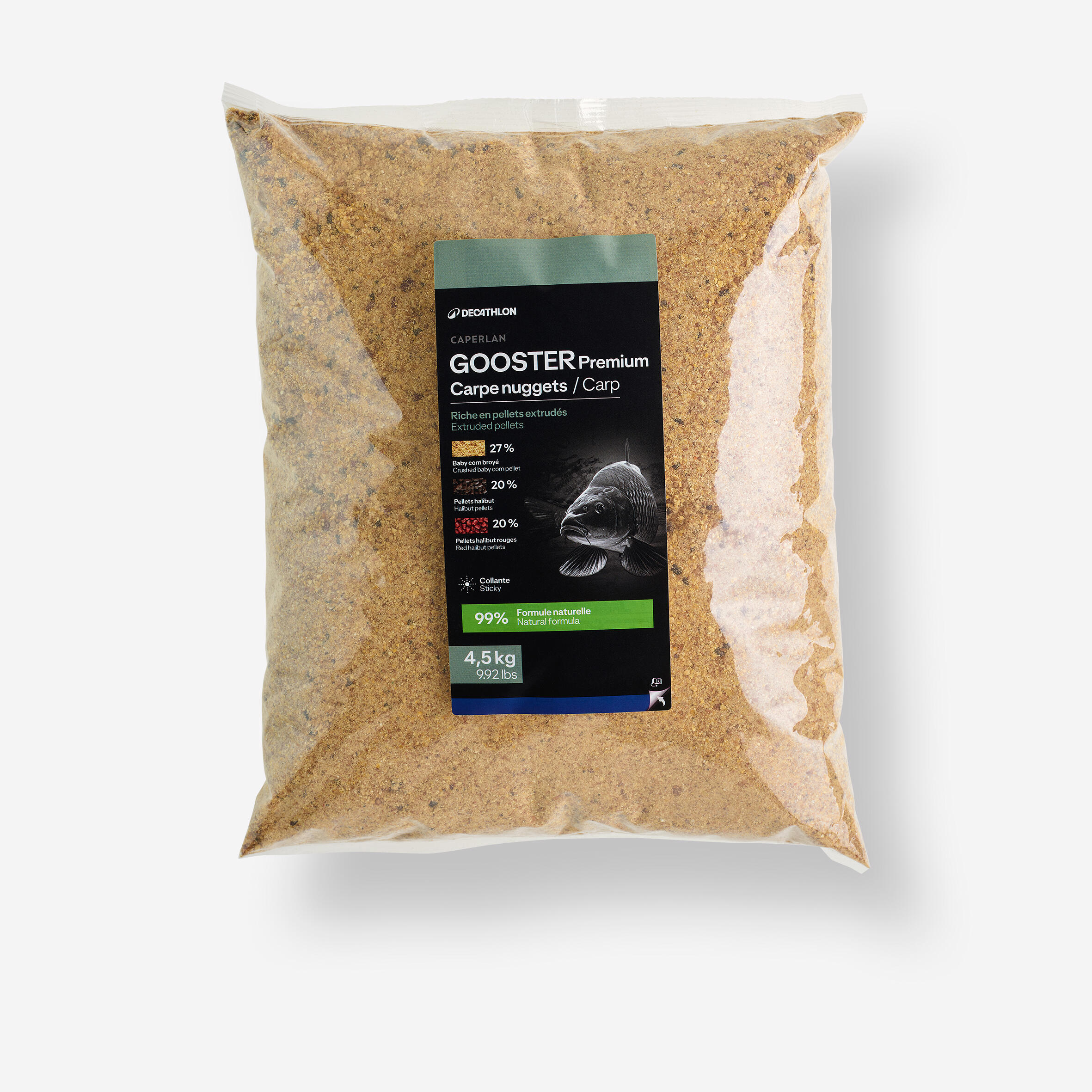
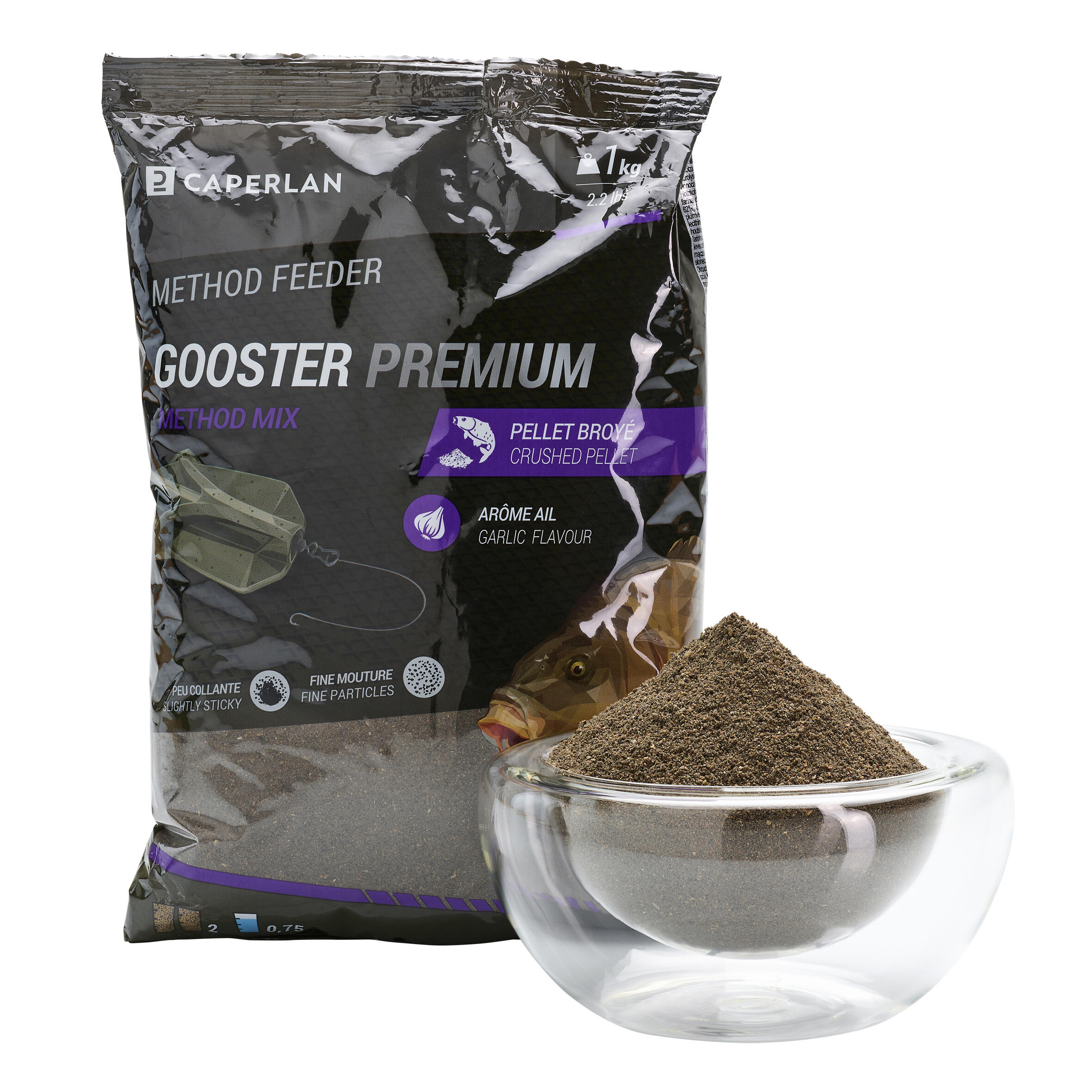
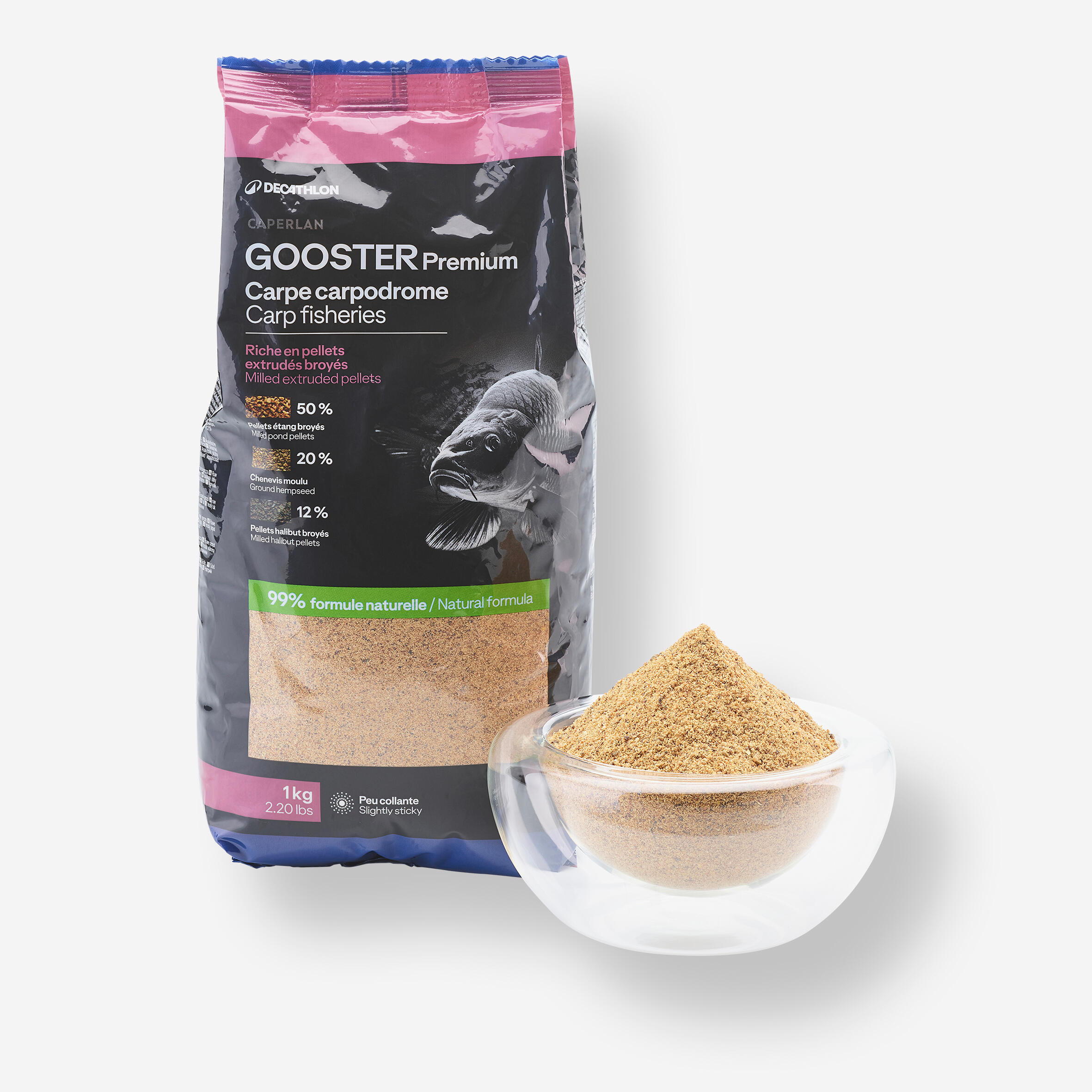
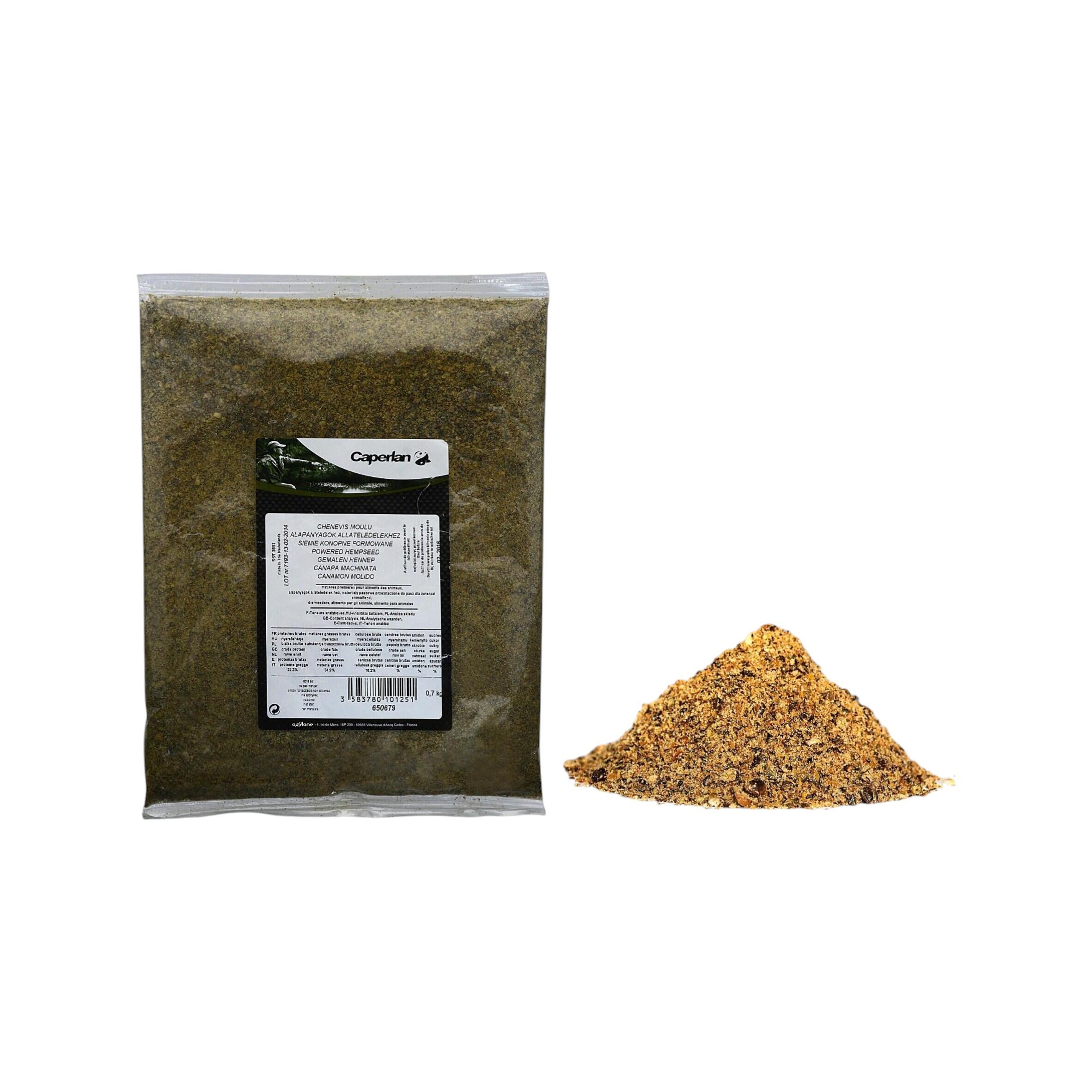
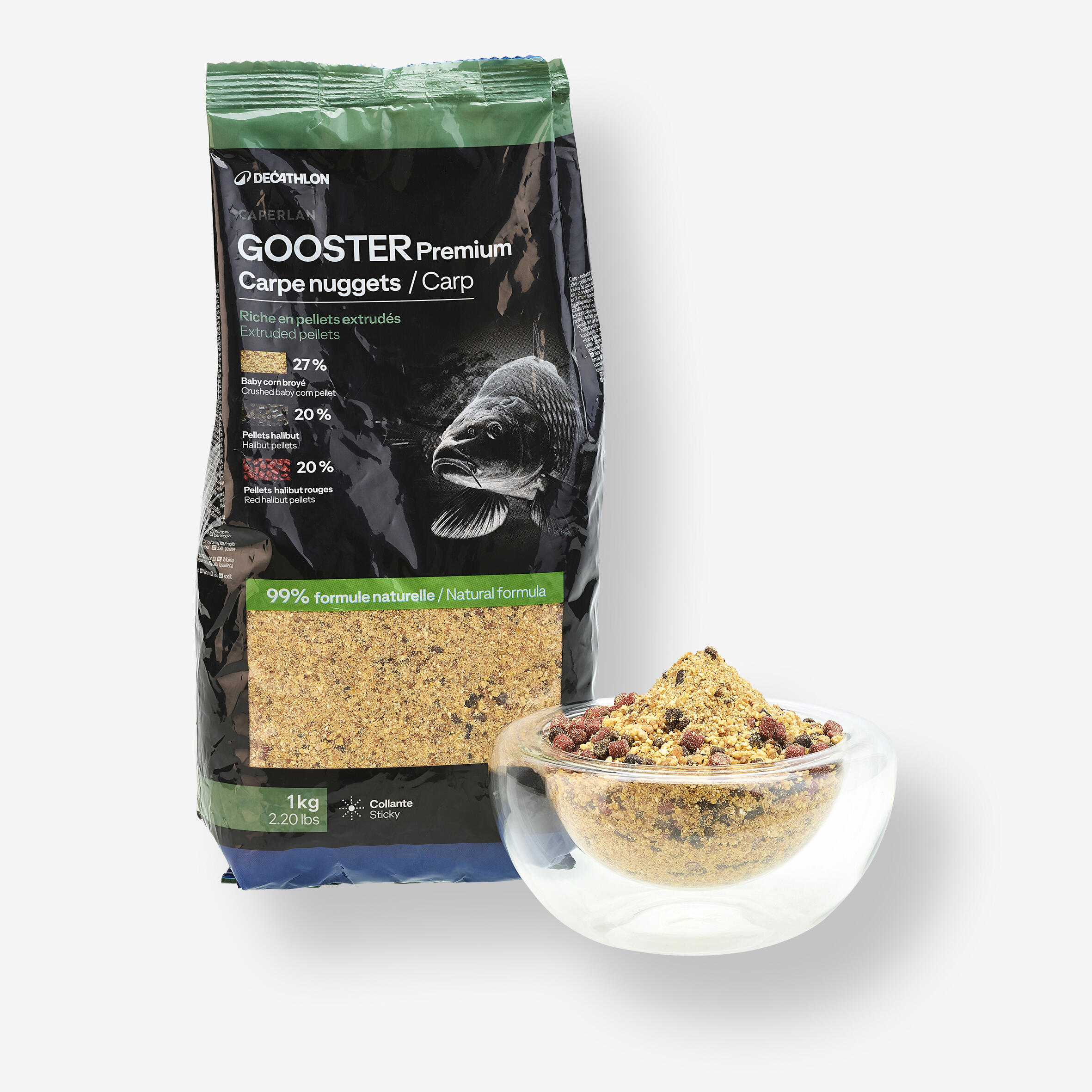
Stickiness determines how firmly a mix holds together and how quickly it releases particles once it reaches the water. A less sticky method-feeder mix can break down quickly around the feeder, while a more cohesive recipe can hold together better during casting or controlled feeding. Particle size matters too: medium grinds suit many coarse-fishing situations, while larger grains, seeds or pellets can create a more substantial food signal for bigger fish. Caperlan also uses ingredients for their physical behaviour, not scent alone. Options such as premium ground bait nuggets give you another way to alter how food is introduced and concentrated in the swim.

How can liquid additives change a groundbait mix?

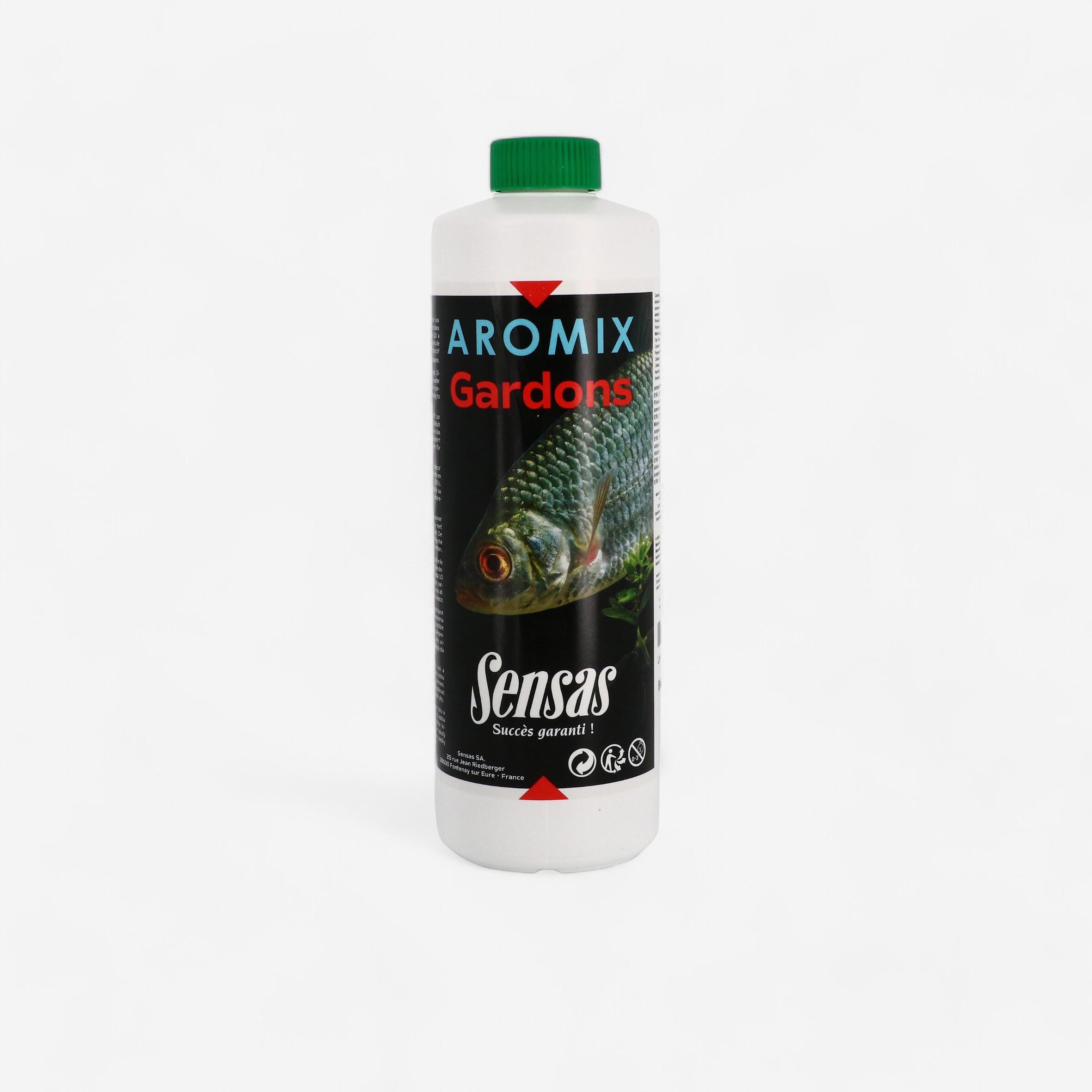
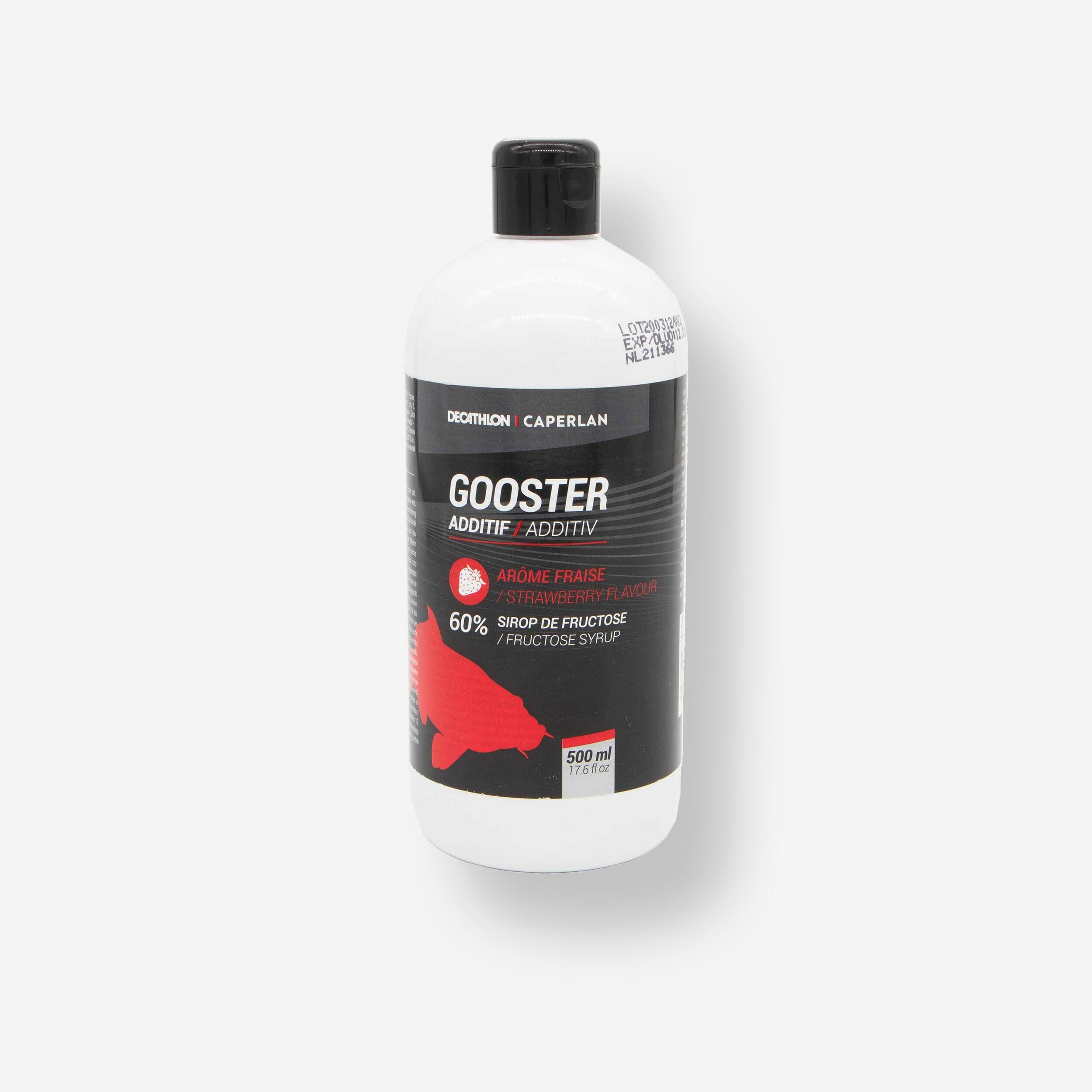
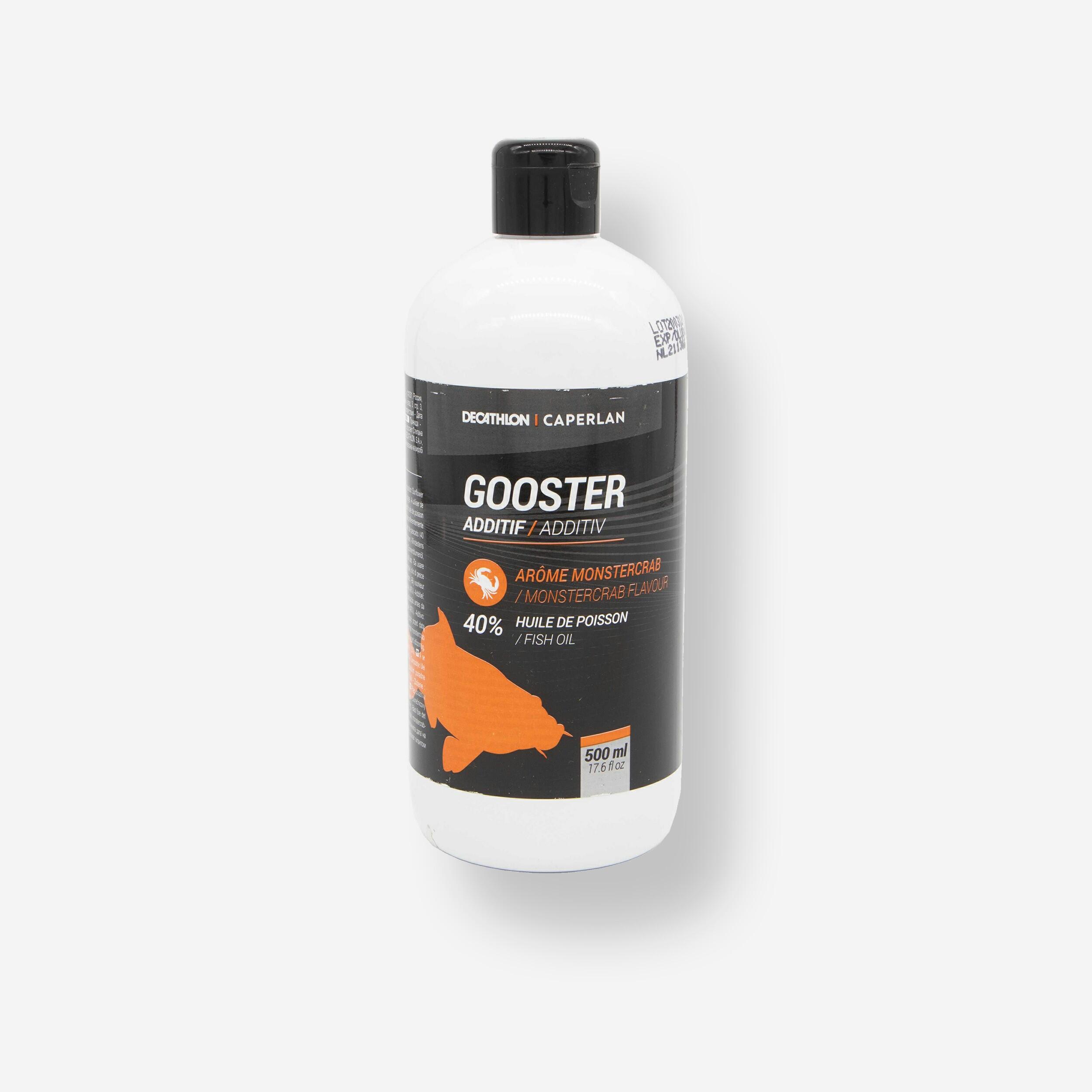
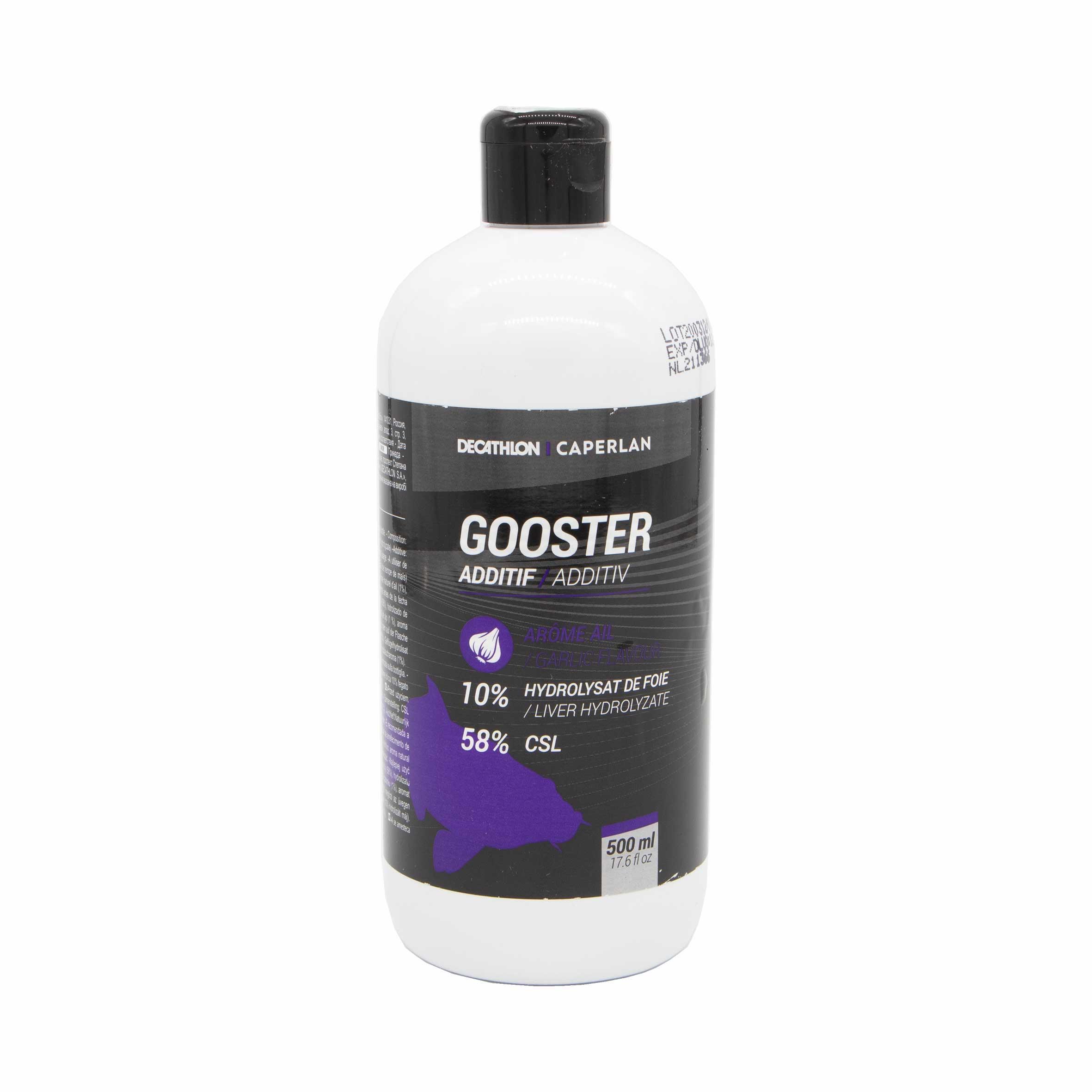
A liquid additive lets you alter attraction without replacing the groundbait recipe you already selected. Caperlan's GOOSTER additives mix into the water used to wet the bait, helping distribute the additive through the finished mixture. Selected formulas use ingredients such as corn steep liquor and flavouring while aiming to leave the groundbait's original sticking behaviour largely unchanged. This matters when you have already selected a mix for a particular feeder or presentation and don't want extra liquid to change how it behaves. Measure fishing liquid additives into the wetting water rather than pouring an uncontrolled amount straight over the prepared bait, then mix thoroughly for an even result.

Where can you keep opened groundbait after a fishing trip?

Moisture, heat and poorly sealed packaging can affect dry bait before your next trip, so close partly used packs firmly and store them in a clean, cool and dry place. Caperlan also puts best-before information on bait packaging and additive bottles, giving you a practical freshness check before preparing another mix. Some GOOSTER products use resealable packaging, making partially used bait easier to store and transport. When organising several products from baits, ground baits and accessories, keep dry mixtures away from wet bait containers and make sure liquid additive bottles are tightly closed. Discard bait that has become damp, spoiled or noticeably changed in condition.

What should you consider when selecting groundbait for a fishing method?

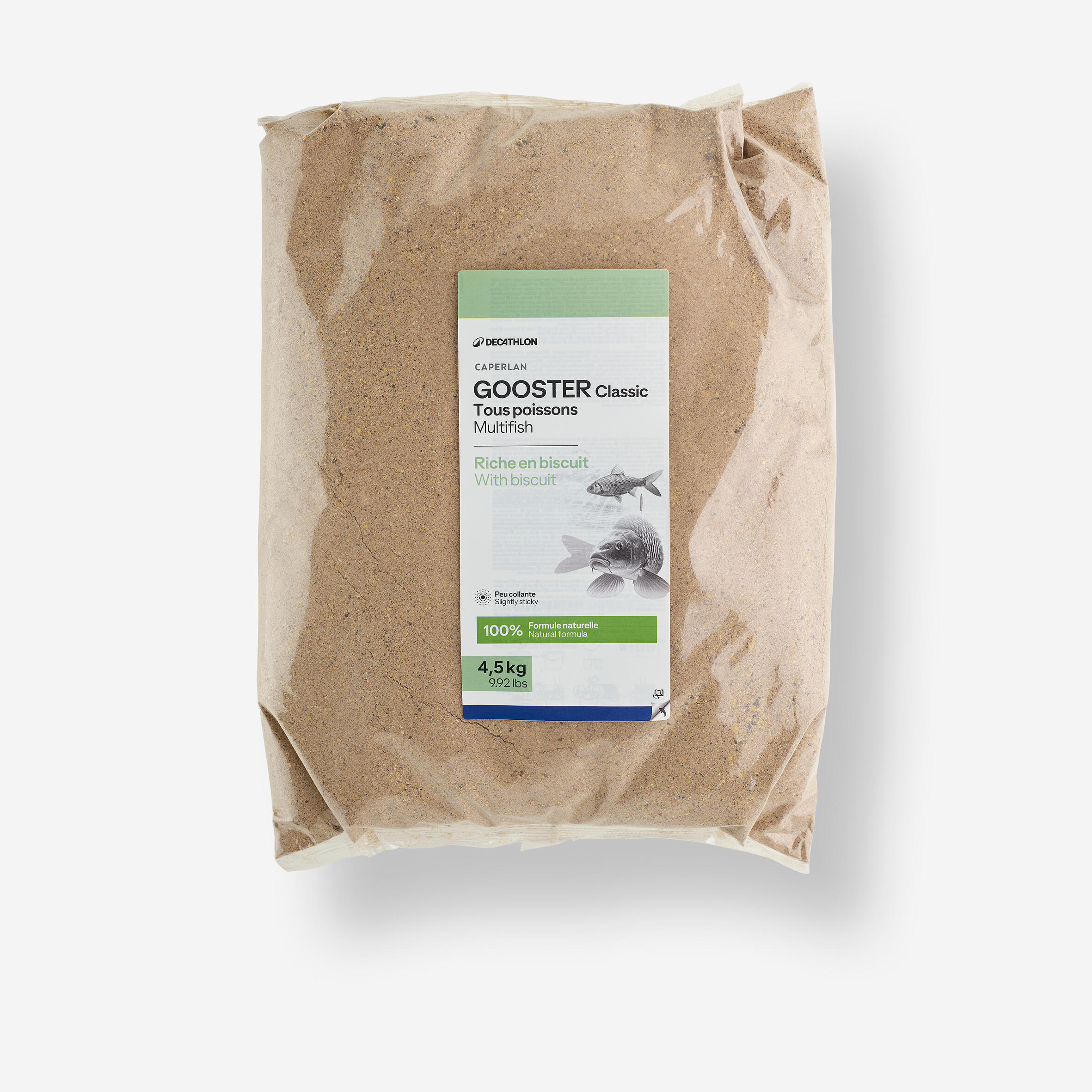
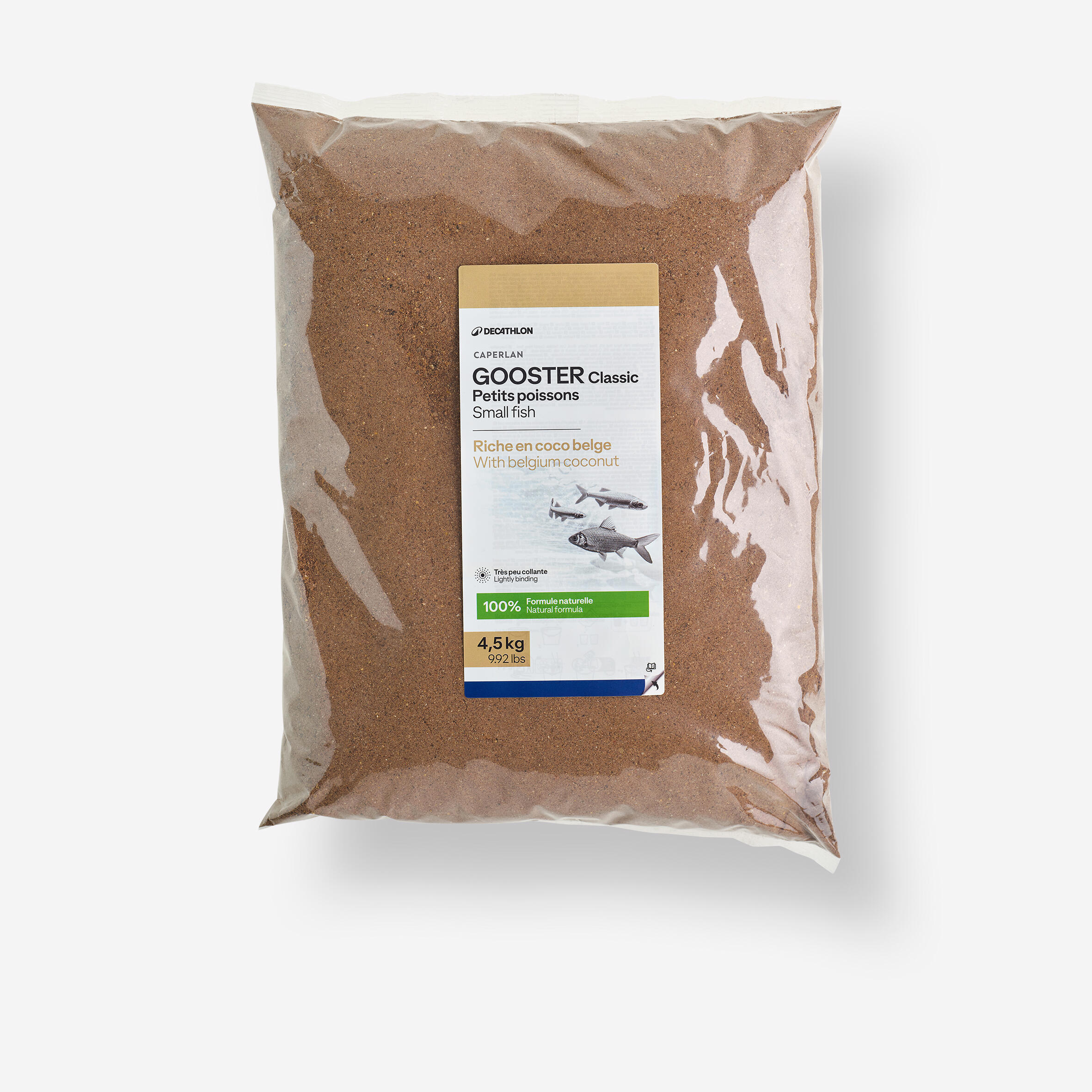
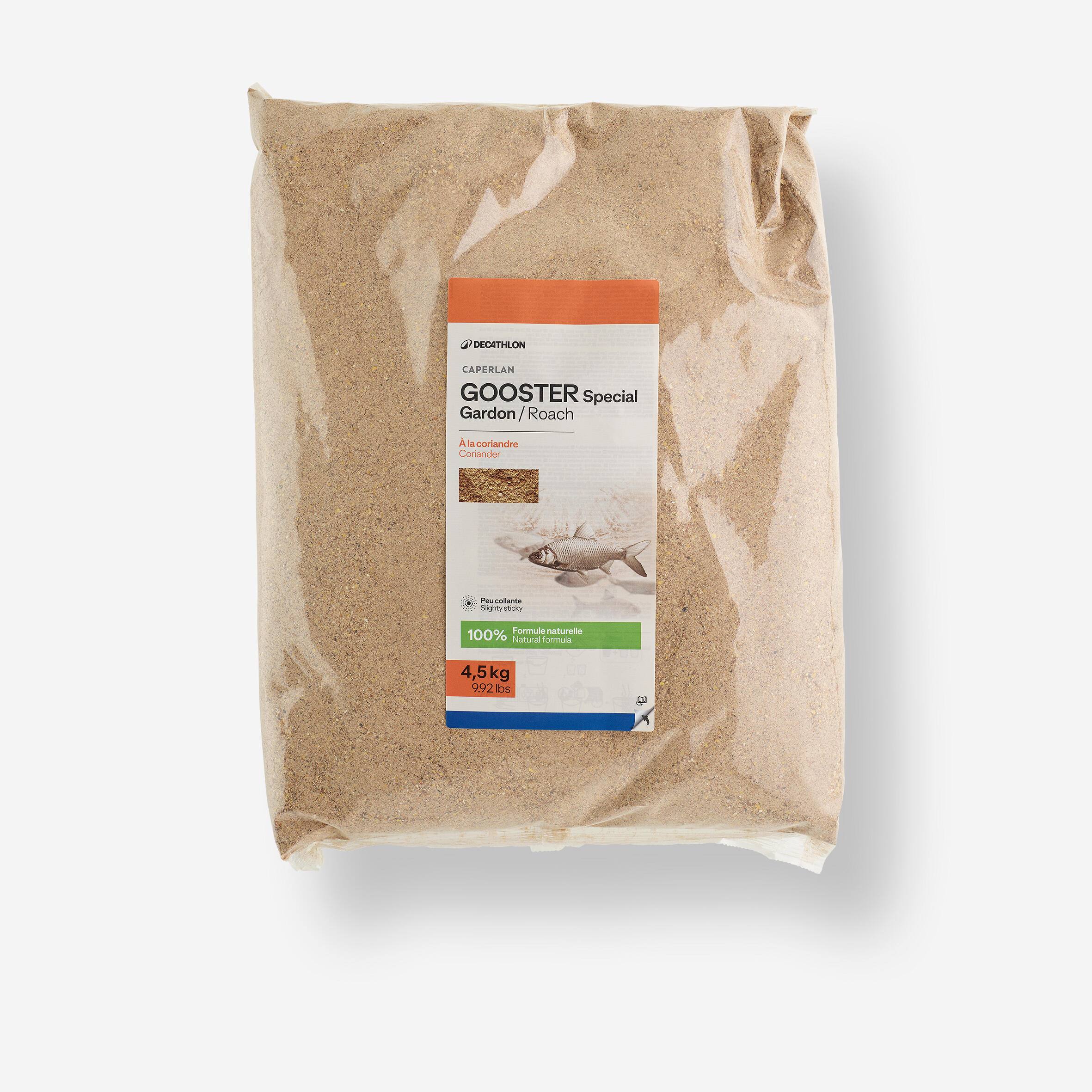
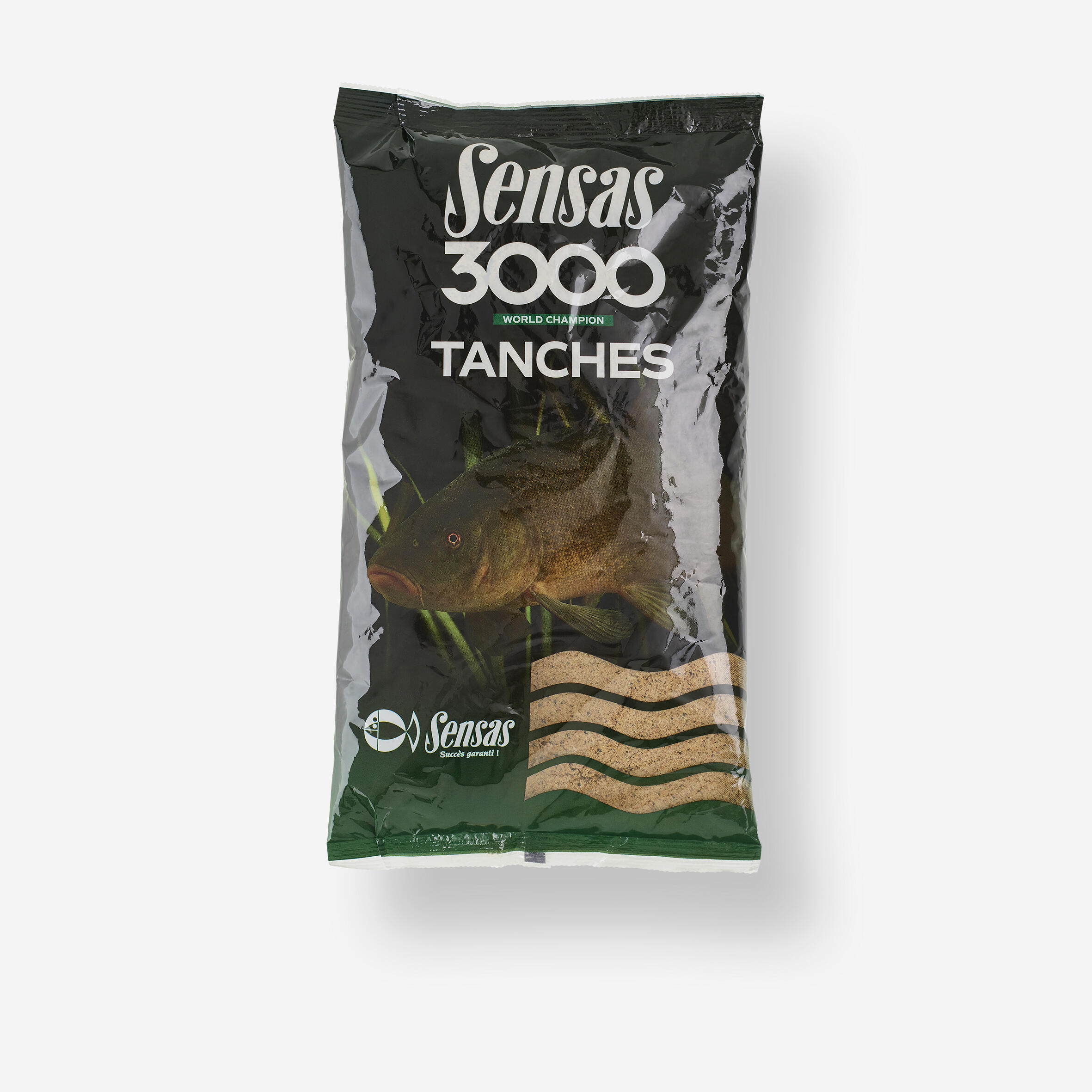
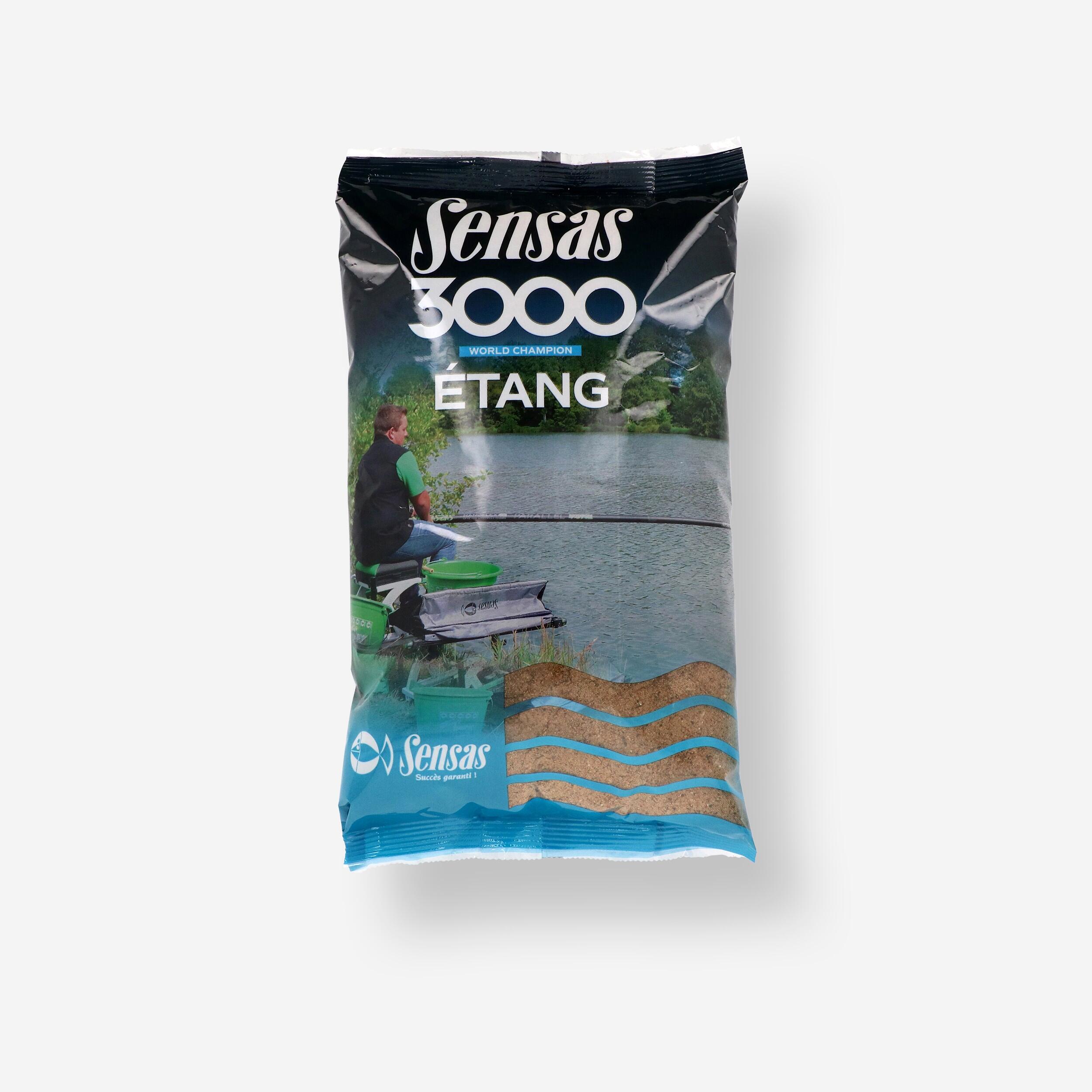
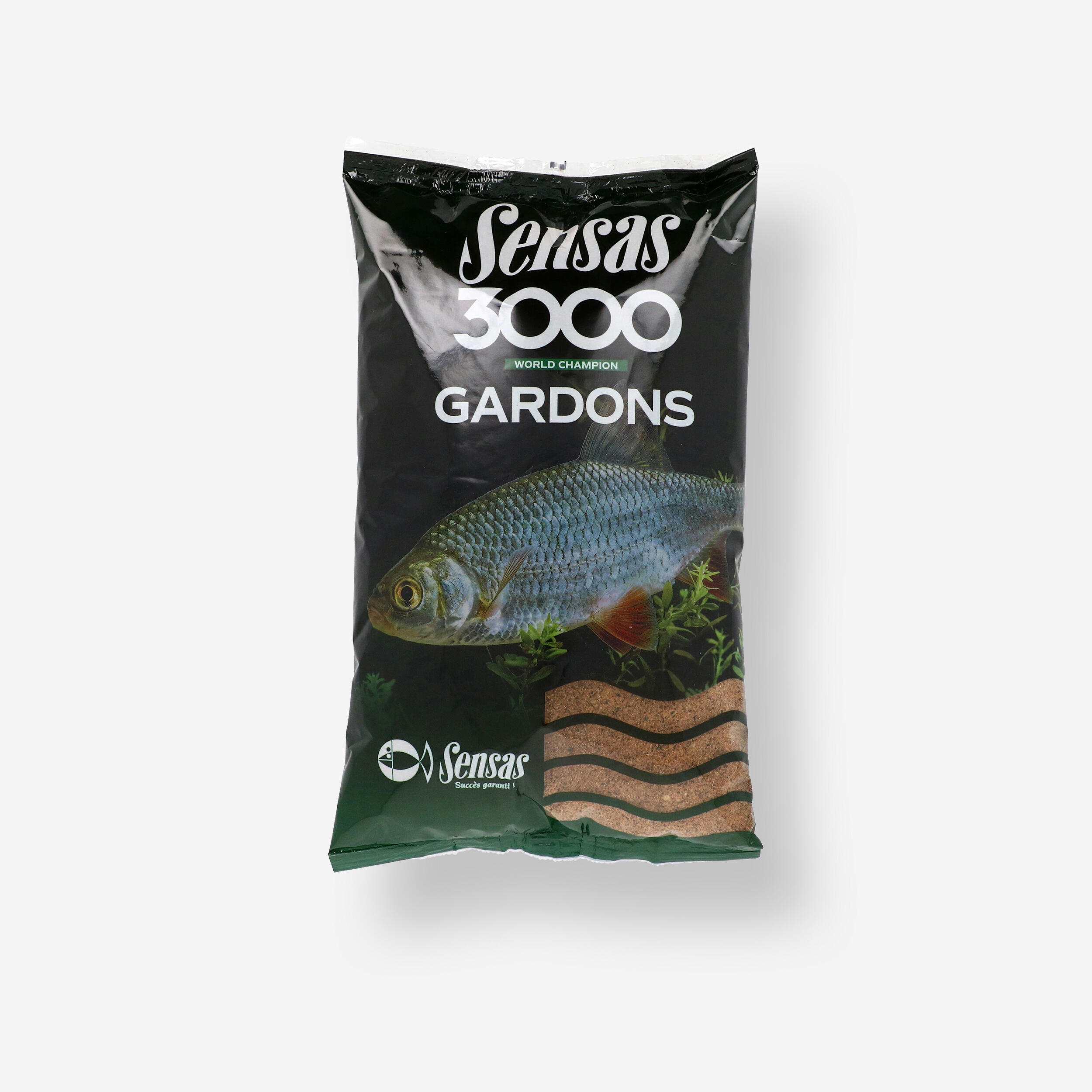
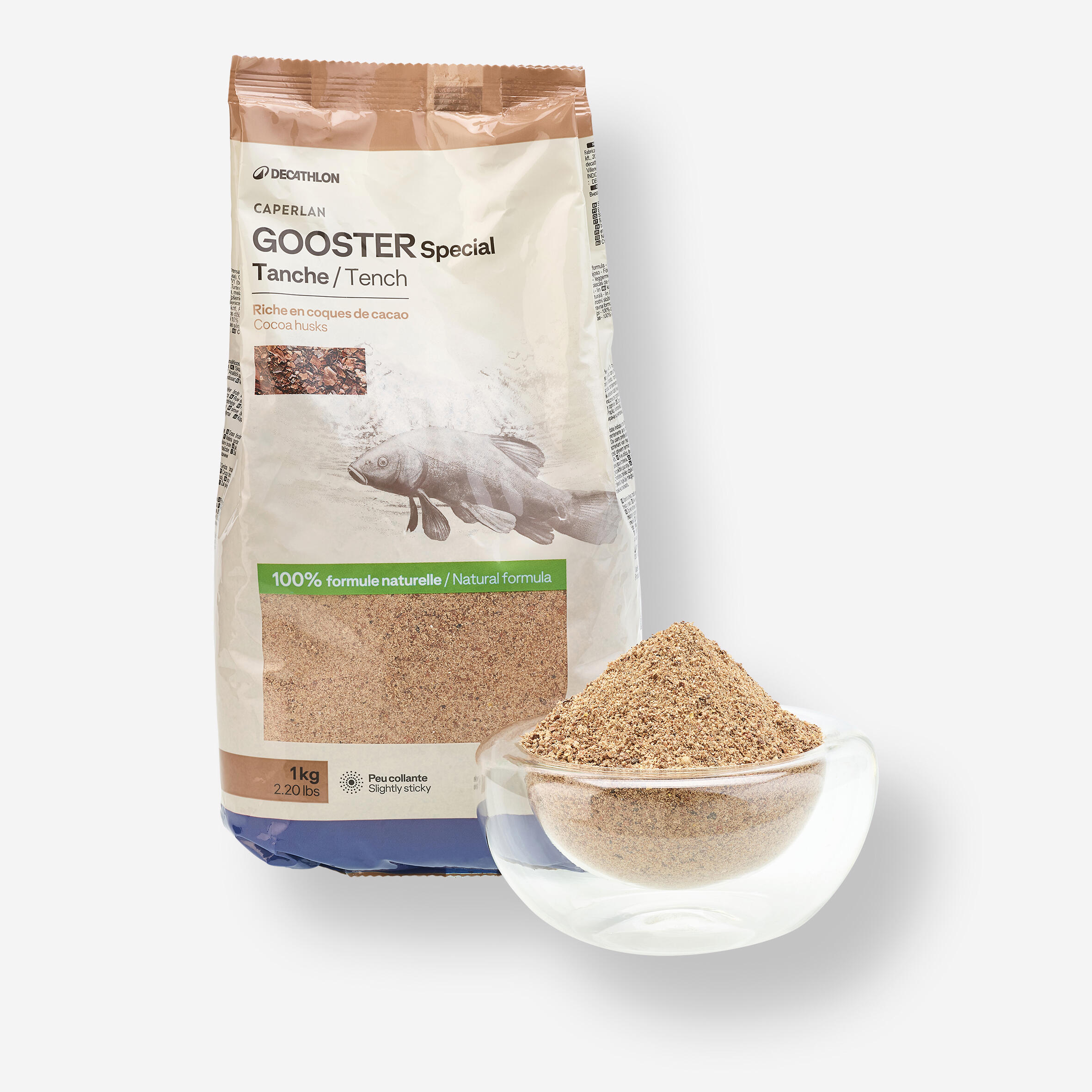
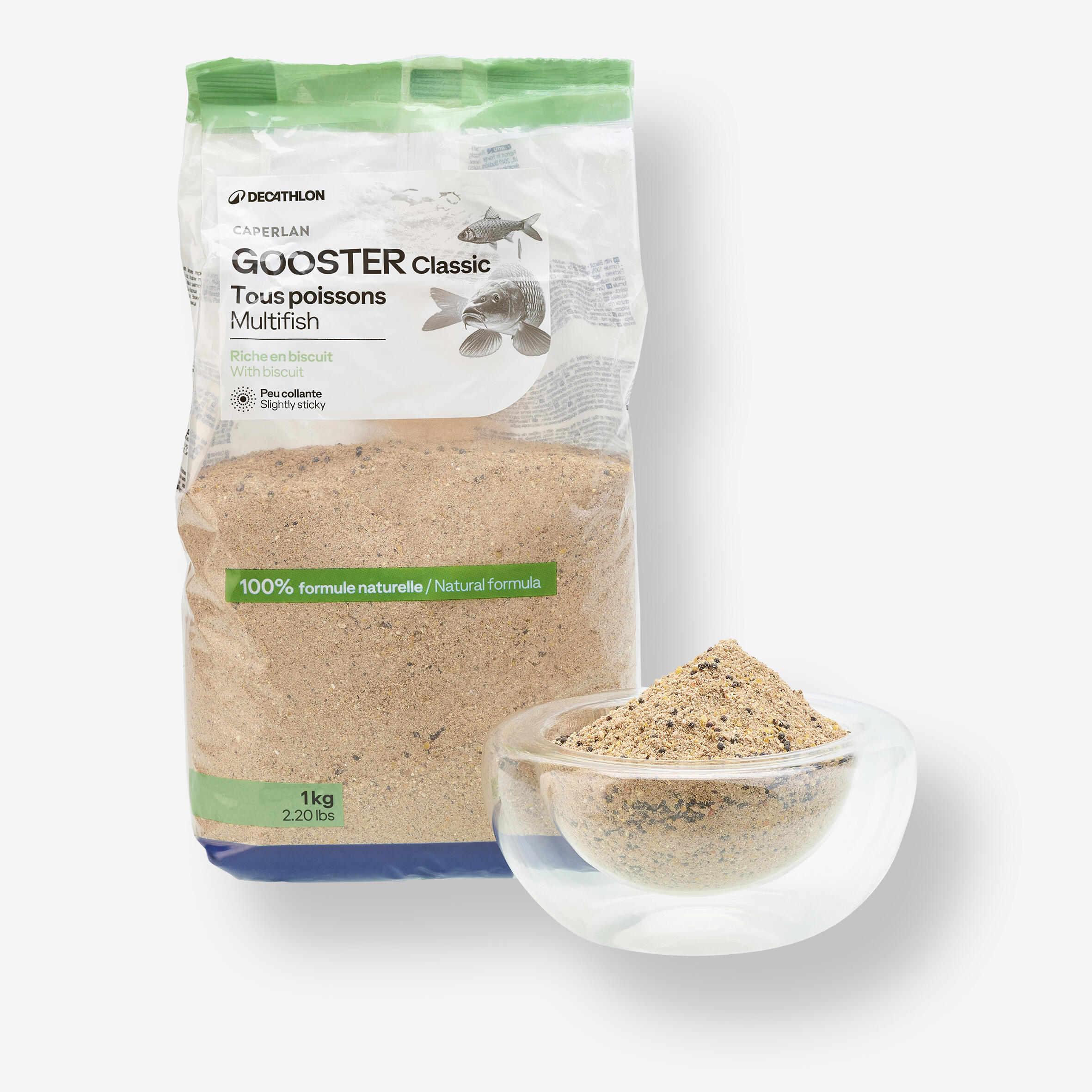
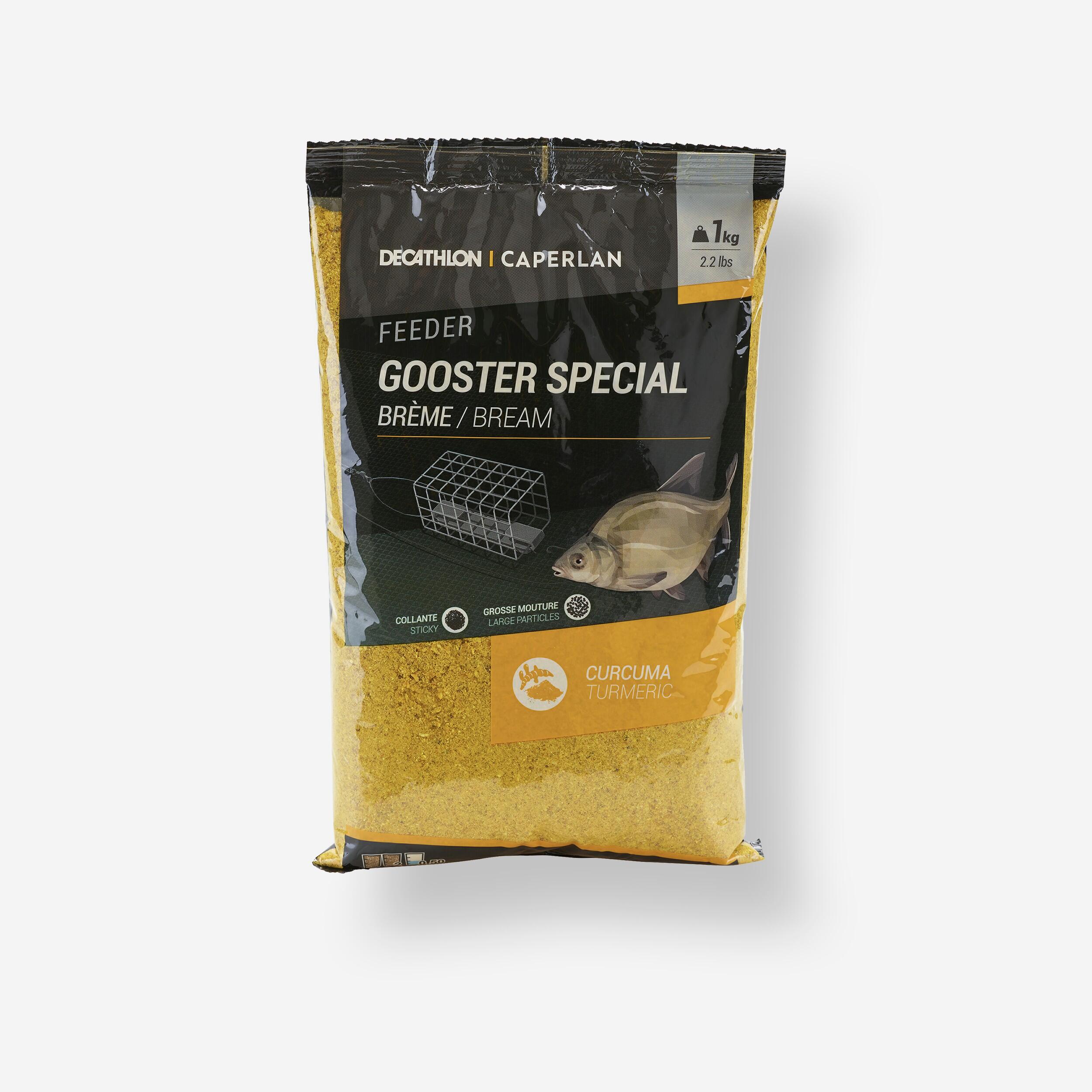
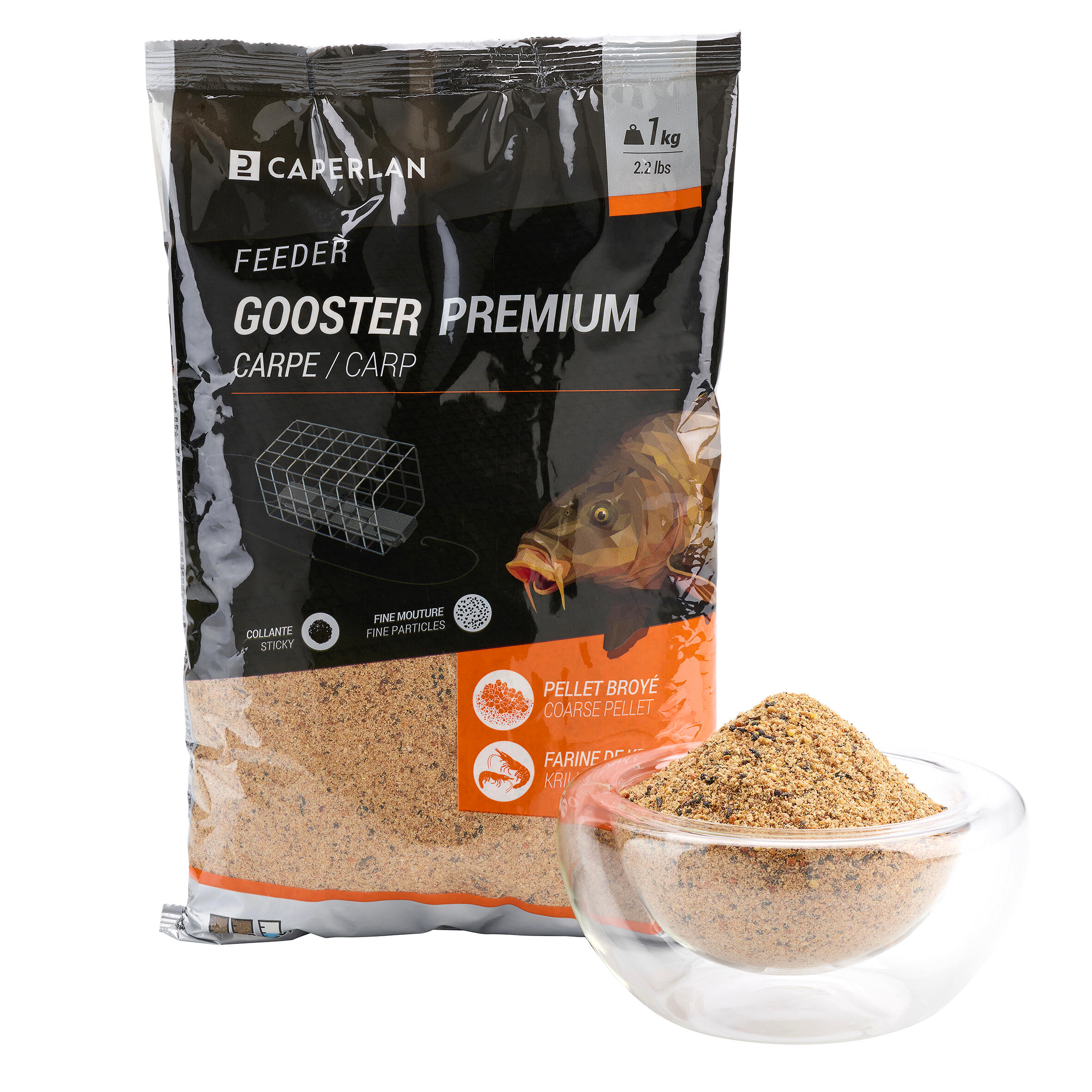
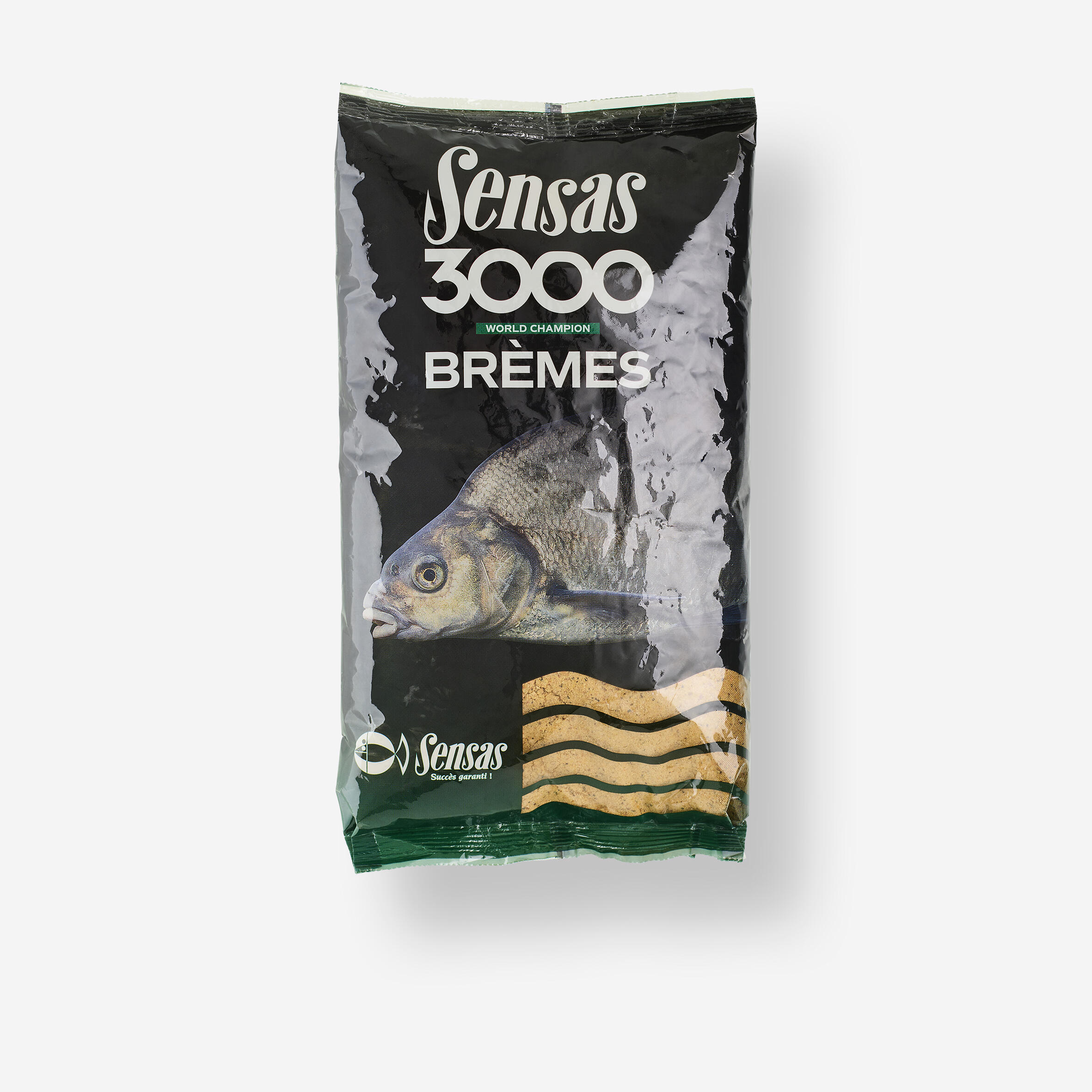
Start with the feeding method, target fish and water conditions rather than picking a mix by aroma alone. Caperlan separates GOOSTER bait into different technical levels, including versatile Classic formulas, more targeted Special recipes and Premium mixes for more demanding situations. Species-focused formulas can vary in grain size, seed content, colour and stickiness, while feeder mixes place extra emphasis on how quickly the bait releases after reaching the bottom. Those differences matter across coarse fishing because pole, feeder and method-feeder approaches do not place the same demands on a groundbait. Prepare a small test amount first and watch how it binds and breaks down before mixing the full quantity for the session.