10 items
4.8/5 based on 447 reviews collected online and in stores

Fishing Buckets FAQs

What size fishing bucket do you need for groundbait preparation?

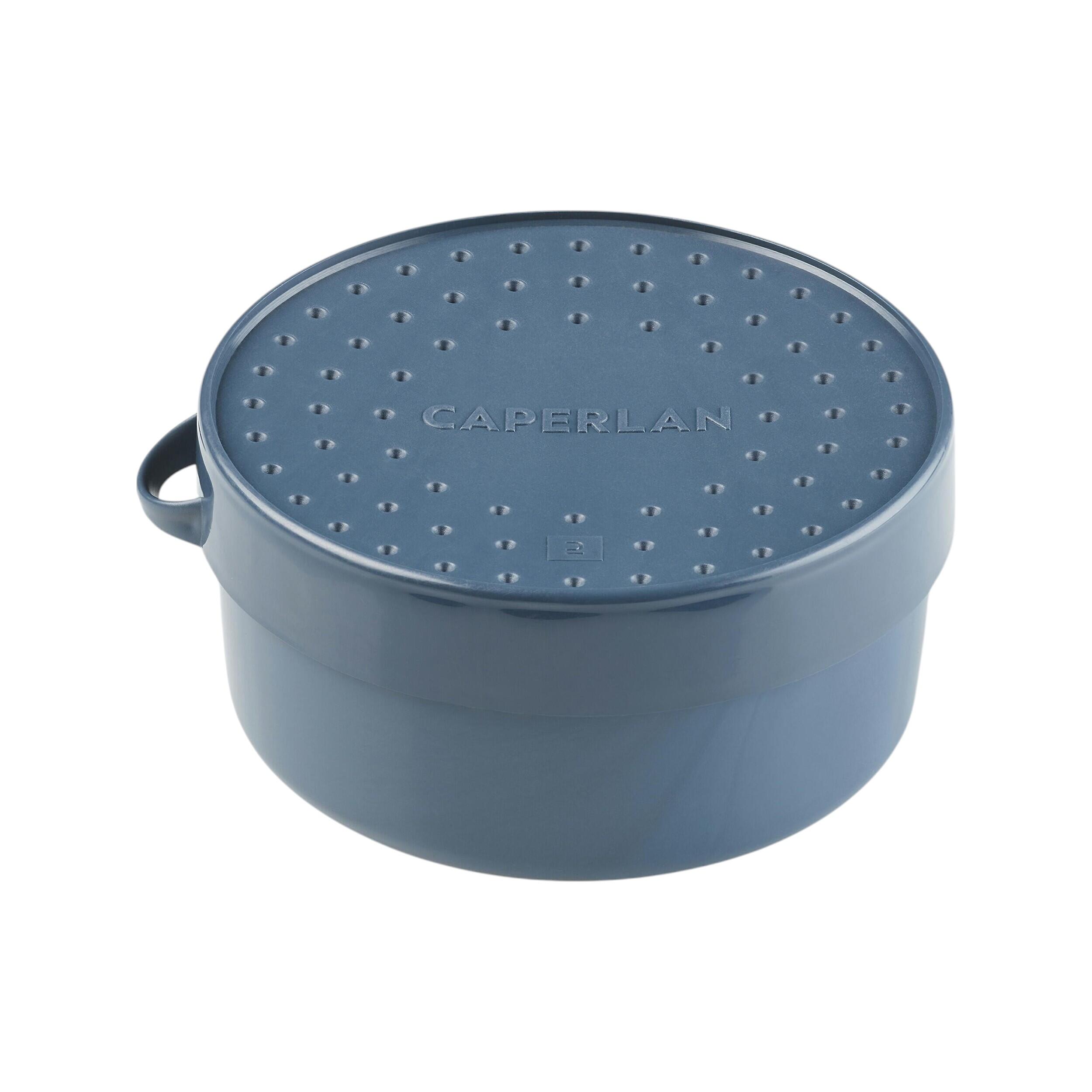
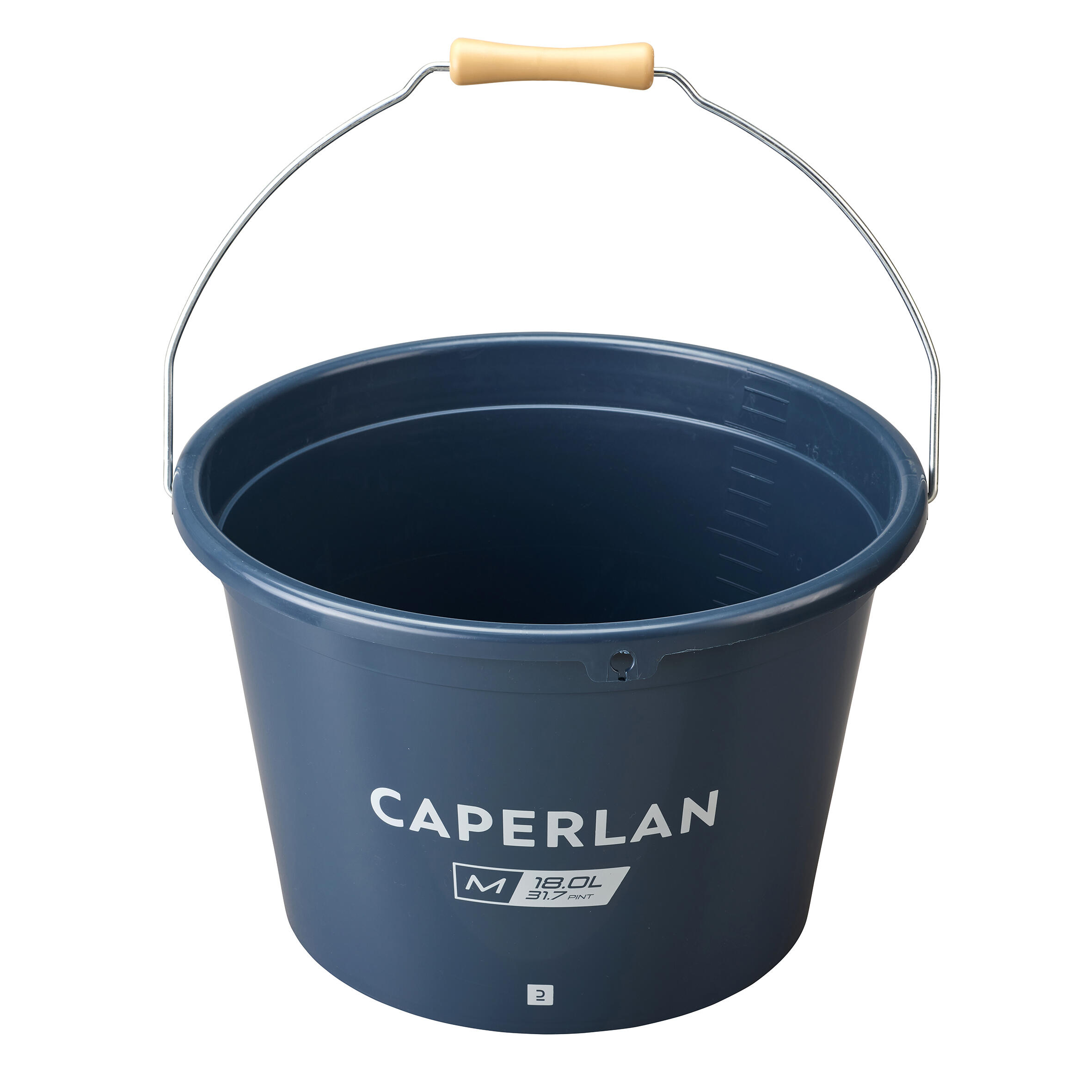
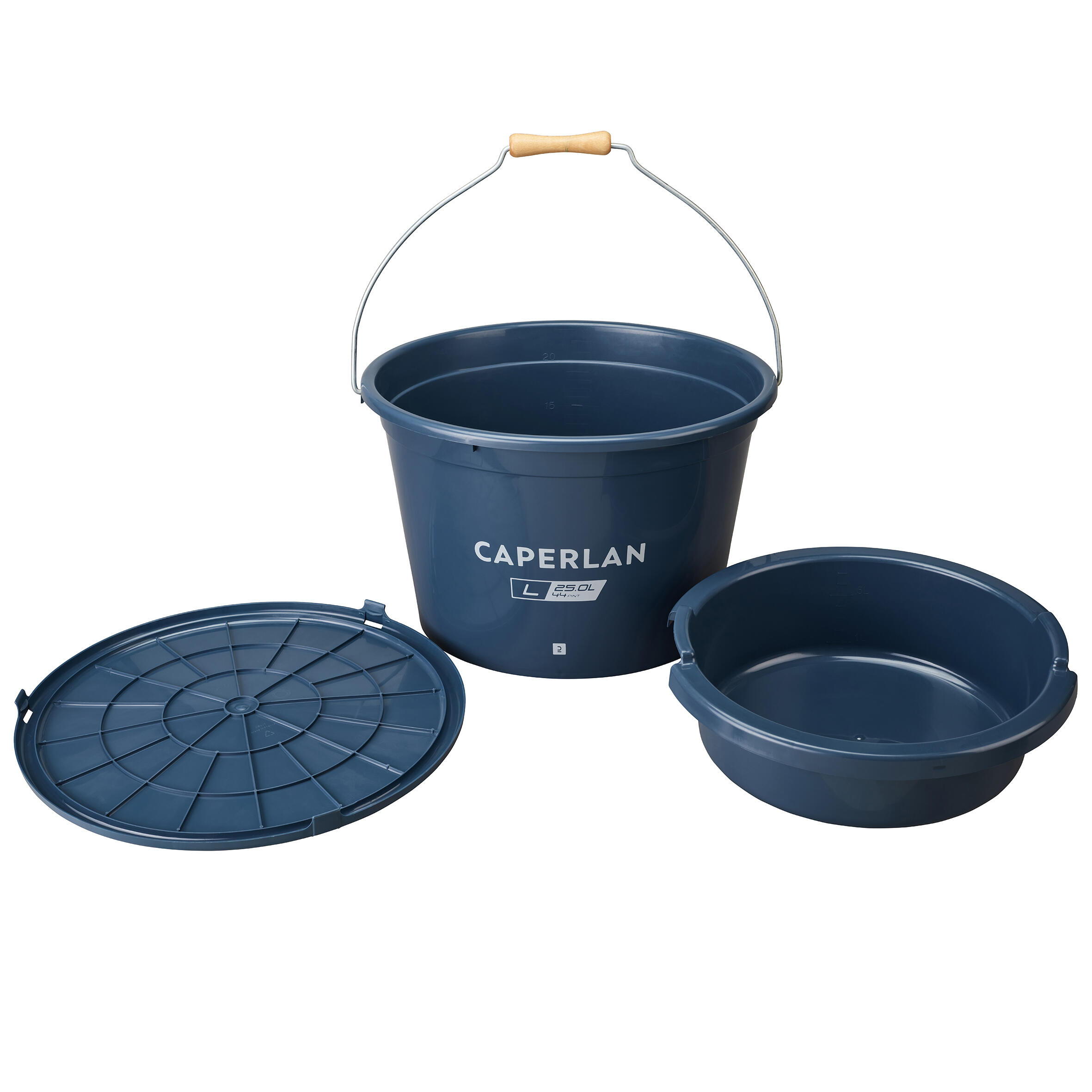
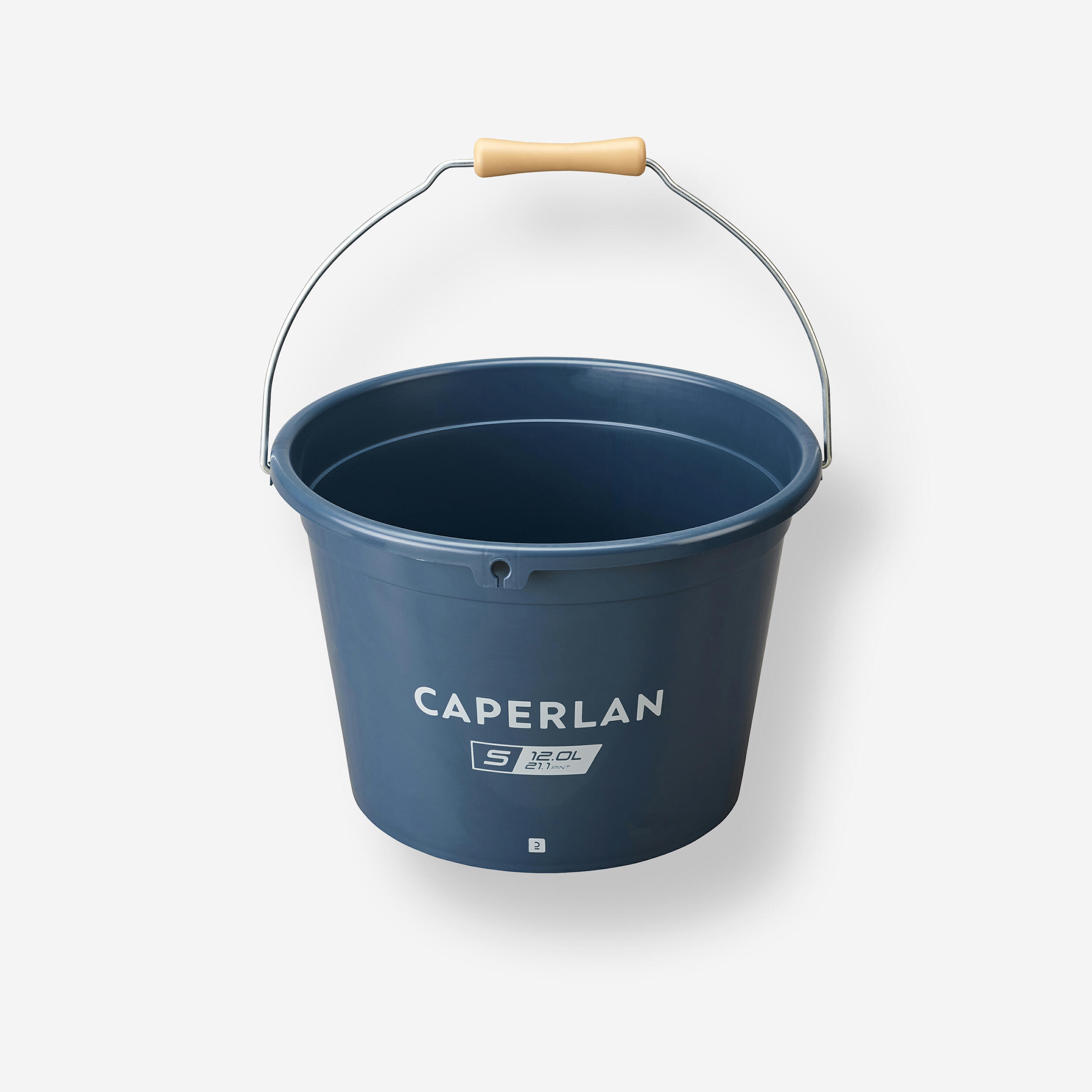
Bucket capacity should reflect how much bait you plan to mix and how long you expect to fish. A compact 12 L bucket can suit smaller quantities, while 18 L and 25 L formats provide more working room for larger mixes. Caperlan's rigid PF-BU buckets use graduated markings, helping you judge quantities more consistently instead of estimating by eye. The 25 L setup also includes a graduated main bucket, an 8 L basin and an opaque lid, so you can prepare smaller batches separately and nest the basin inside the bucket for transport. When carrying several baits, ground baits and accessories, choose enough capacity to mix thoroughly without filling the bucket so high that stirring becomes awkward.

When is a collapsible fishing bucket useful at the bank?

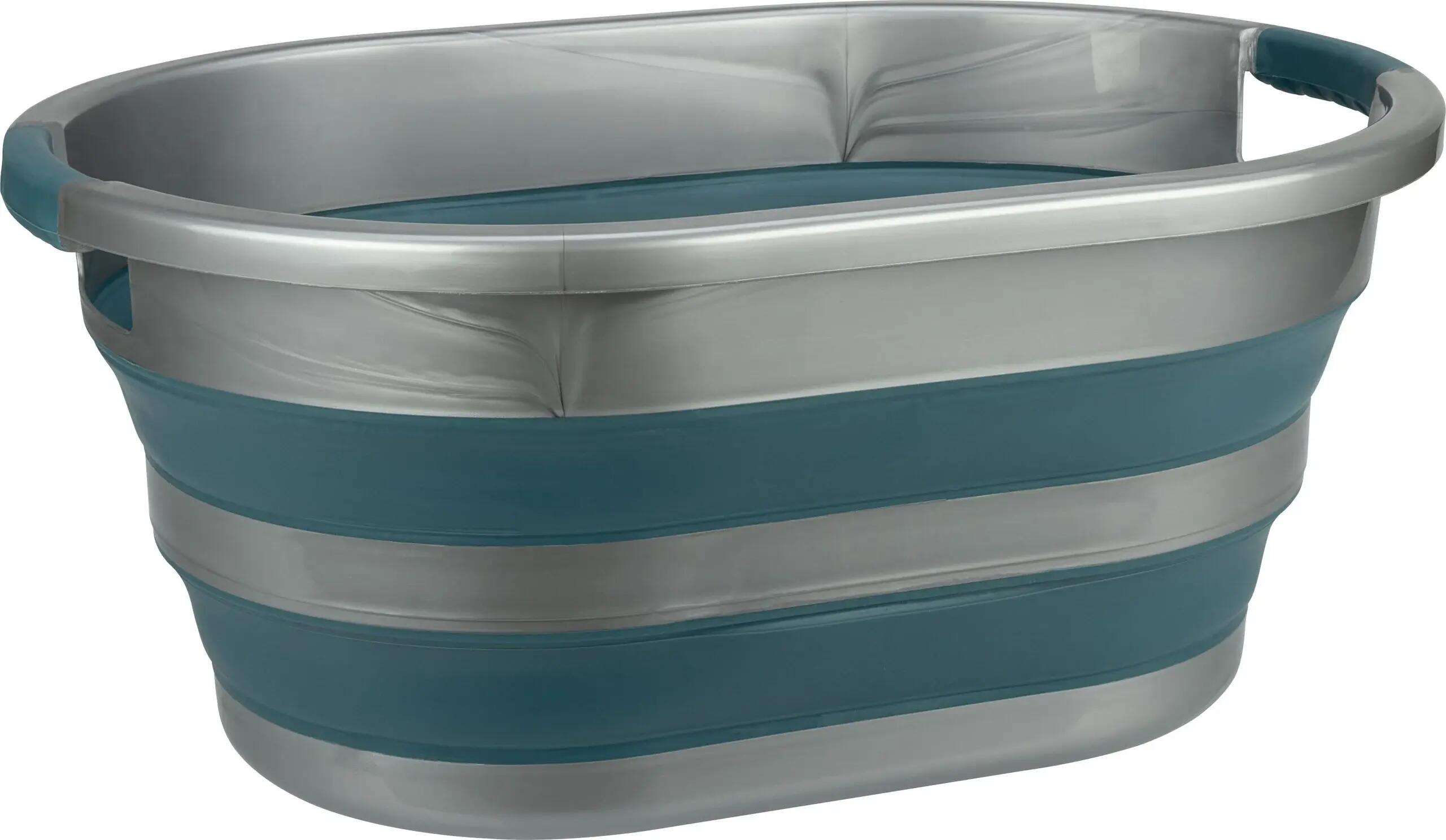
A collapsible bucket is useful when you need water for bait preparation but do not want another rigid container taking up space in your tackle. Caperlan's 4 L fishing collapsible bucket uses flexible EVA construction so it can fold down inside a fishing bag. Its 2 m cord also lets you lower the bucket towards the water from a higher or awkward bank instead of stretching down to fill a container by hand. Bring up only the water you need for the next stage of mixing, as gradual wetting gives you better control over groundbait consistency. The bucket is for fishing use, not storing human food.

Why sieve groundbait before putting it into a fishing bucket?

Sieving helps break up lumps and aerate the mixture, giving you a more even texture before you feed or fill a feeder. This matters after wetting because some sections of groundbait can absorb more water than others and form denser clumps. A luxury sieve for fishing bucket fits an 18 L container and uses a 4 mm mesh to pass earth and groundbait through while separating larger lumps. Work the mixture through without forcing hard, then check the finished texture before adding more water. A homogeneous mix is easier to portion consistently, and the extra aeration can help the bait break down more predictably once it reaches the fishing area.

How does a bowl holder make bait easier to manage at a fishing station?

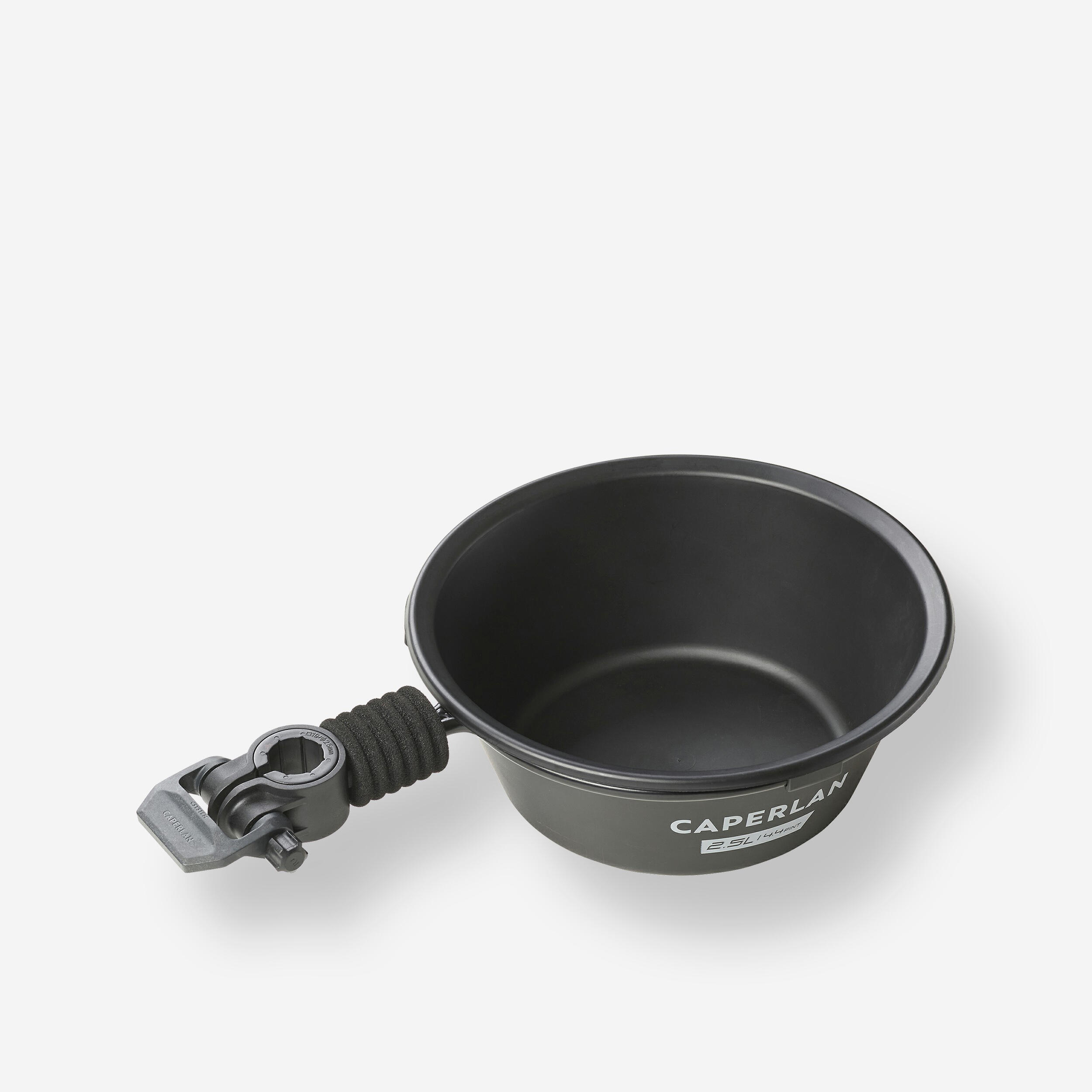
Keeping a smaller working bowl beside your seat can reduce repeated reaching into a large bucket on the ground. Caperlan's innovative bowl and bowl holder includes a detachable 2.5 L bowl for bait or rinsing water and attaches to 25 mm and 36 mm station legs. The Concentric System provides the attachment, while a wide flap gives you a practical grip during adjustment. EVA foam on the support tube also helps protect a rod if it comes into contact with the holder. Position the bowl where you can reach it comfortably while seated, keeping frequently used bait close without crowding the main working area.

How should you clean and store fishing buckets after use?

Empty leftover bait first, then rinse away groundbait, pellet residue and particles that have collected around the base, graduations or lid. Let rigid buckets, basins and sieves dry fully before nesting them together, as trapped moisture can leave stale bait residue and make the next setup less hygienic. A collapsible EVA bucket should also be emptied and dried before it is folded into your bag. Check handles, cords and station attachments while cleaning so wear is easier to notice before another session. Good organisation is useful across coarse fishing, where buckets often carry more than mixed bait between the car and the swim. Store clean containers away from unnecessary heat and damp conditions until the next trip.