20 items
4.6/5 based on 390 reviews collected online and in stores

Fishing Cereals FAQs

How do cereals change the way fishing groundbait behaves?

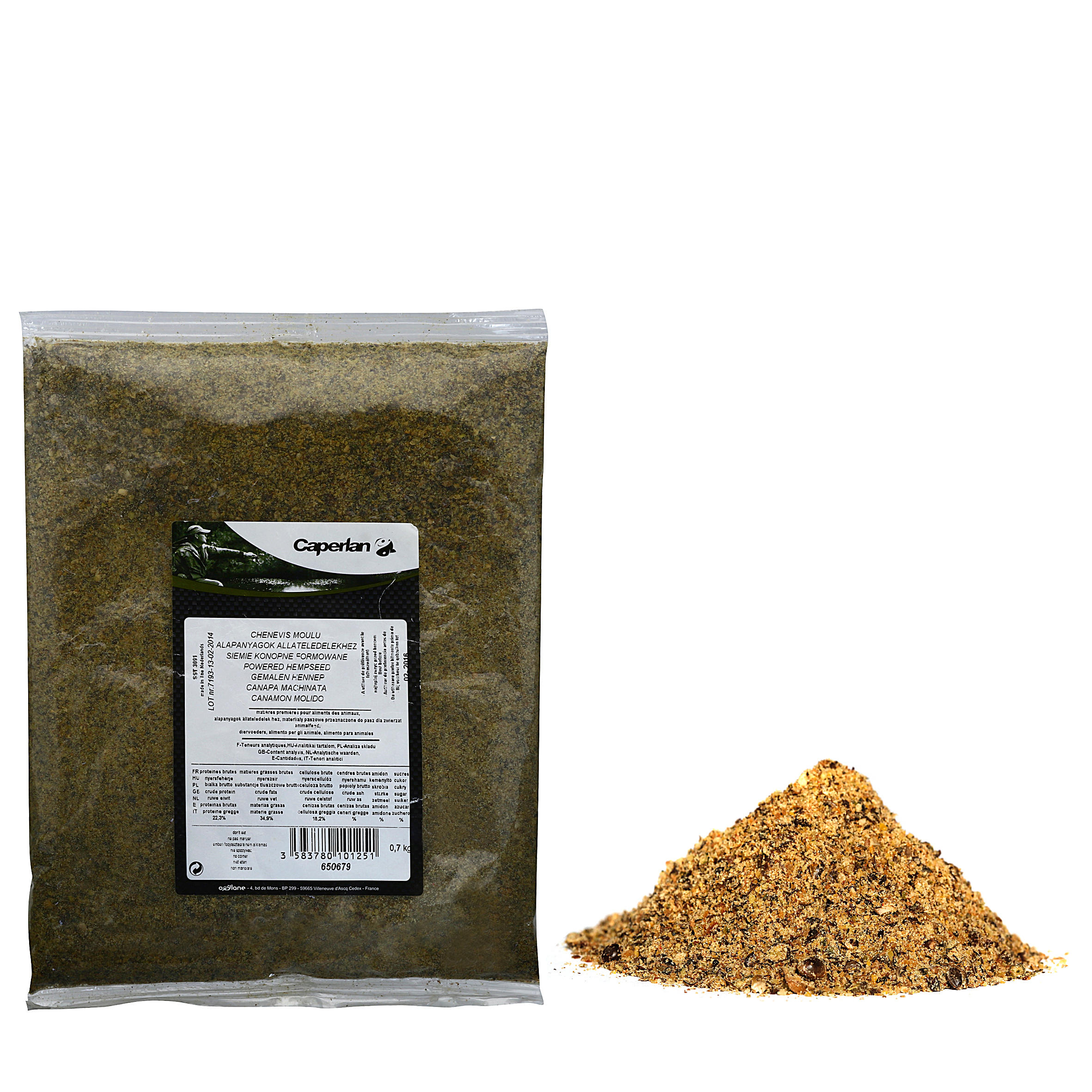
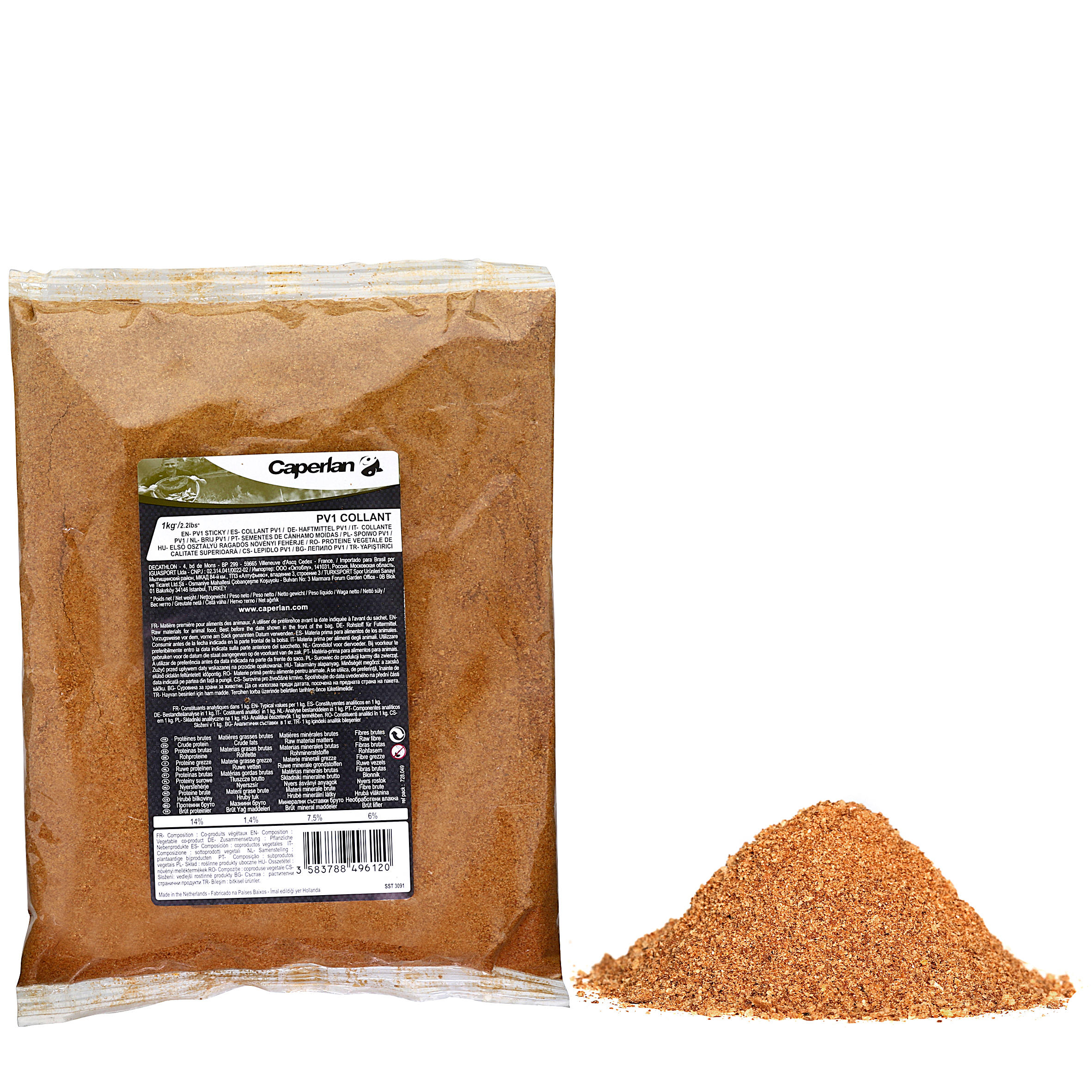
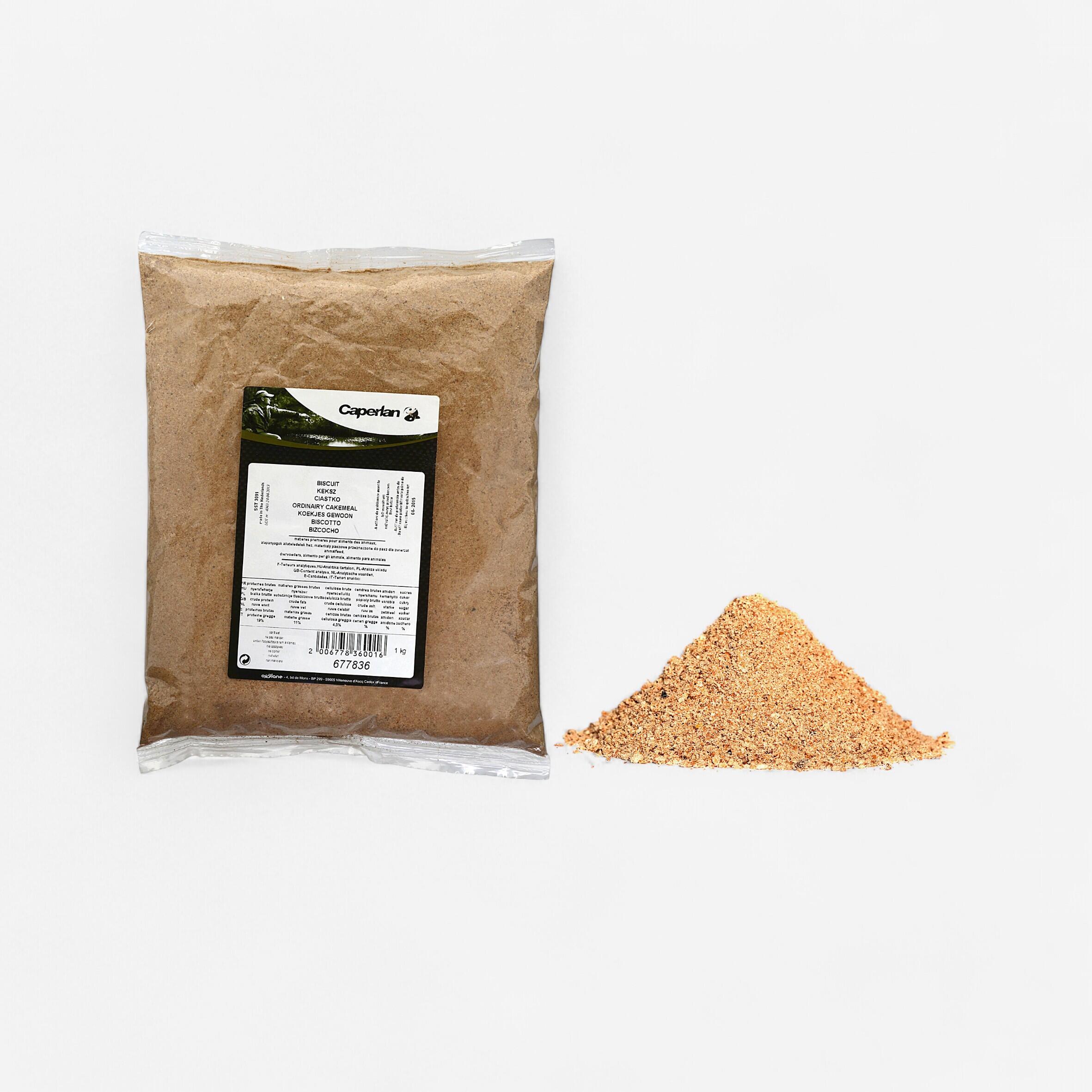
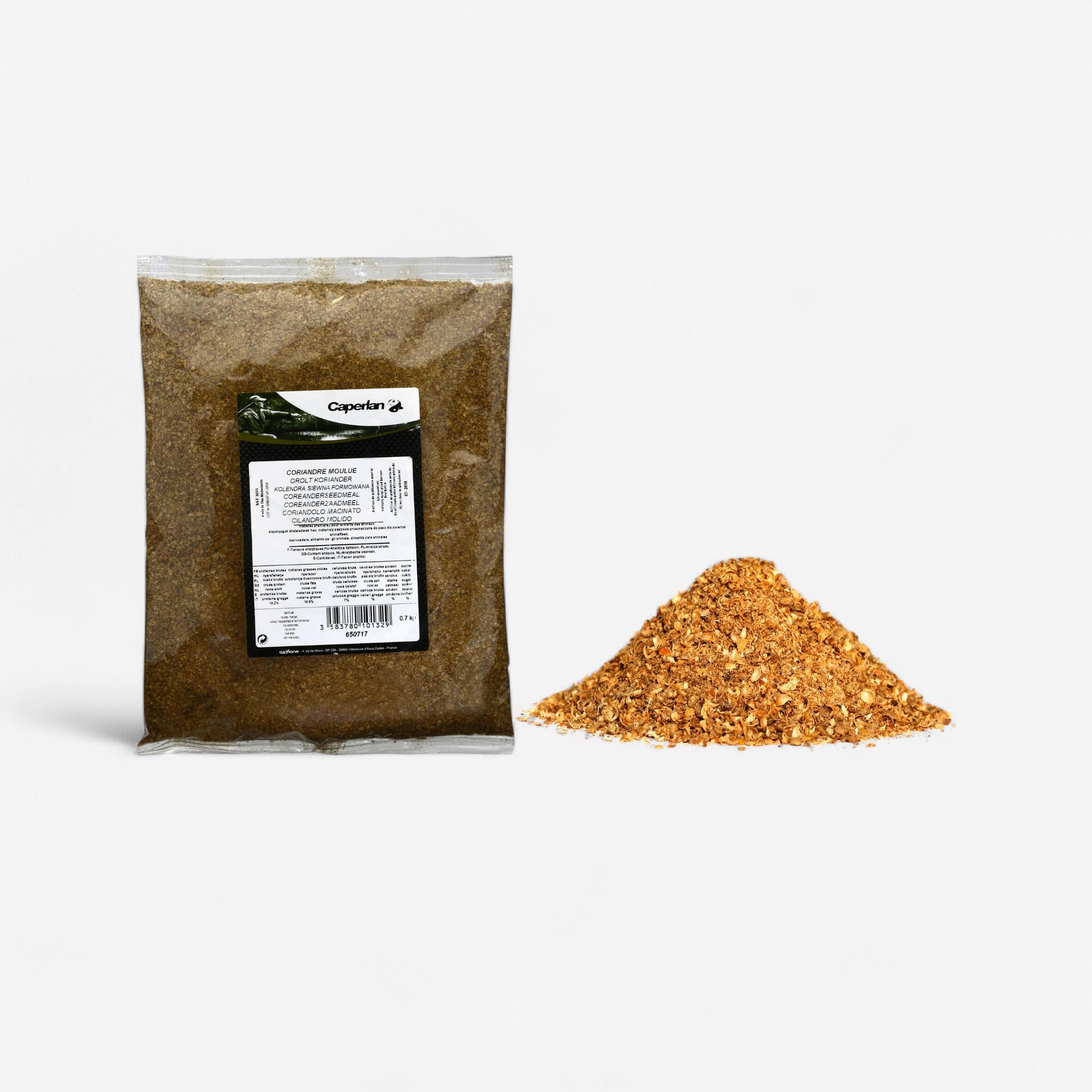
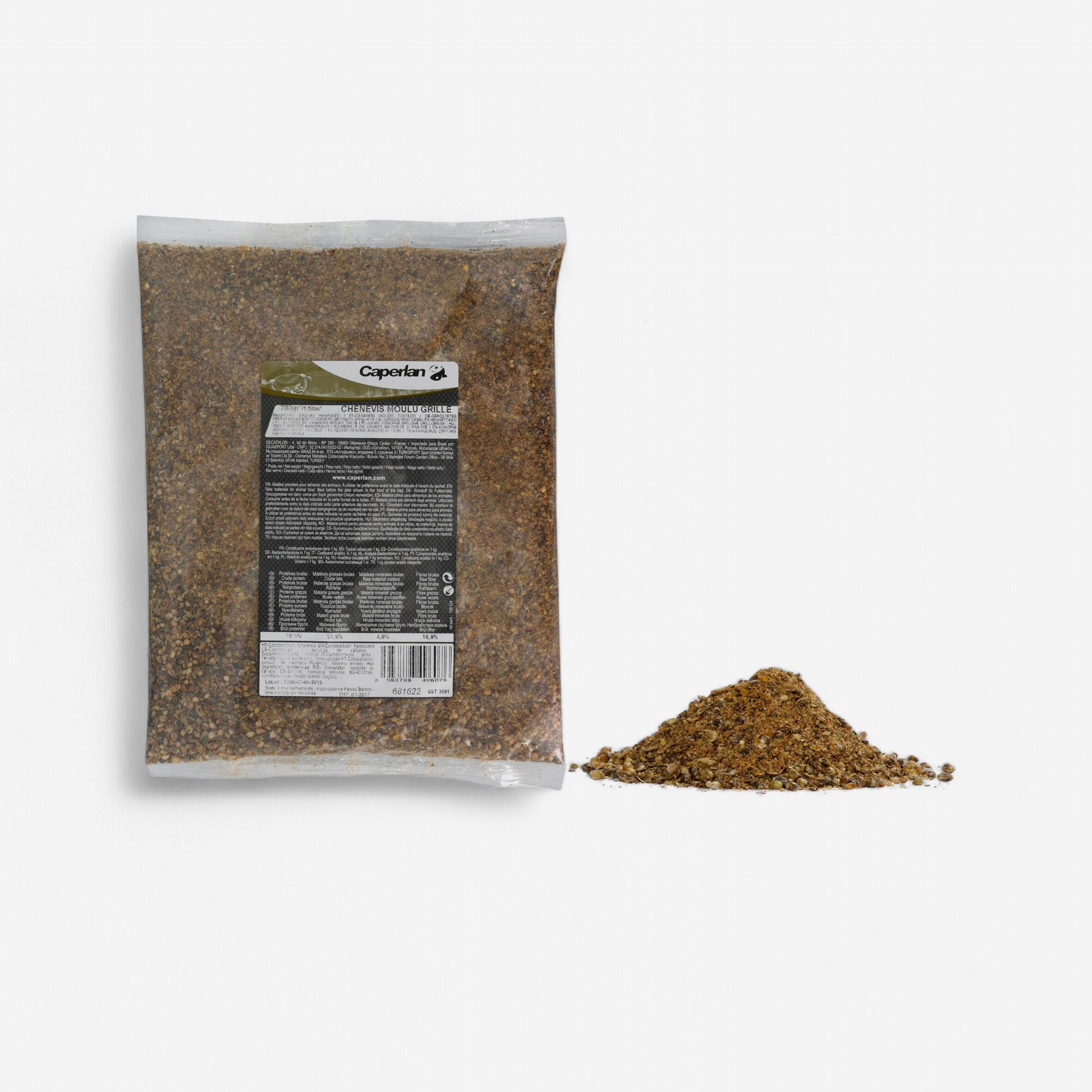
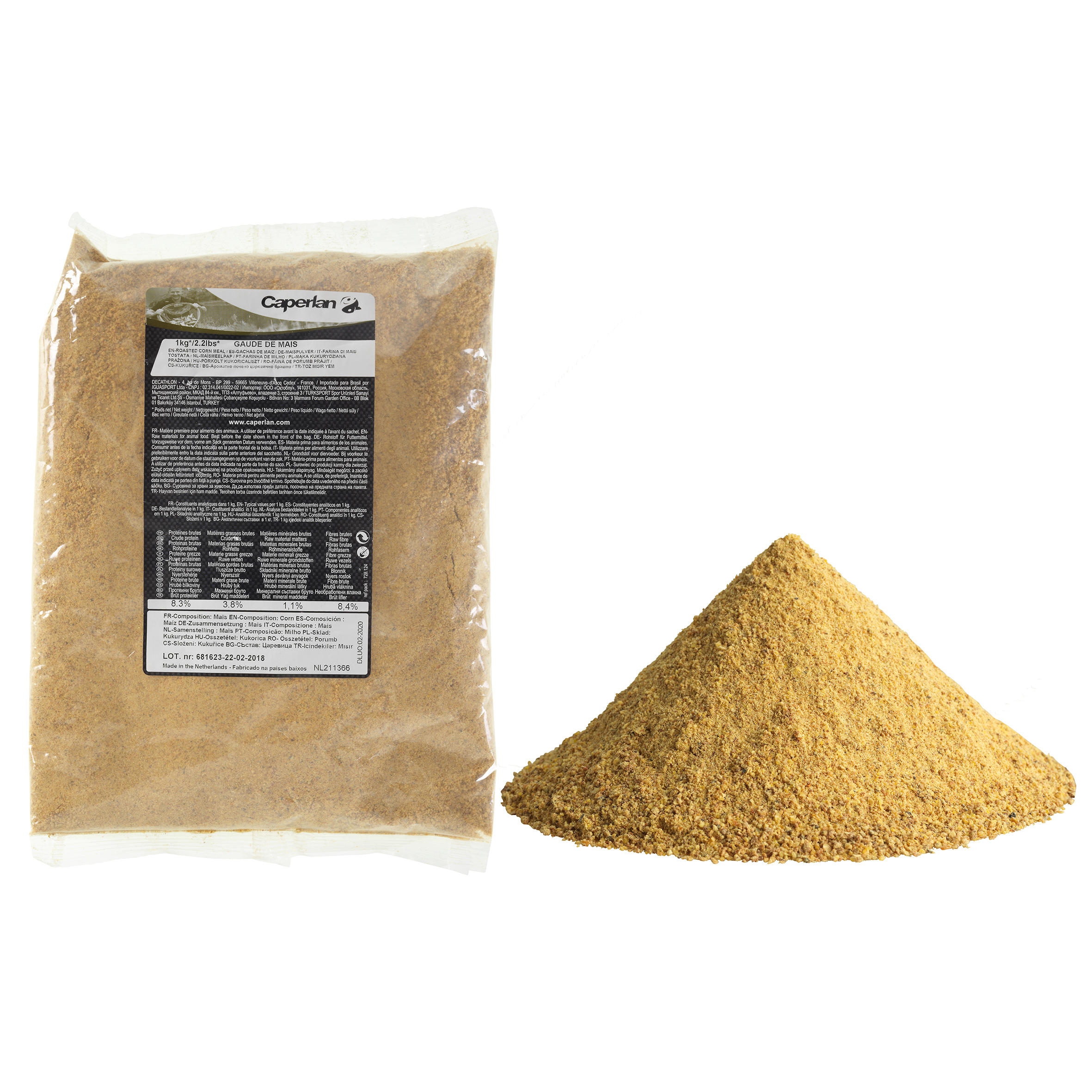
Cereal meals can change far more than the smell of your groundbait. Caperlan uses ingredients such as hemp, copra, molasses, coriander, biscuit and breadcrumbs to alter stickiness, dispersal, colour, grain texture and food content. This means you can adjust an existing mix according to how you want it to behave after casting. A binding ingredient may help the bait hold together for longer, while a low-stickiness cereal can encourage particles to spread sooner. You can also change colour to make the feeding area lighter or darker against the bottom. When building a mix from baits, ground baits and accessories, add cereal meals gradually and test a small quantity first so you can judge the texture before preparing the full batch.

When should you add copra and molasses to fishing groundbait?

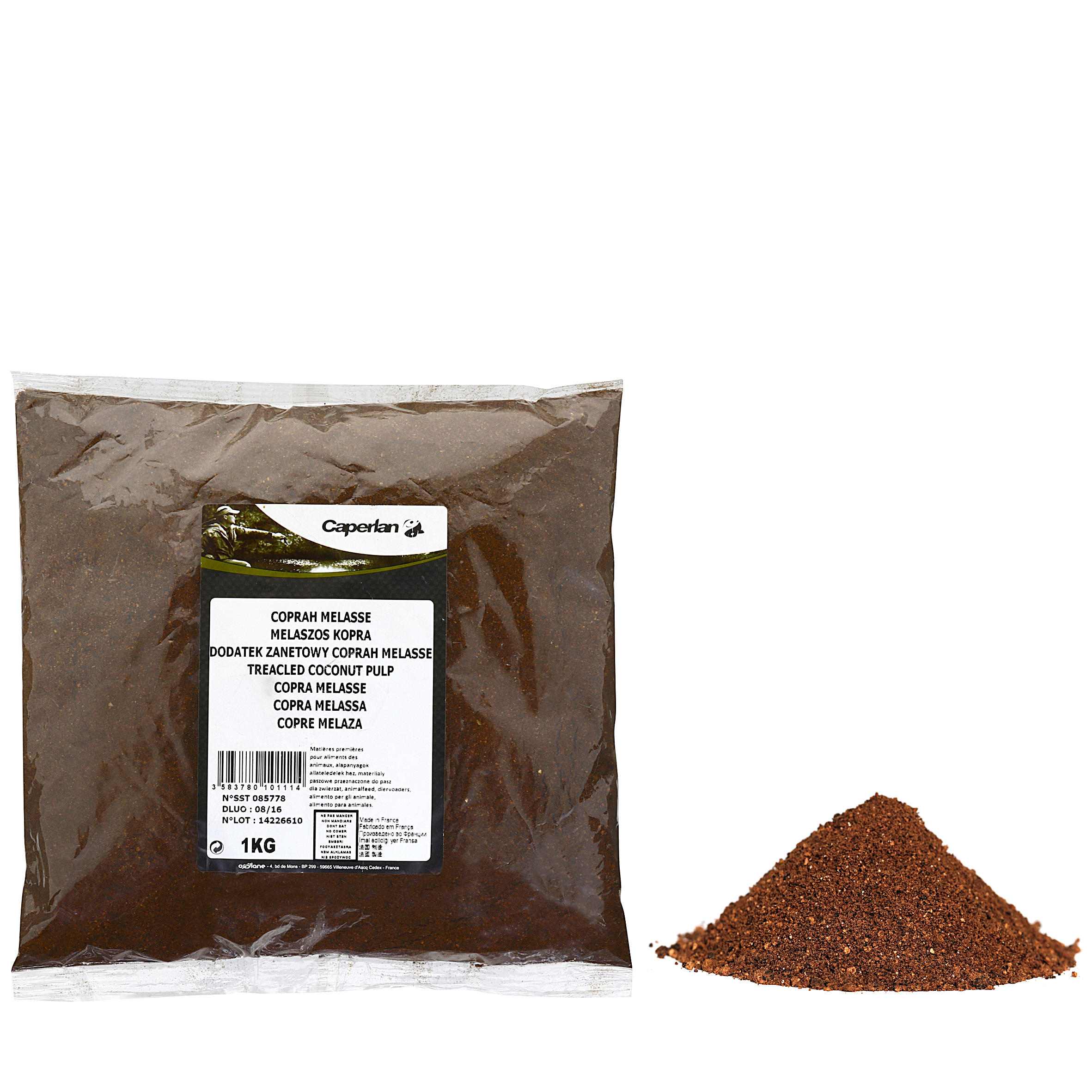
Copra and molasses can be useful when you want a groundbait that binds more firmly while retaining the ability to disperse after it reaches the water. Caperlan combines copra flour with molasses, a sugary syrup that increases stickiness and gives the mixture a distinctive sweet smell. The brown meal also darkens the finished groundbait, giving you another way to adjust its appearance against the lake or riverbed. Because molasses adds carbohydrates and attraction, it changes both the physical and feeding characteristics of the mix. Add fishing copra and molasses in stages and remix thoroughly so the extra binding effect is distributed evenly rather than concentrated in one part of the bait.

Why are white breadcrumbs useful when making fishing groundbait?

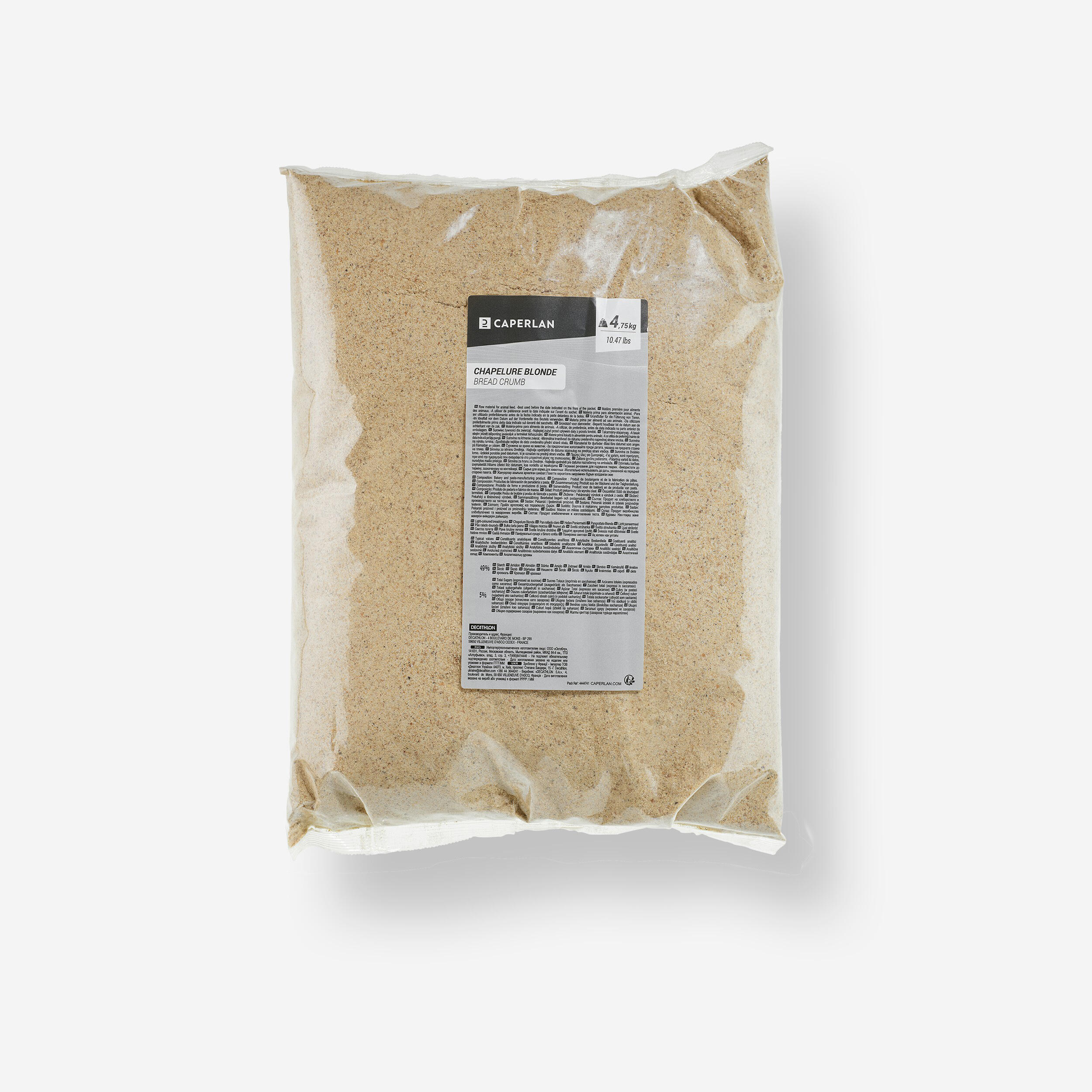
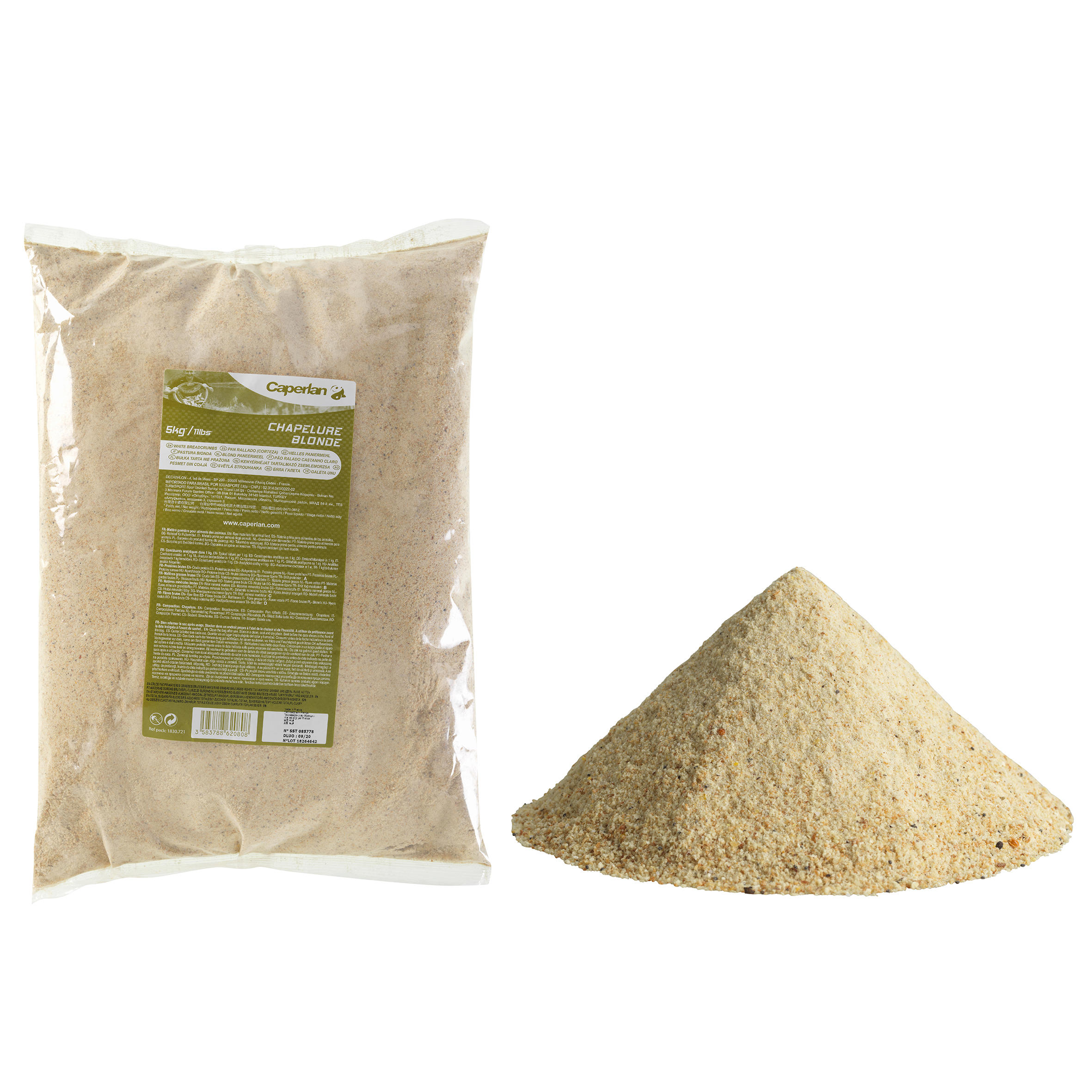
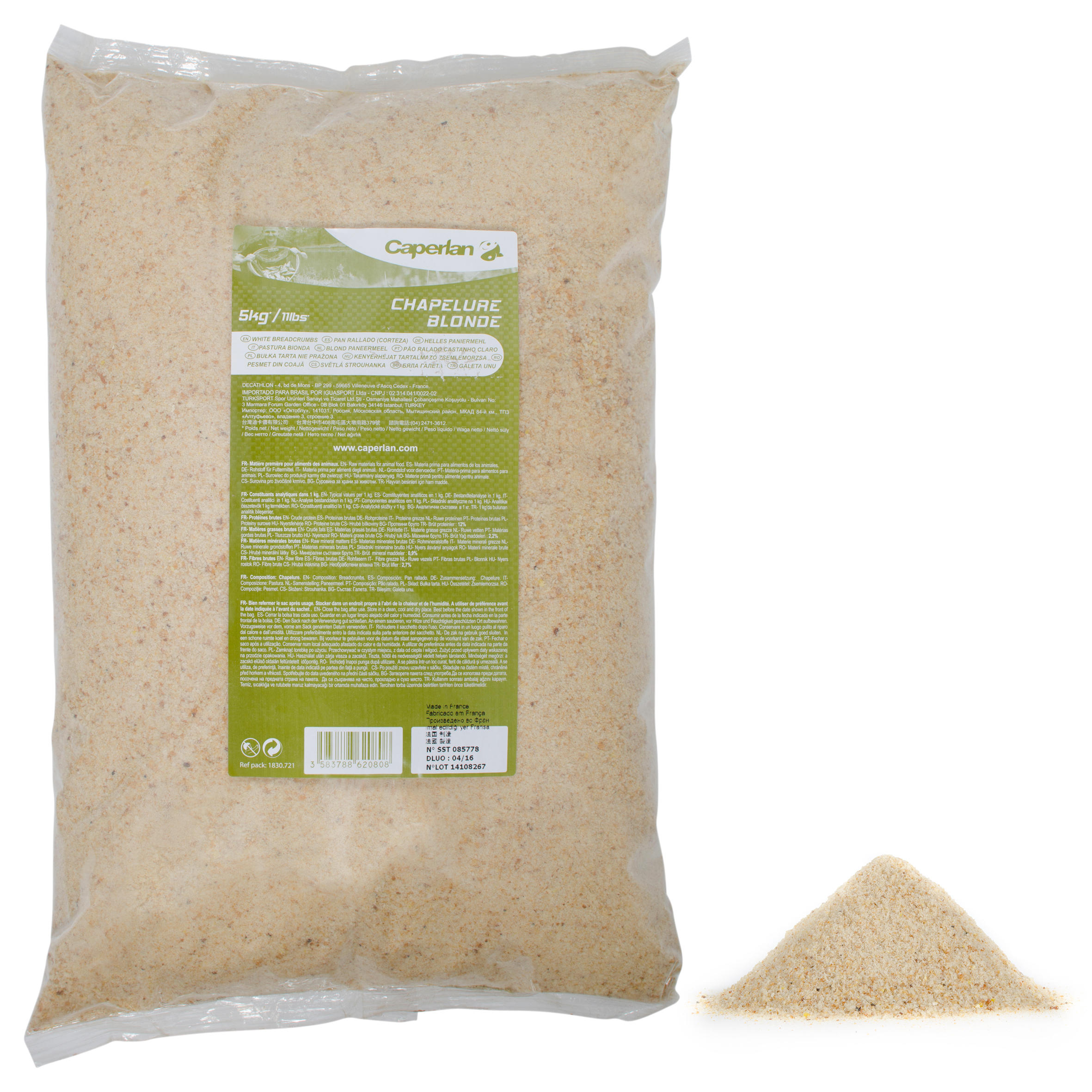
Breadcrumbs provide a versatile base when you want to build a groundbait recipe or alter an existing one without starting with a strongly species-specific ingredient. Caperlan's white breadcrumbs form a medium feeding base and break down relatively quickly in the water, helping the mix begin working around the baited area. You can combine them with other fishing cereals to adjust richness, colour, scent or binding depending on the situation. This makes fishing white breadcrumbs particularly useful when you prefer to control the recipe yourself. A practical approach is to build the breadcrumb base first, then add stronger ingredients gradually so one additive doesn't dominate the texture or feeding response of the final mix.

What does Coco Belge add to a coarse fishing groundbait?

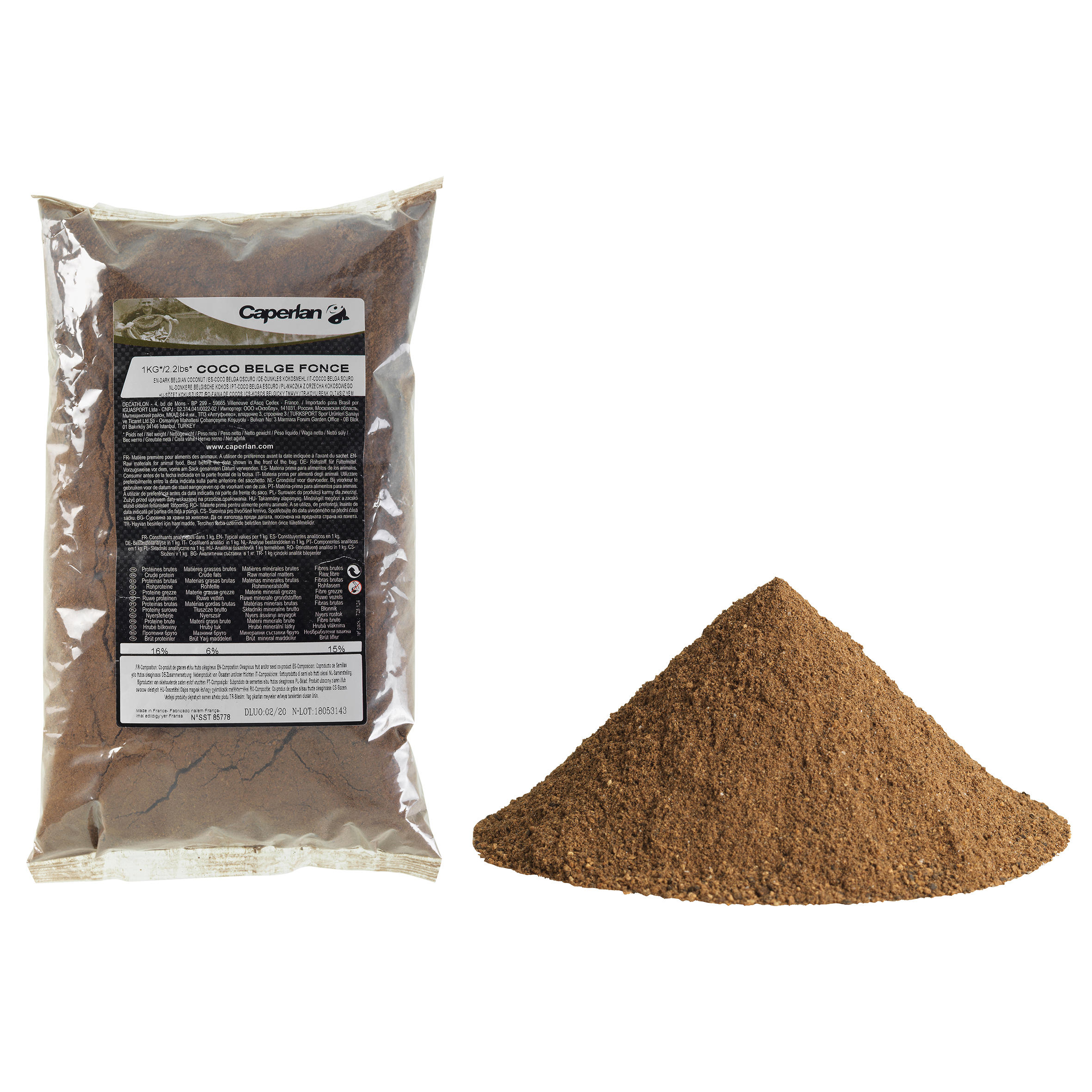
Coco Belge suits situations where you want the groundbait to start dispersing soon after it enters the water. Caperlan describes the copra meal as only slightly sticky, so it can modify a mixture without turning it into a heavily binding bait. Its dark colour can also deepen the shade of the finished groundbait, while its protein content adds nutritional value. These properties make fishing Coco Belge useful when adjusting several parts of a recipe at once: texture, dispersal, colour and richness. Caperlan's team developed and tested the version in Cestas, France, and it is stated to retain its qualities for up to 24 months from manufacture when stored correctly.

How should you store cereal meals after a fishing session?

Keep dry fishing cereals away from moisture because damp ingredients can clump, change texture and become harder to mix consistently on your next trip. Close partly used packets carefully and store them in a dry location rather than leaving open bags inside a wet tackle bag or vehicle. Several Caperlan fishing cereal products use Clip'&'Cut packaging so you can open and reseal the bag neatly, helping reduce spills and protect unused food during transport. Check the best-before information, especially if an ingredient has been stored for several months. Good storage matters across coarse fishing because the way an ingredient binds or disperses is part of your bait preparation. If a meal has absorbed moisture or noticeably changed condition, replace it rather than trying to compensate by altering the complete groundbait recipe.