31 items
4.4/5 based on 338 reviews collected online and in stores

Fishing Bivvy FAQs

What type of fishing bivvy works for an all-night carp session?

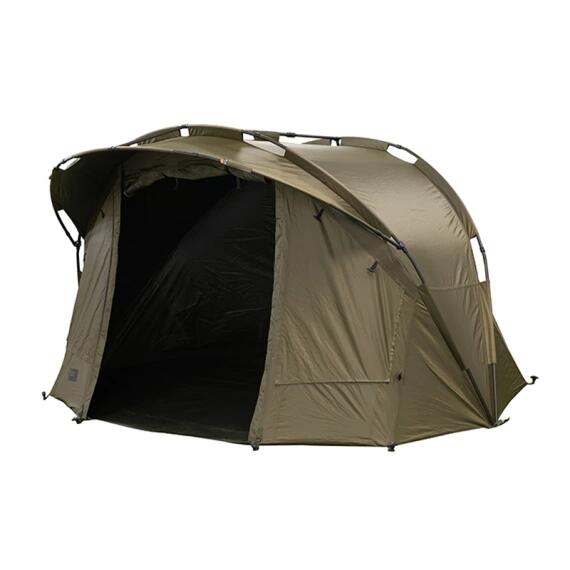
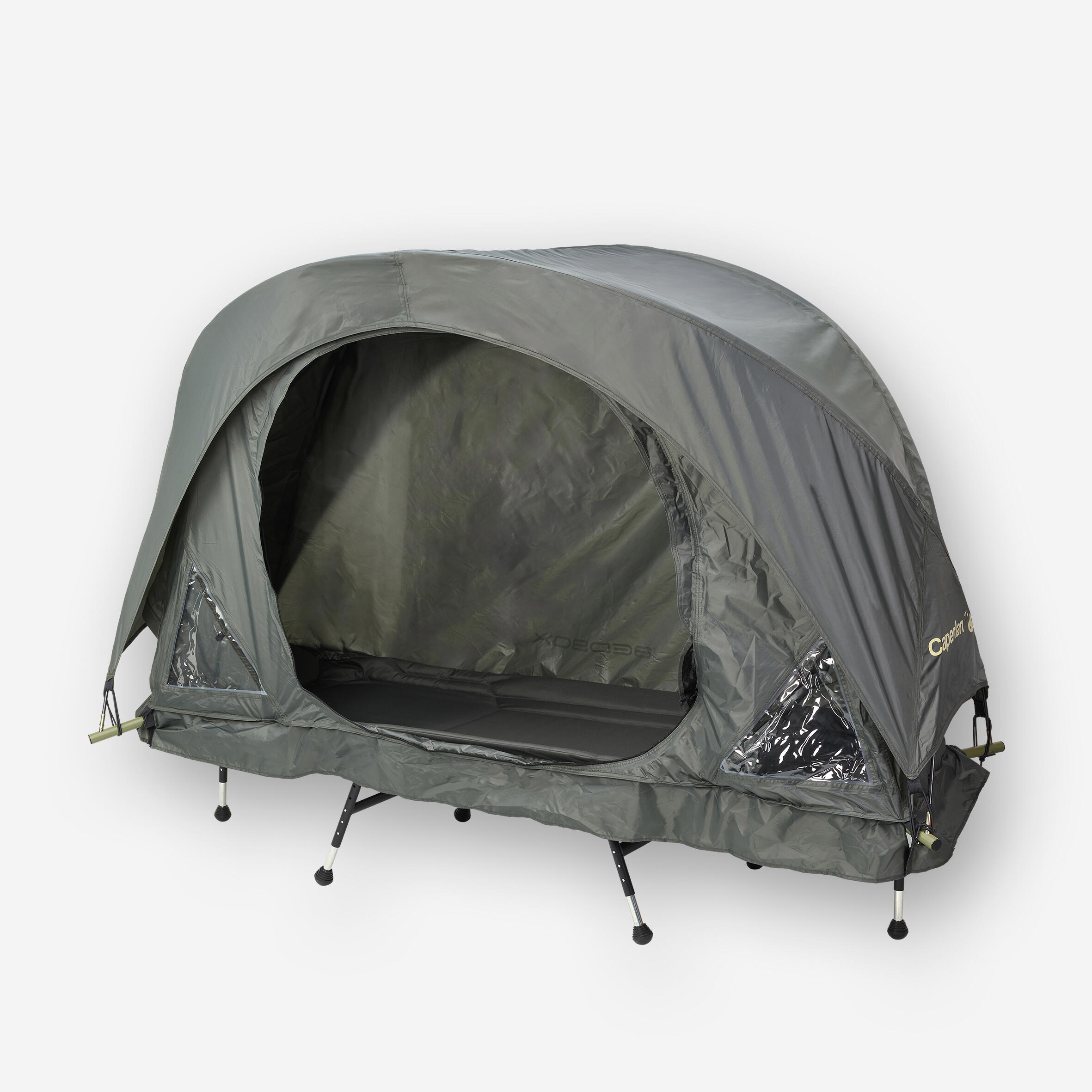
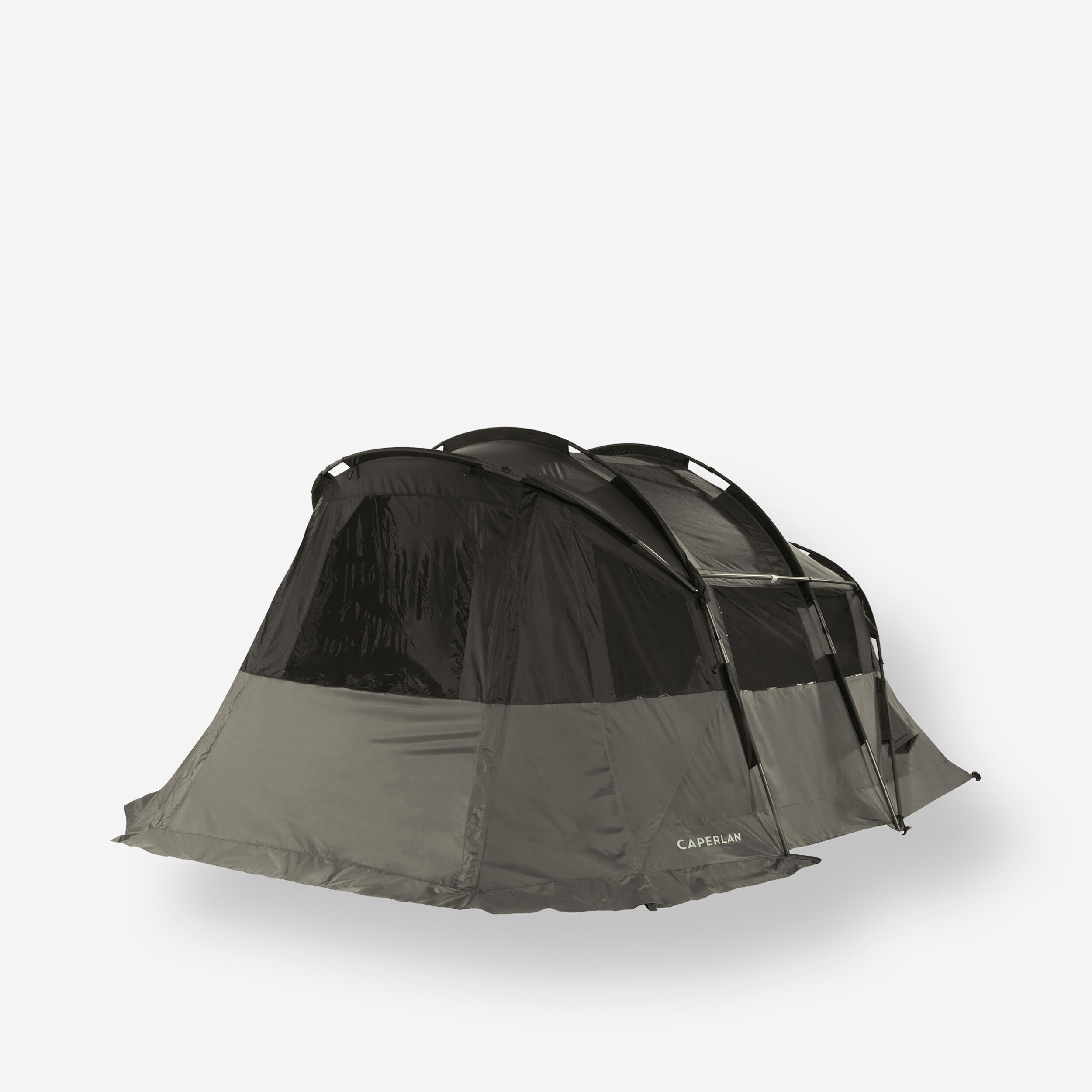
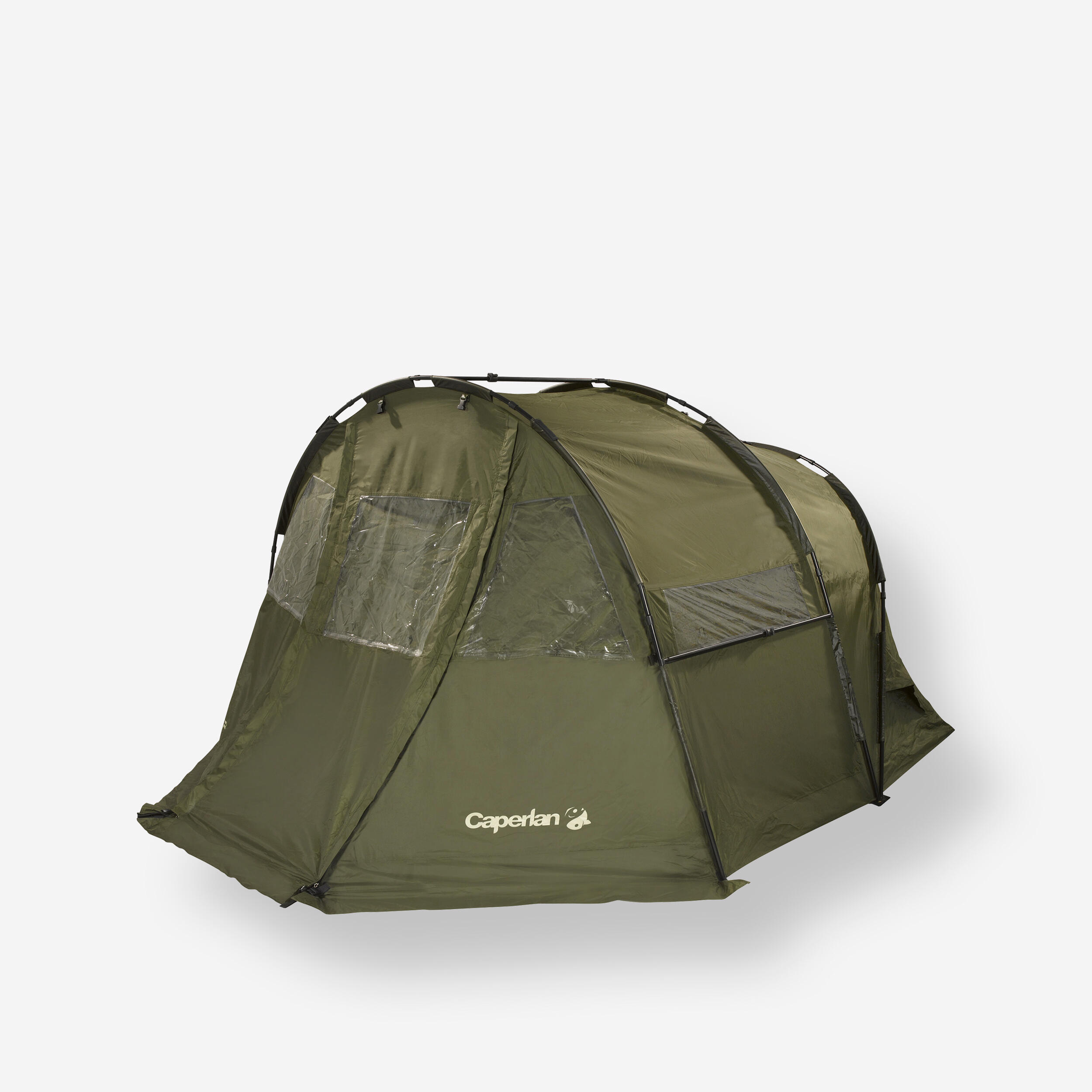
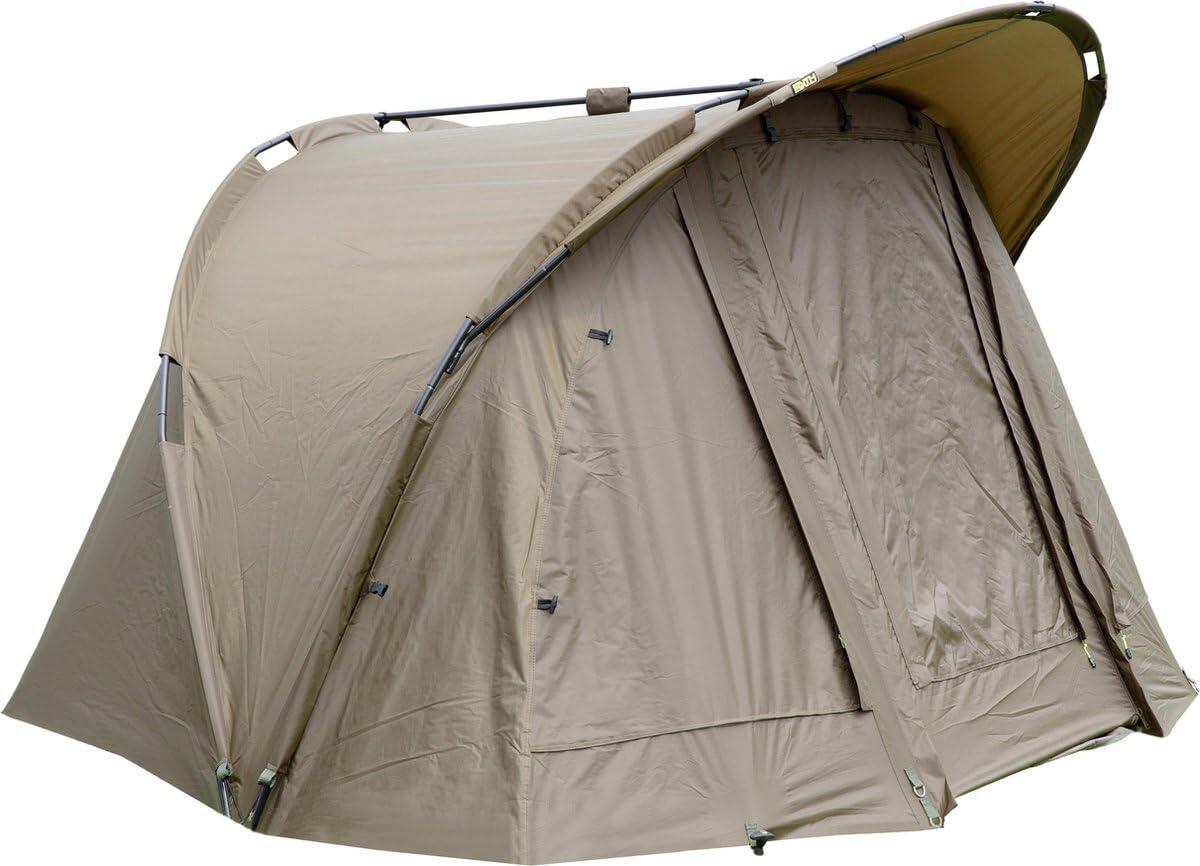
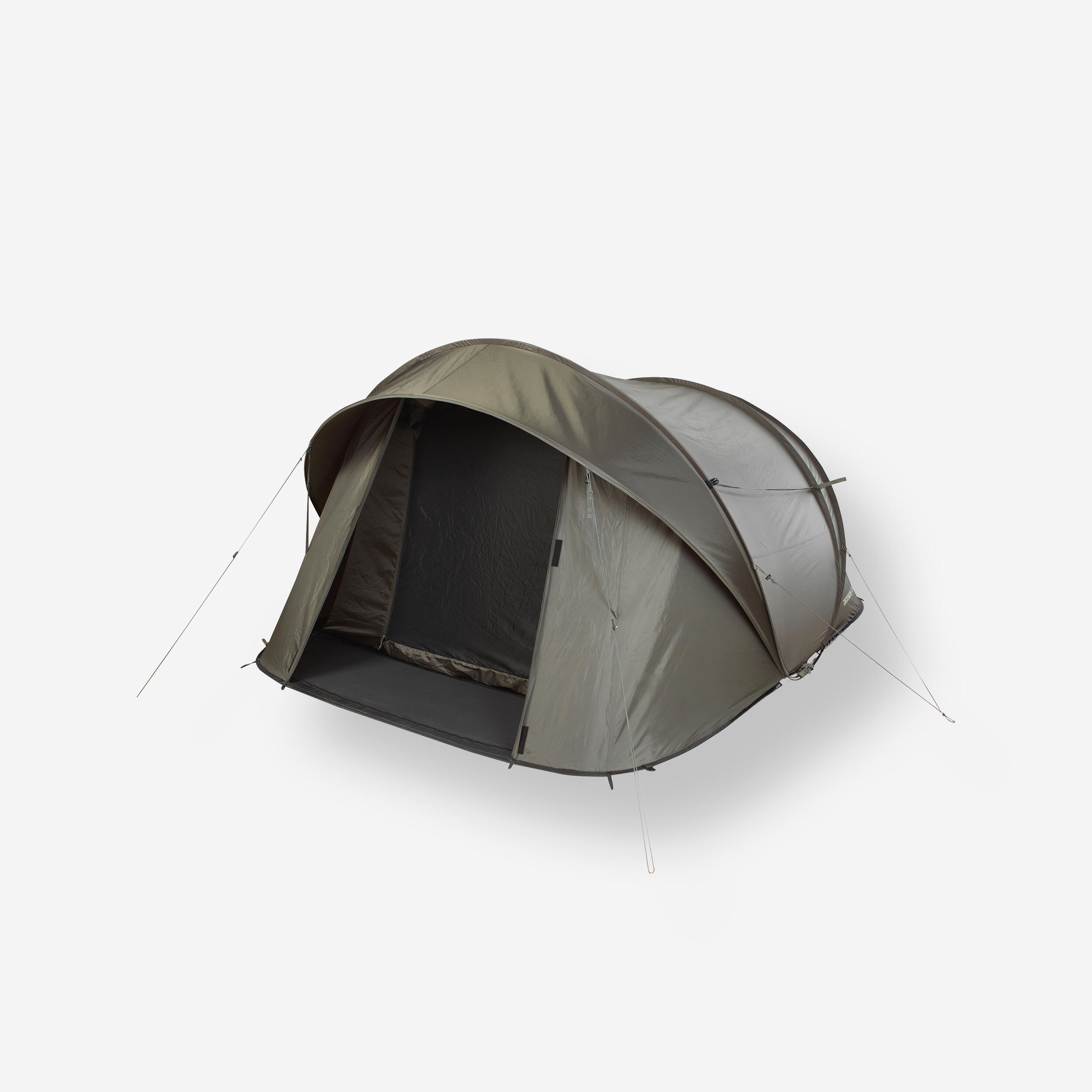
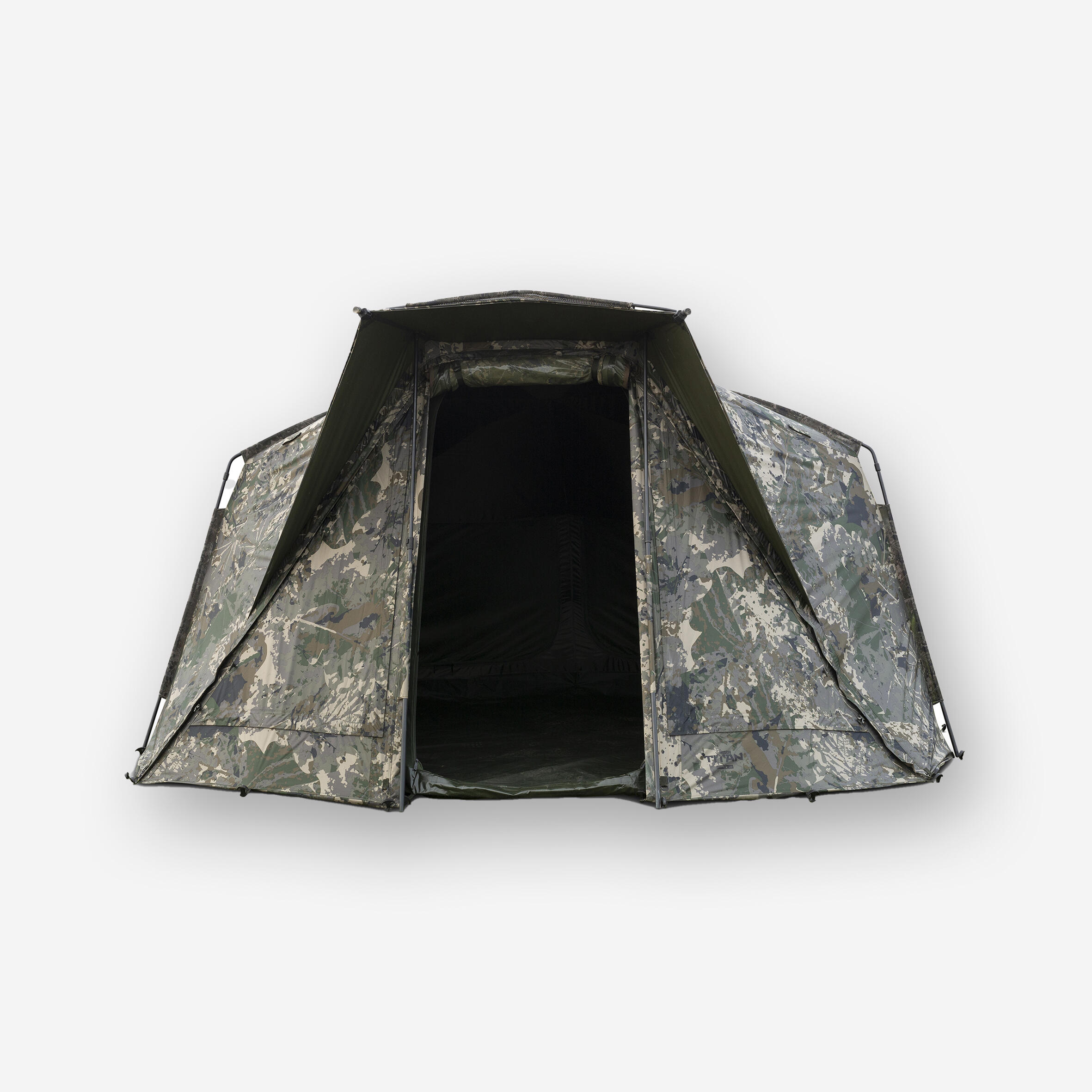
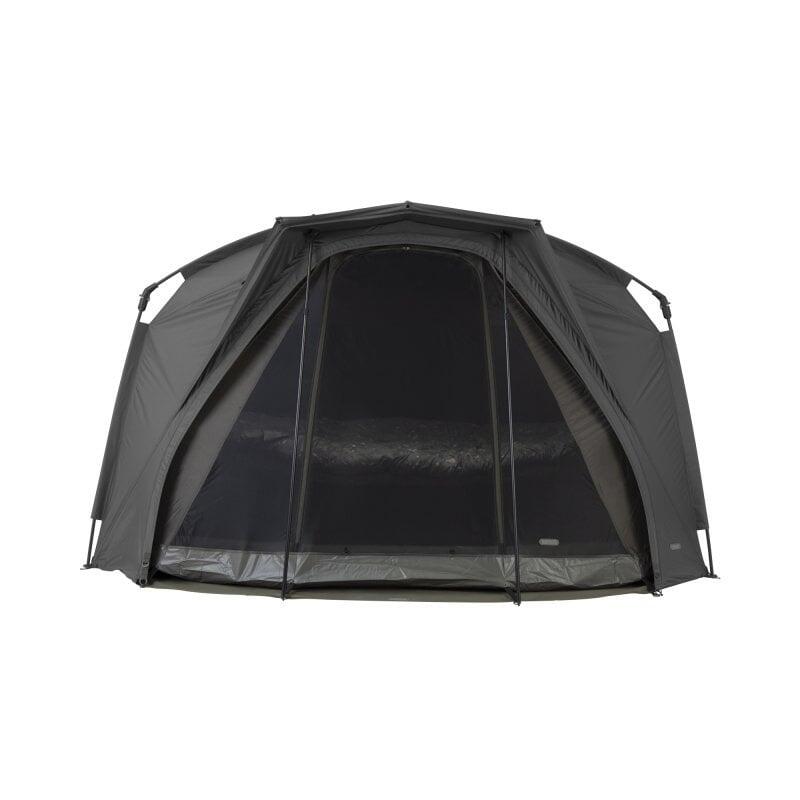
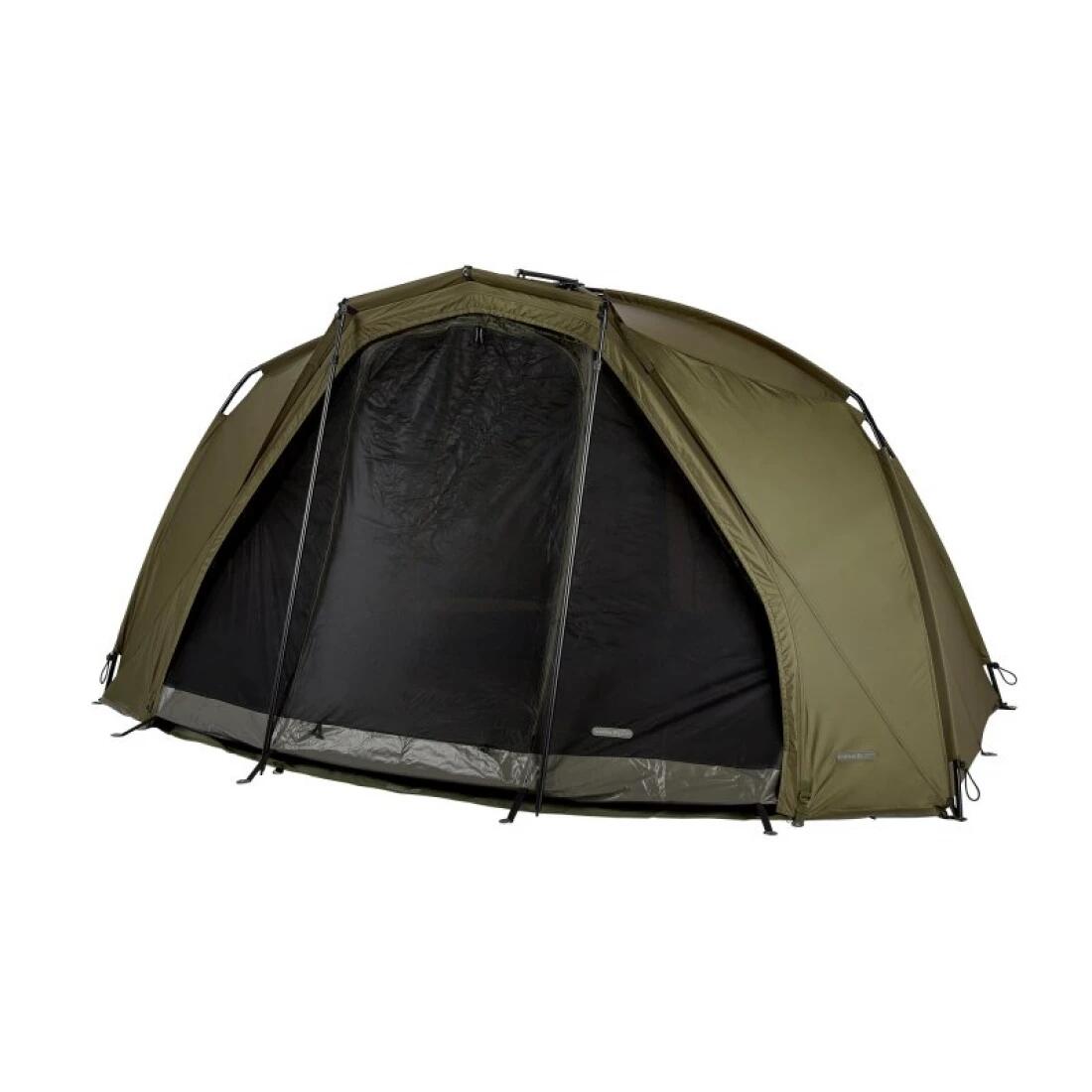
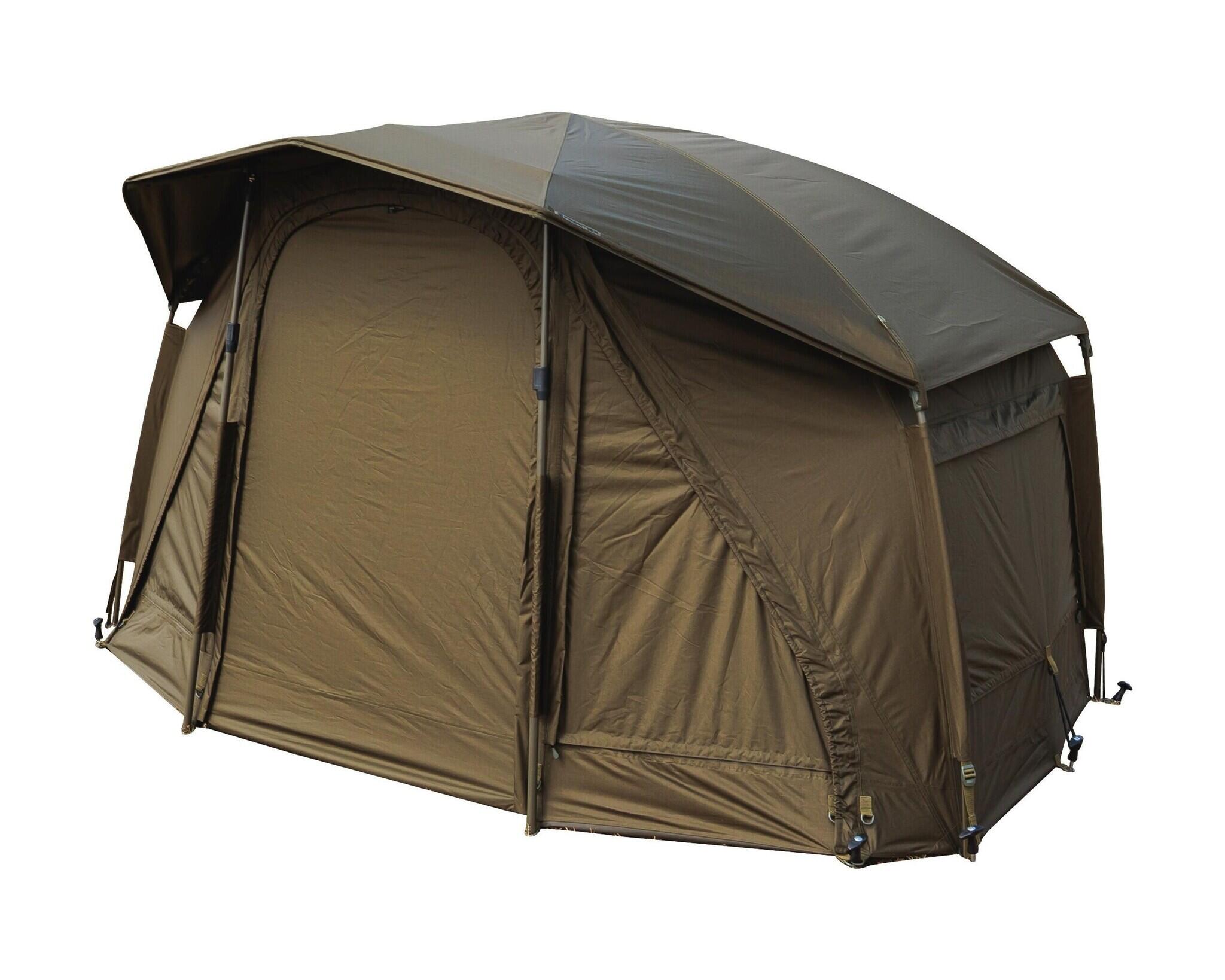
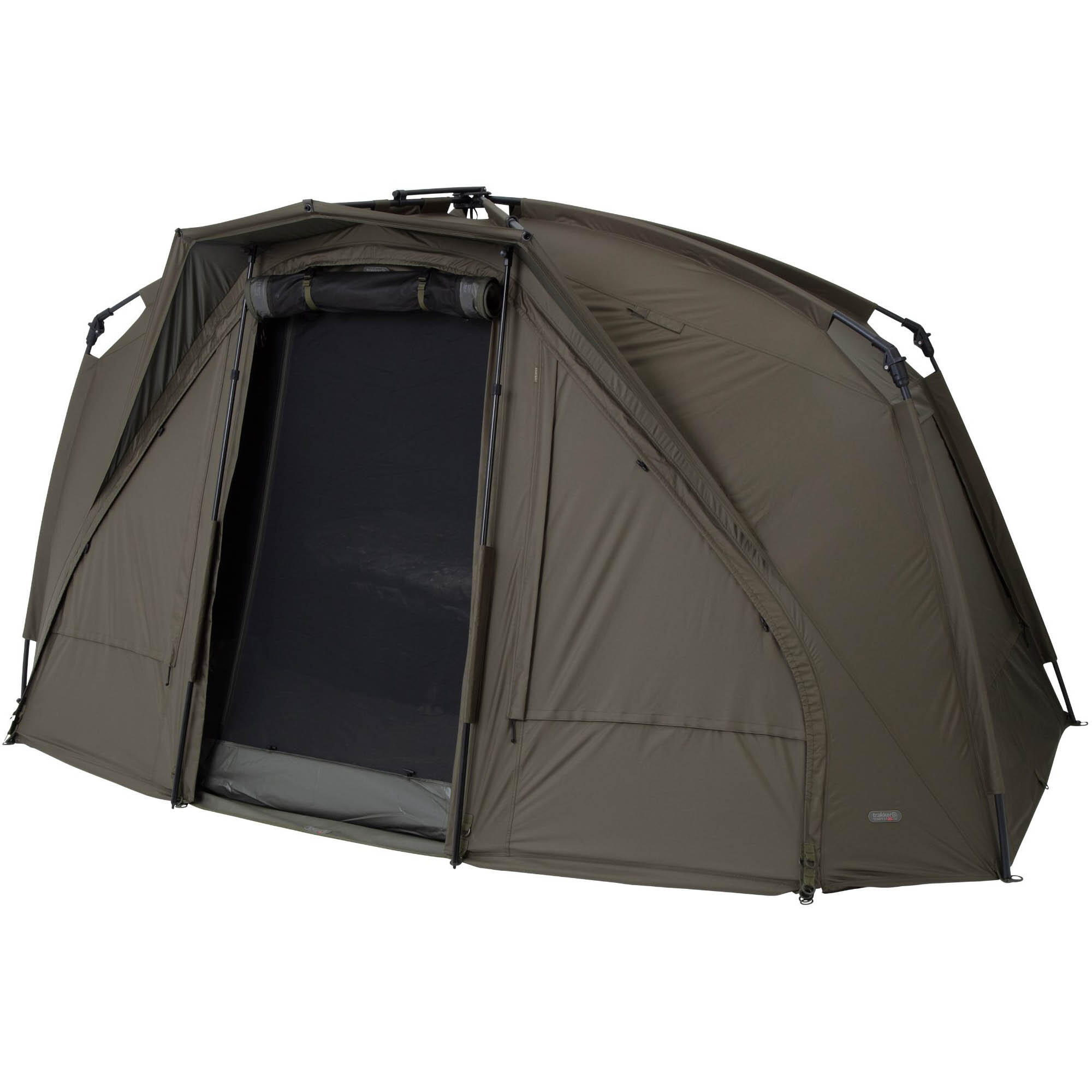
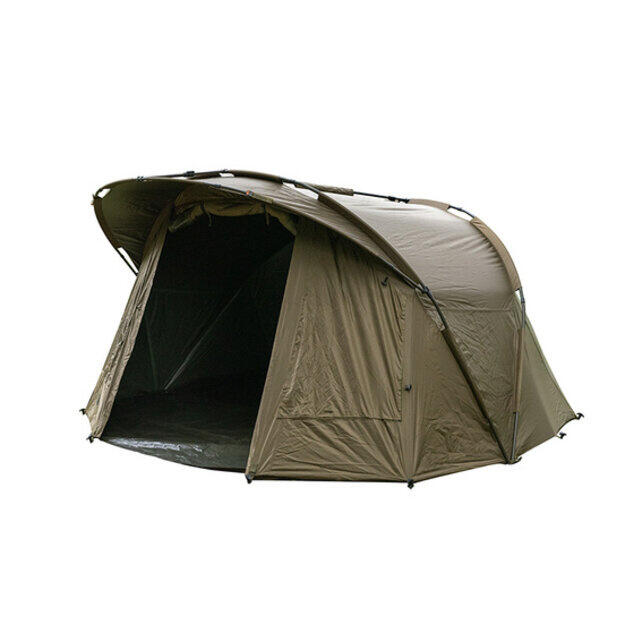
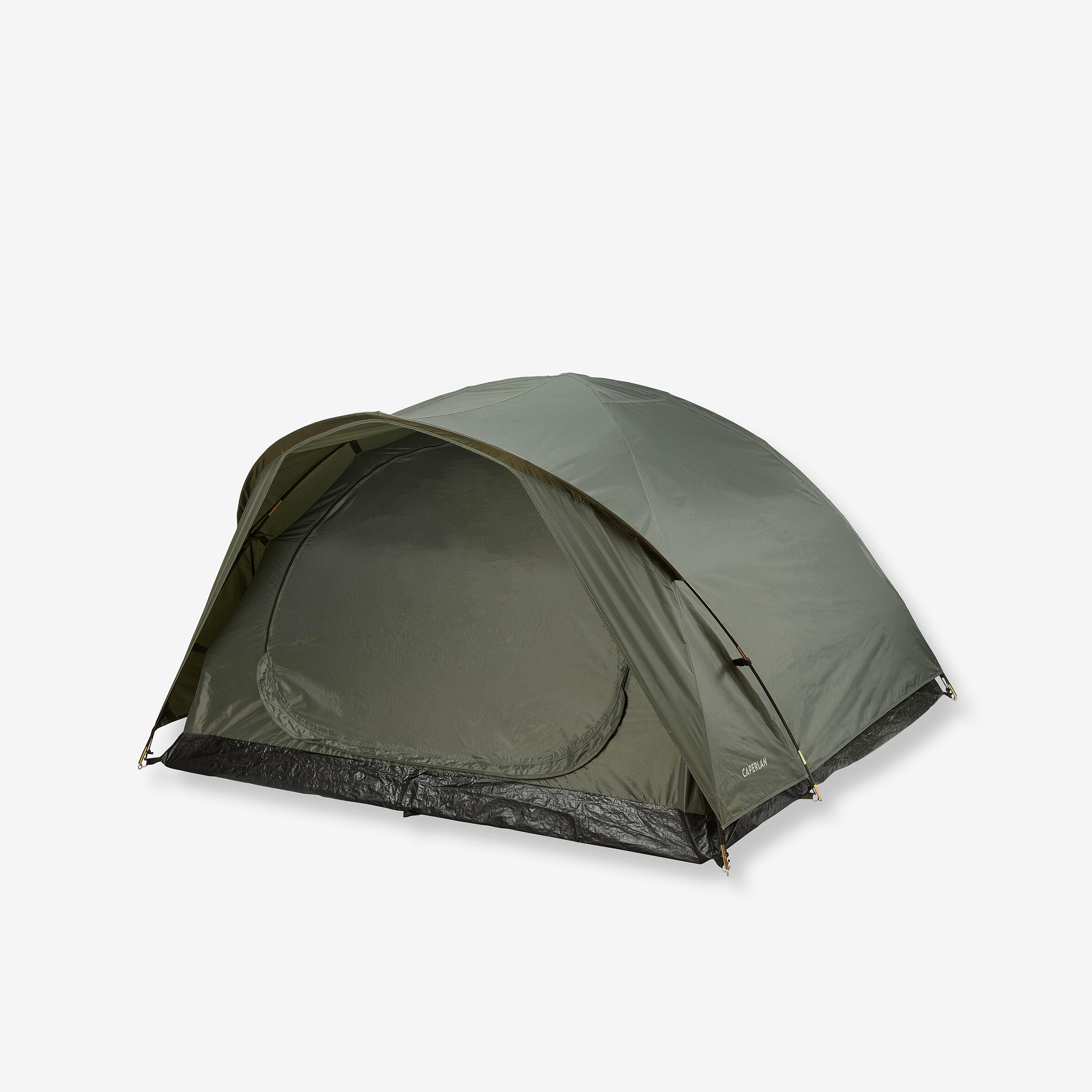
Your fishing position, session length and the amount of sleeping equipment you carry can all affect the shelter format that works best. Caperlan uses several different systems, from bedchair-mounted covers to rapid-pitch structures and larger shelters for shared space. The carp fishing bivvy Tanker 100 uses only three structural poles, weighs about 5.4 kg and packs to roughly 60 x 20 x 20 cm while still accommodating two standard bedchairs. Decathlon's repeated pitching tests recorded standard rigging in under five minutes. This makes it useful when you want a conventional enclosed shelter without carrying a particularly complicated frame to the swim.

How can a fly cover improve bivvy comfort in poor weather?

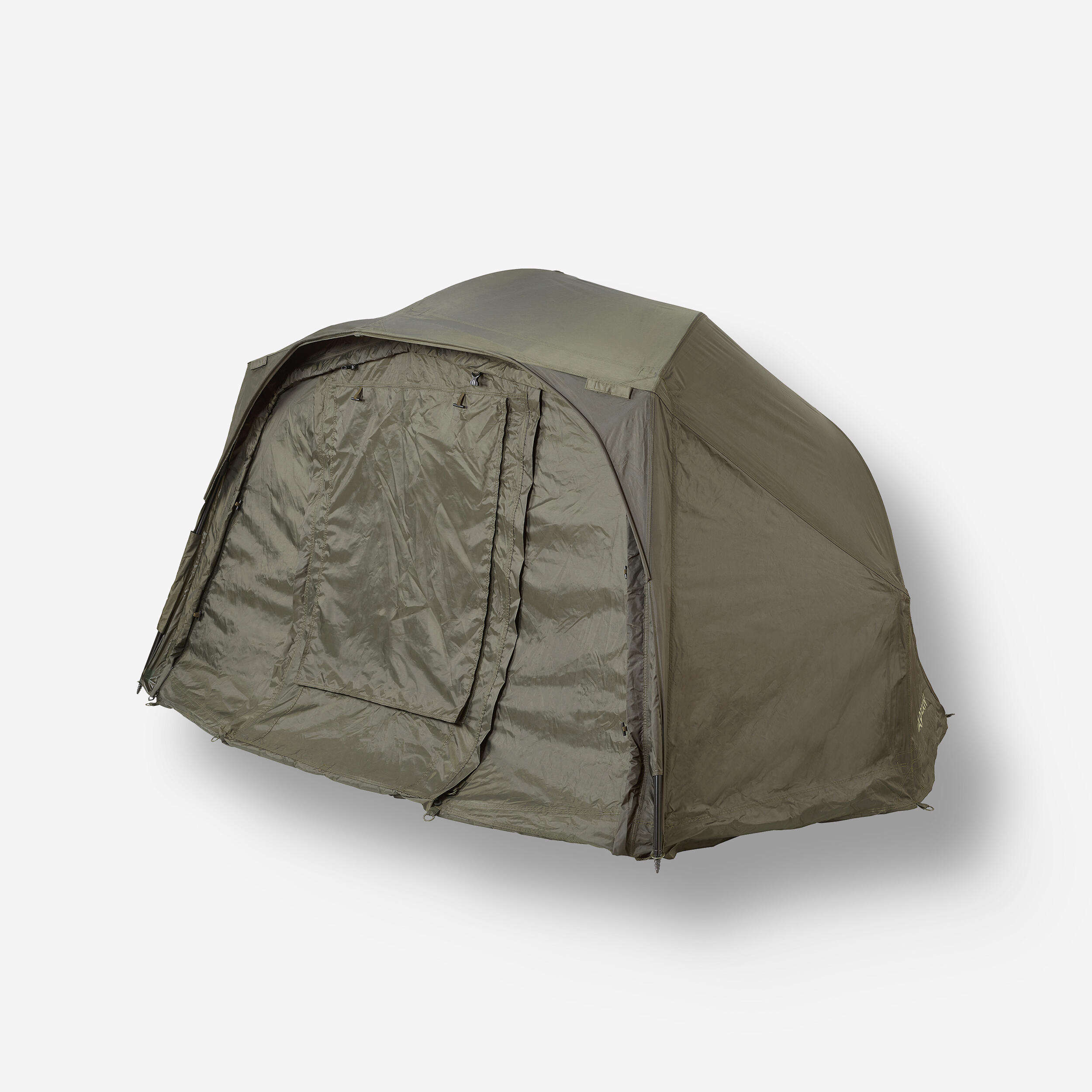
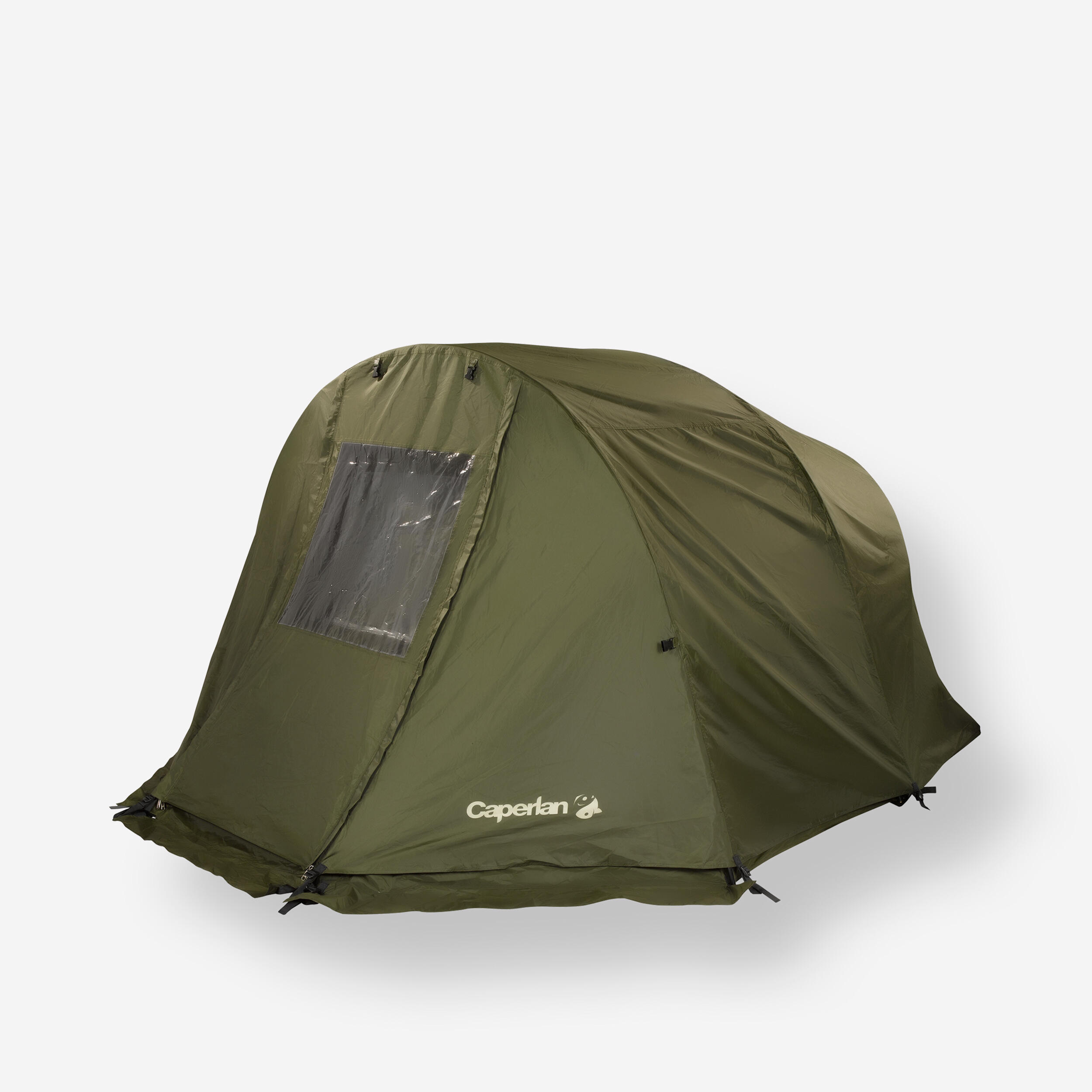
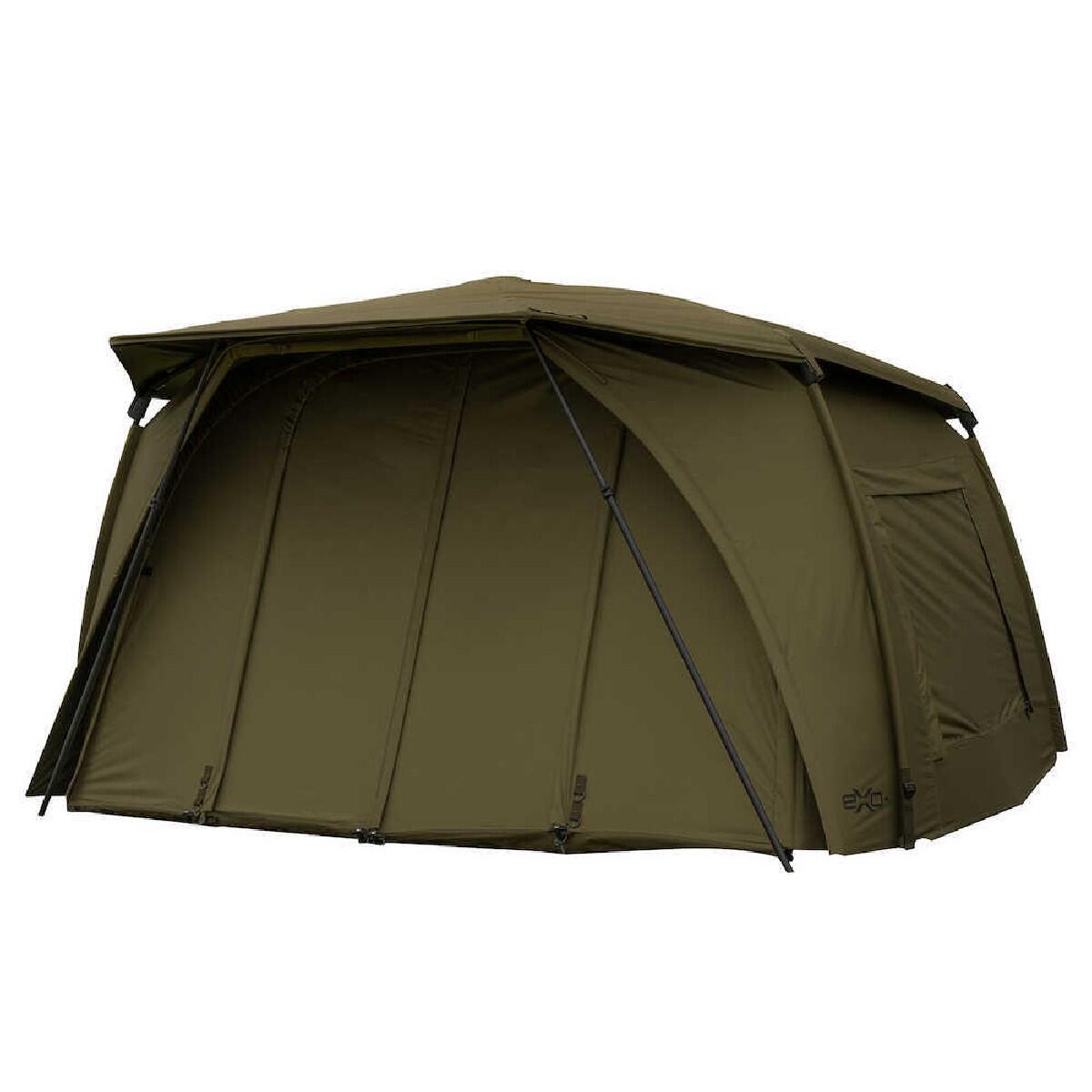
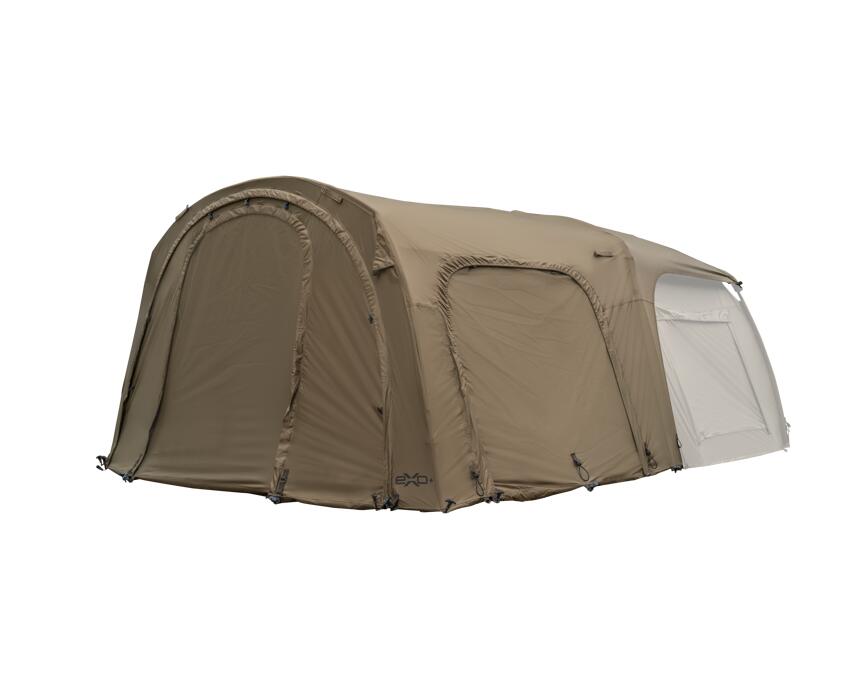
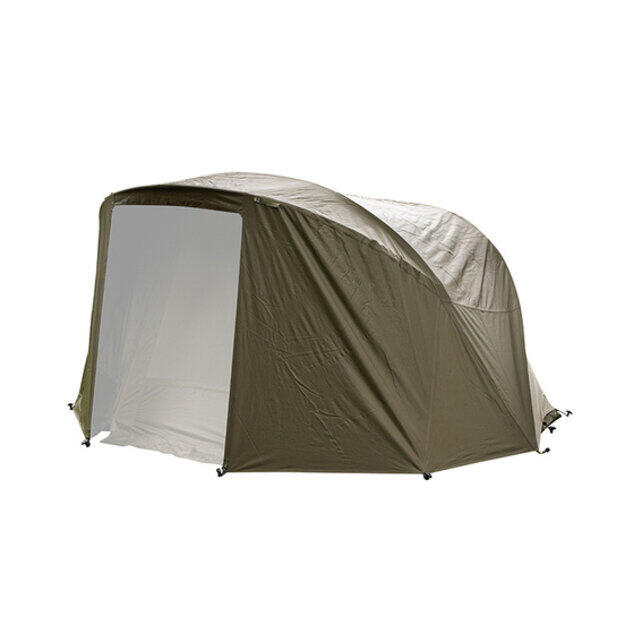
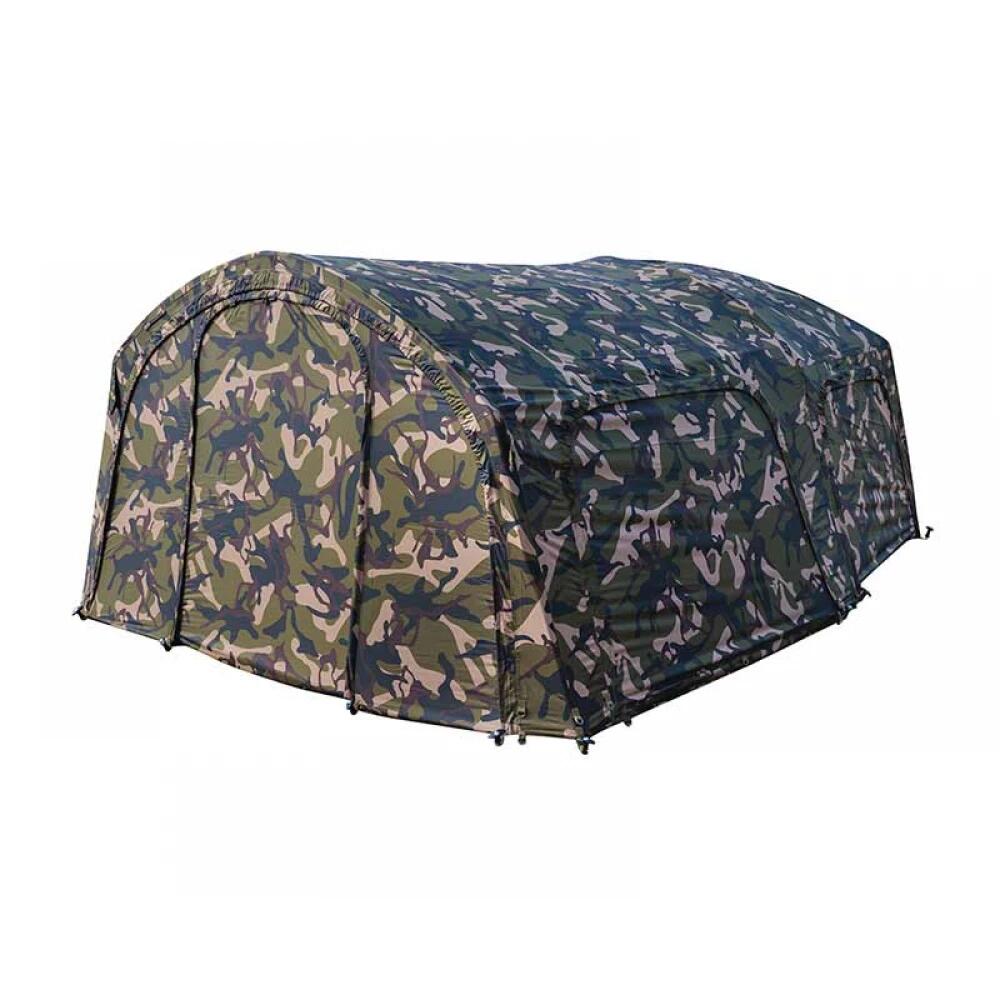
Condensation can build when warm, damp air meets a colder shelter surface, especially during long sessions in winter or persistent rain. Adding a second outer layer creates more separation between the sleeping space and the weather. A carp fishing Frontview bivvy Tanker fly cover adds weather protection while also helping reduce condensation inside the compatible shelter. Caperlan uses waterproof fabric for this extra layer, making it useful when temperatures drop or the forecast becomes wetter. Ventilation still matters, so use available openings rather than sealing every panel unnecessarily. Dry the fly cover fully after the trip before folding it away with the main shelter.

What defines a social bivvy different from a sleeping bivvy?

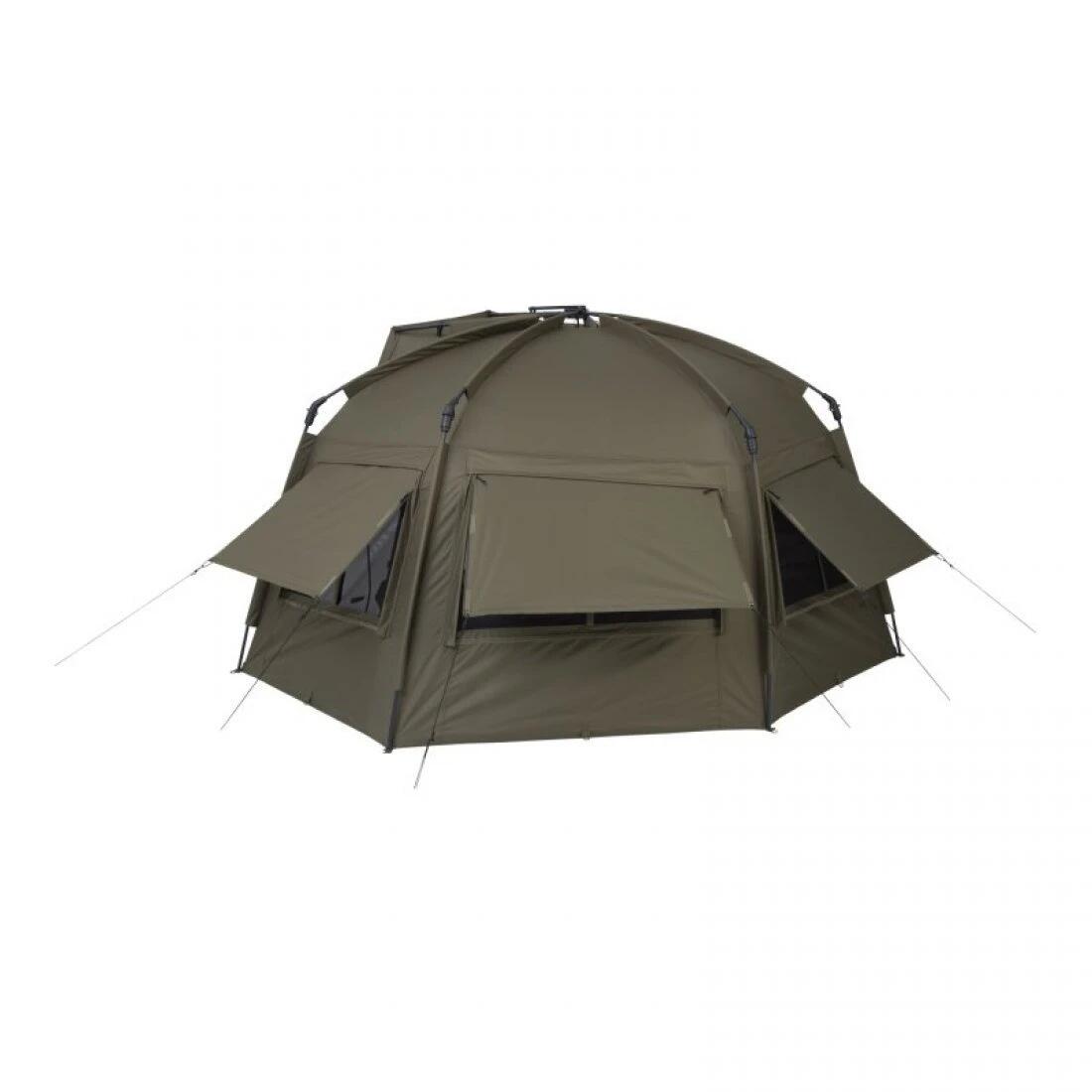
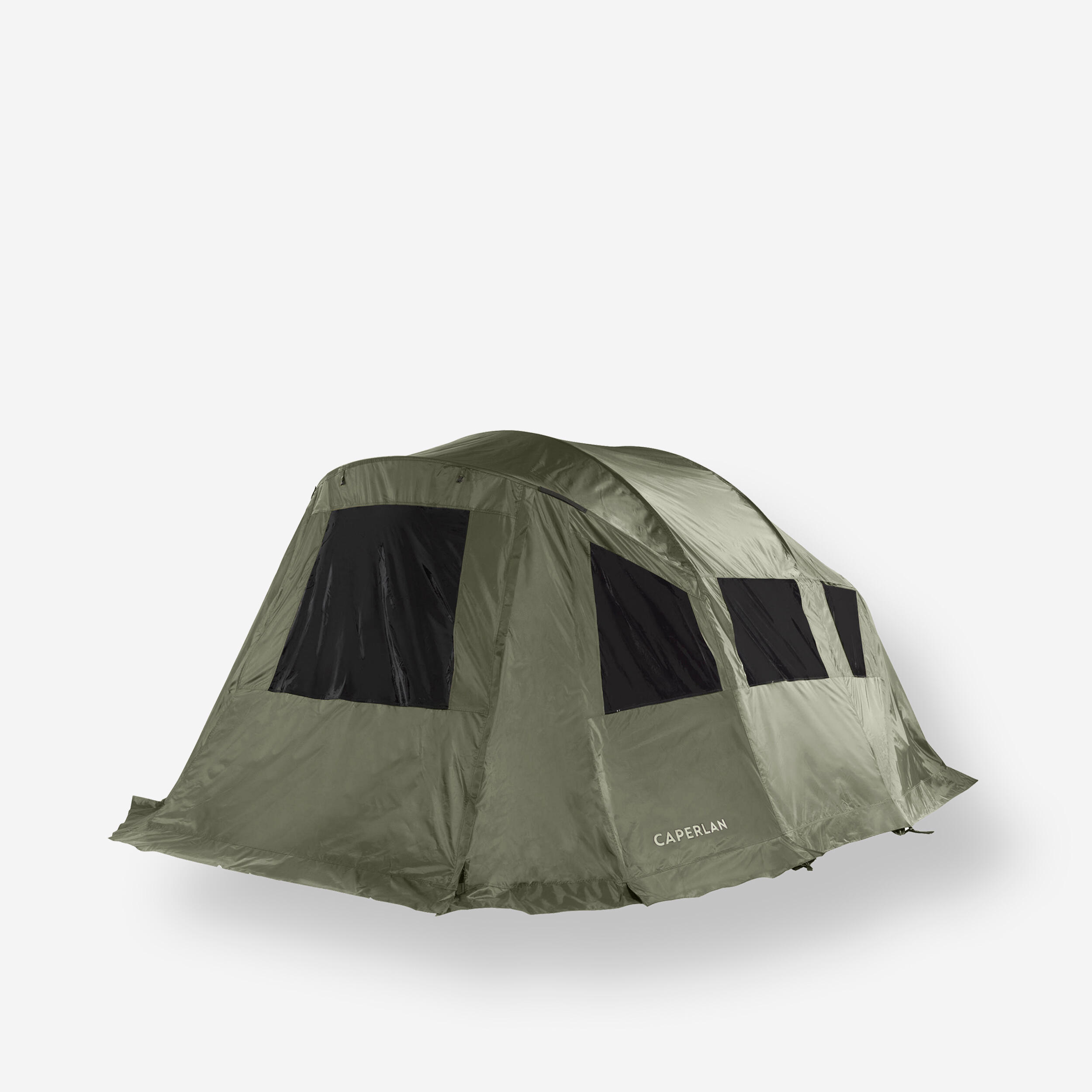
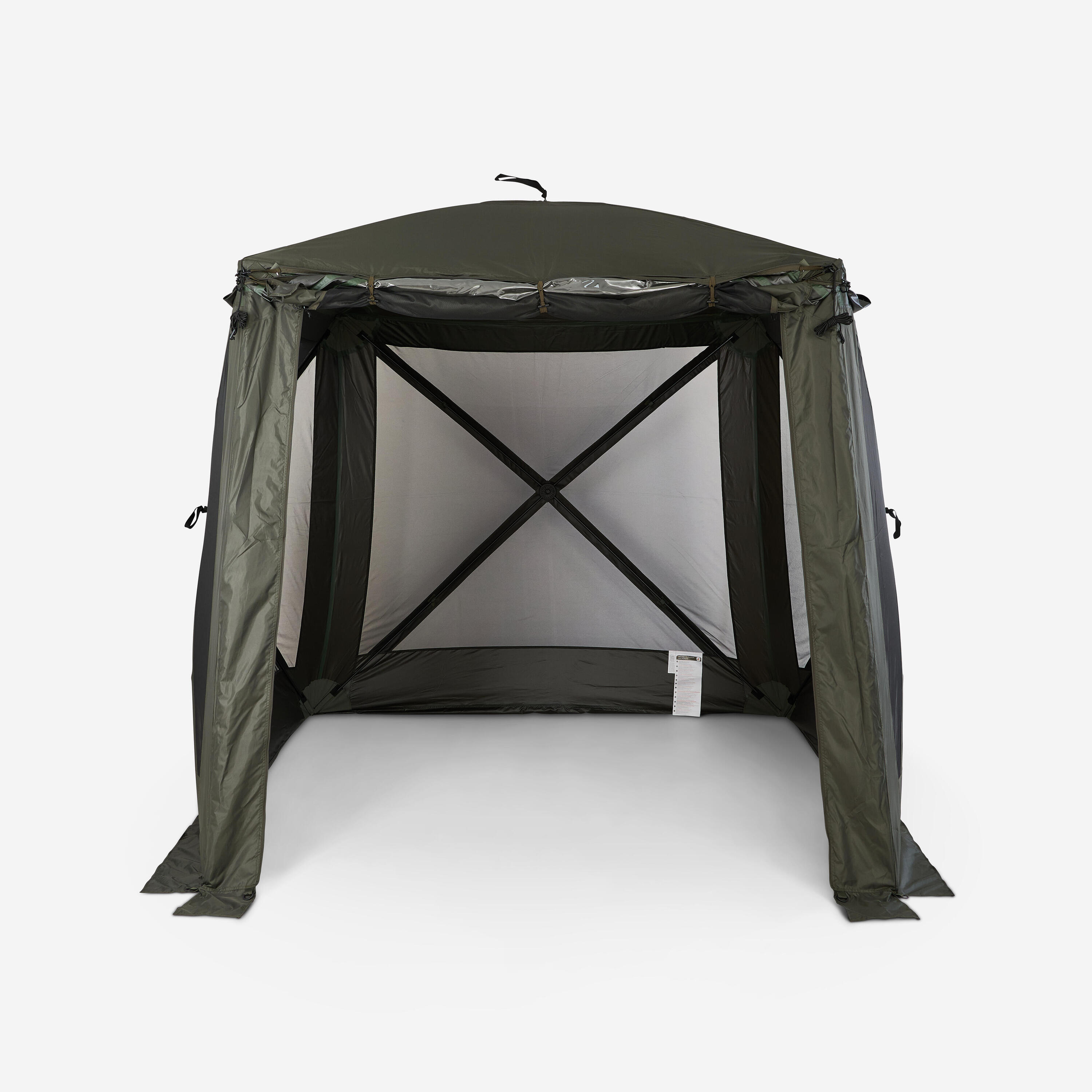
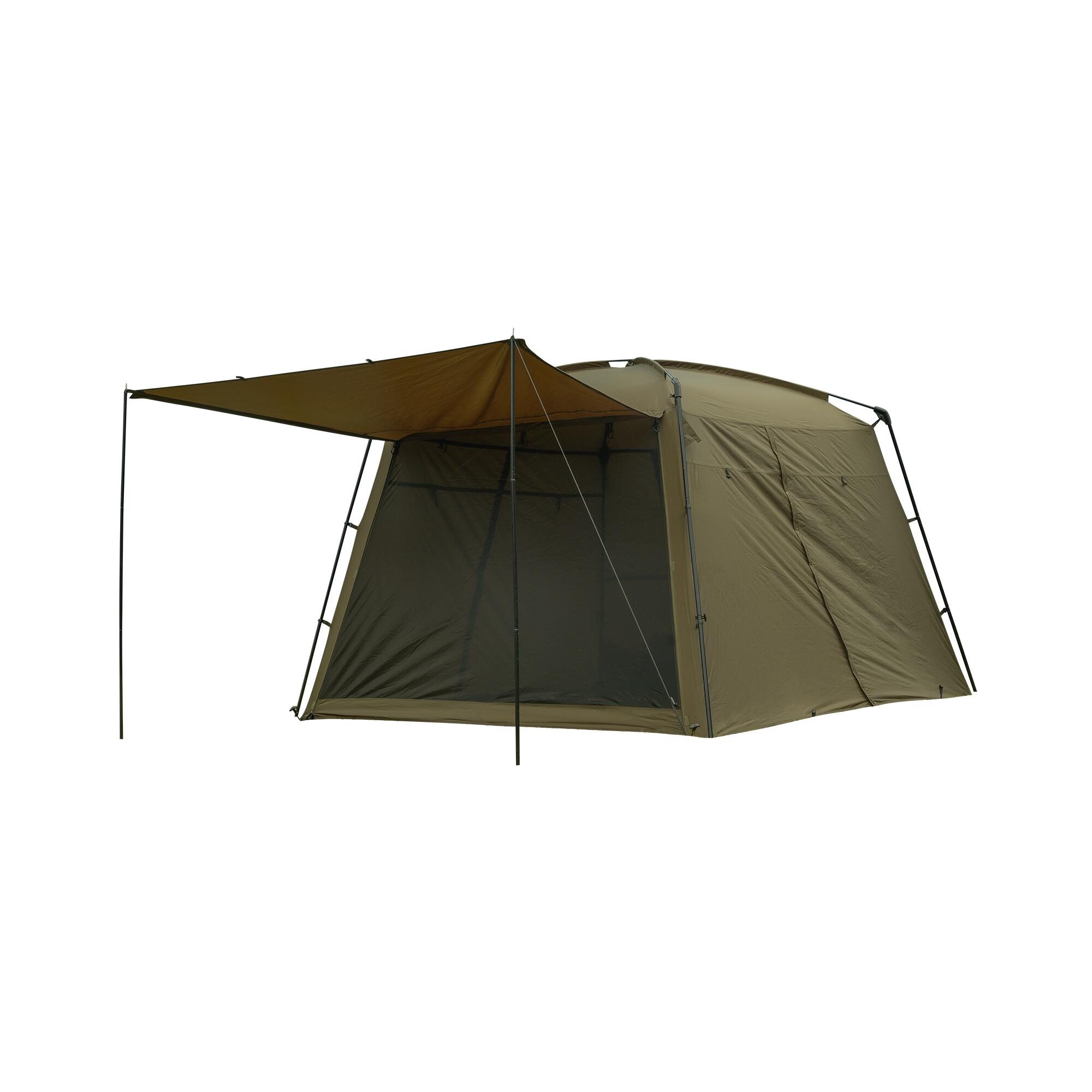
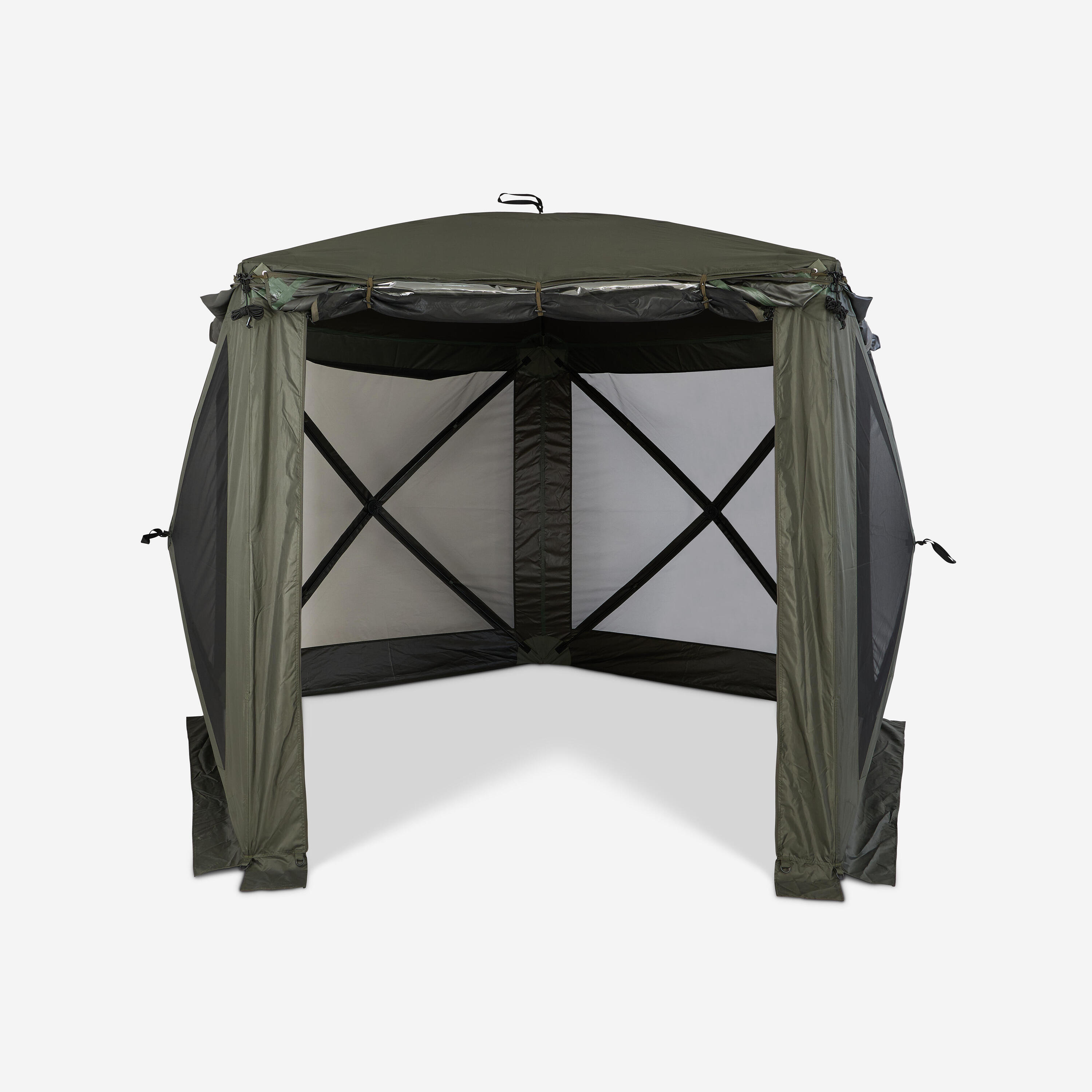
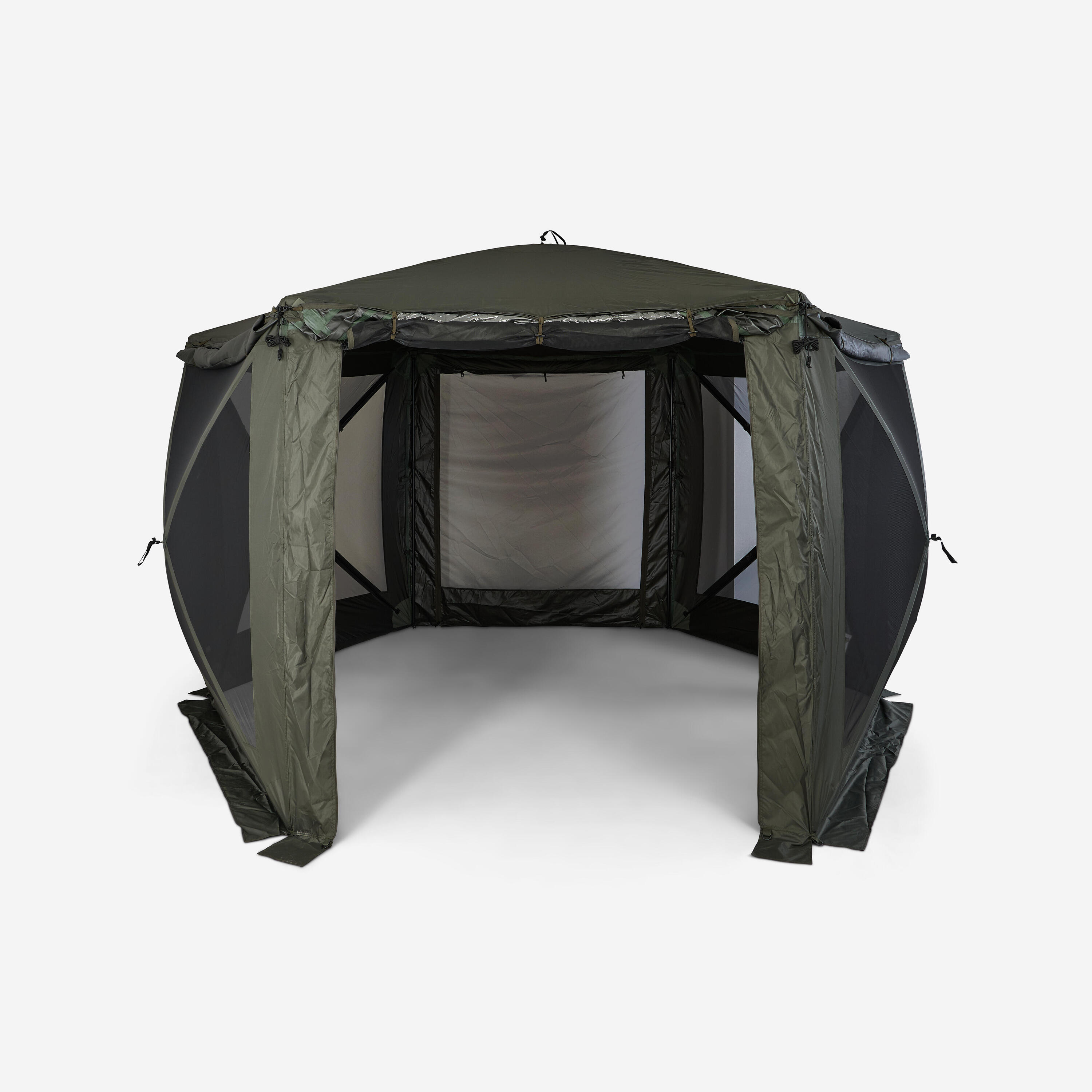
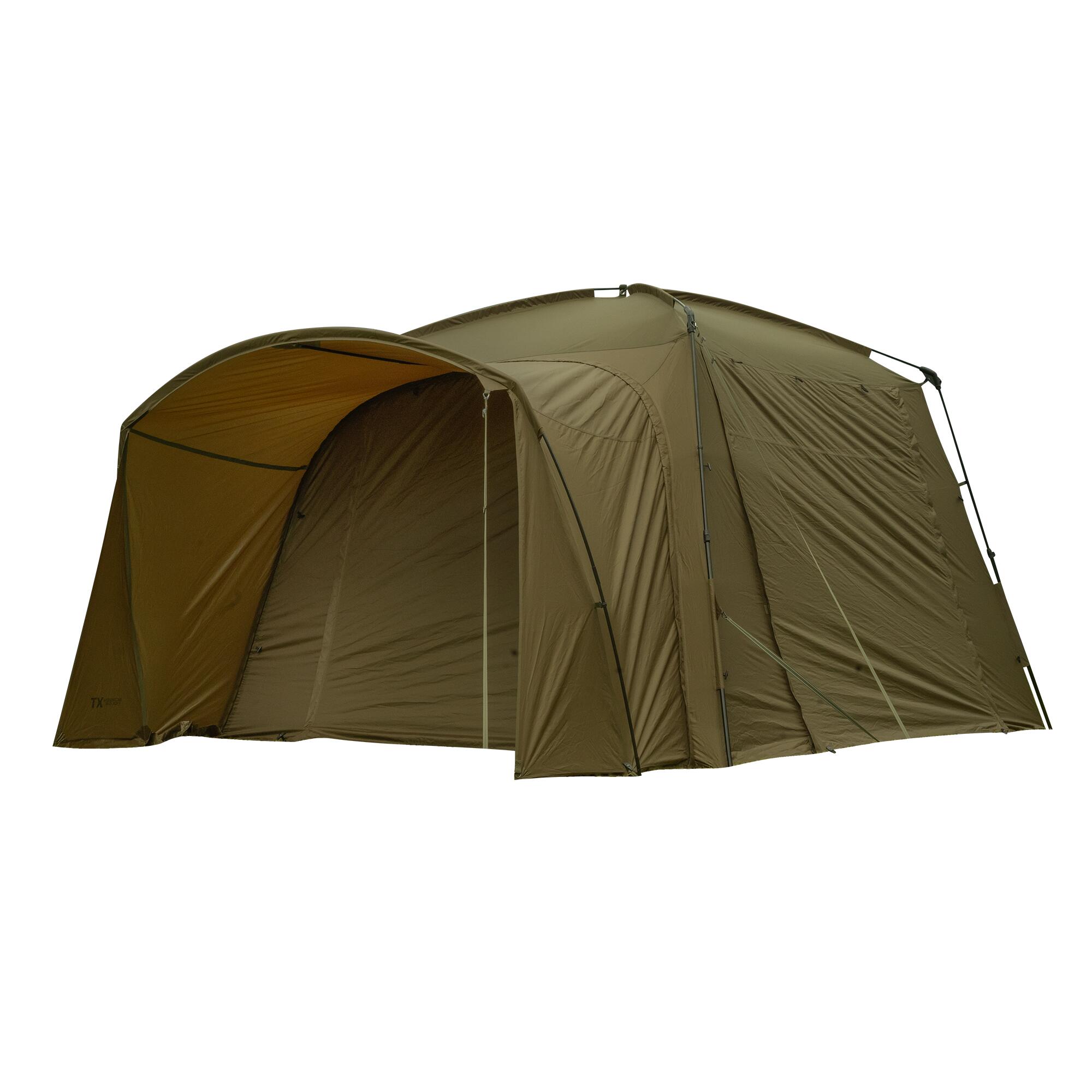
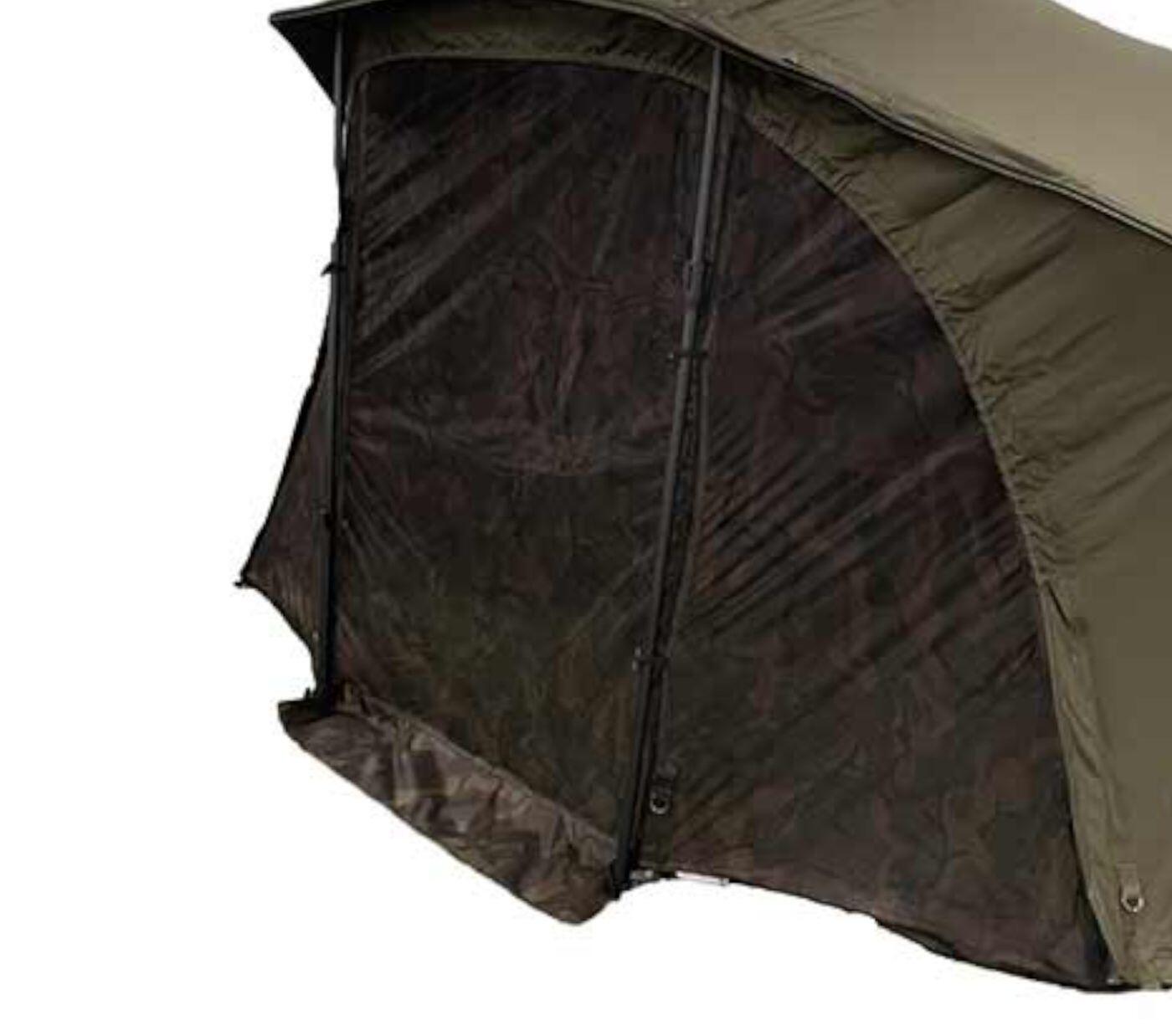
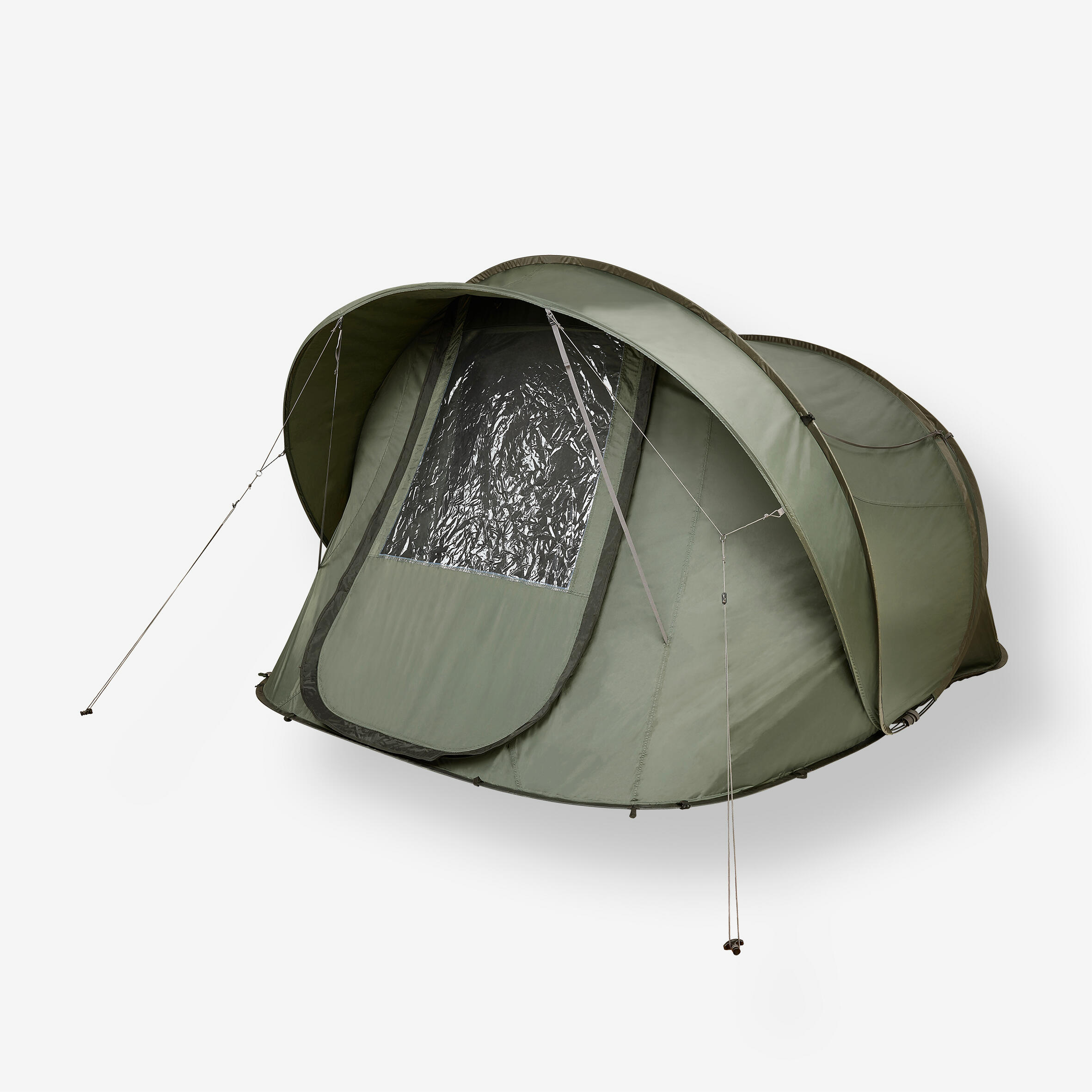
A social shelter places more emphasis on shared covered space, flexible openings and room for equipment than on surrounding one or two bedchairs as closely as a conventional sleeping shelter. Caperlan's carp fishing shelter Social Bivvy XXL uses a pop-up structure with central pull handles, allowing one angler to form the shelter without assembling a long sequence of poles. Individual panels can work as mosquito netting, waterproof protection, a zipped entrance or a large open side. This lets you alter airflow and weather protection as conditions change, while an optional awning can extend the covered area beyond the main structure.

Which bivvy details help with fast setup and changing weather conditions?

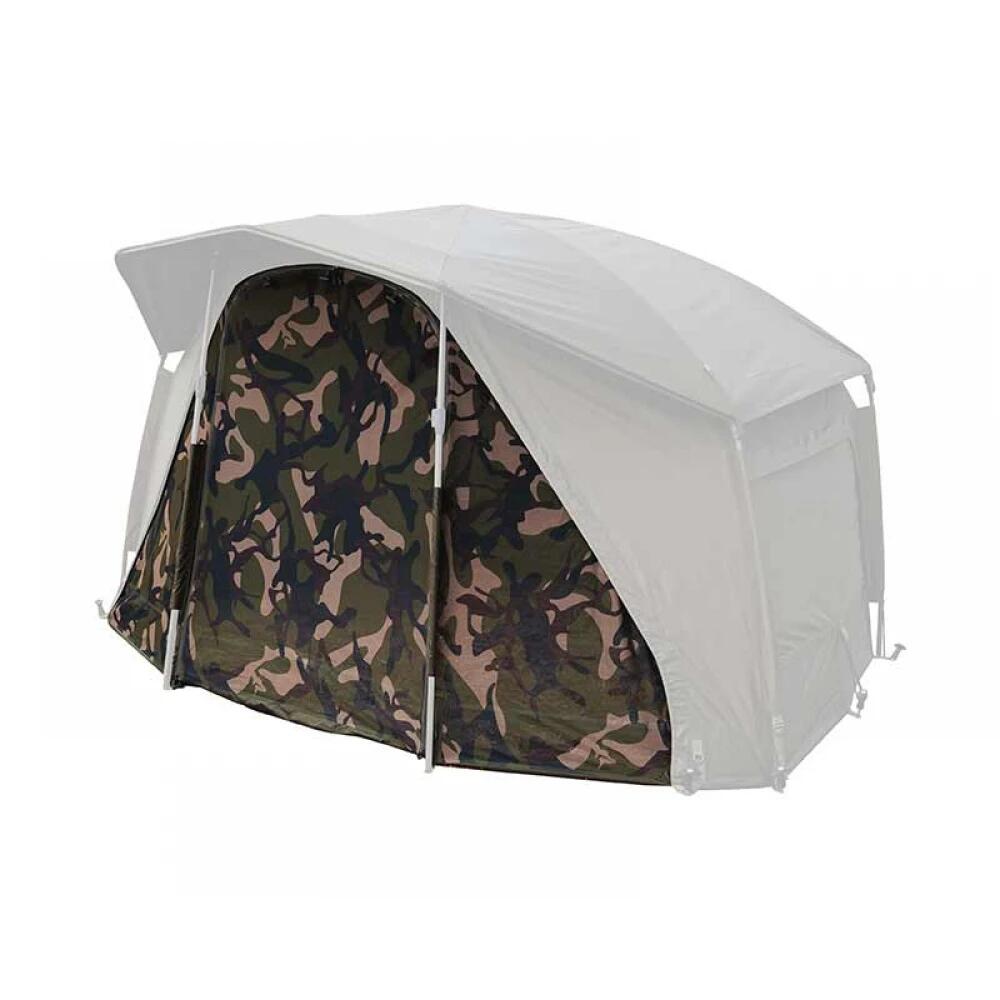
Caperlan treats pitching speed, ventilation and visibility as separate parts of shelter design. Rapid Tanker models unfold through a self-supporting structure in a few seconds, then an easy guide system helps with folding when the session ends. Larger Tanker models add fishing-specific details such as magnetic doors, one-way viewing windows, mosquito-net ventilation and removable zipped groundsheets. These variations sit together within carp fishing bivouac equipment, so shelter selection can reflect how quickly you move between swims and how much weather protection you need. Some aluminium-framed models also use multiple anchoring and tensioning points, with stated resistance to winds reaching 80 km/h on selected shelters.

When should you clean and dry a carp bivvy between fishing trips?

Moisture trapped inside folded fabric can encourage mould and unpleasant odours, so the canvas needs to be completely dry before long-term storage. Brush away loose mud, allow the shelter and groundsheet to air fully, then check poles, hooks, pegs and tensioning points before packing. Selected fabrics can be hand washed at temperatures up to 40 degrees Celsius, while tumble drying, ironing, bleaching and dry cleaning are excluded. Repairability also forms part of Caperlan's wider carp fishing equipment approach, with replacement carry bags, groundsheets, pole kits and other structural pieces available on selected bivvies. Replacing one damaged component can extend the useful life of the shelter without discarding the complete assembly.