14 items
4.6/5 based on 1383 reviews collected online and in stores

Coarse Fishing Reels FAQs

Why do feeder fishing reels use wide, shallow spools?

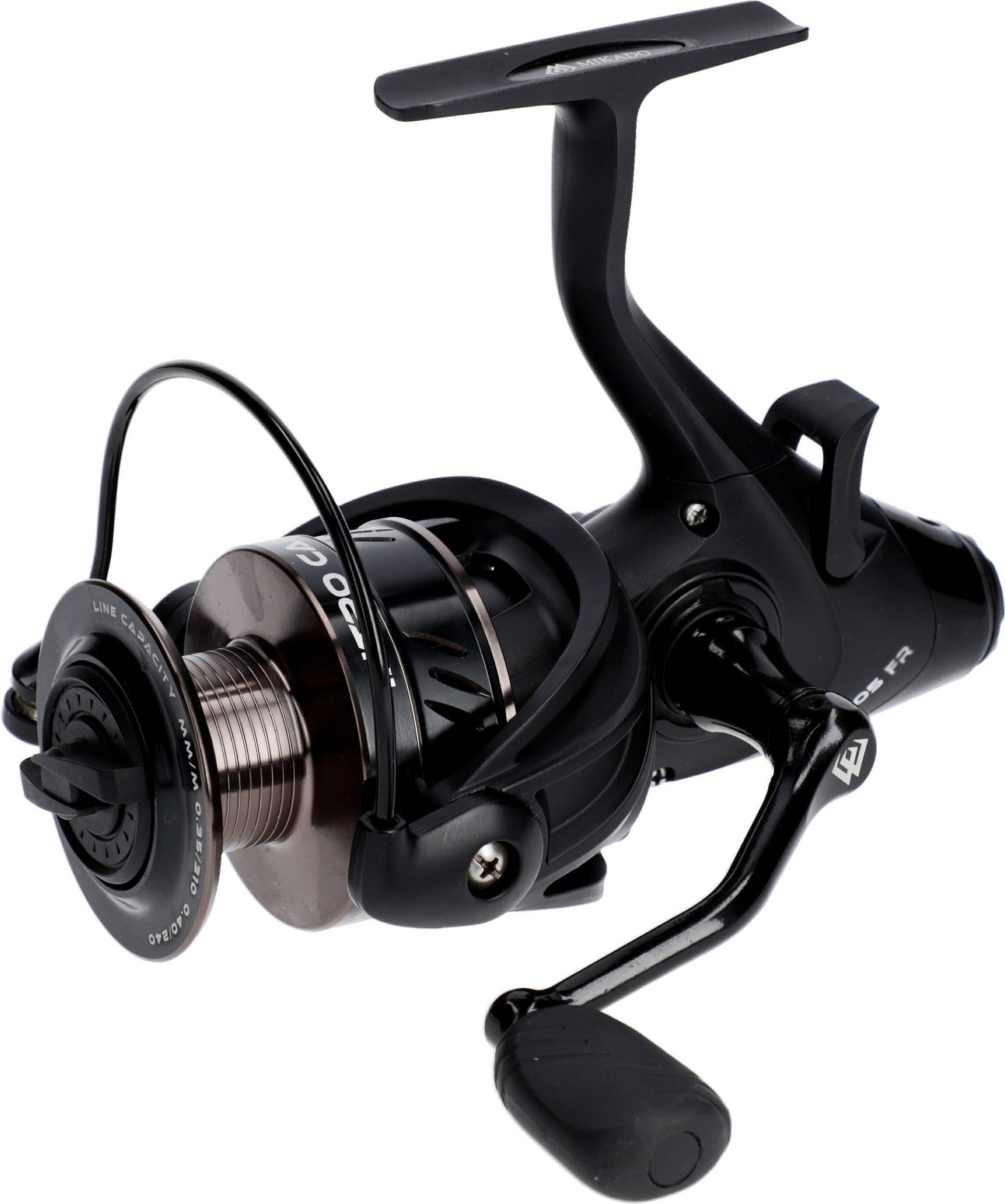
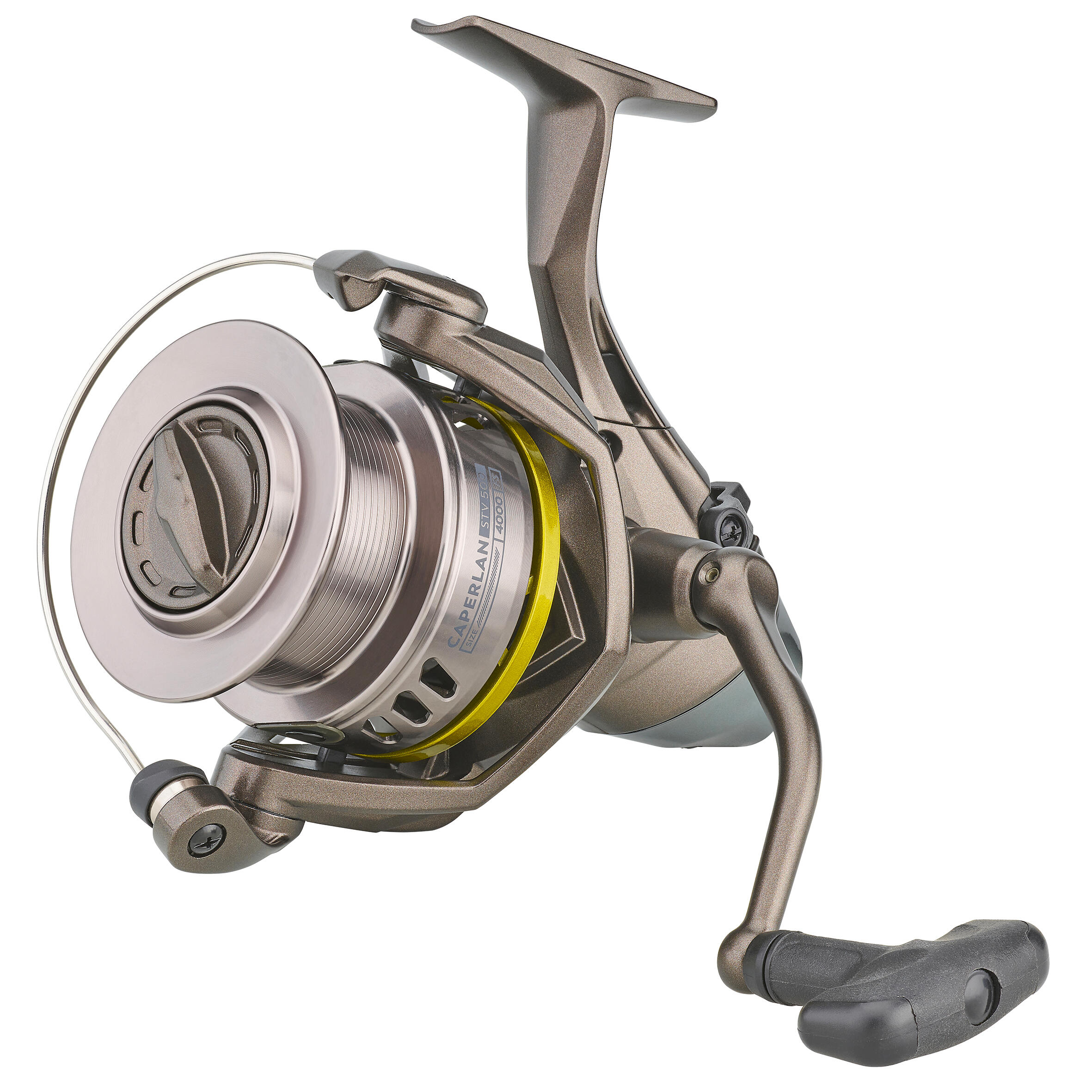
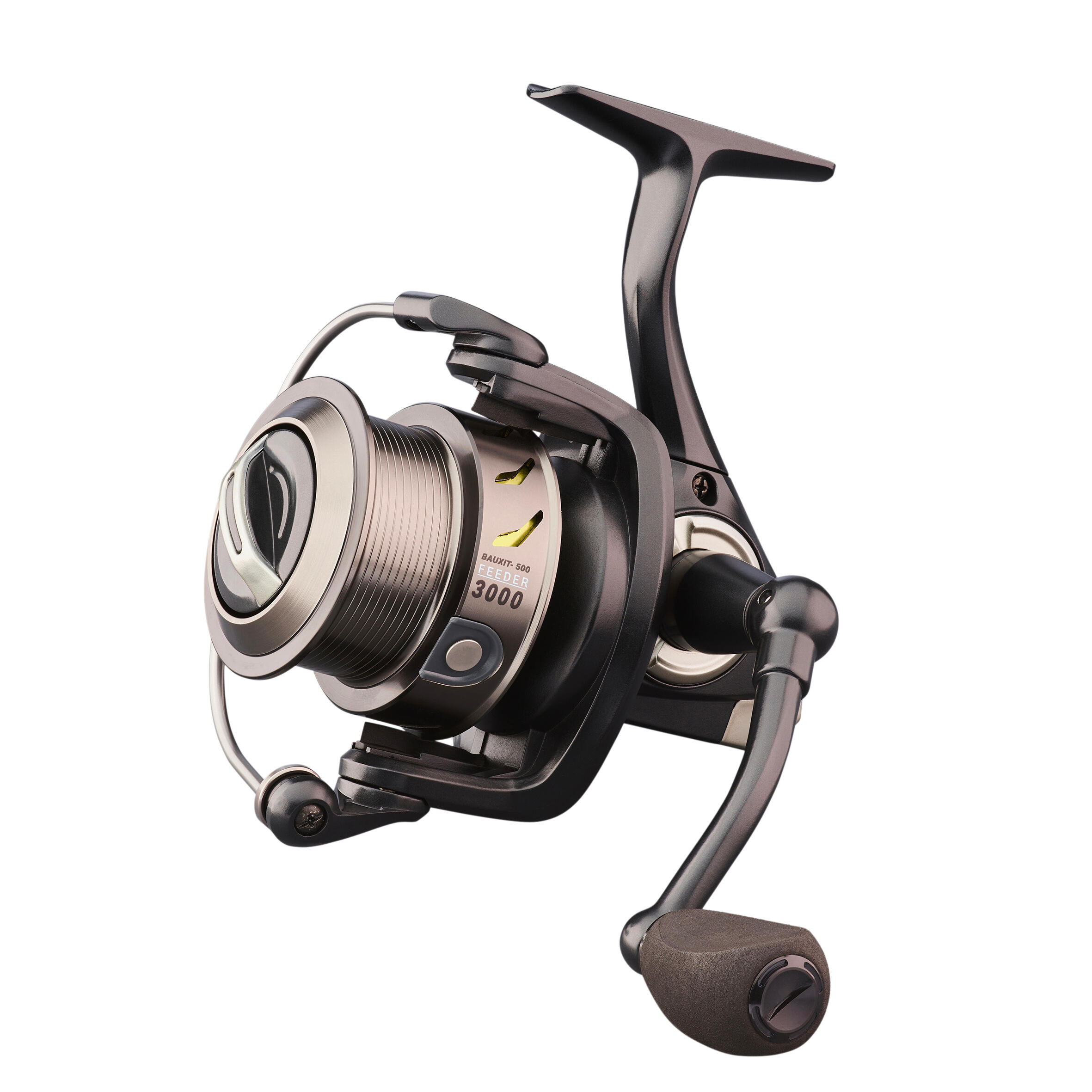
A wide, shallow spool suits the line diameters commonly used for feeder fishing while helping you retrieve rigs efficiently between casts. Caperlan uses aluminium spools on models such as the Bauxit 500, combining them with a graphite frame and rotor to keep the reel practical for repeated casting. The Bauxit retrieves around 84 cm of line per handle turn, which is useful when bringing feeders back quickly during the initial baiting phase. Its rounded line clip also lets you mark a chosen casting distance so repeated casts can land around the same feeding area. When comparing feeder fishing Bauxit reels, consider spool capacity, retrieval rate and drag together rather than choosing by reel size alone.

How does a freespool feeder reel help when fishing for larger fish?

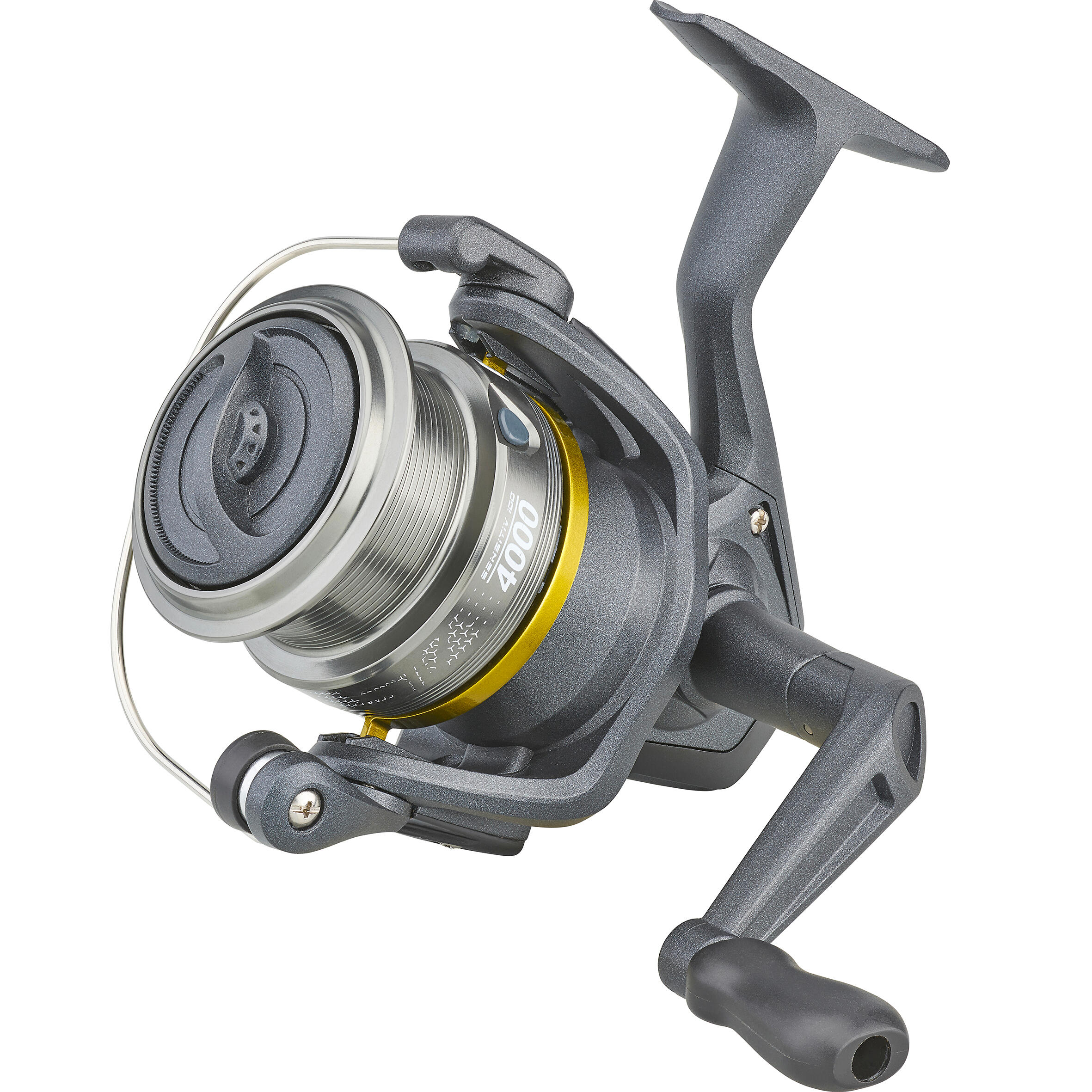
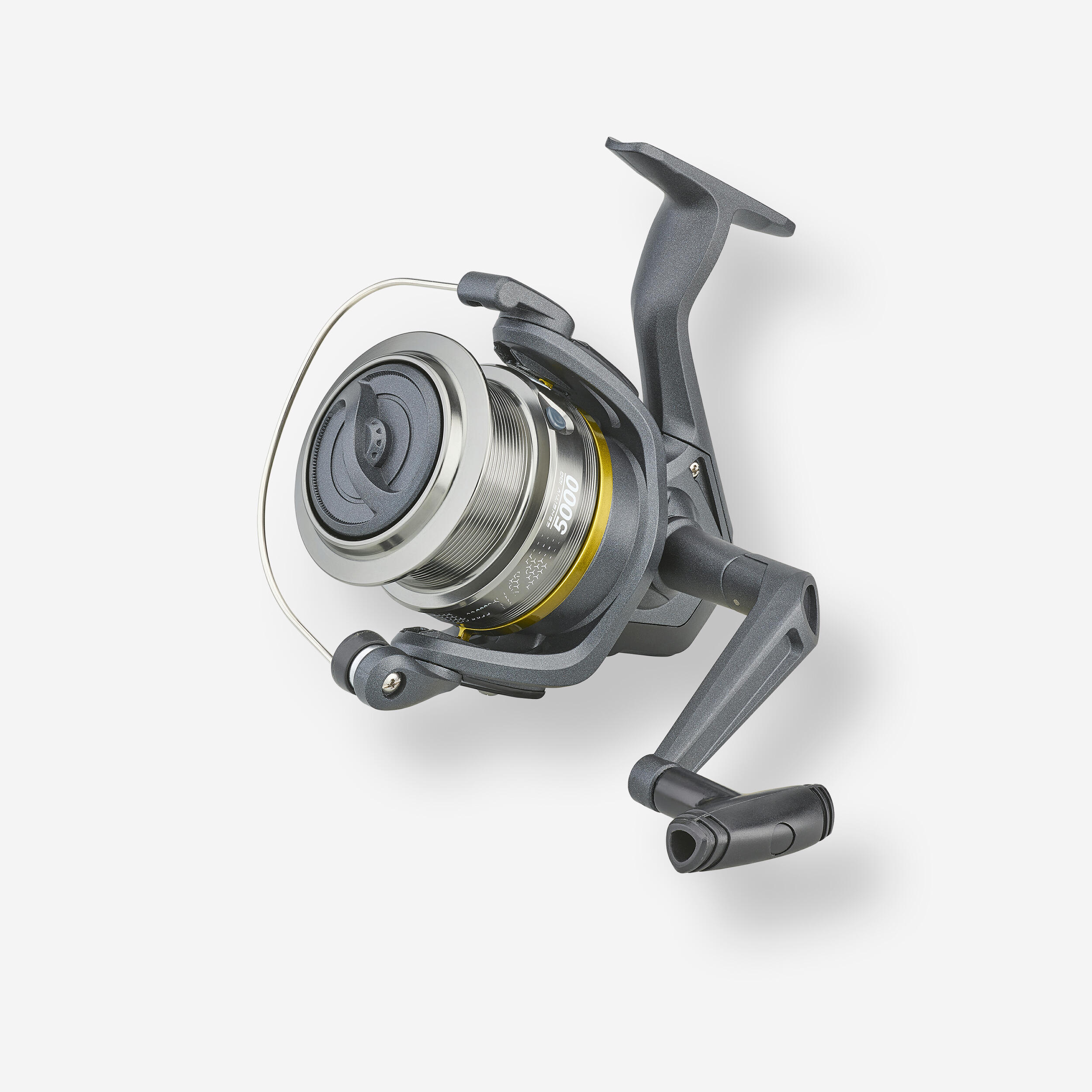
A freespool system lets you set one level of resistance while the rig is waiting and move quickly to your fighting drag when a fish takes. Caperlan's Sensitiv 500 FS lets you preset the drag you want for playing the fish, then engage it with the first turn of the handle. This can be useful in method-feeder situations where carp may move off strongly after taking the hook bait. The feeder fishing freespool Sensitiv reel also uses two rounded line clips, allowing two separate fishing distances to be marked on one spool. Its ATR Anti Tangle Ring sits beneath the spool to reduce the risk of line slipping underneath during retrieval.

Why does feeder fishing line benefit from low stretch and fast sinking?

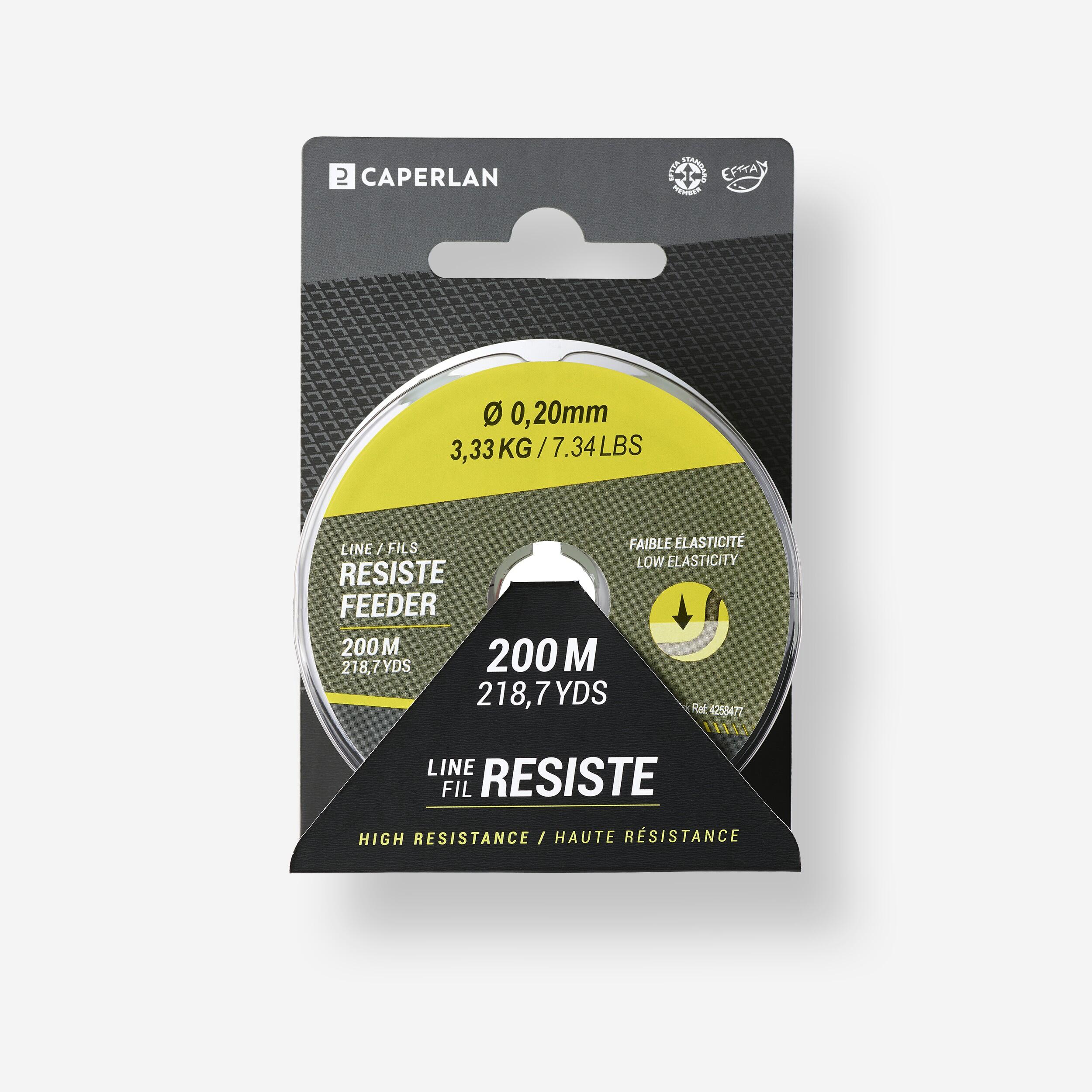
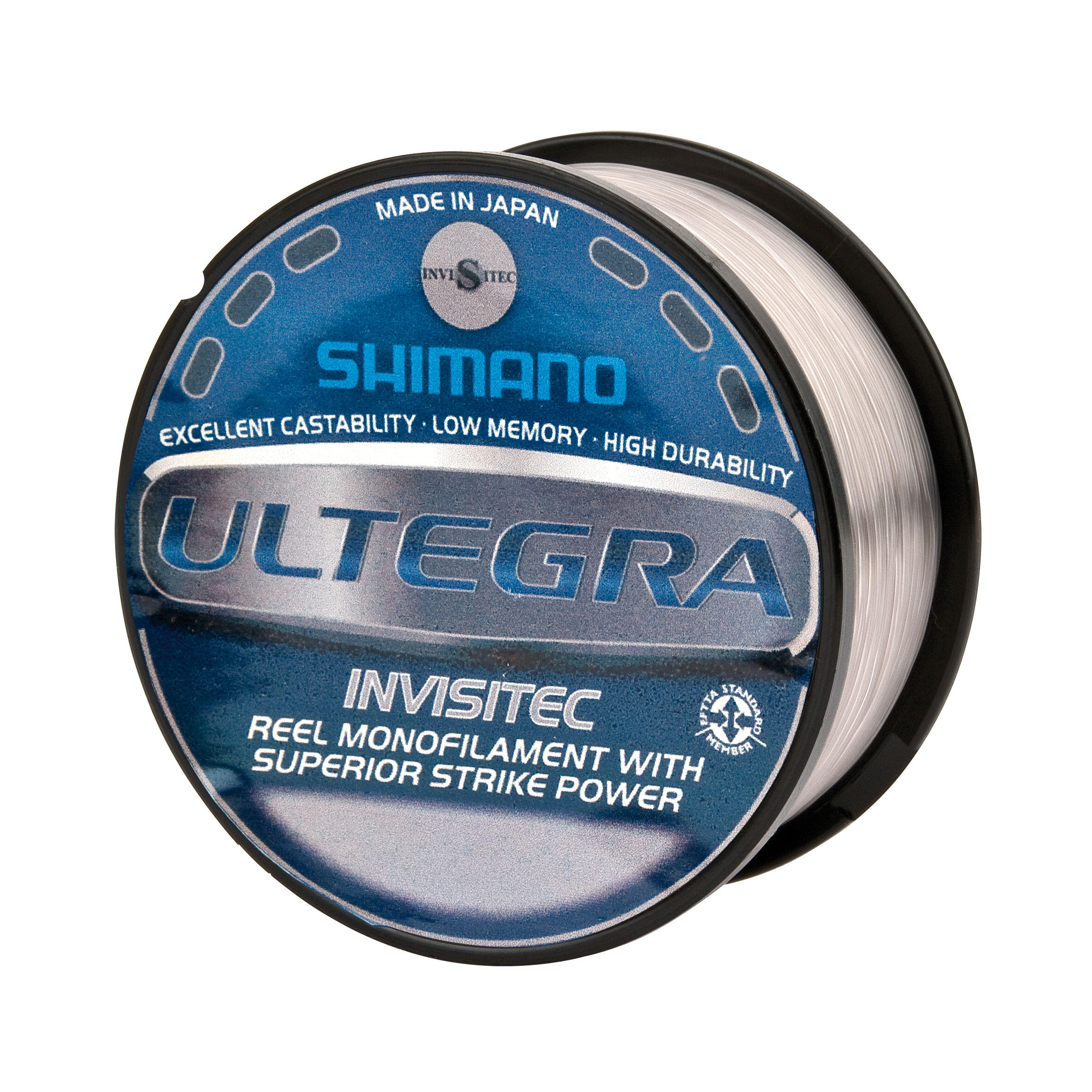
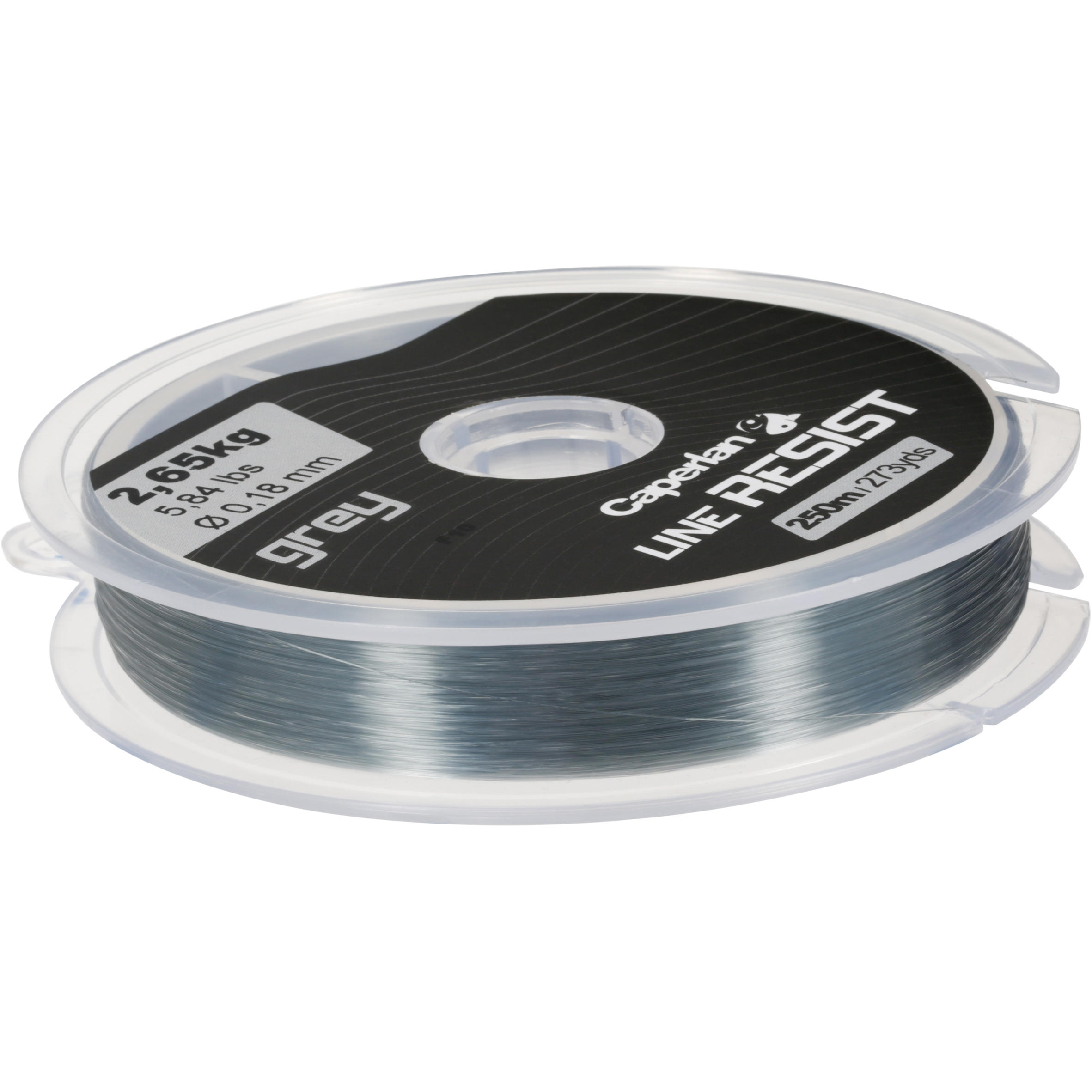
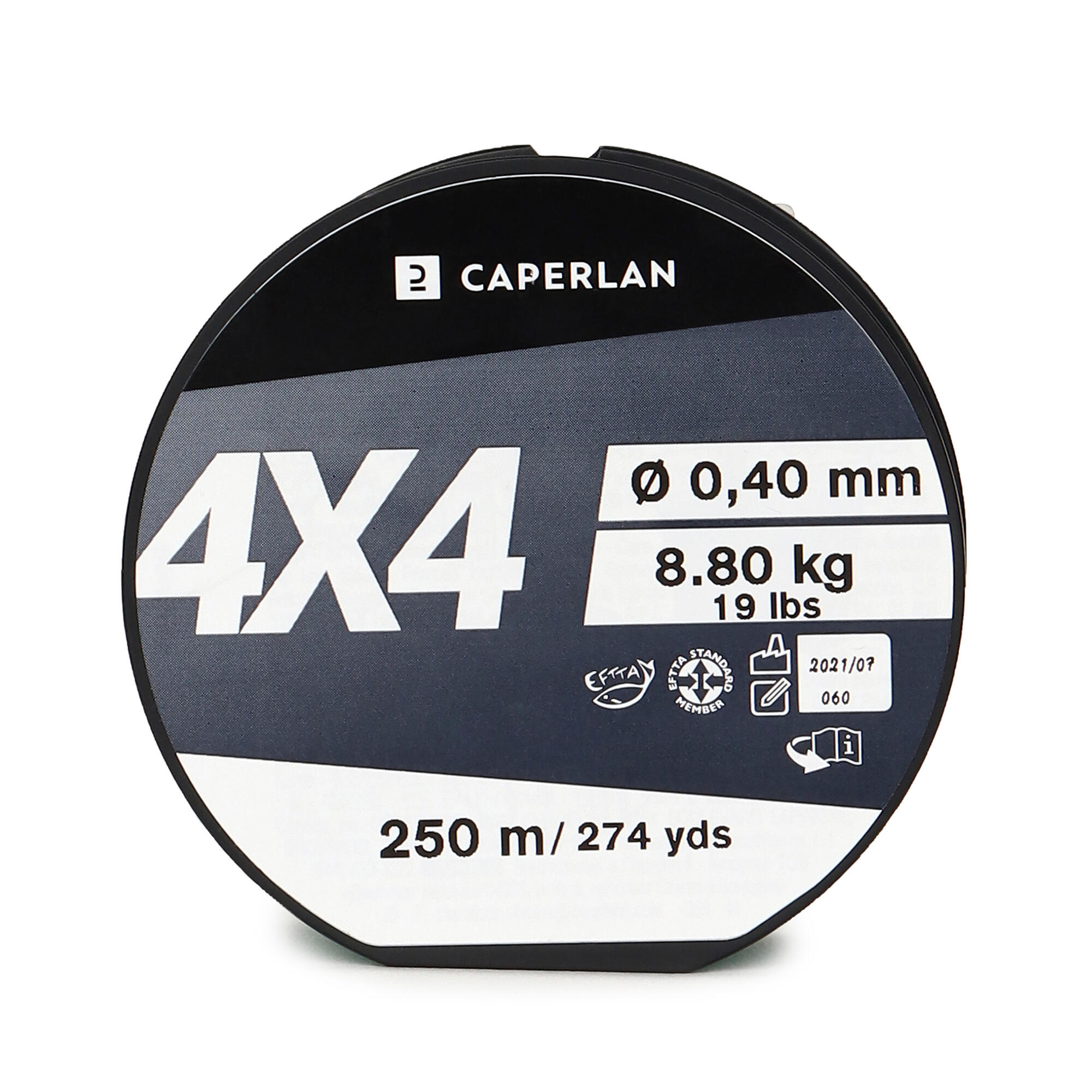
Feeder fishing relies heavily on seeing movement through the rod tip, so excessive line stretch can soften the connection between the rig and bite indicator. A sinking line also helps keep more line below the surface, where wind and surface movement have less influence on the setup. Caperlan's feeder fishing Resist line uses low-elasticity brown nylon that sinks quickly and is available in 20/100, 24/100 and 28/100 diameters. The different diameters let you balance breaking strength against the rig and fish you expect to encounter. Keep the spool filled evenly and inspect the first few metres regularly for abrasion, particularly after repeated casts over rough margins or features.

How can line clips help you cast a feeder to the same area?

Consistent casting is important because feeder fishing works by concentrating feed around a chosen spot rather than scattering each cast across a wide area. Once you have reached the distance you want, a rounded line clip can mark that range so the reel stops the line at a similar point on following casts. Aim at the same far-bank feature as well, because the clip controls distance but not direction. Caperlan uses this idea across several reels within its feeder fishing equipment, with the Sensitiv 500 FS providing two clips when you want to alternate between two distances. Cast smoothly rather than hitting the clip violently, and raise the rod as the feeder reaches the target to help absorb the stop.

How should you maintain a coarse fishing reel between sessions?

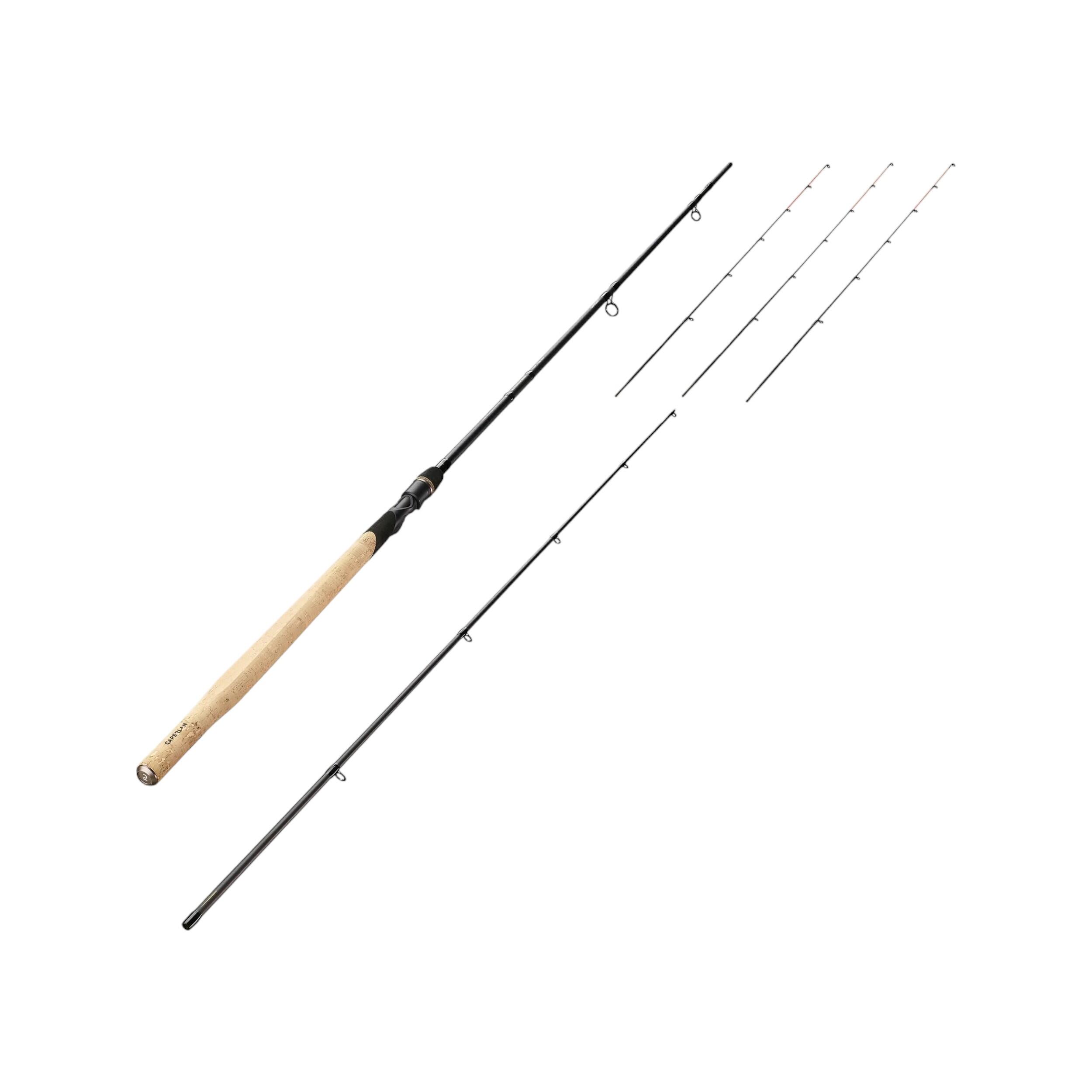
Dry storage and routine maintenance help the spool, drag and internal mechanism continue working smoothly over repeated fishing trips. Caperlan advises letting its feeder reels dry completely before storing them and greasing the mechanism about once a year. Check the line clip, bail, handle and drag control while preparing your equipment, and remove damaged line before it reaches the spool. One useful feature of Caperlan reels is repairability: selected Sensitiv and Bauxit models have replacement spools, drag buttons, handles, and handle knobs available separately, so a damaged component doesn't necessarily mean replacing the complete reel. Apply the same pre-session checks across your coarse fishing setup so reel, line, rod and terminal tackle are ready to work together.