46 items
4.7/5 based on 3573 reviews collected online and in stores

Feeder Baits FAQs

How does a typical feeder bait behave inside a cage or method feeder?

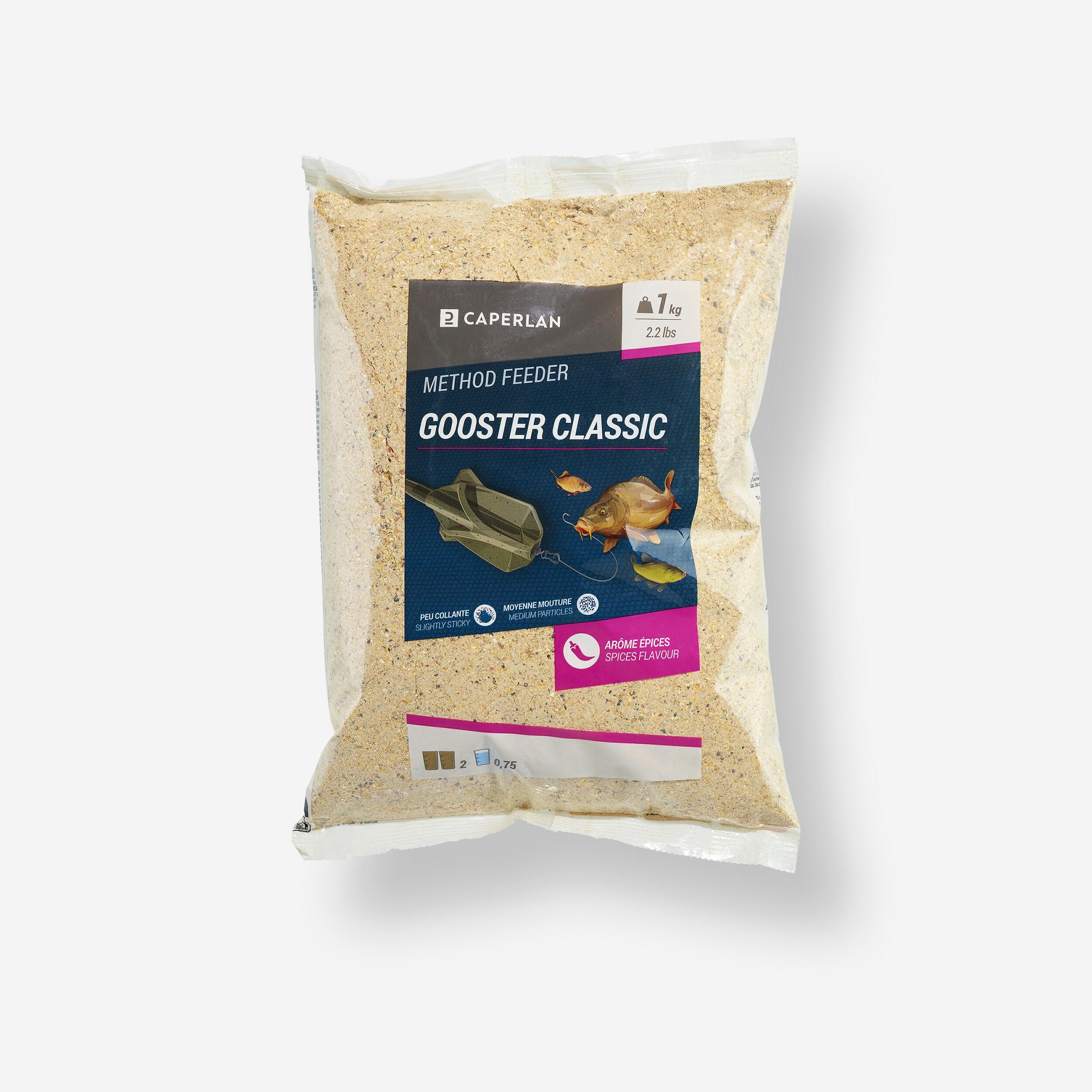
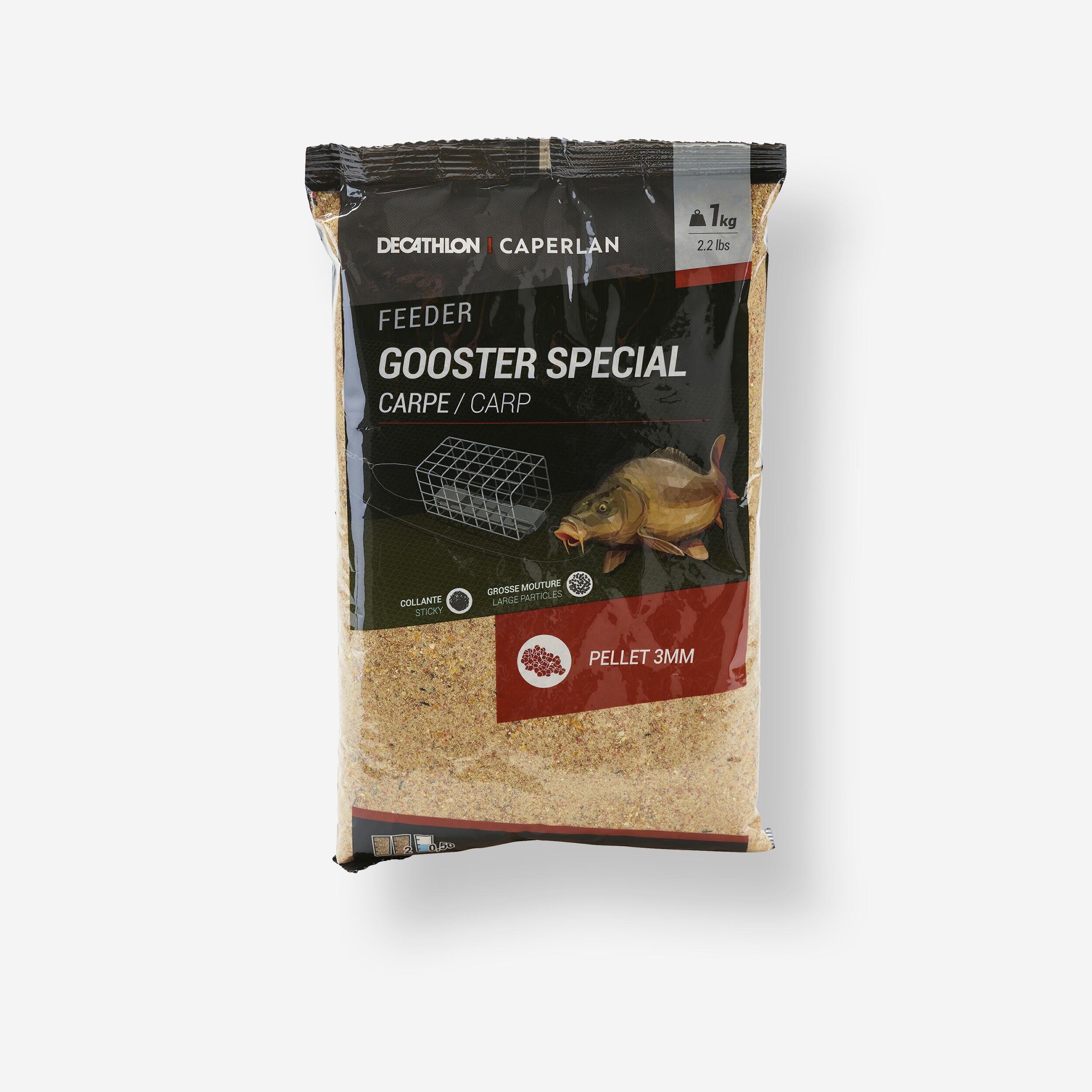
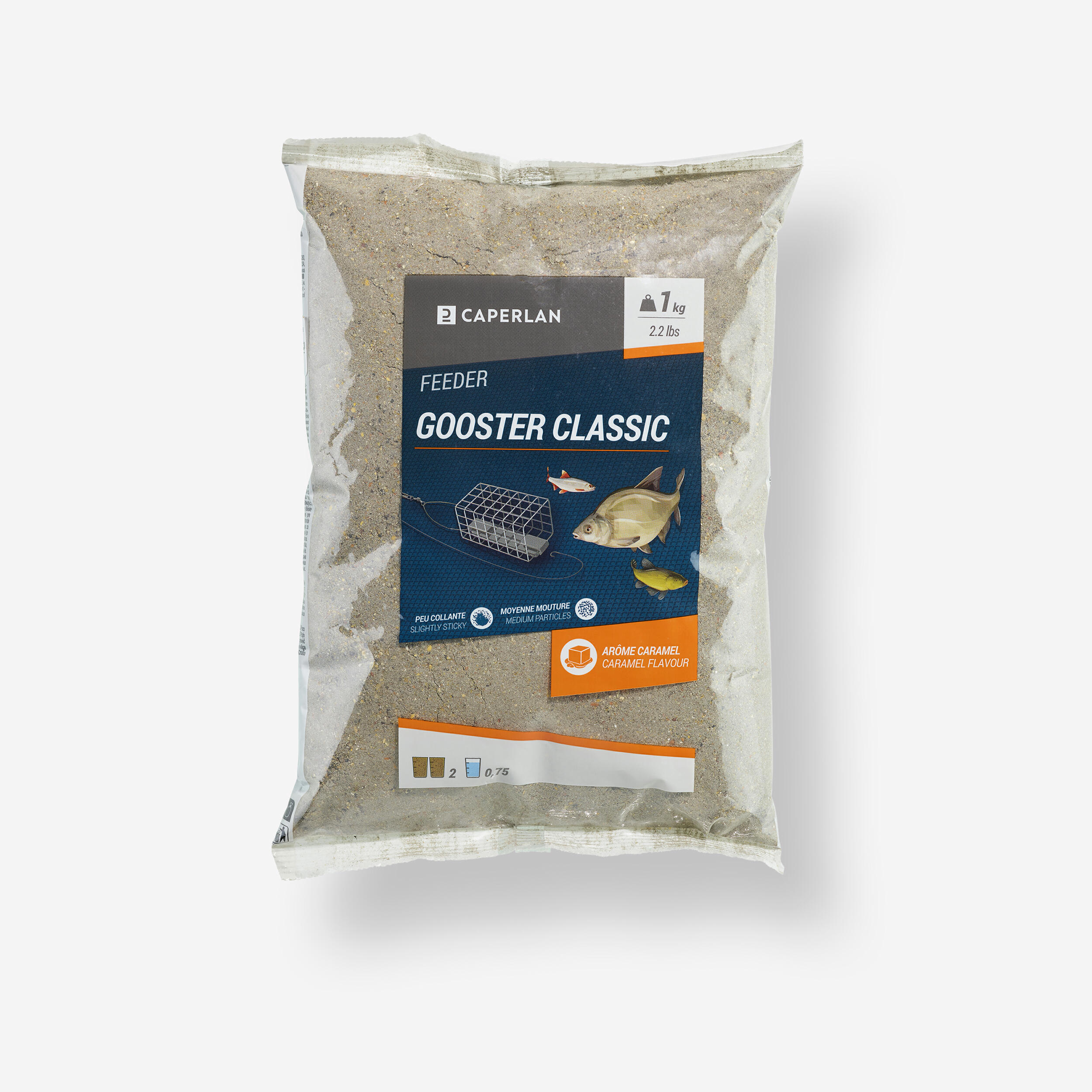
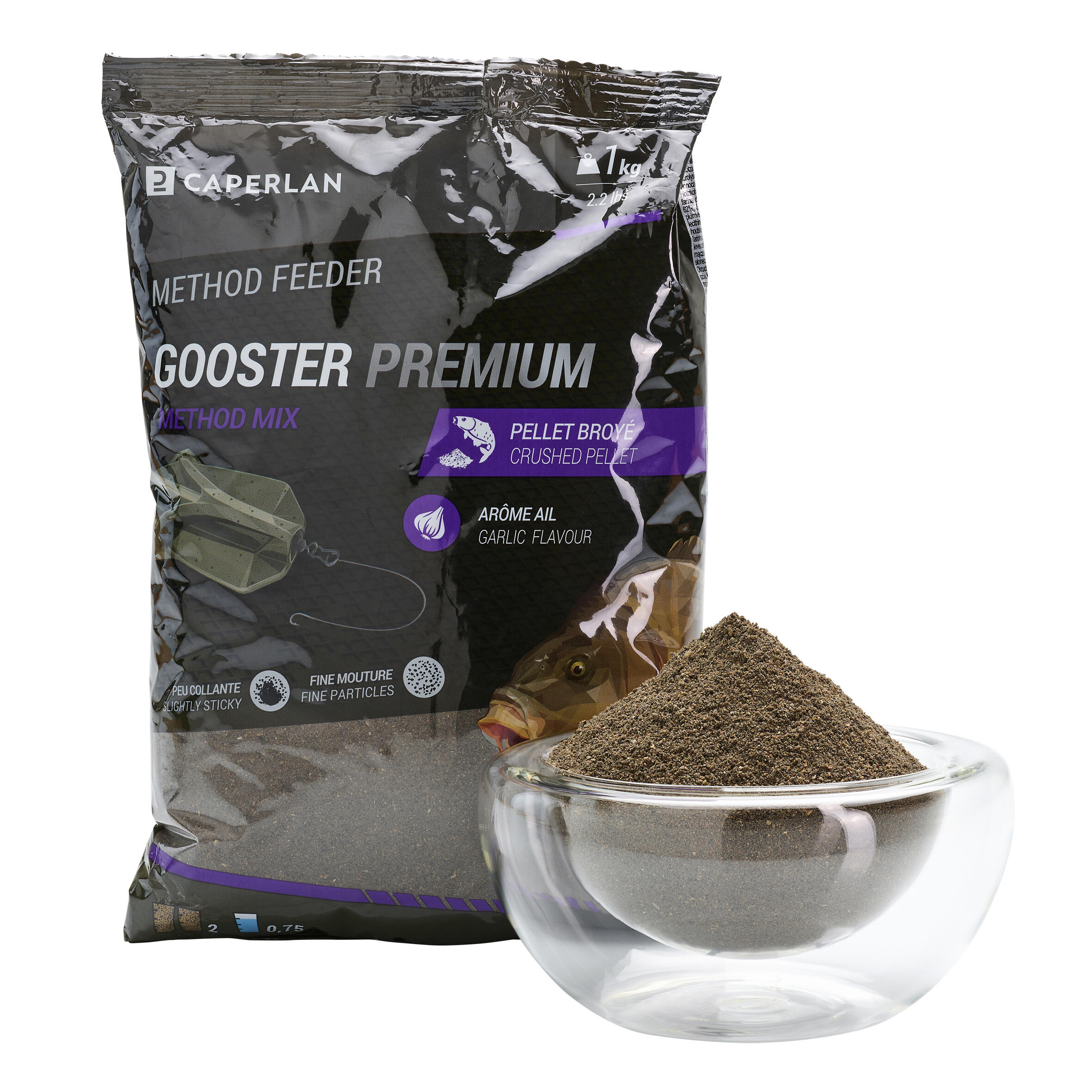
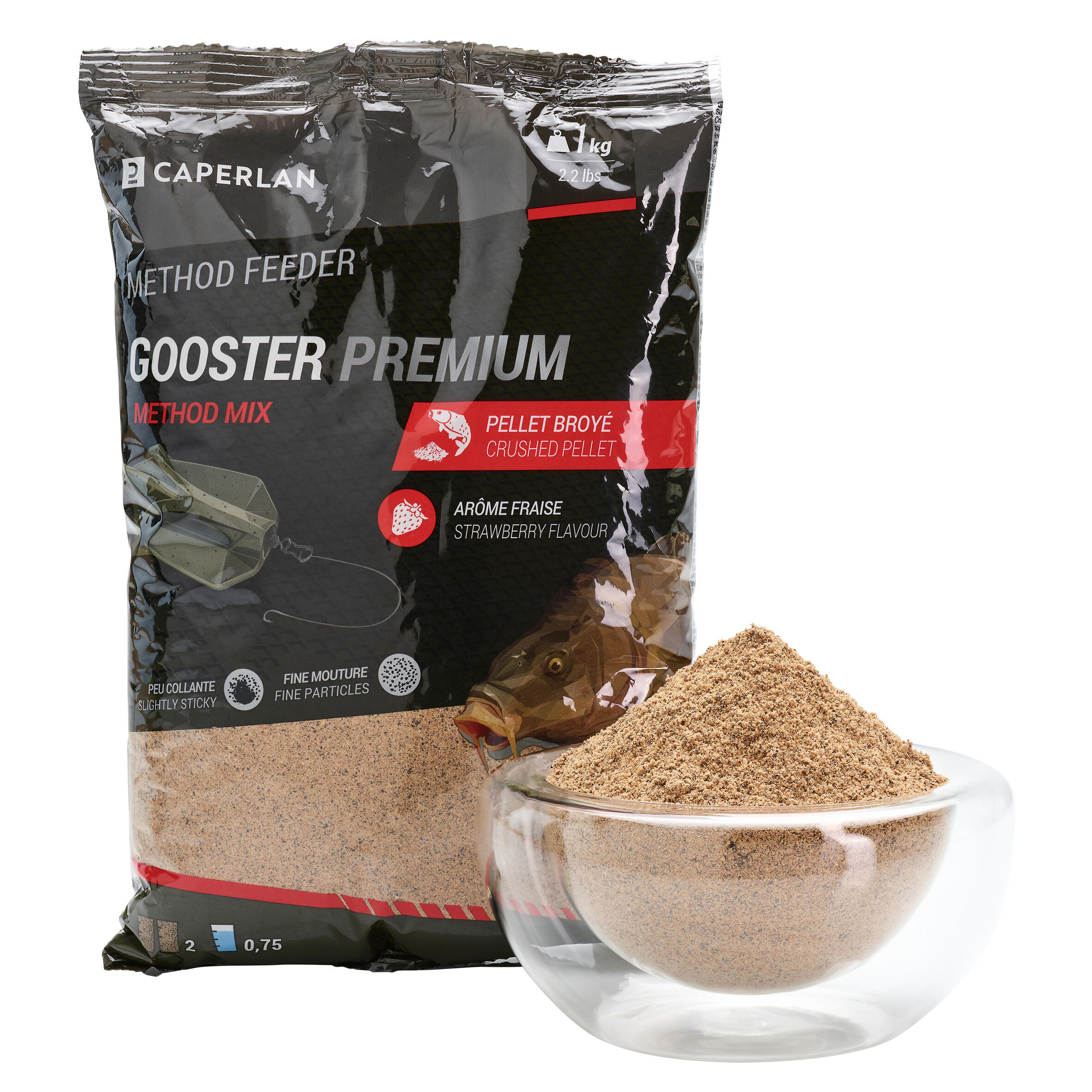
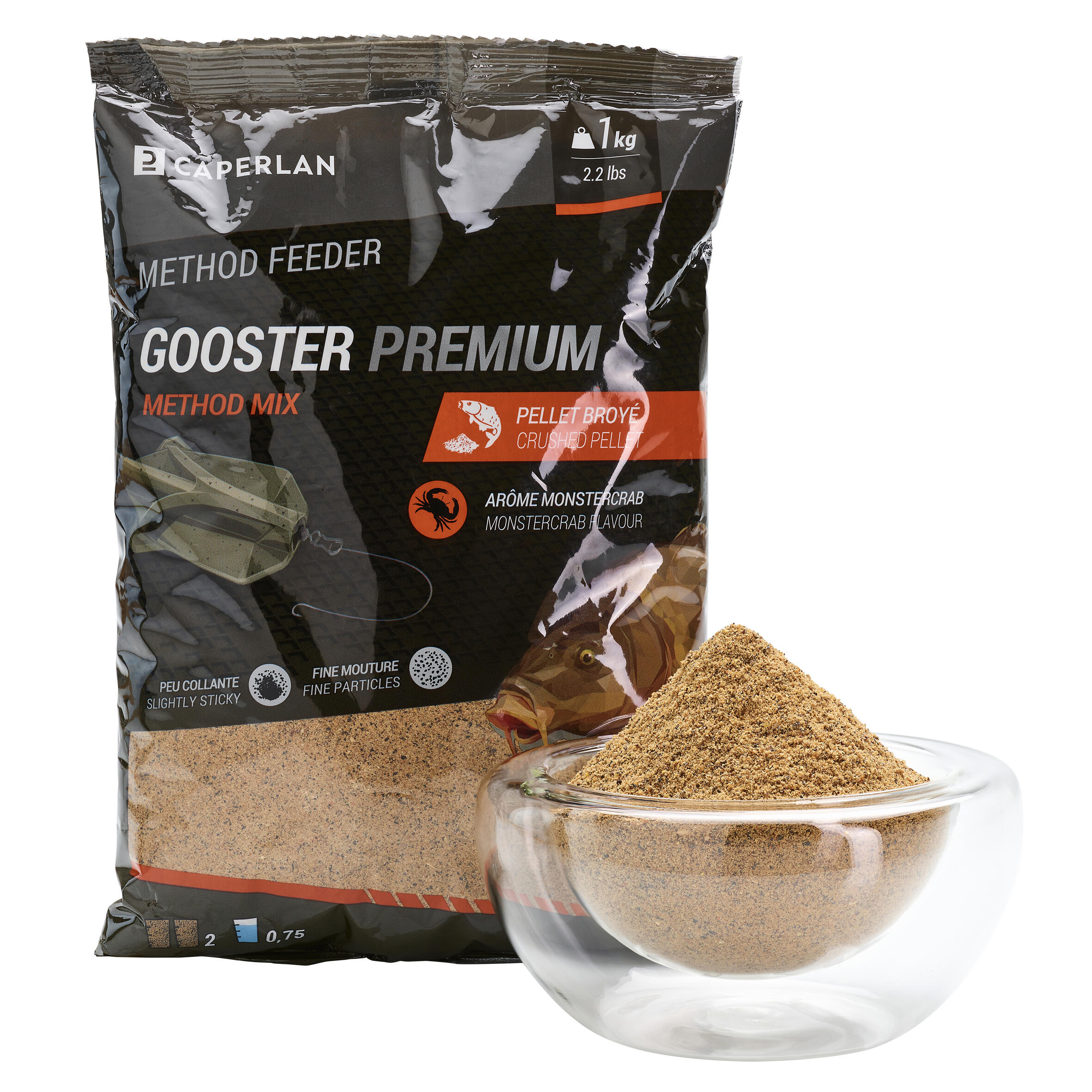
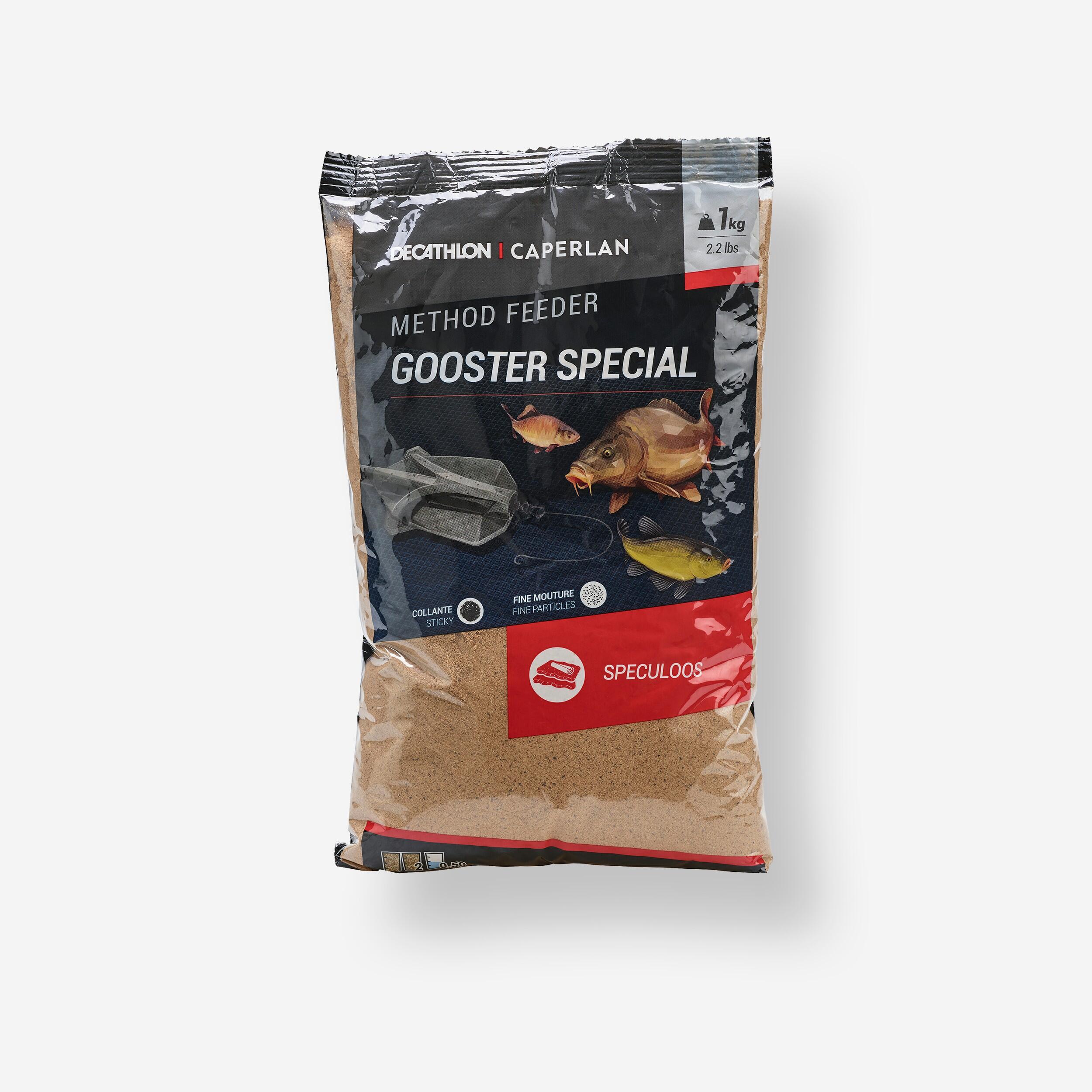
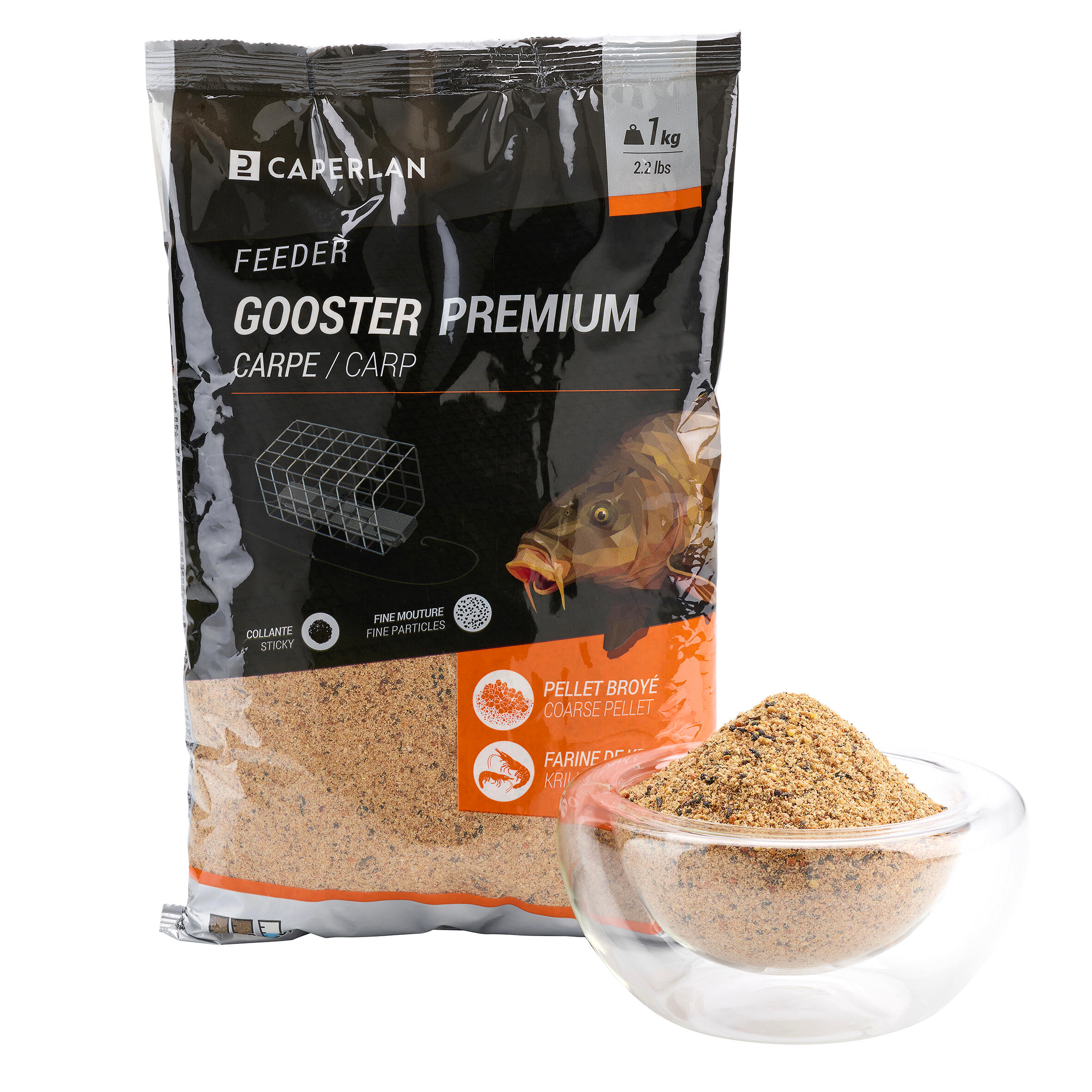
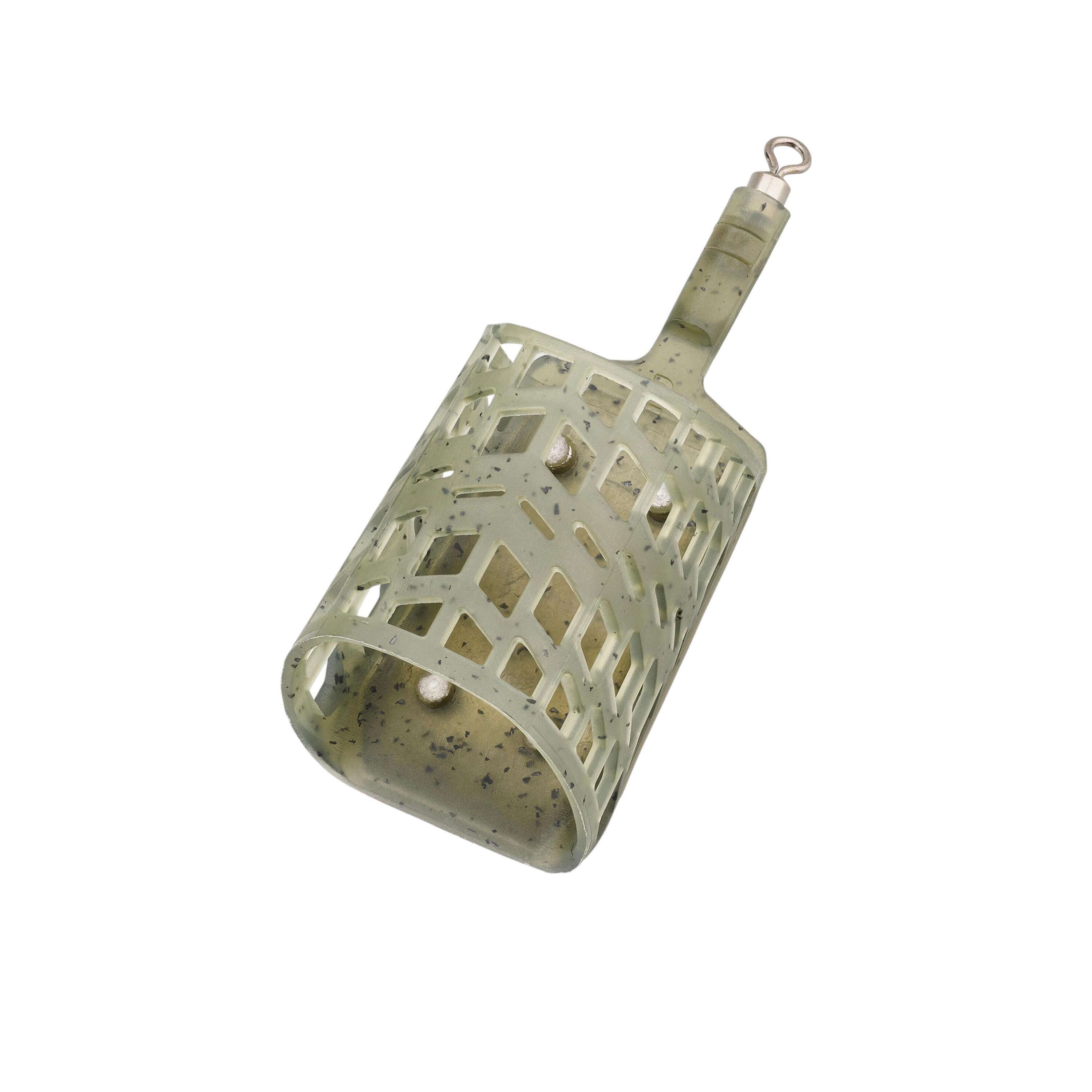
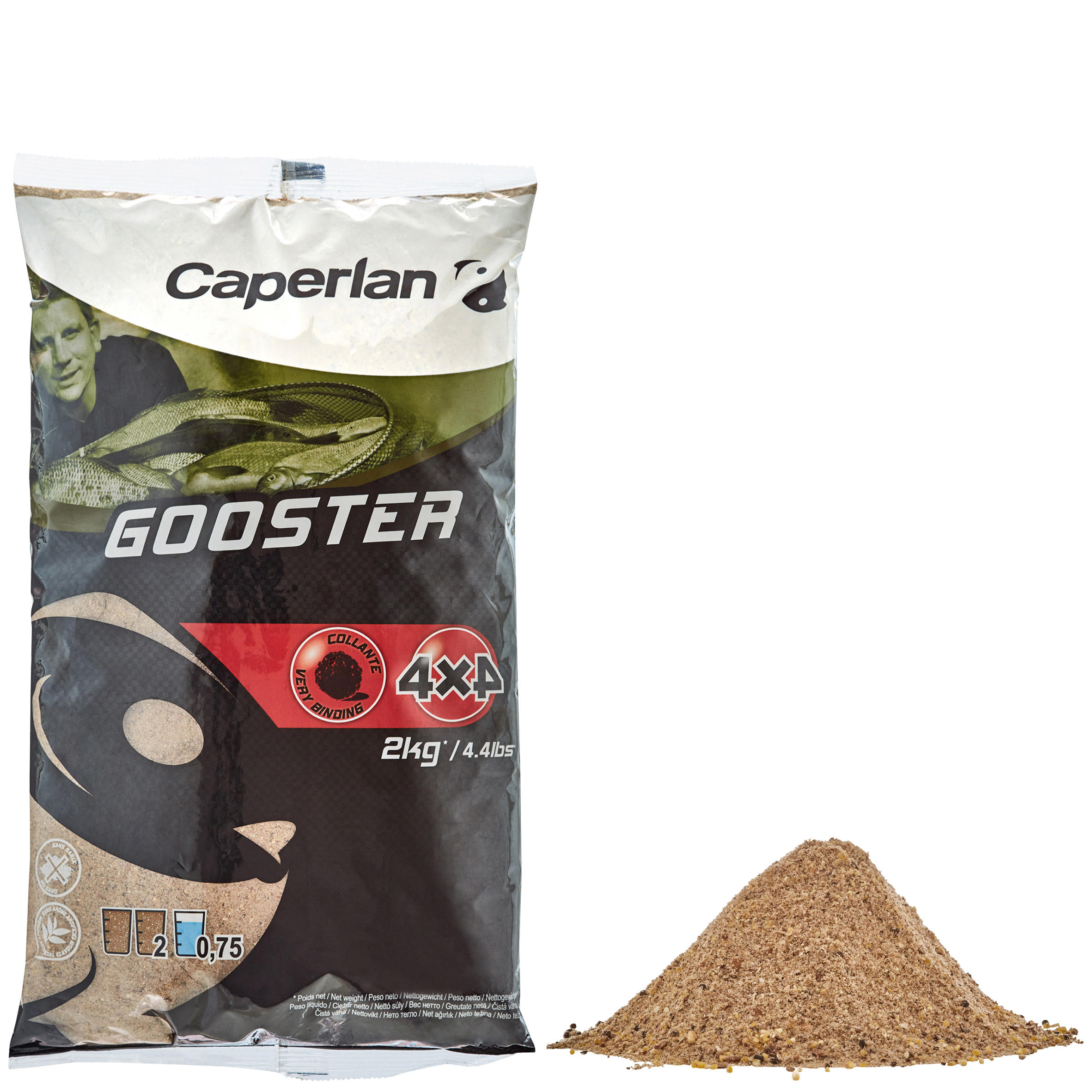
The right consistency depends on how you need the bait to travel and release underwater. Cage-feeder mixes need enough cohesion to remain inside the feeder during casting before particles begin dispersing through the openings. Method-feeder bait is usually pressed around the feeder and needs to hold its shape during the cast while releasing around the hook bait after landing. Caperlan varies stickiness, grain size and ingredients across its GOOSTER recipes to suit these different presentations. Prior to choosing classic feeder baits, check the preparation ratio as well as the target fish. The all-fish GOOSTER Feeder mix uses a 2:0.75 bait-to-water ratio and has low stickiness for faster diffusion on the bottom.
Why must a feeder groundbait be wetted in two stages?

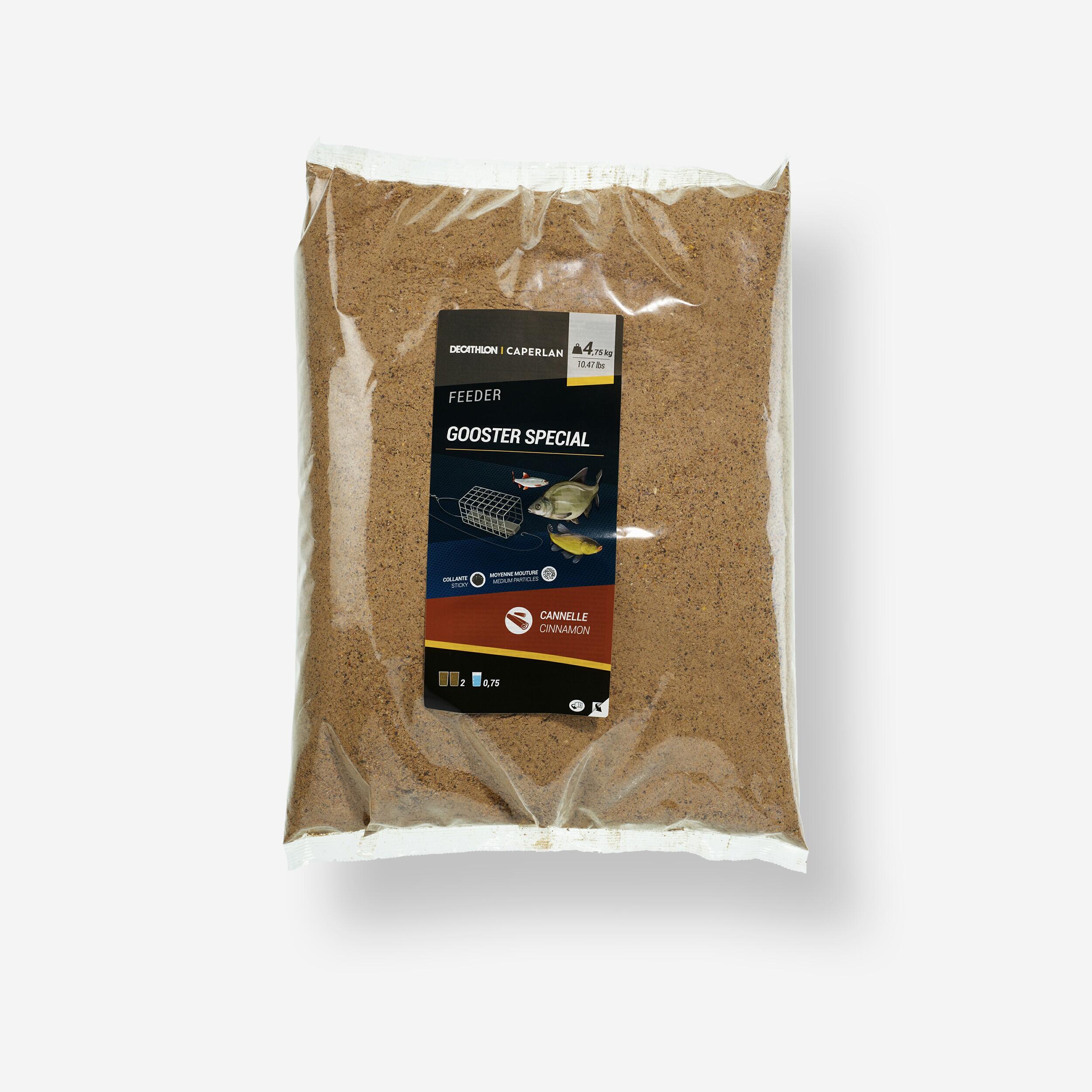
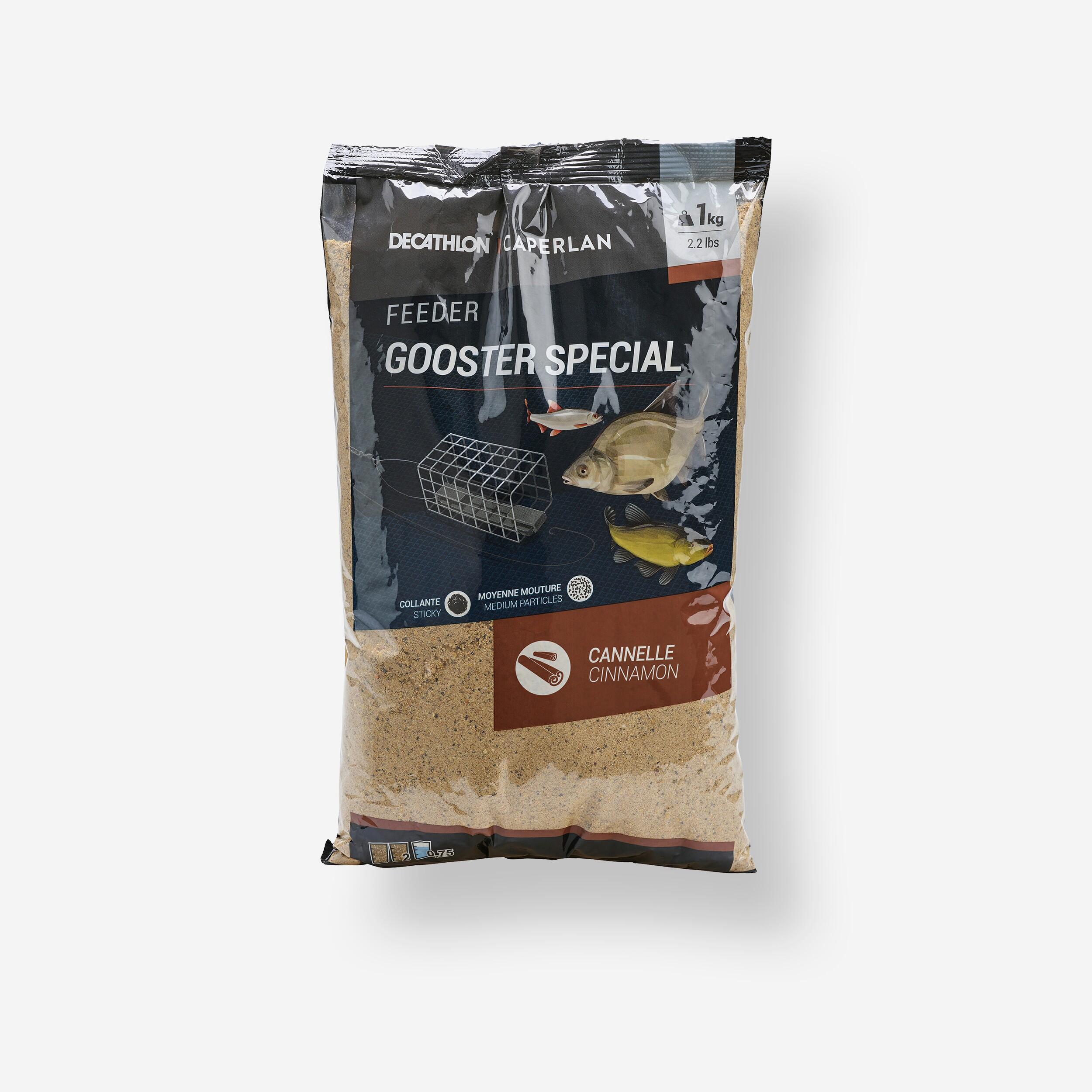
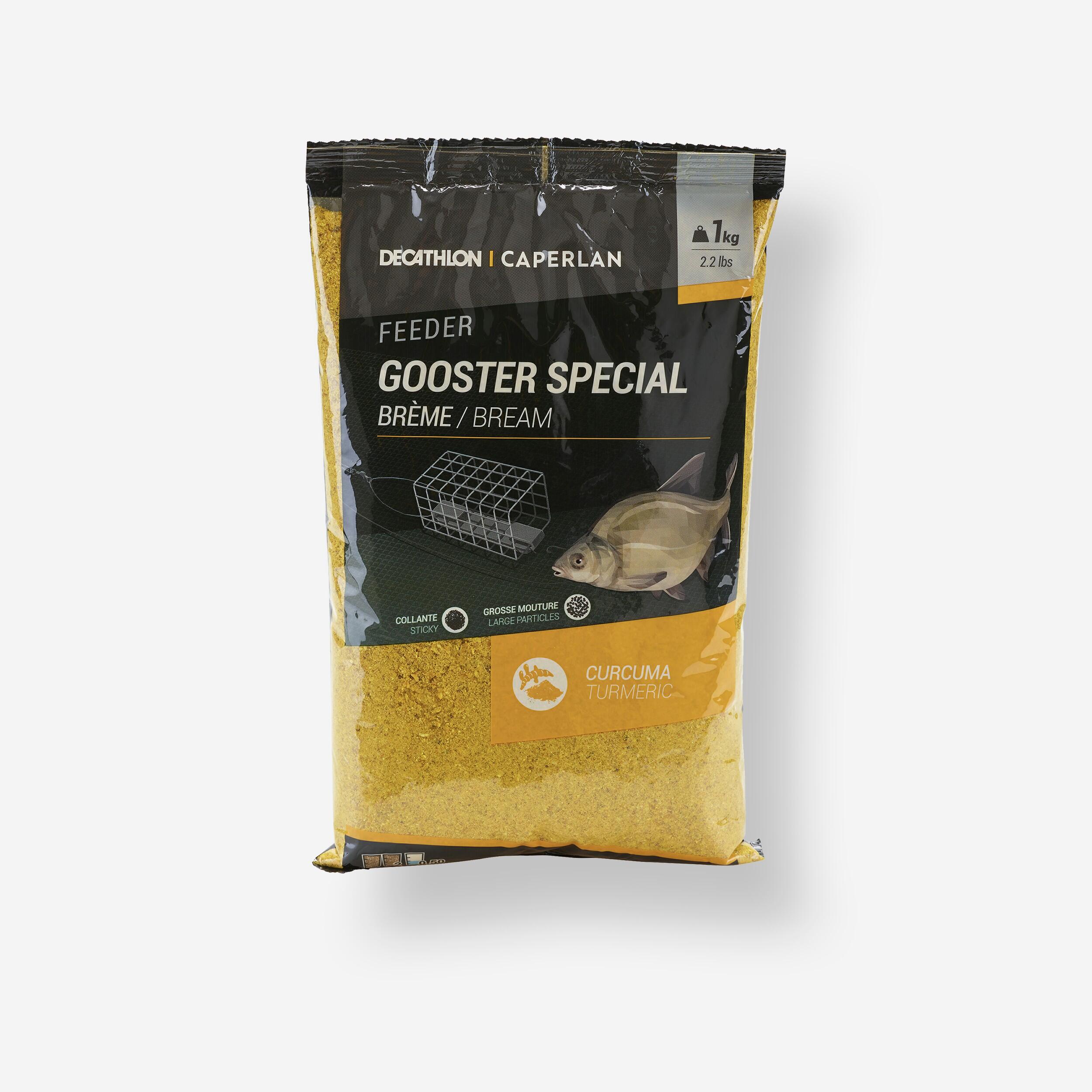
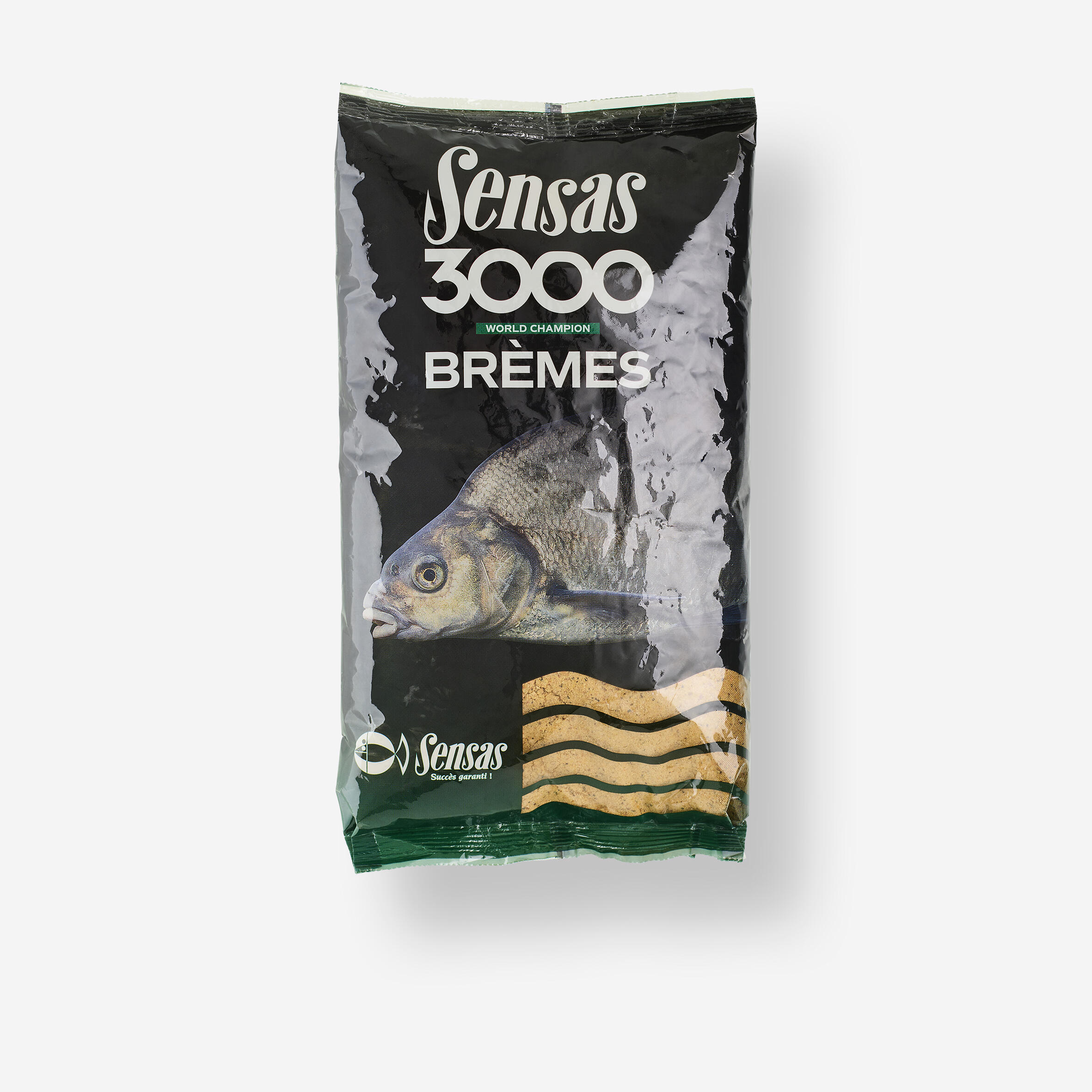
Adding all the water at once can leave some particles over-wet while others remain dry, making the finished bait harder to control. Caperlan recommends adding roughly three-quarters of the required water first, mixing thoroughly and allowing the particles to absorb moisture for about 15 minutes. Then use the remaining water to fine-tune the consistency. The exact ratio depends on the recipe. For example, special bream feeder baits use two parts bait to 0.5 parts water and have a stickier texture suited to feeder casting. Prepare a small test feeder after the resting period; if the mix breaks apart before casting or remains tightly packed for too long, adjust the final wetting gradually.

How do ingredients and grain size change feeder bait attraction?

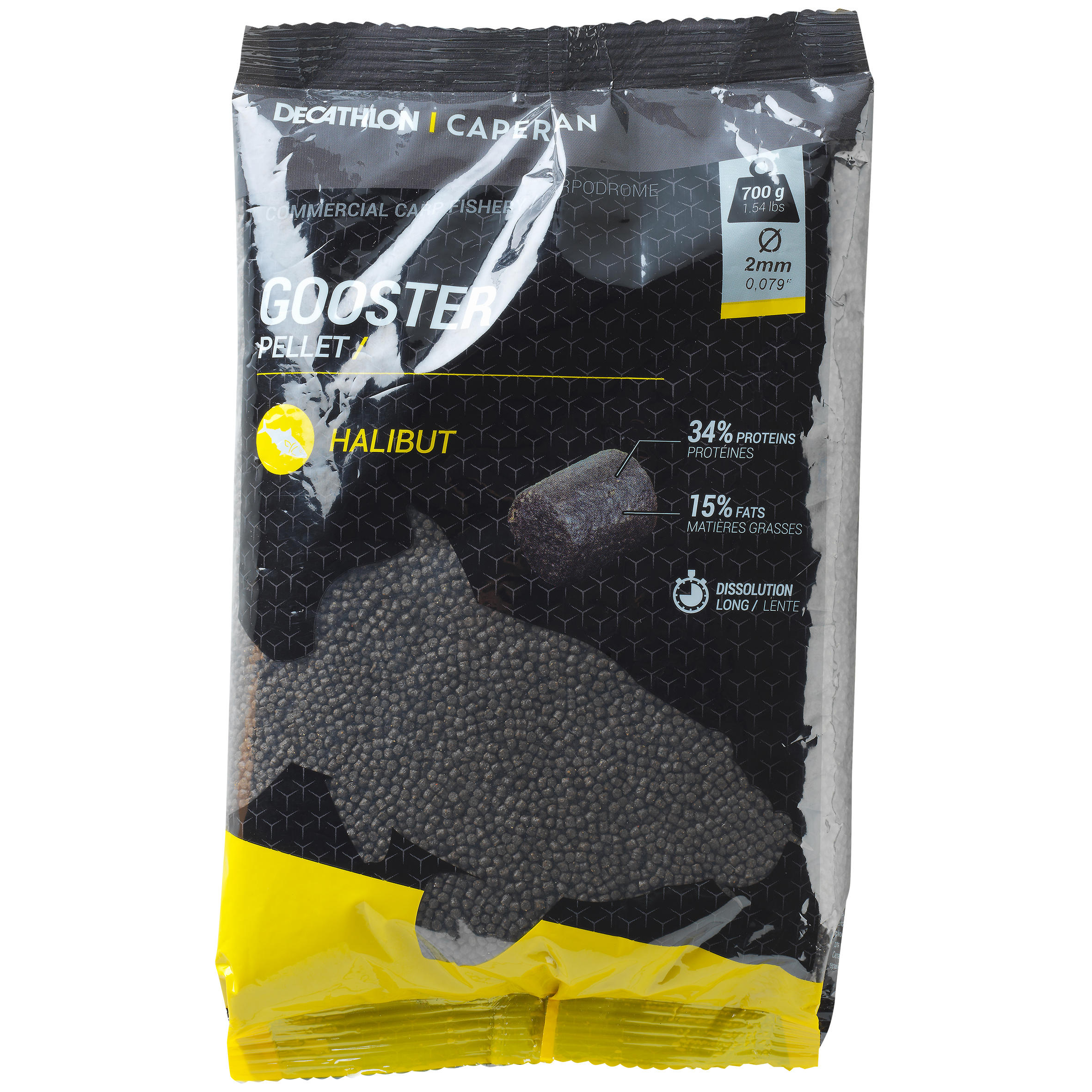
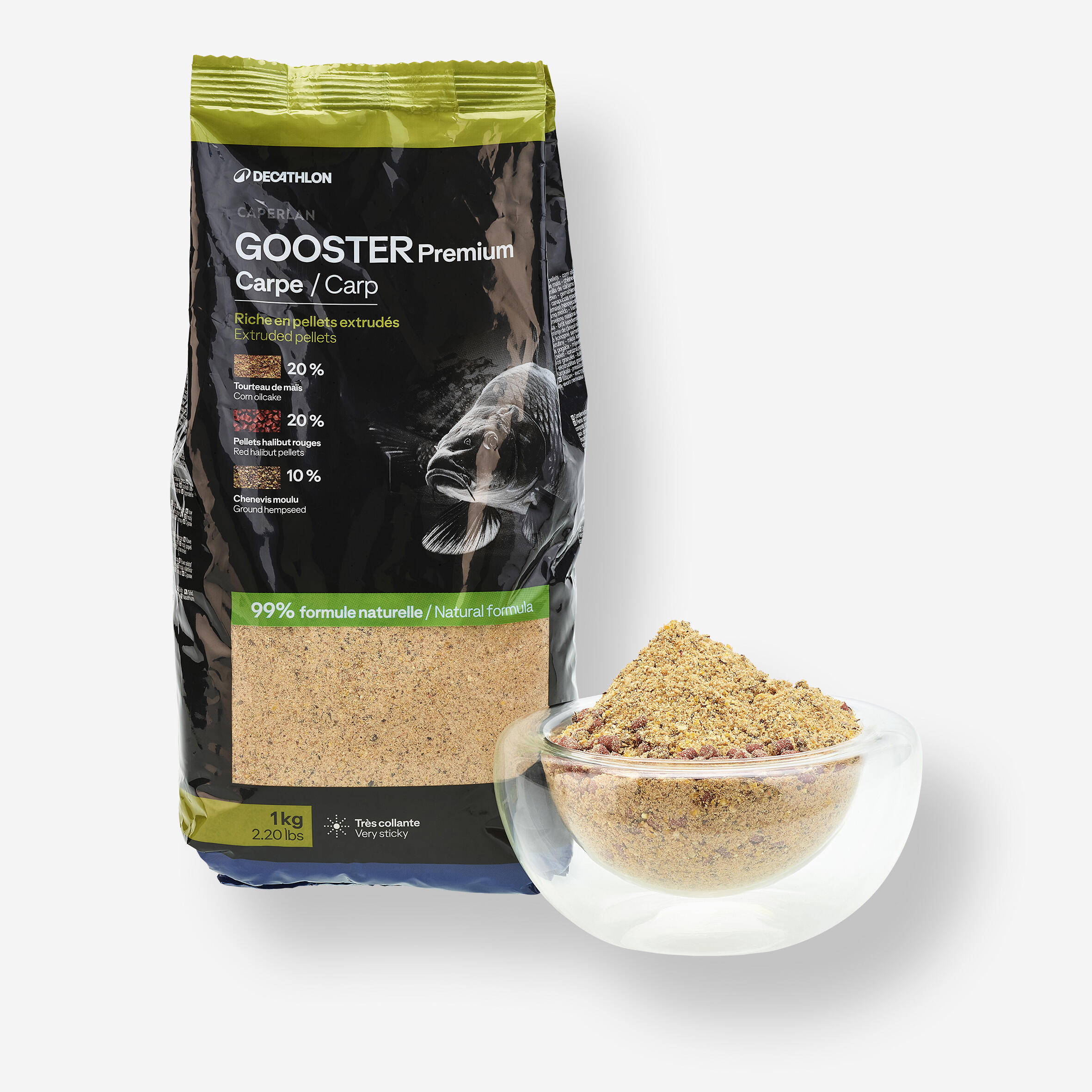
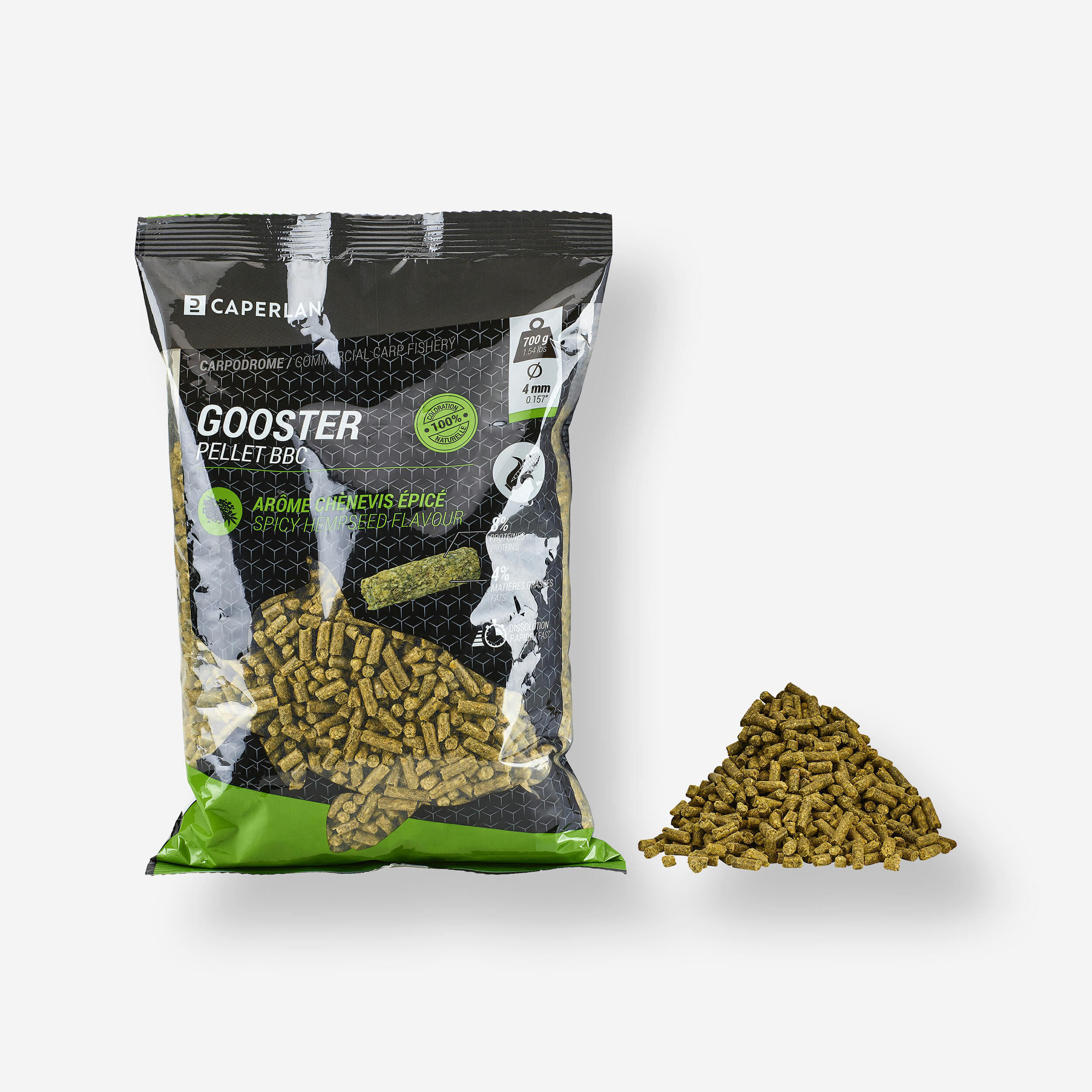
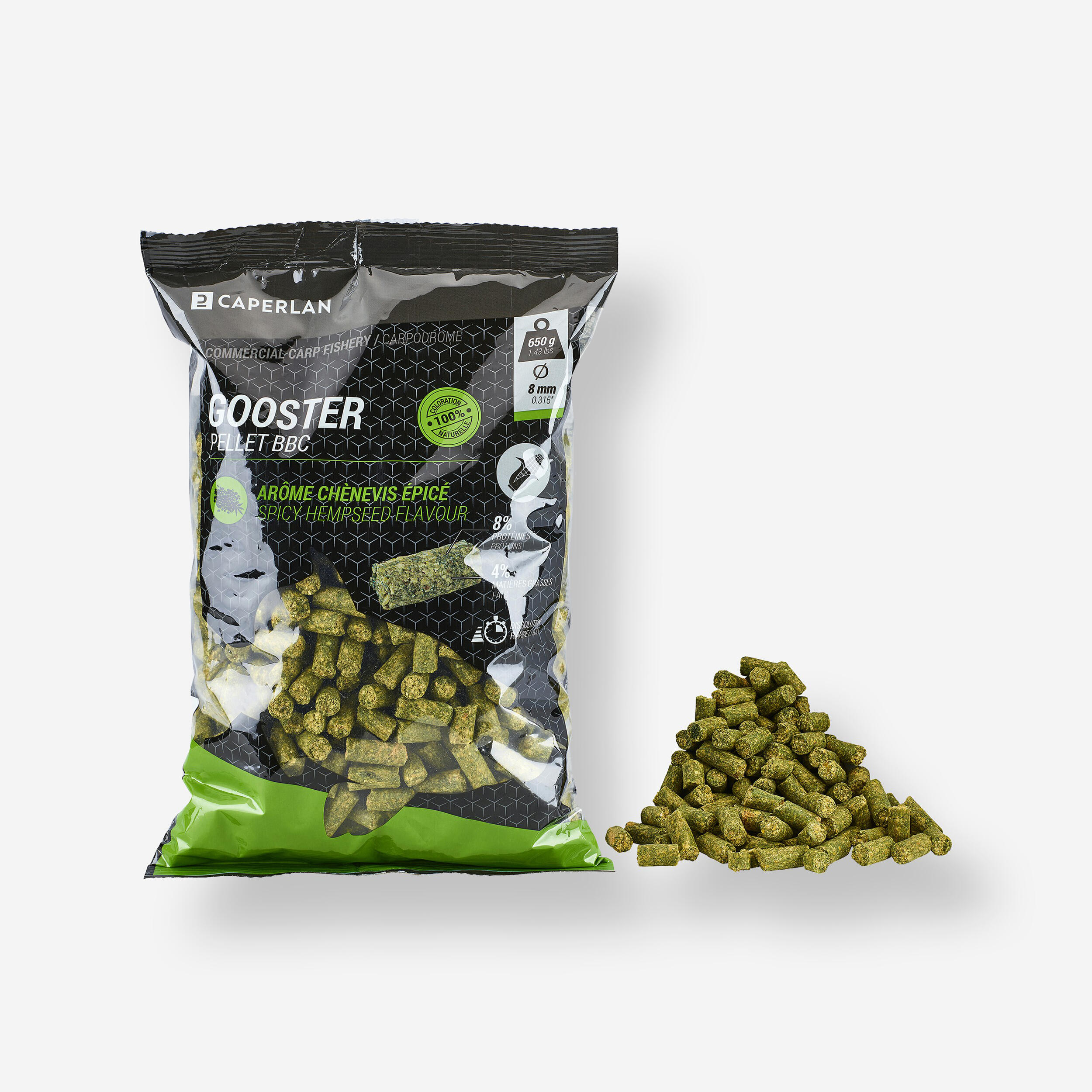
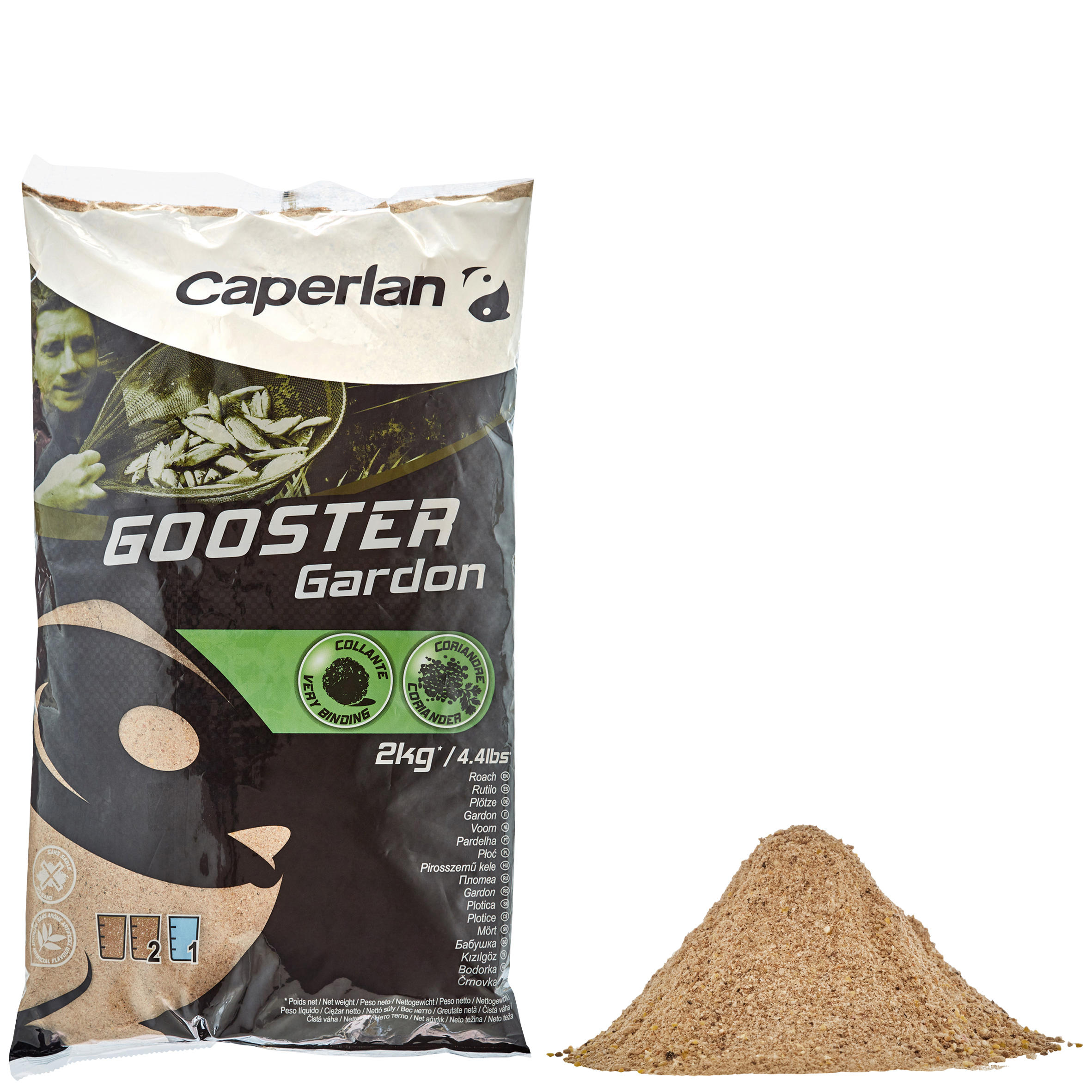
Feeder bait can attract fish through food particles, scent, colour and visible movement near the bottom. Caperlan uses different ingredients according to the intended species and presentation. Its bream recipe combines corn meal, Belgian coconut and turmeric, with the coconut and turmeric helping create trails and clouds around the feeding area. Other GOOSTER formulas use ingredients such as toasted hempseed, coriander, biscuit or spices. Grain size matters as well: medium particles suit versatile feeding, while larger grains can provide a more substantial food signal when targeting bigger fish. This selection logic is useful across feeder fishing, where your bait needs to complement feeder type, hook bait and target species rather than being chosen by aroma alone.

When can you prepare pellets so they stay on a method feeder?

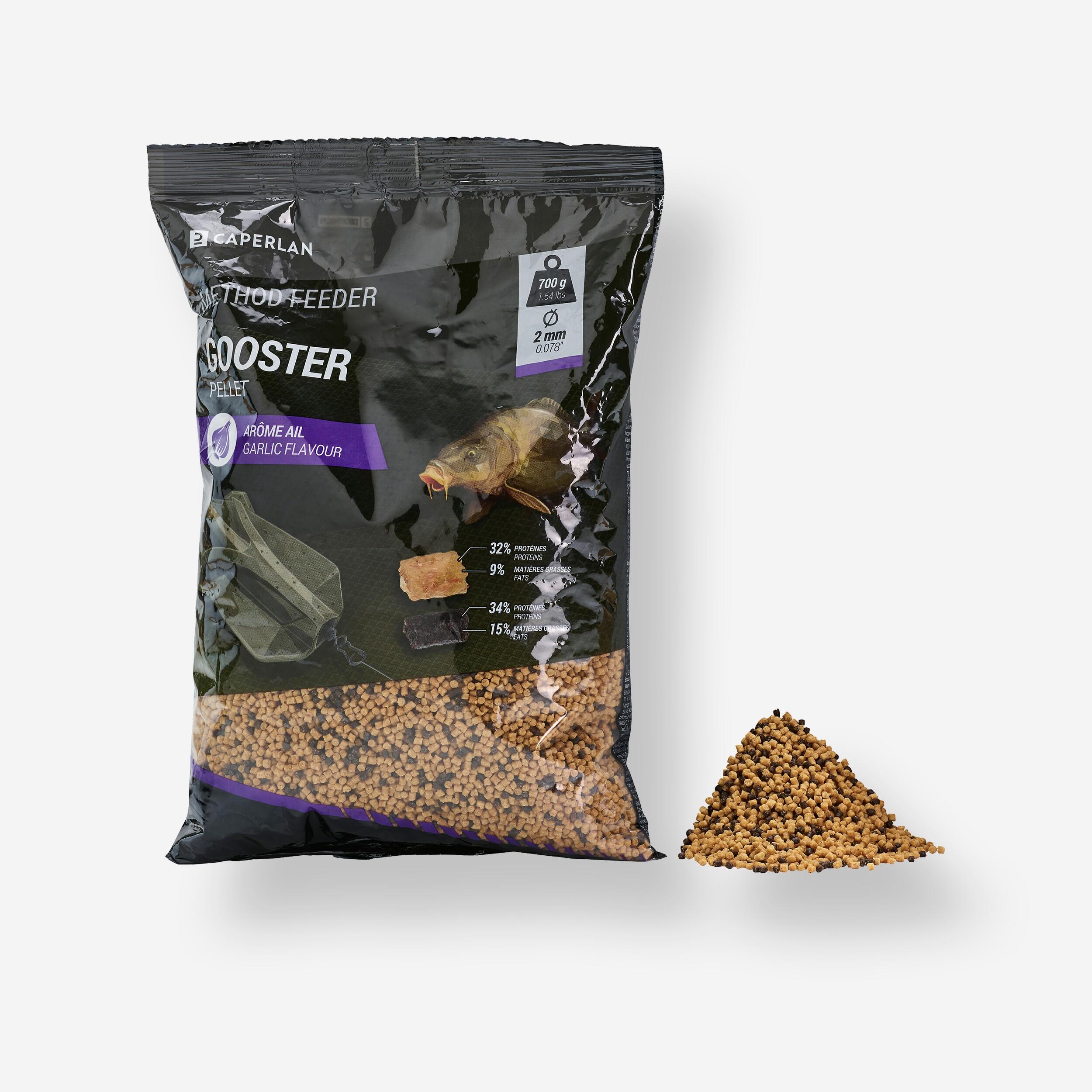
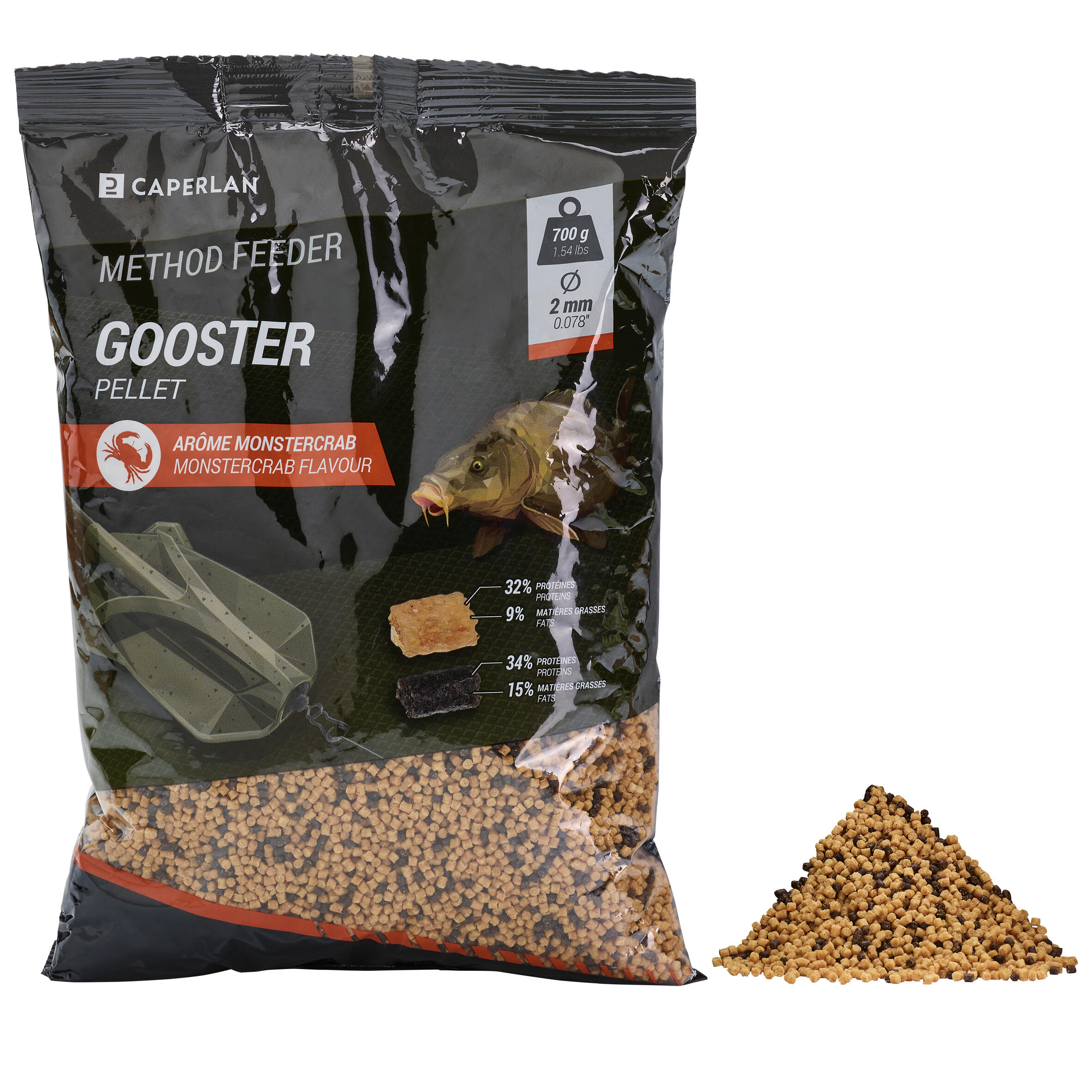
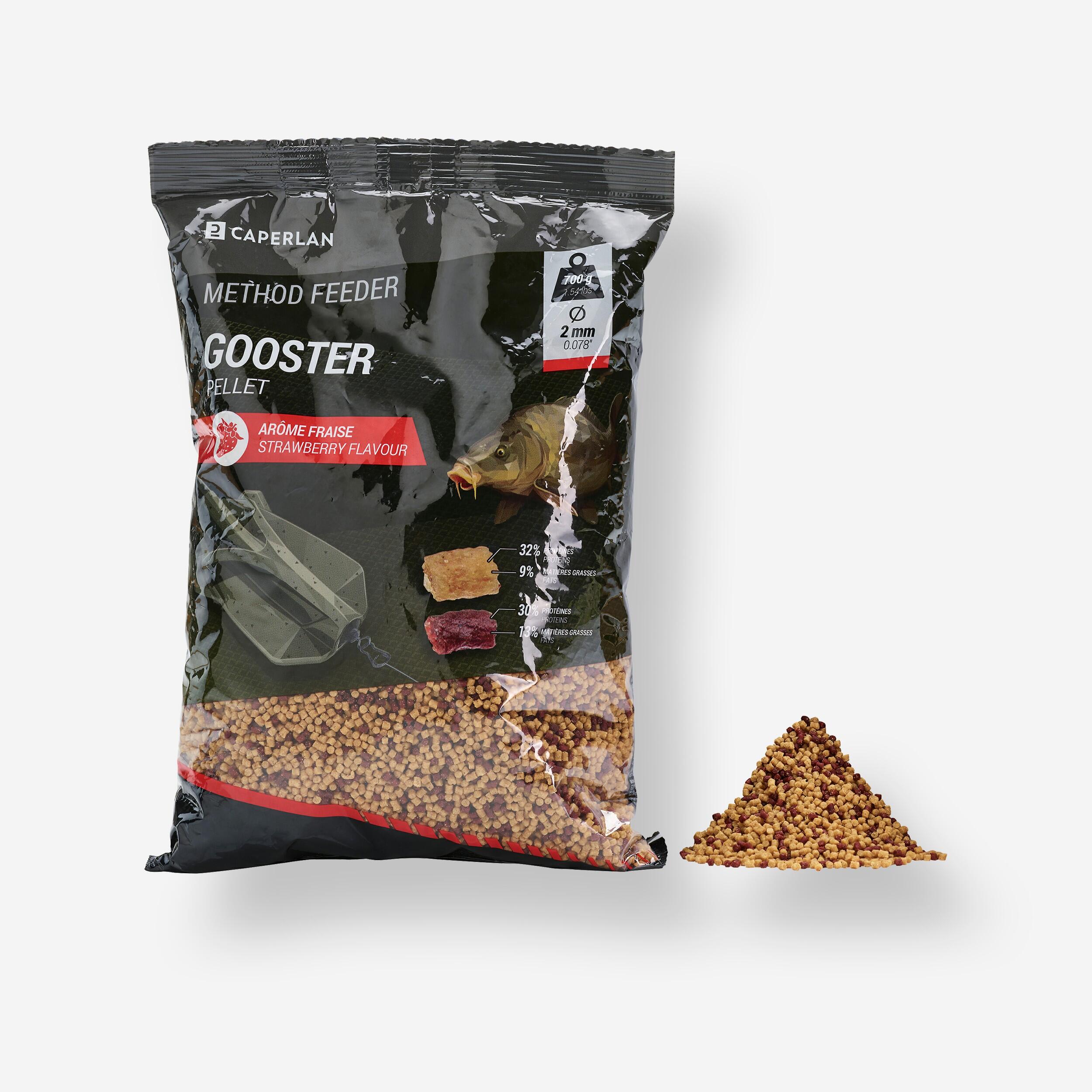
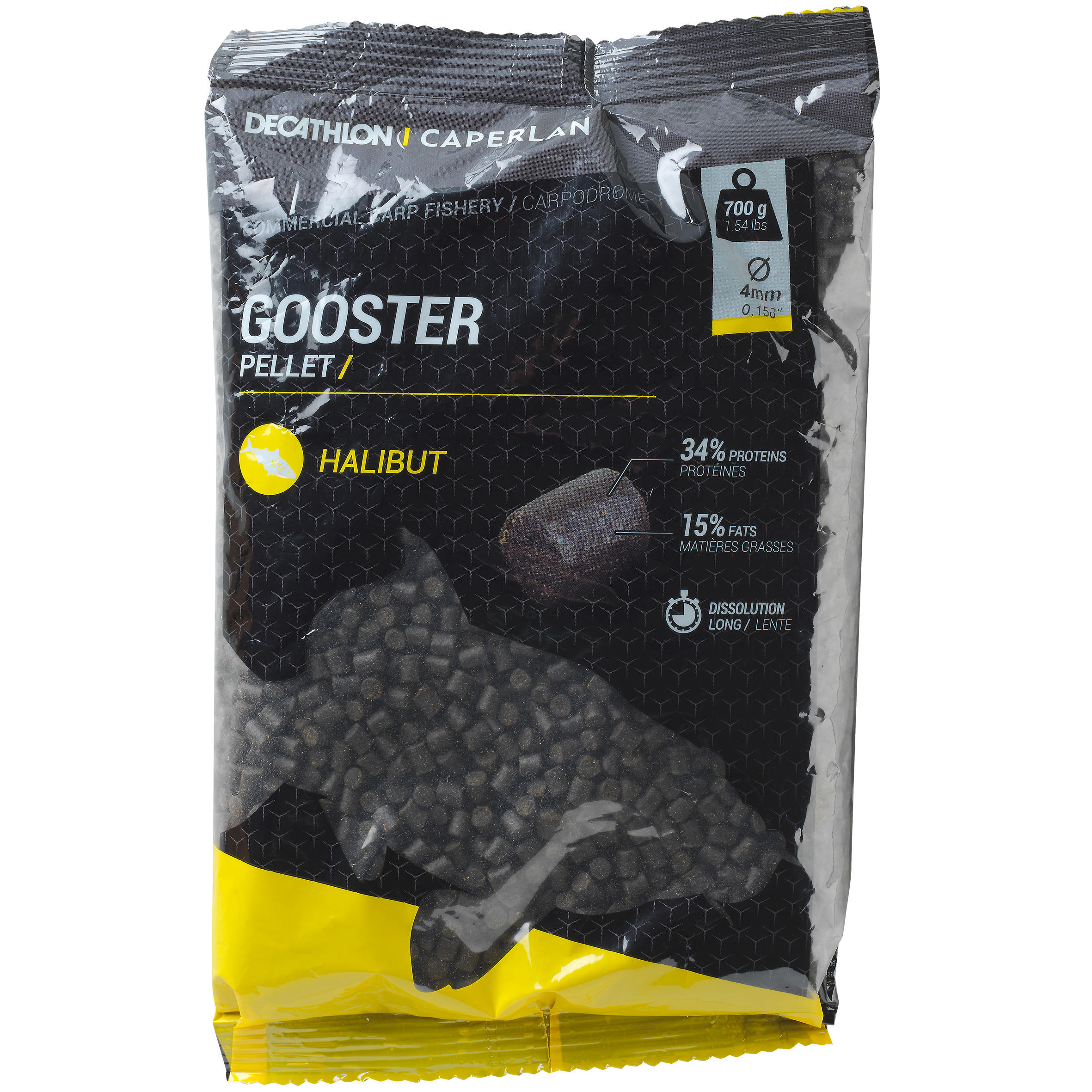
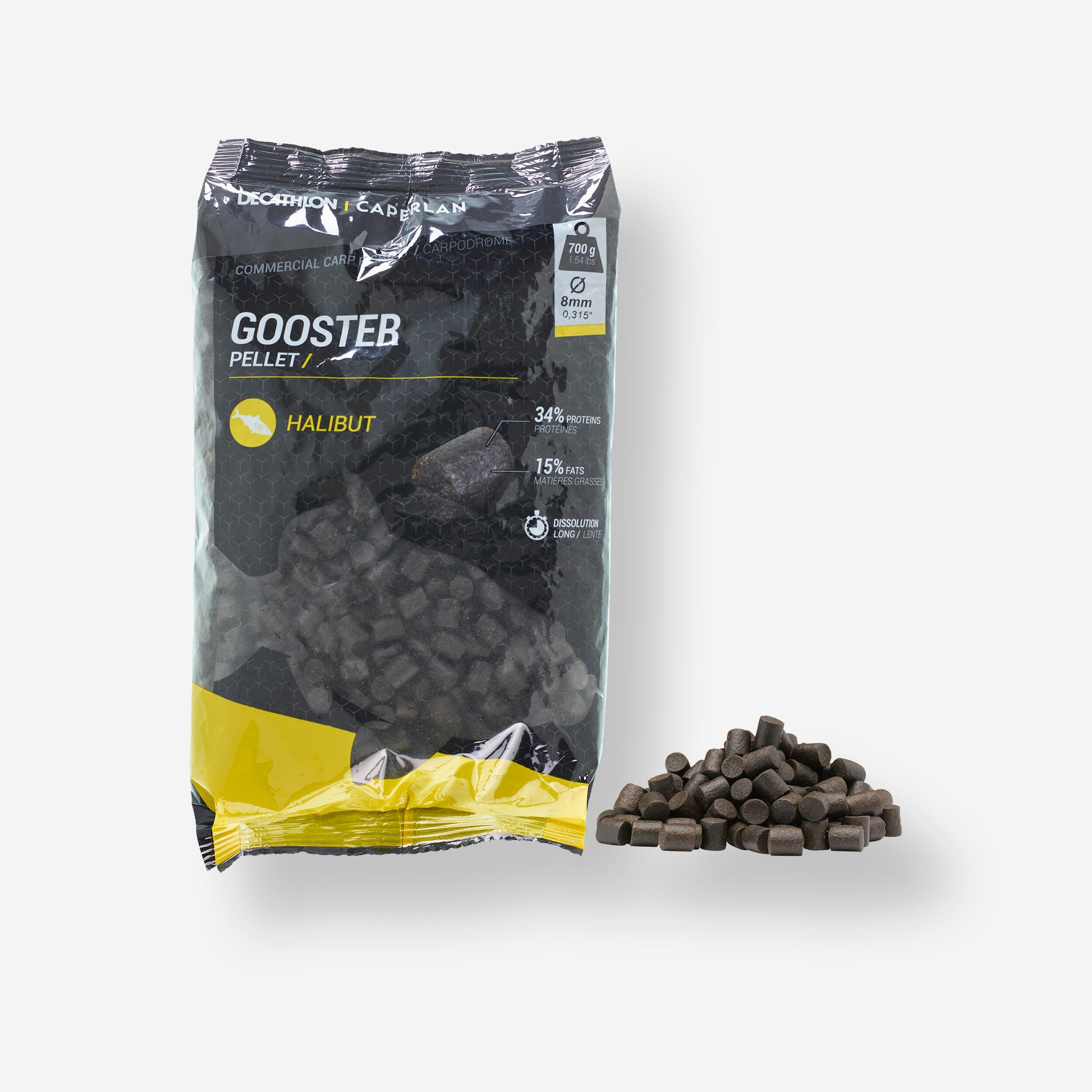
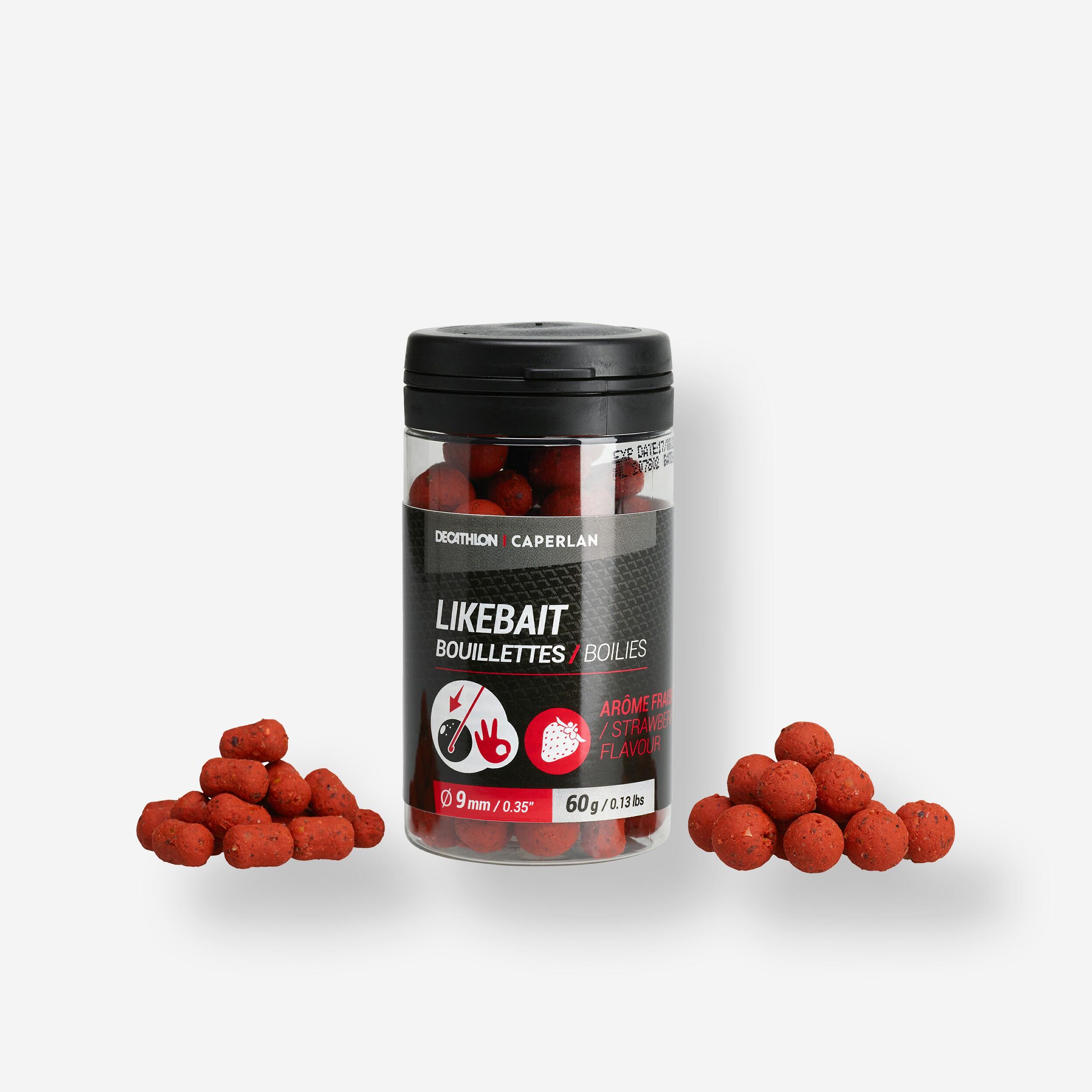
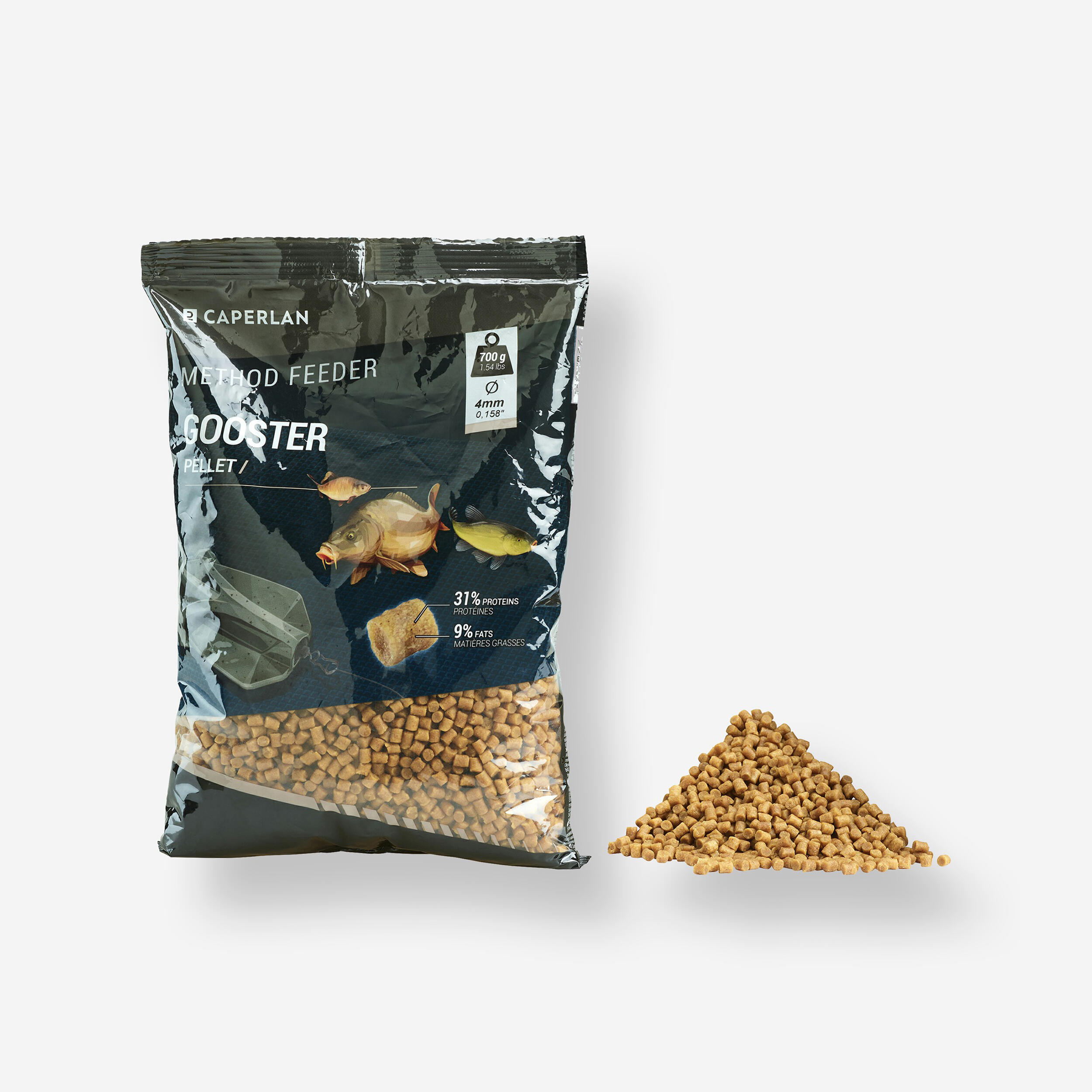
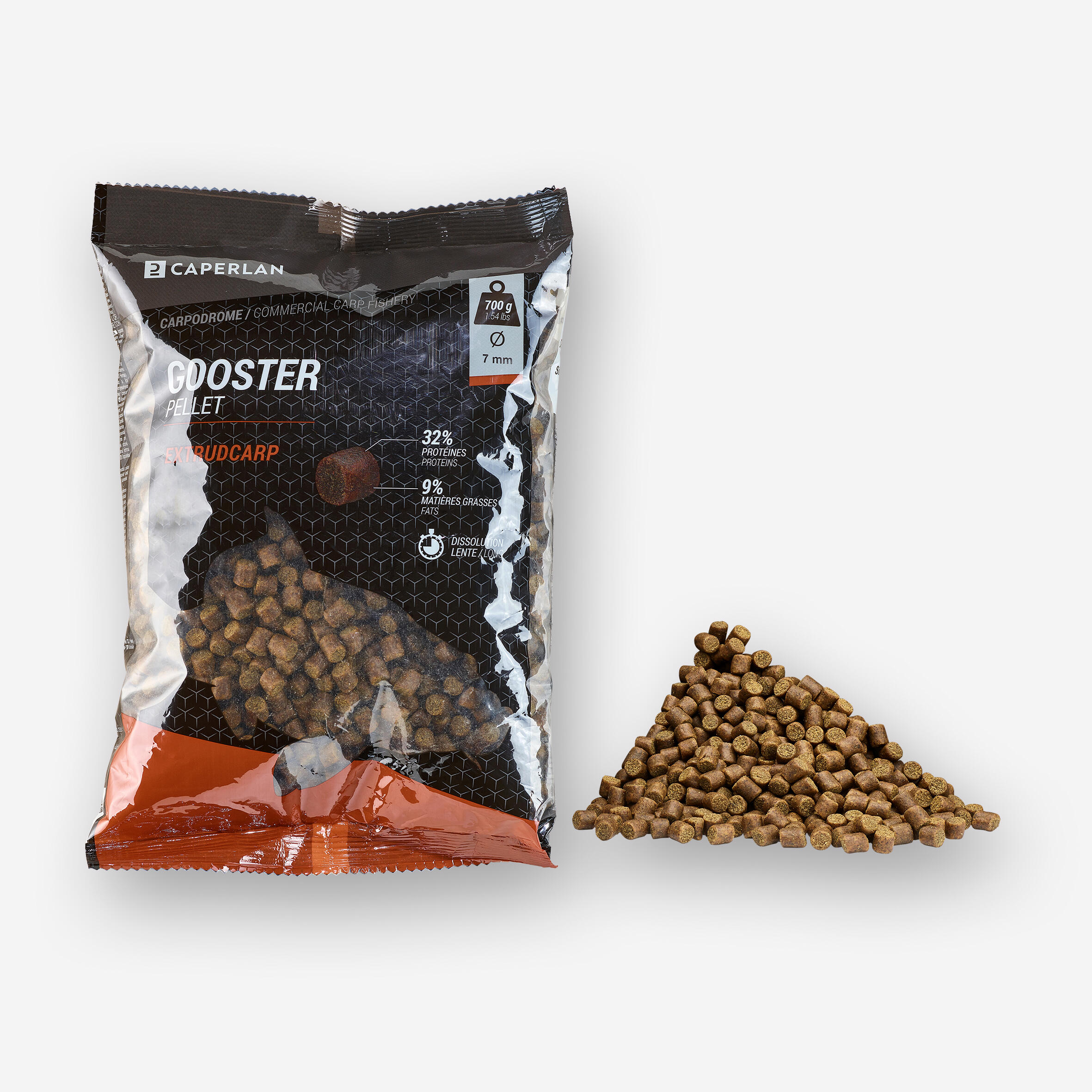
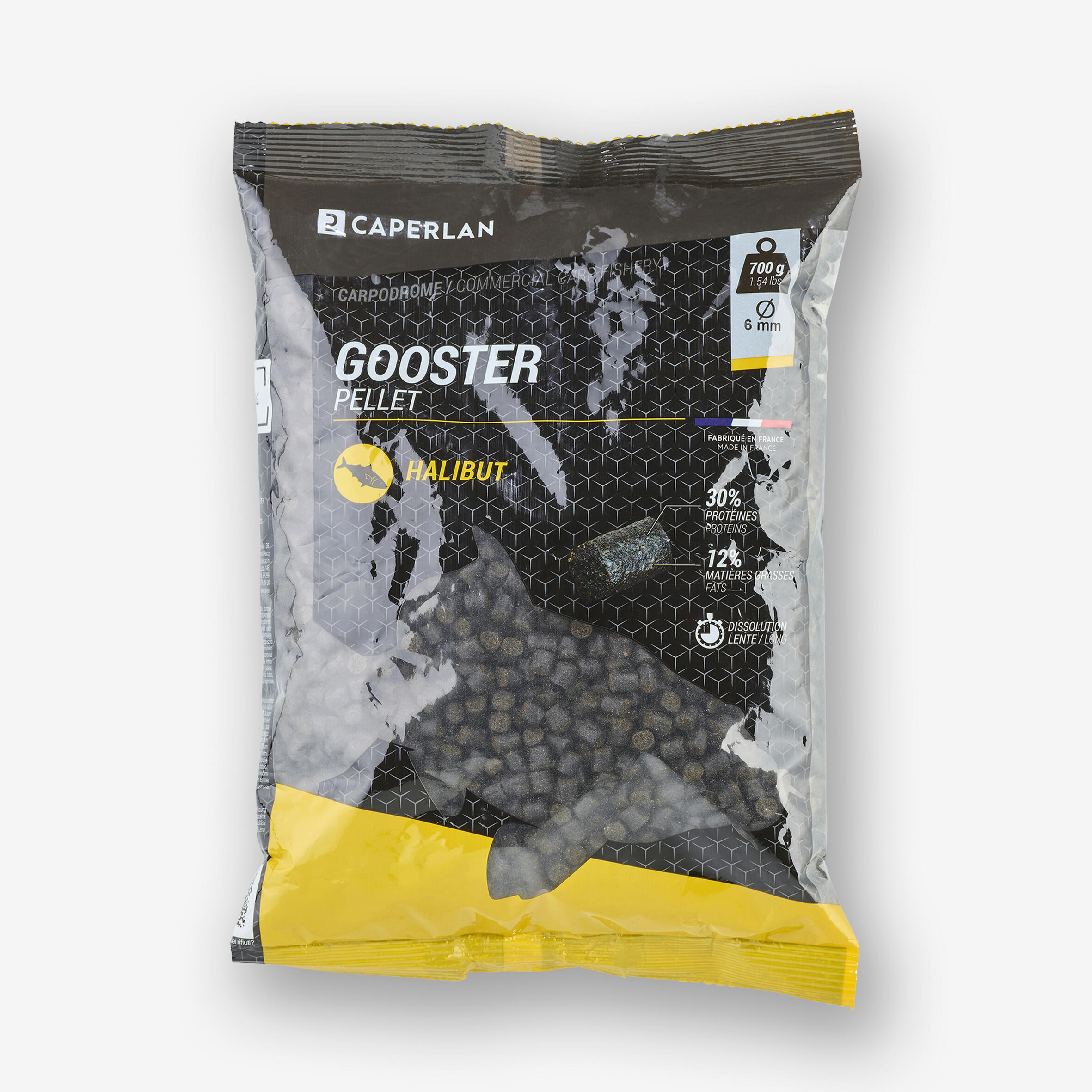
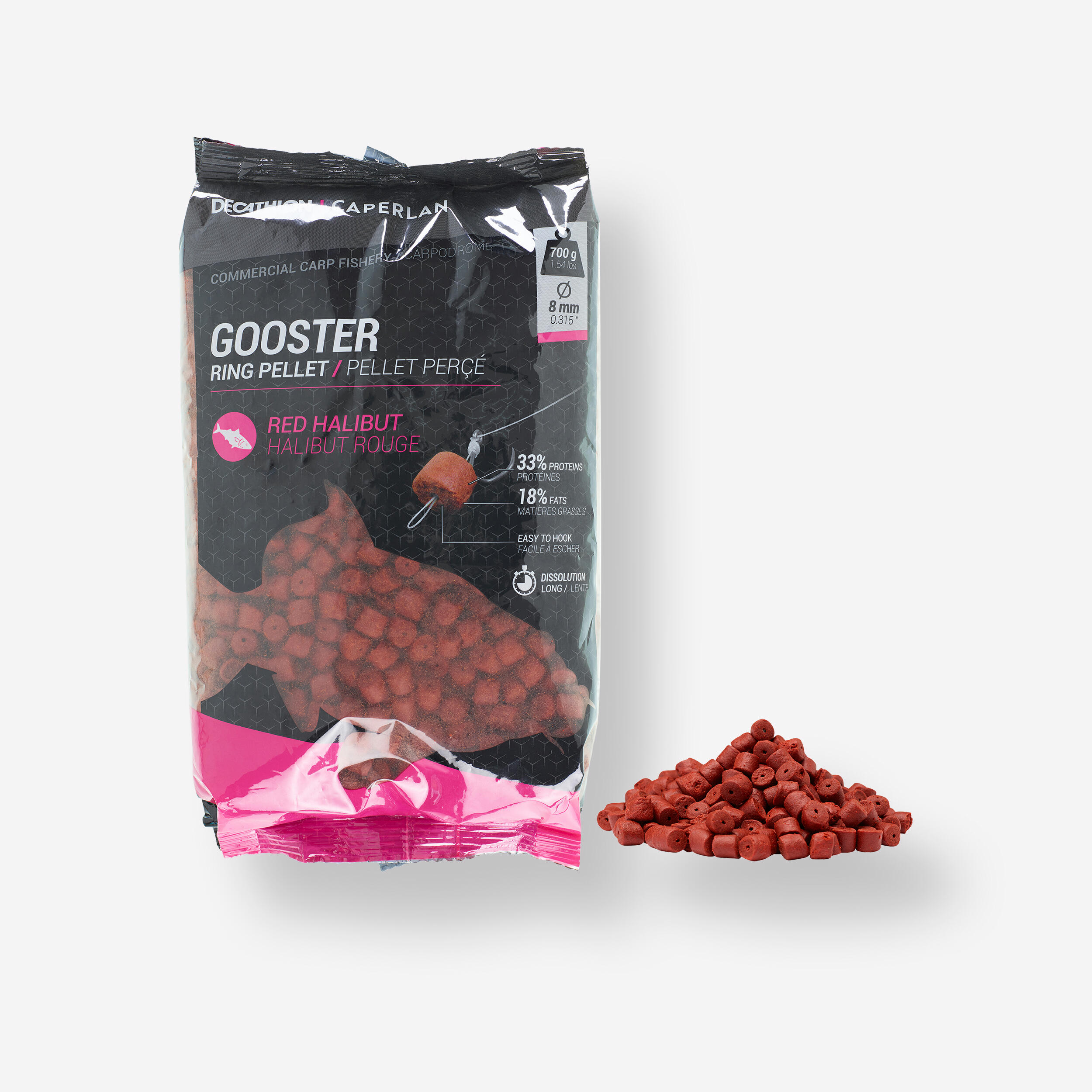
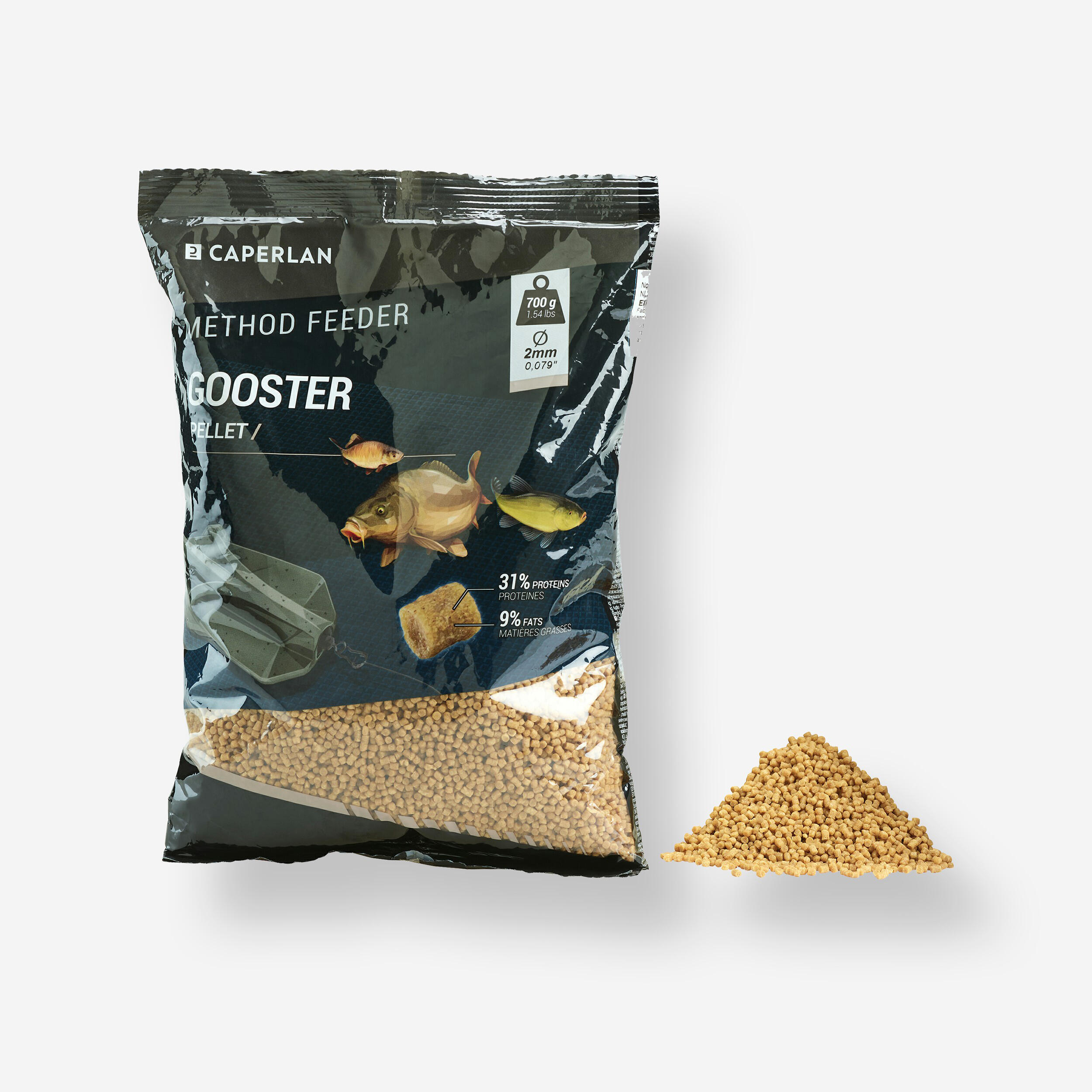
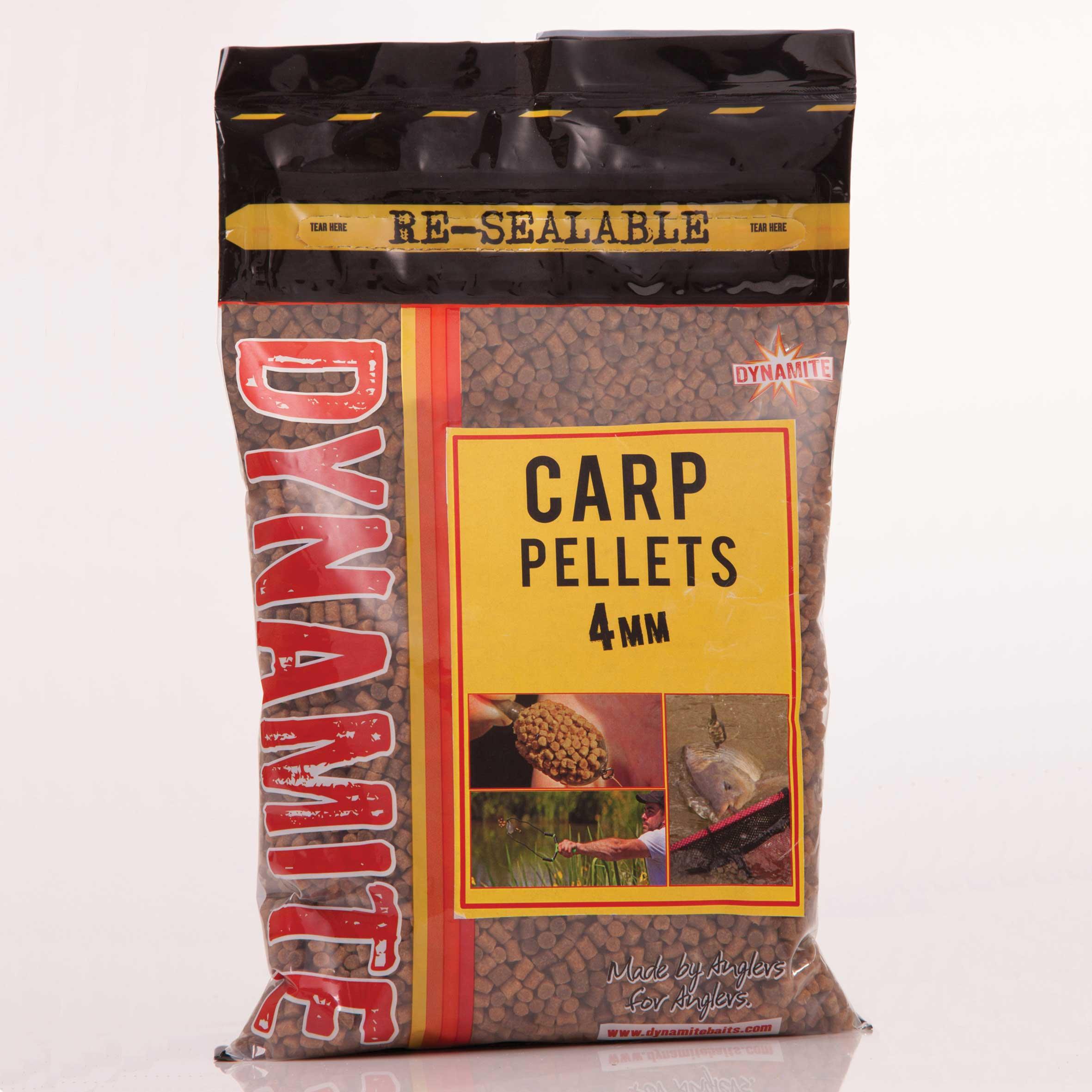
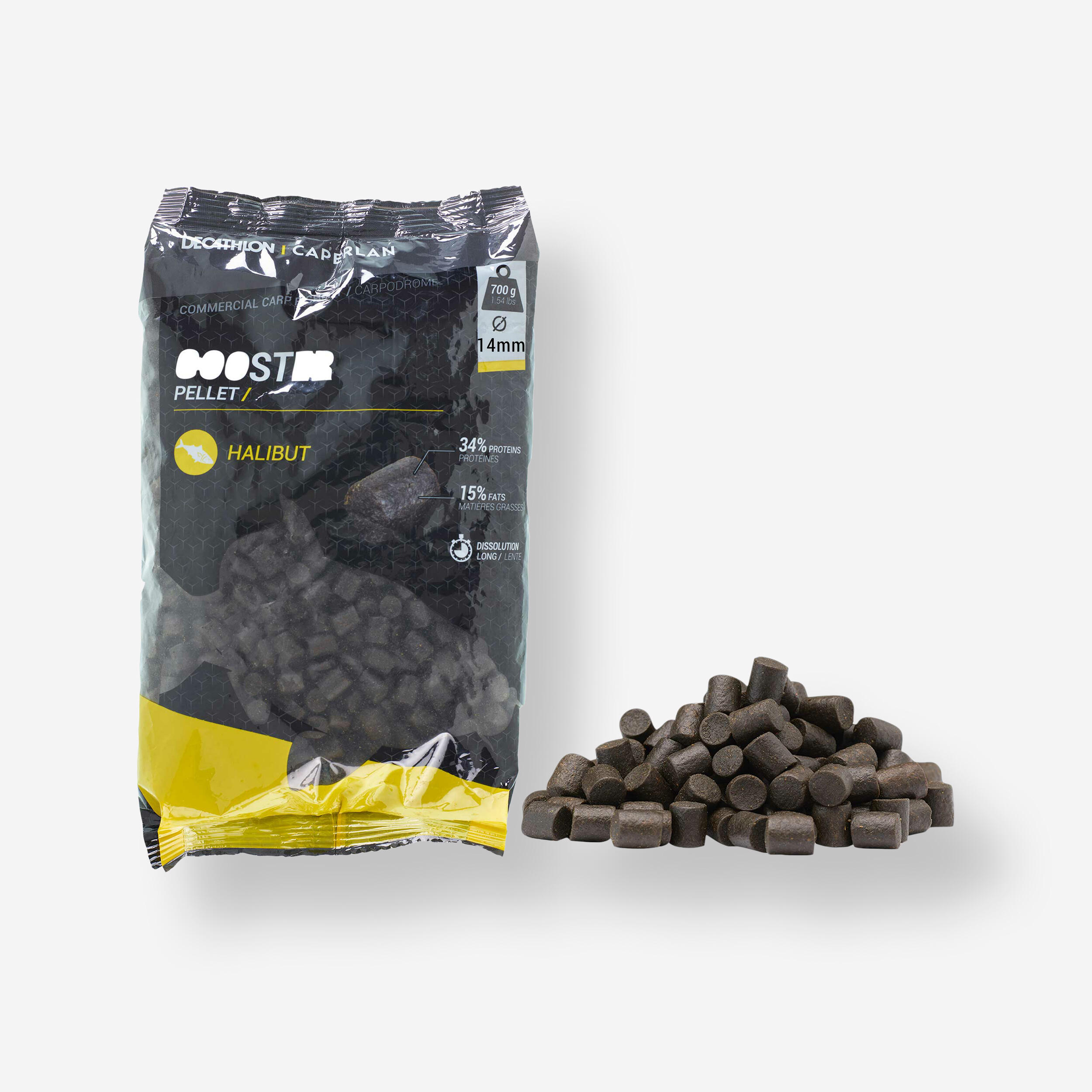
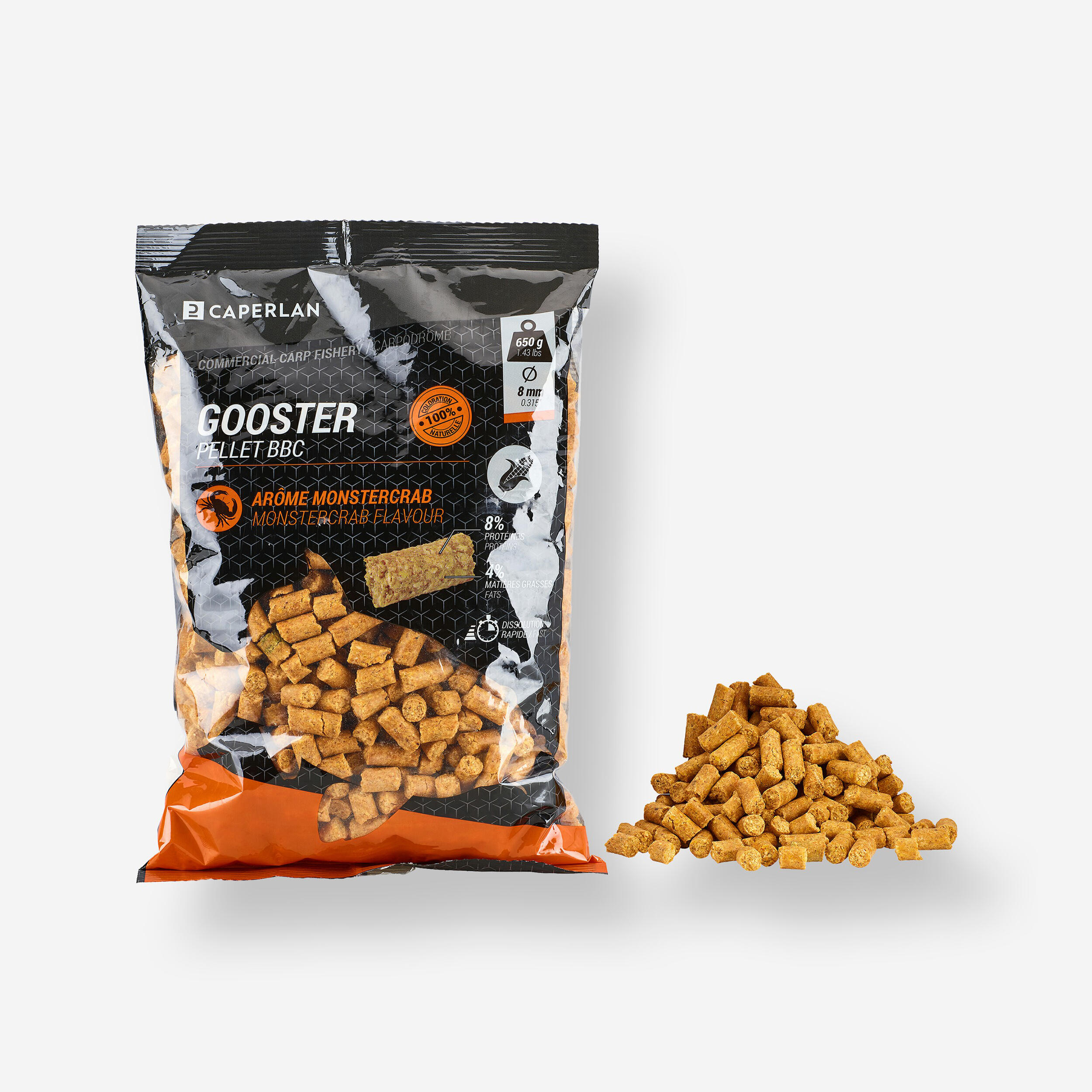
Method pellets need enough moisture to bind together during the cast without becoming a wet paste that struggles to release after landing. Caperlan recommends soaking its method pellets for about five minutes, draining off the water, then leaving them to rest for roughly 15 minutes. This gives the pellets time to soften and develop the required surface stickiness. The 4 mm pellet feeder baits include fish and krill ingredients and are prepared specifically for method-feeder use. If you add a liquid attractant, use it carefully because excess liquid can weaken the pellet binding. Test a loaded feeder beside the bank first: the pellets should withstand handling and casting pressure but still release once submerged.

What storage conditions help protect opened feeder baits?

Dry storage helps preserve the texture and ingredients that determine how feeder bait mixes during your next session. Close partly used bags carefully, keep them away from damp tackle and check the best-before information before preparing older bait. Selected Caperlan GOOSTER packs use Clip'&'Cut packaging so you can open and reseal the bag neatly, which also helps reduce loose groundbait during transport. Pellets should stay dry until you intentionally soak them, as accidental moisture can make sections of the pack soften or bind unevenly. Keep different bait types separated when organising your wider coarse fishing equipment, and discard bait that has become damp, stale or noticeably changed in condition. Preparing fresh, consistently stored bait makes it easier to reproduce the same feeder texture from one trip to the next.