138 items
4.6/5 based on 8076 reviews collected online and in stores

Feeder Fishing FAQs

What feeder rod and quiver tip work best for different fishing conditions?

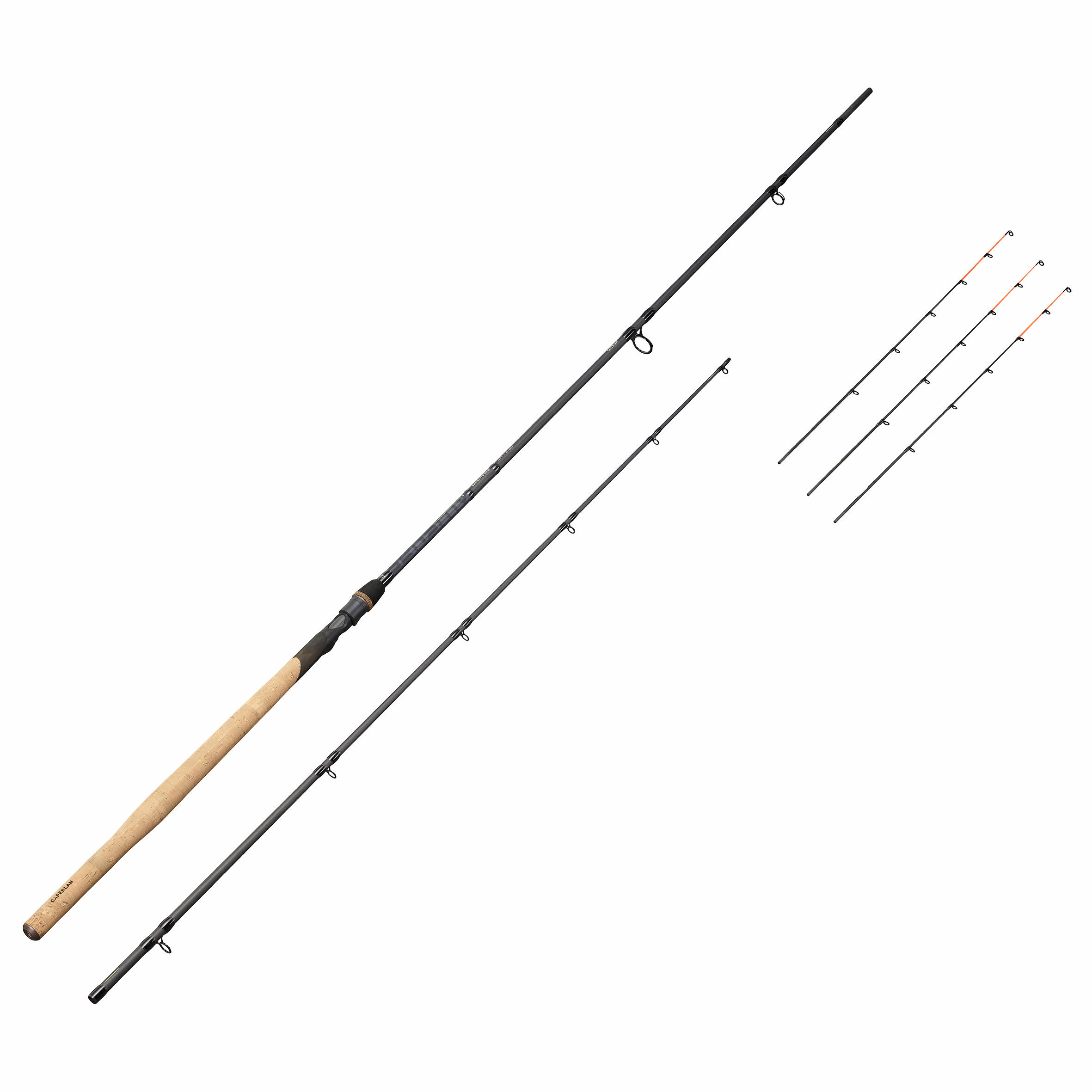
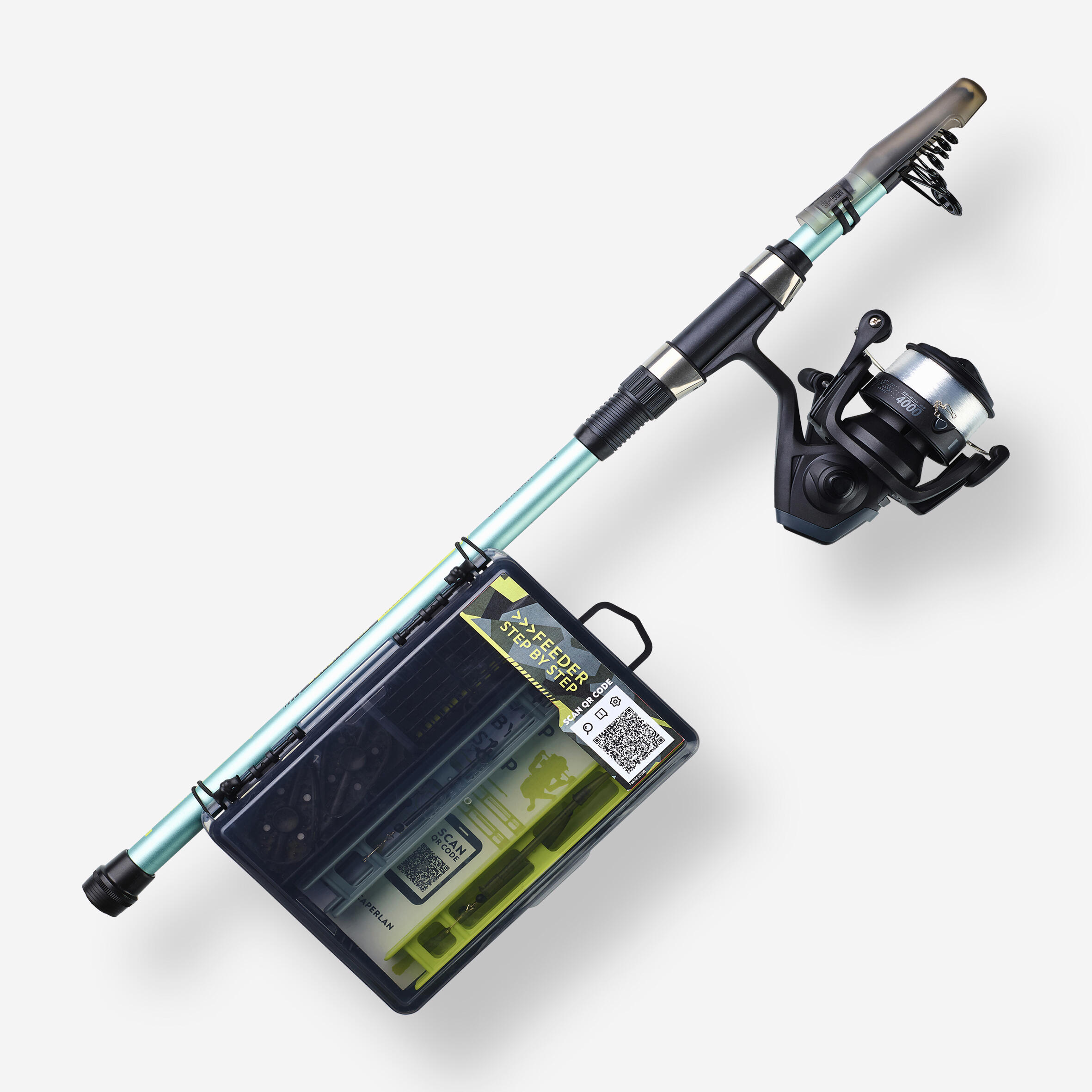
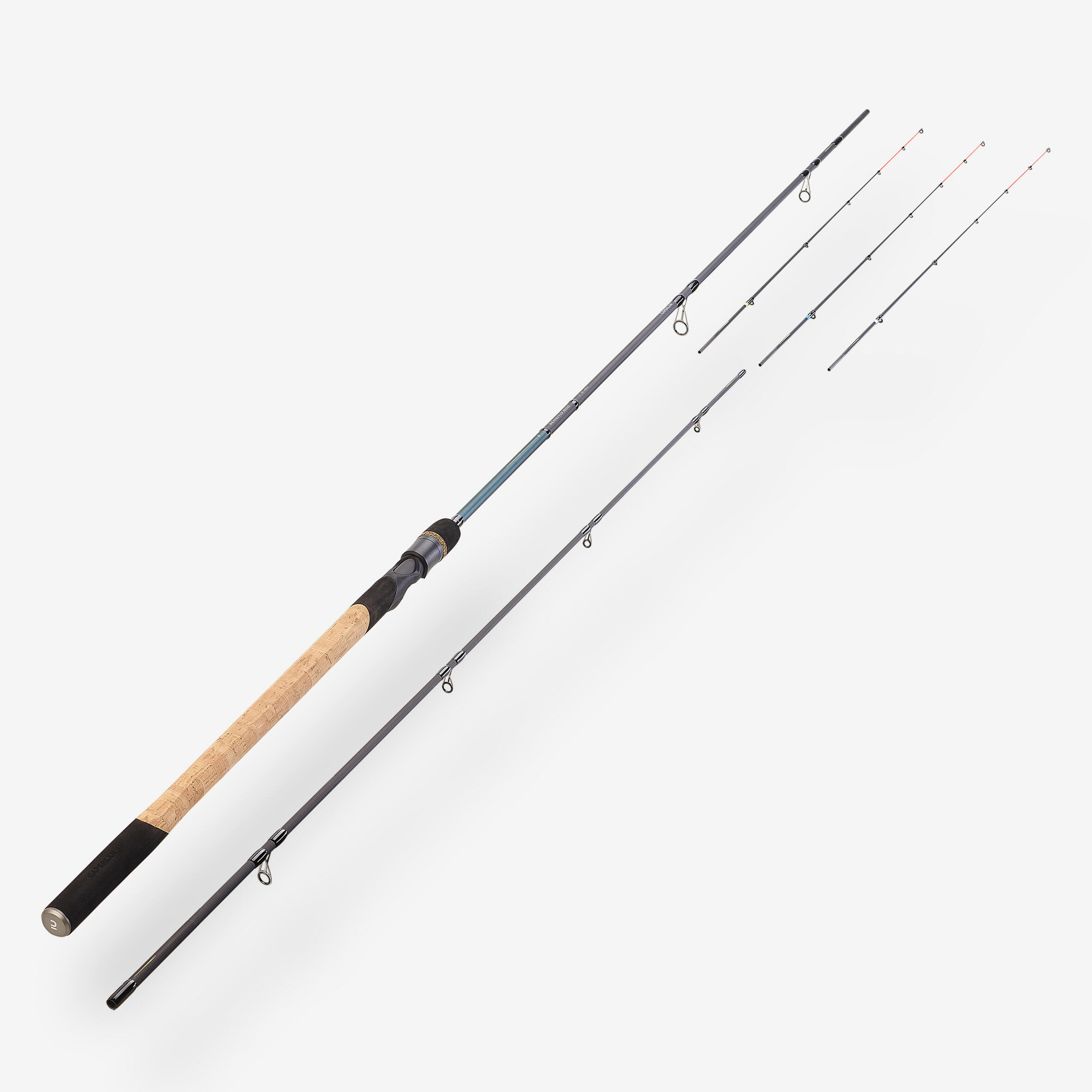
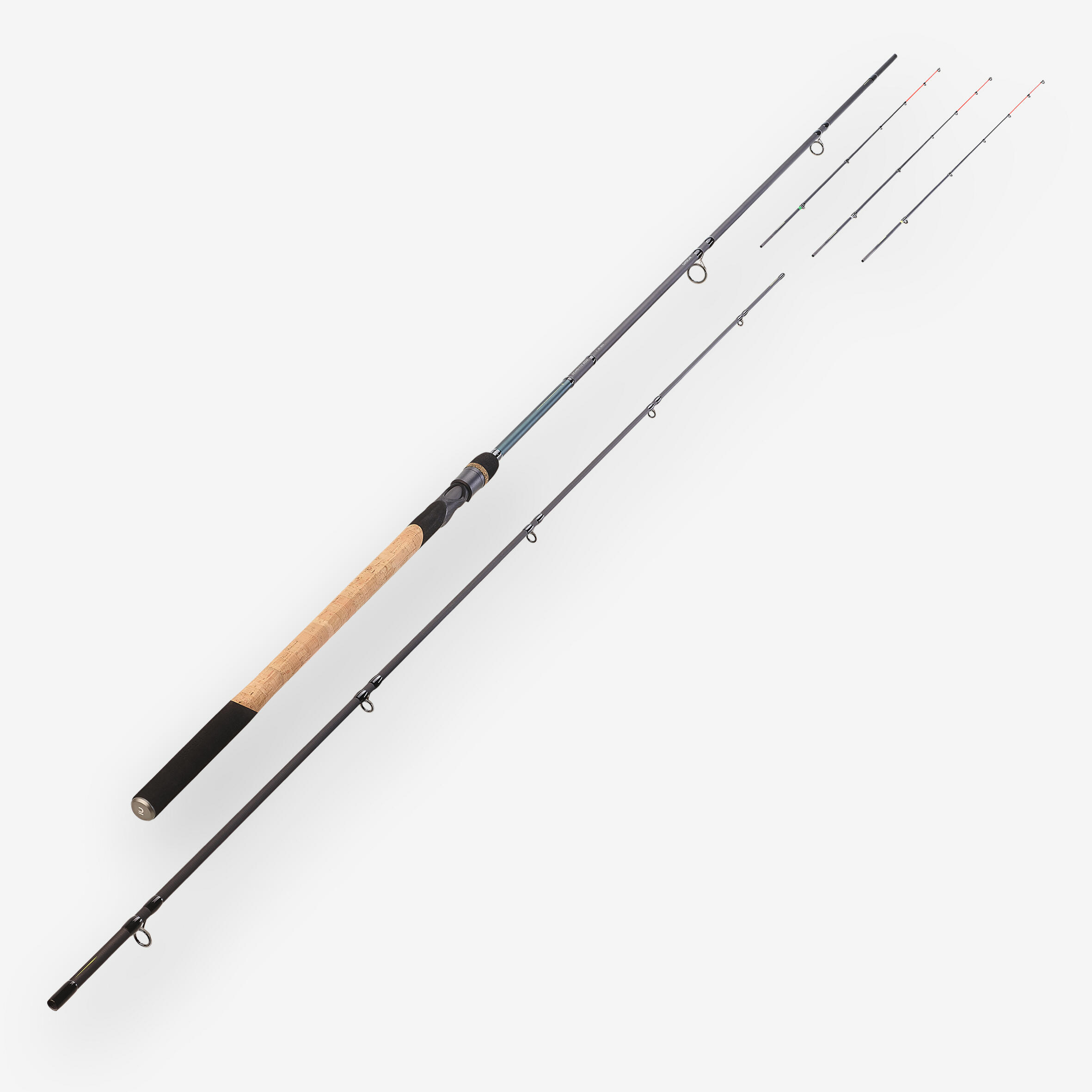
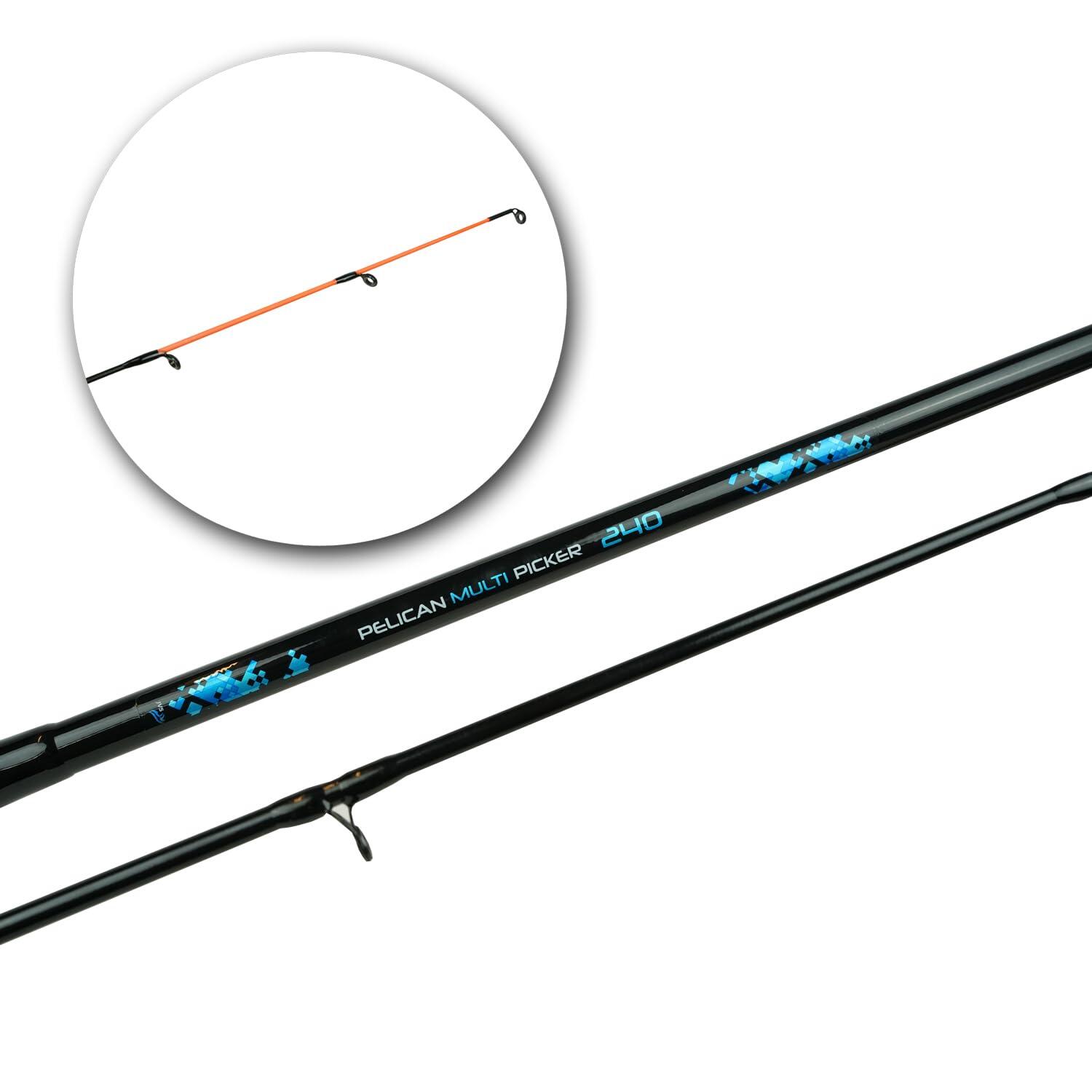
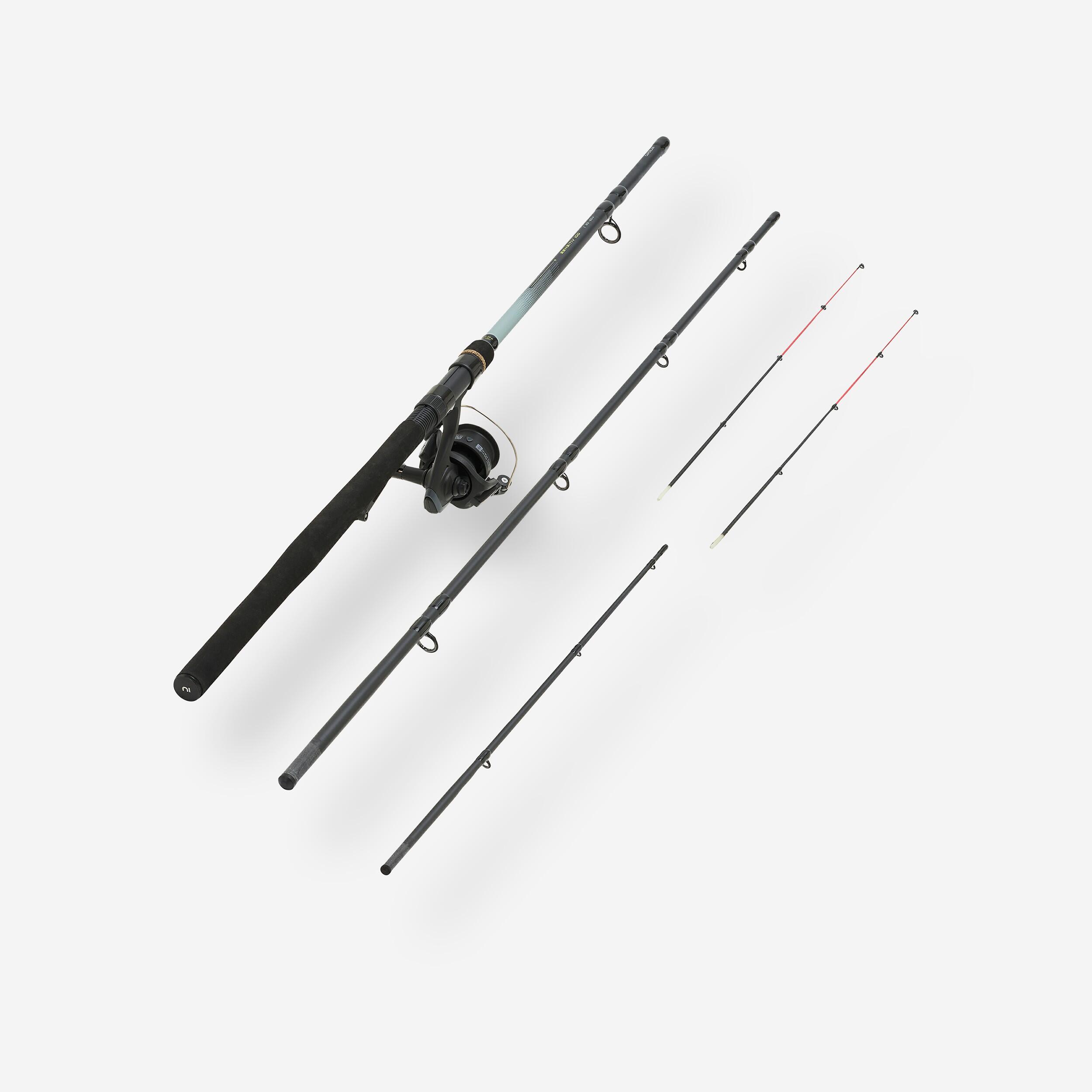
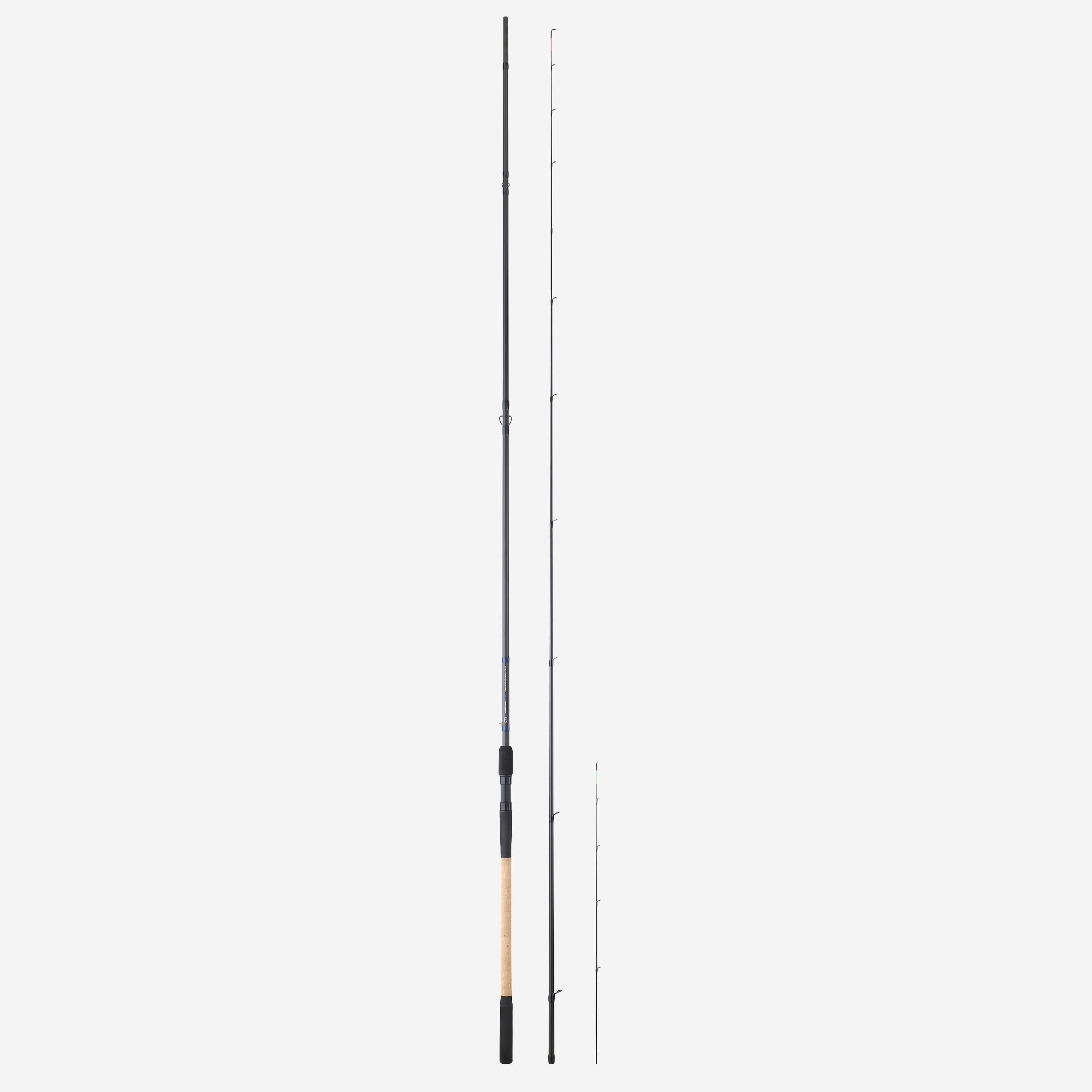
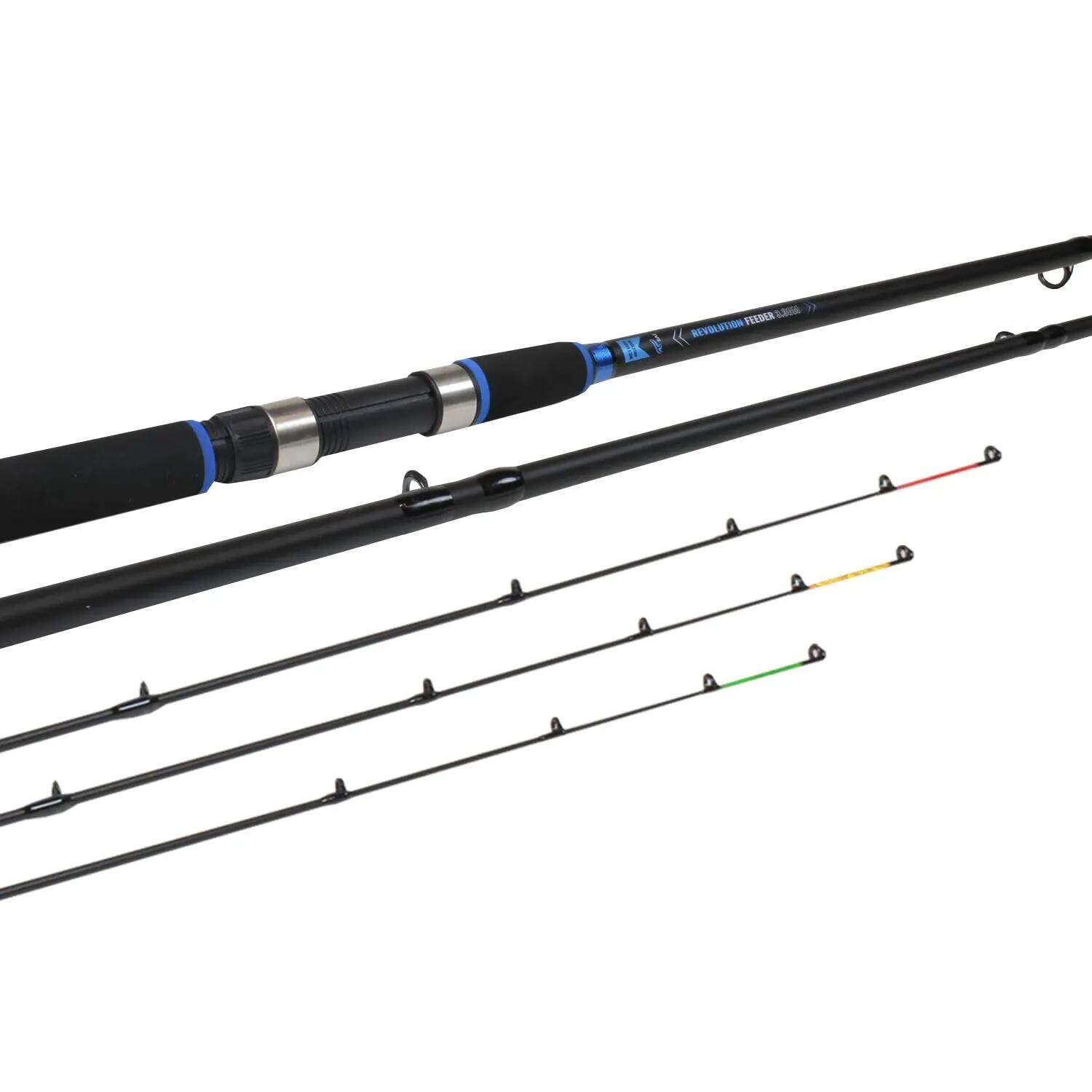
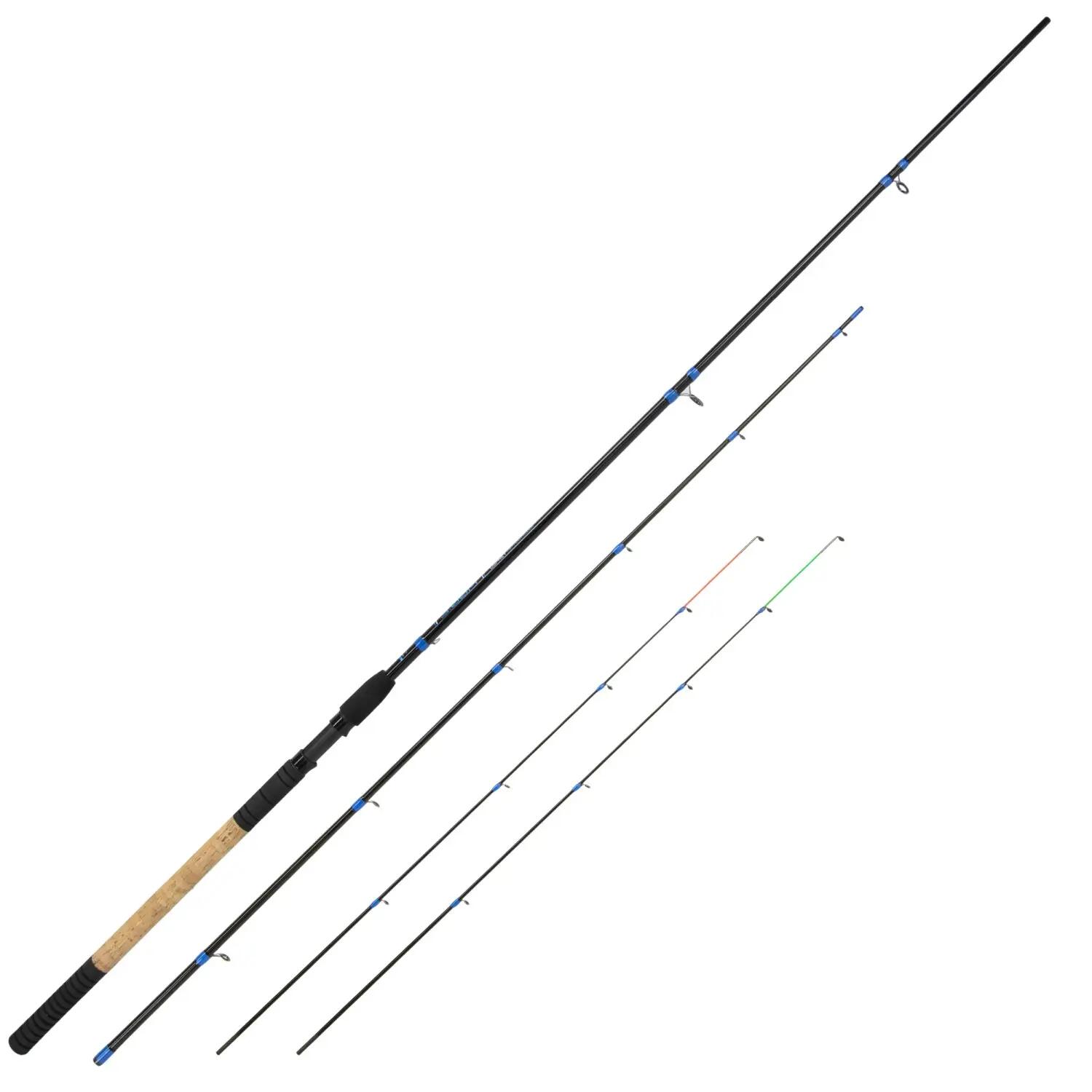
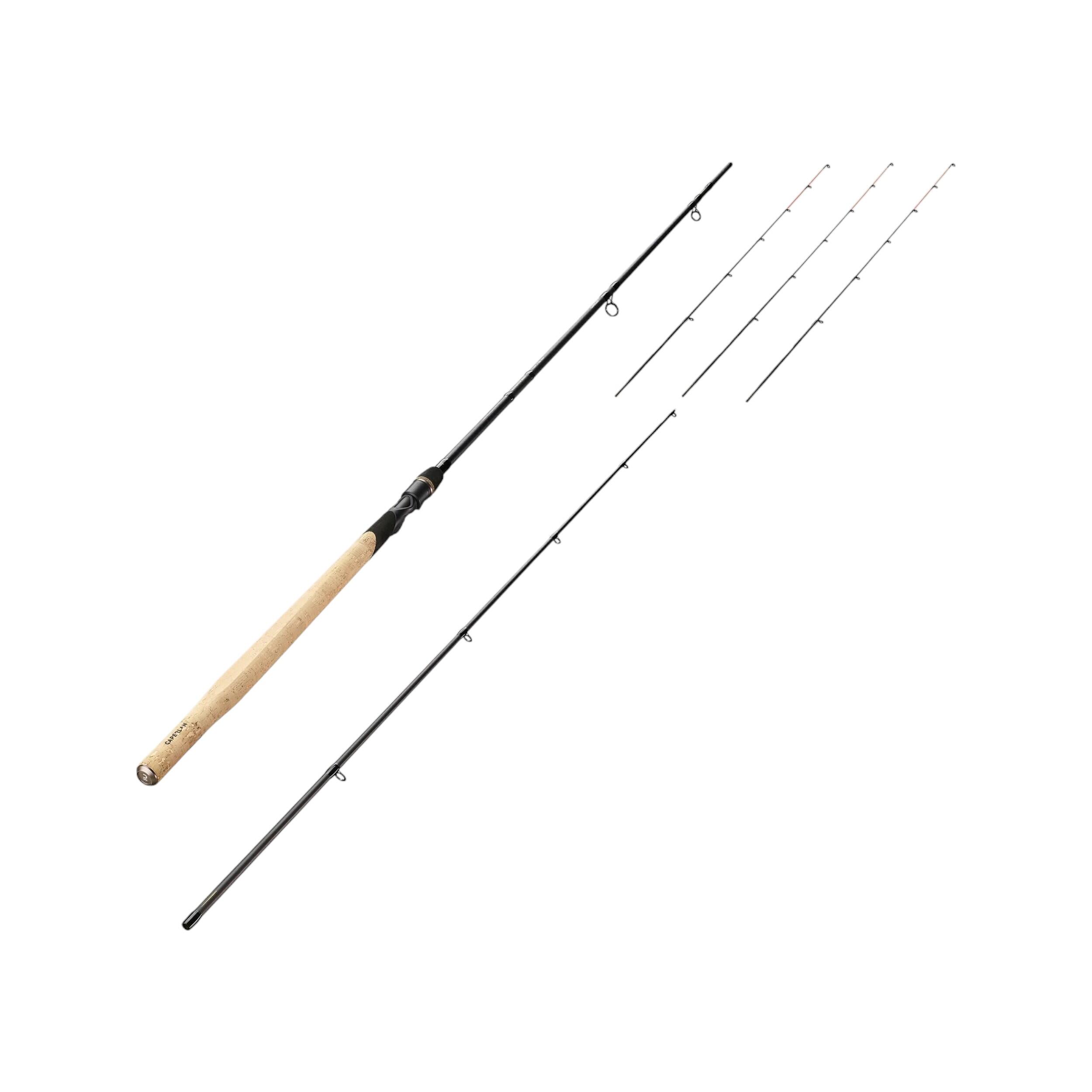
A feeder rod needs to cast the loaded feeder accurately while giving you a clear indication when a fish takes the bait. Caperlan Sensitiv rods use interchangeable quiver tips so you can adapt bite detection to the conditions. Softer fibreglass tips move readily when bites are delicate, although their flexibility can also make them react more to wind. Coloured tip sections help small movements stand out when you are watching the rod for long periods. Selected Sensitiv models store the spare tip inside the rod butt, protecting the delicate section during transport. When comparing feeder fishing rods and combos, also check the casting range against the feeder weights you plan to use rather than choosing length alone.
Which feeder reel works best for different fishing setups?

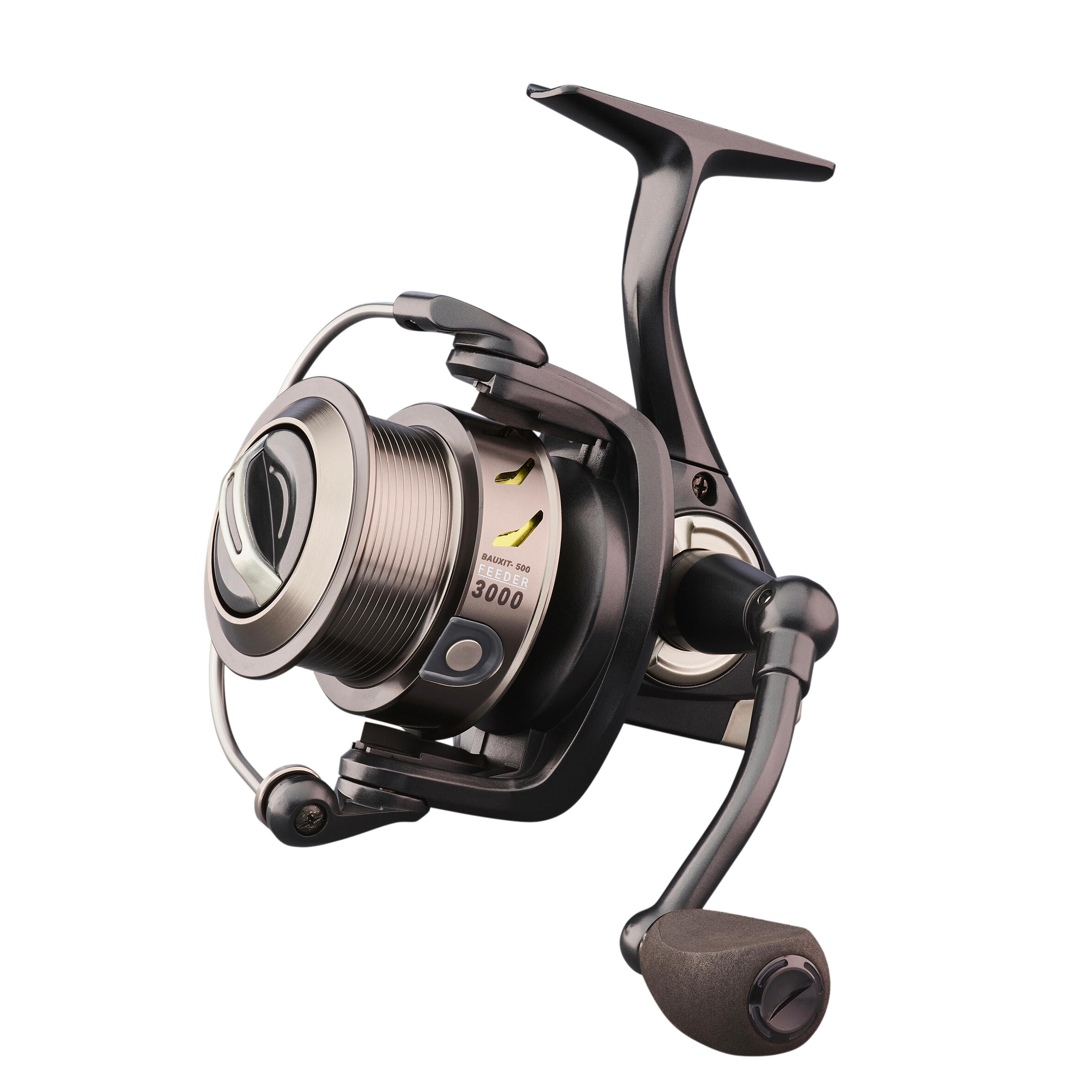
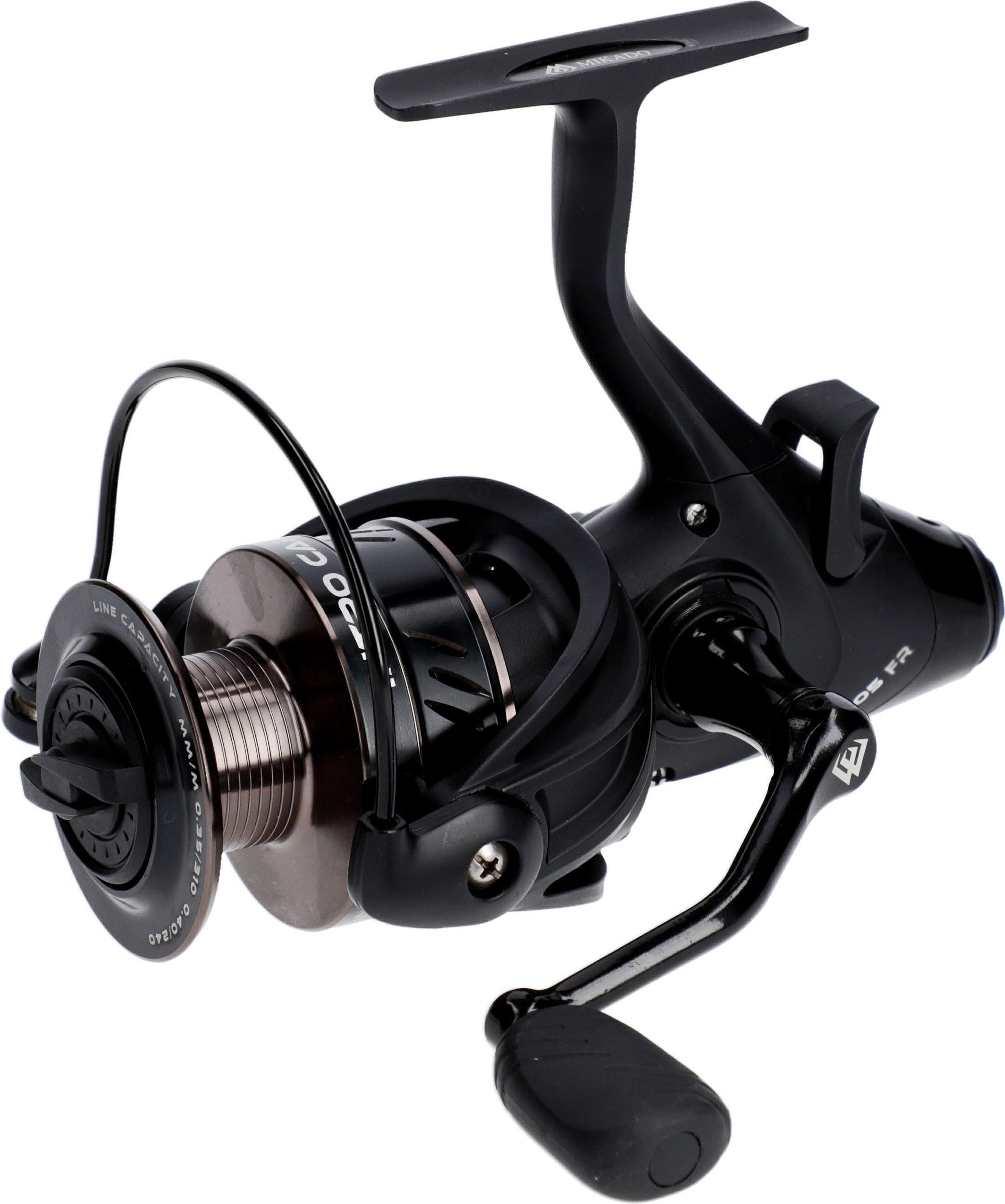
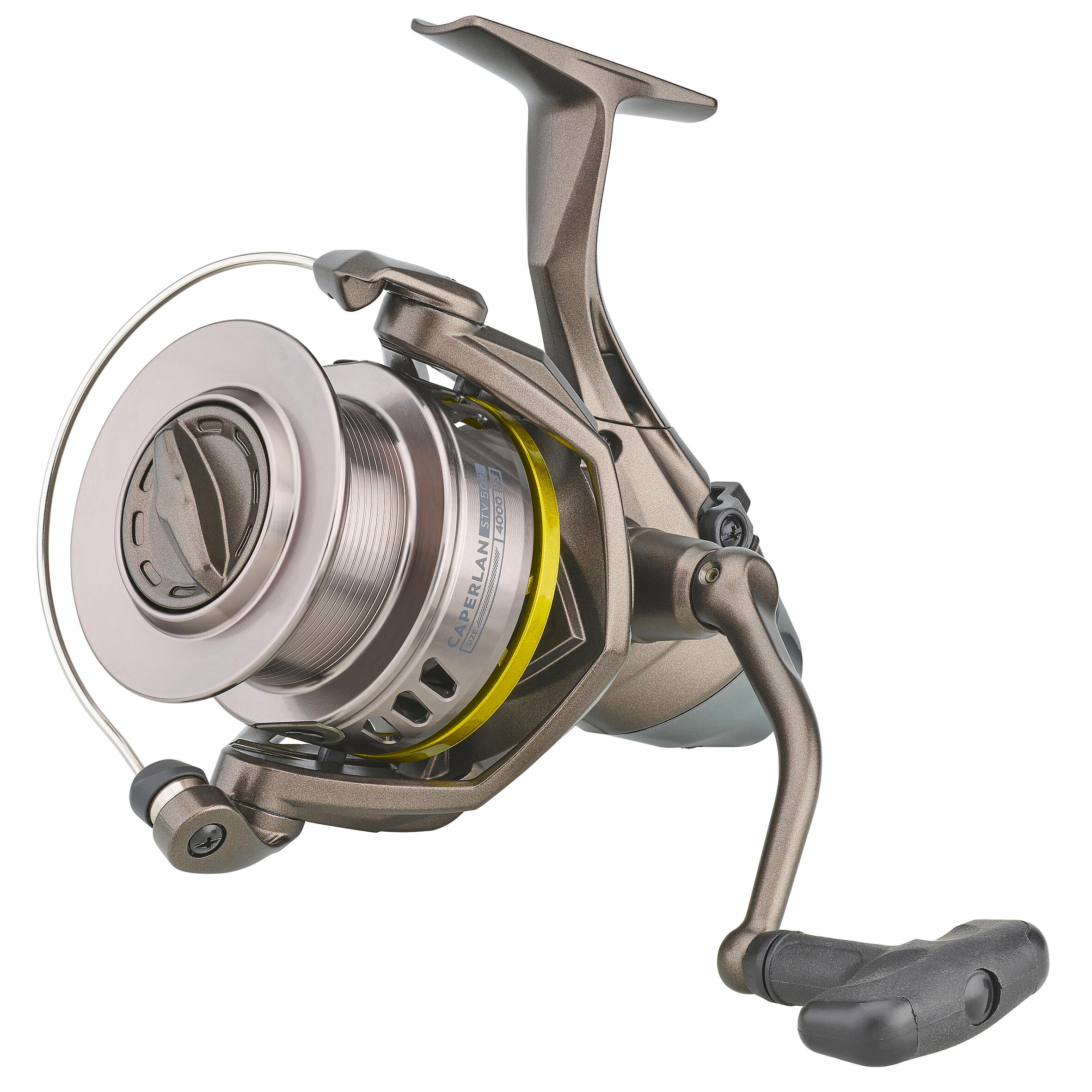
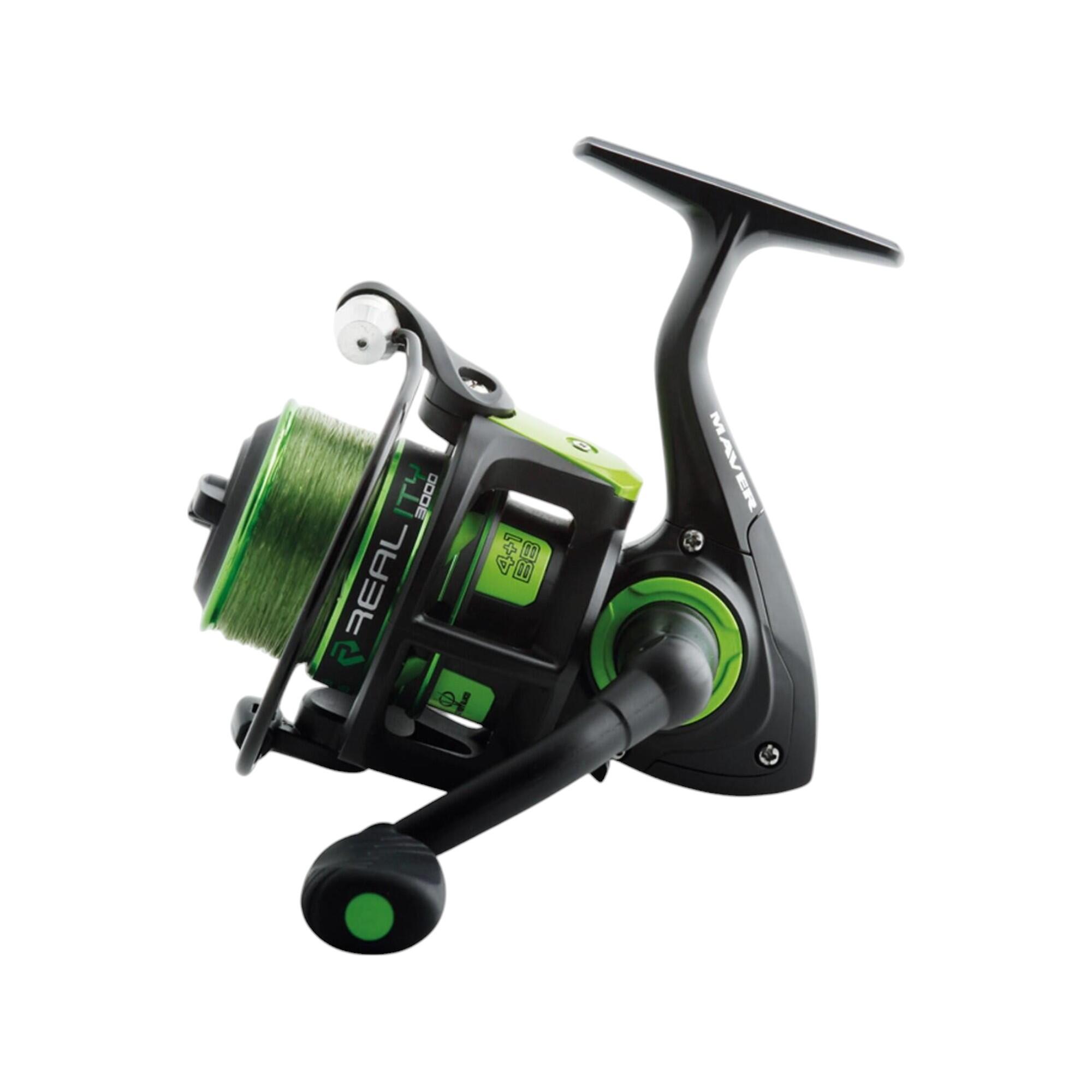
A suitable reel should balance the rod, hold enough line for the distances you expect to fish and provide controlled line retrieval after each cast. Feeder fishing often involves repeated casting to the same area, so smooth line management matters as much as reel size. Caperlan feeder setups include reels designed to work with Sensitiv rods, and selected beginner kits arrive pre-spooled, so you need less prep before the first session. Considering looking at coarse fishing reels, consider the rod length, casting distance and feeder weight together. A reel that feels proportionate to the rod helps keep the setup comfortable during repeated casts and gives you better control when winding a loaded feeder back from the swim.

What is the difference between cage feeder and method feeder bait?

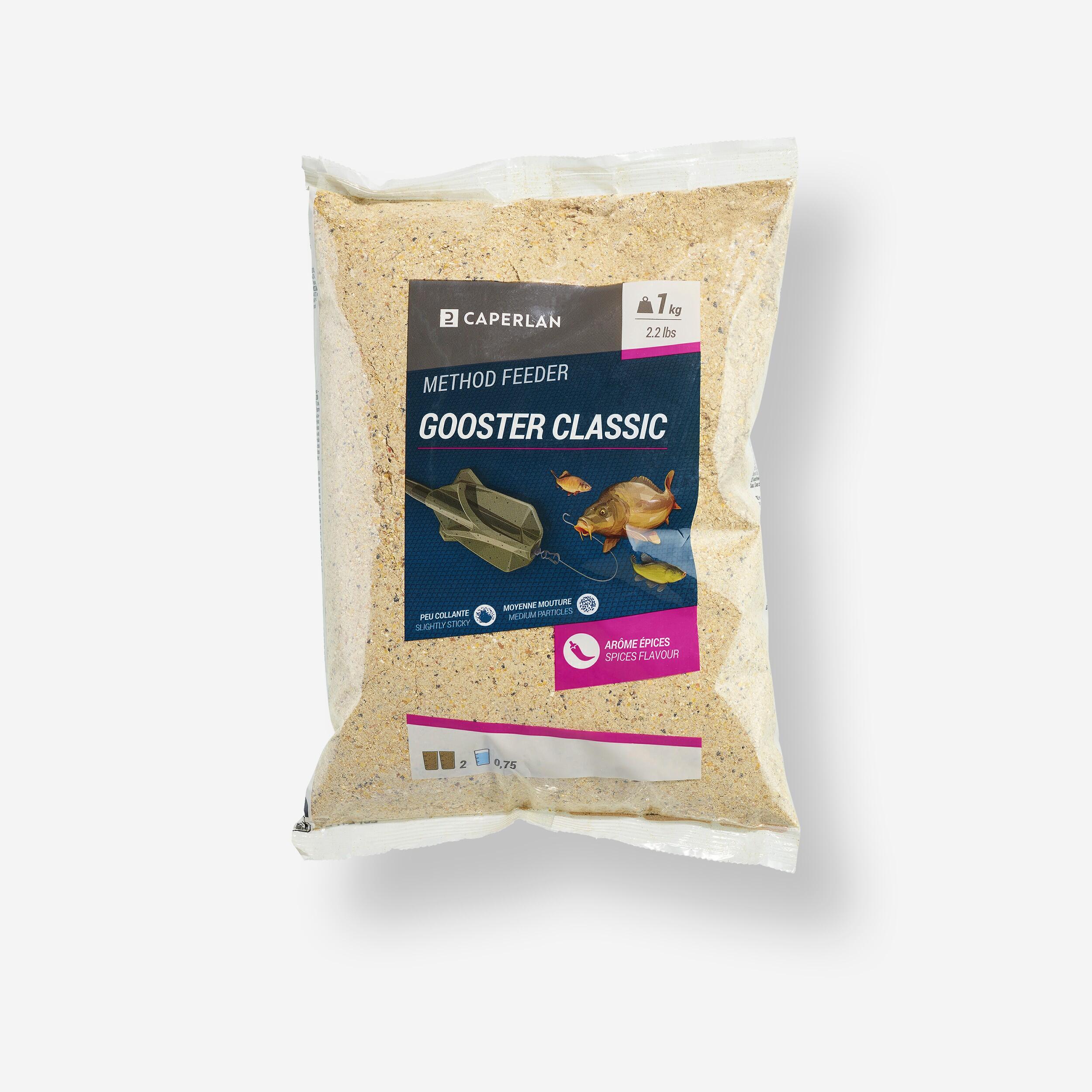
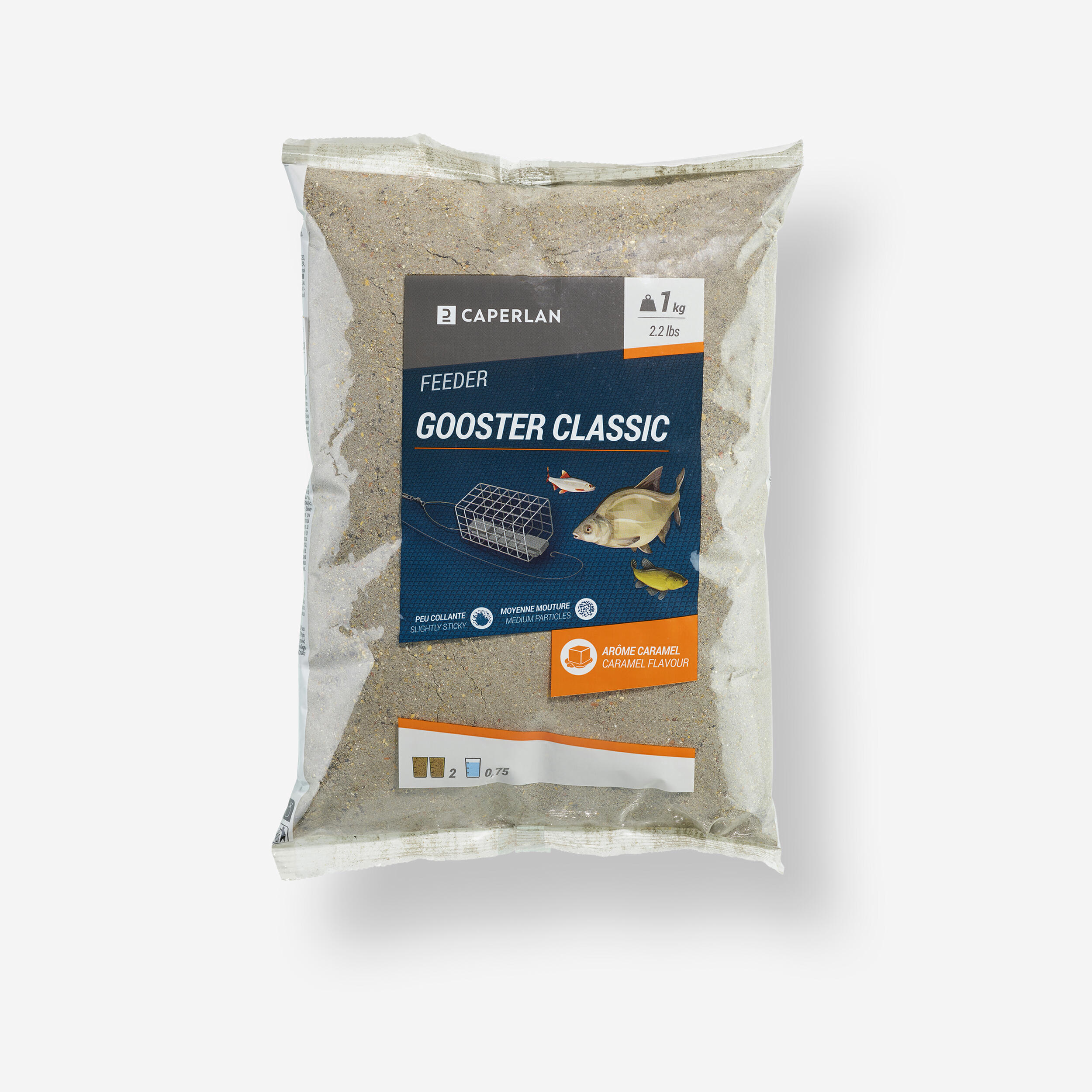
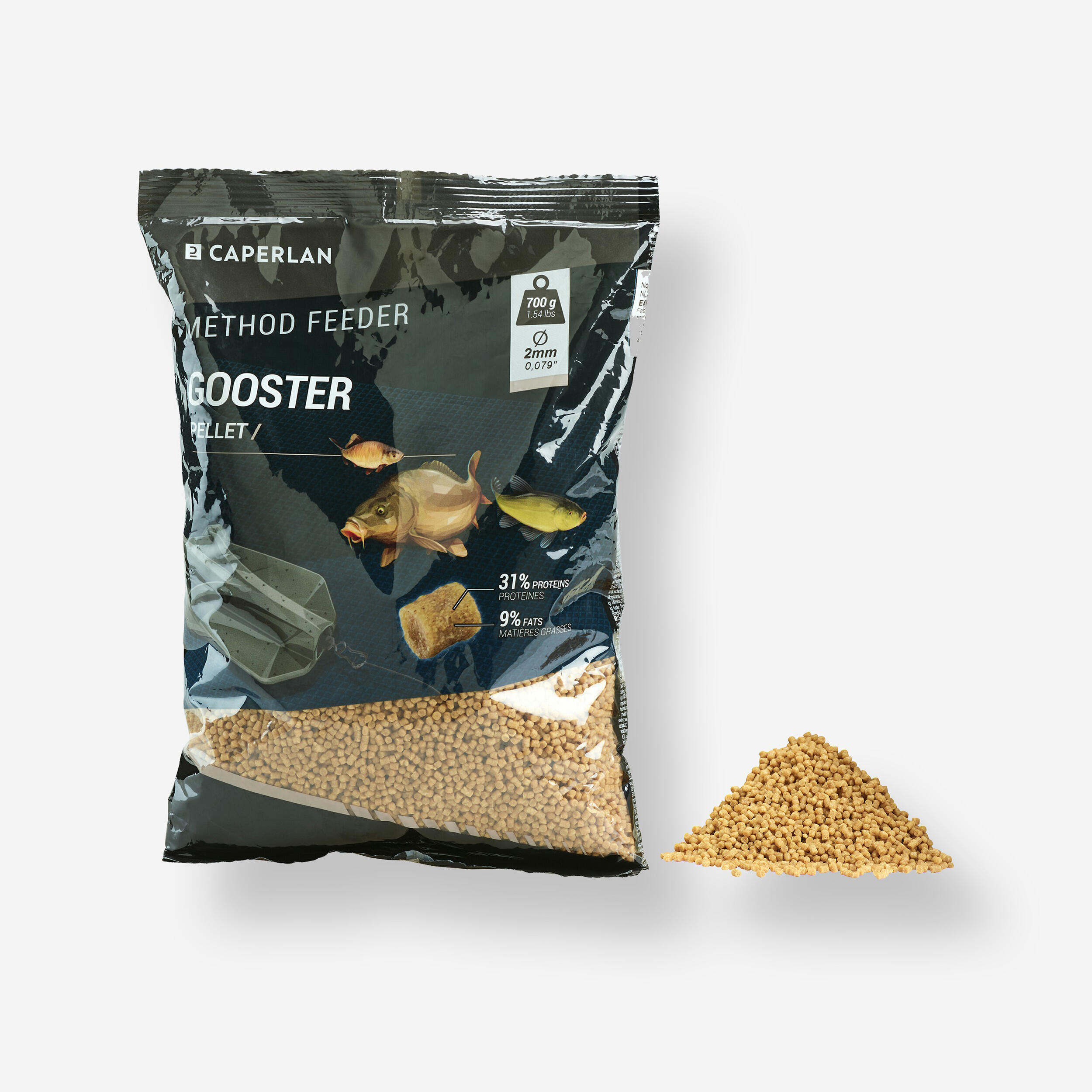
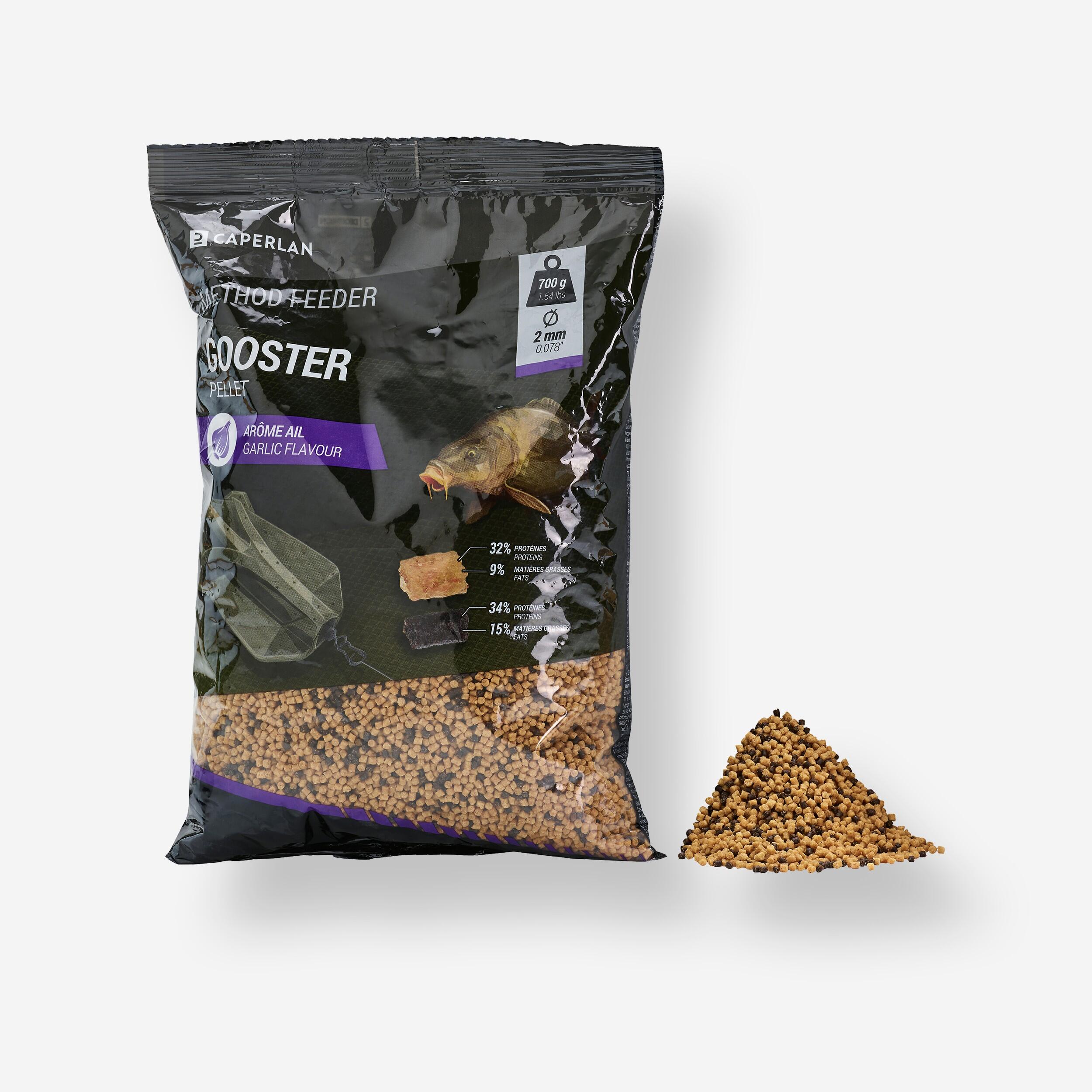
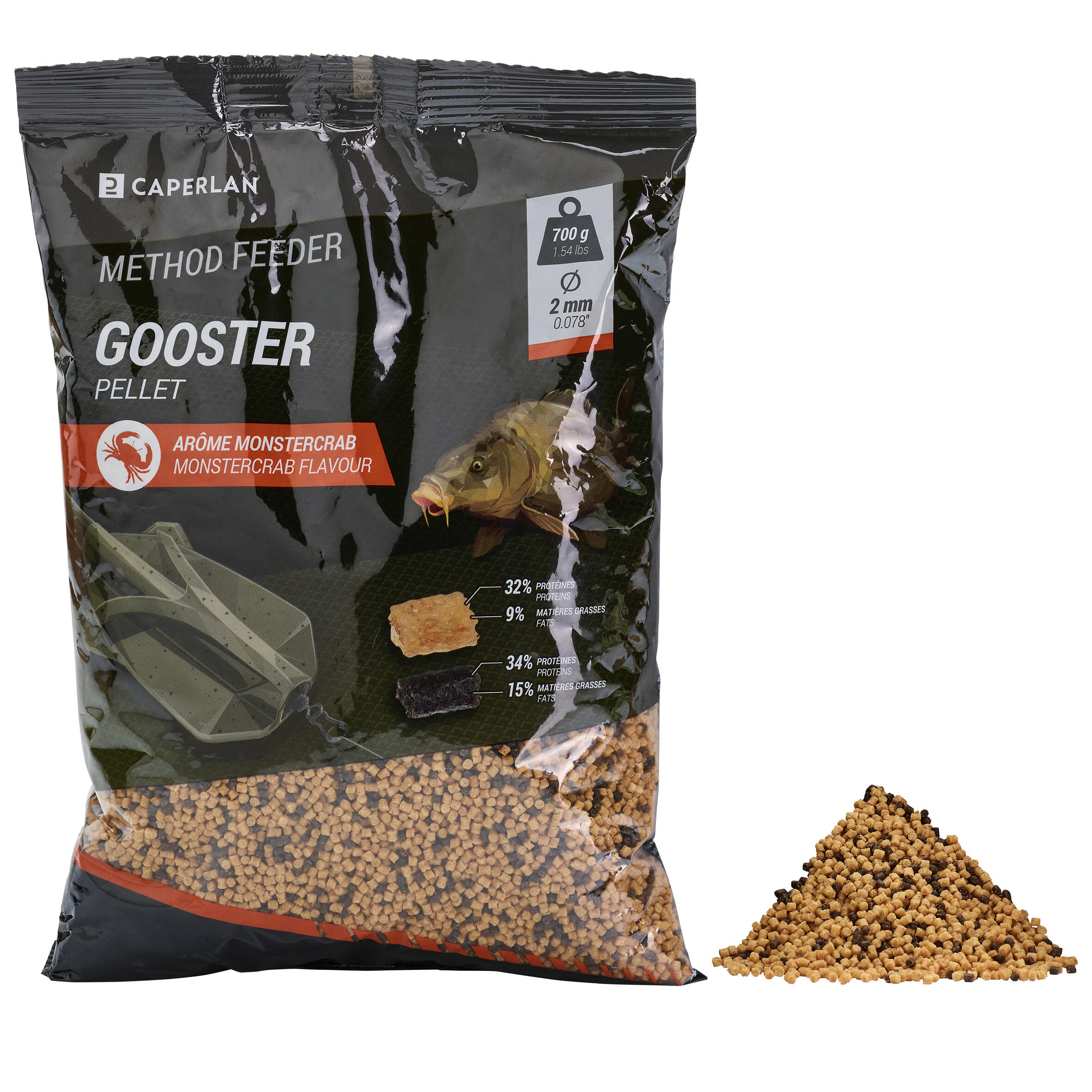
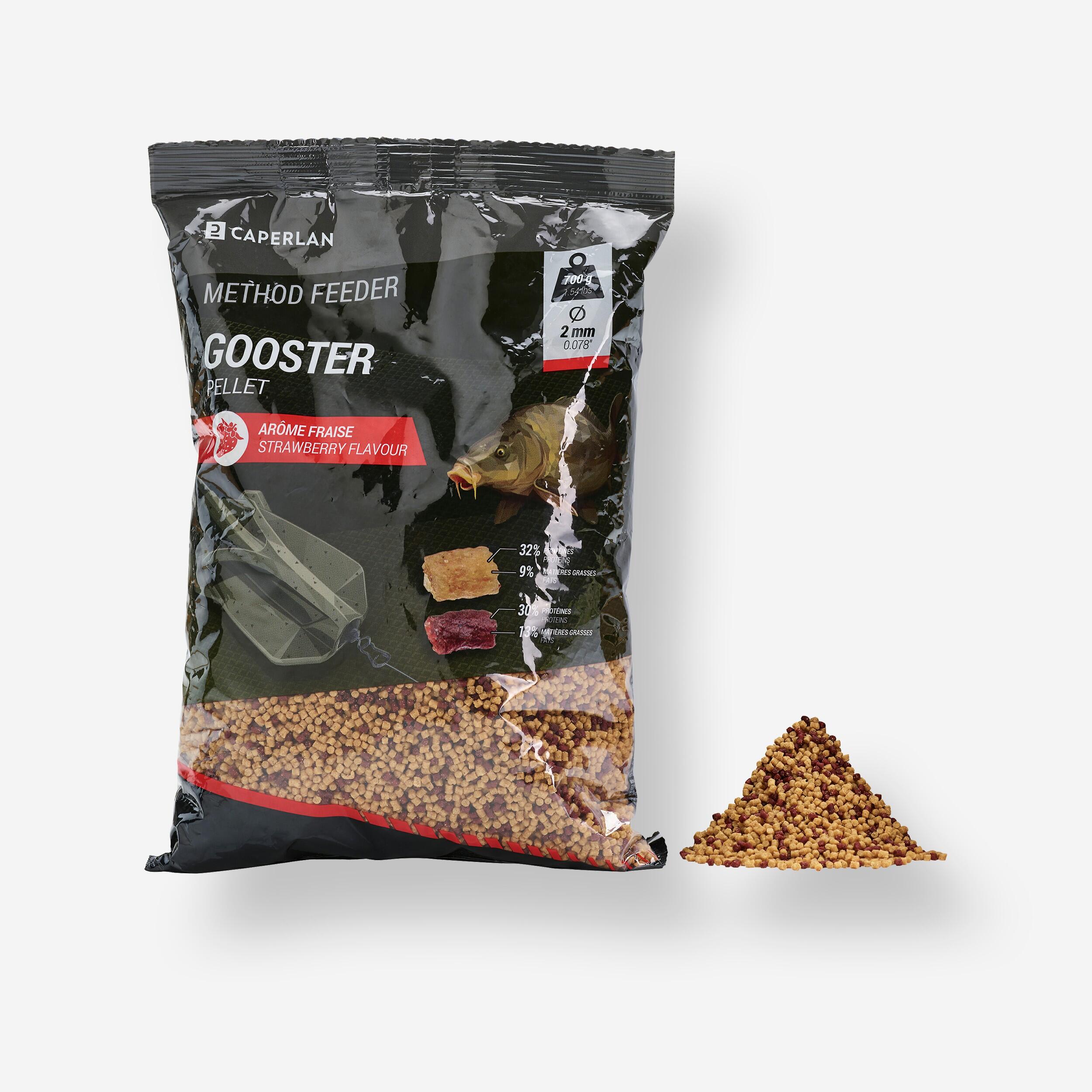
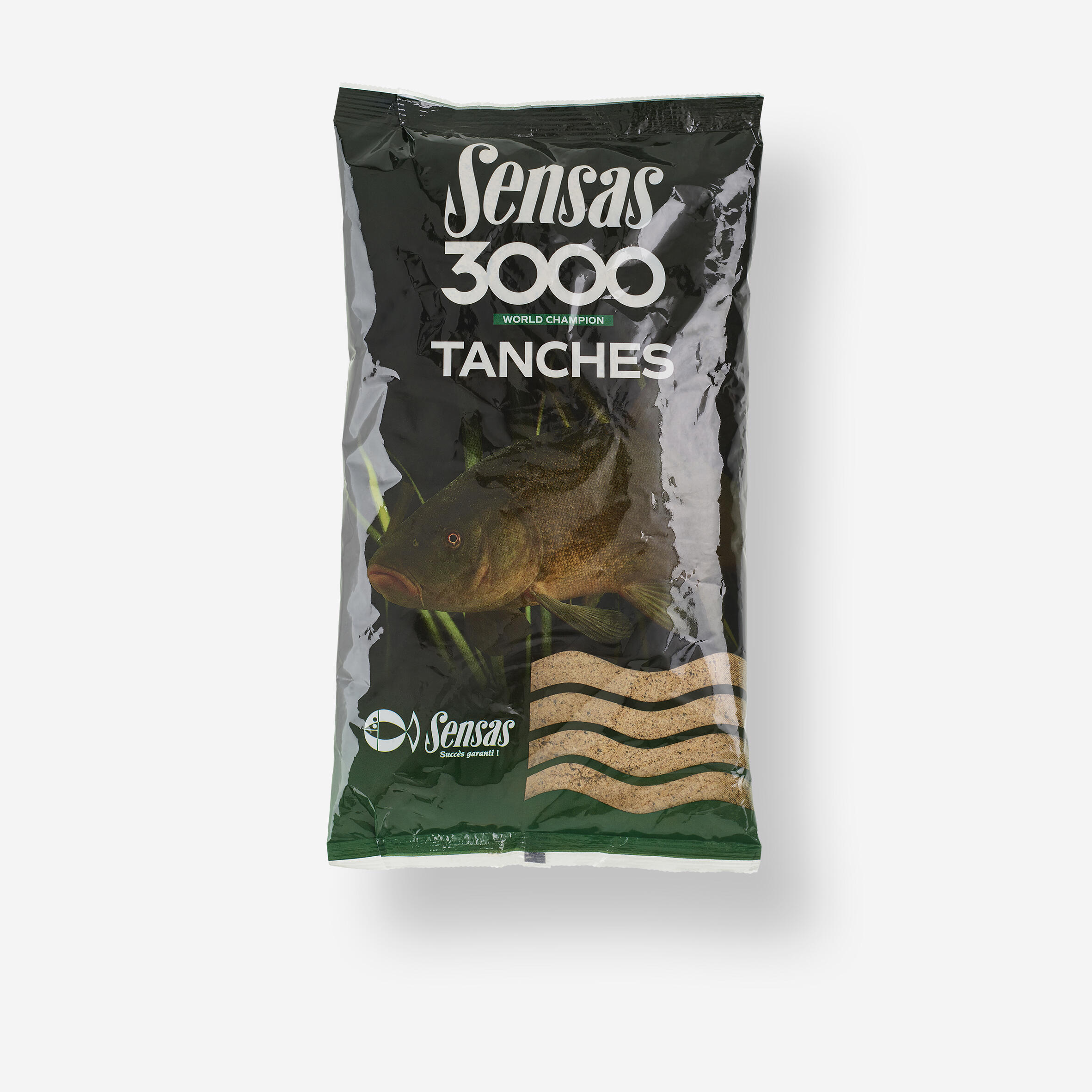
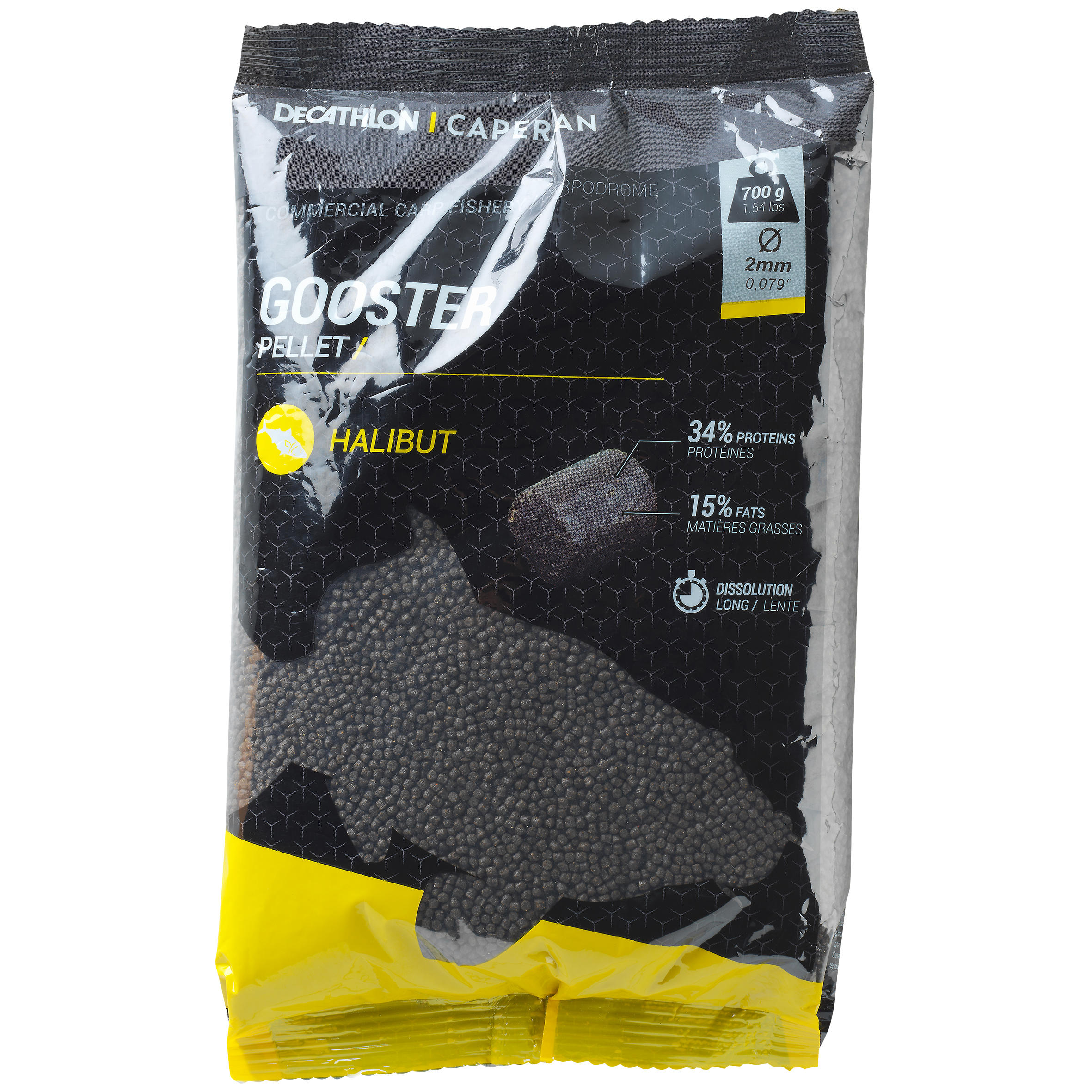
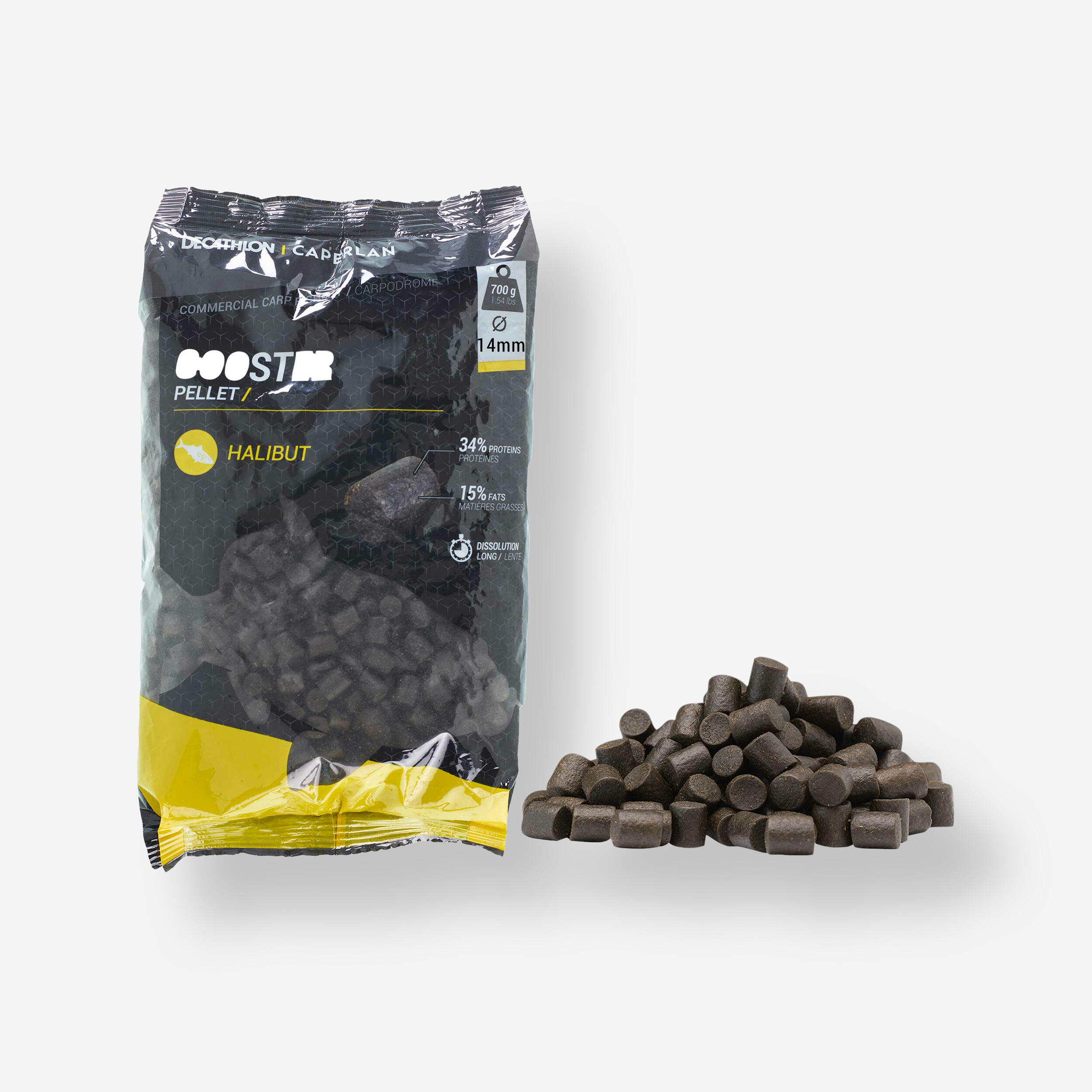
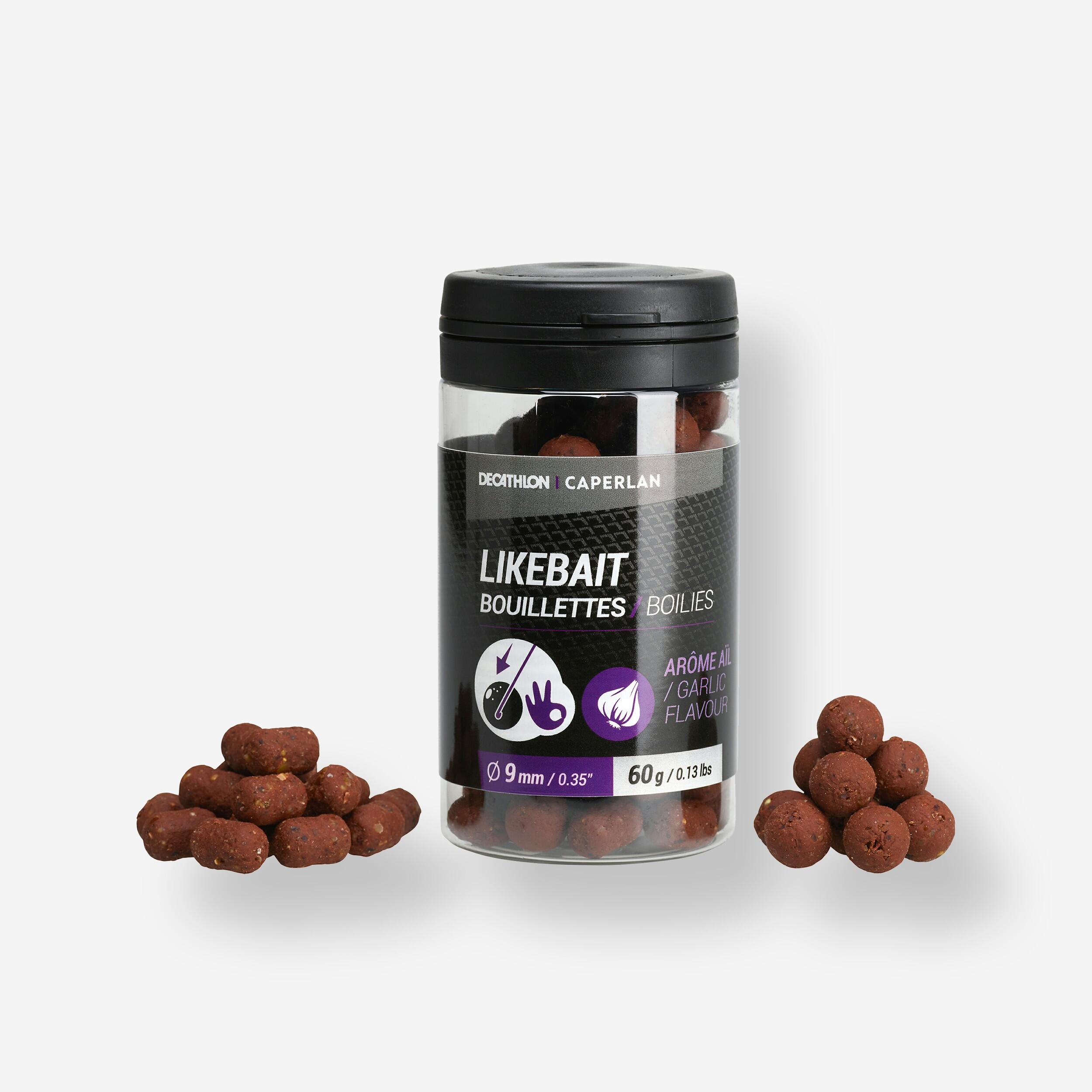
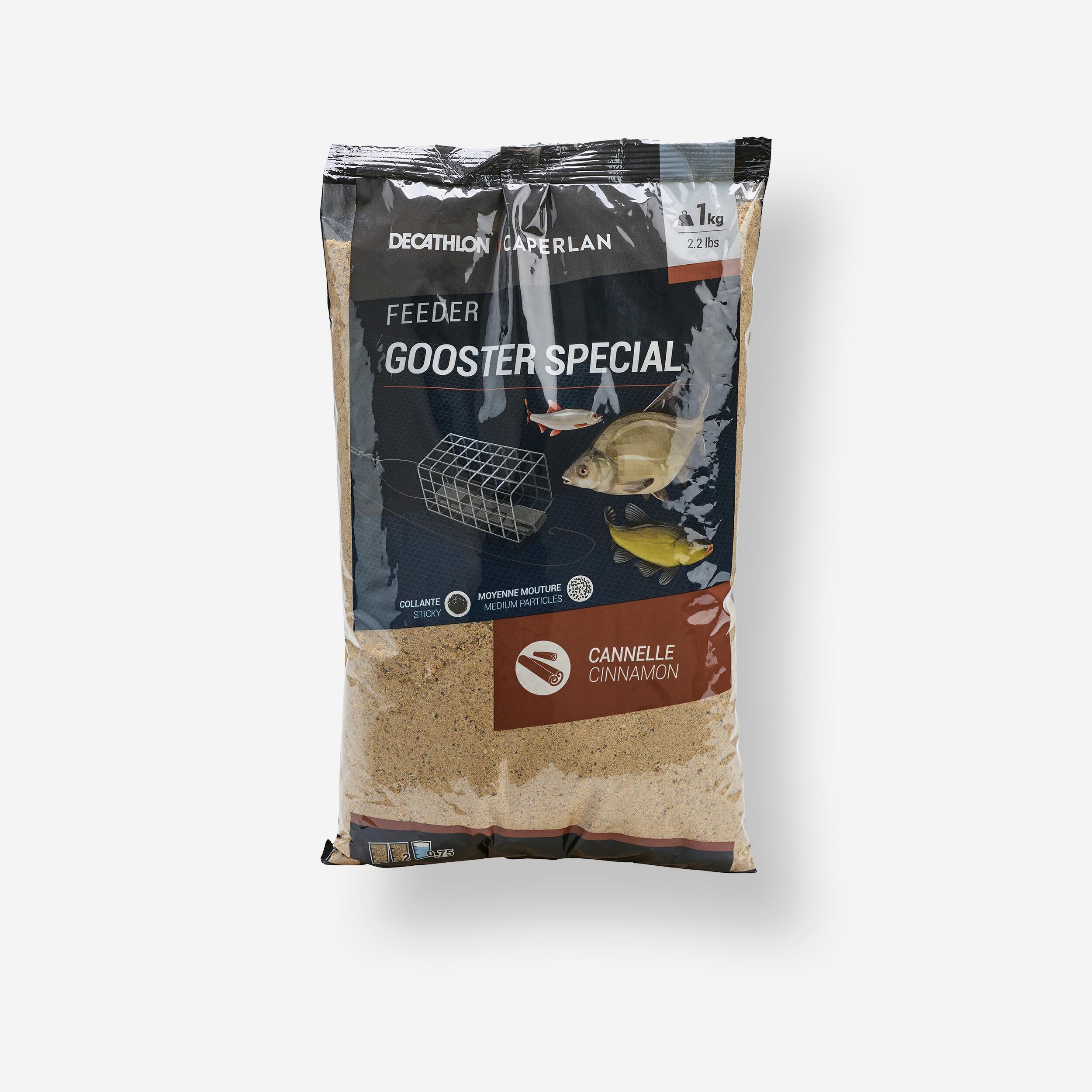
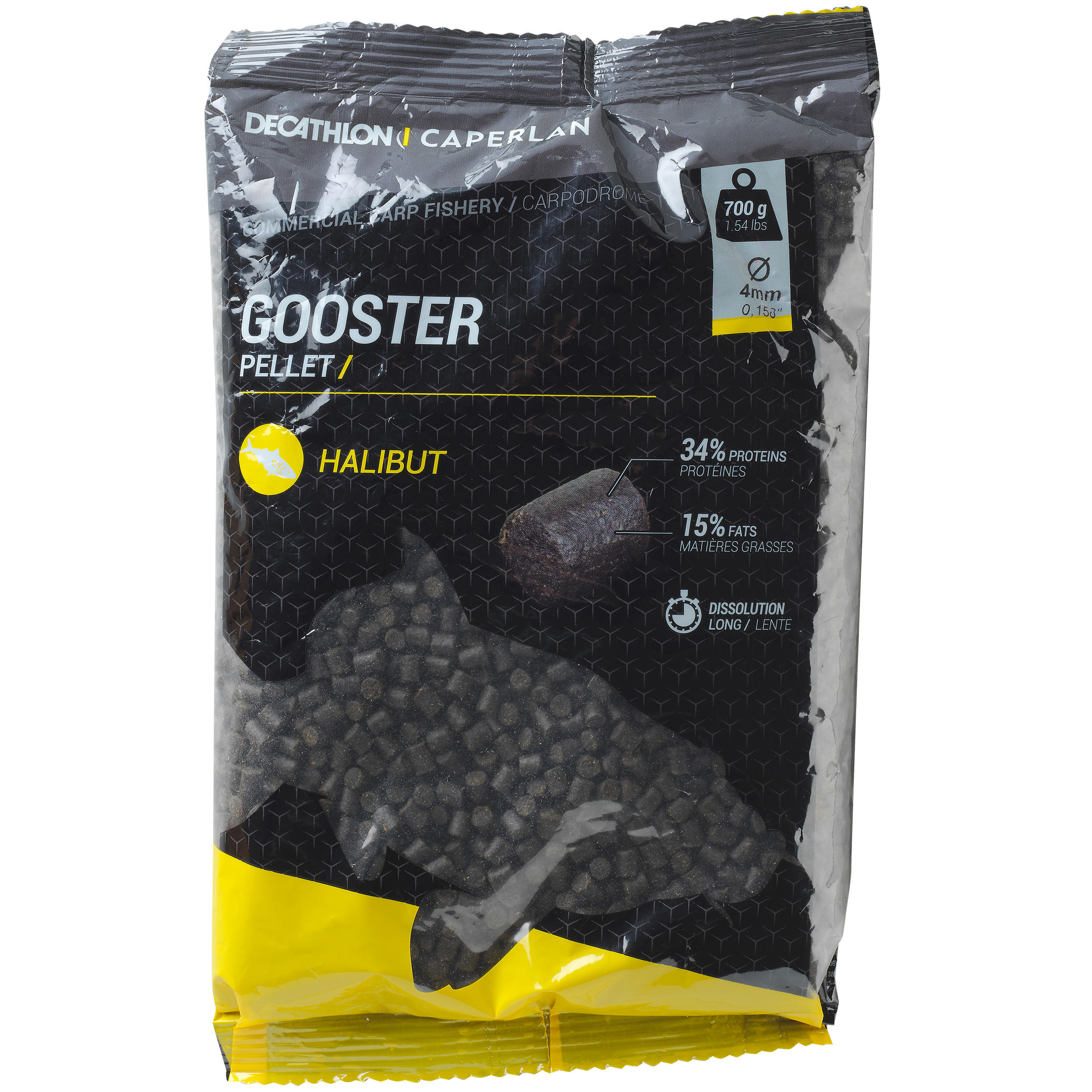
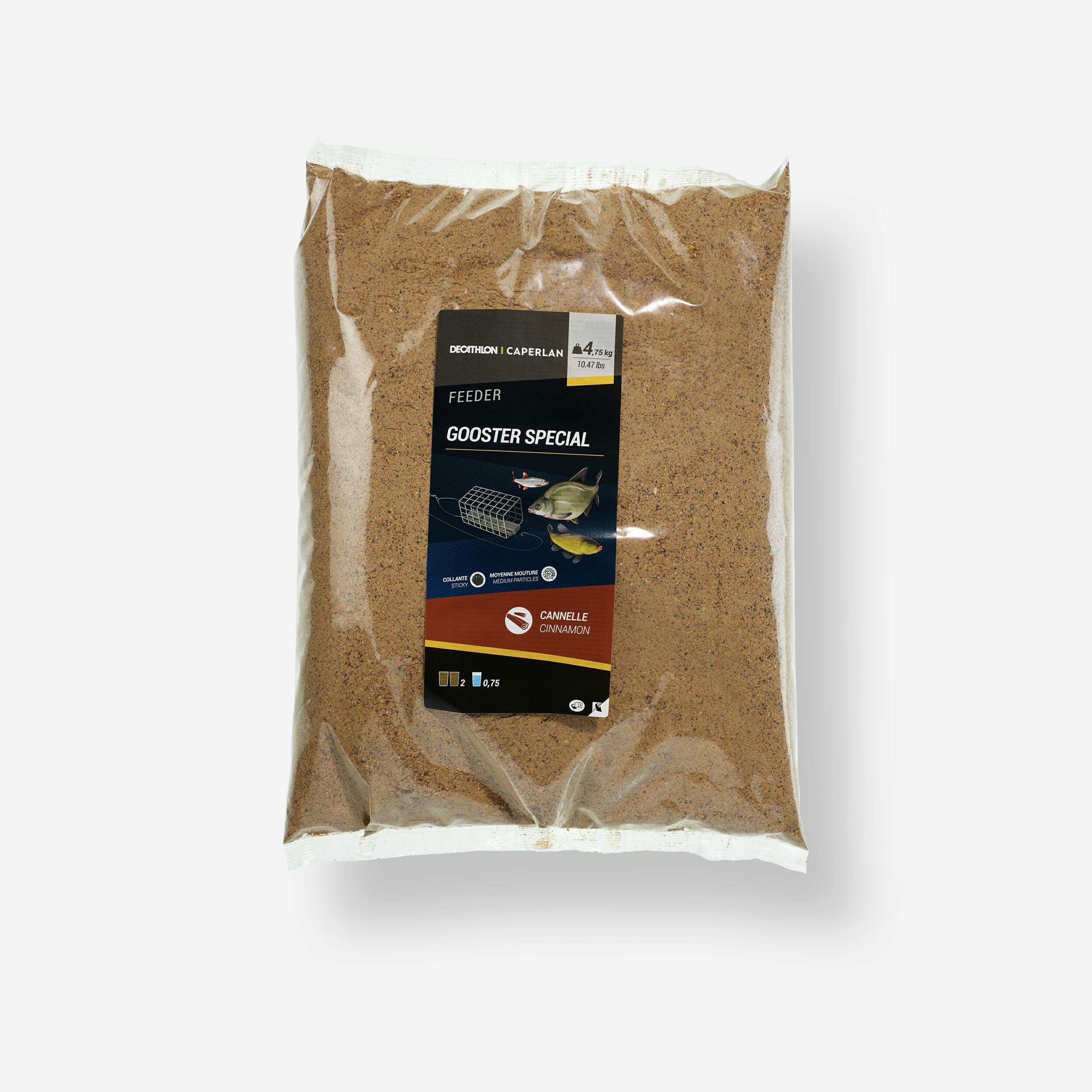
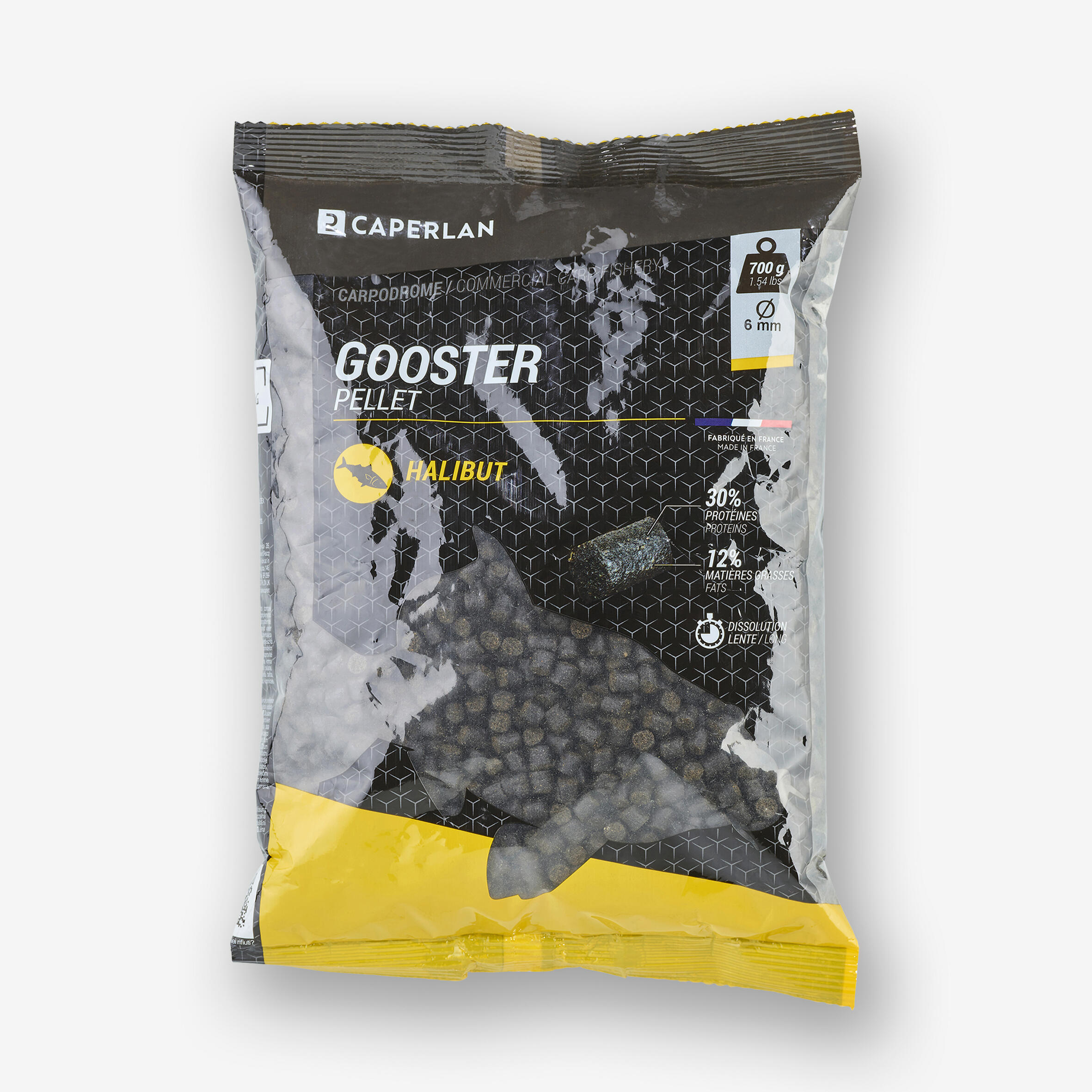
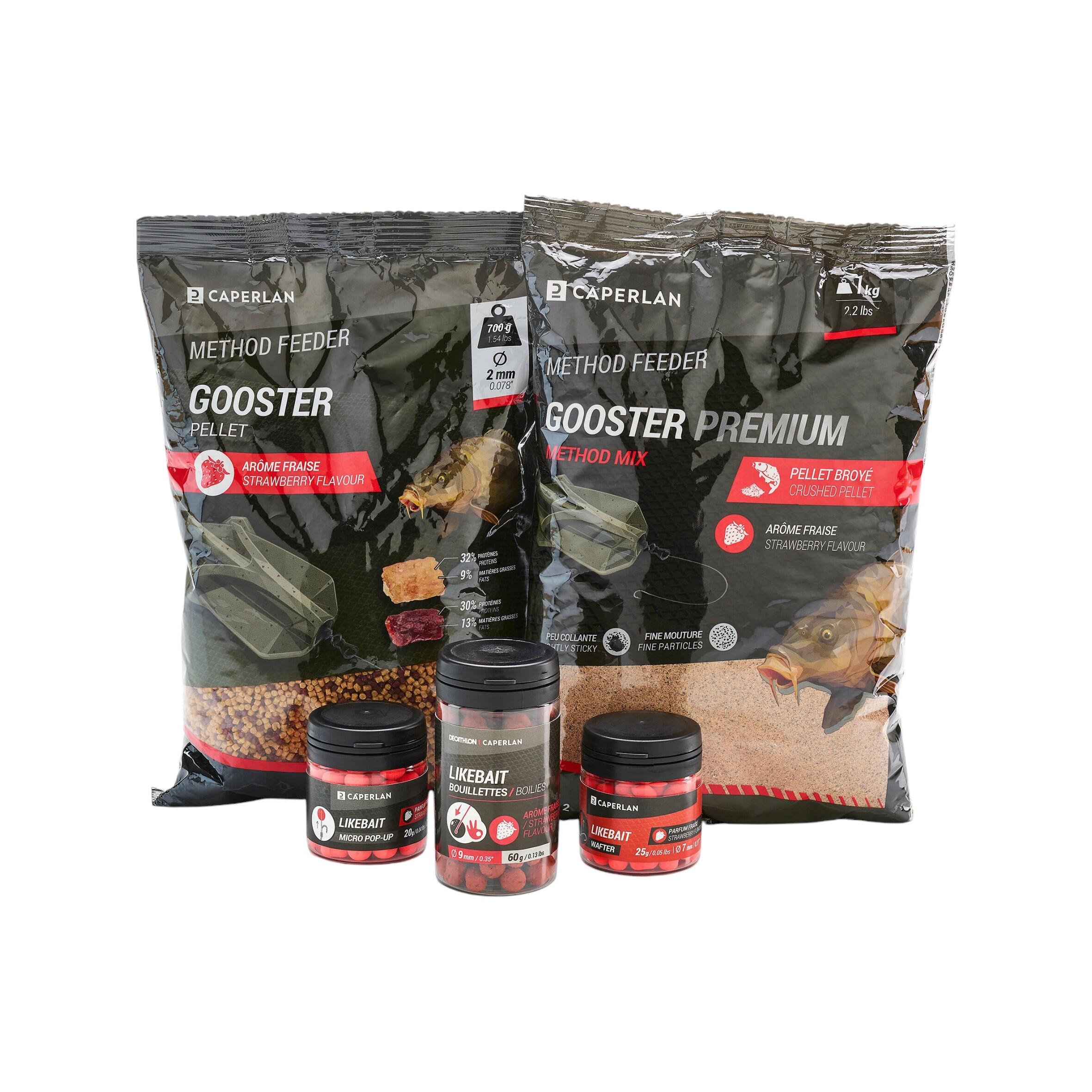
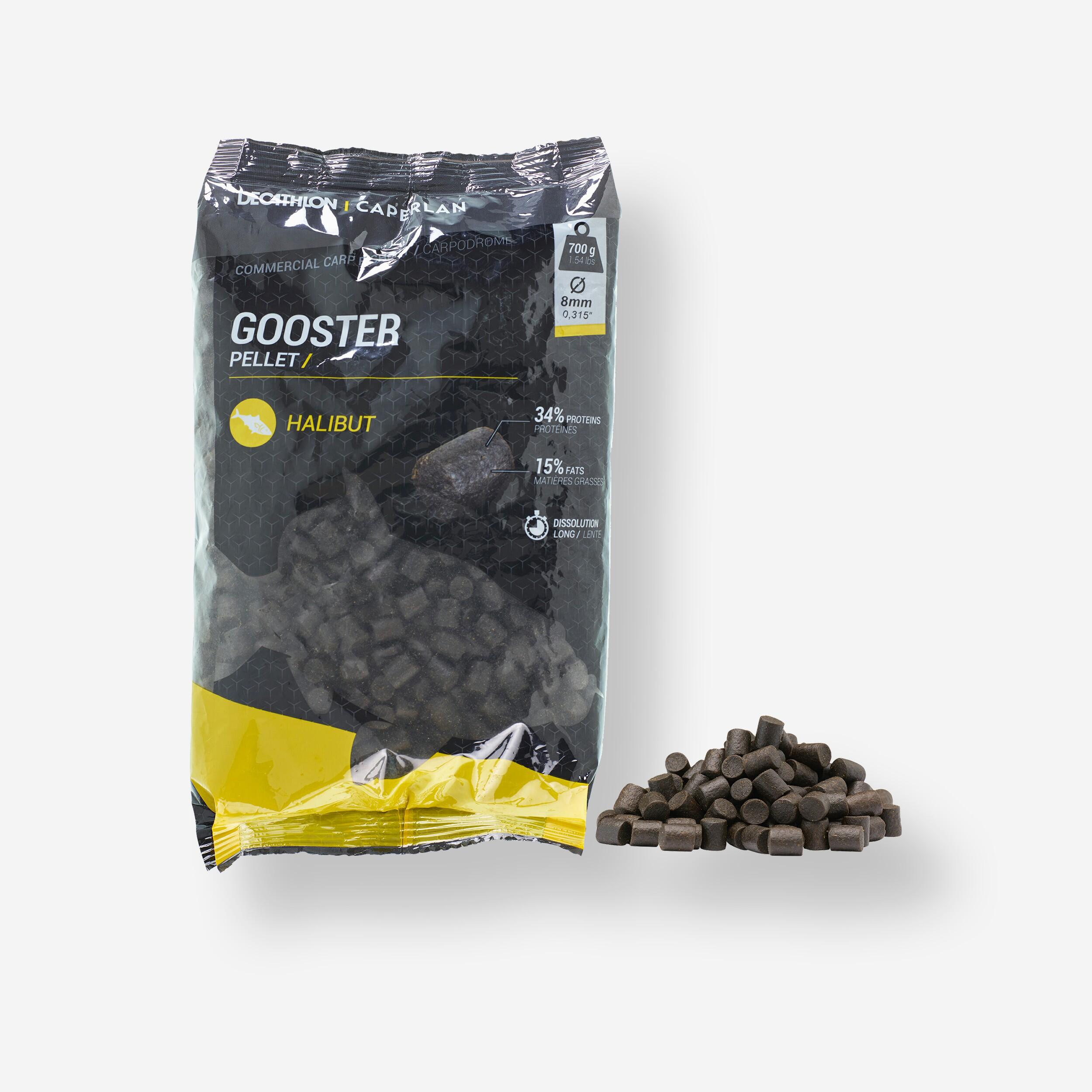
The bait needs to stay on or inside the feeder during the cast, then release at an appropriate rate once it reaches the bottom. Cage-feeder groundbait generally needs enough cohesion to survive casting before dispersing through the openings, while method-feeder mixes can be prepared to break down around the feeder and hook bait after landing. Caperlan GOOSTER recipes use measured water ratios and a two-stage wetting process: add most of the water first, mix thoroughly, rest the bait for about 15 minutes, then make the final adjustment. The range of feeder fishing baits also varies by grain size and ingredients, helping you match the mix to the target fish and feeding approach rather than relying on aroma alone.

What feeder works best for your fishing approach?

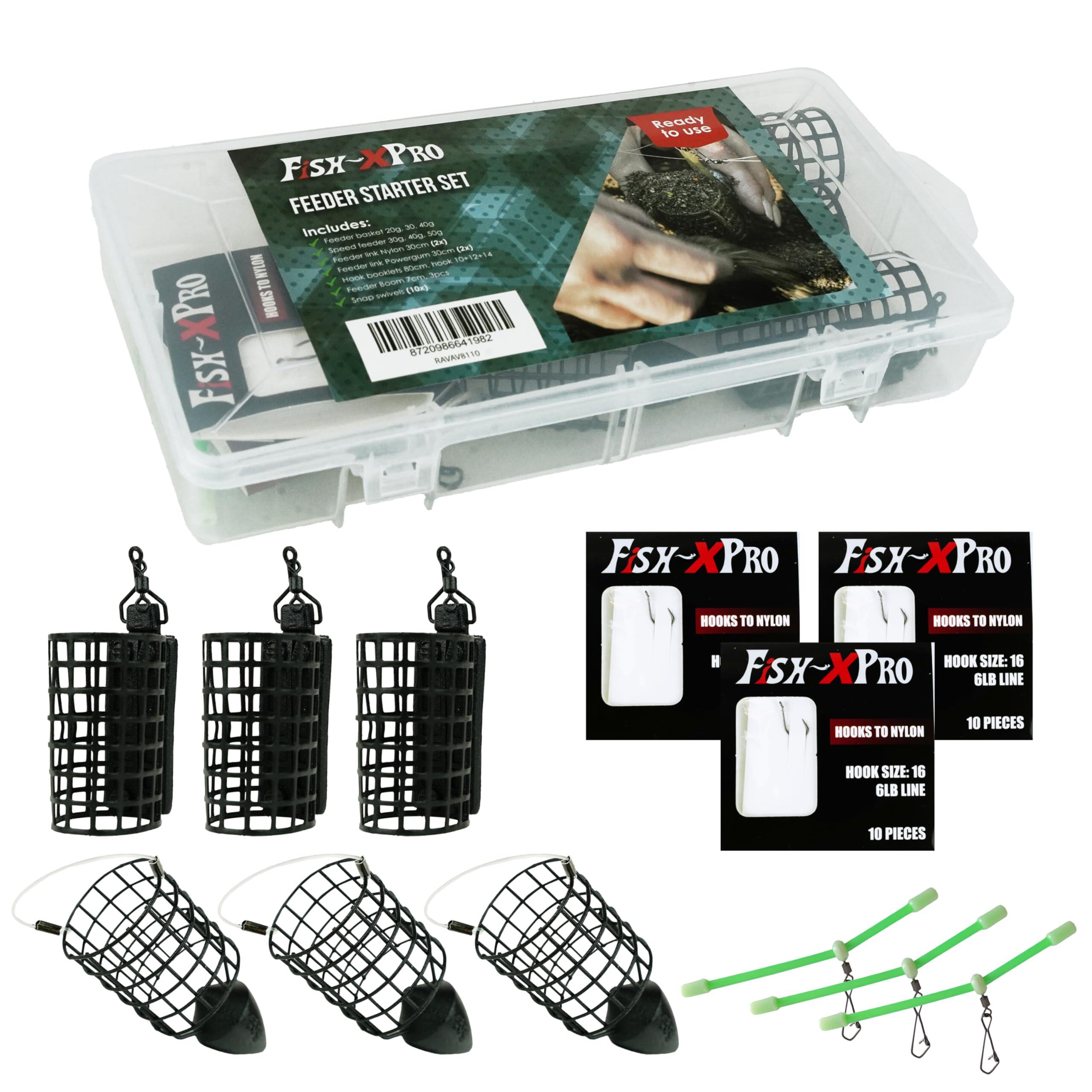
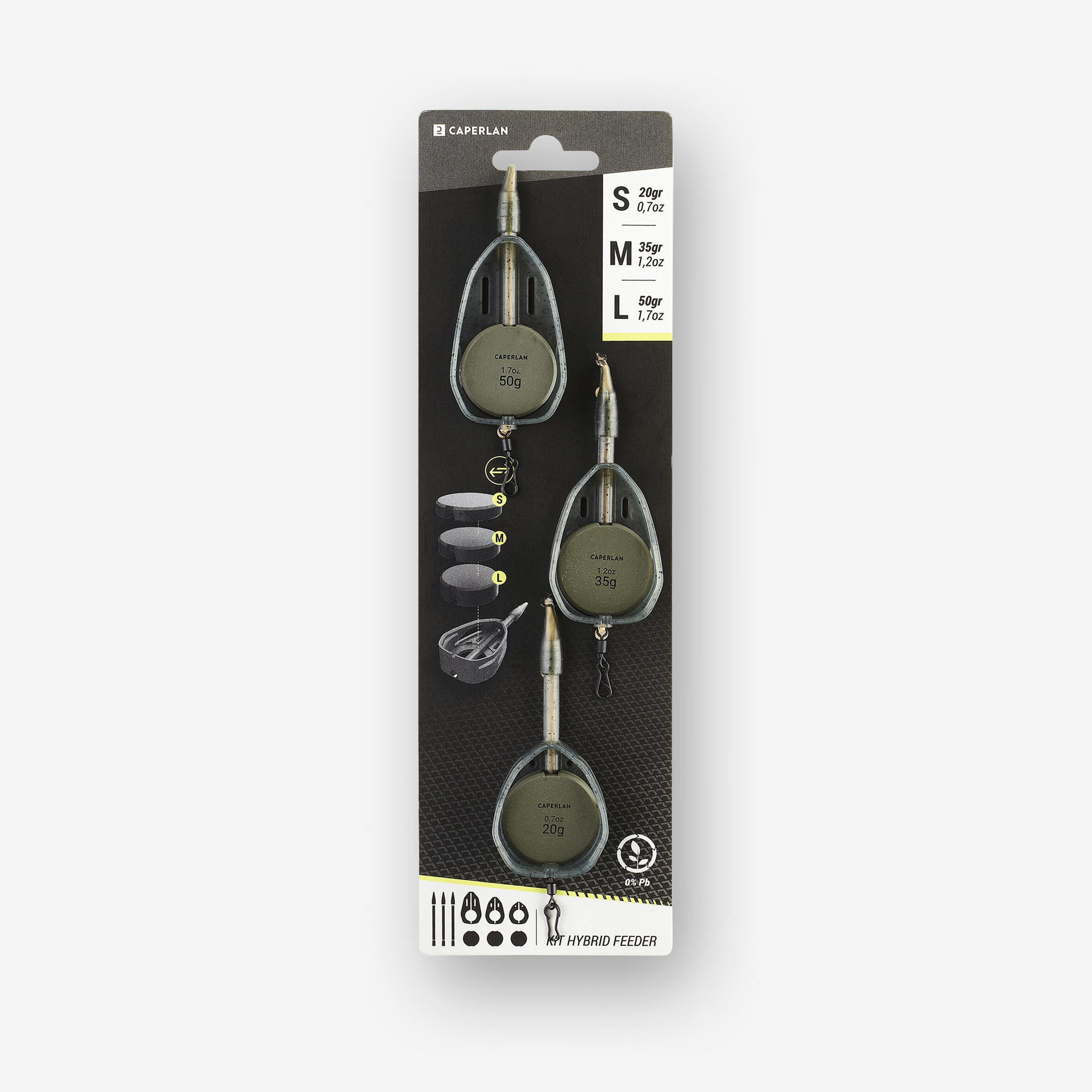
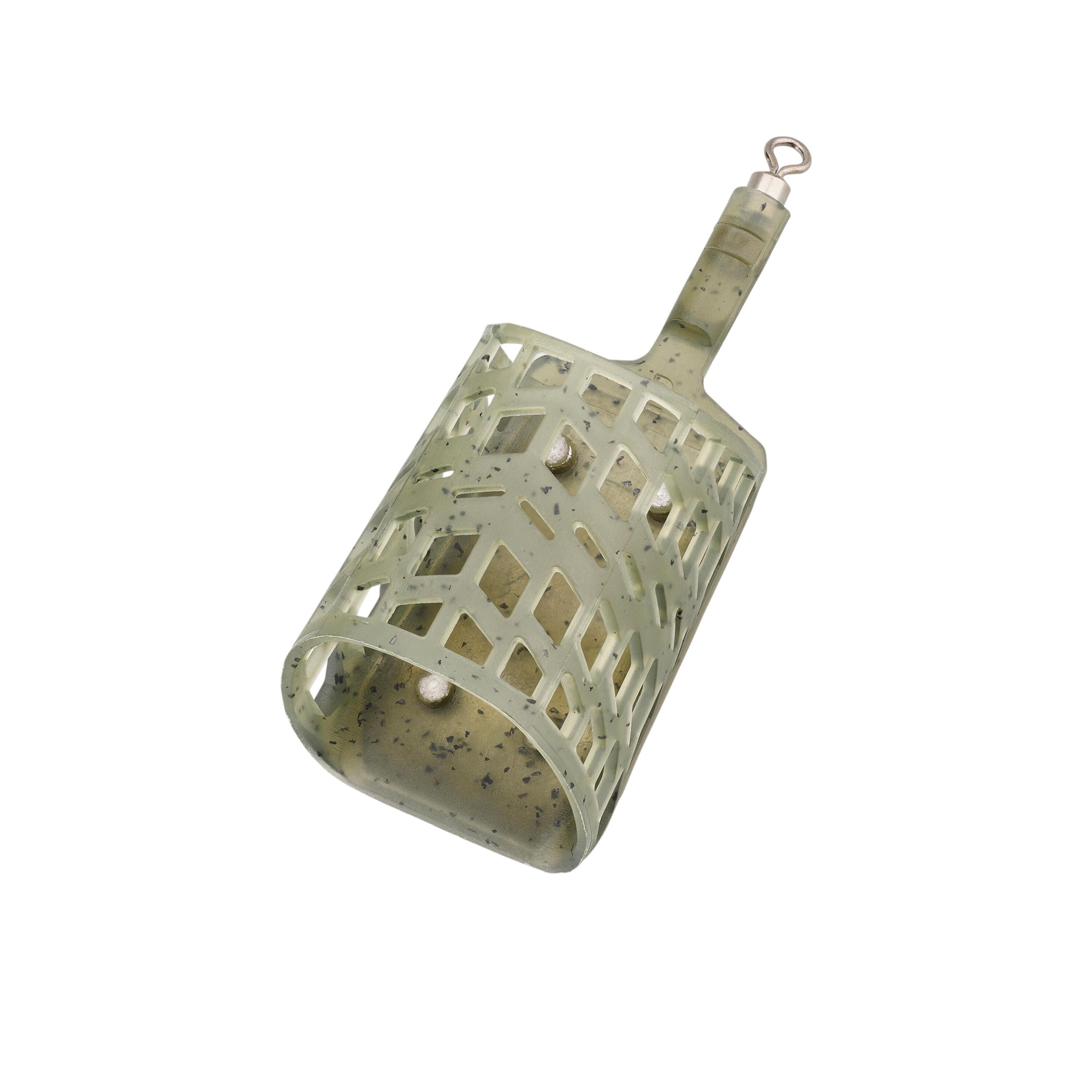
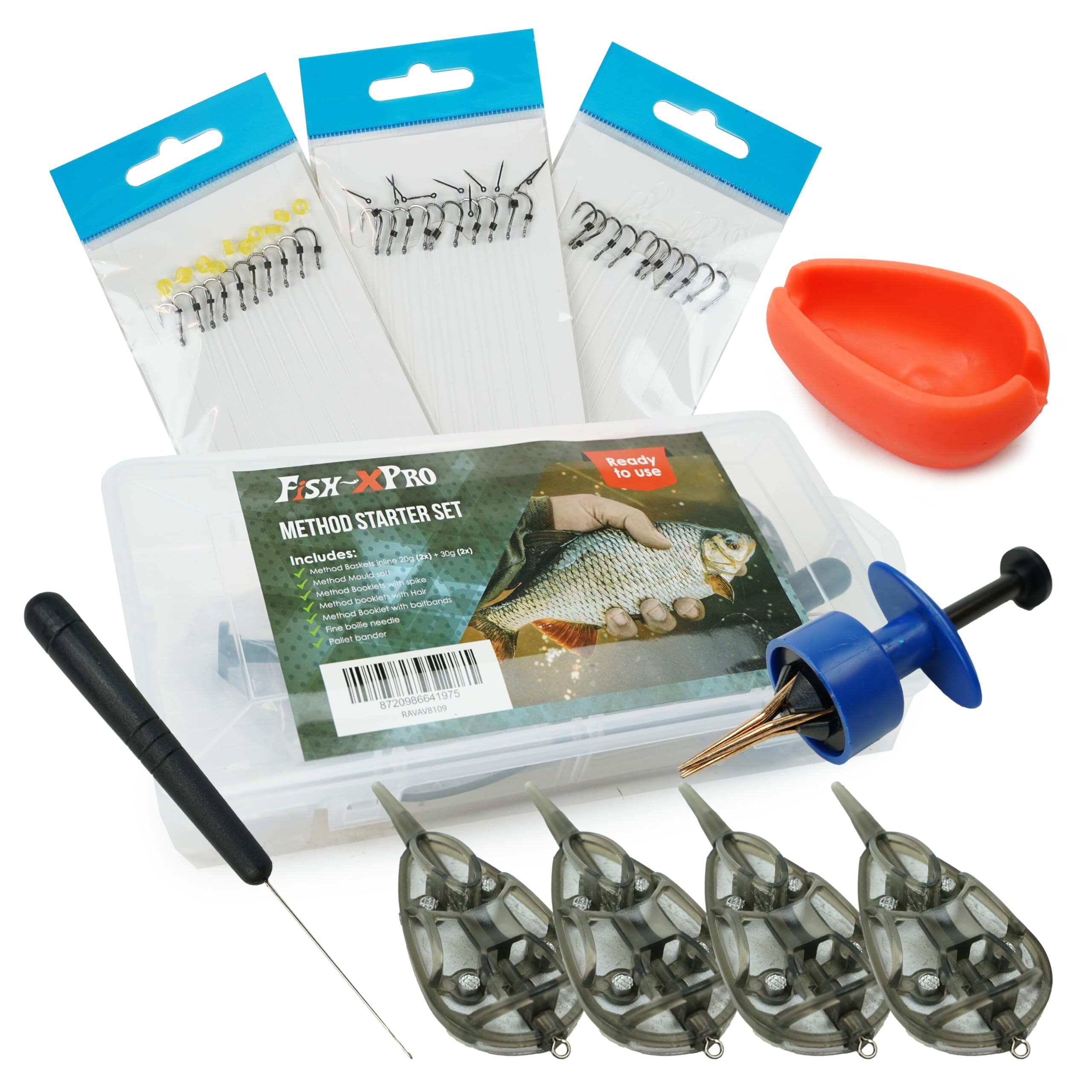
The feeder shape affects how bait is carried, released and presented around the hook bait. Open cage feeders let groundbait disperse through the frame, while method feeders keep the feed concentrated around a short hooklength. Caperlan's Hybrid Method system adds interchangeable frames and steel weights, letting you use several feeder configurations without replacing the whole setup. Selected versions use 20 g, 35 g and 50 g sinkers, and you can remove the feeder from the line without cutting the whole rig. This makes feeder fishing feeders easier to adapt when casting distance, depth or conditions change. Choose enough weight to cast accurately and hold position, but stay within the casting range stated for your rod.

What feeder fishing equipment helps keep a session organised?

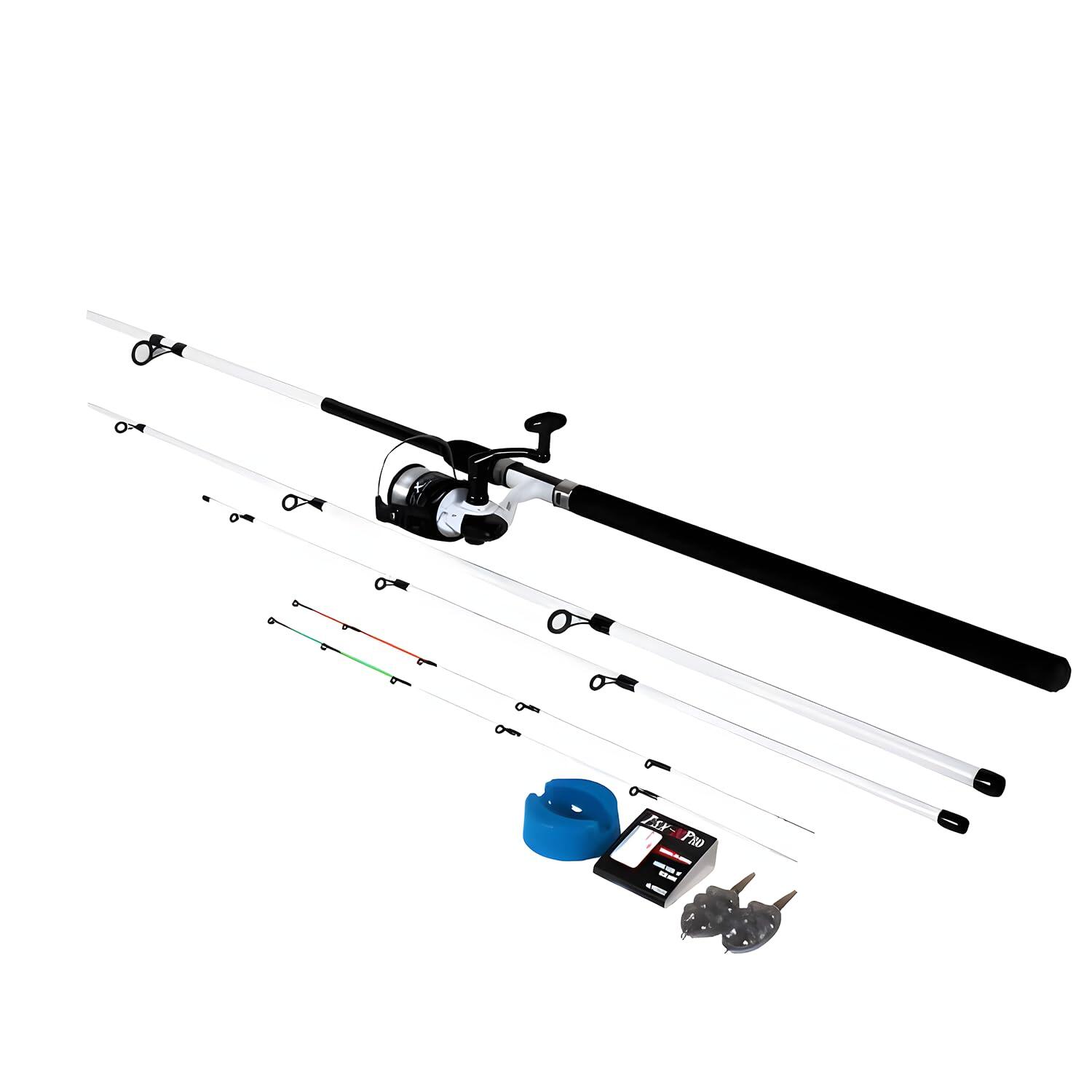
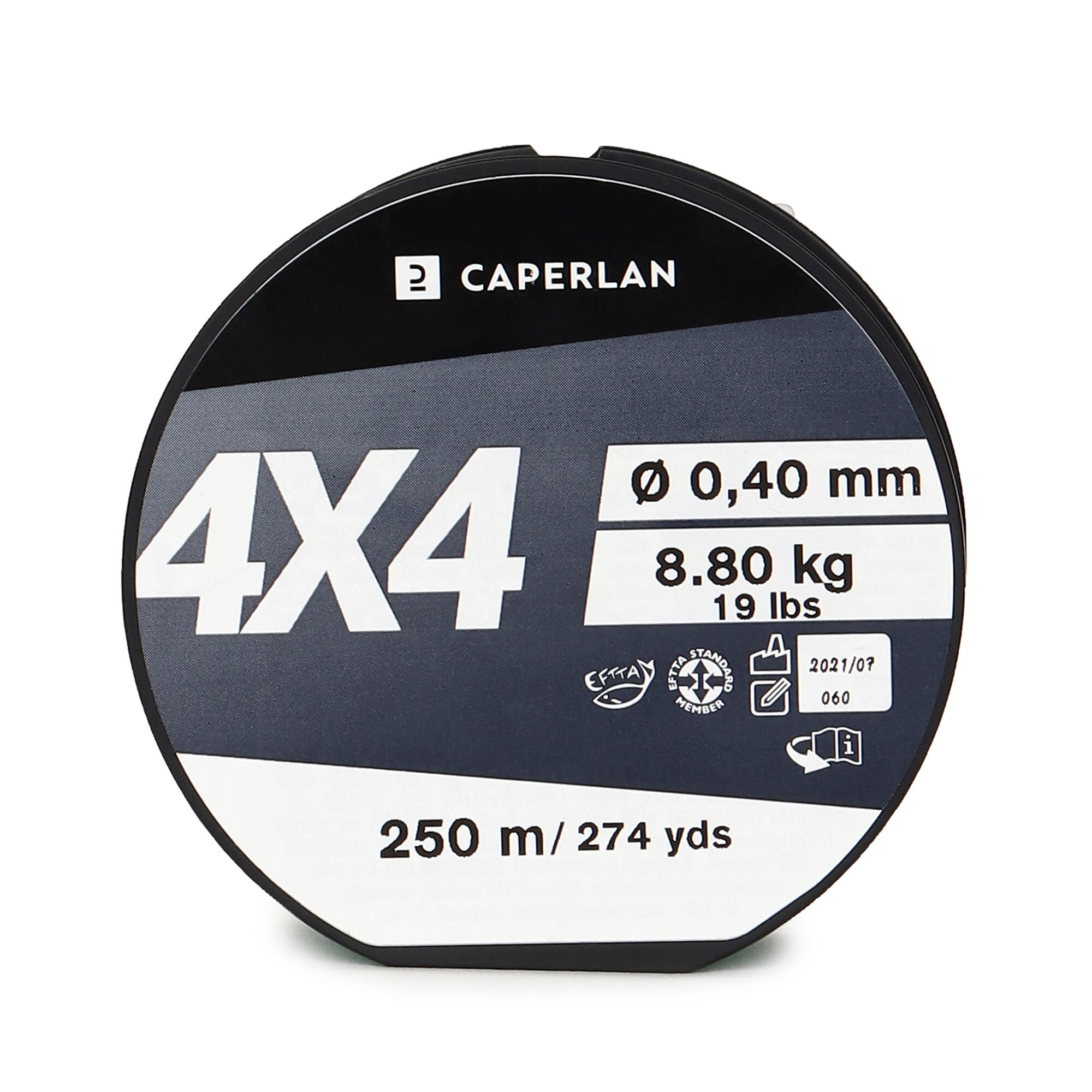
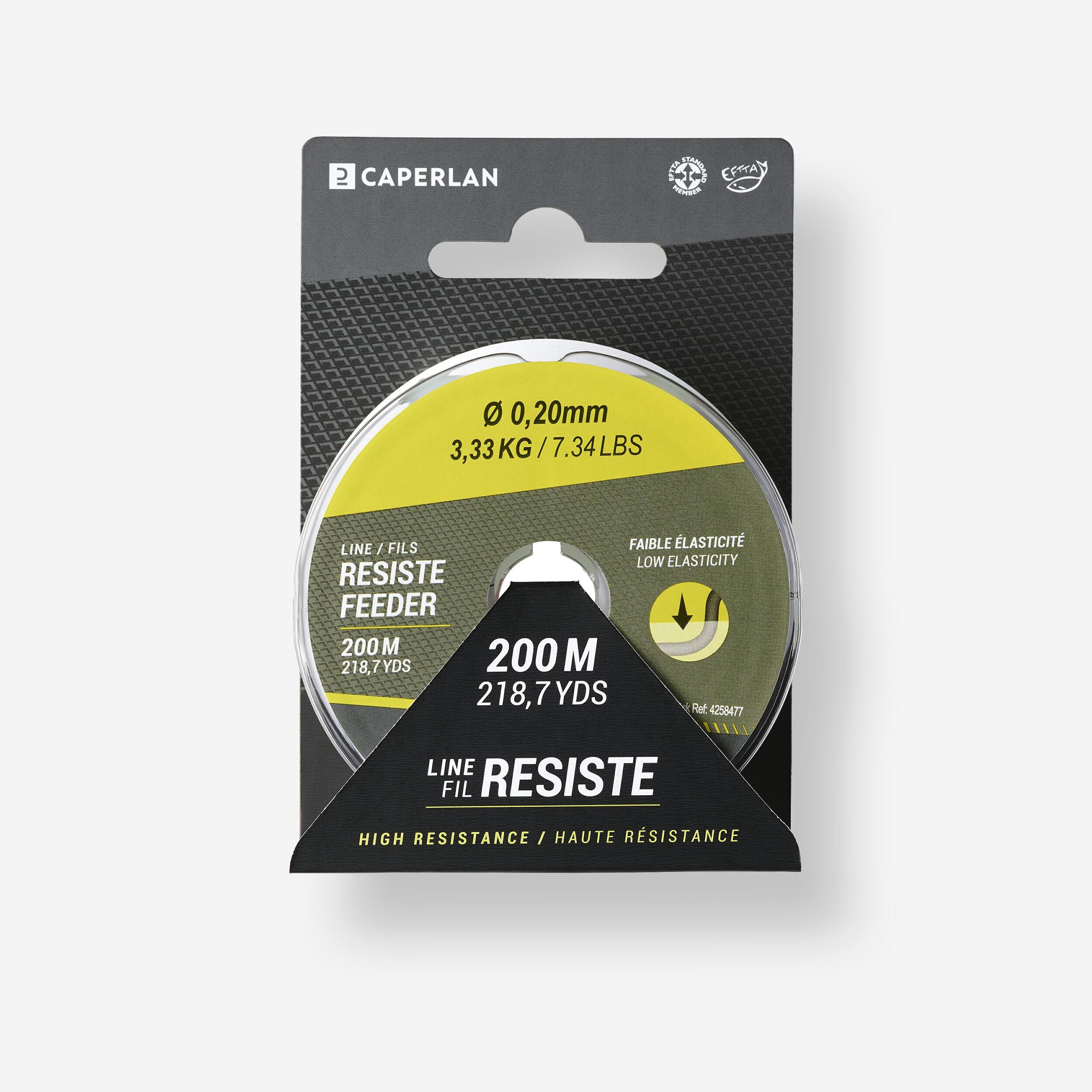
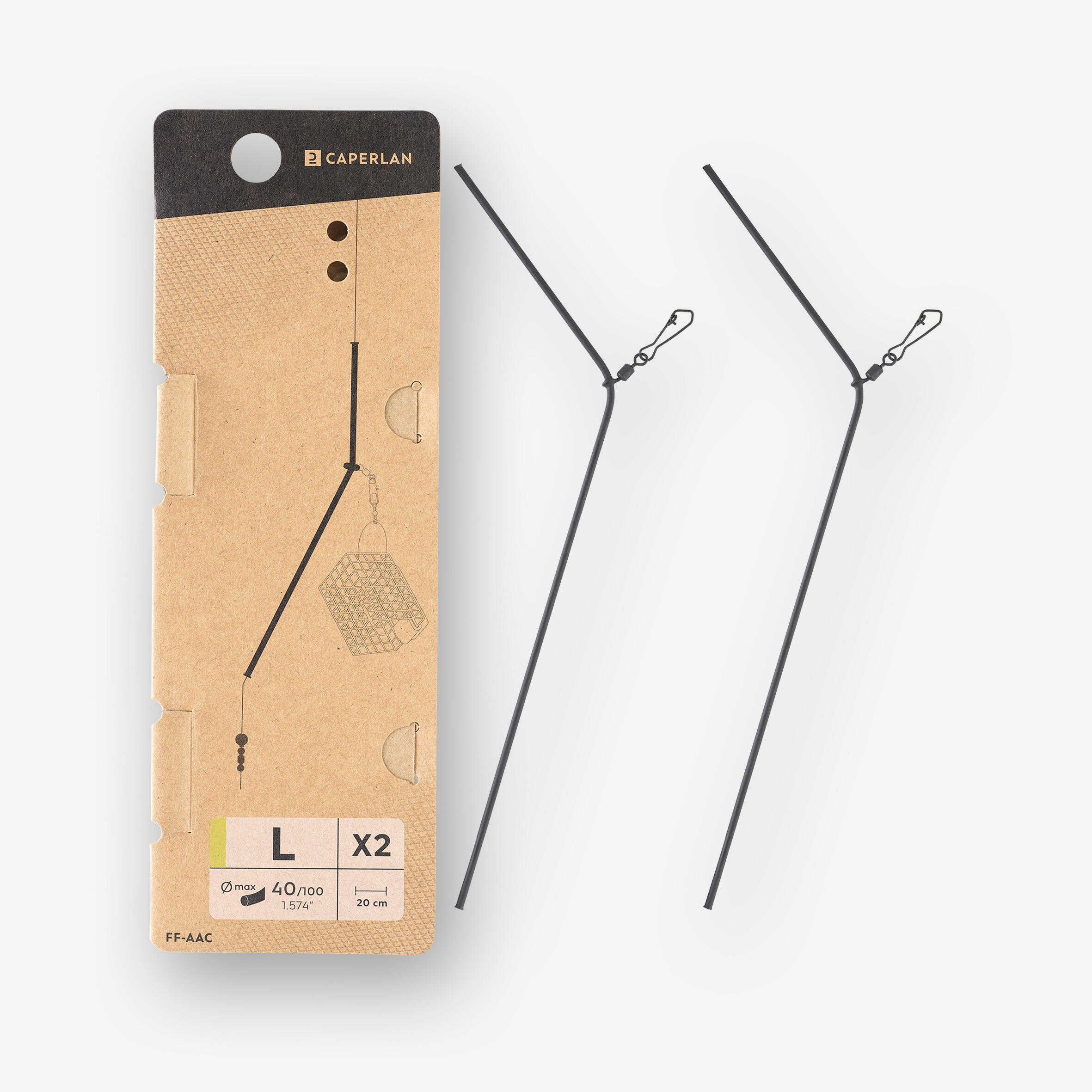
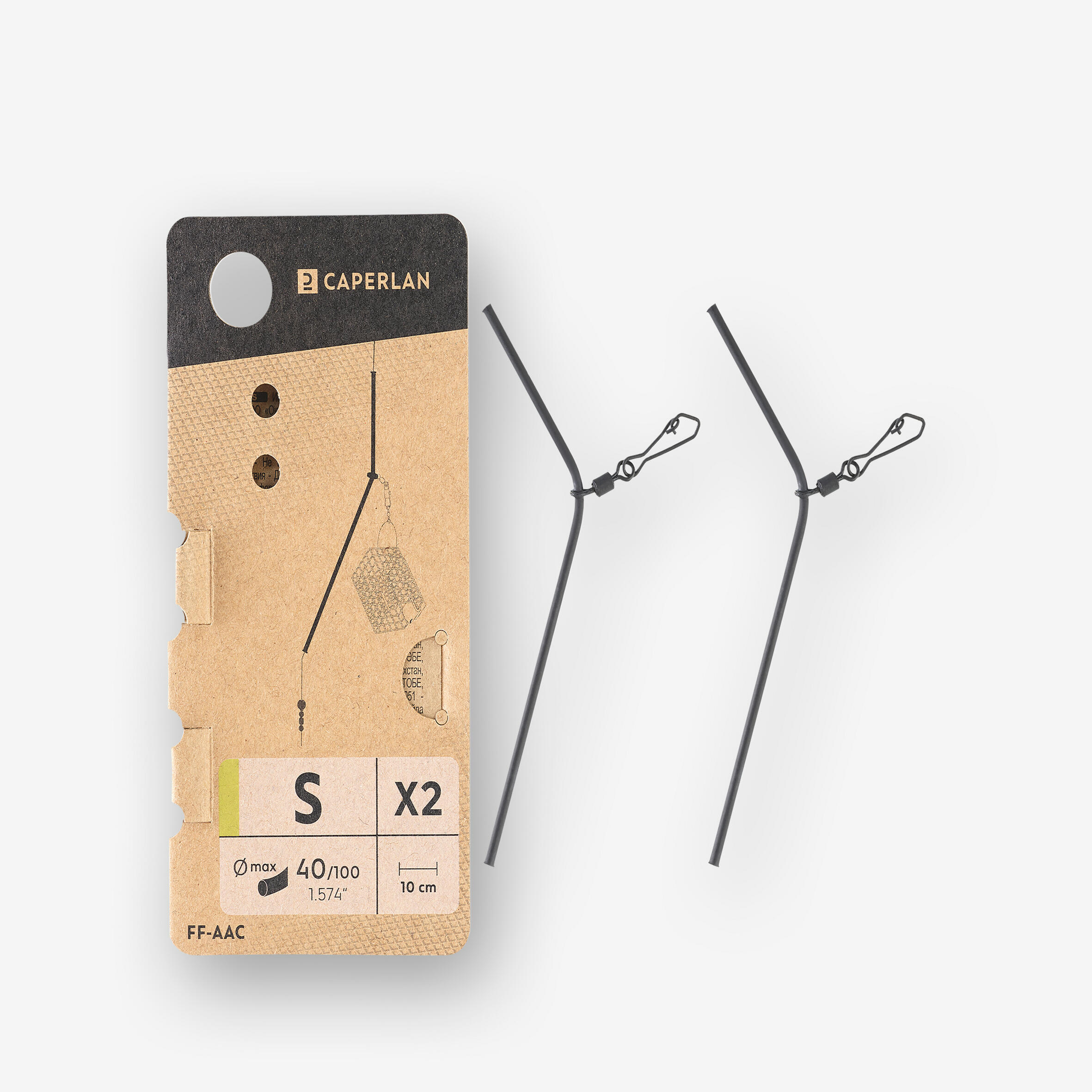
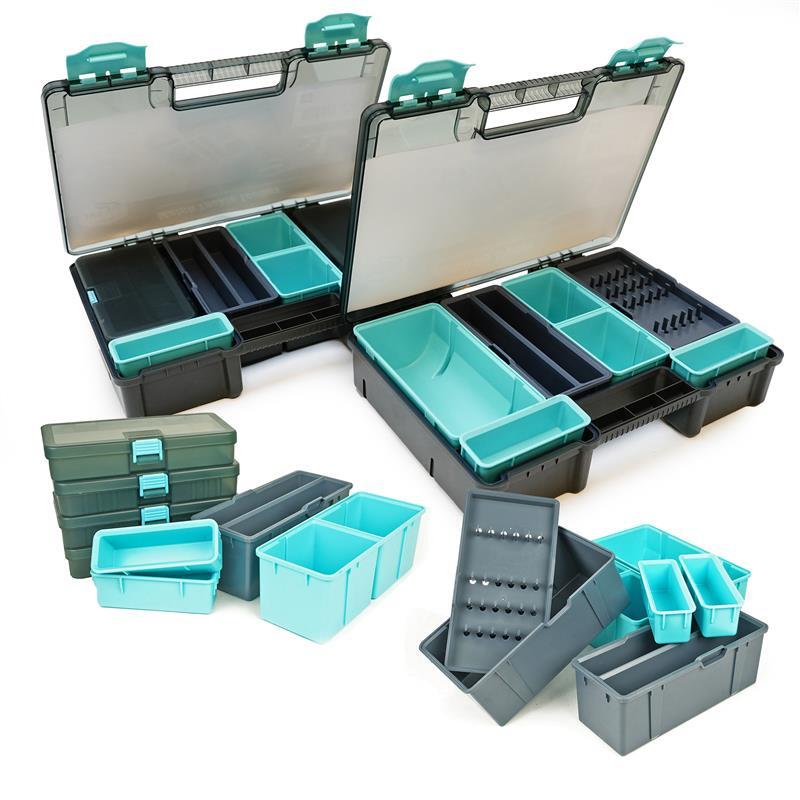
A workable feeder setup includes more than a rod and feeder. You may need line, leaders, hooks, a disgorger, bait, spare feeders and small terminal accessories, so organising the kit before fishing saves time when you need to change a rig. Selected Caperlan beginner kits combine a rod, pre-spooled reel, cage and method feeders, pre-rigged lines, barbless hooks, a disgorger and a small tackle box. Some also include printed setup guidance and QR-linked instructions for learning the basic method. As your equipment grows, keep feeder weights and prepared leaders separated and check delicate quiver tips before transport. The wider coarse fishing range can then be added according to the way you fish rather than carrying unnecessary tackle for every session.