994 items
4.5/5 based on 130456 reviews collected online and in stores

All Footballs FAQs

Which ball construction suits each stage of football development?

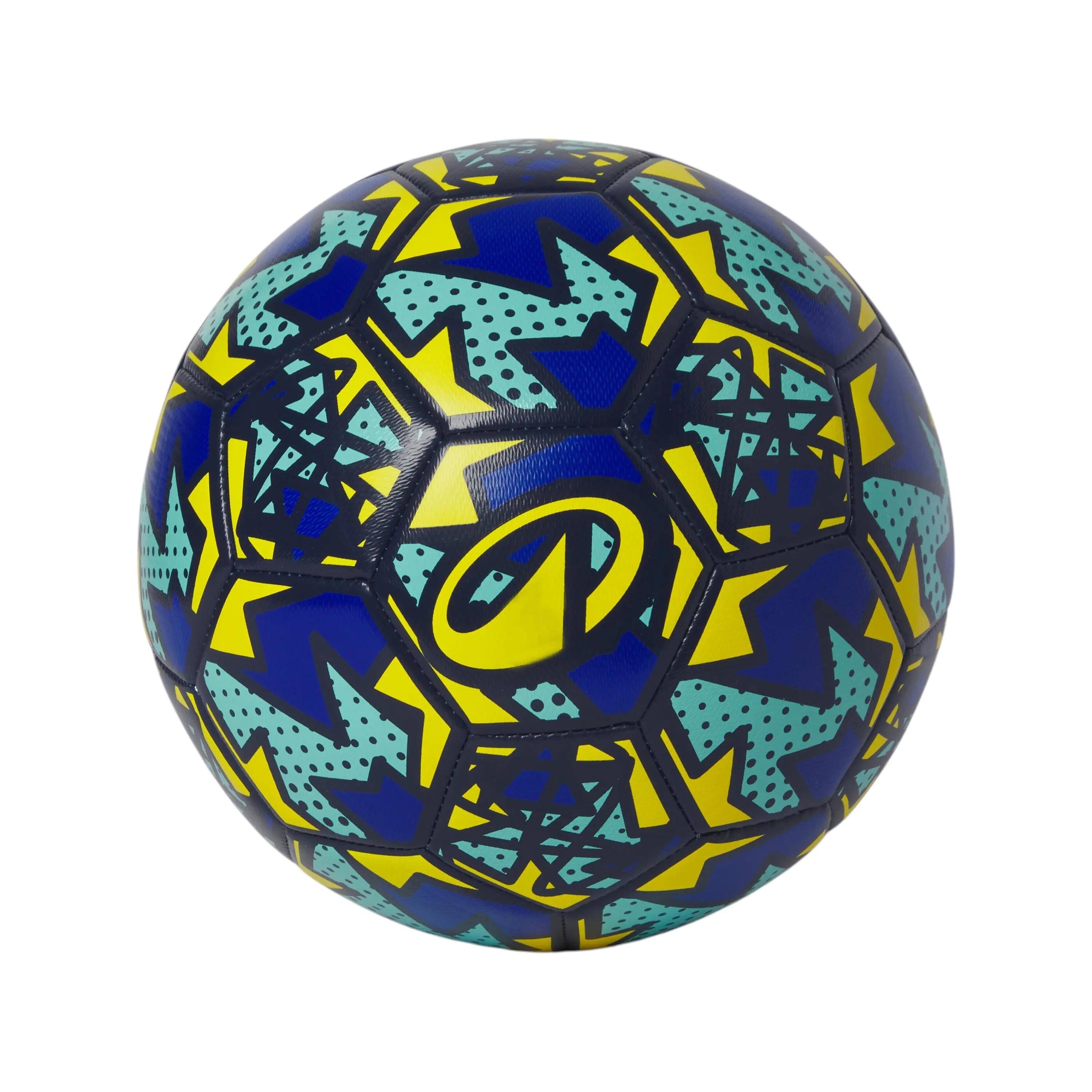
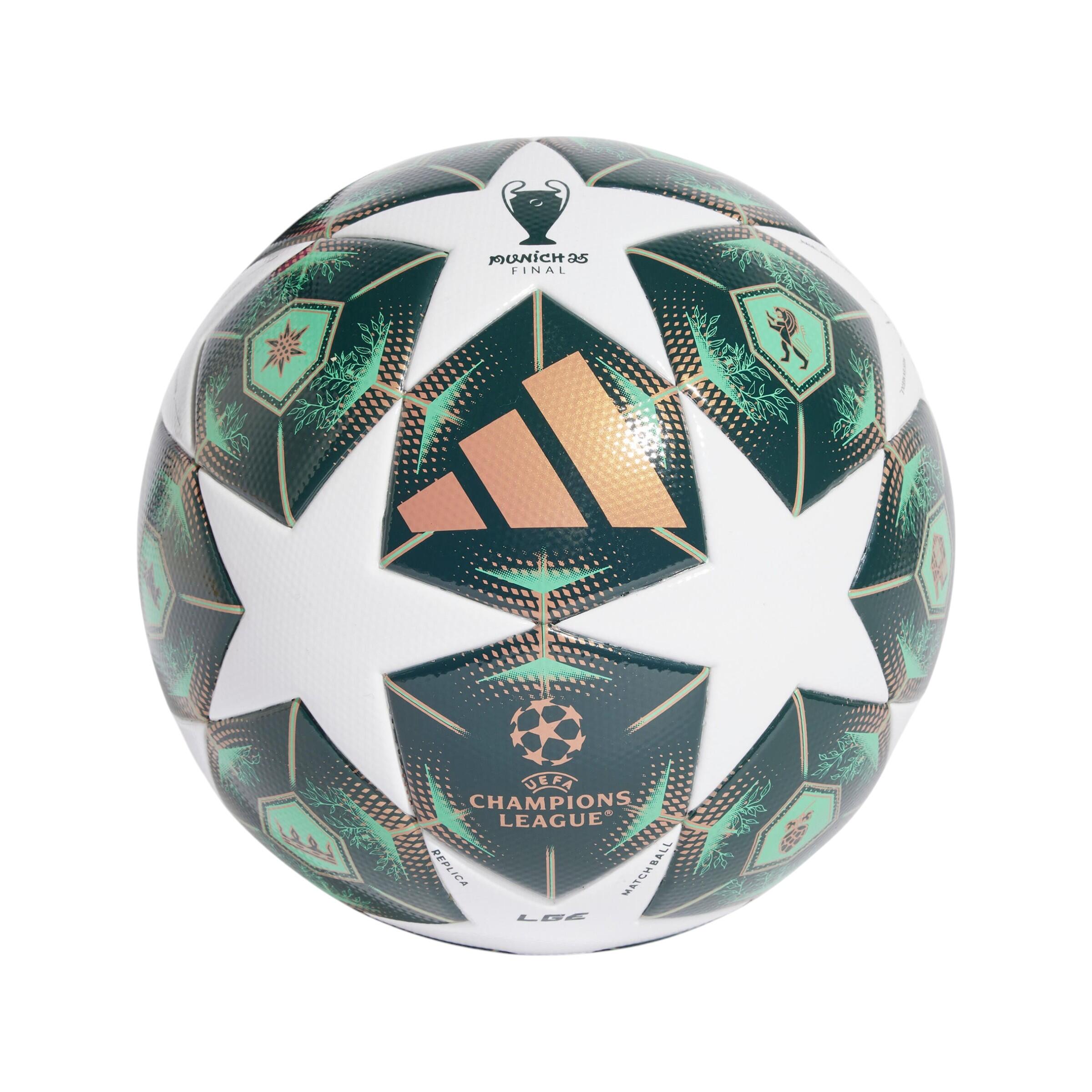
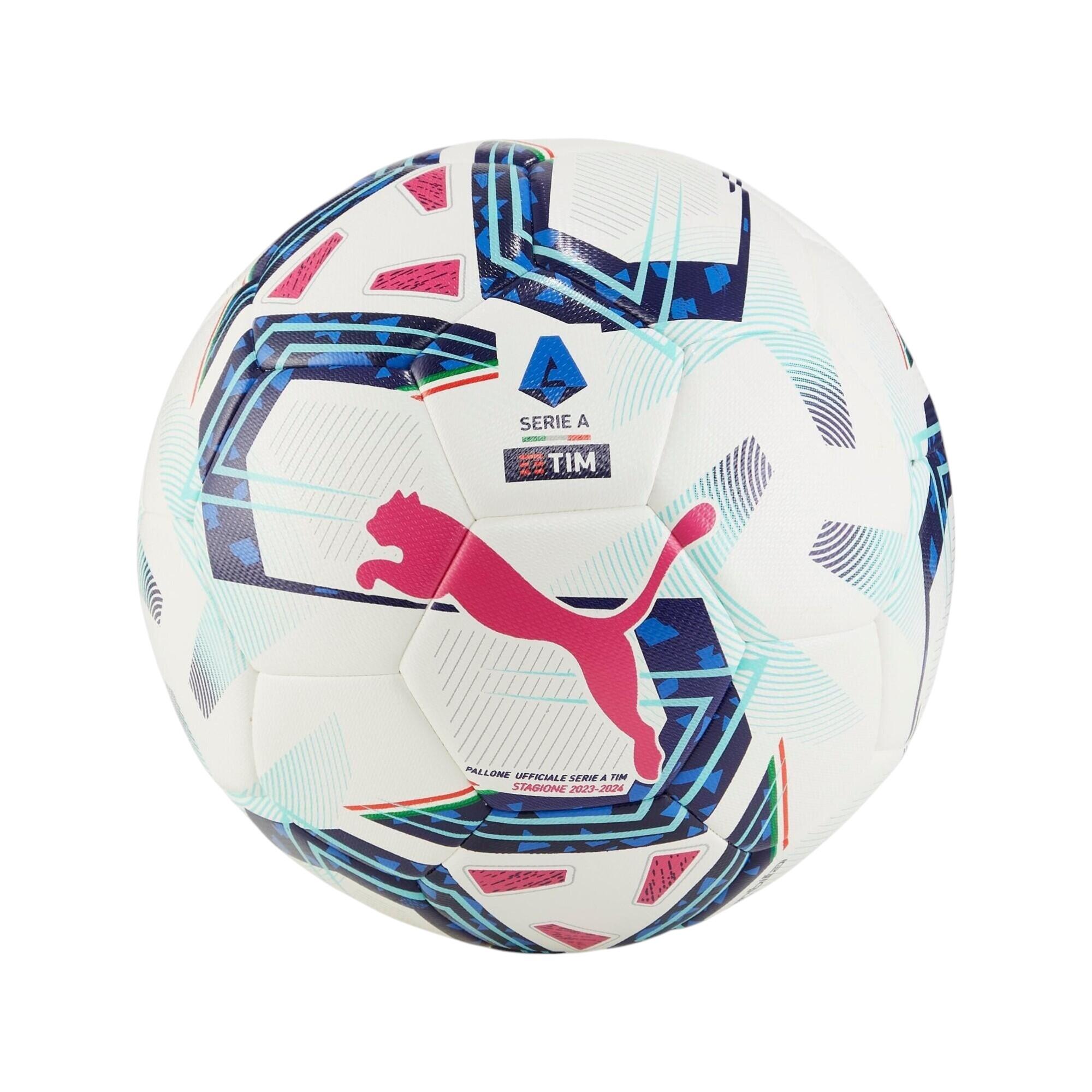
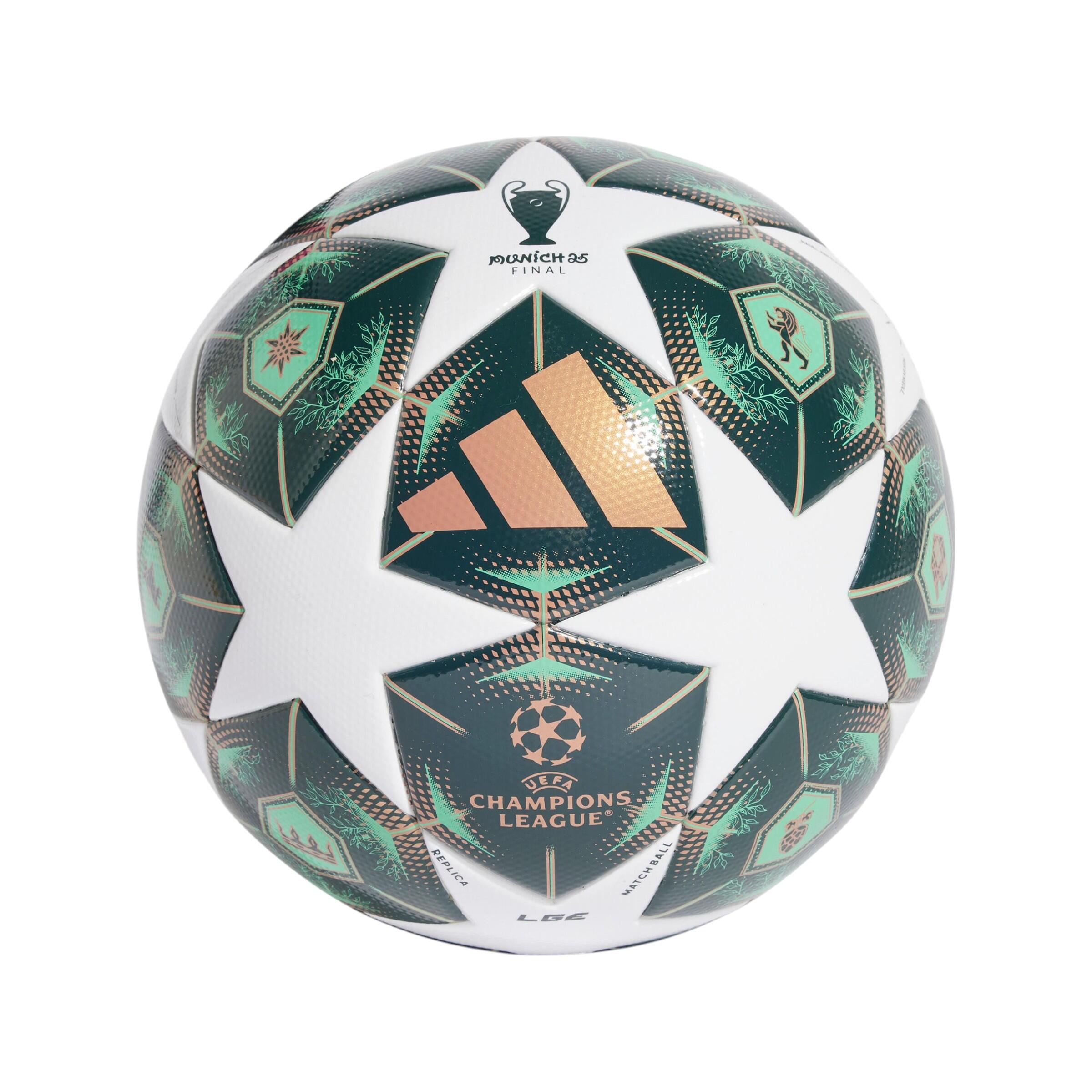
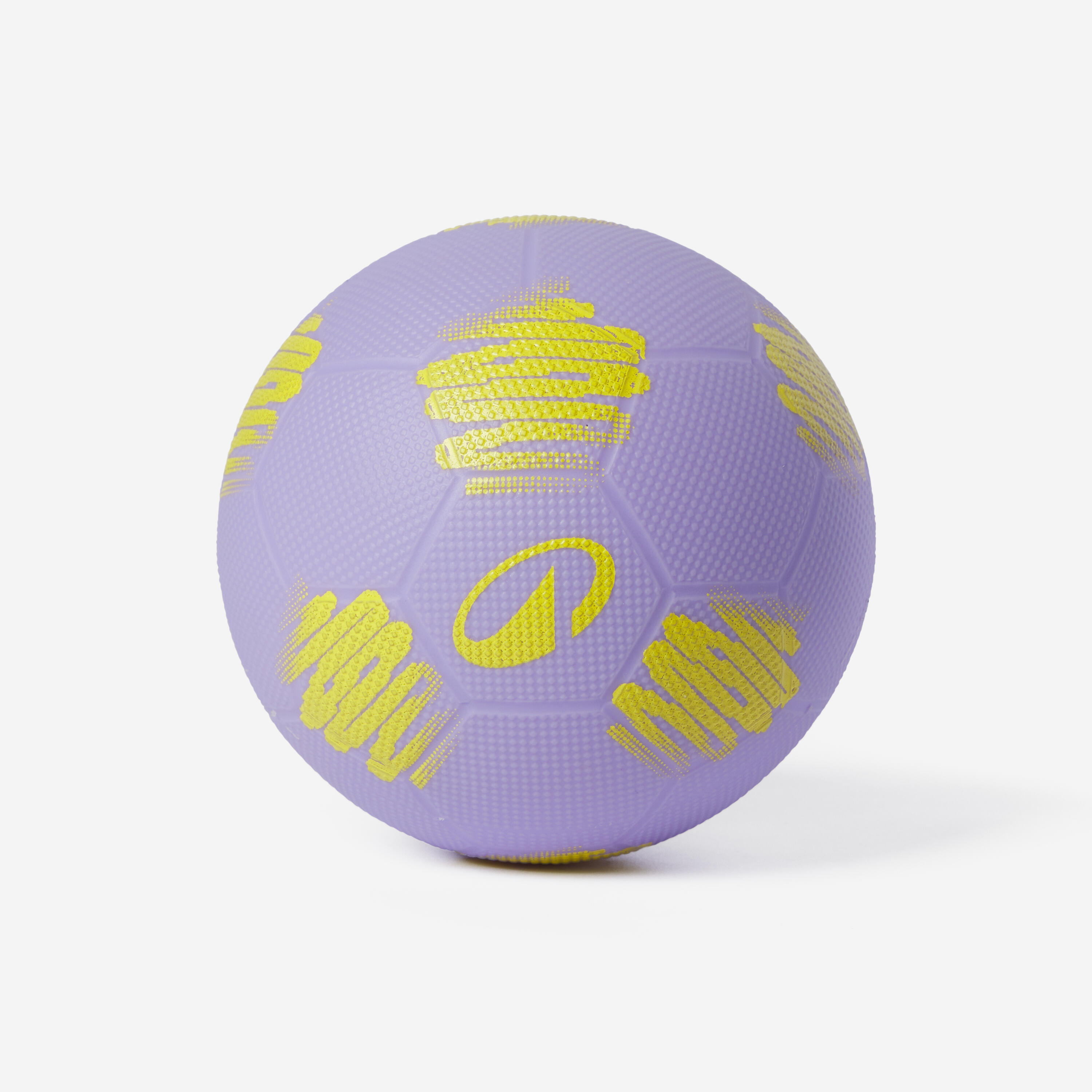
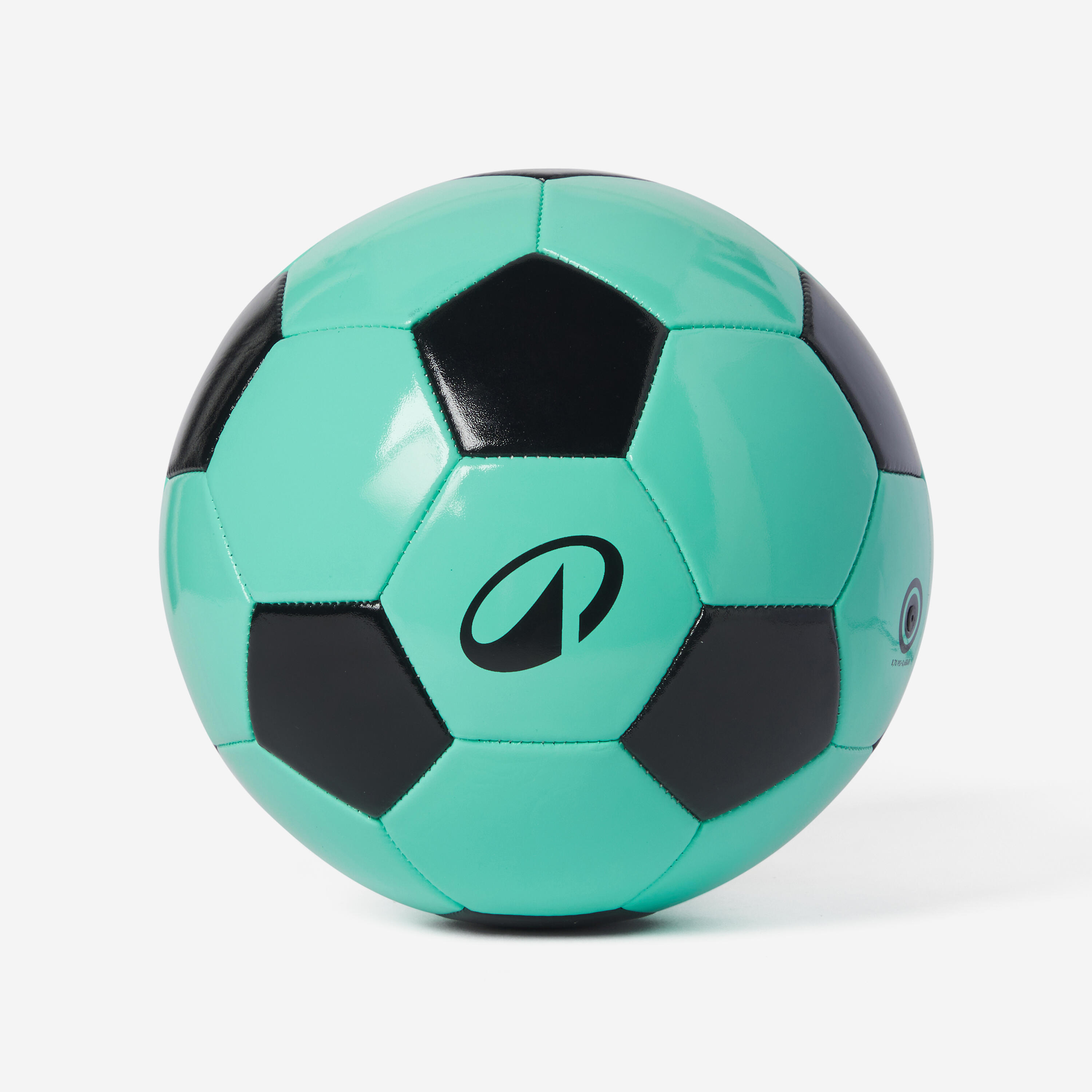
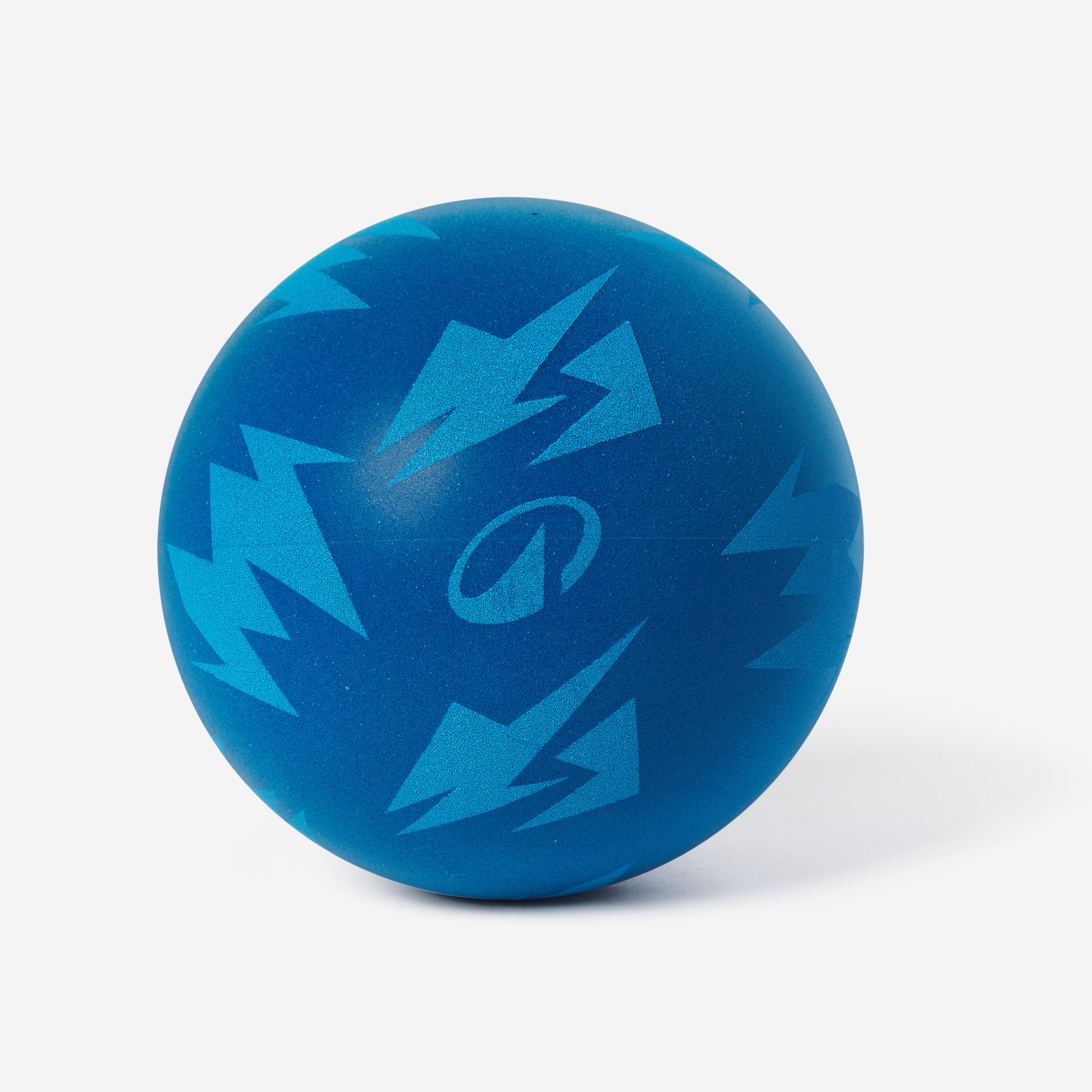
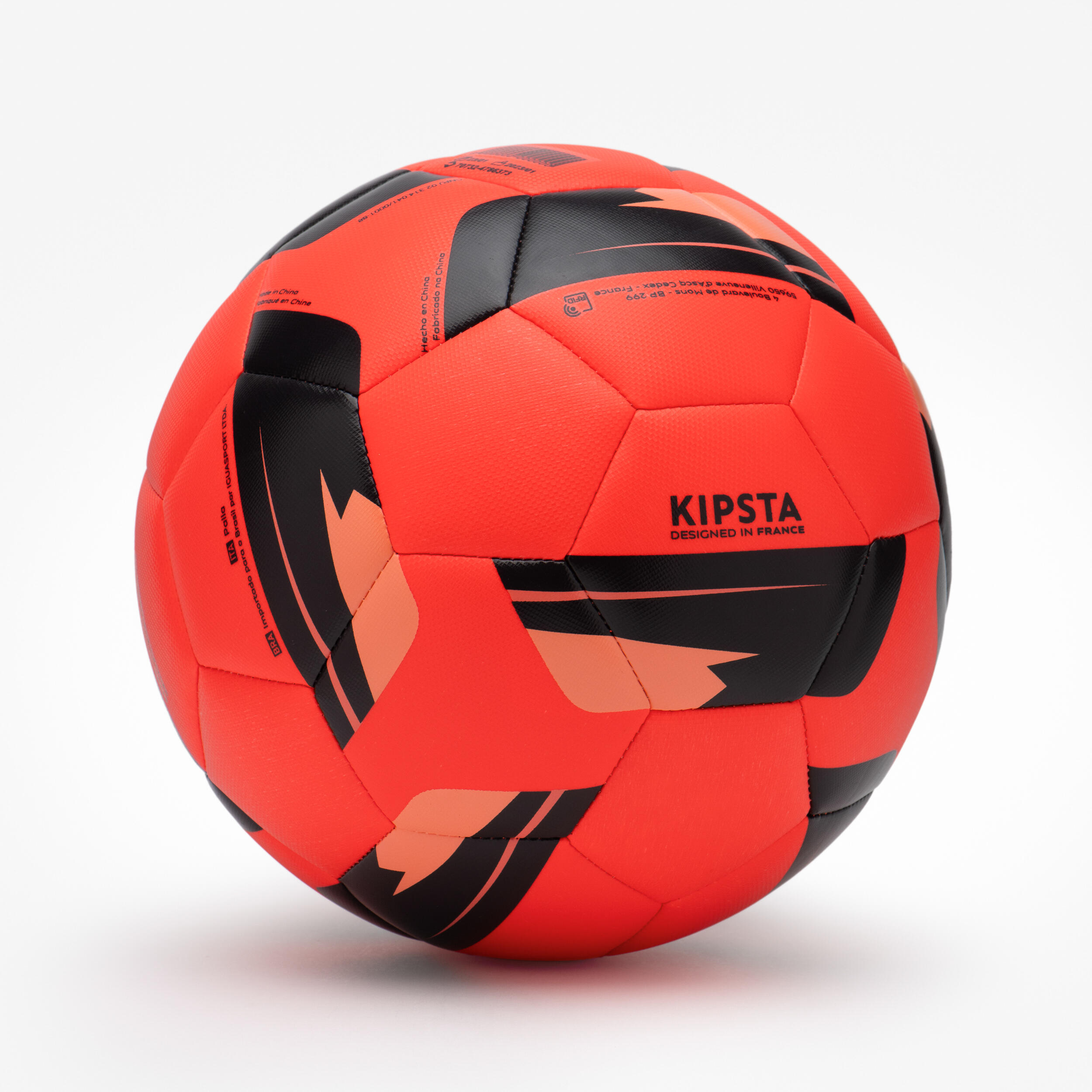
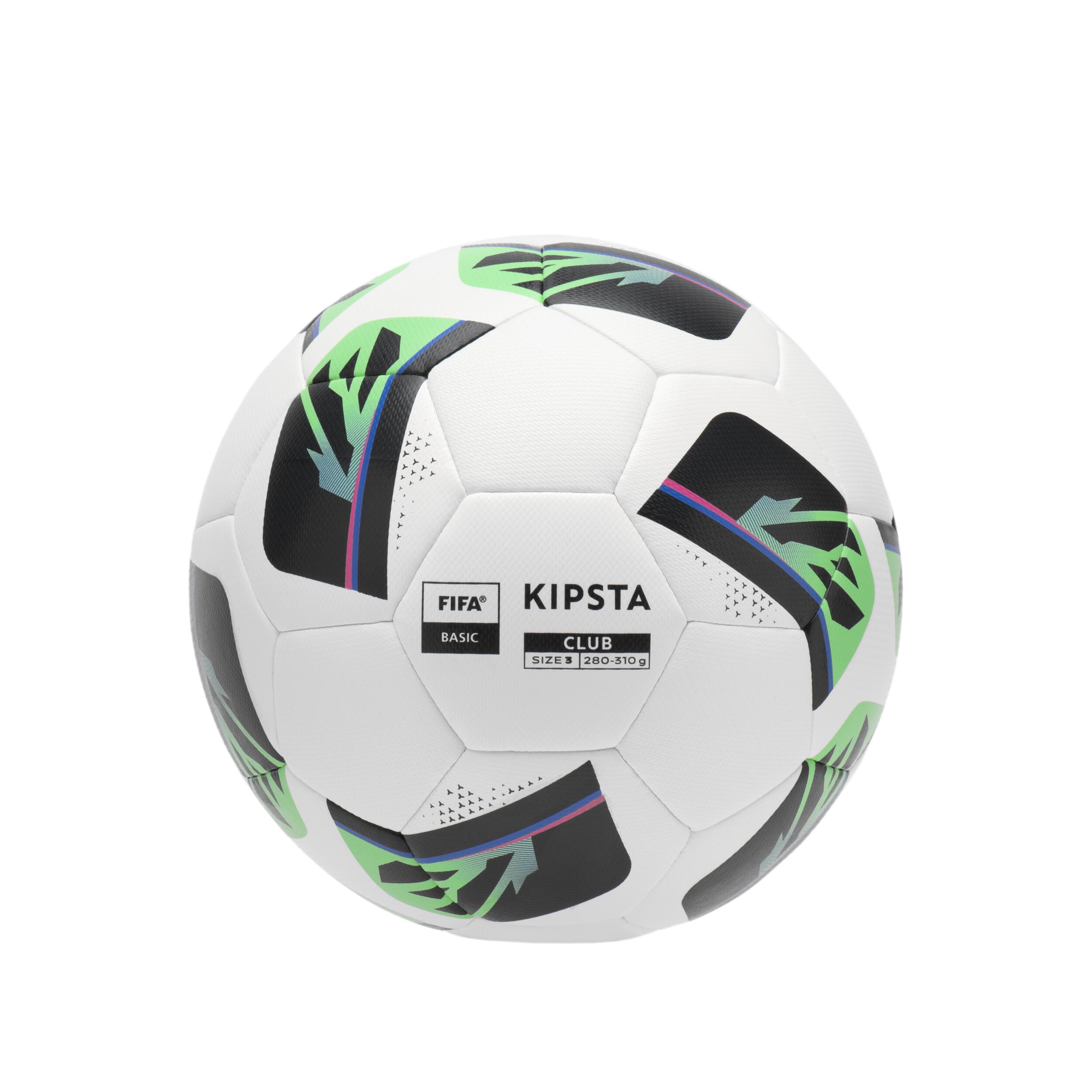
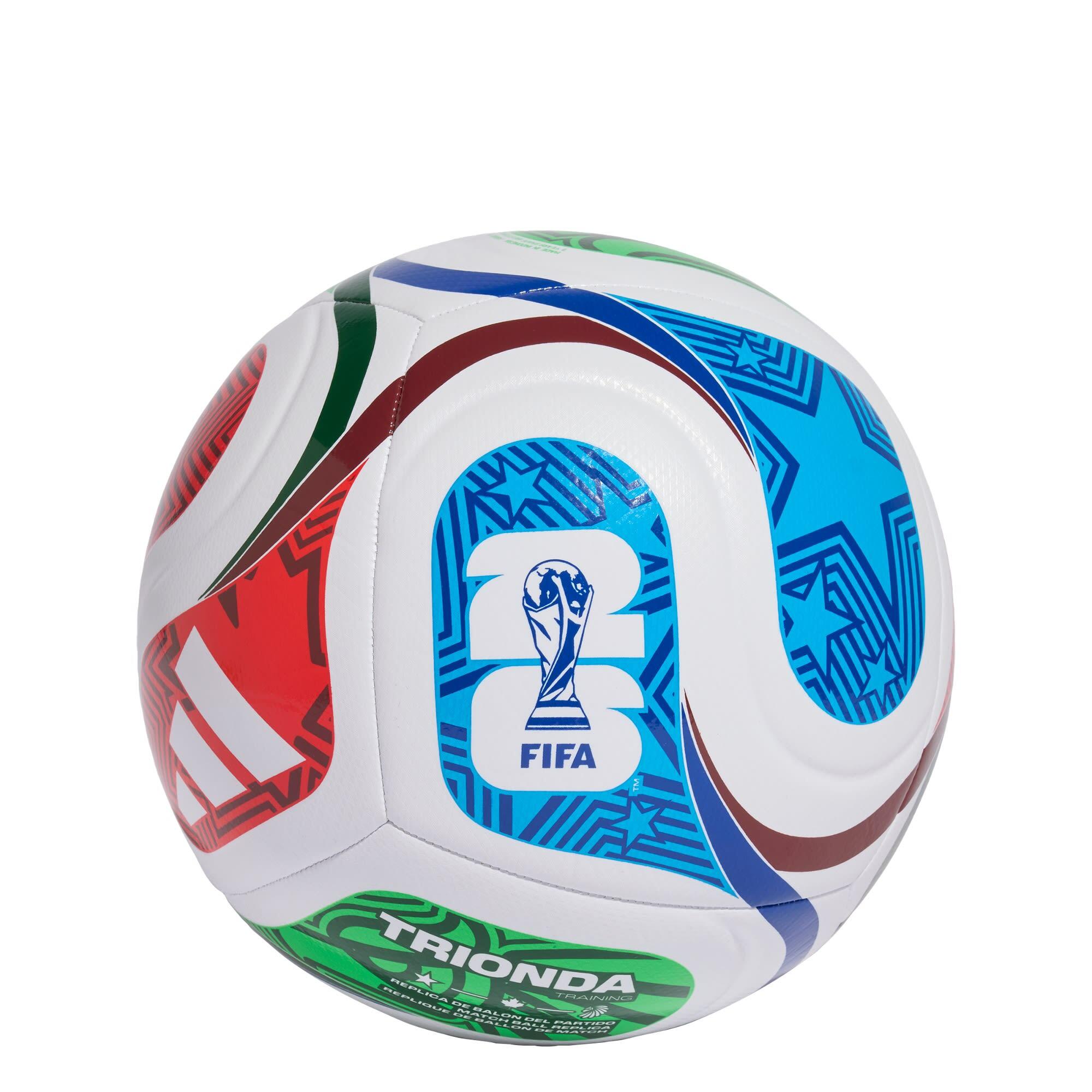
Age, confidence, playing surface and session type all influence the most suitable football construction. Soft foam and lightweight PVC balls make early touches easier to manage, while stitched models introduce the weight, hardness and rebound used in regular football. KIPSTA recommends size 3 for children under nine, size 4 for ages nine to twelve and size 5 for players over twelve. The broader footballs selection includes recreational, learning, training and certified match options for different stages of play. Check the stated size, weight and surface guidance rather than choosing by graphics alone, as two balls with similar colours may behave very differently during passing, shooting or control drills.
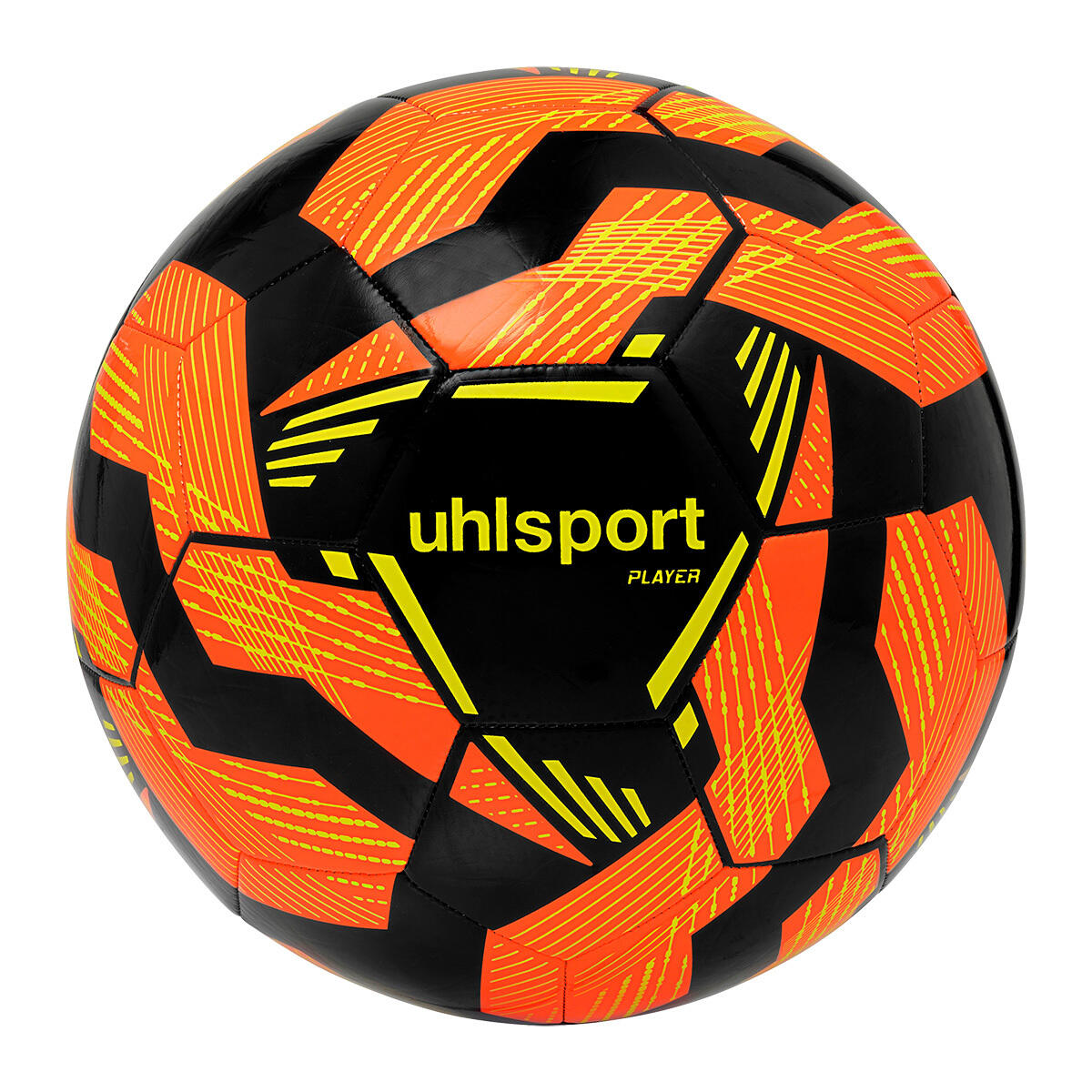
Why are machine-stitched footballs practical for regular training?

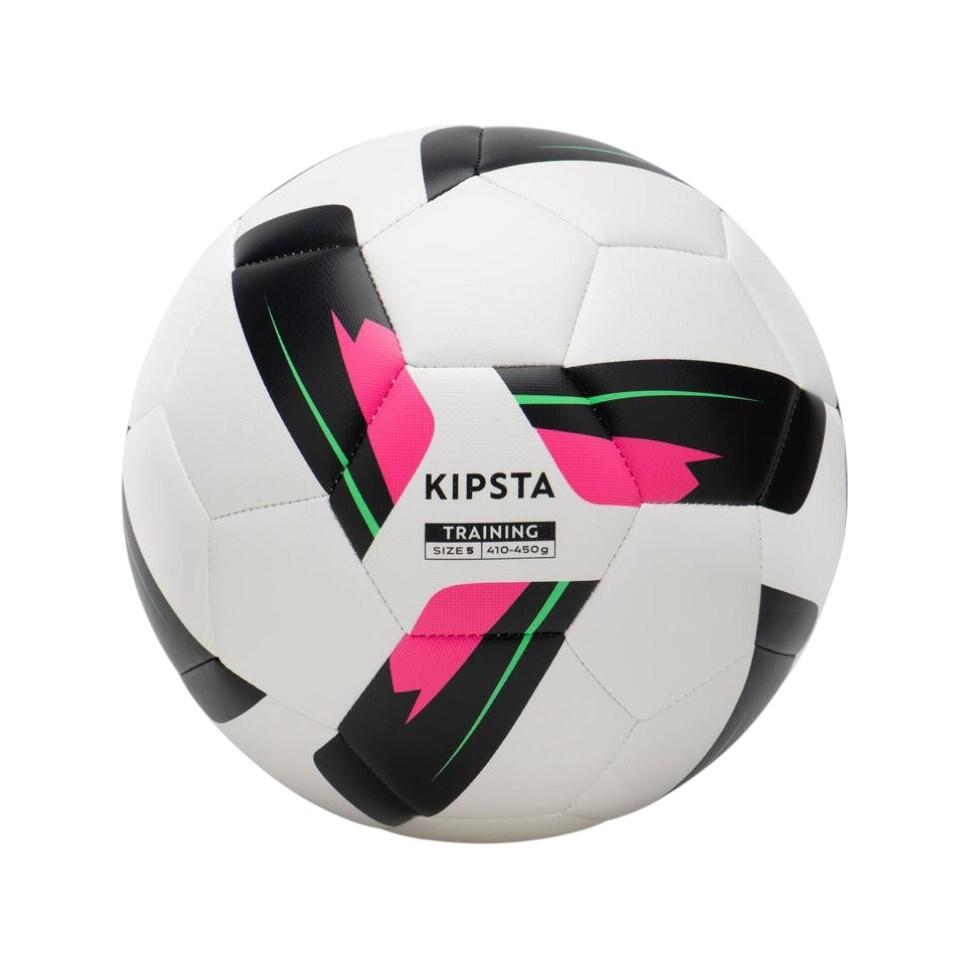
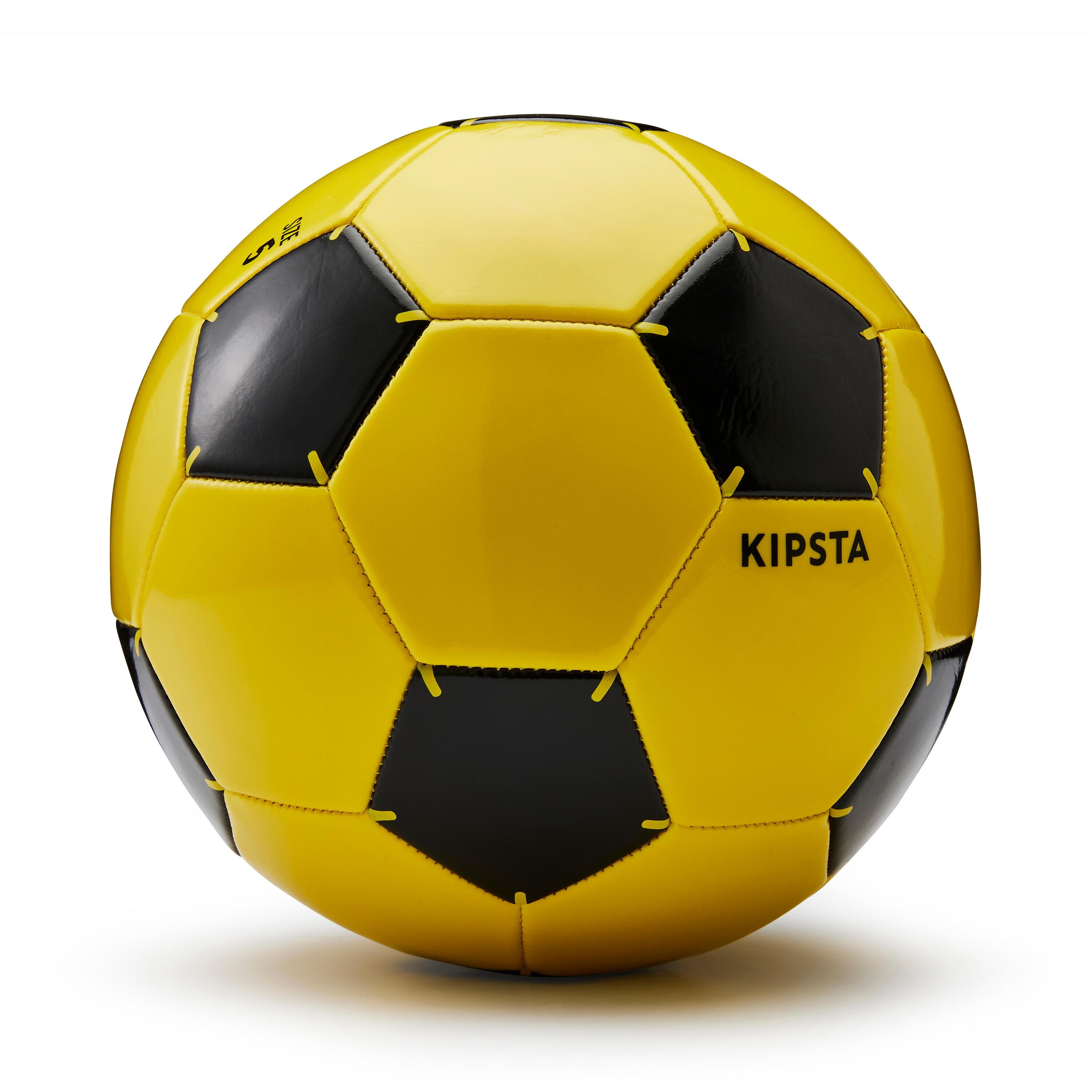
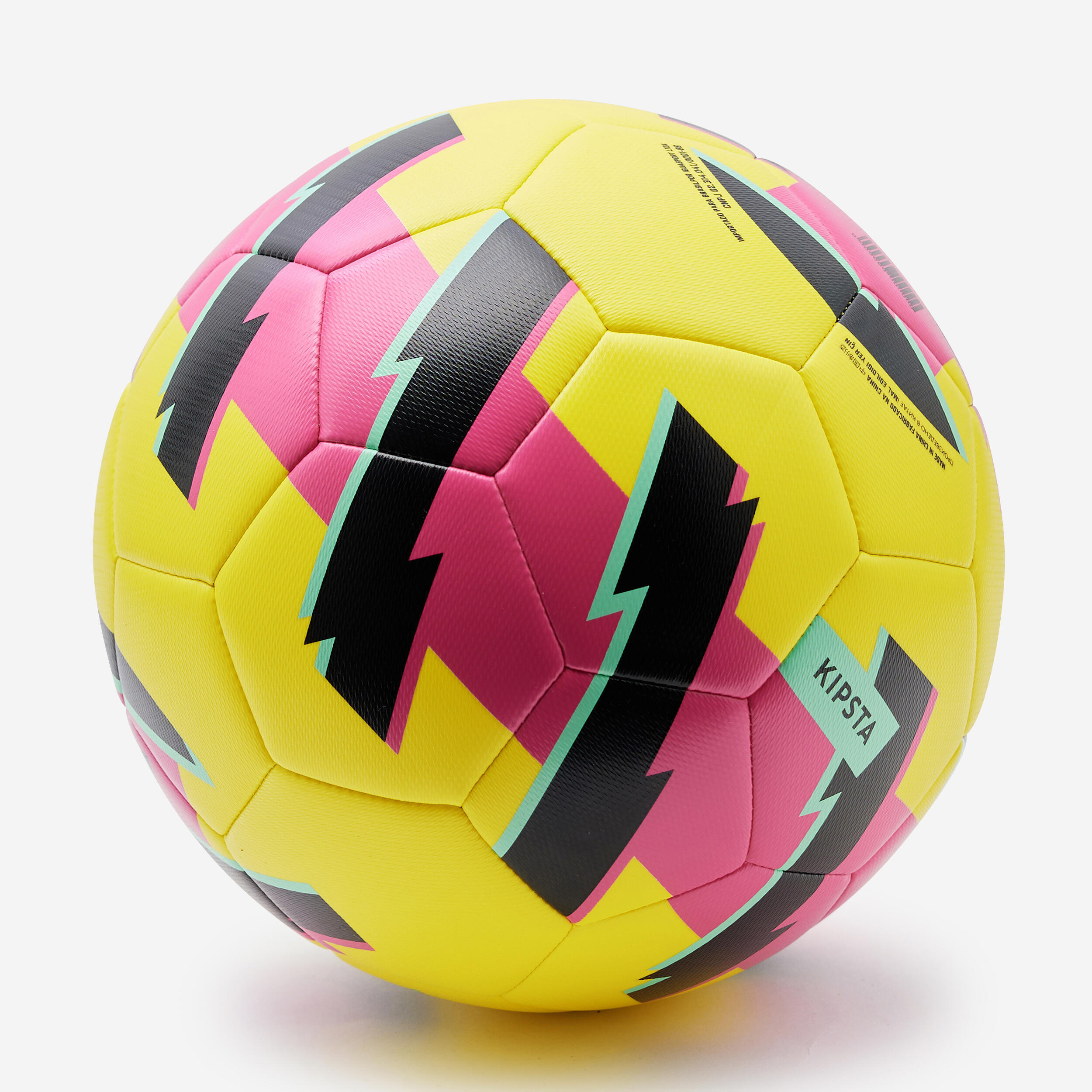
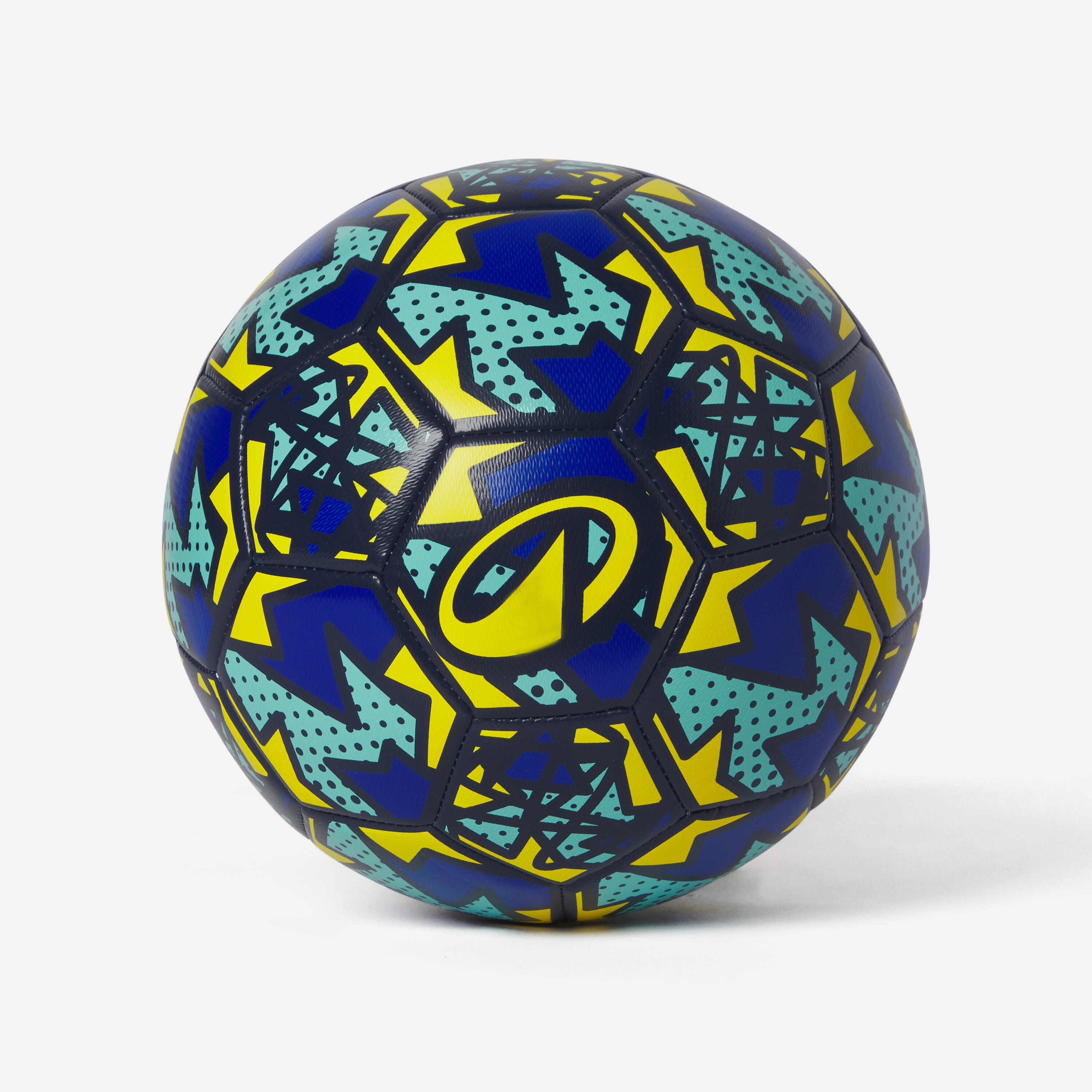
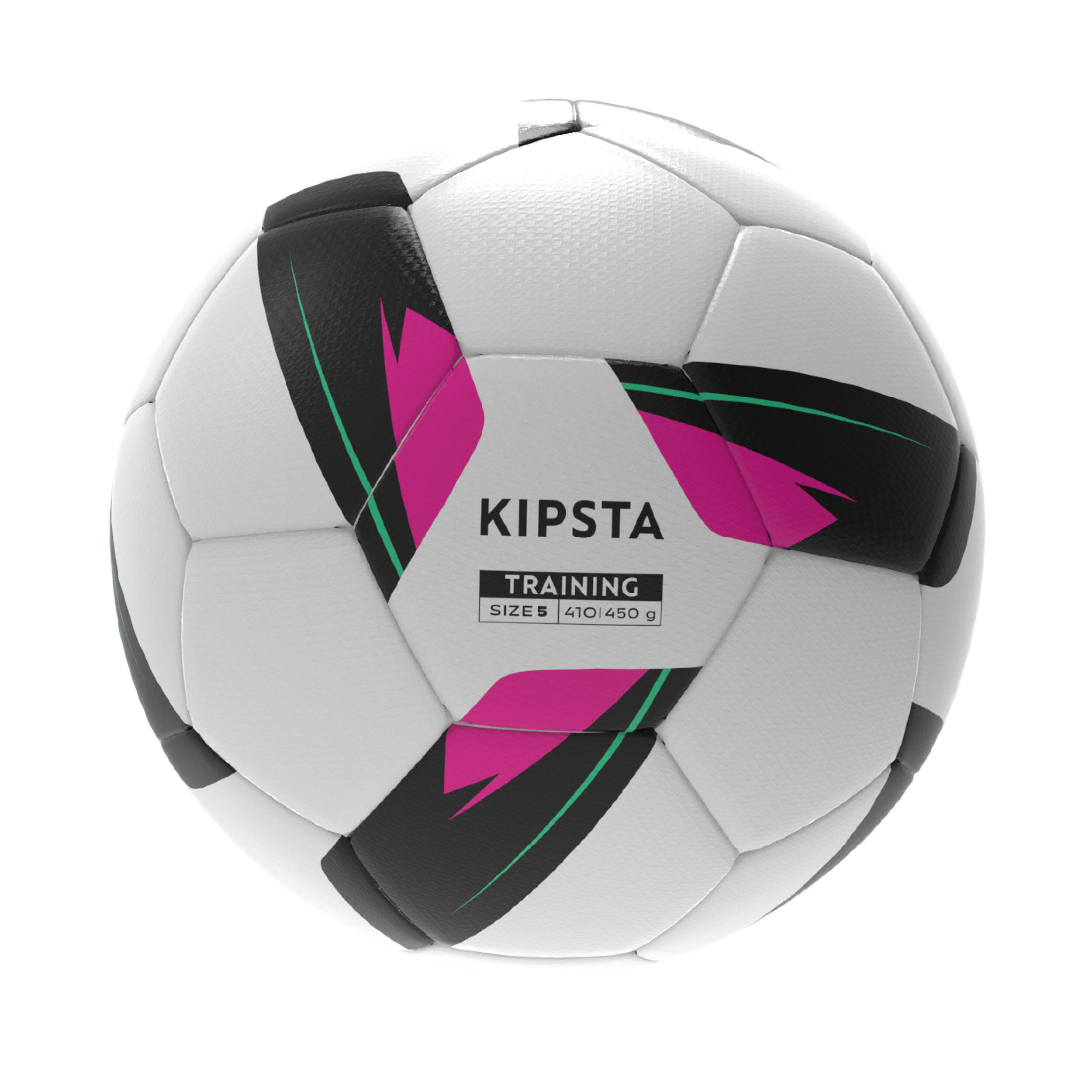
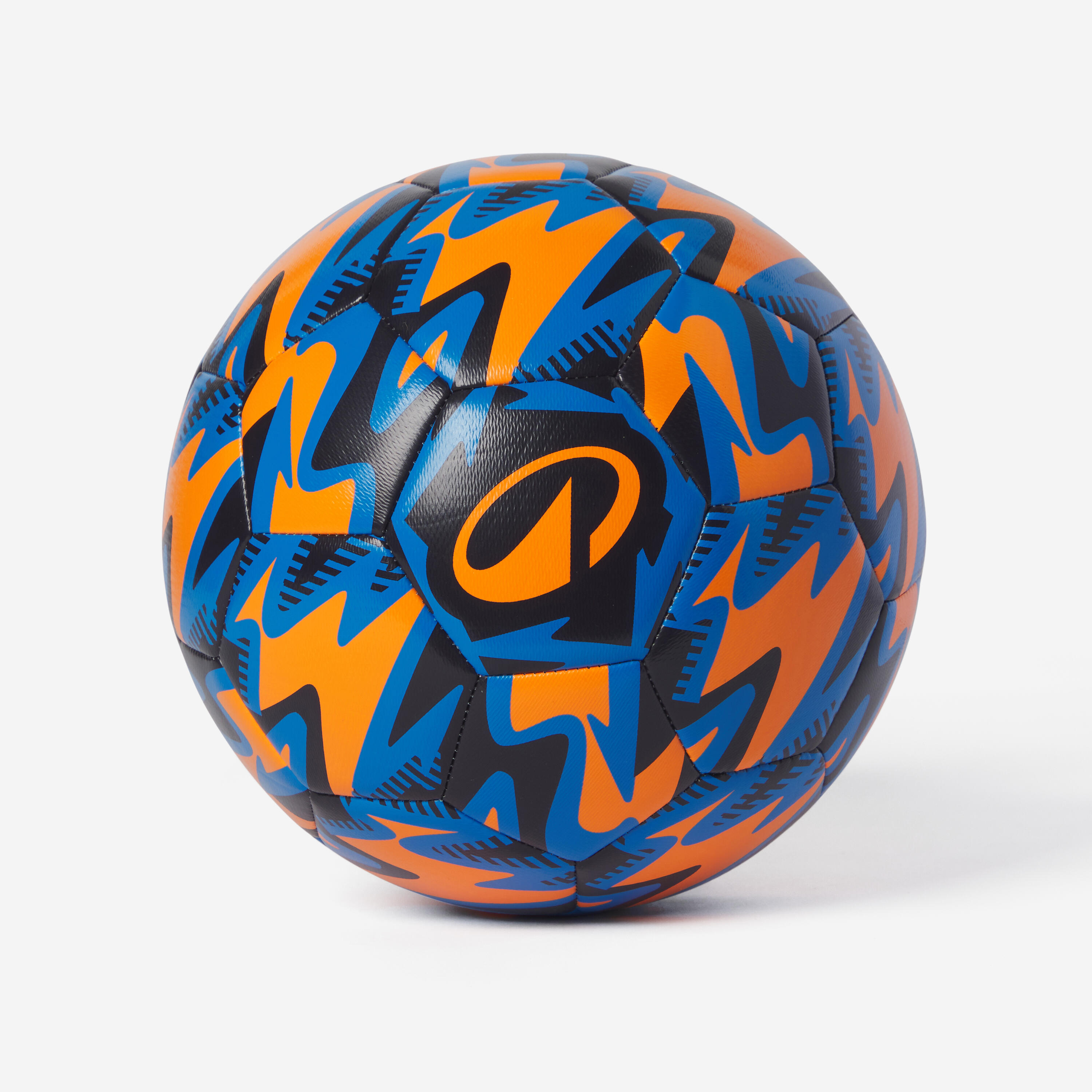
Machine-stitched constructions provide a familiar football feel while offering the durability needed for repeated passing, shooting and first-touch exercises. KIPSTA uses a TPU outer cover and an optimised bladder on selected training models to support wear resistance and pressure retention. Its machine-stitched football is measured for roundness at 4,500 points and must remain within an average variation of 1.8%. The ball also undergoes up to 2,500 machine-fired impacts at 50 km/h, followed by checks of its seams, circumference, shape and inflation. This makes the construction useful for young club players and occasional footballers who need predictable bounce without moving directly to a higher-level match ball.

When does a football softball help build confidence?

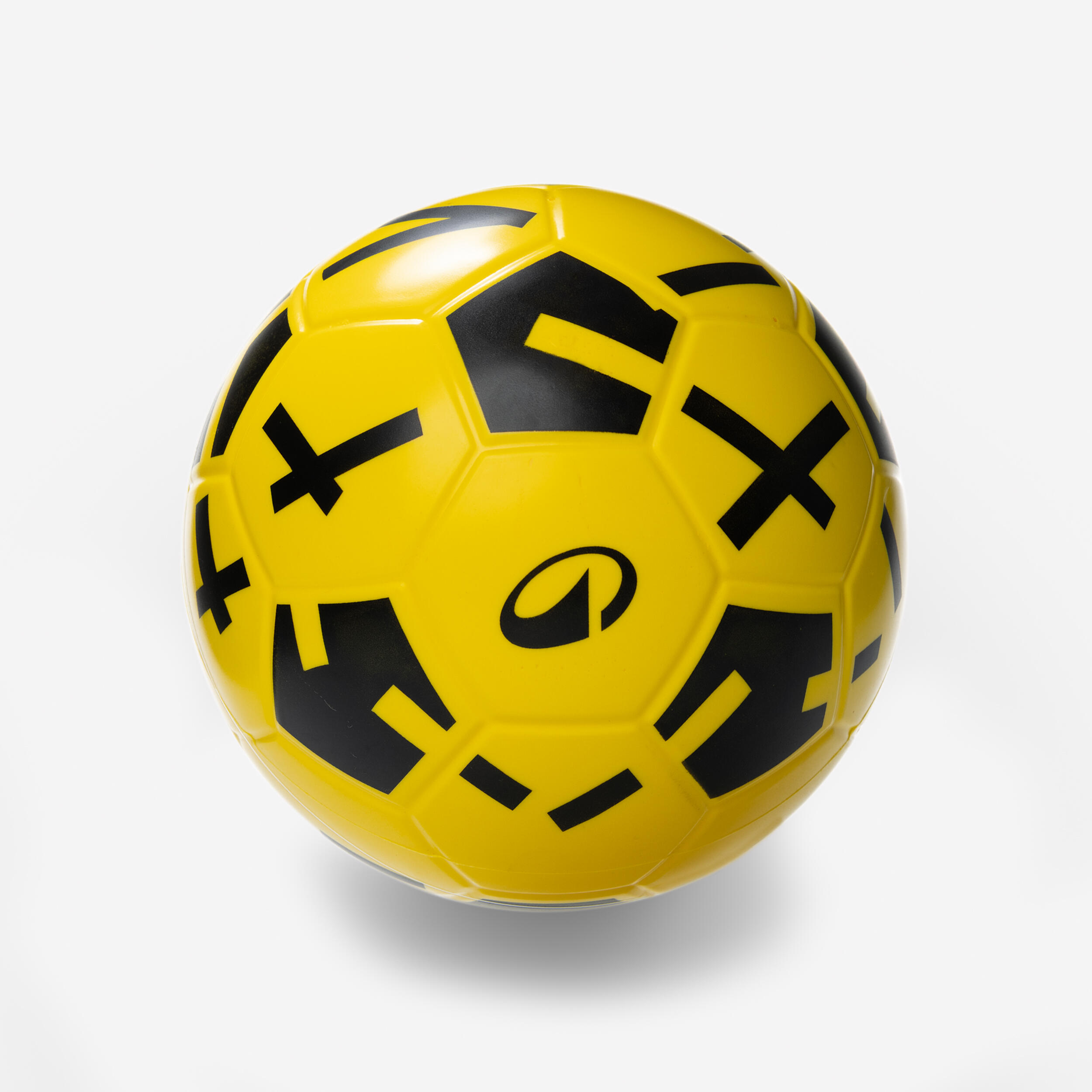
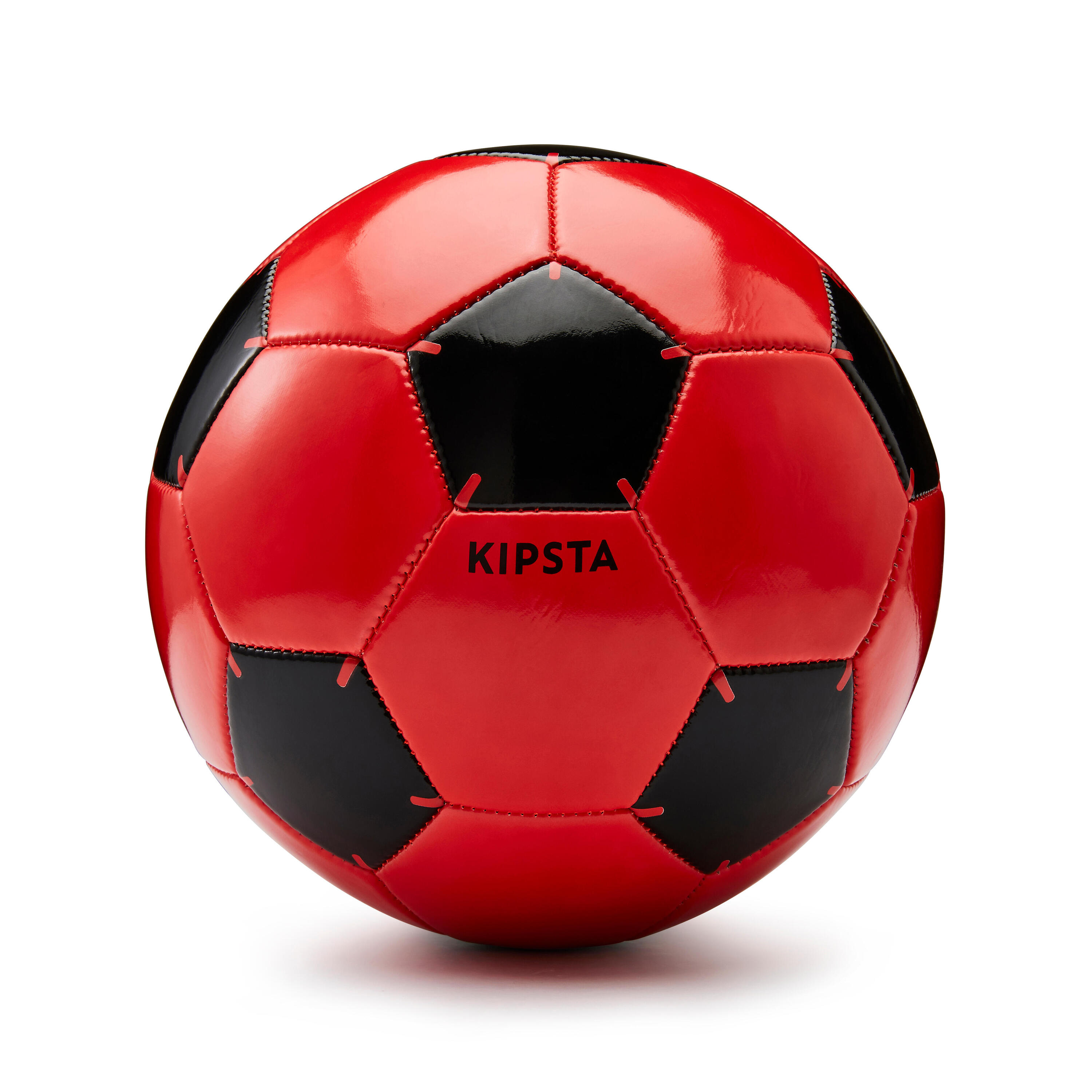
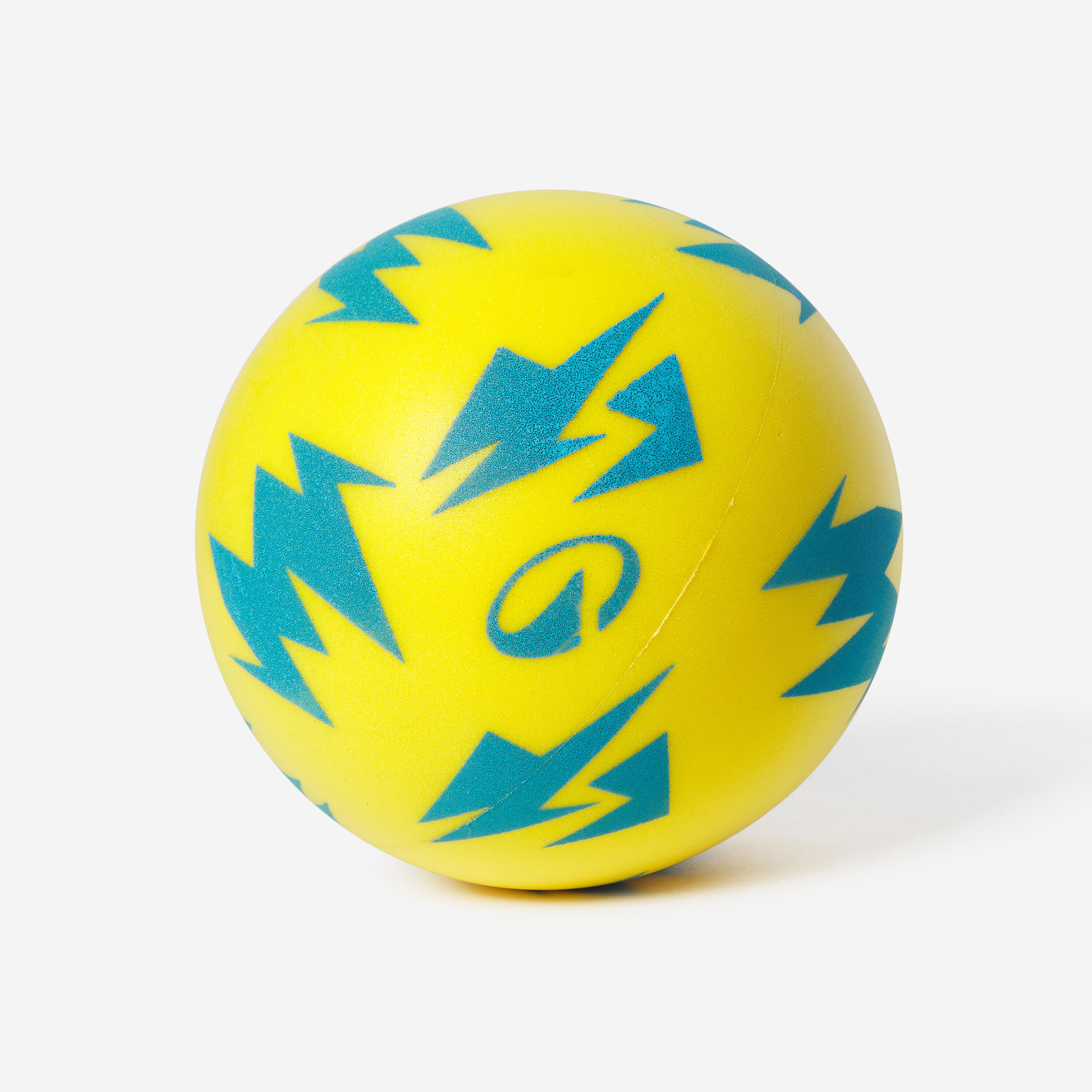
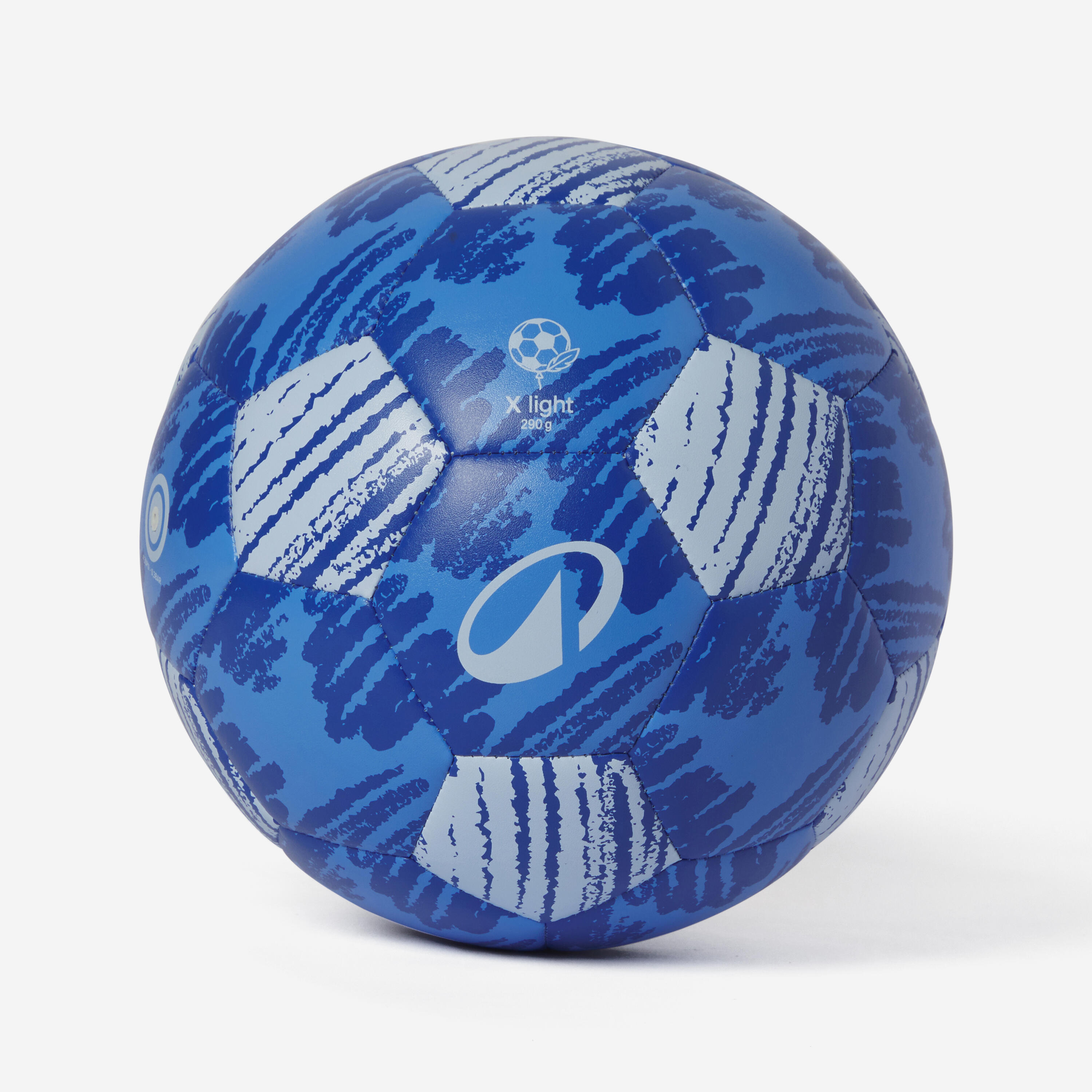
A softer and lighter ball can make repeated contact more comfortable for children who are learning to pass, shoot or head the ball. A 290 g size 5 football softball retains familiar adult dimensions while reducing the weight players need to move. This allows beginners to practise longer passes and controlled strikes with less impact than a conventional 410-450 g size 5 ball. Softballs are also useful for accuracy games where confidence and technique matter more than power. Surface guidance still needs attention, as a lighter outer construction may not tolerate abrasive tarmac or sharp garden debris. Moving to a standard-weight ball later helps players prepare for organised football without rushing the early learning stage.

Where do thermobonded footballs add value in match play?

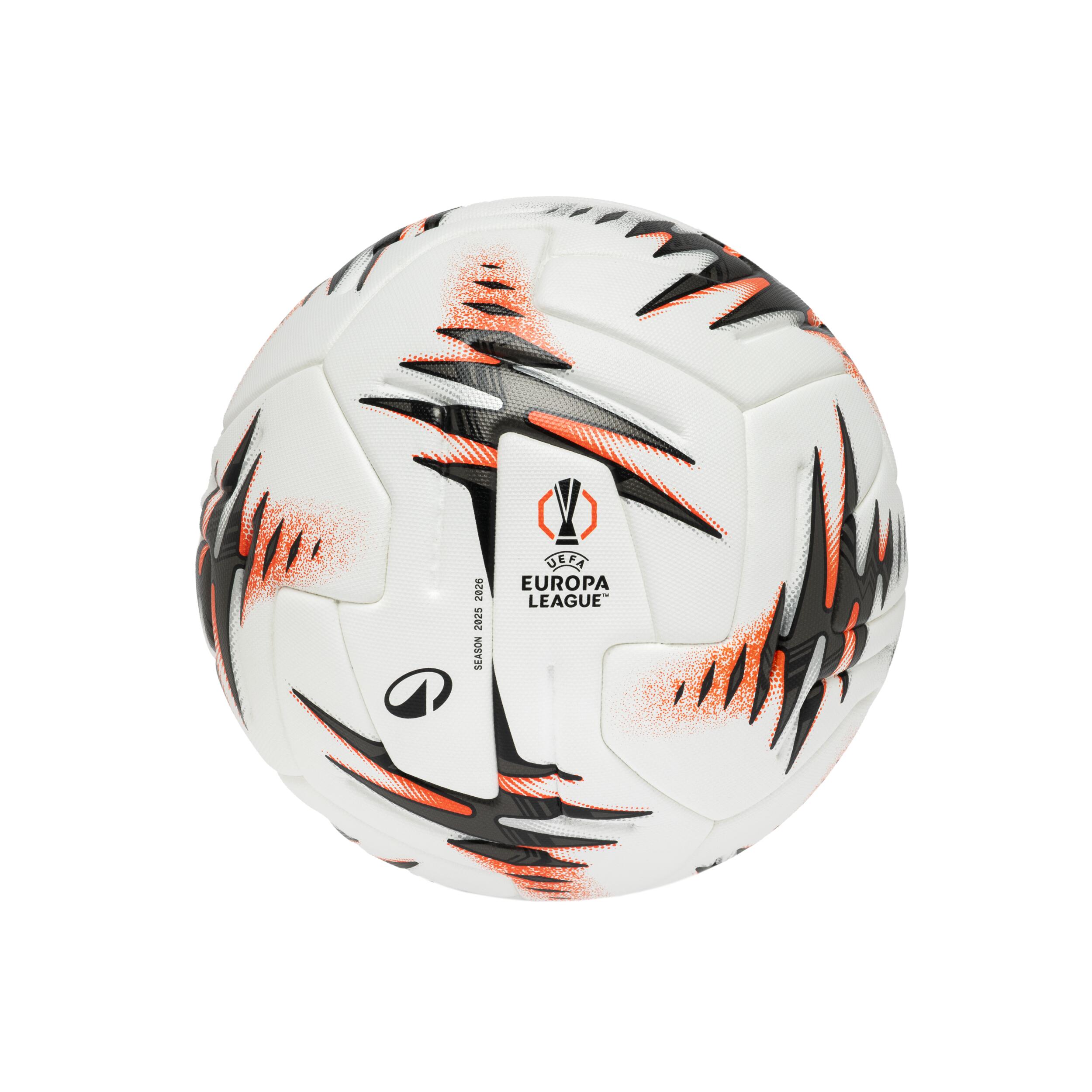
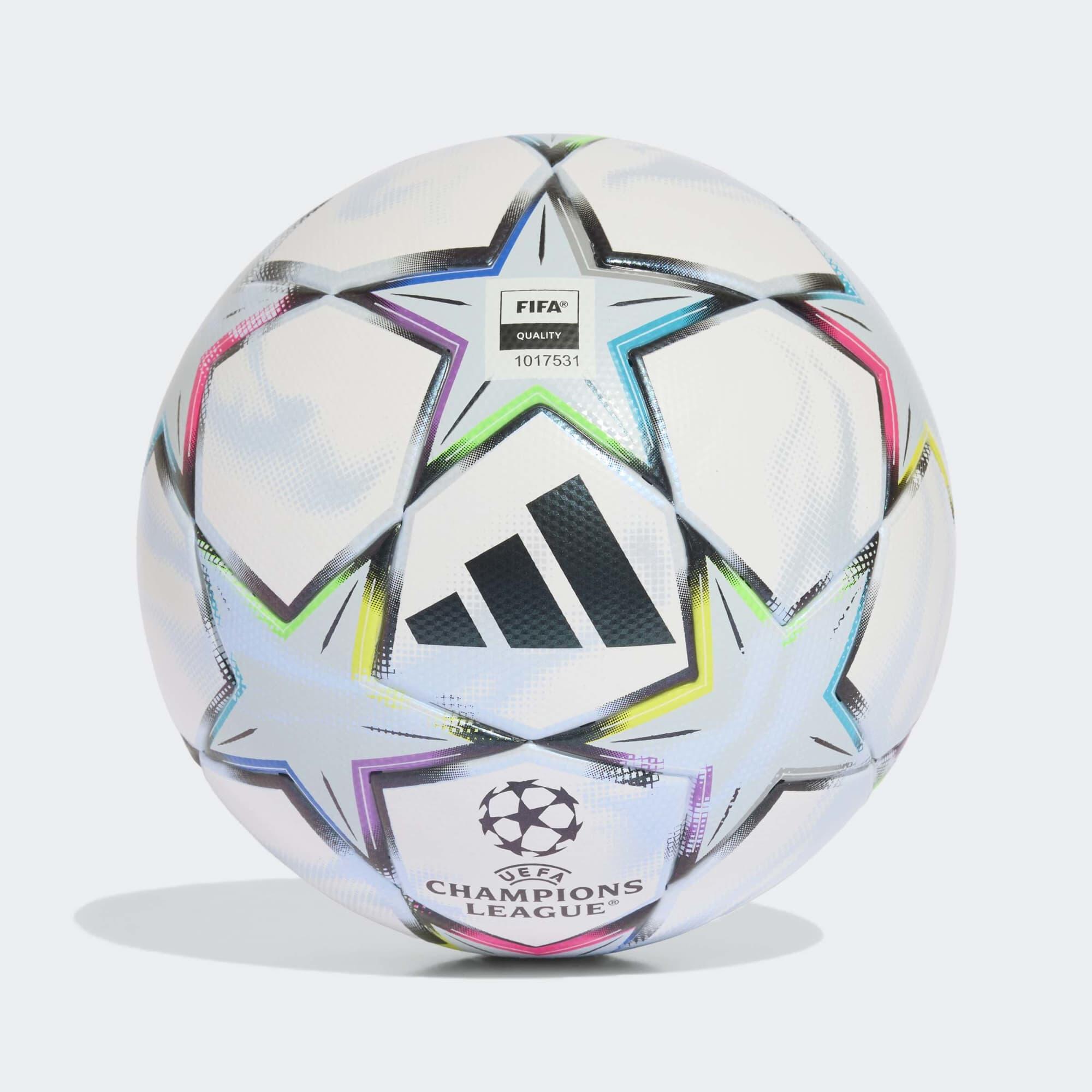
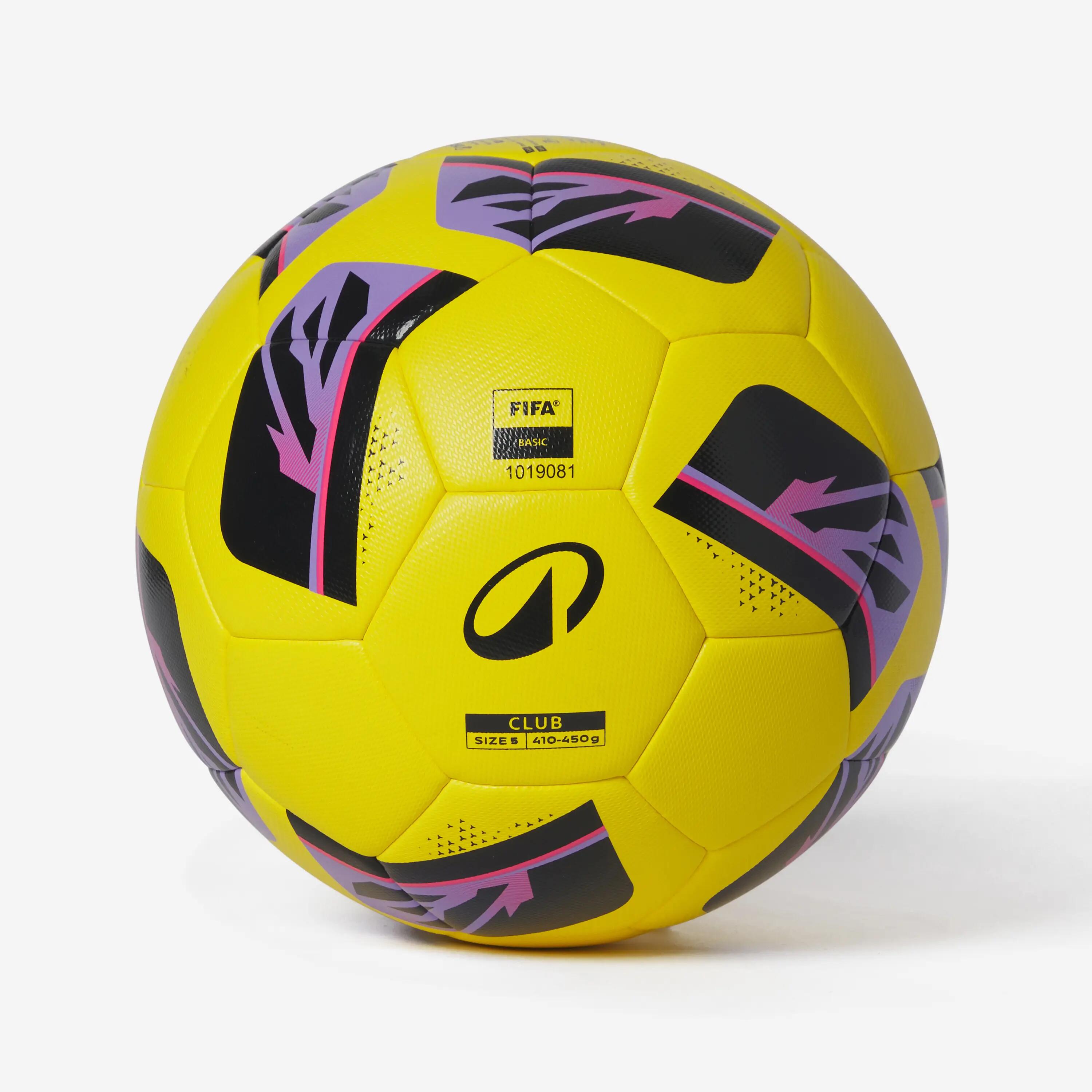
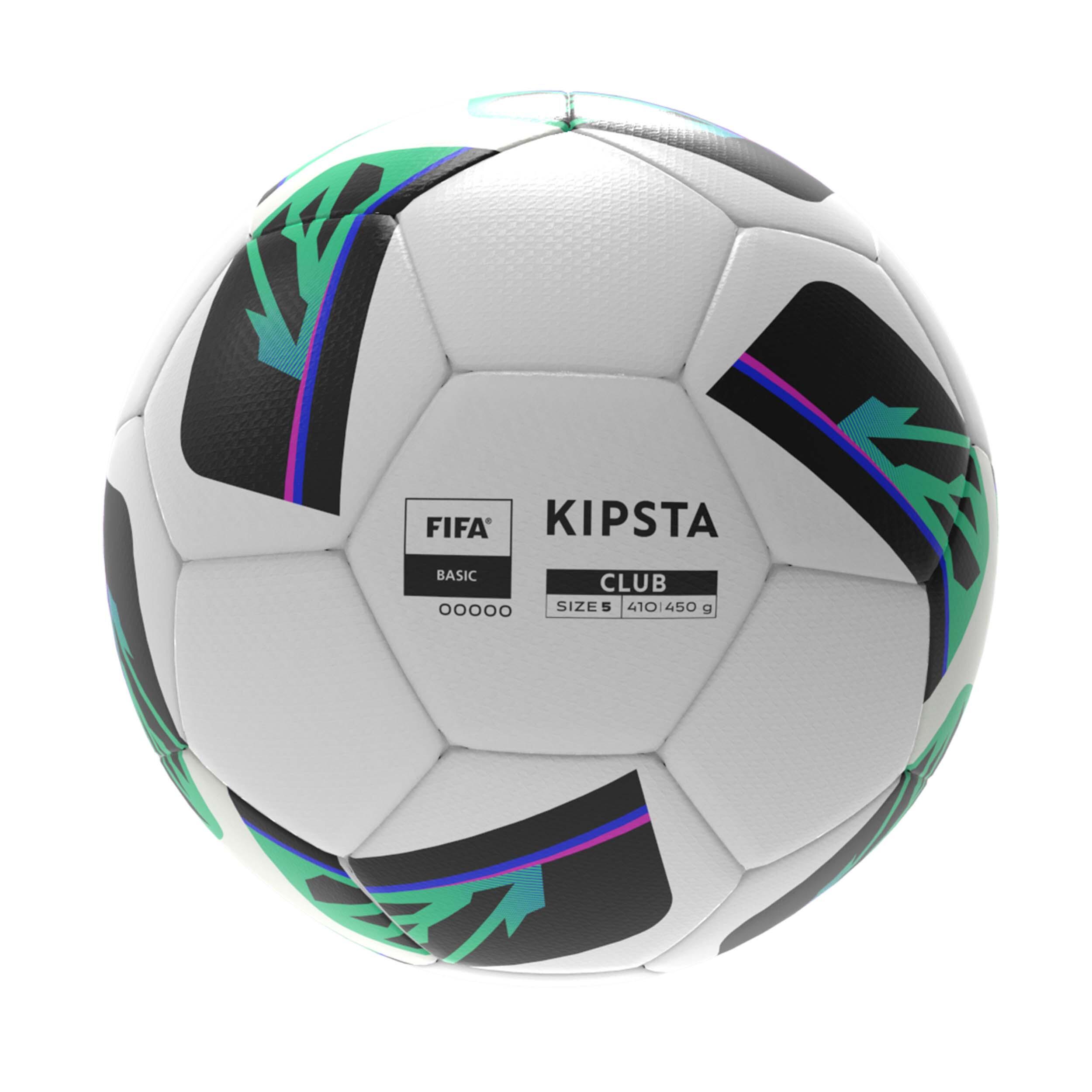
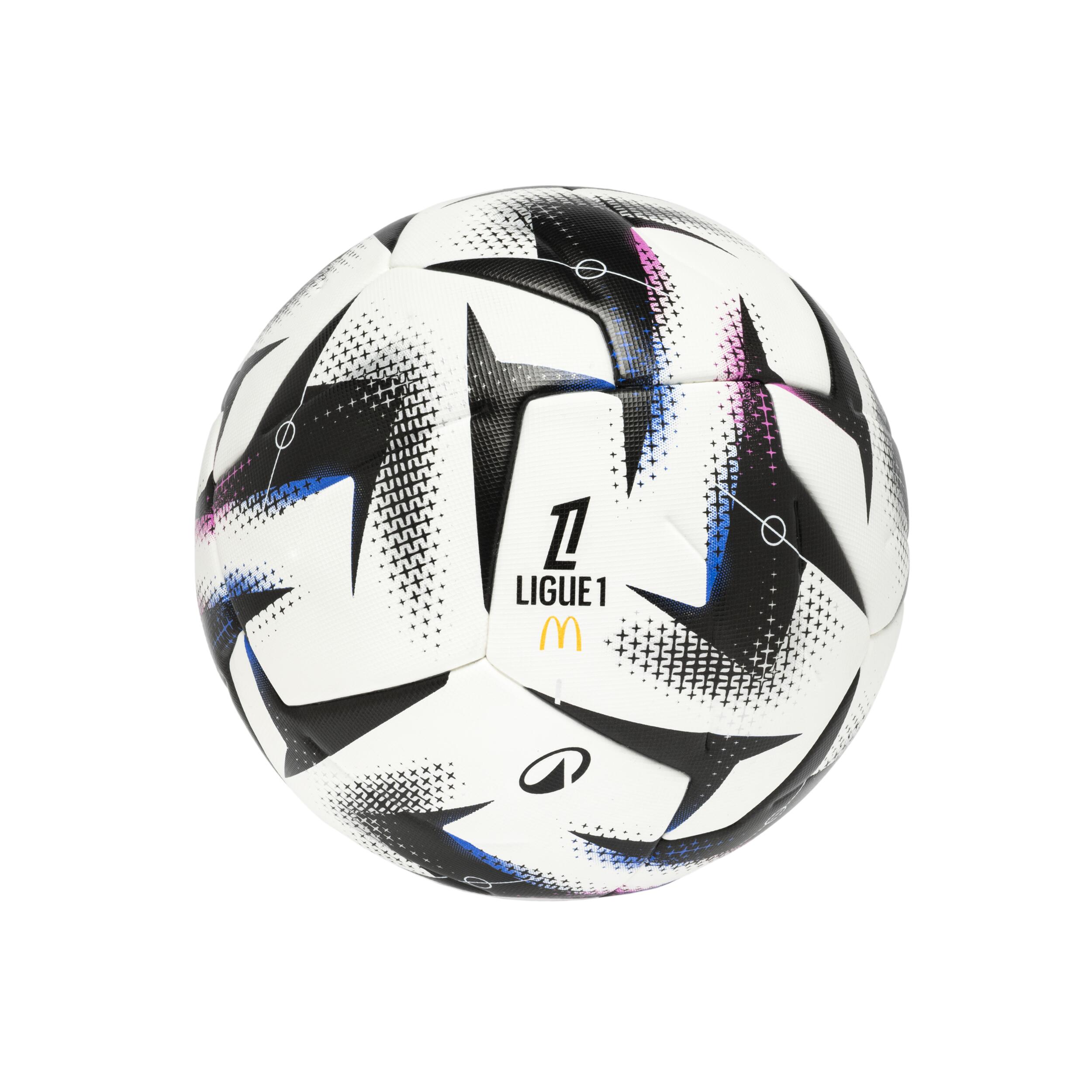
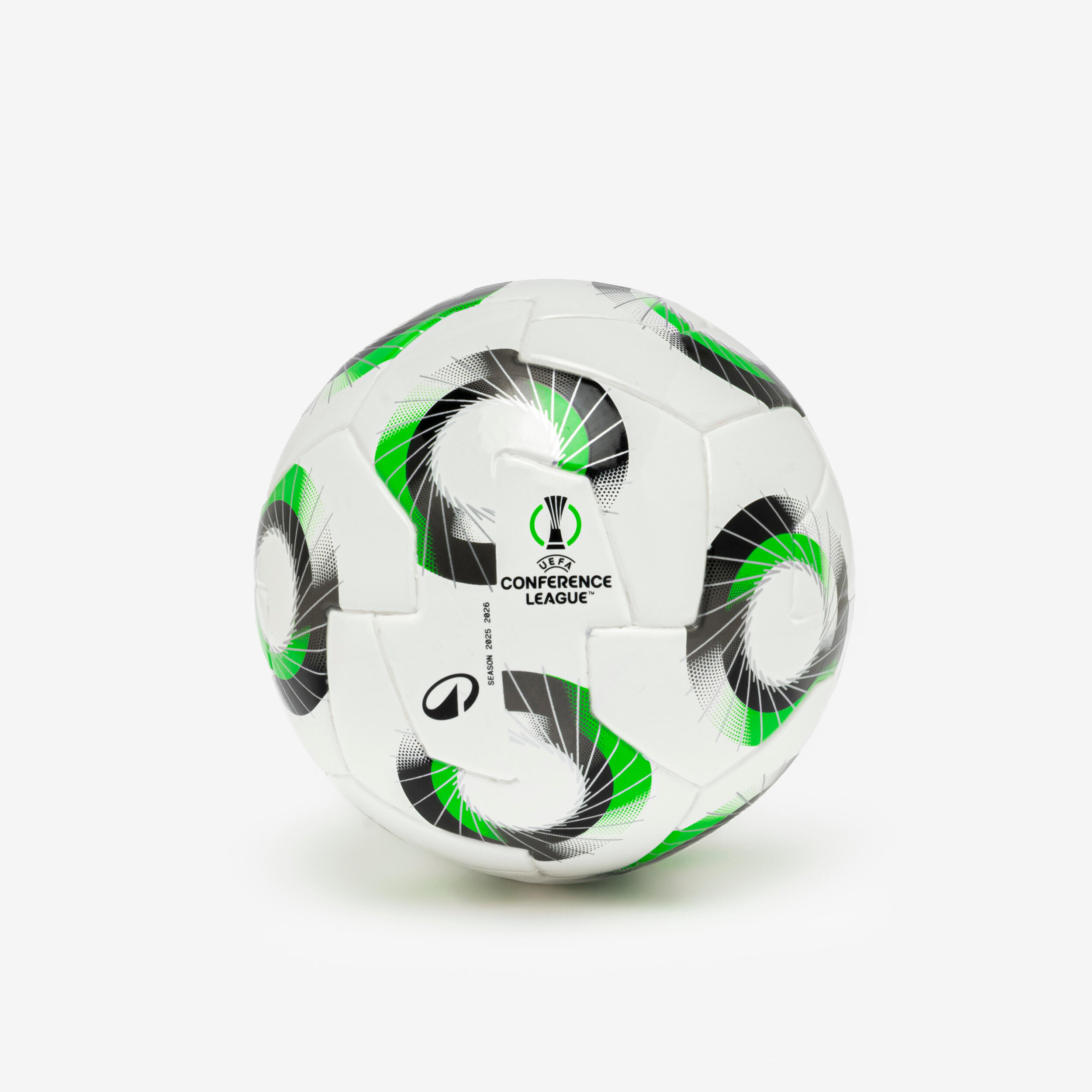
Thermobonded panels create a smoother outer surface because the joins are bonded rather than held together by conventional visible stitching. This construction can reduce water entry through the seams and support a more regular flight during passing, crossing and shooting. A thermobonded football with FIFA Quality approval must meet recognised limits for weight, circumference, roundness, bounce, pressure retention and water absorption. KIPSTA also uses controlled drop, water and impact protocols to check how its technical balls behave after repeated use. Thermobonded models are most relevant to regular matches and structured training where consistent trajectory matters, while softer PVC or foam balls remain more suitable for informal play and early learning.

What keeps a football round, responsive and correctly inflated?

Regular pressure checks, suitable storage and correct surface use have a direct effect on ball performance. Inflate gradually to the pressure printed near the valve, using a clean needle inserted straight into the opening. Some air loss is normal, so check the ball before an important training session rather than waiting until it feels noticeably soft. KIPSTA assesses selected balls for pressure retention, roundness, bounce and water absorption, with model-specific information available through the KIPSTA footballs category. Keep stitched and thermobonded balls dry and ventilated, away from radiators, thorns and rough tarmac. Foam balls may need protection from water, while softer PVC constructions can be punctured by pointed branches. Following the stated care guidance helps preserve shape, rebound and outer-cover condition.