165 items
4.7/5 based on 130672 reviews collected online and in stores

KIPSTA Footballs FAQs

Which KIPSTA football matches a player's stage of development?

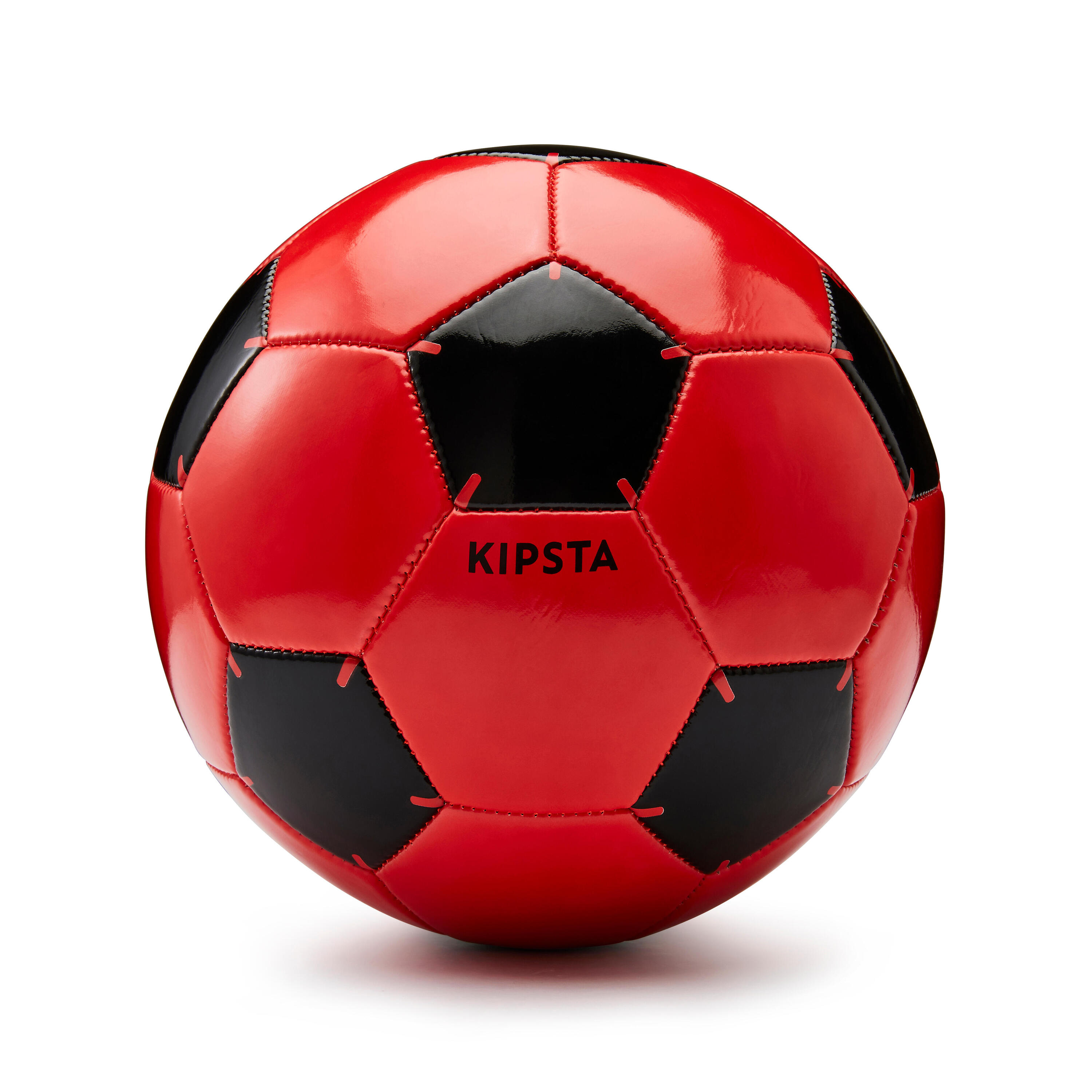
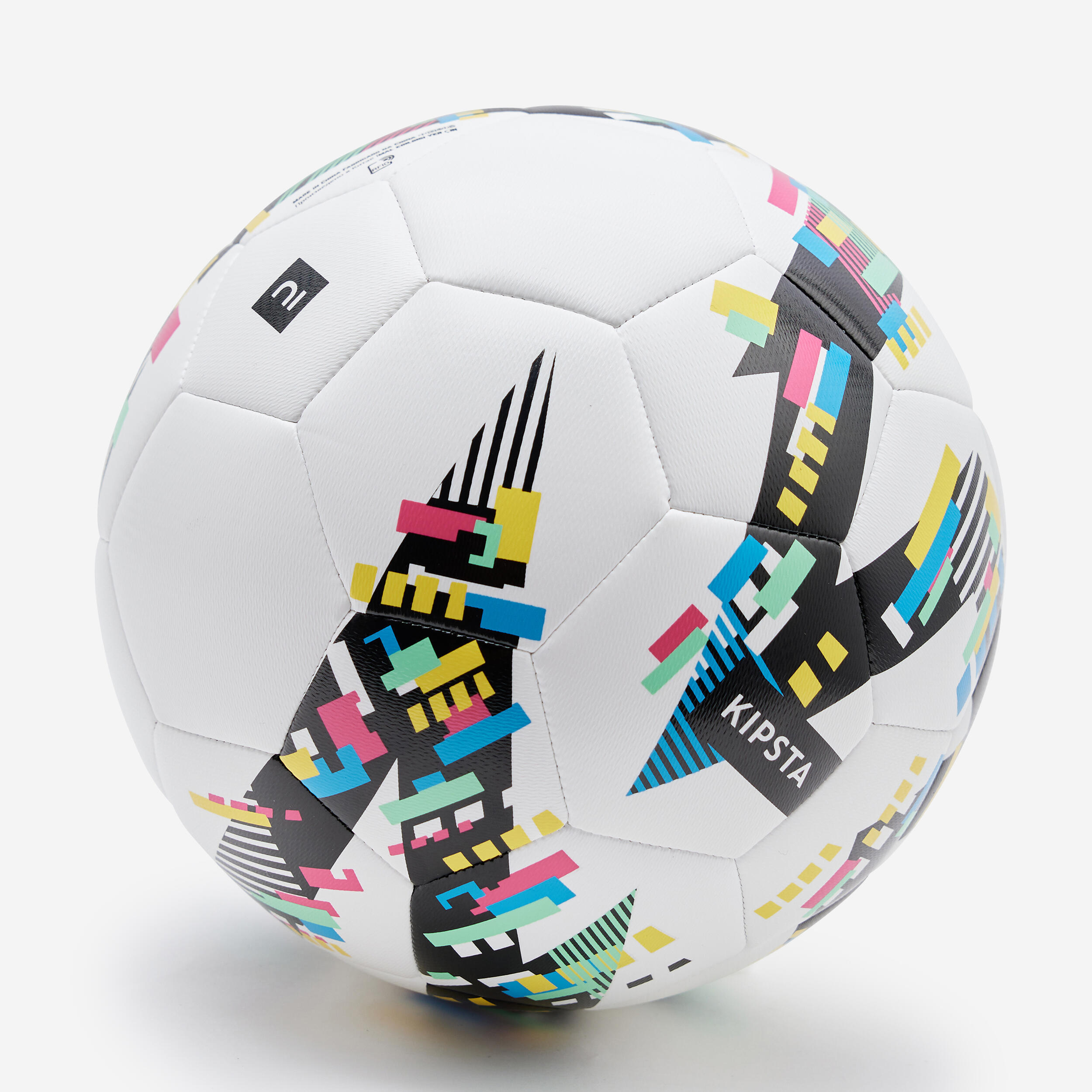
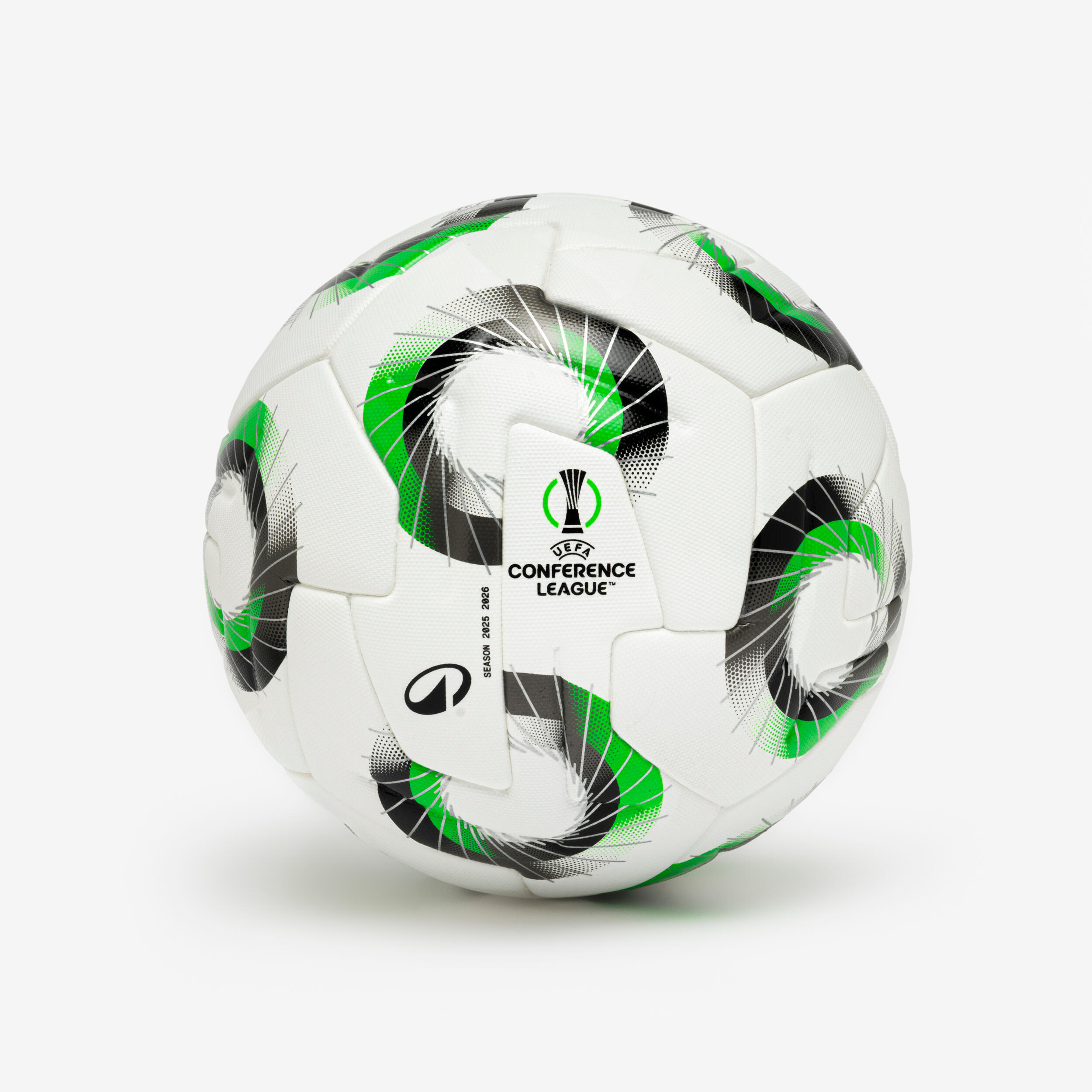
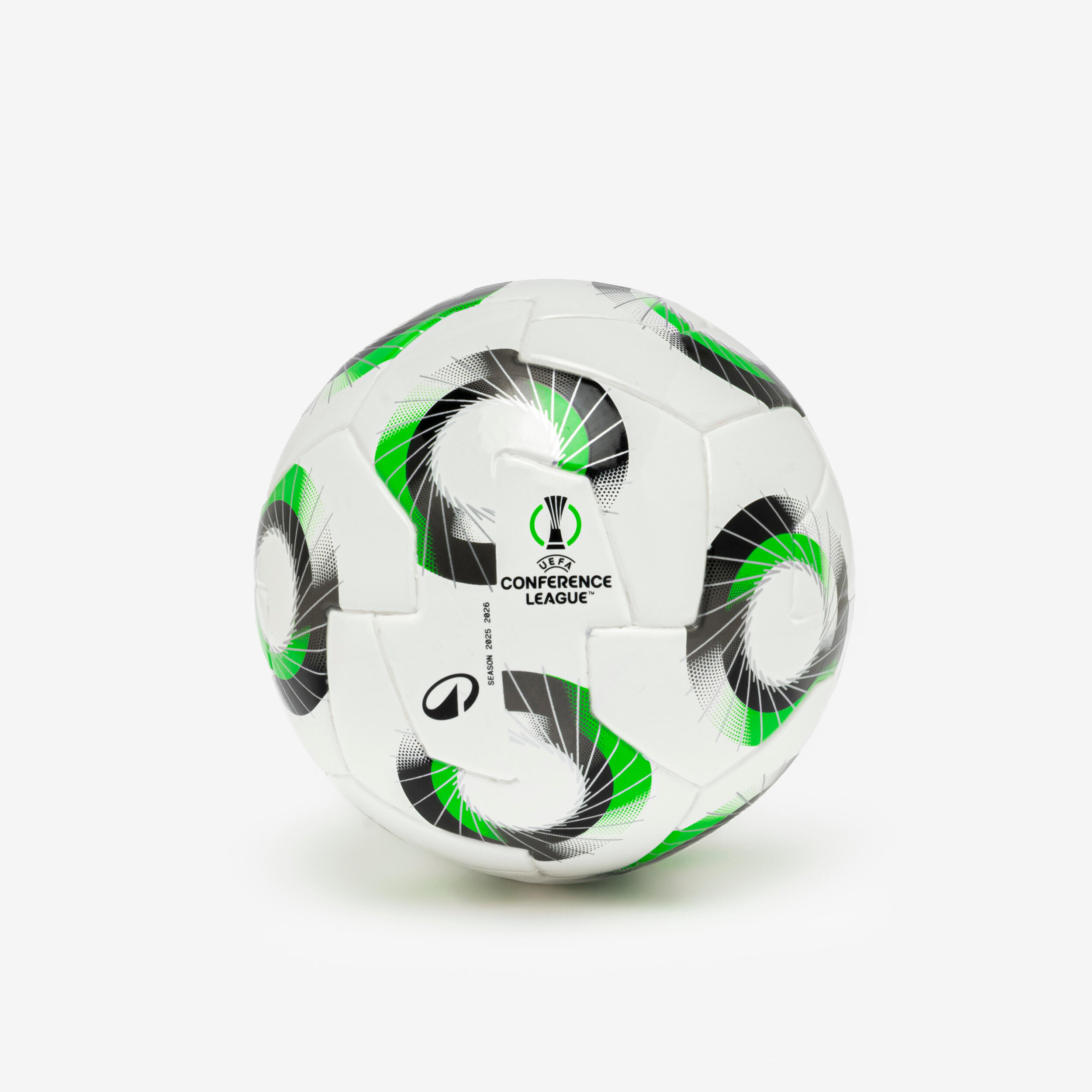
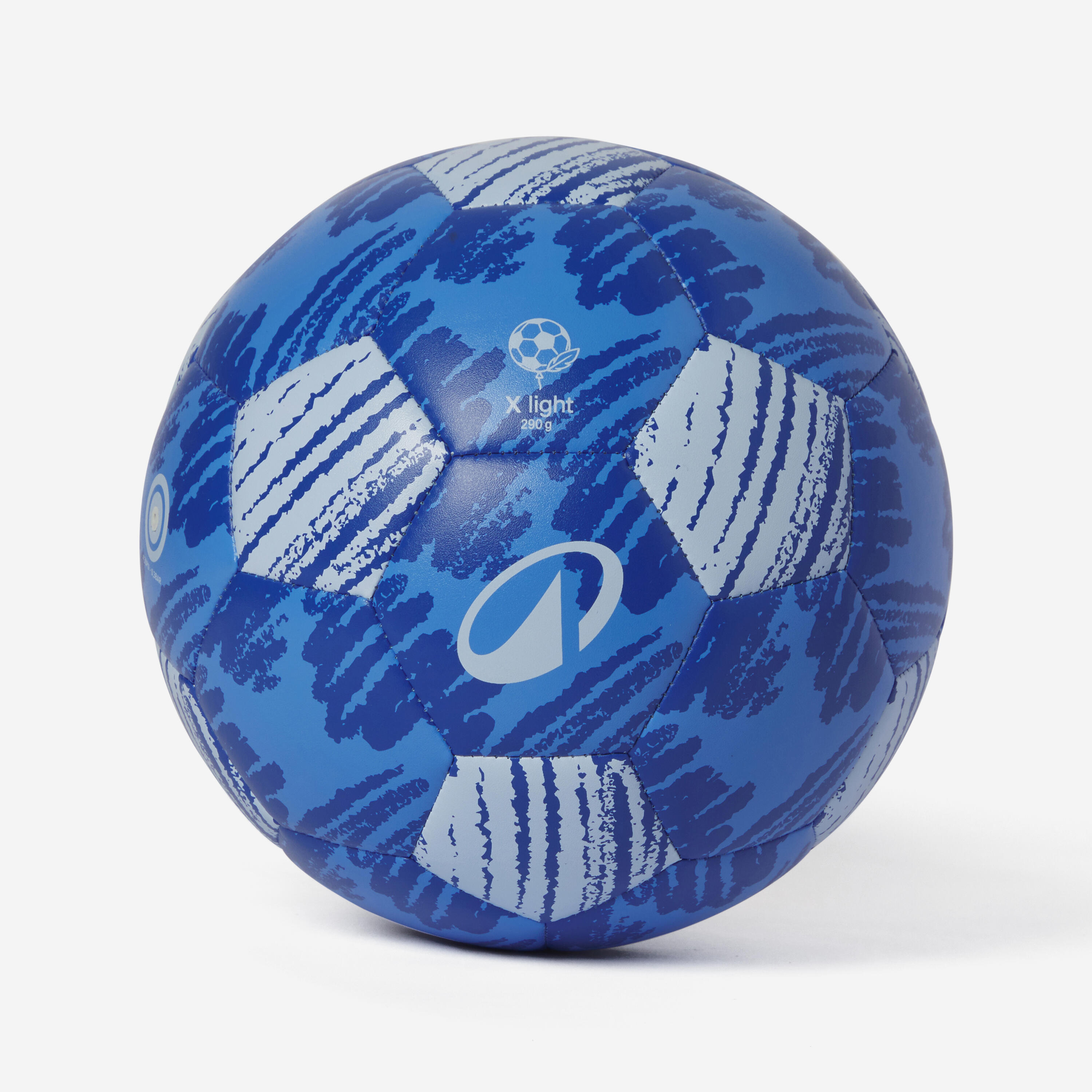
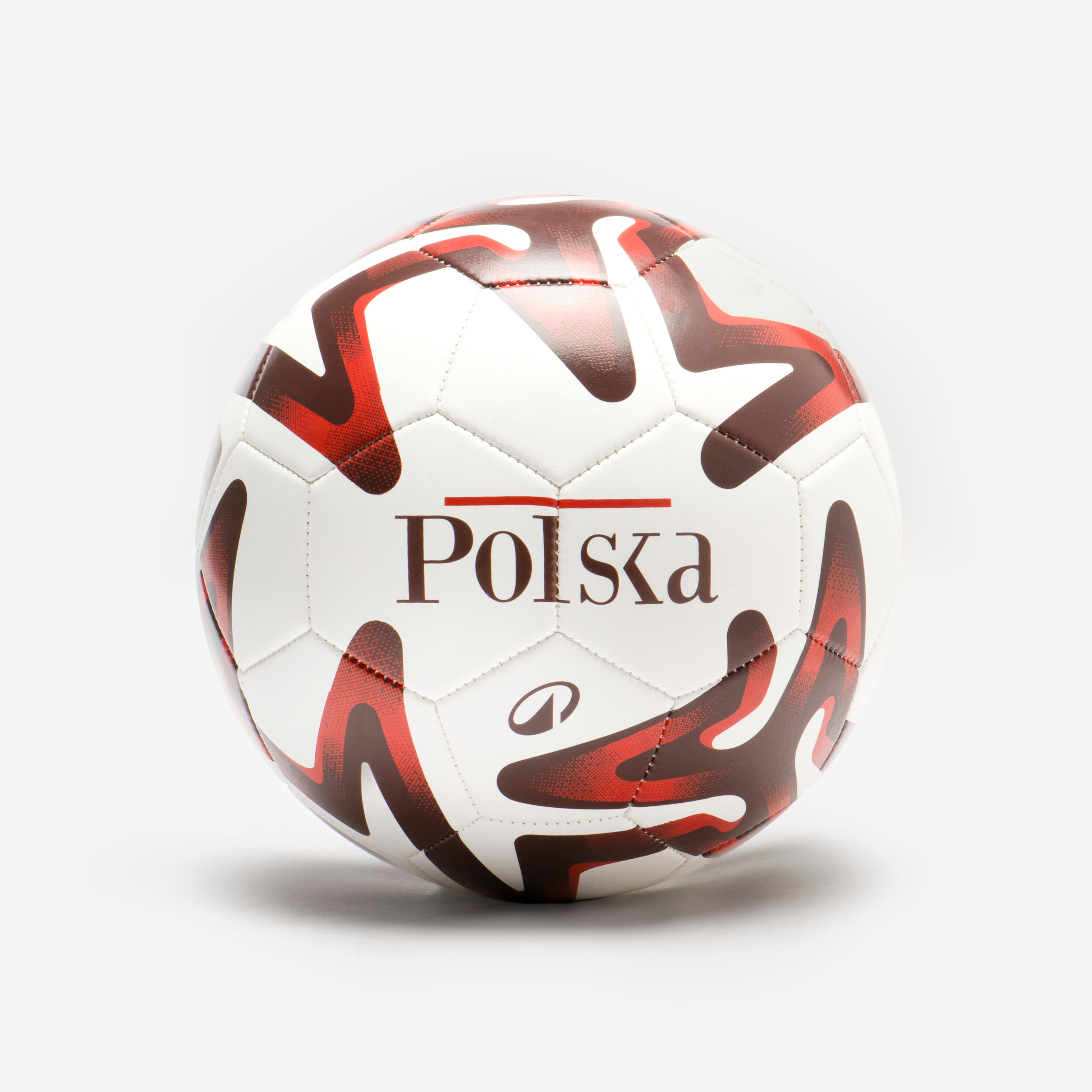
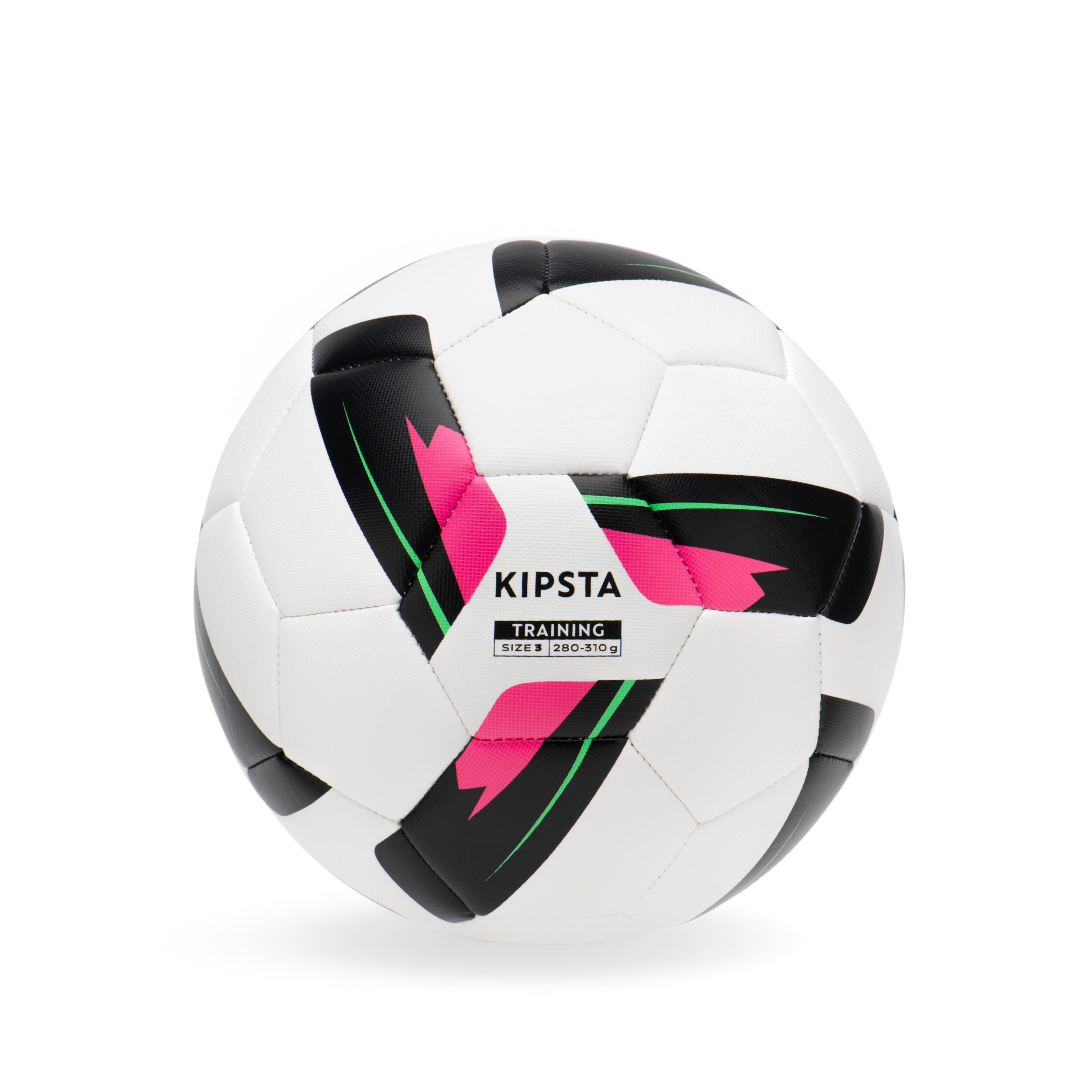
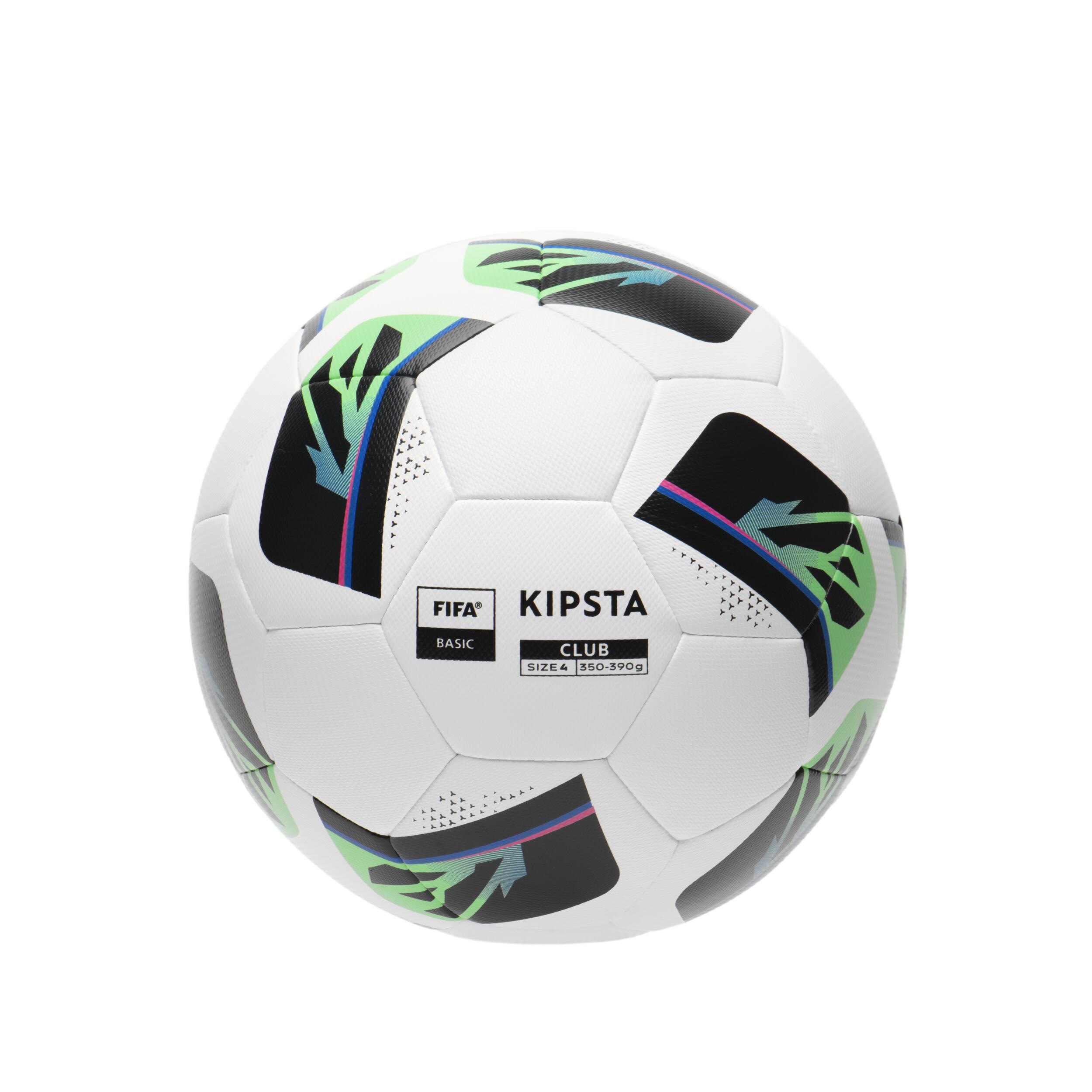
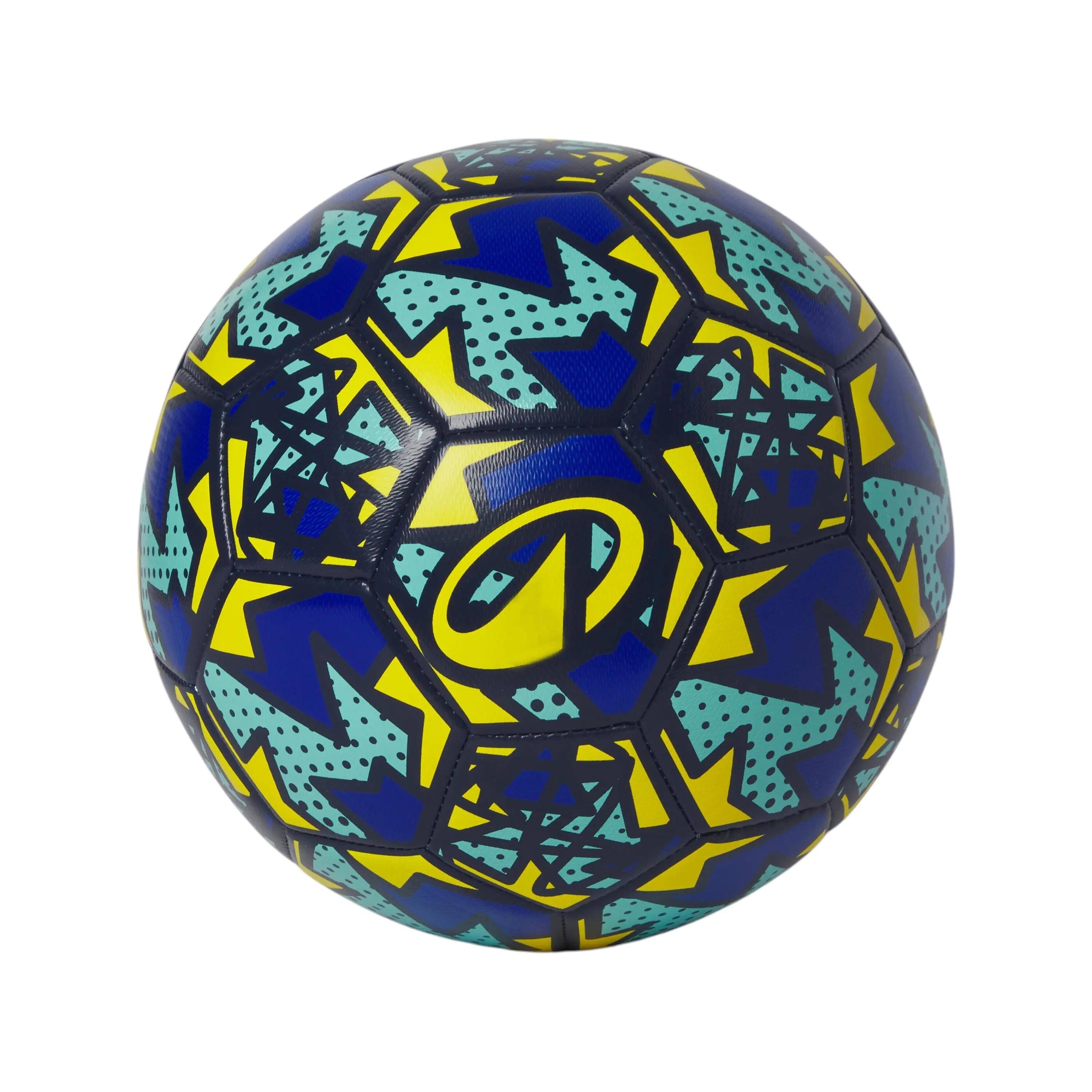
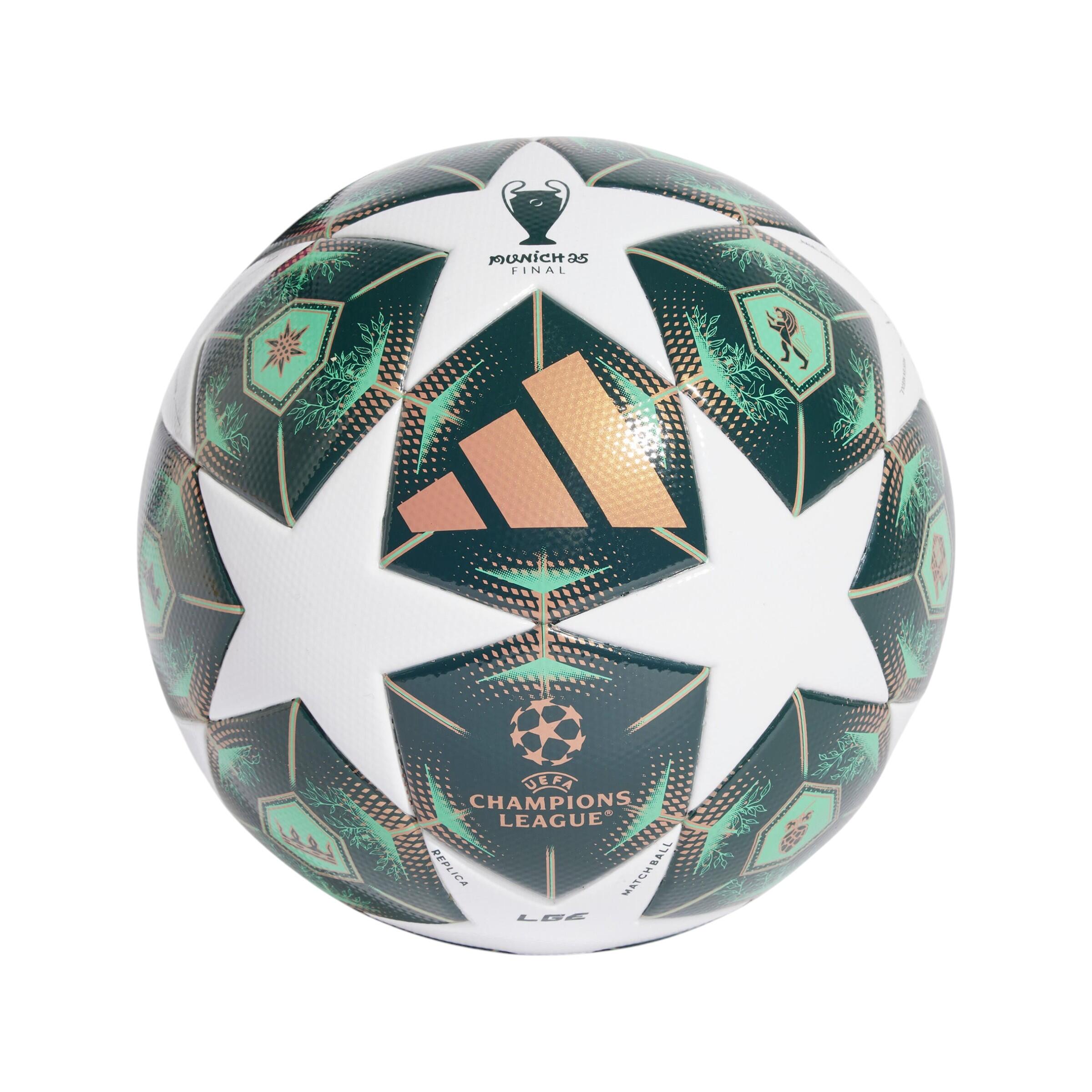
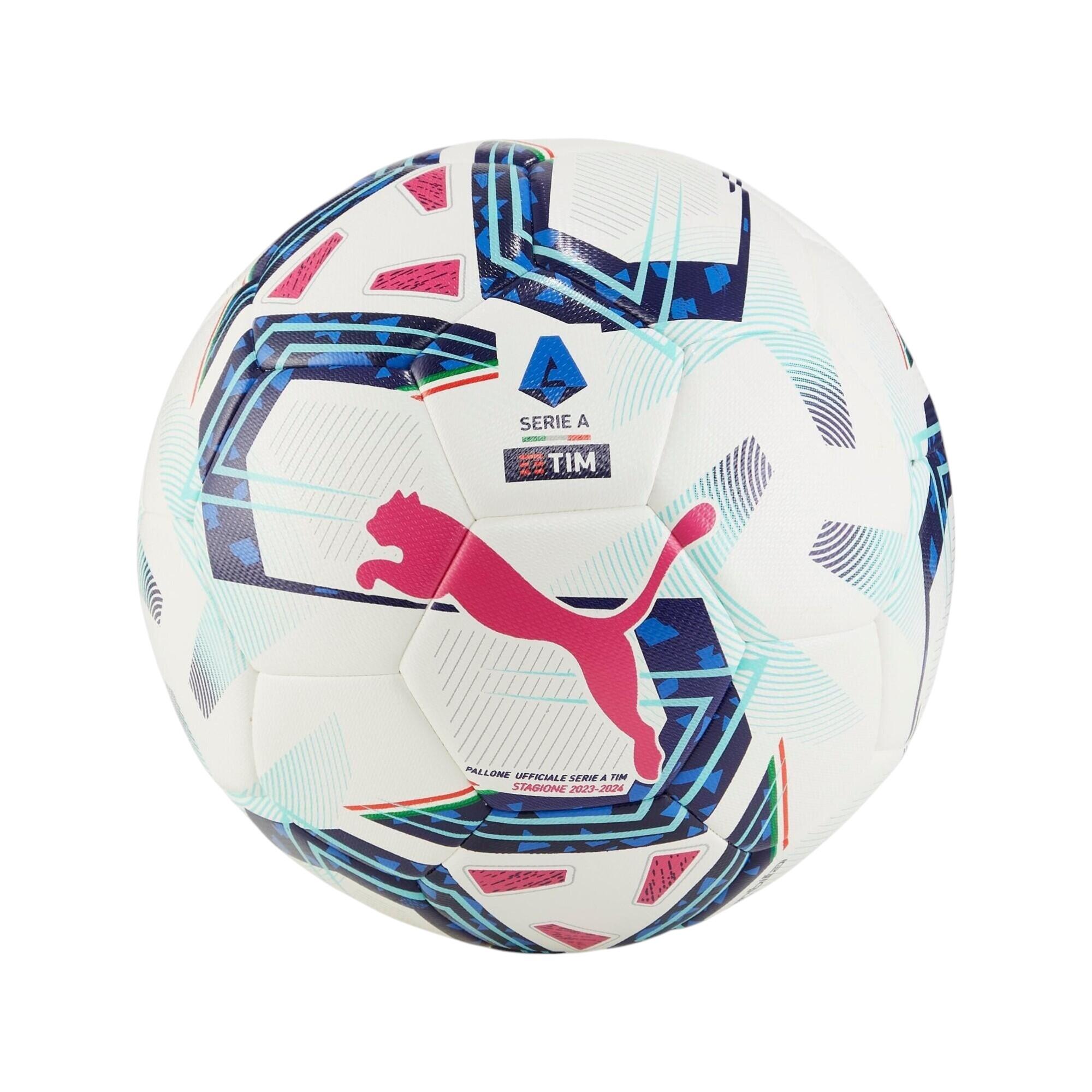
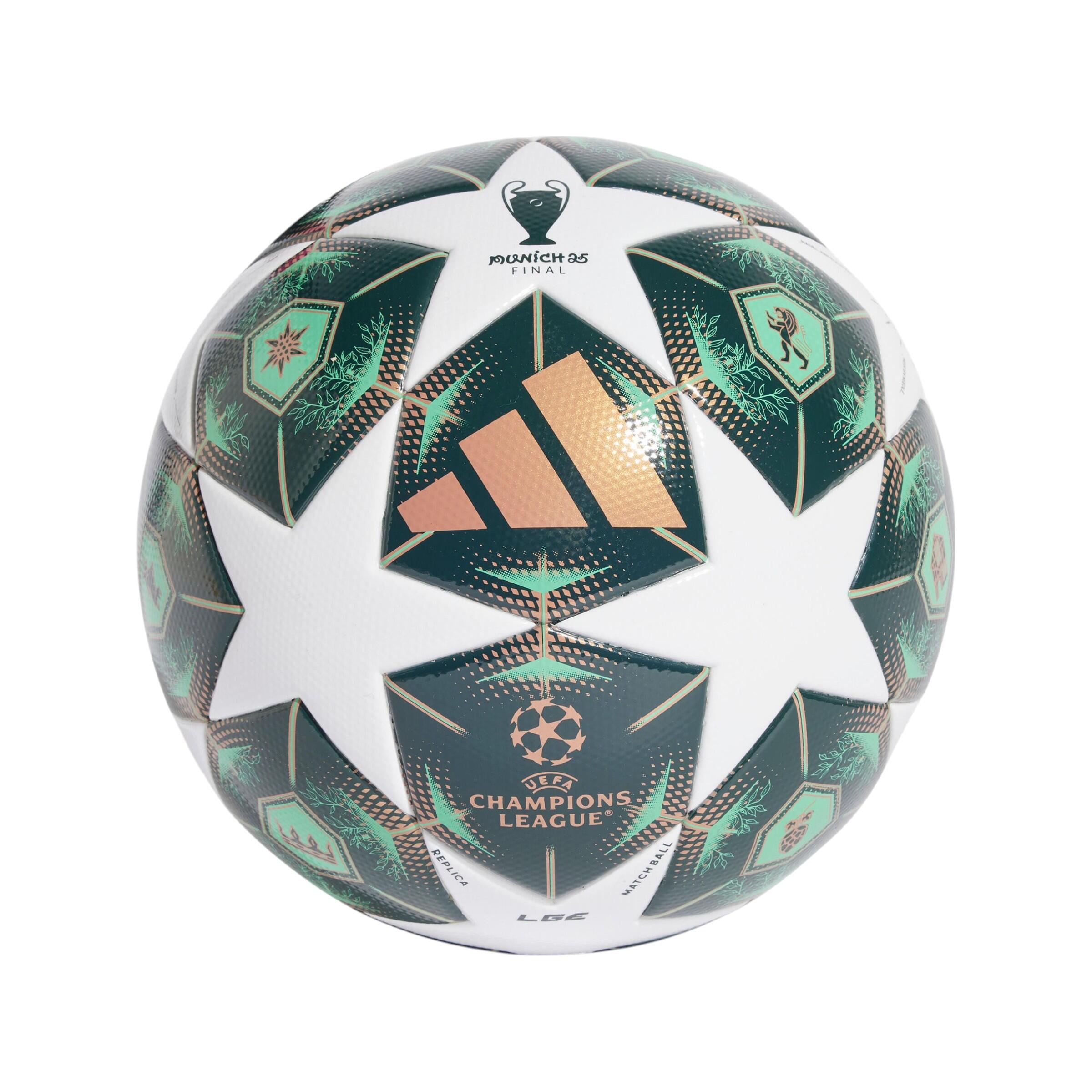
KIPSTA offers a progression from soft first-touch balls to certified constructions for regular club football and competition. Young beginners can start with lightweight Sunny models, age-specific First Kick balls or airless options that reduce impact and make control easier. Club players can move towards conventional stitched balls, hybrid constructions and FIFA-approved models with more tightly controlled weight, bounce and roundness. Size remains an important starting point: size 3 generally suits children under nine, size 4 covers ages nine to twelve and size 5 is used from around twelve upwards. The dedicated training footballs category brings together models for first sessions, occasional practice and repeated club drills. Surface, weight and playing frequency then help narrow the choice further.
Why are machine-stitched KIPSTA balls useful for club practice?

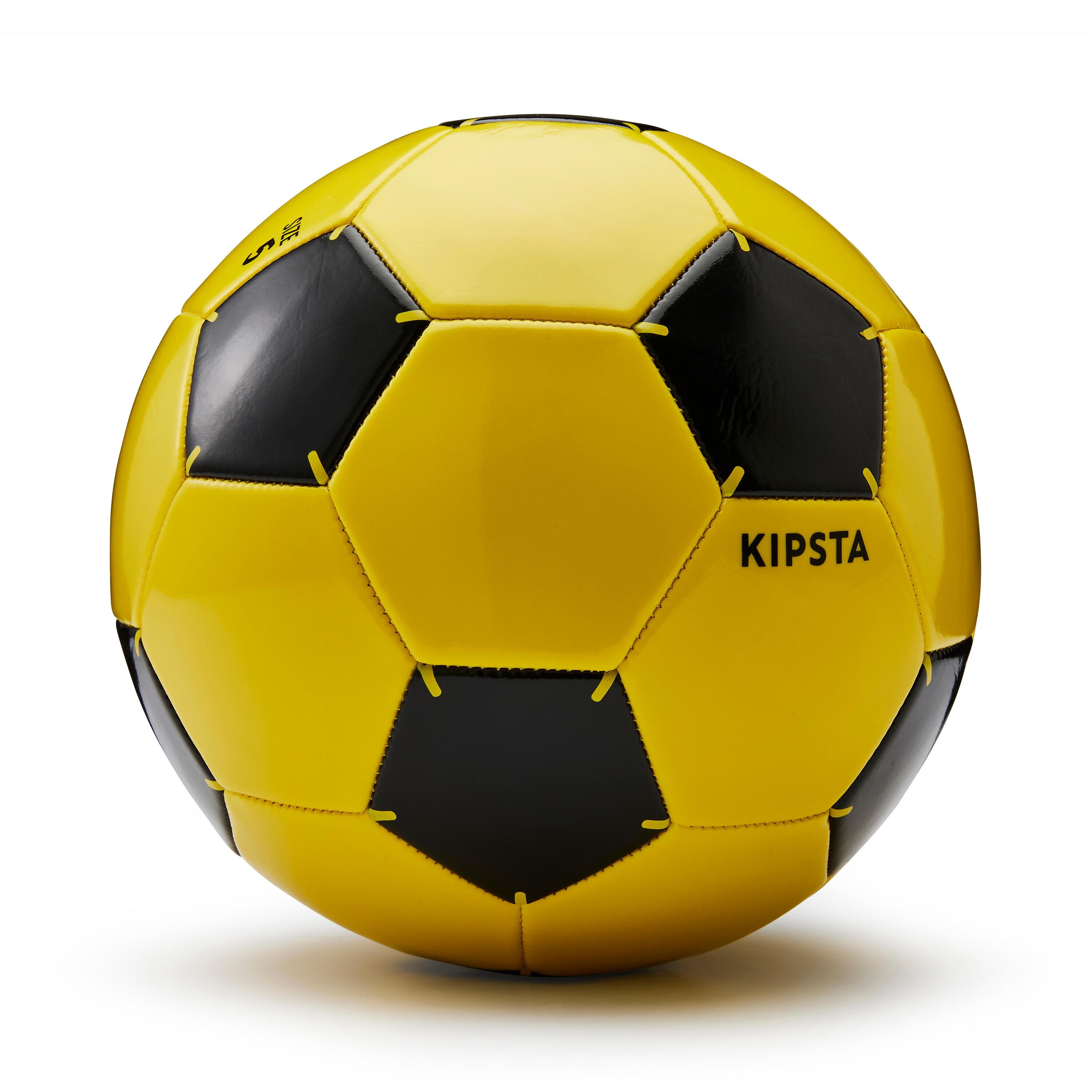
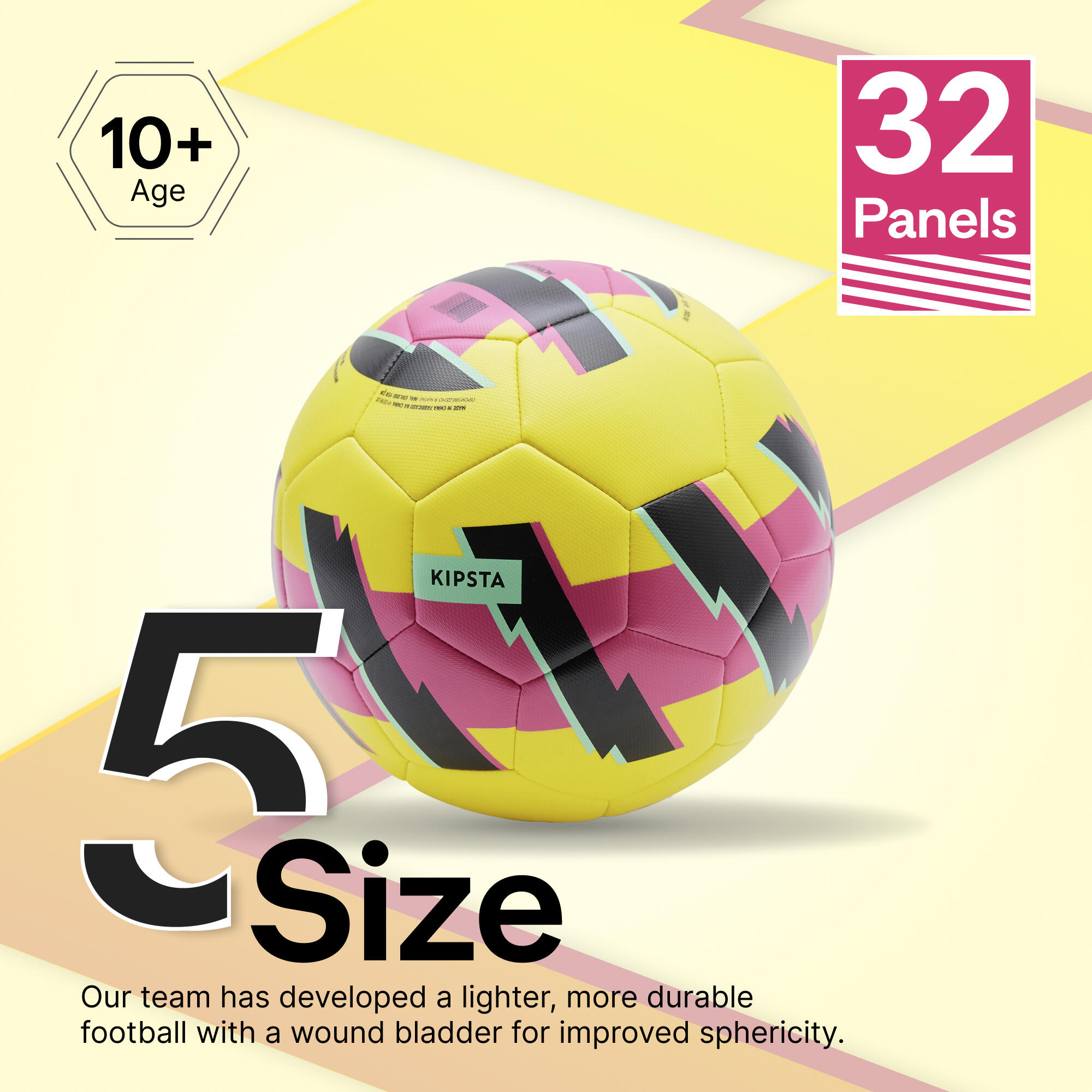
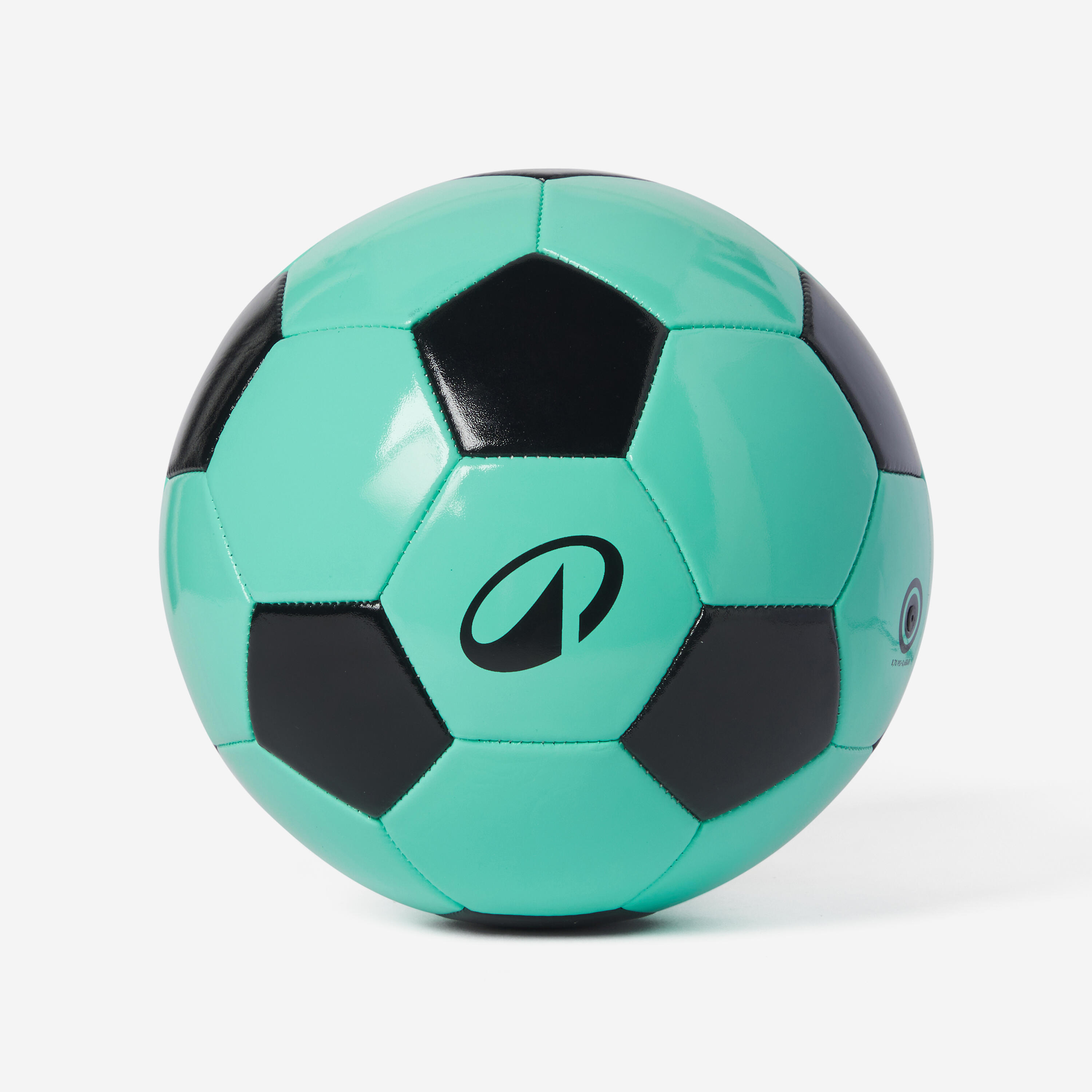
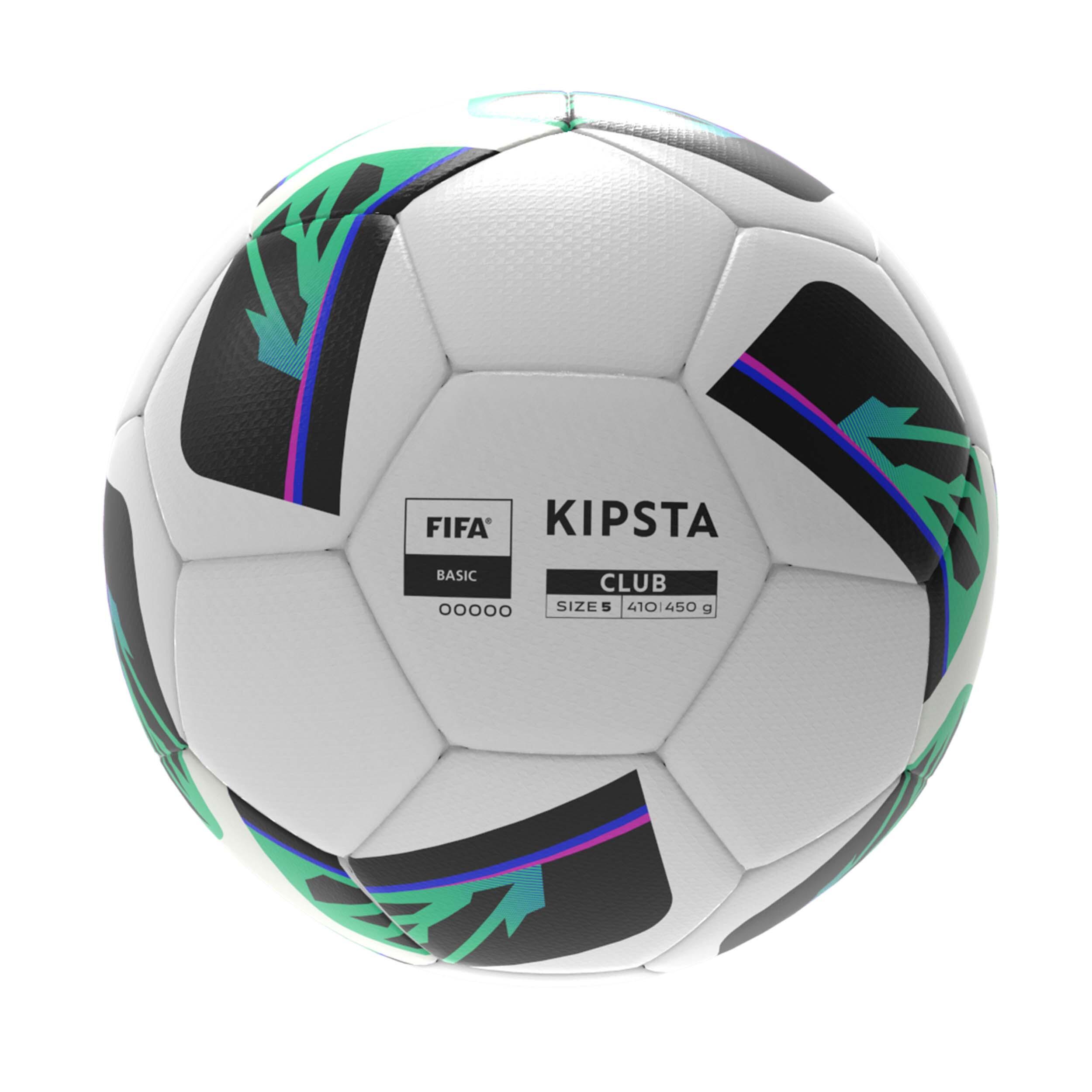
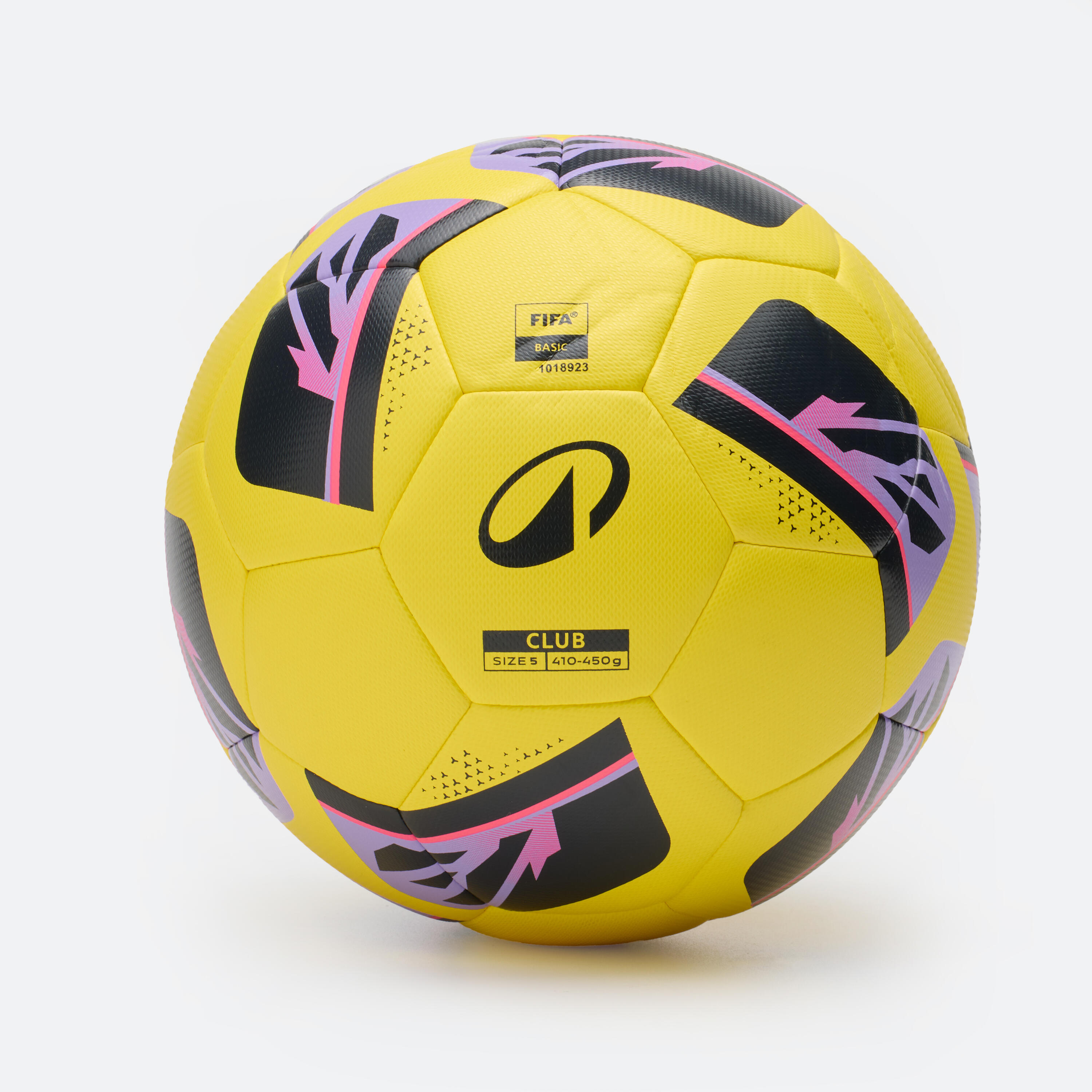
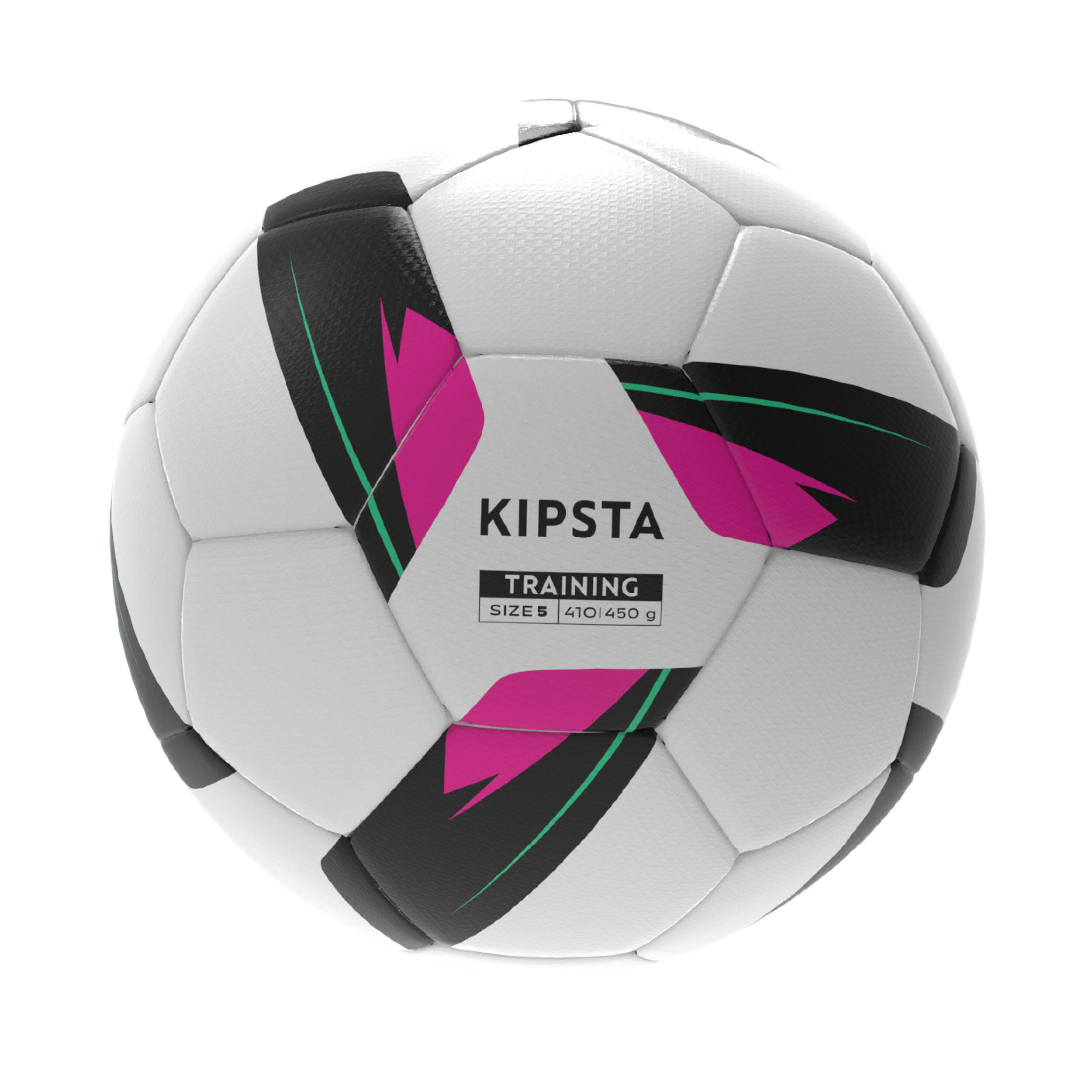
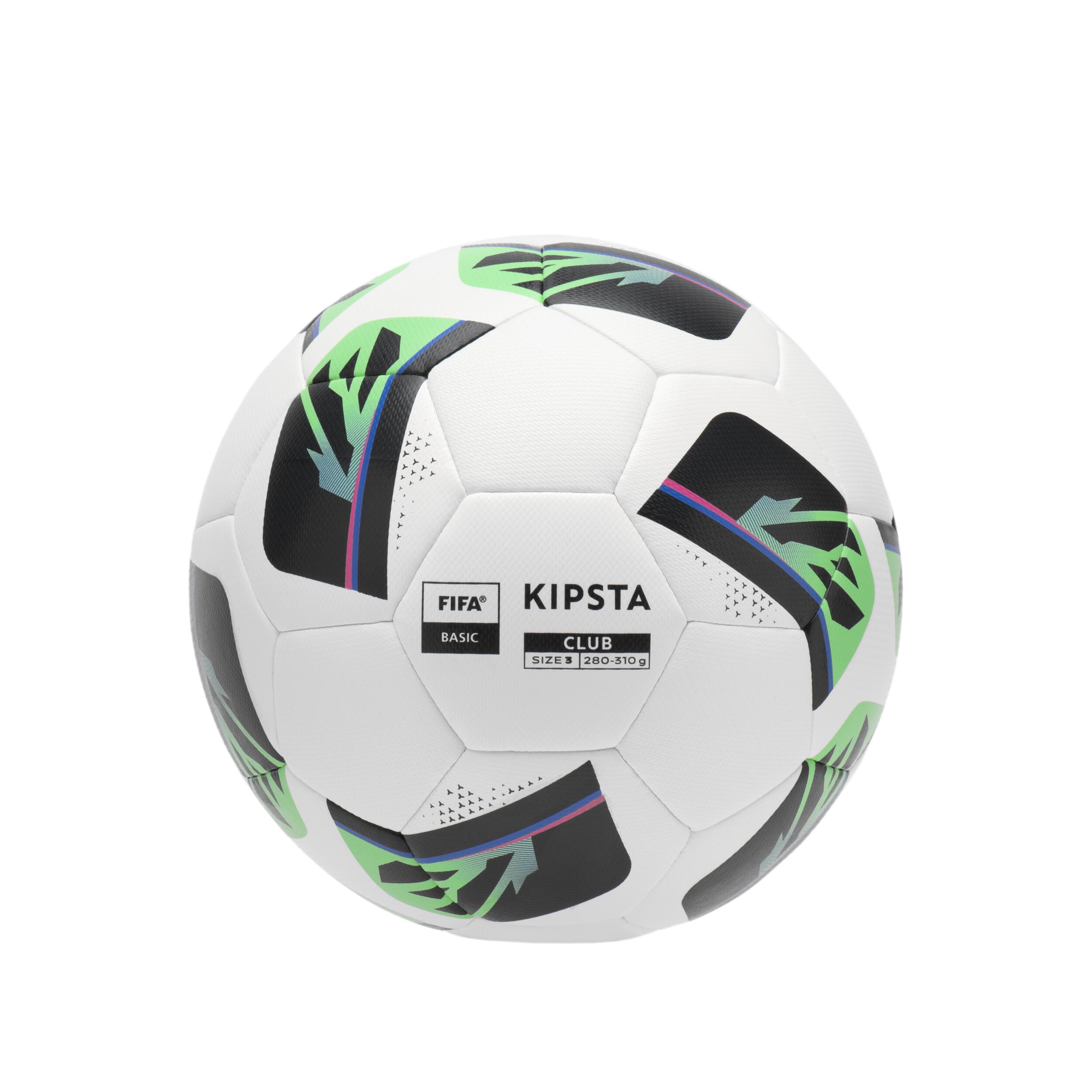
A machine-stitched construction provides familiar football weight and rebound while retaining the durability needed for repeated passing, shooting and first-touch drills. The sampled KIPSTA machine-stitched football uses a TPU outer cover, an optimised bladder and size 5 weight between 410 g and 450 g. KIPSTA measures its roundness at 4,500 points, allowing an average variation of no more than 1.8%. Durability testing includes up to 2,500 machine-fired impacts at 50 km/h against inclined concrete. Engineers then check the stitching, circumference, sphericity and pressure loss. A water test also places the ball in 2 cm of water and compresses it 250 times, with absorption limited to 15% of its original weight.

When does a mini KIPSTA football make more sense?

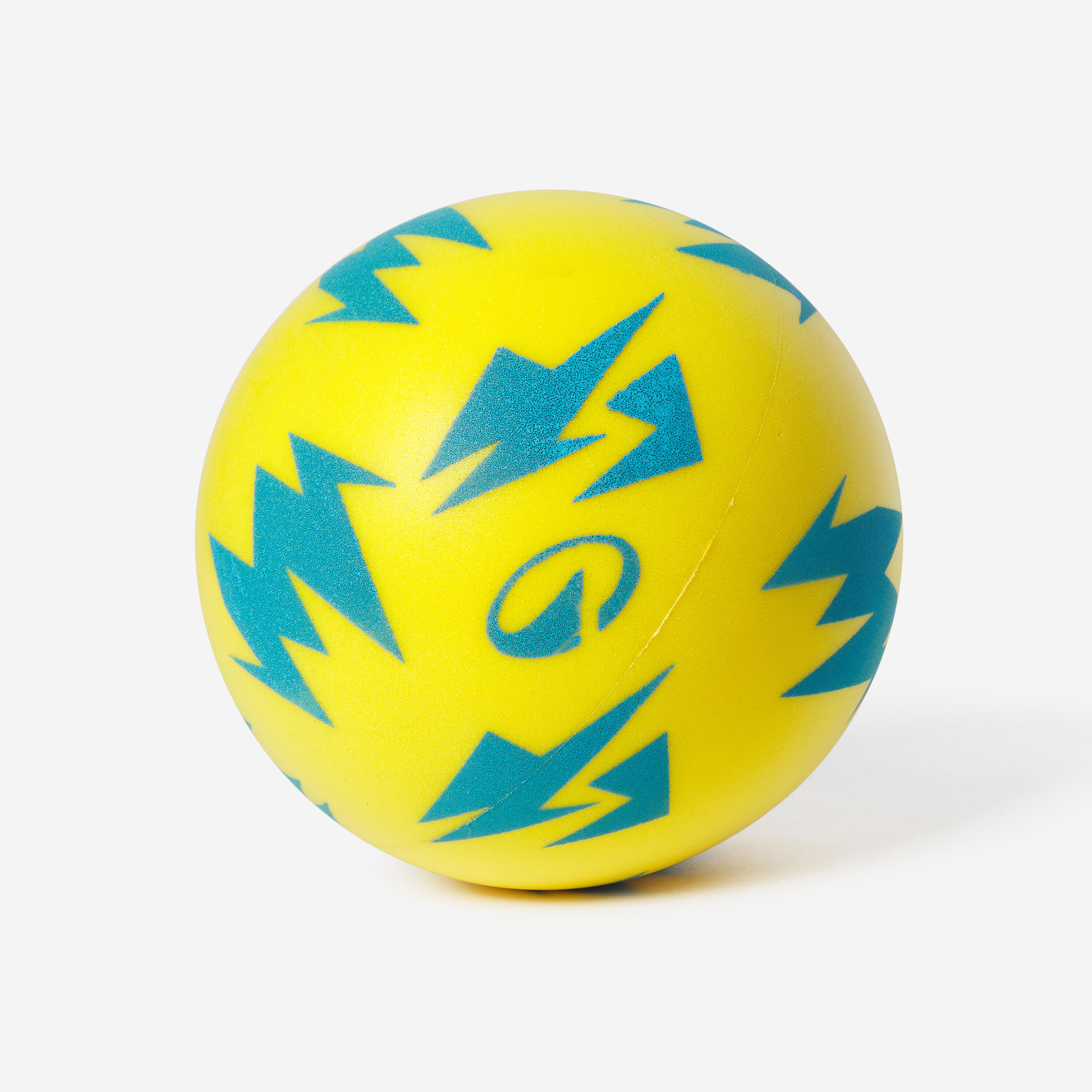
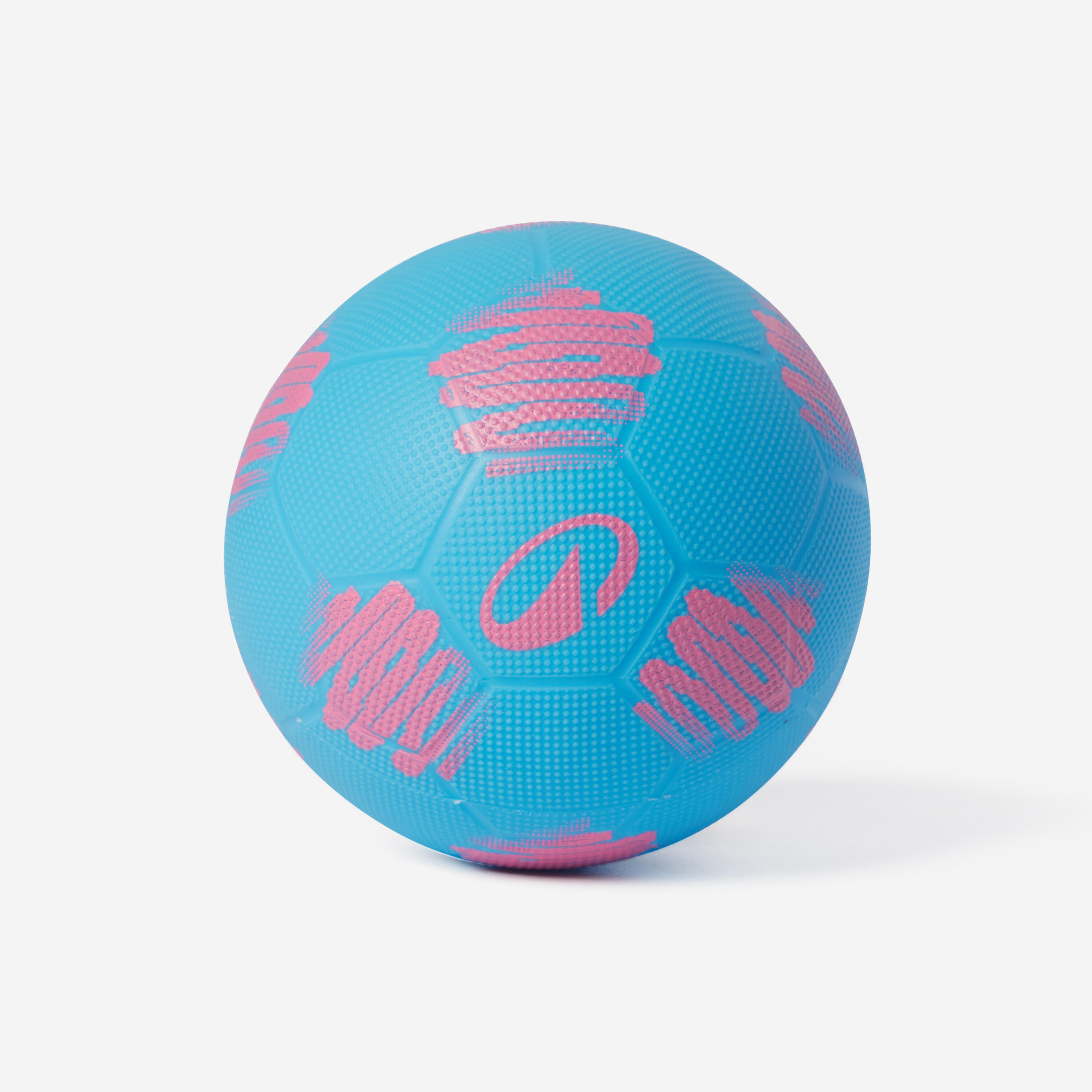
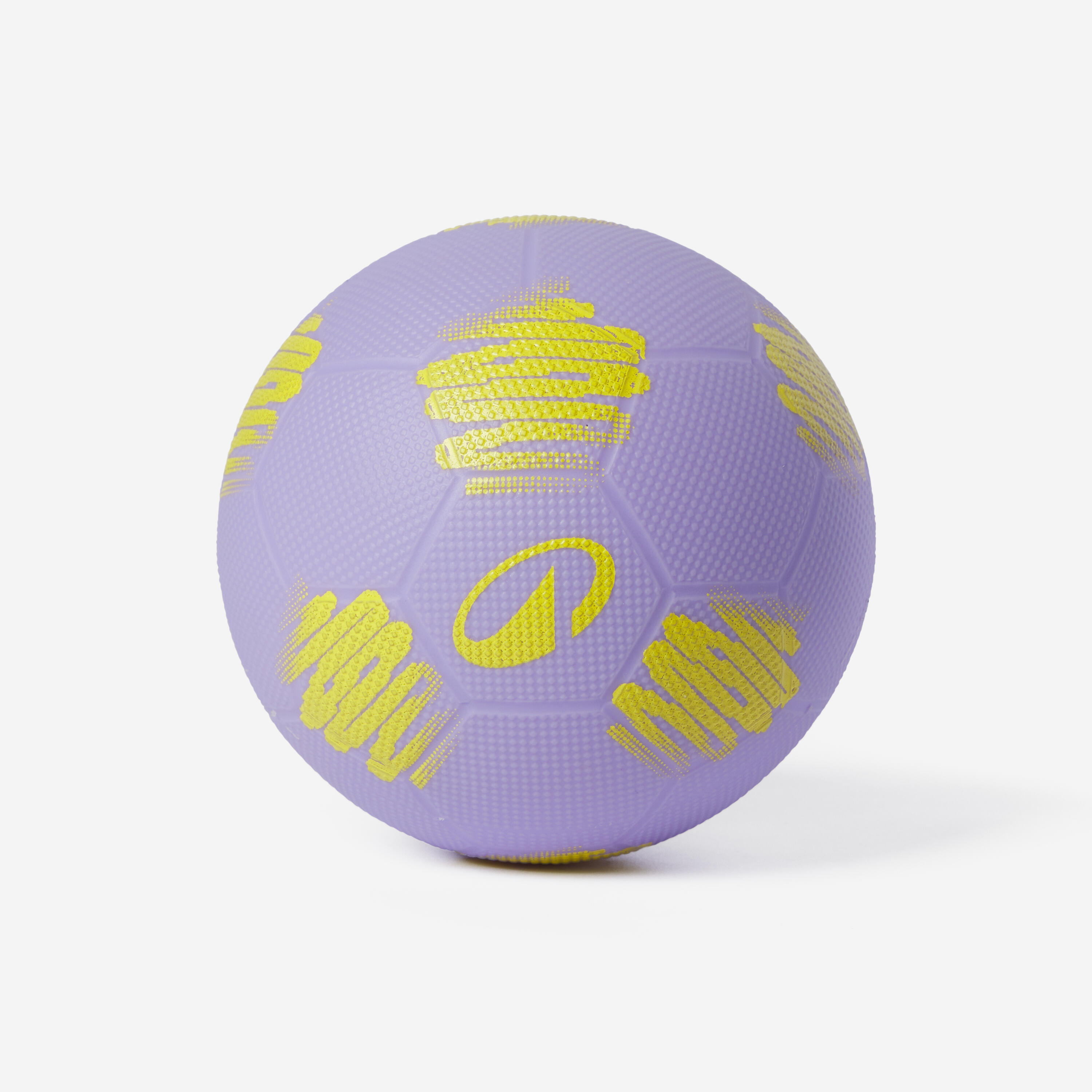
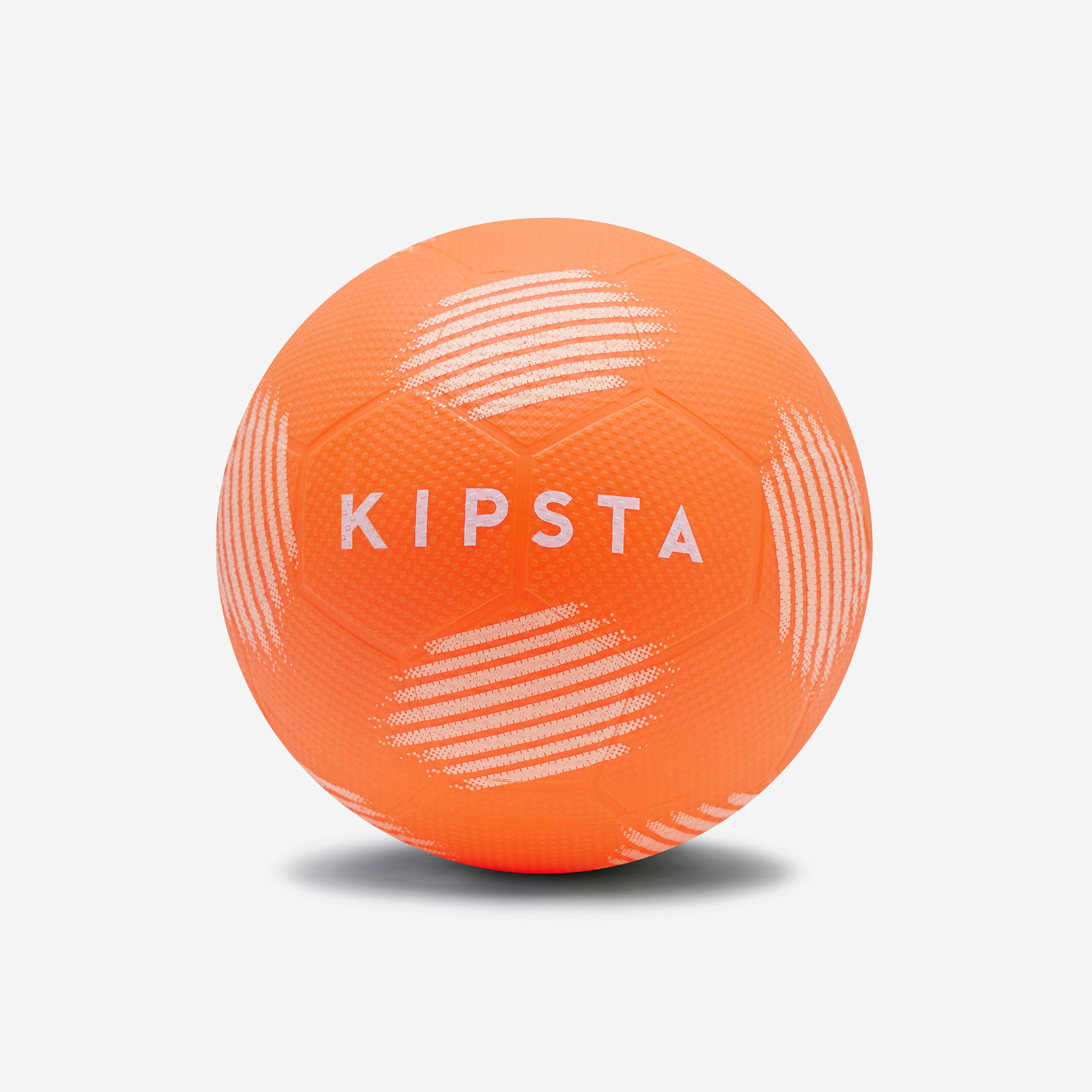
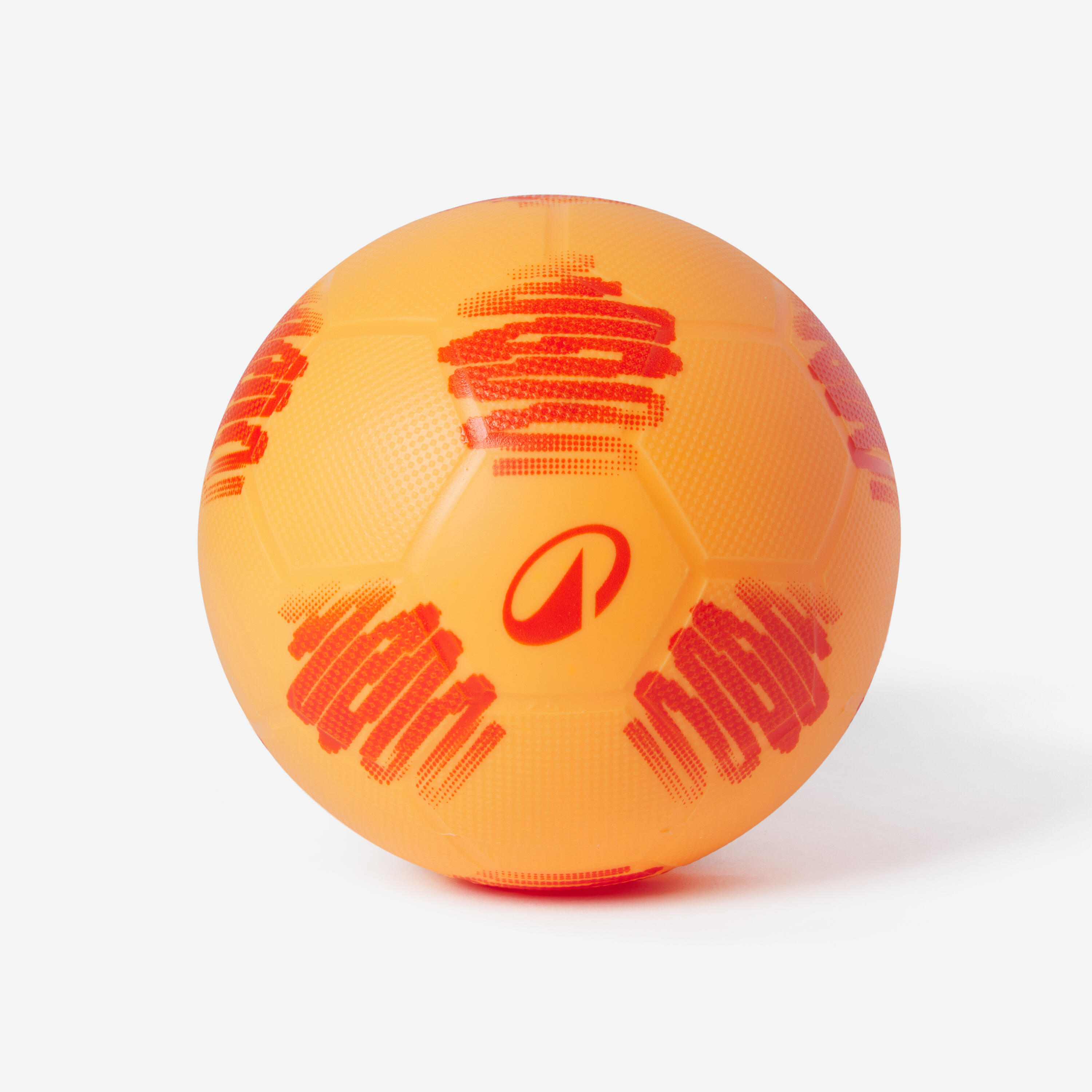
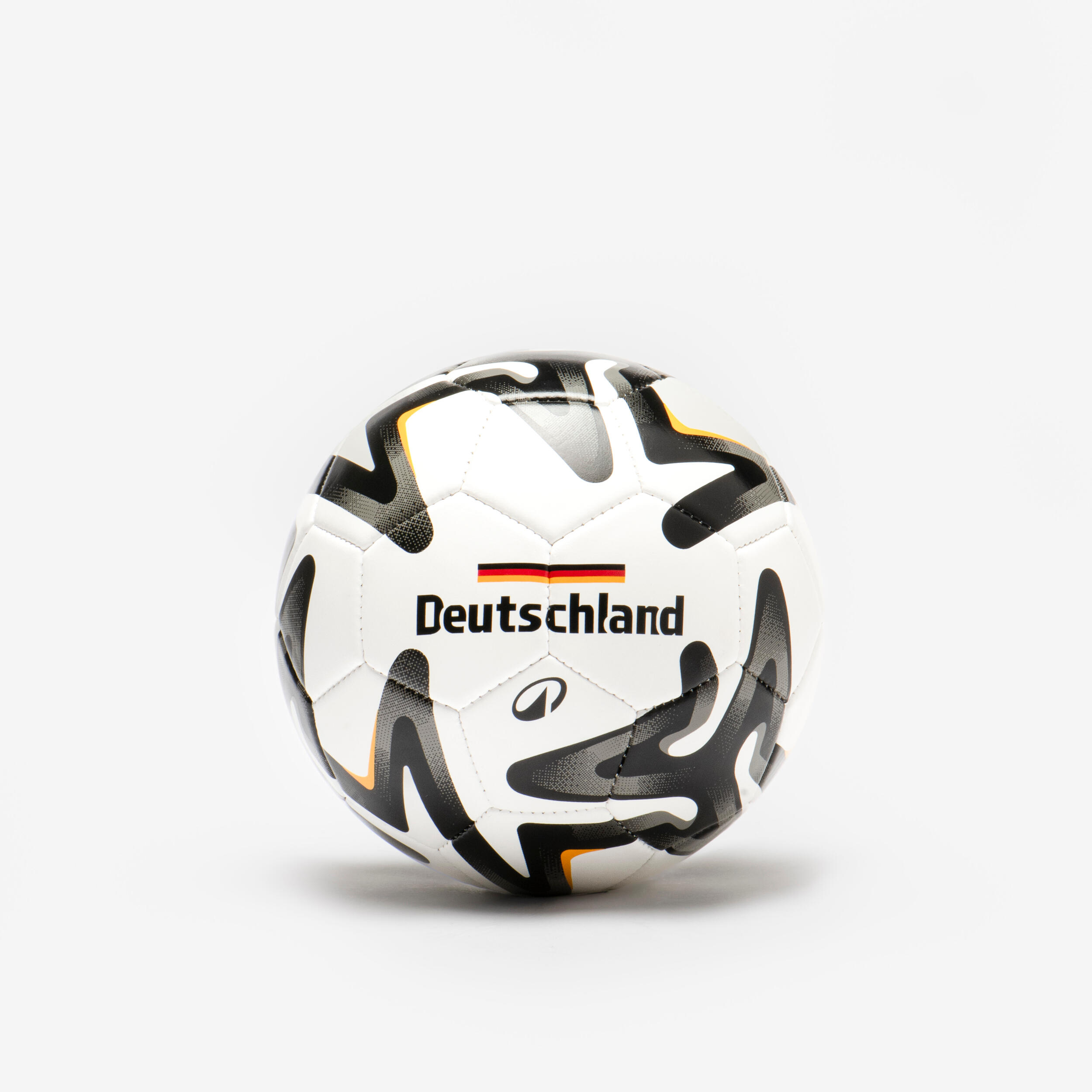
Mini balls suit early dribbling, short passing, juggling and informal play where a full-size football would feel unnecessarily large or heavy. The Sunny 300 size 1 weighs approximately 145-155 g and uses a soft PVC construction that can be taken to grass, sand or water. A compact KIPSTA mini football is easy for children to carry and encourages frequent touches during garden, beach or park games. Its bounce can be adjusted through inflation pressure, giving families some control over how lively it feels. Check the playing area before use because thorns and pointed branches can puncture the supple material. Mini balls support confidence and coordination, but age-appropriate standard balls remain necessary when preparing for organised football.

Does a foam KIPSTA football suit indoor beginners?

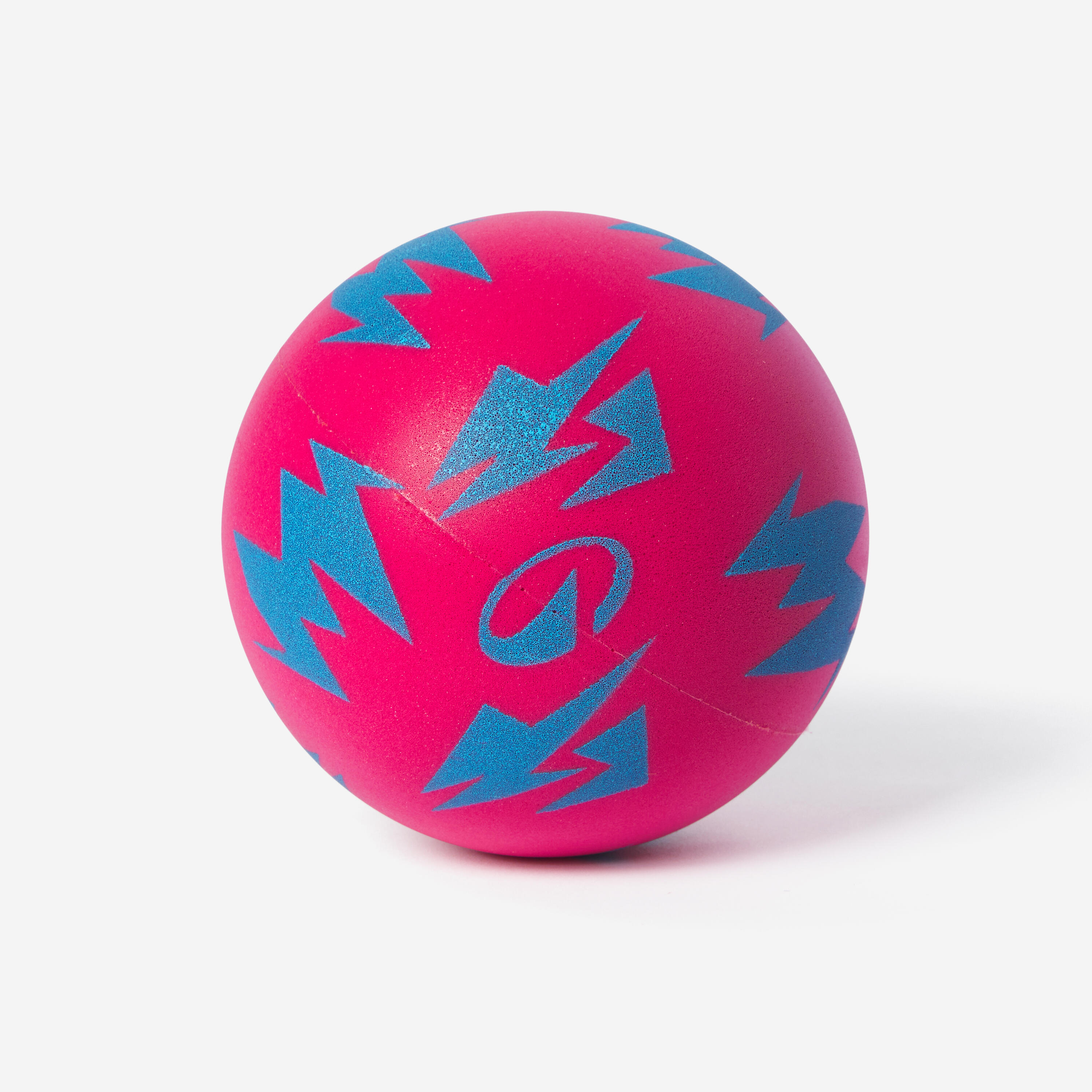
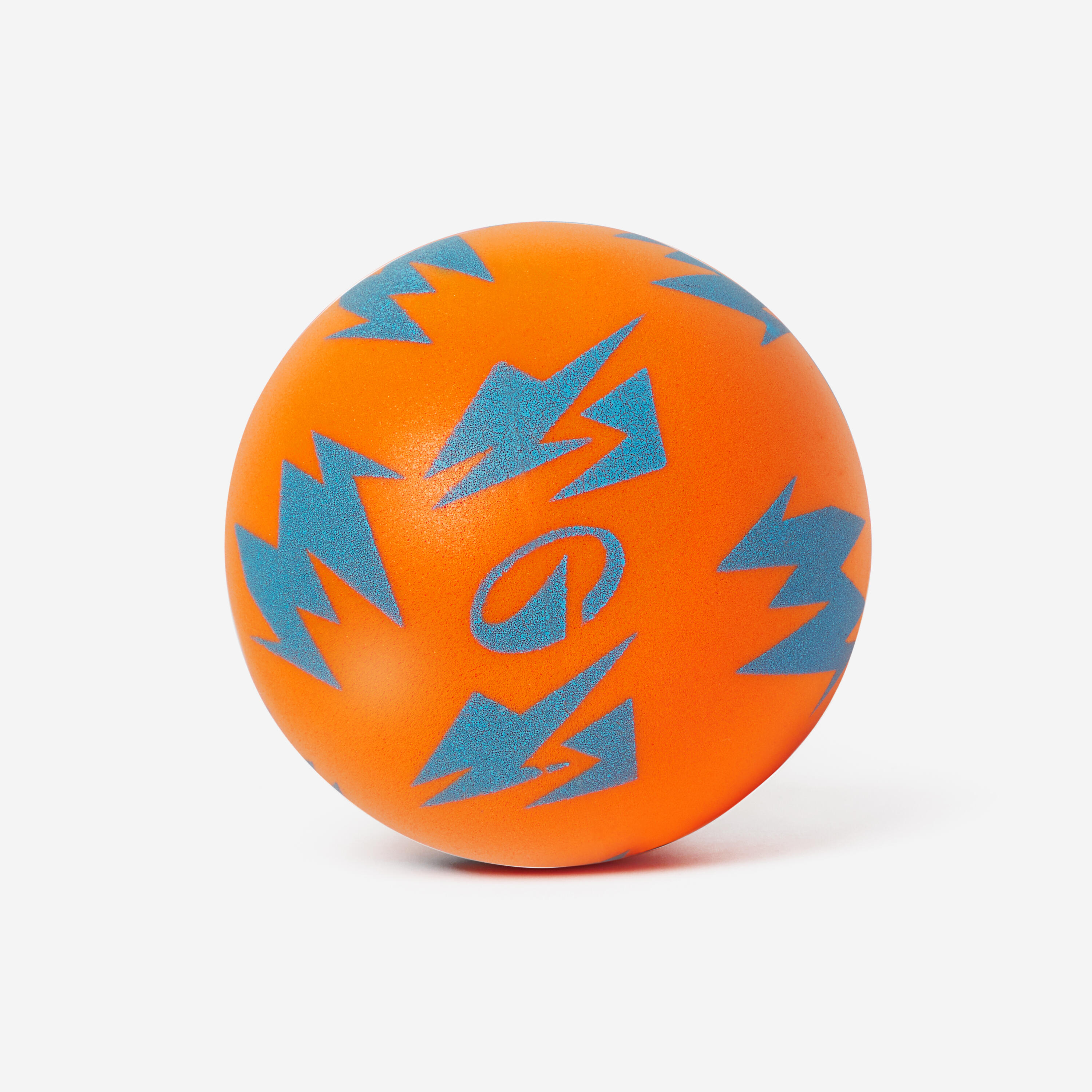
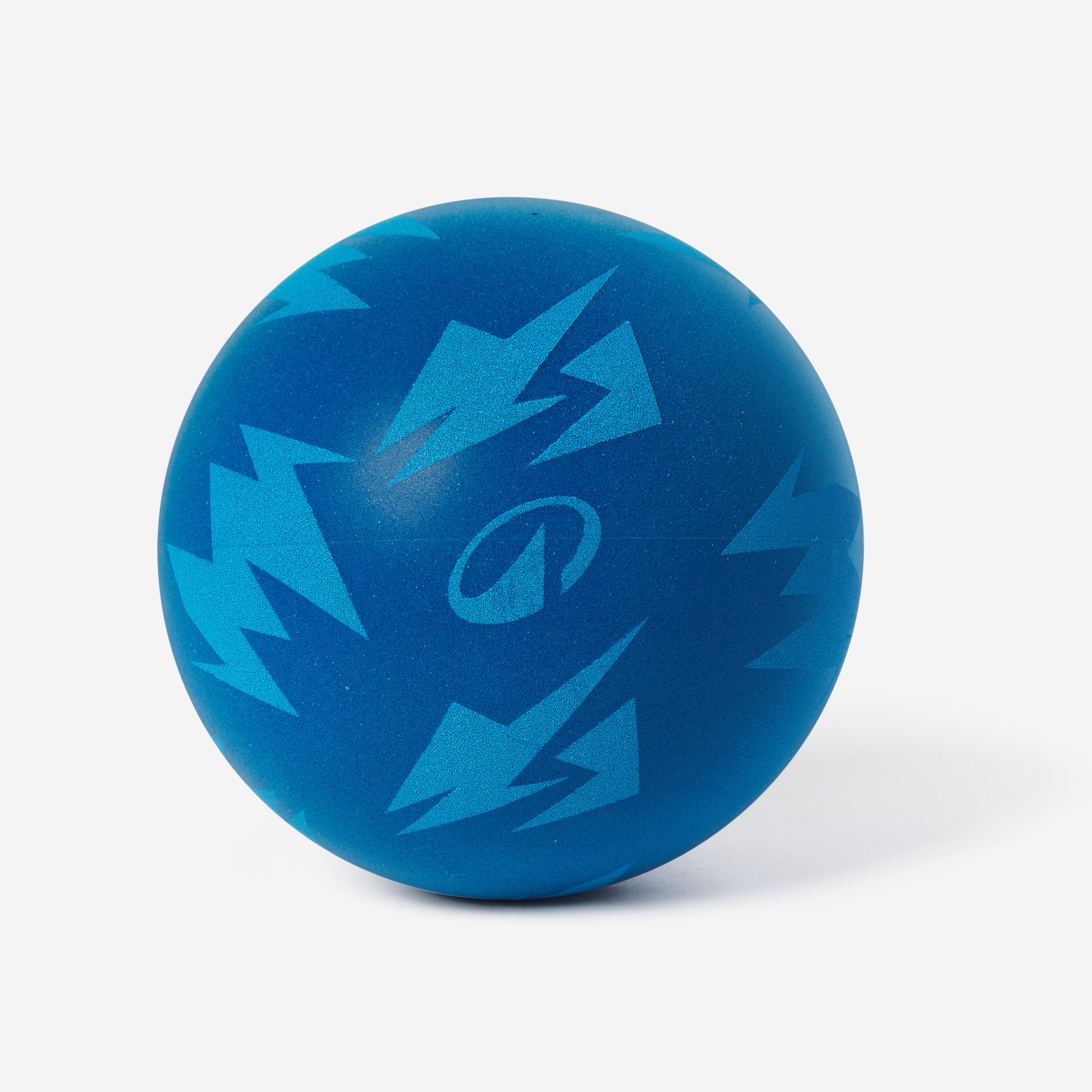
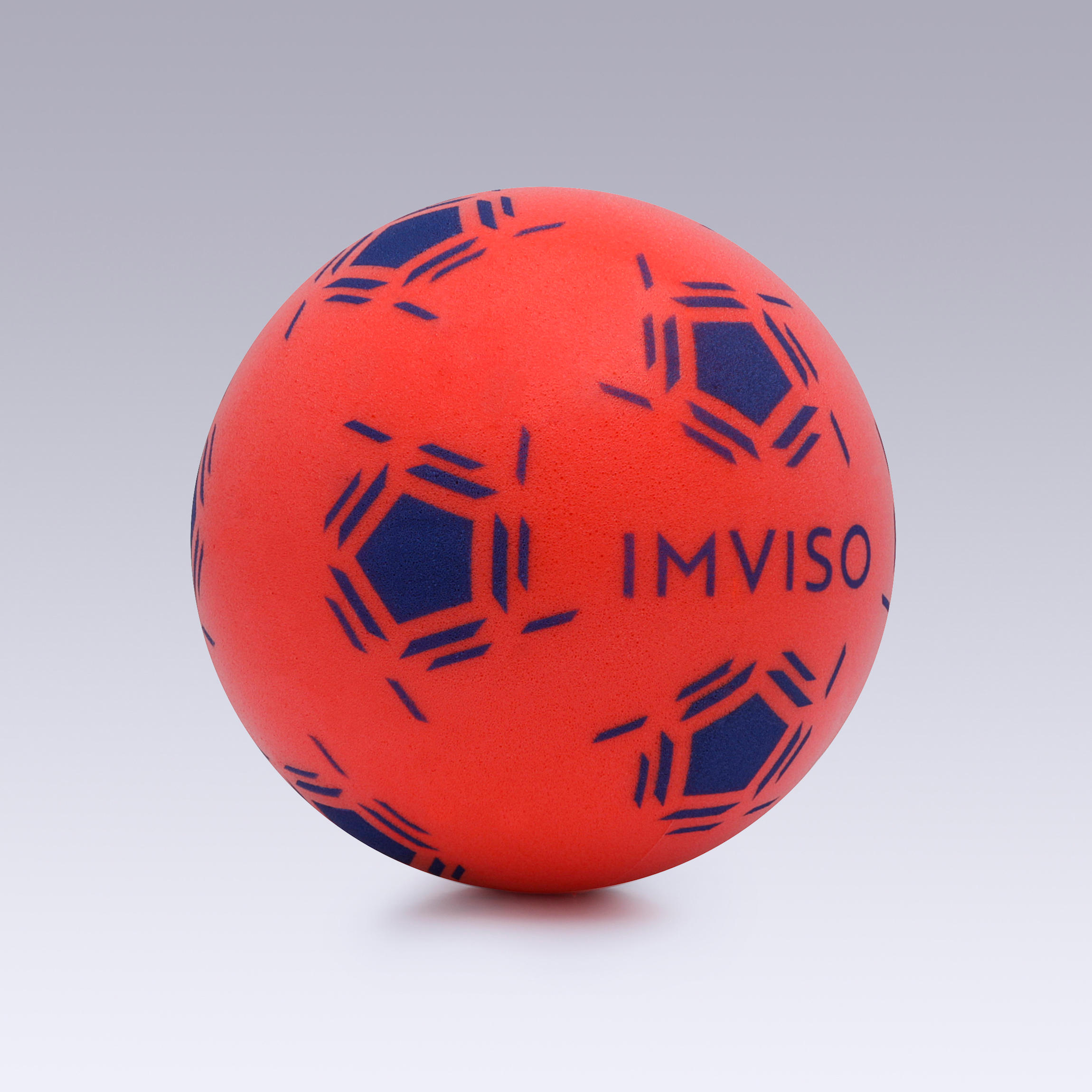
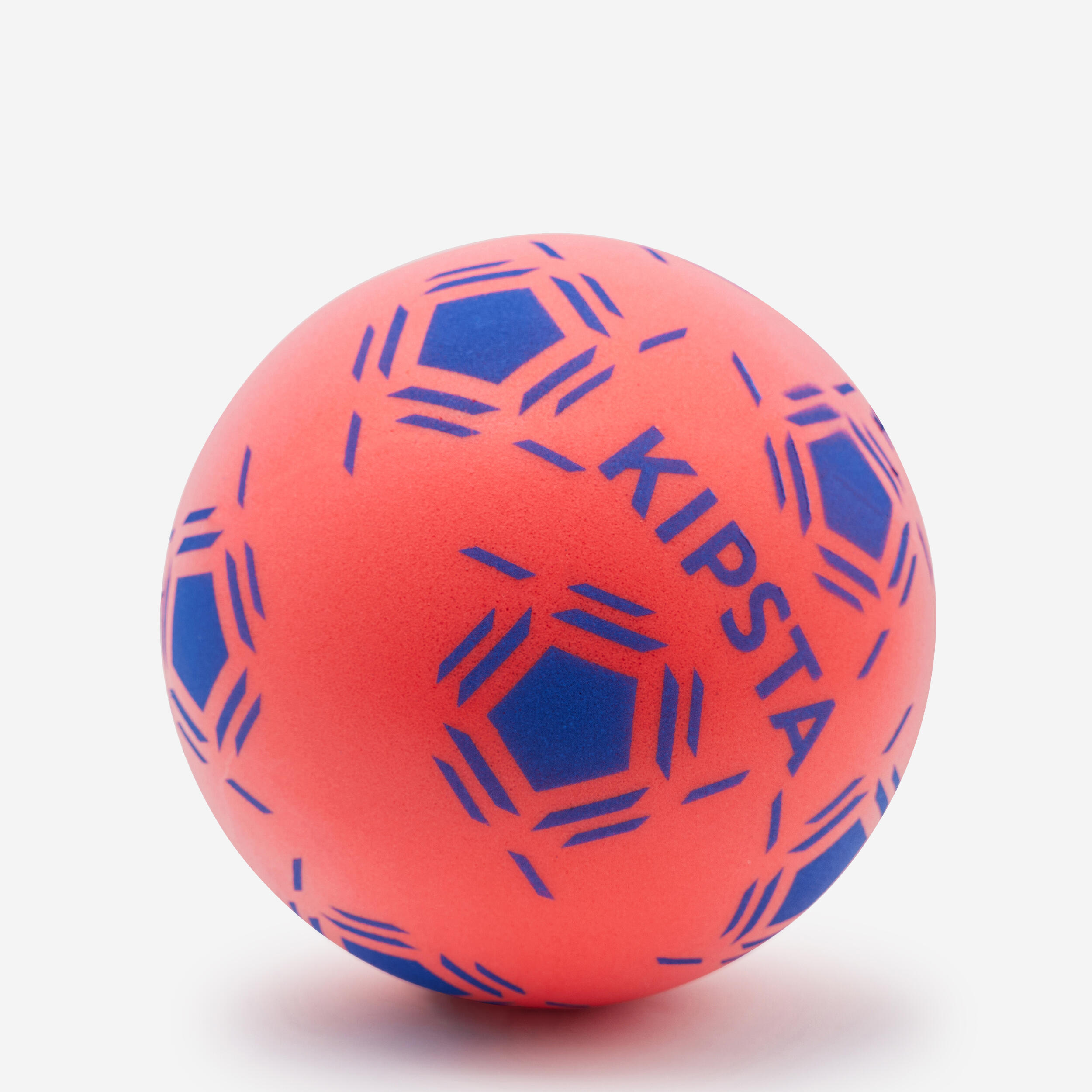
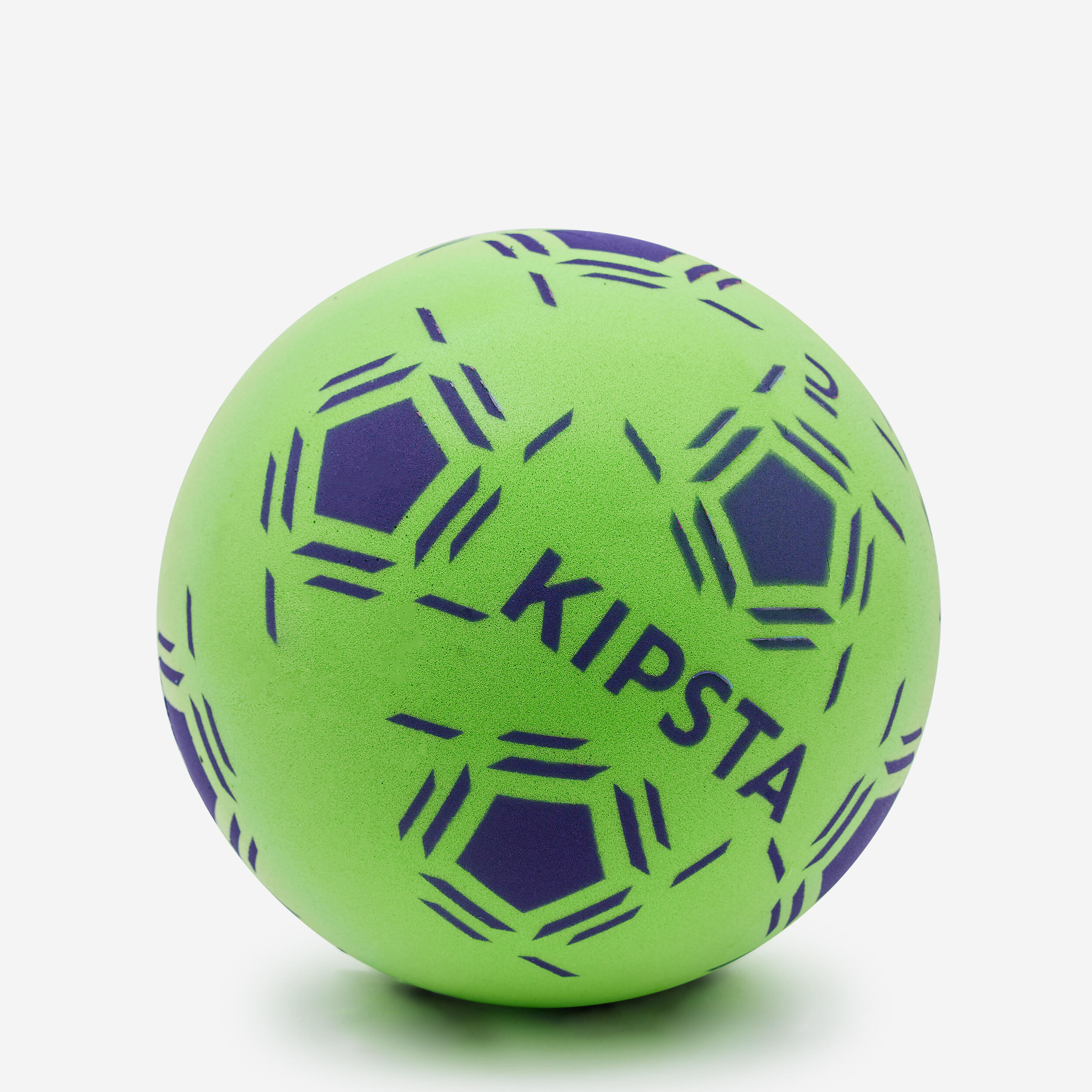
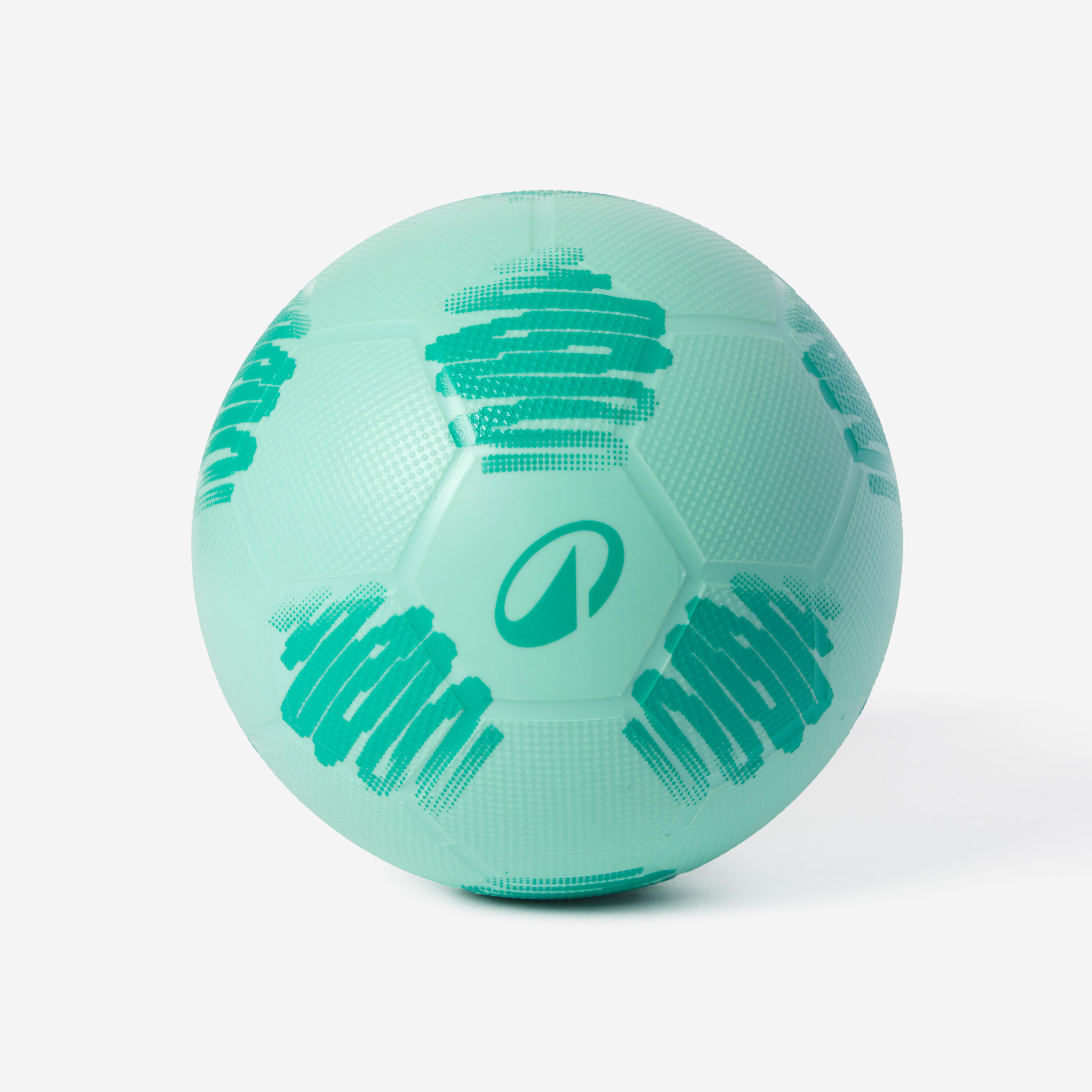
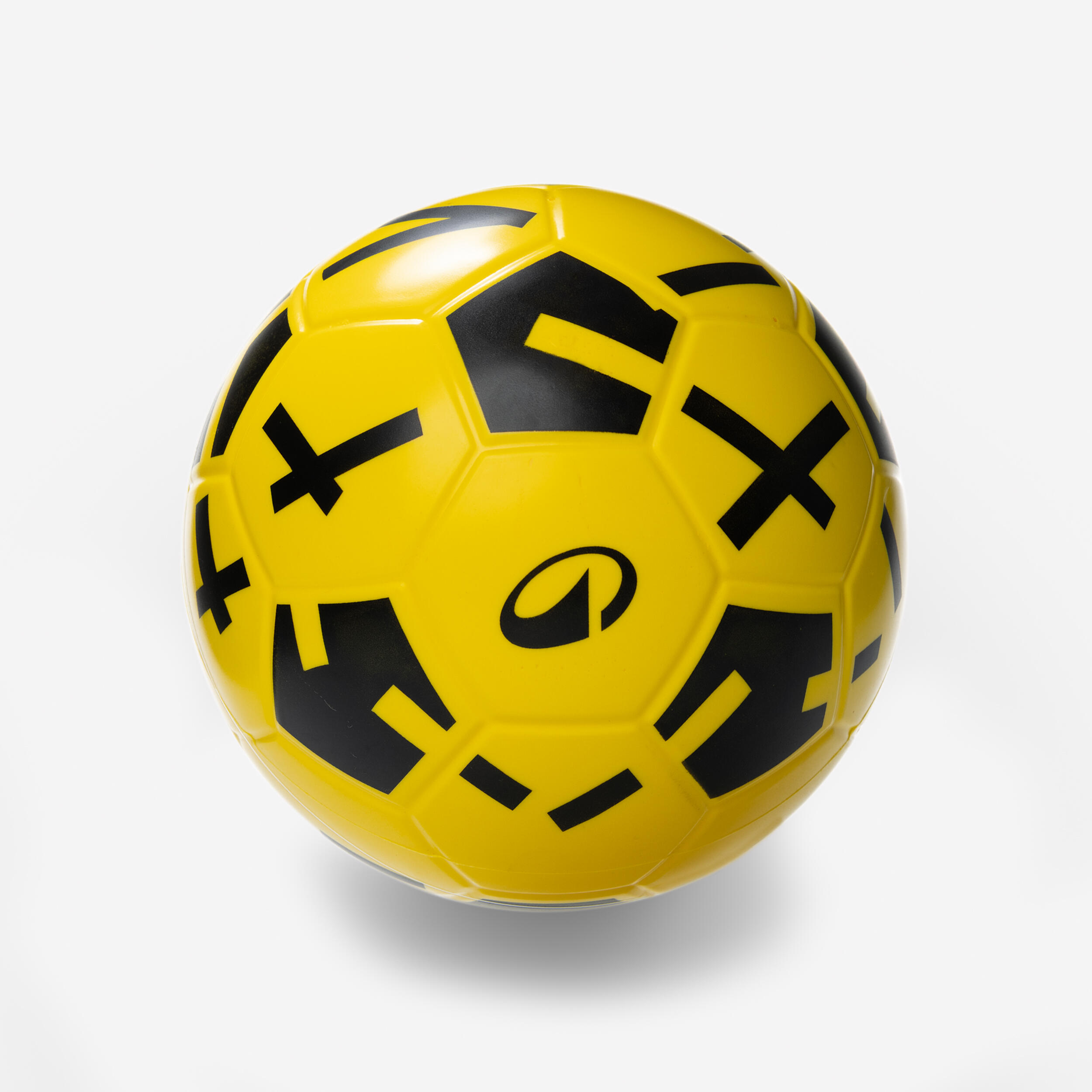
Foam constructions are particularly useful when softer impact and reduced rebound help children predict the ball more easily. The size 3 KIPSTA foam football weighs approximately 150-170 g and measures 19 cm across, giving beginners a manageable format for stopping, passing and close-control activities. Its solid polyurethane construction has no inflatable bladder, so no pump or pressure checks are required. The ball deliberately stays closer to the floor than a conventional outdoor football, supporting early futsal learning in dry indoor spaces. Keep it away from water and unsuitable rough surfaces. Players ready for standard size 4 weight can progress to the Ballground 500, which combines high-density foam with an inflatable bladder and adjustable rebound.

What care keeps KIPSTA footballs performing consistently?

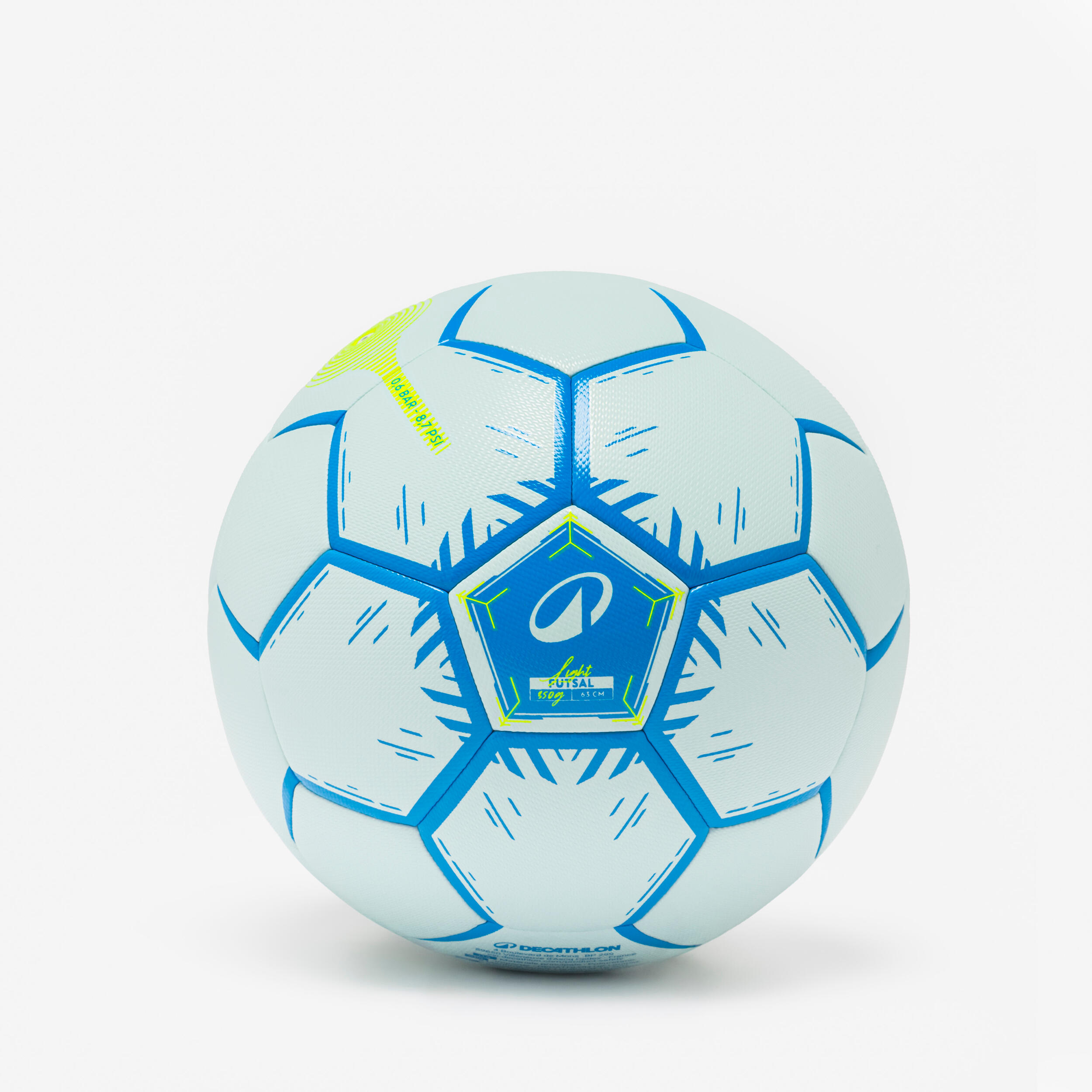
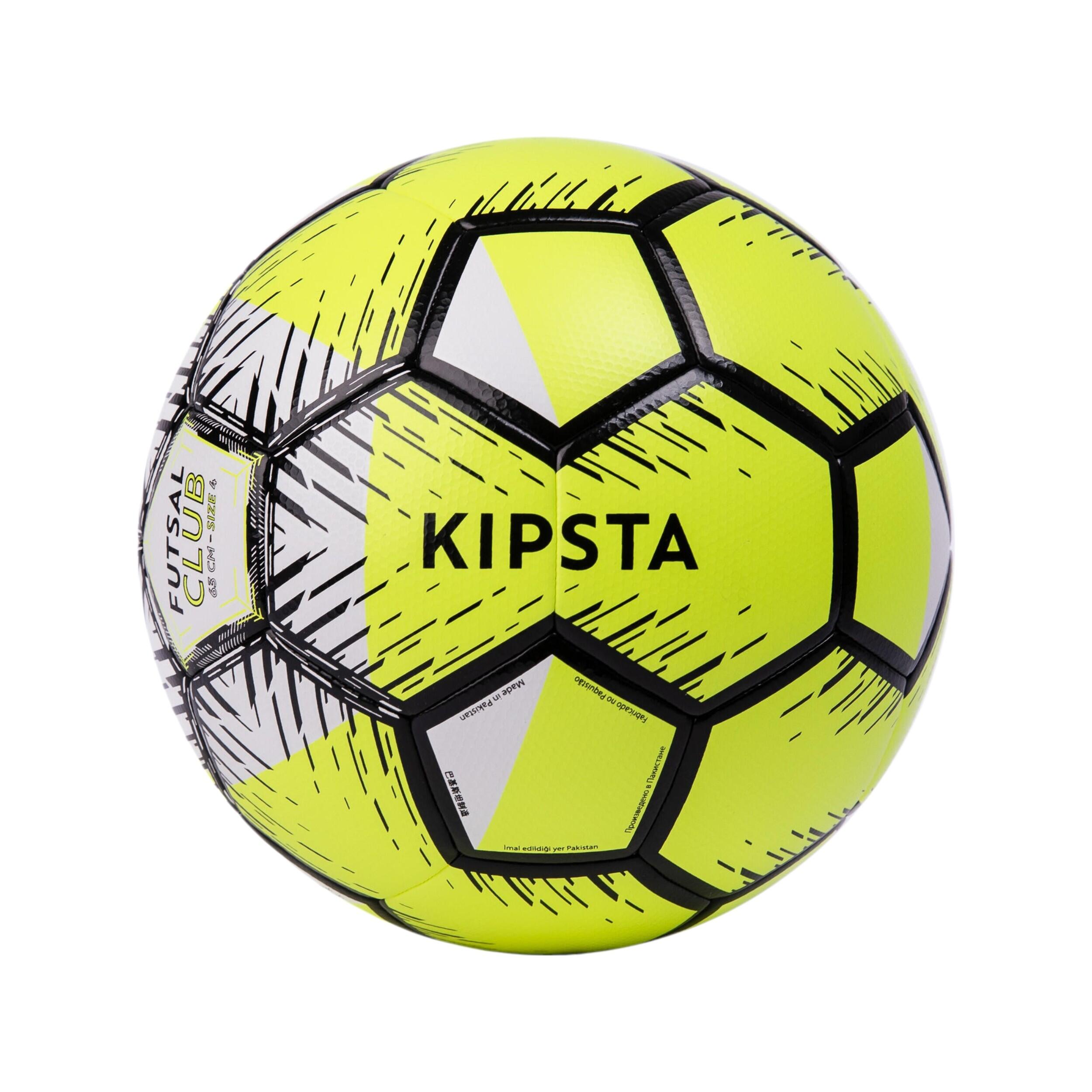
Care needs to match the exact construction because inflatable, thermobonded, PVC and foam-core balls do not all require the same routine. Inflatable models need regular pressure checks, a clean compatible needle and dry, ventilated storage. Thermobonded balls must not be completely deflated because collapsed panels can become damaged and lose their intended form. Foam-centred balls need no inflation but still require protection from water, sharp objects and prolonged compression. Purpose-specific options within the indoor and futsal footballs category also carry their own rebound and surface restrictions. Avoid abrasive tarmac where the product excludes it, inspect garden areas for thorns and let any damp outer surface dry naturally. Correct pressure and suitable ground use preserve shape, bounce and durability.