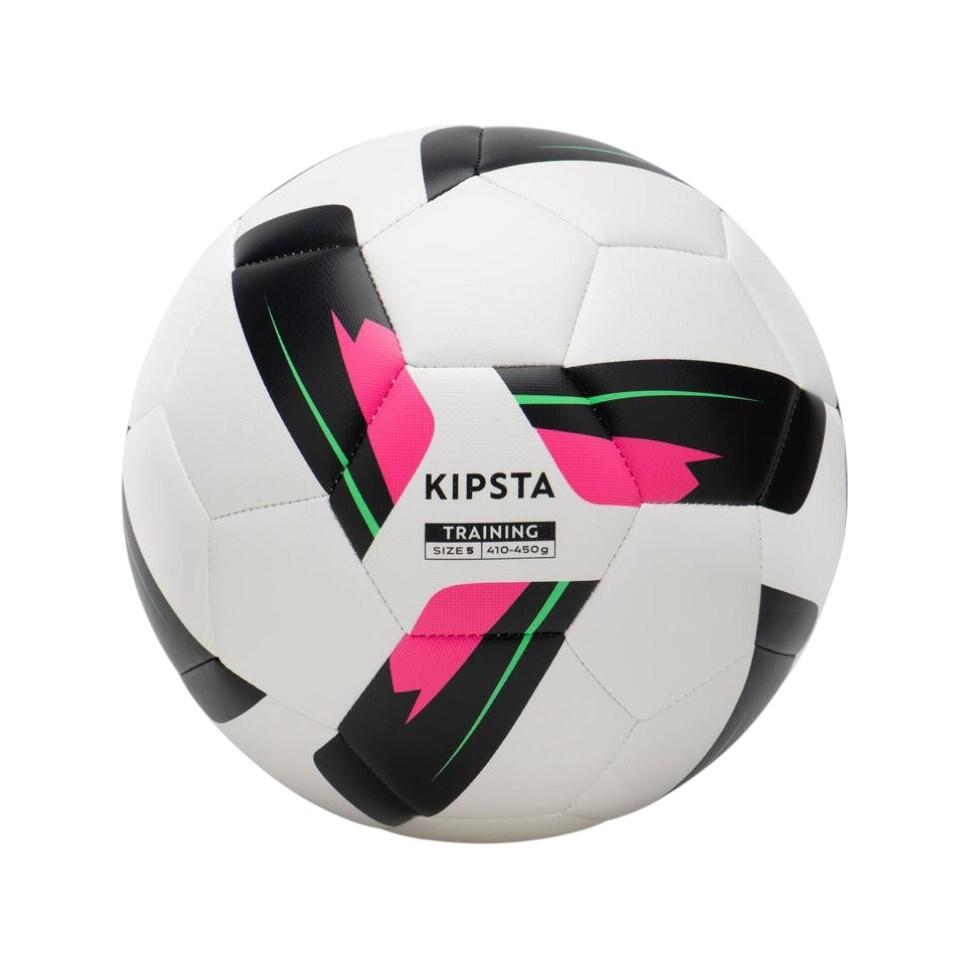
40 items
4.3/5 based on 15981 reviews collected online and in stores

Indoor & Futsal Footballs FAQs

Which indoor ball suits your child's first football sessions?

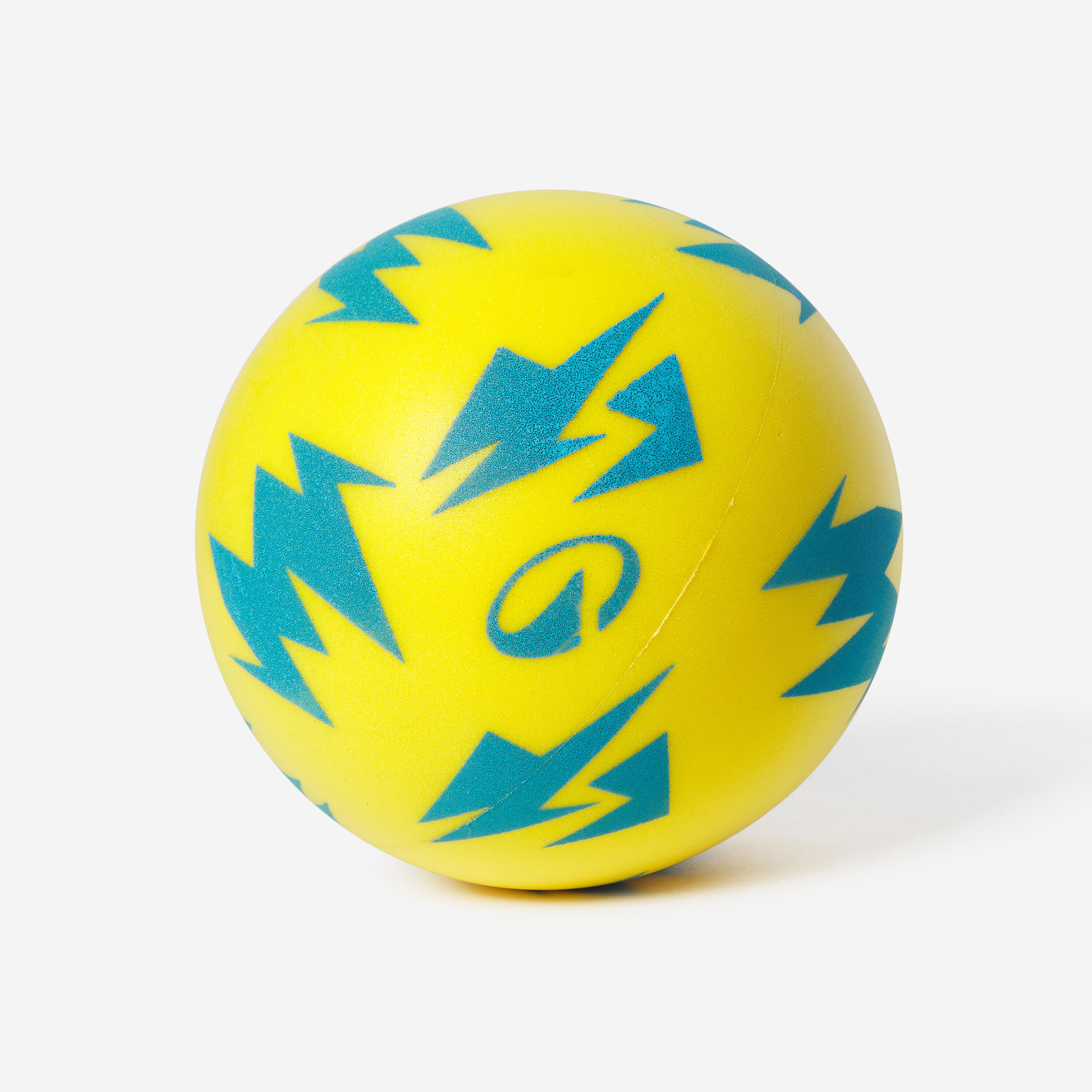
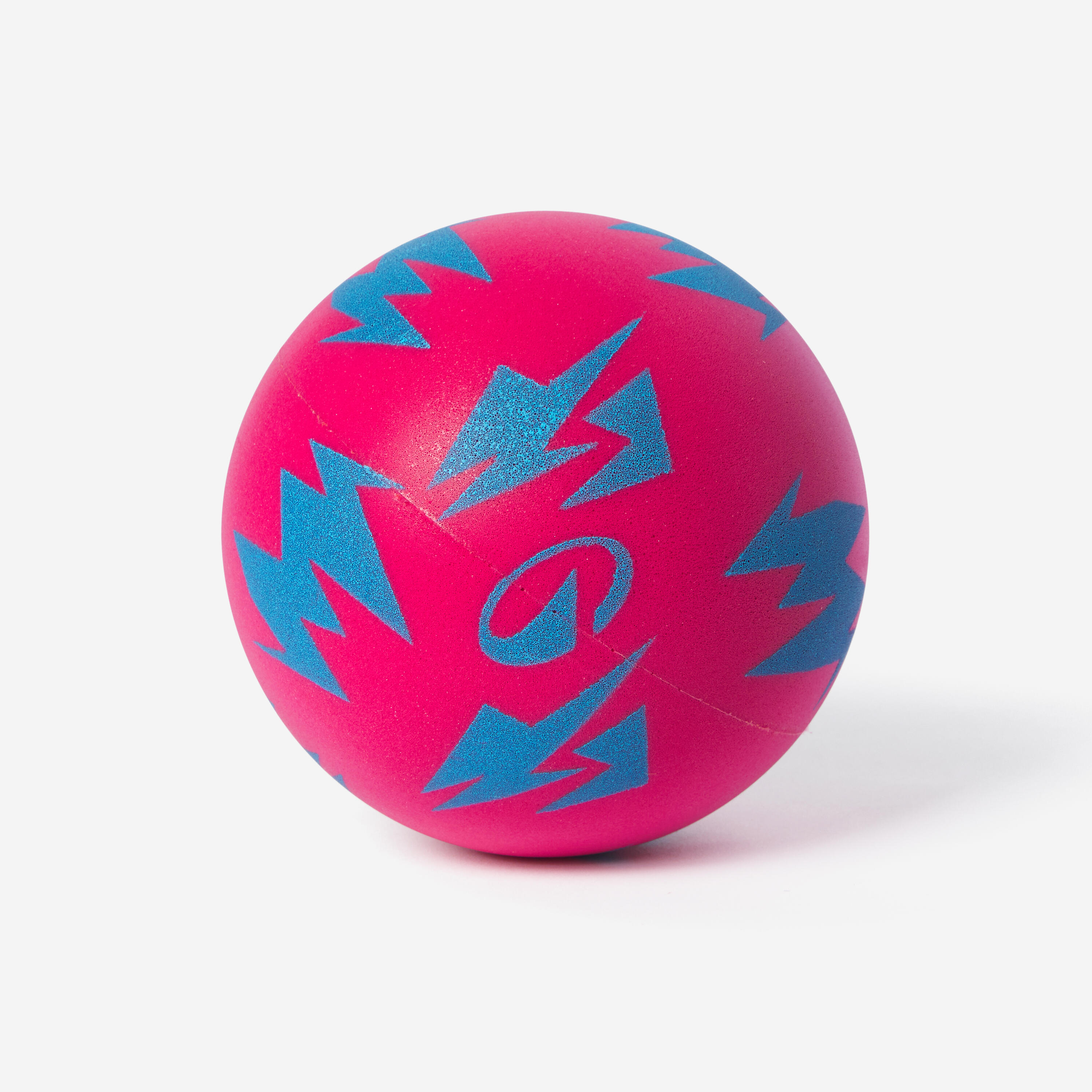
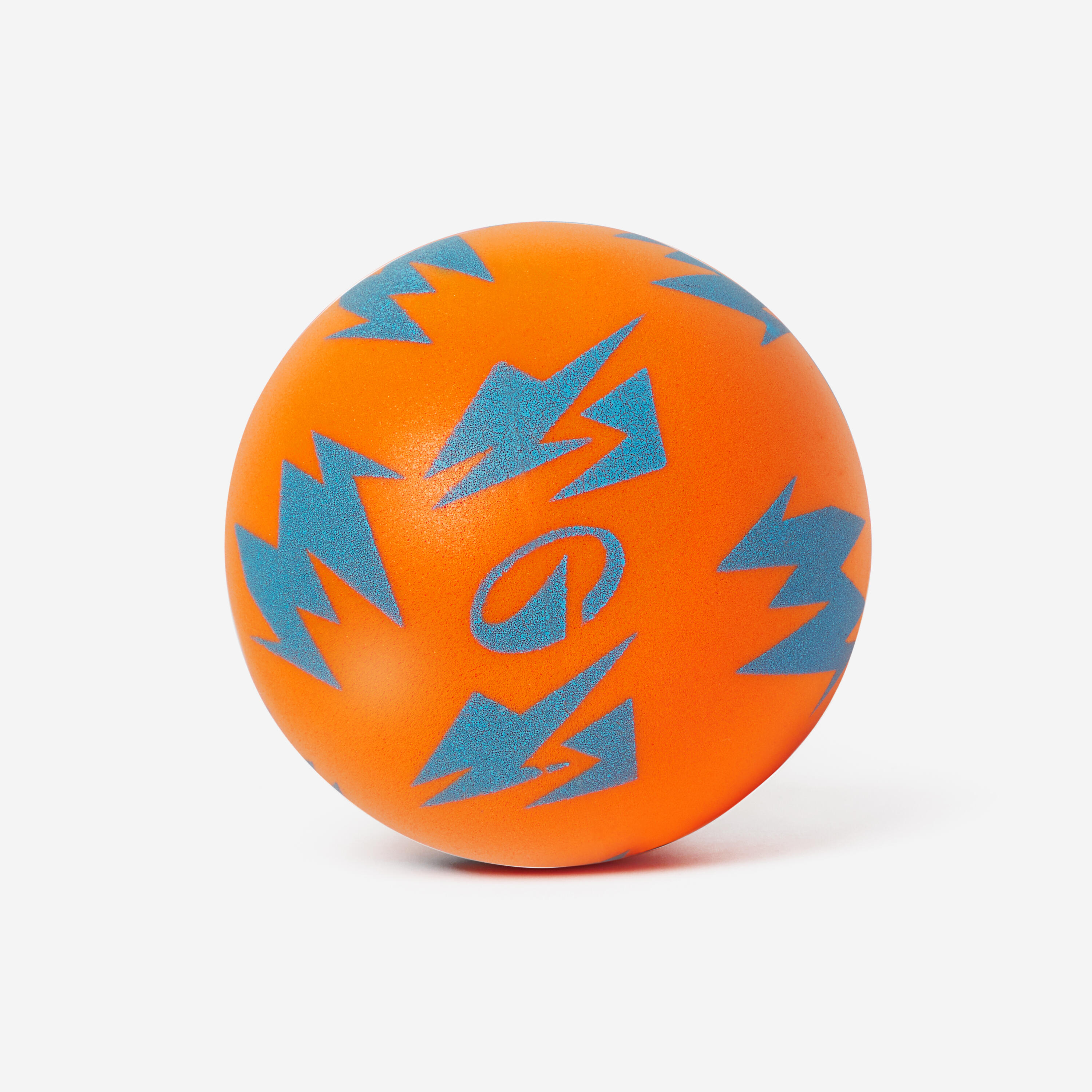
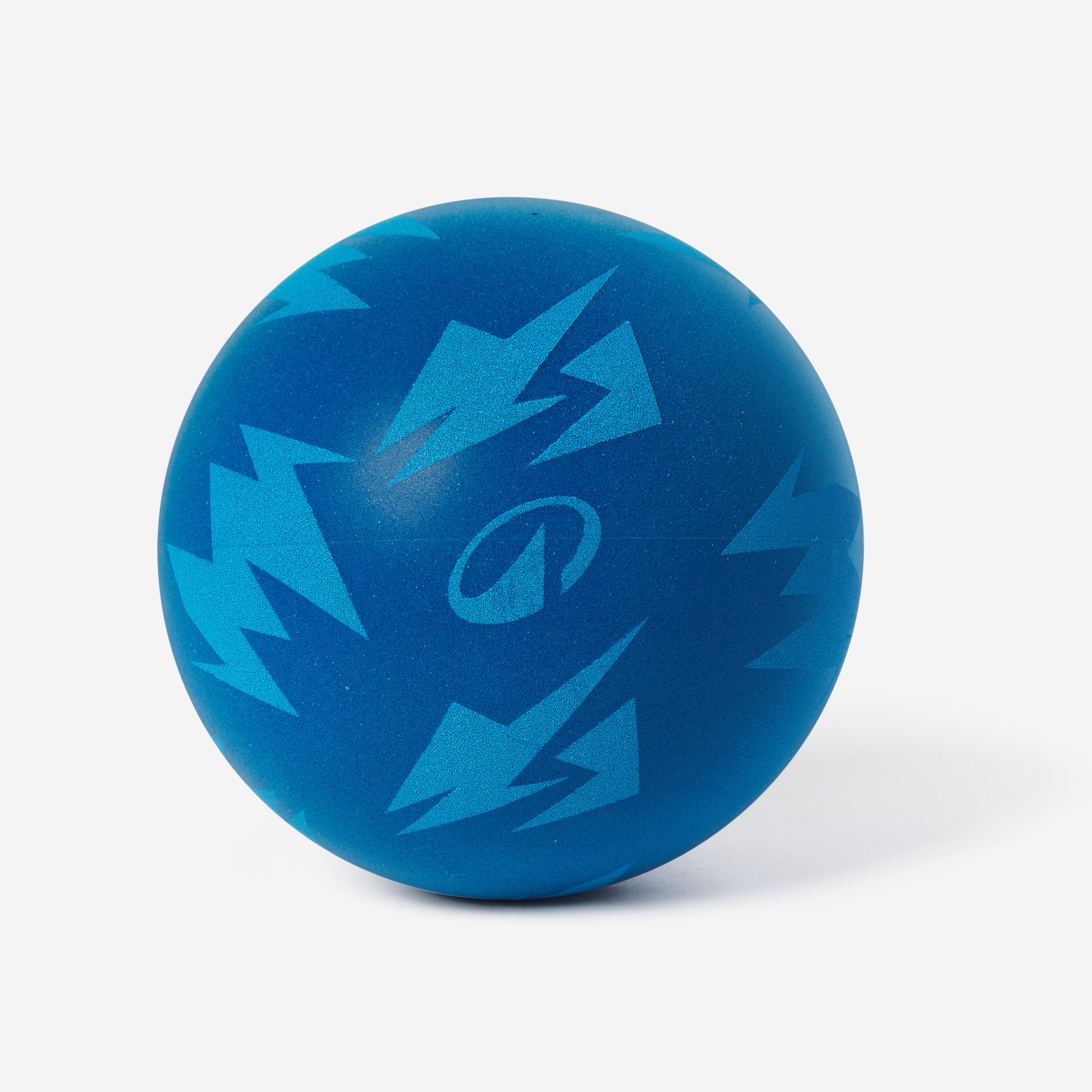
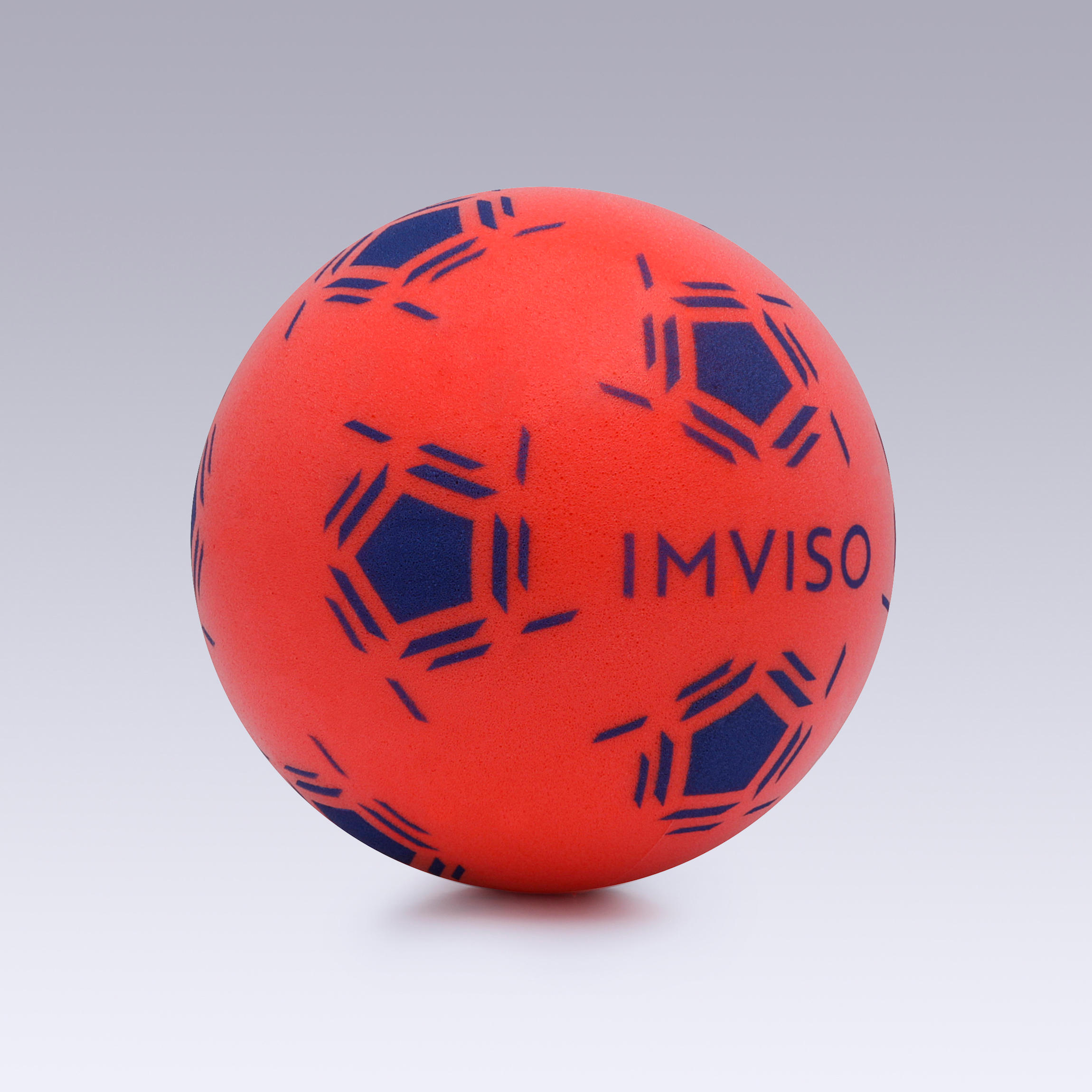
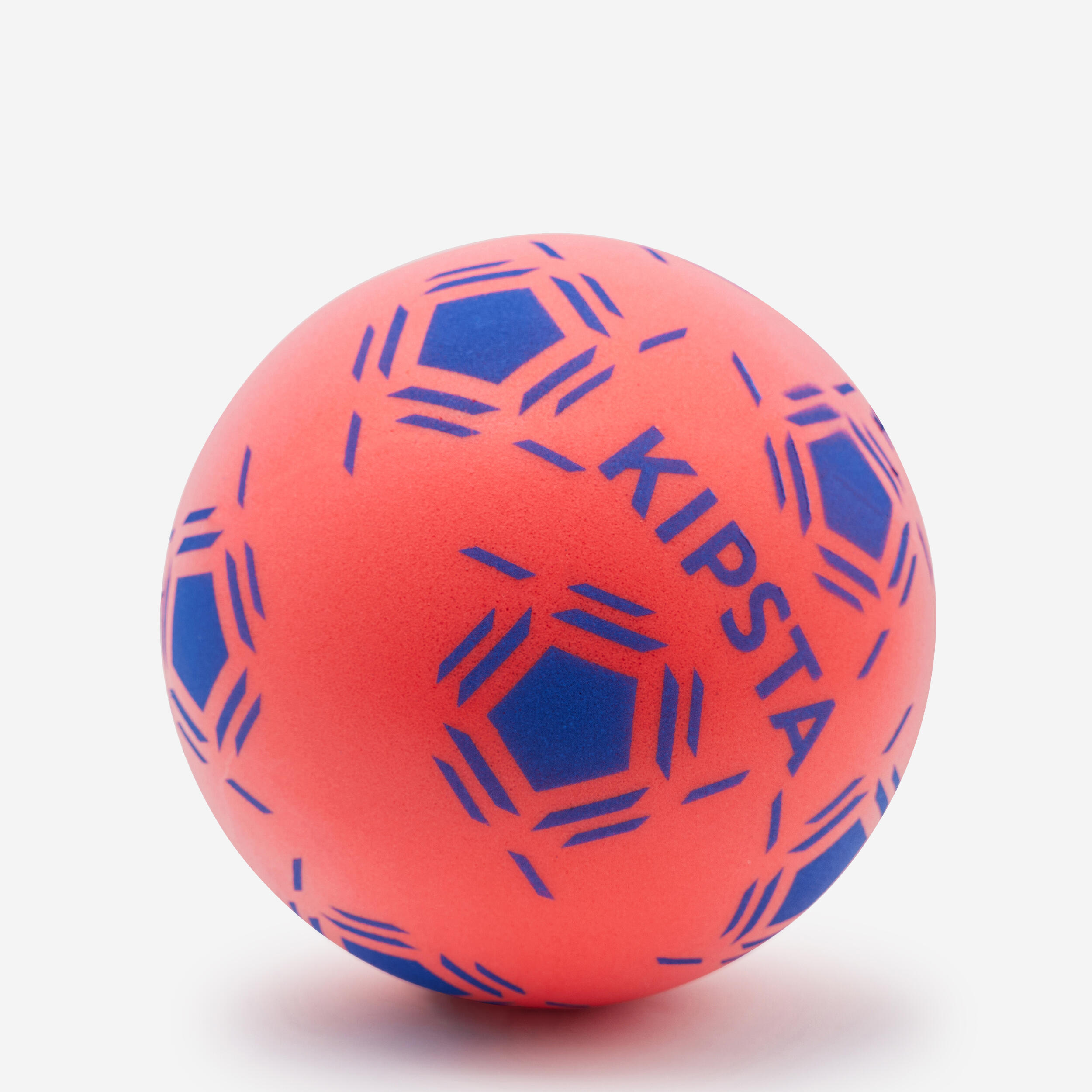
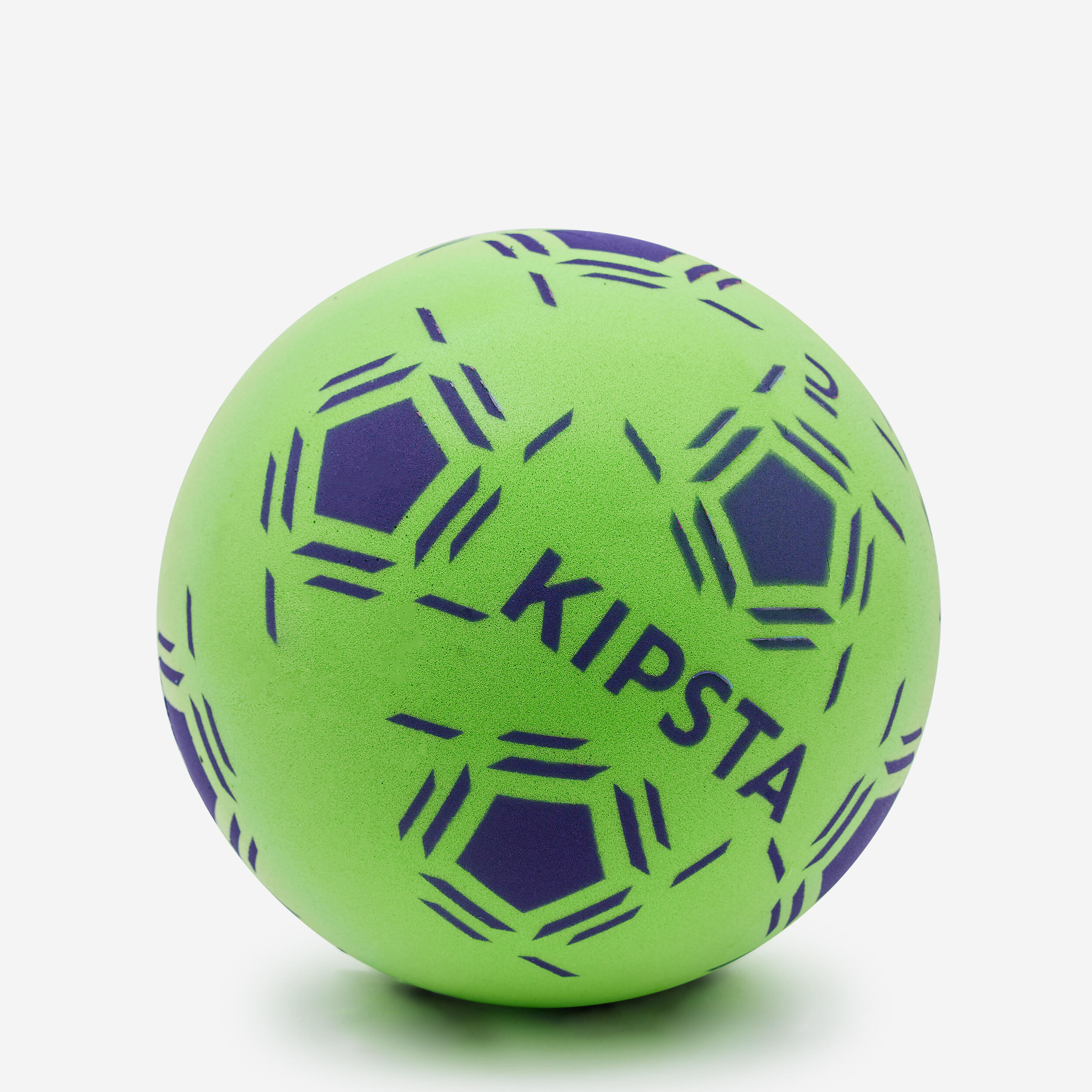
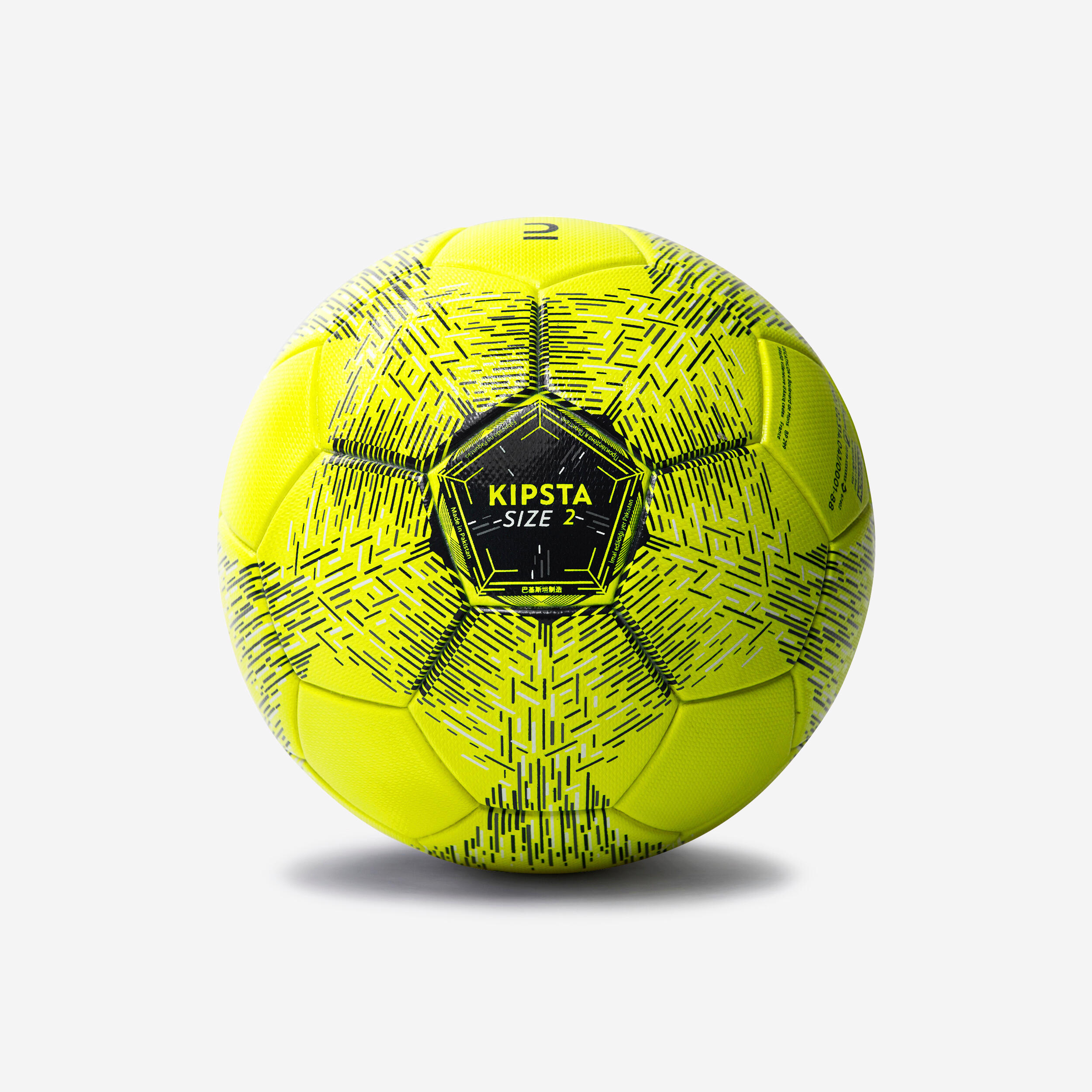
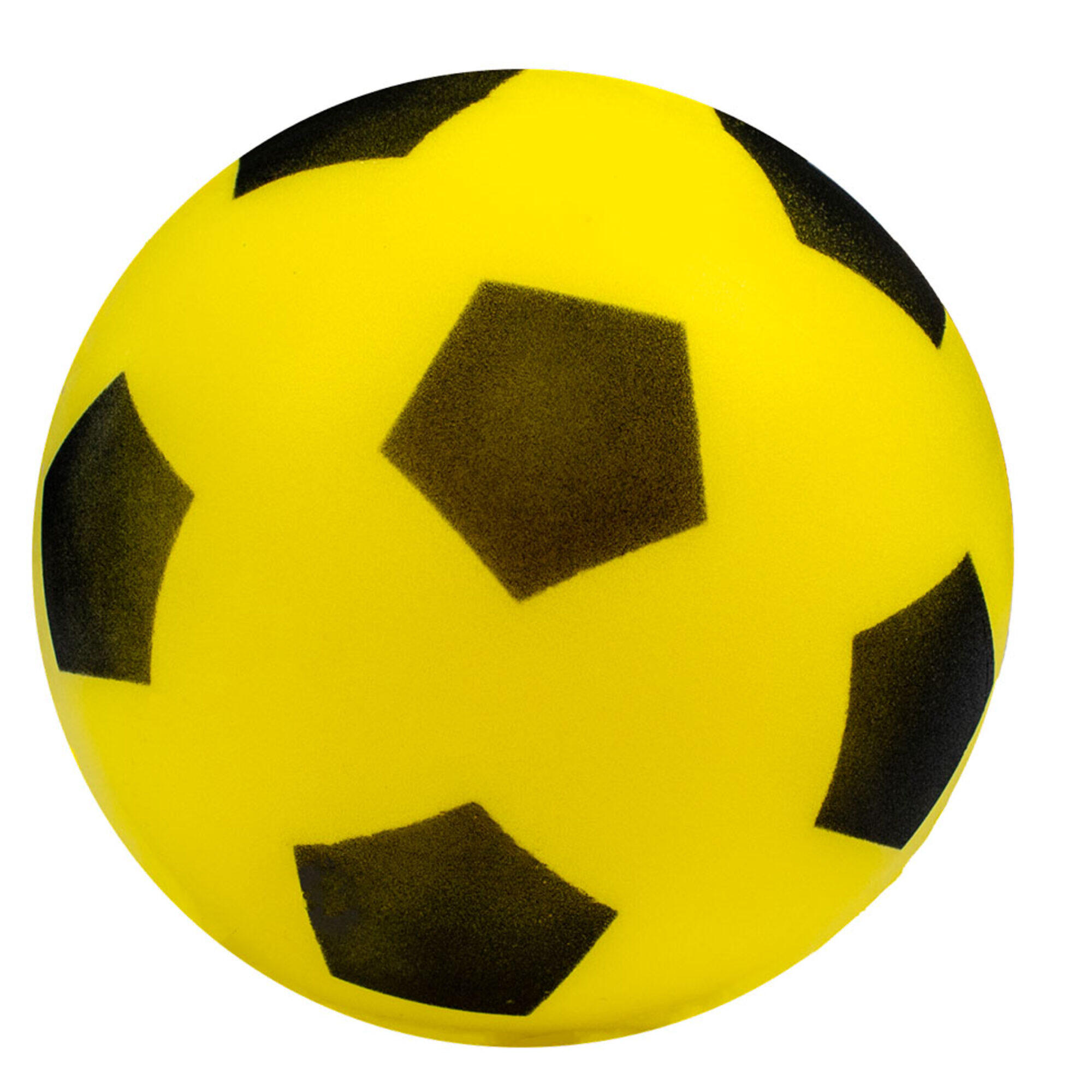
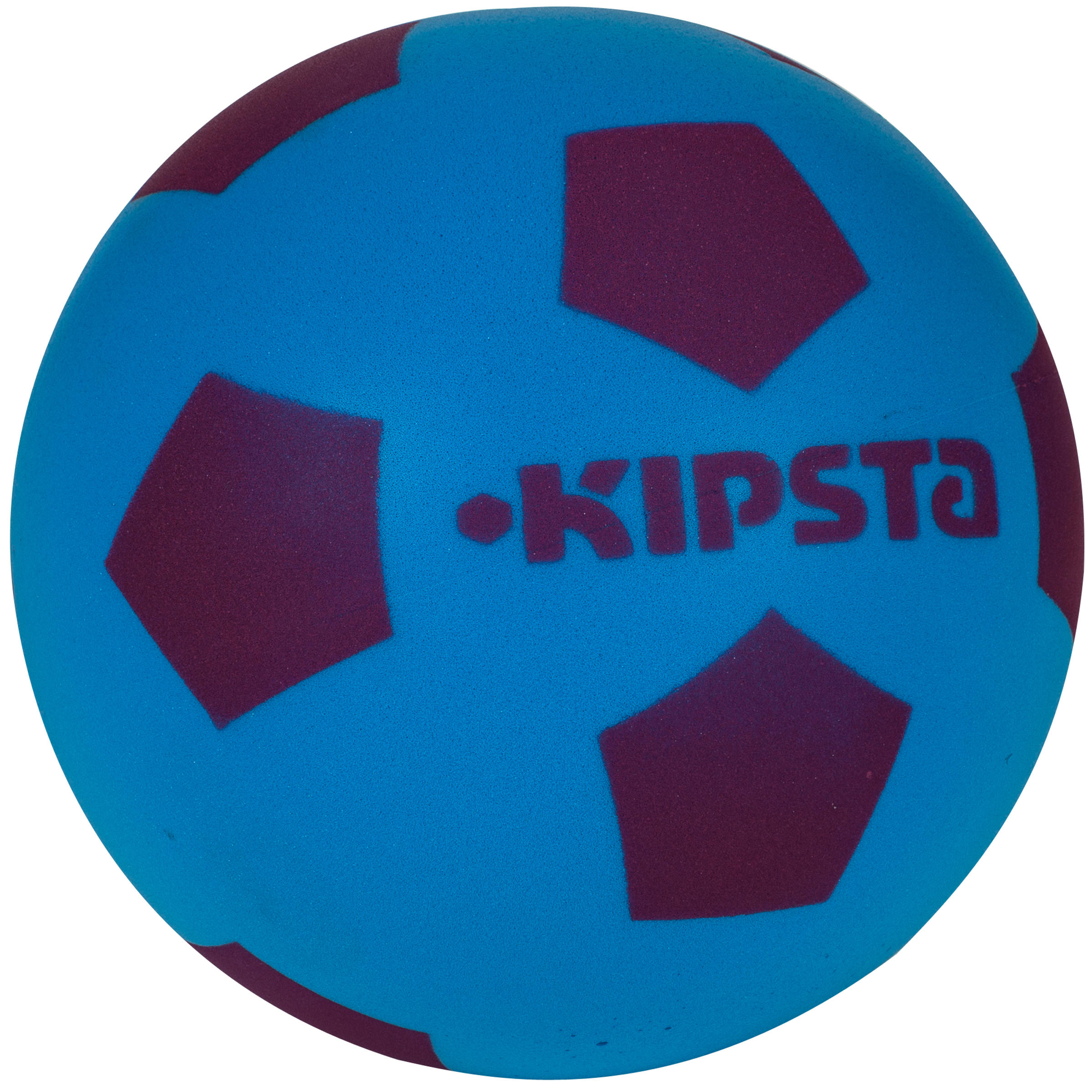
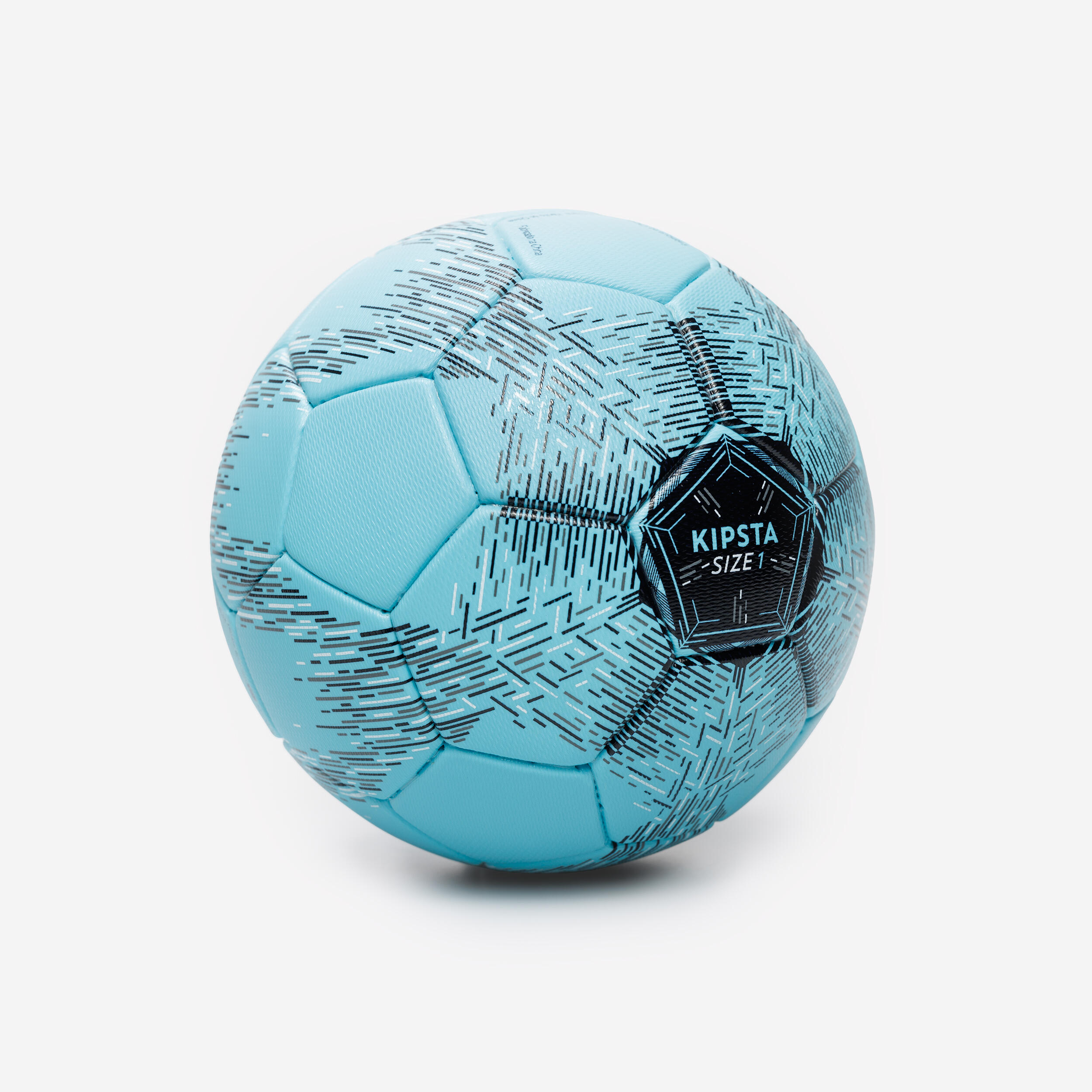
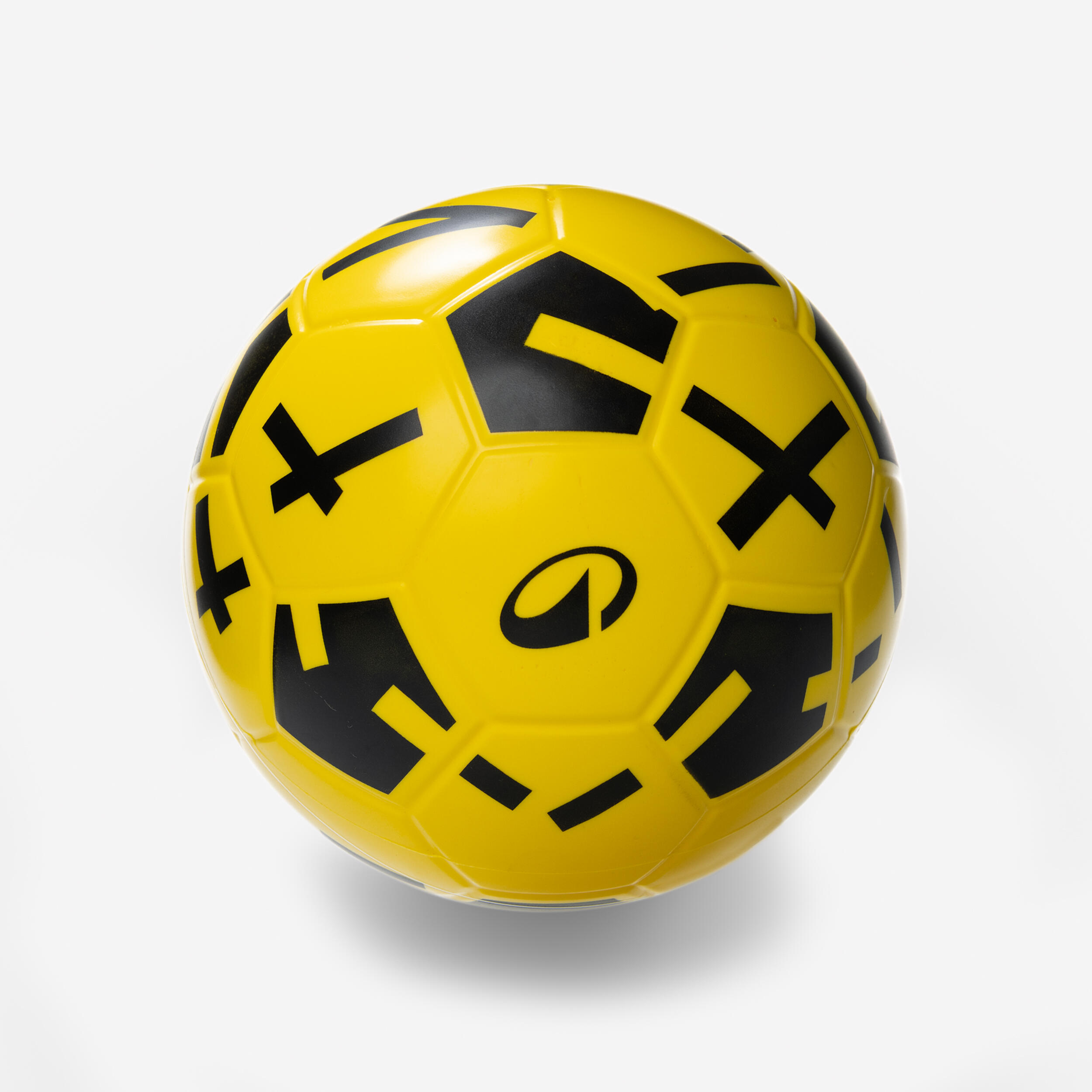
Young beginners often benefit from a soft ball that stays close to the floor and feels manageable when kicked or stopped. Solid polyurethane foam creates a gentler contact than a conventional inflatable futsal ball, while reduced rebound gives children more time to judge its movement. A 15 cm mini model weighing approximately 72-92 g suits early passing, dribbling and aiming activities in smaller indoor spaces. These indoor mini footballs require no pump because they contain no inflatable bladder. Move to the larger size 3 foam format when the child needs a ball that feels closer to a conventional football while retaining soft impact and controlled bounce.
Why is adjustable rebound useful during indoor training?

Solid foam balls provide fixed, reduced rebound, but an inflatable foam construction lets a coach alter the response for different exercises. The Ballground 500 surrounds a fabric-wrapped rubber bladder with high-density polyurethane foam, combining a softer outer surface with a valve for pressure adjustment. Increasing or reducing the inflation changes how lively the ball feels during passing, receiving and movement drills. These indoor foam footballs retain standard size 4 weight at approximately 350 g and measure around 62 cm in circumference. This makes the construction useful when players are ready for more conventional weight but still benefit from reduced impact. Keep the ball away from water and check its response before each session.

When is a FIFA Quality futsal ball the right option?

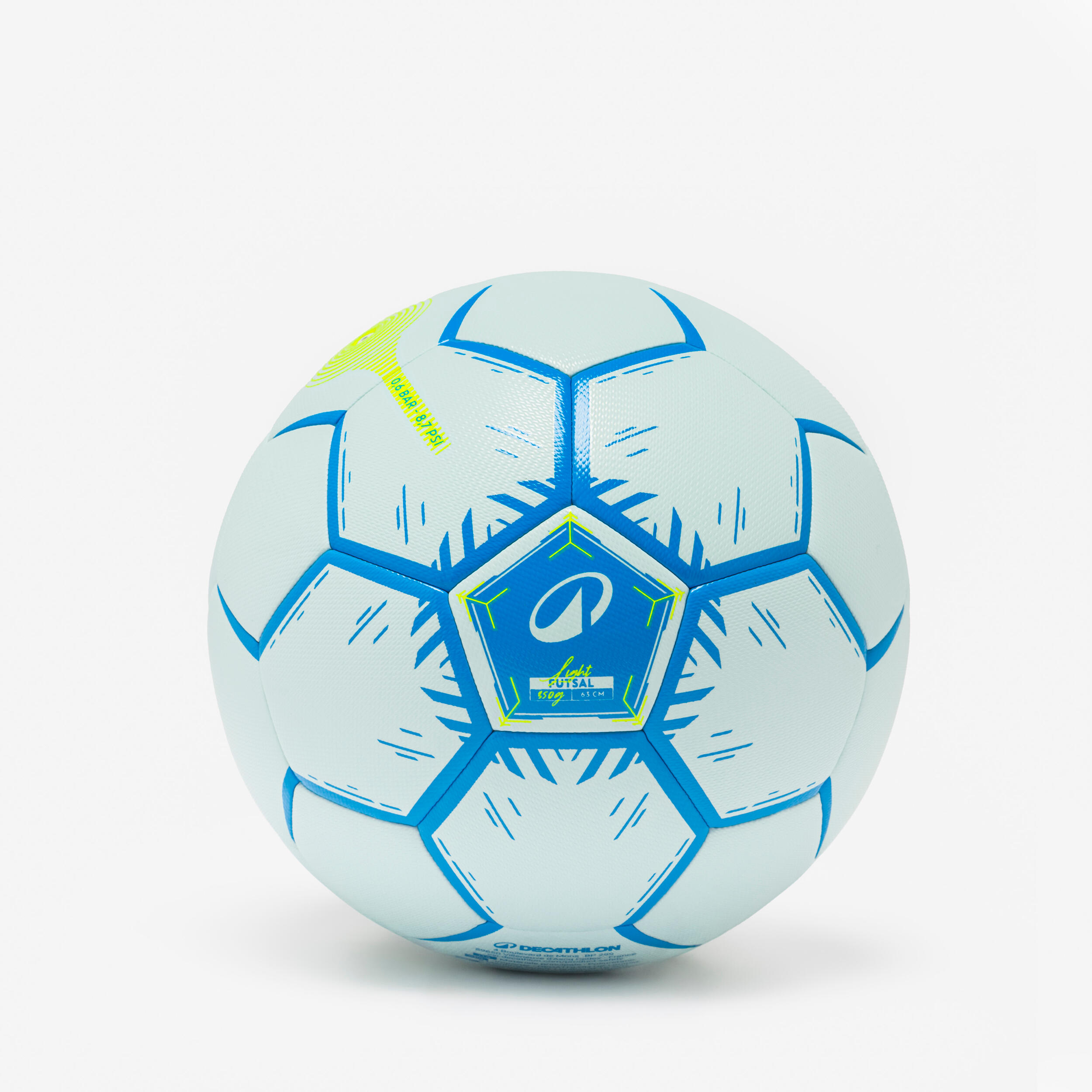
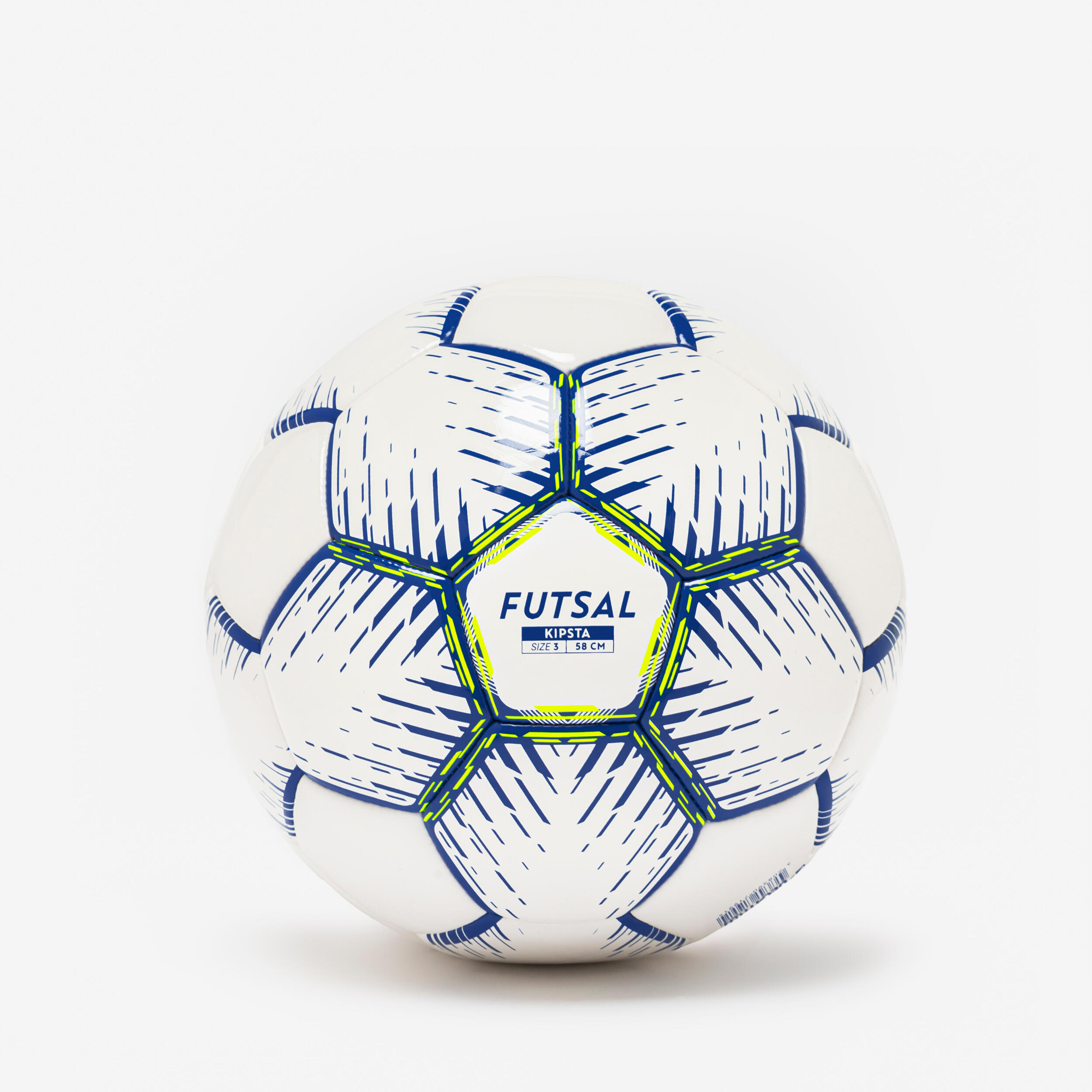
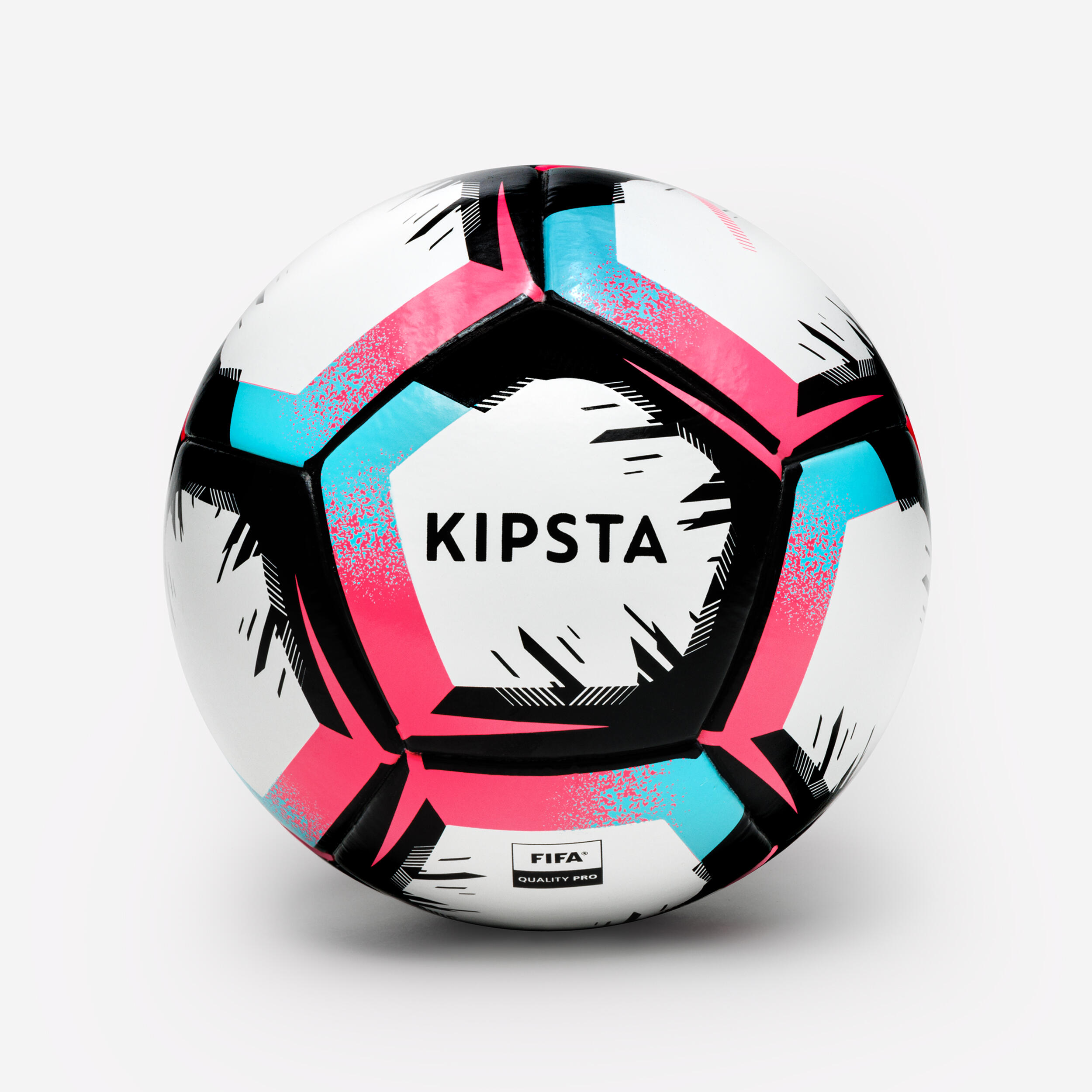
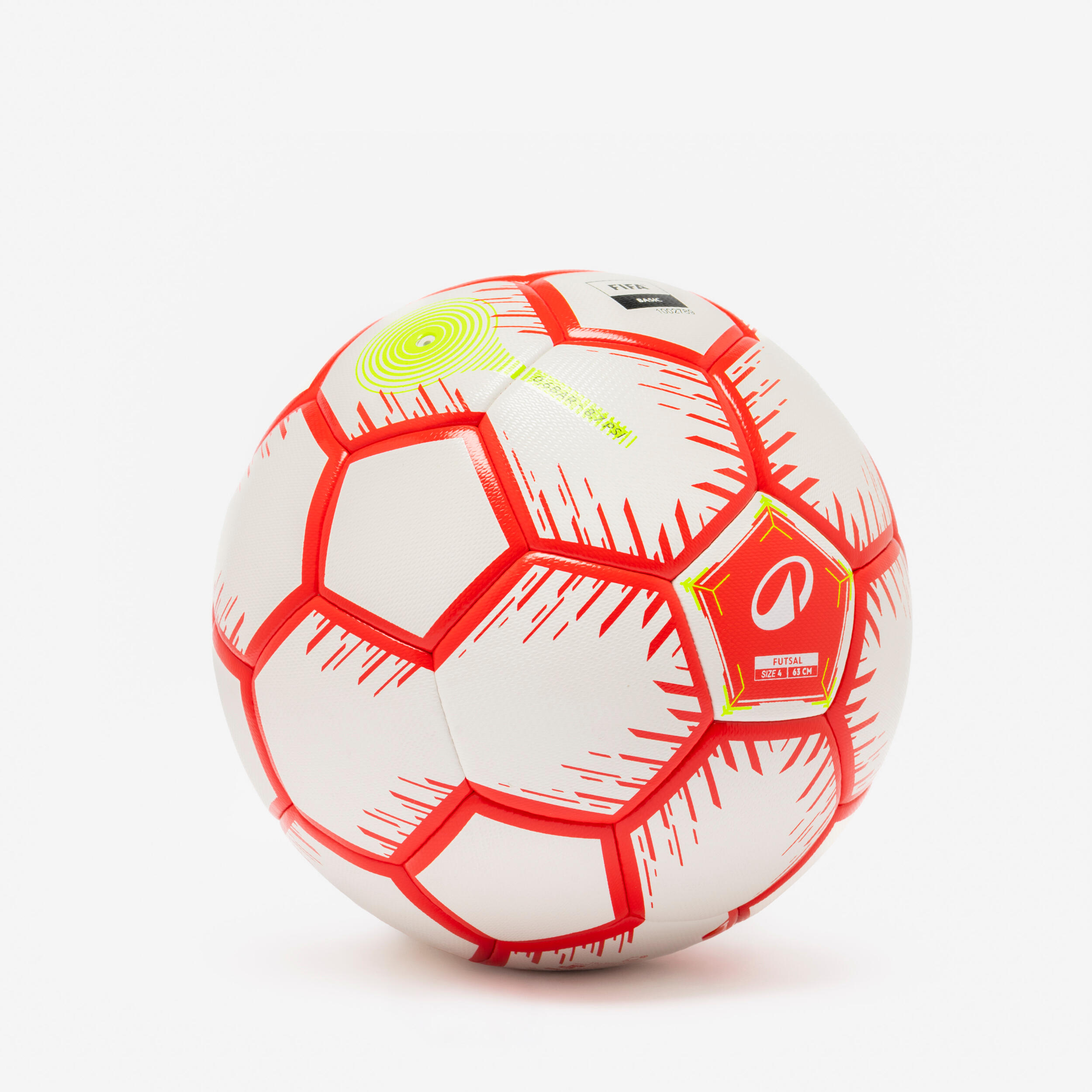
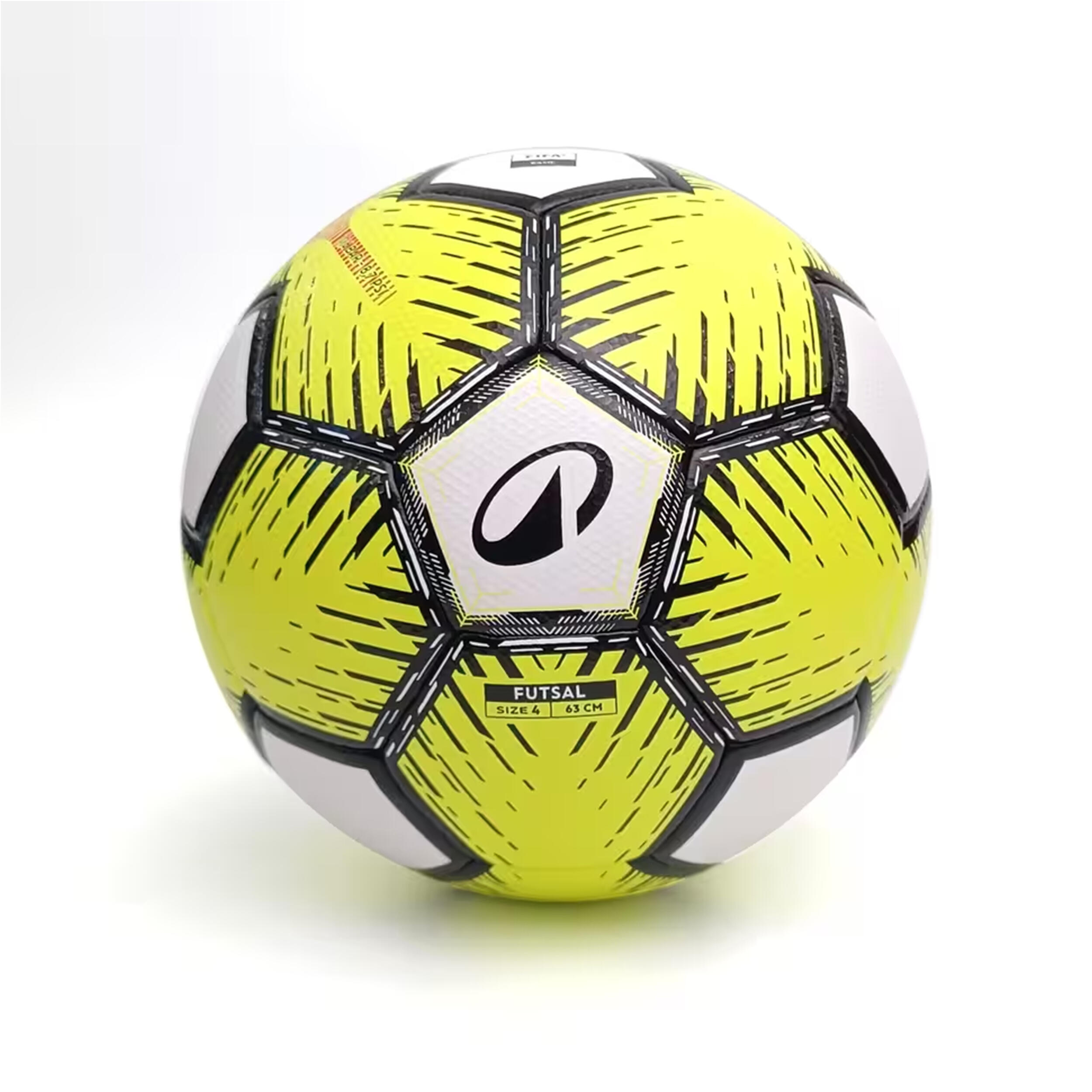
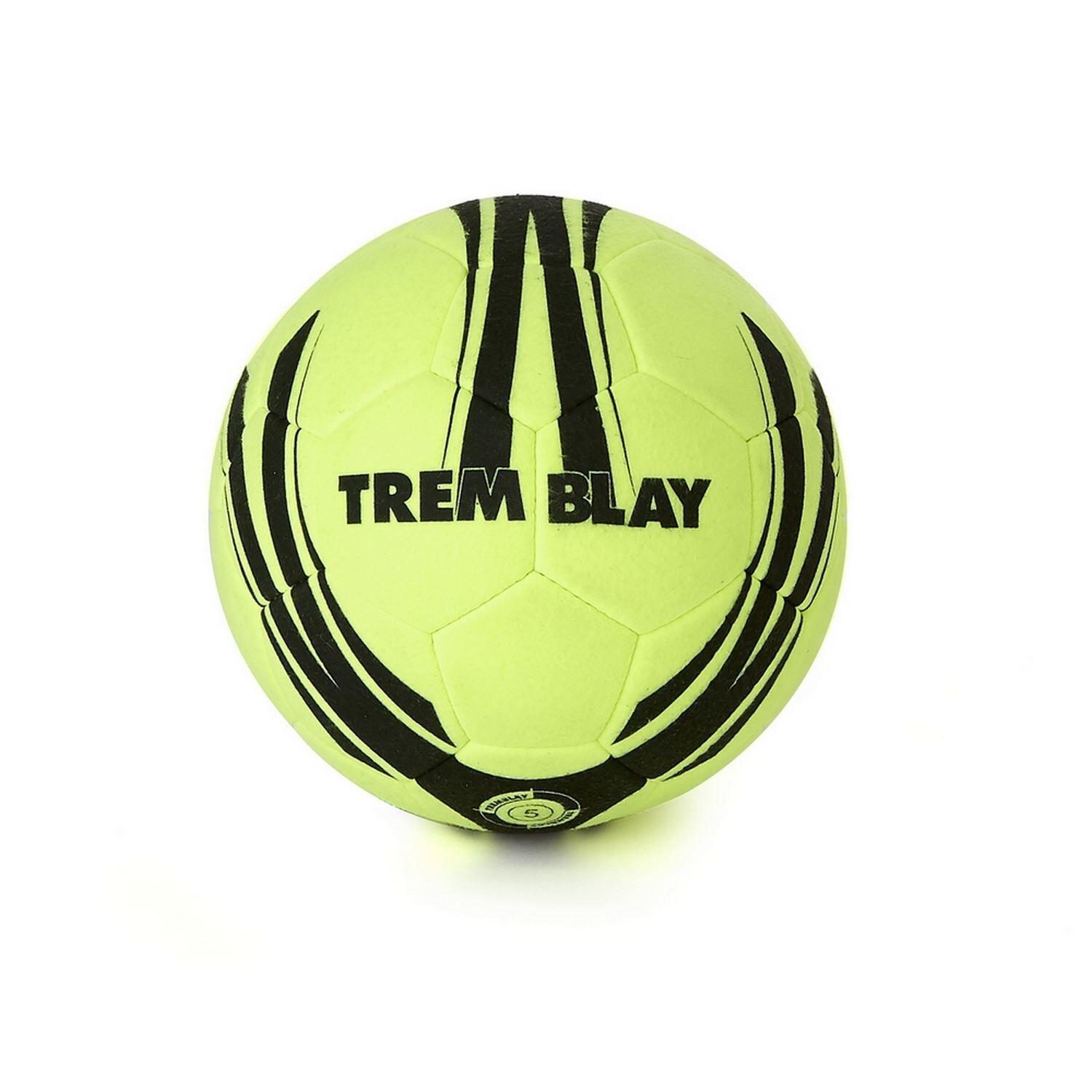
A technical size 4 futsal ball suits regular players who need predictable rolling, controlled rebound and resistance to abrasive indoor or hard-court surfaces. KIPSTA's hybrid construction places the seams internally, combining comfortable contact with the durability needed for parquet, PVC, asphalt and cement. Polyester wadding limits rebound, with the ball expected to rise between 55 cm and 65 cm when dropped from two metres onto a steel plate. The futsal FIFA quality football also undergoes a directional-roll assessment, where its accepted deviation from the intended path is limited to 5 degrees. This level of consistency is useful for structured passing, tactical play and competitive sessions where an irregular bounce could disrupt control.

Is a futsal ball suitable for outdoor football pitches?

A futsal ball can work on specific hard outdoor courts when its product information confirms suitability for asphalt or cement, but it is not intended for grass. Its lower rebound, size 4 dimensions and controlled rolling behaviour are developed for close play on hard, relatively even surfaces. A standard grass ball uses a different bounce profile, outer construction and size pathway, making it more appropriate for open-pitch passing and longer flight. The main footballs category includes learning, training, recreational and match balls for grass, sand and other stated settings. Use each construction only on approved surfaces, as moisture, rough ground and incorrect pitch types can affect the outer material, seams and playing behaviour. Venue rules also need checking before indoor or outdoor futsal sessions.

What care routine protects indoor and futsal footballs?

Care depends on whether the ball has a solid foam centre or an inflatable bladder. Mini and size 3 foam balls require no pressure checks, but they need dry storage and protection from water, sharp objects and prolonged compression. Inflatable models need occasional pressure checks because gradual air loss changes their rebound and rolling speed. Insert a compatible pump needle straight into the valve and use the pressure guidance printed on the ball or supplied by the manufacturer. Product details within the KIPSTA footballs selection identify the intended surface, construction and model-specific restrictions. Wipe away indoor dust or hard-court debris after play, allow damp surfaces to dry naturally and store the ball somewhere ventilated. Correct pressure and surface use help preserve shape, trajectory and controlled futsal rebound.