30 items
4.7/5 based on 84320 reviews collected online and in stores

Training Footballs FAQs

How do you choose a training football for your child?

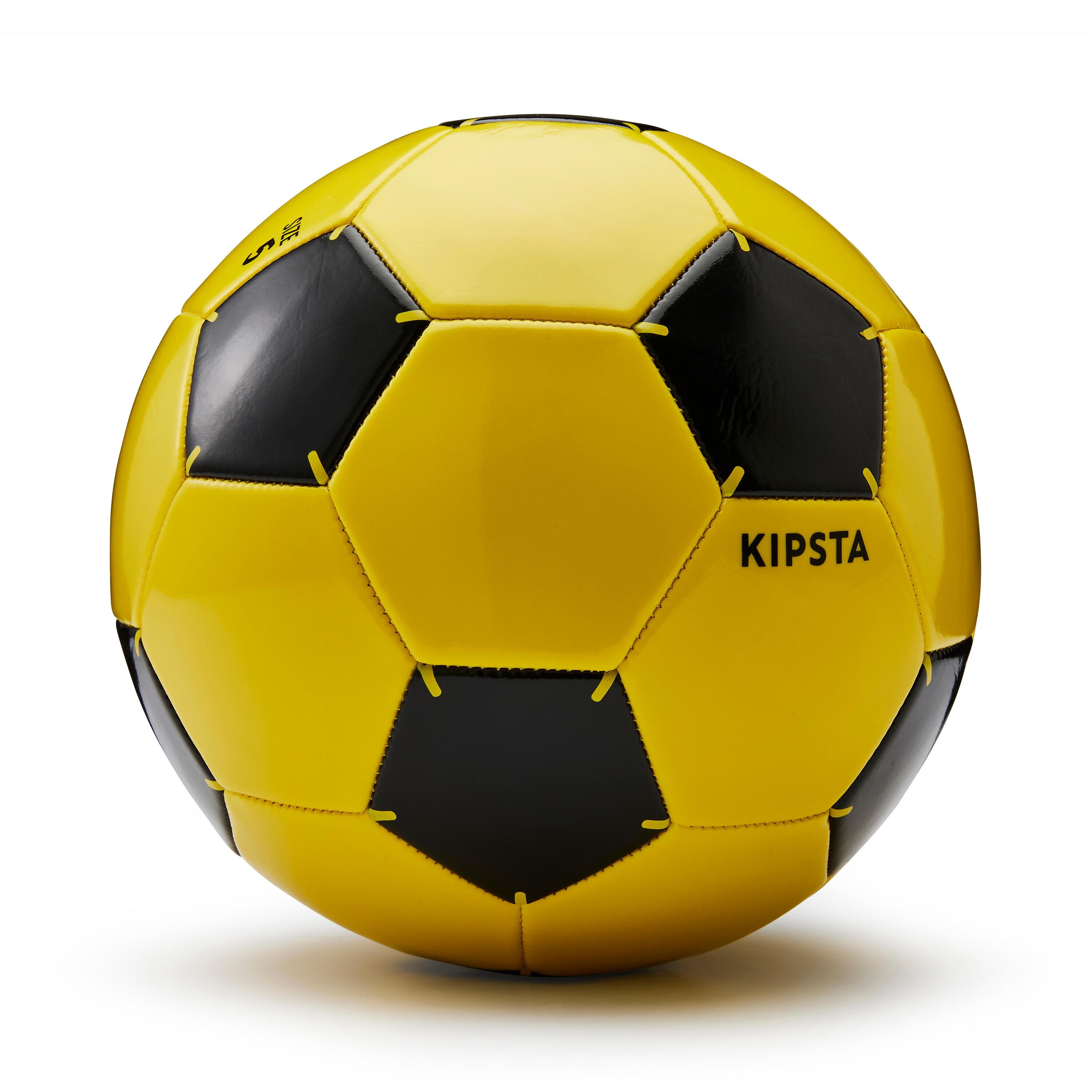
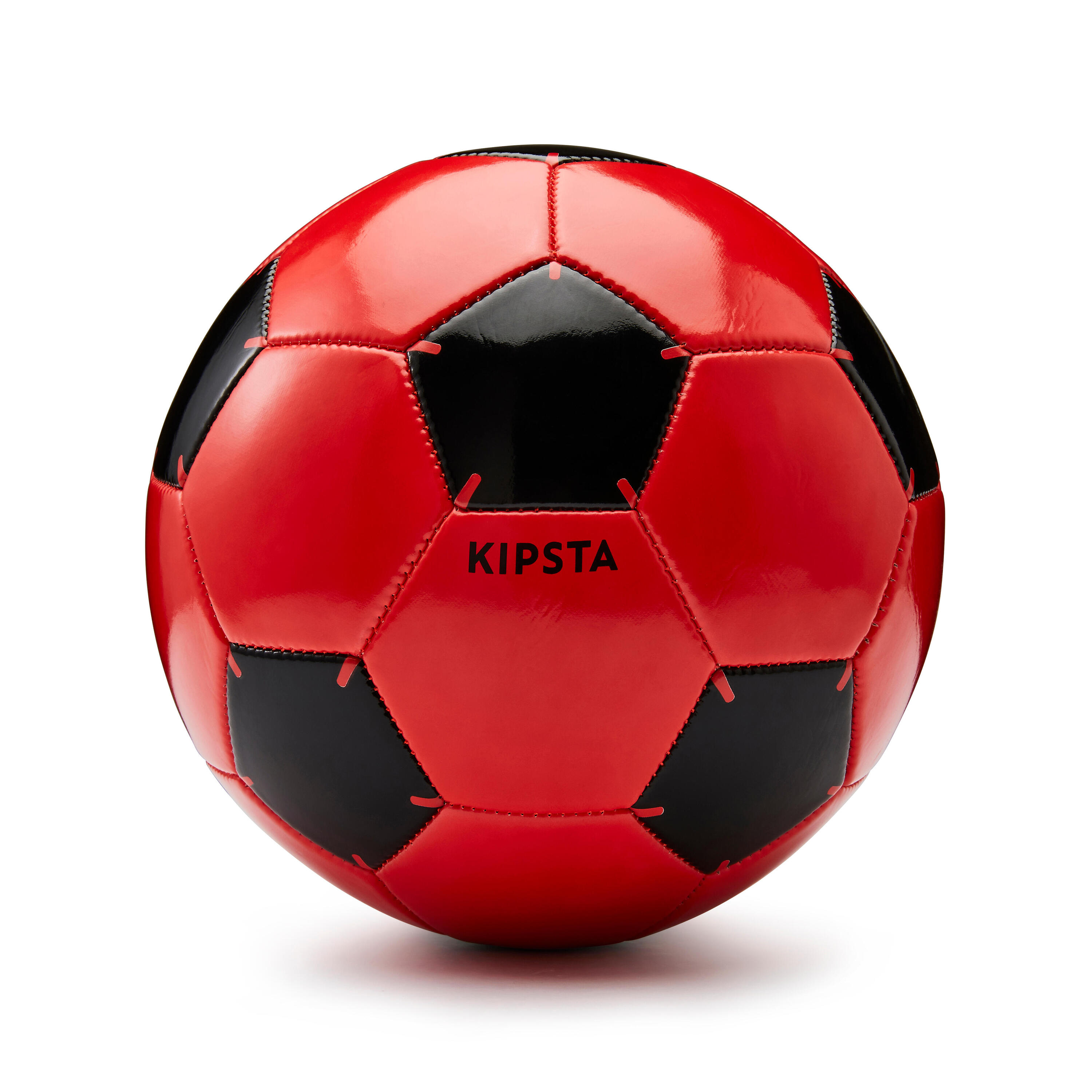
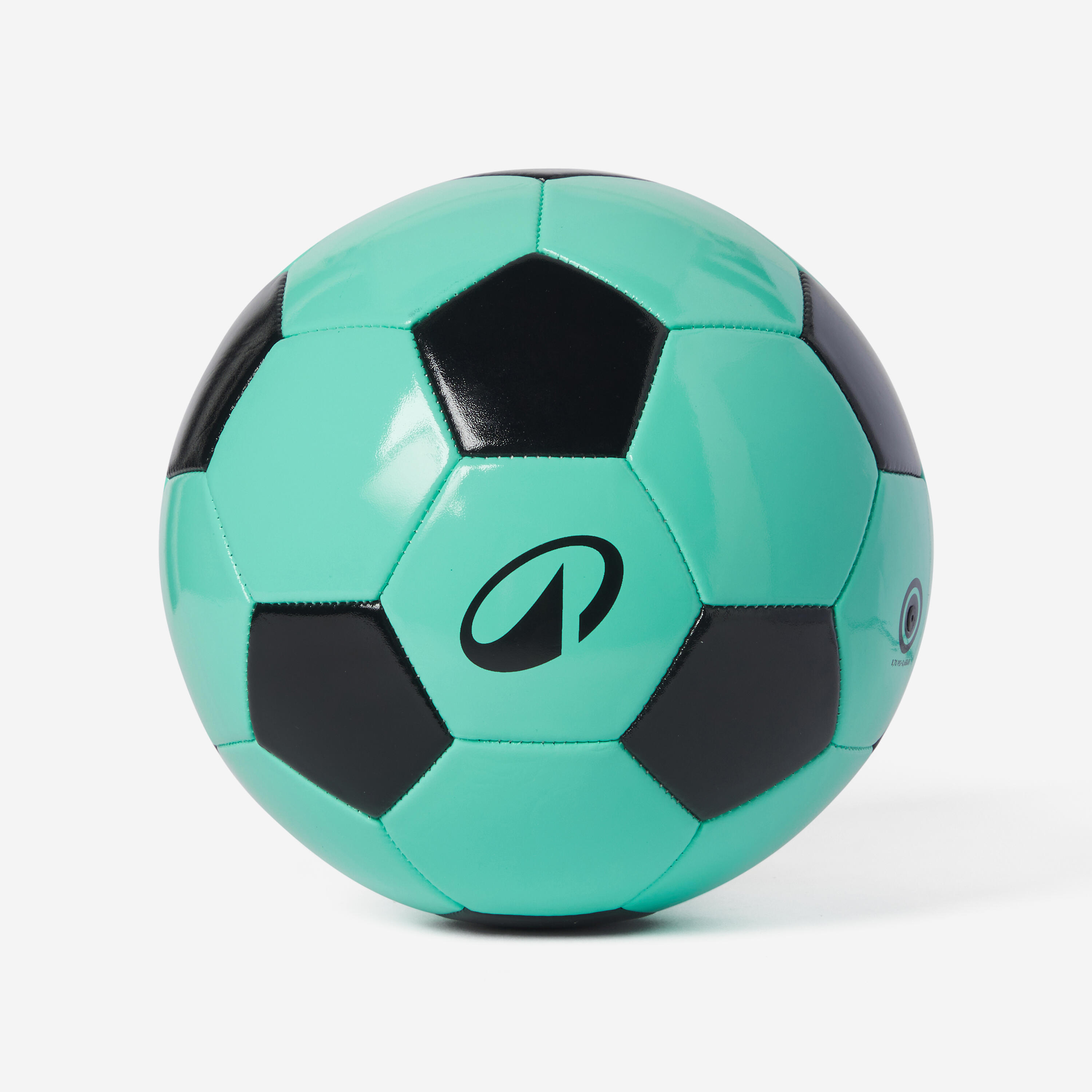
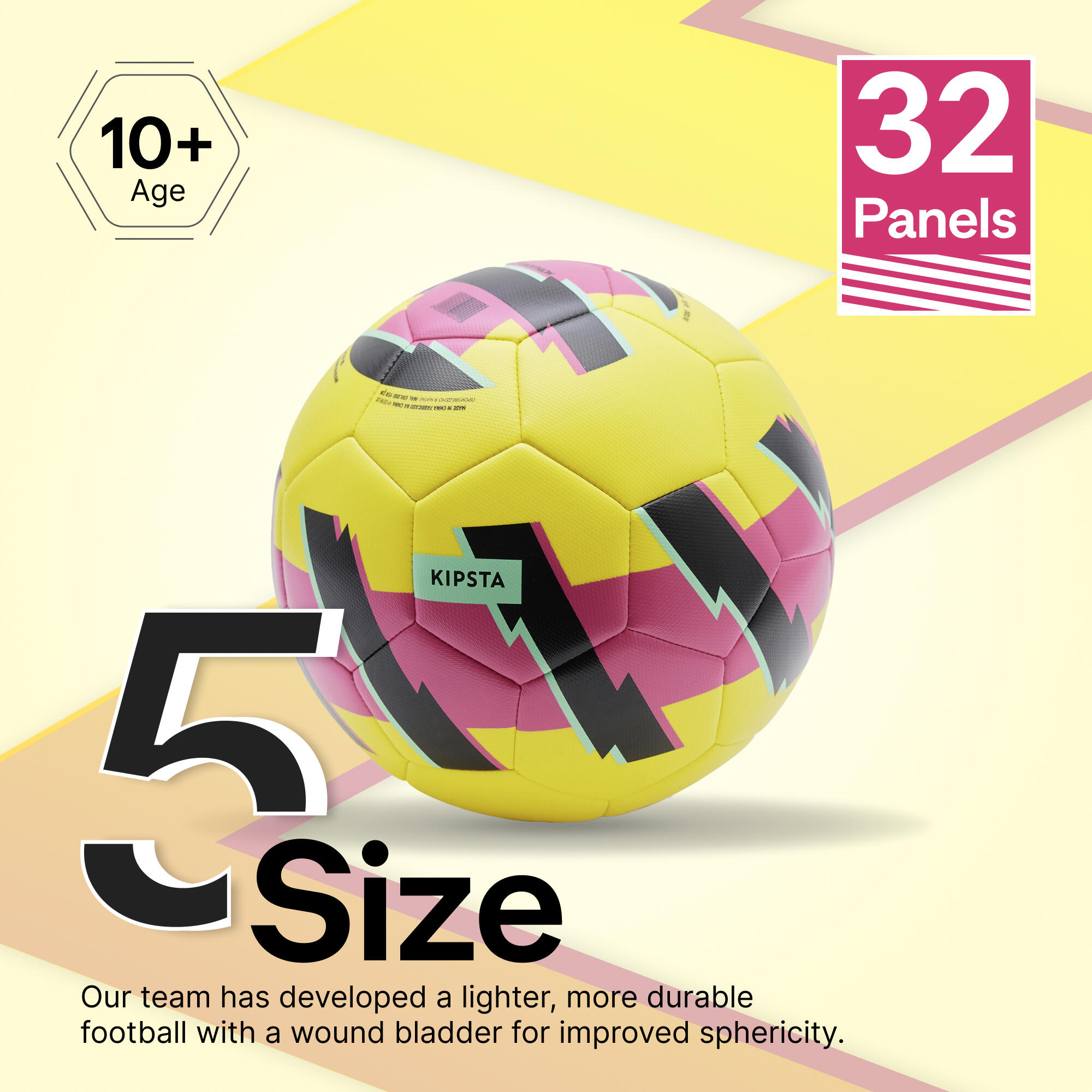
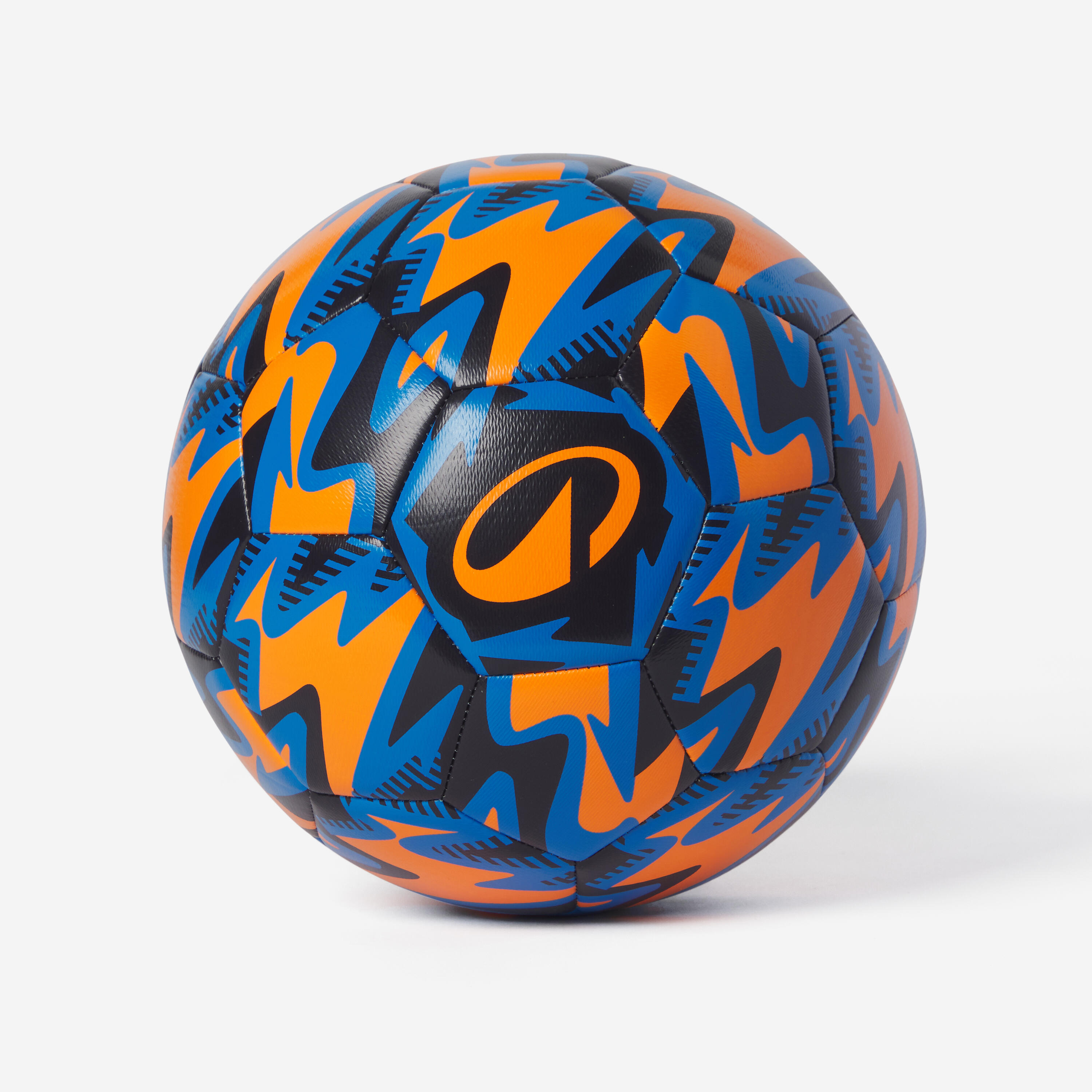
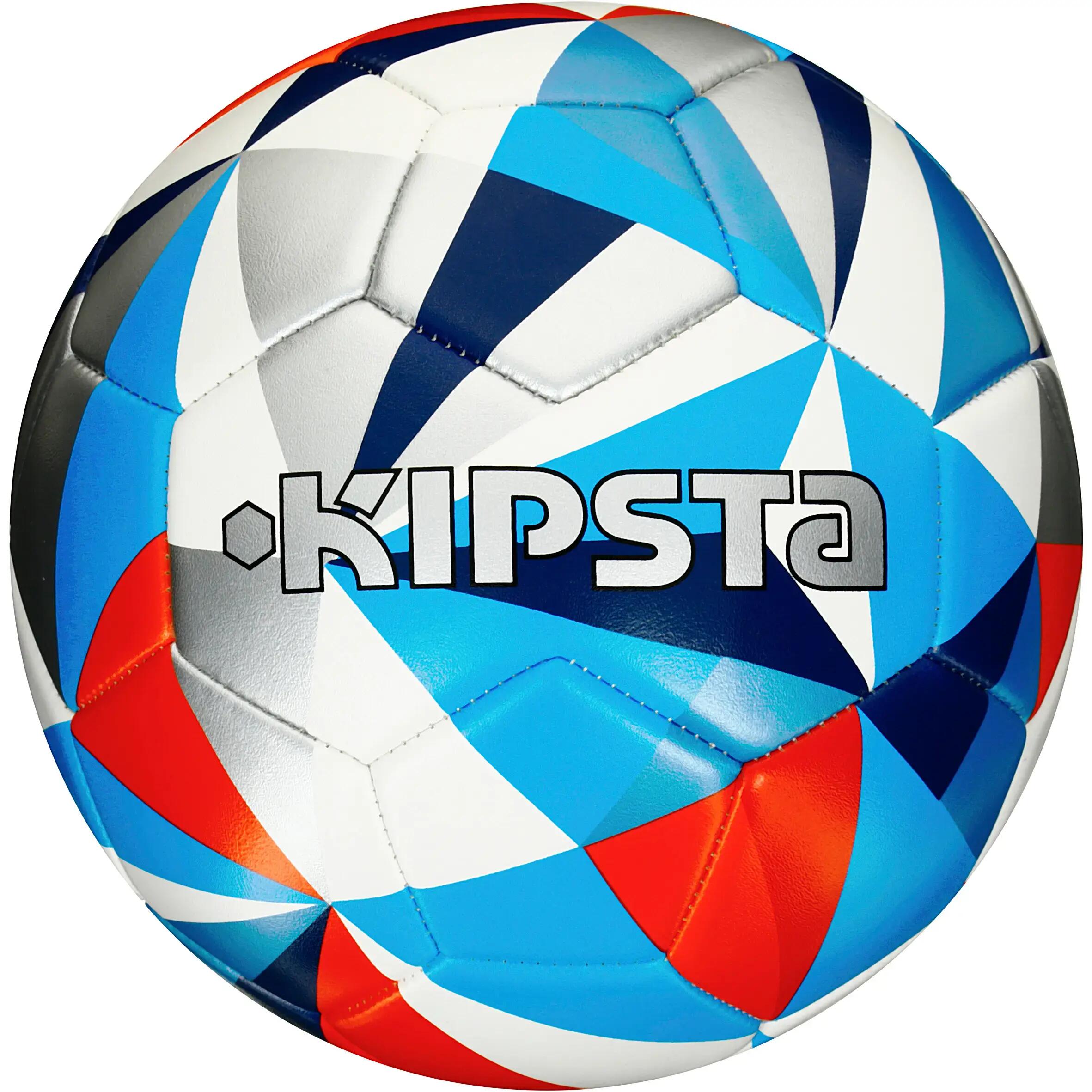
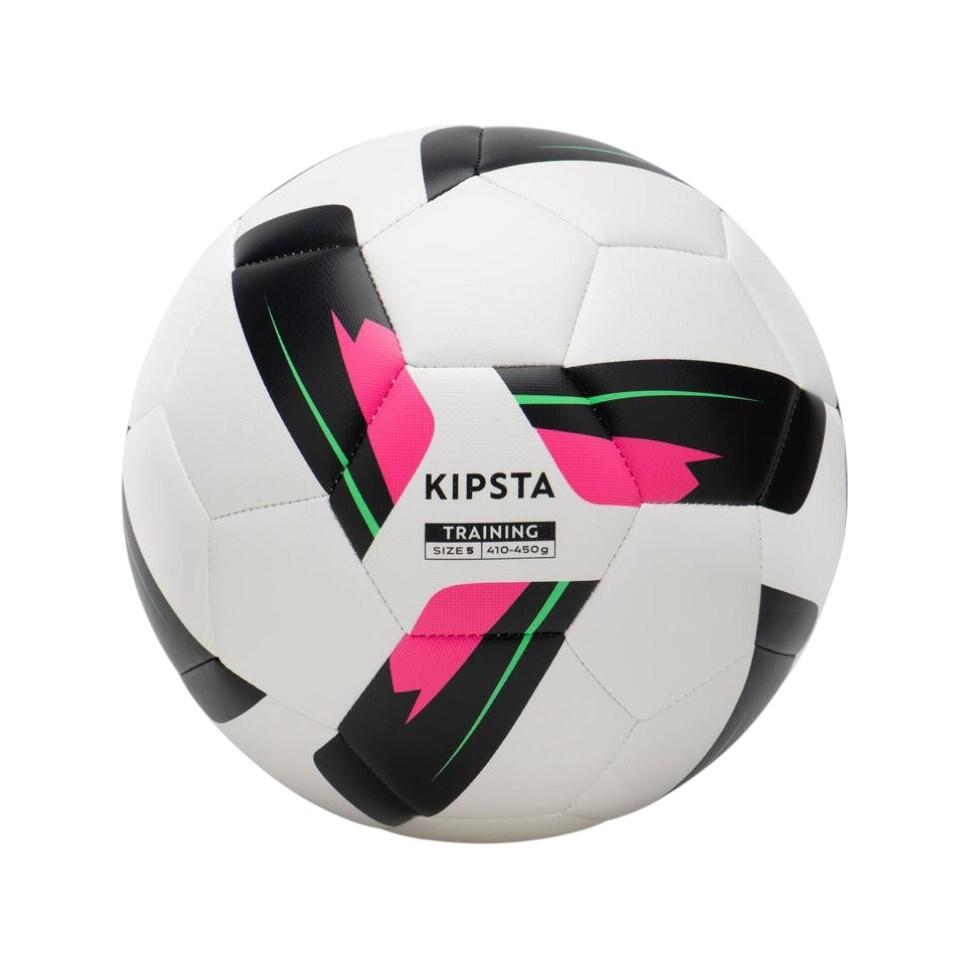
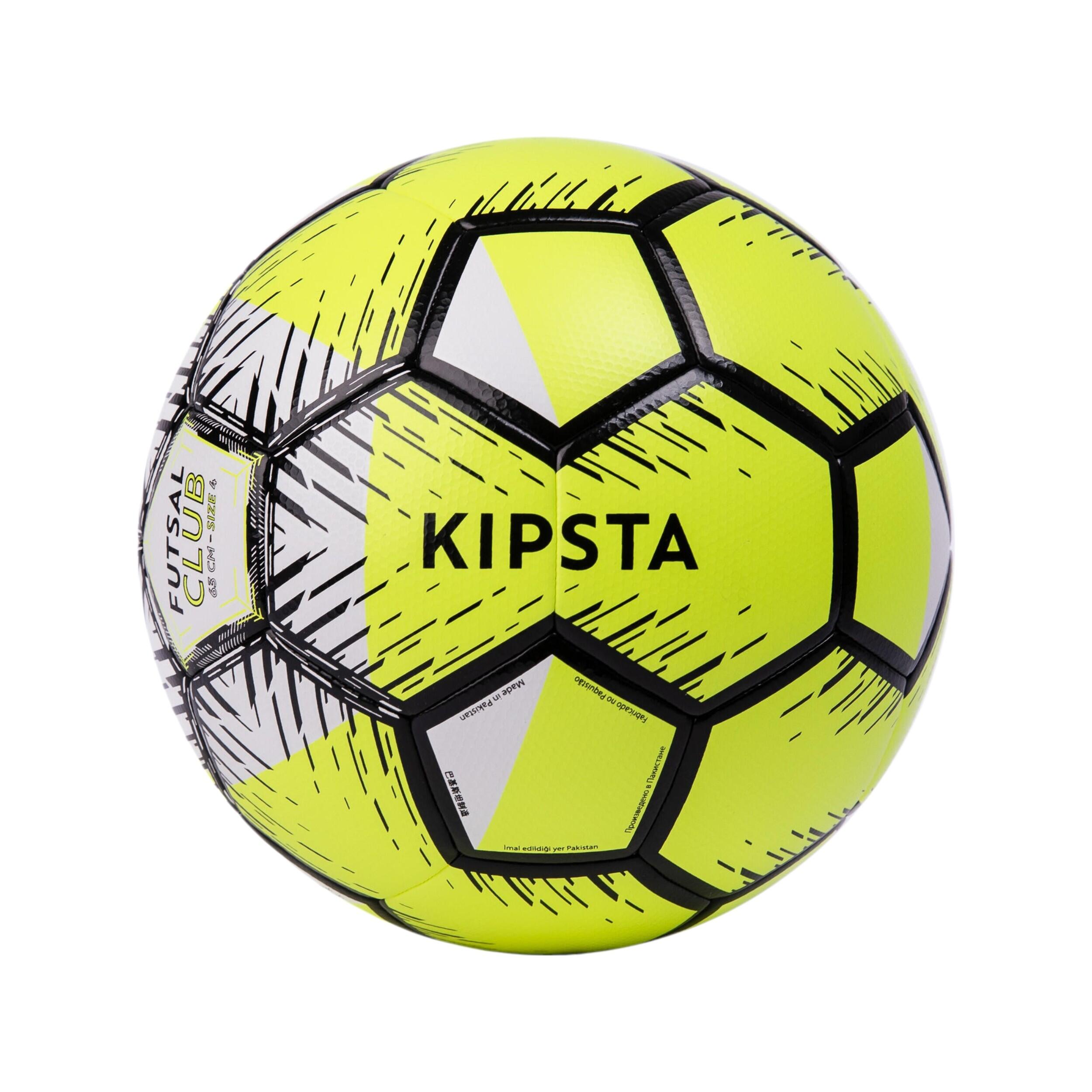
Start with the player's age, then consider weight, bounce, construction and the surface used for practice. KIPSTA recommends size 3 for children under nine, size 4 for ages nine to twelve and size 5 for players over twelve. A conventional stitched ball can help children become familiar with standard football hardness and rebound, while lighter or softer options may make early passing and shooting less intimidating. The KIPSTA footballs selection includes models for first kicks, technical learning and regular club sessions. Read the detailed size specification on each product page, as it gives a more dependable age guide than colour, product photography or a broad introductory sentence.

What makes a lightweight training football useful?

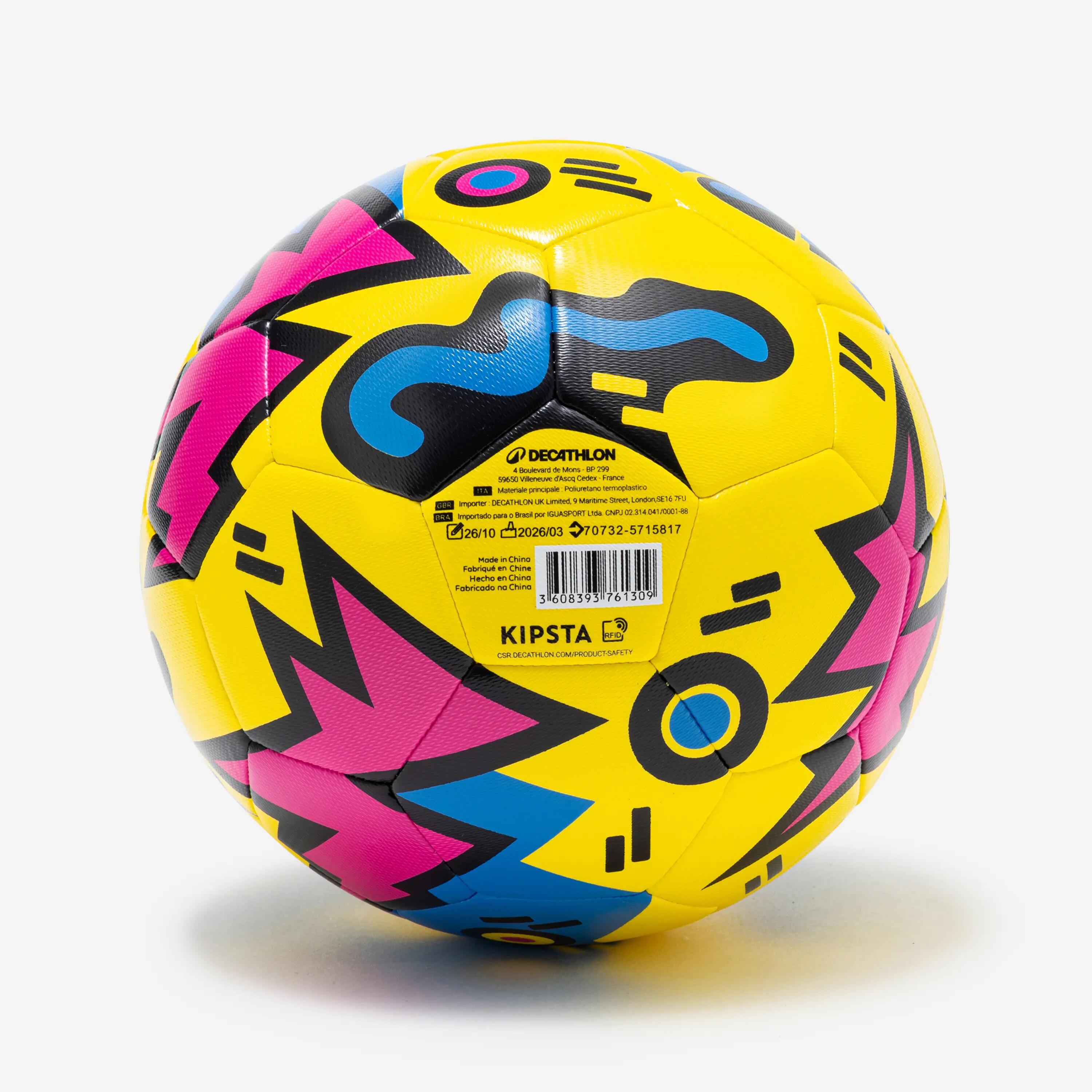
A lighter ball reduces the force needed to pass, shoot and lift the ball, helping younger players practise technique without changing to a much smaller format. The KIPSTA Light Learning model retains size 5 dimensions but weighs approximately 340-360 g rather than the conventional 410-450 g. Foam-padded panels also make repeated contact feel more manageable, while the TPU outer layer supports wear resistance. The lightweight training football uses around 2 km of thread wound around its bladder to help preserve roundness and inflation. It is not intended for abrasive tarmac, so keep it on approved grass or suitable training surfaces and store it somewhere dry after use.

When does a foam training football work best?

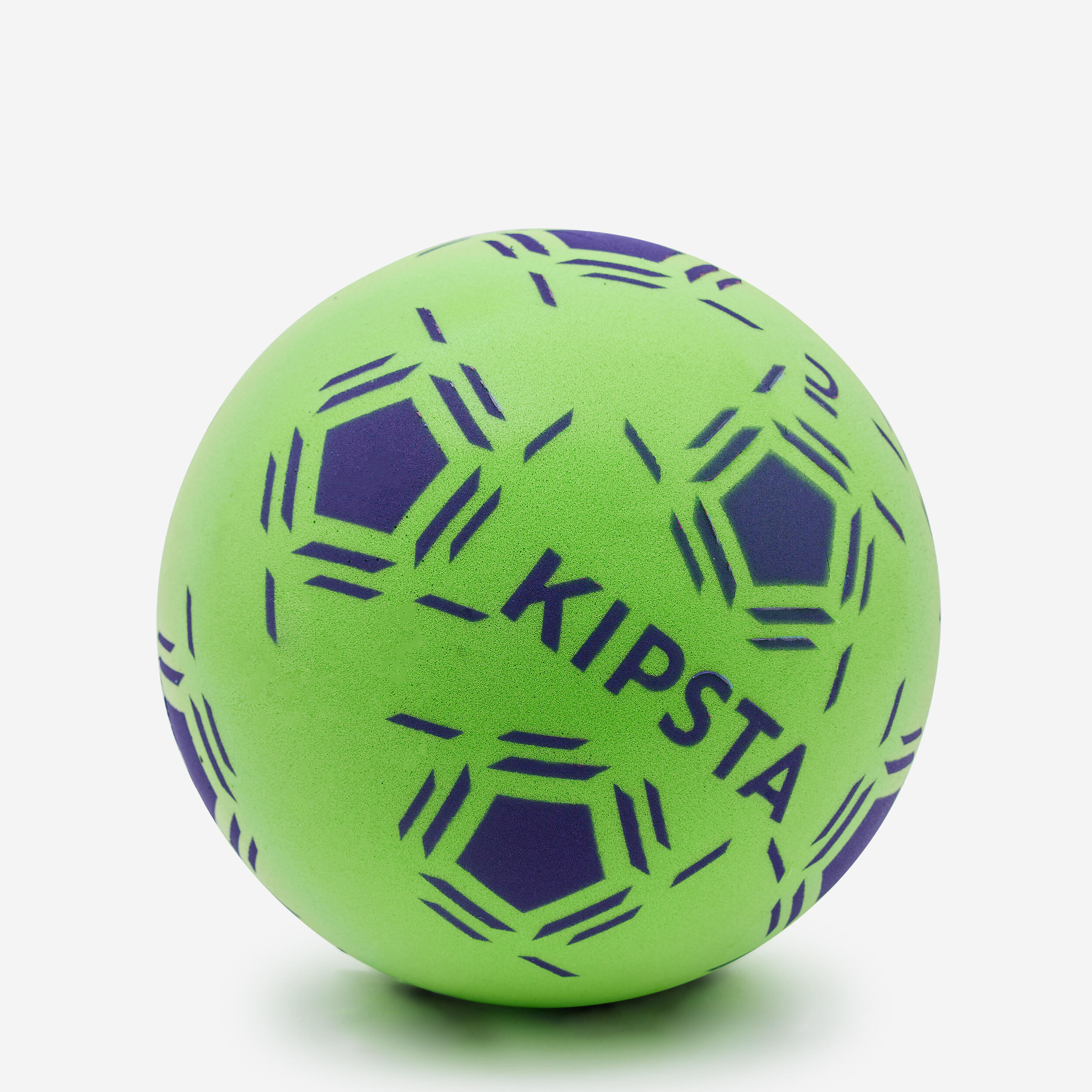
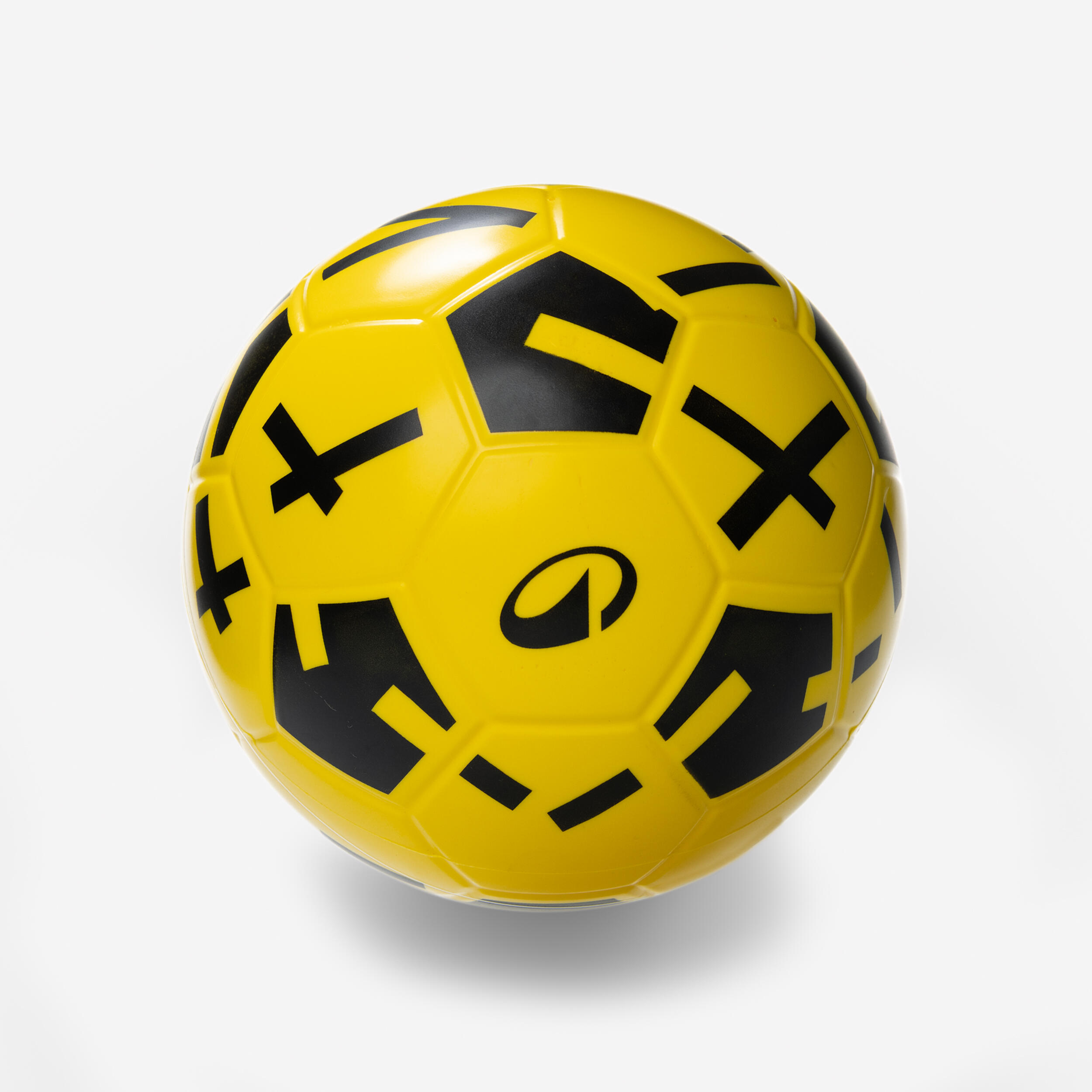
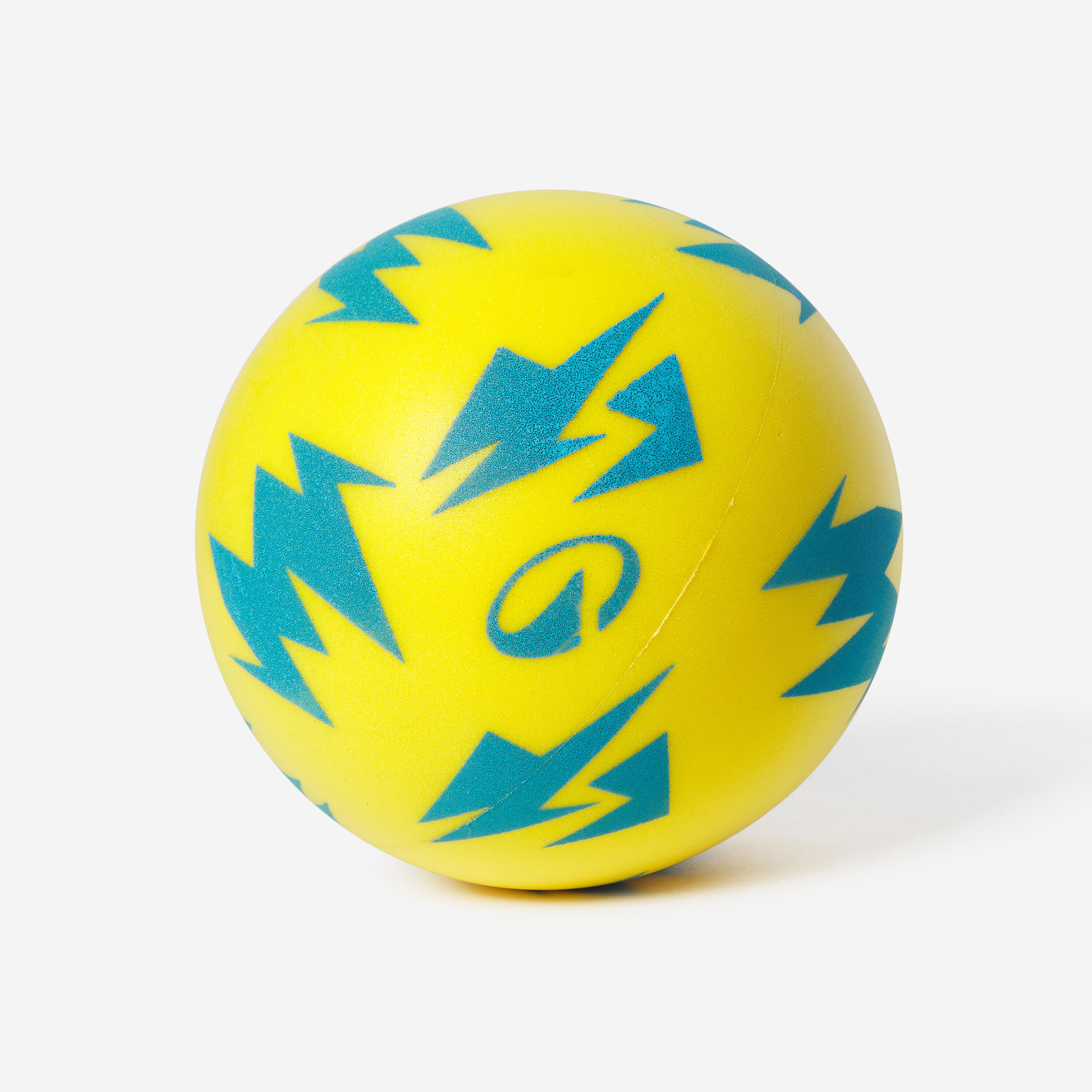
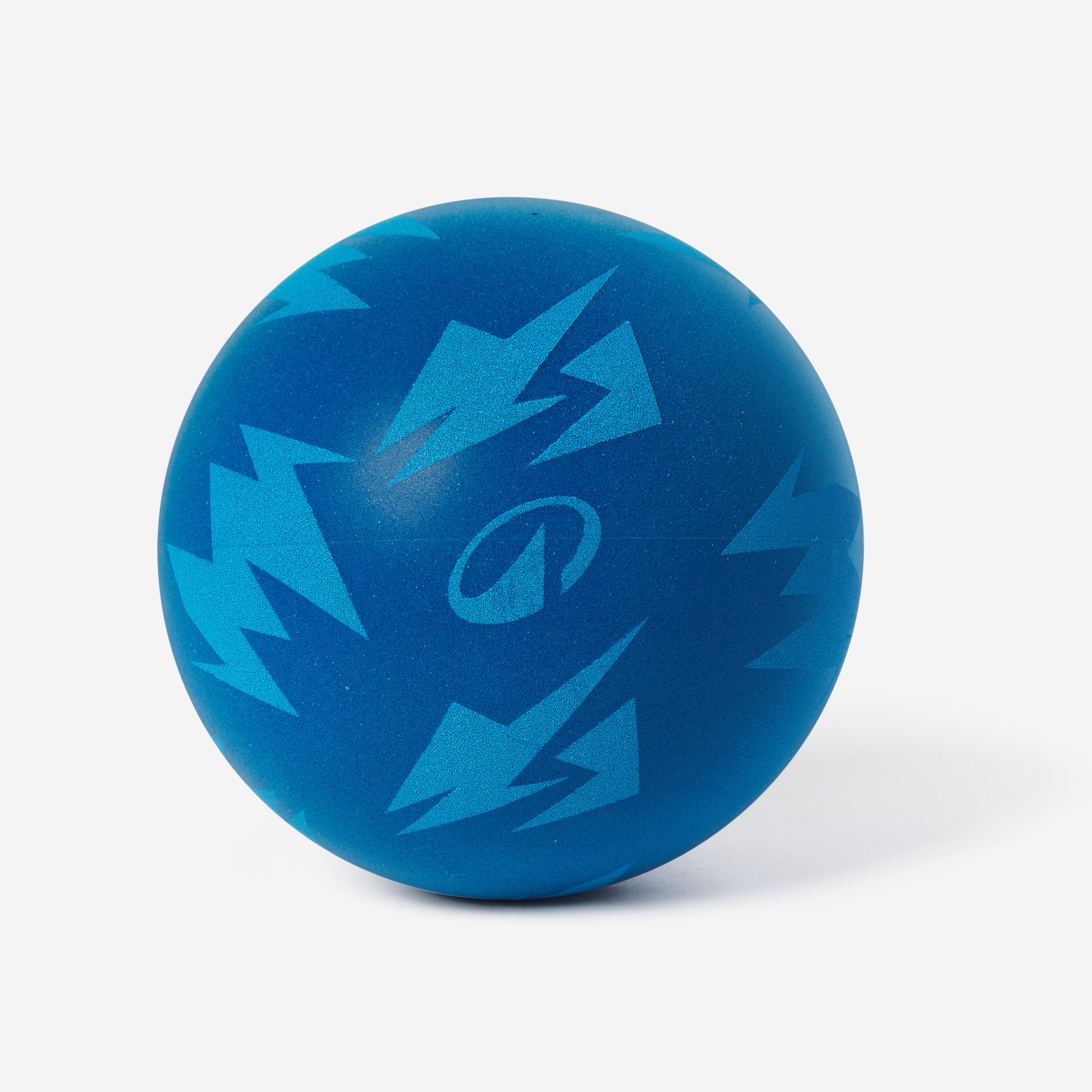
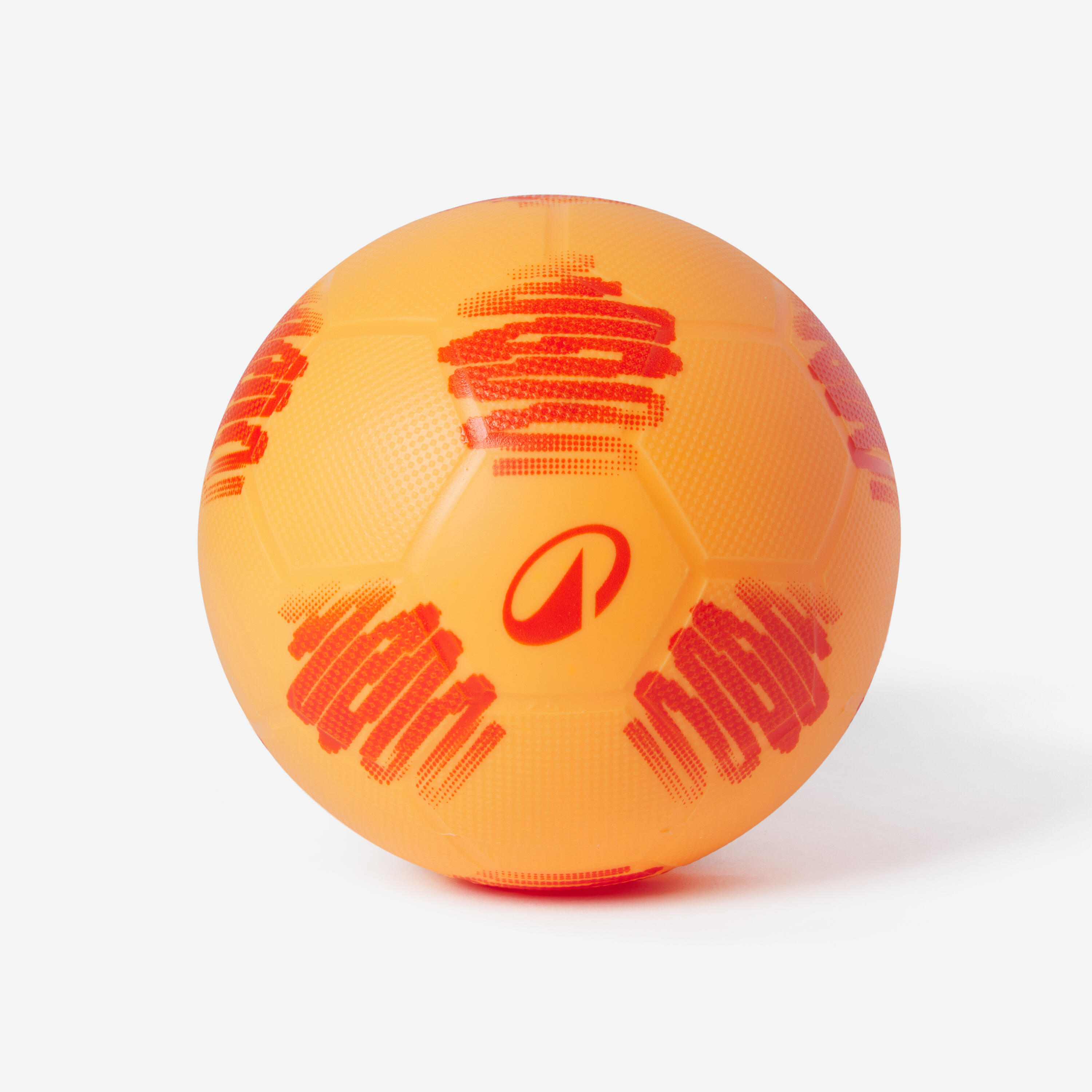
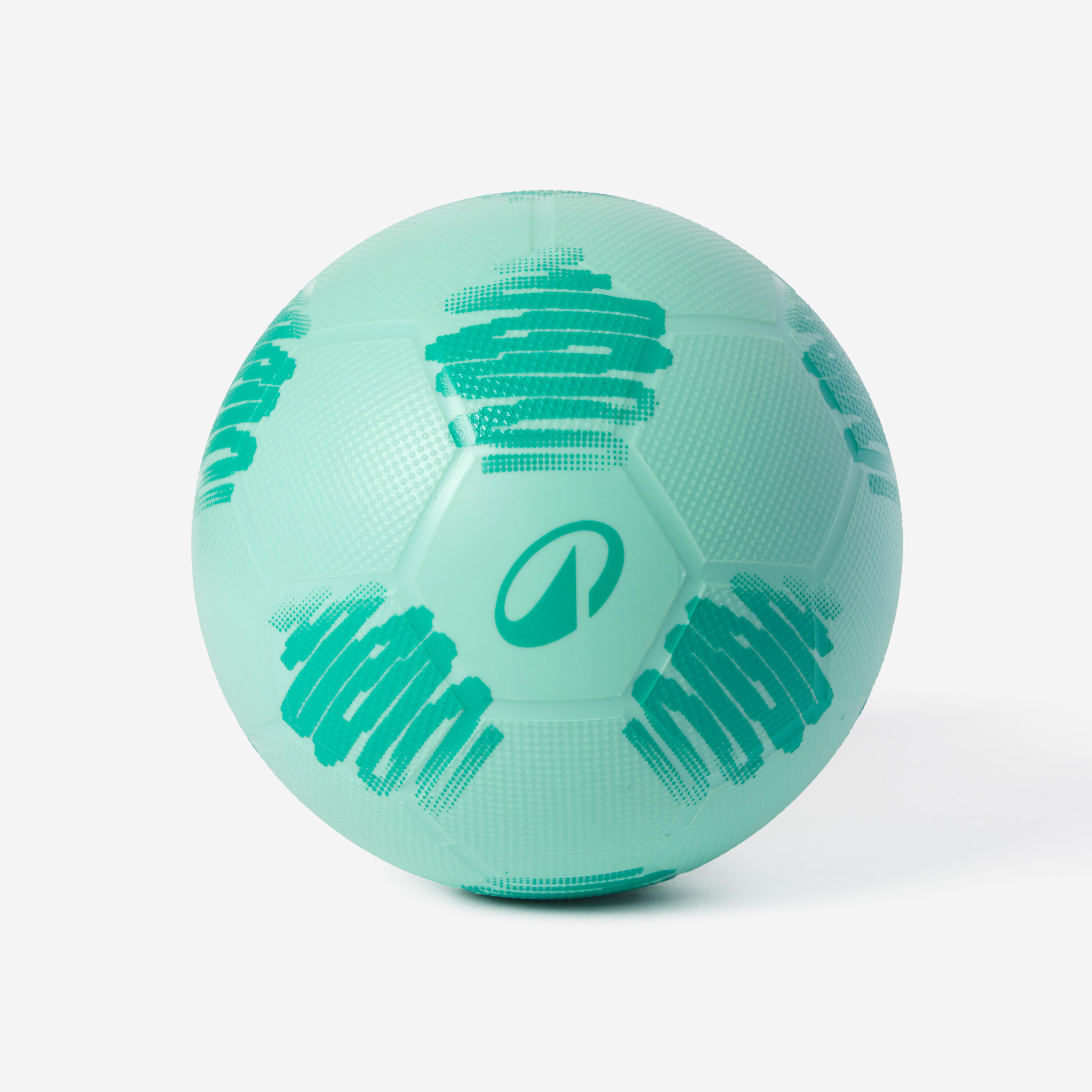
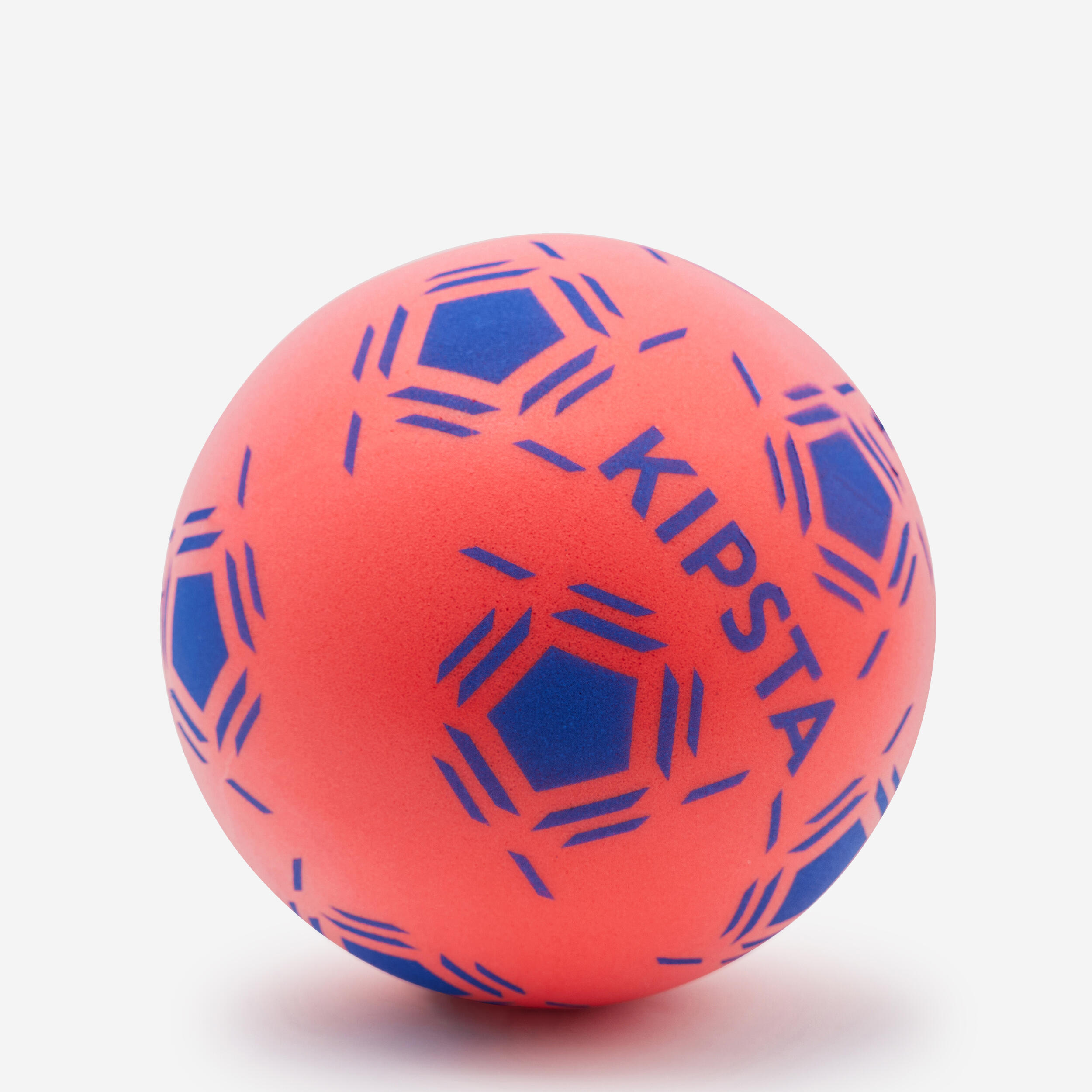
Foam balls are useful for early indoor learning, controlled futsal drills and sessions where softer impact and reduced bounce make the ball easier to manage. A basic size 3 foam model weighs approximately 150-170 g and has a 19 cm diameter, helping children practise stopping, passing and close touches without the livelier rebound of a conventional stitched ball. These foam training footballs are intended for dry indoor use and need to be kept away from water. Older or more confident learners may move to the Ballground 500, which combines high-density polyurethane foam with an inflatable bladder and standard size 4 weight. Adjusting its pressure changes the bounce, allowing the ball to support different technical exercises.

How can mini footballs support early practice?

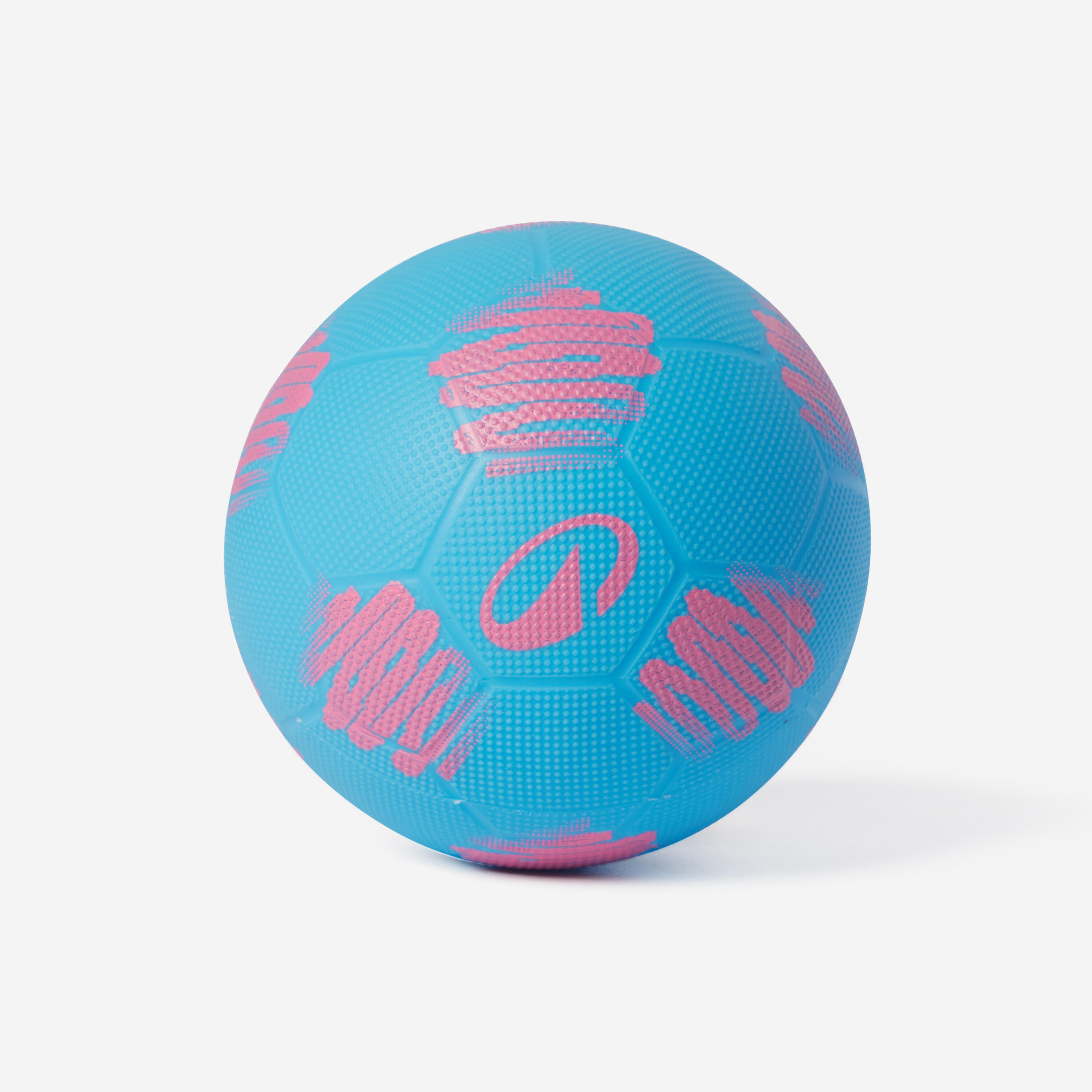
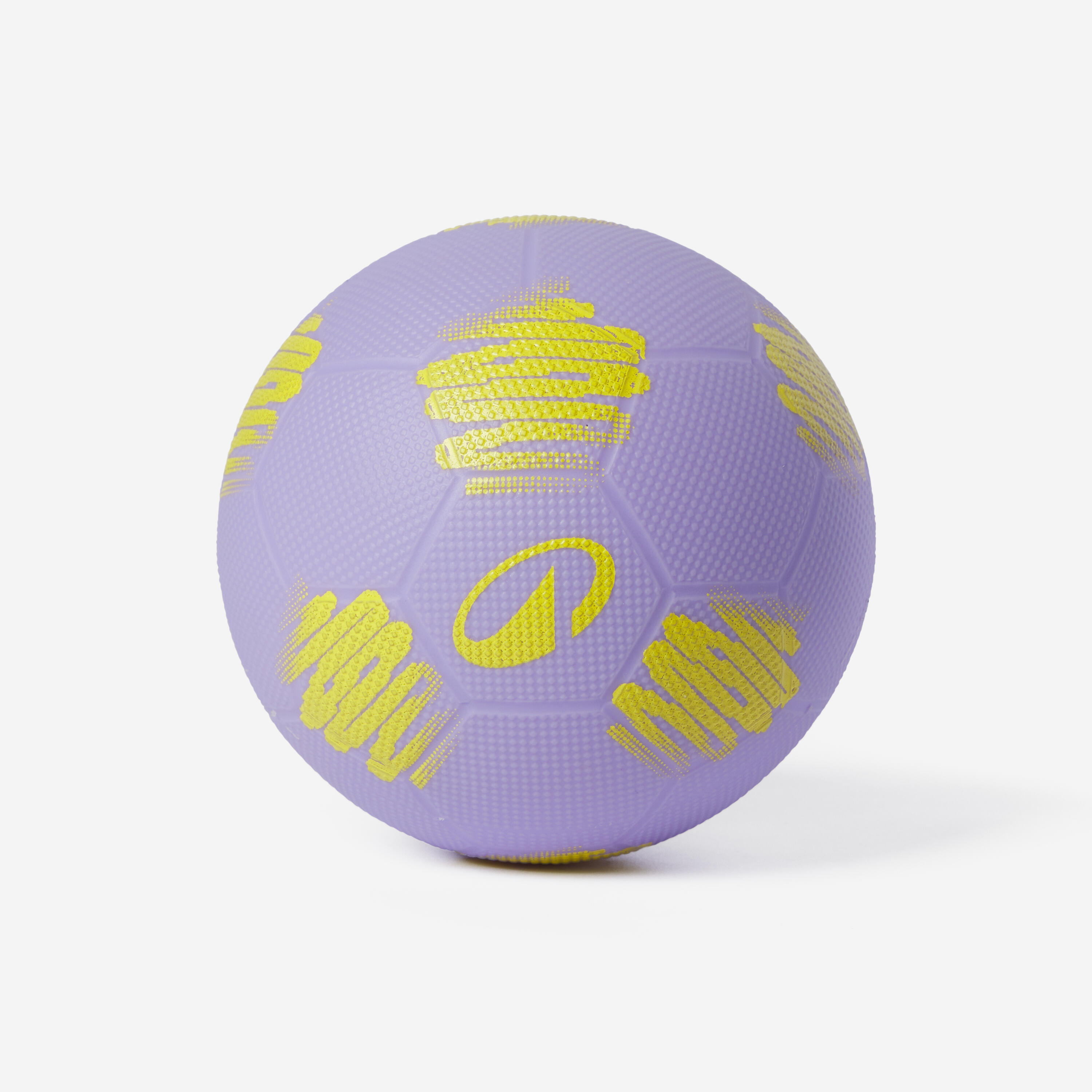
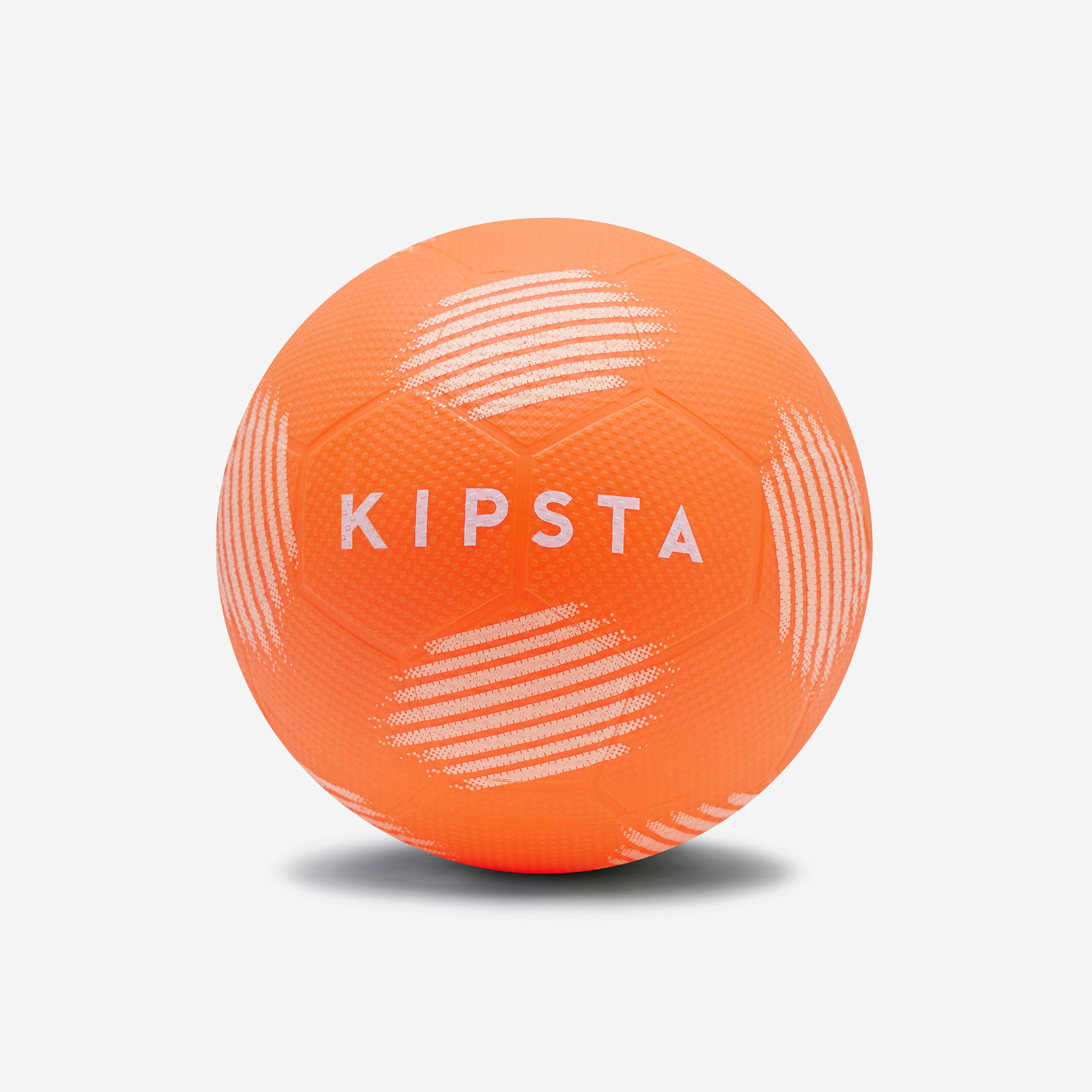
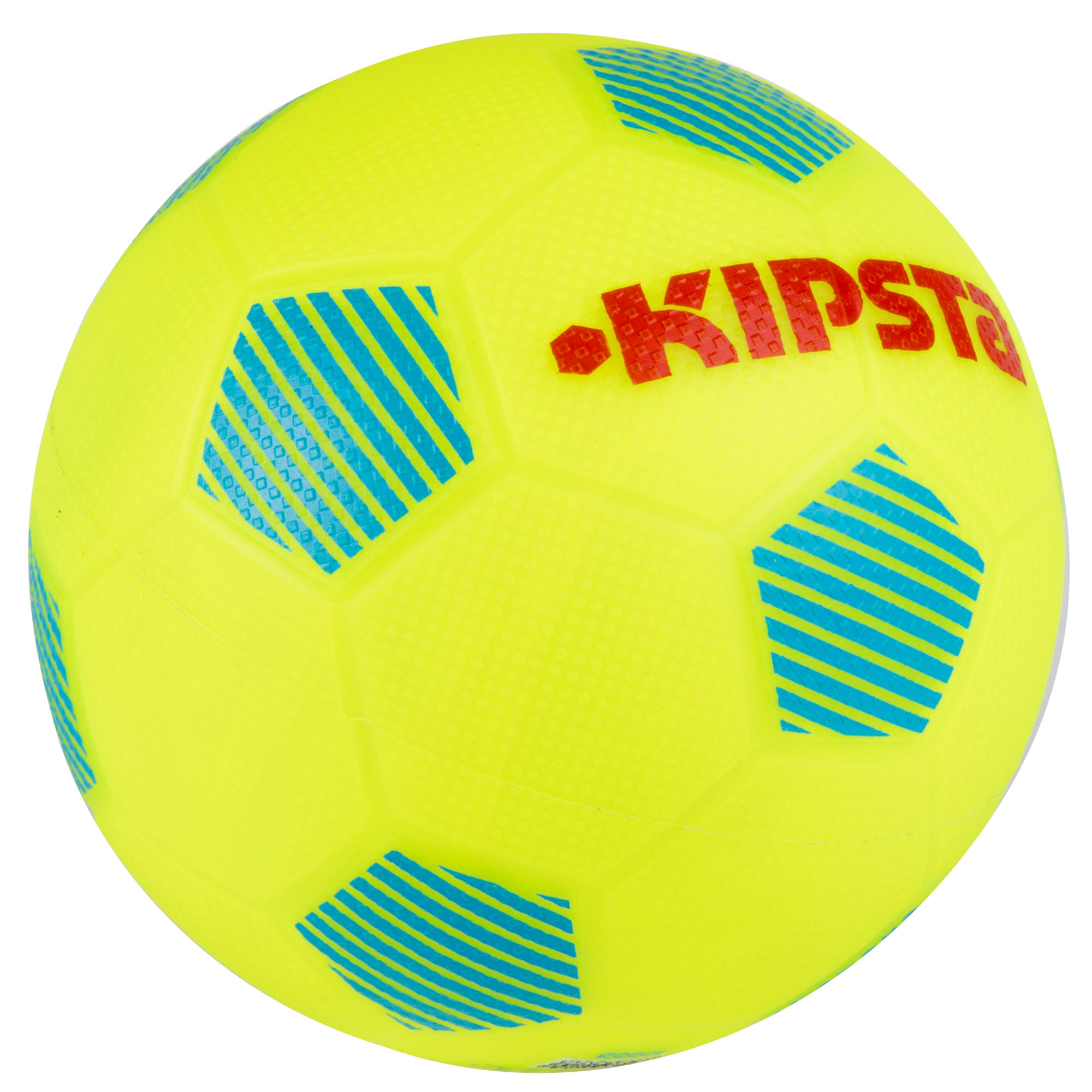
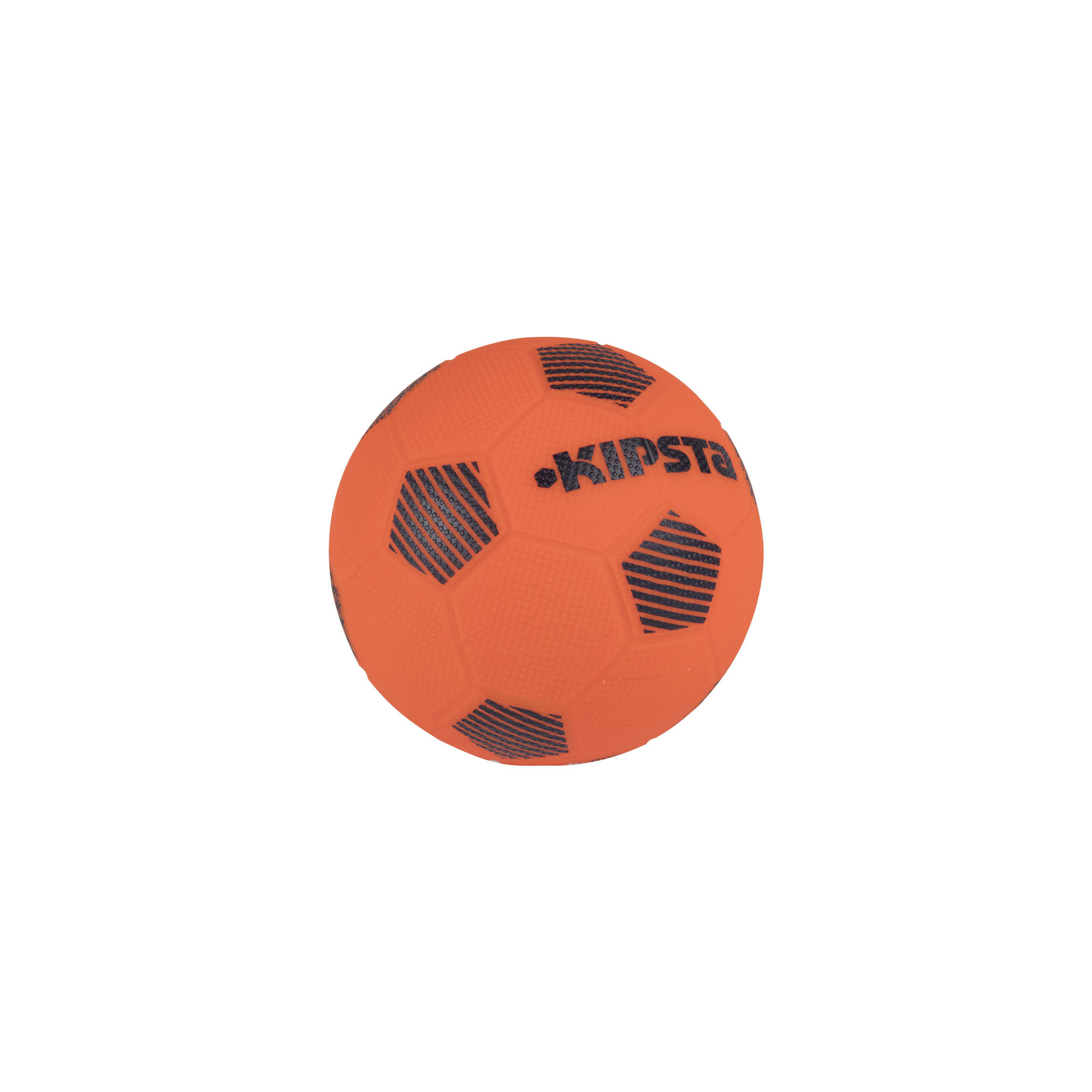
Mini balls give children a manageable option for informal dribbling, juggling, aiming and short passing. The Sunny 300 size 1 weighs approximately 145-155 g and uses a soft PVC construction that can be played with on grass, sand and in water. Its compact size encourages repeated touches and makes it easy to carry to a garden, beach or park. A set of mini footballs for training can also support coordination games where players guide the ball around markers or strike small targets. Check the ground first because thorns and pointed branches may puncture the supple material. Mini balls develop familiarity and confidence, but children still need age-appropriate standard balls when preparing for organised matches.

How are KIPSTA training footballs tested and maintained?

KIPSTA applies measurable checks to its stitched training balls rather than relying only on general durability claims. Selected models are measured for roundness at 4,500 points and fired up to 2,500 times against an inclined concrete surface at 50 km/h. Engineers then examine stitching, circumference, shape and pressure loss. Water absorption and bounce are also assessed under controlled conditions. Build these balls into sessions with suitable football training equipment, using markers and targets to practise technique without exposing the ball to an unsuitable surface. Check the recommended pressure near the valve, reinflate gradually when needed and store the ball in a dry, ventilated place. Correct pressure, moisture protection and surface use help preserve its bounce, shape and outer cover.