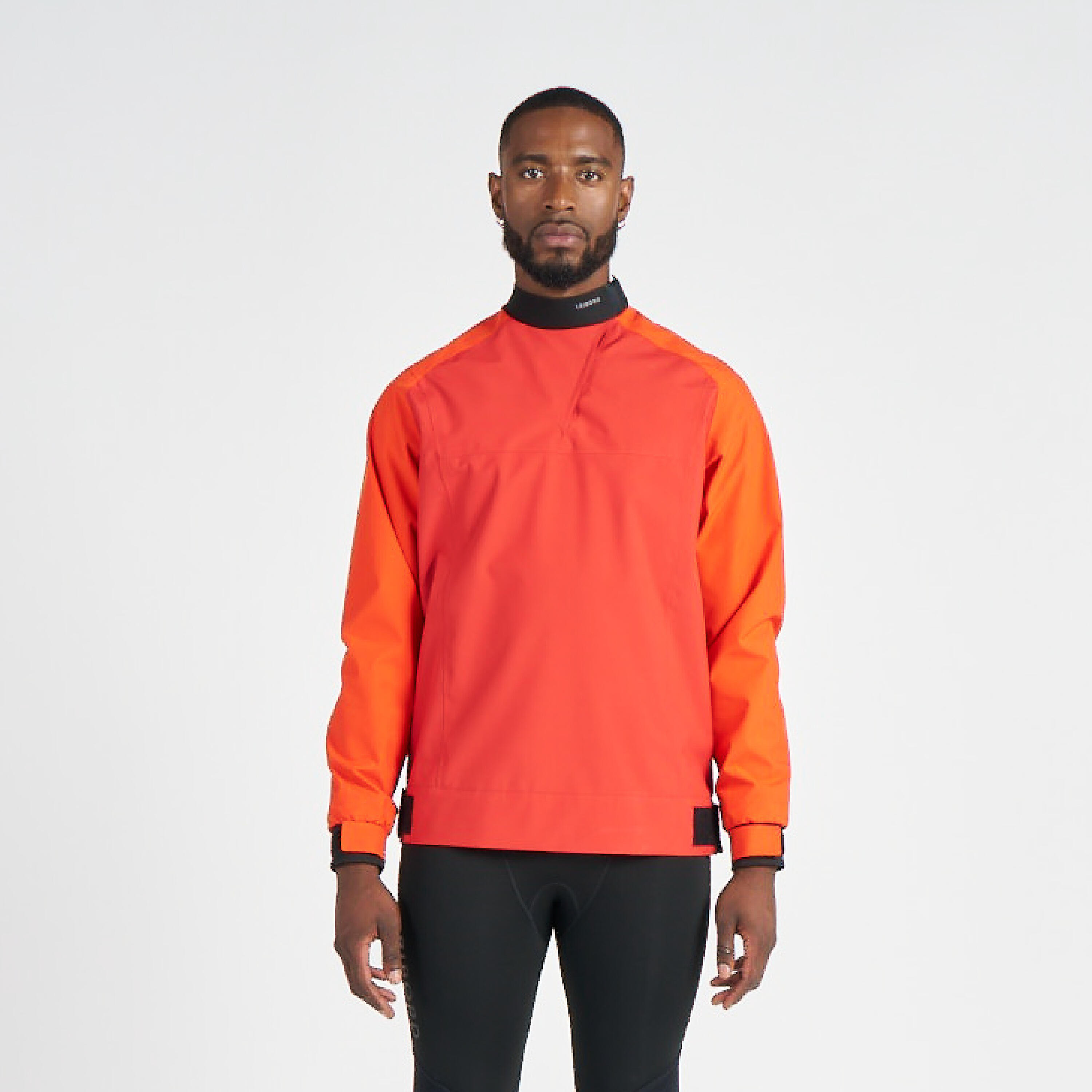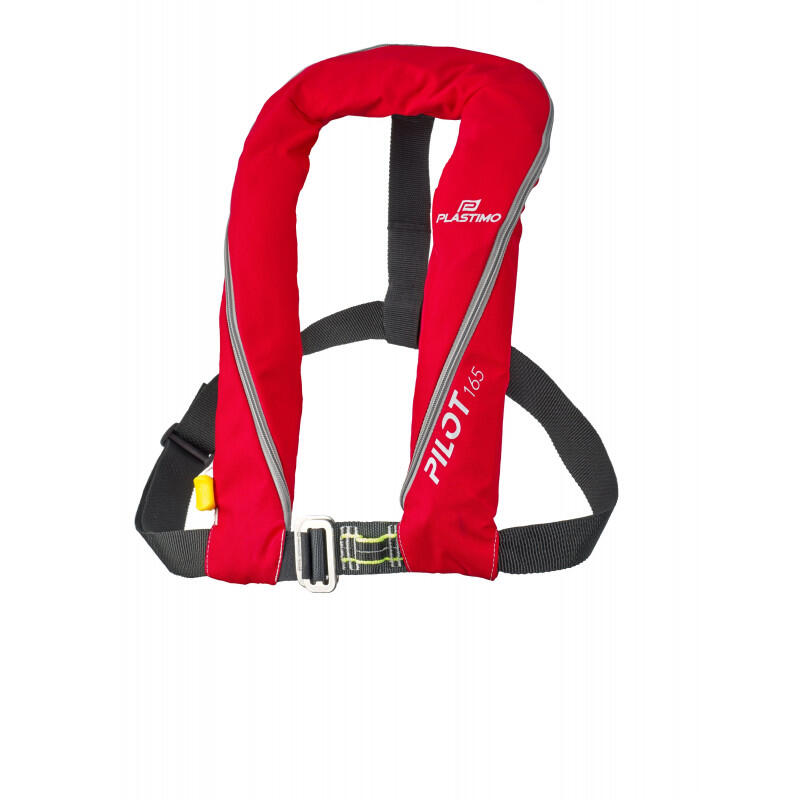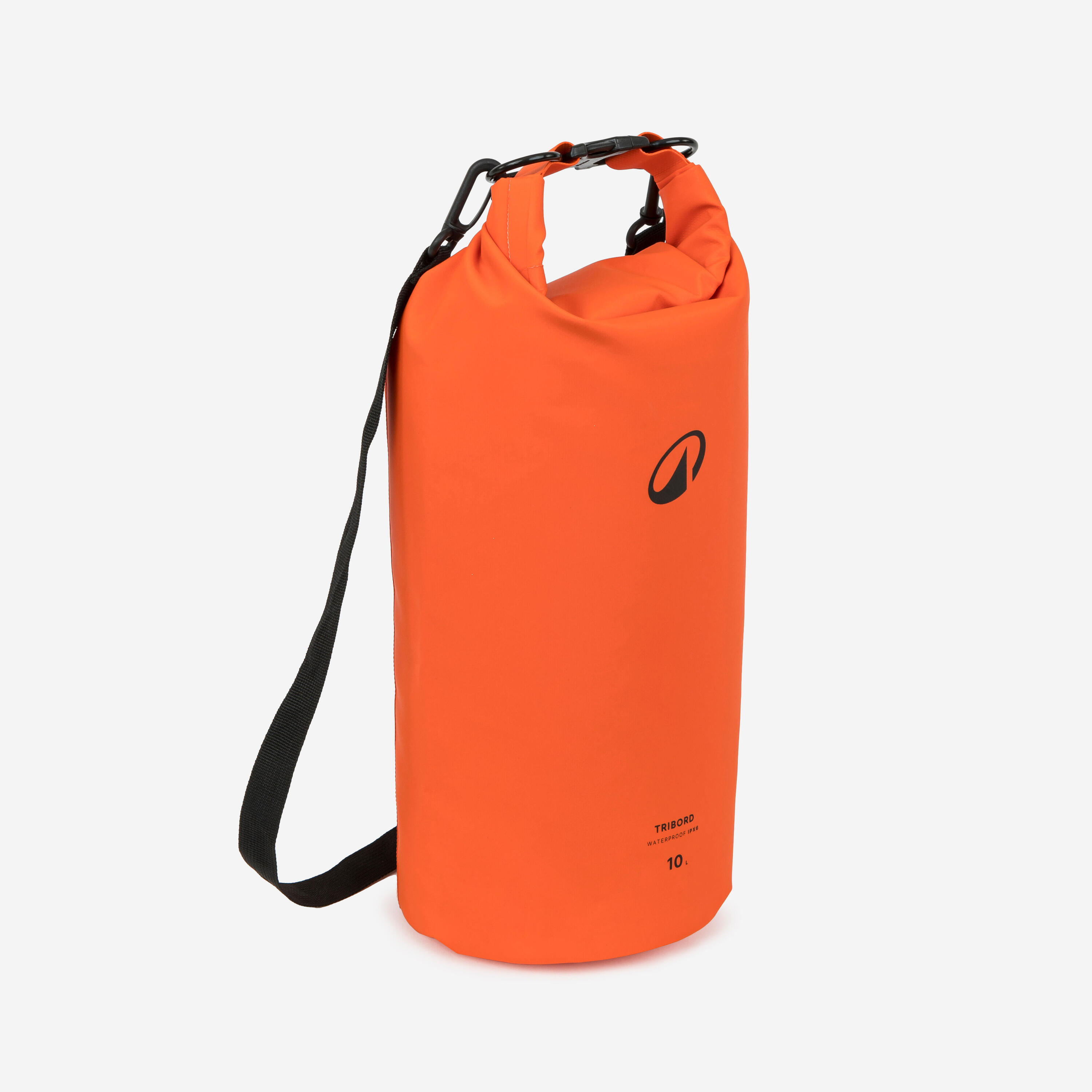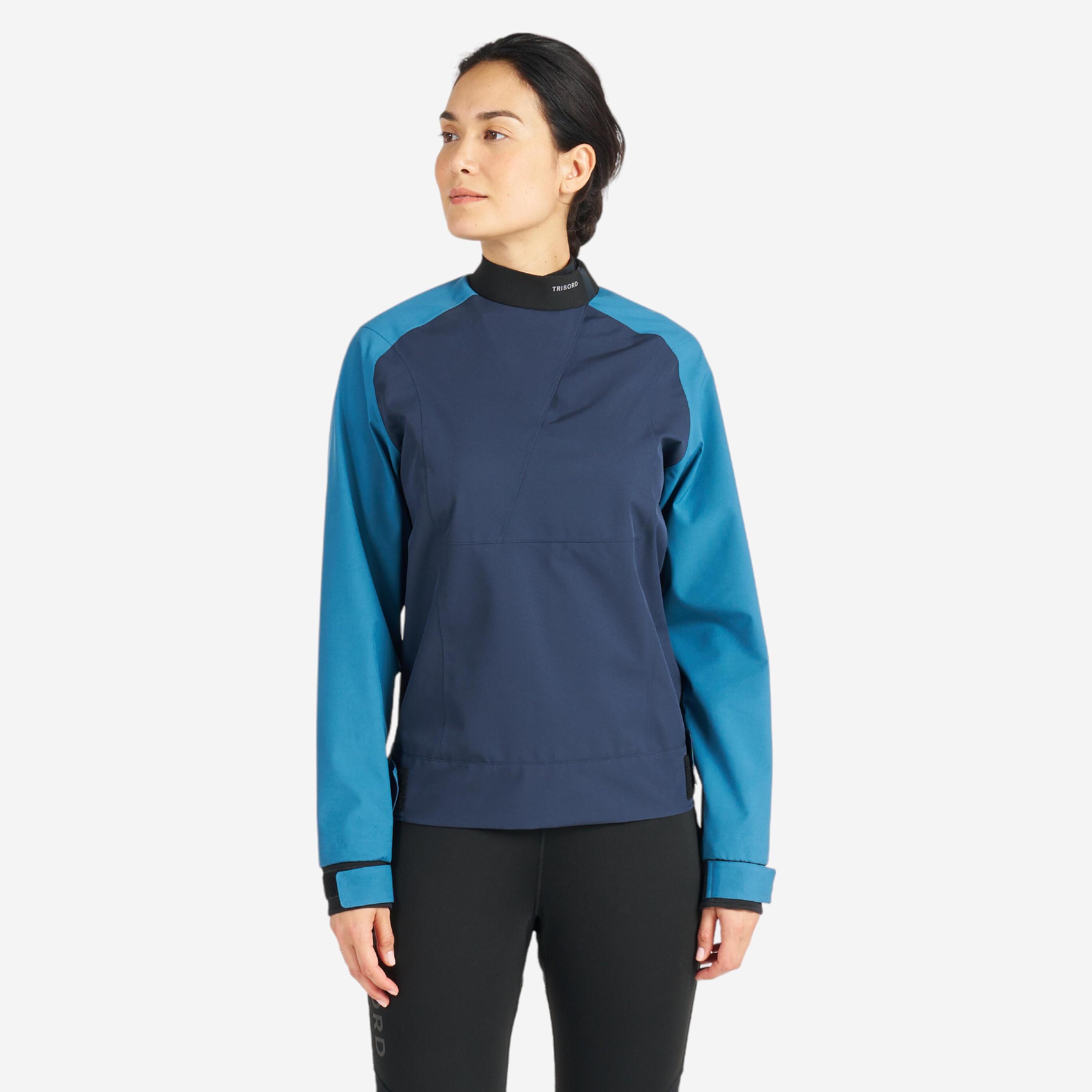
369 items
4.4/5 based on 33755 reviews collected online and in stores

Kayaks FAQs

What should you consider when choosing between inflatable and rigid kayaks?

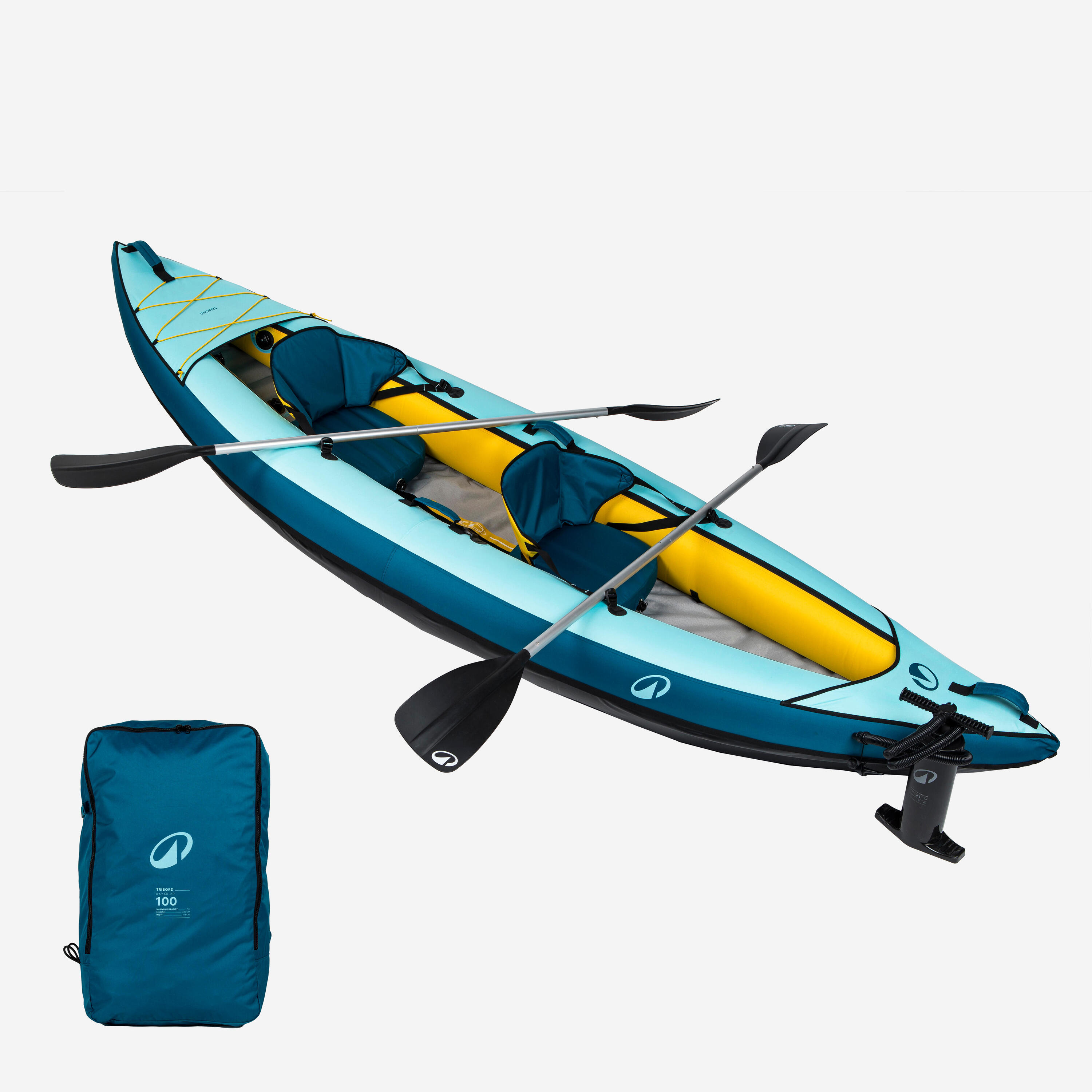
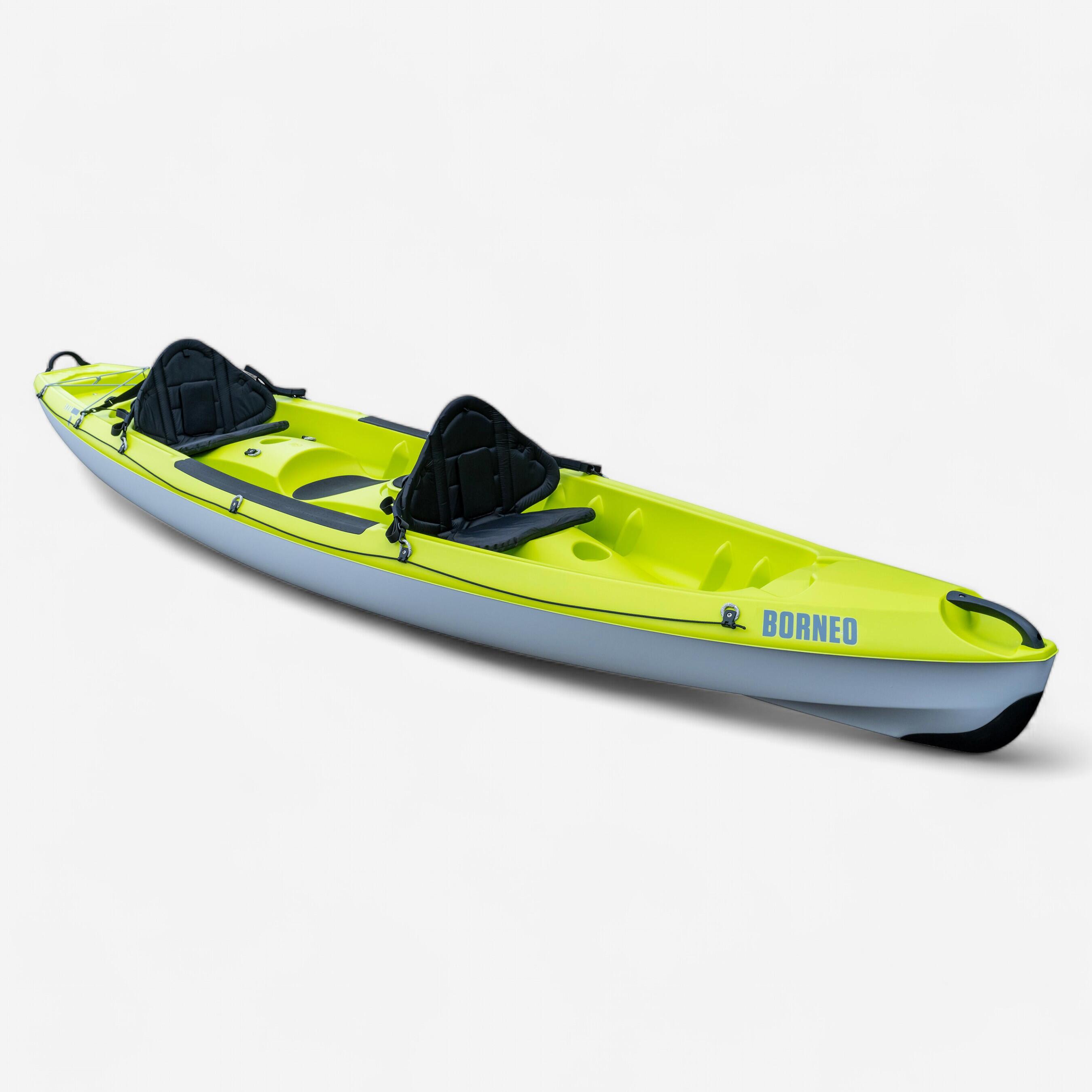
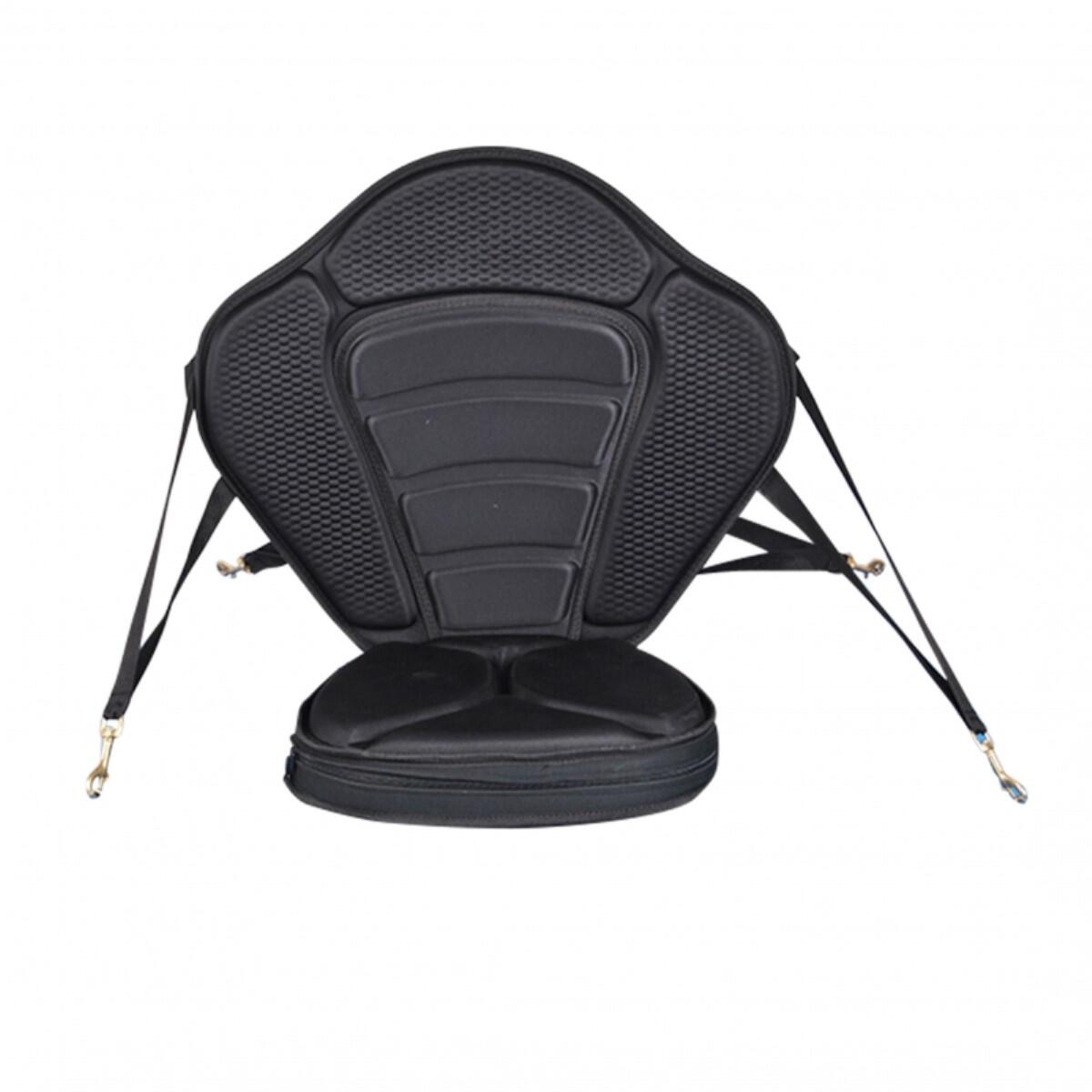
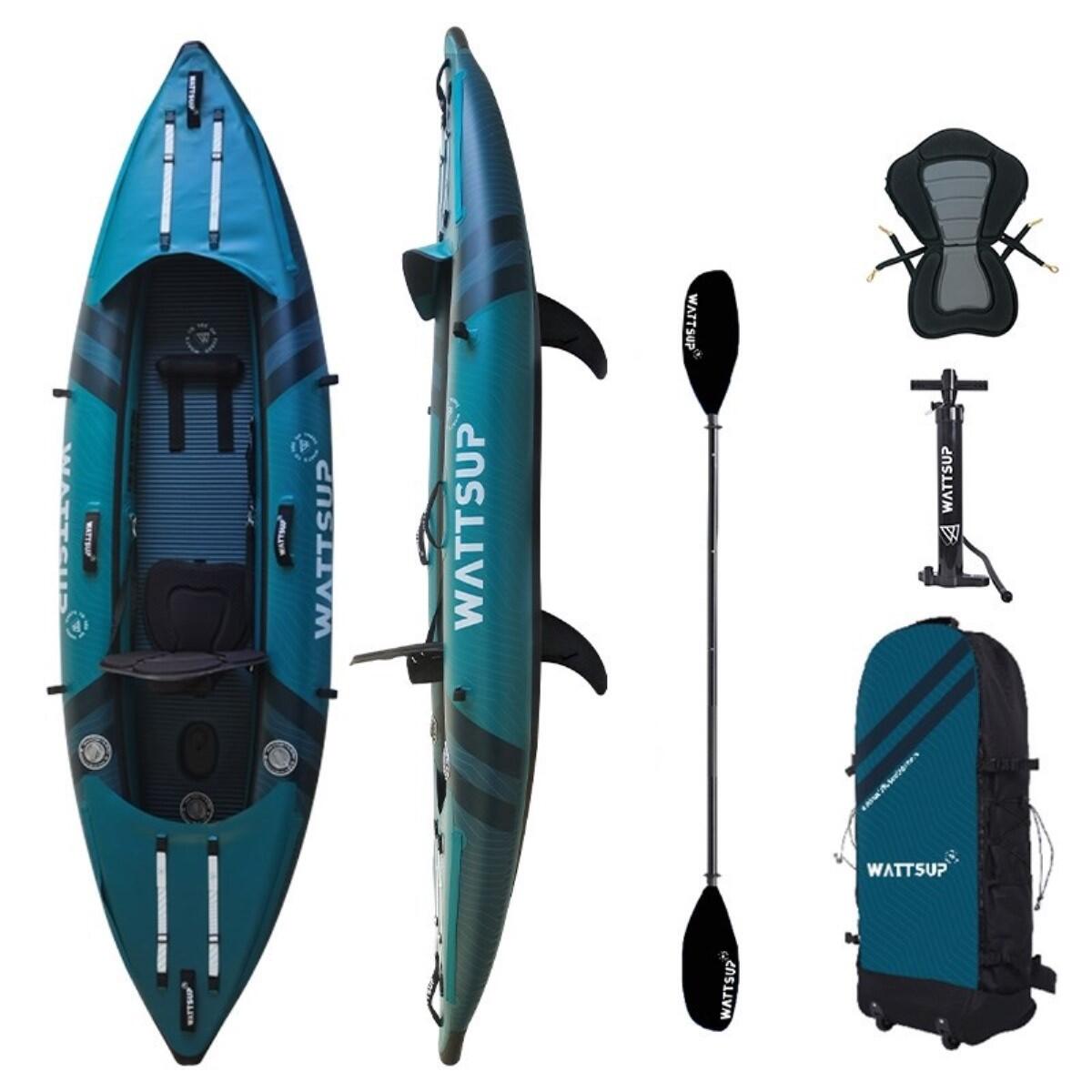
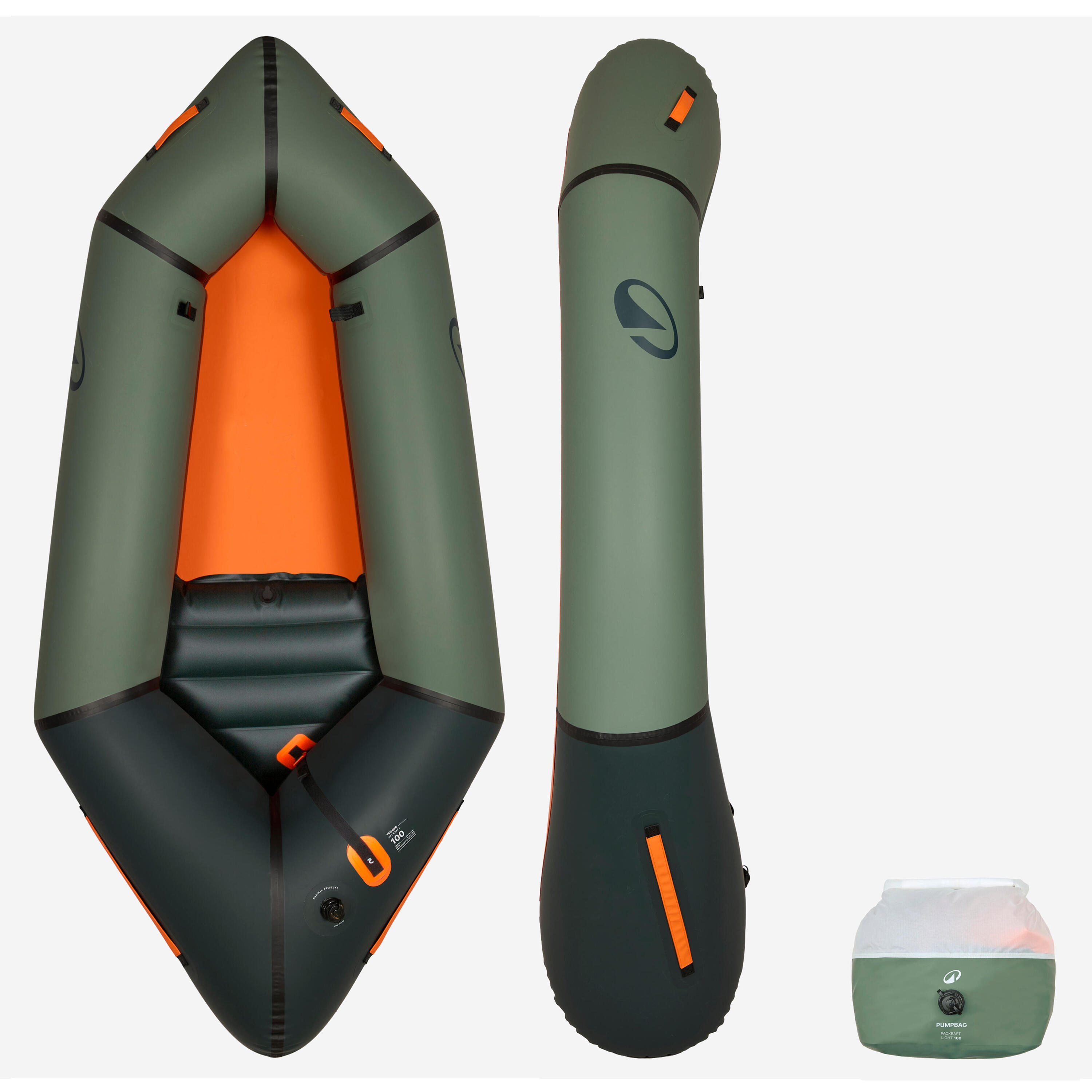
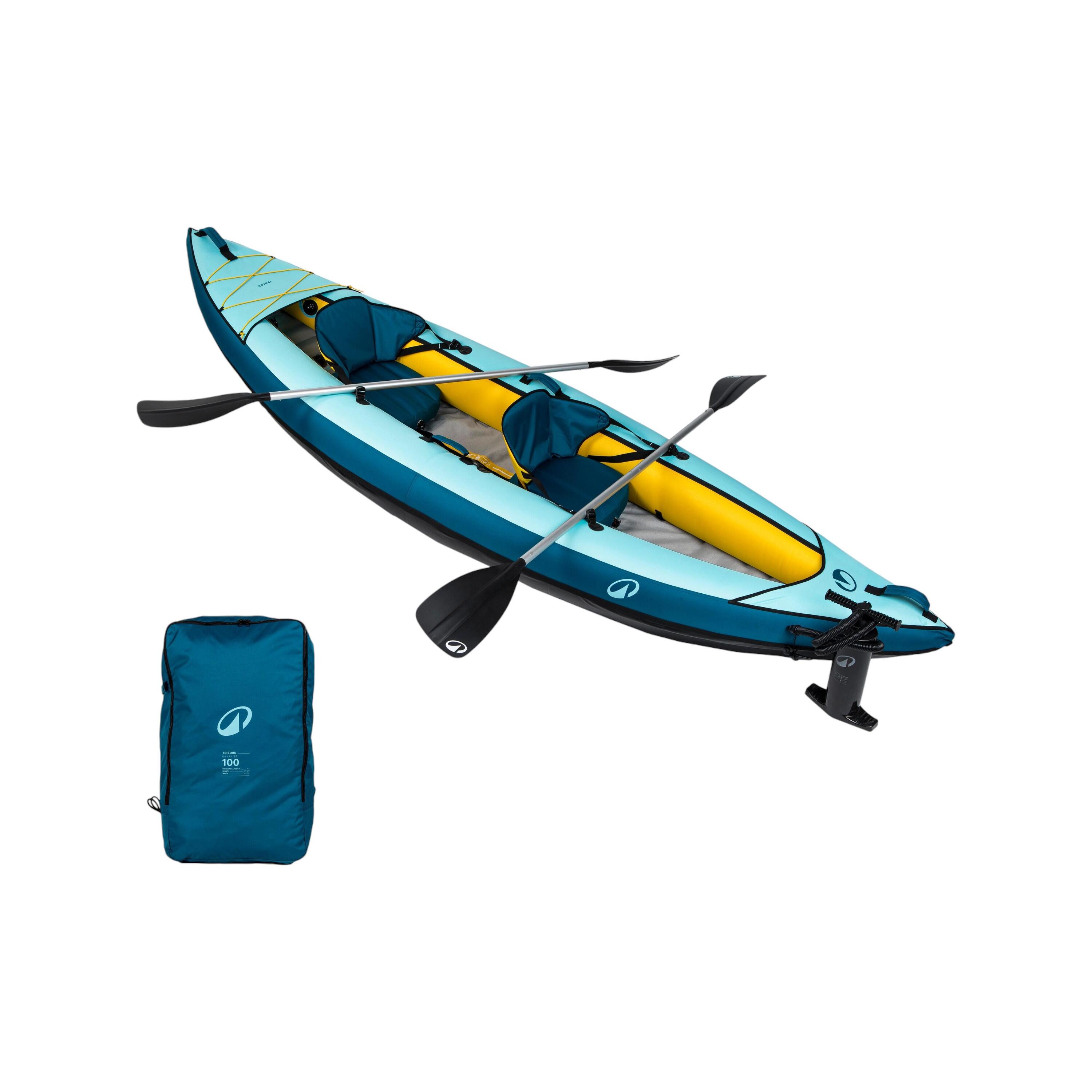
Selecting between different kayak boats depends on storage availability and performance needs. Modern inflatable kayaks utilise drop-stitch construction to achieve high inflation pressures, providing a rigid hull that closely matches hard-shell performance. This multi-thread internal structure permits inflation up to 10 PSI, ensuring a flat floor under load. A flatter hull reduces water resistance, helping the kayak track more efficiently across open water. Adding quality kayak equipment, such as ergonomic padded seats, maximises comfort during longer paddling sessions. Rigid kayaks launch immediately but require more storage space, while drop-stitch inflatables pack away neatly after use.
How do you choose the right double kayak for tandem paddling?

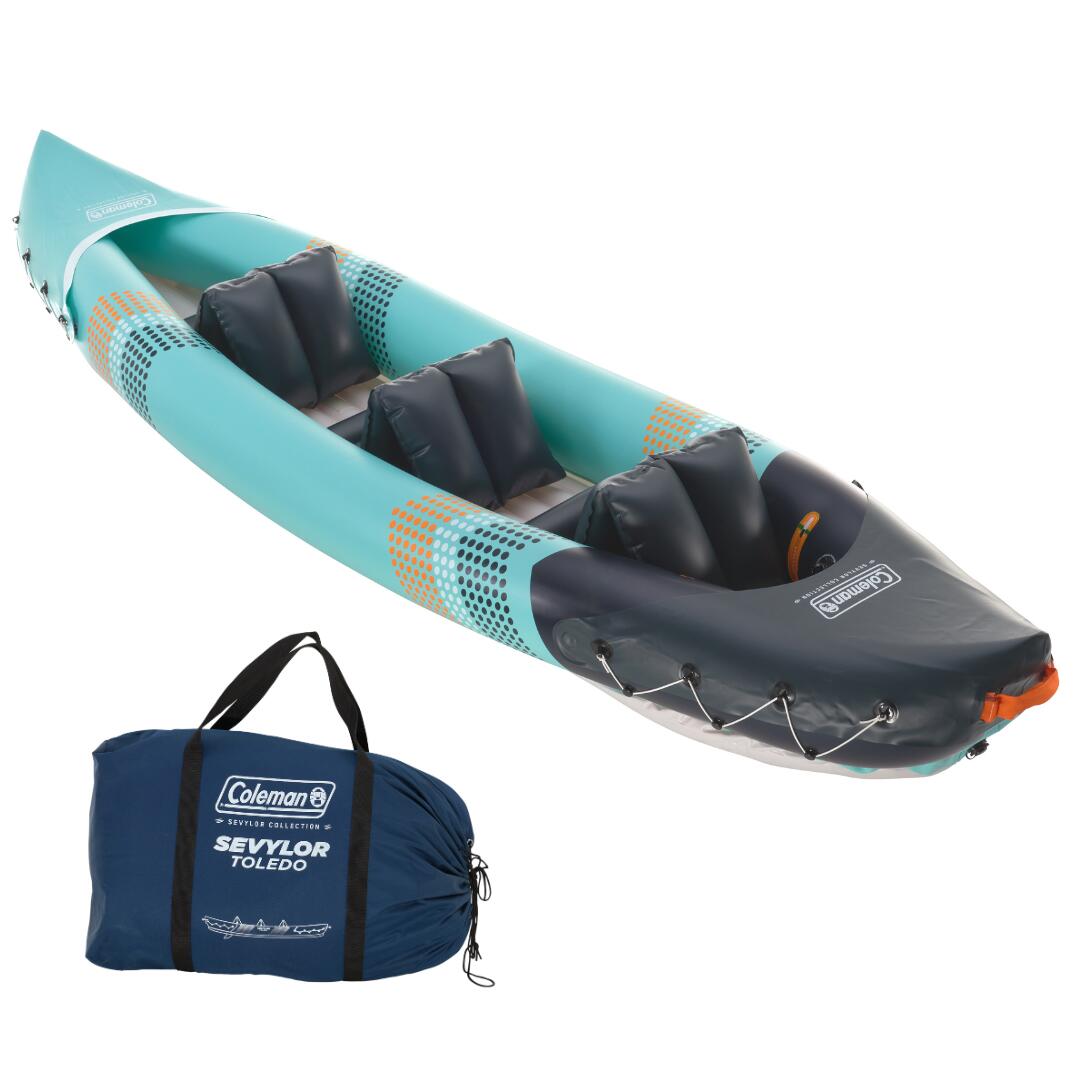
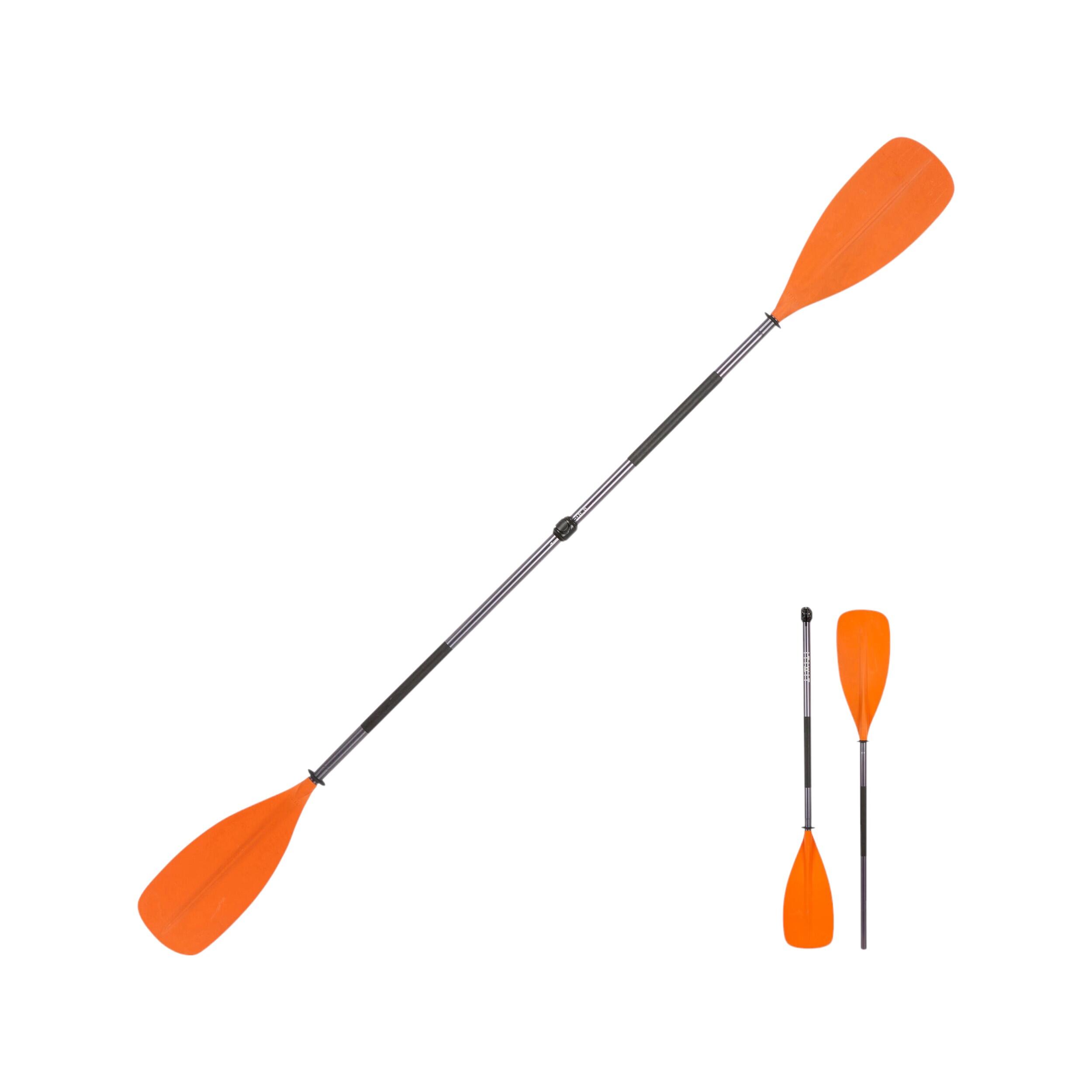
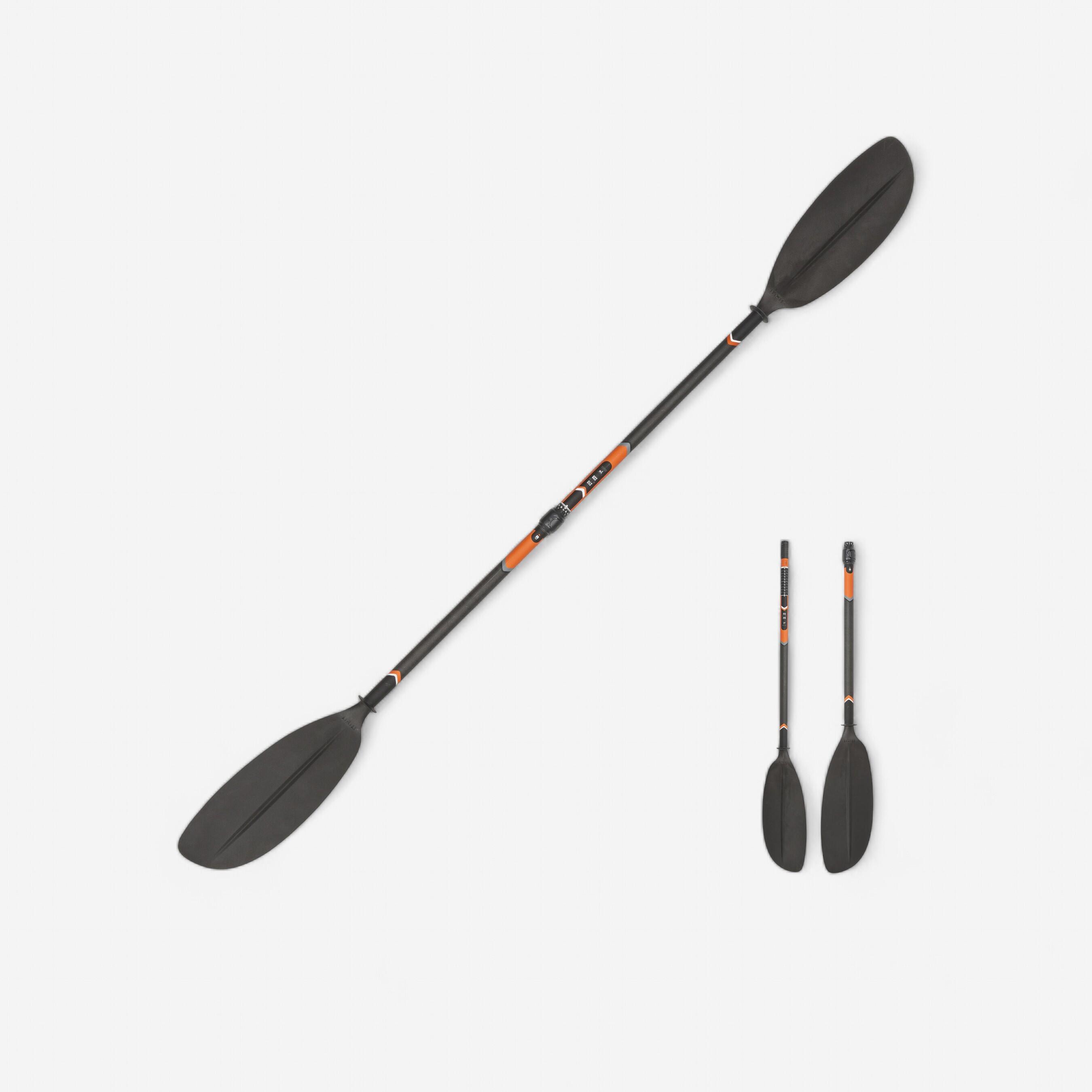
Tandem paddling relies on balanced weight distribution to keep the kayak stable and efficient on the water. Double kayaks have a longer waterline, helping them glide more smoothly than most single models. Coordinated paddle strokes from both occupants improve steering and reduce unnecessary effort. Lightweight kayak paddles help maintain a synchronised rhythm during longer trips. Premium Aquadesign kayaks often include adjustable backrests, allowing the rear paddler to steer comfortably while the front paddler sets the pace. Proper seating alignment keeps the centre of gravity low, minimising the risk of capsizing in choppy conditions.

Which features improve control on rivers and whitewater?

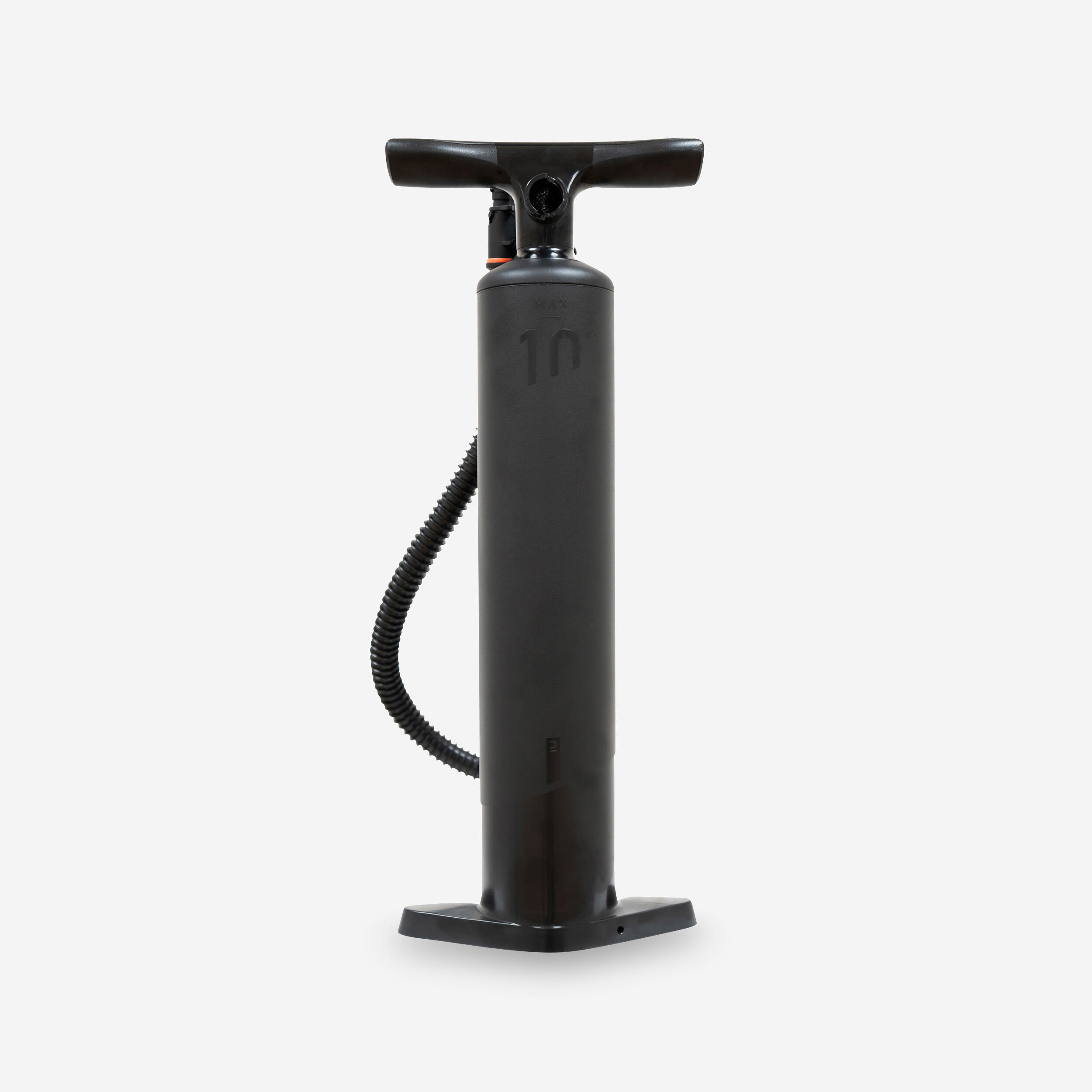
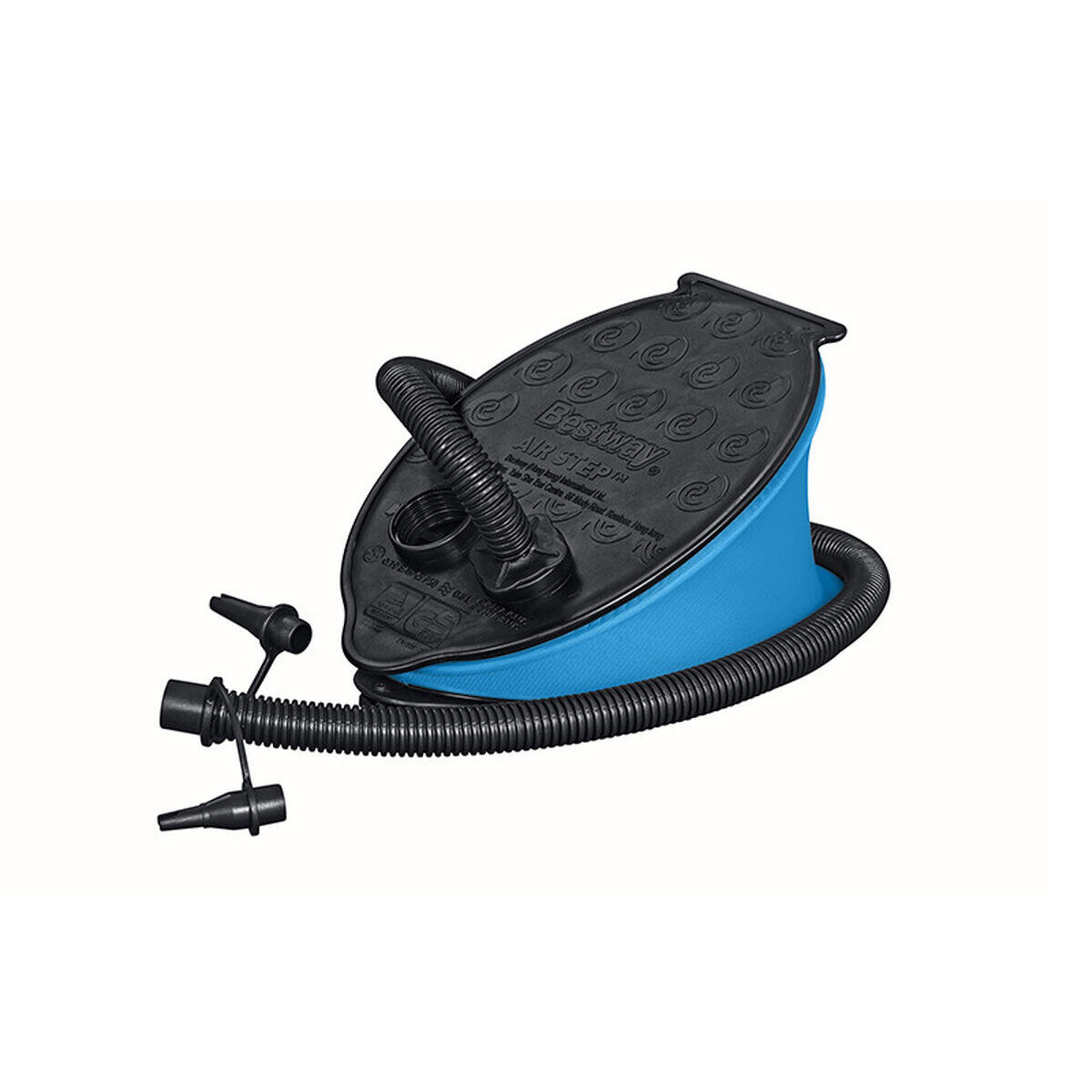
Whitewater paddling demands excellent manoeuvrability and strong impact resistance. River kayaks use a rockered hull with curved bow and stern sections, allowing the craft to pivot quickly around rocks instead of driving straight through waves. Solid inflatable kayak accessories, including high-volume foot pumps, help maintain the correct hull pressure before tackling rapids. Thigh straps and moulded foot braces provide secure contact points, giving better control when edging and leaning through fast-moving water.

How should you transport and store a kayak safely?

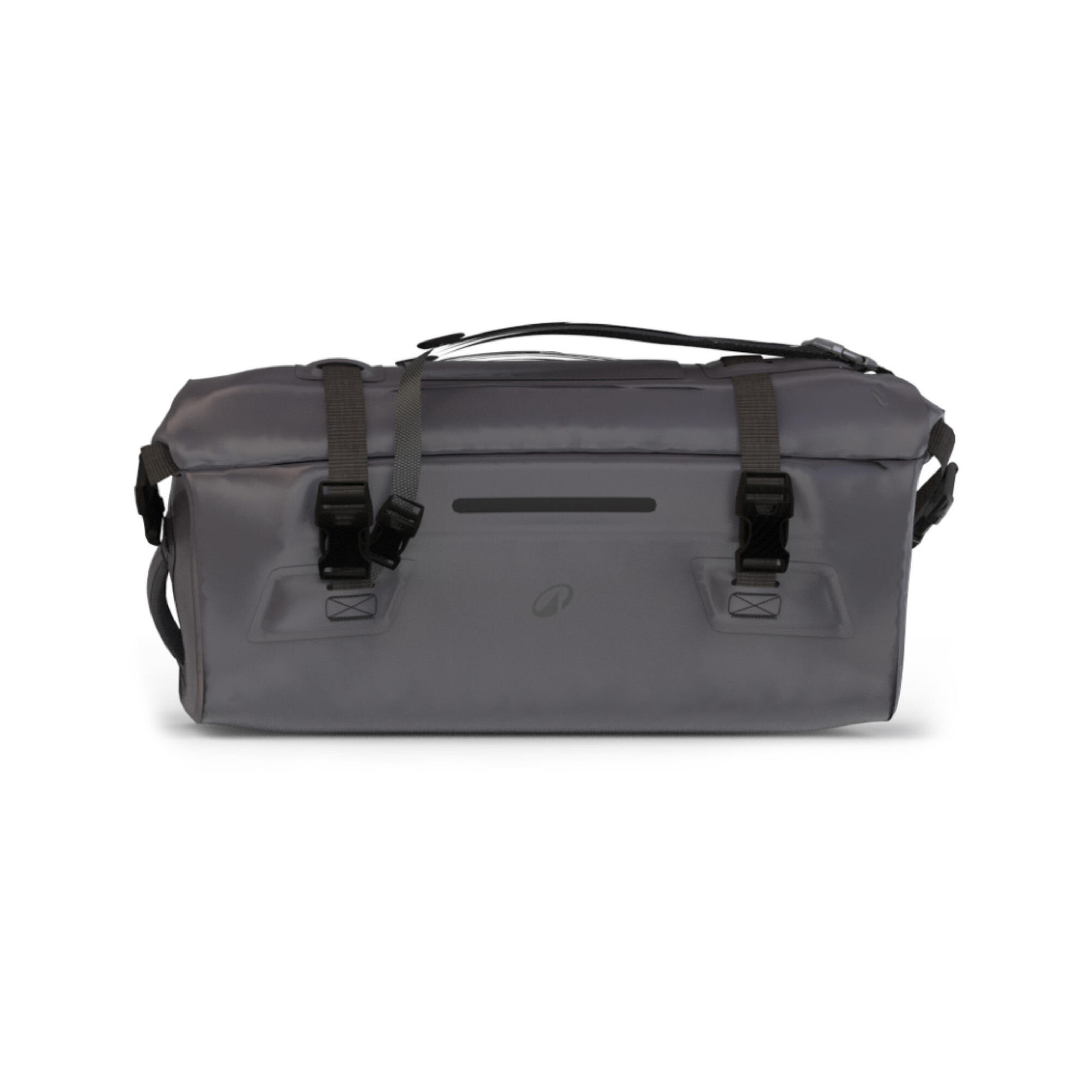
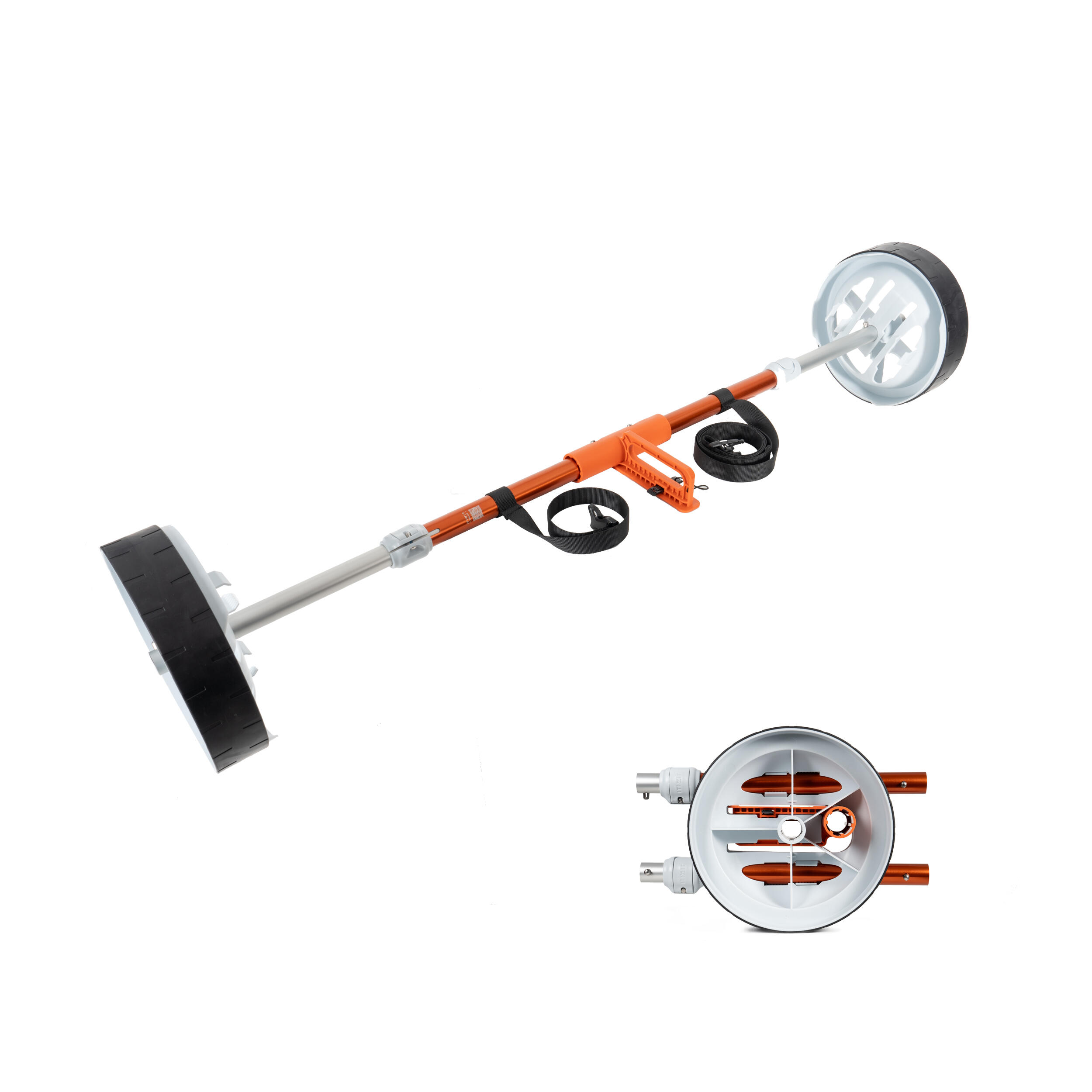
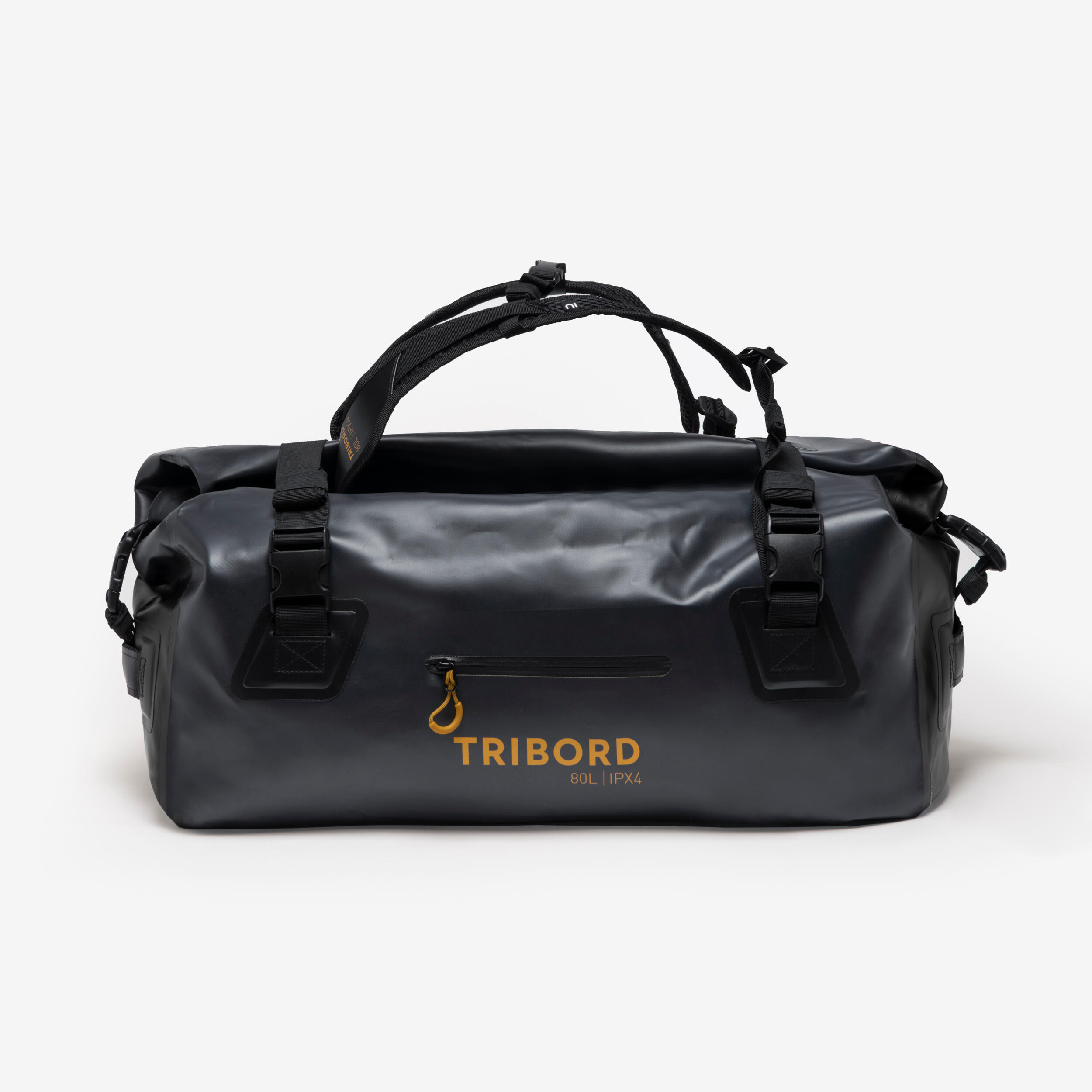
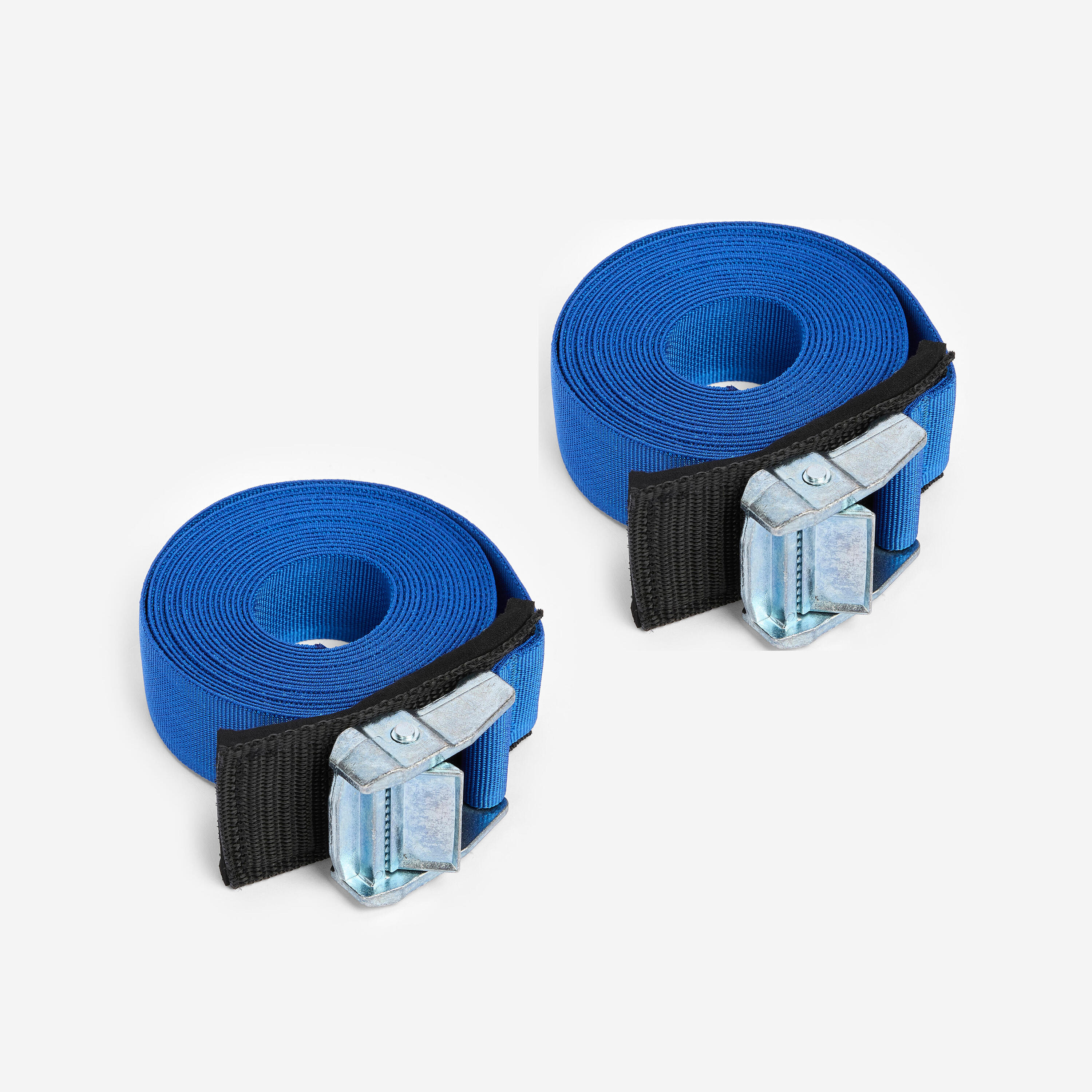
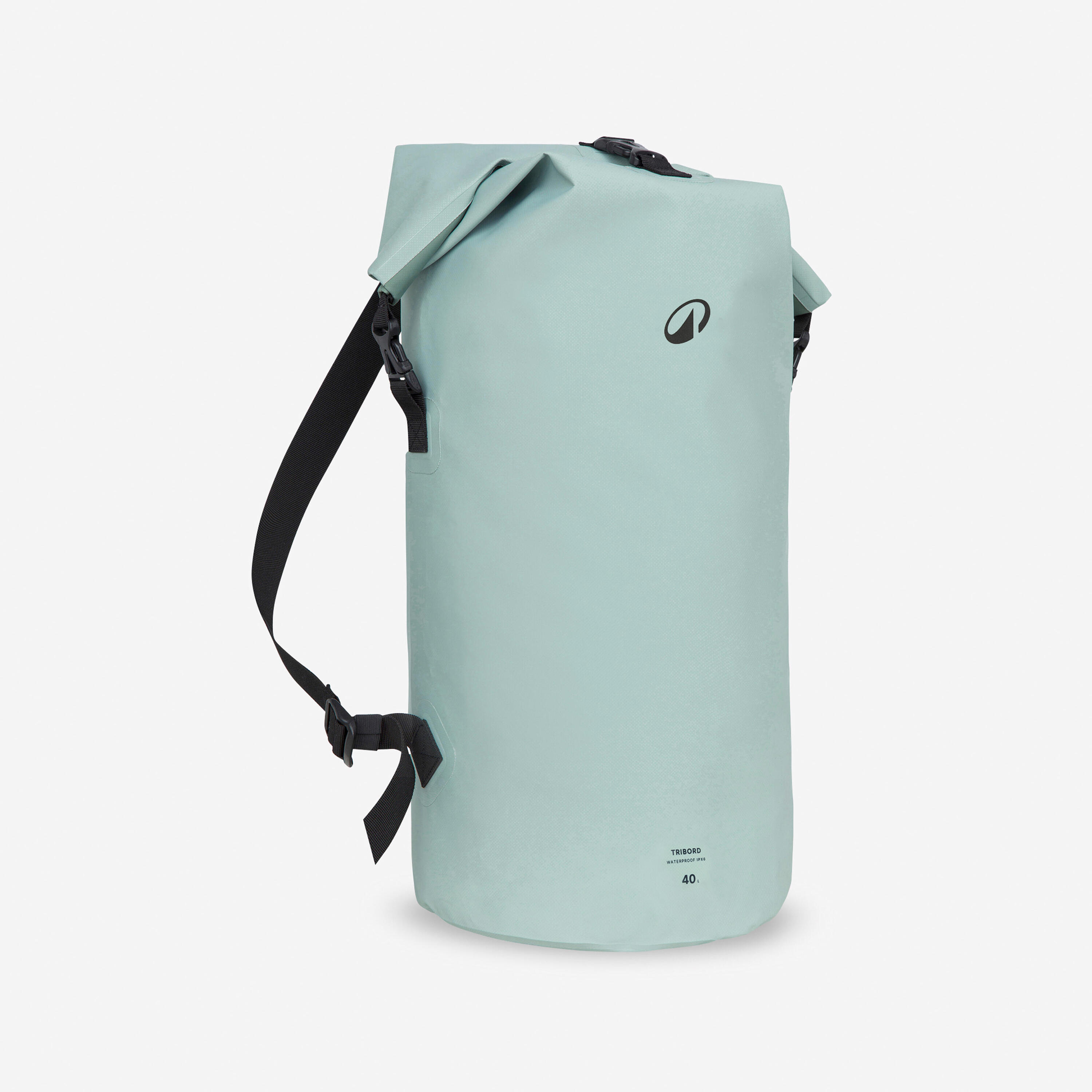
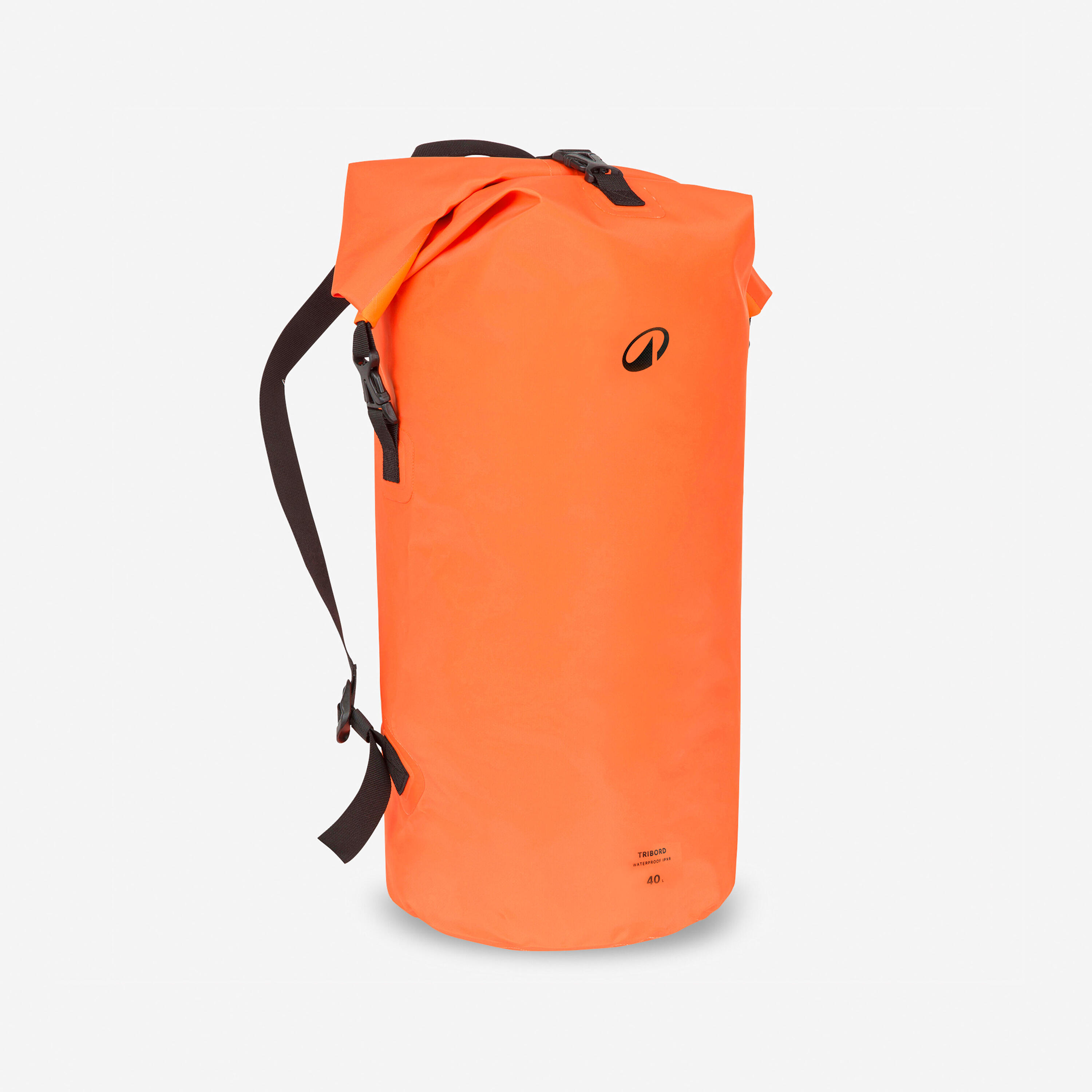
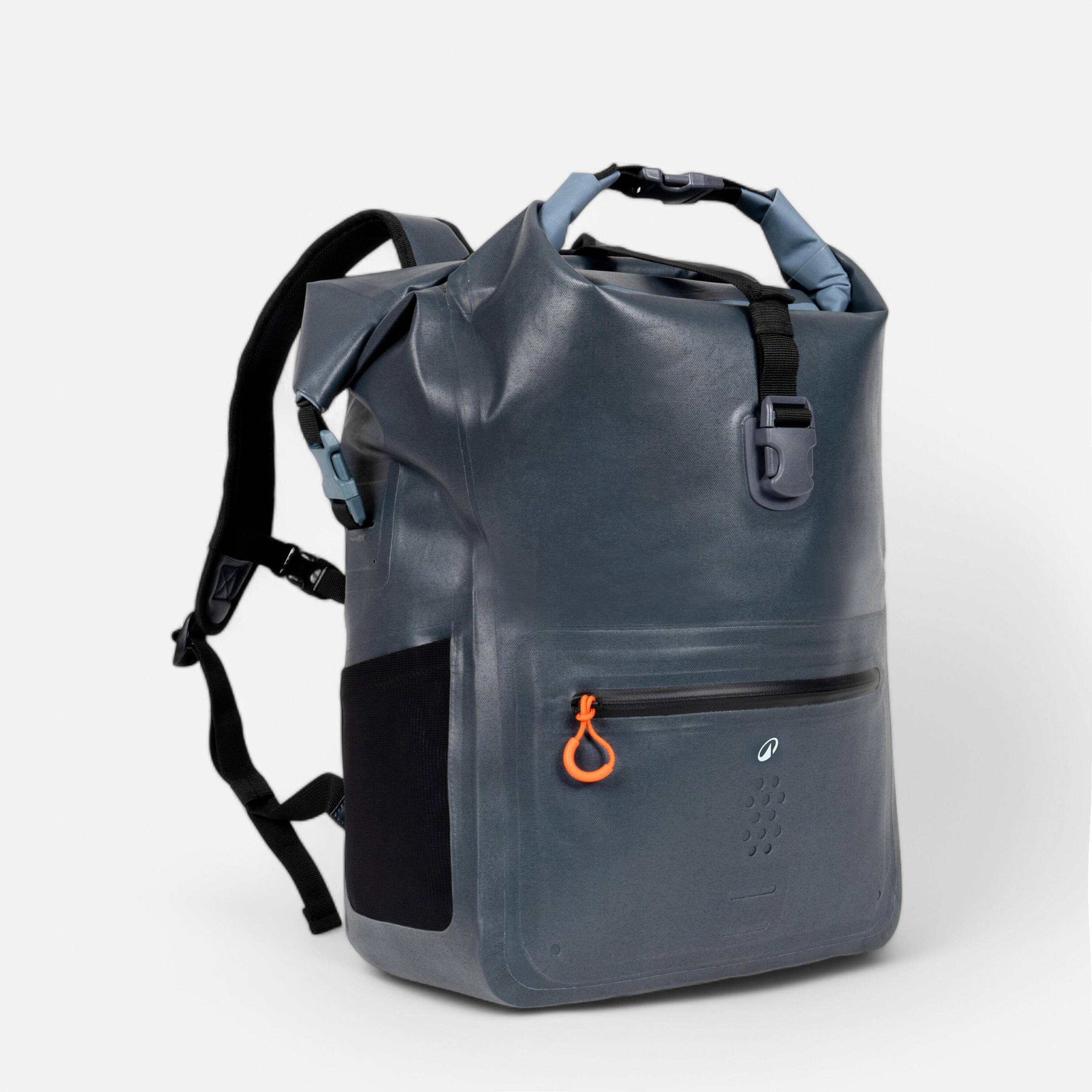
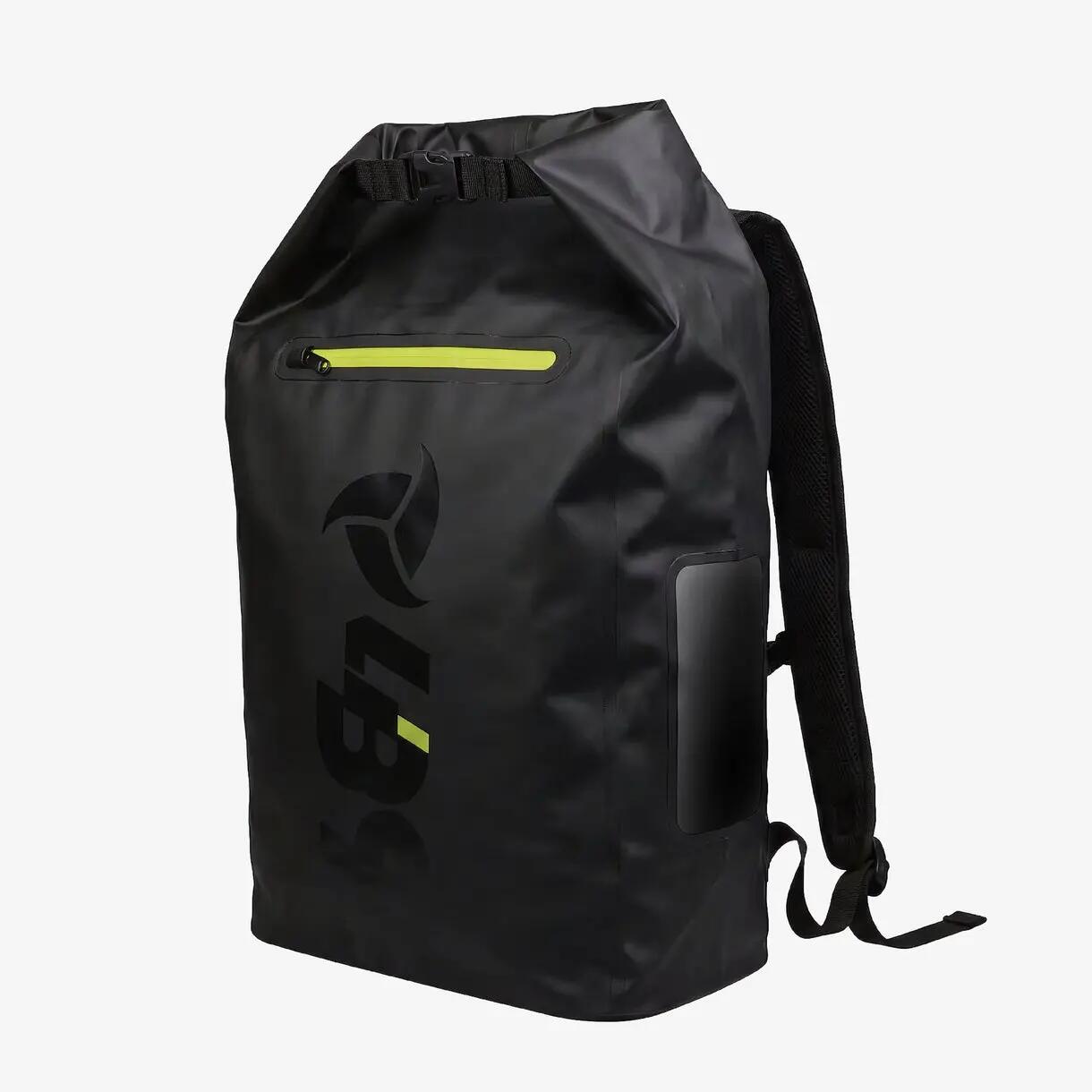
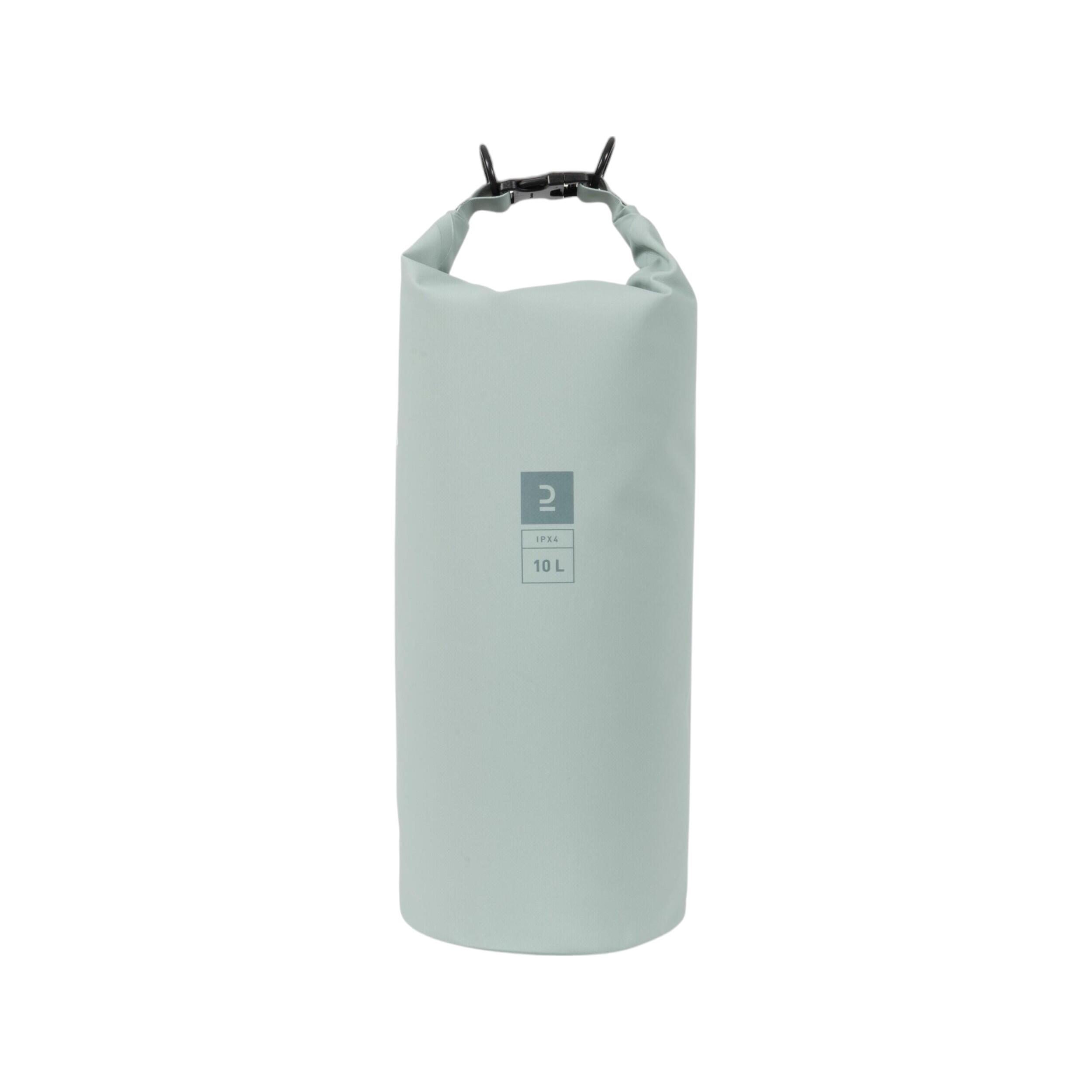
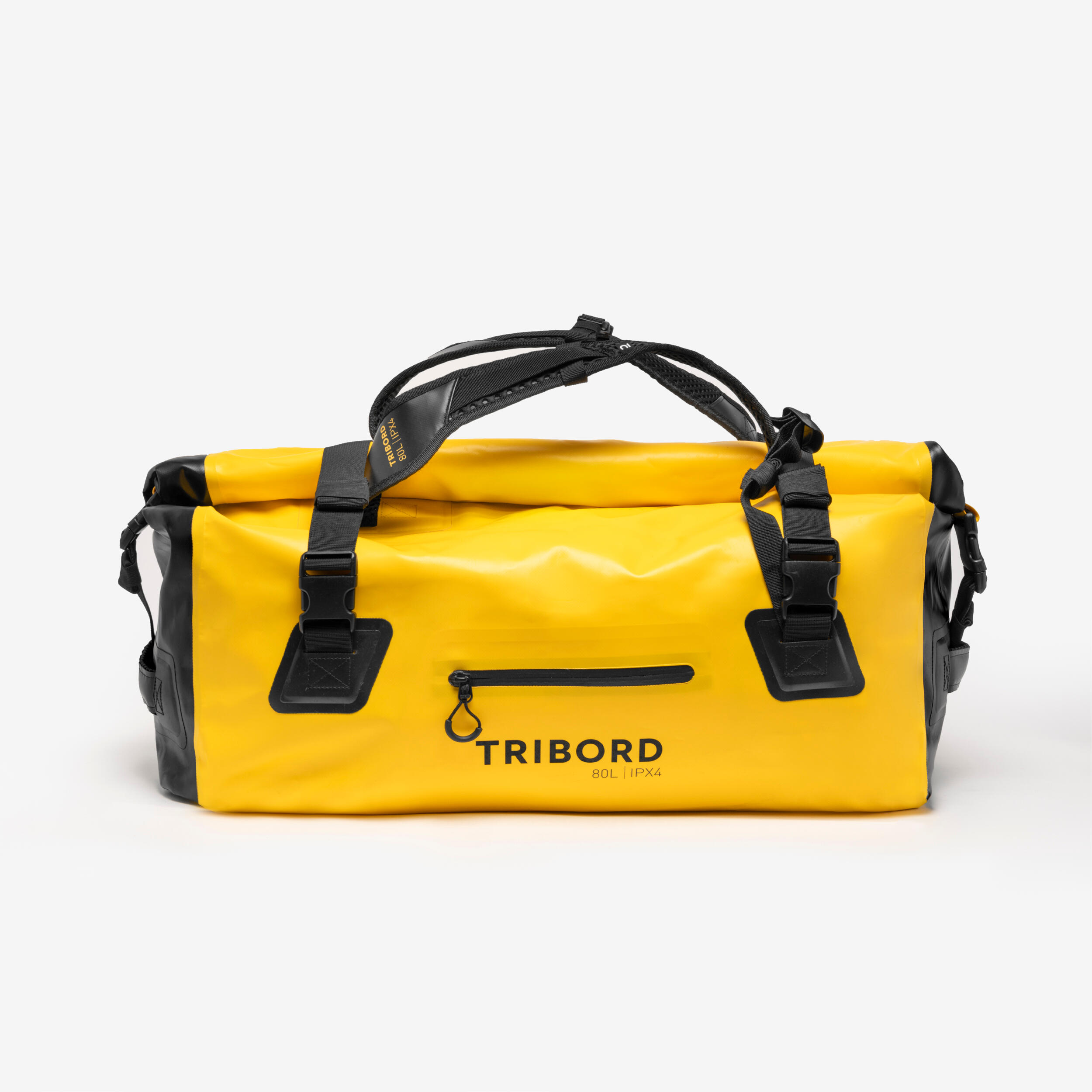
Transporting a kayak safely starts with sturdy roof racks and secure tie-down straps that prevent movement during travel. Purpose-built kayak transport and storage accessories help protect both the hull and your vehicle from damage. At home, wall-mounted cradles spread the kayak's weight evenly to help prevent distortion during long-term storage. Inflatable kayaks should be fully dry before being loosely rolled into their carry bag to maintain the condition of the fabric and seams.

What safety checks should you make before launching a kayak?

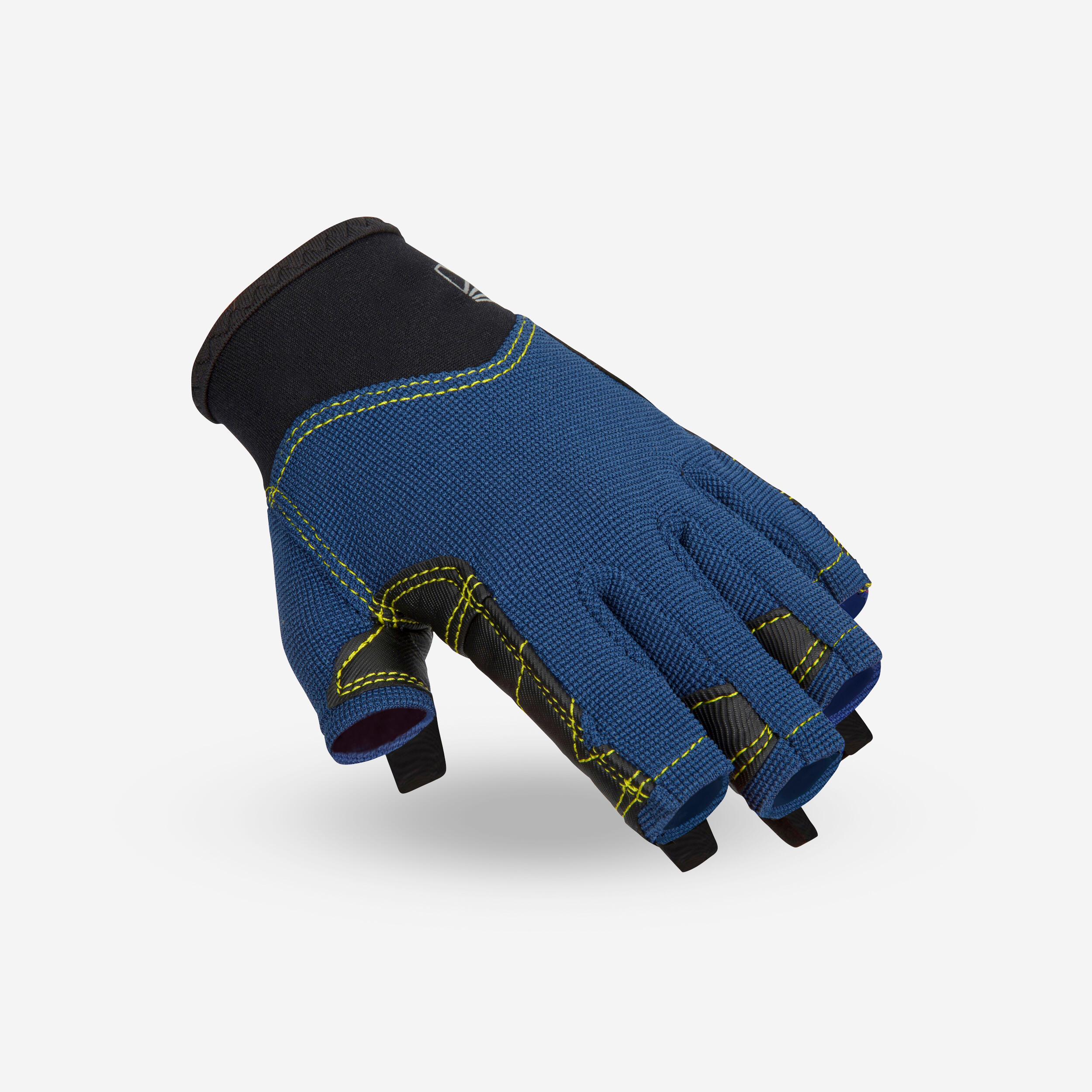
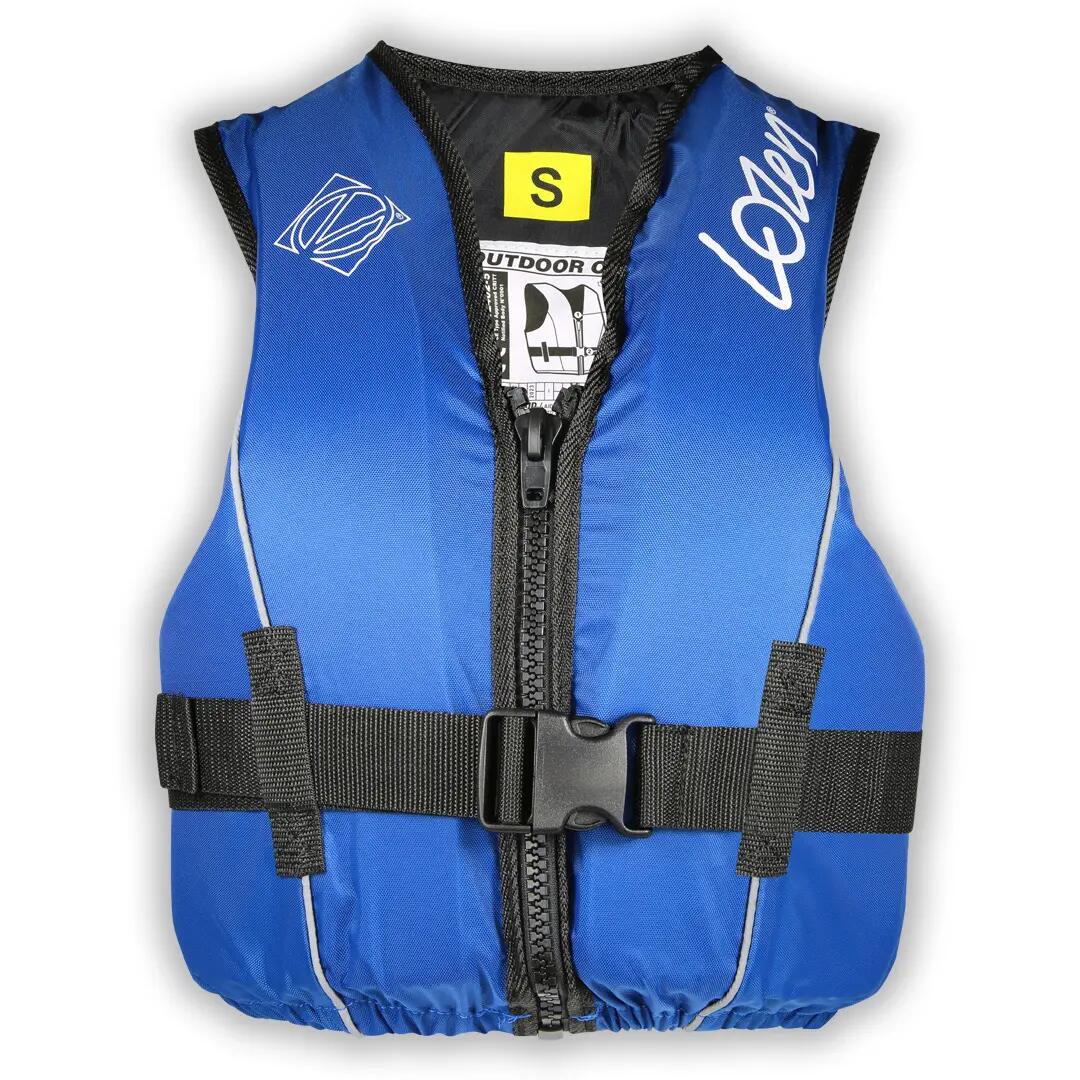
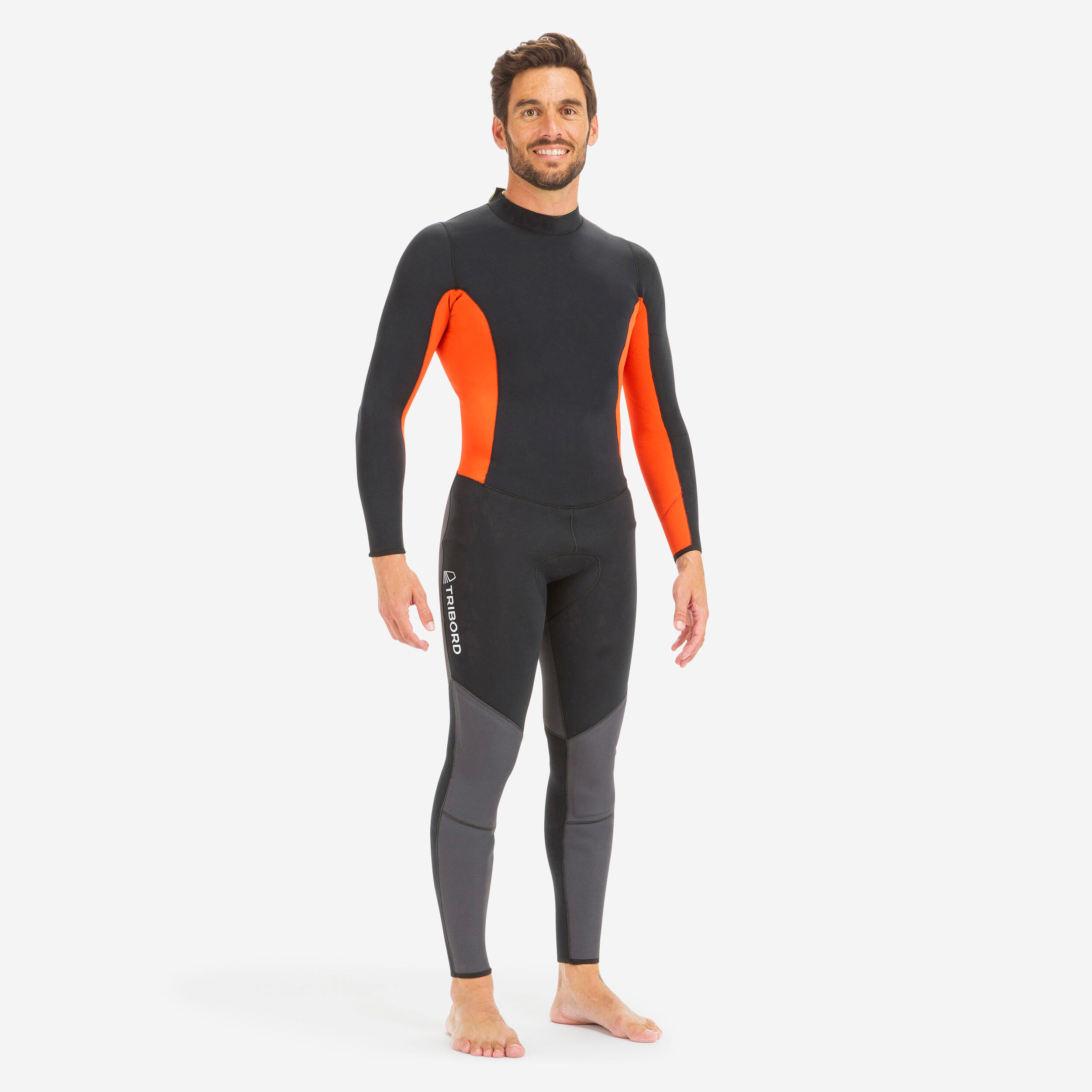
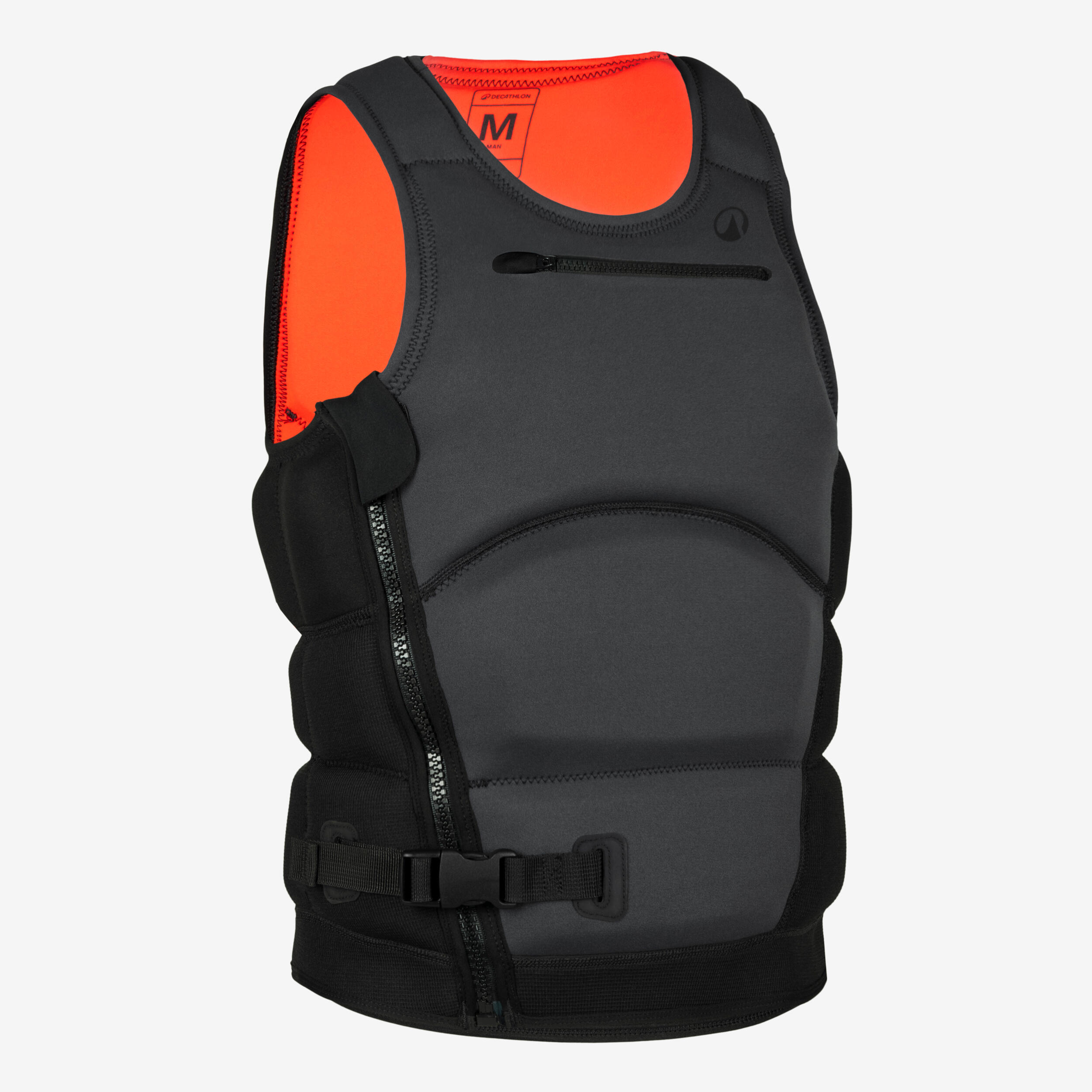
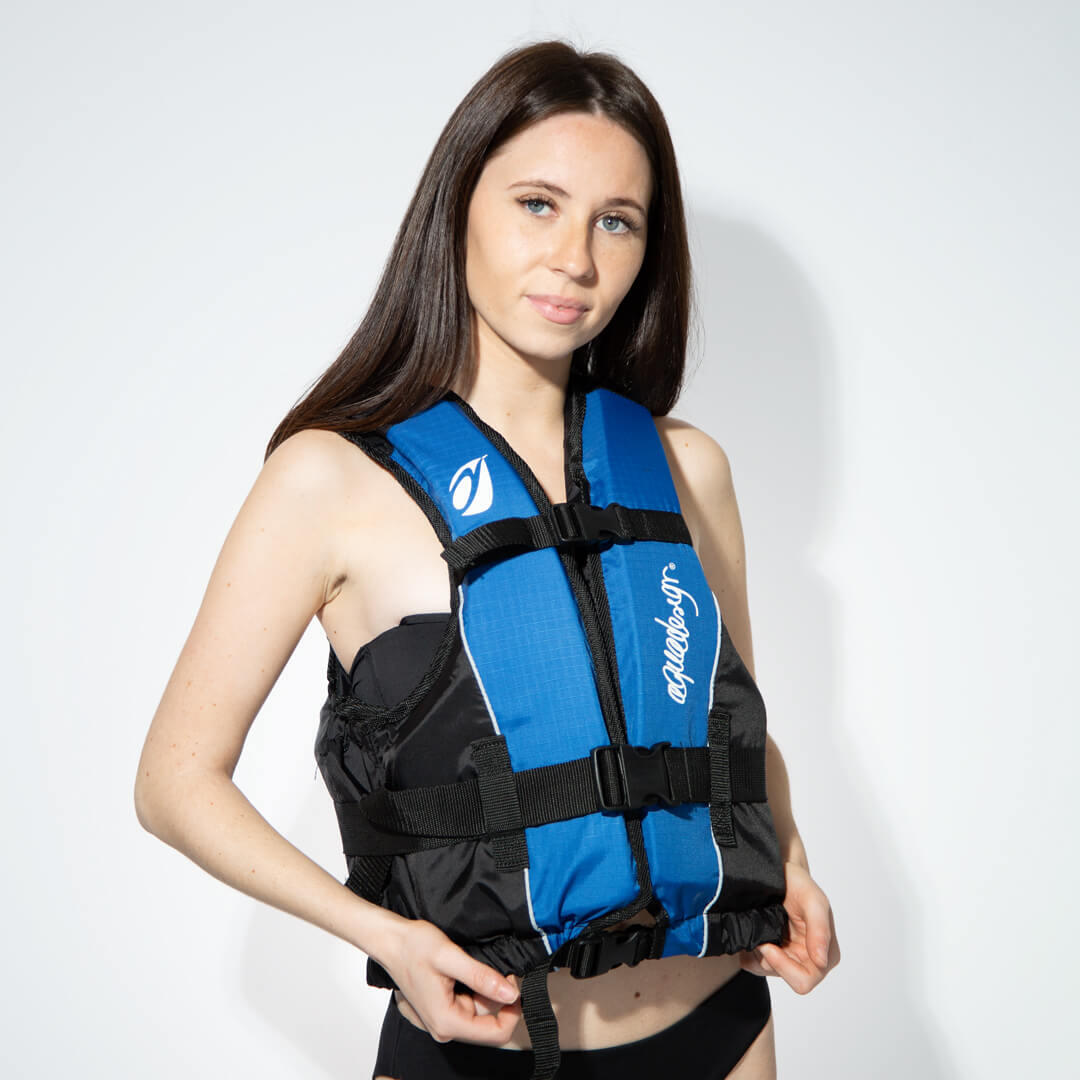
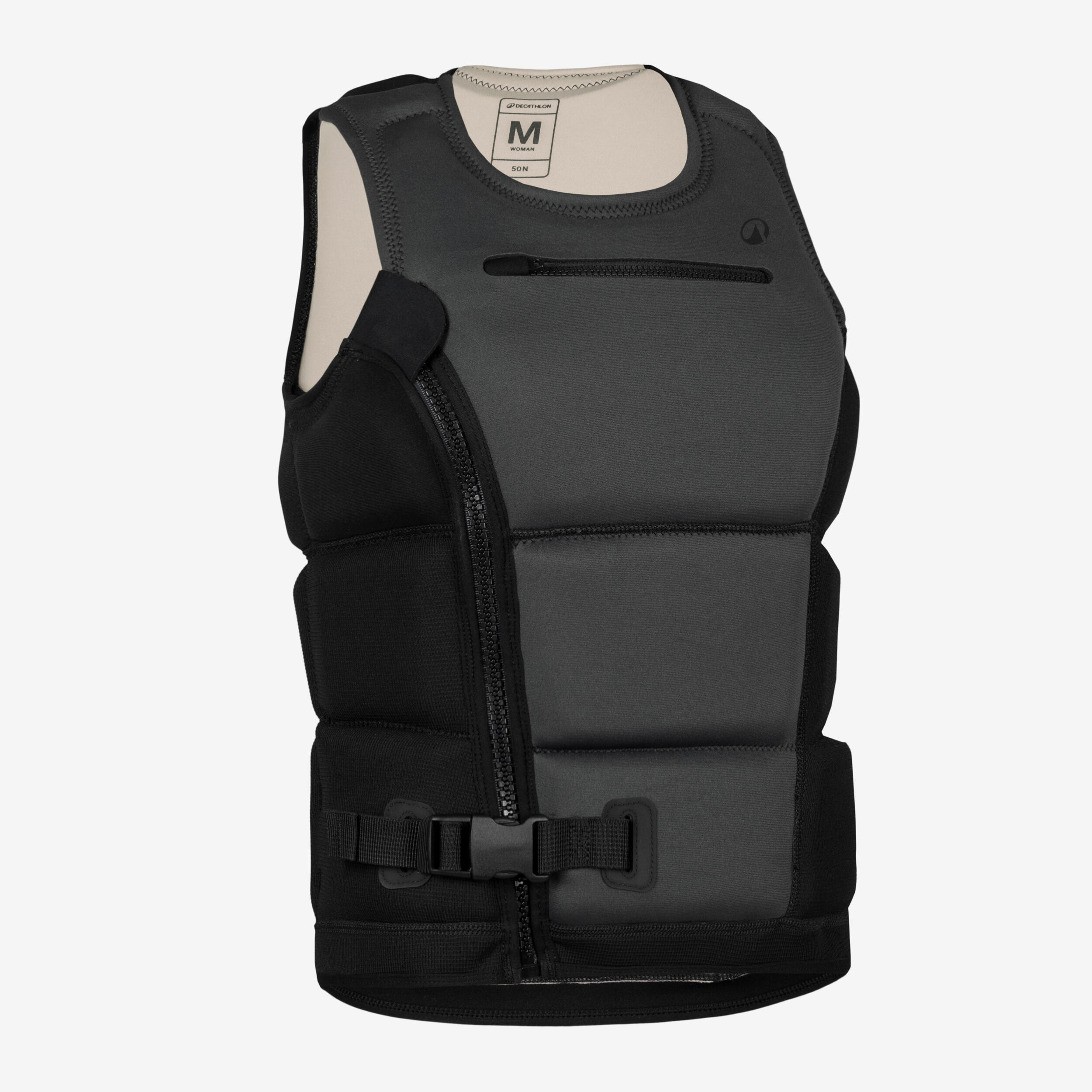
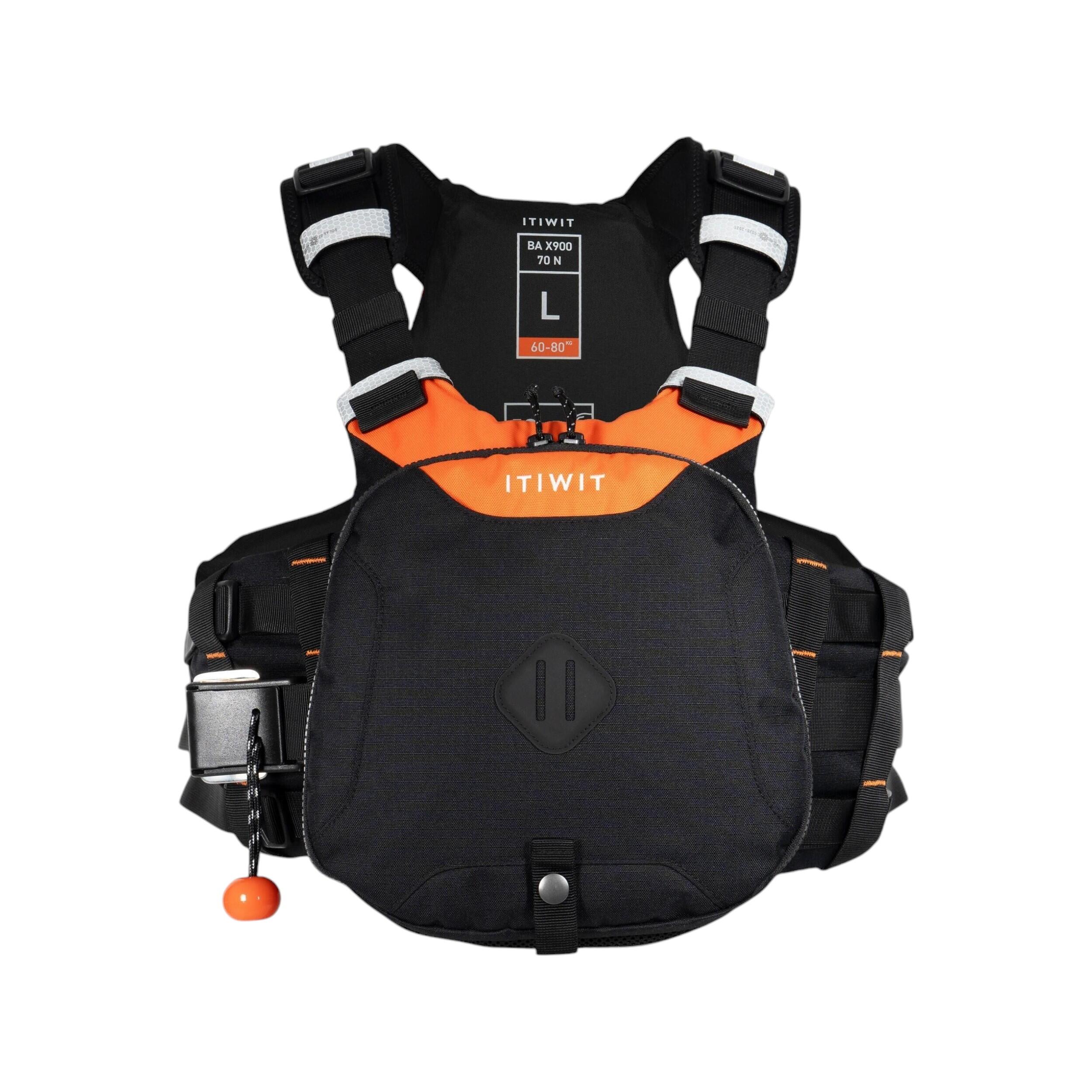
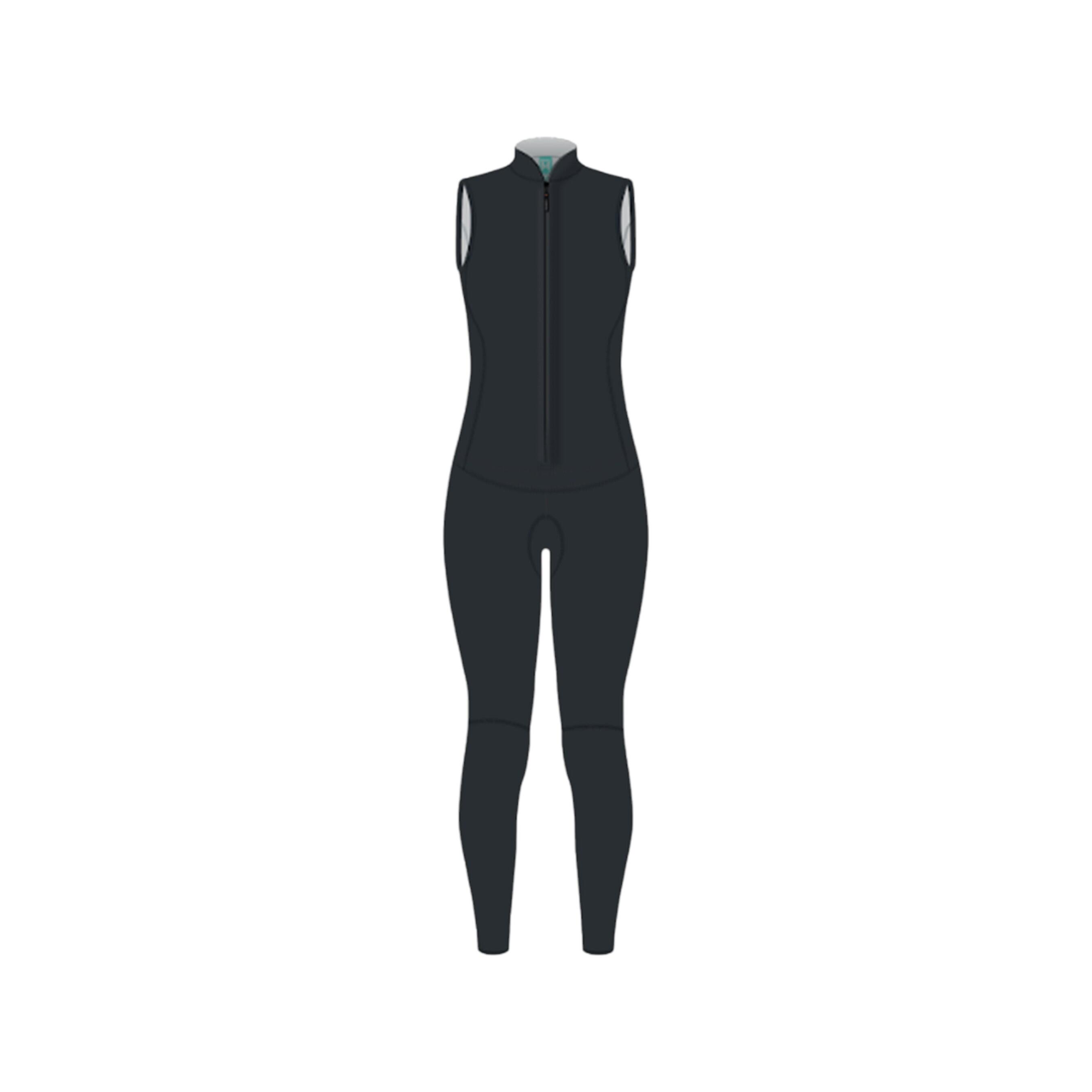
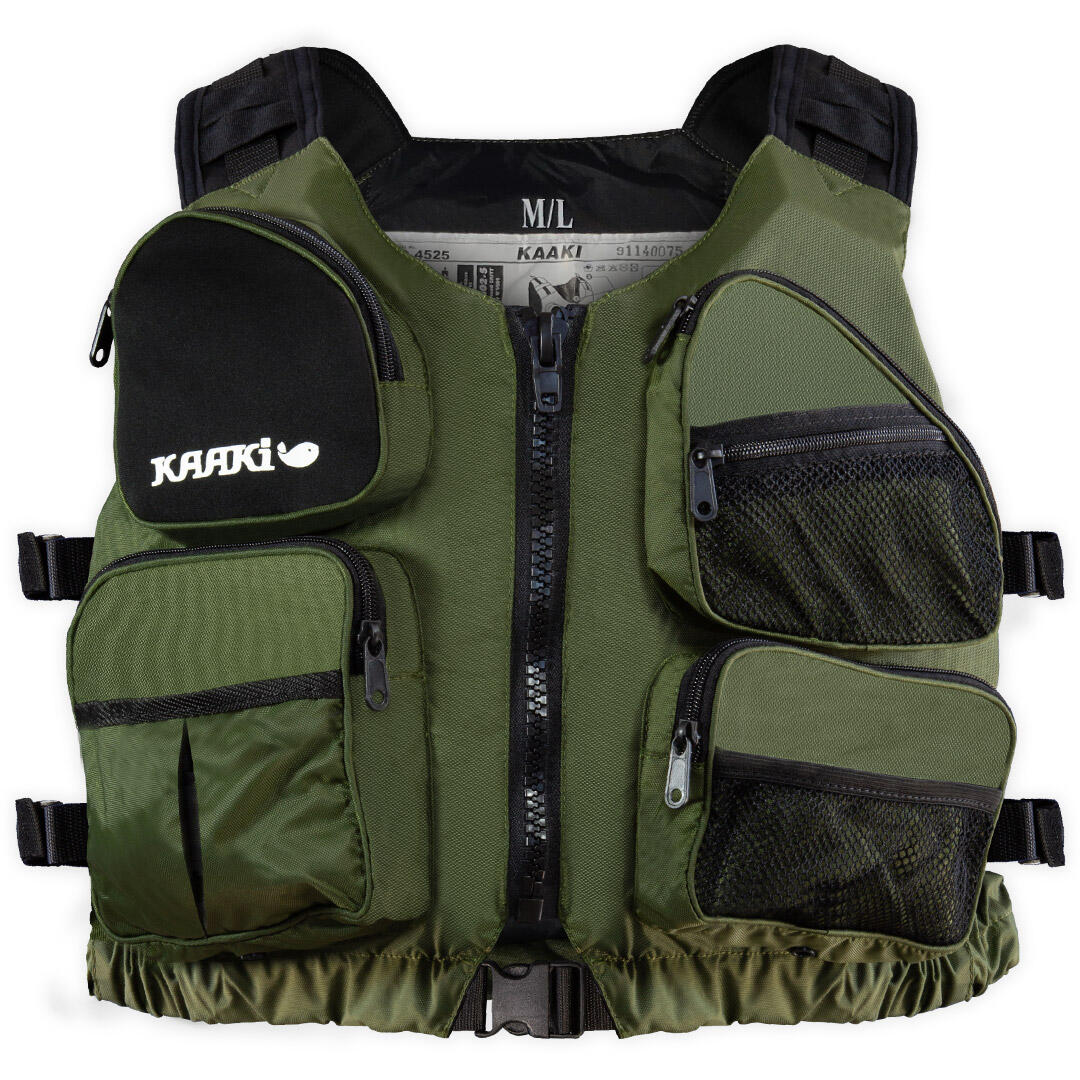
Checking weather conditions, wind direction, tides and water temperature before launching helps reduce unnecessary risks on the water. Offshore winds can quickly carry lightweight kayaks away from the shoreline, making the return journey much harder. Safe kayaking also depends on following kayak safety guidance before every trip, especially when paddling in changing weather or tidal conditions. Carry a personal flotation device with a minimum buoyancy rating of 50 N, along with a whistle and suitable neoprene clothing, to stay safer in the event of an unexpected immersion.