19 items
4.6/5 based on 1666 reviews collected online and in stores

Kayak Paddles FAQs

What are the performance differences between aluminium and fibreglass kayak paddles?

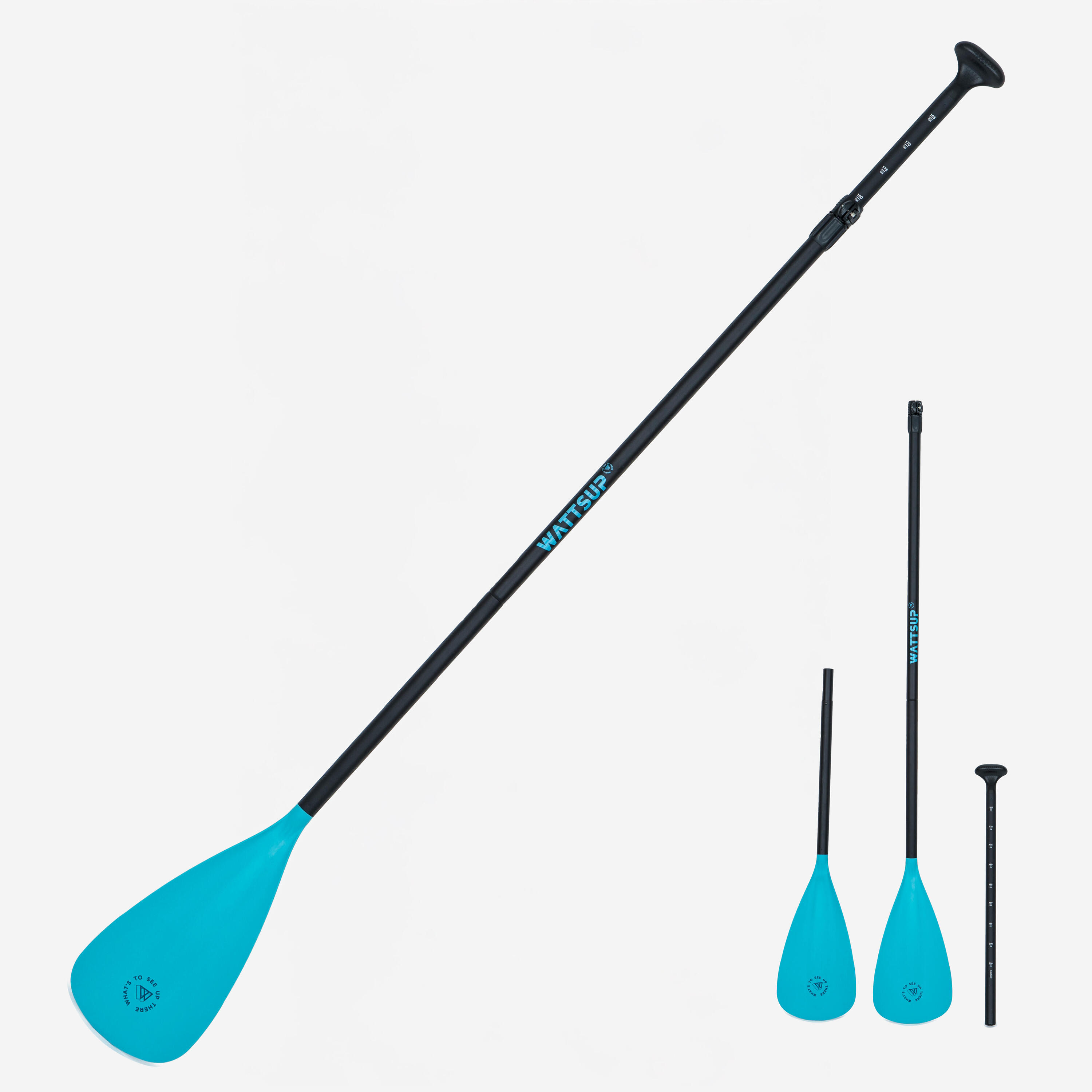
Selecting the ideal shaft material significantly alters your paddling endurance and energy transfer in open water. Aluminium paddles provide excellent bending resistance and structural durability, making them a reliable option for beginners or rough rocky shorelines. However, switching to lightweight composite alternatives lowers shoulder fatigue during long-distance coastal touring. Mid-range fibreglass paddles introduce a slight mechanical flex that absorbs sharp joint impacts when pushing through choppy coastal swells, offering a more comfortable experience over several hours of continuous movement across our diverse range of all kayak paddles.

When should touring kayakers invest in full carbon plastic separable paddles?

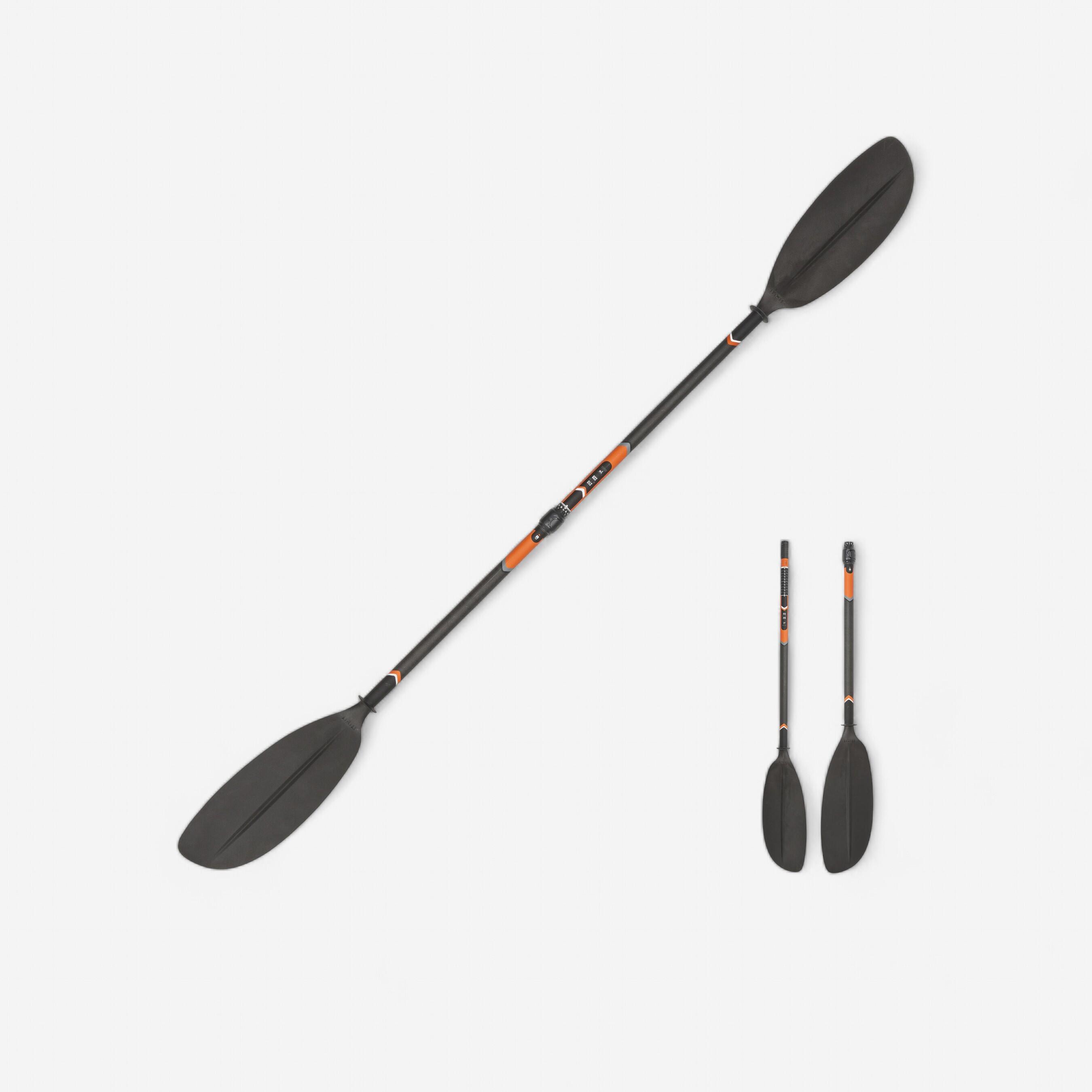
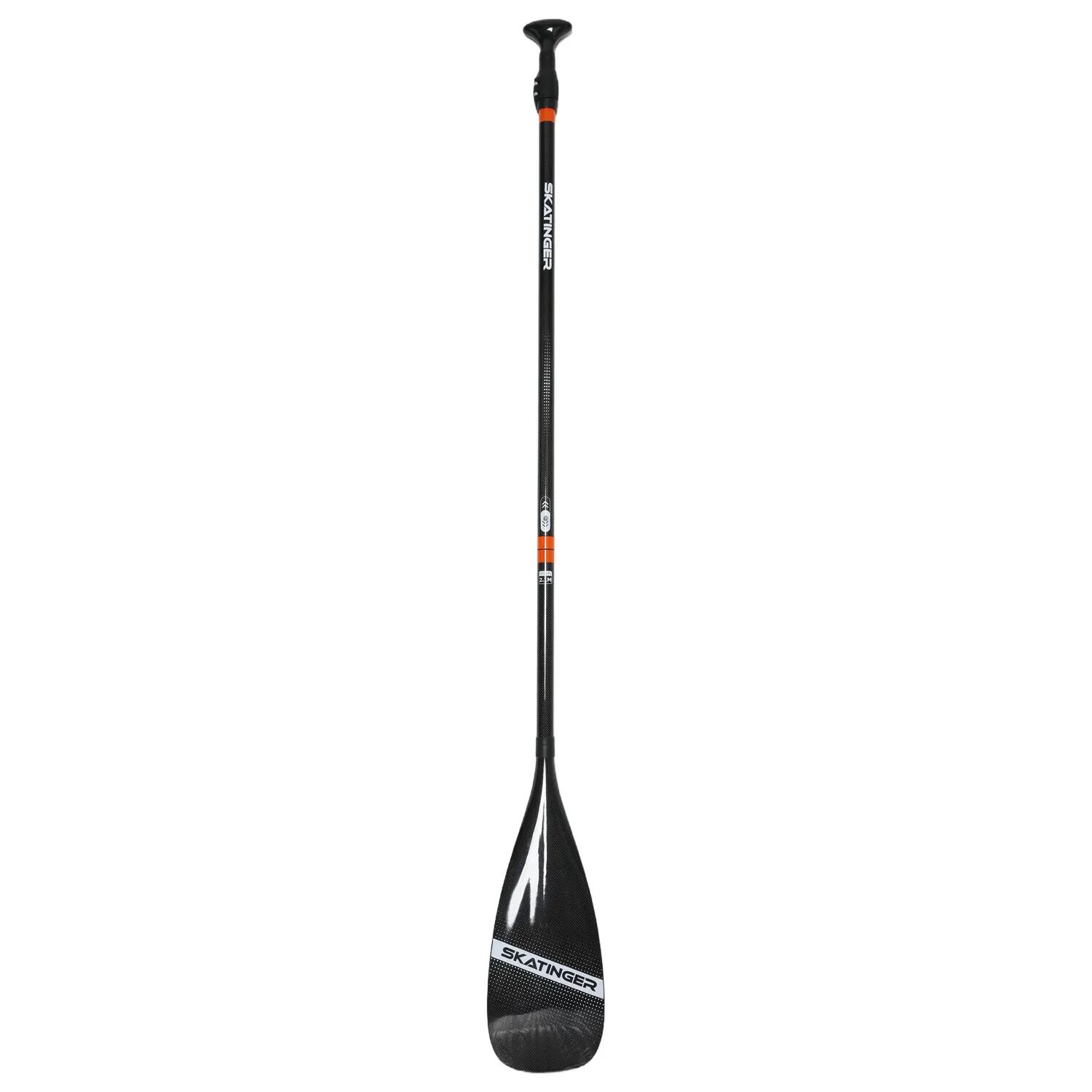
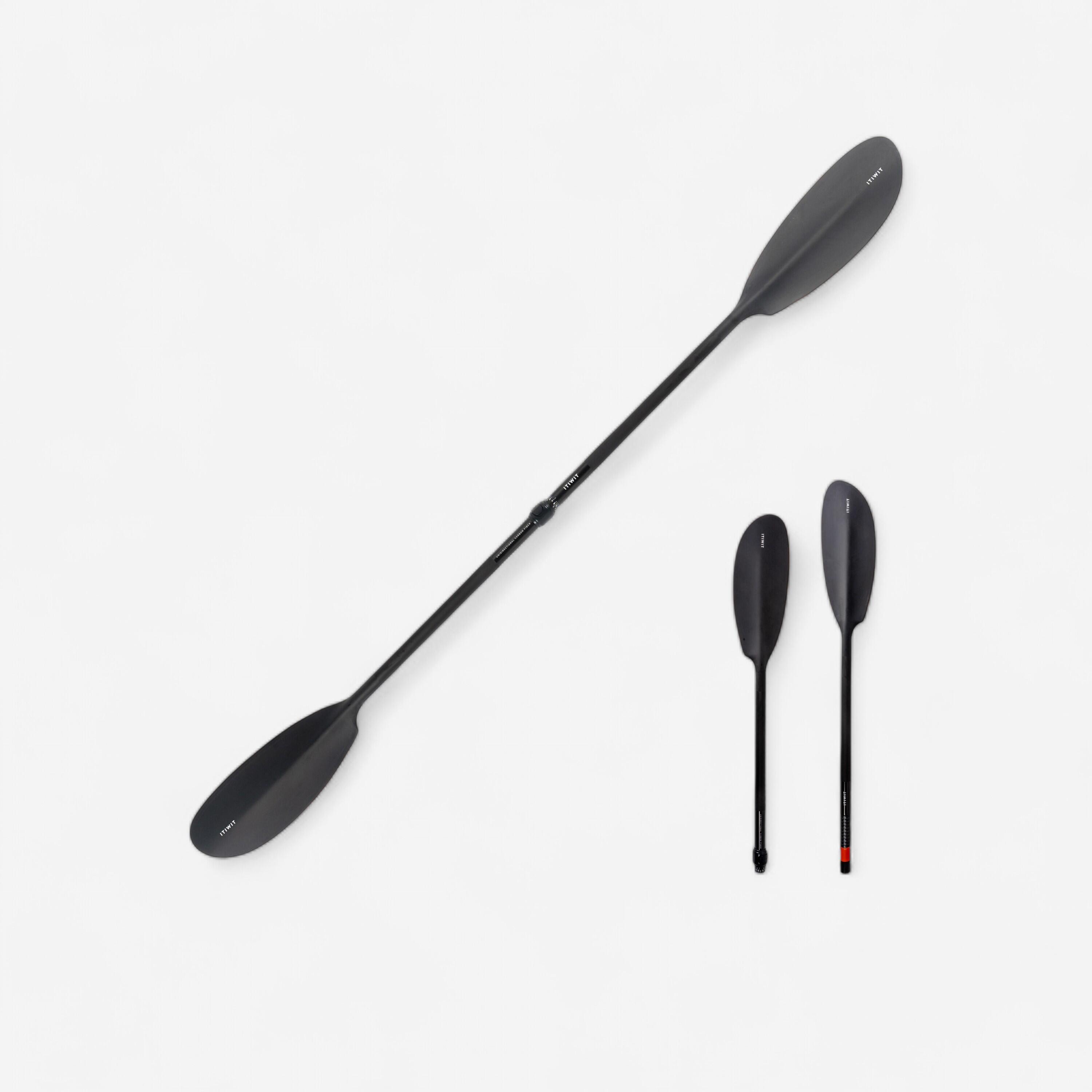
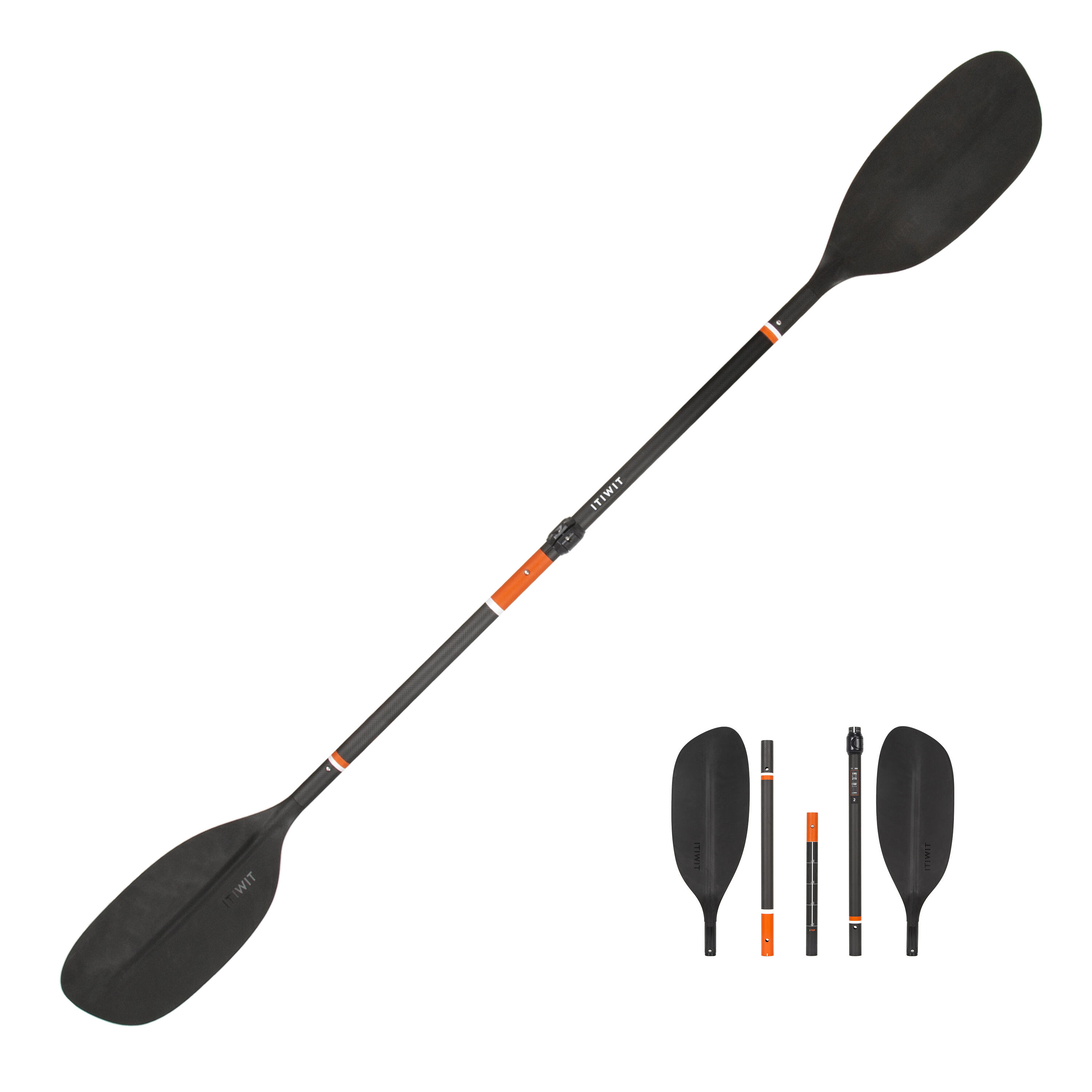
For dedicated enthusiasts covering extensive distances, minimising total gear weight is the main priority. Premium carbon plastic separable paddles utilise ultra-lightweight carbon weave shafts to maximise power conversion from your torso muscle rotation directly into water displacement. One of the important reasons to choose carbon fibre kayak paddles is the structural rigidity, which eliminates flexing during high-cadence strokes and ensures immediate acceleration. This premium response prevents energy loss in windy river valleys, allowing you to maintain speed when traversing demanding marine channels without expanding your physical effort excessively.

Why should a paddler choose a 2-part split shaft design over alternative breakdown mechanisms?

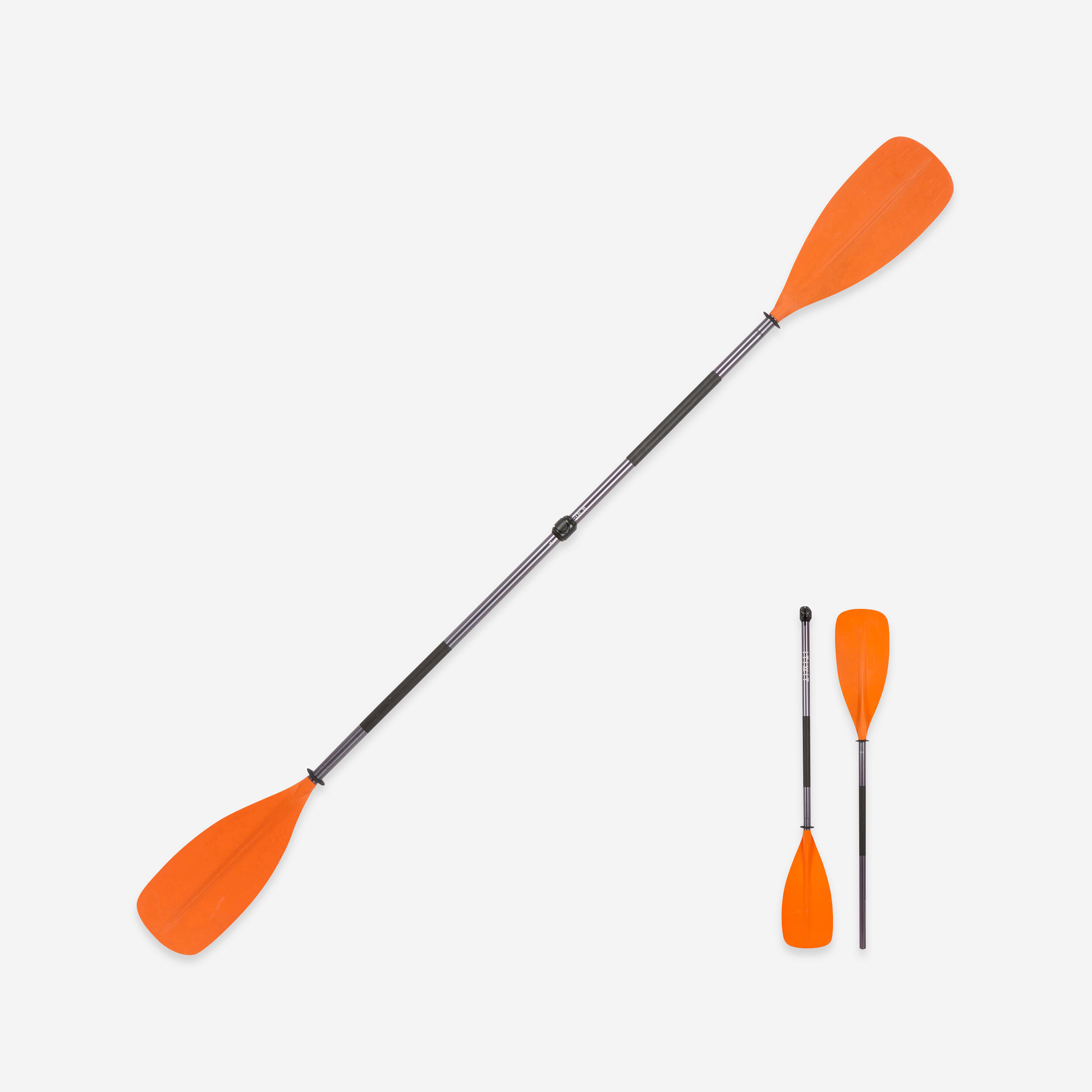
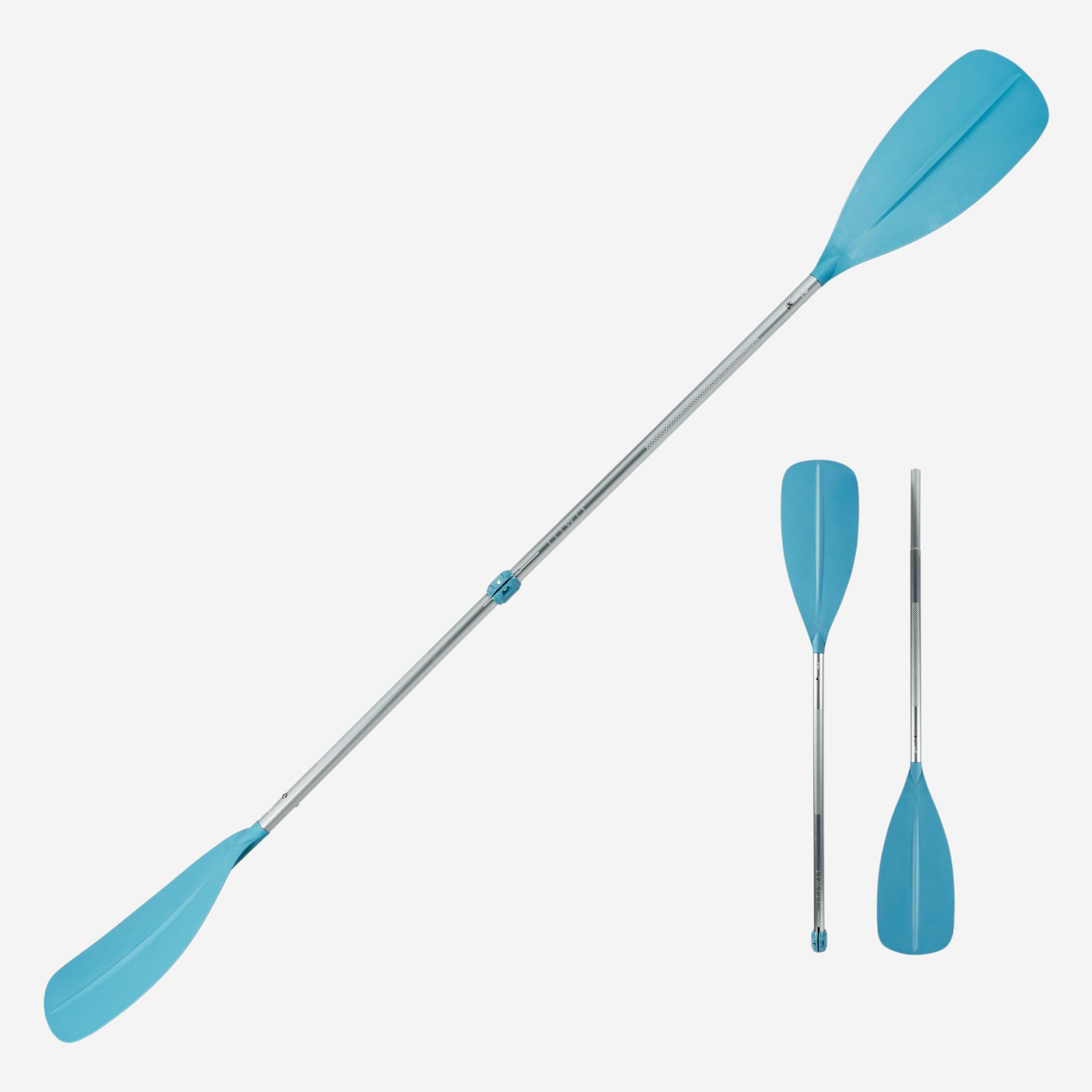
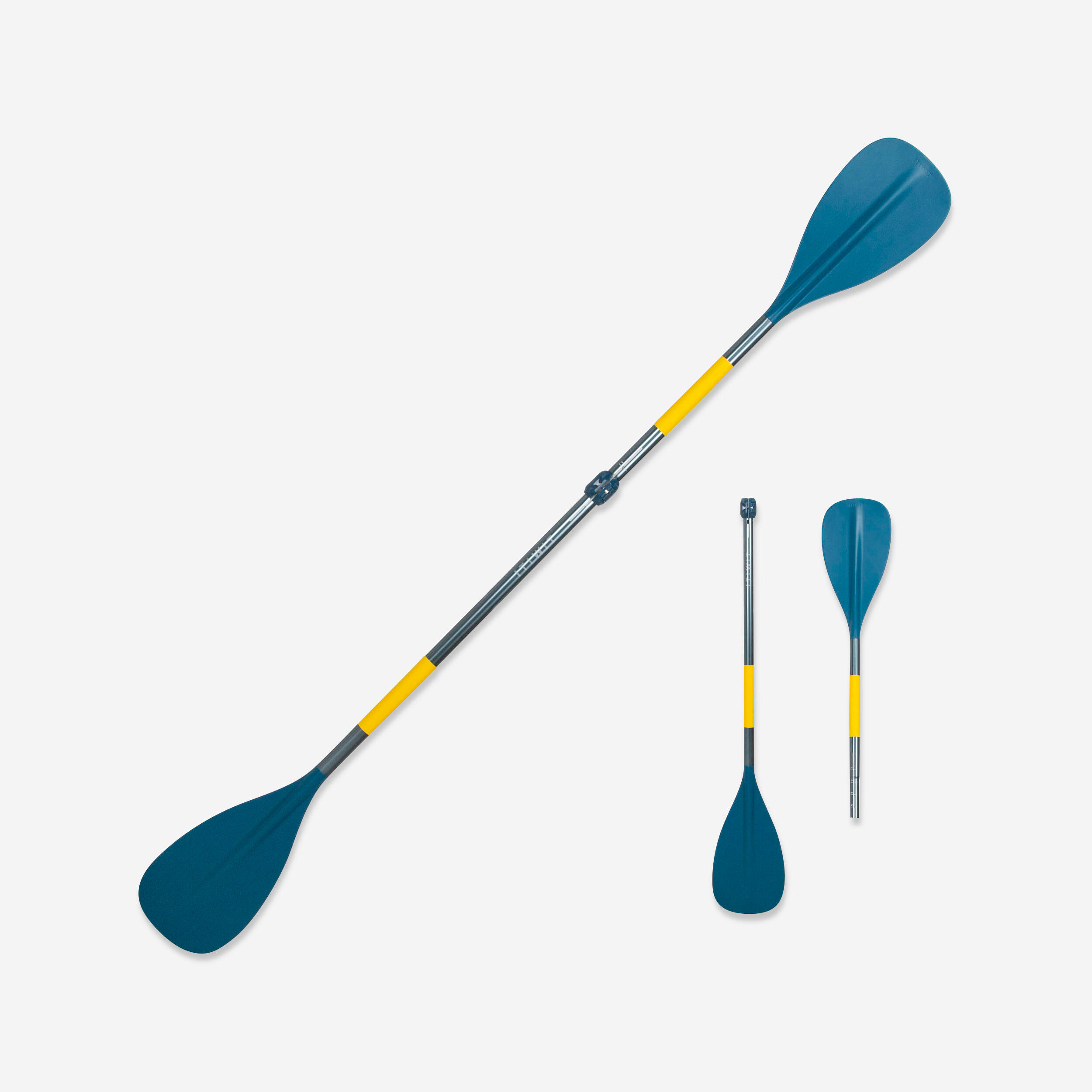
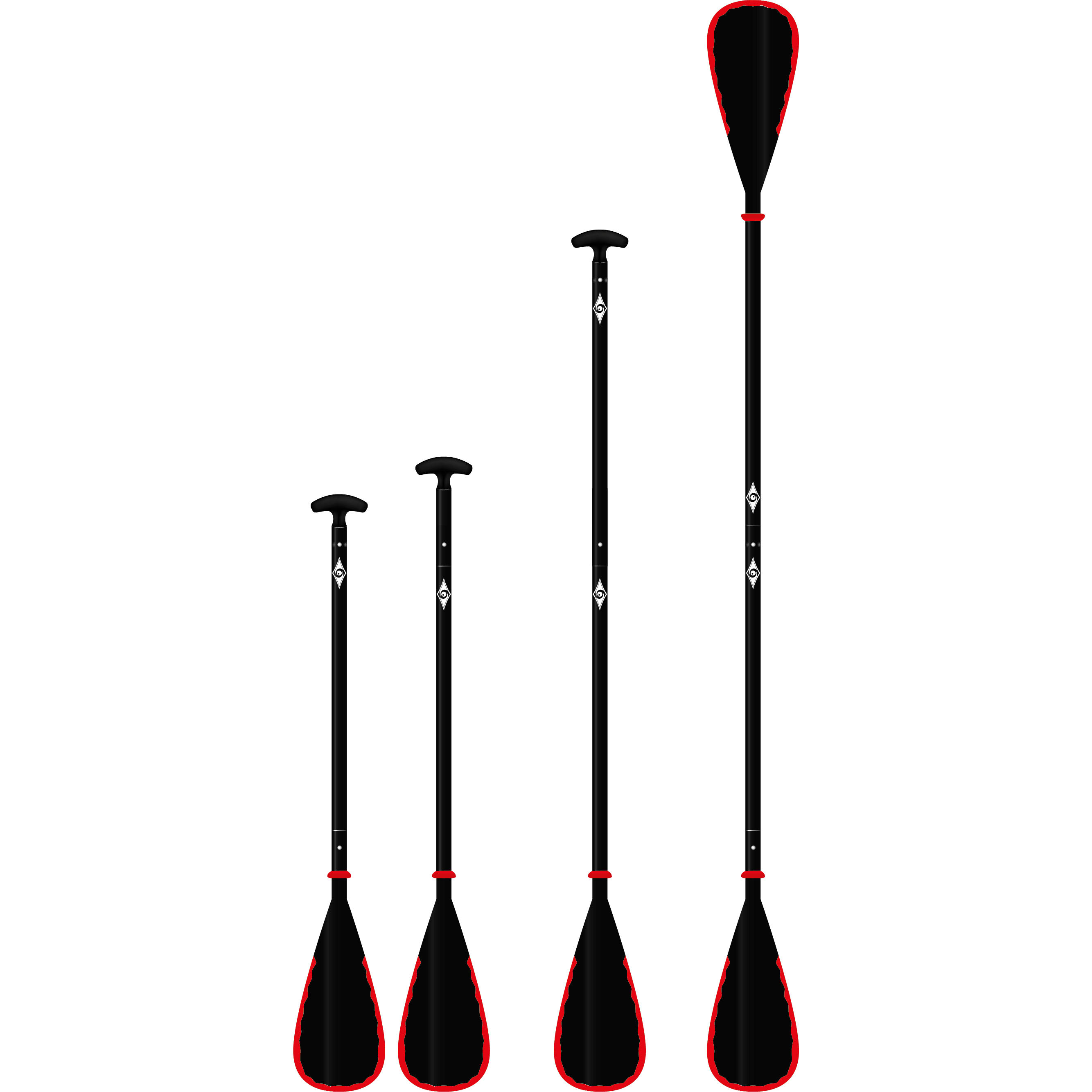
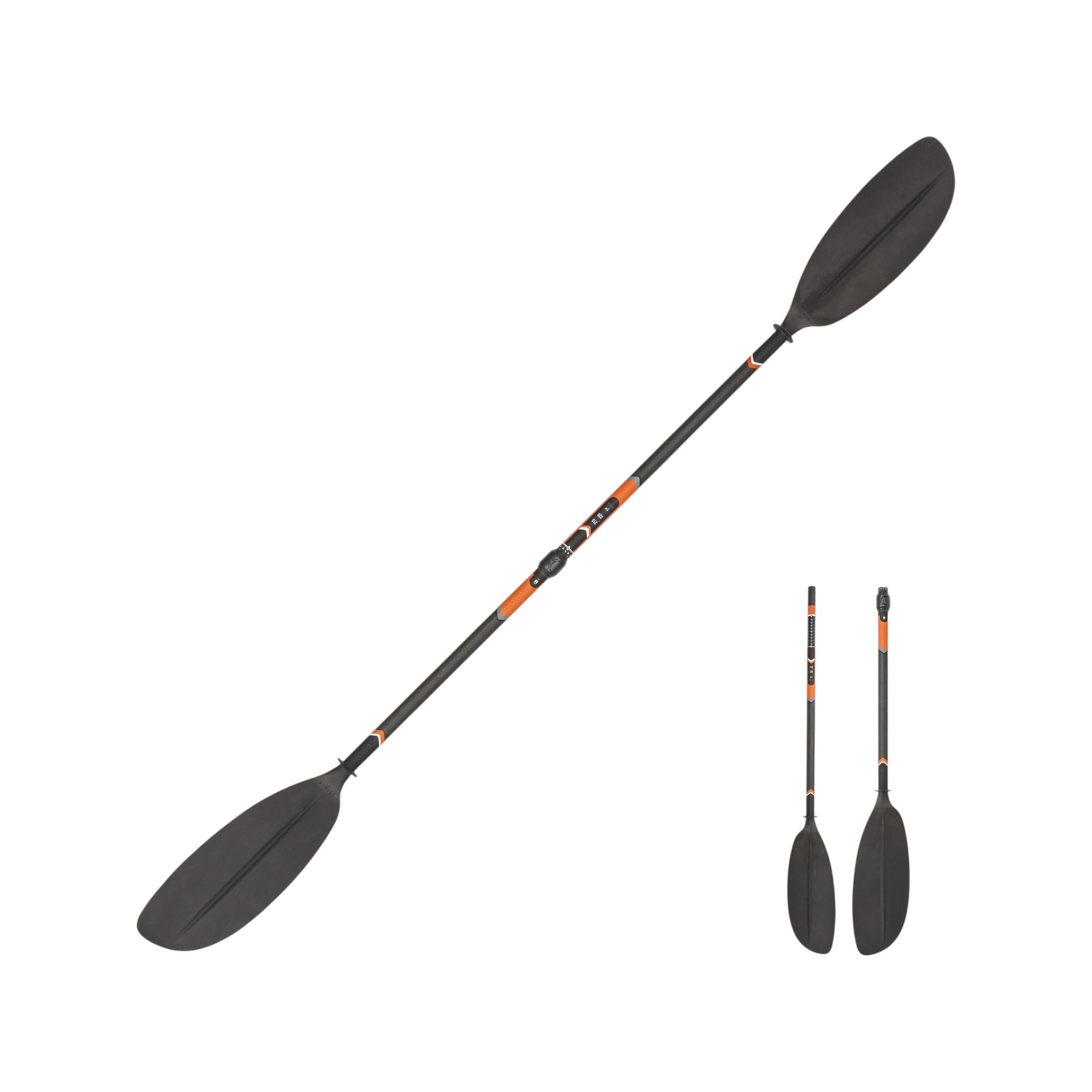
Deciding on the correct breakdown mechanism depends entirely on your vehicle capacity and packing style. Standard 2-part kayak paddles utilise a simple middle push-button or sleeve joint to split the shaft into two equal segments, retaining excellent structural stiffness. Paddlers prioritising rigid handling usually choose 2-piece paddles because fewer connection points reduce the mechanical play inside the joint. This system offers a great compromise between ease of transport and reliable performance, ensuring a solid, unified feel when applying power through heavy water currents.

When is a 4-part modular setup more practical for transportation than a 2-piece paddle?

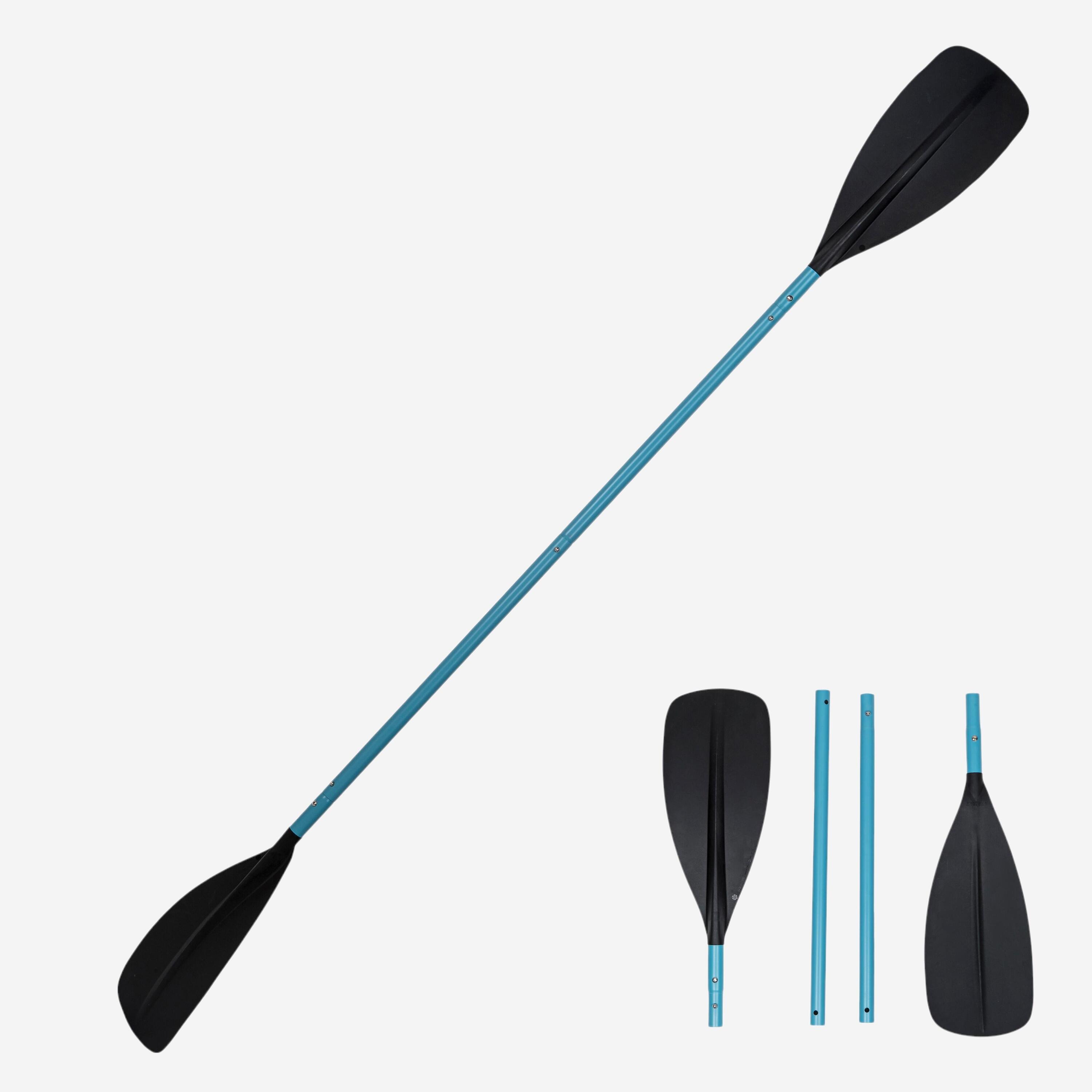
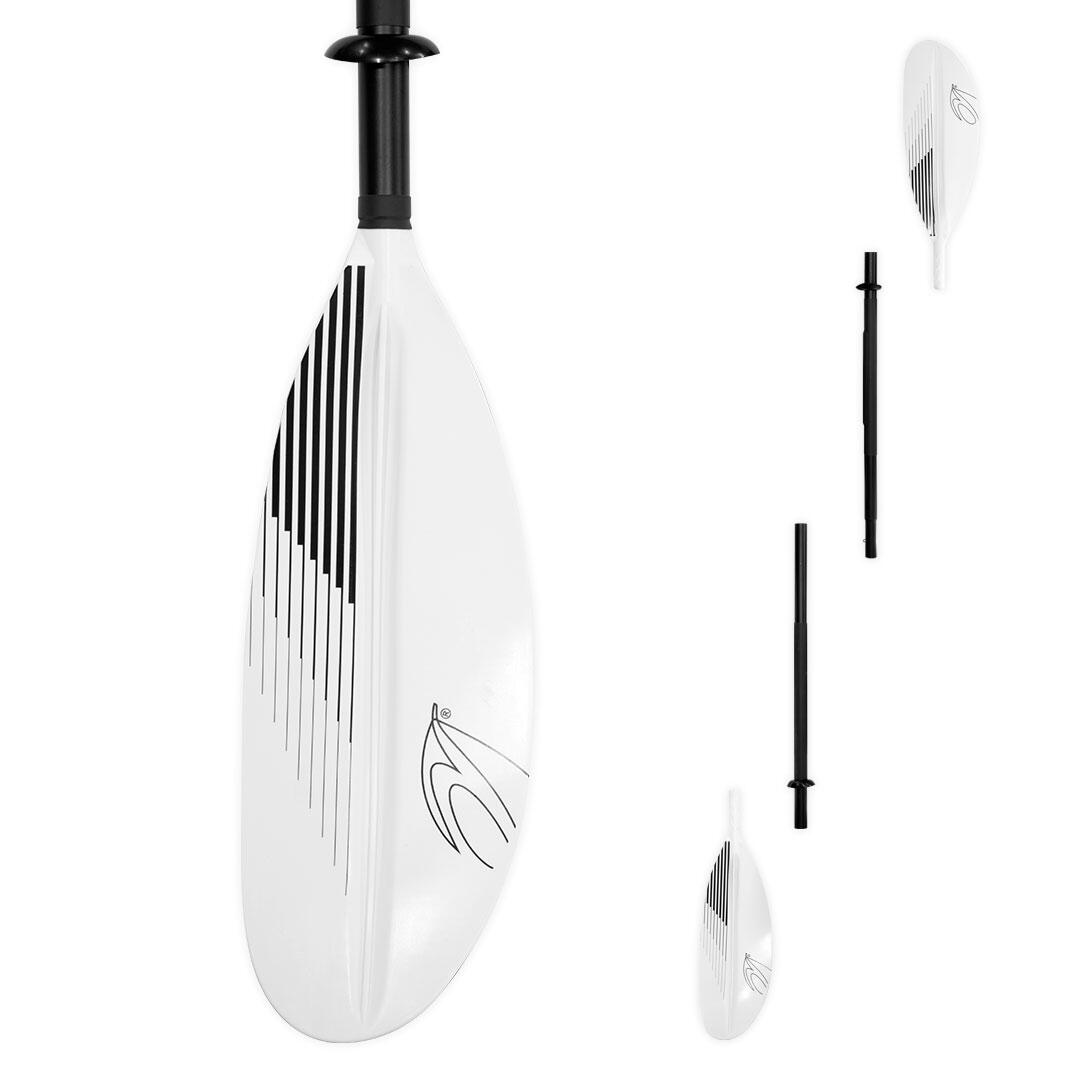
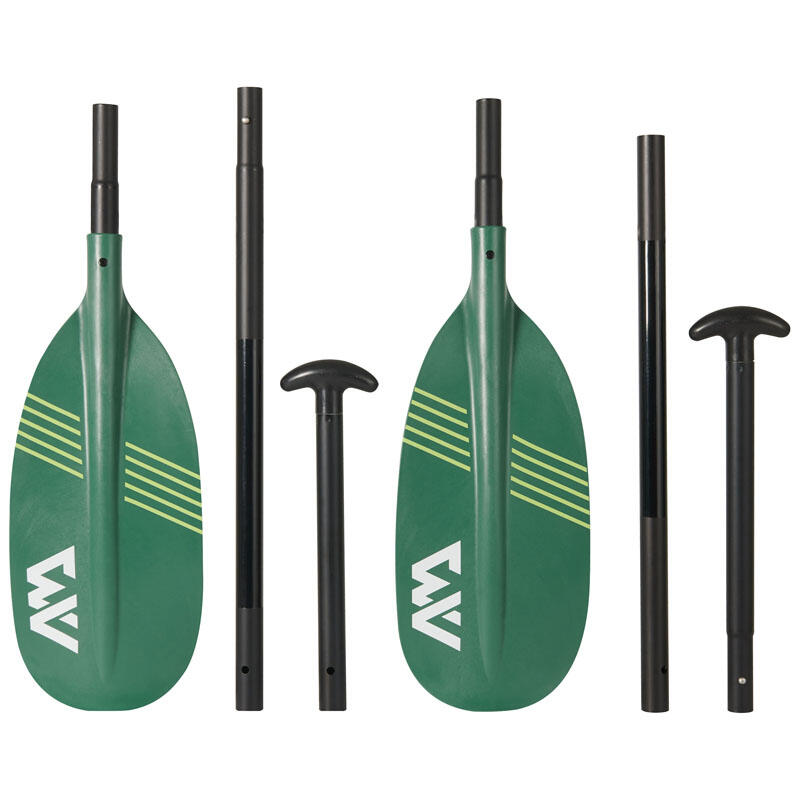
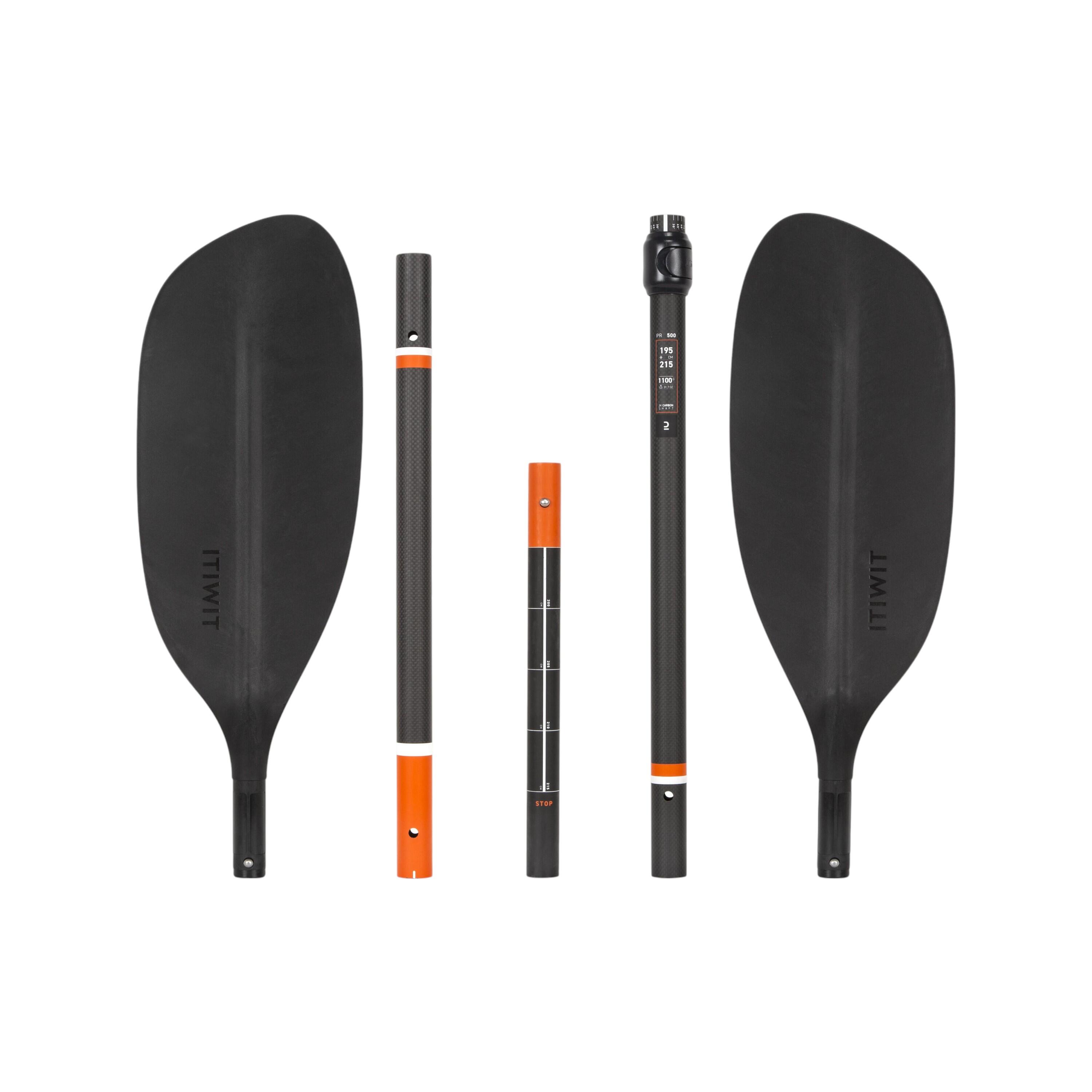
Paddlers operating compact inflatable setups find that ultra-compact configurations accommodate tight gear bags perfectly. Versatile 4-piece paddles mean the blades and shaft break down completely into short components that pack directly inside a rucksack alongside your deflated craft. This makes it an ideal option for public transport commuters or hikers who wish to carry their complete aquatic equipment kit on foot to remote mountain lakes without handling awkward, long components during long trail treks.

What specific advantages do adjustable kayak paddles offer over fixed alternatives?

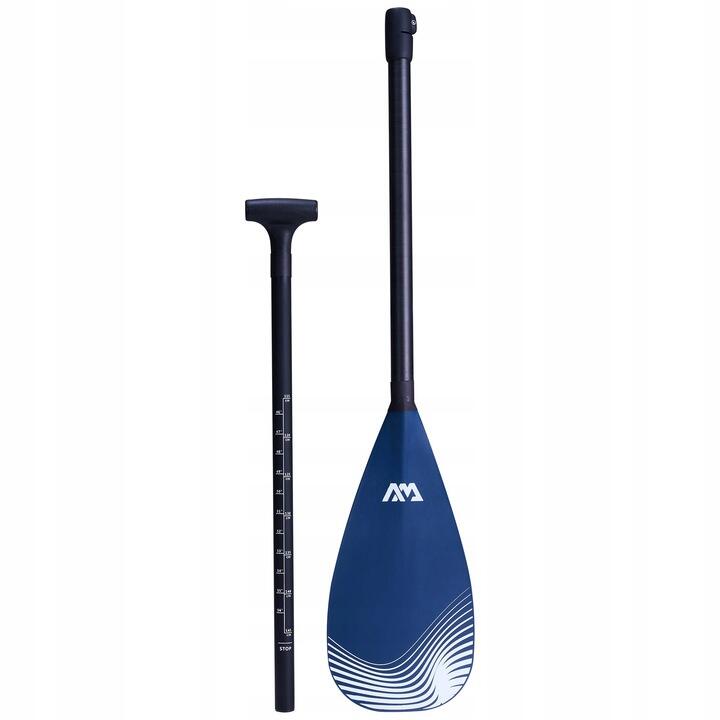
Variable shafts allow you to customise your equipment parameters to suit changing external weather elements and boat dimensions. Using modern adjustable paddles for kayaking allows users to alter the overall length by up to 10 centimetres via an internal locking lever, which helps accommodate different hull widths or varying seat heights. This mechanical flexibility lets you modify blade angles to cut cleanly through strong headwinds. When auditing your essential kayak equipment checklist before an outing, selecting a customizable feather angle ensures your upper wrist remains straight, preventing repetitive strain injuries during intense downwind stretches.