91 items
4.7/5 based on 17953 reviews collected online and in stores

Waterproof Kayak Bags and Cans FAQs

What is the functional difference between a dry bag and a hard canister on a boat?

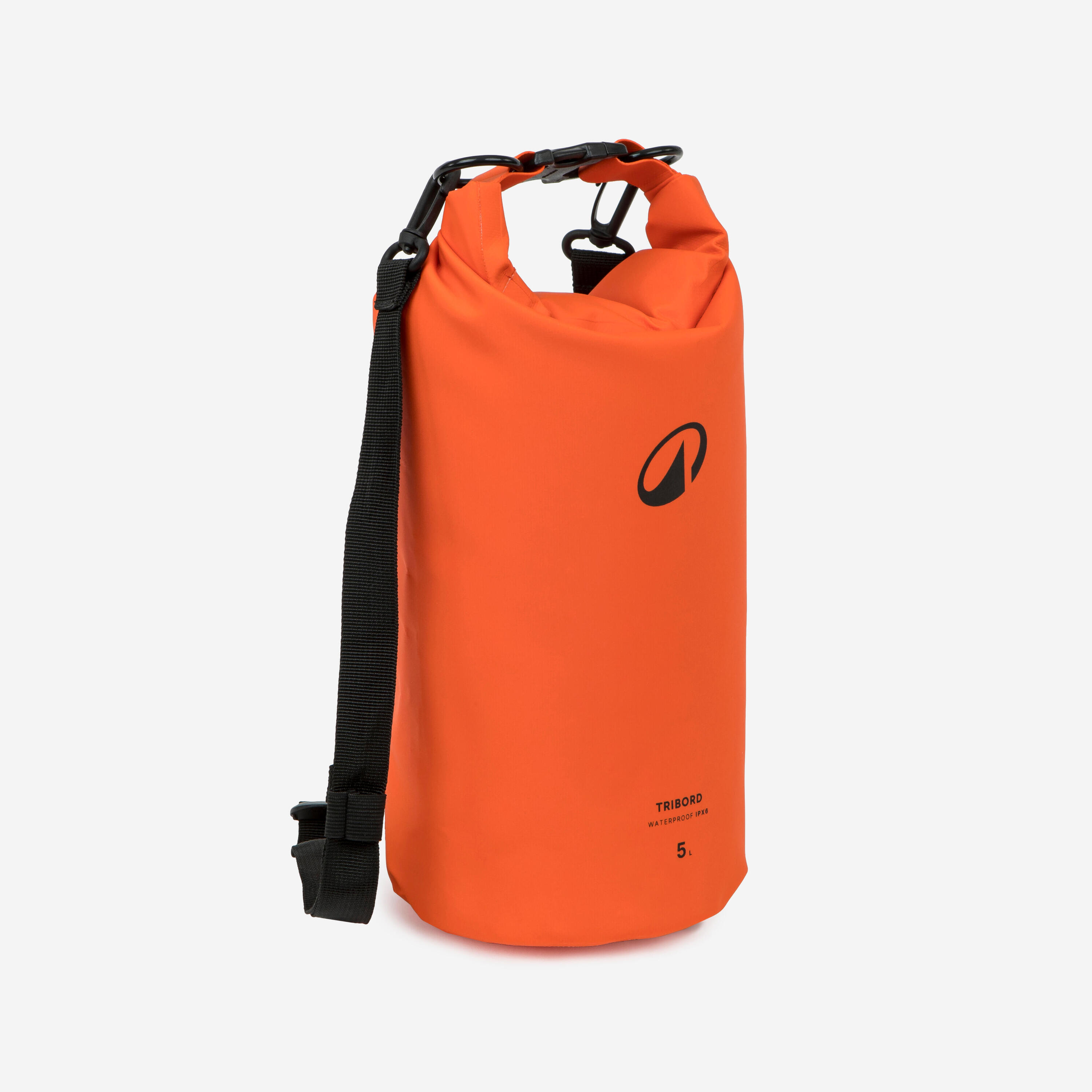
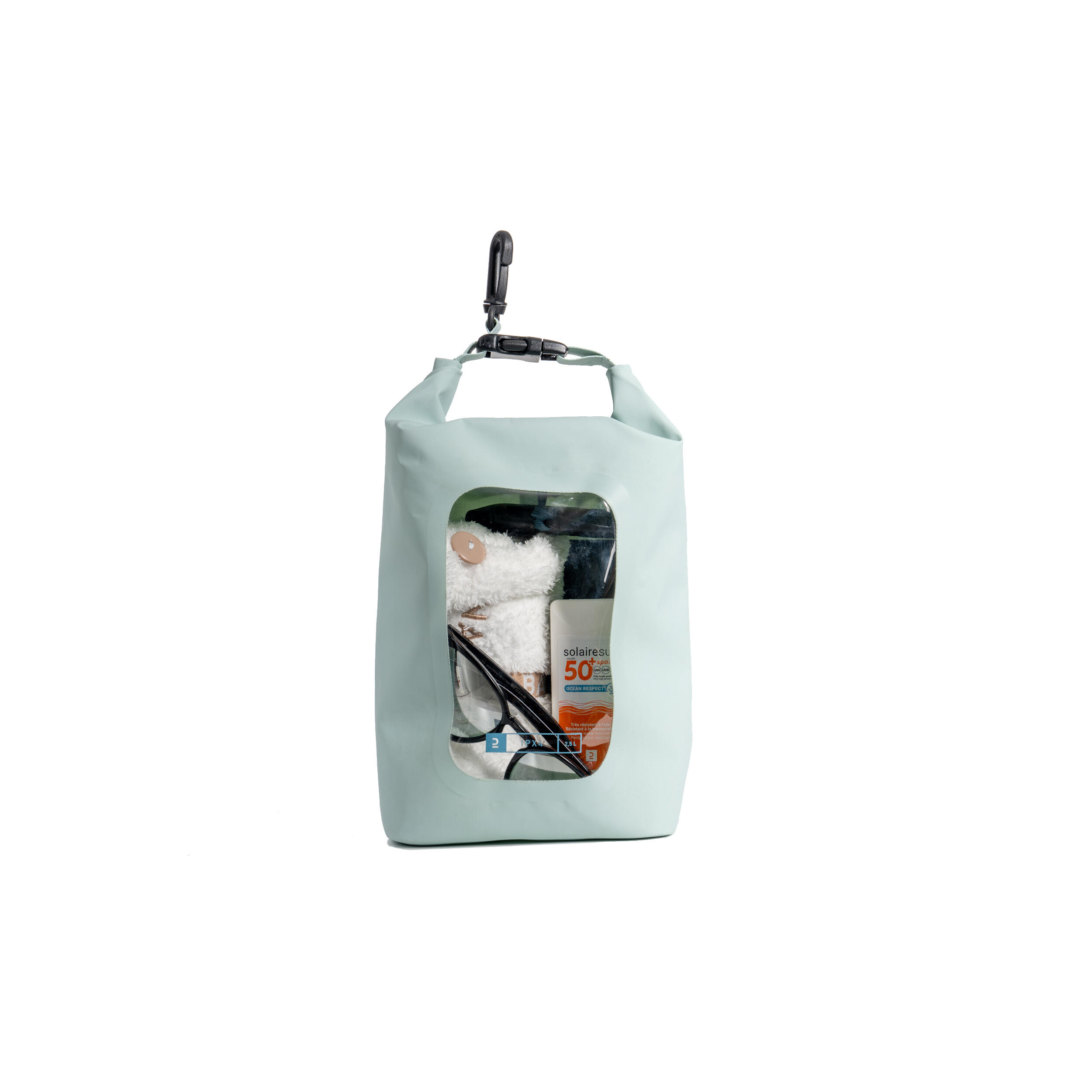
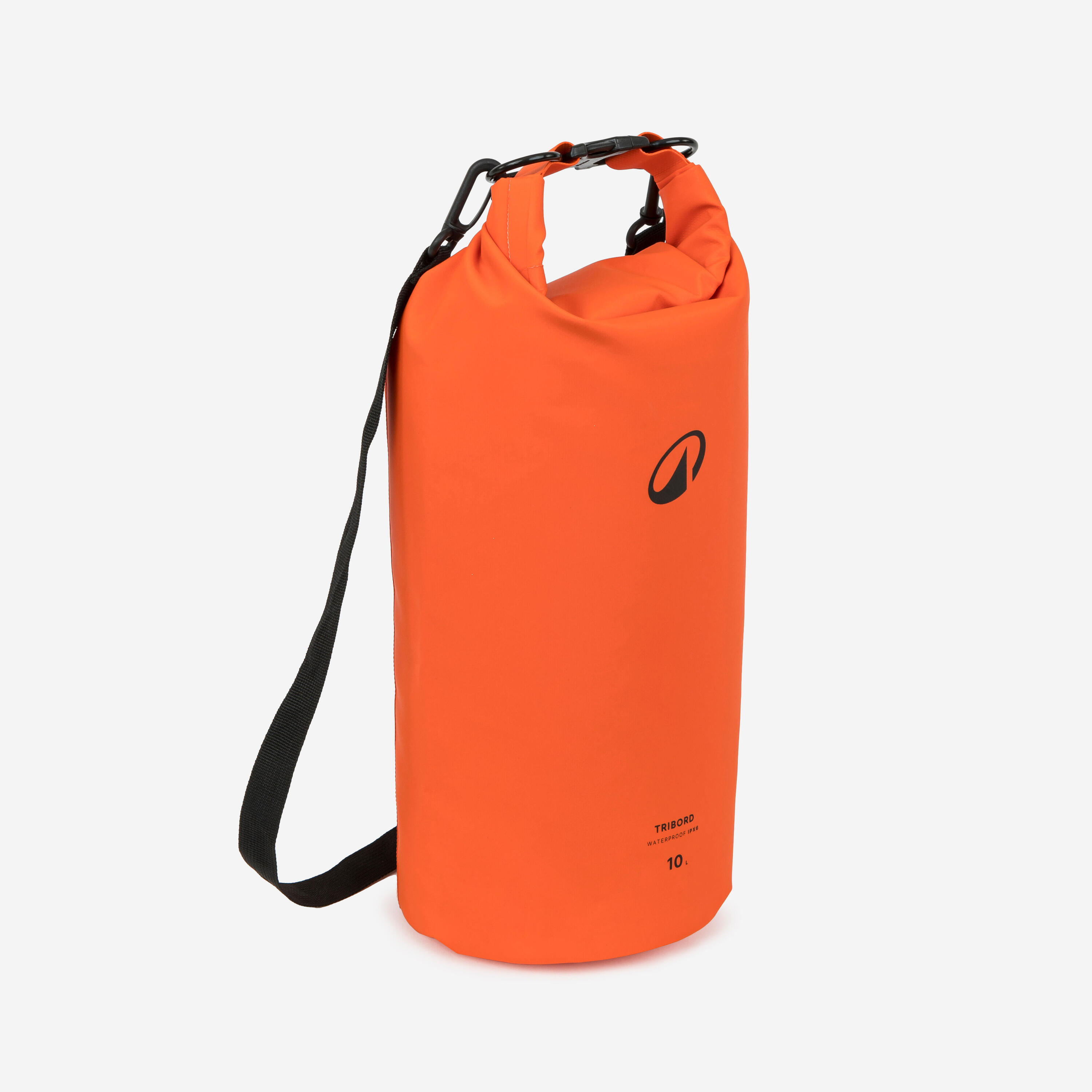
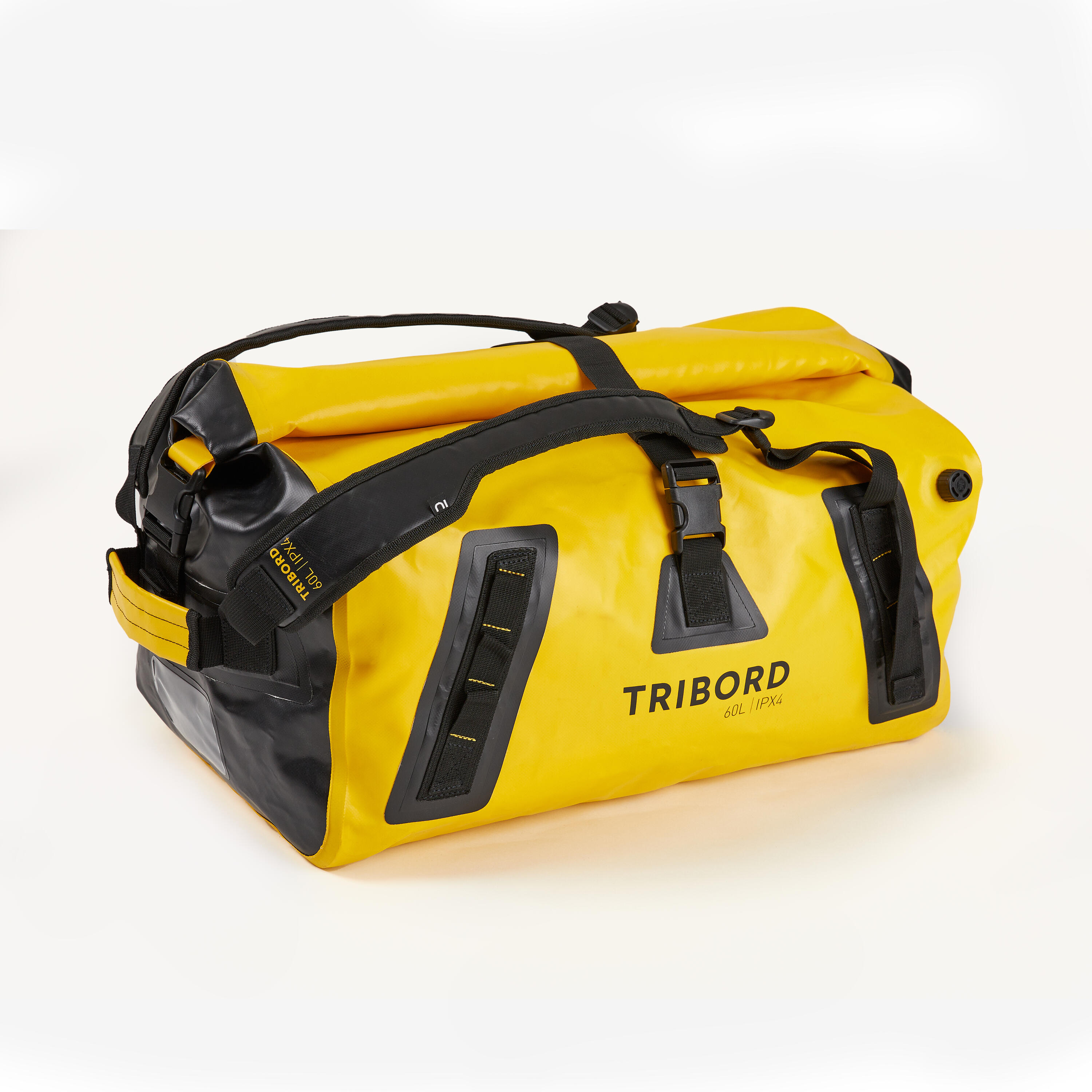
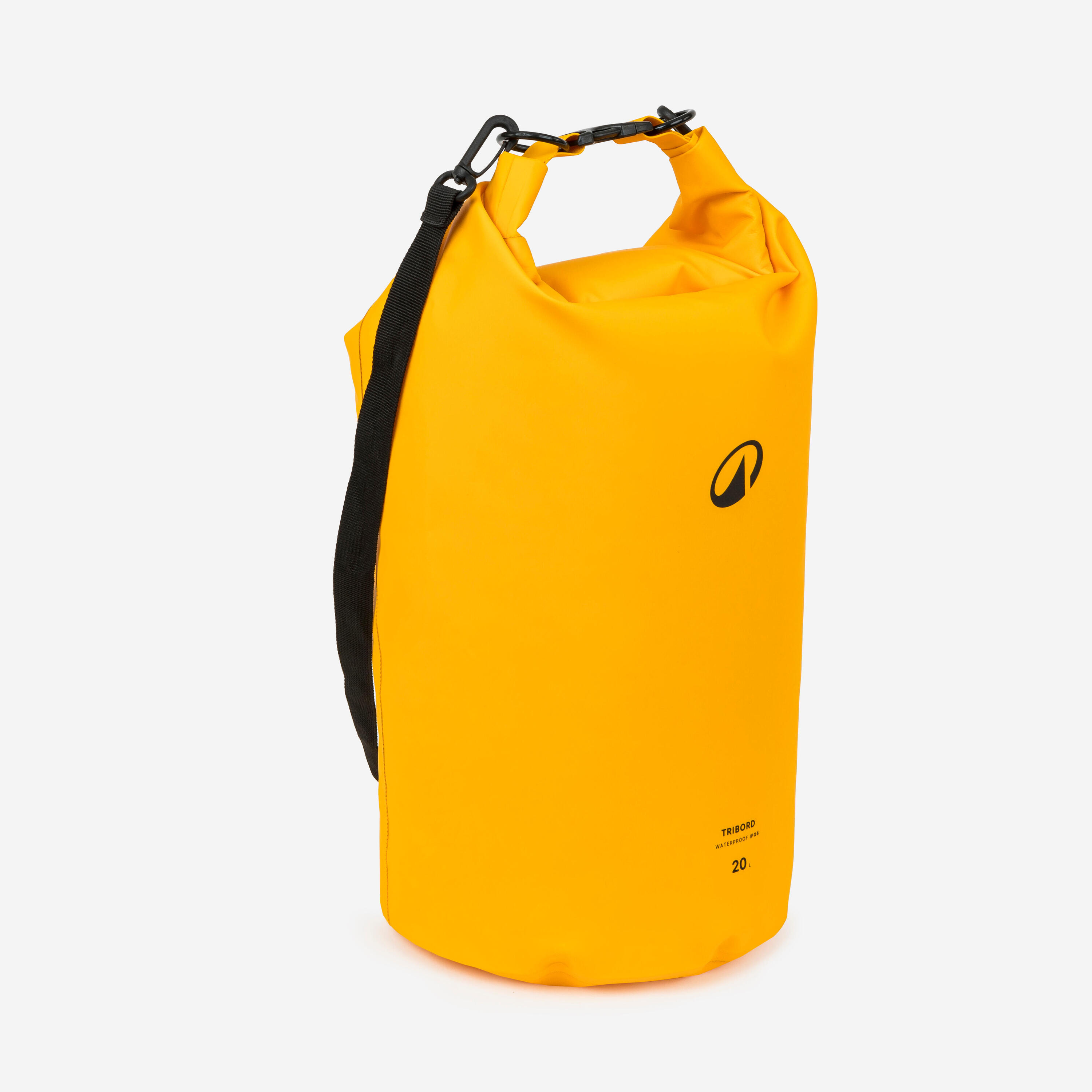
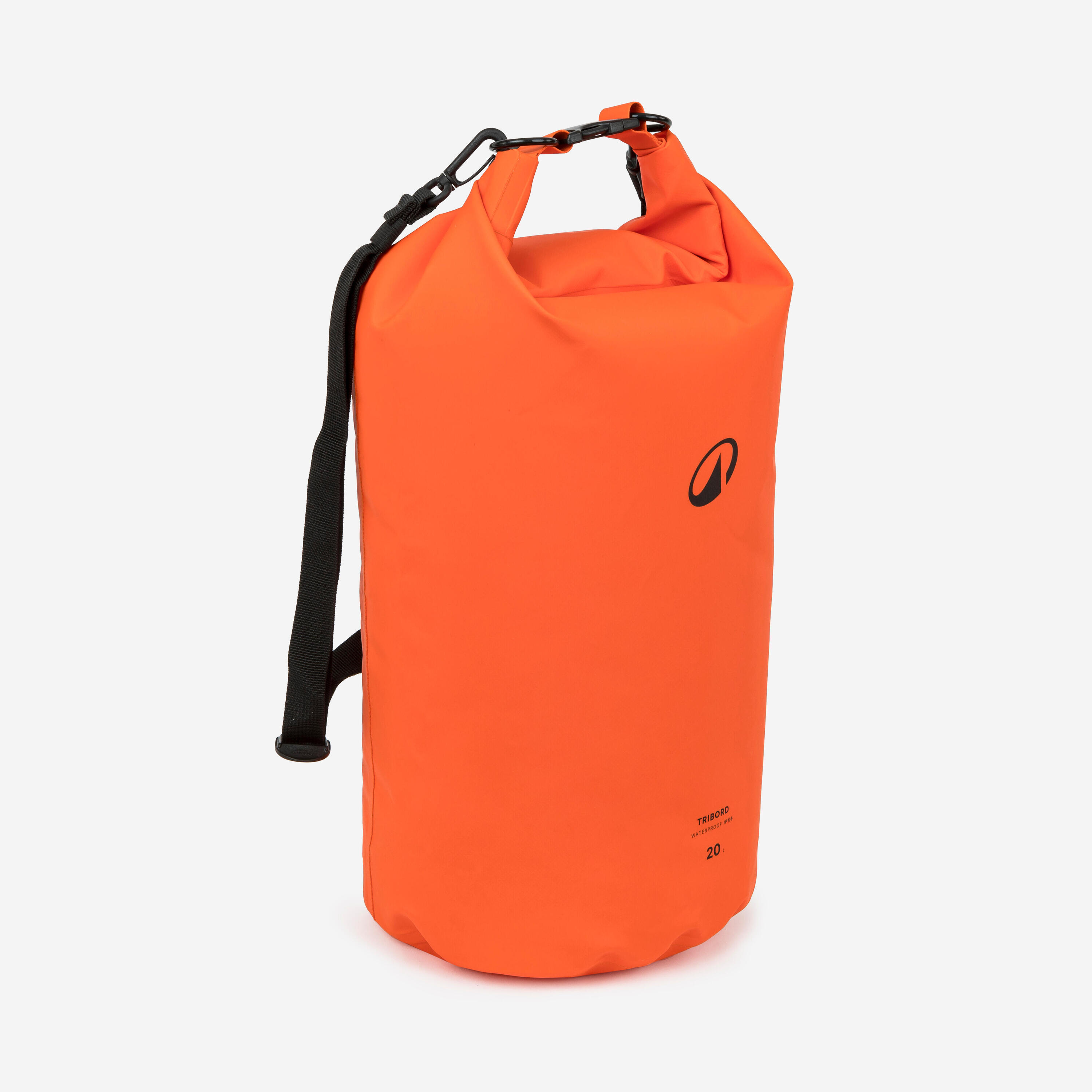
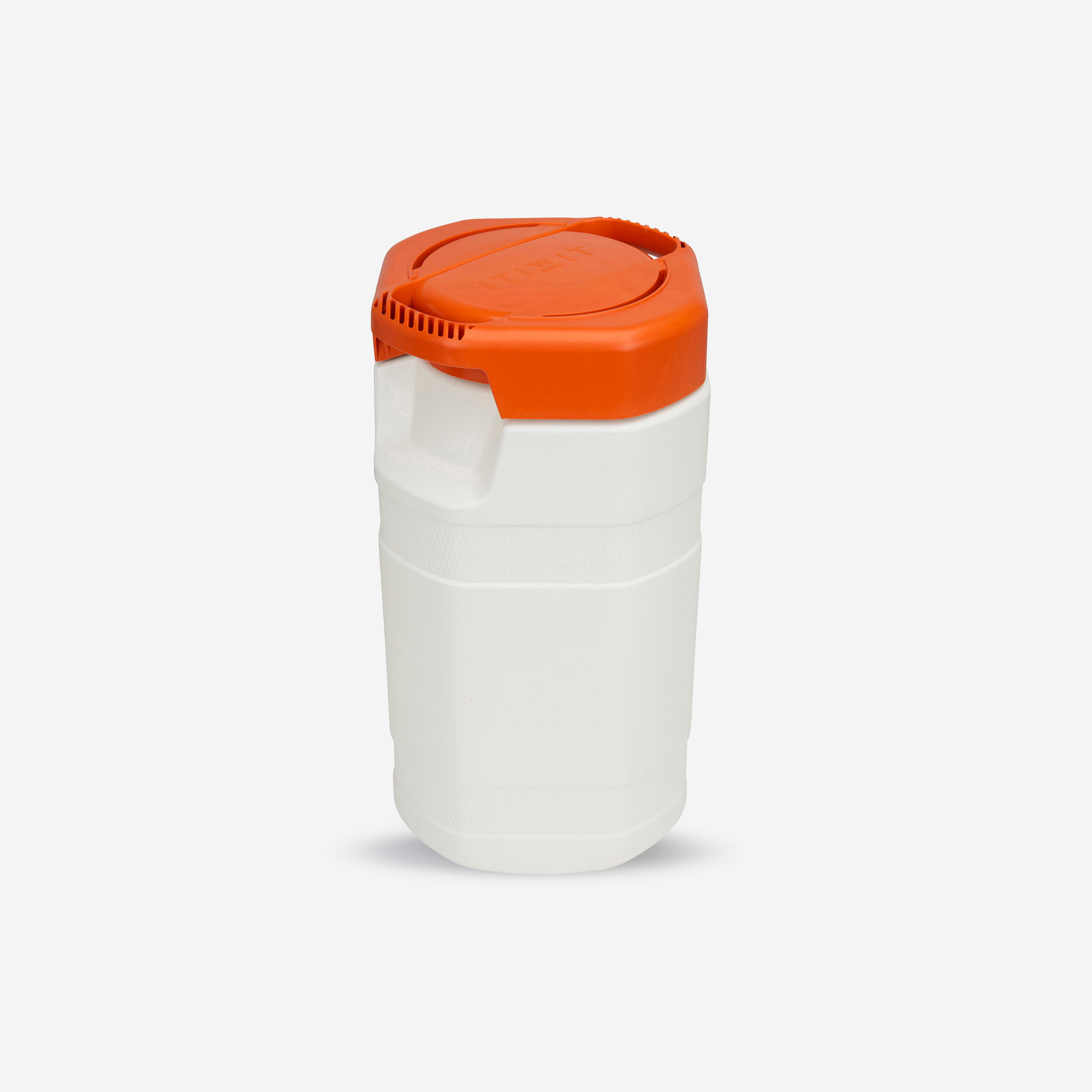
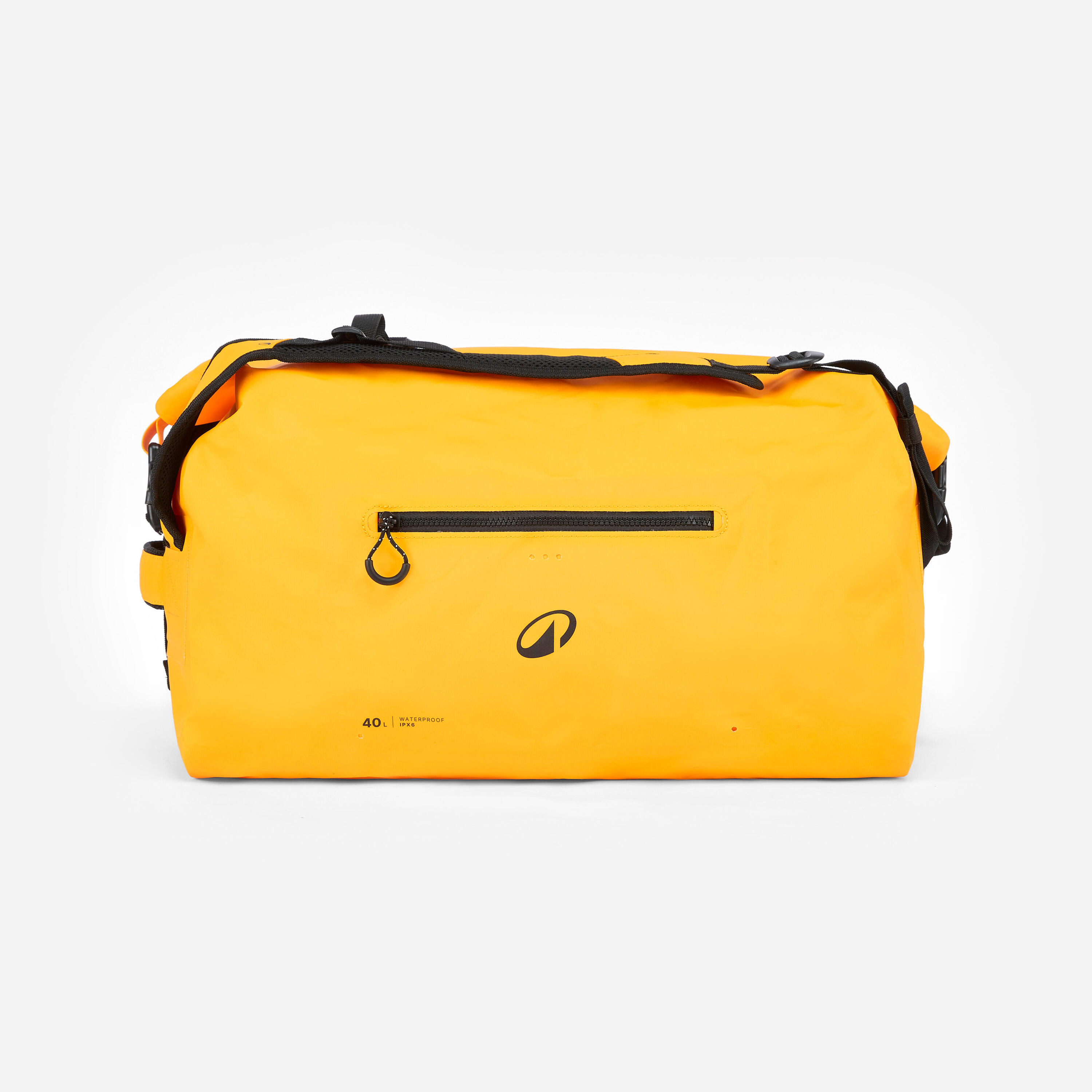
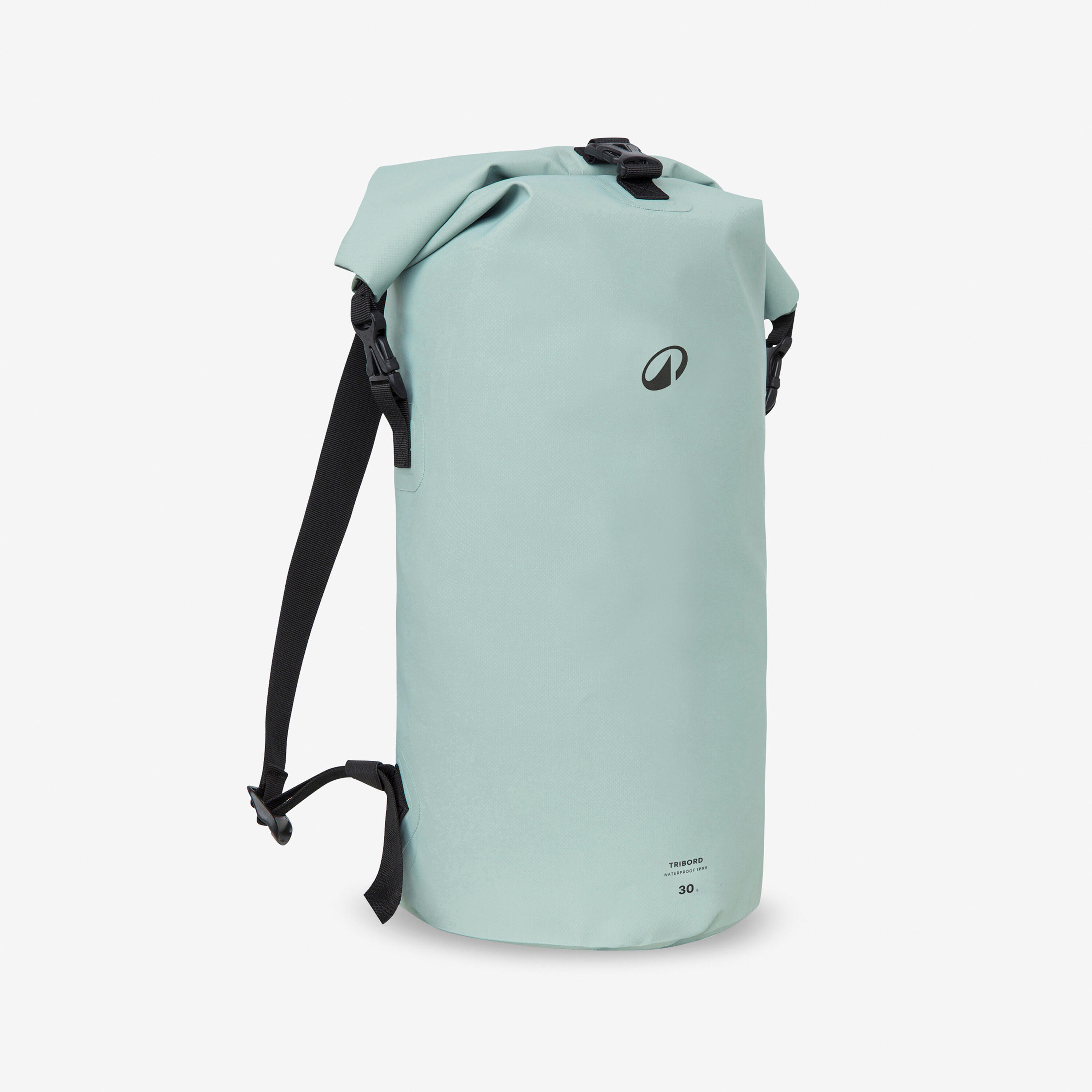
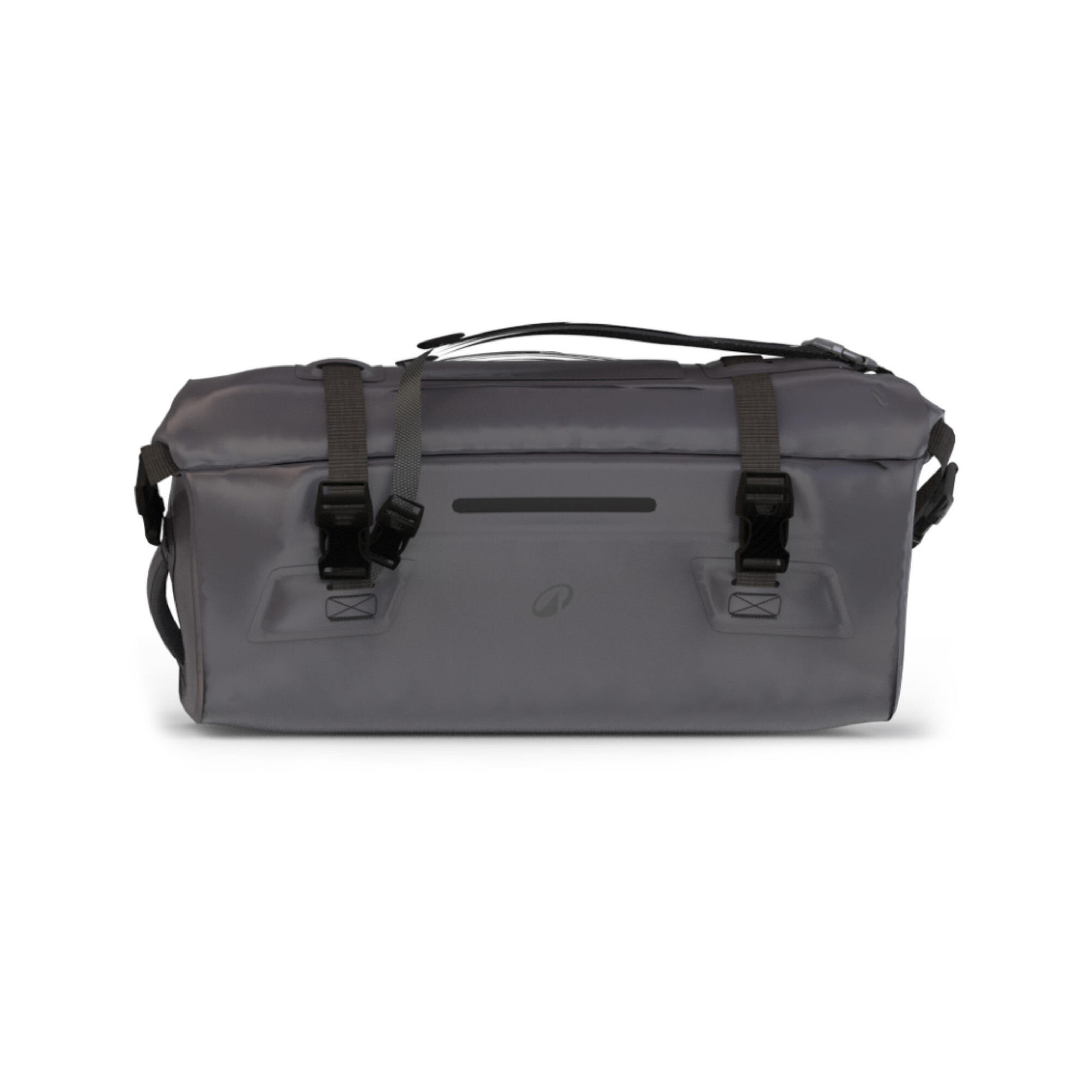
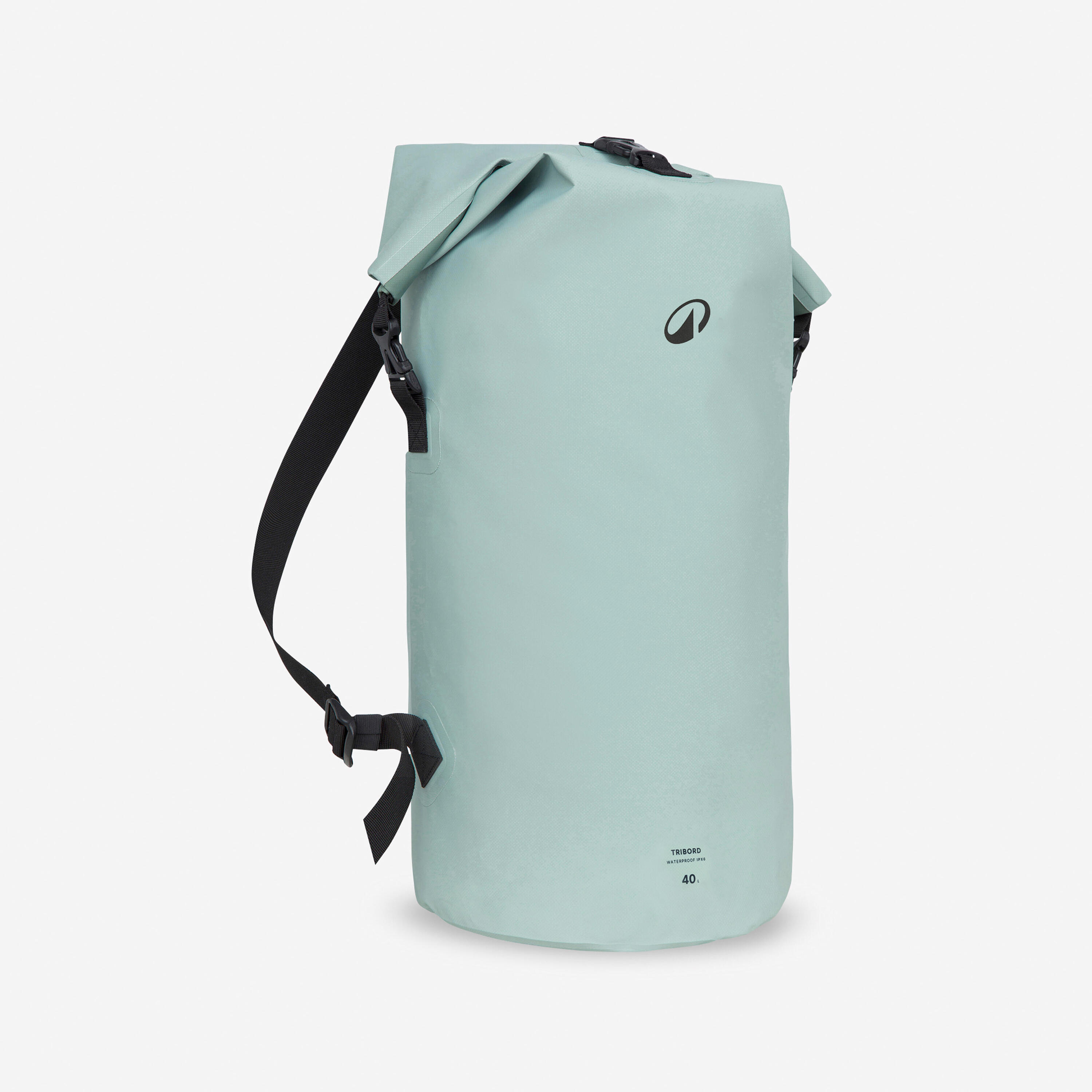
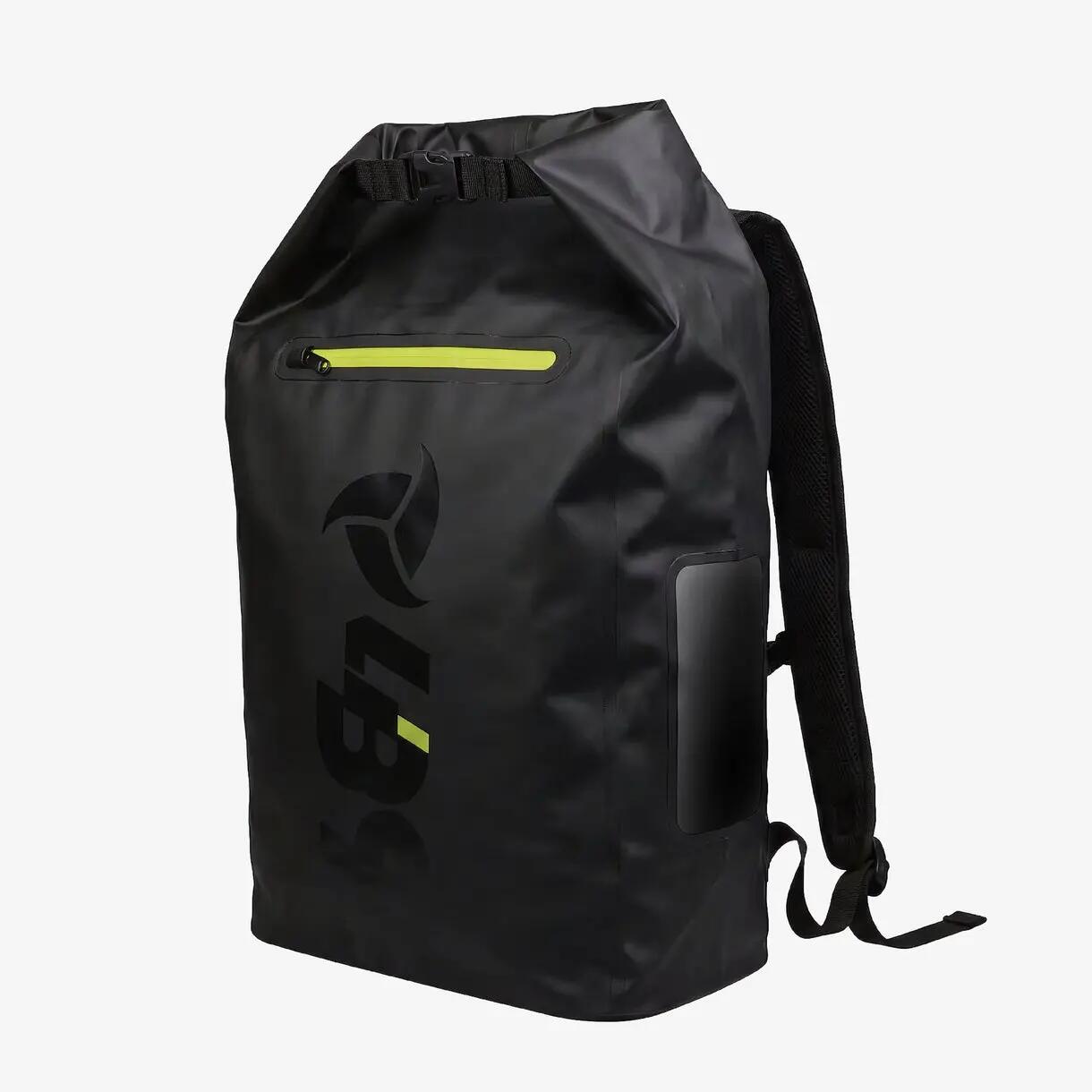
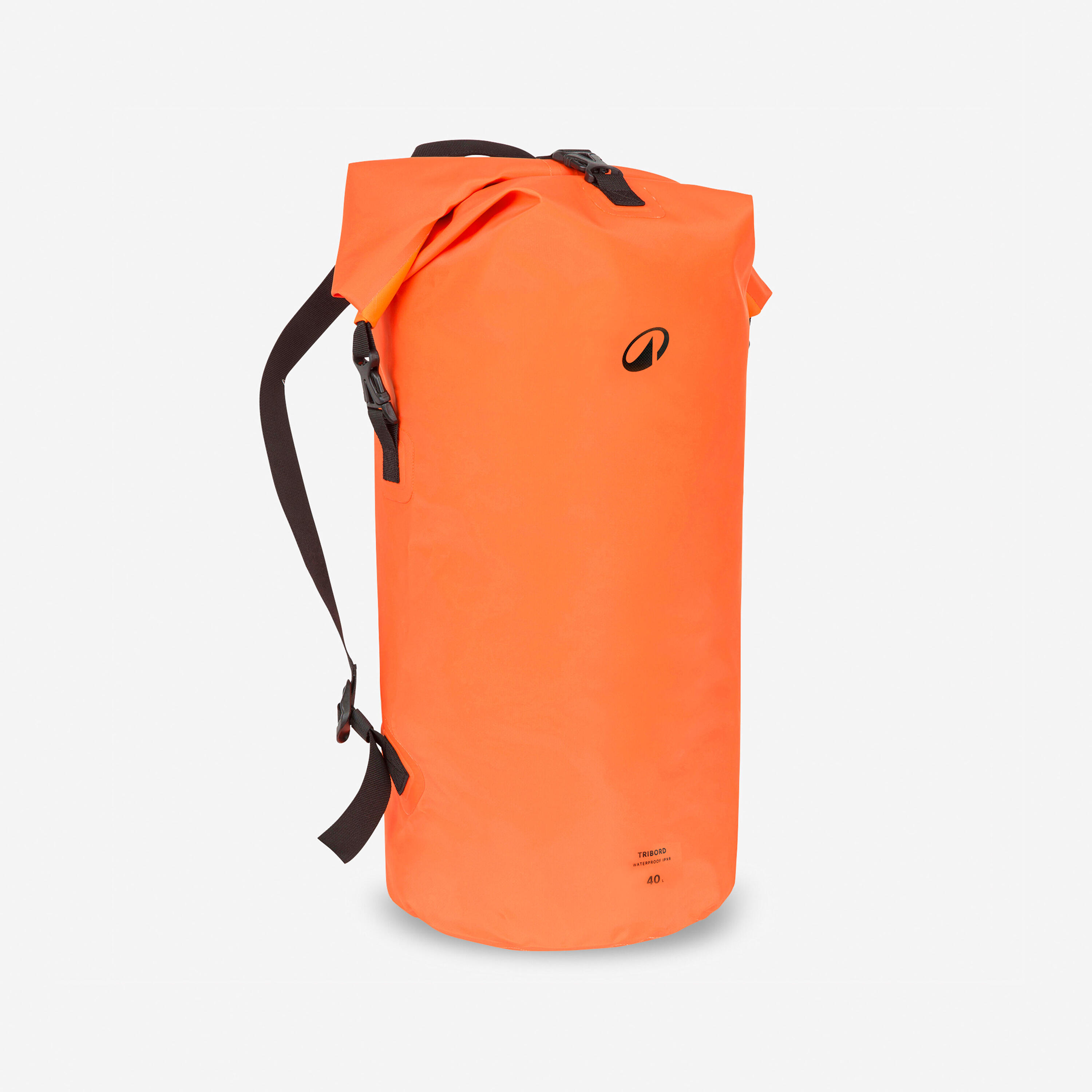
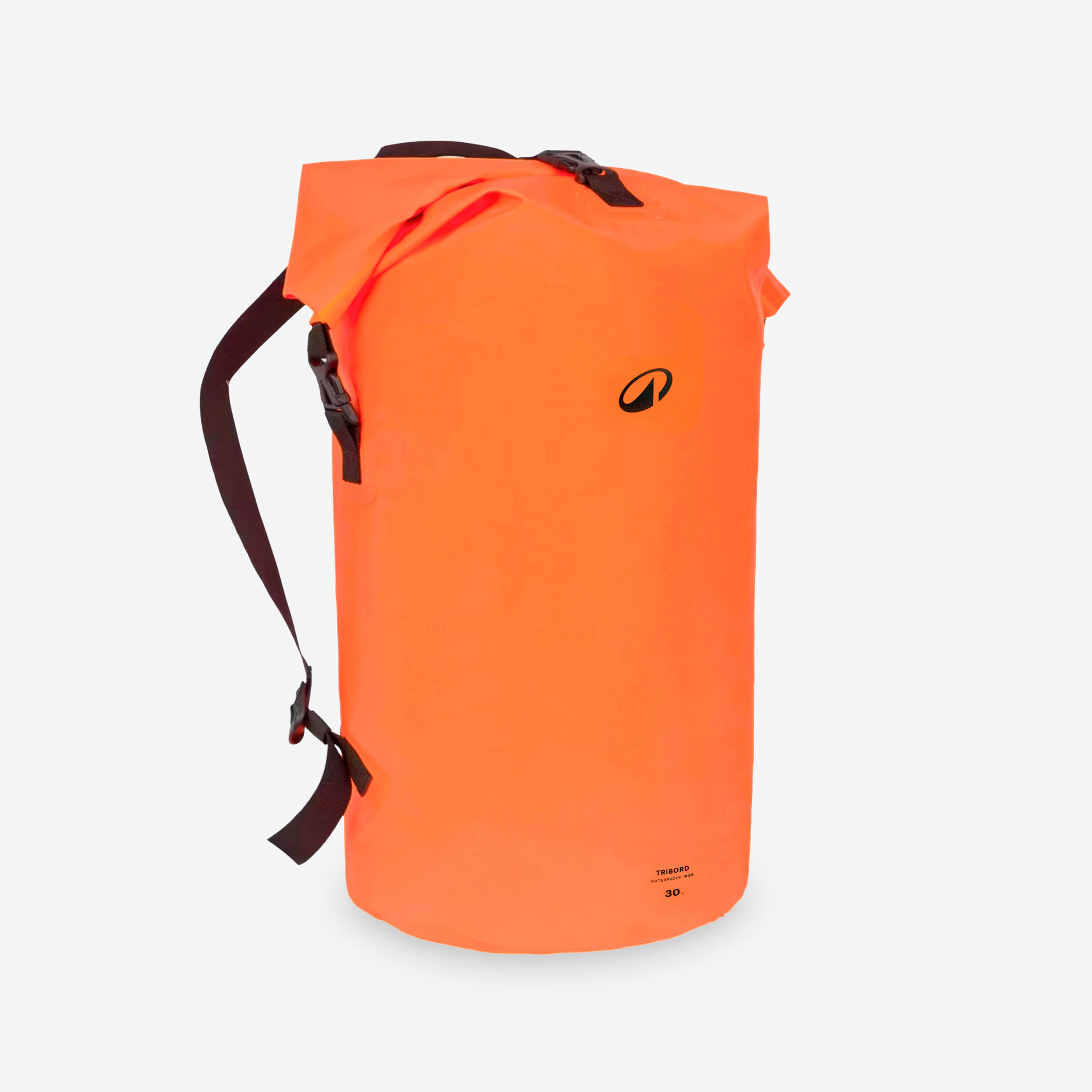
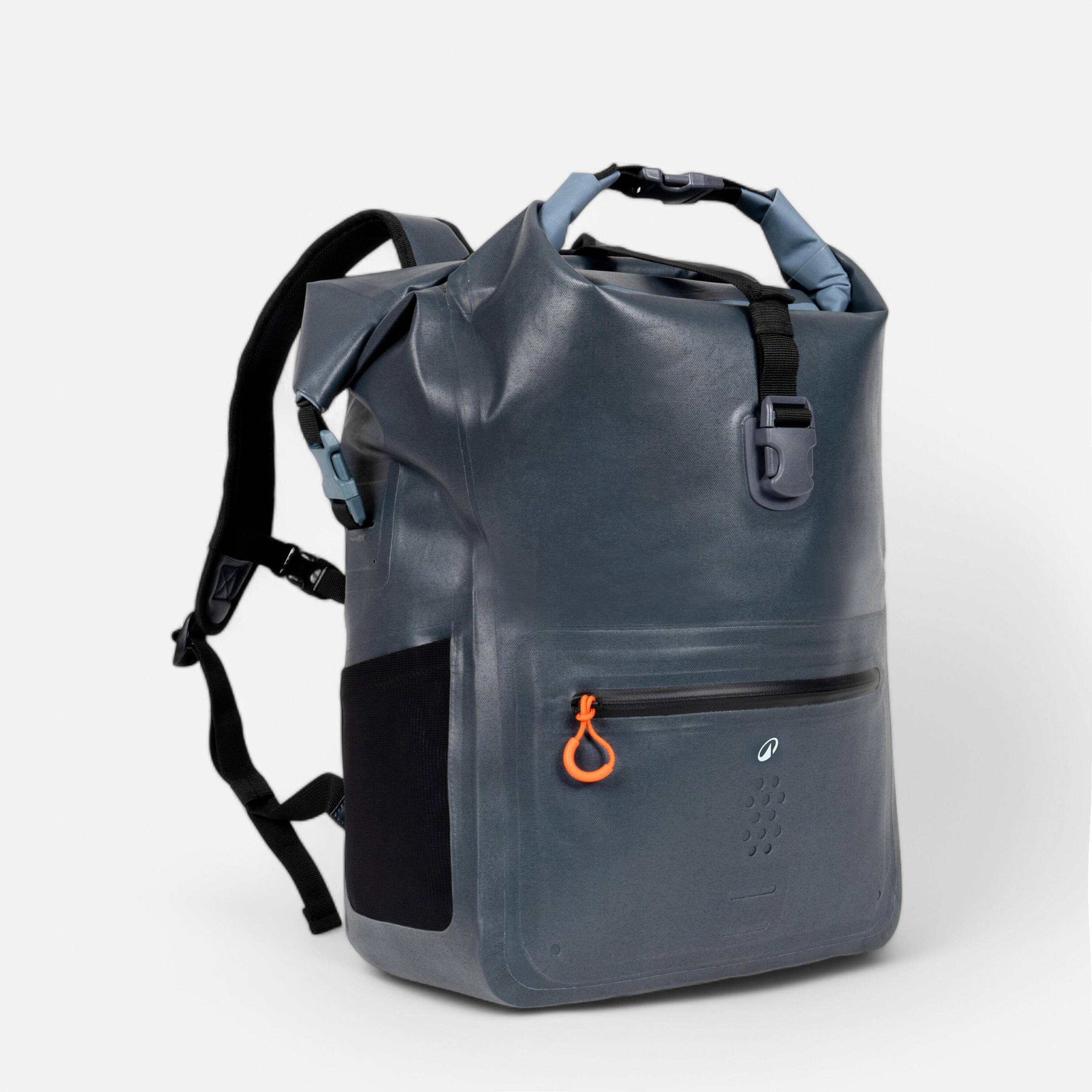
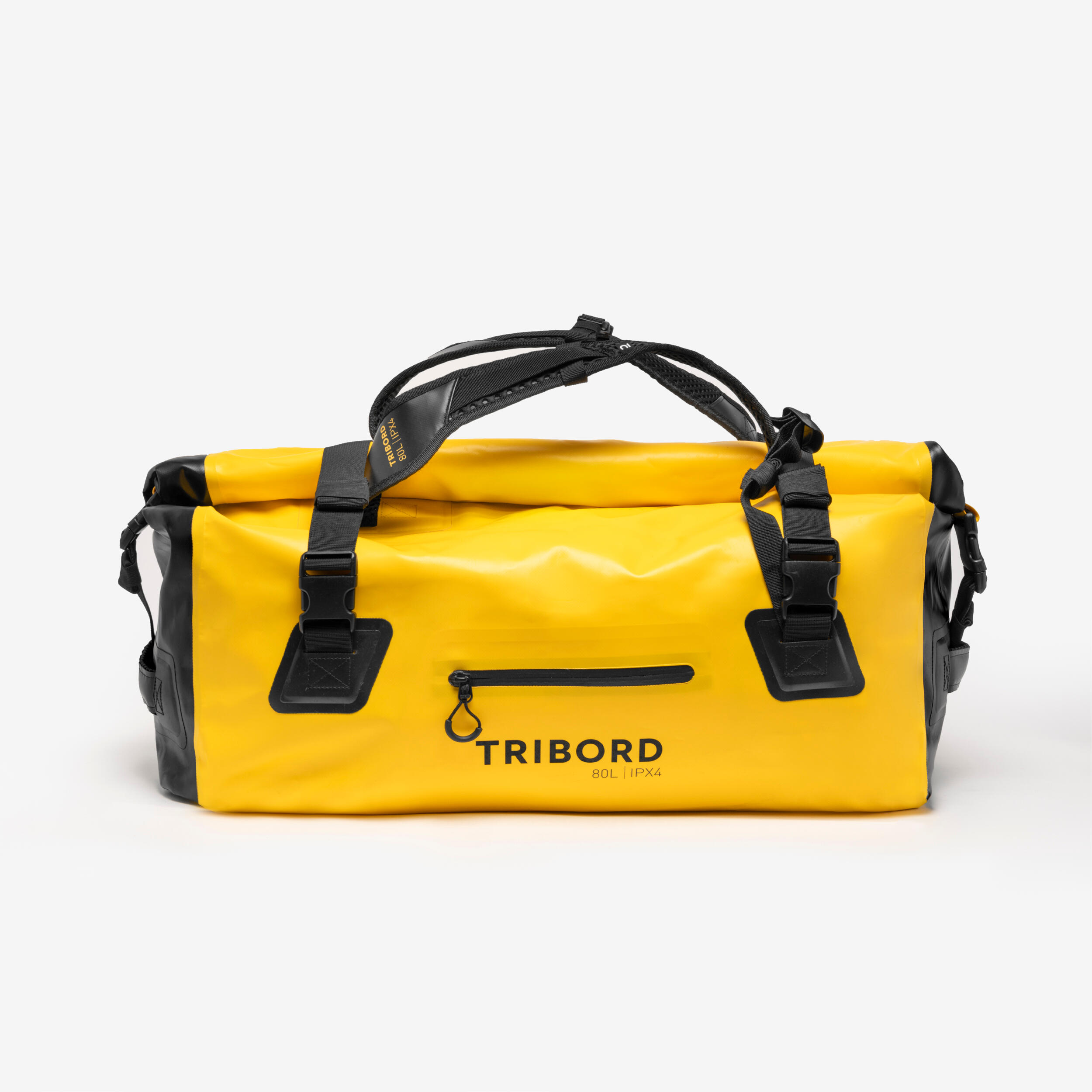
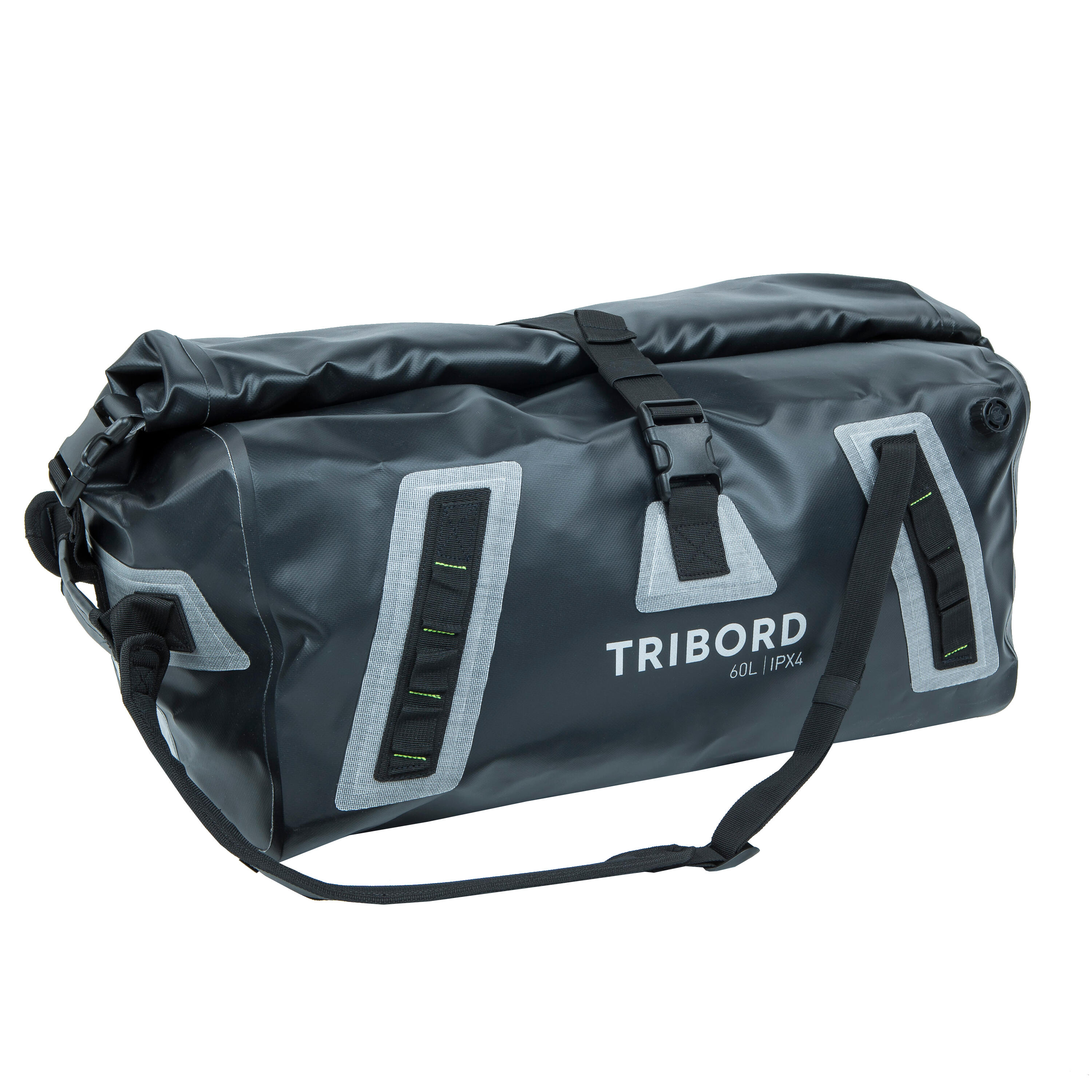
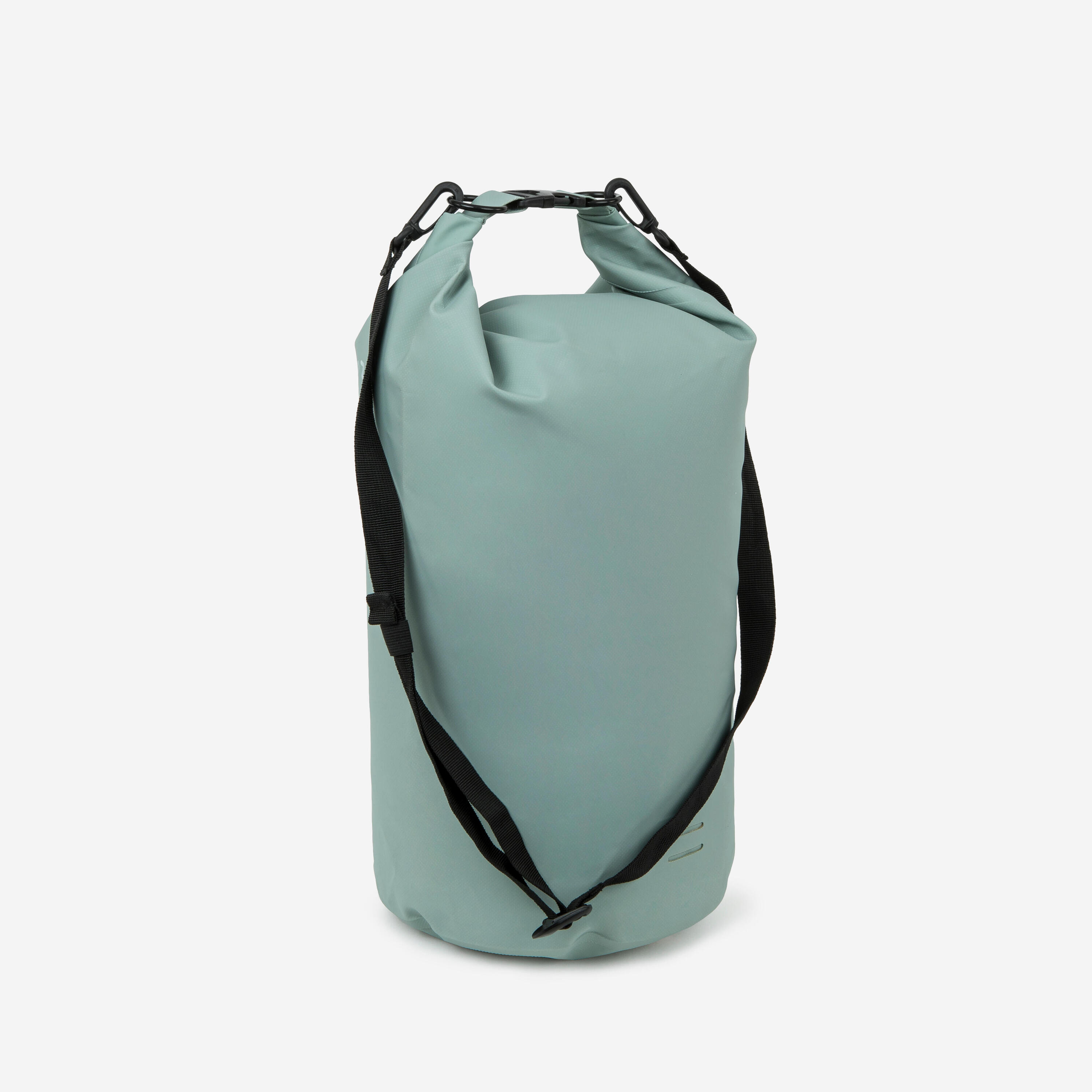
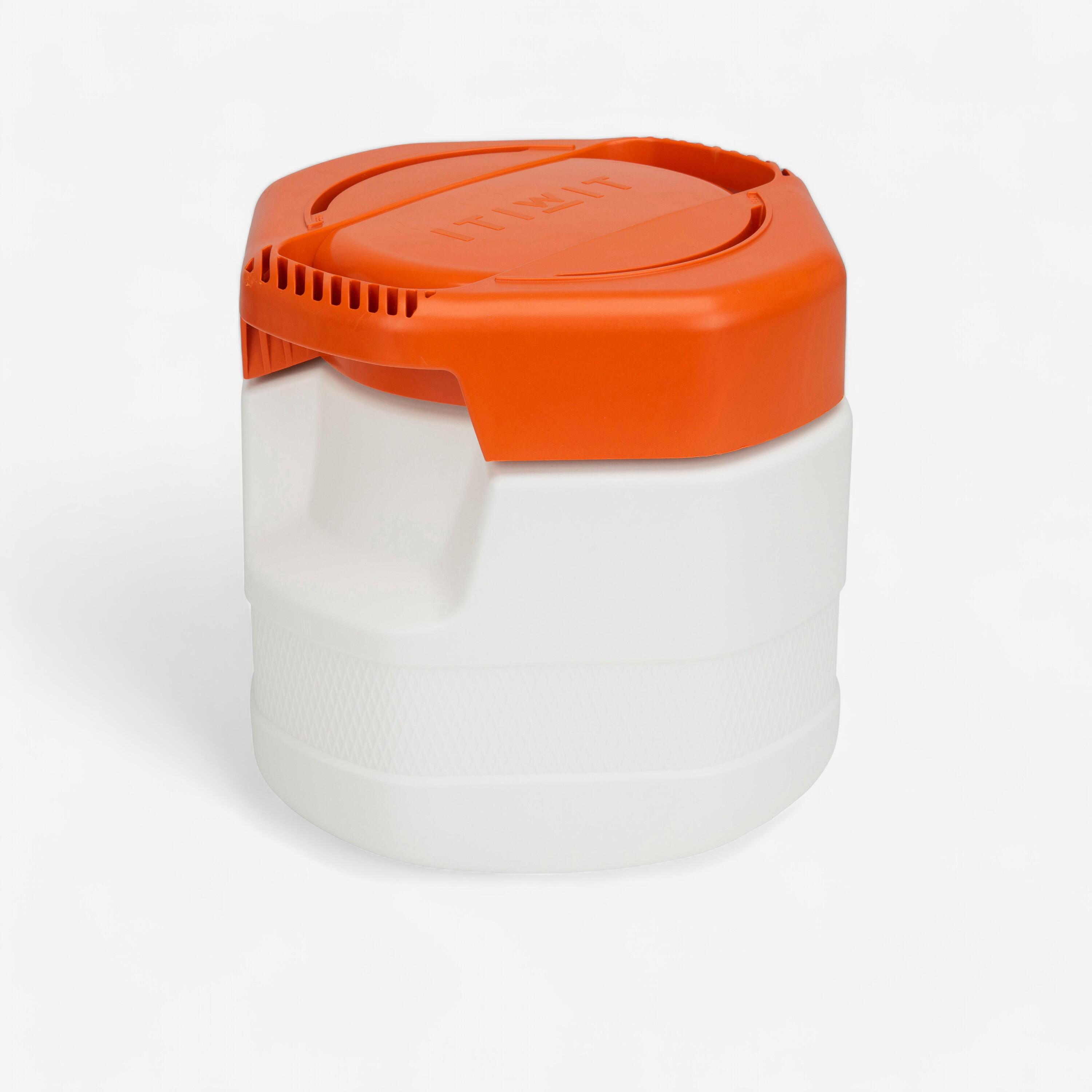
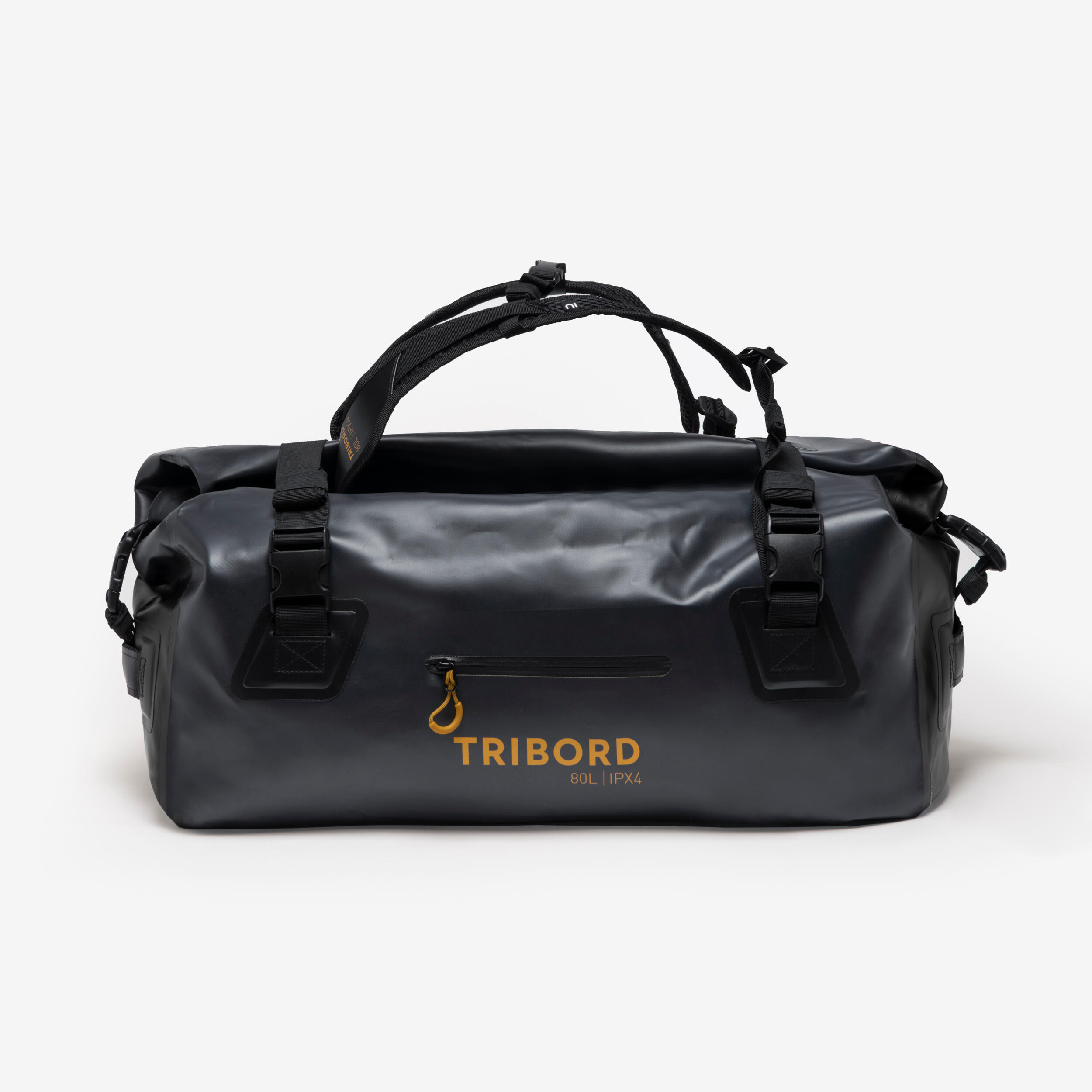
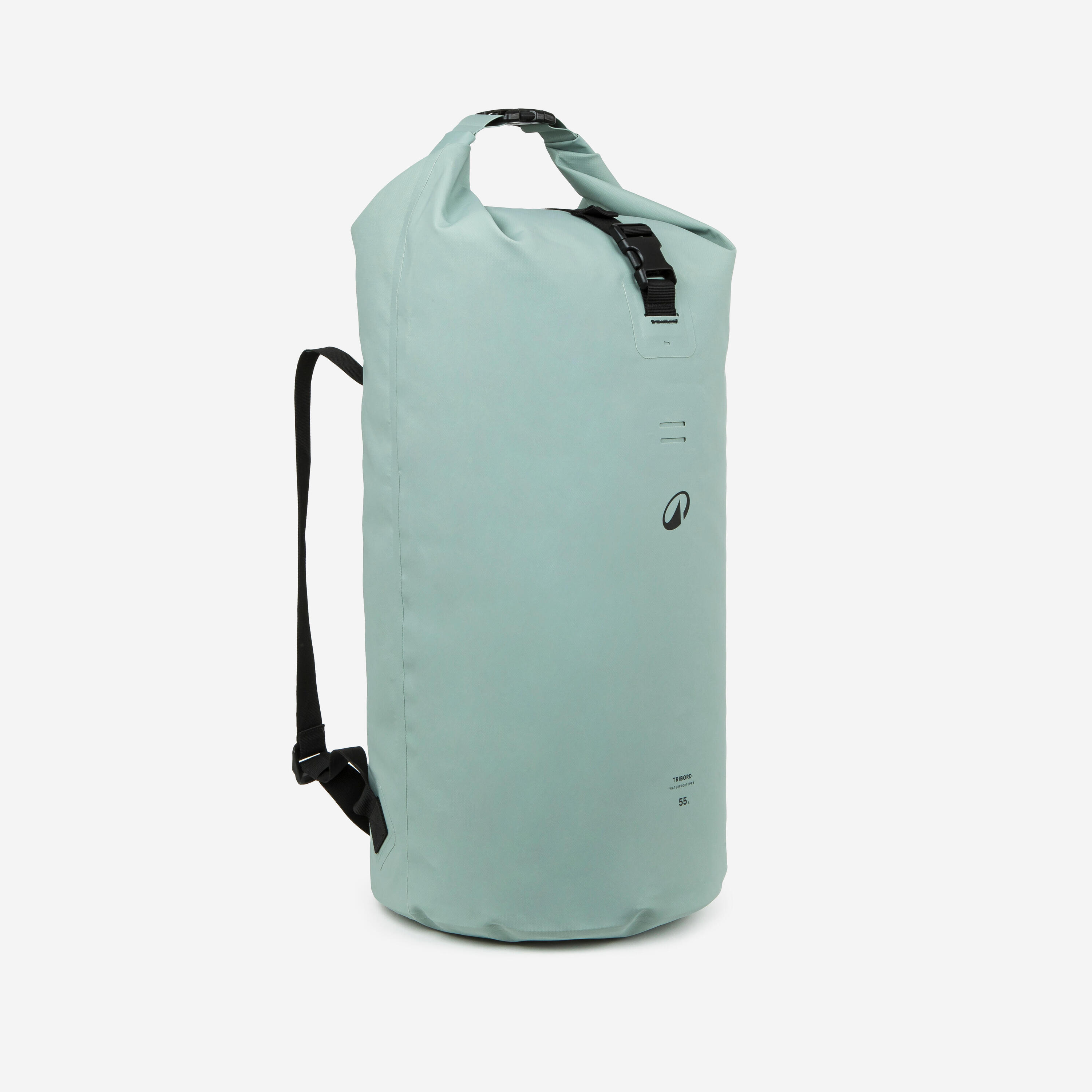
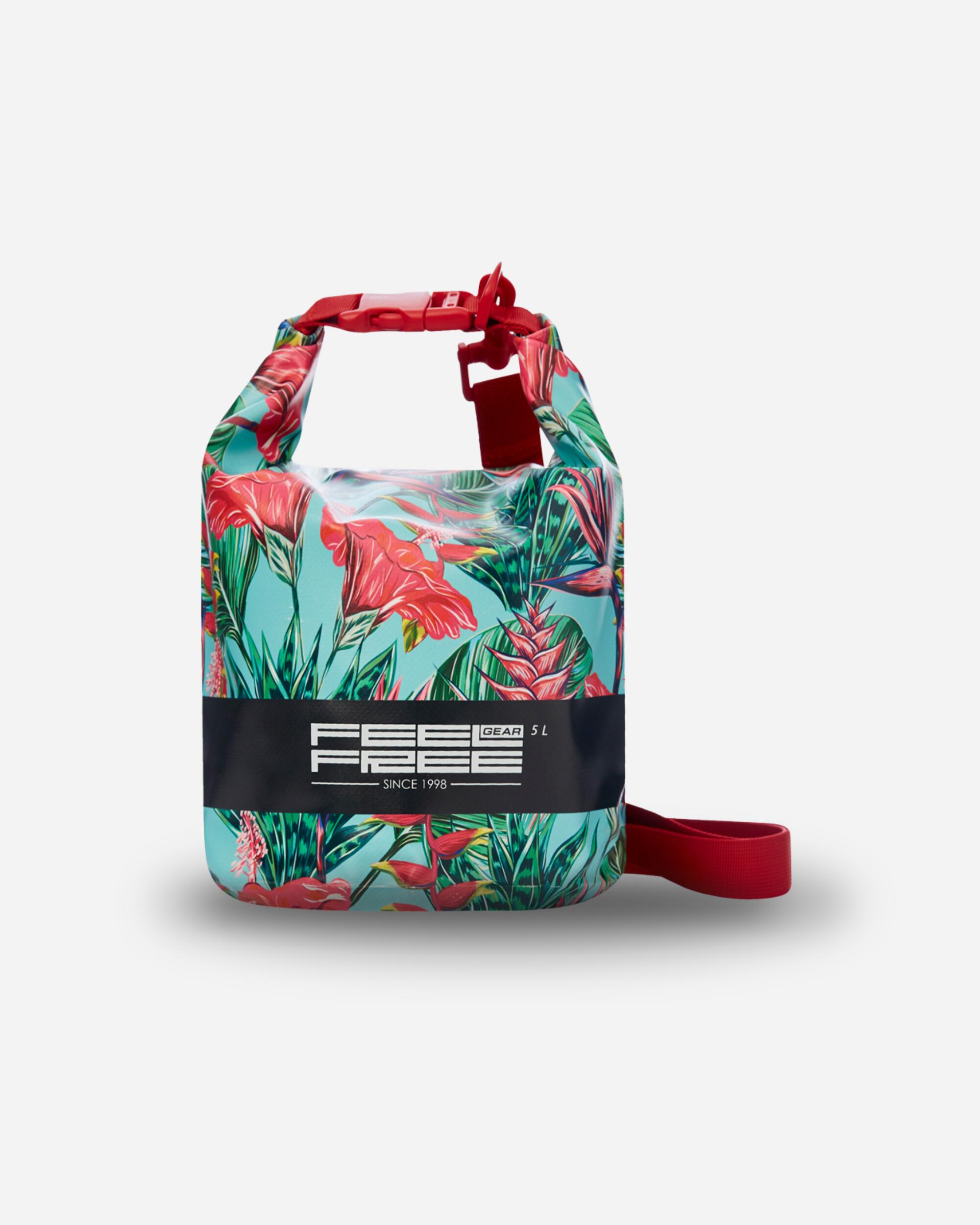
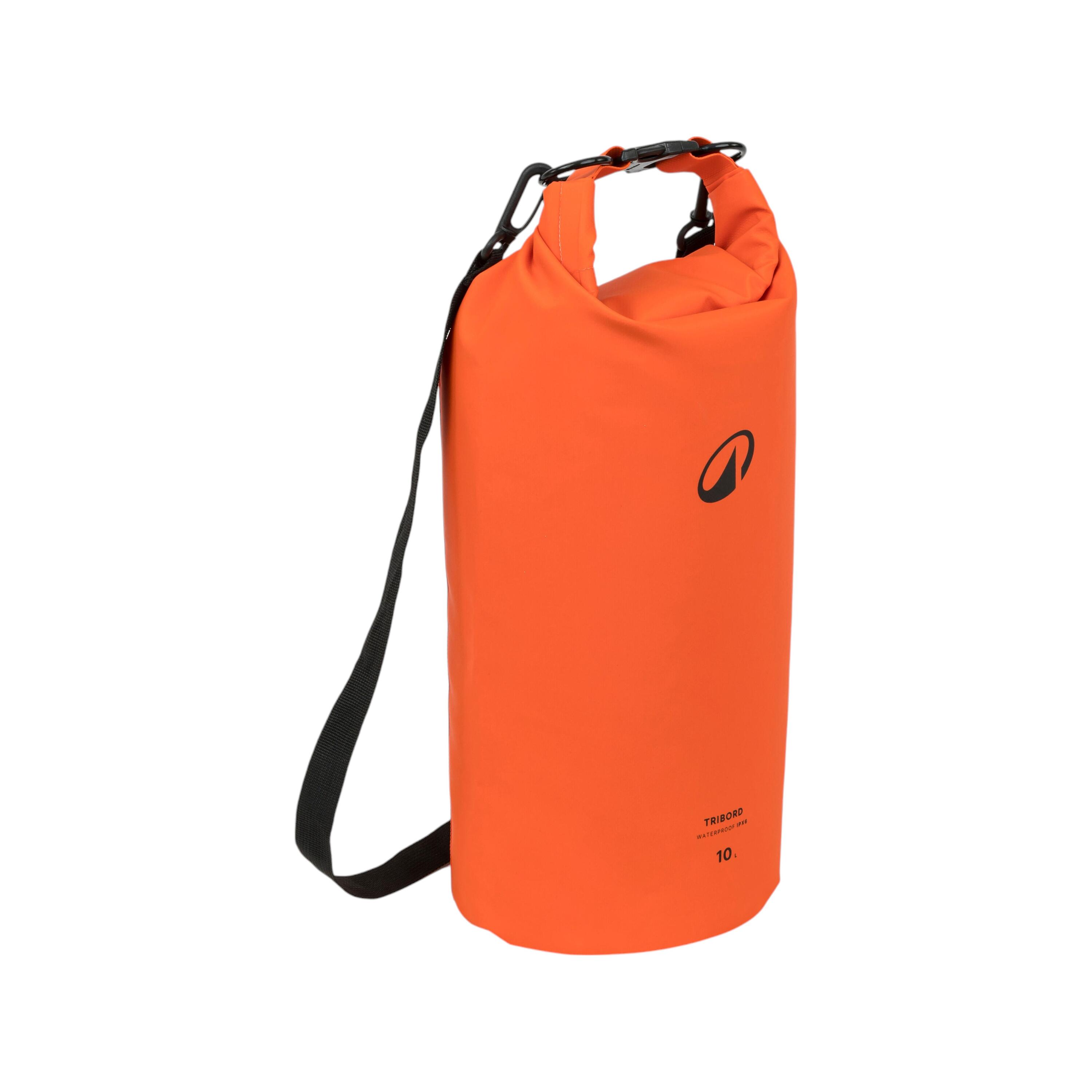
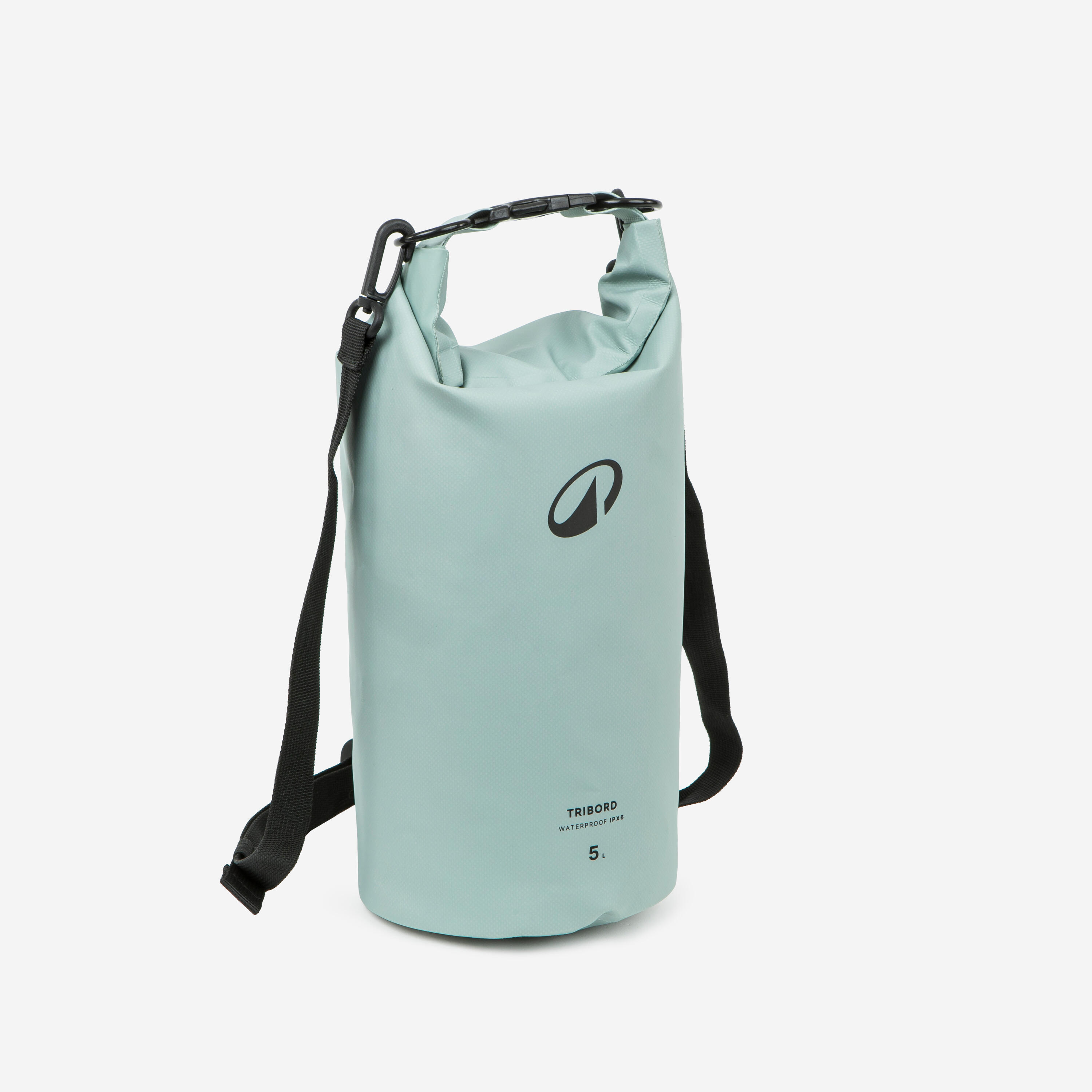
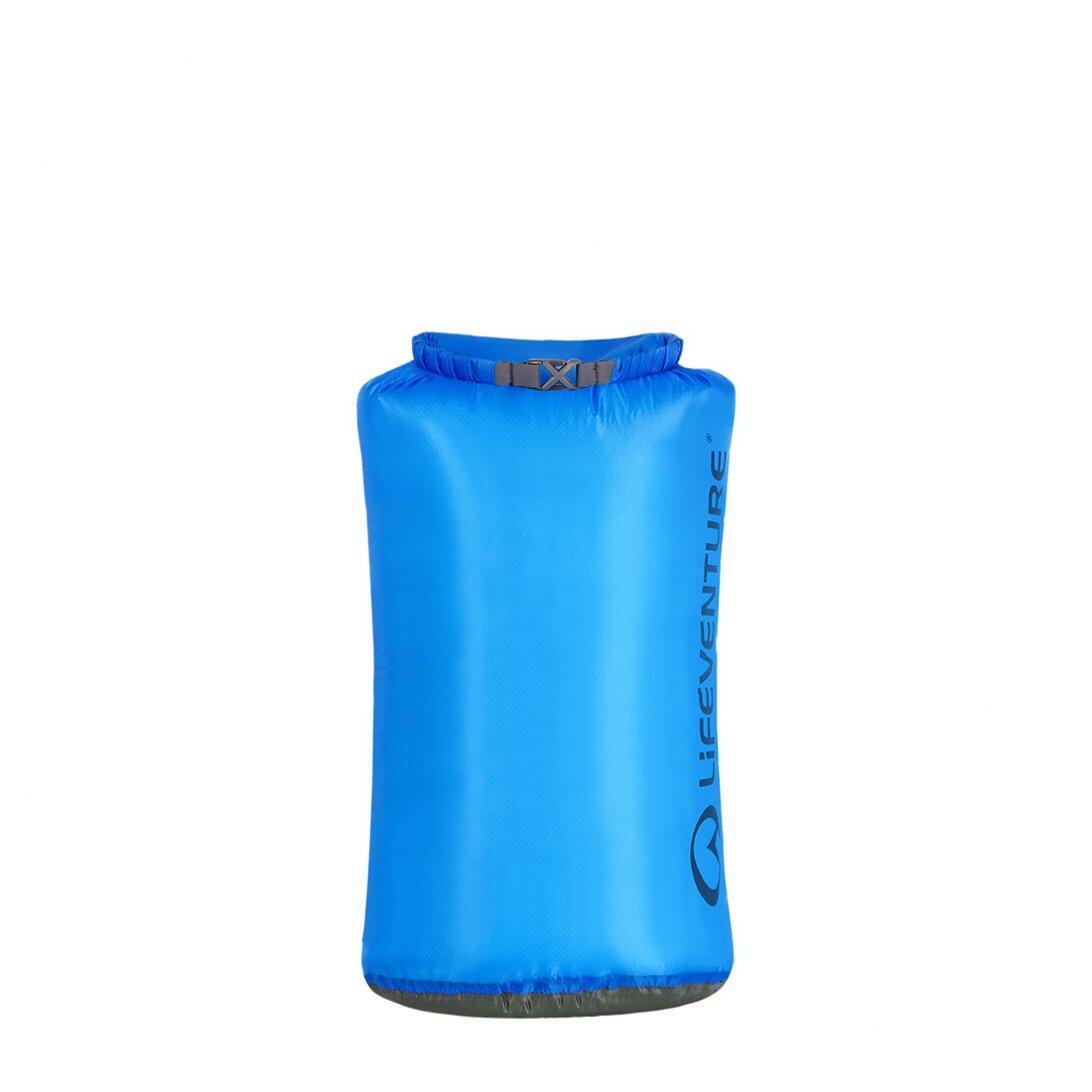
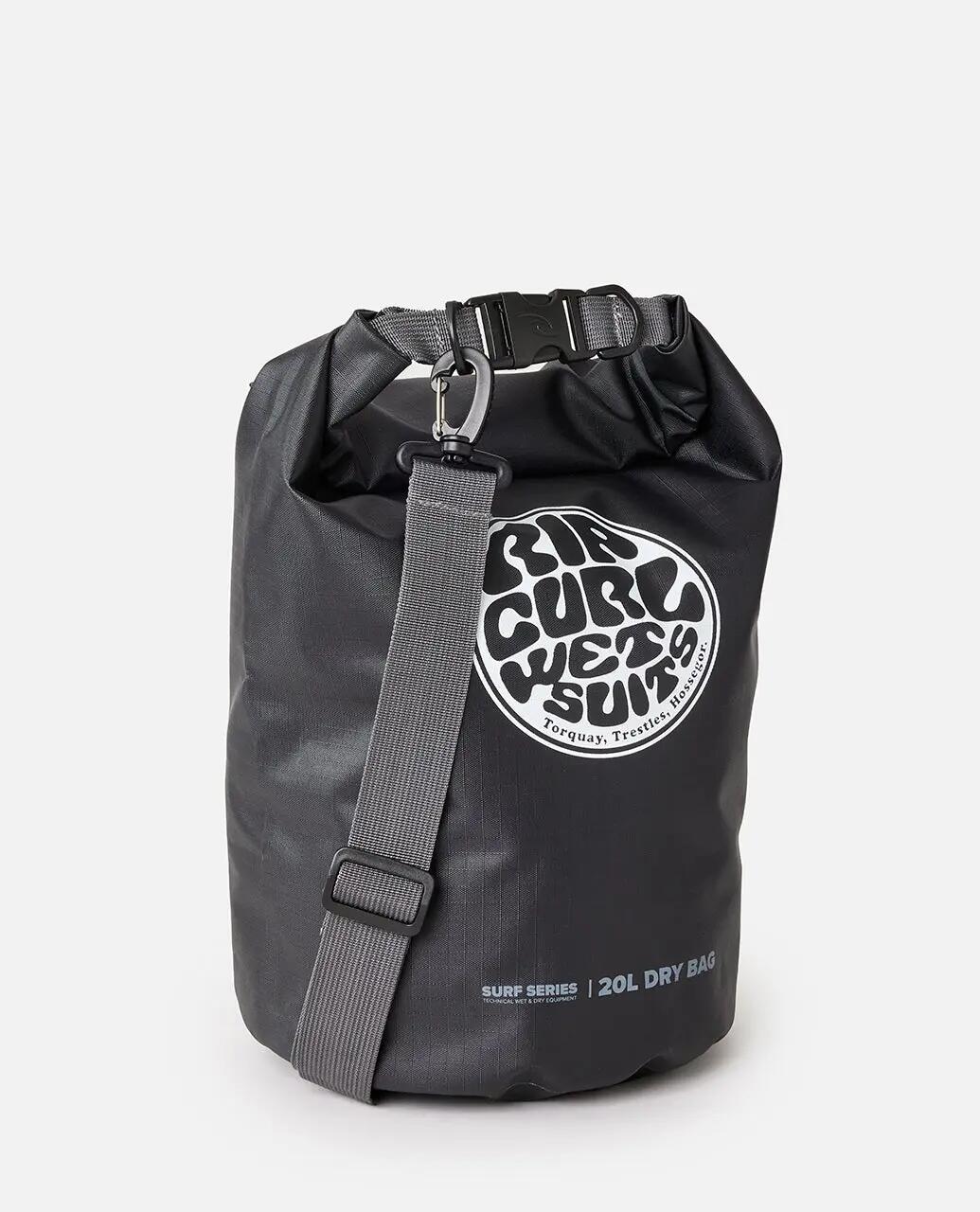
Selecting storage hinges on your specific gear profile and vessel configuration. Flexible fabric gear like rolling kayak waterproof bags compresses efficiently into tight bow recesses, maximising onboard hull space. Thick PVC options utilise roll-top seals to block moisture during heavy spray, but they do not prevent crushing. Rigid plastic drums provide excellent impact defence for fragile electronic kits. If your vessel capsizes in rough swells, these hard containers preserve shape under crushing pressures while remaining afloat.
How do IPX ratings determine performance during high-exposure river excursions?

International Protection codes define exactly how much external moisture a container blocks. Storage rated at IPX6 withstands high-pressure streams from breaking waves but cannot survive continuous submersion. If your trip involves challenging whitewater or tidal currents, upgrading to tough kayak canisters ensures a true airtight barrier. These screw-top barrels employ secure rubber O-rings that prevent moisture ingress even when trapped underwater beneath an overturned hull. Understanding this technical distinction keeps essential emergency clothing bone dry when navigating remote waterways.

Which storage solution is safest for electronic communication devices on open water?

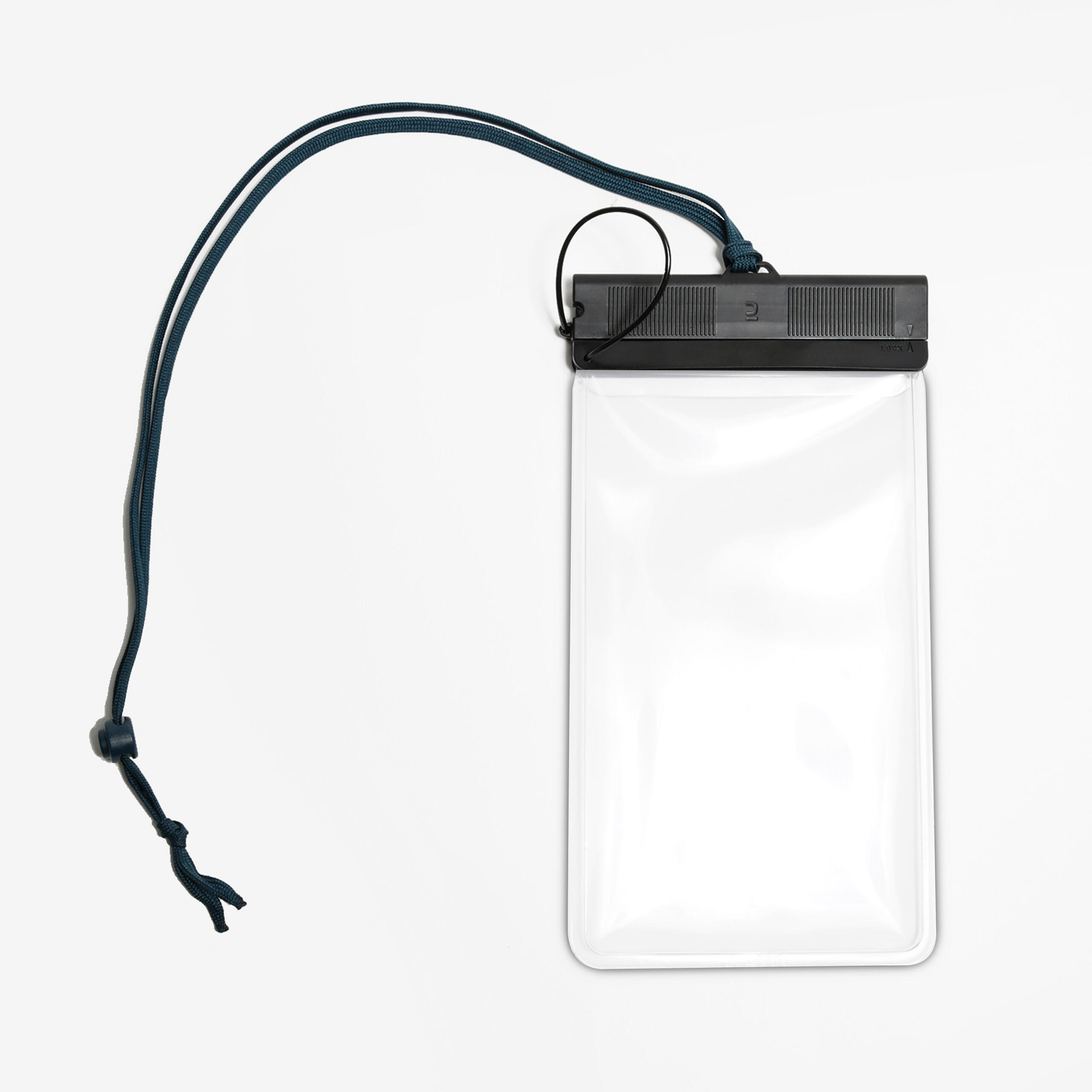
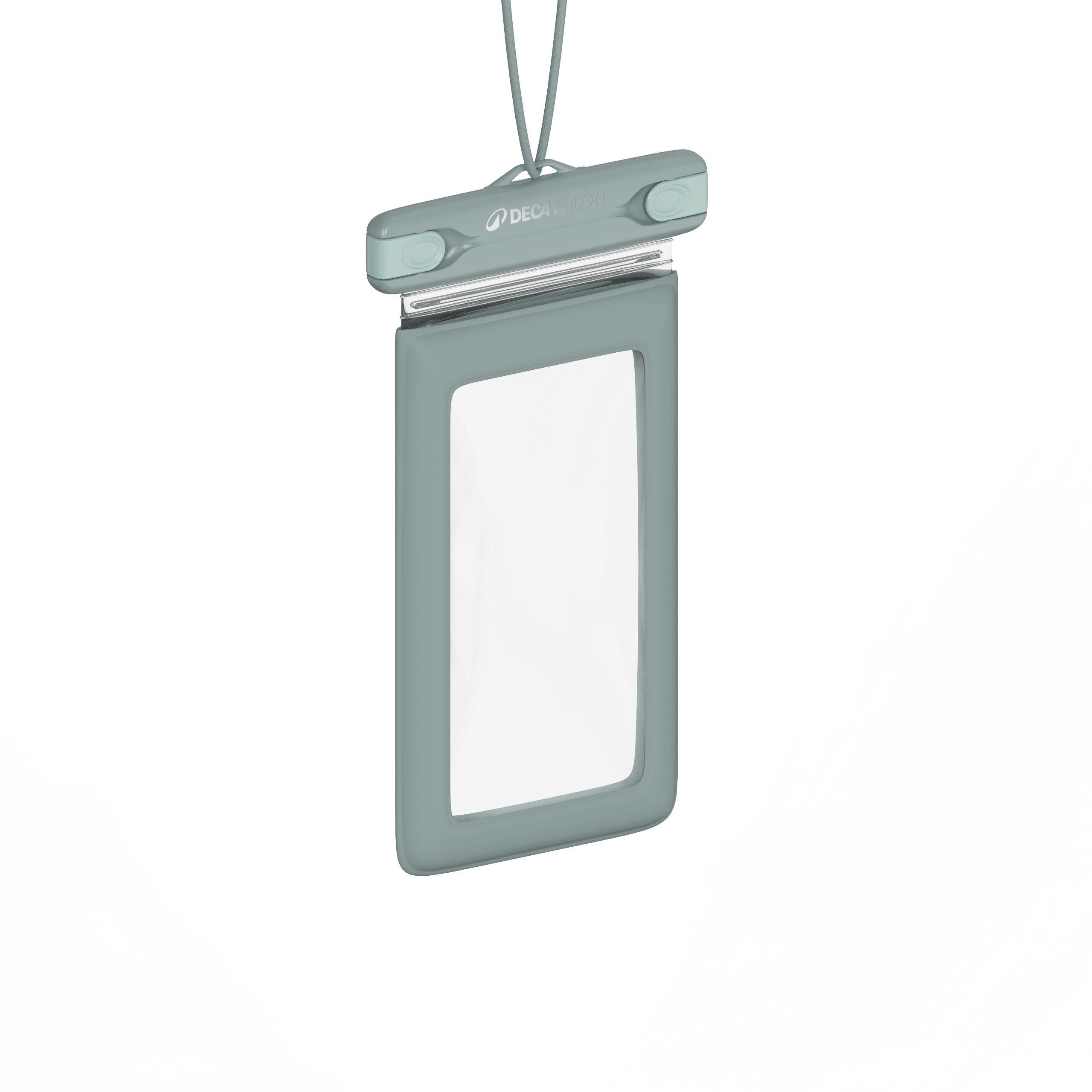
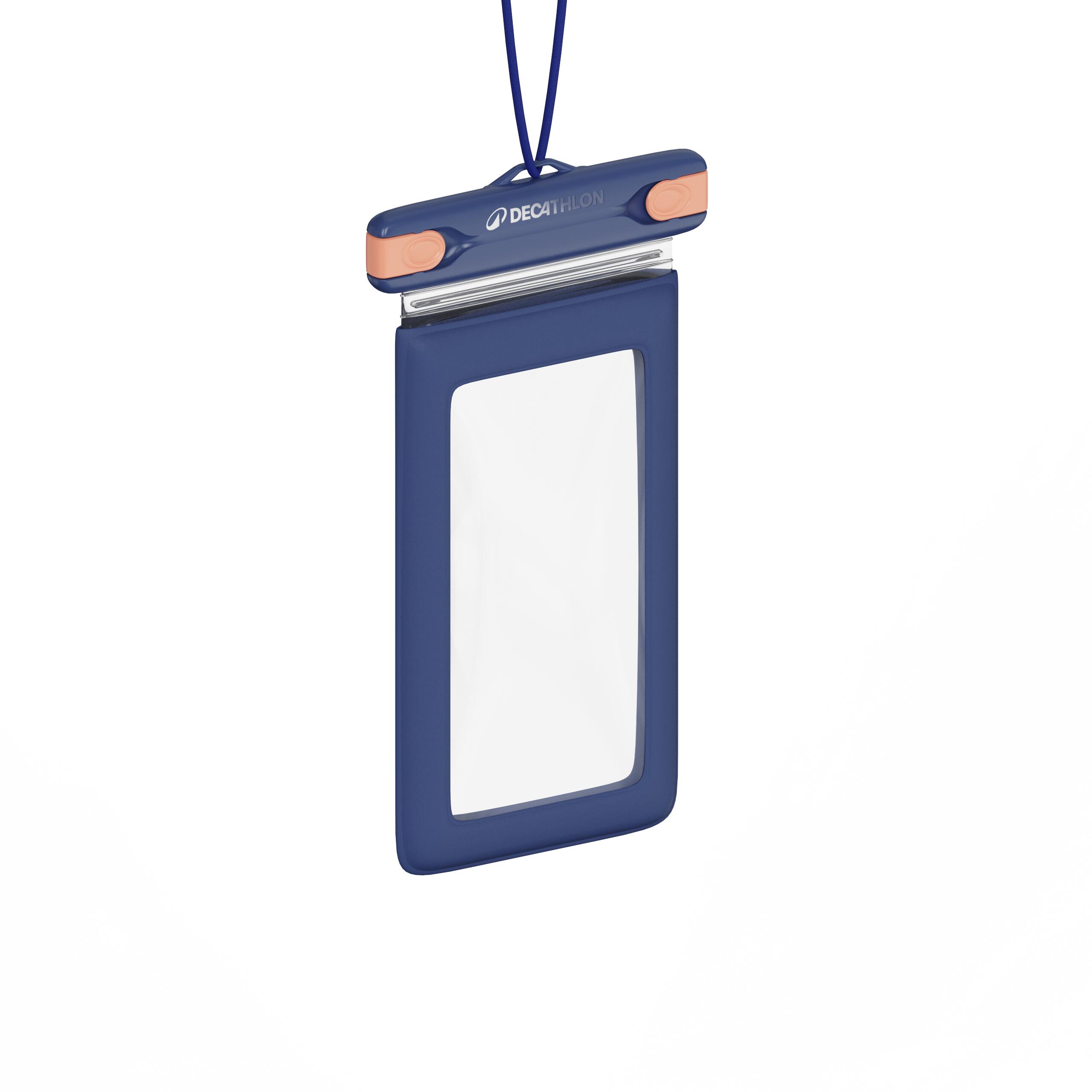
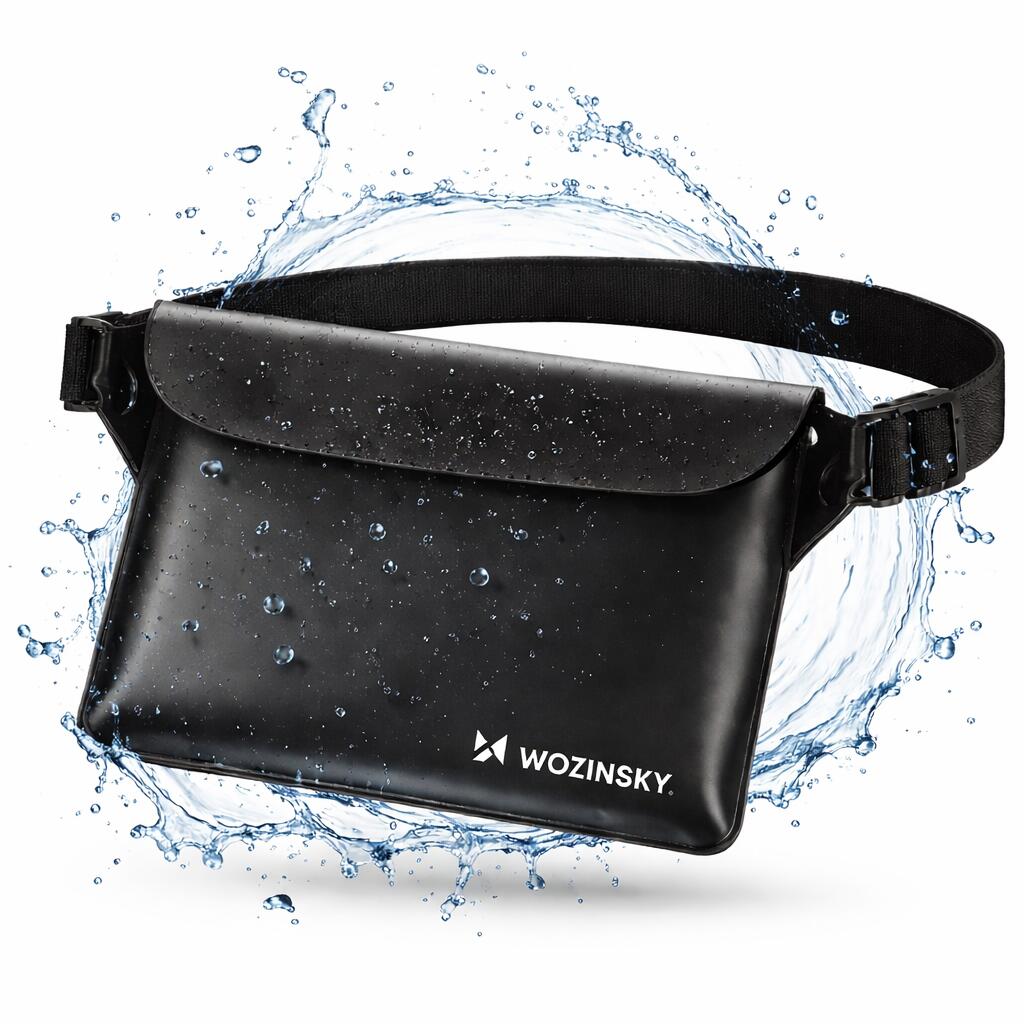
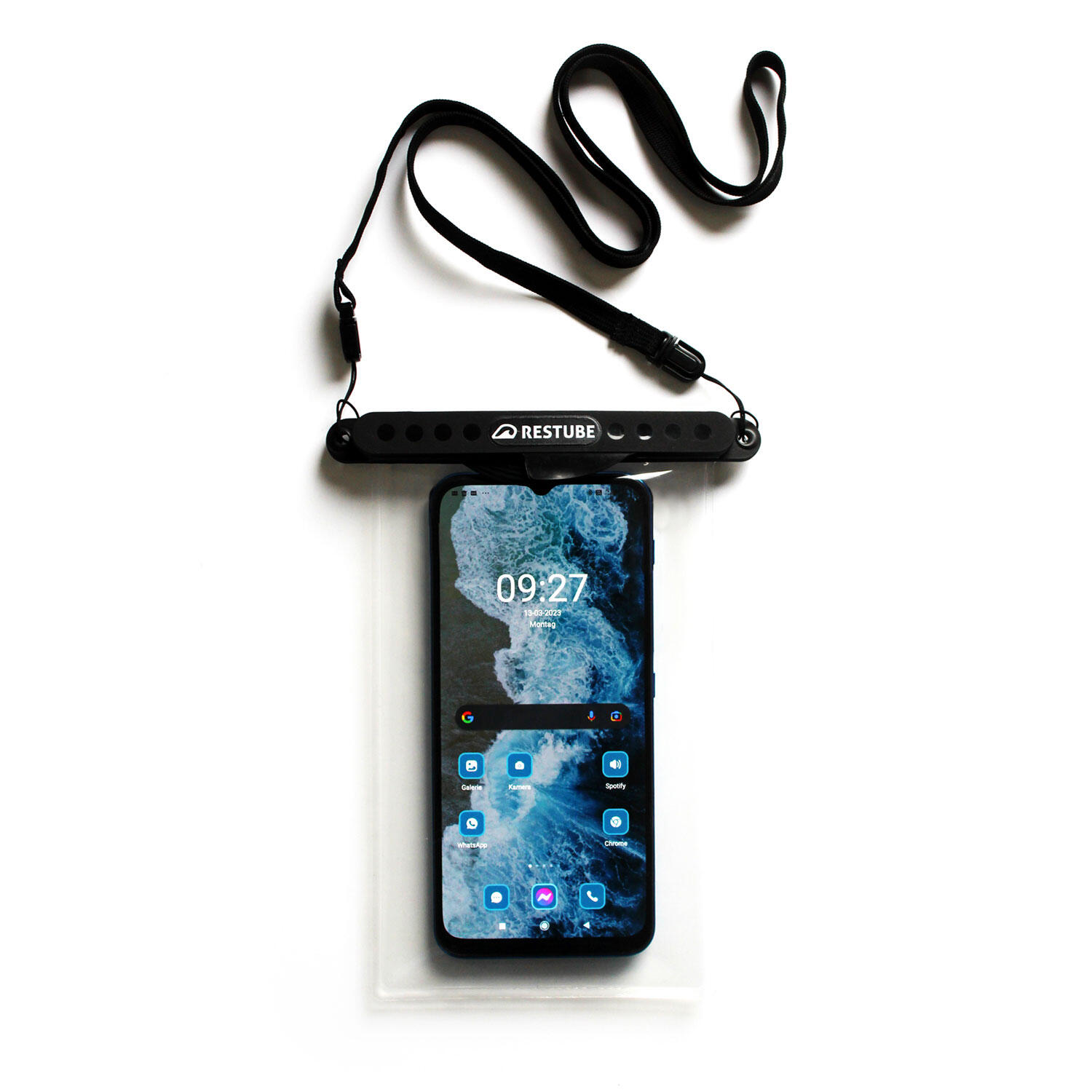
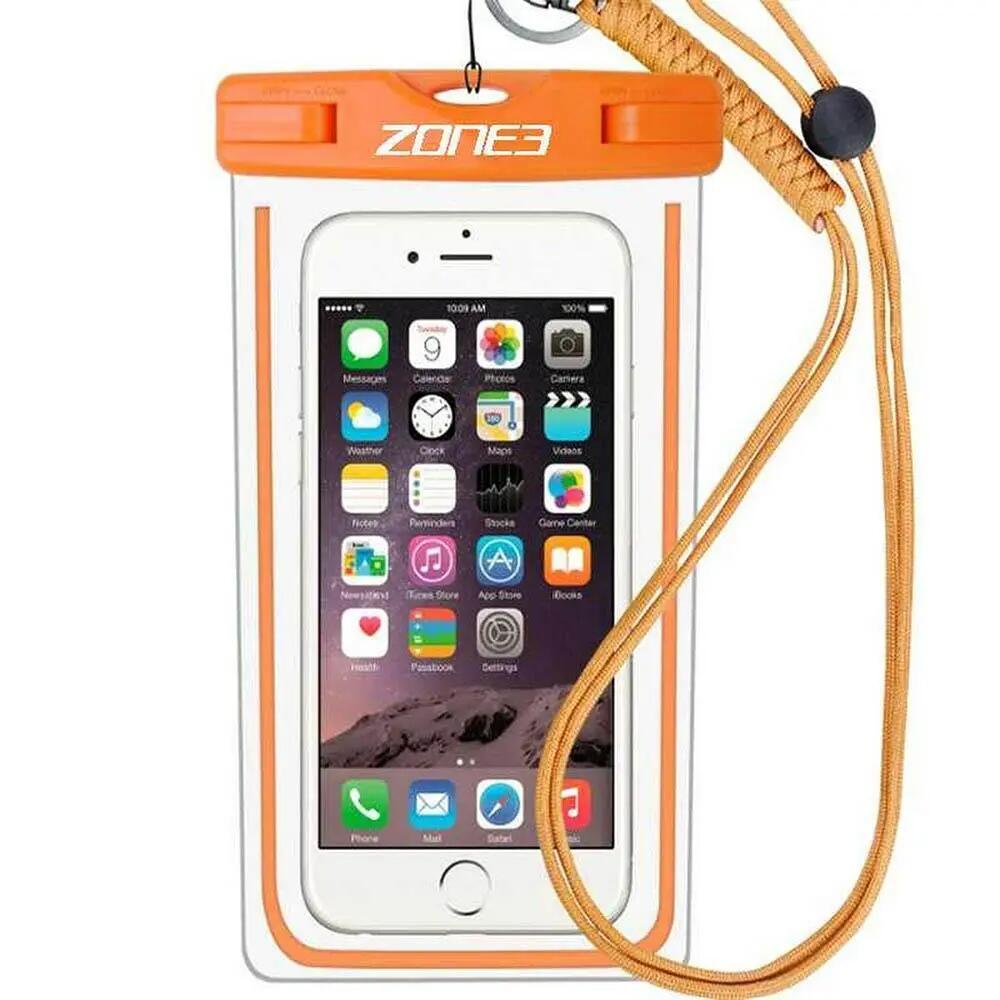
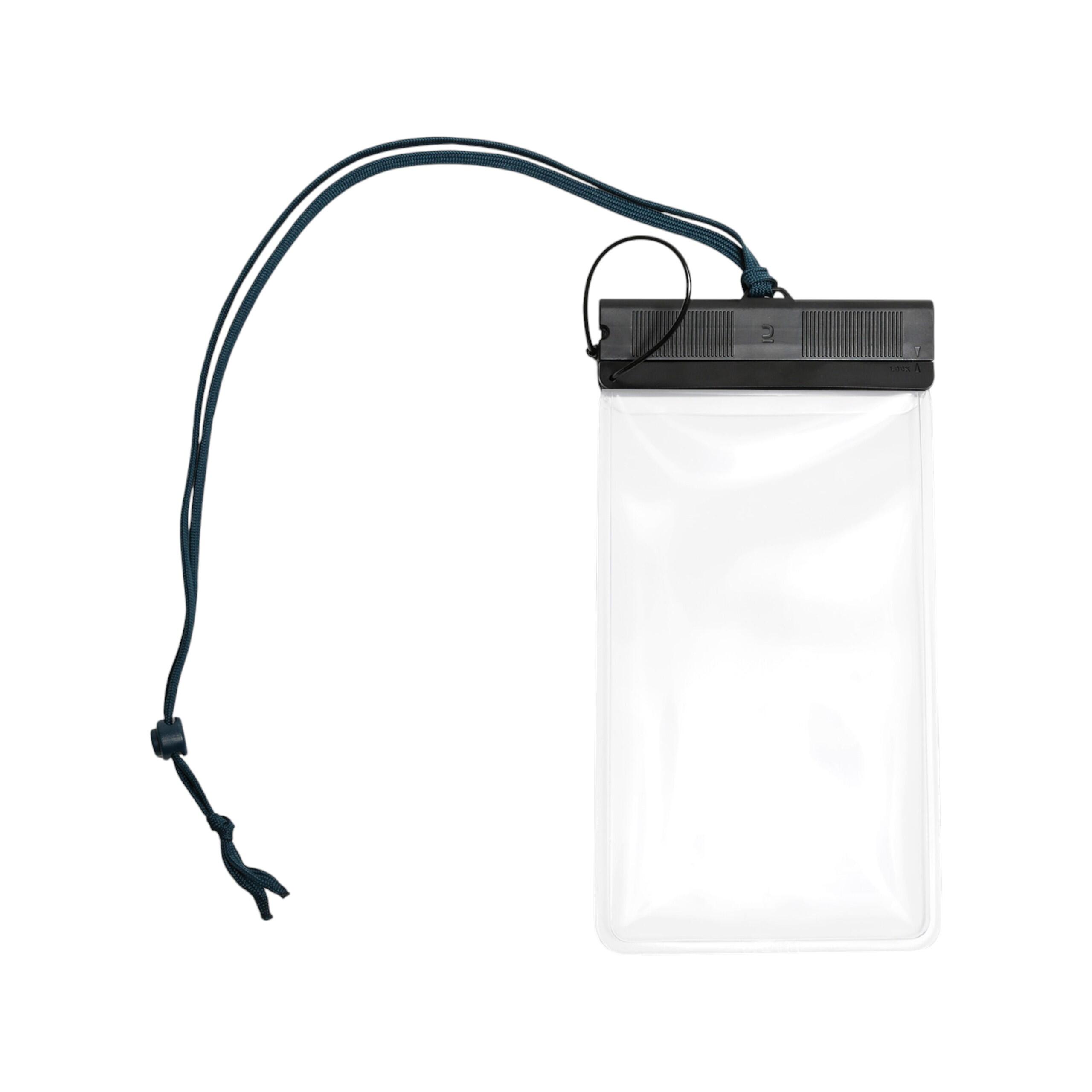
Touchscreen phones require dedicated transparent enclosures with dependable mechanical locking mechanisms to remain operational near salt spray. Using transparent waterproof phone pouches ensures full touch capacity while preventing moisture damage to internal ports. Look for floating varieties with integrated air pockets that stay buoyant if dropped over the side. Combining a reliable phone enclosure with rigid safety backups preserves your primary line of communication during long solo tracking trips.
What onboard accessories optimise payload security for long-distance paddling trips?

Securing gear prevents shifting loads from destabilising your watercraft in crosswinds or swift currents. Some inflatable inflatable kayak accessories, such as perimeter deck lines, elastic cargo nets, and non-slip floor mats, lock rolling containers firmly into position. Heavy luggage should always sit low along the central keel line to maintain a stable centre of gravity. Fastening adjustable webbing straps through perimeter D-rings guarantees your essential gear stays anchored even during sudden, unexpected capsizes.

How do you prepare your personal gear kit for a full-day water tour?

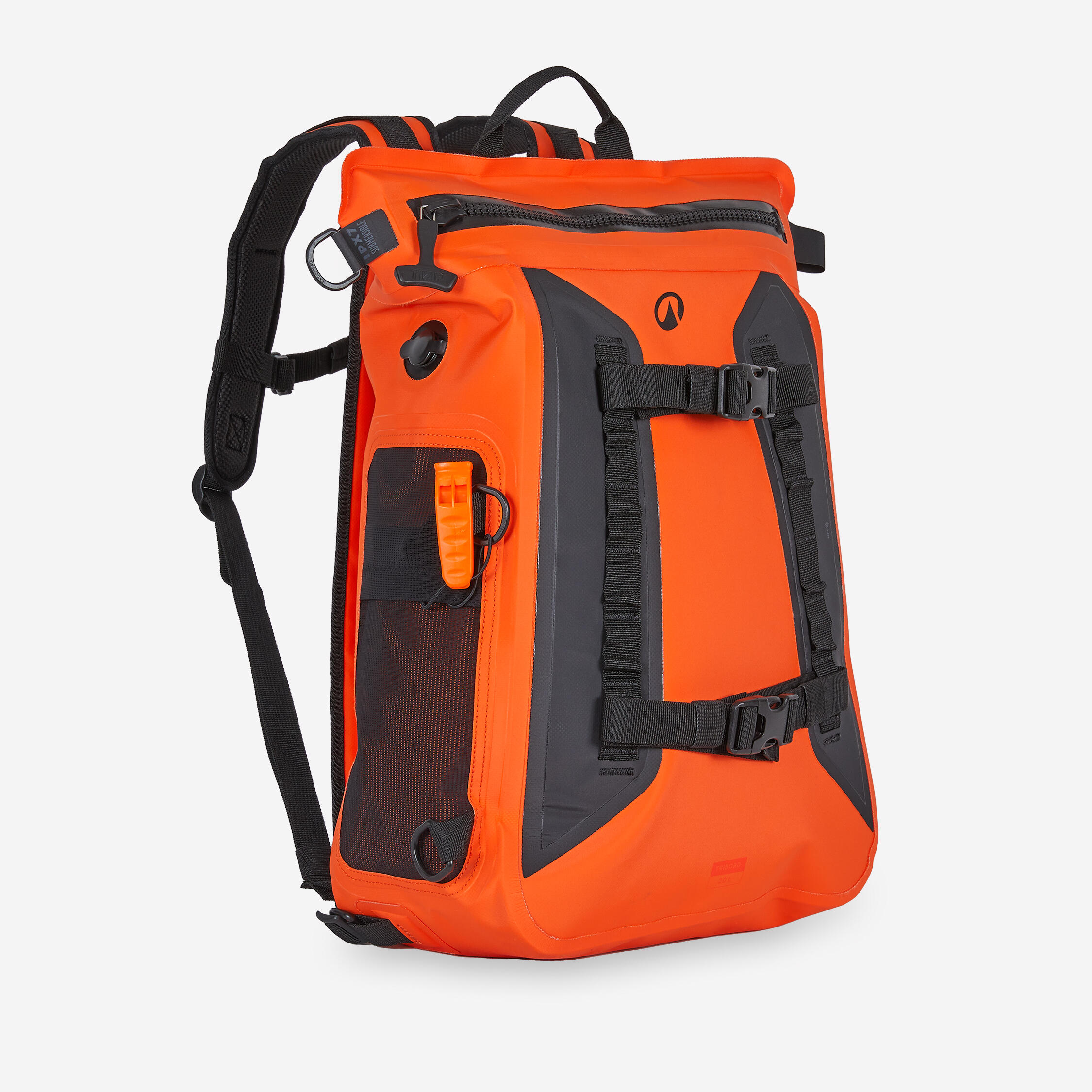
Comprehensive route planning demands a strategic distribution of thermal layers, navigation tools, and emergency equipment. Packing robust technical kayak equipment, including spare split paddles, manual bilge pumps, and signalling whistles, ensures self-sufficiency on remote lake routes. Heavy items should go first into the base of your main dry tube to ensure optimal handling. Distributing weight evenly across your storage zones keeps the nose of your craft tracking straight in choppy surface water.