
253 items
4.5/5 based on 2851 reviews collected online and in stores

Trail Running Headphones and MP3 Players FAQs

Which trail running headphones suit your route?

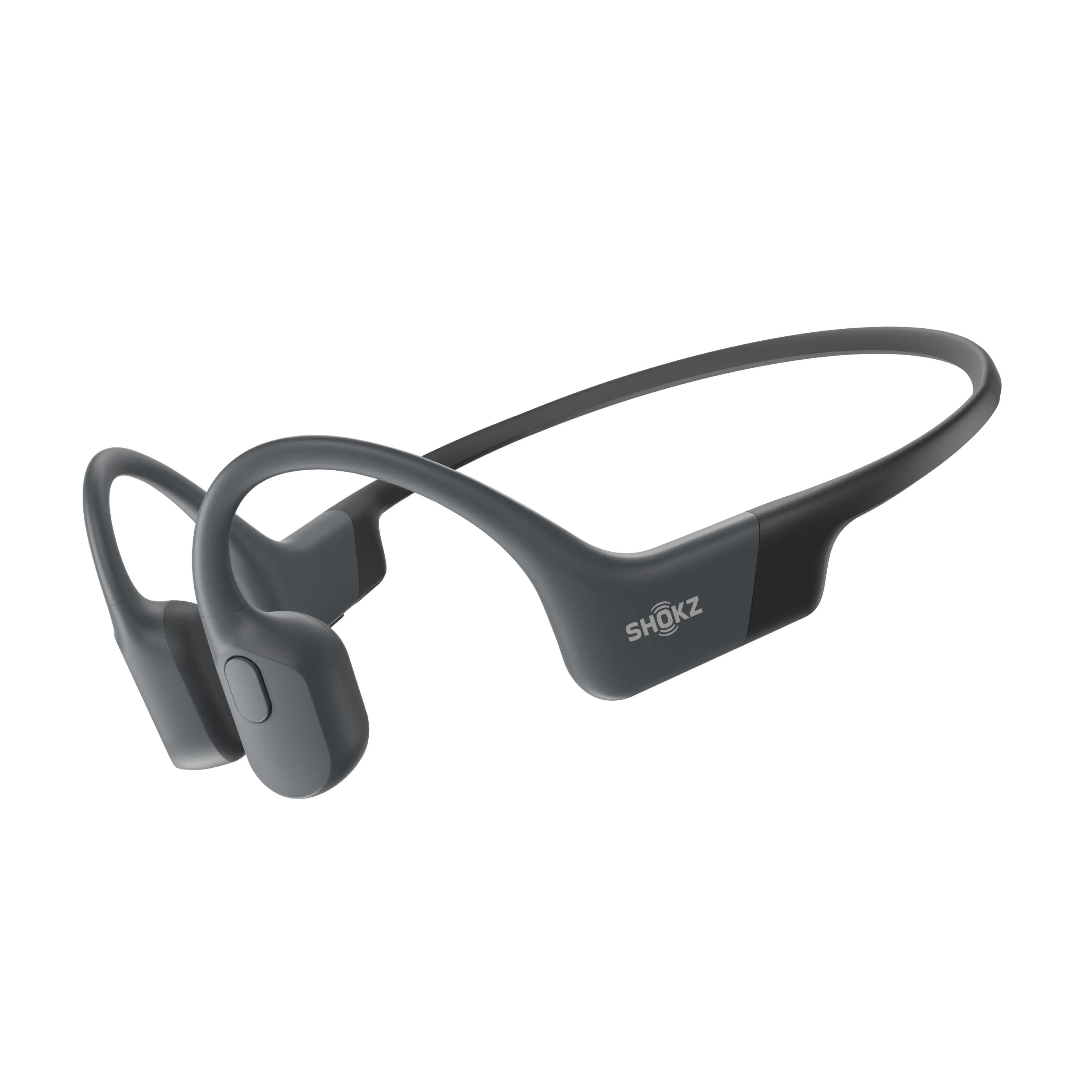
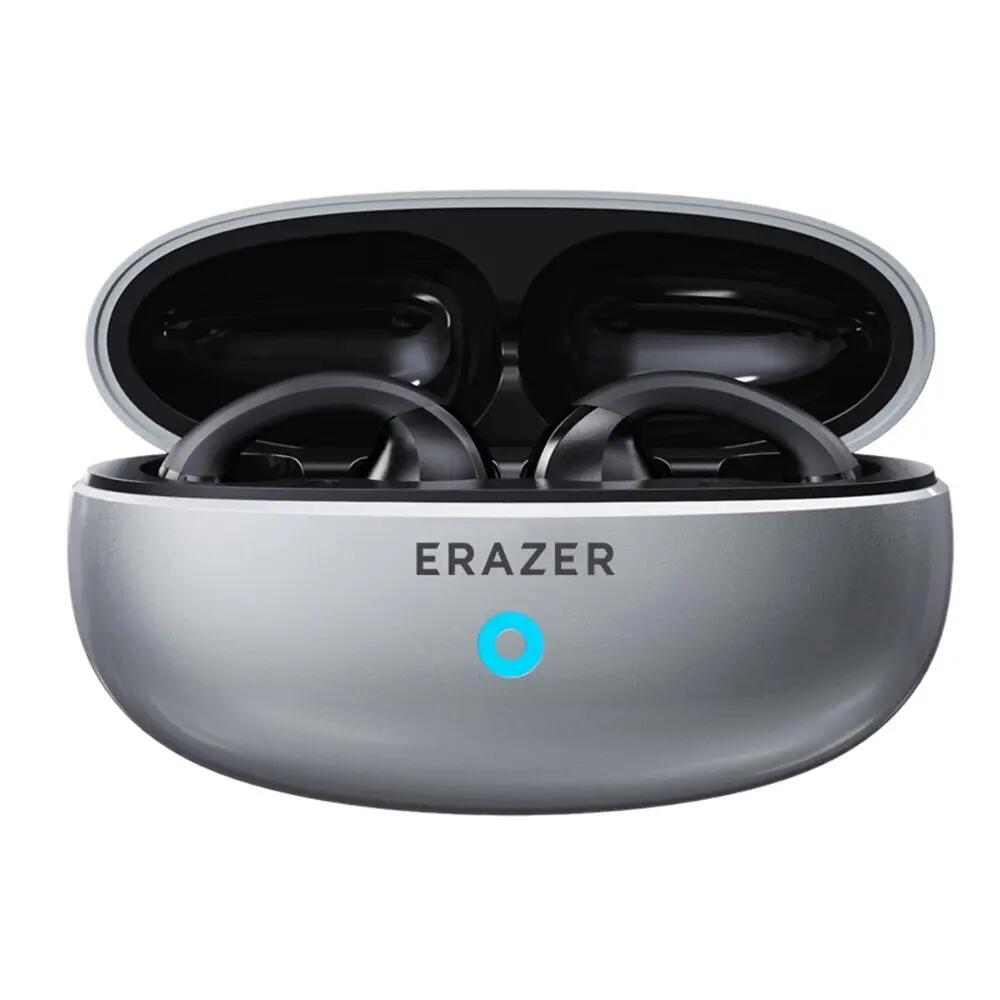
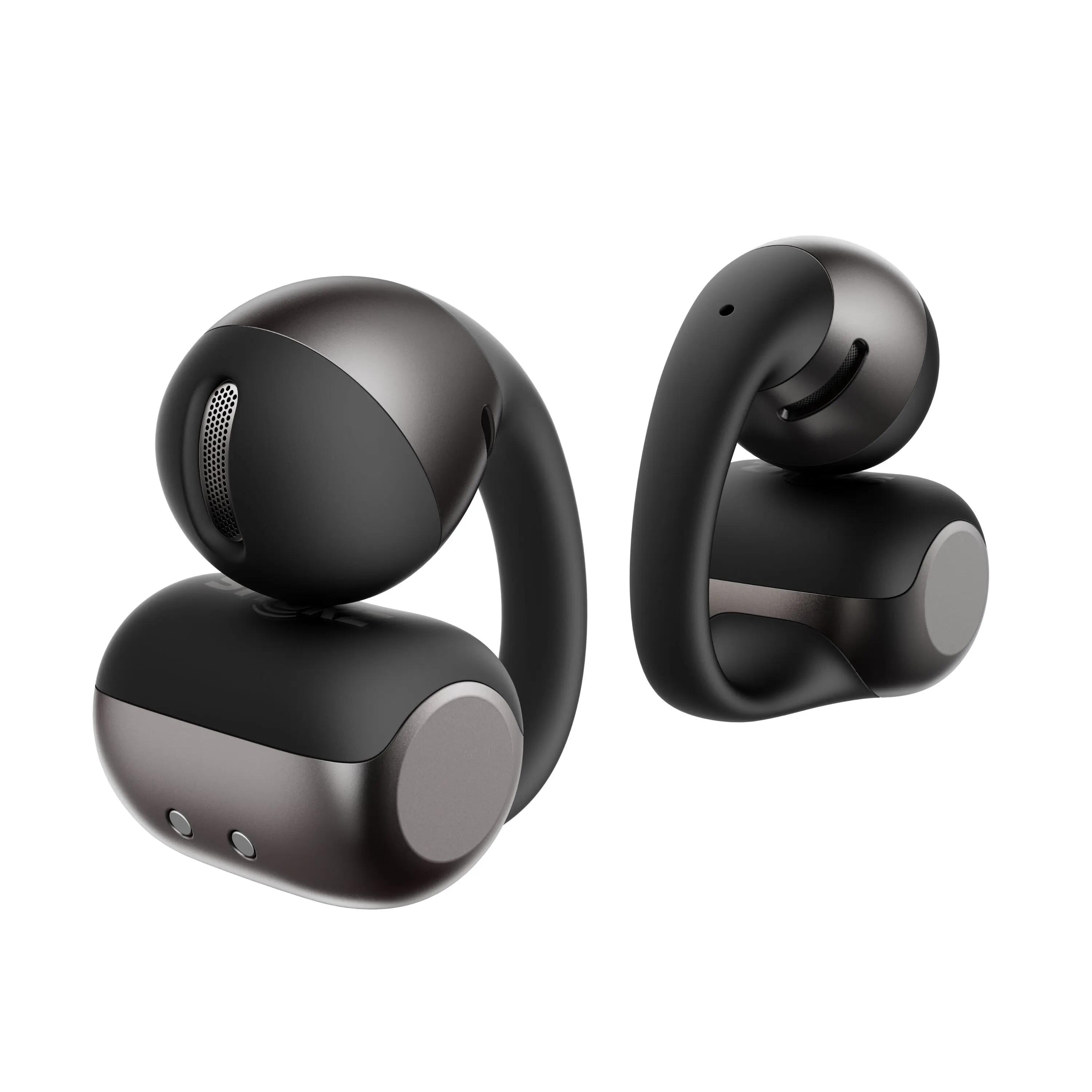
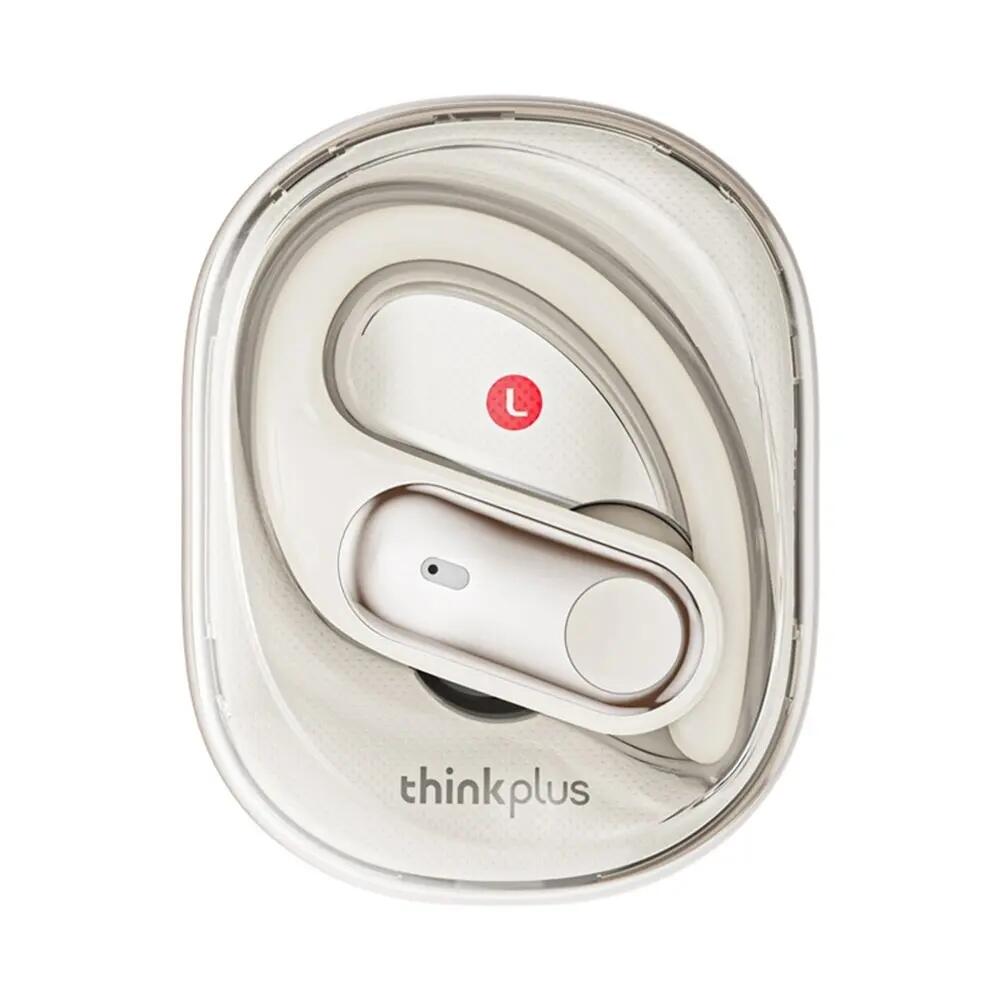
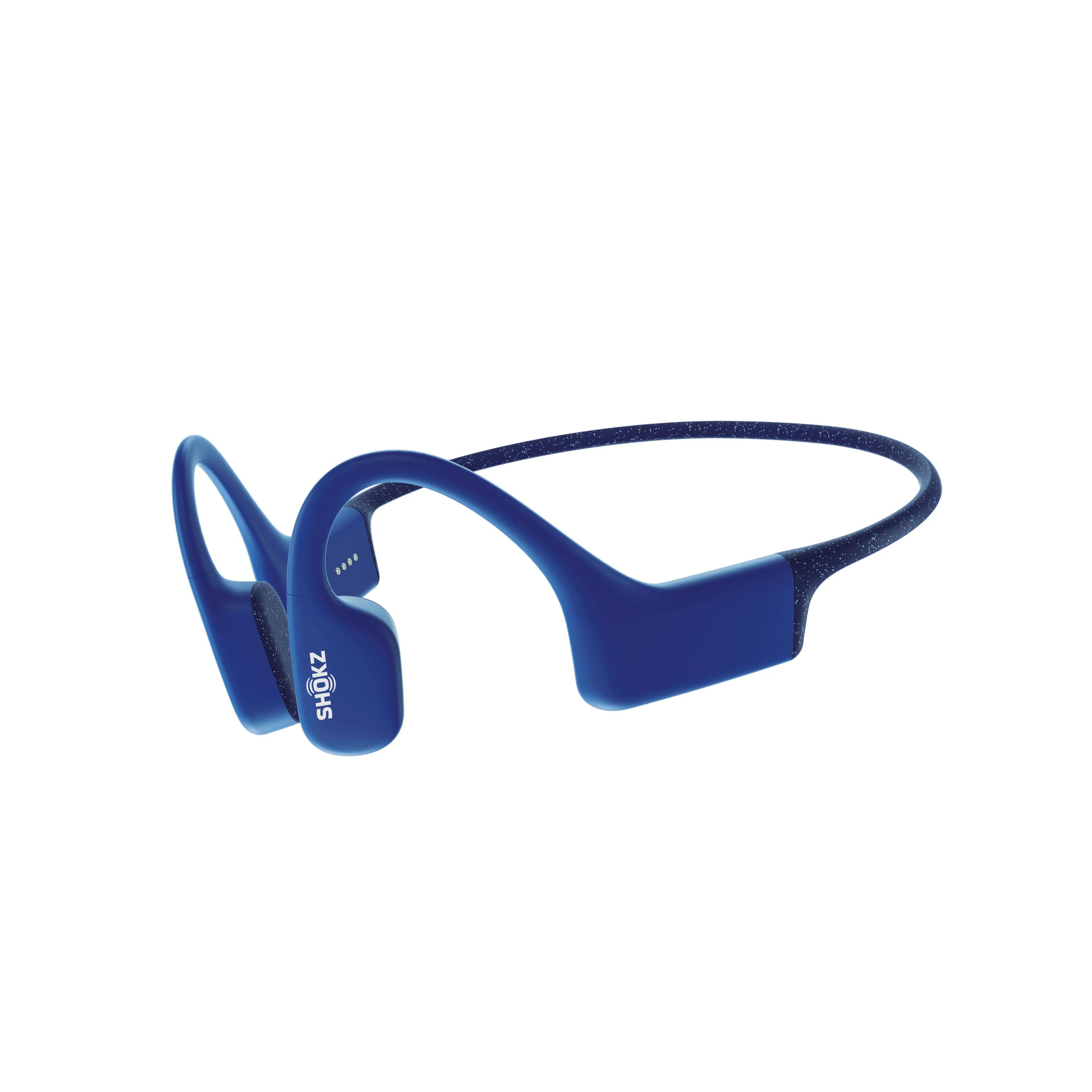
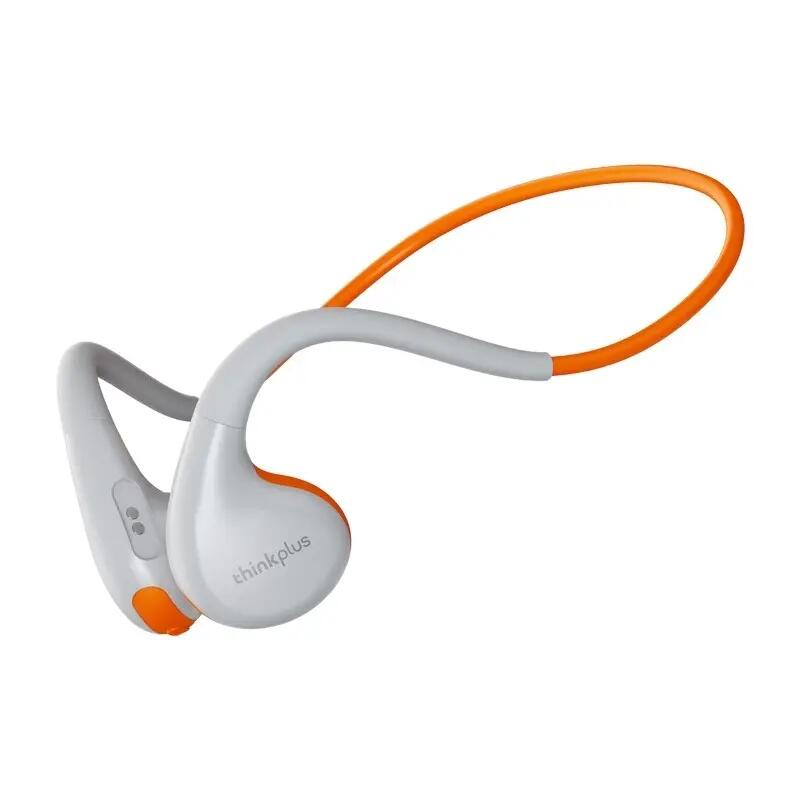
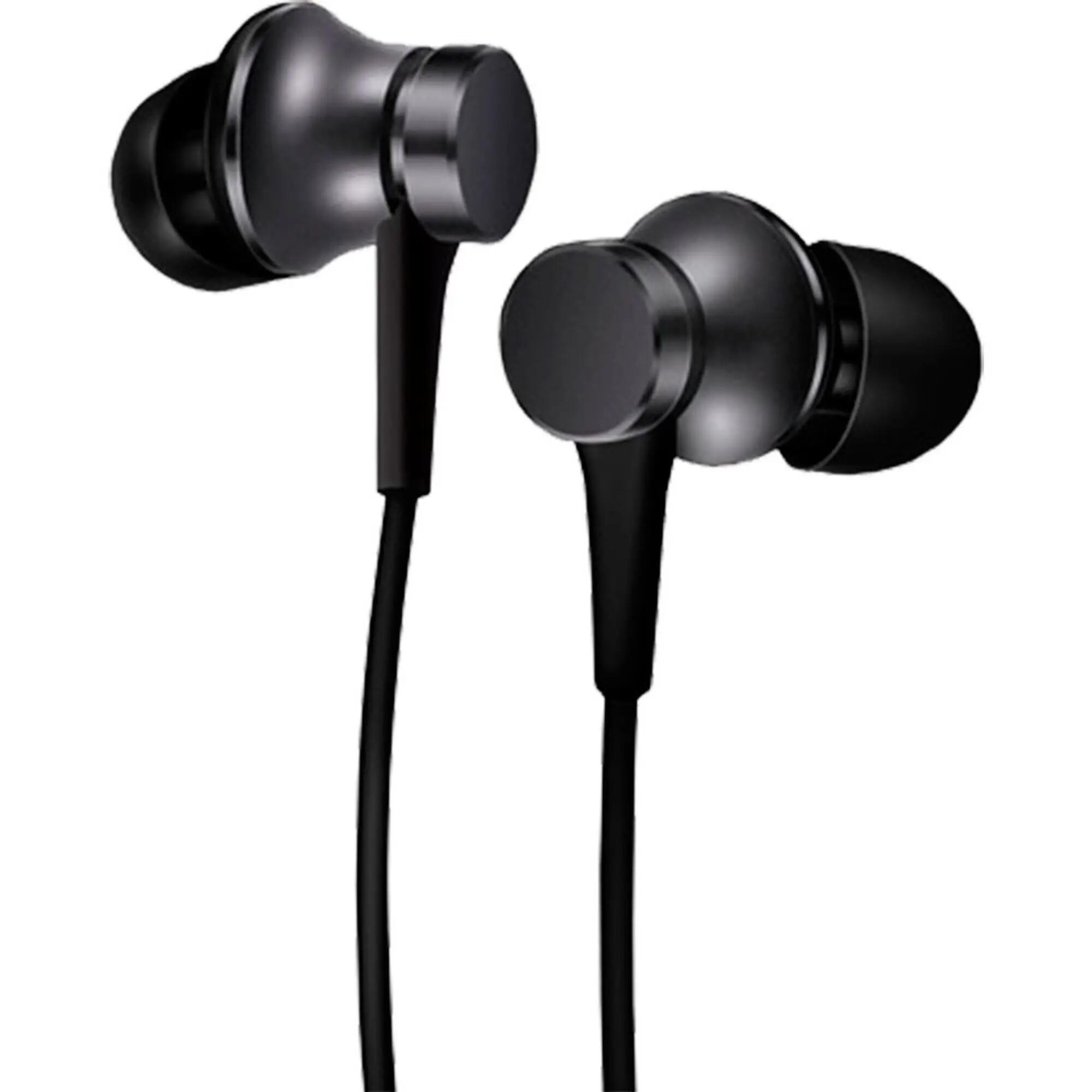
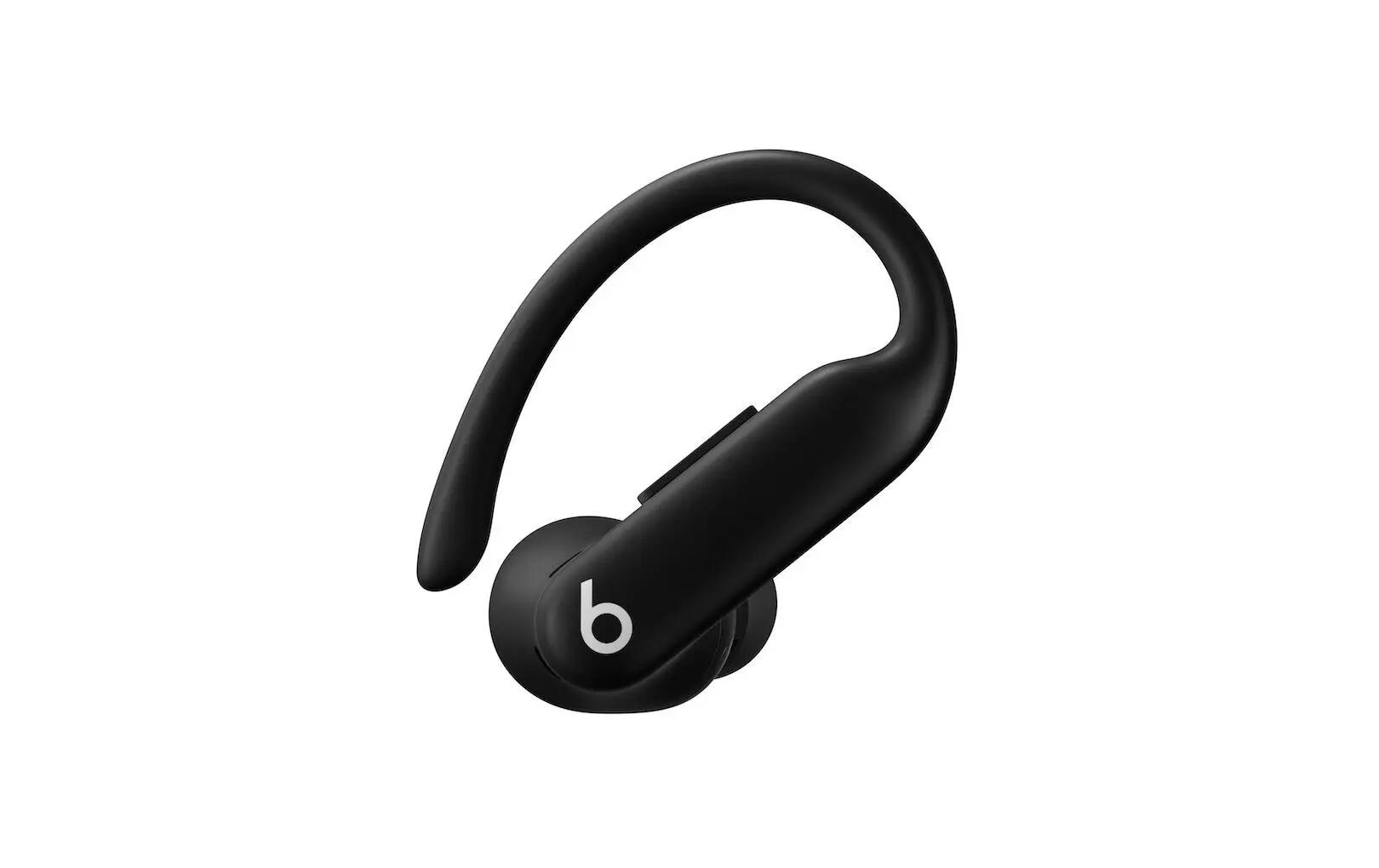
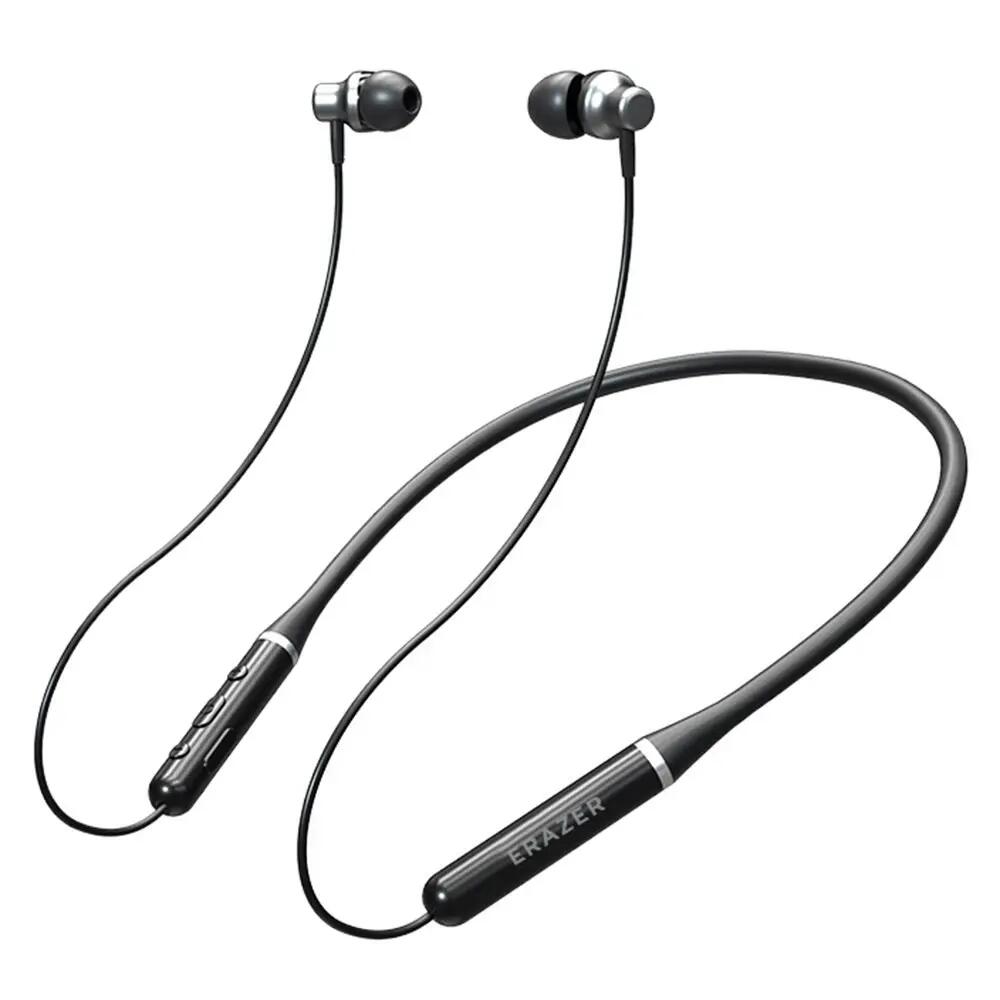
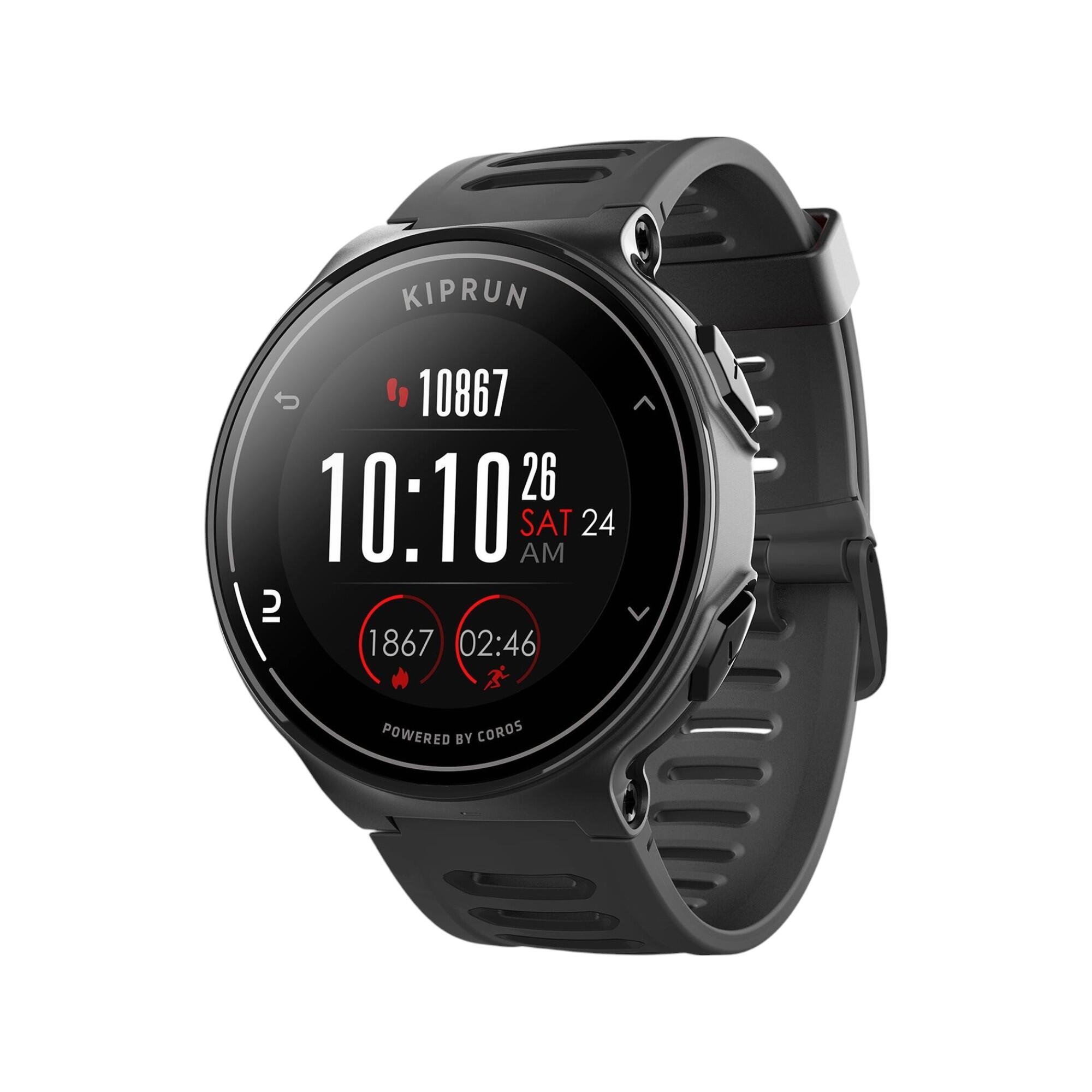
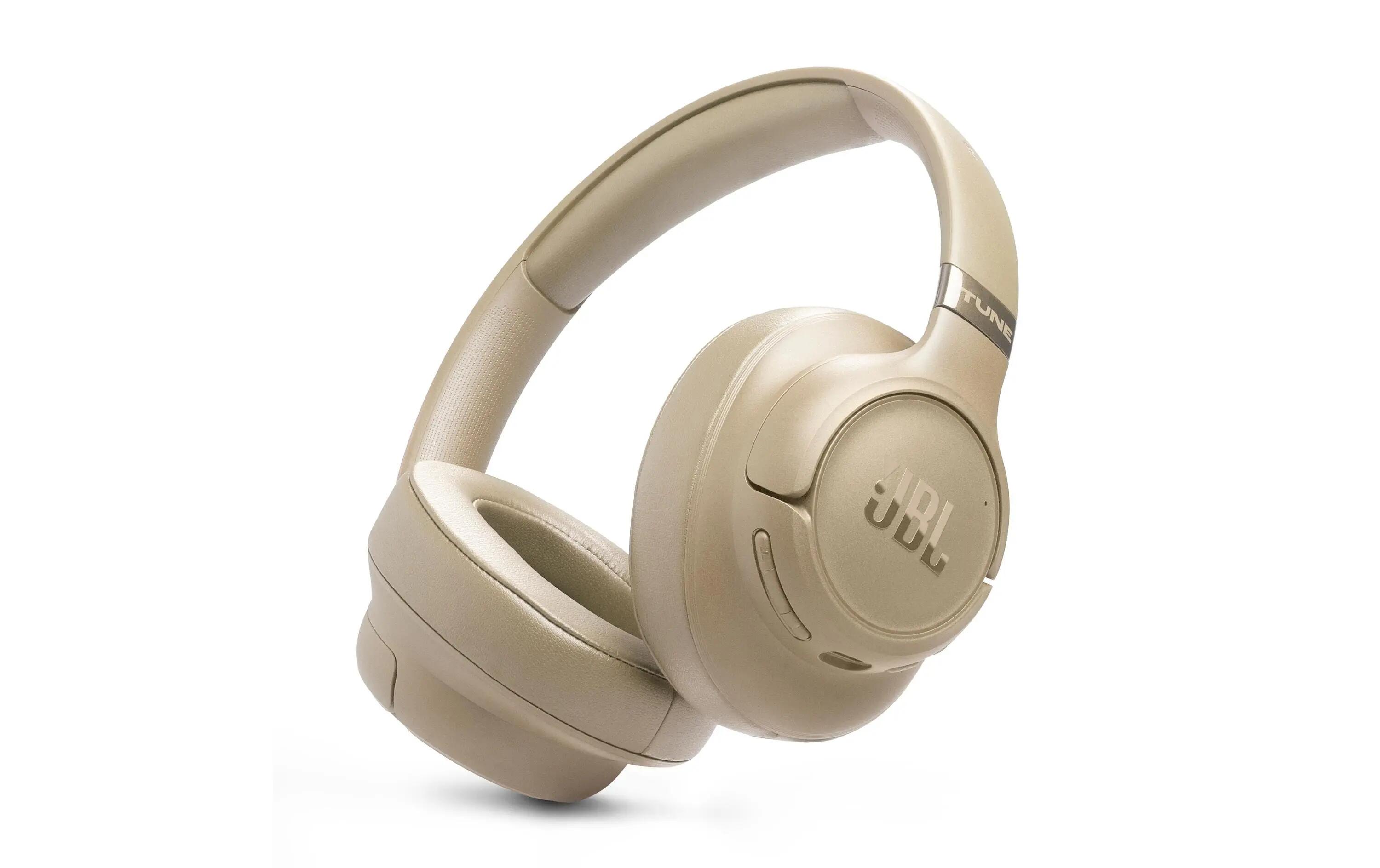
Choose headphones according to the surroundings, session length and amount of outside sound you need to hear. Open-ear, wireless in-ear and wired models each suit different priorities. Bone-conduction headphones sit outside the ear canal, supporting environmental awareness on shared paths and open trails. Fully wireless earbuds remove moving cables and provide a sealed fit, while USB-C wired earphones avoid separate batteries and Bluetooth pairing. Battery life matters on longer outings, so compare the stated operating time with your planned duration and allow extra time for delays. You can track route time and pacing with trail running watches while keeping your phone securely stored. Pro tip: test new headphones on a short familiar loop before using them during a remote or long-distance run.

Are open-ear headphones better for awareness on trails?

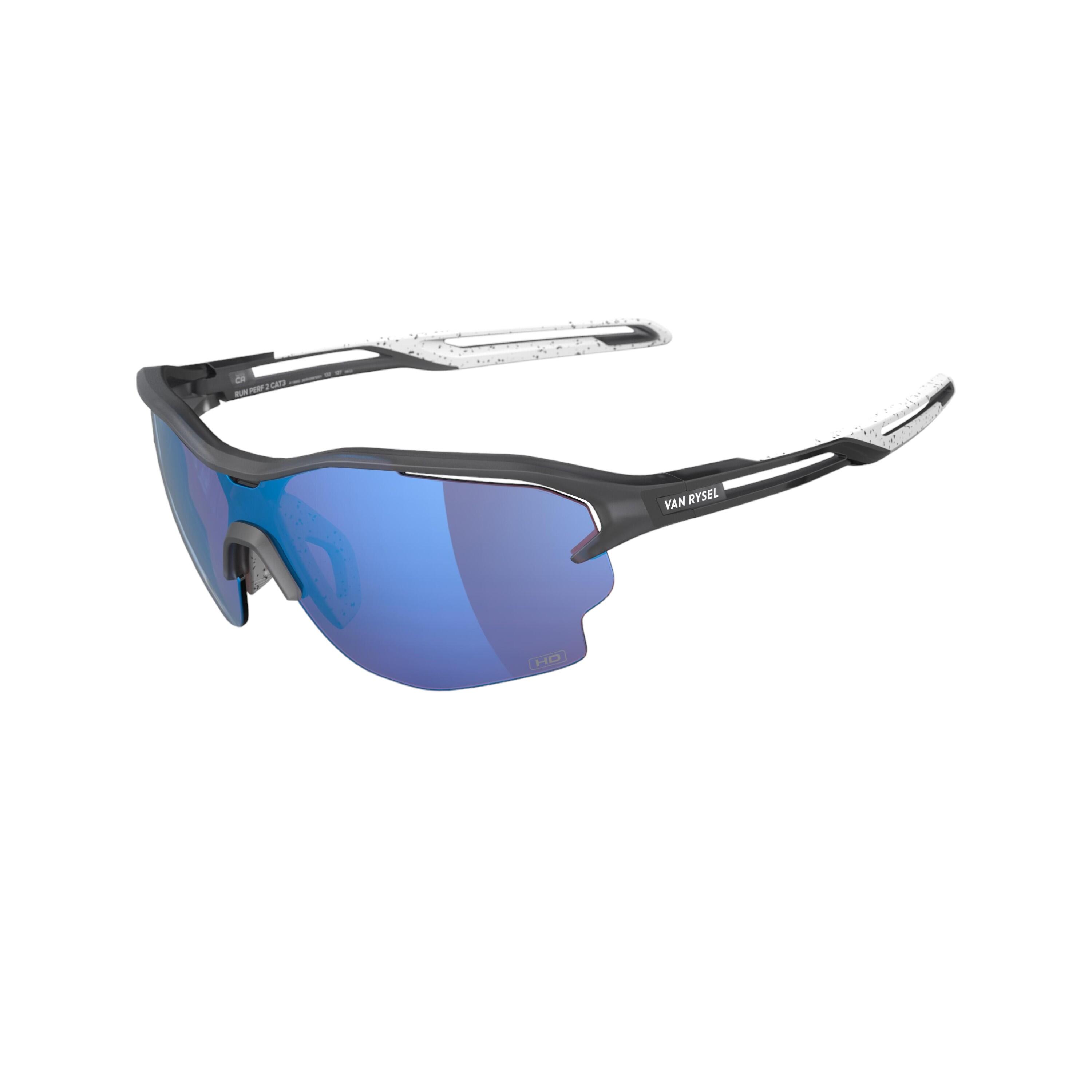
Open-ear and bone-conduction headphones leave the ear canal less obstructed than sealed earbuds, helping you hear approaching runners, bicycles, vehicles, animals and event instructions. They can be useful on shared routes, but music volume still matters because loud audio can mask important sounds. Pause playback at road crossings, busy junctions and unfamiliar technical sections. Wind can also make environmental sounds harder to judge on exposed ground. Check that the headphone band sits securely alongside your trail running sunglasses without pushing the frames into your temples or lifting them during movement. No headphone format replaces careful observation, appropriate route choices and local safety rules.

How should trail running headphones fit?

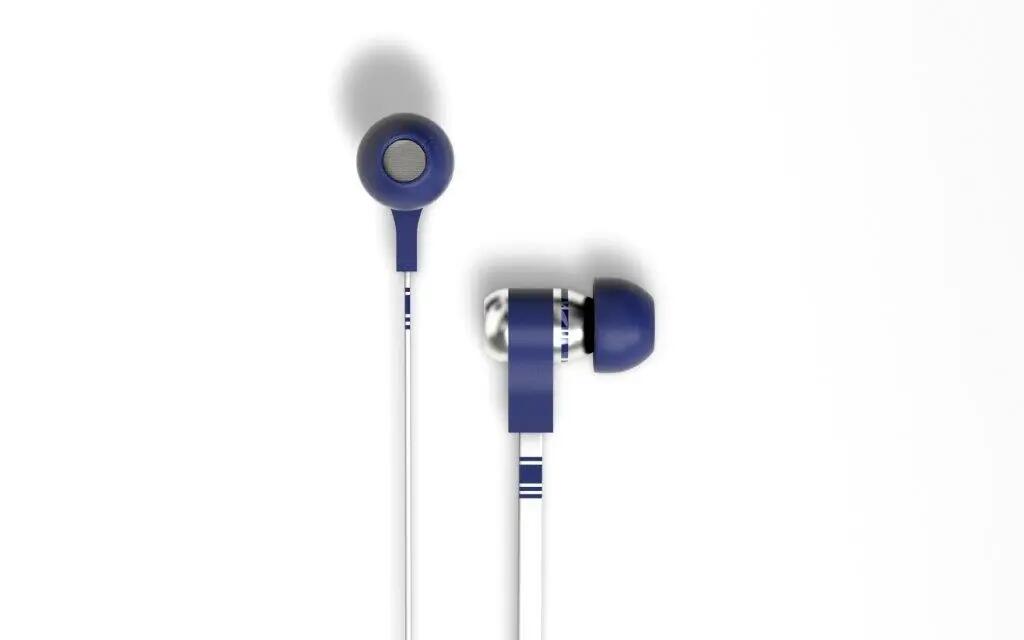
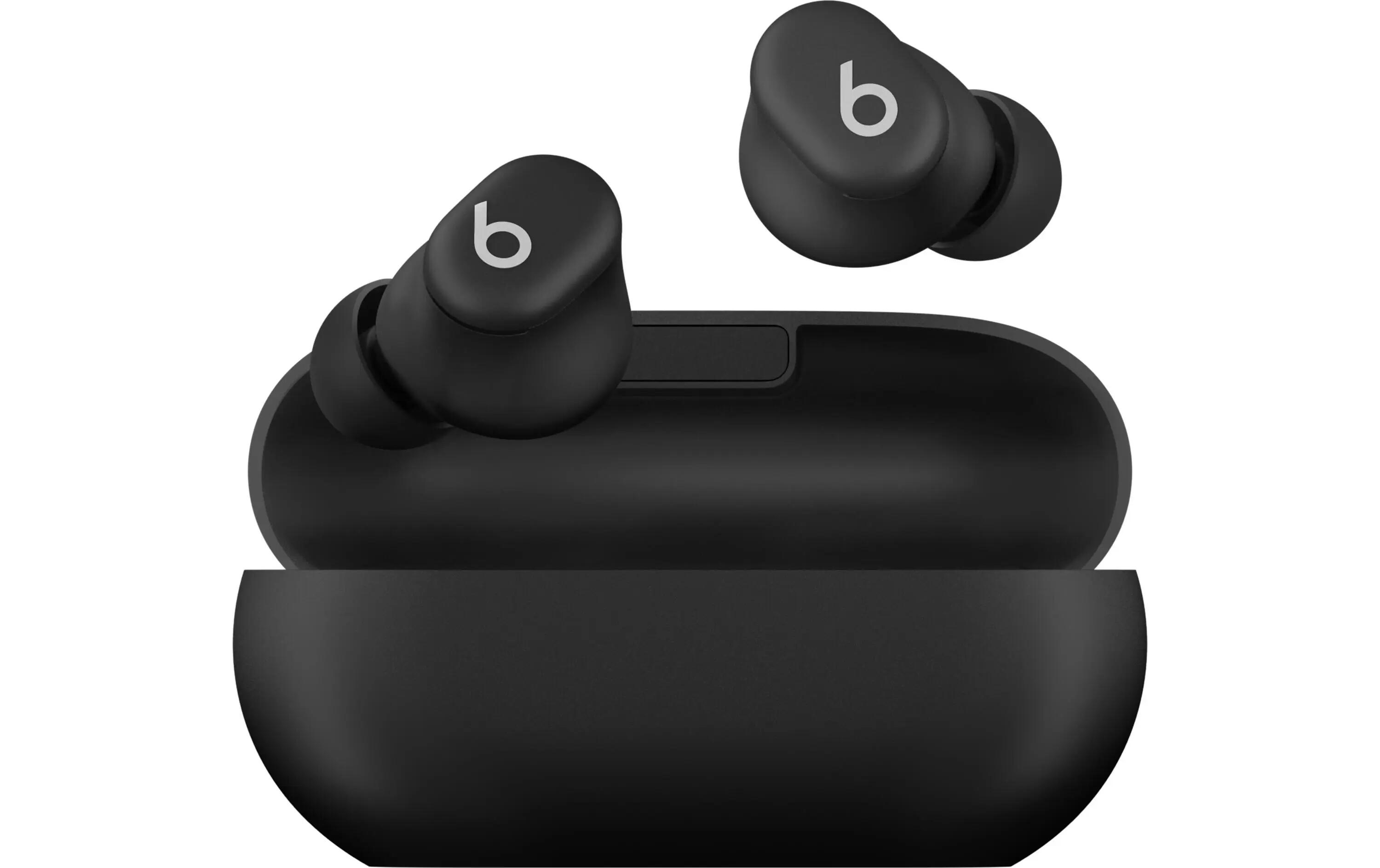
Running headphones should remain stable through repeated vertical movement without creating painful pressure inside or around your ears. Wireless in-ear models often include several sizes of ear tips and stabilisers, so test different combinations rather than assuming both ears need the same size. A secure seal improves sound and limits movement, but excessive pressure may become uncomfortable during a long run. Shake your head, jog, bend forwards and turn quickly when checking the fit. During an organised event, make sure your earphone controls, phone cable and trail running race number belt do not interfere with one another. Clean ear tips regularly because sweat and skin oils can reduce grip.
Should you choose wireless or wired trail running headphones?

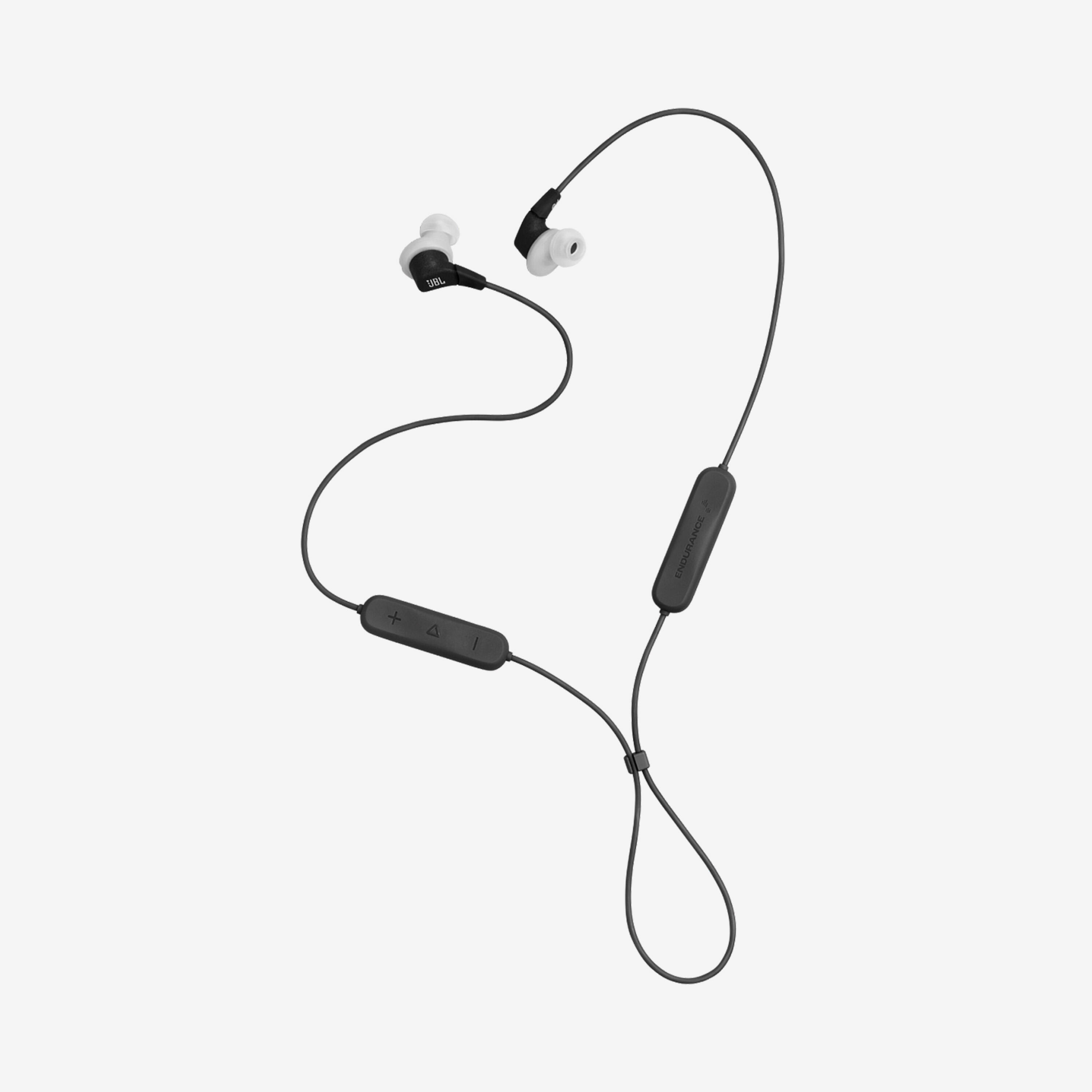
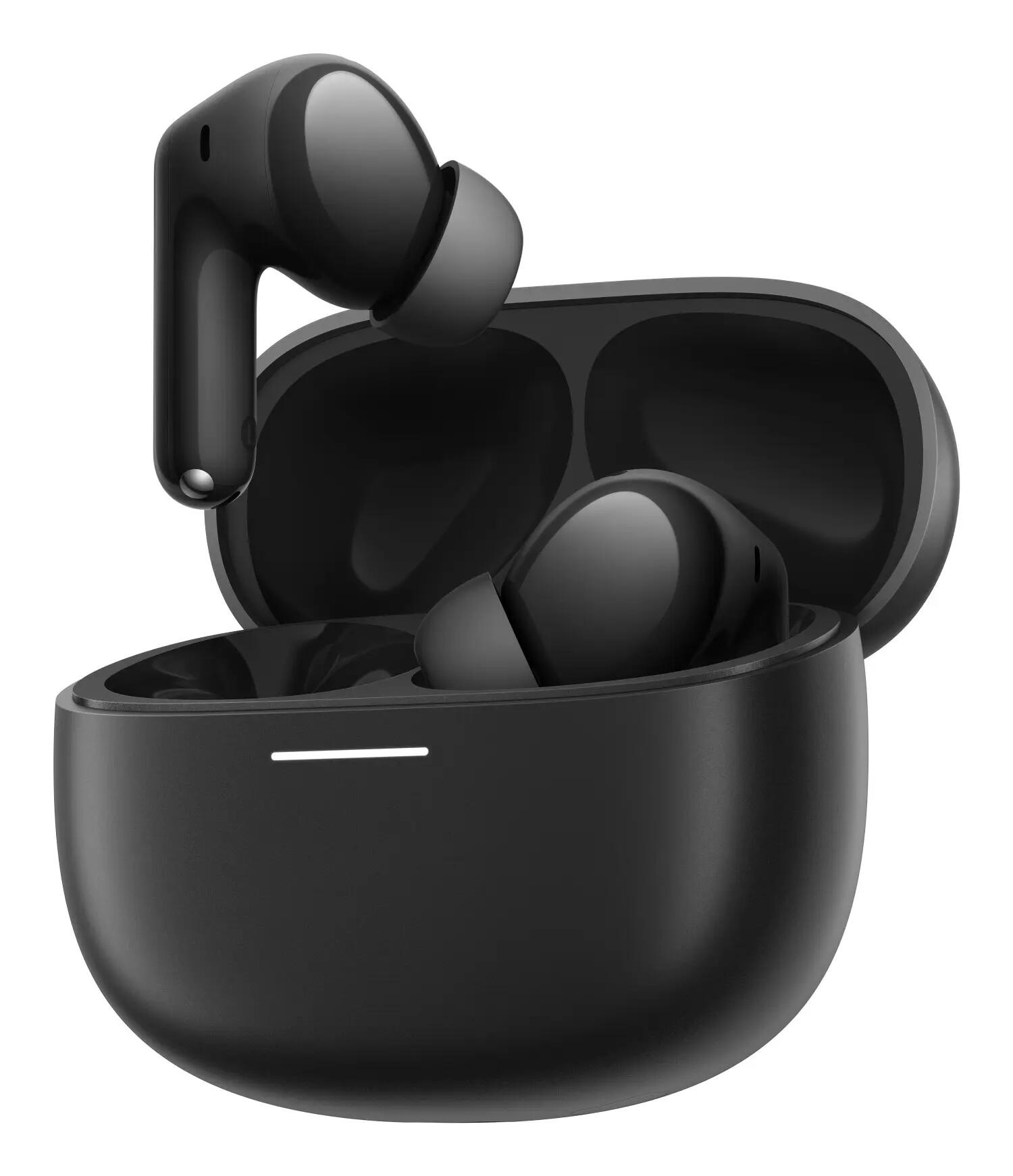
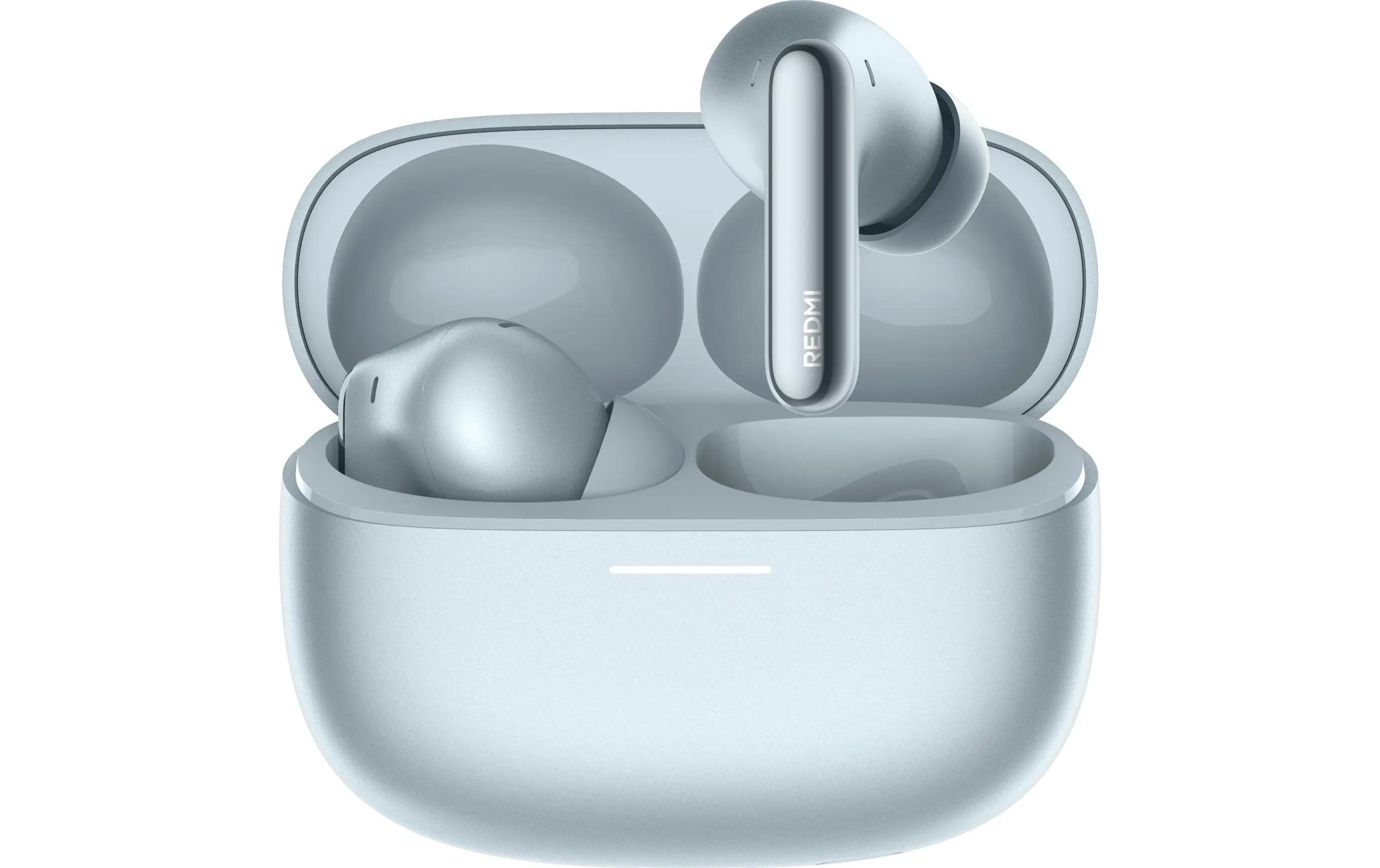
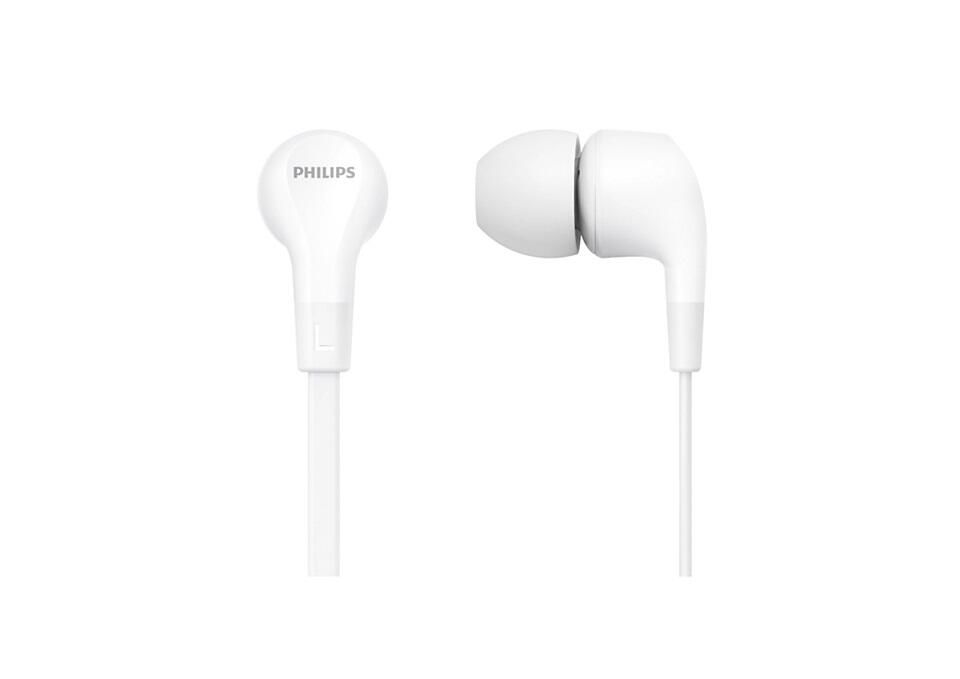
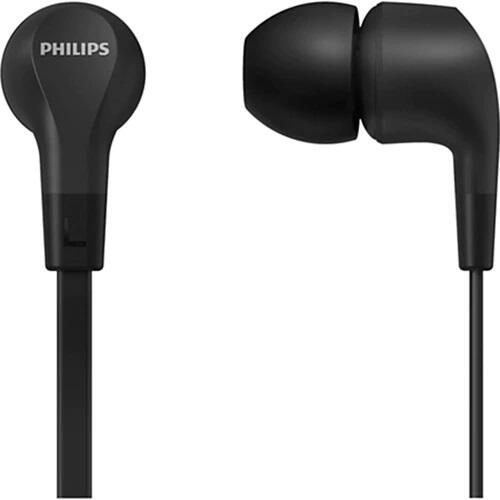
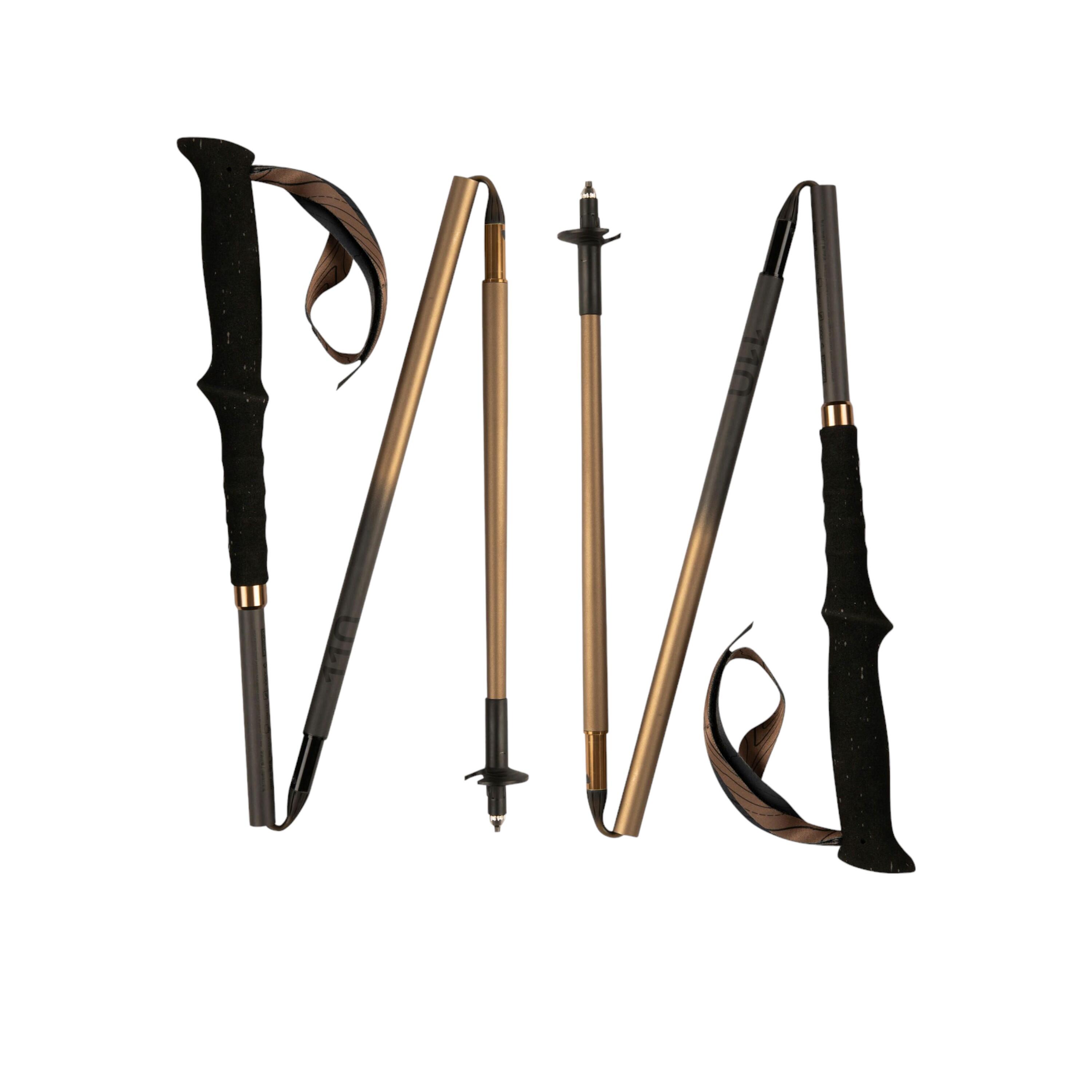
Wireless headphones remove cables that can brush against clothing, catch on pack straps or pull during fast arm movement. Fully wireless models also give you touch controls for music and calls, although they require charged earbuds and a working Bluetooth connection. Wired USB-C headphones offer simpler operation and do not need a separate earphone battery, but the cable must be routed securely beneath or around your clothing. Cable control becomes particularly important when using trail running poles, as loose wires can interfere with your arm swing or pole straps. Pro tip: carry wired earphones as a compact backup when your wireless model may not cover the full event duration.

How do you protect trail running headphones from sweat and rain?

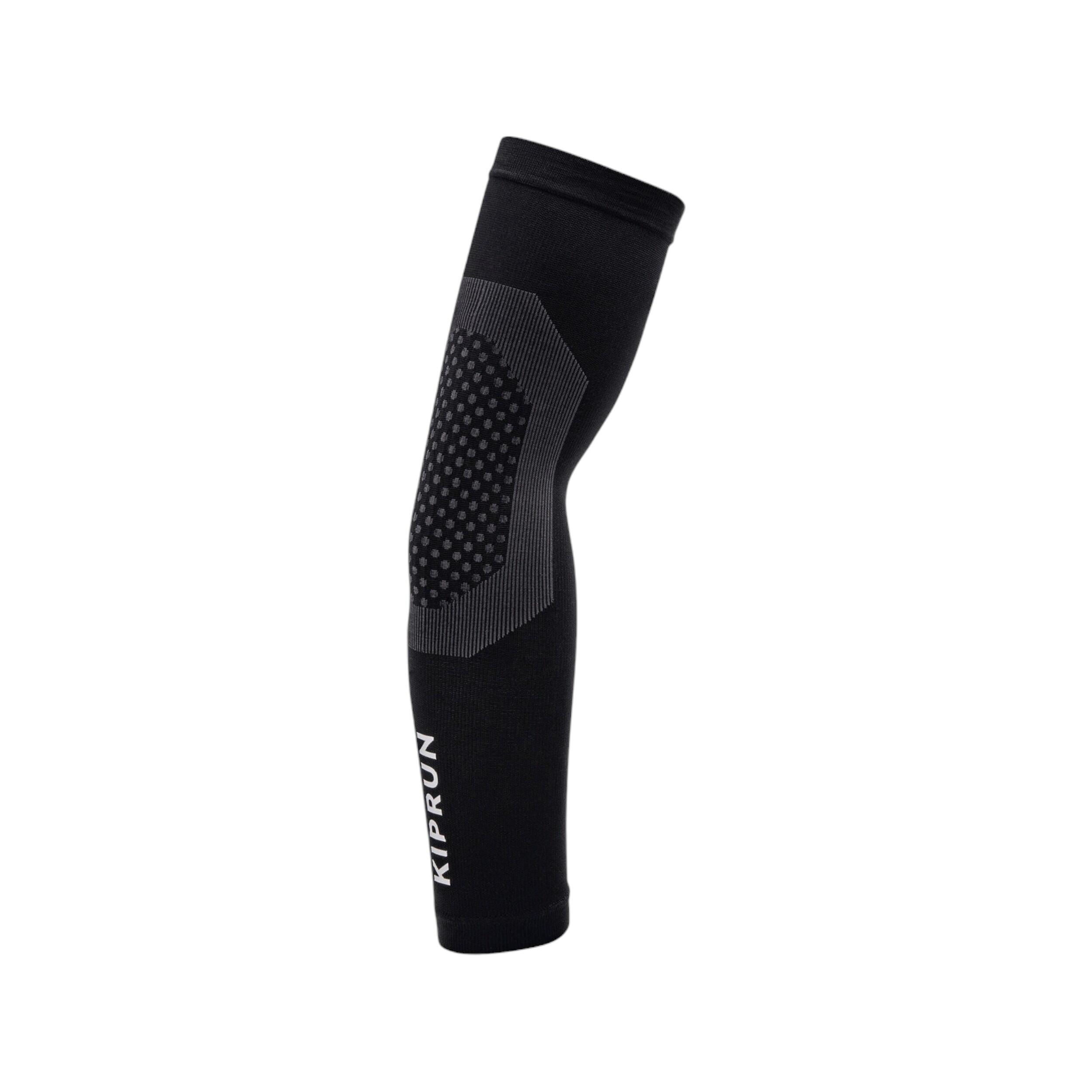
Check the product's water-resistance rating before running in wet conditions. An IPX4 rating indicates protection against sweat and water splashes, but it does not make earbuds suitable for immersion or prolonged exposure to heavy rain. Wipe the headphones with a soft, slightly damp cloth after use, then dry the ear tips, charging contacts and case before storage. Do not place damp wireless earbuds straight into a closed charging case because retained moisture can affect the contacts and electronics. Route wired cables outside tight trail running leg and arm sleeves so the fabric does not pull on the connection as you move. Store all electronic audio equipment in a dry pocket or sealed pouch when conditions worsen.