421 items
4.7/5 based on 90727 reviews collected online and in stores

Trail Running Headwear FAQs

What headwear do trail runners need?

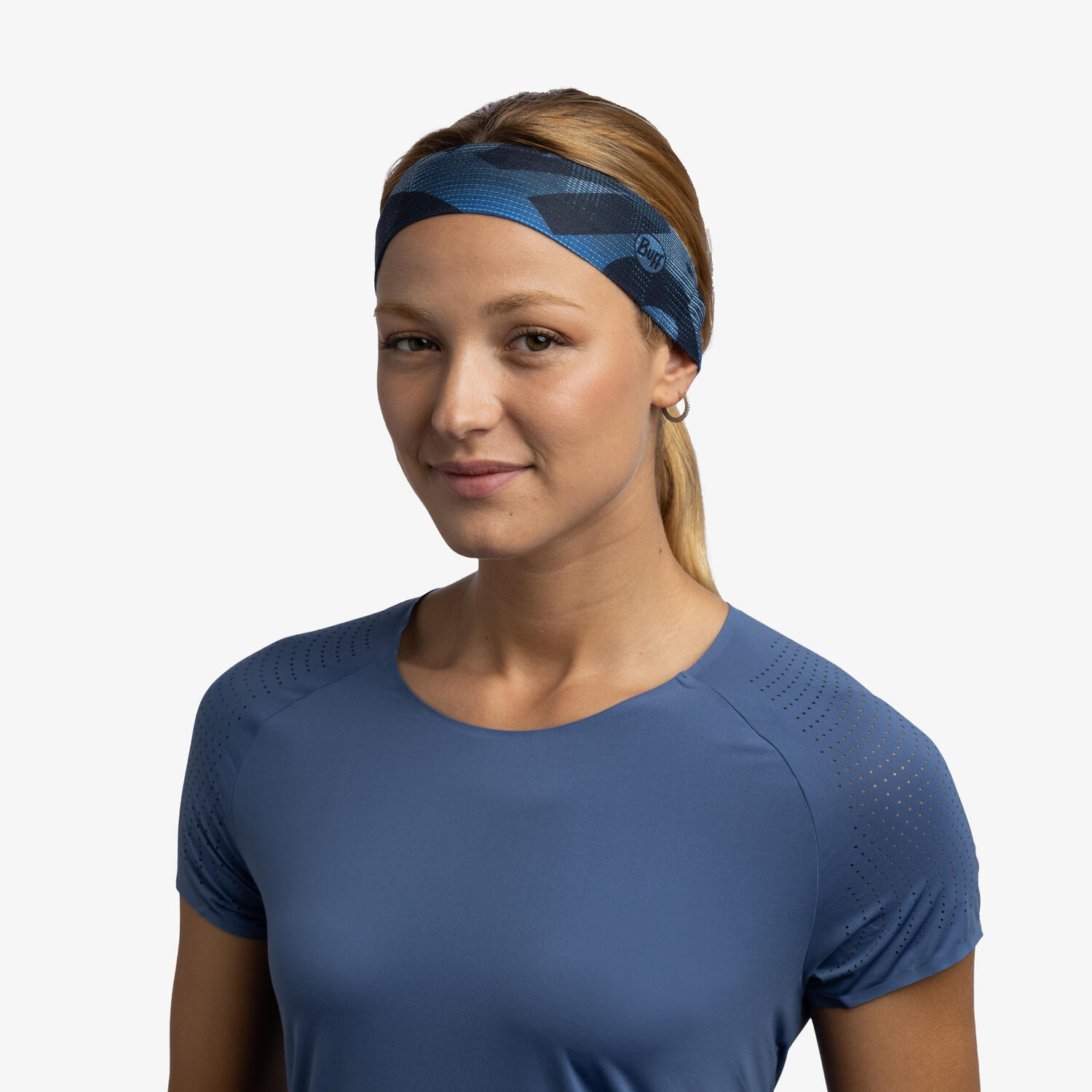
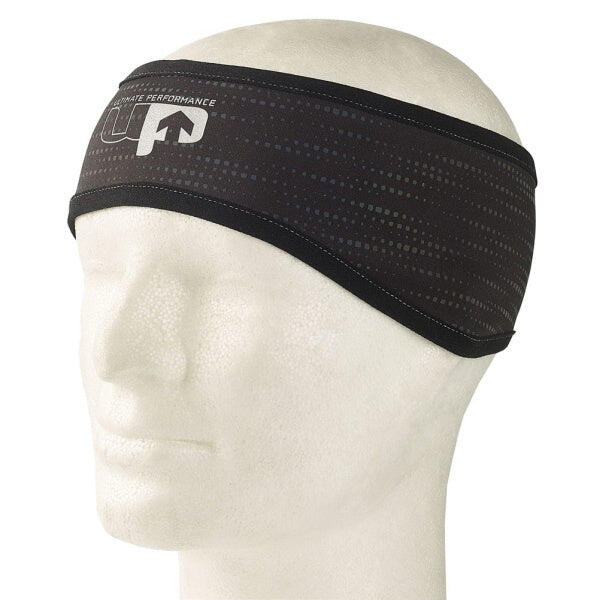
Trail runners can choose caps, headbands or beanies according to the temperature, exposure and expected weather on the route. A peaked cap shades the eyes and helps divert light rain away from the face, while a headband manages perspiration without trapping as much heat as a full hat. A close-fitting beanie provides insulation during cold starts, slow sections and exposed ridge running. Technical fabric should dry quickly and fit securely beneath a hood or head torch without creating pressure. On long summer routes, remember that open mesh and thin fabric may not provide complete protection from ultraviolet exposure. Sweat-taming options sit in the trail running headbands.

What keeps your head warm on cold trail runs?

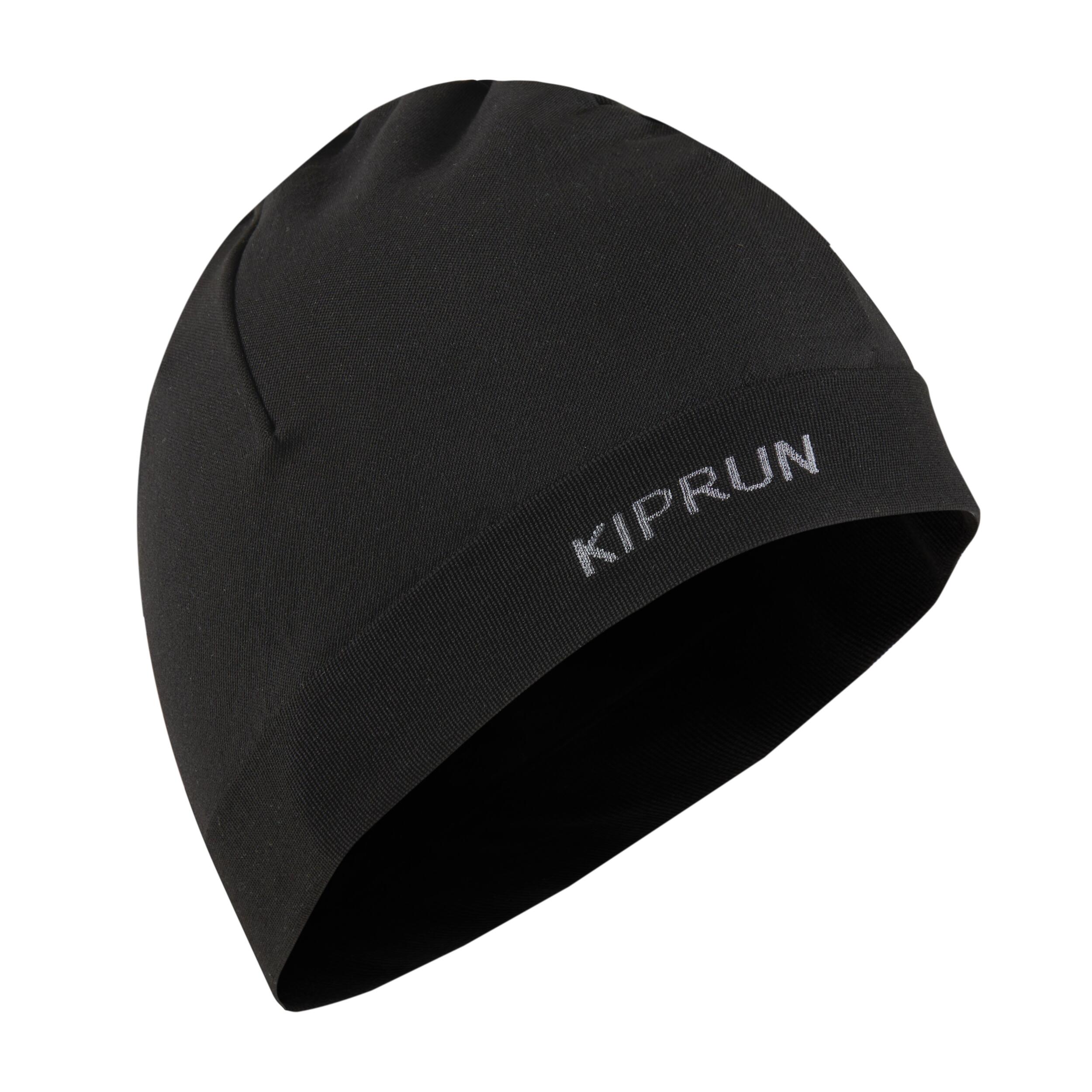
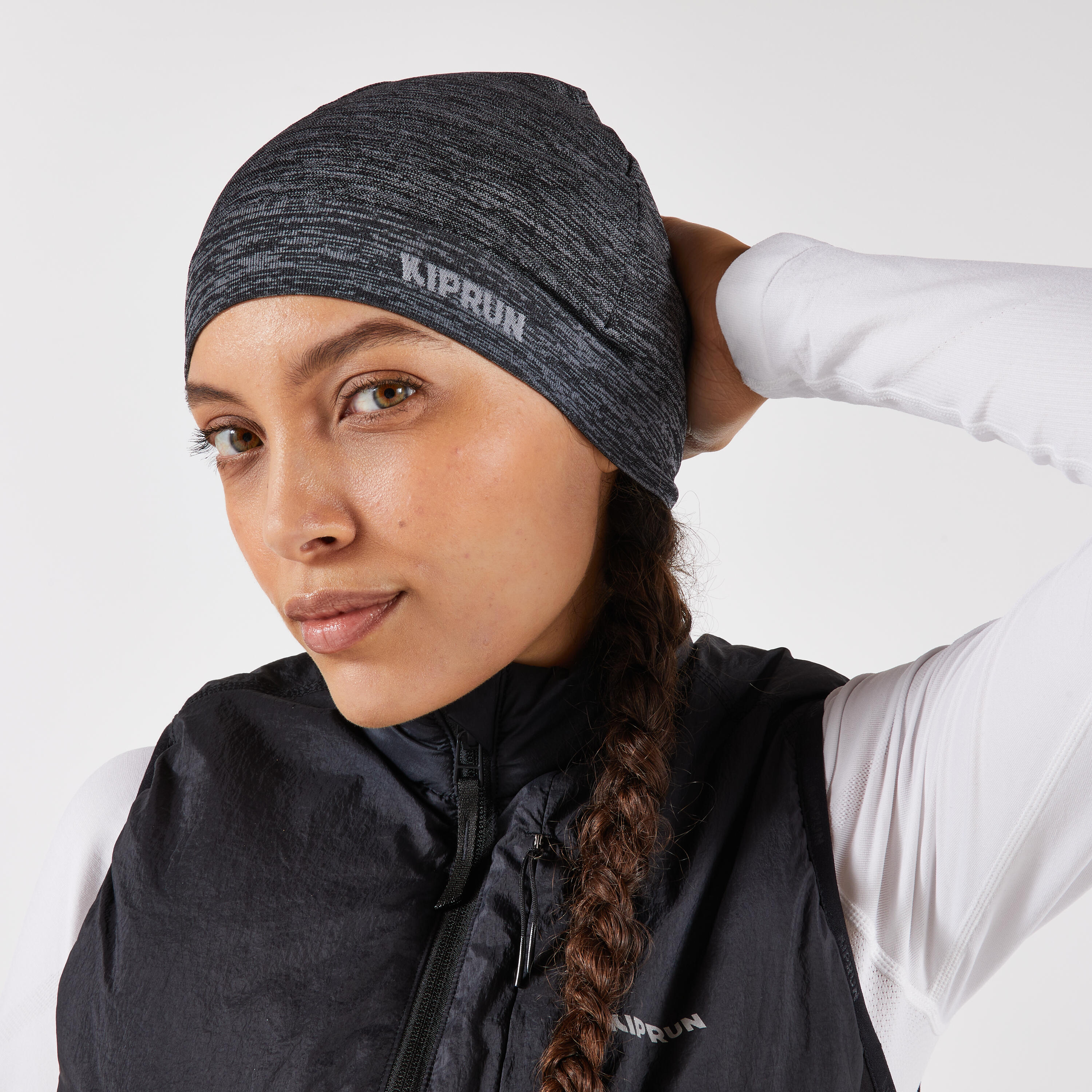
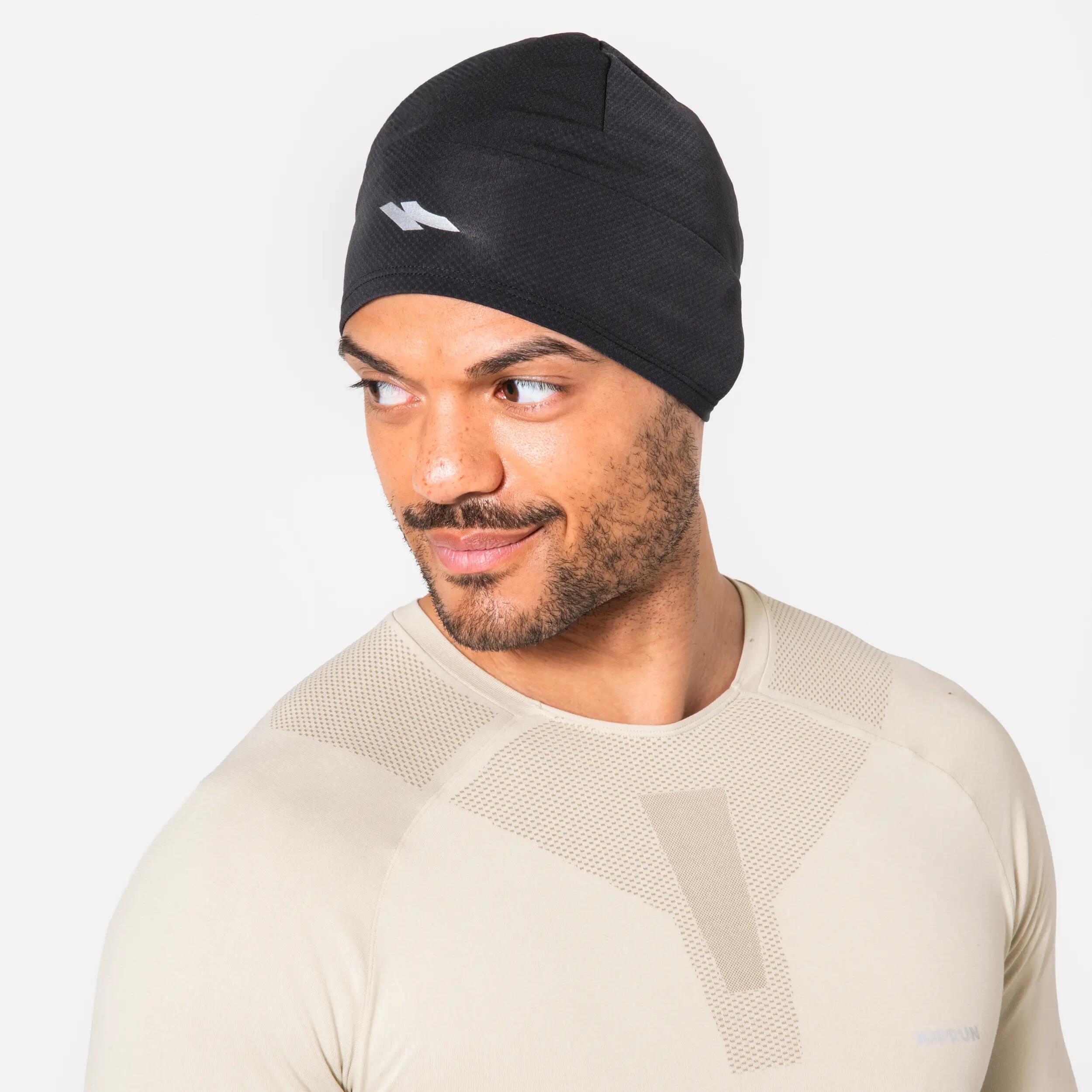
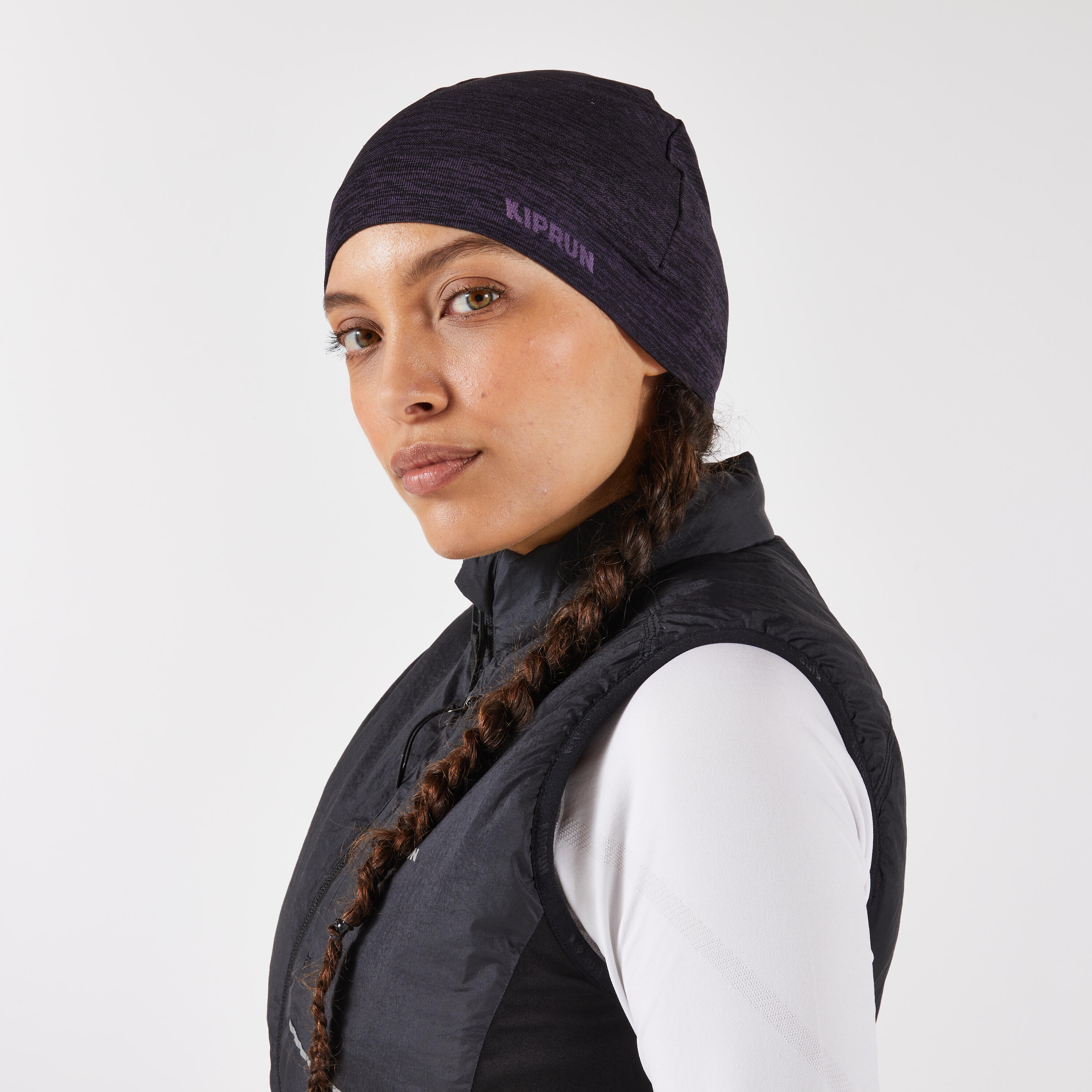
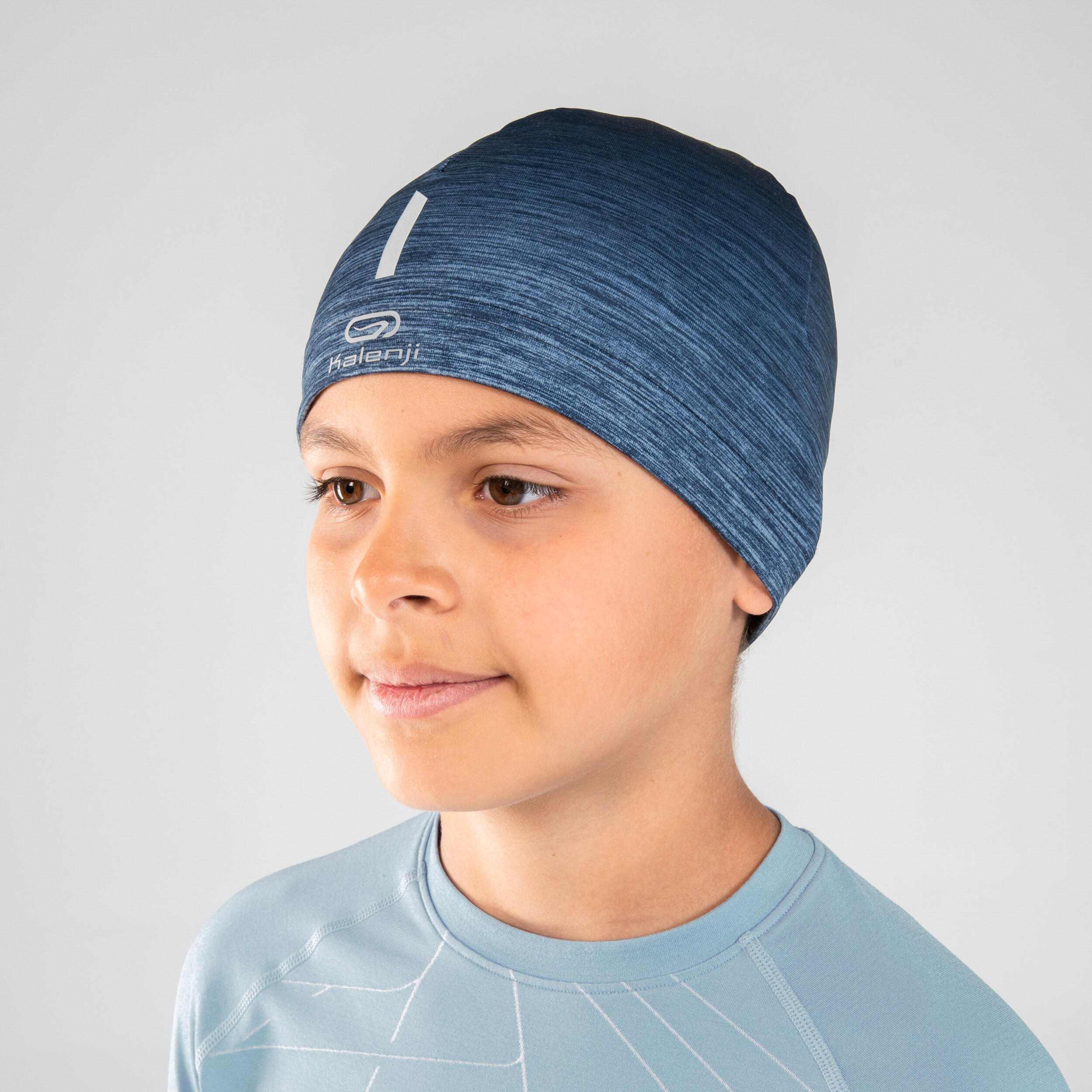
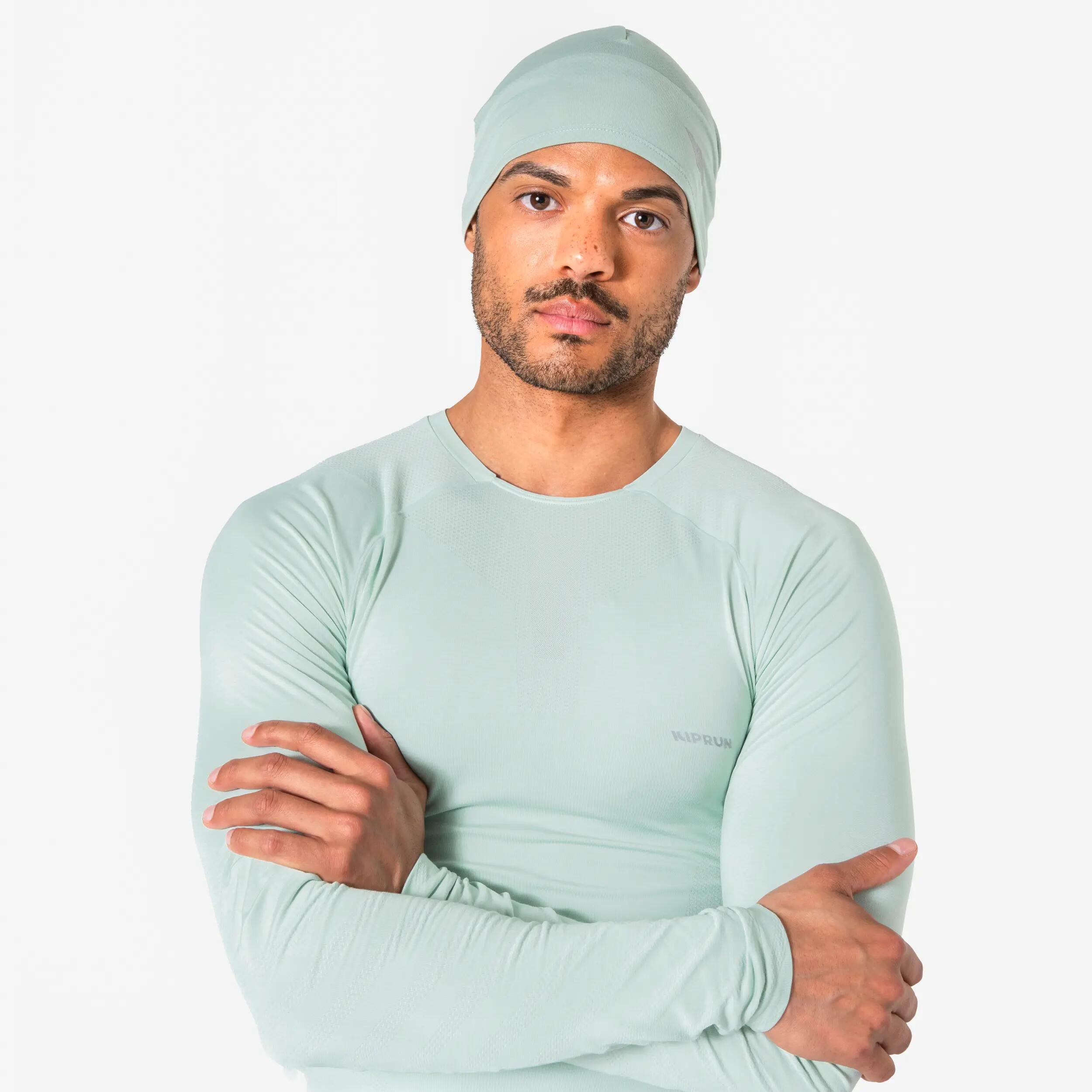
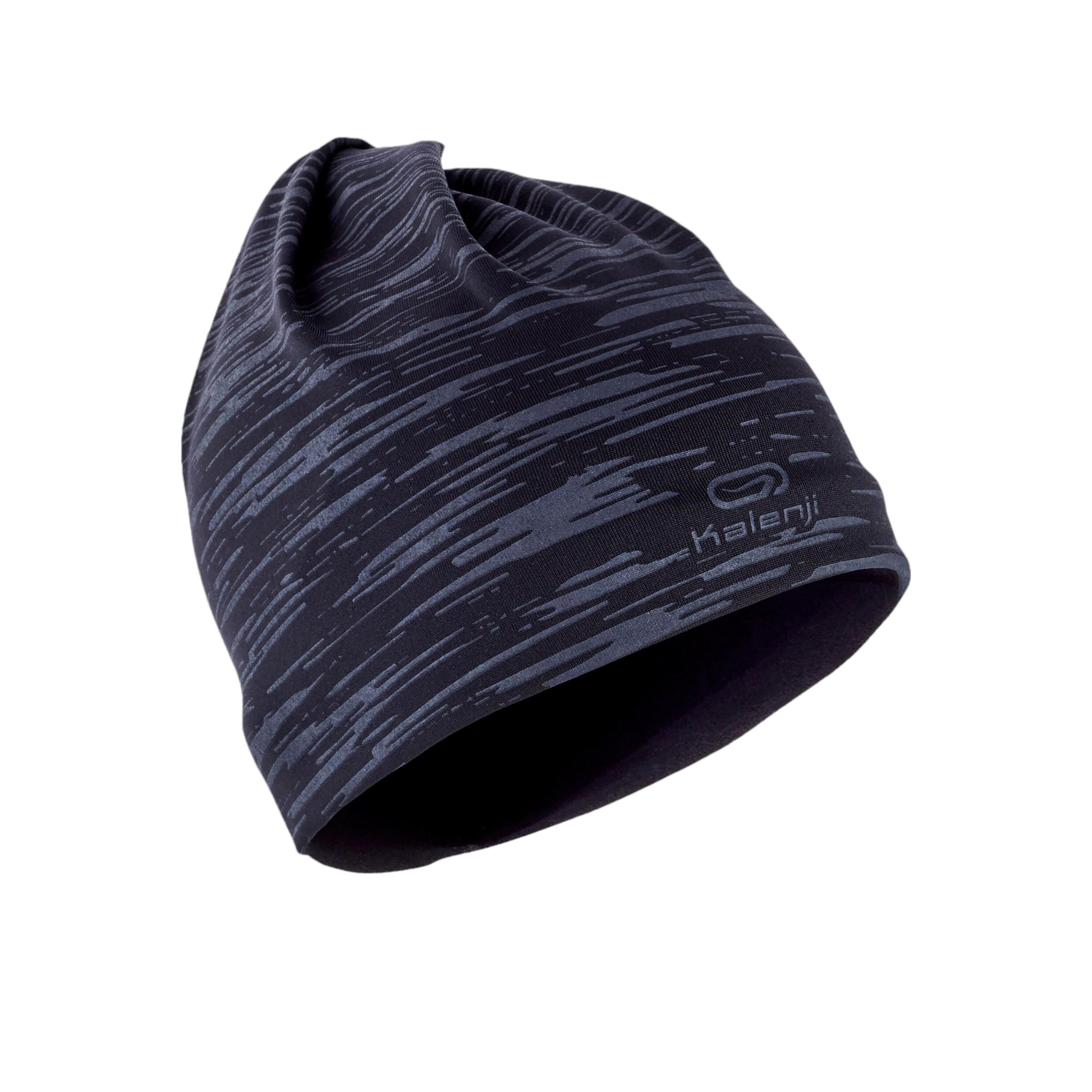
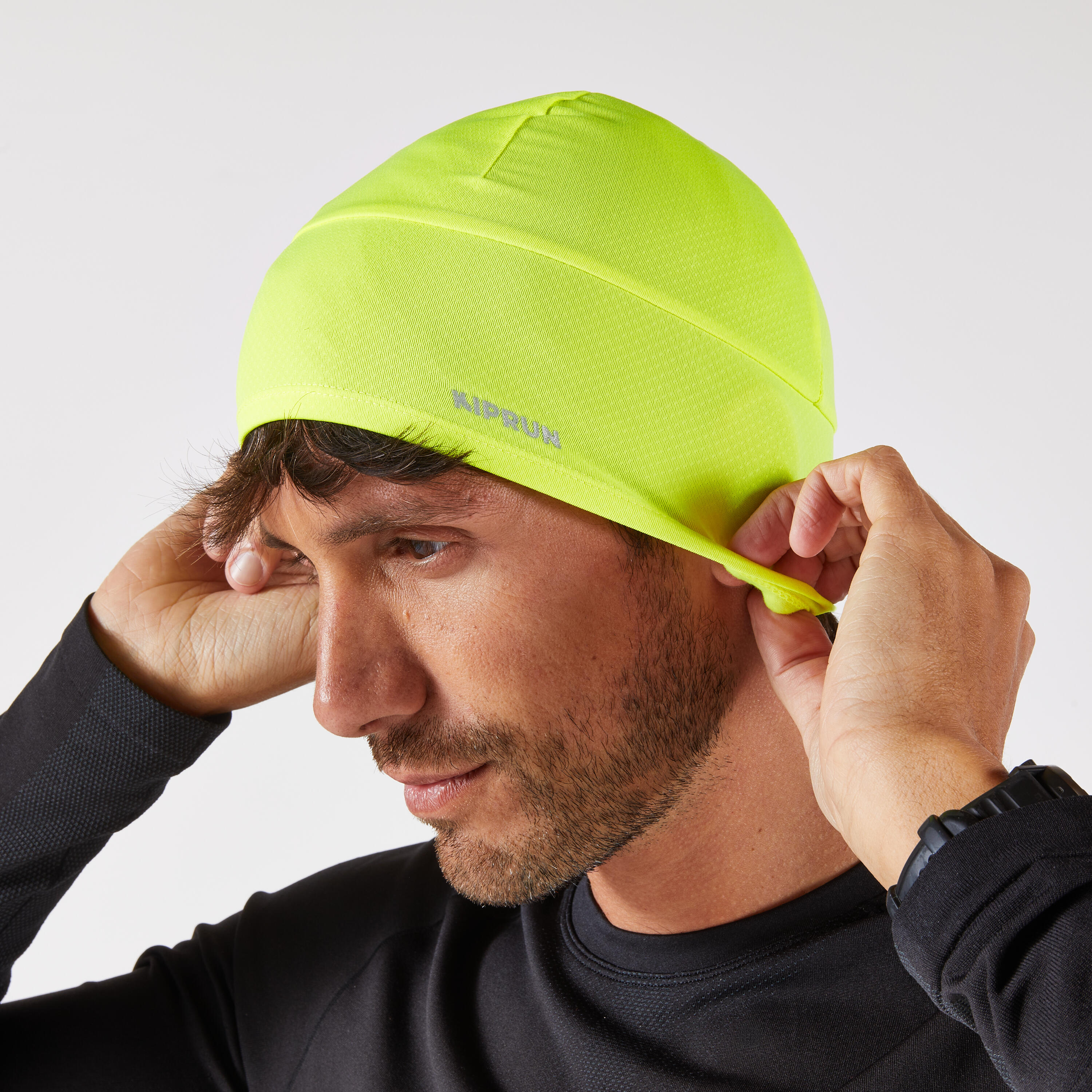
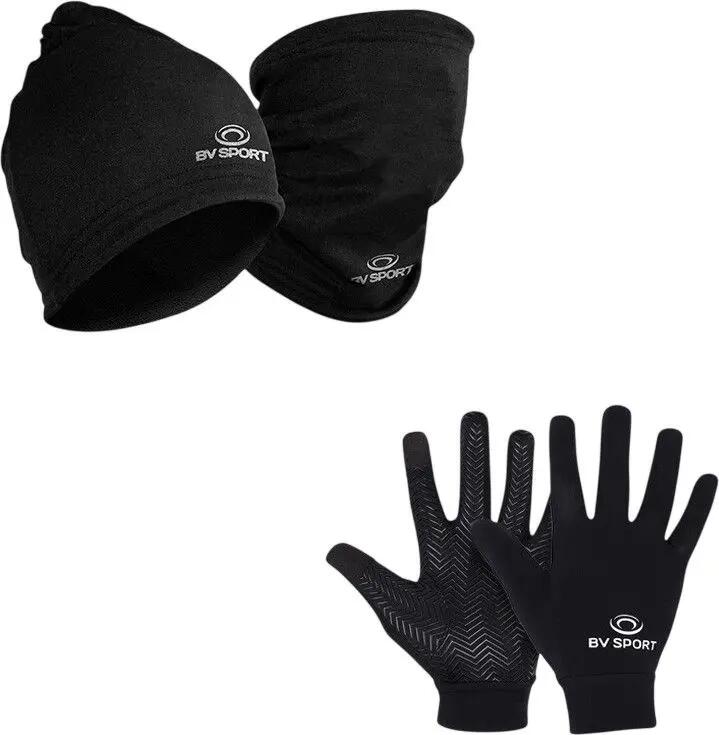
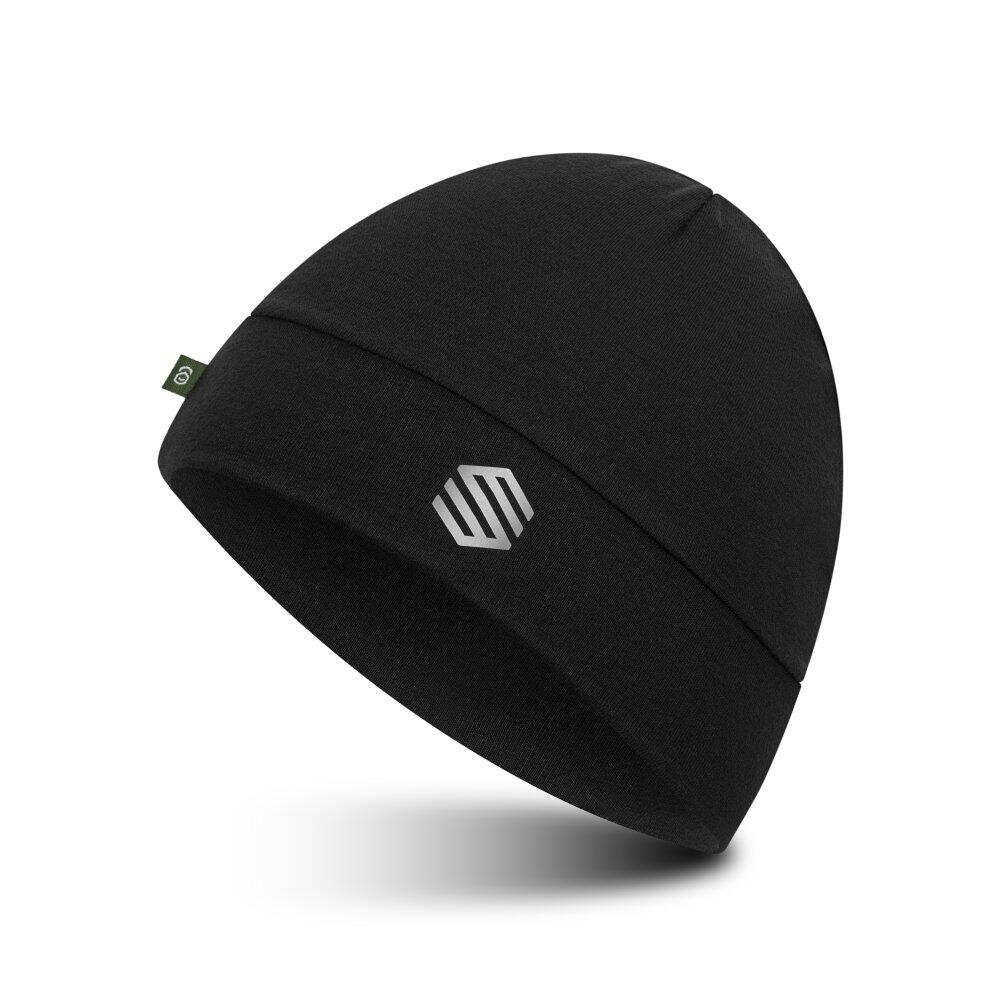
A close-fitting beanie reduces heat loss from the head and covers the ears during cold, windy or exposed outings. Thin technical knits work well during active climbs because they provide insulation without holding as much perspiration as a heavy everyday hat. A brushed inner surface can add warmth for slower sessions, while a low-profile shape sits more comfortably beneath a waterproof hood or head torch strap. Check that the fabric does not block hearing or slide over the eyes when wet. Warm covers fill the trail-running beanies.
Why wear a cap for trail running?

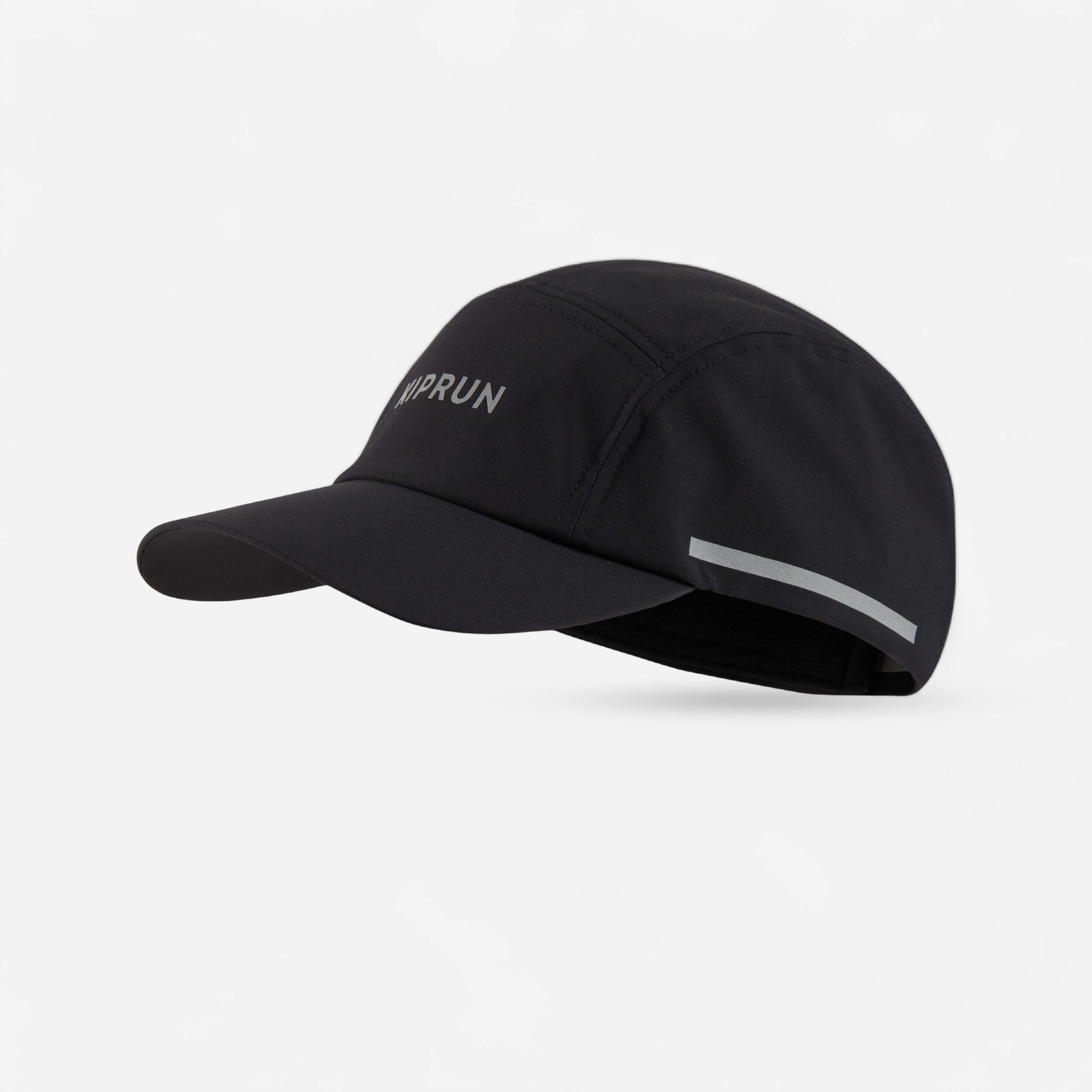
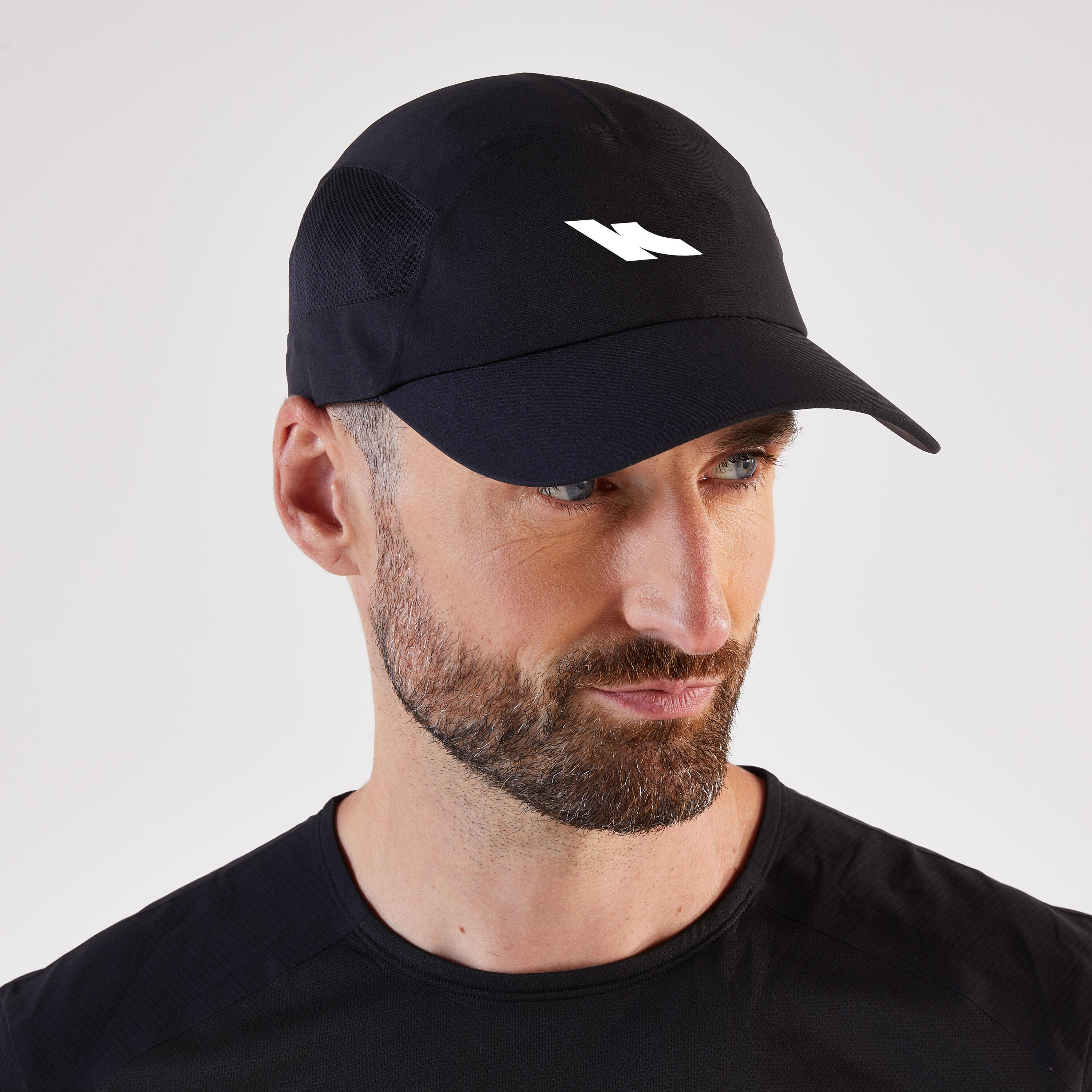
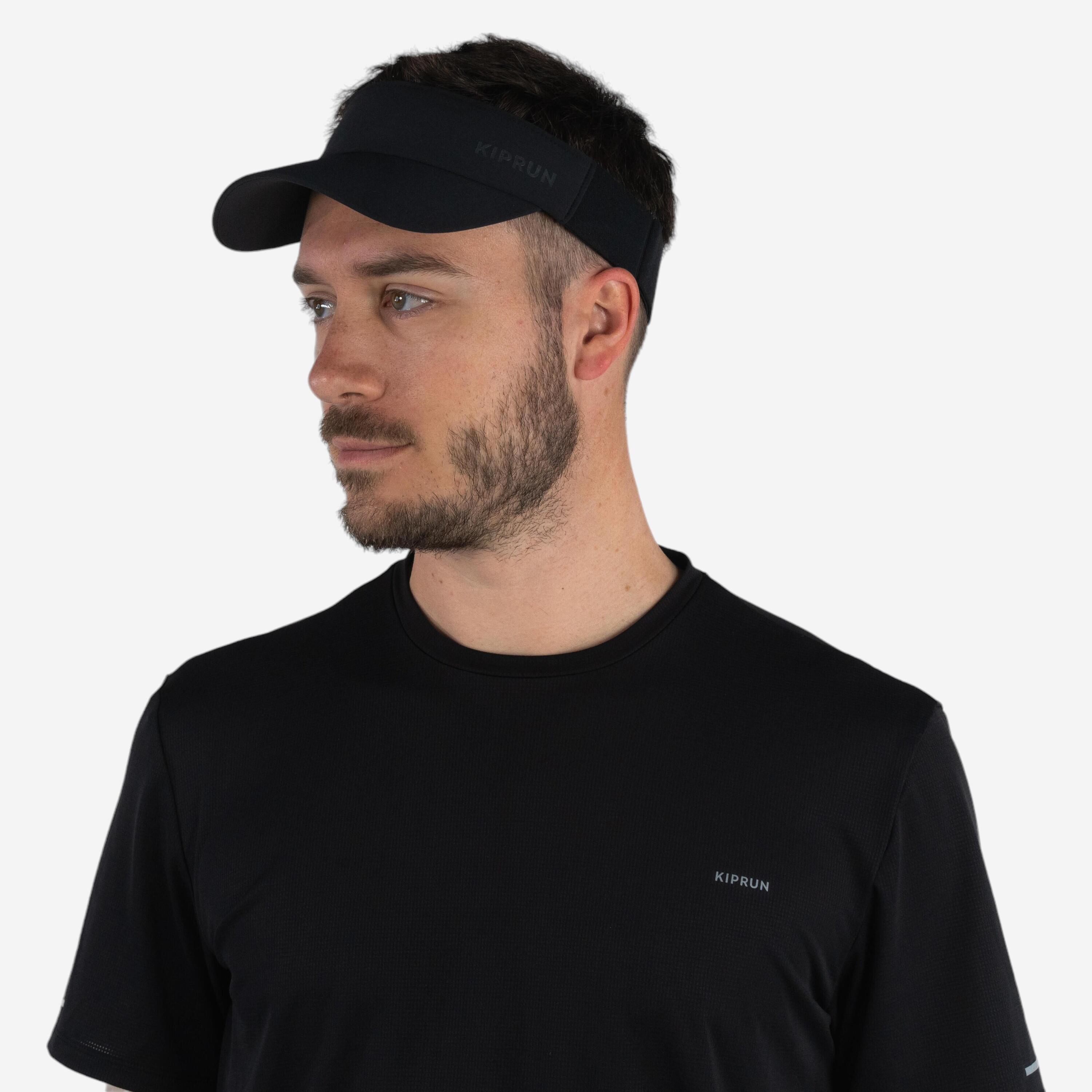
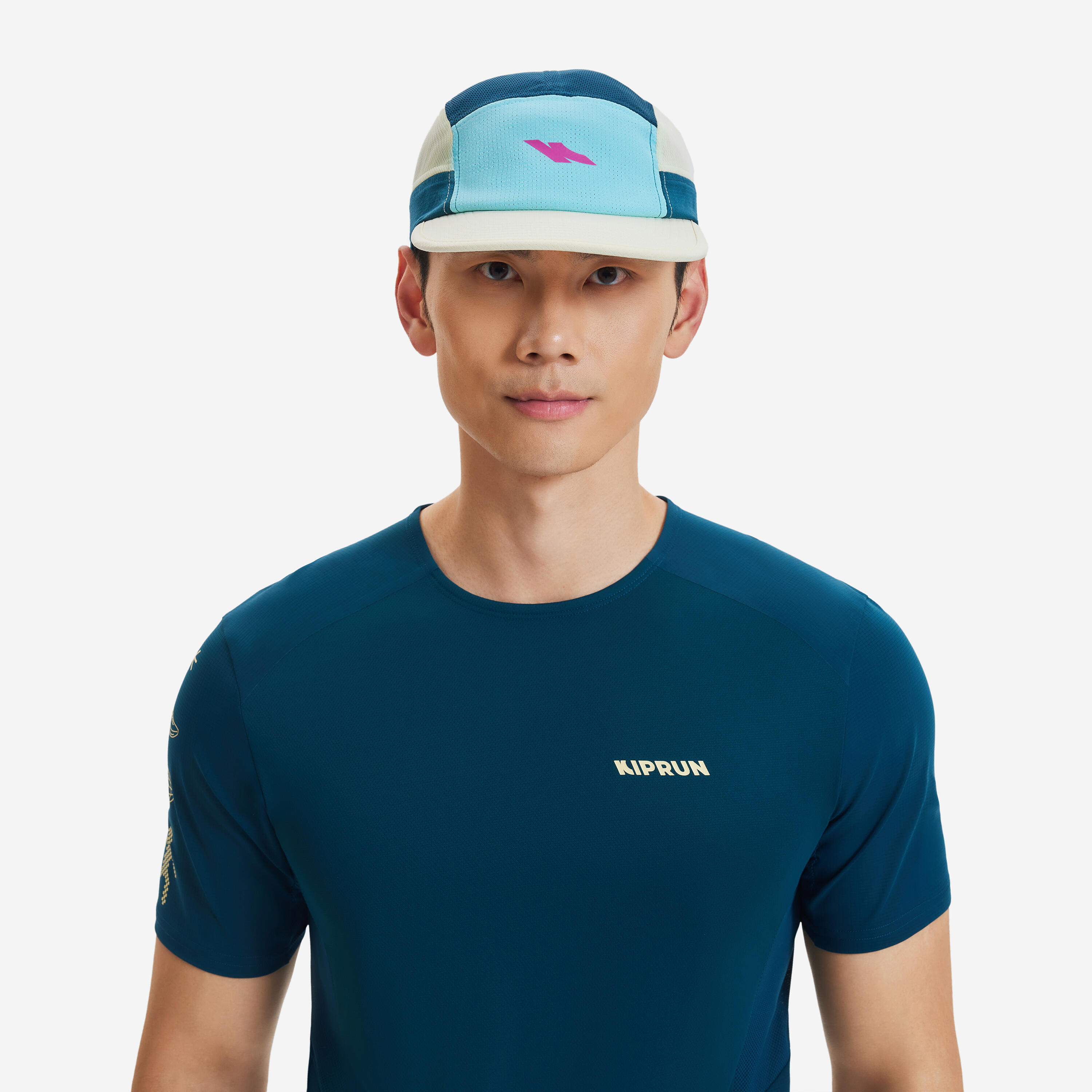
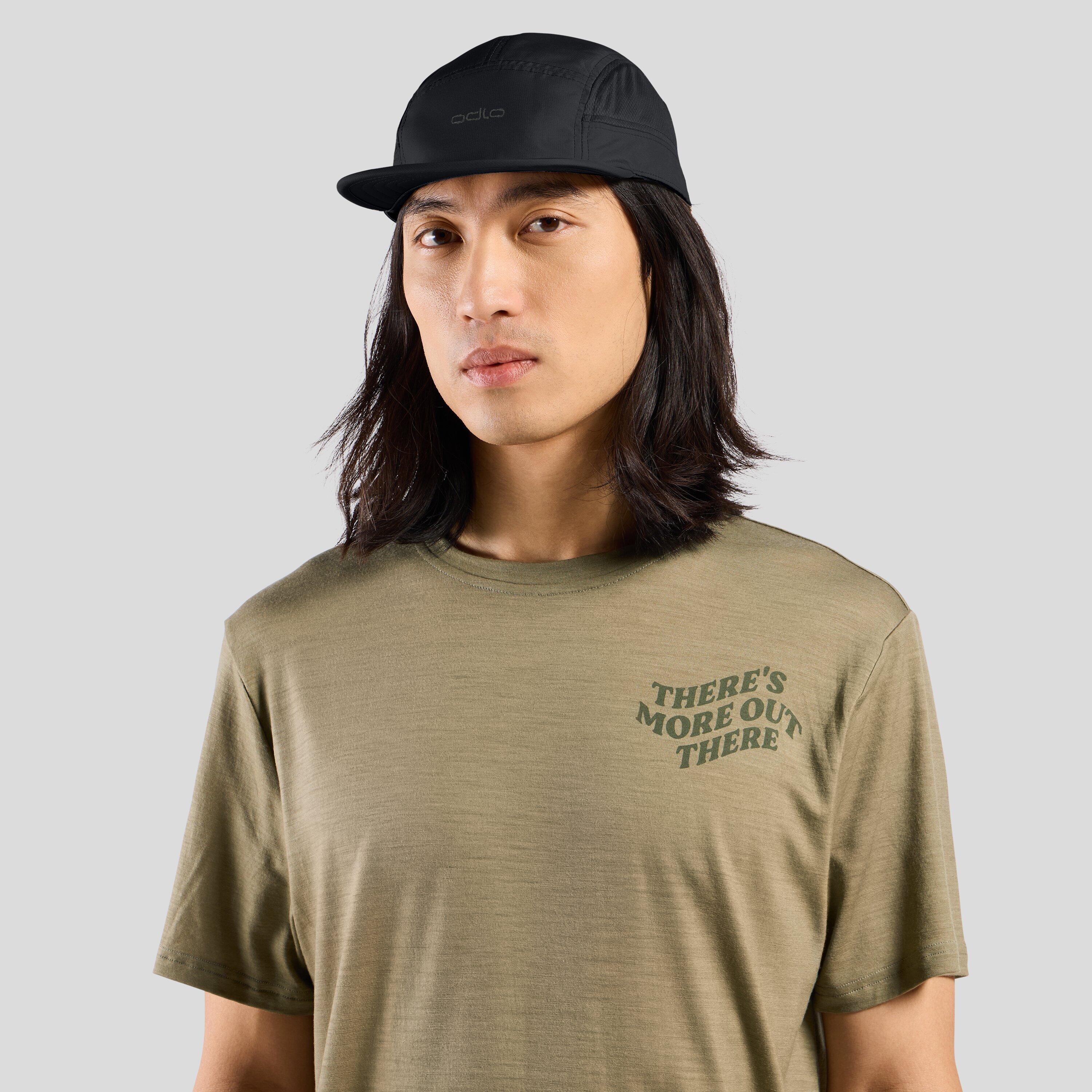
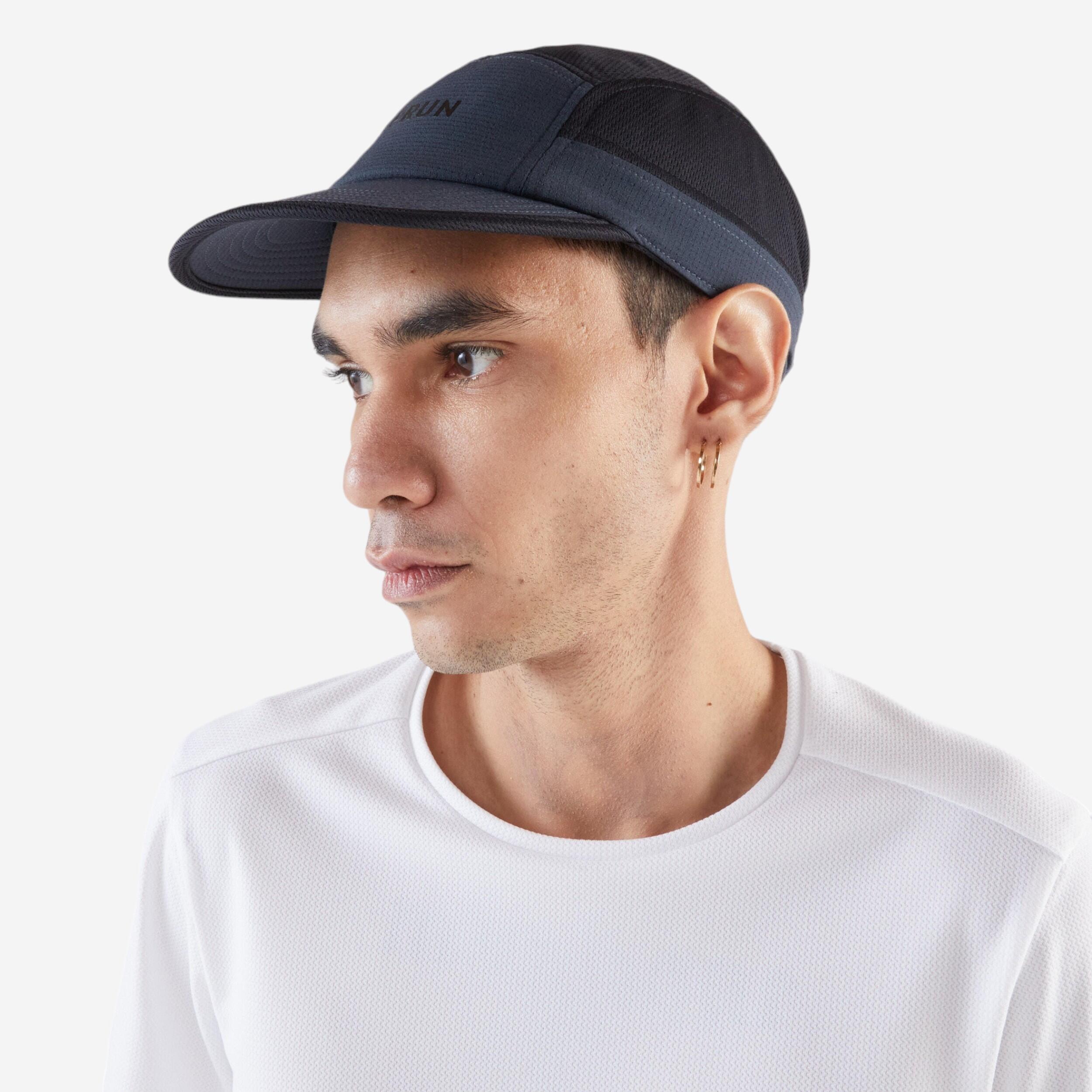
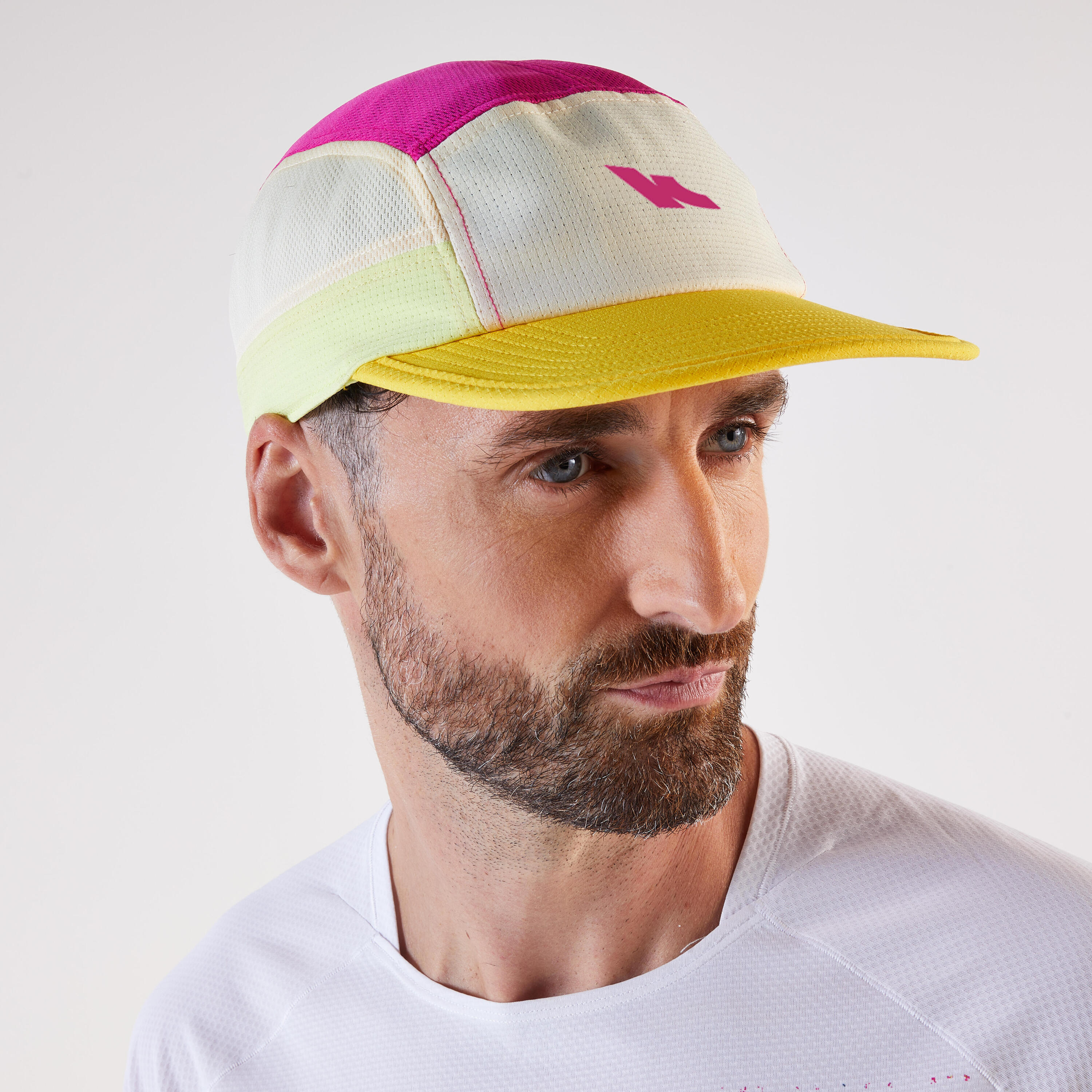
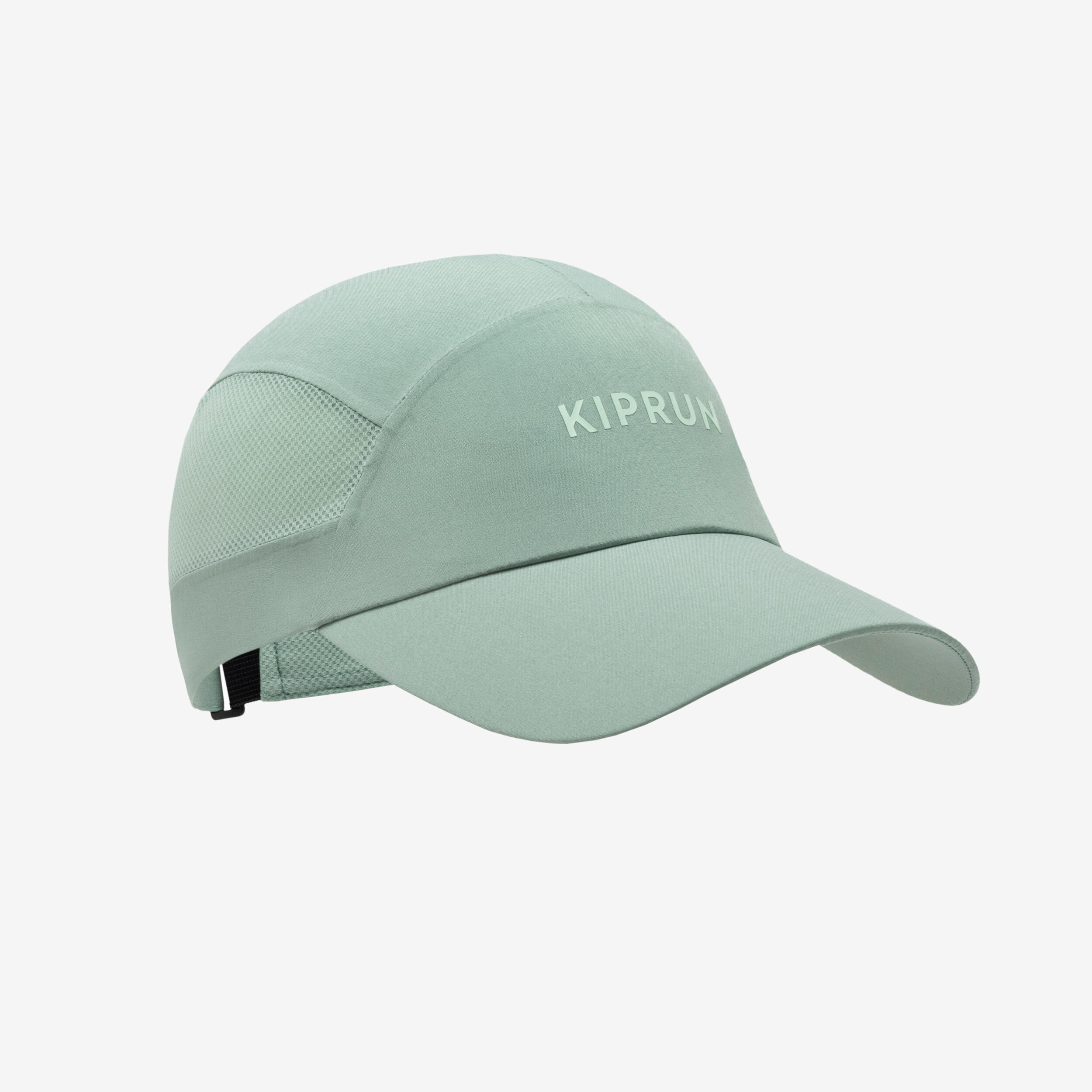
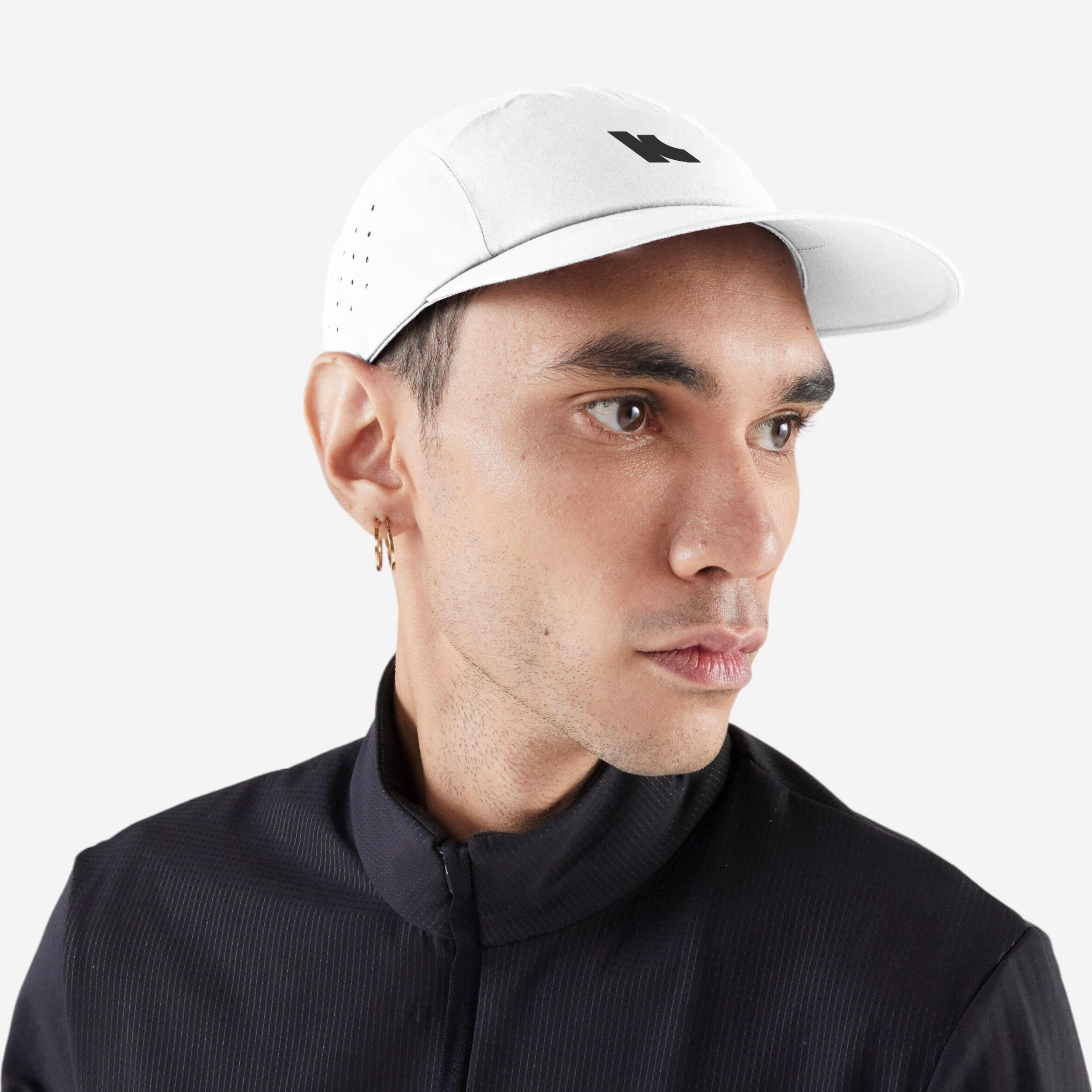
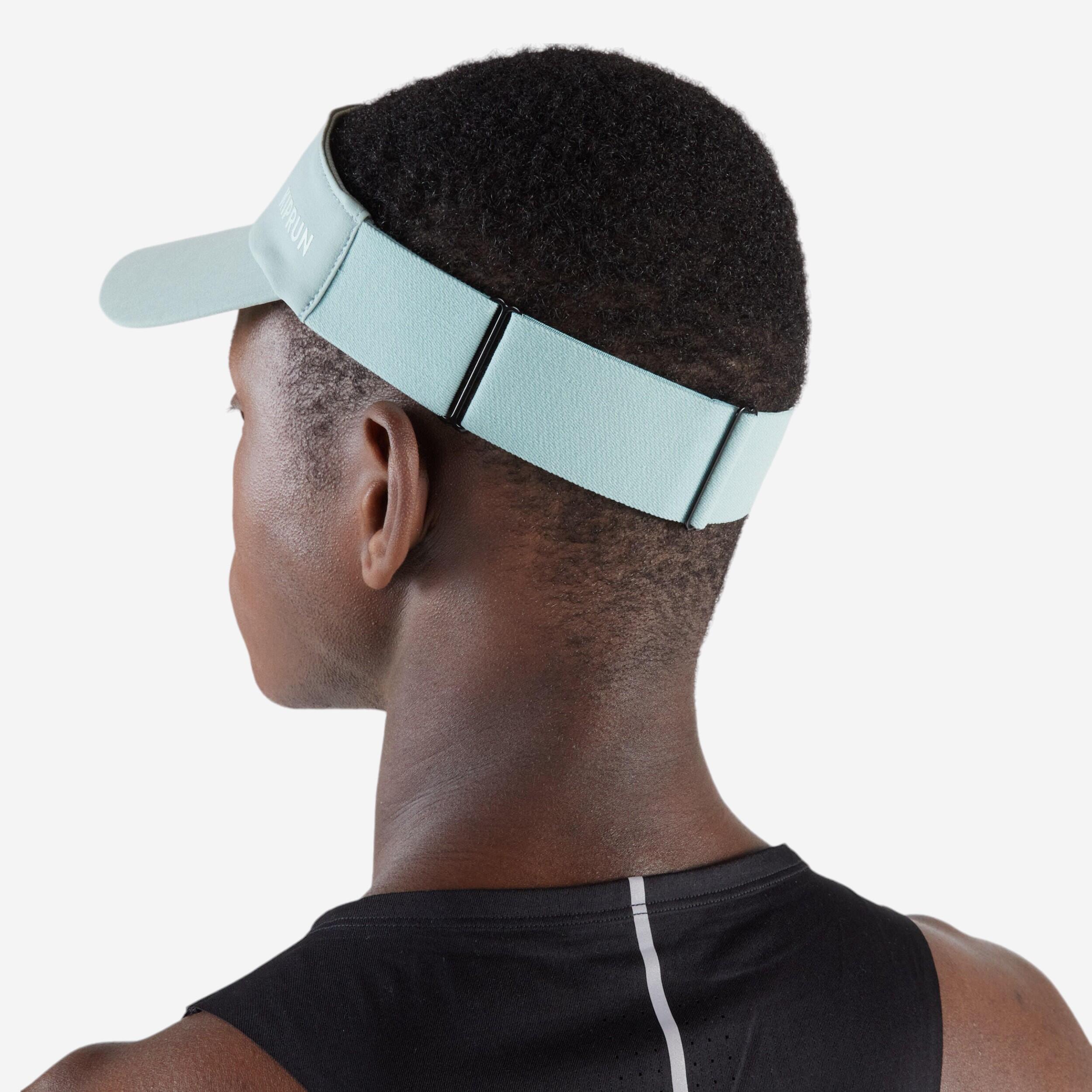
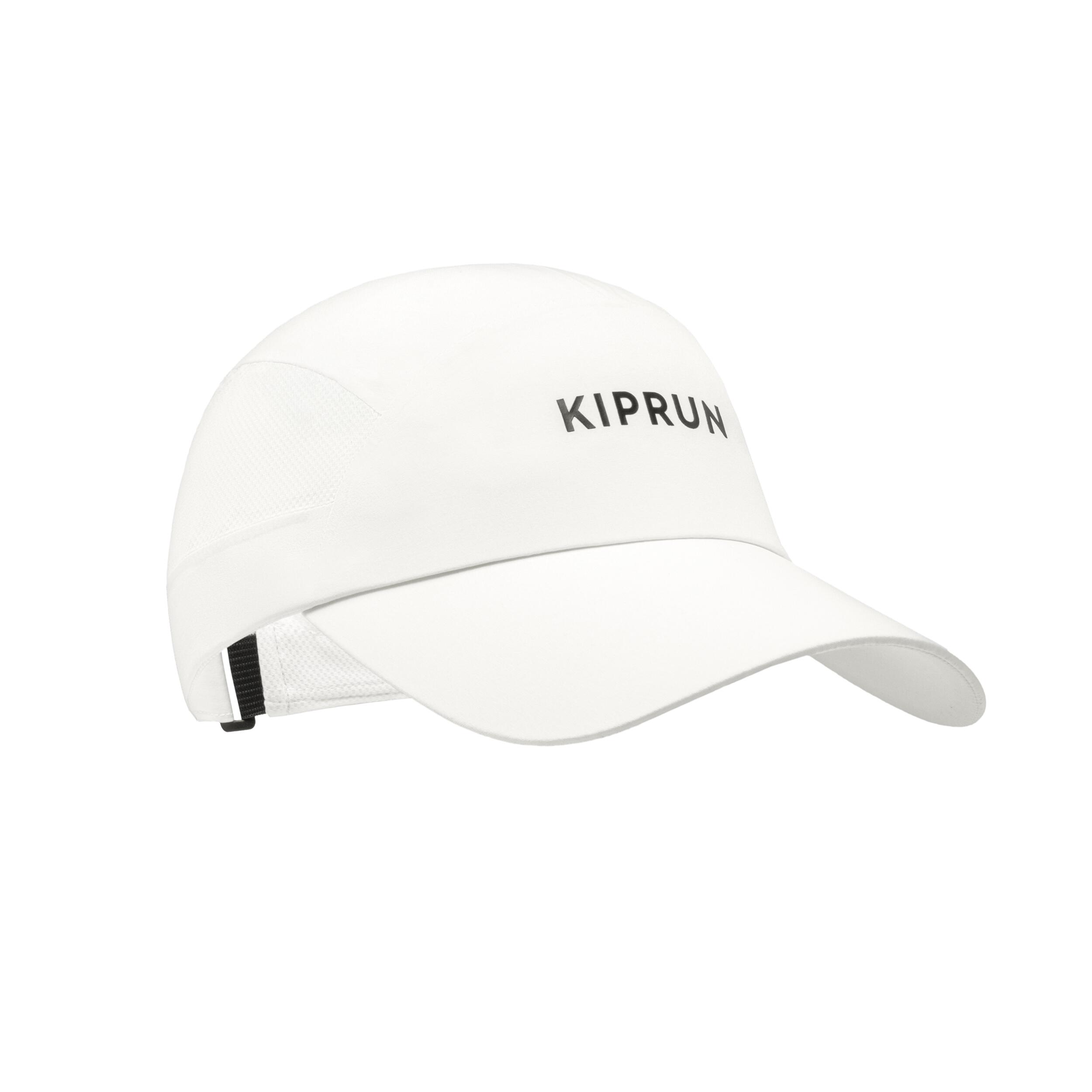
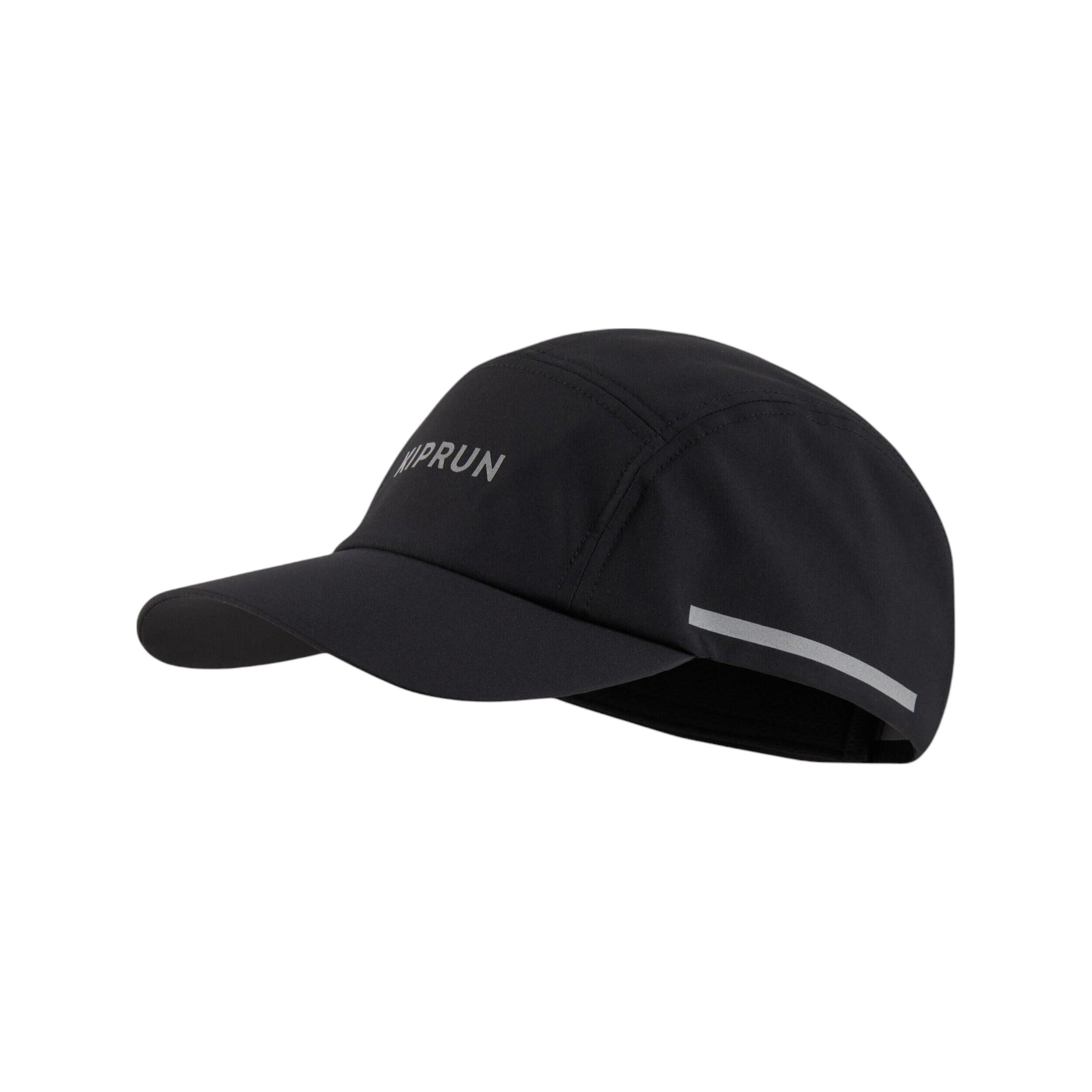
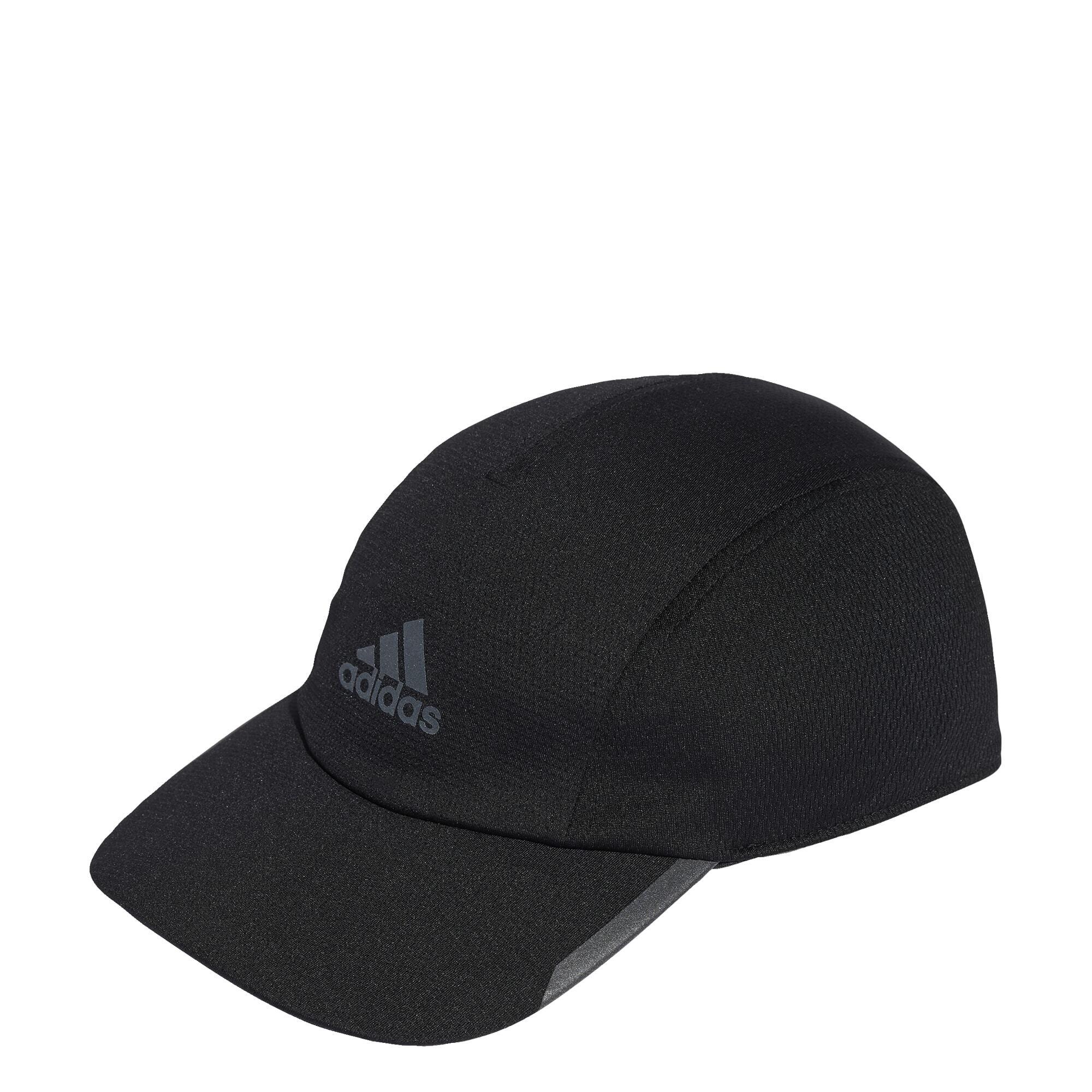
A trail running cap shields the eyes from direct sunlight and can improve visibility by reducing glare on exposed paths. The peak also helps keep light rain and perspiration away from the face, although it does not replace sunscreen or waterproof protection. Ventilation panels release heat around the scalp, while quick-drying fabric prevents the cap from remaining saturated after steep climbs. Choose an adjustable fit that stays stable in wind without pressing against the forehead, and check that the peak does not obstruct your view on technical descents. Shady options fill the trail running caps.
Do headbands help on the trail?

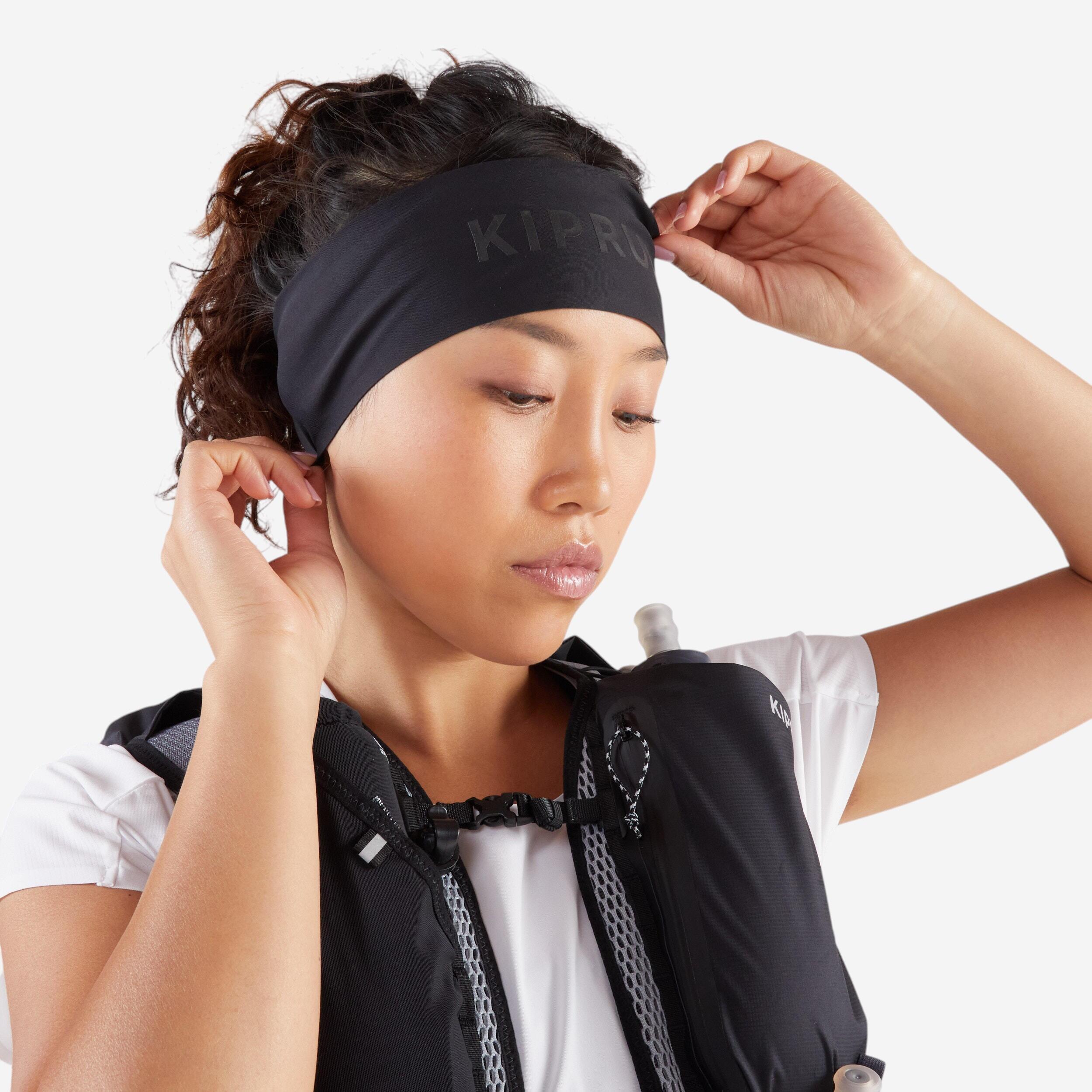
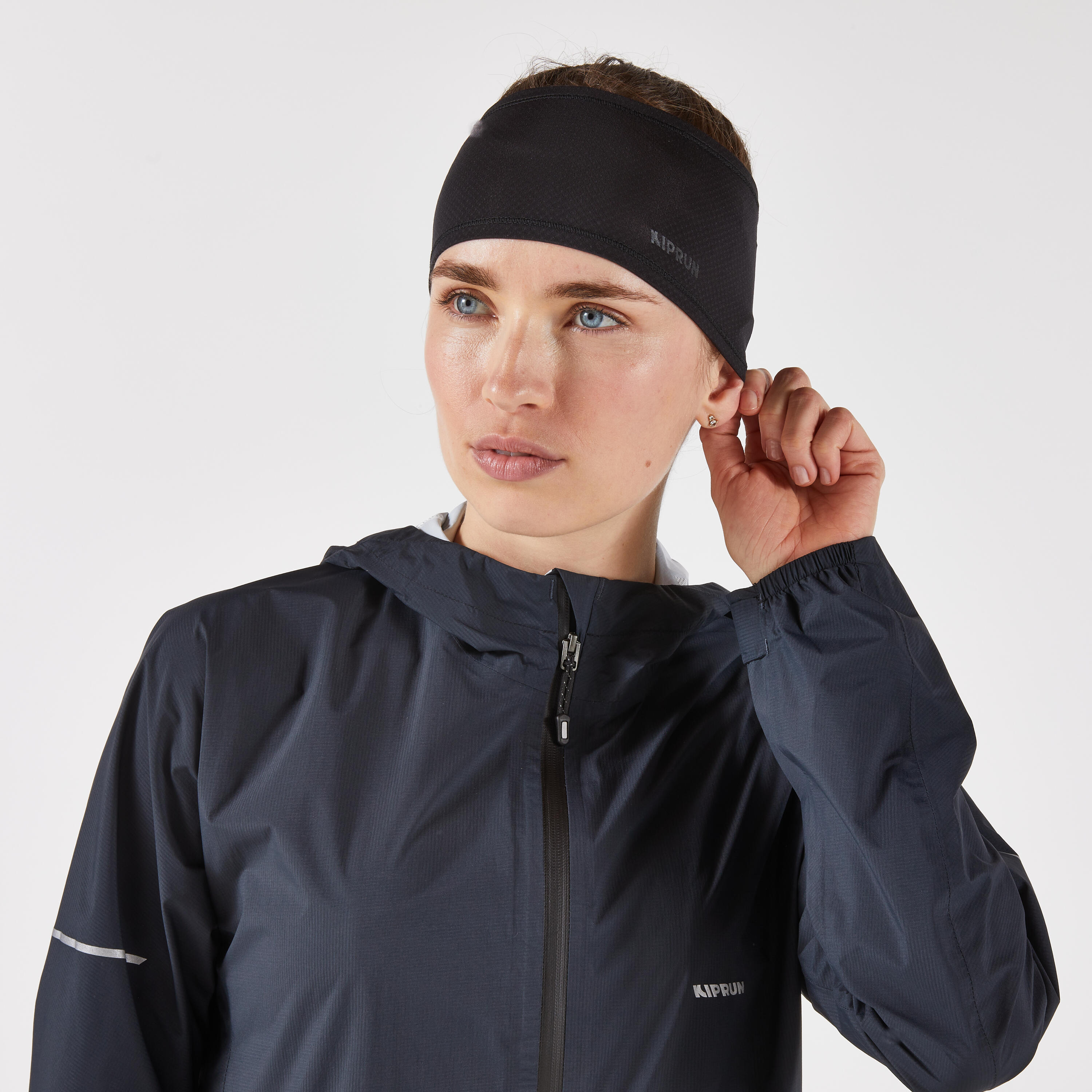
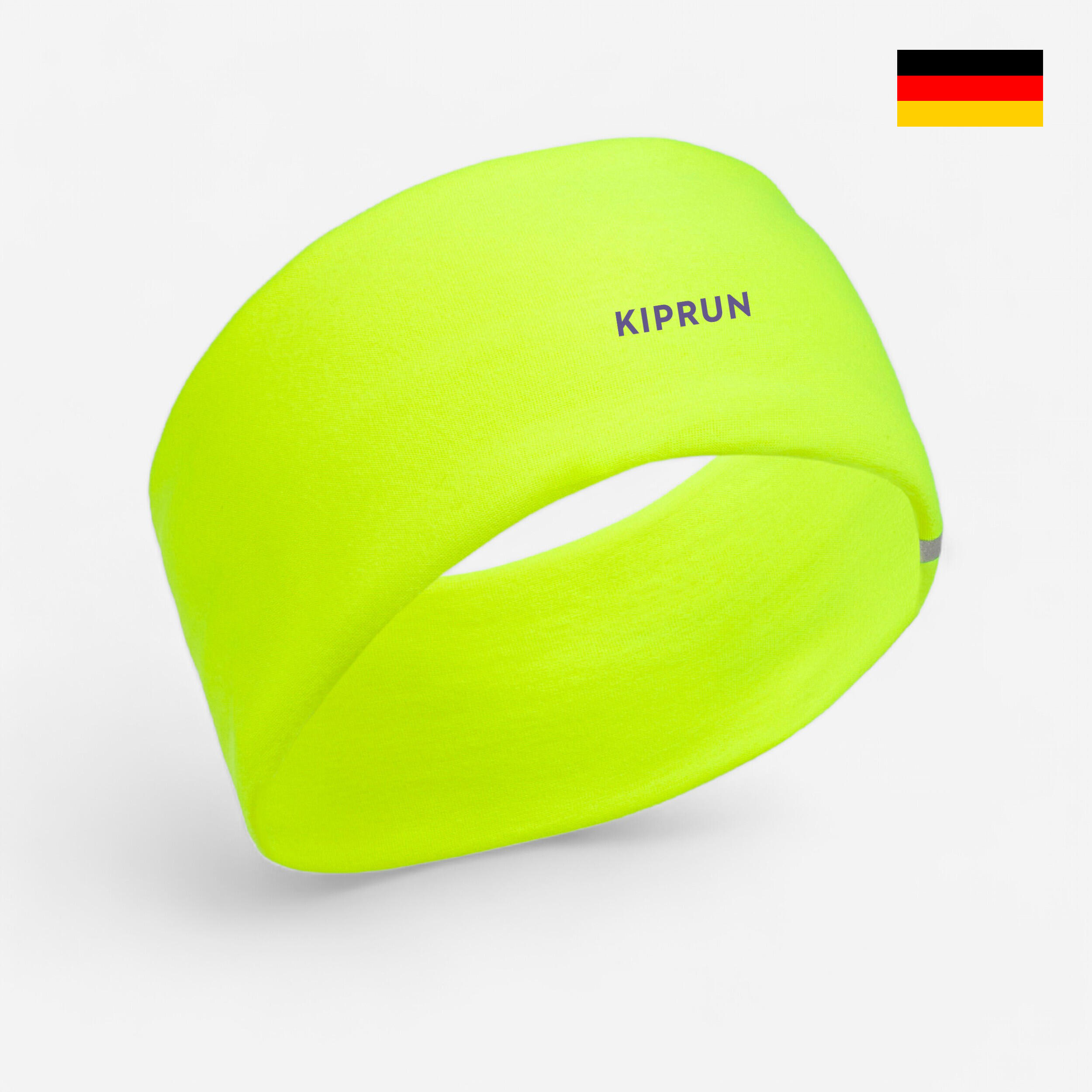
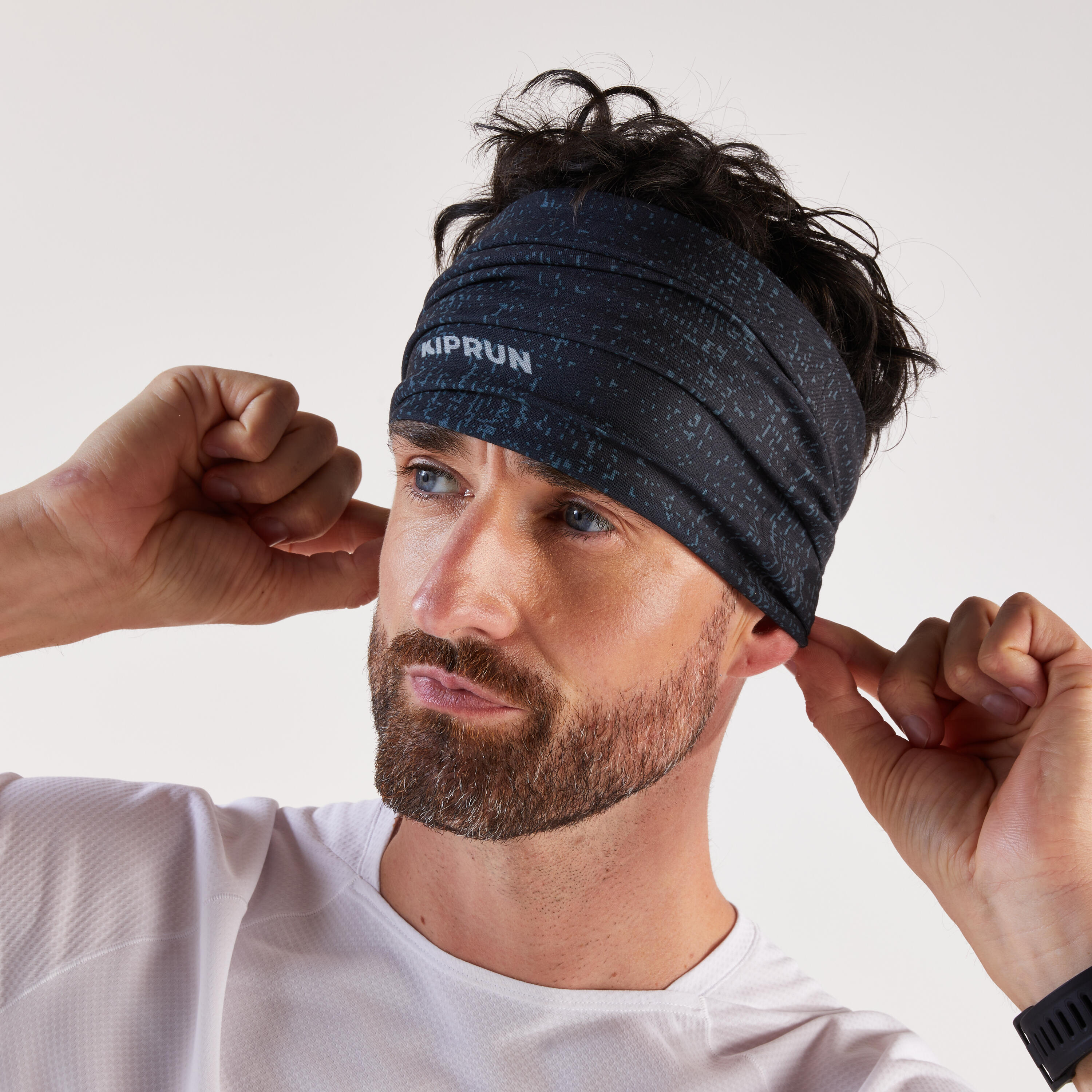
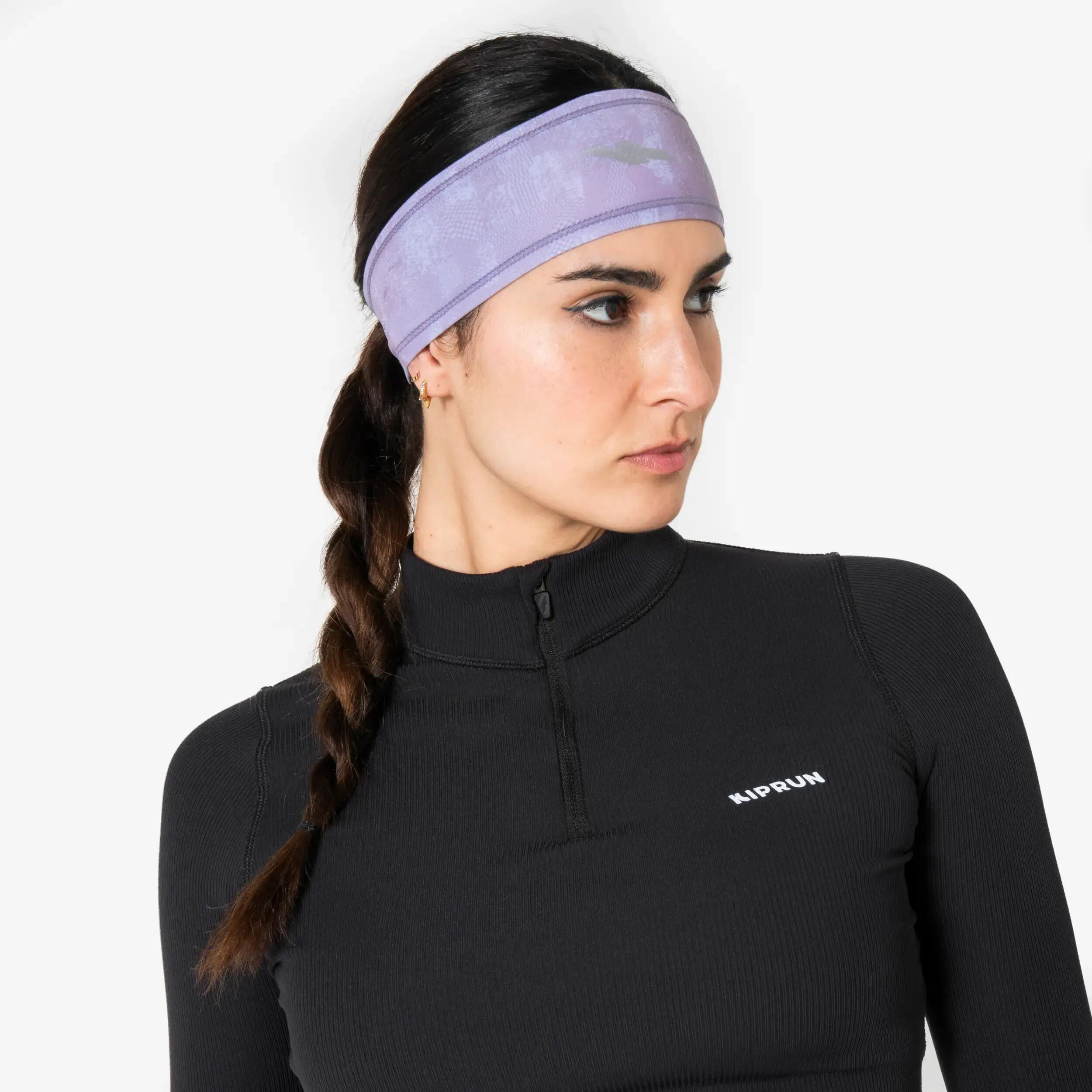
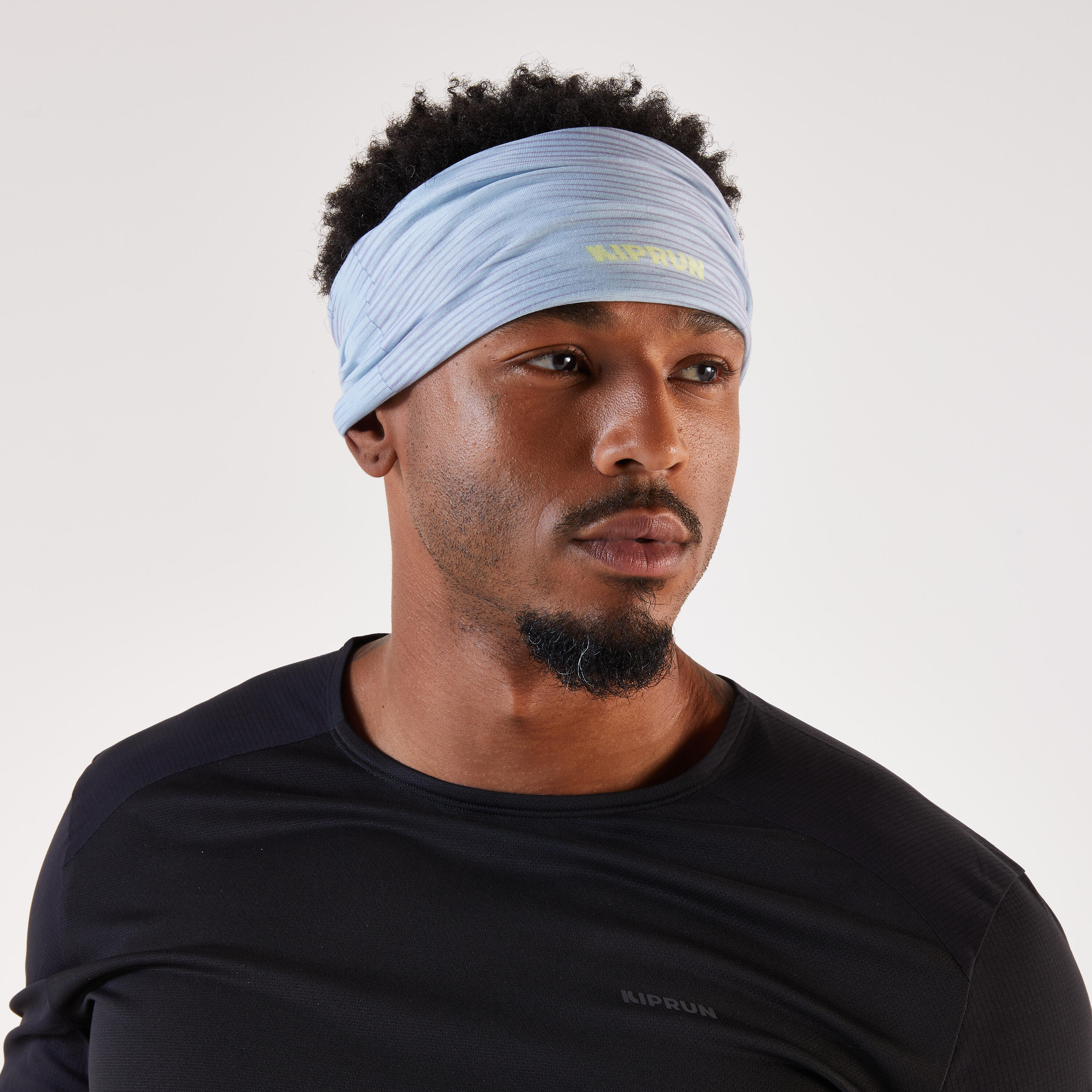
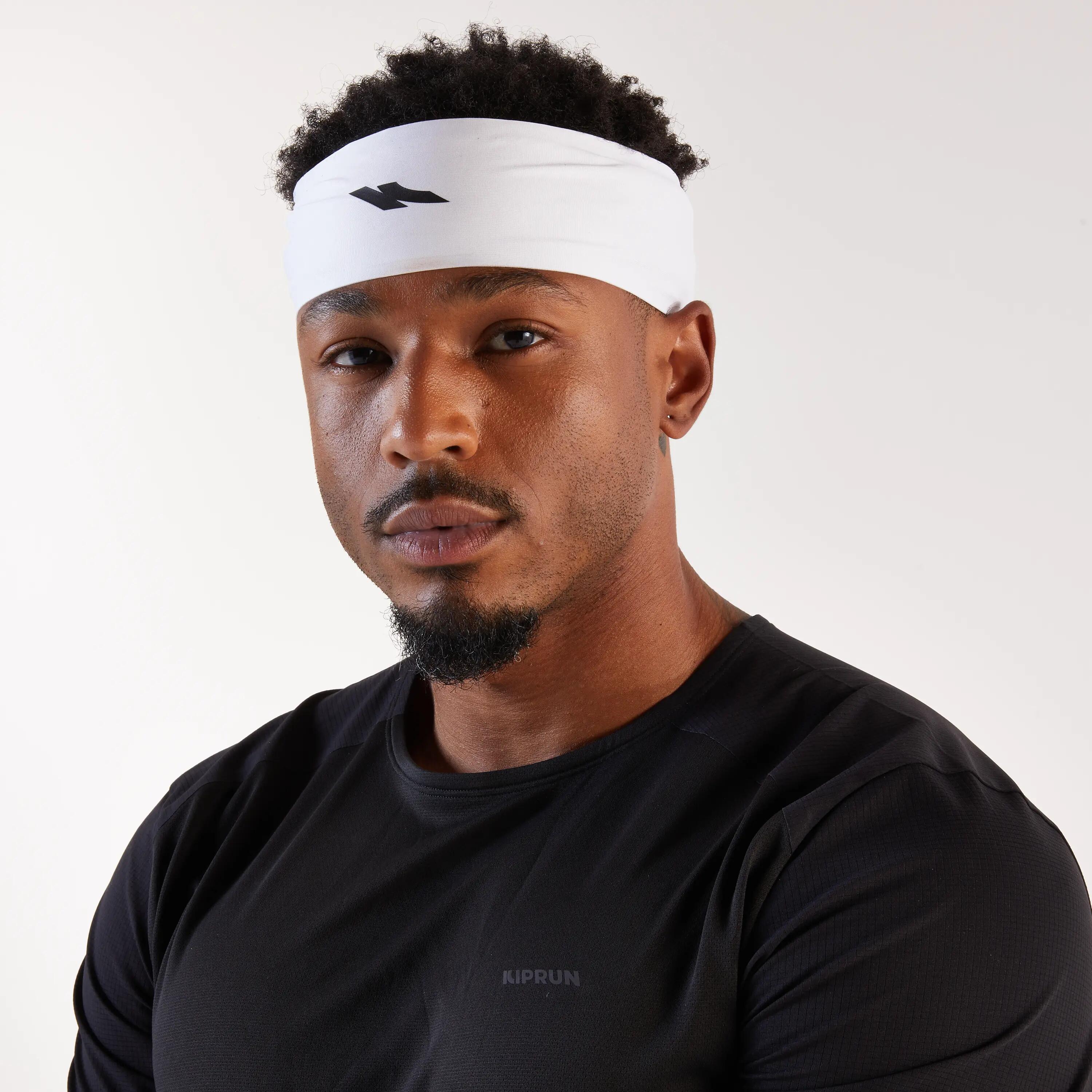
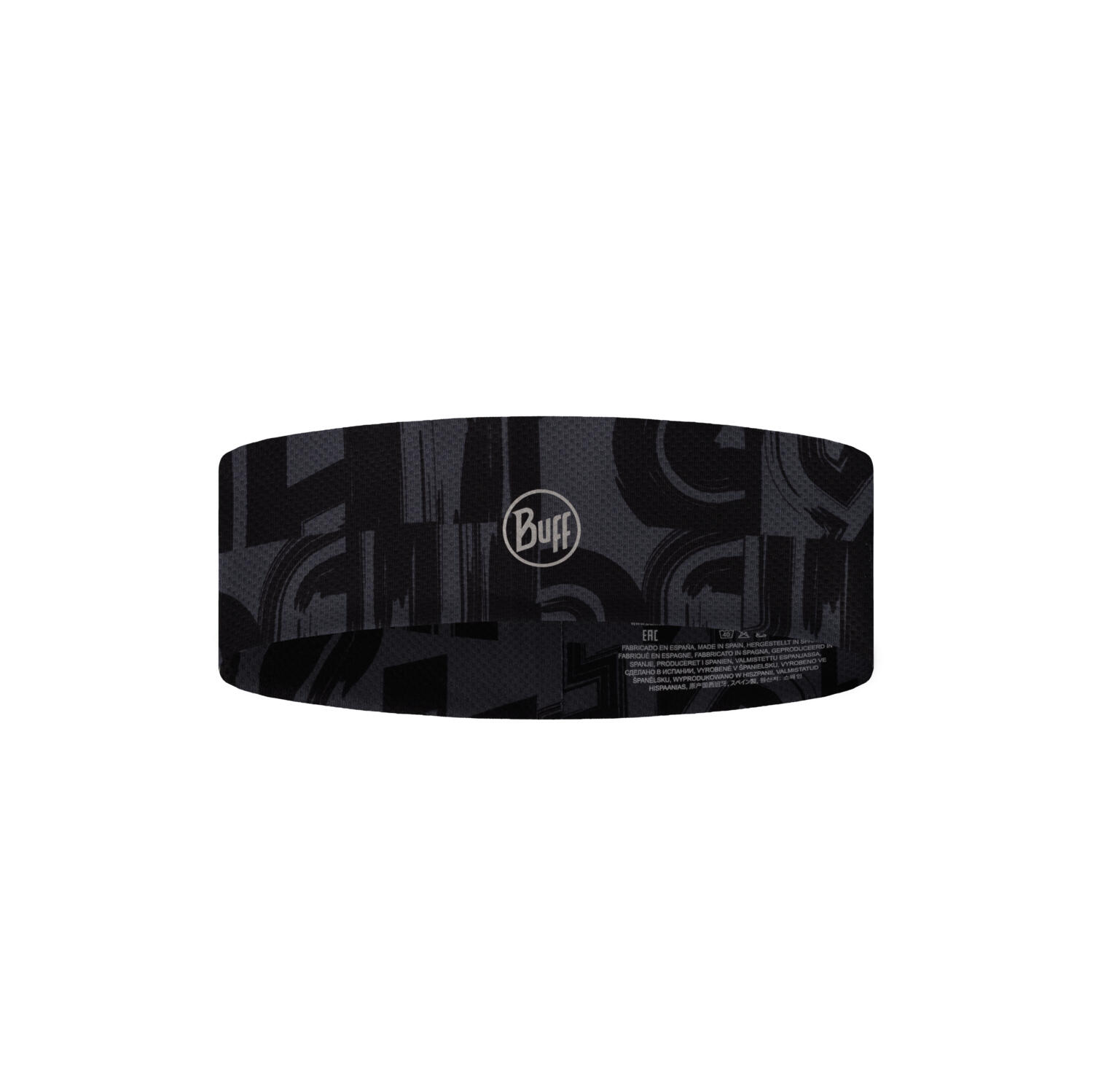
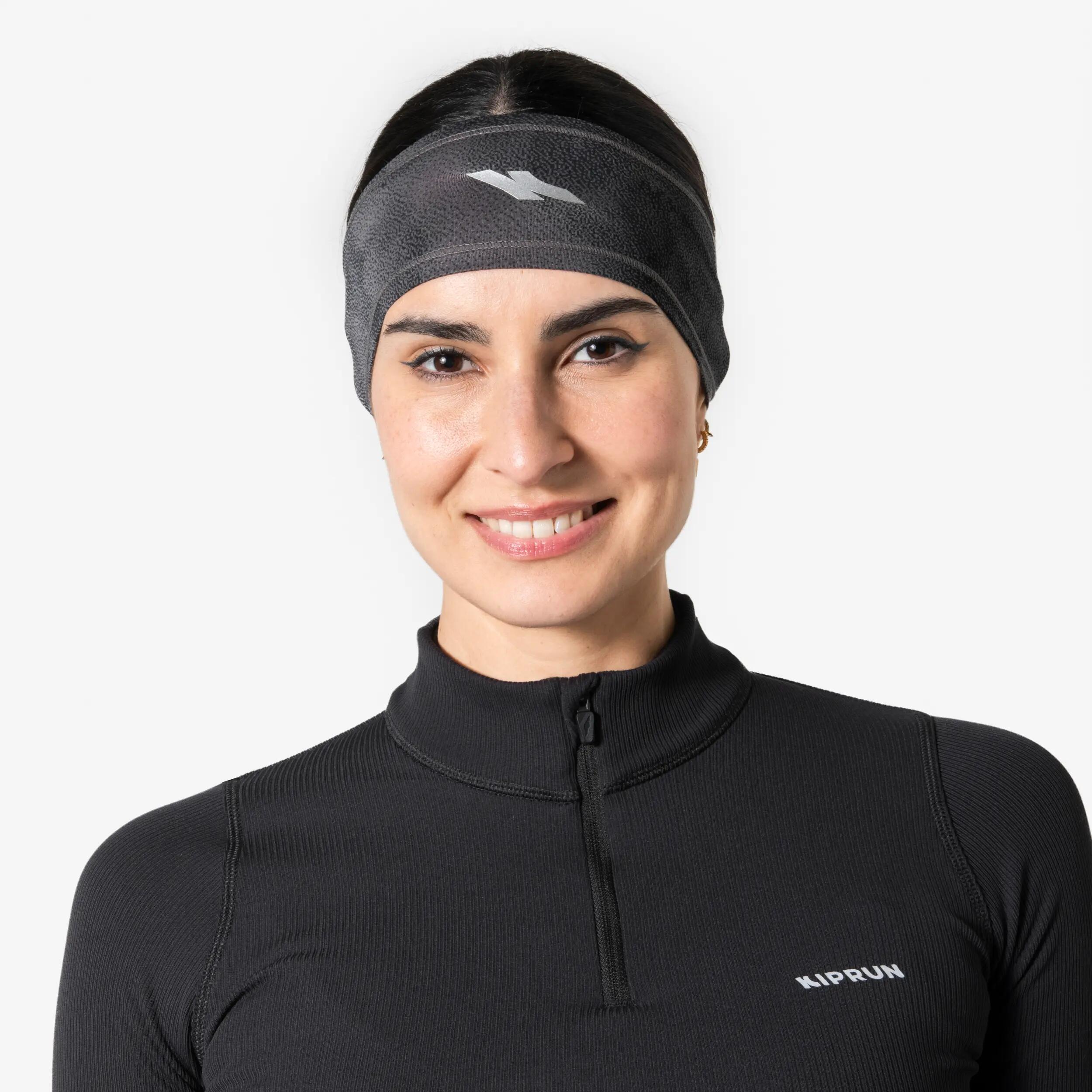
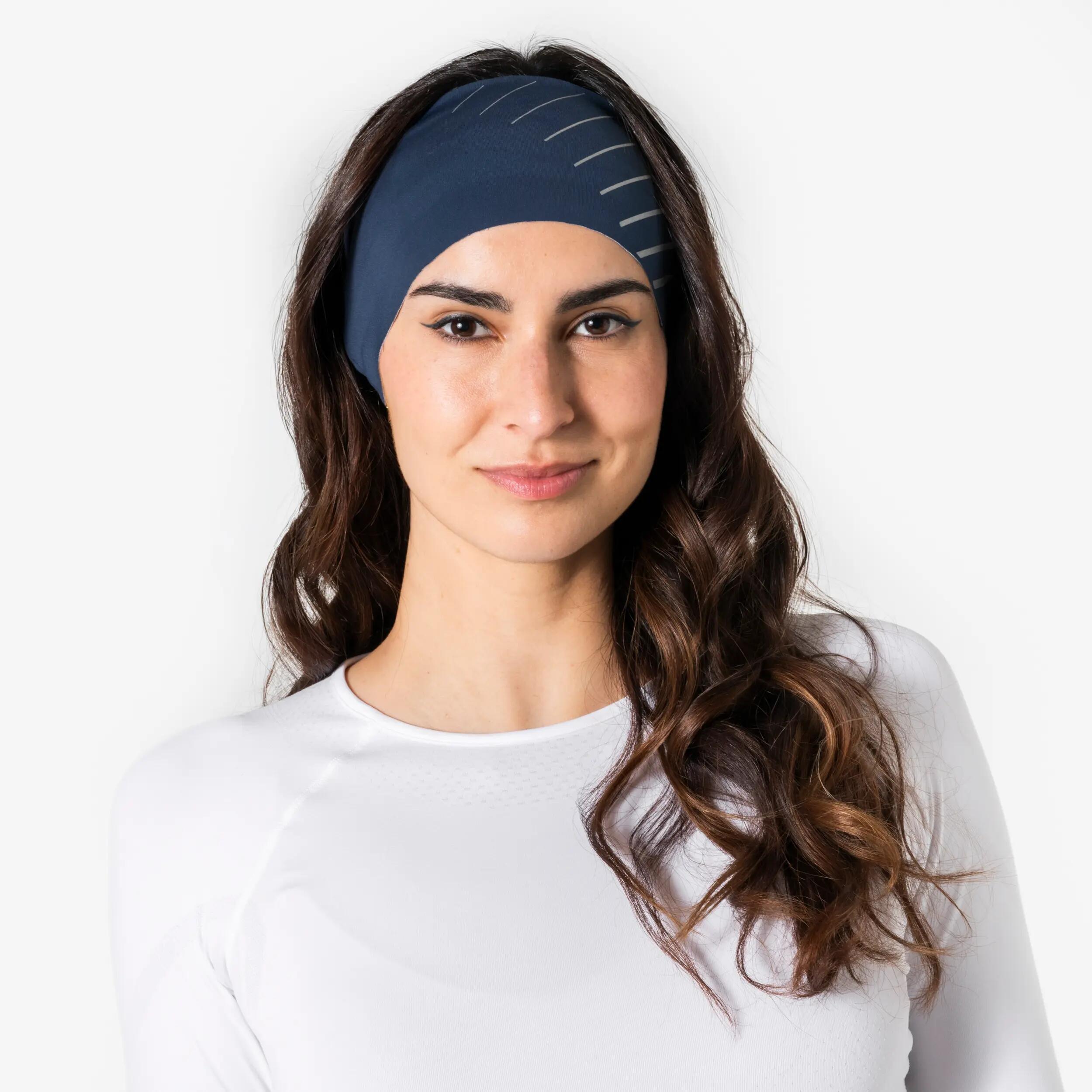
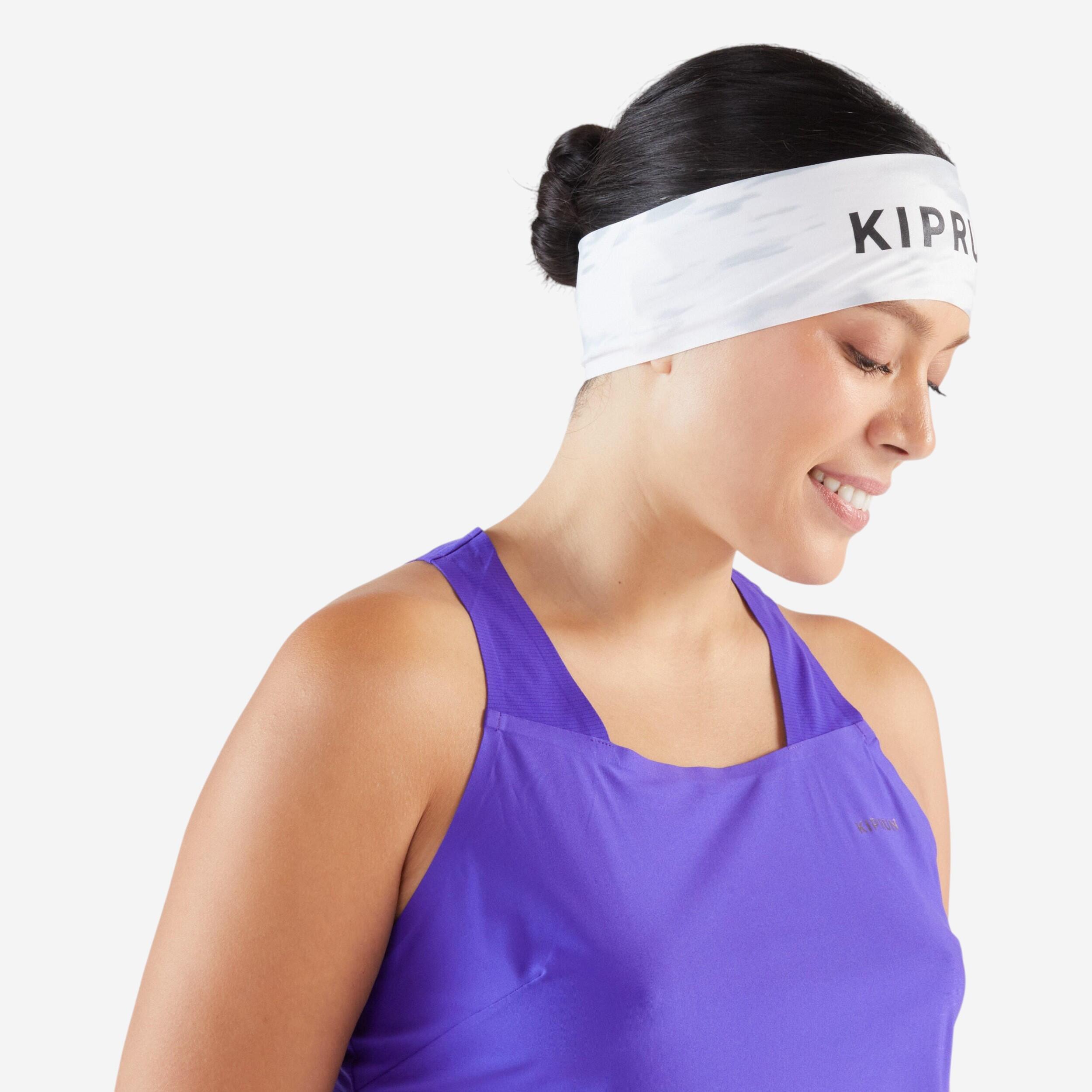
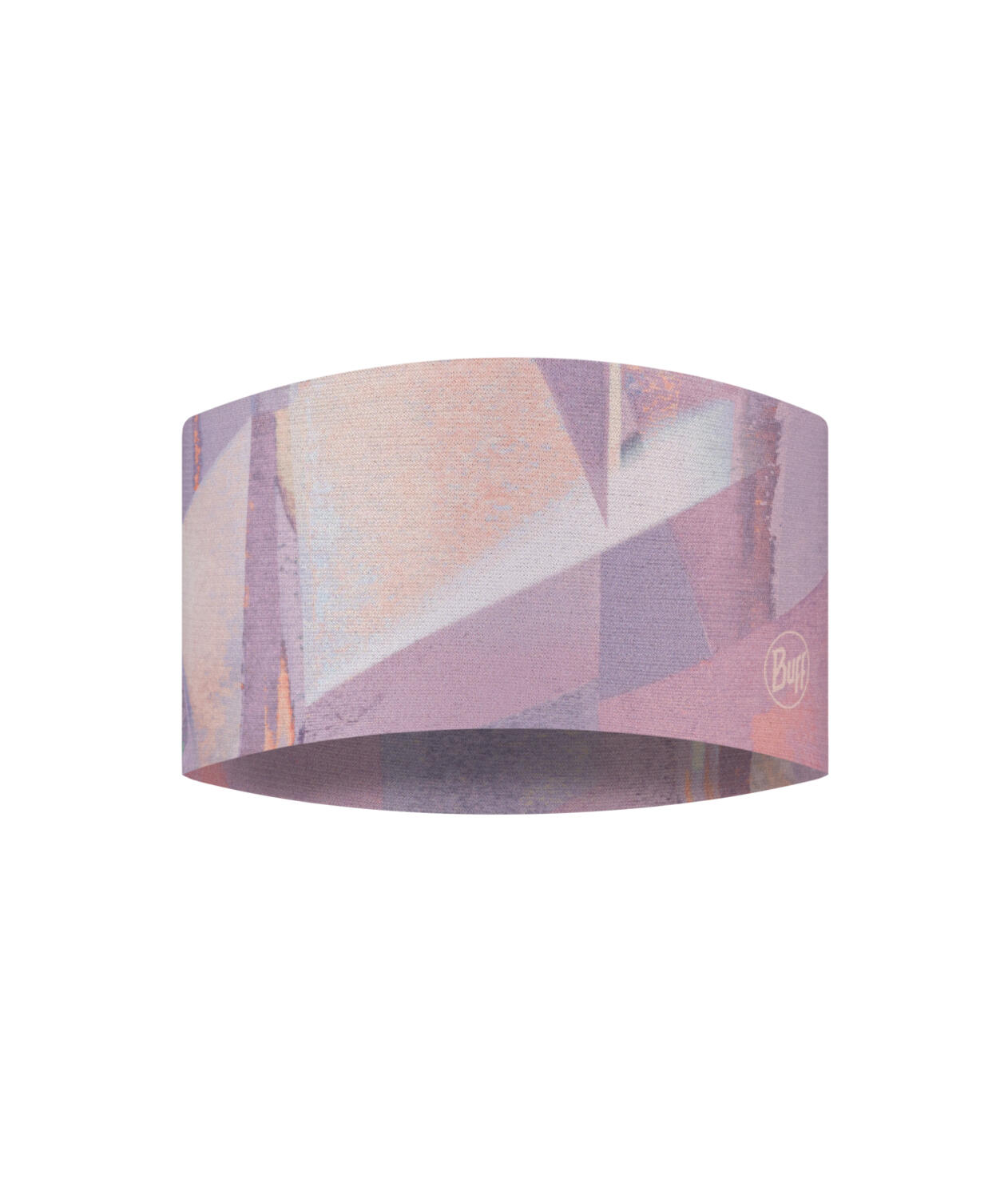
A headband absorbs or redirects perspiration before it reaches the eyes, while leaving the top of the head uncovered for greater heat release. It can also hold loose hair in place and provide light coverage across the forehead and ears during mild conditions. The fabric should stretch securely without creating a pressure point beneath sunglasses, a head torch or a cap. Wider styles provide more warmth, whereas narrower bands suit hotter runs. Wash the headband after sweaty sessions so salt deposits do not stiffen the fabric or irritate the skin. A versatile pick is the Kiprun unisex running headband.

How do you choose trail running headwear?

Choose headwear by considering temperature, wind, precipitation, sun exposure and the intensity of the run. A lightweight cap suits bright or showery conditions, a headband works when you need perspiration control with minimal coverage, and a beanie is more suitable when cold air and wind increase heat loss. Test the item with your usual sunglasses, hood and head torch because overlapping straps and seams can create pressure over time. Packable headwear is useful on routes where elevation or weather may change significantly. As a basic everyday cover, the Kiprun adult running caps suit.