7 items
4.7/5 based on 9774 reviews collected online and in stores

Trail Running Smartphone Armbands FAQs

How tightly does a trail-running smartphone armband need to sit?

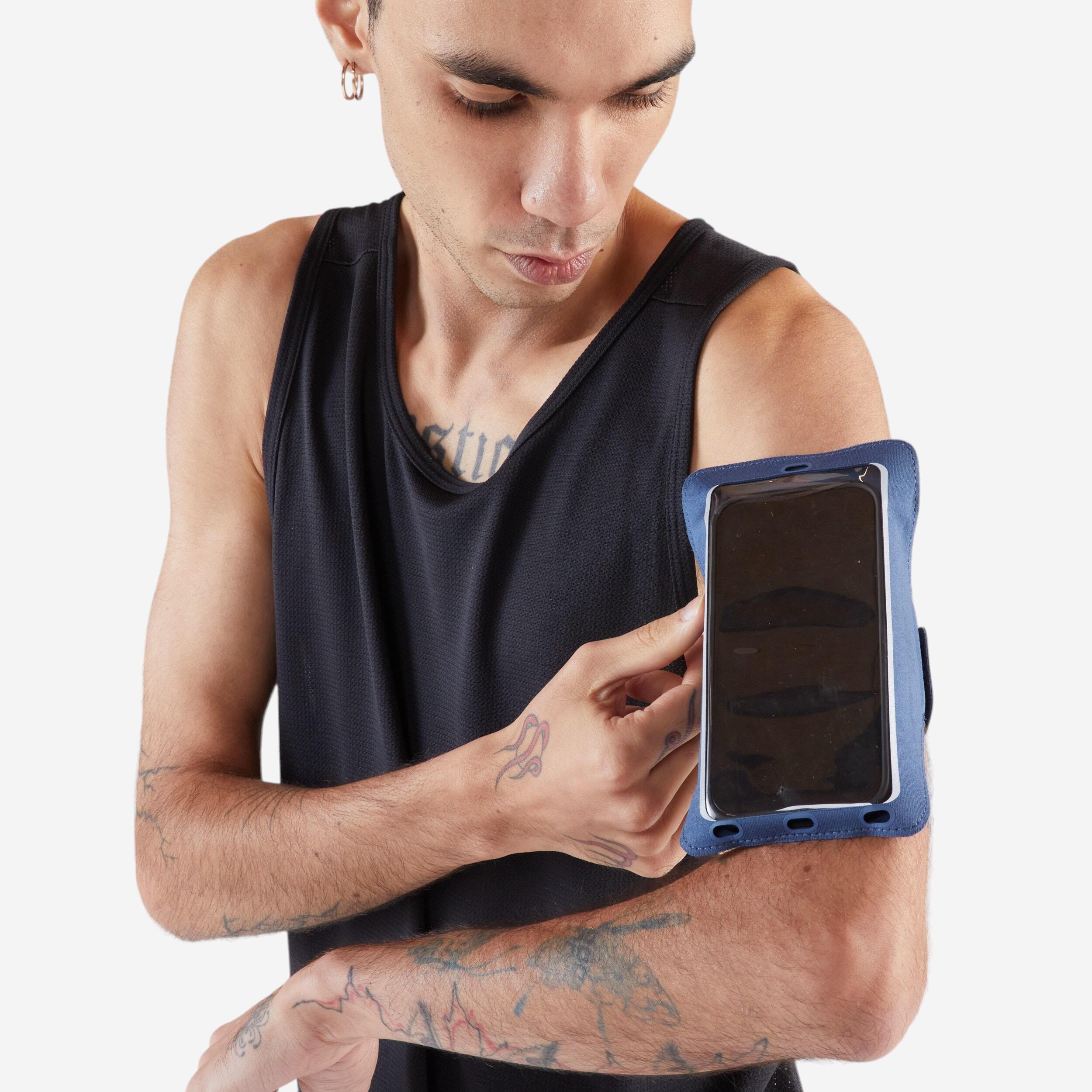
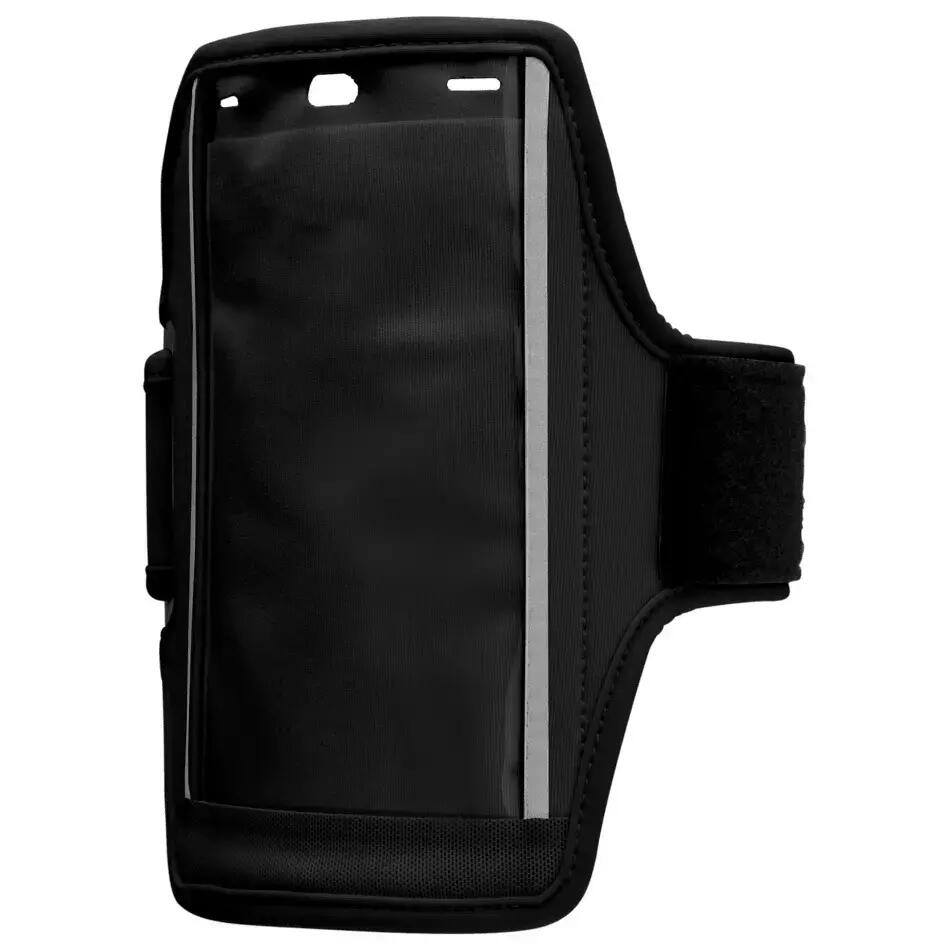
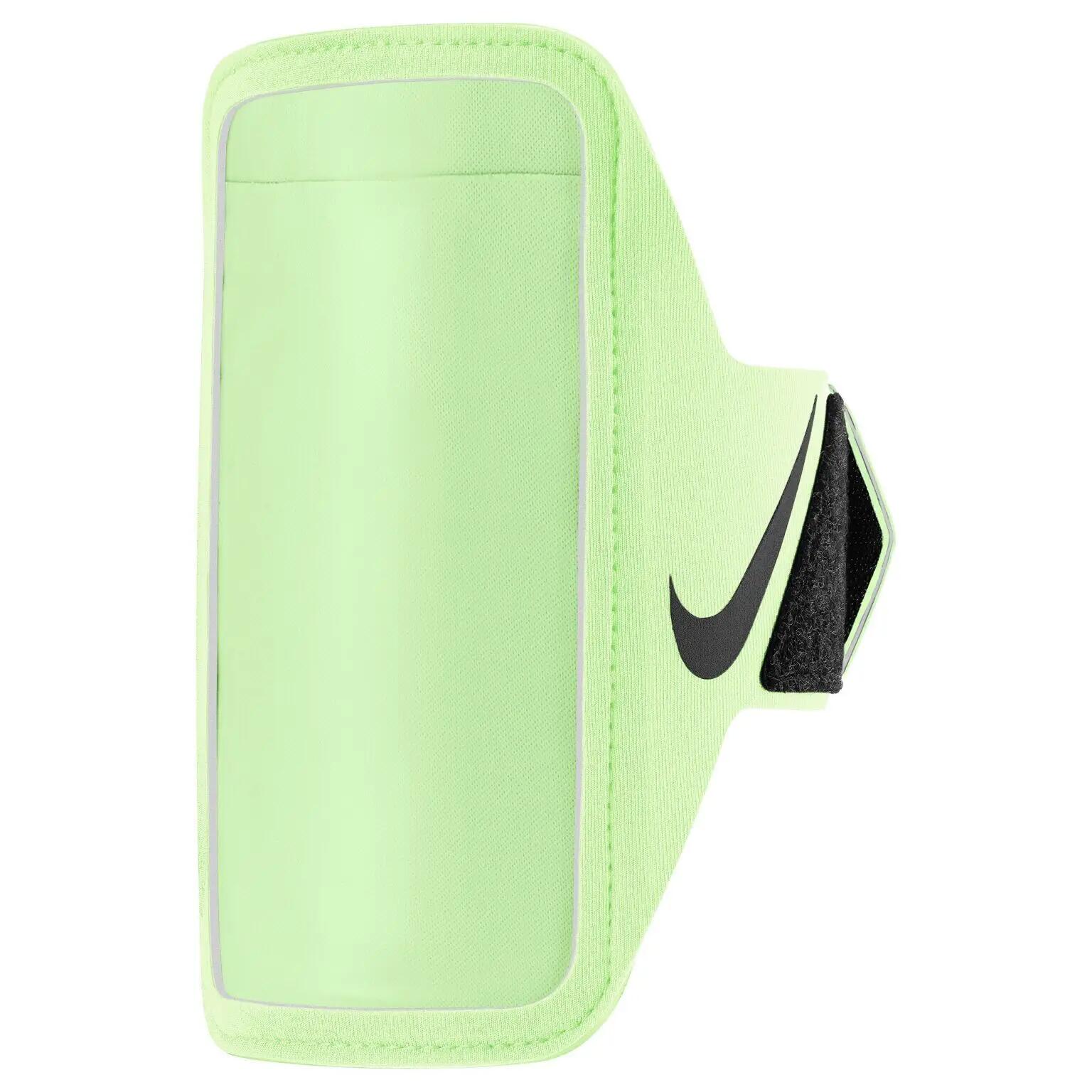
A smartphone armband should remain secure without restricting circulation, rubbing your skin or sliding down your arm on uneven ground. Position it around your upper arm, forearm or wrist according to comfort and the manufacturer's guidance. KIPRUN recommends wearing the armband over clothing where possible, which can reduce direct contact with perspiring skin. The big-phone-running armband adjusts for arm circumferences of approximately 18 to 44 cm through stretch fabric and a hook-and-loop strap. Pass the excess strap through the retaining loop so it does not flap. A practical pro tip is to test the loaded armband on a short climb and descent, as downhill impact often reveals movement that is not noticeable while standing.

How do you check whether your phone fits a running armband?

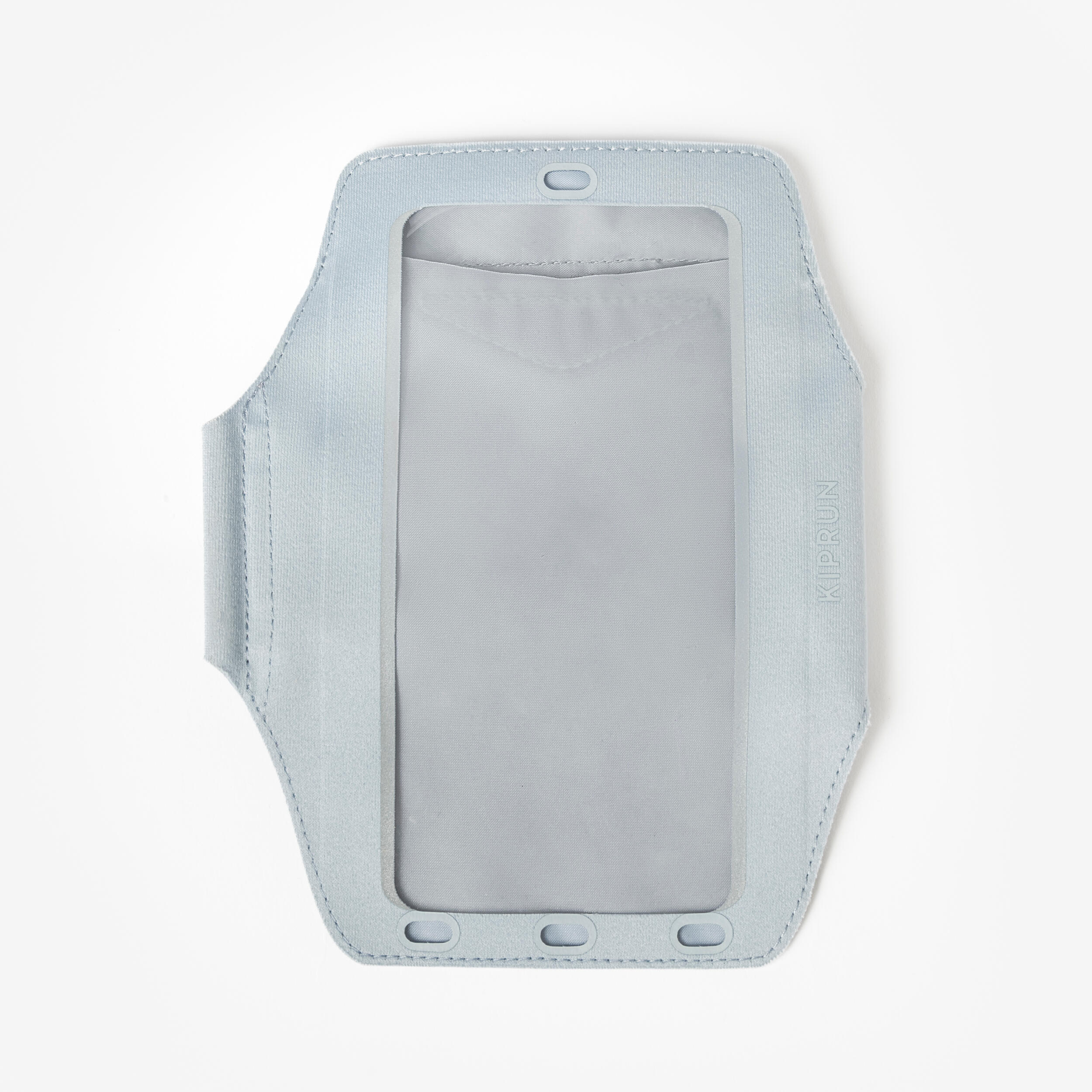
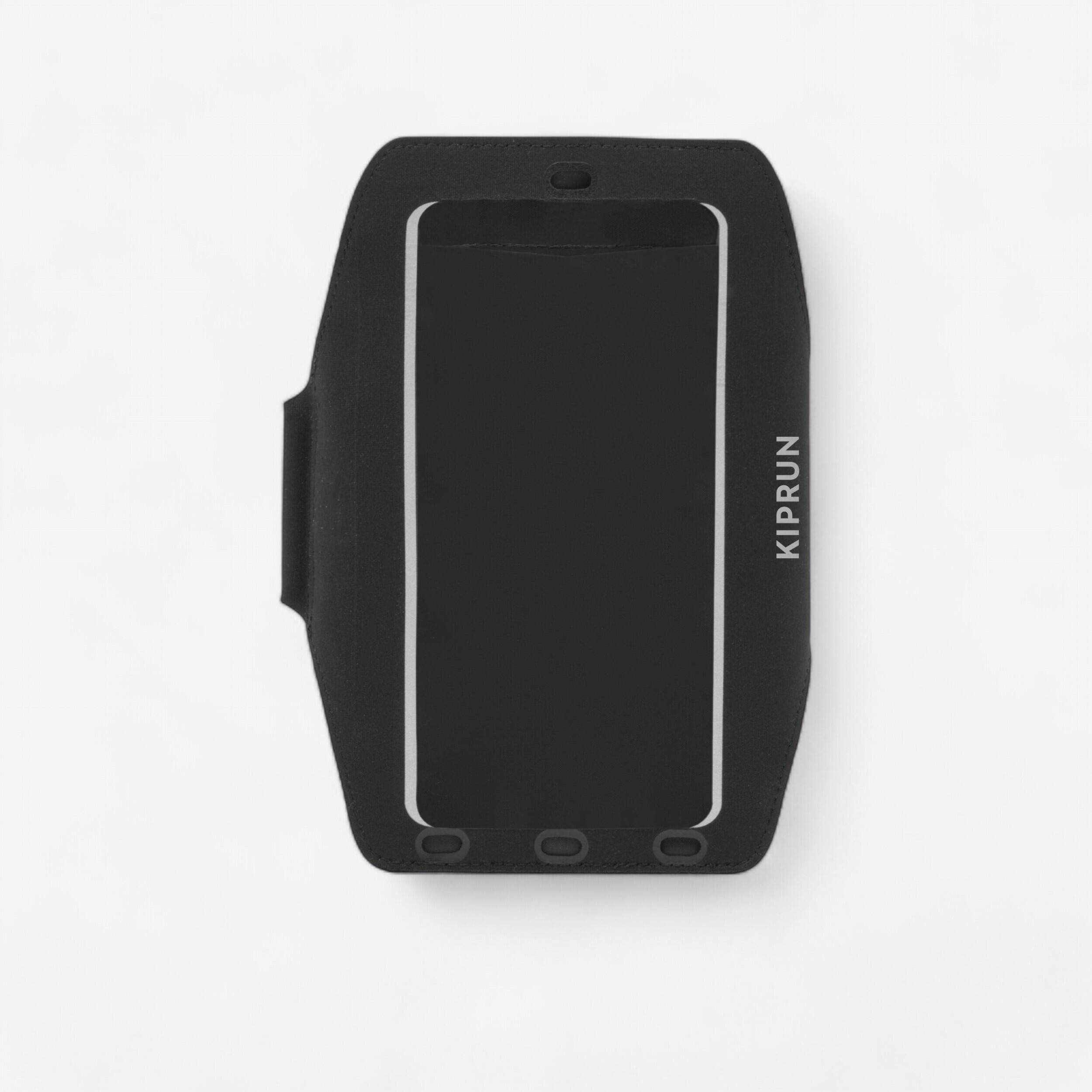
Measure the complete phone, including its protective case, before comparing it with the pocket dimensions. The touchscreen KIPRUN construction accepts devices up to approximately 173 x 94 mm, but a thick case can make insertion more difficult even when the bare phone measurements appear suitable. The unisex smartphone running armband uses an enlarged pocket and revised opening system introduced following runner feedback. Insert and remove the phone several times before running, then check that the closure remains fully secured. Avoid forcing an oversized device into the pocket because excessive tension may affect the zip, window or seams and make the controls harder to use.

What makes a touchscreen or multi-pocket smartphone armband the better option?

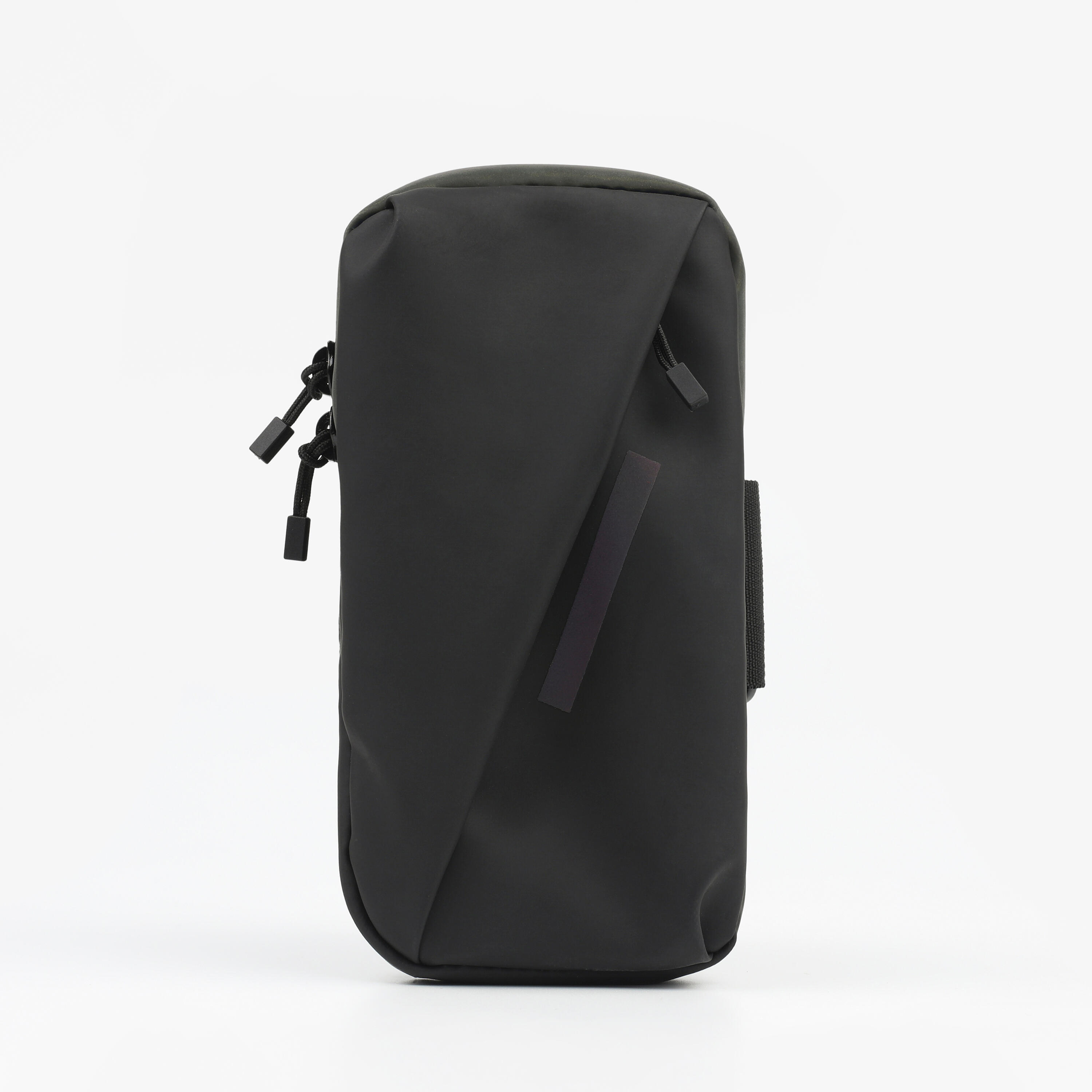
A touchscreen-window model suits runners who want to check the time, change music or use basic phone functions without removing the device. Its transparent front and several wired-earphone openings support convenient access, while the 34 g construction limits added weight on one arm. A multi-layer smartphone running armband takes a different approach. Its main zipped pocket holds a phone up to approximately 180 x 90 mm, while a second compartment separates keys, a card, identification or a small snack from the screen. Choose according to what you carry and how often you need phone access. Keep hard keys away from the phone to reduce scratching and pressure against the device.

Are trail running smartphone armbands waterproof?

The reviewed KIPRUN armbands are not waterproof. The multi-pocket model has a polyurethane-coated polyester construction that offers limited resistance to light rain, but it should not be relied upon during prolonged or heavy rainfall. Protect the phone with an additional sealed cover when the forecast or route creates a realistic risk of soaking. Consider alternative carrying options among trail running accessories when a waterproof vest pocket, belt or pouch provides better protection and balance. An armband also does not block electromagnetic radiation, so avoid unsupported phone-safety assumptions. After wet runs, remove the device promptly and allow the armband to dry fully before storage.

When is a phone armband suitable for trail running?

An armband can suit shorter routes where you carry a phone for navigation, emergency contact, timing or audio without needing a hydration vest. On longer outings, placing a large phone on one arm may feel less balanced, particularly when you also carry bottles, nutrition and mandatory equipment. Use trail running gear by race distance to plan a carrying setup that matches the expected time and terrain. Keep the phone accessible without looking at the screen while moving across technical ground. Hand-wash KIPRUN armbands at no more than 40 degrees Celsius and avoid tumble drying, ironing, bleaching or dry cleaning. Empty every pocket, close the fastenings and air-dry the fabric before your next run.