117 items
4/5 based on 25778 reviews collected online and in stores

Trail Running Lights and Visibility FAQs

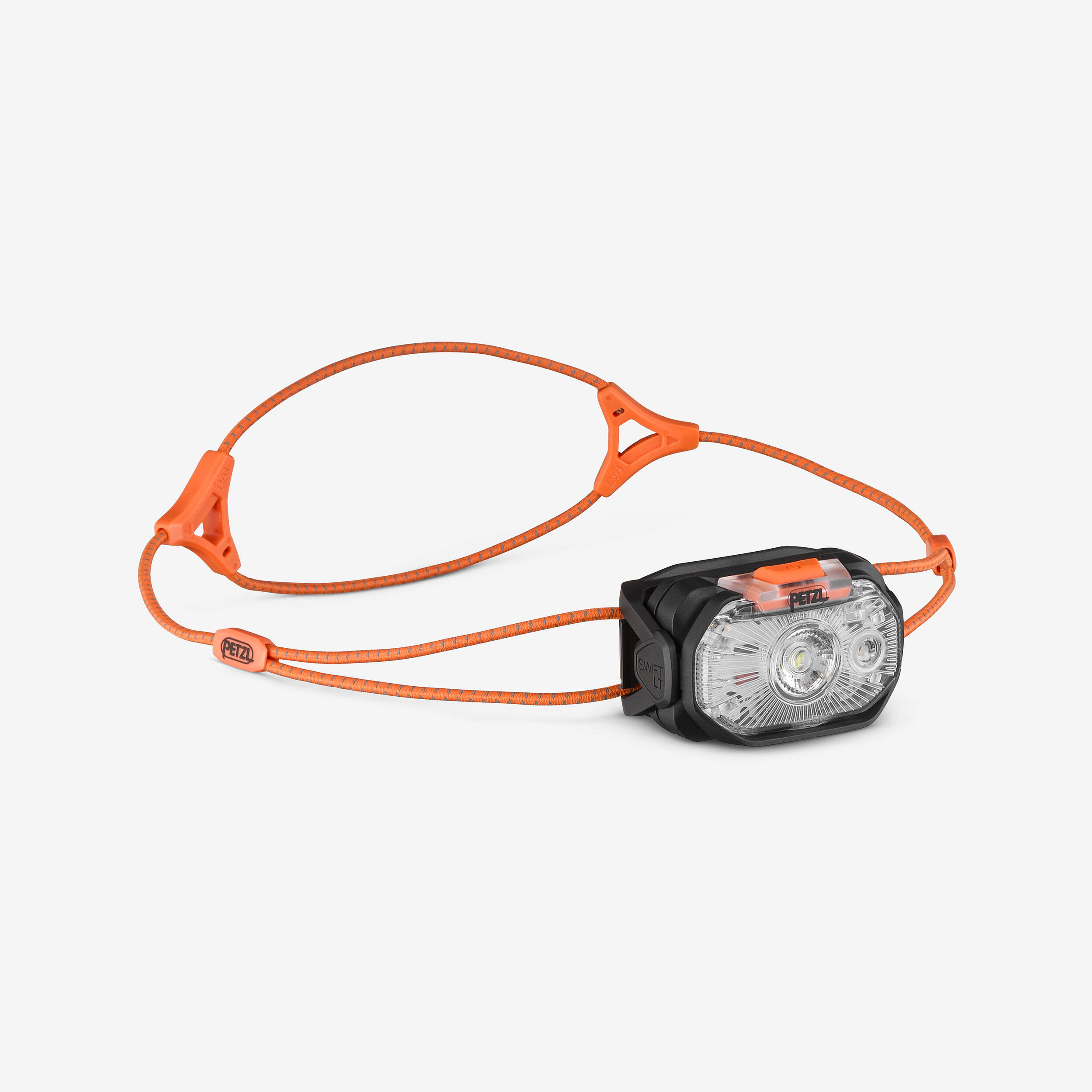
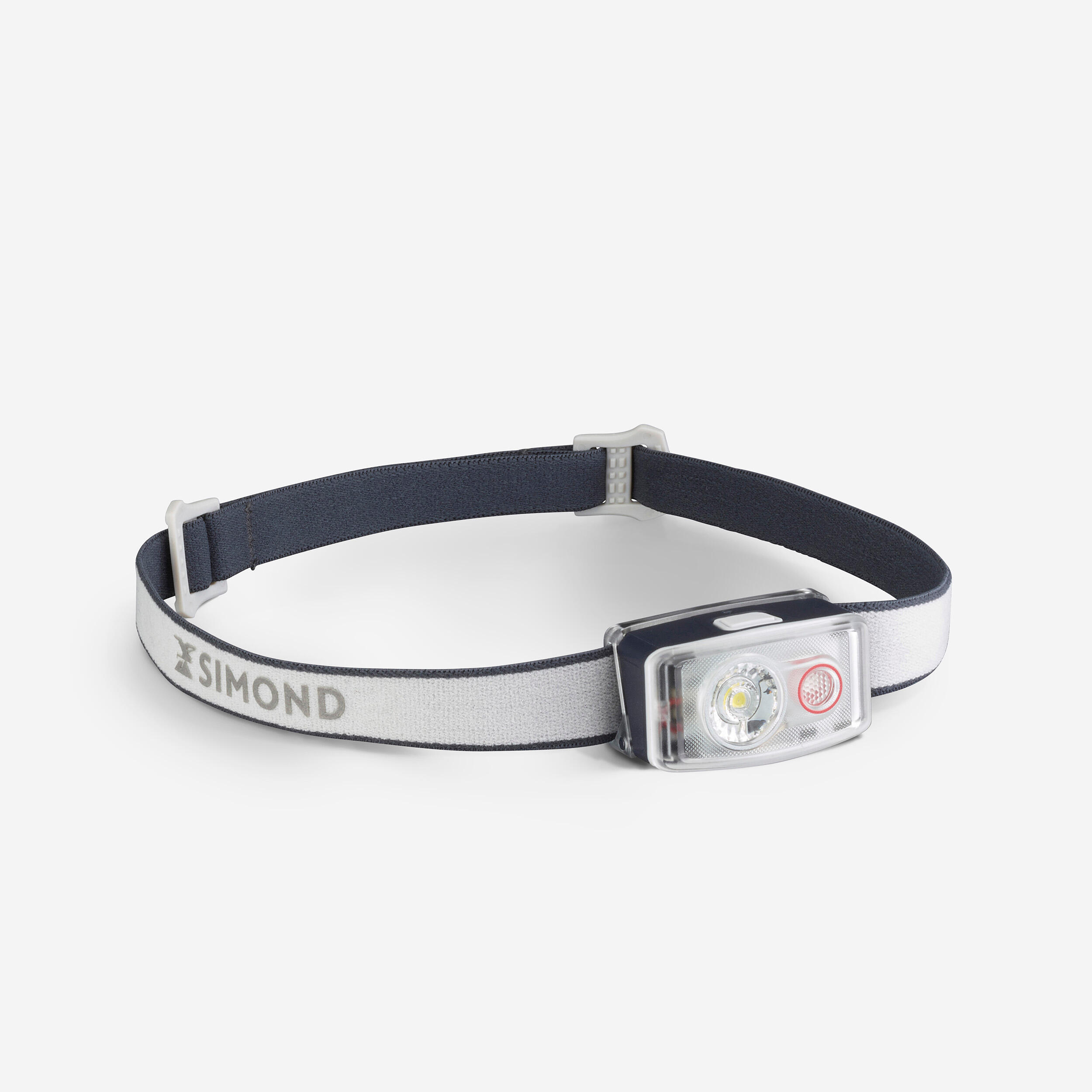
How much light do you need for trail running at night?

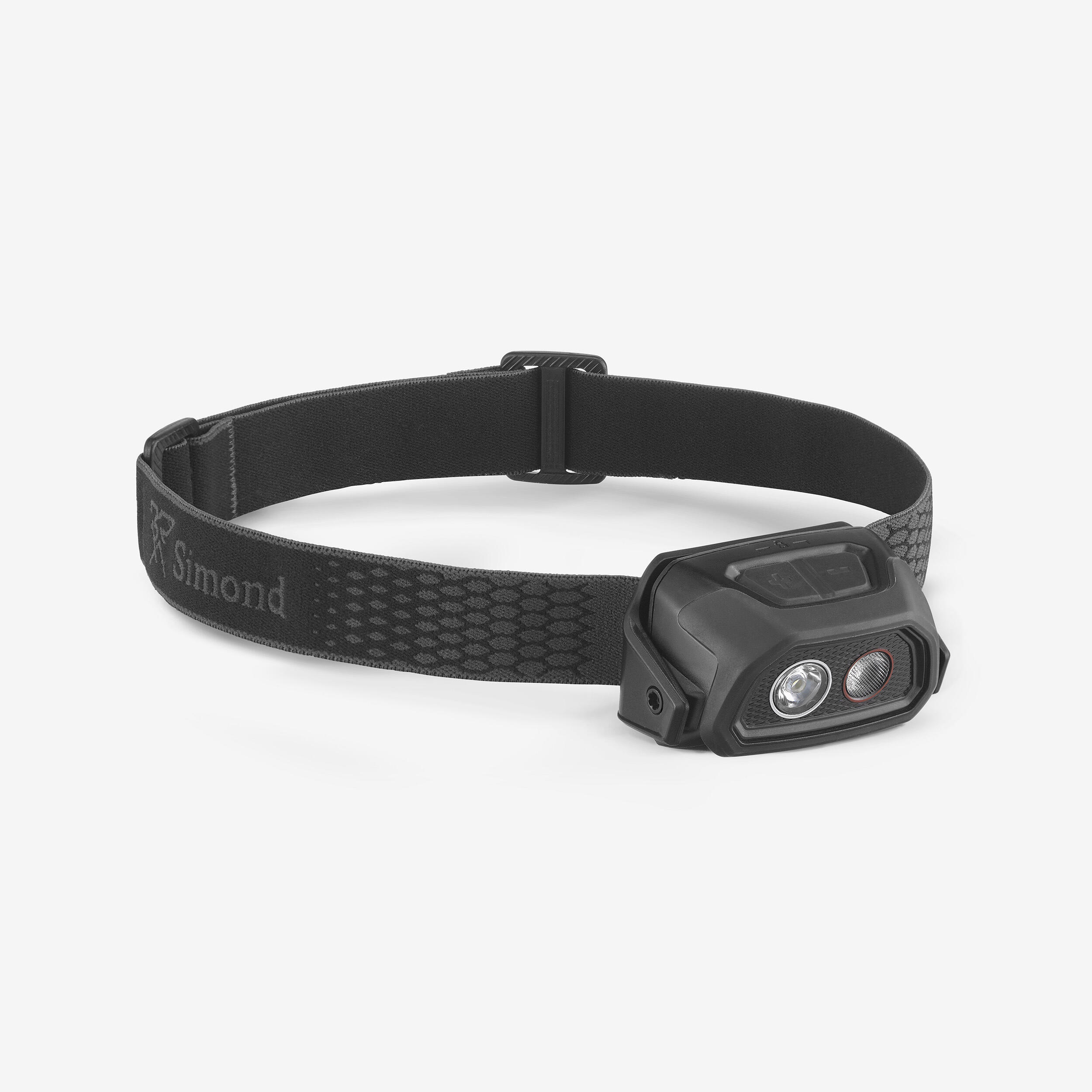
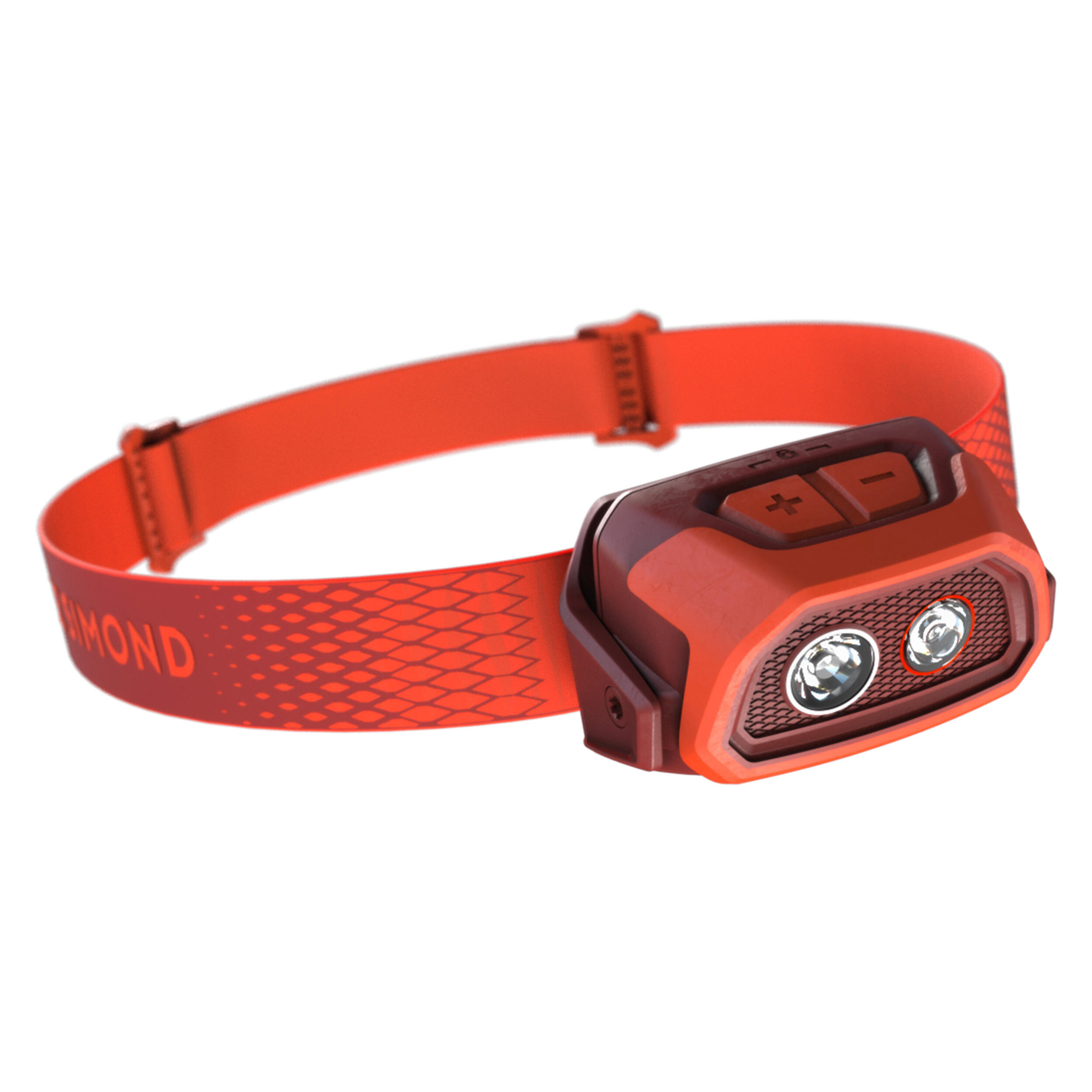
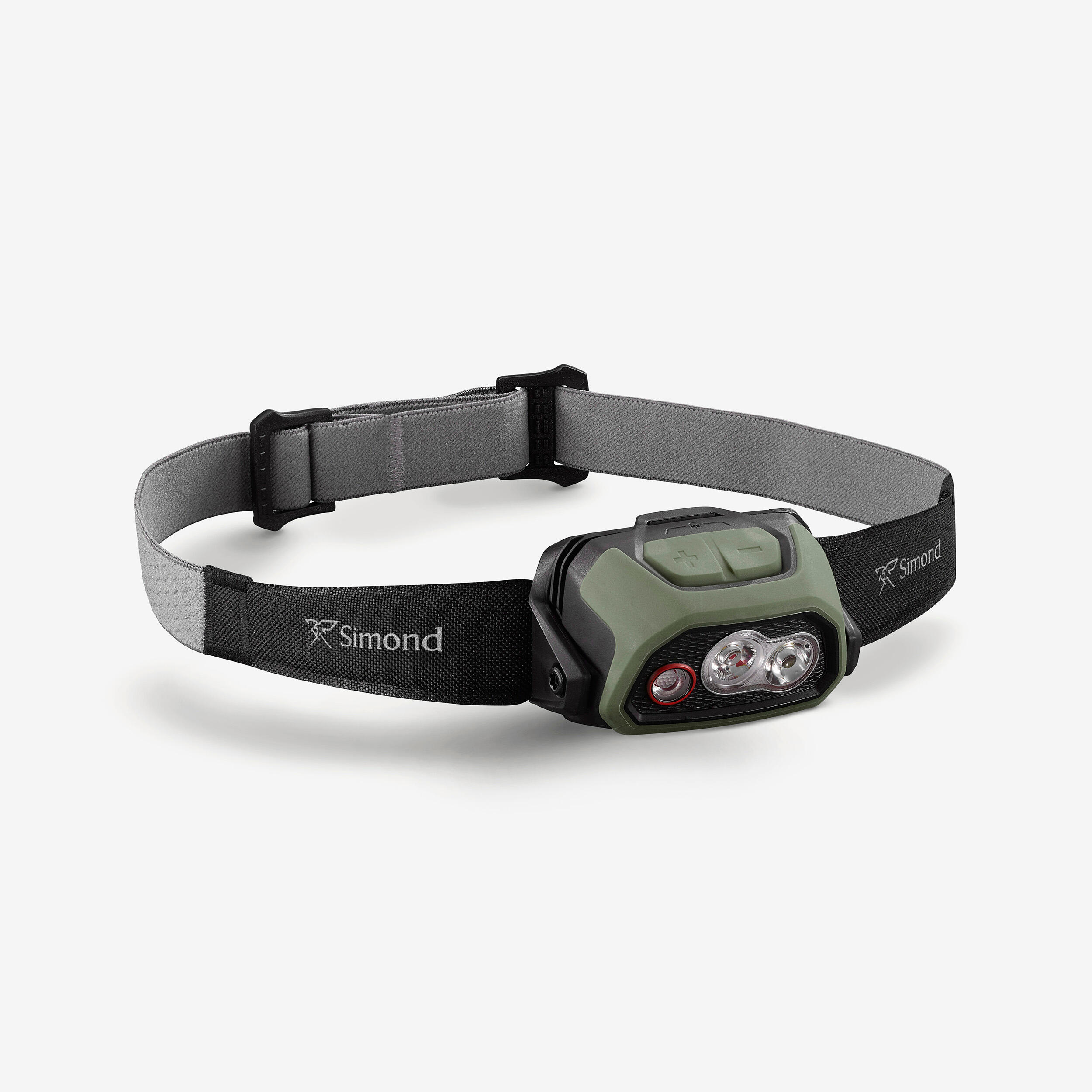
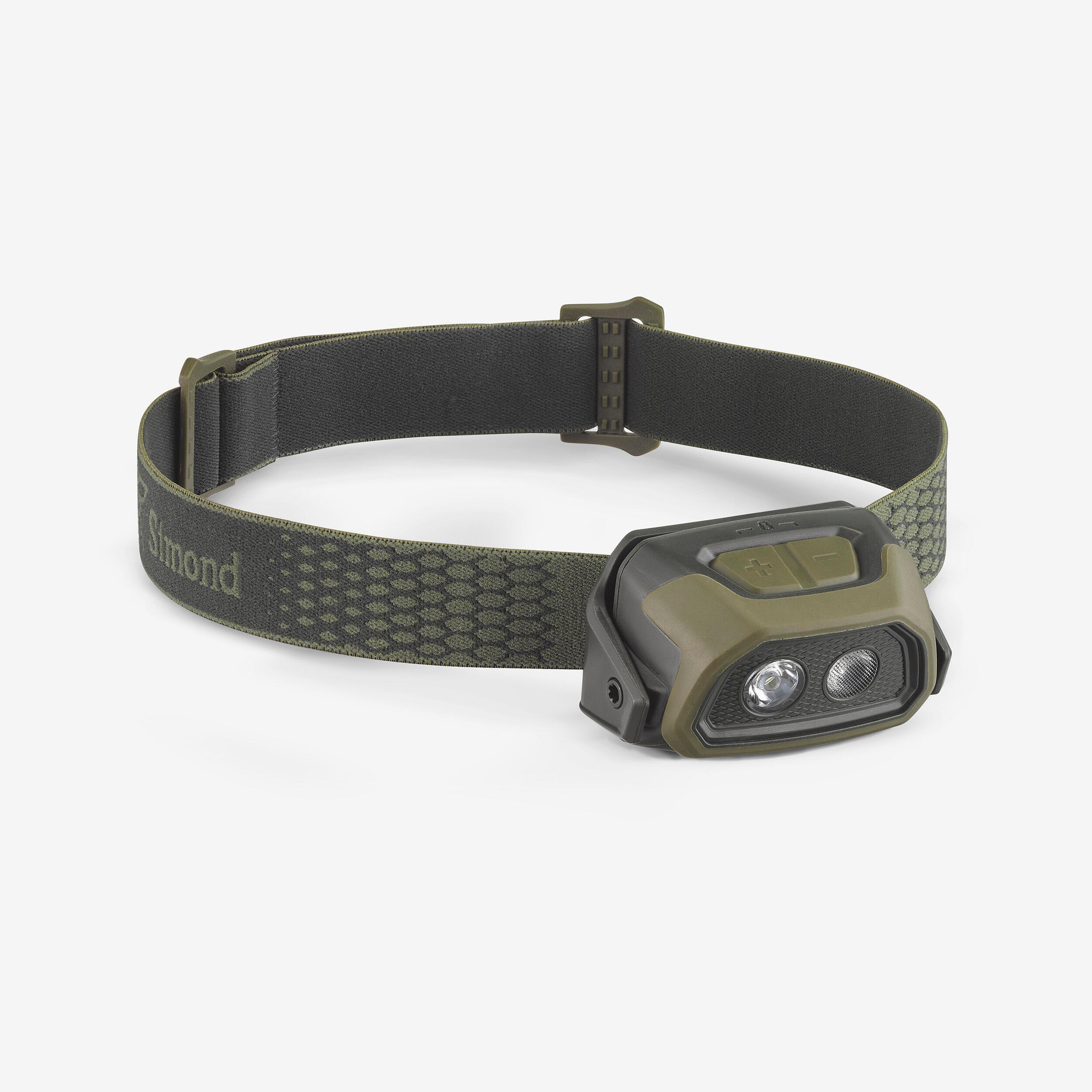
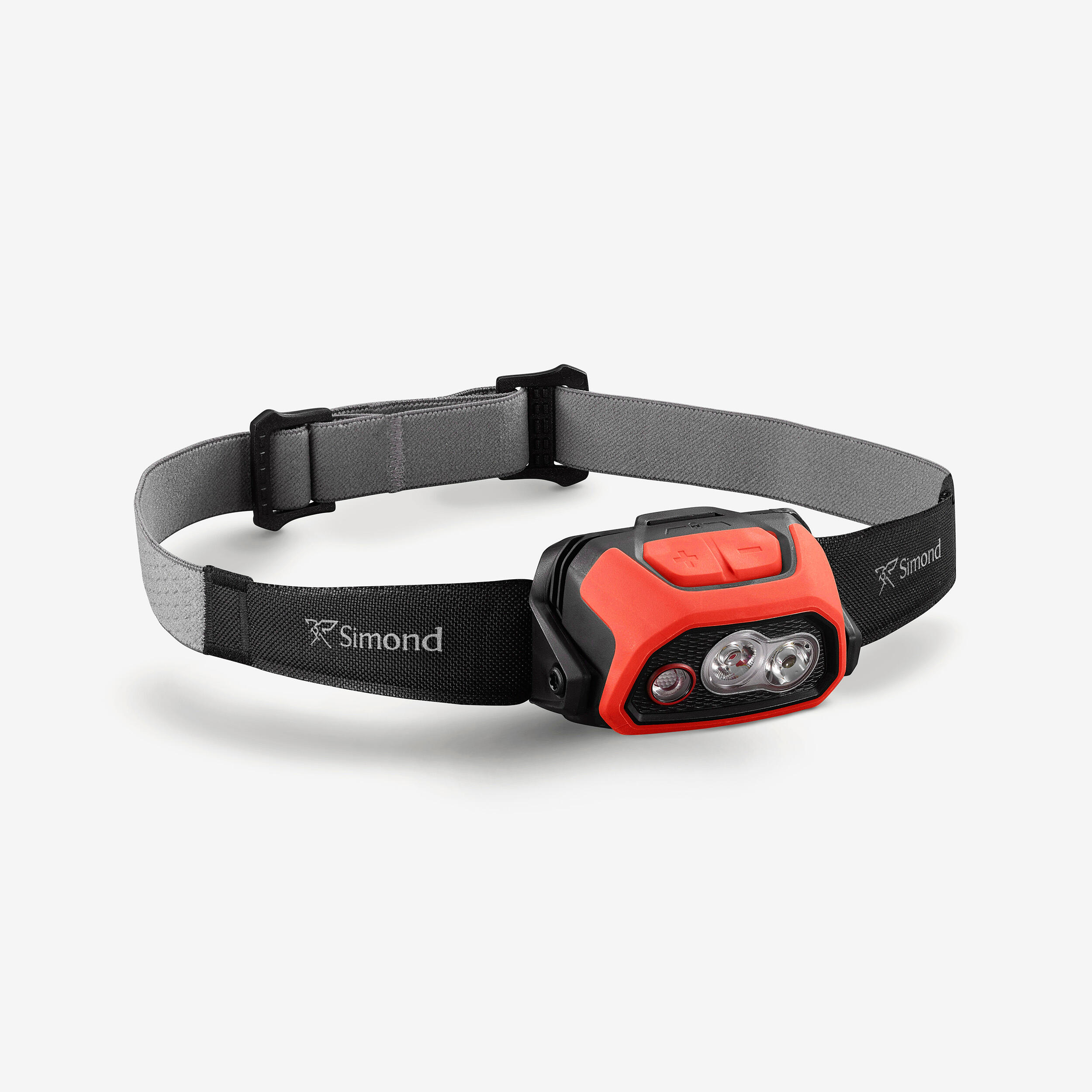
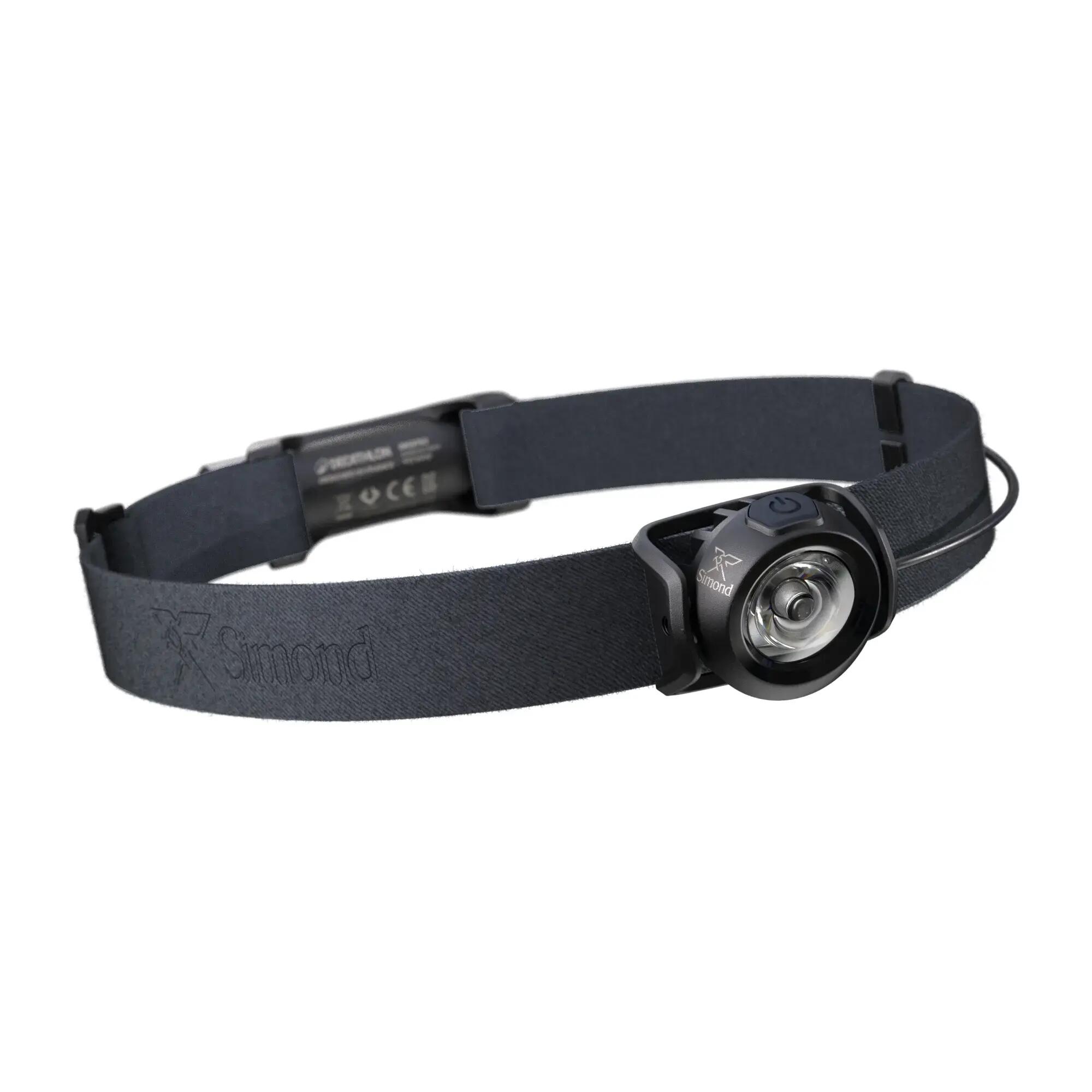
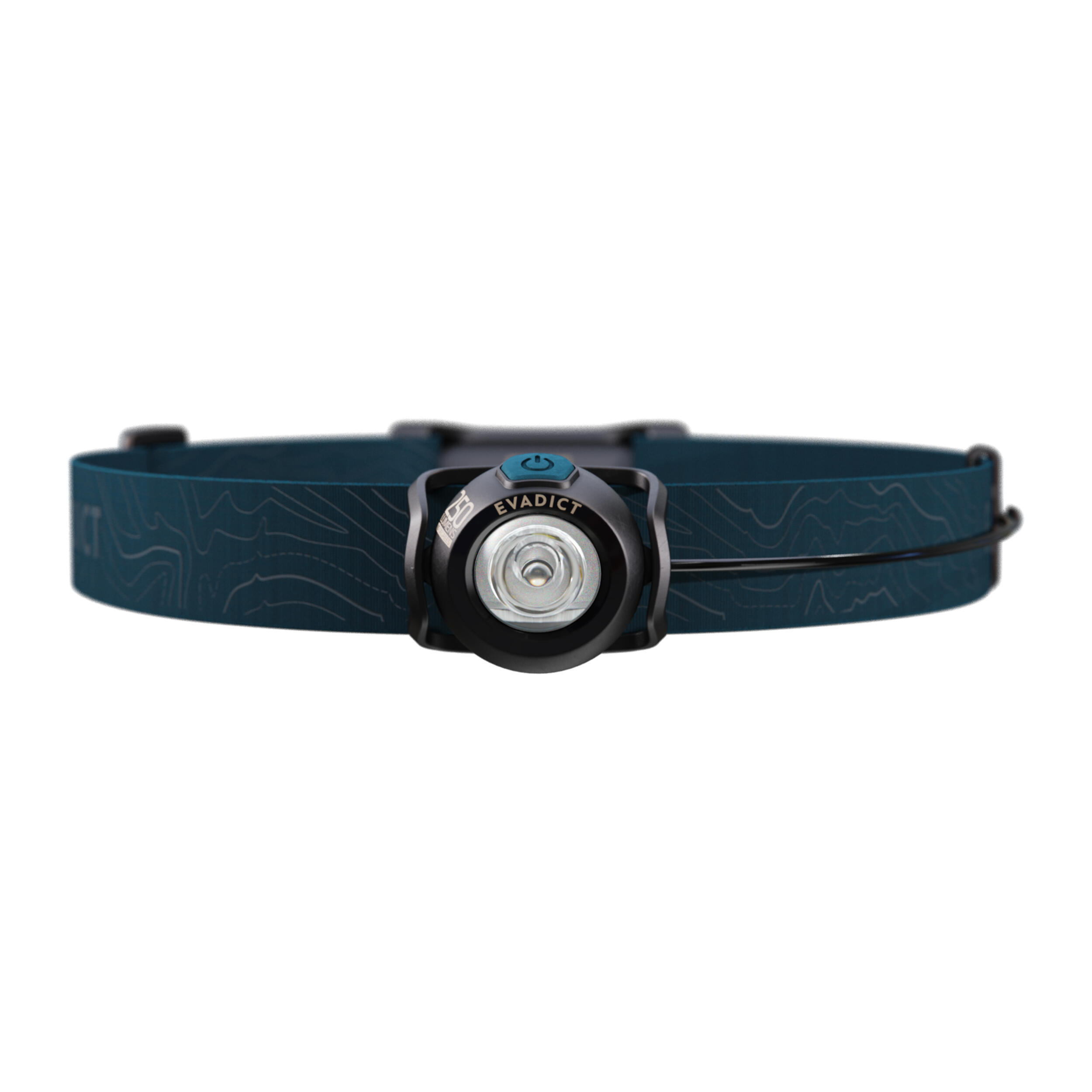
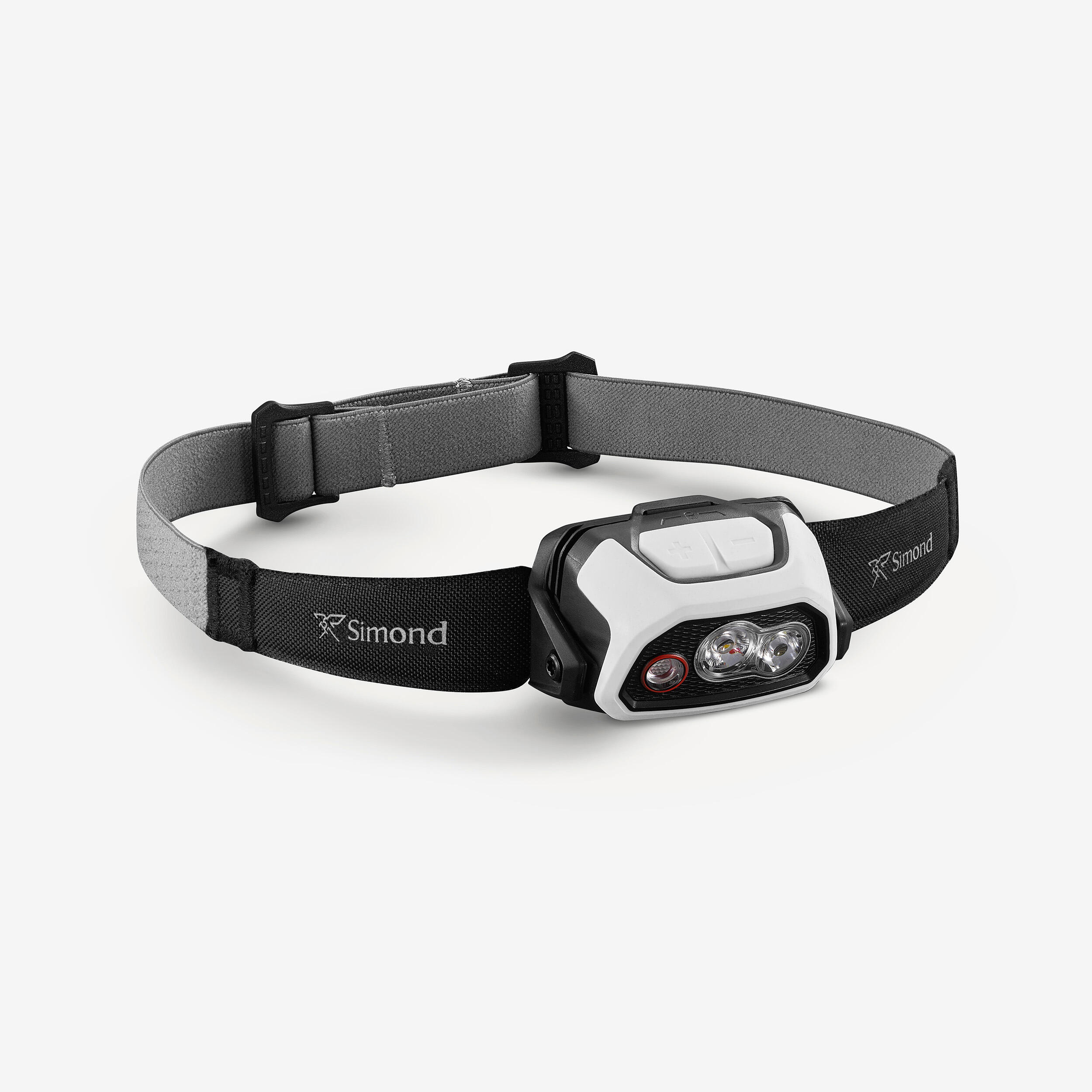
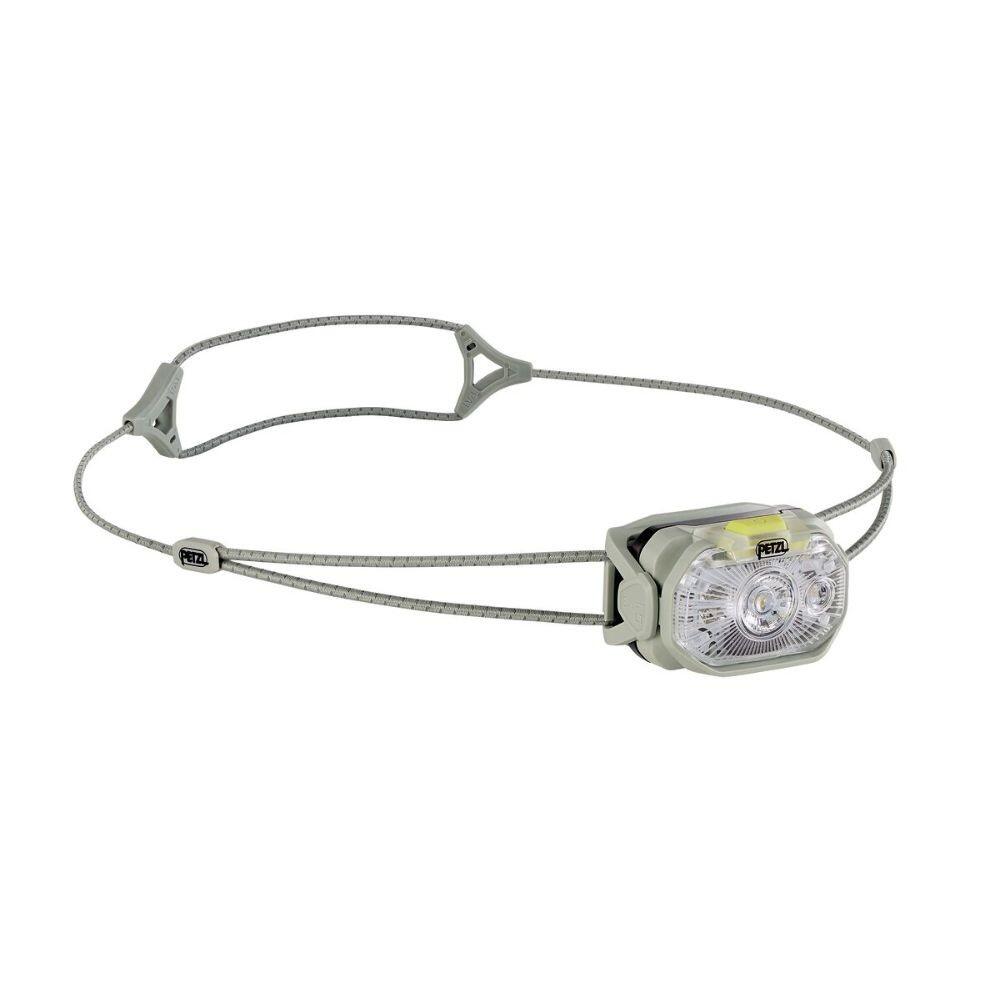
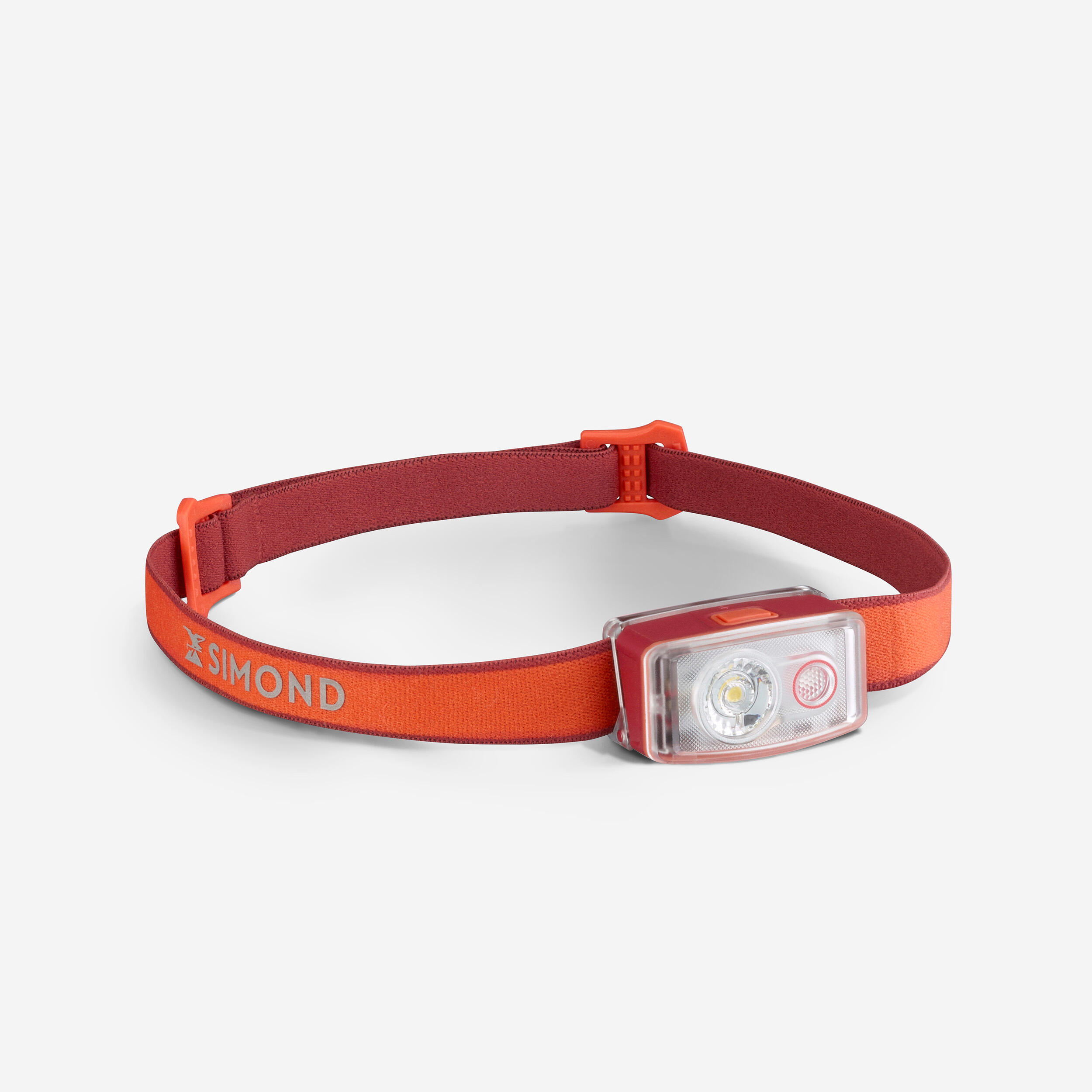
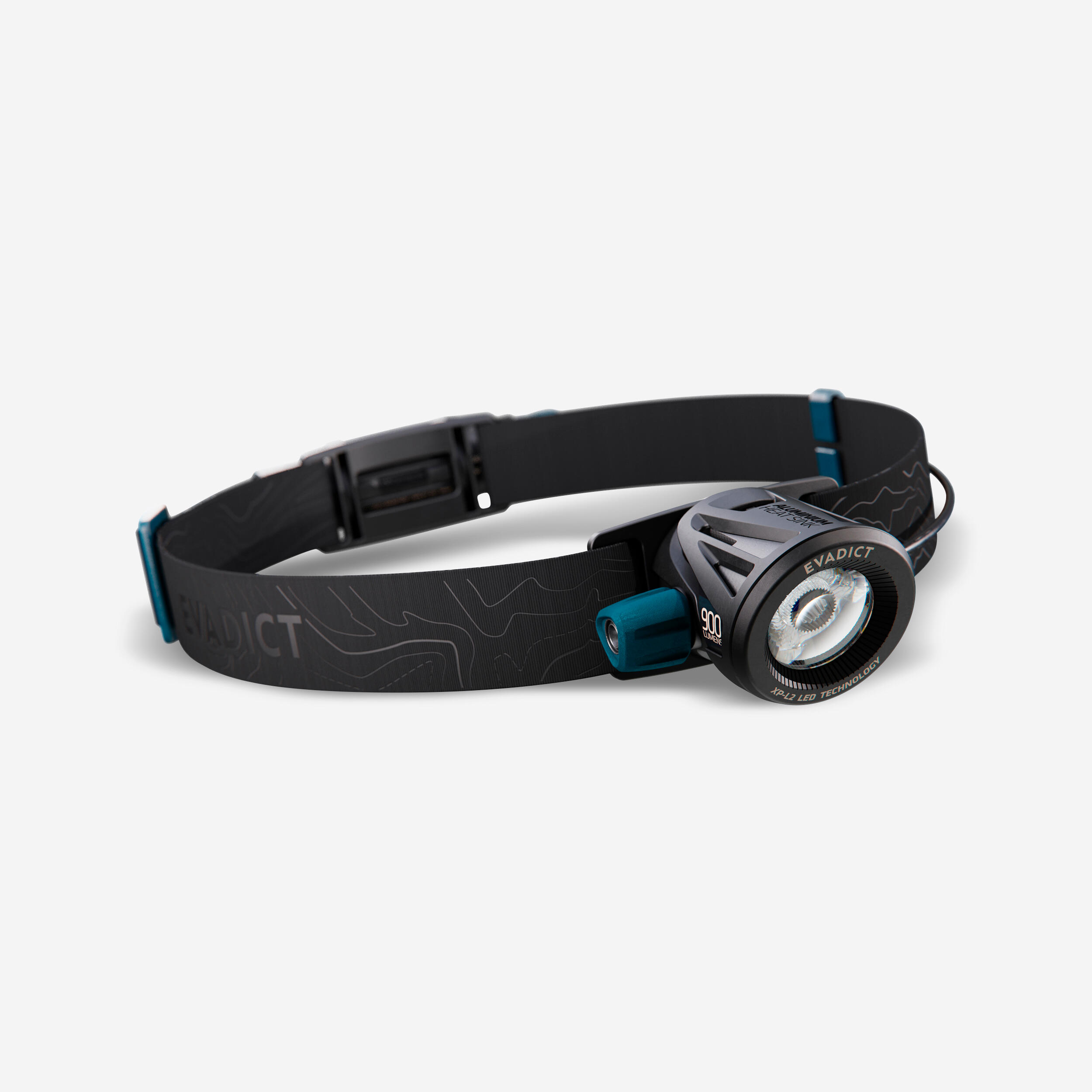
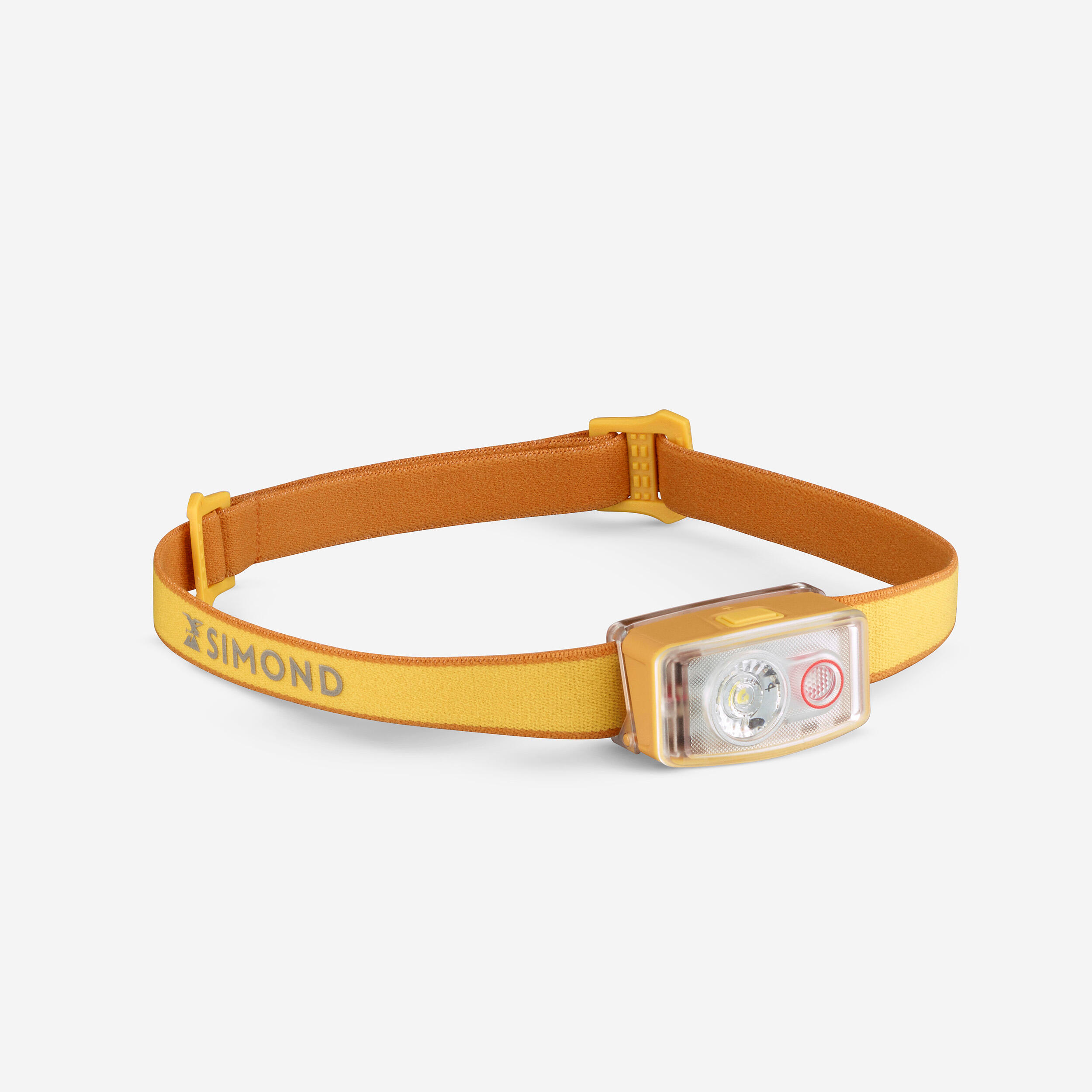
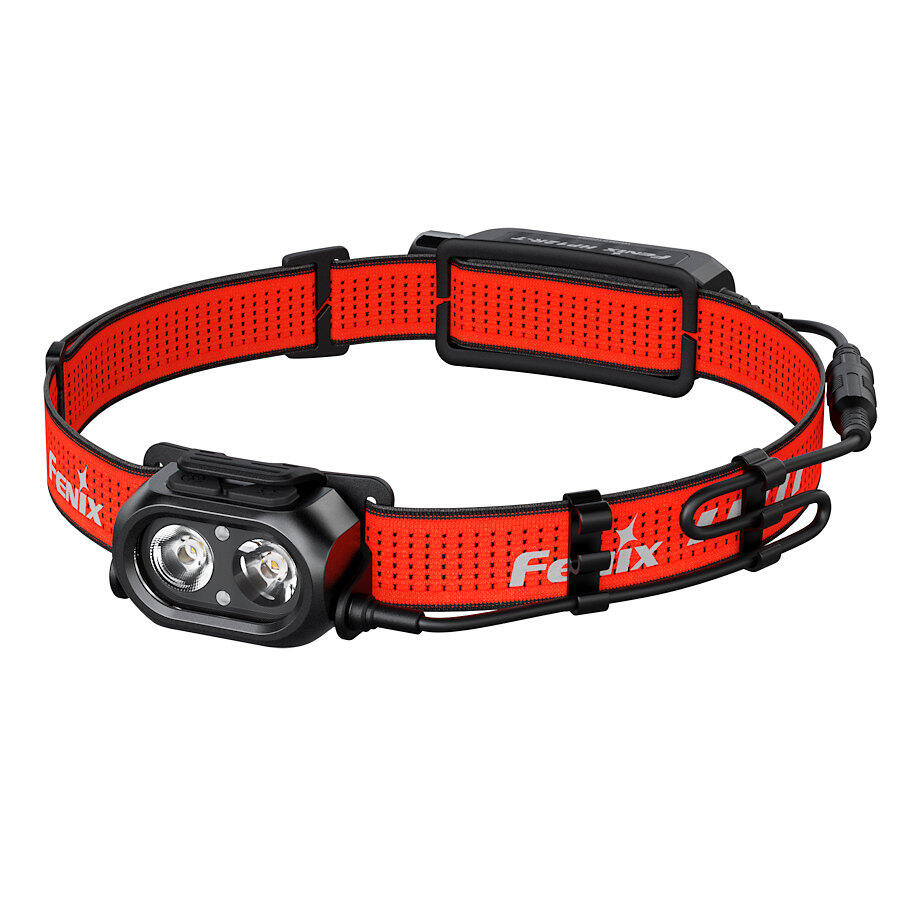
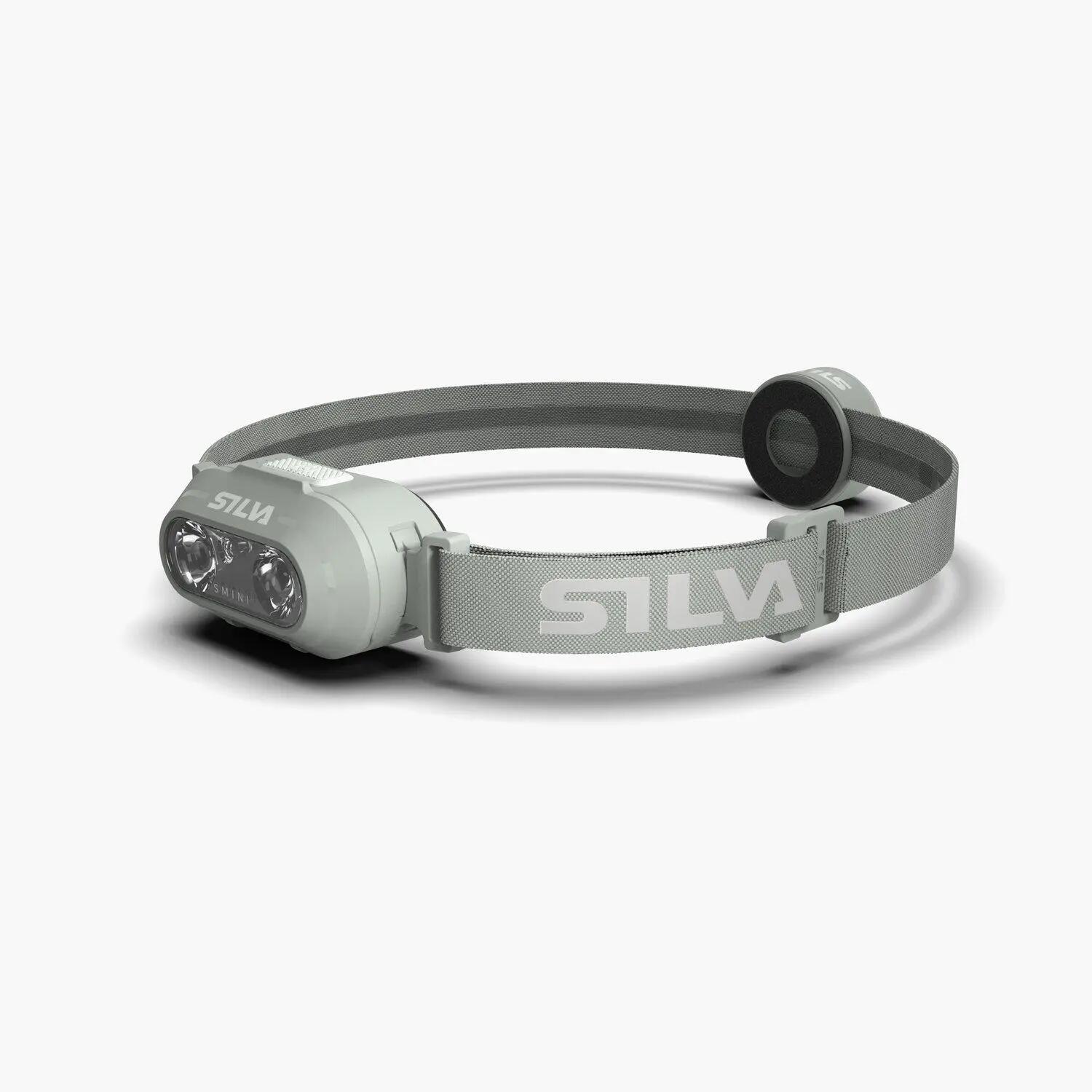
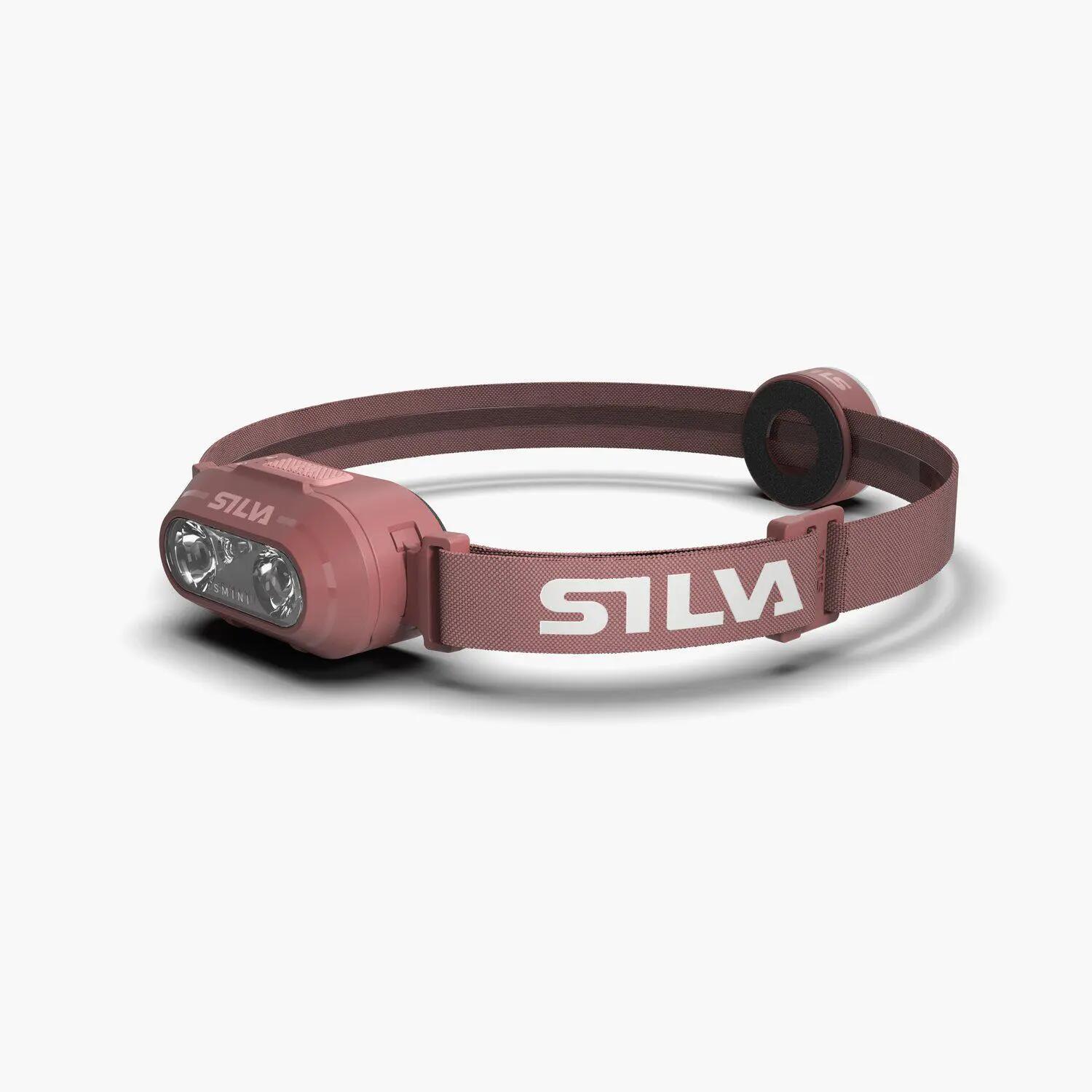
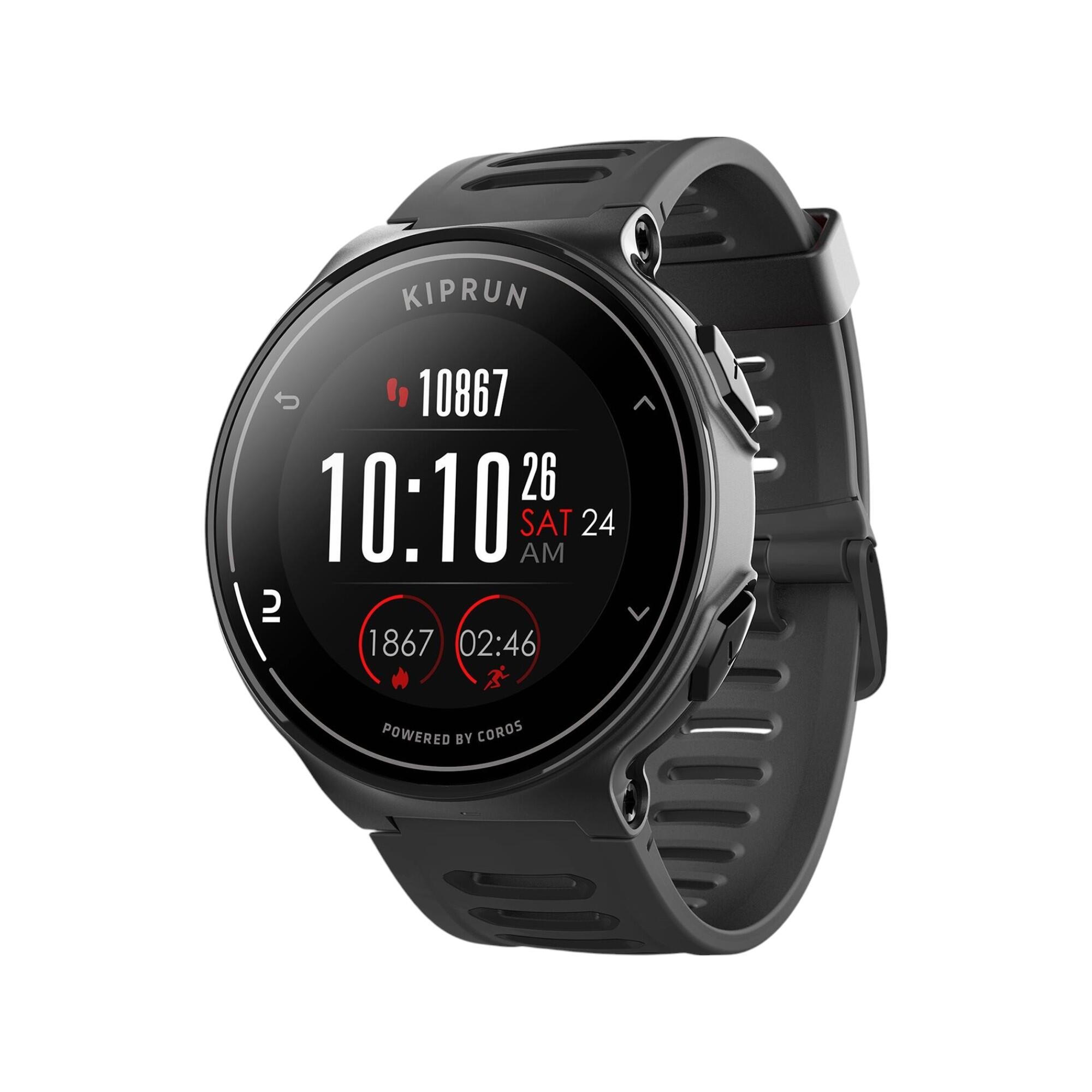
Choose brightness according to your speed, terrain and distance from other light sources. Around 60 lumens may cover slow running on familiar urban paths, while dark woodland and uneven trails usually require a brighter, wider beam. KIPRUN and EVADICT models offer different output levels so you can increase visibility on technical descents and conserve battery on easier sections. Beam distance matters alongside lumens because you need enough time to react to roots, rocks and sudden drops. Use trail running watches to track elapsed time against the lamp's stated runtime. Pro tip: test the lowest usable setting on a familiar route before relying on it during a longer night event.
Is a chest light or head torch better for trail running?

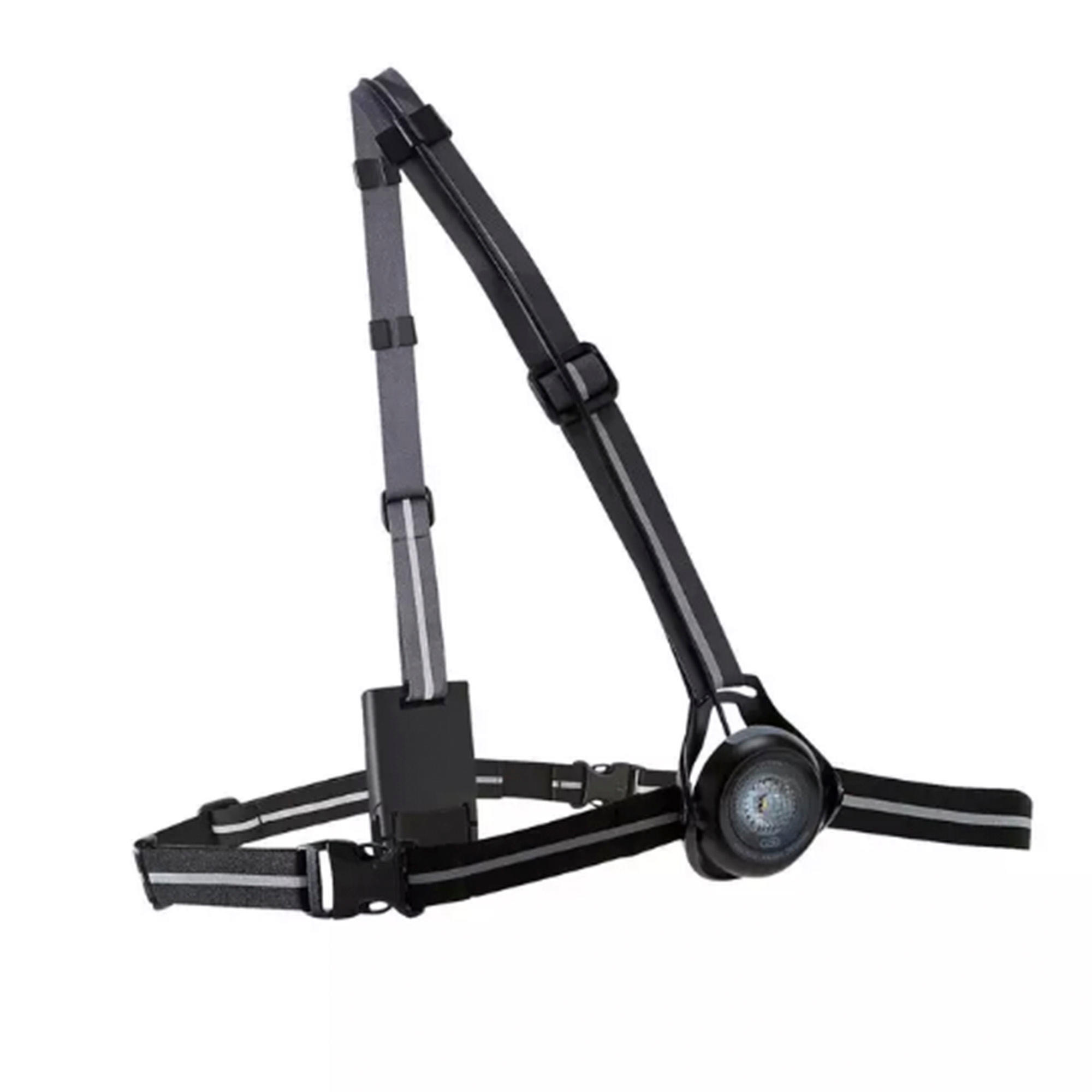
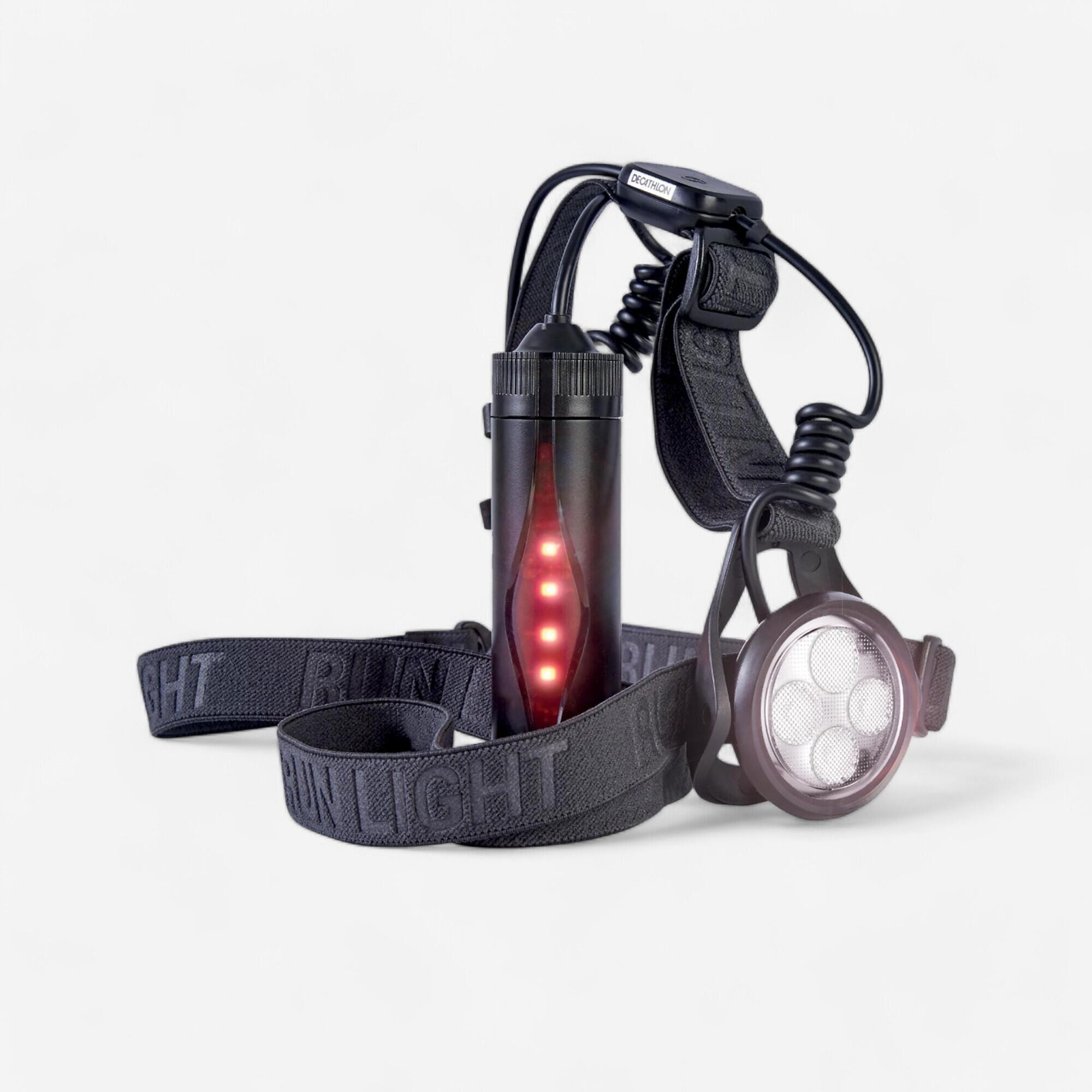
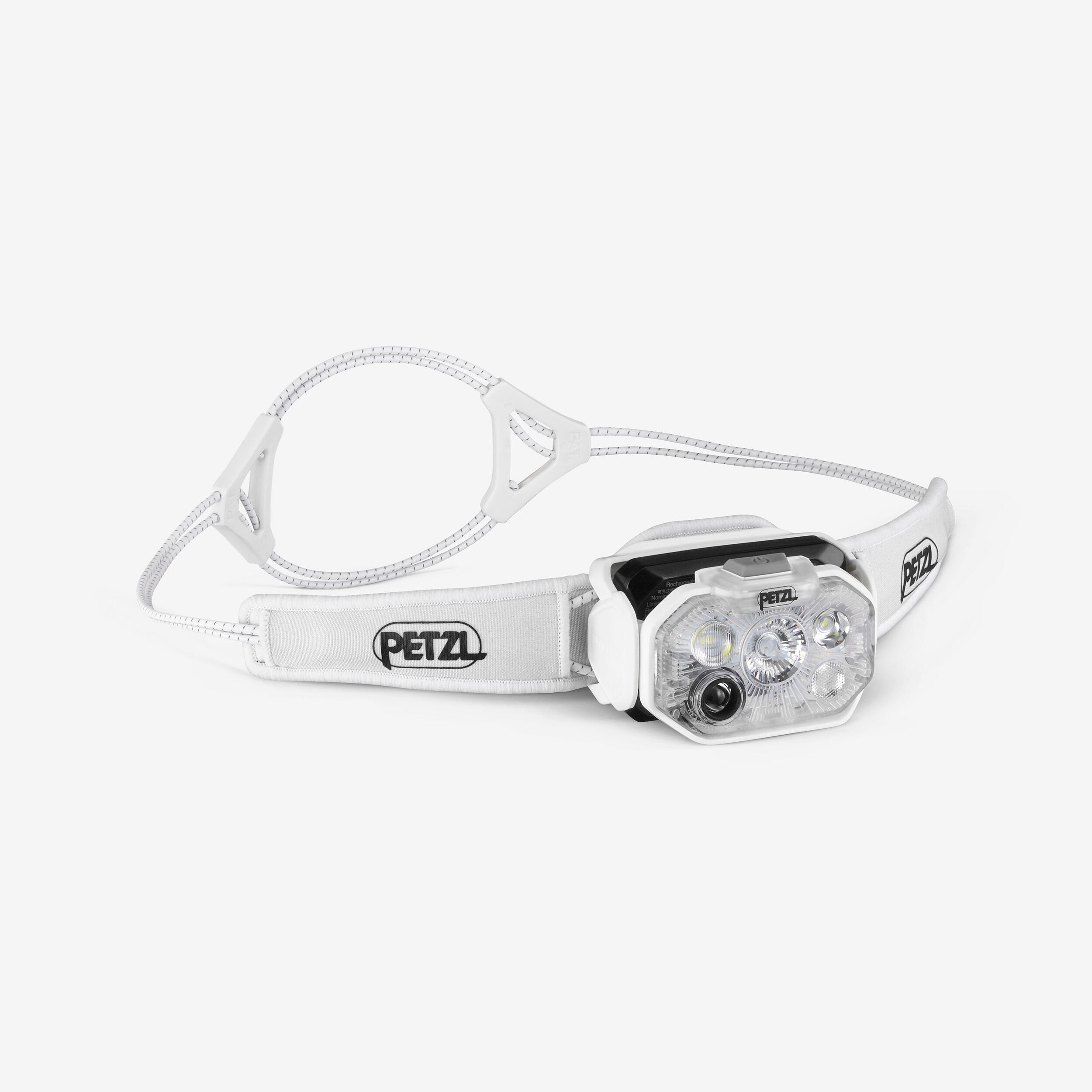
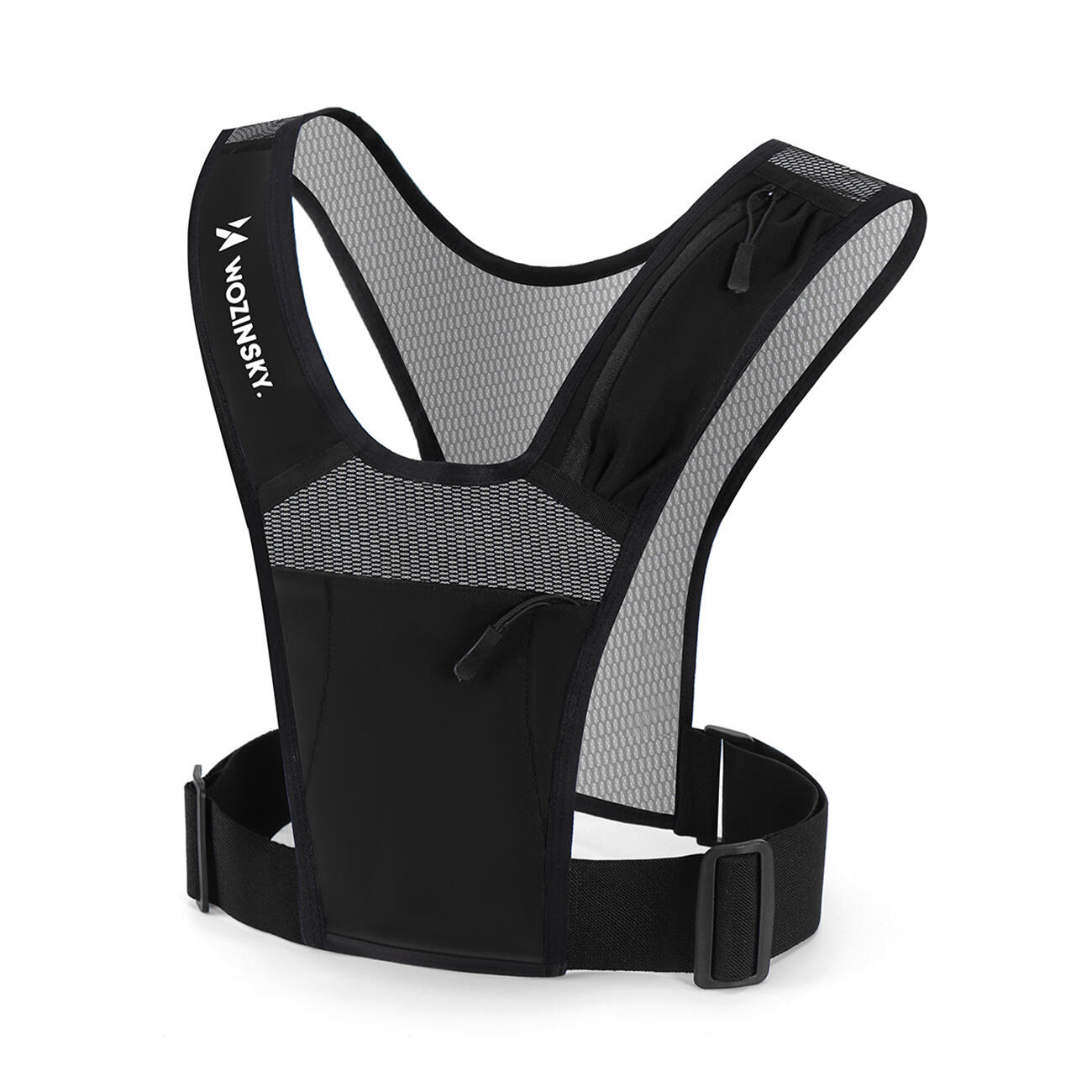
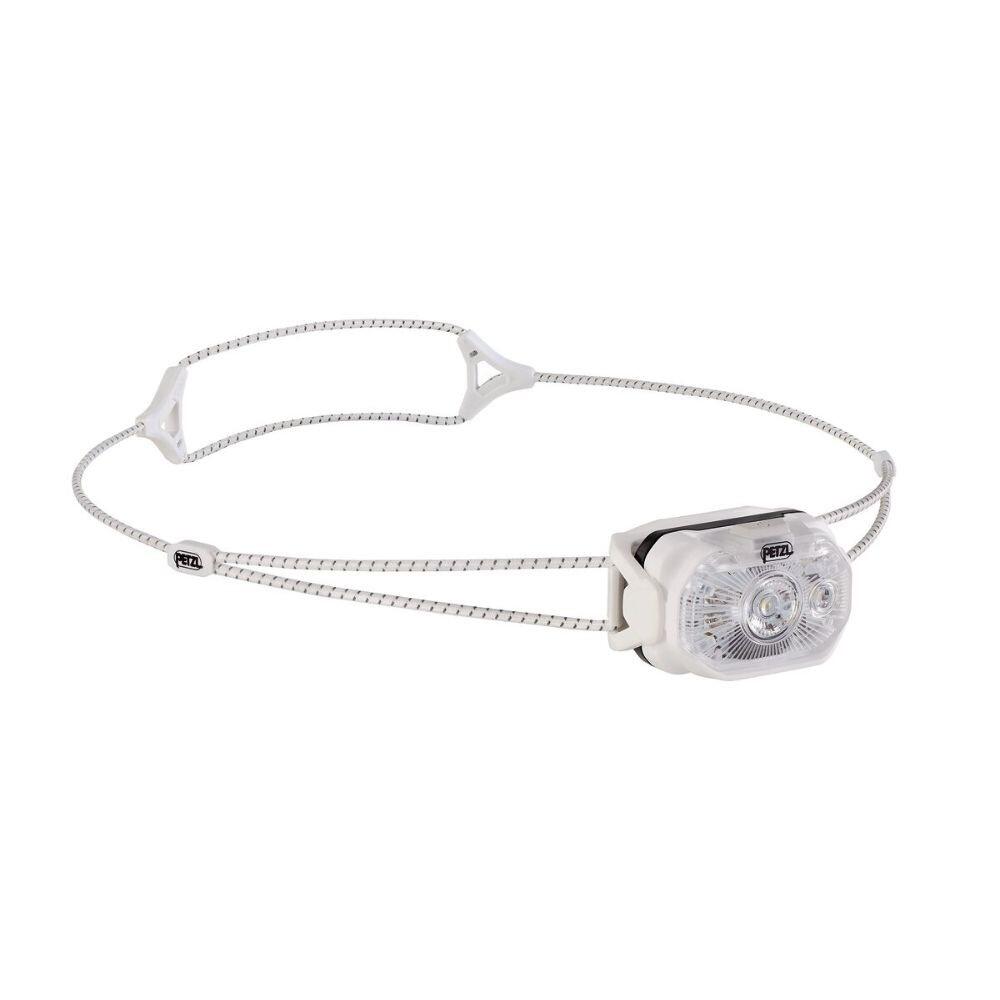
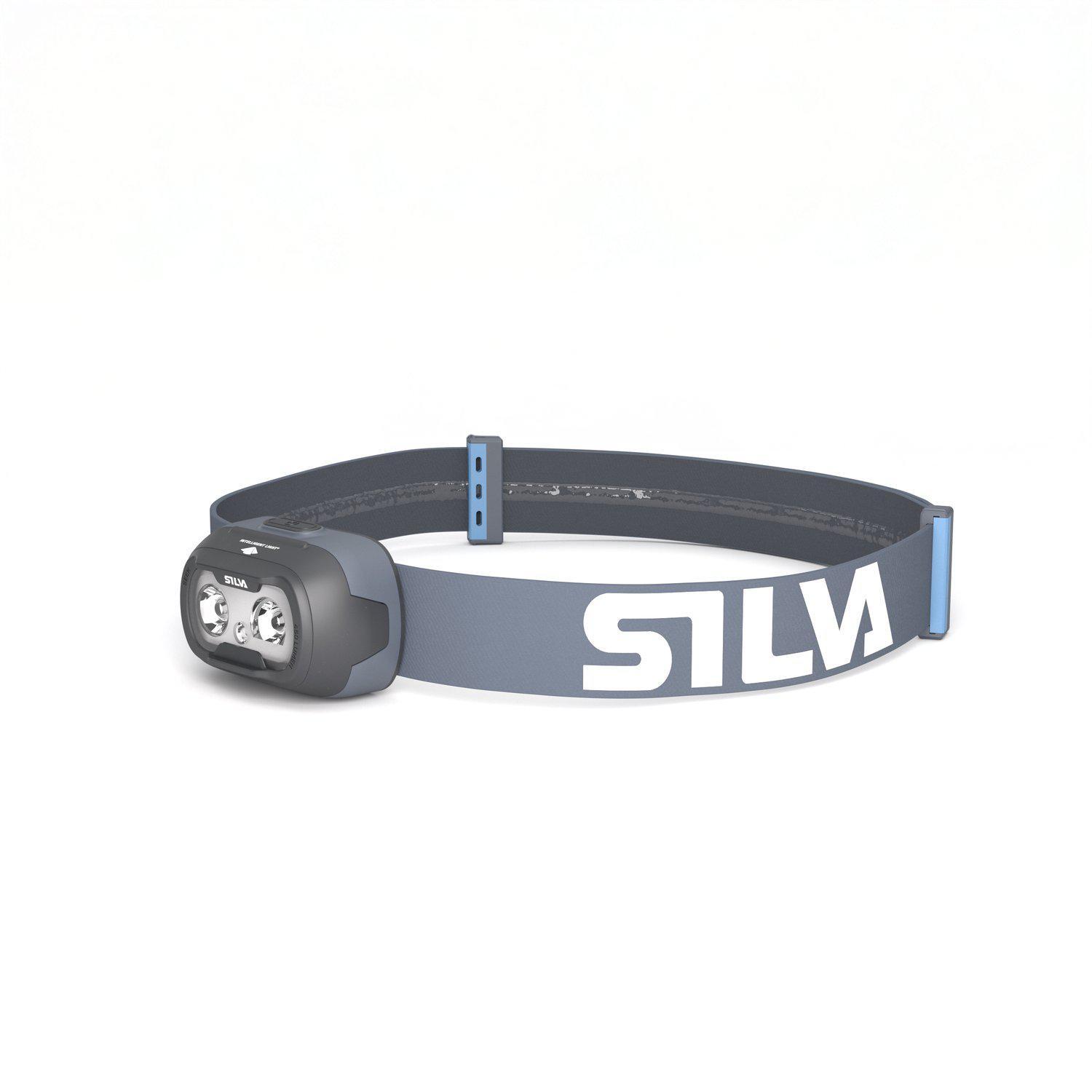
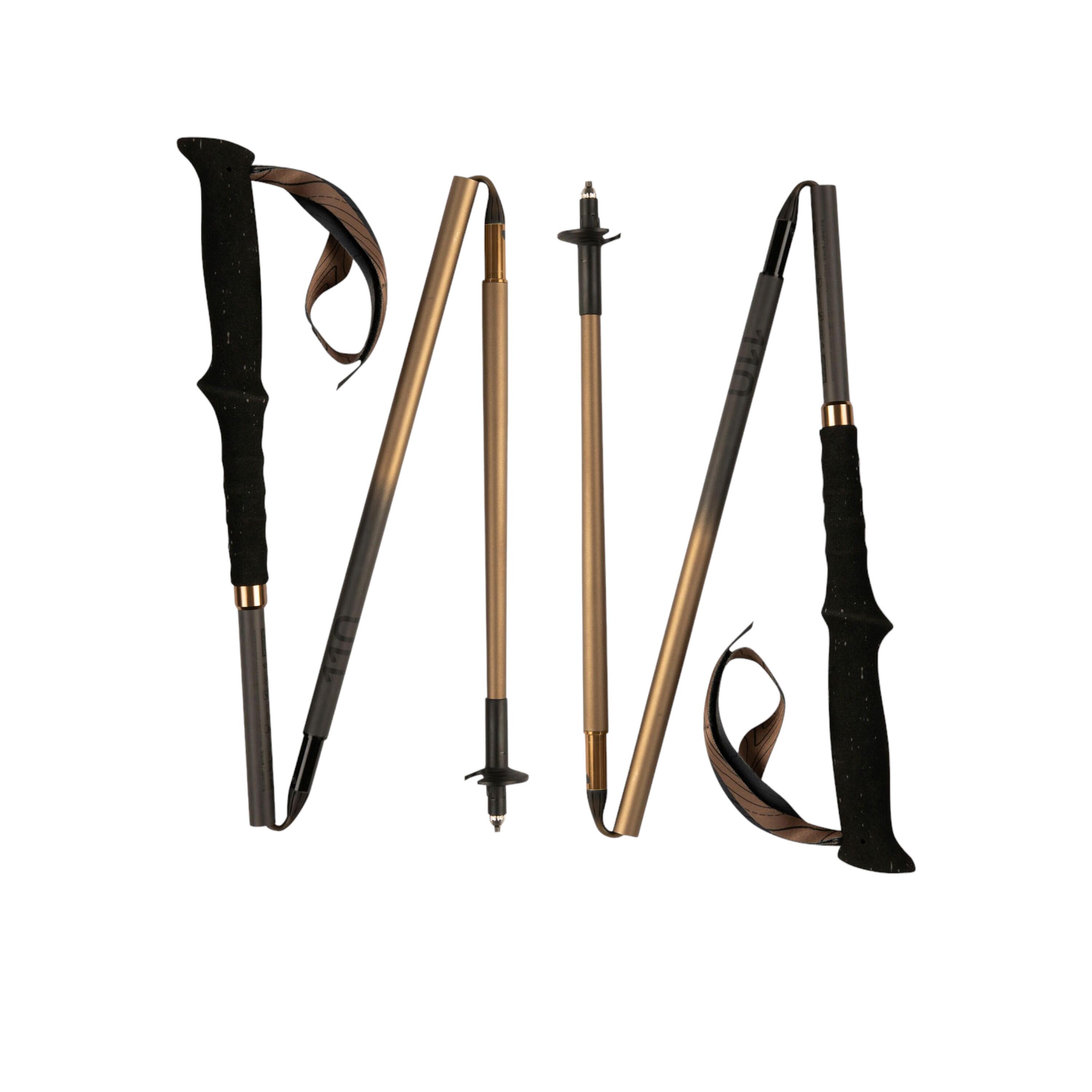
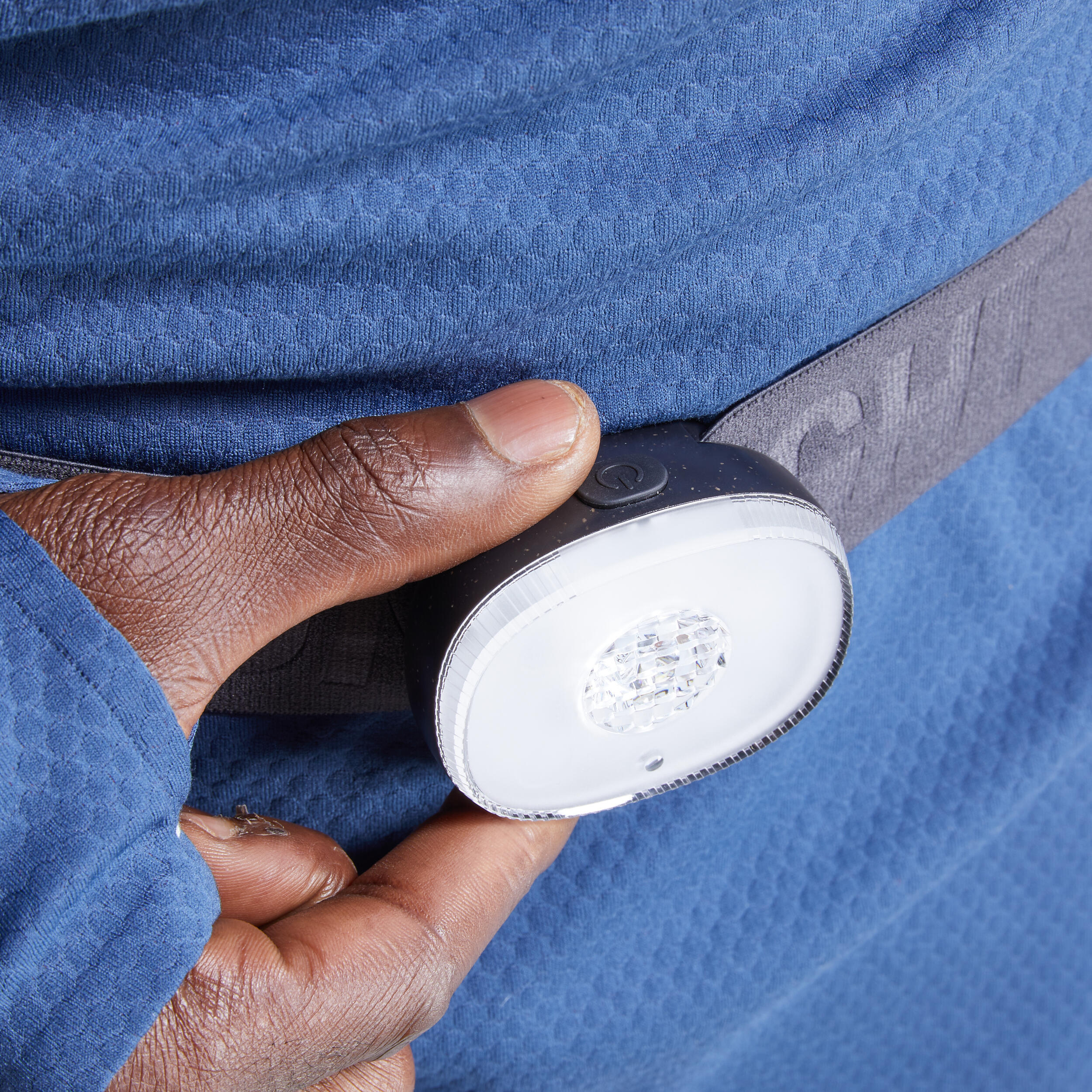
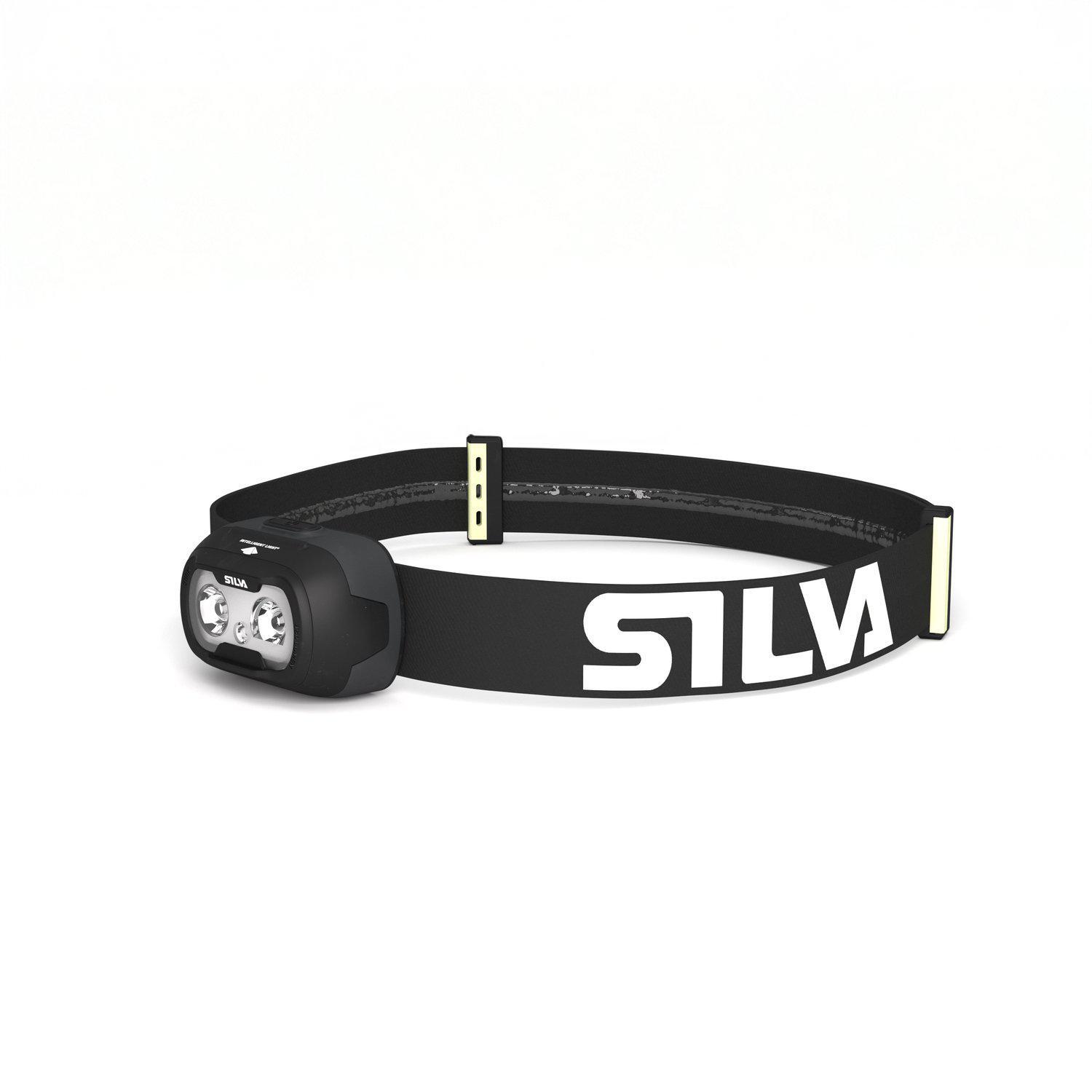
A head torch directs light wherever you look, making it useful for reading signs, checking turns and scanning the ground ahead. A chest or waist light places the beam closer to your centre of gravity, so it moves less with every head turn and casts more visible shadows behind raised obstacles. Those shadows can make rocks, roots and dips easier to judge. Some KIPRUN chest lights also let you adjust the beam angle for climbs and descents. When using trail running poles on steep ground, make sure the lamp illuminates far enough ahead to plan each pole placement rather than only lighting your feet.

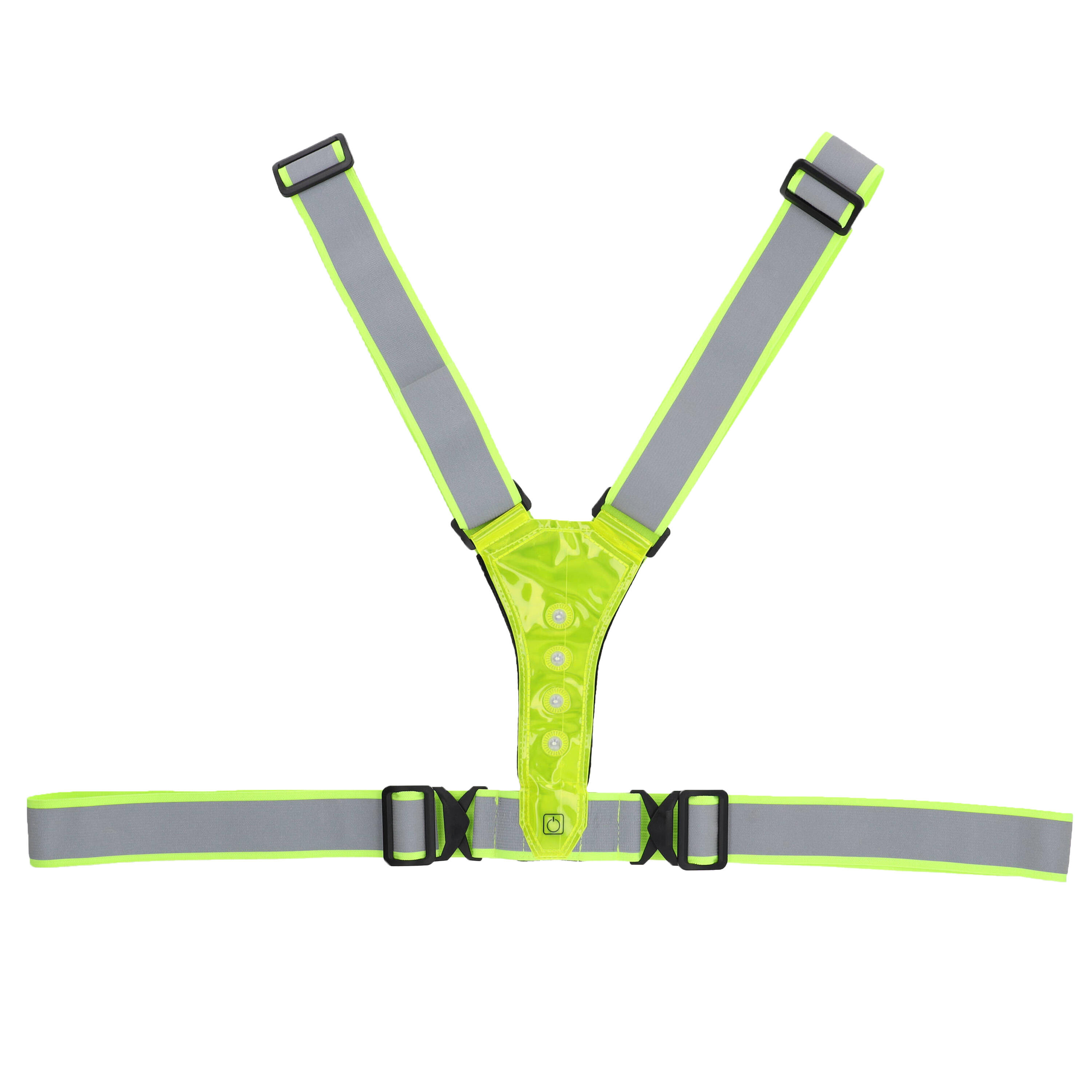
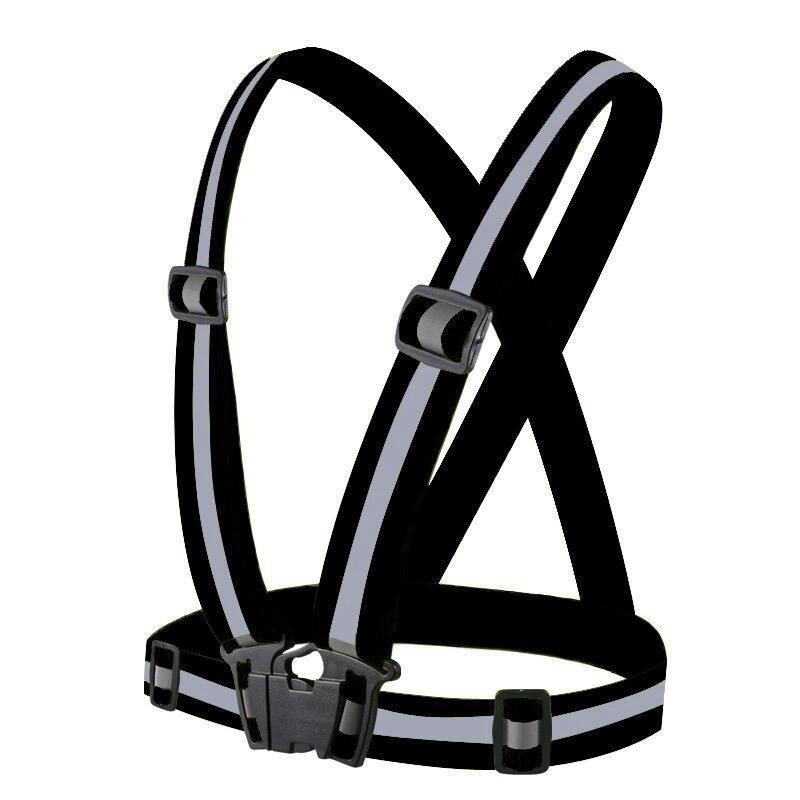
How can you stay visible to other people after dark?

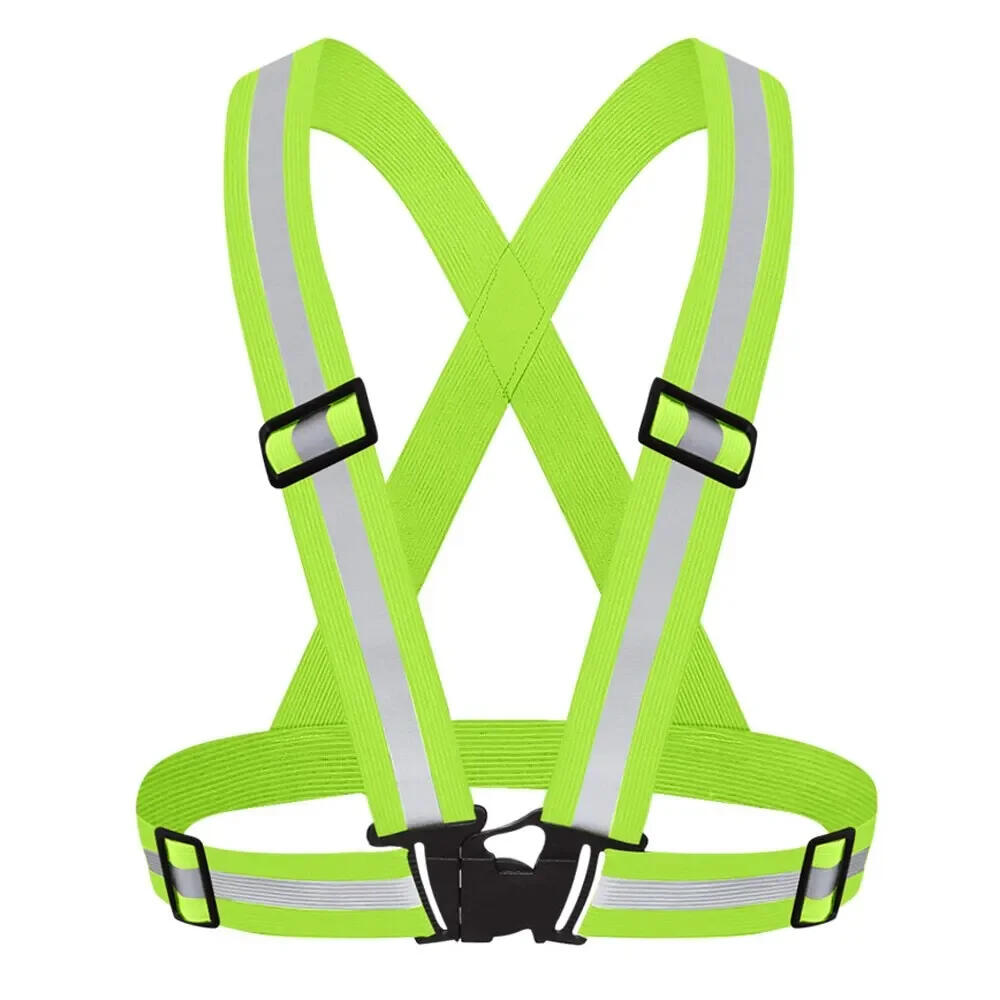
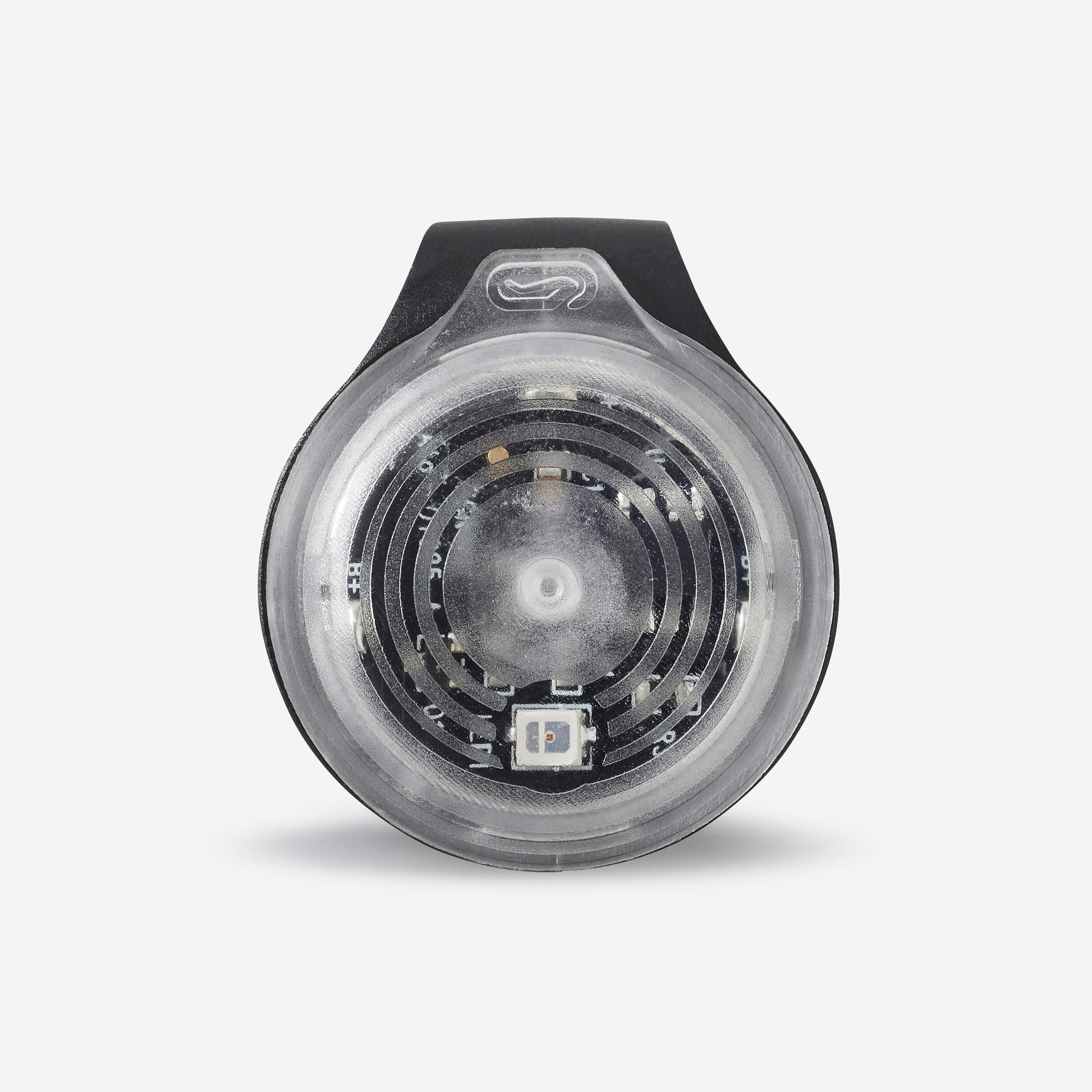
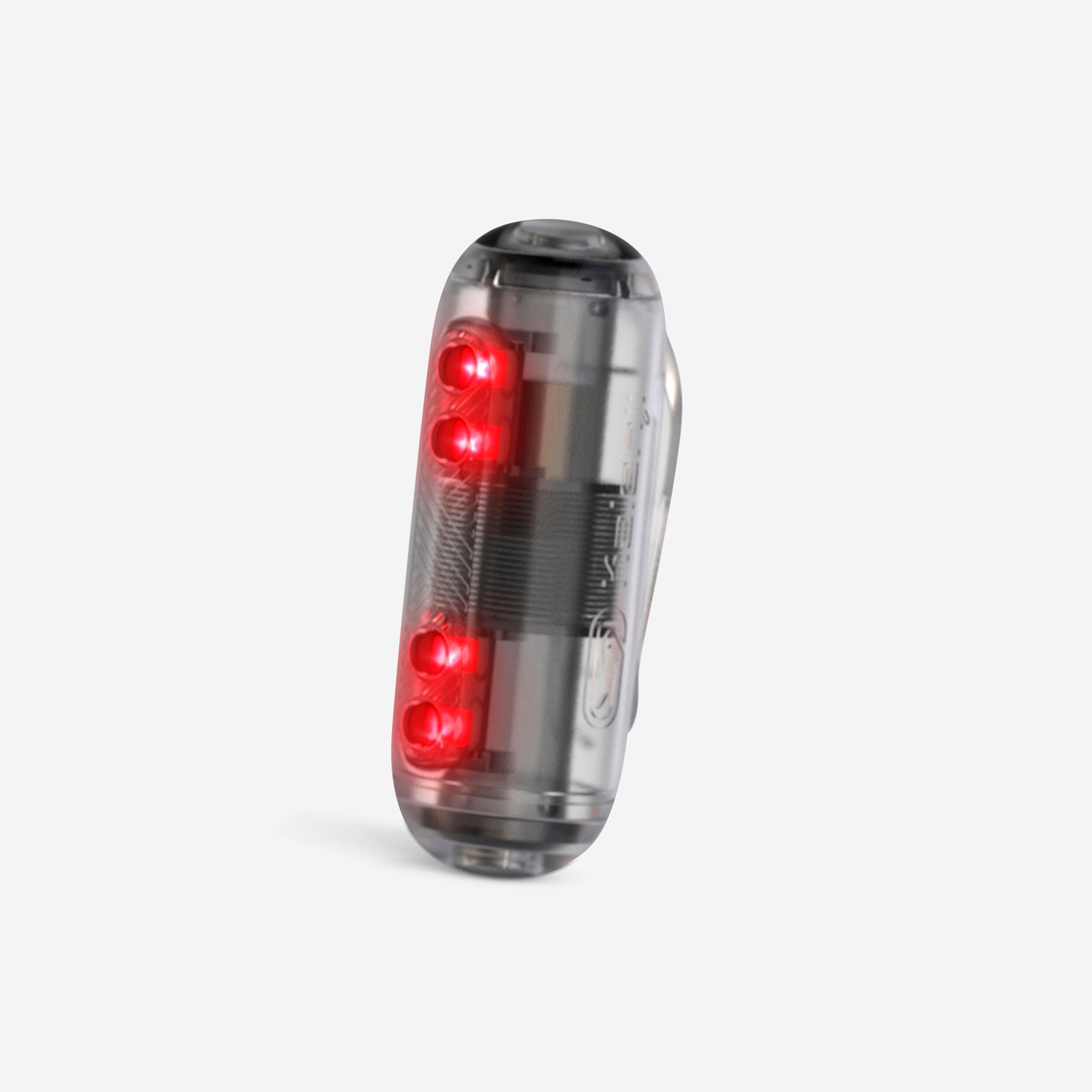
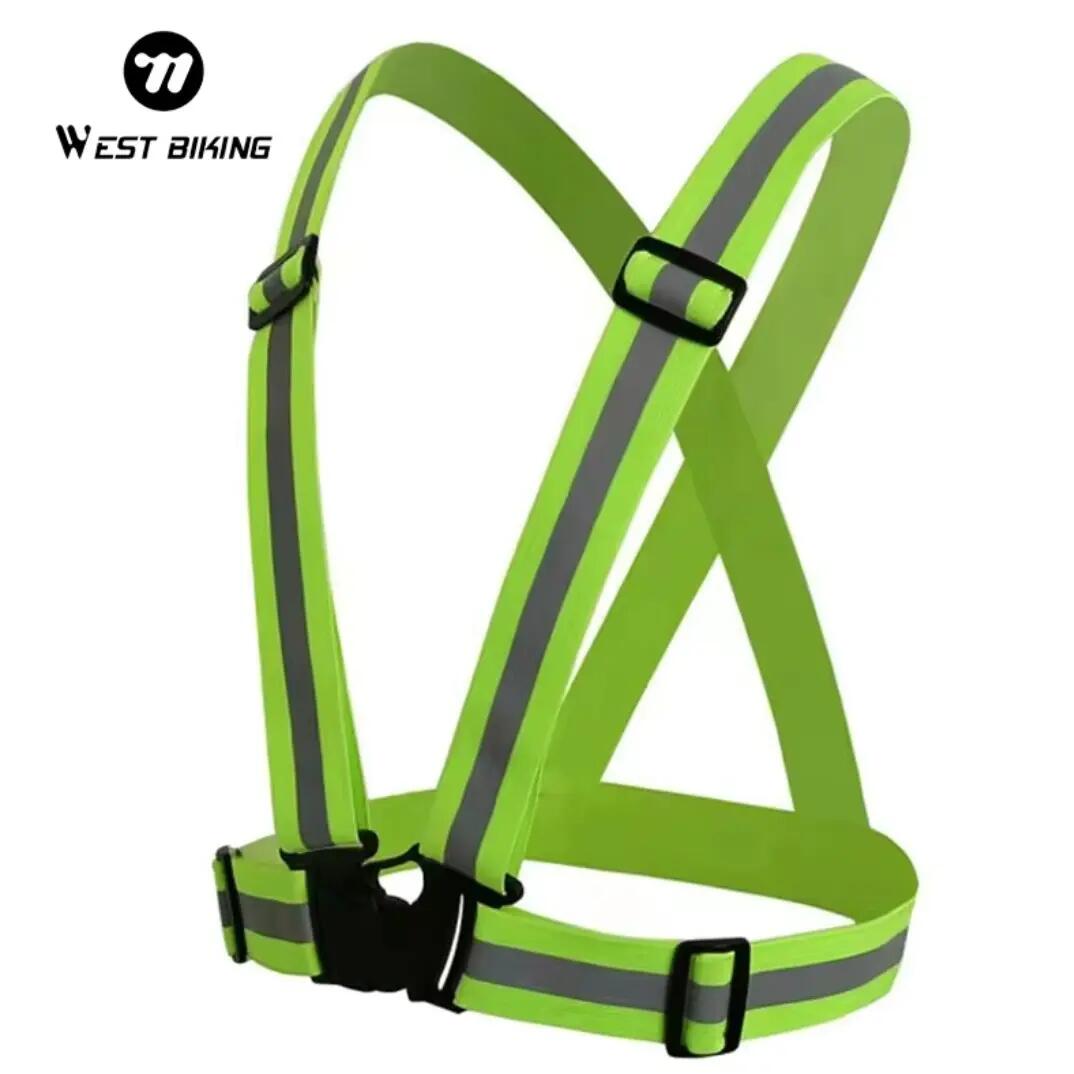
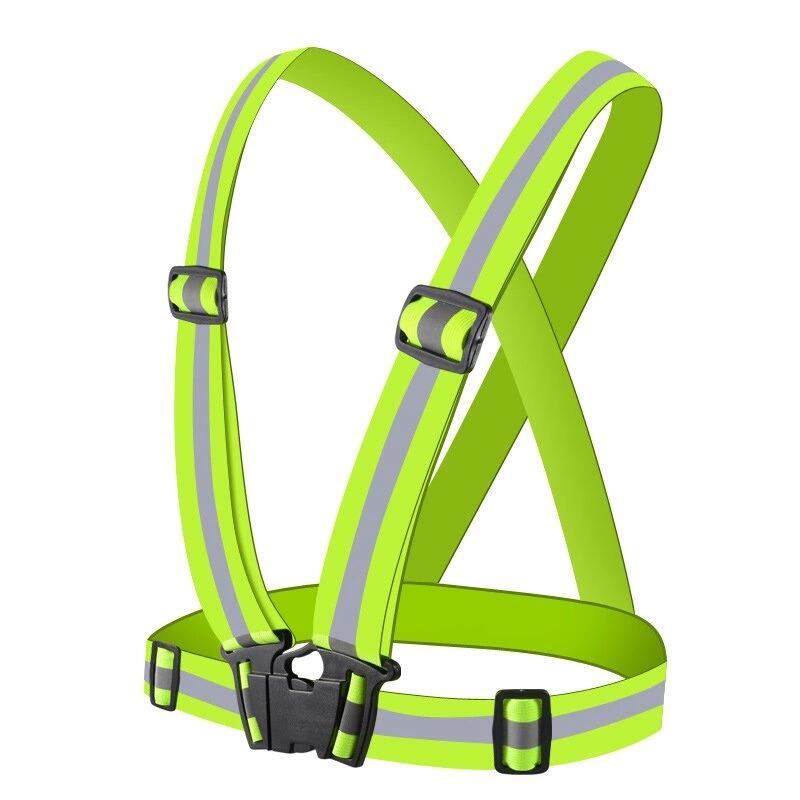
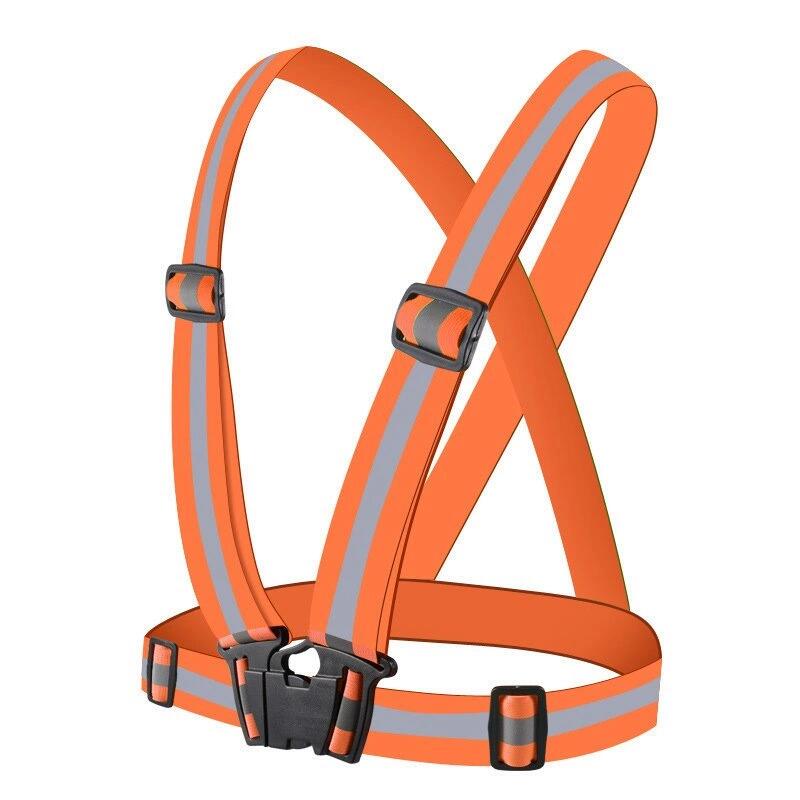
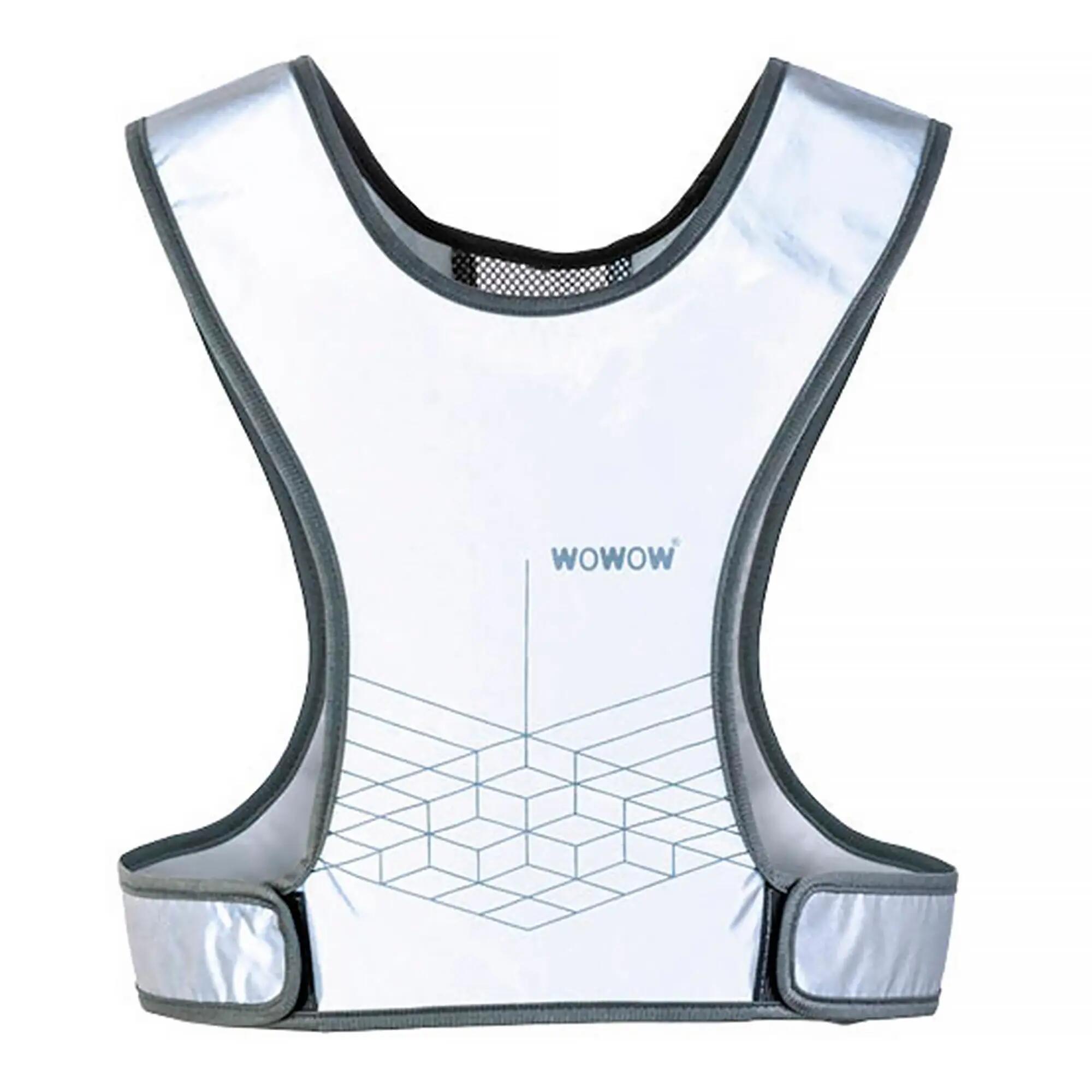
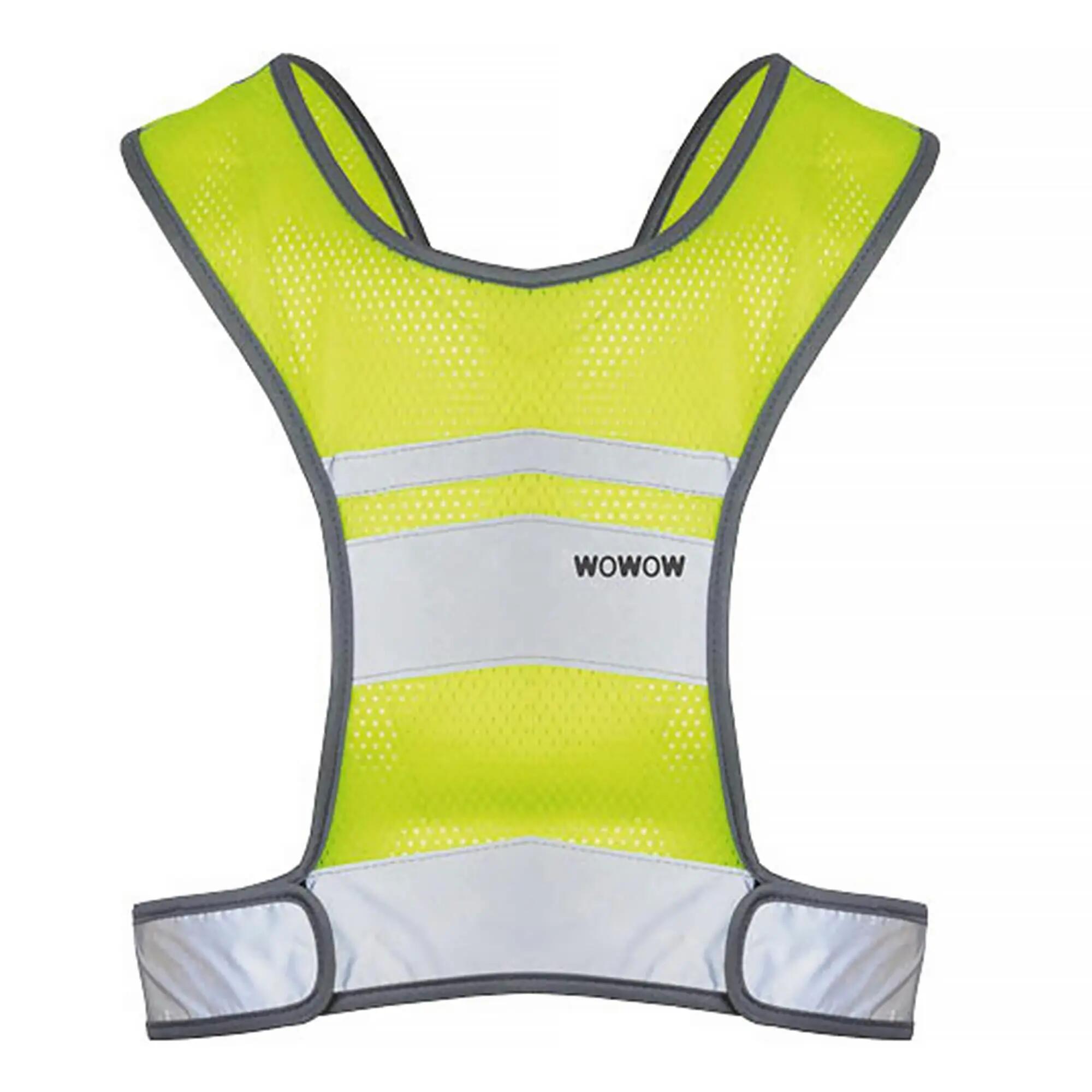
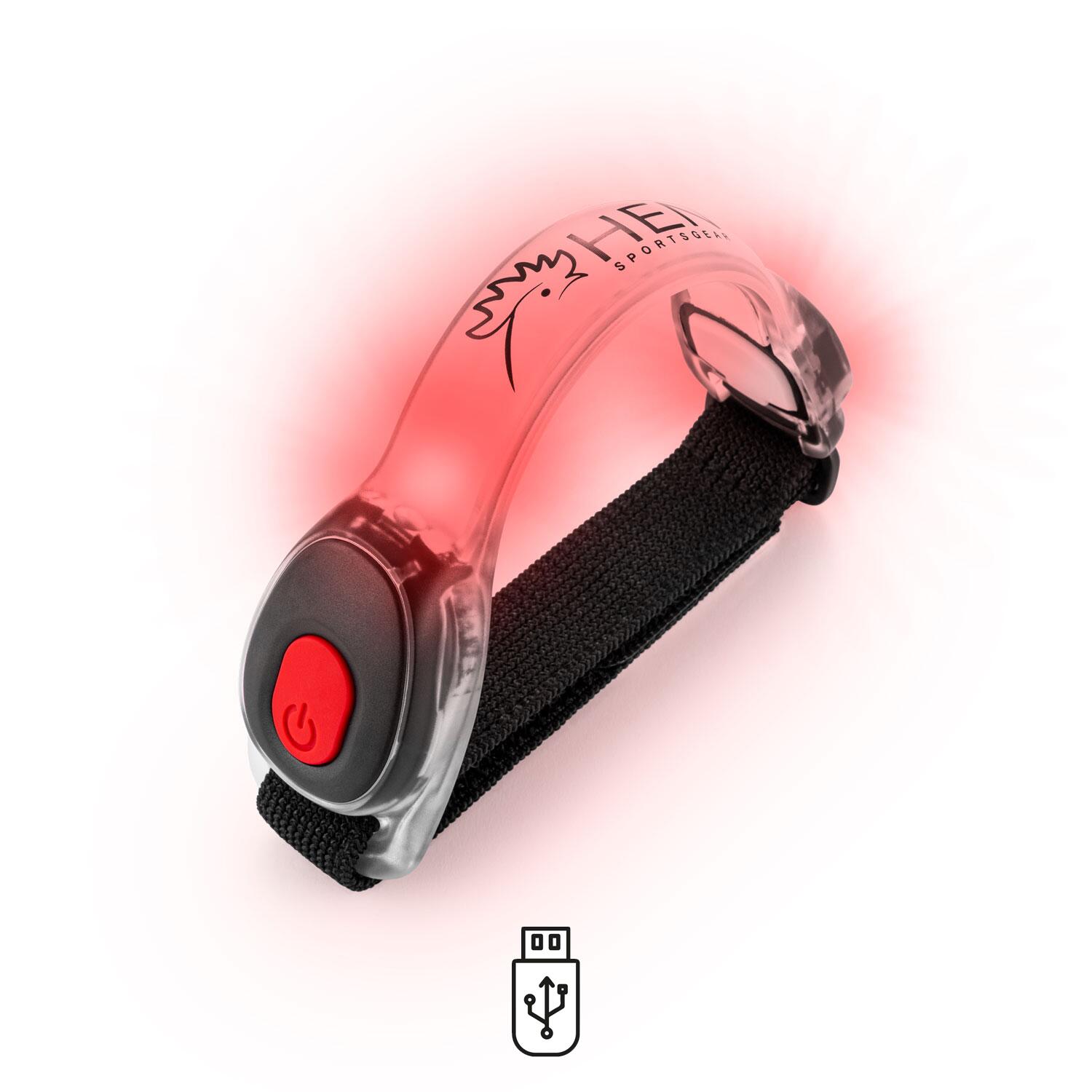
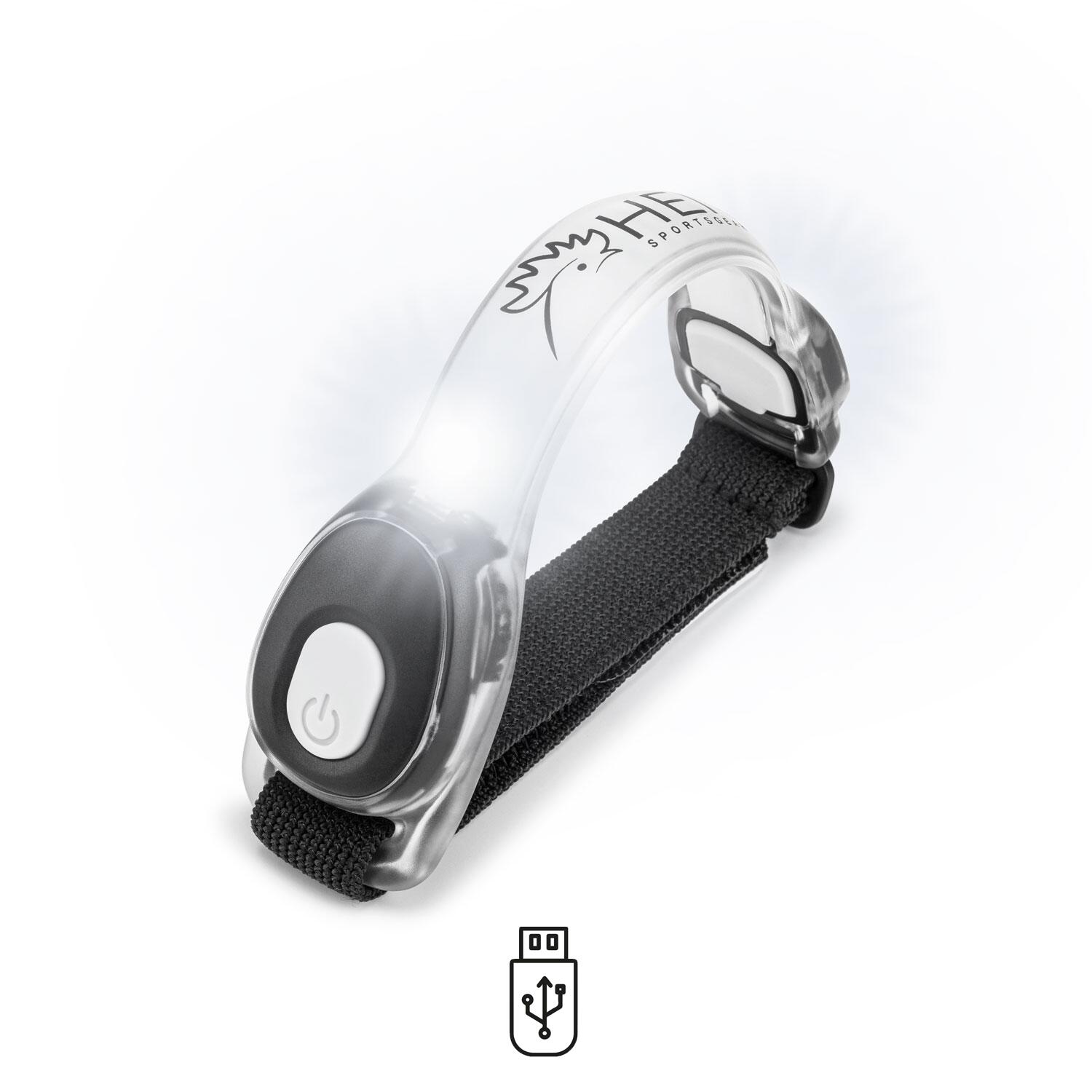
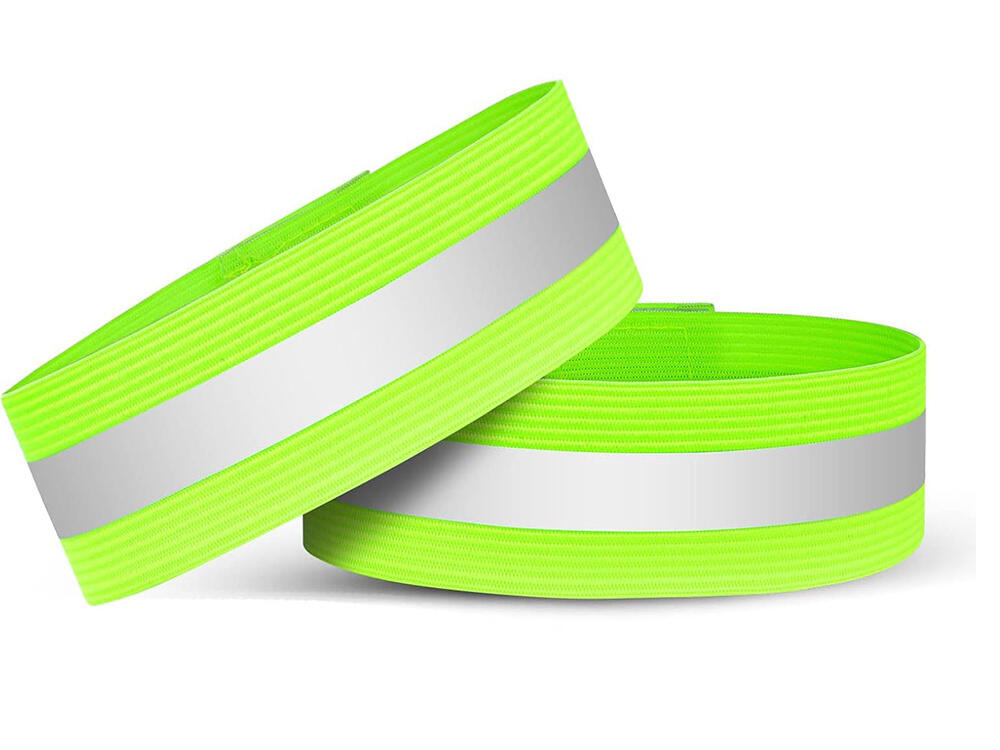
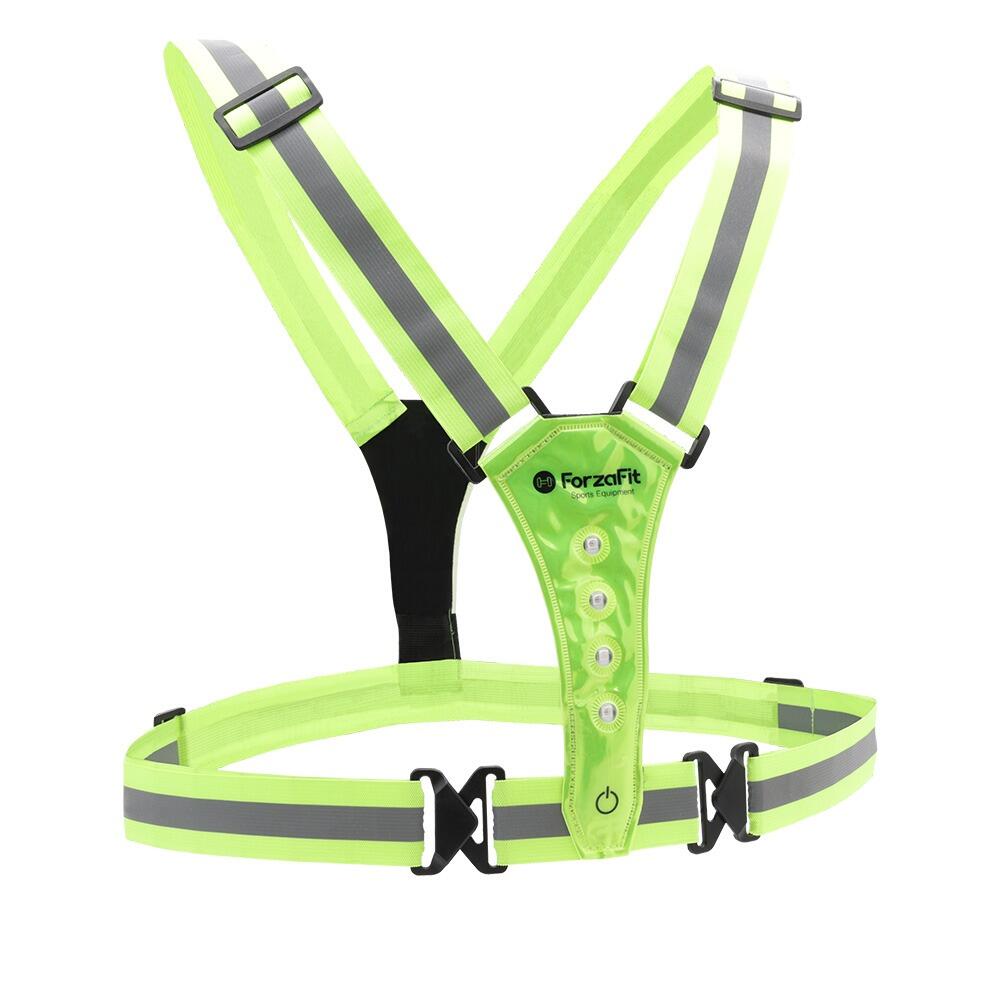
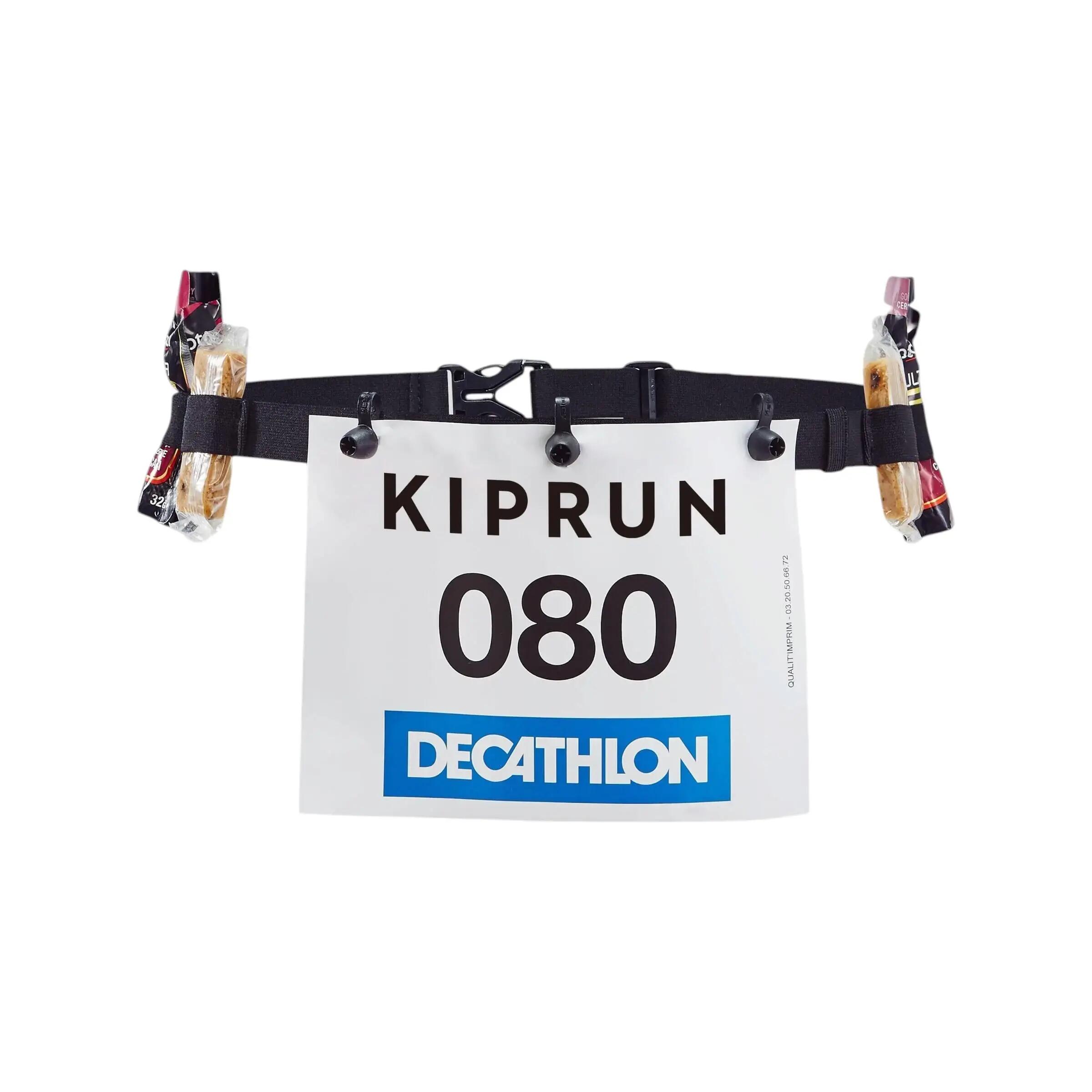
Forward lighting helps you see the route, but it may not make you visible from behind. Choose a setup with rear red LEDs, reflective straps or a separate flashing light positioned where clothing and your hydration pack will not cover it. Red lights are commonly used at the rear because other road and trail users recognise them as a warning signal. The Decathlon Motion Light generates power through your stride and flashes without a rechargeable or disposable battery. During organised events, keep trail running race number belts clear of reflective panels and rear lights. Check your visibility from several angles before leaving.

How long should a rechargeable trail running light last?

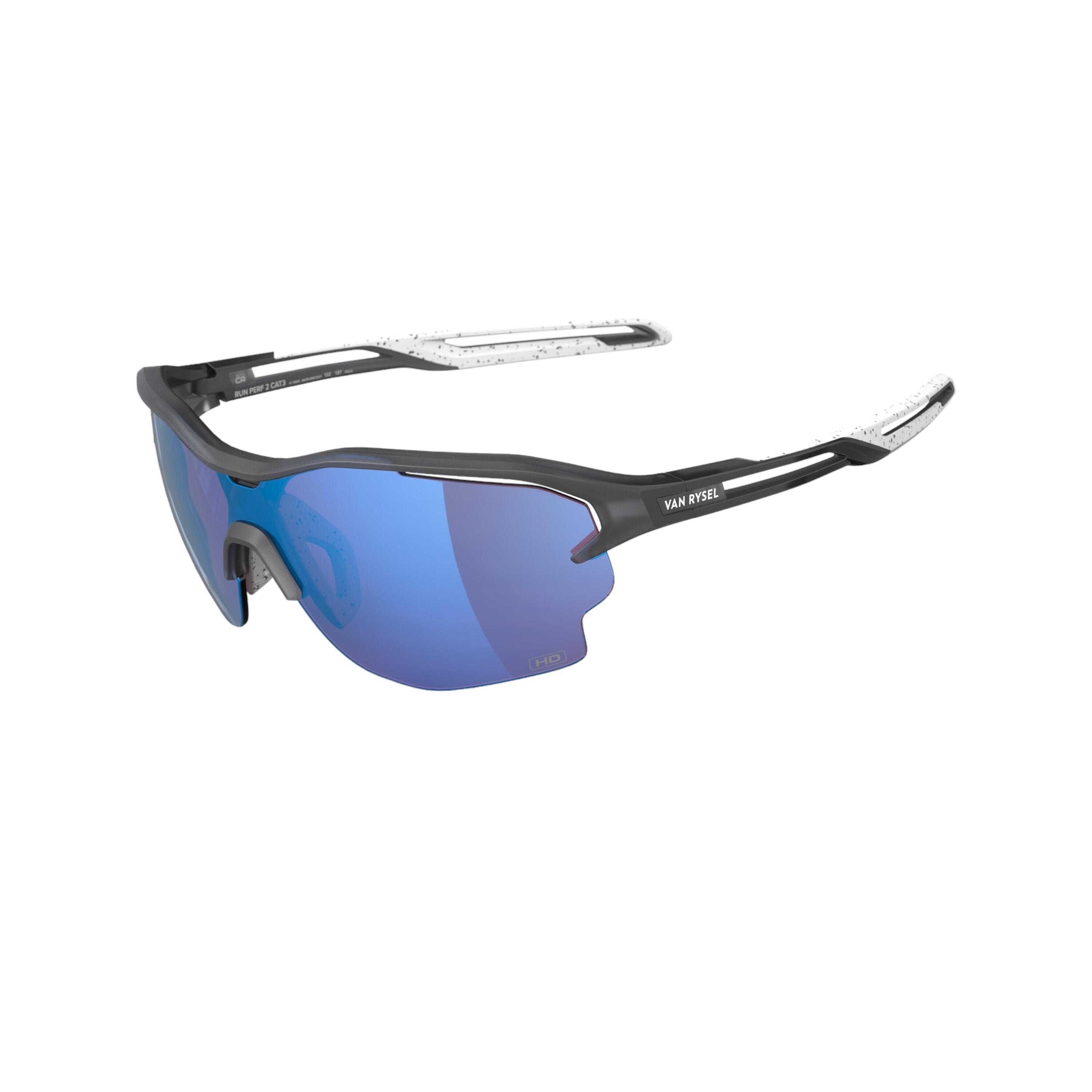
The required runtime should exceed your planned running time, including delays, navigation errors and slower sections. Maximum brightness drains the battery faster, so compare operating time at each output level rather than relying on one headline figure. Some trail lamps provide an economy or reserve mode when the main battery is nearly empty, but this lower output may not suit fast technical running. Fully charge the light before use and carry a backup lamp for remote or overnight routes. At dusk, trail running sunglasses with suitable light transmission should be removed or changed before they begin reducing your view. Never depend on a phone torch as your only backup.

What should you check before a night trail run?

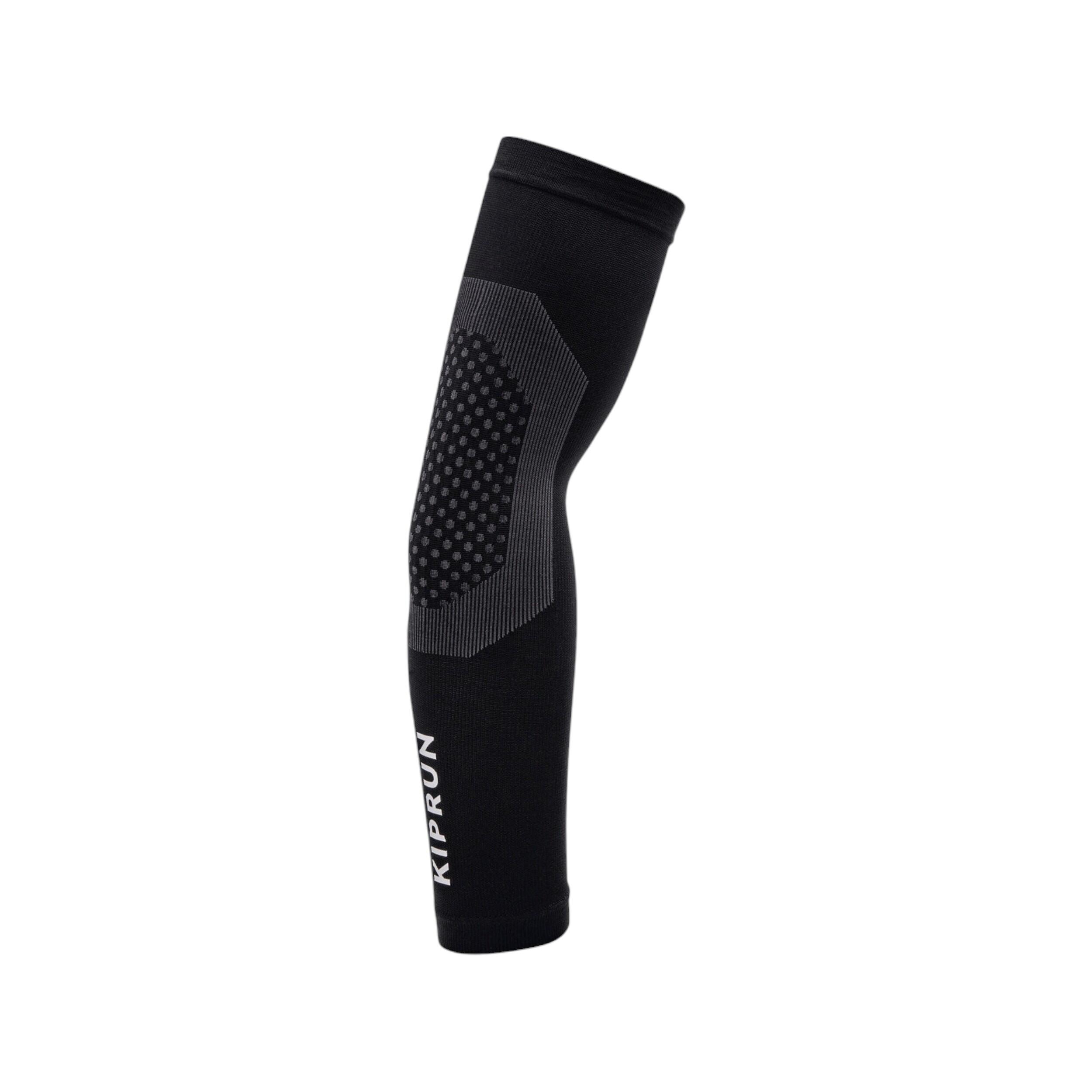
Charge the lamp, inspect the cable and test every brightness setting before leaving home. Confirm that the straps remain stable when you run, turn your head and move downhill. A balanced headlamp should stay secure without needing excessive pressure across your forehead, while a chest harness should not restrict breathing or arm movement. Check the weather resistance too: IPX4 models cope with rain and splashes, while higher ratings offer greater water protection. Wear trail running leg and arm sleeves when extra coverage suits the temperature, but keep reflective details uncovered. Carry spare lighting and tell someone your route on isolated trails.