99 items
4.4/5 based on 1283 reviews collected online and in stores

Women's Trail Running Waterproof Jackets FAQs

What should you look for in a women's trail running waterproof jacket?

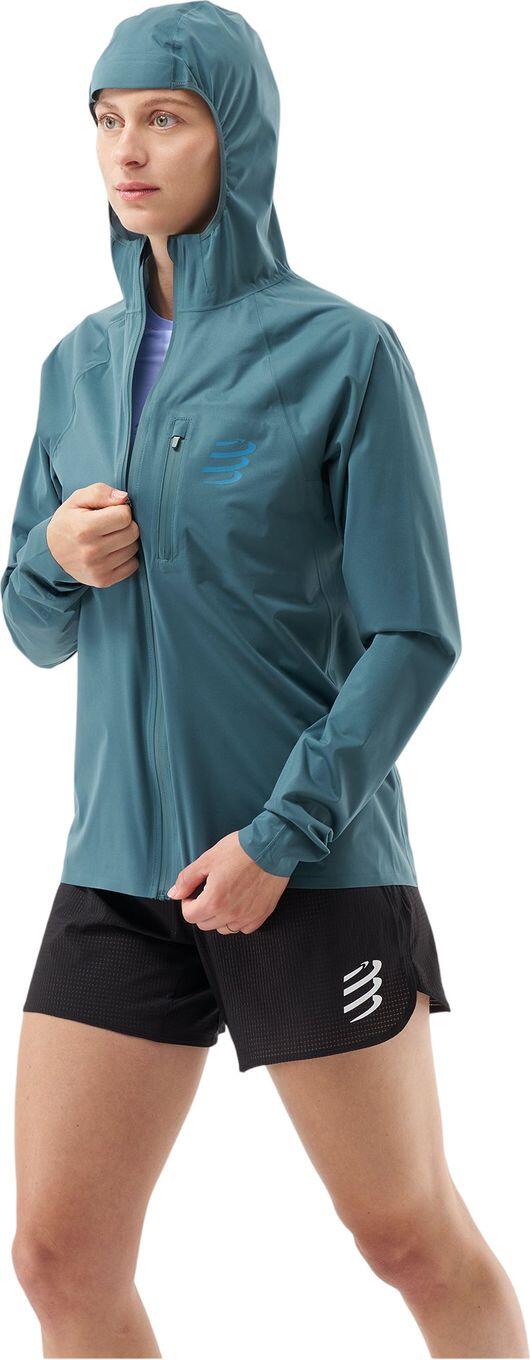
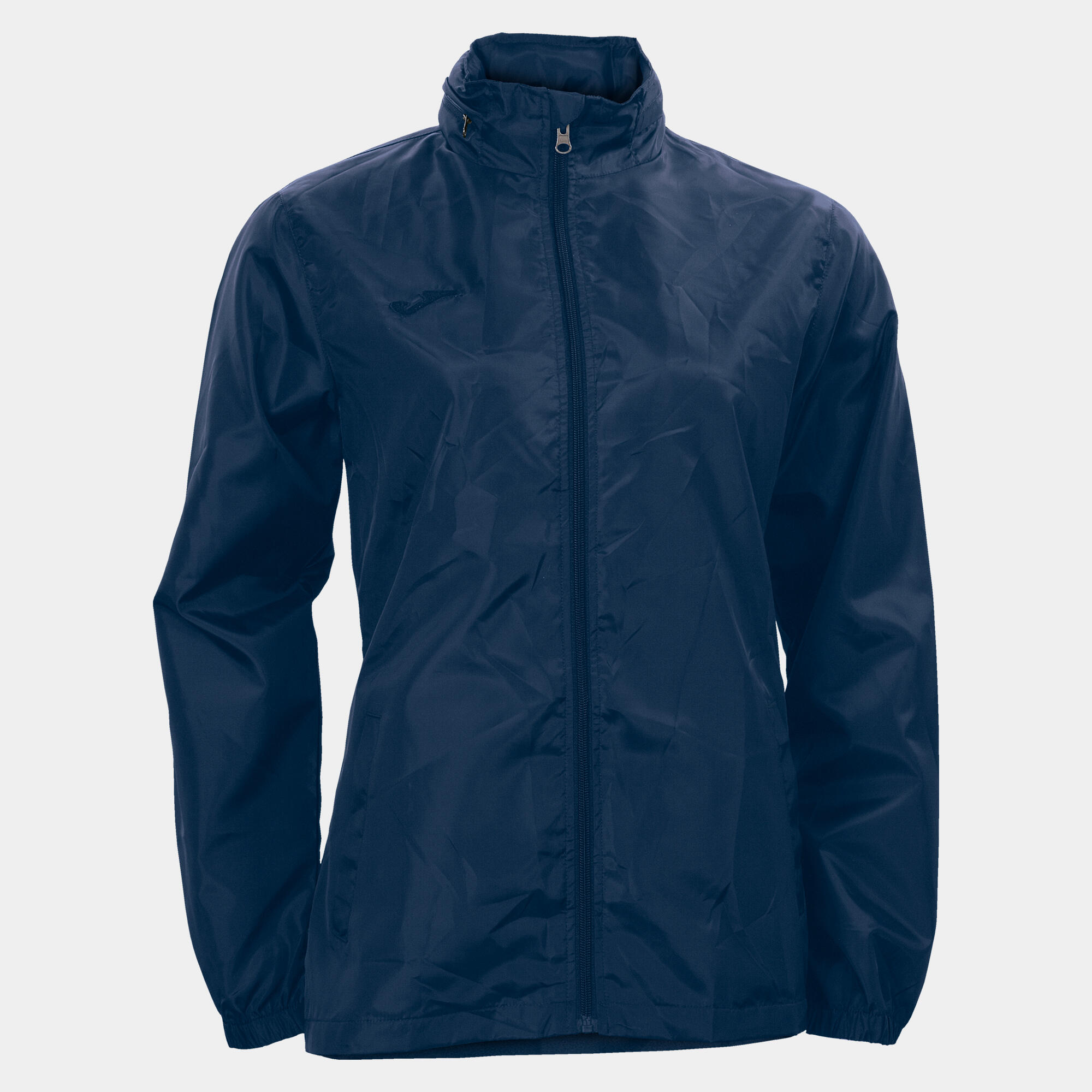
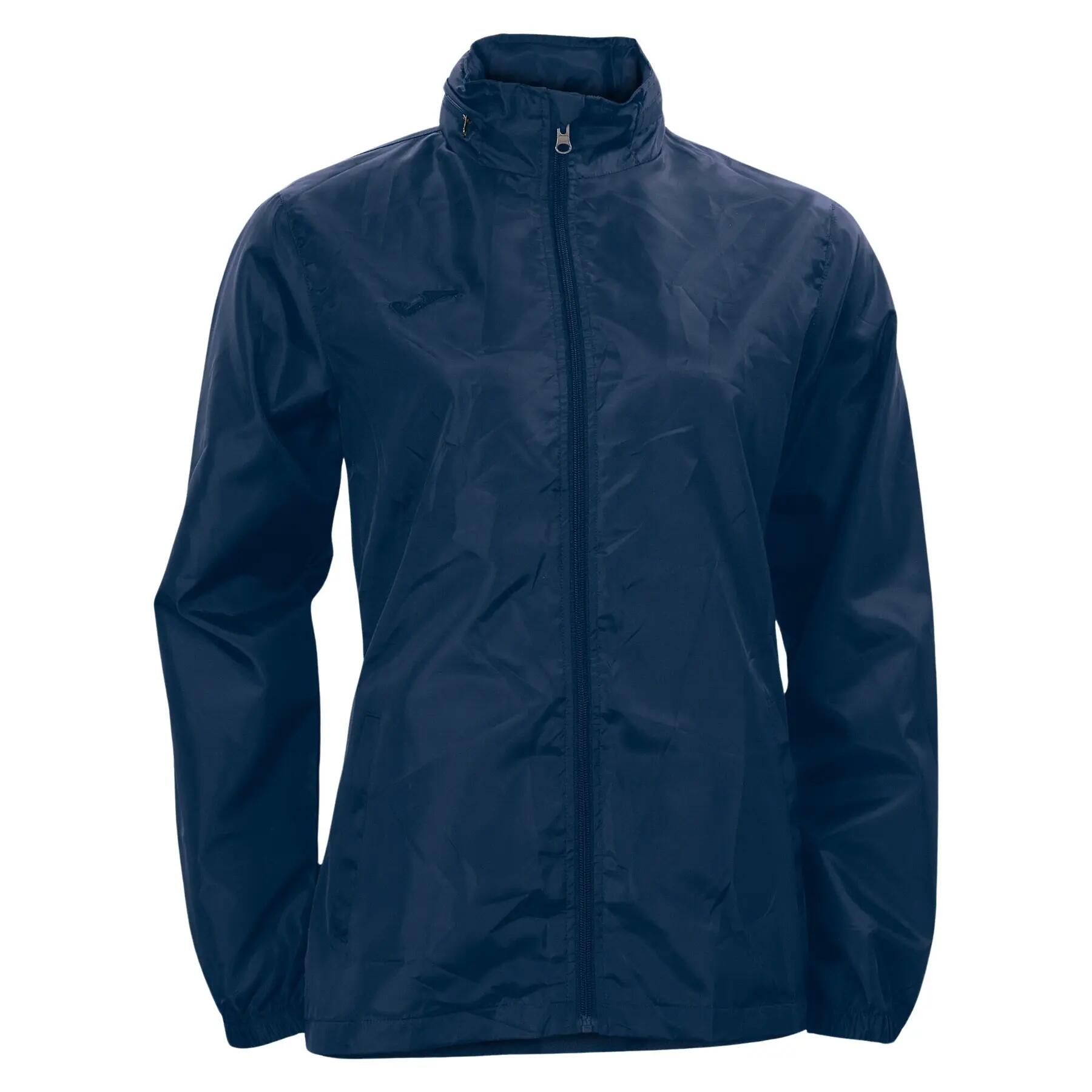
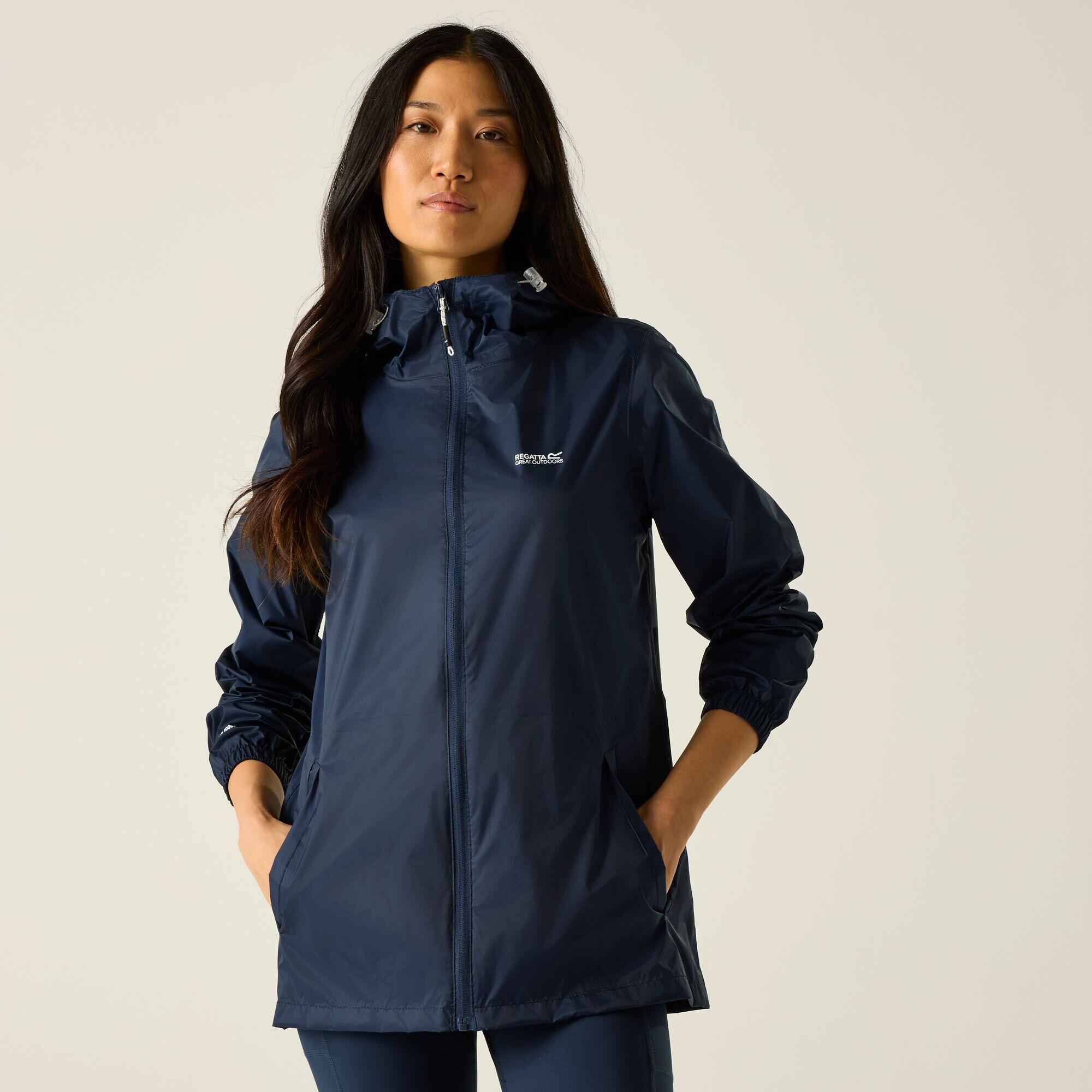
Start with the weather protection, breathability, weight and fit rather than relying on the word waterproof alone. A jacket for regular wet-weather training should block rain and wind while allowing perspiration vapour to escape. The KIPRUN Run 100 Rain uses a two-layer membrane rated at 5,000 mm and has a breathability value below RET 6, supported by vents across the upper back. Its 347 g weight in size M suits everyday running more than minimalist race-kit use. Check each product separately because this page also includes general running and outdoor shells from marketplace brands. For milder forecasts where rain protection is less important, lighter women's trail running windbreakers can provide enough protection against exposed ridges and cool gusts.

How waterproof does a trail running jacket need to be?

Your choice depends on the duration and intensity of the rain. A 5,000 mm waterproof rating offers practical protection for showers and routine wet-weather runs, but it should not automatically be treated as a mountain-race shell for prolonged severe conditions. Sealed construction, hood coverage and protected closures also affect how well a jacket keeps water out. Breathability matters because running generates heat quickly, especially on climbs. A low RET figure indicates that moisture vapour can pass through the fabric more easily, while back vents create an additional route for warm air to escape. Compare the wider selection of women's trail running jackets when you need to balance waterproofing, wind protection and insulation for different forecasts.

Will a waterproof trail running jacket keep you warm?

A waterproof jacket mainly protects you from rain and wind; it does not necessarily provide much insulation. Warmth comes from the air trapped by the clothing underneath. Start with a breathable top that moves sweat away from your skin, then add an insulating layer in cold conditions before putting the waterproof shell on top. This system works because damp fabric conducts heat away from the body more quickly, while a windproof outer layer reduces heat loss caused by moving air. Avoid wearing too many thick layers during hard climbs, as trapped heat can make you sweat heavily. Lightweight women's trail running tops provide a practical base for adjusting your clothing to pace, elevation and temperature.
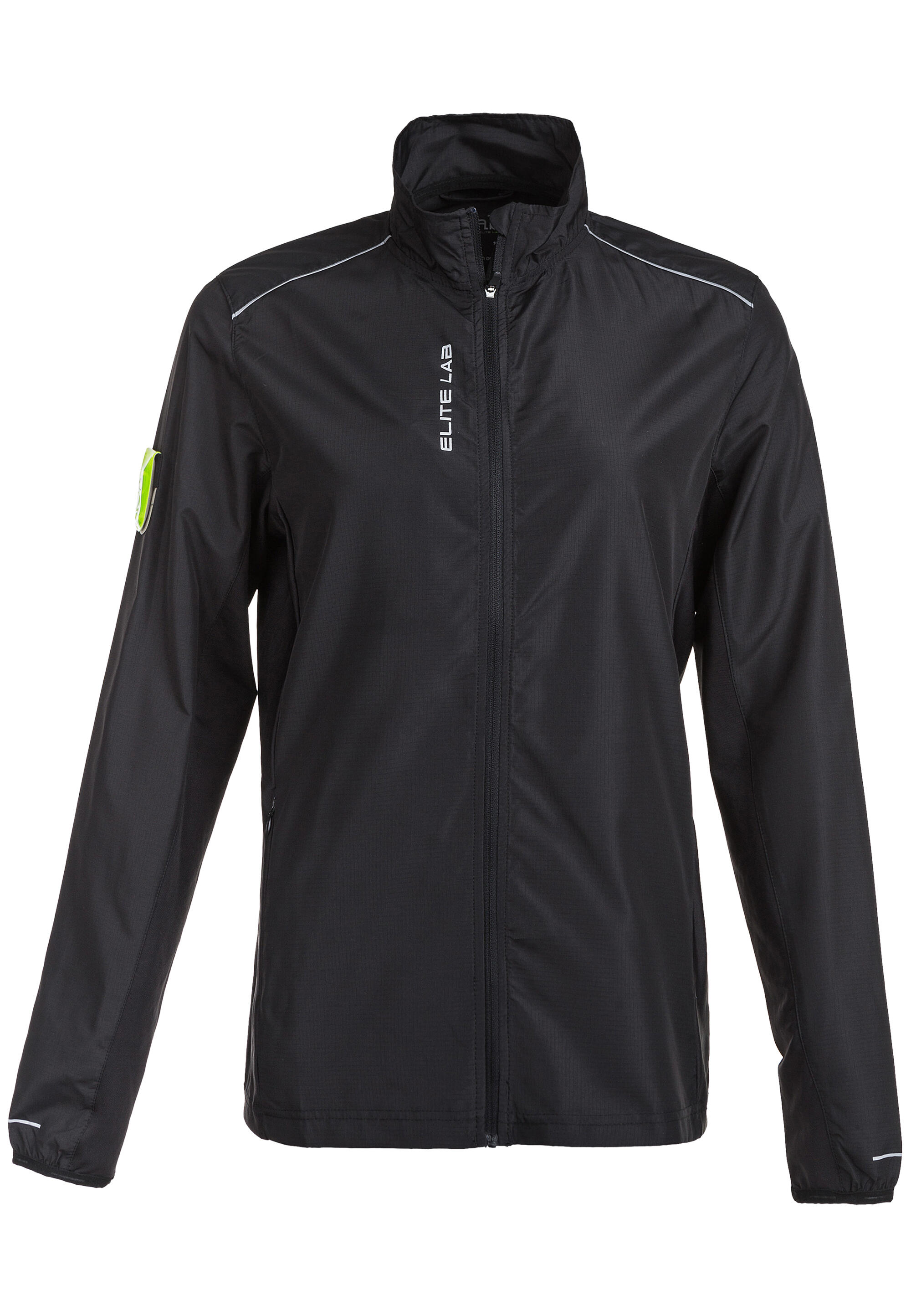
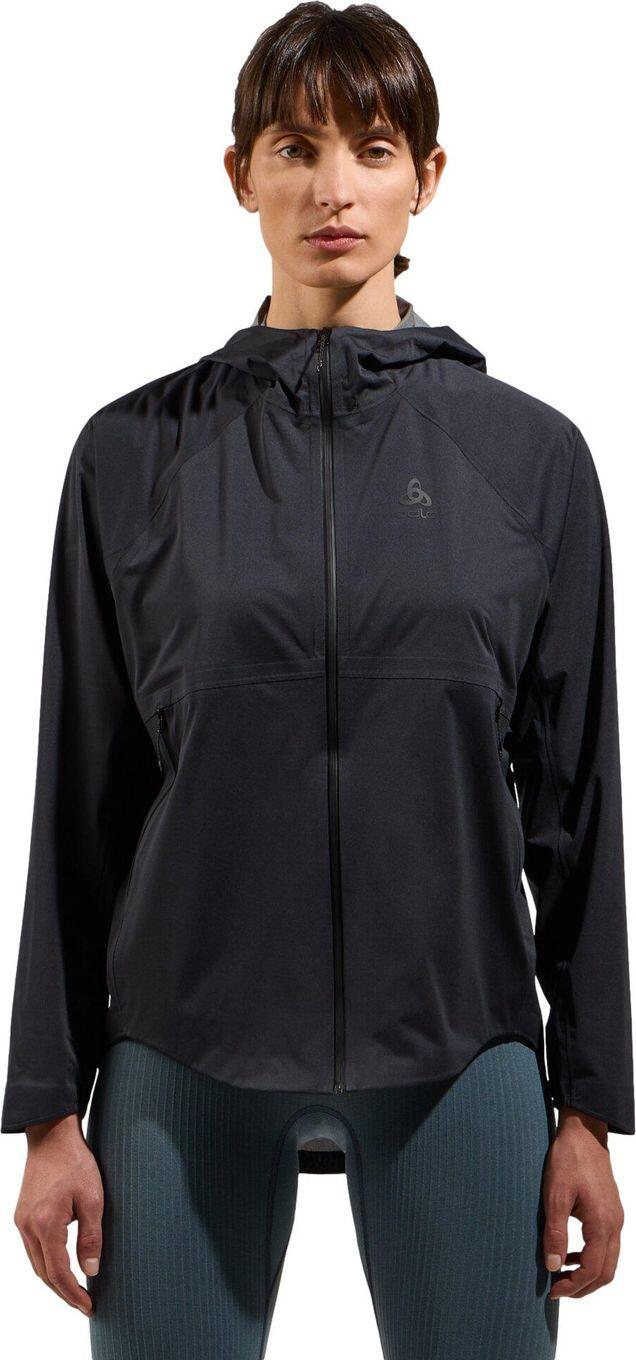
How should a women's waterproof trail jacket fit?

The jacket should leave enough room for a base layer and a light mid-layer without pulling across your shoulders, chest or upper back. Test the fit by swinging your arms, reaching forwards and turning your head as you would while checking uneven ground. The hem should remain secure without riding up beneath a hydration vest. An adjustable hood should follow your head movement so it protects your face without blocking side vision. Check that pocket placement remains accessible once your pack or running belt is fastened. Complete your weather setup with flexible women's trail running trousers when wet vegetation, cold wind or exposed terrain also requires lower-body coverage. Pro tip: try the jacket over the layers you normally wear rather than testing it over a thin everyday top.

How do you maintain a trail running waterproof jacket?

Wash the jacket only when needed, following the care label supplied with that garment. Empty the pockets, close the zips and wrist fastenings, turn it inside out and use a gentle synthetic cycle with mild detergent. Avoid fabric softener and bleach because they can affect moisture transfer and the water-repellent surface treatment. Air dry the jacket unless its label clearly permits another method. When rain stops forming beads and begins soaking into the outer fabric, clean the garment first and apply a compatible waterproofing treatment rather than replacing it immediately. Store it dry and loosely folded with your other women's trail running jackets and sweatshirts. Regular care helps the outer fabric resist wetting, which allows the membrane to breathe more effectively during exercise.