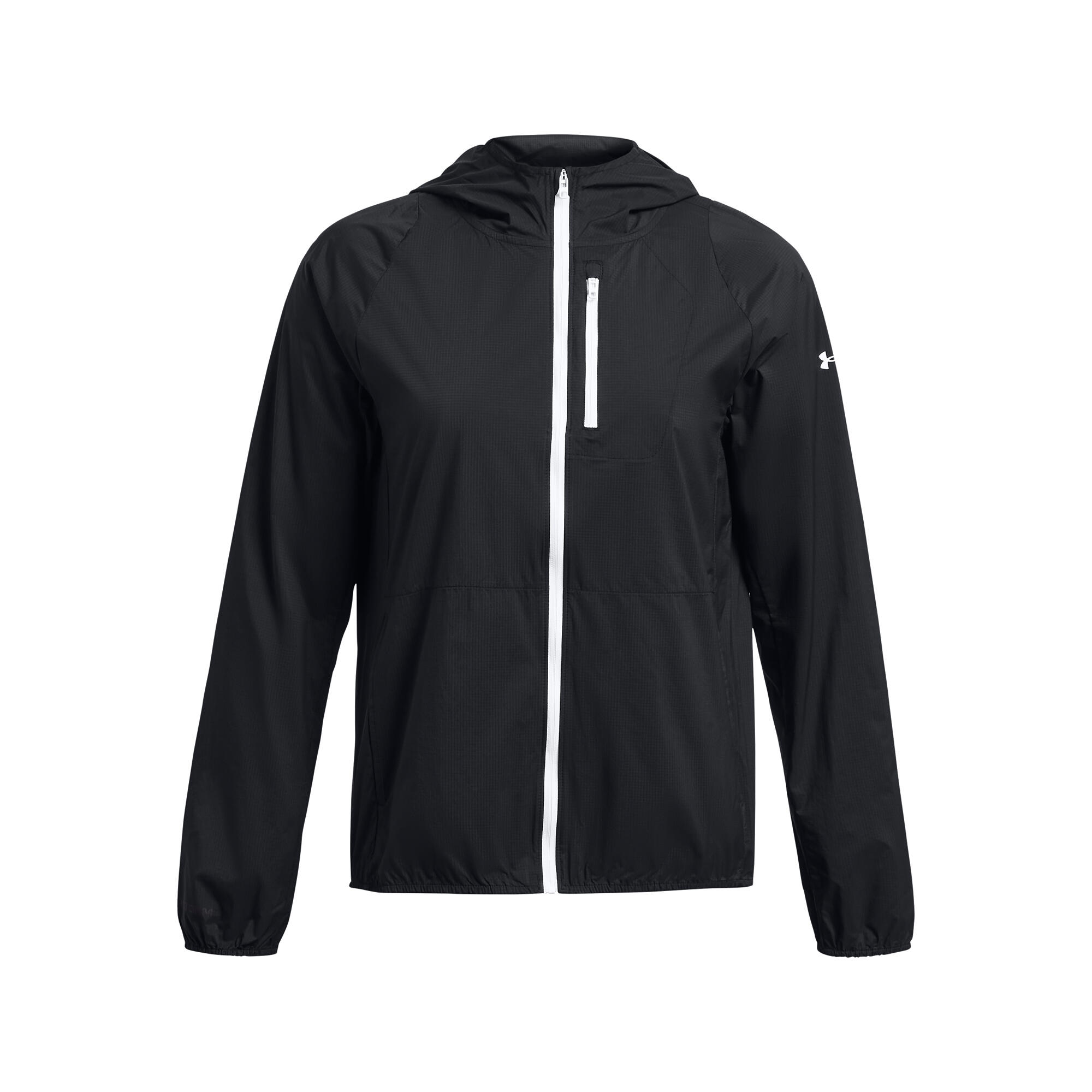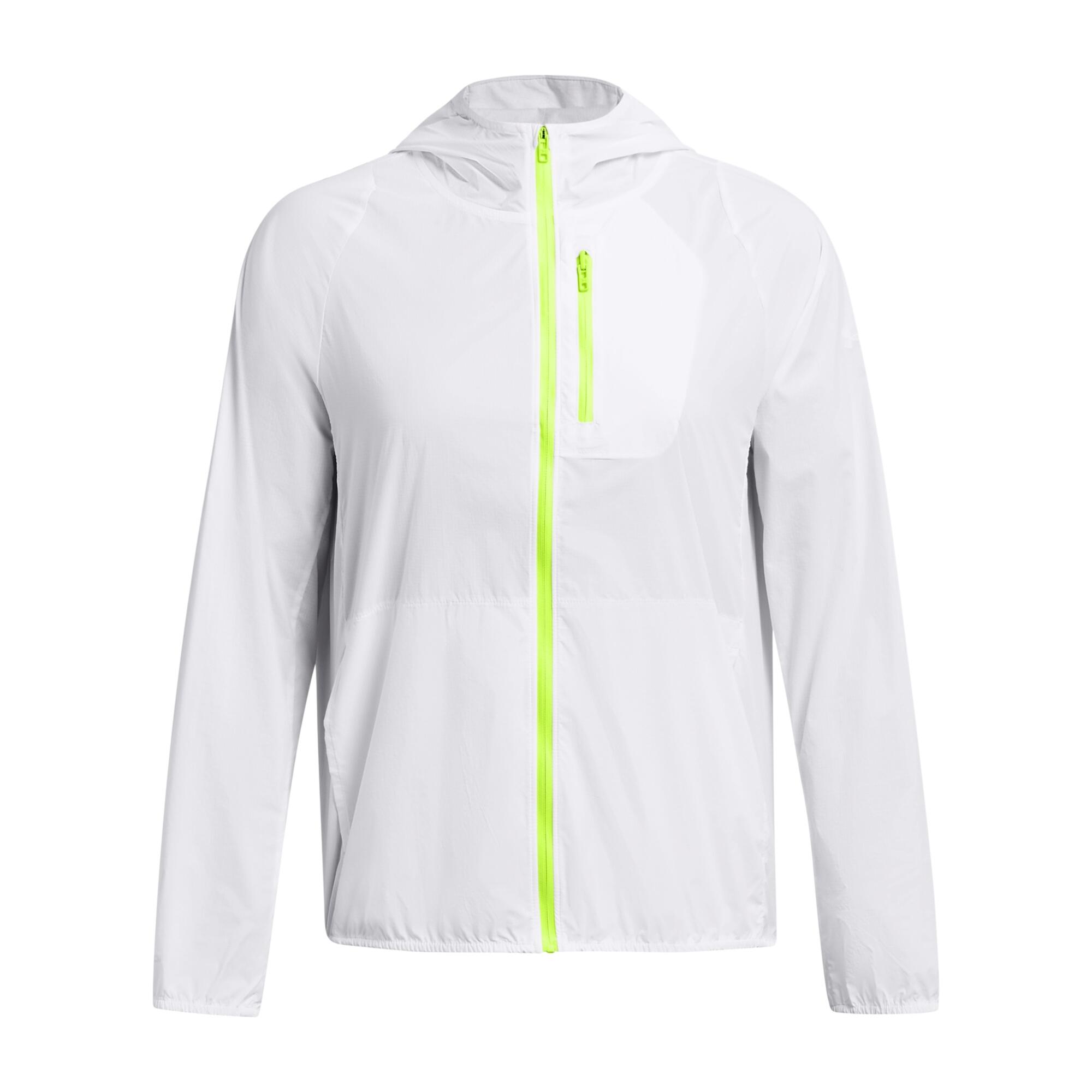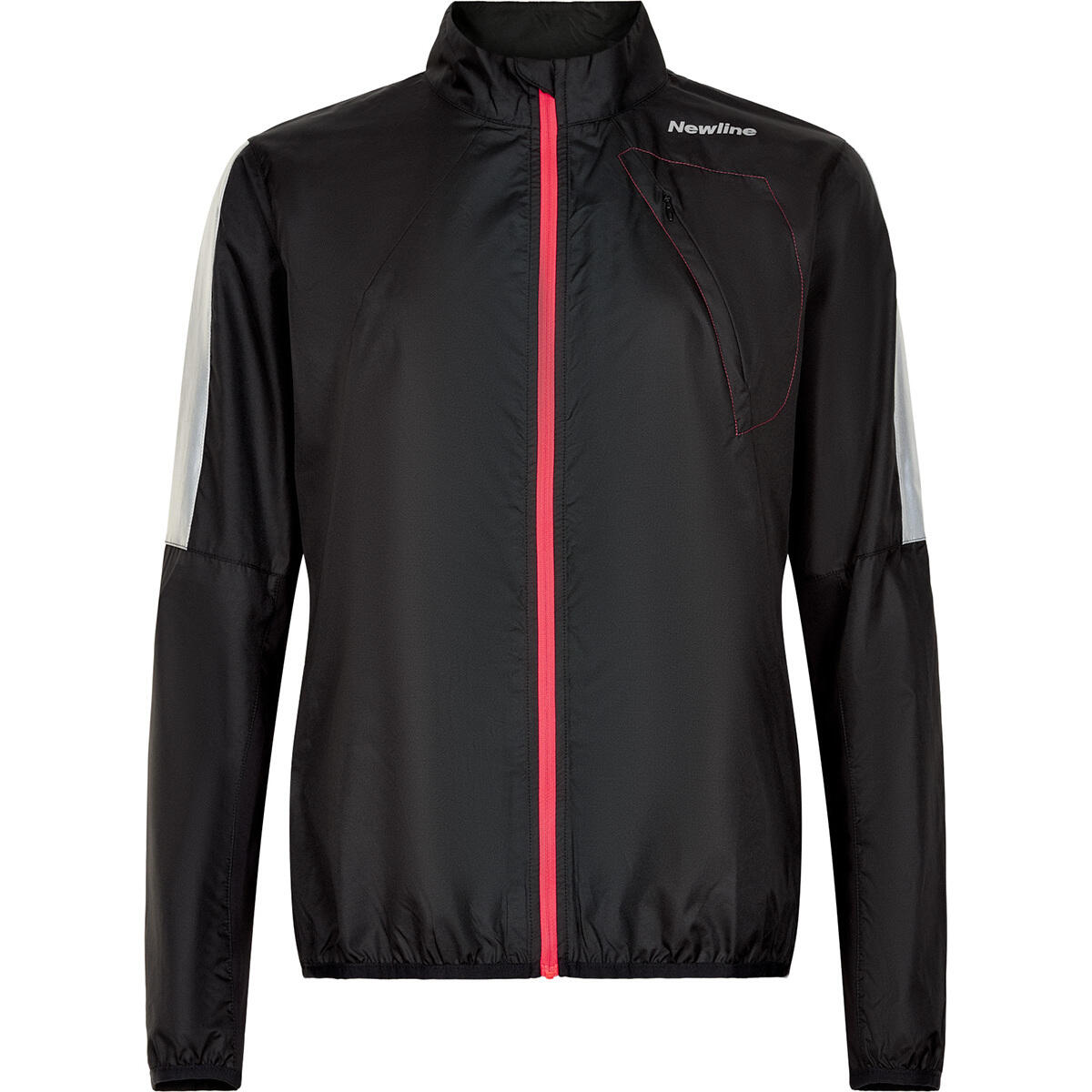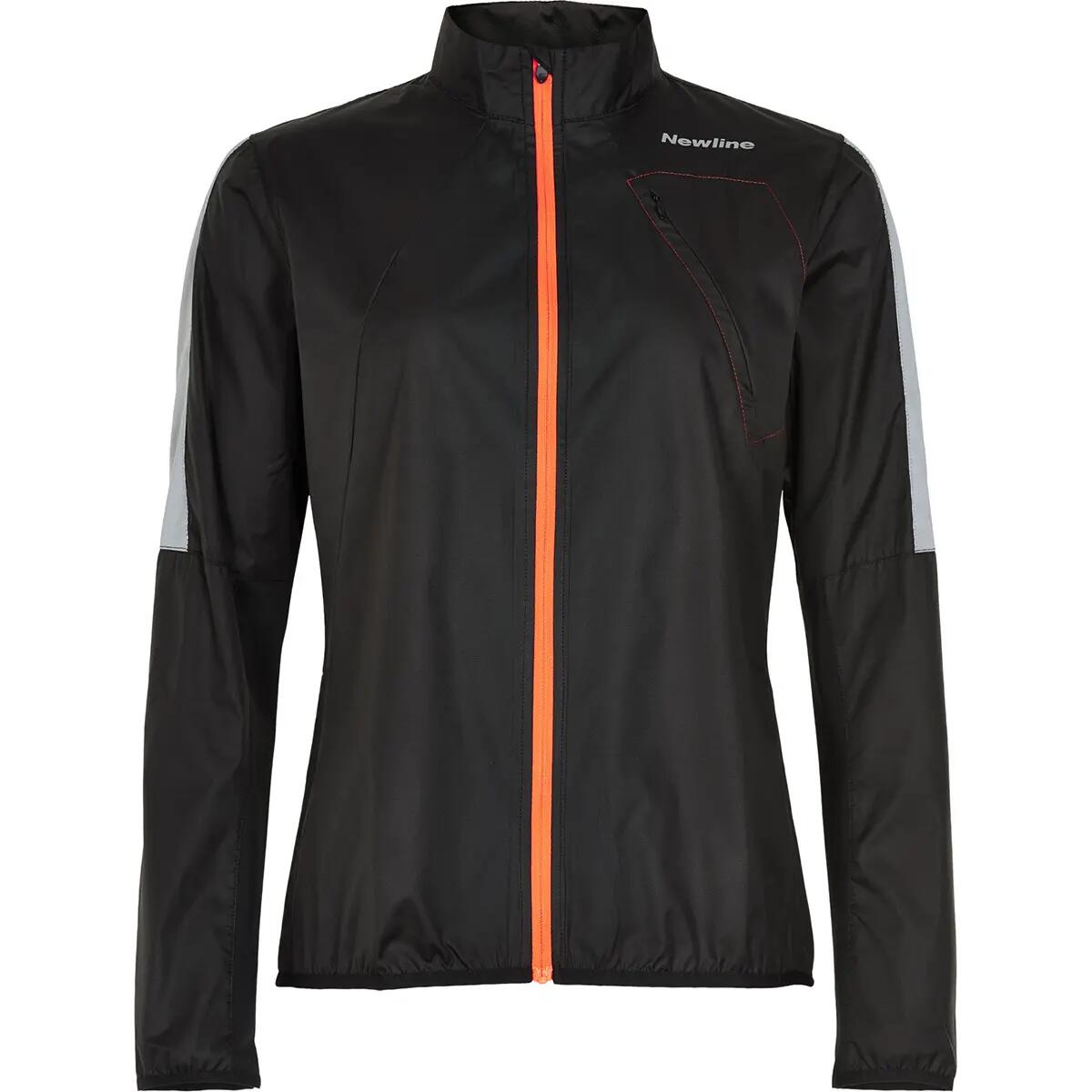
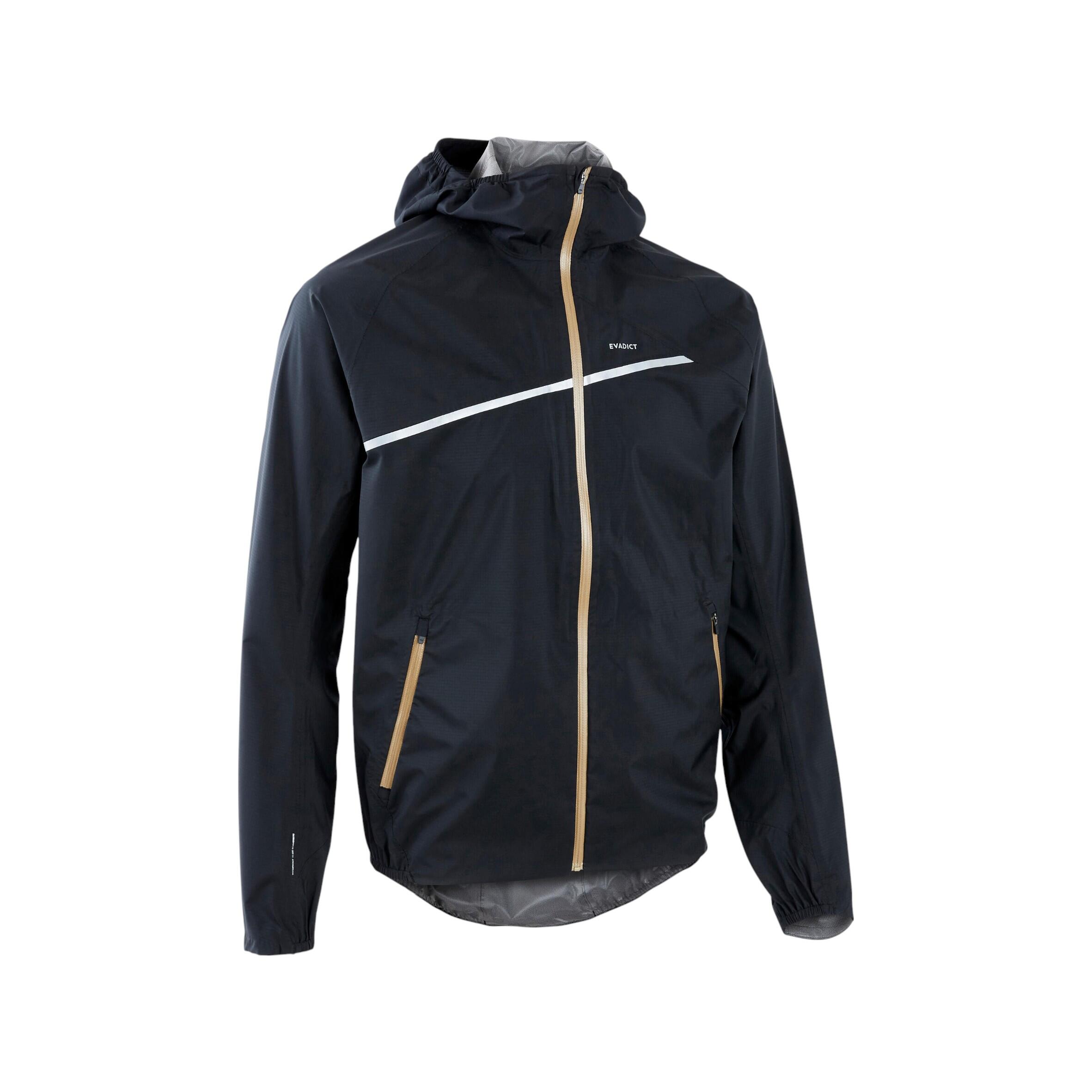
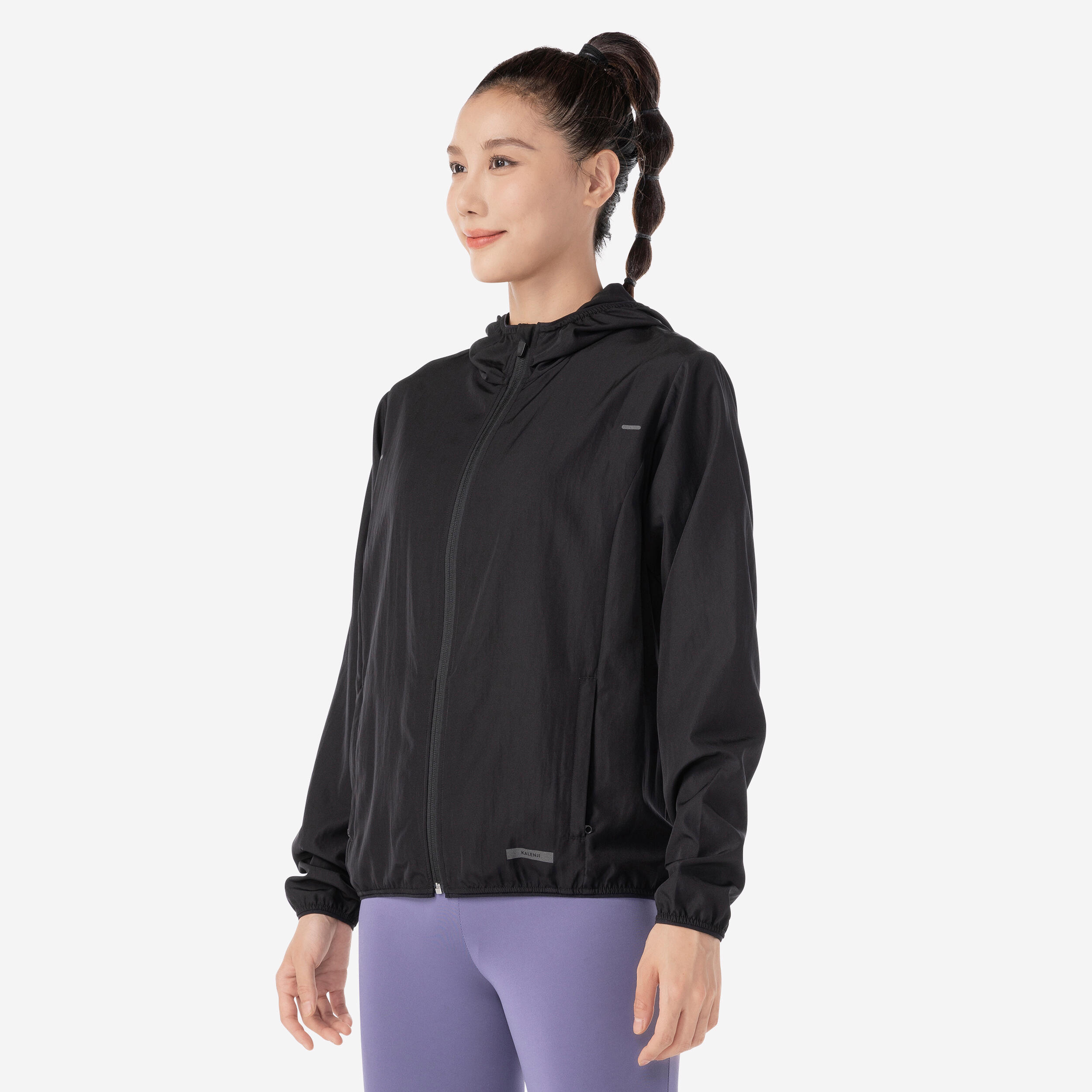
63 items
4.4/5 based on 7997 reviews collected online and in stores

Women's Trail Running Windbreakers FAQs

How can you check the fit of a trail running windbreaker?

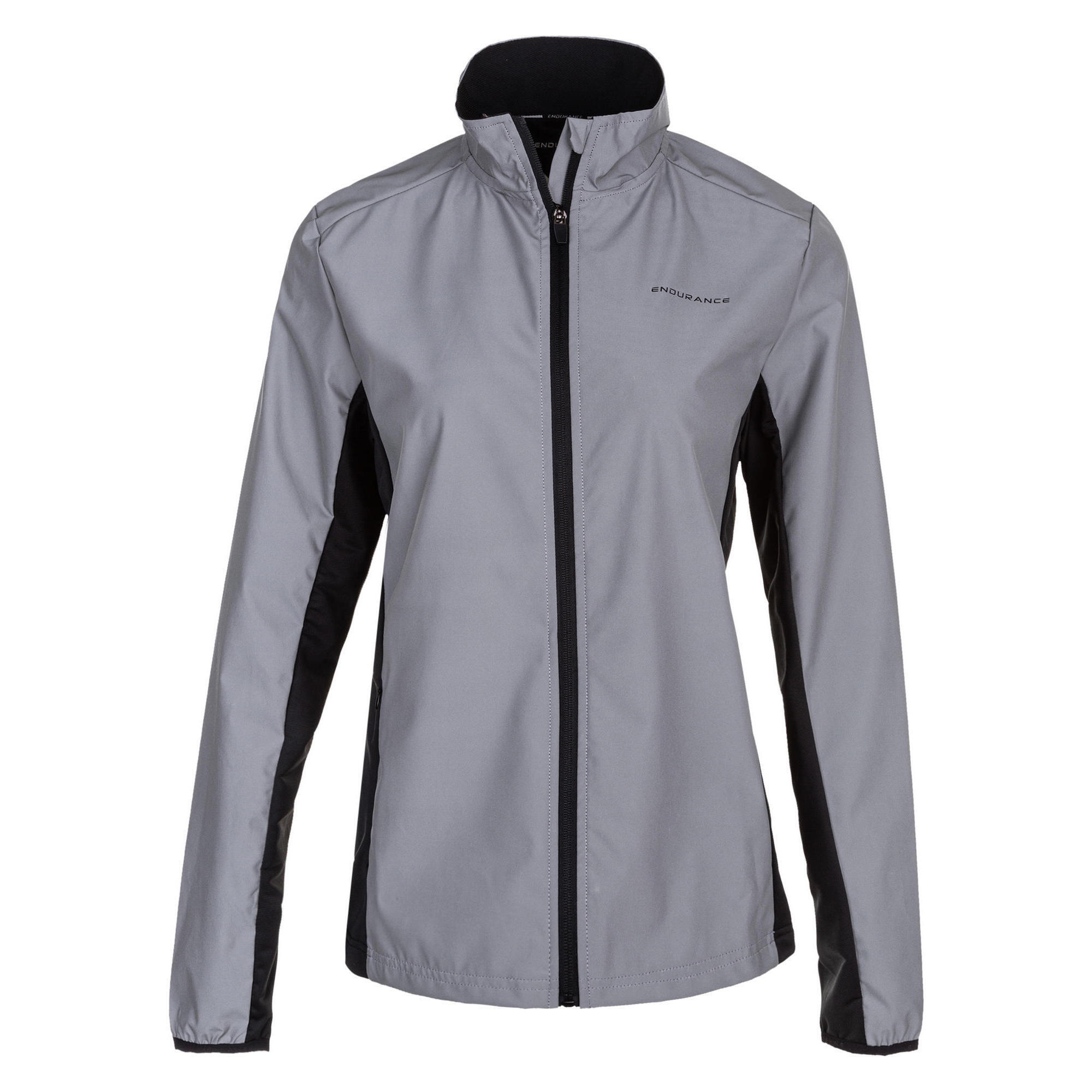
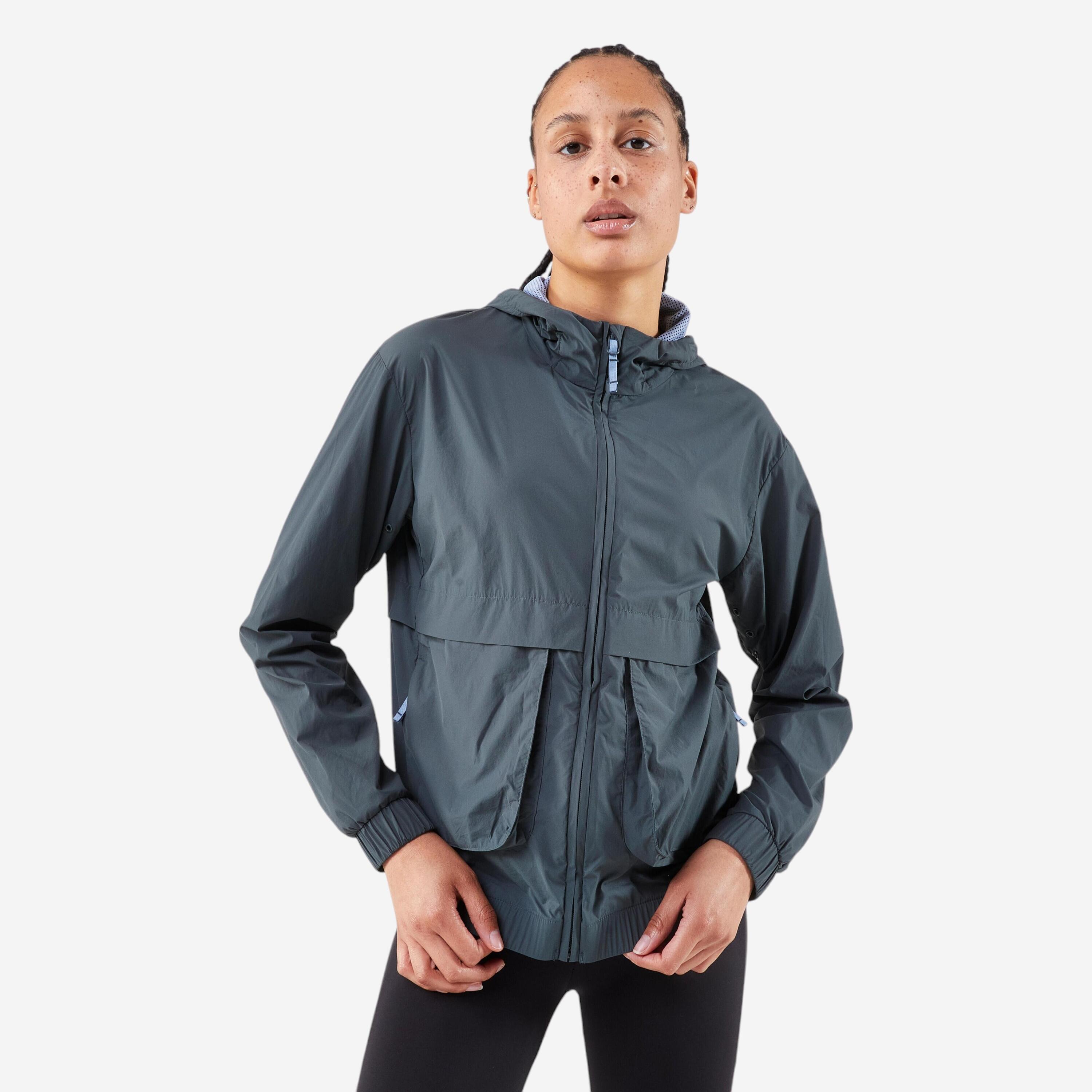
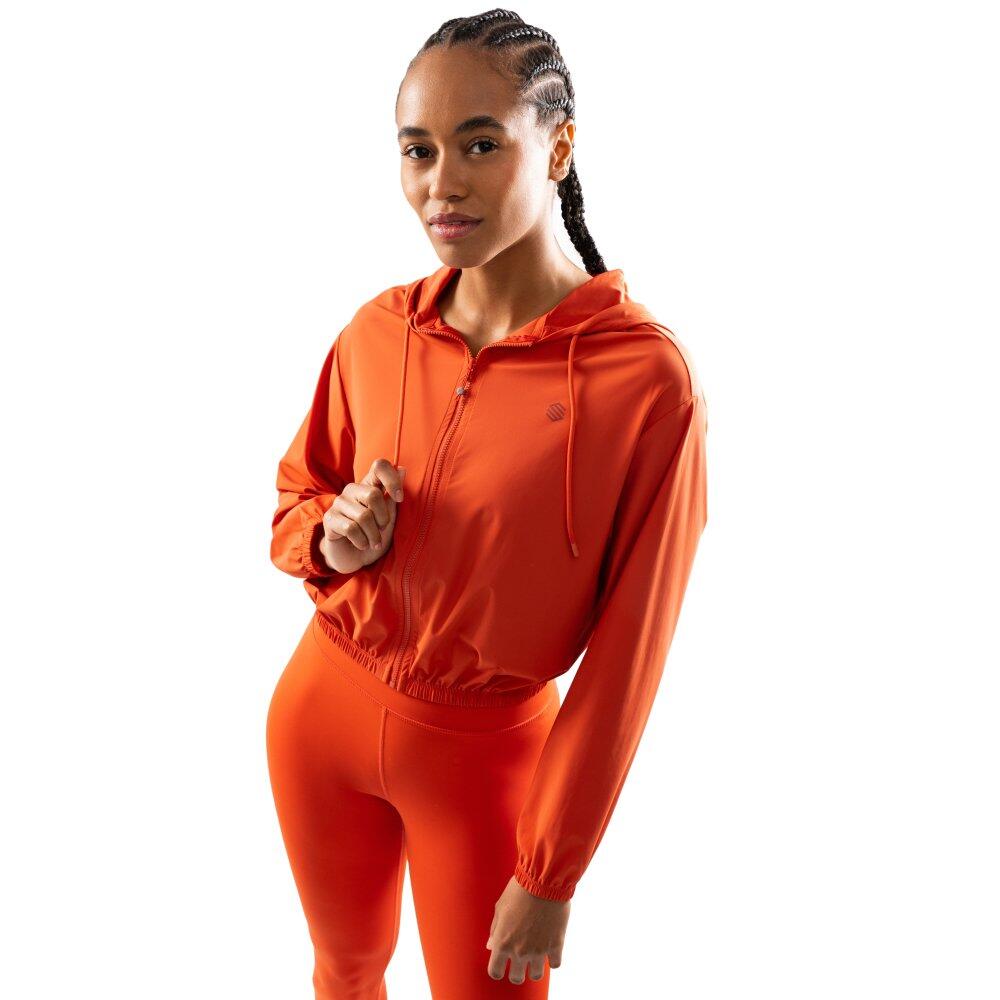
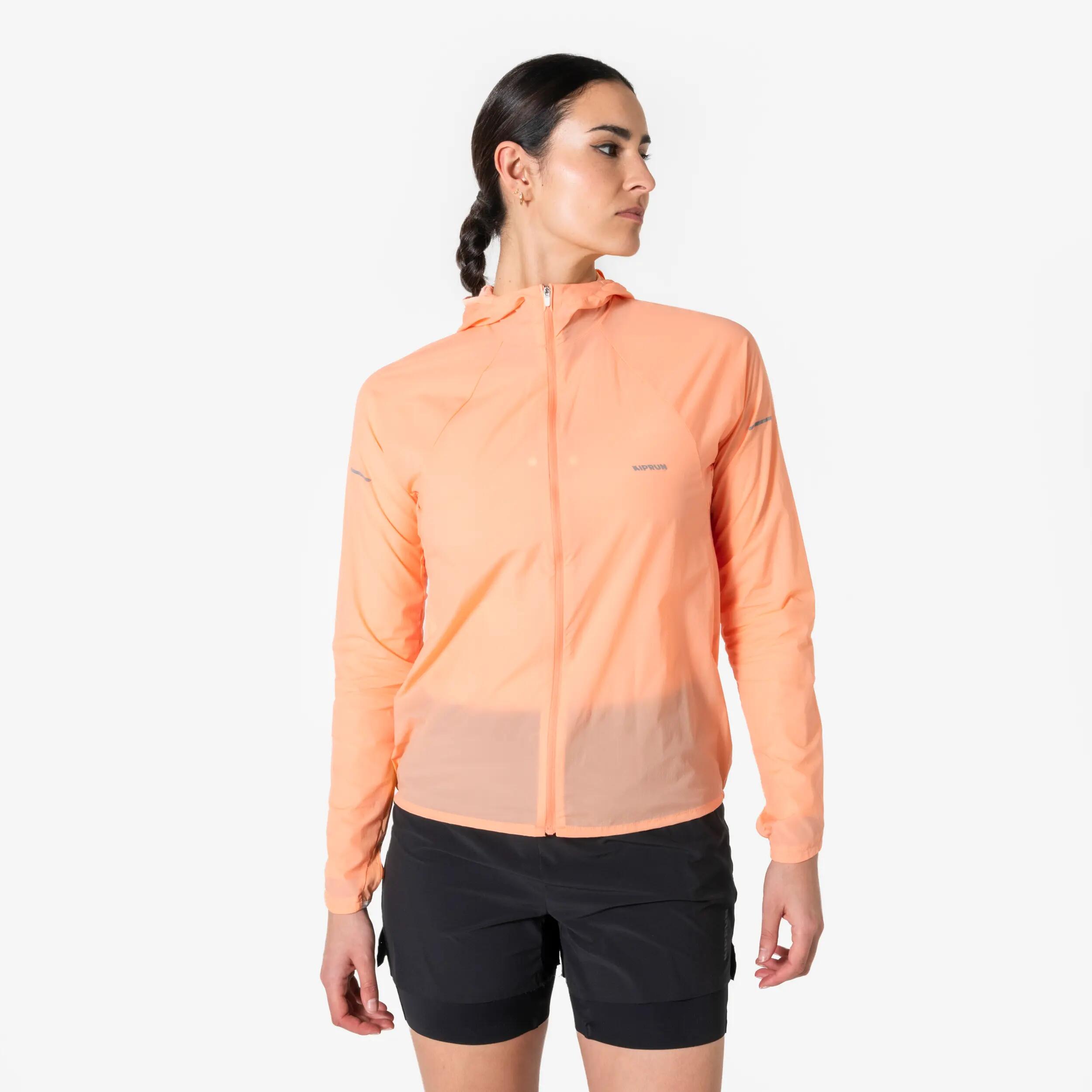
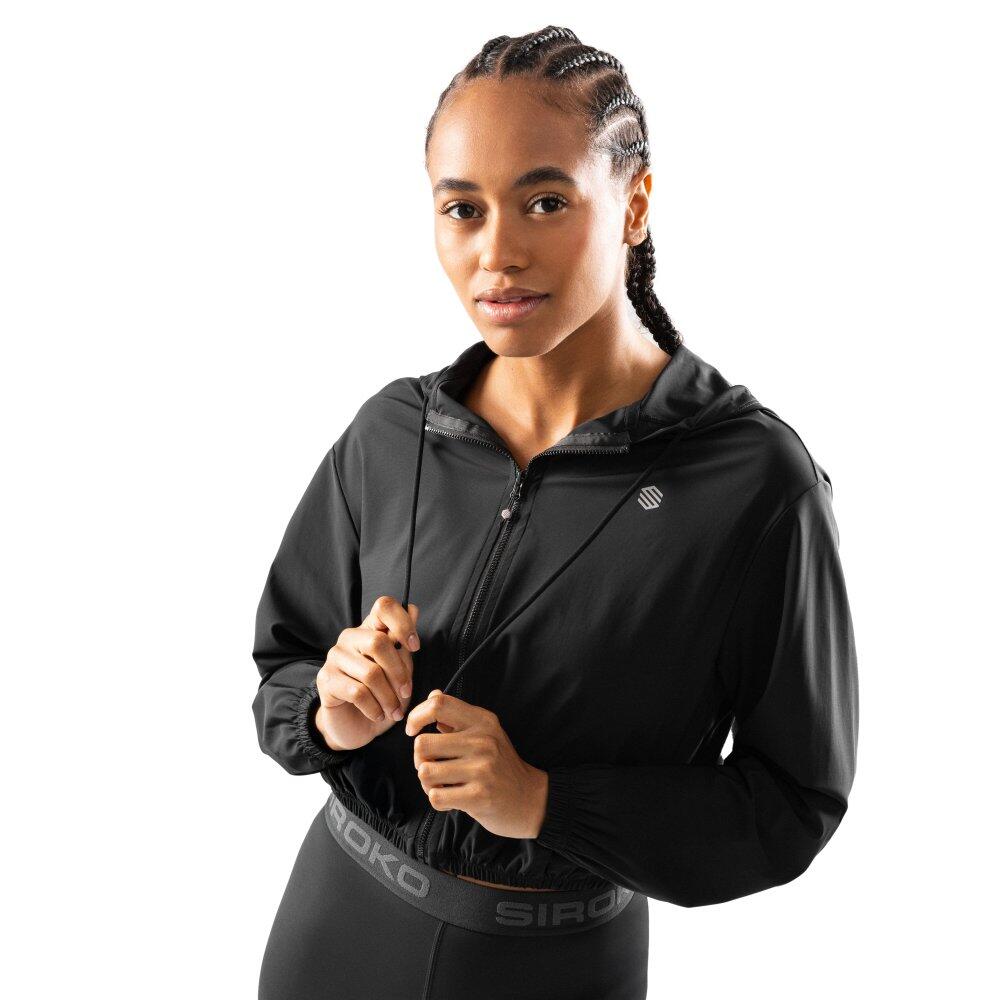
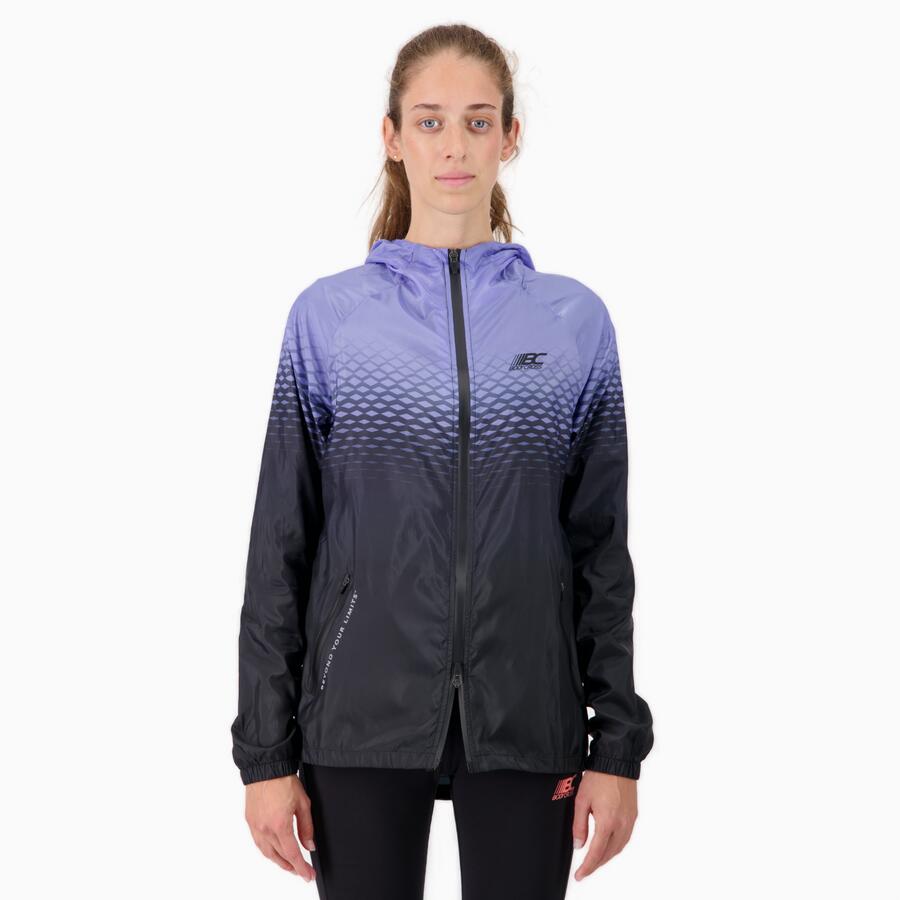
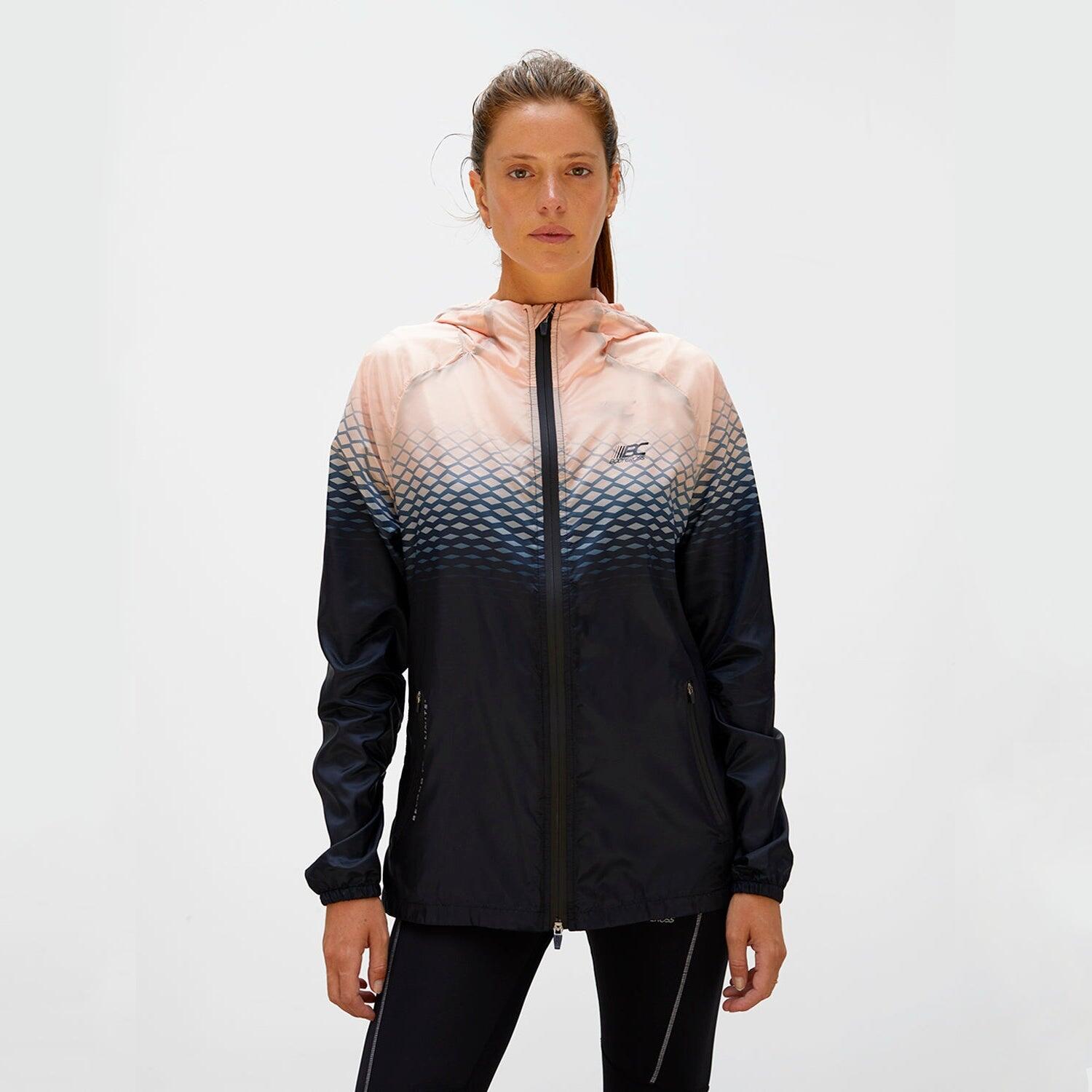
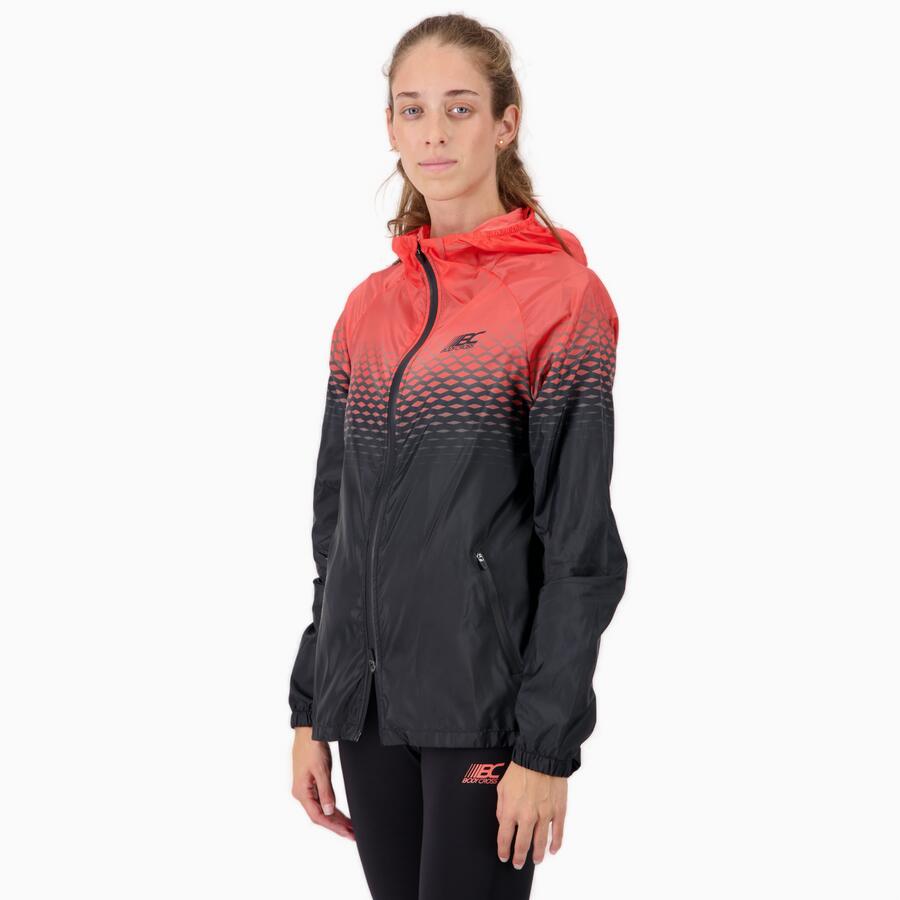
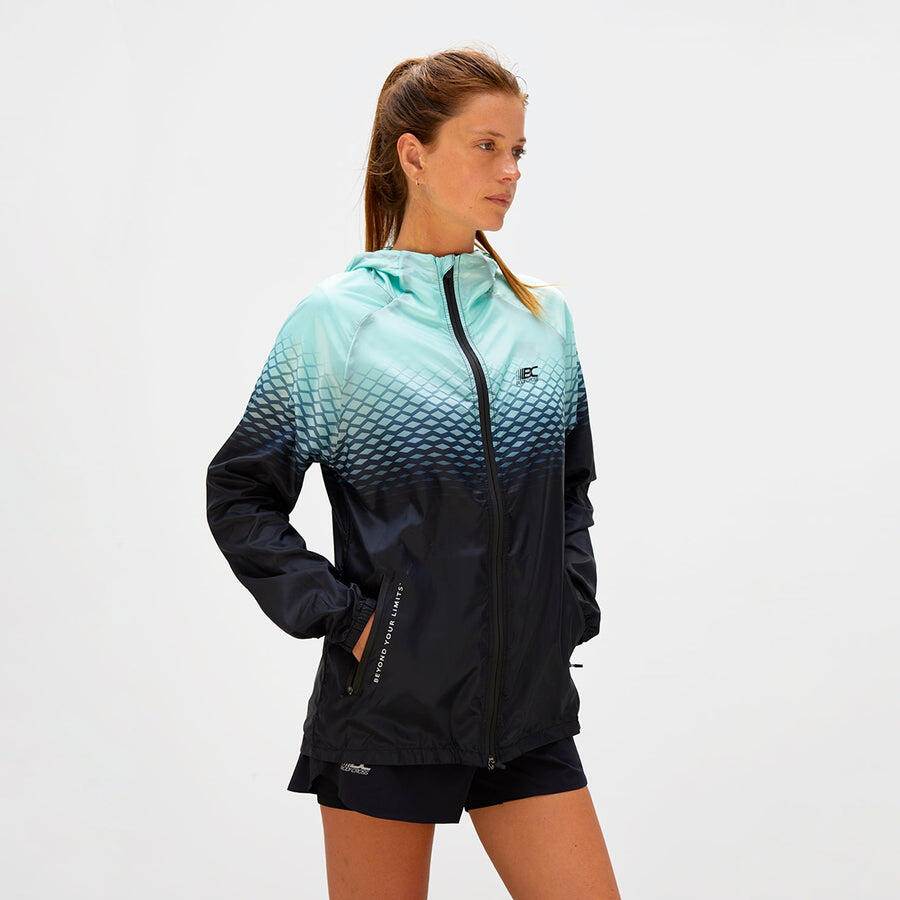
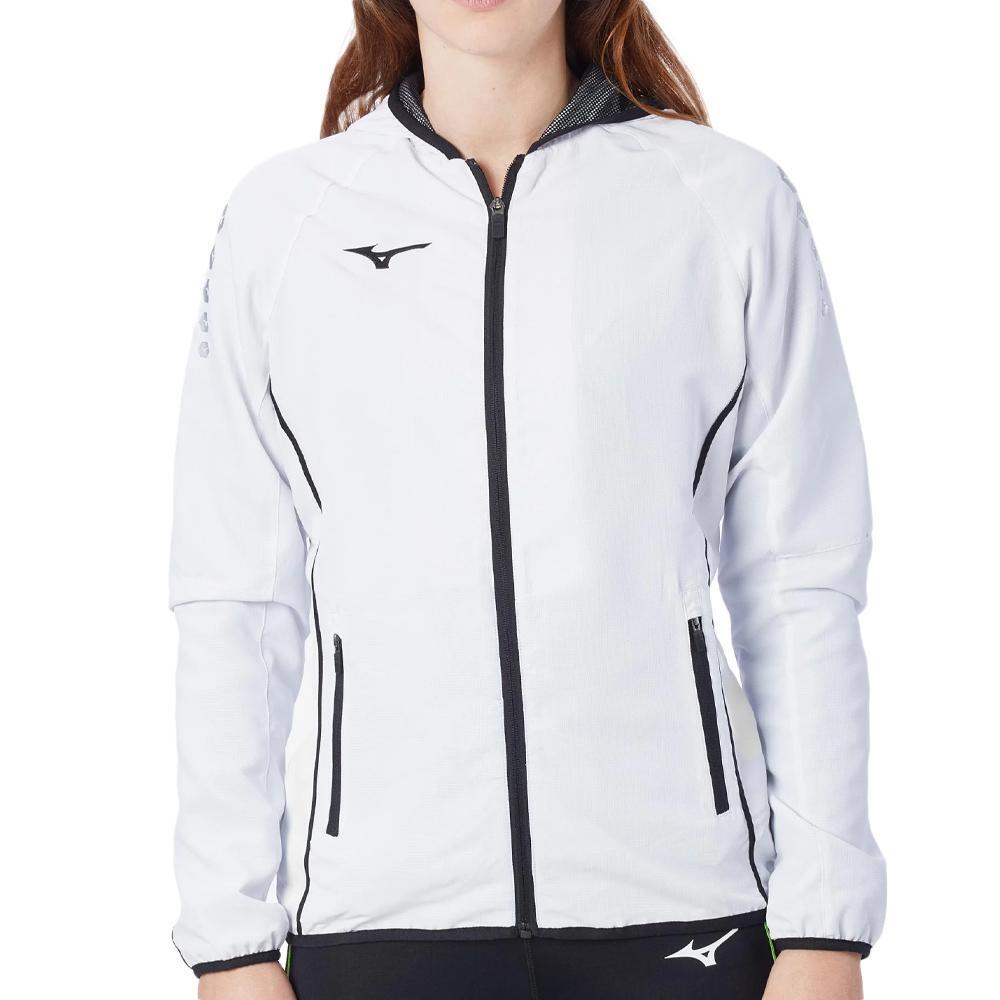
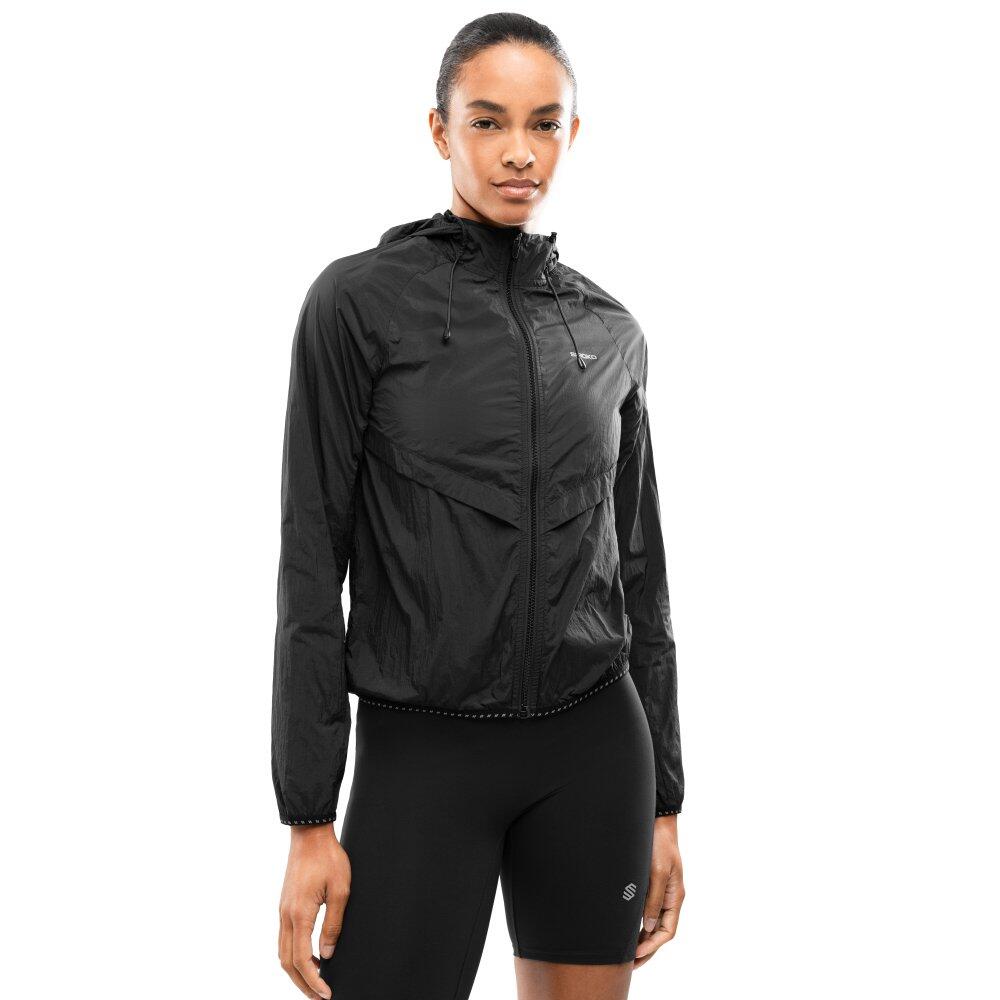
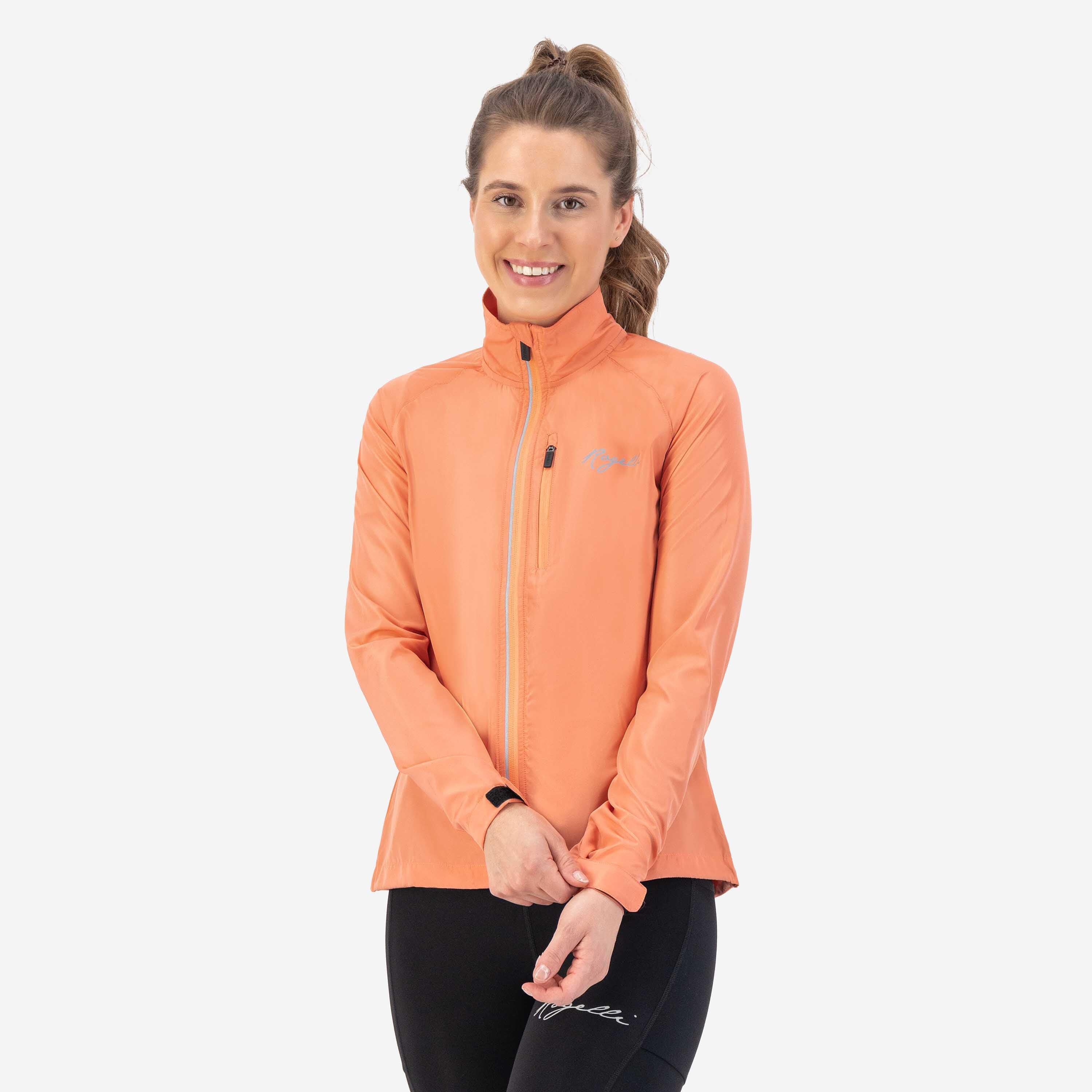
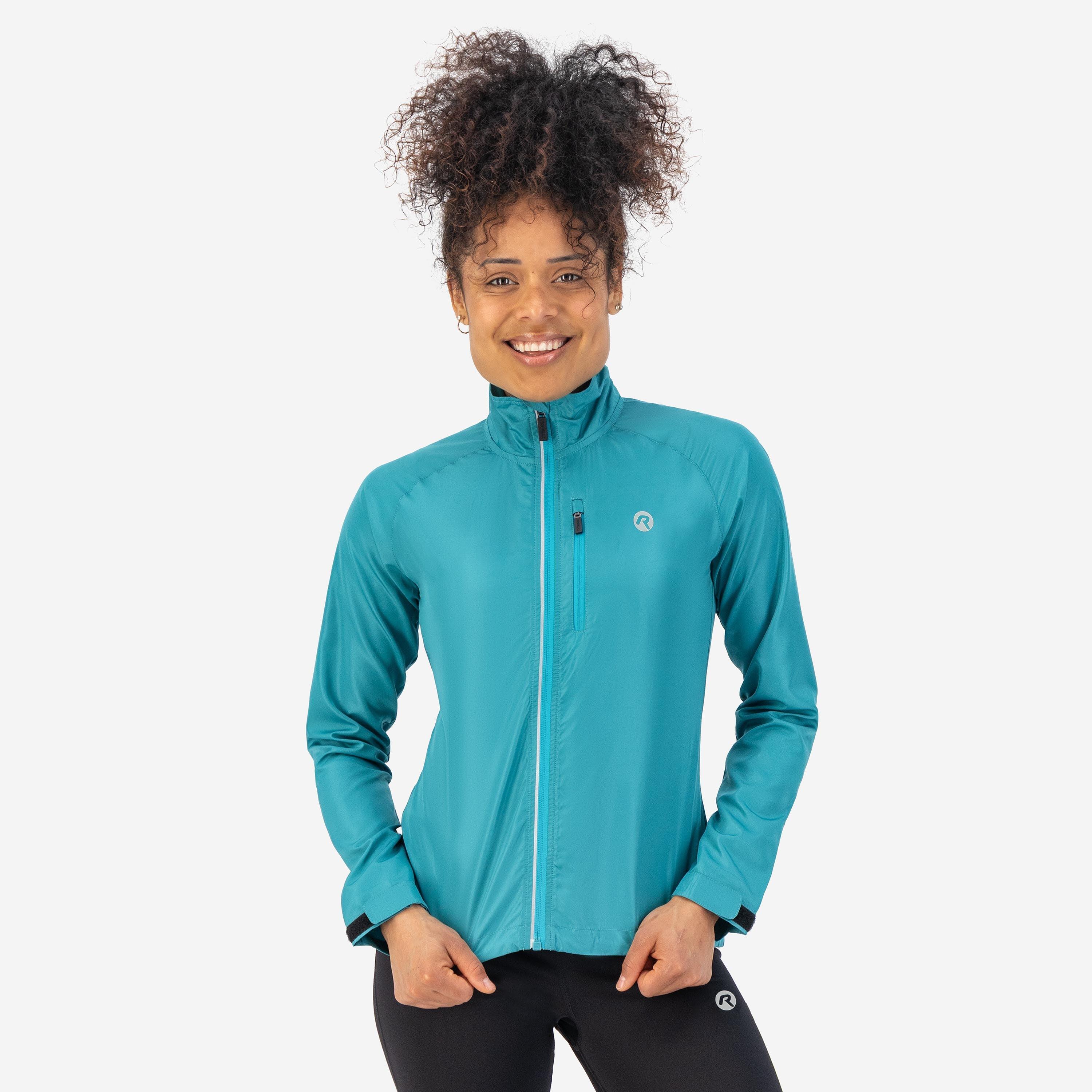
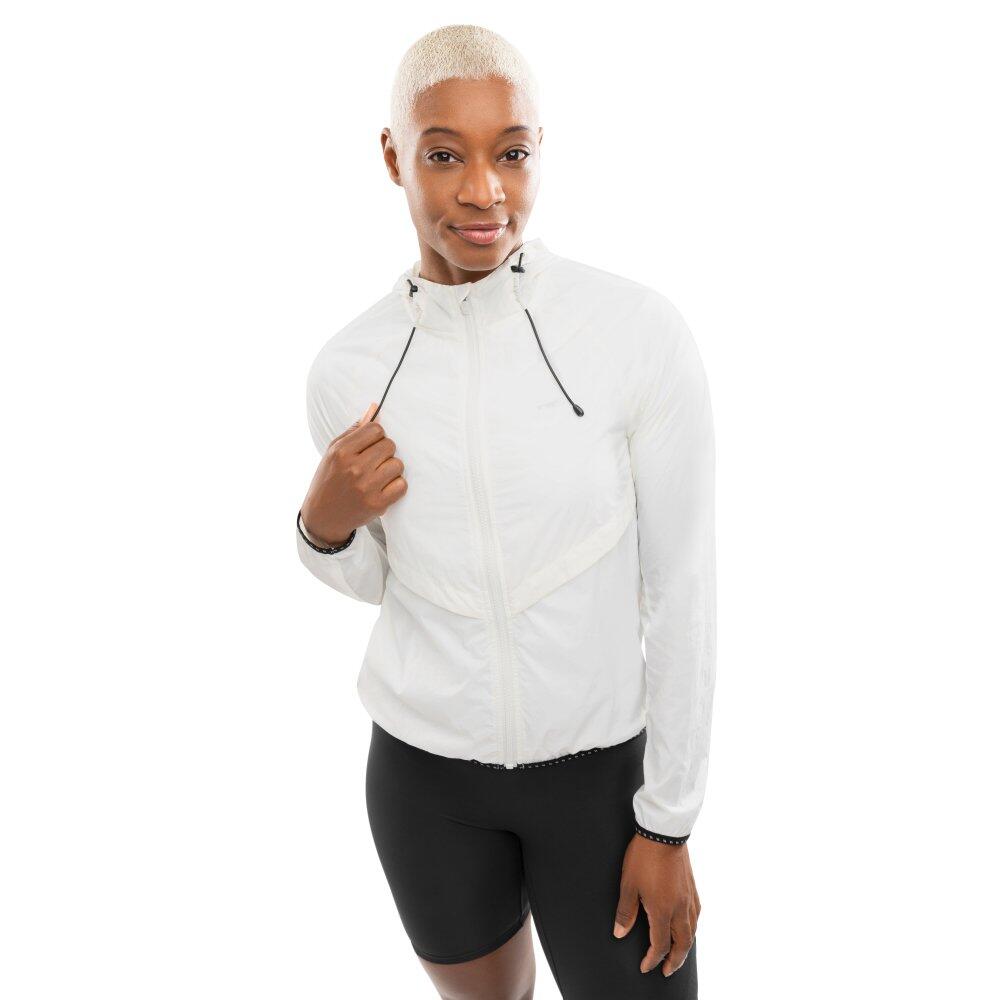
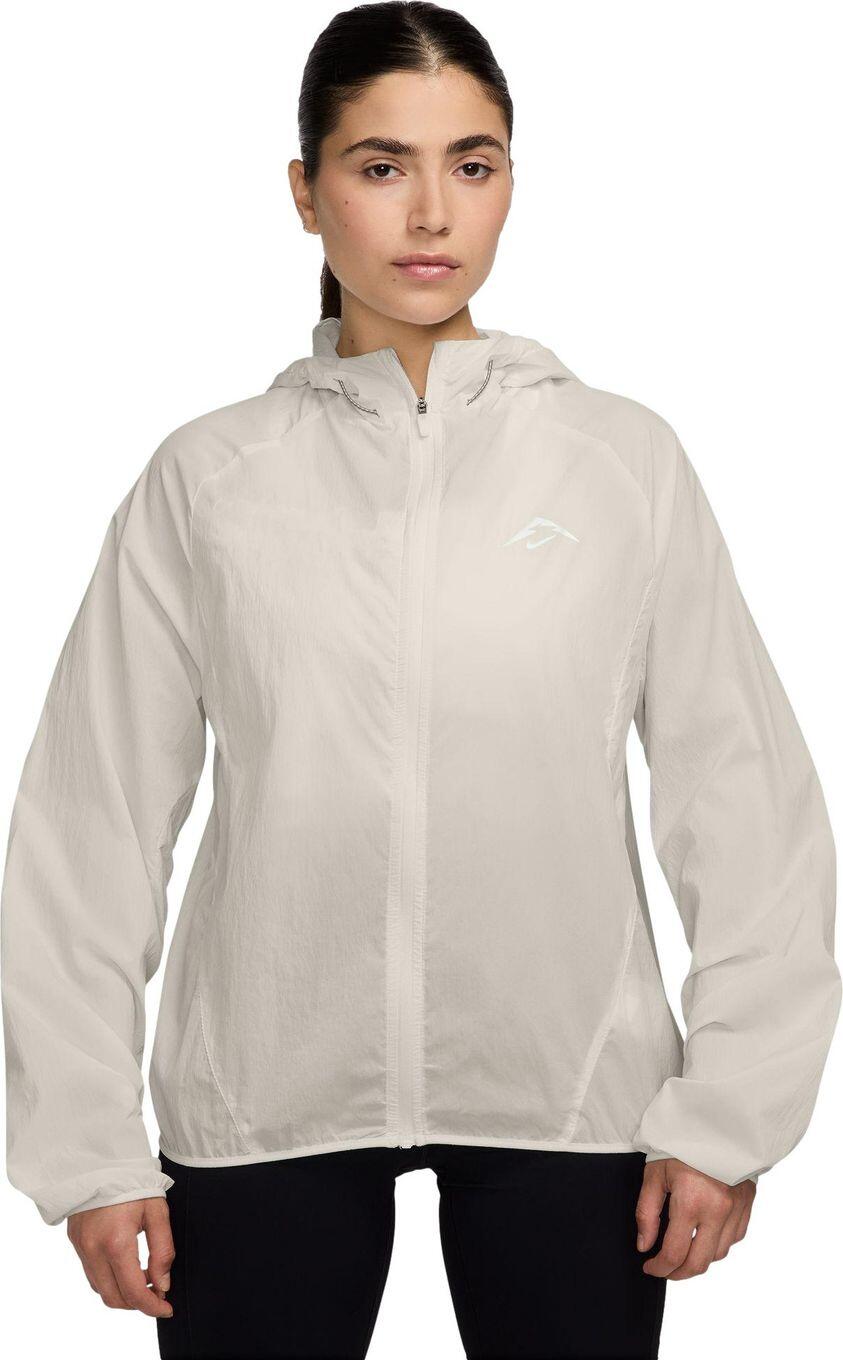
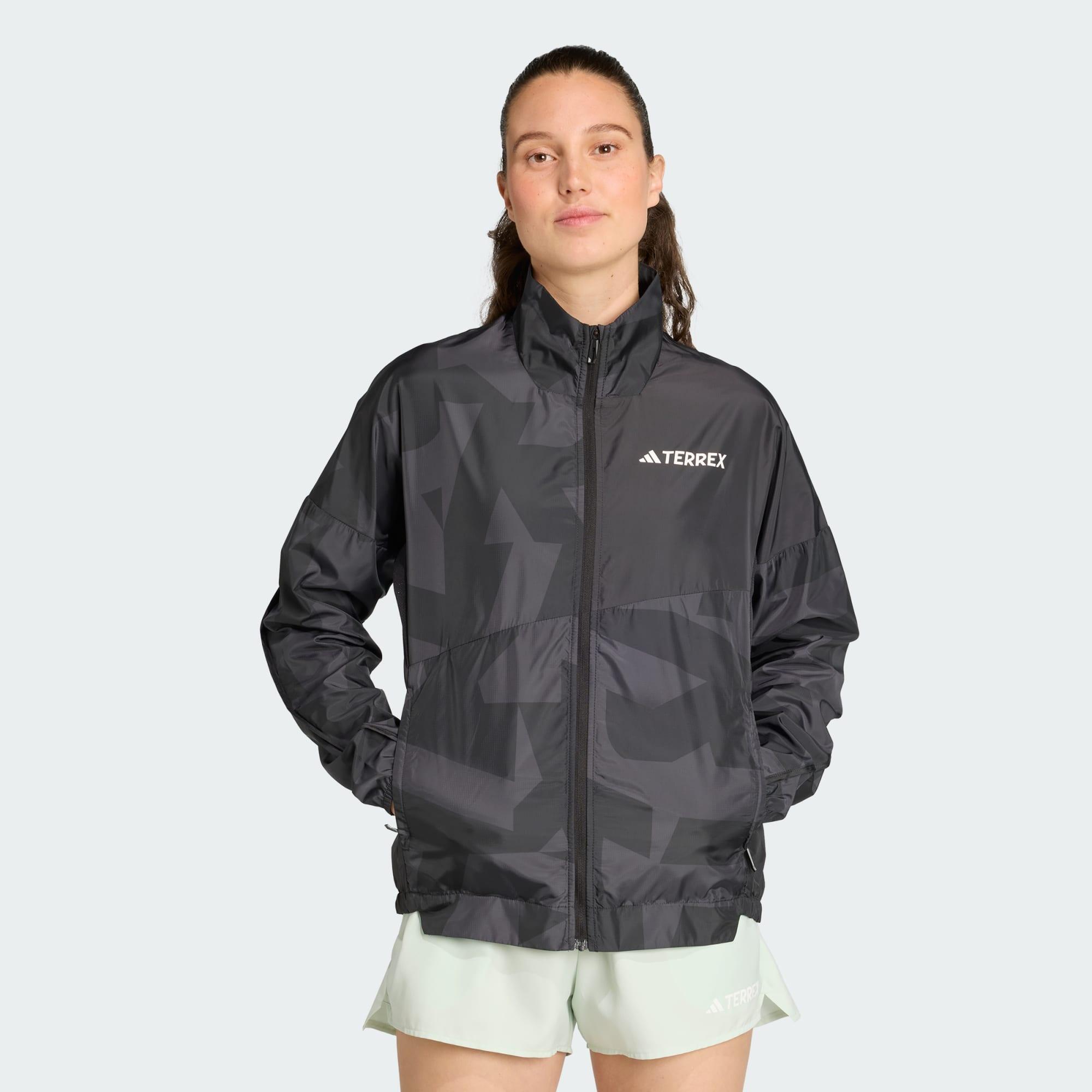
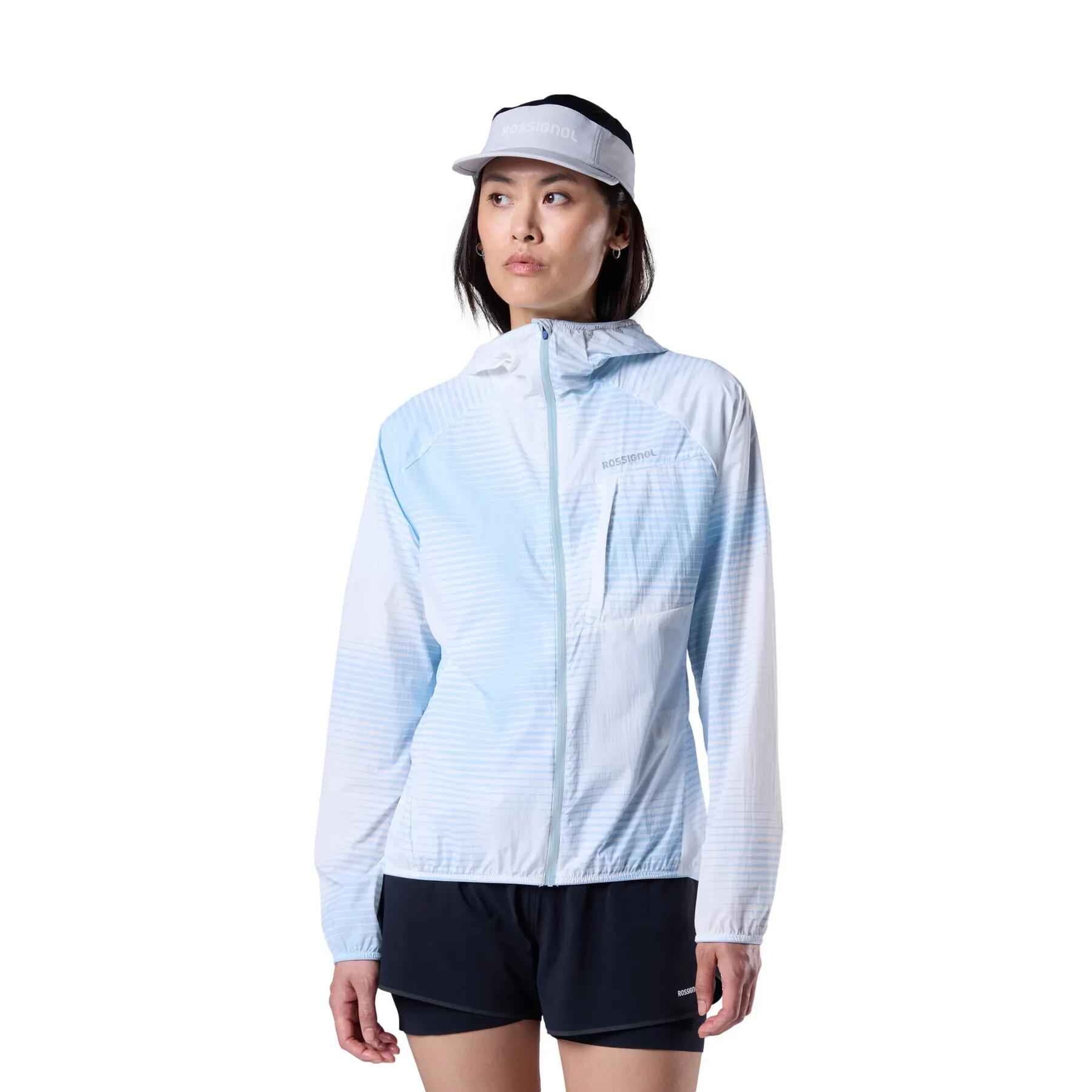
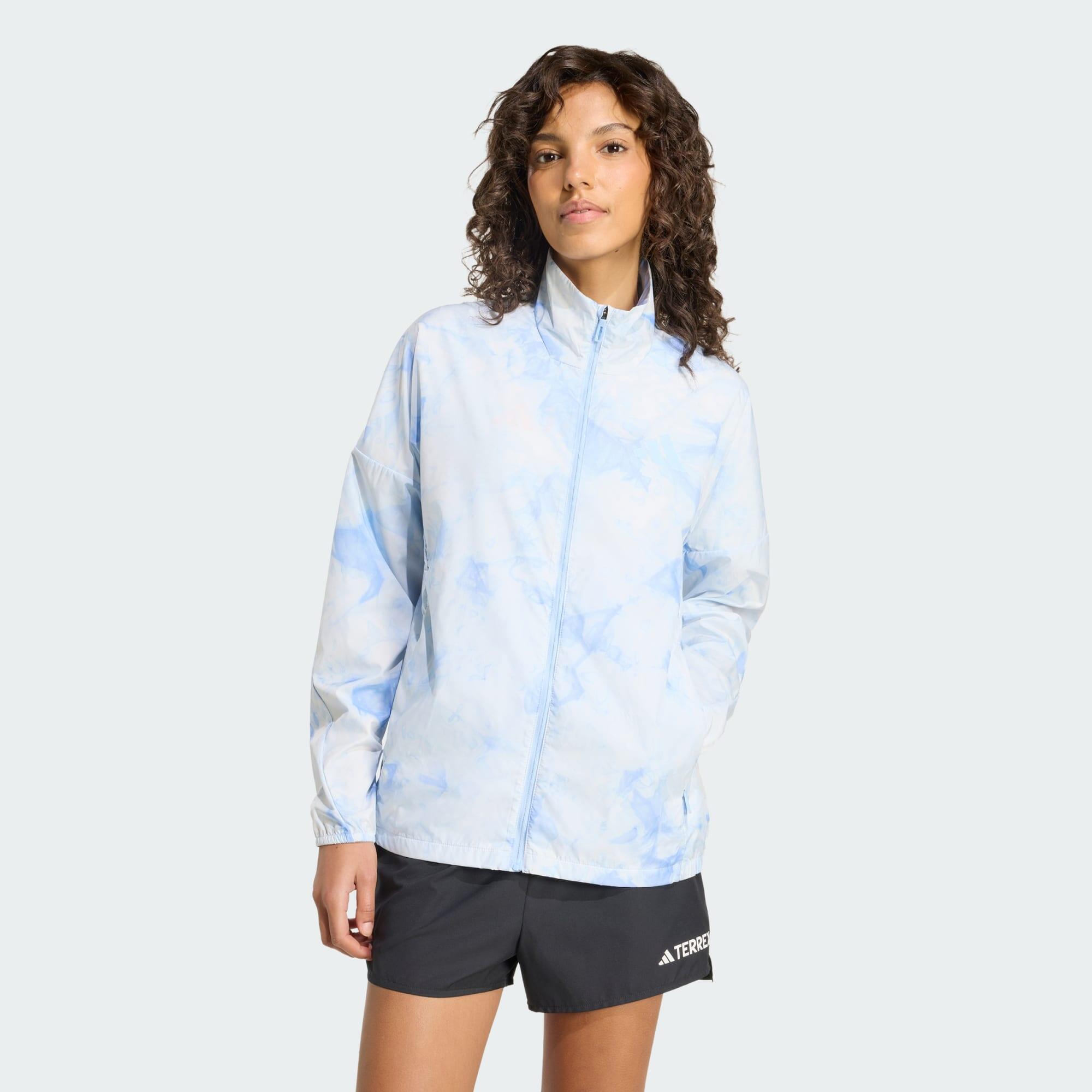
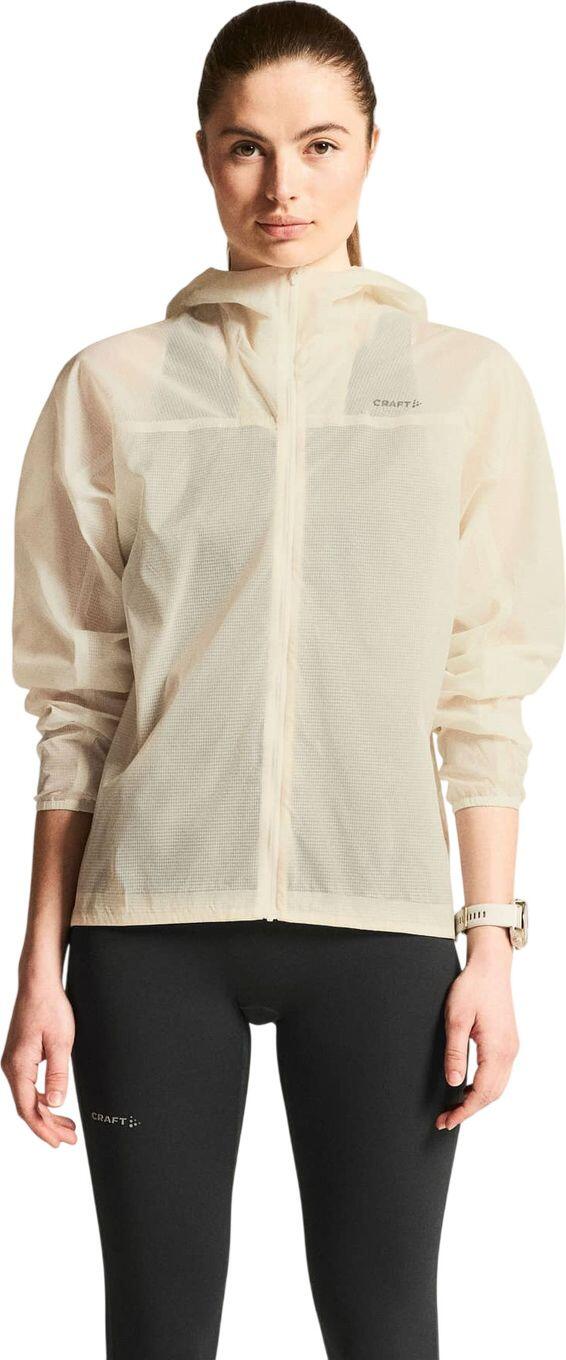
A trail running windbreaker should leave enough space for your base layer while remaining close enough to avoid excessive flapping in exposed conditions. Raise your arms, rotate your shoulders and lean forwards as you would during a climb to check that the sleeves, back and hem do not pull. The hood should move with your head without blocking your side vision, while the cuffs should remain comfortable around a watch. An entry-level women's windproof running jacket provides straightforward protection with a full zip, elasticated hood and zipped pockets. A practical pro tip is to test the jacket in a light breeze with your usual layers before relying on it on an exposed ridge.

Are women's trail running windbreakers waterproof?

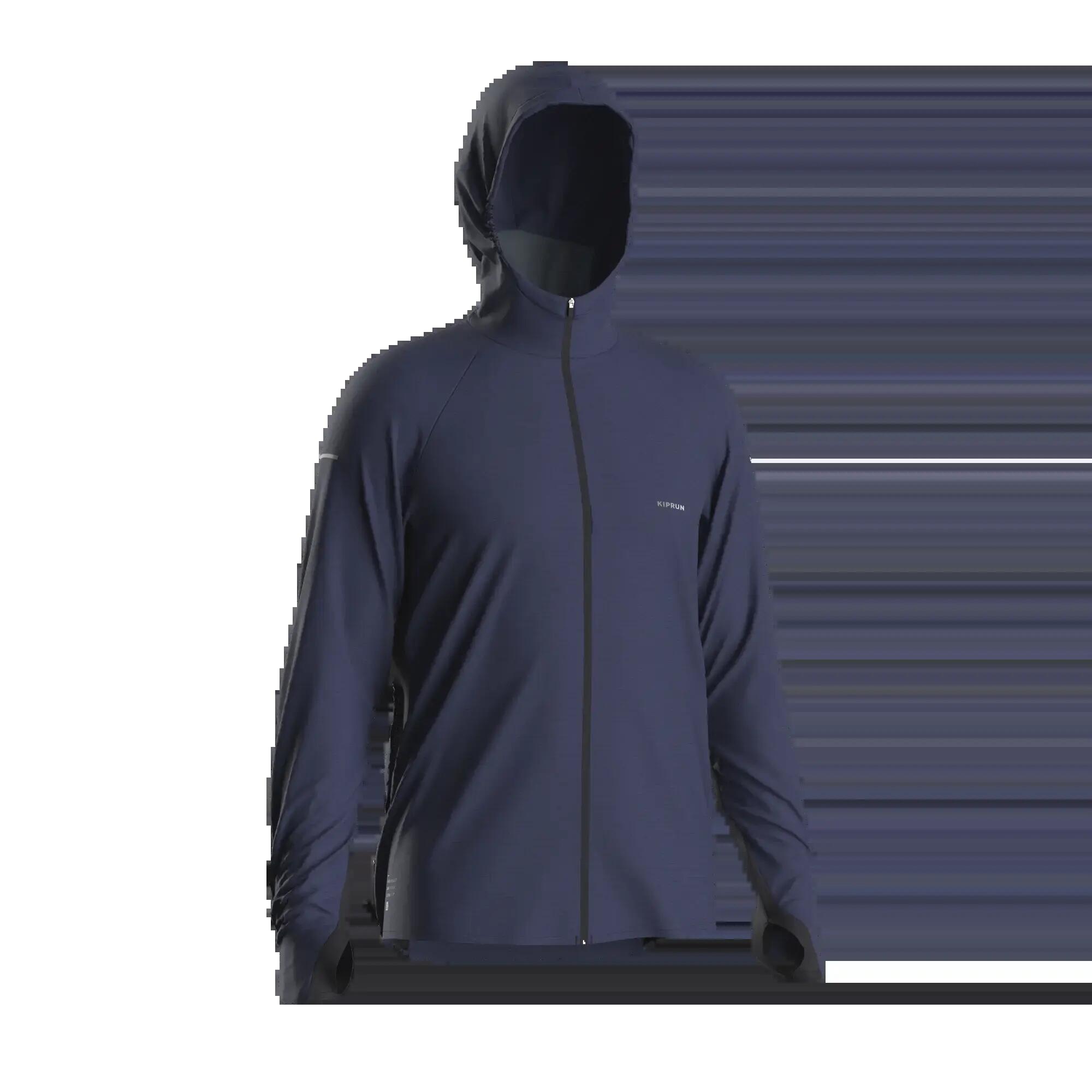
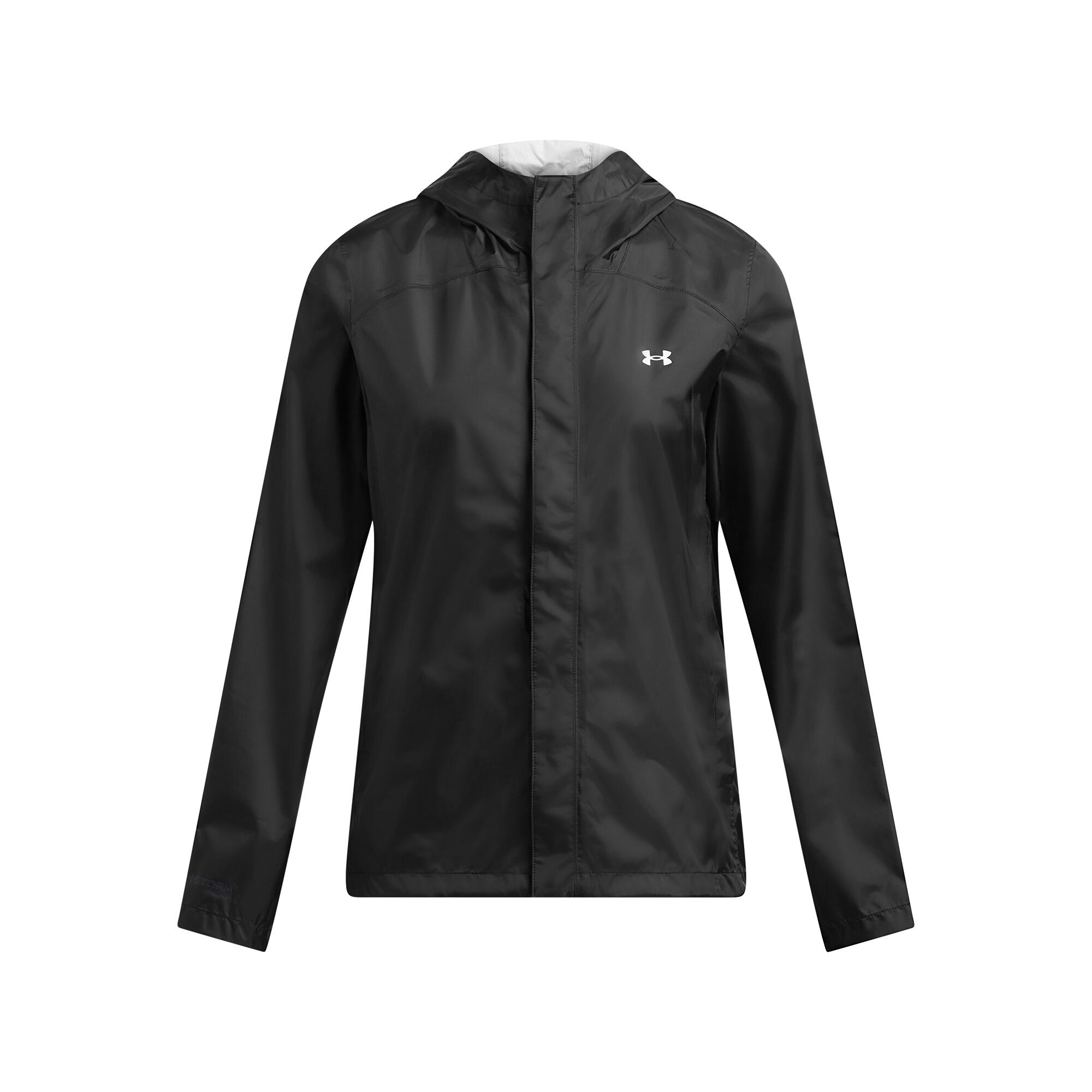
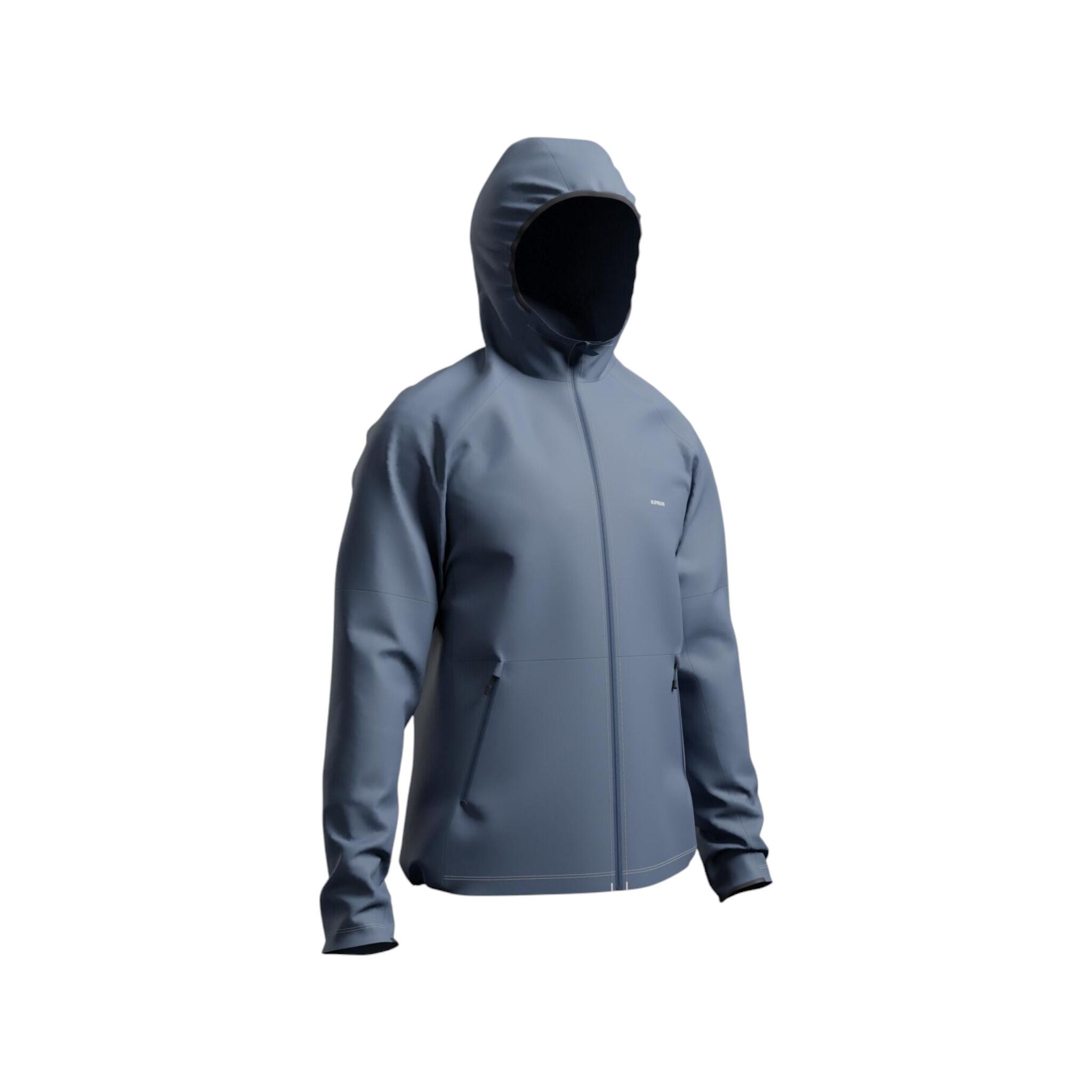
'Windproof' and 'waterproof' describe different levels of weather protection. A windbreaker blocks moving air and may handle a brief spell of very fine rain, but it is not automatically suitable for prolonged or heavy rainfall. The KIPRUN Run 900 Wind has limited water repellency, yet Decathlon states that it is not intended for wet weather. Choose from women's trail running waterproof jackets when continuous rain, exposed routes or race rules require a waterproof shell. Check the product's published waterproofing and breathability information rather than relying on the presence of a hood. Carrying the correct shell is safer than expecting a lightweight windbreaker to perform beyond its stated purpose.
Which windbreaker is suitable for longer trail runs?

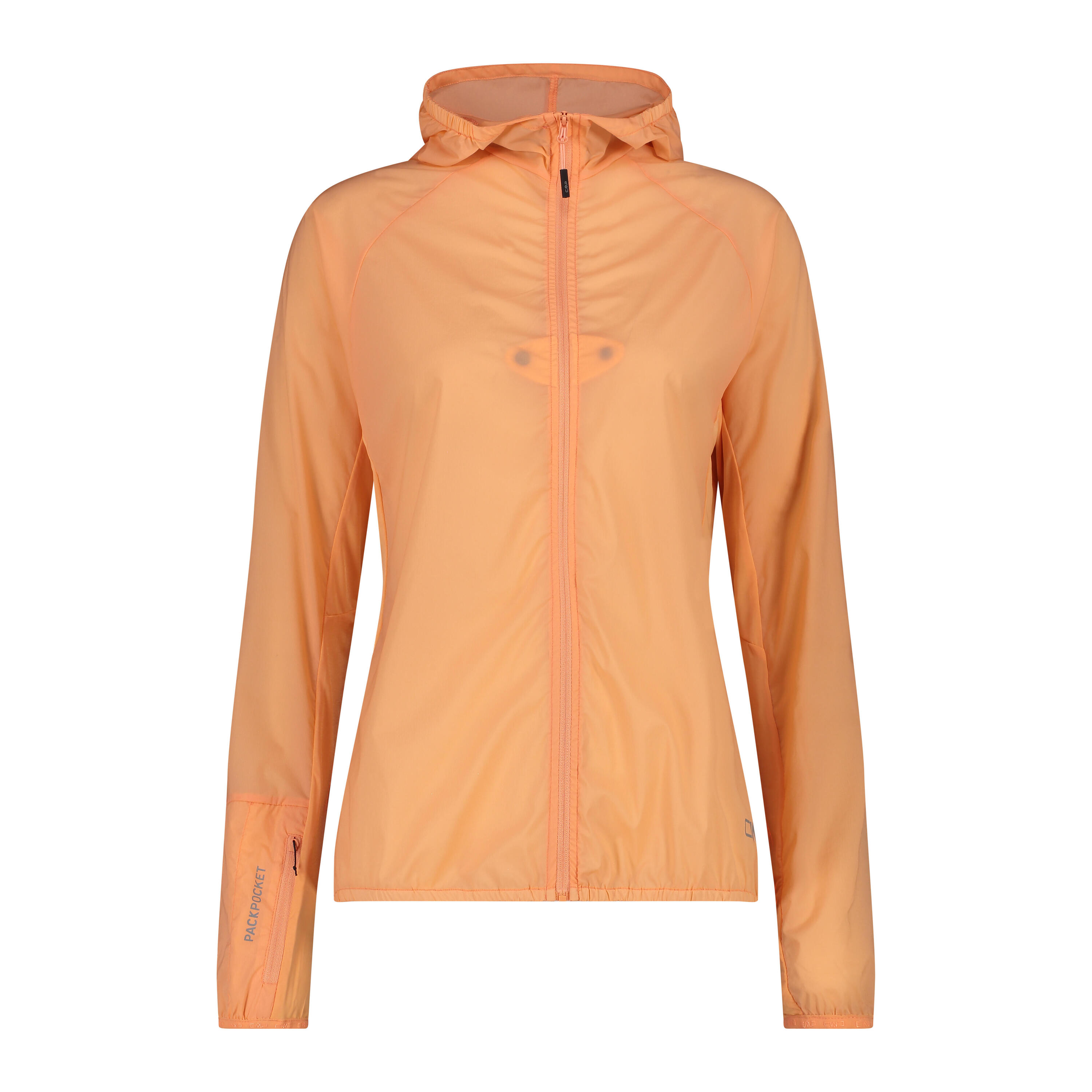
For longer outings, consider packed size, ventilation, pocket access and compatibility with your hydration system. A women's running and trail running windproof jacket such as the KIPRUN Run 900 Wind uses stretch fabric that can be worn beneath a pack, without one or over a hydration pack of up to 10 litres. Side openings provide ventilation and access to rear storage, while the jacket packs into an integrated pocket at the nape. A lighter construction is useful only when it still provides the fit and wind protection your route requires. Test every carrying arrangement with the pack fully loaded because bottles and nutrition can change how the jacket sits.

How should you layer a trail running windbreaker?

Start with a breathable base layer that transfers perspiration away from your skin. Add a light insulating layer when the temperature requires warmth, then use the windbreaker as the outer barrier against moving air. Avoid adding more layers than necessary, as trapped heat and perspiration can leave your clothing damp during slower sections. Other women's trail running jackets may provide insulation, waterproofing or a different balance of protection and ventilation. Open the main zip or ventilation panels before overheating begins rather than waiting until your base layer is soaked. Carry a dry layer for long stops if the route includes exposed checkpoints or extended periods at a reduced pace.
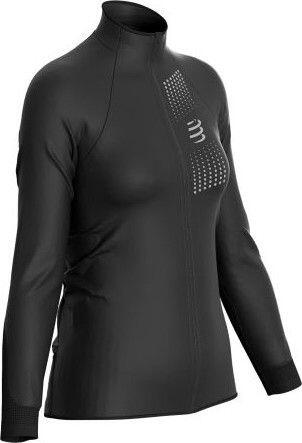
How can runners pack a trail running windbreaker and wash it after use?

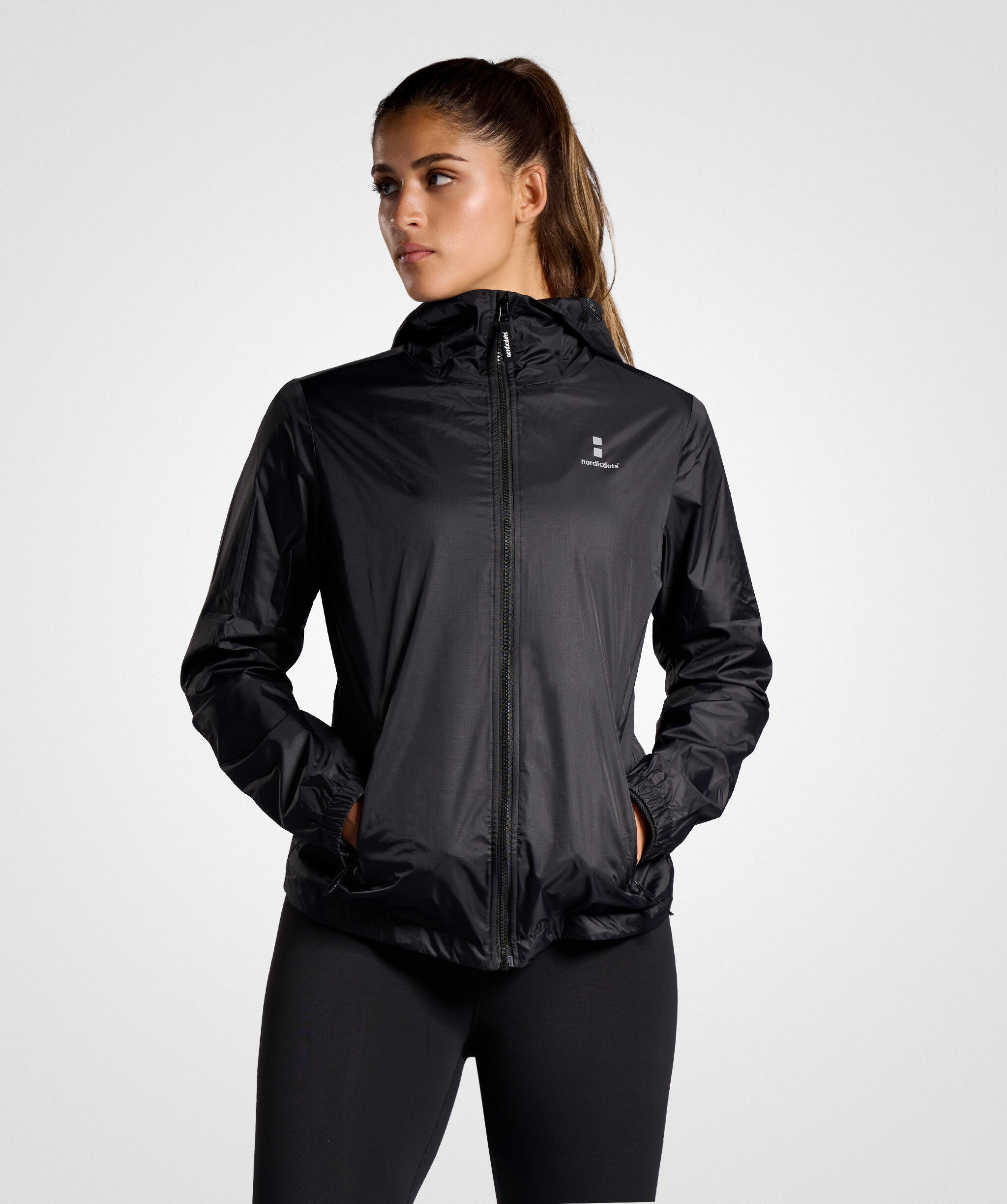
Use the integrated storage pocket when the jacket includes one, but avoid leaving it tightly compressed for long periods between runs. Once home, remove it from your bag, allow any perspiration to dry and inspect the zip, hood, cuffs and pack-contact areas. Store the Run 900 on a hanger or folded in a clean, dry place. Wash KIPRUN windbreakers at no more than 30 degrees Celsius and avoid tumble drying, ironing, bleaching or dry cleaning. Close the main zip before washing when the care guidance requires it. Keep the dry jacket with your other women's trail running clothes, ready for windy sessions, rather than leaving it damp inside a hydration pack where odour and fabric wear can develop.