825 items
4.6/5 based on 466410 reviews collected online and in stores

Simond Shop FAQs

What makes Simond equipment suitable for mountain and trekking use?

Simond combines laboratory measurements with demanding outdoor trials, so technical specifications are often supported by real mountain use rather than product descriptions alone. Across the range, backpacks, clothing, bivouac equipment and electronics are tested for practical concerns such as carrying comfort, weather protection, abrasion and long-duration use. Selected products have been assessed over multi-day treks covering hundreds of kilometres and substantial ascent. If you are building a broader setup, the hiking & trekking gear range lets you combine Simond products with other Decathlon mountain equipment according to trip length and conditions. Compare weight, packed volume, repairability and measured performance rather than choosing every item simply because it belongs to the same technical range.
How can you fit and load a Simond trekking backpack?

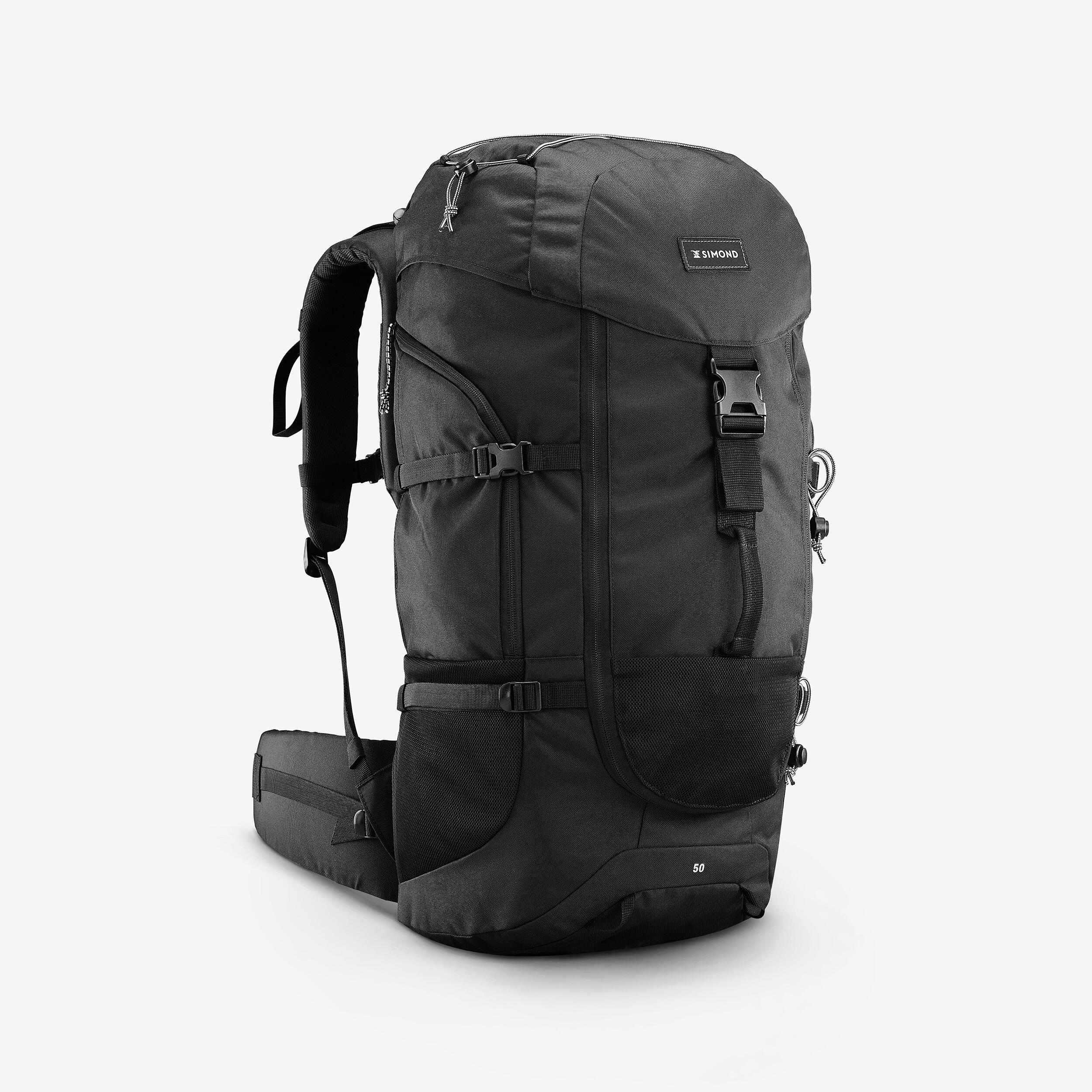
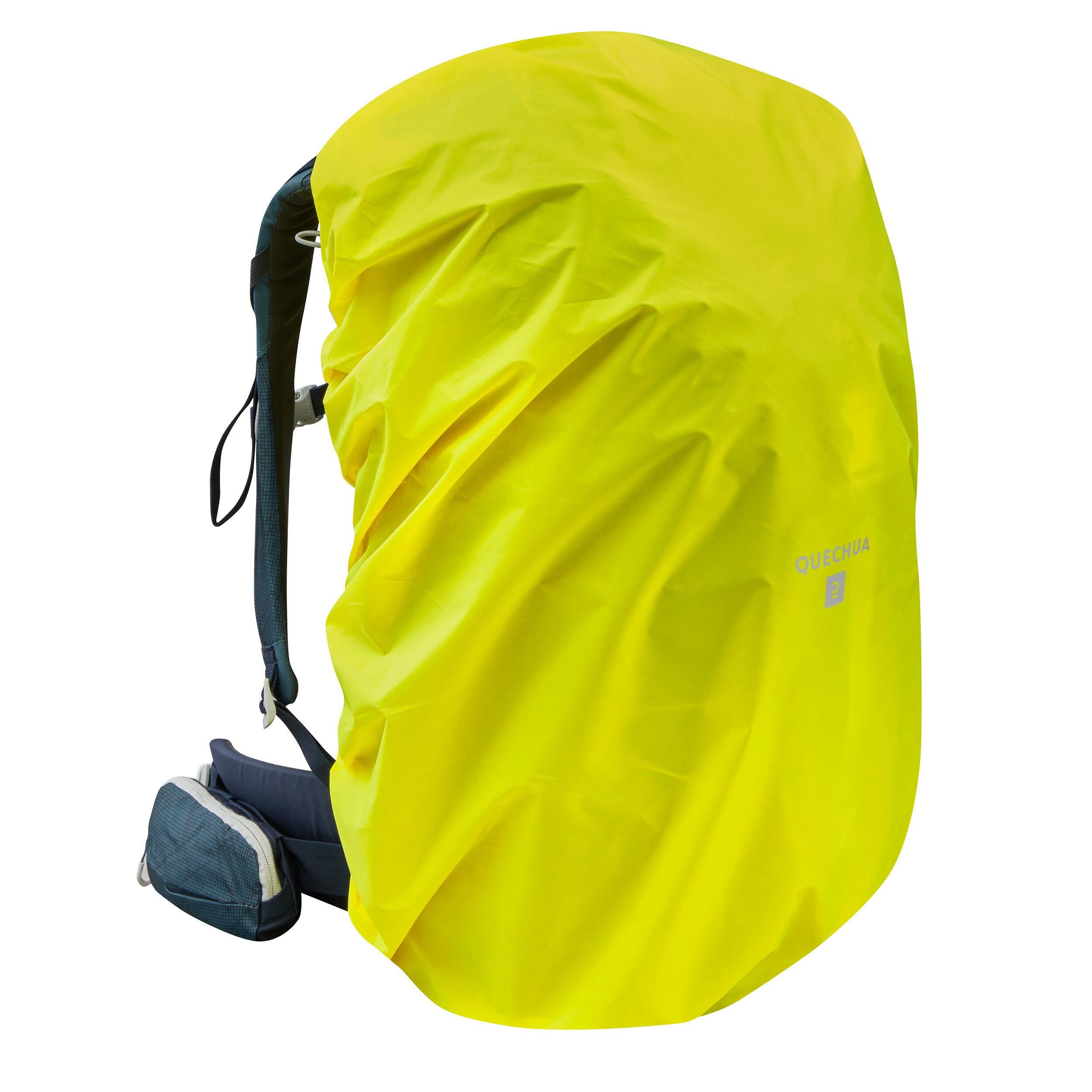
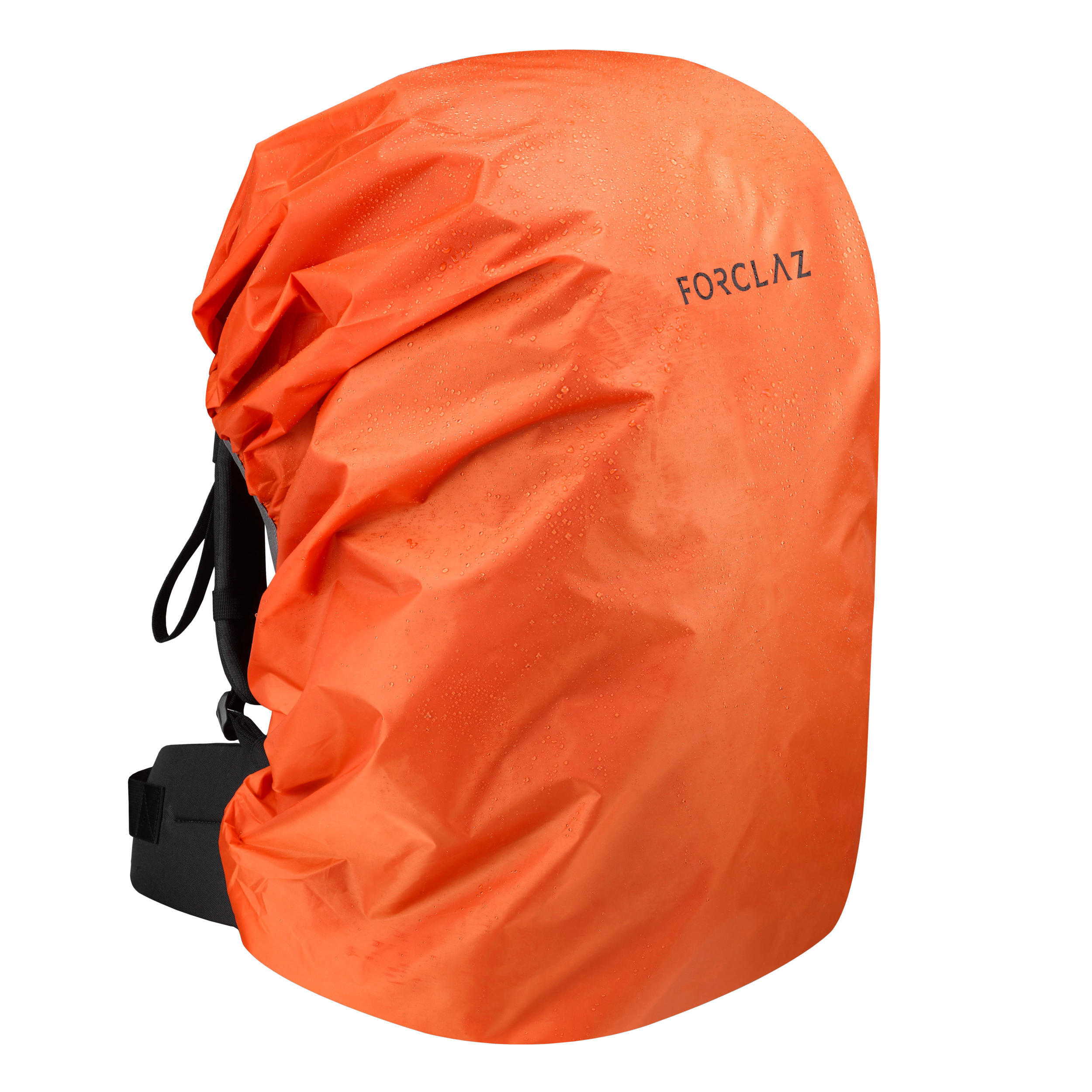
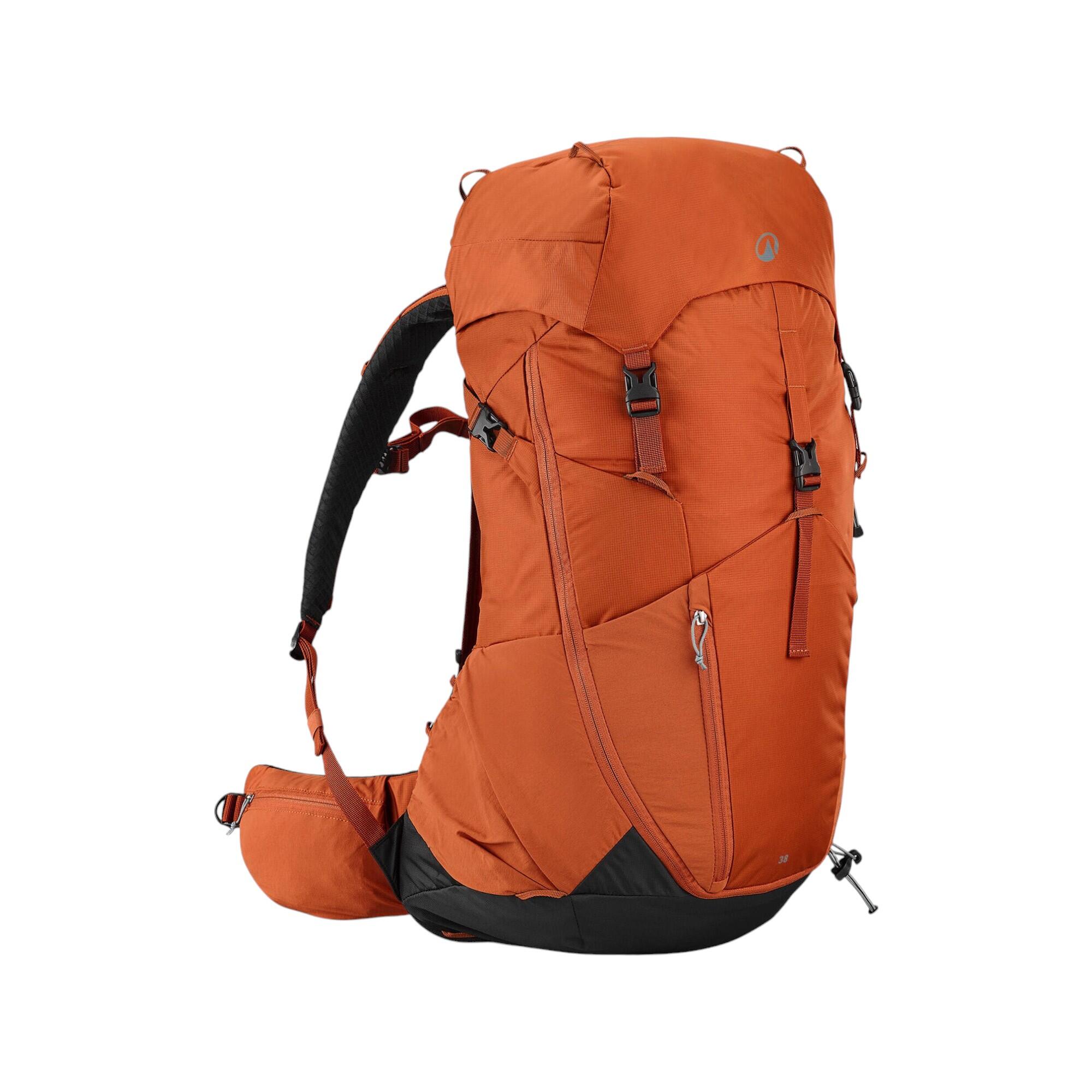
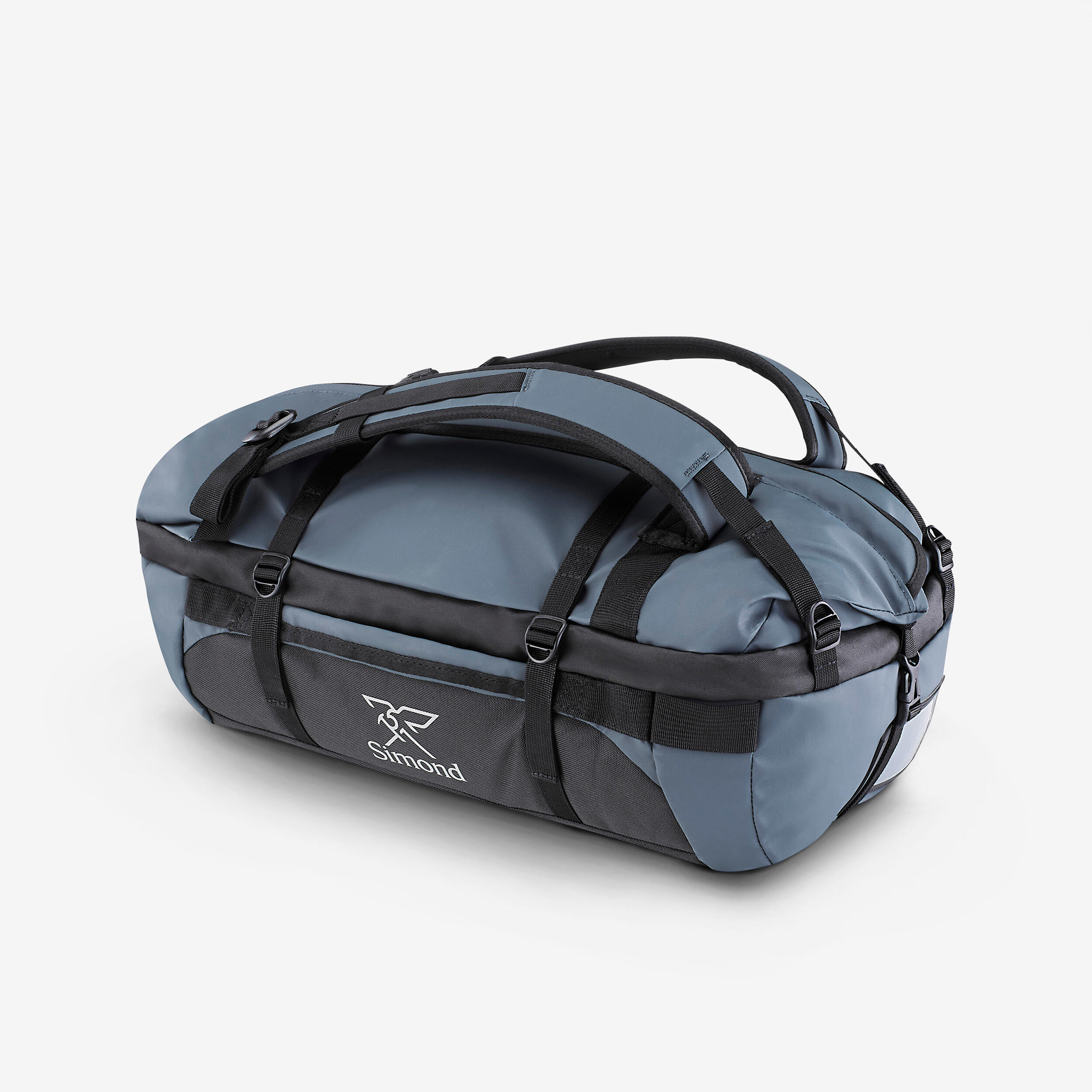
A trekking backpack should transfer much of the load towards the hips while keeping heavier equipment close to the back. The MT100 50 L uses a height-adjustable padded back, hip belt, chest strap and load-adjuster straps, with aluminium bars adding structure and helping create ventilation space. Decathlon recommends loads up to around 15 kg for this model. Organise Simond hiking backpacks by placing bulky bedding near the bottom, denser items nearer your back and frequently used gear where it is easy to access. Adjust the back length first, secure the hip belt and then fine-tune shoulder and load-adjuster straps once the pack is loaded.

Why can merino wool accessories work well for trekking?

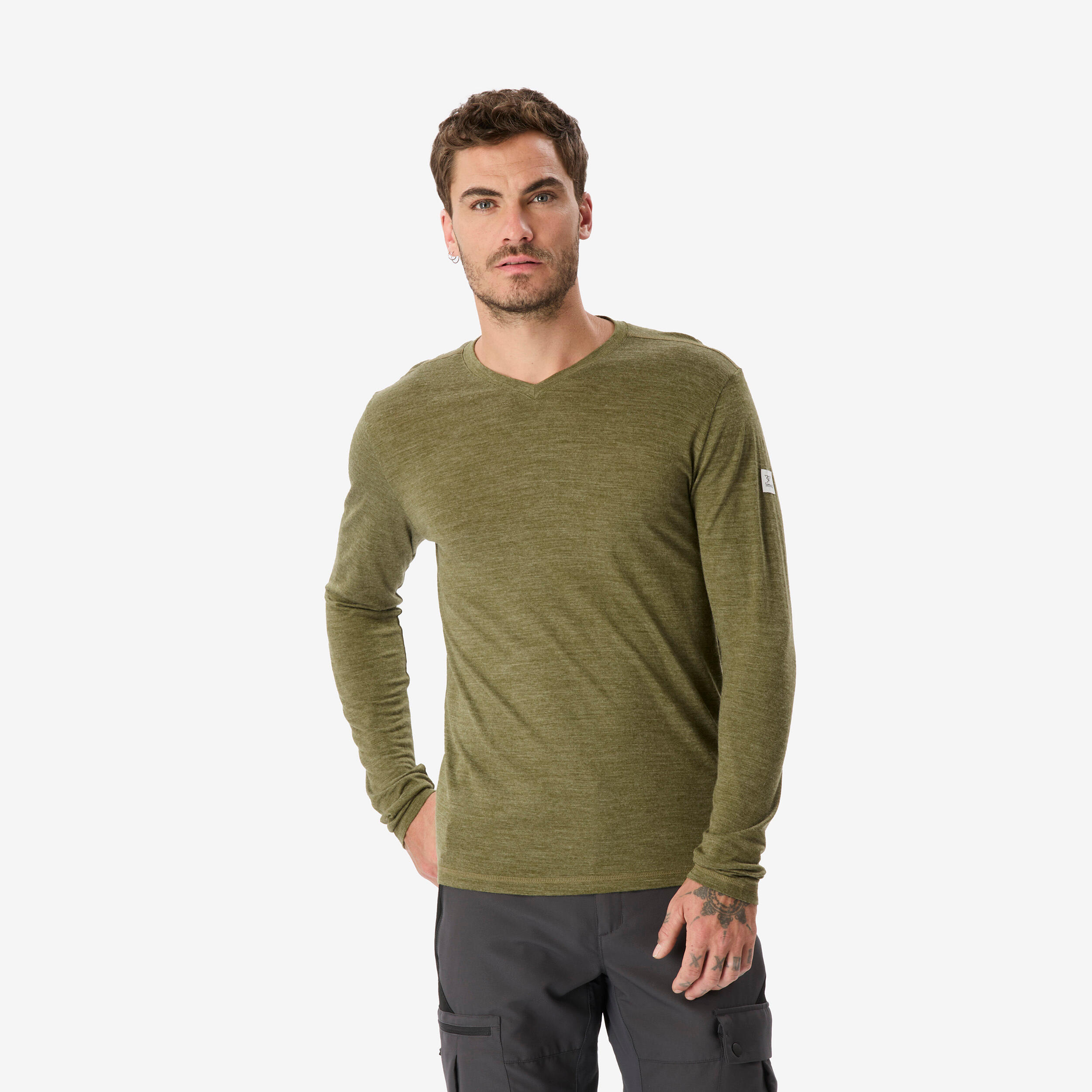
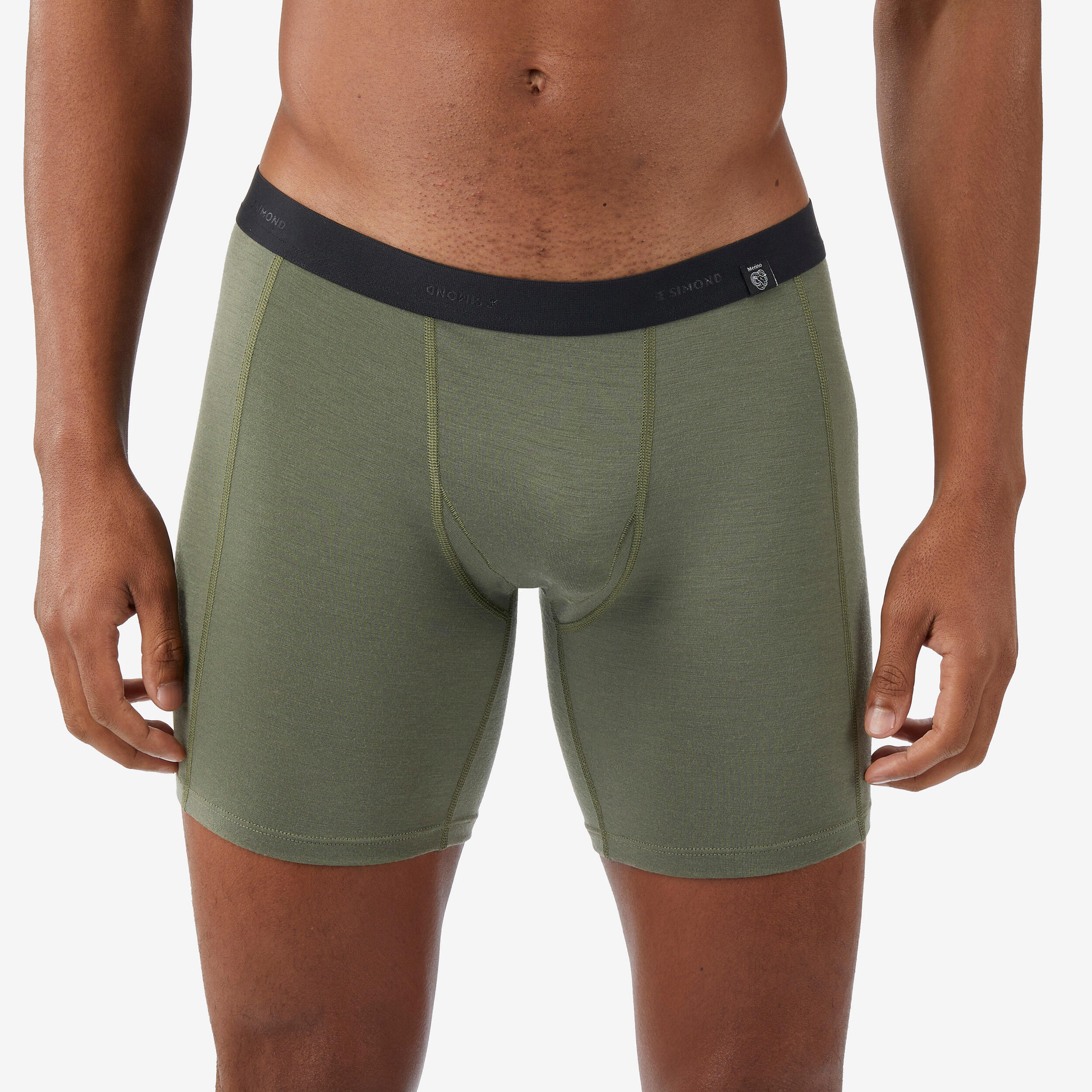
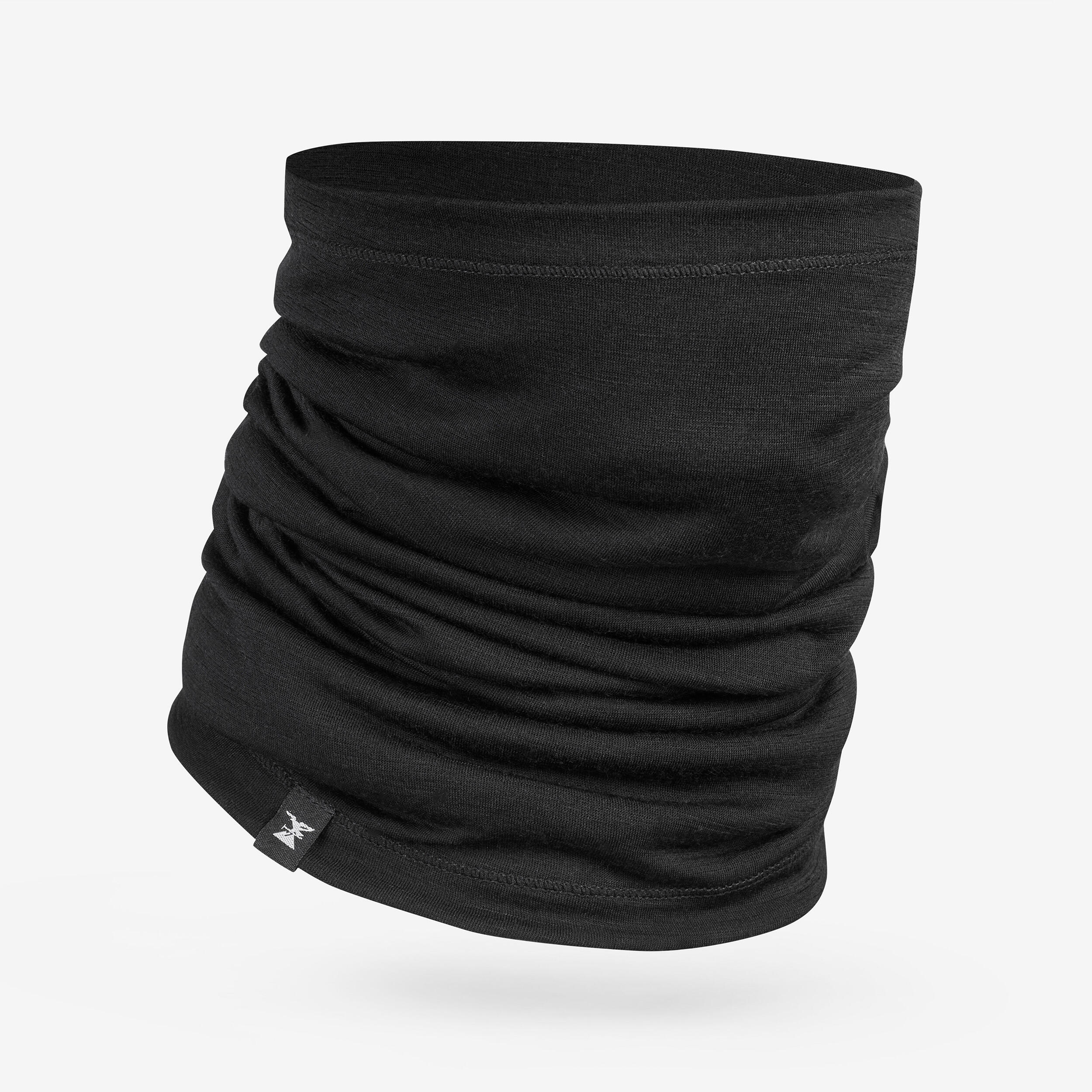
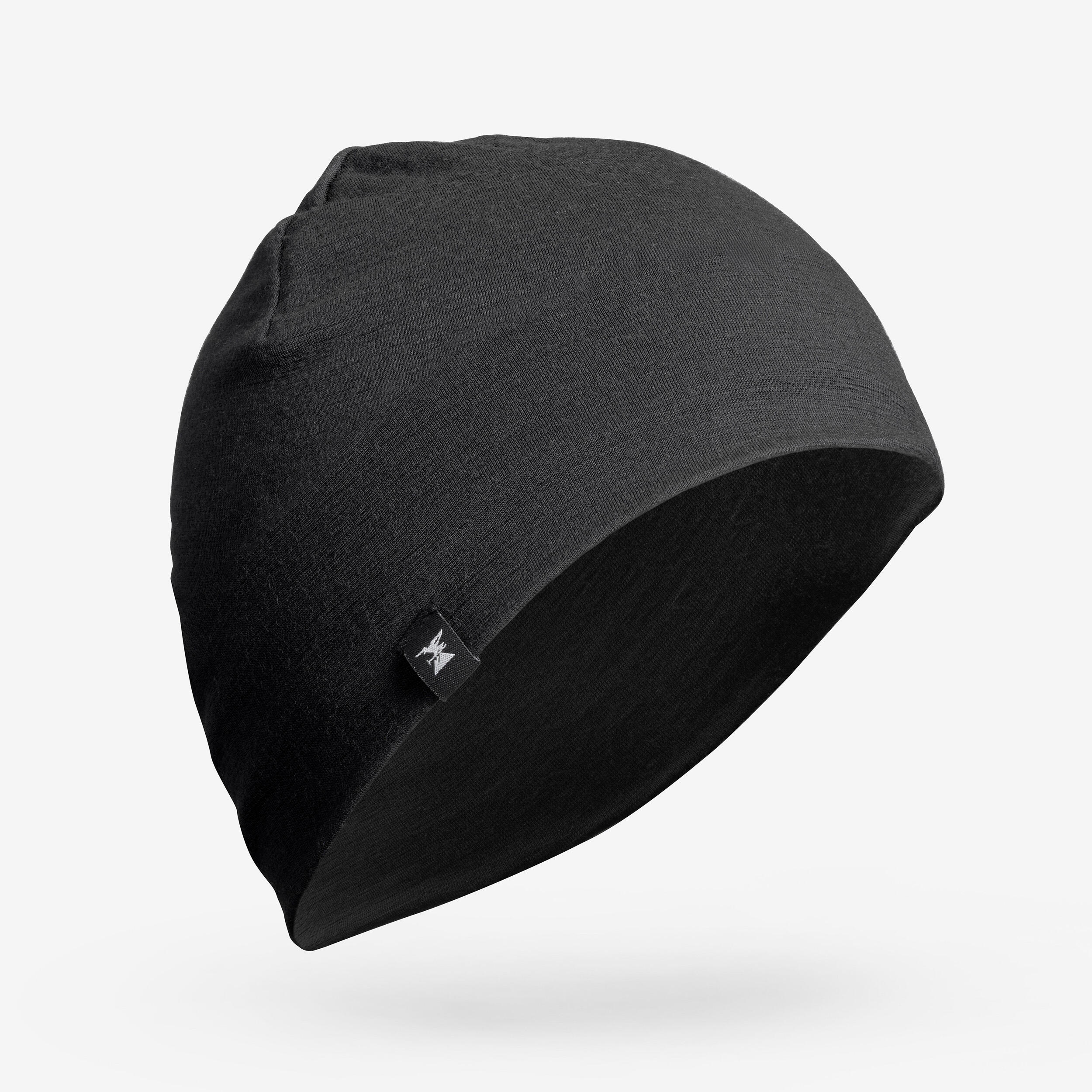
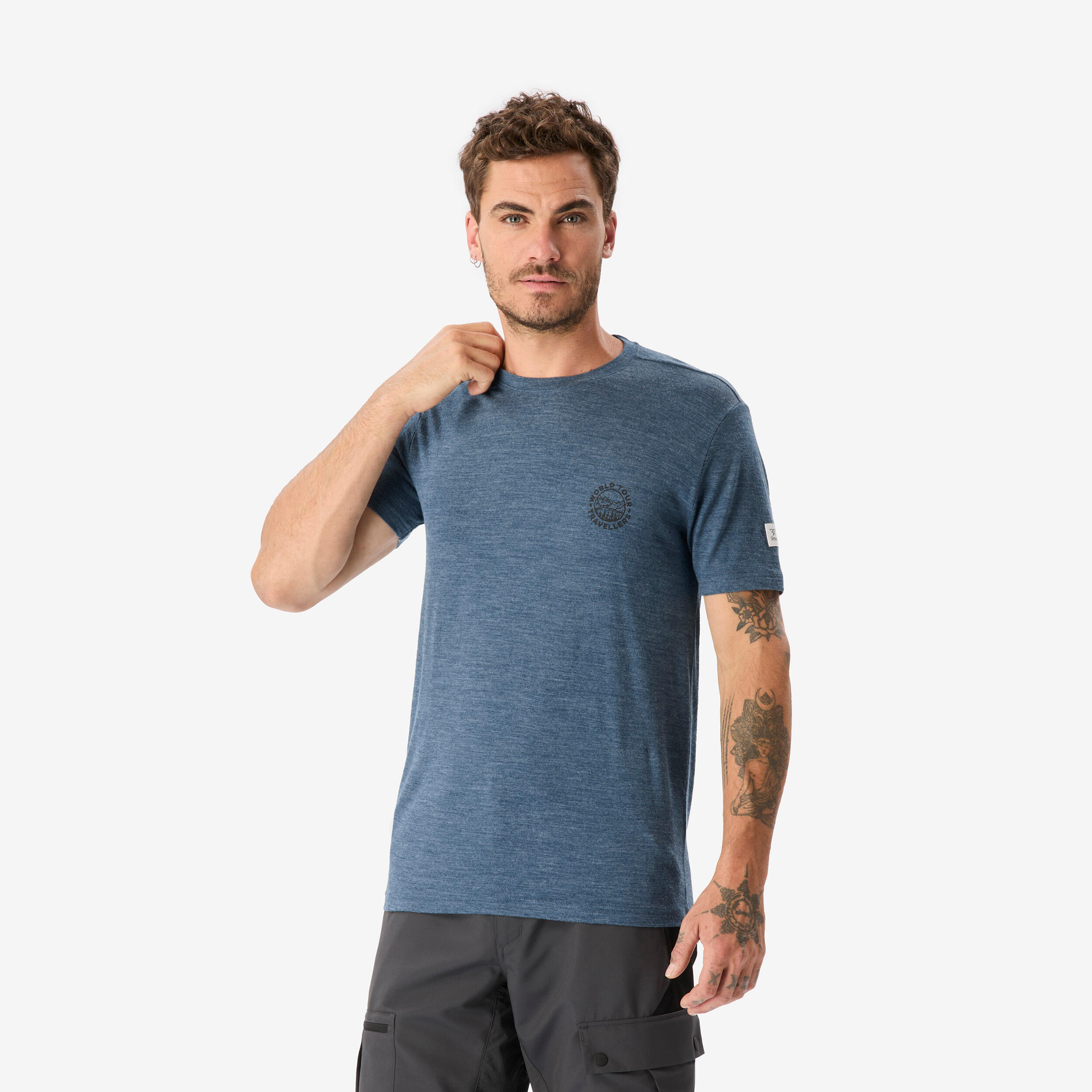
Merino wool provides warmth in a relatively compact textile, while Simond reinforces selected accessories to improve resistance to rubbing during repeated outdoor use. The brand uses fine 18.5-micron merino fibres on MT500 accessories and wraps the wool with polyamide yarn to help protect it against friction and cuts. For trekking, assess Simond merino wool trekking hats for insulation as well as how easily they can be layered and carried when not in use.. Wool also needs suitable storage: keep clean, dry merino garments protected during longer periods off-season, and take precautions against clothes moths rather than leaving them loosely stored with damp or dirty trekking clothing.

What makes a repairable inflatable trekking pillow useful?

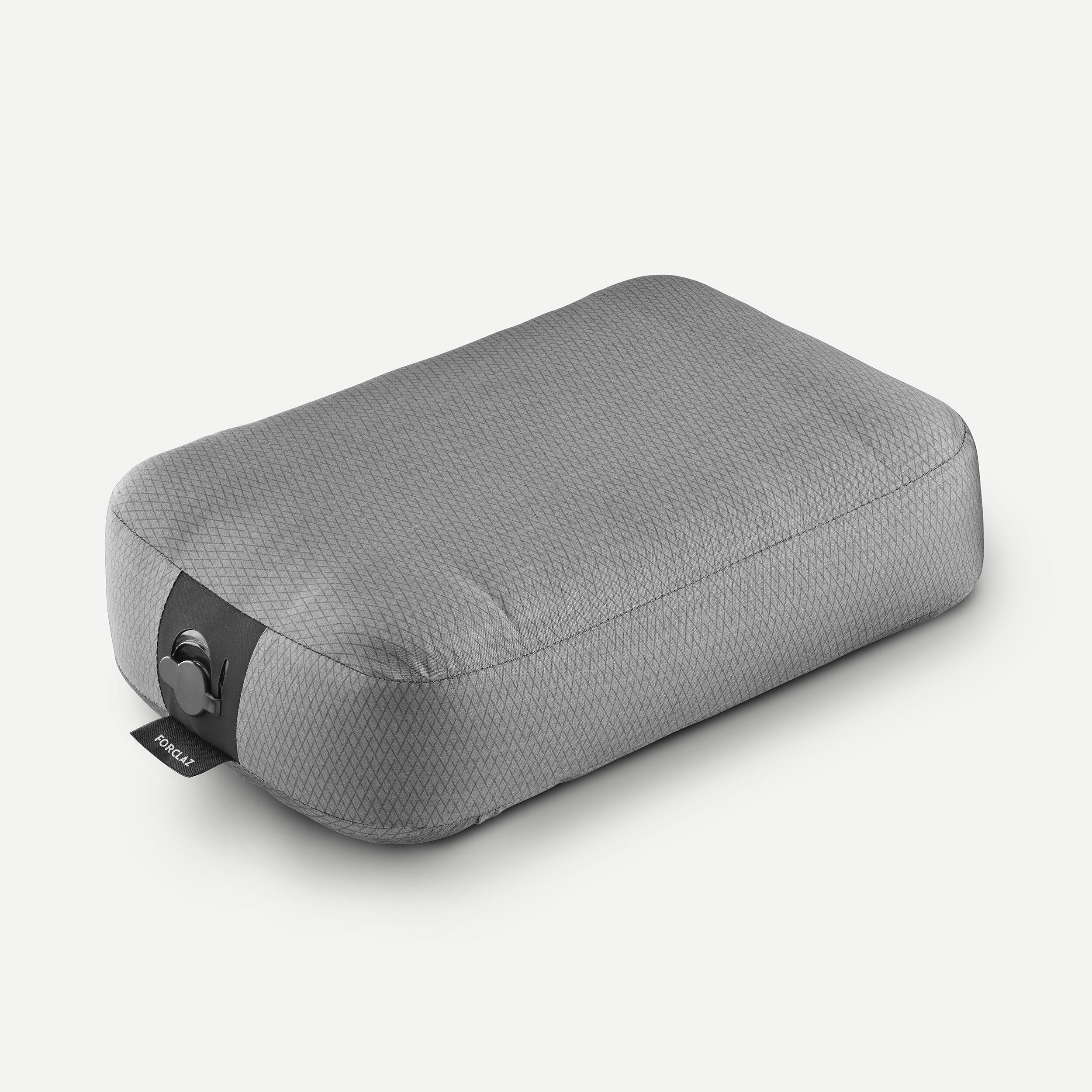
An inflatable pillow can provide adjustable support without taking up the space of a conventional filled pillow. Simond's MT500 design weighs around 135 g and packs to roughly 0.6 L, while air pressure can be released through the valve if the pillow feels too firm under the neck. The cover and bladder separate, and the soft foam-lined cover can also be filled with spare clothing as a backup. Simond inflatable trekking pillows are also designed with repair in mind: Simond recommends self-adhesive patches for small punctures rather than treating a leaking bladder as automatic end-of-life damage. Avoid over-inflating the pillow and check the valve area before packing it away after each trip.

How does a folding foam mattress help with bivouac insulation?

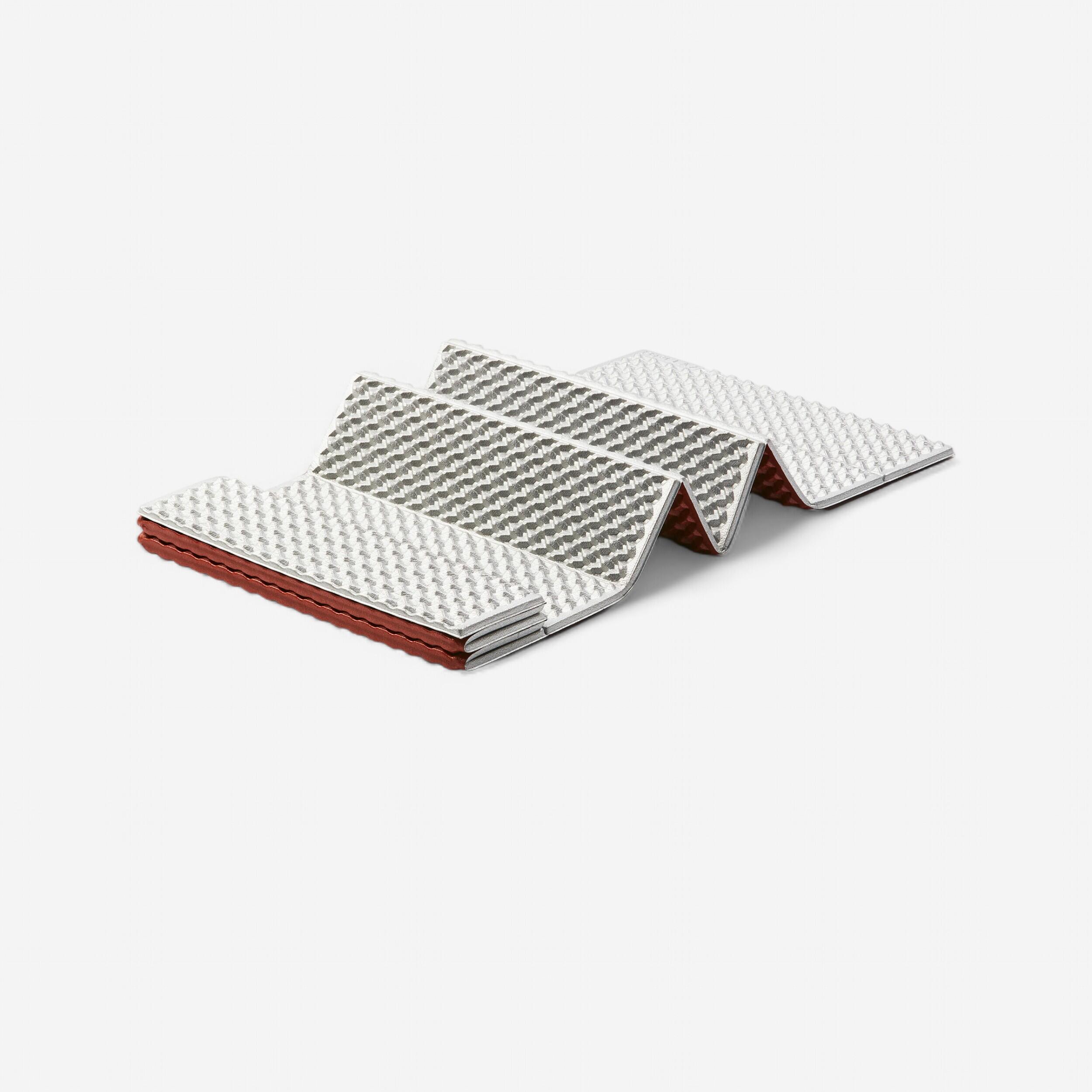
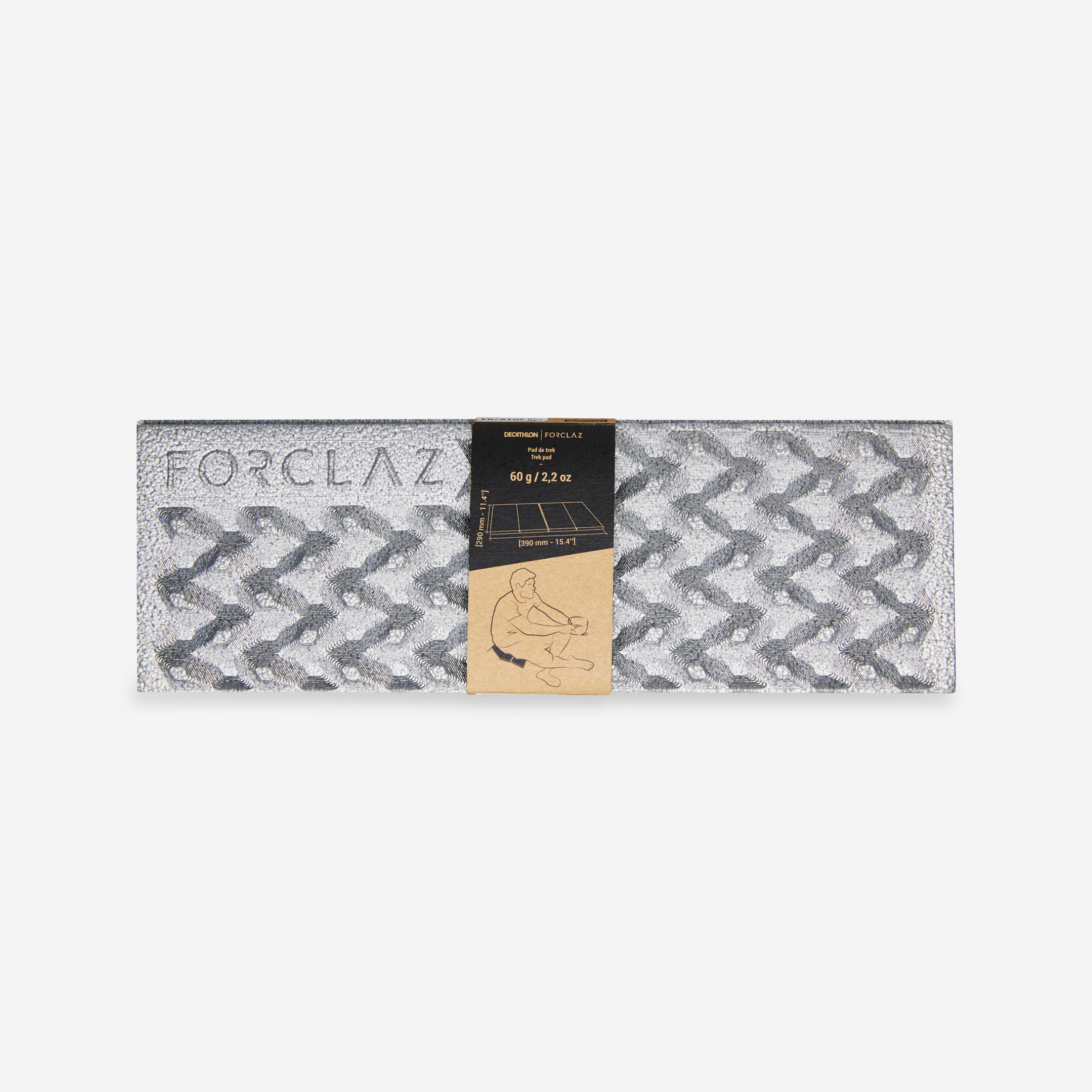
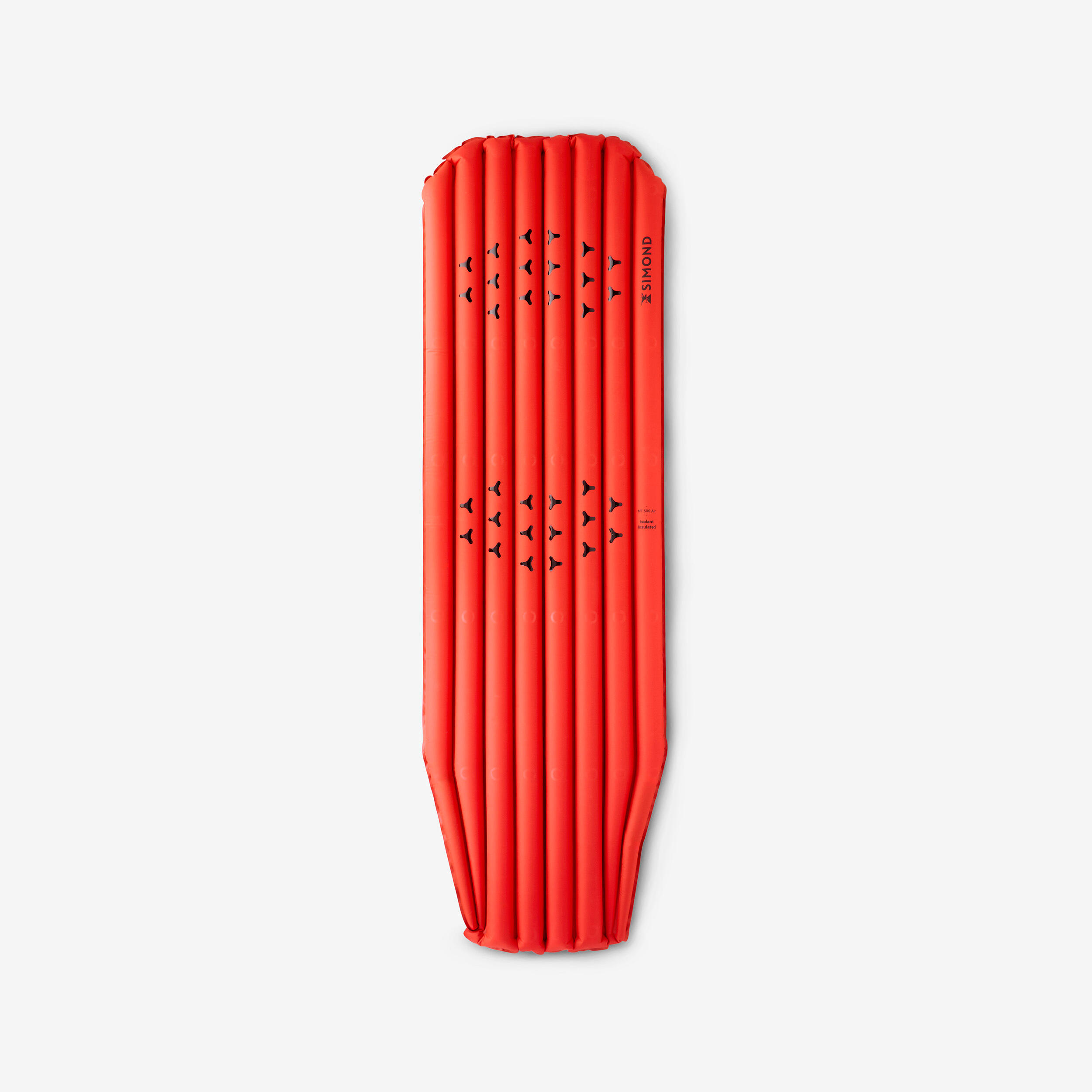
A sleeping mat creates an insulating layer between your body and the ground, so its measured thermal resistance matters as much as softness. The Simond trekking folding foam mattress uses an ASTM-measured R-value of 2.2, giving a recognised figure for comparing insulation rather than relying only on a general warmth claim. Its aluminised surface should face towards the sleeping bag and body, while the foam side sits against the ground. The accordion construction also lets the mat fold into a shorter seat, cushion or partial mattress when a full sleeping surface is unnecessary. Protect the aluminised face from unnecessary abrasion and let the mat dry before securing it tightly with other bivouac equipment.