525 items
3.9/5 based on 29004 reviews collected online and in stores

Camping Tents FAQs

Which type of tent is better for your camping trip?

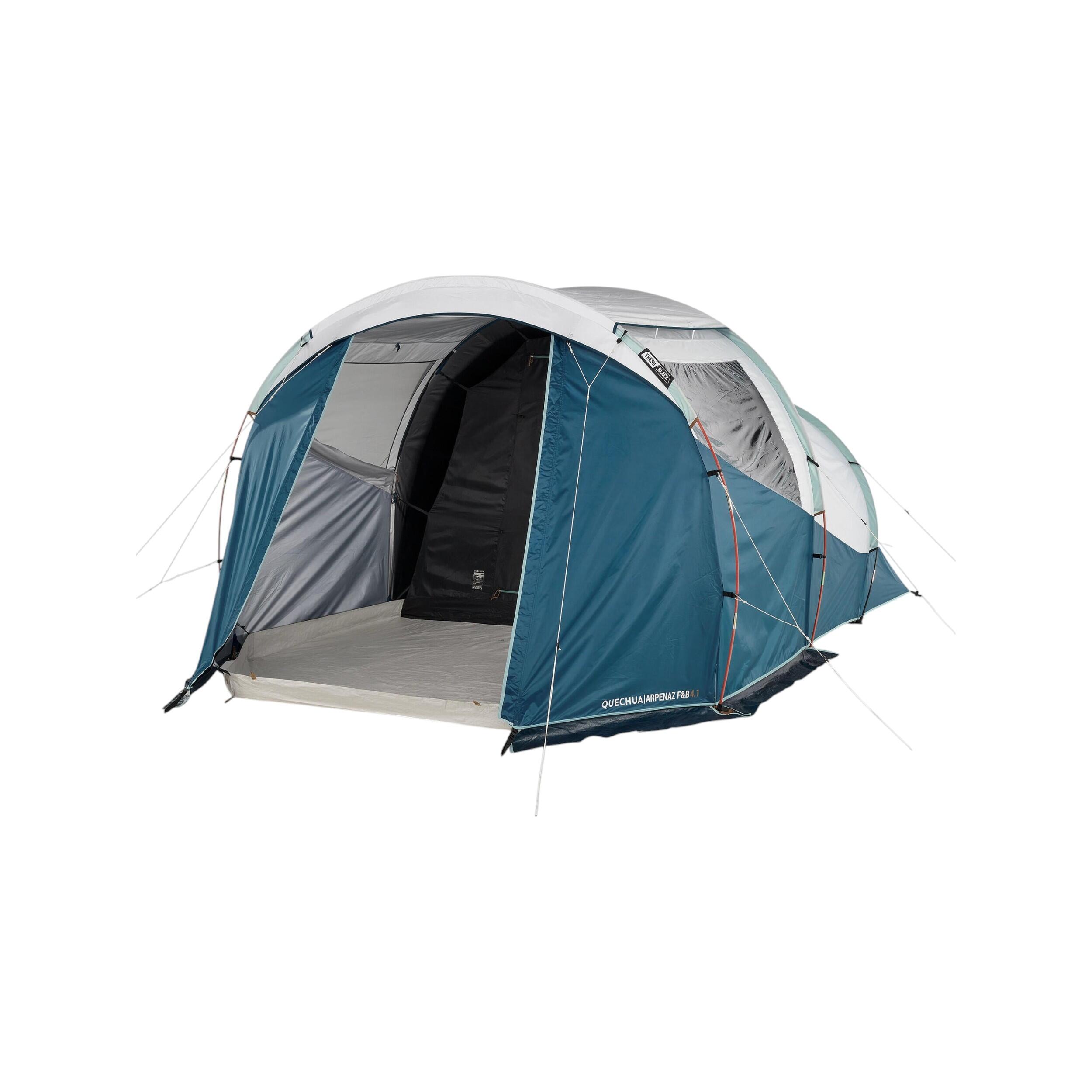
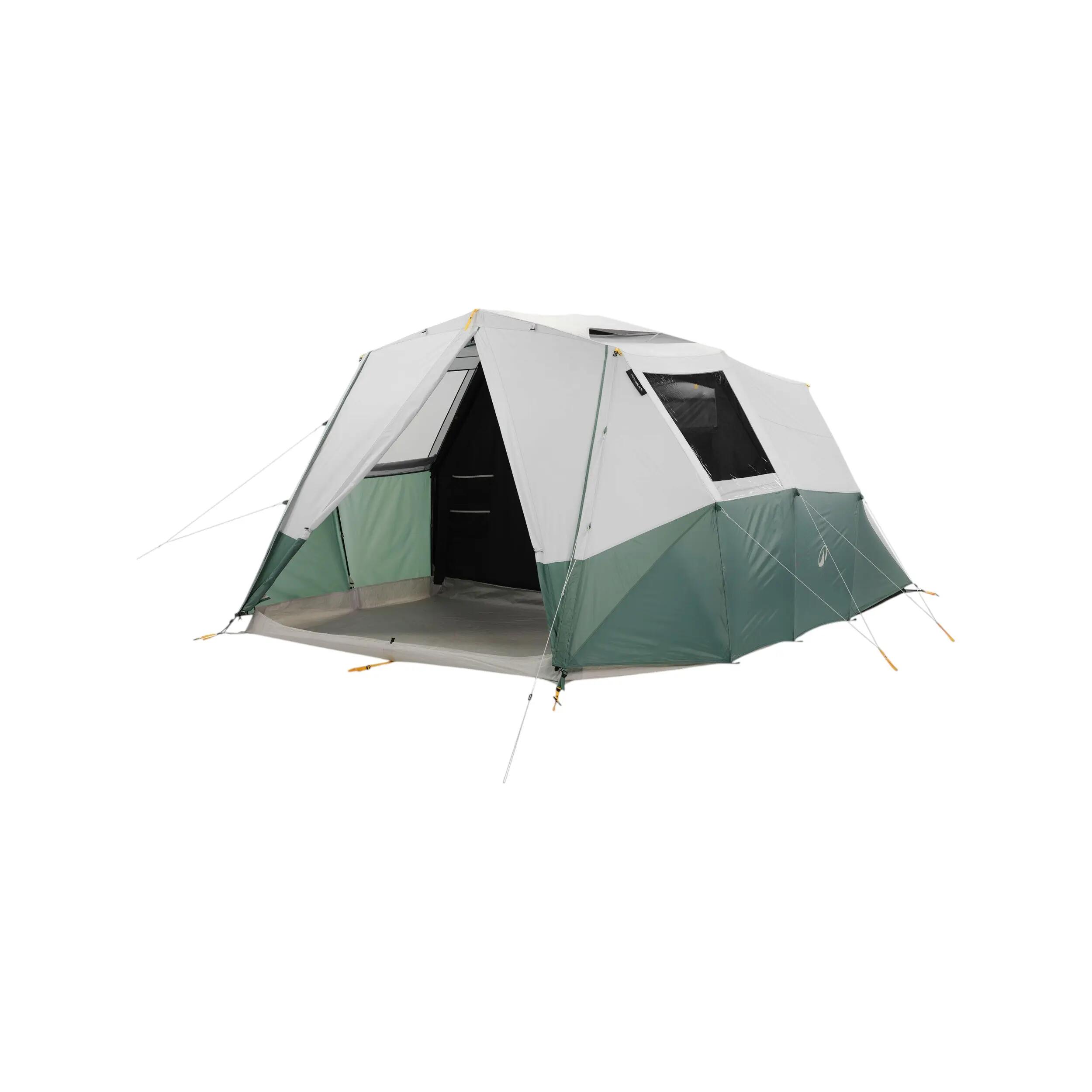
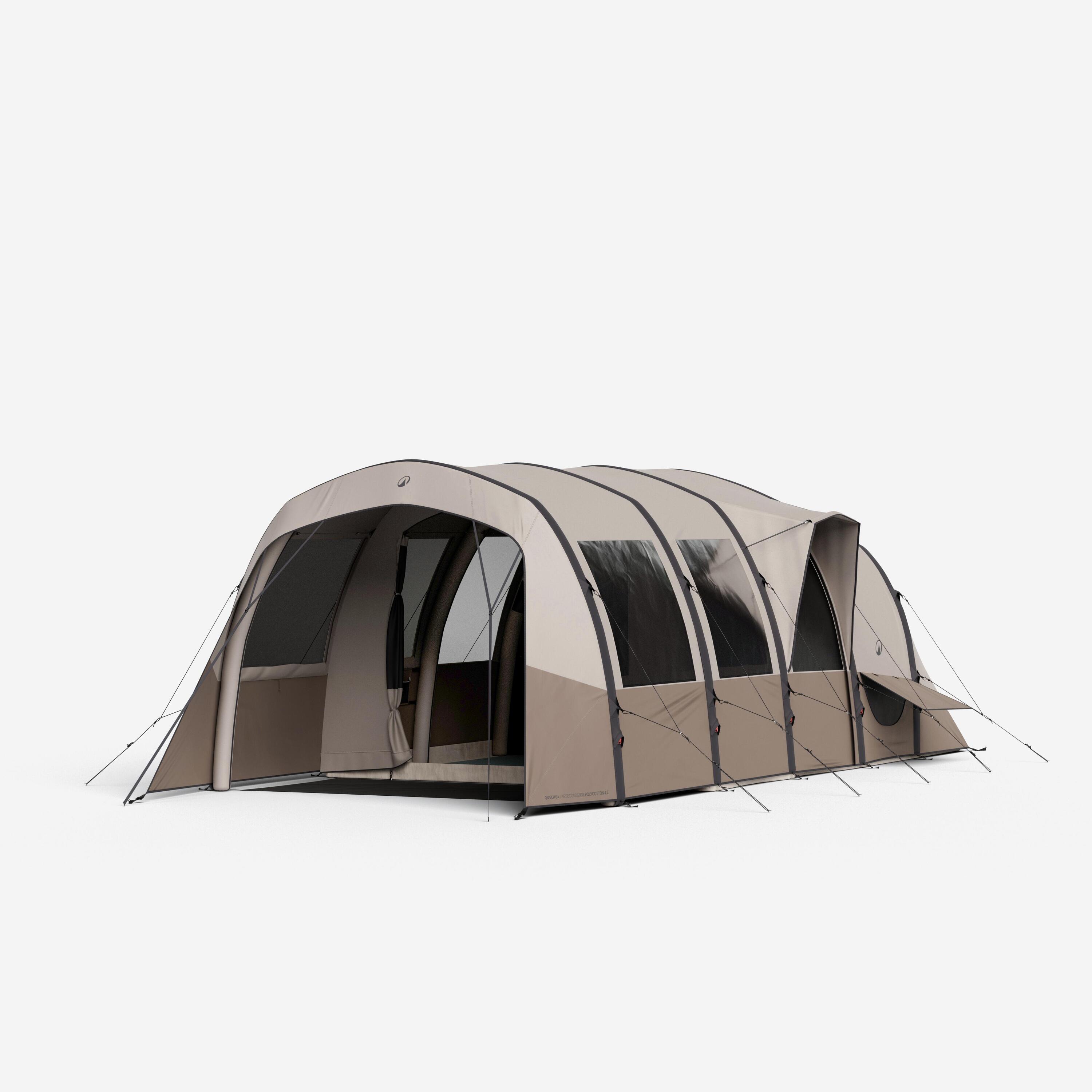
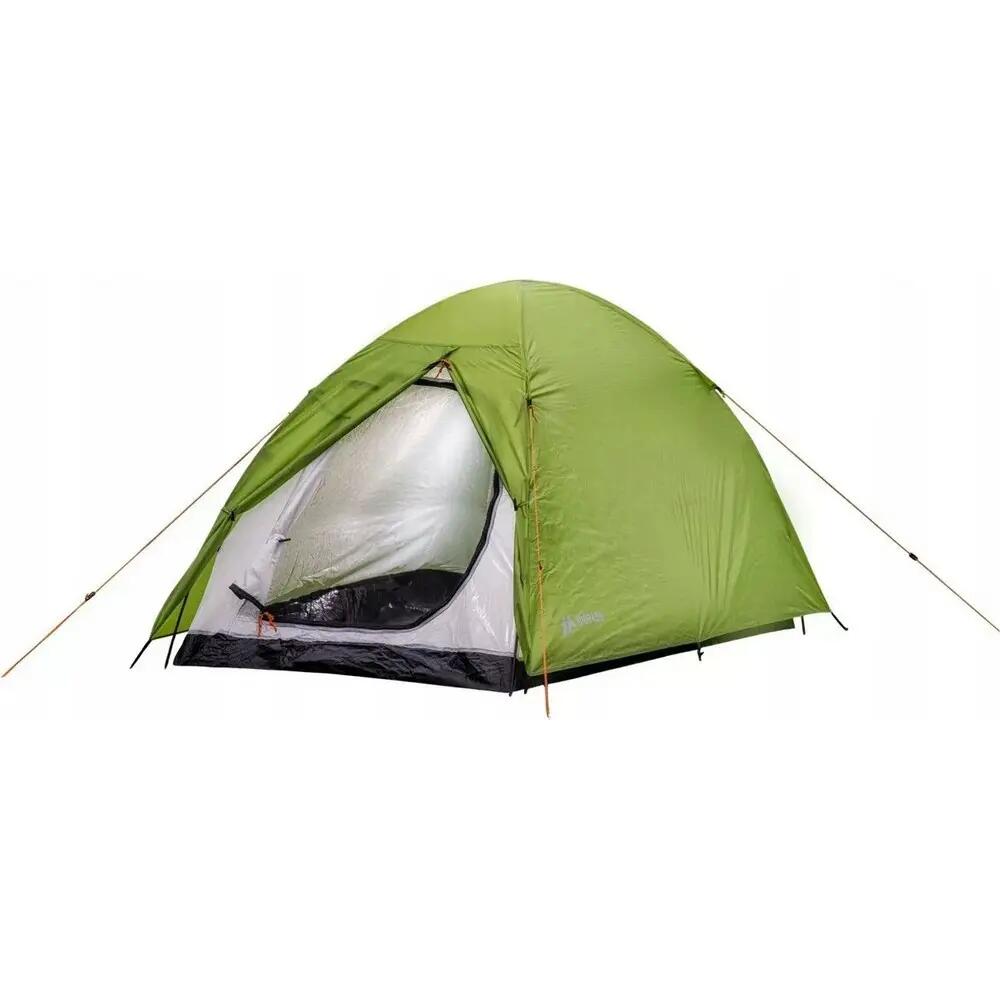
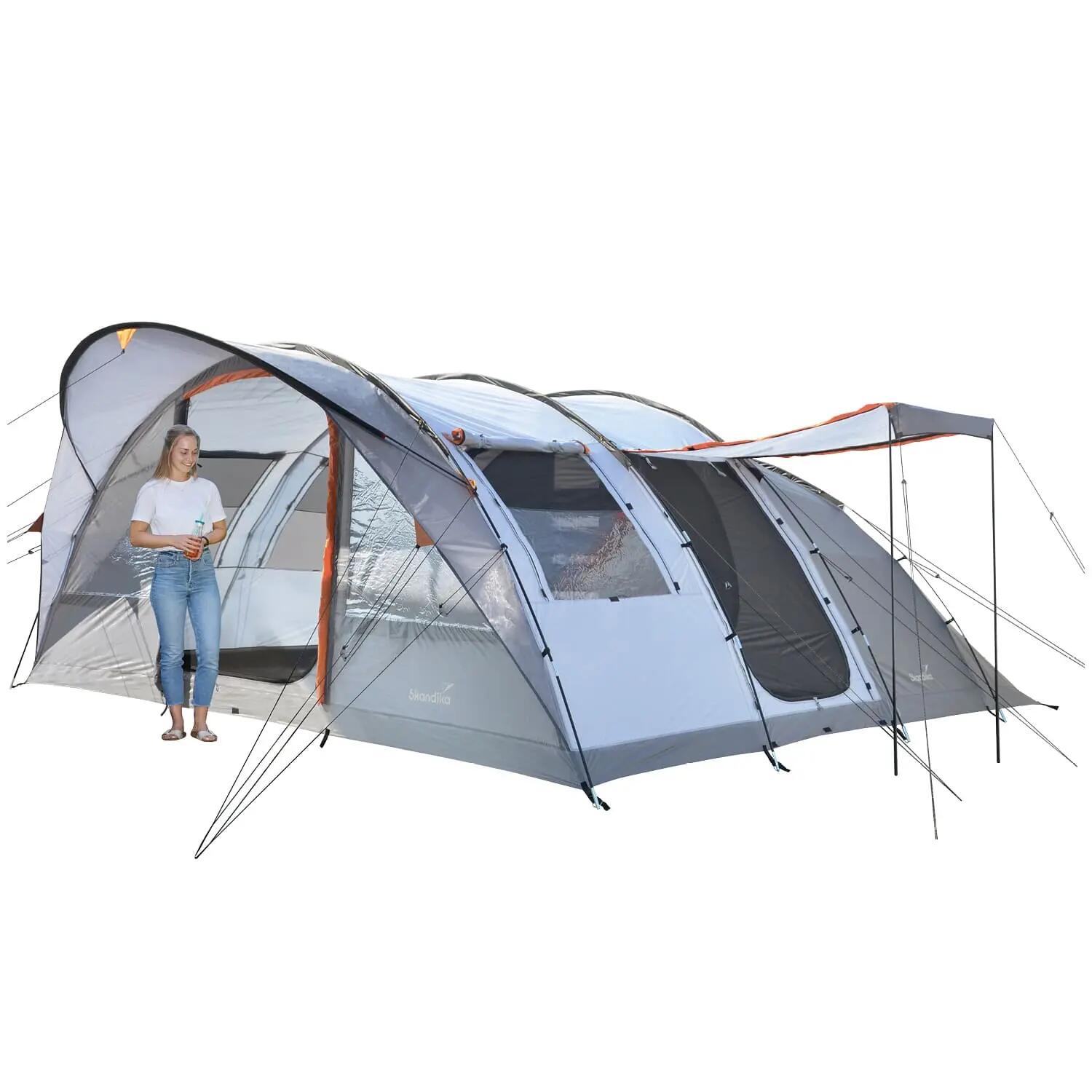
The number of campers is only one part of tent selection, as living space, packed weight and pitching method can matter just as much. A standard MH100 dome provides one sleeping compartment in a relatively compact package, with the two-person version weighing 2.6 kg and packing into 15 litres. Larger Arpenaz models add living areas, standing height and, on selected versions, separate bedrooms, but their weight and packed volume increase significantly. The Arpenaz 4.2, for example, weighs 11.7 kg and packs into a 40-litre cover. Dedicated family tents are therefore more relevant to campsite stays where interior organisation matters, while smaller domes suit campers prioritising simpler transport and pitching.

Does the stated capacity guarantee comfortable sleeping space?

Capacity indicates the intended number of occupants, but mattress width and internal layout still need checking. Standard MH100 tents allocate approximately 65 cm of sleeping width per person, with bedrooms ranging from 130 cm for two campers to 260 cm for four. Thick airbeds above 8 cm are discouraged on these models because they reduce the usable internal volume and may contribute to condensation. Some larger tents divide campers between two bedrooms, while others keep everyone in one compartment. The small tents category can suit solo campers or pairs who need a lighter packed format. Measure the sleeping mats before travel and allow space for bags, footwear and movement rather than assuming the advertised capacity leaves generous spare room.

How do pop-up and inflatable tents differ?

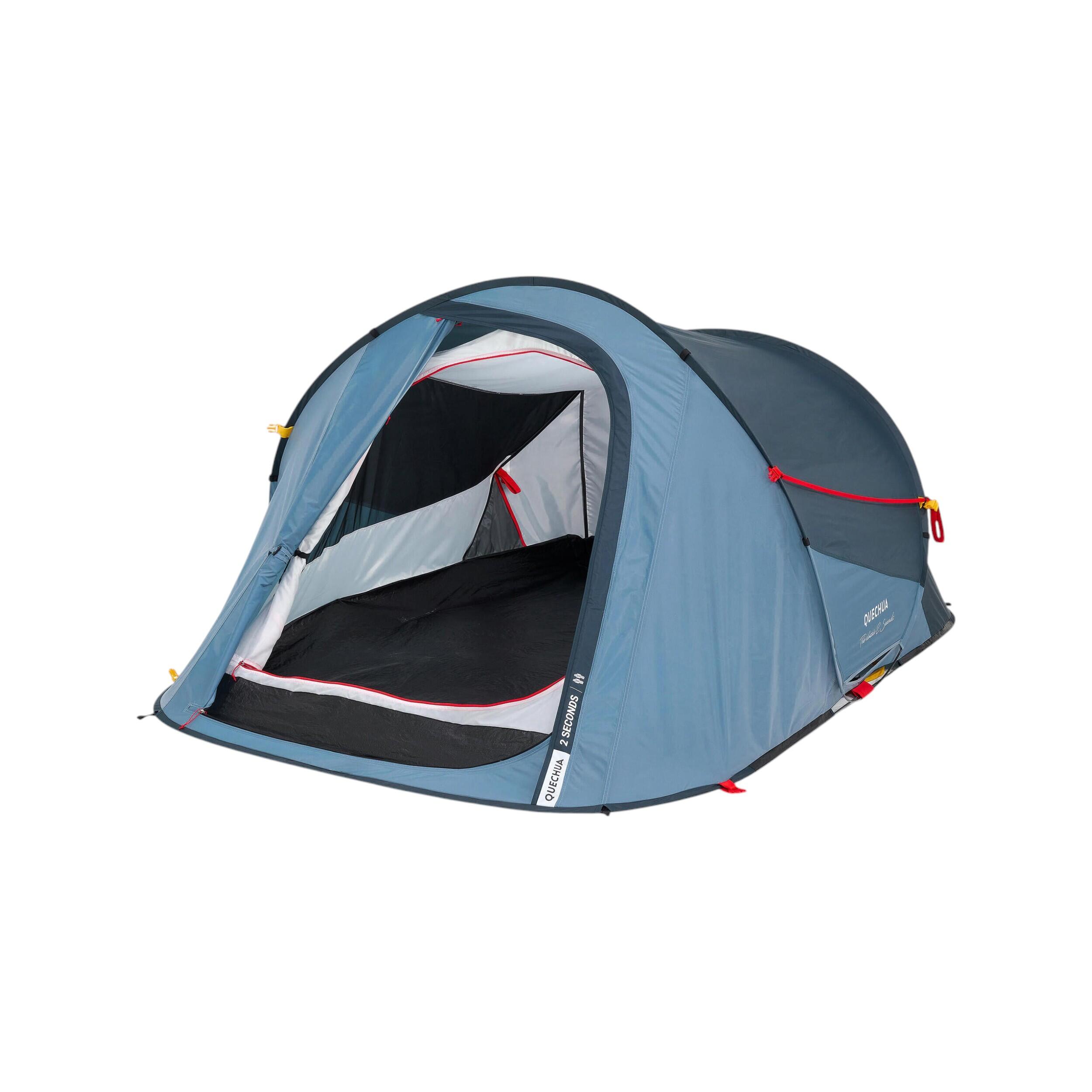
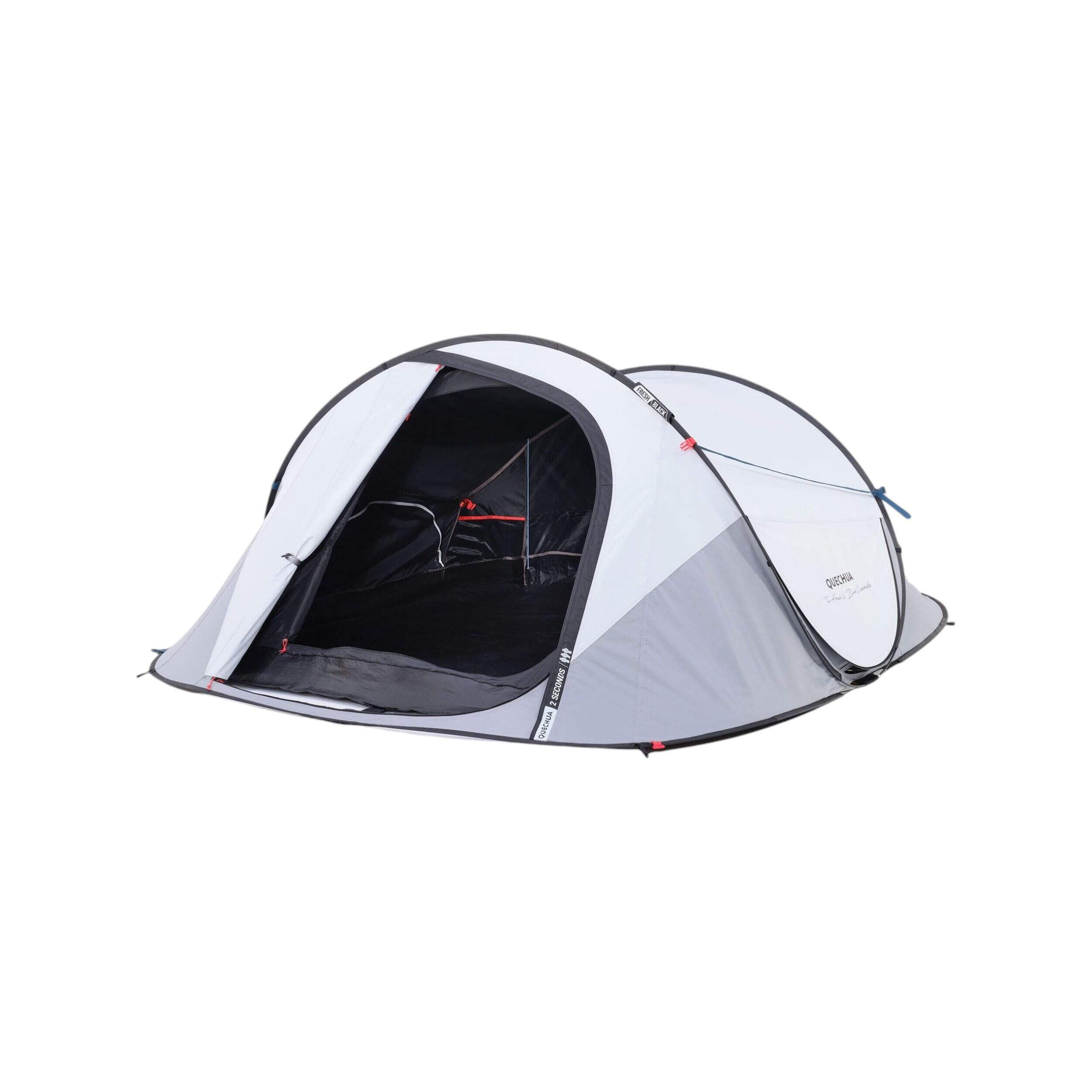
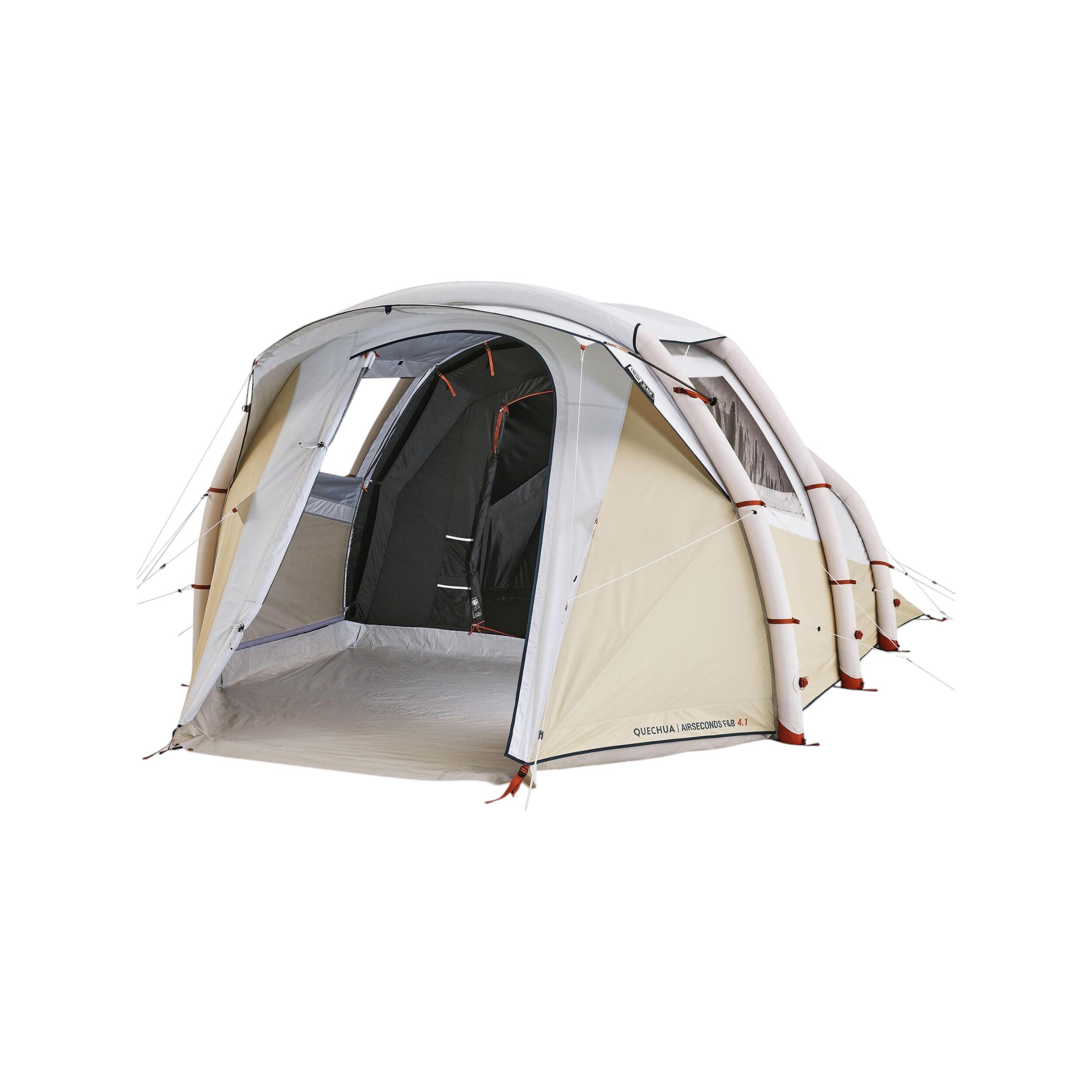
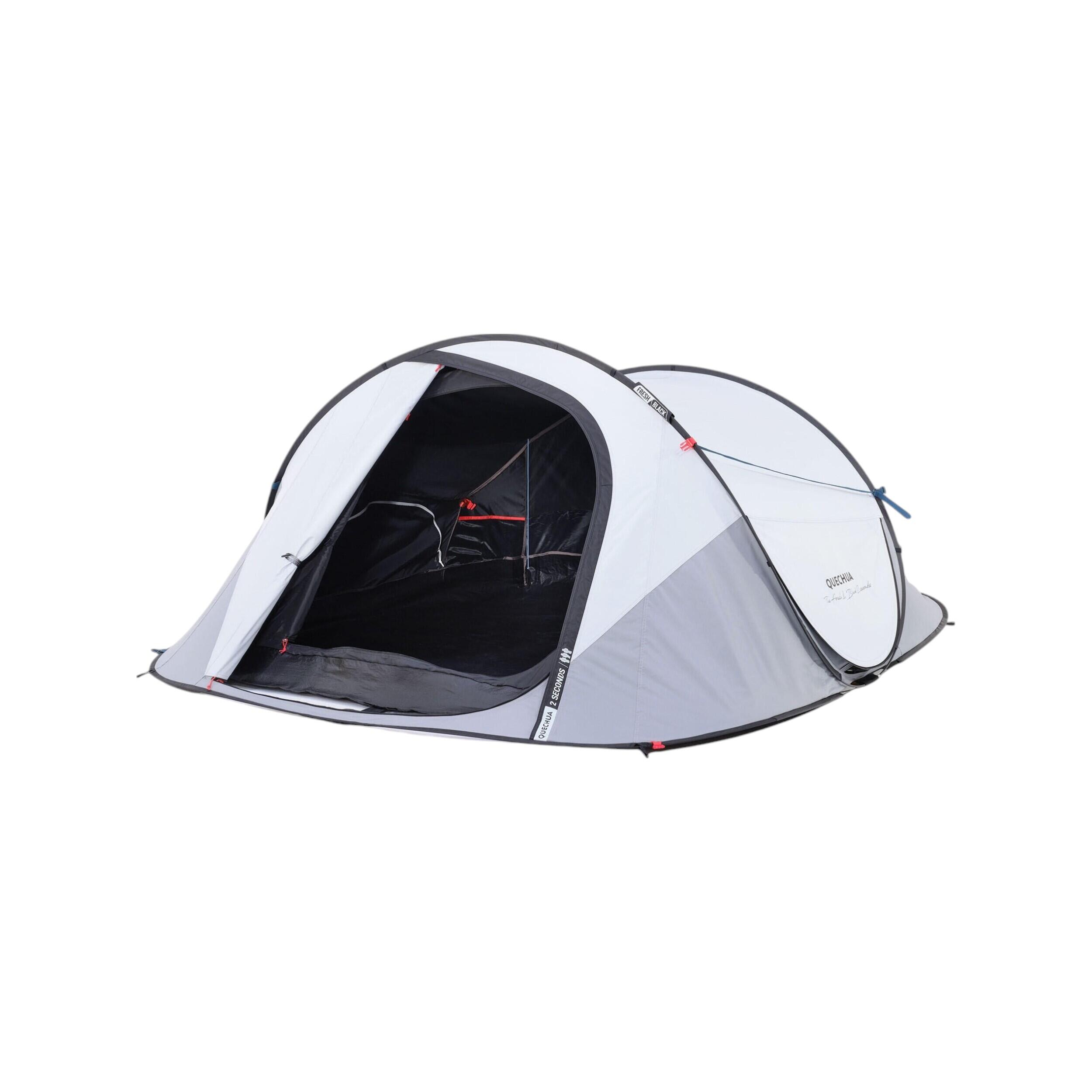
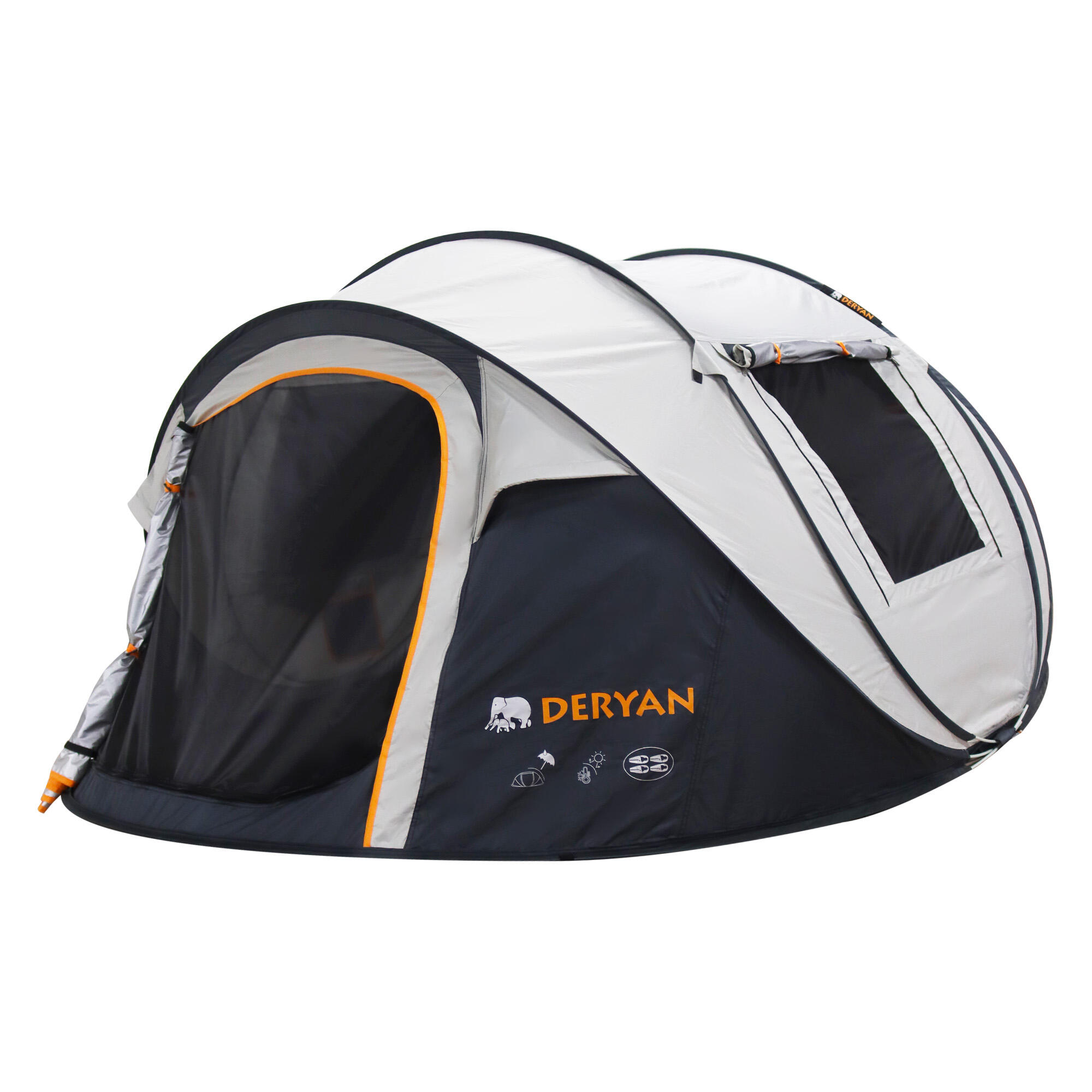
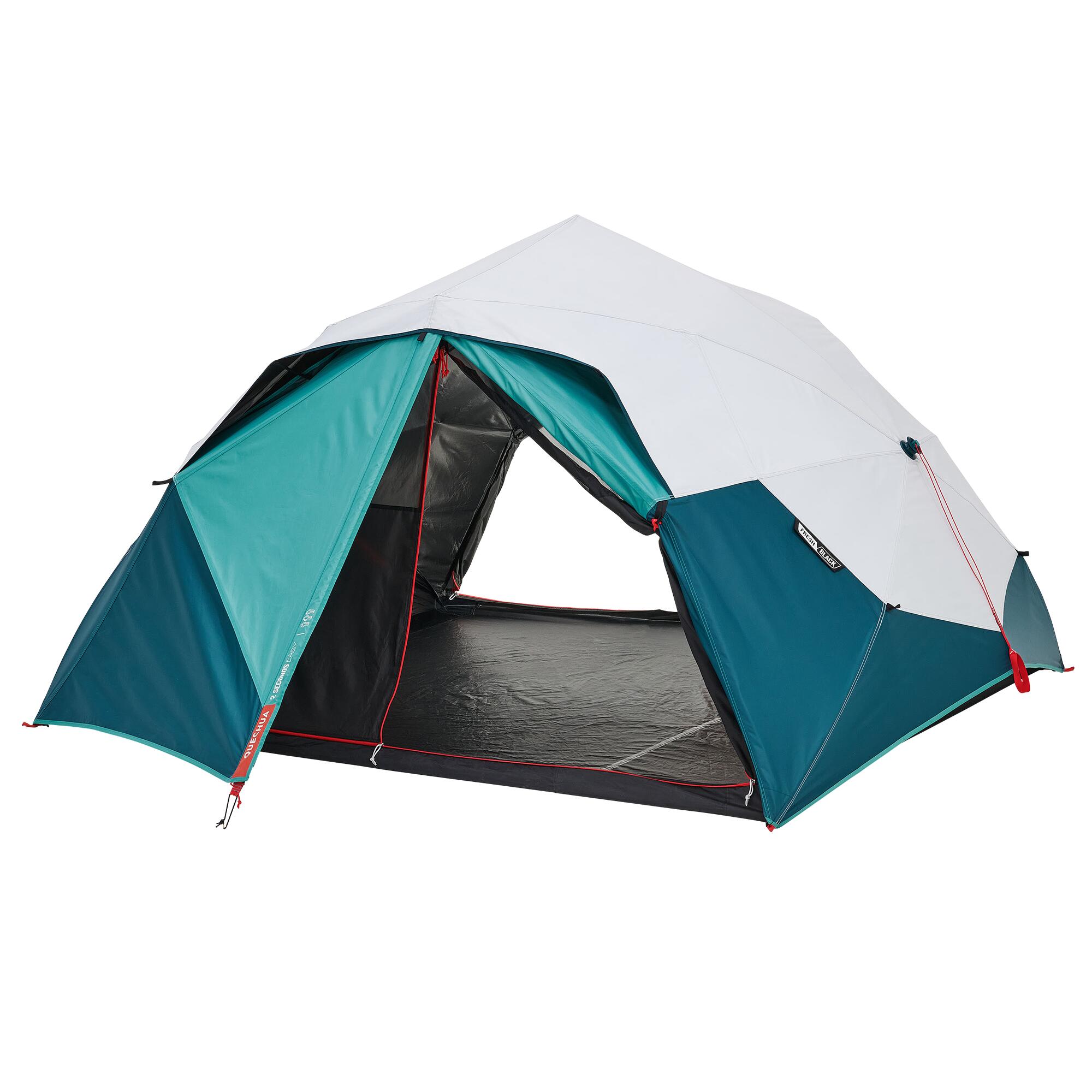
Quechua 2 Seconds tents use pre-assembled hoops that open rapidly and remain freestanding once deployed. Their guided folding system reduces pitching time, although the circular carry bag can be wide and less convenient in narrow storage spaces. The sampled three-person model weighs 3.6 kg and folds into a bag approximately 77 cm across. These pop-up tents require no separate pole assembly, but they still need correct pegging and guying in windy conditions. By contrast, inflatable tents use a pump during setup, so valve compatibility and recommended pressure need checking on the exact model. Faster pitching does not remove the need to practise packing, staking and guy-rope placement before the first trip.

What do waterproof ratings and wind-test results mean?

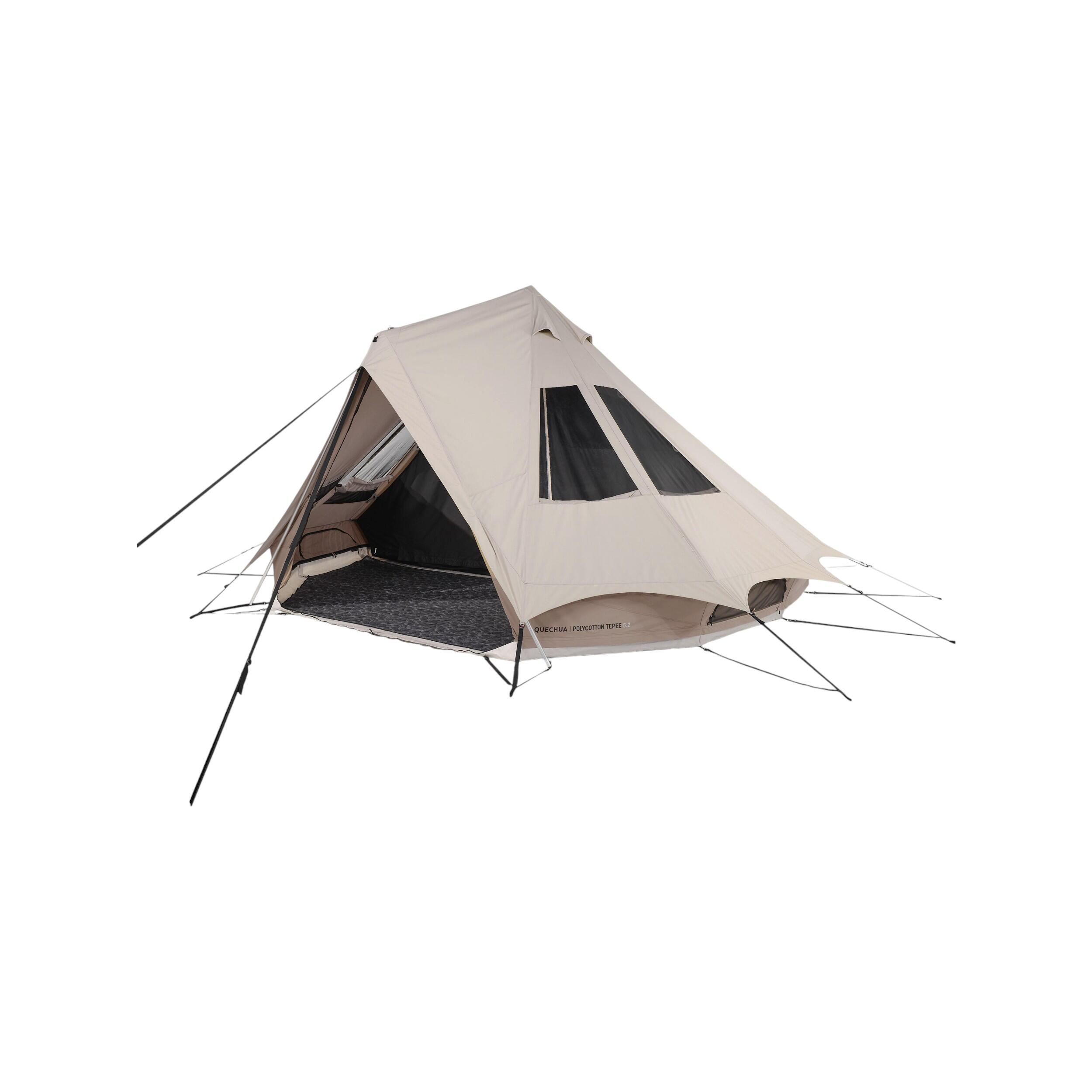
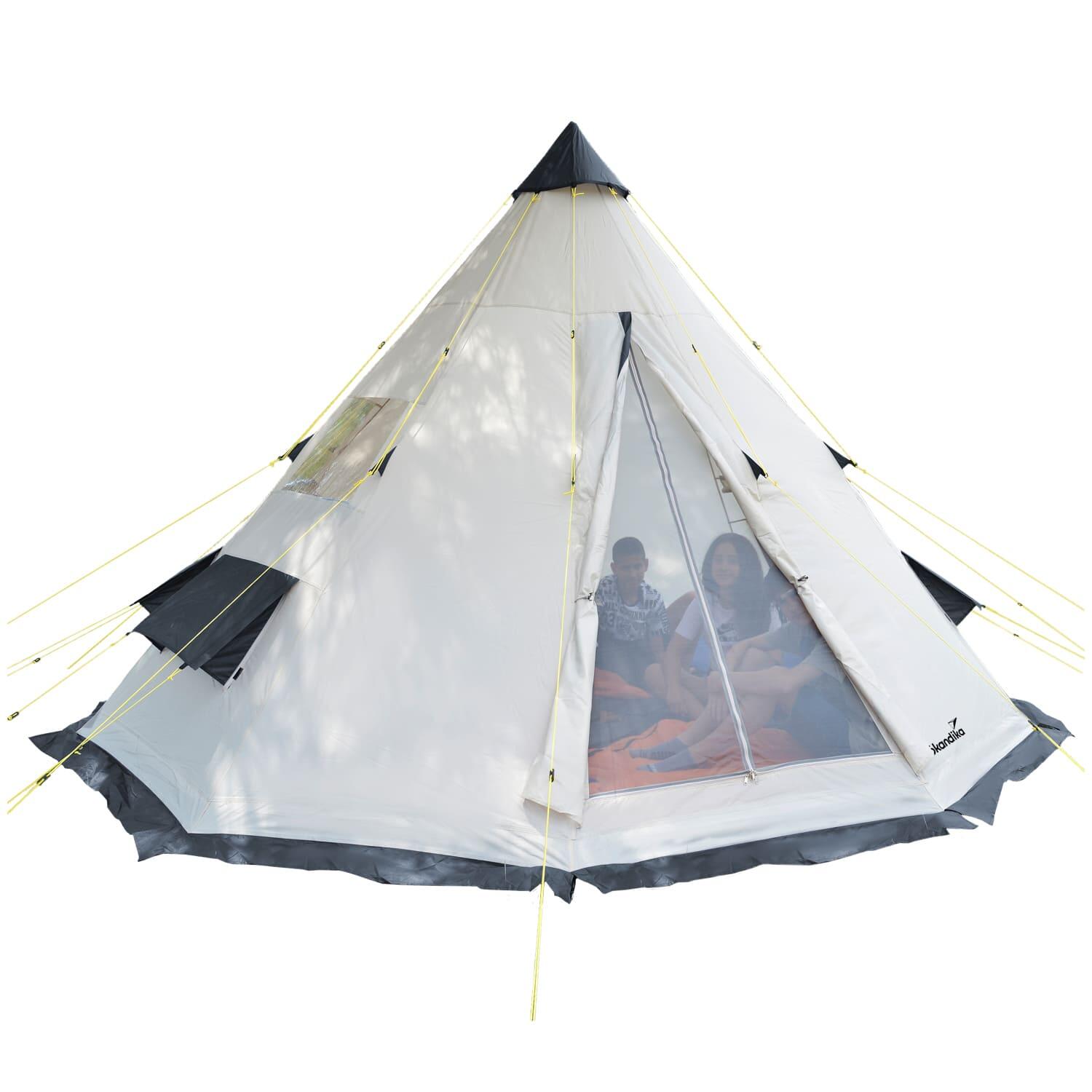
Quechua tests the complete pitched structure rather than relying only on a small fabric sample. Standard MH100 tents use flysheets rated above 2,000 mm Schmerber and groundsheets above 2,400 mm. Waterproof validation includes three hours beneath a shower delivering 200 litres of water per hour, while thermobonded seam tape helps protect the joins. Wind resistance varies by model: sampled dome tents are validated at approximately 35-40 km/h, while the 2 Seconds and several family models reach around 50 km/h when correctly pitched and guyed. Alternative layouts such as a teepee tent may have different structure, height and anchoring requirements, so use the exact product rating rather than applying one category-wide figure to every shape.

What should you do before storing a camping tent?

Dry the flysheet, bedroom, groundsheet and underside completely before packing. Storing damp fabric can lead to mould, odour and material deterioration, even when the tent appeared dry on the outer surface at the campsite. Mud and loose debris can be removed gently, but the sampled Quechua inflatable tents are marked as non-washable and must not be machine washed, tumble dried, ironed, bleached or dry cleaned. Keep the packed tent in a dry, ventilated place away from prolonged sunlight, as continuous ultraviolet exposure can weaken textile sections. Inspect poles, seams, guy ropes, pegs and zips before the next trip. Replacement poles, flysheets and bedrooms are available for selected MH100 and 2 Seconds models, while local Decathlon workshops may help repair damage instead of requiring the complete tent to be replaced.