245 items
4.3/5 based on 3810 reviews collected online and in stores

BIKE BRAKE PADS FAQS

How do you replace bike brake pads?

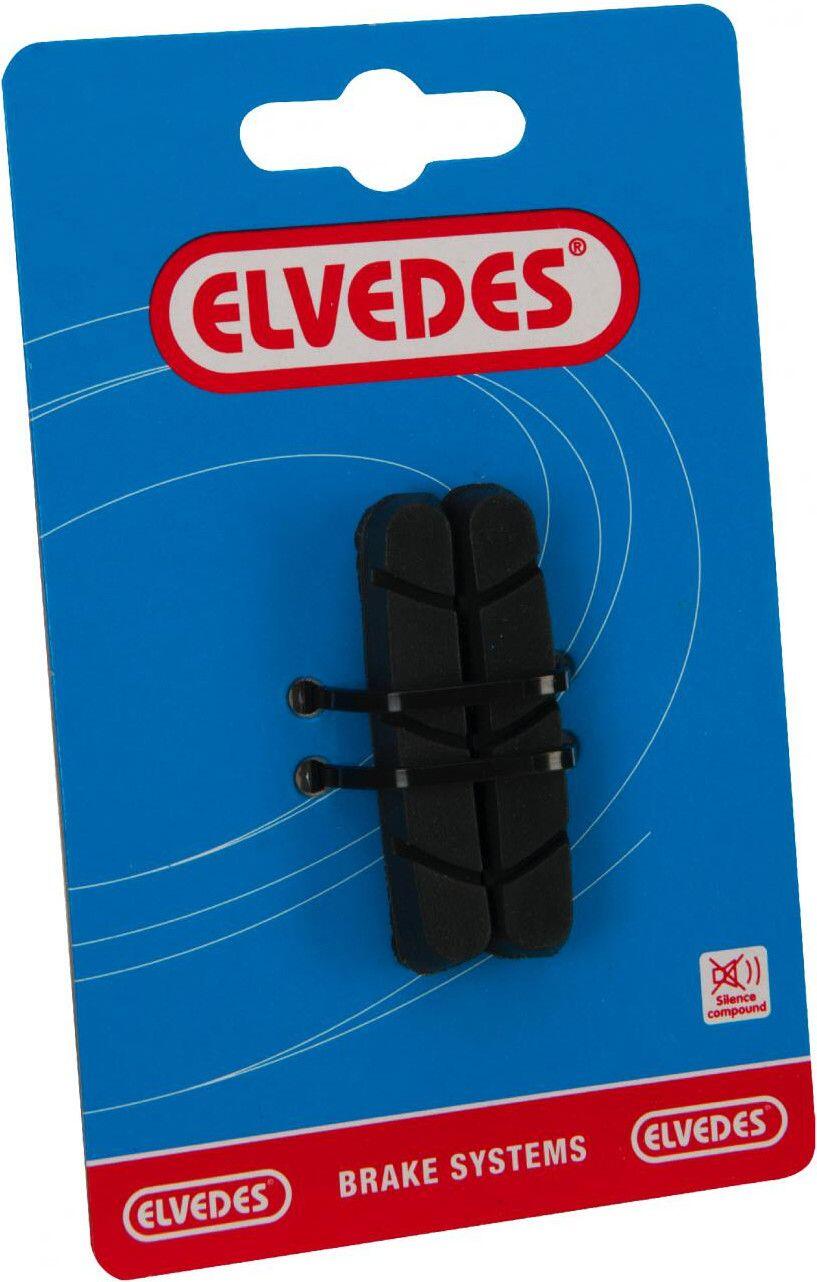
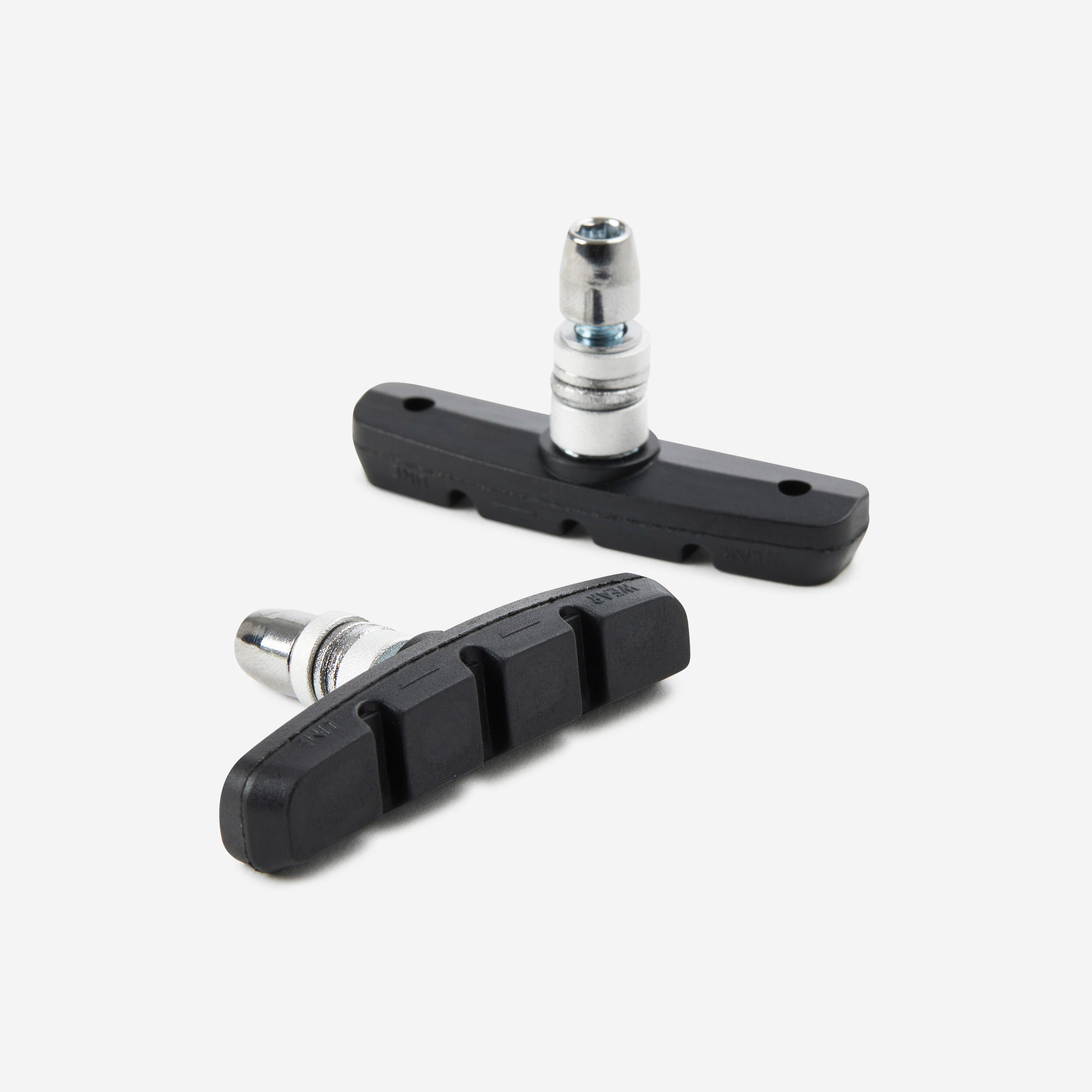
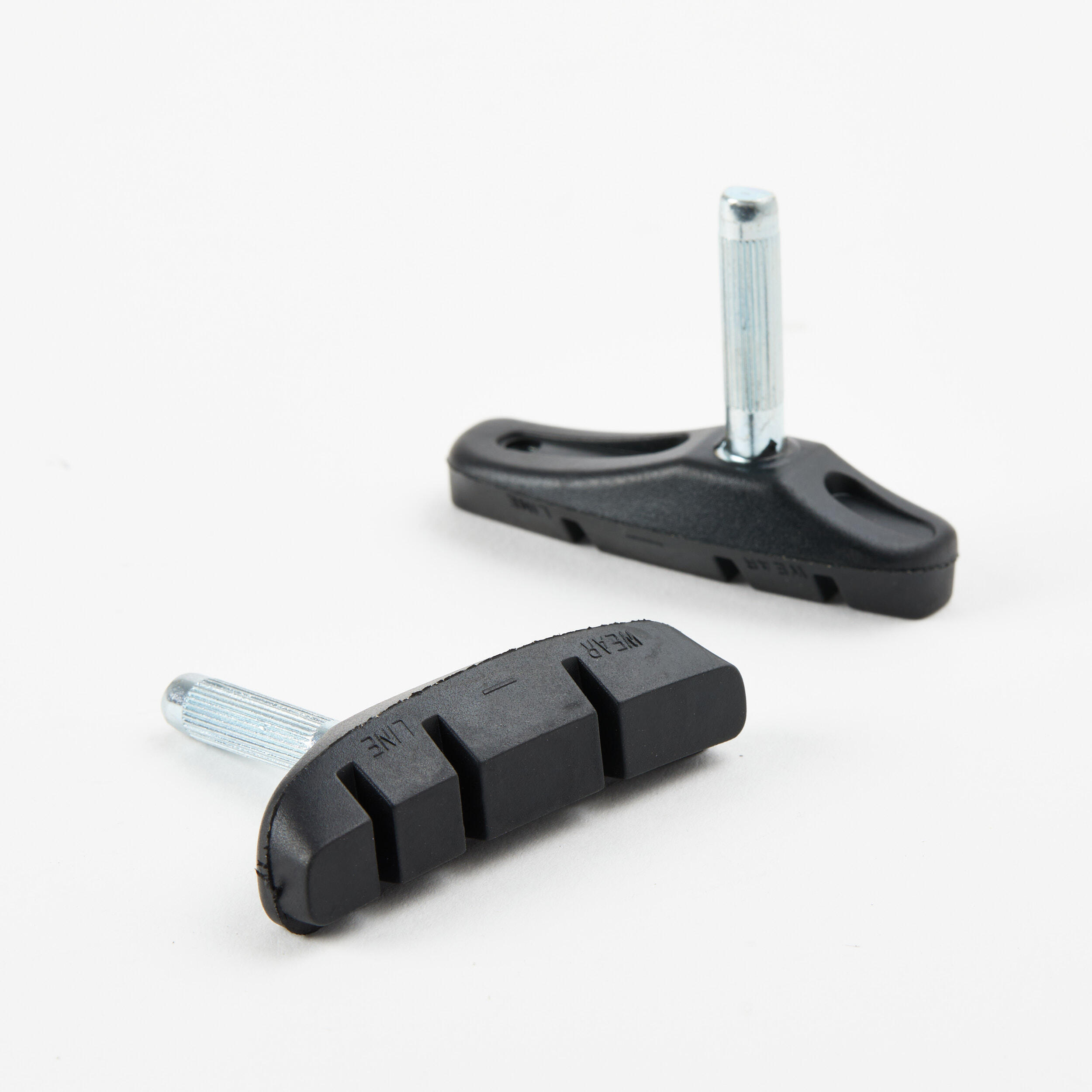
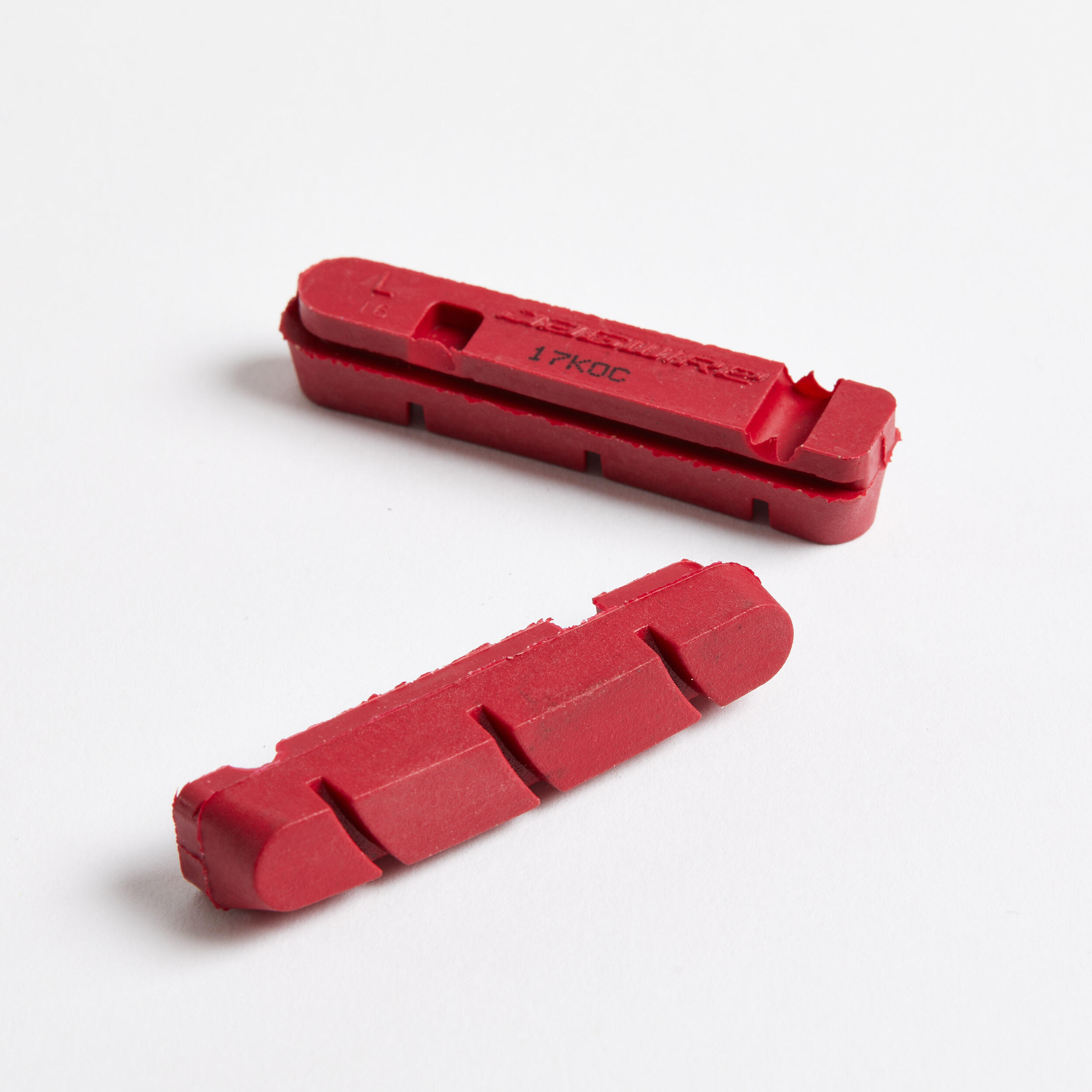
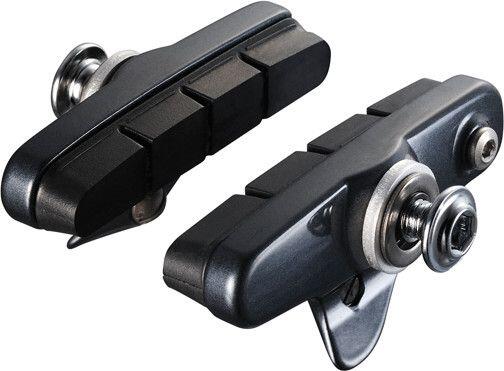
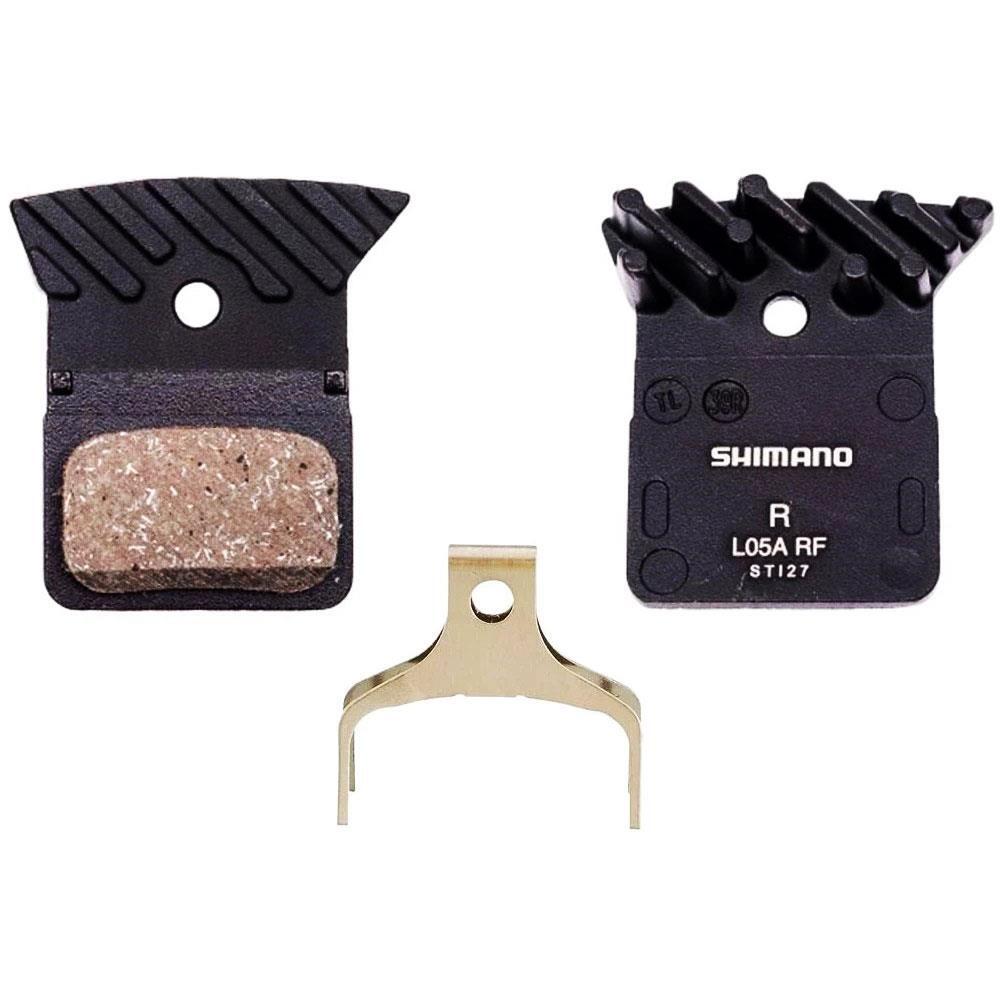
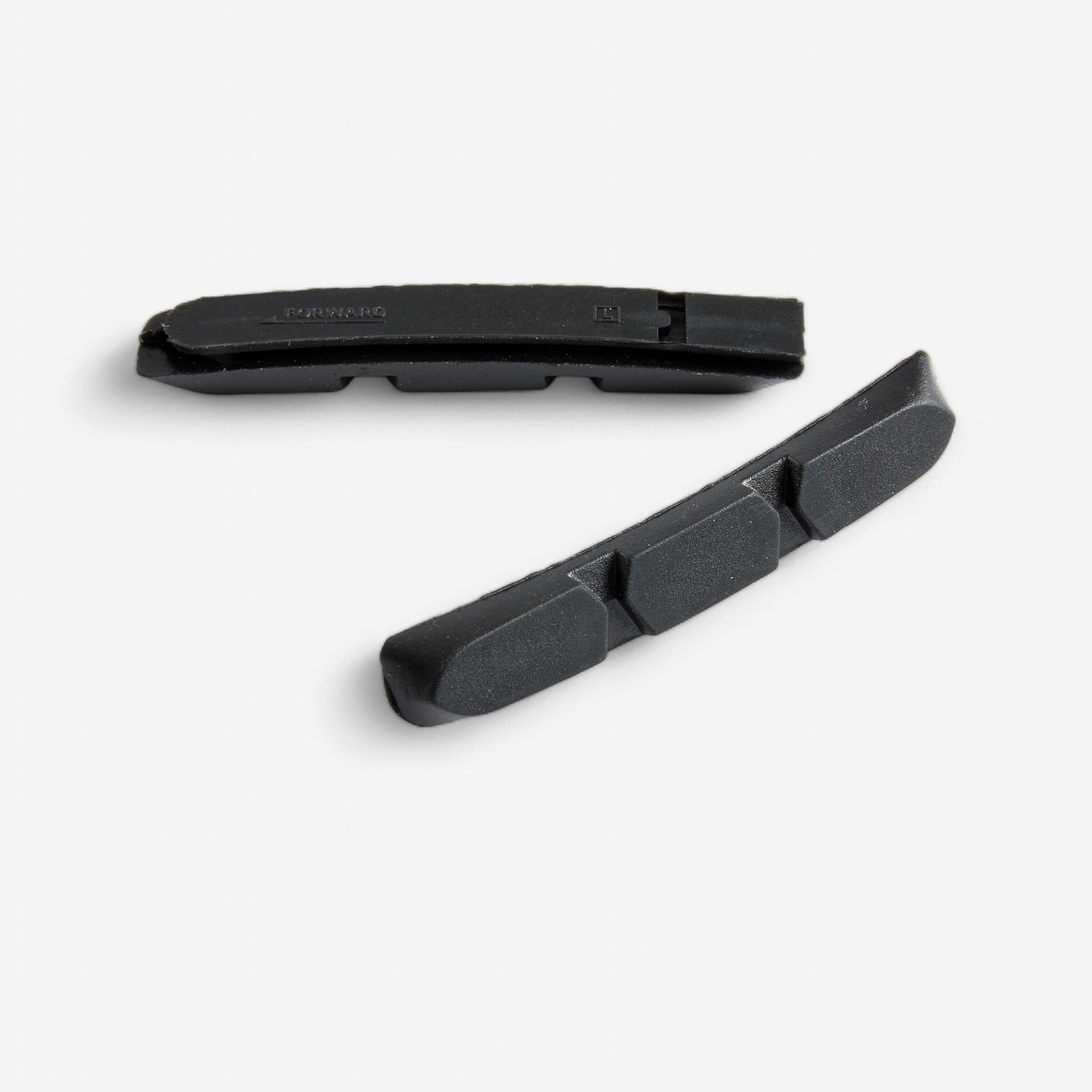
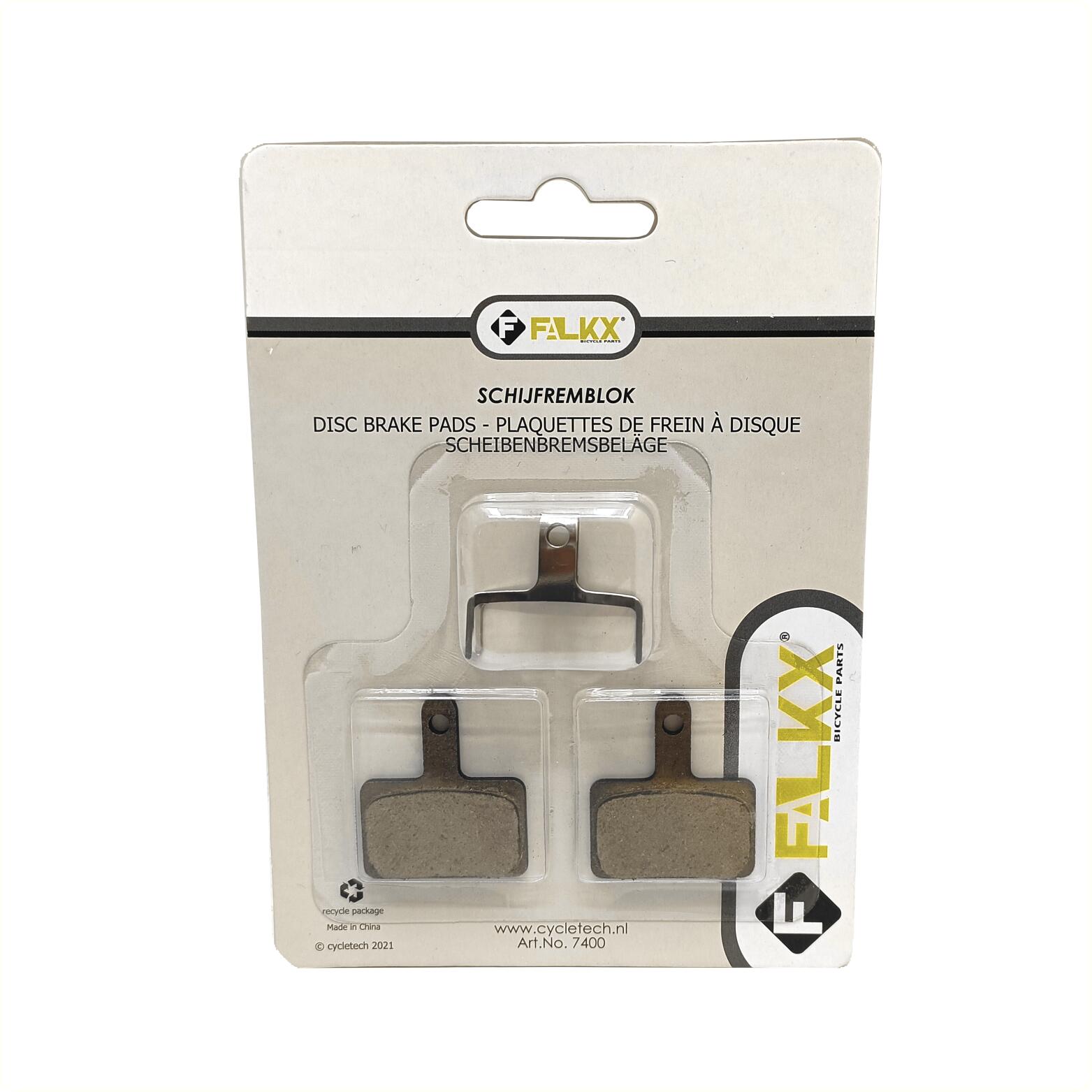
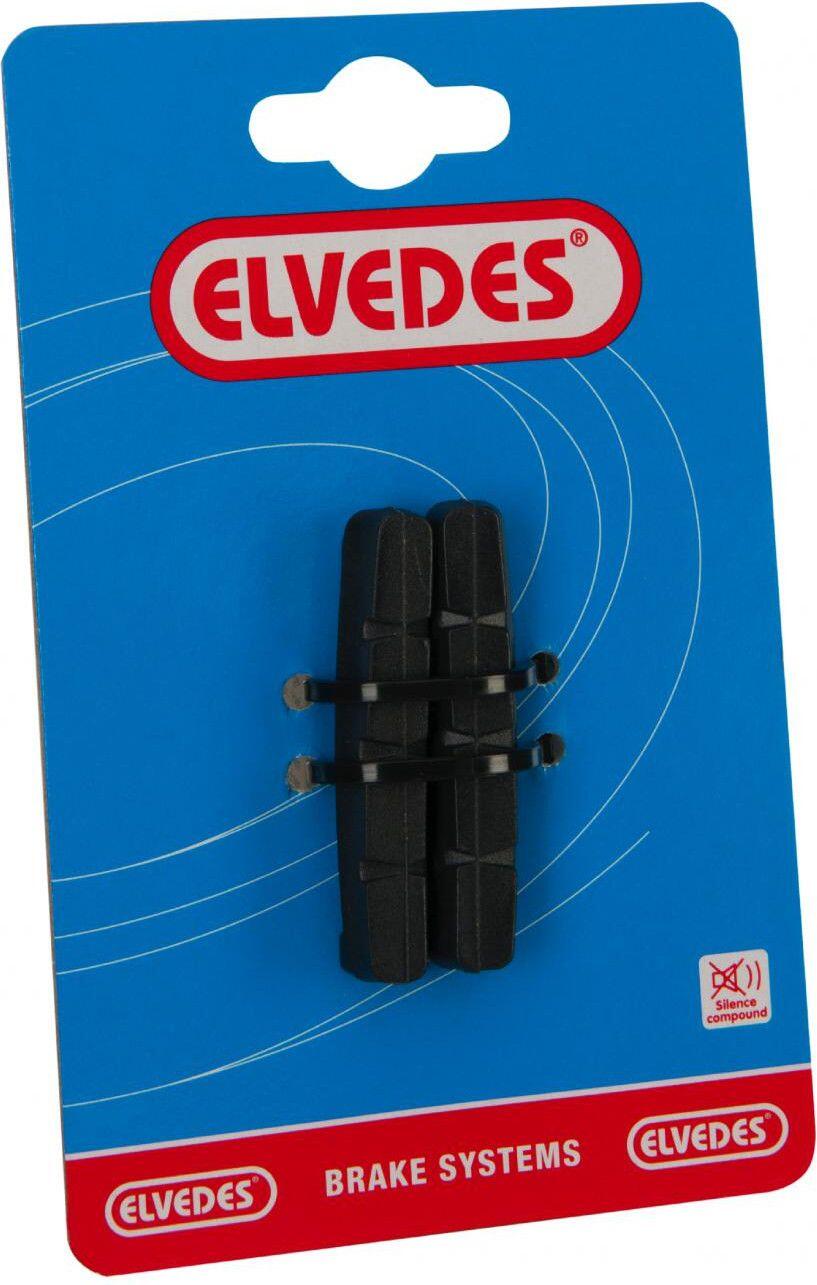
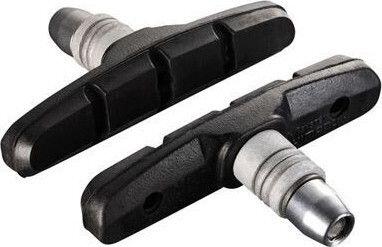
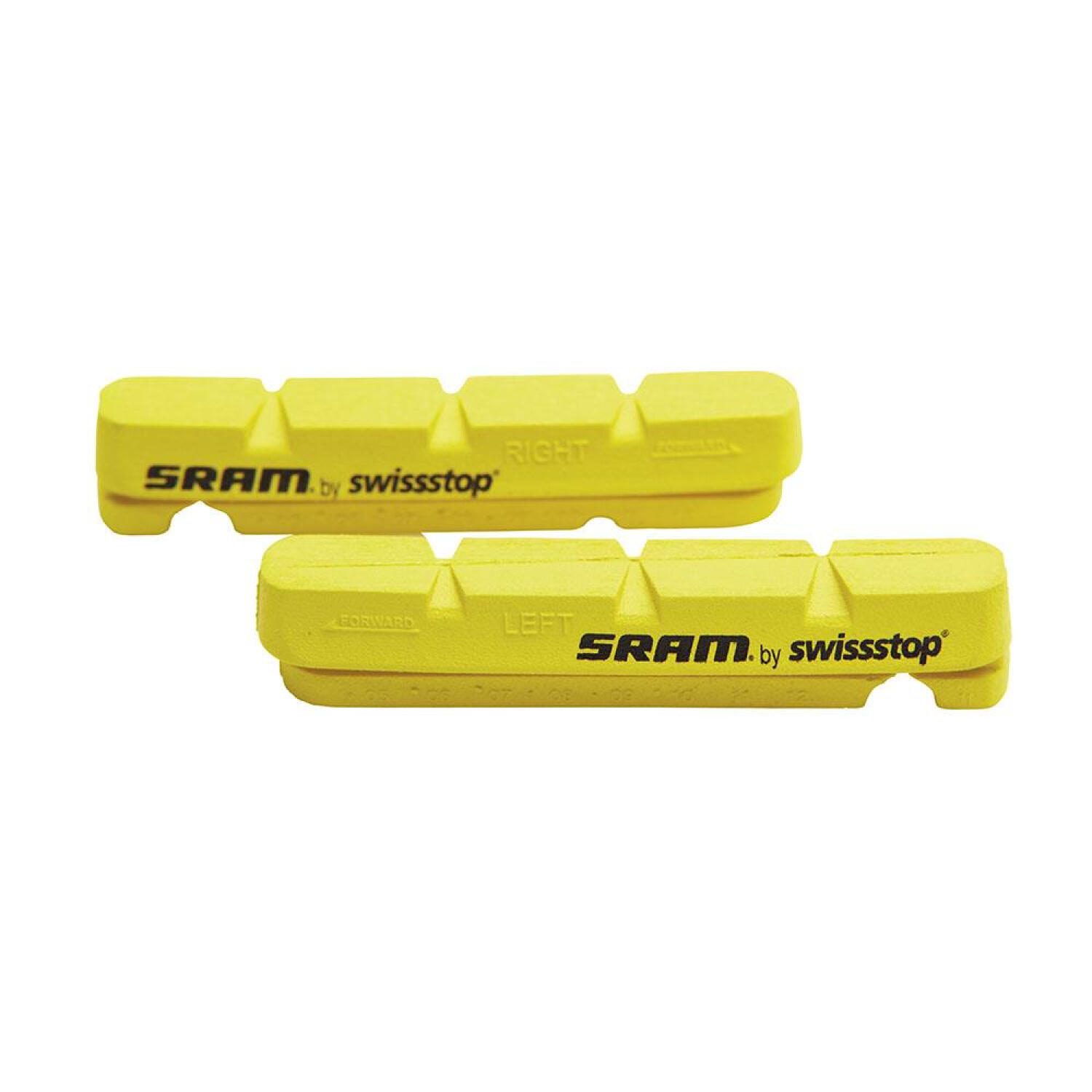
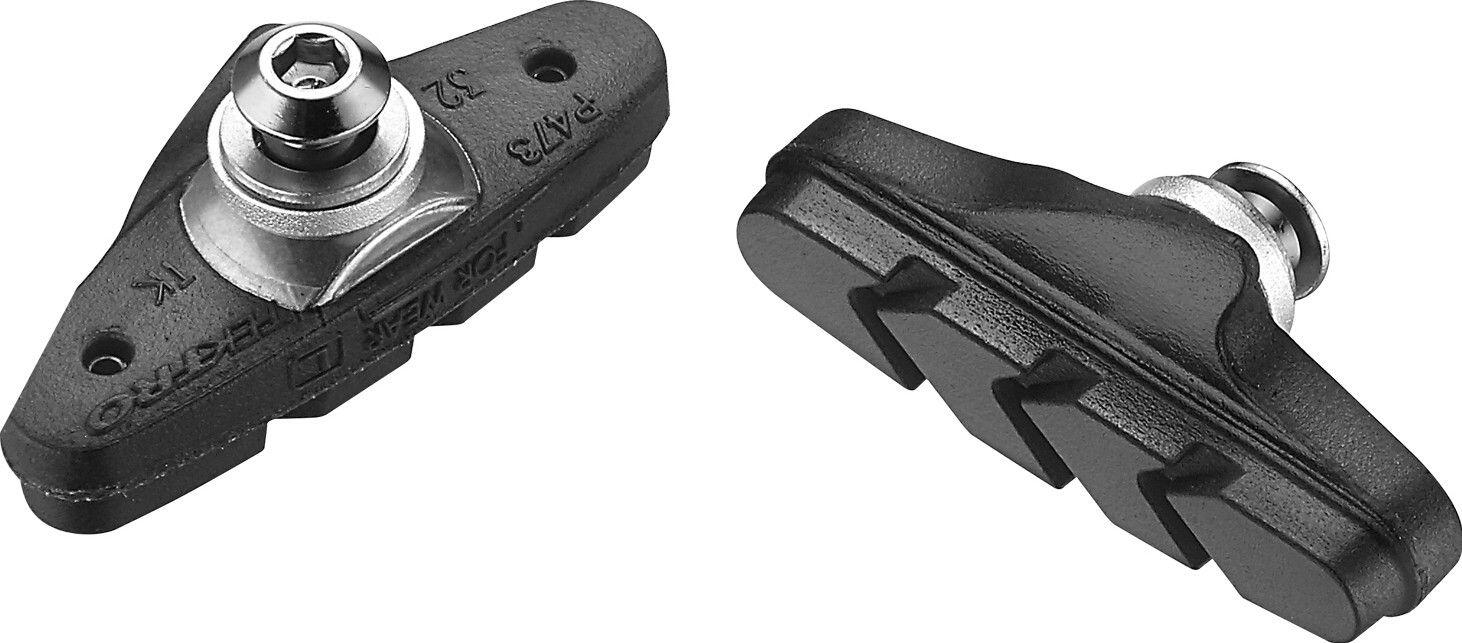
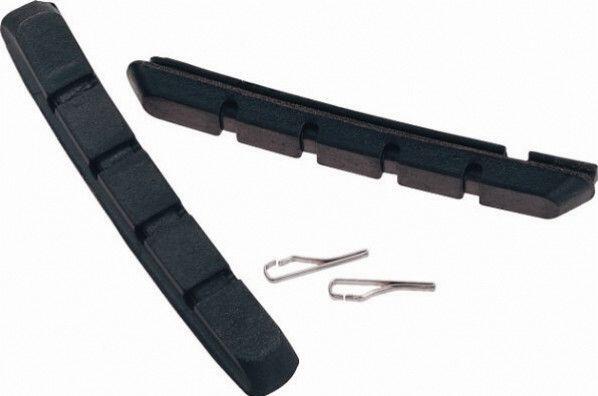
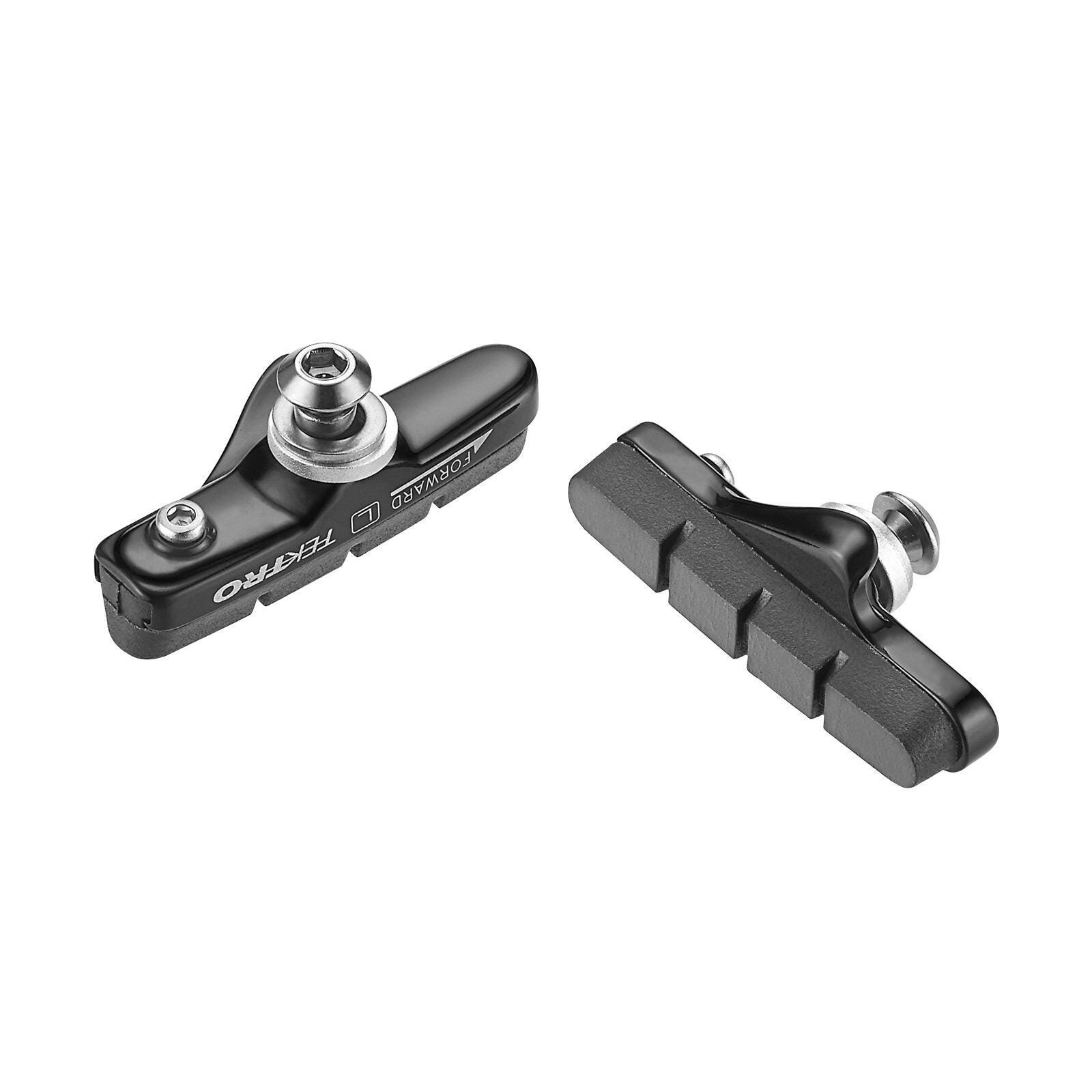
Replacing bike brake pads is a fundamental maintenance task that ensures your safety on every ride . To start , you must release the tension from your brake cable or hydraulic system to allow the calliper arms to open wide enough for pad removal. After taking out the old brake pads, clean the inside of the calliper with a quick wipe to remove any dirt before fitting the new ones. When installing bicycle disc brake pads, avoid touching the braking surface with your bare hands, as skin oils can cause "glazing" and lead to a permanent loss of stopping power. Align the new units perfectly with the rim or rotor, then tighten the securing bolts to the manufacturer’s torque settings. After fitting brake pad replacements, it is vital to check your bike brake rotor to ensure proper alignment and consistent braking performance. Smart tip: Always perform a slow-speed bed-in procedure by applying the brakes gently several times to transfer a layer of pad material onto the rotor for optimal grip.
How often do you need to replace your bike brake pads?

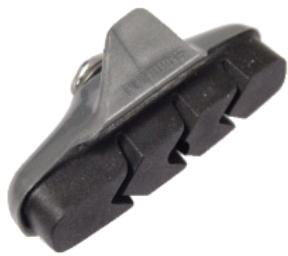
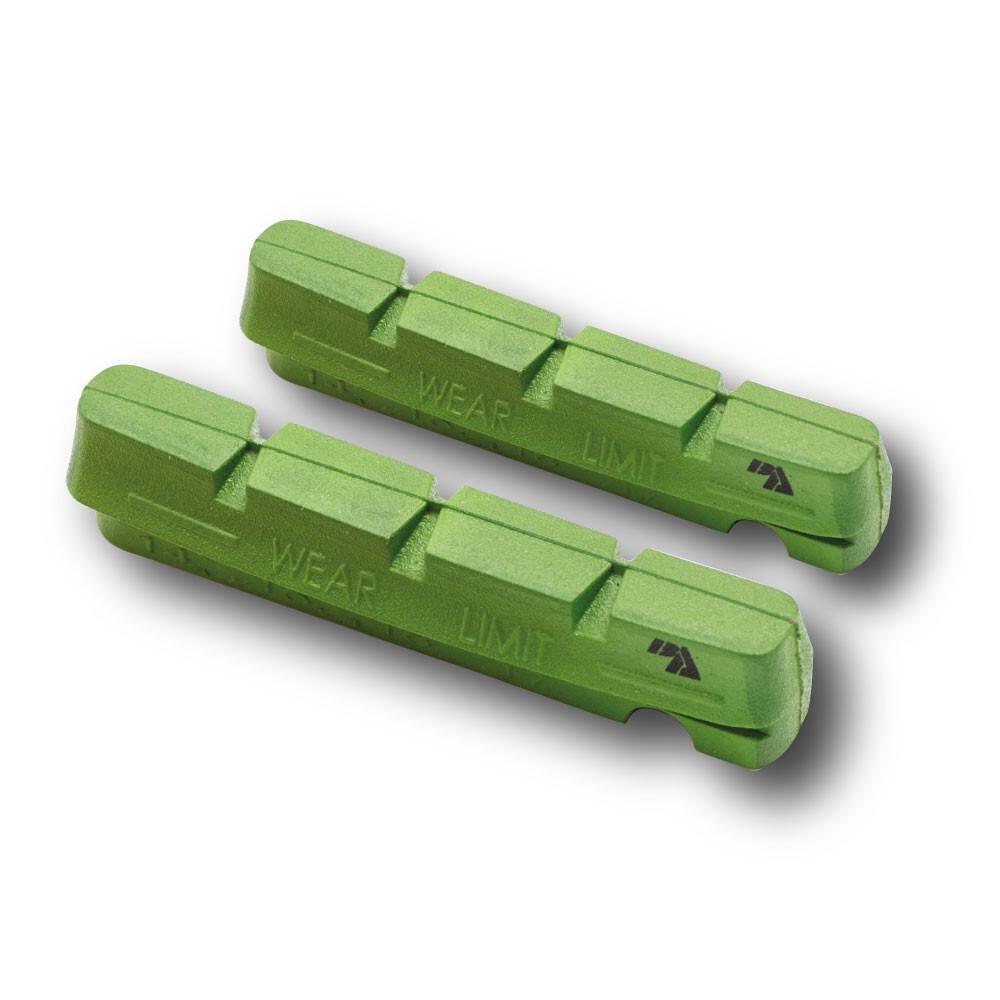
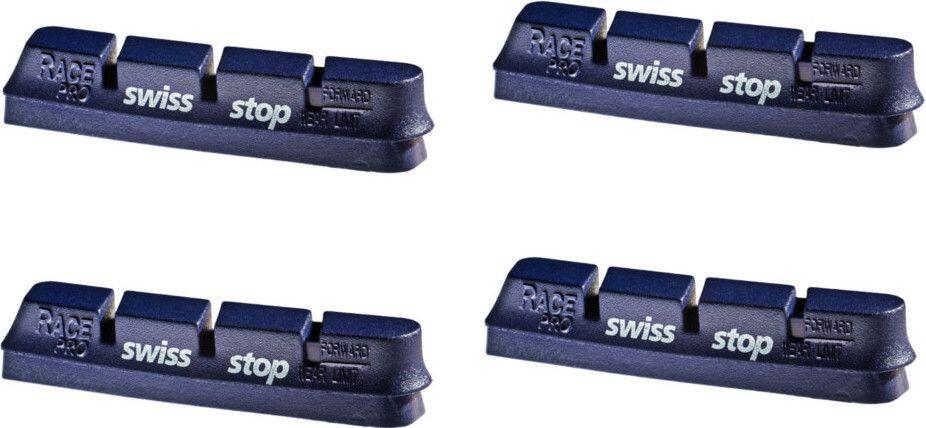
The service life of your road bike brake pads depends on your riding environment and total elevation gain. Frequent cyclists riding in wet or gritty conditions may require brake pad replacements every 500 to 1,000 kilometres, whereas leisure riders on flat terrain might see double that distance. The technical "why" behind faster wear on electric bikes is the increased mass and higher average speeds, which generate more heat and friction during deceleration. Regularly inspect the wear line indicators on the surface of your bike brake pads; if the grooves have disappeared, the material is too thin to safely dissipate heat. Ensuring your braking system is properly aligned with reliable bike brake calipers also helps maintain consistent stopping power and reduces uneven pad wear. Tip: If you hear a high-pitched metallic squeal, it often indicates the friction material is gone and the metal backing plate is touching the rotor, requiring immediate attention to prevent expensive damage.

What are bike seat covers for?

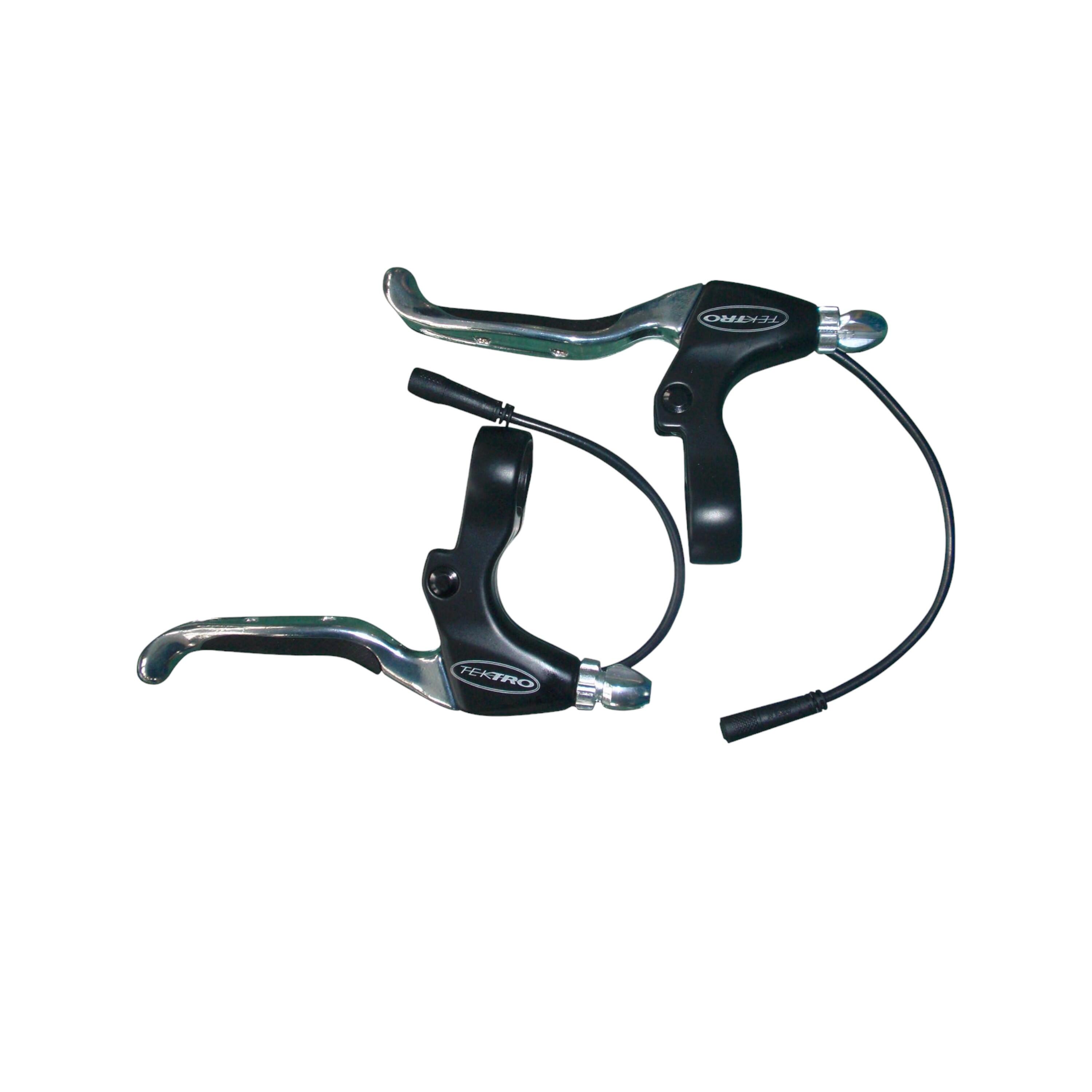
While often used for comfort, many riders use specialised covers to protect the underlying material of their bike saddles & seatposts from UV damage and moisture. If your current seat feels too hard on long rides, a gel cover can add extra cushioning and help smooth out bumps from the road. Maintaining responsive control with well-adjusted bike brake levers is equally important for overall riding comfort and safety, especially during long-distance or stop-and-go commutes. Waterproof versions are essential for commuters who park outdoors, preventing the foam from soaking up rainwater like a sponge. Expert advice: Ensure the cover is tightly secured using the drawstring mechanism; a loose cover can slide during cornering, which negatively impacts your balance and control over the bicycle. High-quality covers also help preserve the resale value of your bike by keeping the original saddle in pristine condition.

Are there different types of bicycle disc brake pads?

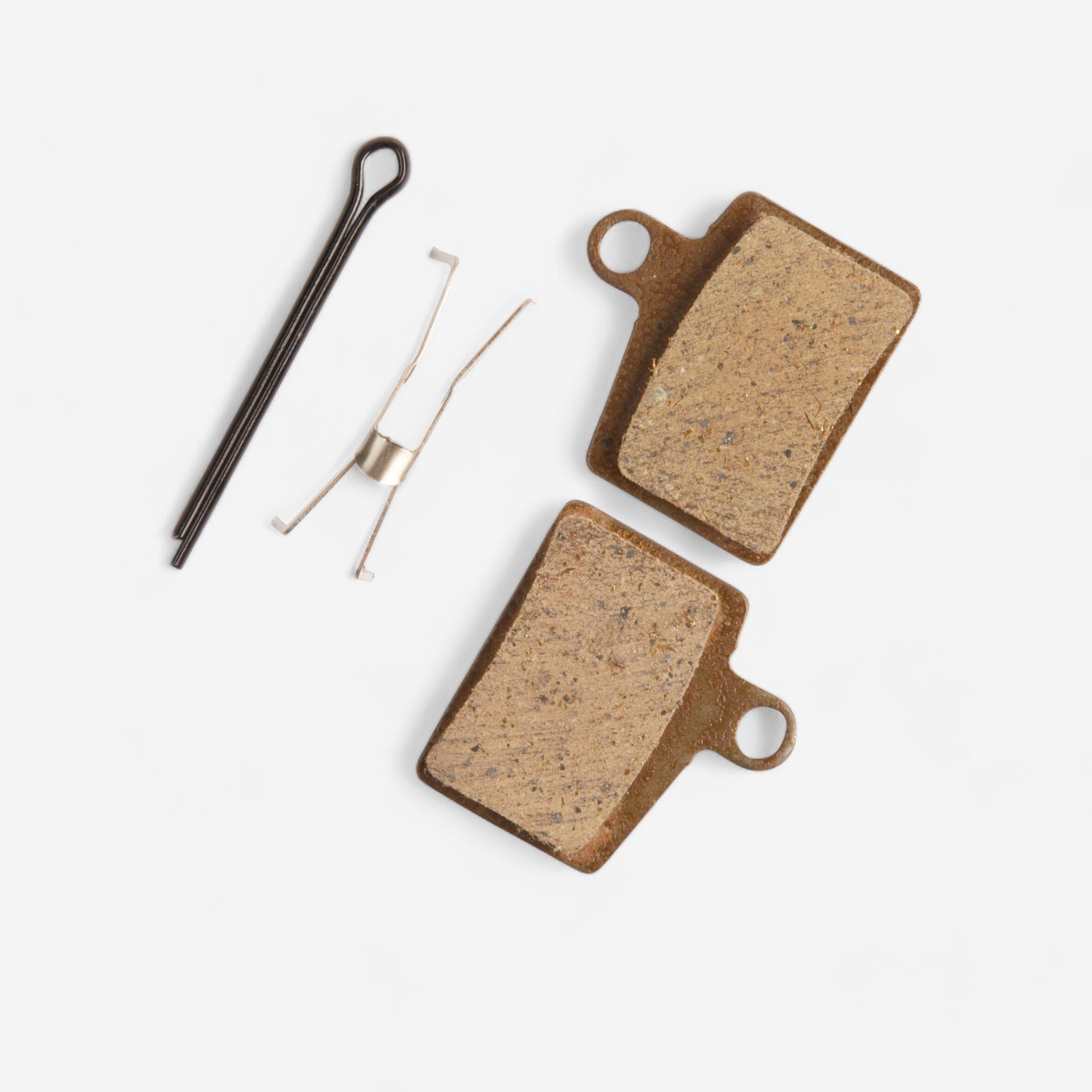
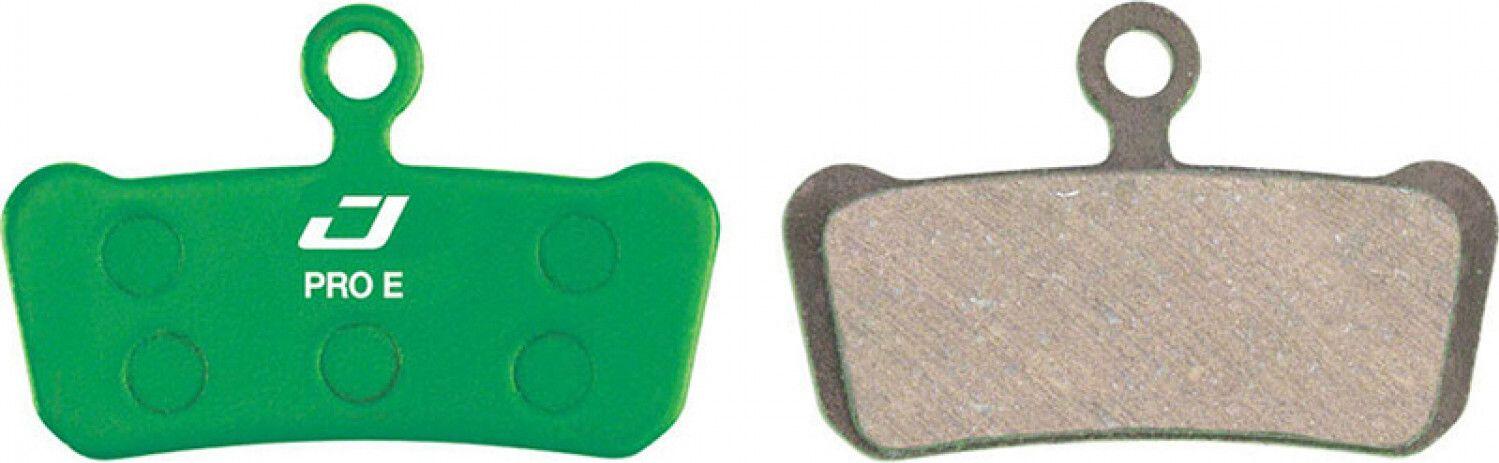
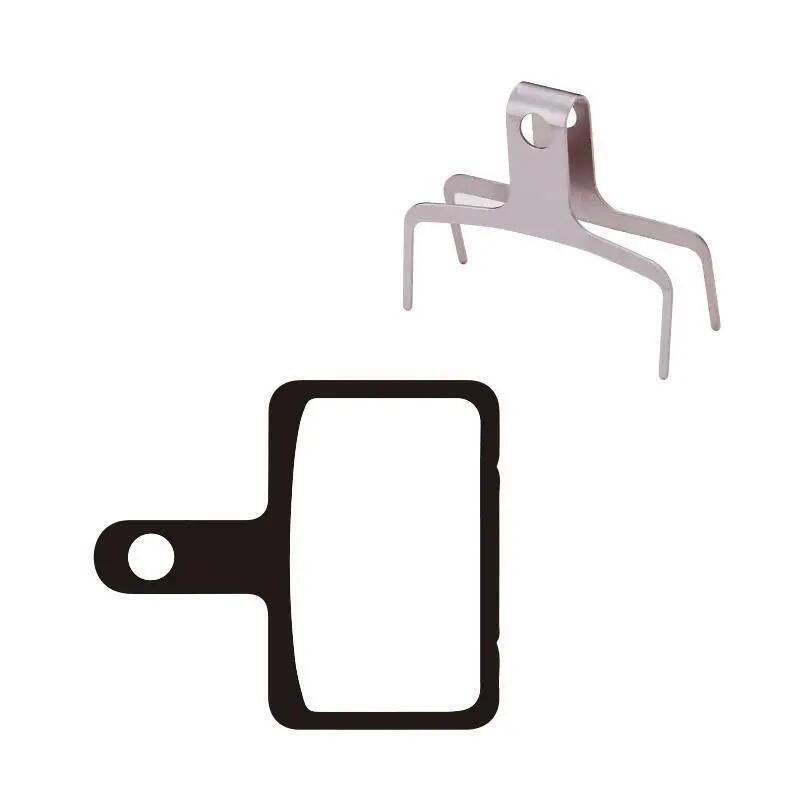
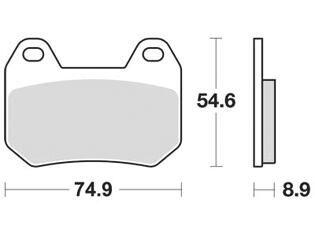
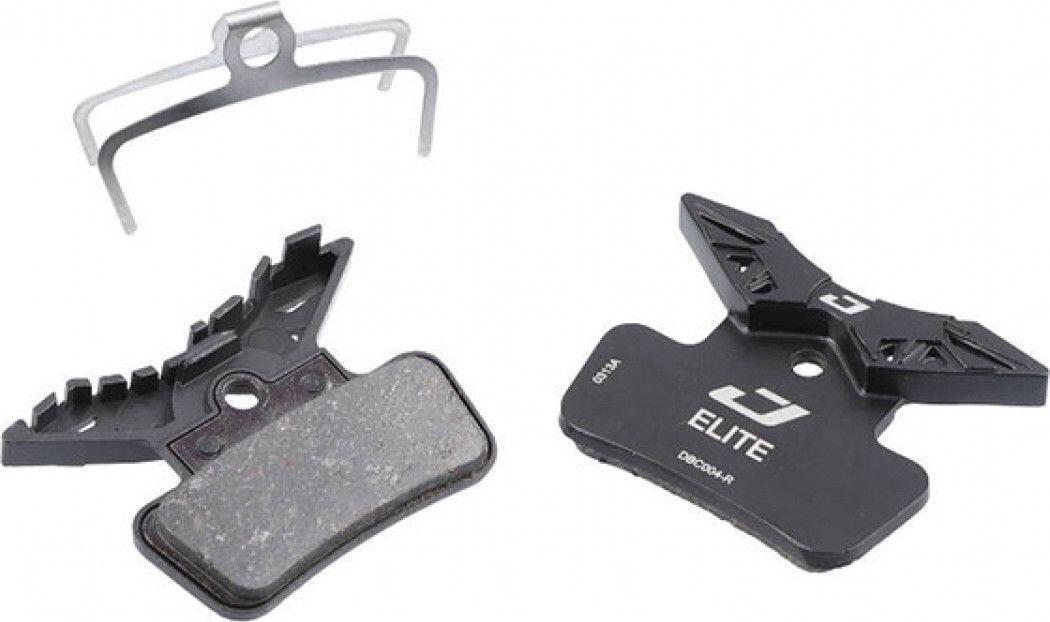
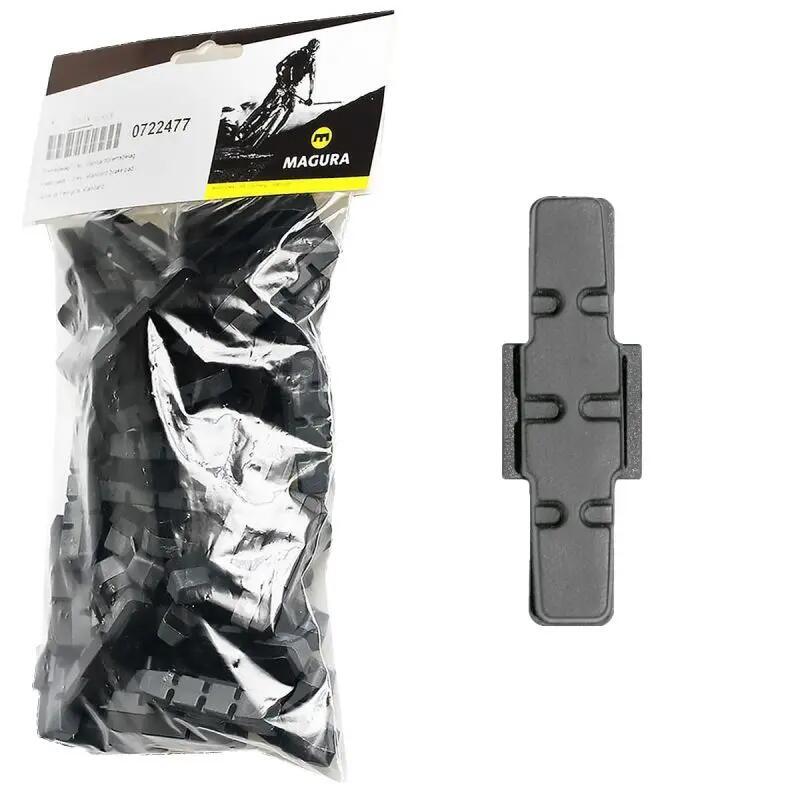
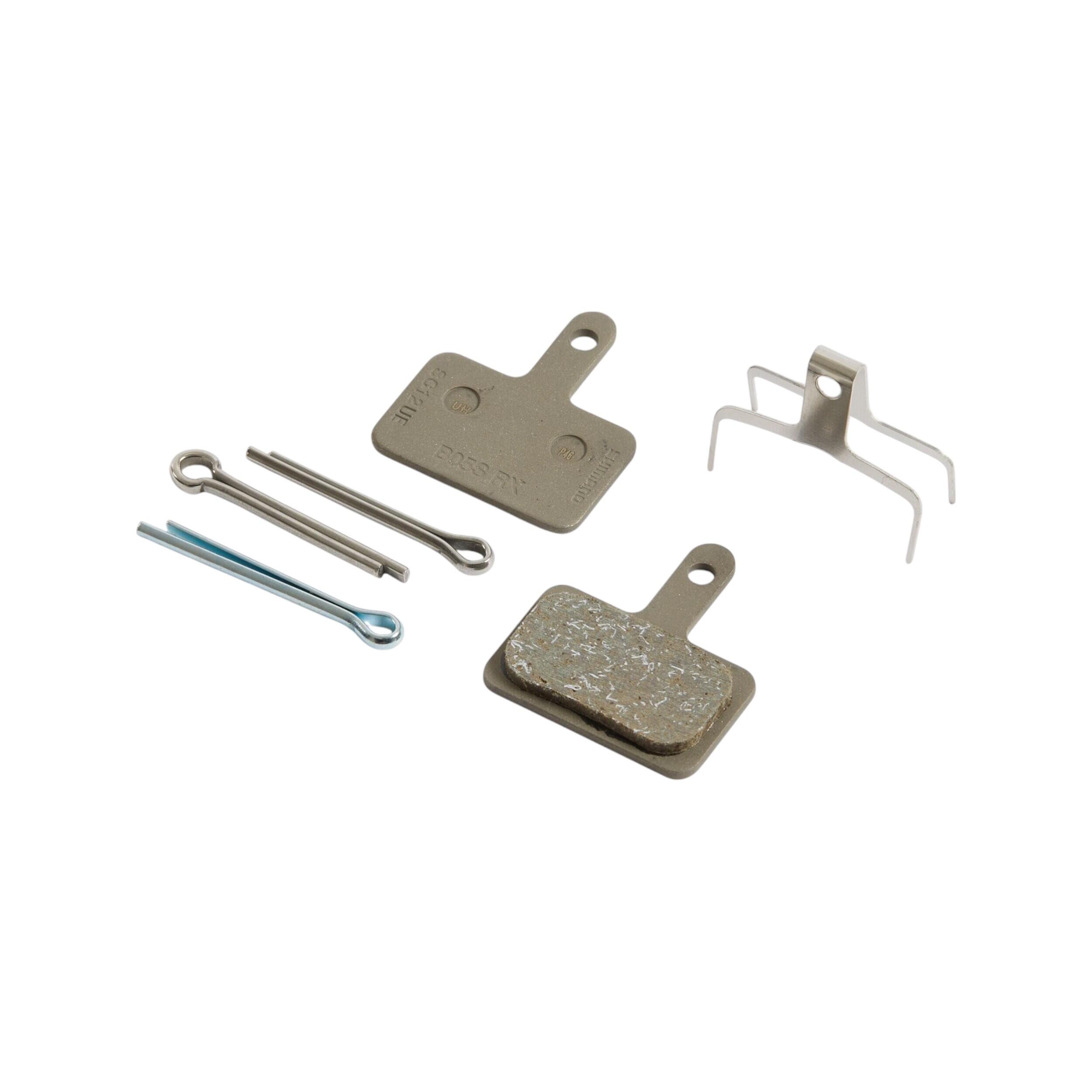
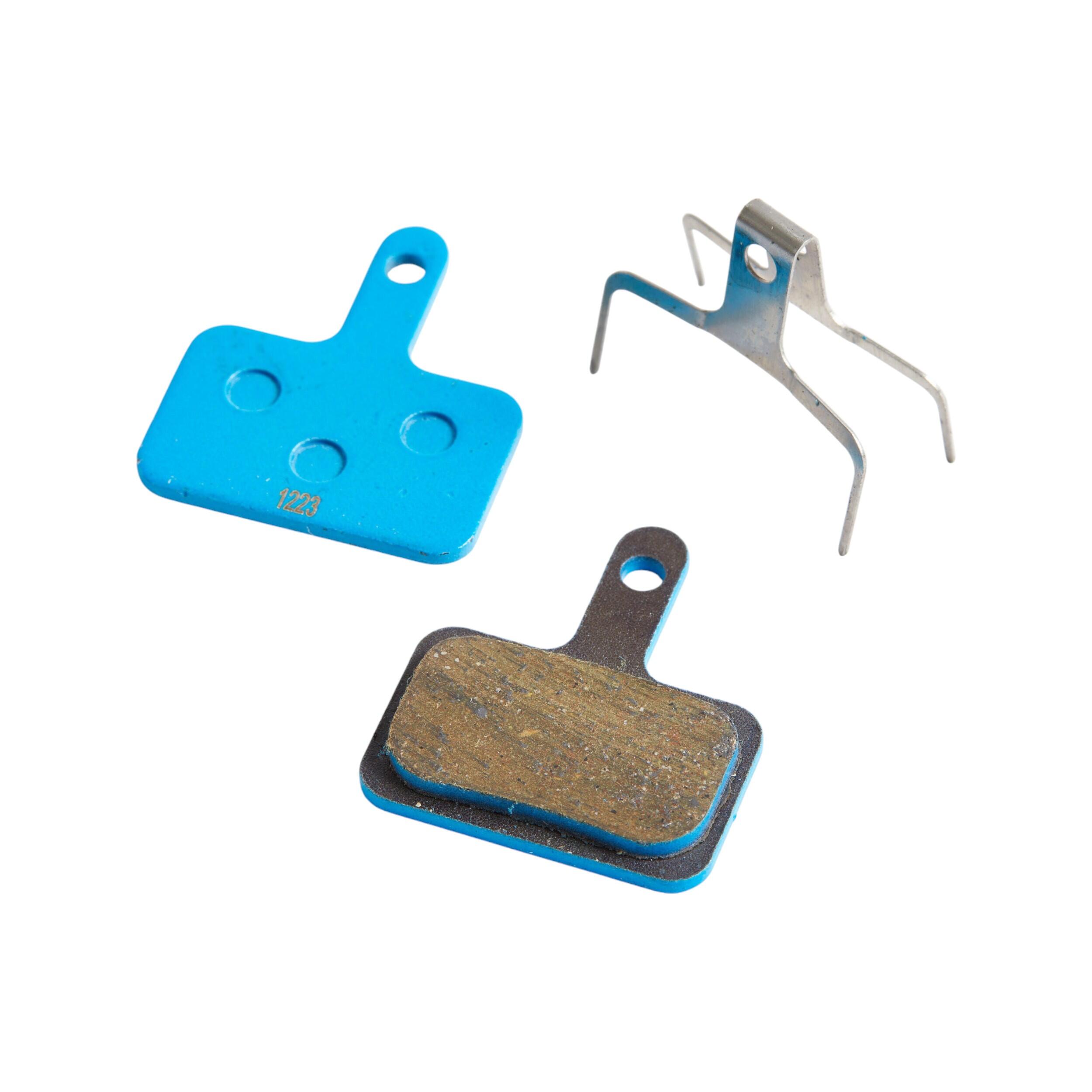
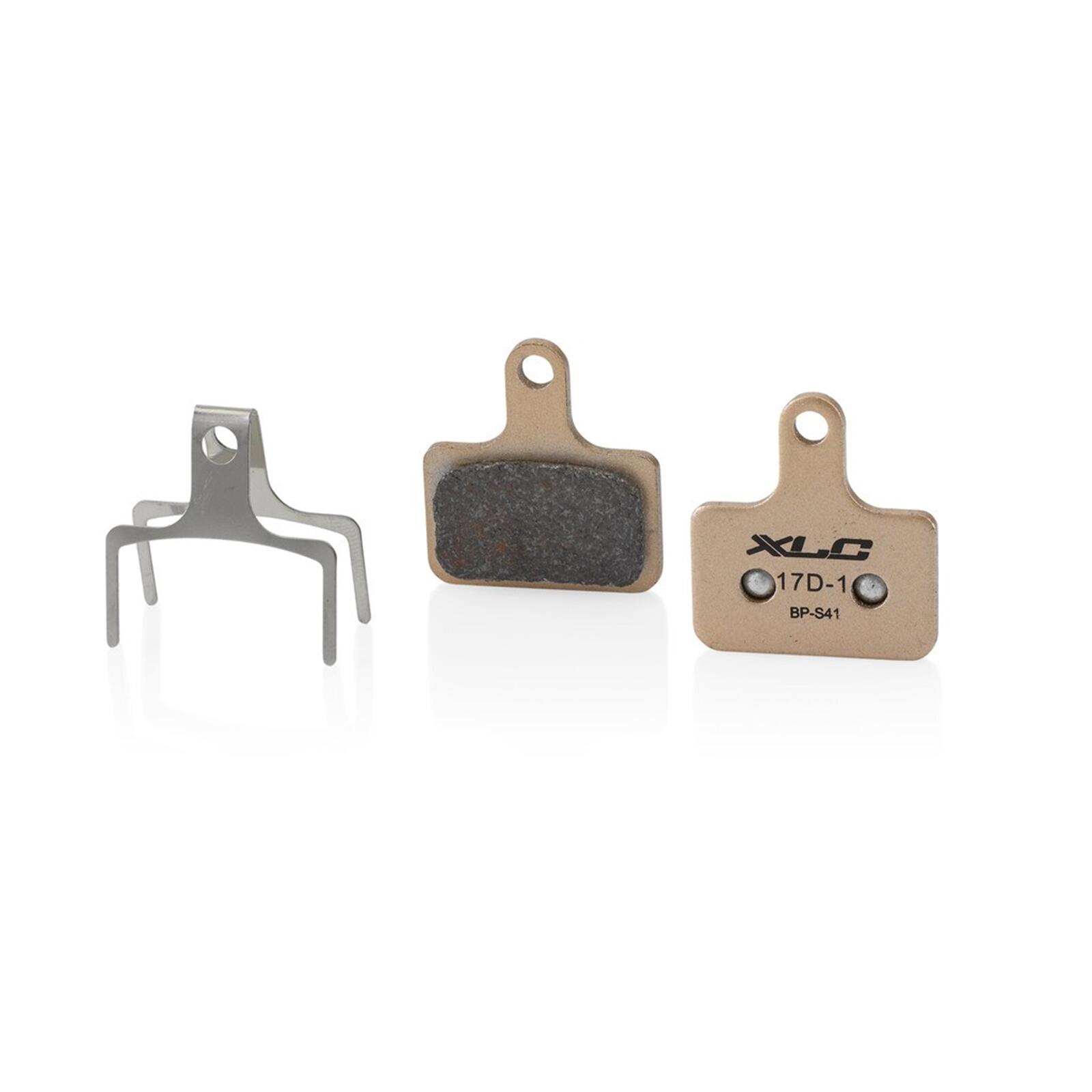
Yes, choosing between organic, sintered, or semi-metallic bicycle disc brake pads significantly alters your braking performance. Organic pads provide a strong initial "bite" and quiet operation, making them a popular choice for road bike brake pads where noise reduction is preferred. However, they wear out faster in muddy conditions compared to sintered metal pads, which use a metallic compound to withstand extreme heat and abrasive grit. Riders looking to maintain reliable braking efficiency can explore durable bike disc brake pads designed to handle a range of riding conditions and performance needs. The technical "why" behind choosing sintered pads for mountain biking is their ability to maintain consistent friction even when glowing red on long alpine descents. Expert tip: If you switch between different pad compounds, you should ideally sand down the rotor surface or replace it entirely to ensure the new chemical compound can bond correctly to the metal without interference from old residue. This ensures your brake pads deliver maximum stopping power from the very first pull of the lever.