13 items
3.9/5 based on 207 reviews collected online and in stores

SCUBA DIVING LIGHTS FAQS

How do beam angles impact visibility when navigating murky shipwreck interiors?

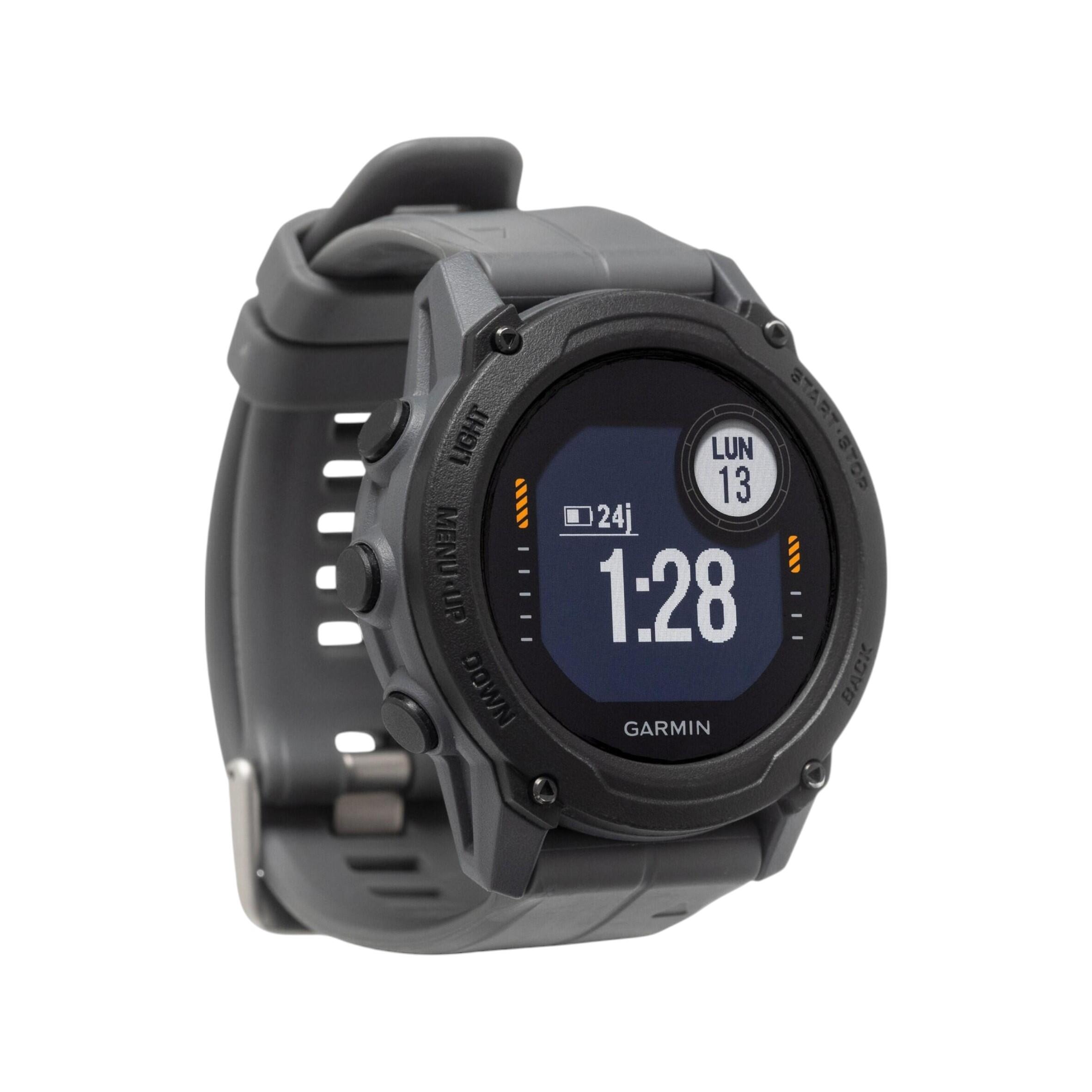
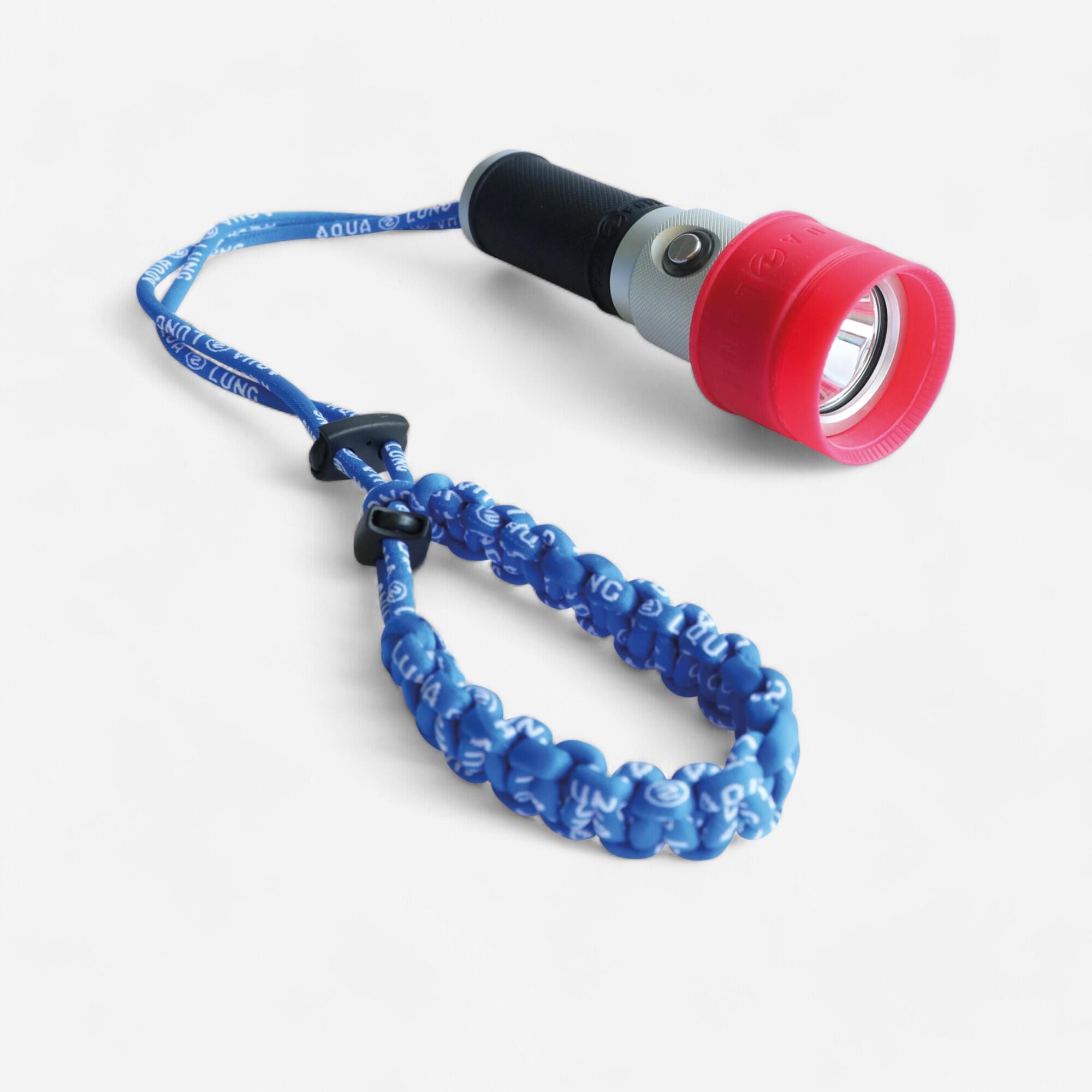
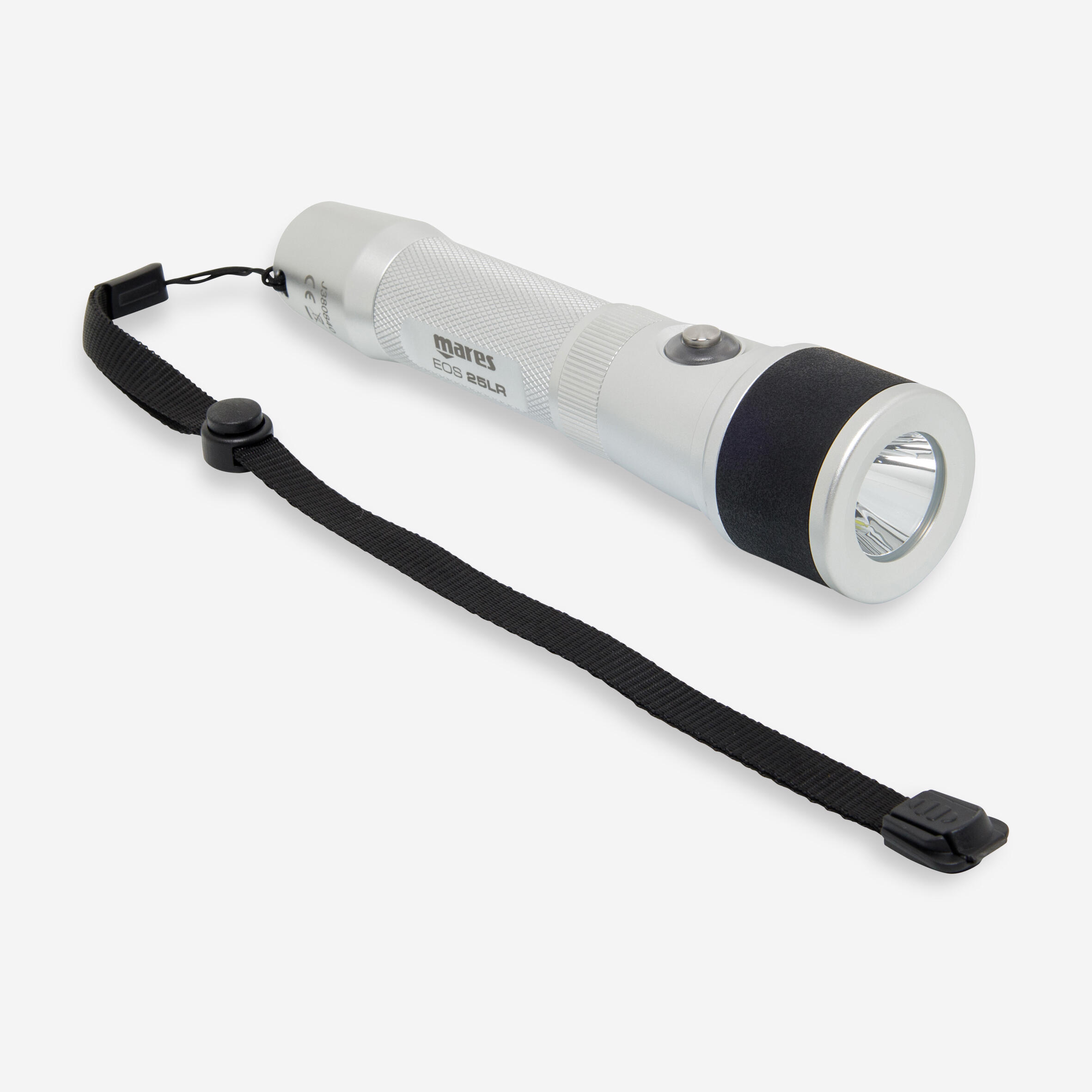
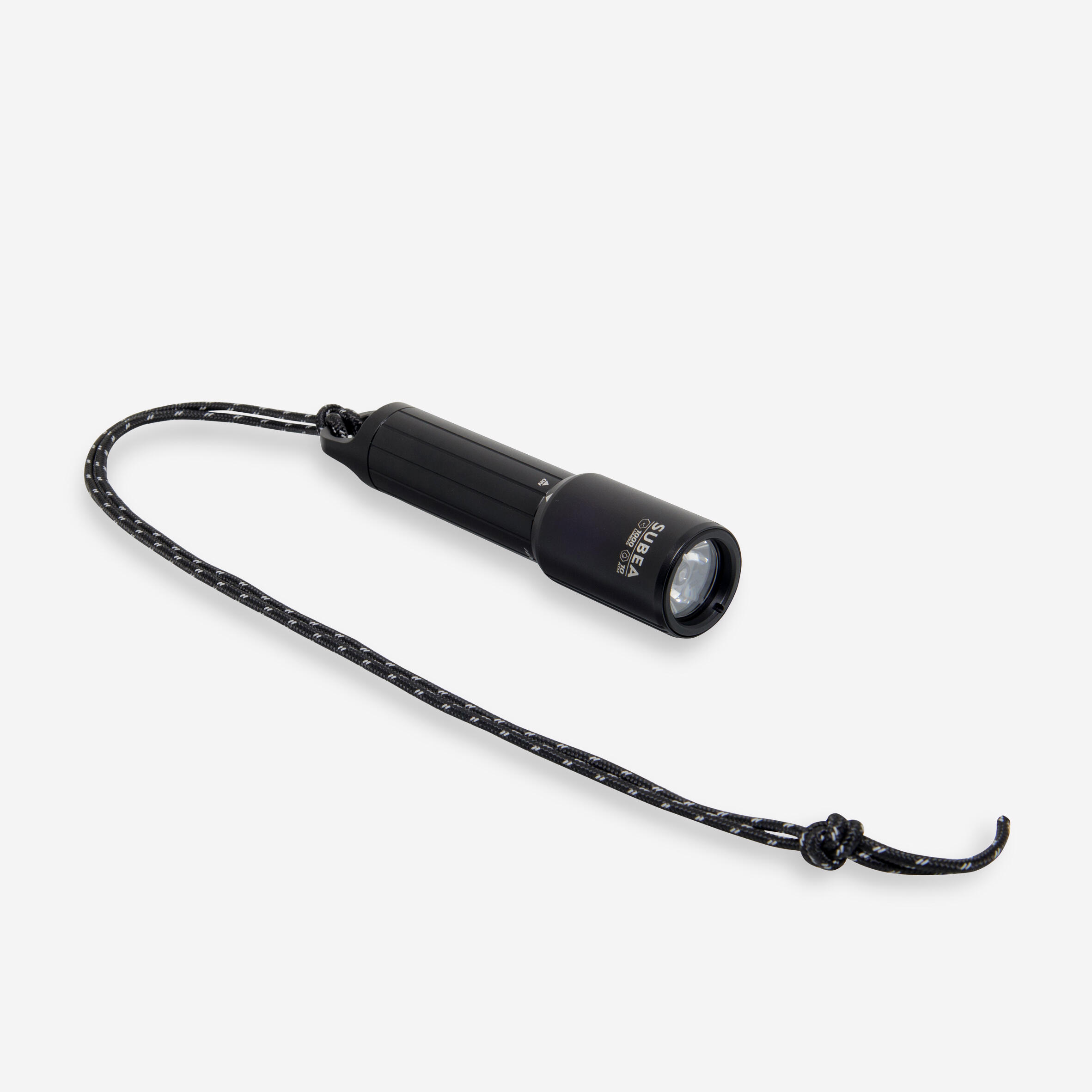
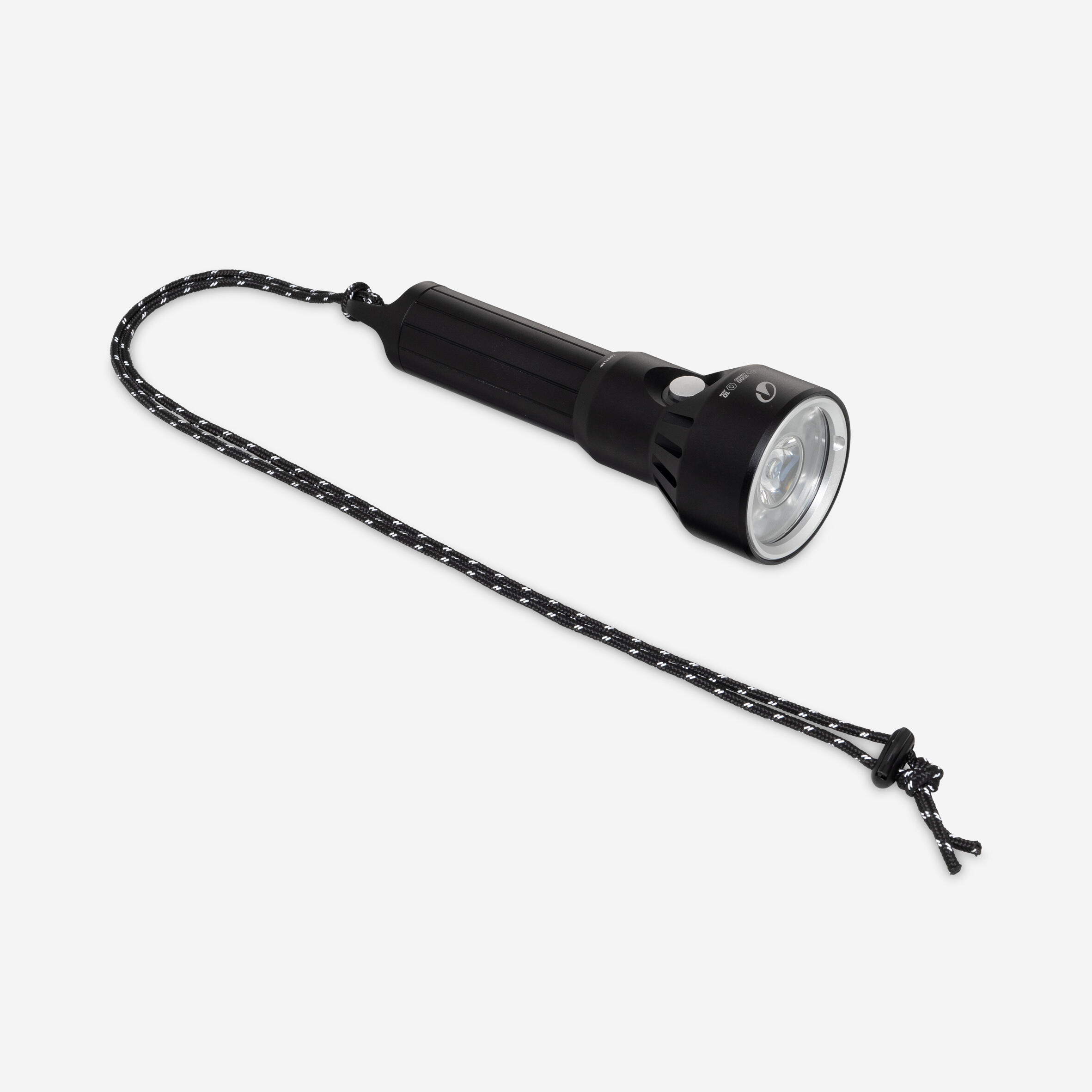
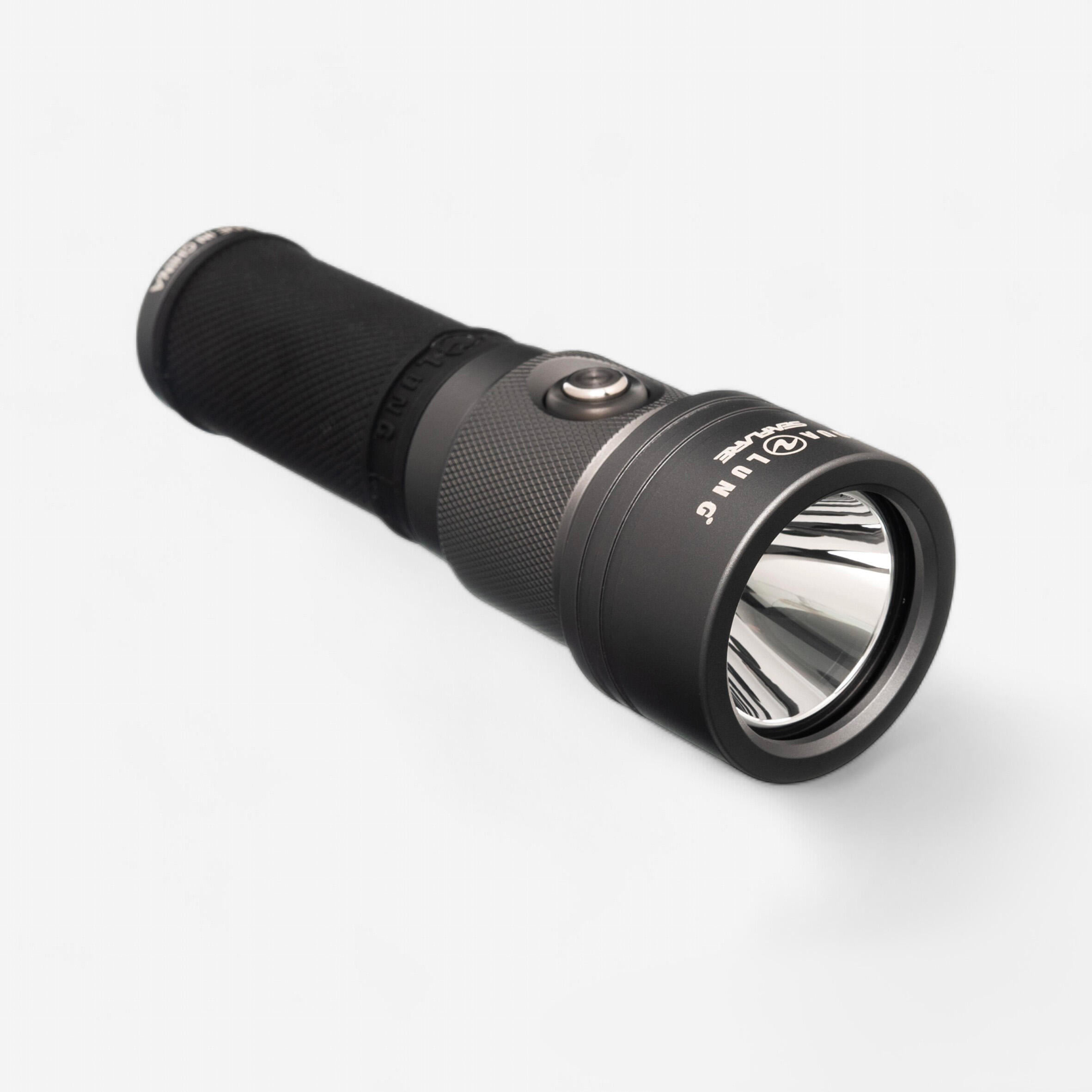
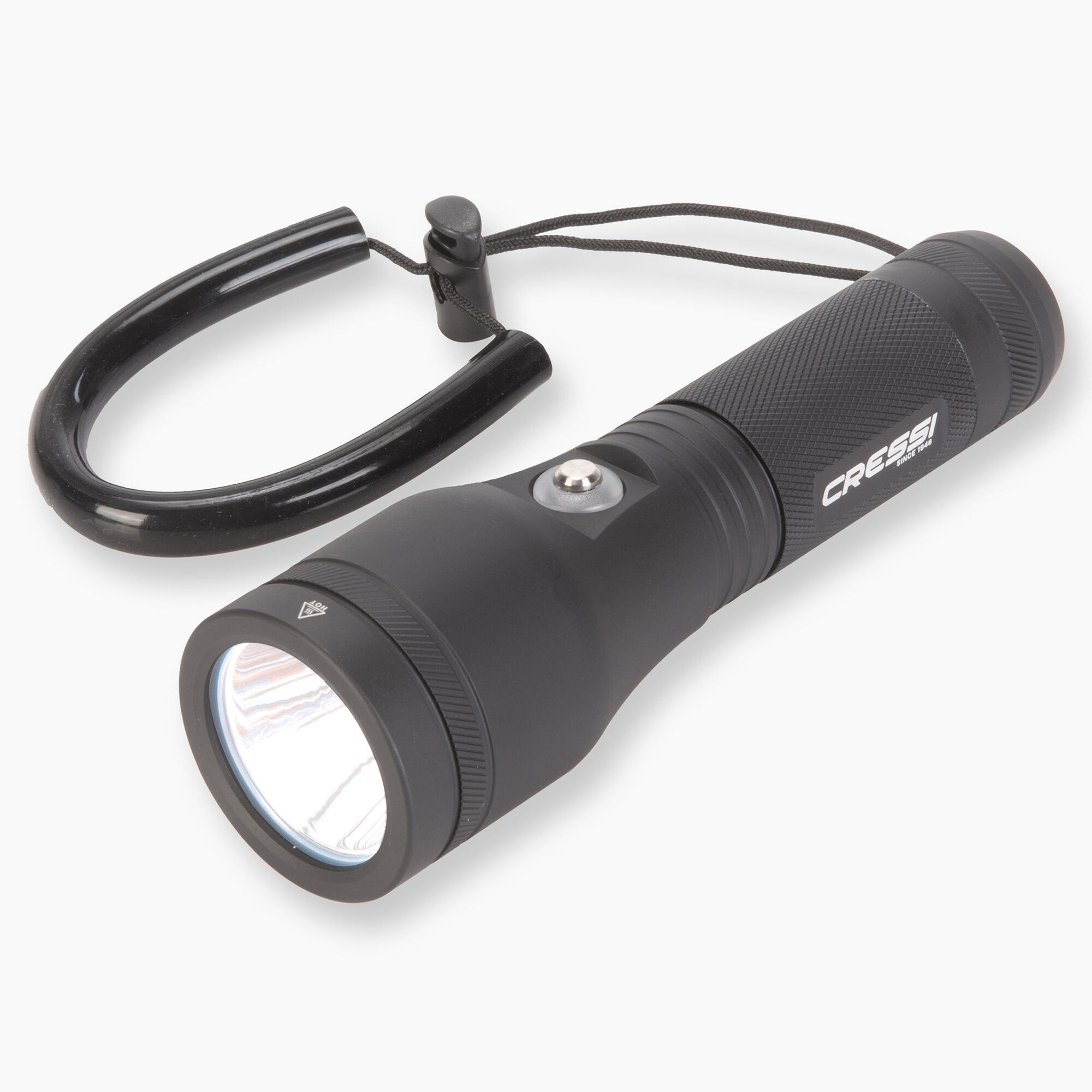
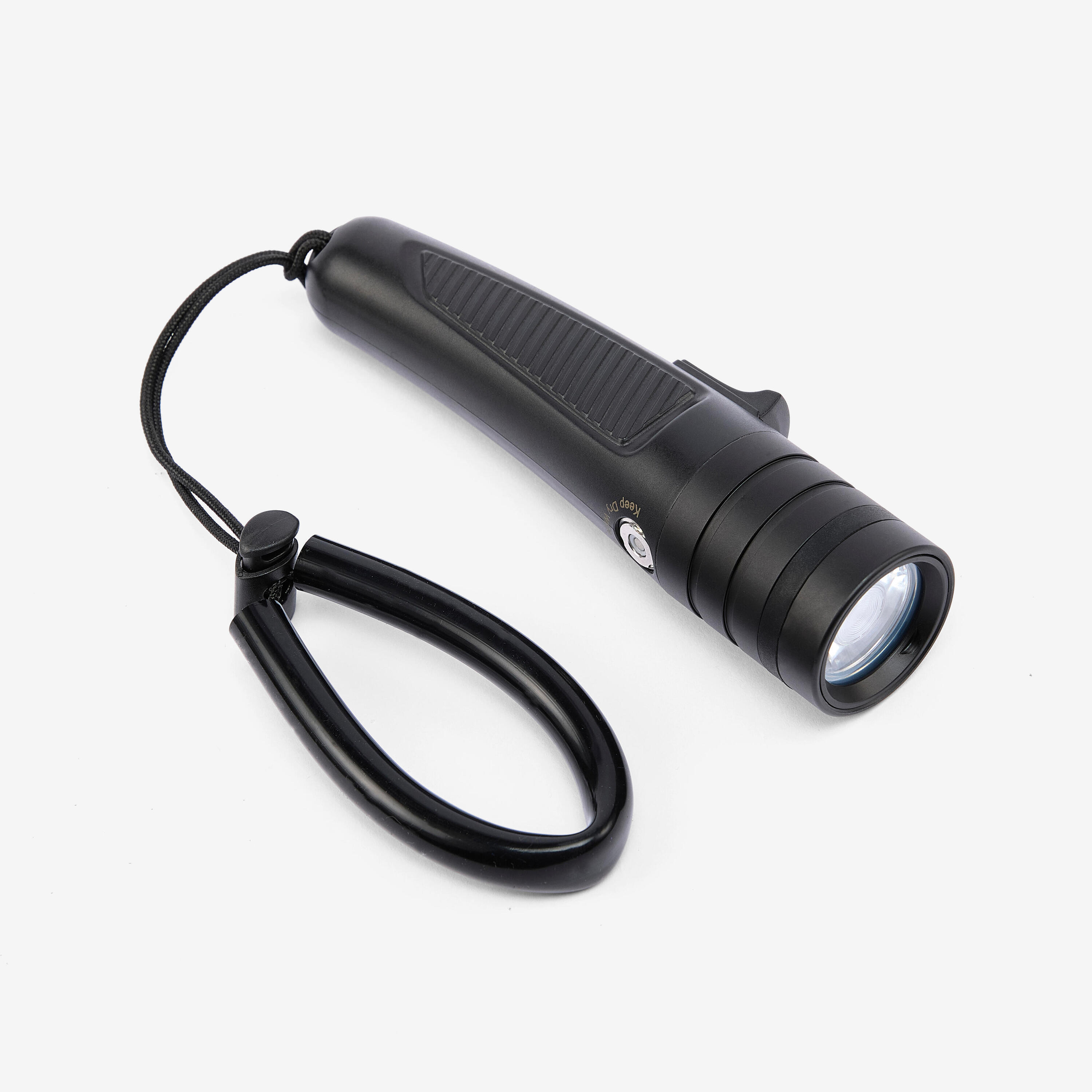
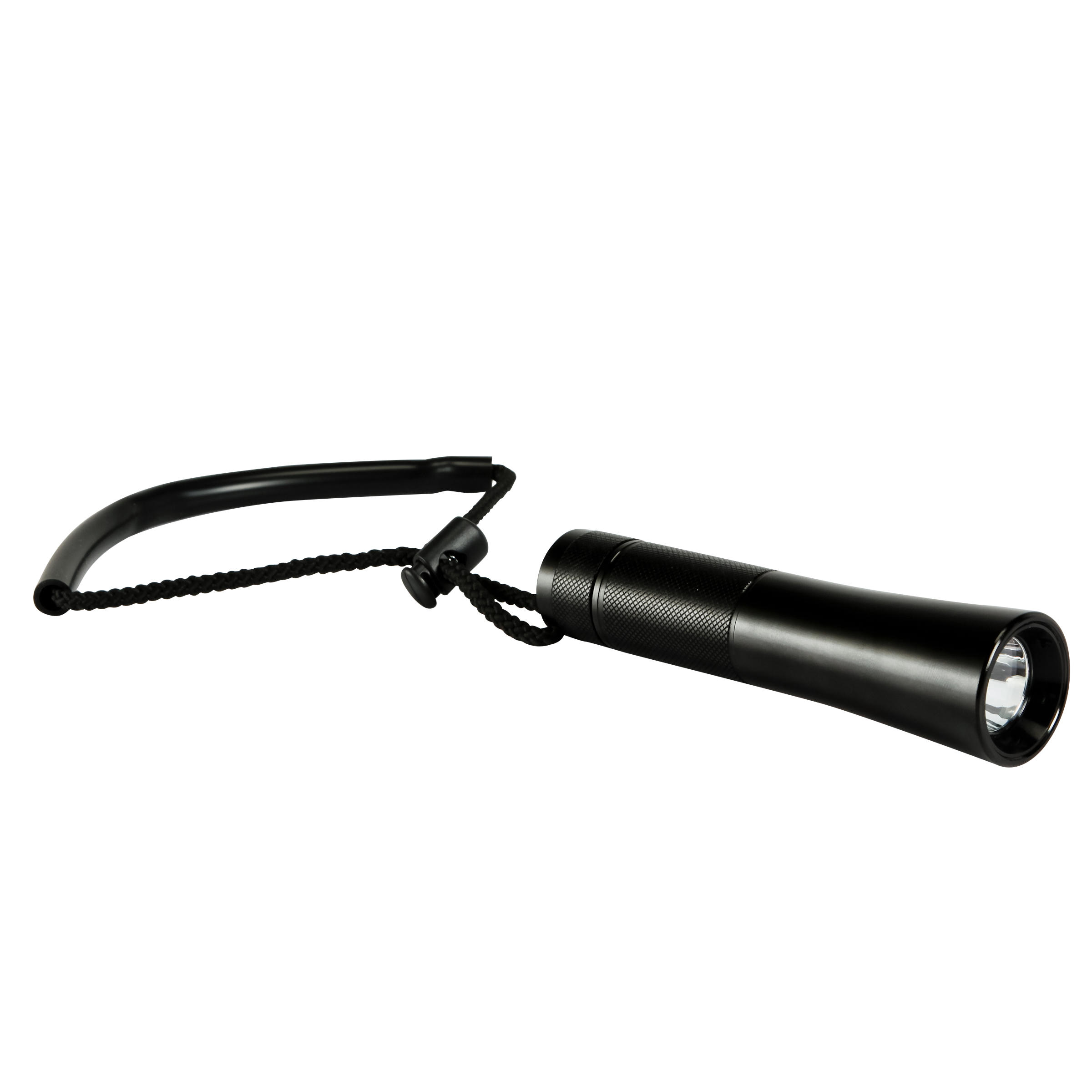
The choice between wide and narrow illumination profiles dictates how effectively you can see inside enclosed, silty environments. Tight, concentrated eight-degree beams on technical scuba diving torches cut straight through dense suspended silt particles and plankton blooms without creating blinding backscatter reflection. Conversely, wide-angle flood beams are ideal for video capture or lighting up expansive reef walls where broad spatial awareness is necessary. Experienced divers often mount a tight-spot light on their hand or helmet, leaving their hands completely free to operate a responsive scuba diving computers interface to monitor depth limits and decompression schedules safely.

Why is housing material critical when diving below 40 metres?

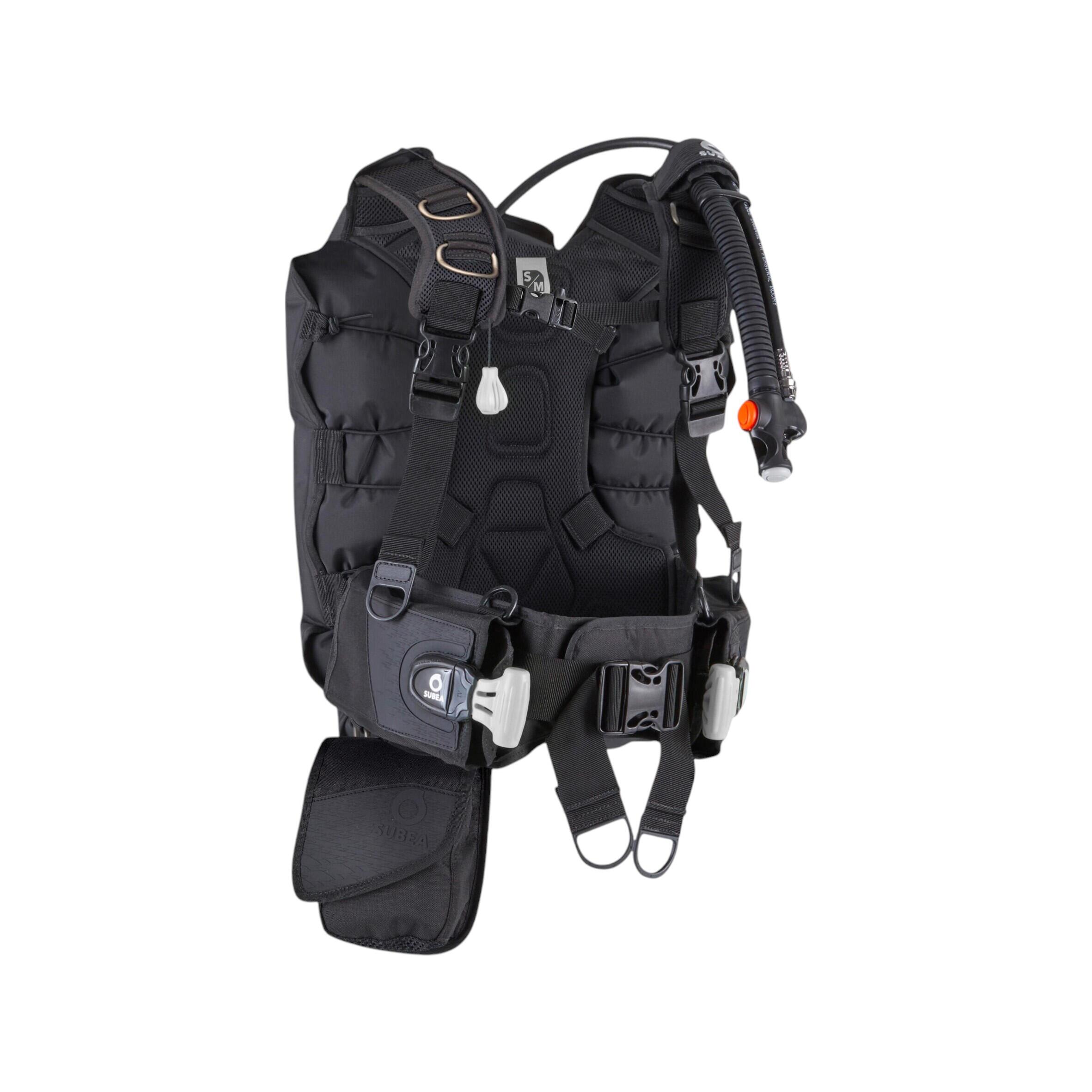
Deep descents subject your equipment to immense pressure changes and harsh corrosive elements, demanding robust structural build quality. Heavy-duty aqualung scuba diving lights are milled from hard-anodised marine-grade aluminium, which offers superior thermal dissipation to prevent high-output LEDs from overheating. Plastic composite alternatives are lighter but can become brittle under extreme thermal variations and deep pressure loads. When managing buoyancy, the negative weight of a metallic torch must be balanced against your tactical scuba diving buoyancy compensator setup to maintain a streamlined, horizontal swimming posture along the seabed.

What features prevent electronic failure during cold water submersions?

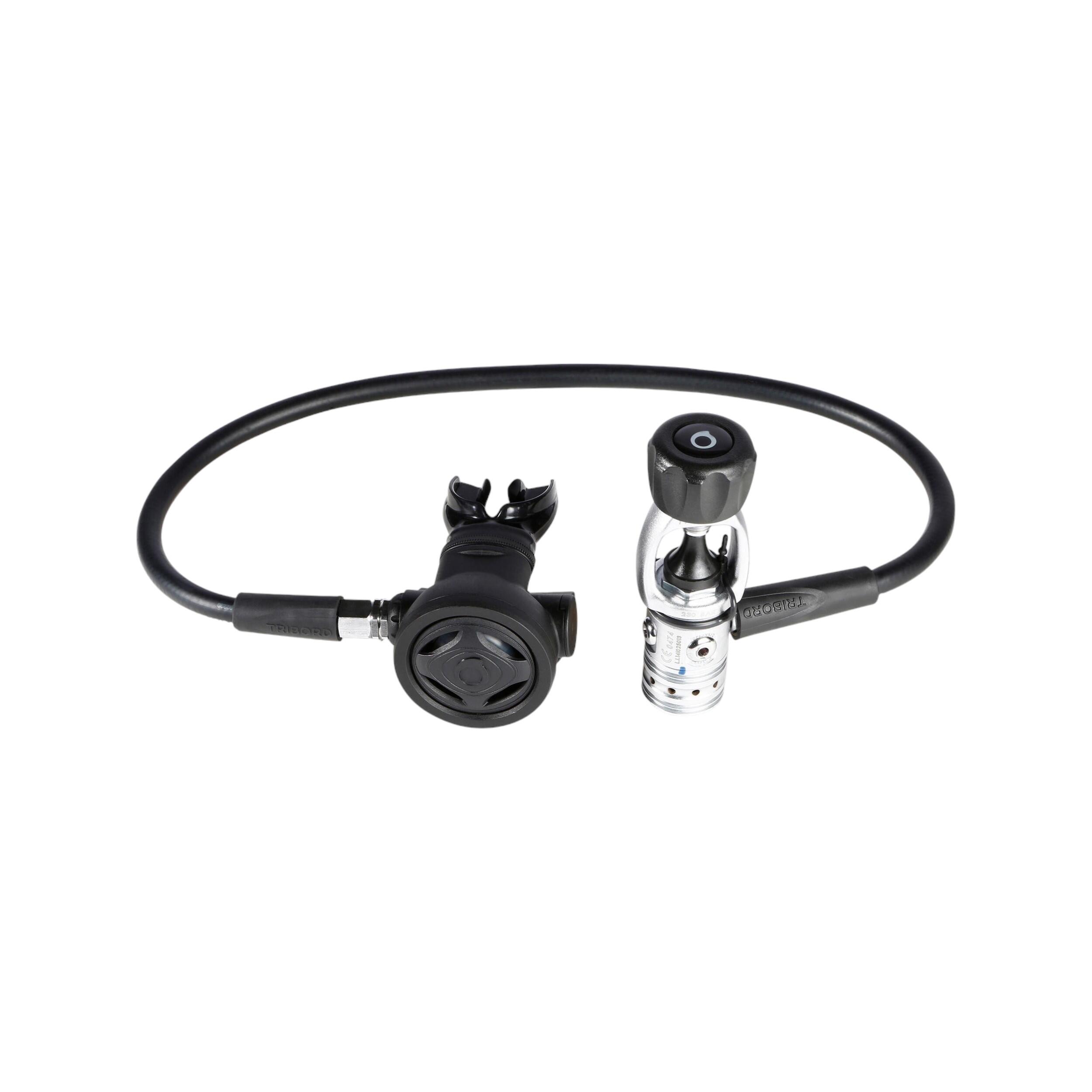
Freezing temperatures drain battery capacity rapidly and strain the mechanical switches on your illumination gear. Incorporating high-capacity scuba diving lumens torches with magnetic slider switches eliminates the need for physical through-hole buttons, removing a common point of water ingress. Cold conditions also impact gas delivery setups, meaning your thermal protection must be paired with high-performance scuba diving regulators and octopus configurations that resist freezing. Ensuring your illumination toggles are large and tactile allows easy operation even when wearing thick 5 mm neoprene gloves.

How does low ambient light affect sub-surface navigation tactics?

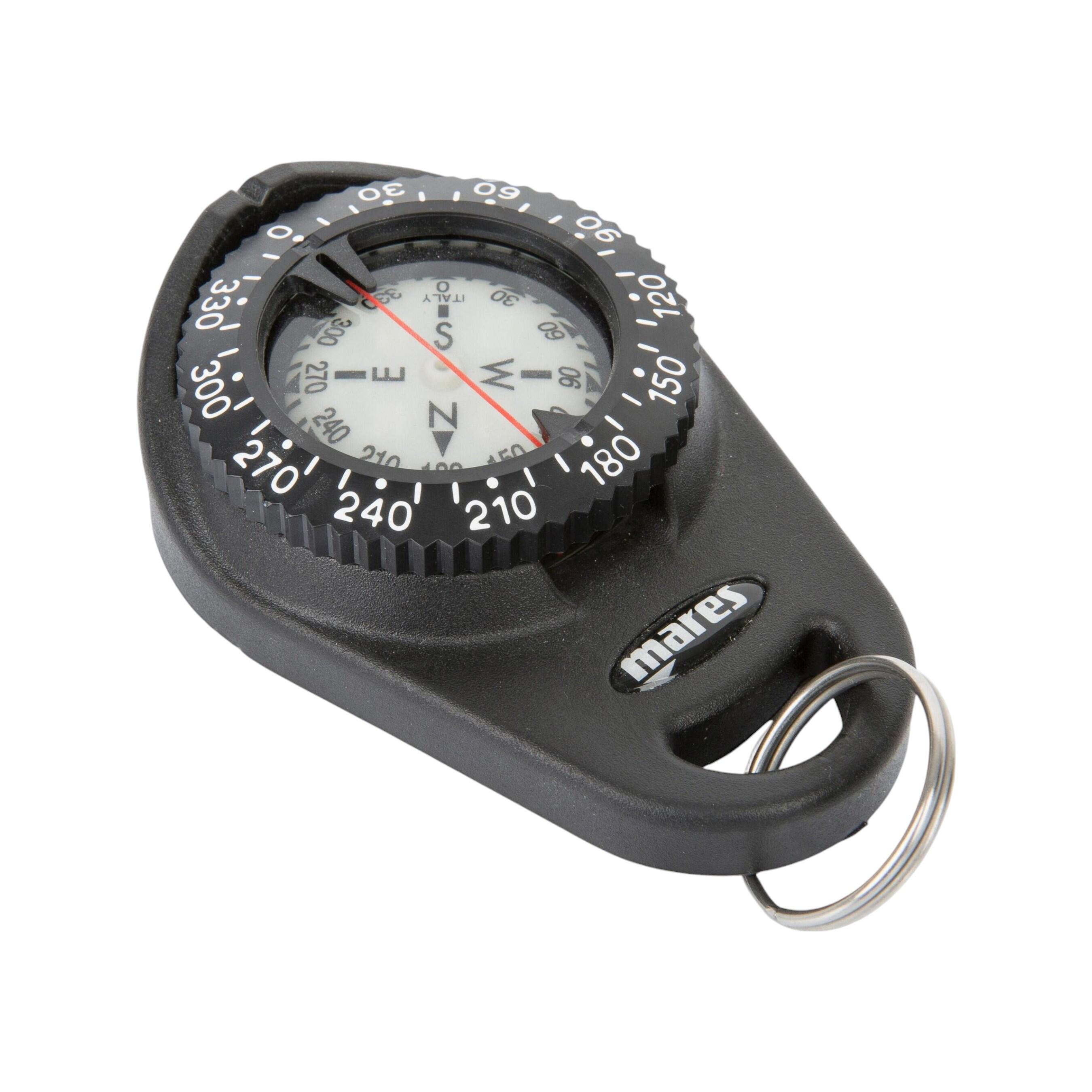
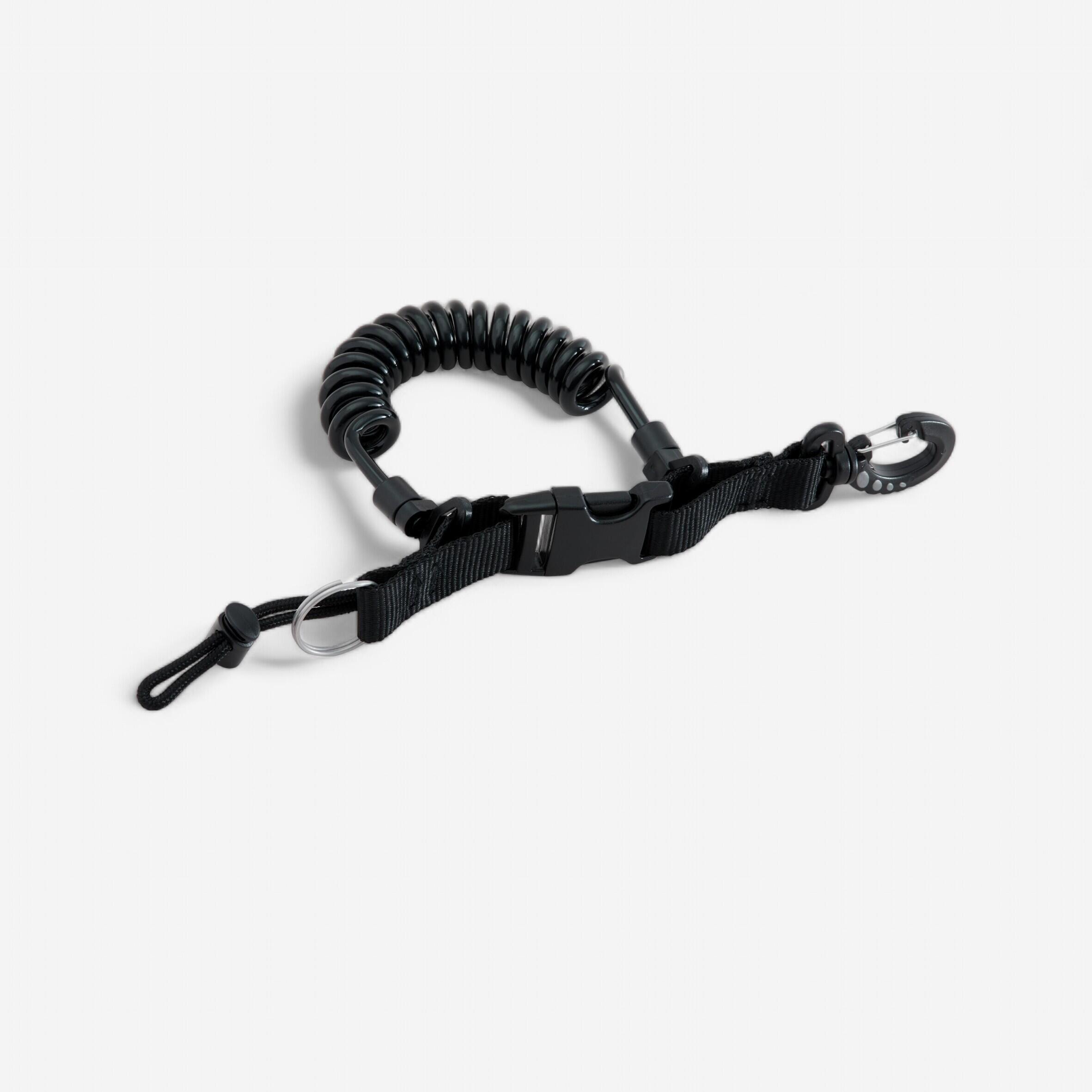
When descending past 30 metres, natural light absorption strips away red and yellow colour spectrums, leaving the environment in monochromatic shades. Activating high-intensity illumination restores these natural colours, allowing precise identification of marine life and structural hazards. However, if a sudden electrical fault occurs, relying on a luminescent, fluid-filled scuba diving compass ensures you can verify return headings to the exit point without relying on battery-powered telemetry. Keeping essential tools secured with high-grade clips prevents equipment loss during unpredictable current shifts.

What critical backup components preserve system functionality if primary hardware fails?

Total equipment failure during a deep night dive or shipwreck exploration introduces immediate operational risks that require instant contingency deployment. Carrying a personal save-a-dive pouch equipped with standard mechanical retainers, backup lanyards, and authentic scuba diving spare parts ensures quick modifications can be handled before descending below the surface swell. Maintaining pristine silicone seals on hardware interfaces prevents small pressure drops from developing into slow leaks that compromise your electrical instruments, keeping the team safe across complex diving environments.