2 items
4.7/5 based on 6 reviews collected online and in stores

Blocks & Scuba Tanks FAQs

How to choose the right scuba tank for my diving needs?

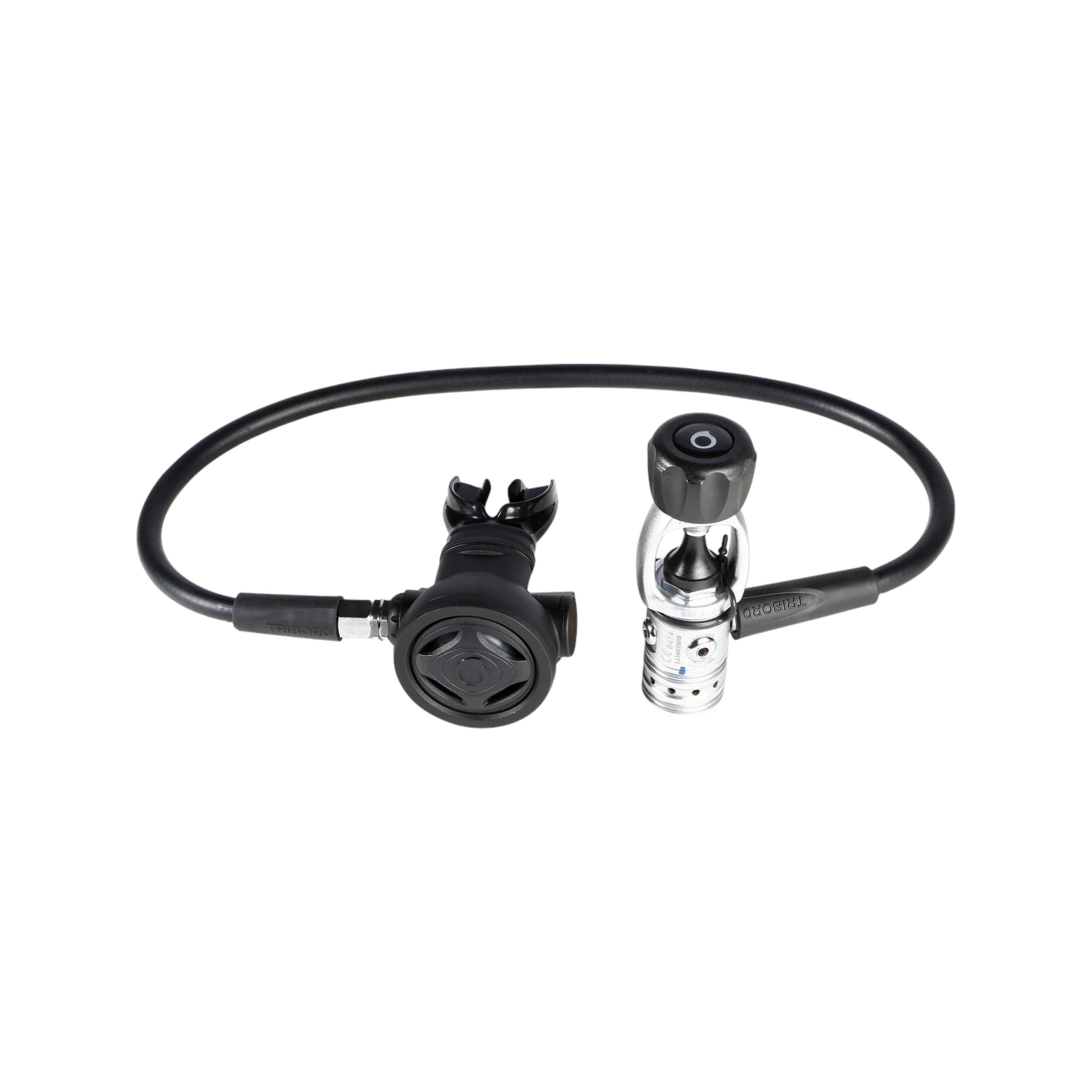
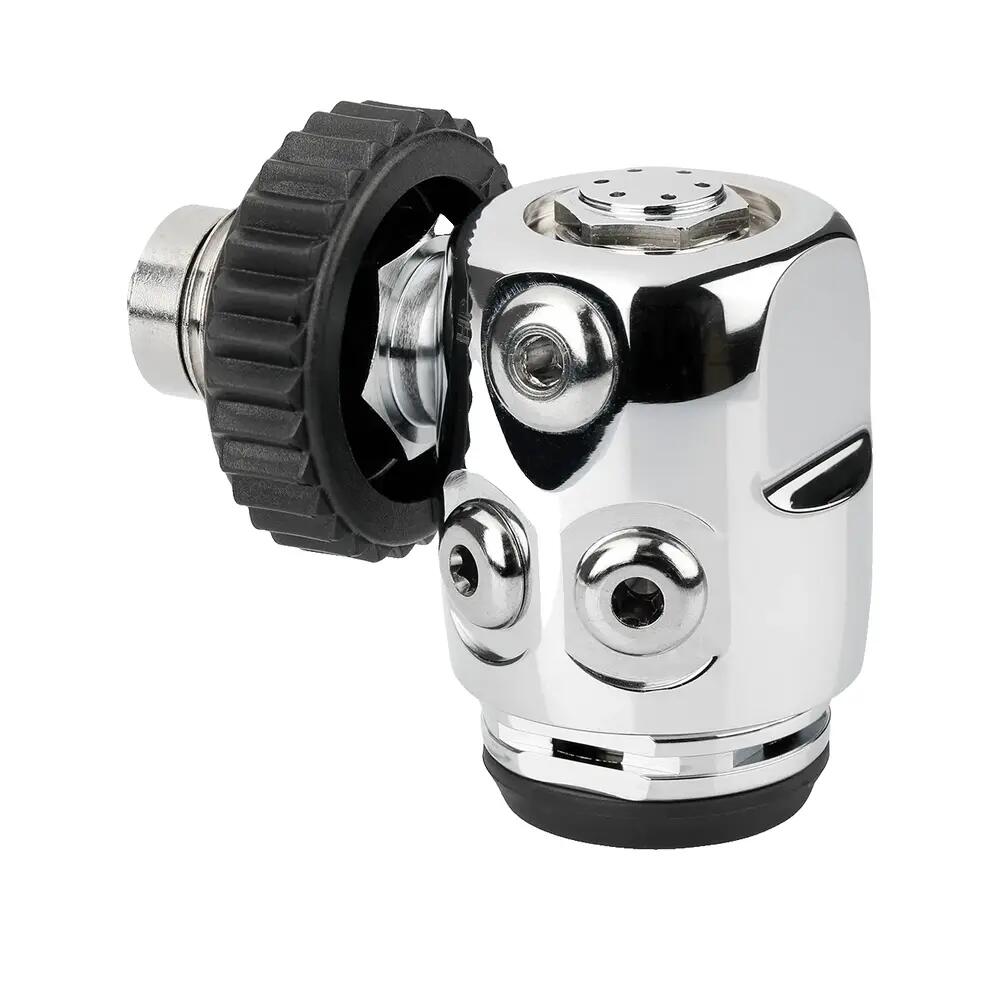
Selecting the right scuba tank depends on your diving experience, air consumption rate, dive depth and intended use. Recreational divers often choose standard scuba tanks that balance capacity and weight, while more experienced divers may require larger cylinders for extended bottom times. Tank material is also important, with steel cylinders generally offering greater durability and buoyancy characteristics than aluminium alternatives. The correct tank should integrate comfortably with your buoyancy system and overall dive setup. Before purchasing a cylinder, ensure compatibility with your scuba diving regulators & octopus system. Compatibility is important from a practical standpoint because, to ensure safe and dependable operation throughout the dive, valve types and pressure ratings must match your regulator configuration. Pro tip: always check local testing and inspection requirements before using any scuba cylinder.

What equipments are used alongside scuba tanks?

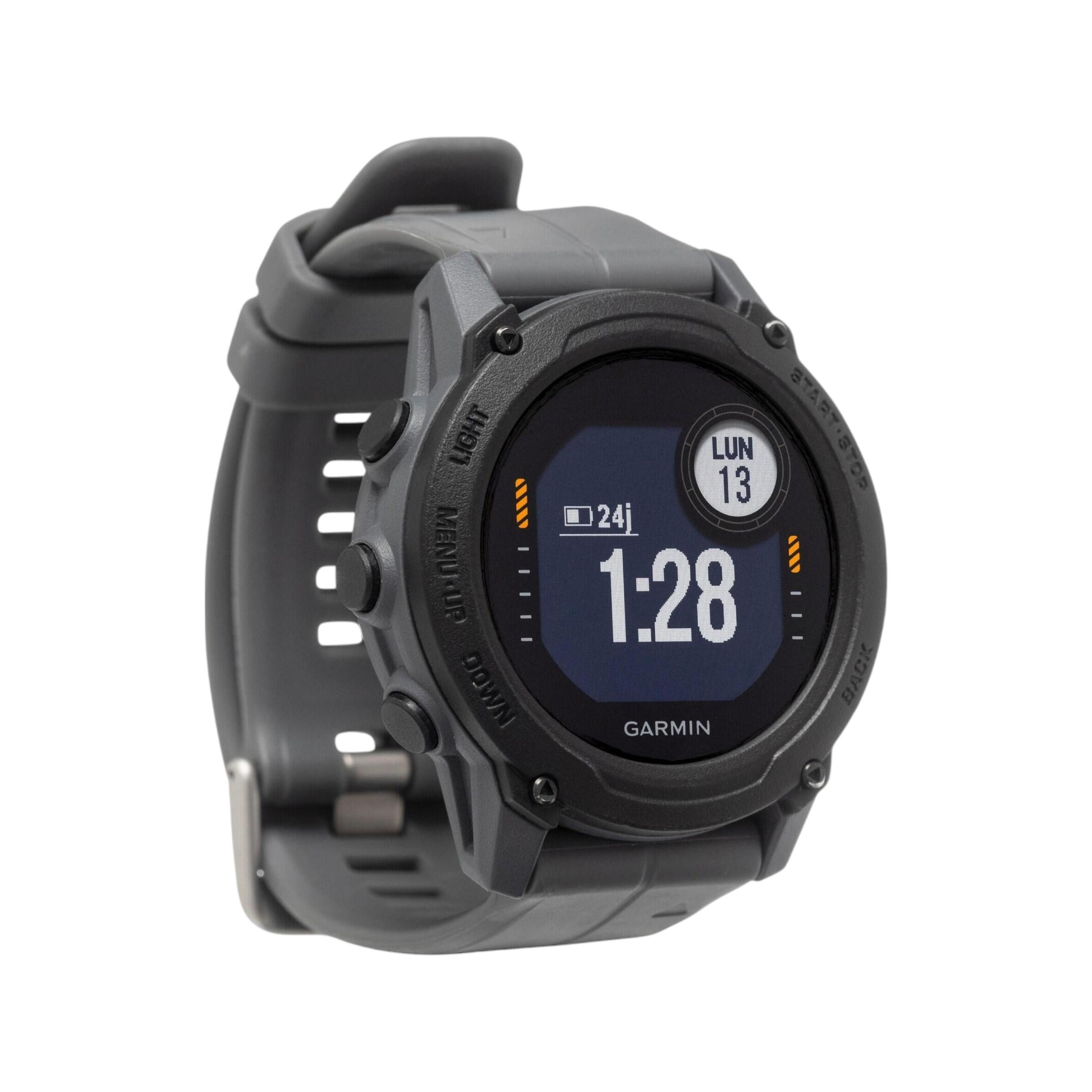
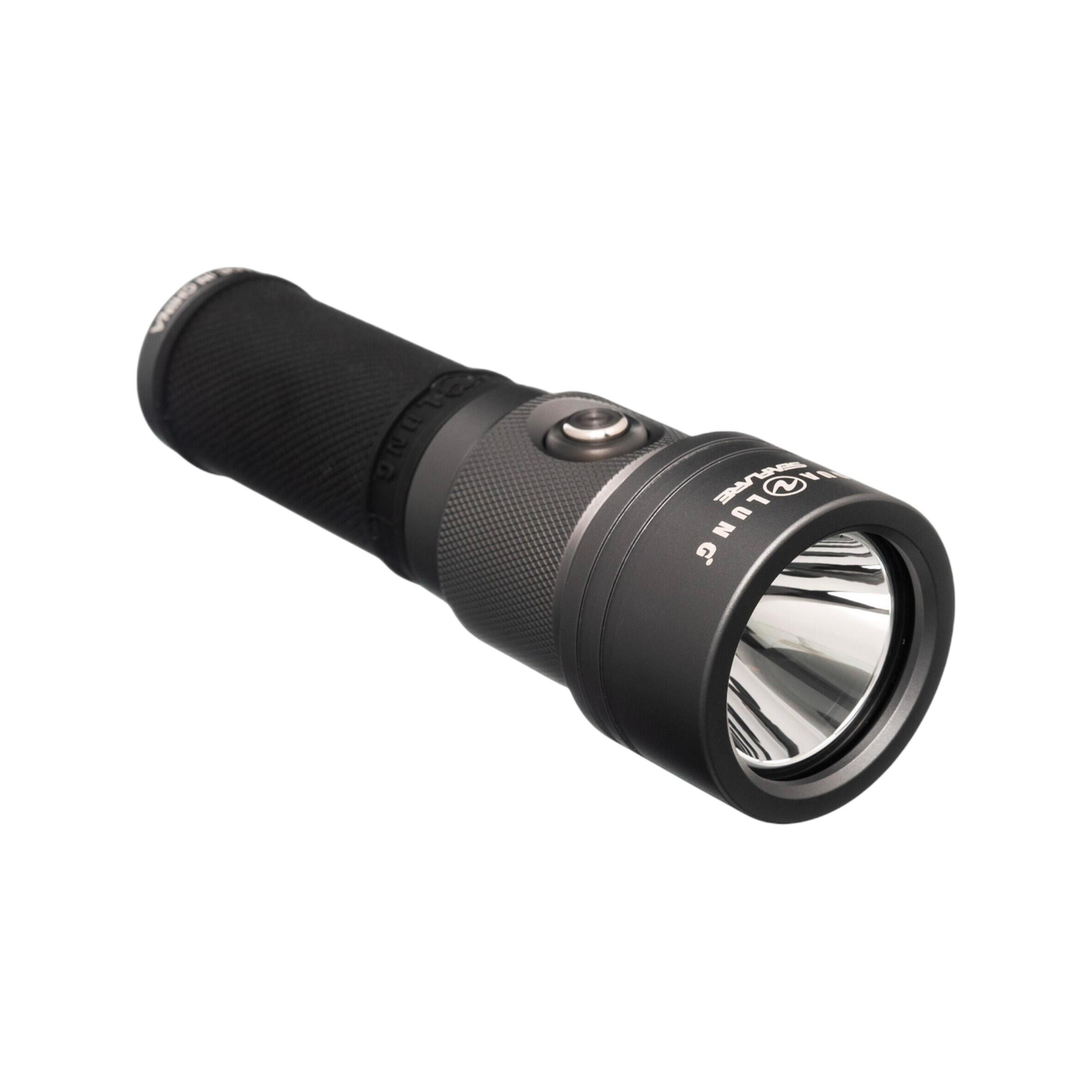
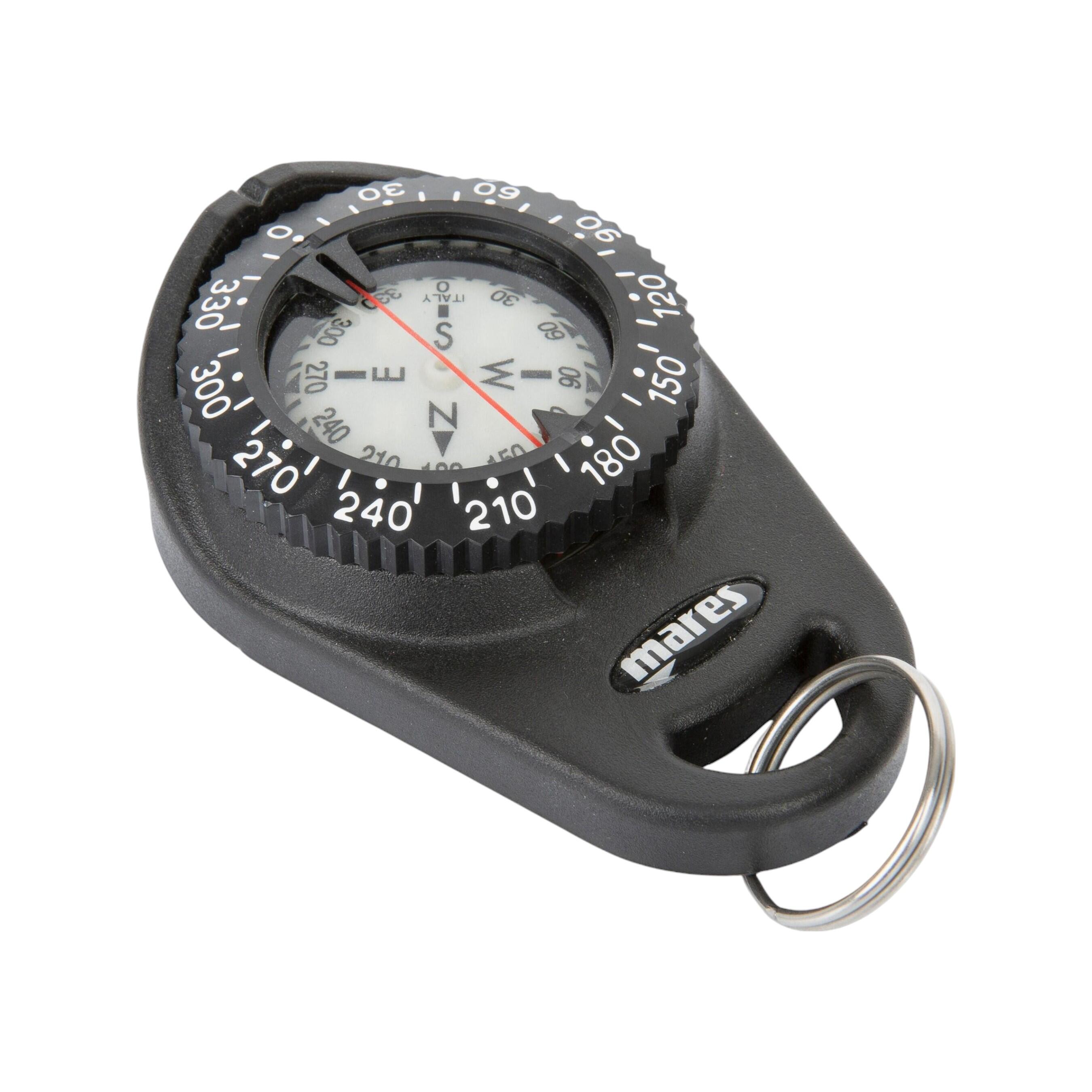
A scuba cylinder is only one component of a complete diving system. Modern divers typically pair their tanks with scuba diving computers to monitor depth, bottom time and decompression information throughout a dive. Underwater navigation can be improved with a reliable scuba diving compass, while visibility in darker environments is enhanced by quality scuba diving lights. Each component of the integrated equipment contributes to underwater safety, navigation, and situational awareness, making the system crucial.

How should scuba tanks be maintained and stored?

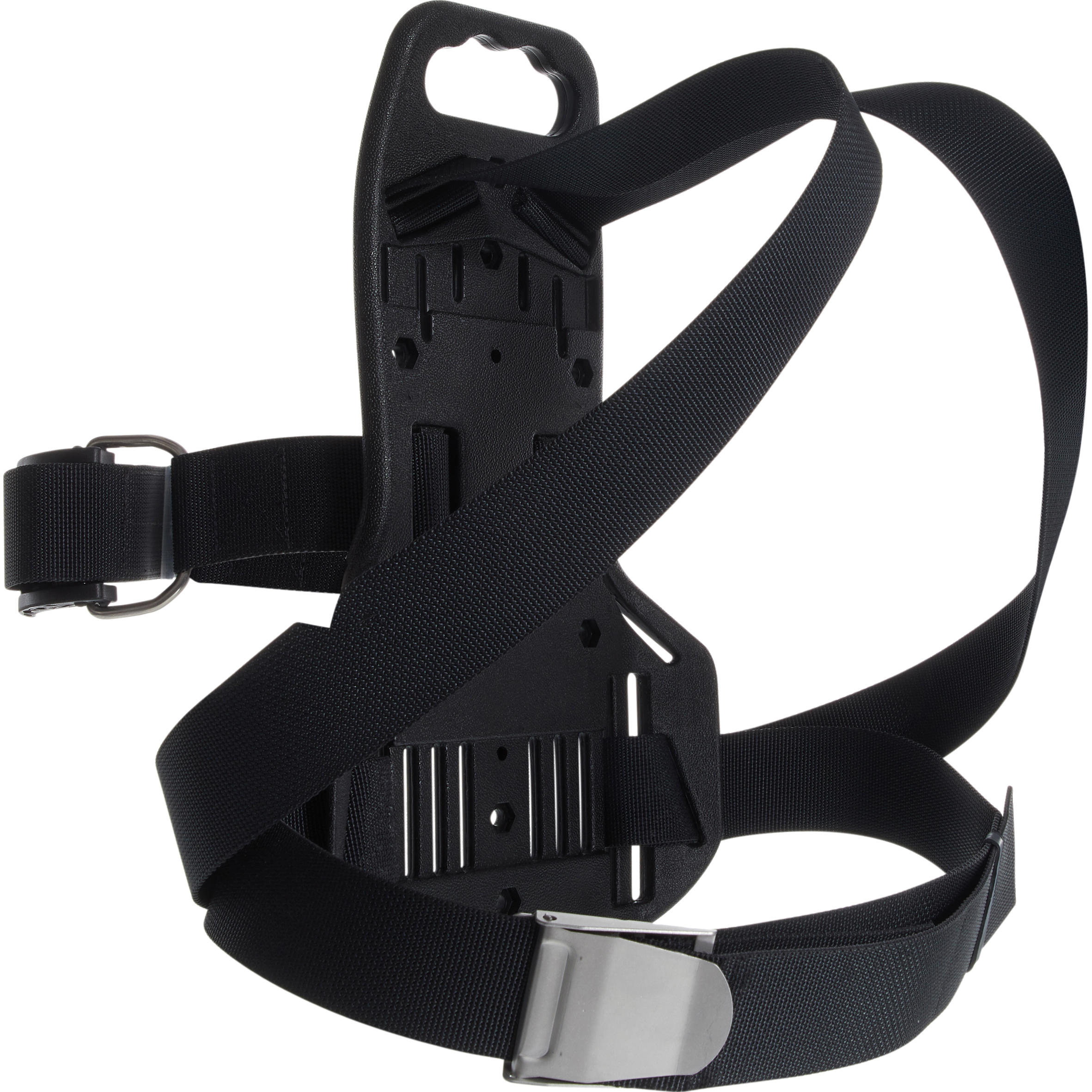
Proper maintenance is essential for both safety and performance. Cylinders should be stored in a cool, dry location away from corrosive environments and excessive heat. Regular visual inspections and hydrostatic testing should be carried out in accordance with local regulations. Divers should also inspect valves, O-rings and other components for signs of wear. Replacement items can often be found within dedicated scuba diving spare parts ranges. From scuba tanks and SCD cylinders to tank backpacks and integrated carrying systems, proper maintenance plays a key role in equipment longevity and safety. Well-maintained gear performs more consistently, helps divers plan with confidence and contributes to a smoother underwater experience.