8 items
4.7/5 based on 1177 reviews collected online and in stores

Coarse Fishing Foldable Seats FAQs

What type of foldable seat best suits your fishing session?

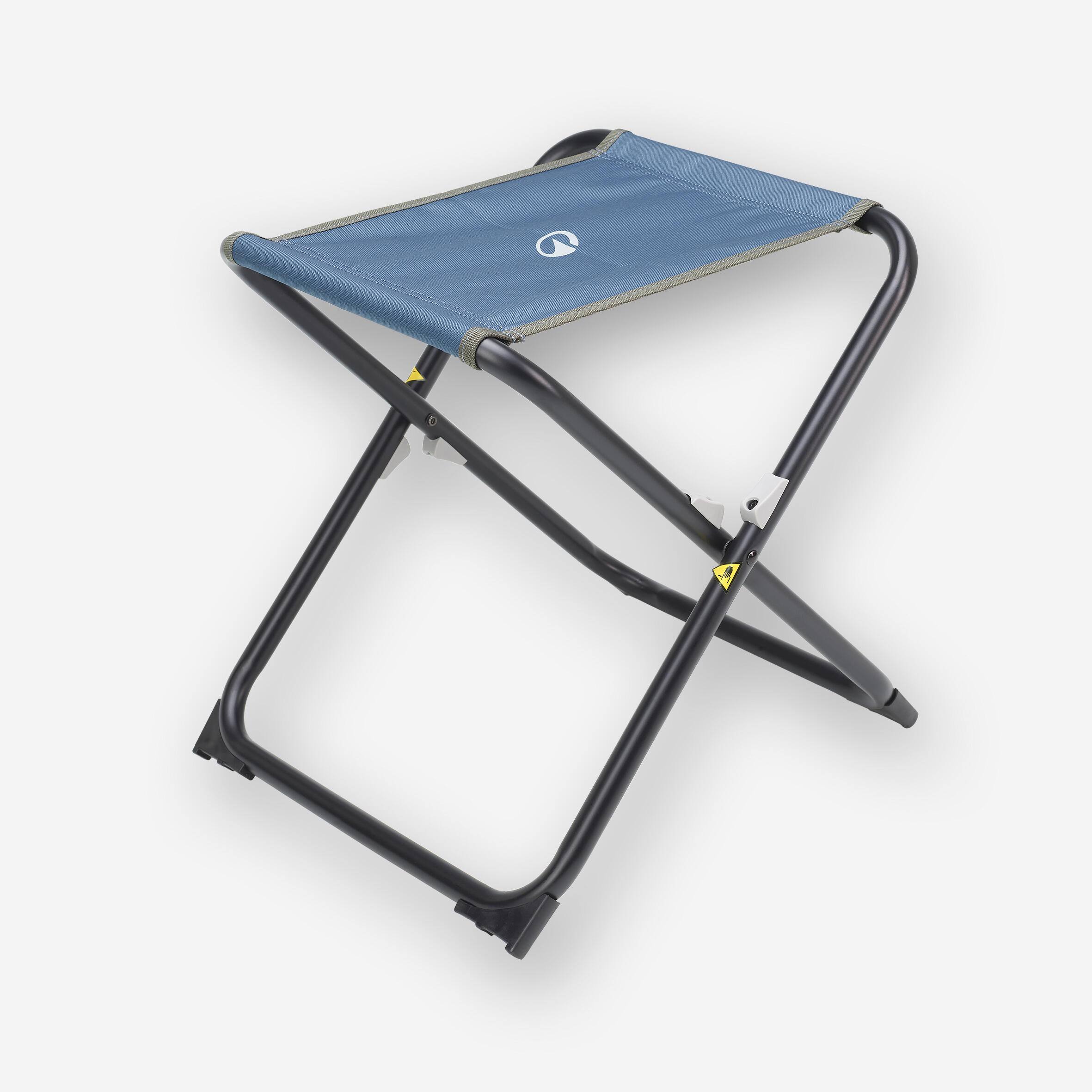
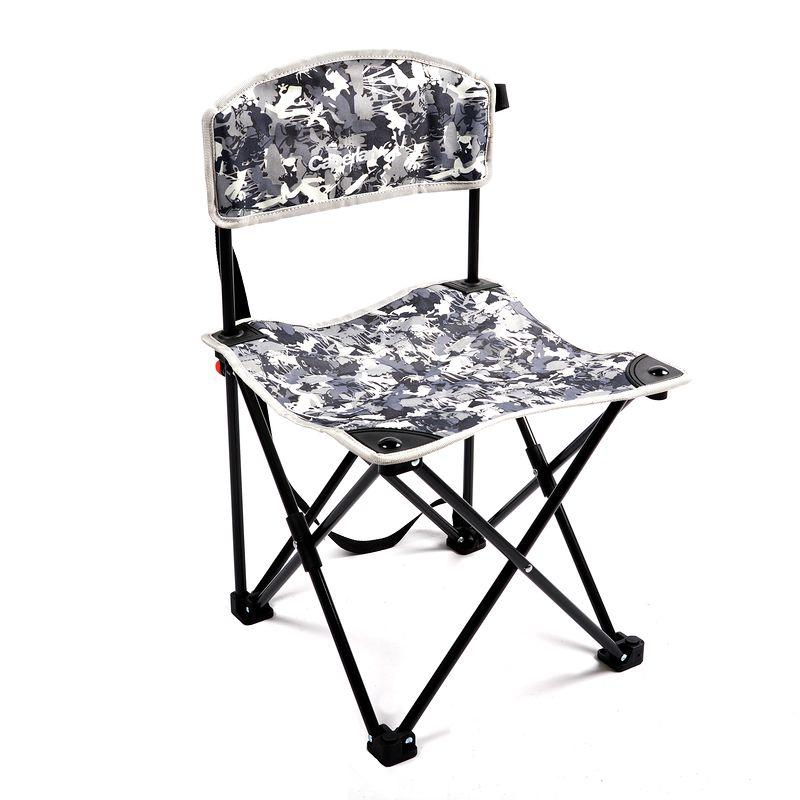
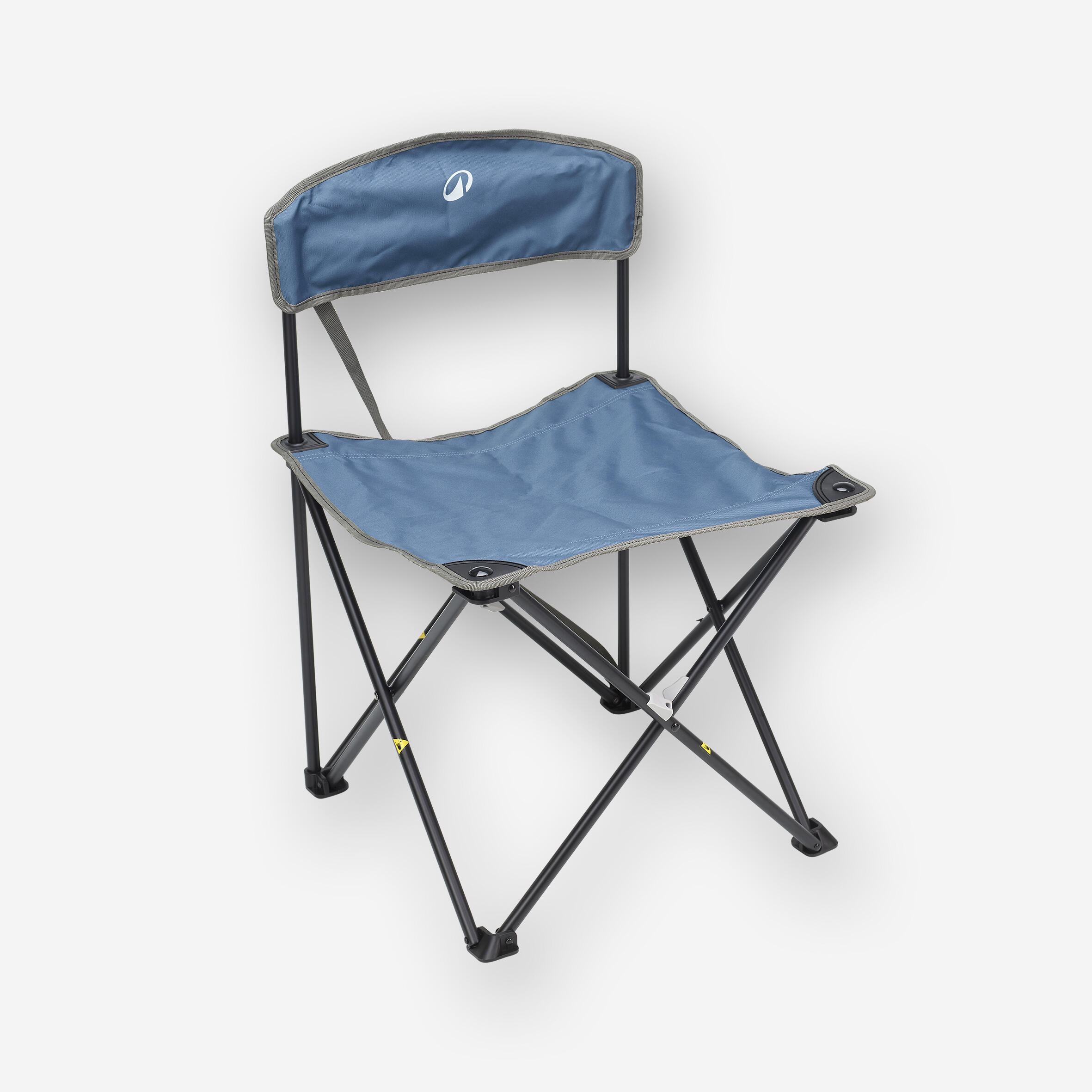
Start with how far you normally walk and how long you tend to stay at one swim. A lighter chair is easier to carry when you move regularly, while a wider seat, higher backrest and extra padding become more useful during longer stationary sessions. Caperlan's compact coarse fishing folding seats include lightweight models around 1.6 kg that fold quickly and use plastic inserts beneath the frame to improve contact with the ground. If you usually remain in one position for several hours, a broader chair can give you more support without moving all the way to a full fishing station. Check packed size as well as comfort, because the chair still needs to fit alongside rods, bait and tackle during transport.

When is a travel folding seat useful for mobile coarse fishing?

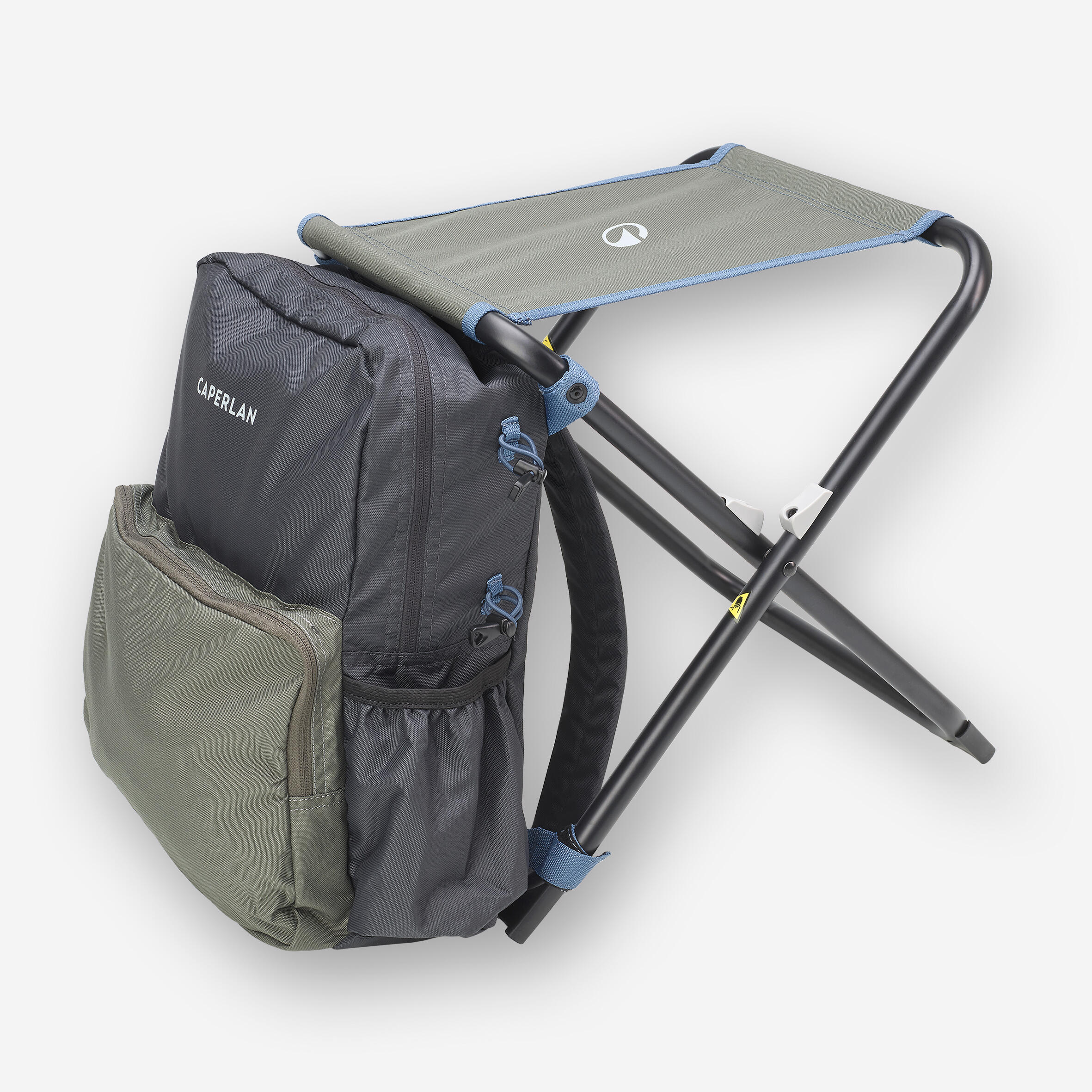
A travel chair can reduce the number of separate items you carry when you frequently move between swims. Caperlan's travel folding seats for coarse fishing combine a folding chair with backpack-style storage, so your seat and some tackle can move together rather than as two separate loads. The internal pocket can be removed, which makes cleaning easier if bait packaging, mud or damp accessories leave residue inside. This format suits roaming sessions where you may fish one area briefly before moving on. Keep heavier items low in the storage section so the load feels more balanced, and avoid overfilling the bag because excess weight can make repeated carrying less comfortable.

What makes a comfort folding seat better for longer fishing sessions?

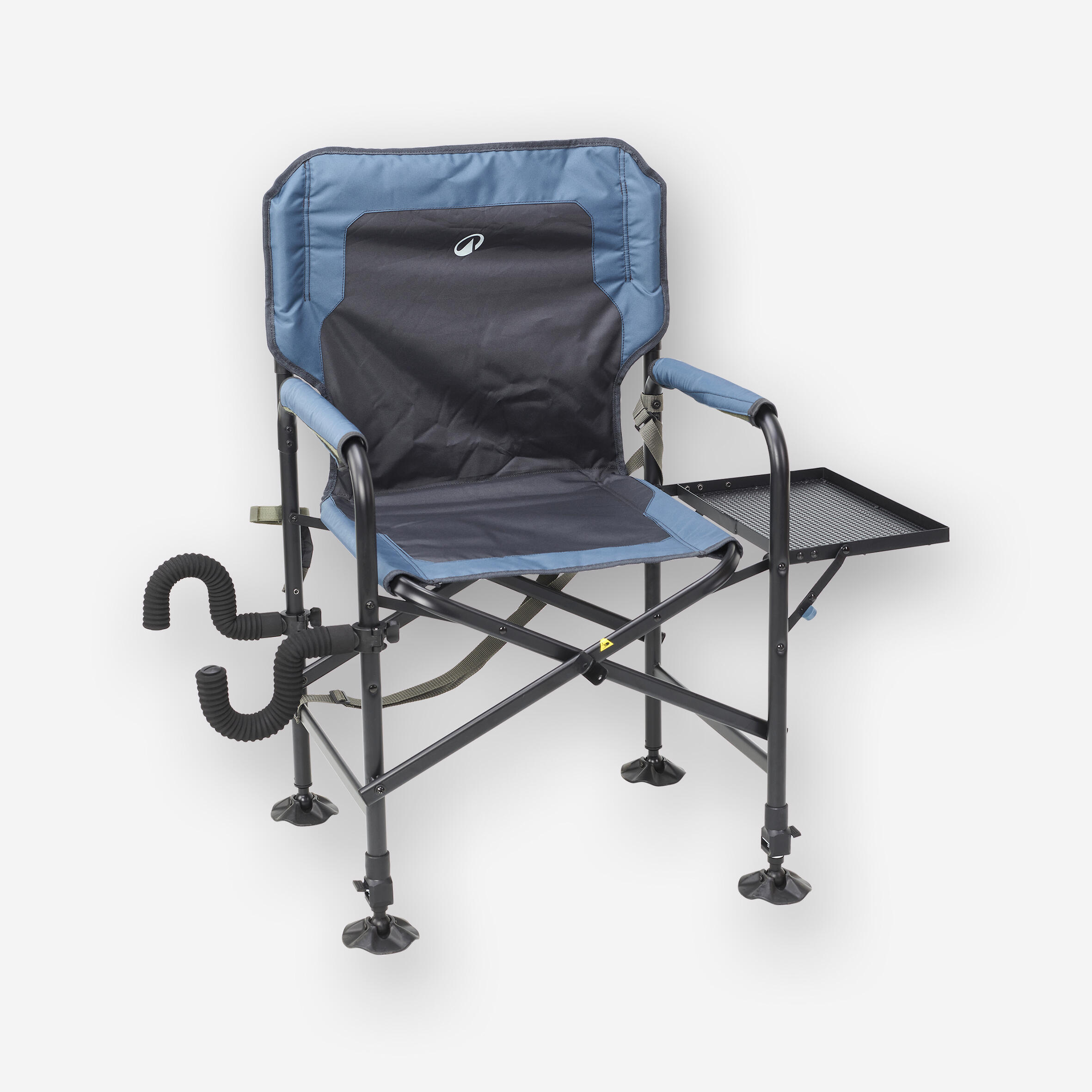
Longer sessions place more emphasis on seat width, back support and how easily you can carry the chair from the car to the bank. Caperlan's comfort coarse fishing folding seats provide a larger seating area than the most compact models while still folding flat for storage. A shoulder strap also gives you another carrying option when your hands are already occupied with rods or tackle. On larger Essenseat models, padded armrests, taller backrests and adjustable components add further support for anglers who remain seated for much of the session. Place the chair on firm ground and check all four contact points before sitting, particularly when the bank is uneven or softened by rain.

How can adjustable fishing seats help on uneven banks?

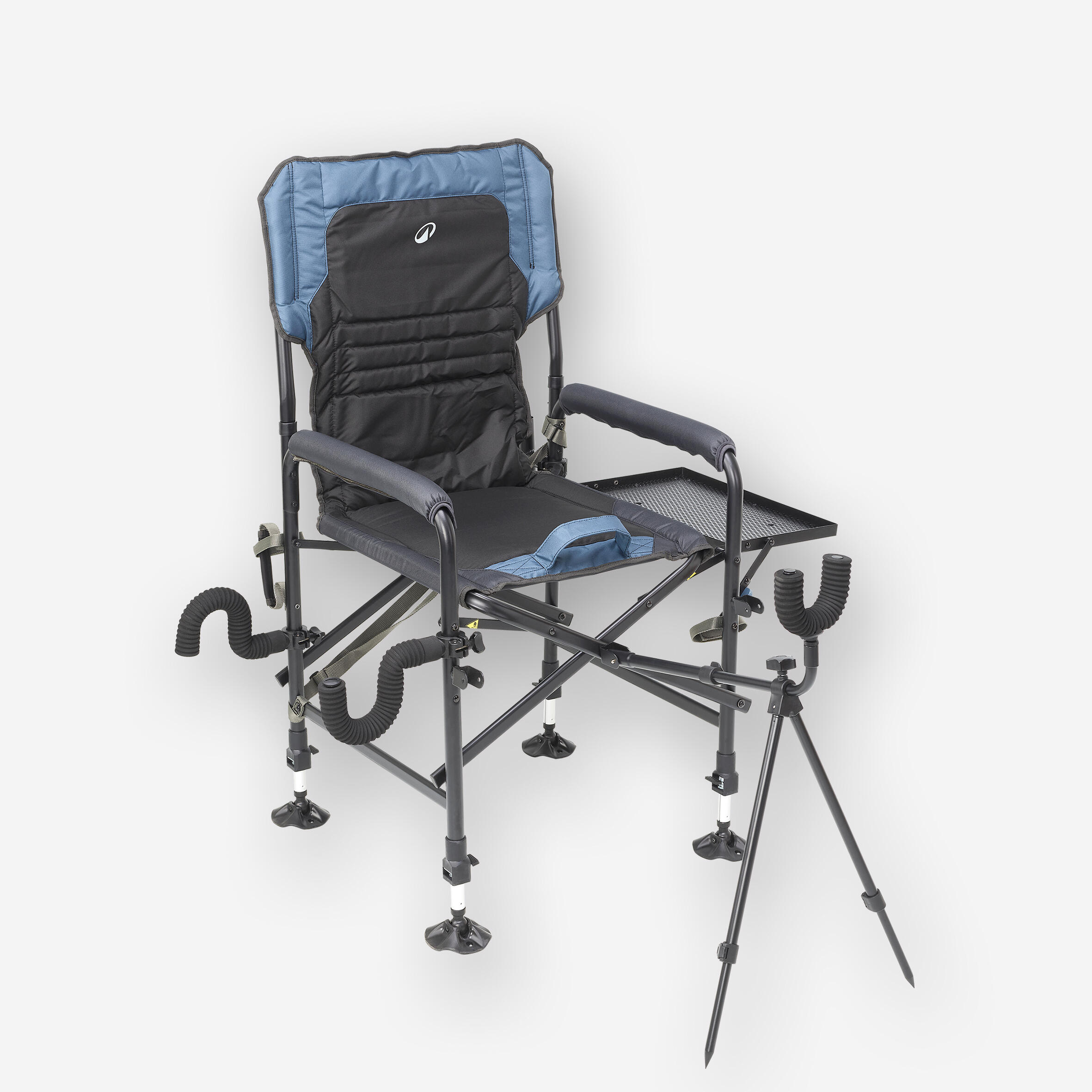
Uneven ground can leave a fixed-height chair leaning to one side, which becomes uncomfortable and may also make nearby rod supports or bait trays harder to use. Caperlan's larger Essenseat 500 models use adjustable legs, with some versions offering a substantial telescopic range so the seat can be levelled on sloping banks. Selected chairs also integrate rod rests, foldable shelves and umbrella supports, turning the seat into part of the working setup rather than a standalone chair. These features fit naturally alongside other coarse fishing equipment when you want a more organised position without using a full seat box. Adjust the legs before loading the side shelf or resting a rod, and recheck stability if the ground settles during the session.

What care do foldable fishing seats need after use?

Fishing chairs are regularly exposed to damp grass, mud and rain, so they should be allowed to dry fully before being folded away for long-term storage. Caperlan advises keeping Essenseat chairs in a dry place after use. Brush or wipe off loose dirt, clean removable storage sections separately where fitted, and check hinges, telescopic legs and adjustment screws before the next trip. Avoid machine washing, tumble drying, bleaching, ironing or dry cleaning the seat fabric. If your chair has EVA-covered rod supports, inspect the foam for cuts or compression where rods repeatedly make contact. Good seat care is part of keeping a wider coarse fishing setup reliable, particularly when metal frames, fabrics and tackle are frequently packed together after wet sessions.