22 items
4.6/5 based on 311 reviews collected online and in stores

Coarse Fishing Landing Nets FAQs

Which landing net size and style suit your coarse fishing setup?

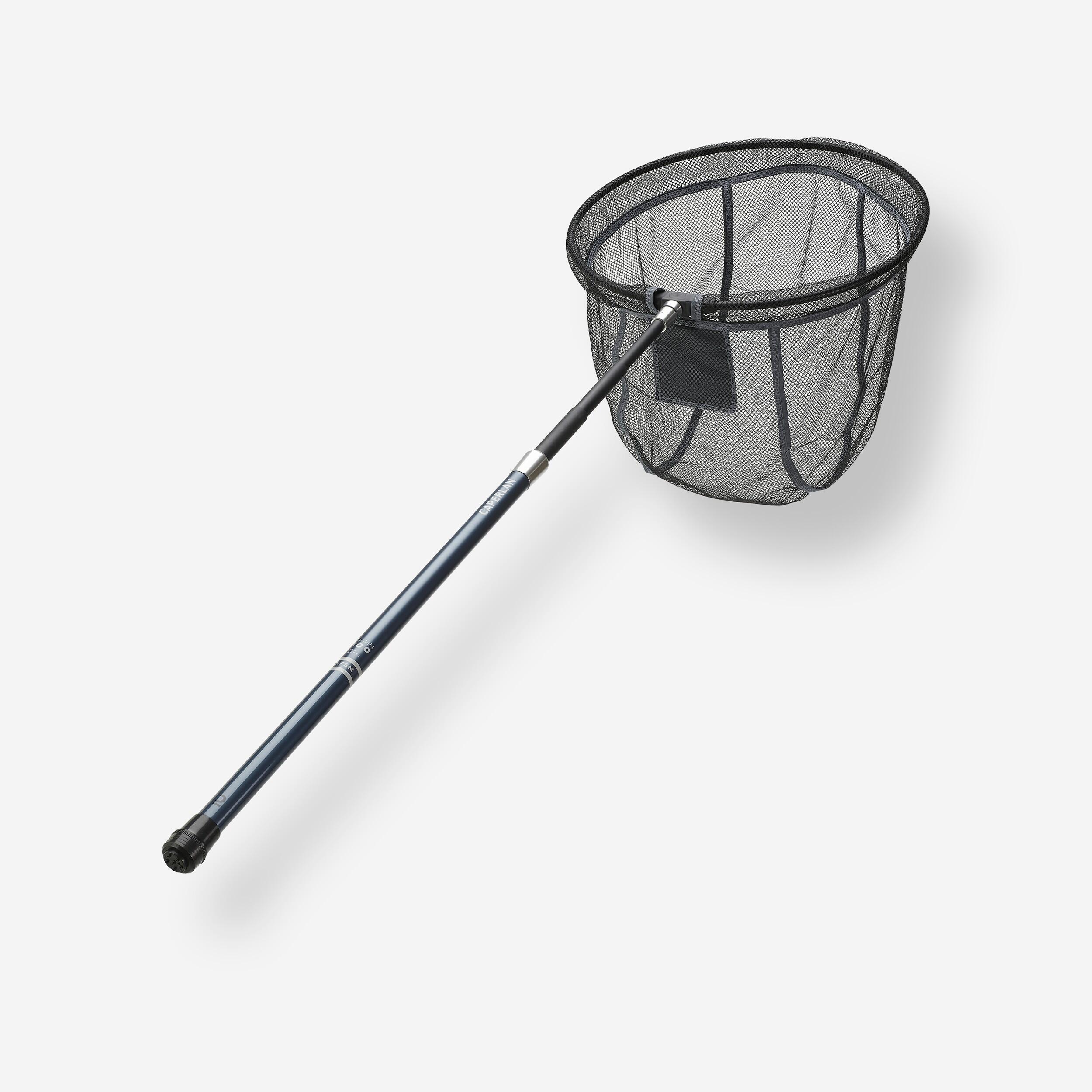
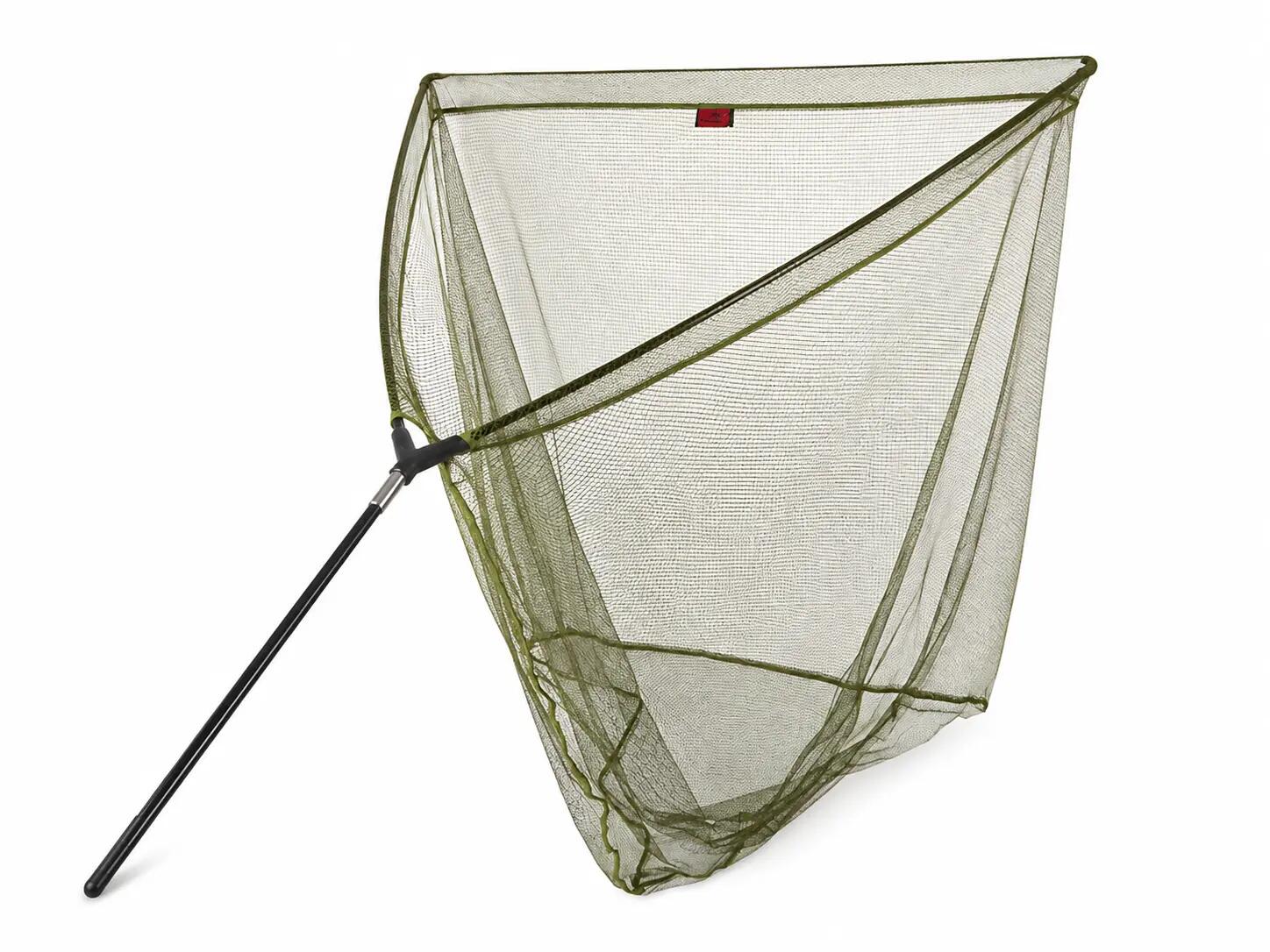
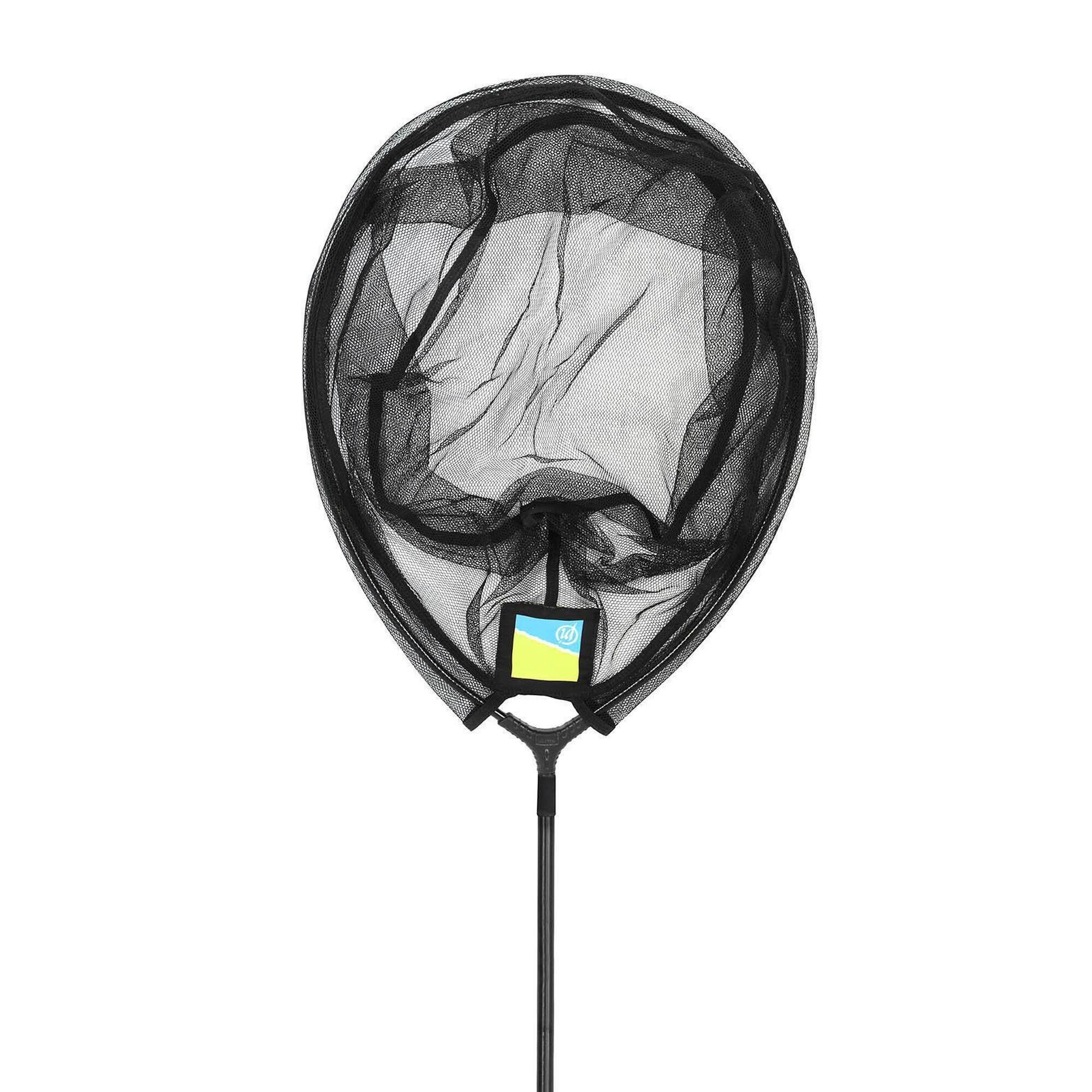
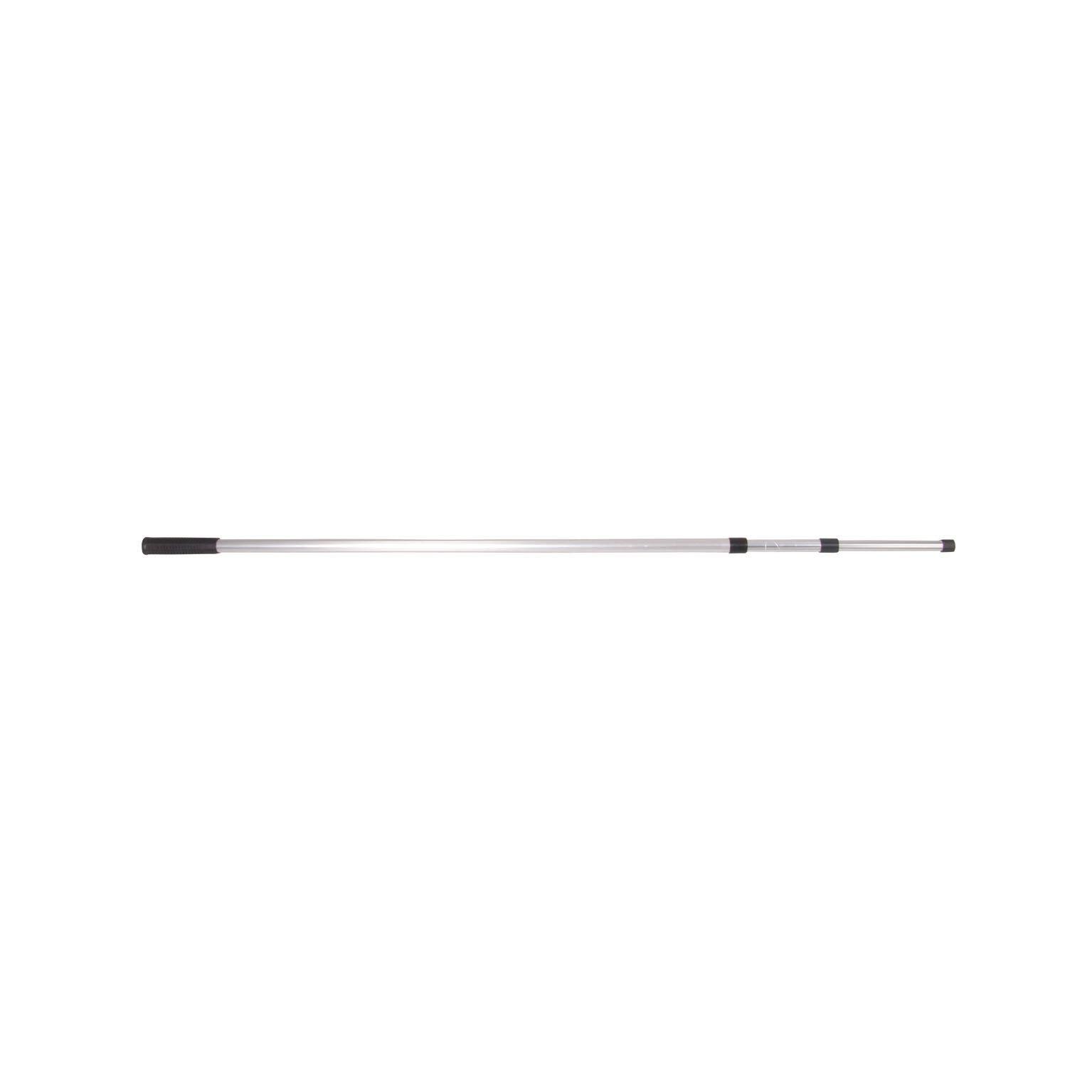
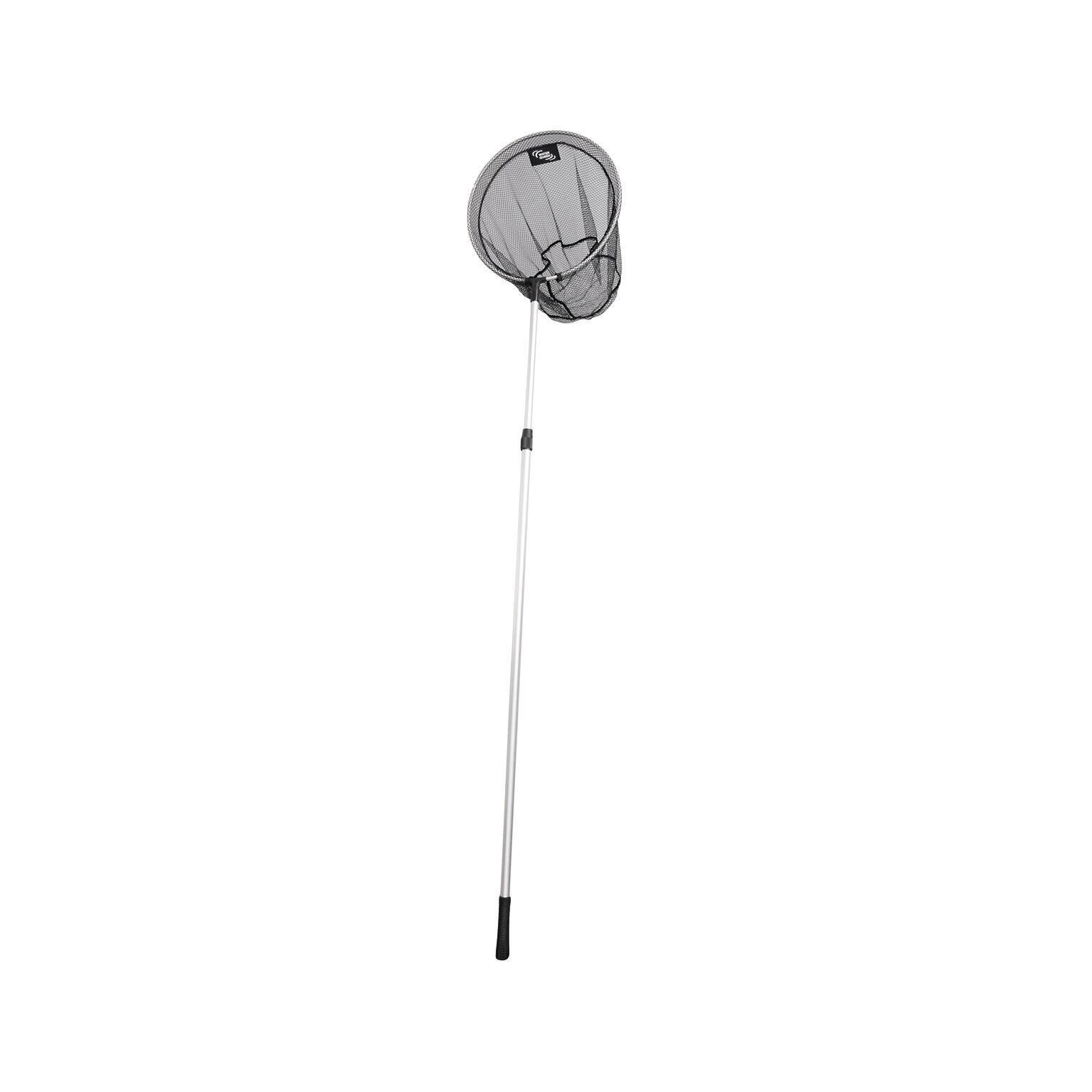
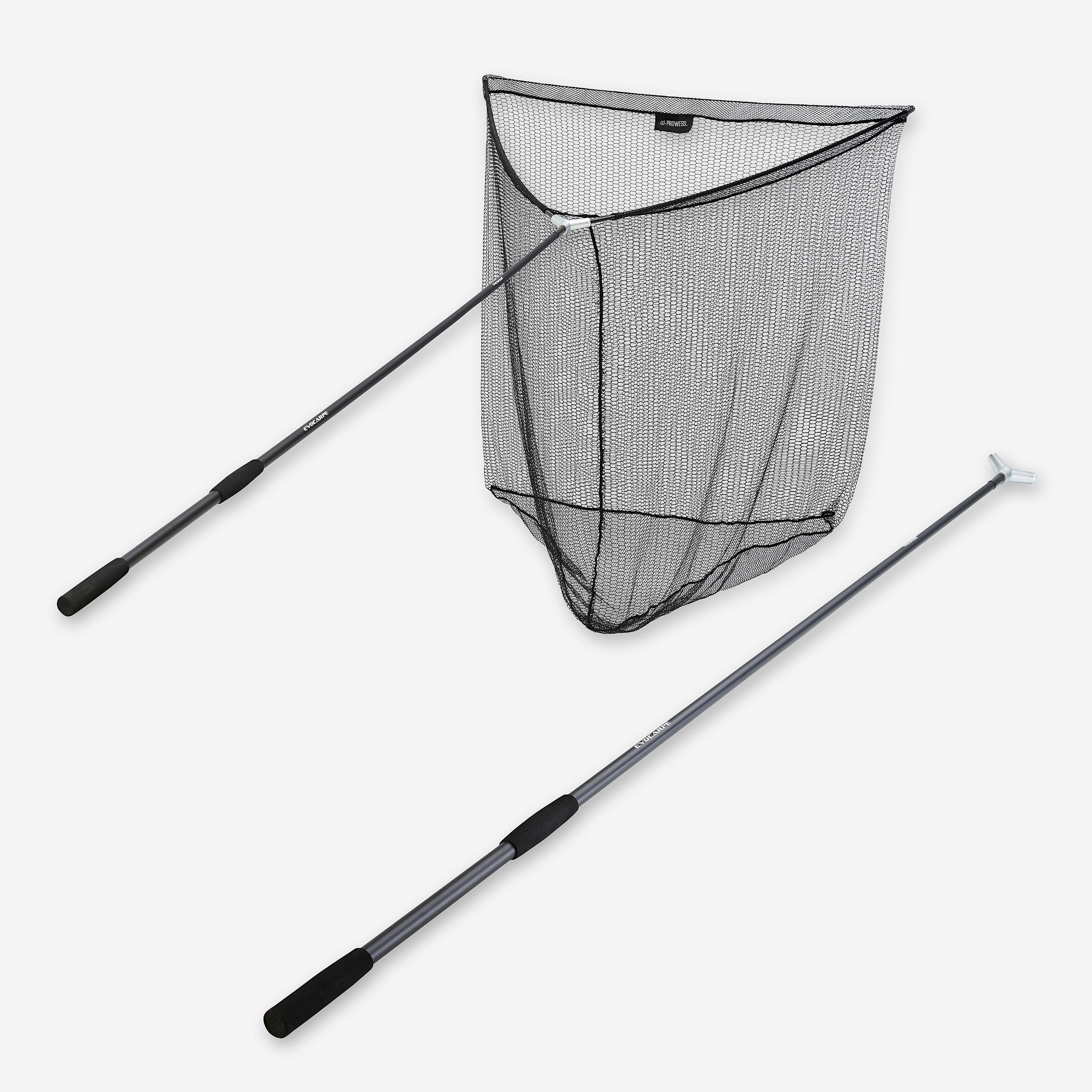
Start with the size of fish you normally target and the type of bank you fish from. Smaller round heads are easier to manoeuvre for roach and other whitefish, while a larger oval head gives you a wider opening and more net depth when bream, tench or carp are possible. Handle reach matters as well, particularly when the water sits below the bank. Caperlan's telescopic handle landing net combines a four-section fibreglass handle with a landing-net head, folding to about 53 cm for transport and extending to around 175 cm. Have the net assembled before a fish reaches the margin so you can guide it steadily over the frame rather than rushing the final stage.

When is an oval rubber landing net head useful?

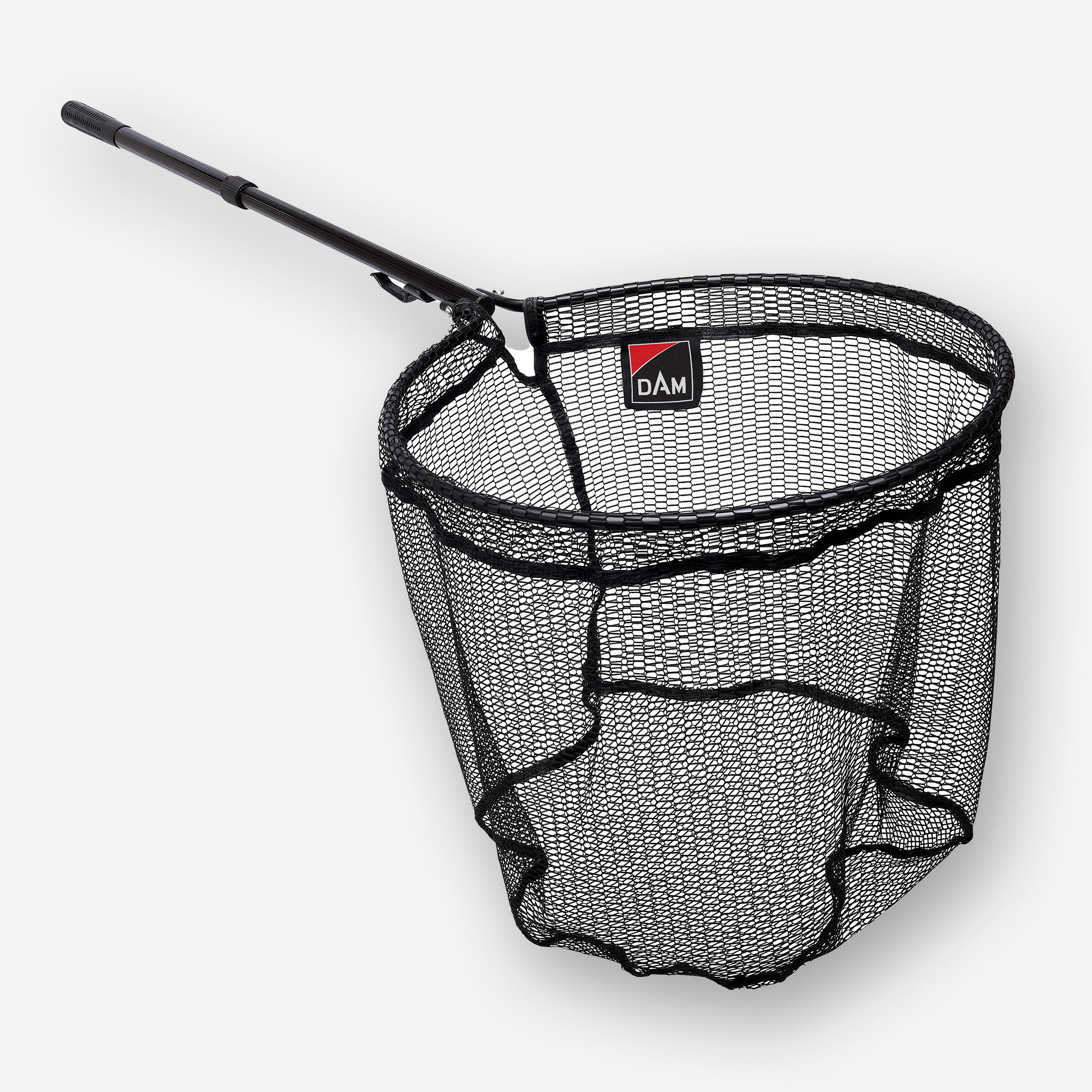
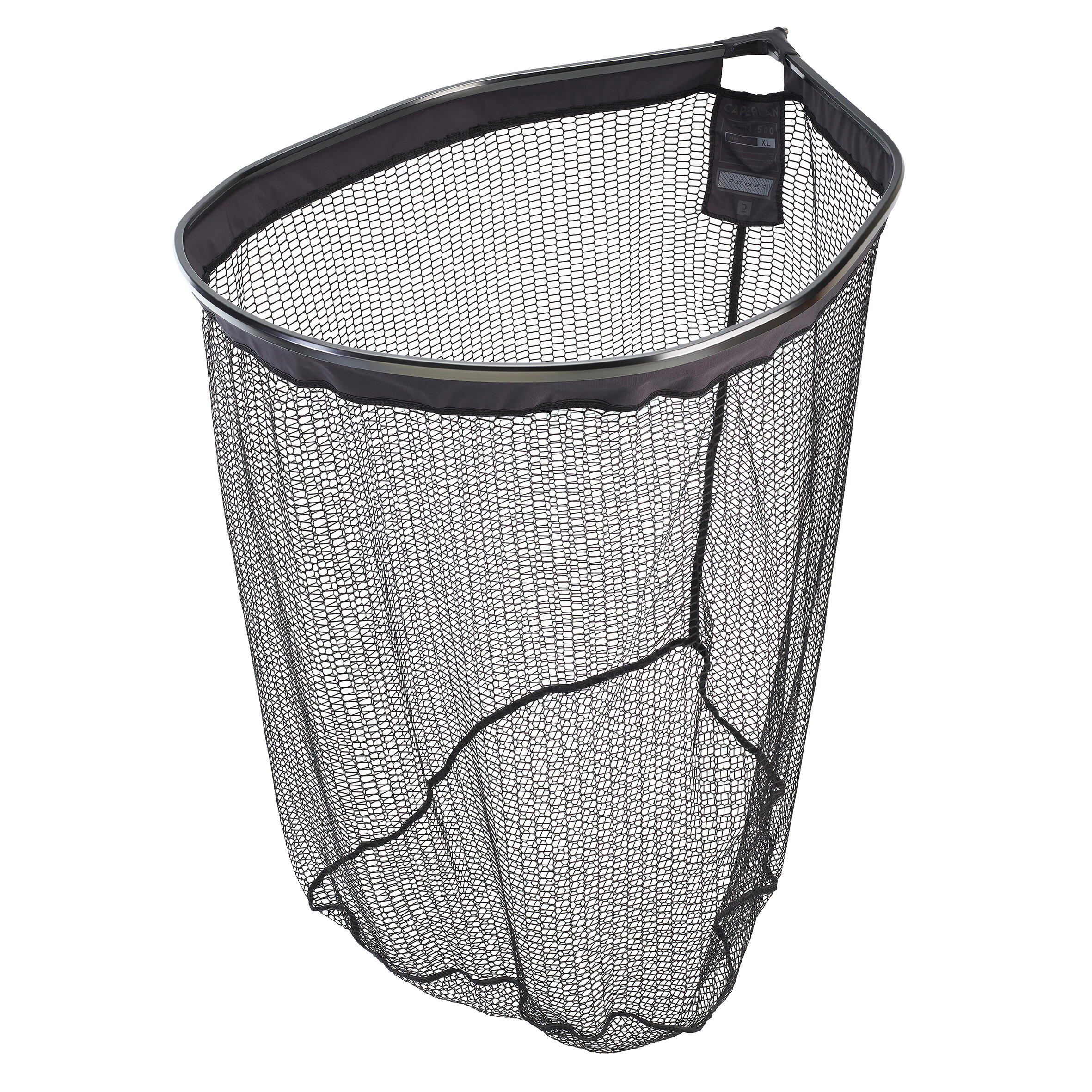
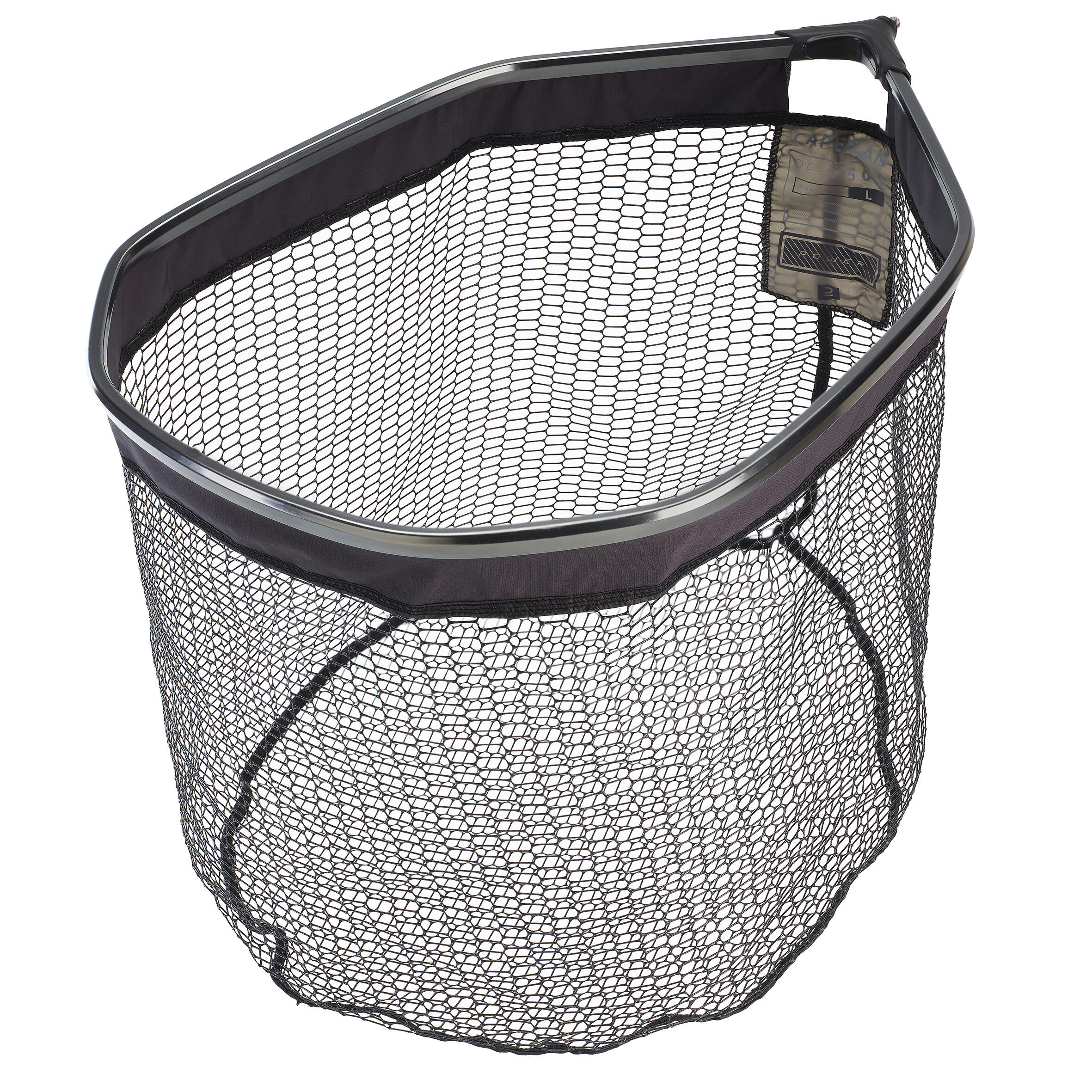
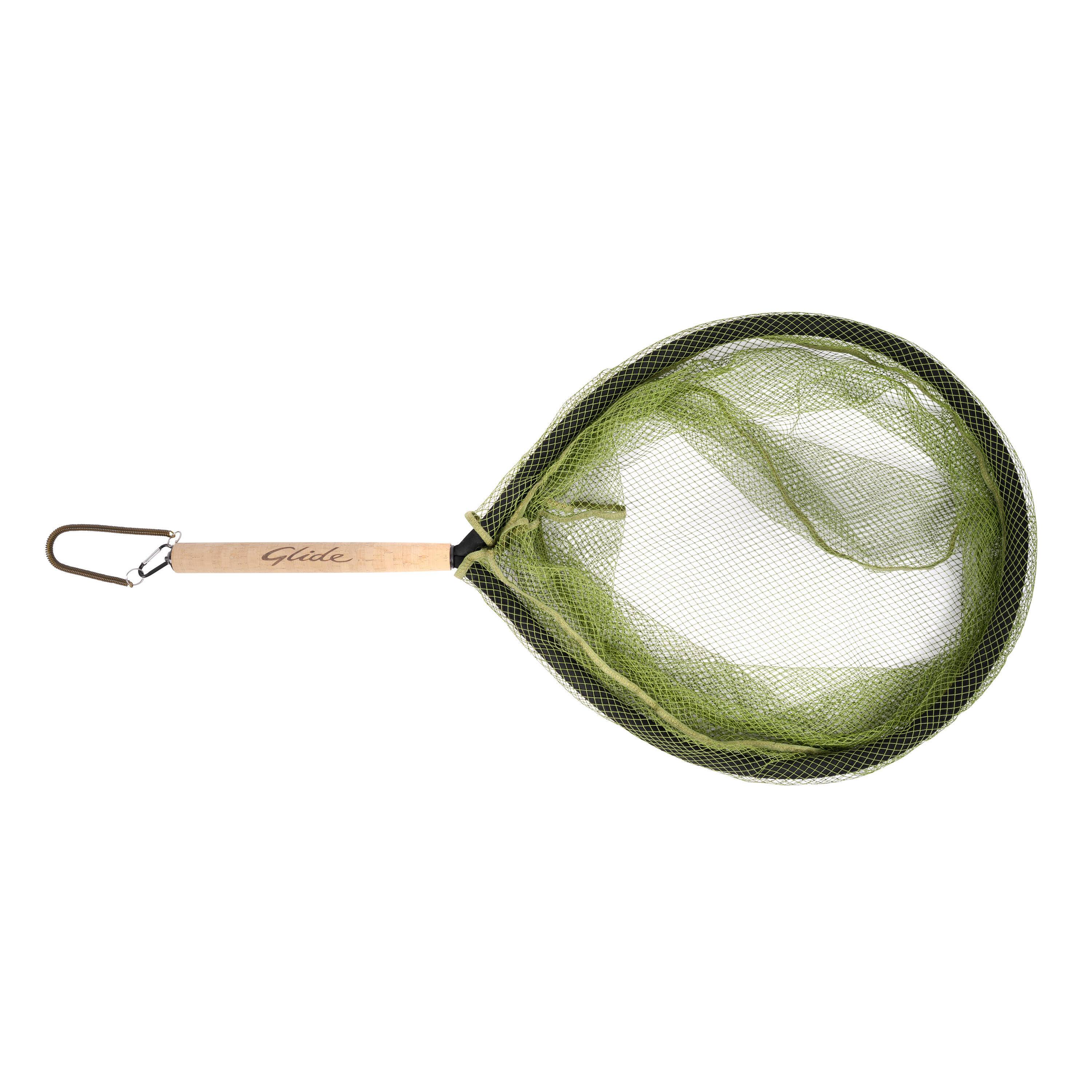
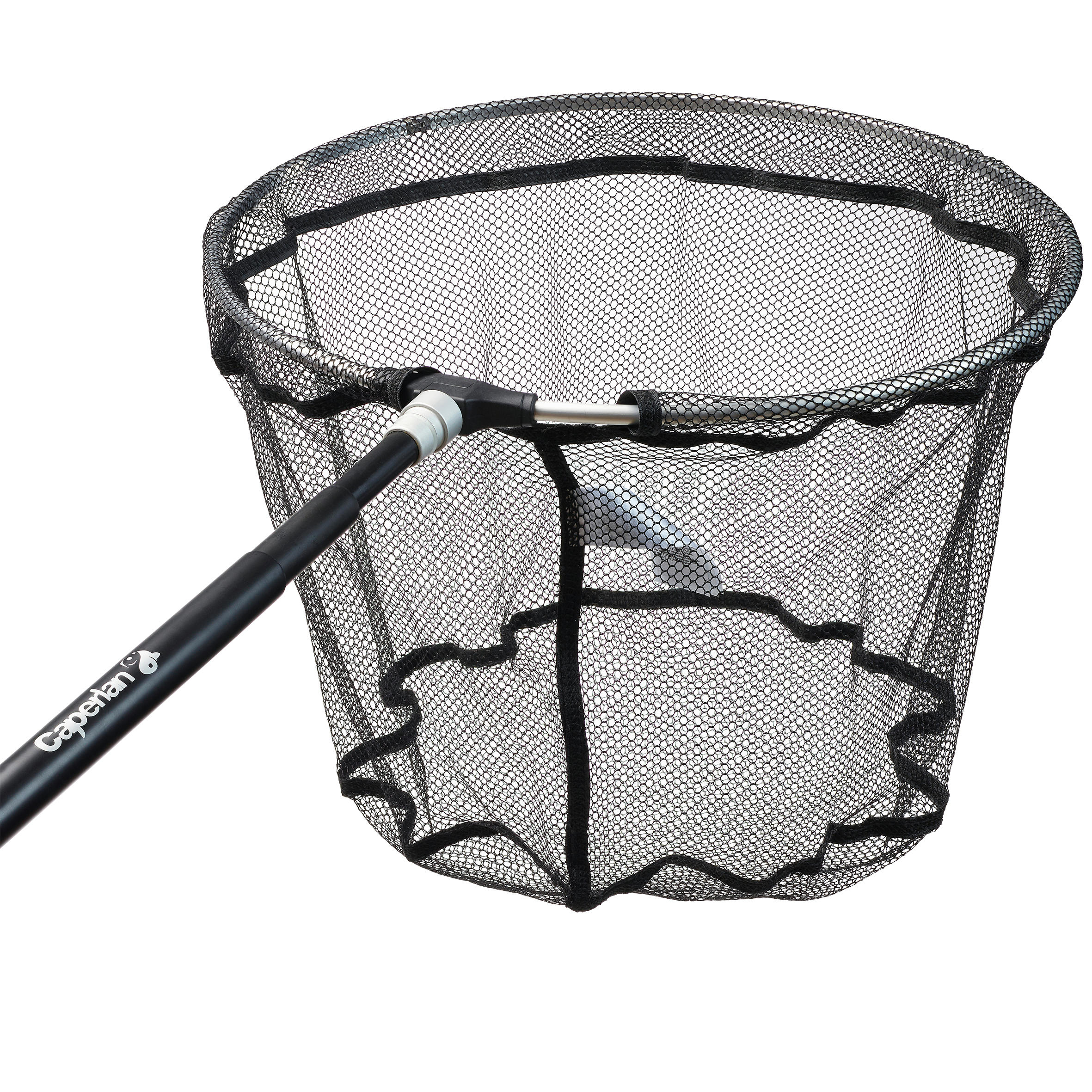
An oval head gives you more width through the mouth of the net, which can make it easier to guide a larger fish inside without repeatedly repositioning the handle. Caperlan's oval rubber landing net uses rubberised mesh with smaller openings across the bottom and larger openings on the sides. The different mesh areas help water drain as you lift while retaining a supportive net base around the fish. Its narrow oval profile also makes the head easier to pack into limited storage space. Keep the net submerged while guiding the fish over it, then lift only when the fish is fully inside rather than chasing it through the water with the net.

Why choose a round landing net head for smaller coarse fish?

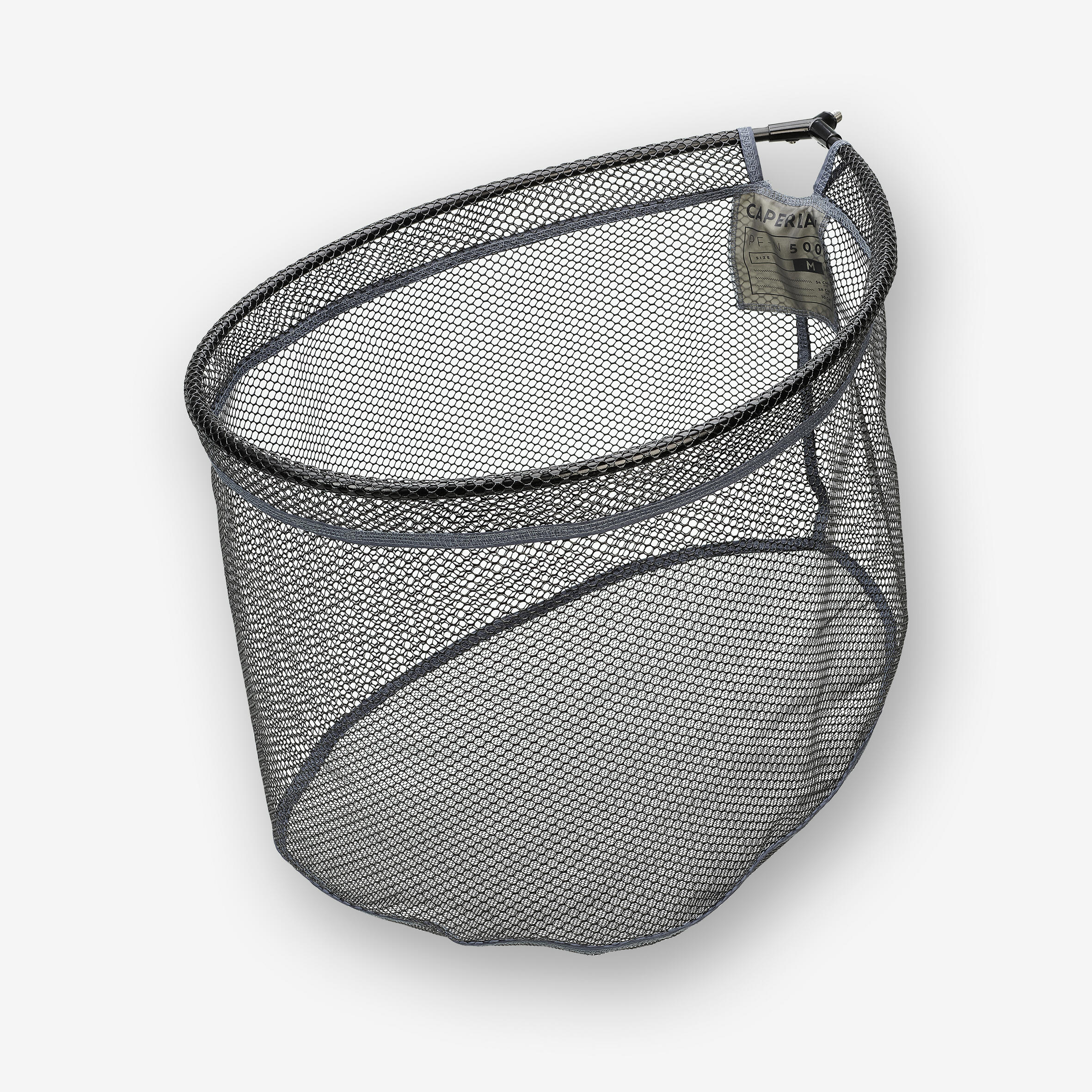
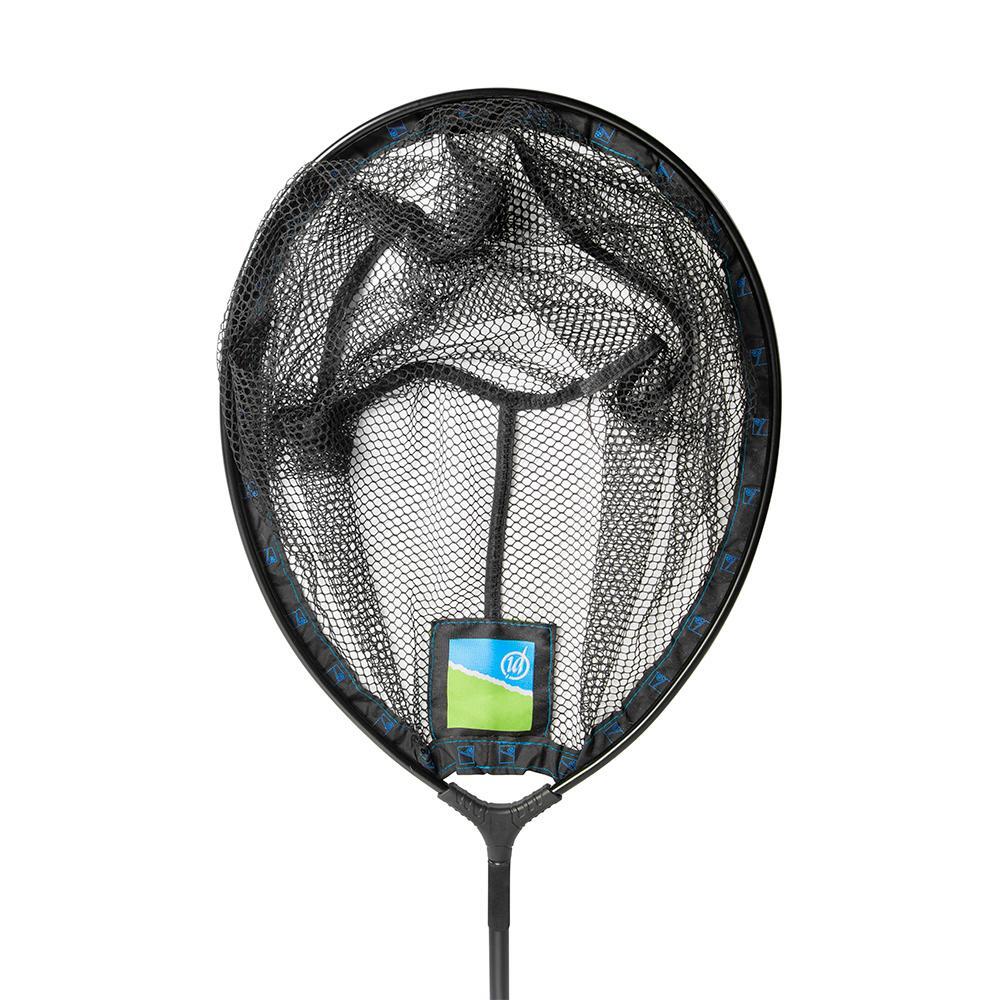
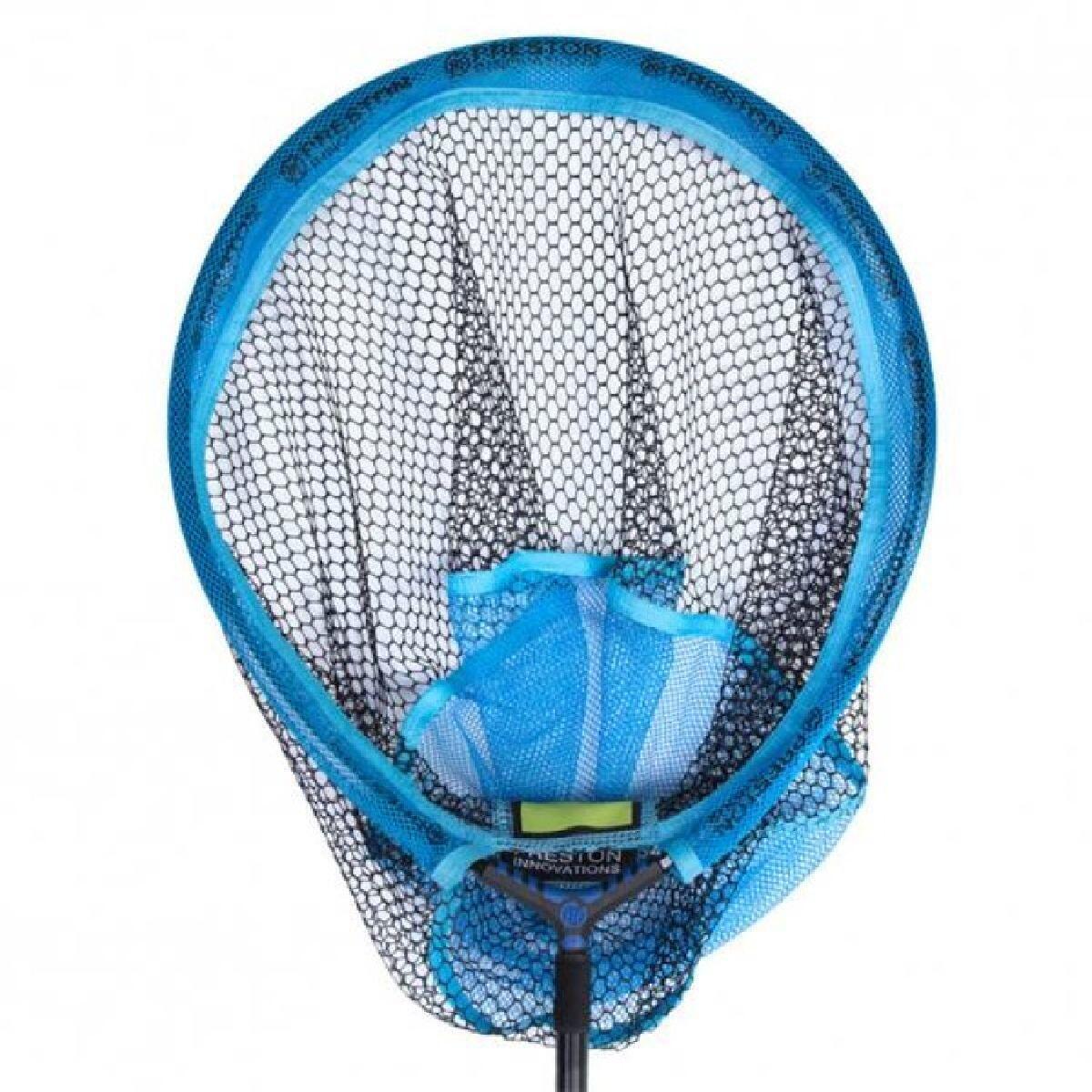
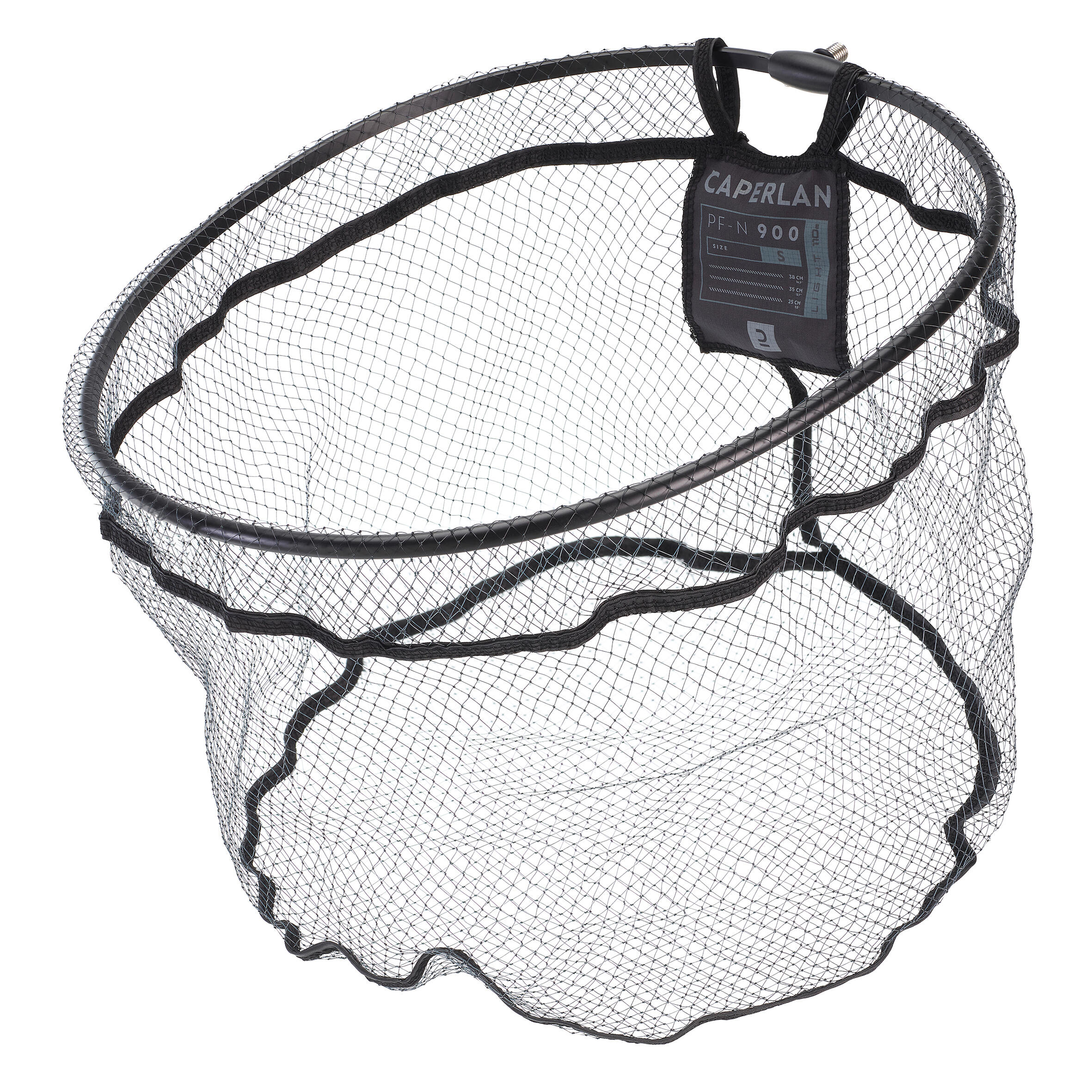
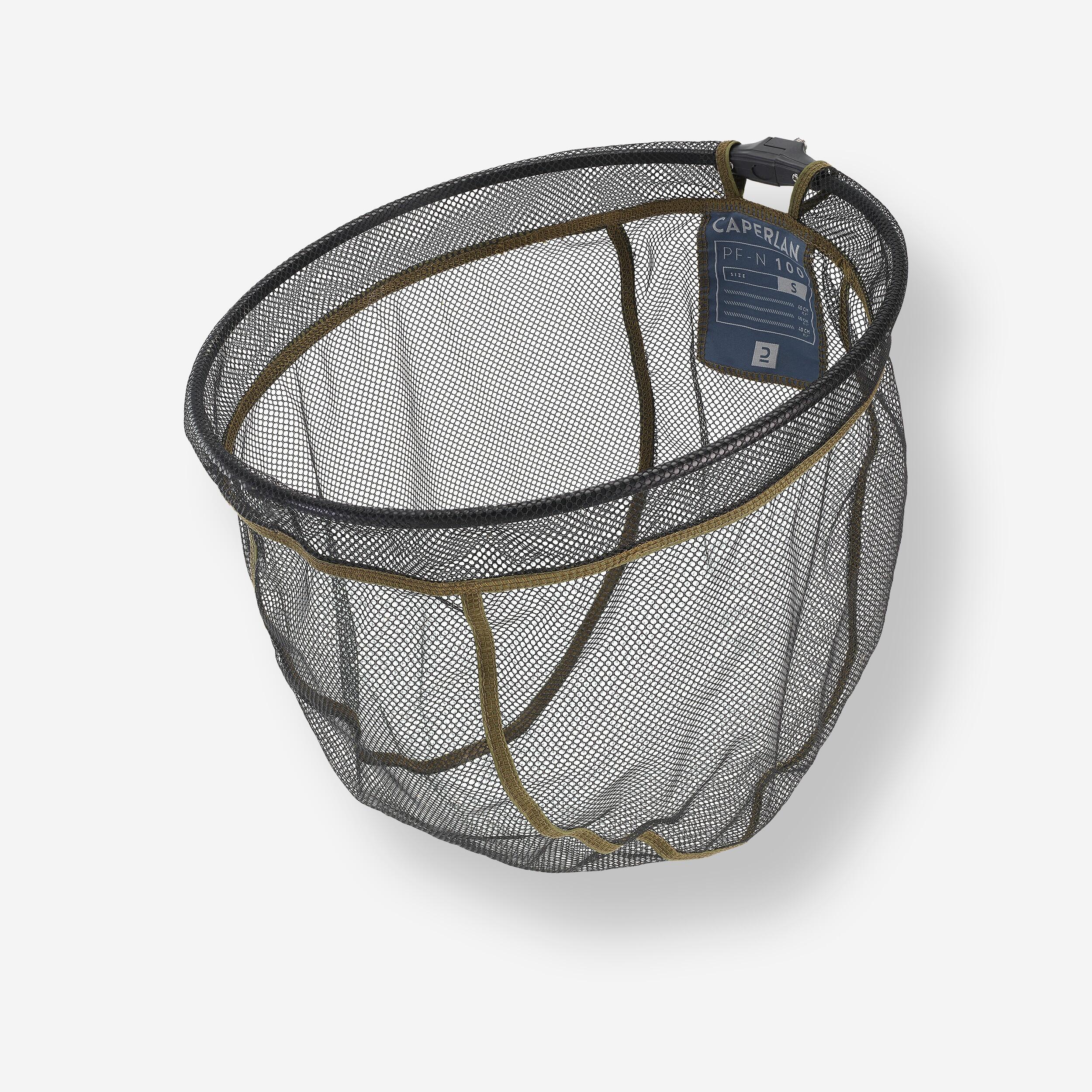
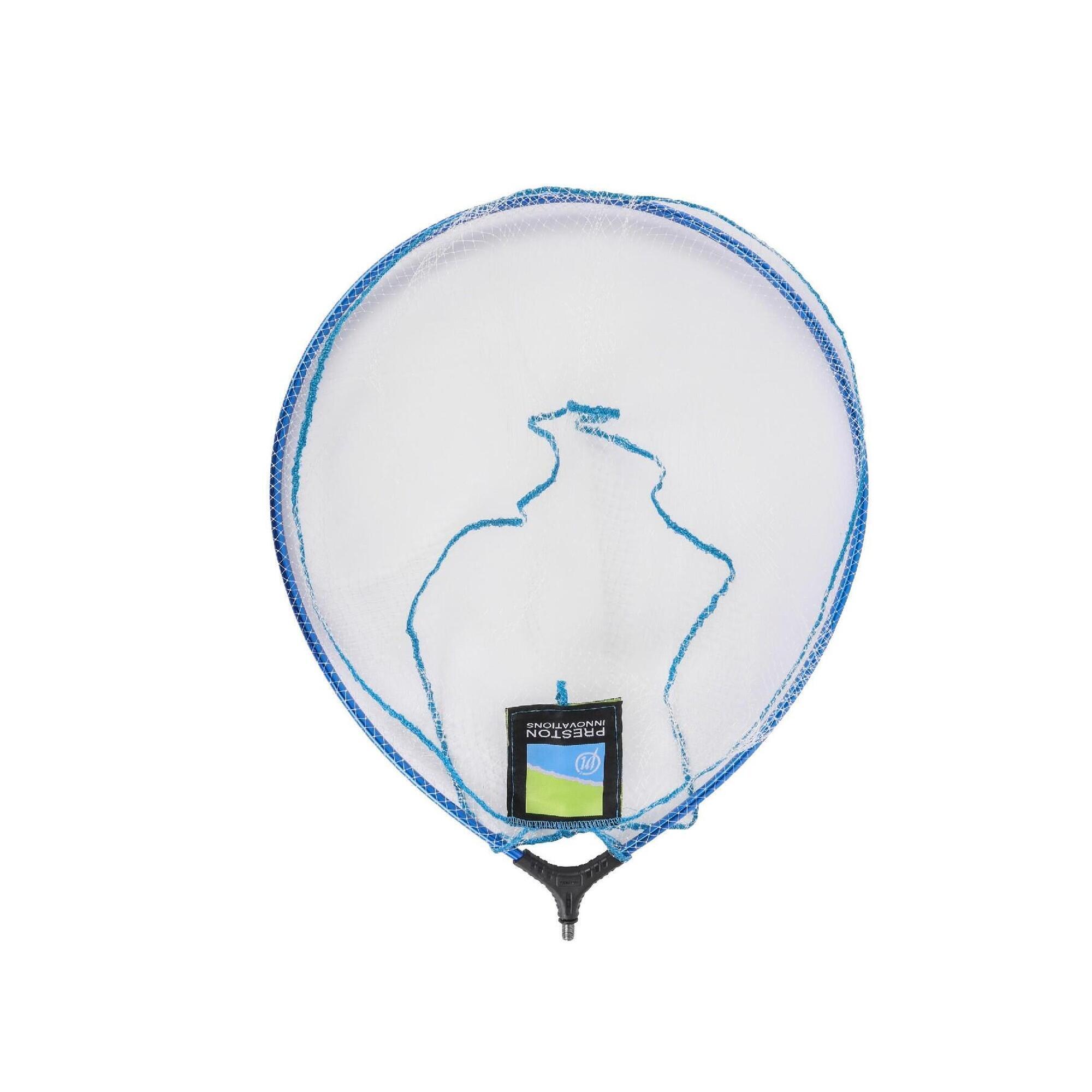
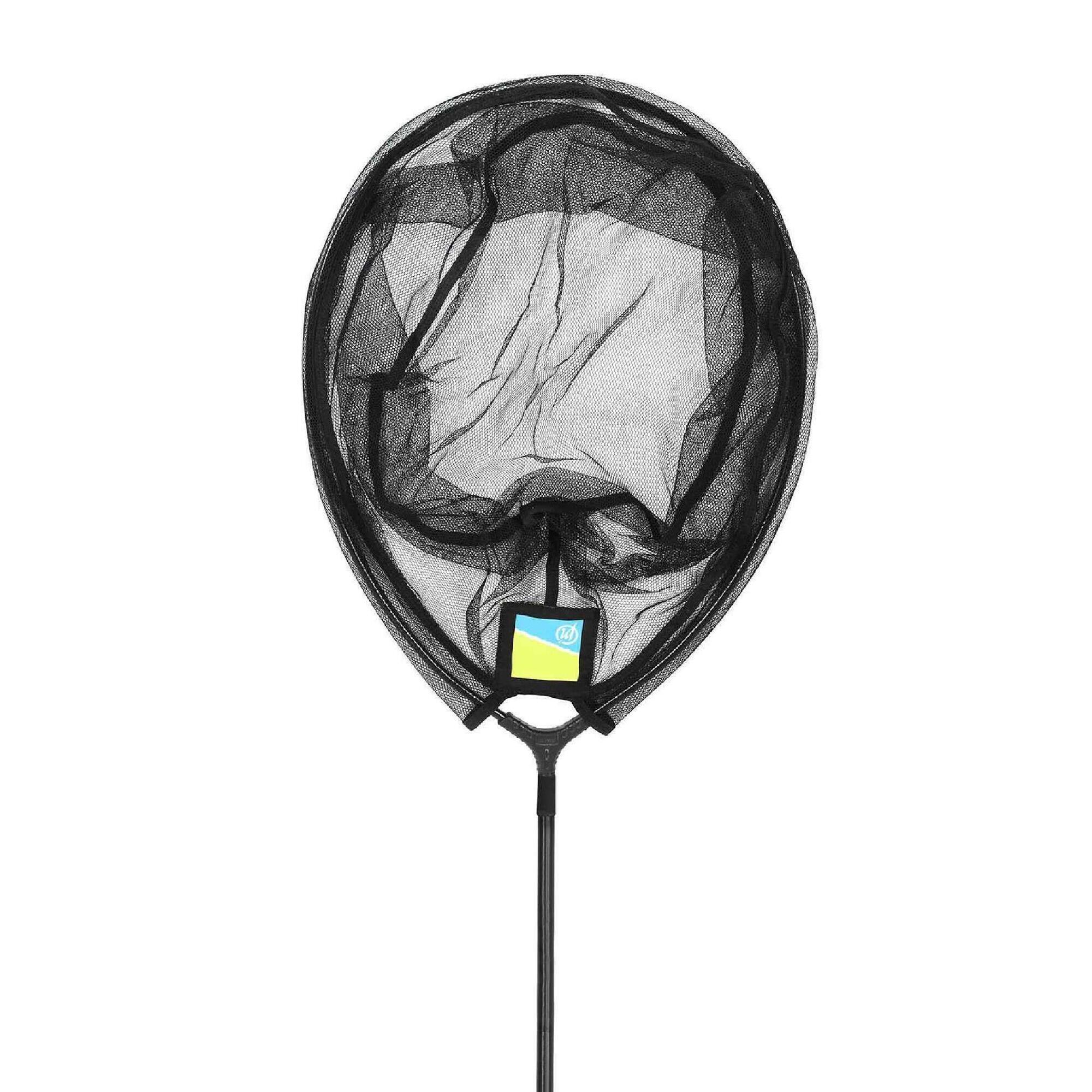
A compact round head is easier to move quickly when landing smaller whitefish and takes up less room around a busy fishing position. Caperlan's round landing net for coarse fishing has a 0.38 m frame and fine 3 mm polyester mesh. The fine mesh provides a contained landing area without requiring the deeper, wider profile used for larger fish. Caperlan also uses a universal threaded fitting on separate net heads, allowing compatible heads and handles to be combined according to the session. Tighten the head securely before fishing and check the threaded connection occasionally, as repeated lifting and transport can loosen fittings over time.

Which mesh material and size suit different landing net uses?

Mesh construction changes drainage, weight and the type of fish the net is suited to handling. Fine polyester or nylon mesh works well for smaller whitefish, while Caperlan uses larger rubberised mesh on some higher-capacity heads intended for bigger coarse fish. Larger openings allow water to drain more quickly as the head is raised, reducing some of the resistance you feel through a long handle. Rubberised mesh also provides a different surface from traditional textile netting. Within coarse fishing equipment, match the net head to your likely catch rather than choosing the largest option automatically. A lighter compact head can be easier to control for frequent small-fish landing, while a wider, deeper format gives you more room when bigger fish are expected.

How can you clean and store a coarse fishing landing net?

Netting regularly picks up water, weed and bank debris, so rinse away dirt where needed and let the mesh dry thoroughly before putting it into long-term storage. Caperlan advises keeping several landing-net heads somewhere dry and away from direct sunlight, which helps protect the mesh and other materials between sessions. Check the frame, threaded fitting and handle joints at the same time, especially after landing a heavier fish. If you use separate heads, keeping them in a suitable net or keepnet bag can prevent wet mesh from sitting against reels and other tackle. A reliable landing net is an important part of coarse fishing, so prepare it before you cast rather than leaving fish-handling equipment packed away until a fish is already close to the bank.