20 items
4.7/5 based on 523 reviews collected online and in stores

Keepnets and Stick Bags FAQs

How to select keepnet for different situations of coarse fishing?

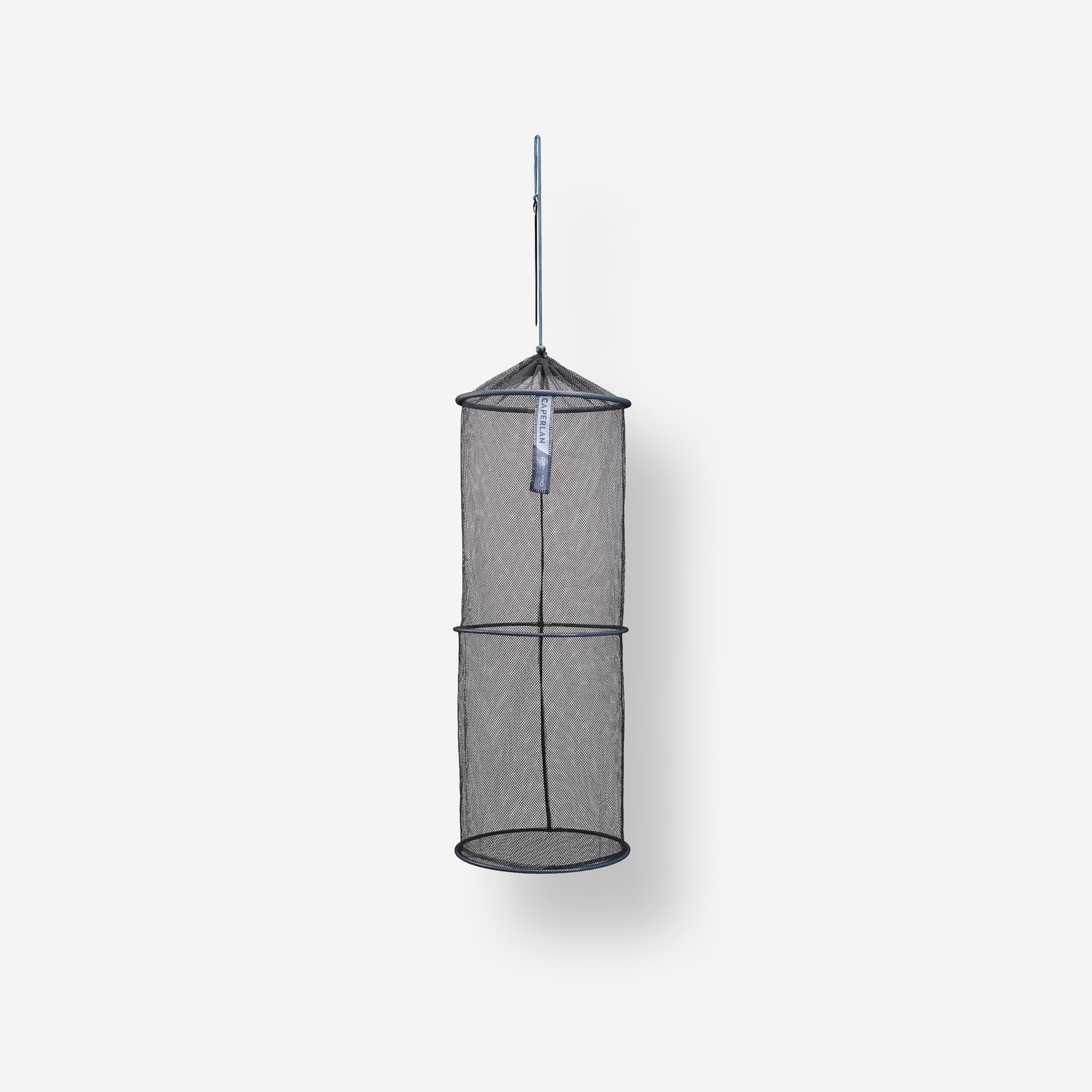
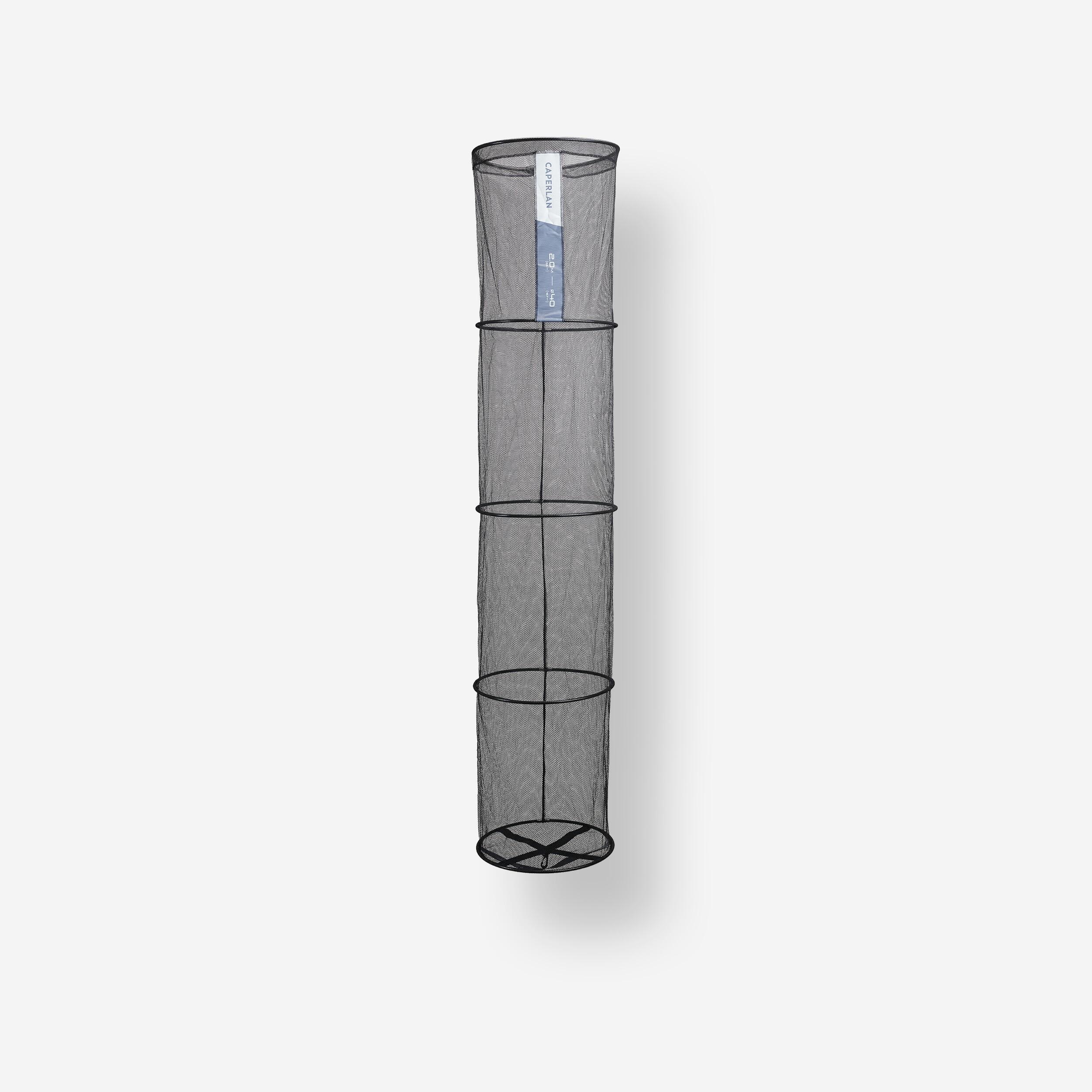
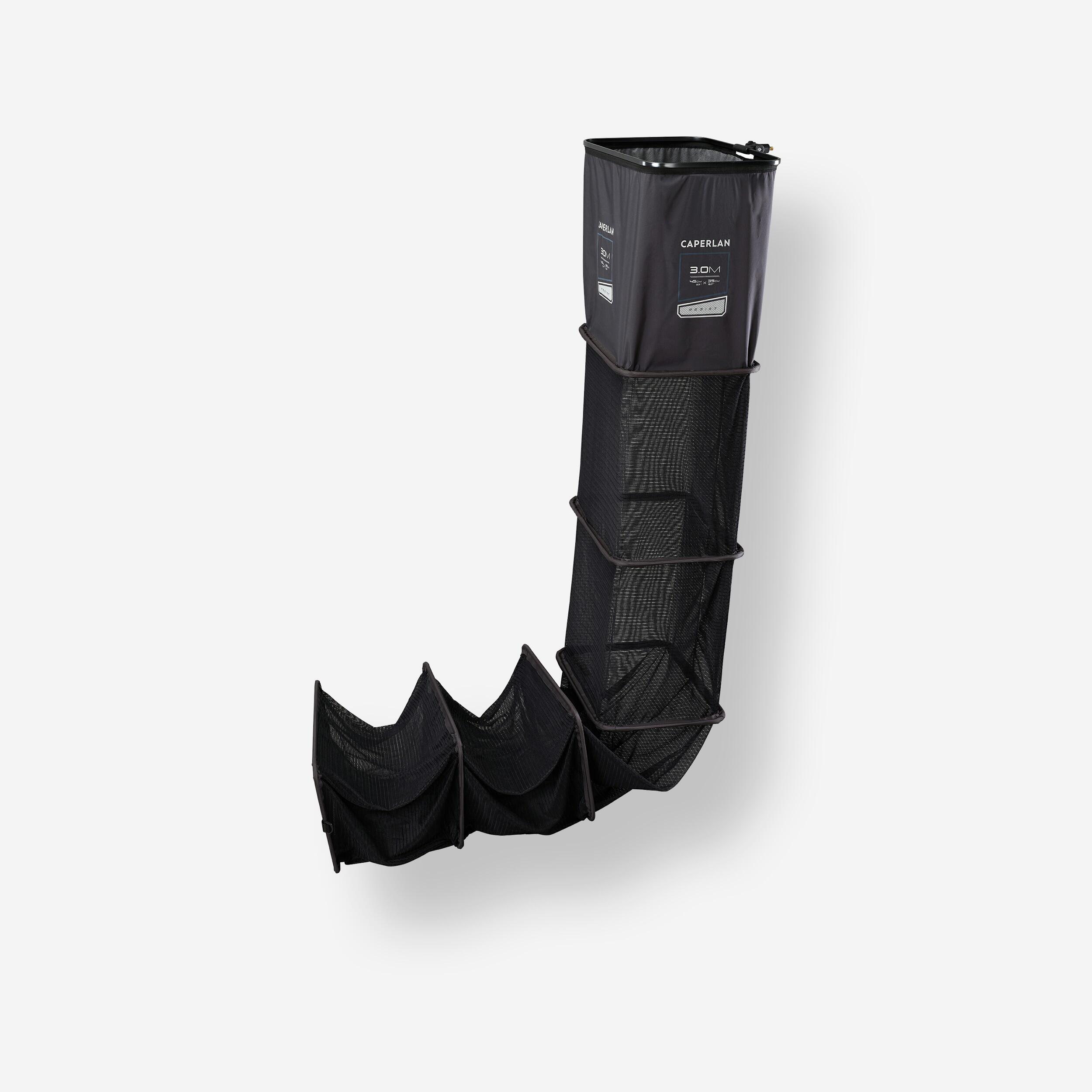
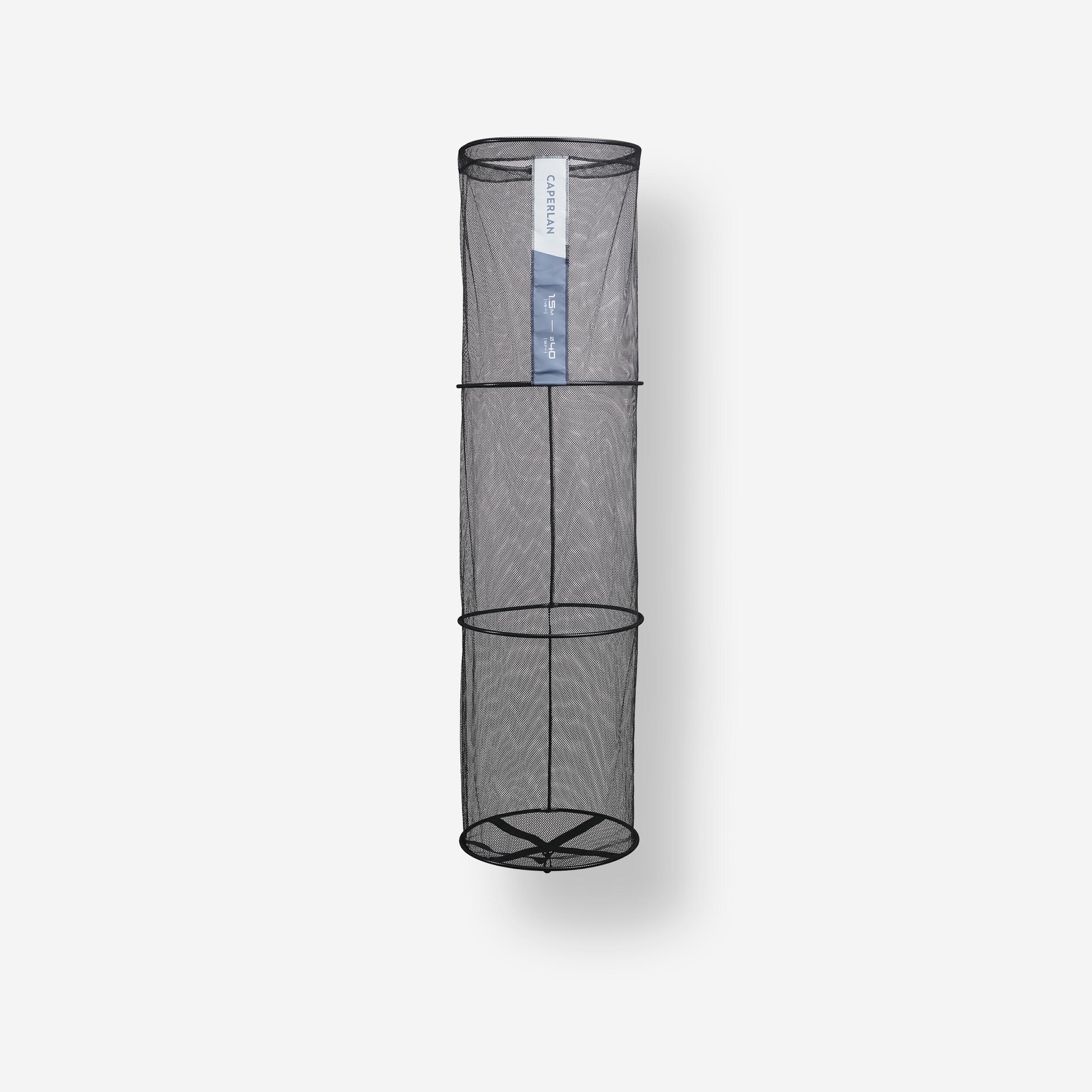
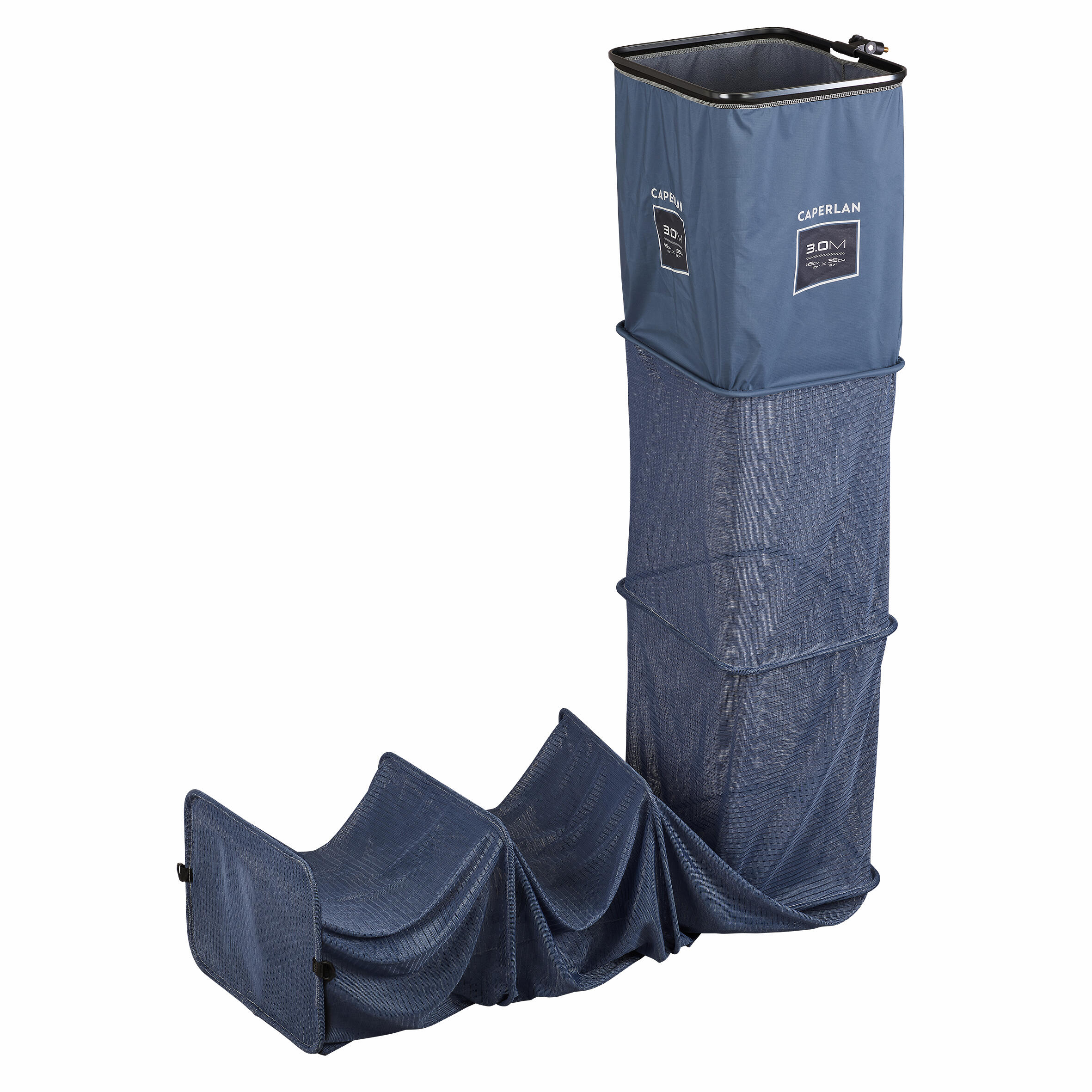
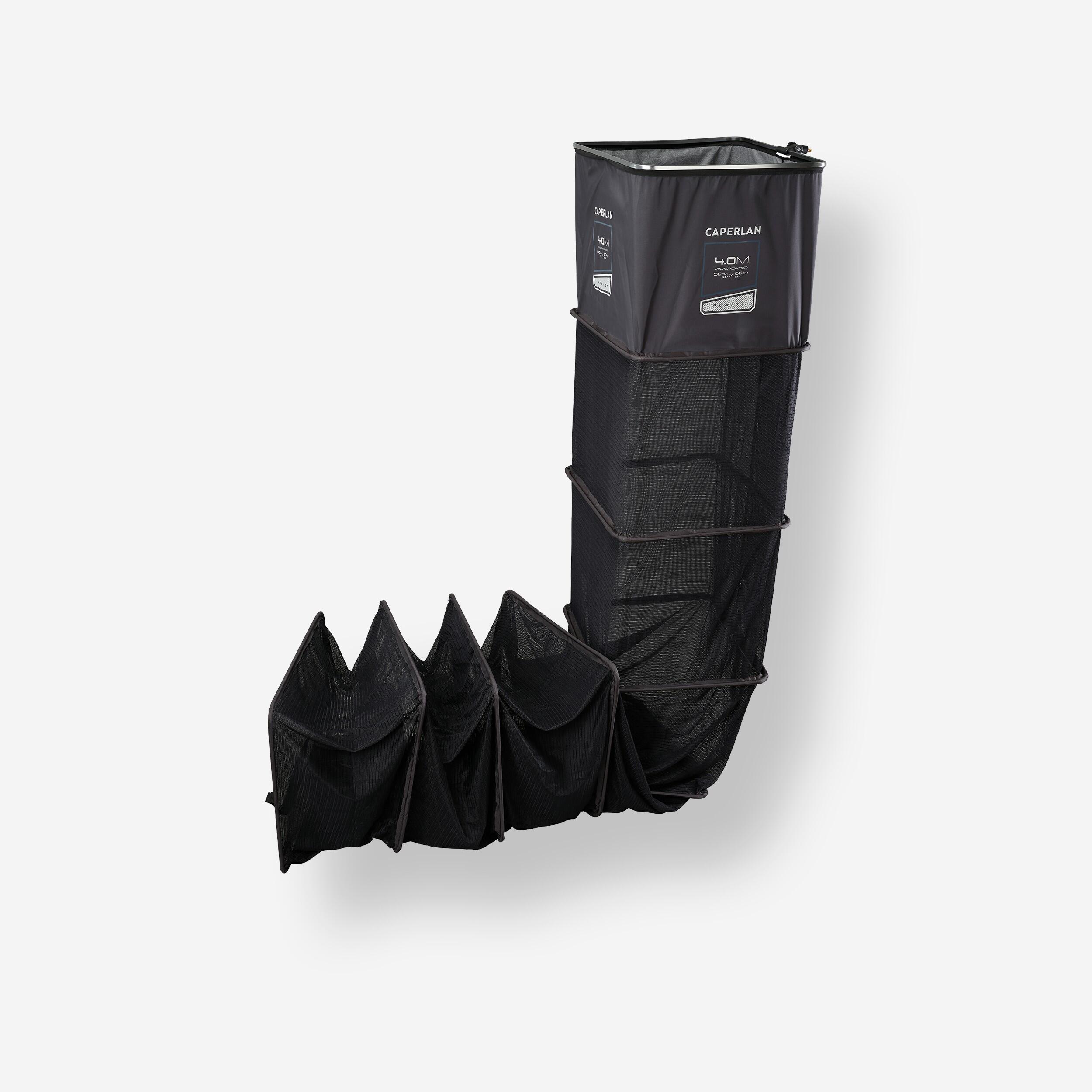
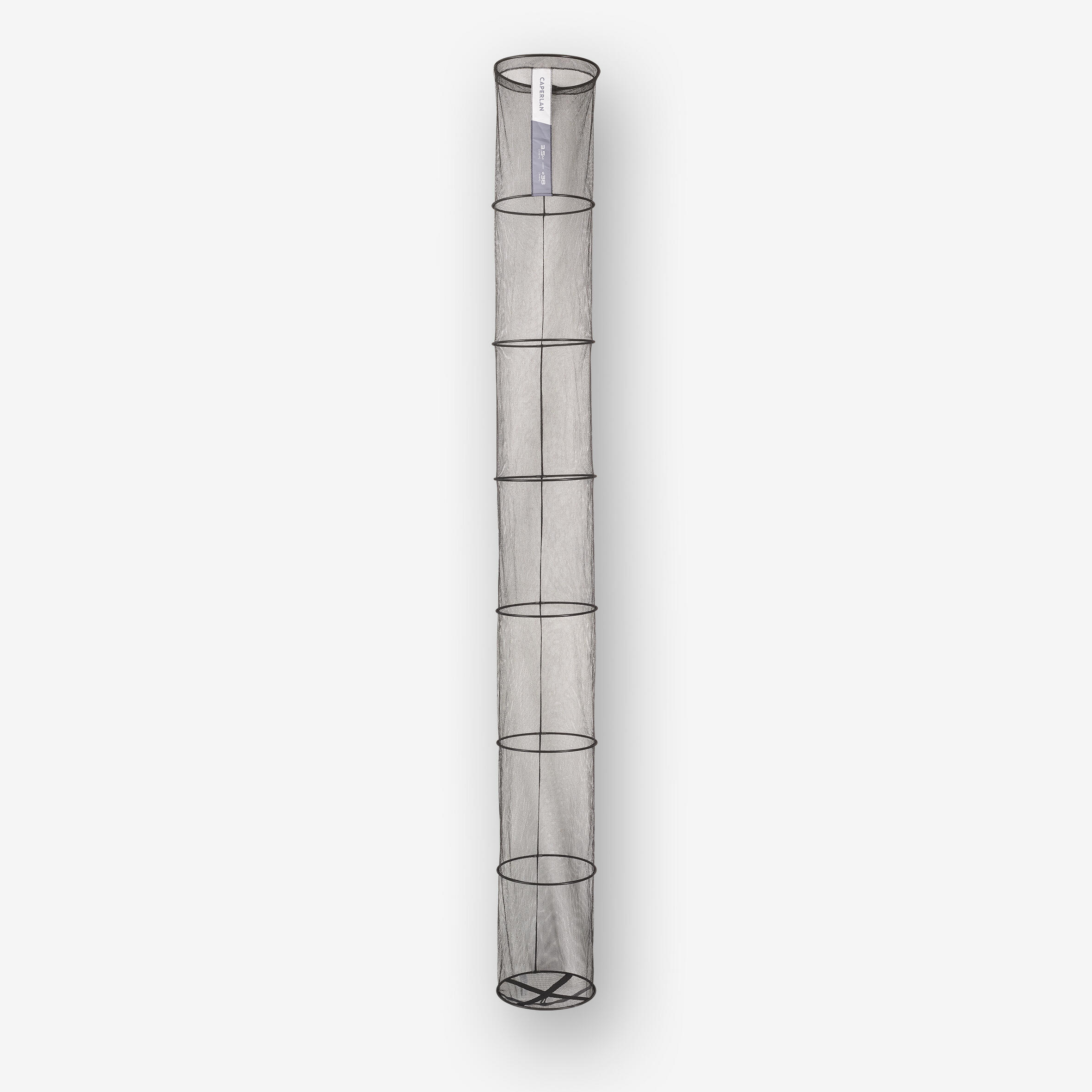
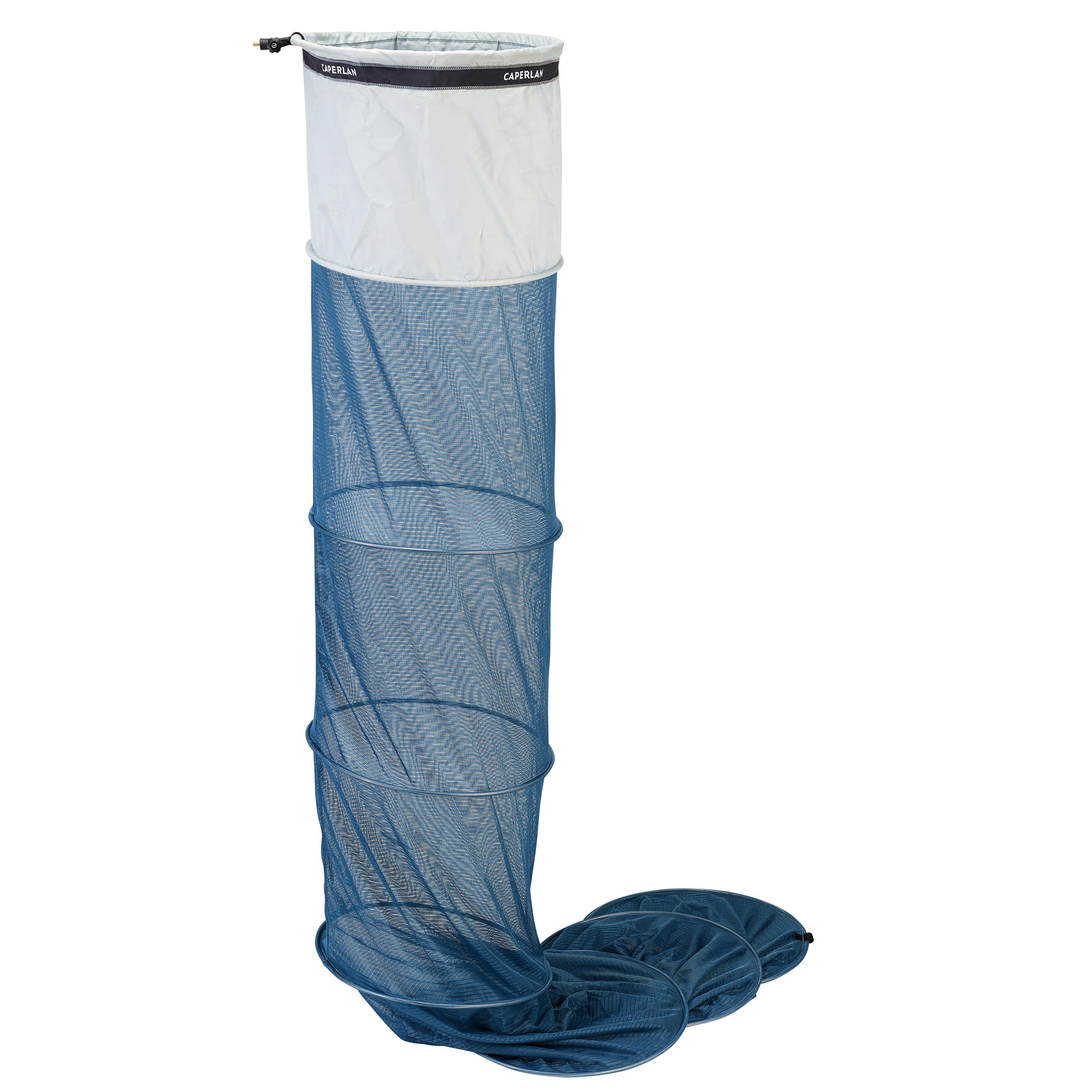
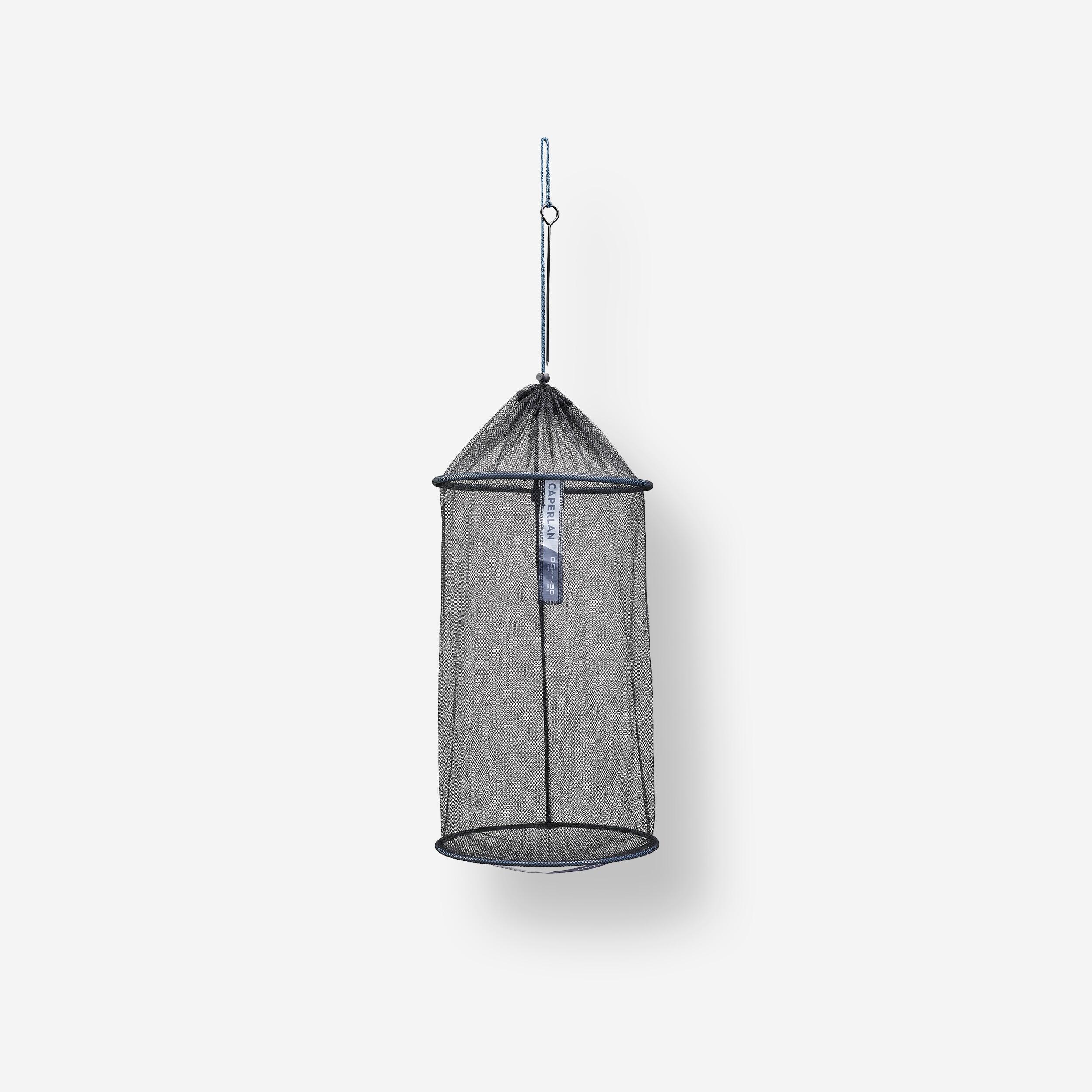
Keepnet length, shape and support structure all affect how the net sits in the water and how much room fish have once retained. Compact round models can suit straightforward sessions with smaller catches, while longer rectangular nets provide more internal space and can remain more stable when there is current or a sloping bank. Caperlan increases the number of supporting hoops as net length grows so the mesh stays open rather than collapsing around the fish. Longer models also include ballast attachment points, so you can add weight when the lower end needs extra stability. A 3 m rectangular keepnet uses two ballast fixing points and a tilting head, allowing the opening and lower section to be adapted to the bank and water conditions.

Why can a rectangular keepnet be more stable than a round one?

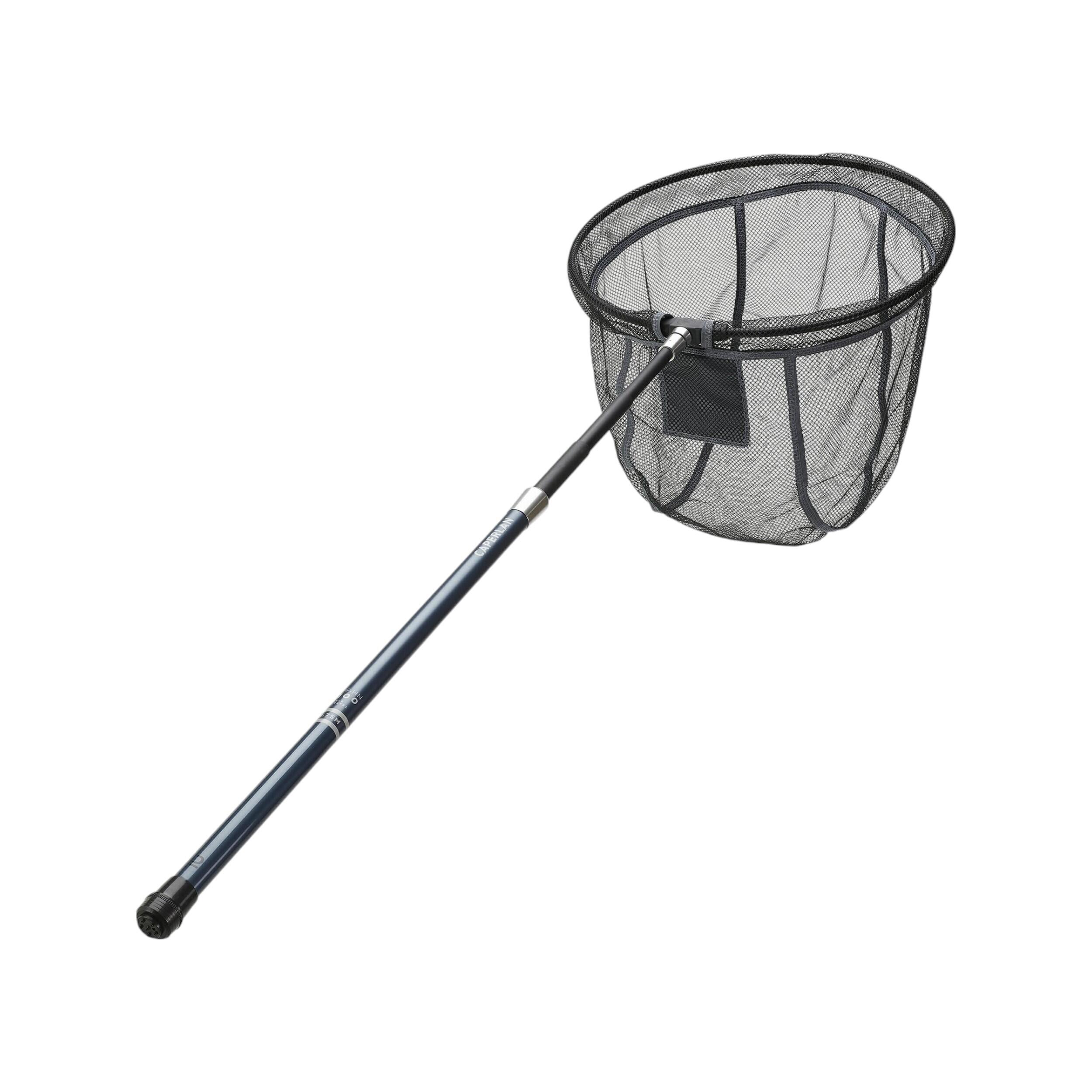
A rectangular frame gives the keepnet flatter contact points, which can help stop it rolling or shifting when the water moves or the bank slopes towards the swim. Caperlan uses this shape on its longer coarse fishing keepnets and combines it with multiple hoops that hold the mesh open along the full length. Reinforced fabric around selected ring areas also helps protect the net where it regularly rubs against the bottom. Position the opening so fish can be transferred into the keepnet without stretching across other tackle, then use the ballast points if the lower rings won't stay extended. While setting up your wider coarse fishing equipment setup, leave enough clear bank space for the net, landing-net handle and rod supports to work without crossing one another.

How does a bankstick help position a keepnet securely?

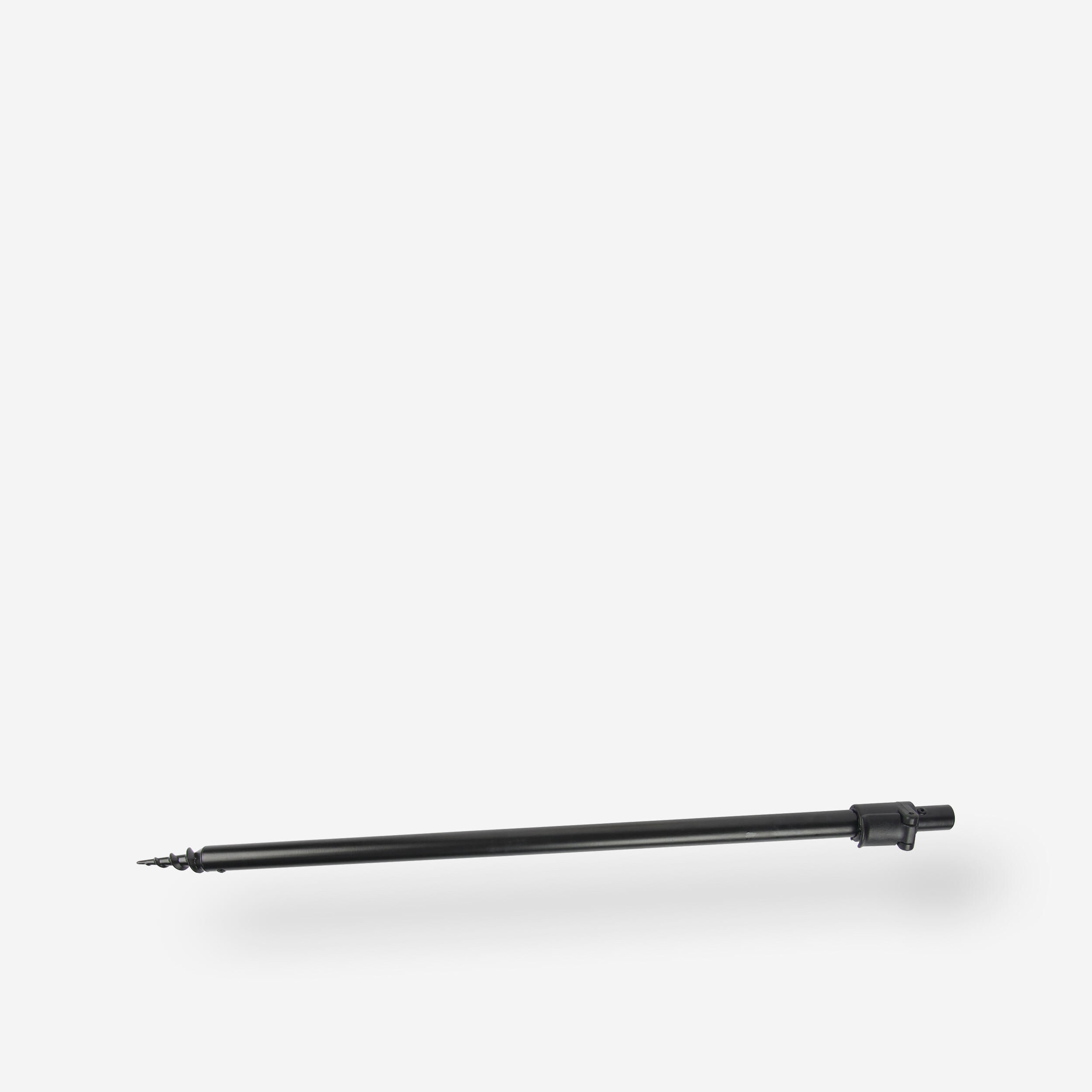
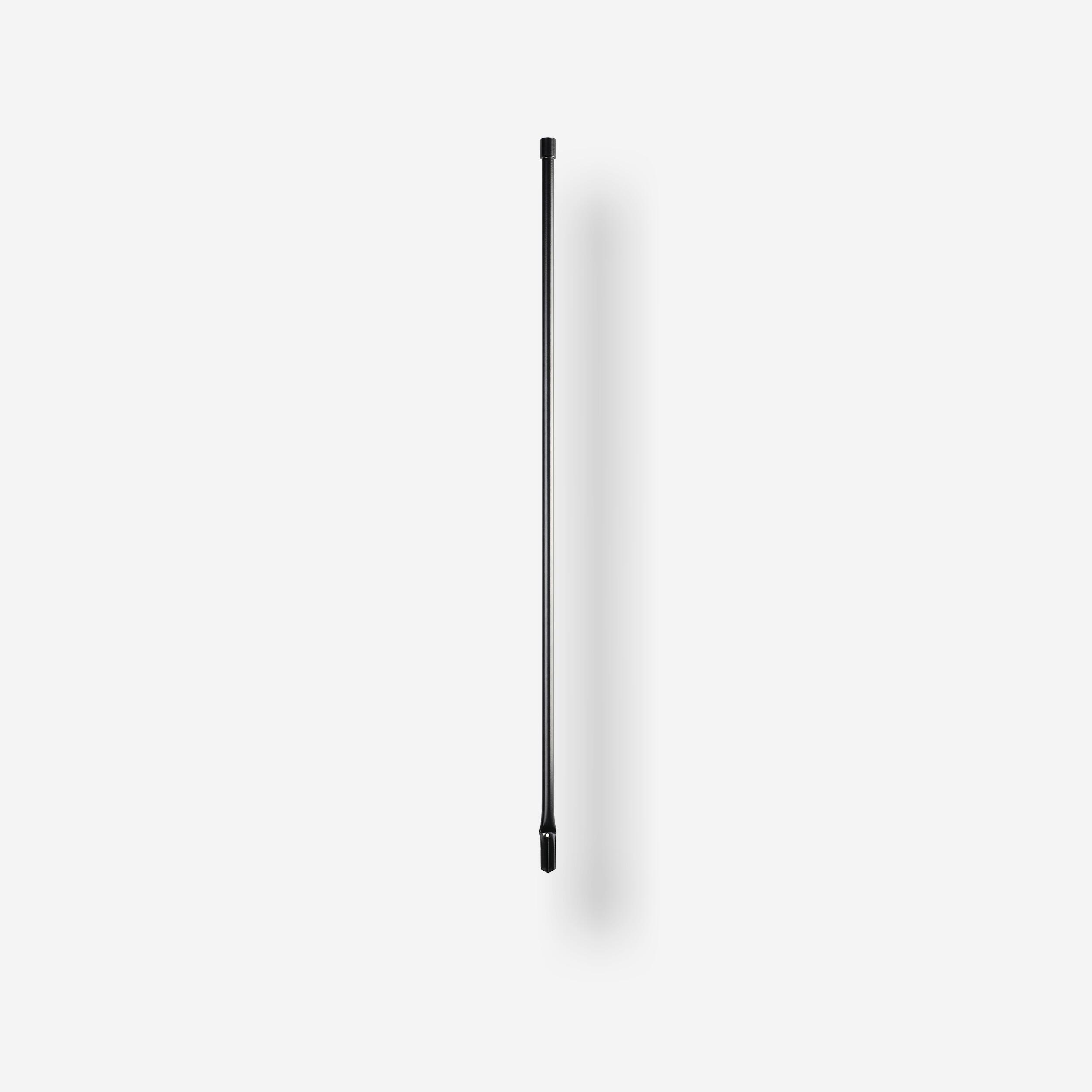
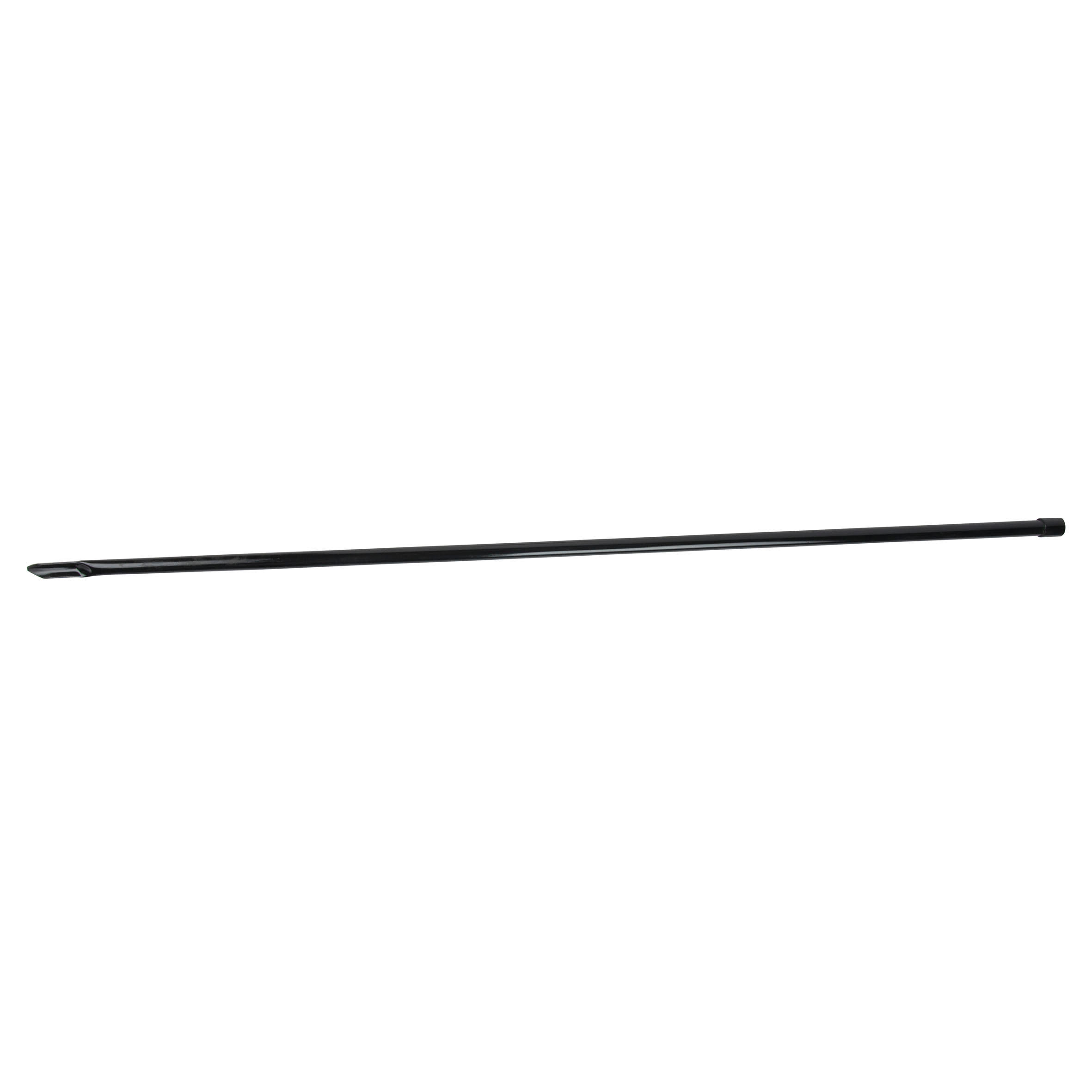
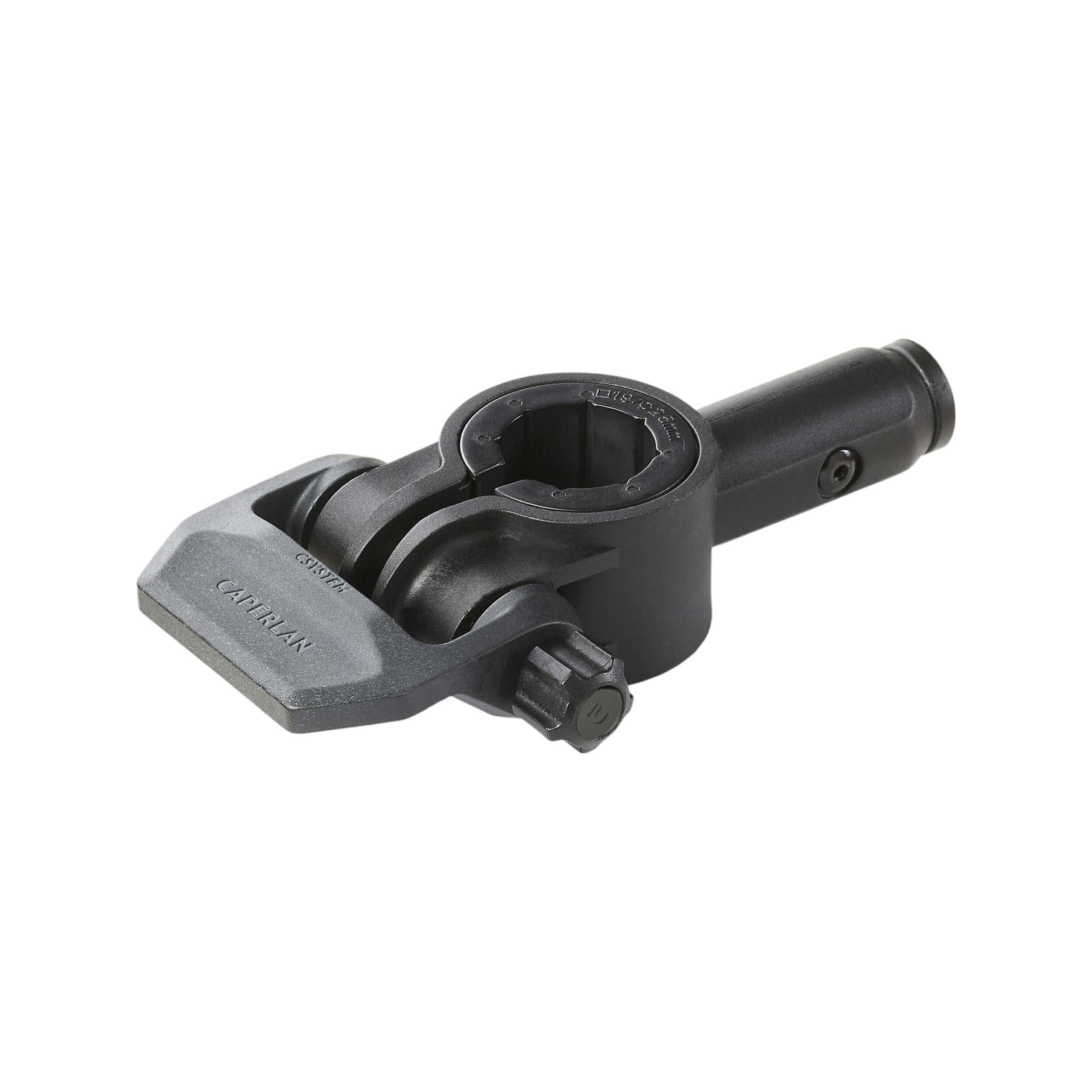
A bankstick gives the keepnet head a firm attachment point and lets you position the opening at a practical angle beside your fishing station or seat. Caperlan's 0.75 m steel bankstick for keepnets uses a universal screw connection, so it can also accept compatible fishing supports and accessories. Steel provides a solid option when you value stability, while lighter aluminium supports can reduce the weight you carry to the swim. Push the stick into firm ground before attaching the keepnet and check that it cannot twist under the weight of wet mesh. On softer banks, adjust the angle and insertion depth rather than relying on the screw fitting alone to keep the net in the correct position.

When is an aluminium fishing spike useful with coarse fishing equipment?

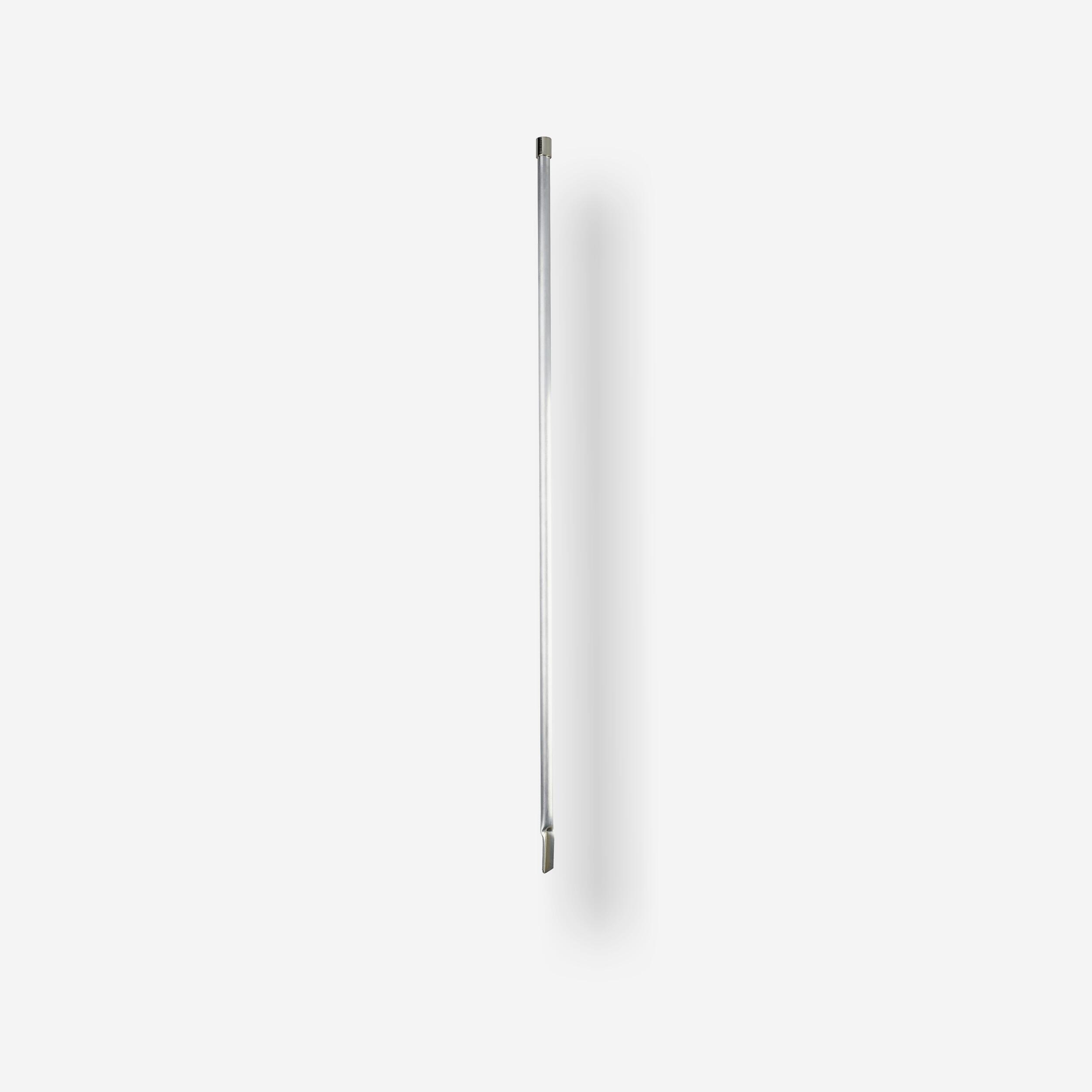
Aluminium spikes provide a lighter alternative when you regularly carry several supports or move between fishing positions. You can use them with compatible rod rests and other screw-thread accessories, helping you build a bank setup without carrying heavier steel supports for every task. Caperlan's aluminium freshwater fishing spikes use the same general universal screw principle found across many coarse fishing supports. Match the support material to the ground and the load it needs to hold: a lightweight spike suits straightforward banks, while a heavier support may be better where extra stability is needed. Keep sticks and spikes together in a suitable bag so pointed ends and threads do not damage keepnet mesh or other tackle during transport.

How should you clean, dry and store keepnets and stick bags?

Let keepnets dry thoroughly before long-term storage because wet mesh can hold odours, dirt and moisture against the hoops and reinforcing fabric. Rinse away mud, weed and bait residue where necessary, then extend the net so air can circulate through the mesh. Avoid aggressive cleaning methods such as bleaching, tumble drying, ironing or dry cleaning. Once dry, use the built-in elastic or tightening strap on compatible Caperlan models to keep the folded net compact. Store banksticks separately enough that pointed ends cannot rub against the mesh, and wipe dirt from screw threads before packing them away. This routine is useful across coarse fishing, where wet nets and muddy supports are often transported beside cleaner reels, bait containers and terminal tackle.