8 items
4.7/5 based on 834 reviews collected online and in stores

Coarse Fishing Shelters FAQs

When is a fishing umbrella more suitable than a larger shelter?

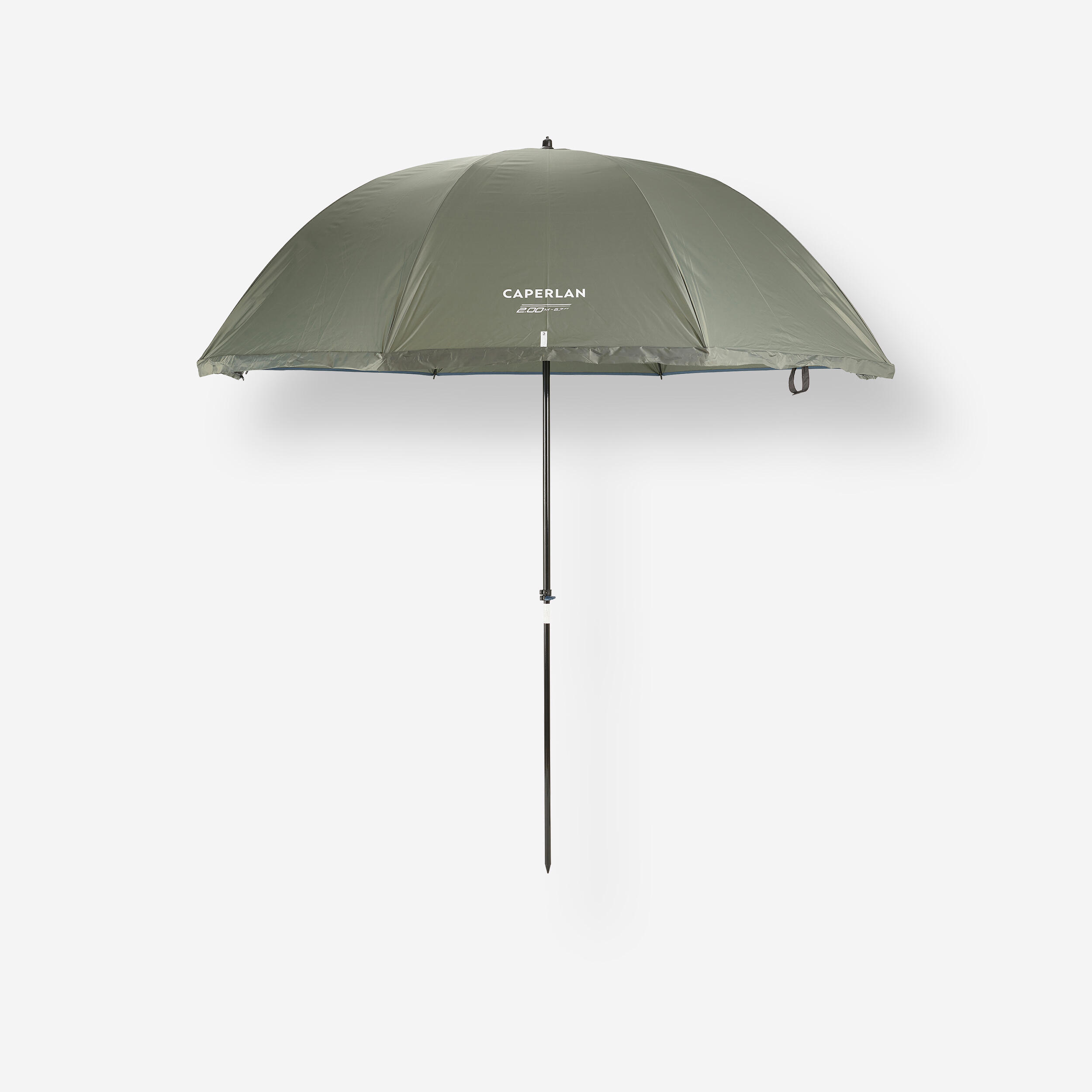
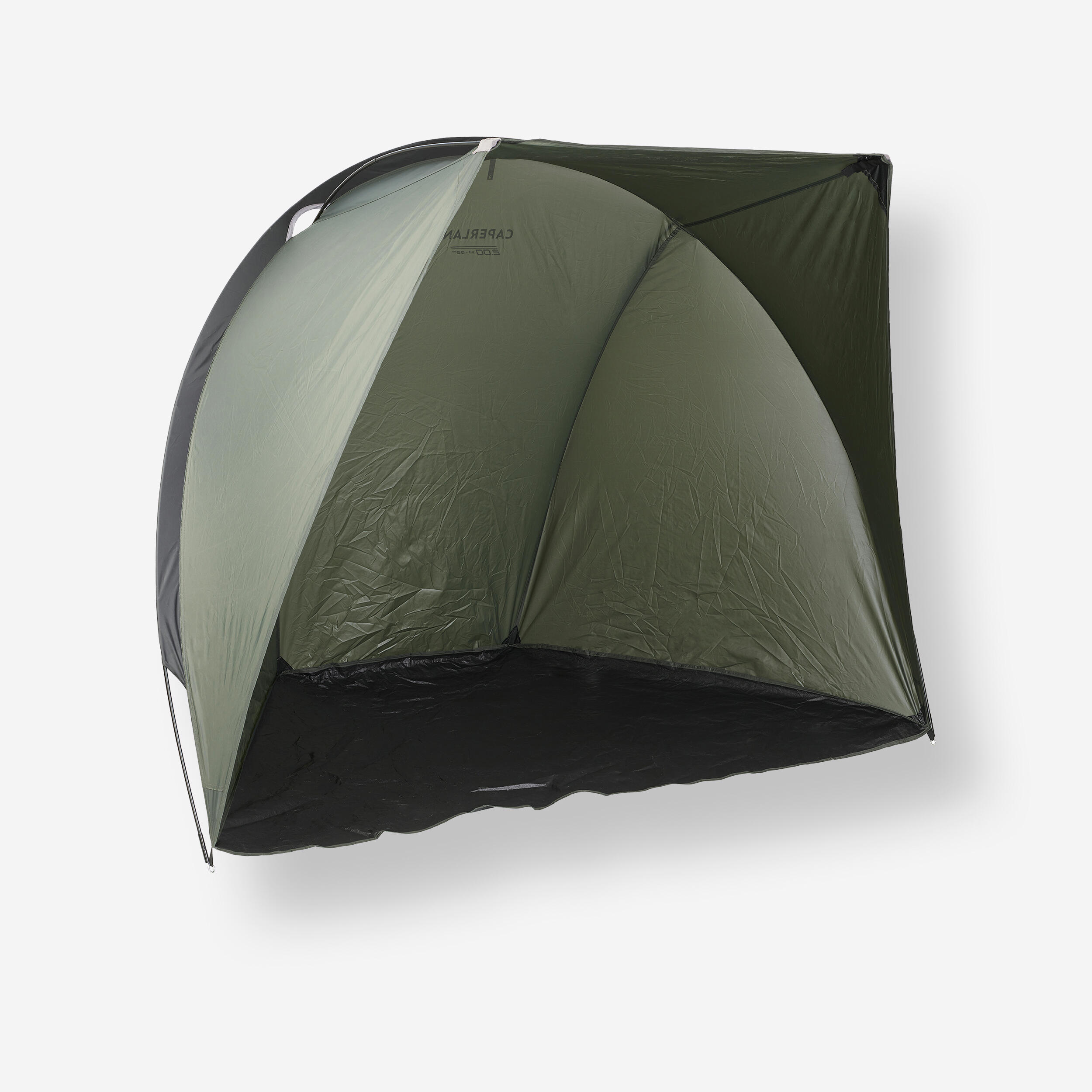
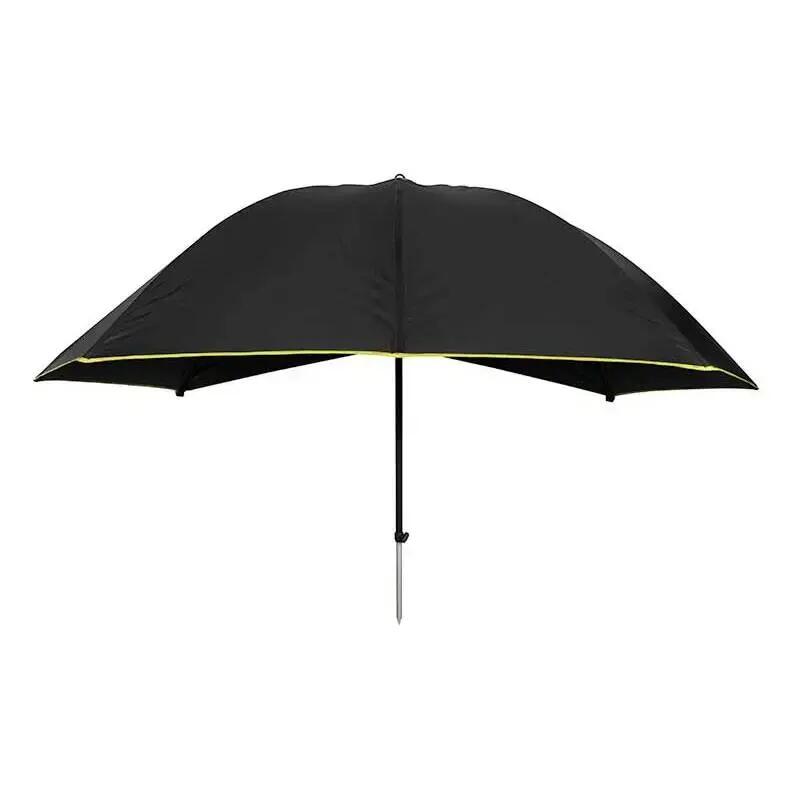
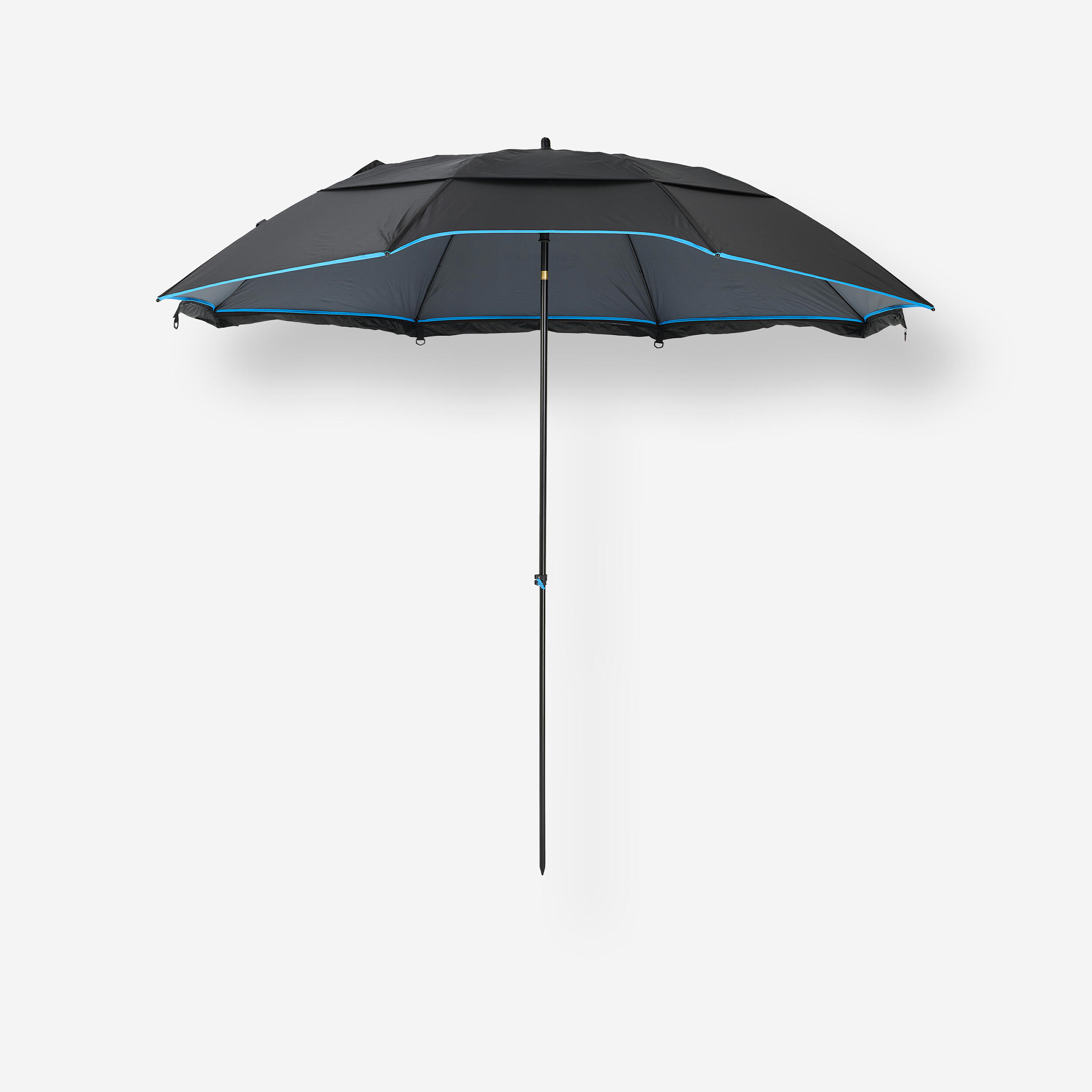
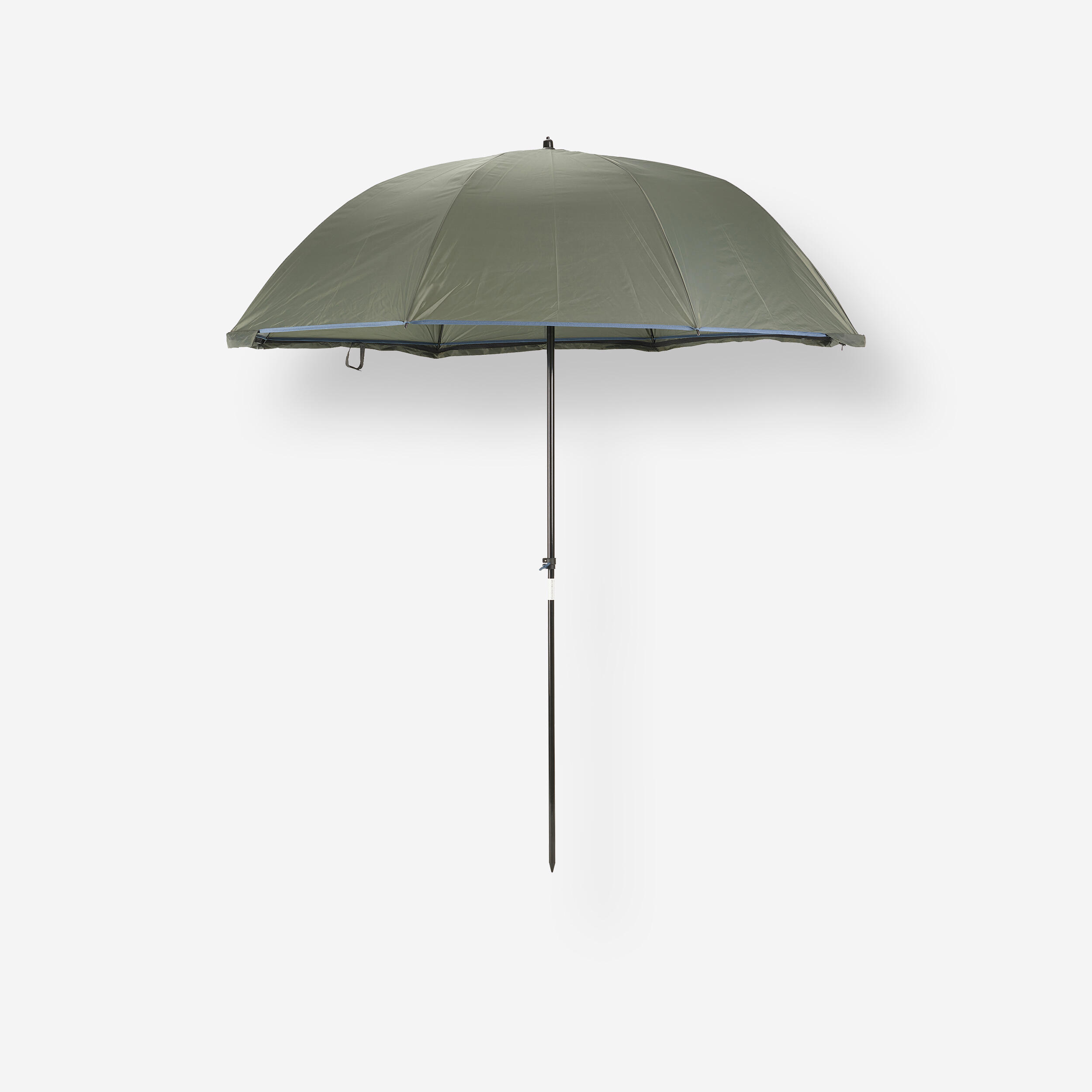
Think about how much coverage you need, how long you plan to stay at the swim and how much equipment you want protected. A fishing umbrella gives quick overhead cover while keeping the fishing position open, whereas a larger shelter adds protection around you and your tackle. Caperlan U 100 umbrellas use PU-coated polyester with a 2,000 mm waterproof rating, while the SLTR 100 XL combines light-rain, wind and UPF 50 protection. The XL coarse fishing shelter accommodates one angler with equipment or two anglers and folds down to roughly 55-58 cm, making it practical when you need more coverage without carrying a full bivvy-style setup.

How can you secure a fishing umbrella on harder ground?

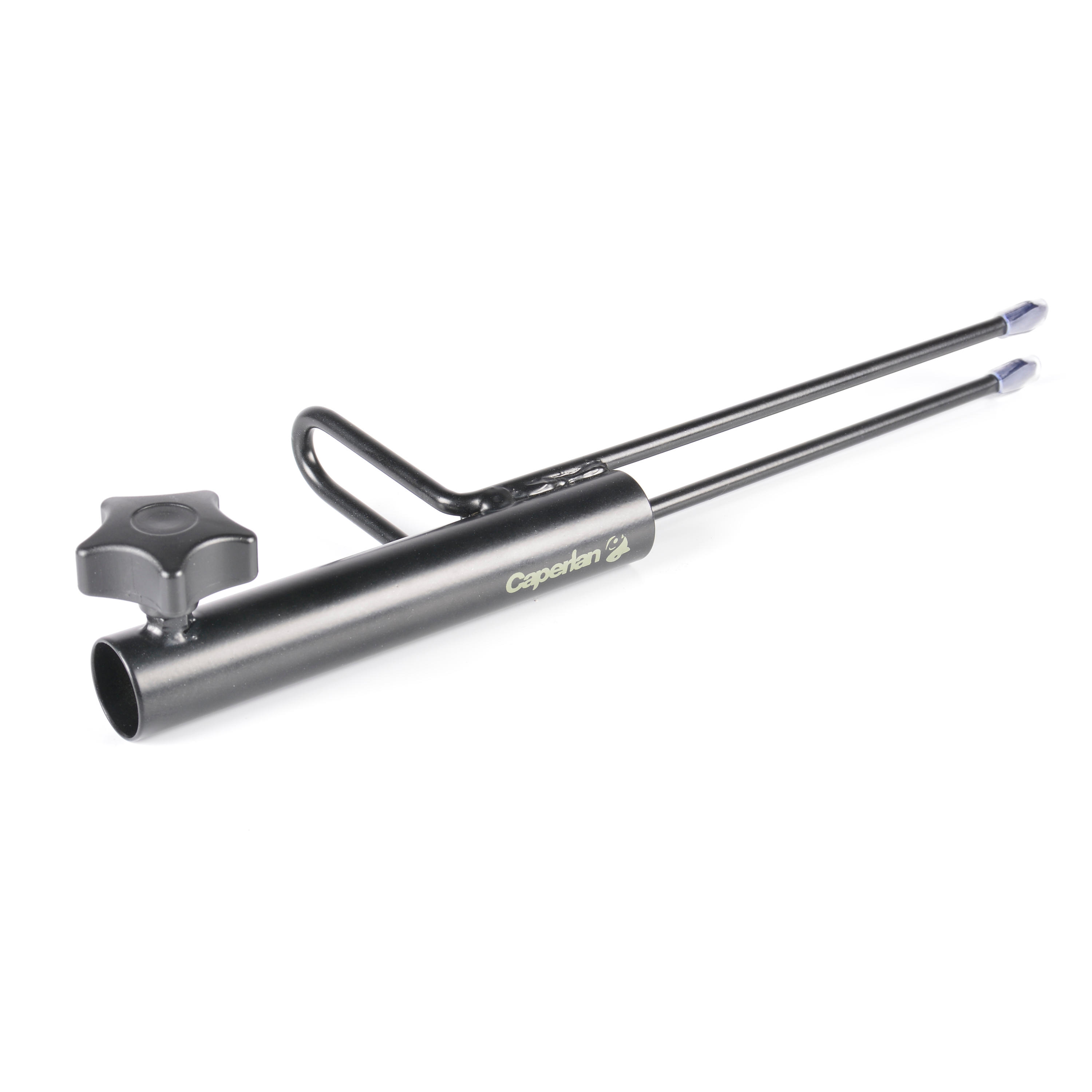
Pushing an umbrella pole directly into the bank works best when the ground is soft enough to accept the point securely. Firmer or compacted banks may need a separate support that creates a more stable fixing. Caperlan's coarse fishing umbrella spike uses two 18 cm steel stakes and a steel support tube with a tightening wheel. The twin-spike arrangement helps stabilise the umbrella while the wheel grips the pole once it is positioned. Check the ground before driving the support in, keep it clear of your walking route and avoid relying on the umbrella fabric to resist strong gusts if the bank fixing itself is not secure.

When is a seat-mounted umbrella rest useful for coarse fishing?

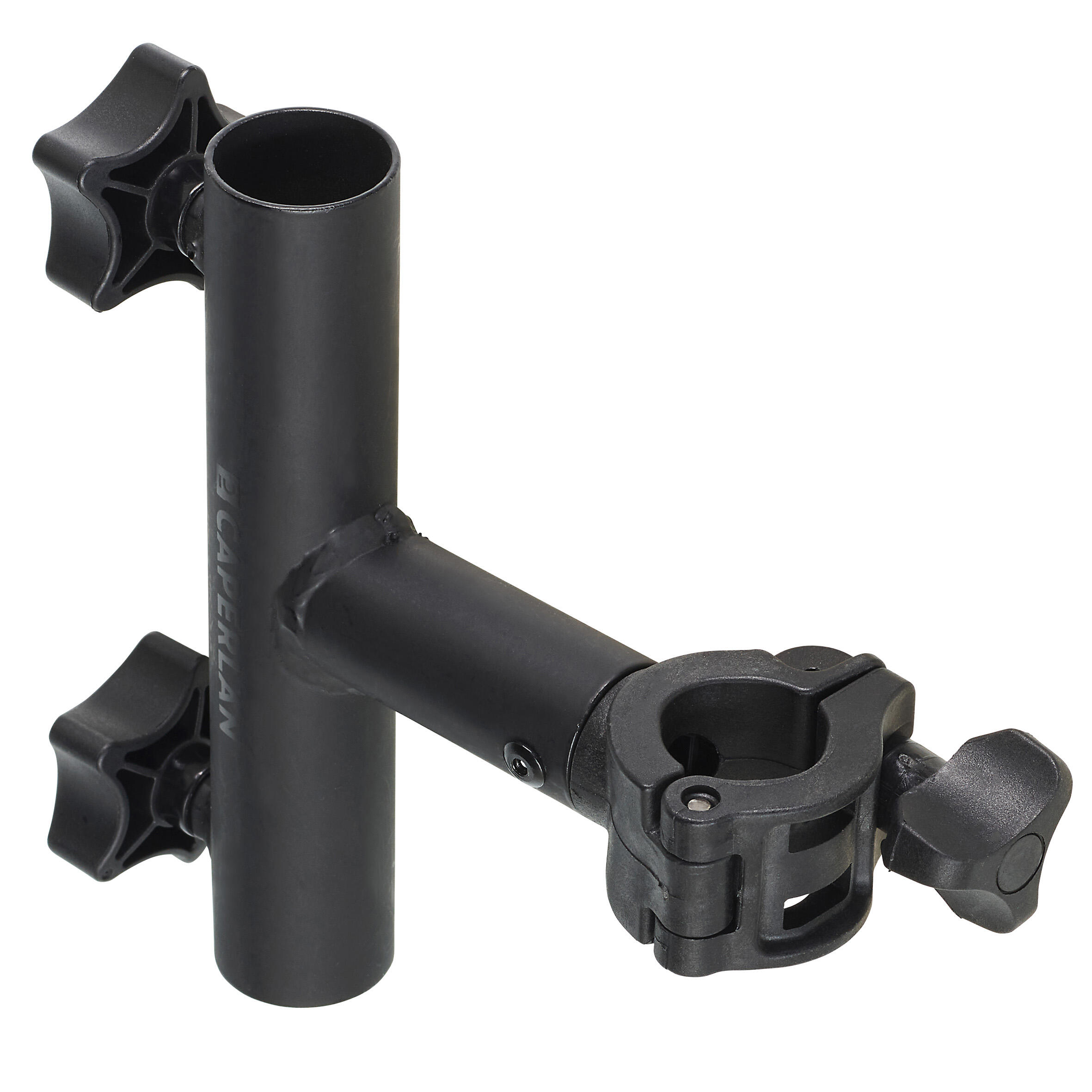
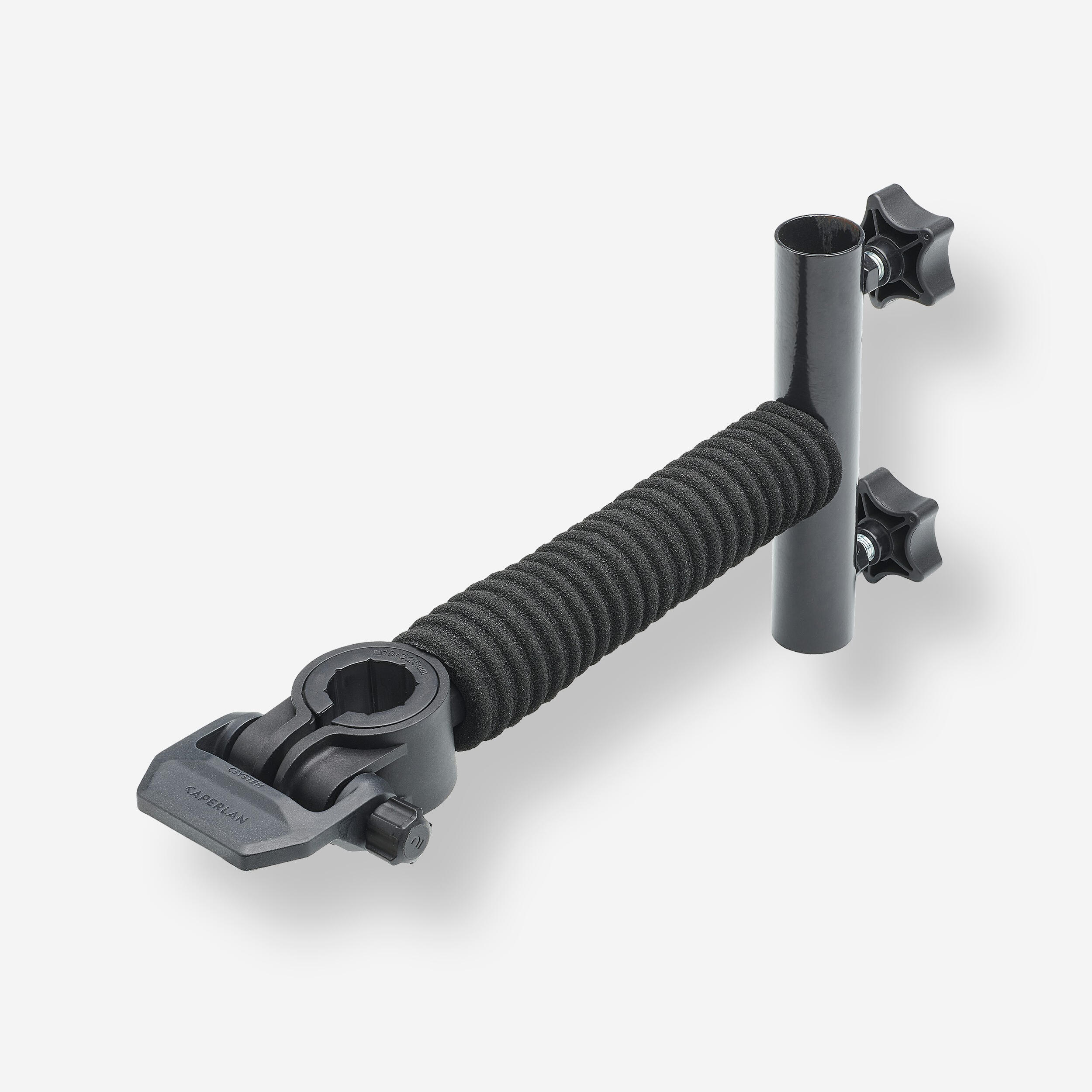
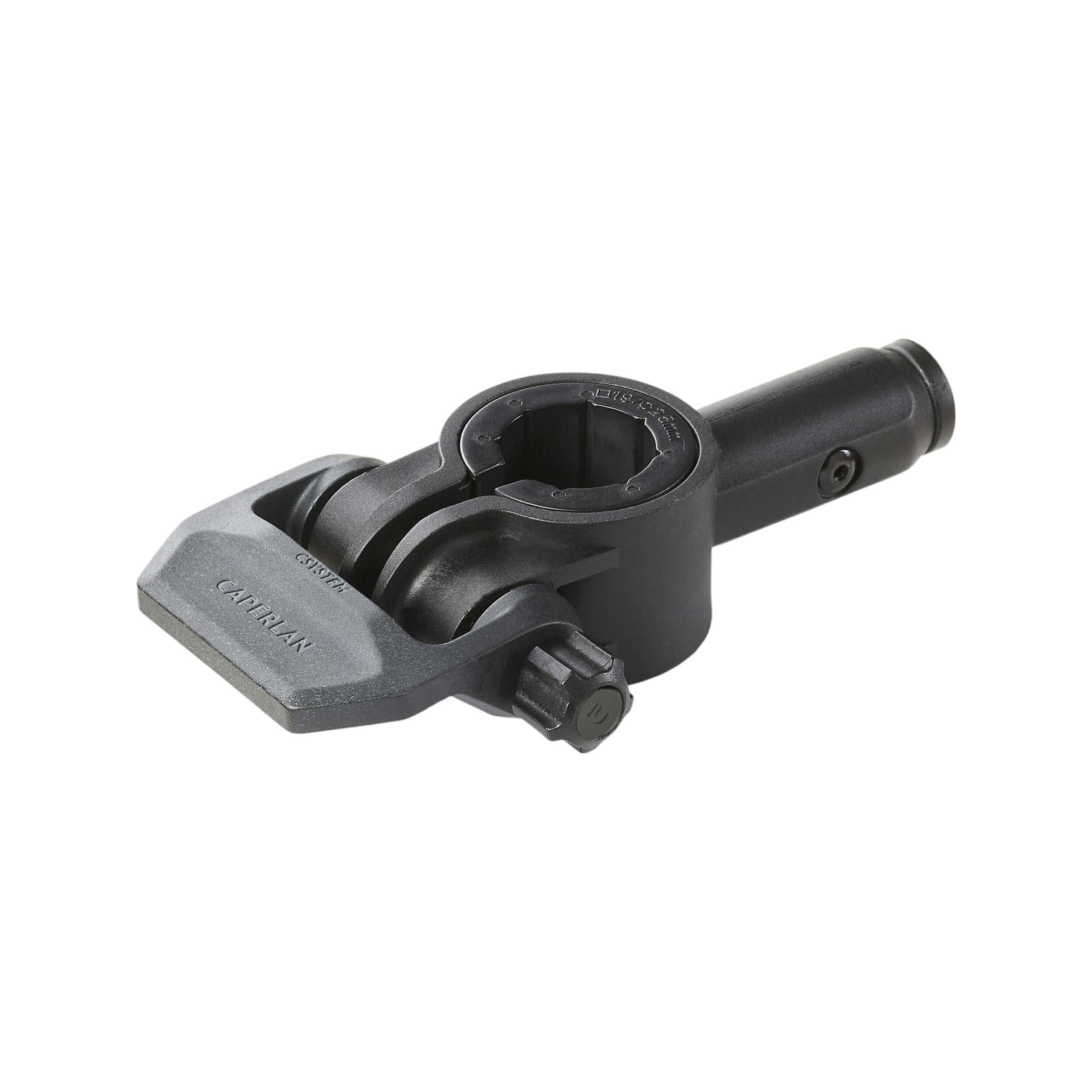
A seat-mounted support can keep the umbrella connected to your fishing position without adding another separate bankstick beside the chair. This is particularly useful when space around the swim is limited or when you want to keep rod supports and landing equipment clear of the umbrella pole. The umbrella rest for coarse fishing attaches to compatible Essenseat 500 chairs and can be positioned on either the right or left side. Its adjustable support uses an ergonomic tightening screw and a 15 cm upright tube. Position the umbrella so it protects you without blocking your view of rod tips, floats or the area where you need to use the landing net.

What weather protection should you look for in a coarse fishing shelter?

Rain resistance is important, but wind direction, sun exposure and the amount of side coverage also affect how useful a shelter feels during a session. Caperlan umbrellas and the SLTR 100 XL use coated polyester with a stated 2,000 mm waterproof rating, while the larger shelter also uses UPF 50 fabric for protection from direct sunlight. Reflected UV can still reach you, so normal sun protection remains important. If weather changes regularly during your coarse fishing sessions, position the opening away from the strongest wind where possible and secure the shelter before organising tackle inside. Keep rods and bite indicators outside the shelter footprint so weather protection does not interfere with fishing safely.

Where should you store a fishing shelter once it has dried?

Do not pack an umbrella or shelter away for long periods while the fabric is still wet. Trapped moisture can lead to mould and unwanted odours, while dirt left around poles, spikes and adjustment points can make the next setup harder. Open the shelter again at home if necessary and let the coated fabric dry fully before storage. Caperlan advises against machine washing, tumble drying, bleaching, ironing or dry cleaning its fishing umbrellas. Wipe support hardware clean and dry steel components before putting them away with other coarse fishing equipment. Check ground spikes, pole joints and tightening screws at the same time so damaged or missing shelter accessories can be dealt with before the next session.