254 items
4.7/5 based on 14027 reviews collected online and in stores

Fishing Hard Lures FAQs

How can you cover different depths when fishing hard lure?

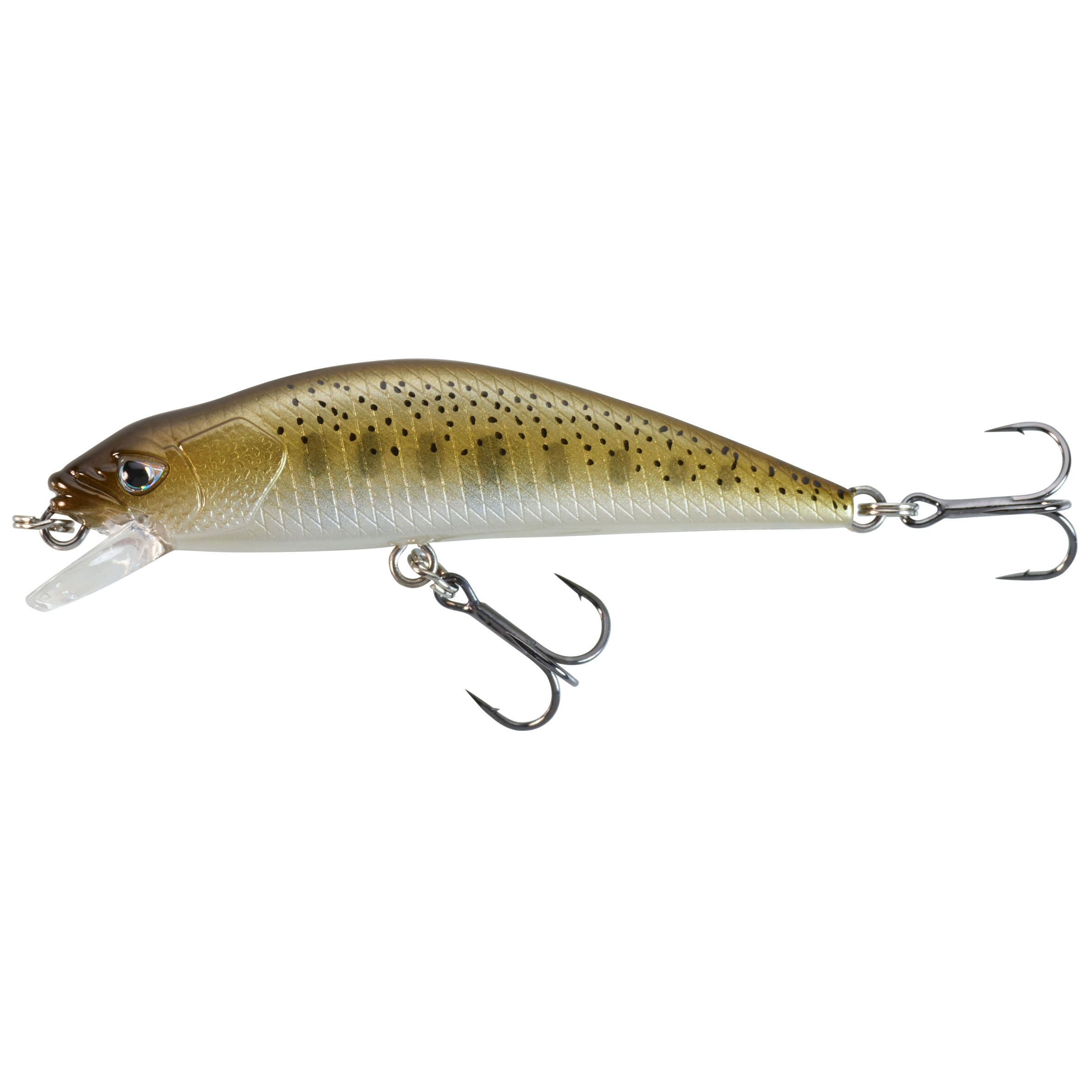
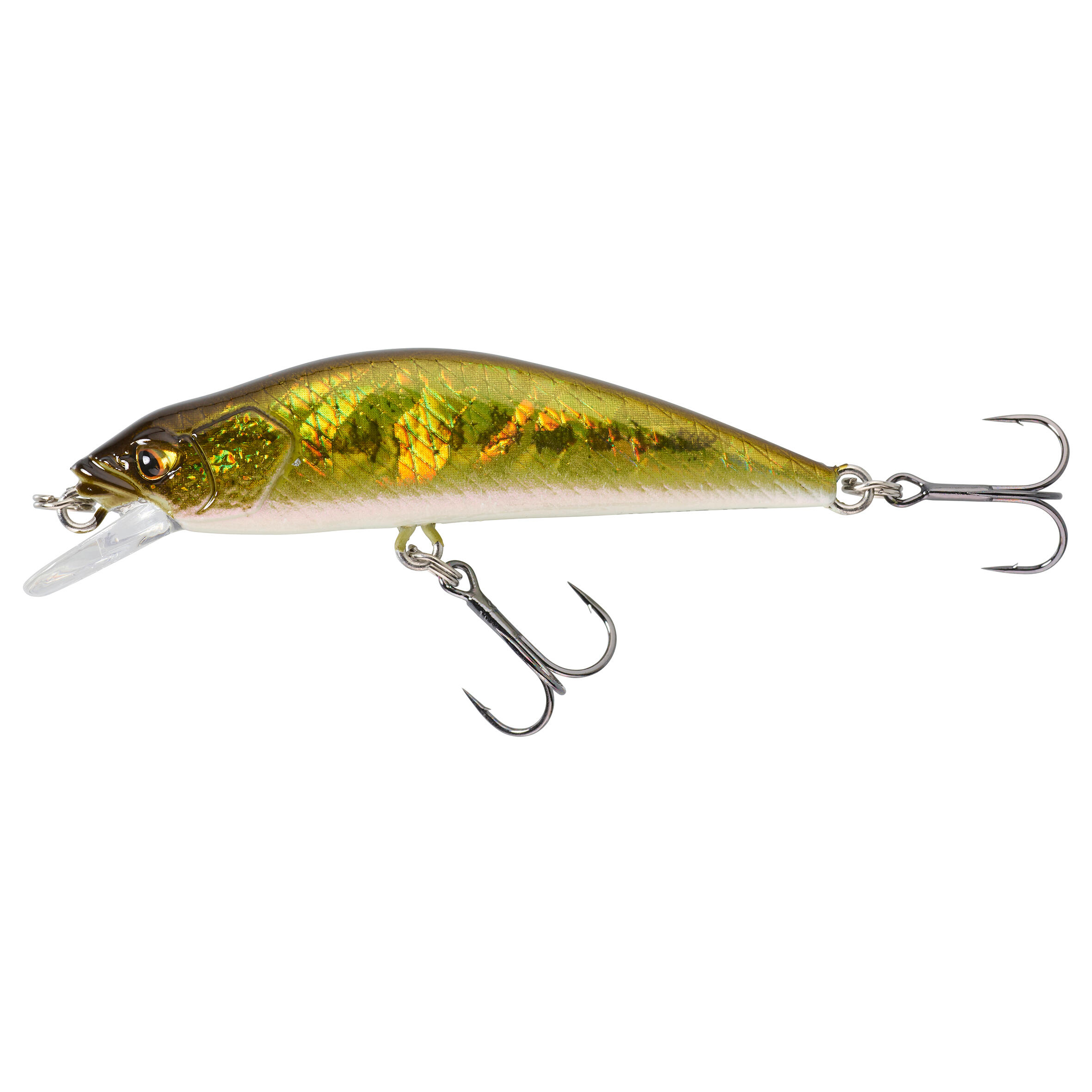
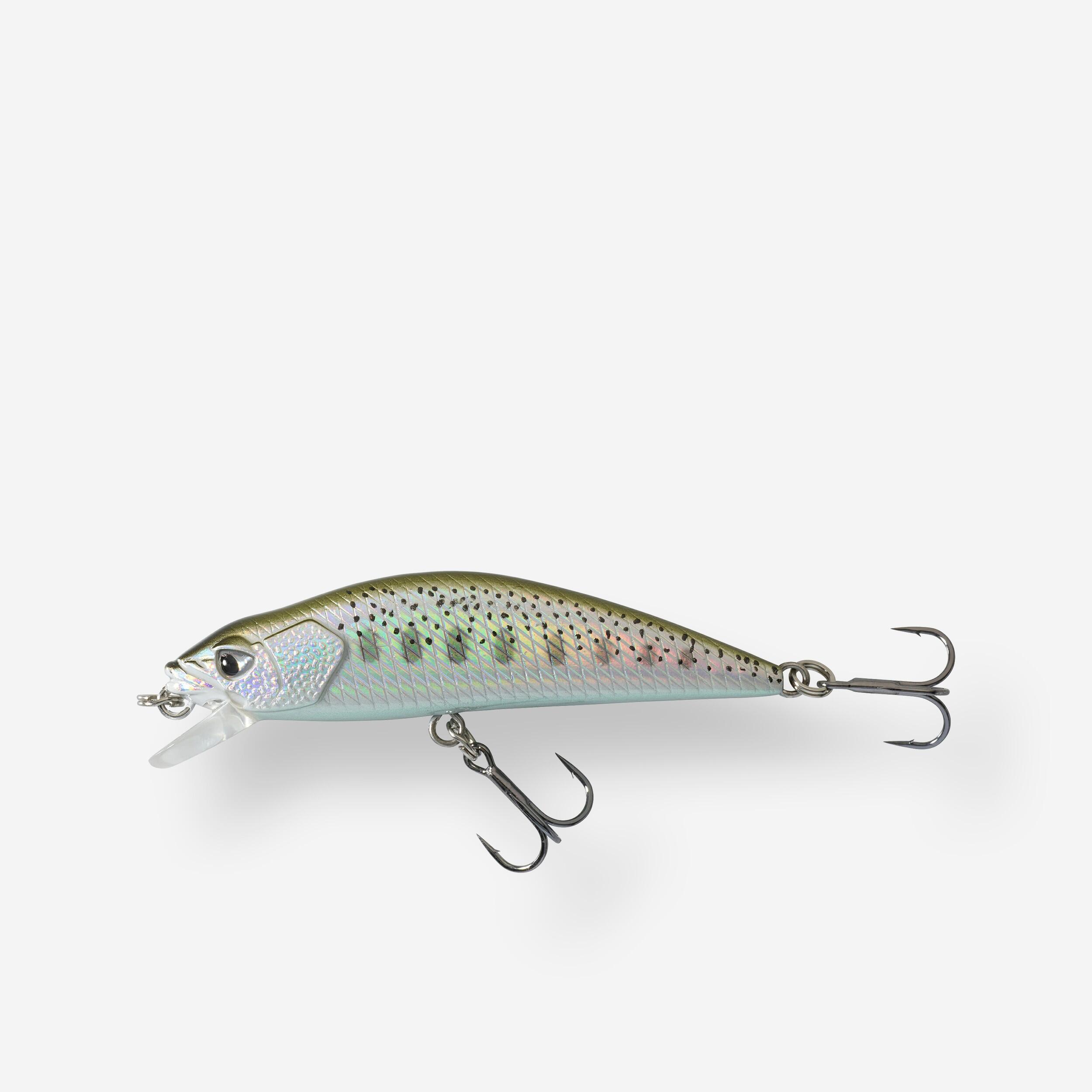
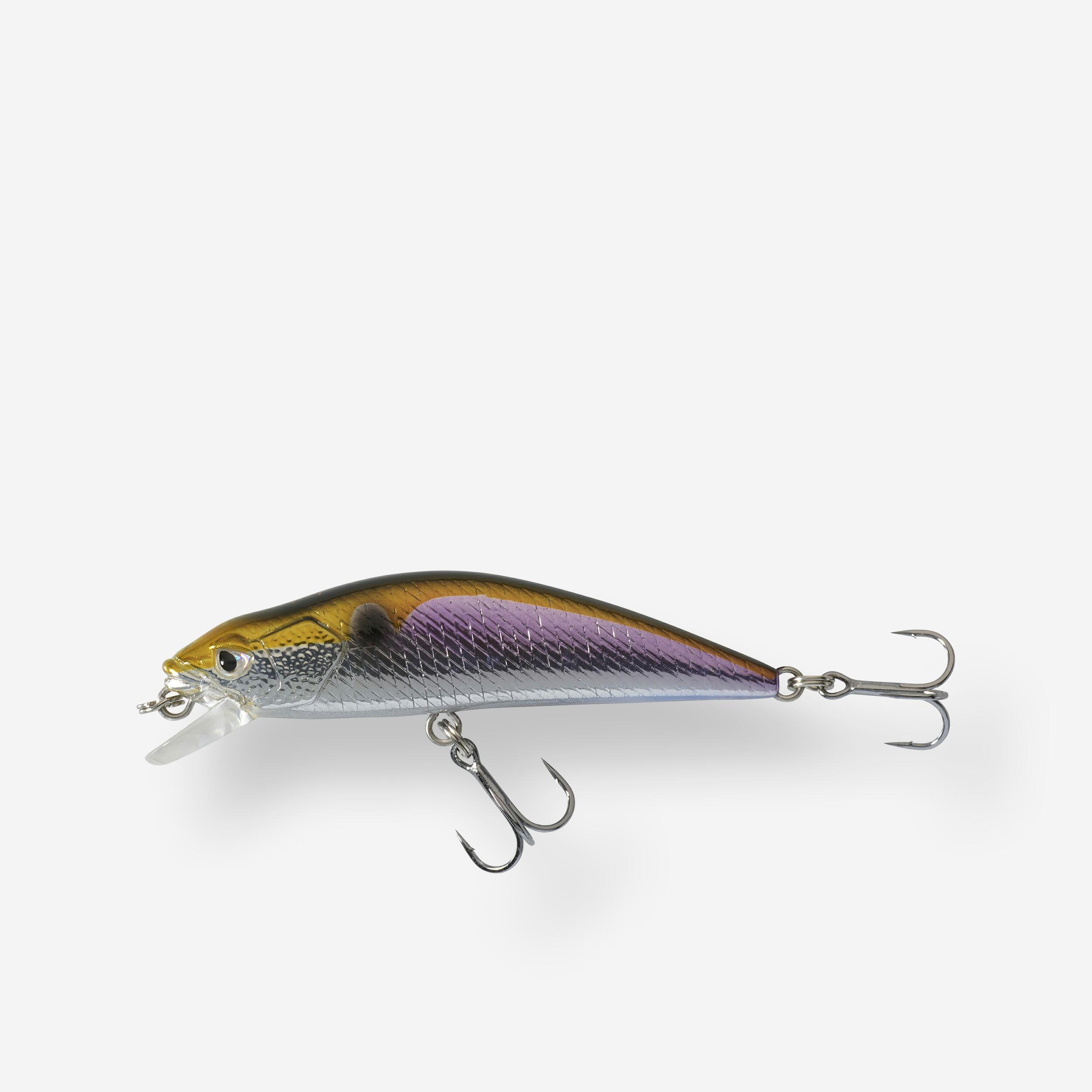
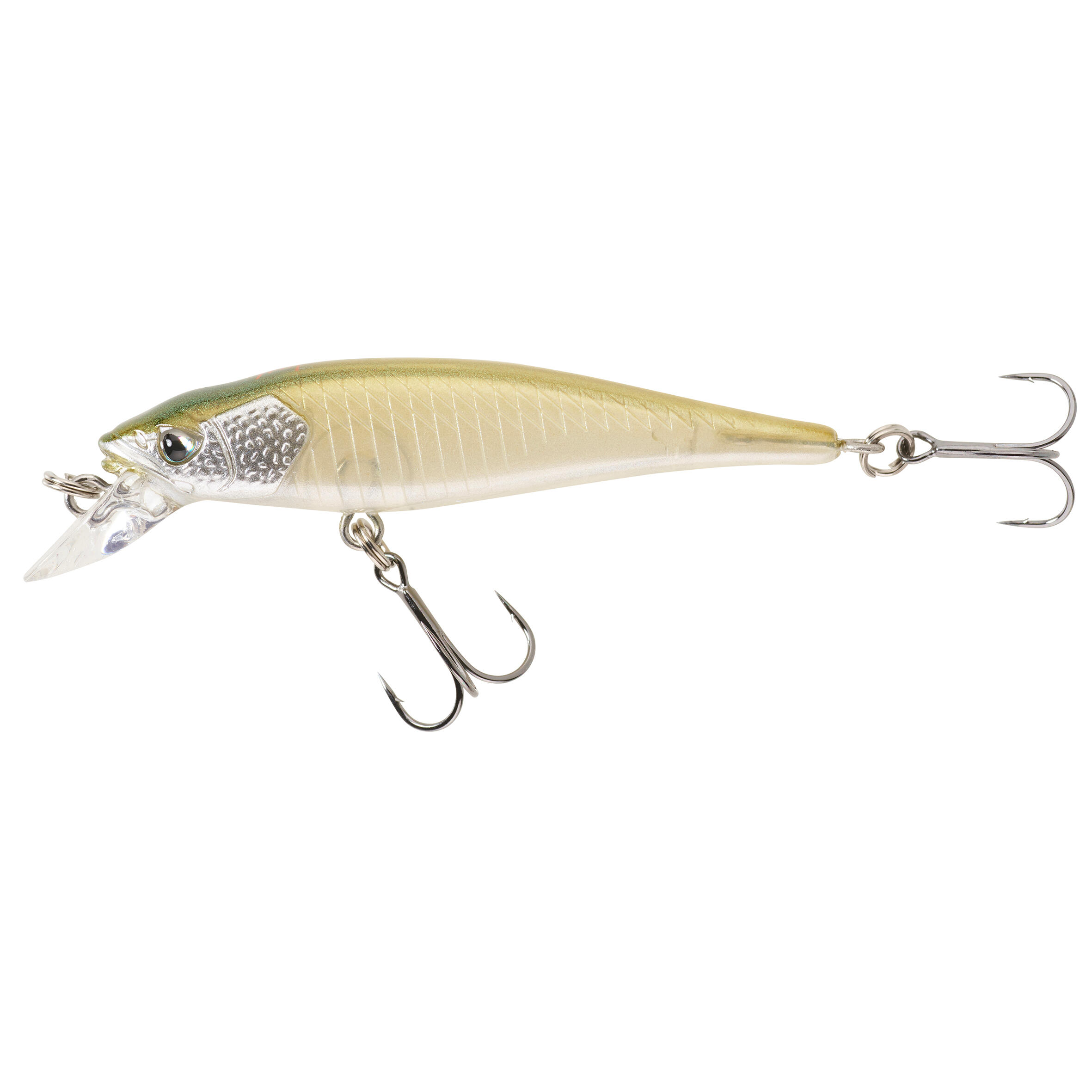
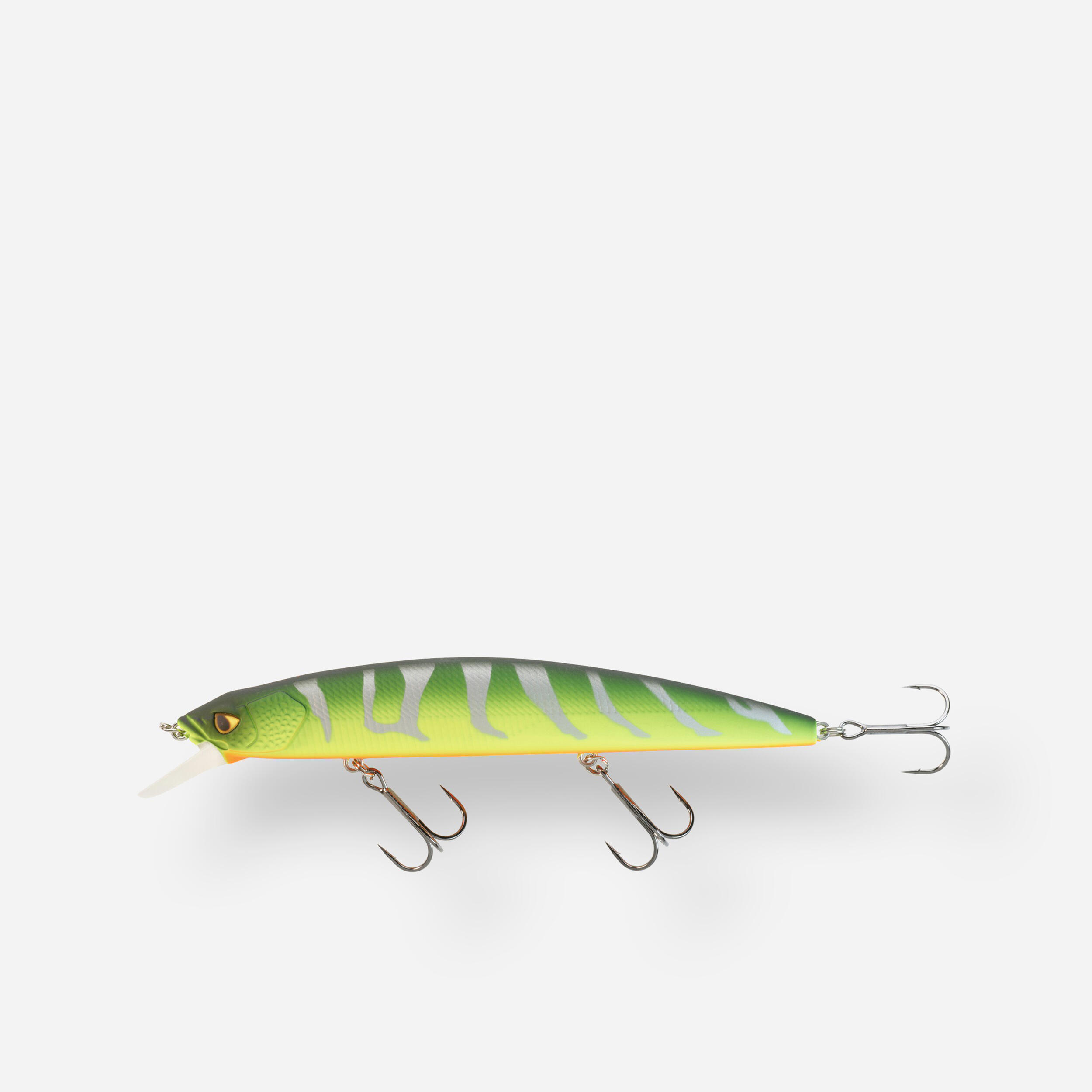
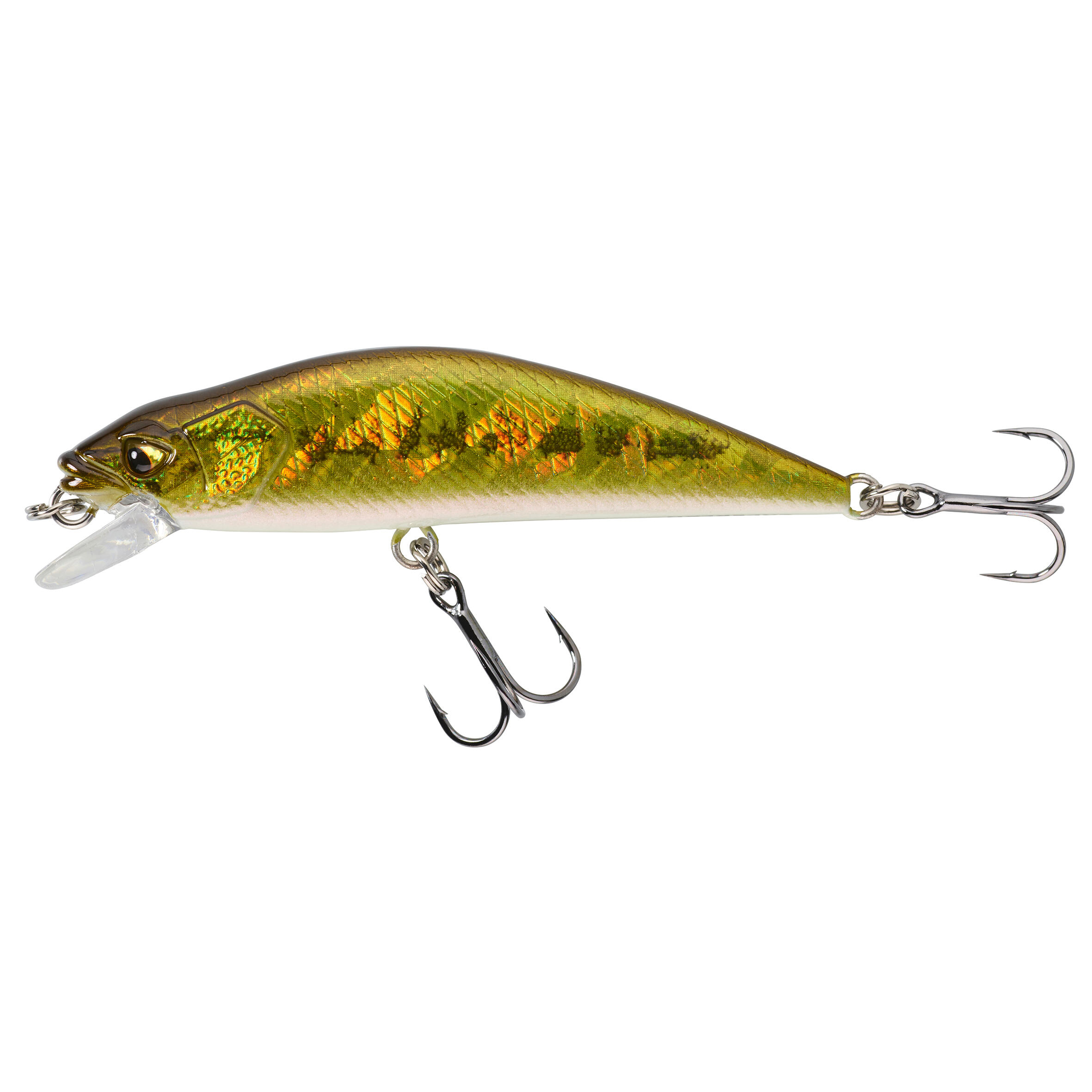
Start with the part of the water column where you expect fish to be feeding rather than relying on colour alone. Floating, suspending and sinking hard lures behave differently when you pause the retrieve. Caperlan's three-lure trout set combines two 5 cm suspending minnows working around 0.40 m and 0.60 m with a 4.9 g ultra-sinking lure balanced with tungsten beads. This gives you several depth options without rebuilding the complete setup. The hard lure fishing trout kit works particularly well for river sessions where depth and current can change within a short stretch.
When does a surface hard lure work well?

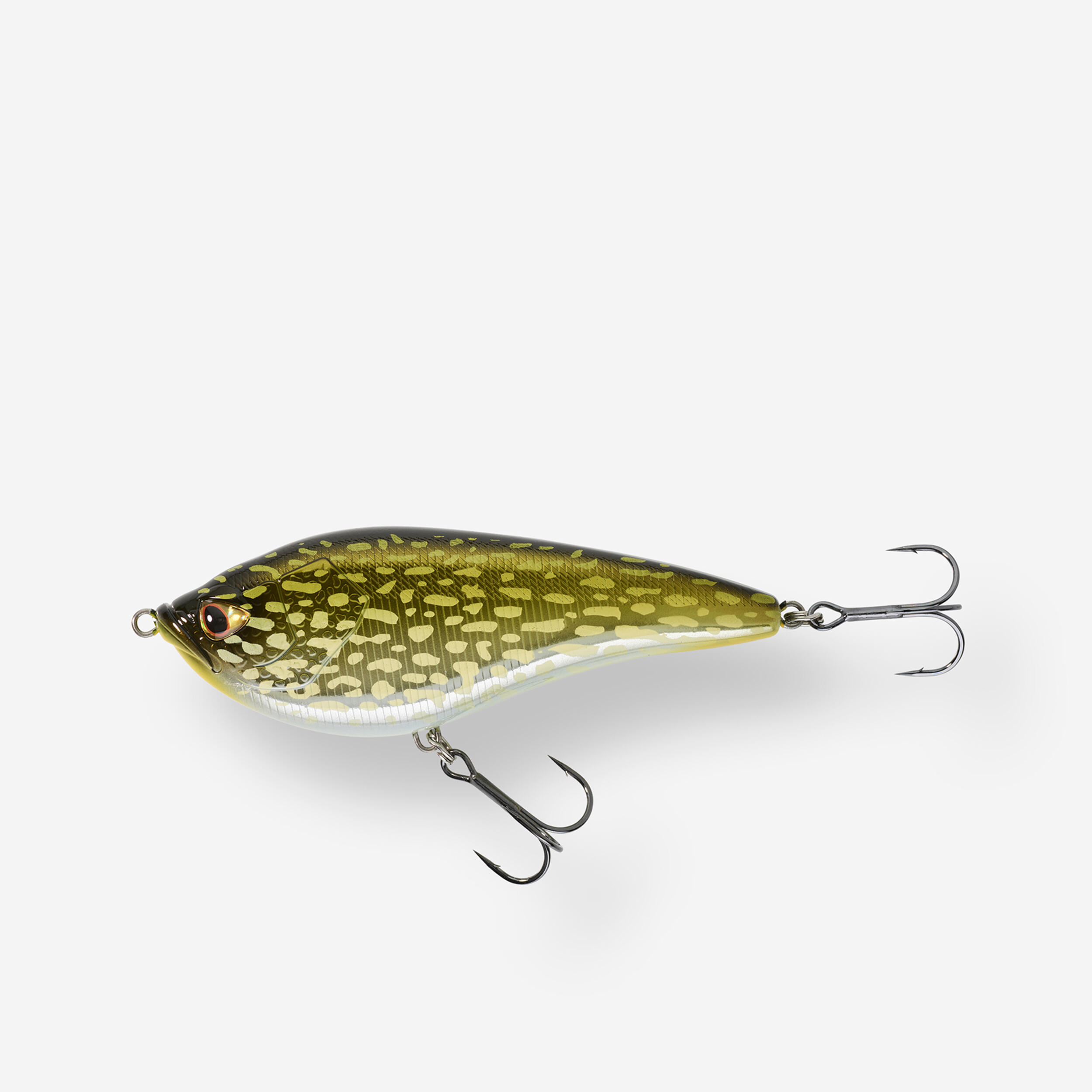
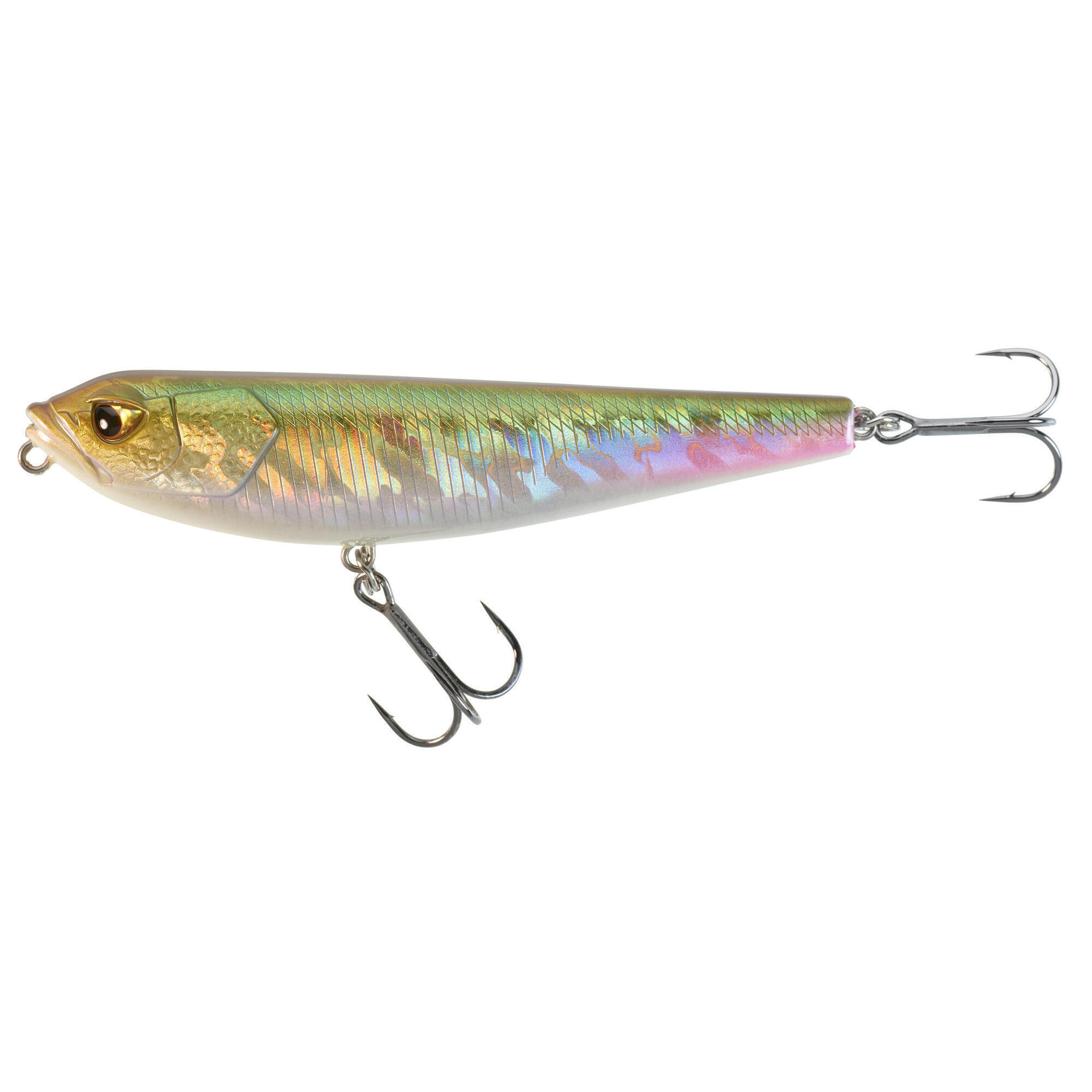
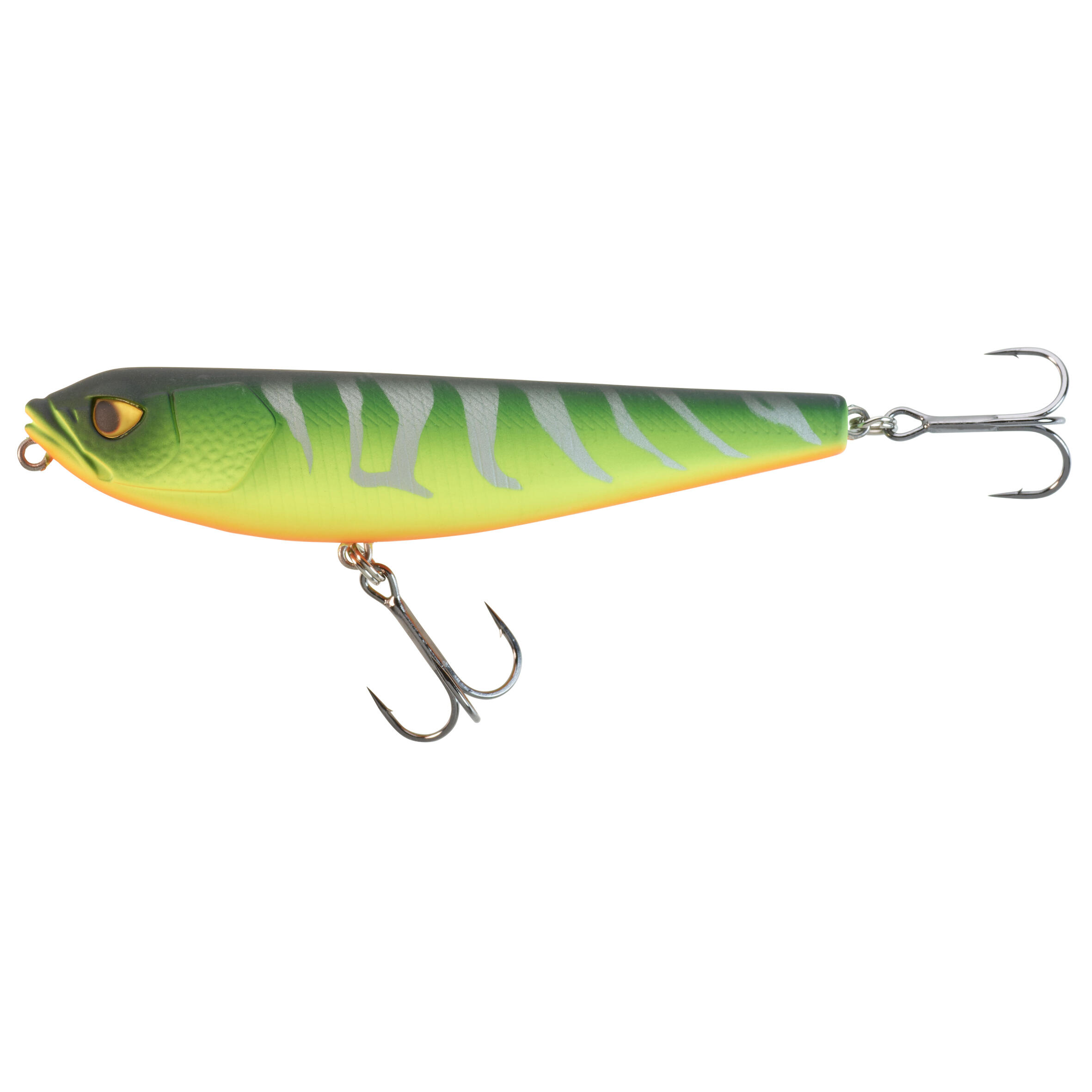
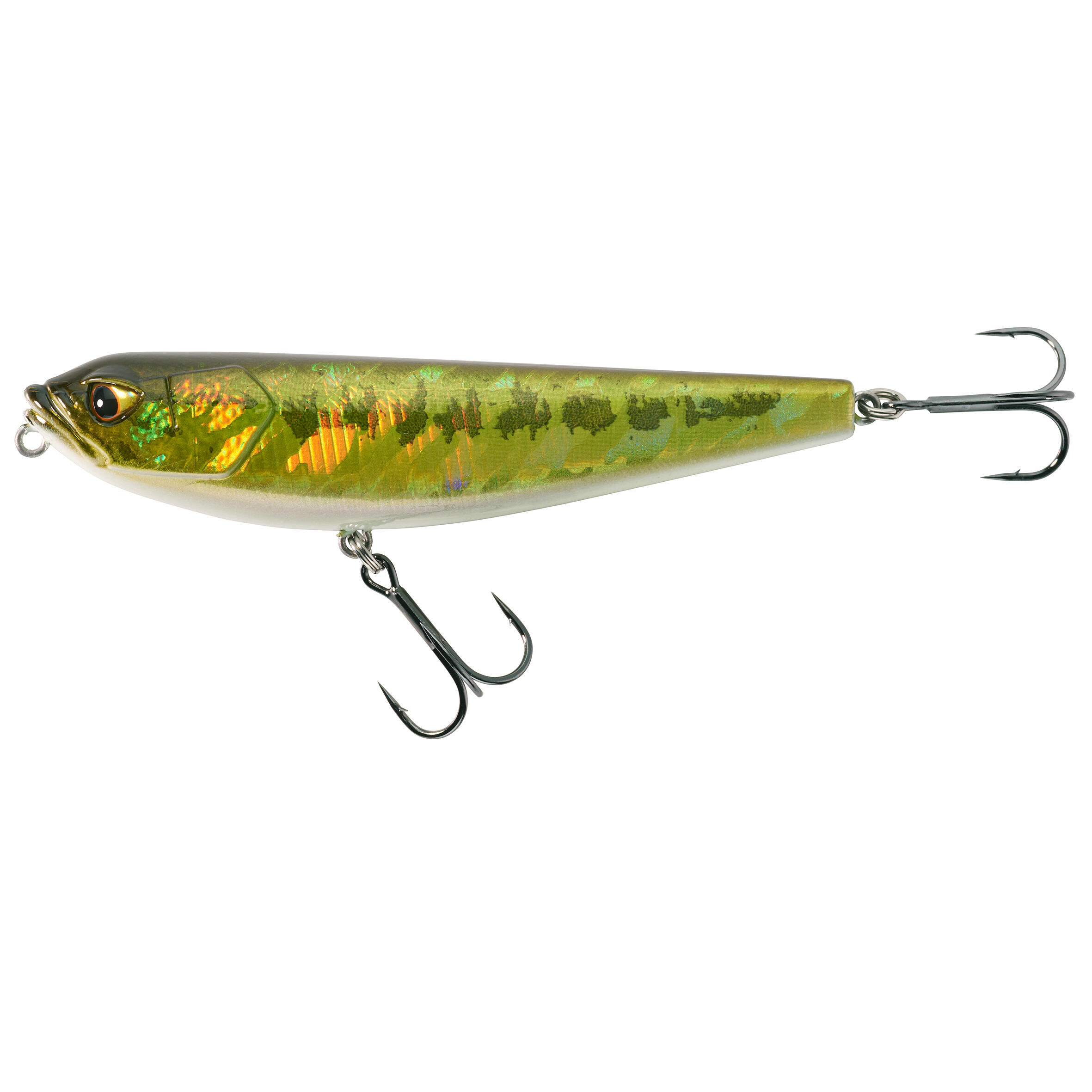
Surface lures make sense when predators are feeding high in the water or reacting to movement above them. A floating stickbait stays at the surface rather than diving, and rhythmic rod-tip movements can create a side-to-side walking action. The 12.5 cm Super Spook weighs 26 g and uses this type of presentation for species such as pike and perch. Work the lure with controlled movements and vary the pauses rather than retrieving at one constant pace throughout the cast. A surface fishing lure can also make strikes easier to see, giving you immediate feedback on how fish are responding to your retrieve.

How does a deep-diving crankbait reach lower in the water?

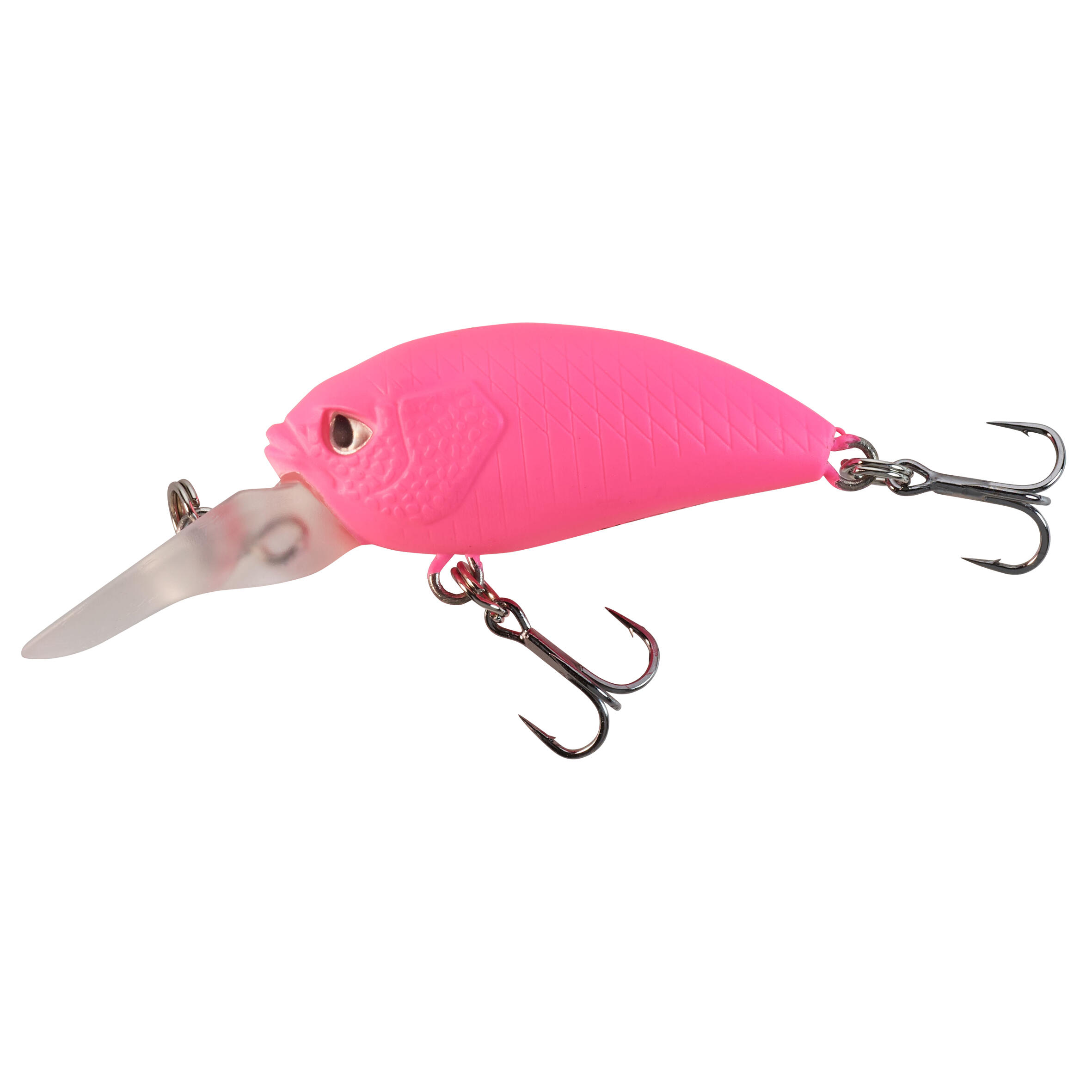
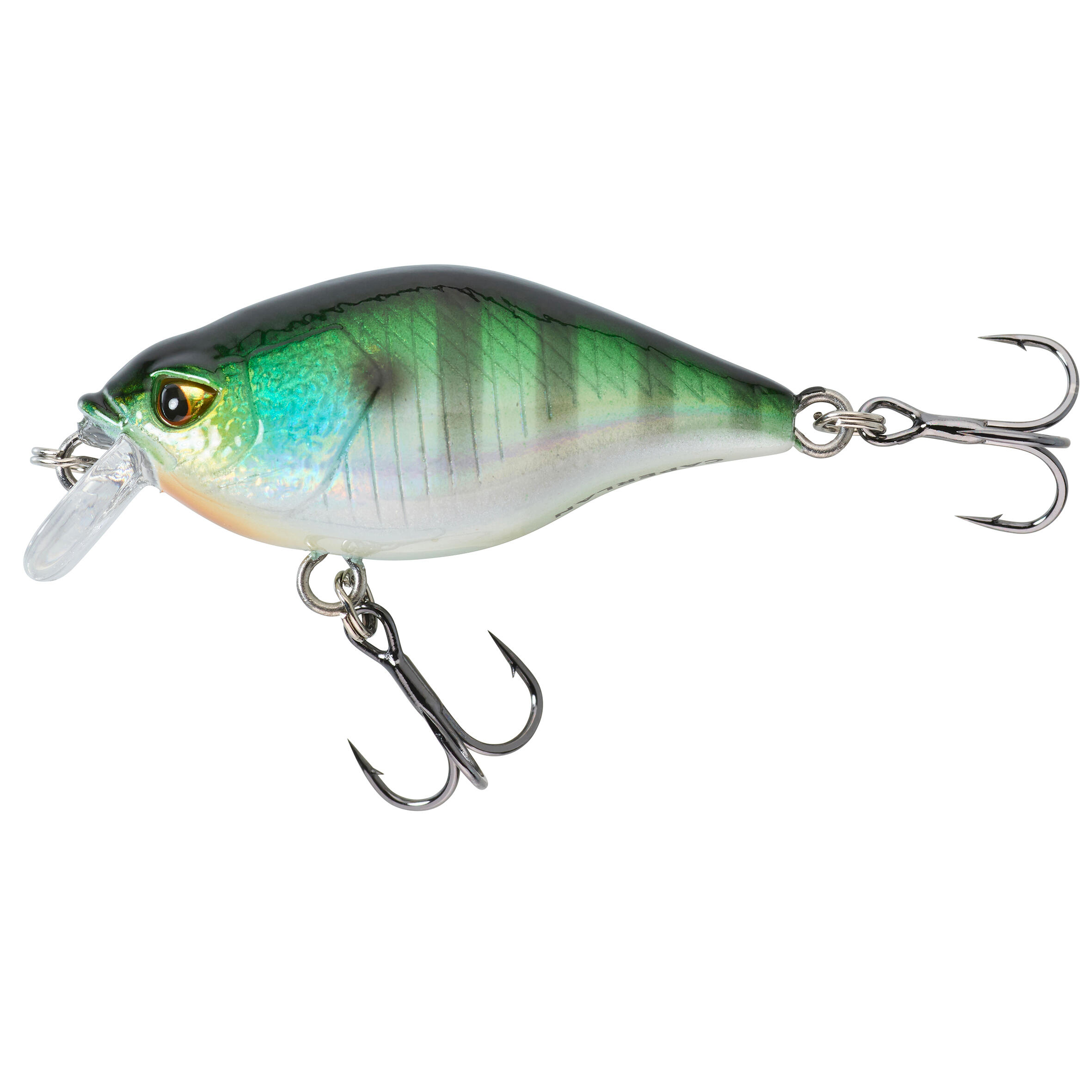
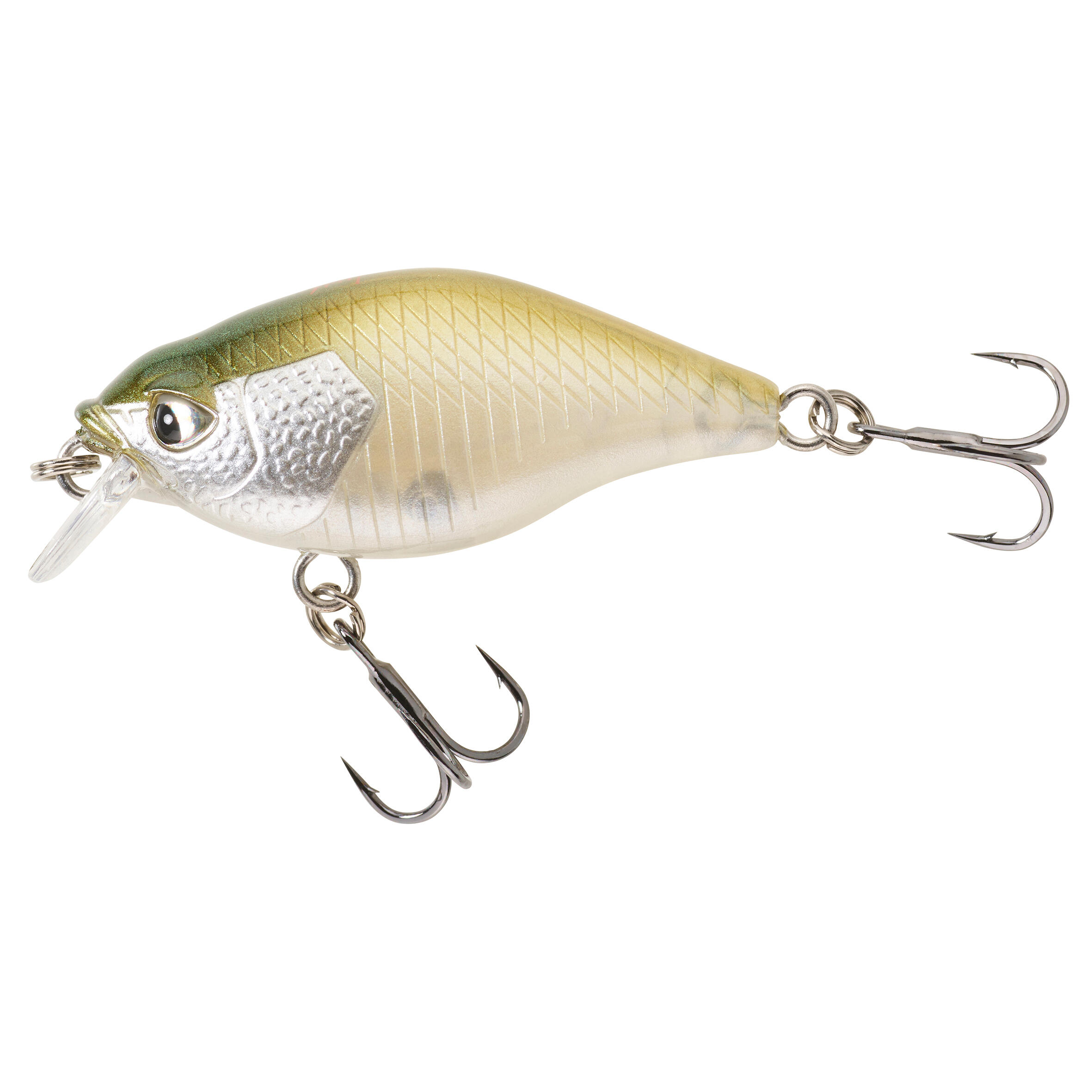
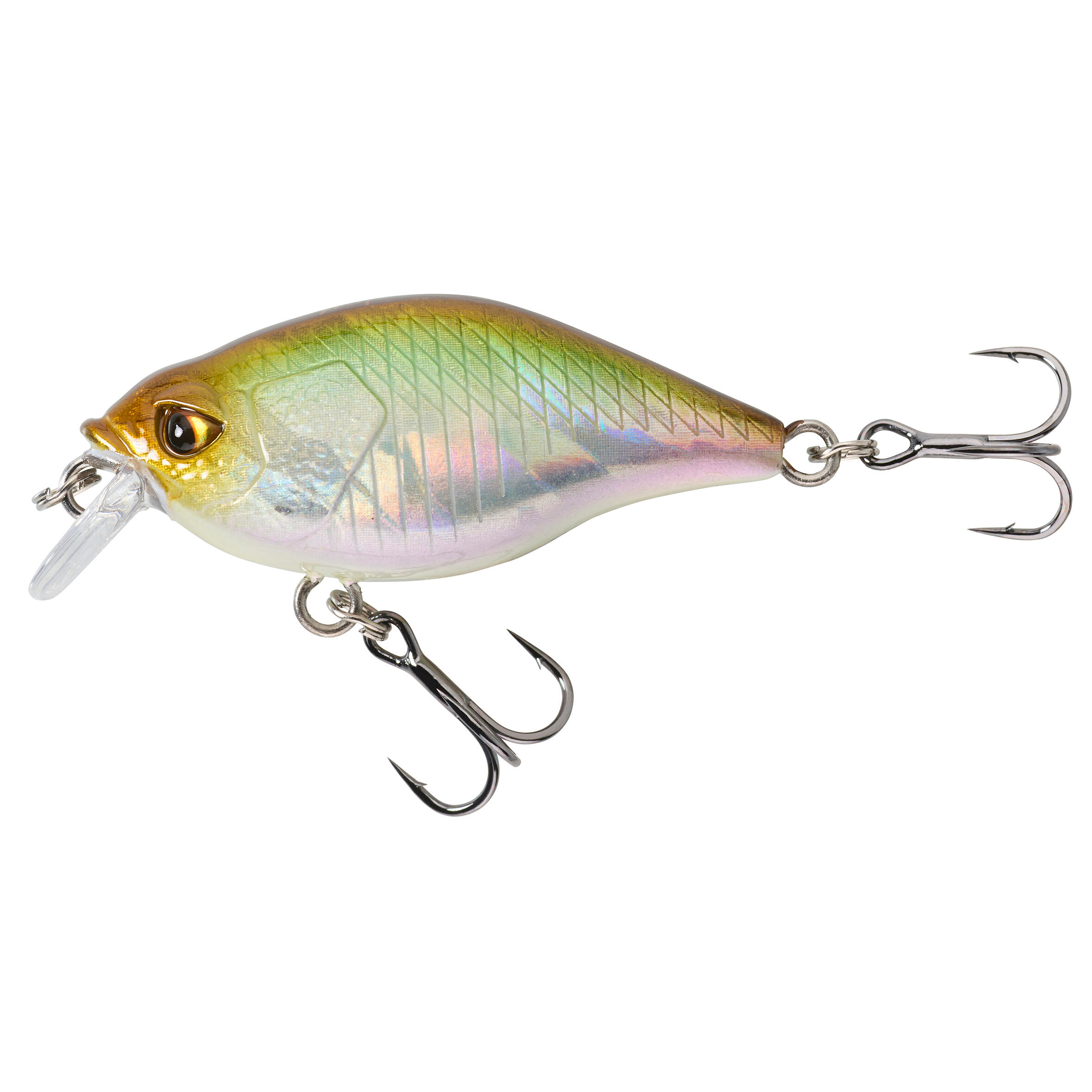
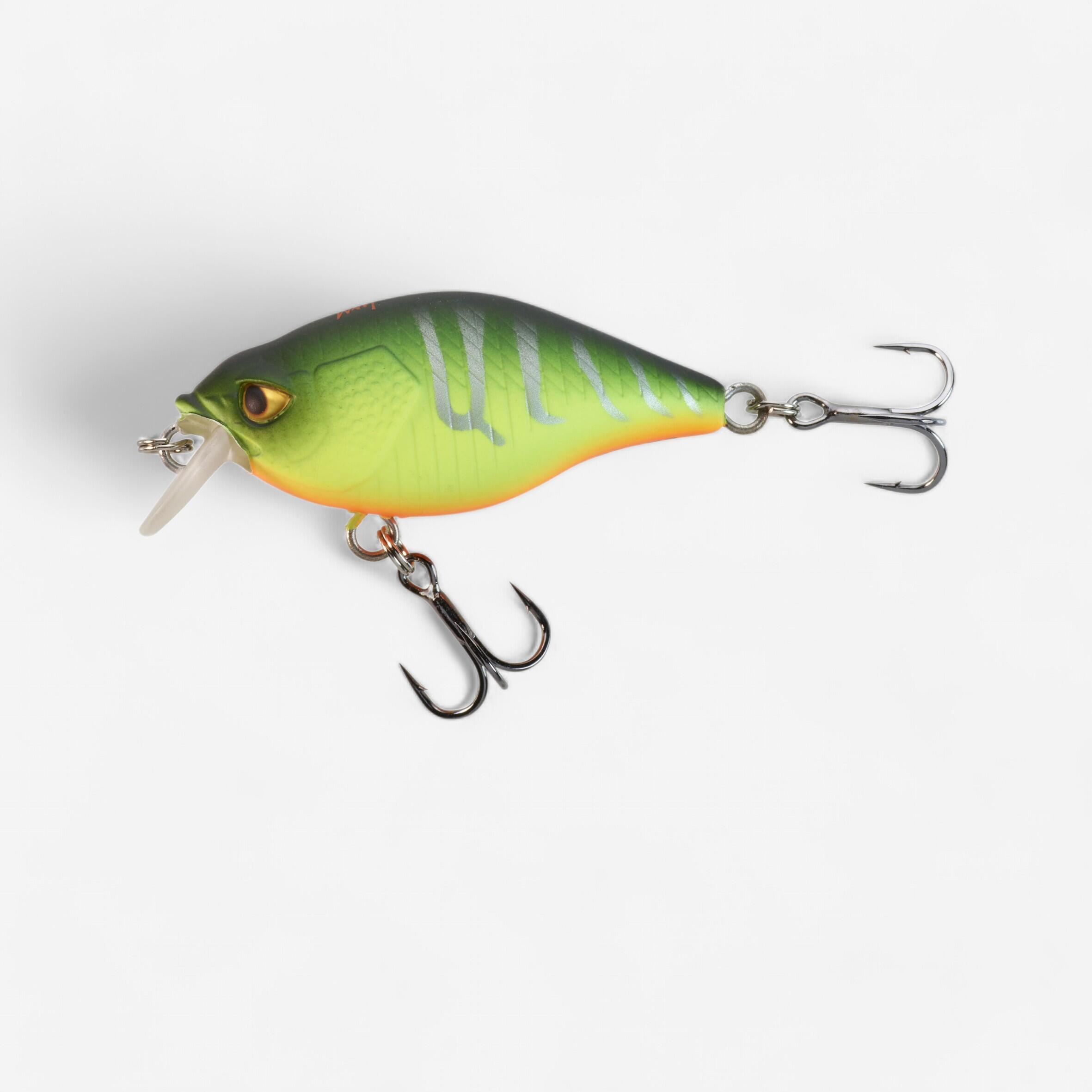
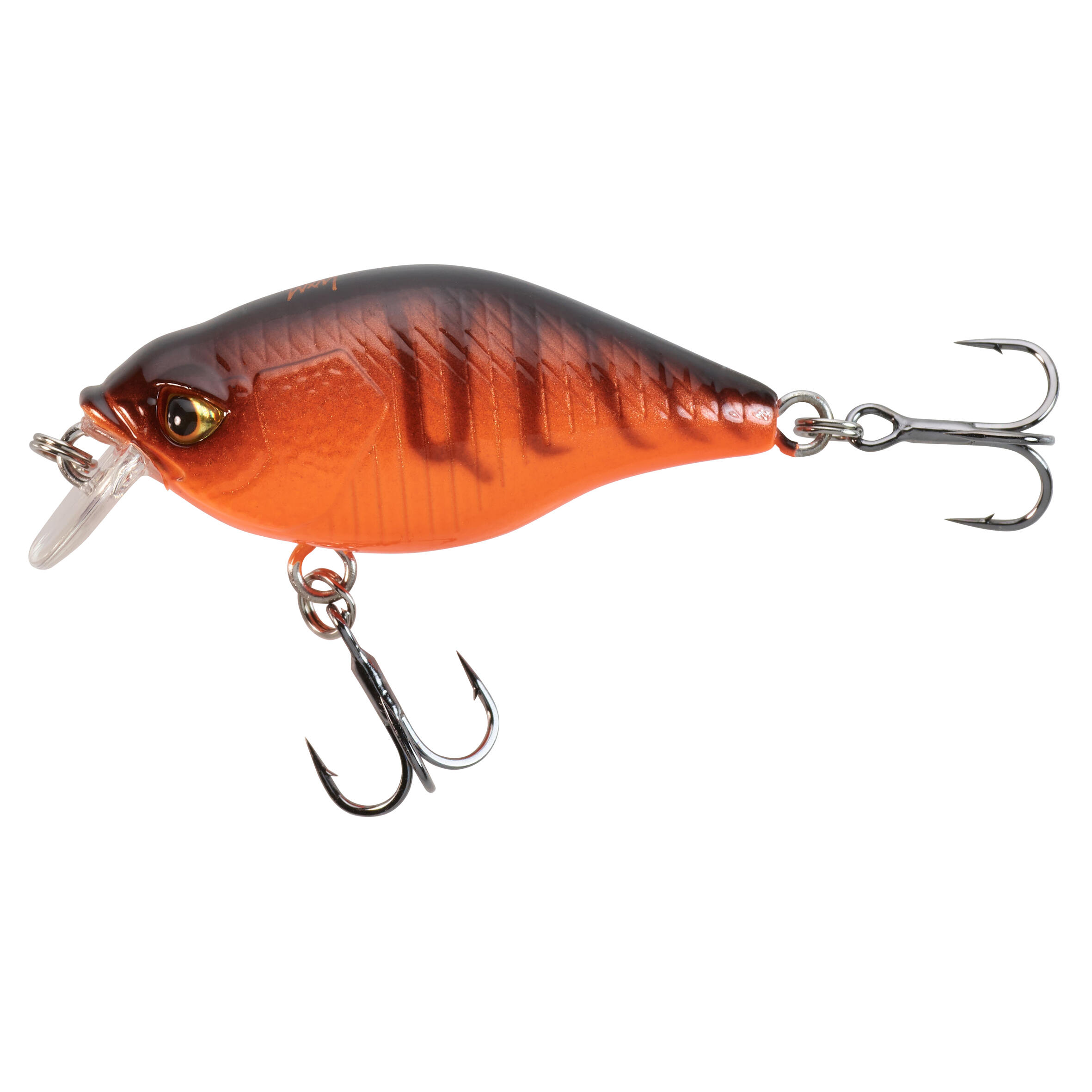
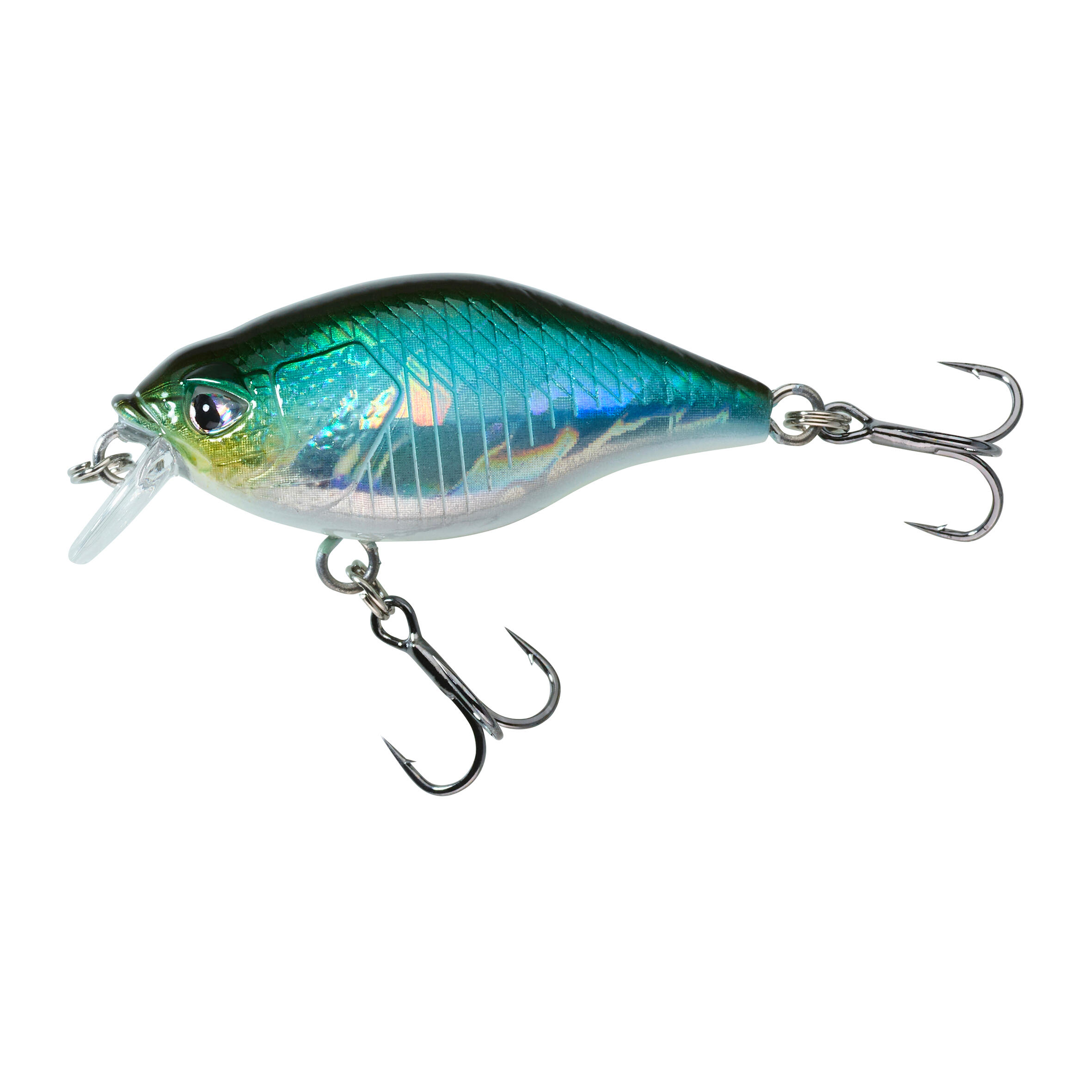
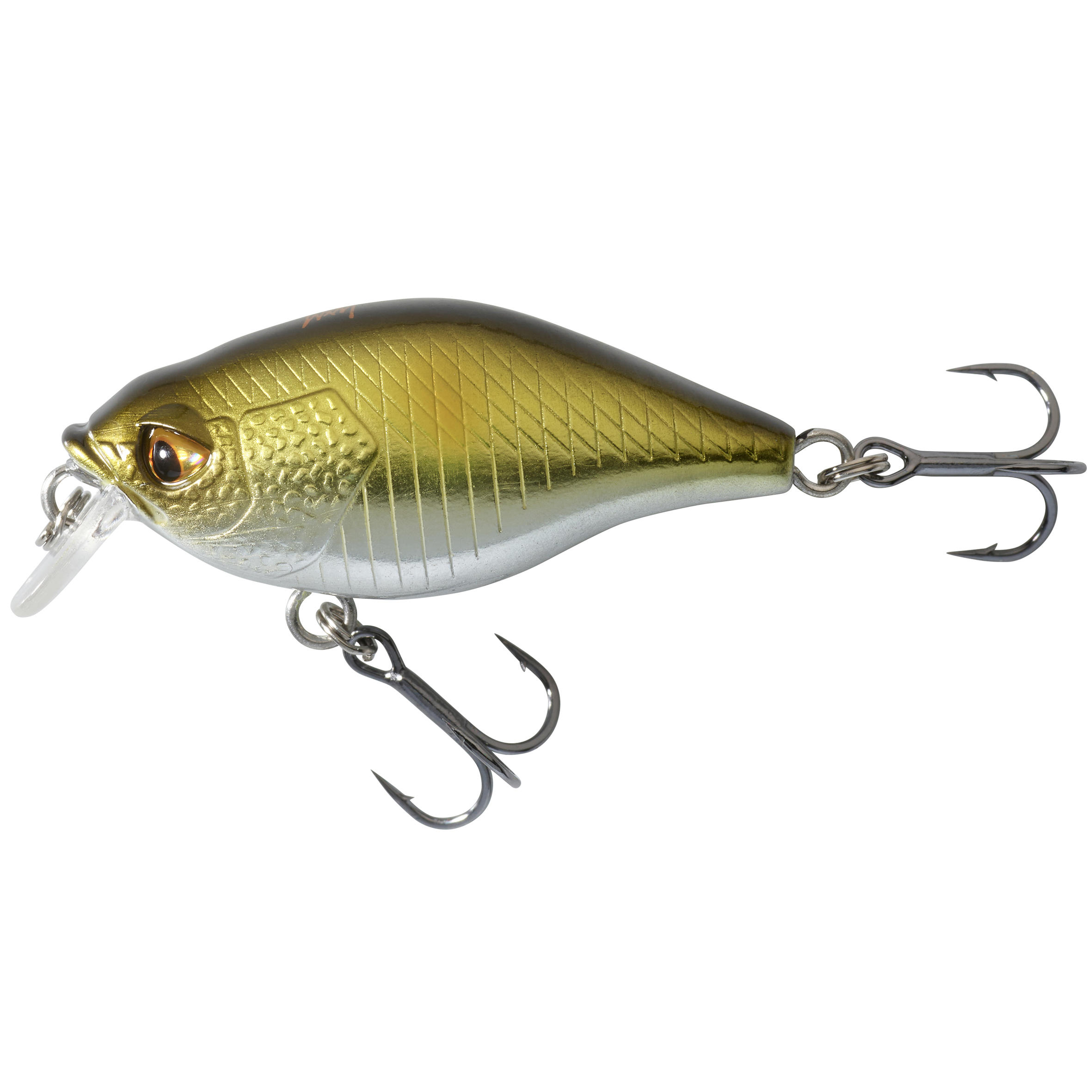
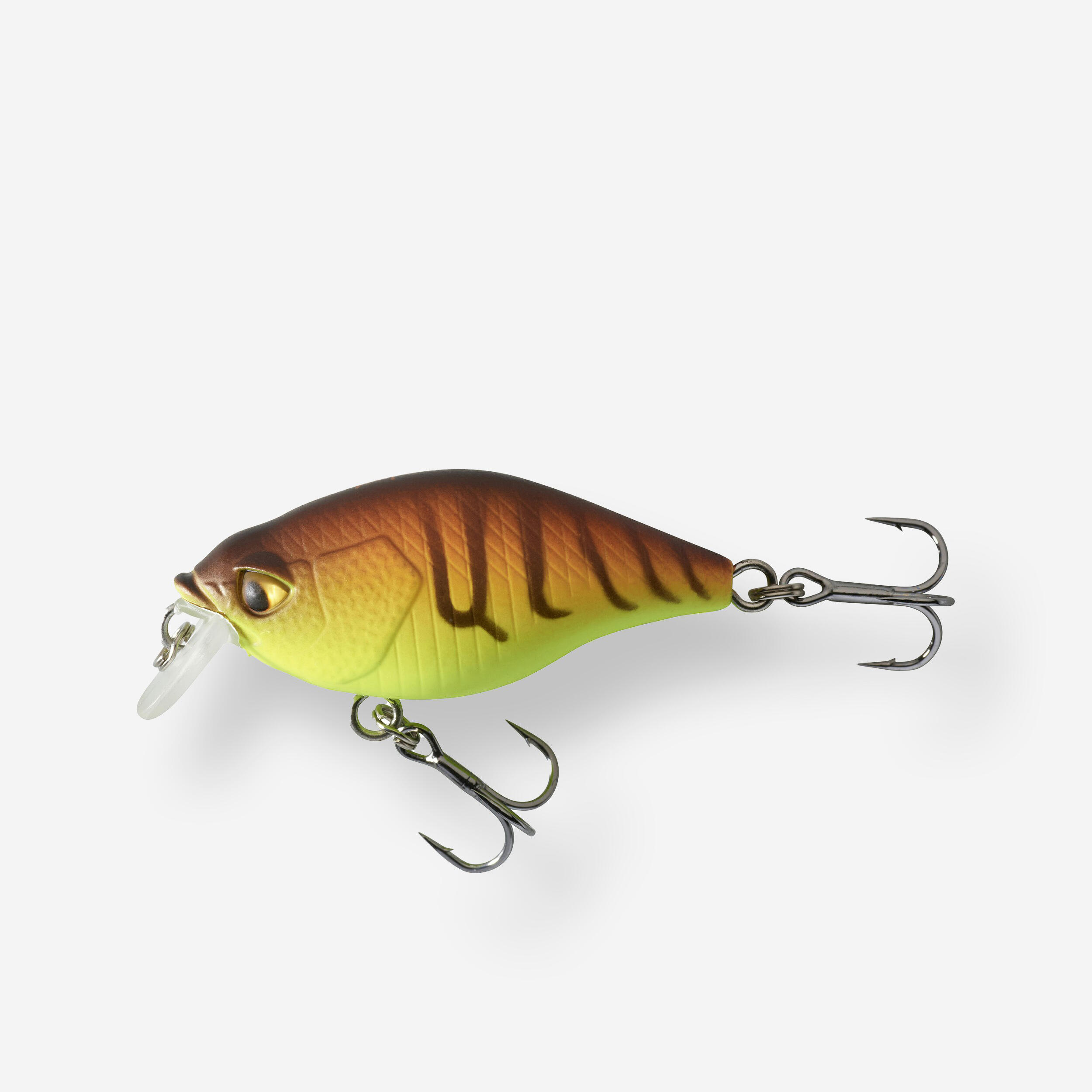
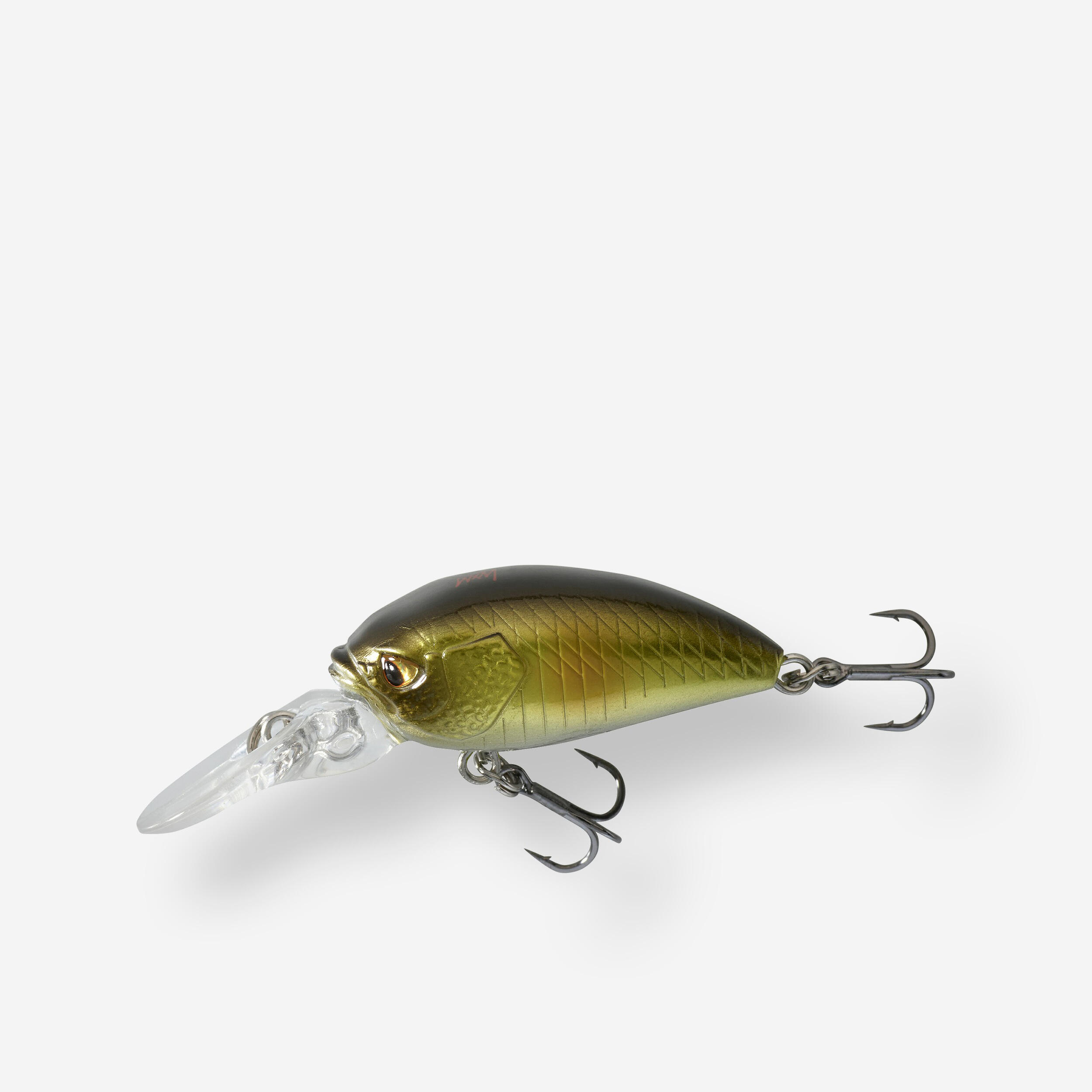
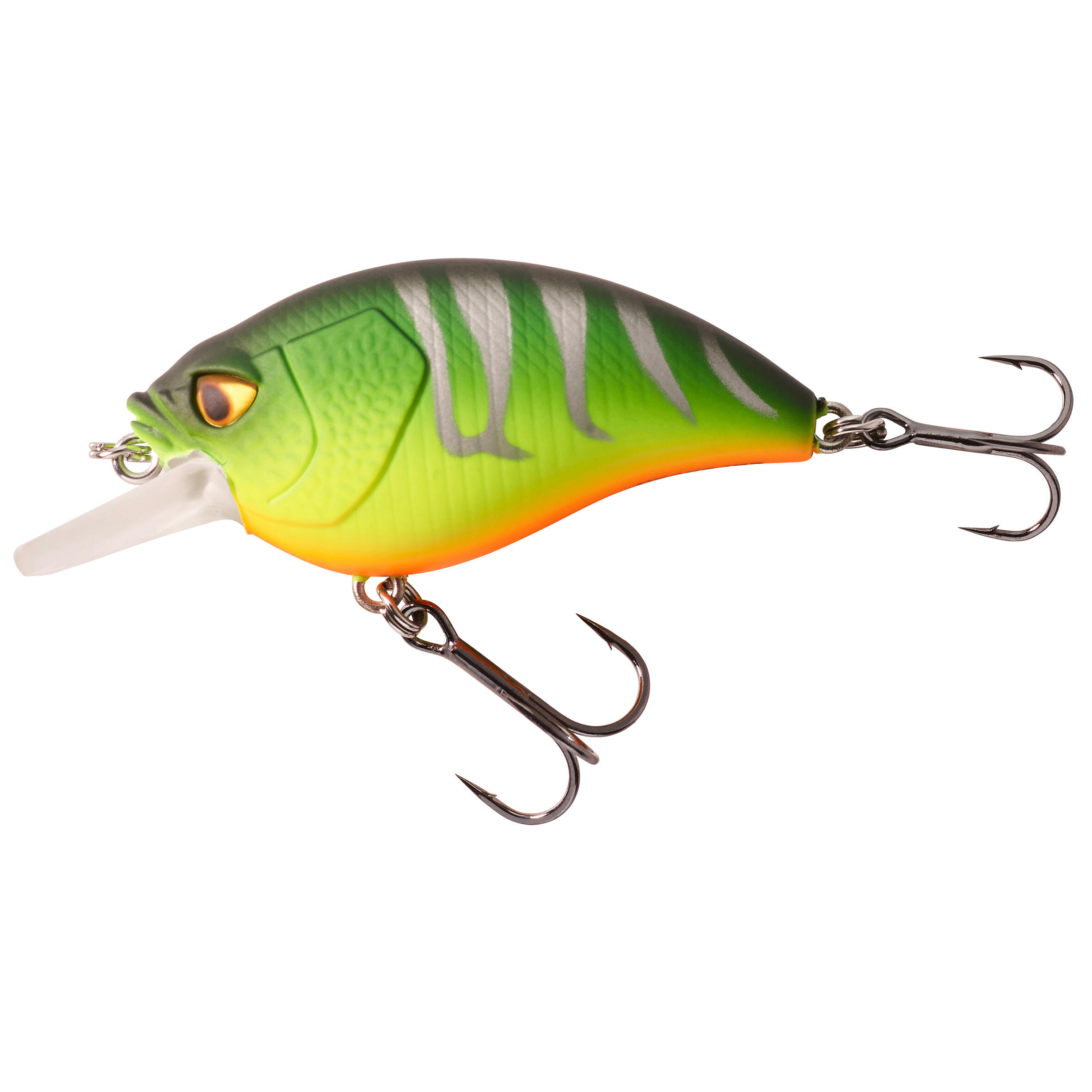
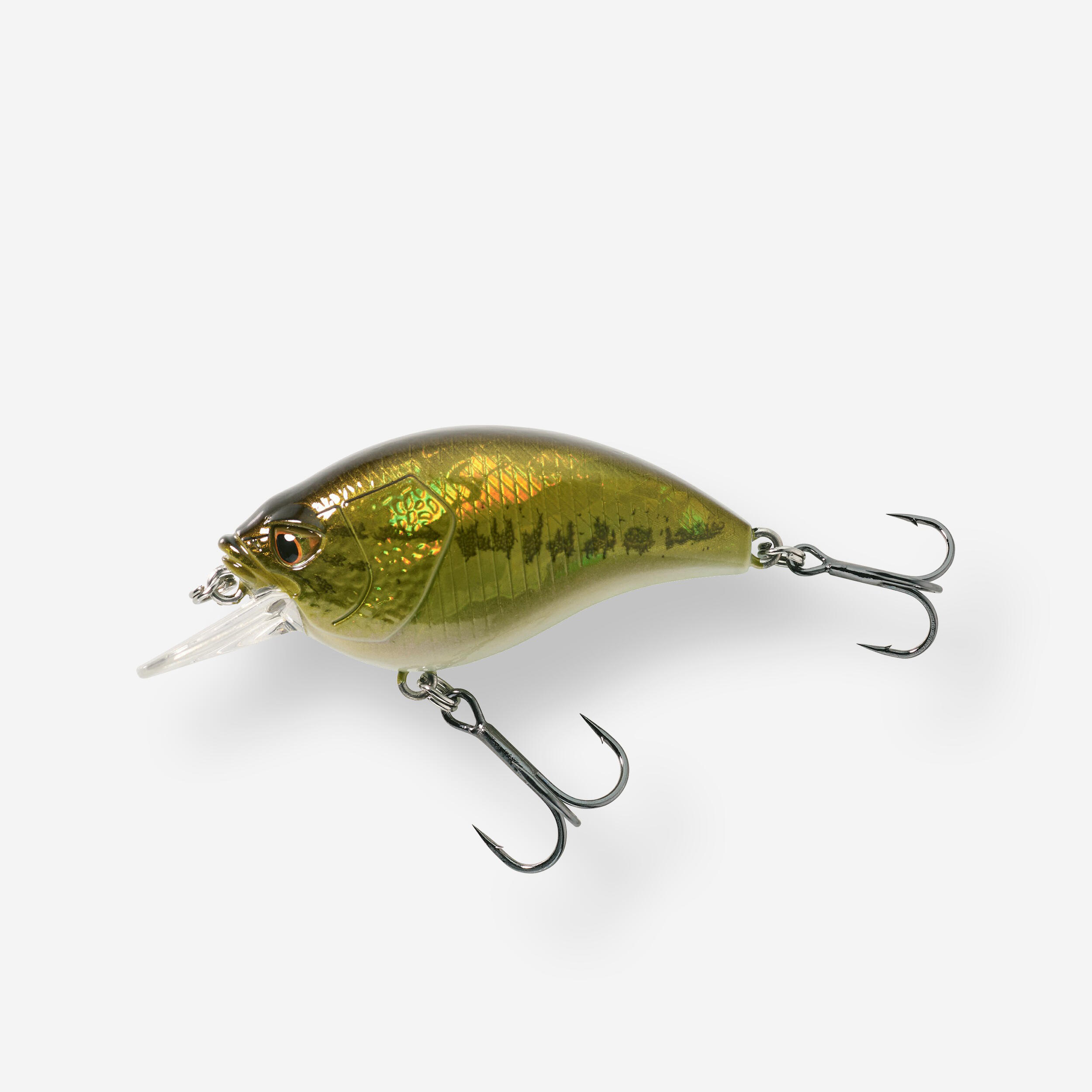
The lure's bib, body shape, buoyancy and retrieve combine to determine how deeply it runs. Caperlan's WXM CRKDD 40 F measures 4 cm, weighs 4.2 g and dives to approximately 2 m during retrieval. It floats upwards when you stop winding, so brief pauses can lift it away from the depth it was working and change the presentation. The lure also uses rattling, tungsten and steel internal balancing, and BKK treble hooks. This deep-diving hard lure suits situations where you need a small profile to work below the shallow surface layer rather than remaining close to the top.

How do you match your tackle to a hard lure?

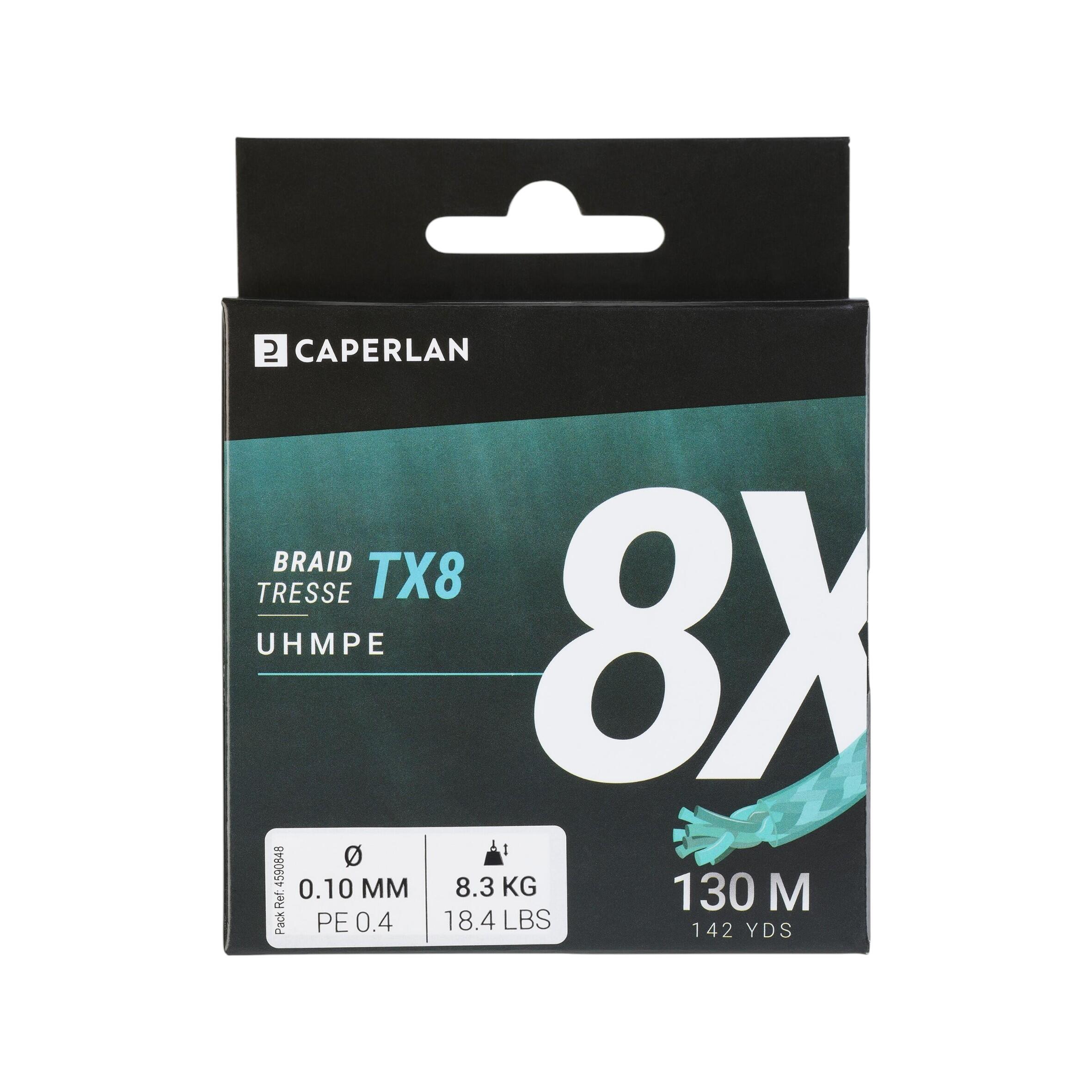
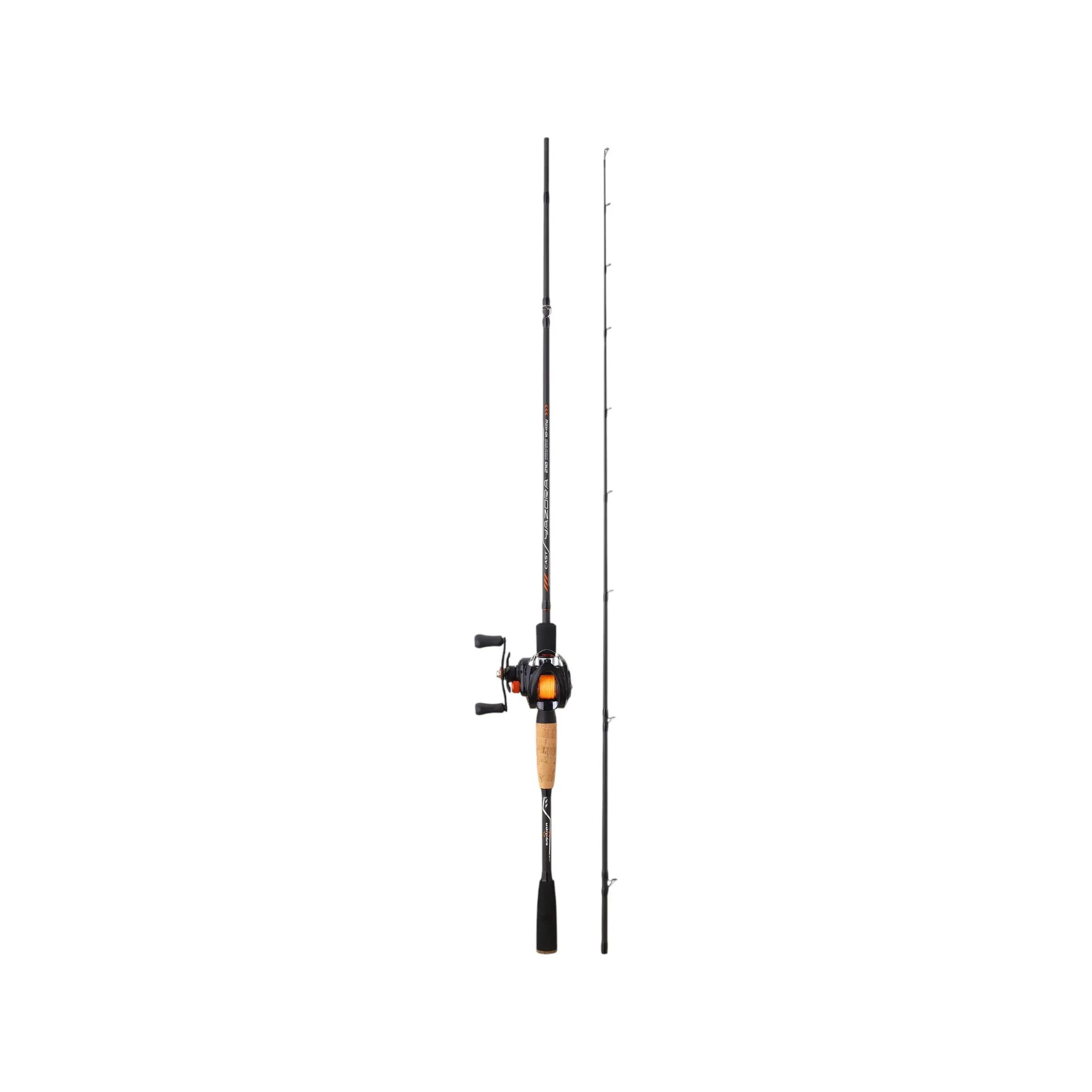
Use lure weight and target species to set the starting point for the rod, reel, braid and leader. A small trout minnow does not need the same tackle as a large predator jerkbait, and an oversized design can reduce feedback from a lightweight lure. Caperlan gives complete pairing guidance for selected hard lures, including braid diameter, fluorocarbon leader, snap size, reel size and rod power. For example, its 4.2 g deep-diving crankbait is paired with 6/100 braid, 20/100 fluorocarbon, a size-2000 reel and an L or ML rod. The wider lure fishing category helps you build the rest of the layout around the lure rather than treating each component separately.

How can you maintain hard lures between fishing trips?

Inspect the hooks, split rings and lure body before putting your tackle away. Replace a blunt or damaged hook rather than continuing to fish with a point that no longer penetrates cleanly. Selected Caperlan hard lures also allow treble hooks to be changed for specified barbless single hooks, which can help when local fishery rules require a different hook arrangement. The WXM deep-diving crankbait, for example, accepts No. 10 barbless single hooks. Store hard lures in a dry, well-ventilated place so moisture does not remain trapped around the metal components. Keep them organised with the rest of your predator fishing tackle, with hooks separated where possible to reduce tangling and accidental damage during transport.