6 items
4.7/5 based on 800 reviews collected online and in stores

Lure Fishing Float Tubes FAQs

How do you inflate a lure fishing float tube correctly?

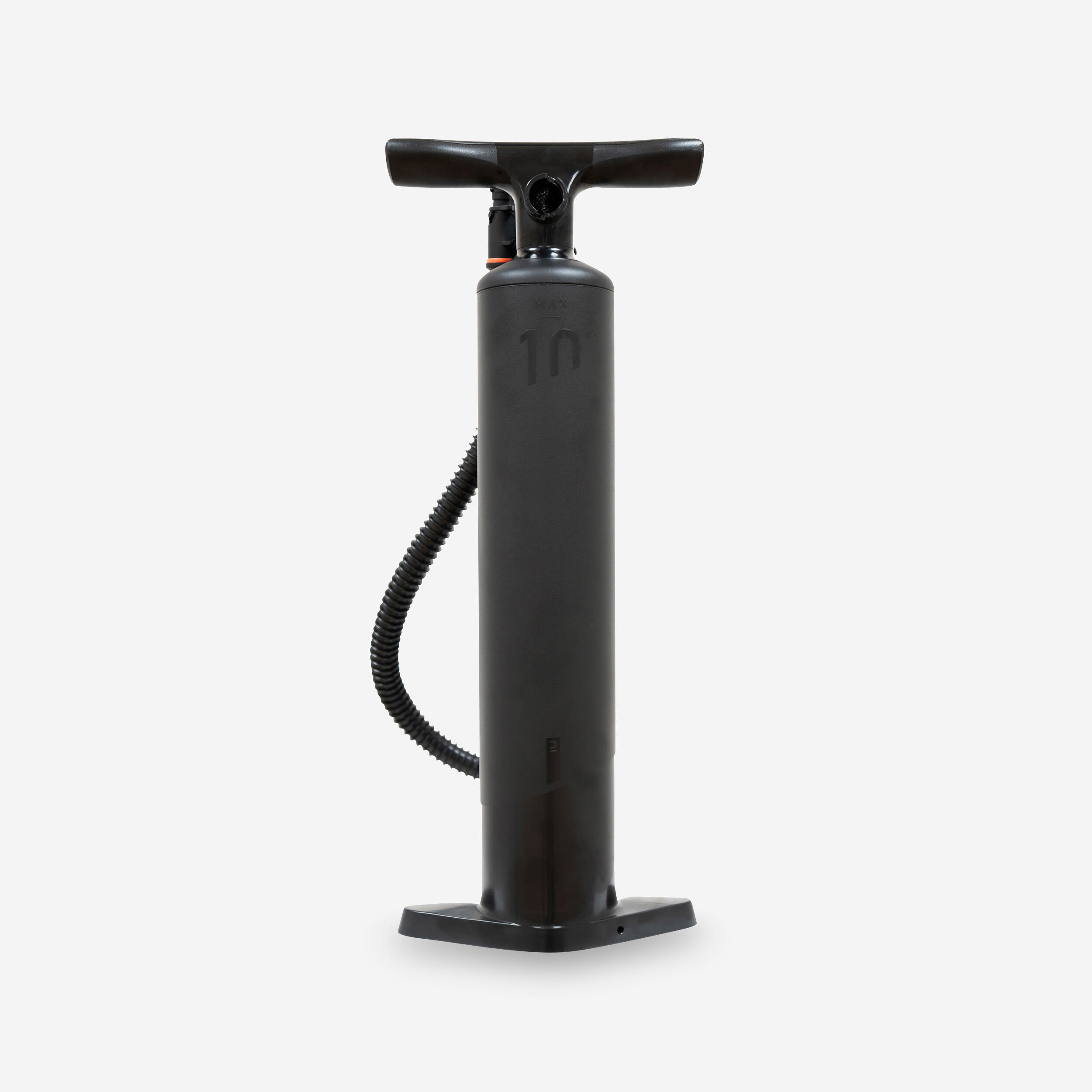
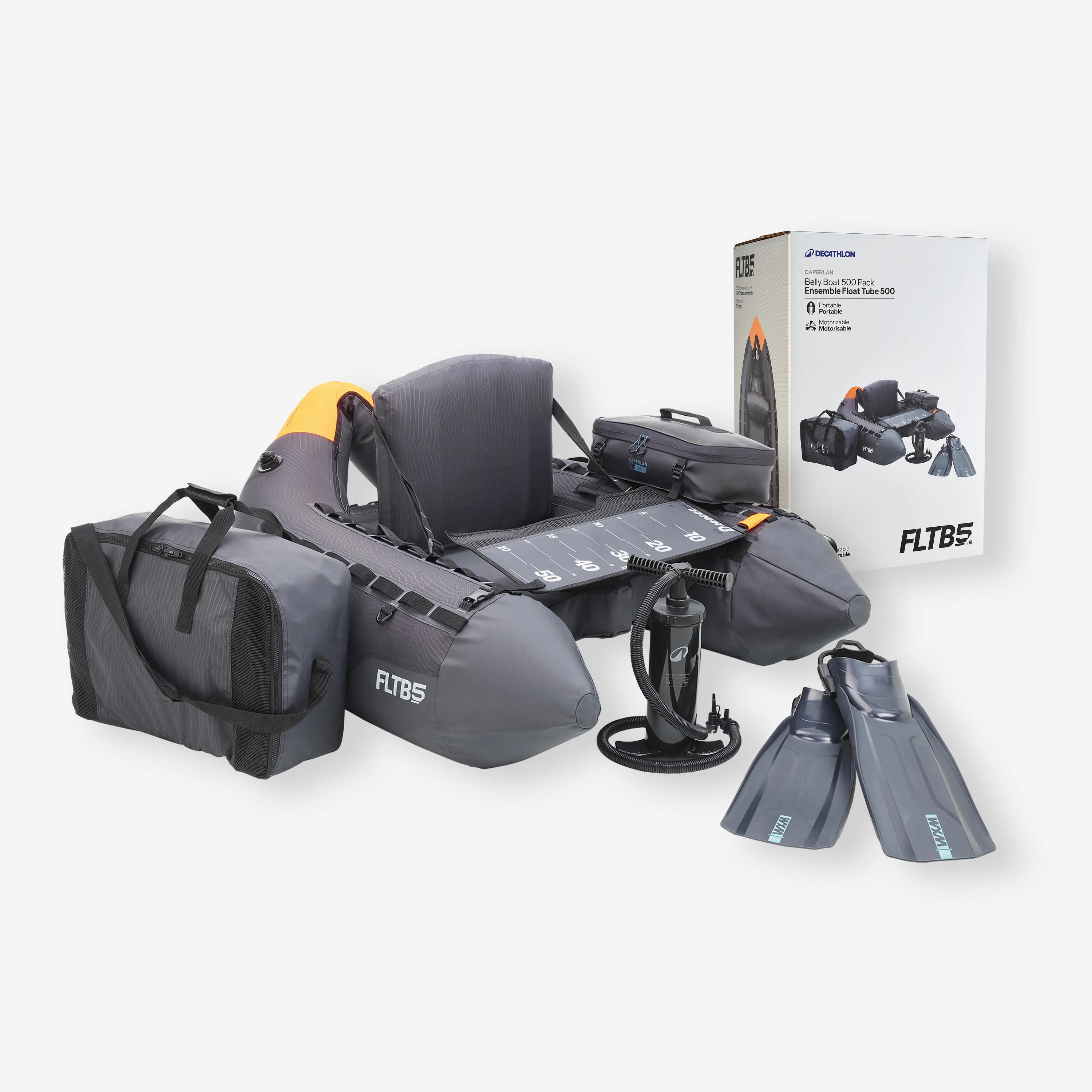
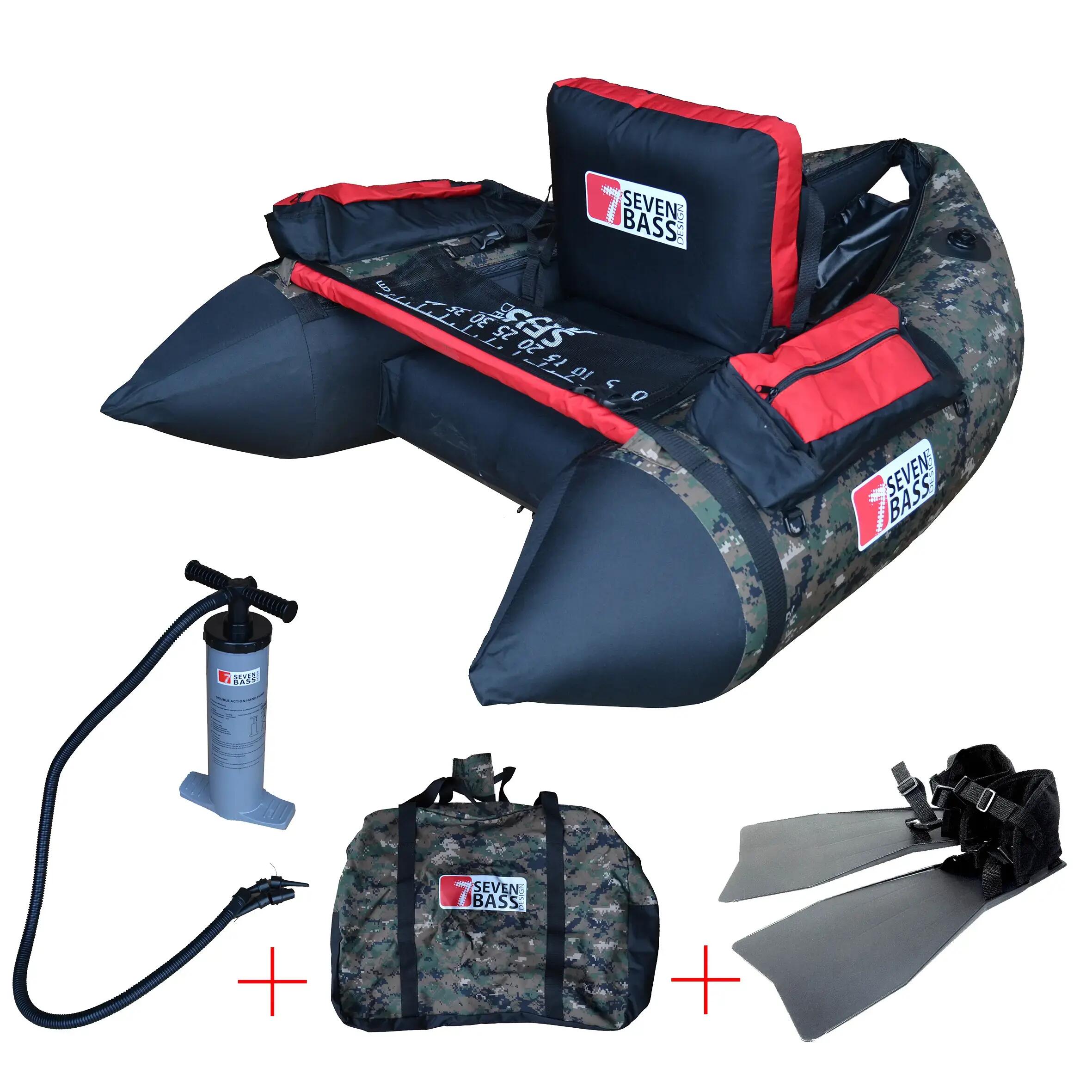
Use the pressure stated for each chamber rather than judging inflation by how firm the tube feels. Caperlan float tubes can use different pressures across the seat, side chambers and drop-stitch sections, so a pump with a gauge makes accurate arrangement easier. The FLTB-5 V2 uses approximately 1.5 PSI for its inflatable sections, while more technical constructions can require higher pressures in specific chambers. A dedicated lure fishing float tube pump includes a pressure gauge and several valve adapters. Keep sand away from the pump because grit can damage its seals and moving parts.

How do fins help you control a float tube?

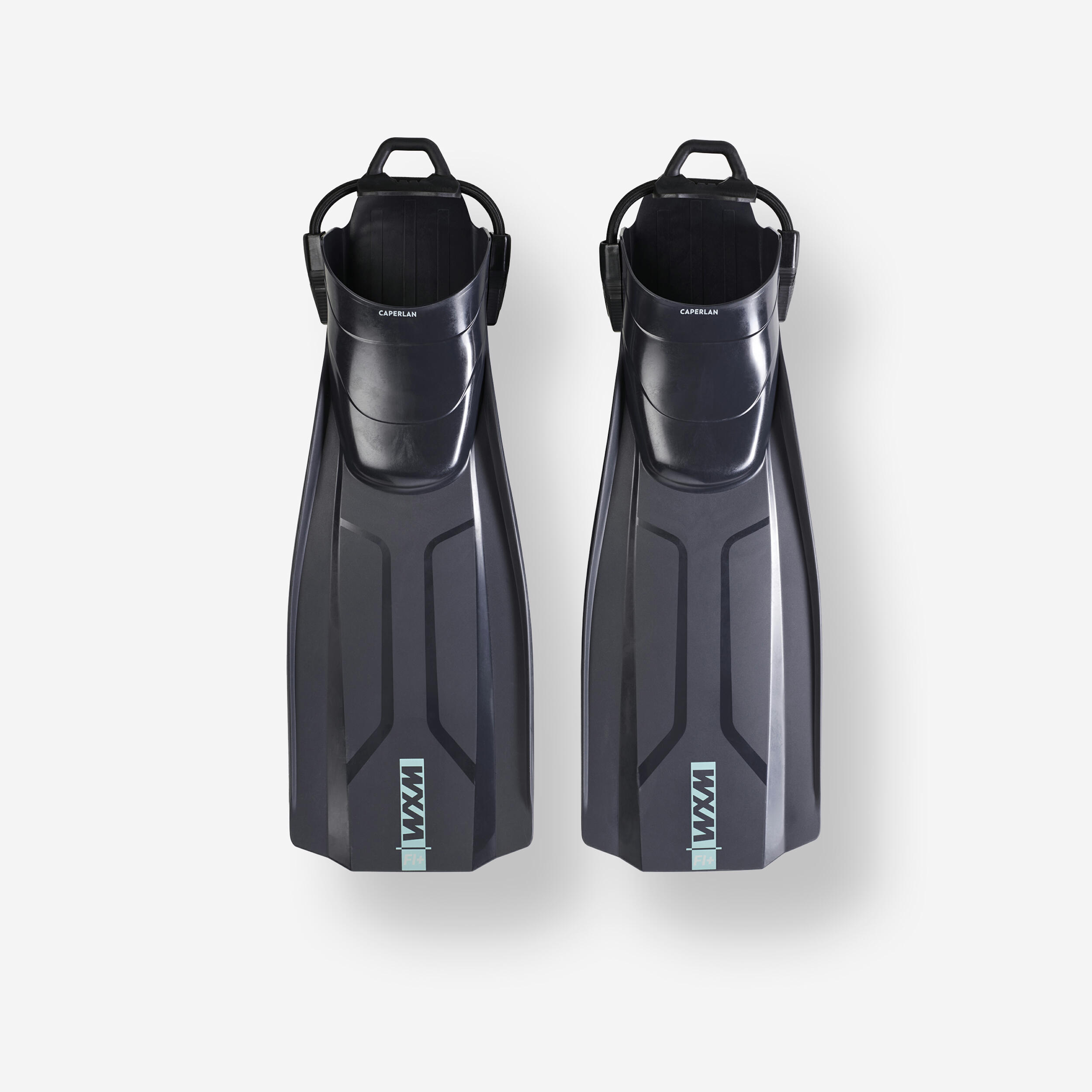
Float-tube fins let you propel and position yourself while remaining seated, leaving your hands available for the rod and reel. Caperlan shapes its fins specifically for this fishing position rather than conventional swimming. Floating EVA construction also reduces the chance of losing a fin if it comes loose on the water. Self-adjusting straps and heel covers help them fit over suitable wading footwear, with attachment positions covering several boot sizes. The lure fishing float tube fins work particularly well when small movements help you control casting position or follow a bank. Store them flat after use and do not walk while wearing them.

When does a motorisable float tube make sense?

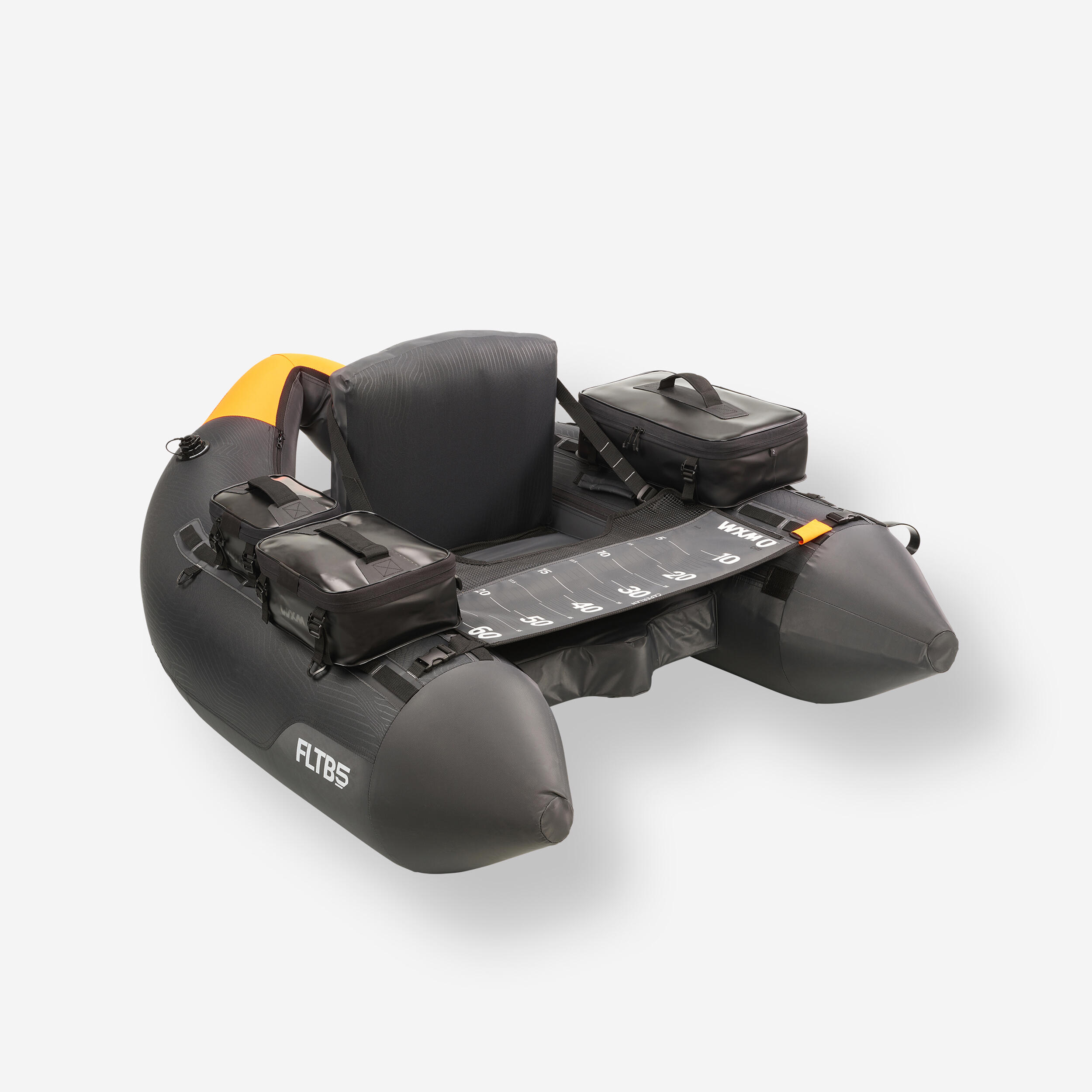
A motor-ready model can help when you regularly fish larger calm waters and want another way to move between fishing areas without changing the complete float tube. The Caperlan FLTB-5 V2 includes a motor mounting point beneath the seat and a cable guide behind the backrest, allowing compatible electric propulsion to become part of the setup. Modular storage bags keep tackle positioned around the seat, while carrying straps simplify movement before and after launching. A motorisable float tube for lure fishing still needs to suit your total load and fishing conditions. Follow local navigation rules and use it only within the conditions specified for the craft.

How can you organise tackle on a lure fishing float tube?

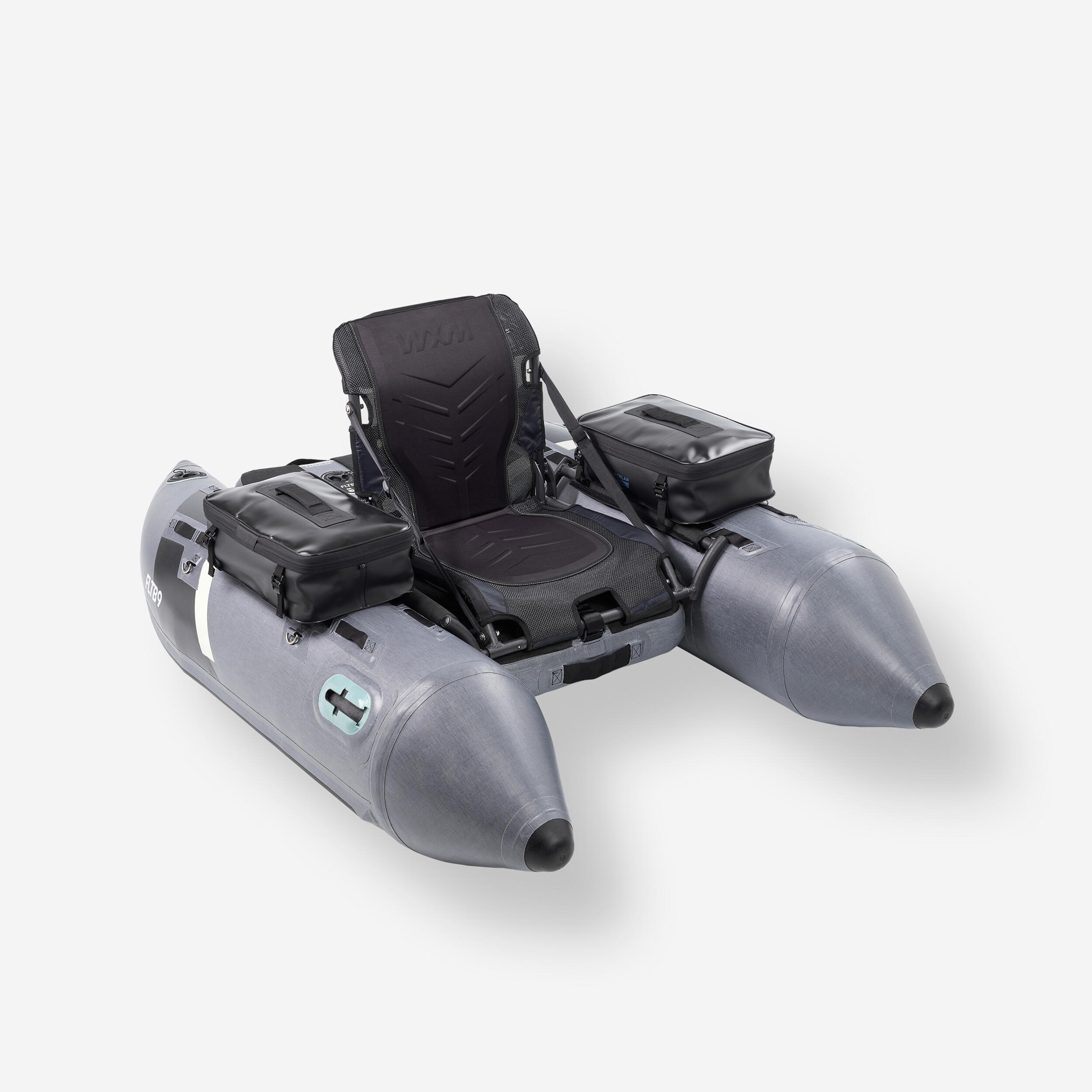
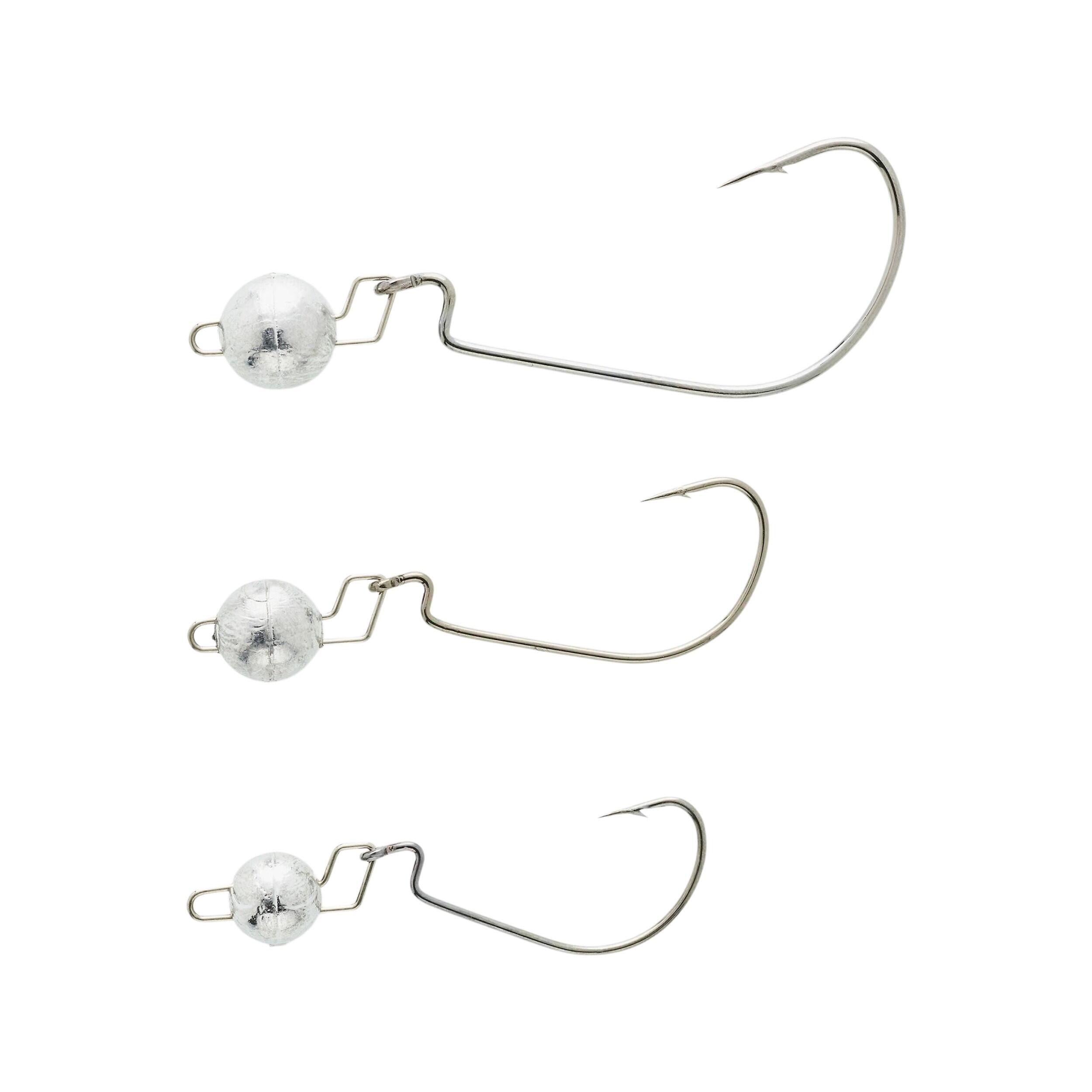
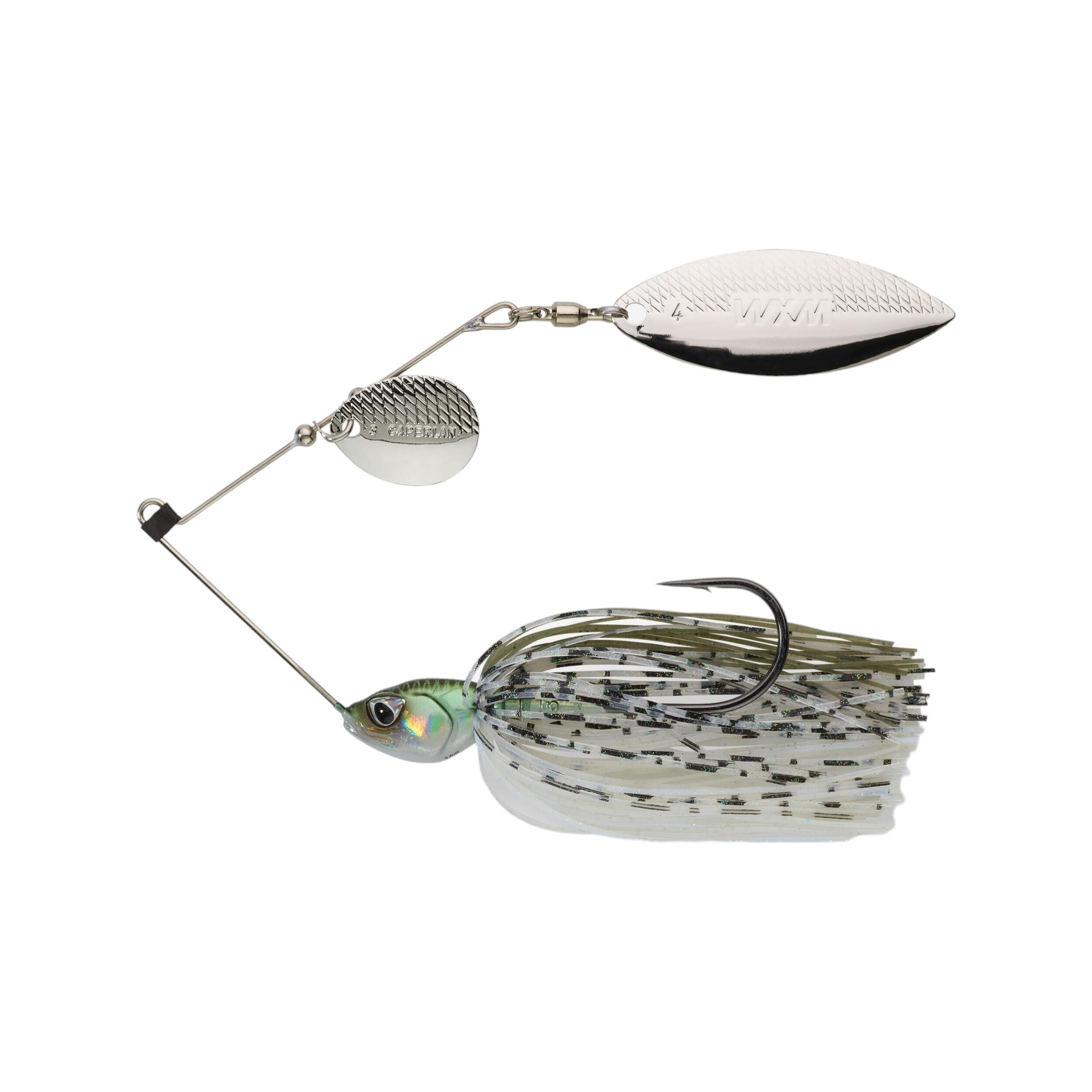
Keep your most-used lures, leaders and tools within arm's reach so you do not need to twist around or open large bags while afloat. Caperlan float tubes use removable storage bags that can separate small terminal tackle from bulkier items. Compatible rod racks and other attachment points can also help keep several pieces of equipment organised without crowding your seated fishing area. Limit the amount you carry, as unused tackle adds weight and makes it harder to locate the item you need quickly. Build the rig around the type of lure fishing you plan for that session, whether you need a few hard lures, softbaits or several rod settings.

What safety checks matter before float-tube predator fishing?

Inspect the air chambers, valves, seat and attachment points before entering the water, then confirm that every section holds the specified pressure. Keep tackle secured so a loose hook or tool cannot damage an inflatable surface. Caperlan specifies its float tubes for calm-water fishing and requires the user to wear a life jacket, while local rules can add further restrictions. Weather matters as much as equipment, so avoid launching when wind or changing conditions could make returning difficult. Float tubes can help you approach areas that are difficult to cover from the bank, making them useful for some forms of predator fishing. Dry the complete float tube before long-term storage, and keep repair components available for minor damage.