73 items
4.7/5 based on 1127 reviews collected online and in stores

Lure Fishing Reels FAQs

What reel features help when lure fishing for pike?

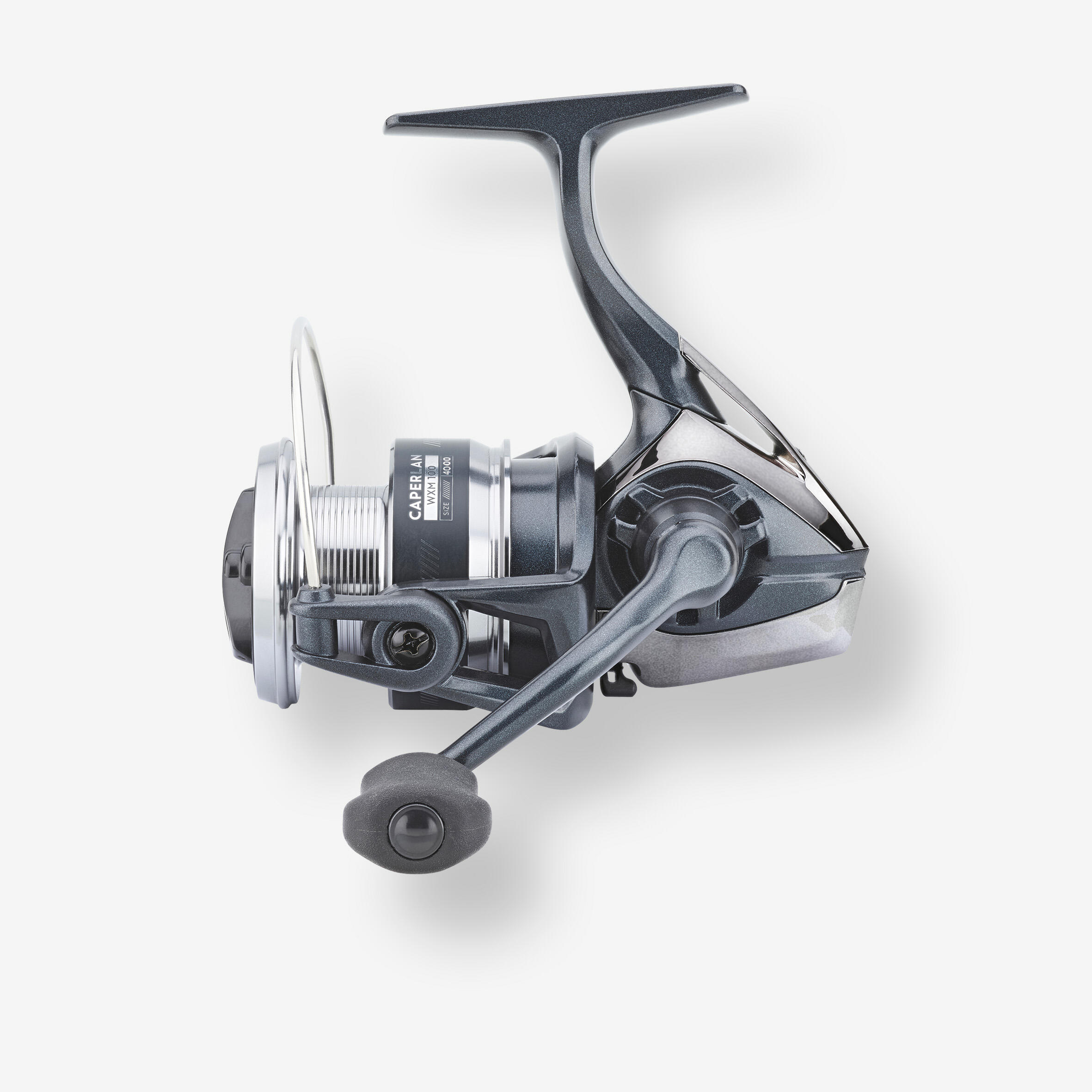
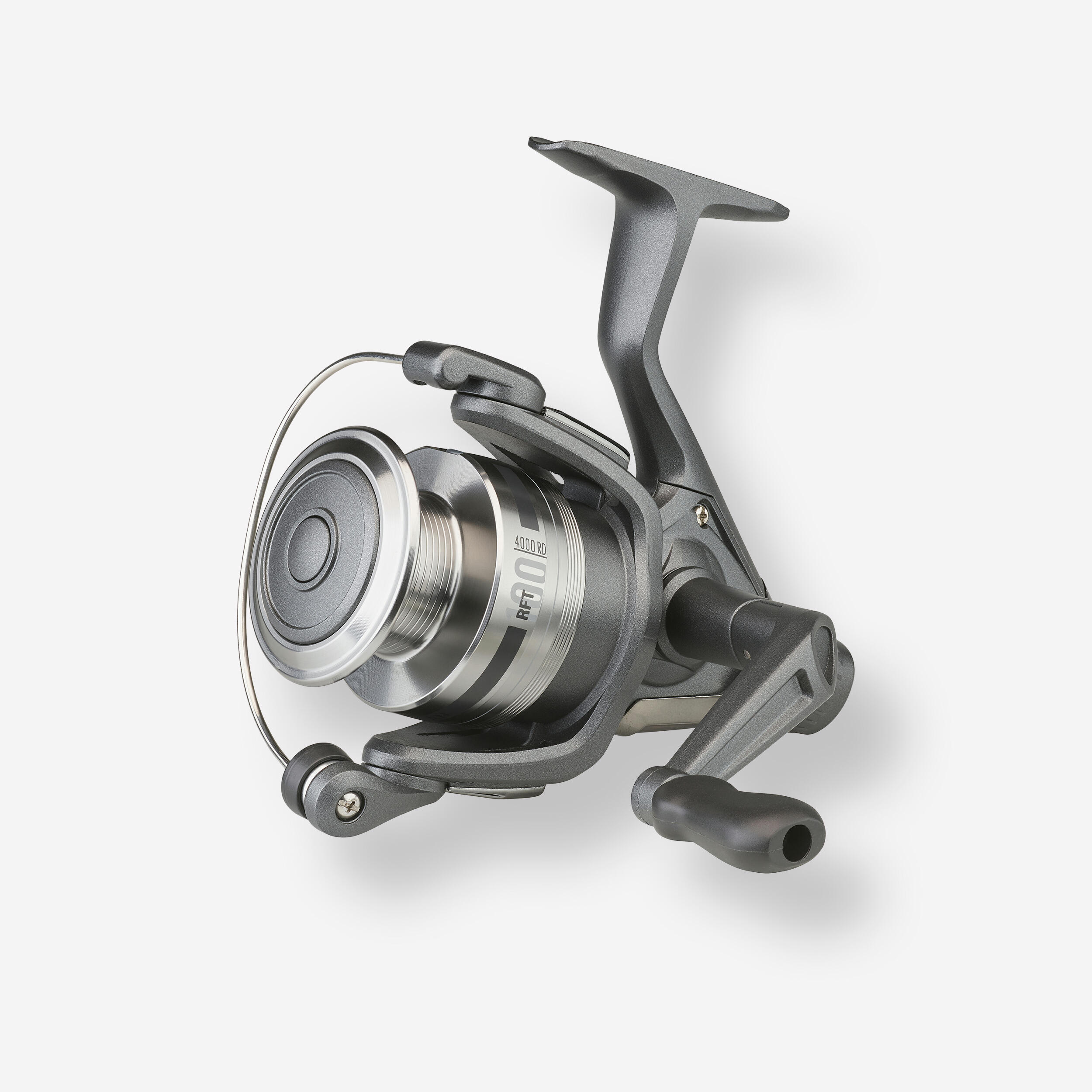
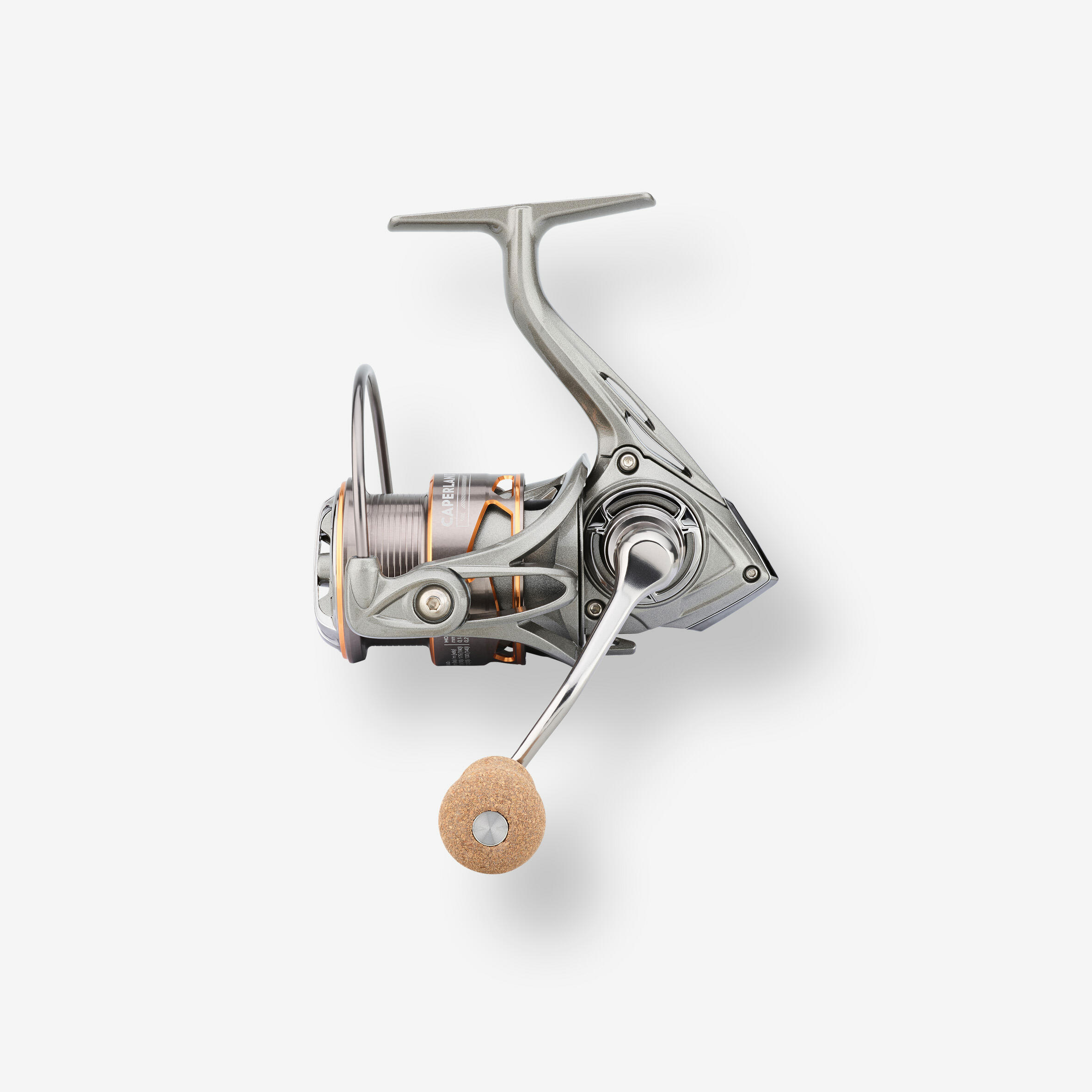
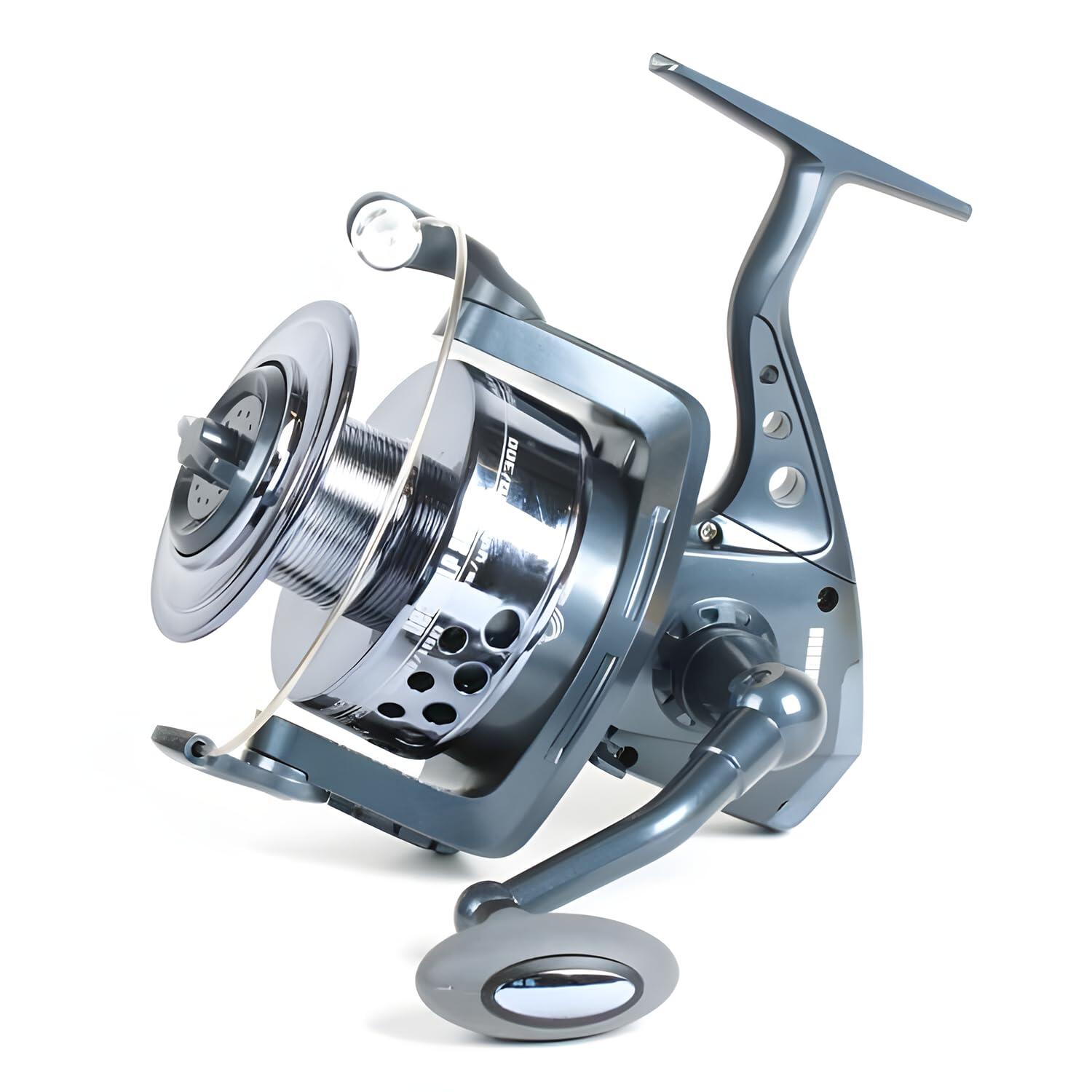
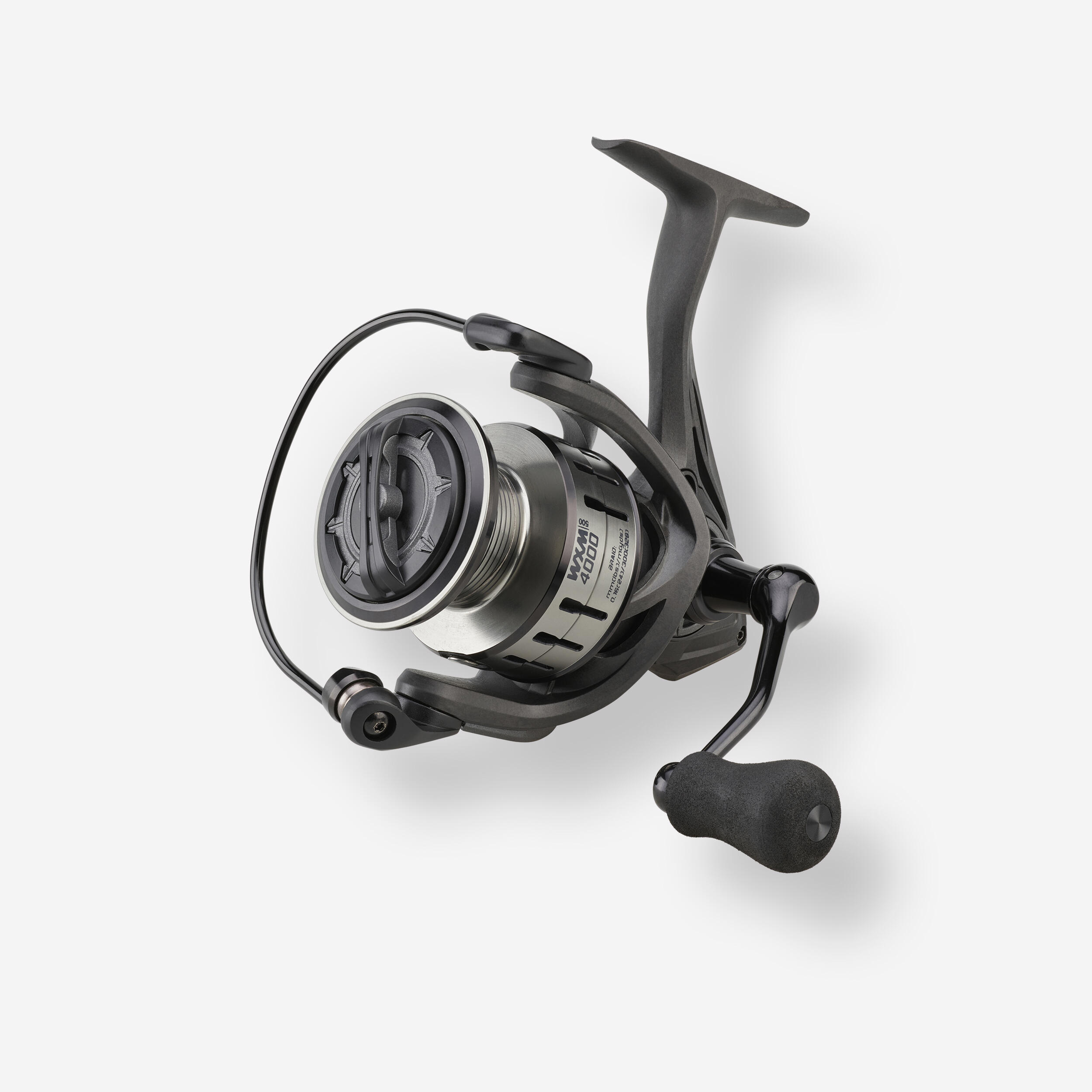
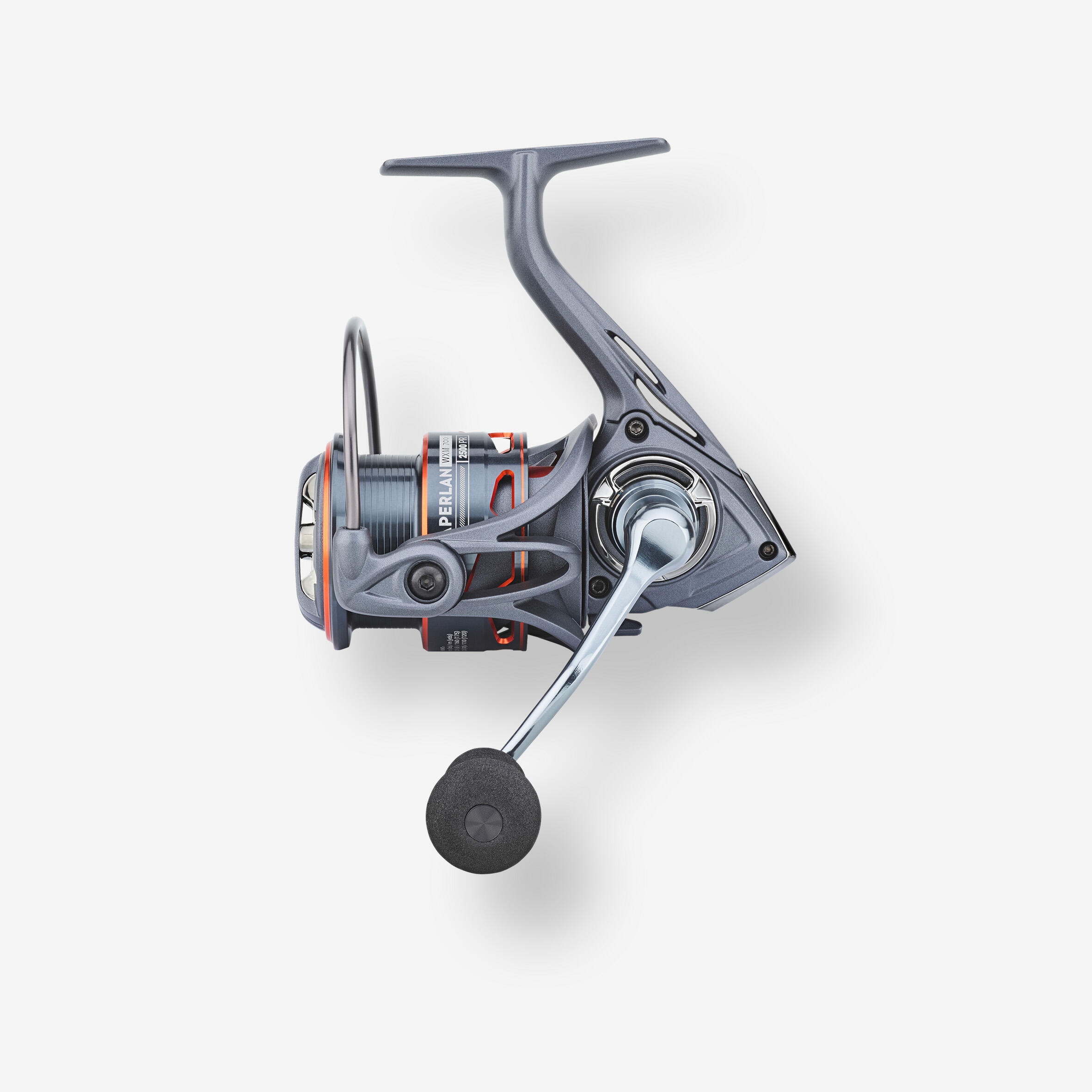
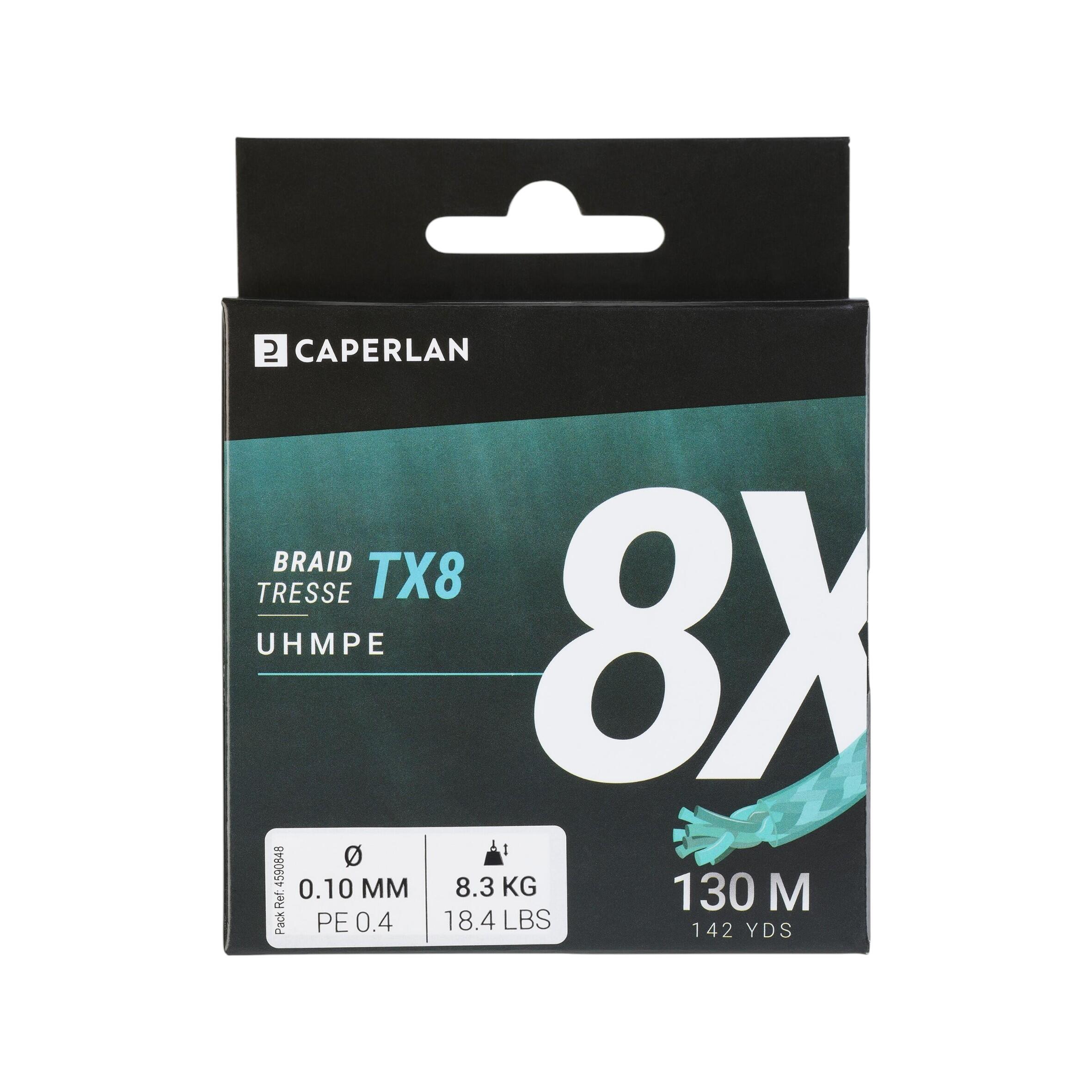
Pike fishing can involve heavier lures, powerful fish and repeated casting, so reel strength needs to work alongside manageable weight. The Caperlan WXM 700 4000 PK weighs approximately 265 g and combines a carbon-reinforced frame with an aluminium spool and 6+1 bearings. Its 5.2:1 ratio retrieves around 79 cm of line per crank, while Caperlan states 12 kg maximum drag and 7 kg usable drag. Decathlon recommends pairing this lure fishing pike reel with approximately 0.16 mm braid and an H or XH rod, creating a standard design better matched to demanding pike presentations.
How does retrieval speed affect a spinning reel?

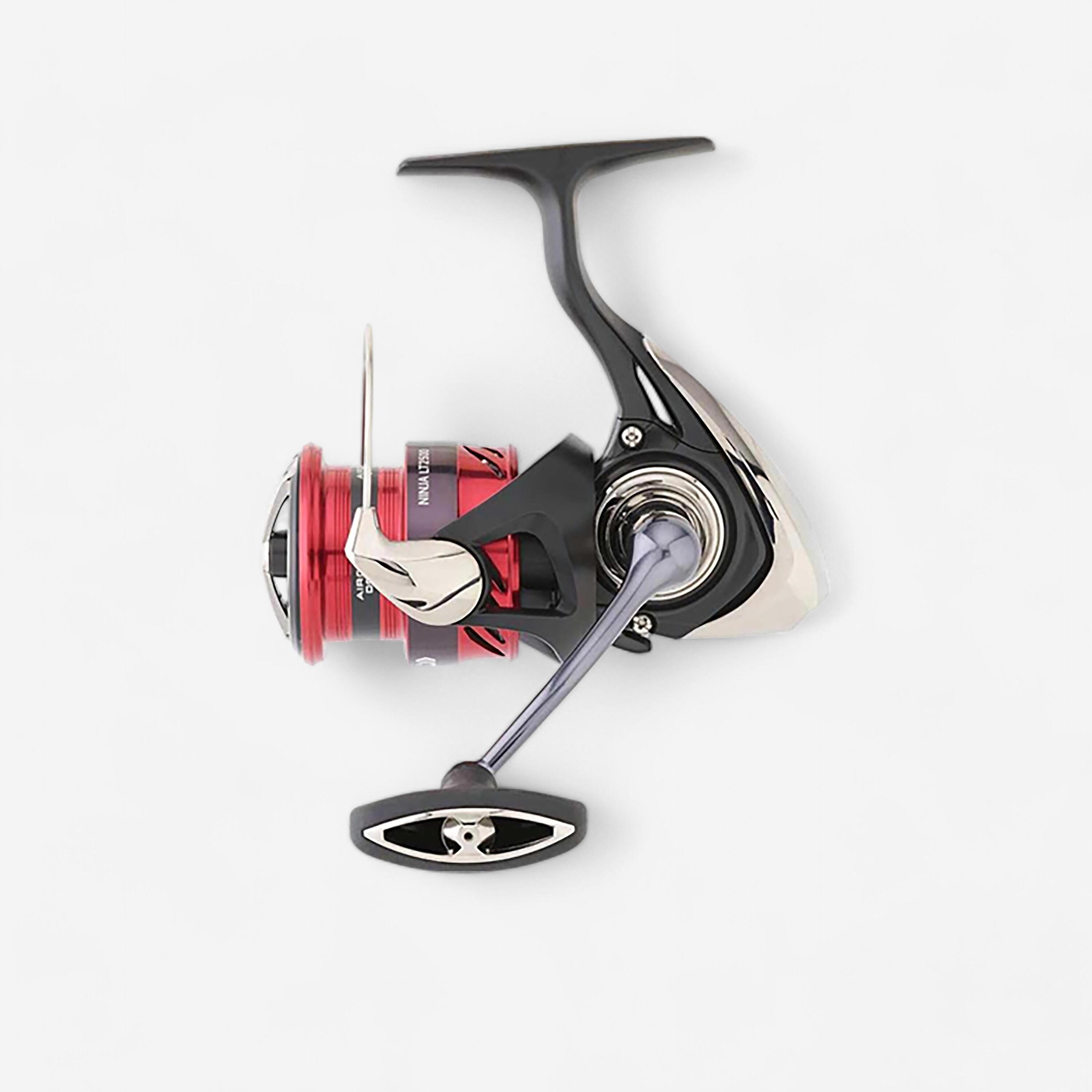
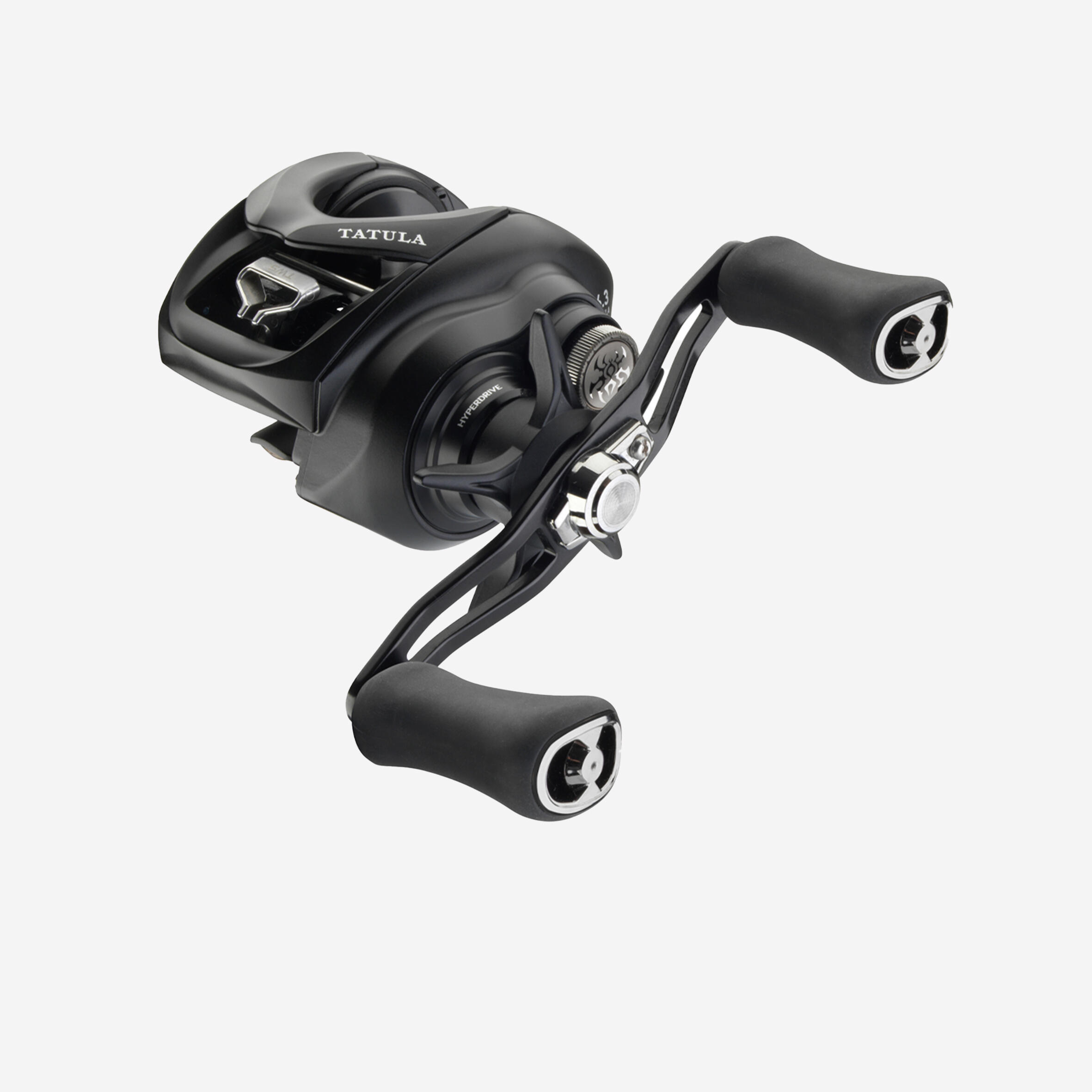
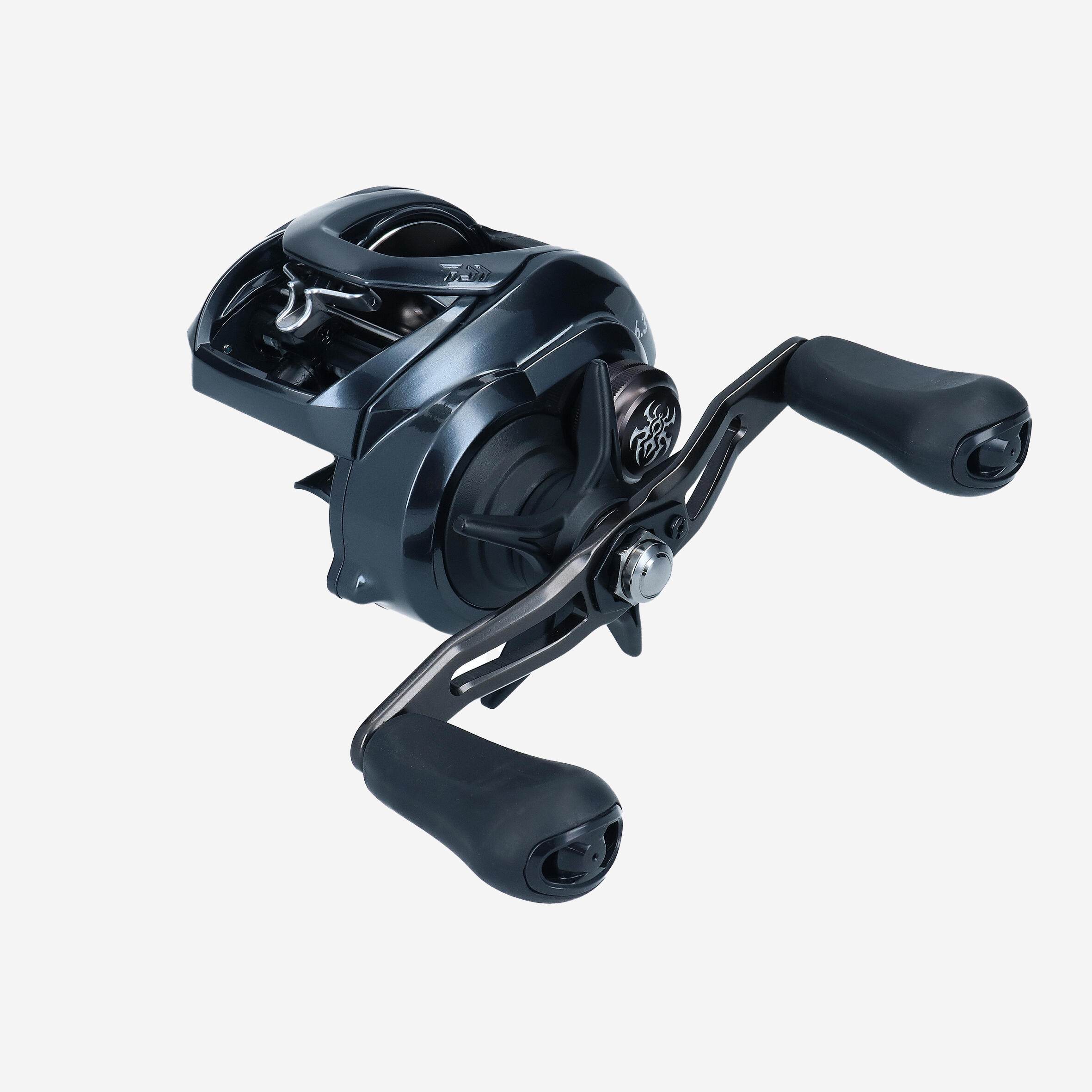
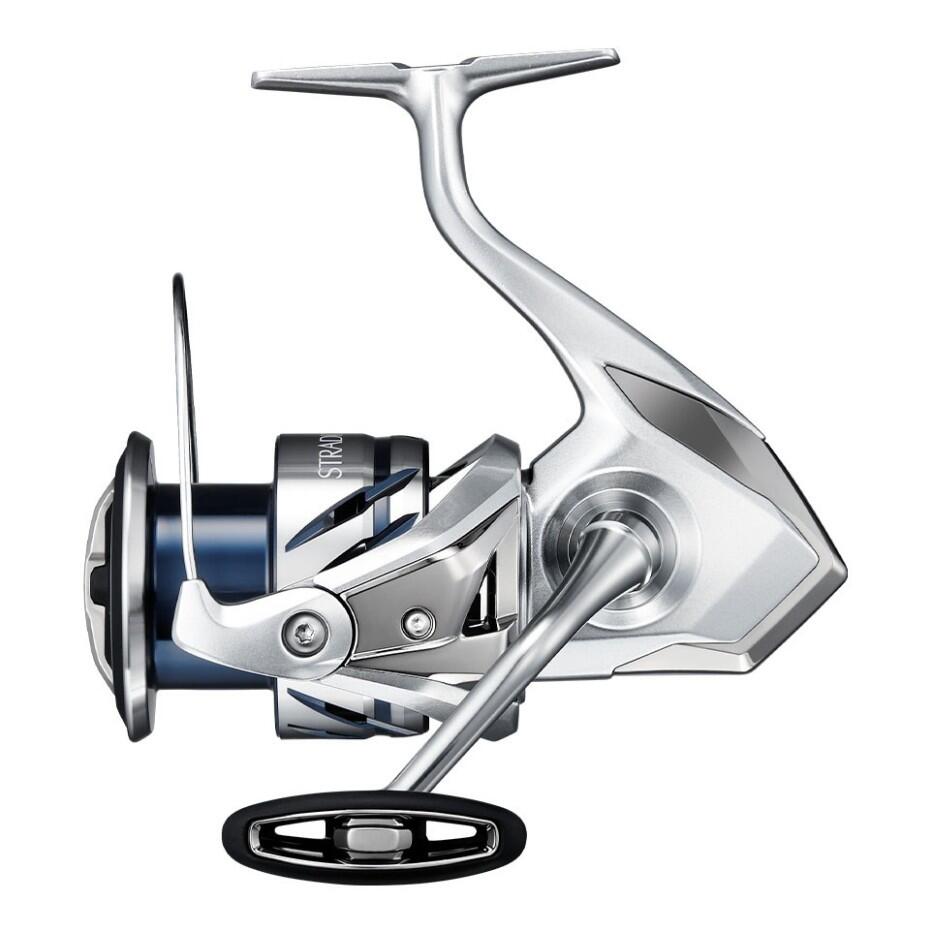
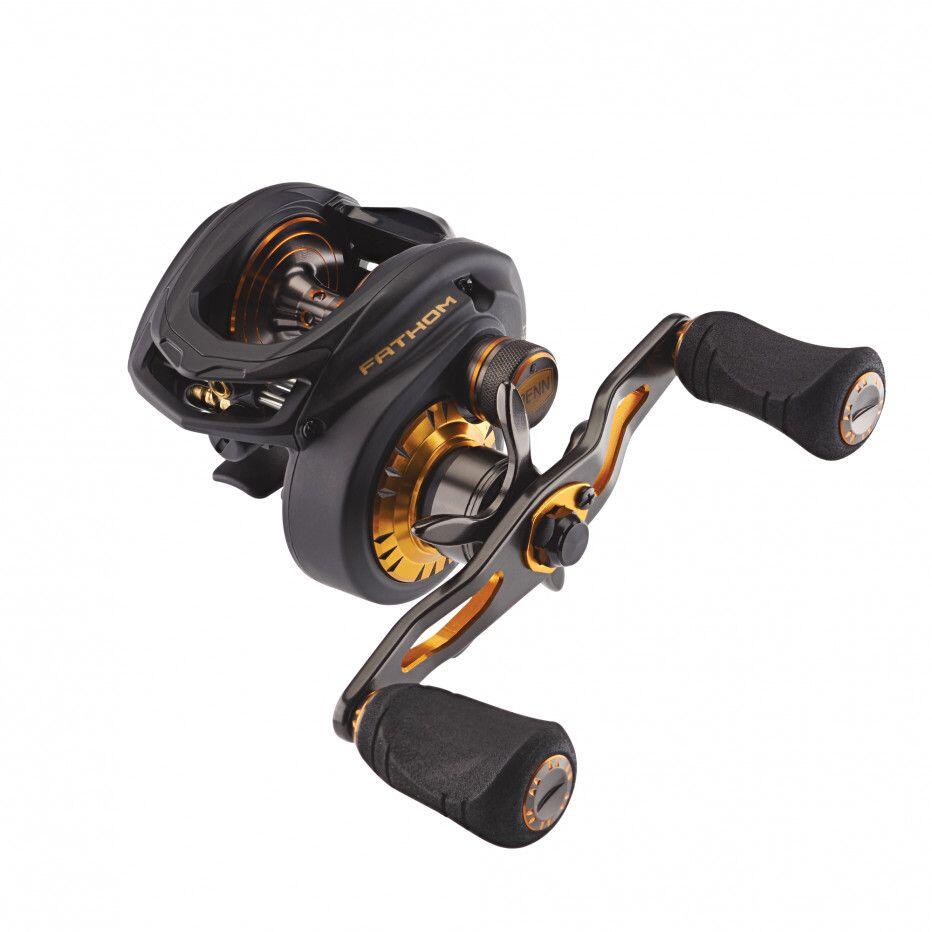
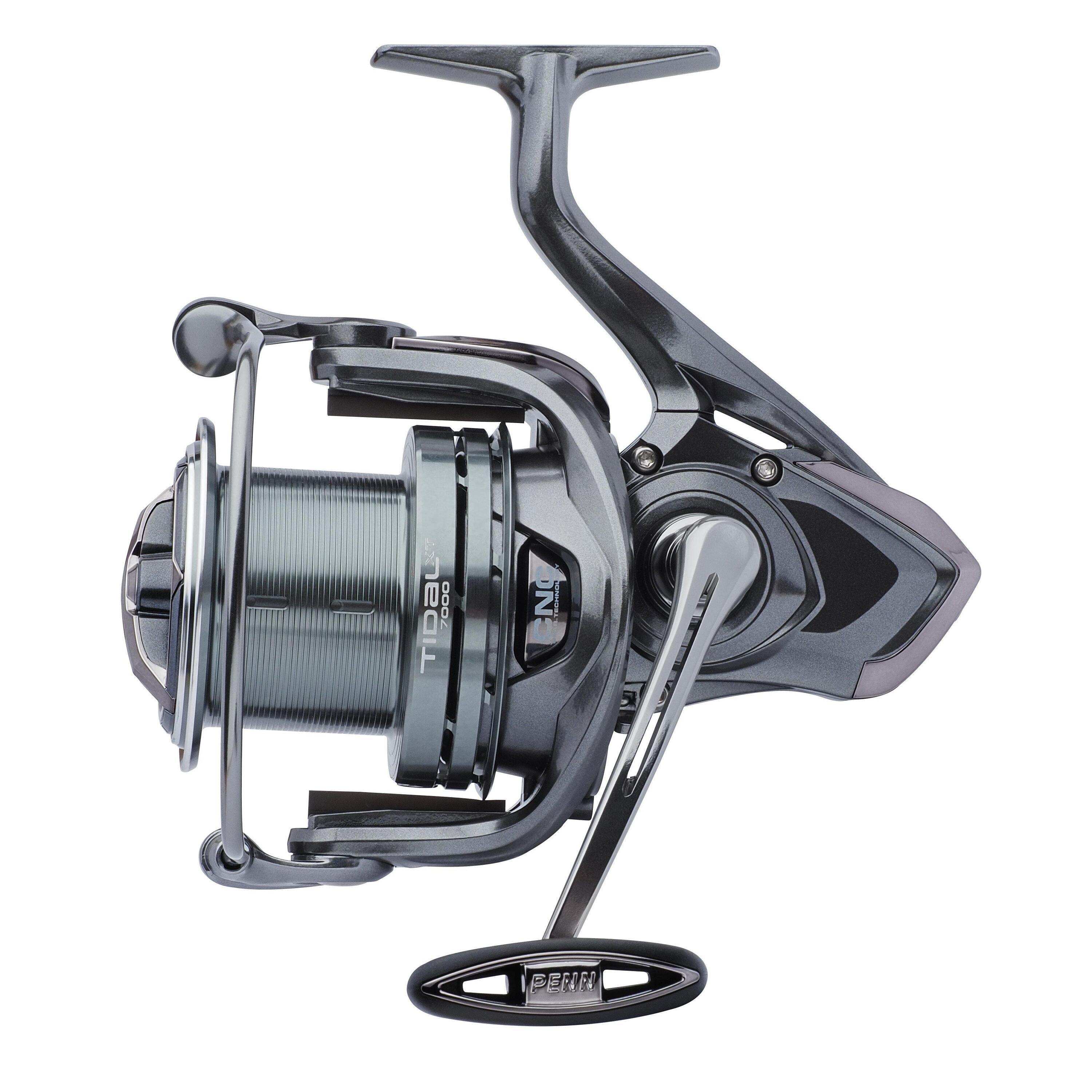
Retrieval rate tells you how much line returns to the spool with each turn of the handle, which can influence lure speed and how quickly you take up slack. A faster reel can feel useful with active lure presentations, but the rod, lure and fishing style still need to work together. The lure fishing spinning reel from Daiwa retrieves approximately 87 cm per crank with a 6.2:1 ratio. It weighs around 230 g and uses a 10 kg drag, aluminium spool and crossed winding system. Balance these specifications with your rod rather than judging a reel by retrieval speed alone.

What makes a lighter reel useful for trout lure fishing?

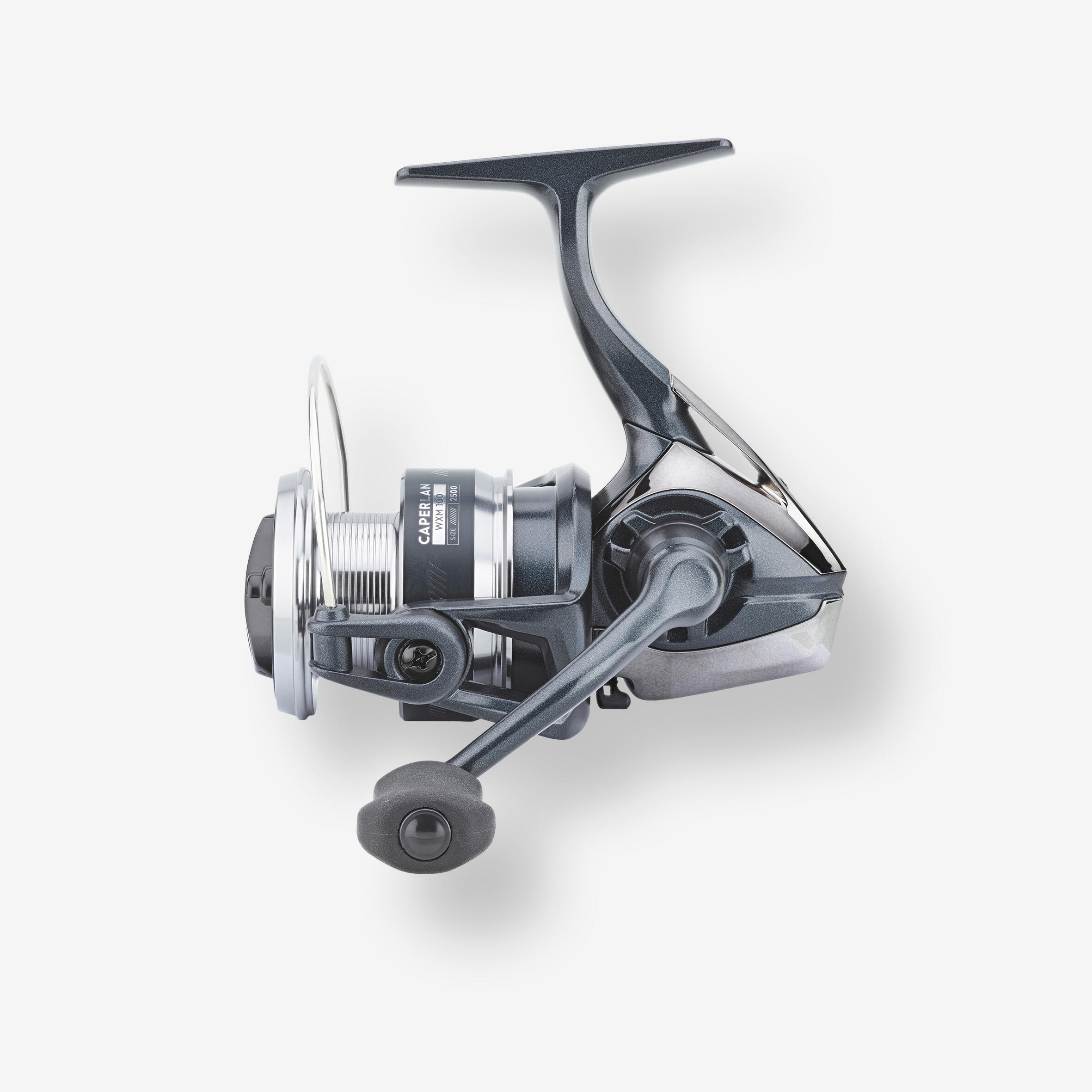
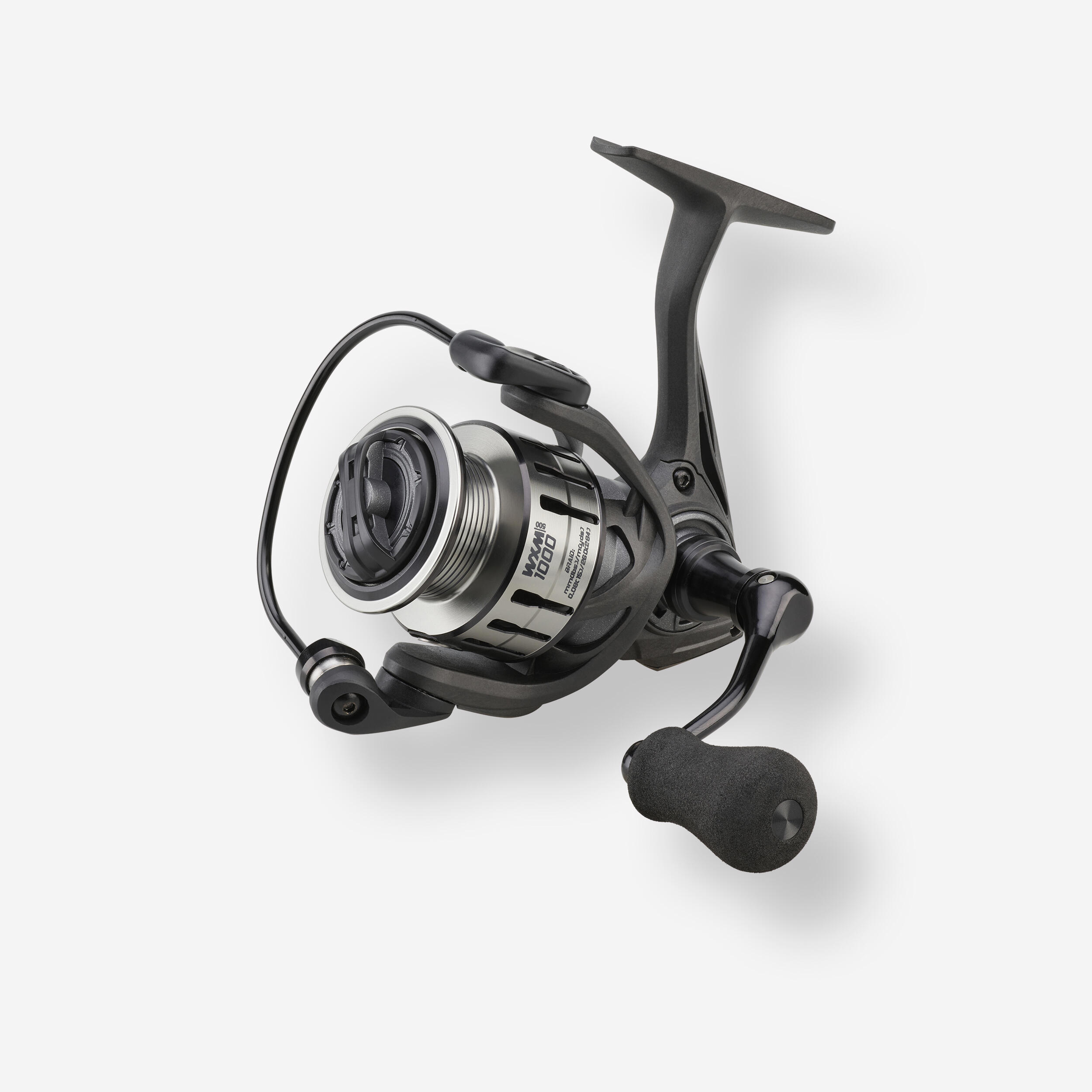
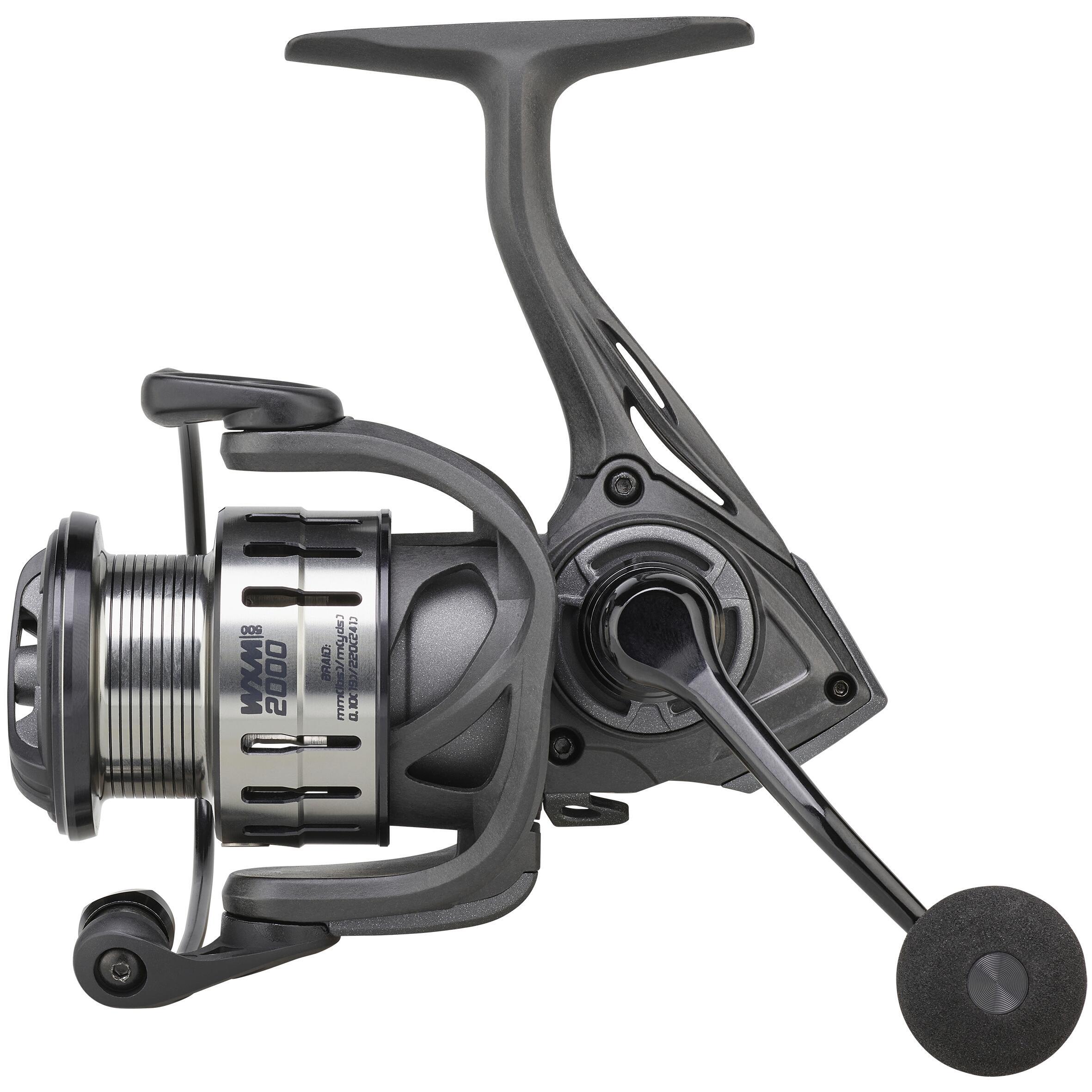
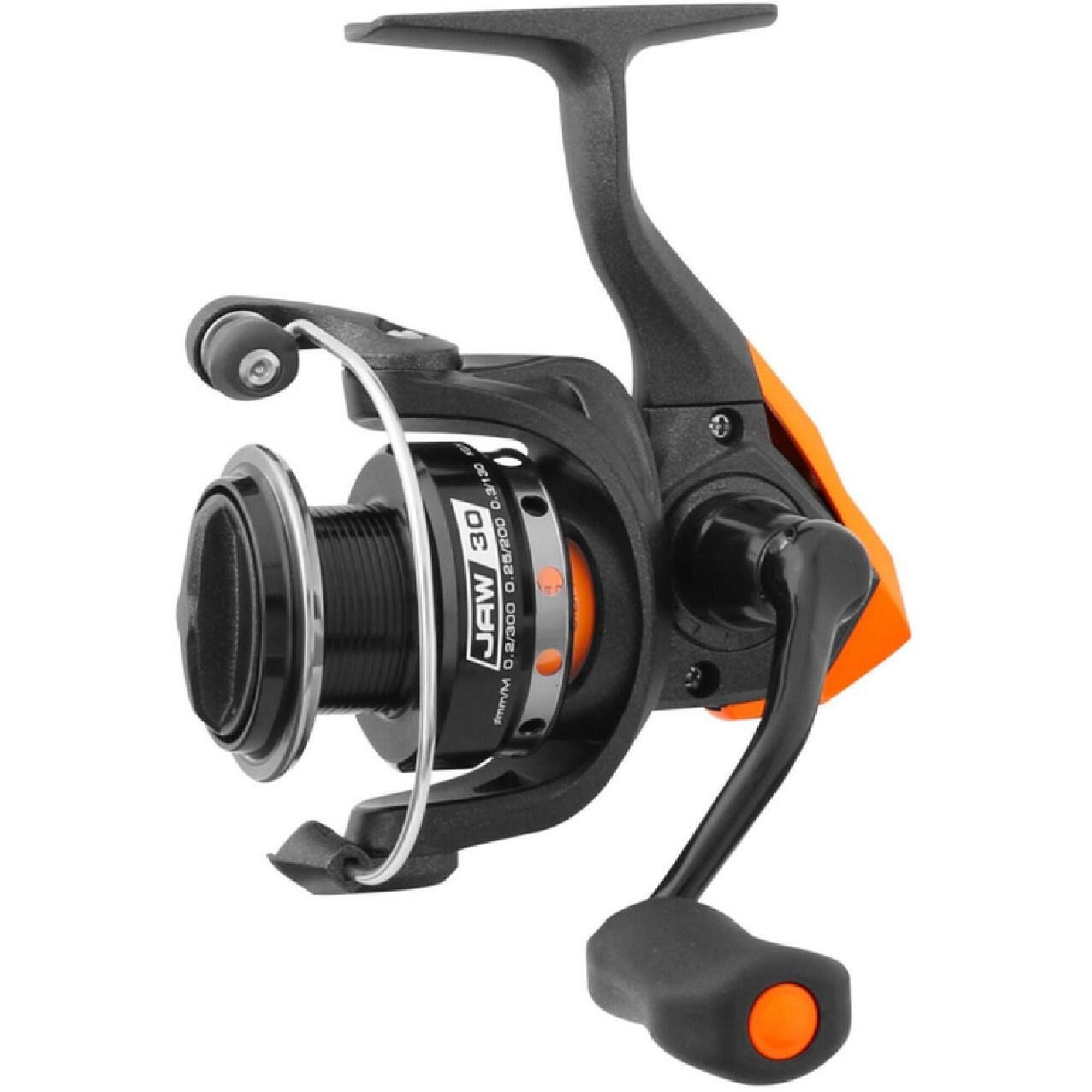
A lighter reel can help keep a compact trout structure comfortable when you cast repeatedly along rivers and smaller waters. The Caperlan WXM 700 2000 TR weighs approximately 205 g and uses carbon-reinforced frame and rotor components with 7075 aluminium spindles. Its 6.2:1 ratio retrieves around 82 cm per crank, while the reel provides 4.5 kg of usable drag. Caperlan recommends approximately 0.10 mm braid with an L or ML rod. The lure fishing trout reel also includes line-lay adjustment rings, allowing you to correct uneven winding if line builds more heavily towards one end of the spool.

How do you match a reel to a lure fishing setup?

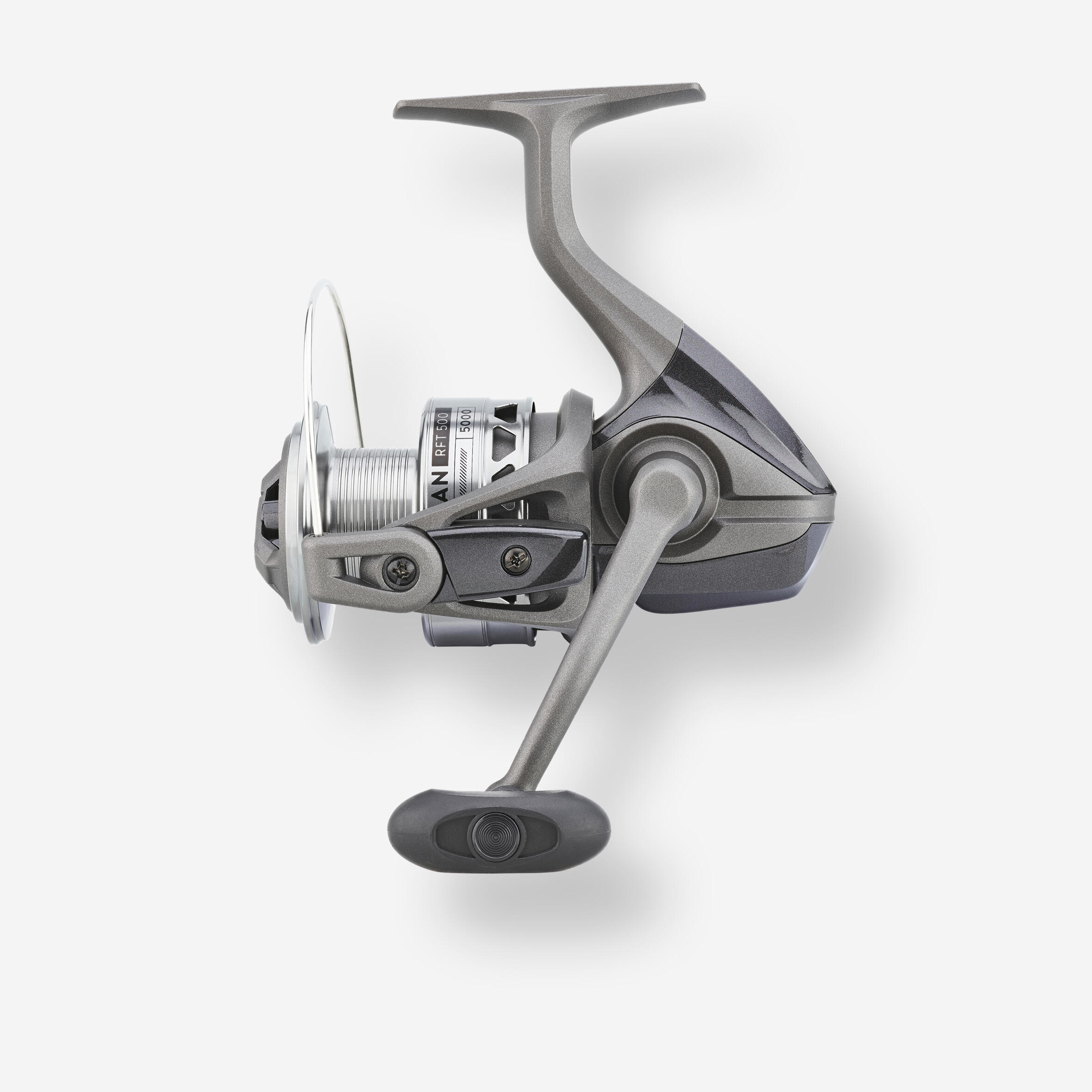
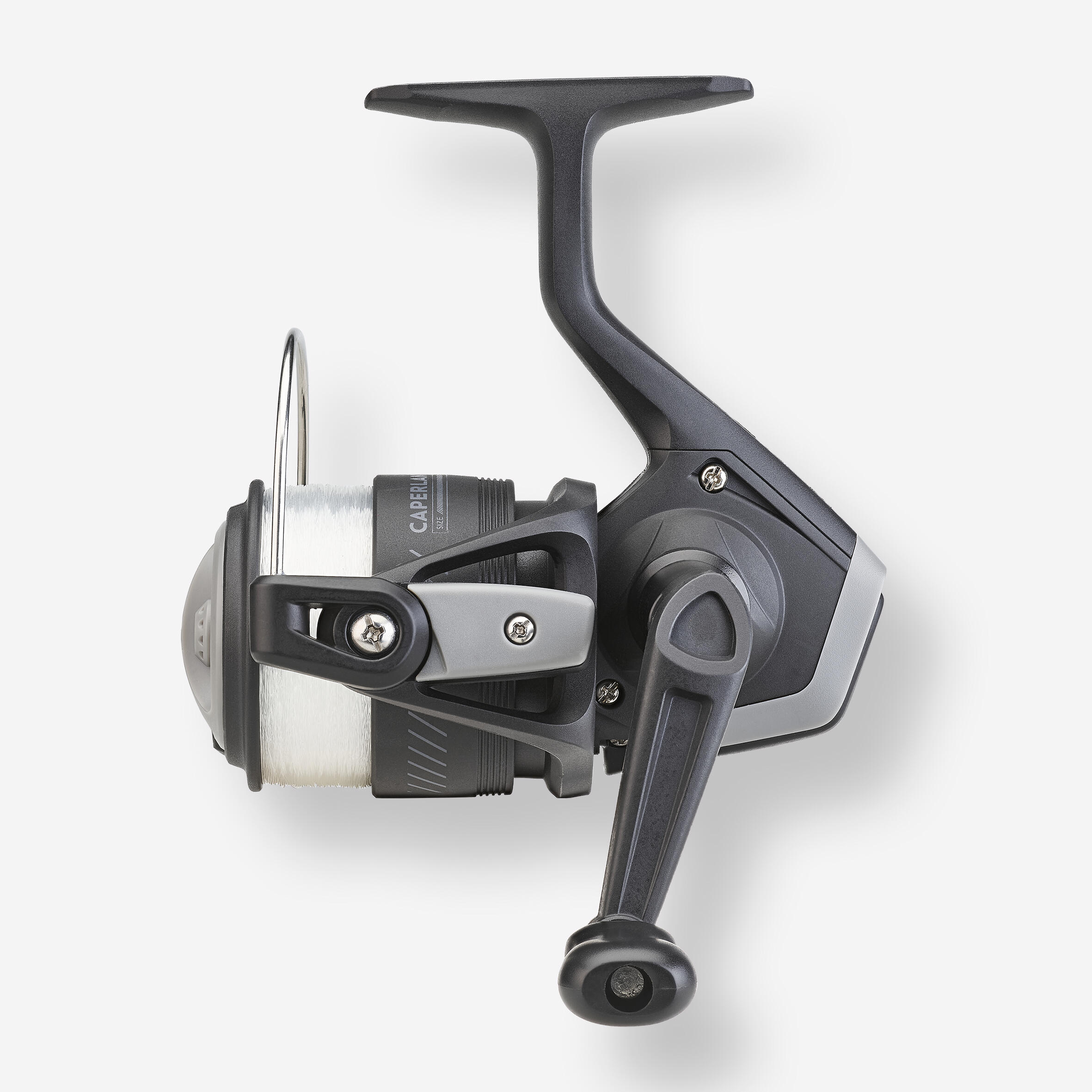
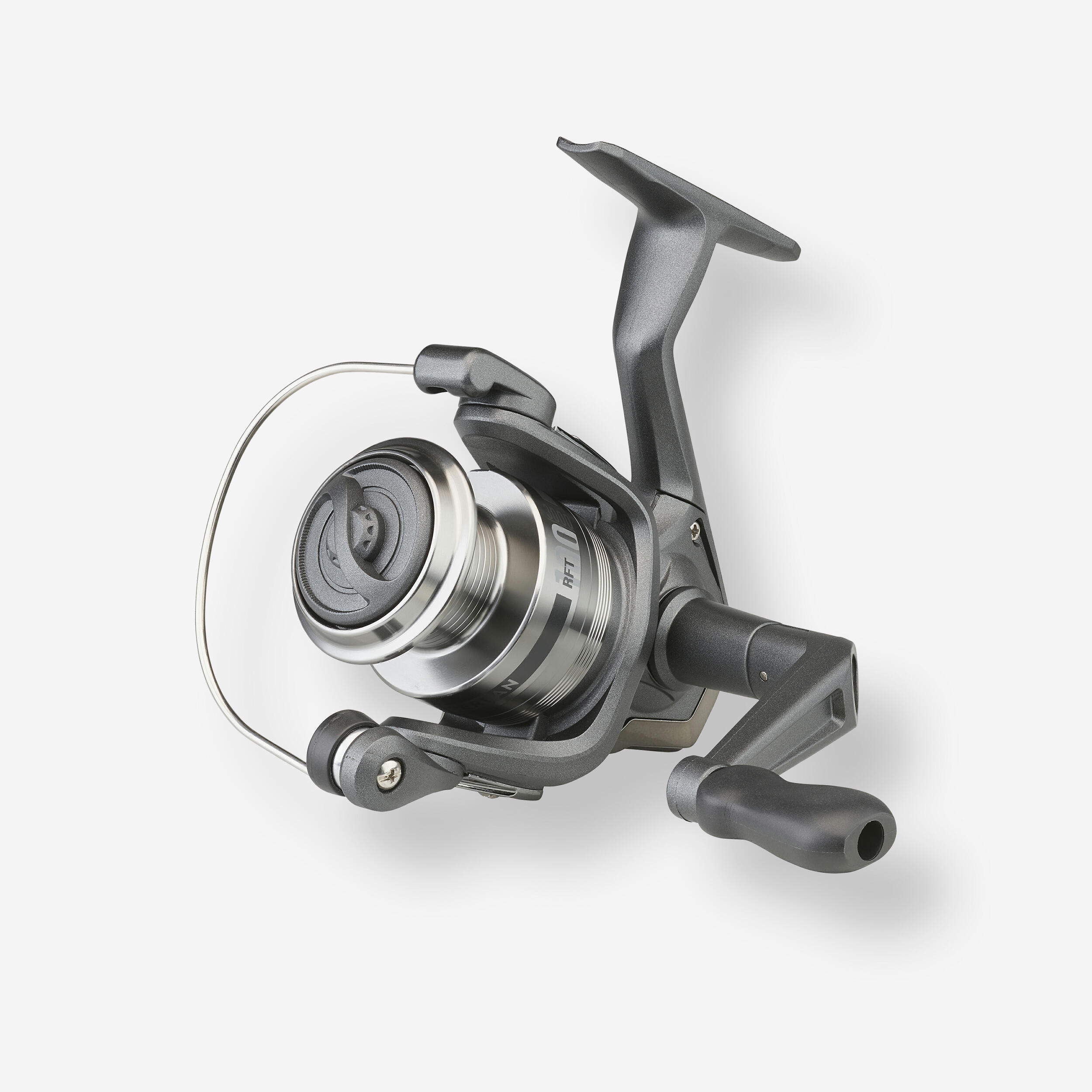
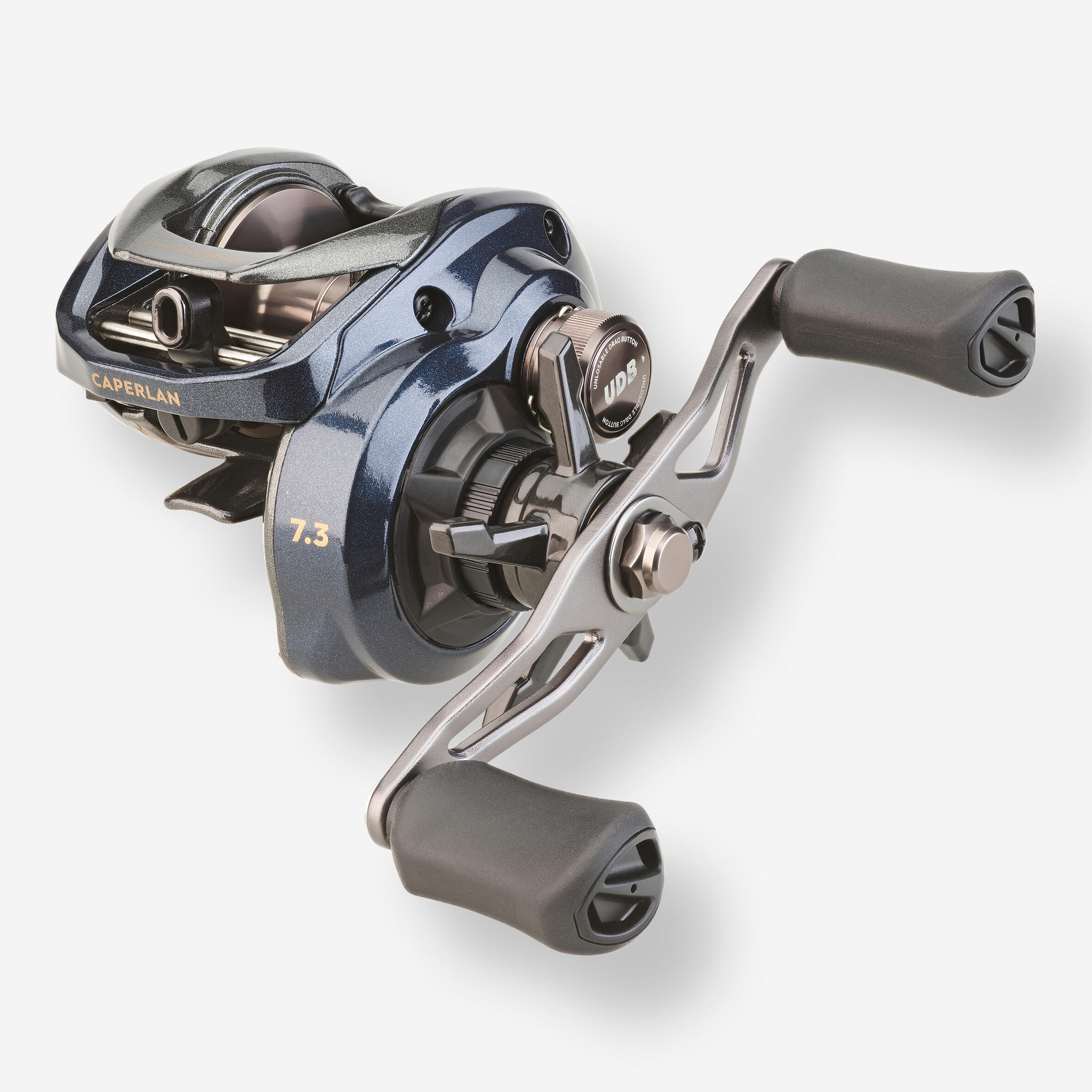
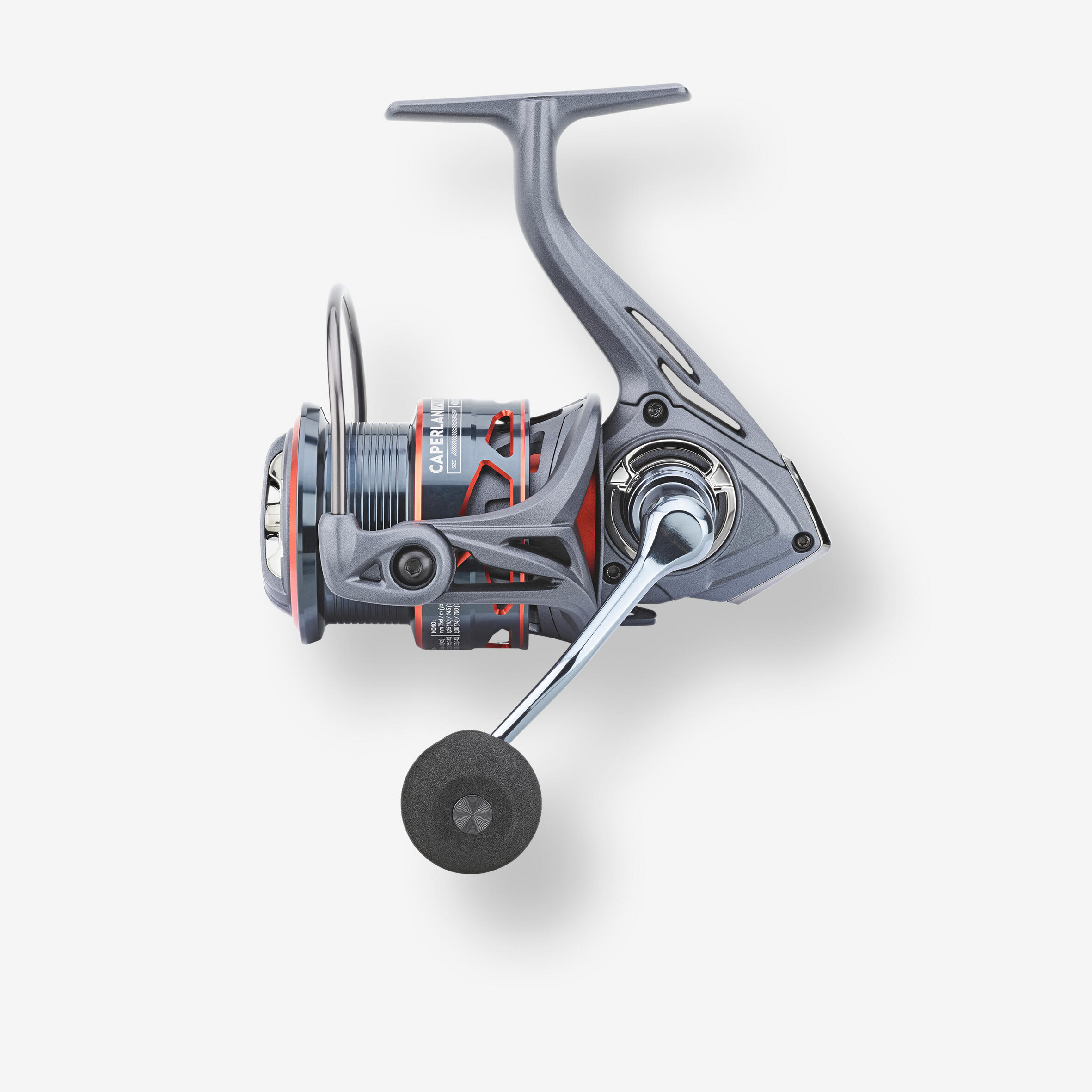
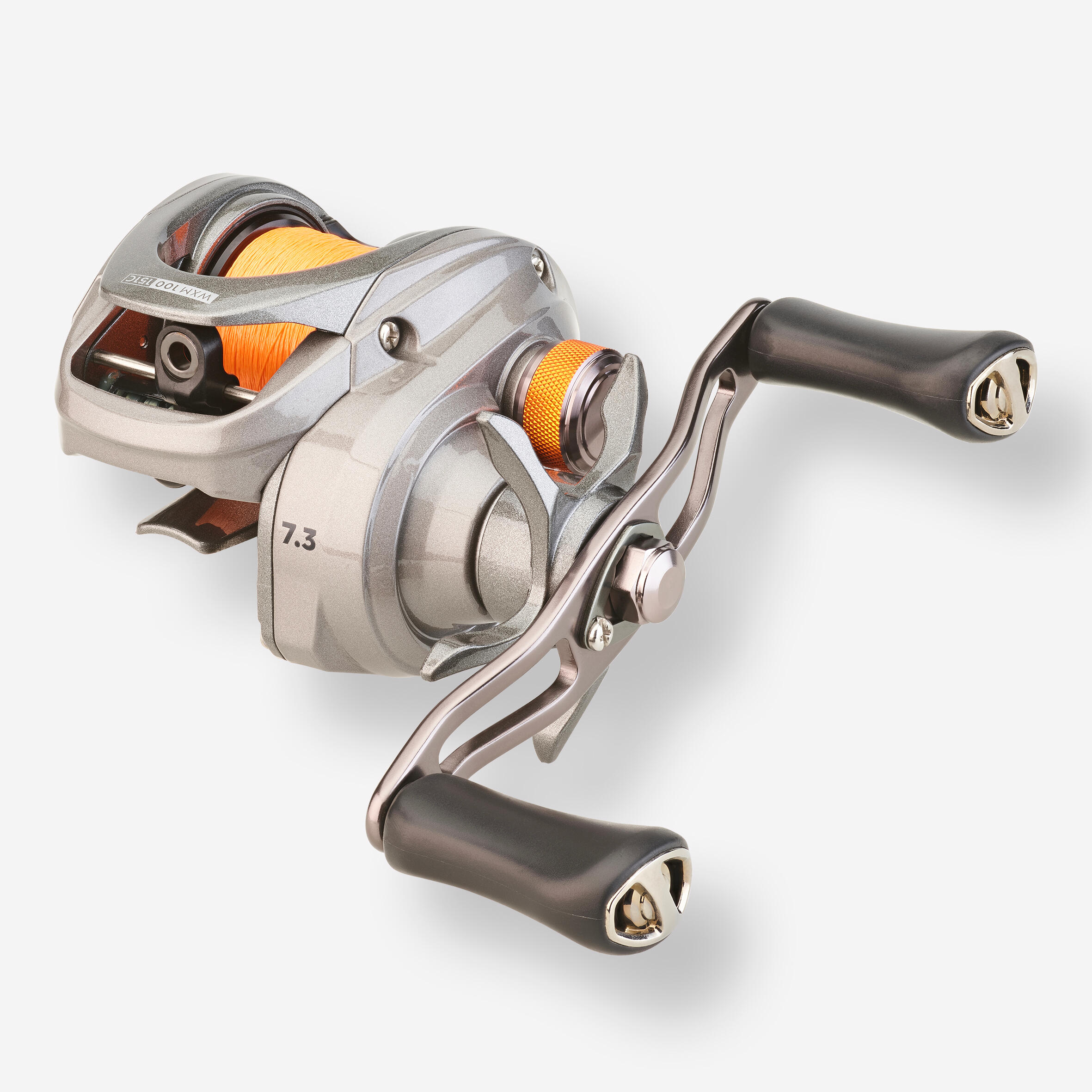
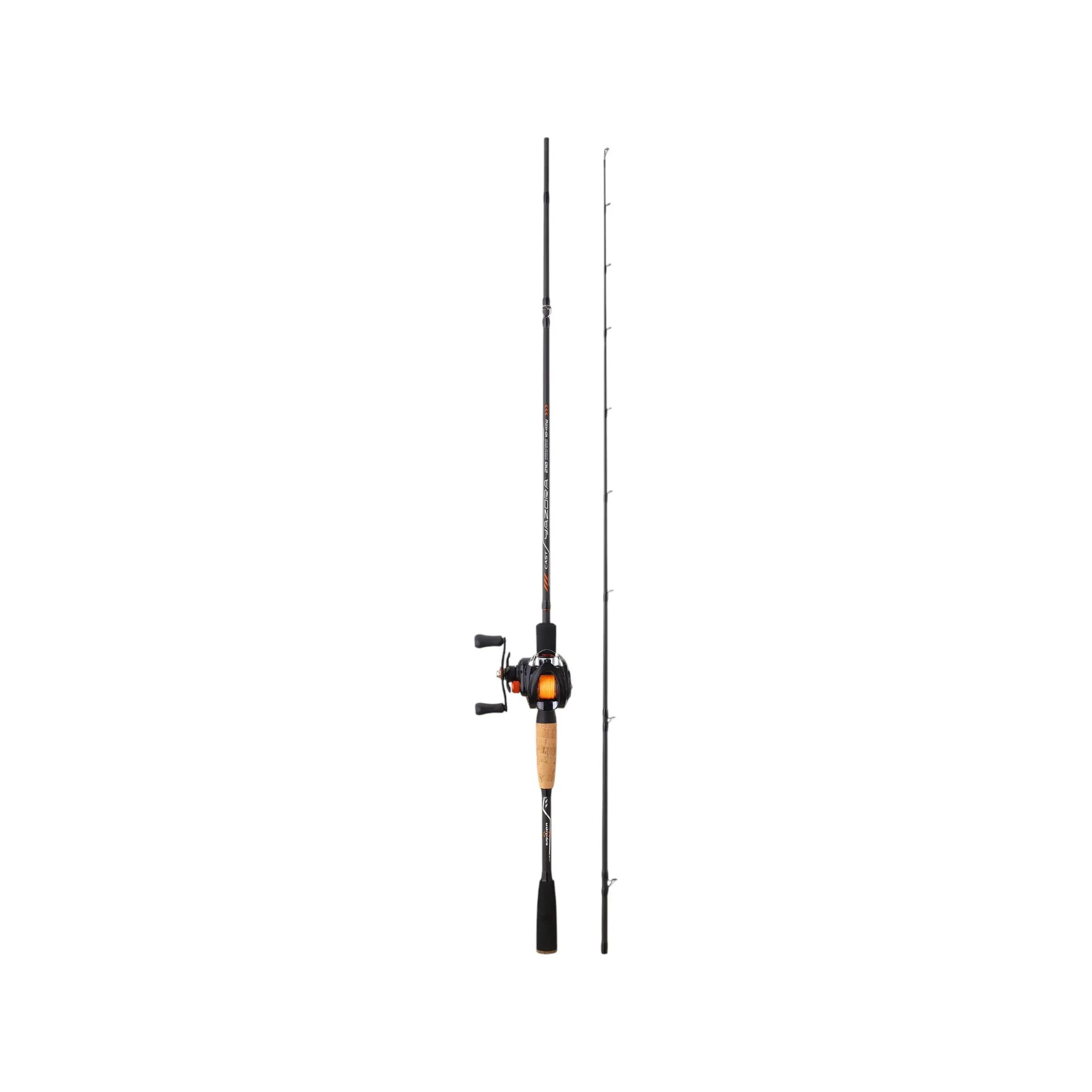
Start with rod power, lure weight and line diameter, then select a reel size that balances the complete setup. Smaller reels can suit lighter rods and fine braid, while larger models provide more capacity and stronger drag systems for heavier predator fishing. Caperlan gives technique-specific recommendations across its WXM reels rather than treating every reel size as interchangeable. Spool capacity also matters if you use thicker line, while reel weight affects comfort during repeated casting. Your choice of lure fishing tackle therefore needs to work as one system. Match the lure to the rod's casting range and pair the reel with a suitable line diameter instead of selecting each component independently.

How can you keep a lure fishing reel working smoothly?

Regular care matters because water, dirt and repeated use can affect the reel mechanism over time. Caperlan advises rinsing and drying selected WXM reels after each fishing trip, loosening the drag before storage and oiling the mechanism once a year. Make sure the reel has dried fully before putting it away. Selected WXM models also have replacement spools, drag buttons, cranks and crank handles, so damage to one component does not always require replacing the complete reel. Keep freshwater-only models away from saltwater use. When preparing for broader predator fishing, inspect the line lay, drag movement and handle before leaving home so problems do not interrupt the session.