203 items
4.6/5 based on 19951 reviews collected online and in stores

Predator Ledgering Fishing FAQs

Which line works for predator ledgering?

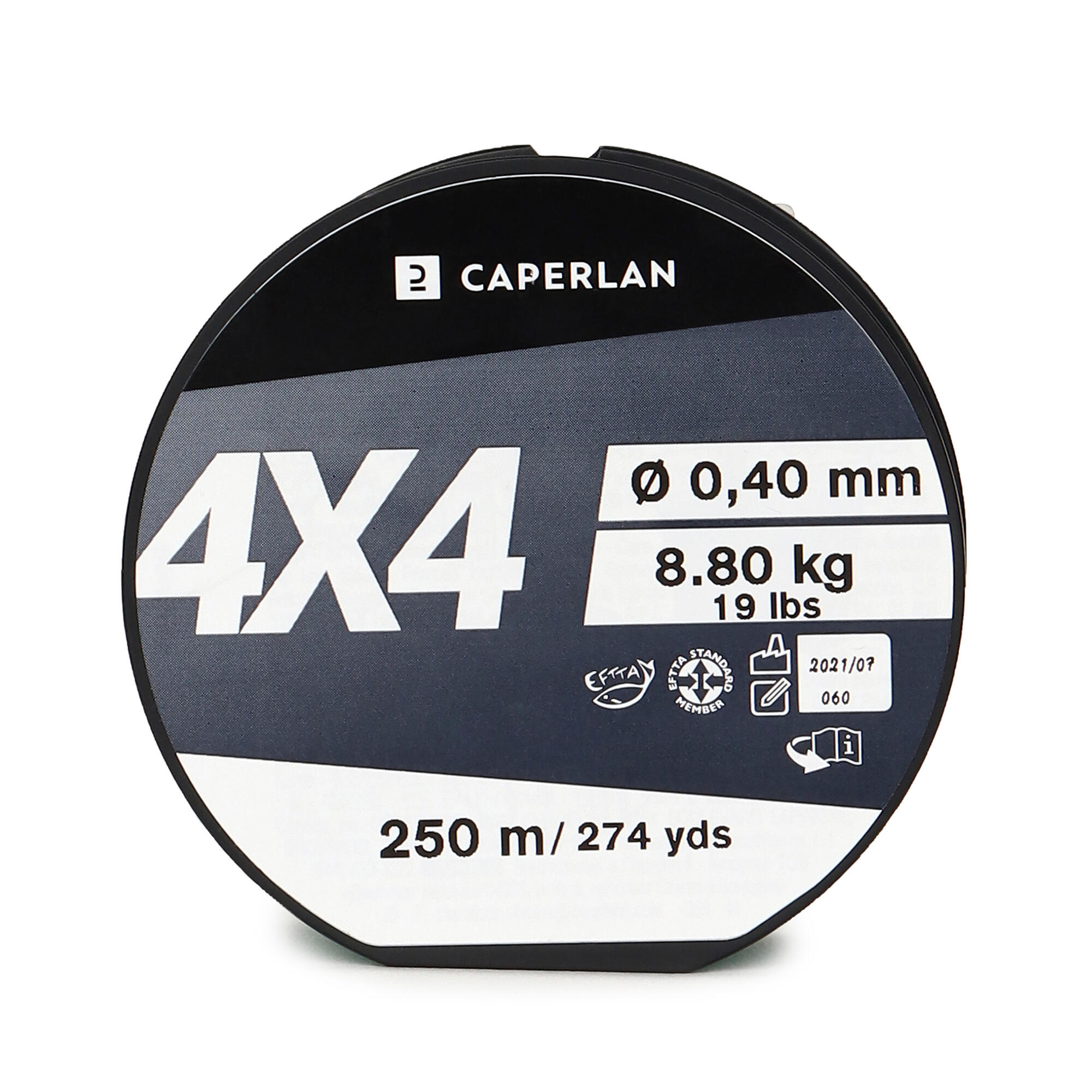
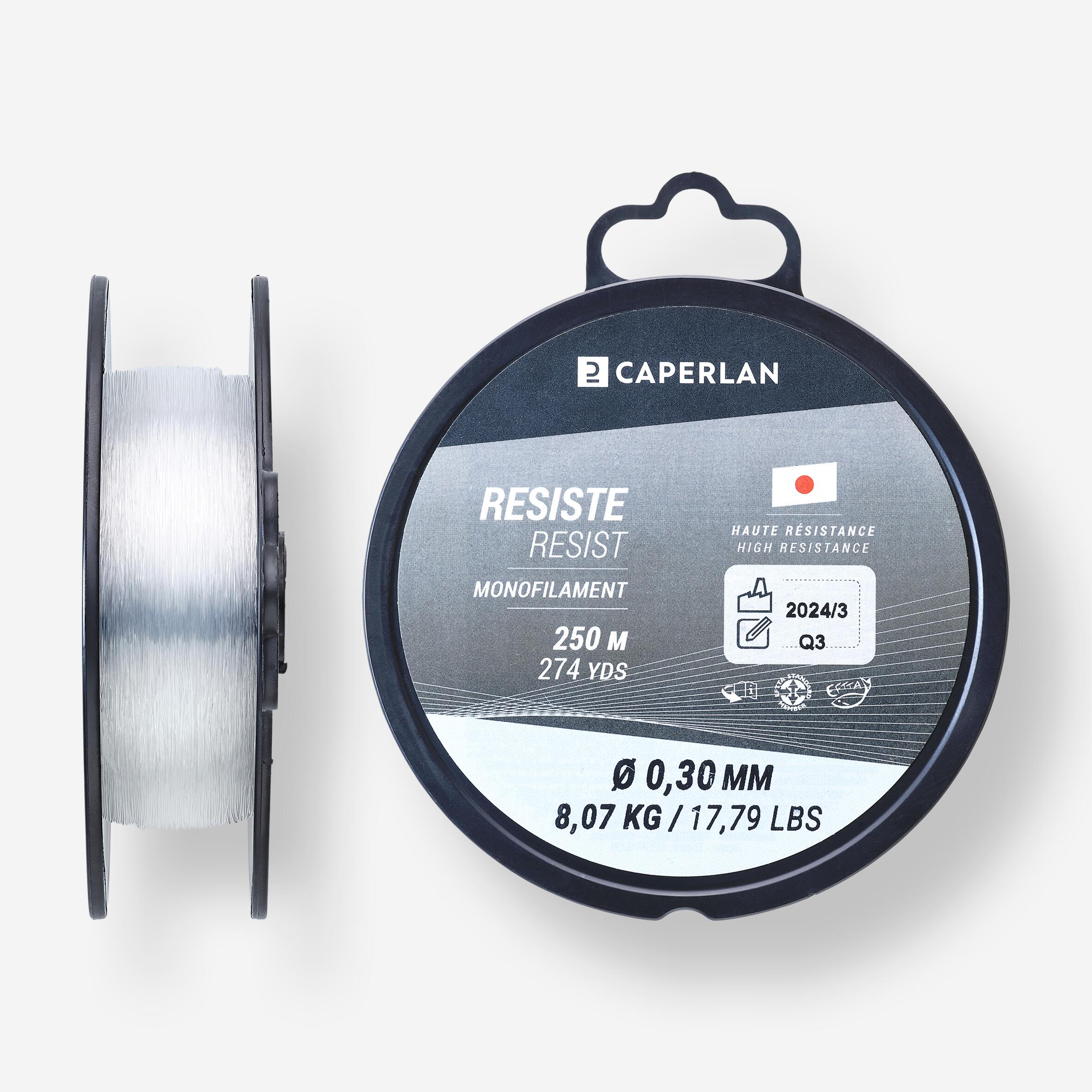
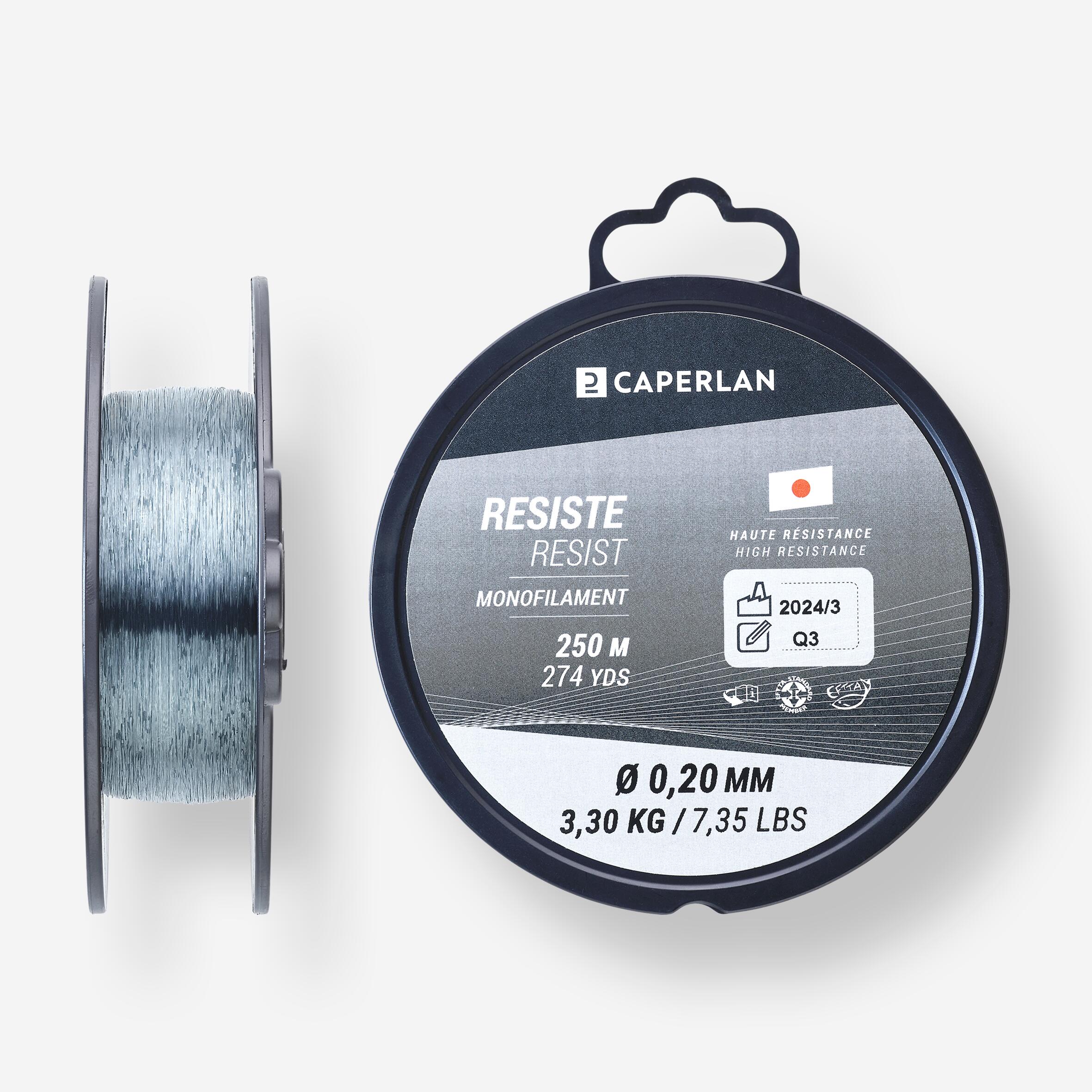
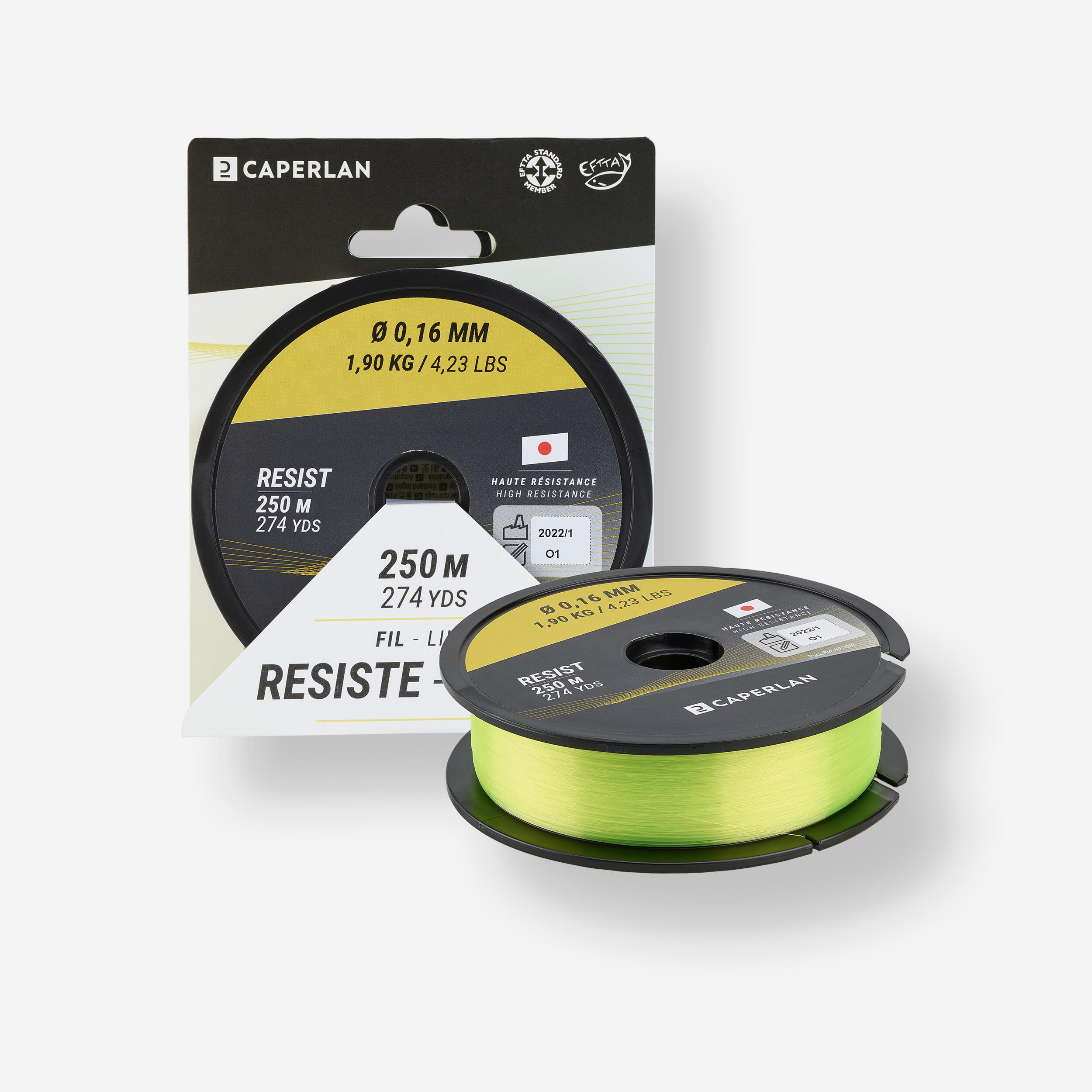
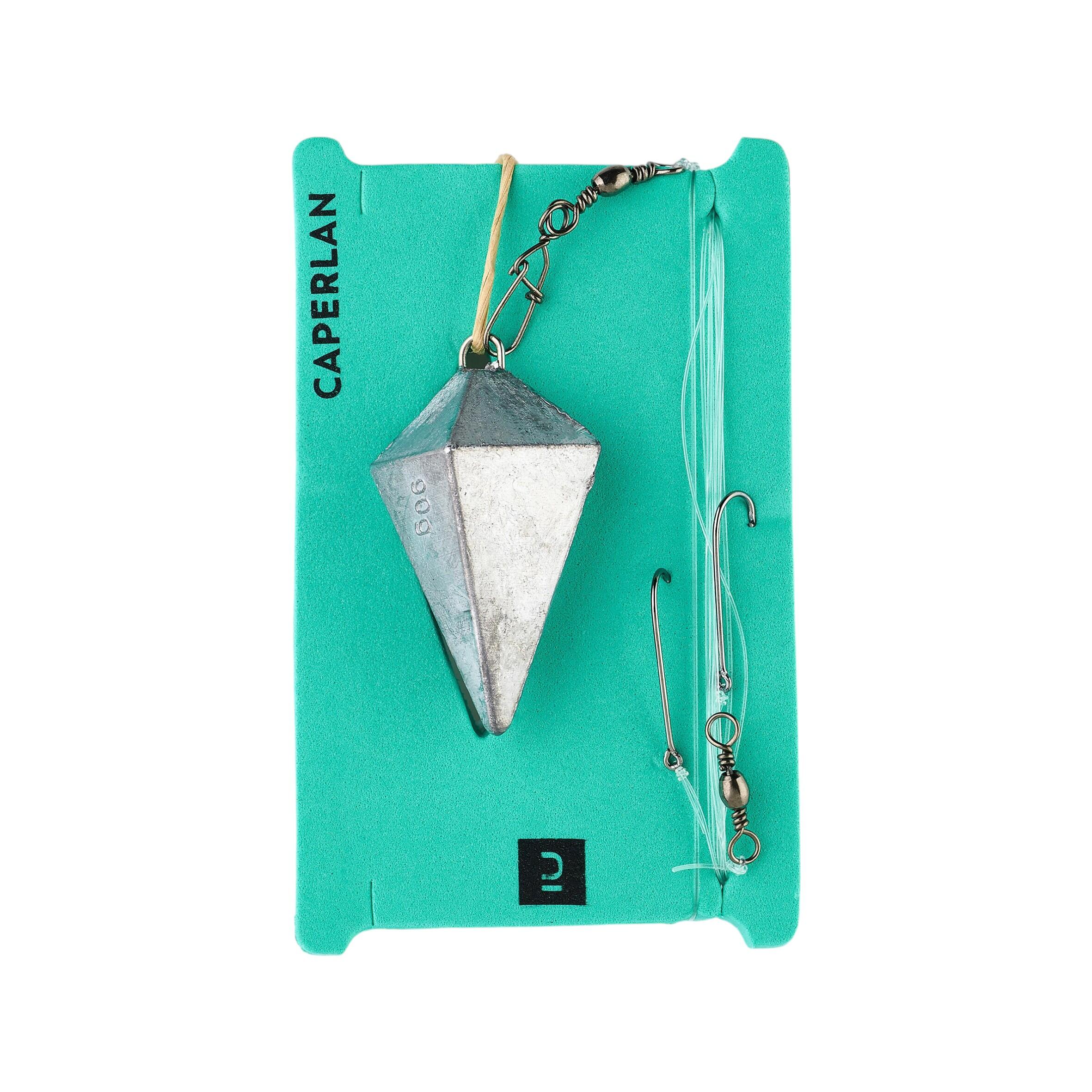
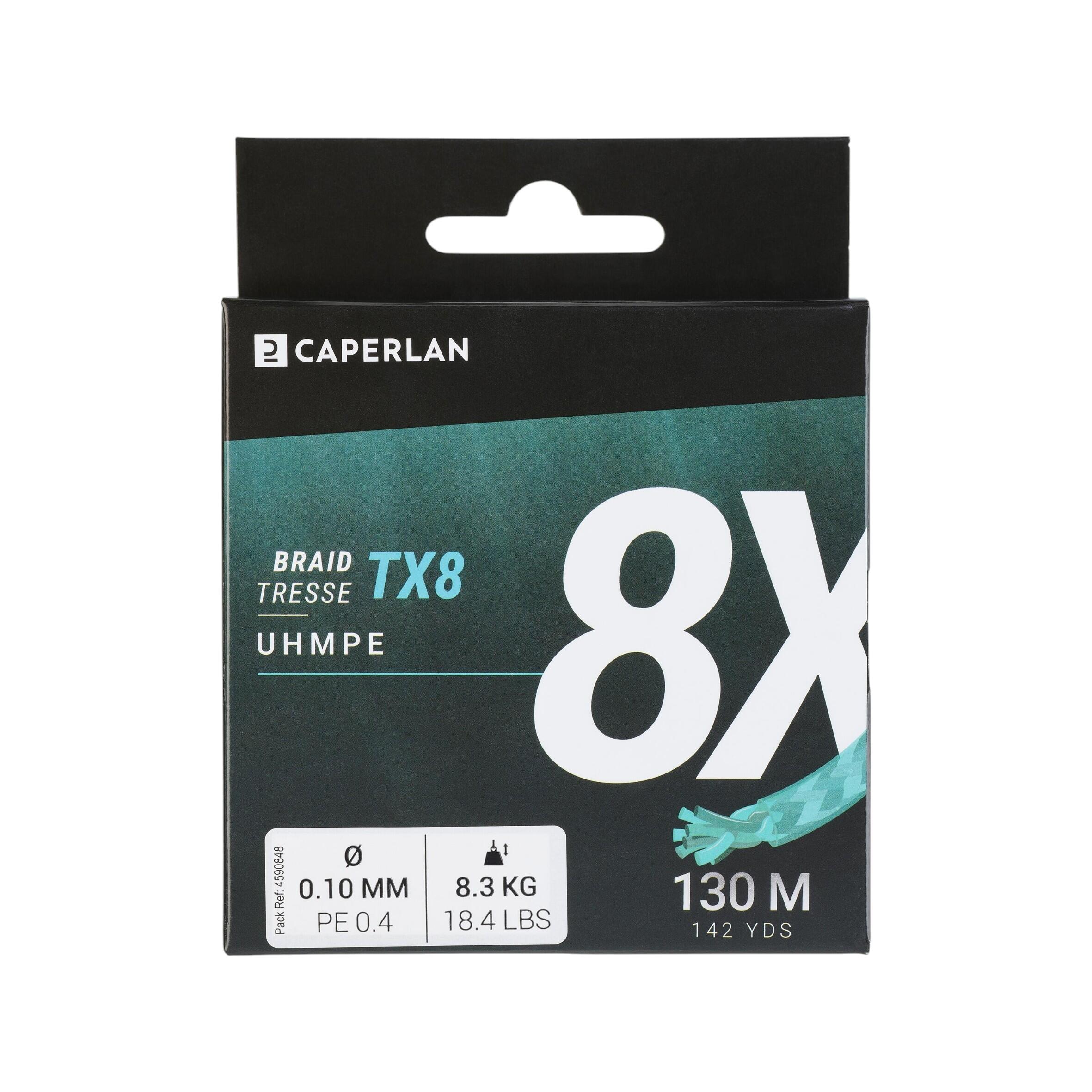
Match line diameter and strength to the size of fish, underwater obstacles and weight of your complete rig. Caperlan 4X4 monofilament has approximately 30% stretch, which can help absorb sudden movements when a predator pulls against a fixed ledgering system. Clear line also keeps the presentation relatively discreet underwater. Crystal Resist provides another option when you need higher published breaking strains, using Japanese co-polymer with a fluorocarbon coating that helps the line move through rod guides. The predator ledgering lines category covers different diameters for adapting your layout. Inspect the final metres regularly for abrasion and store unused monofilament away from direct light.
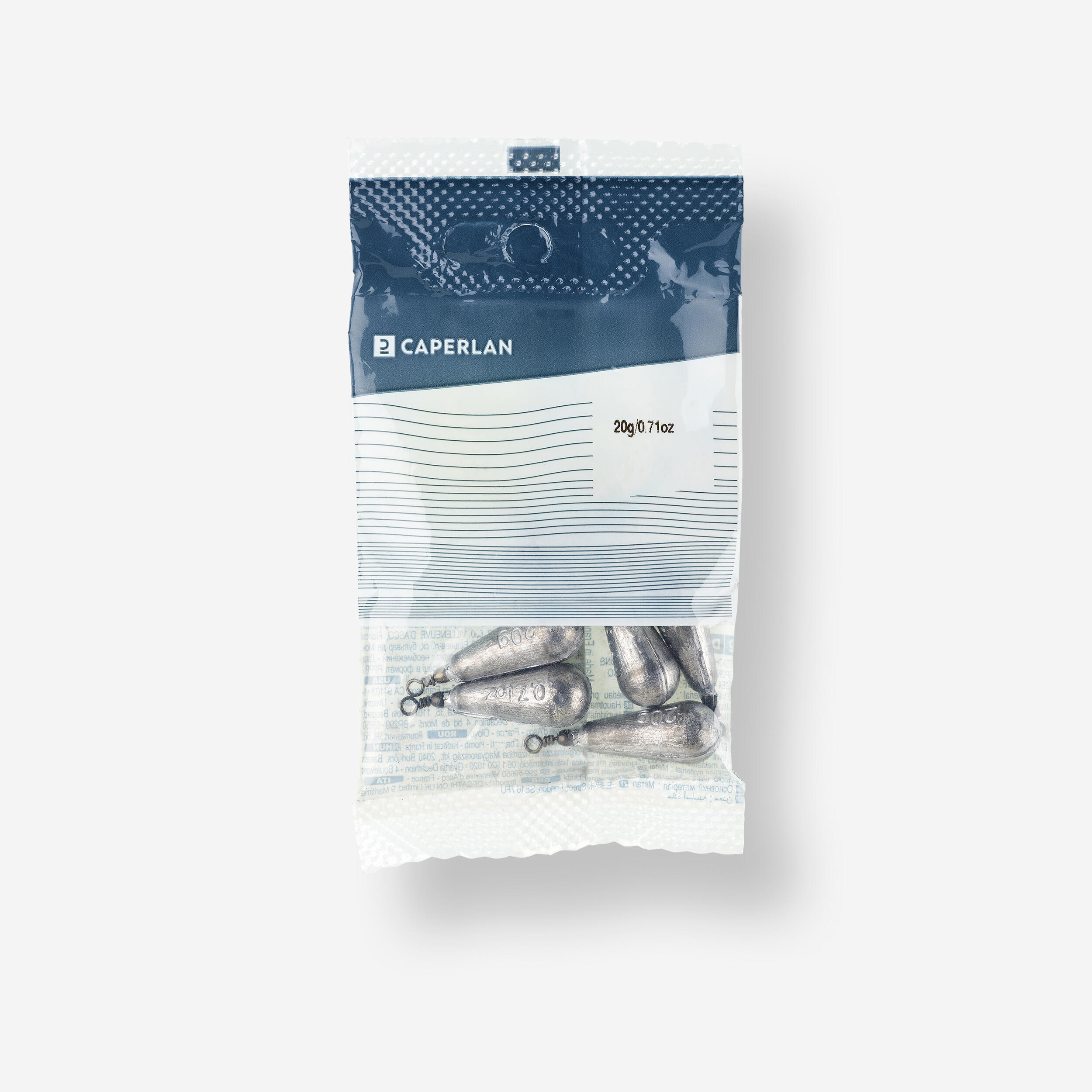
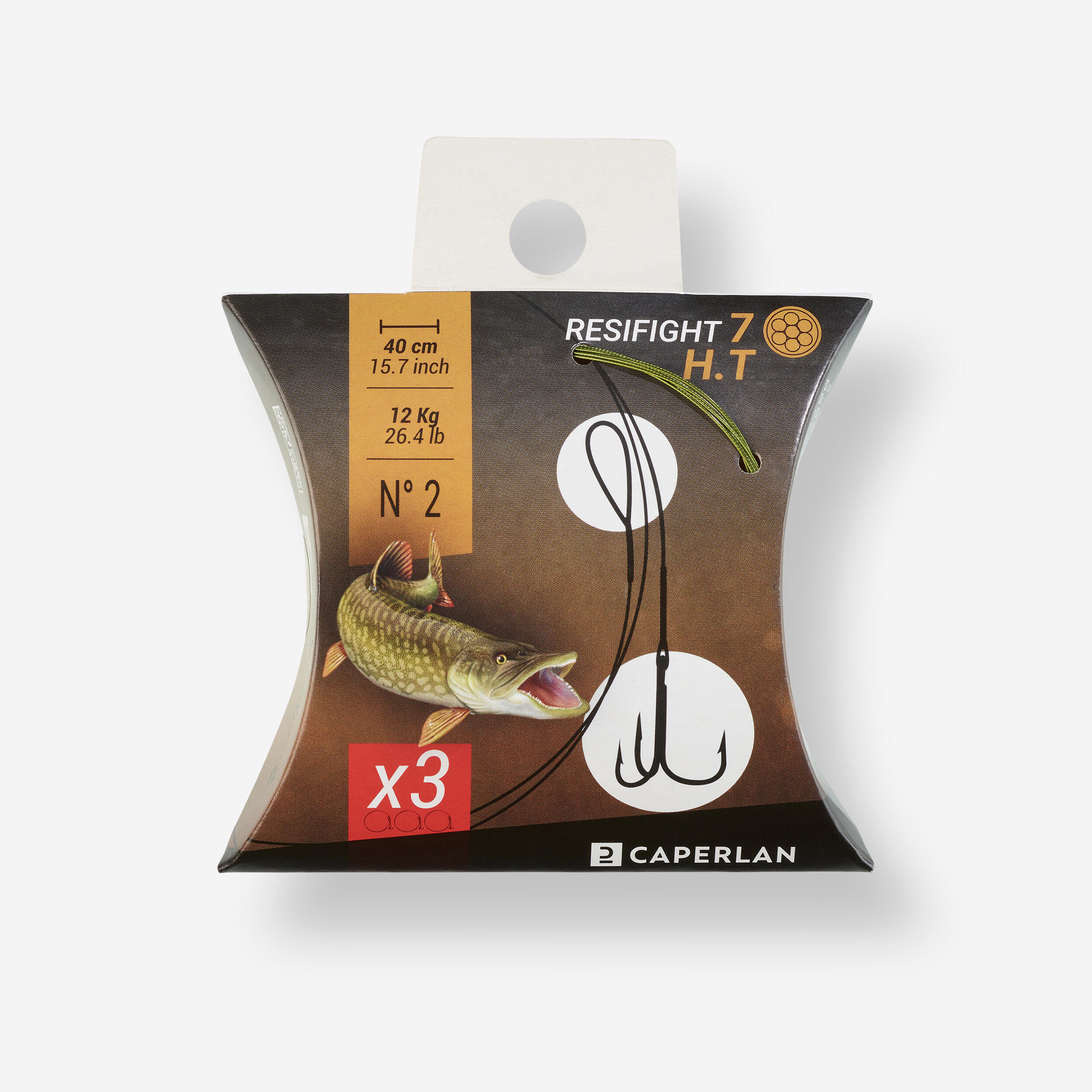
How do you match a hook to a predator ledgering rig?

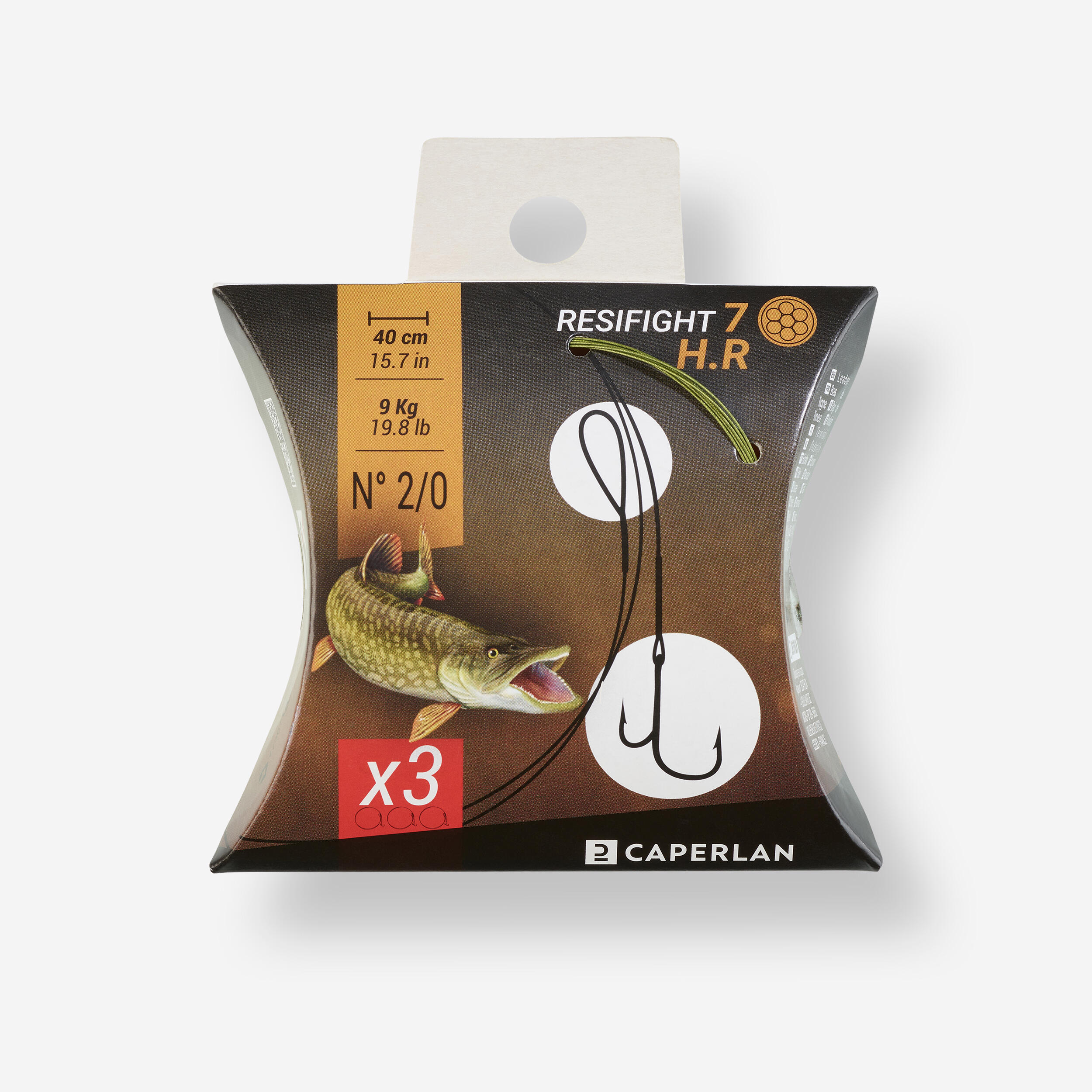
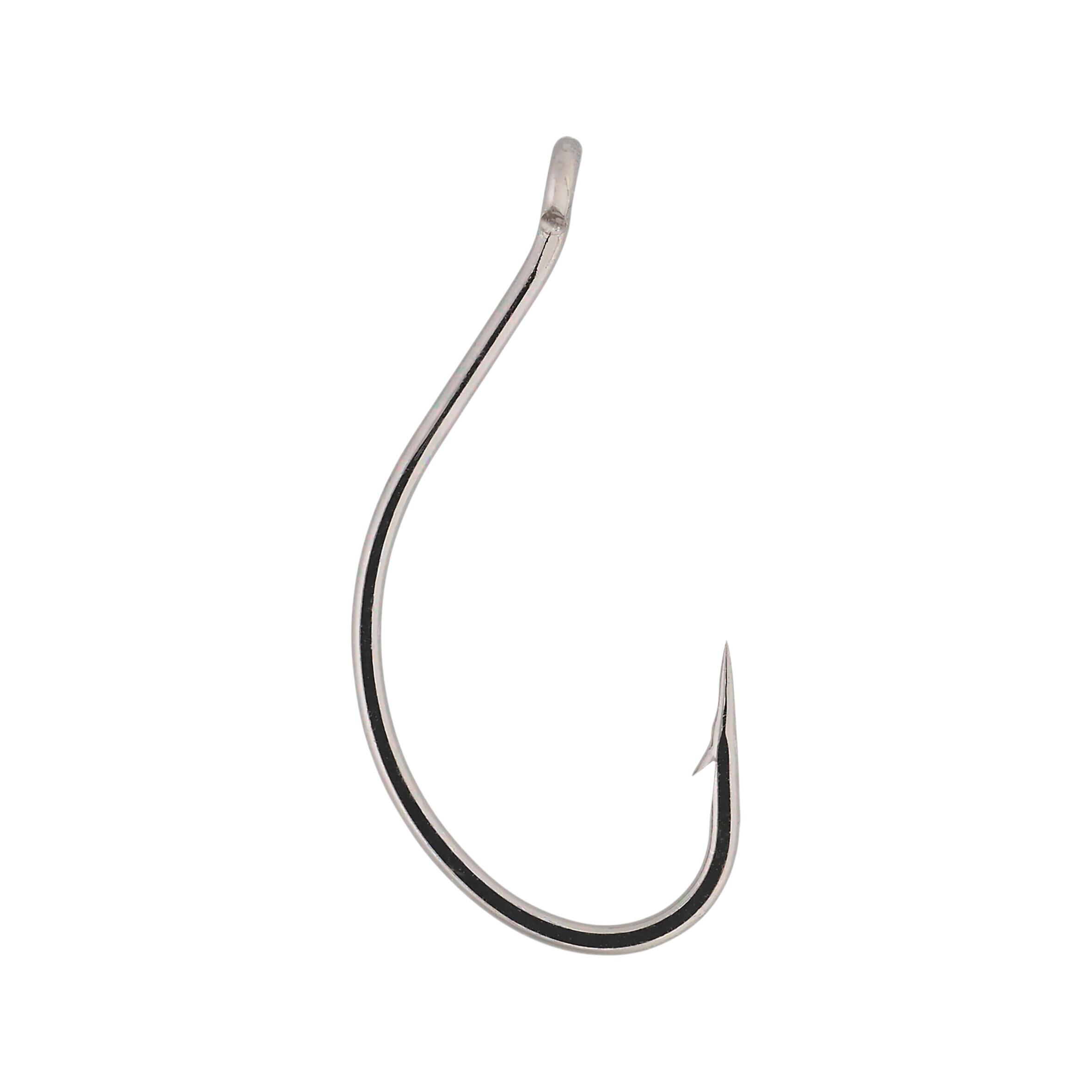
Base hook size on the bait and target species rather than simply fitting the largest option available. The hook needs enough gape to remain exposed after baiting, while its wire must provide suitable strength when a fish pulls against the rig. Inspect the point before casting because contact with stones, hard structure or repeated baiting can make it blunt. Hook pattern also matters when changing between deadbait, livebait or other presentations. The predator ledgering hooks category gives you different sizes and configurations for building the terminal end of the rig. Keep spare hooks separated in a dry tackle box and replace any that become bent, corroded or noticeably blunt.

What rod design helps with predator ledgering?

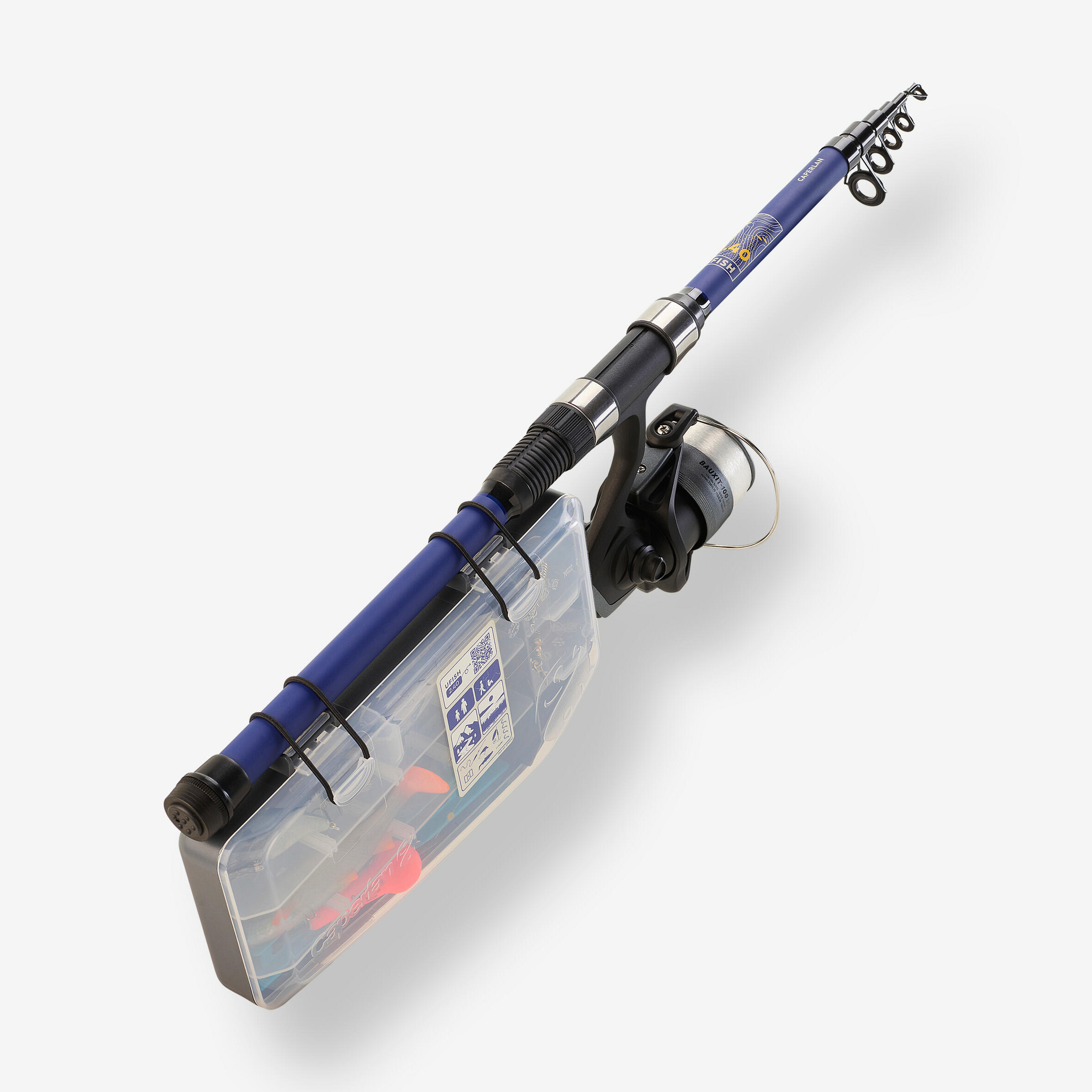
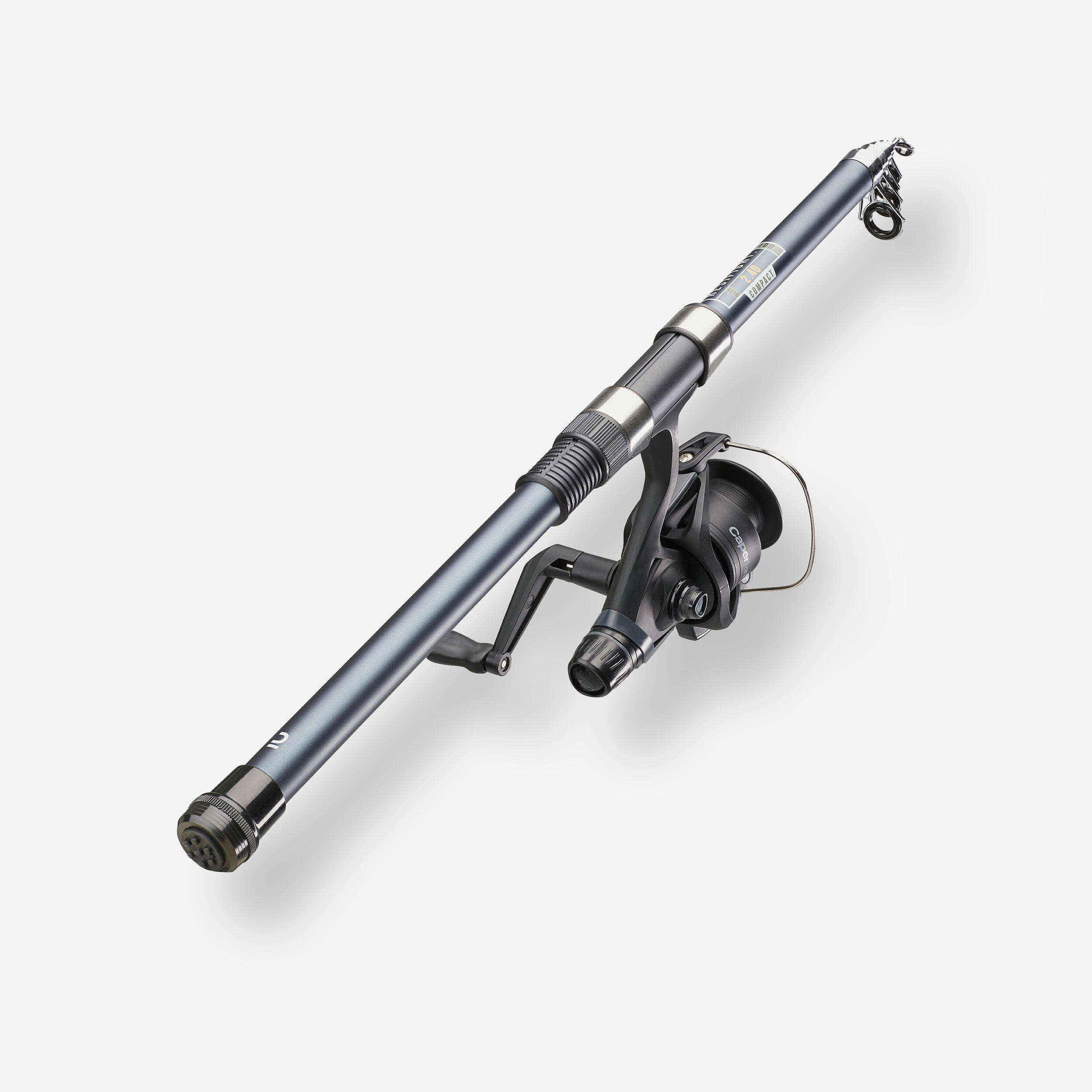
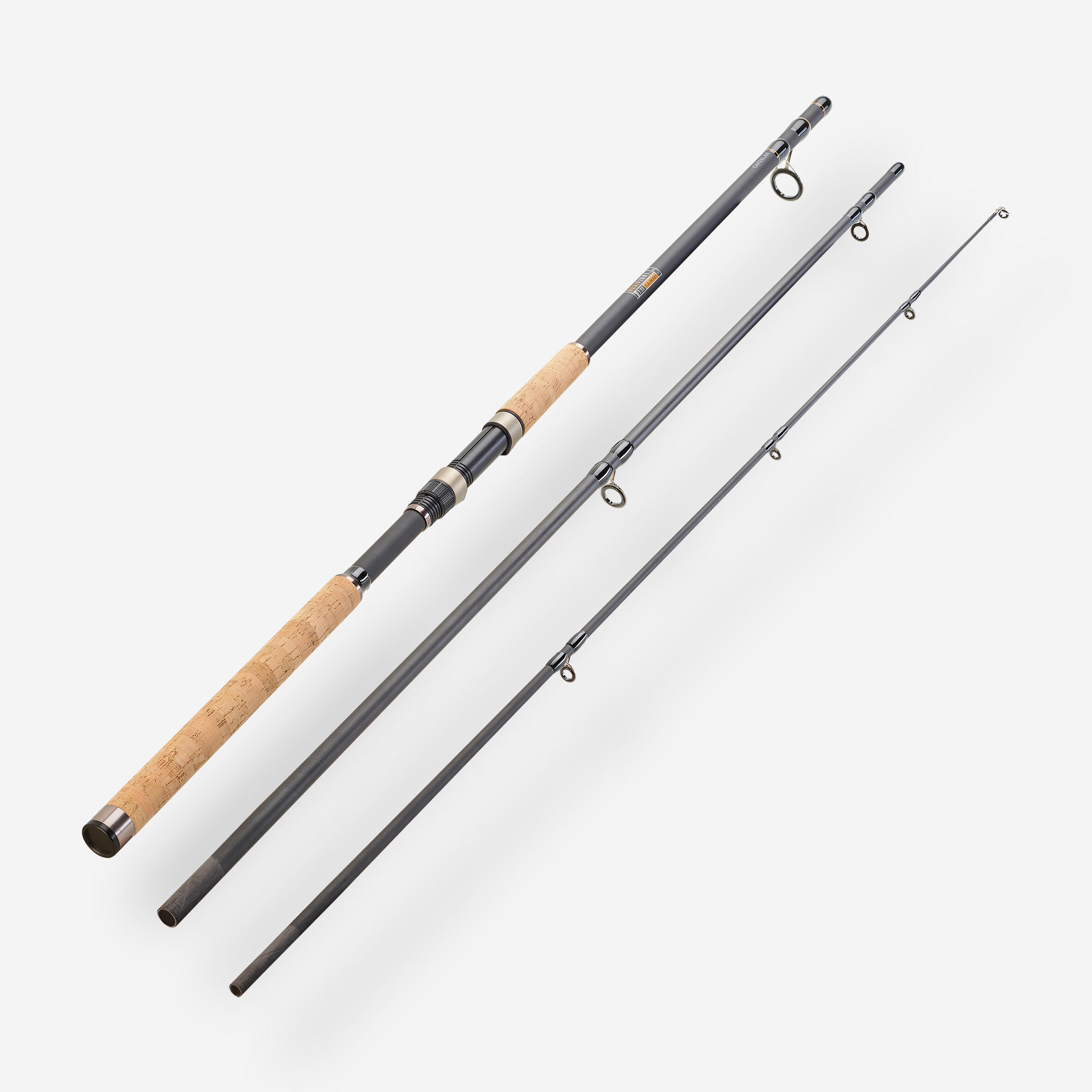
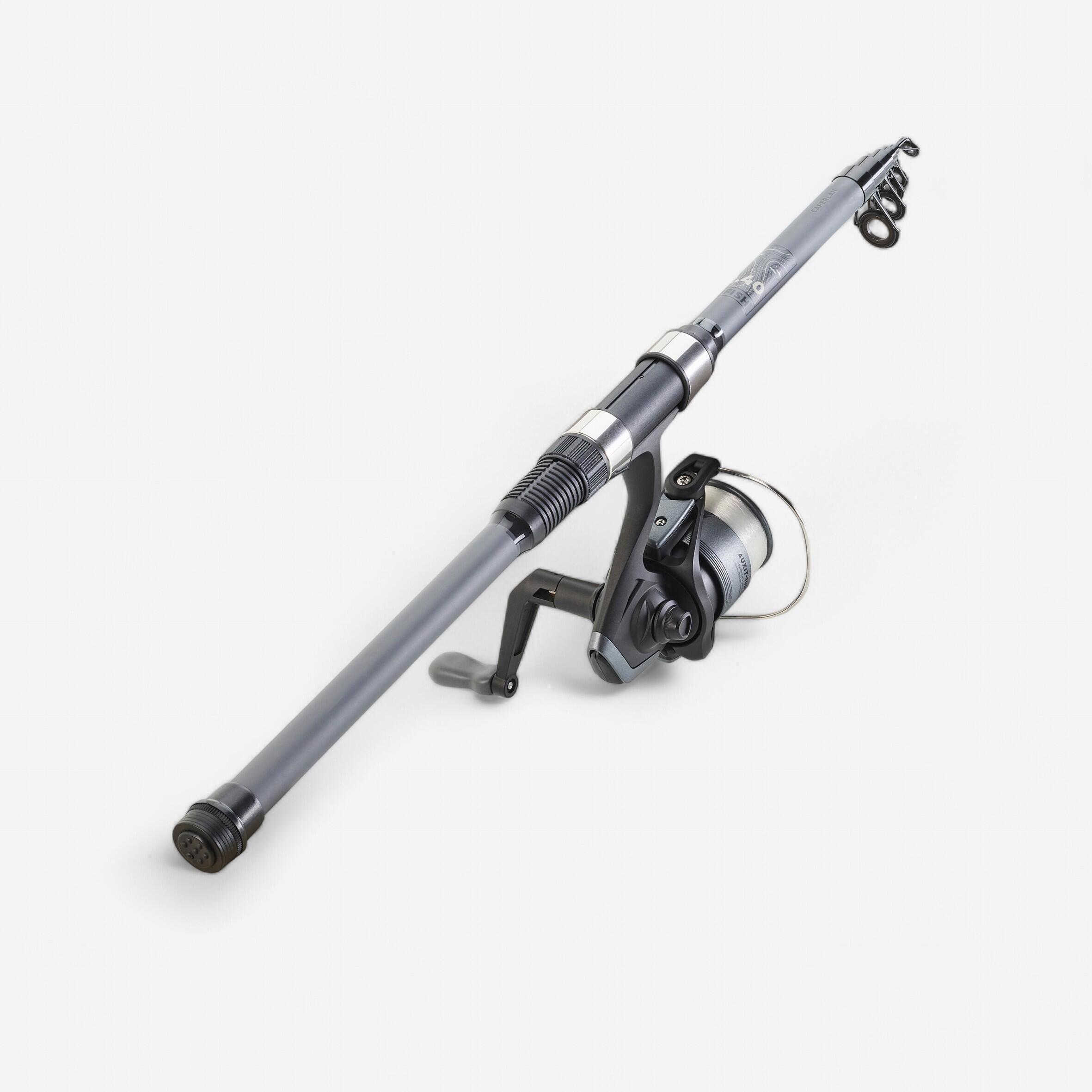
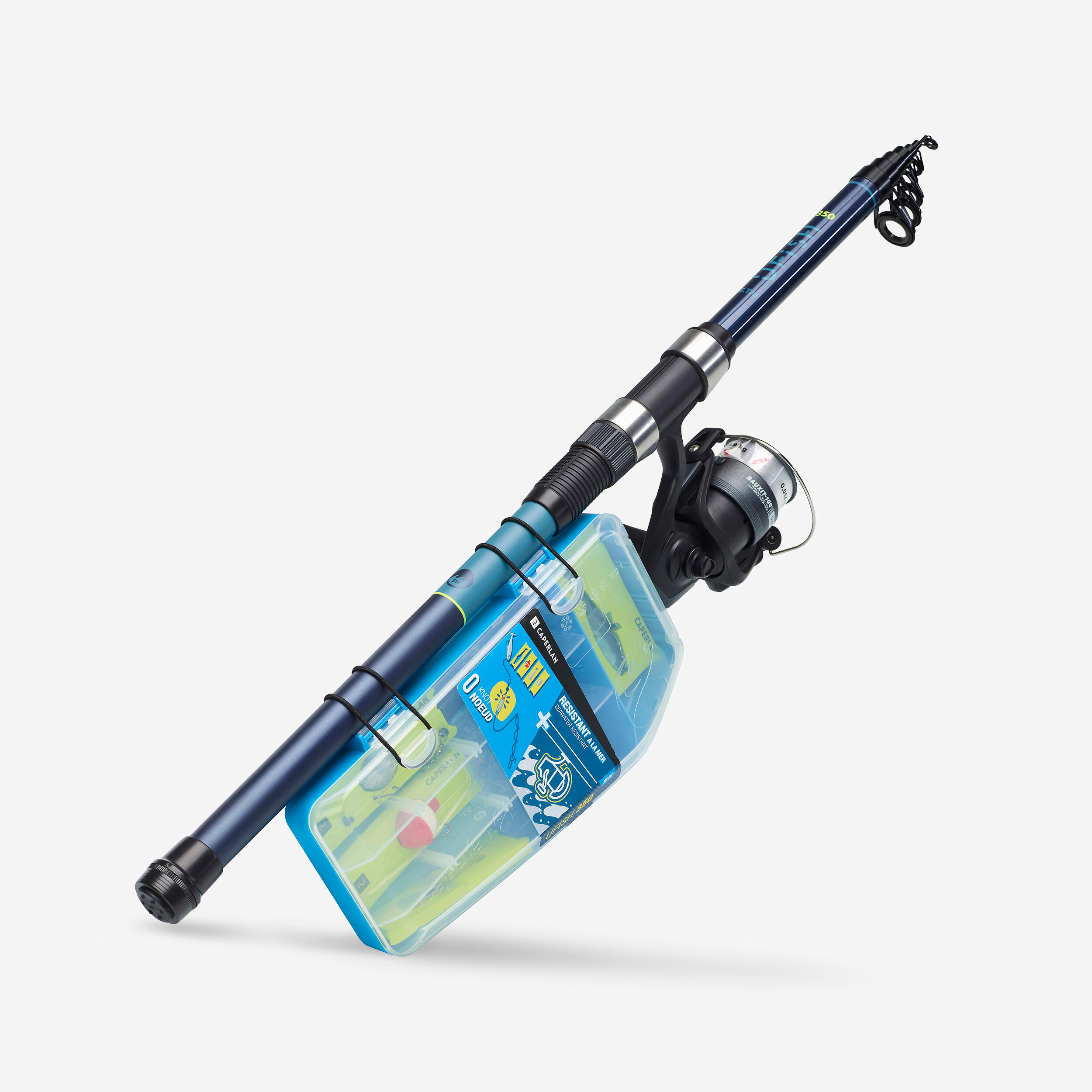
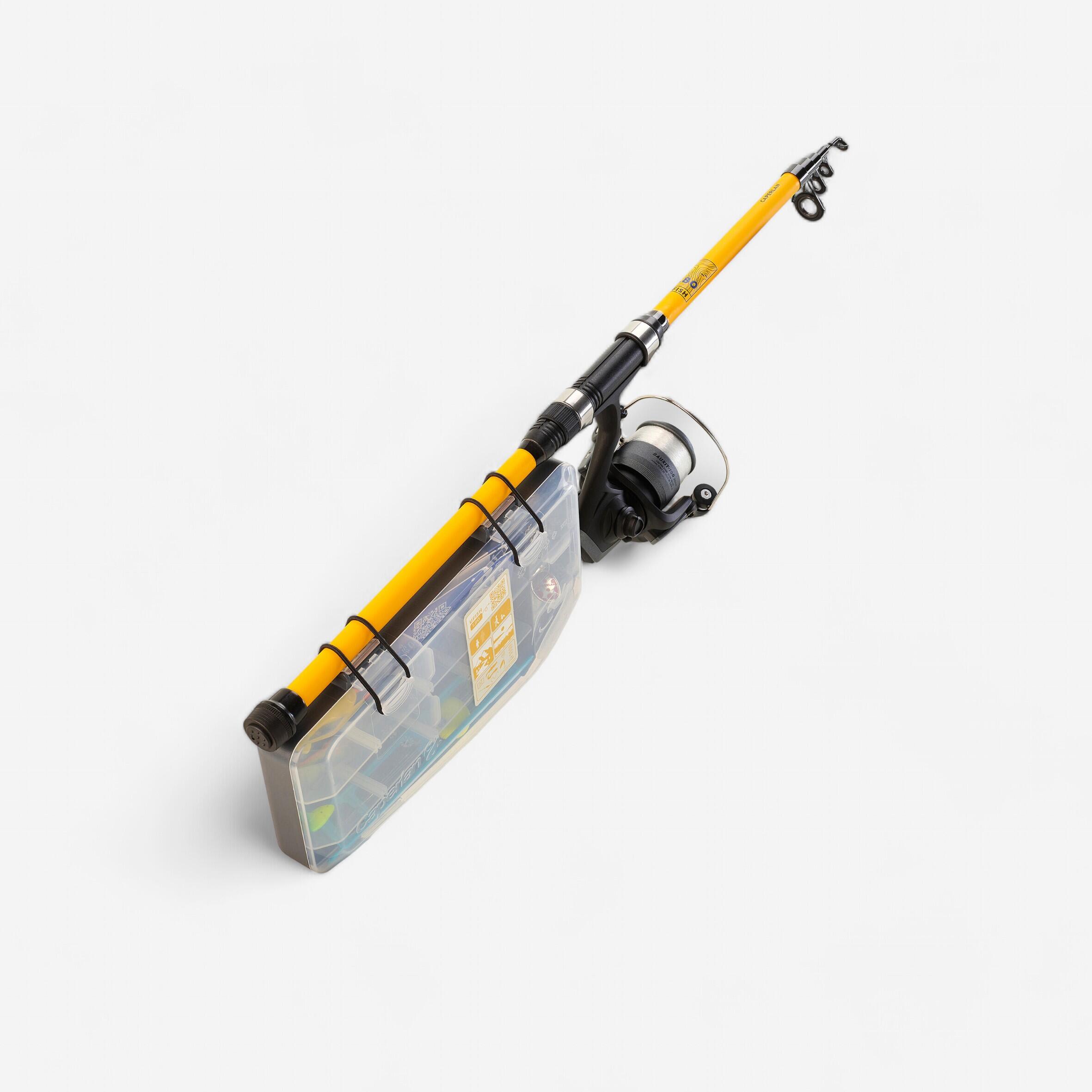
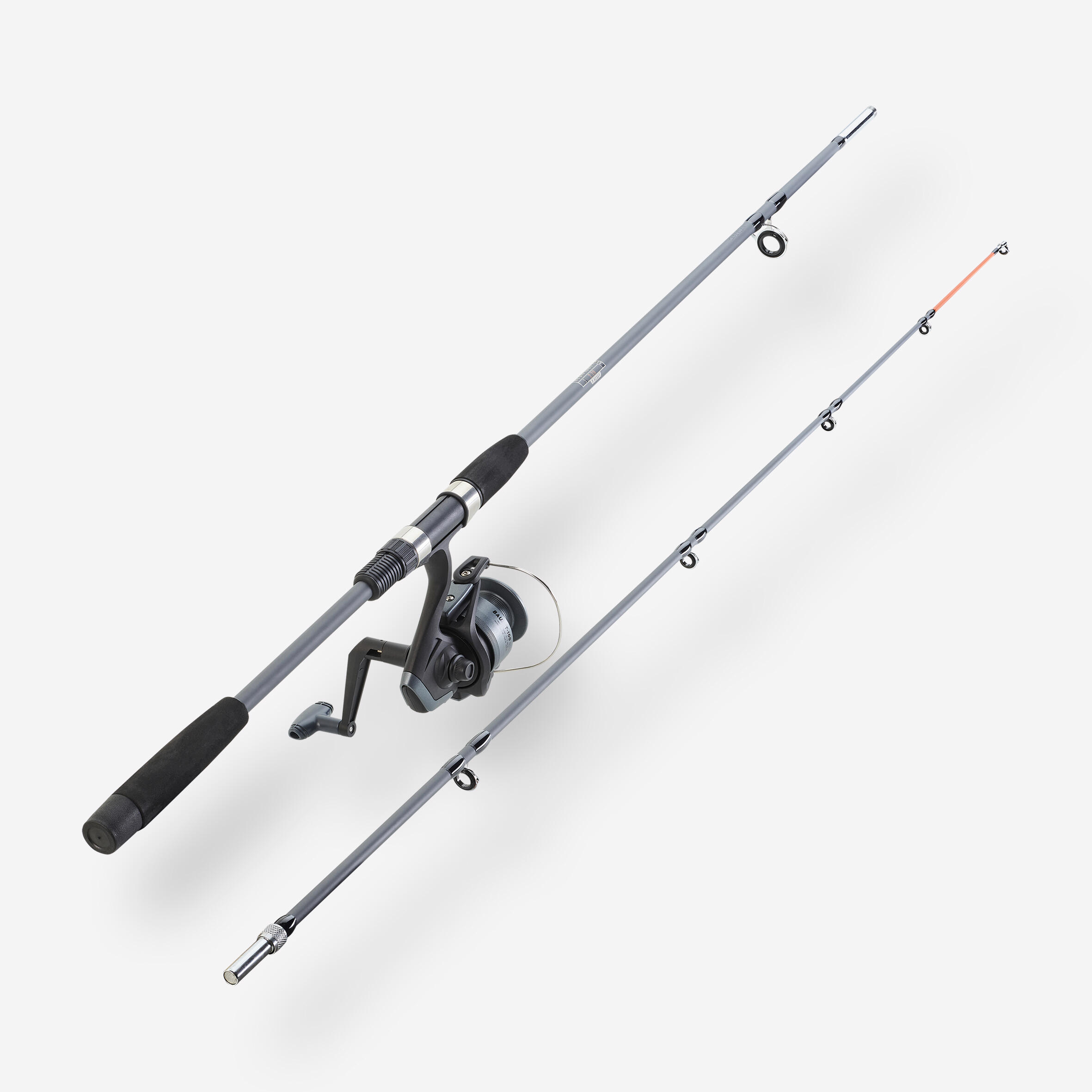
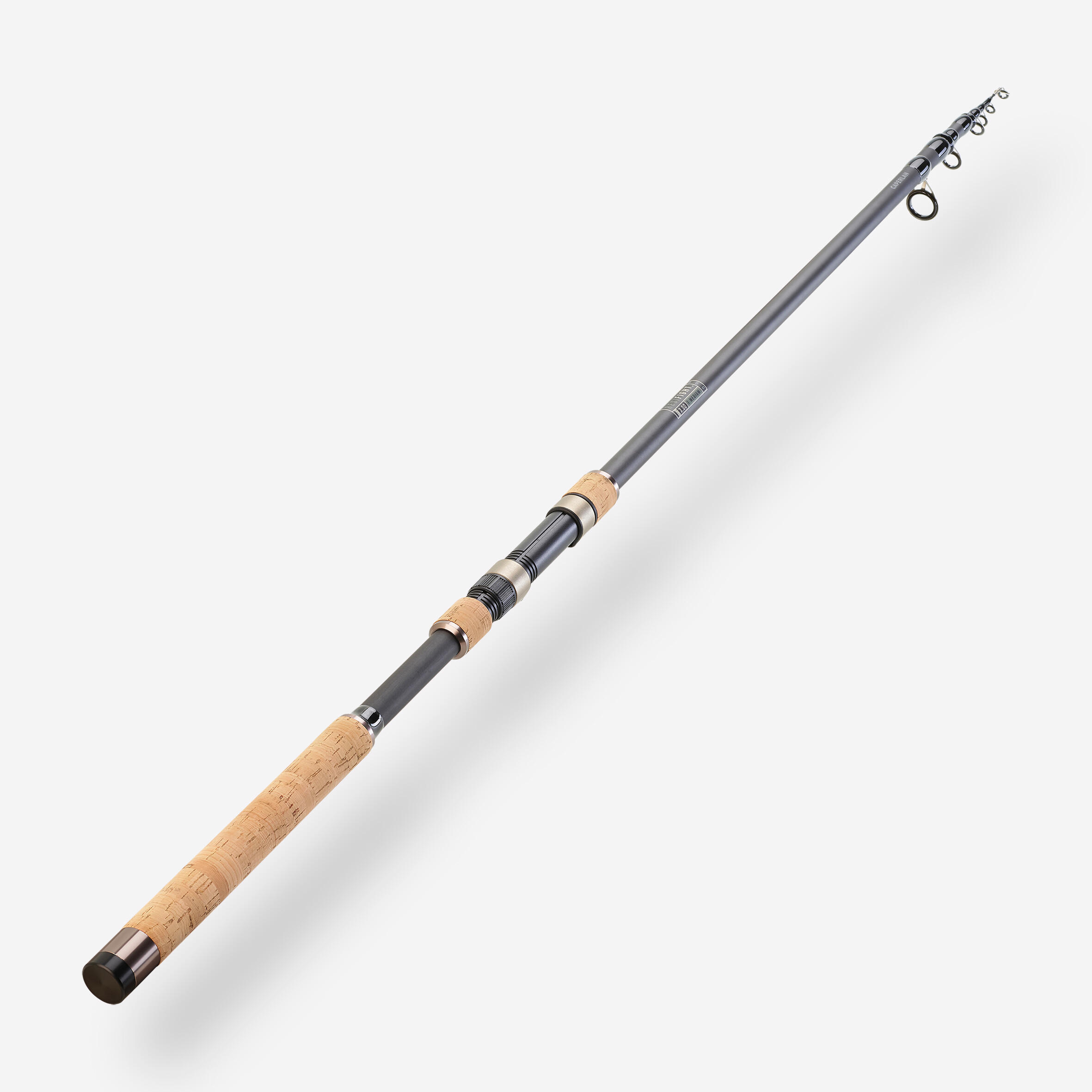
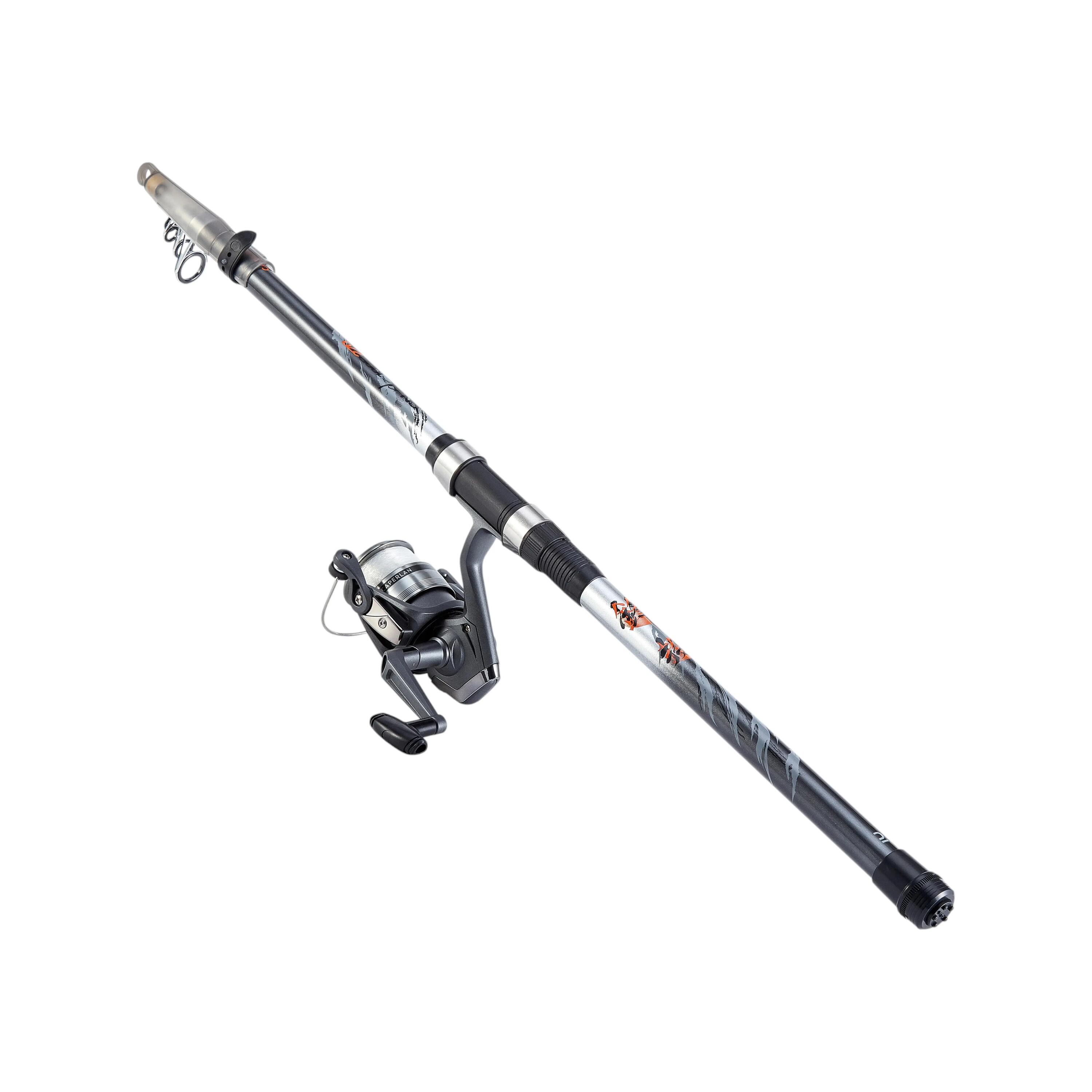
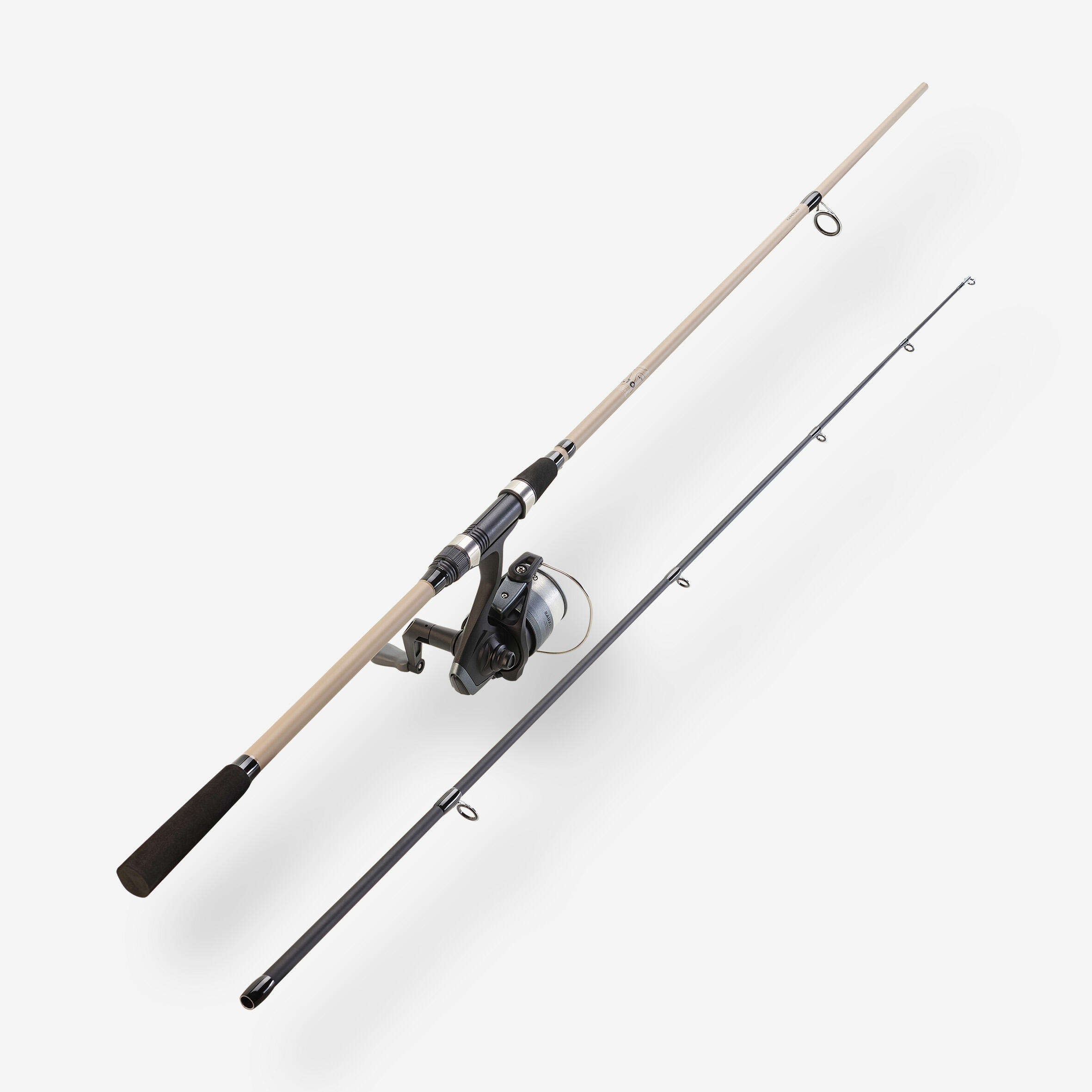
A ledgering rod needs enough casting power for the combined weight of the sinker, bait and terminal tackle, not just the sinker on its own. Caperlan's compact Resifight kit uses a 2.40 m fibreglass rod with a 20-60 g casting range and packs down to about 55 cm, which can simplify transport between swims. Keep every cast inside the stated weight rating so the blank can load progressively without unnecessary stress. Rod length also affects casting reach and how easily you control line from the bank. The predator ledgering rods and sets category lets you compare complete combinations and individual rods according to your preferred fishing position and rig weight.

What reel features matter for predator ledgering?

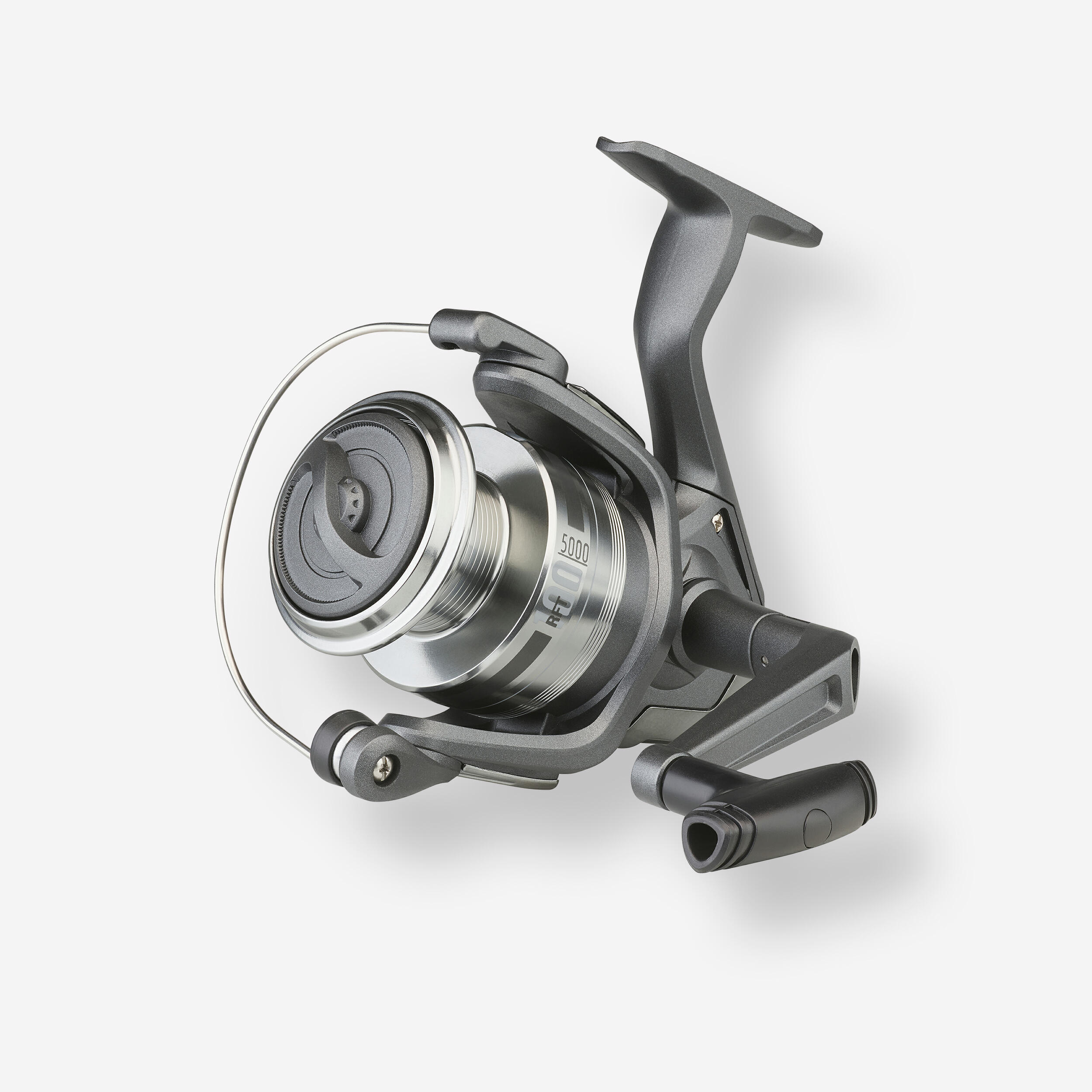
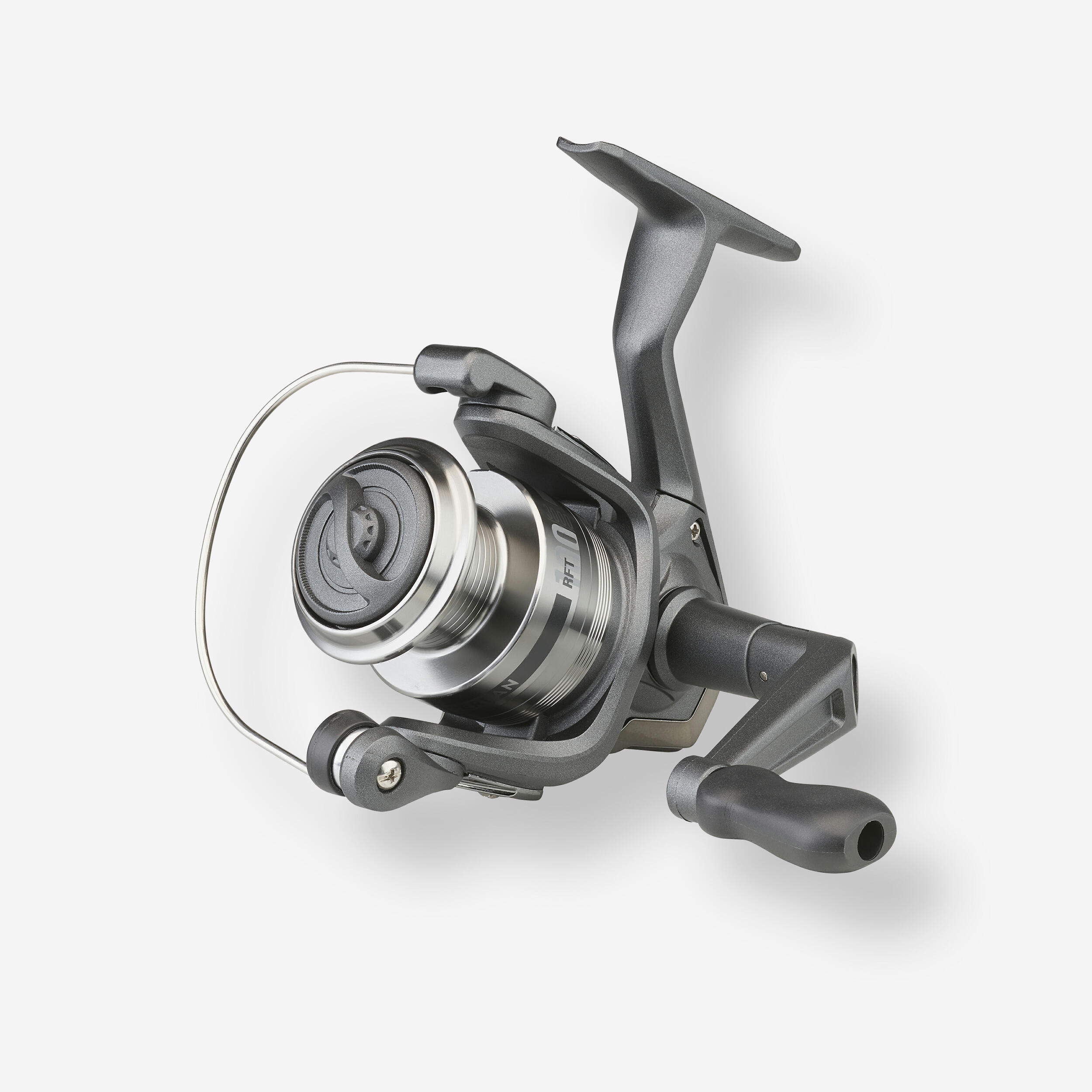
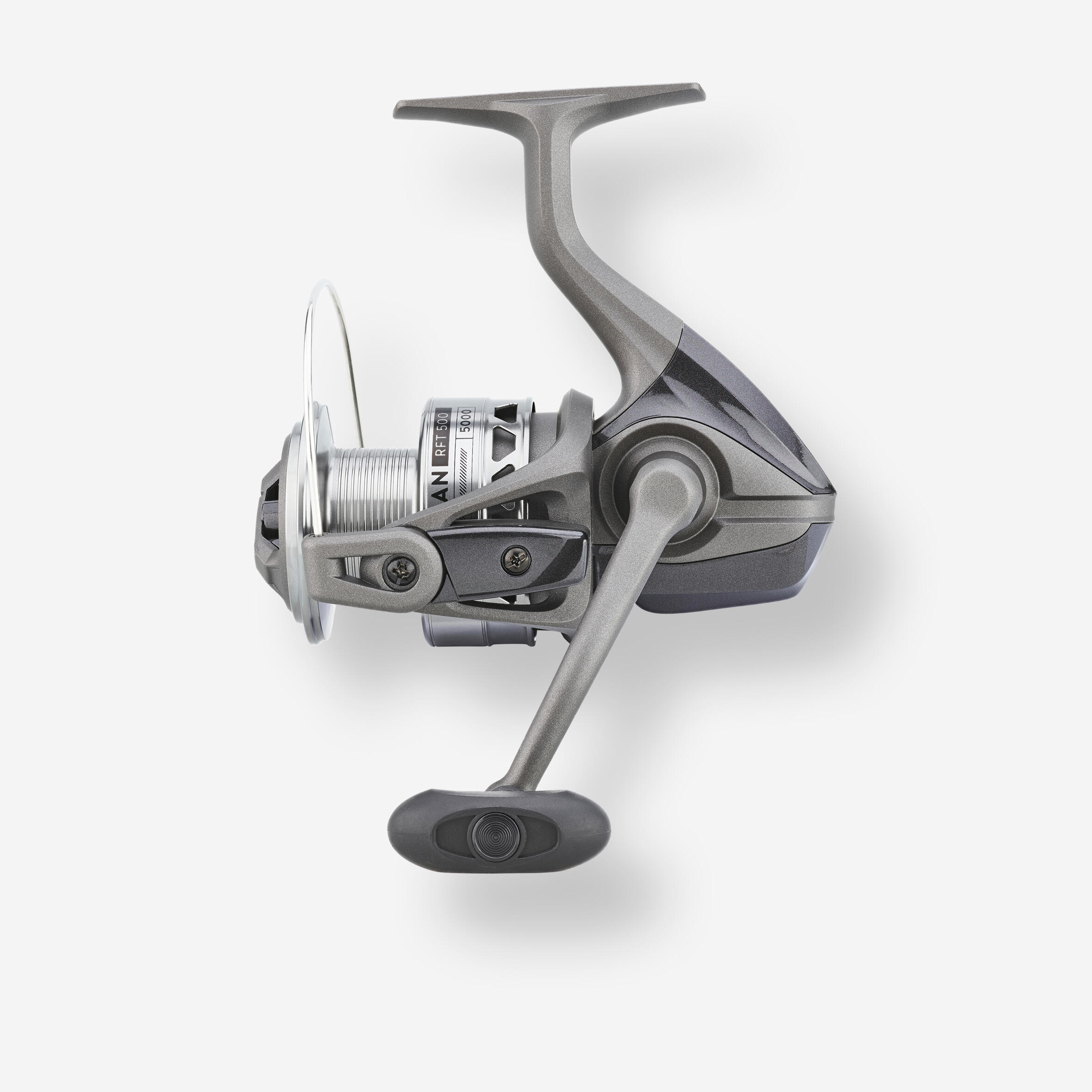
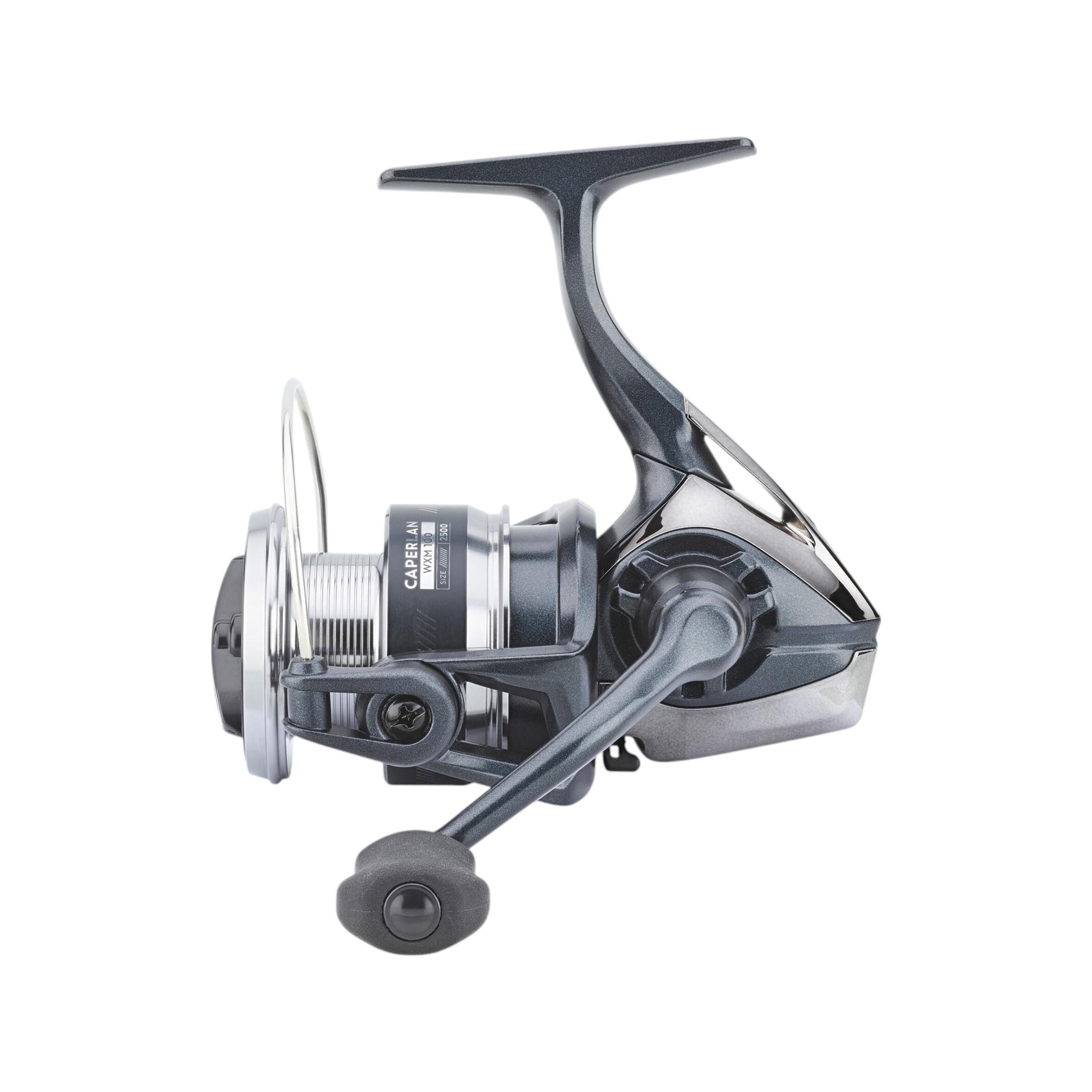
Line capacity, drag adjustment and compatibility with the rod all matter when a bait remains stationary, but the hooked fish can make a sudden run. Load enough line for your fishing distance and leave a suitable margin for playing fish rather than filling the spool with an unnecessarily heavy diameter. A smooth drag can release line under increasing pressure and reduce abrupt loads on knots, hooks and the rod tip. Pairing the reel size with the rod also keeps the layout balanced during casting and retrieval. Ideal predator ledgering reels can support different line capacities and fishing situations. After the session, loosen the drag and make sure the reel is clean and dry before storage.

Which landing net suits predator ledgering?

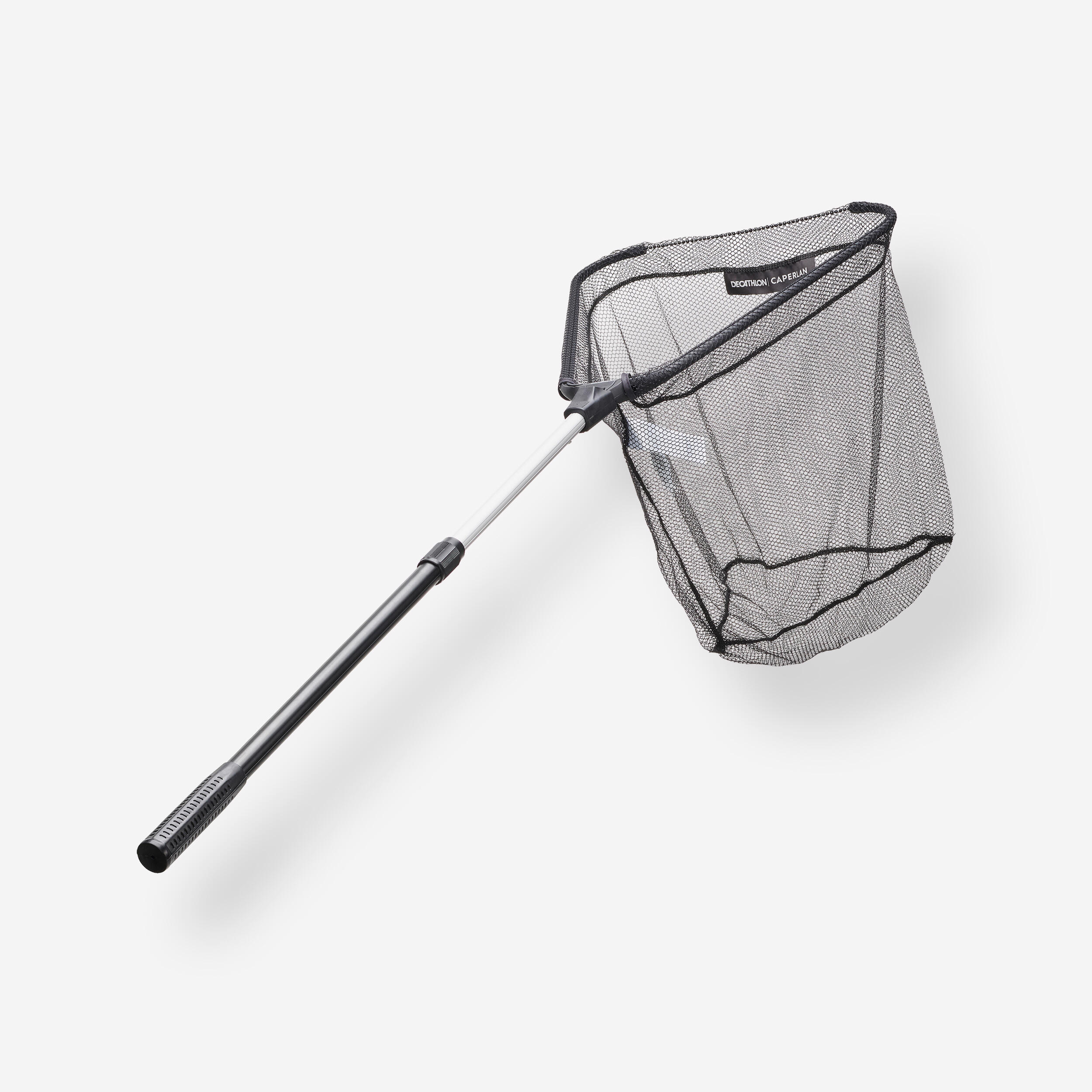
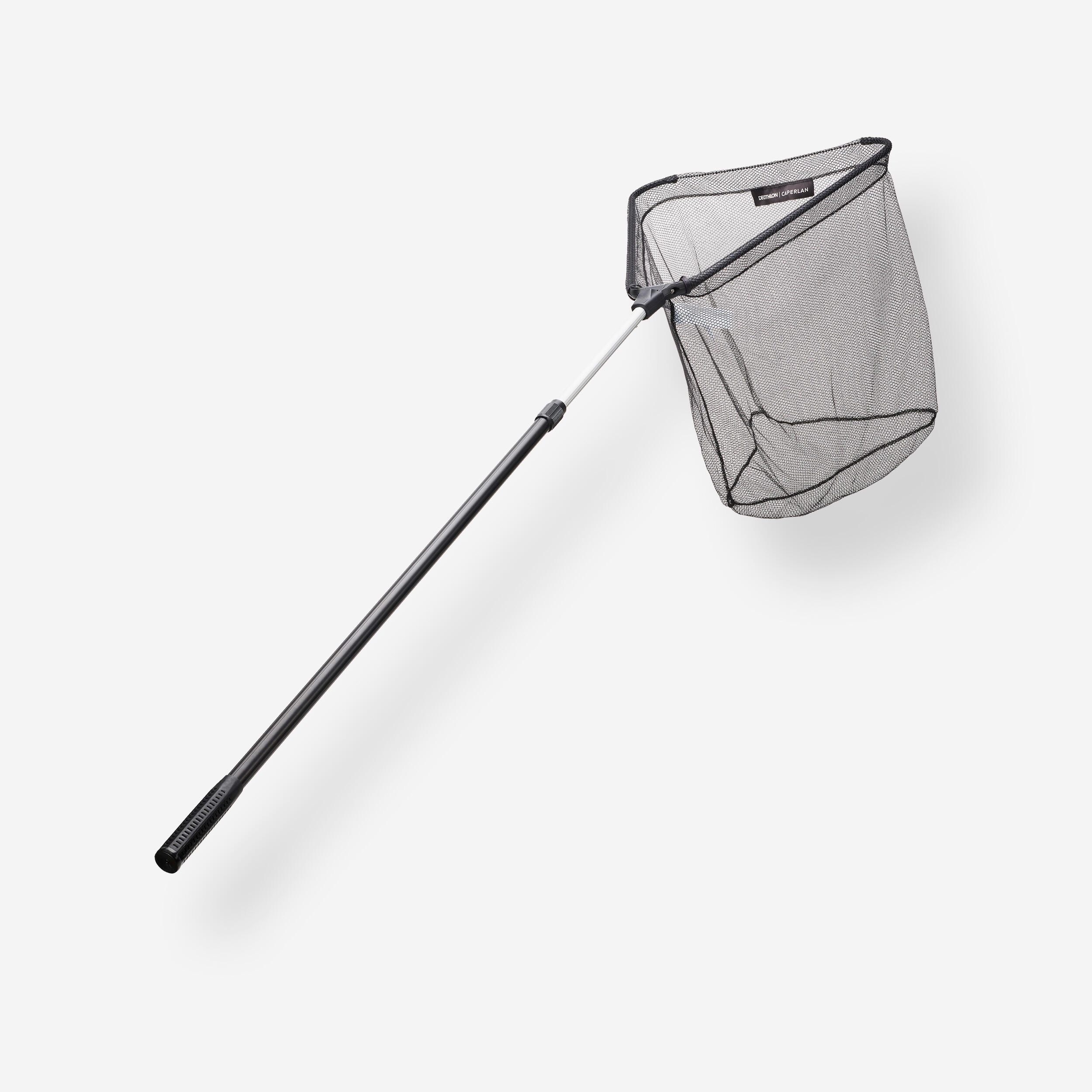
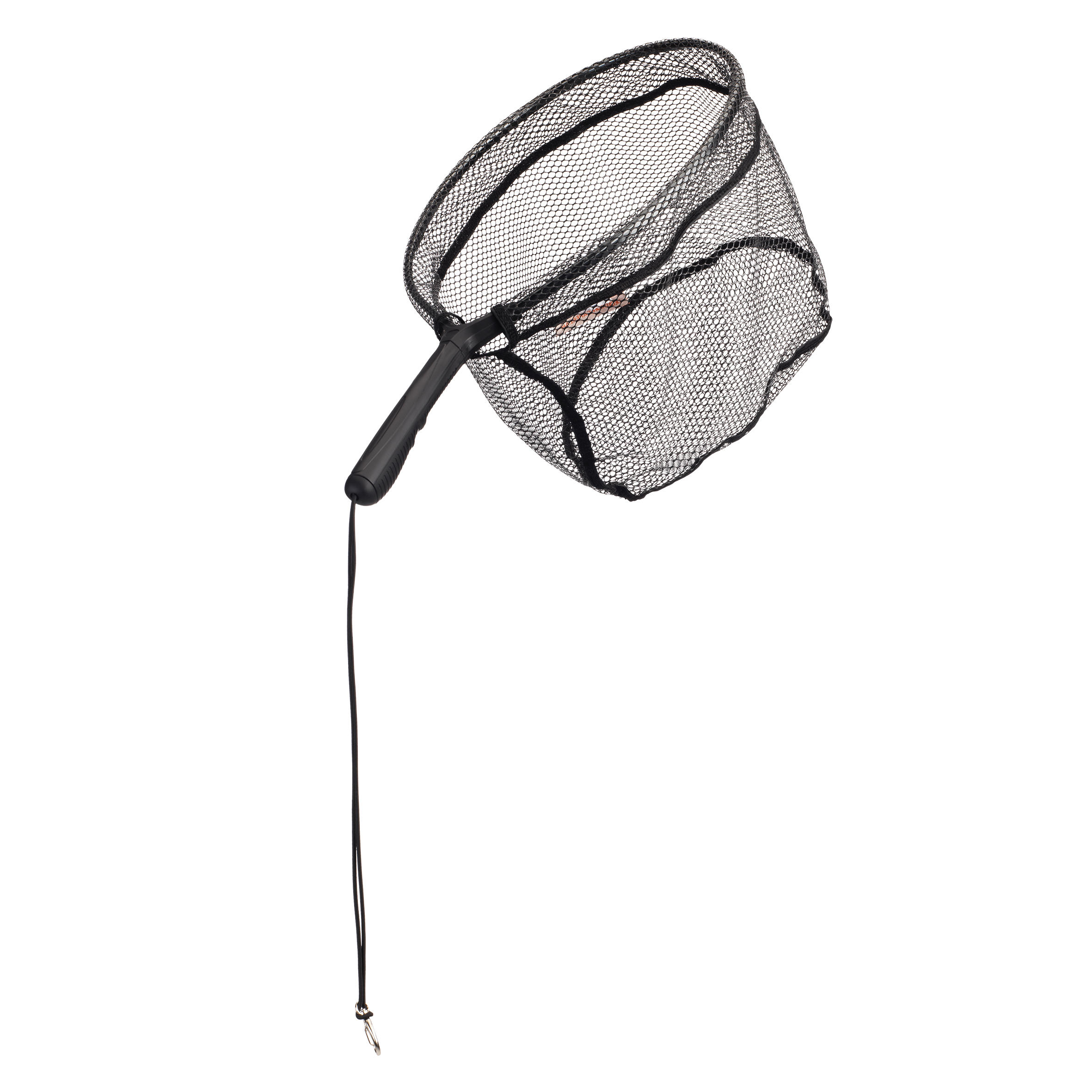
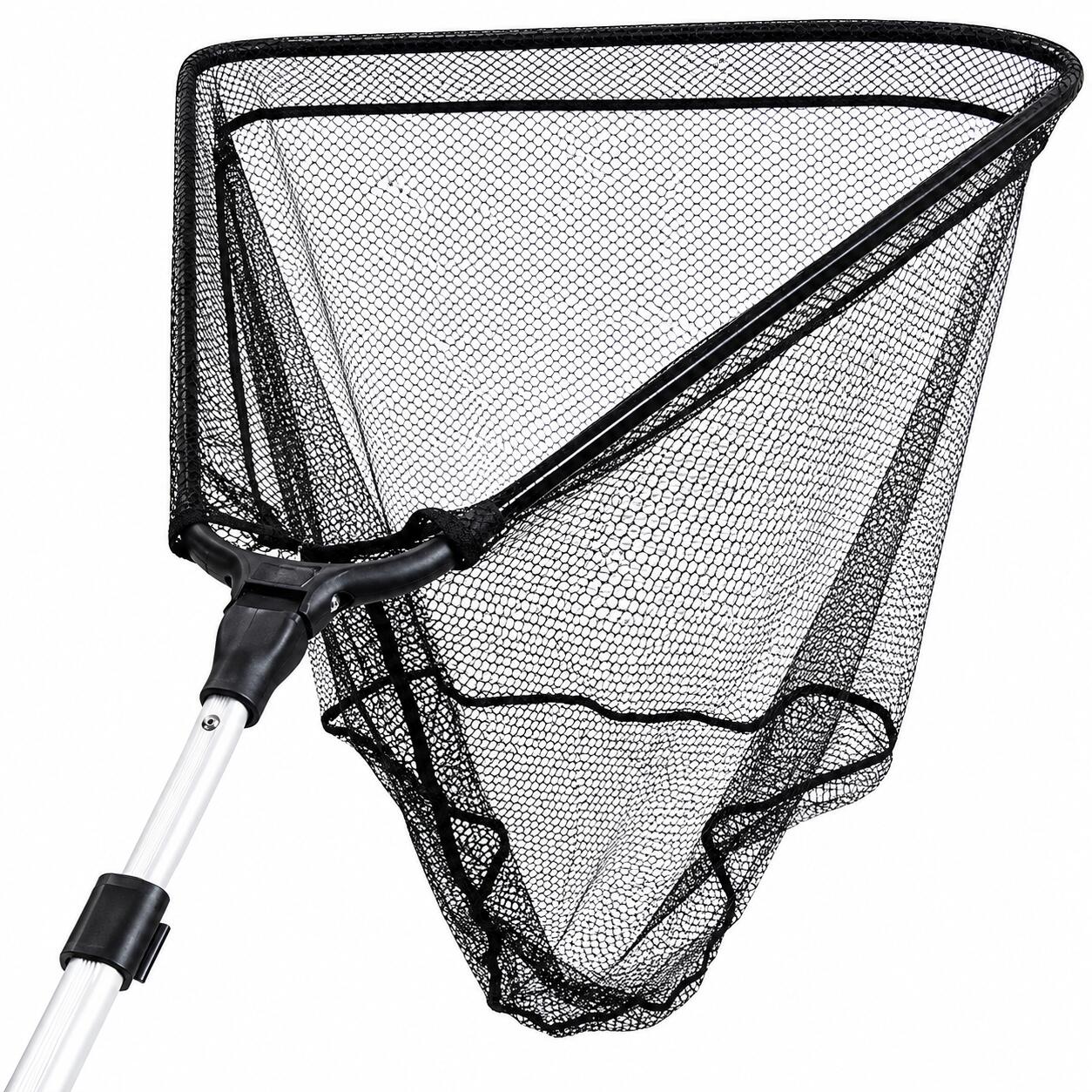
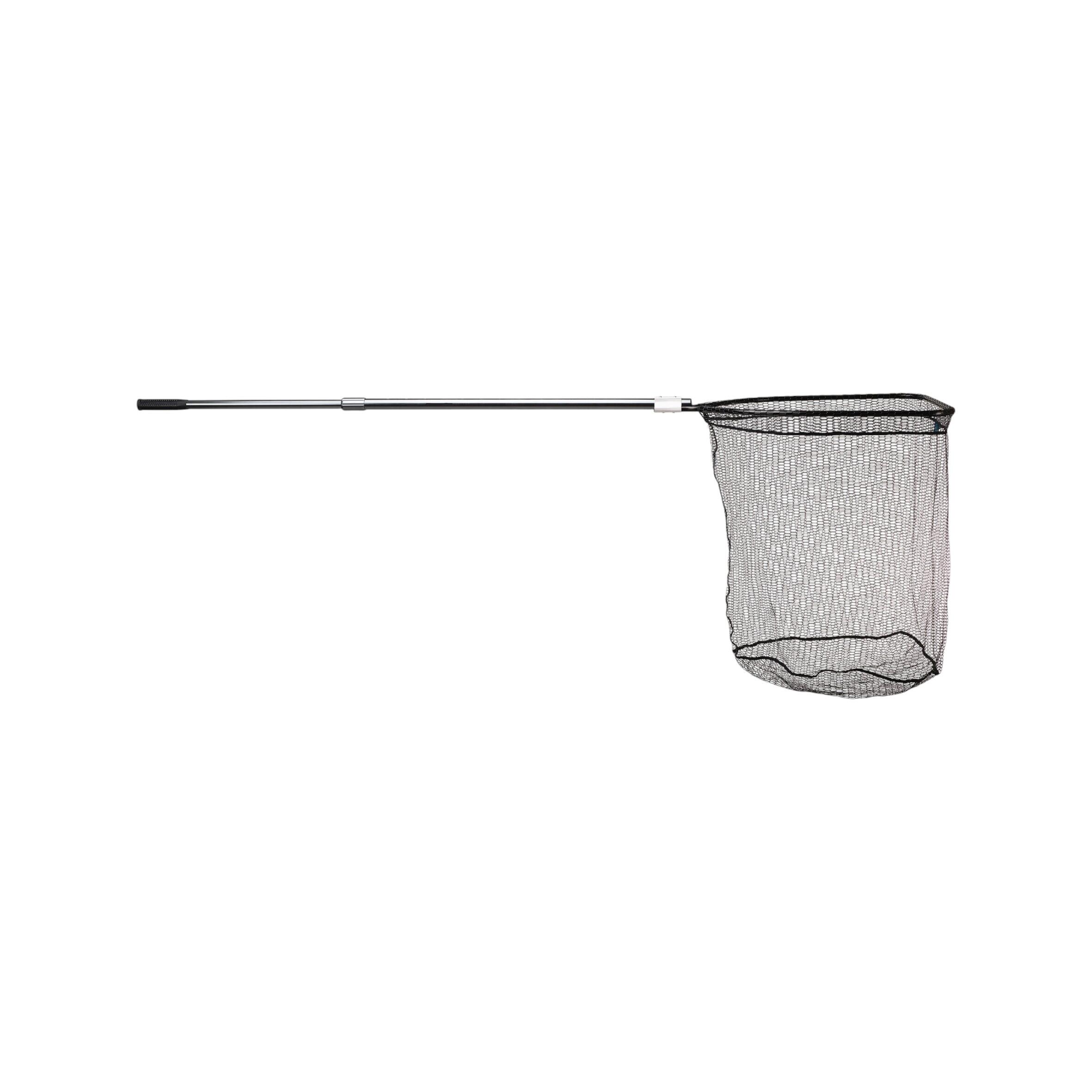
Match the net opening and handle length to the fish you expect and the height of the bank. A longer handle can help when vegetation, shallow margins or a raised fishing position prevents you from bringing the fish directly to your feet. Keep the net assembled and within reach before a bite occurs, especially when fishing alone, so you do not have to search for equipment while controlling the rod. The right predator ledgering landing nets provide options for different fish sizes and fishing positions. Guide the fish over the net rather than chasing it through the water, then support it carefully during unhooking. Rinse and dry the mesh fully before storing it.