28 items
4.7/5 based on 1092 reviews collected online and in stores

Catfishing FAQs

What reel features matter when targeting large catfish?

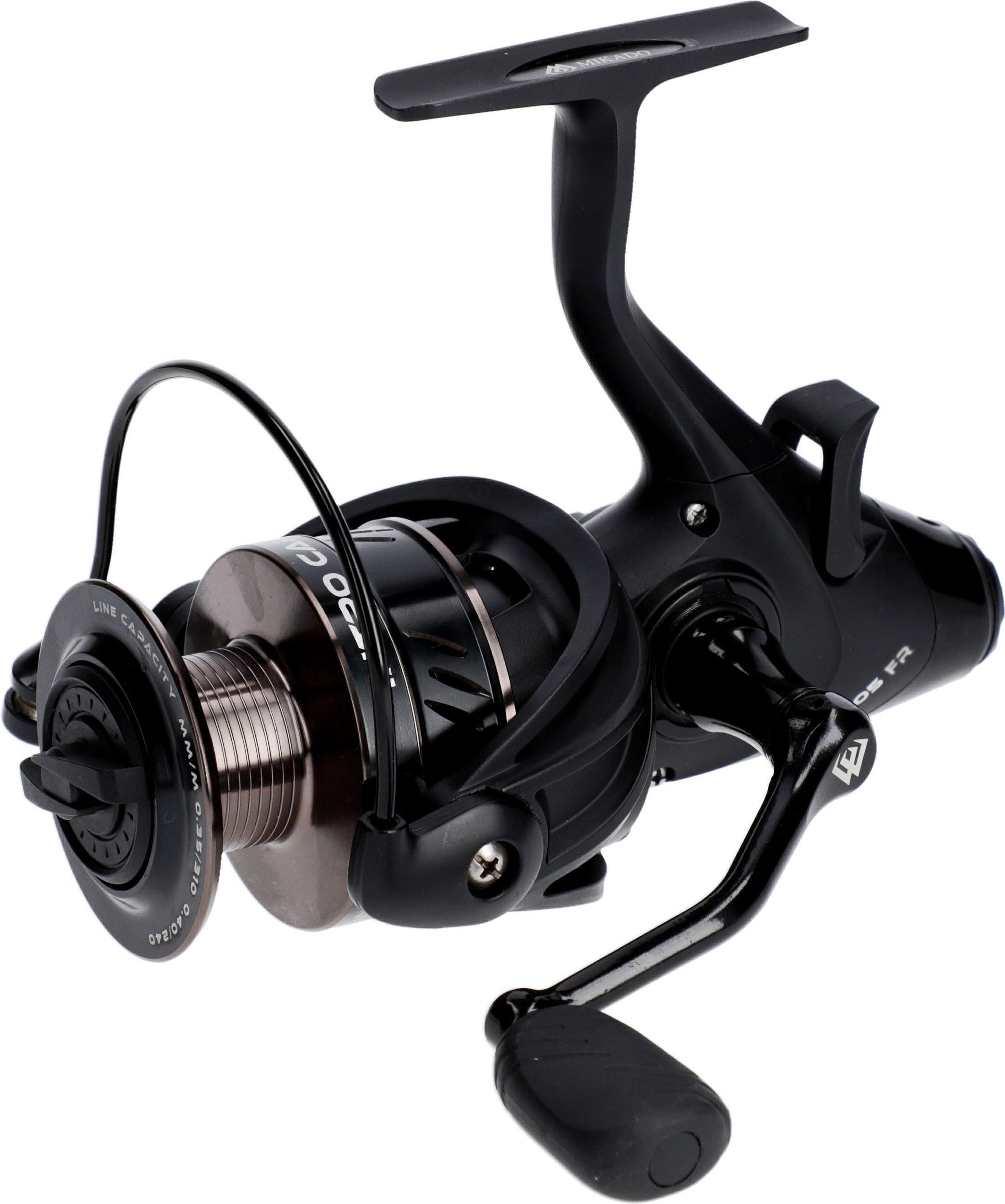
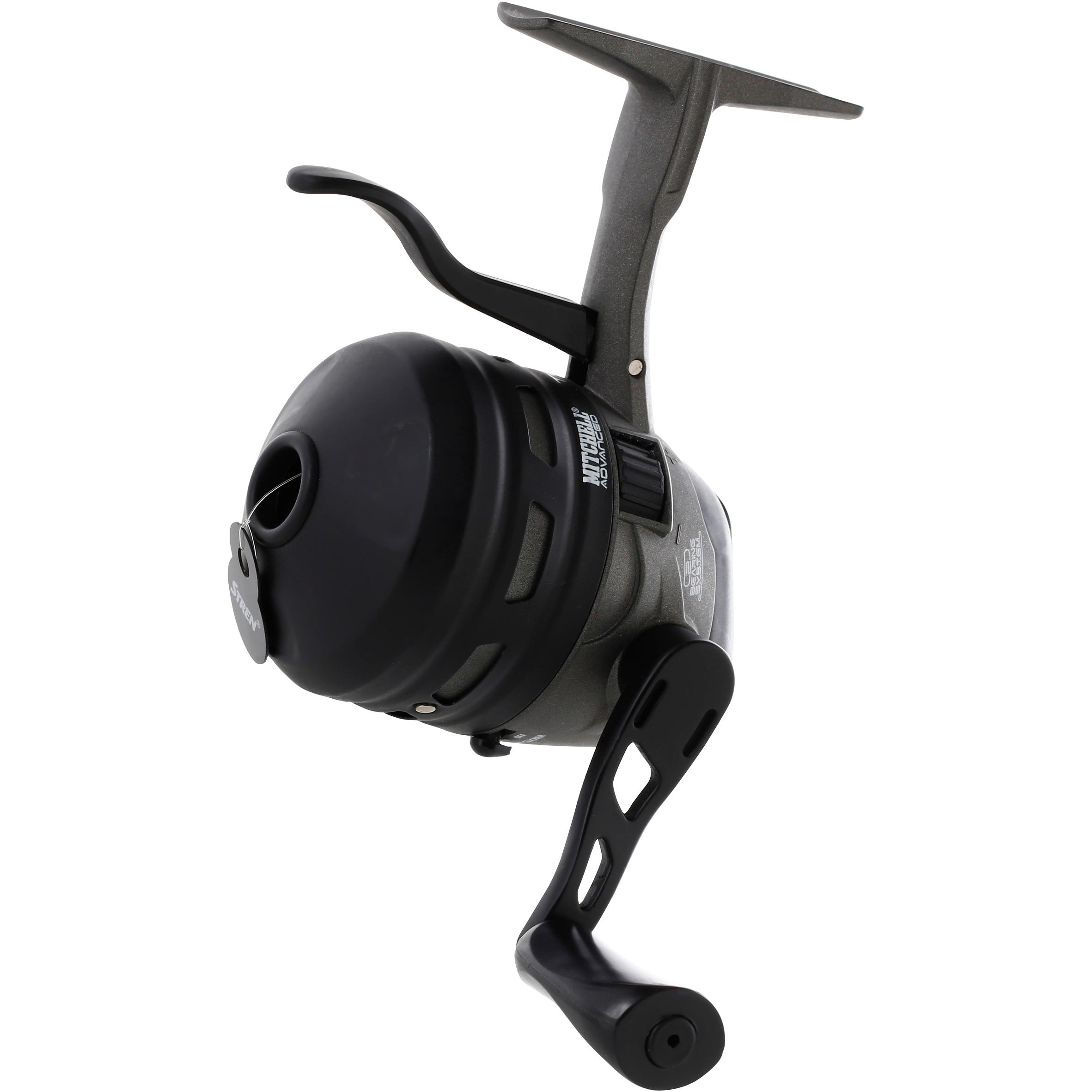
Catfish can make long, powerful runs, so reel strength, line capacity and controlled drag all matter. A reel needs to release the line smoothly under pressure without placing the entire load on your rod, knot or hook. Caperlan's BIGFIGHT CFR 5000 uses an aluminium spool, casing and rotor, with 15 kg of usable drag and capacity for heavier line. Its pick-up does not close automatically, which increases strength in this heavy-duty arrangement. Selected components, including the spool, rotor, crank and drag button, can also be replaced individually. After using catfish fishing reels, loosen the drag, rinse and dry the reel, then lubricate the mechanism periodically.

Why do catfish rods use high casting weights?

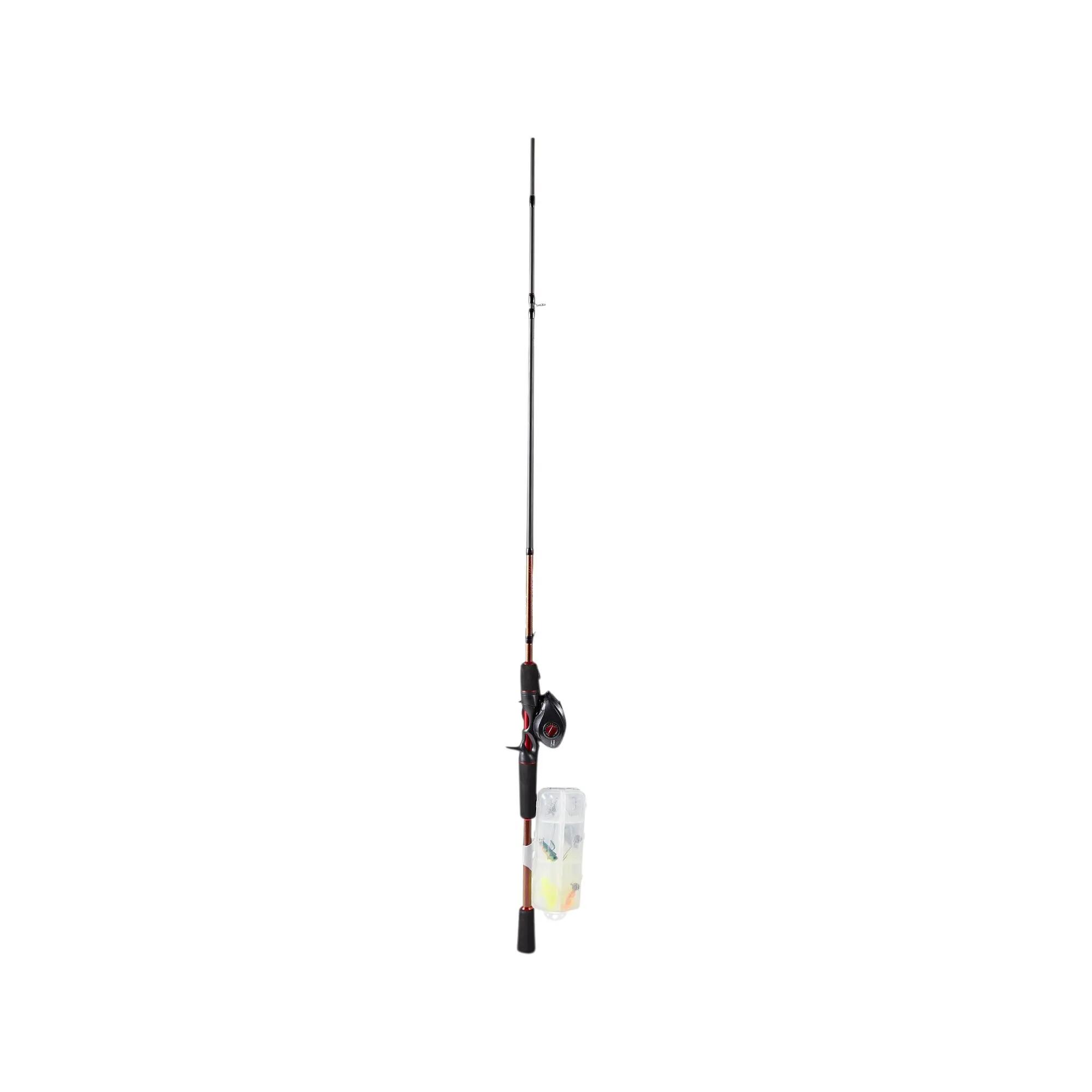
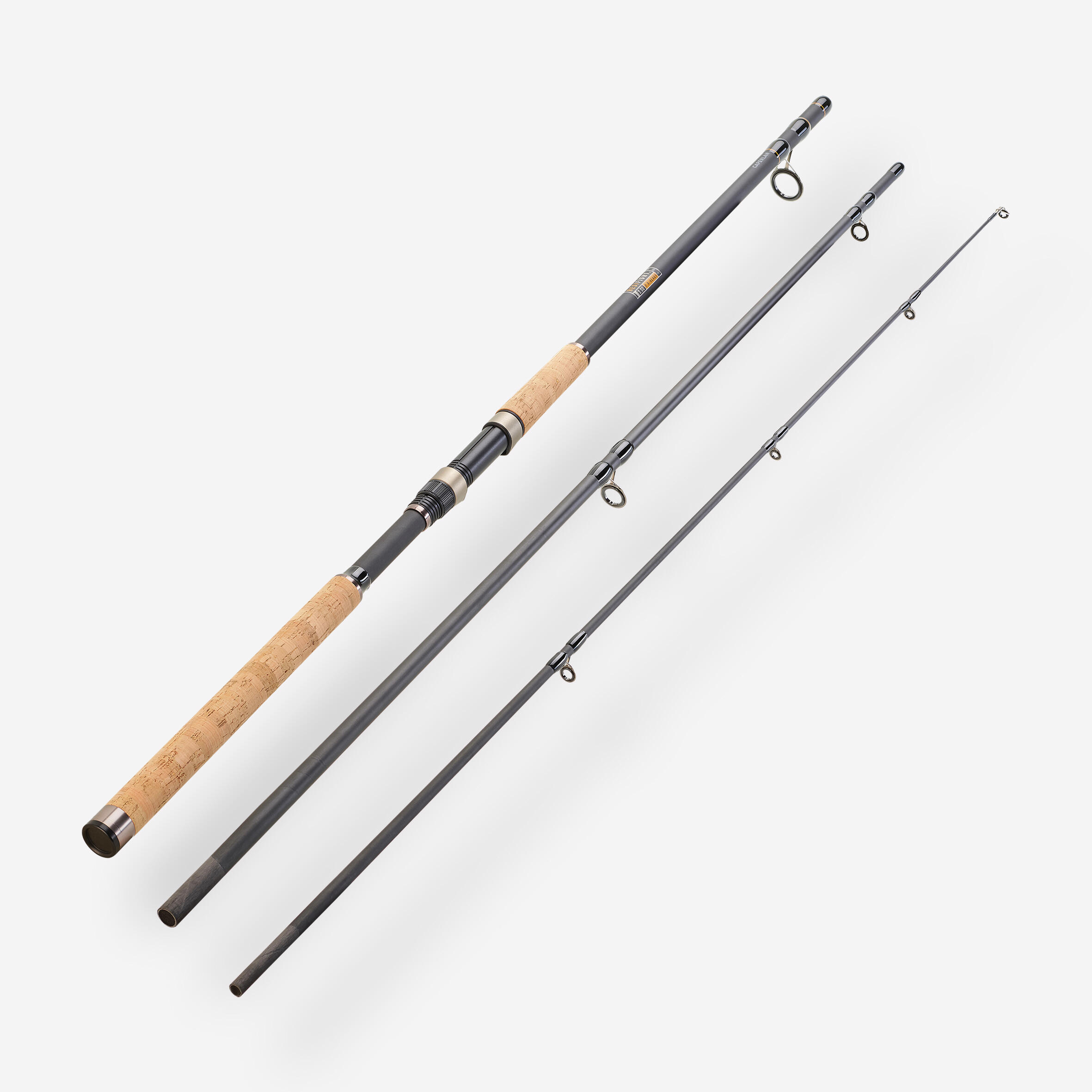
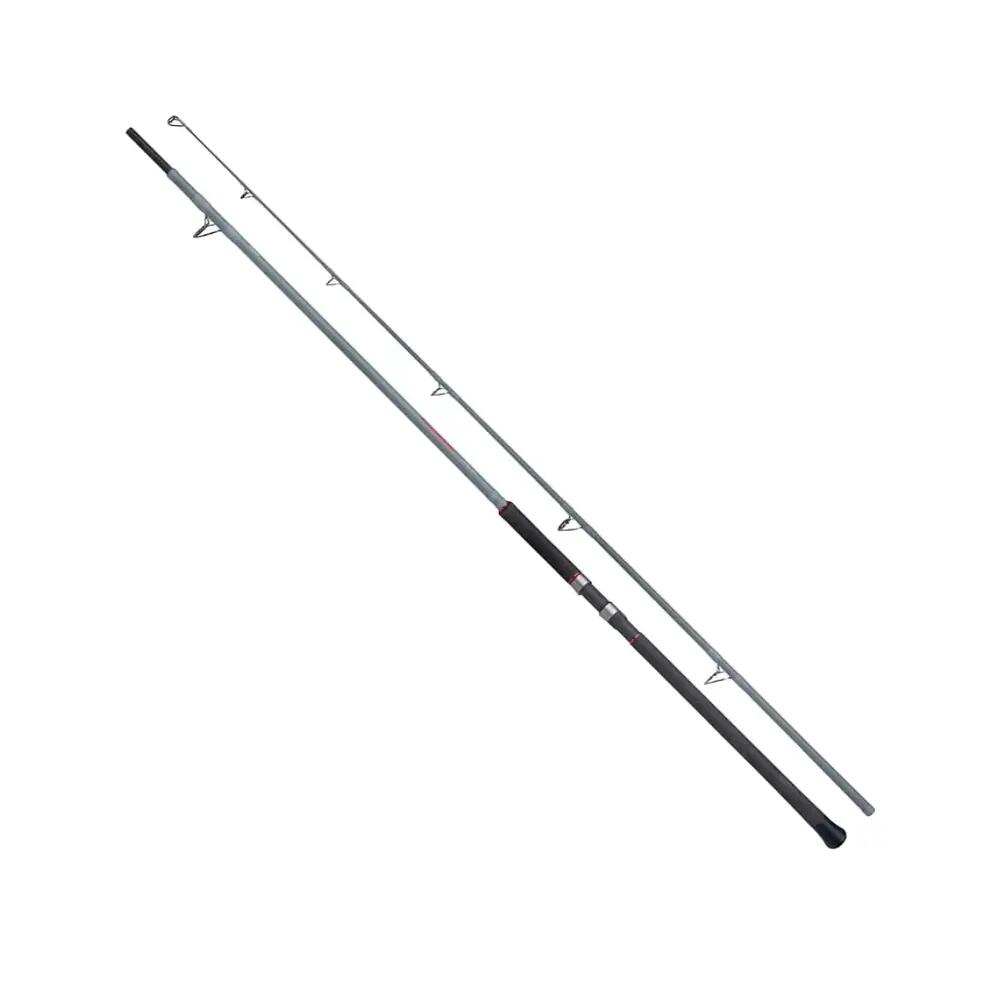
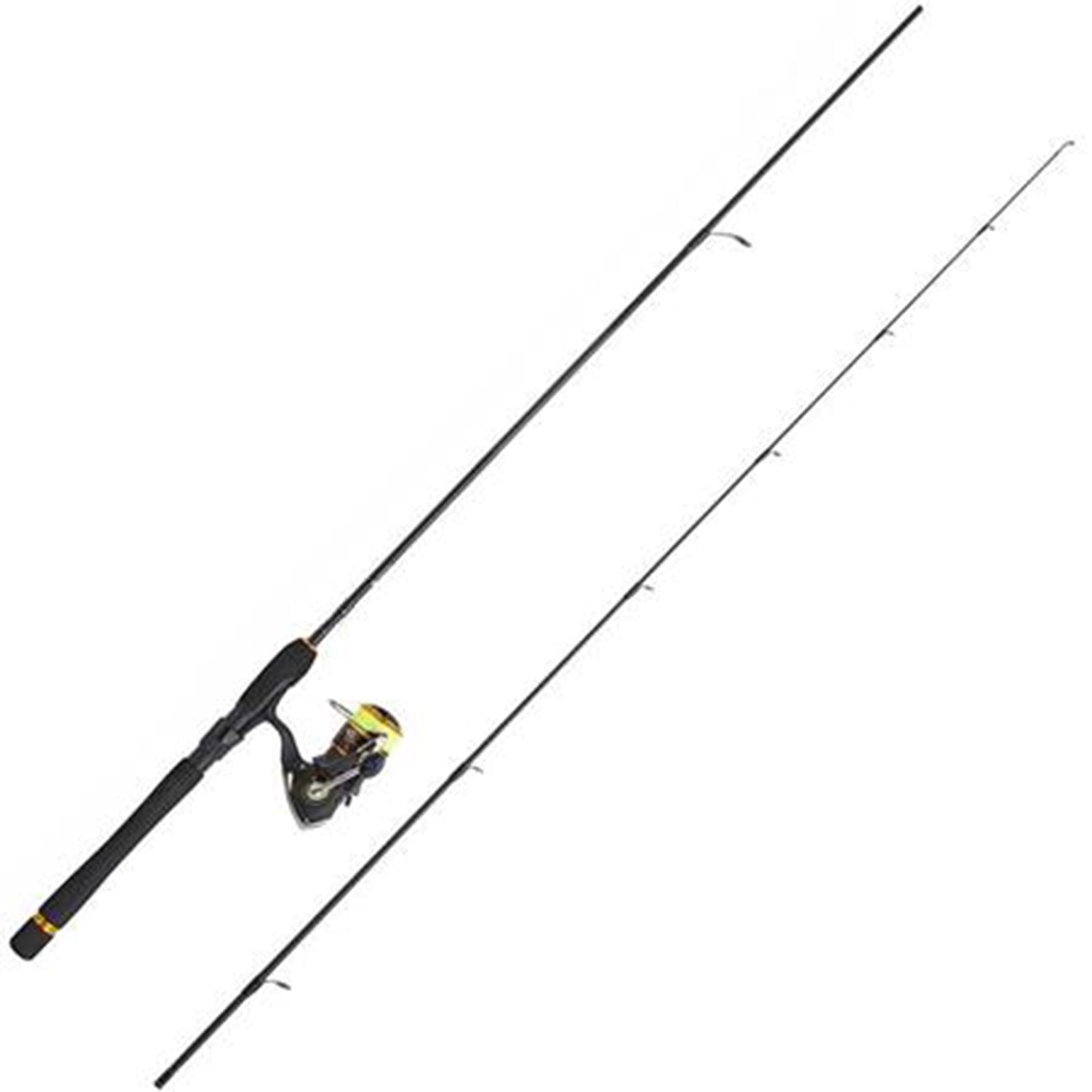
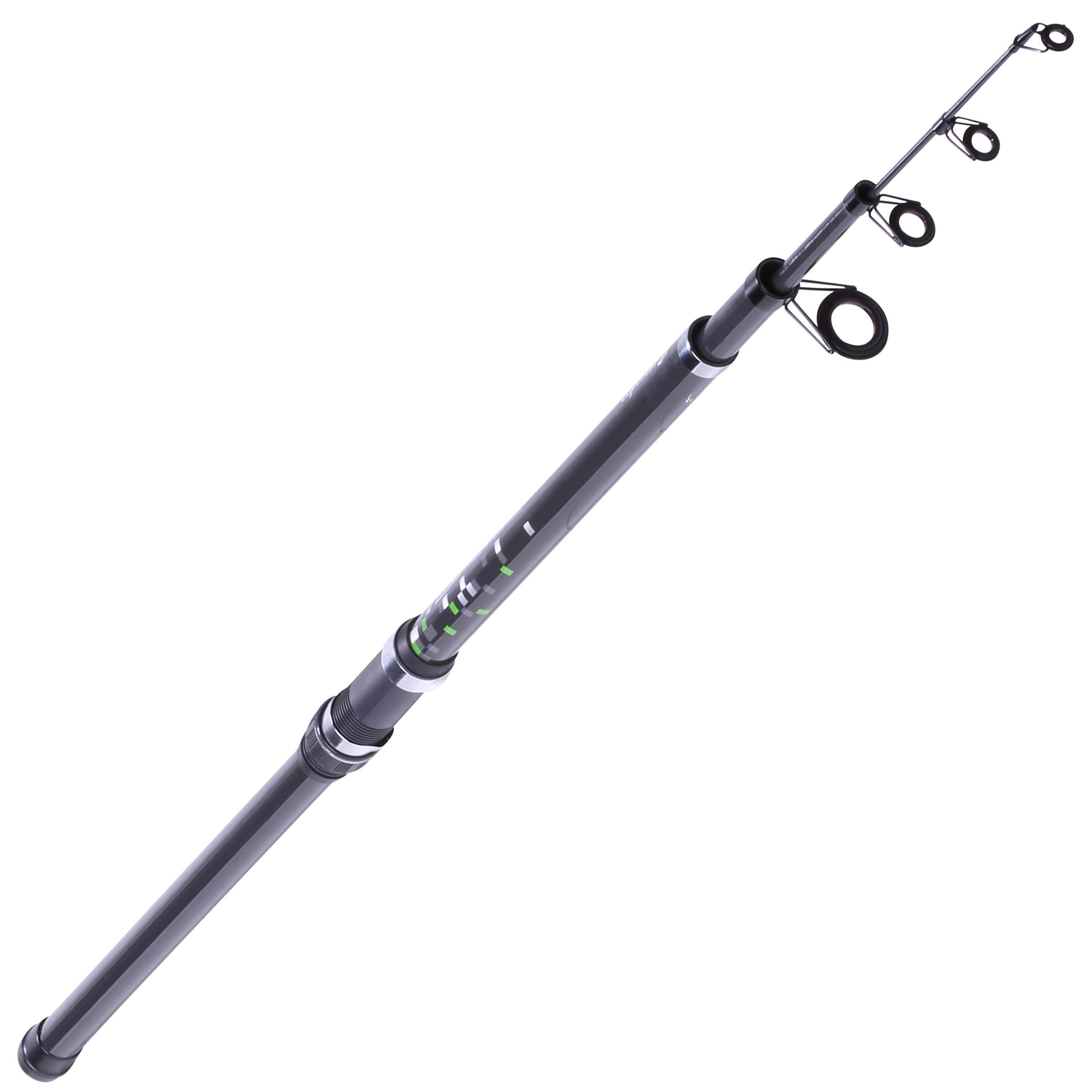
Heavy catfish rigs can include substantial sinkers, large baits and strong terminal tackle, so the rod needs enough power to cast and control the complete load. Caperlan's BIGFIGHT-5 is 3.30 m long and works with 200-400 g, making it suitable for heavy ledgering and buoy fishing from the bank. Its carbon and fibreglass construction uses progressive action, allowing more of the blank to work as a powerful fish changes direction rather than concentrating all the pressure near the tip. The catfish fishing rods in this style suit demanding applications where ordinary light predator rods may lack the required casting power and control.

How do you select a hook for catfishing?

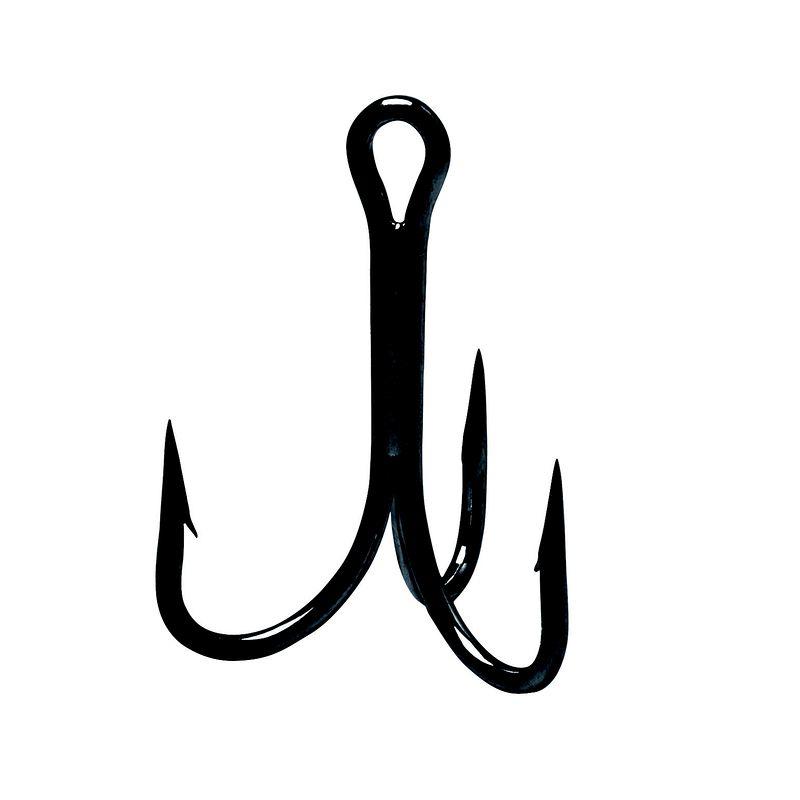
Match hook size and wire strength to the bait, rig and size of catfish you expect rather than automatically using the largest hook available. The bait still needs to sit naturally, while the hook point needs enough exposure to take hold effectively. Caperlan's heavy-wire catfish hooks use strong steel construction for demanding rigs, and the wide gape on its single-hook models helps improve hooking. Eyed versions also work with different leader and rig configurations. The catfish fishing single hook is available within a system that includes 5/0, 7/0 and 9/0 sizes. Dry hooks completely before storing them to help limit corrosion.

What braid strength works for catfishing?

Base braid strength on the expected fish, snags, fishing method and the strength of the rest of your rig. Using the thickest line automatically can reduce capacity and change how the arrangement handles, so diameter and breaking strain need to work together. Caperlan TX8 uses eight tightly braided UHMPE strands for a high strength-to-diameter ratio. Published options include 50/100 at approximately 38 kg and 60/100 at approximately 44 kg, with finer diameters also available. When joining braid to another line or leader, connection strength becomes critical. Caperlan recommends FG or Albright knots for this purpose. The catfishing braided line also uses fibres intended to retain their colour over time.

Can ordinary predator tackle handle catfish?

Some smaller catfish can be encountered on general predator tackle, but deliberately targeting large specimens calls for equipment matched to much higher loads. Compare the rod's casting weight, reel drag, line resistance, hook strength and terminal connections as one system. A powerful reel cannot compensate for an undersized hook or weak swivel, and very heavy braid can transfer excessive force to a rod that lacks enough power. Caperlan tests its BIGFIGHT rod family specifically with catfish, including fishing in Mequinenza, Spain, which gives the equipment a clear species-focused use case. Lighter predator fishing tackle remains more appropriate when targeting species and lure weights that do not require a dedicated heavy catfish setup. Keep long rods away from power lines and never use them during thunderstorms.