242 items
4.6/5 based on 20191 reviews collected online and in stores

Predator Fishing Equipment FAQs

What equipment helps you stay mobile while predator fishing?

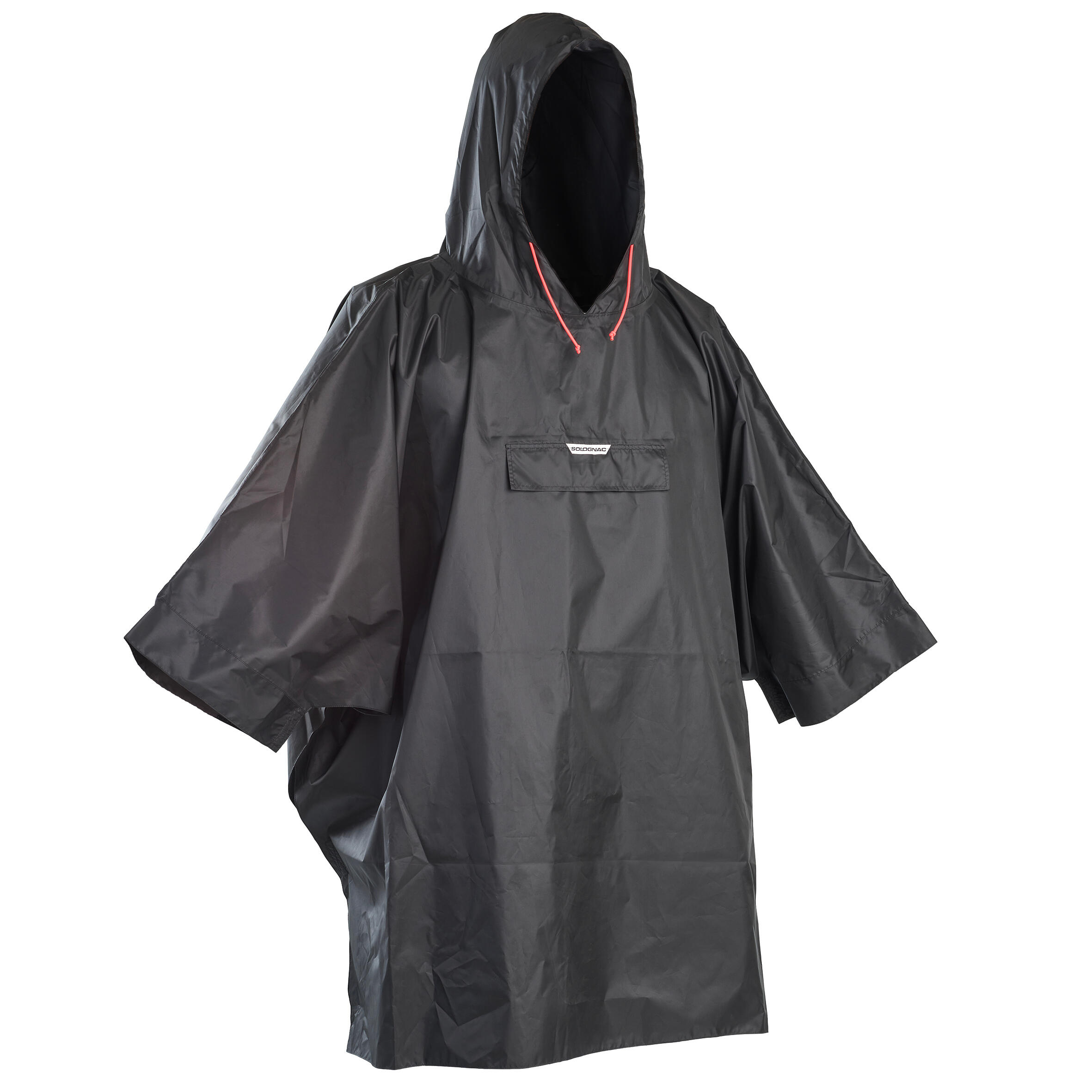
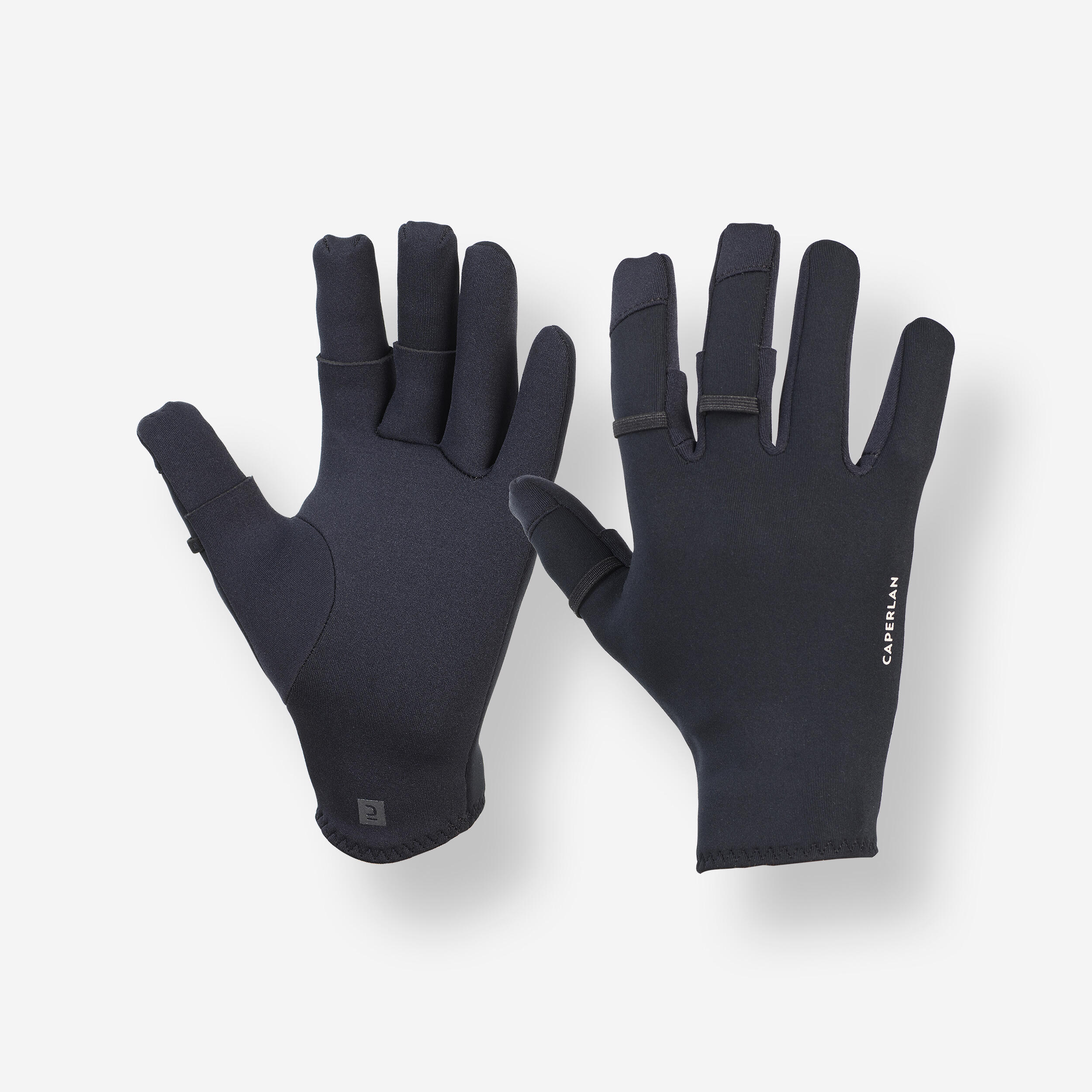
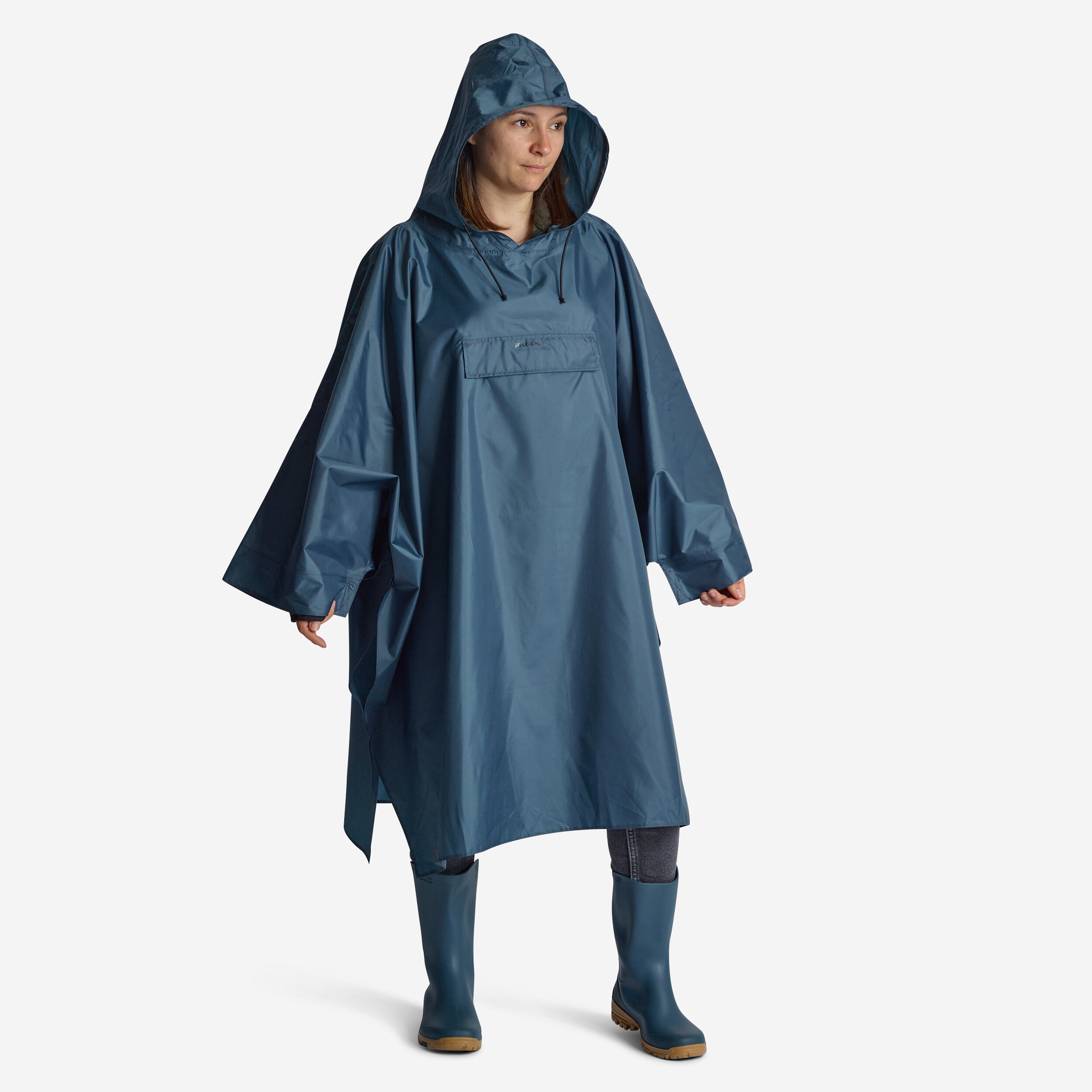
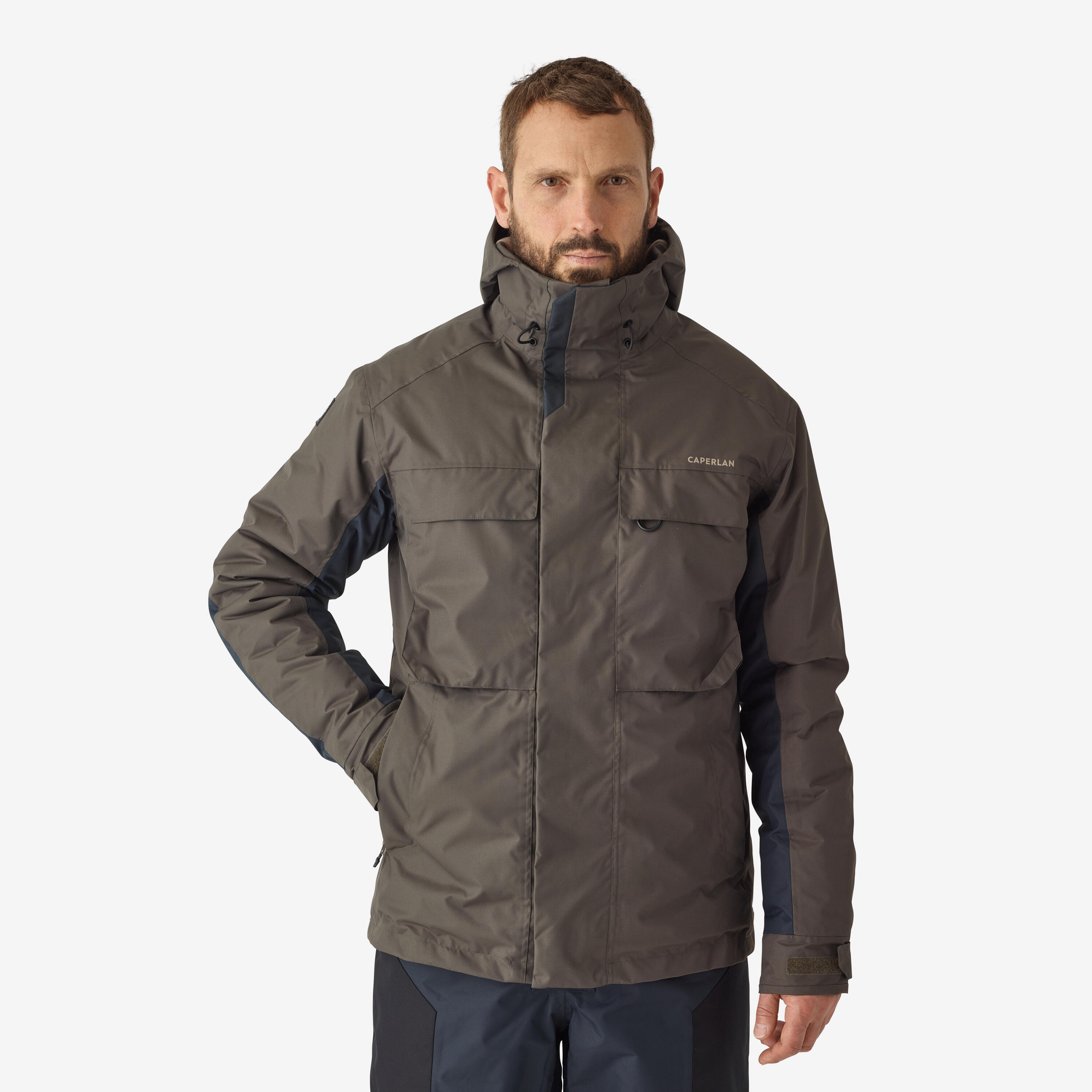
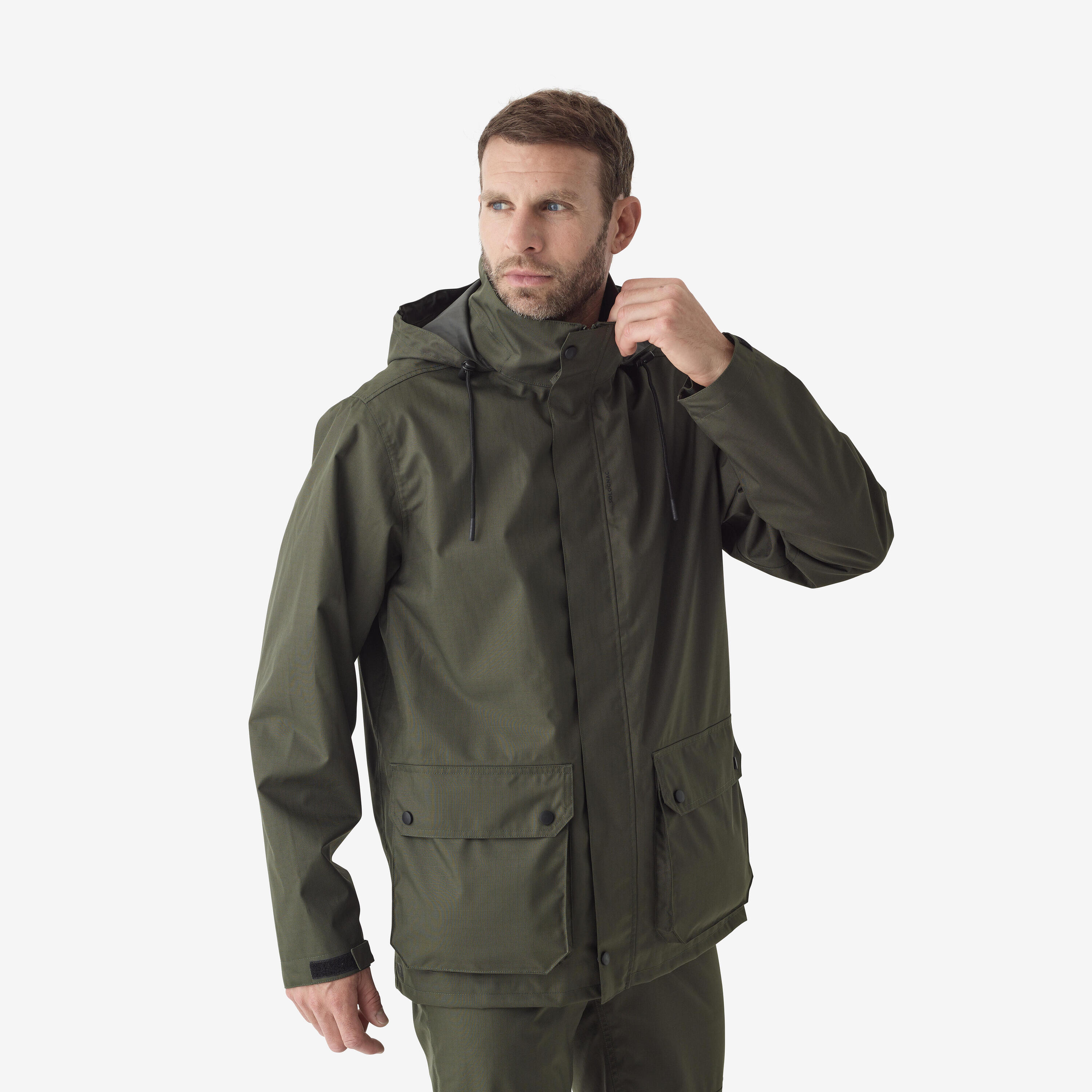
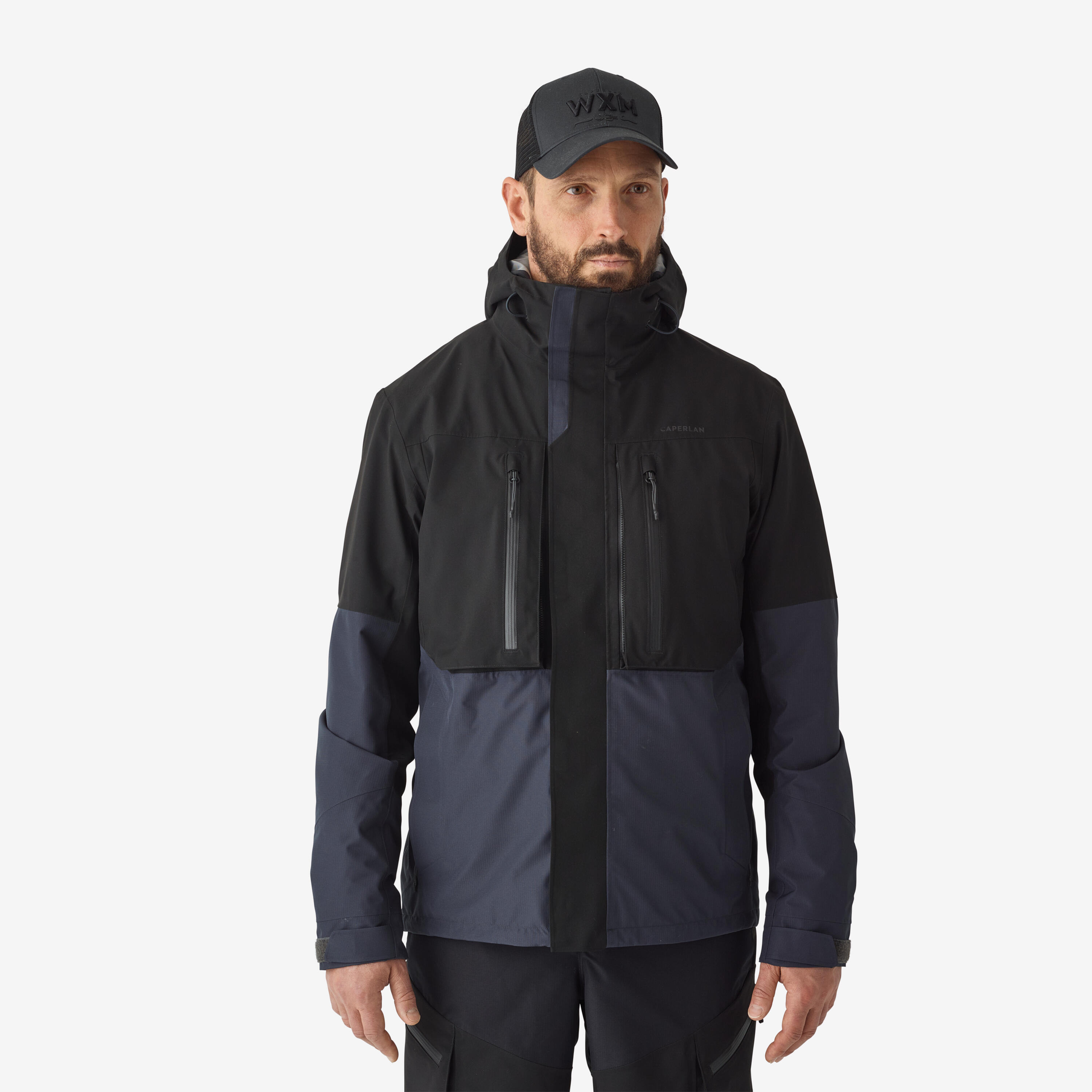
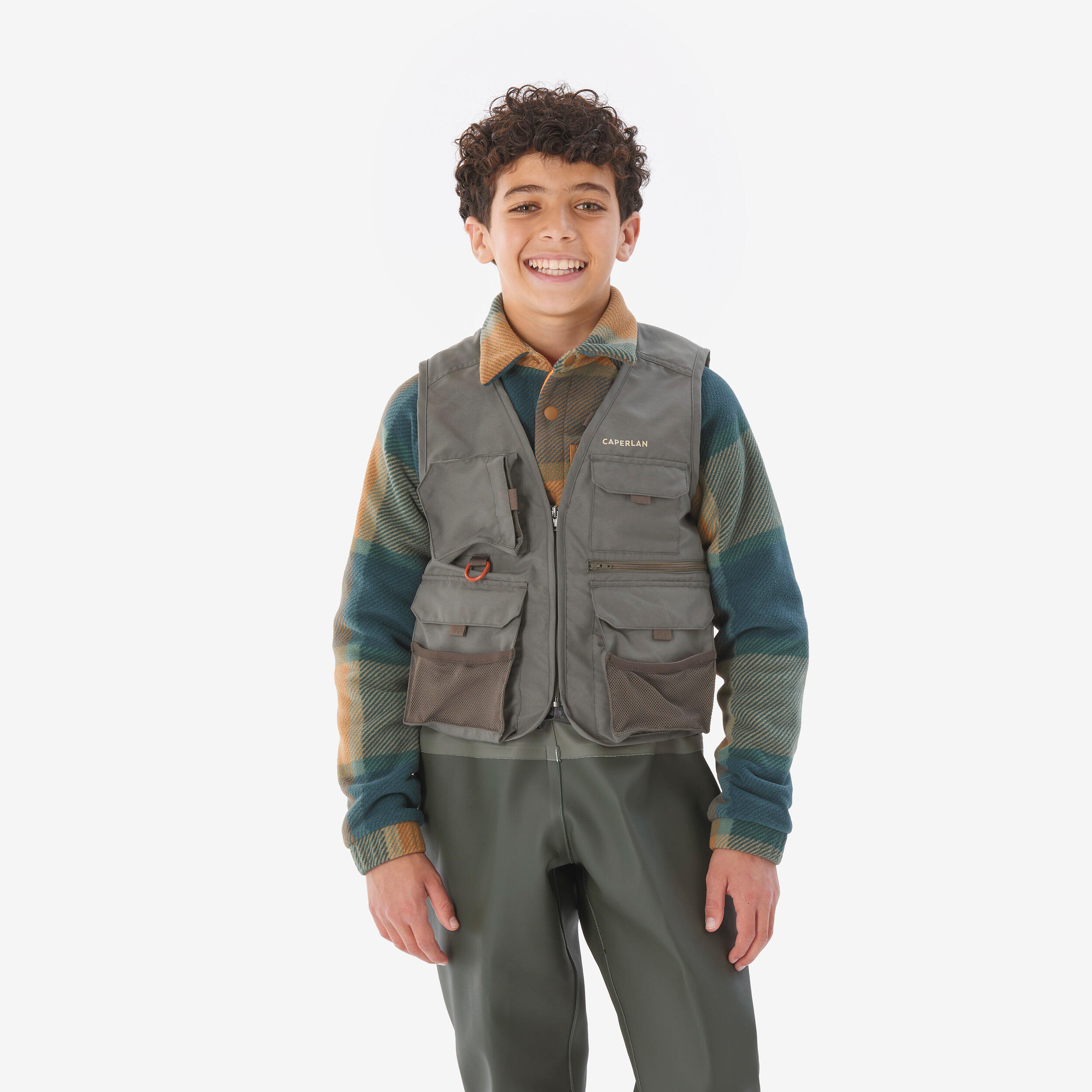
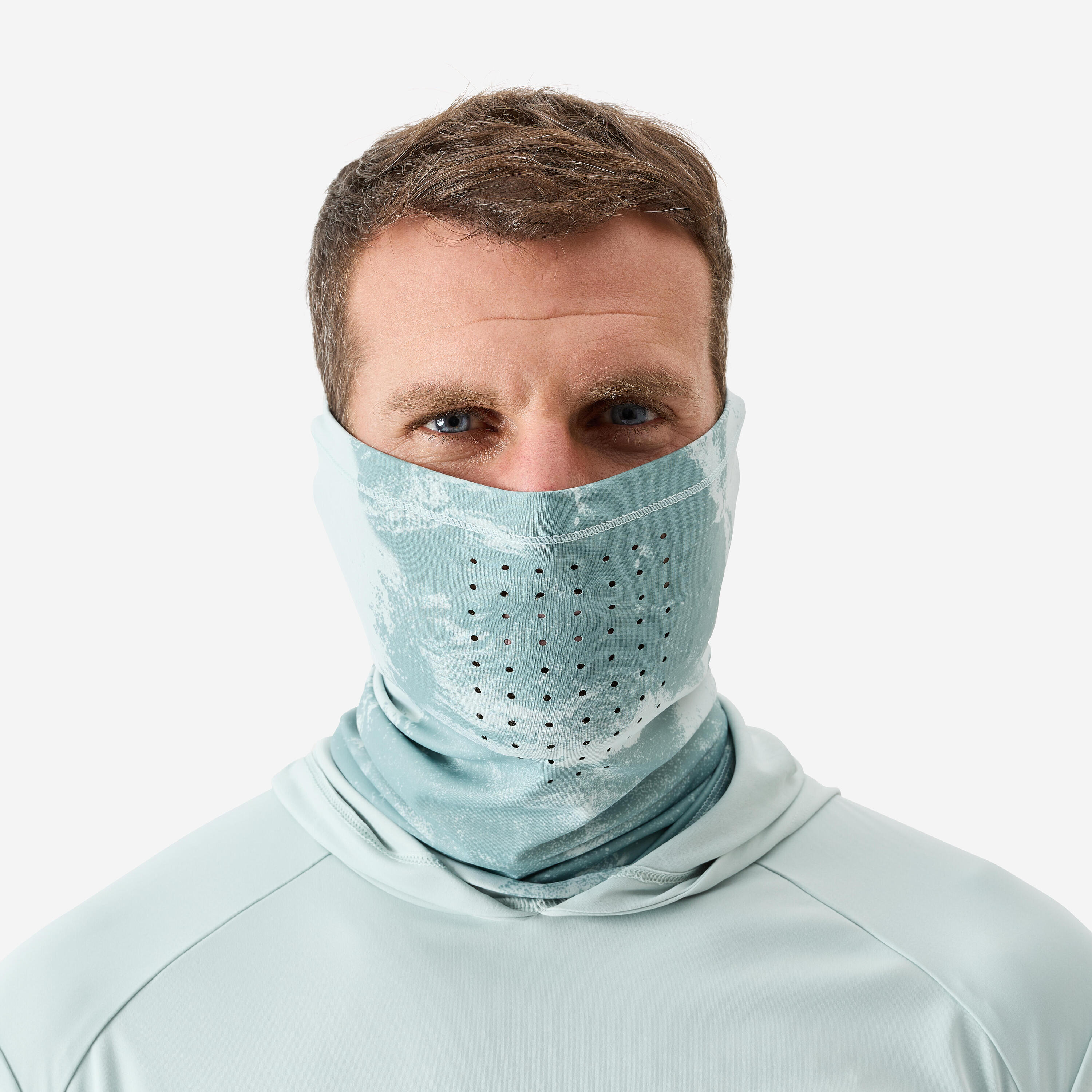
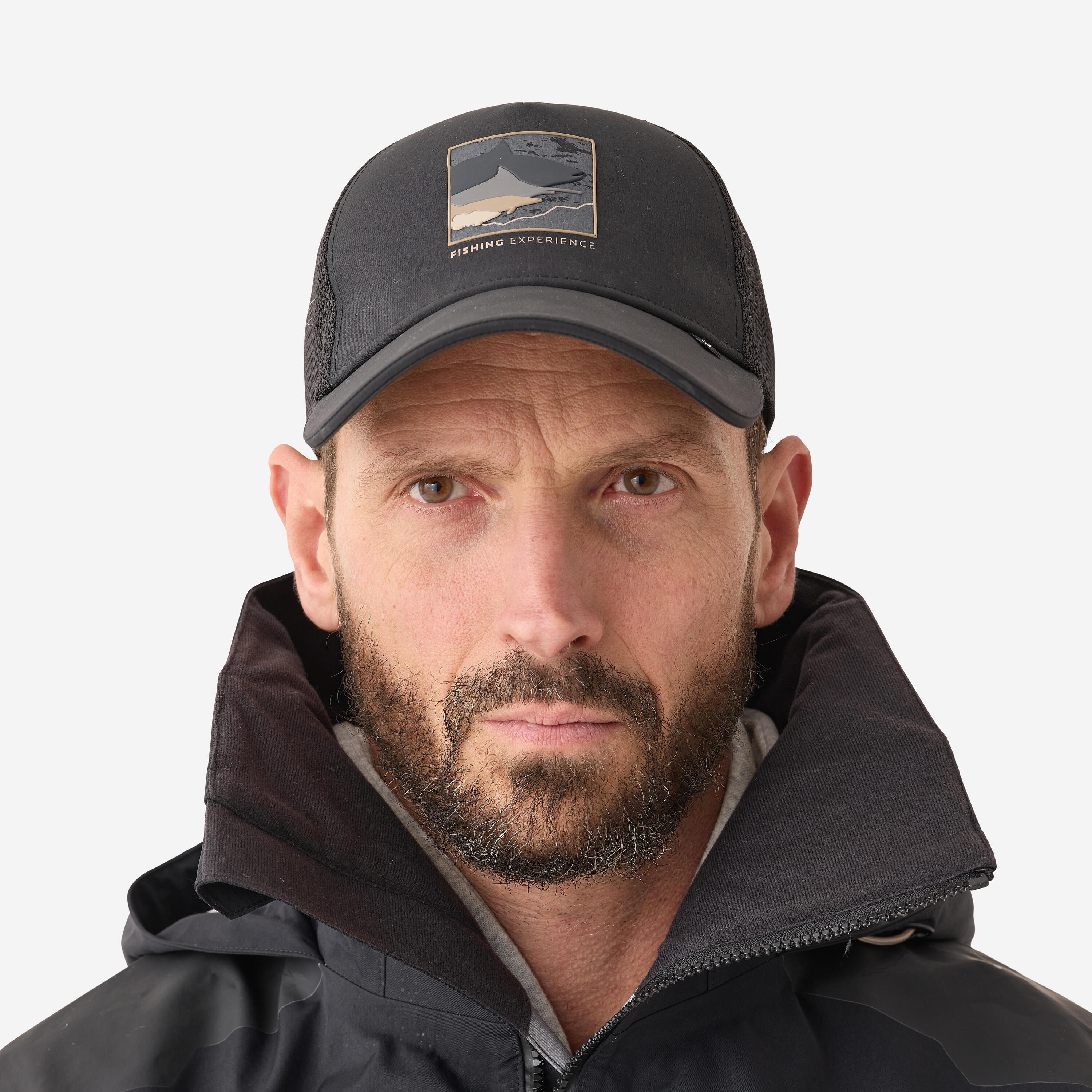
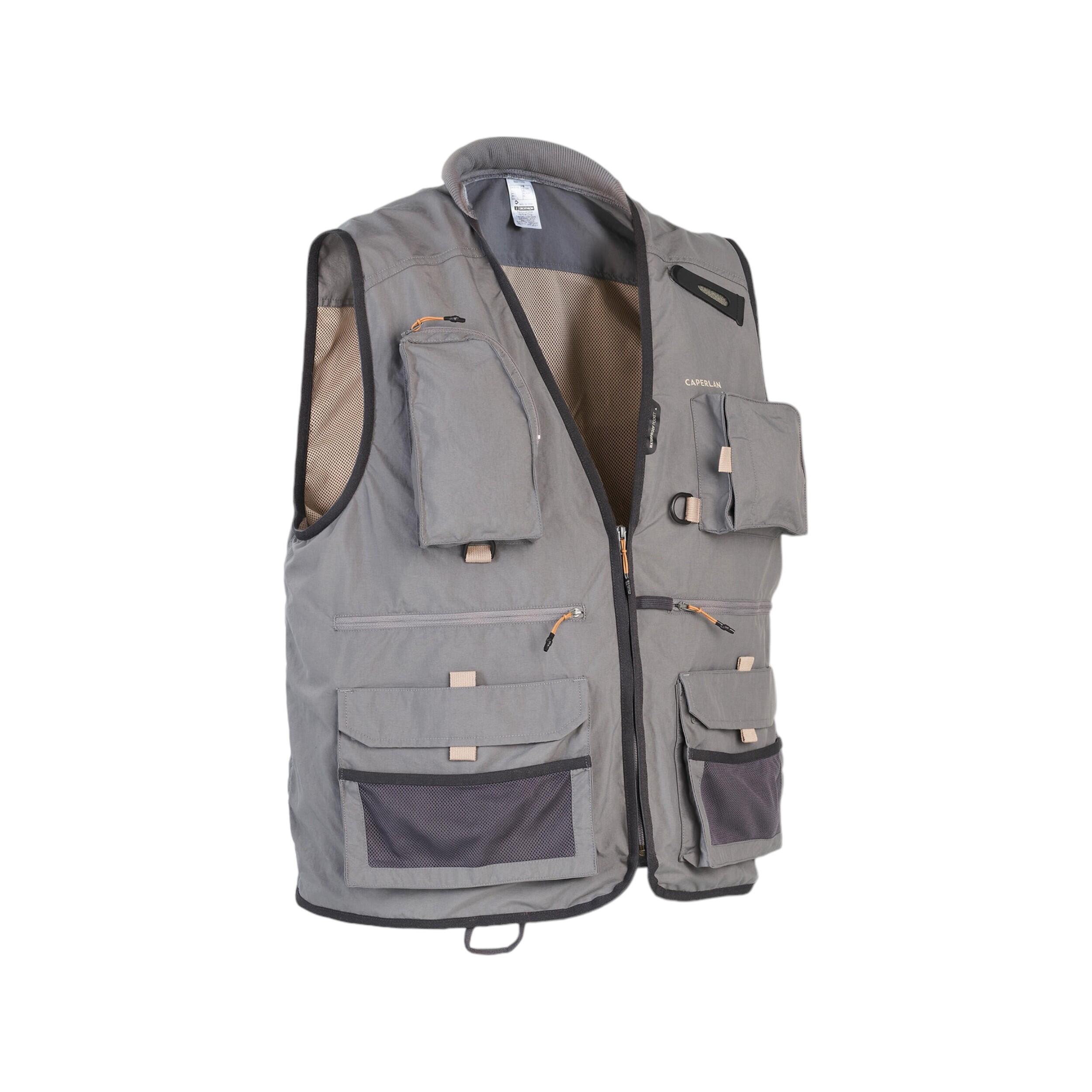
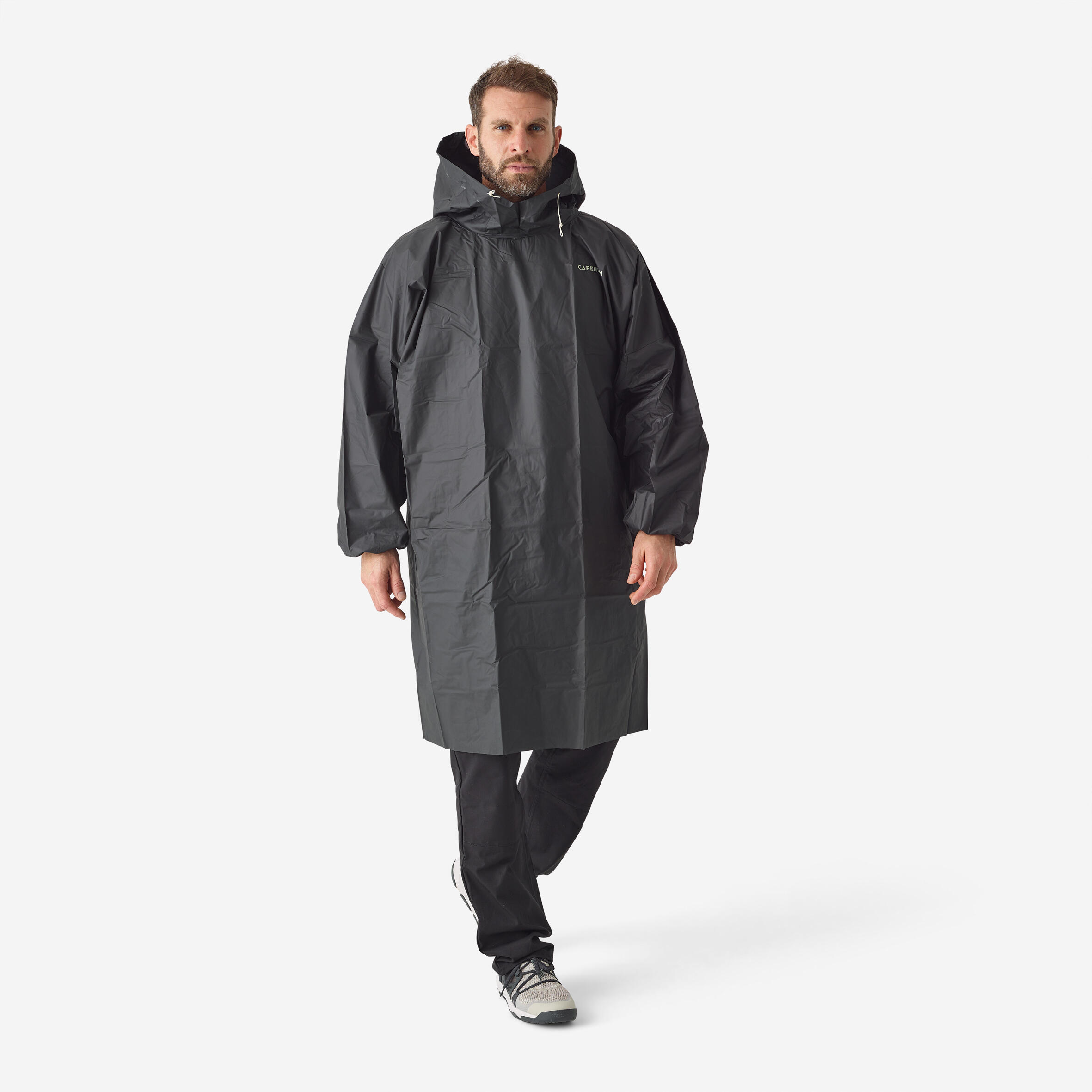
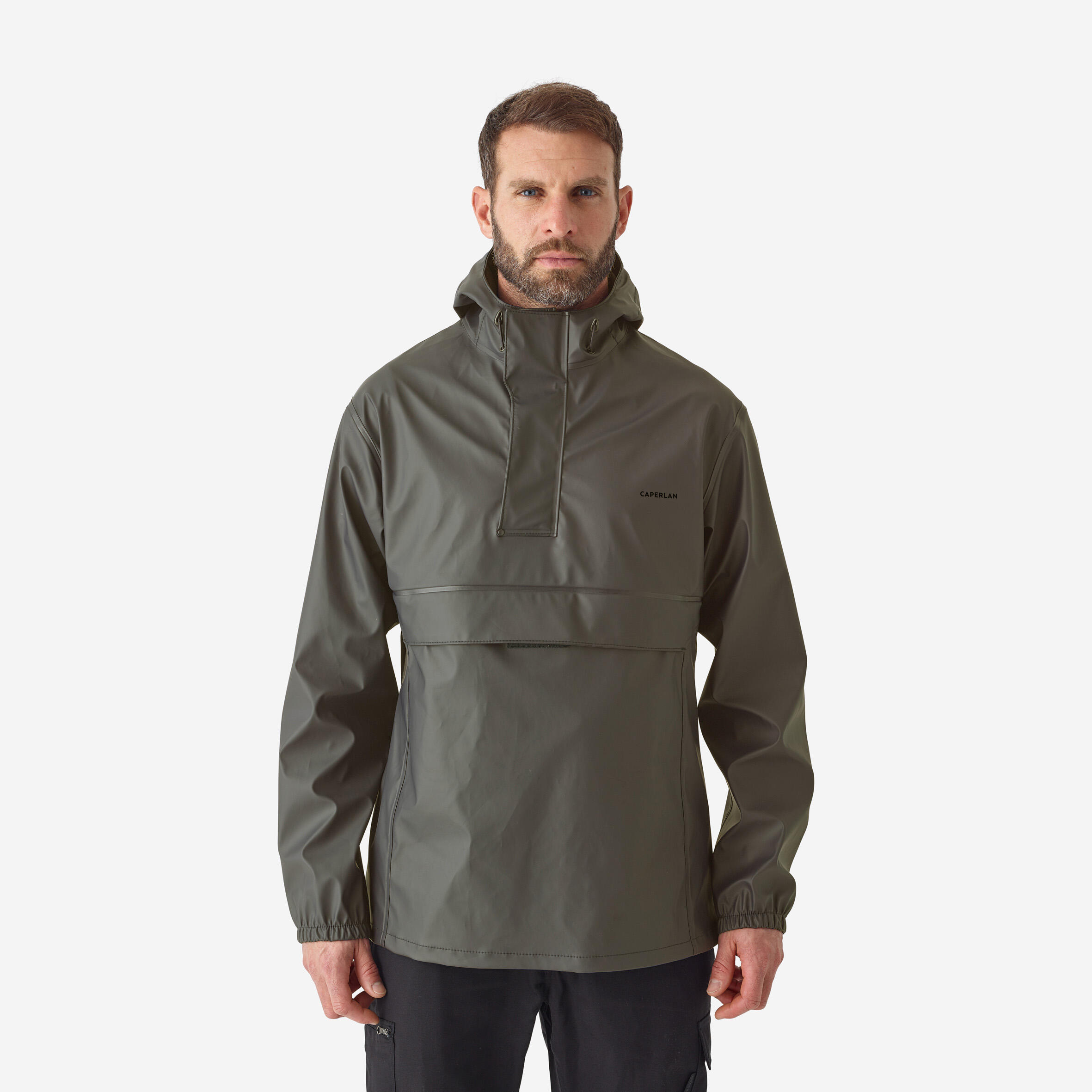
Keep frequently used lures, pliers and terminal tackle close enough to reach without repeatedly opening a large tackle bag. Caperlan's 5 L Chest Pack 500 can switch between chest and hip-belt positions, so you can bring it forward when changing a lure and slide it aside while casting or walking. Its thermoformed compartment can also act as a small working surface, while dedicated positions for pliers, scissors, a landing net and a rod help keep your hands free. Match your clothing to the same mobile approach. Practical predator fishing apparel can add weather protection without forcing you to carry separate bulky layers around the bank.

Which landing net features help when handling predatory fish?

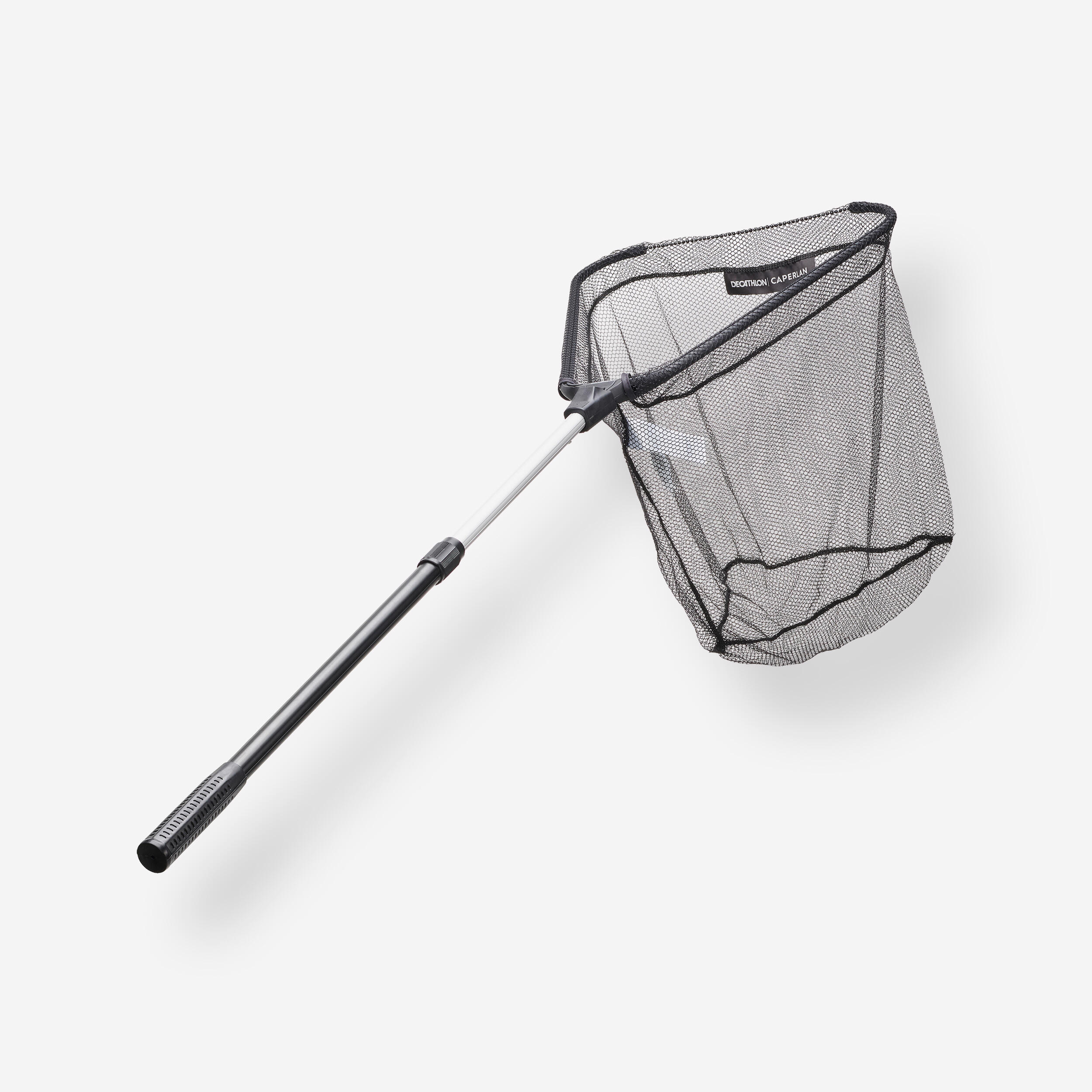
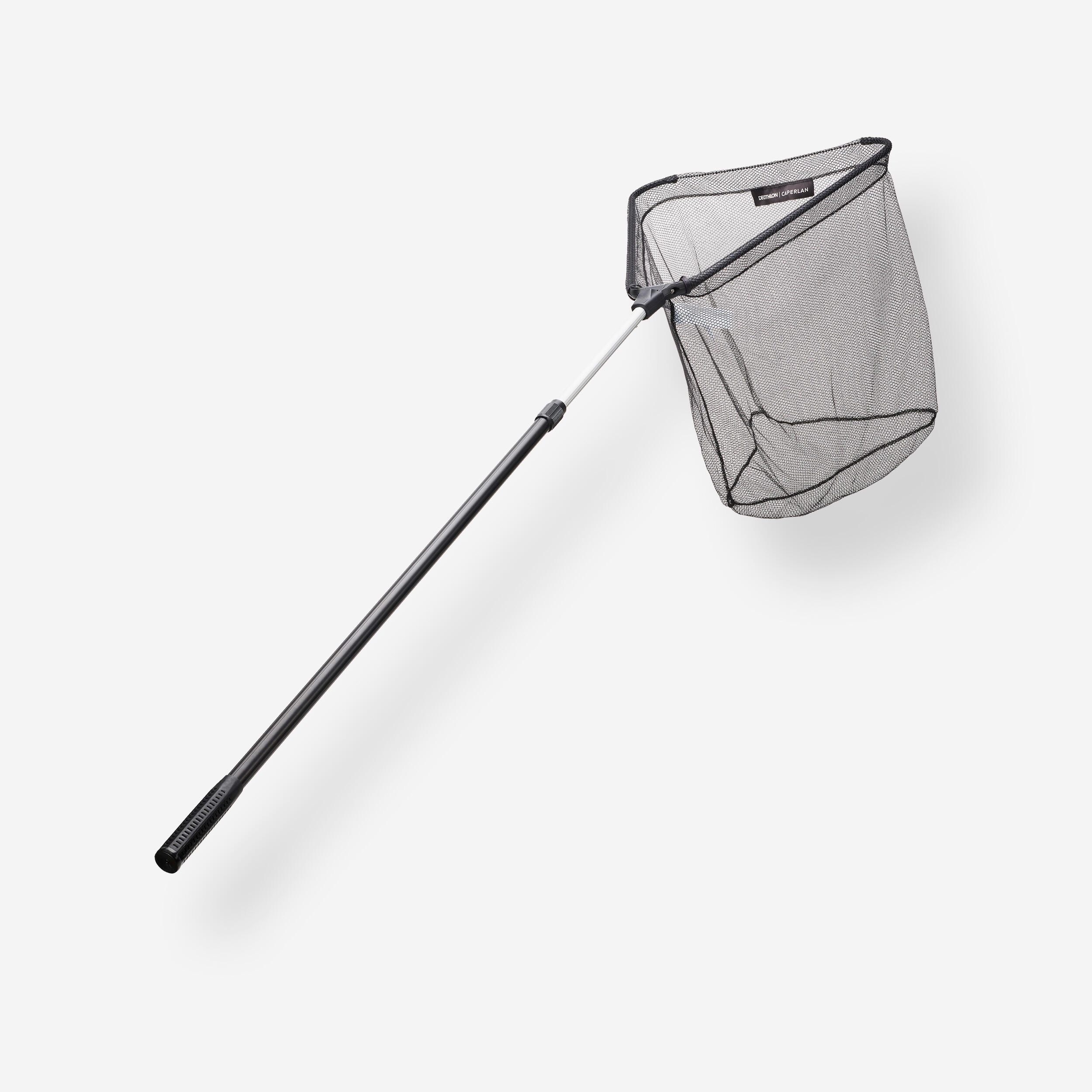
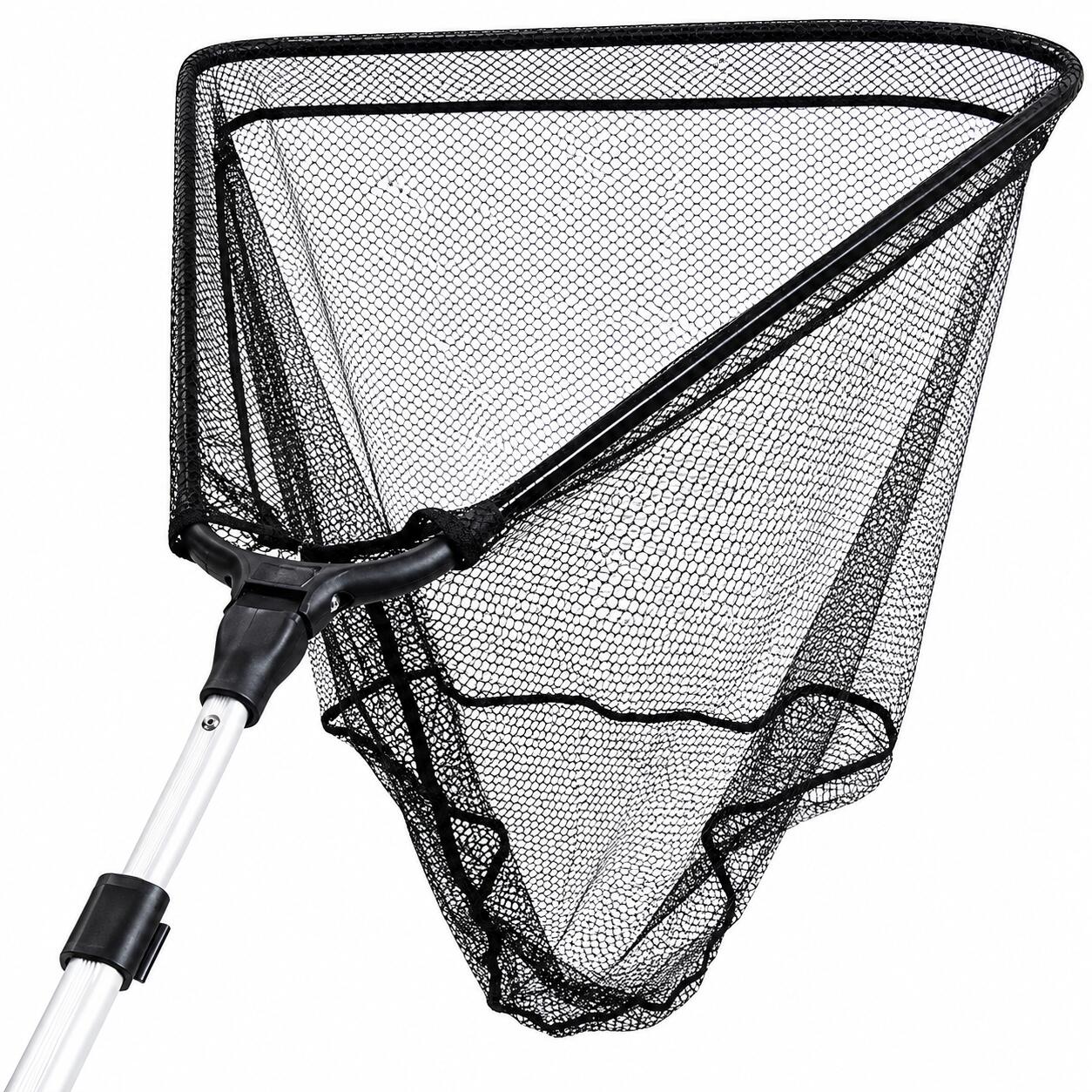
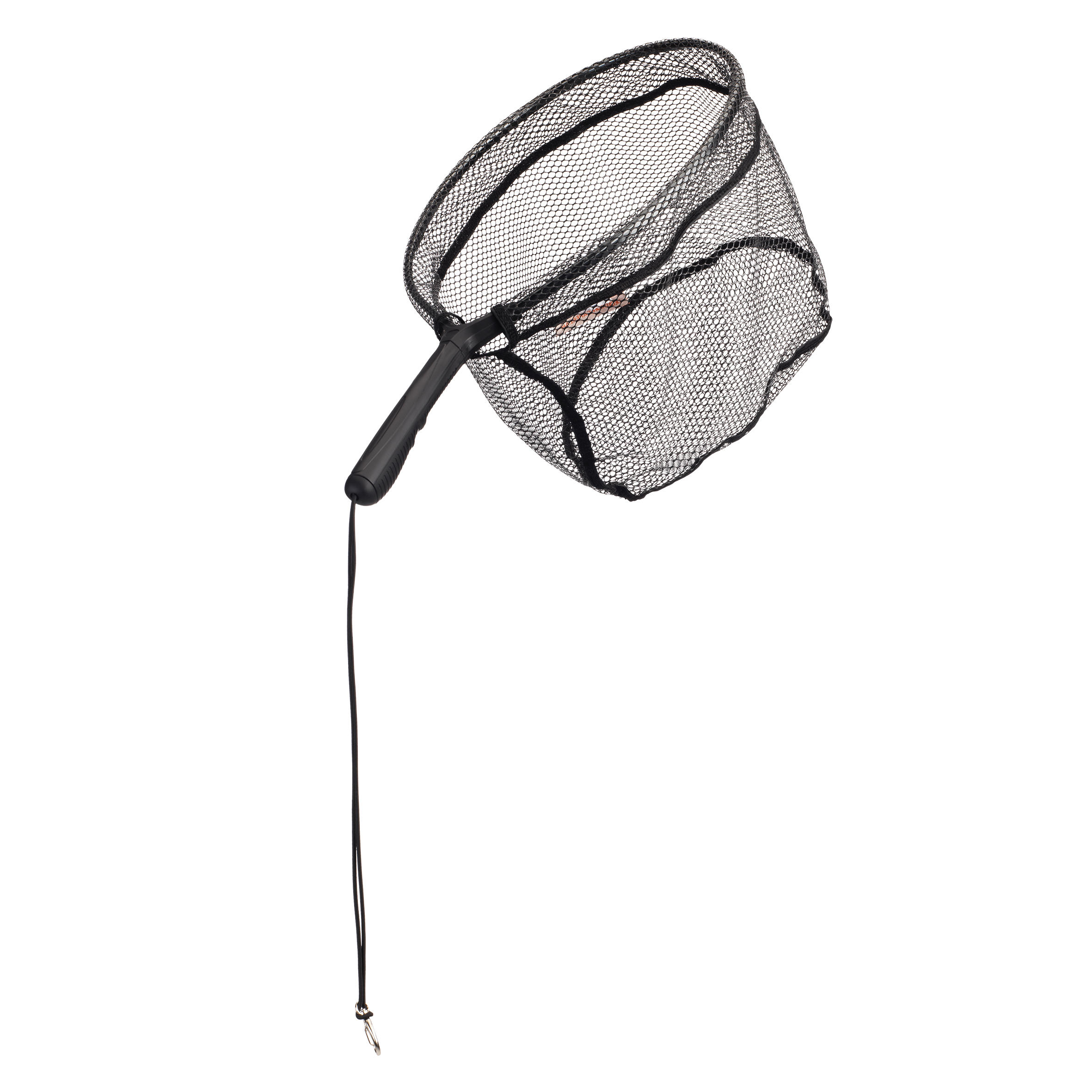
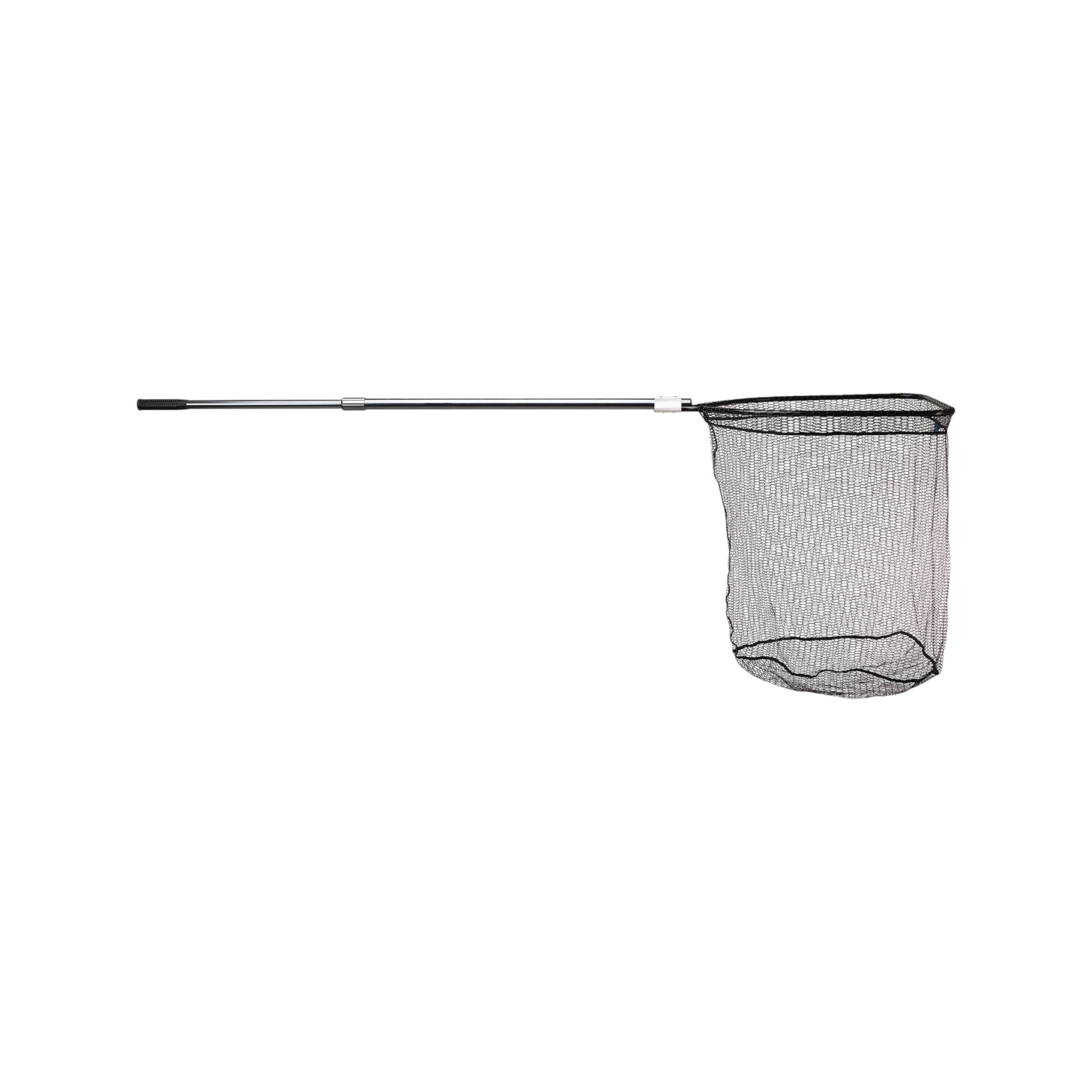
Look for a net that gives you enough reach while reducing unnecessary contact with the fish and hooks. Rubber-coated mesh can help limit hooks snagging in the netting, which is particularly useful when landing fish caught on lures fitted with exposed hooks. Caperlan's racket-style landing nets also use lightweight aluminium frames and retaining cords, making them easier to carry while moving between swims. A net that stays clipped to you remains accessible without occupying one hand during casting. The predator fishing landing nets category covers compact and longer-handled options for different banks and fish sizes. Rinse the mesh after use and let it dry before packing it away.
When do waders help with predator fishing?

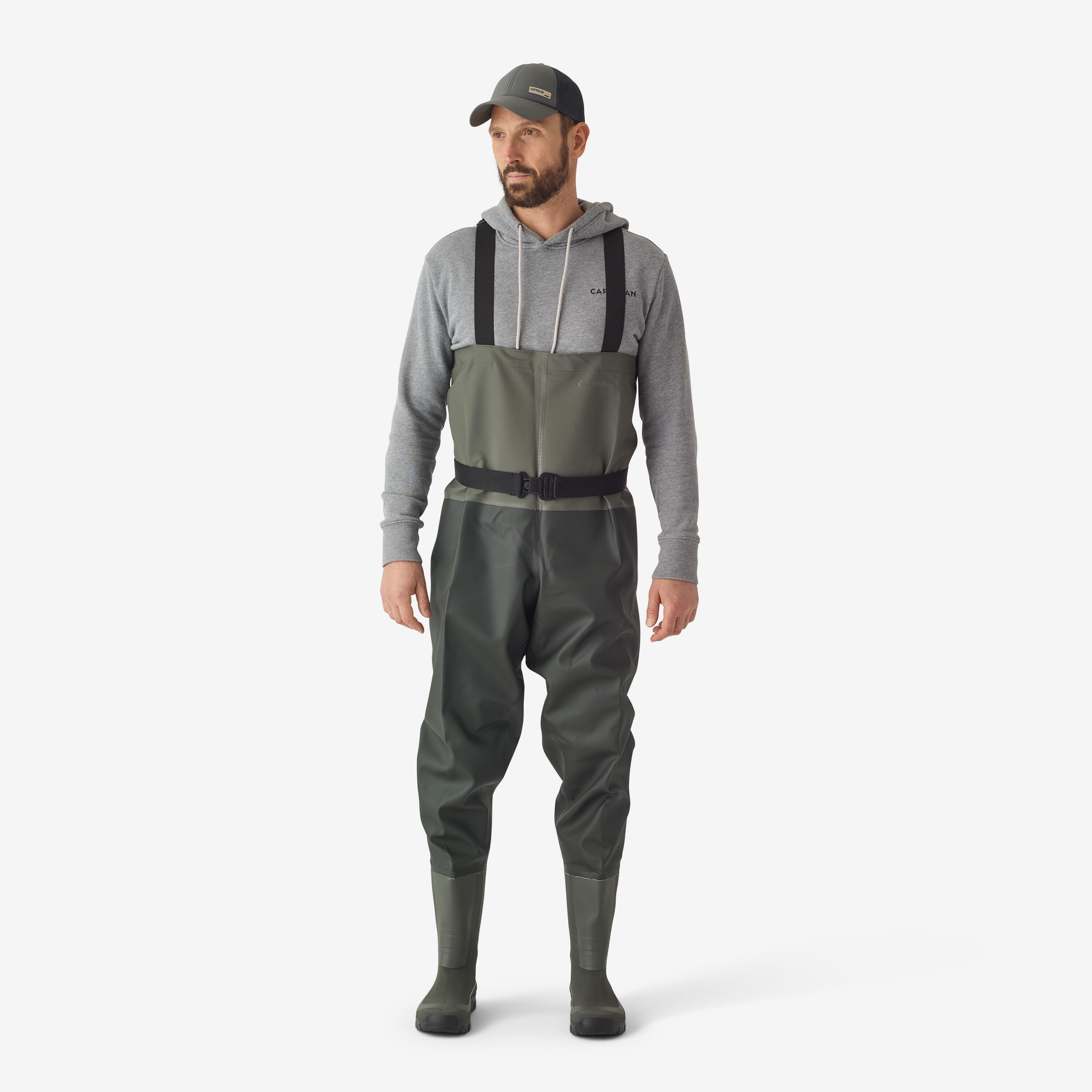
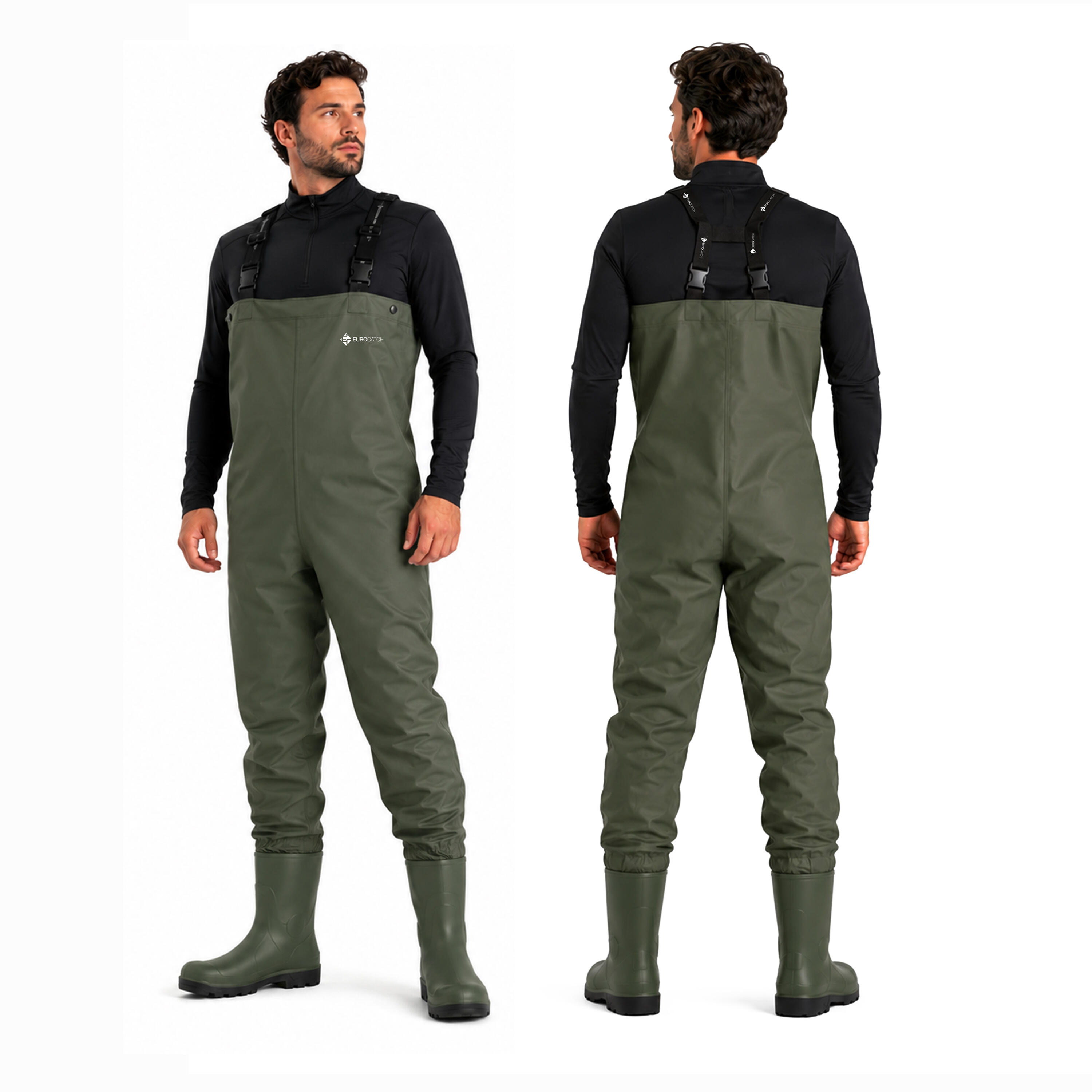
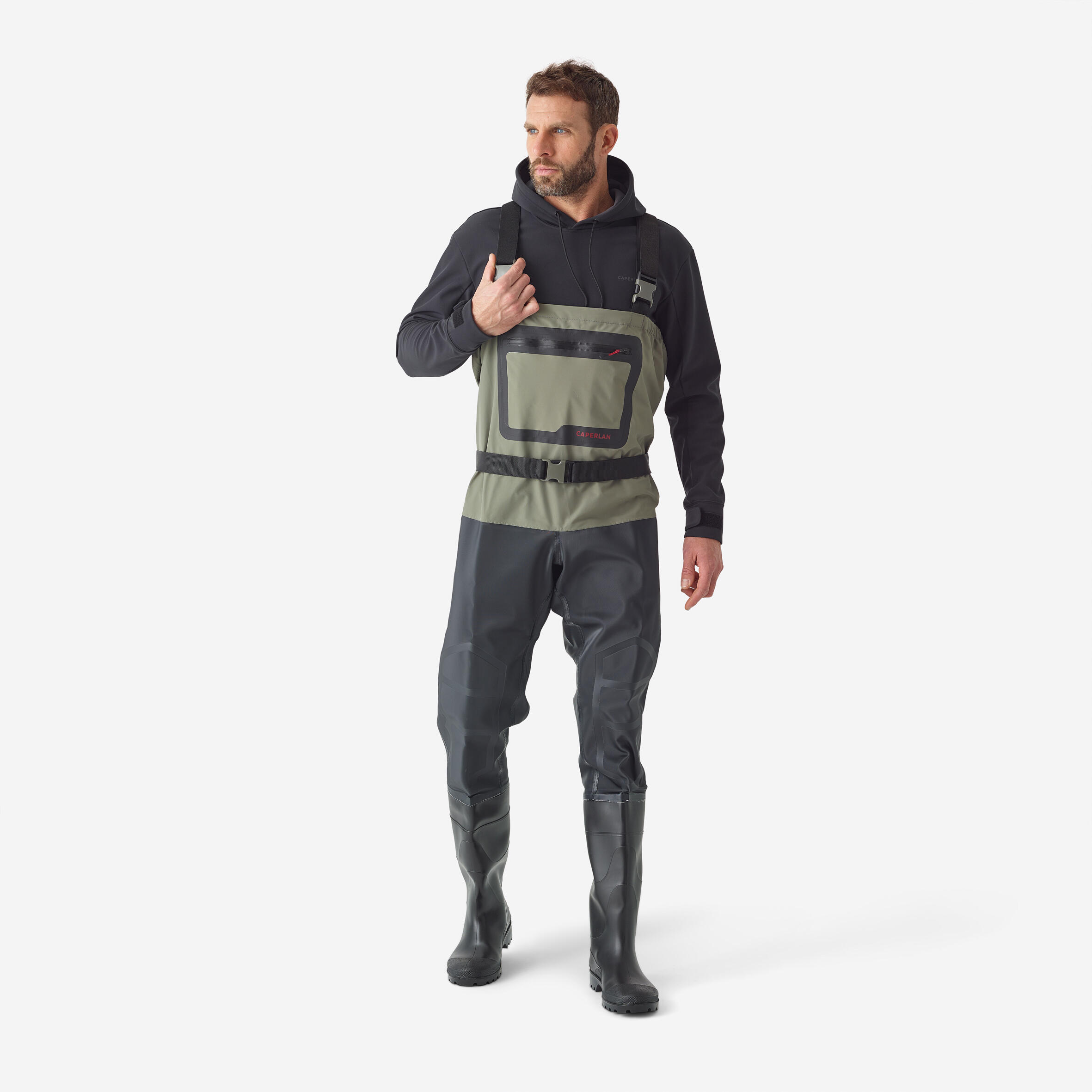
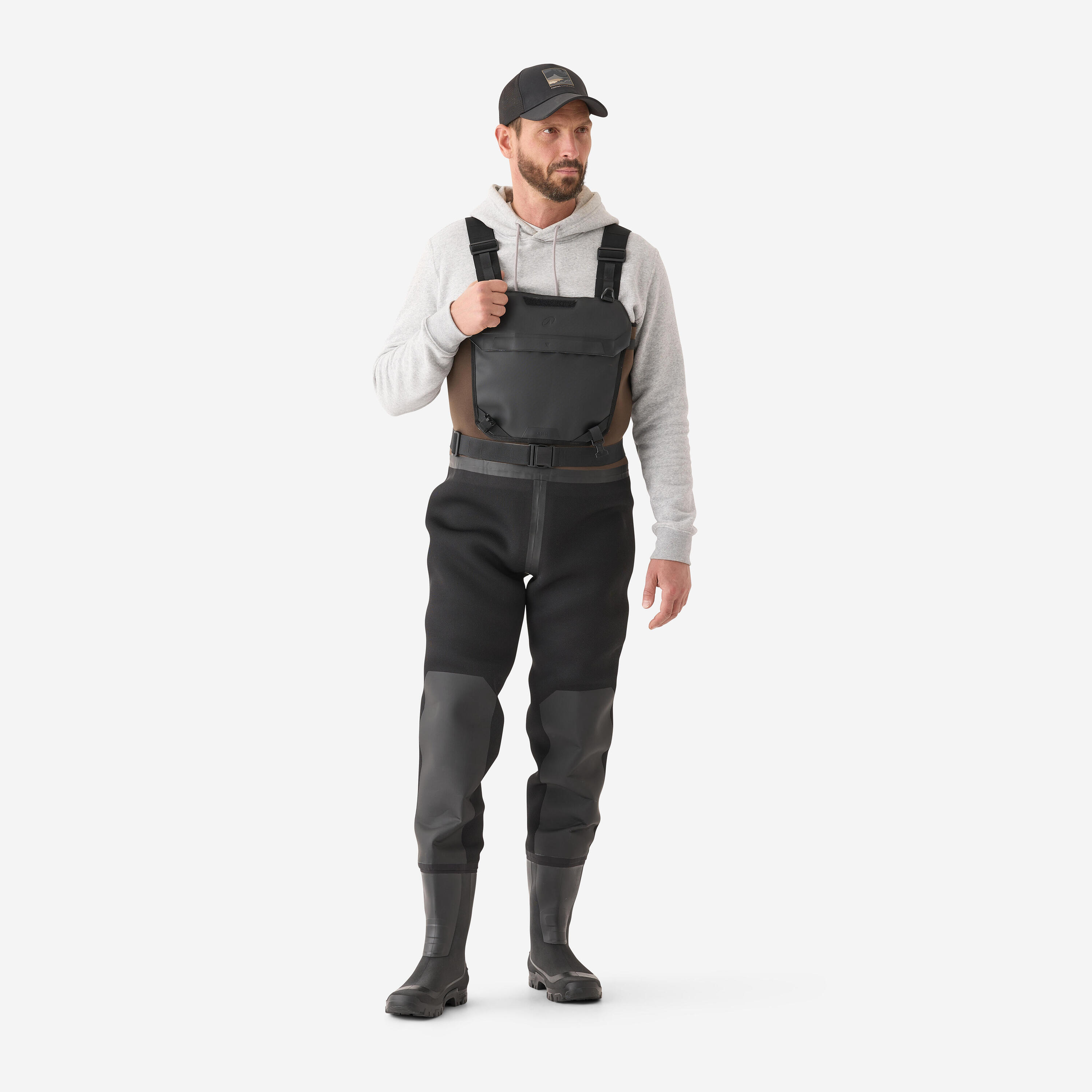
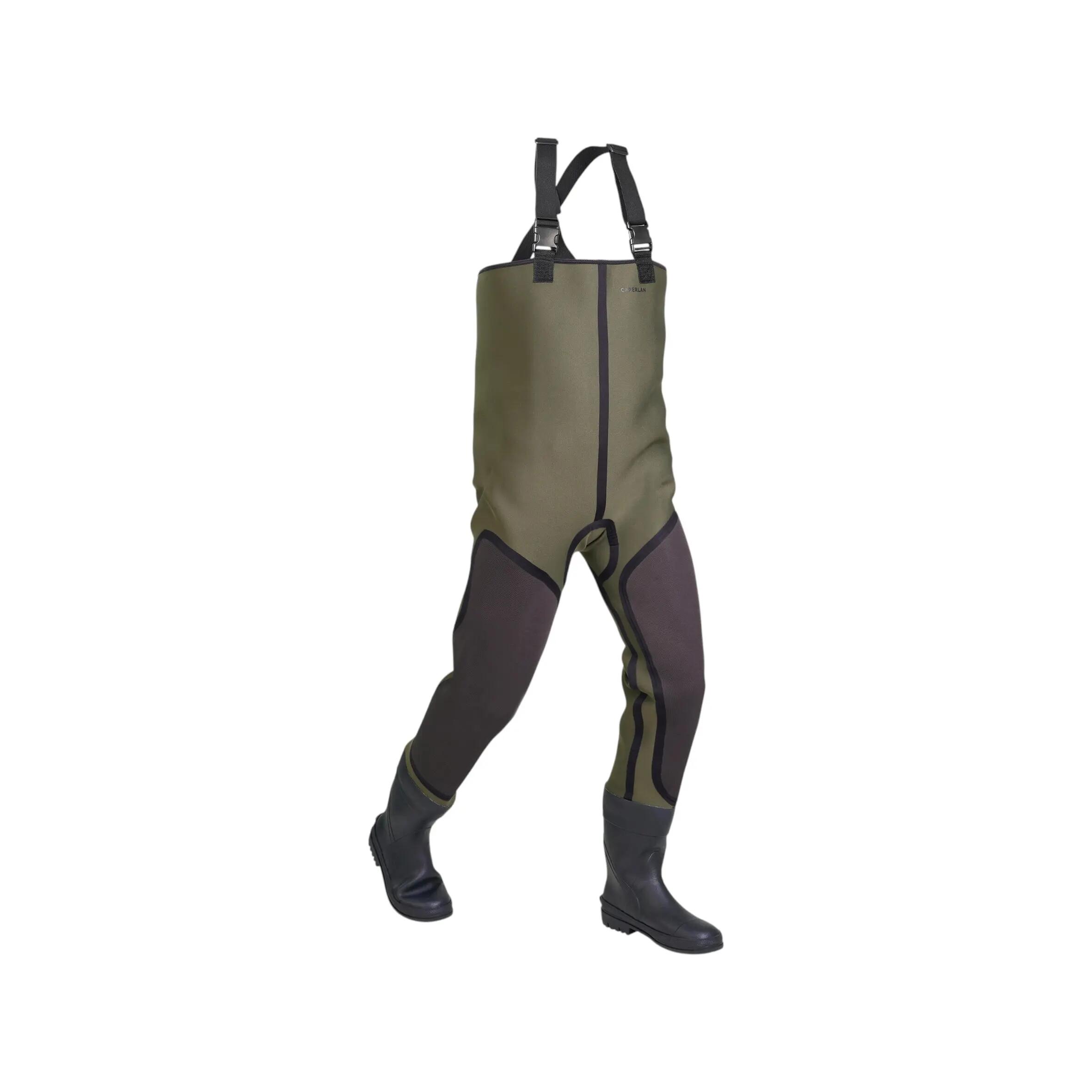
Waders can help you reach shallow margins, move around reed edges or position yourself beyond a difficult bank, but they need to match the depth and terrain you plan to enter. Caperlan PVC waders use lighter 600 g/m² material higher on the body and thicker 800 g/m² PVC lower down where contact with vegetation and banks is more likely. Adjustable straps, a retaining belt and traction-focused boots help control the fit. The predator fishing waders and thigh waders category gives you different coverage options for shallower or deeper access. Wear long socks and trousers underneath, rinse the waders with fresh water afterwards and hang them by the boots until fully dry.

Which tools are useful when changing lures or unhooking fish?

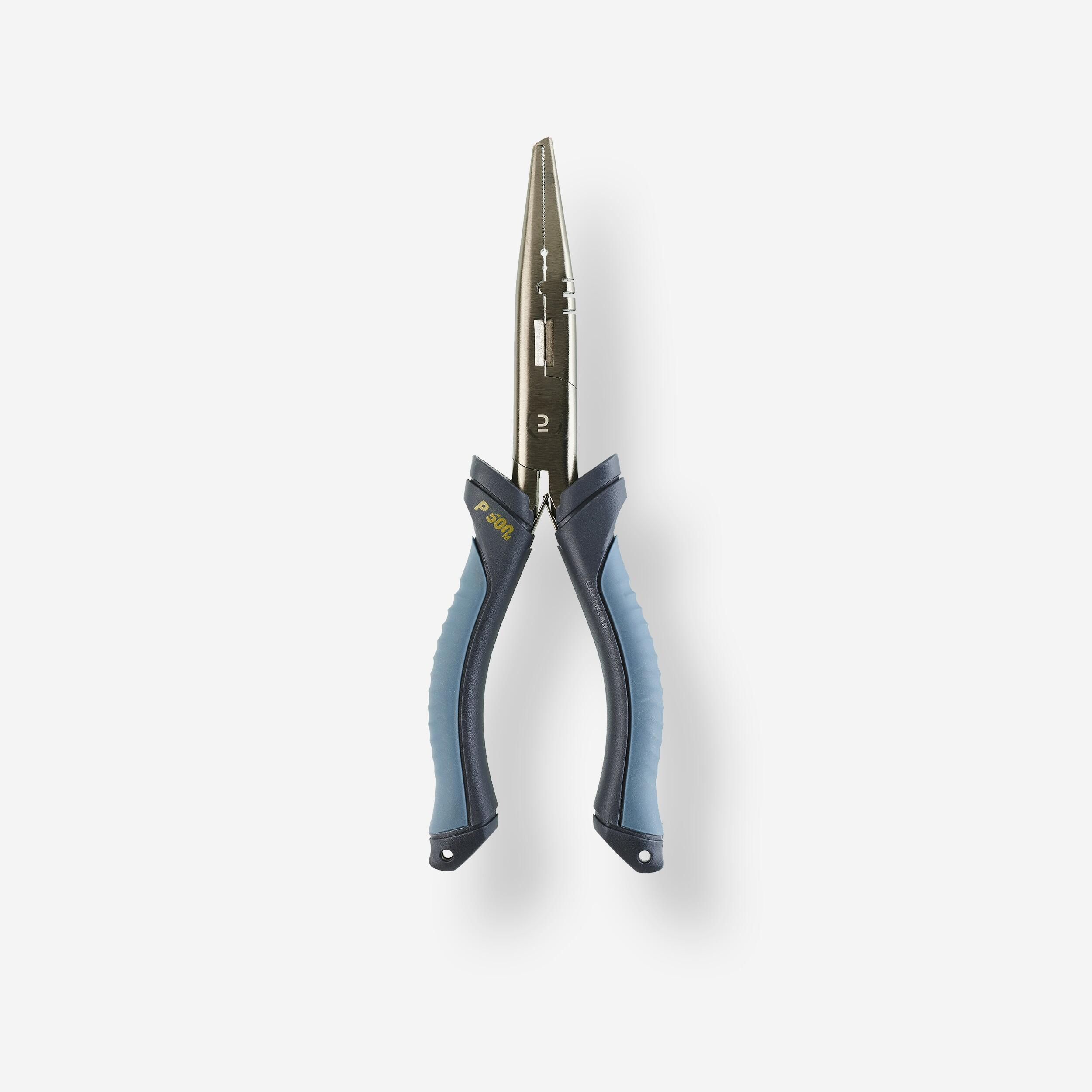
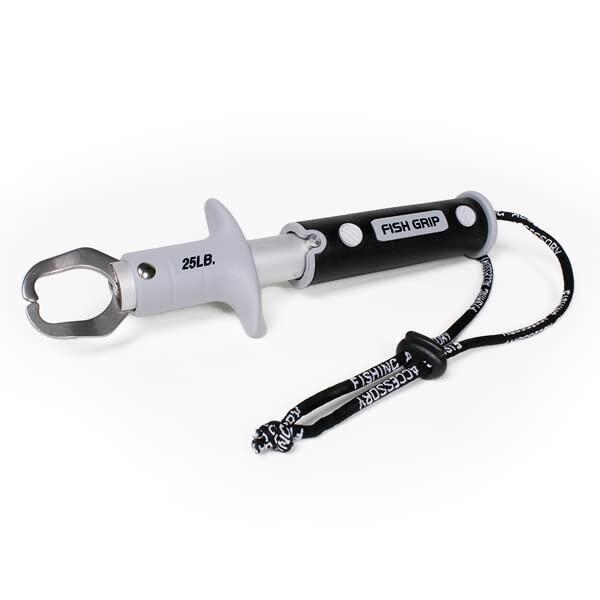
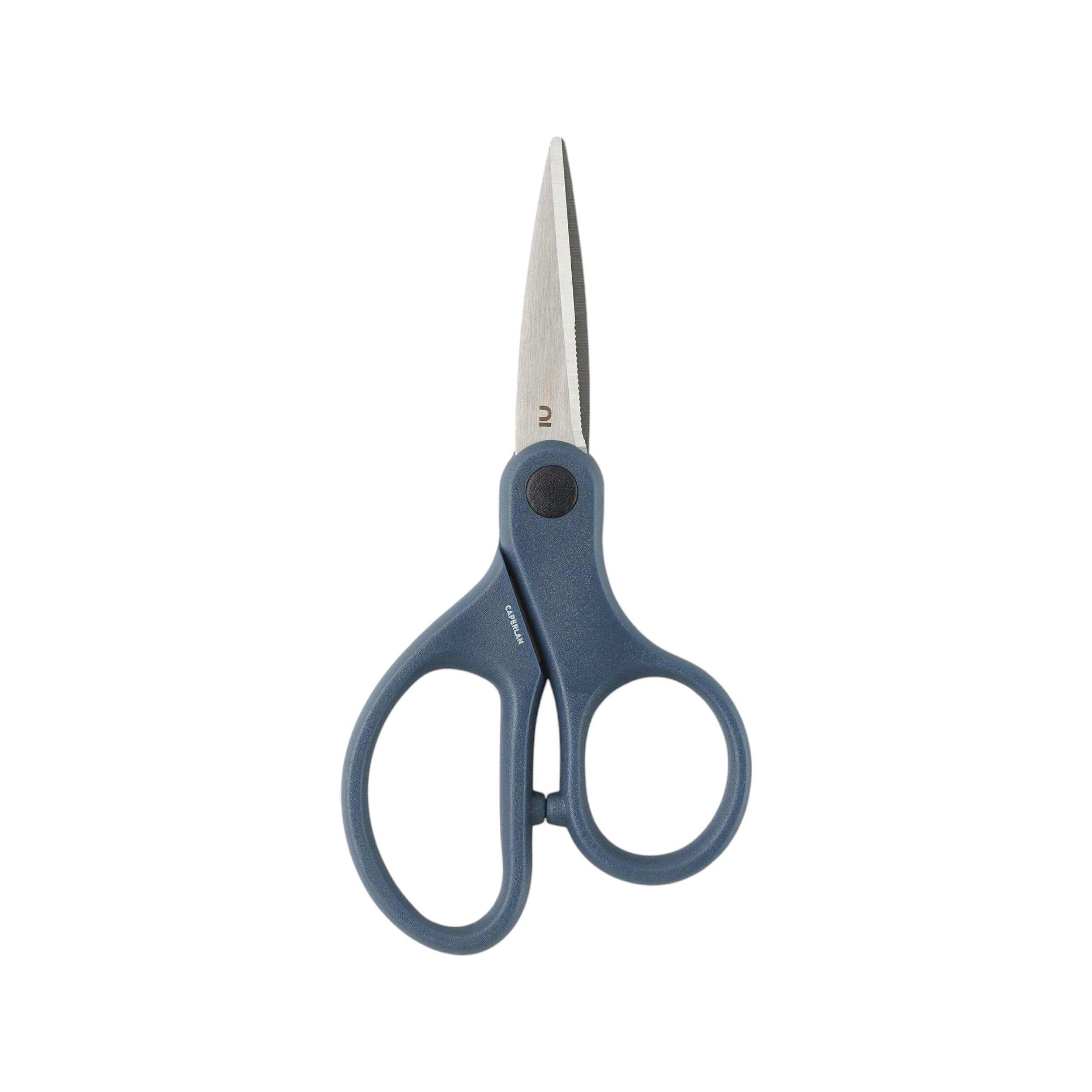
Pliers and scissors can save time when cutting line, changing hooks or removing a lure, while keeping them attached to your clothing or pack reduces the chance of dropping them on the bank. Caperlan integrates tool attachment points into selected chest packs and fishing jackets, including loops, service buttons and cords that keep frequently used items within reach. This is especially useful when you need one hand to control the fish or rod. Suitable predator fishing tools can include pliers, scissors and other handling equipment for maintaining or adjusting your rig. Keep sharp tools closed or secured during transport, and clean any metal parts before storage if they have been exposed to water, mud or salt.

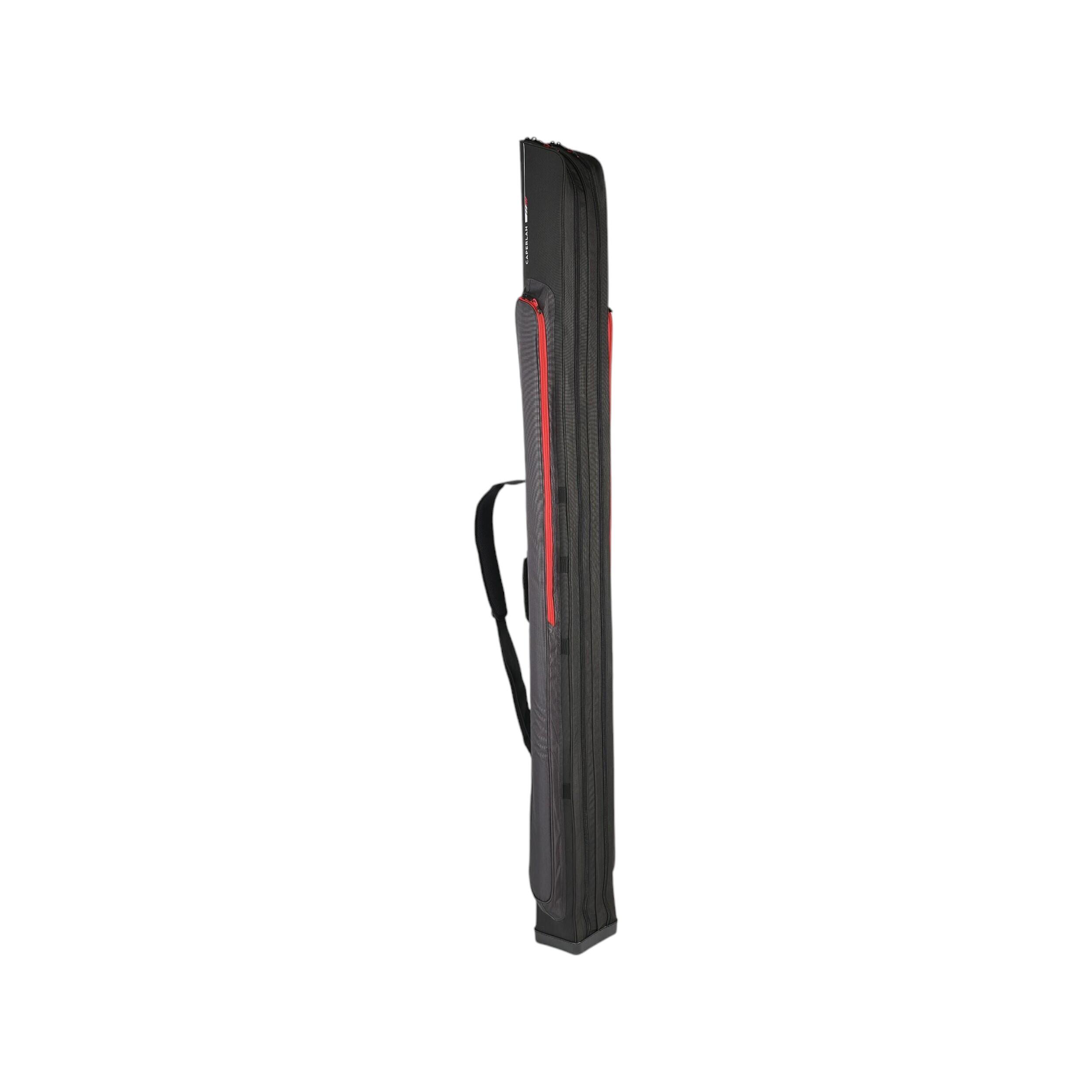
How can you protect rods and tackle during transport?

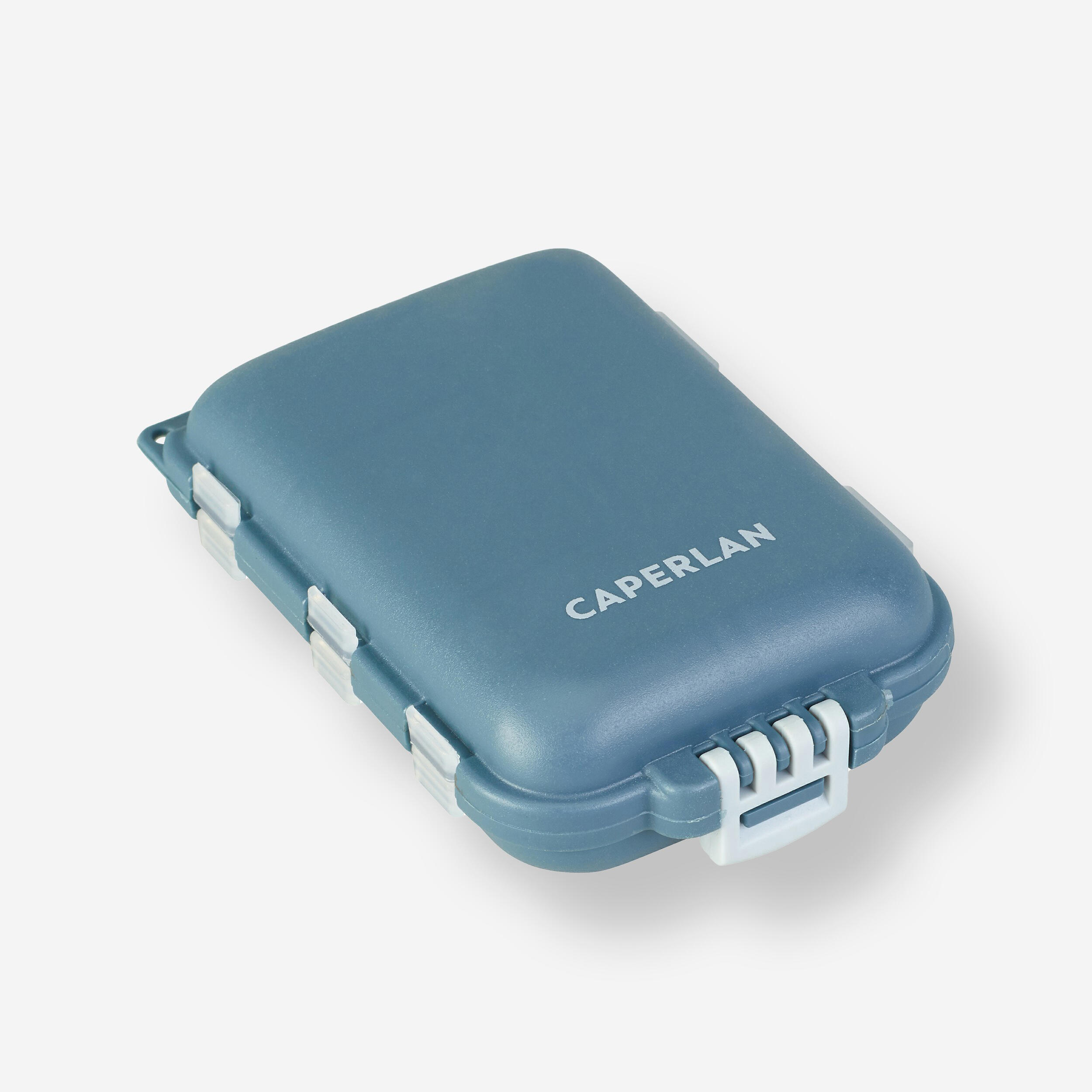
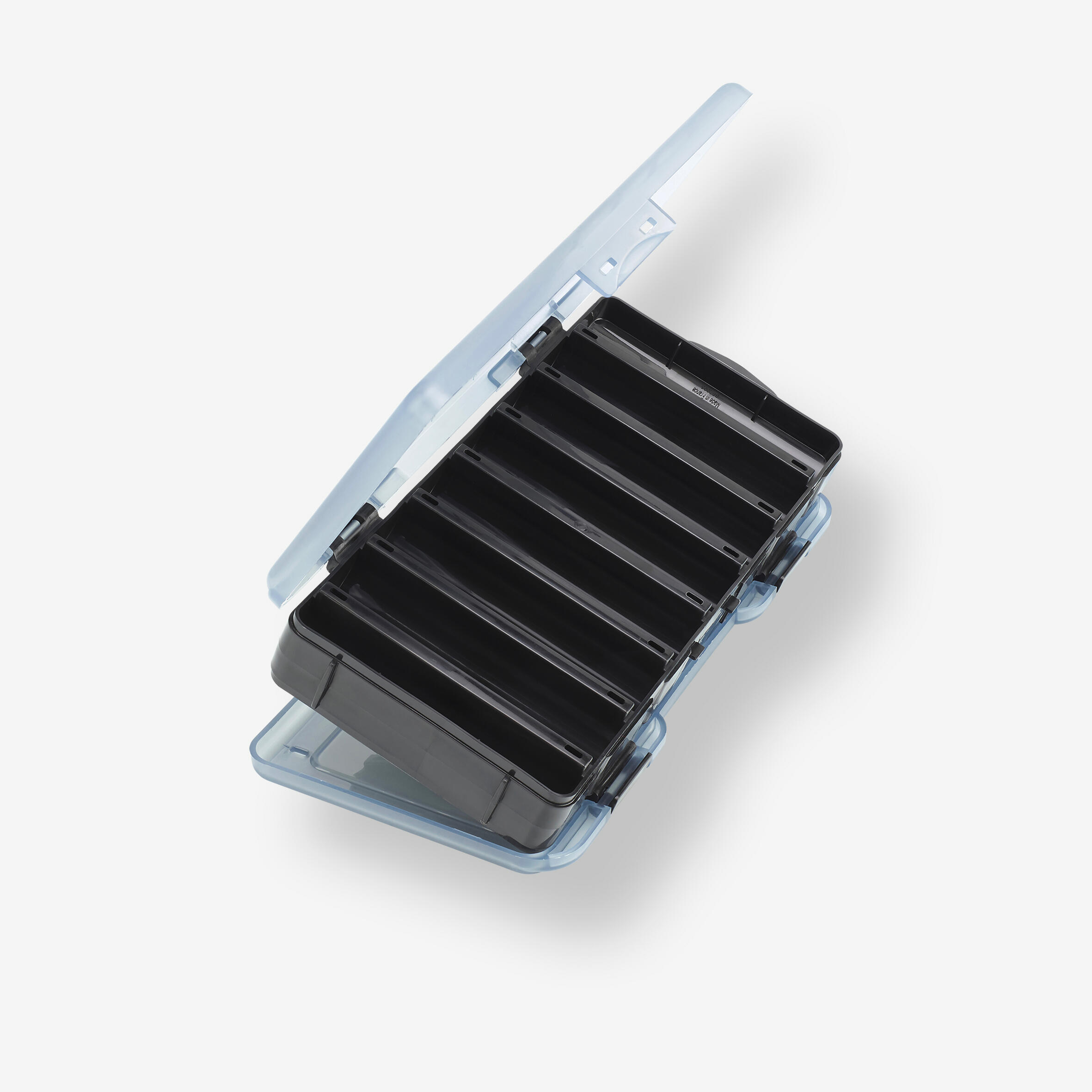
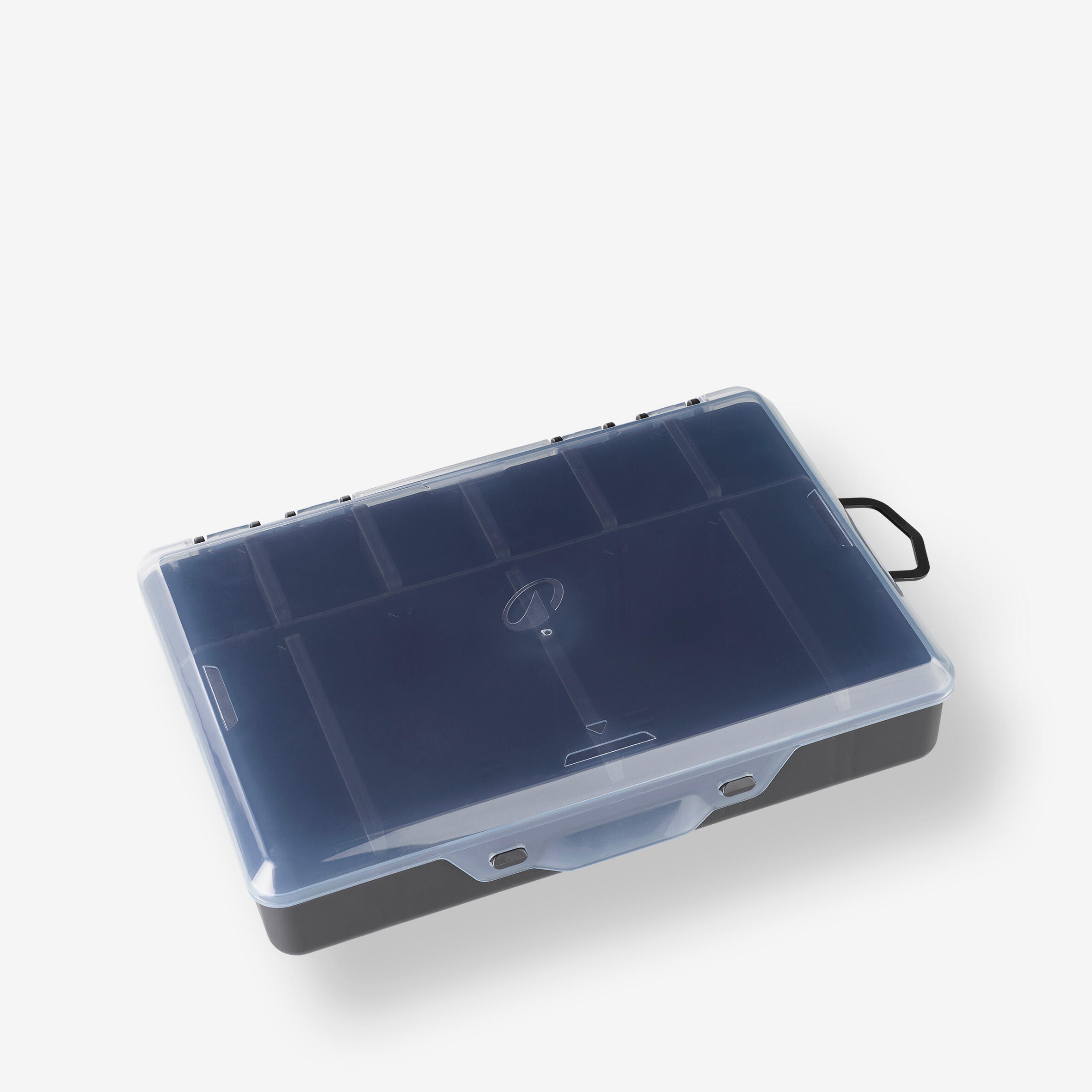
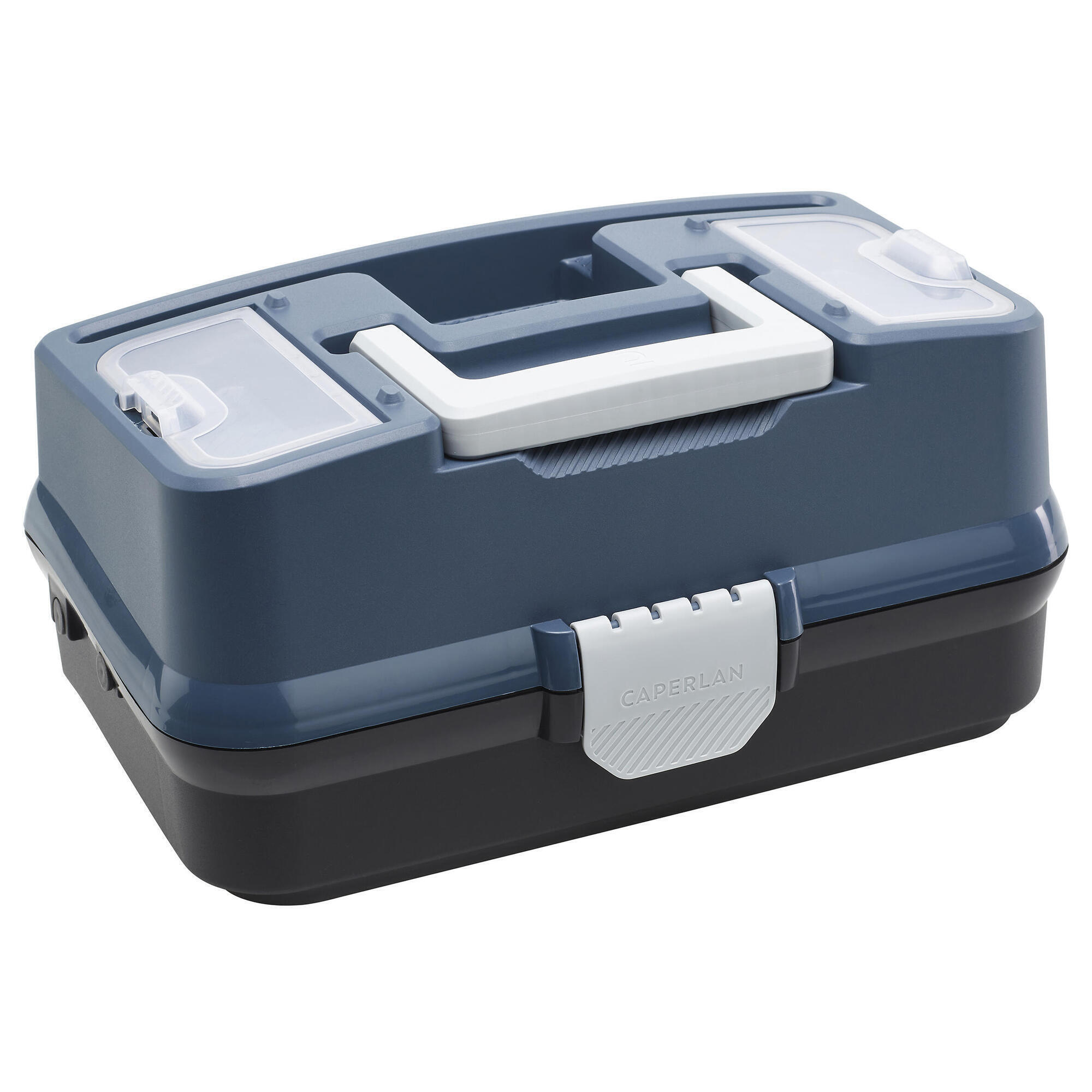
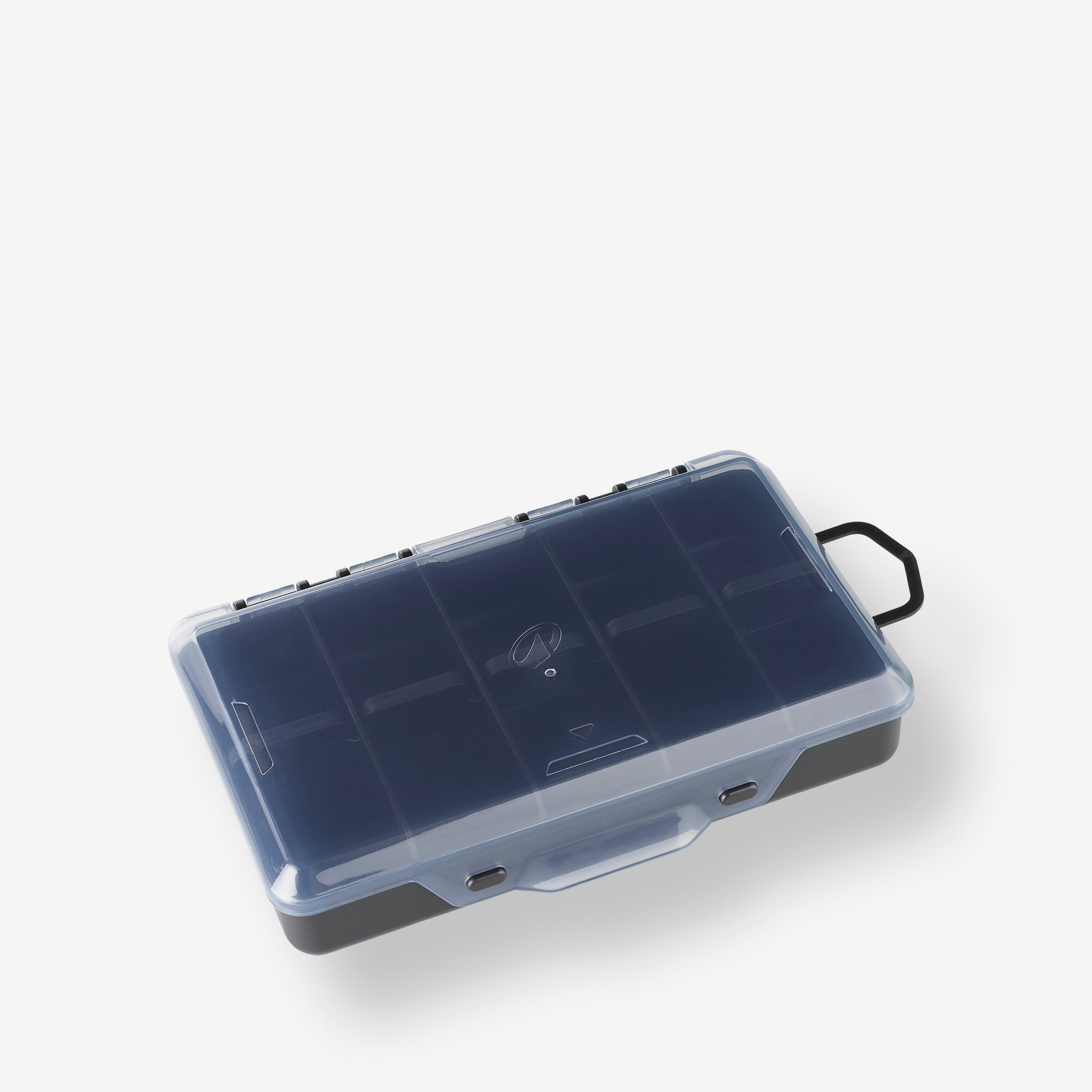
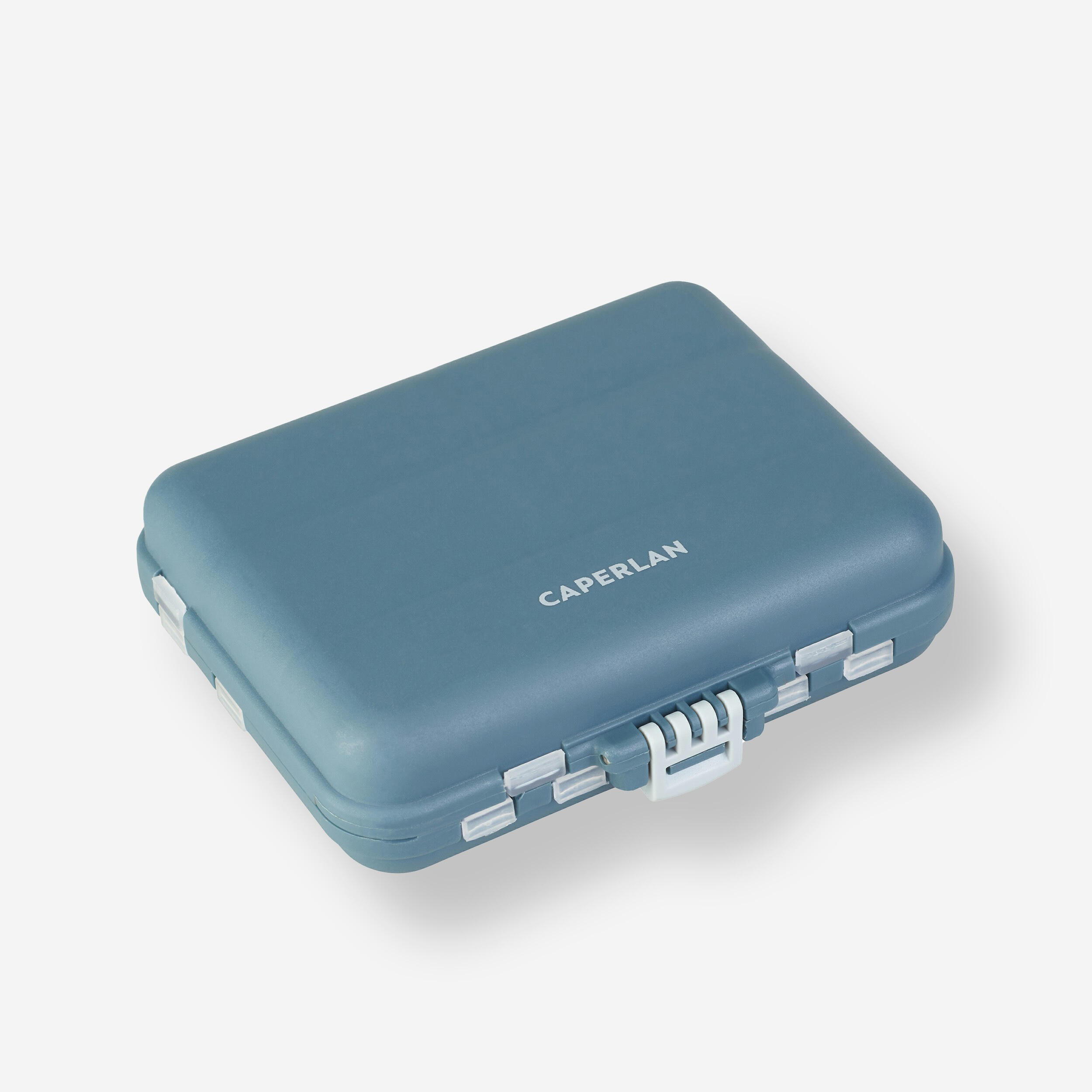
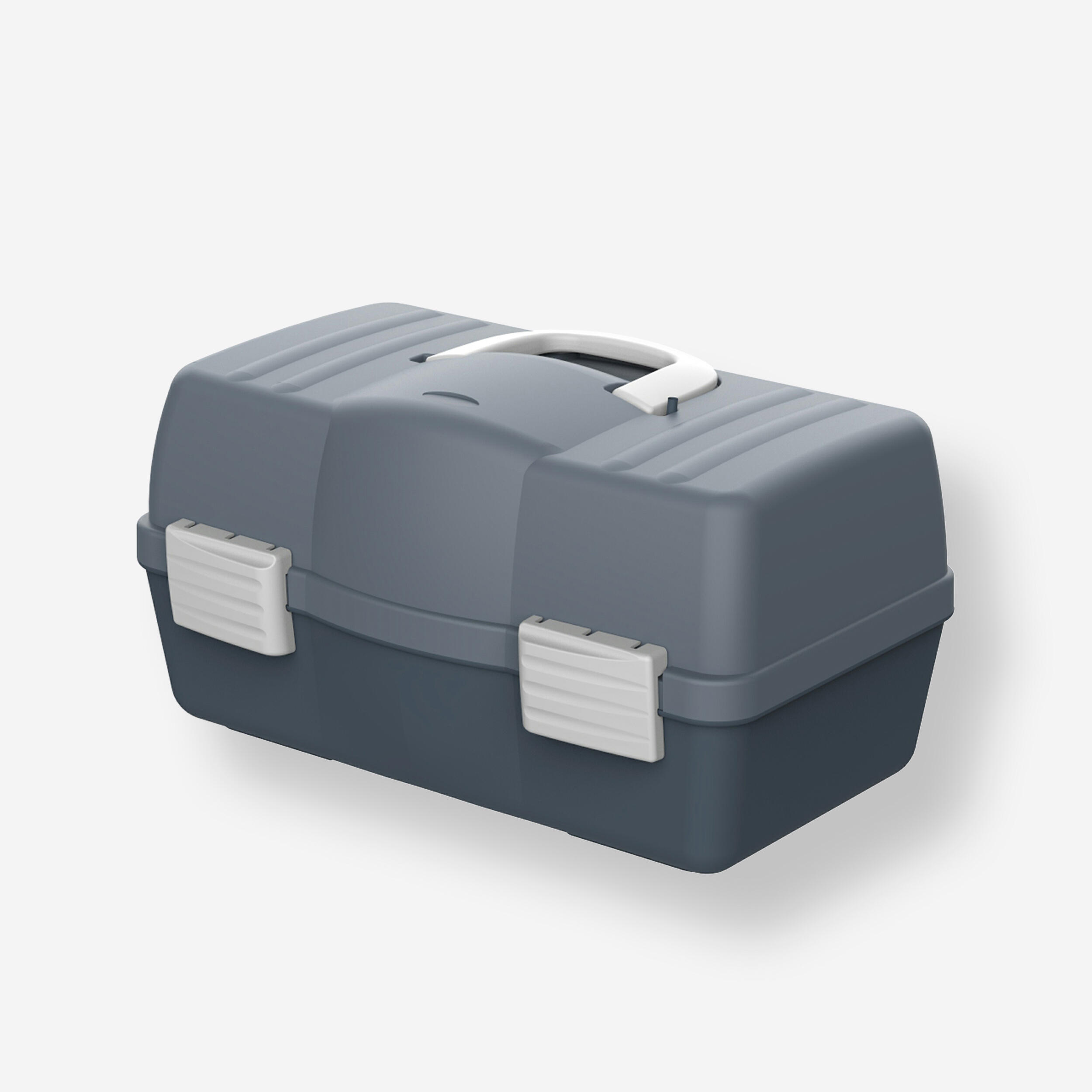
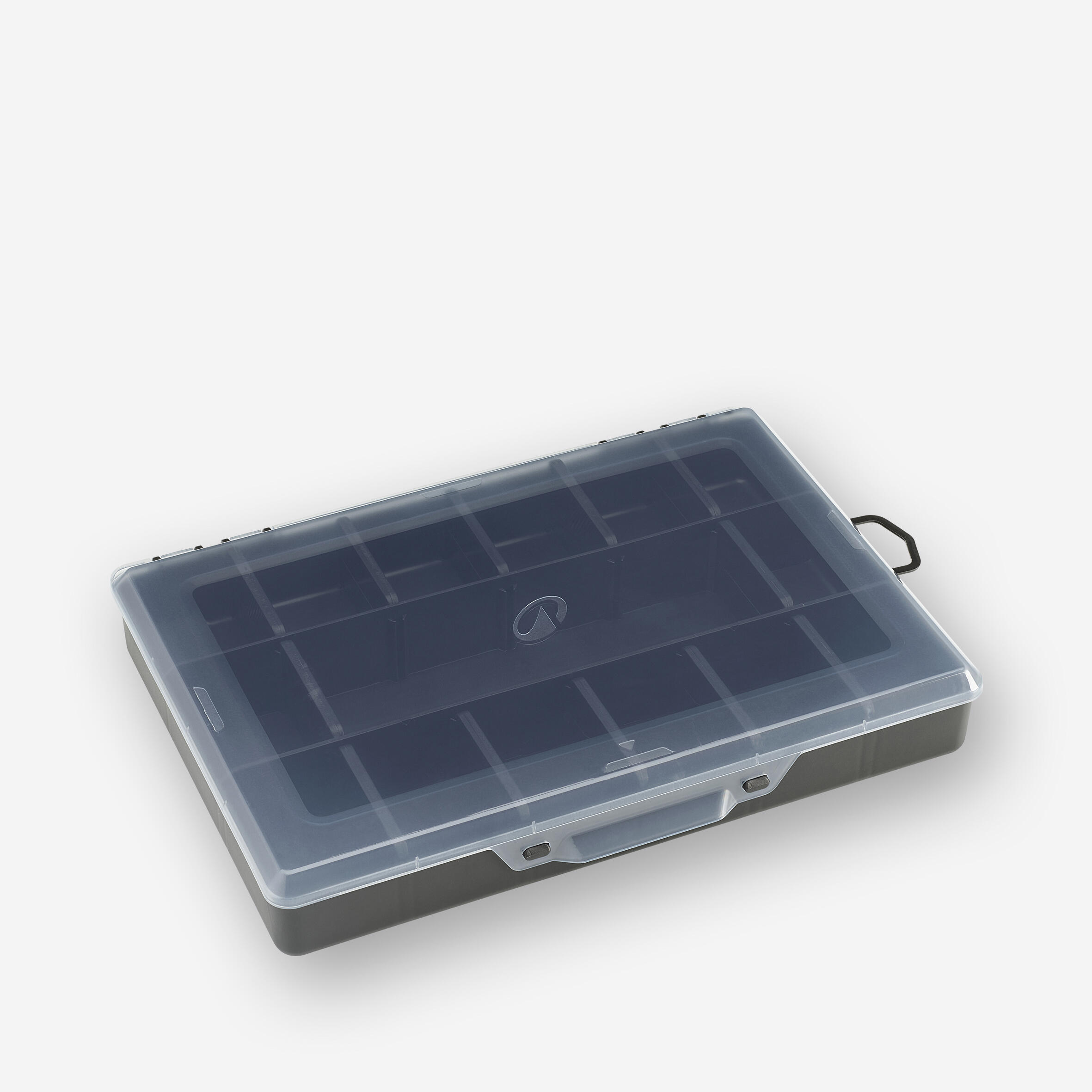
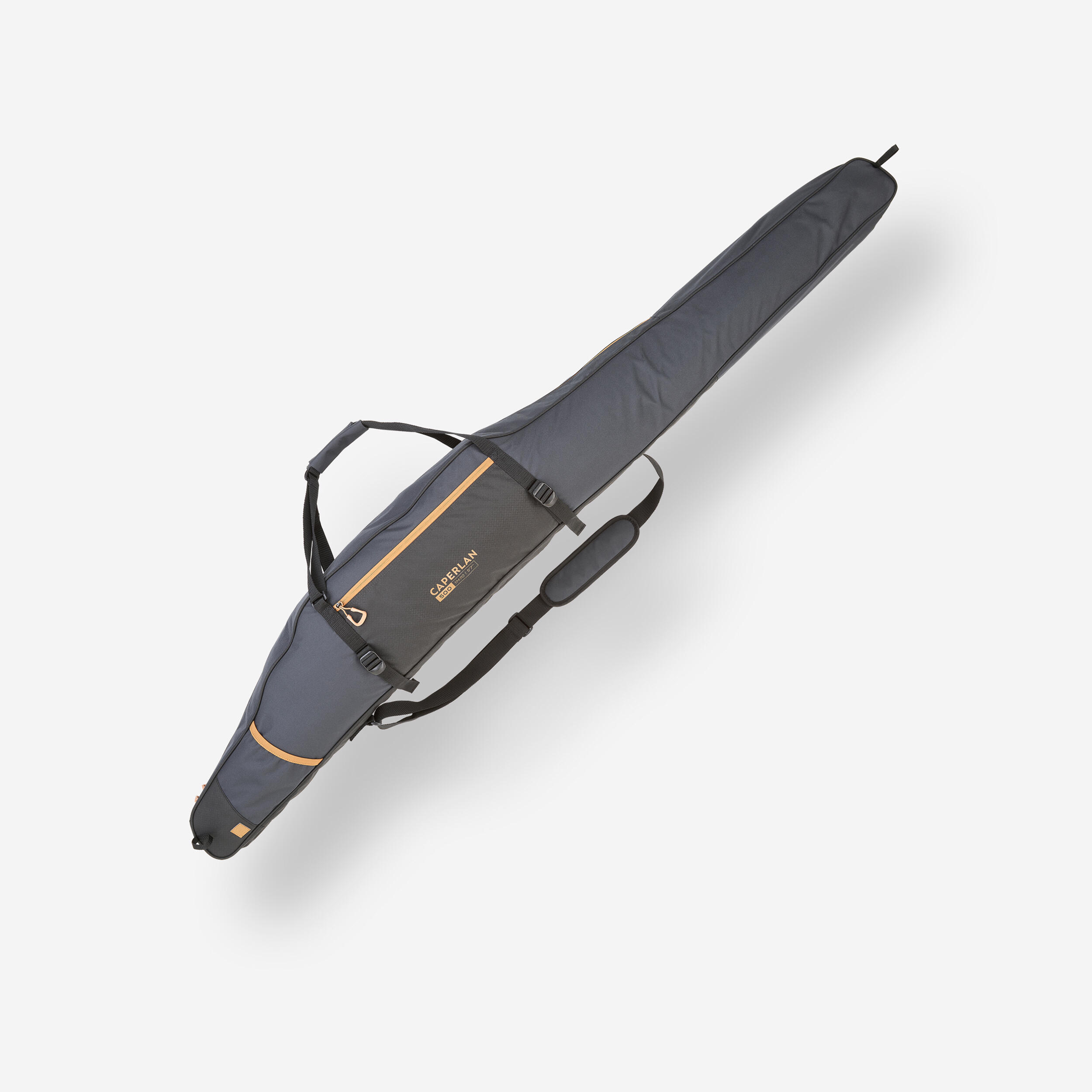
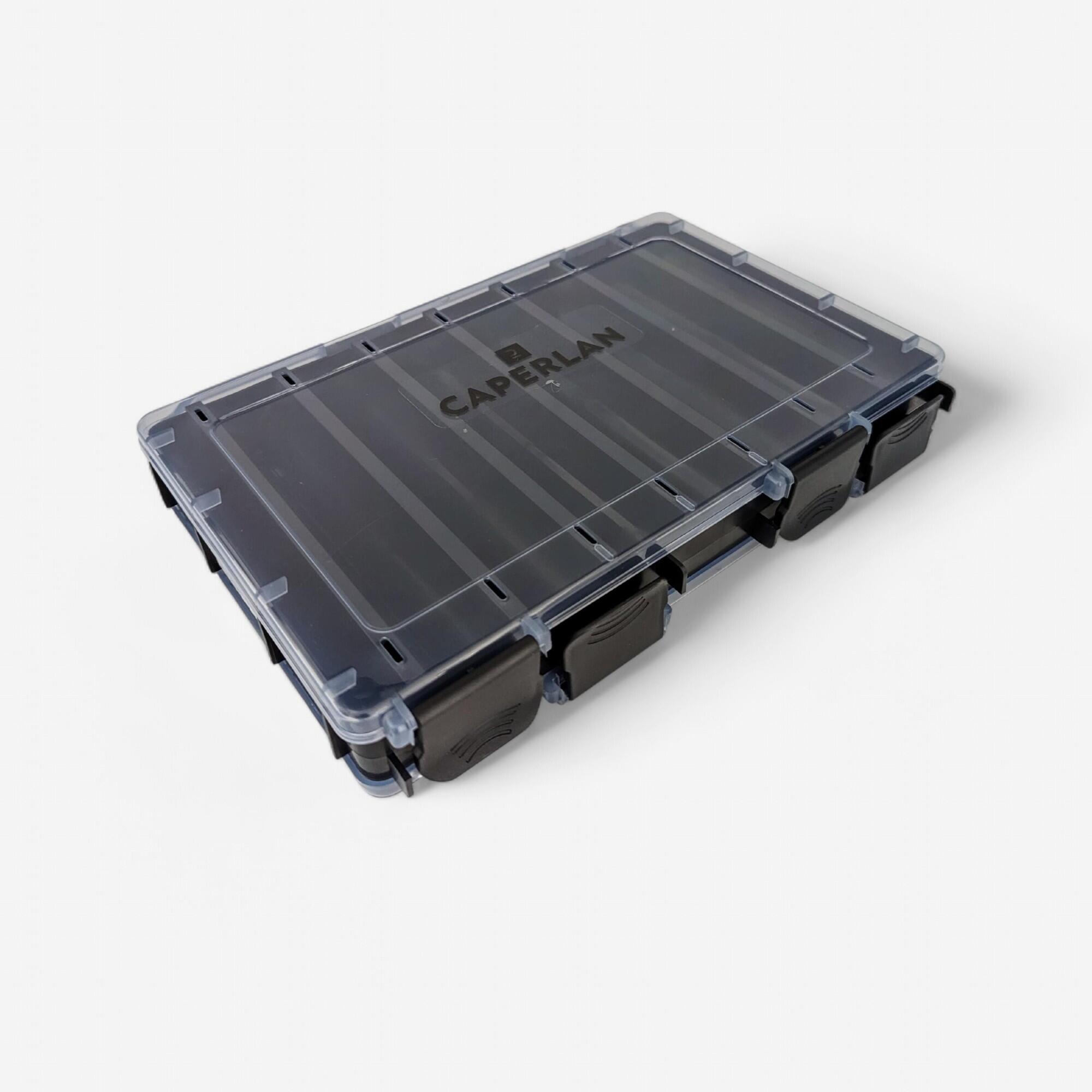
Separate rods from loose hooks, sinkers and hard accessories so they cannot strike the blank or damage guides while you walk or travel by car. A rod bag keeps longer tackle together and can also protect reel seats and delicate tips from knocks. Before packing a rod, inspect guides for chips and make sure sectional pieces are clean and dry. Tackle boxes can then organise smaller equipment separately. Caperlan's BX 2 T box uses two upper trays and a larger lower compartment, and Decathlon tests it through repeated 180-degree opening cycles and one-metre drops onto concrete. Dedicated predator fishing rod bags help keep rods organised alongside this smaller storage. Never store wet equipment in a closed bag for long periods.