18 items
4.5/5 based on 1235 reviews collected online and in stores

Predator Fishing Landing Nets FAQs

How do you select a landing net for your fishing position?

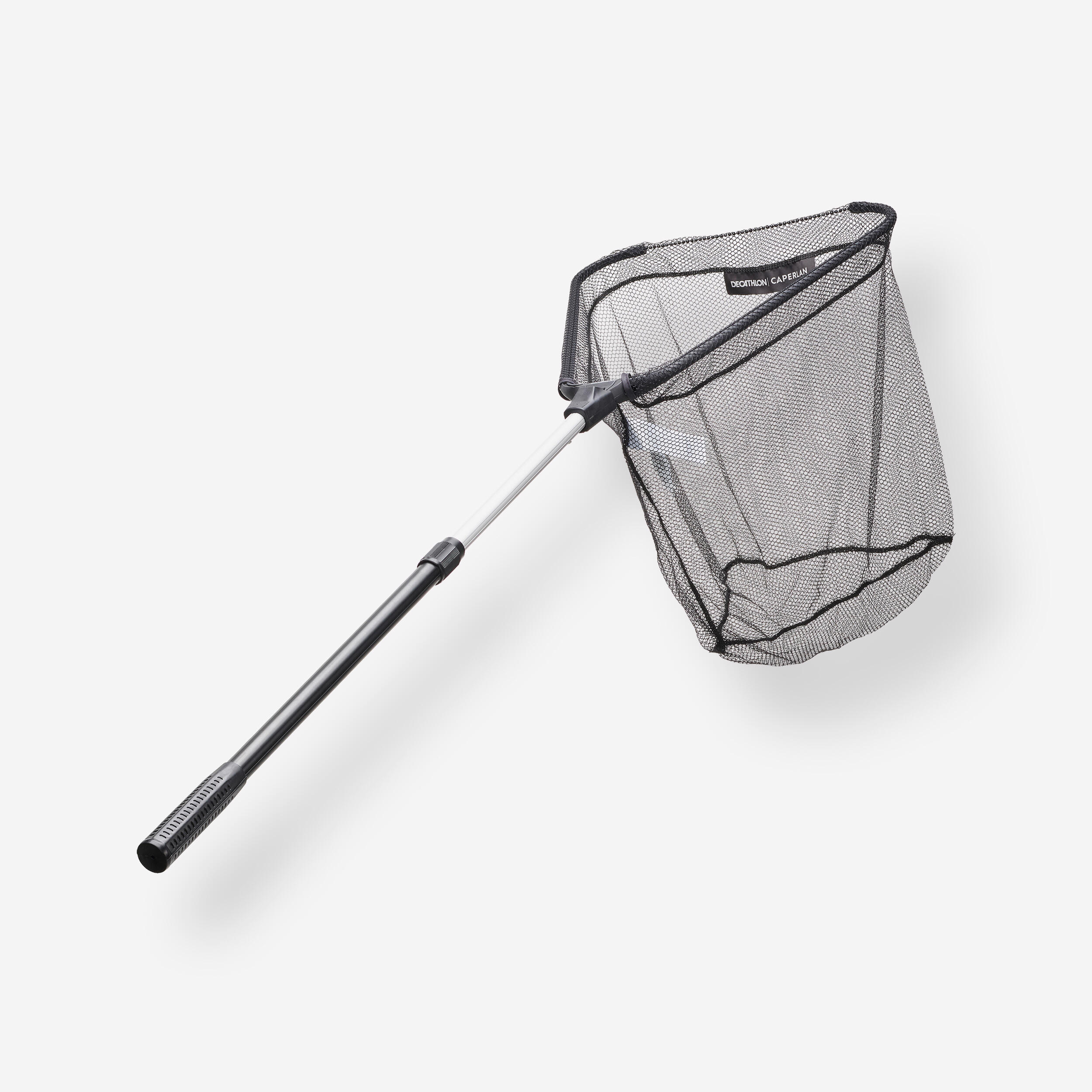
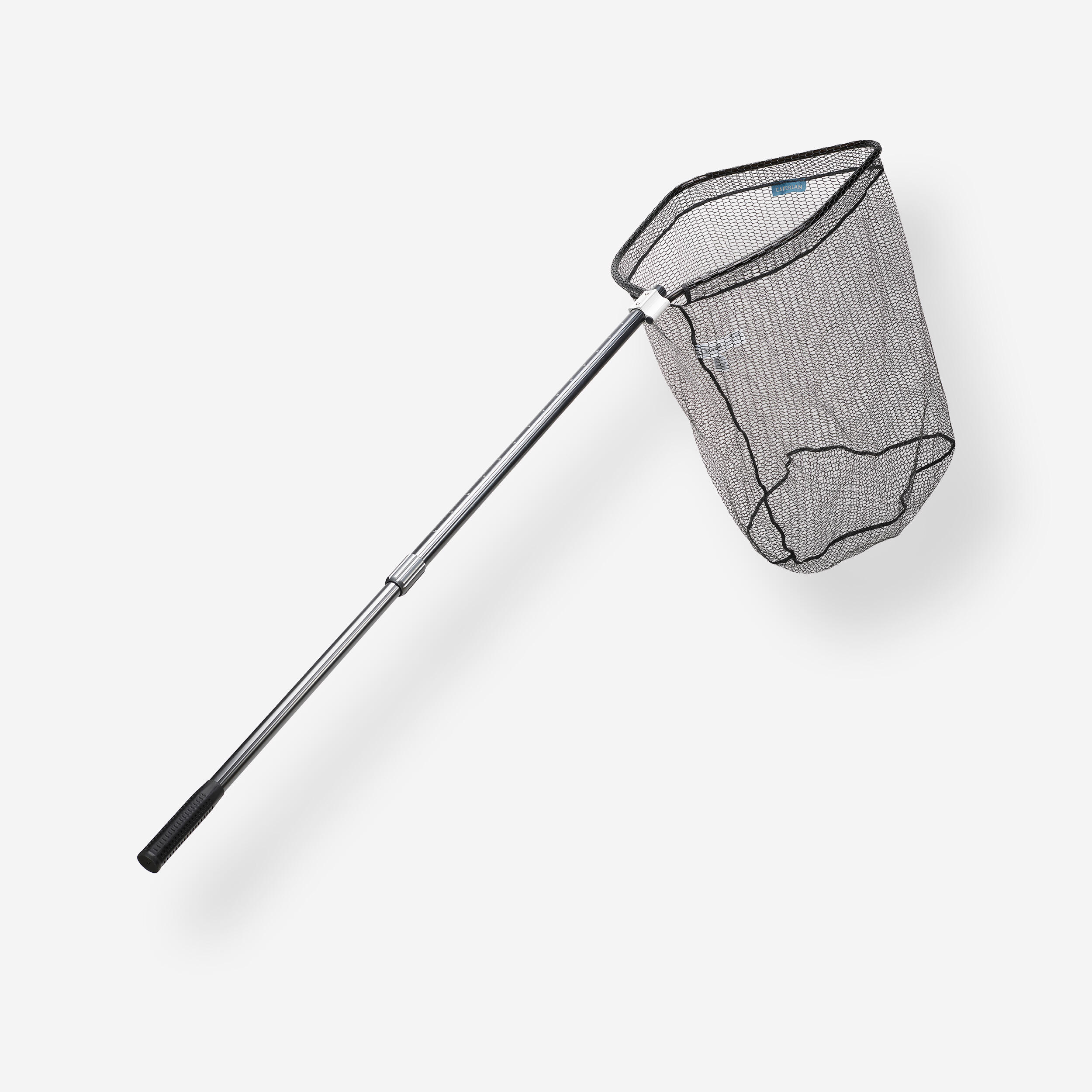
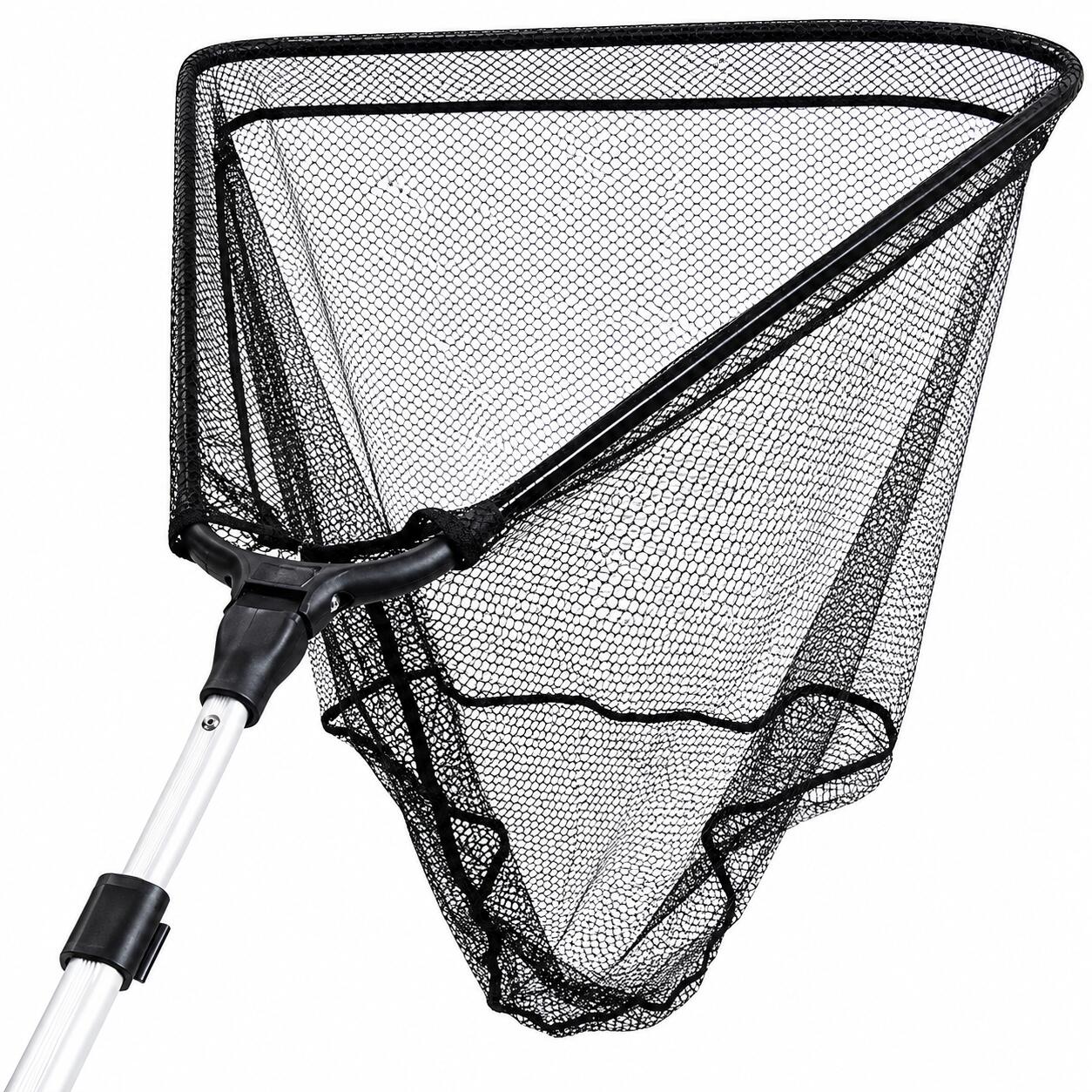
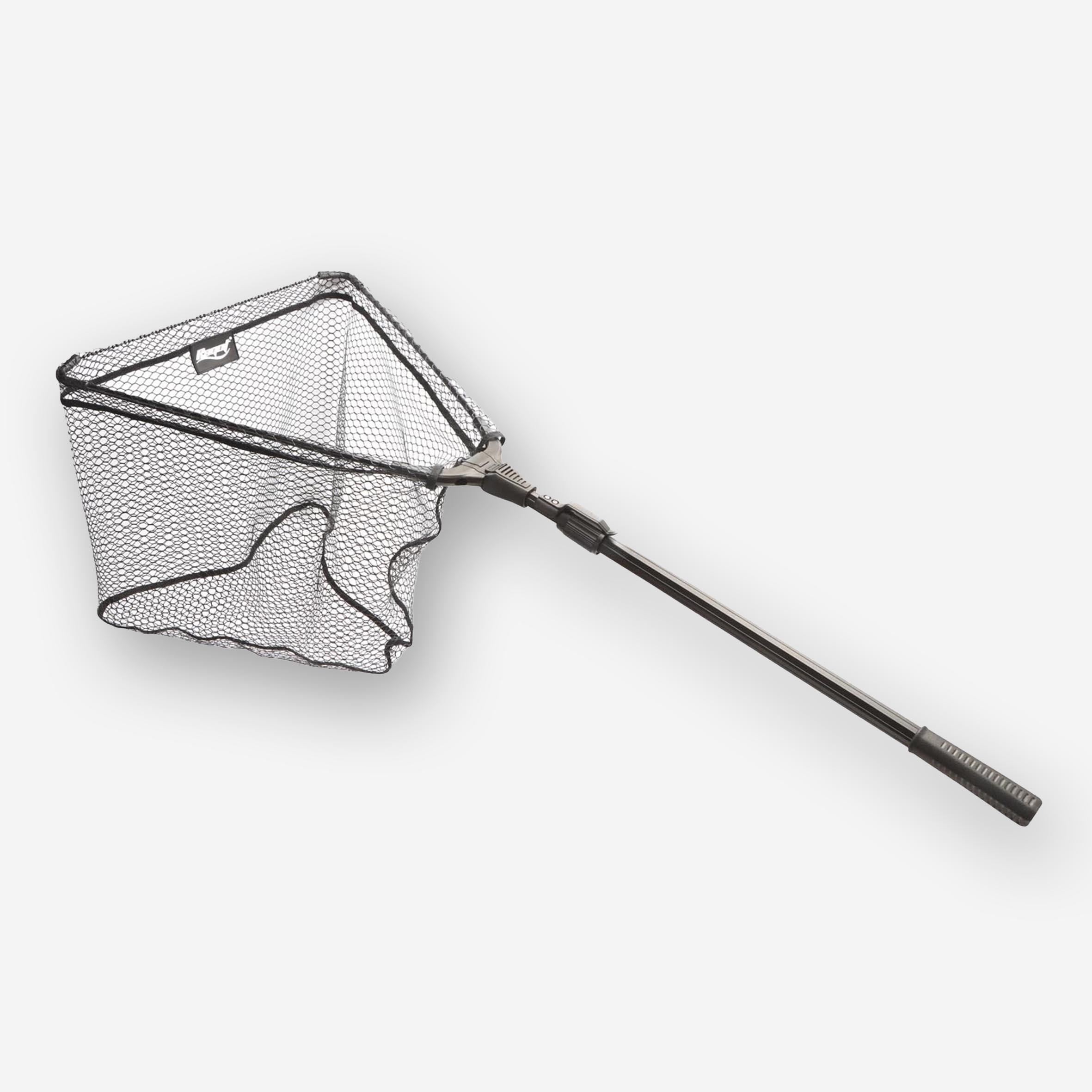
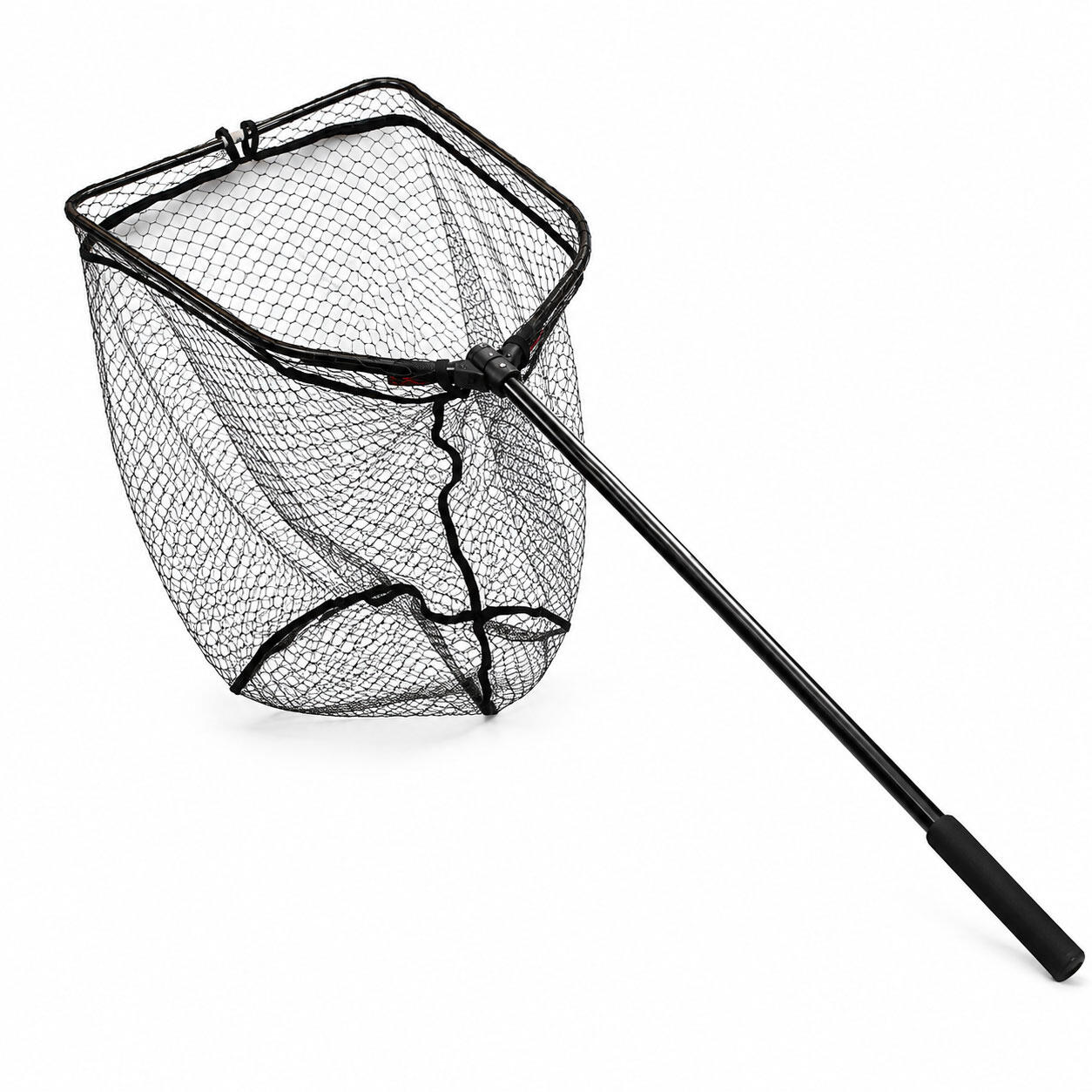
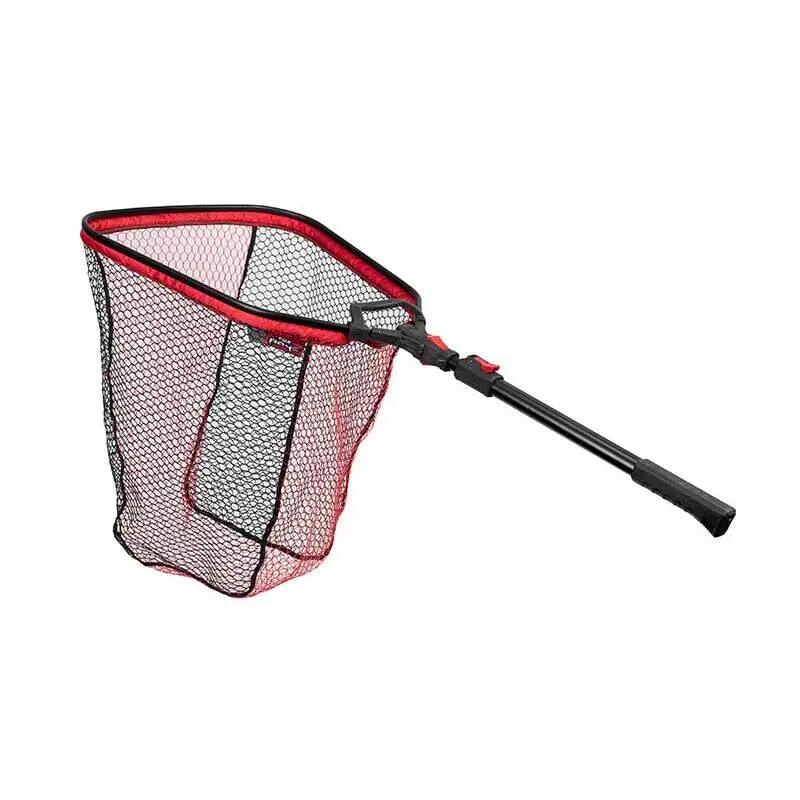
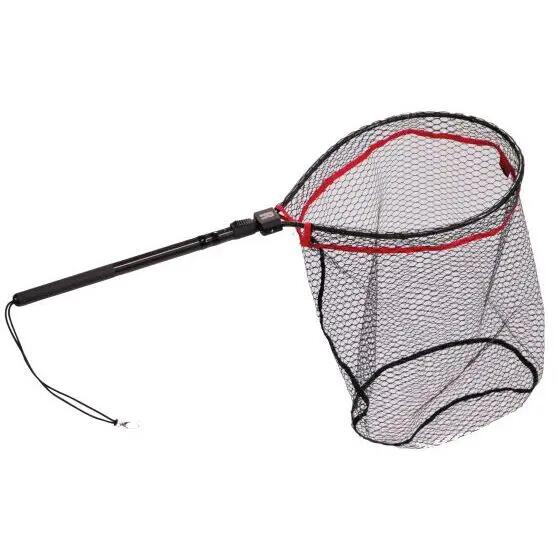
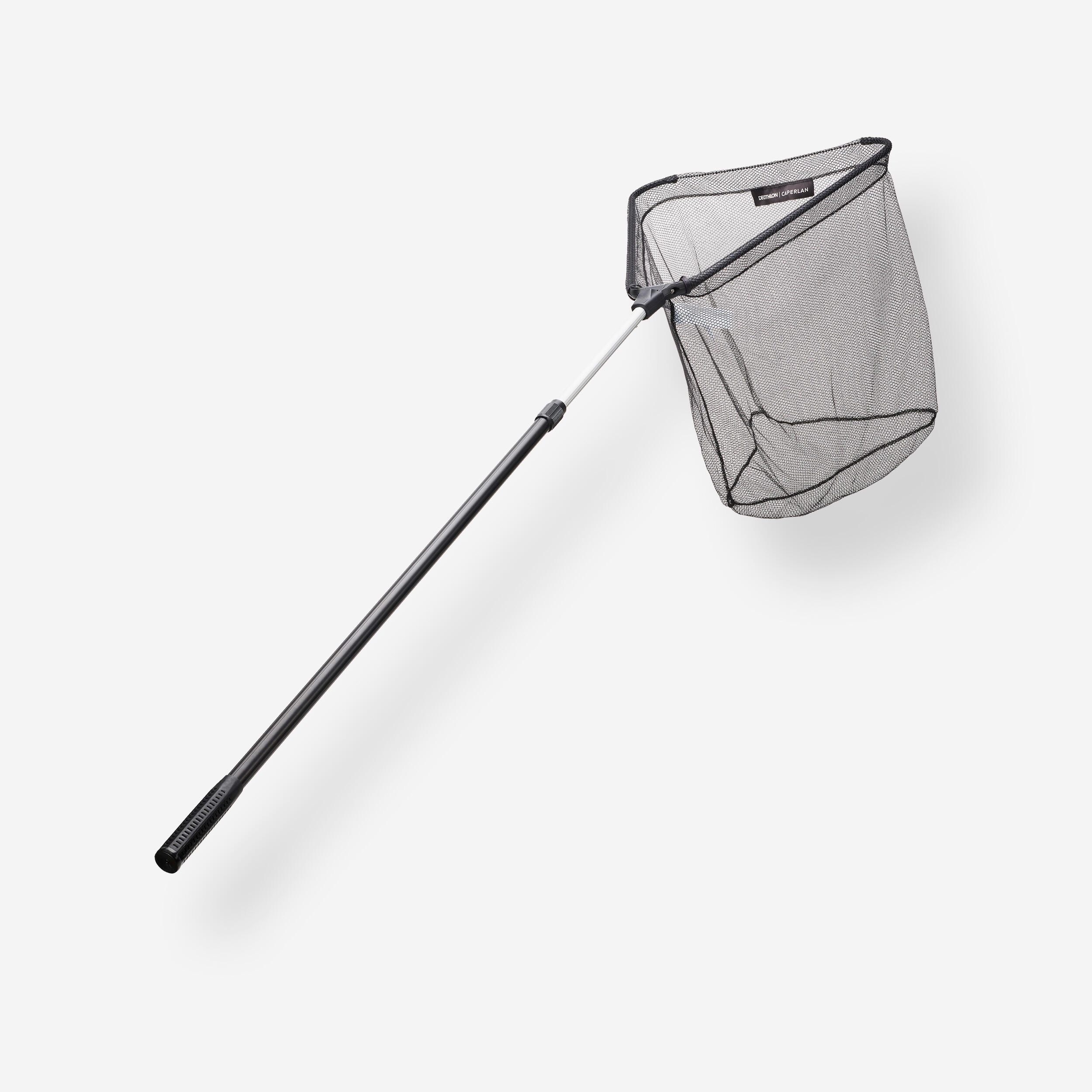
Match the handle length, frame size and transport format to where you normally land fish rather than using one net for every situation. A compact racket net suits mobile bank or wading sessions, while a telescopic handle gives you extra reach from a higher or obstructed bank. Caperlan also uses folding frames on selected models to reduce transport size. The predator fishing keepnet PRF 4X4 120 combines a folding frame with a telescopic aluminium handle that extends from about 65 cm to 1.30 m, helping you carry a longer-reach system without transporting it fully extended.

Why does rubber-coated mesh help when landing trout?

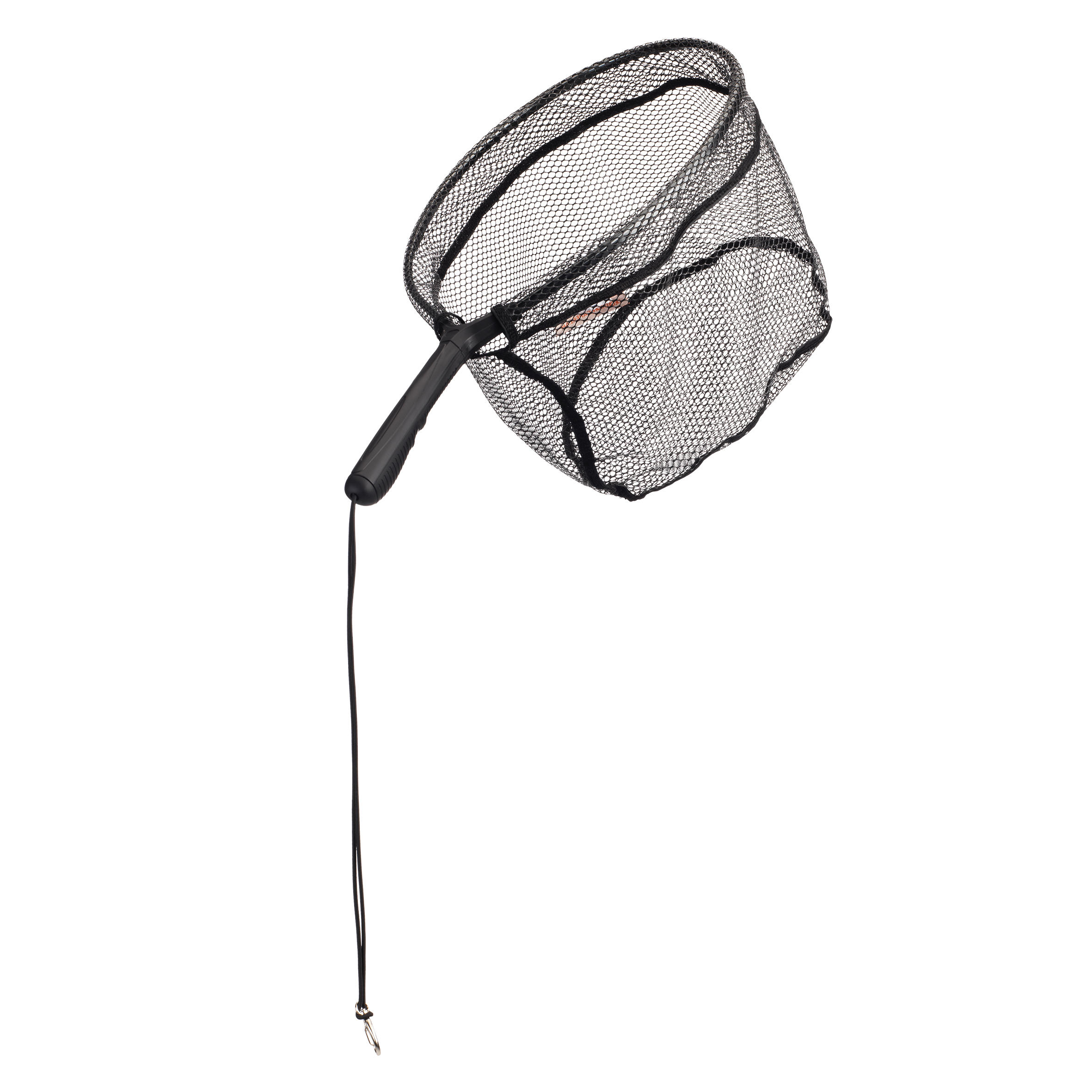
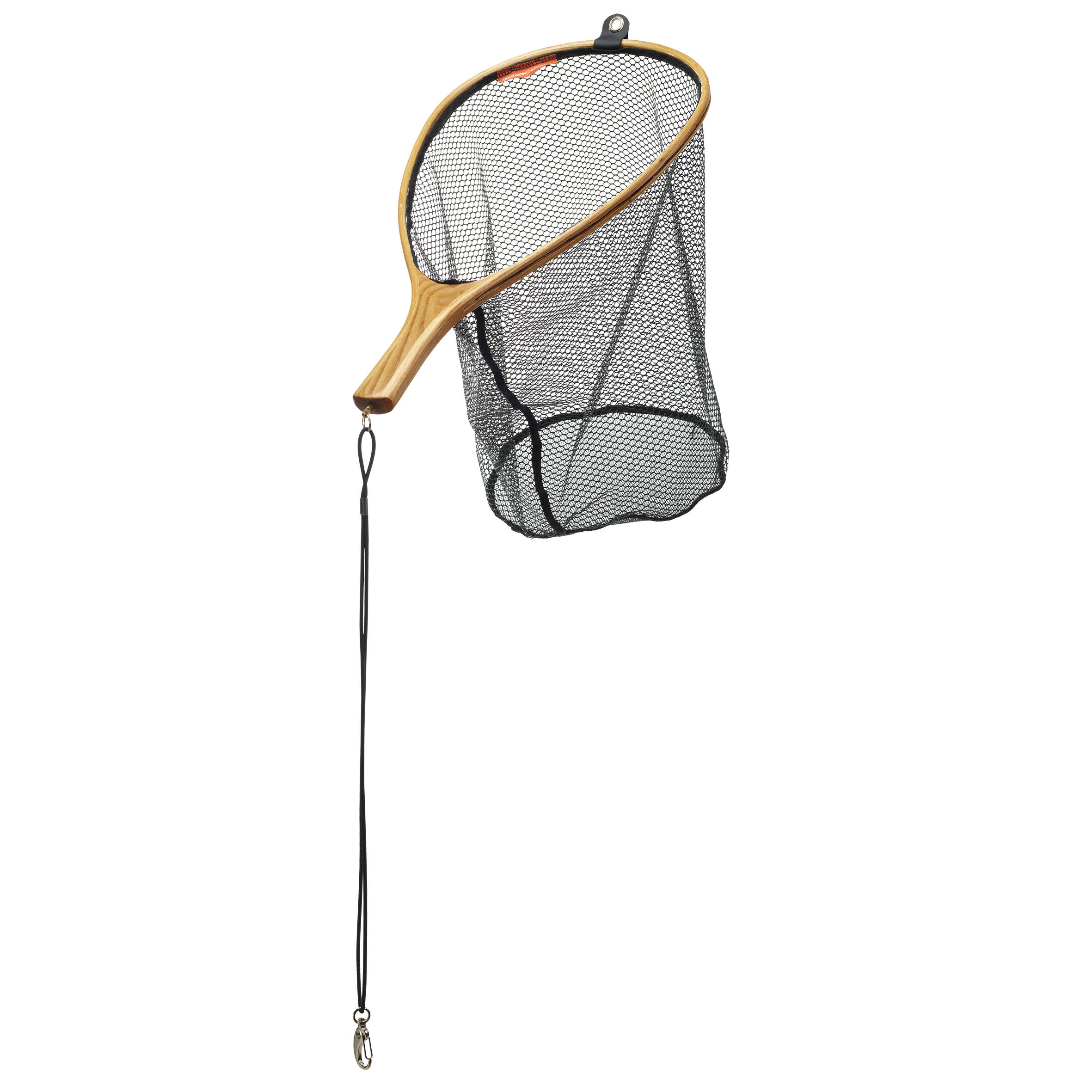
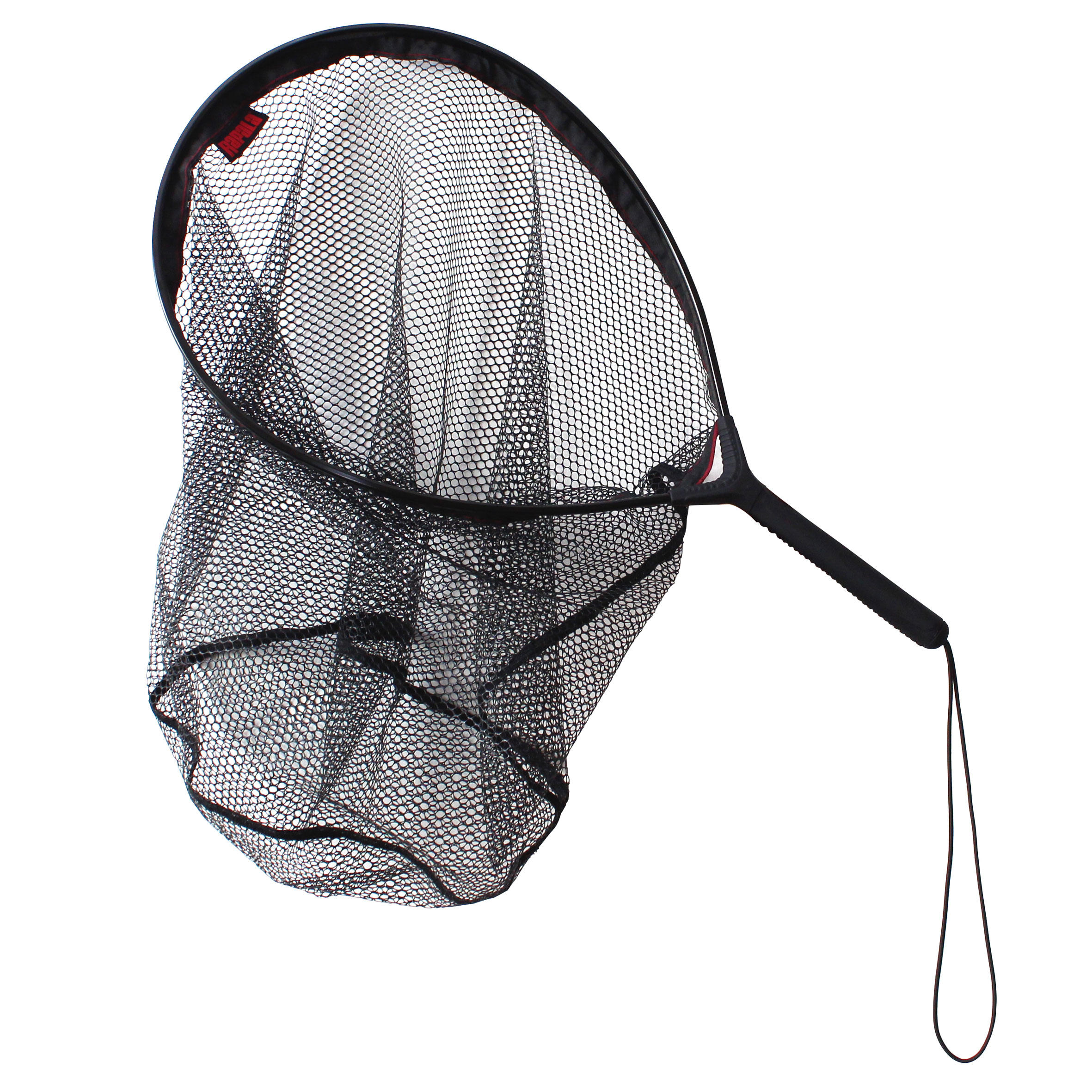
Rubber-coated mesh can make fish handling easier because hooks are less likely to snag deeply in the netting, while the smooth surface reduces rough contact during landing. Caperlan developed the RN500 W specifically for wading and uses 6 mm mesh along the sides with finer 3 mm mesh at the base. Its 40 cm-deep net provides room to control the fish while you prepare to unhook it. A D-ring and elastic safety cord also keep the net attached while you move through the water. The predator trout fishing racket landing net weighs around 320 g, making it practical for anglers who cover several stretches of river during one session.

What makes a landing net suitable for float-tube fishing?

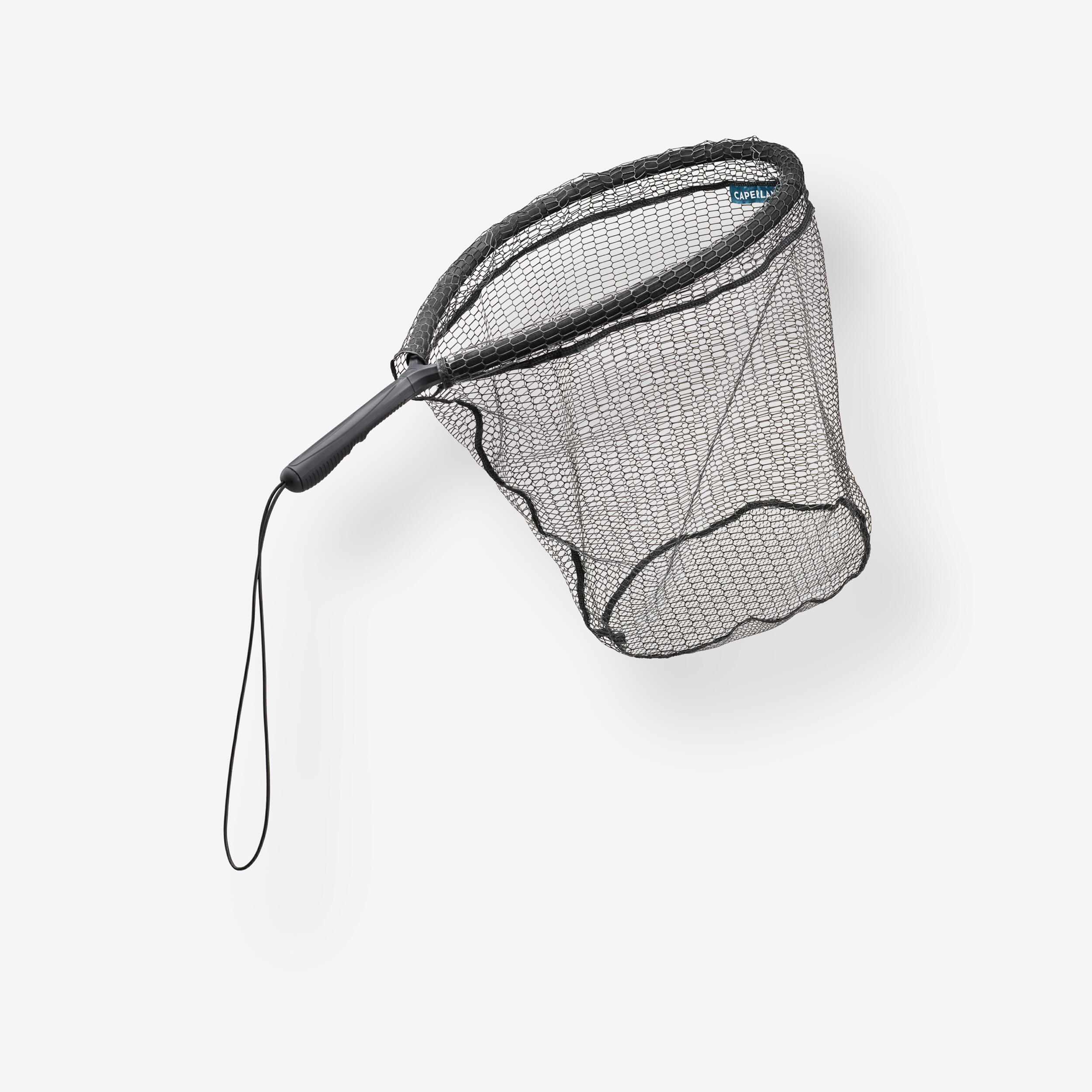
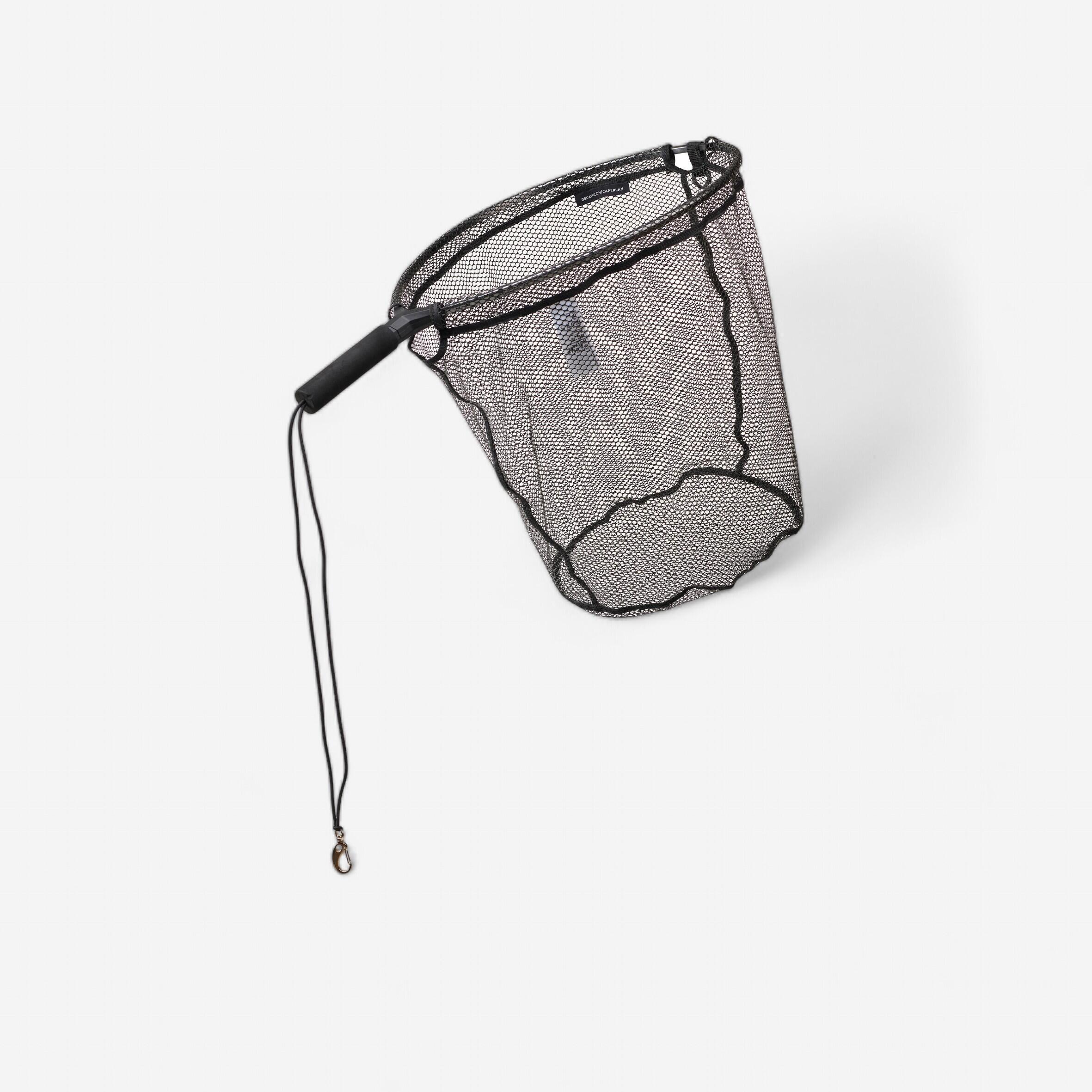
Float-tube fishing needs a net that remains secure and manageable from a seated position. Caperlan's FLTB NT uses foam around the rim so the complete net floats if you release it into the water. An elastic tether connects it to the float tube, reducing the risk of the net drifting away while you control the rod or fish. Its rubber-coated mesh also helps limit hook snagging when landing lure-caught predators. The predator fishing float tube landing net weighs approximately 410 g and provides an inner net area around 48 cm high, 38 cm wide and 50 cm deep.

Which features help when carrying a landing net between swims?

Mobile predator fishing becomes easier when the net stays attached to you without interfering with casting. Racket nets use clips, elastic safety cords or D-rings so you can secure them to a pack or clothing and keep both hands free while walking. Telescopic and folding models reduce their packed length when you need more reach at the bank. Lightweight aluminium construction also helps limit the amount of weight added to your rig. Other predator fishing equipment such as rod bags, chest packs and tool storage can help organise the rest of your kit around the same mobile approach. Keep hooks covered or separated during transport so they cannot catch in the net before you reach the water.

How do you care for a landing net after predator fishing?

Rinse away mud and debris after the session, then let the net dry fully before storing it in a closed bag or vehicle. Several Caperlan racket and telescopic nets allow hand washing at a maximum of 40 degrees Celsius, while tumble drying, ironing, bleaching and dry cleaning are excluded. Inspect the mesh for tears and check folding joints, clips and telescopic sections before your next trip. Rubber-coated mesh can dry relatively quickly and also reduces the tendency for lure hooks to become embedded in the netting. When preparing your wider predator fishing setup, select a net large enough for the fish you intend to target and place it within reach before you start casting.