39 items
4.7/5 based on 1827 reviews collected online and in stores

Predator Fishing Tools FAQs

Which fishing pliers help with several jobs at the water?

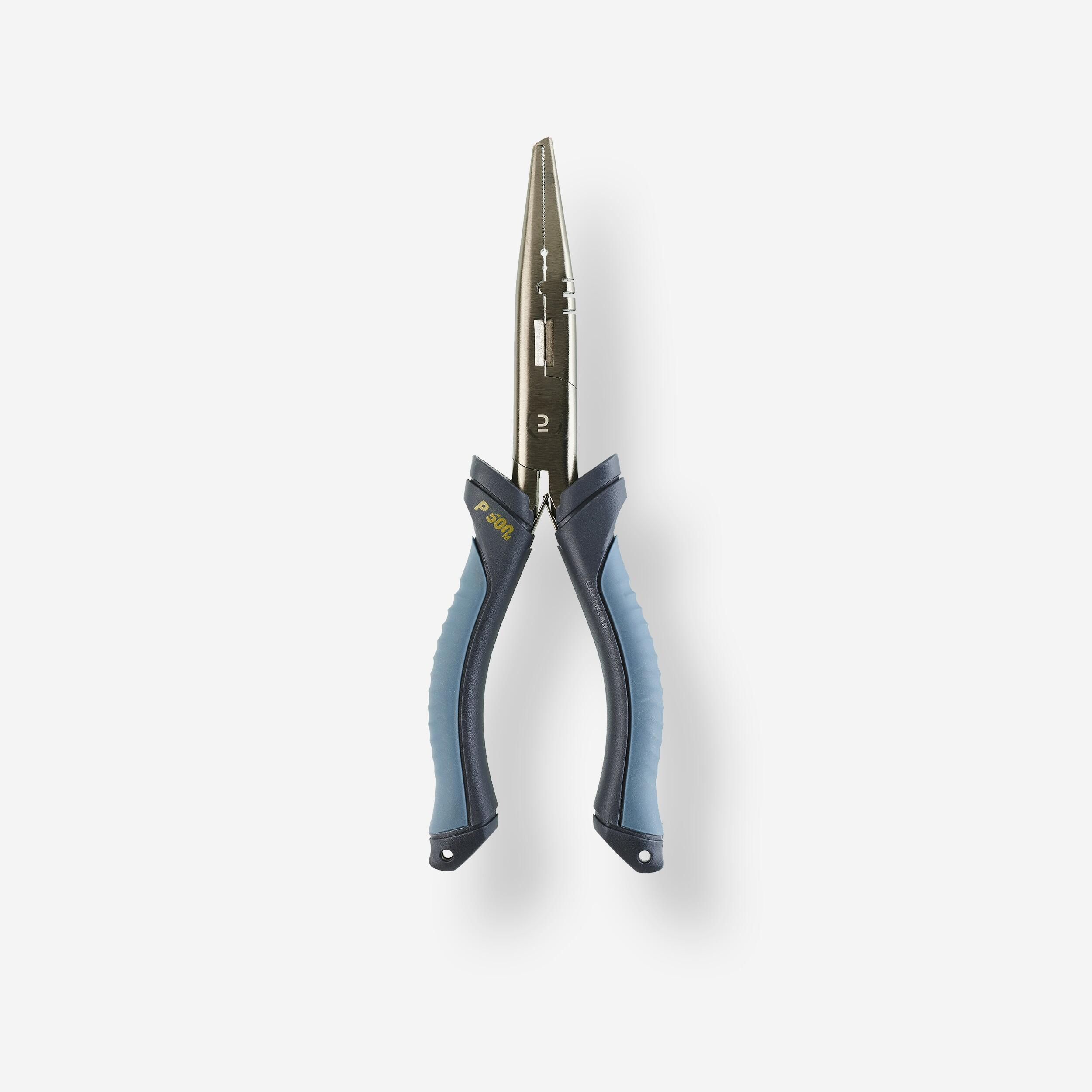
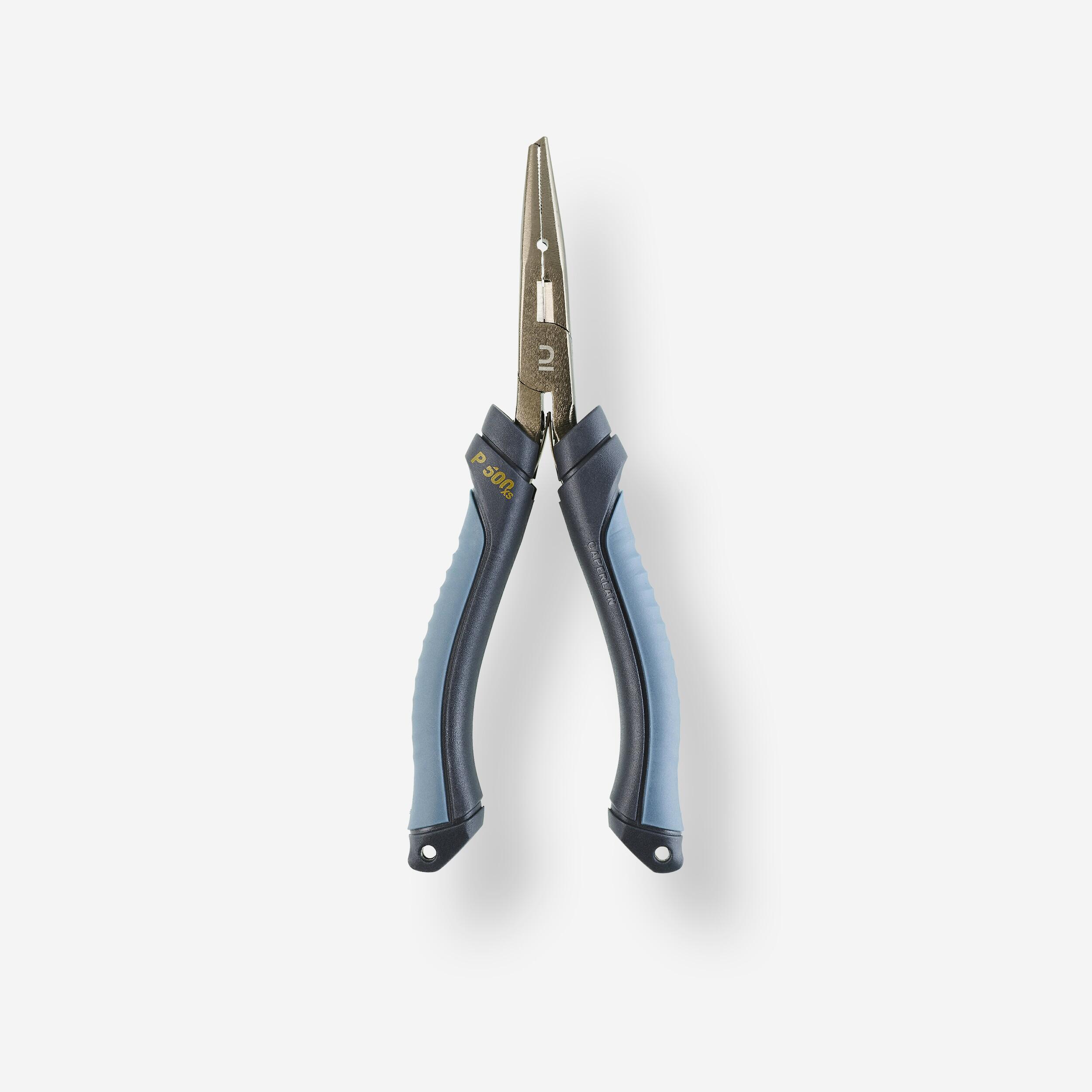
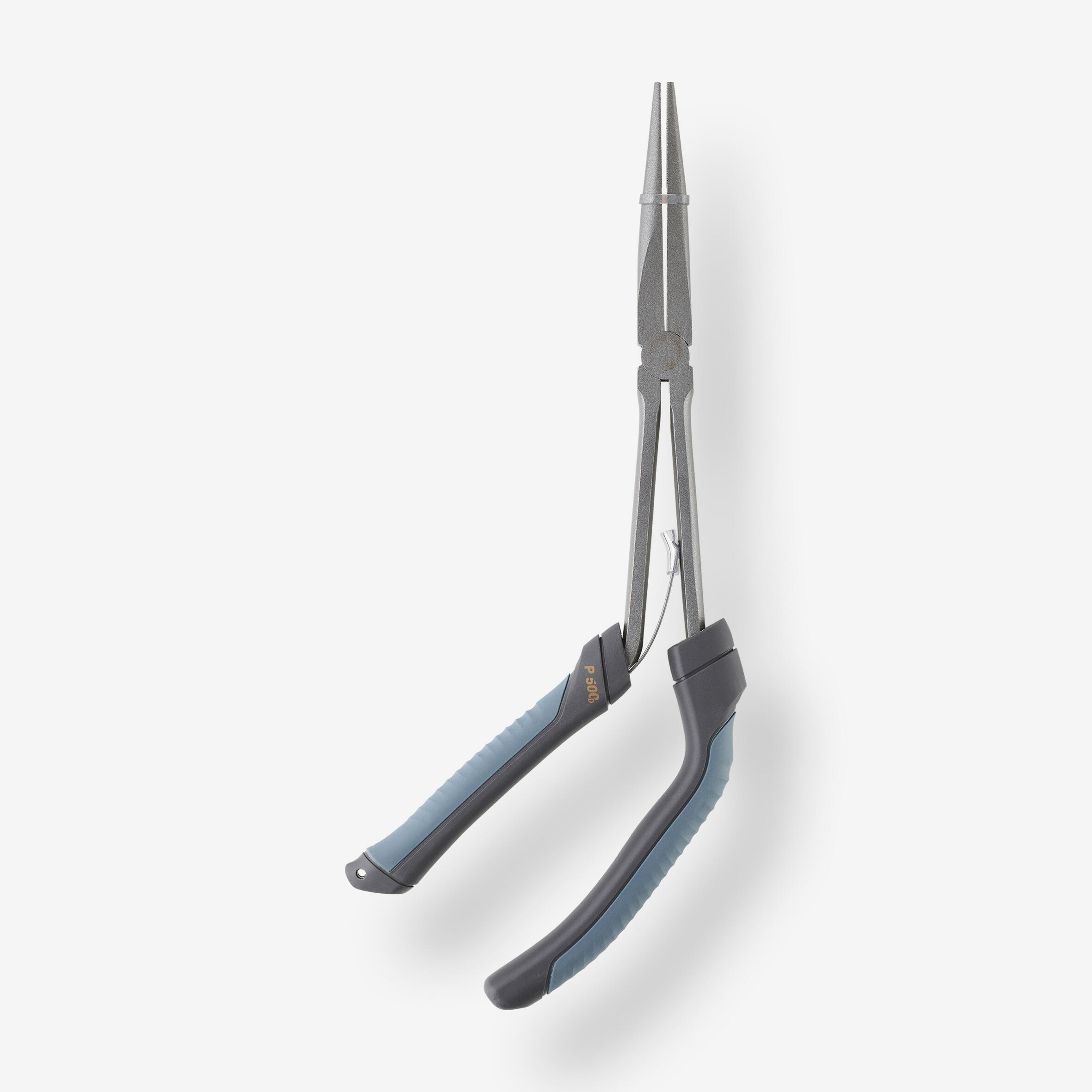
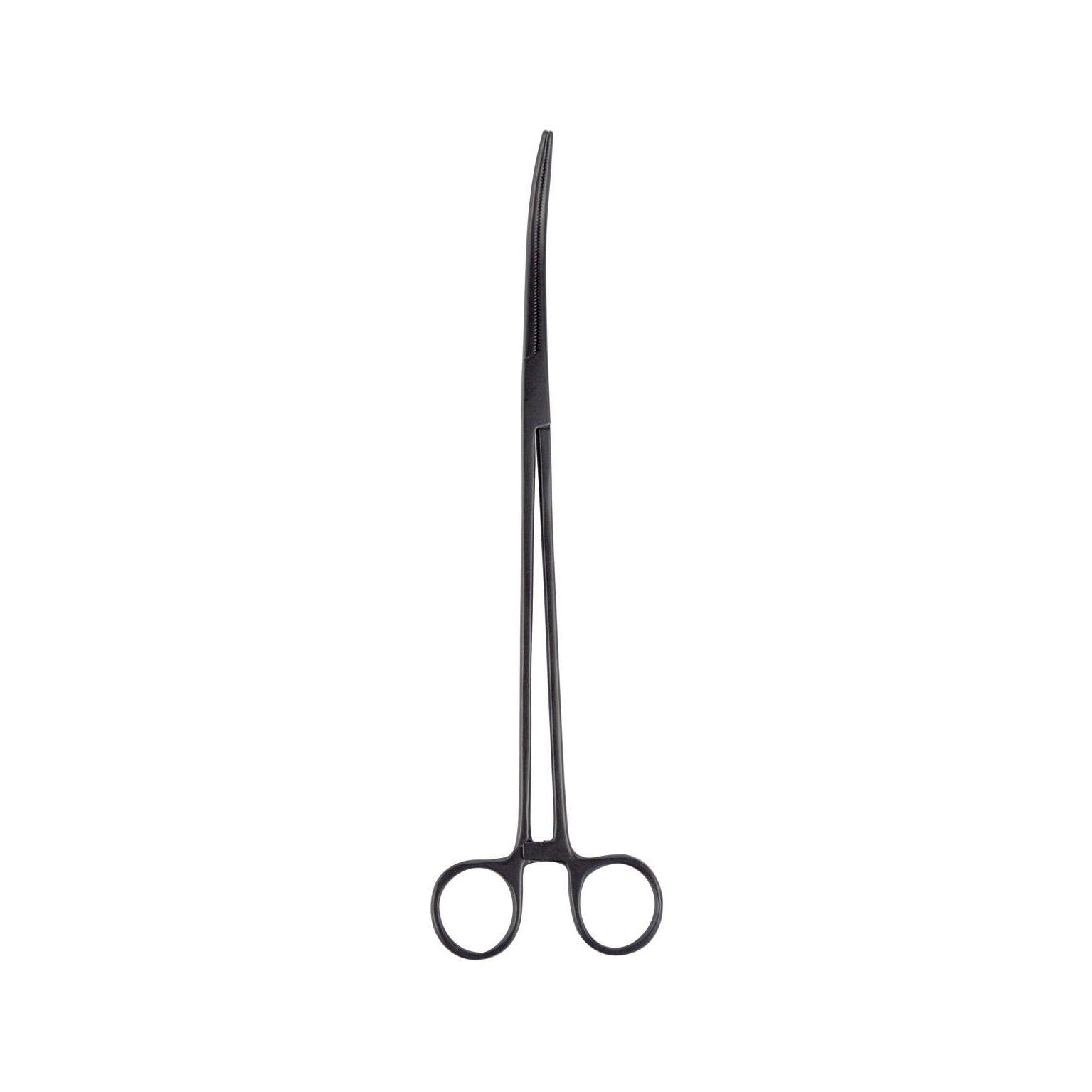
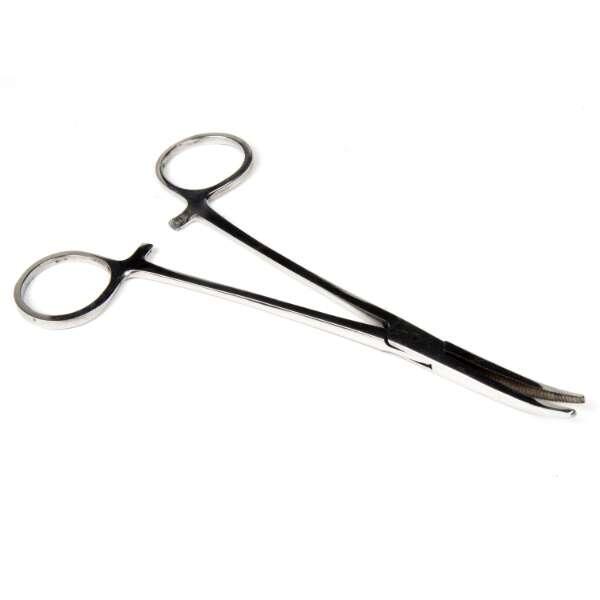
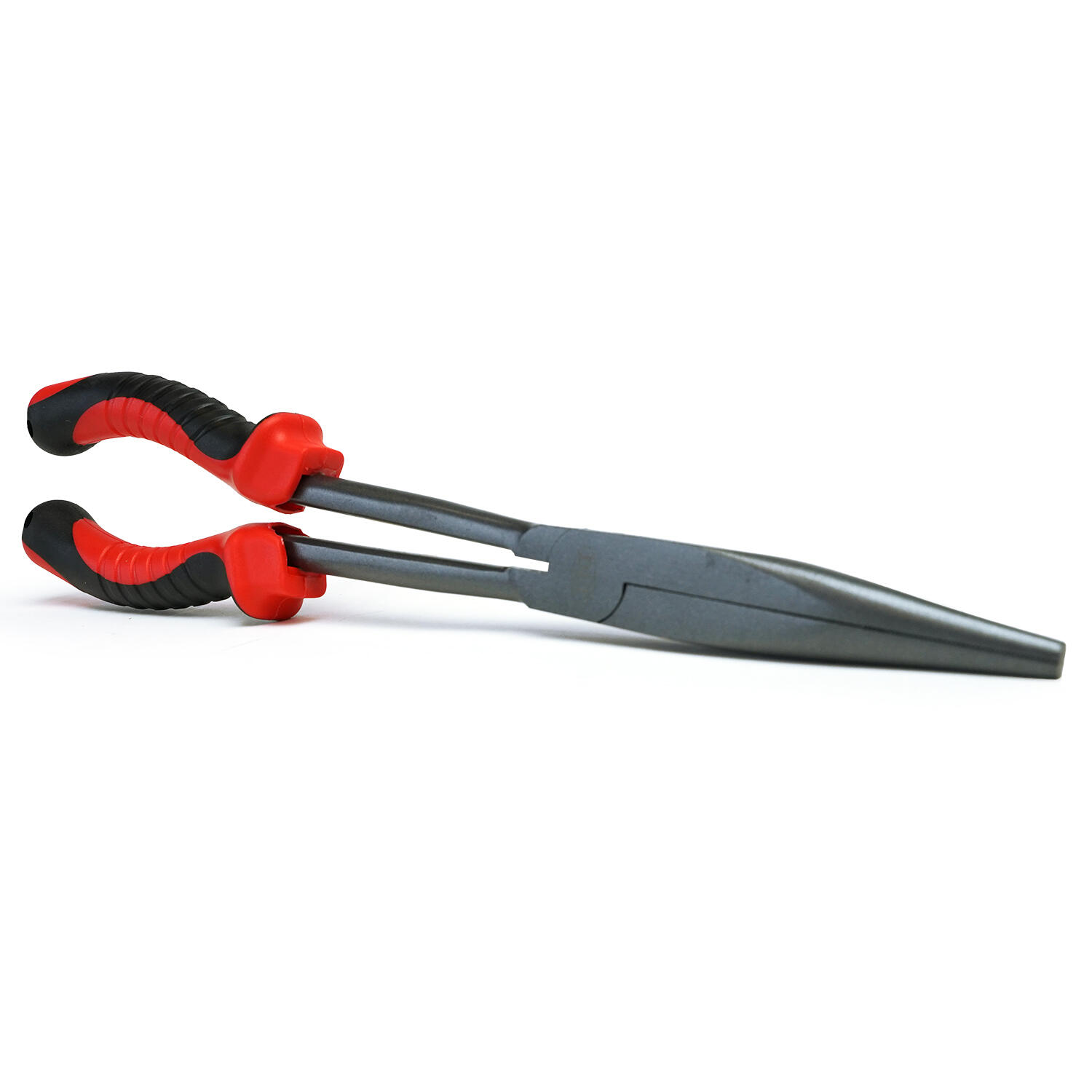
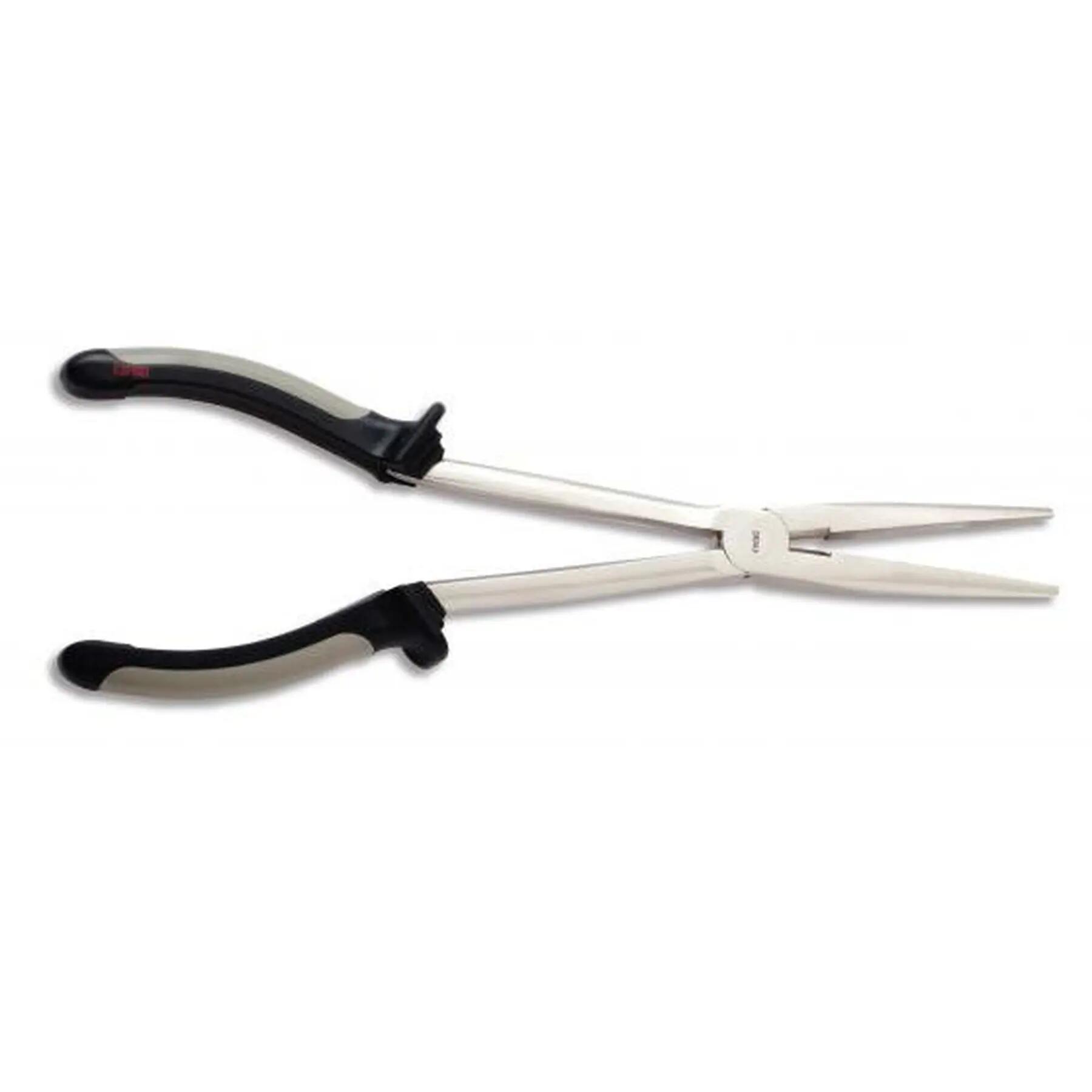
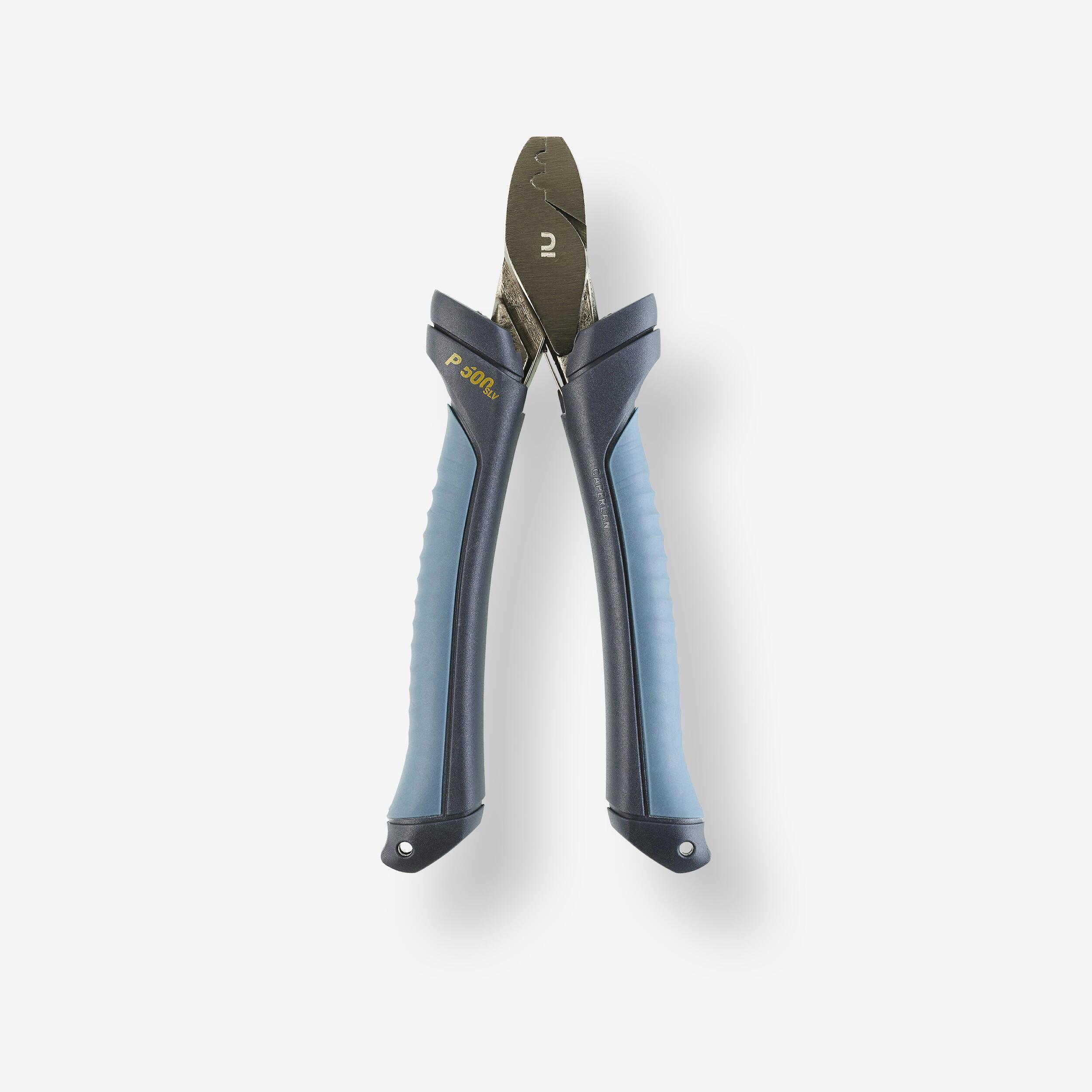
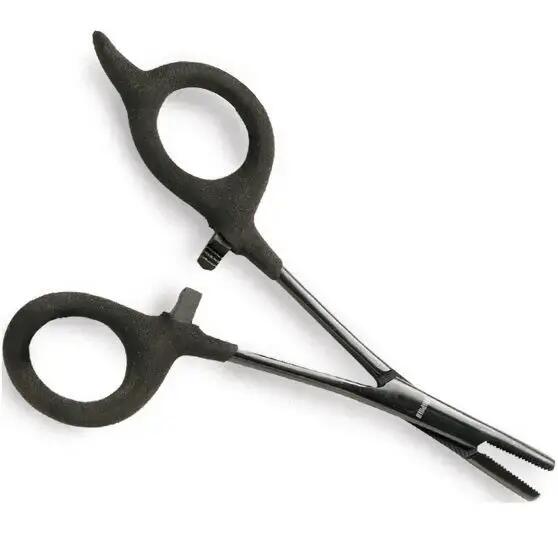
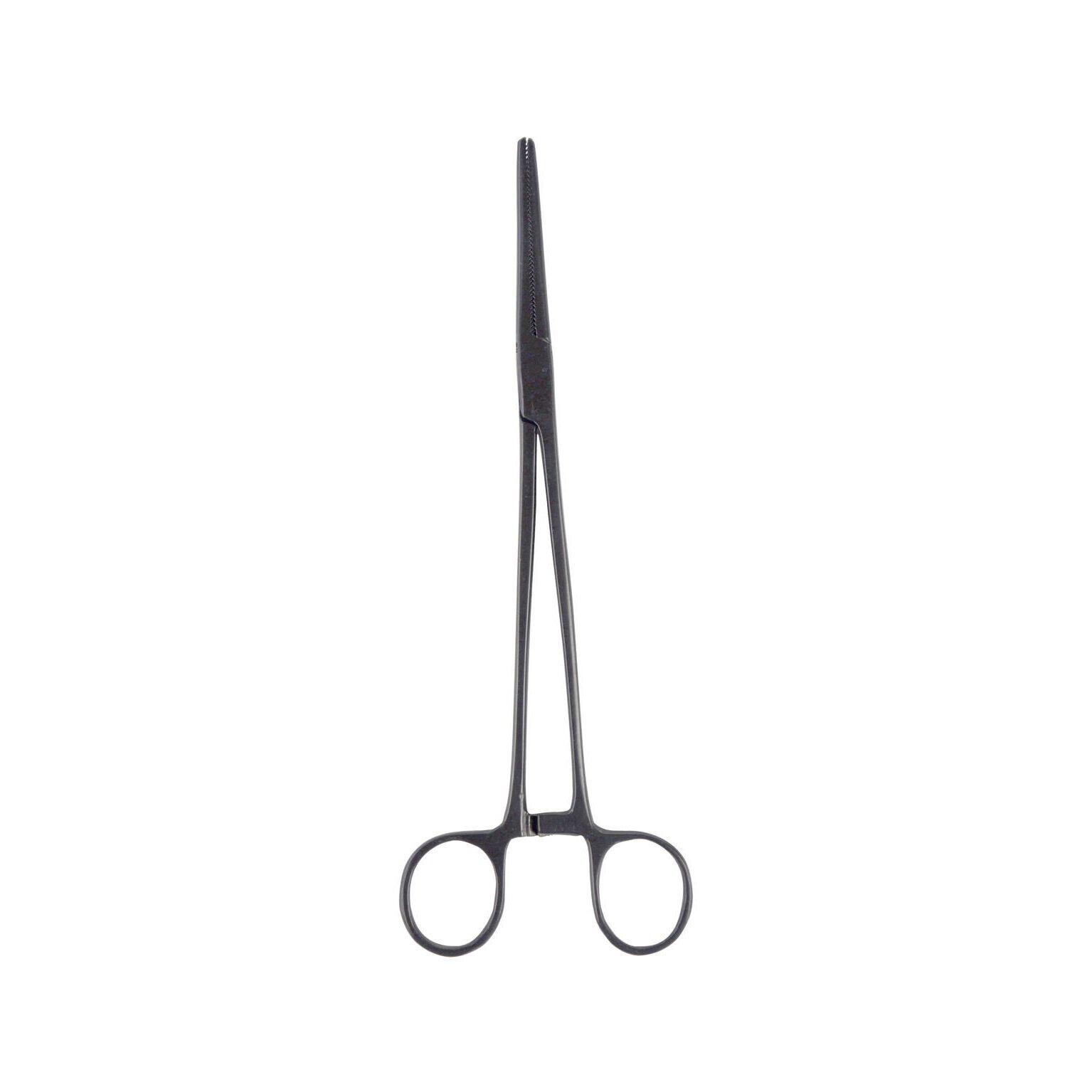
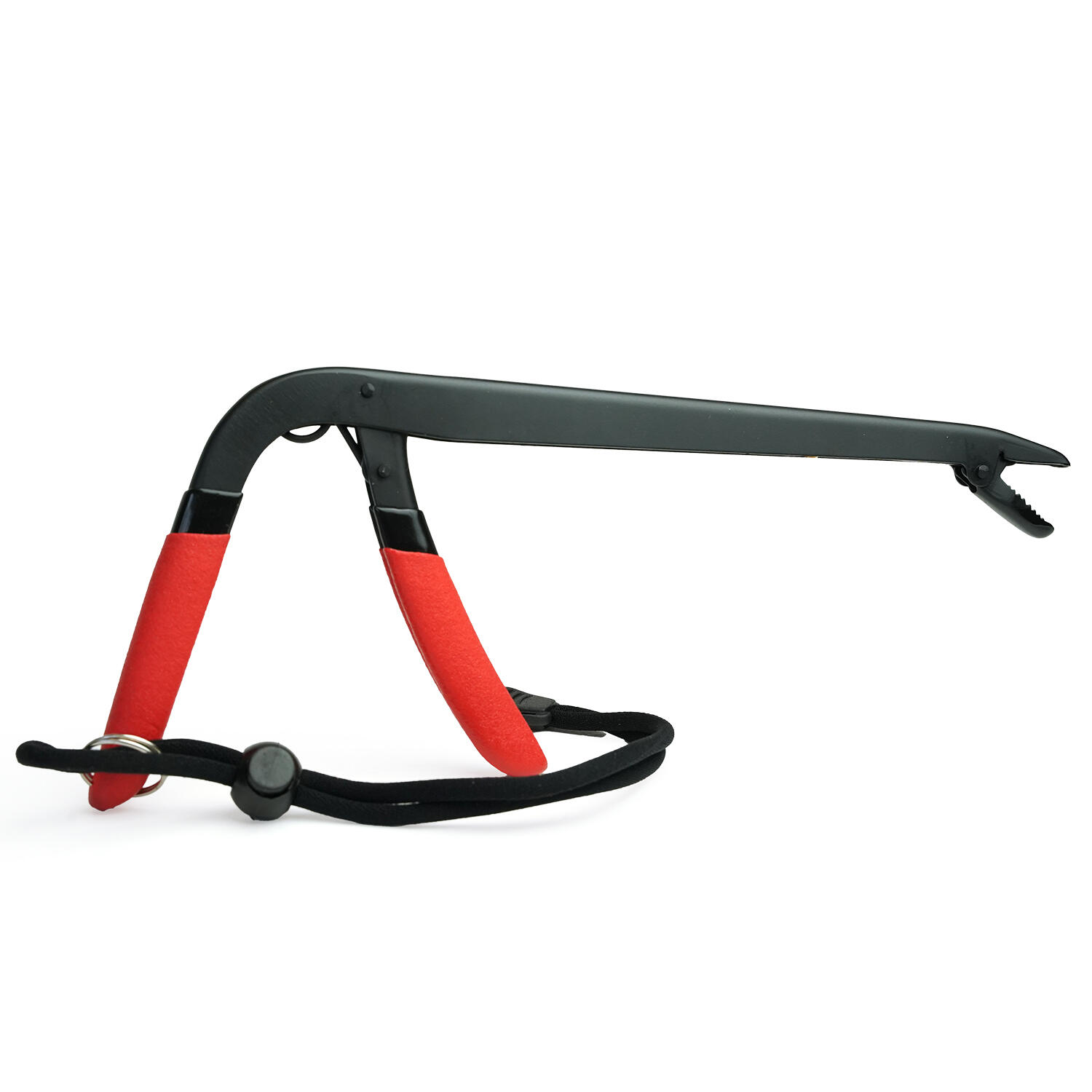
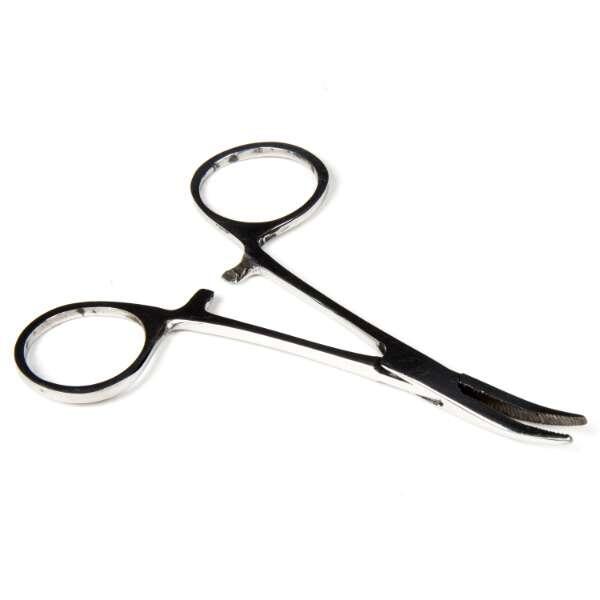
A multi-function tool can reduce how many separate accessories you carry when changing rigs or unhooking fish. Caperlan P-500 M pliers cut line, tighten or crimp components, flatten hook barbs, open split rings and help remove hooks. Their 420 stainless-steel construction uses a black-nickel coating for corrosion resistance, while the soft ergonomic grip gives you more control with wet hands. Caperlan rates the handles to withstand up to 100 kg of pressure without losing their shape. Keep these fishing pliers accessible rather than buried beneath tackle, particularly when a hooked predator needs prompt and controlled handling.

How can you measure a predator without carrying a bulky mat?

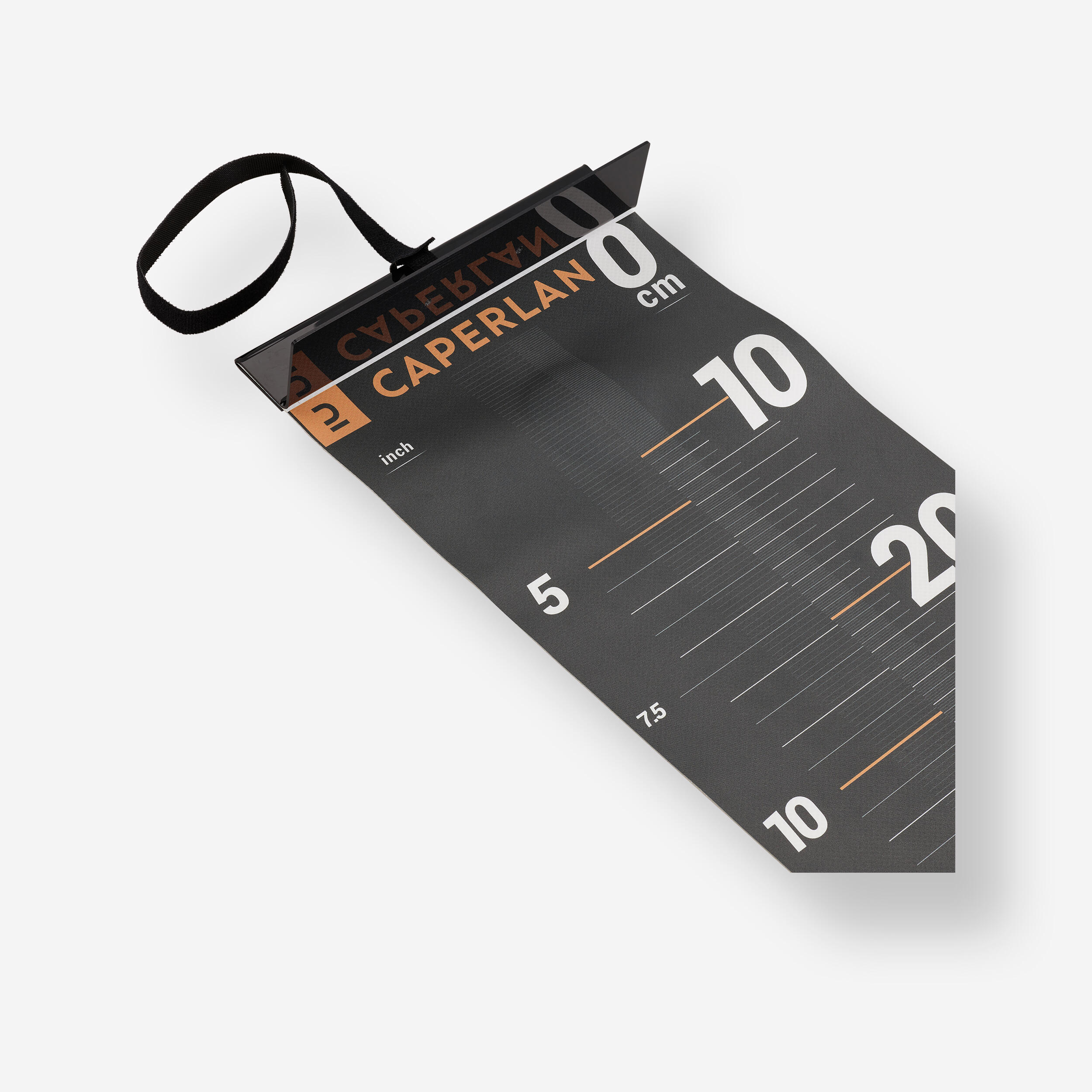
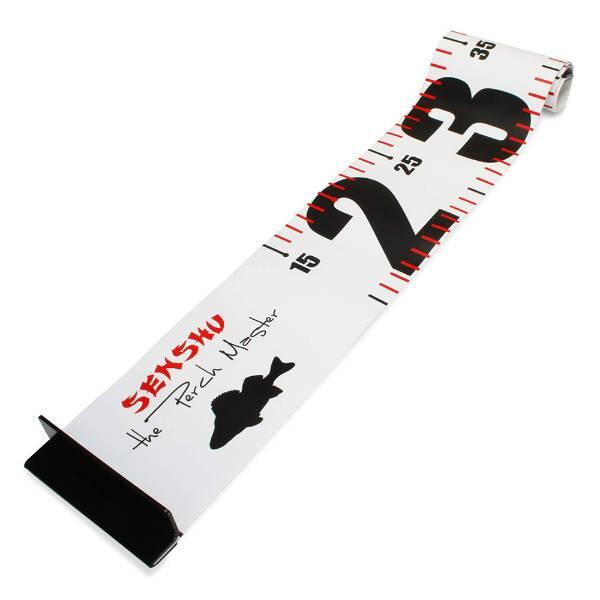
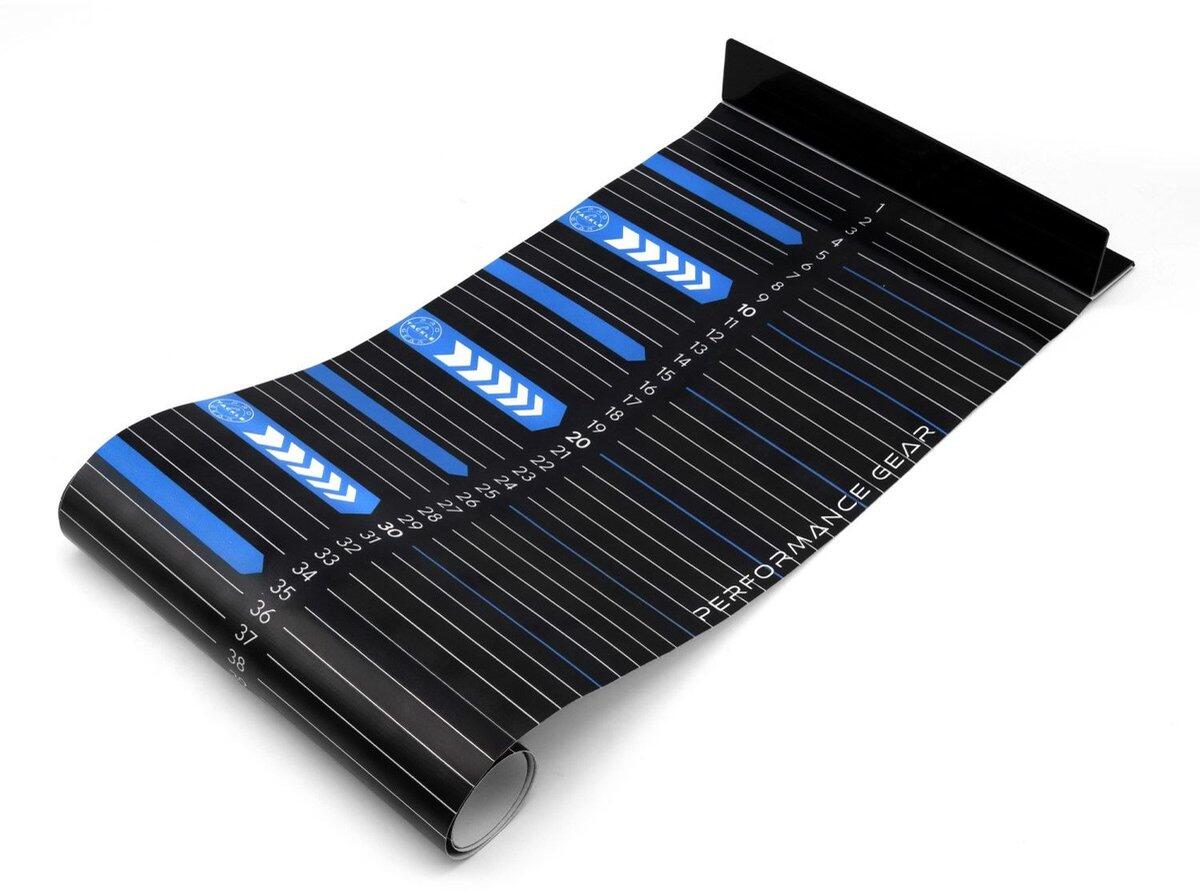
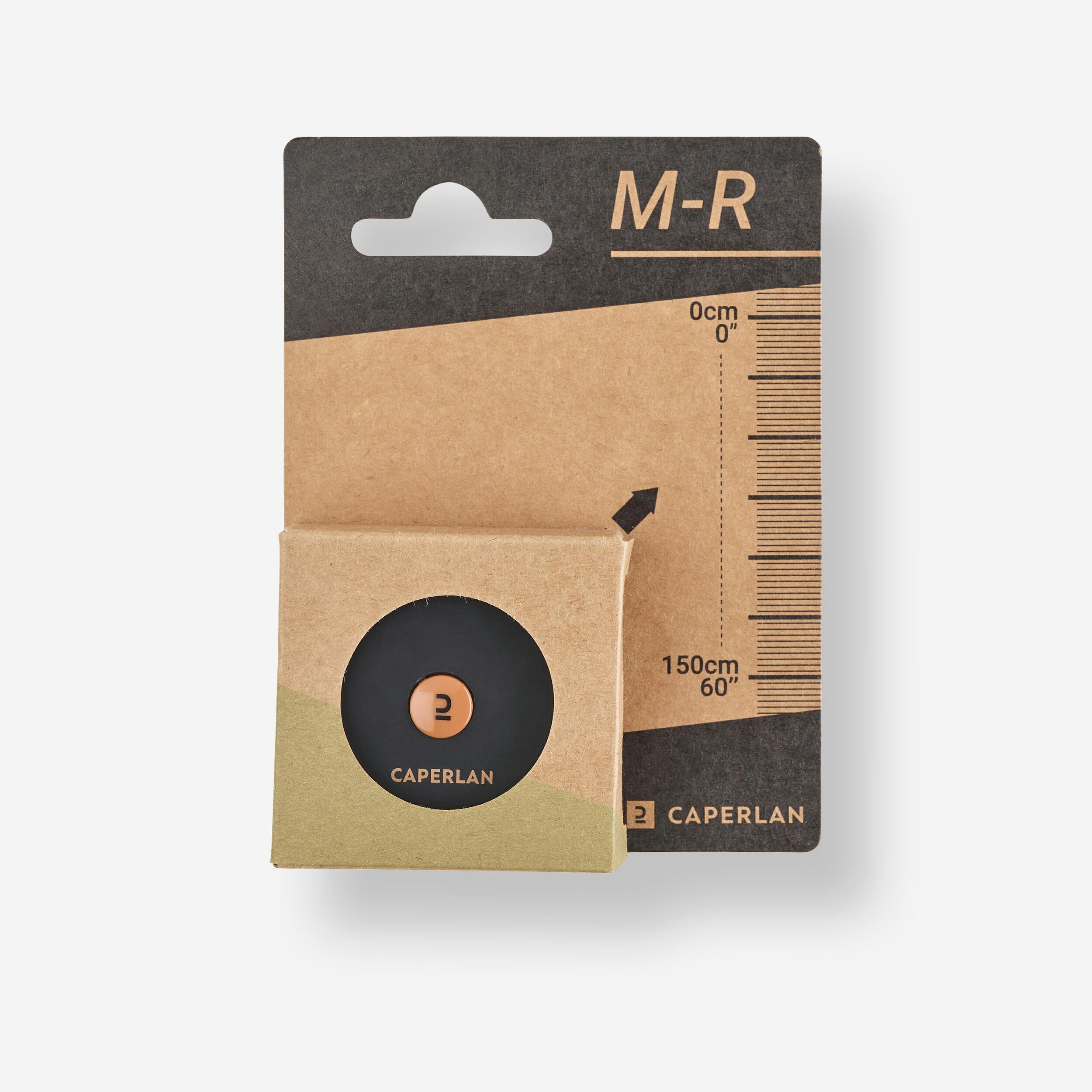
A compact measuring surface lets you record a catch while giving the fish somewhere to rest away from rough ground. Caperlan's measuring mat extends to 140 cm but rolls down to approximately 5 x 5 x 18 cm, so it can fit inside larger fishing pockets or luggage. You can unfold the first 70 cm for smaller catches and extend the complete mat only when necessary. Measurements appear in centimetres and inches, while the material provides an 18 cm-wide surface. Decathlon also laboratory-tested the PVC for non-toxicity. Keep the fishing measuring rod ready before handling the fish so you can measure efficiently and return the catch without searching through your equipment.

Can you repair a small tear in neoprene fishing waders?

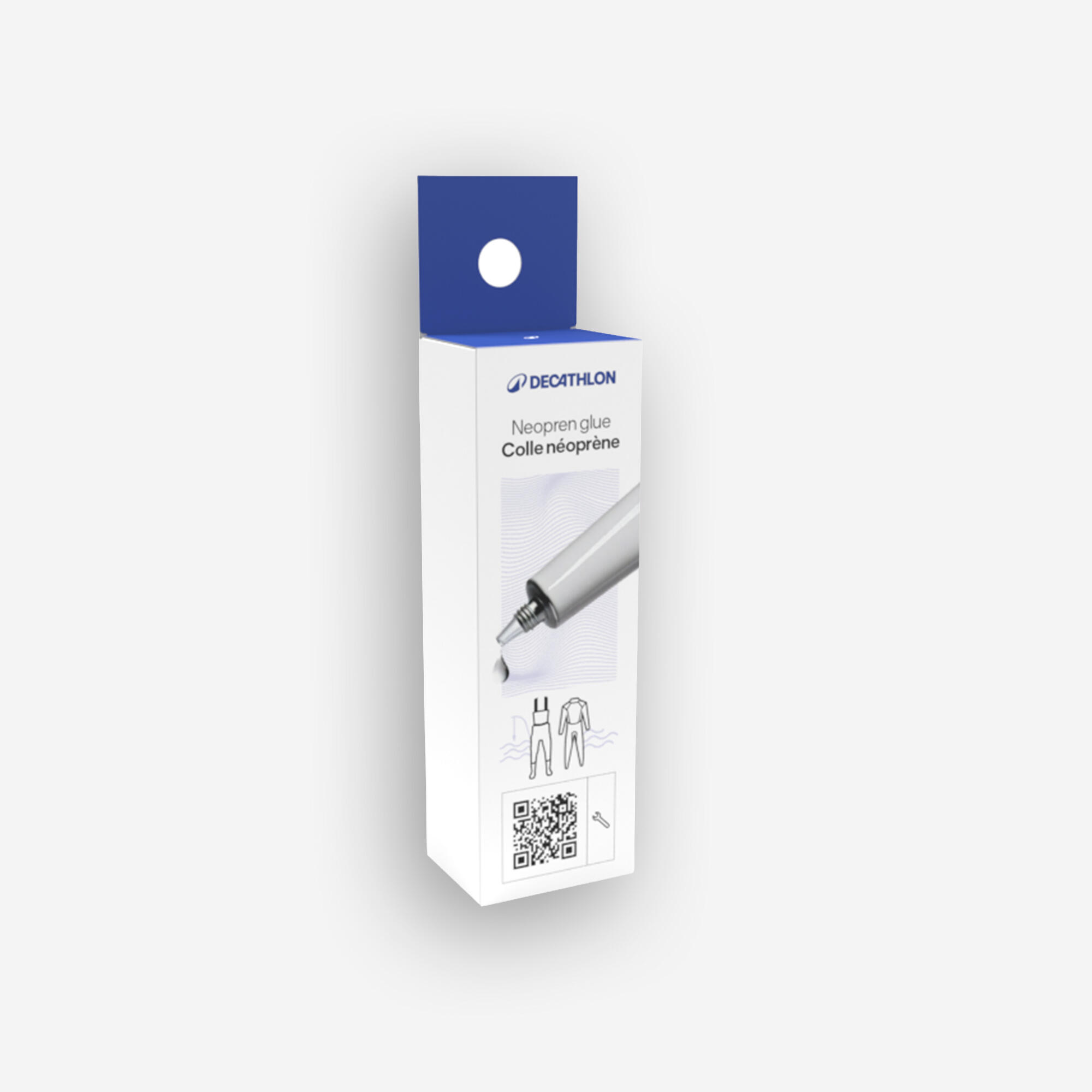
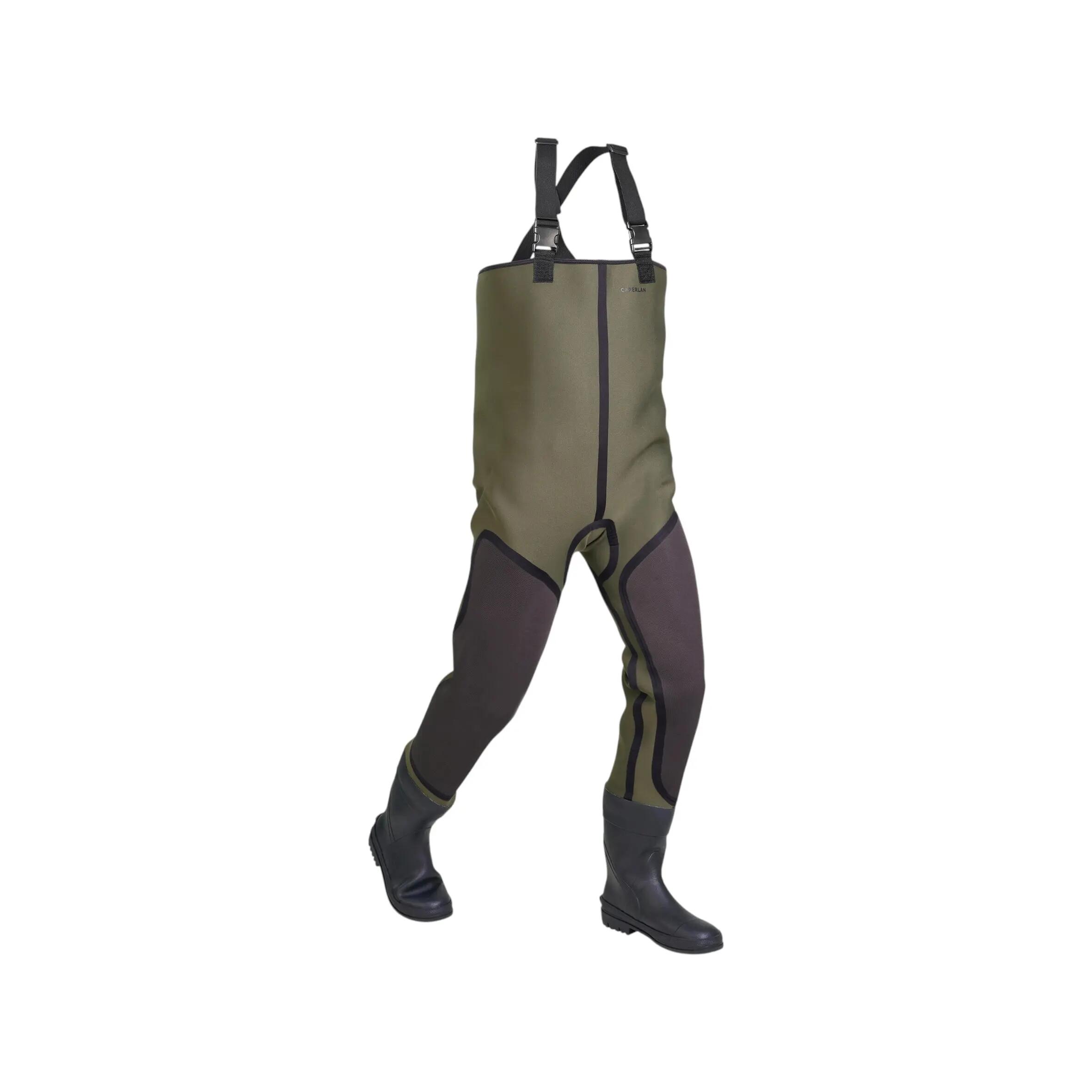
Minor neoprene damage does not always mean replacing the complete pair of waders. Caperlan provides an adhesive specifically for repairing holes and snags in neoprene, with a formulation that remains flexible after curing so the repaired area can continue moving with the material. Apply the first layer, leave it for approximately five minutes, add a second coat, then join the surfaces firmly. Allow 24 hours before putting the waders back into use. The fishing neoprene glue supports a repair-first approach when the damage is suitable for adhesive treatment. Dry and clean the damaged area carefully before starting, as moisture or dirt can interfere with the bond.

How can you organise tools for mobile predator fishing?

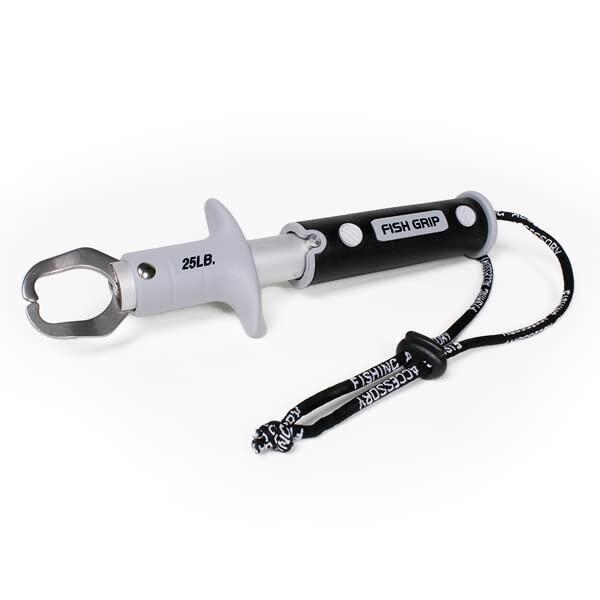
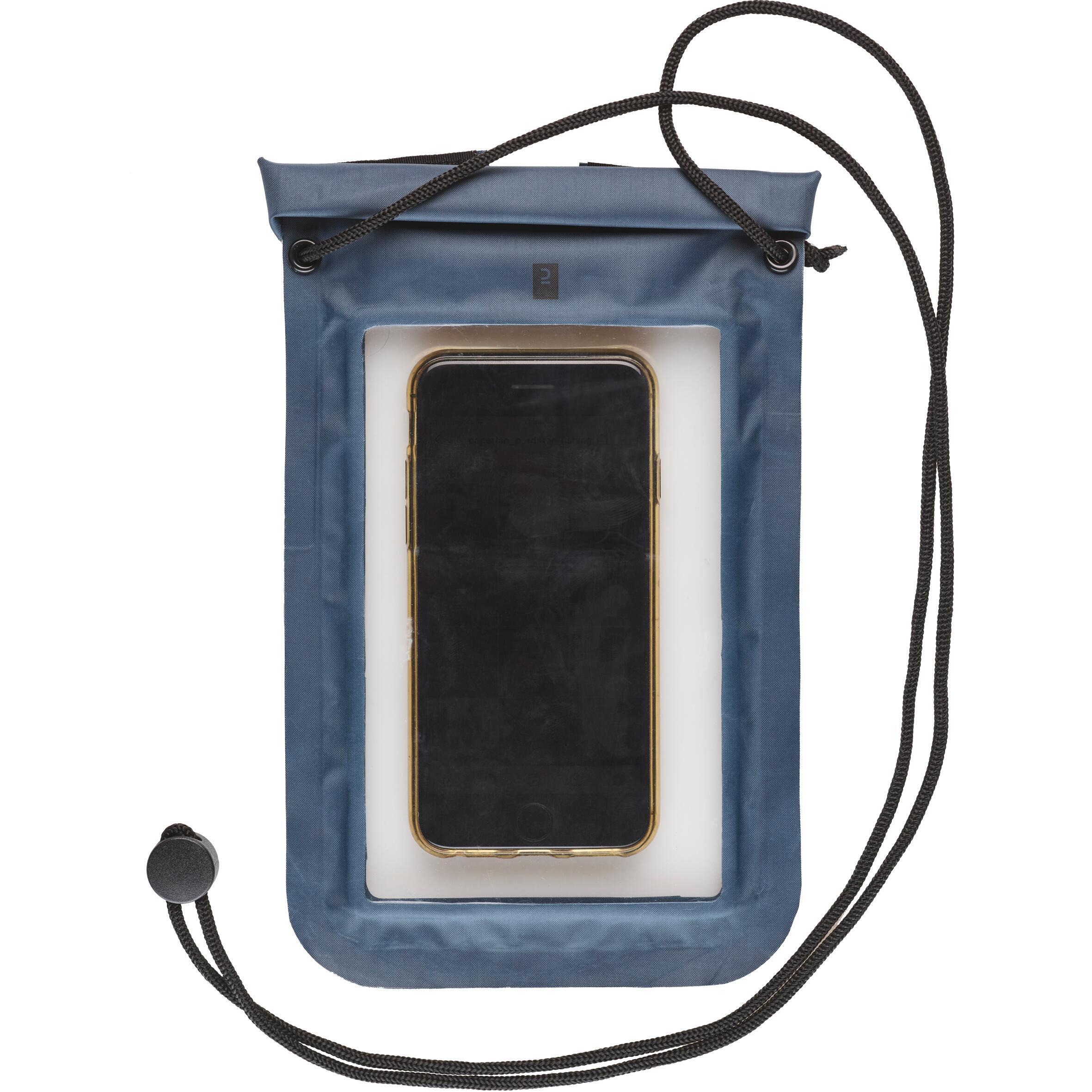
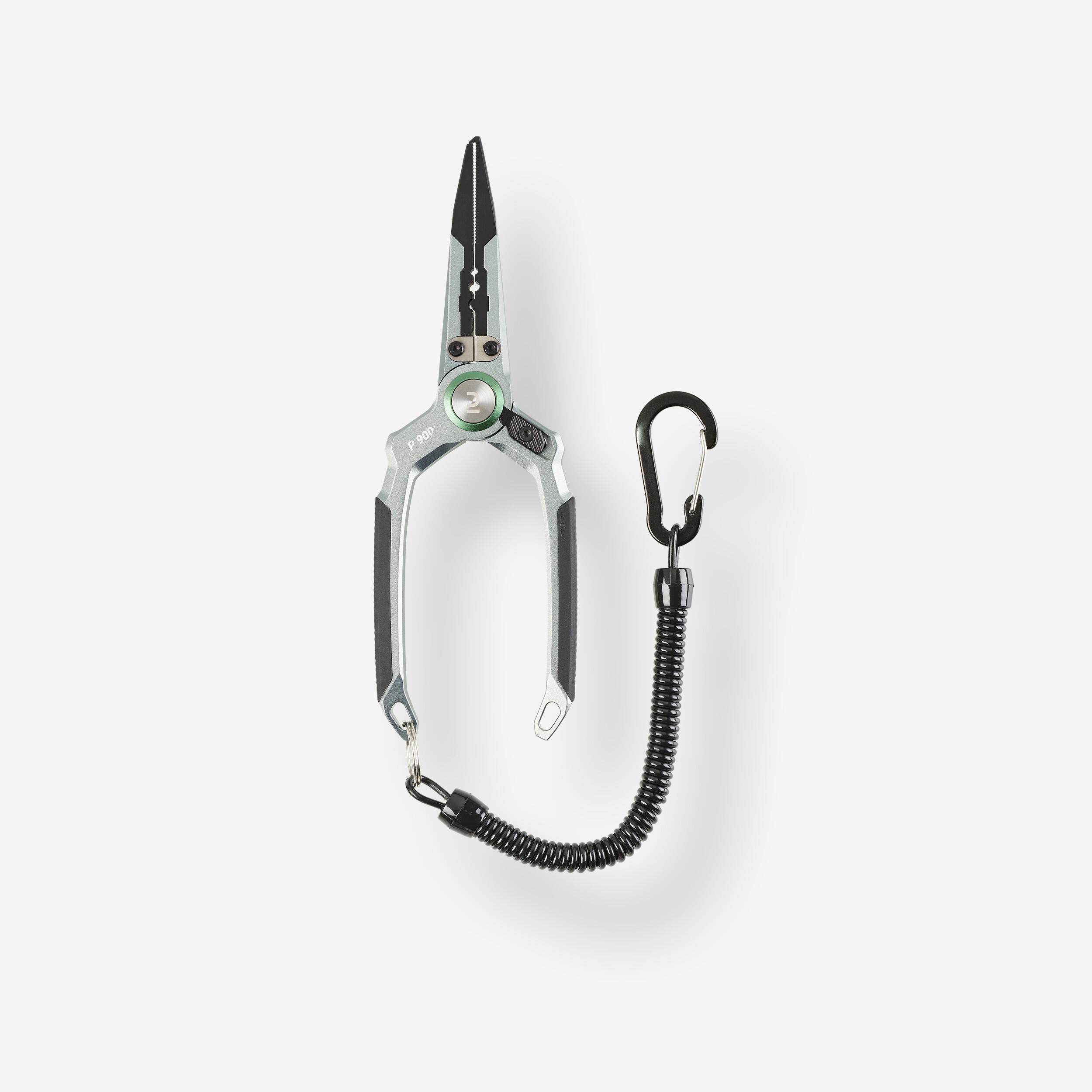
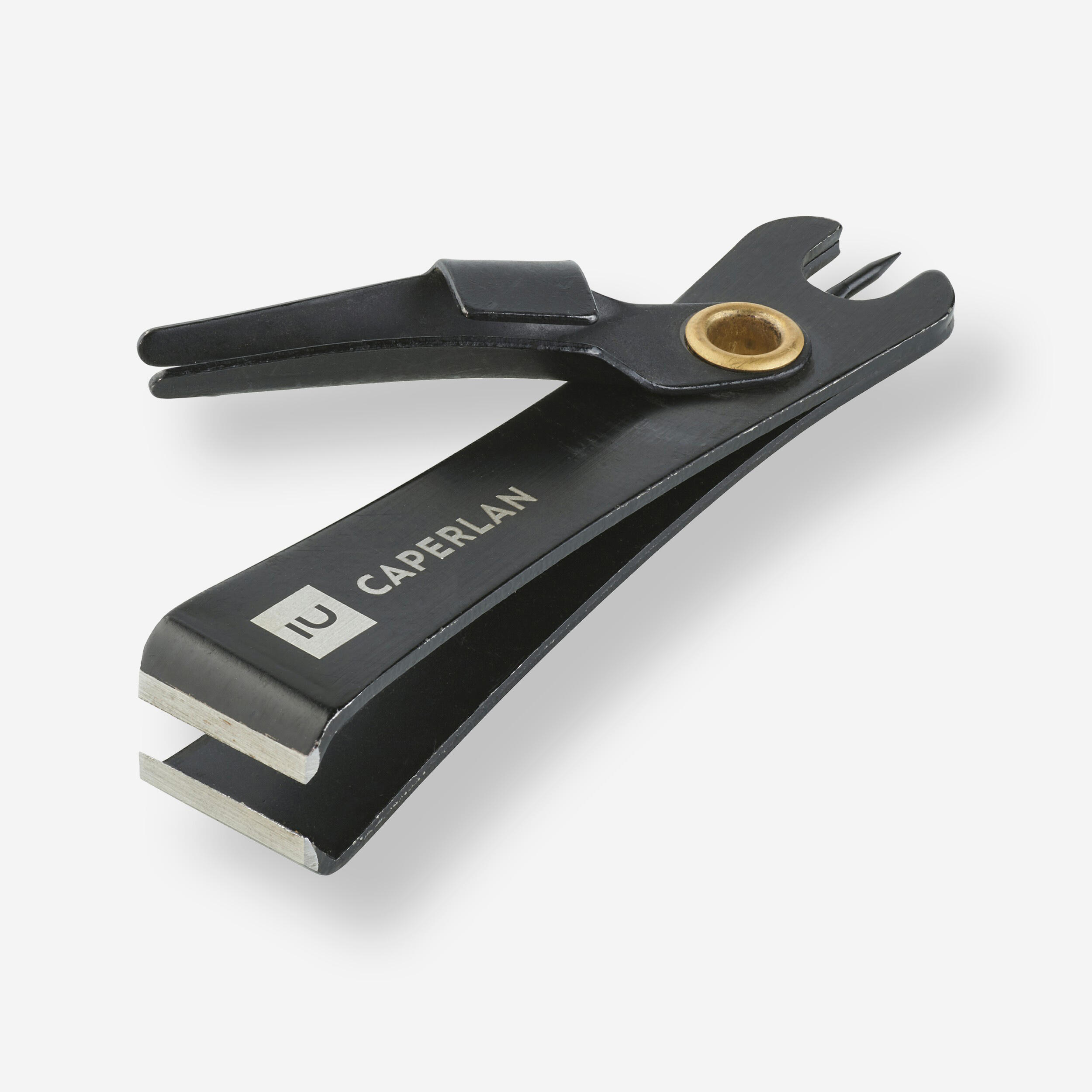
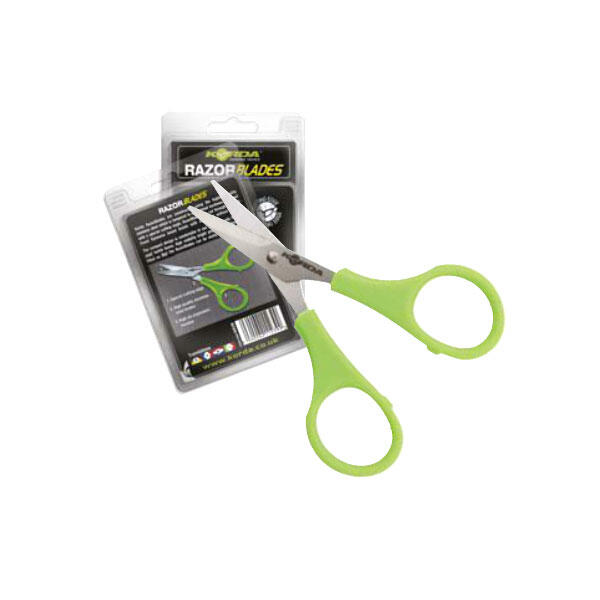
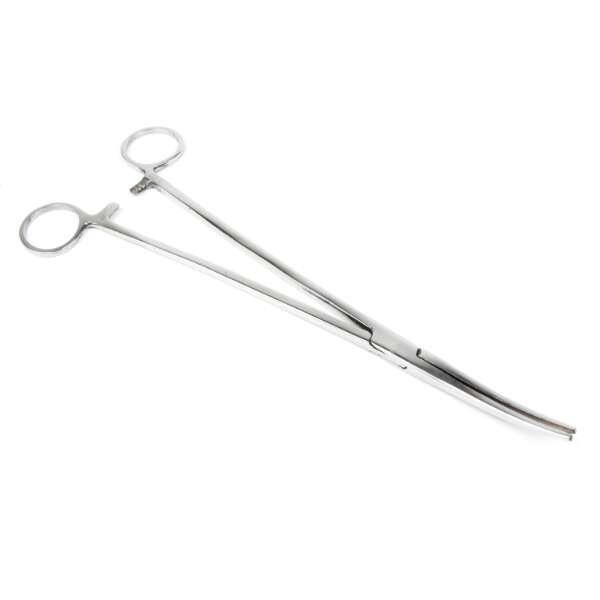
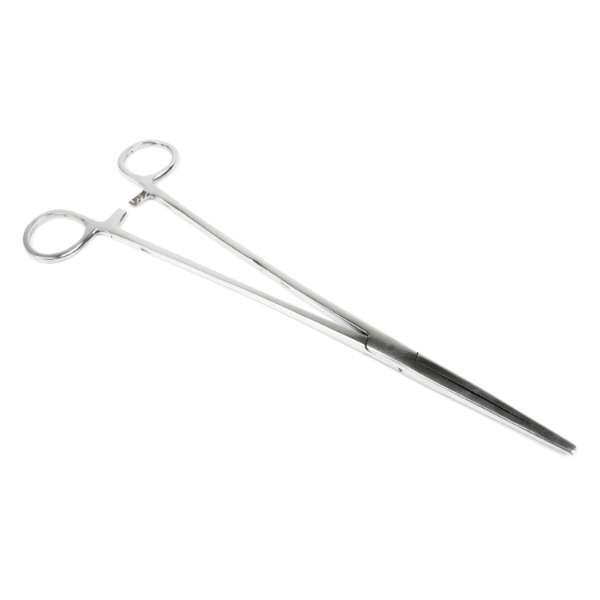
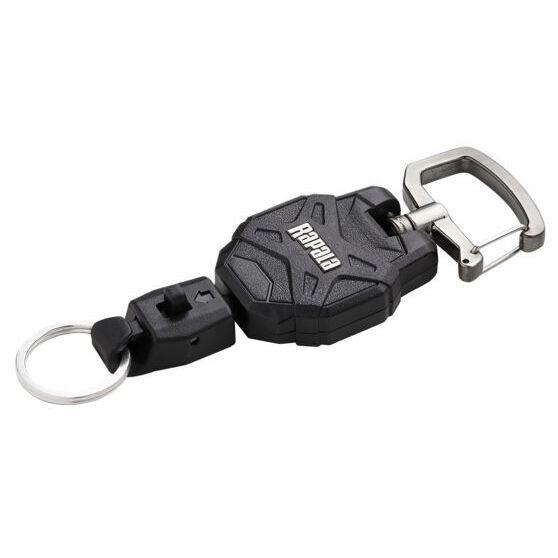
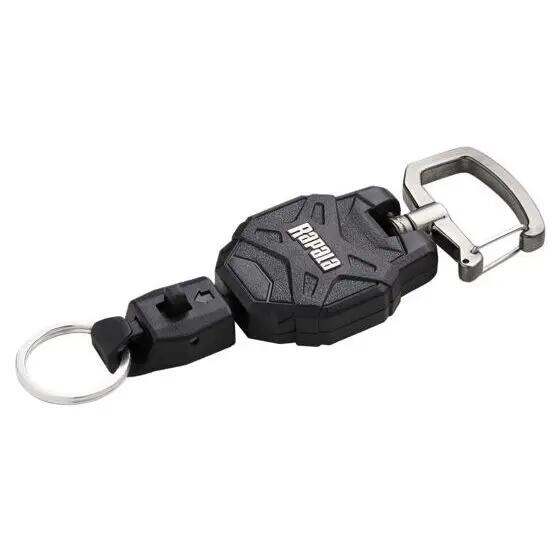
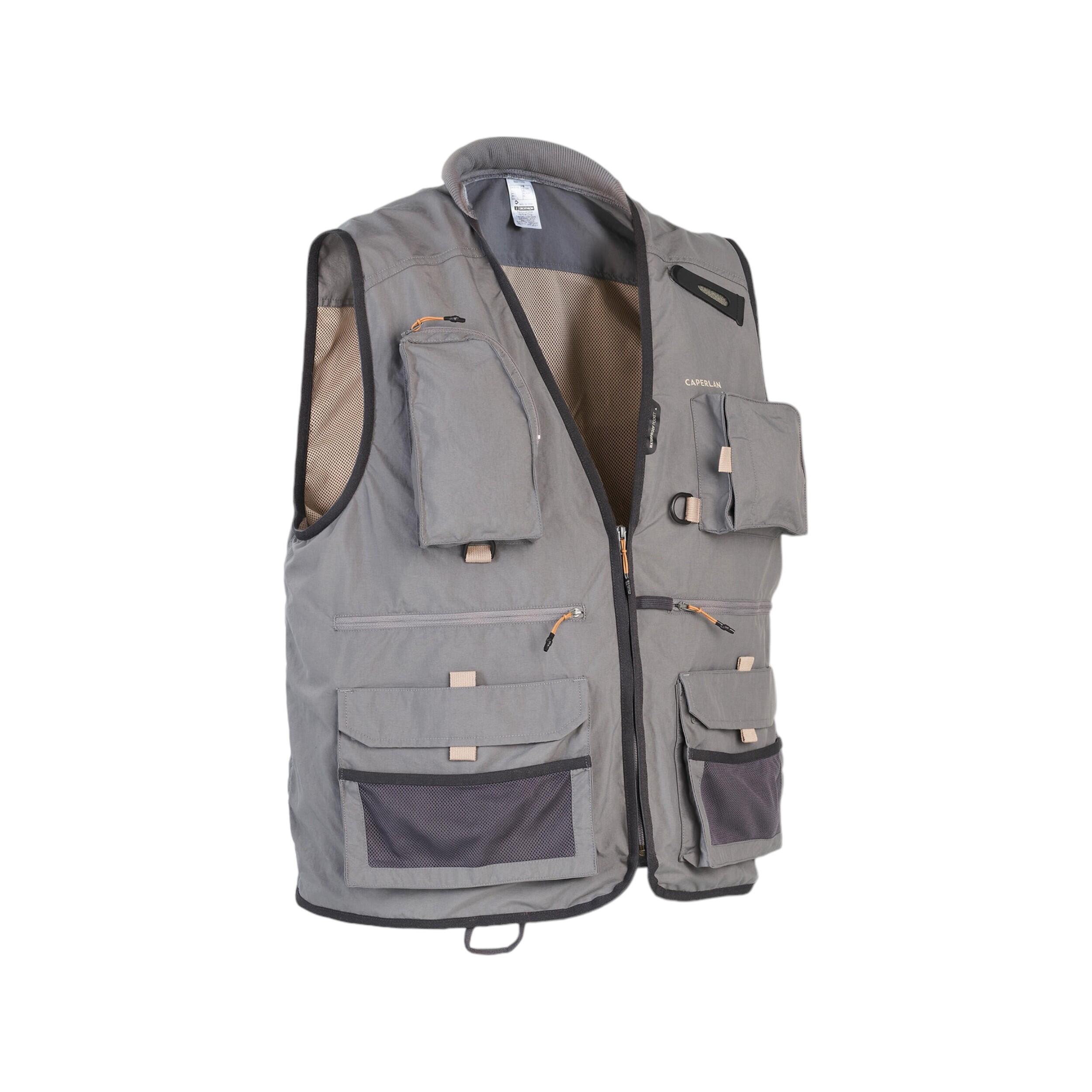
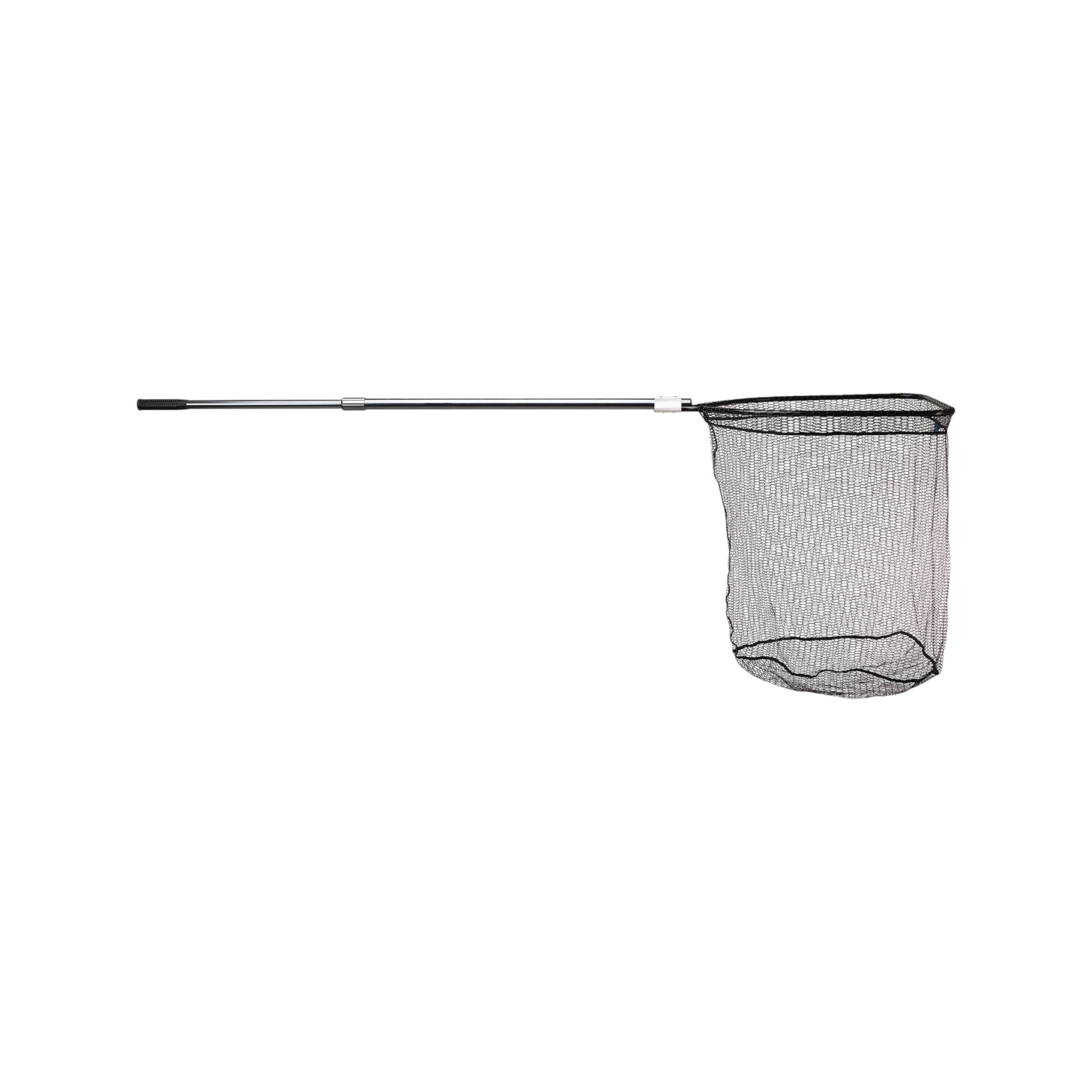
Place the tools you use during fish handling and lure changes where you can reach them without emptying a bag on the bank. Pliers, cutters, measuring equipment and waterproof phone storage all serve different jobs, so attaching or separating them can make your assembly easier to manage. Selected Caperlan tools include retractable cords, protective covers or compact dimensions that help with carrying them close to hand. Other predator fishing equipment such as chest packs, landing-net attachments and modular storage can help keep these accessories organised while you move between swims. Secure sharp tools before walking, and position longer pliers where they cannot catch on clothing, vegetation or your rod during casting.

How do you keep predator fishing tools working properly?

Dry metal tools thoroughly after use and store them somewhere ventilated rather than leaving wet pliers or cutters sealed inside a tackle box. Saltwater suitability varies between Caperlan tools, so stainless steel or a protective finish alone does not mean every model can handle sea fishing. Models approved for saltwater still need fresh-water rinsing afterwards, while pivots on selected pliers benefit from lubrication about once a year. Keep sand and grit away from cutting surfaces because particles can affect how cleanly the blades operate. Before your next predator fishing session, test pliers, cutters and attachment cords at home. Replace or repair damaged equipment before you need it for hook removal beside the water.