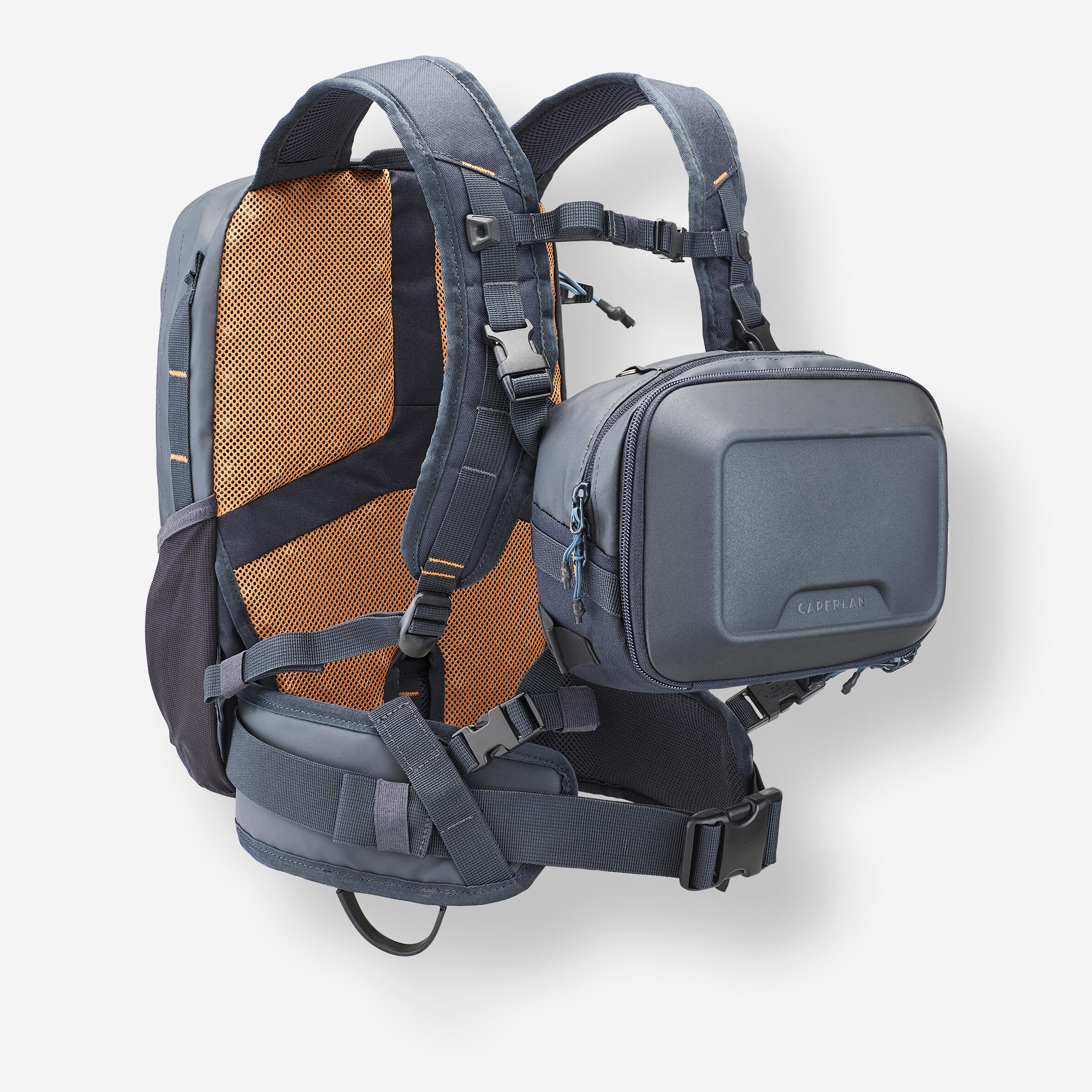
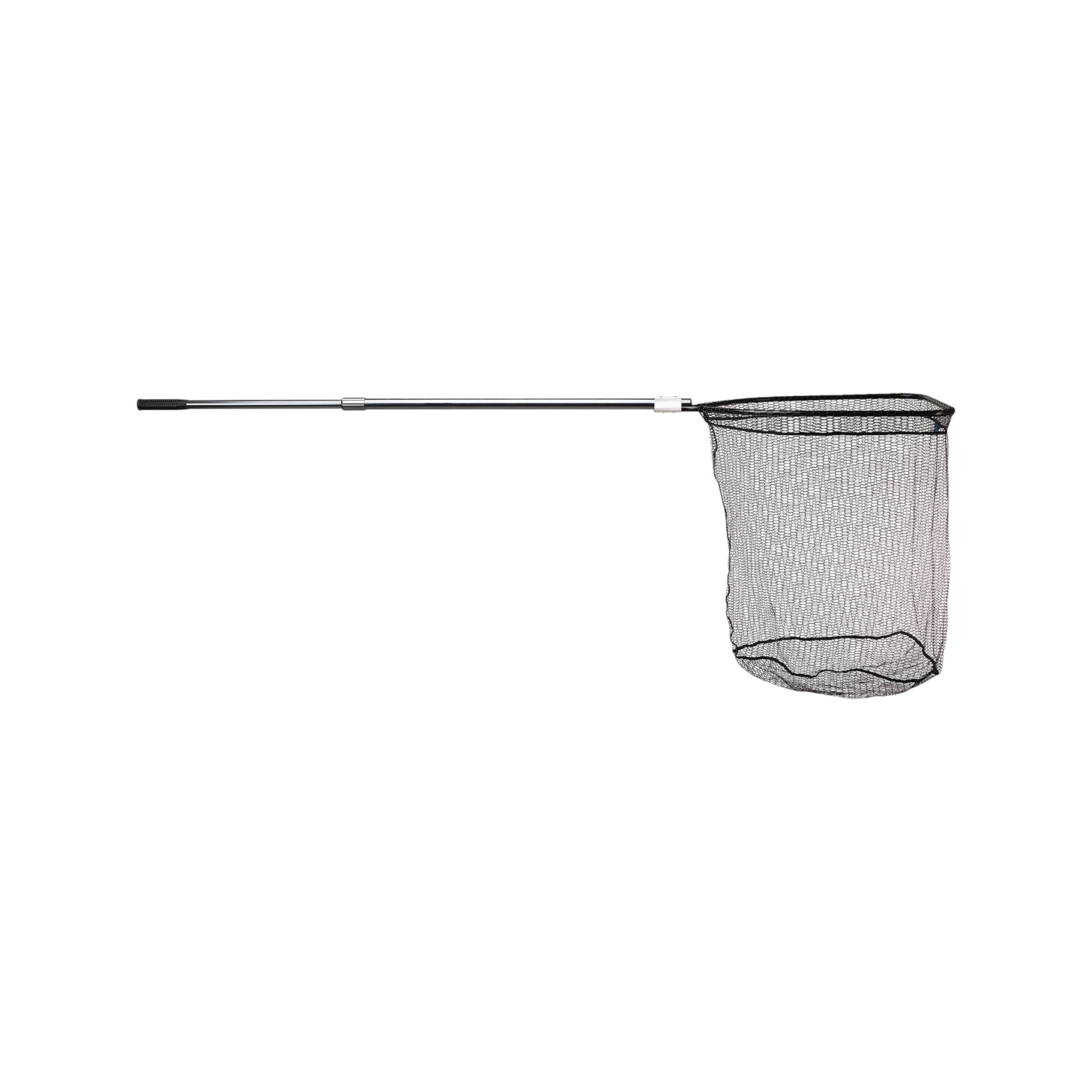
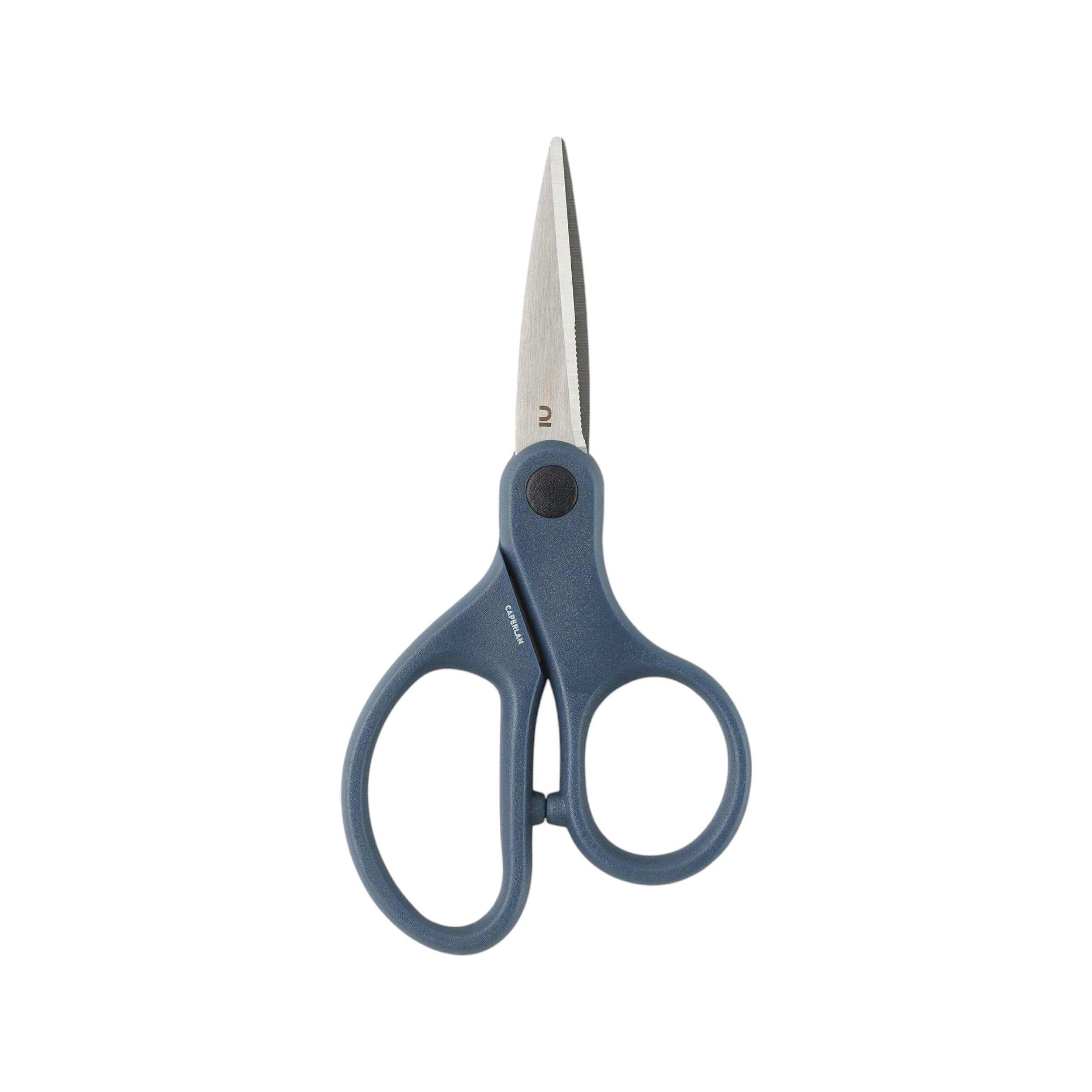
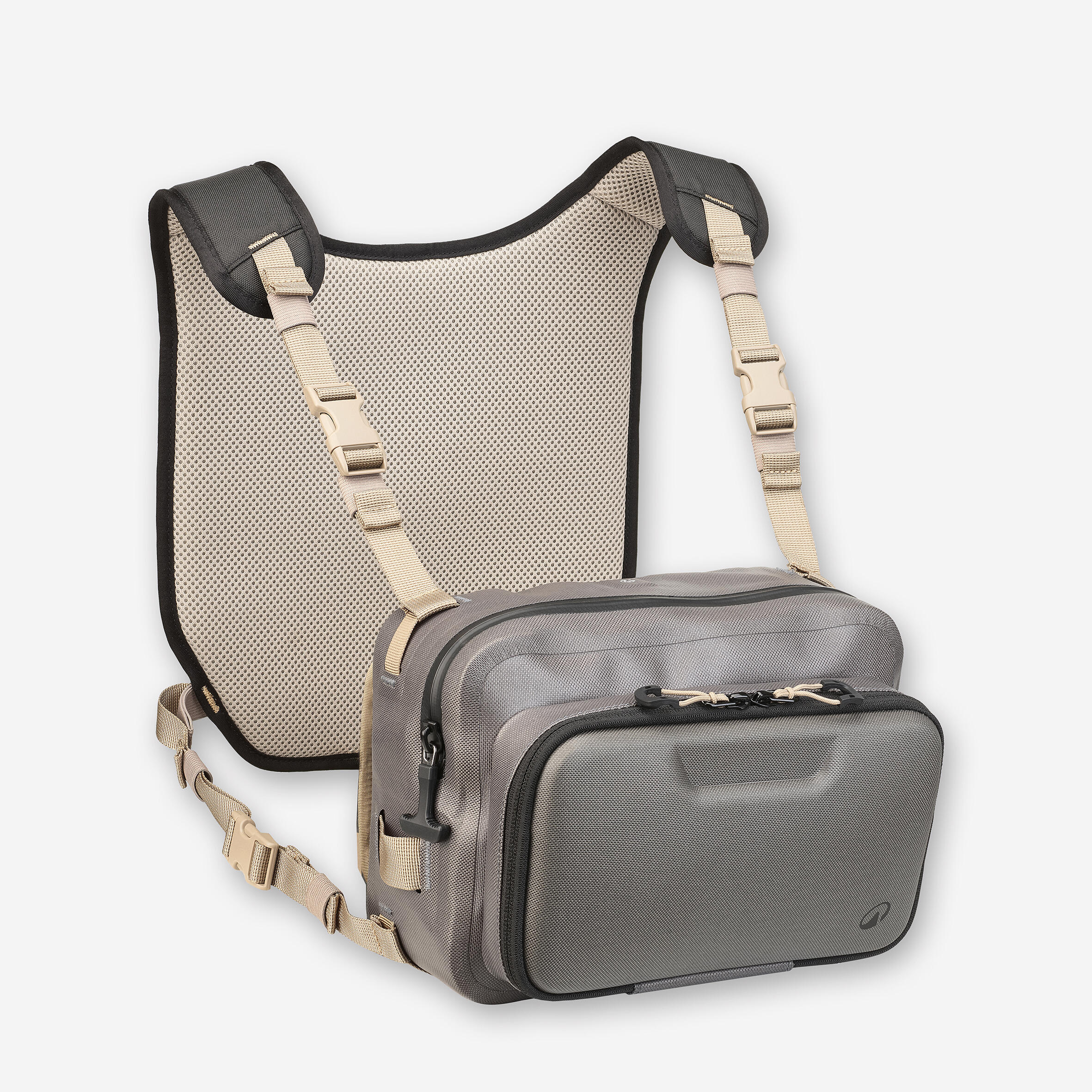
48 items
4.7/5 based on 3661 reviews collected online and in stores

Predator Fishing Rod Bags FAQs

How much protection does a predator fishing rod bag need?

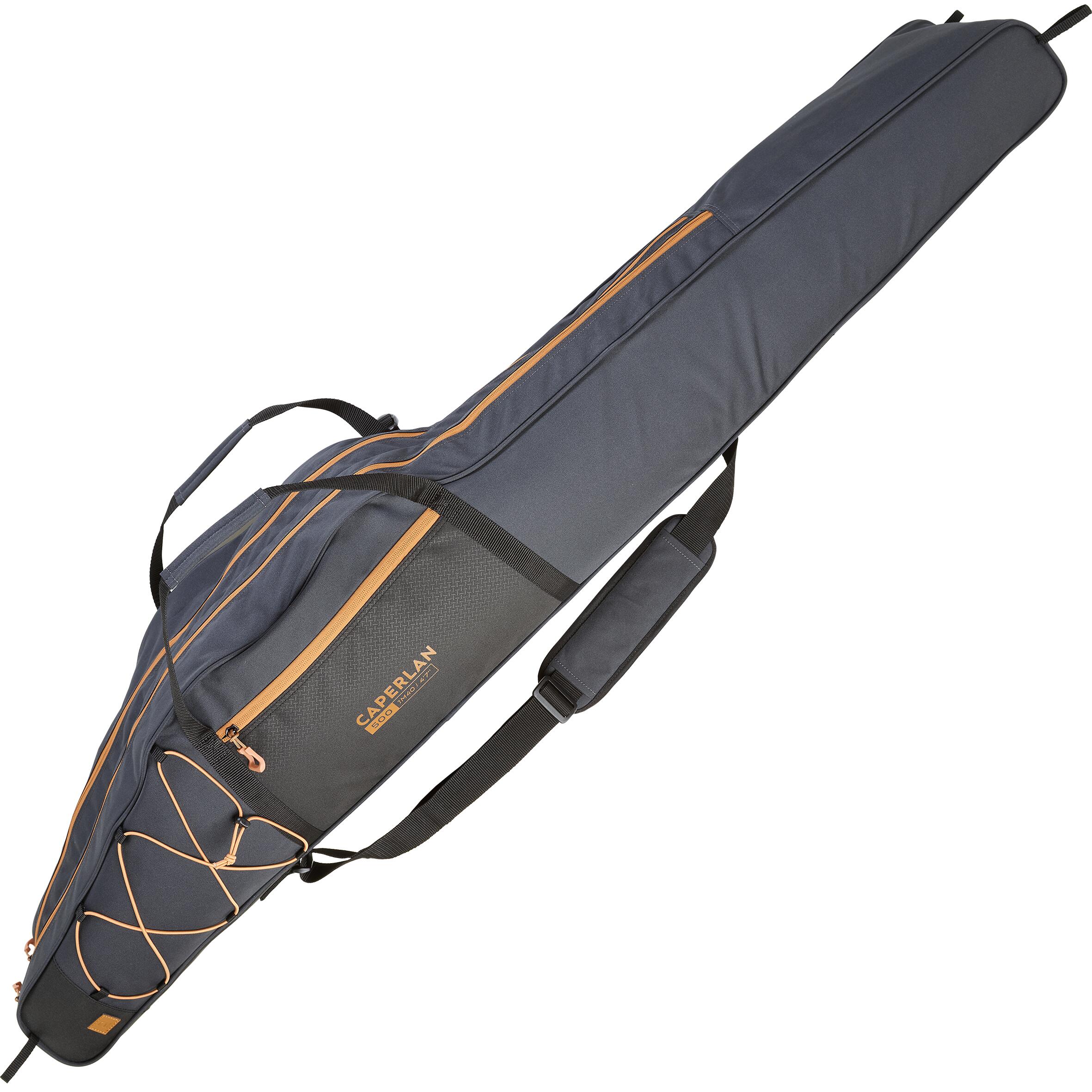
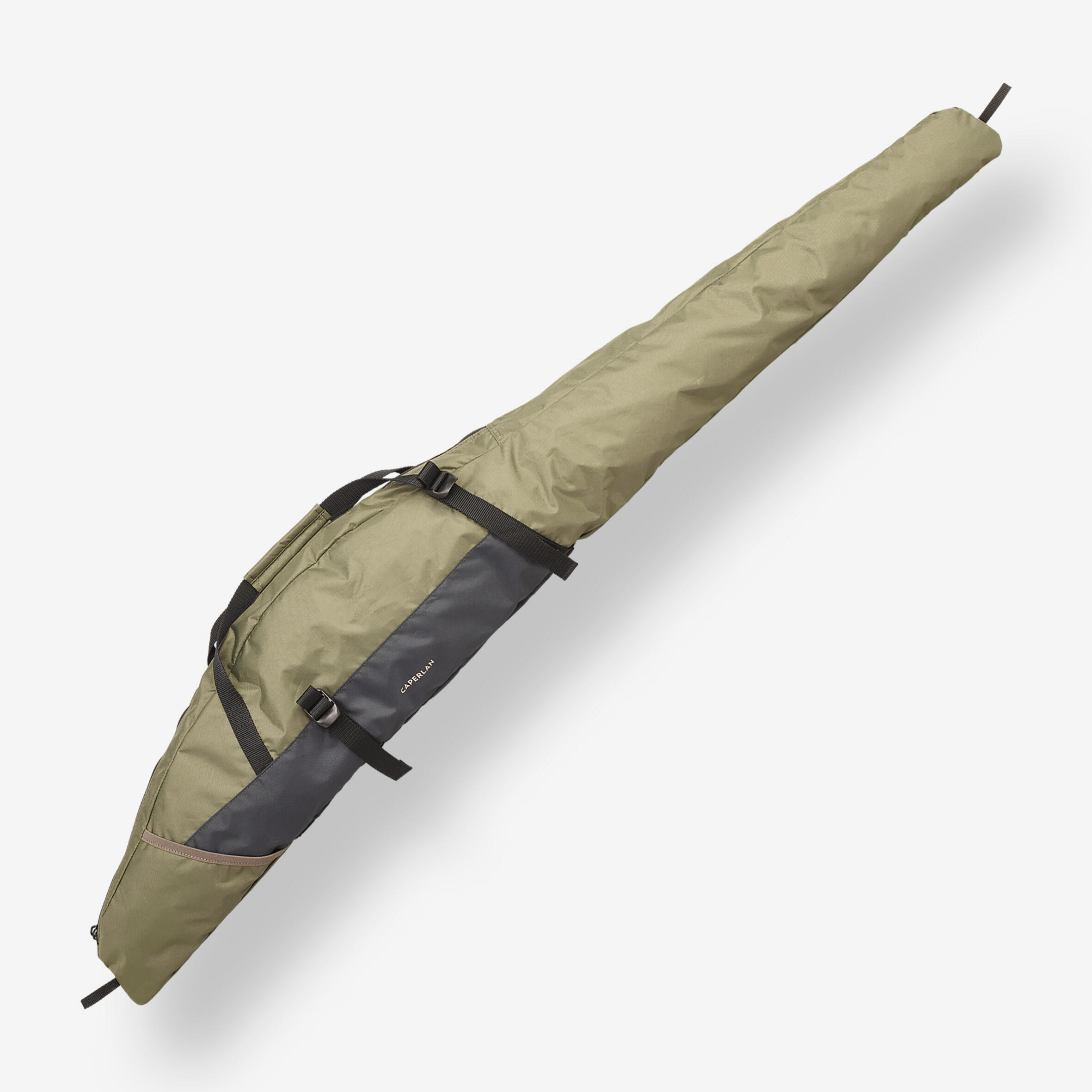
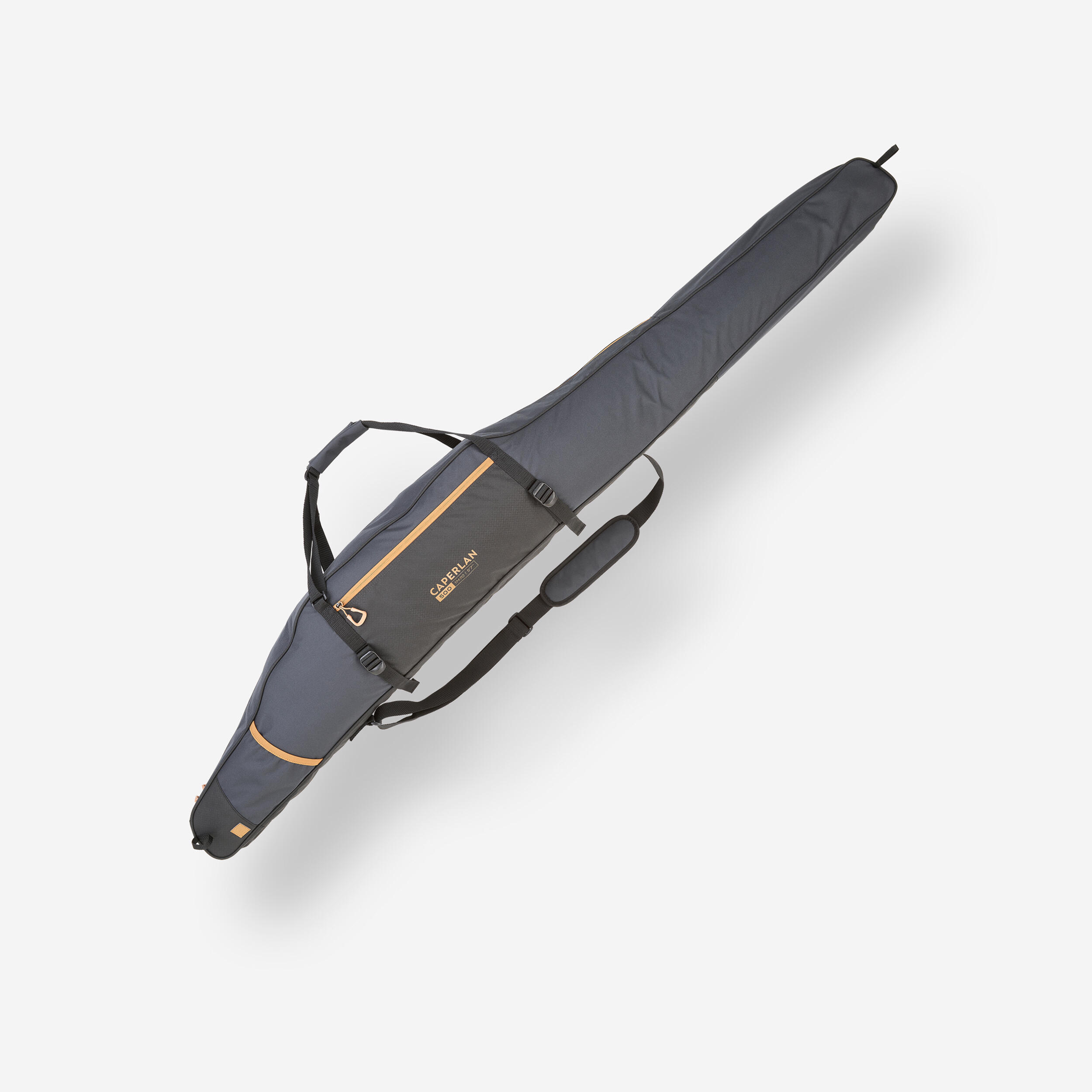
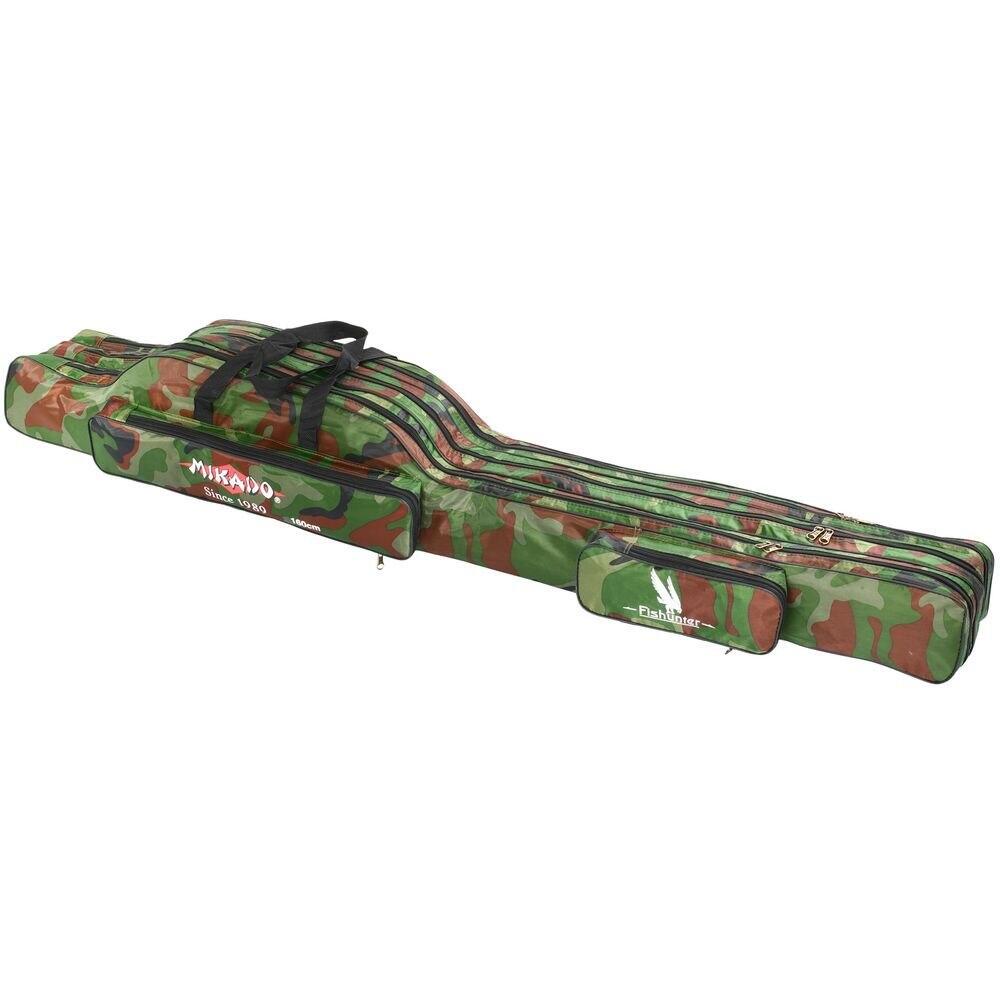
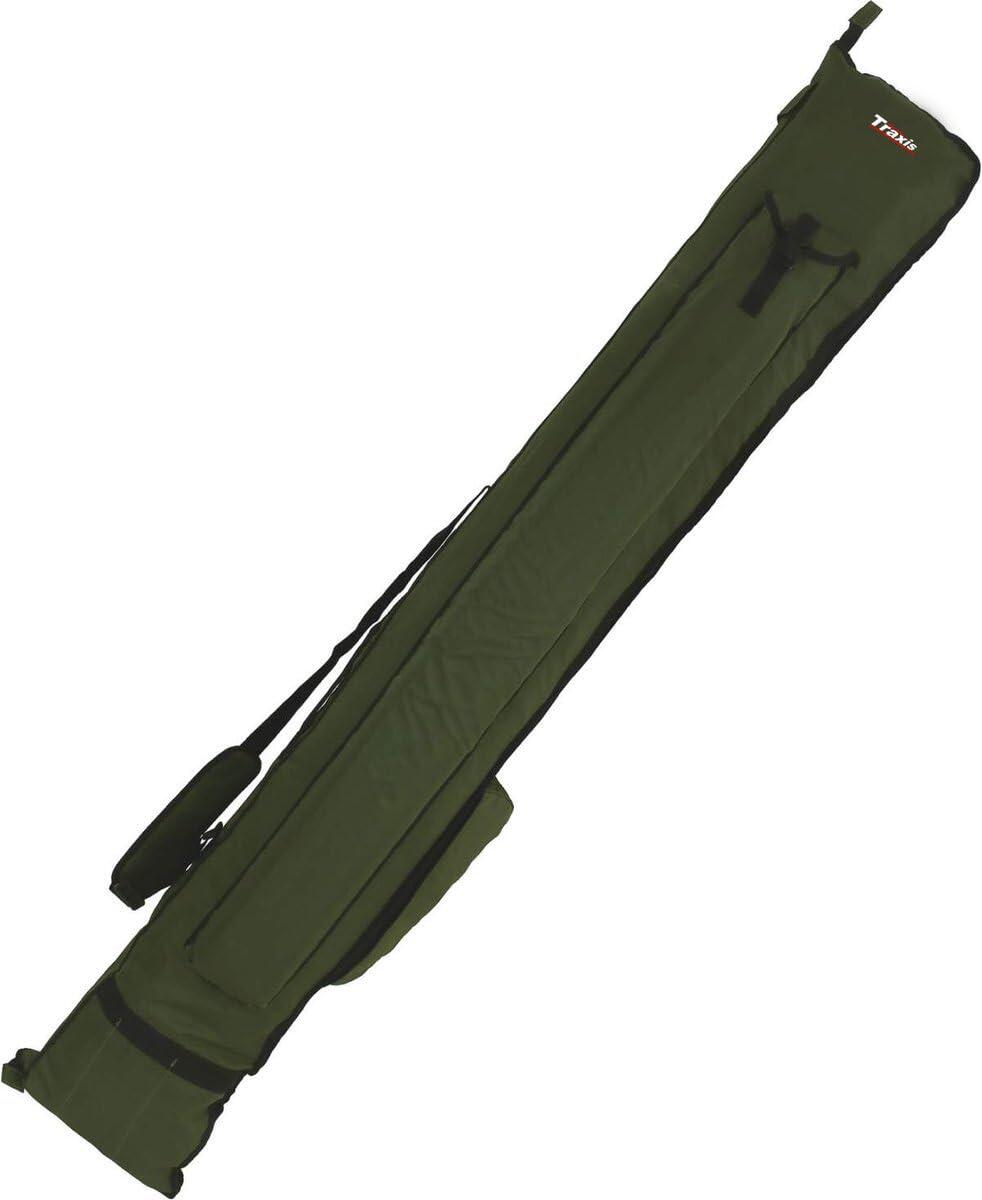
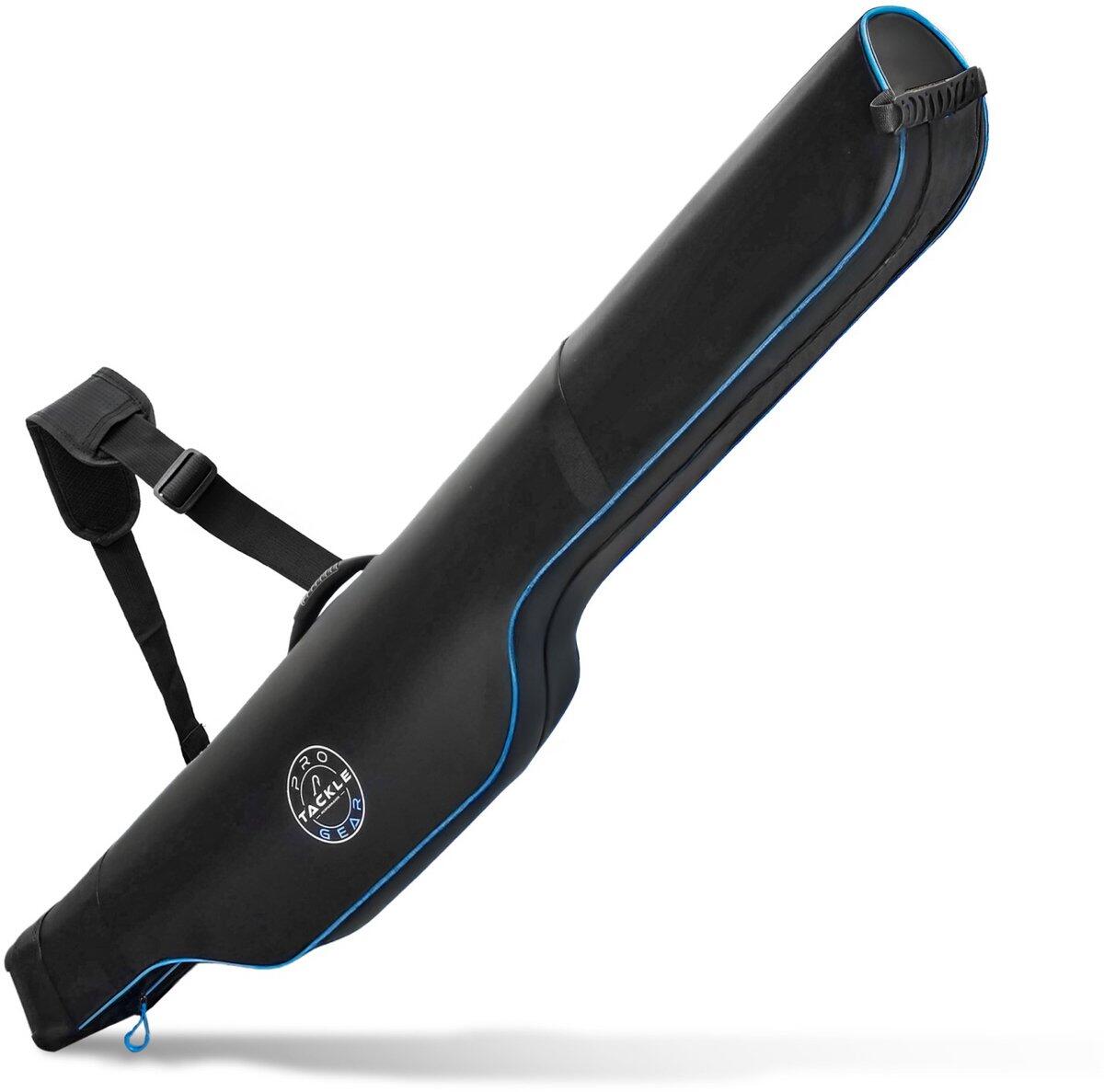
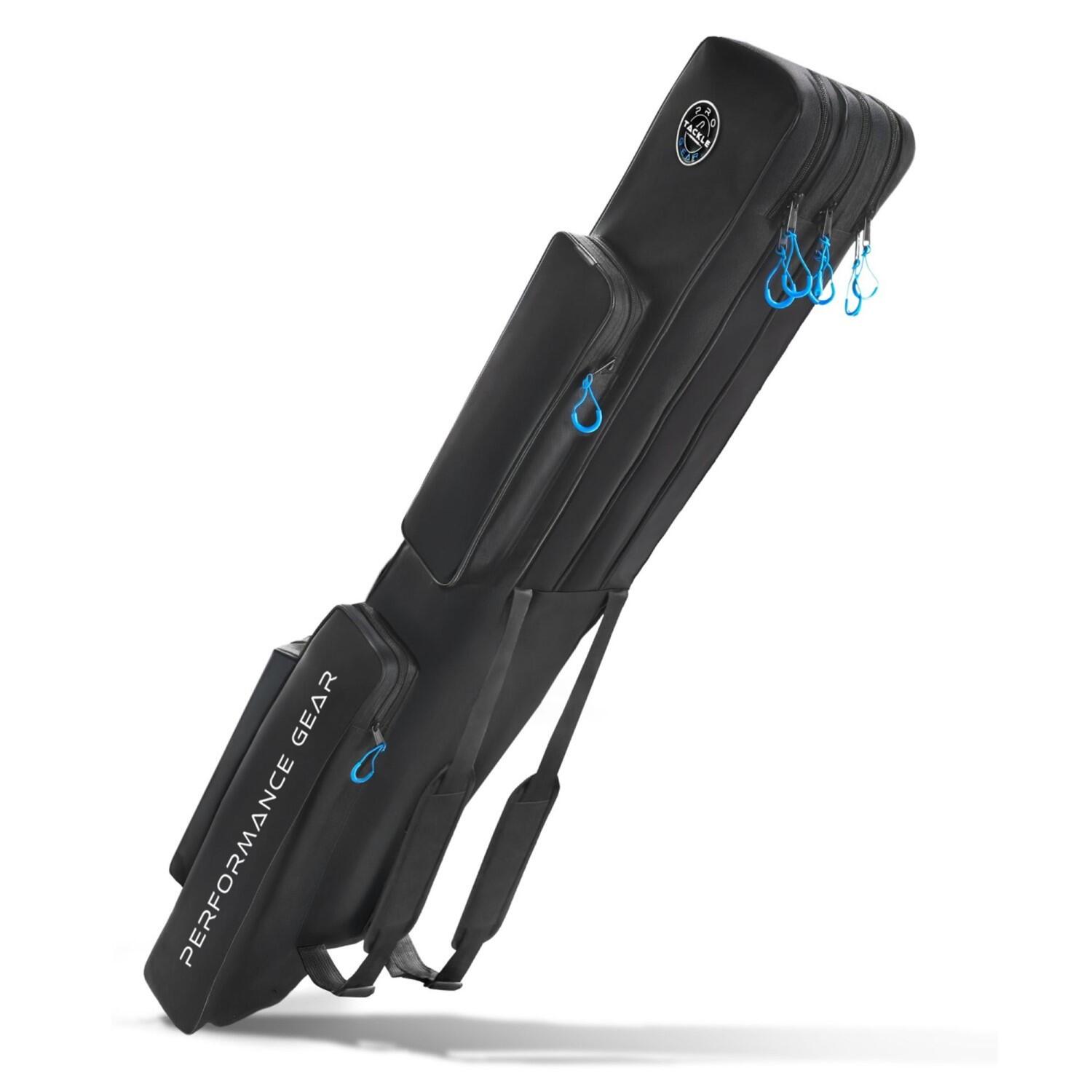
Think about how many complete rod-and-reel rigs you carry and how often they travel in a car, across rough banks or between fishing spots. Caperlan's RH 500 1.40 m carries four rods with reels attached in two separate compartments and surrounds the contents with foam padding. Its outer fabric uses 600-denier polyester, with tougher 1680-denier material where the bag contacts the ground. Hook holders and a separate landing-net or bankstick position help prevent loose equipment moving around the rods. Keep smaller predator fishing equipment separated from rod tips and guides so hard boxes, tools and metal accessories cannot knock against more vulnerable parts during transport.
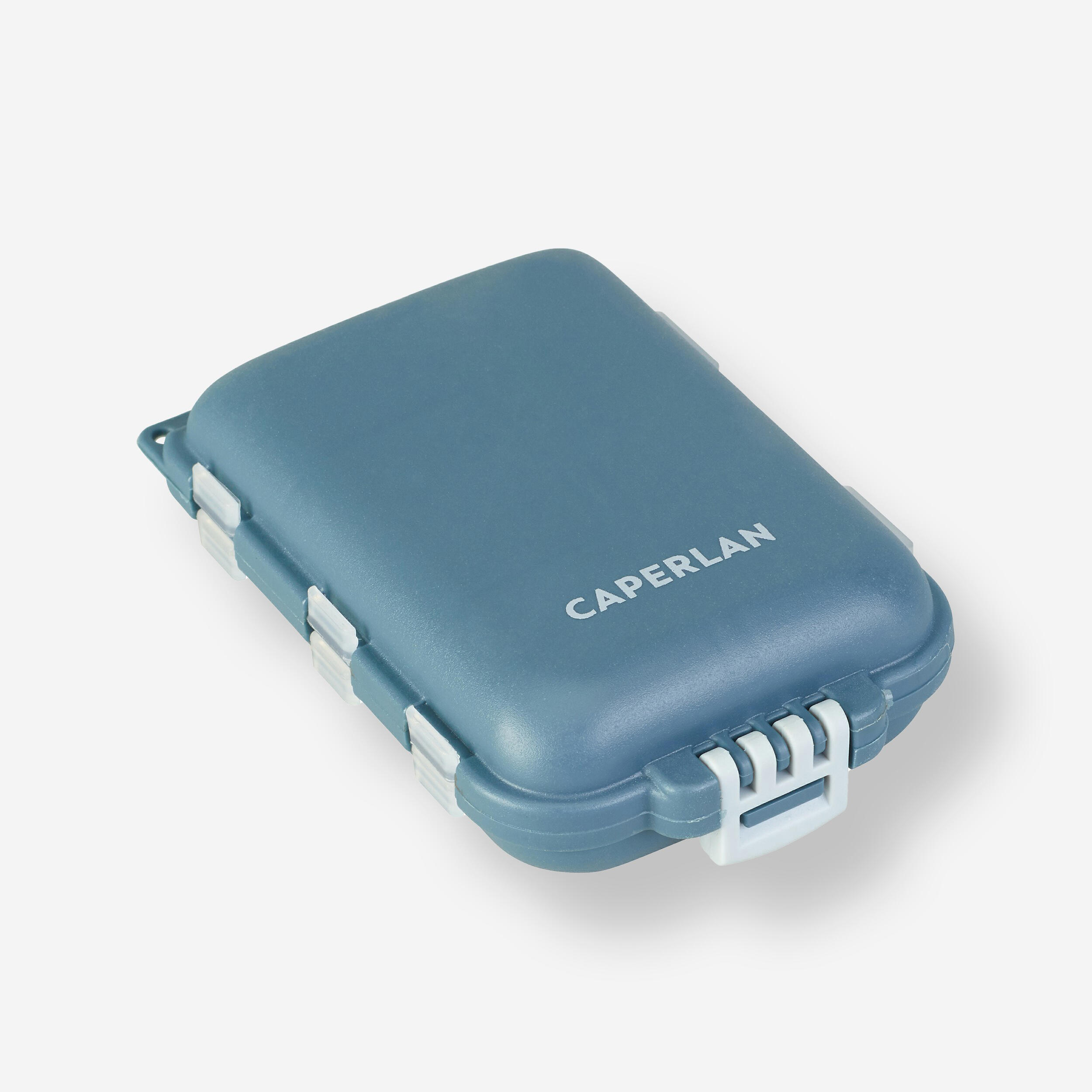
How can a reverse box organise small tackle inside your fishing luggage?

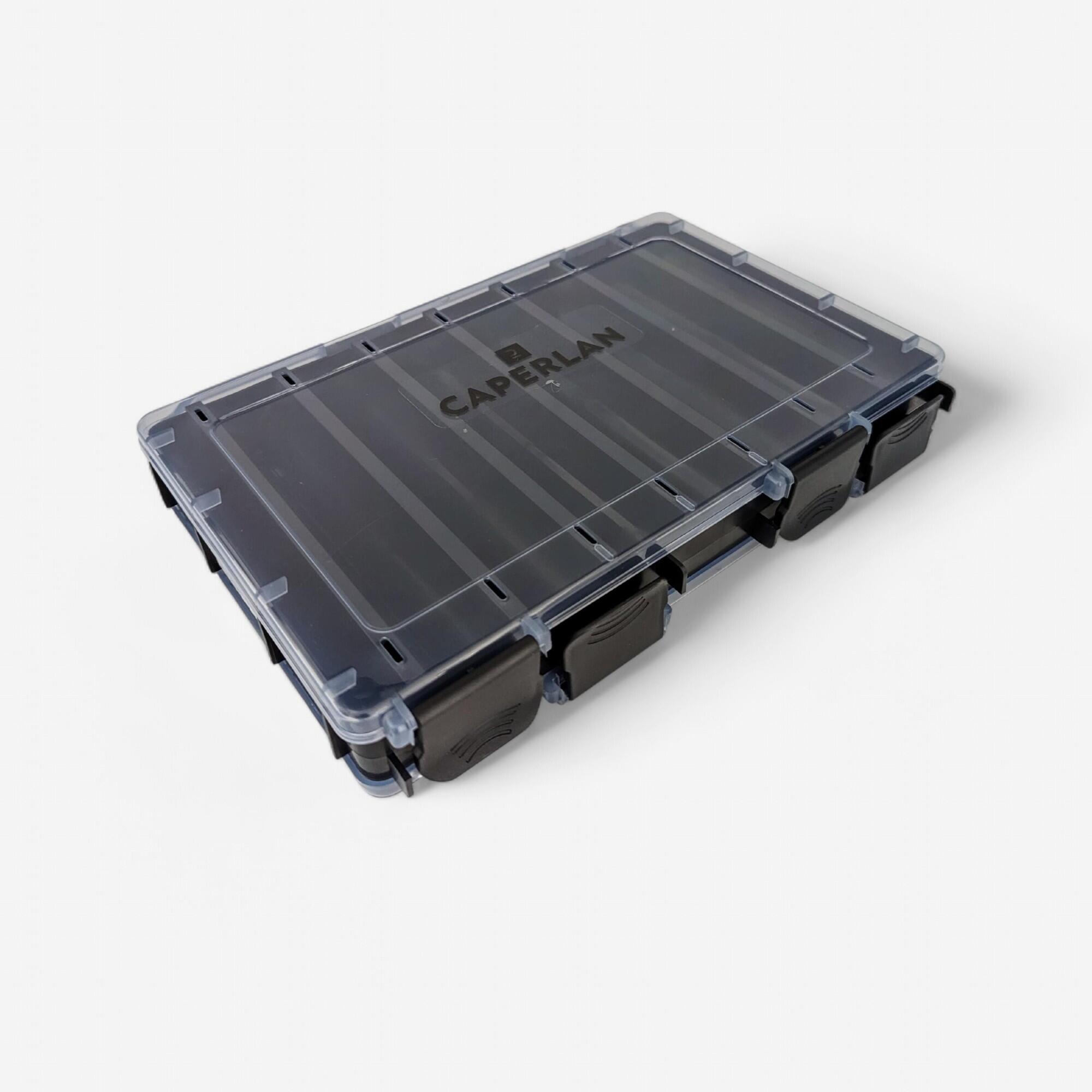
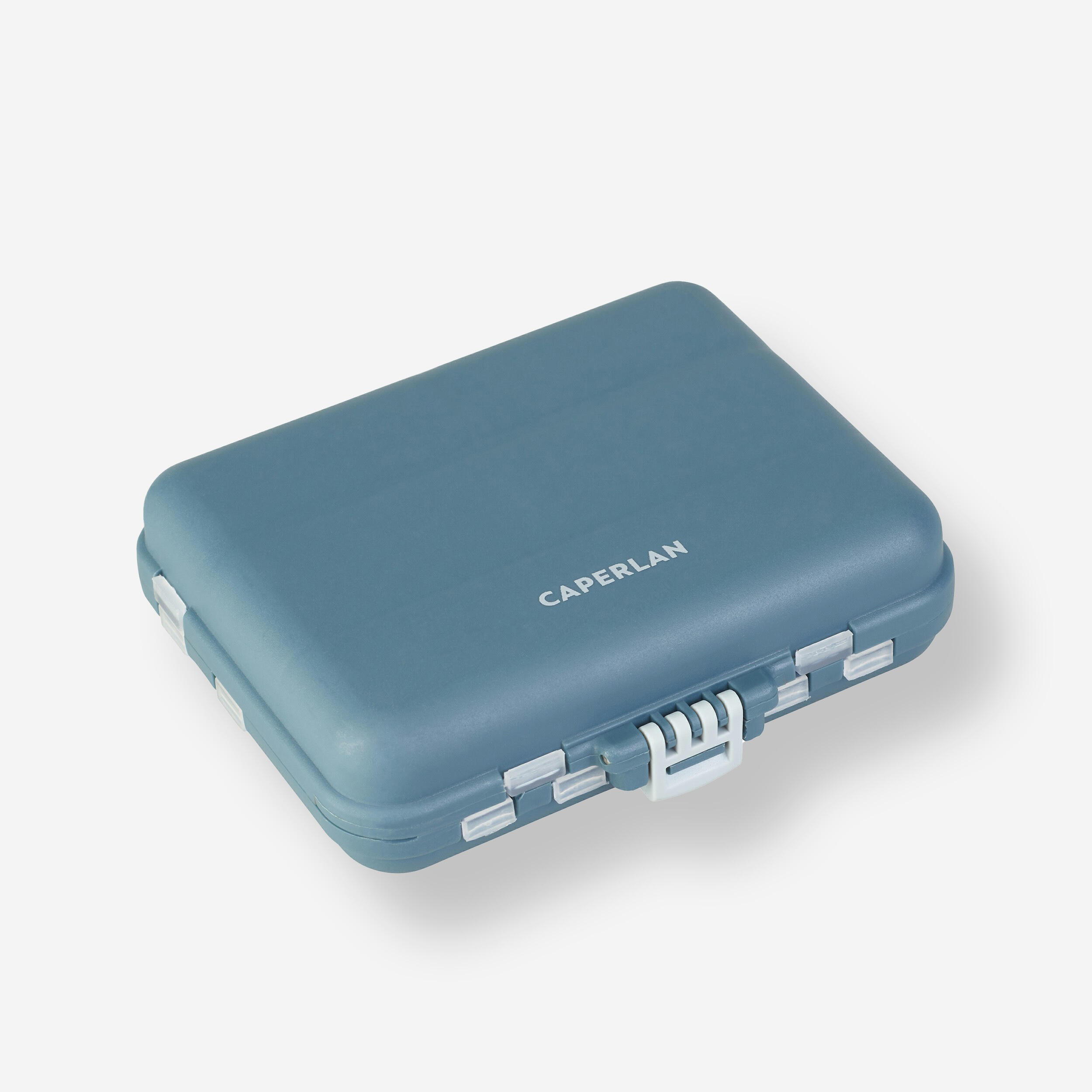
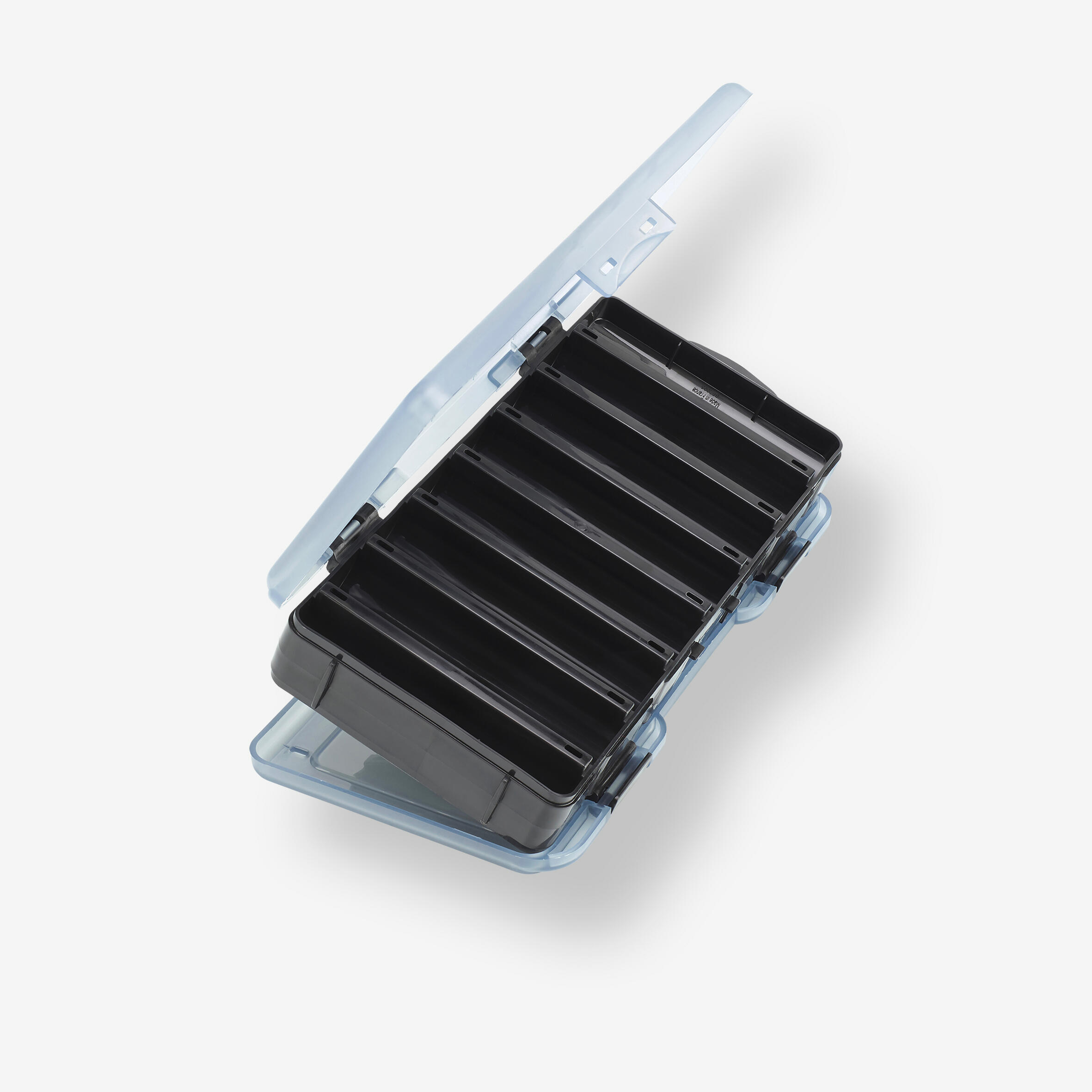
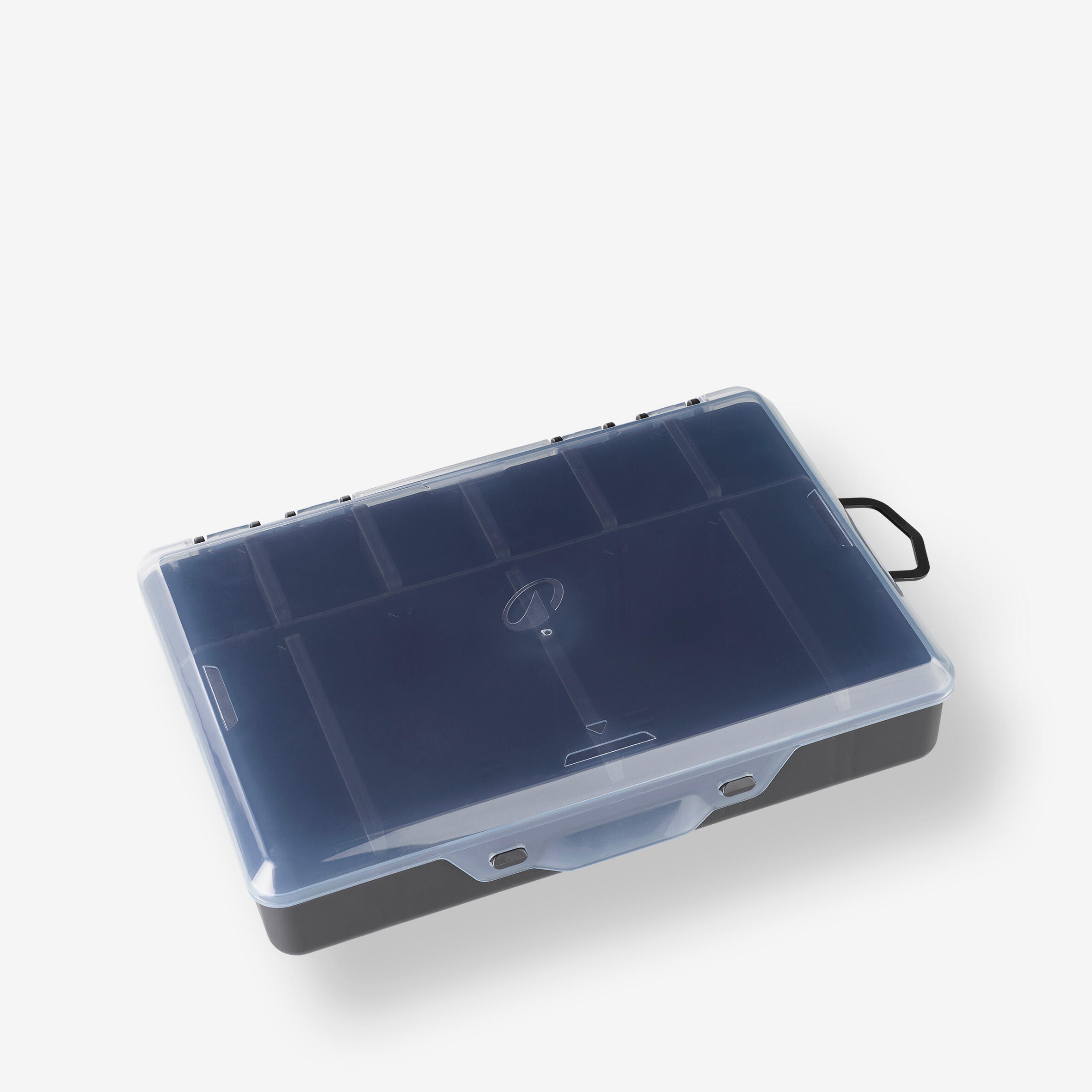
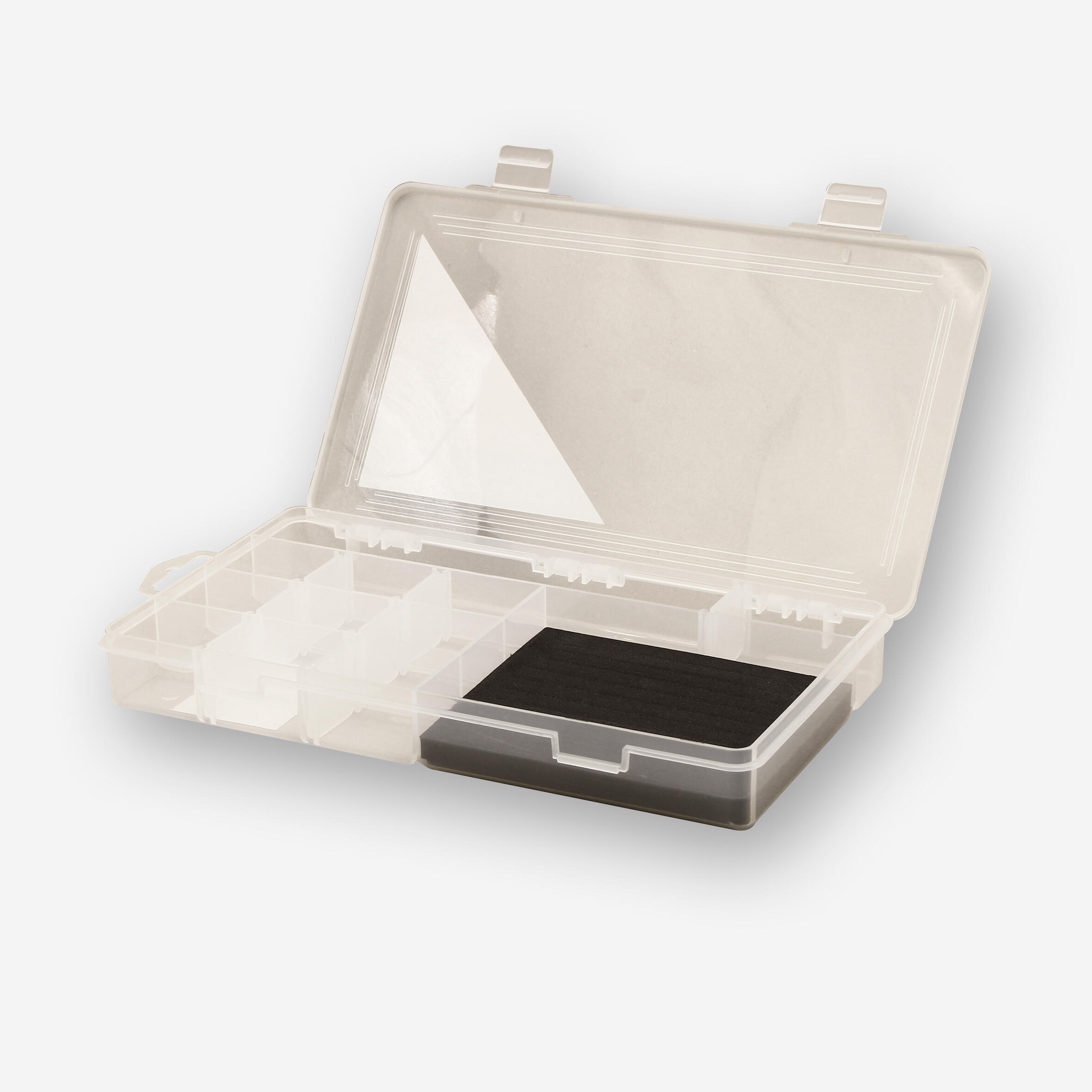
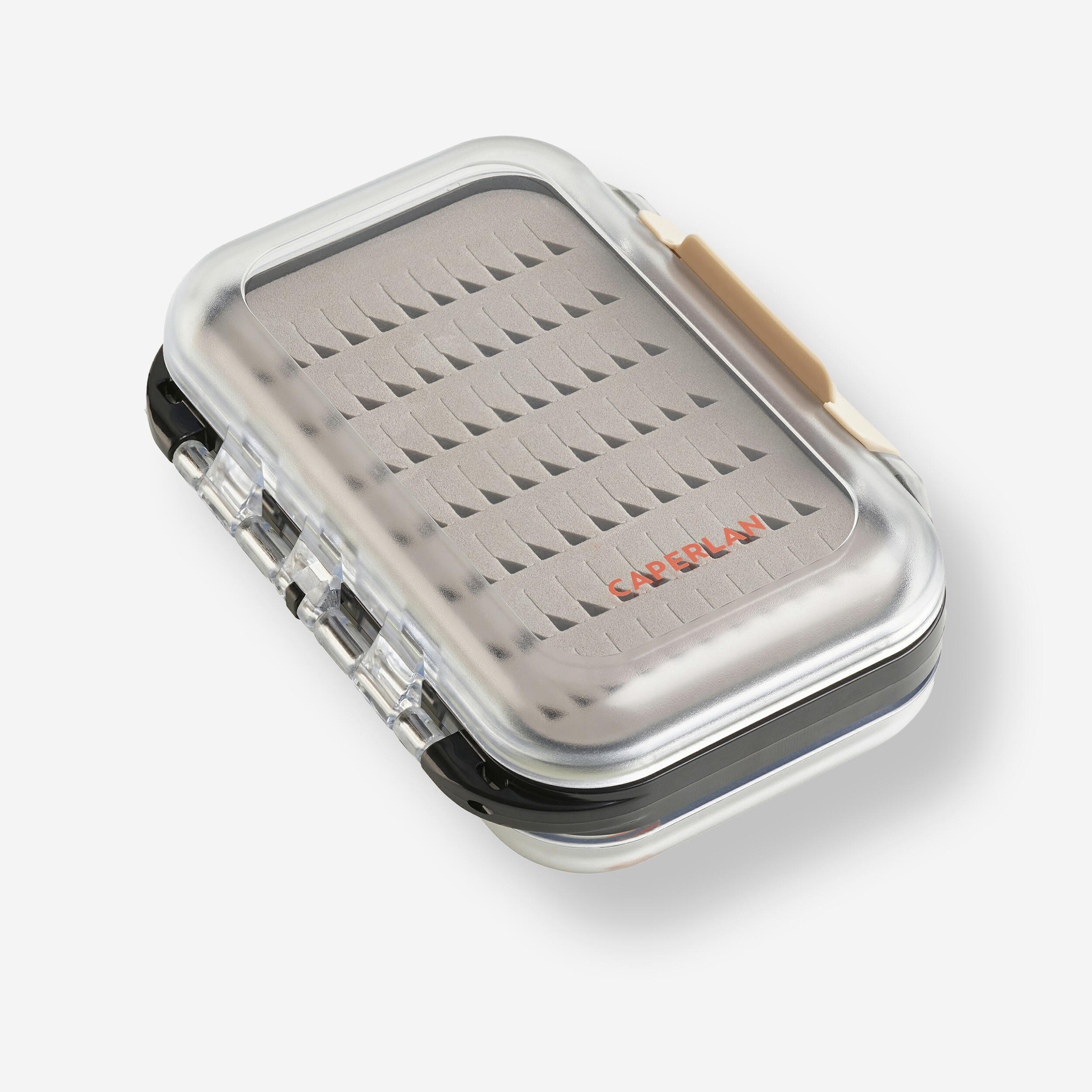
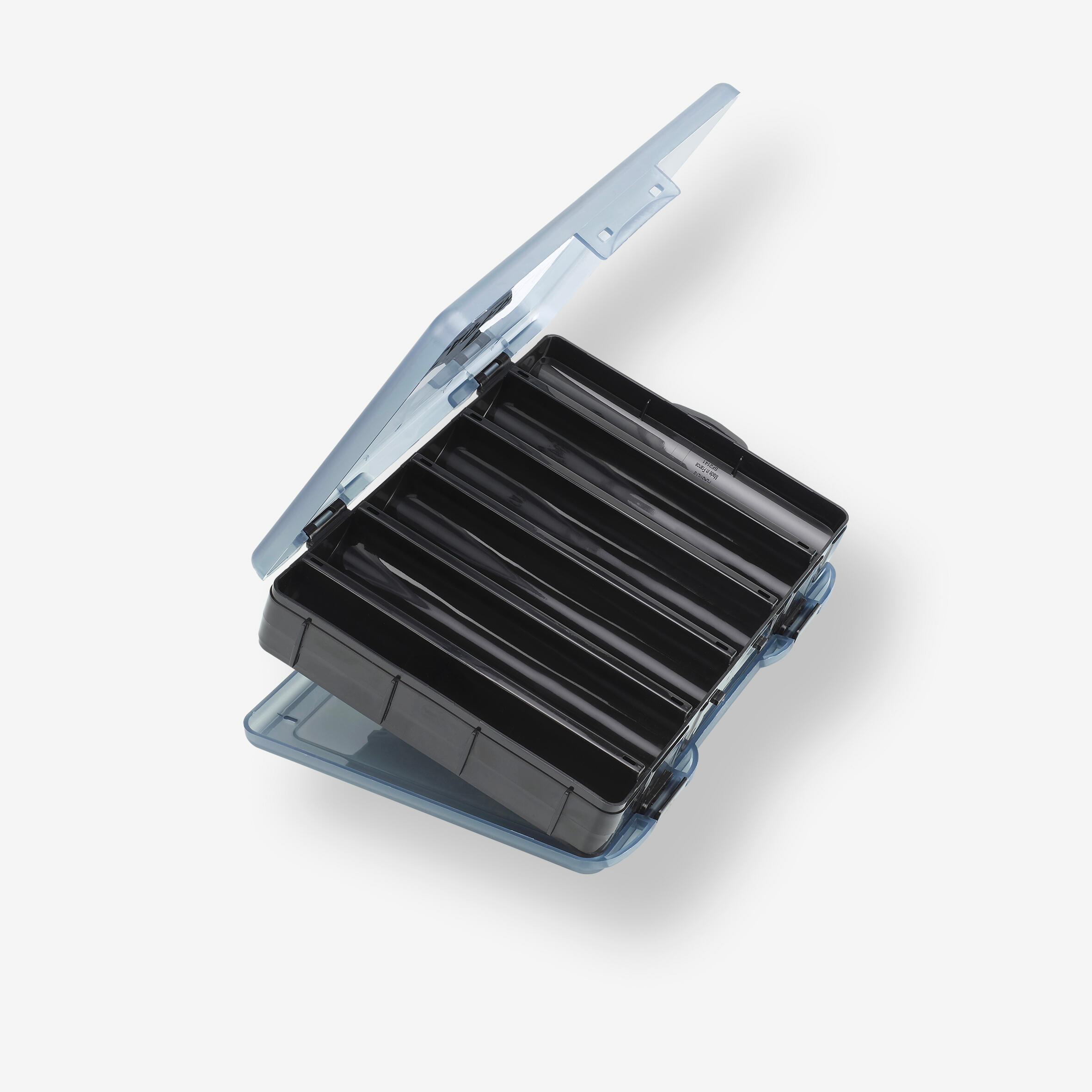
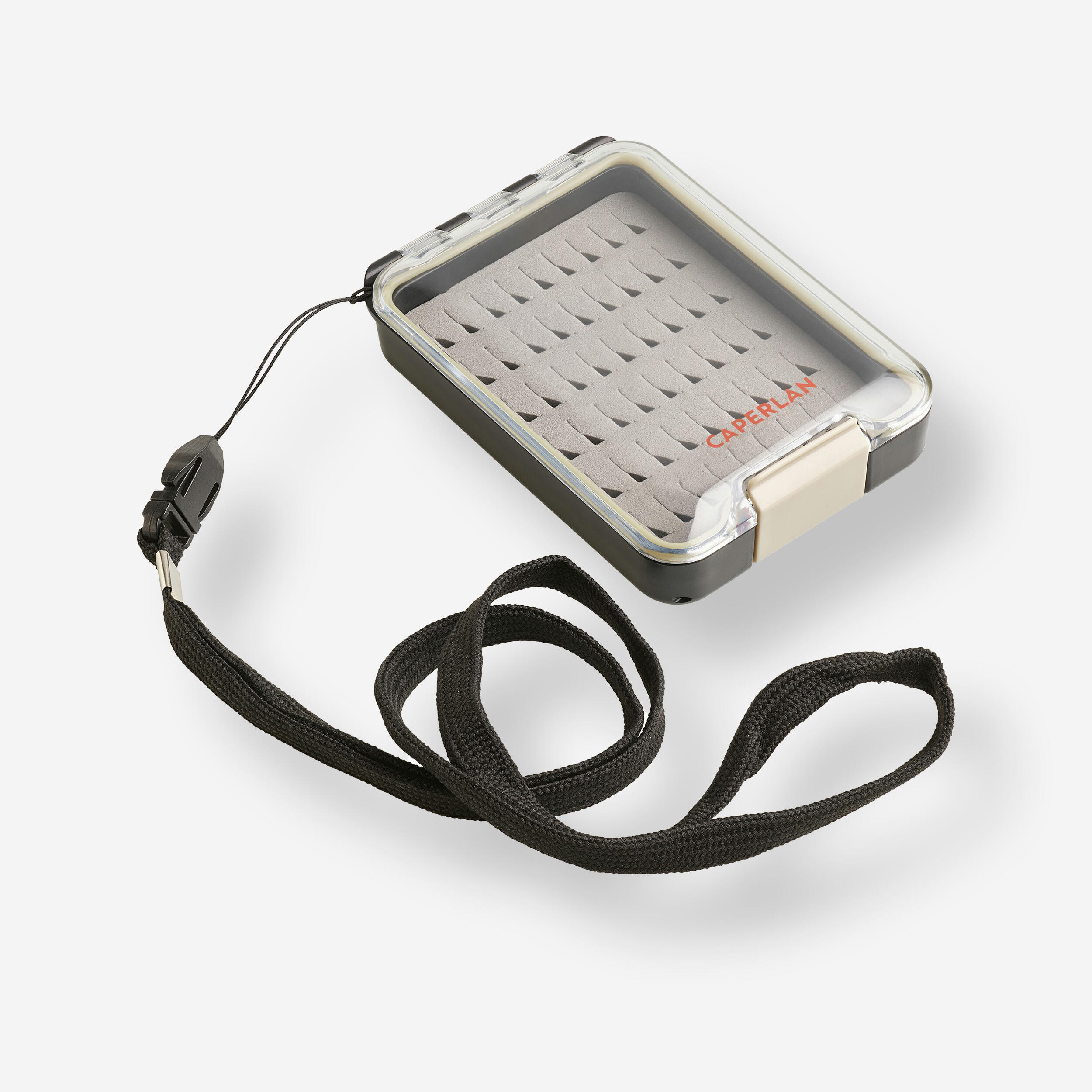
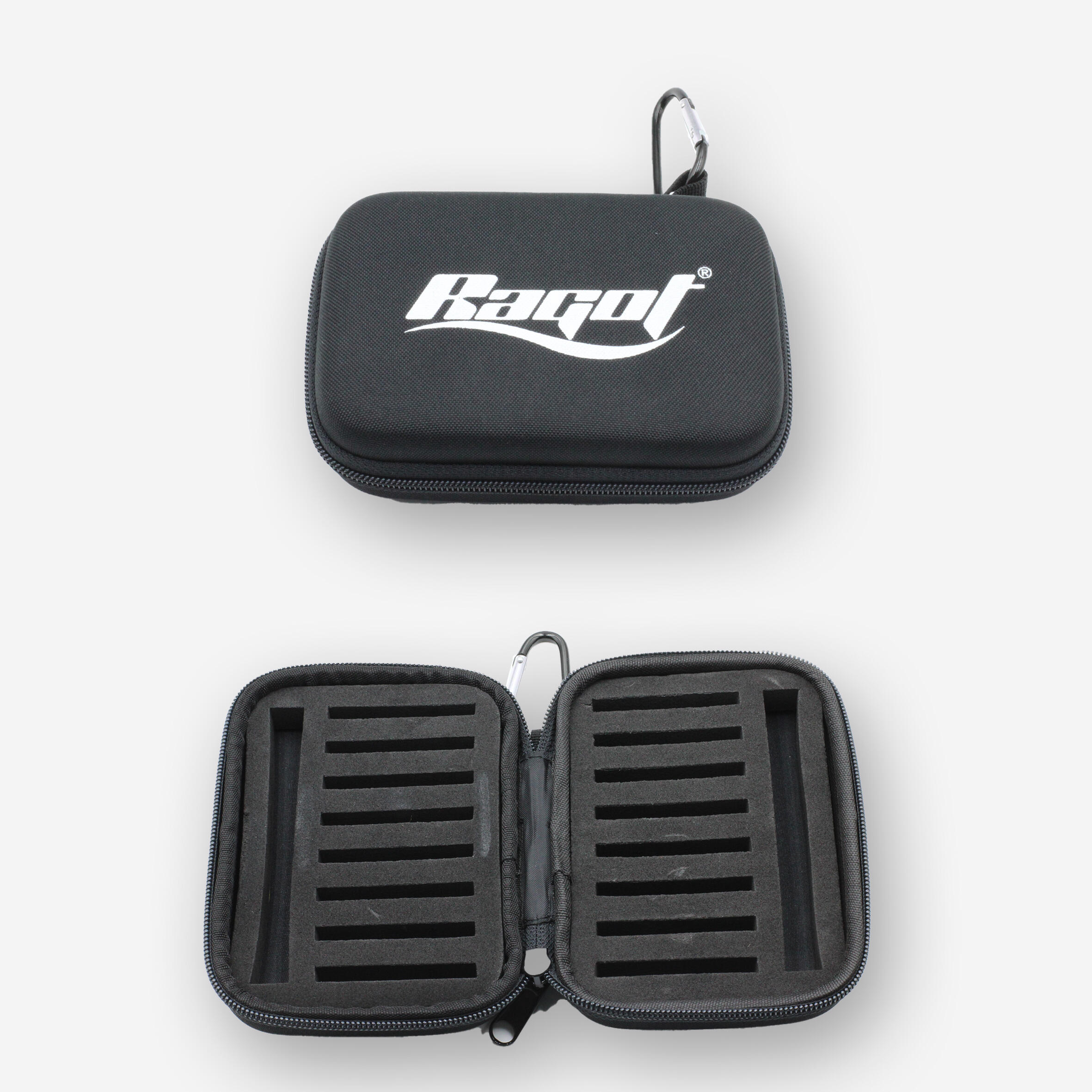
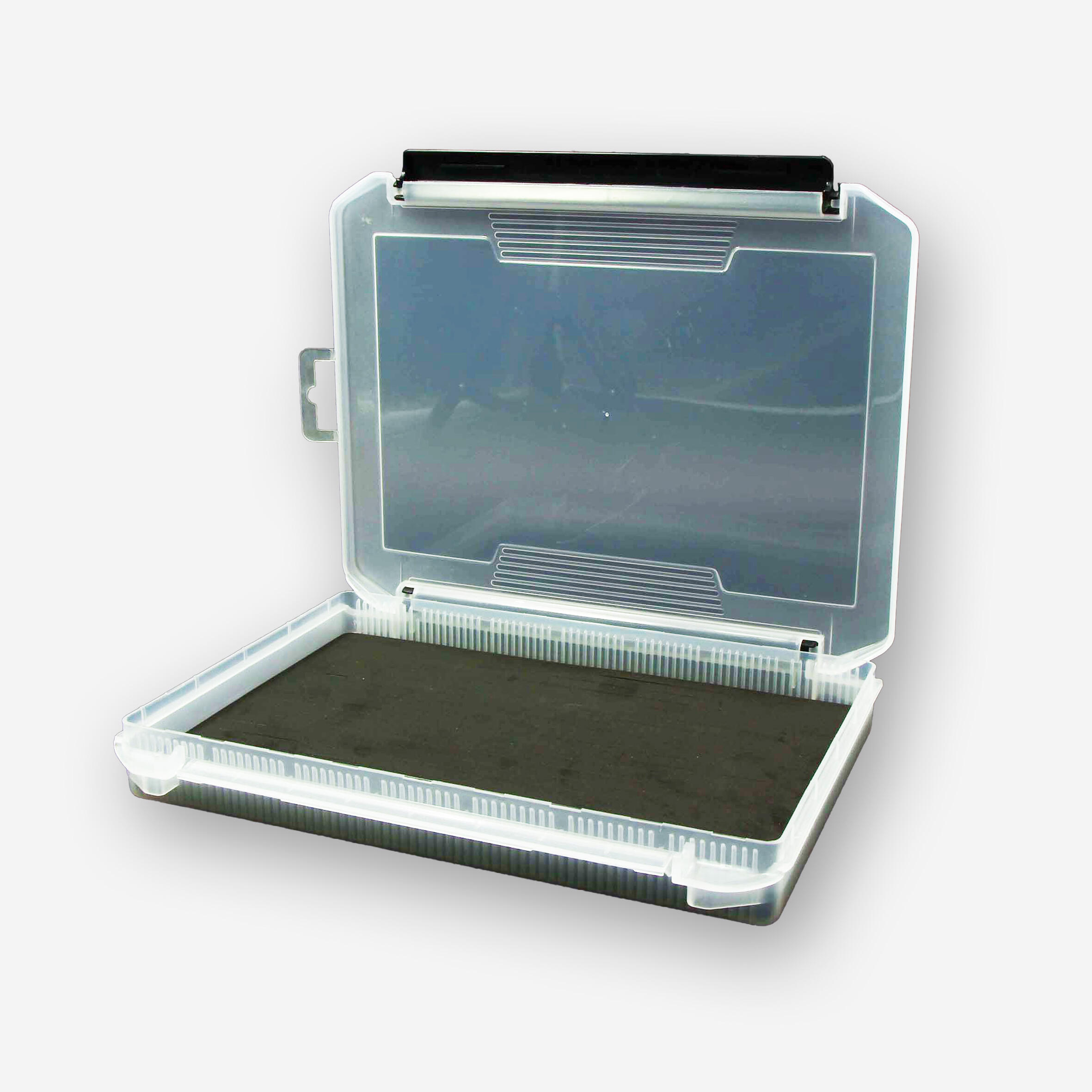
Small clips, swivels, beads and hooks quickly become difficult to manage when they share one large compartment. Caperlan's Reverse 500 SM uses a double-sided layout with 11 independently covered compartments, helping you separate terminal tackle by type or size. One section can also be altered with 10 supplied spacers, so you can adjust the layout when your position changes. At approximately 12 x 10 x 3.5 cm, the predator fishing reverse box can fit into compact luggage without taking over the main storage space. Caperlan tests the box by opening it 150 times through 180-degrees and repeatedly dropping it from one metre onto concrete.

When does a tray box work well alongside a rod bag?

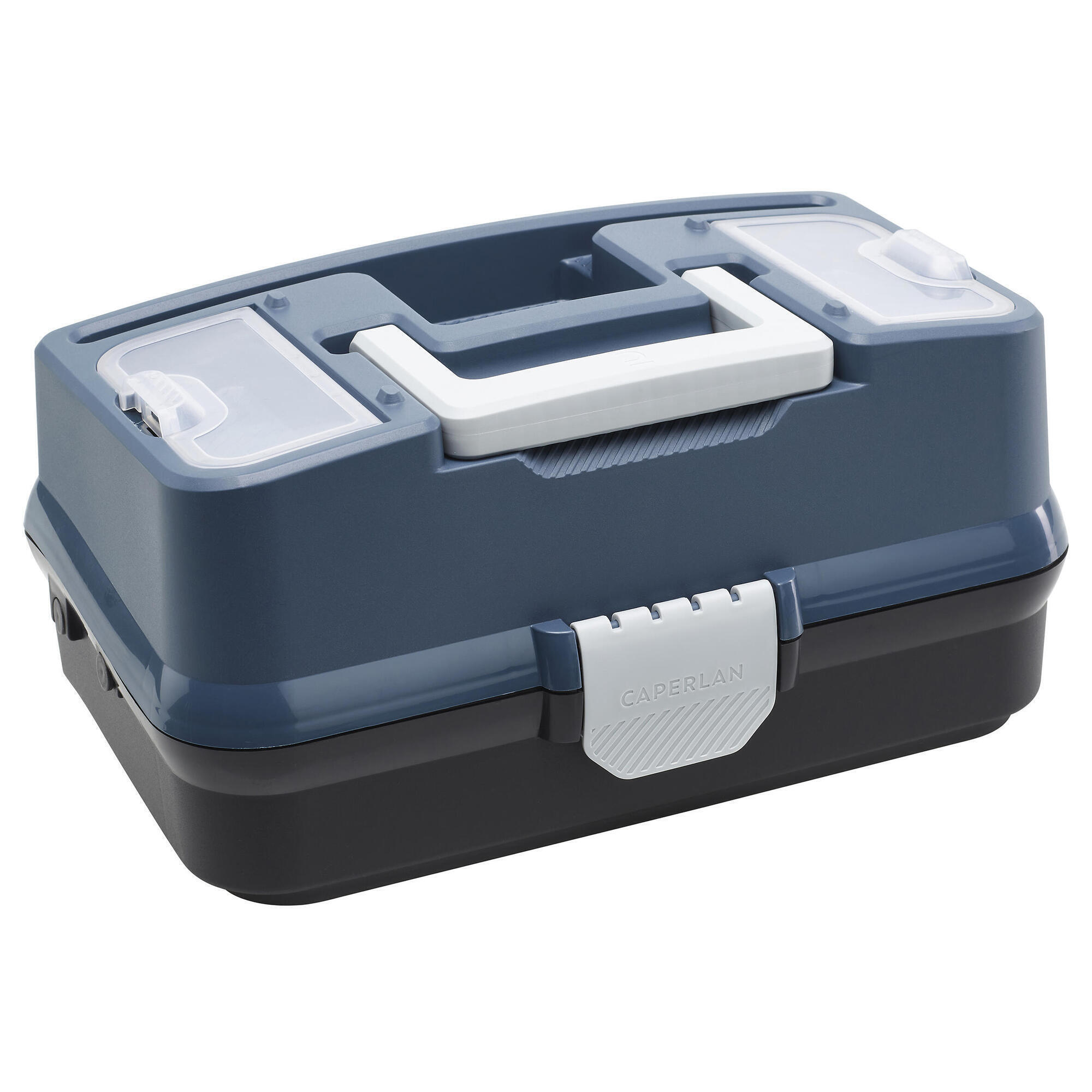
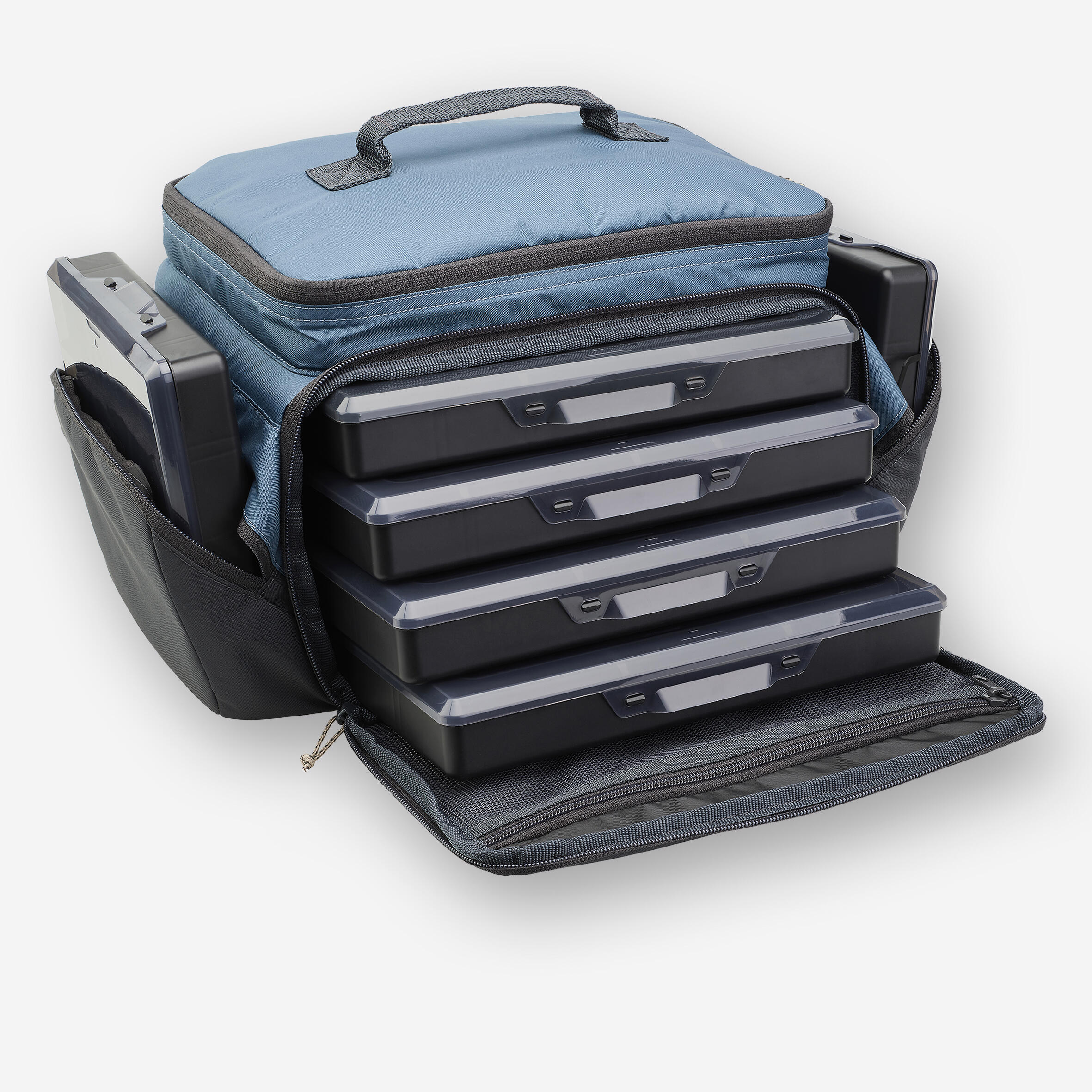
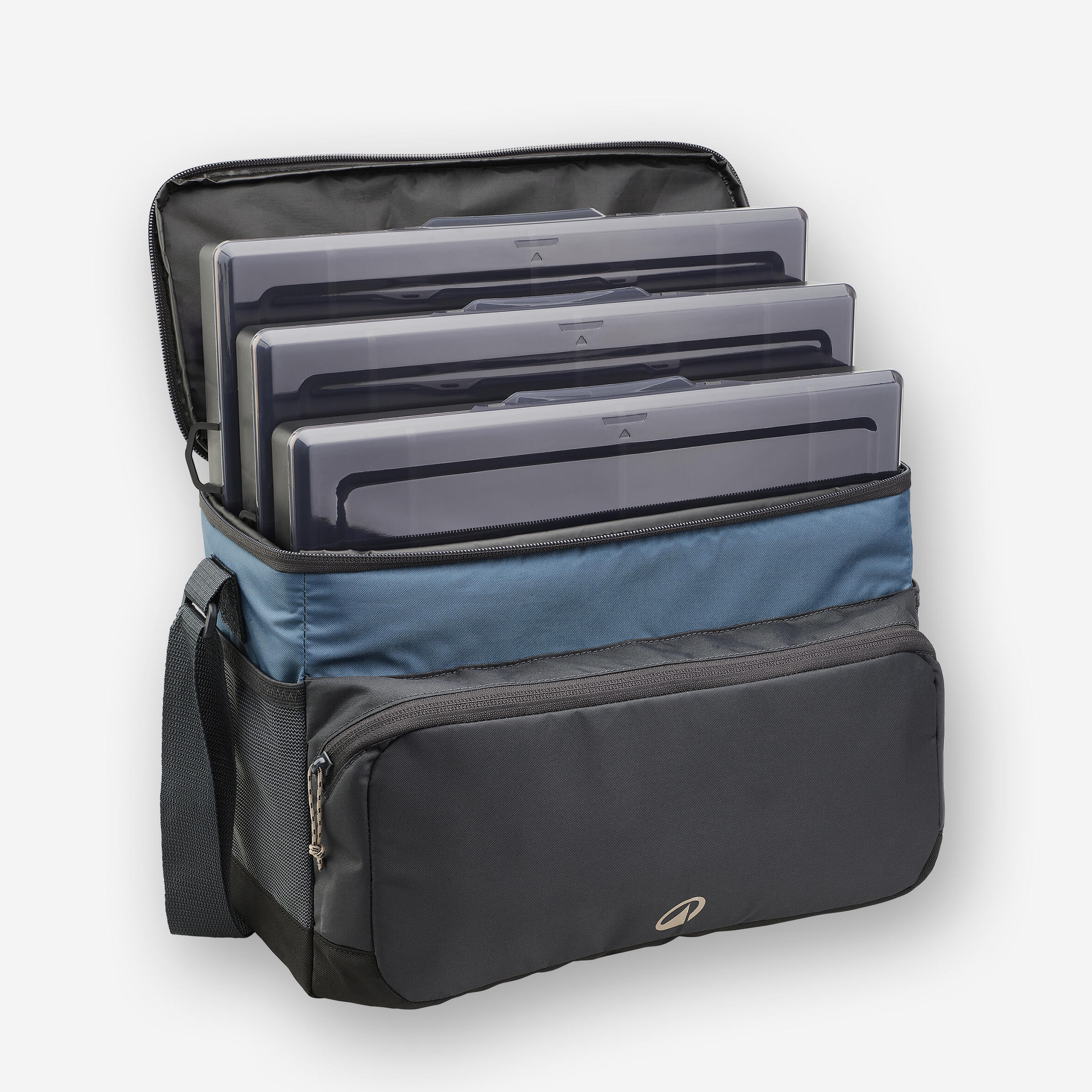
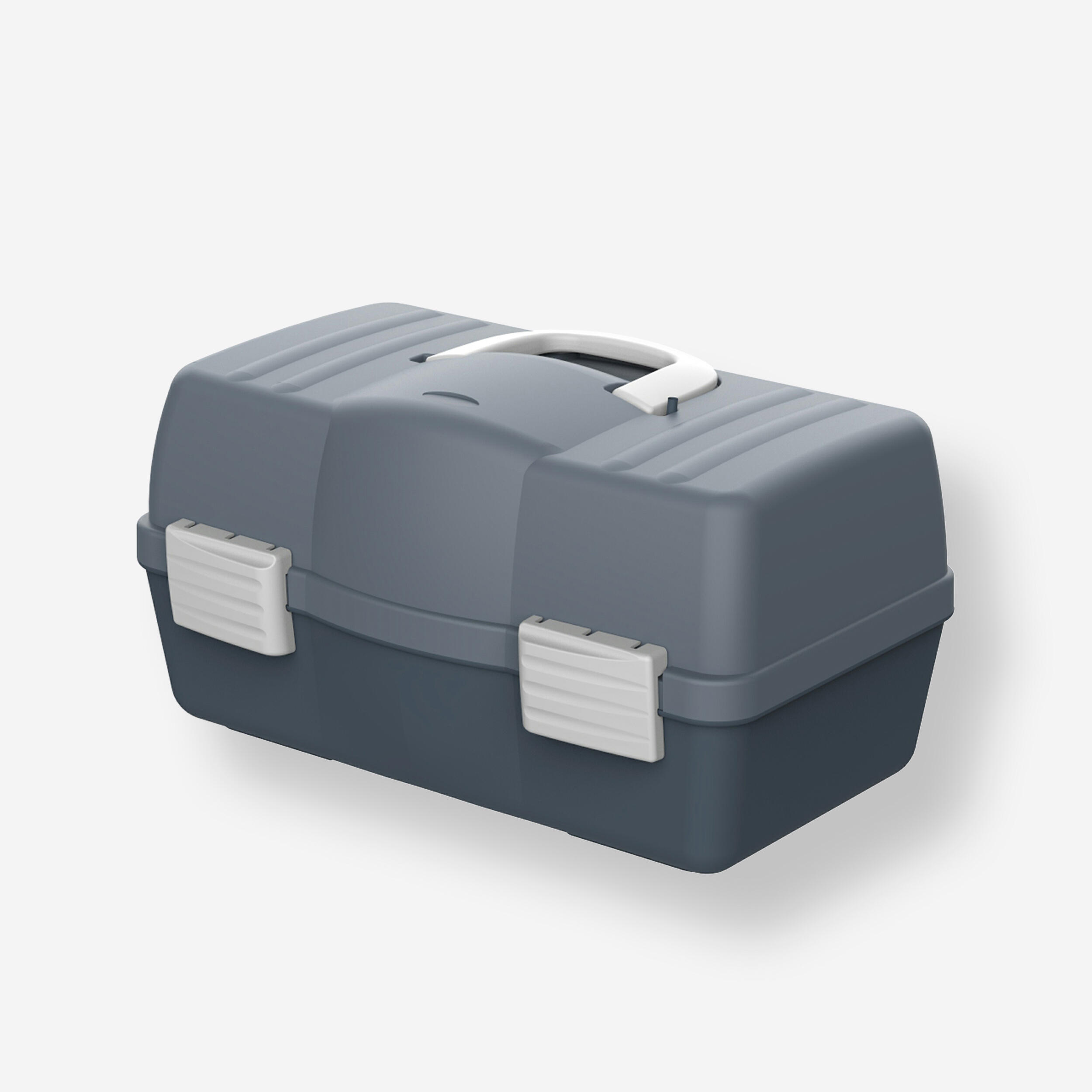
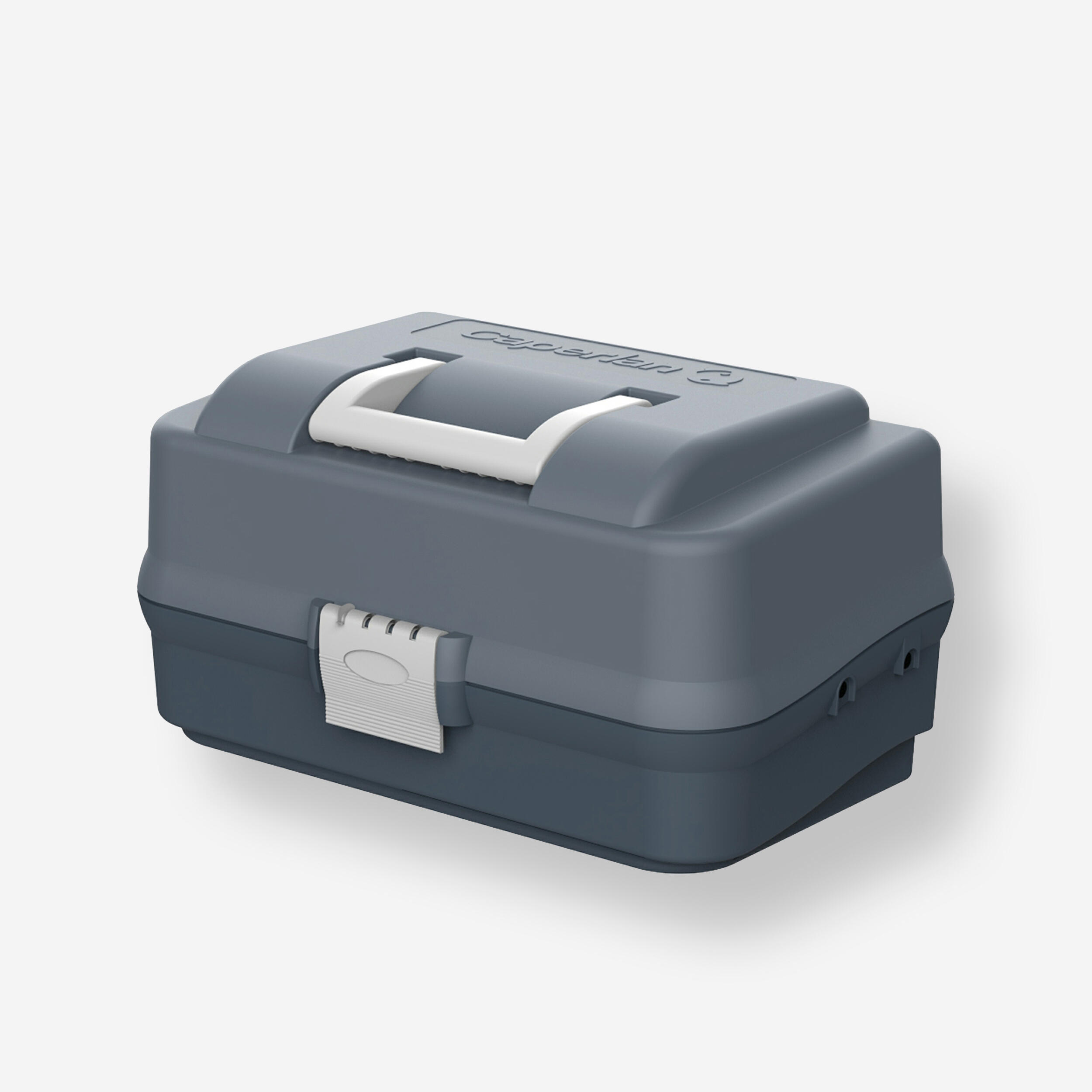
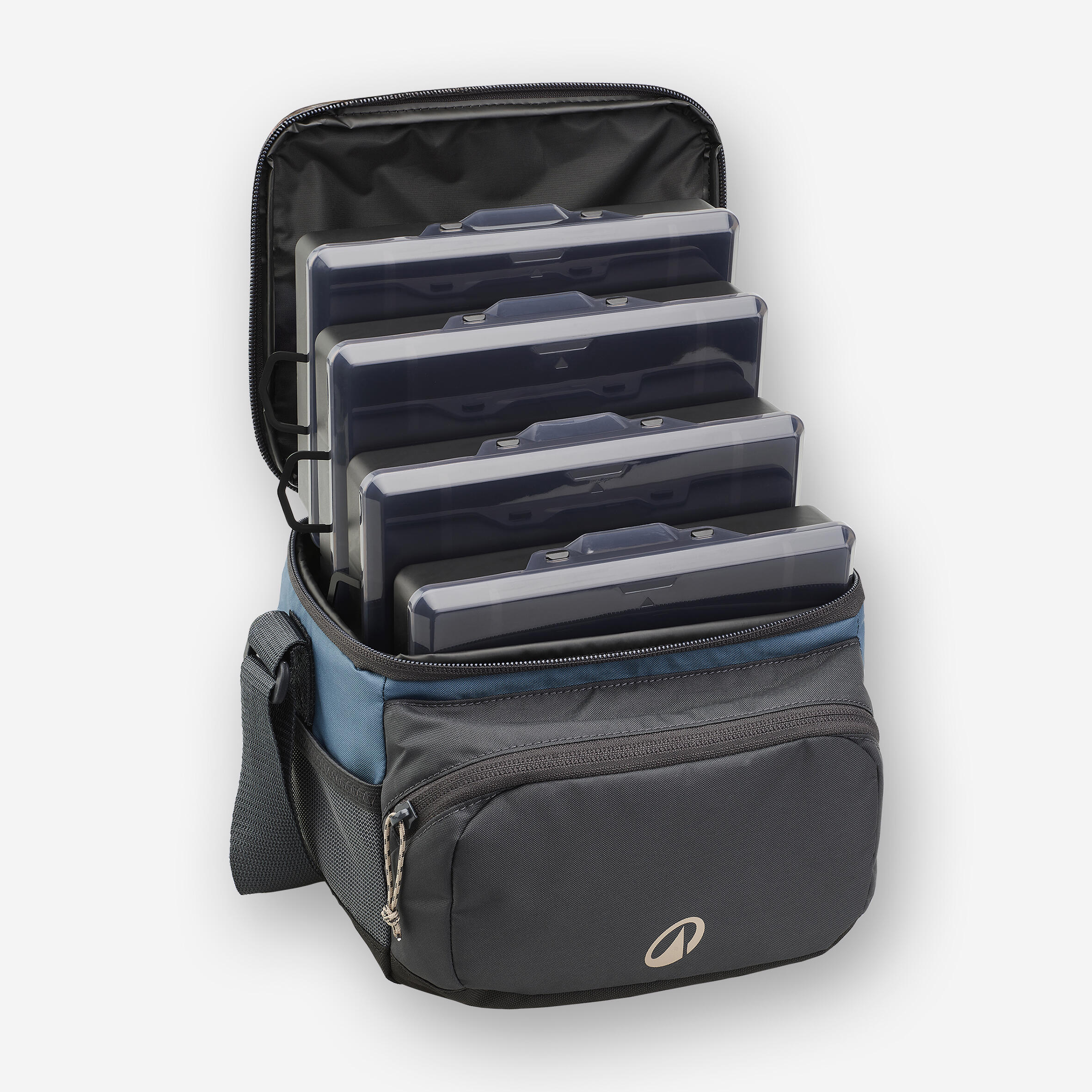
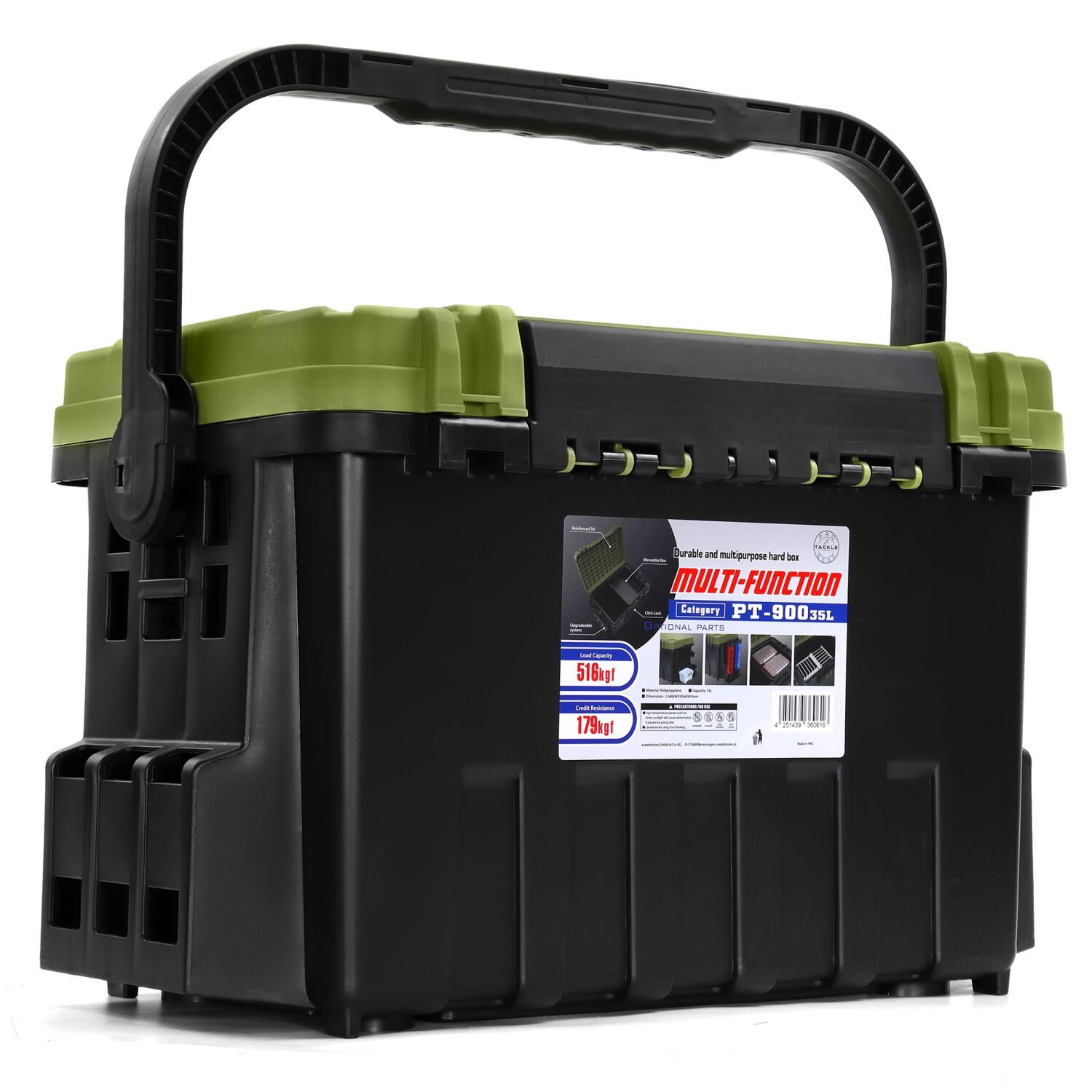
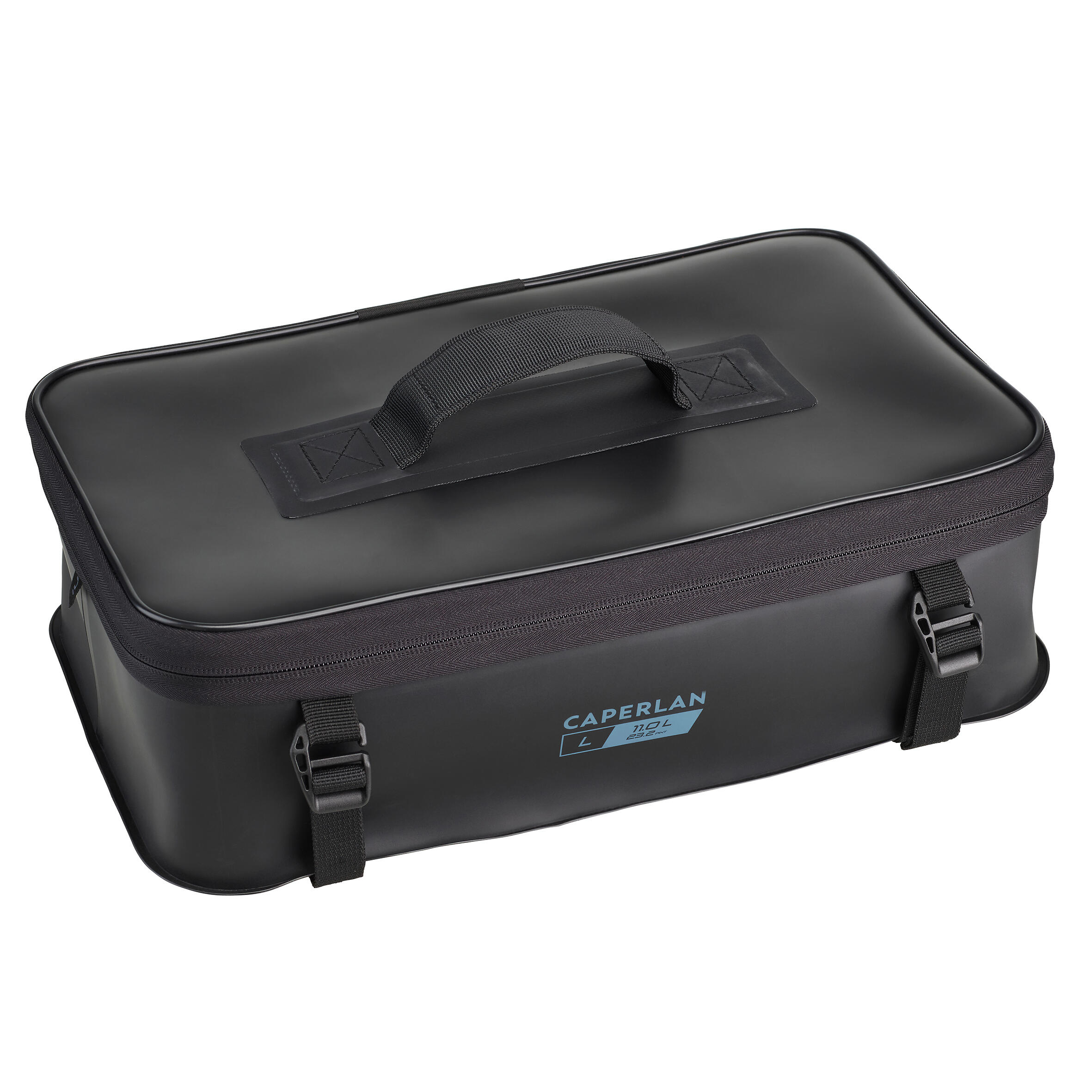
A tray box can keep larger tools and accessories separate from the rods while giving frequently used tackle its own organised sections. The Caperlan BX 2 T provides two inner trays above a larger main compartment, so you can keep small terminal components near the top and bulkier items below. Its retractable handle also makes it easier to carry independently when your rod bag already occupies one shoulder. The predator fishing tray box measures approximately 32 x 17 x 14 cm. Caperlan subjects it to the same 150-cycle opening test and repeated one-metre concrete drop test used to assess several of its fishing boxes.

How can you organise lures without carrying several separate boxes?

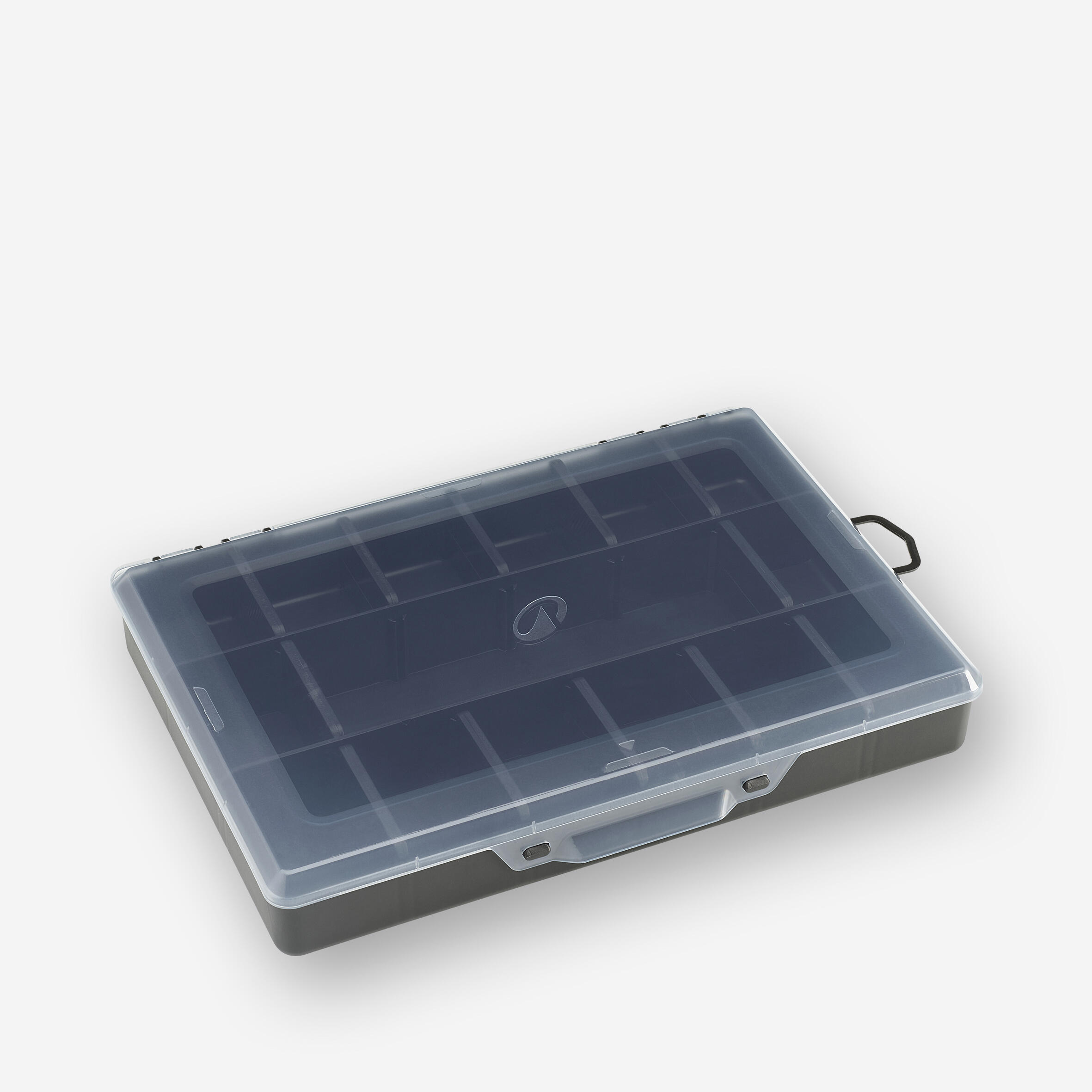
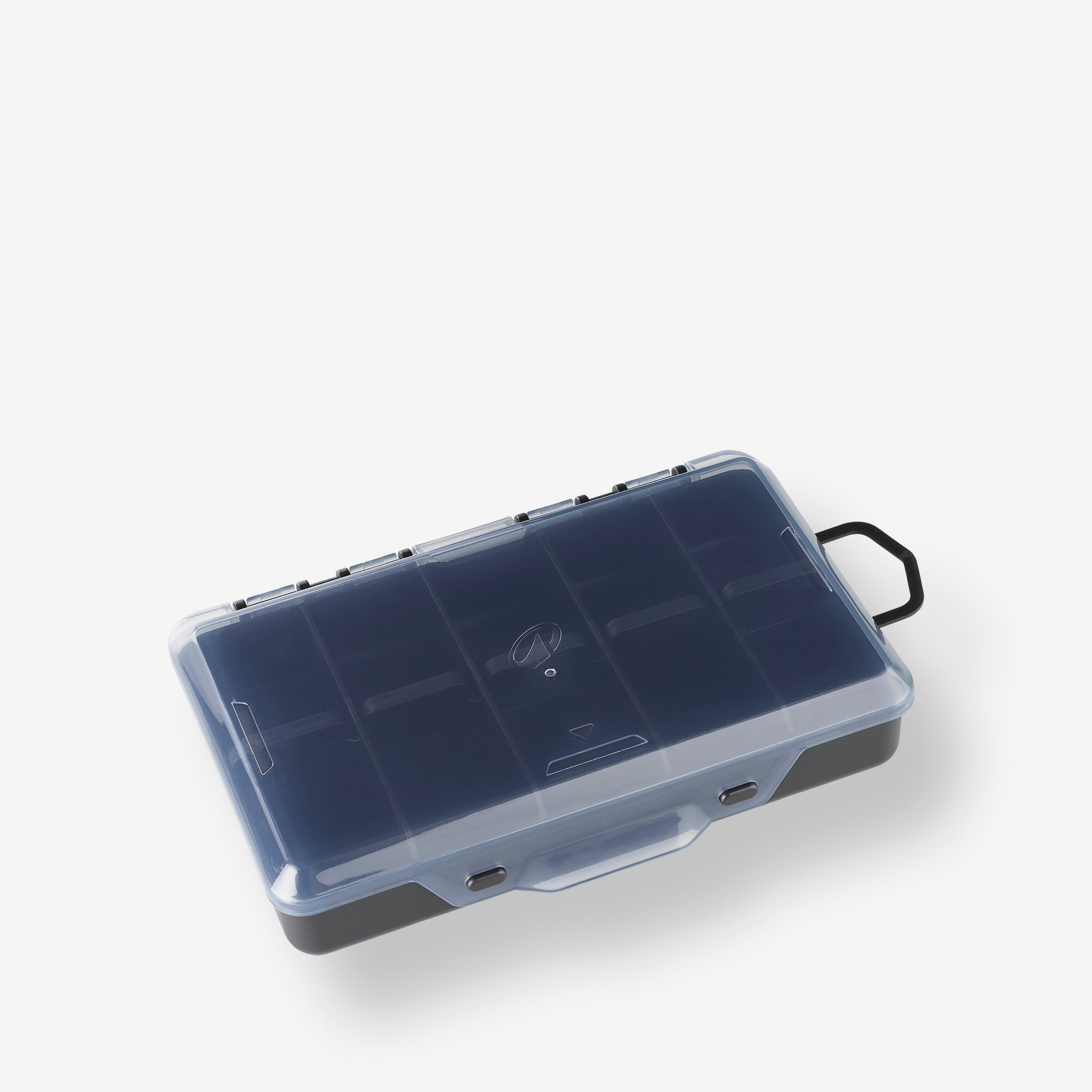
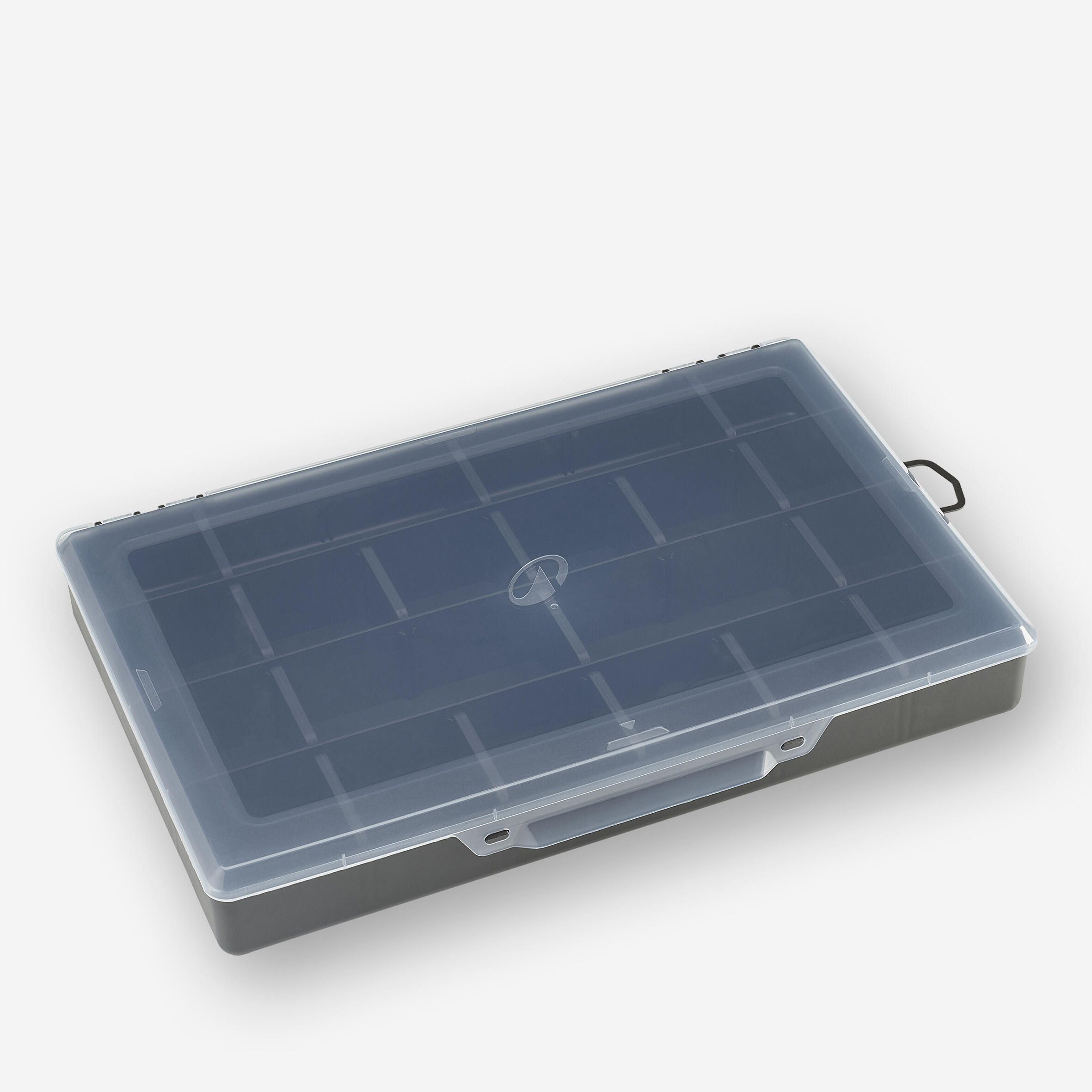
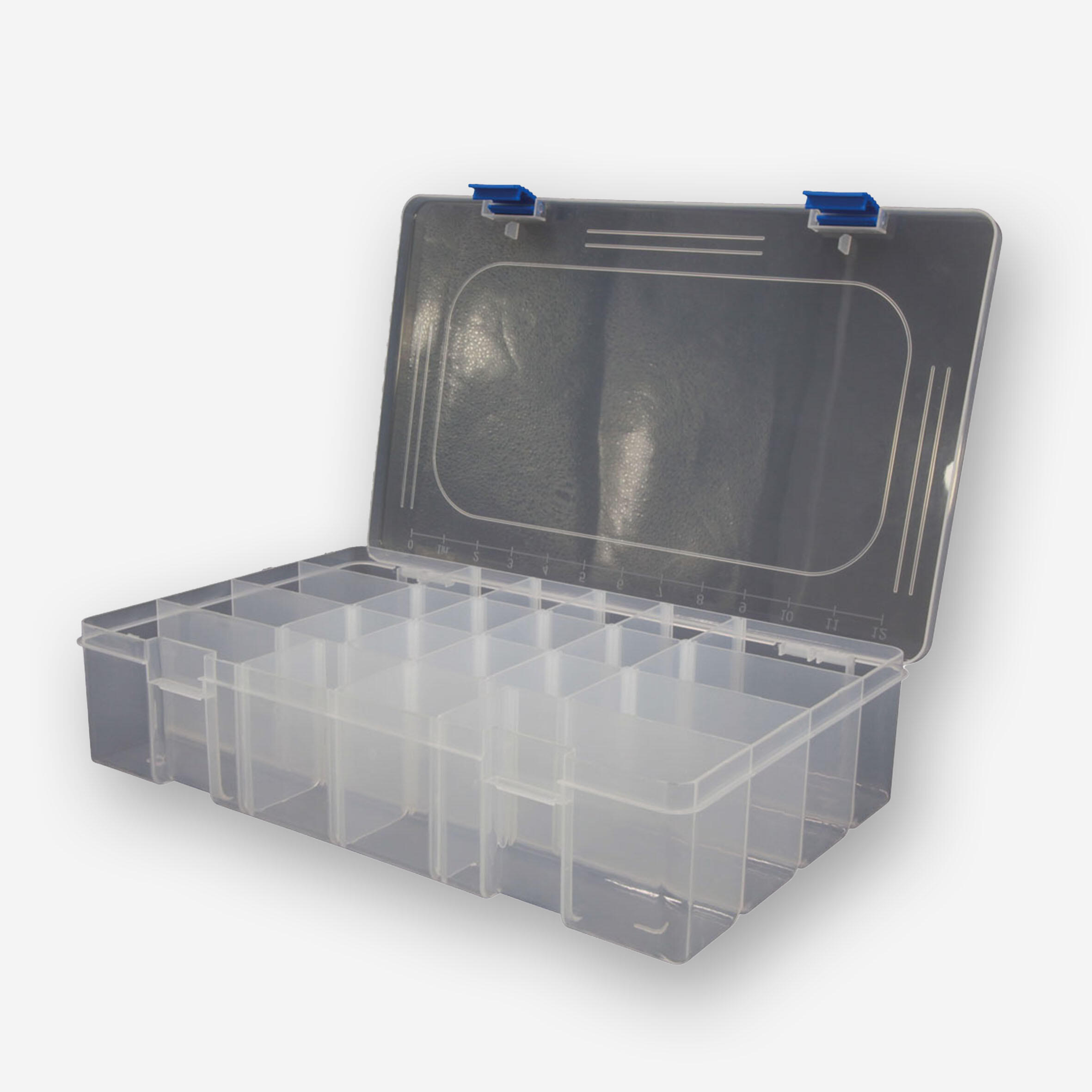
Adjustable compartments let you change the box layout when you switch from larger lures to clips, leaders or smaller terminal tackle. Caperlan's 100 M box starts with two large sections and can be divided into as many as 18 compartments using the supplied separators. This means you can give awkwardly shaped items more room while creating smaller spaces for hooks or swivels. The tackle box for lure fishing and accessories measures approximately 19.6 x 14 x 3.5 cm, making it compact enough to combine with larger rod luggage. Store it somewhere dry and away from excessive heat and humidity when the fishing season slows down.

How do you care for rod bags after predator fishing?

Remove wet tackle, landing nets and accessories before storing the bag so moisture does not remain trapped around rods and reels. Caperlan describes its coated rod-bag fabric as water repellent rather than fully waterproof, so prolonged rain or damp storage still needs attention. Empty compartments, remove grit from zips and let the bag dry naturally before putting equipment back inside. Selected Caperlan rod bags allow hand washing at a maximum of 40 degrees Celsius, while tumble drying, ironing, bleaching and dry cleaning are excluded. Before your next predator fishing trip, inspect foam separators, straps, hook holders and zips, then confirm that every rod sits securely without guides or tips pressing against hard tackle boxes.