93 items
4.7/5 based on 17066 reviews collected online and in stores

Shore Fishing FAQs

How do you match a reel to a shore fishing rig?

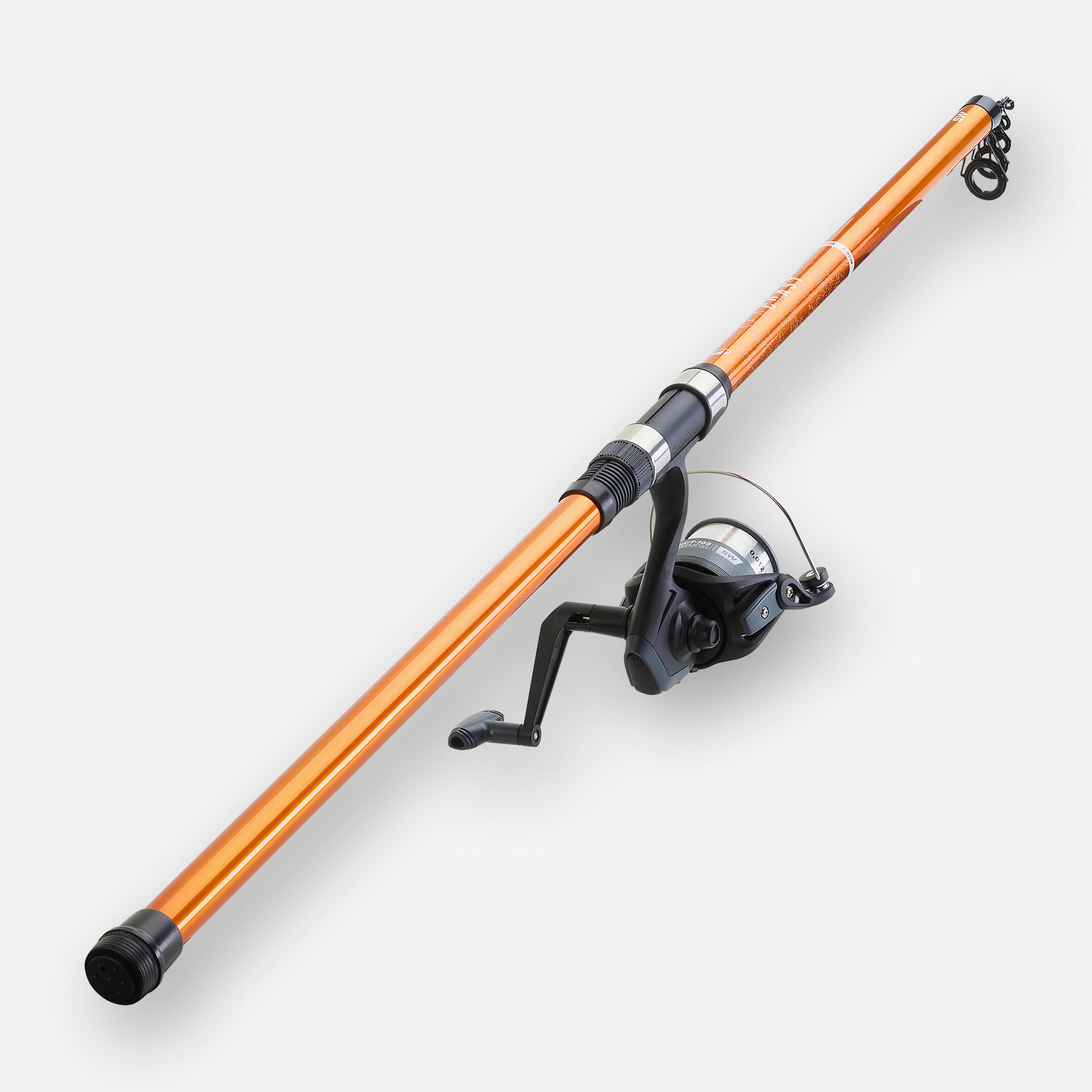
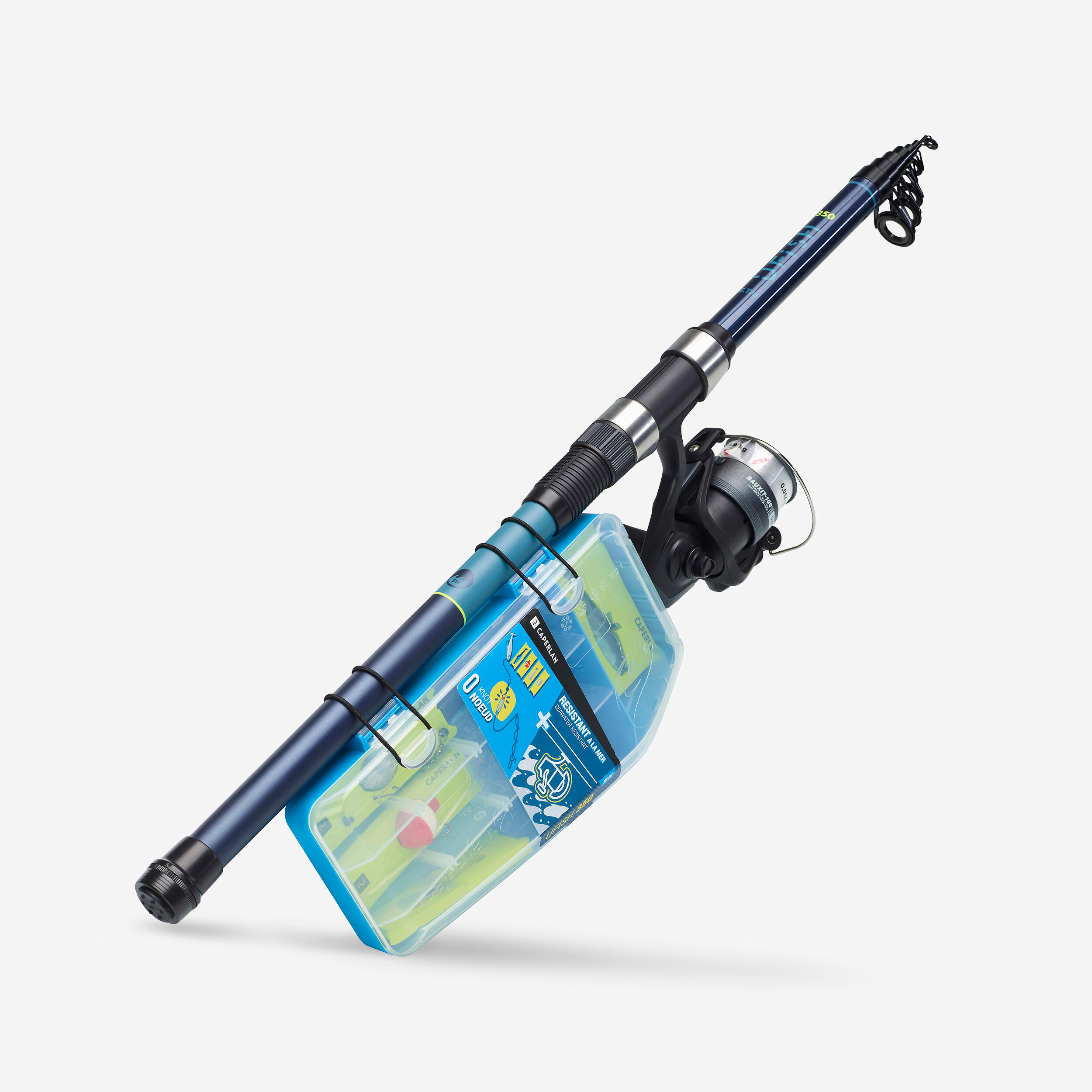
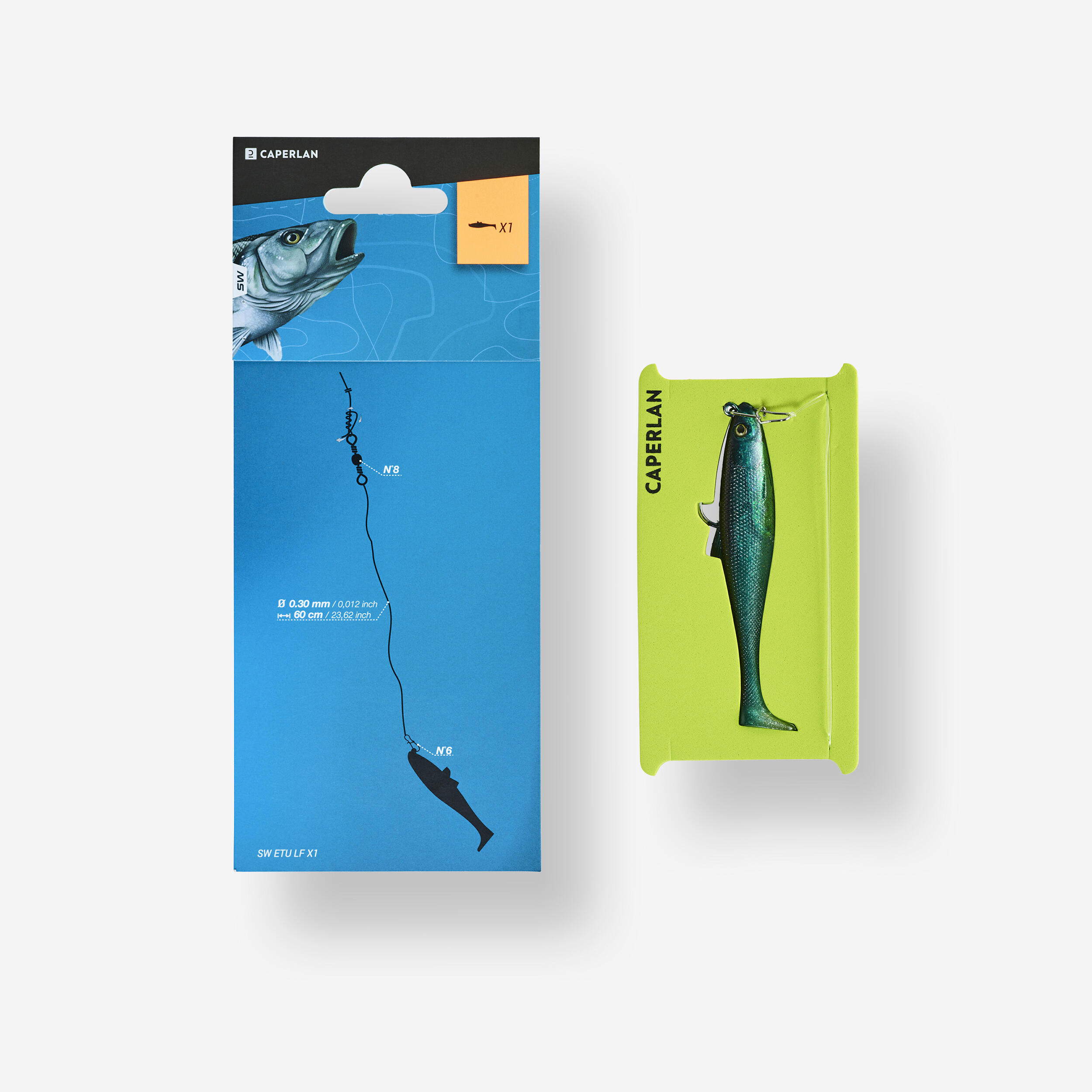
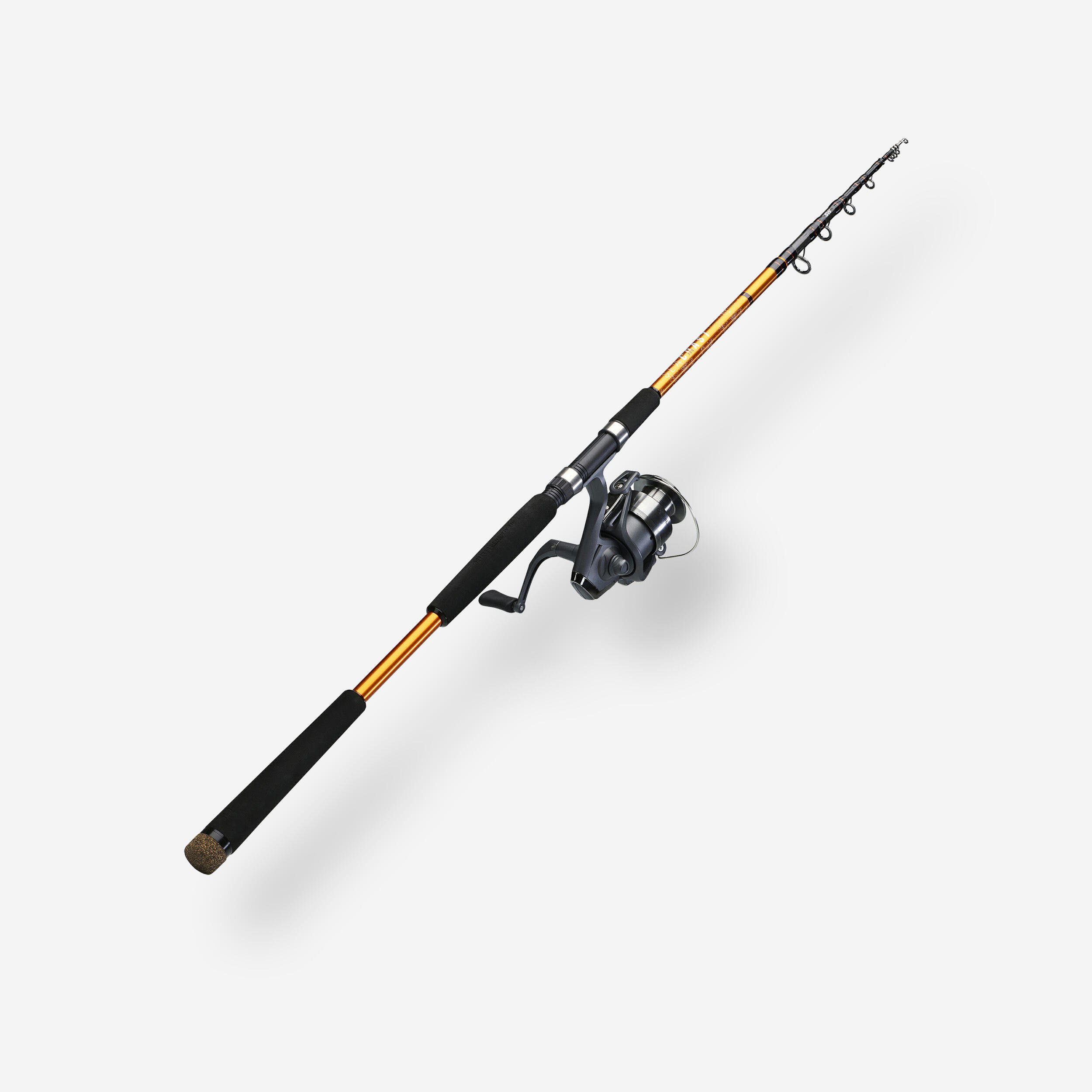
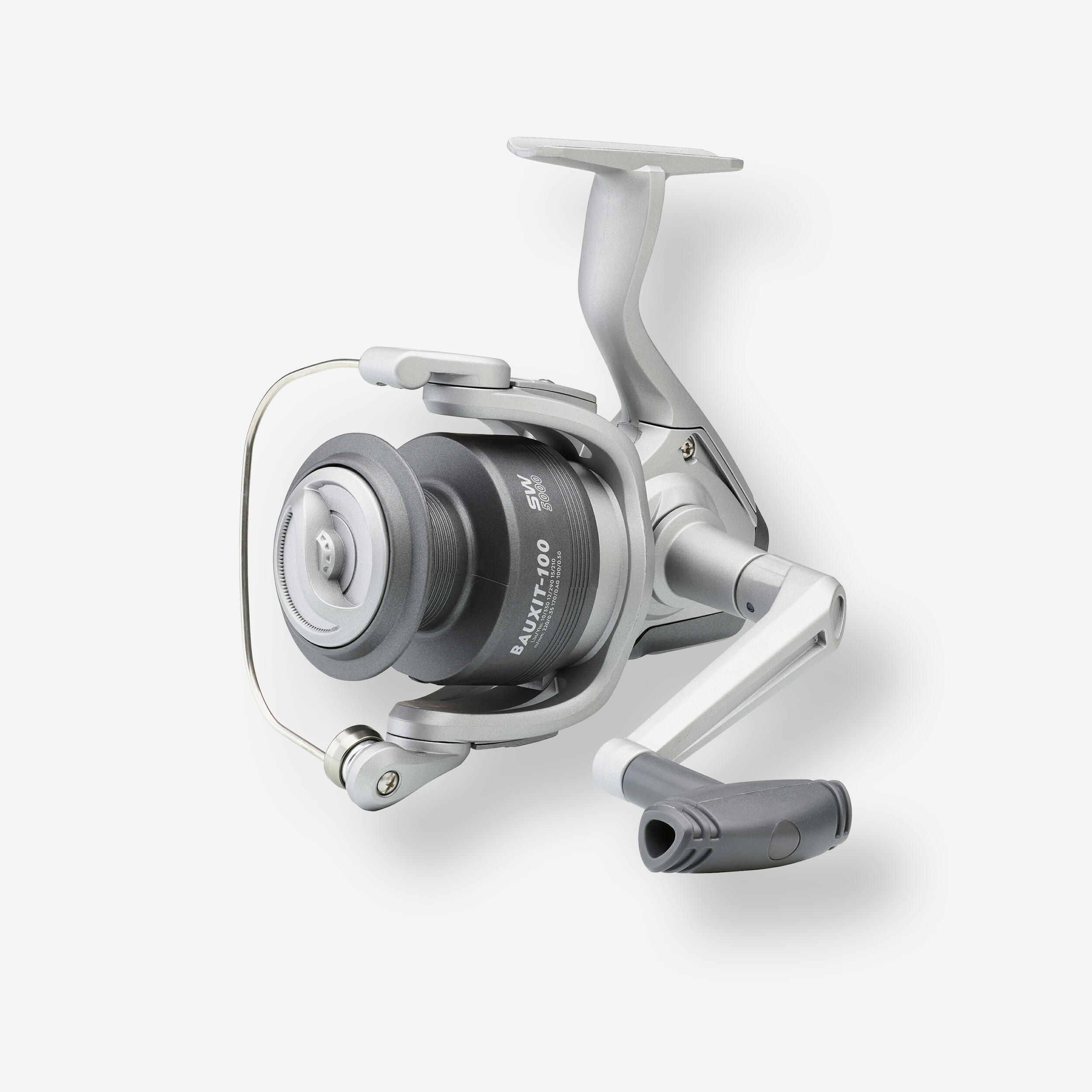
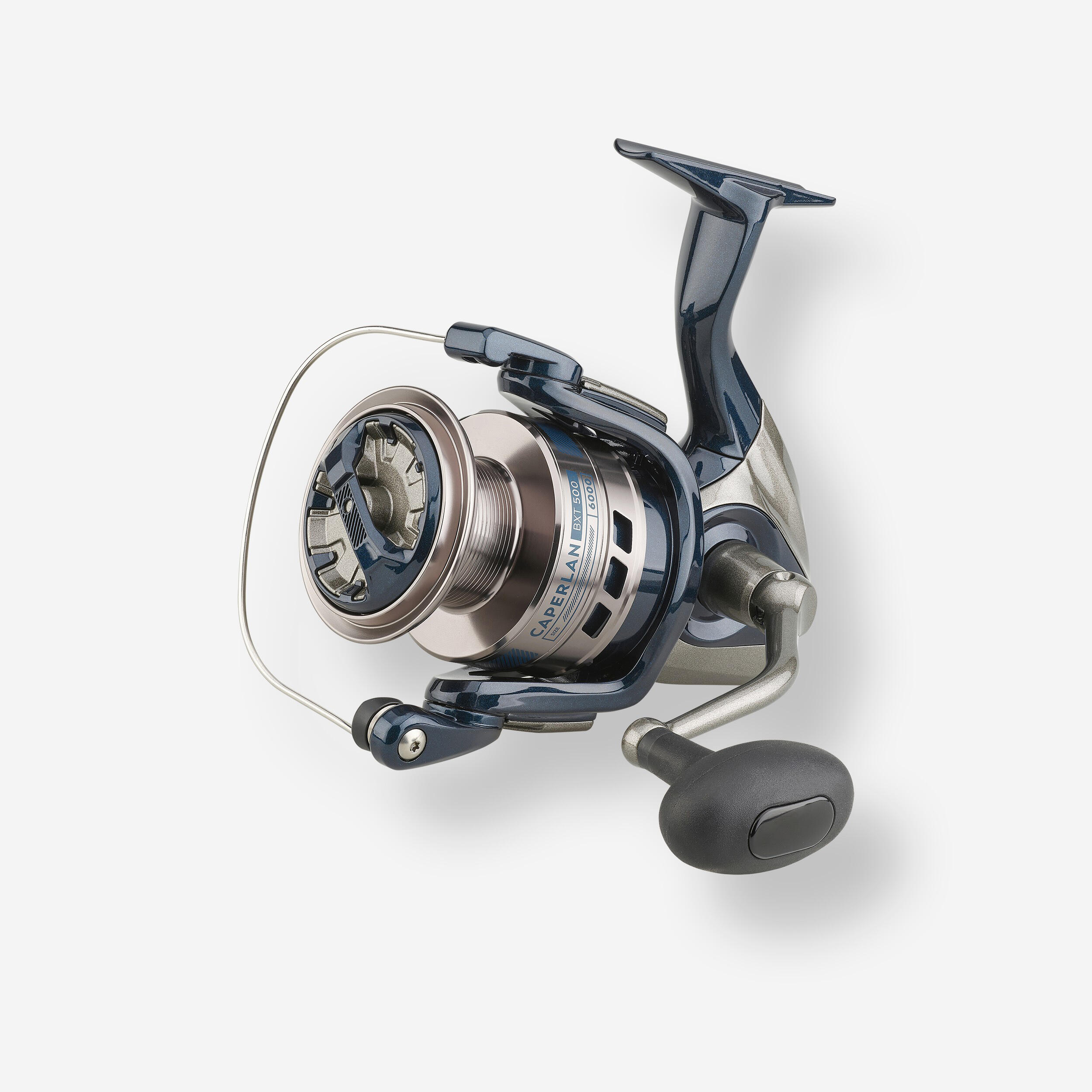
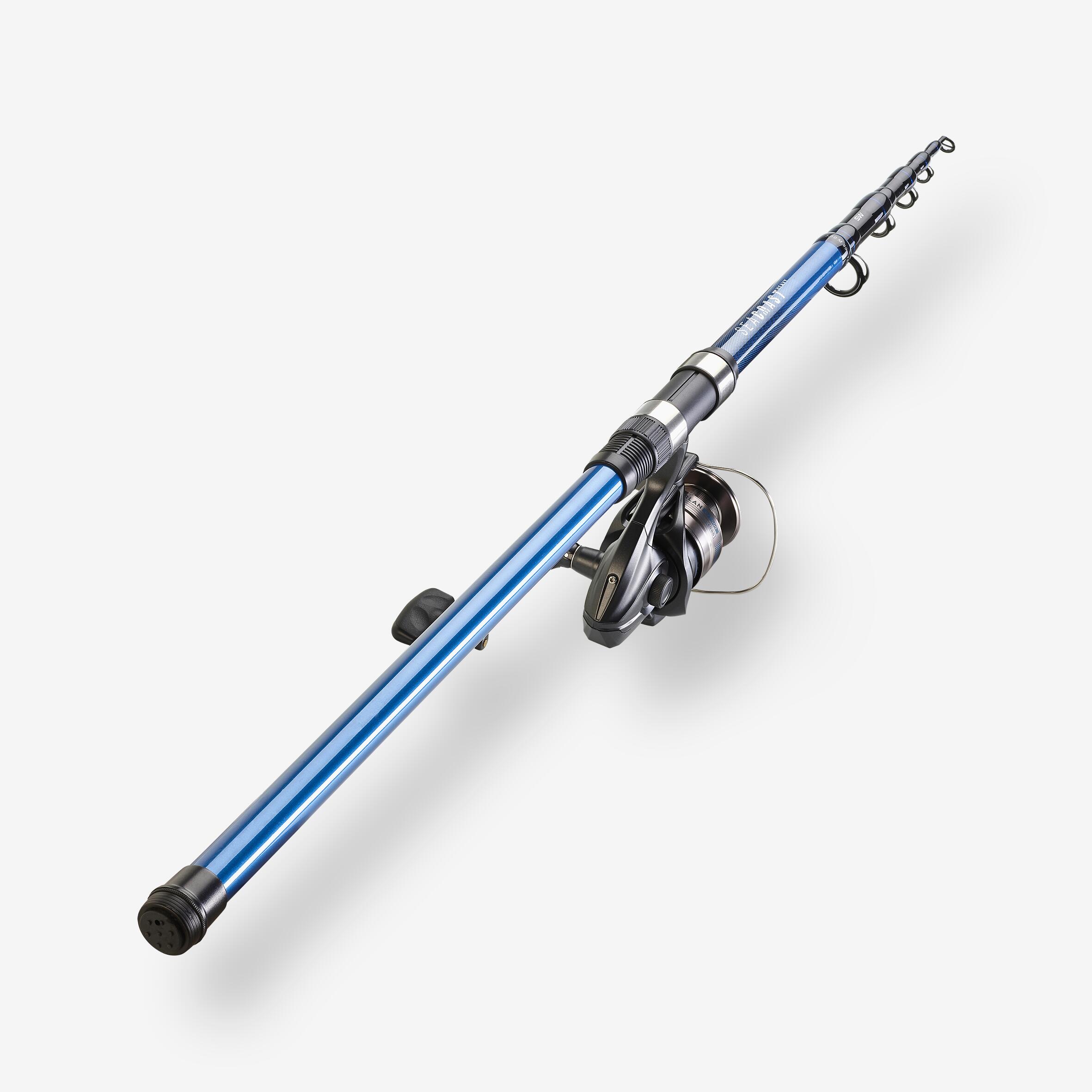
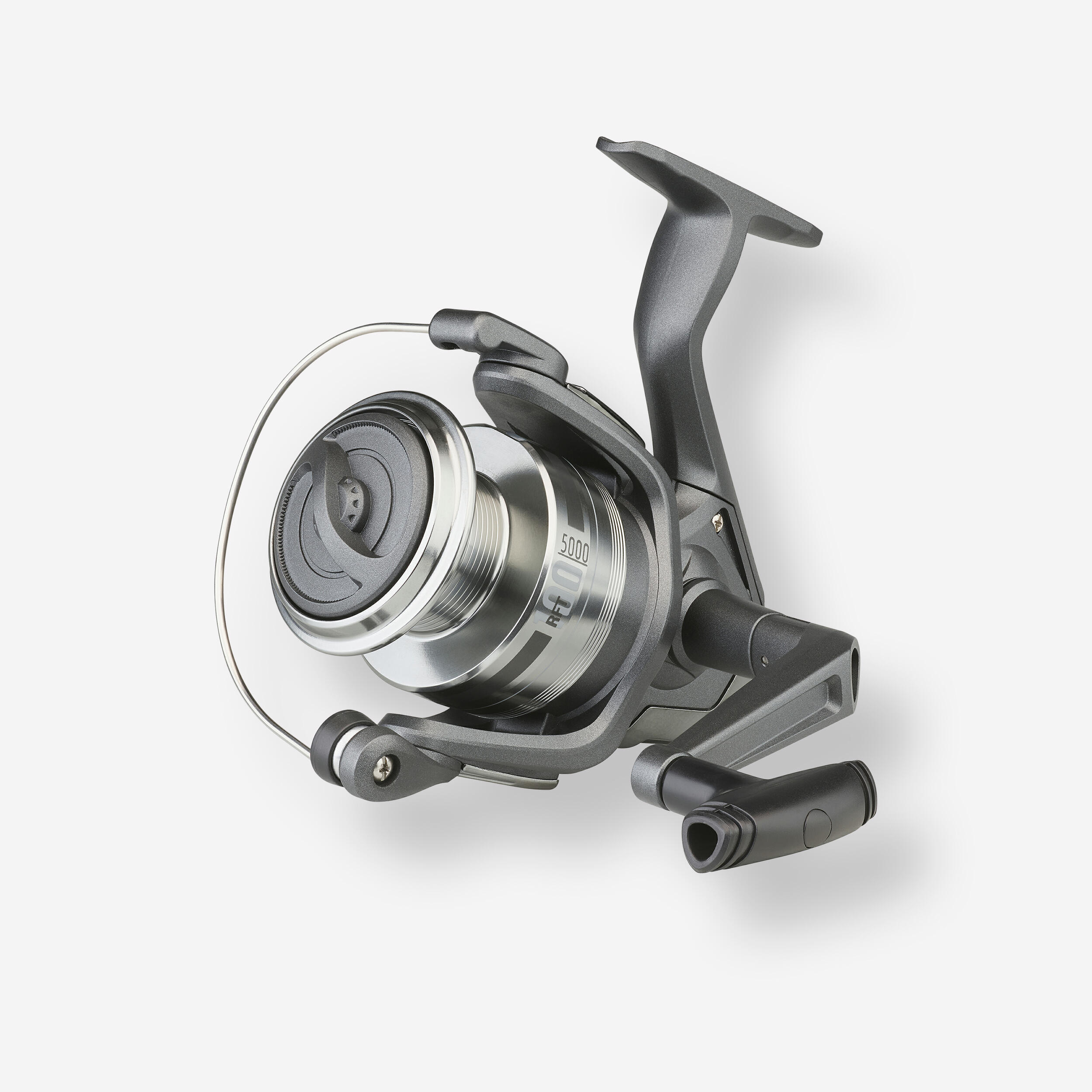
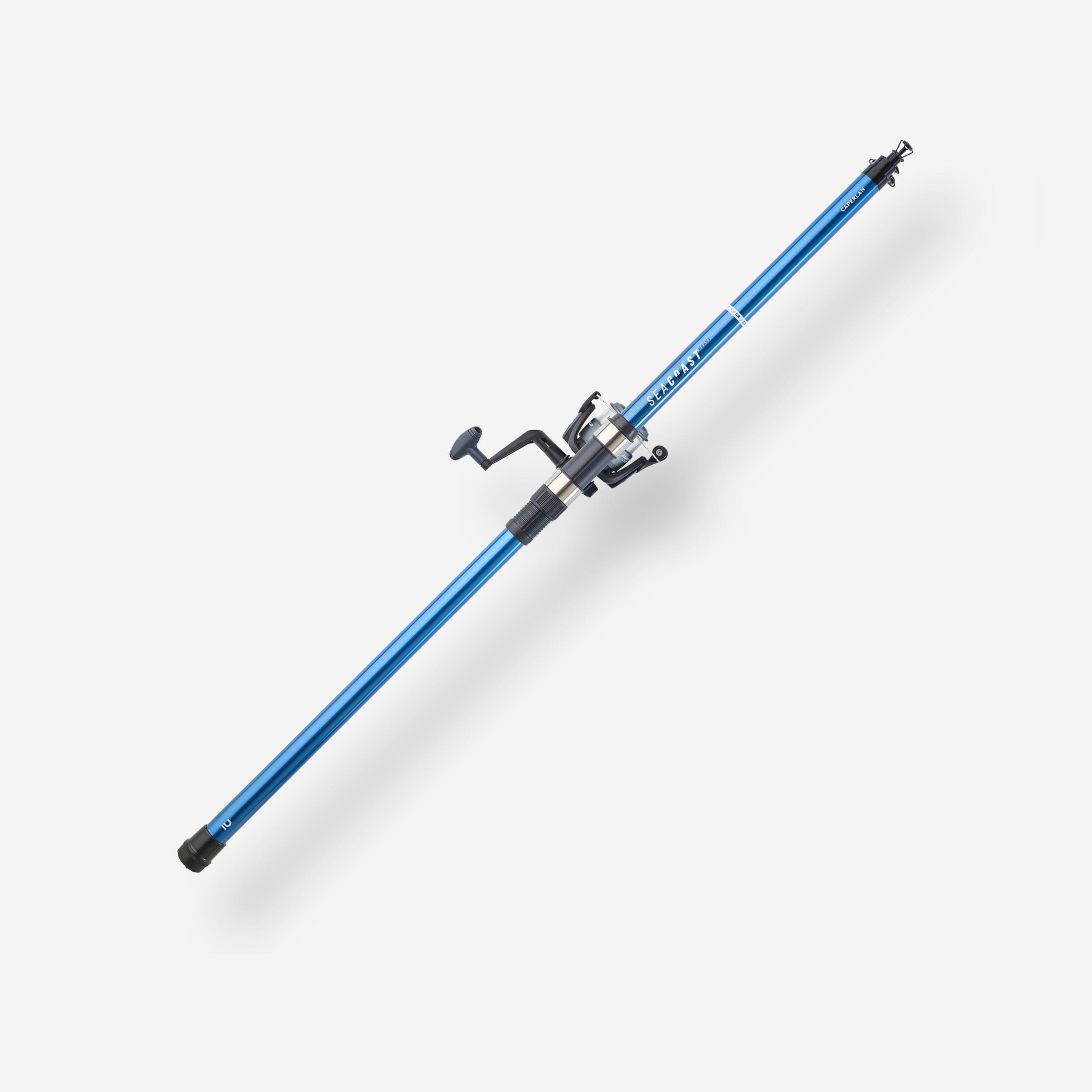
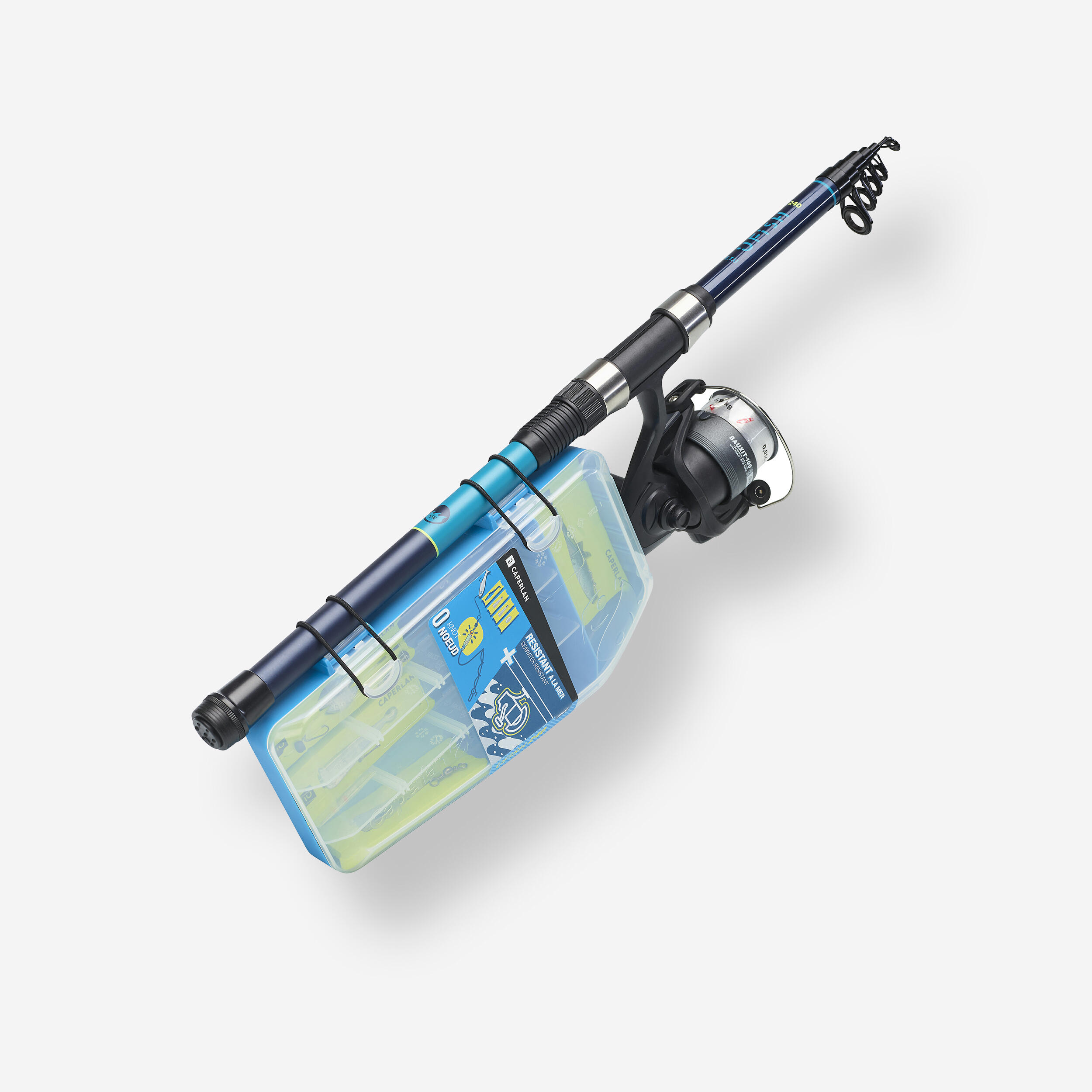
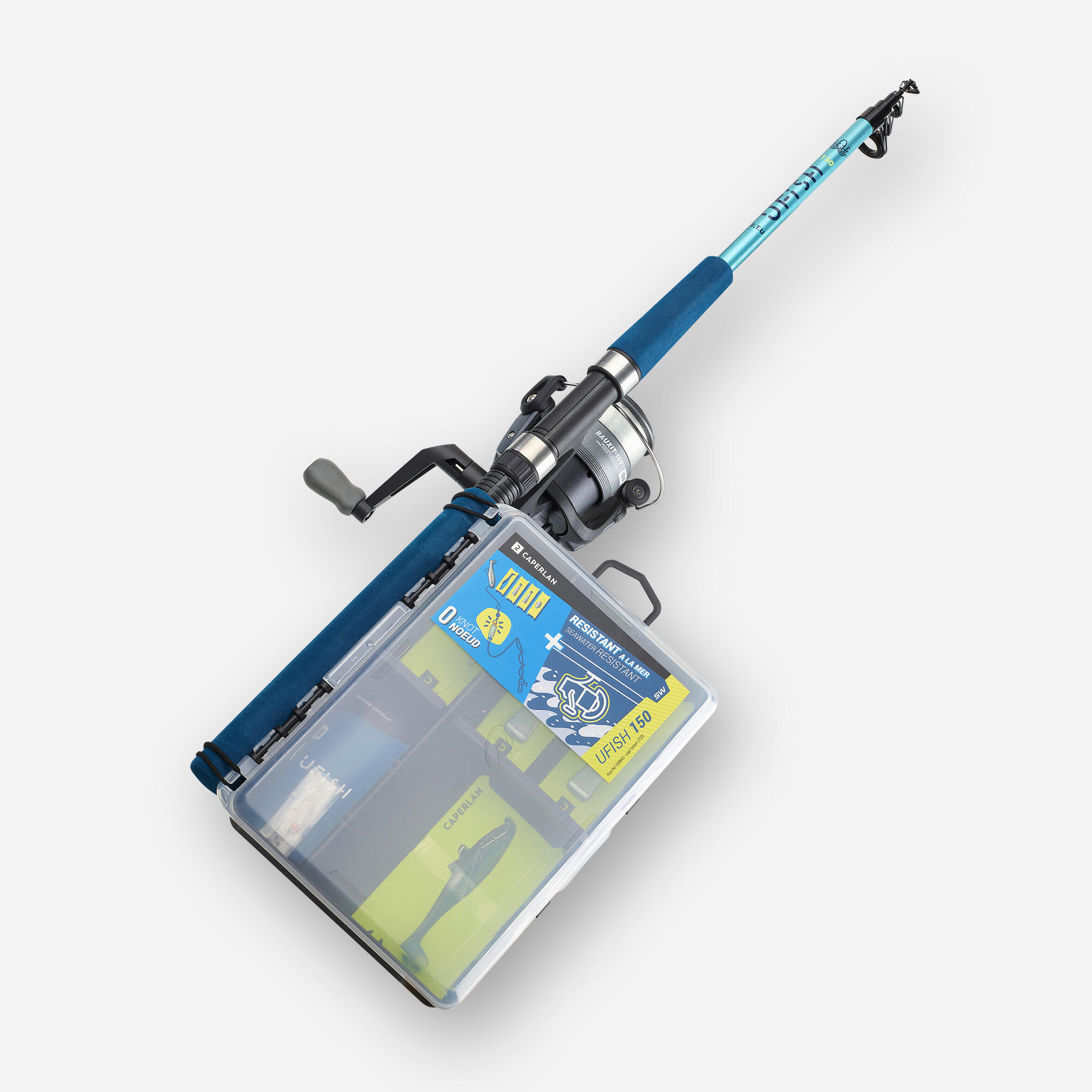
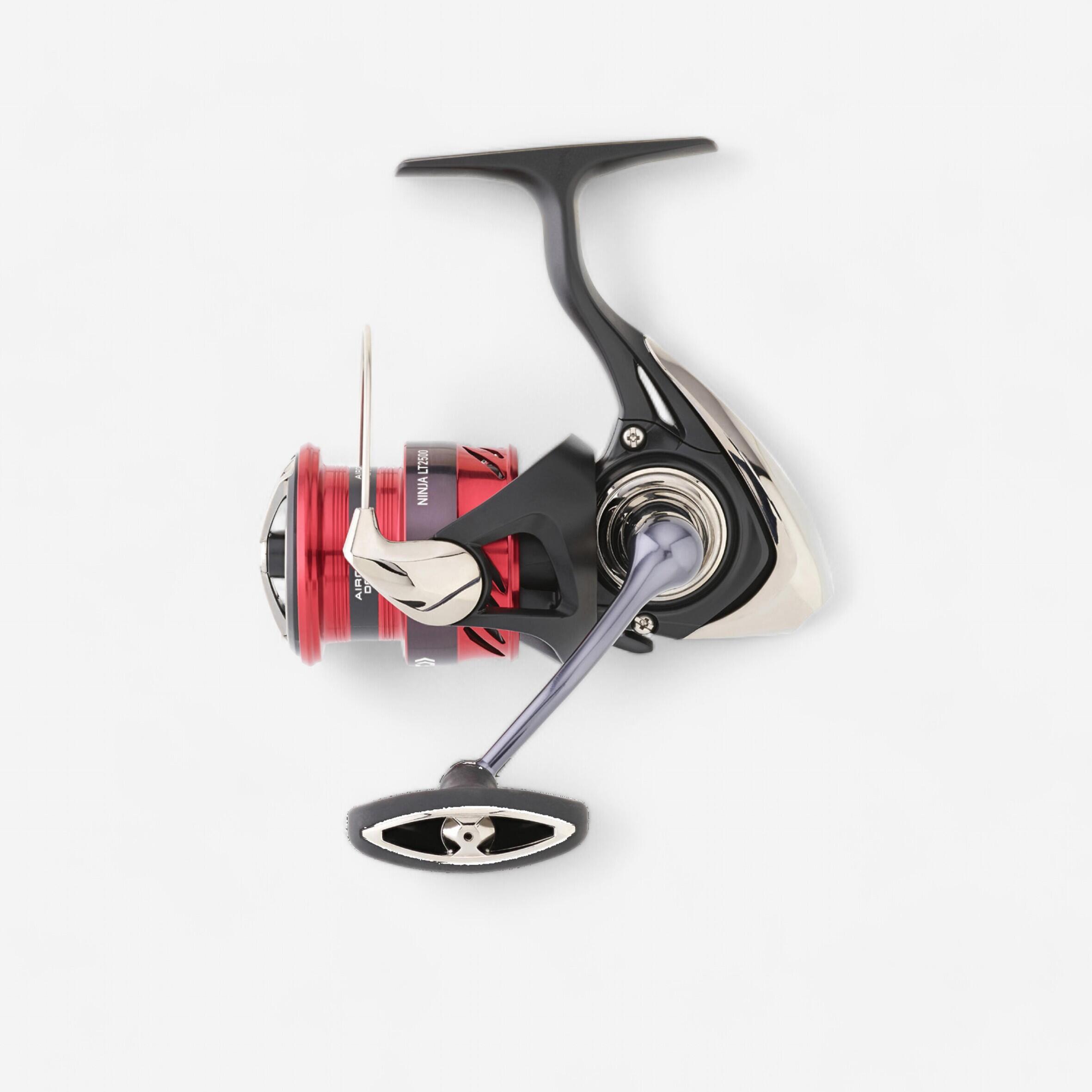
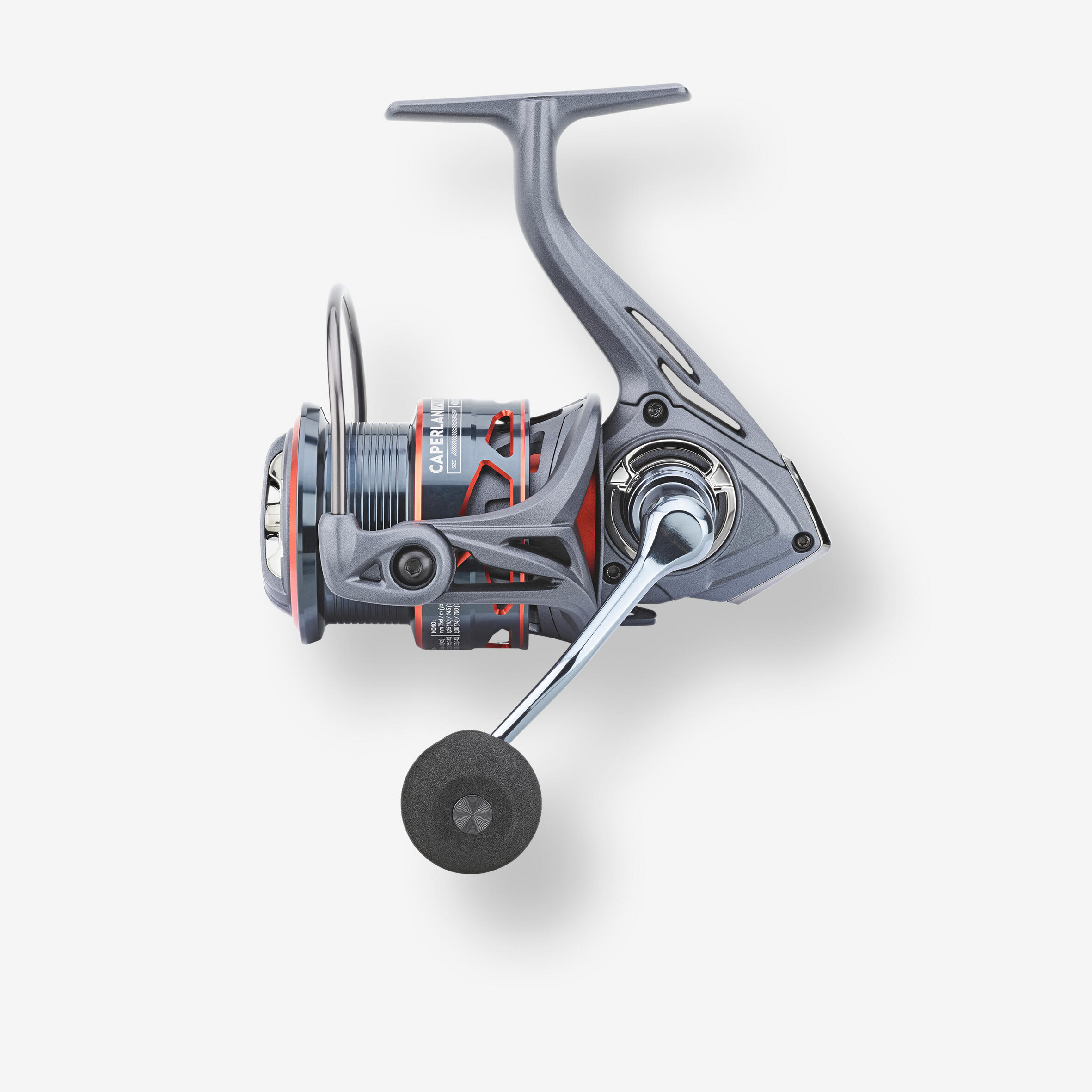
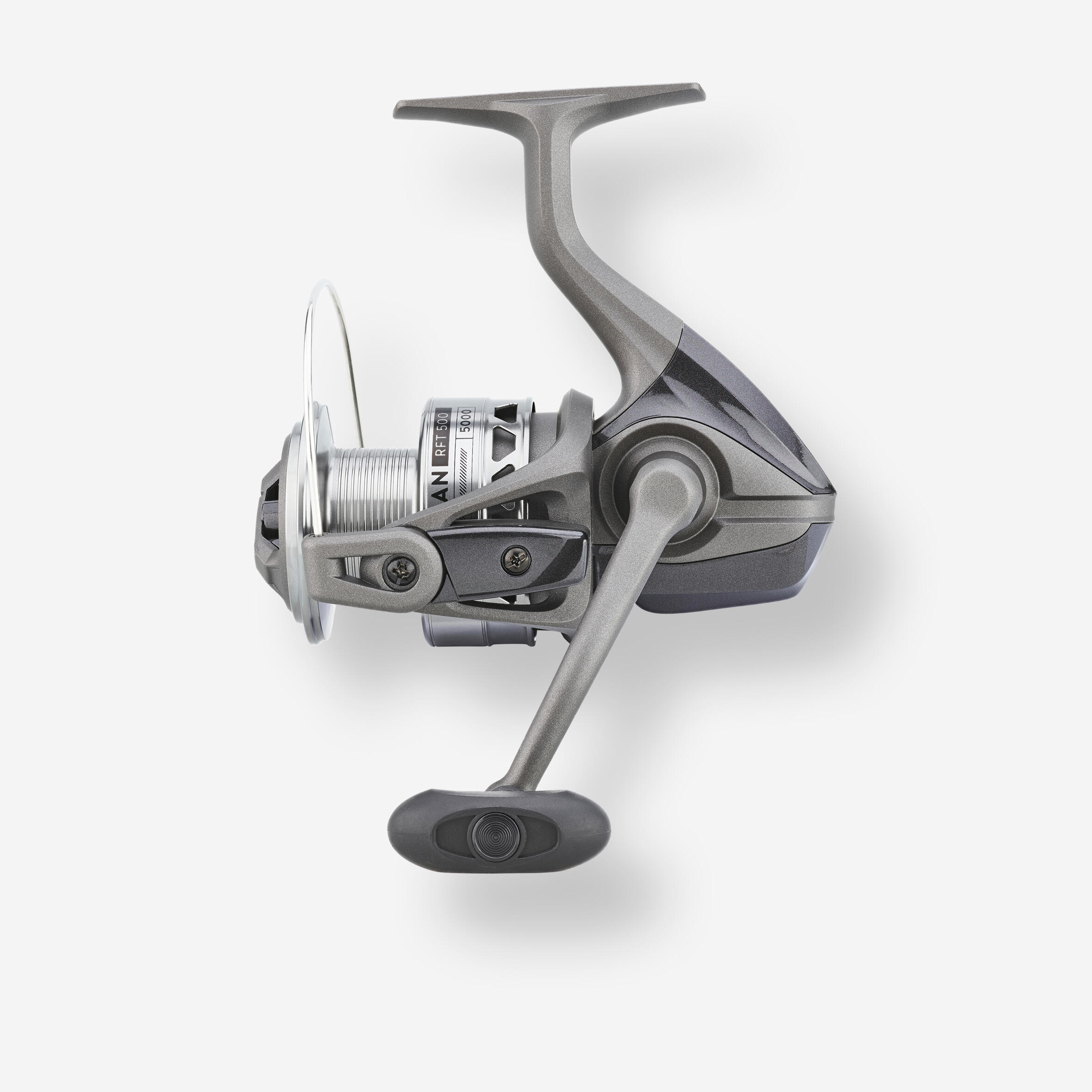
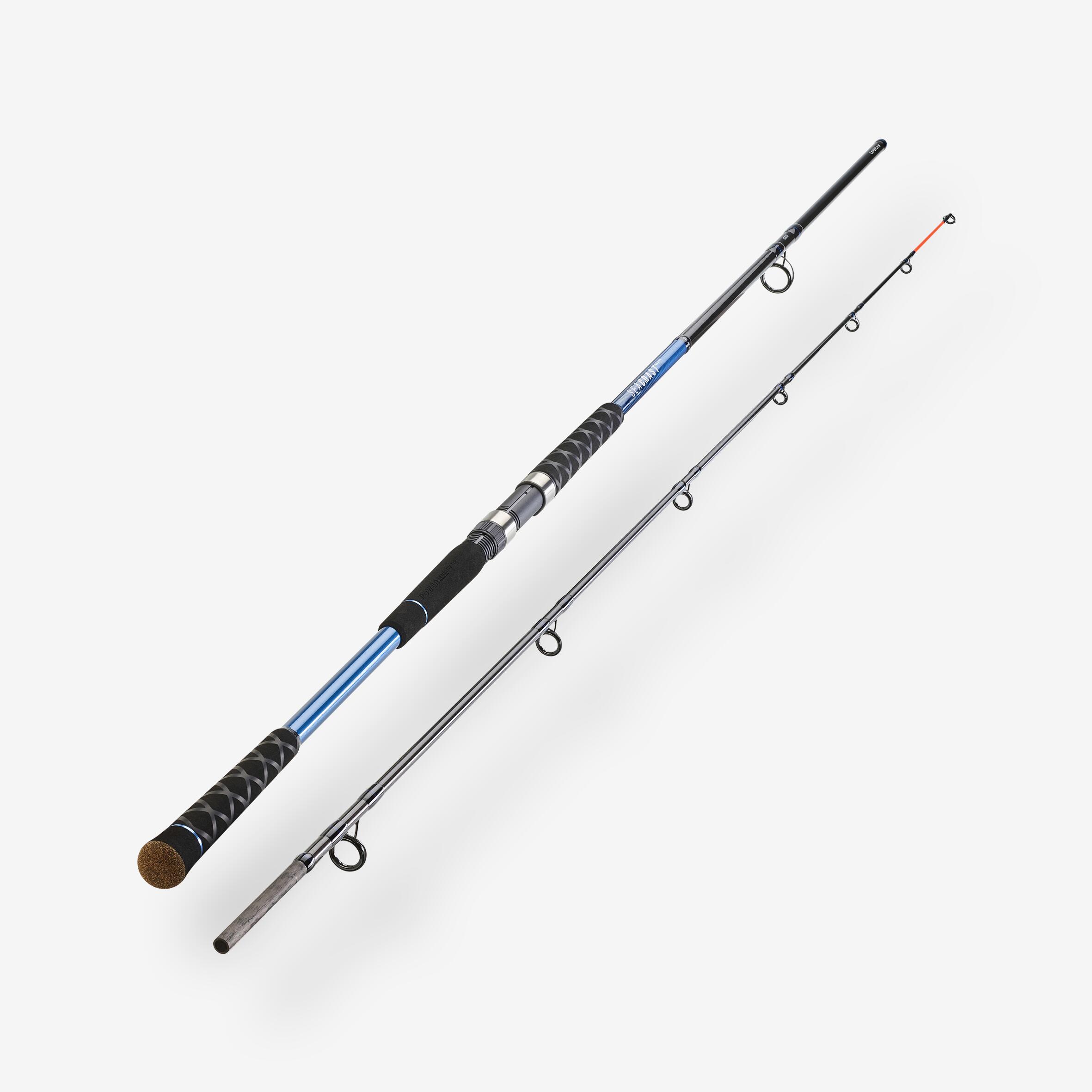
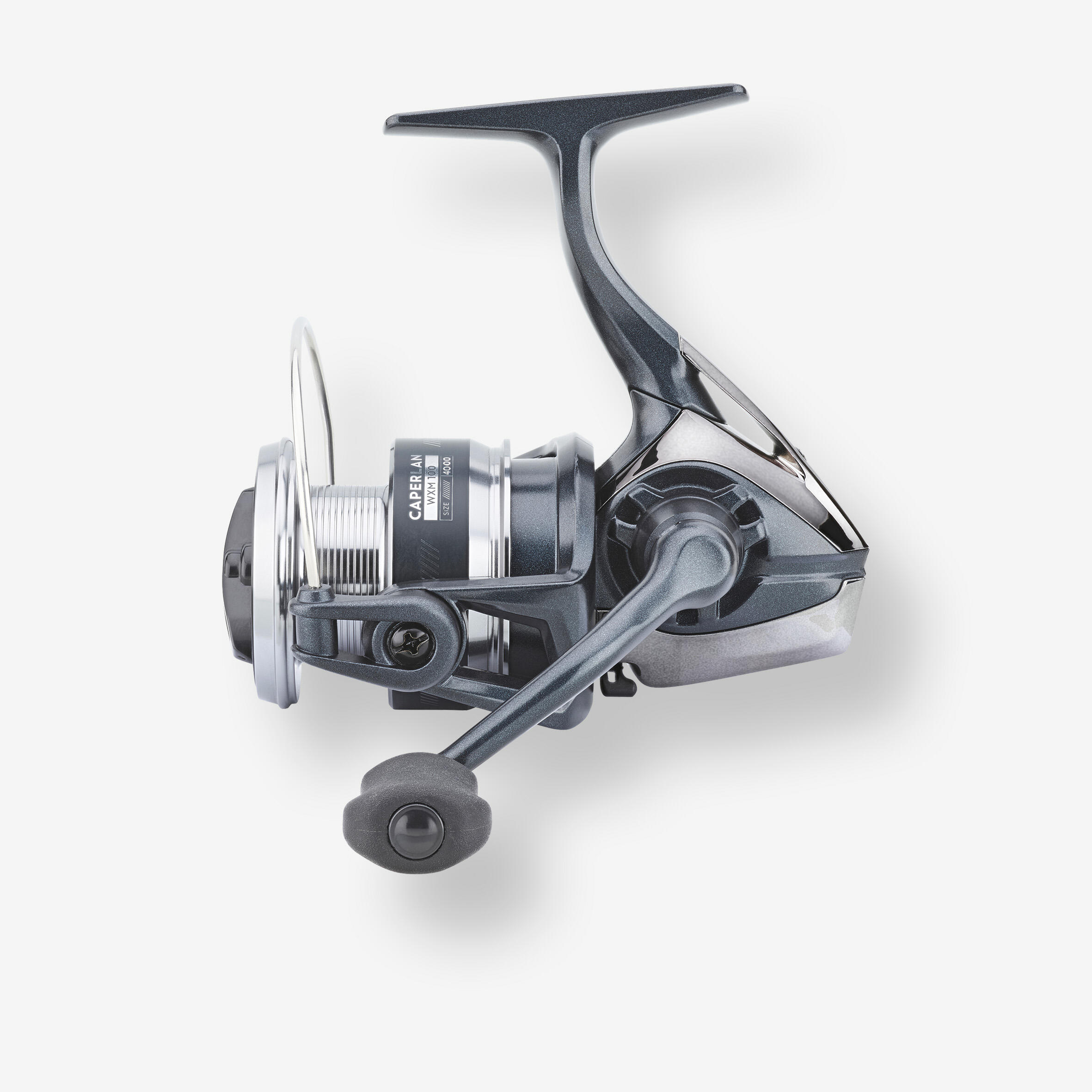
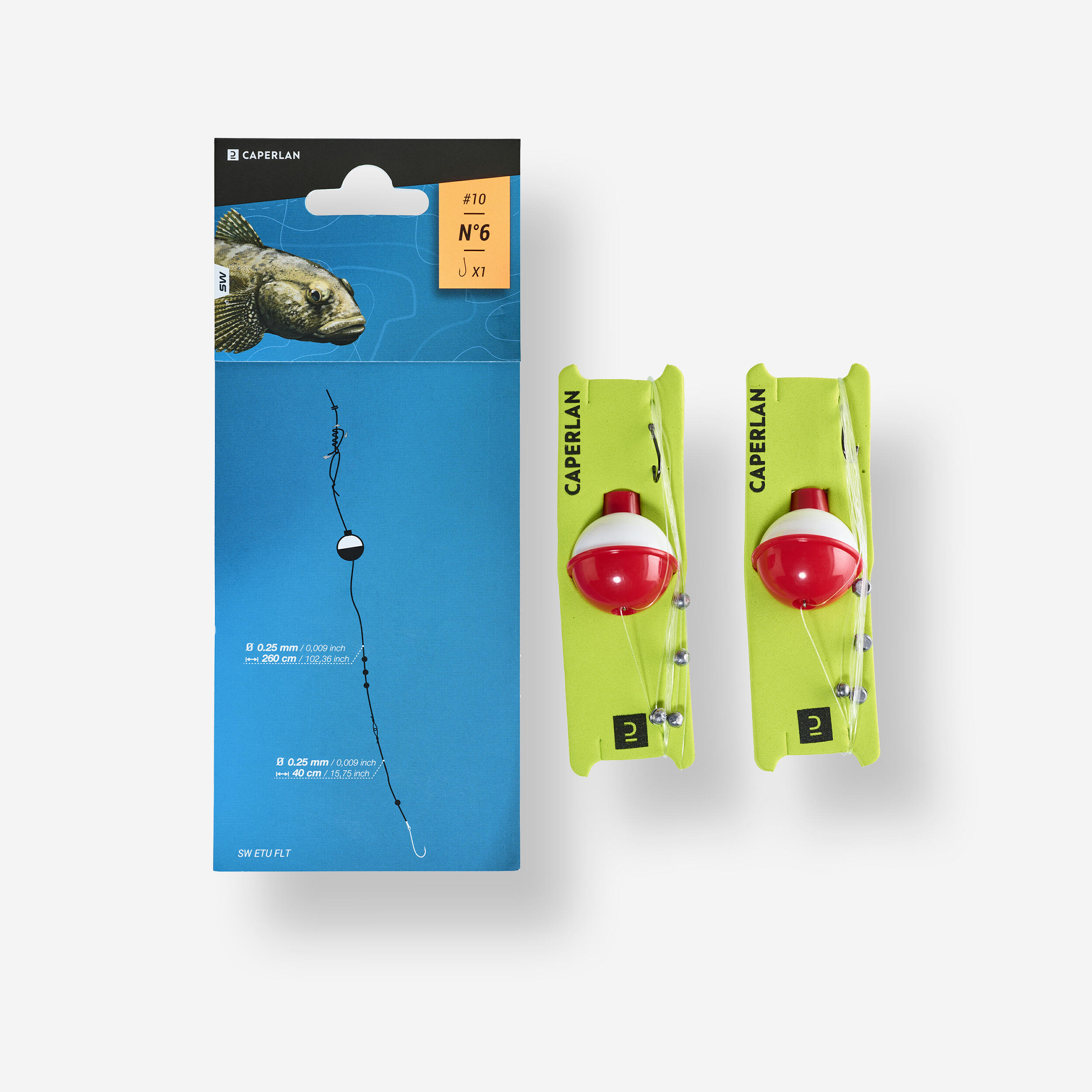
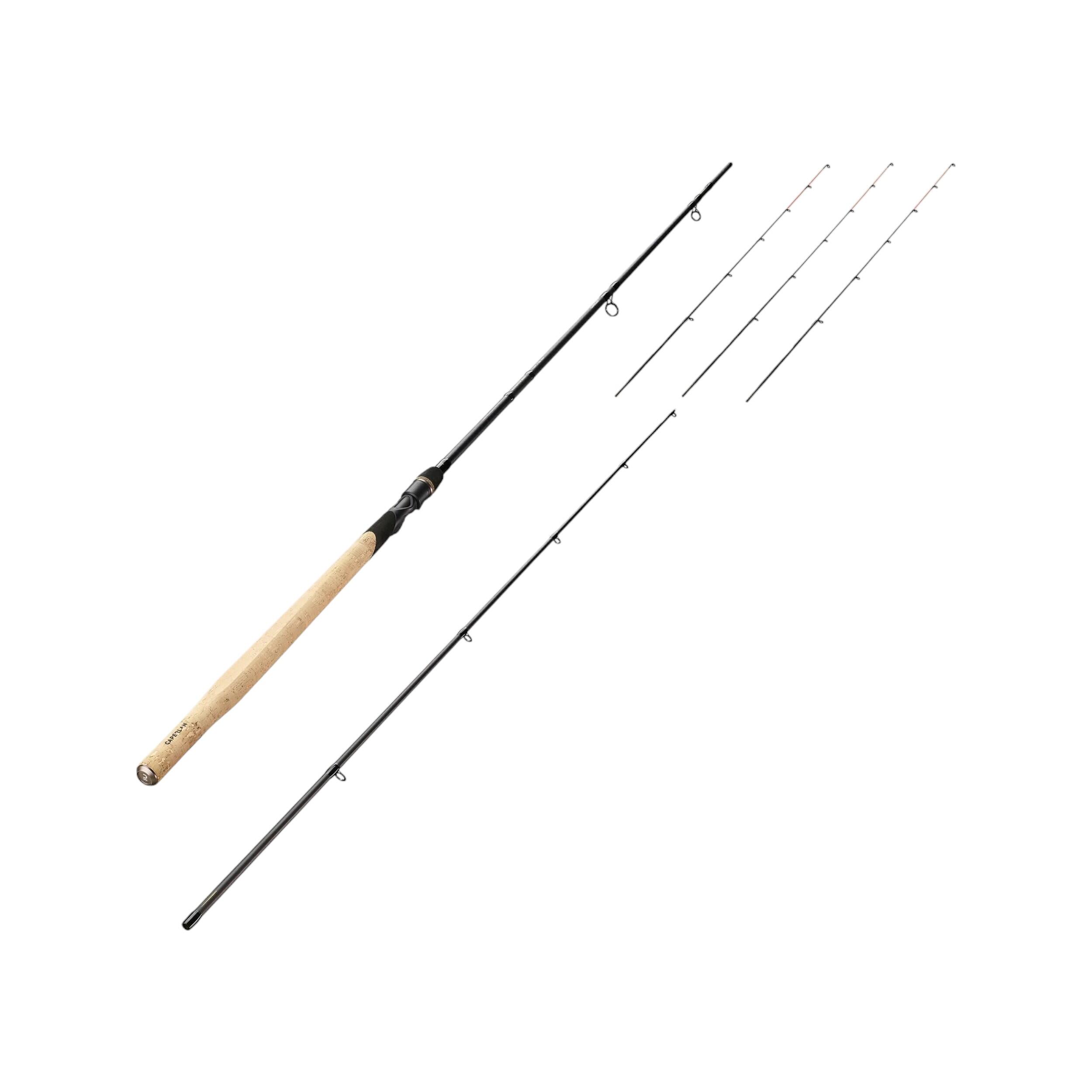
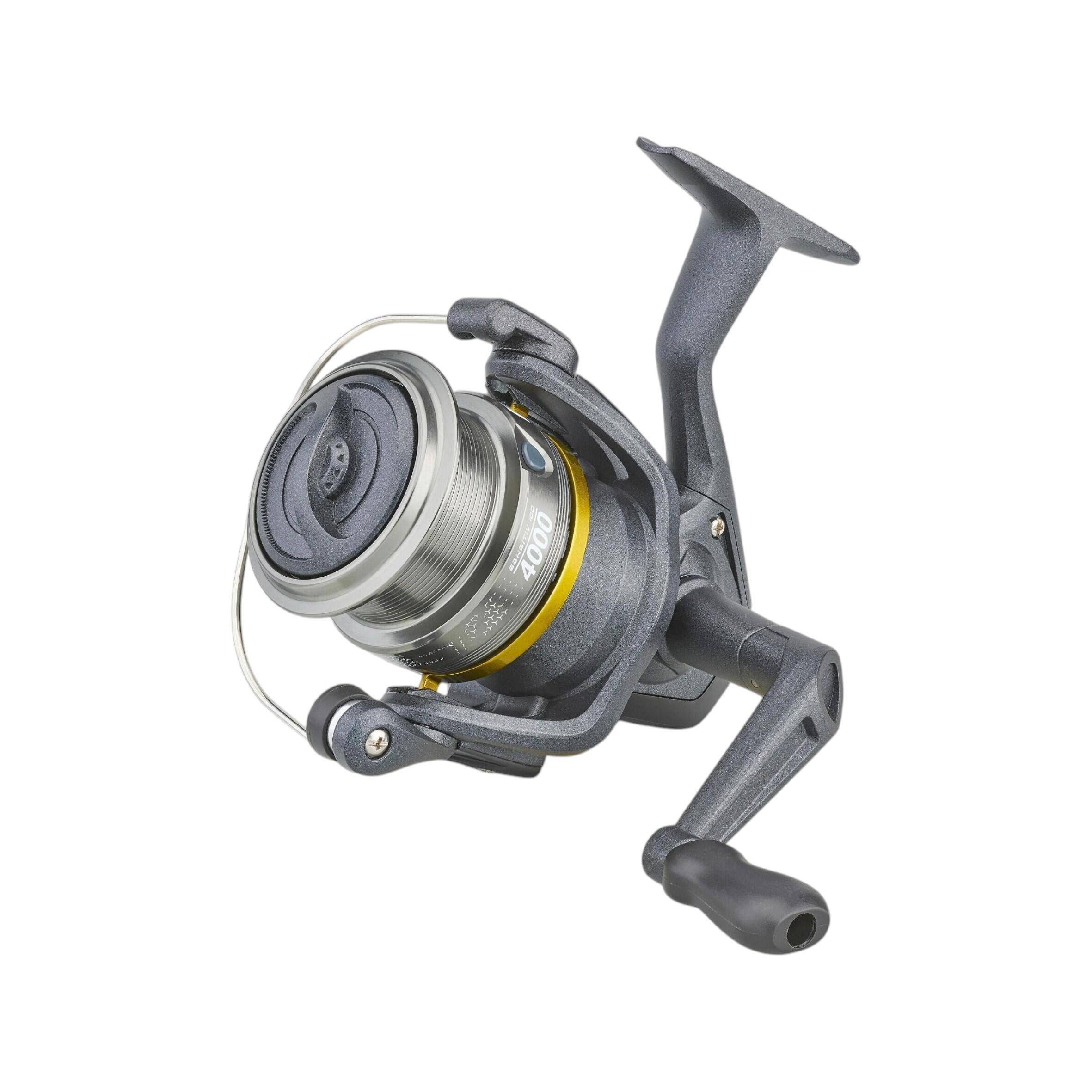
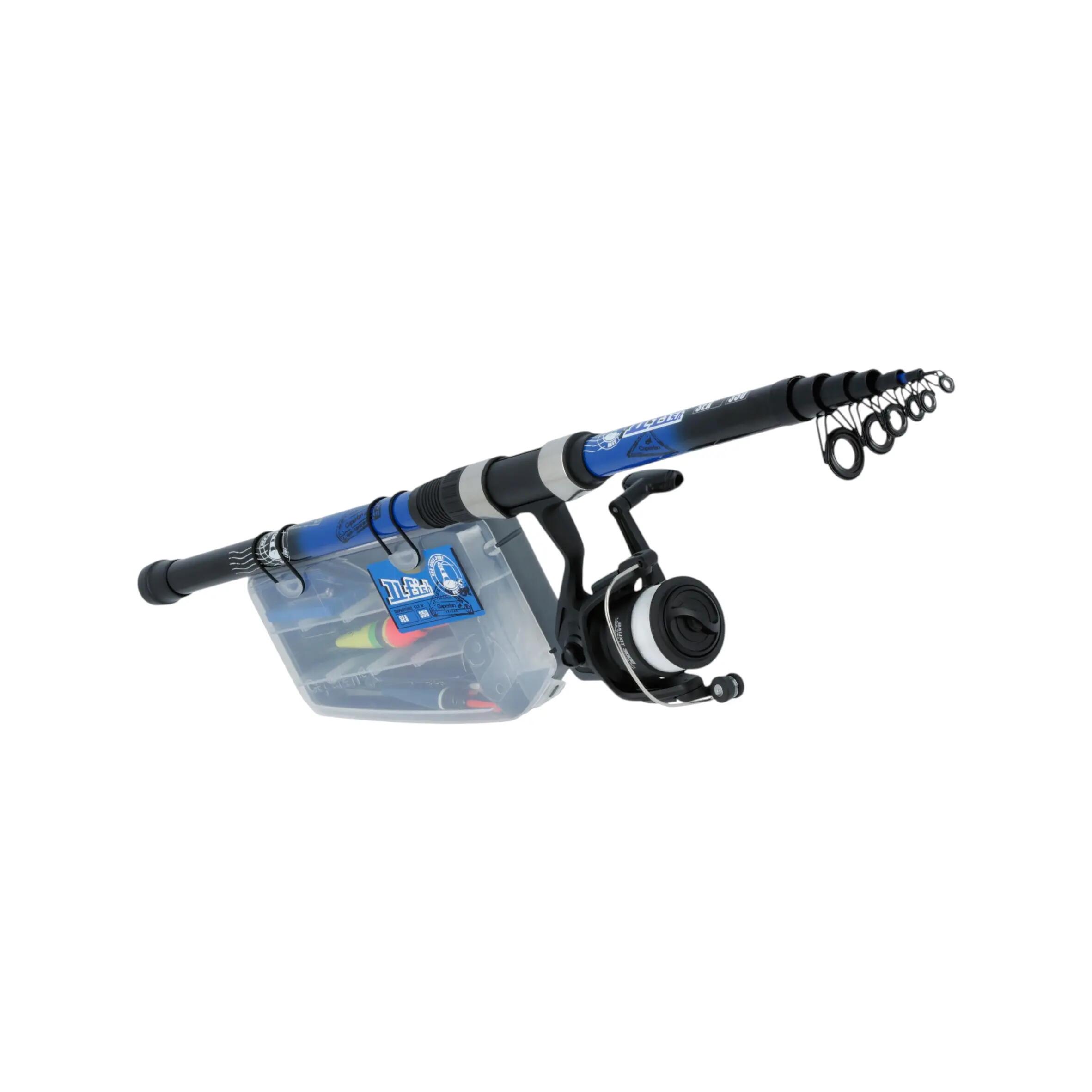
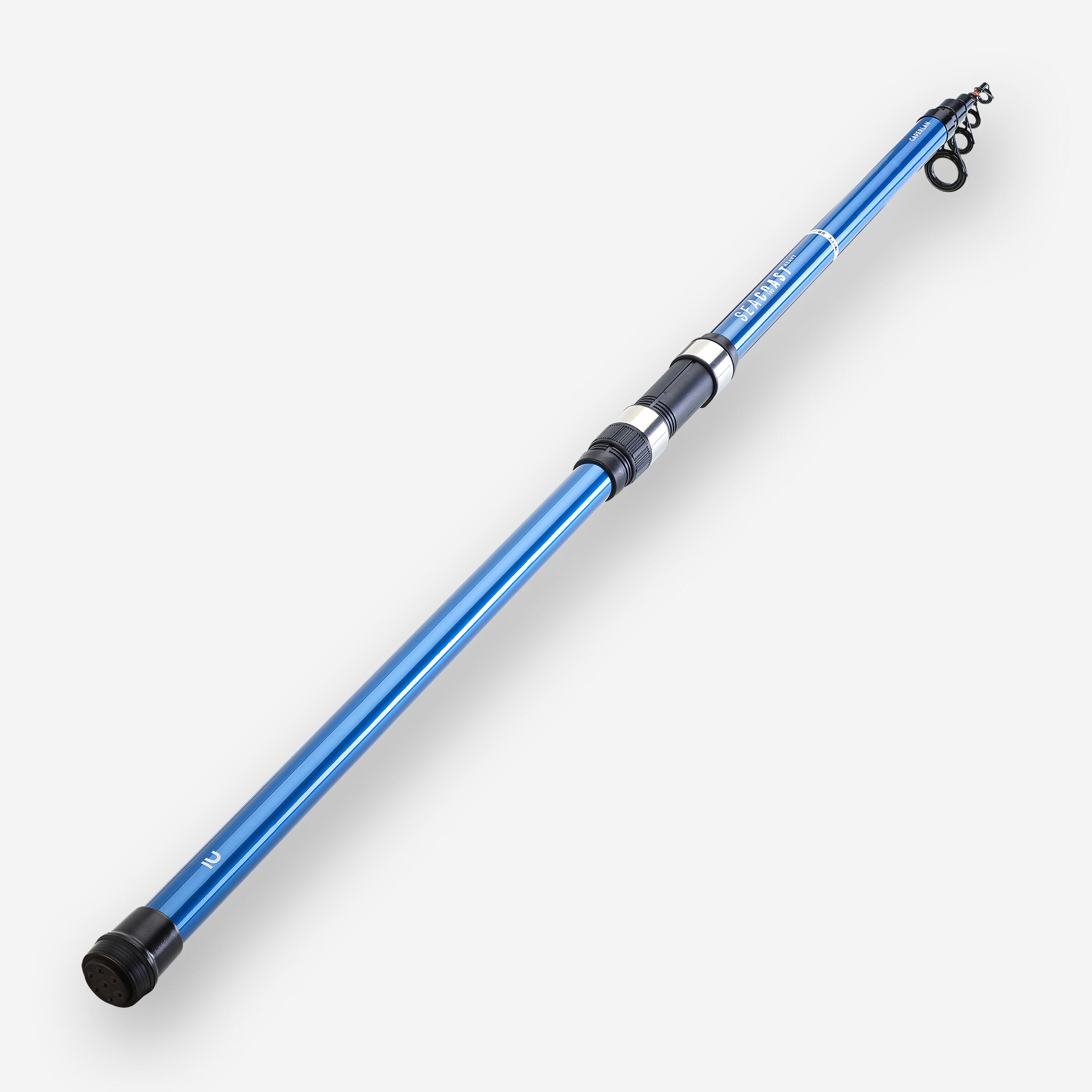
Think about rod length, casting weight, line diameter and the distance you expect to fish rather than selecting a reel from its size number alone. Caperlan's beginner shore layouts show how these parts can work together: the Ufish Sea 350 ETU pairs a 3.50 m fibreglass rod with a BAUXIT SW 3000 reel already loaded with 35/100 line. Its ETU connector also lets a beginner attach the supplied rig without tying a knot. The dedicated shore fishing reels category gives you a place to compare reel formats once you know the rod, line and fishing method you intend to use. The current shore-fishing page brings reels together with rods, terminal tackle and other shore equipment.

What is crucial when selecting hooks for shore fishing?

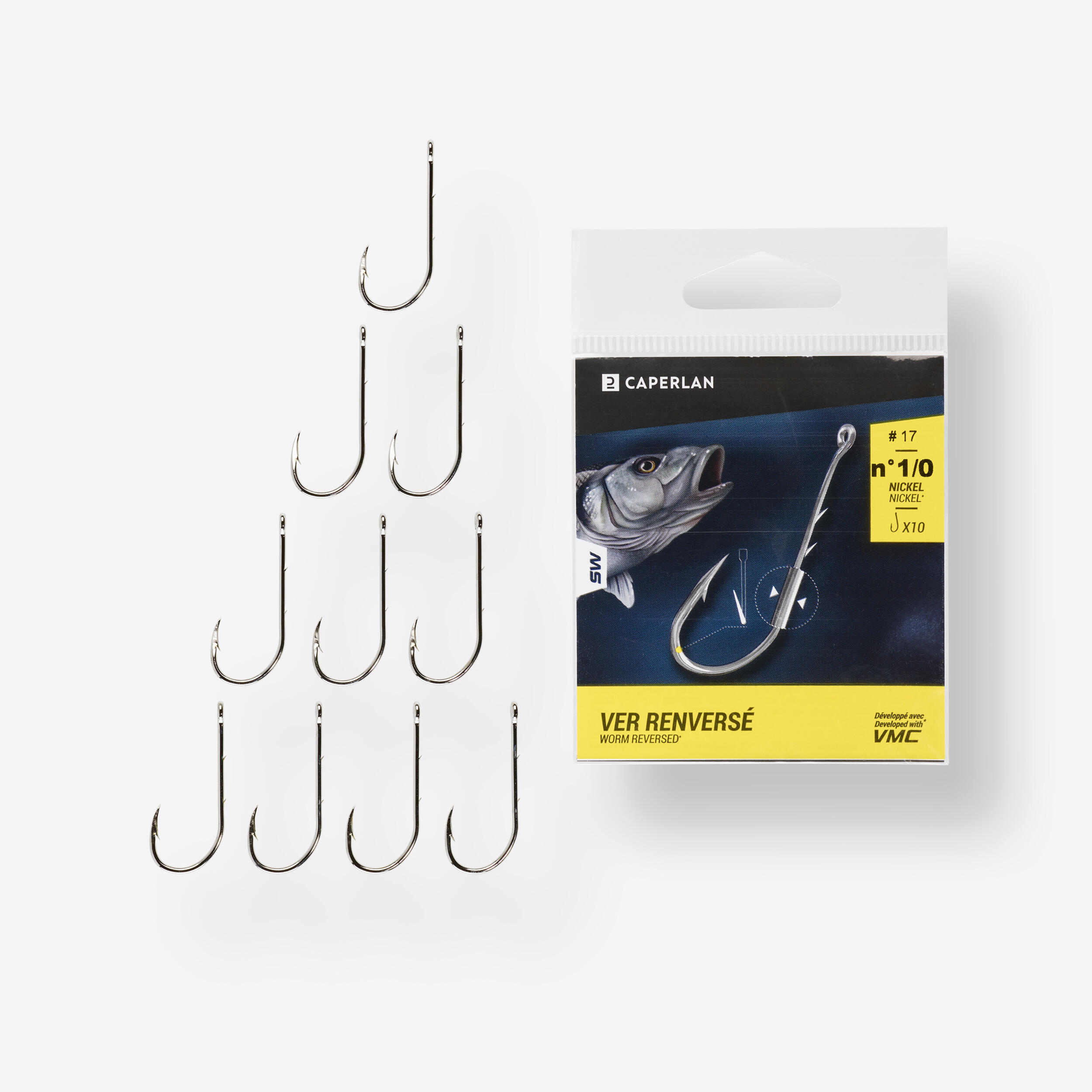
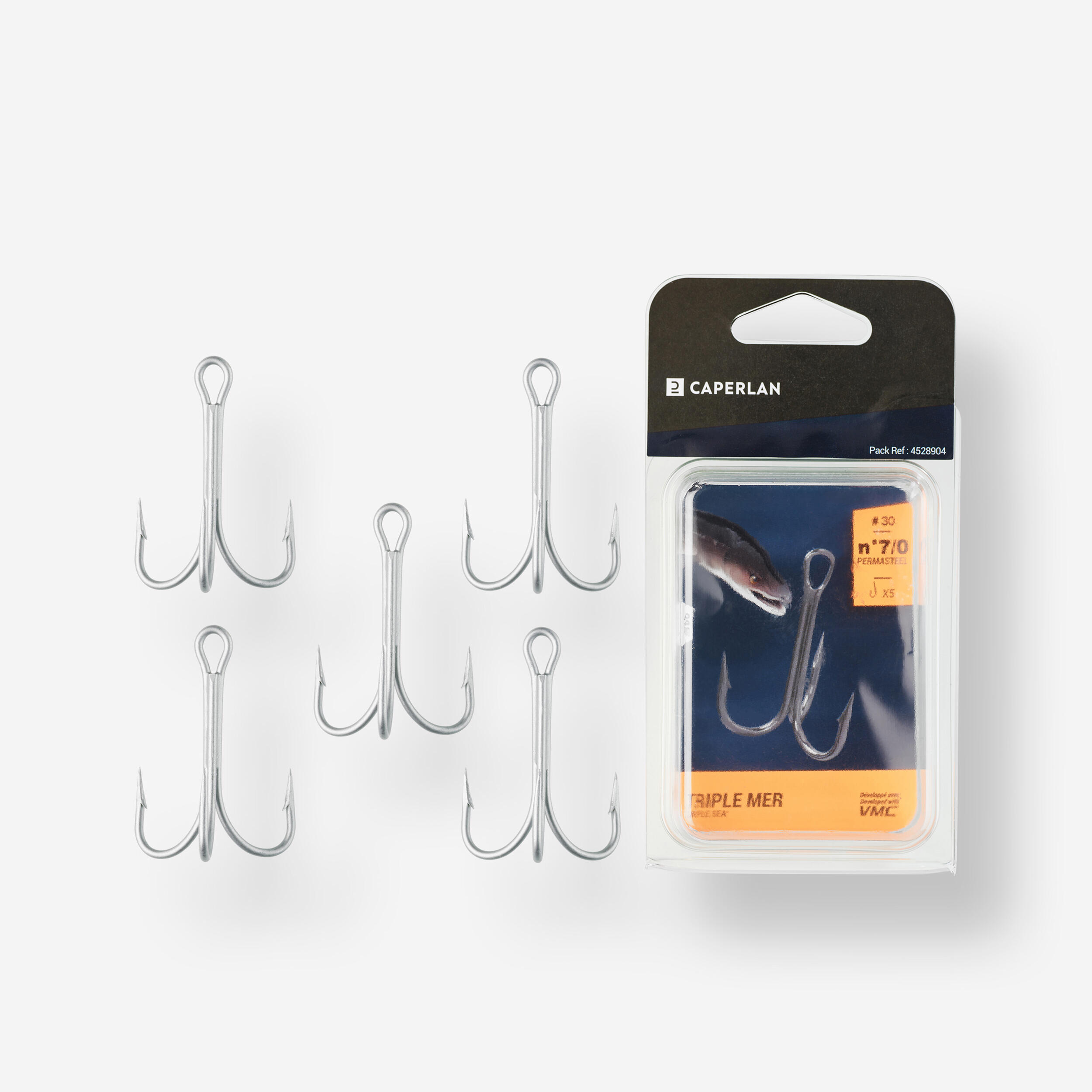
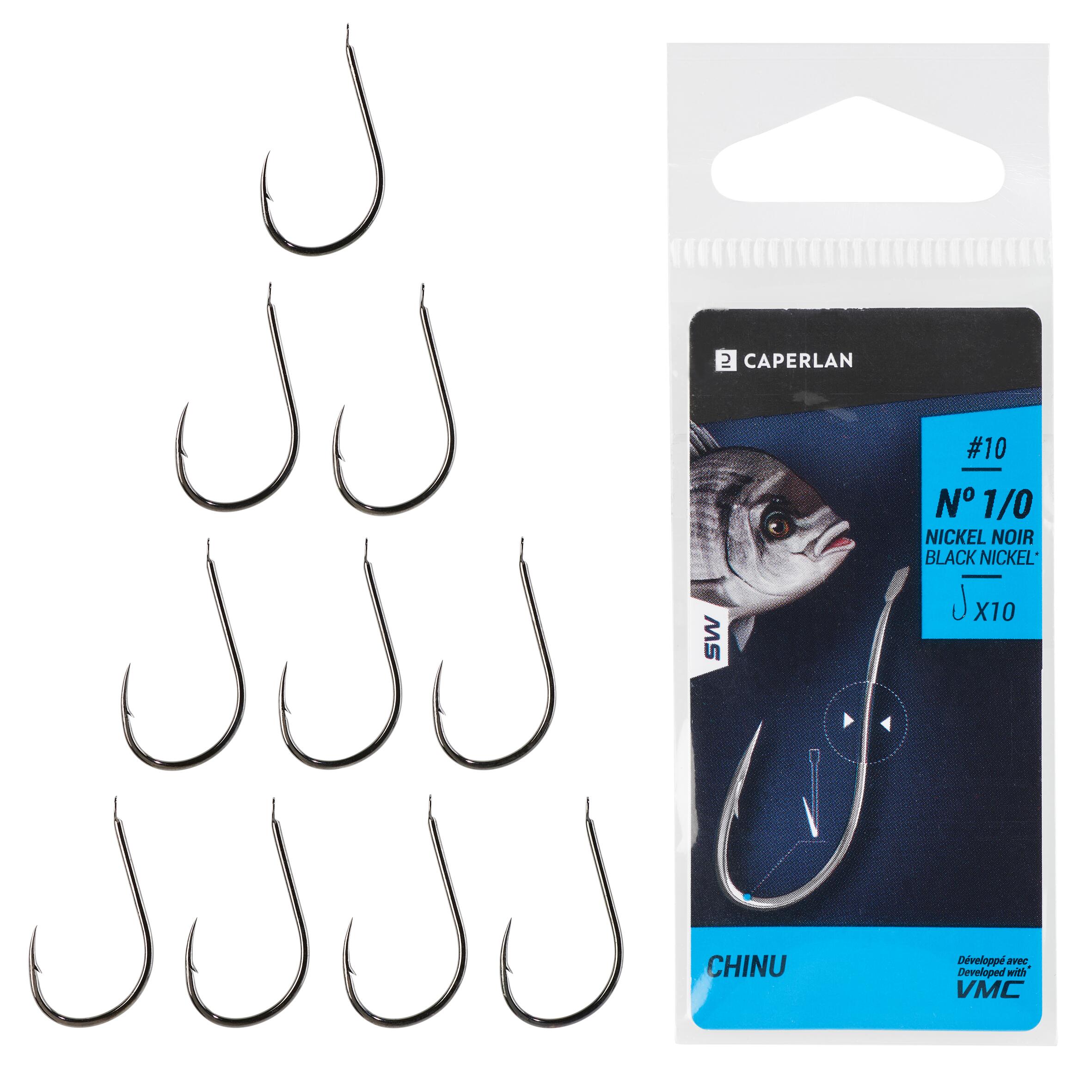
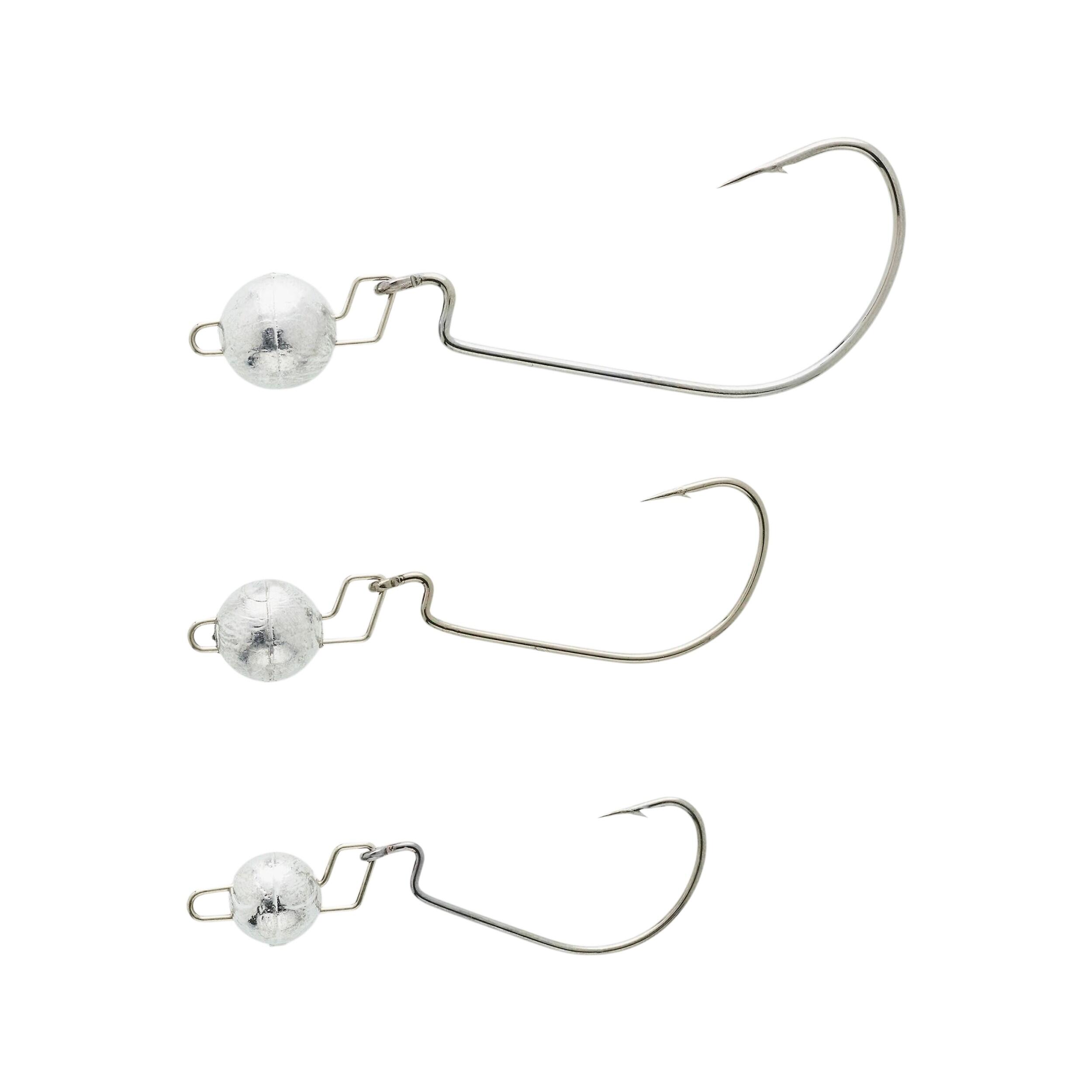
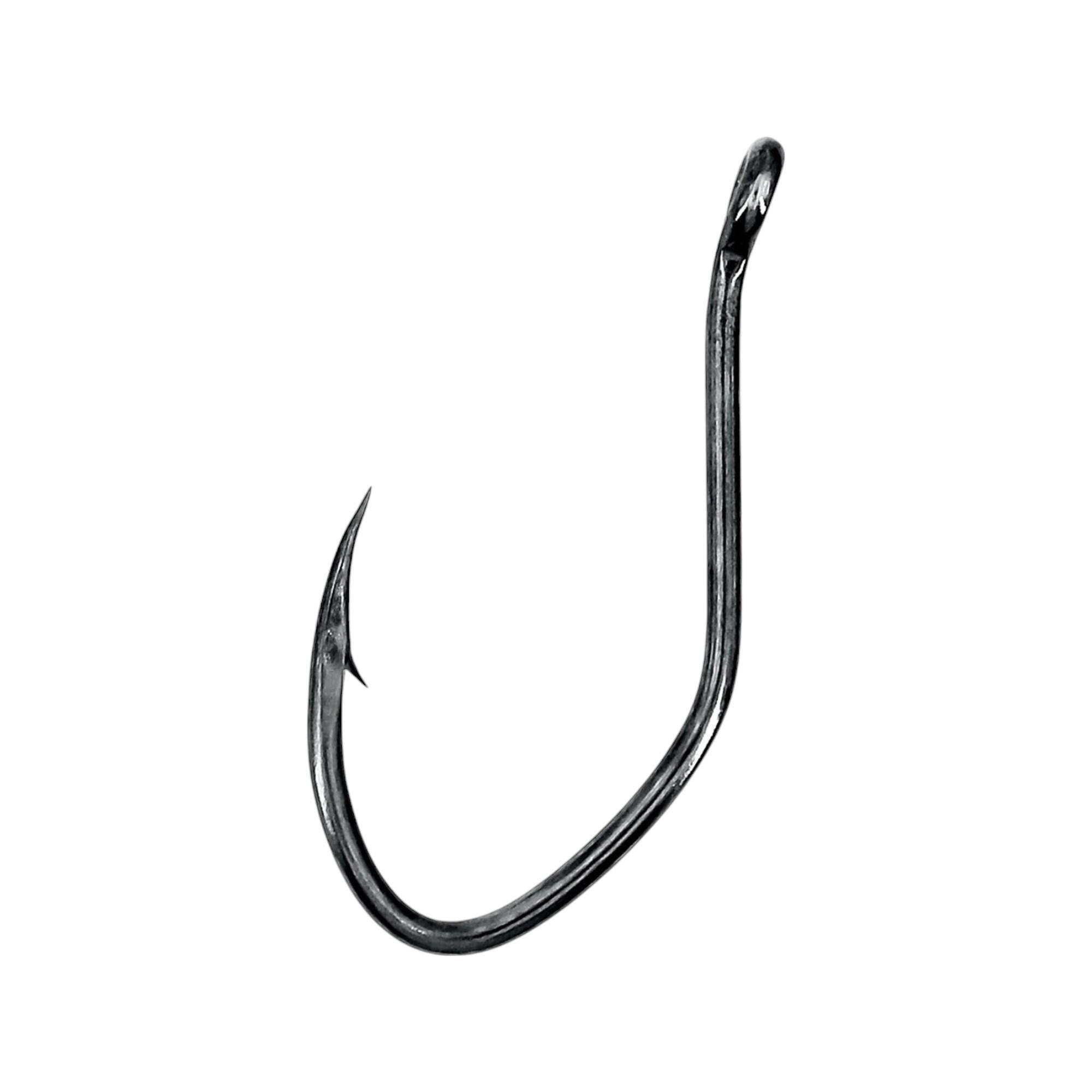
Hook size and pattern need to suit the bait, target fish and leader rather than being selected independently. A smaller hook can suit finer bait presentations, while larger patterns can support heavier terminal designs. Caperlan's shore-fishing selection includes multiple hook sizes alongside lines, swivels and rigged tackle, so you can build the terminal end around the fishing method. Keep shore fishing hooks organised by size and inspect the point before casting, particularly after fishing around rocks or other hard ground. Replace a hook if the point becomes damaged or the shape changes, as a strong main line cannot compensate for a weakened hook at the final connection.

How does line choice affect fishing from the shore?

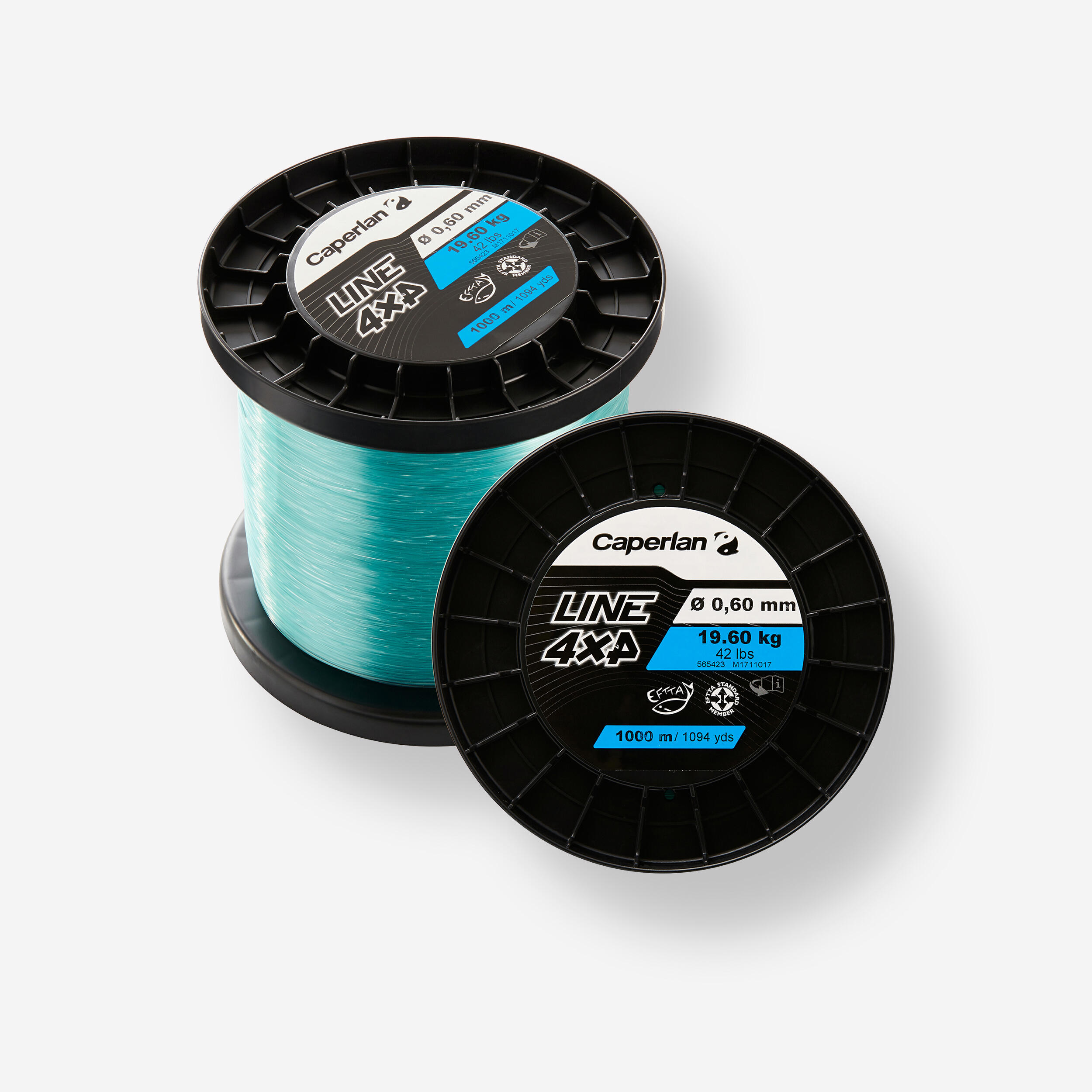
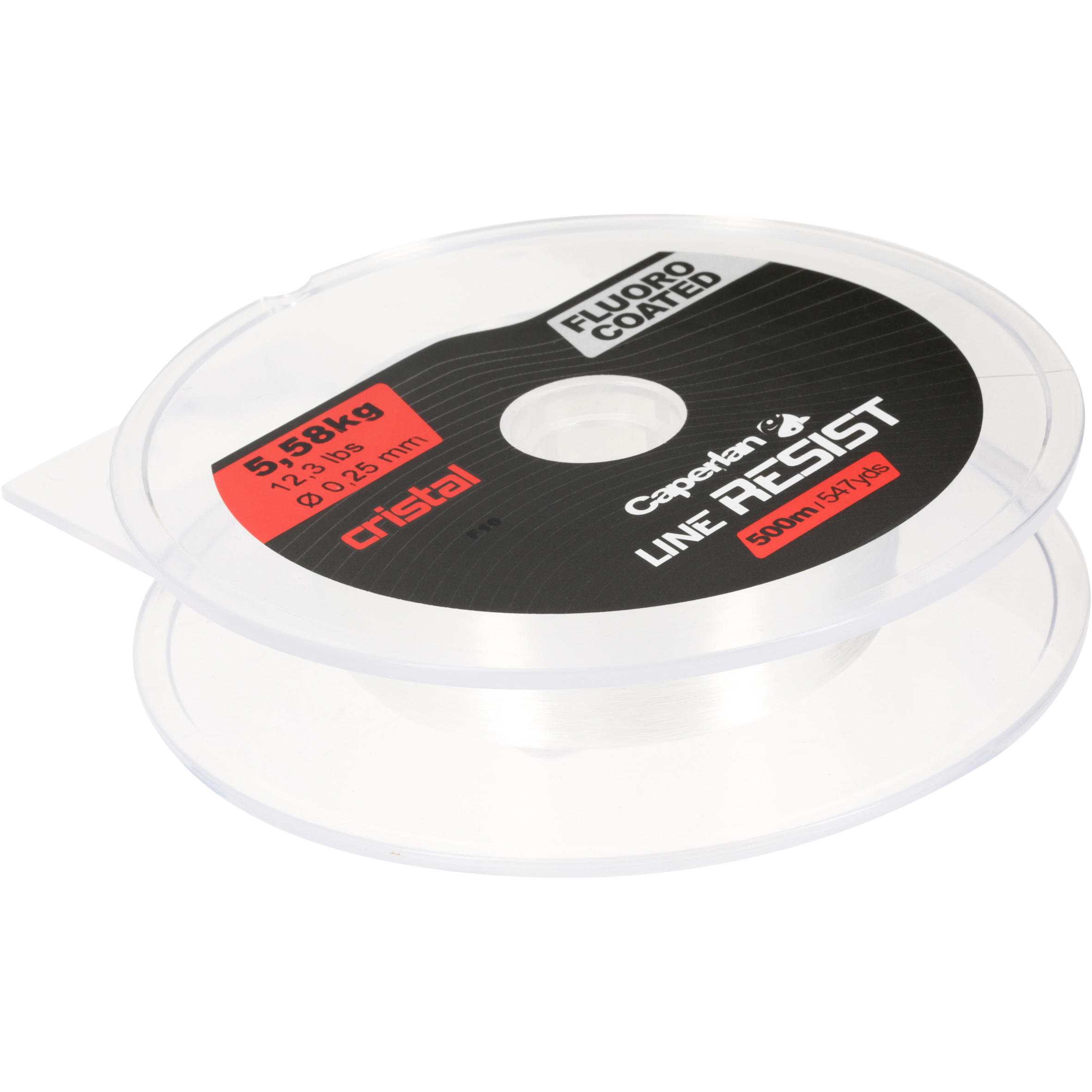
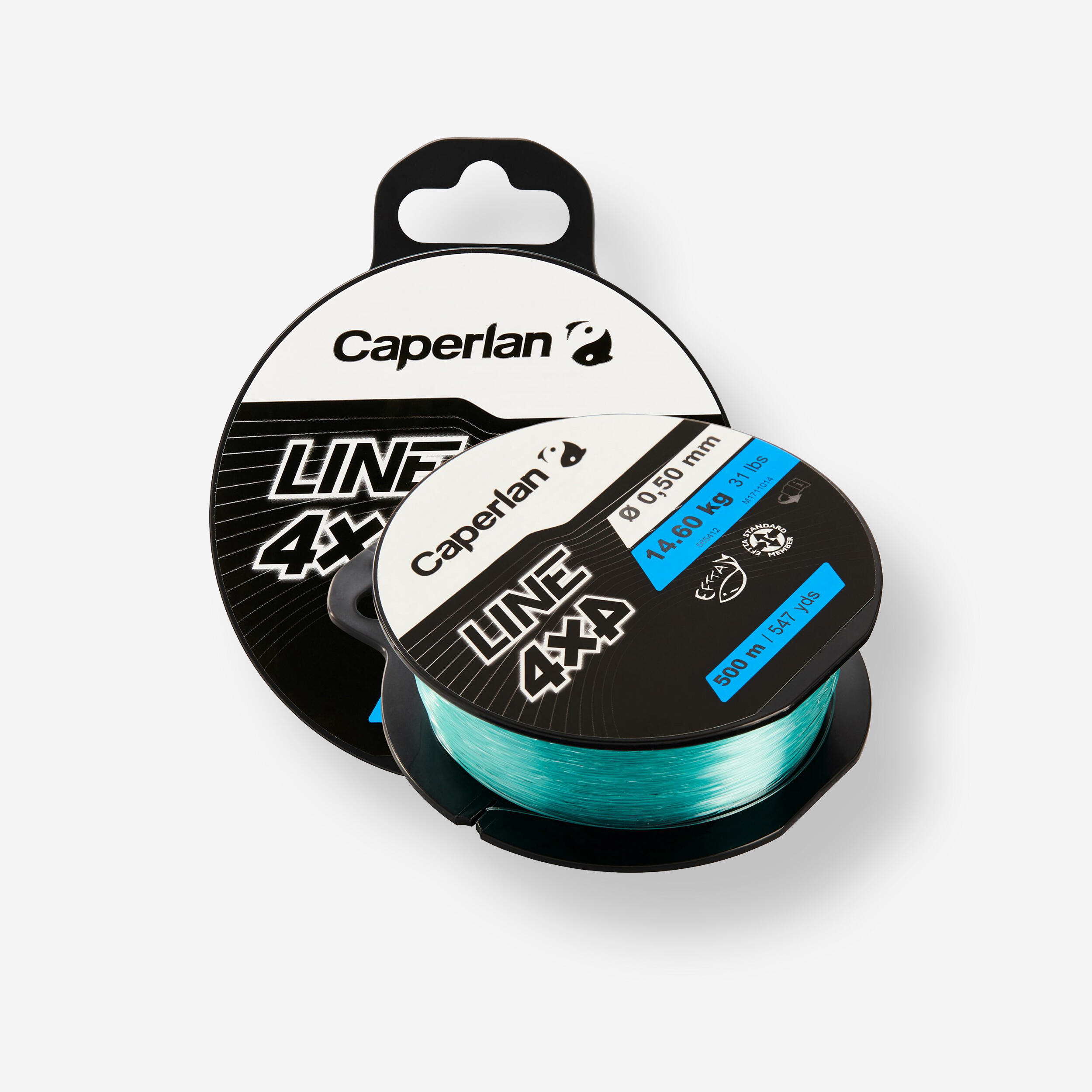
Line diameter influences breaking strength, spool capacity, casting behaviour and how easily you can manage the rig around rocks, jetties or open shoreline. Caperlan shore systems use specific line diameters rather than treating one monofilament as suitable for every situation. The Ufish Sea 350 ETU, for example, comes preloaded with 35/100 line as part of its matched beginner system. Different shore fishing lines let you adjust diameter and strength as the rod, reel and target fish change. Inspect the first few metres regularly for abrasion when fishing near rough structures, and store spare line protected from unnecessary heat and sunlight between sessions.

How do fishing weights change a shore rig?

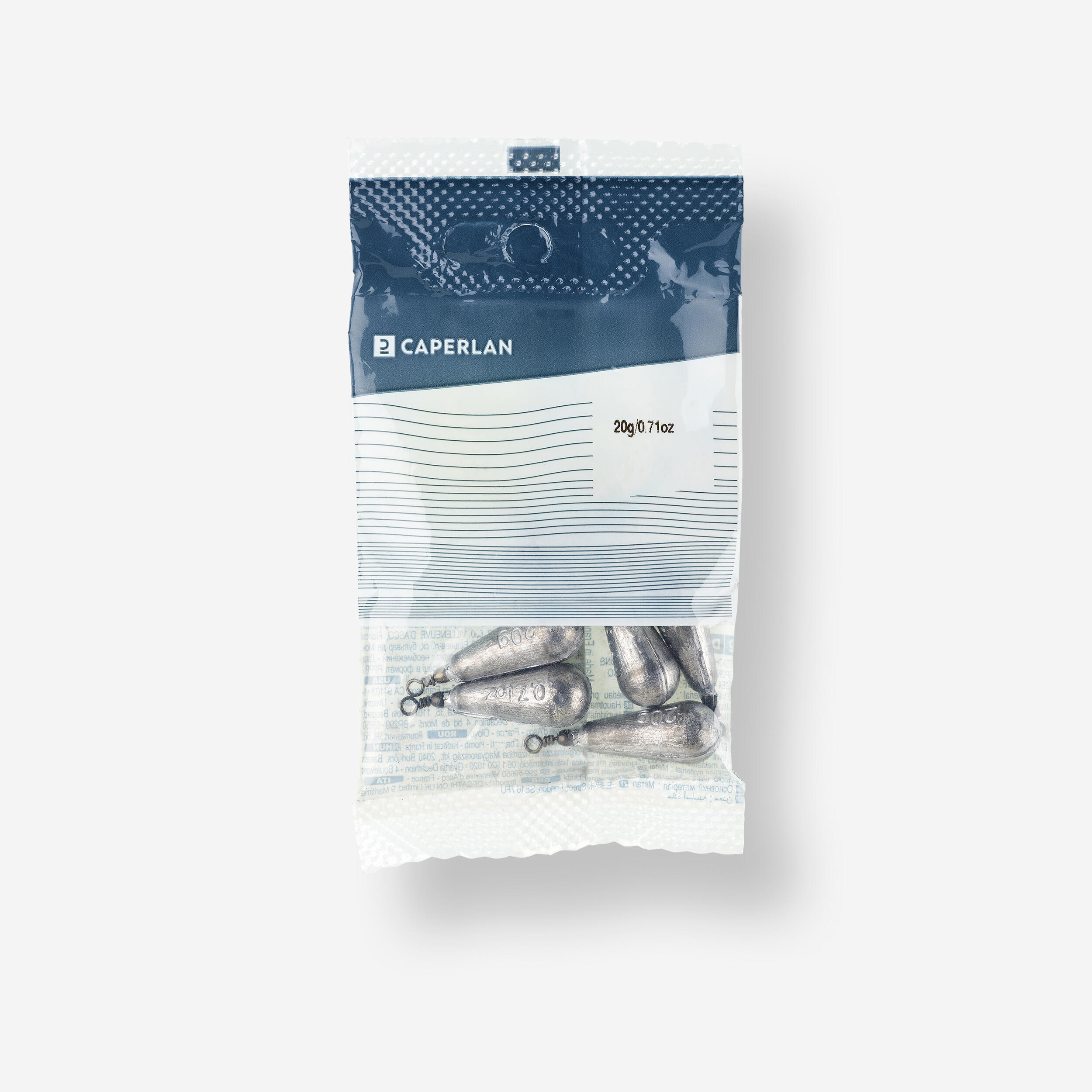
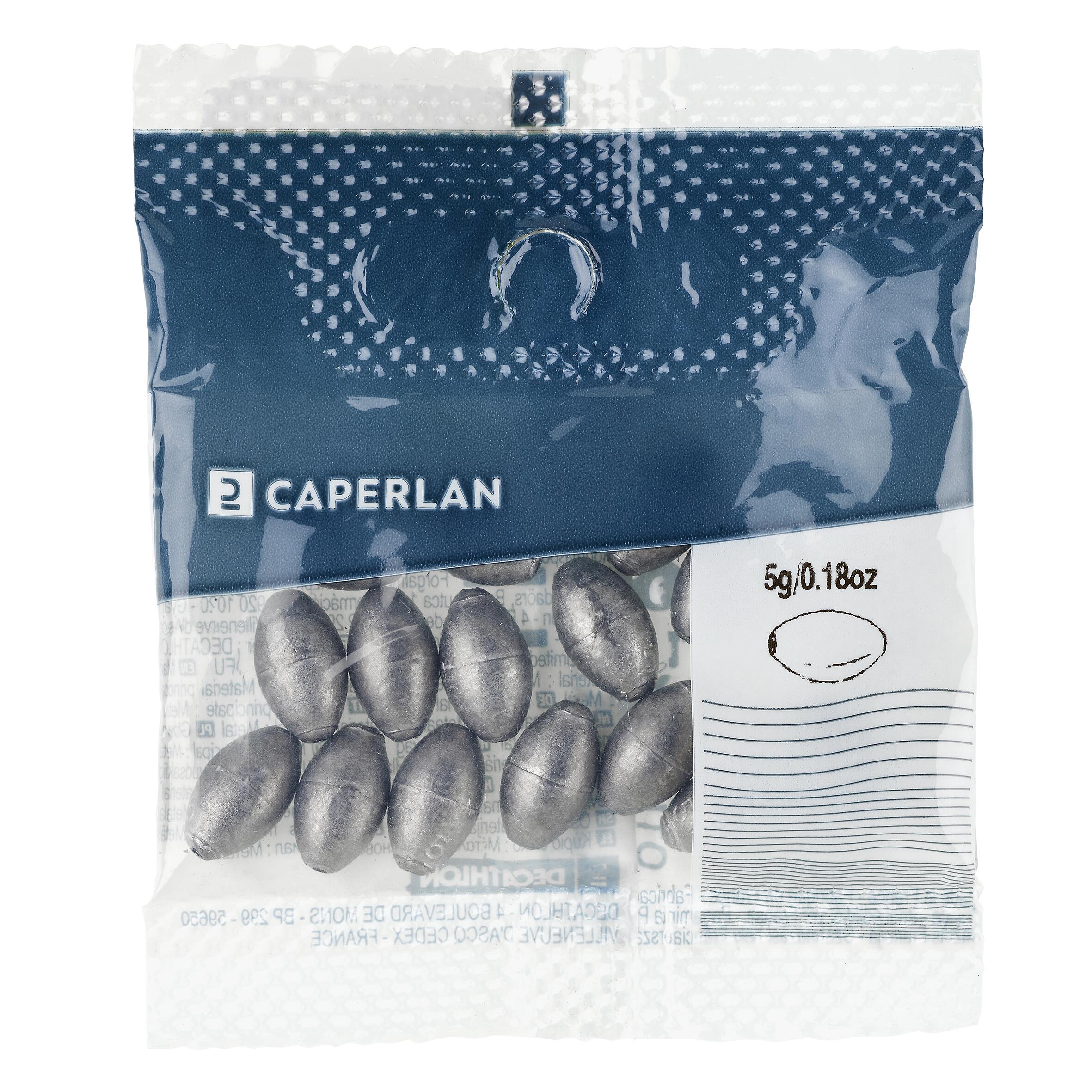
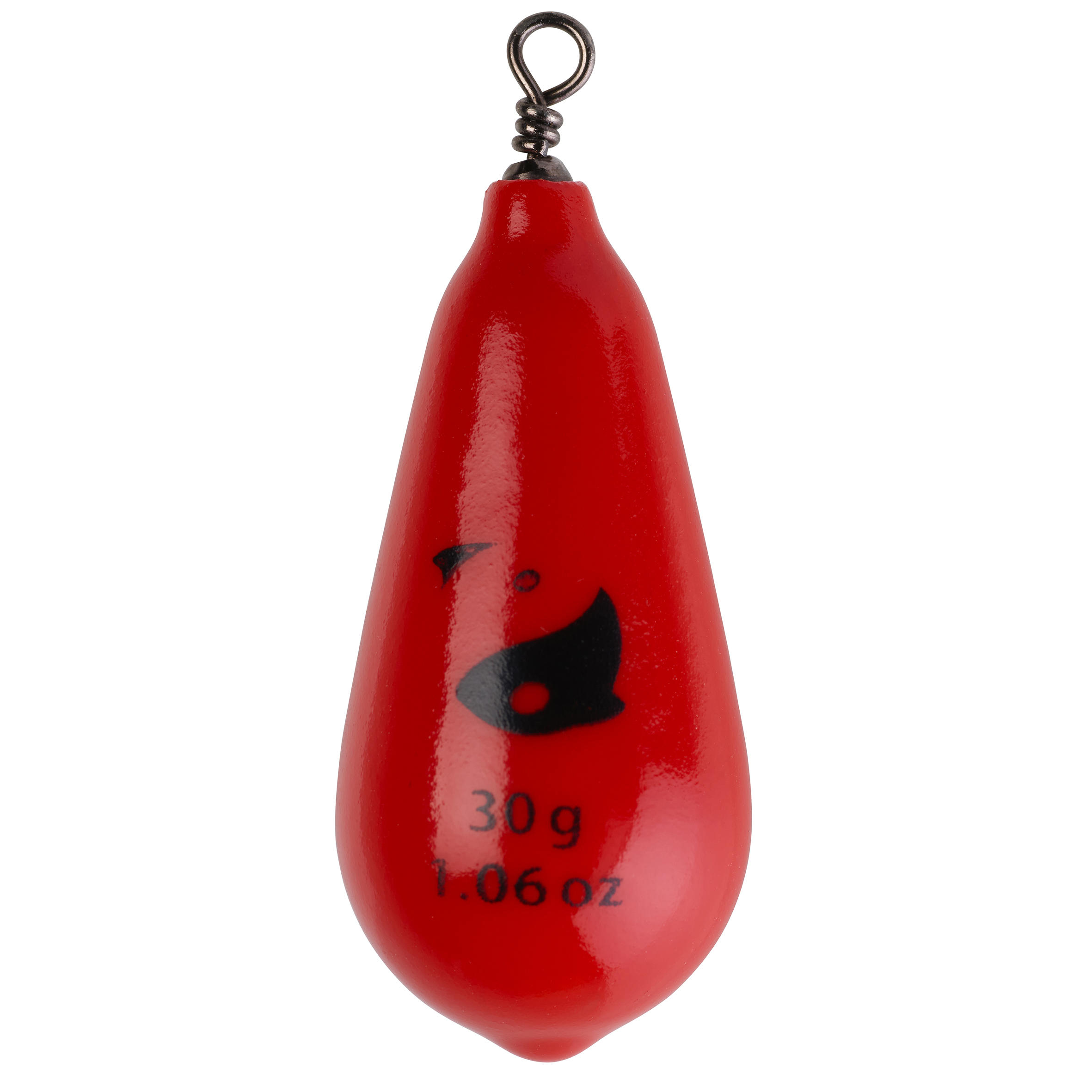
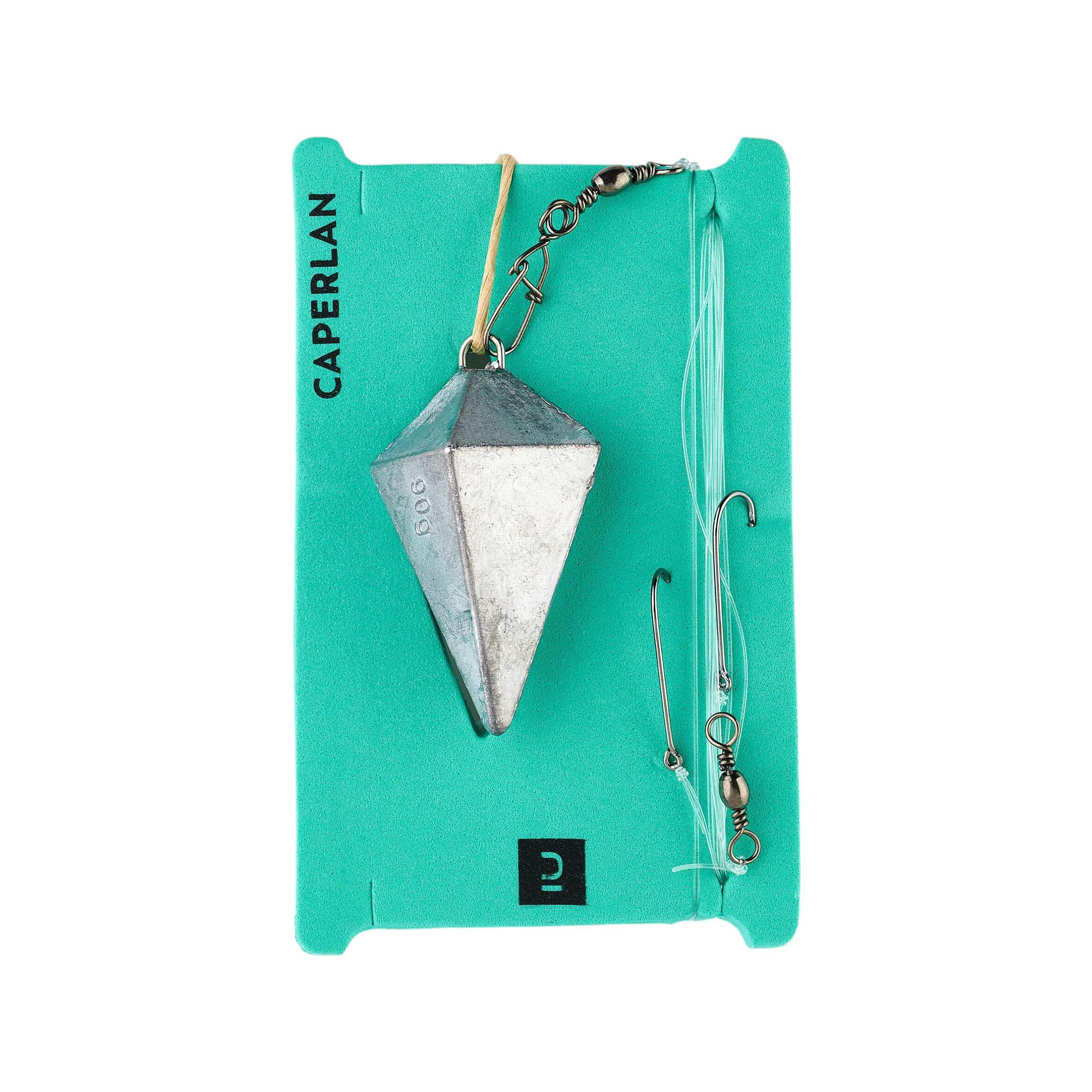
The weight needs to work within the rod's casting capacity while giving the rig enough mass for the fishing distance and water conditions. Caperlan's drilled olive sinkers provide one shore-fishing example, using a rounded shape intended to travel cleanly during casting and move effectively through deeper water. TEAM CAPERLAN develops and tests these sinkers in Gironde, France, and the weights thread directly onto the line. The wider shore fishing weights category provides different formats for changing terminal structures. Where lead weights are used, keep them dry and wash your hands after handling them. Avoid exceeding the rod's stated casting limit once the complete rig, bait and weight are combined.
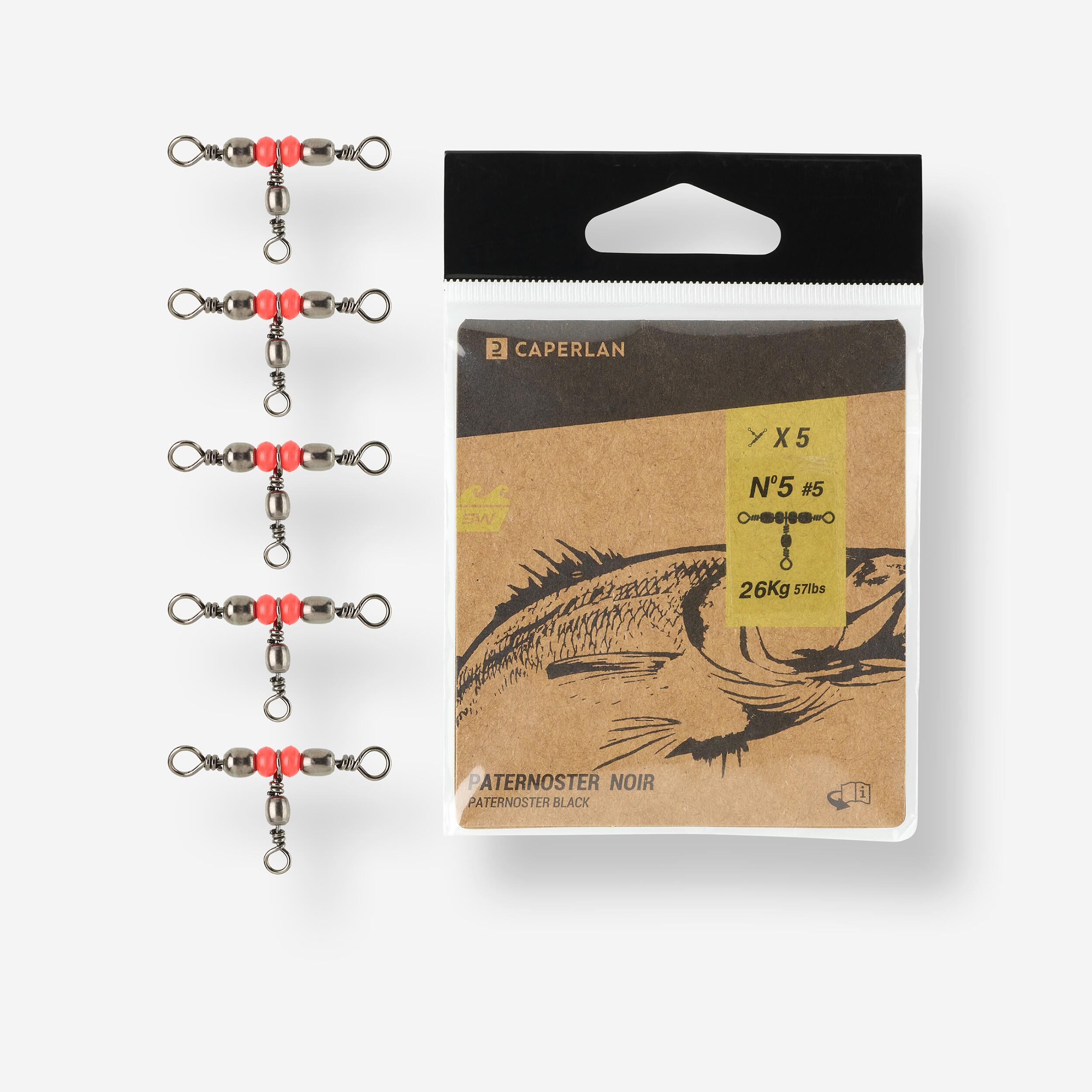
Why add a swivel to a shore fishing rig?

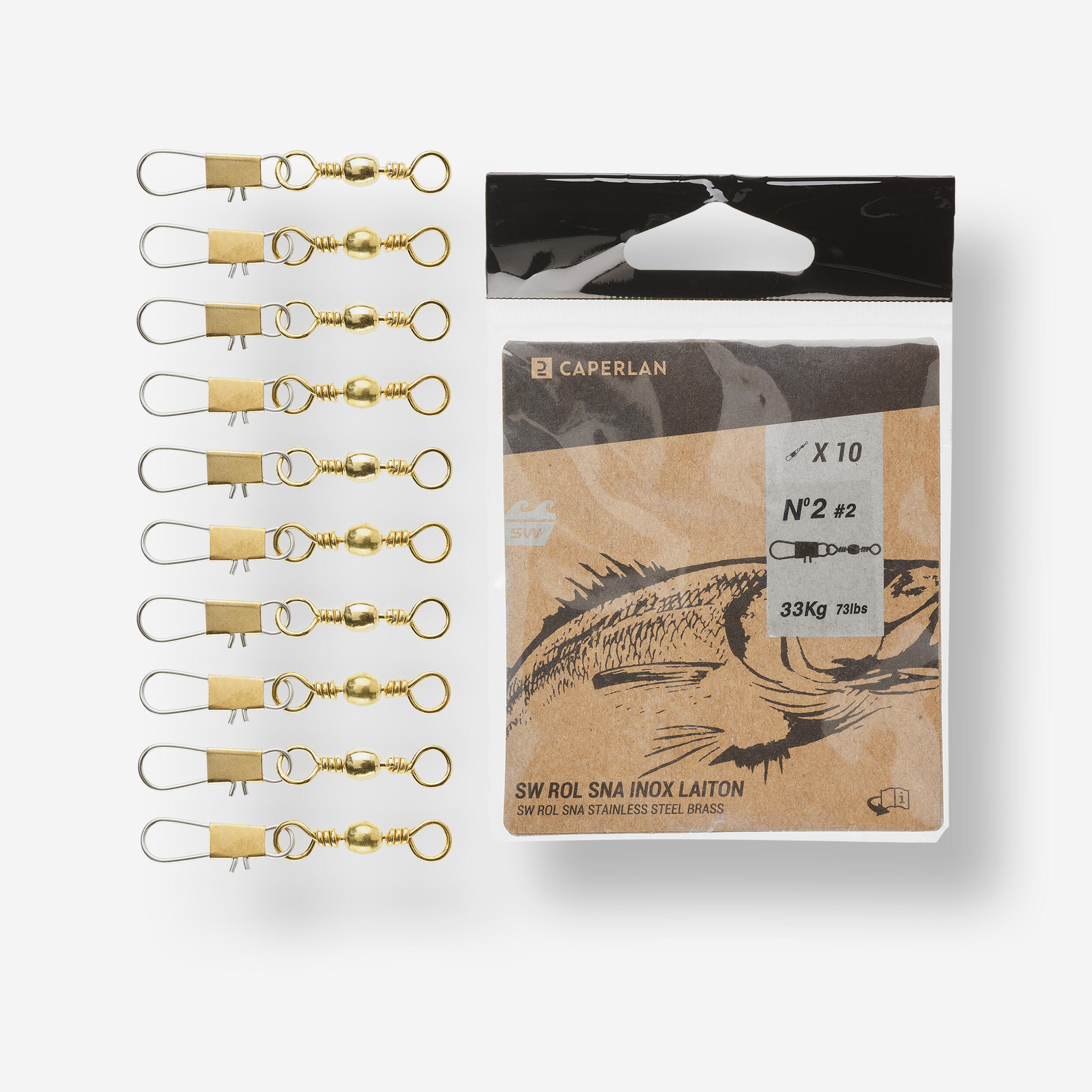
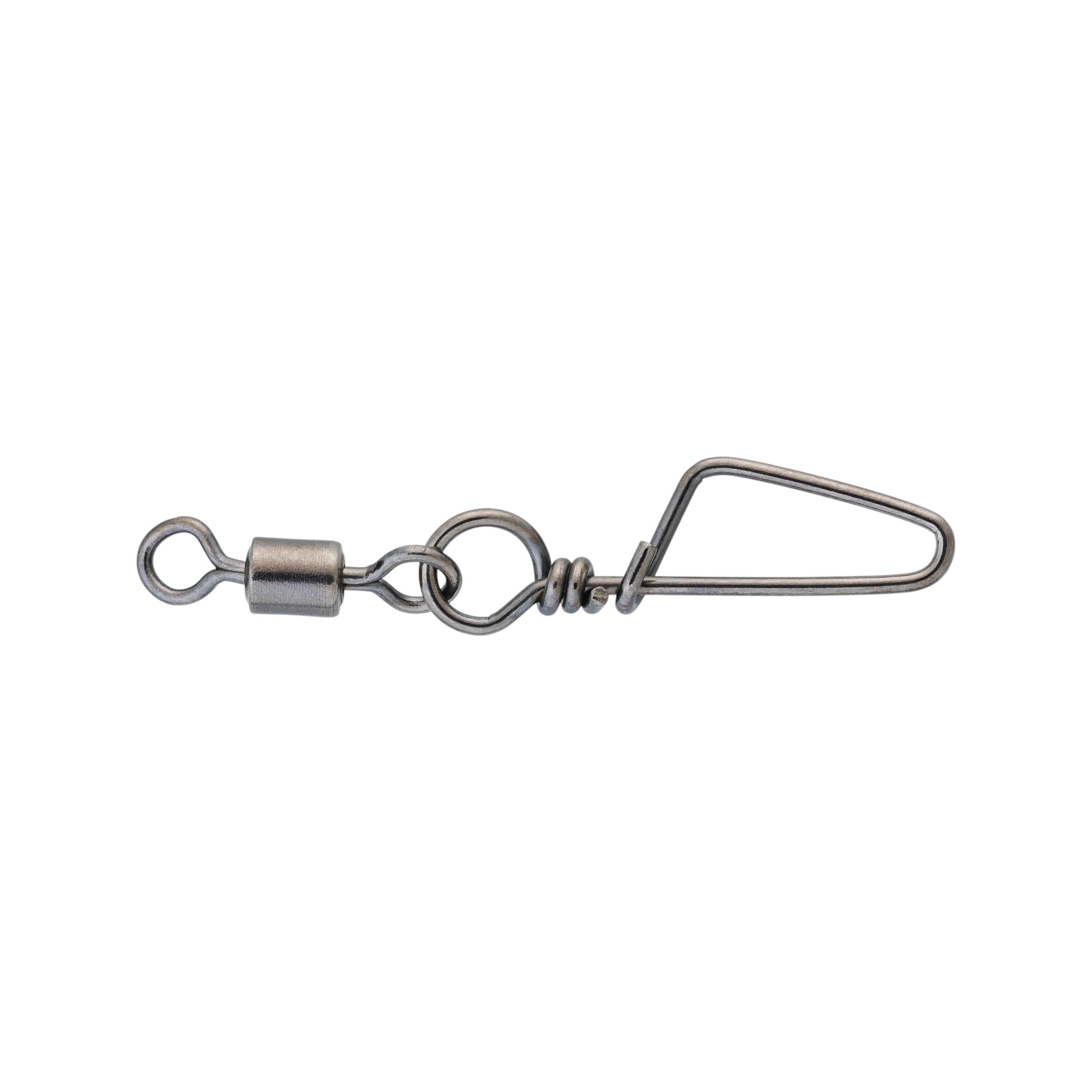
A rolling swivel can reduce line twisting while also giving you a defined connection point between parts of the terminal setup. Caperlan's INOX rolling snaps combine a swivel with a quick attachment and publish strength ratings from approximately 10 kg to 45 kg across different sizes. Stainless steel and brass construction support repeated fishing use, while Decathlon advises rinsing these components with fresh water after saltwater exposure. Use shore fishing swivels with a strength that fits the line and target fish rather than adding an unnecessarily heavy connector to a lighter rig. After each coastal session, rinse terminal hardware, let it dry fully and inspect clips and rotating joints before storing the rig for the next trip.