196 items
4.7/5 based on 14604 reviews collected online and in stores

Sea Fishing with Lures FAQs

How does lure fall speed change your sea fishing presentation?

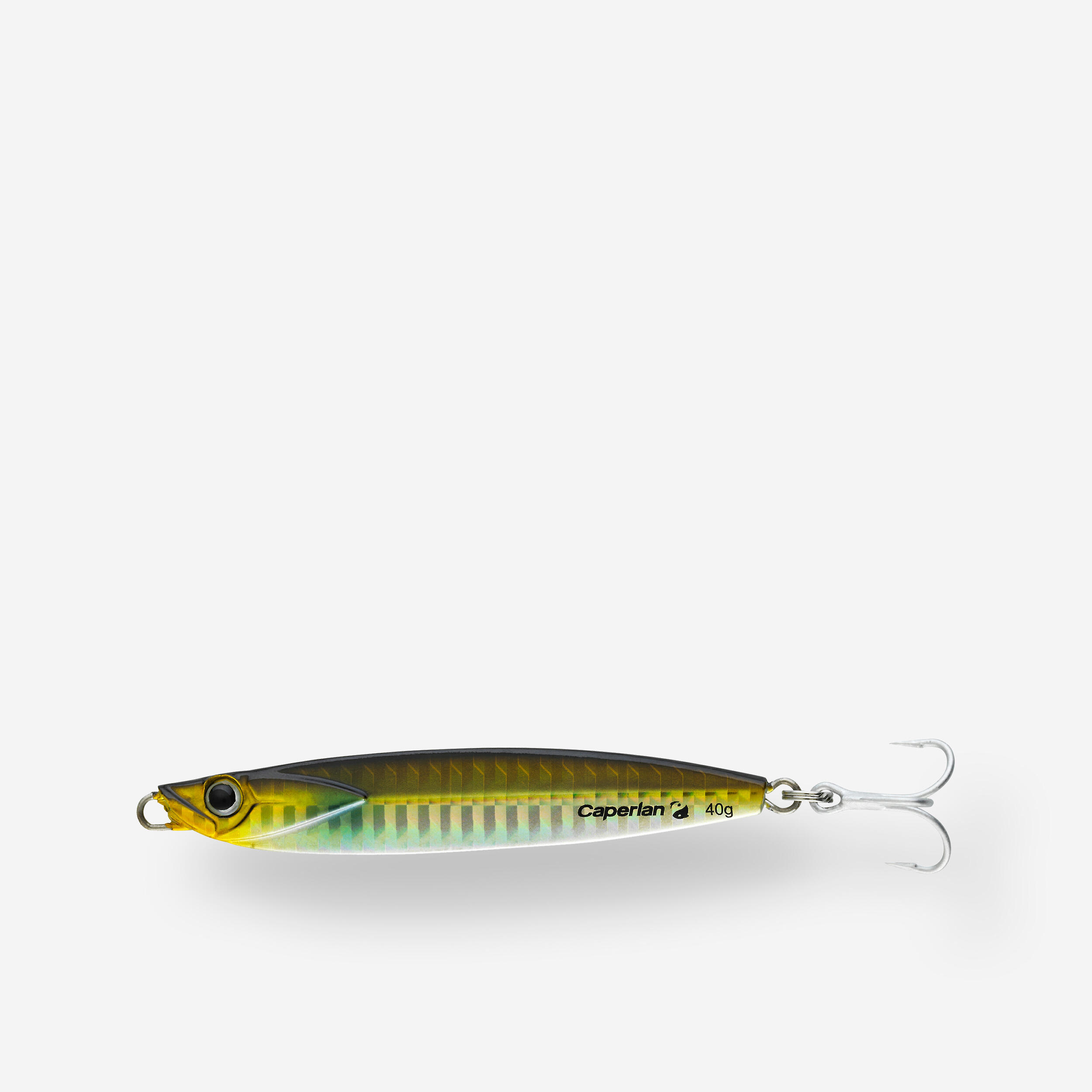
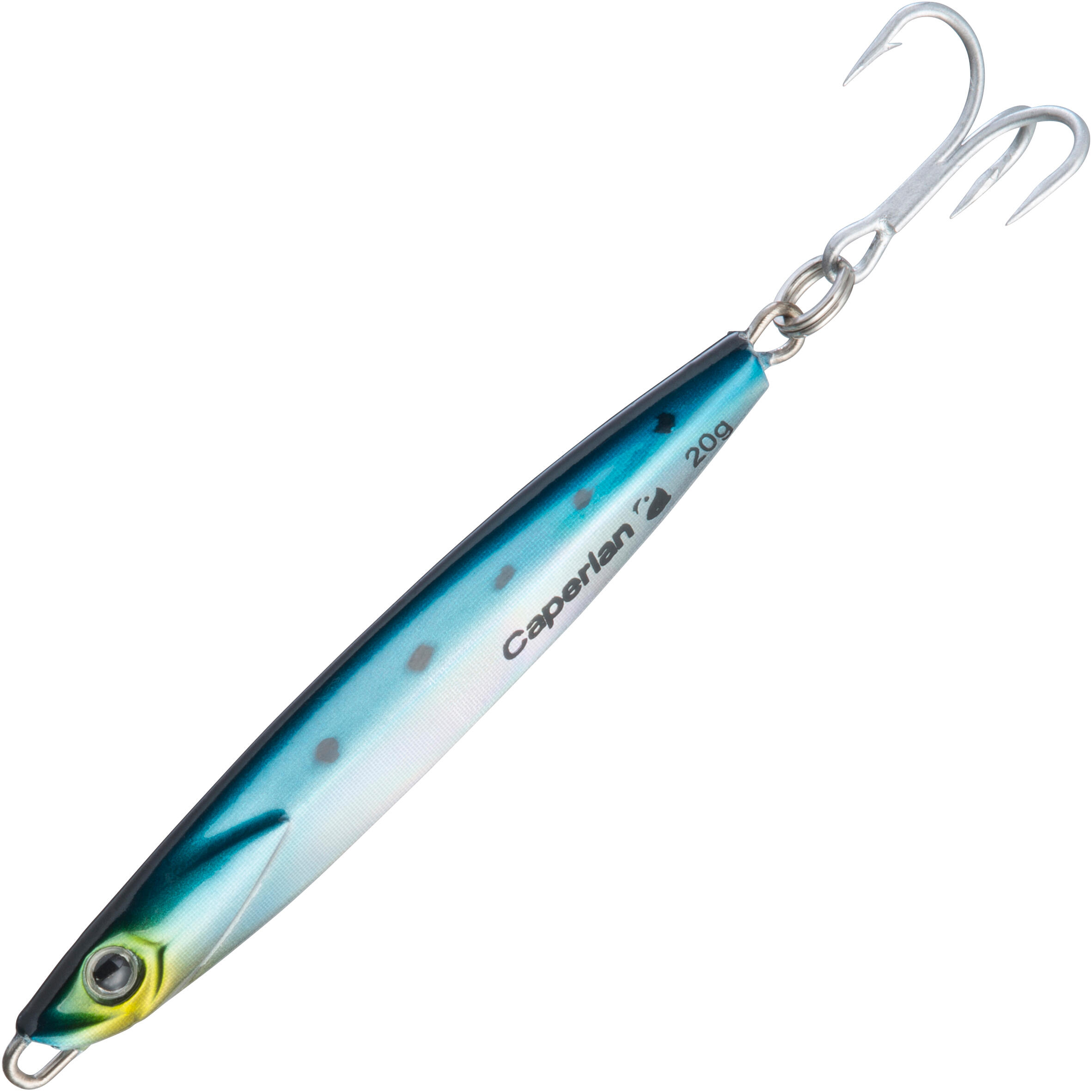
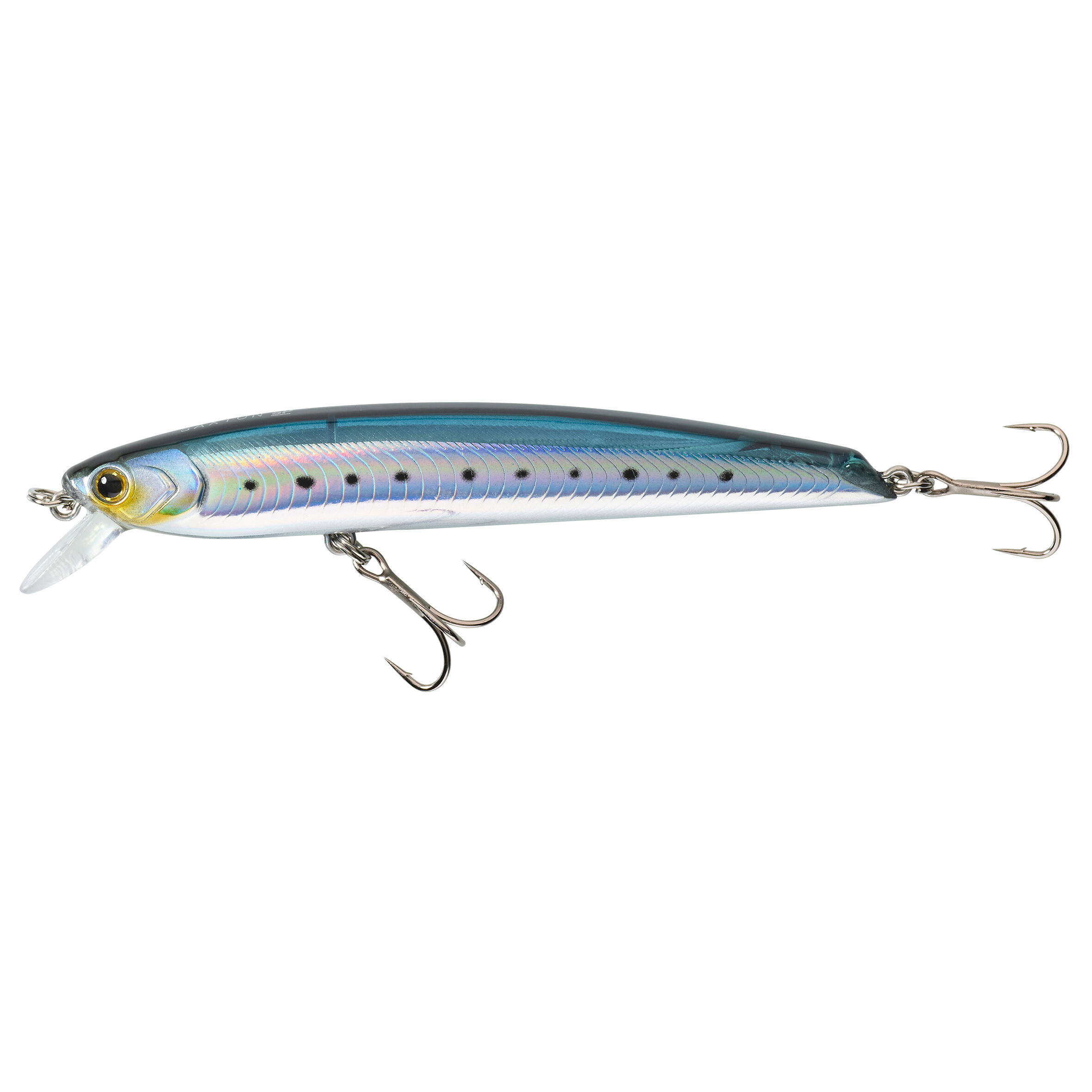
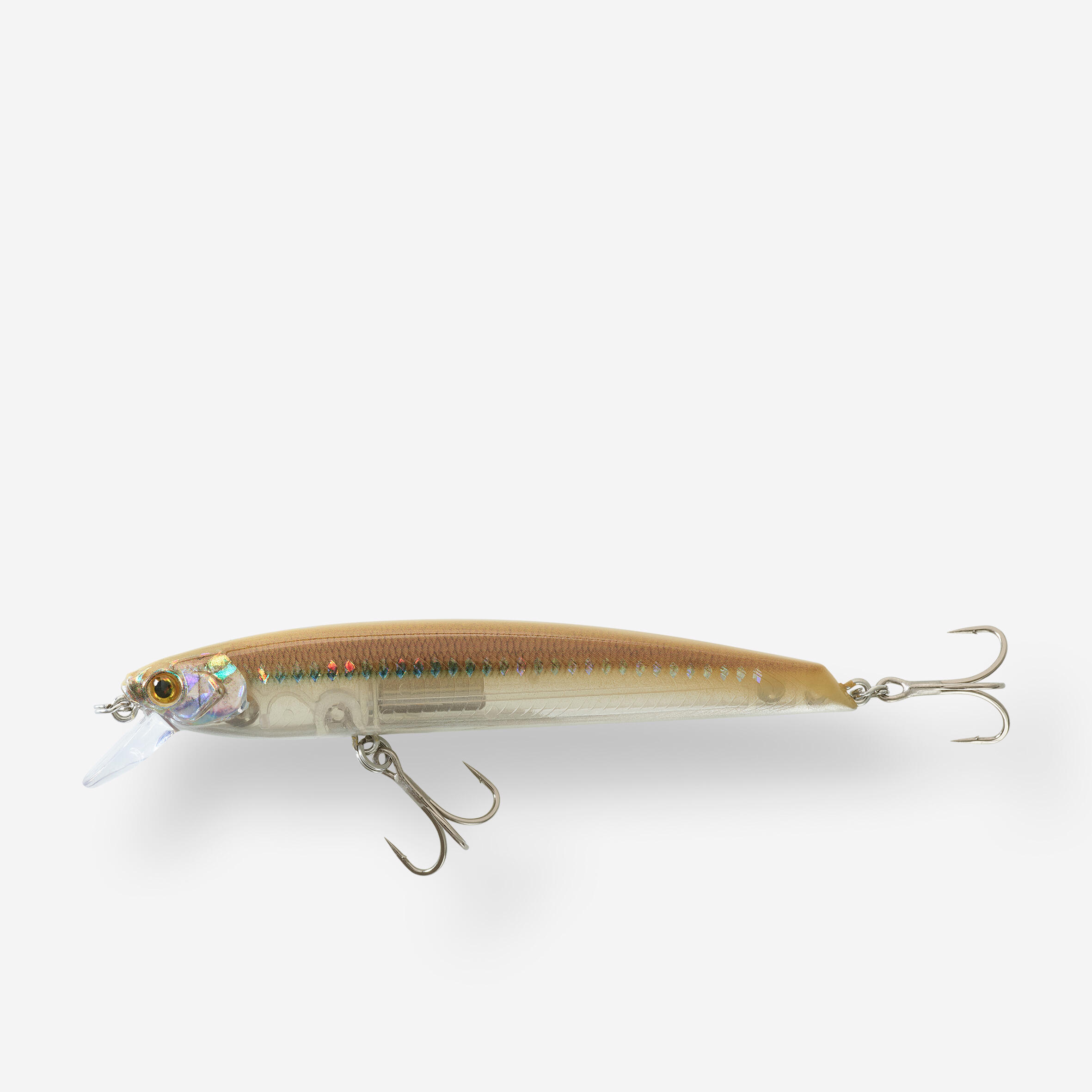
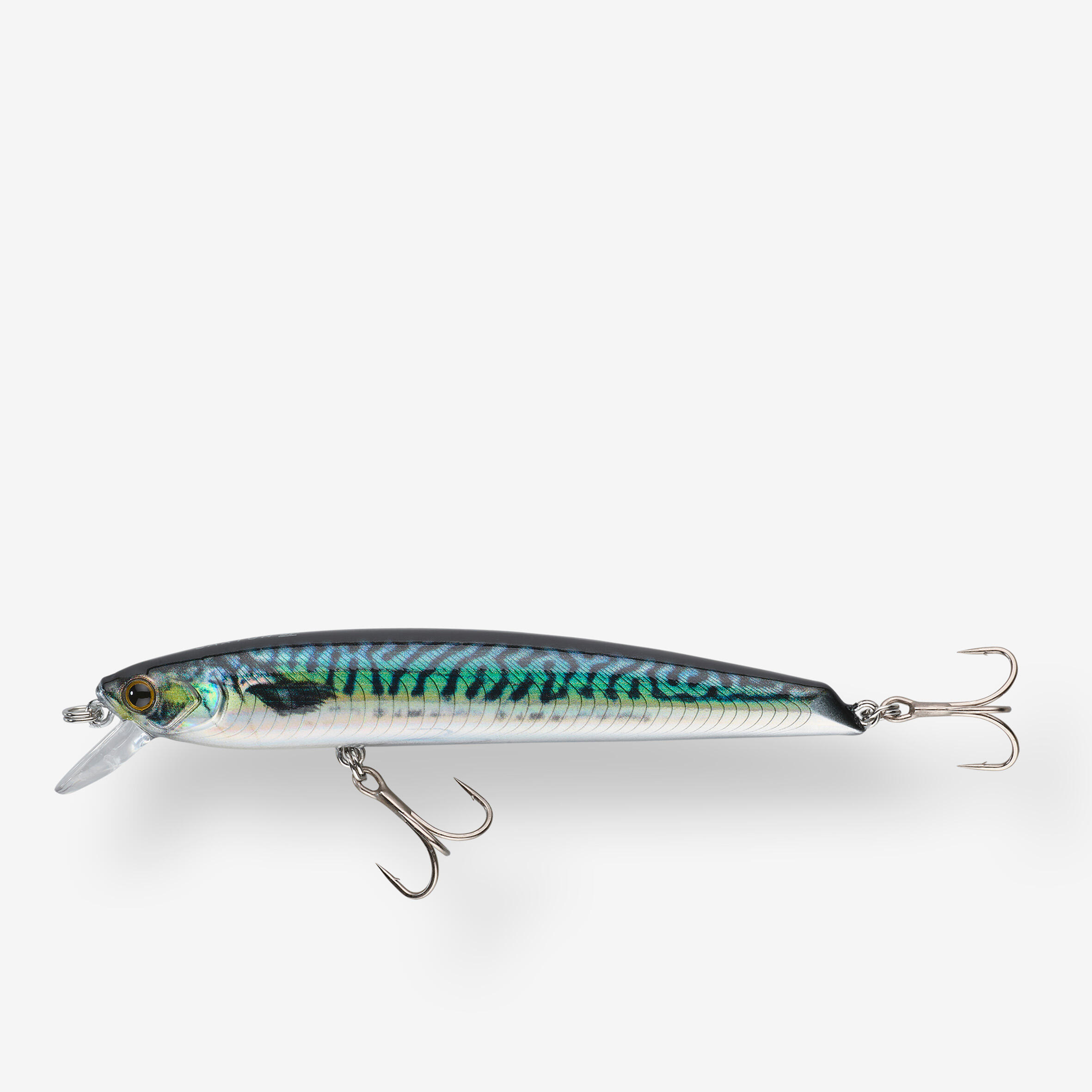
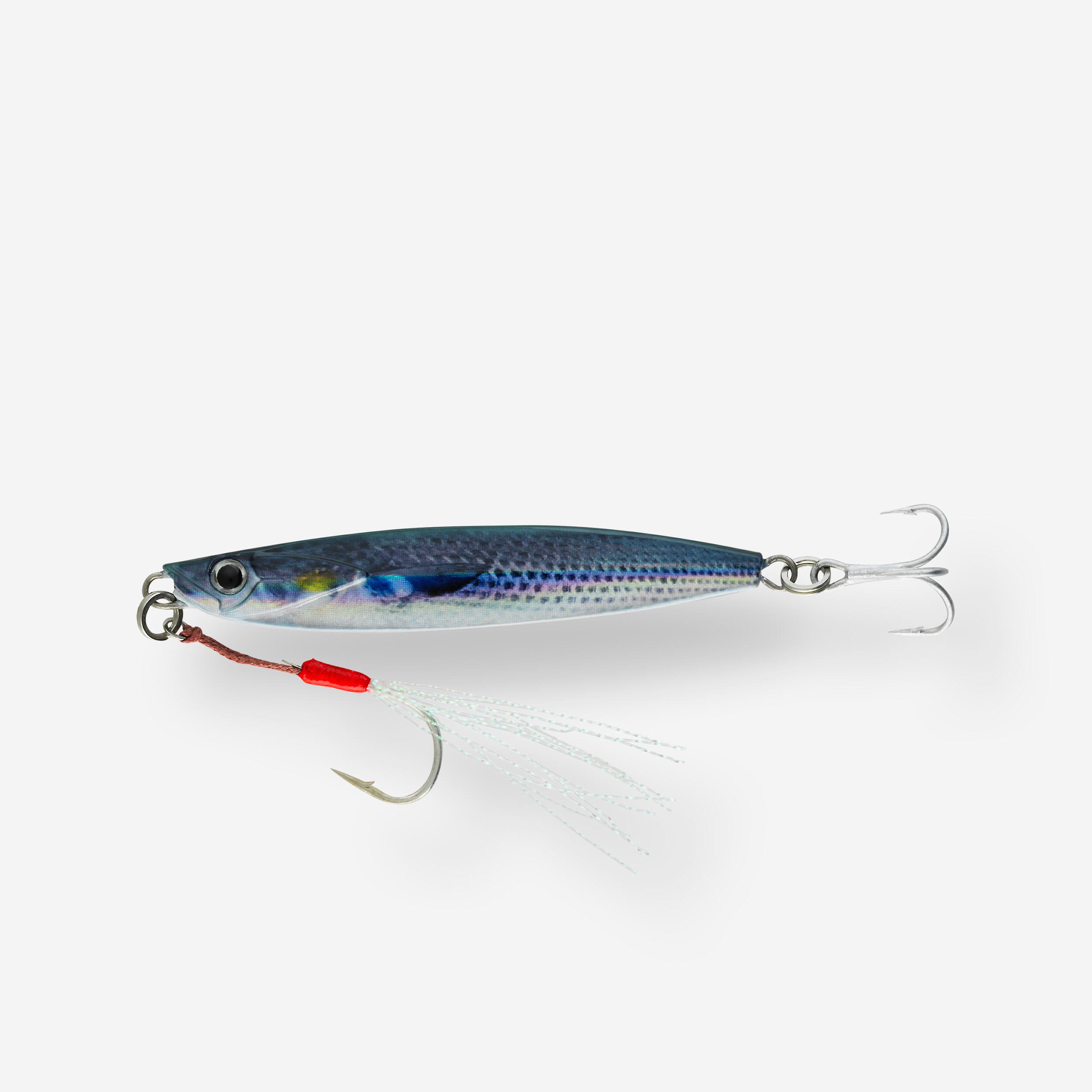
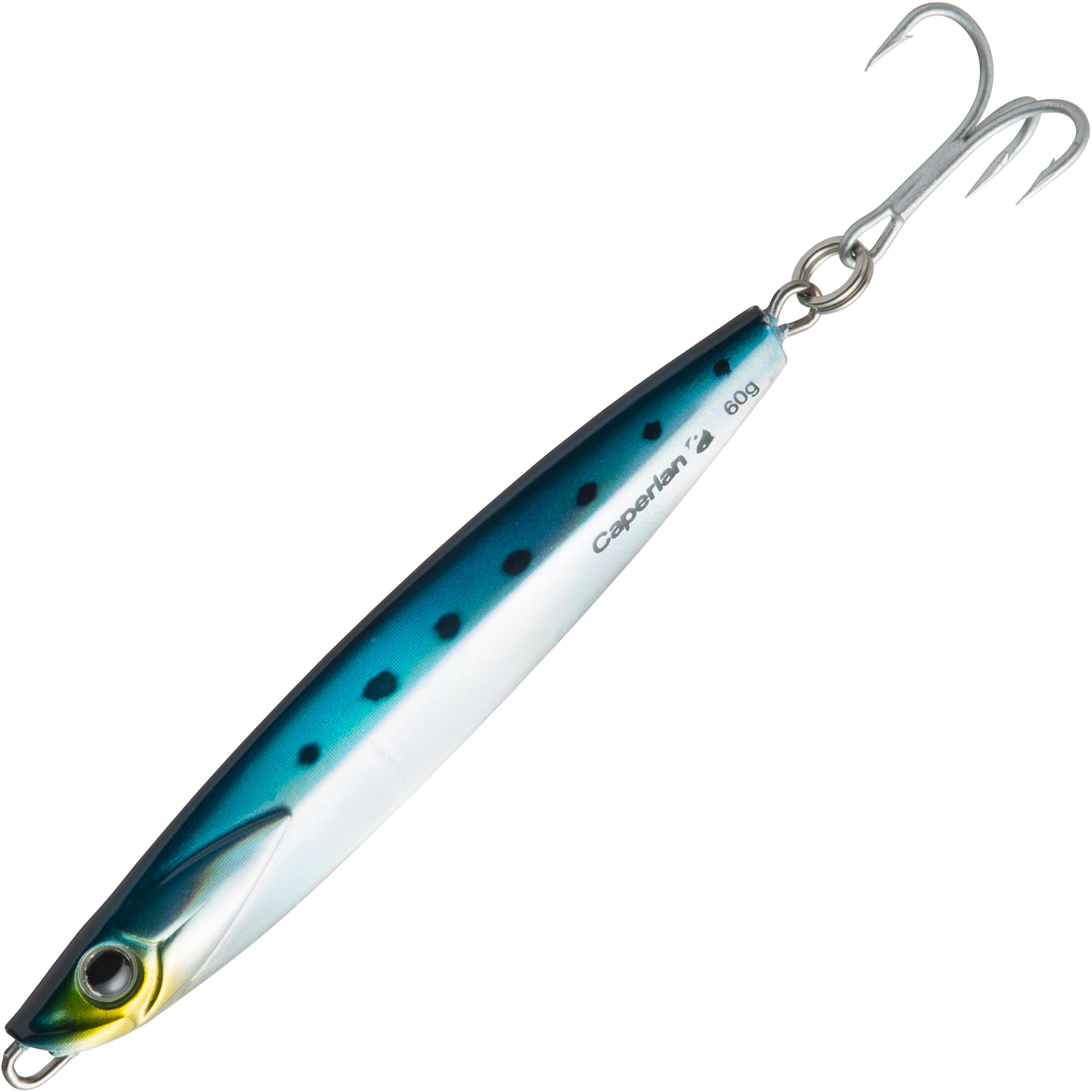
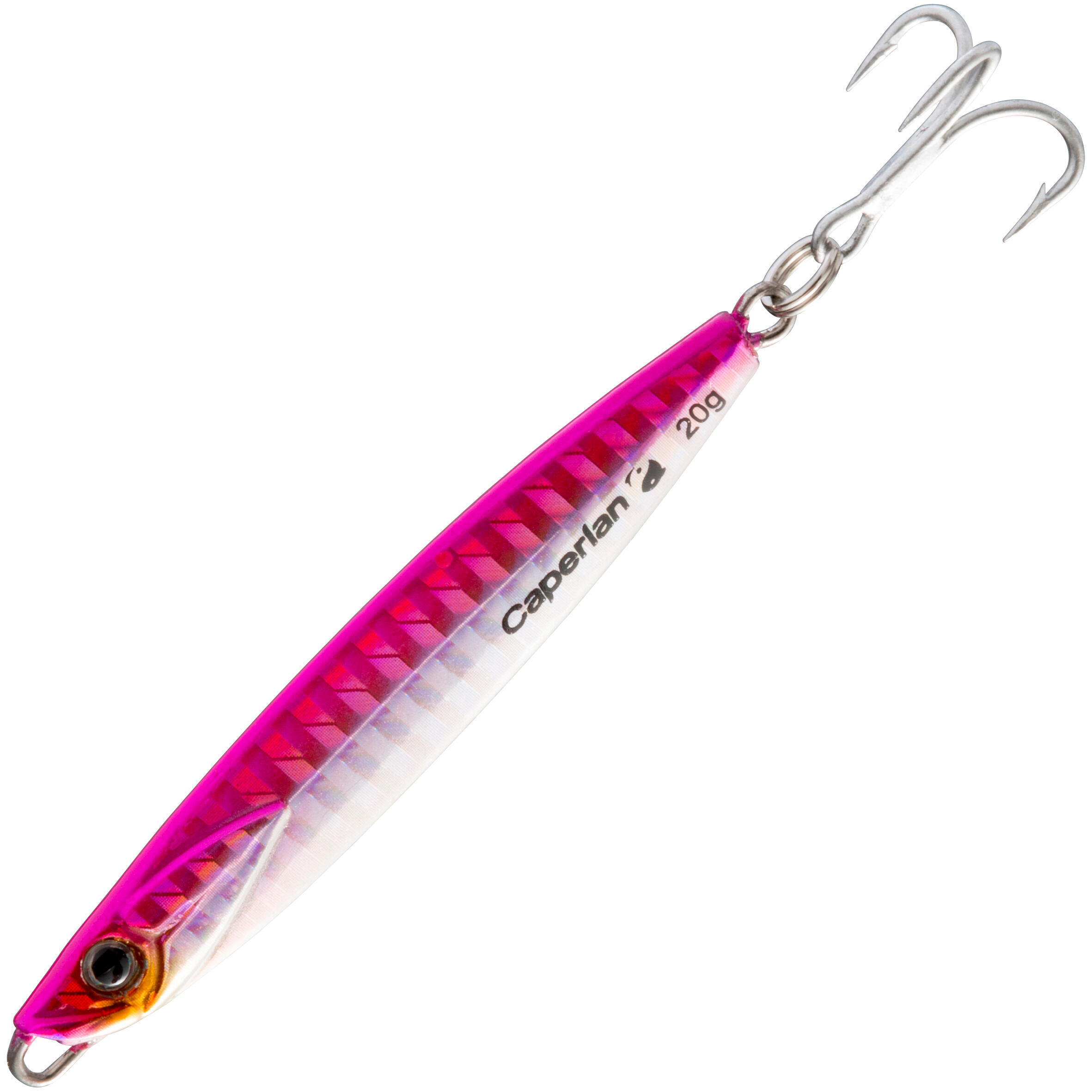
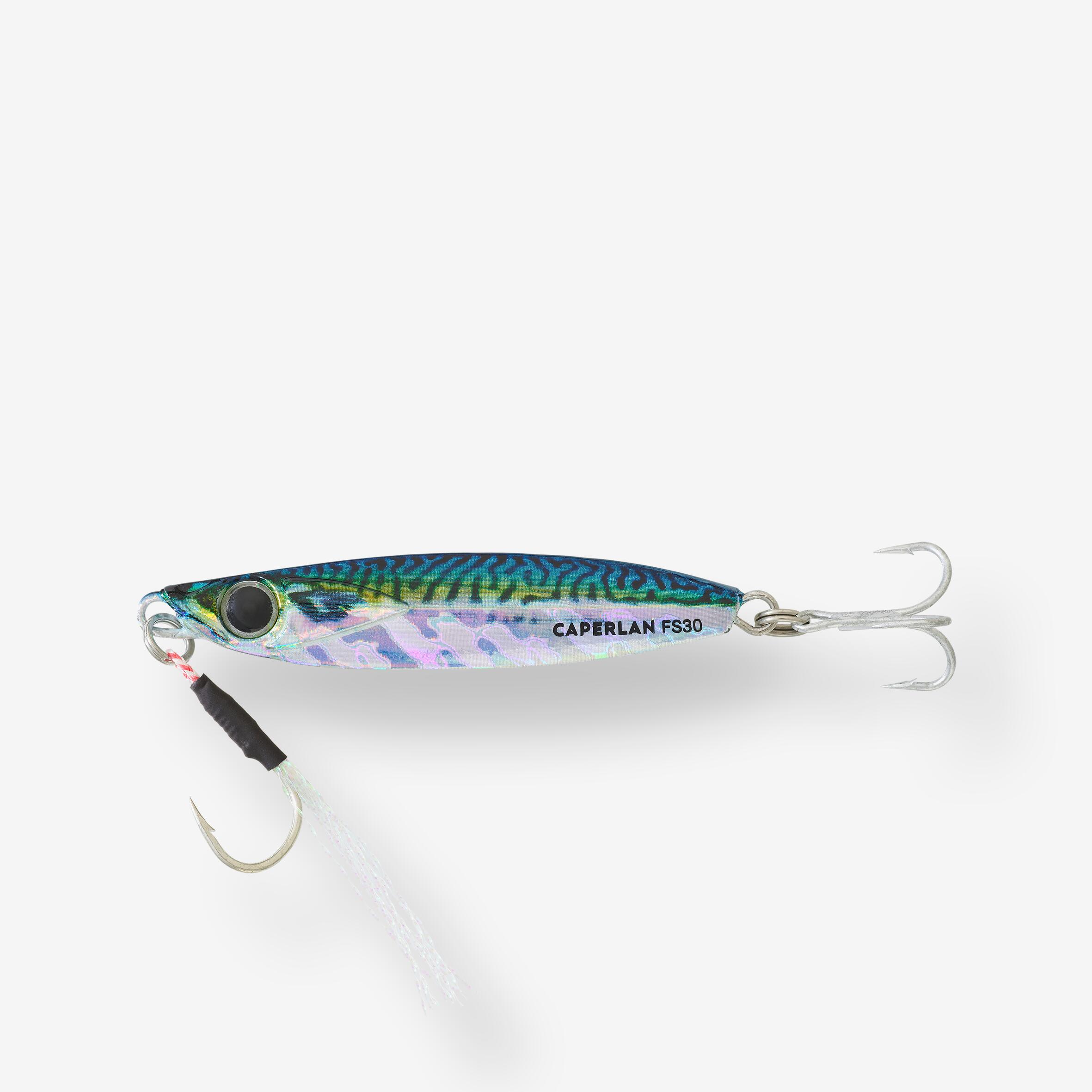
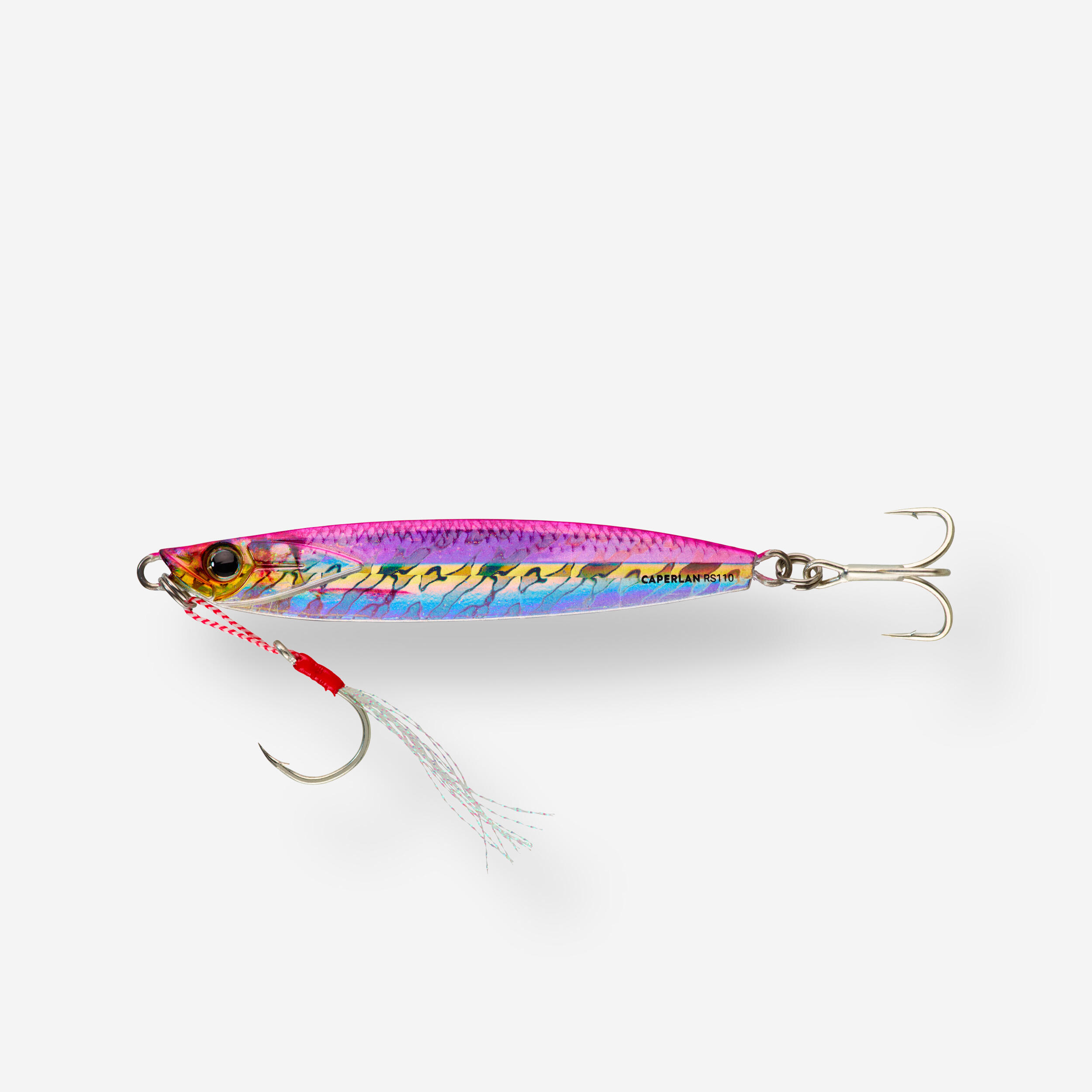
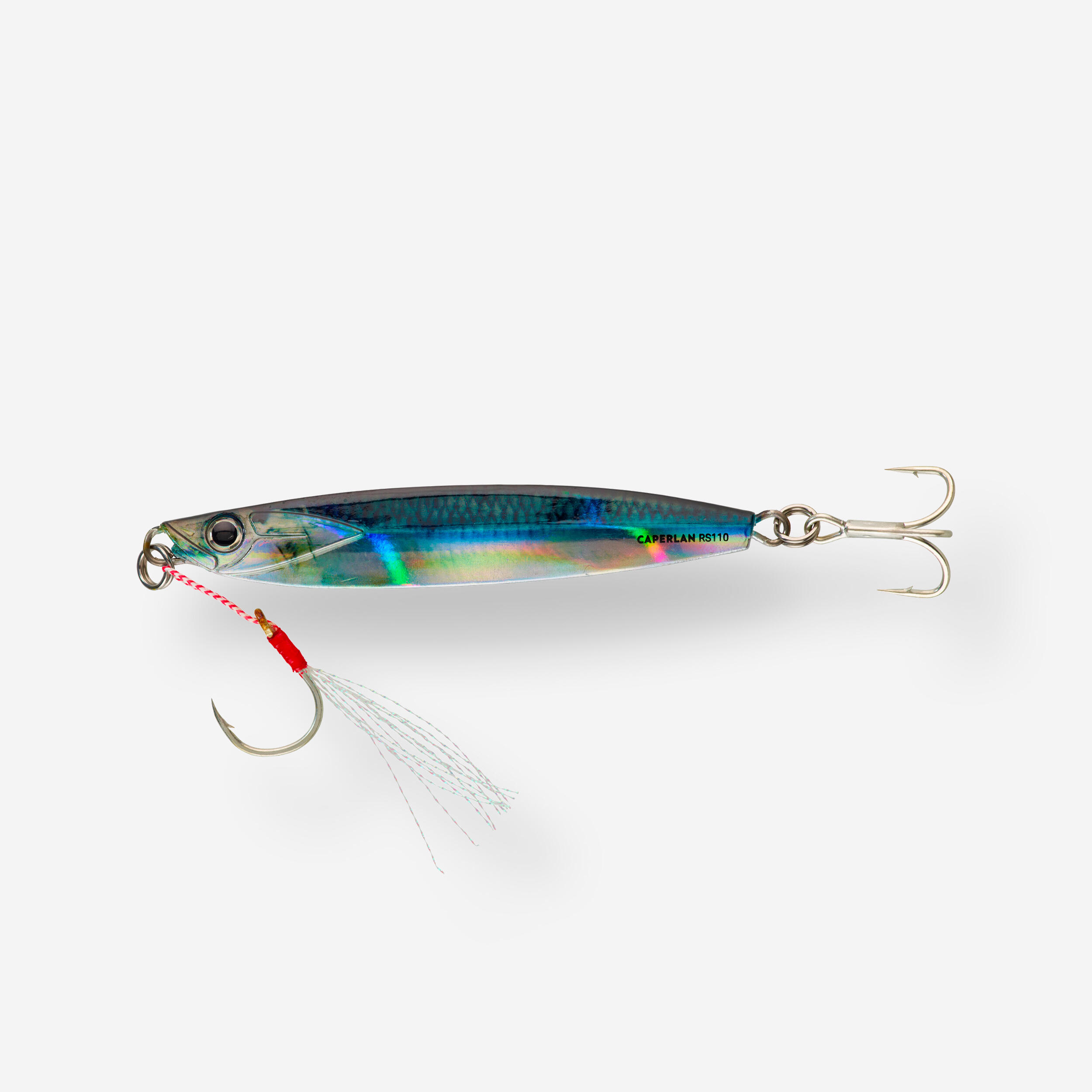
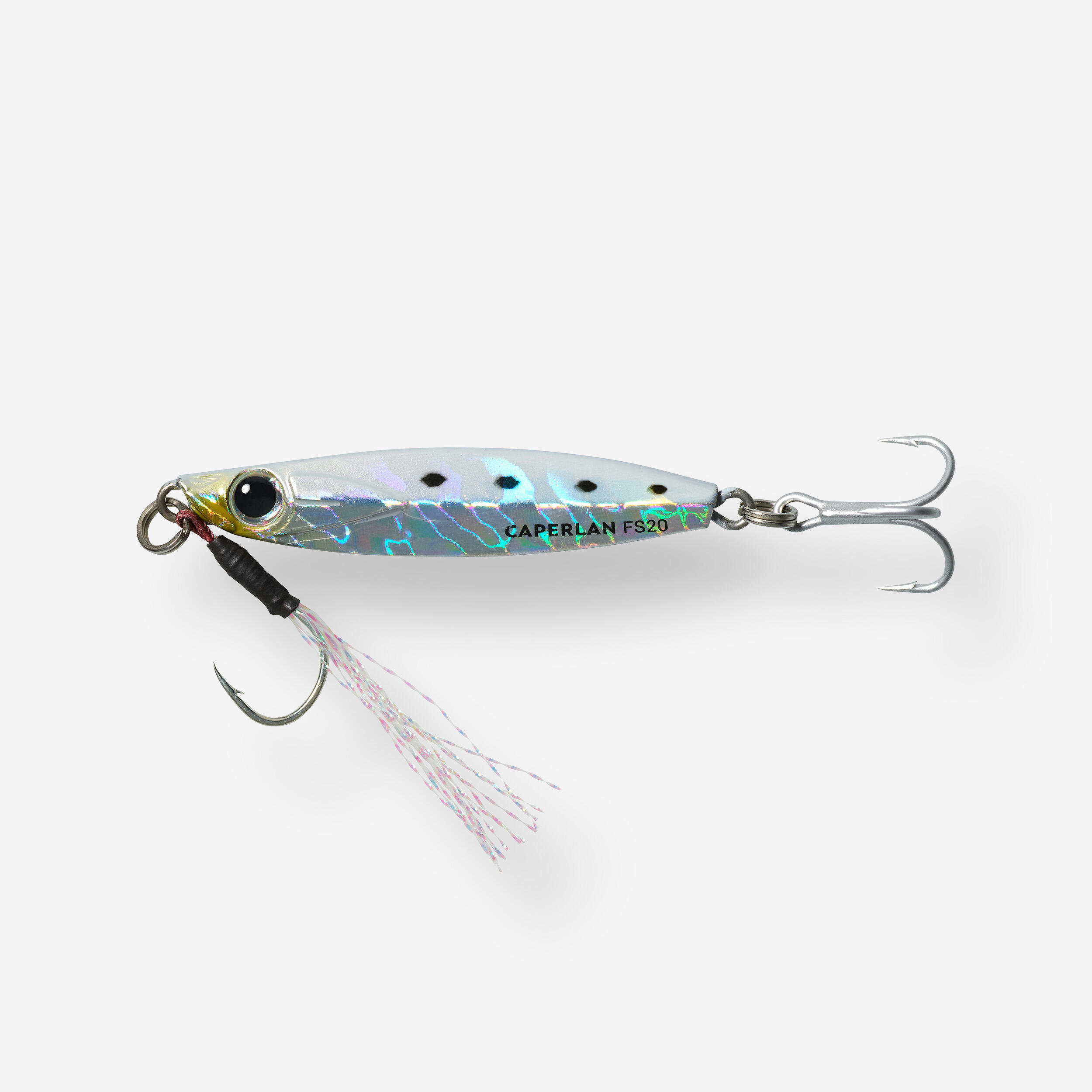
The way a lure falls can be just as important as the way it moves during retrieval. Caperlan's BIASTOS casting jigs use a 3D angular body that creates flutter as the lure descends, letting you add pauses and short twitches between retrieves. BIASTOS SLOW models use an asymmetric profile for a slower, leaf-like fall with extra flash, which can help when fish are feeding higher in the water. Faster-sinking lures suit situations where you need to reach depth more quickly. When comparing hardbaits, consider swimming depth, sinking speed and action as well as colour so you can work the water level where fish are active.
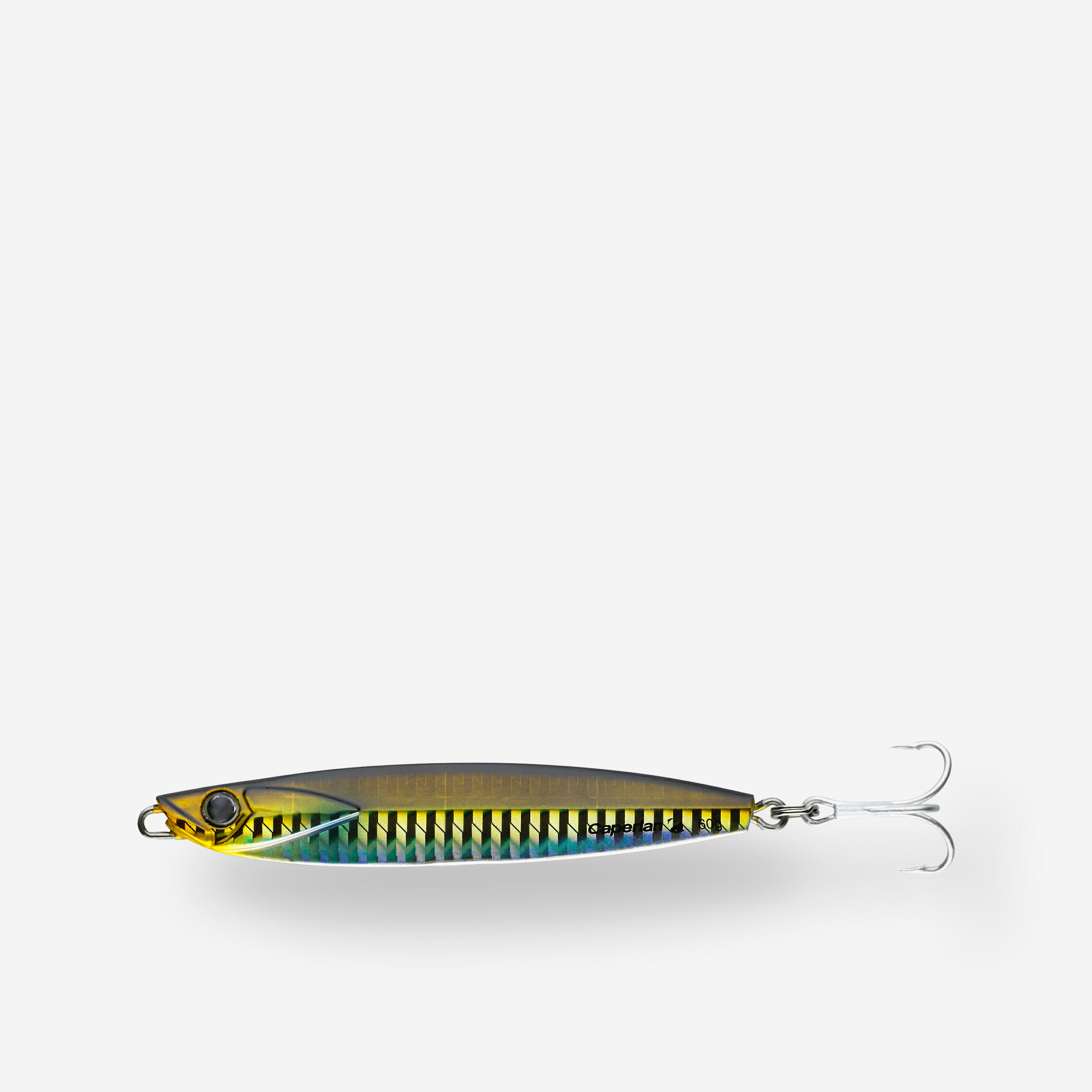
When does a spoon work well for sea lure fishing?

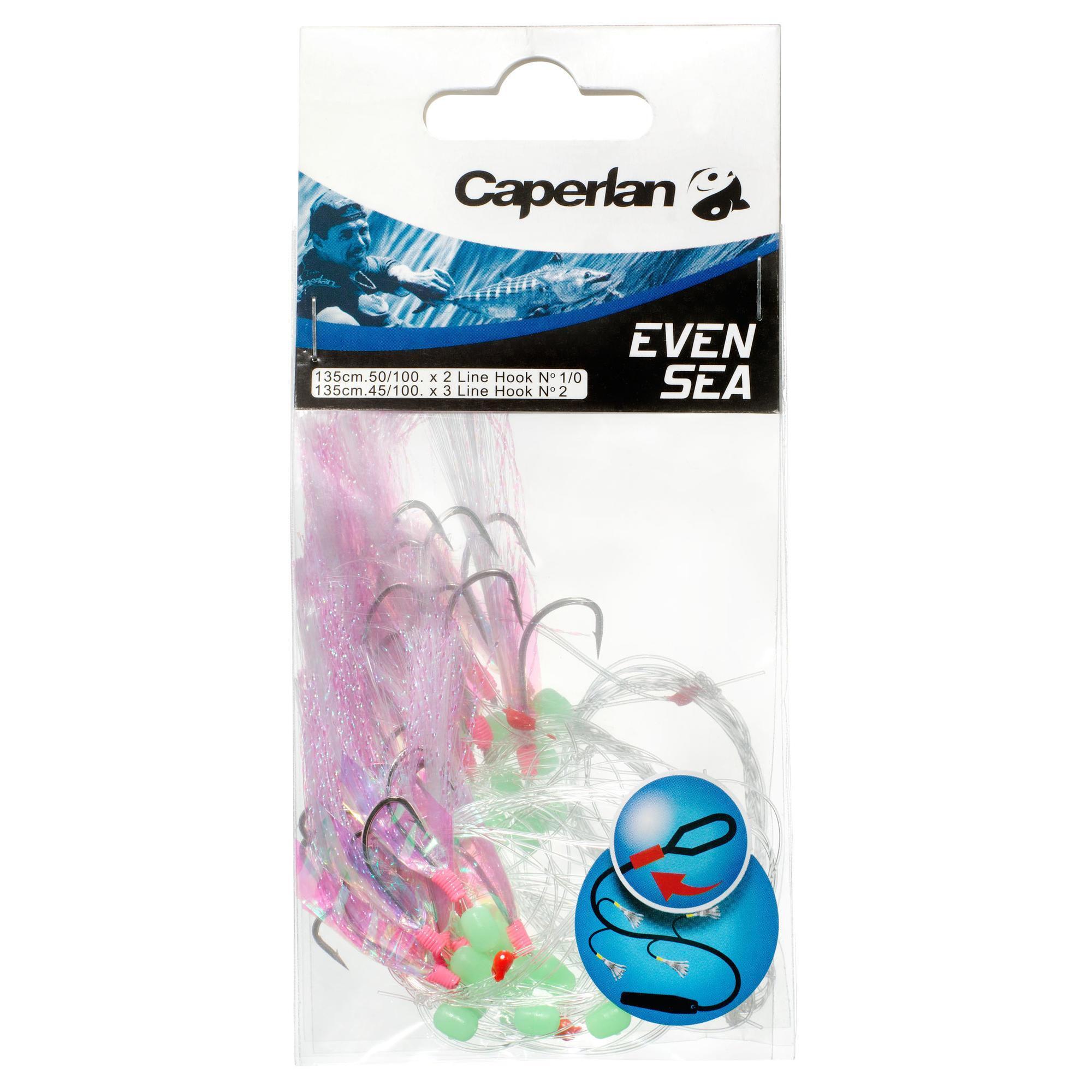
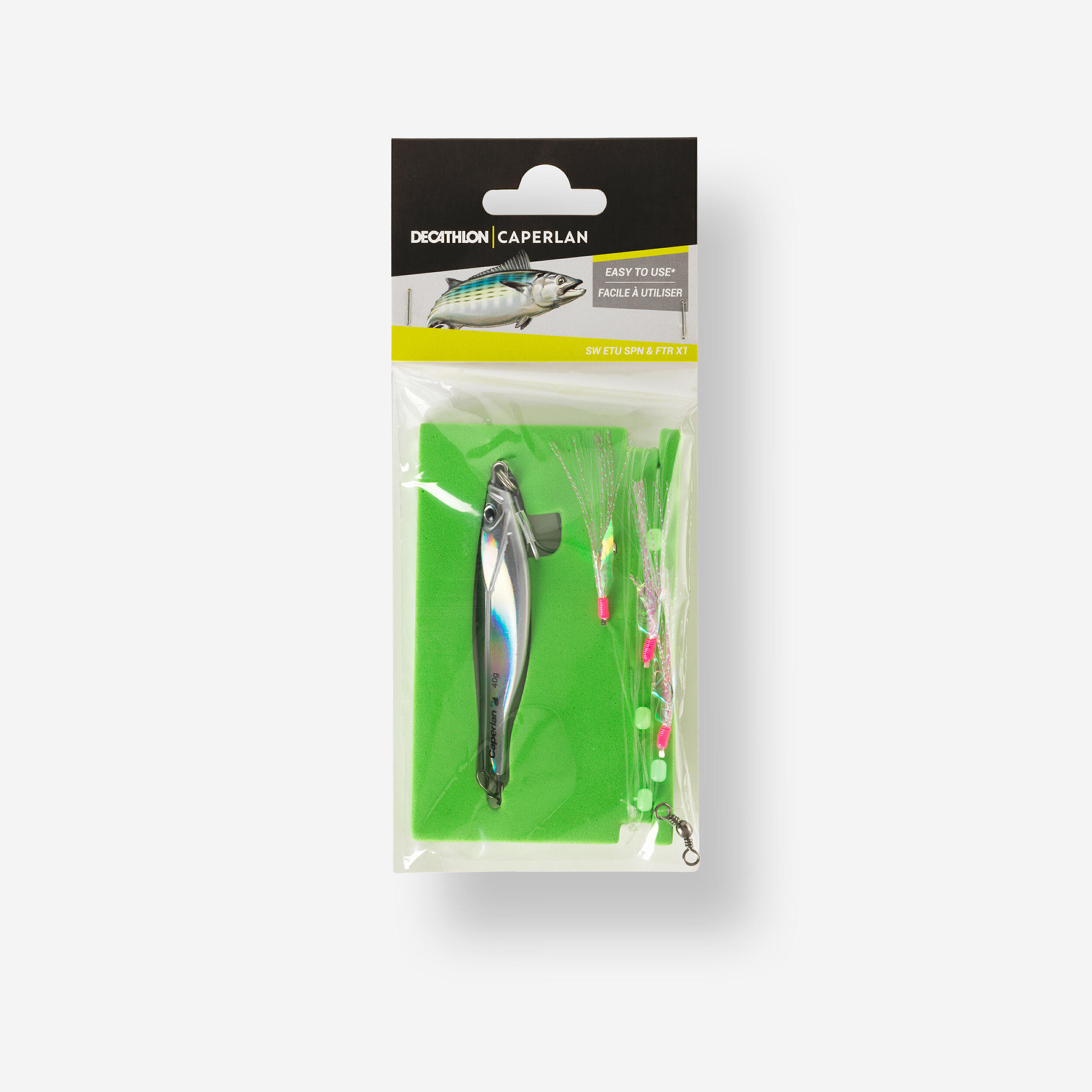
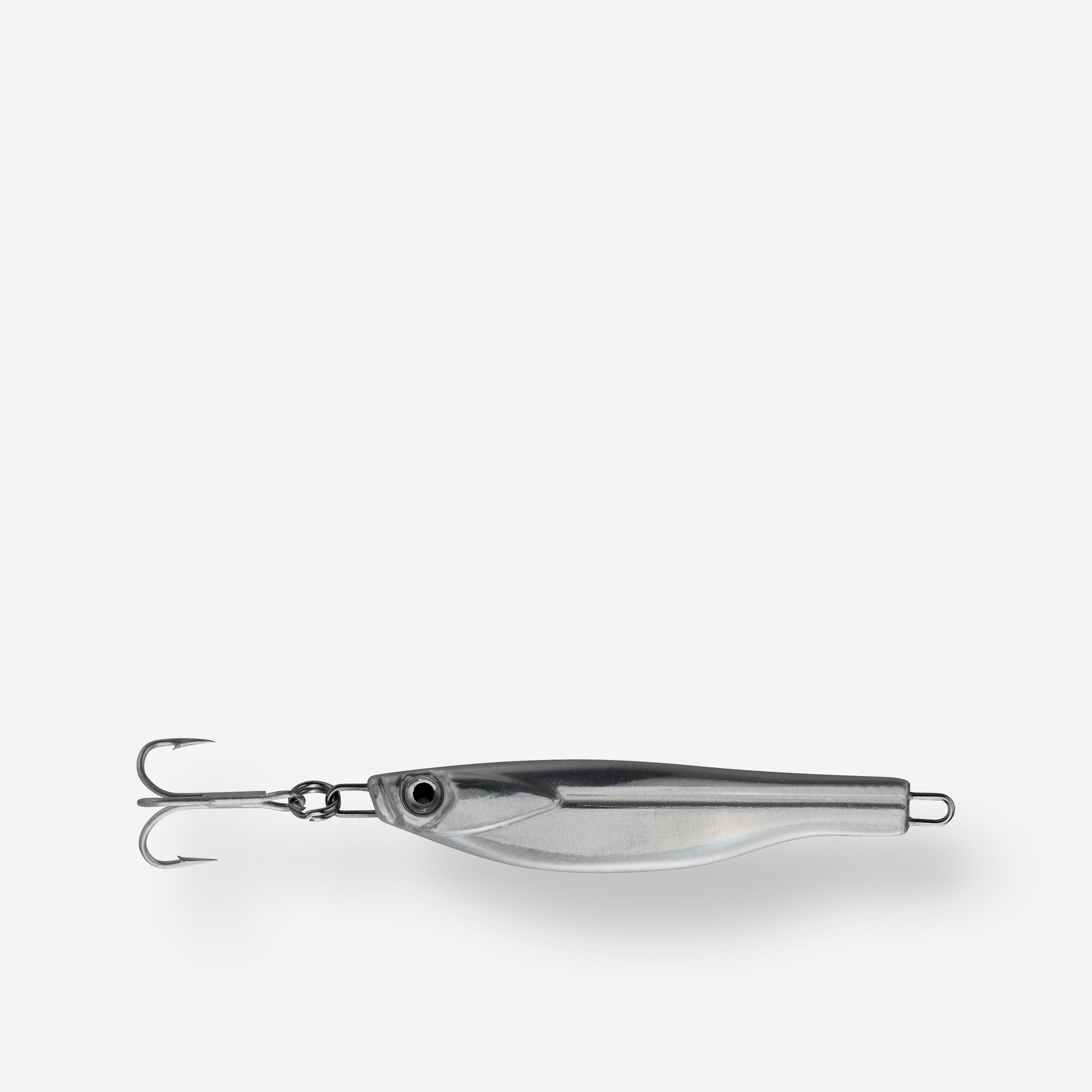
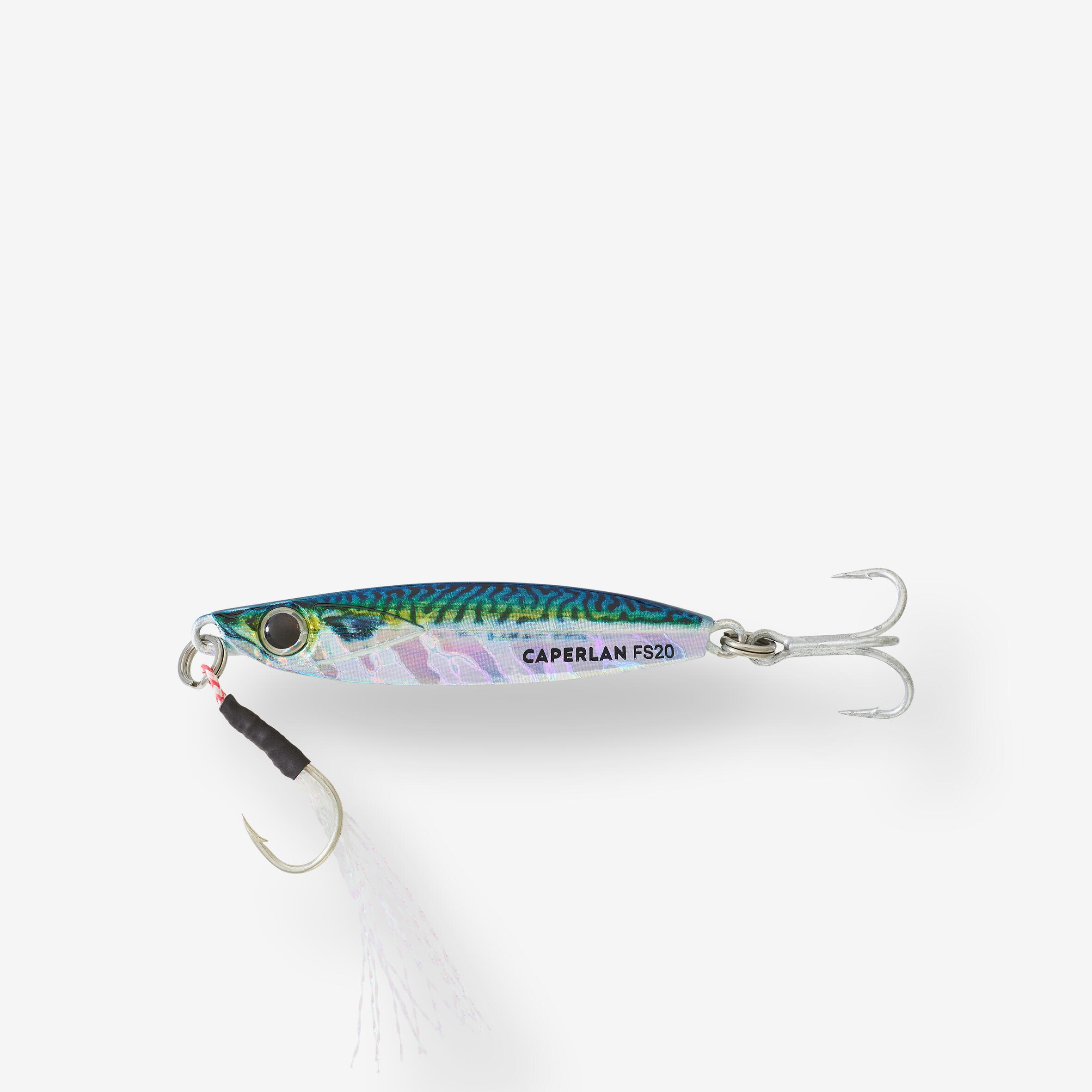
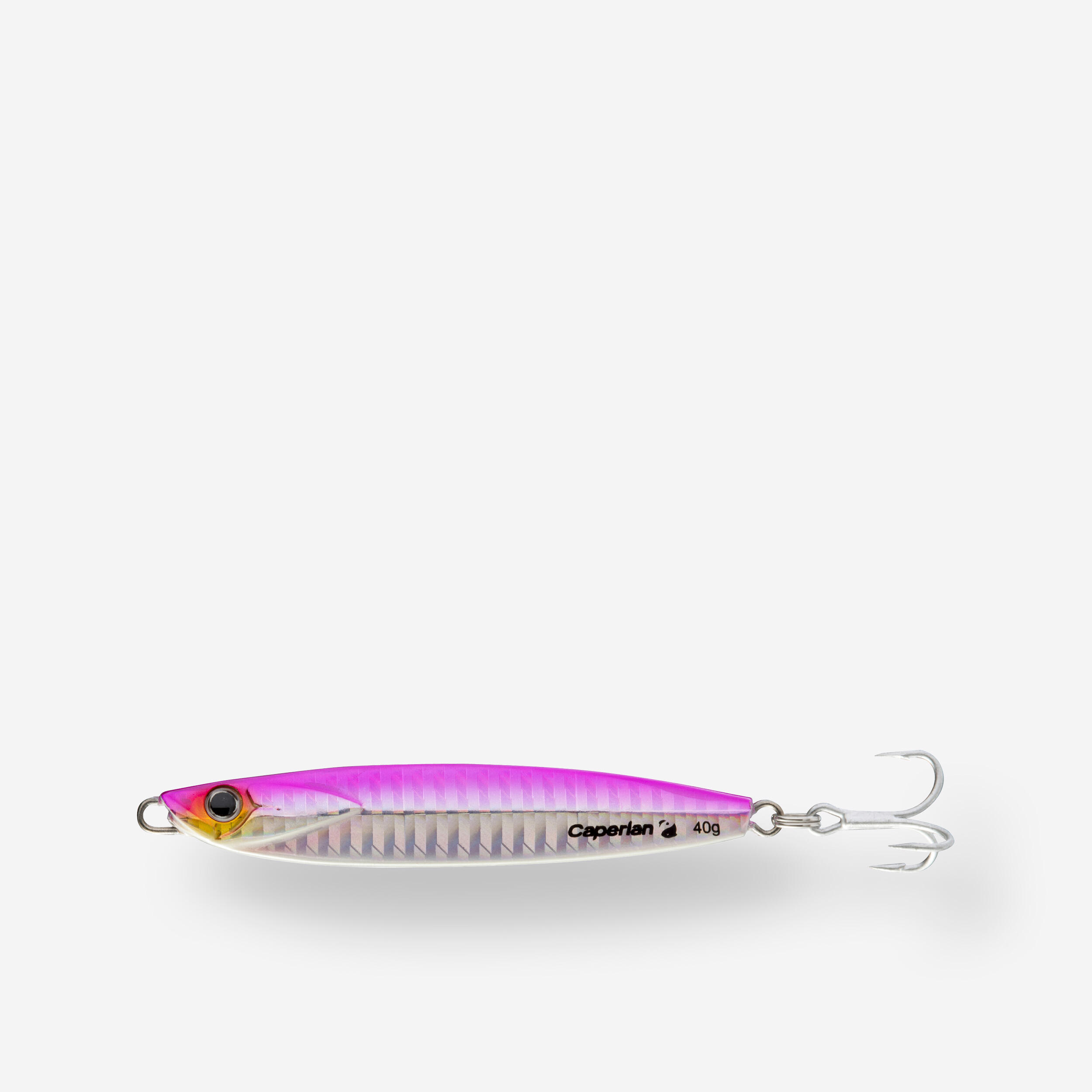
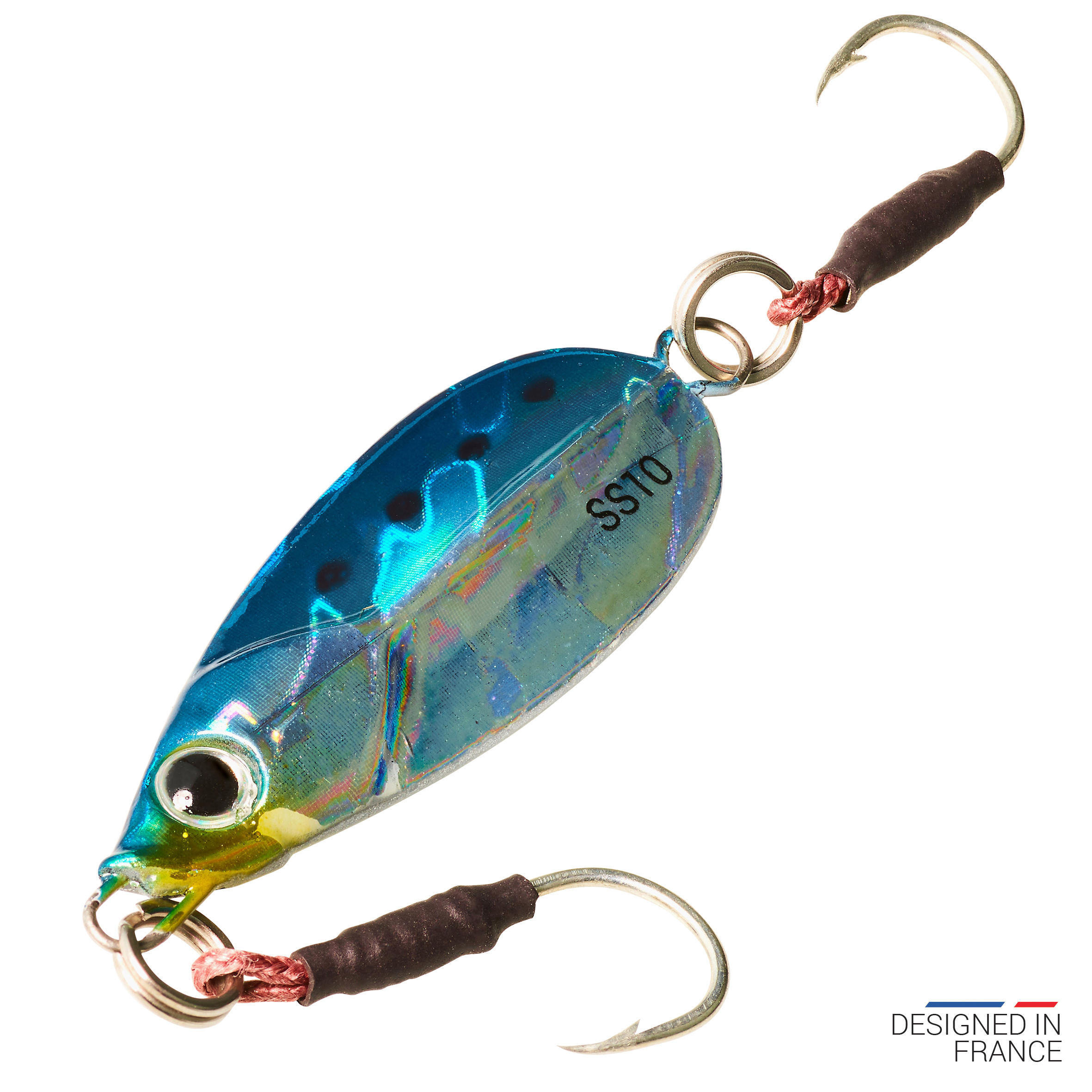
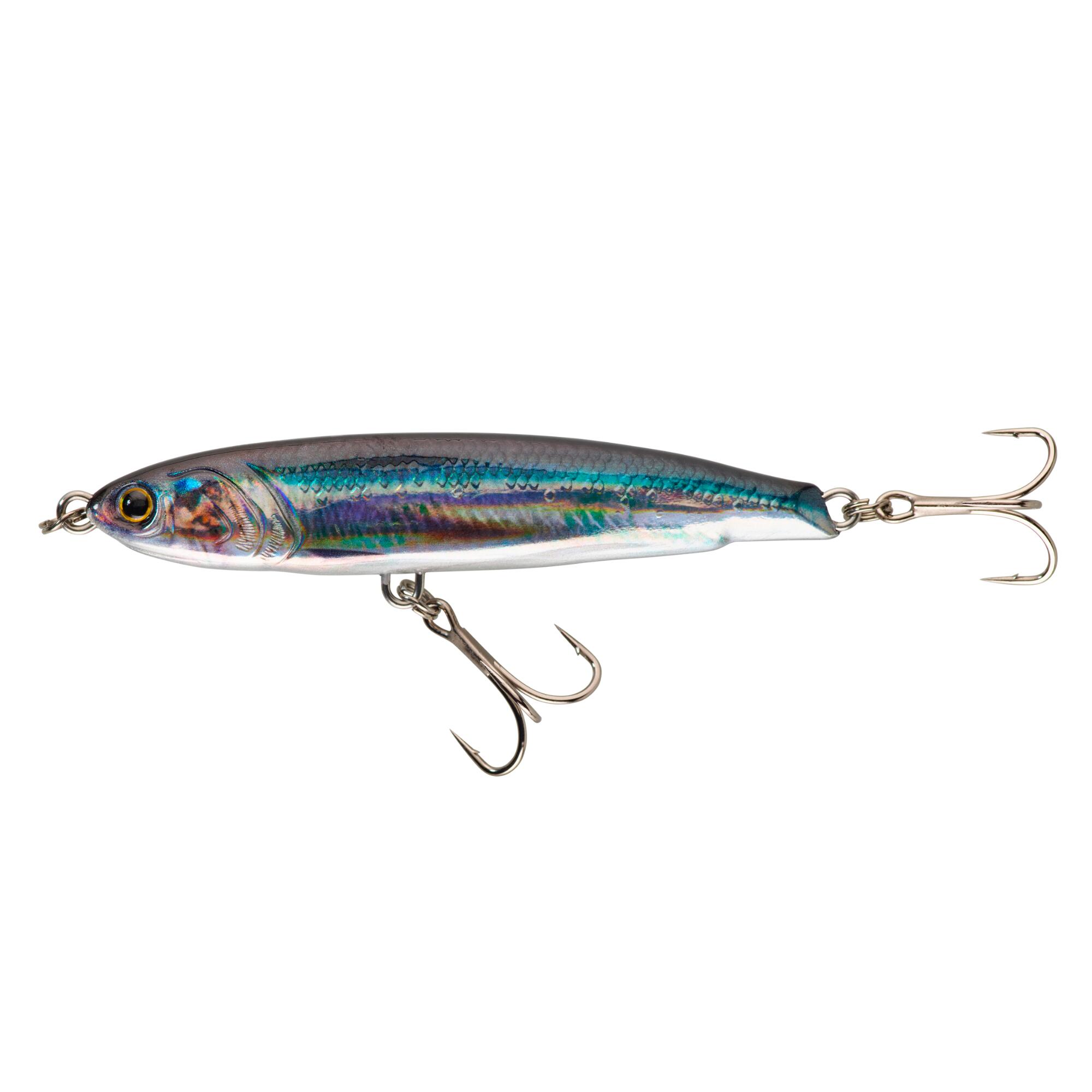
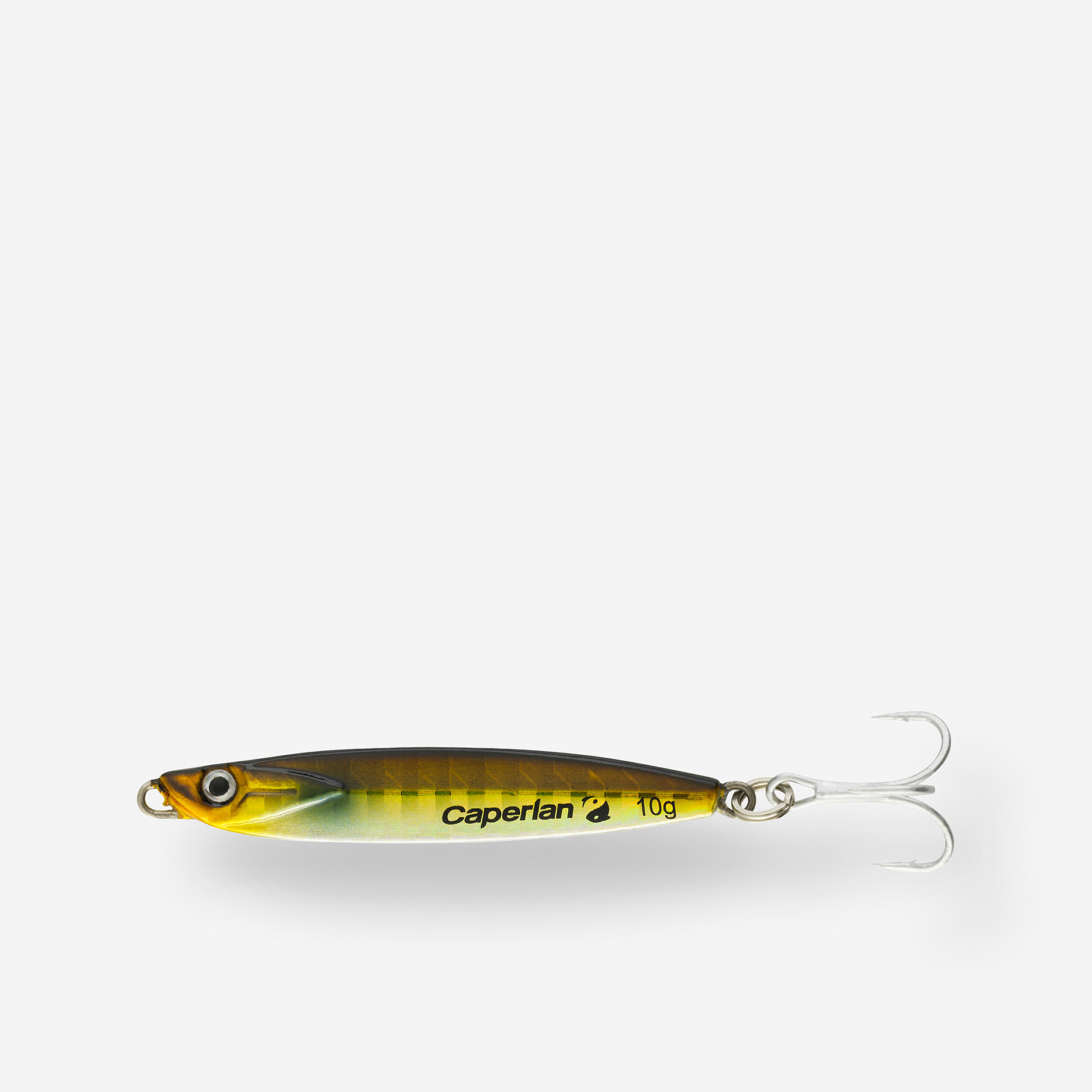
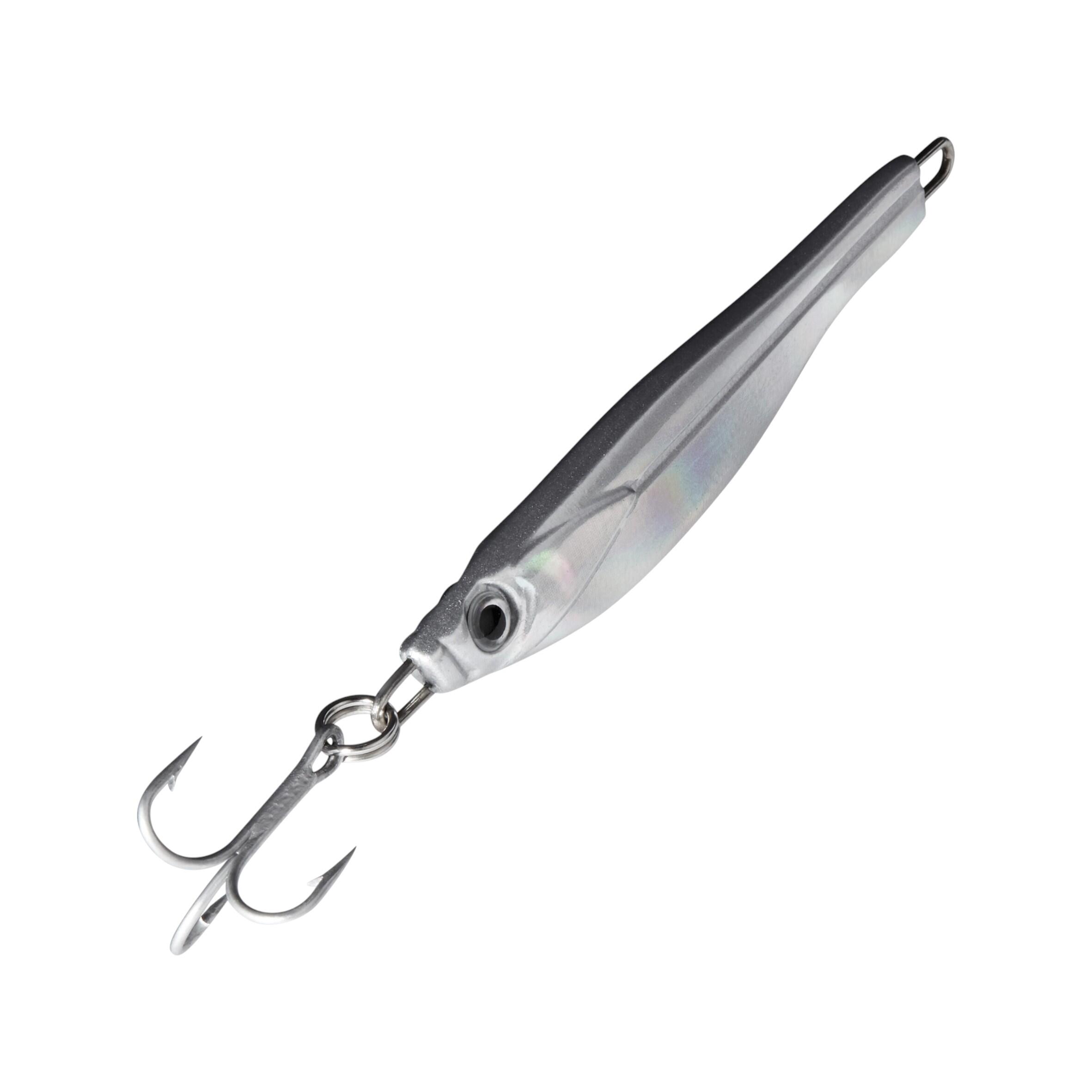
A spoon can give you a simple way to combine casting weight, flash and depth control in one lure. Caperlan's SEASPOON places more weight towards the head so it sinks quickly, making it useful when you need to take a presentation deeper without waiting for a slower fluttering descent. It can also add weight beneath a feather rig, helping the feathers reach their fishing depth. The same lure format can work for spinning or trolling depending on the setup. Different saltwater spoons vary in weight, so match the lure to your rod rating, fishing depth and current rather than using the heaviest option for every session.

What sea fishing techniques work well with soft lures?

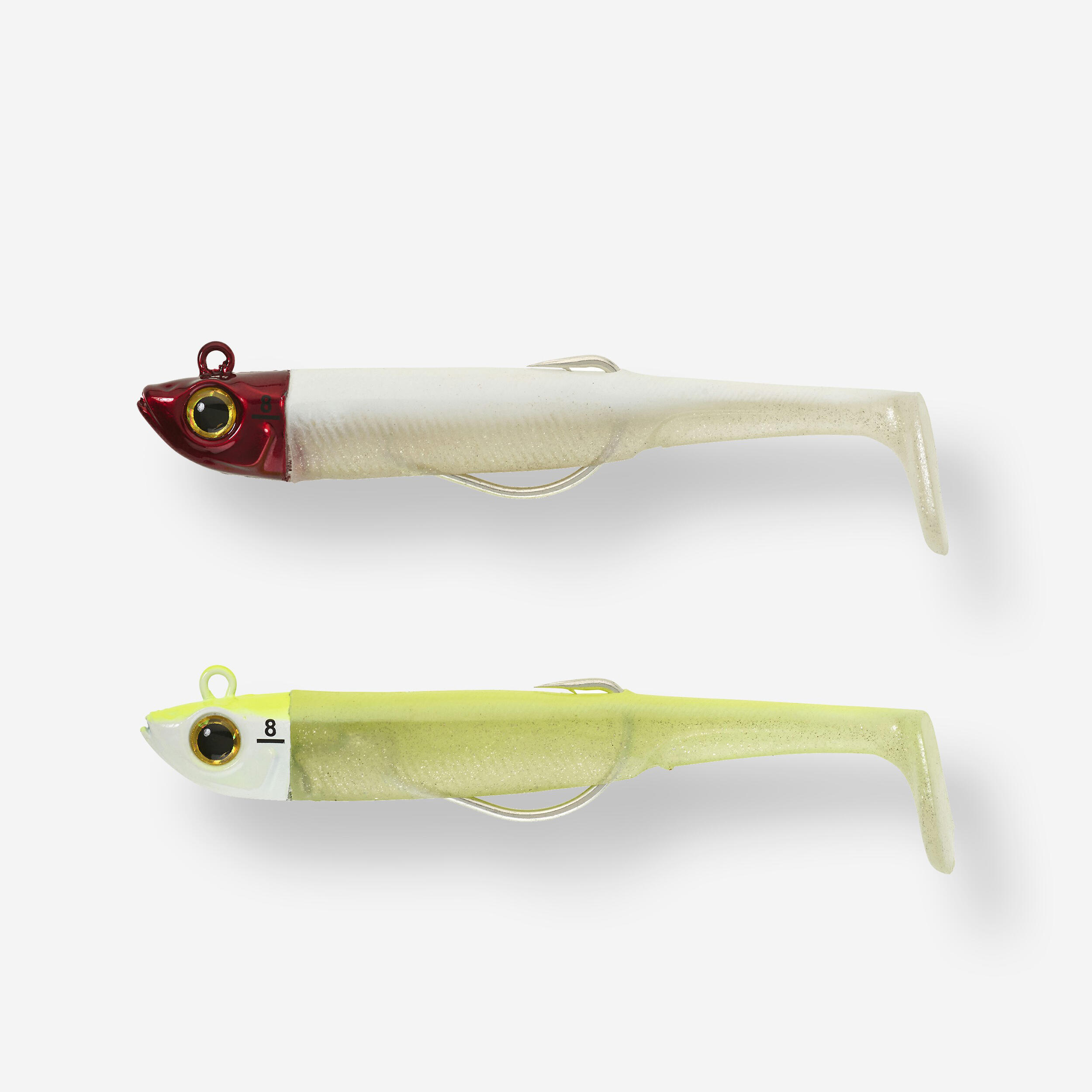
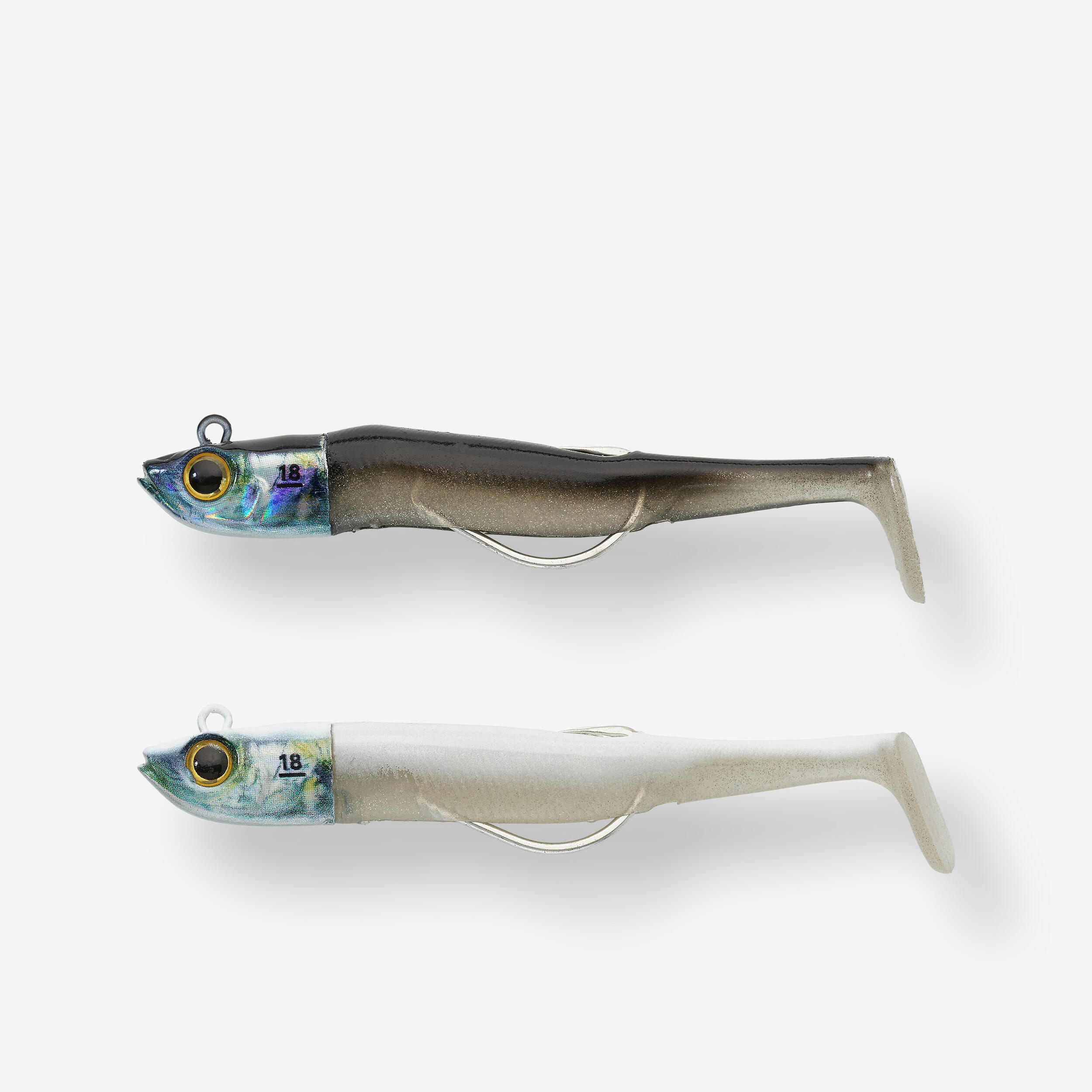
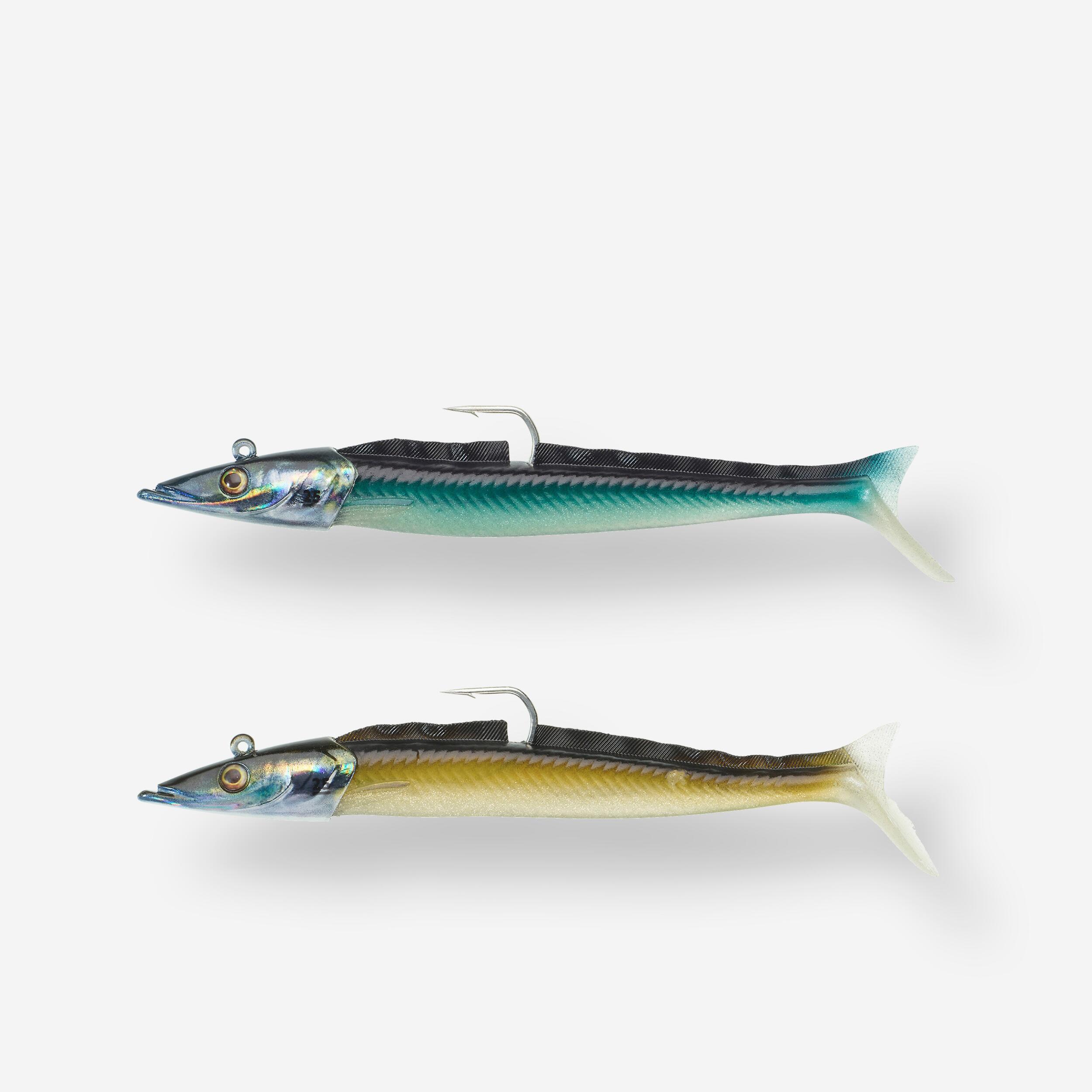
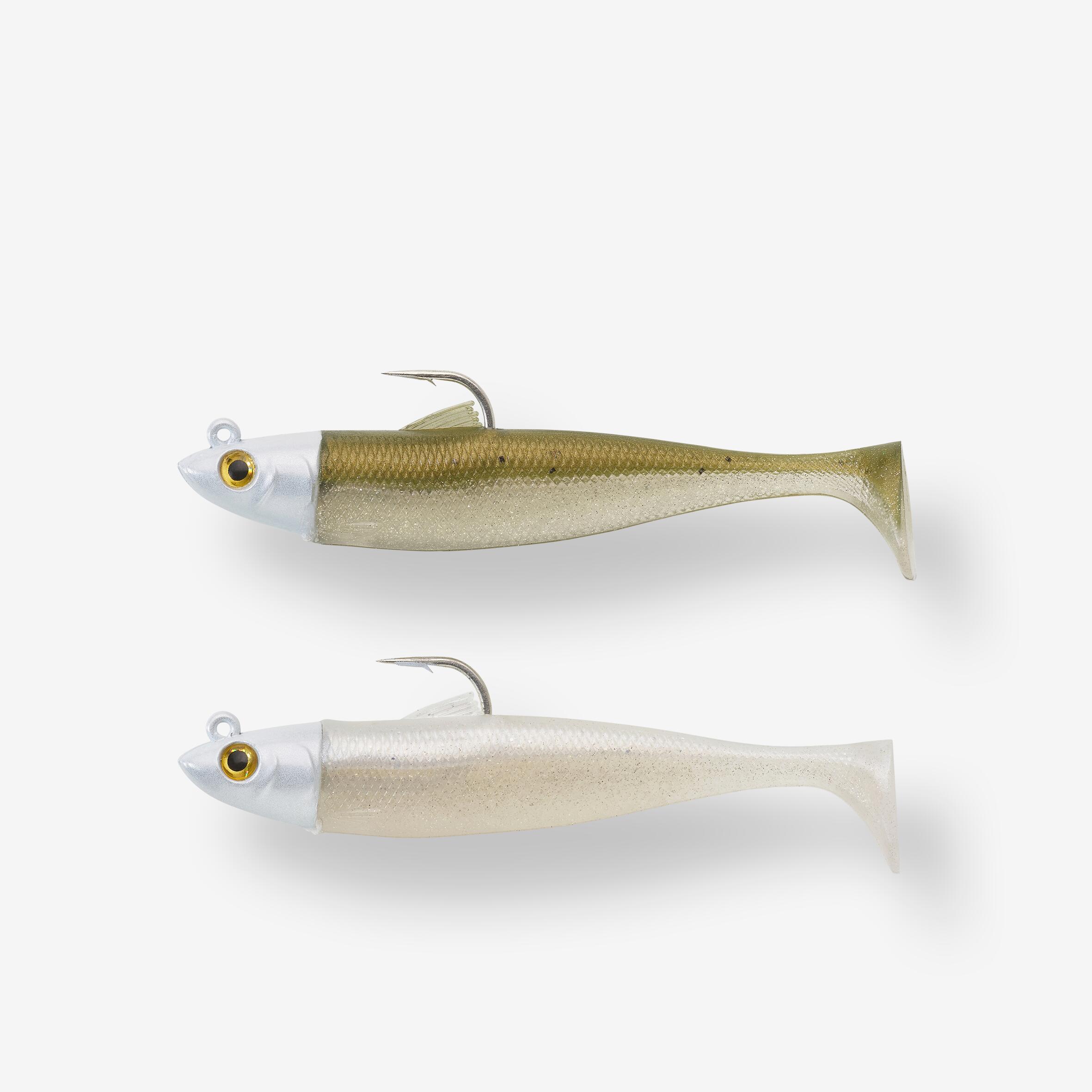
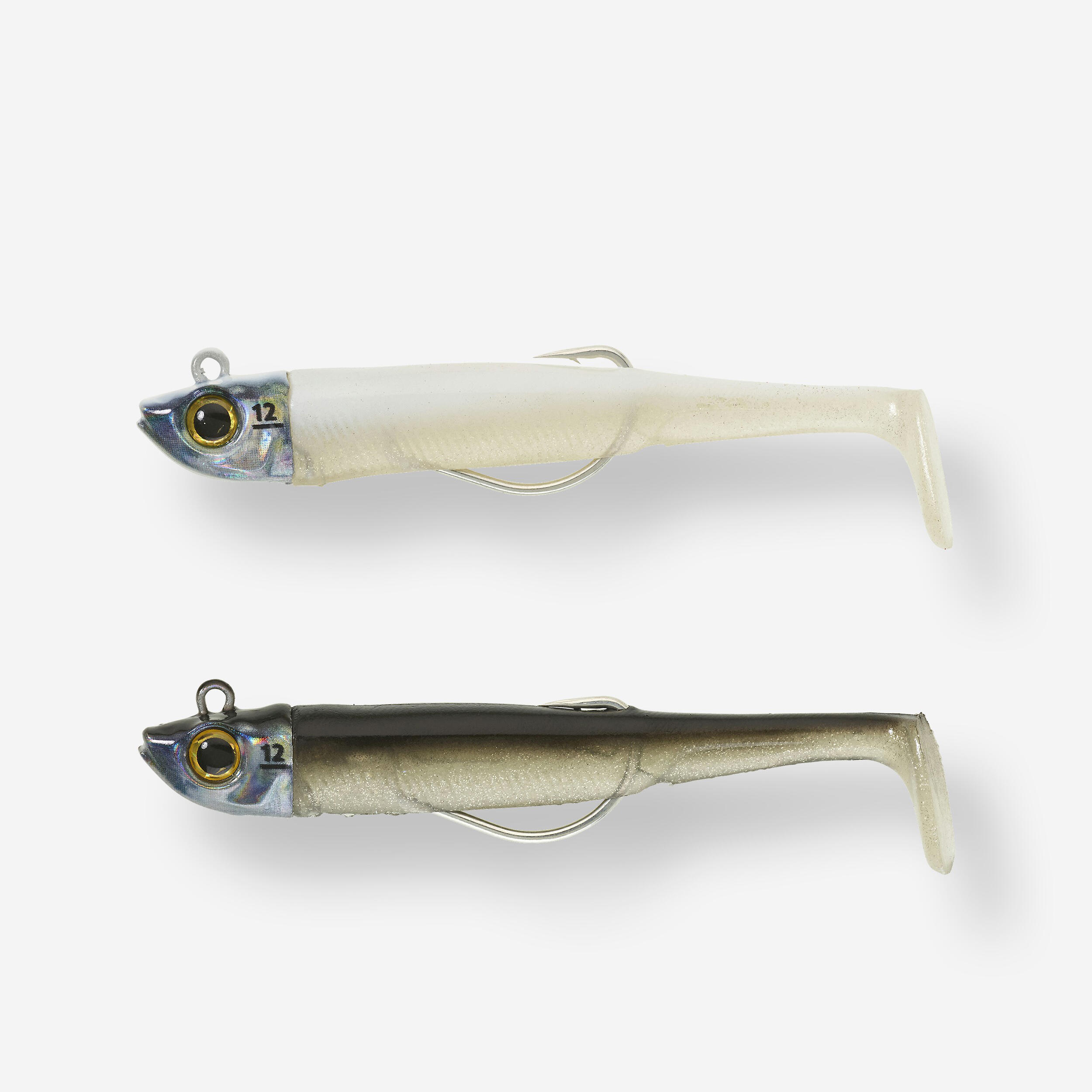
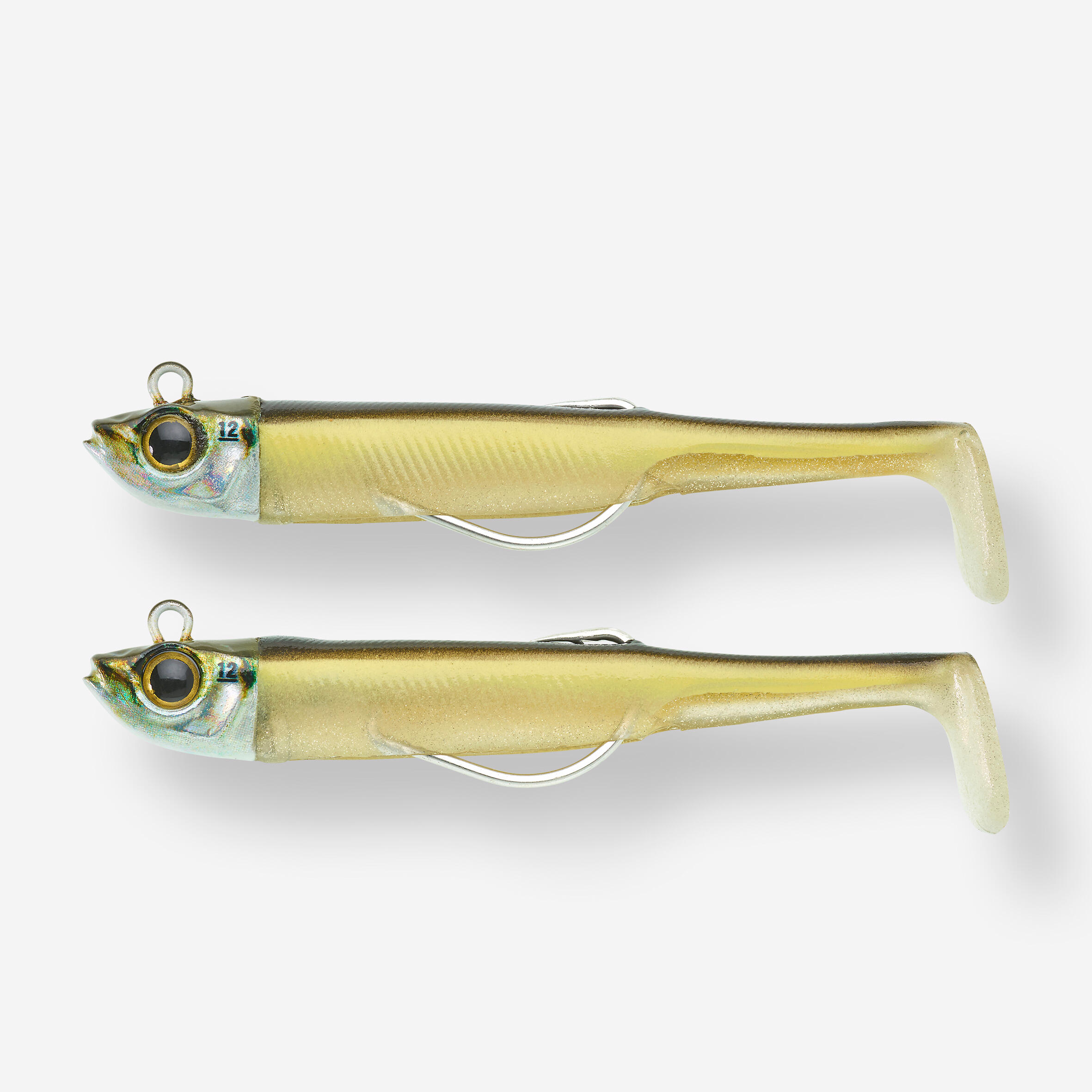
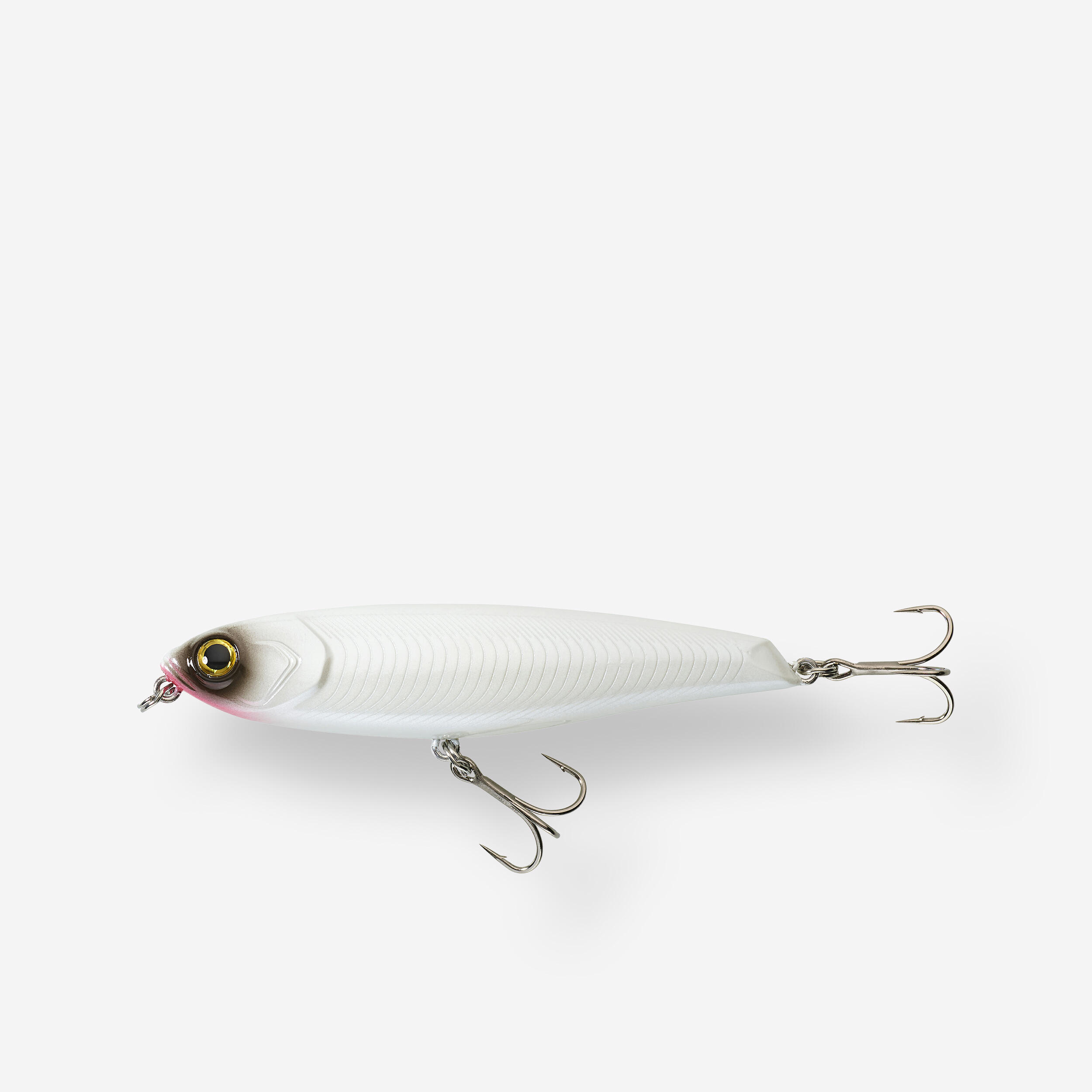
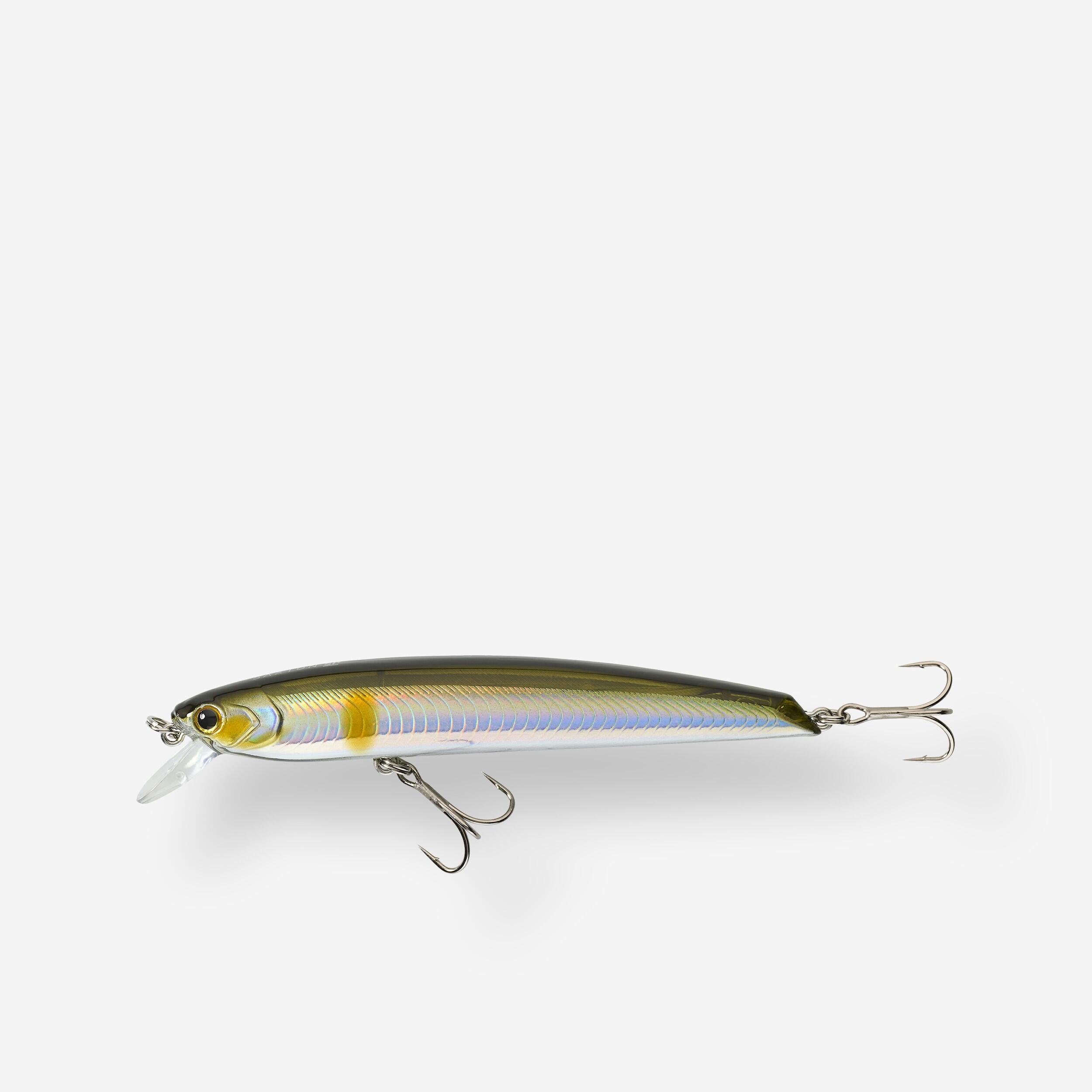
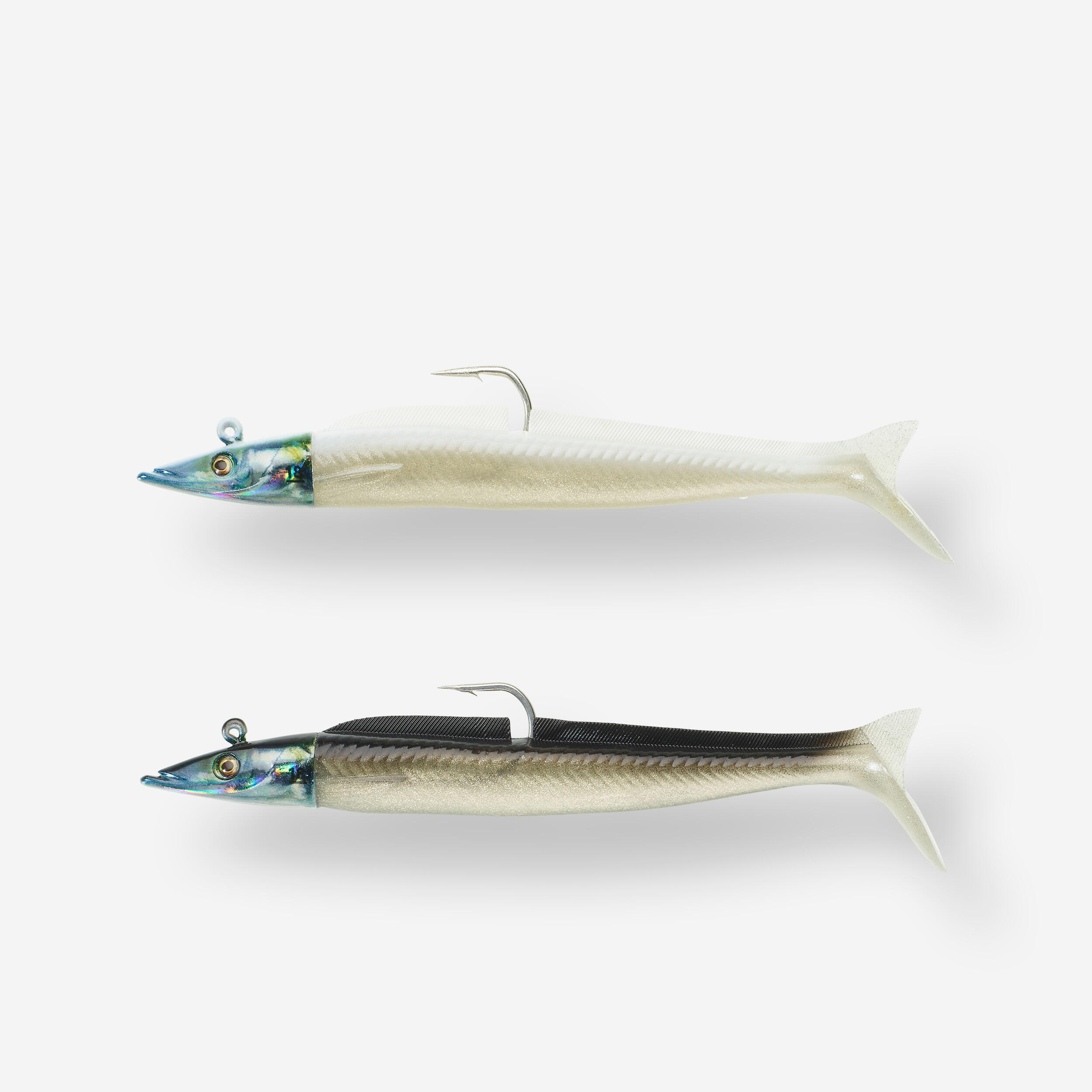
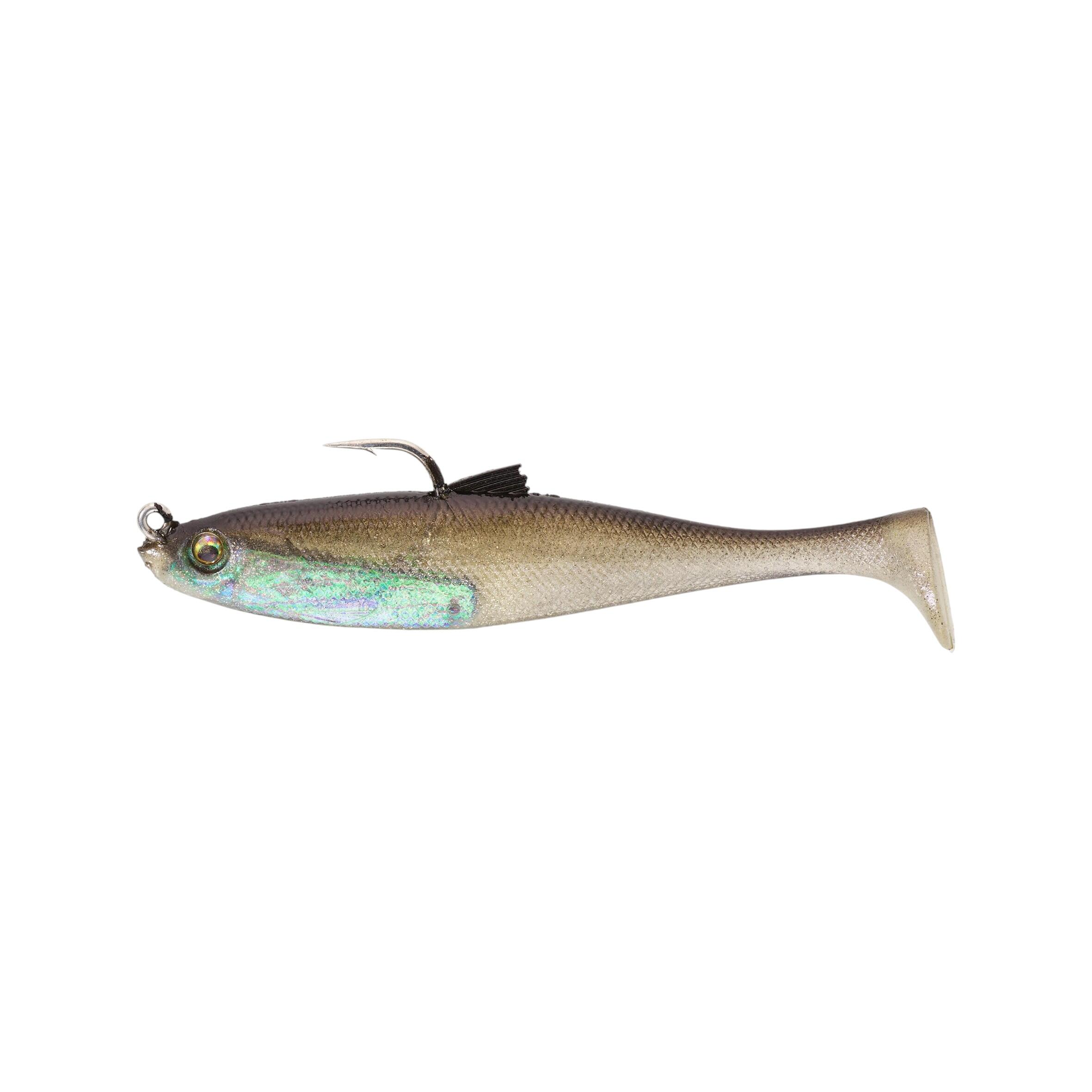
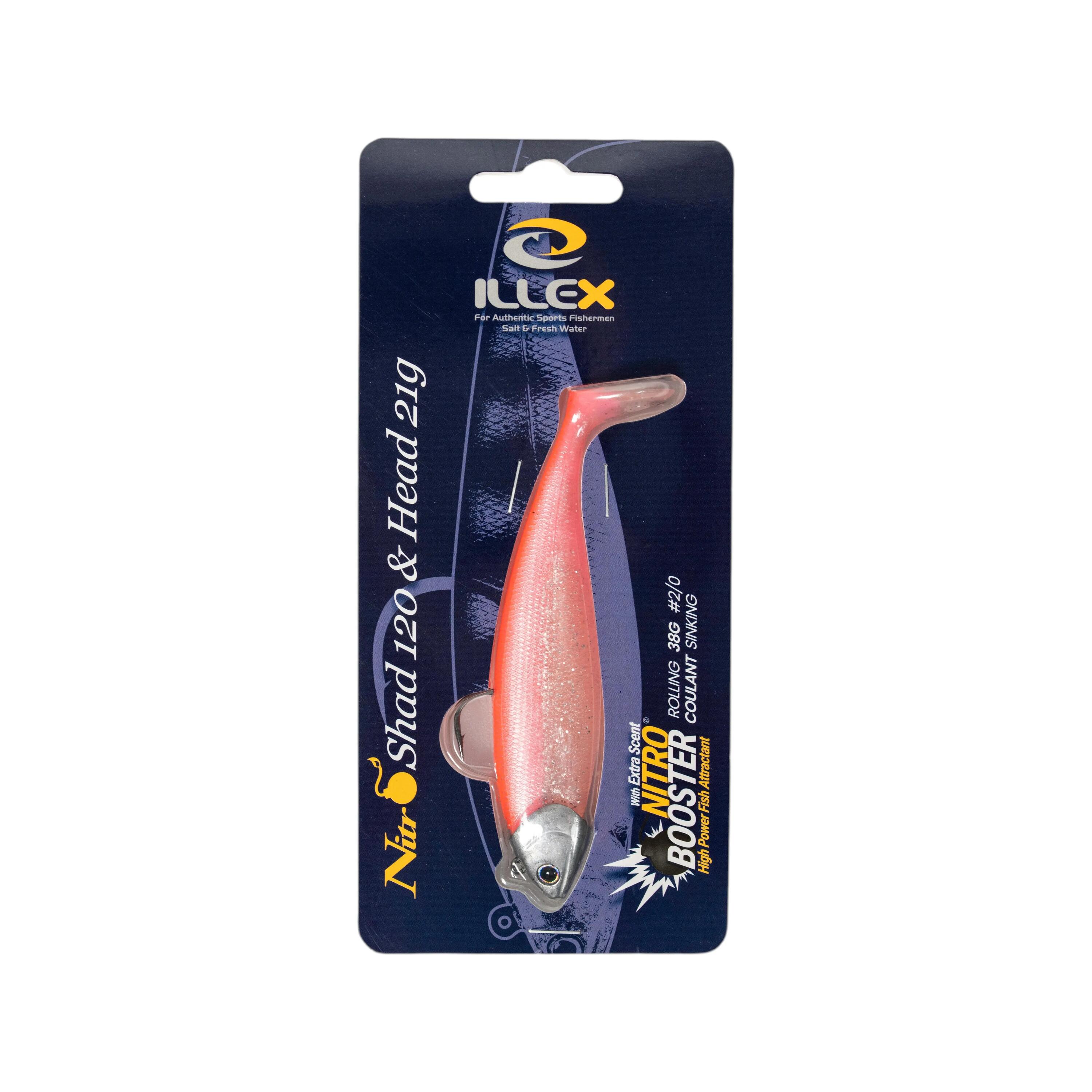
Sea fishing with lures lets you cover different depths, retrieve speeds and areas of water as you search for feeding fish from the shore or boat. Soft lures add extra movement because their flexible bodies can imitate small fish and other prey as they swim, drop or bounce through the water. Jig head weight, lure size and retrieve style all influence how the lure behaves in currents and around different depths. The right softbaits can be matched to the target species, rod rating and sea fishing technique you plan to use. Carrying several profiles and weights also makes it easier to adapt when depth, tide or fish activity changes. Check the lure after strikes or contact with structure, as damaged or displaced material can alter its action and hook position.

How does lure choice change when you are targeting squid?

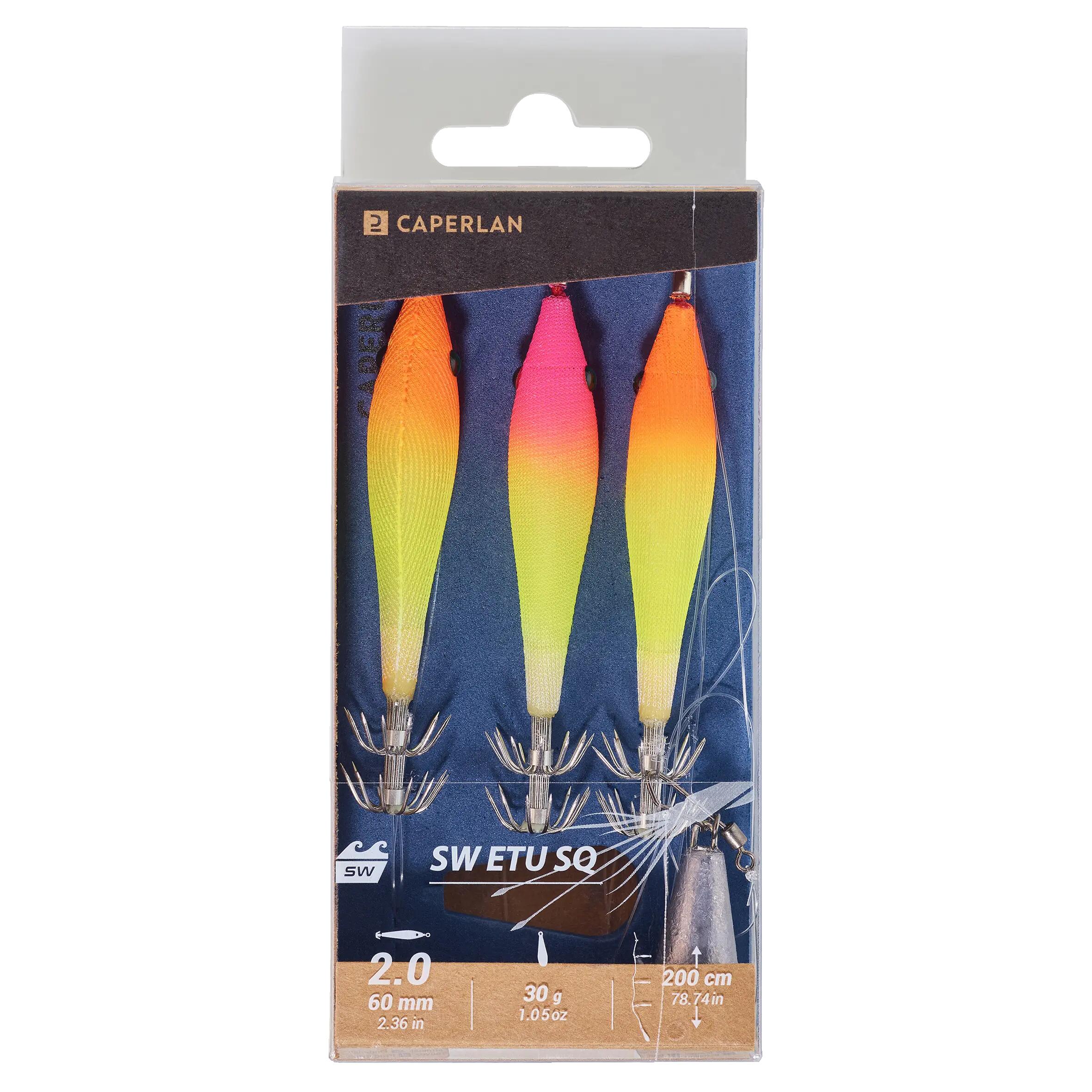
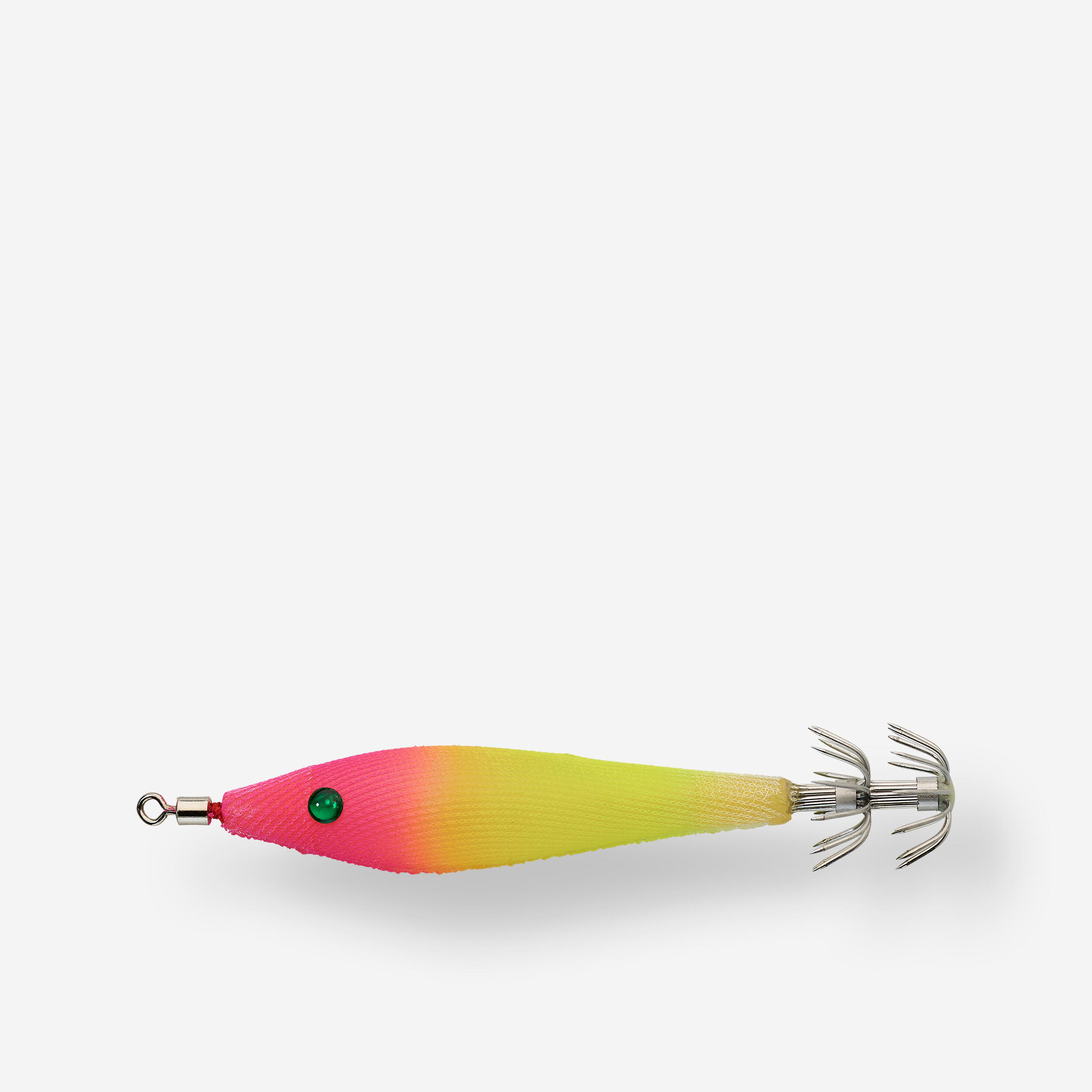
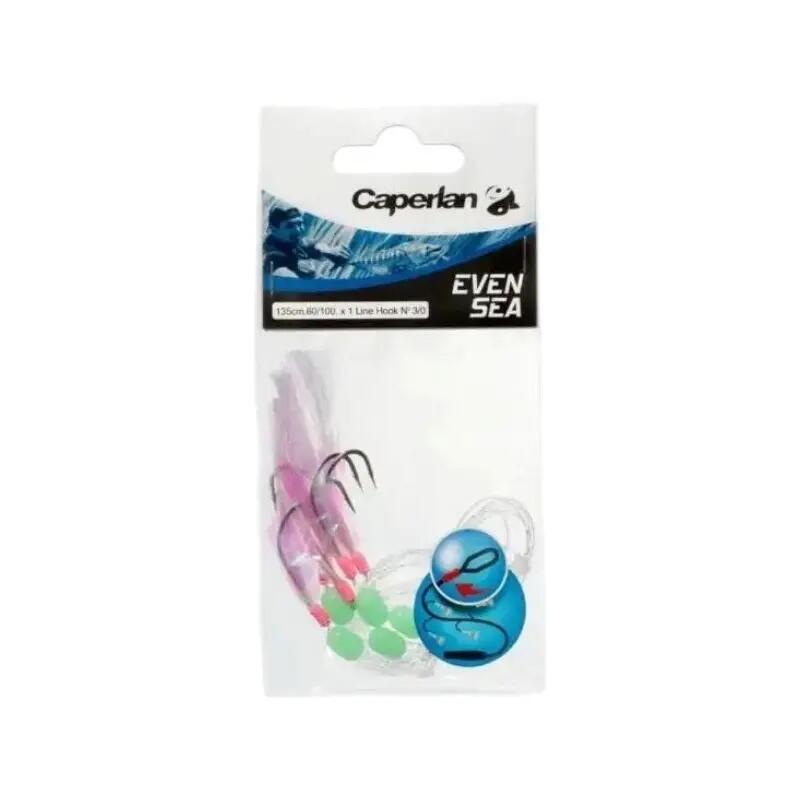
Squid require a different lure presentation from fish that strike conventional jigs, spoons or hard lures. Squid lures use specialised hook arrangements and body shapes intended for cephalopods, so changing target species also changes the terminal tackle you need. Depth, light and water clarity can influence the size, colour and sinking behaviour that works during a session. If you plan to alternate between general sea lure fishing and squid fishing, keep each lure type organised separately so hooks and crowns do not tangle together. Quick-change terminal connections can make switching easier, but inspect every connection before casting and make sure its resistance suits the lure and line you are using.

When should you check a sea lure setup for wear or damage?

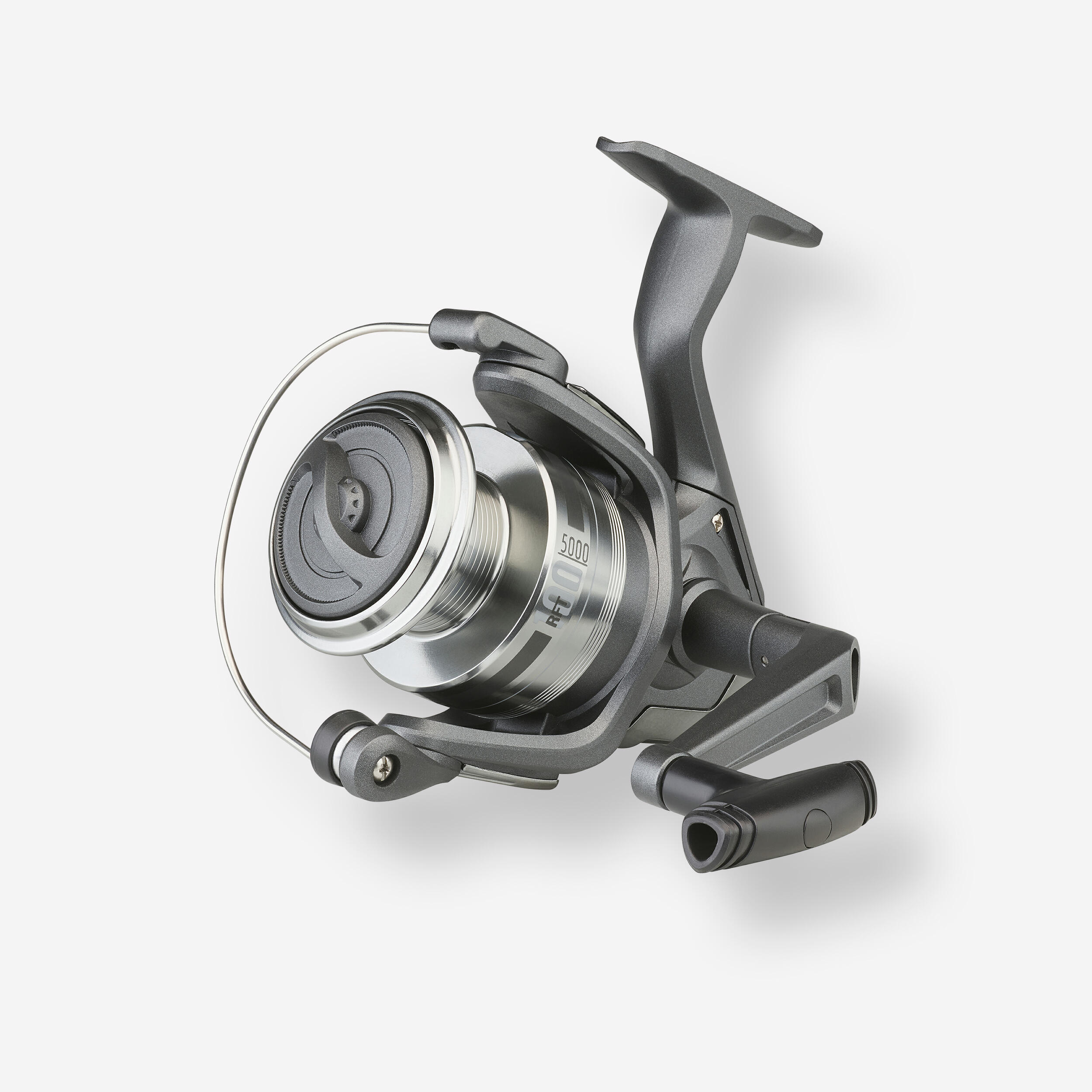
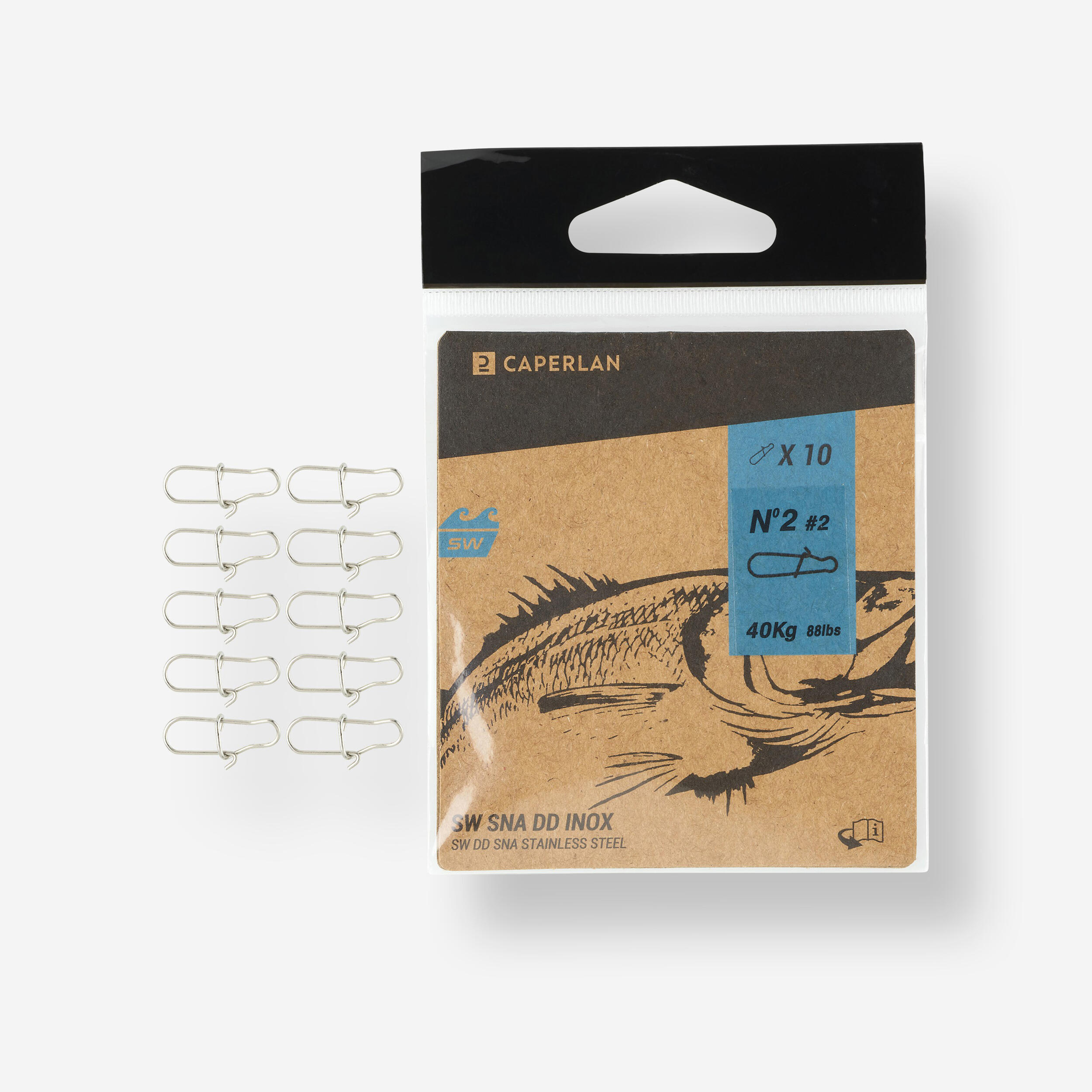
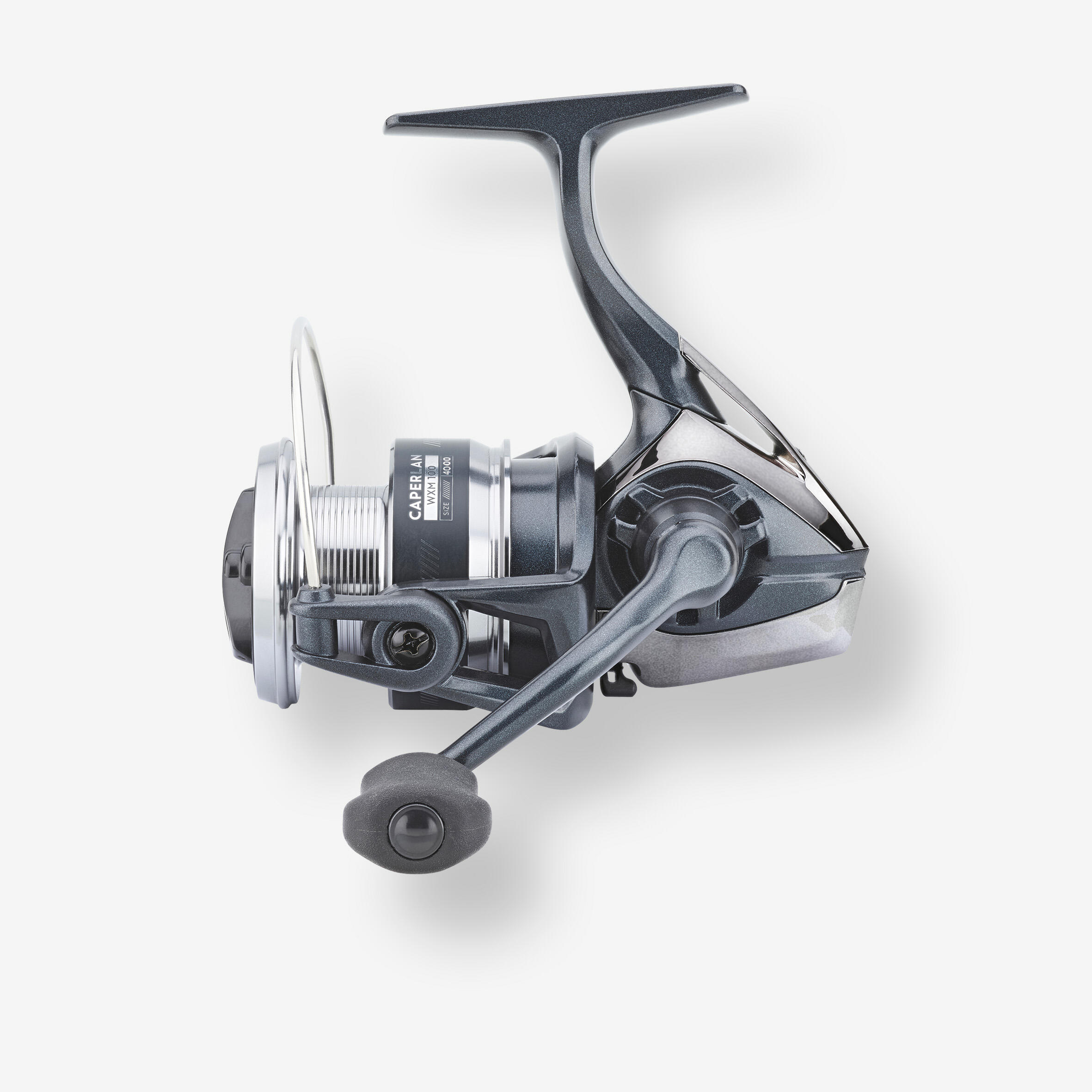
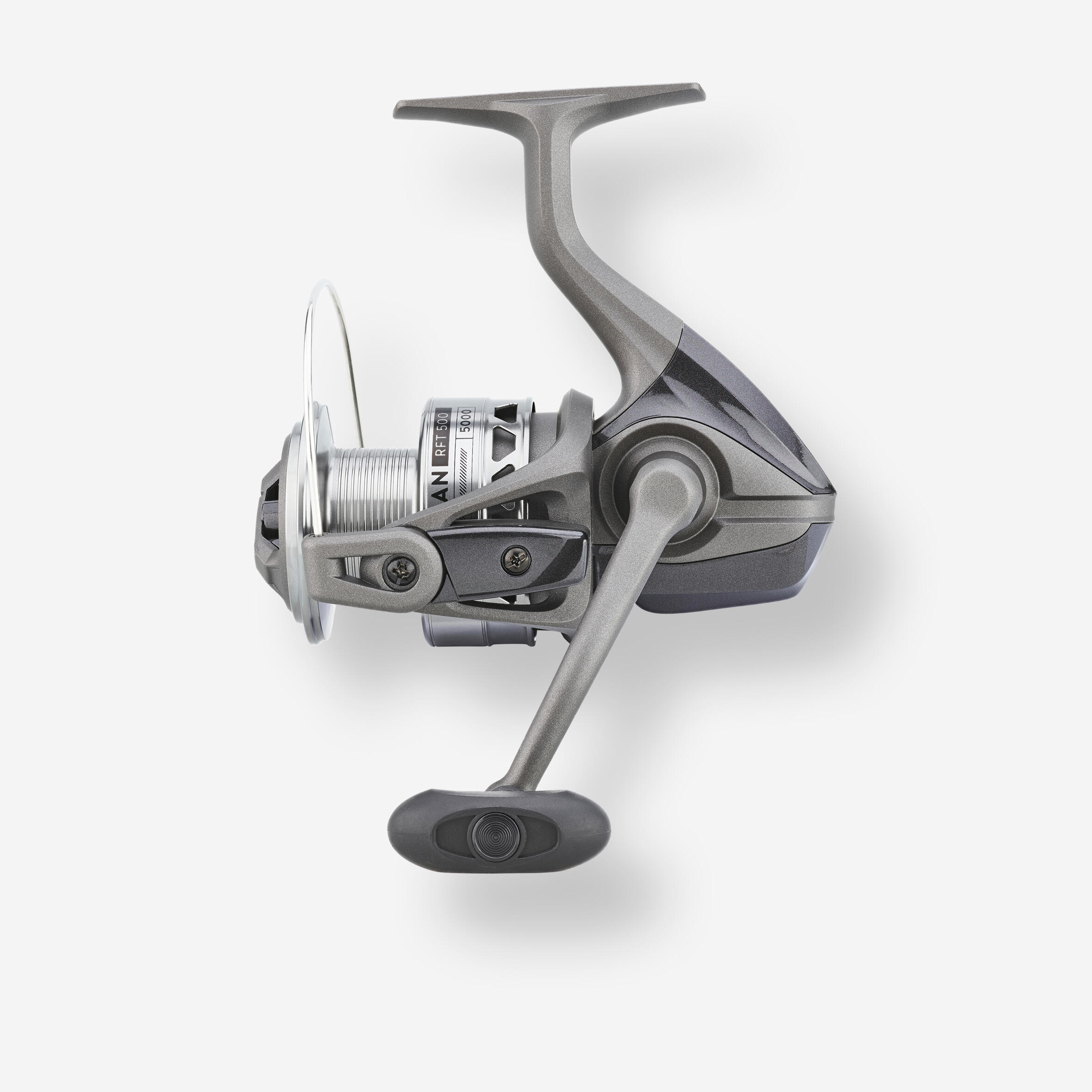
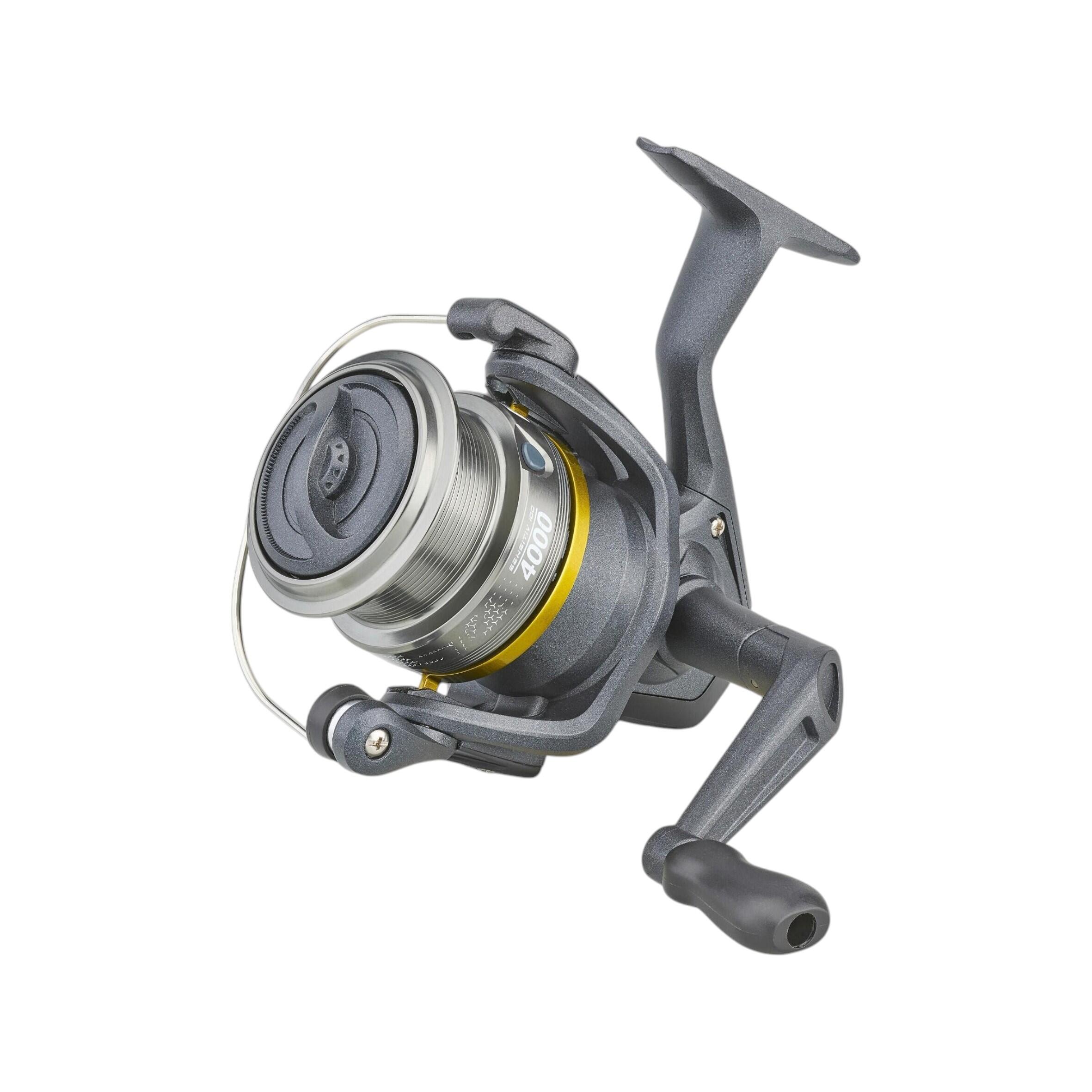
Saltwater can remain around hooks, snap clips, swivels and reel components after fishing, so rinse suitable metal parts in fresh water and dry them fully before storage. Caperlan stainless-steel double snap clips make lure changes quicker and come with stated resistance levels around 25 kg, 30 kg and 35 kg depending on size. Add a rolling or barrel swivel where lure rotation creates unwanted line twist. Inspect hook points, split rings and clips before returning lures to the box, and replace damaged fittings rather than risking a weak connection. Give saltwater fishing reels the same attention after sea use, keeping the complete lure setup clean and ready for the next casting session.