53 items
4.7/5 based on 1928 reviews collected online and in stores

Boat Fishing FAQs

Why do shorter rods work well for vertical boat fishing?

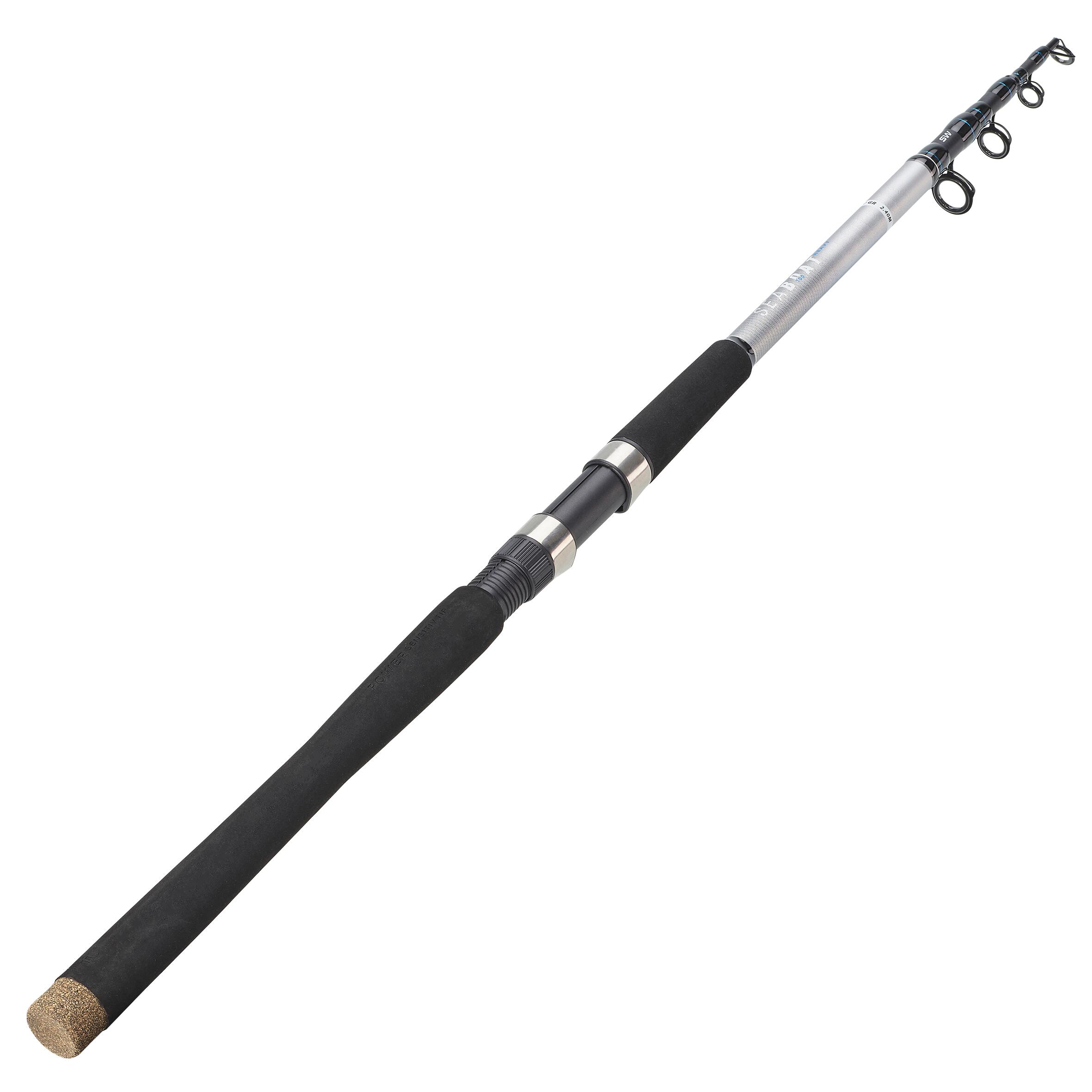
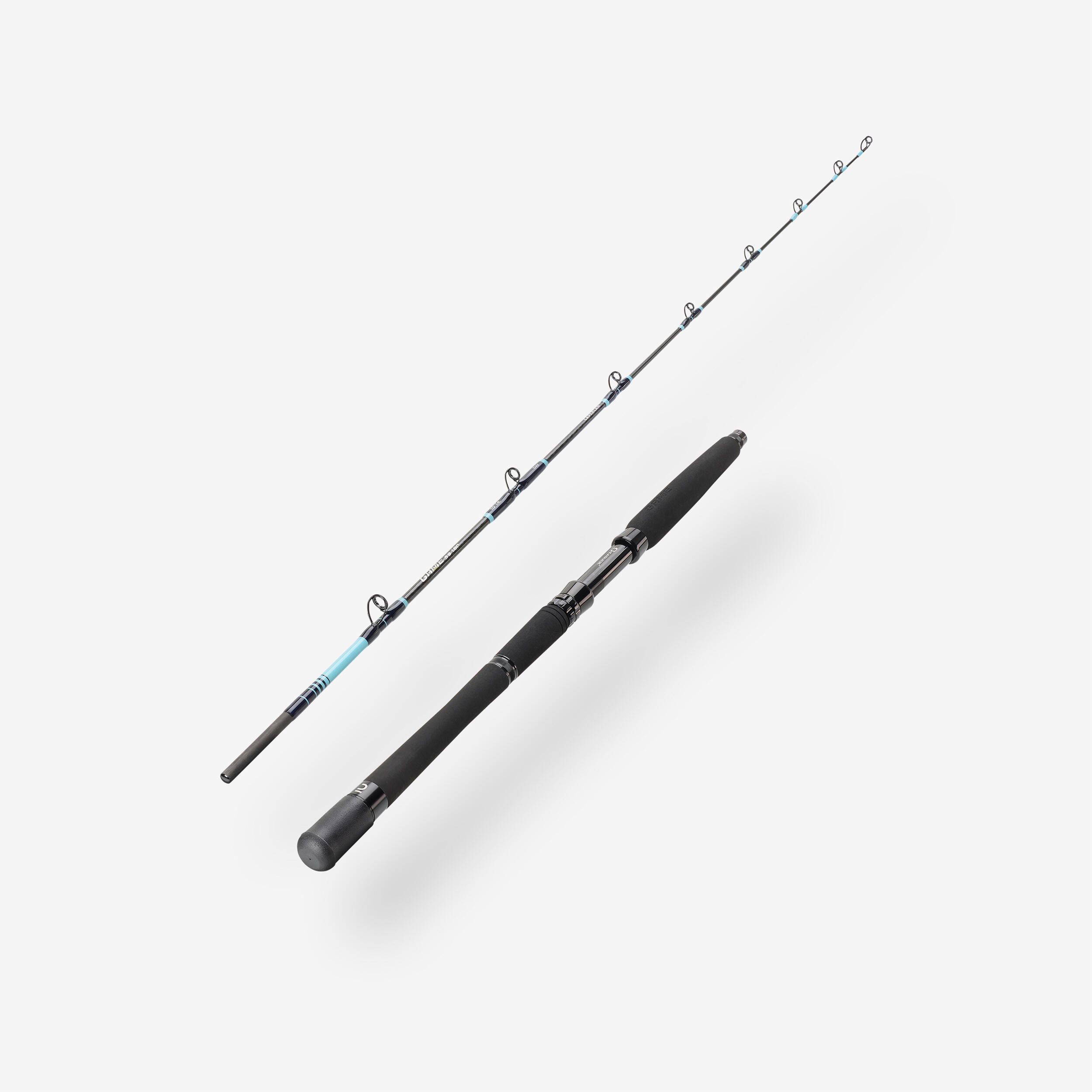
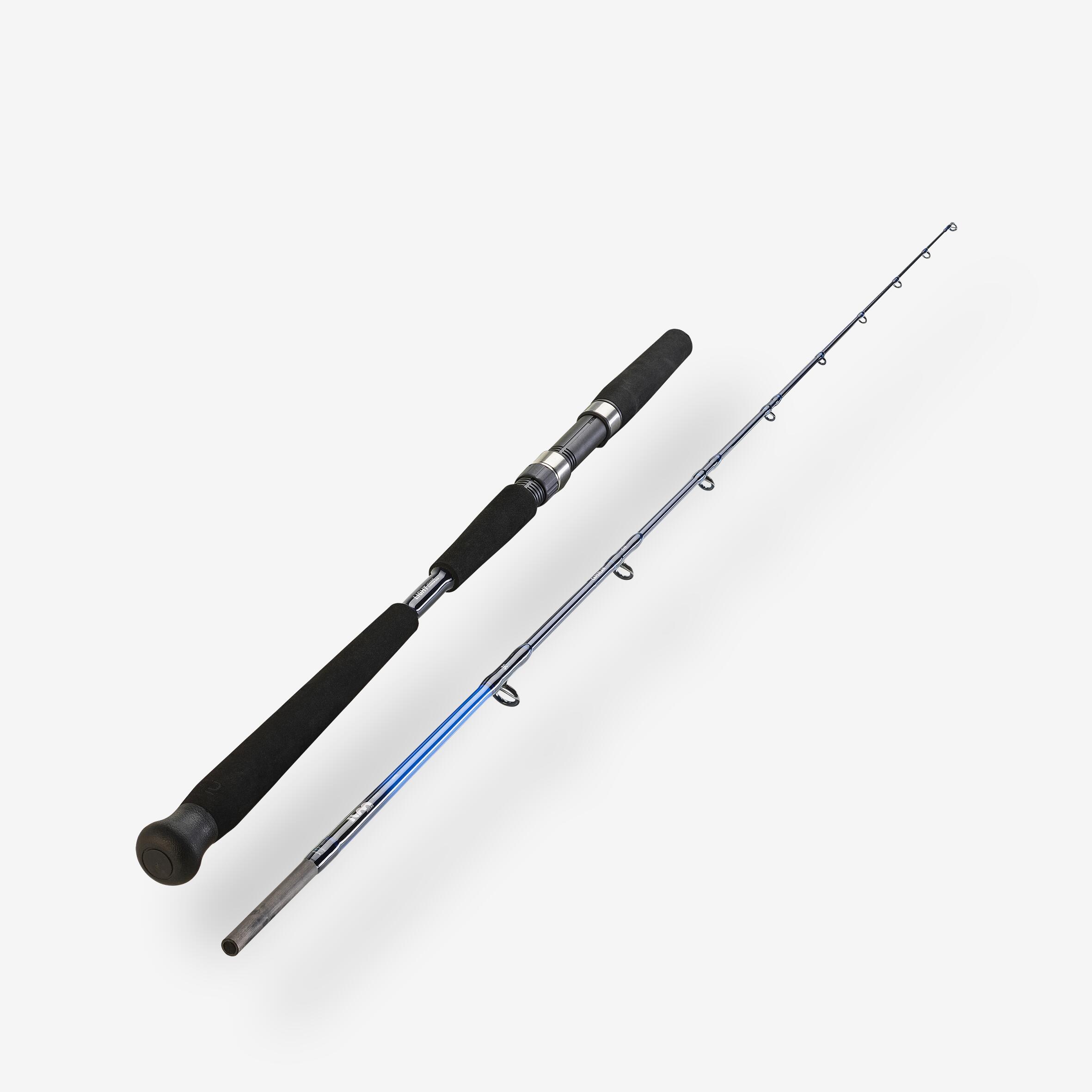
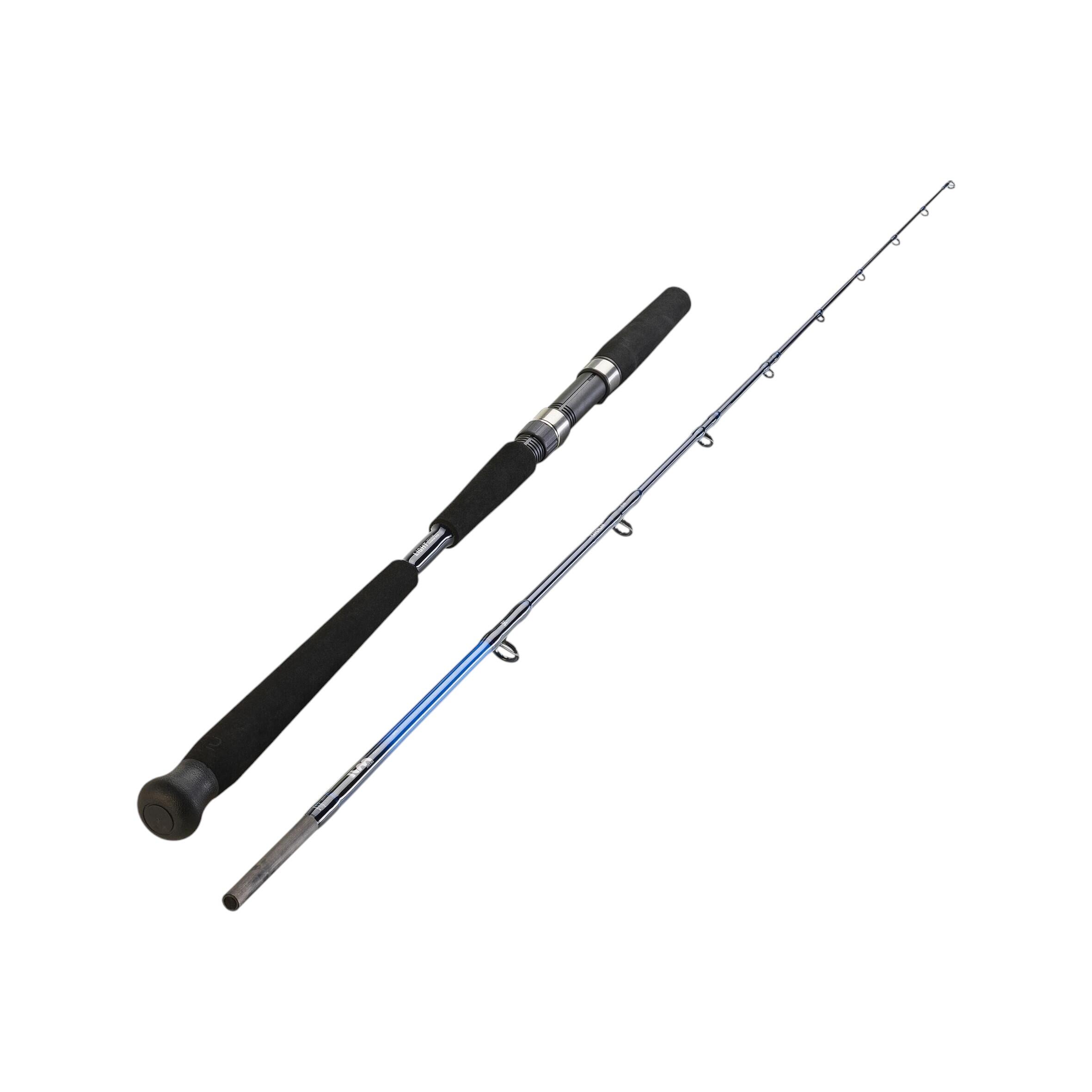
Limited space on a boat makes a shorter rod easier to control when you fish directly below or close to the vessel. Caperlan SEABOAT rods use a 1.80 m format that keeps handling manageable while still giving you enough leverage for vertical fishing. Lighter versions cover around 40-80 g, while more powerful fibreglass systems can handle roughly 80-150 g. Selected rods also feature a thin, solid-carbon SENSITIV TIP with a white finish, helping you see lighter bites in daylight or in darker conditions. Match the rod power to the sinker and rig you plan to use, then consider suitable boat fishing weights to keep the complete setup balanced for the depth and current.

Why is it easier to set up a beginner boat fishing combo?

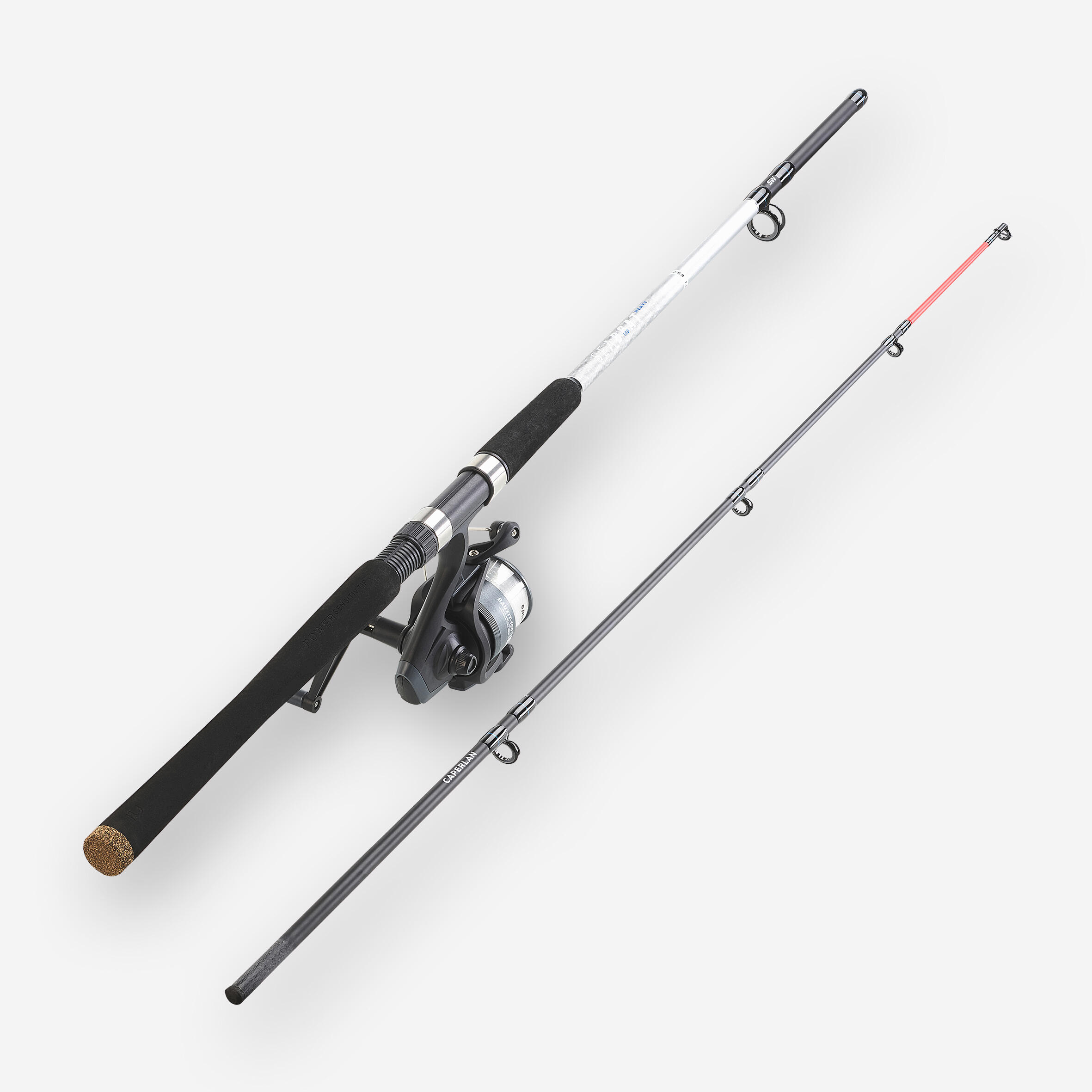
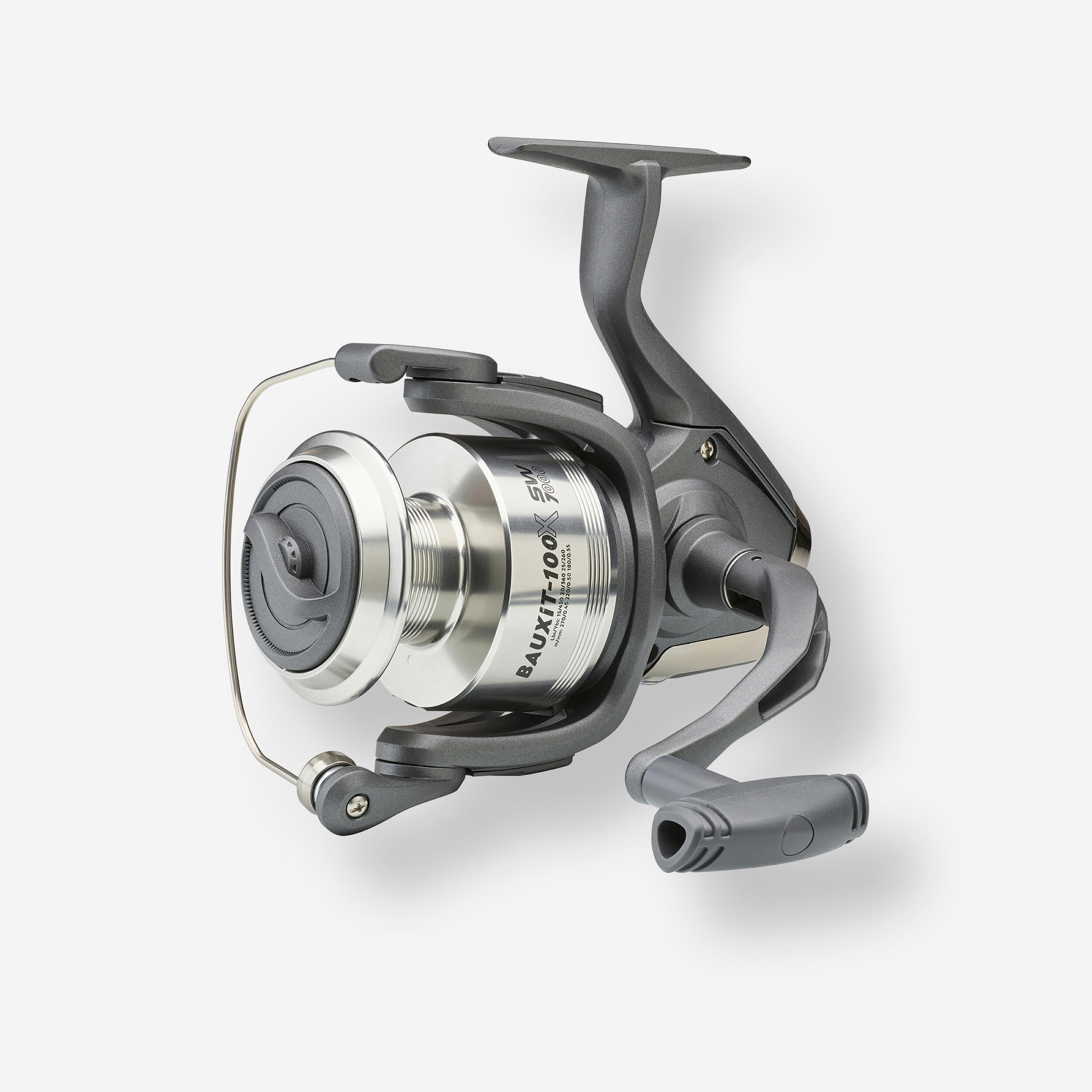
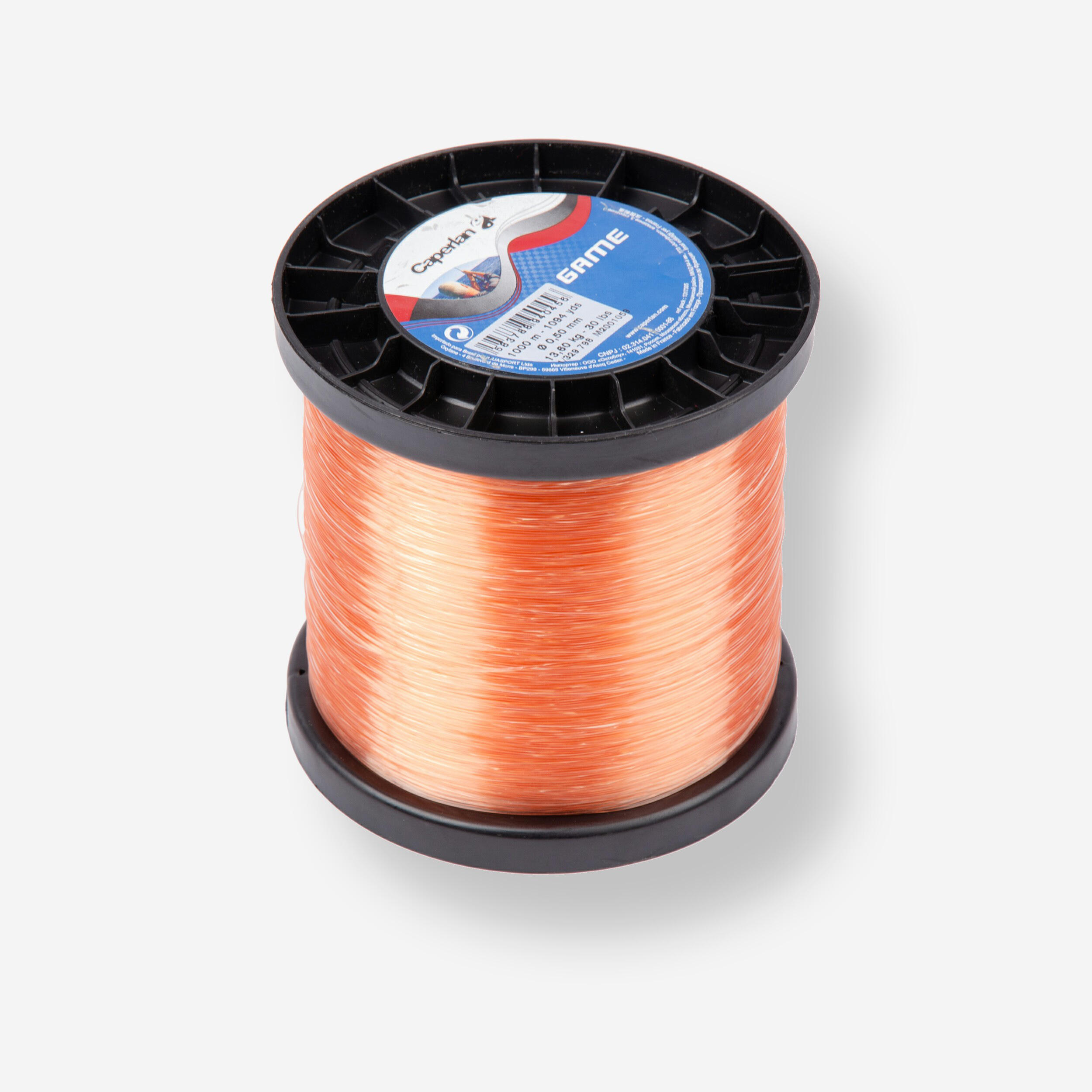
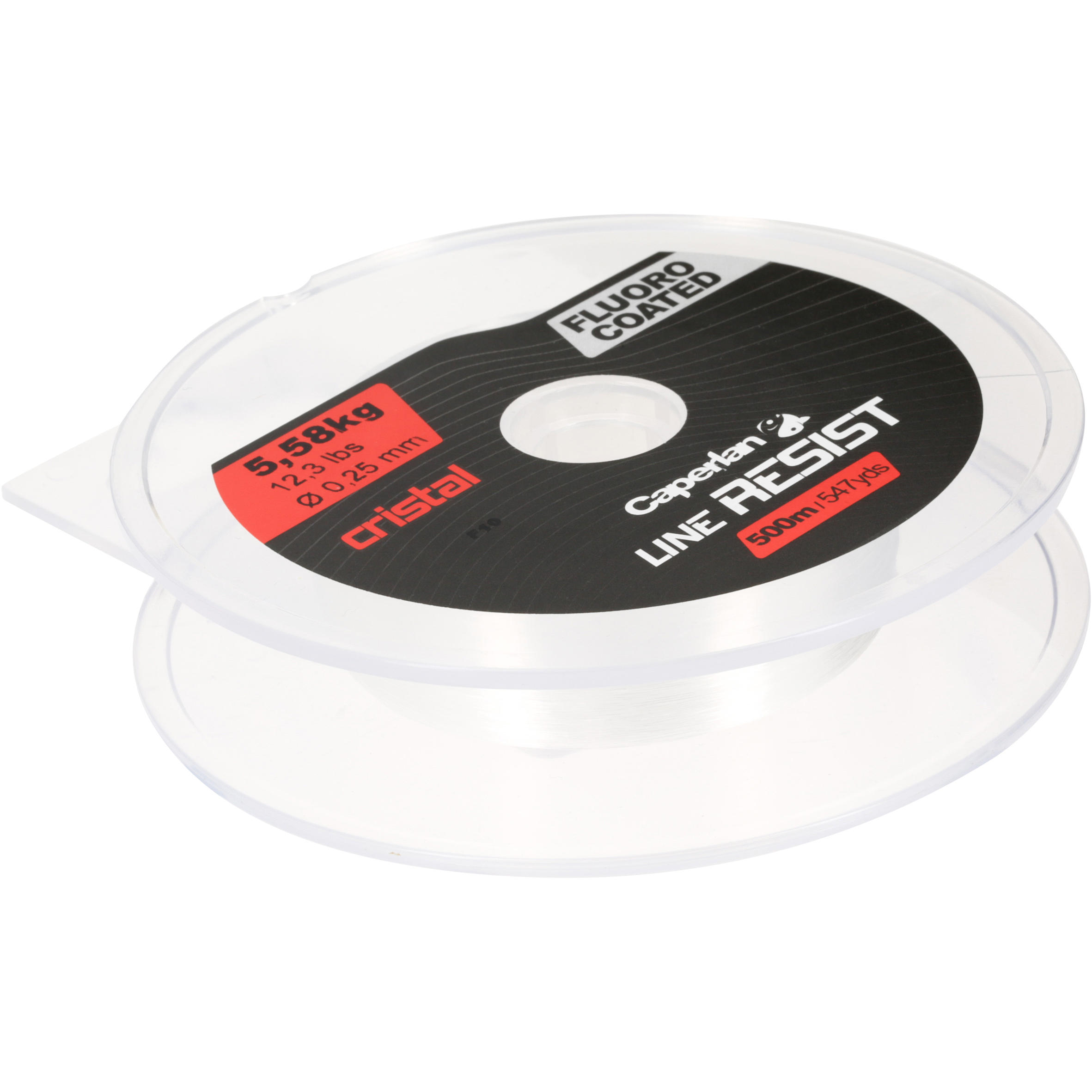
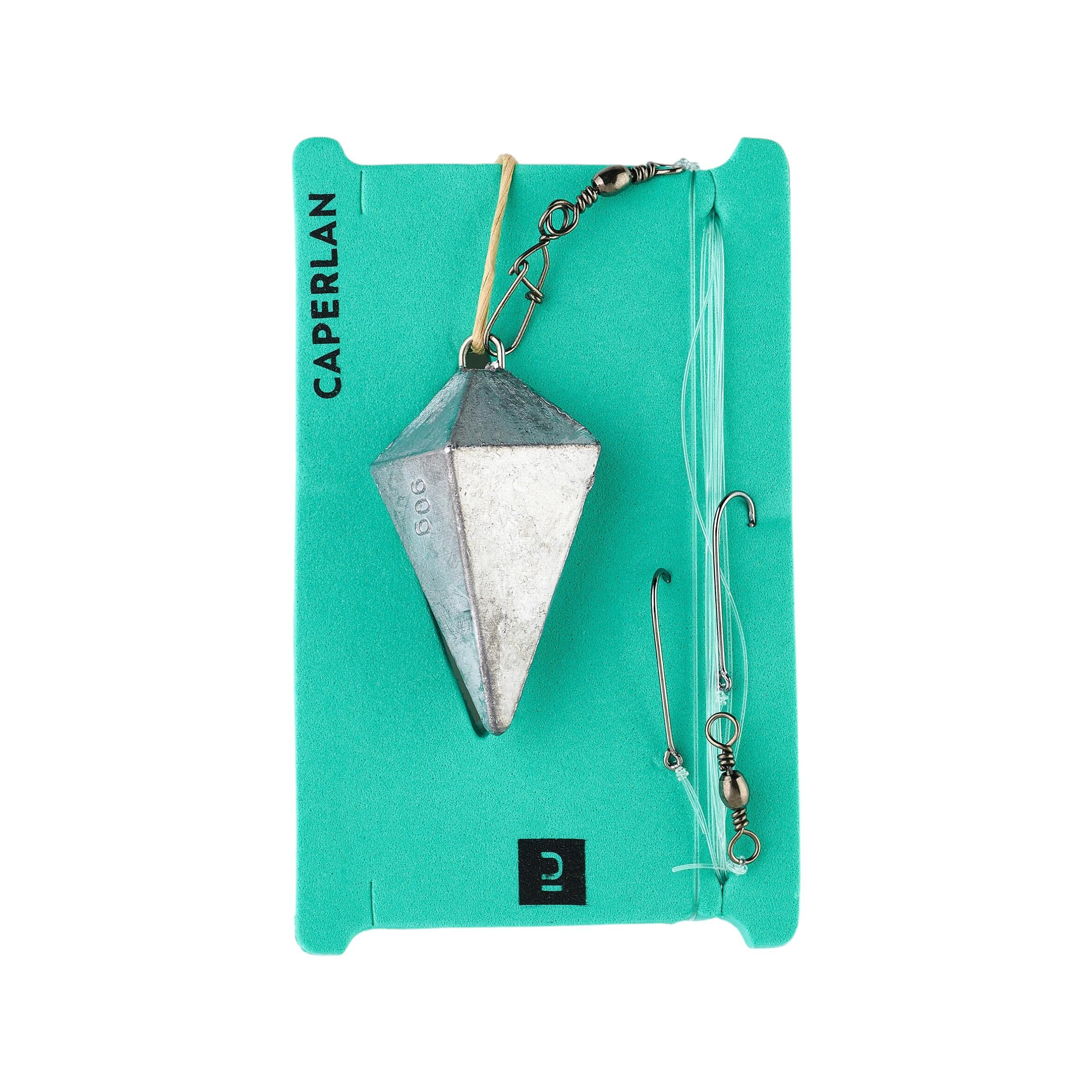
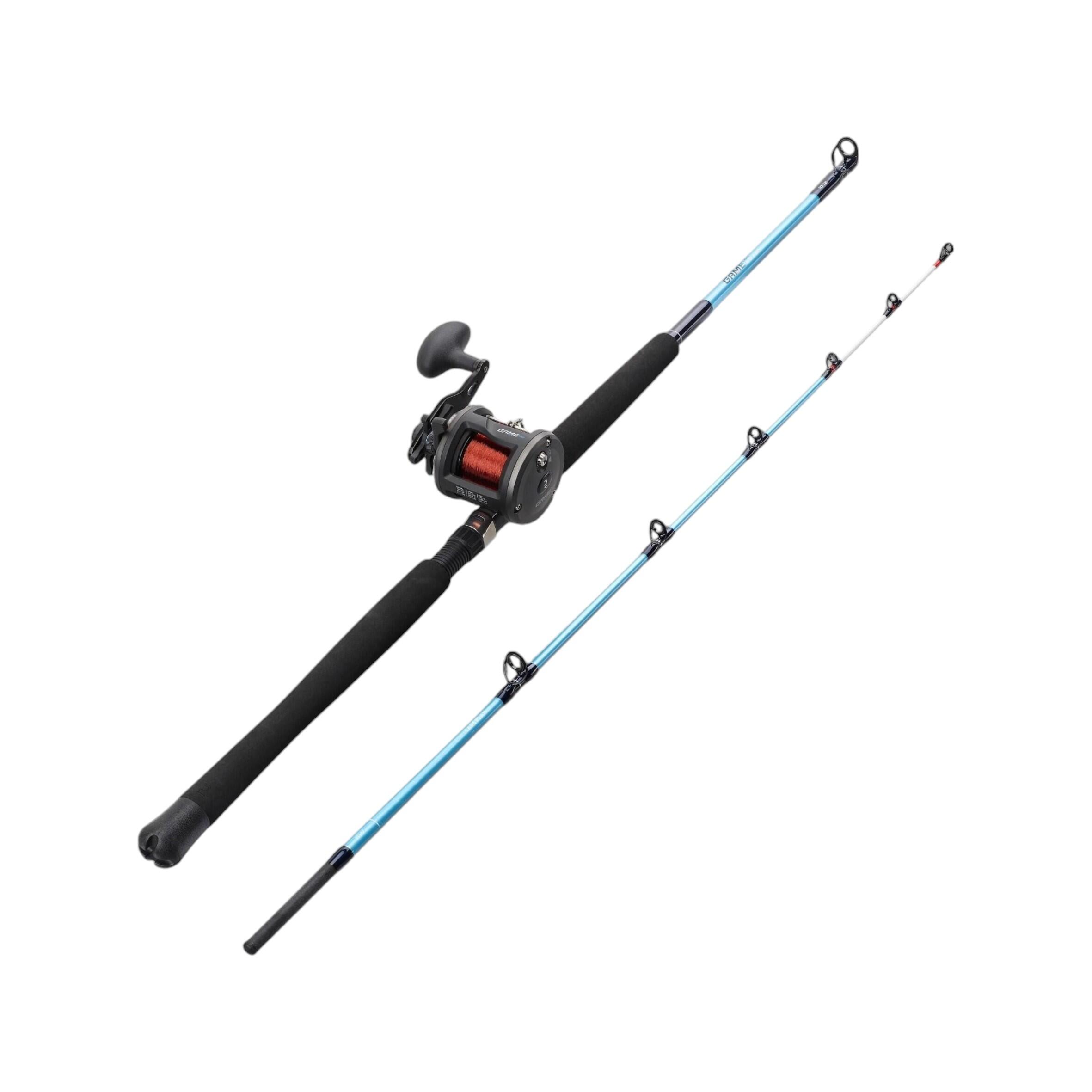
A matched combo removes much of the guesswork involved in pairing a rod, reel and line for your first sessions. Caperlan's beginner SEABOAT structure combines a 1.80 m fibreglass rod with a BAUXIT SW reel already loaded with 160 m of 35/100 crystal line. The reel works for left- or right-handed anglers, while the rod breaks down to around 95 cm for easier transport. Its stronger construction can also cope with multi-hook rigs when several mackerel take at once. Once the main setup is ready, pre-assembled boat-fishing rigged lines can further reduce preparation time and help you switch between presentations more efficiently on board.

How do drag and line capacity affect a boat fishing reel?

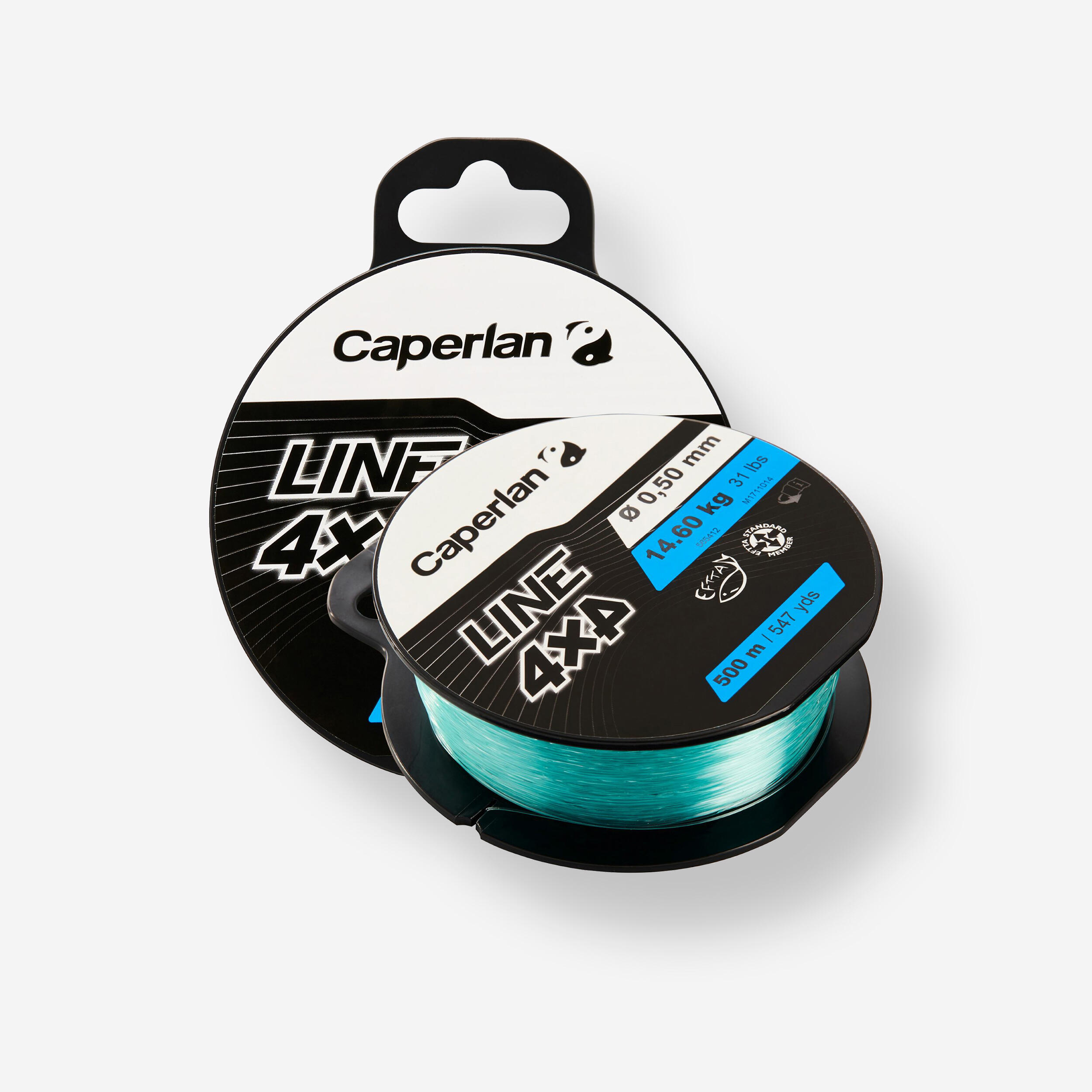
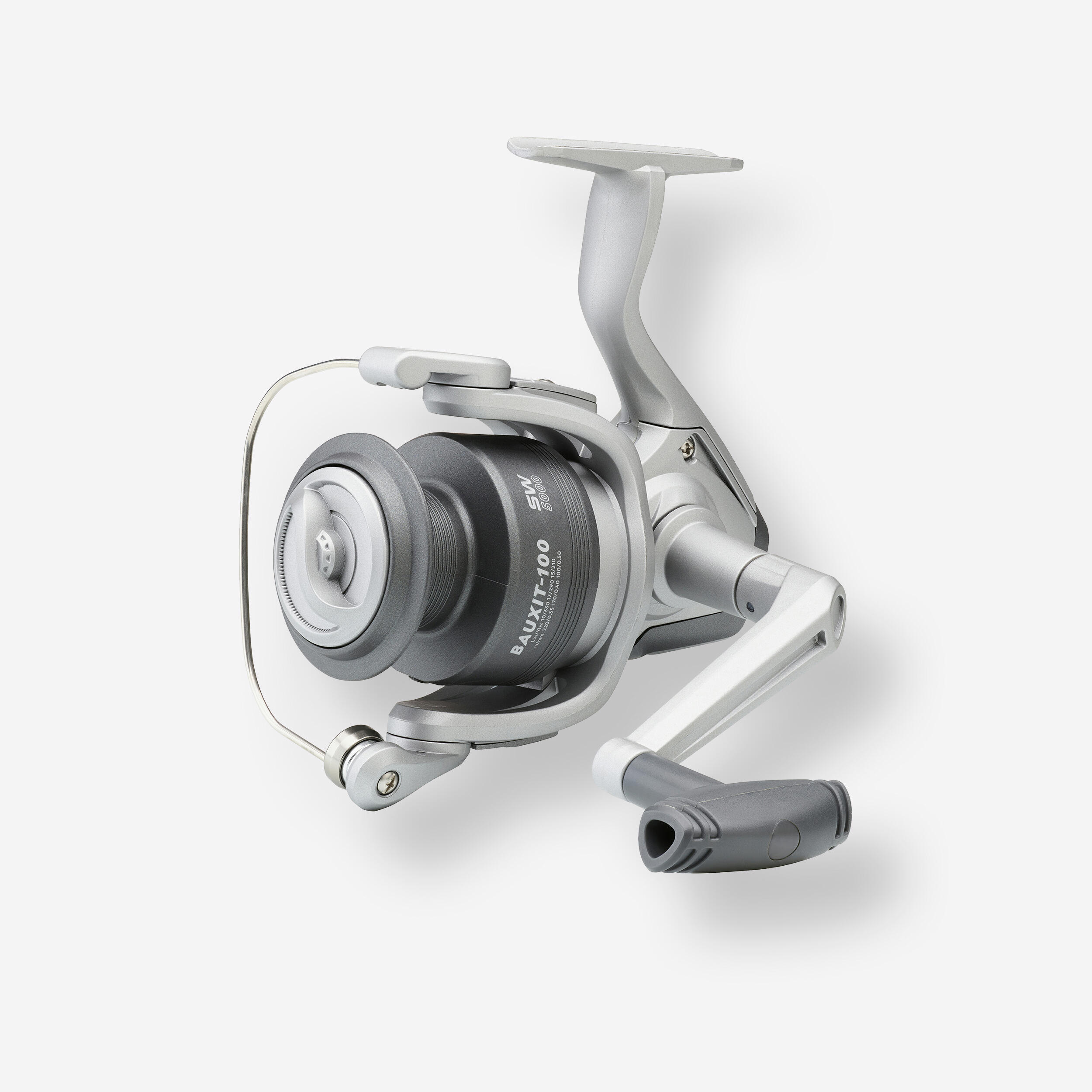
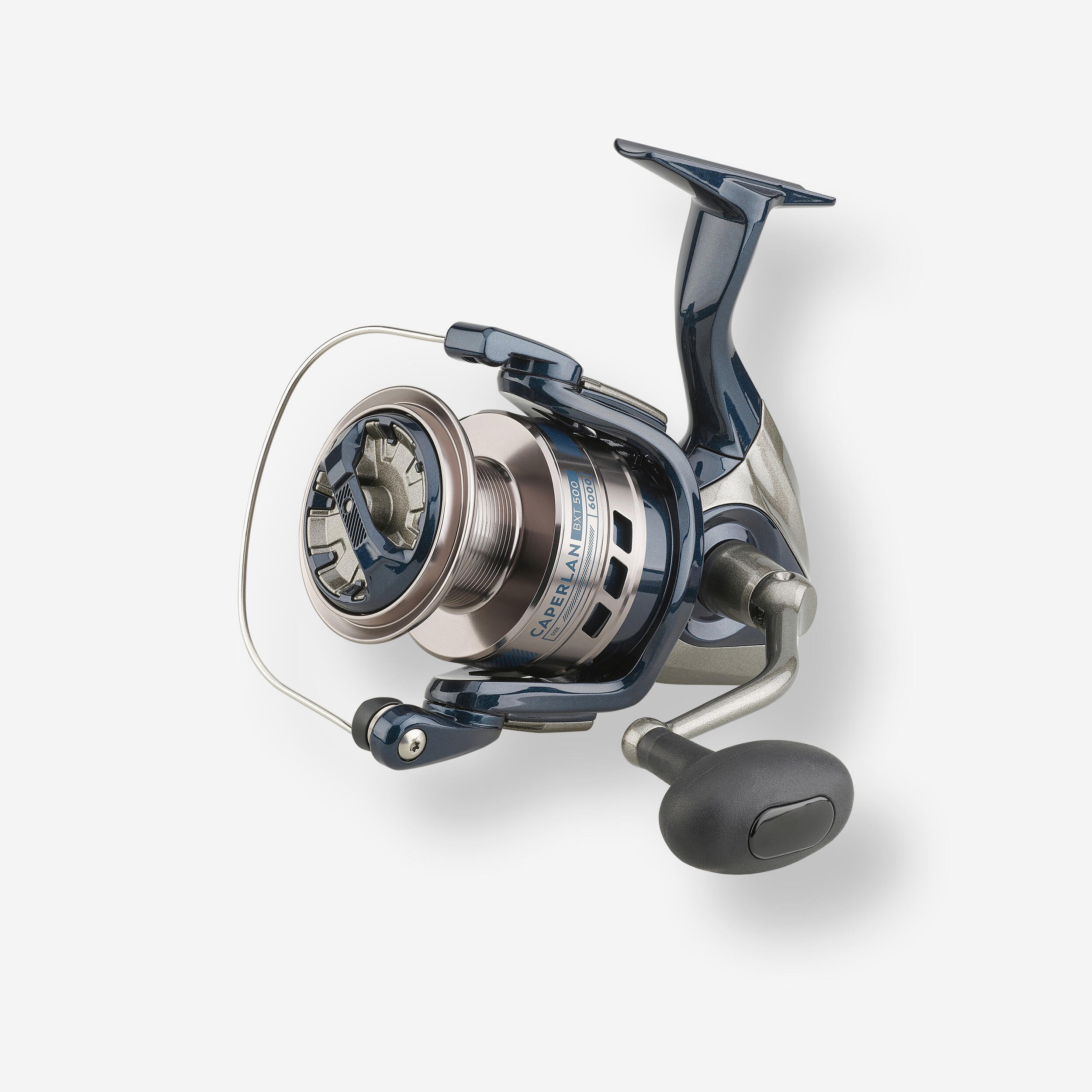
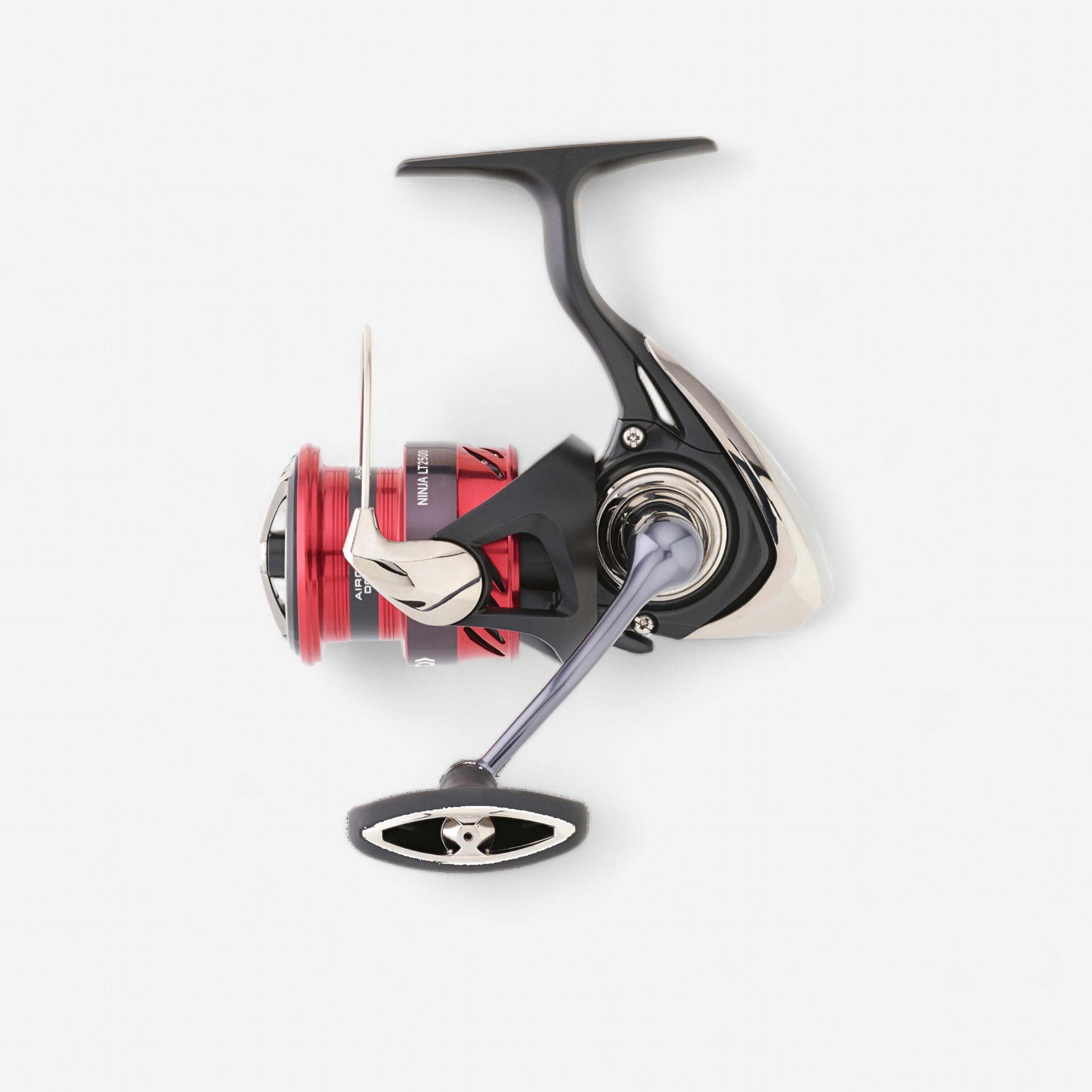
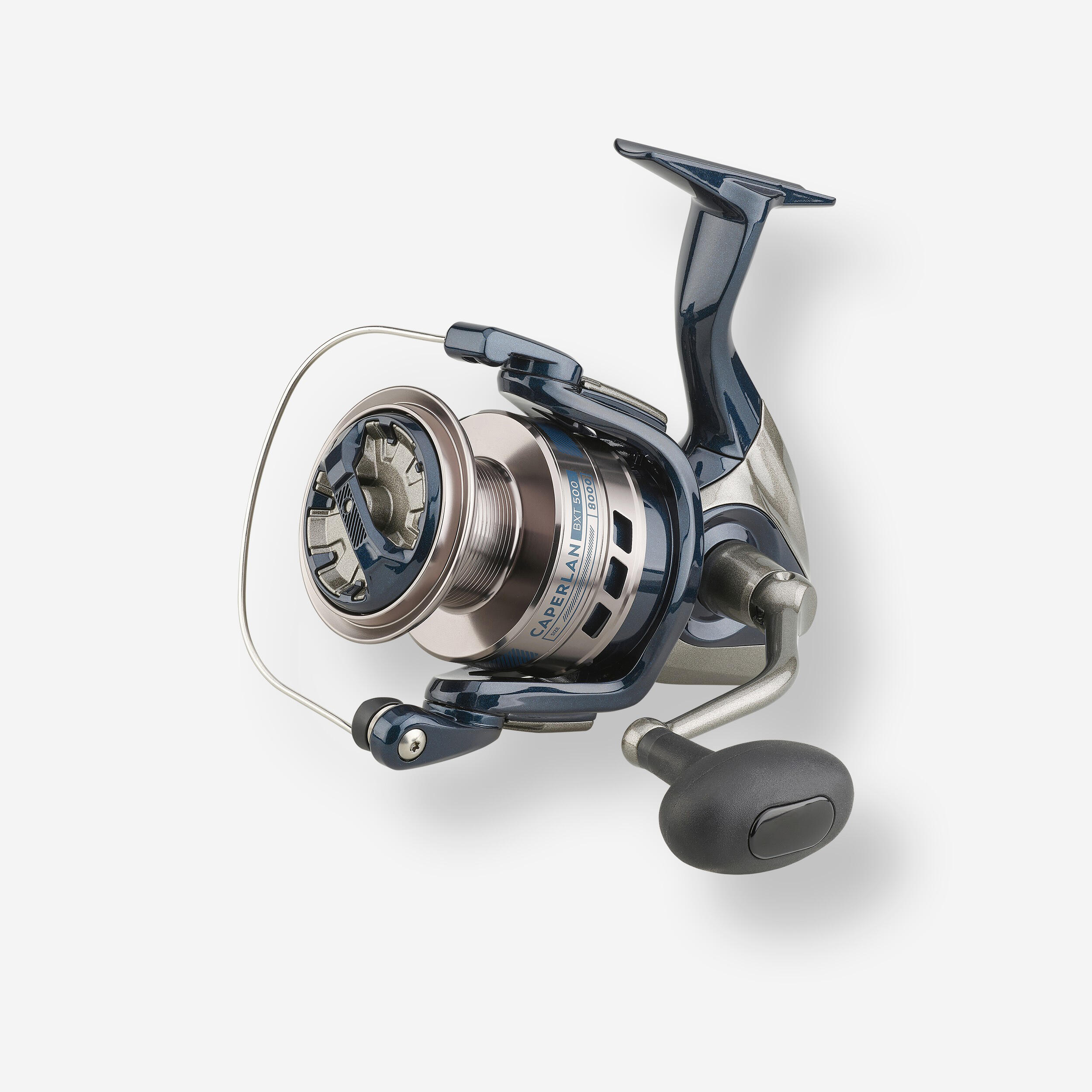
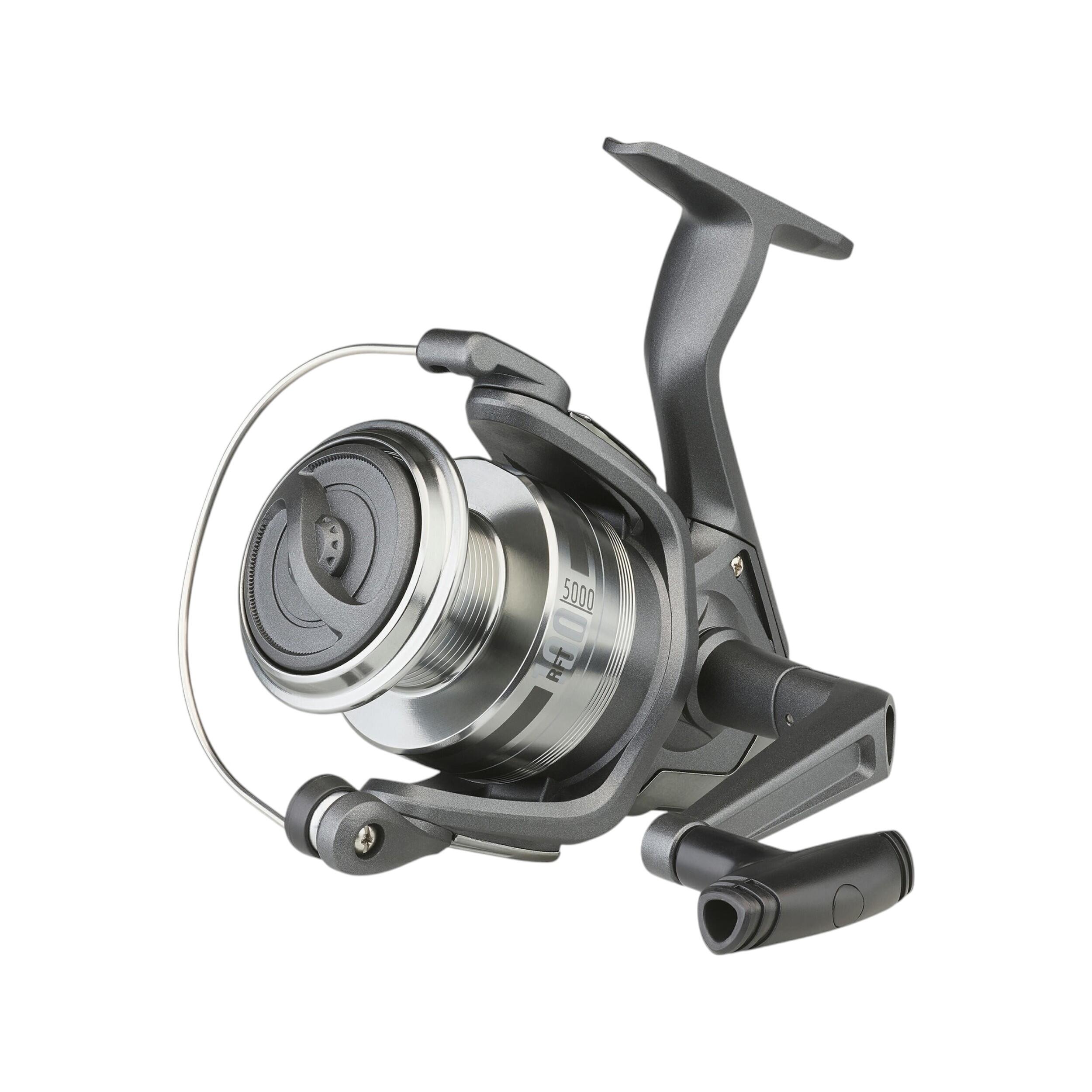
Drag controls the resistance a fish feels when it pulls line from the spool, while line capacity determines how much line you can carry for deeper water or stronger-running fish. Caperlan distinguishes between maximum drag and usable drag, with the latter reflecting the force available after accounting for reel-component deformation. The BAUXIT 5000 provides 7 kg of usable drag and combines graphite parts with a stainless-steel bearing for marine use. Keep the drag matched to your line strength rather than tightening it fully. When comparing boat fishing reels, also check line diameter, spool capacity, retrieval rate and whether replacement spools or cranks are available for the model.
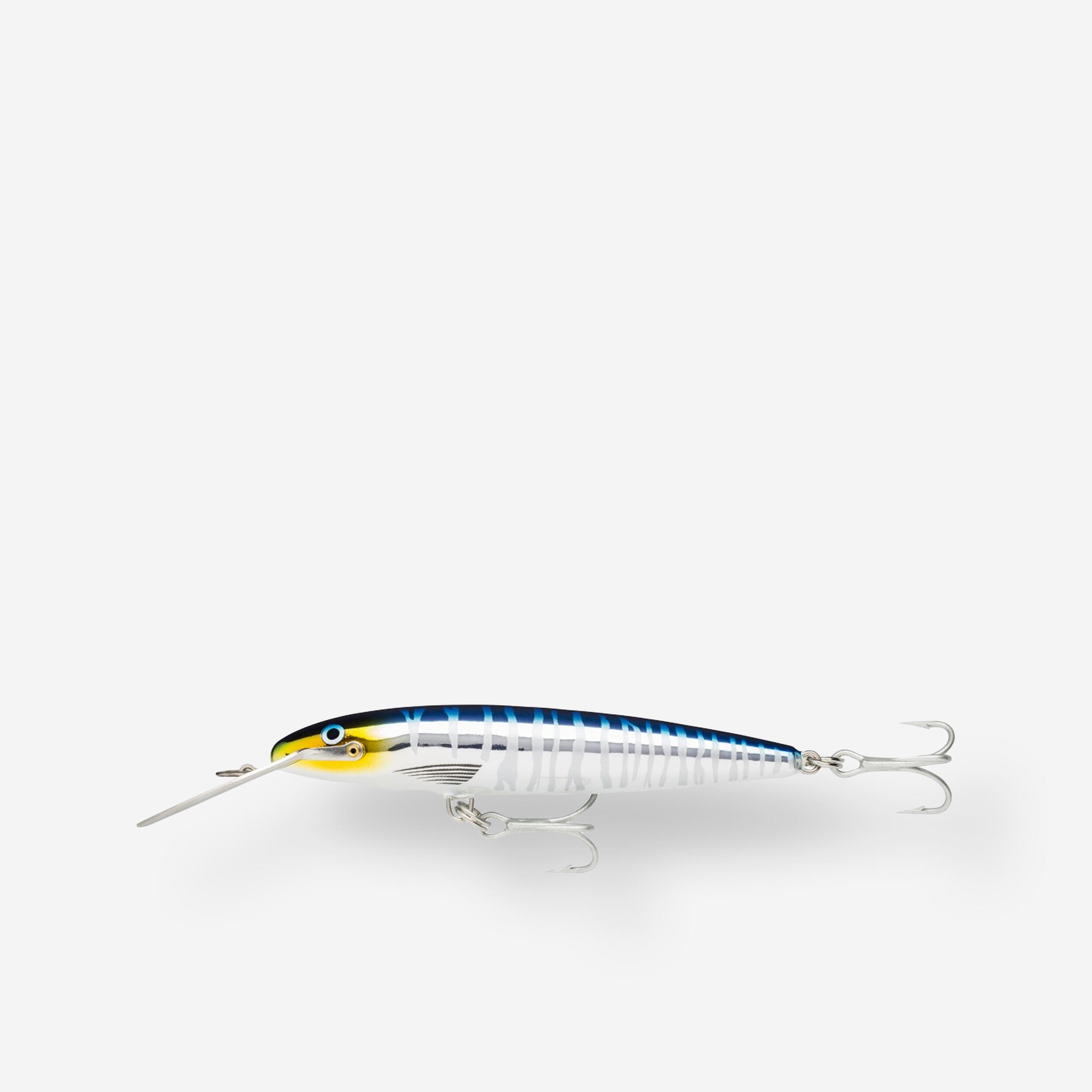
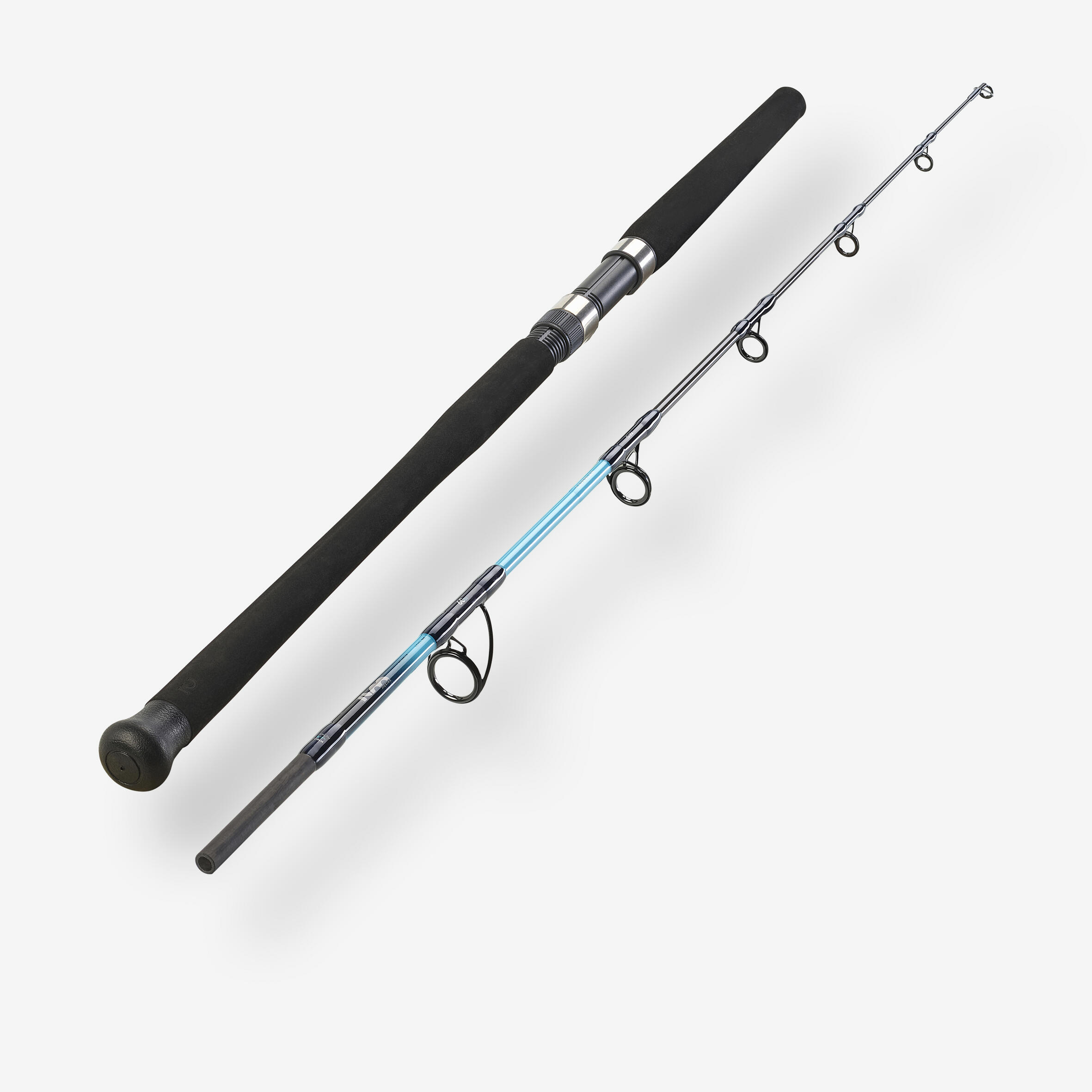
How does the boat fishing method change the tackle you use?

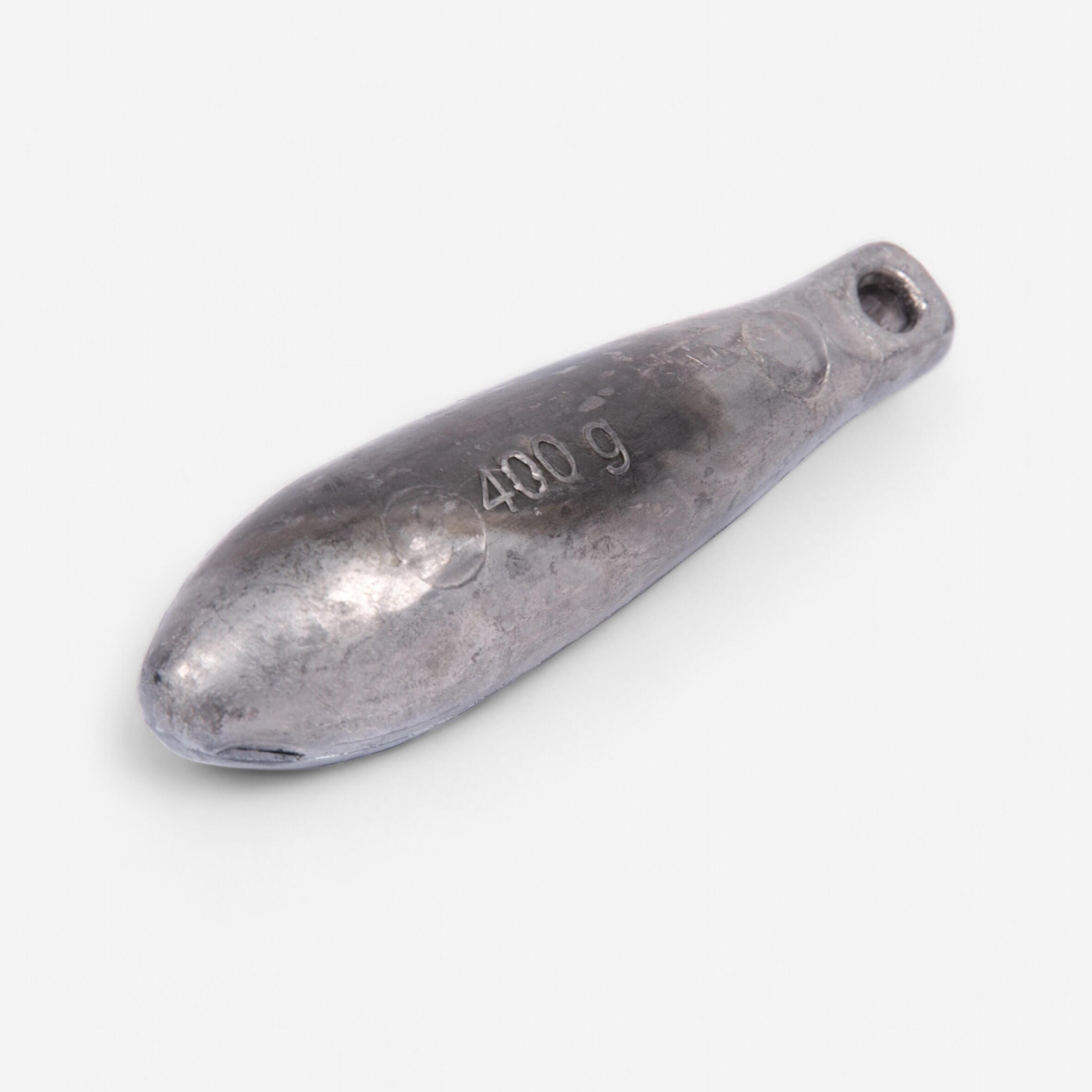
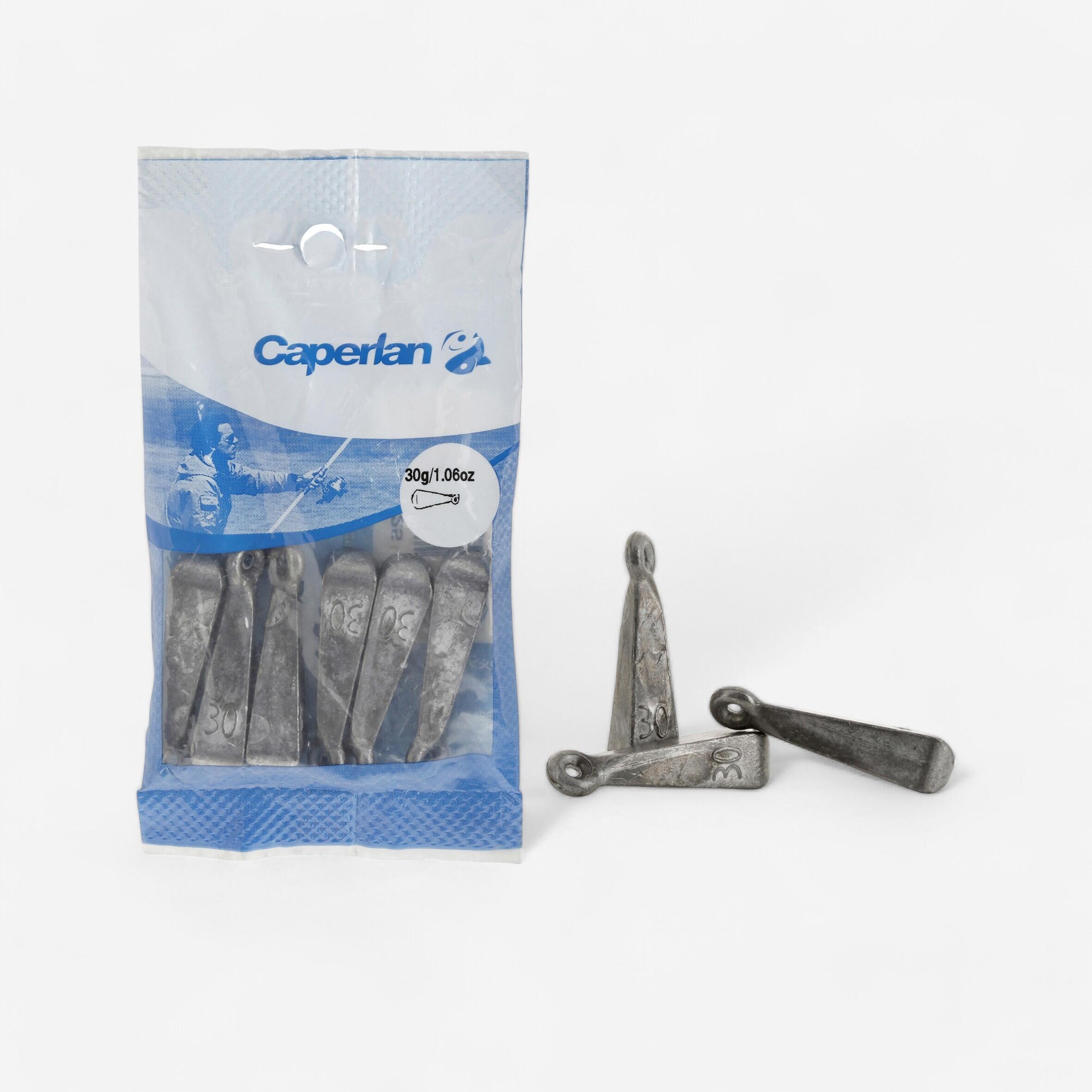
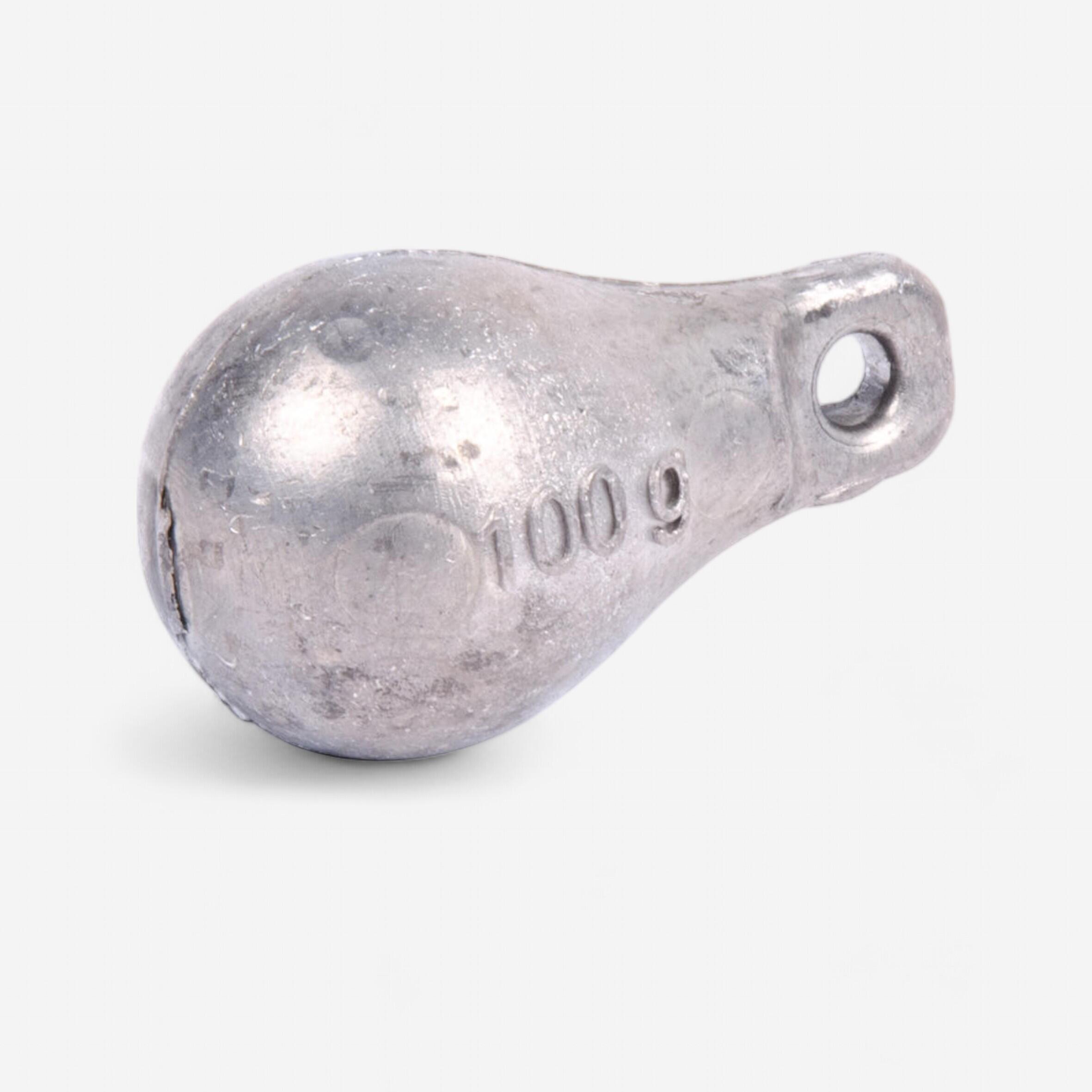
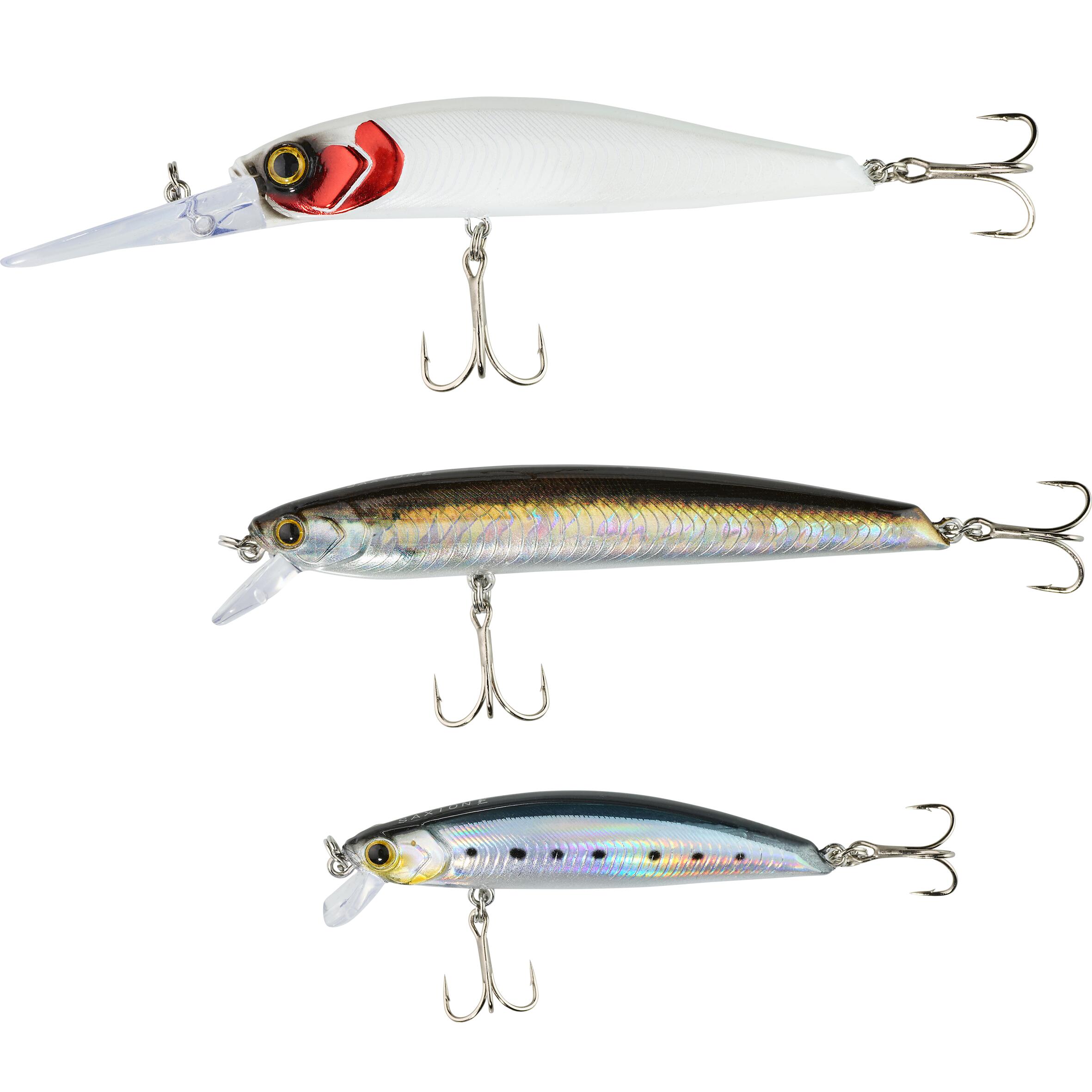
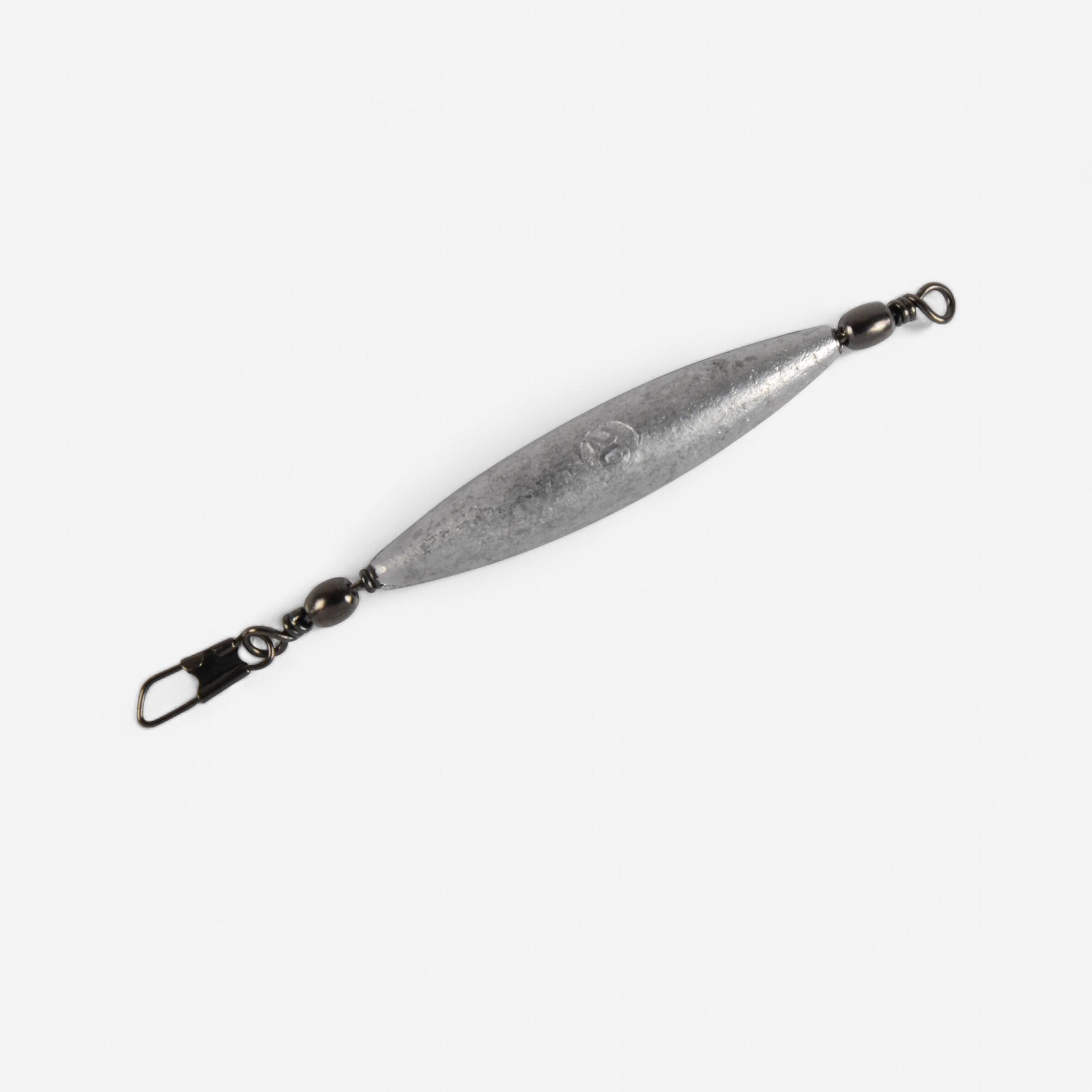
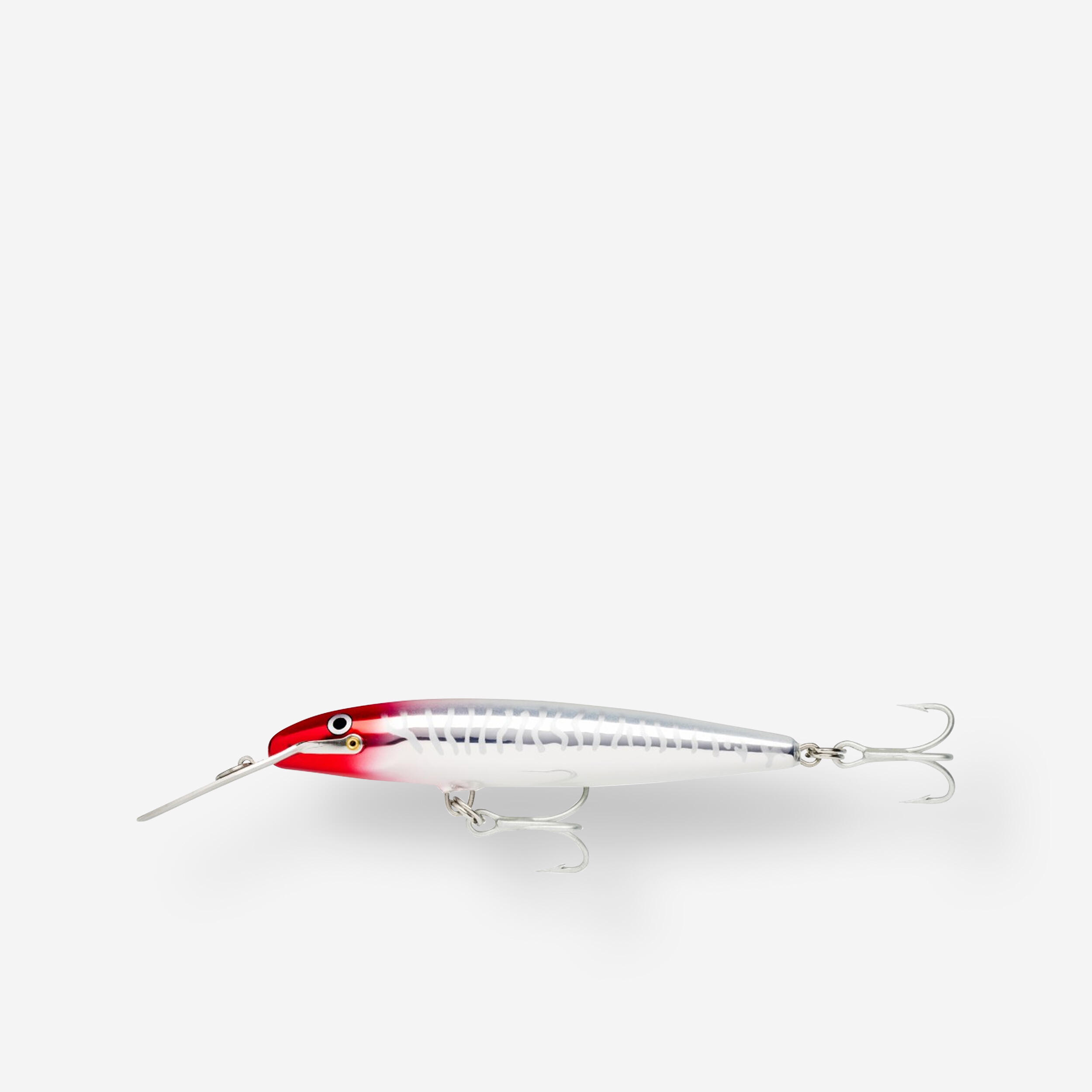
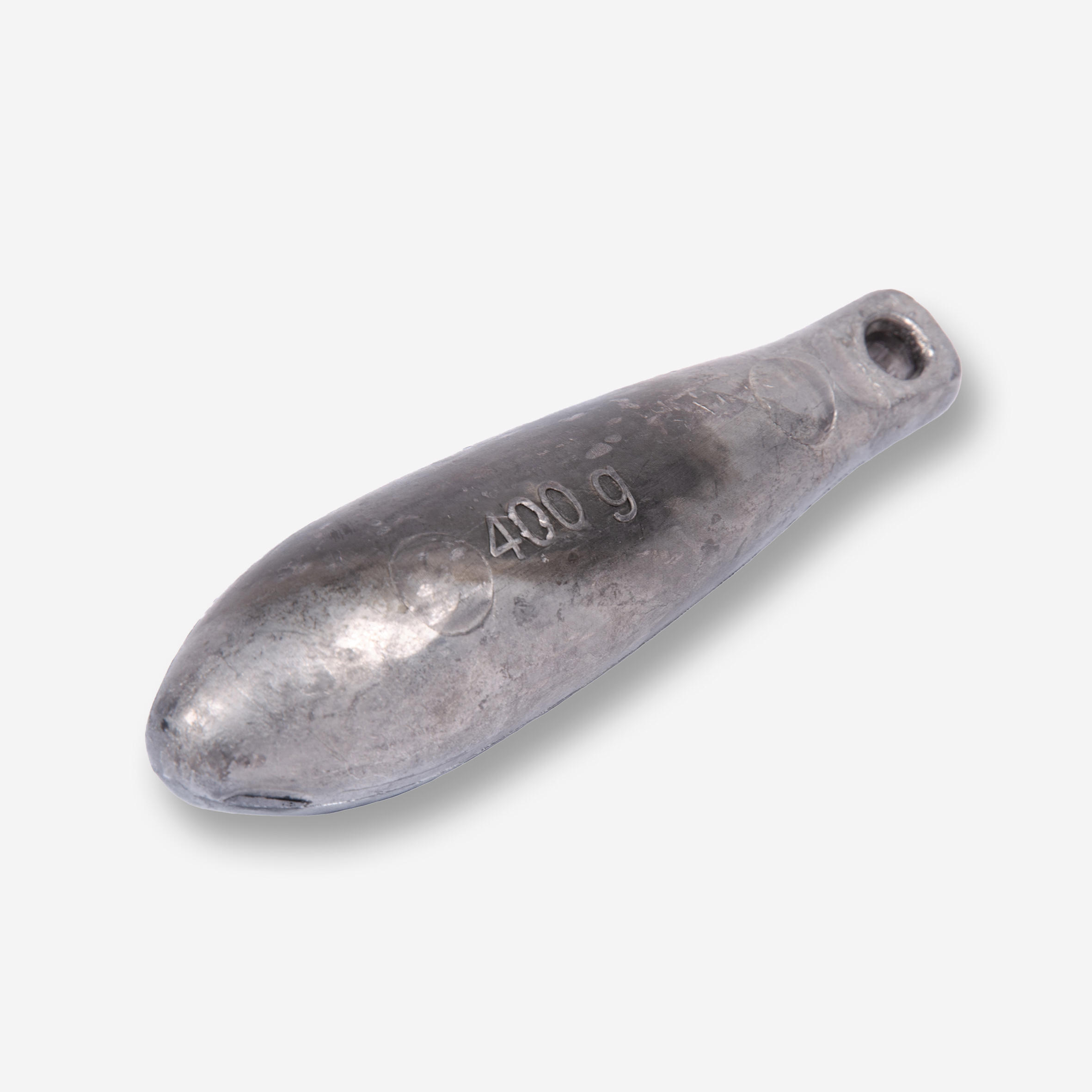
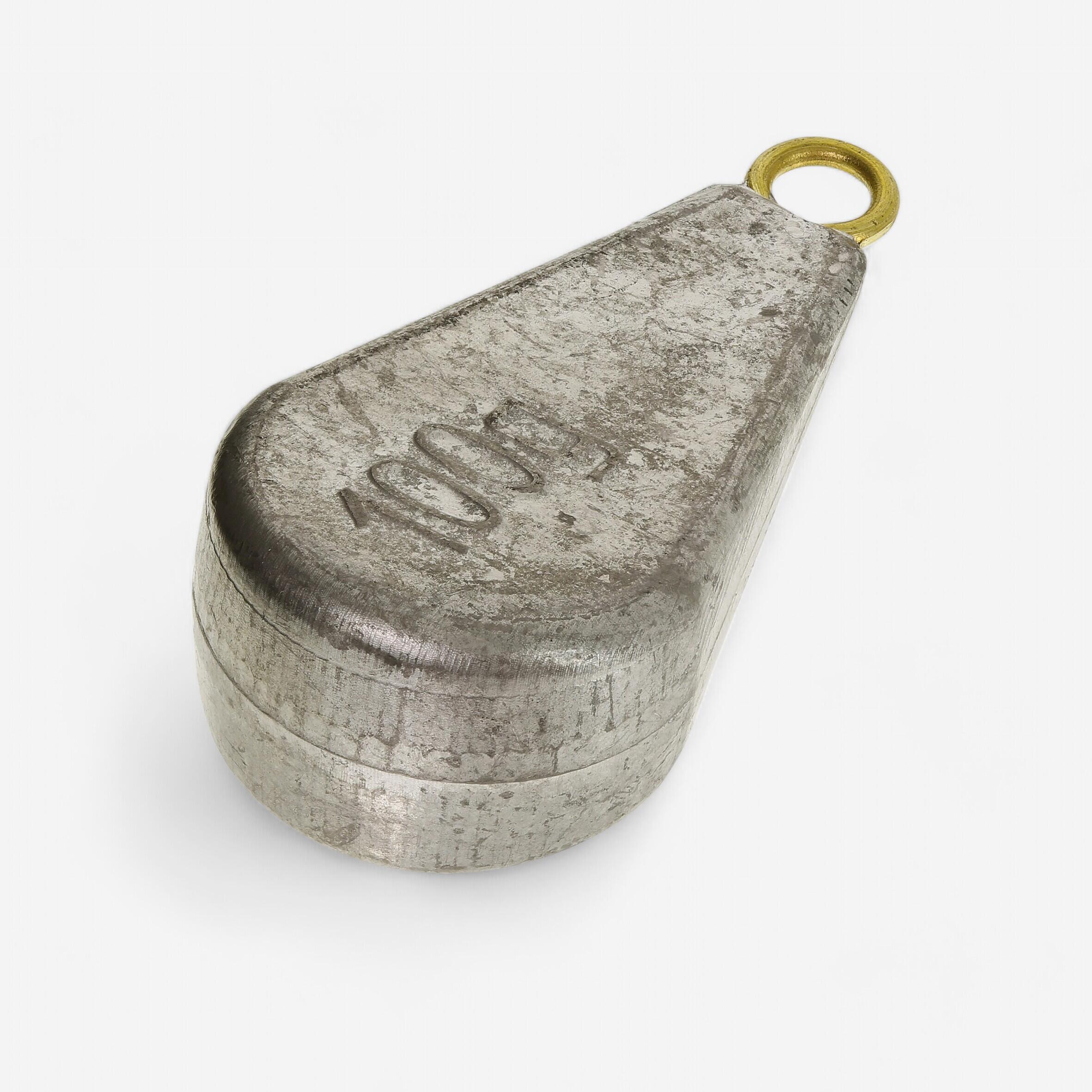
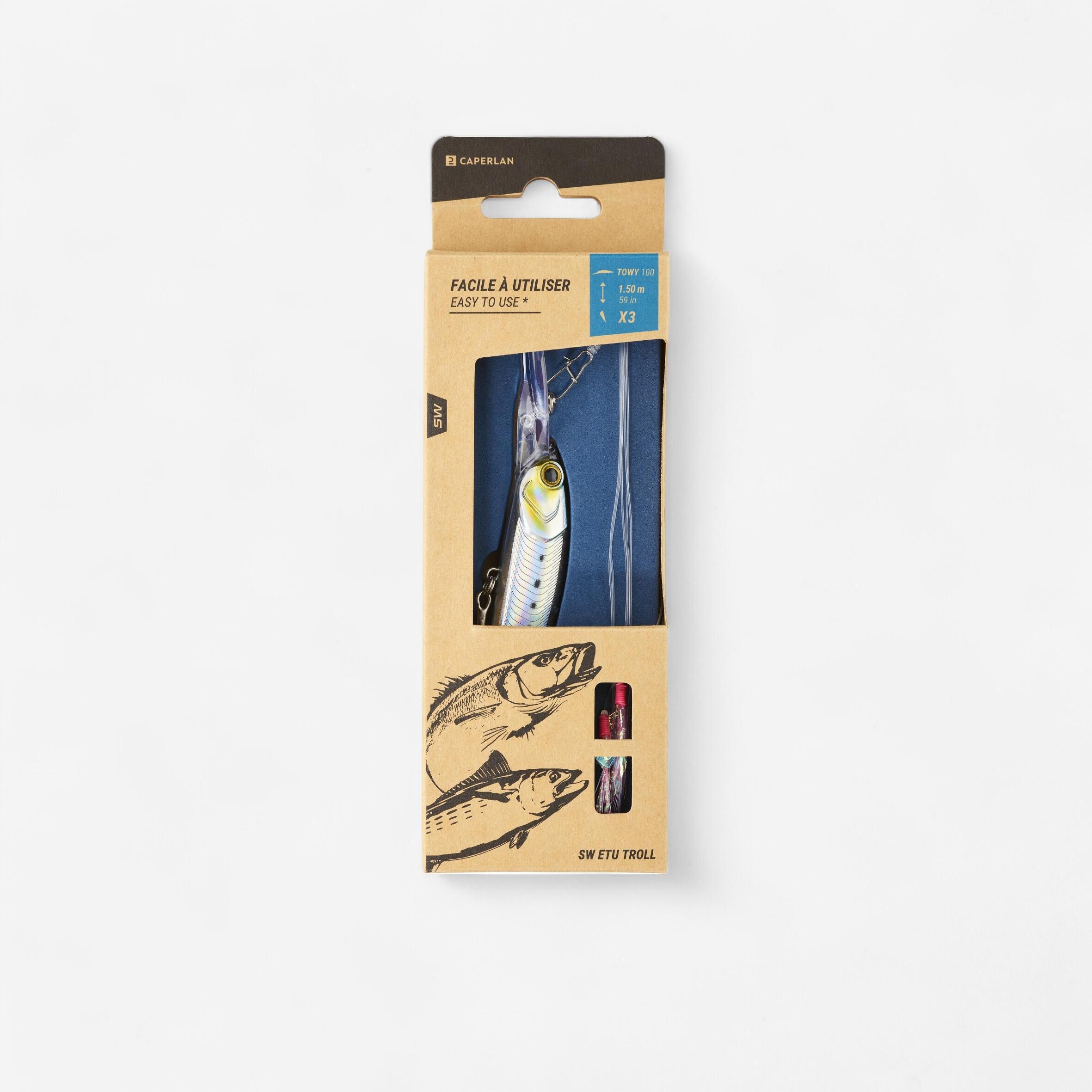
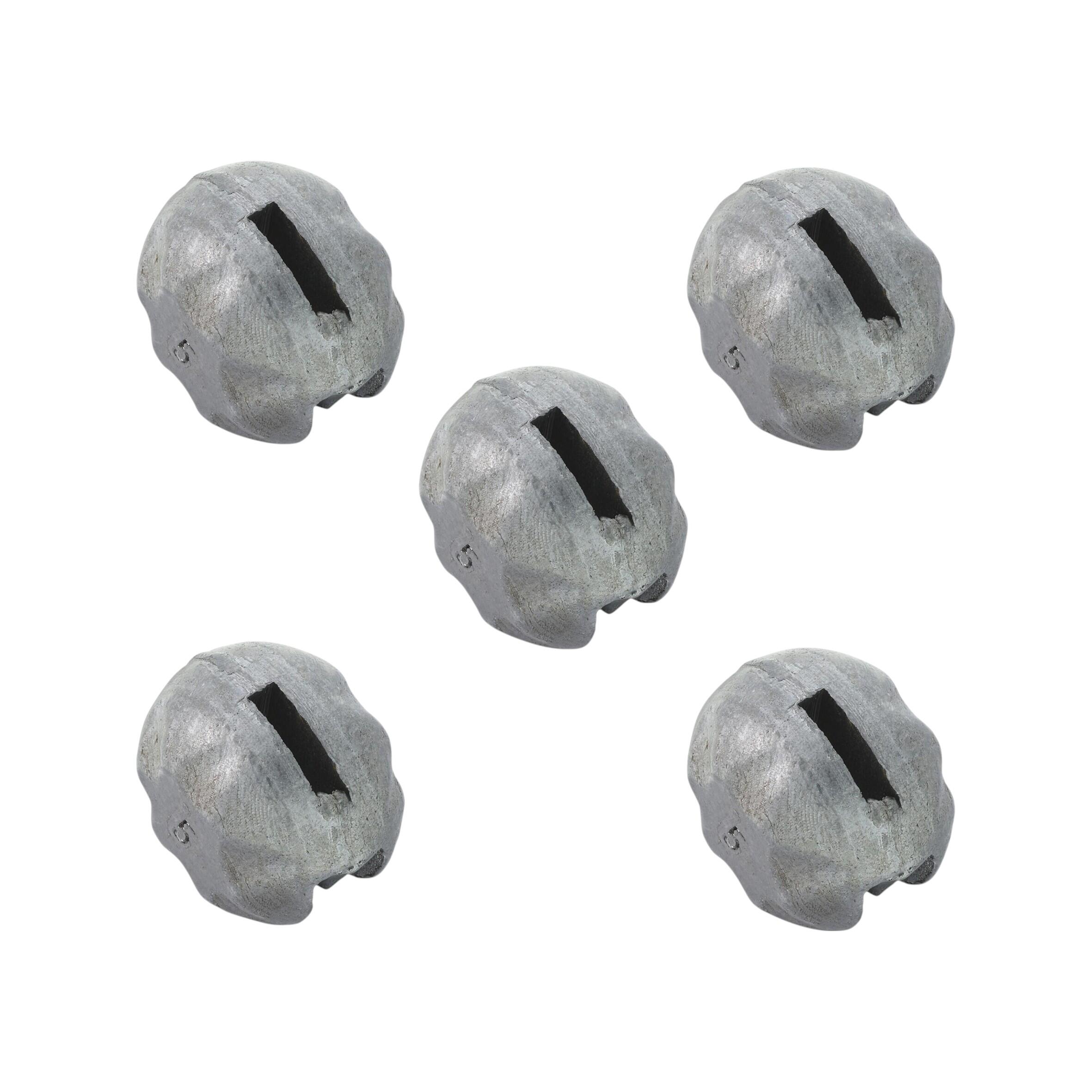
Vertical fishing usually keeps your bait or lure beneath the boat, so rod length, sinker shape and line control matter more than long casting distance. Other methods place different demands on the structure. Hand trolling and conventional trolling move a lure or bait behind the boat, while ledgering may use sinker shapes that stay more stable near the bottom. Caperlan also offers streamlined weights that move more smoothly through midwater. If your trip includes covering water rather than remaining over one mark, trolling fishing equipment can suit that approach better. Decide how you plan to present the bait or lure first, then build the rod, reel, line and terminal tackle around that method.

How do you prepare boat fishing tackle for its next use?

Salt residue can affect rods, reels and metal fittings after repeated trips, so rinse equipment with fresh water and let it dry fully before storage. Caperlan advises loosening the reel drag after fishing and oiling the mechanism around once a year. Store fishing line away from light, and inspect rod guides, reel movement and terminal tackle before your next outing. Lead sinkers also need sensible handling, so wash your hands after using them. Longer rods require extra awareness around electrical sources and thunderstorms. Apply the same care routine to specialist equipment such as rods and combos jig, particularly when reels, guides and fittings have had direct contact with saltwater spray.