102 items
4.7/5 based on 7738 reviews collected online and in stores

Surfcasting FAQs

How do you match a surfcasting rod to the sinker weight?

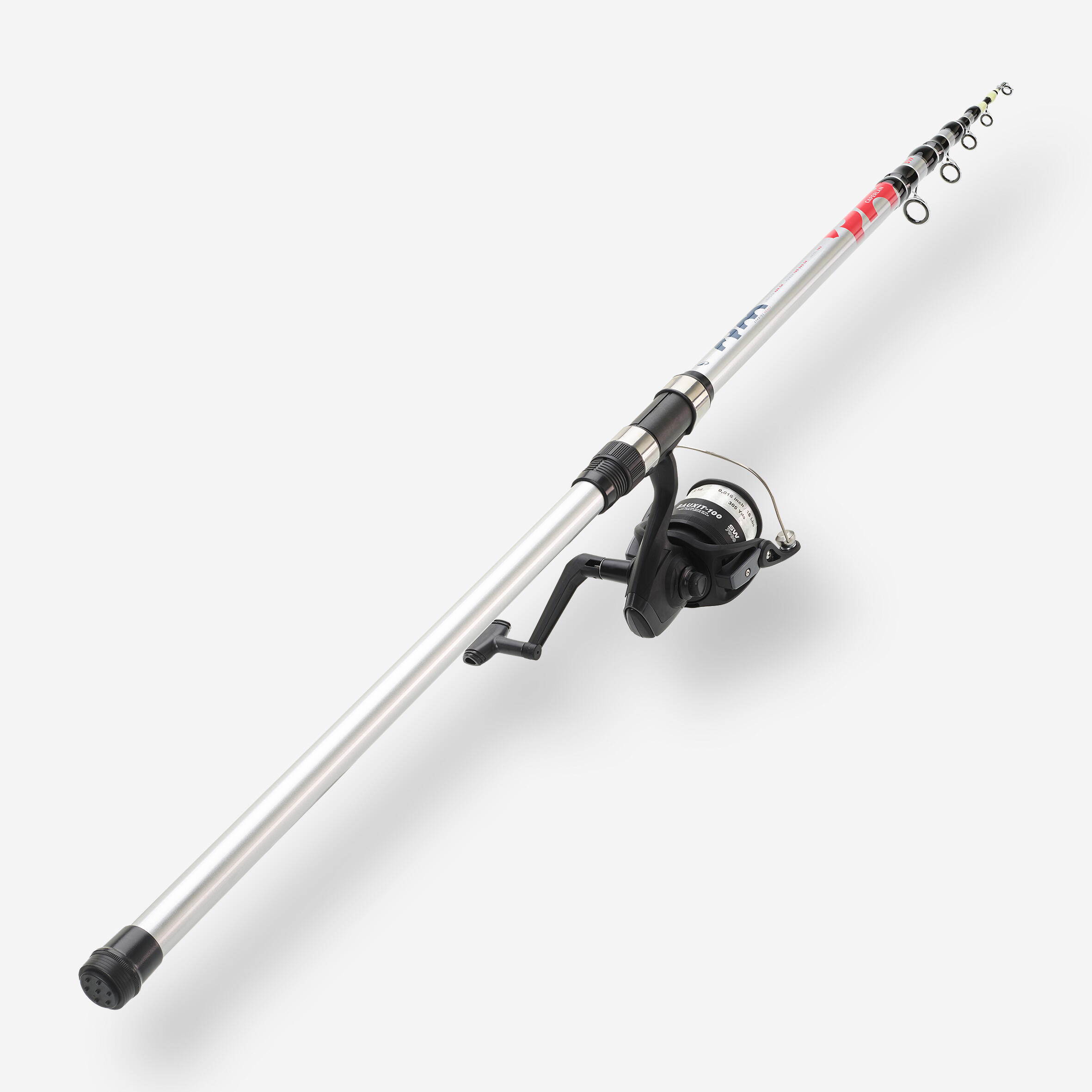
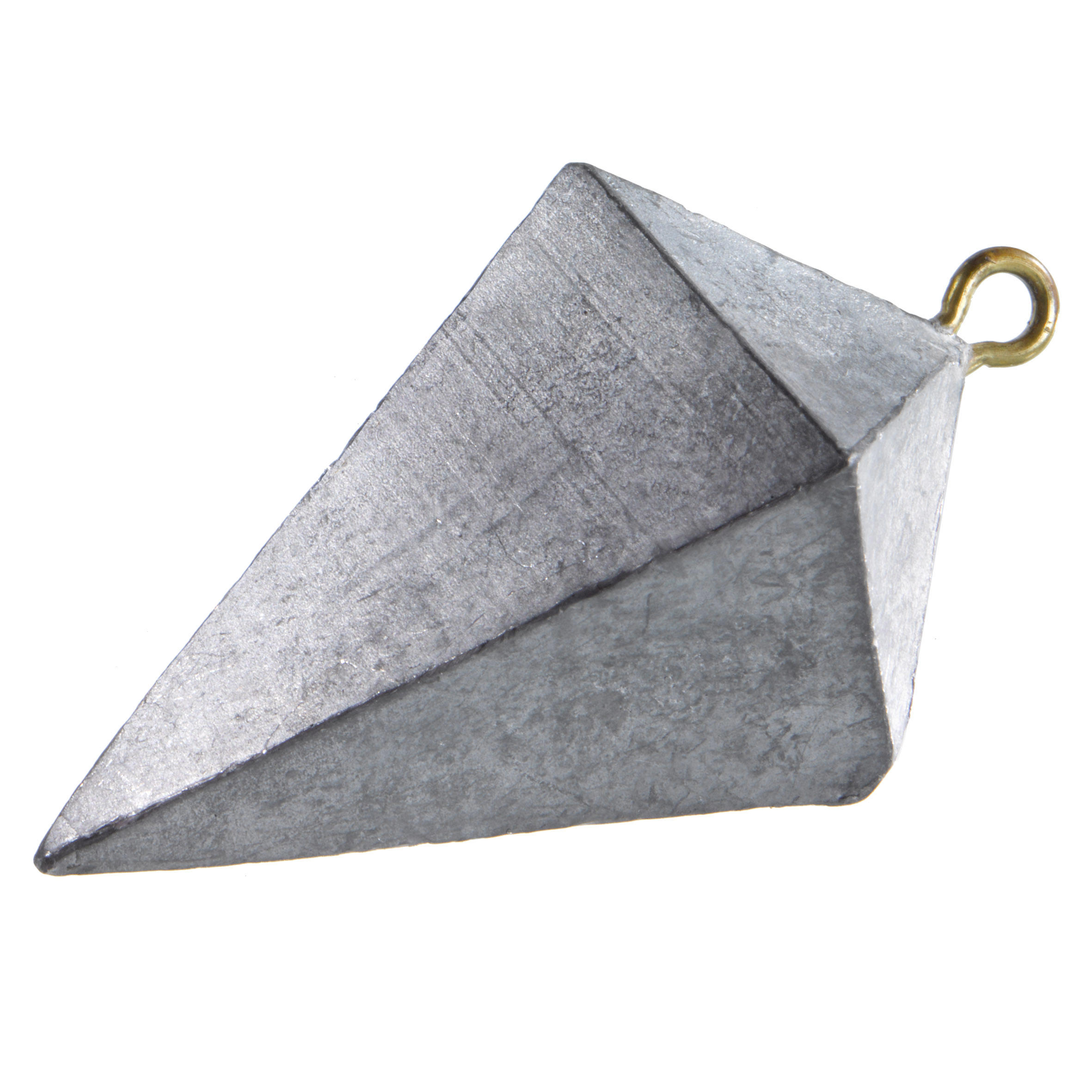
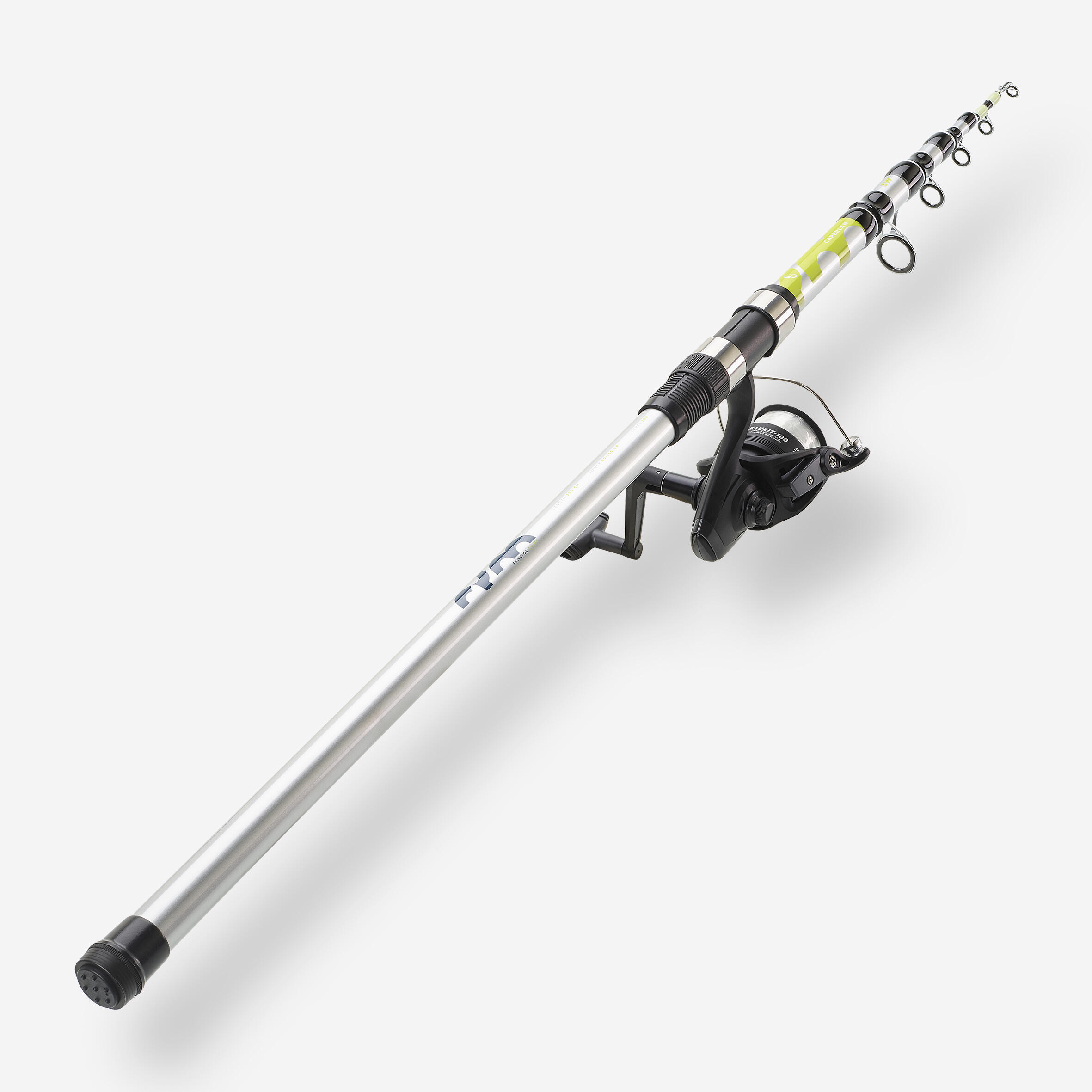
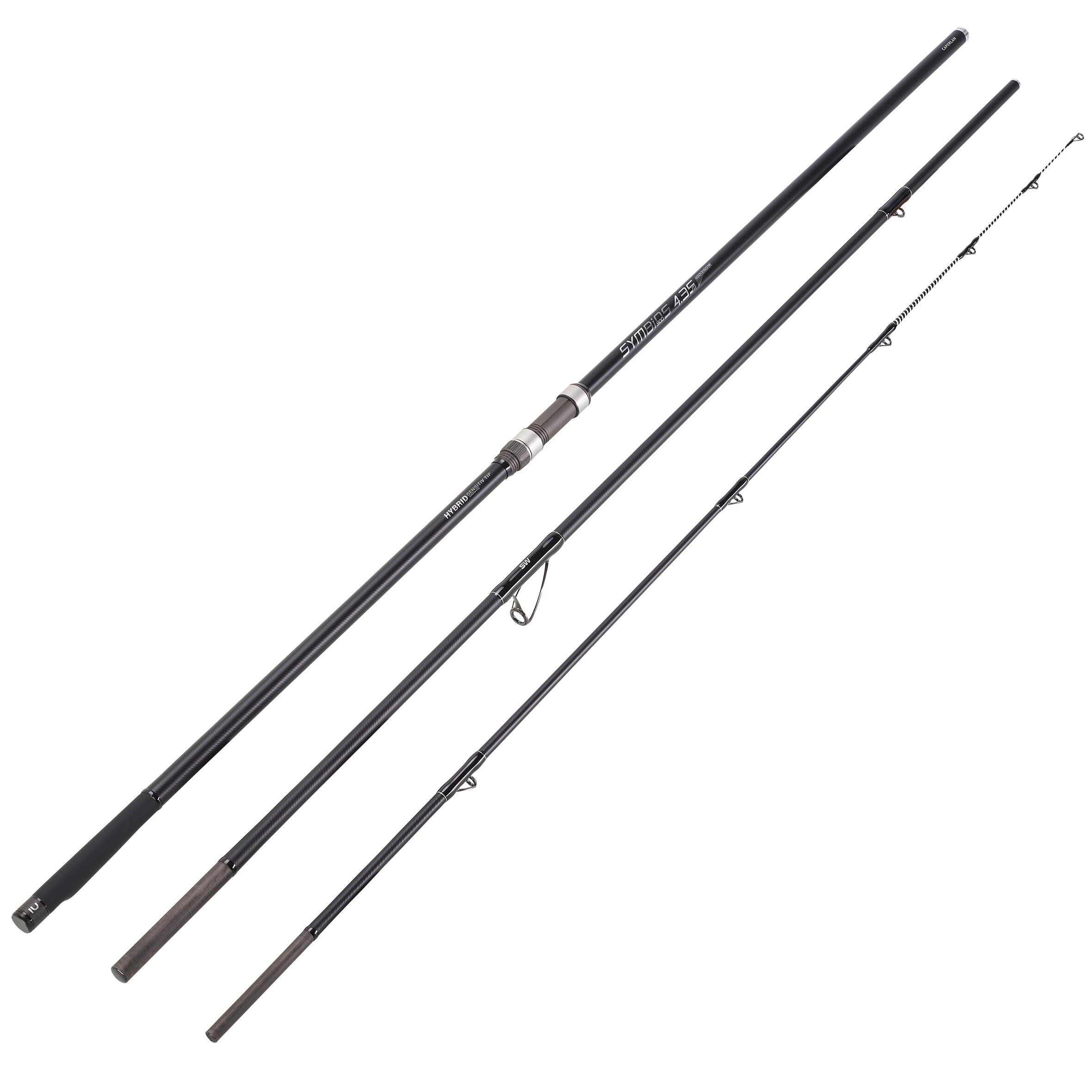
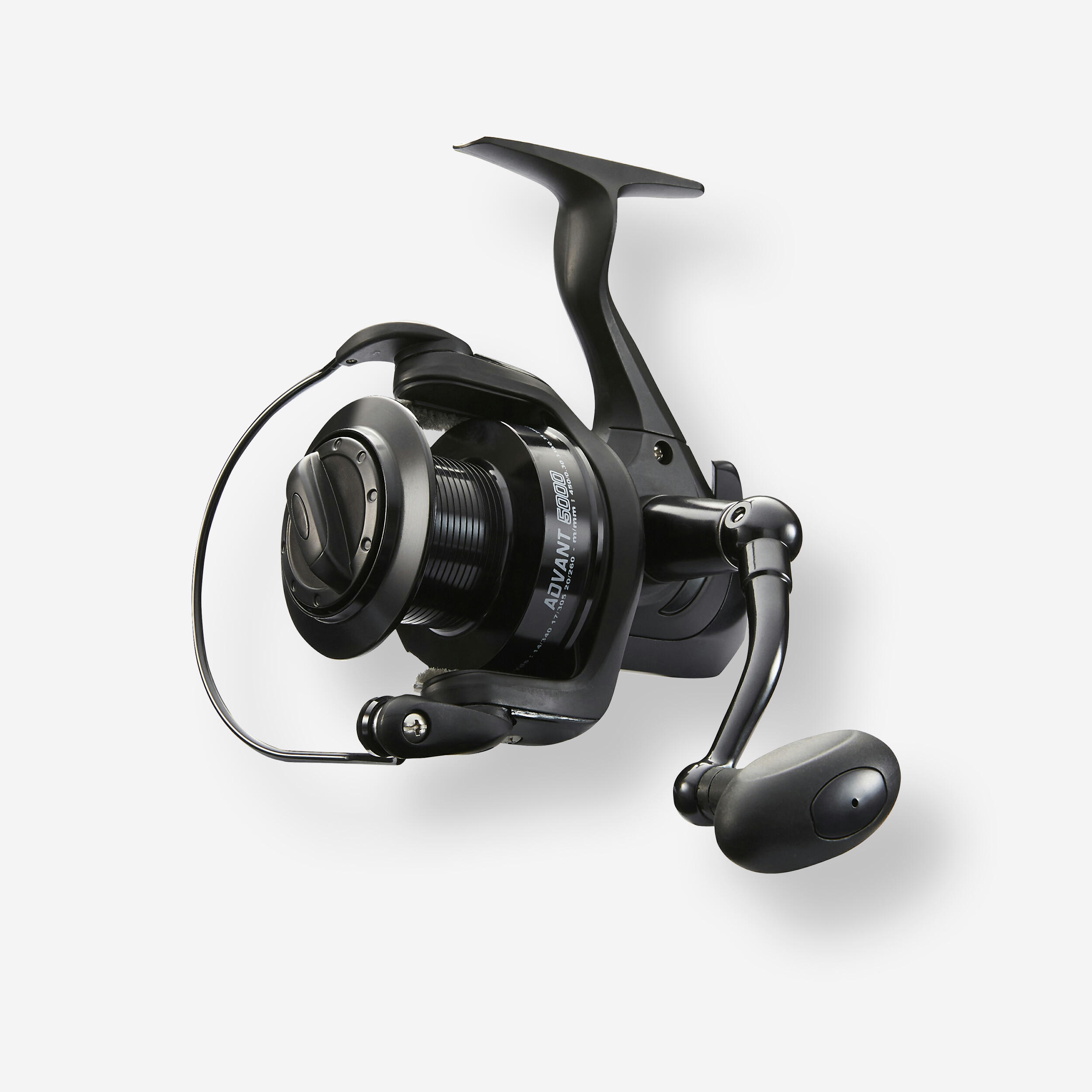
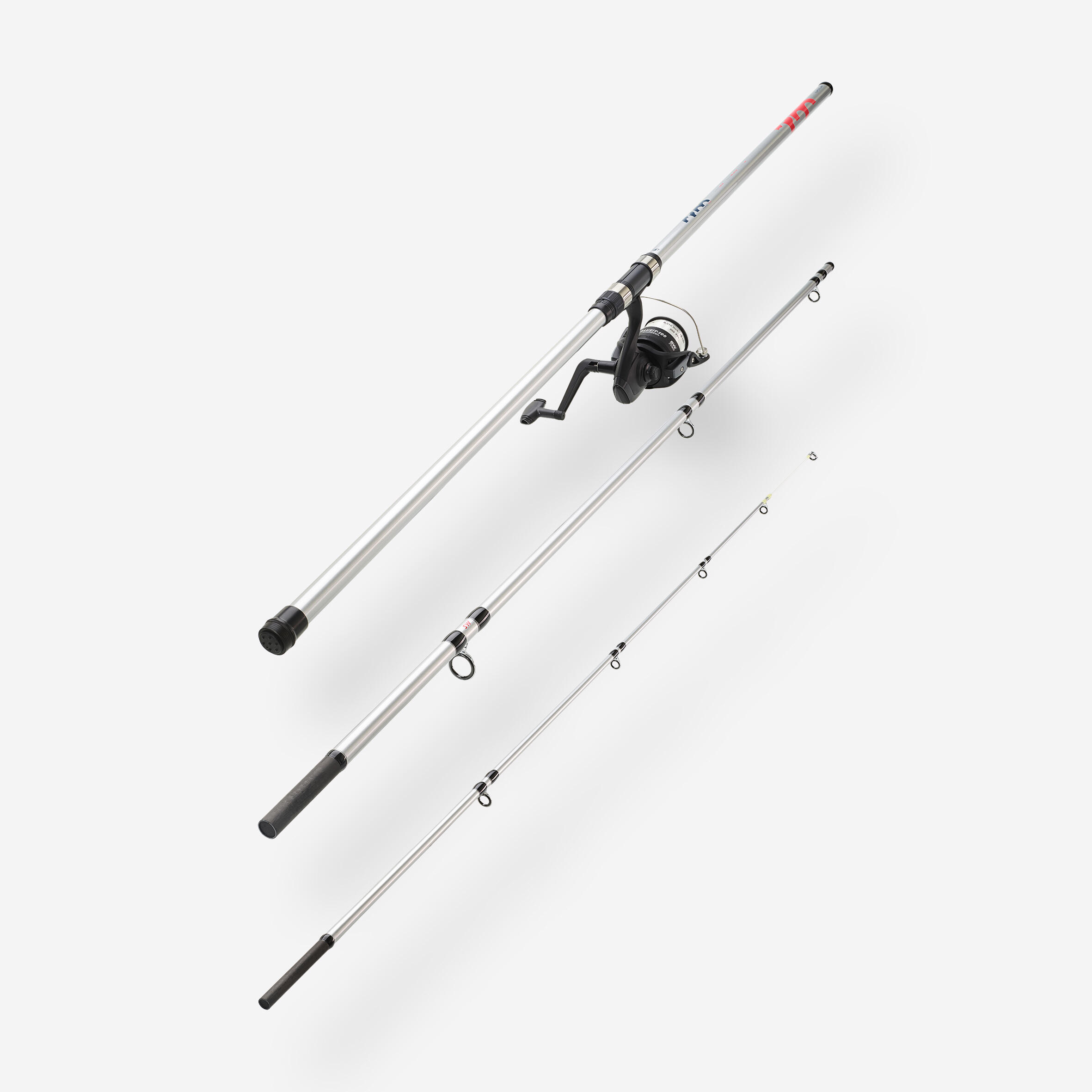
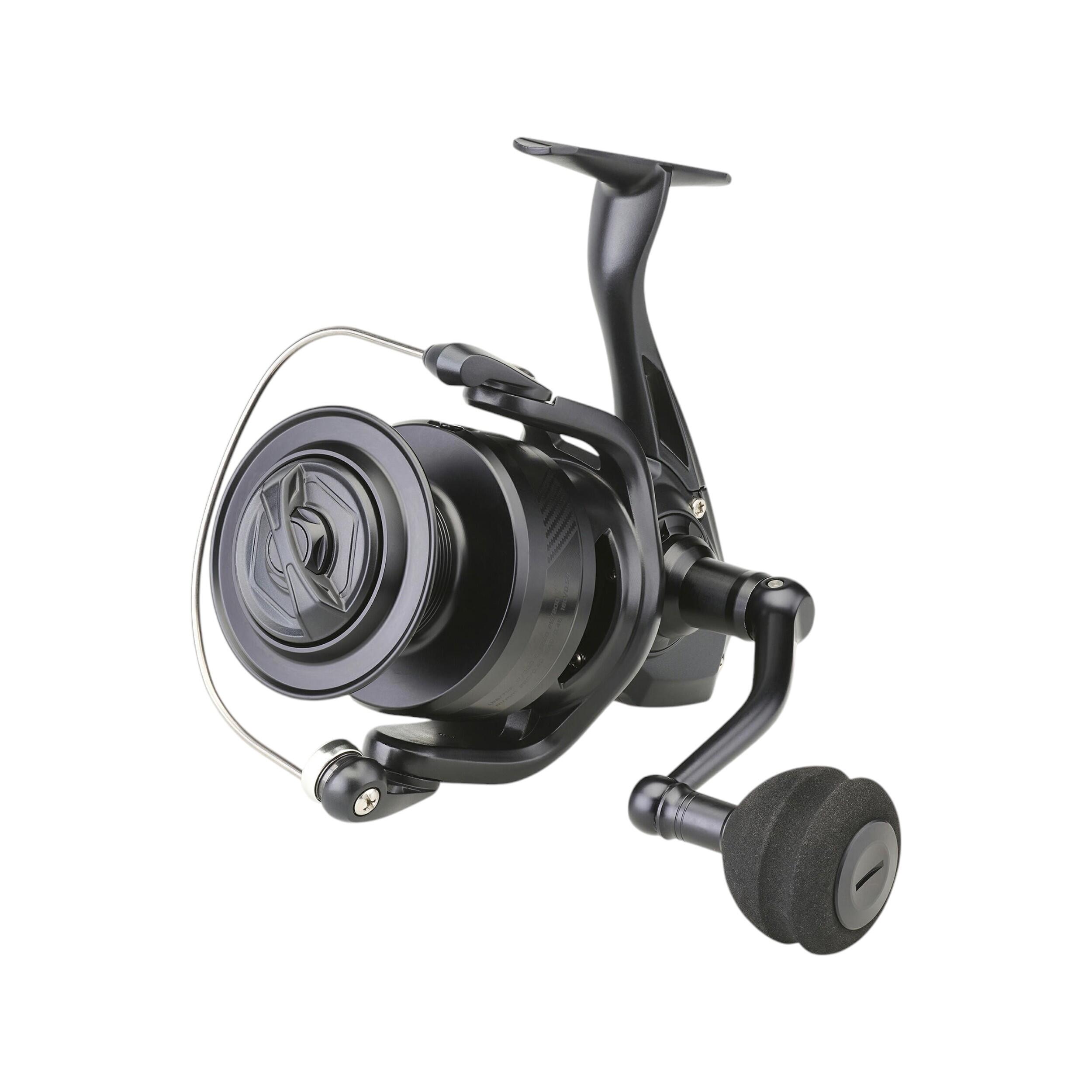
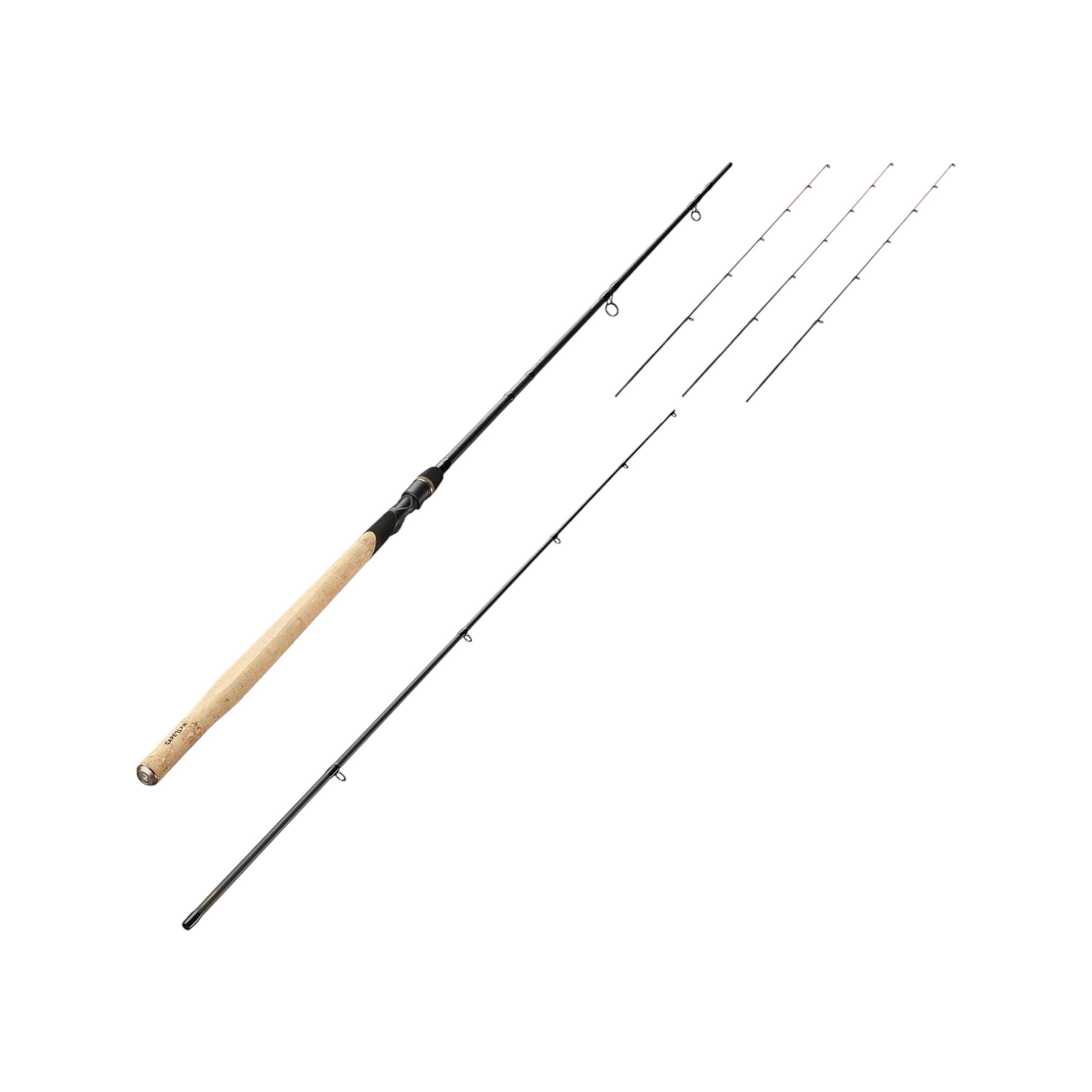
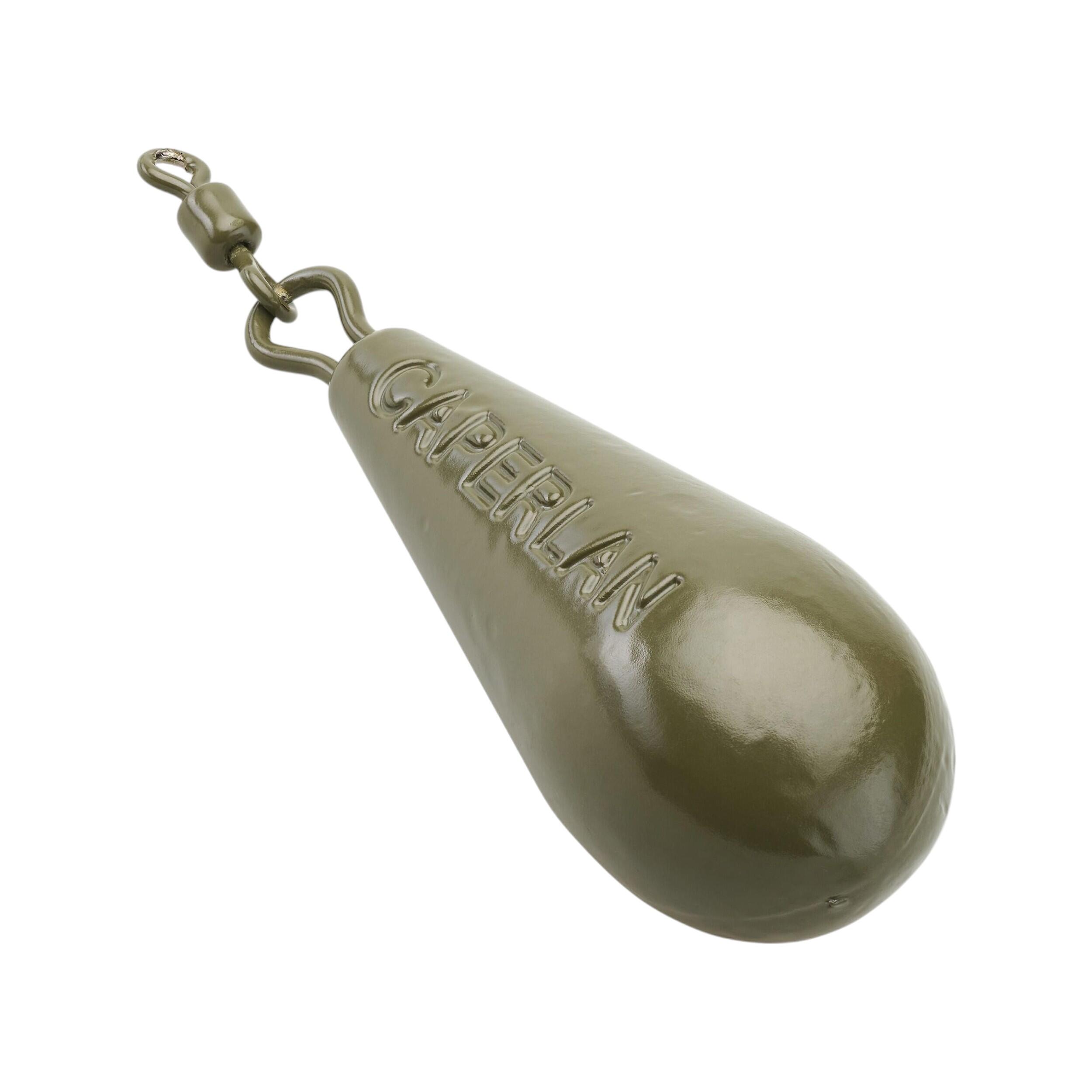
The casting range on a rod gives you useful limits, but the weight that loads the blank most effectively can sit within that range rather than at its maximum. Caperlan gives more precise optimal sinker guidance across its SYMBIOS rods, with examples around 100 g for an 80-150 g rod, 120 g for a 100-200 g model and 130 g for a 100-230 g SYMBIOS 500. This helps you load the blank progressively during the cast without adding unnecessary weight. Once you know the rod and sinker combination, match it with suitable surfcasting reels so line capacity, retrieval and drag also suit the distance and conditions you fish.

Why does a visible rod tip have any impact when surfcasting?

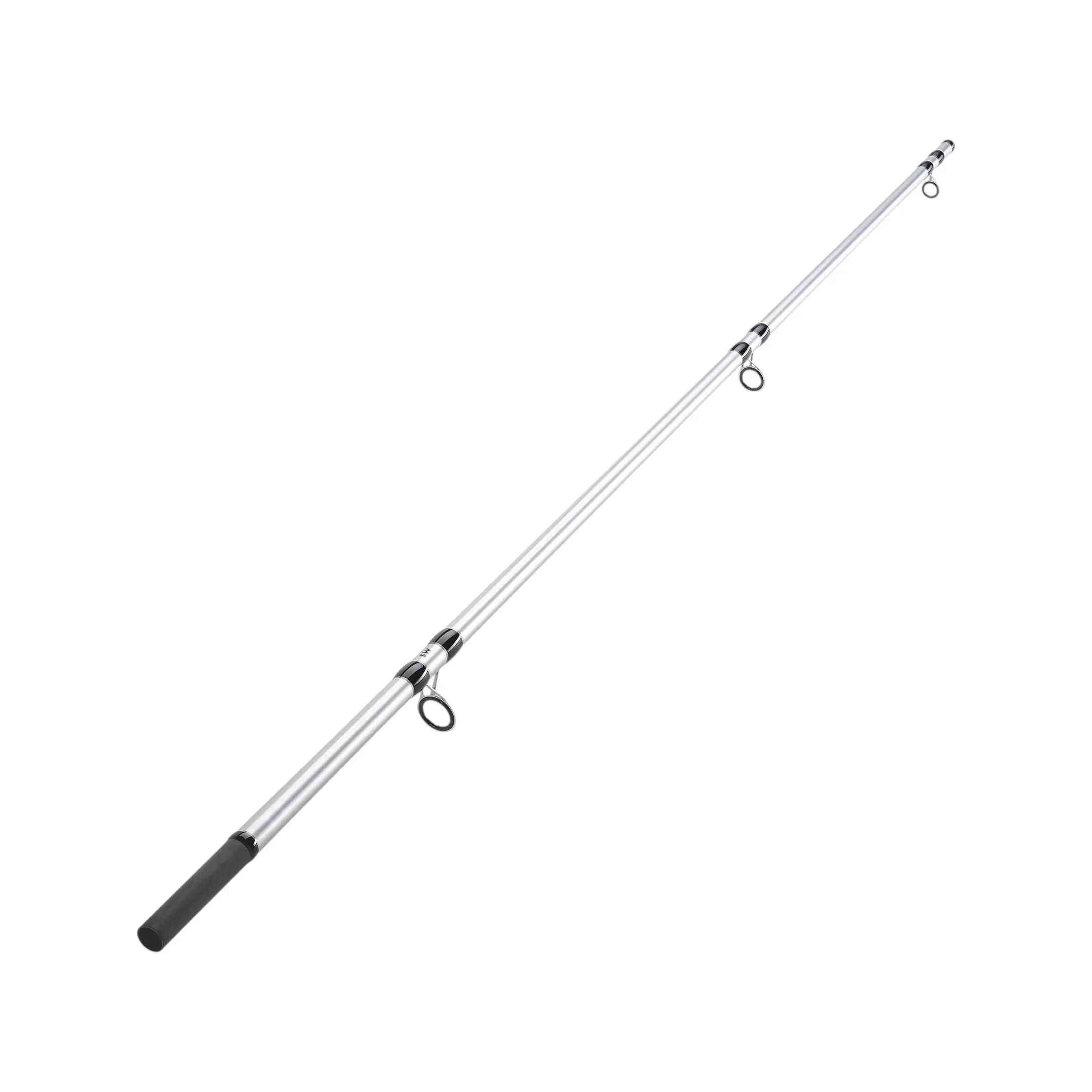
Surfcasting often leaves the rod resting while the rig fishes at distance, so the tip becomes an important bite indicator. Caperlan's SYMBIOS rods use white tip sections that make movement easier to see during the day and in lower light. Selected models combine this visibility with SENSITIV TIP construction, using fibreglass for flexibility and carbon for sensitivity, while higher-level versions add 24T carbon through the High Sensitiv Tip concept. A clear visual signal is especially useful when waves are already moving the line. Pair that bite detection with suitable surfcasting lines, considering diameter and strength as well as how the line behaves during longer casts.

How can a bank stick help you manage your rod on the beach?

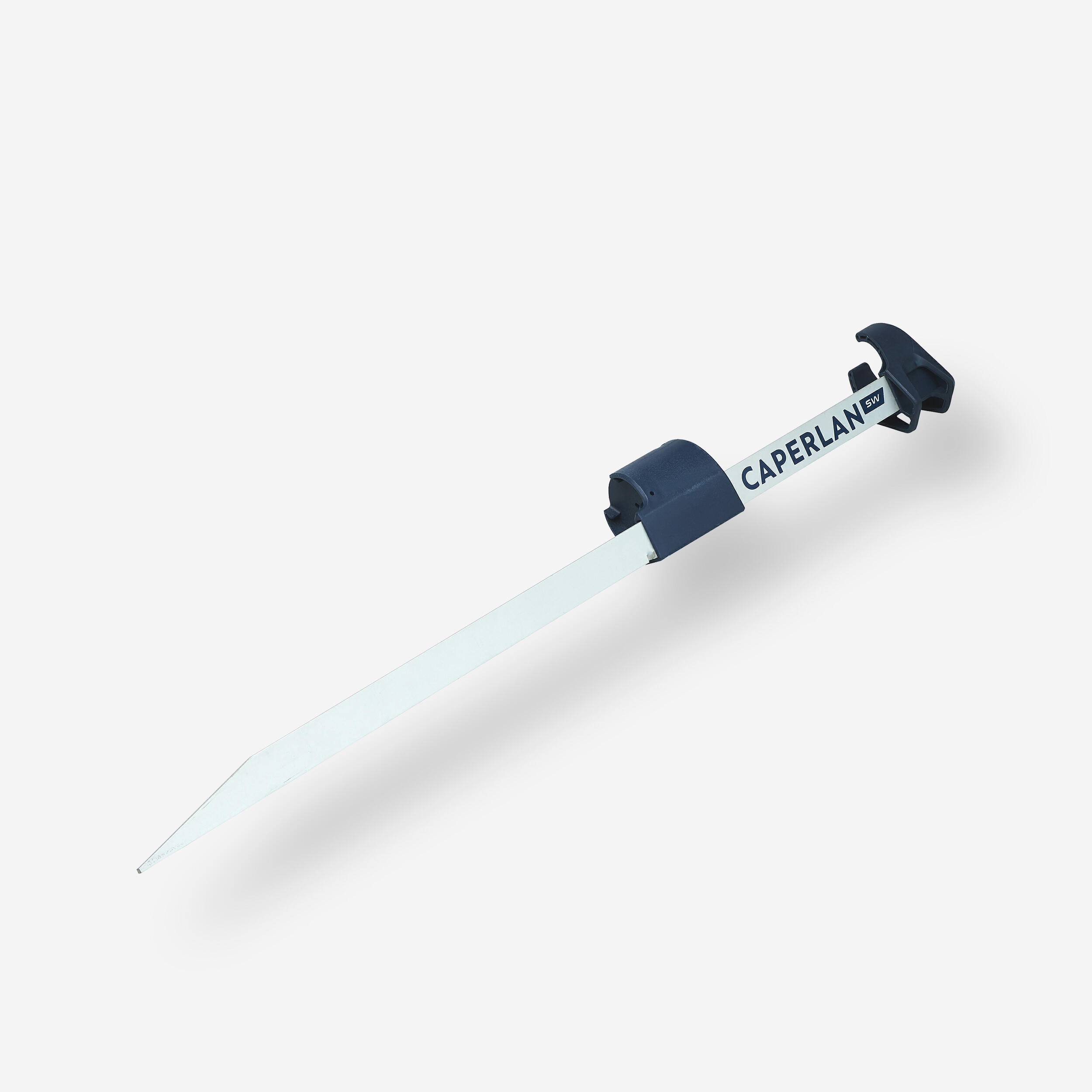
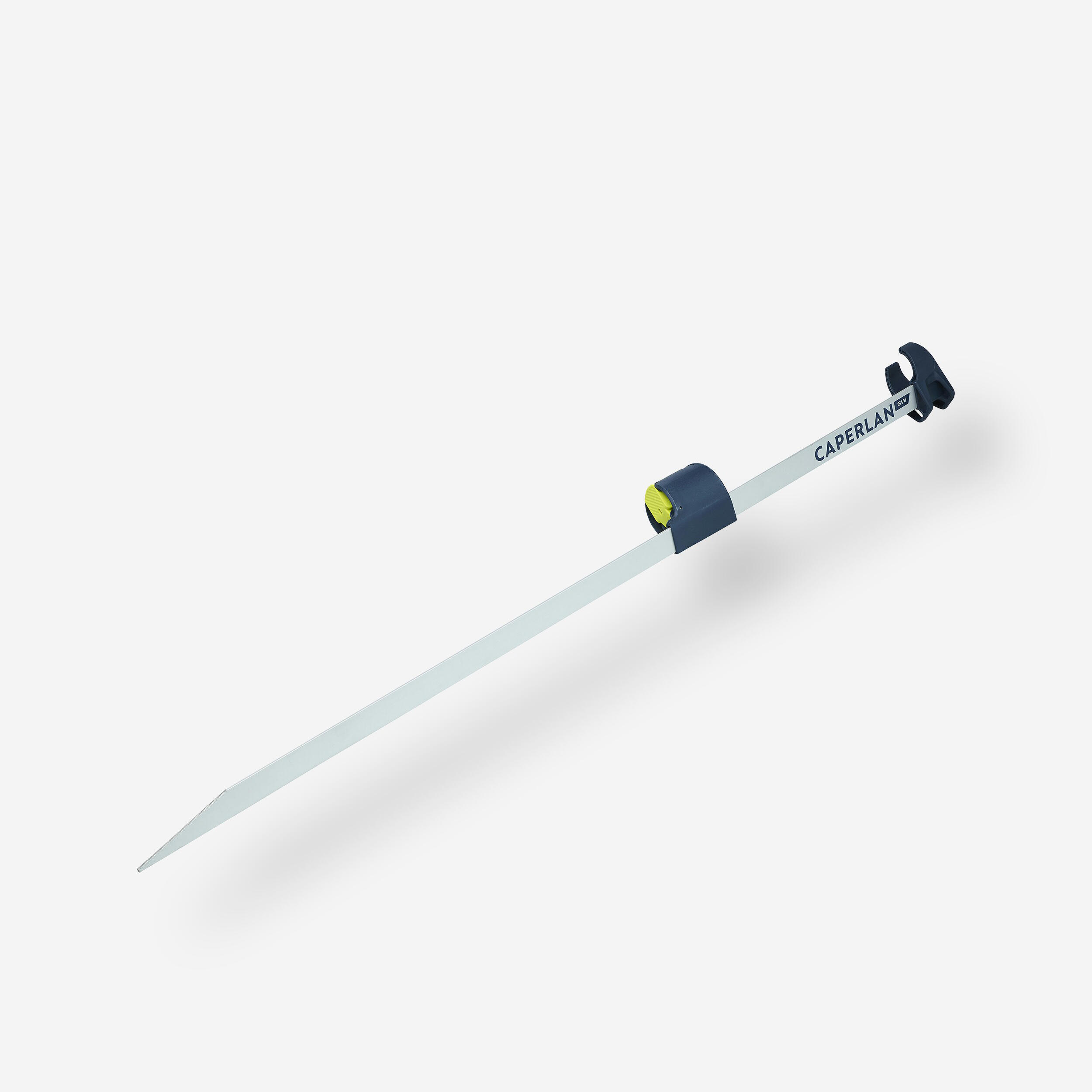
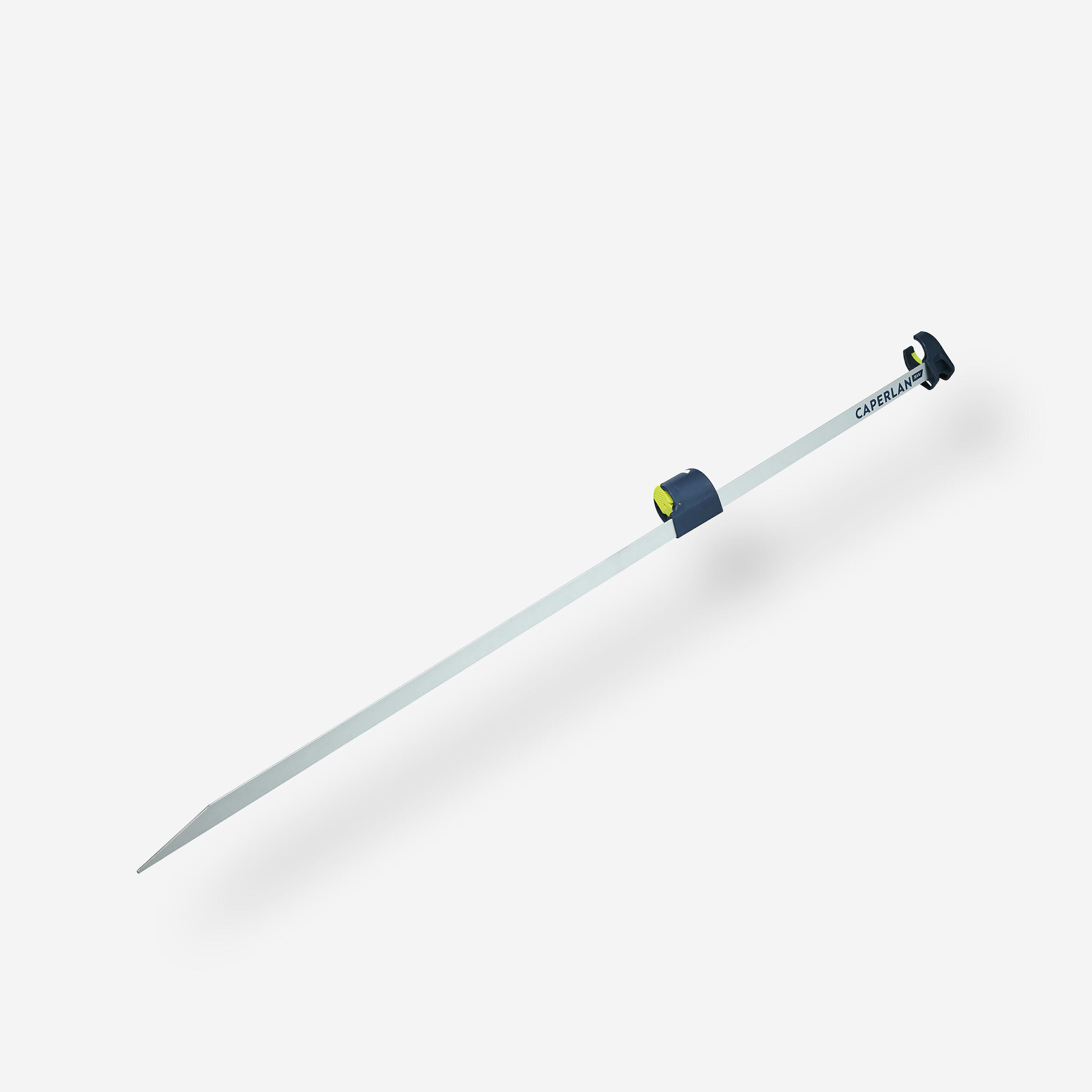
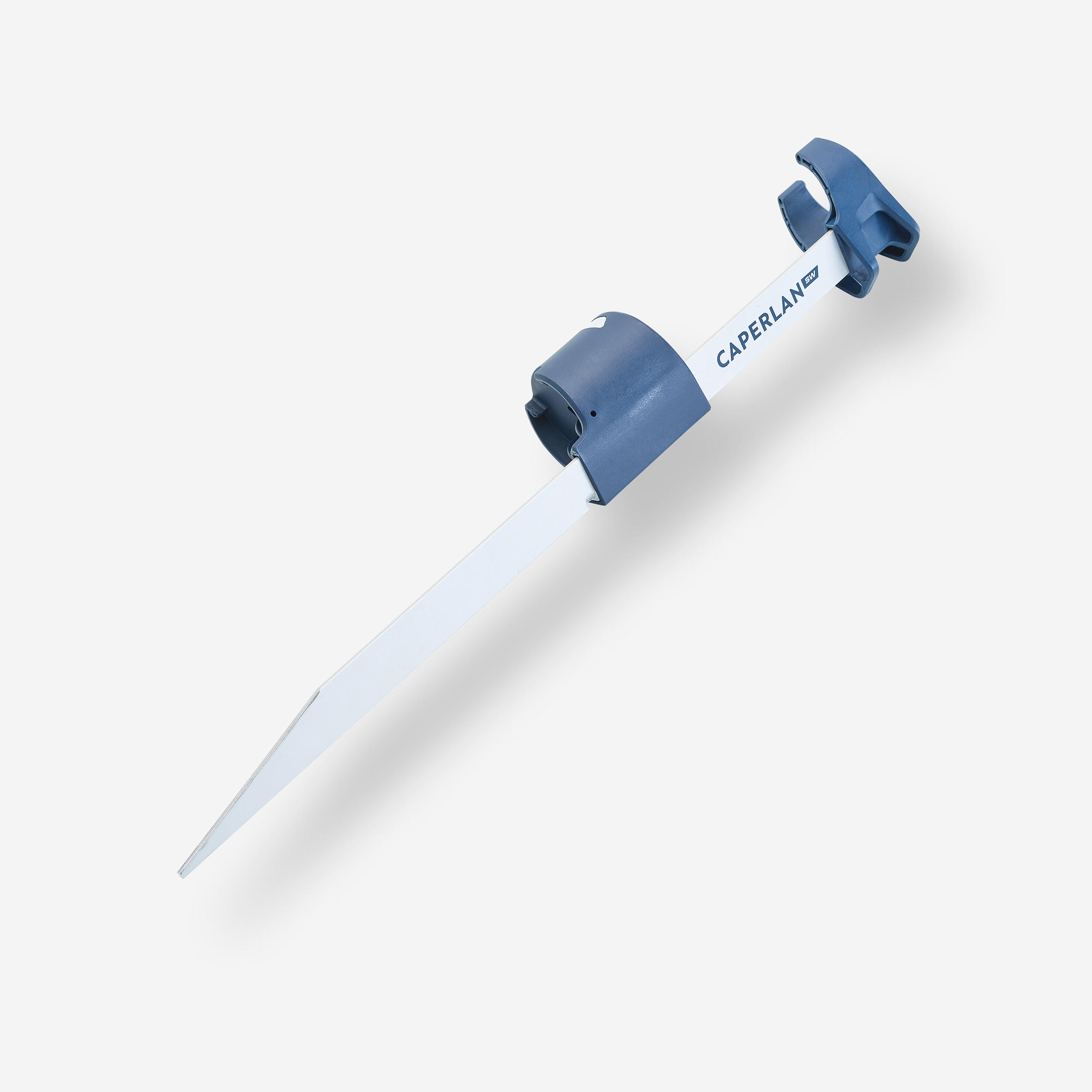
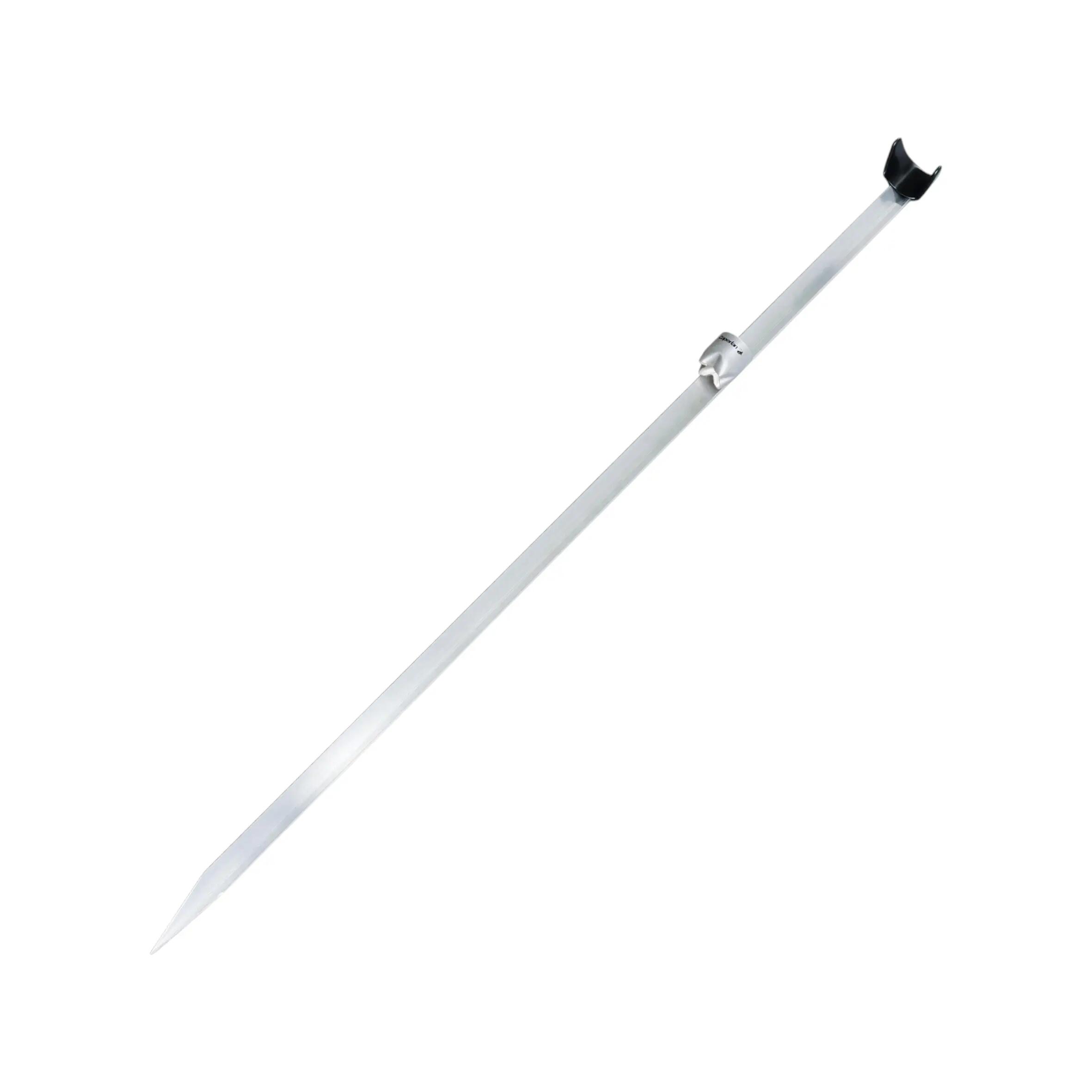
A stable support keeps the rod raised above sand and gives you a consistent position for watching the tip between bites. Caperlan's BKS supports use rust-resistant aluminium for repeated coastal use, while selected models add practical features for adjusting and protecting the rod. The INNO CLIP system uses a pressure-operated adjustment for the lower support and has been tested to withstand 10 kg of pressure. SOFT PROTECT material reduces scratching where the rod rests, and reflective patches make some supports easier to locate after dark. When setting up surfcasting bank sticks, push them firmly into stable sand and position the rod where waves cannot easily reach your reel or tackle.

What makes a pre-tied surfcasting rig useful for long casts?

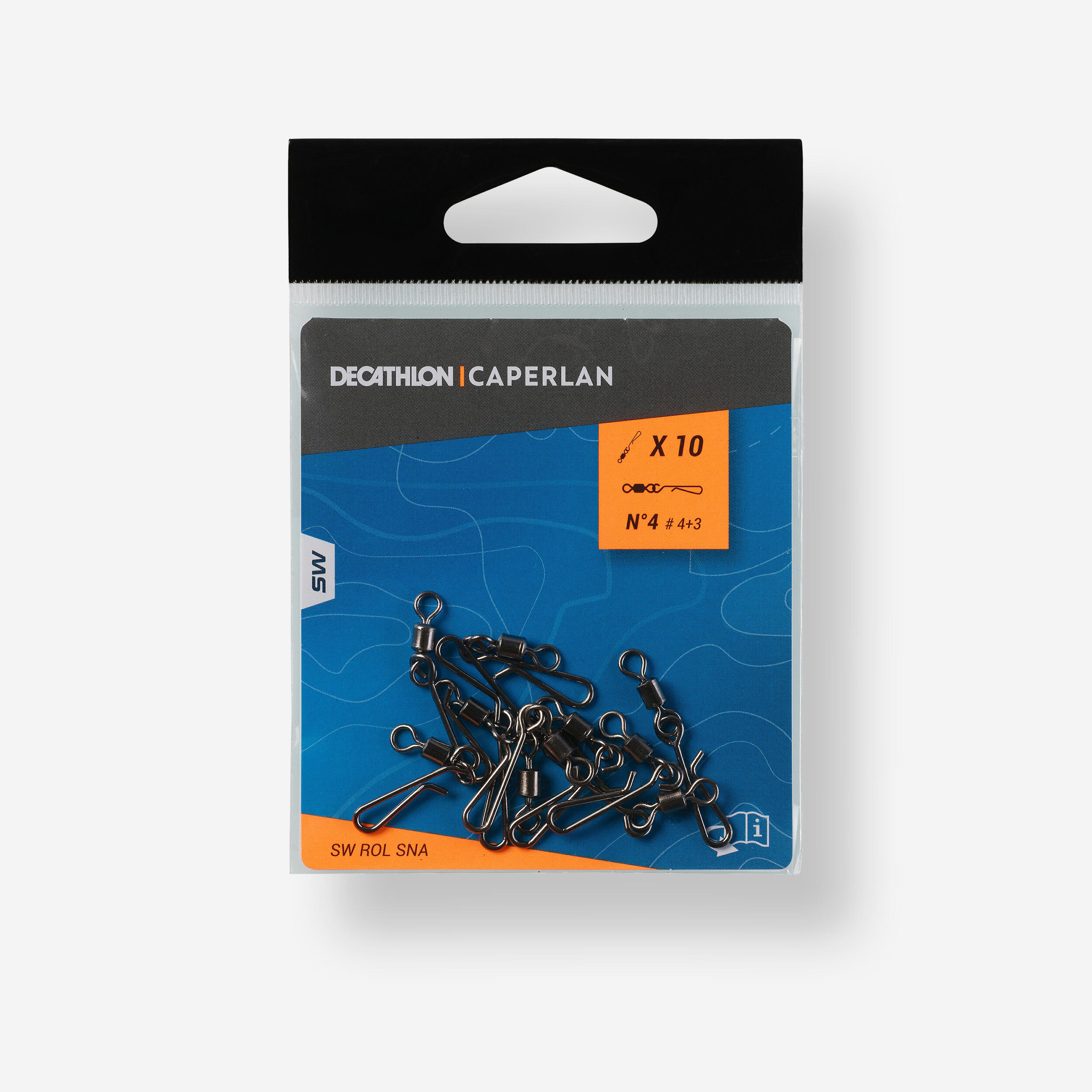
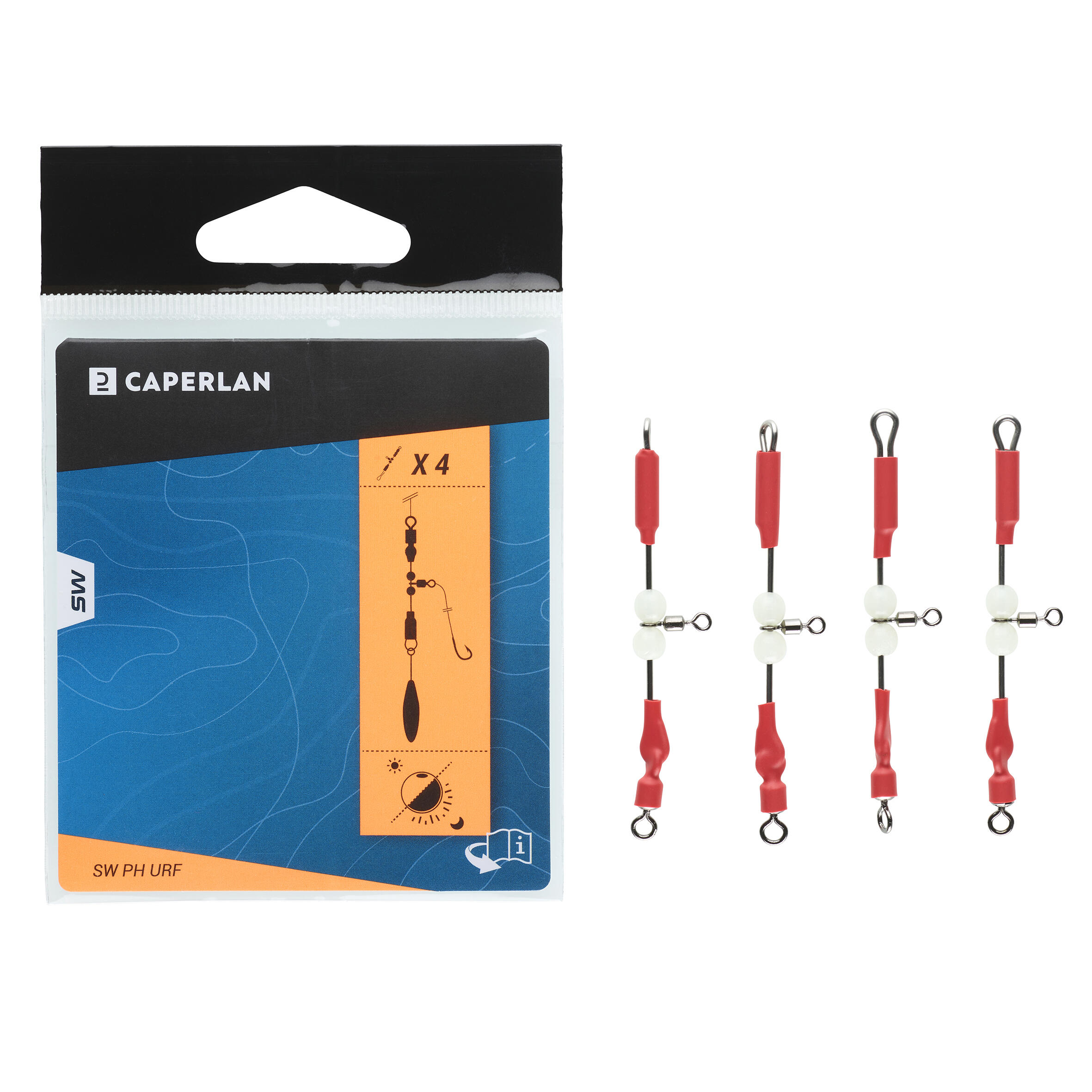
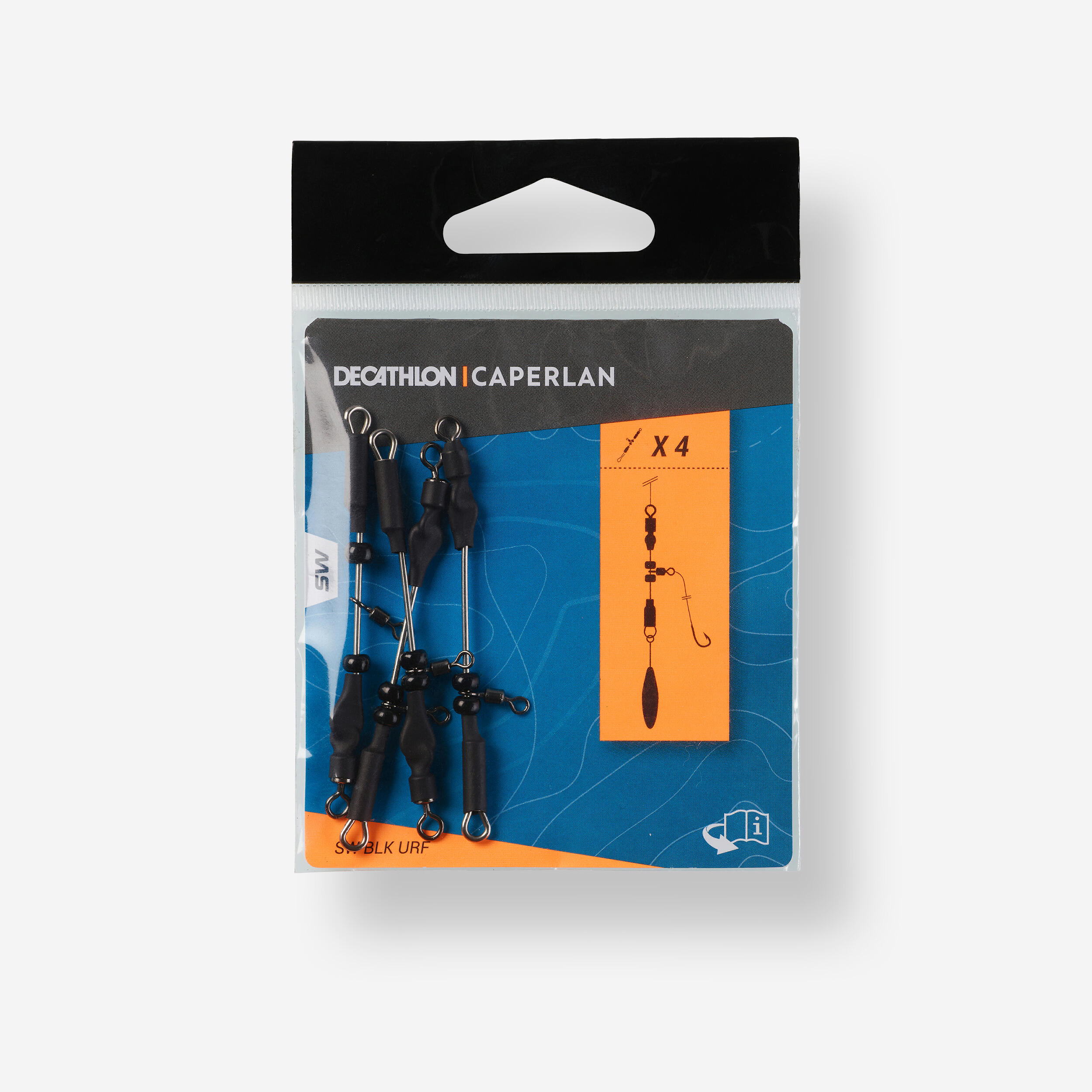
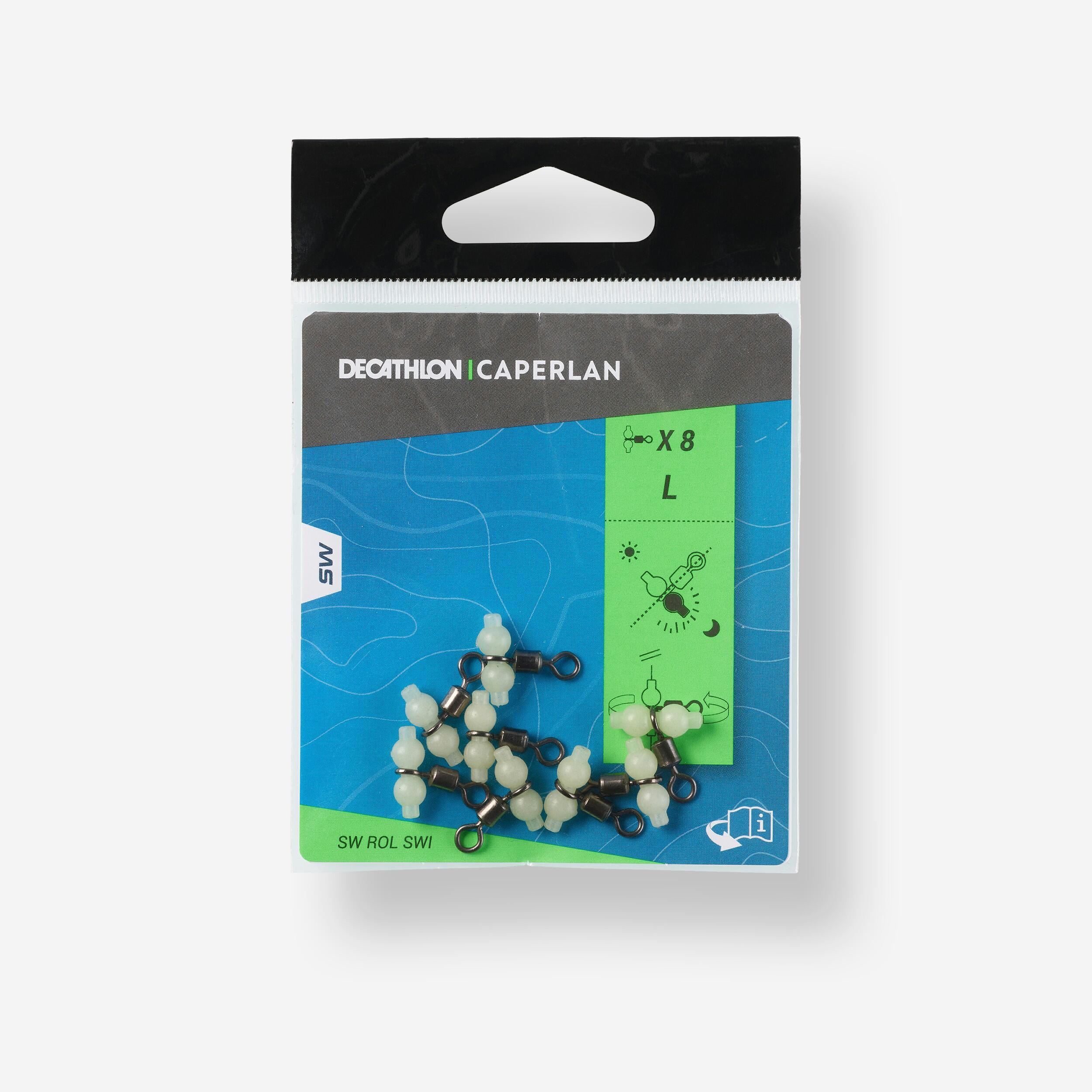
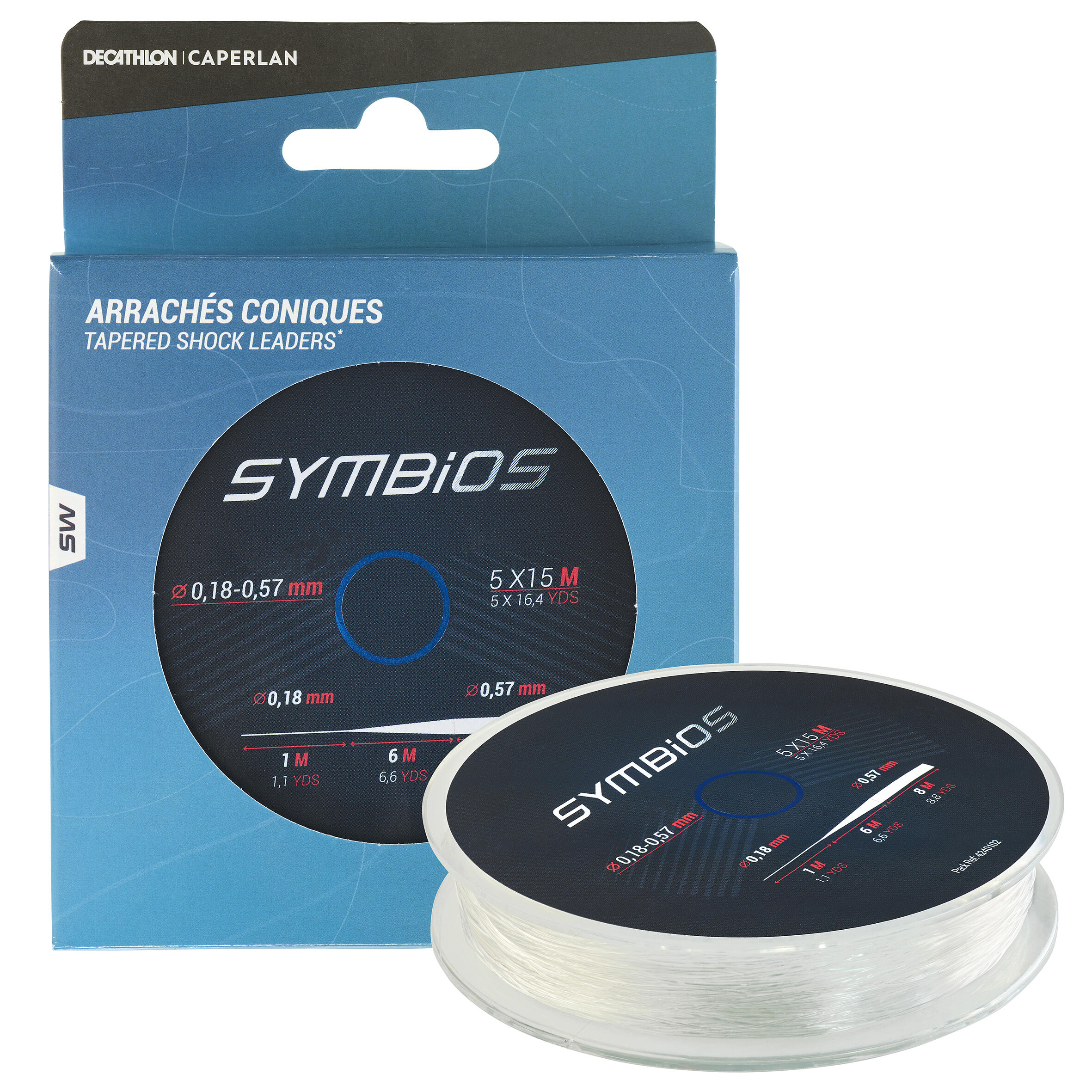
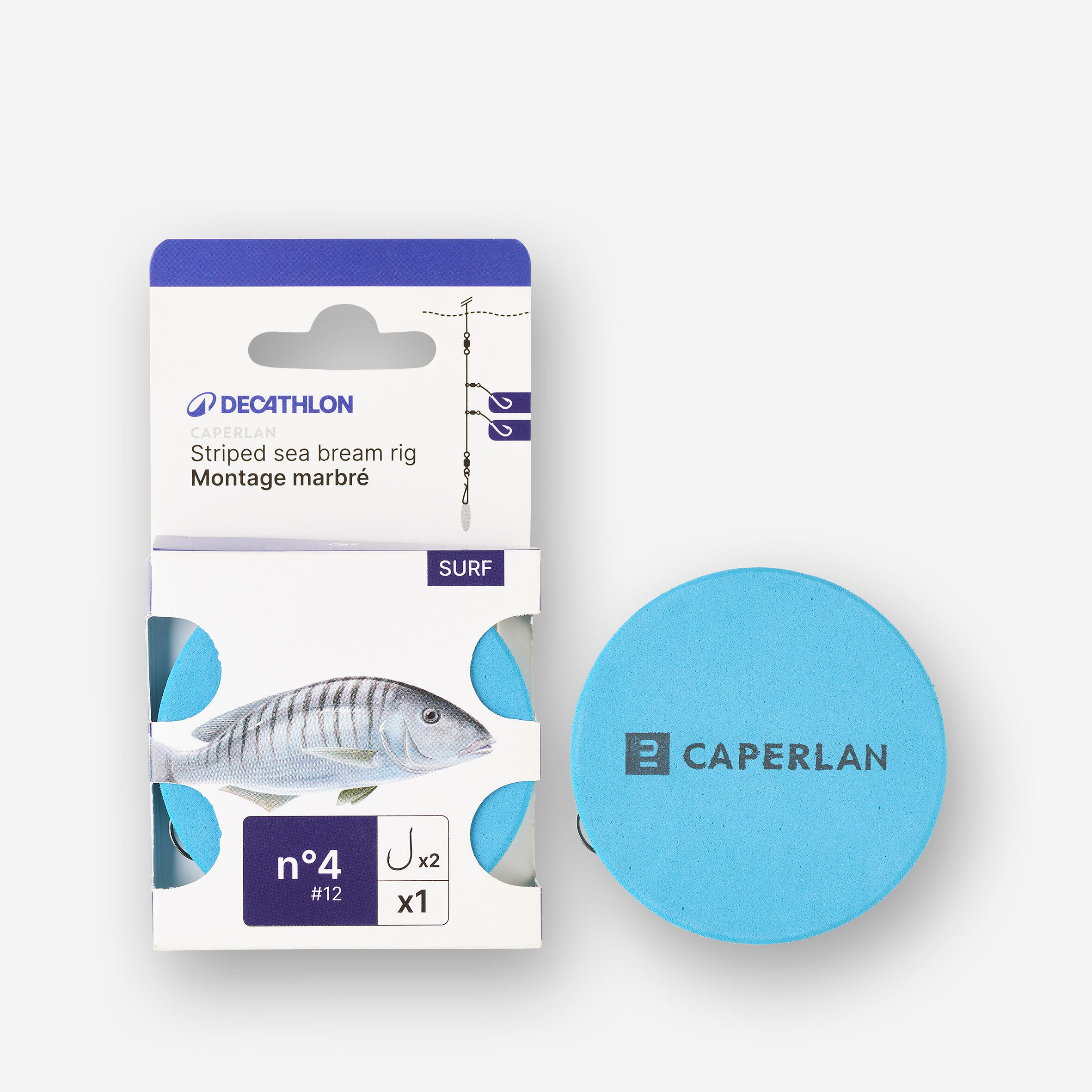
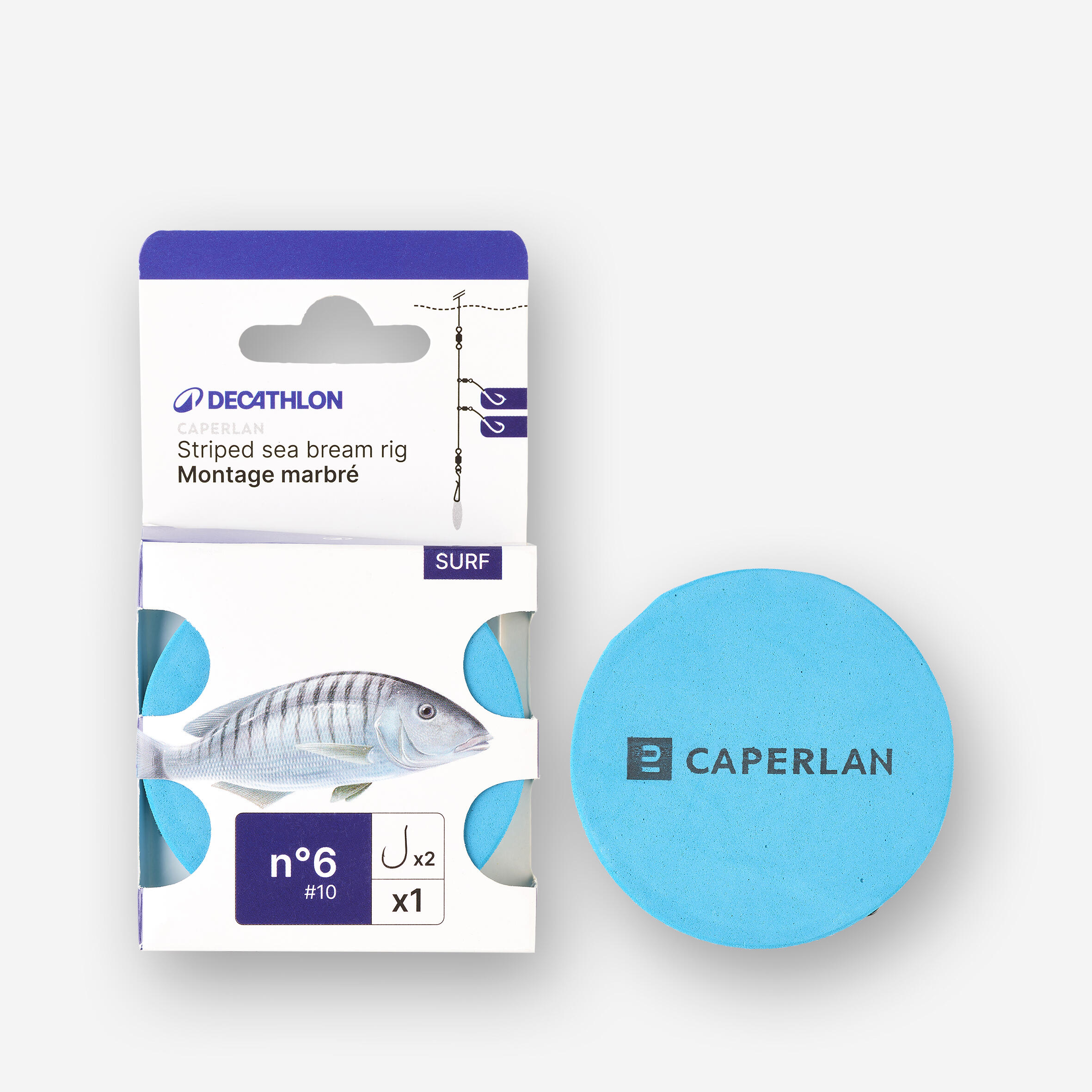
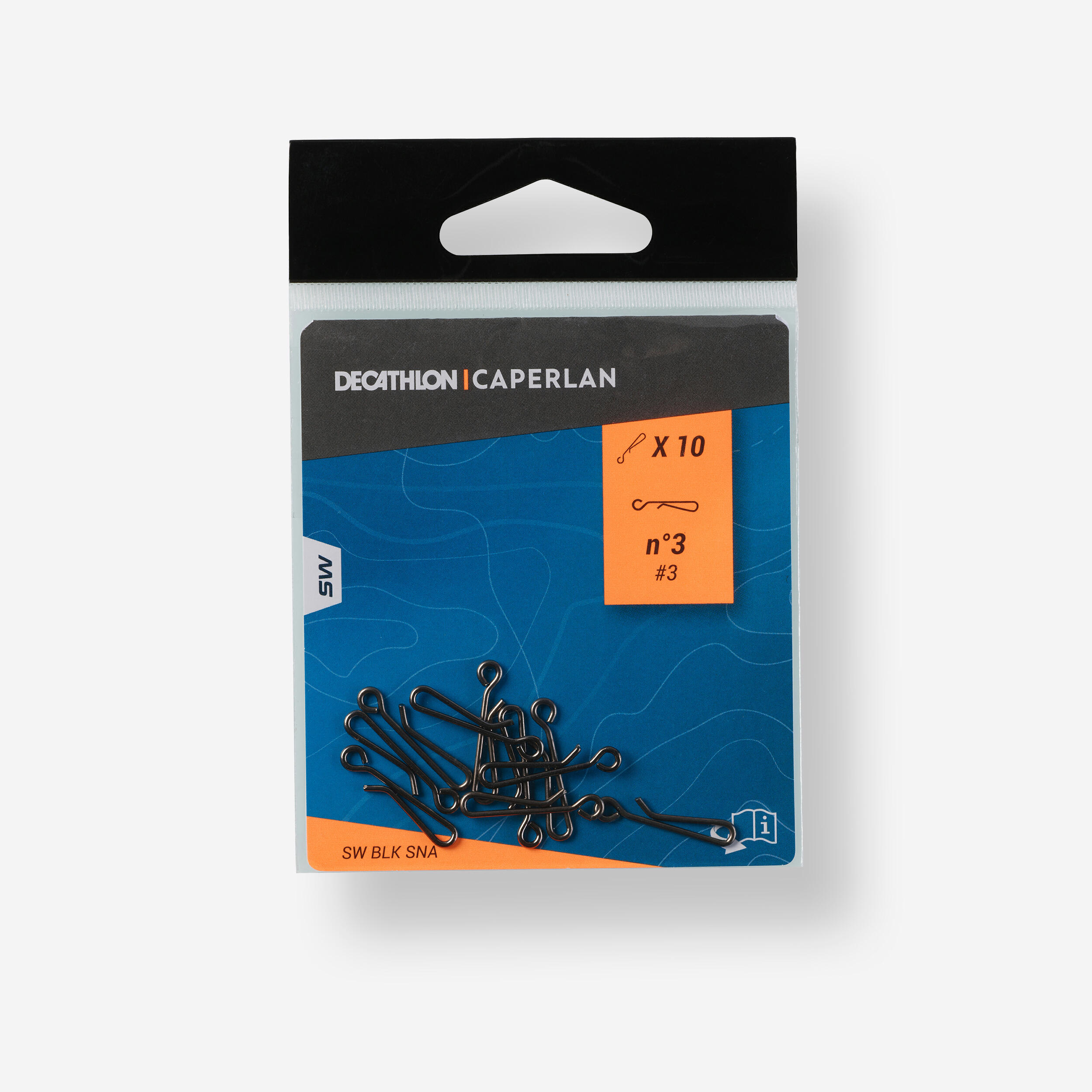
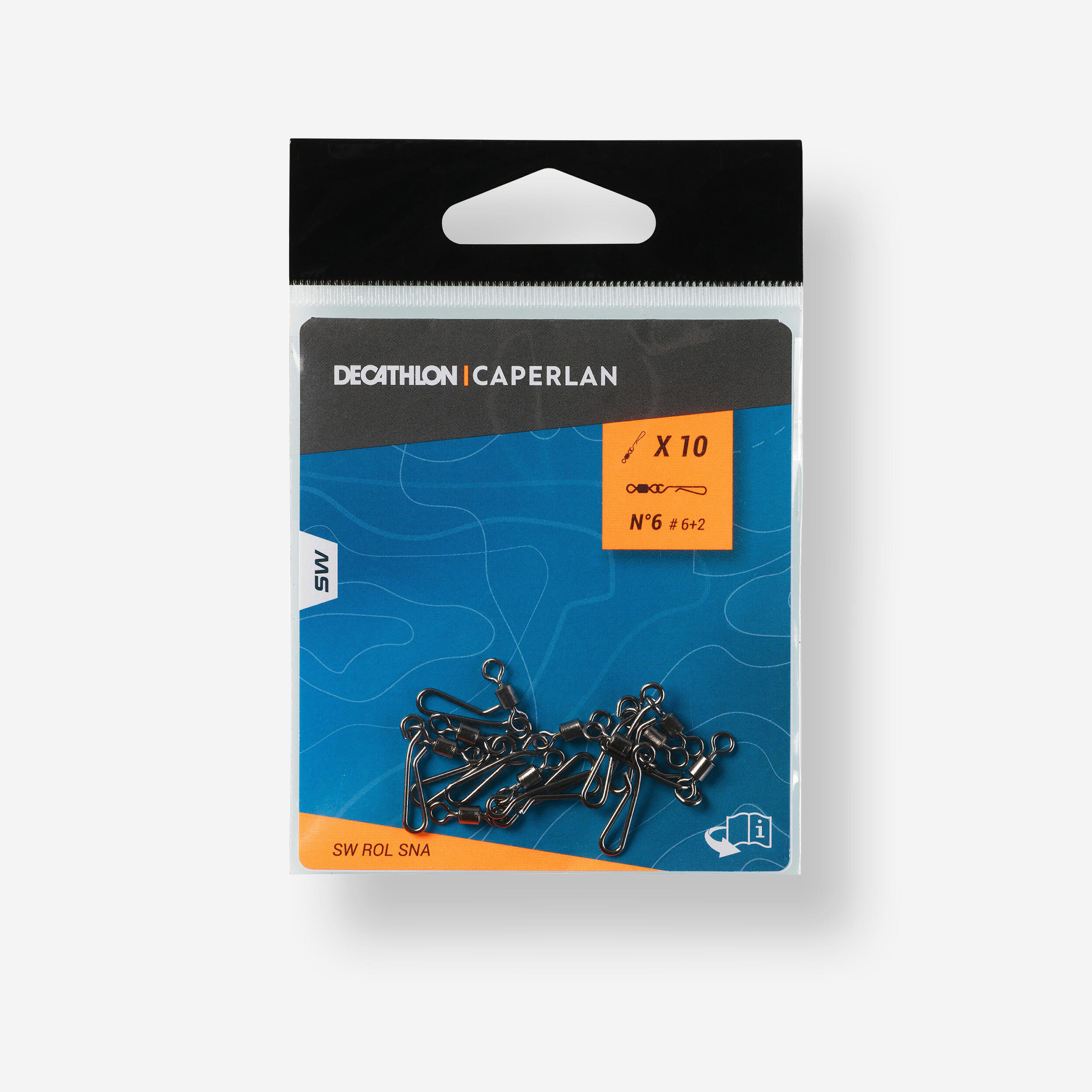
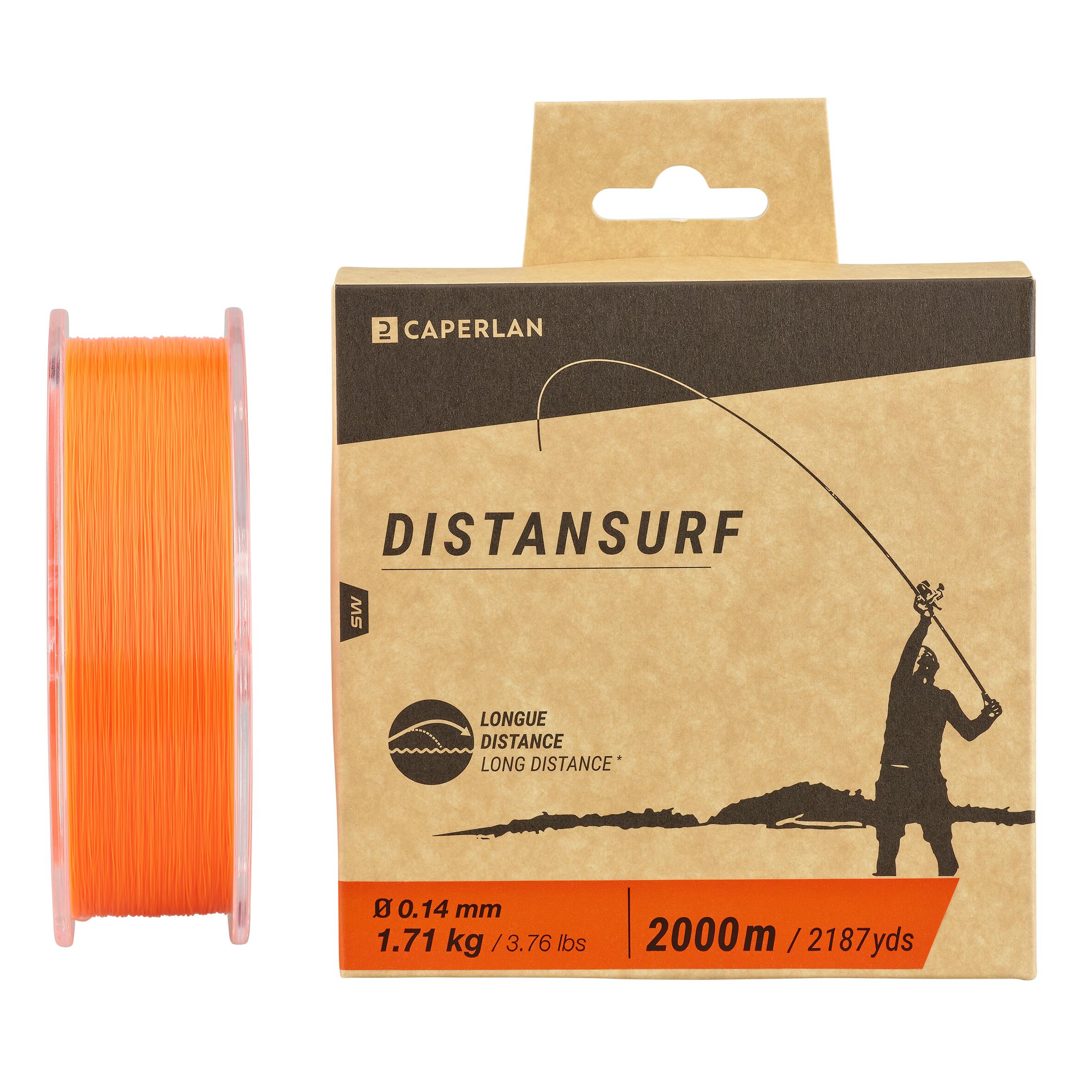
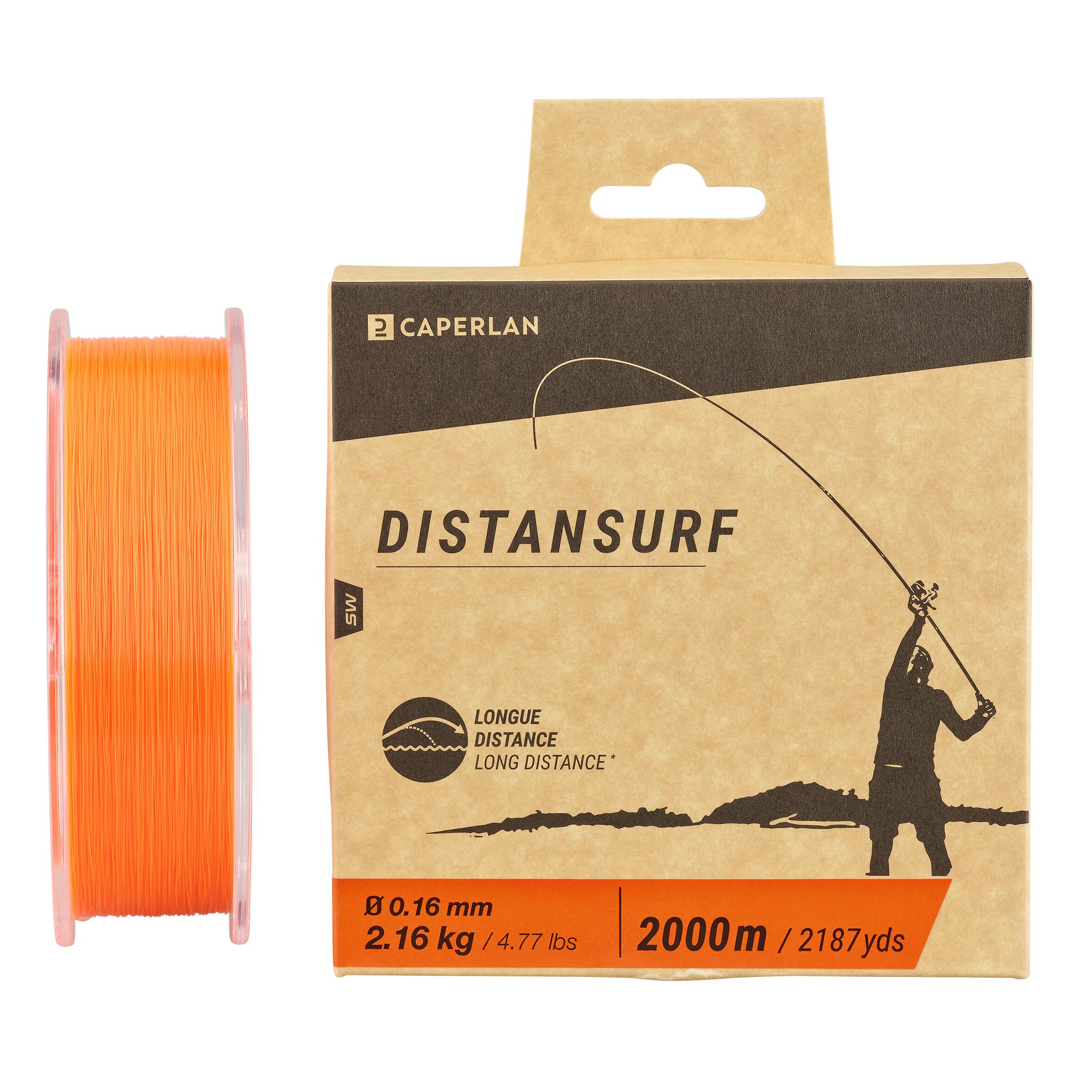
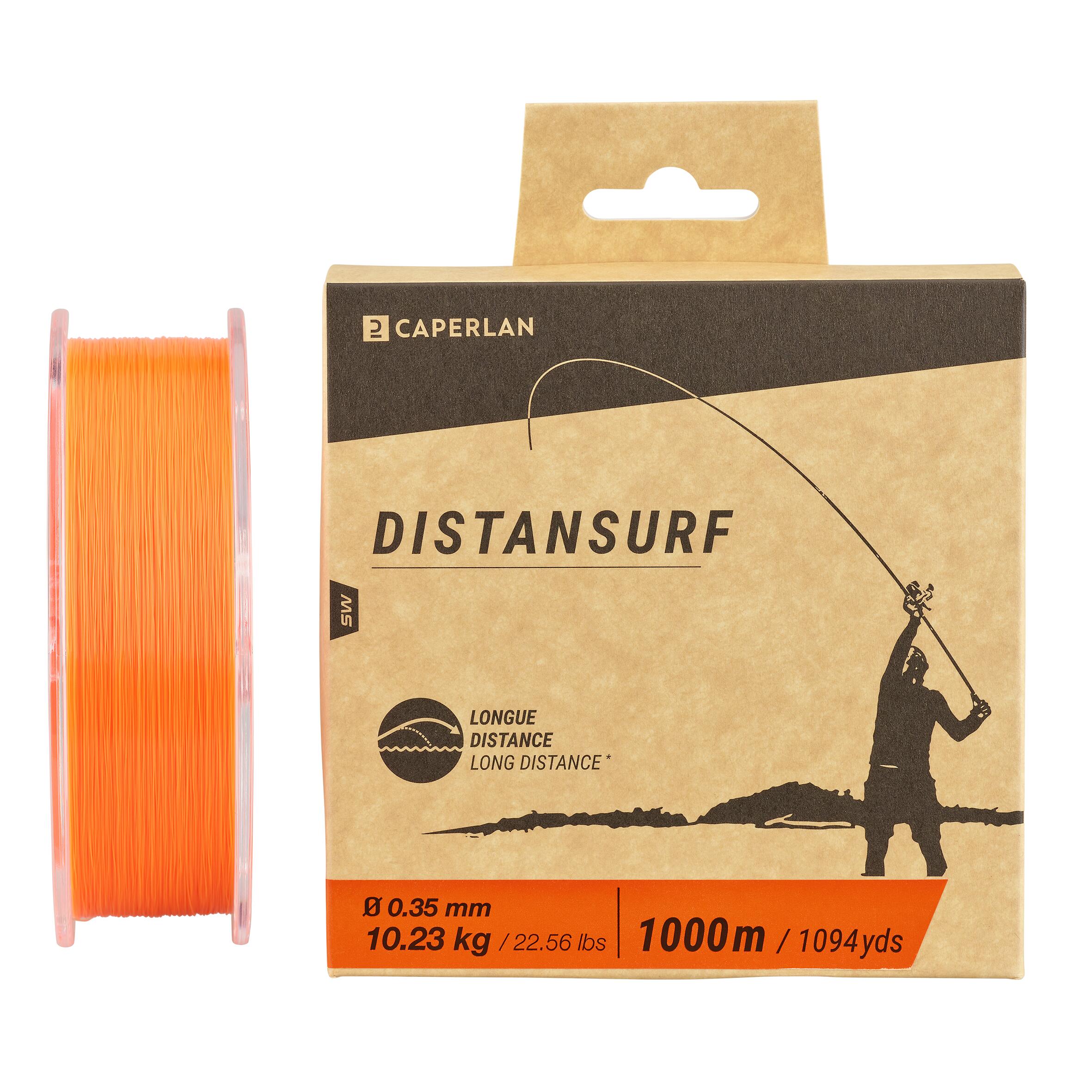
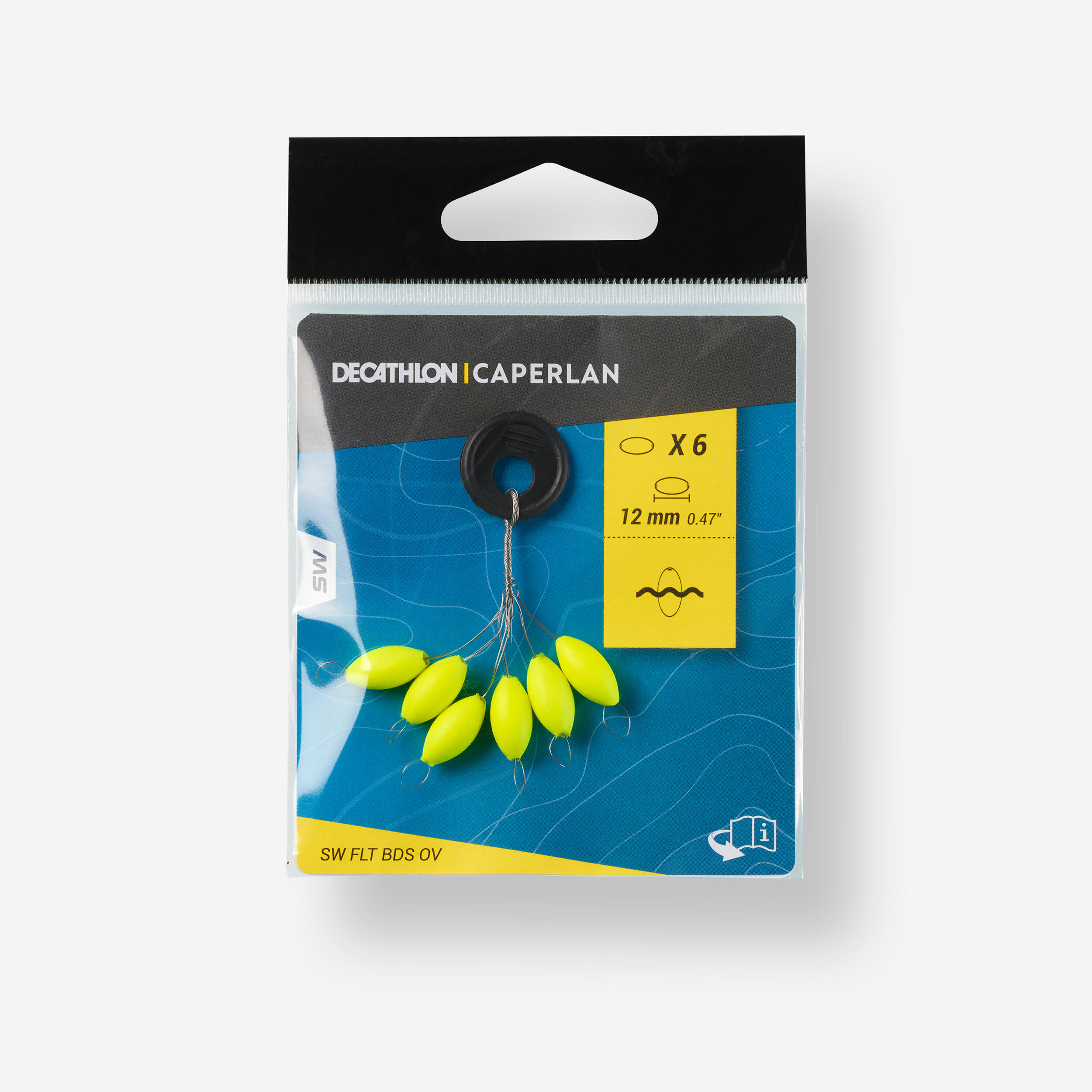
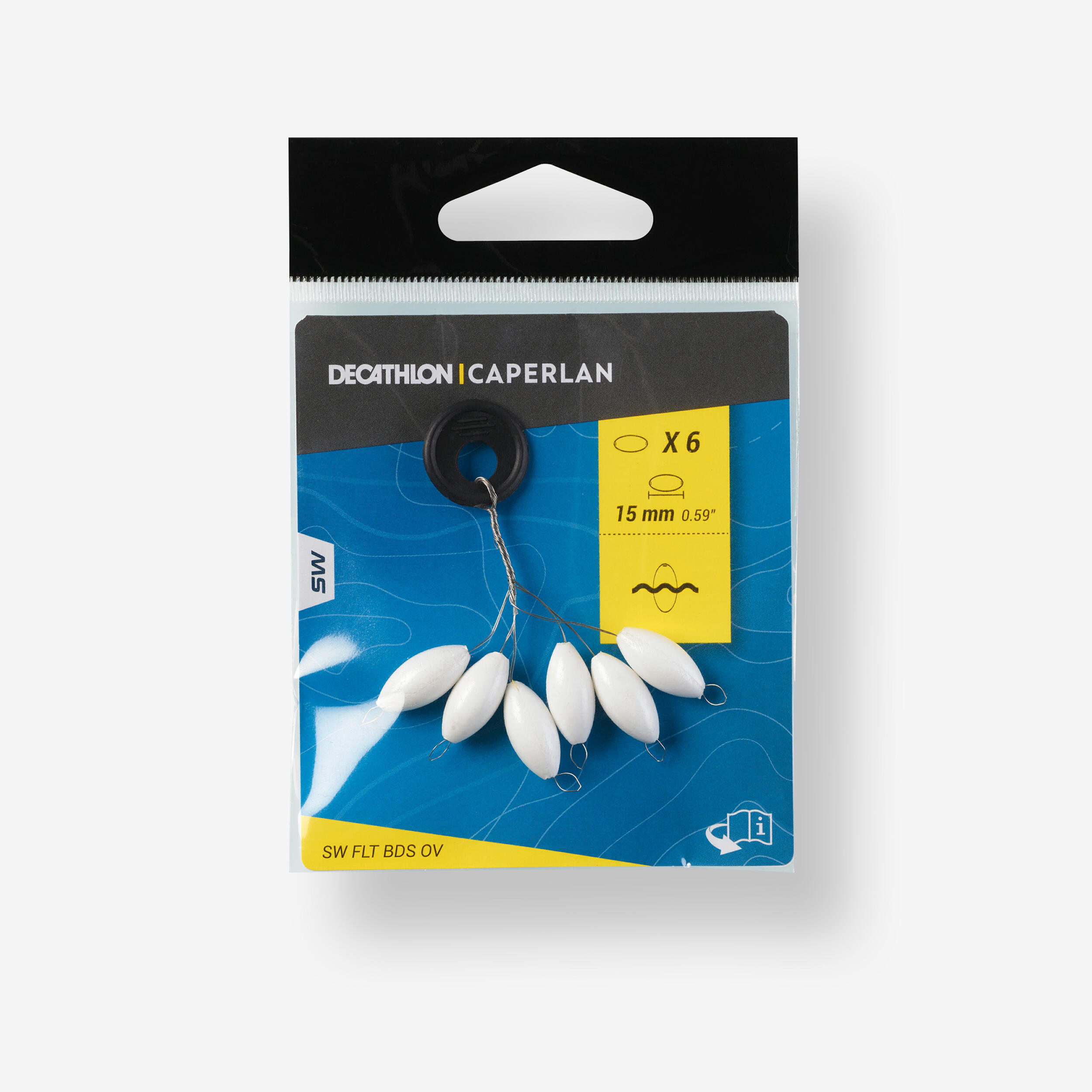
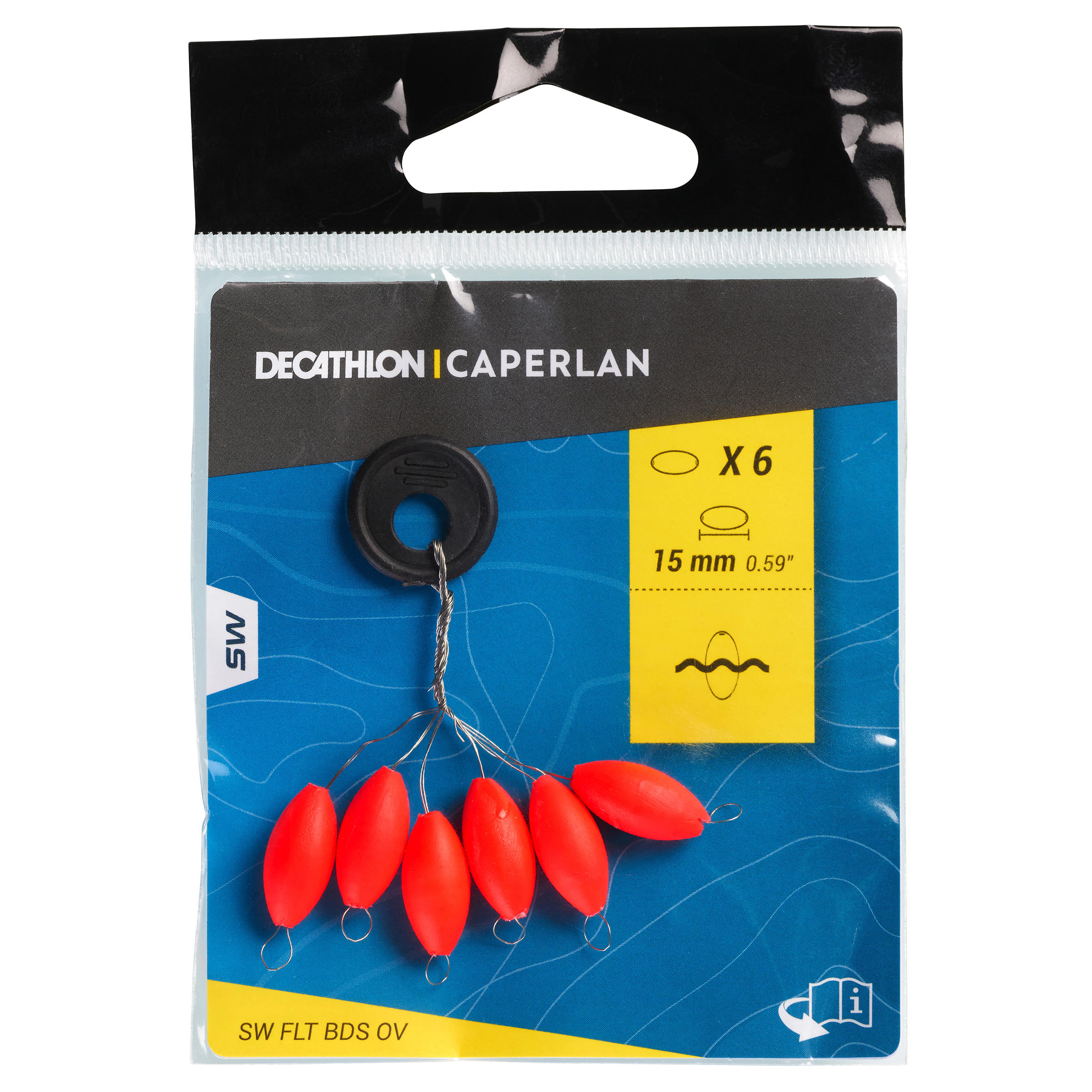
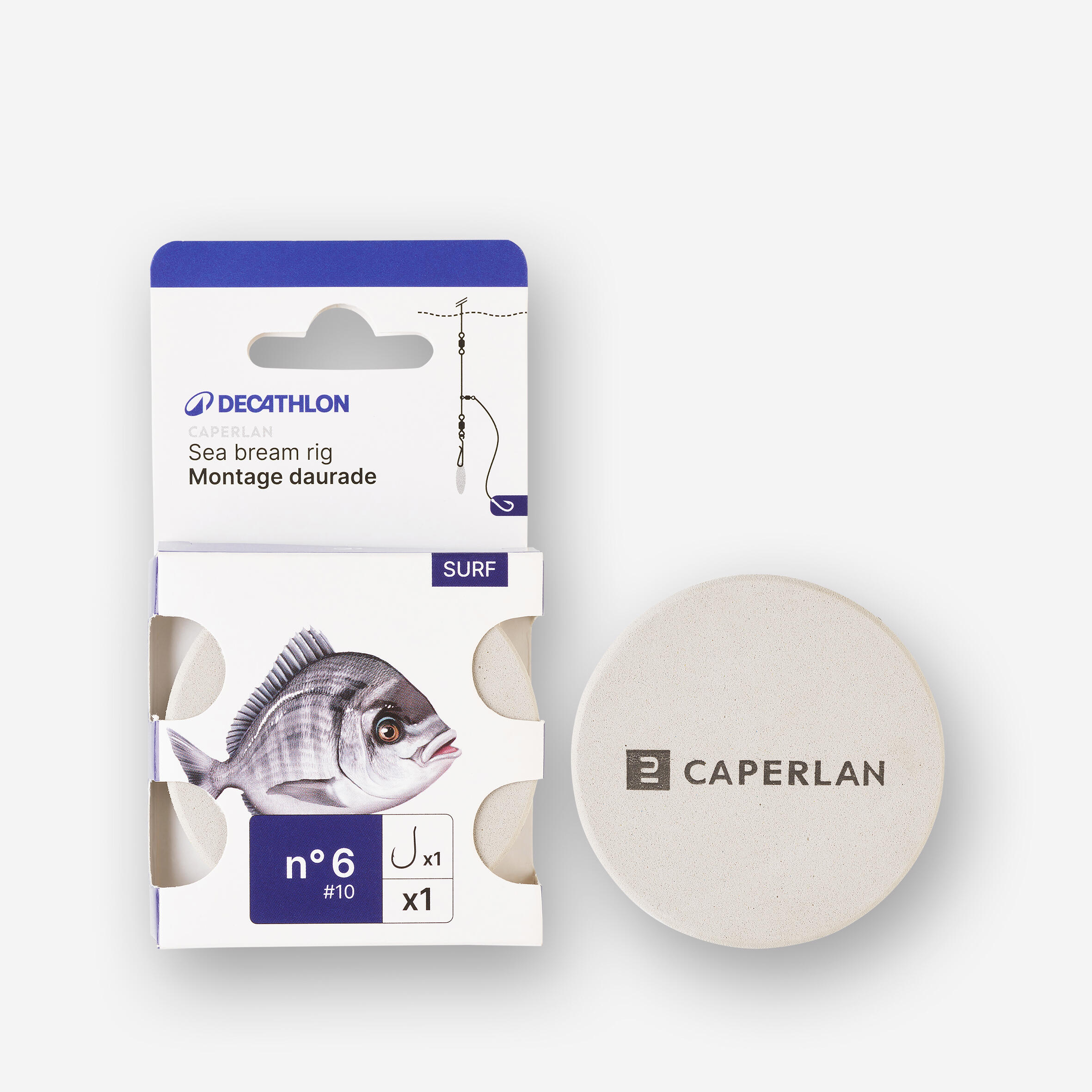
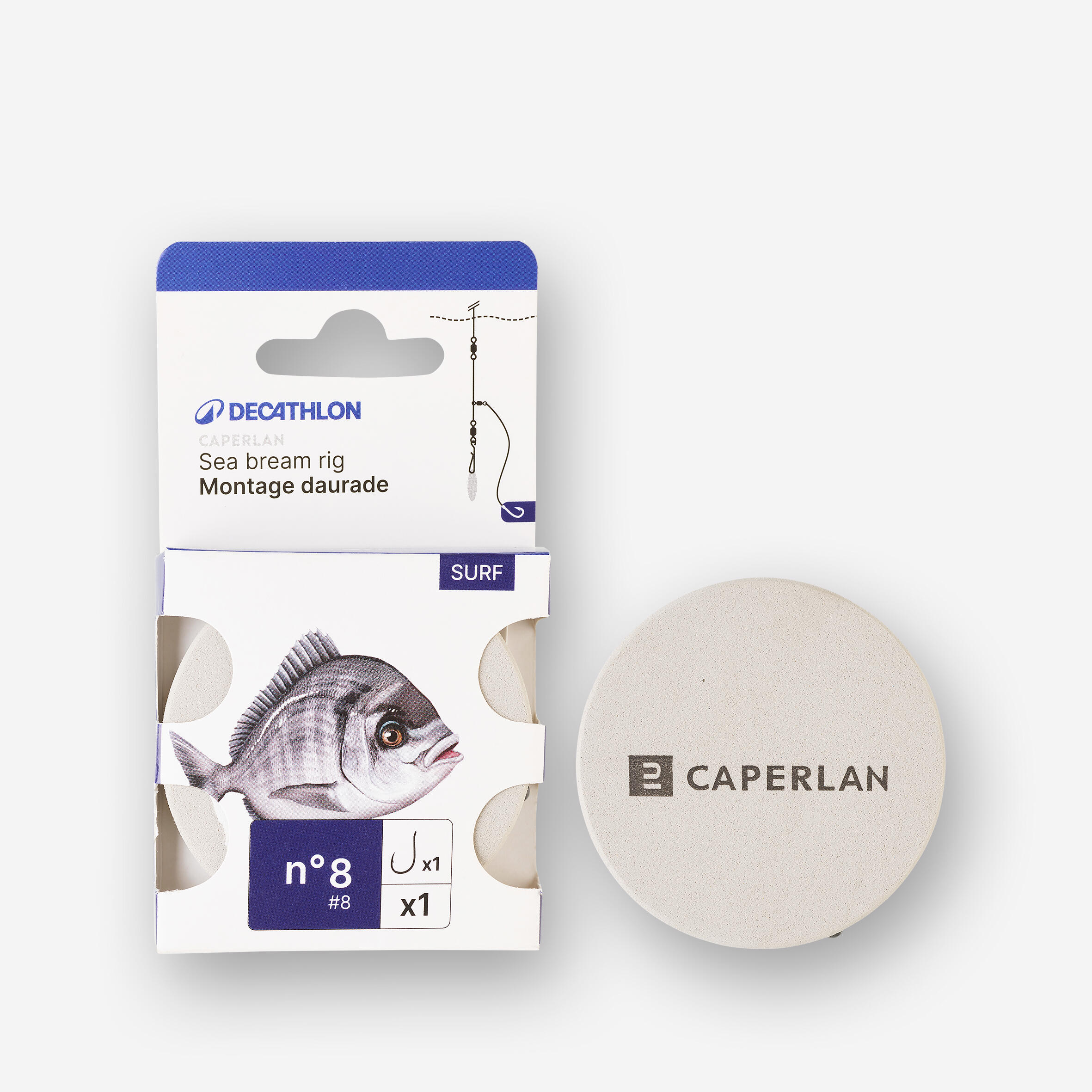
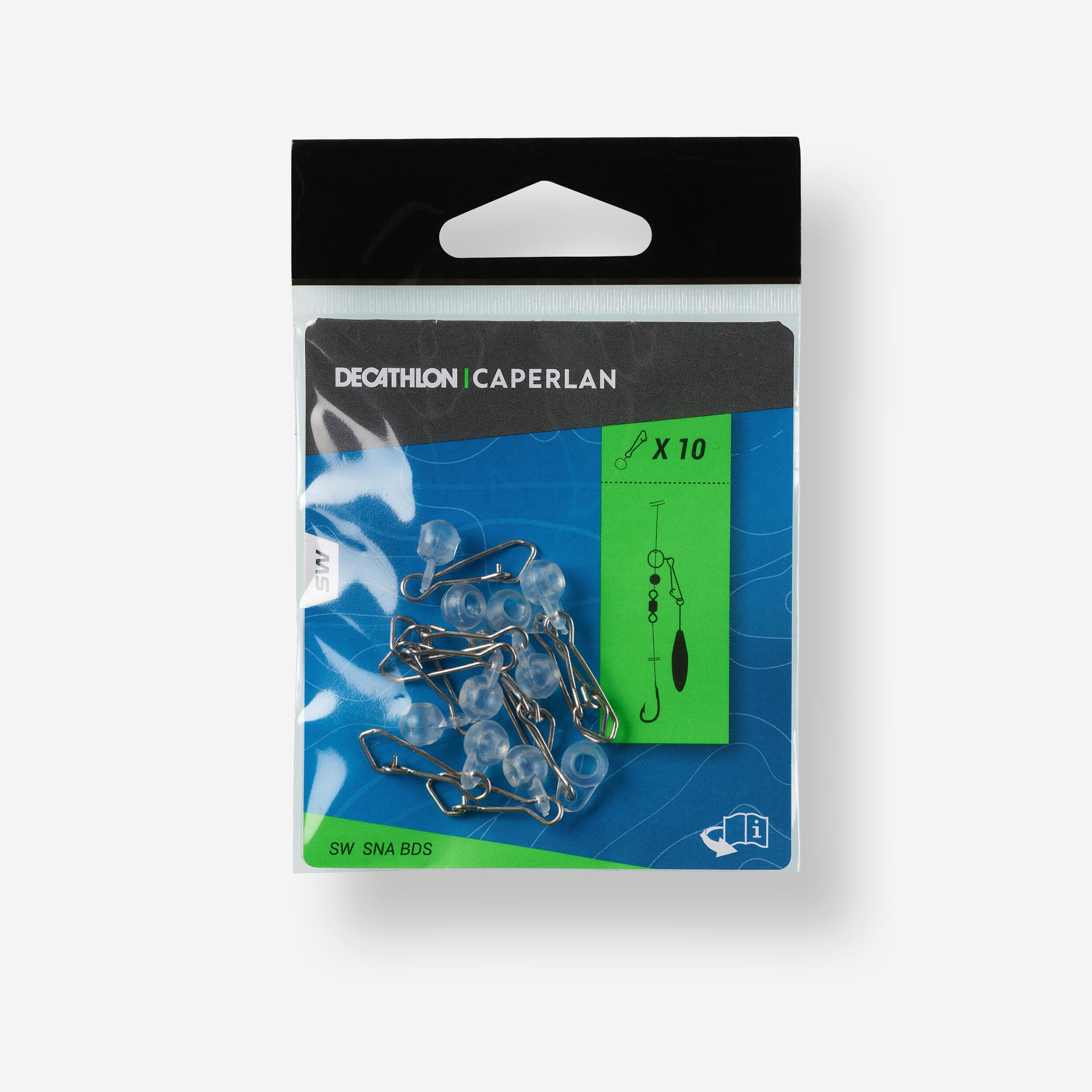
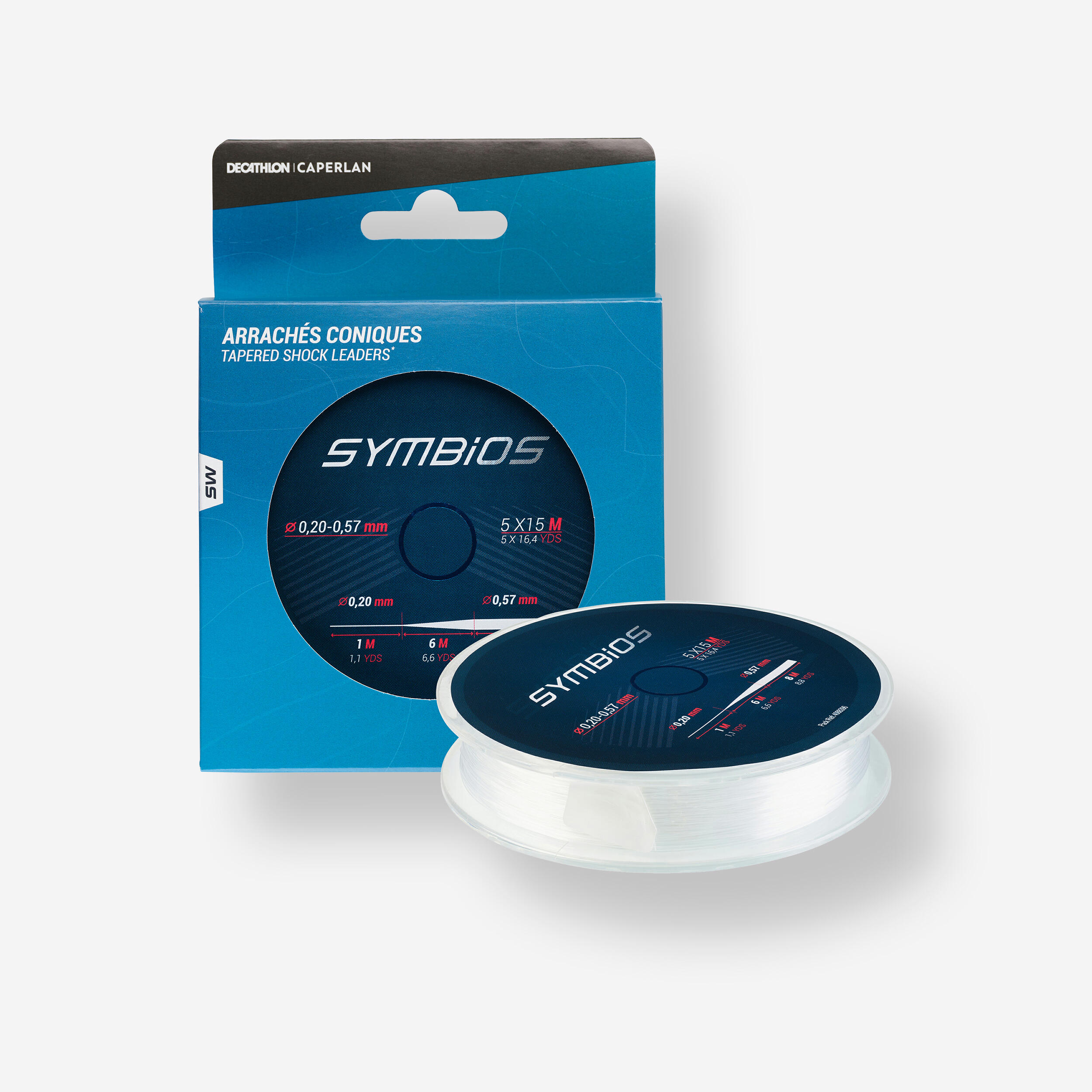
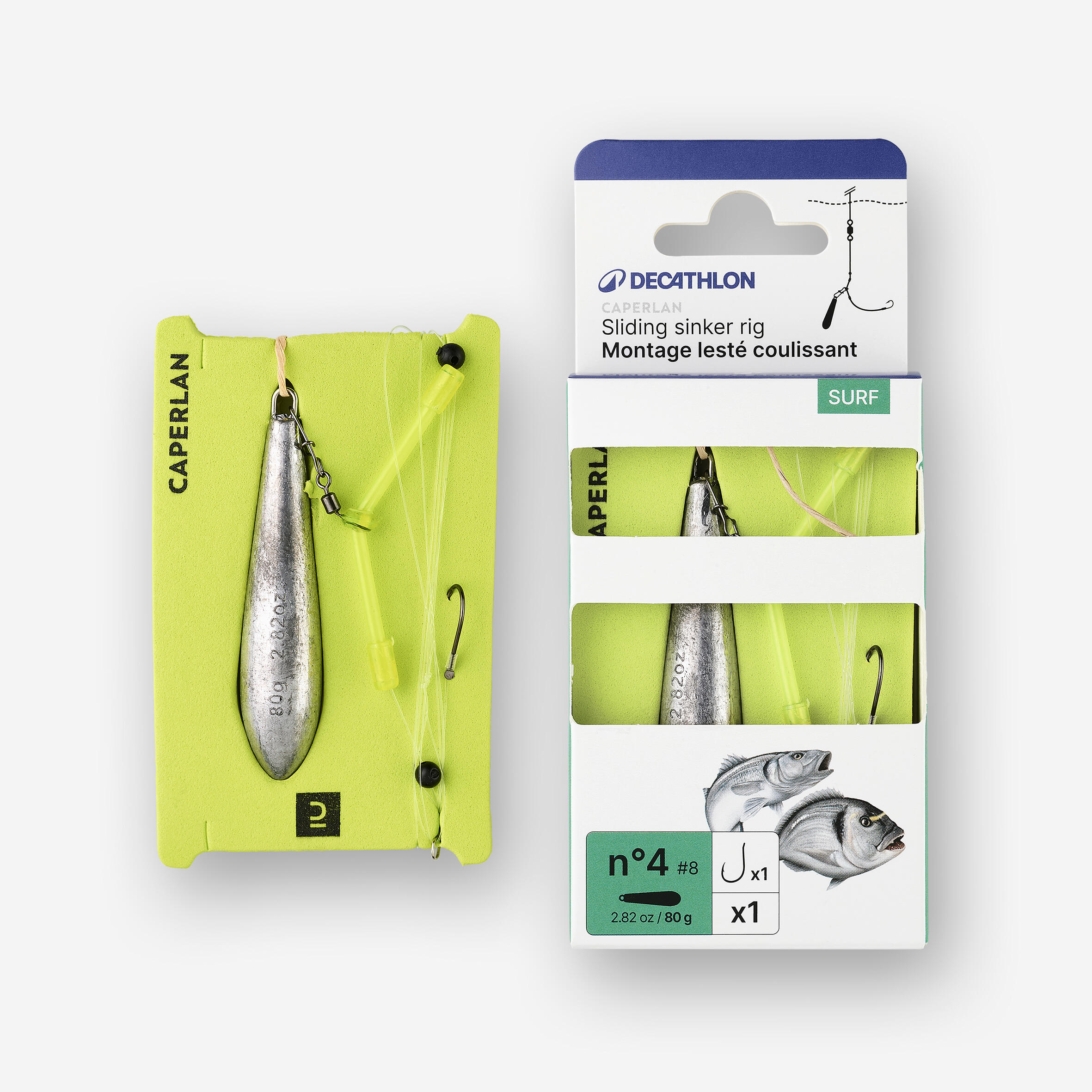
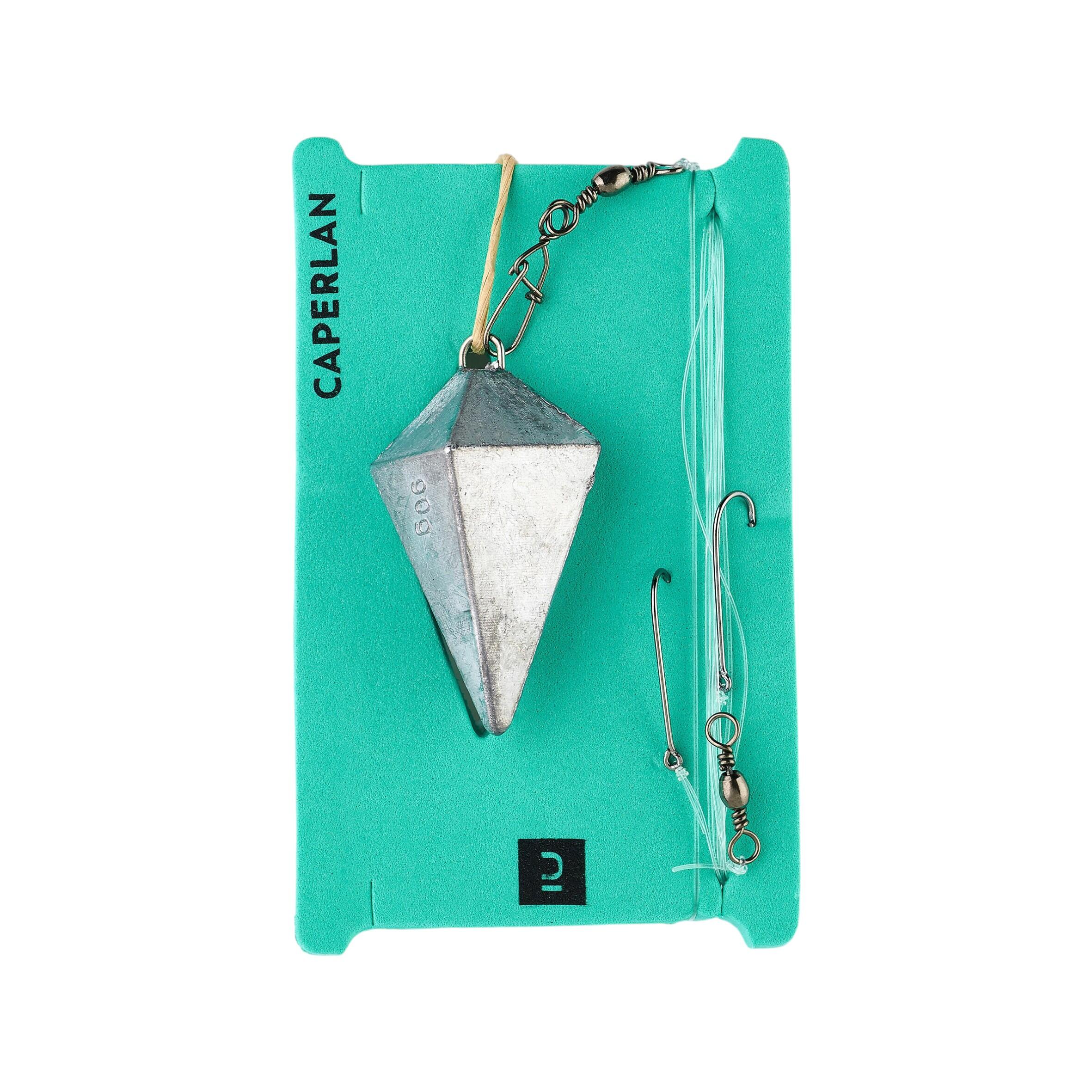
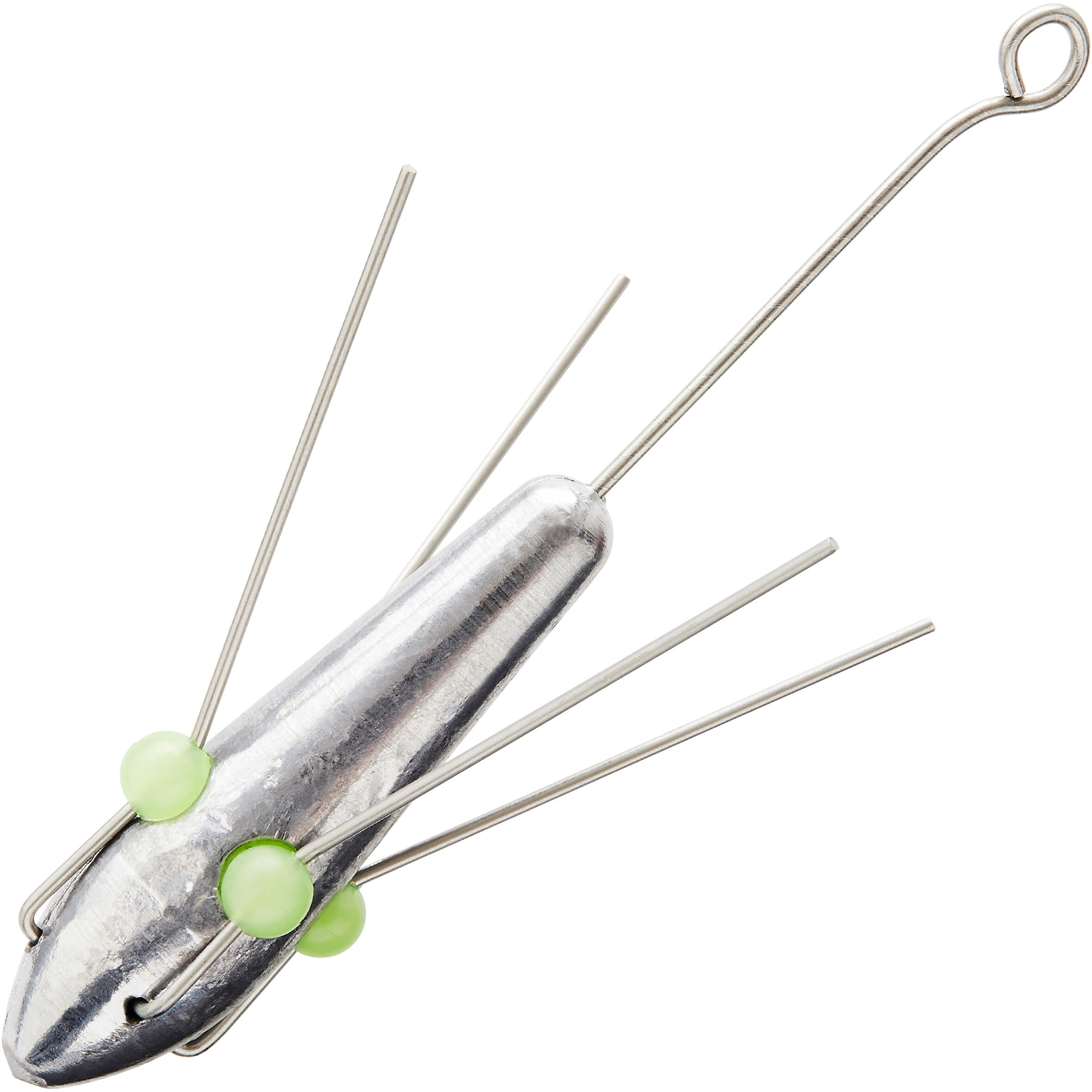
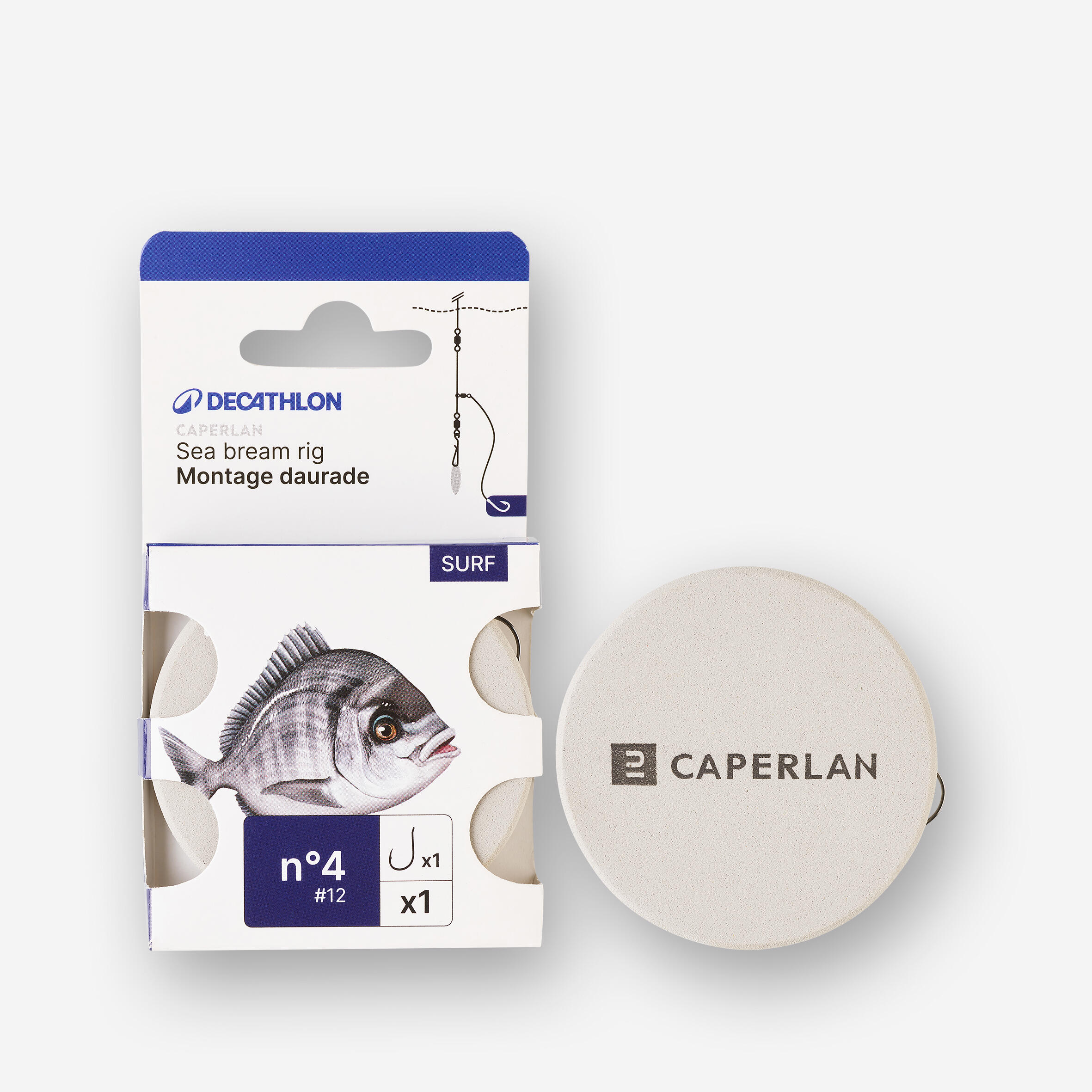
A prepared rig gives you a consistent arrangement of snoods, swivels and hooks without tying every connection at the beach. Caperlan uses rolling swivels on selected leaders so snoods can rotate freely and reduce twisting, while different snood diameters help balance presentation and resistance. Some assemblies add a floating bead to the upper snood and take sinkers up to 150 g. Foam winders supplied with selected rigs also keep the leader organised during transport and reduce tangling between sessions. Keeping several surfcasting rigged lines prepared for different bait sizes or conditions lets you replace a damaged system more quickly while keeping your terminal tackle organised.
What can you do to protect surfcasting equipment after fishing?

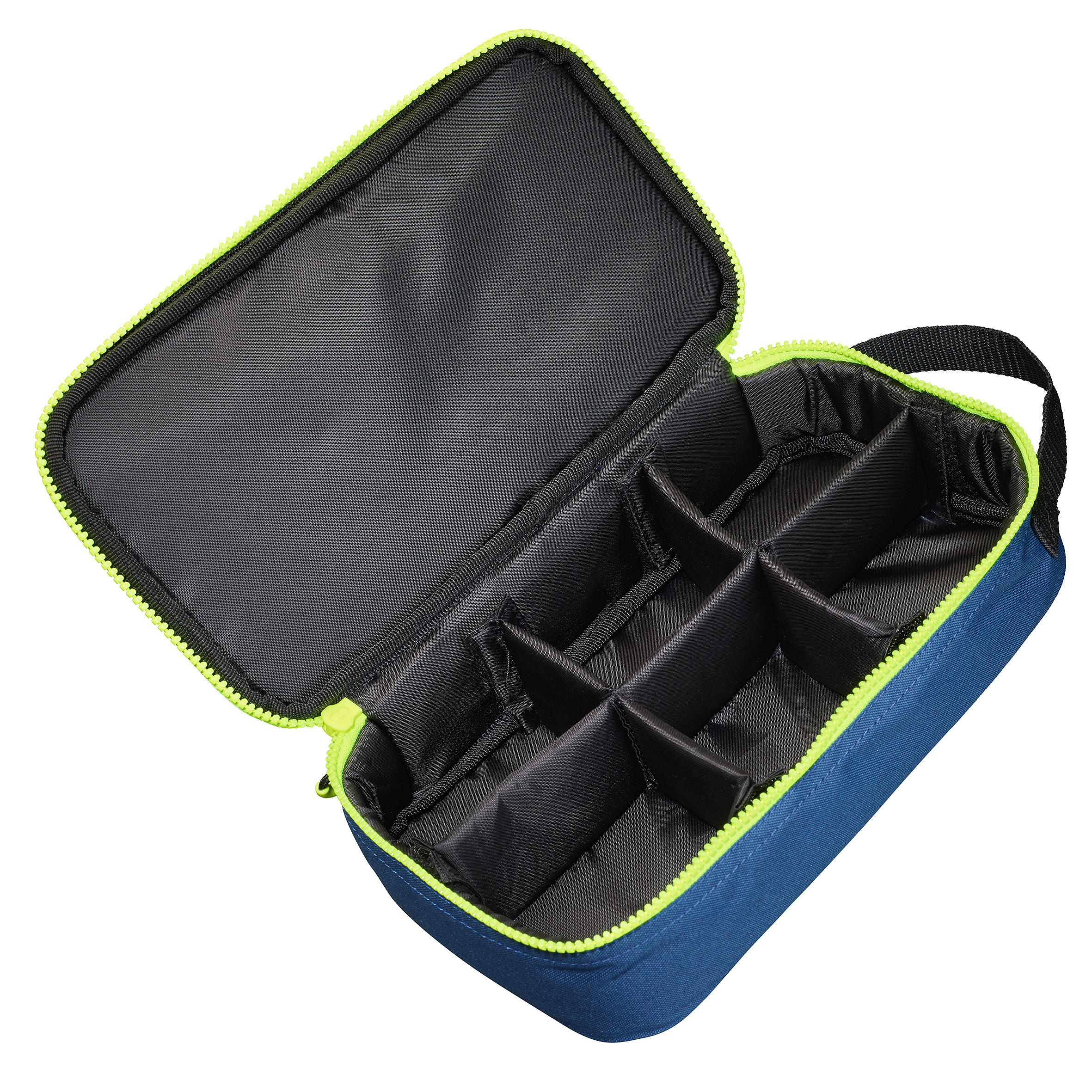
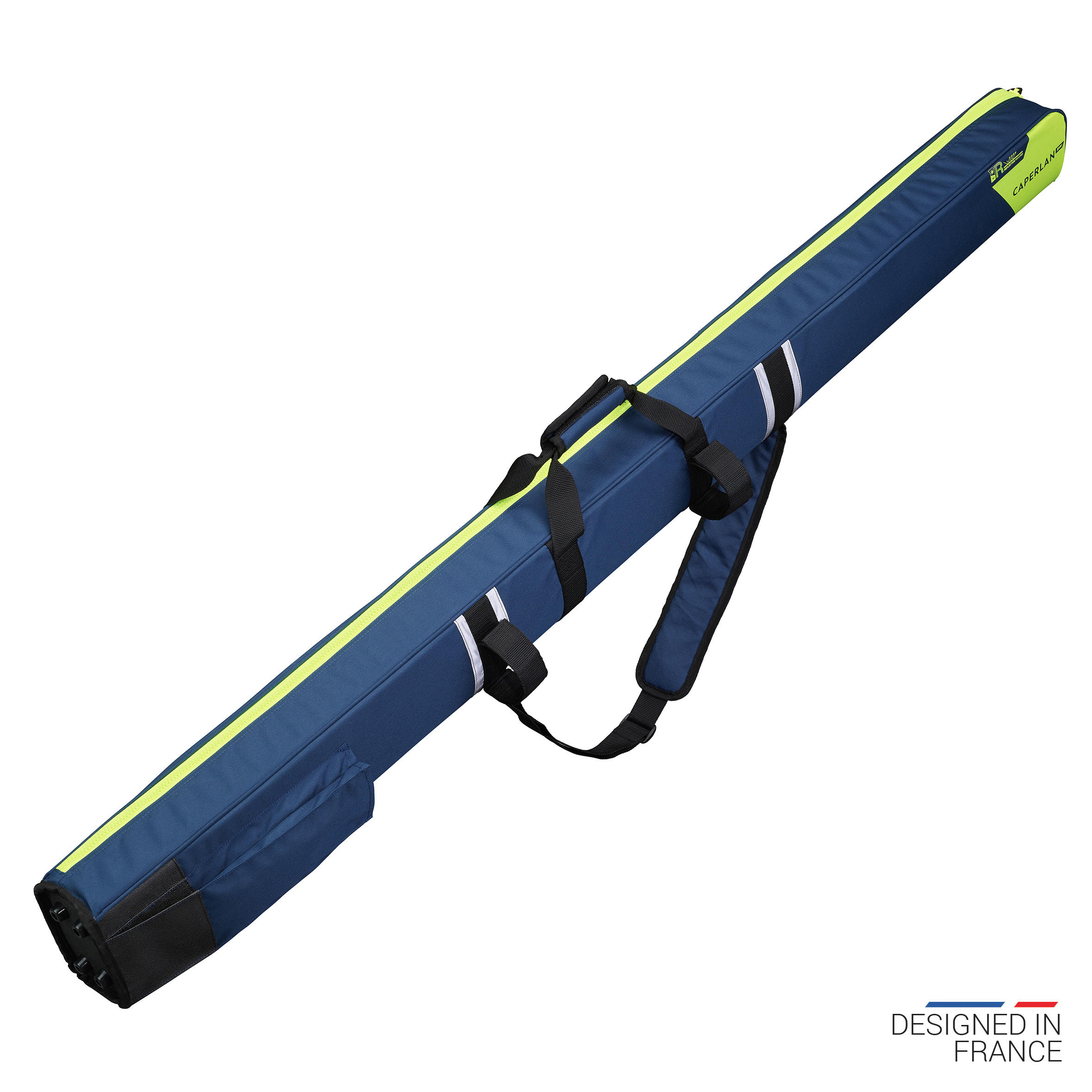
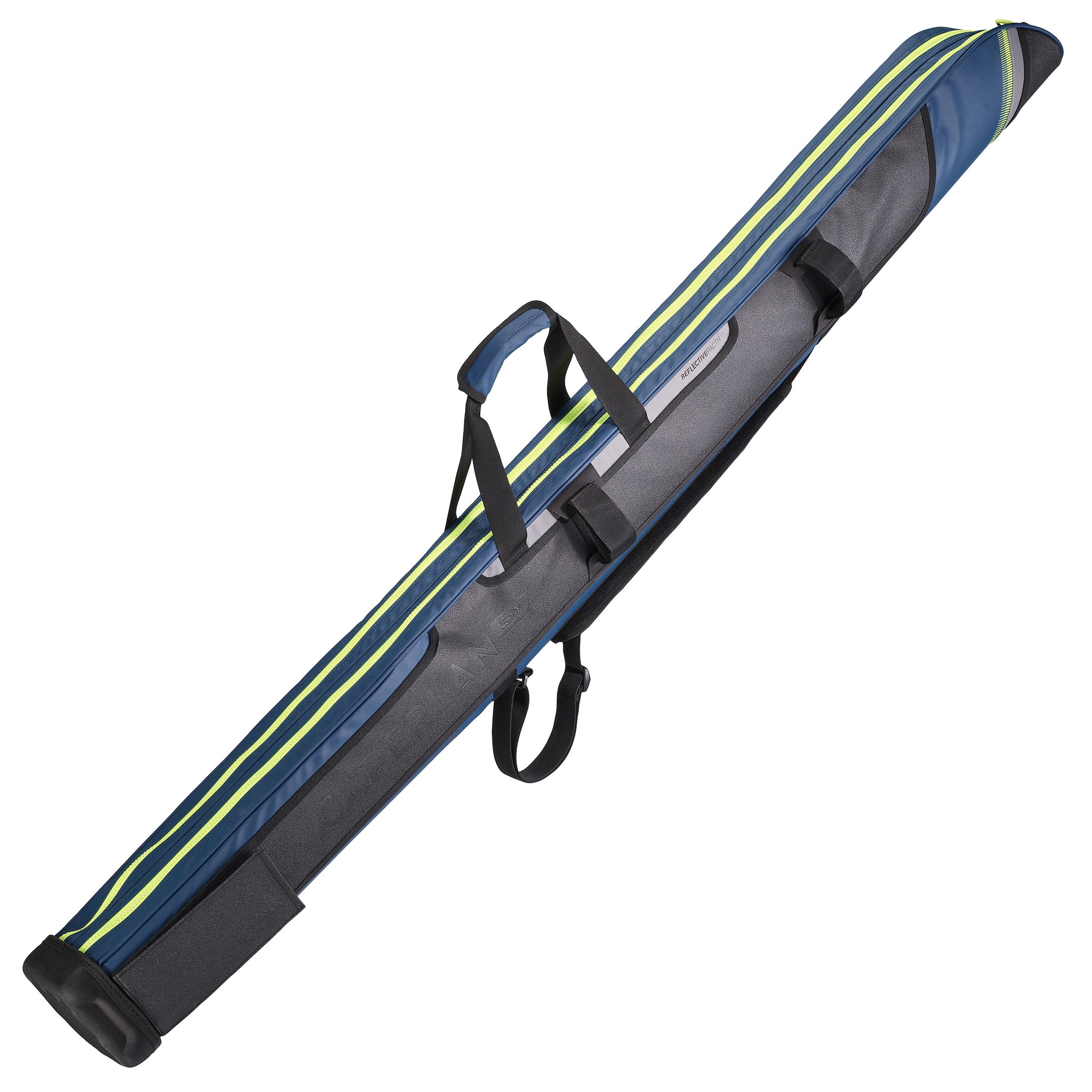
Sand, salt and damp storage can affect rod guides, reels, rigs and other fittings, so deal with residue before packing everything away. Rinse suitable components with fresh water after sea use, let them dry completely and inspect guide rings for rough edges that could damage line during the next cast. Check rod tips for cracks, particularly after transport, and replace damaged sections where compatible spare parts are available. Wind reusable leaders neatly rather than leaving hooks and snoods loose inside the bag. A suitable surfcasting rod bag can keep long rod sections and other tackle separated during transport, reducing unnecessary contact between delicate tips, guides and heavier equipment.