62 items
4.7/5 based on 98293 reviews collected online and in stores

Decathlon X Freeletics Training Gear FAQs

How can you match Freeletics training gear to your workout progression?

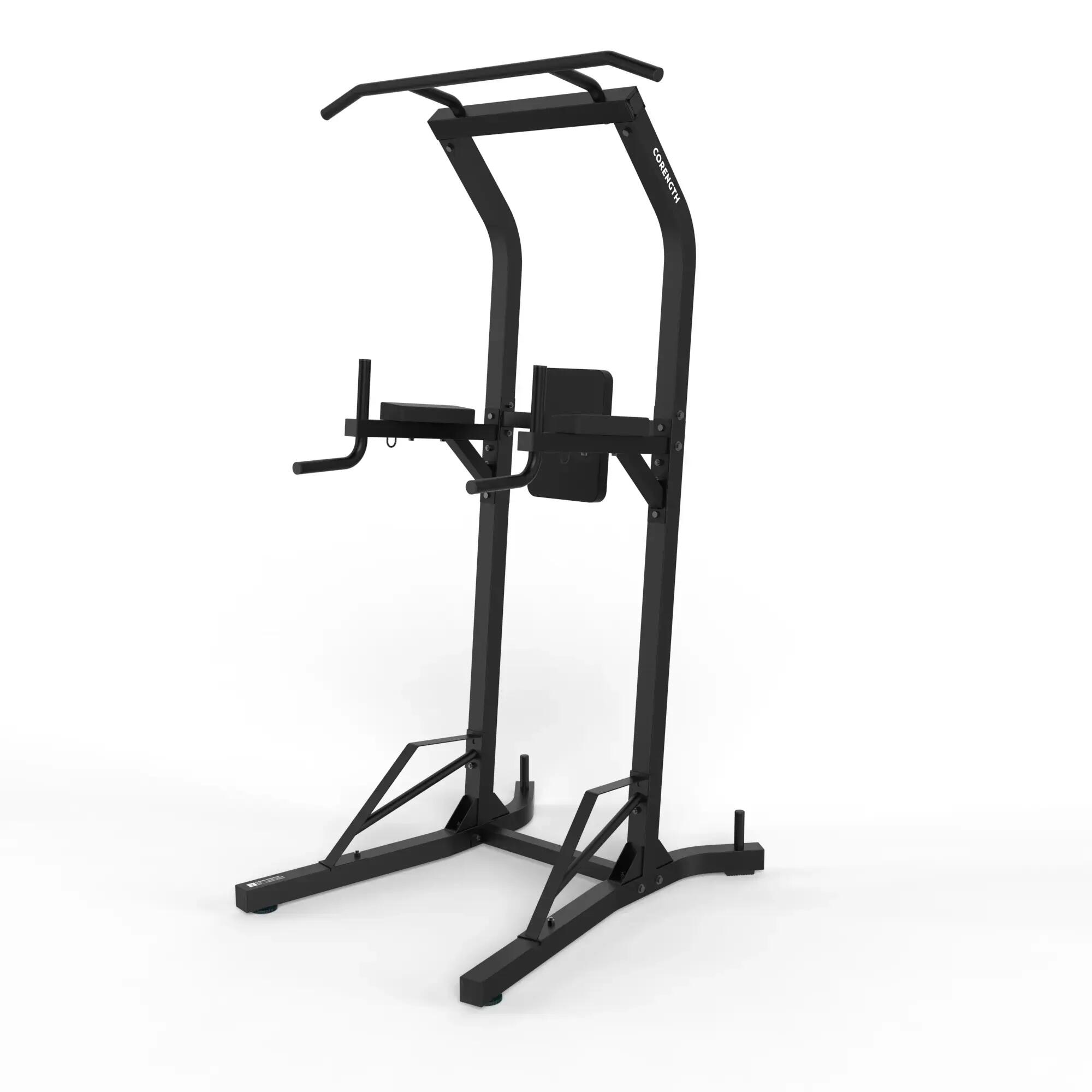
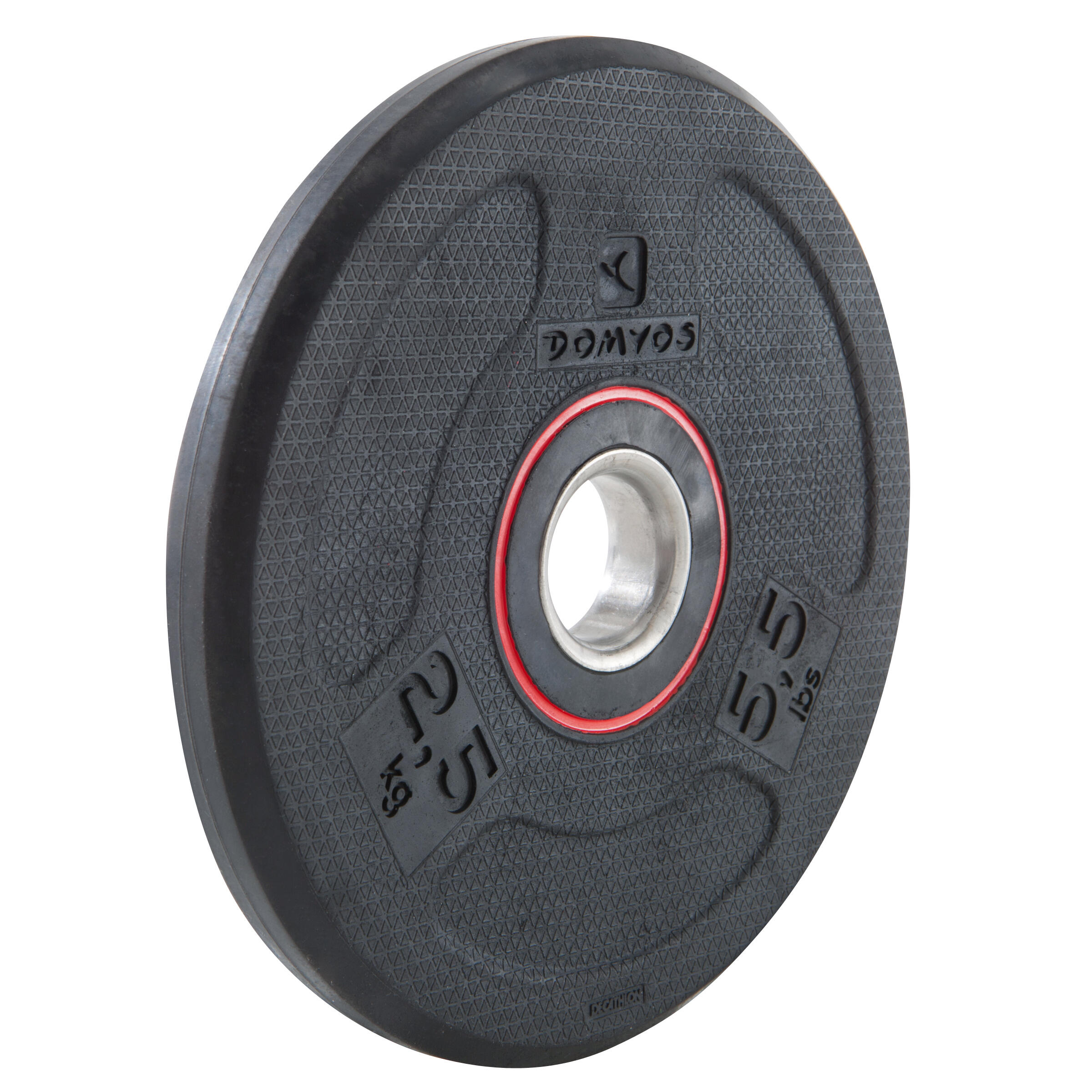
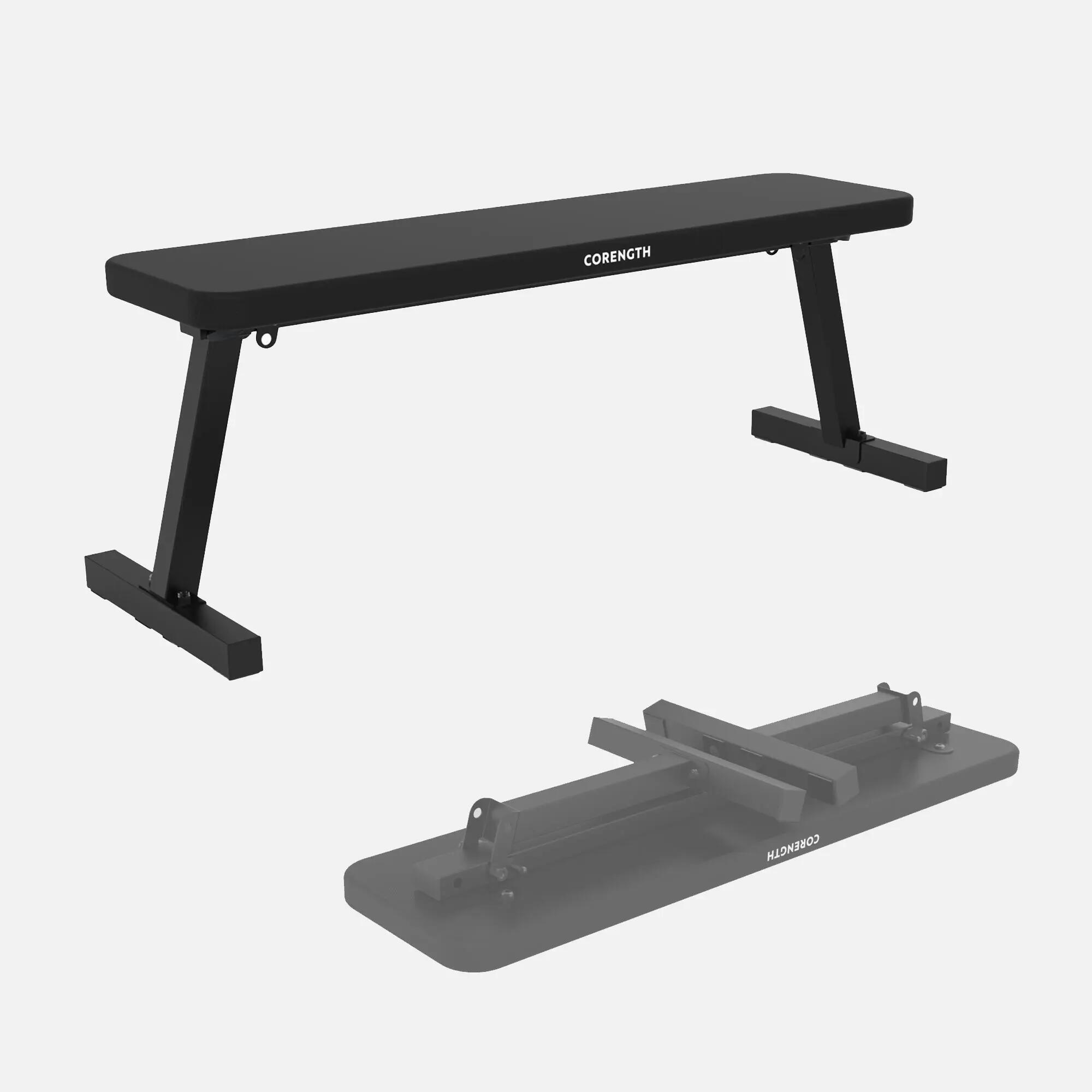
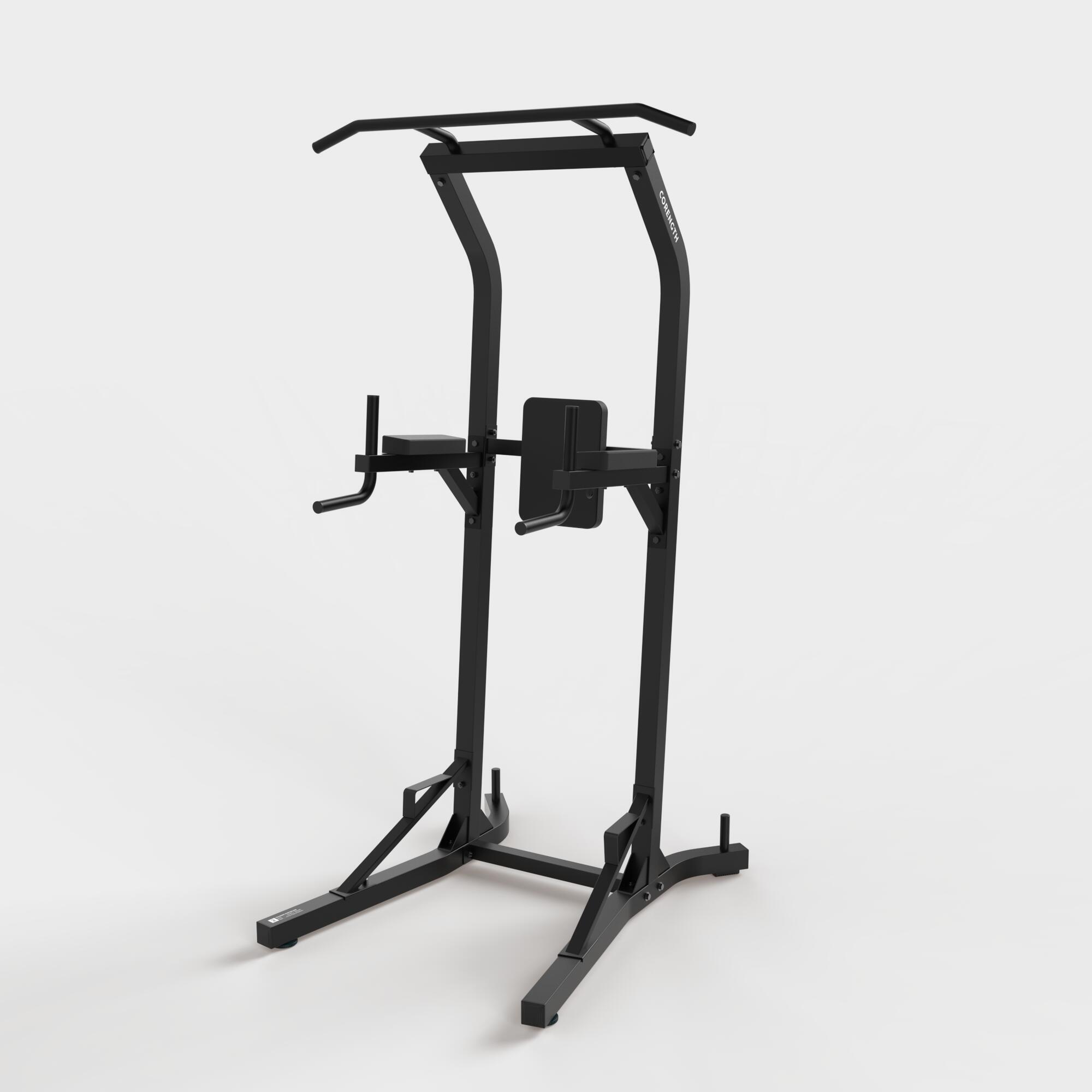
Start with the exercises in your programme and choose equipment that lets you increase difficulty gradually as your strength and fitness improve. Freeletics-style sessions can combine bodyweight movements, resistance work and conditioning, so your setup does not need to be large to be useful. The wider fitness & gym equipment range can support progression with items such as benches, weights, pull-up bars and compact training tools. Adjustable equipment is particularly practical because you can change resistance without replacing the whole product as exercises become easier. Pro tip: build your setup around movements you already perform regularly. One or two versatile pieces that support squats, presses, pulls and core work can be more useful than several specialised accessories that rarely appear in your training plan.

Which Freeletics exercises are better matched to a lighter weighted vest?

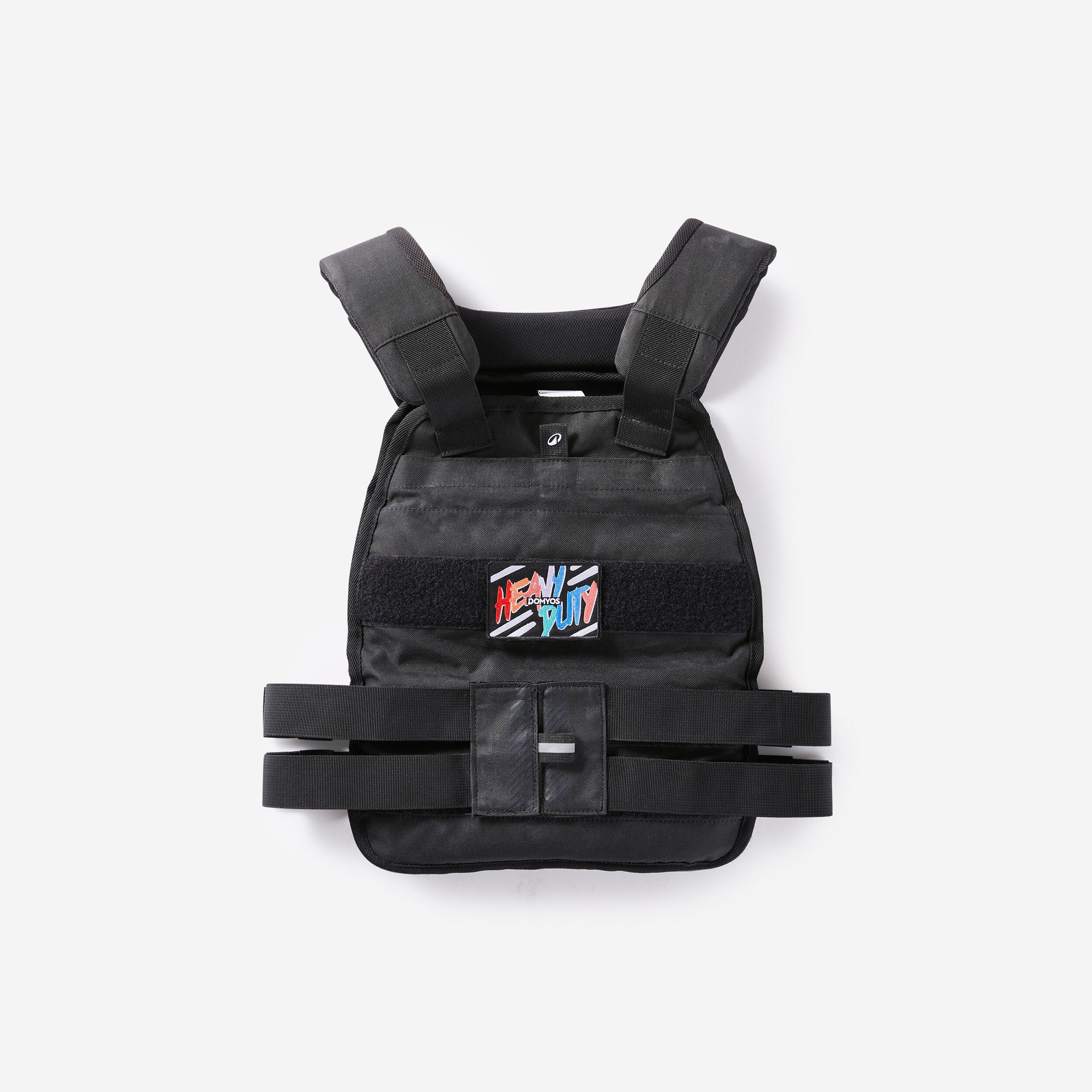
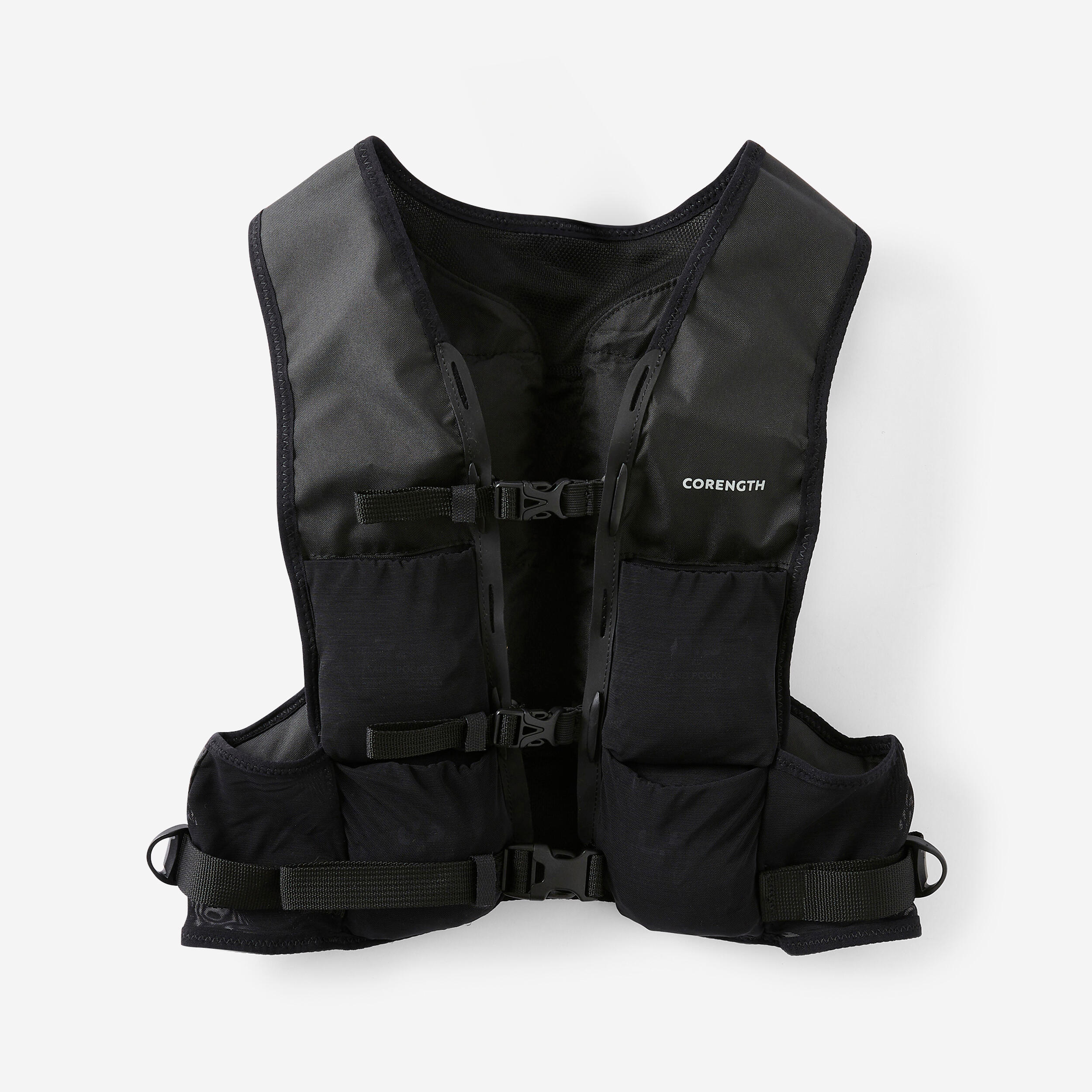
A lighter machine washable weight training vest can help you add resistance to bodyweight exercises without making dynamic movements excessively heavy. Removable weights let you increase the load in smaller steps, which can be useful for burpees, squats, walking lunges and pull-up progressions. A close-fitting shape also matters because the vest should remain stable rather than bouncing around during faster exercises. Pro tip: add weight only after you can perform the unweighted movement with consistent technique. Start with a modest load and check whether your range of movement, landing control and posture remain unchanged before increasing resistance further.

How can you gradually add resistance with an adjustable weighted vest?

Use an adjustable weight training vest when standard bodyweight exercises have become manageable and you want a measurable way to increase resistance. Heavier loading can make pull-ups, dips, squats and step-ups more demanding, but the extra weight also increases stress on your muscles and joints. Increase load gradually rather than moving straight to the maximum setting. Pro tip: keep the vest secure against your torso and reduce the weight if it changes your technique. If you start shortening squat depth, swinging through pull-ups or landing heavily during jumps, the added resistance is probably too high for that exercise or session.

Which accessories work well with Freeletics-style home workouts?

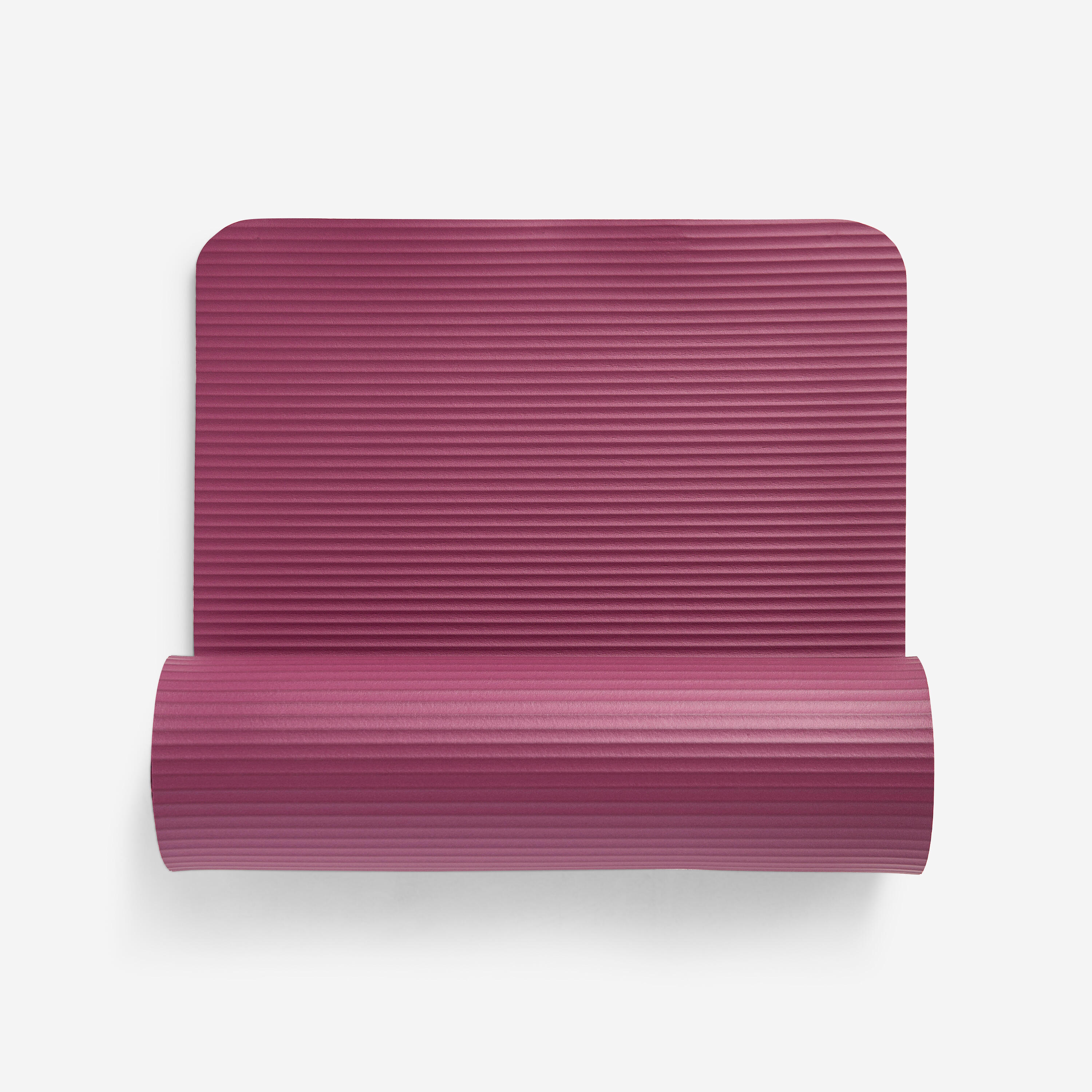
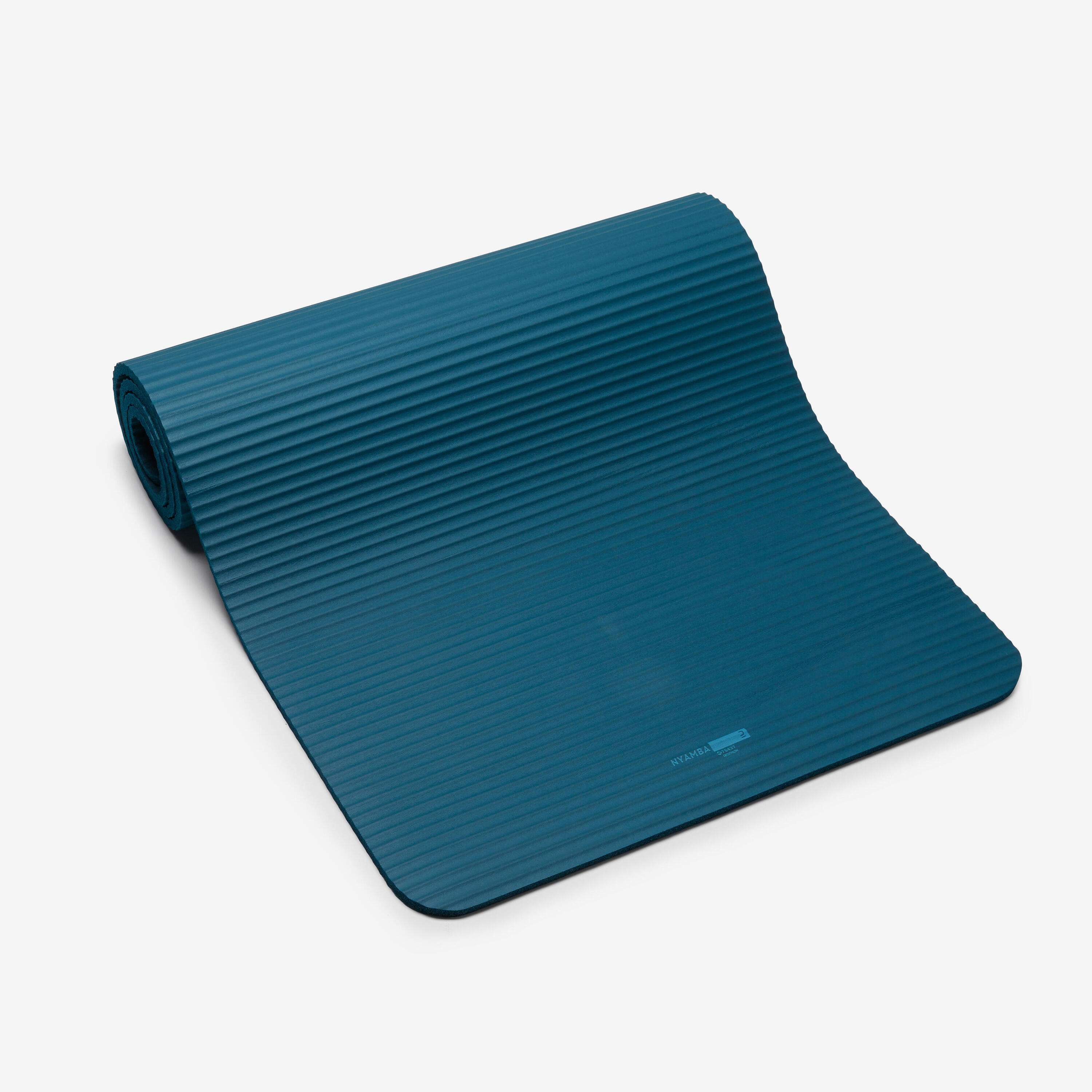
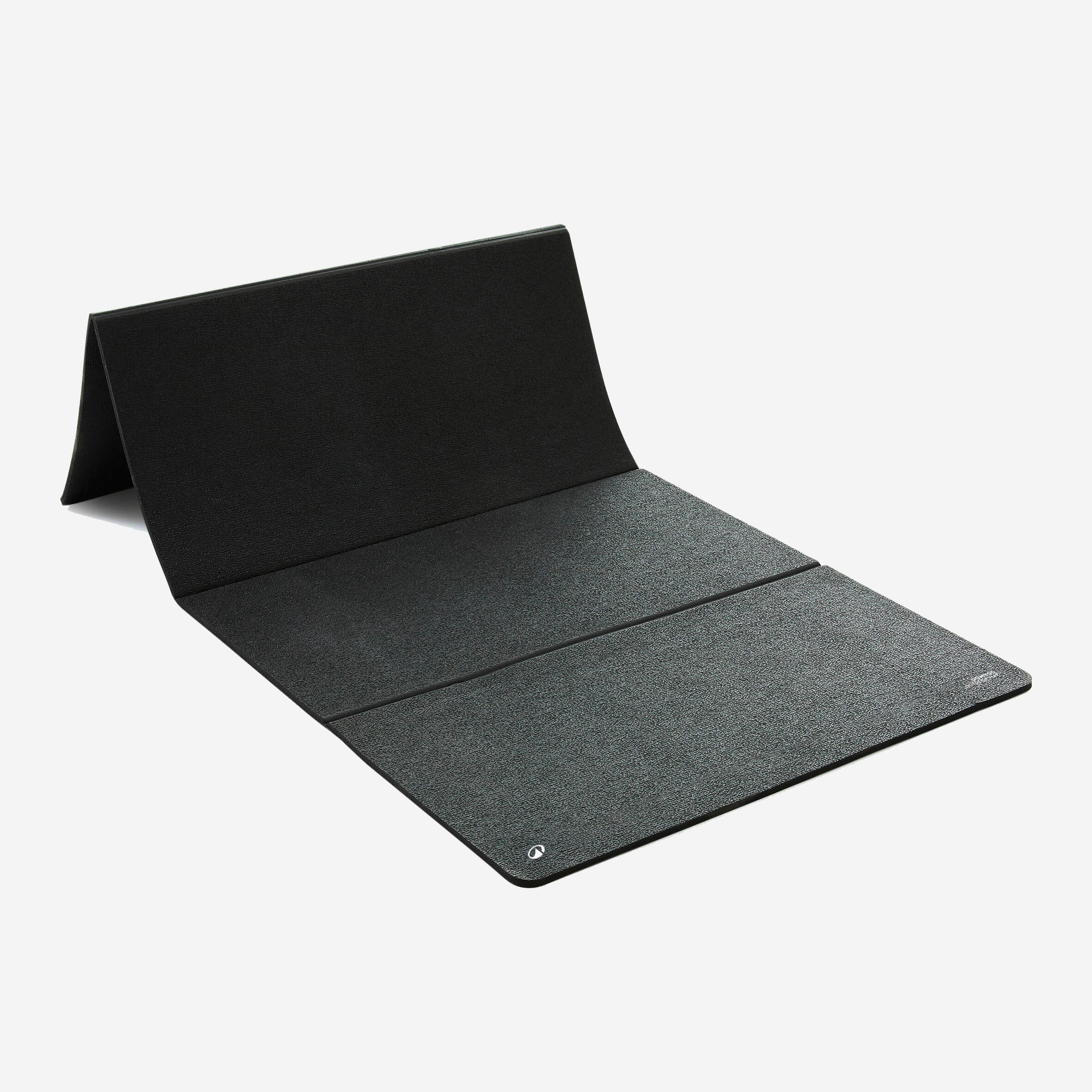
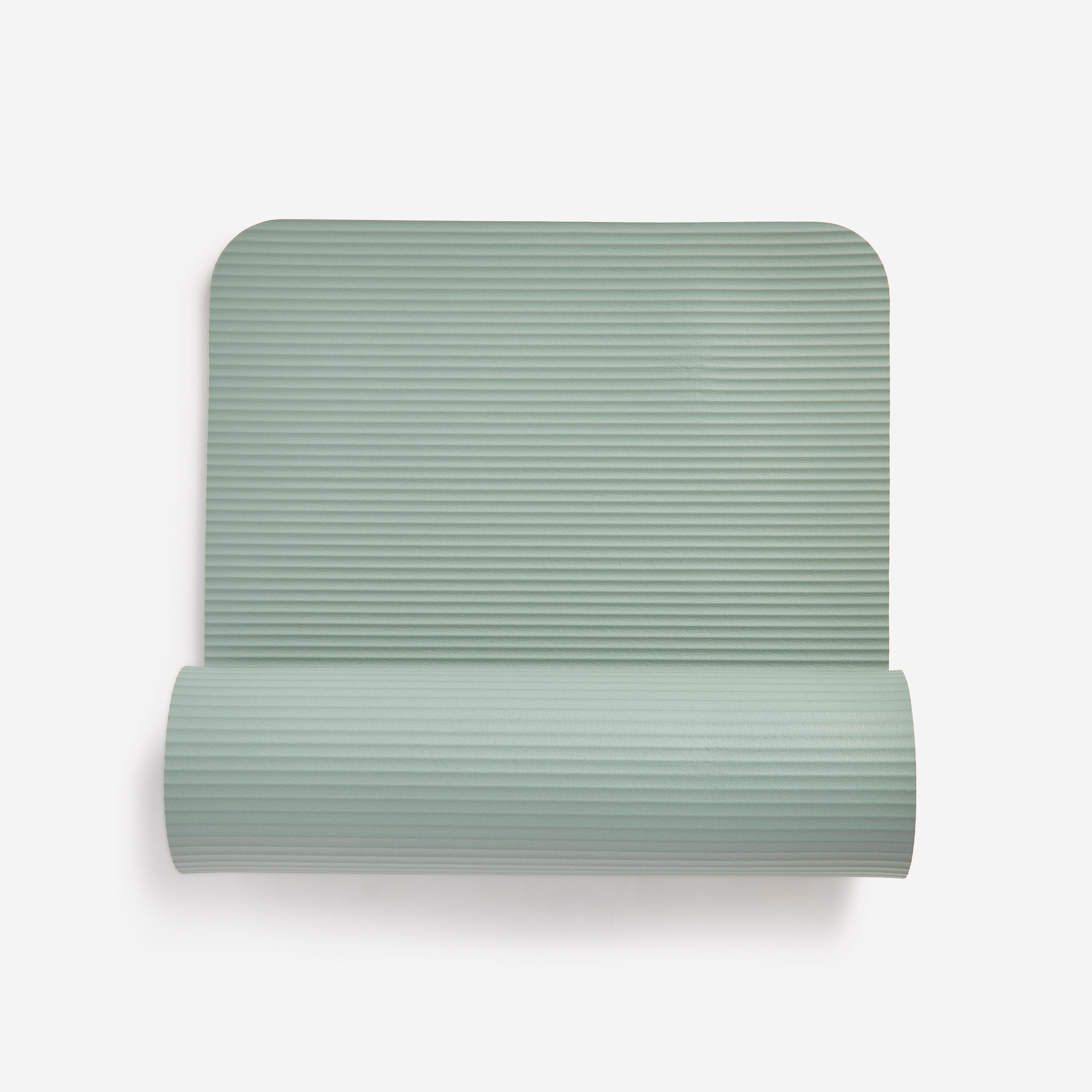
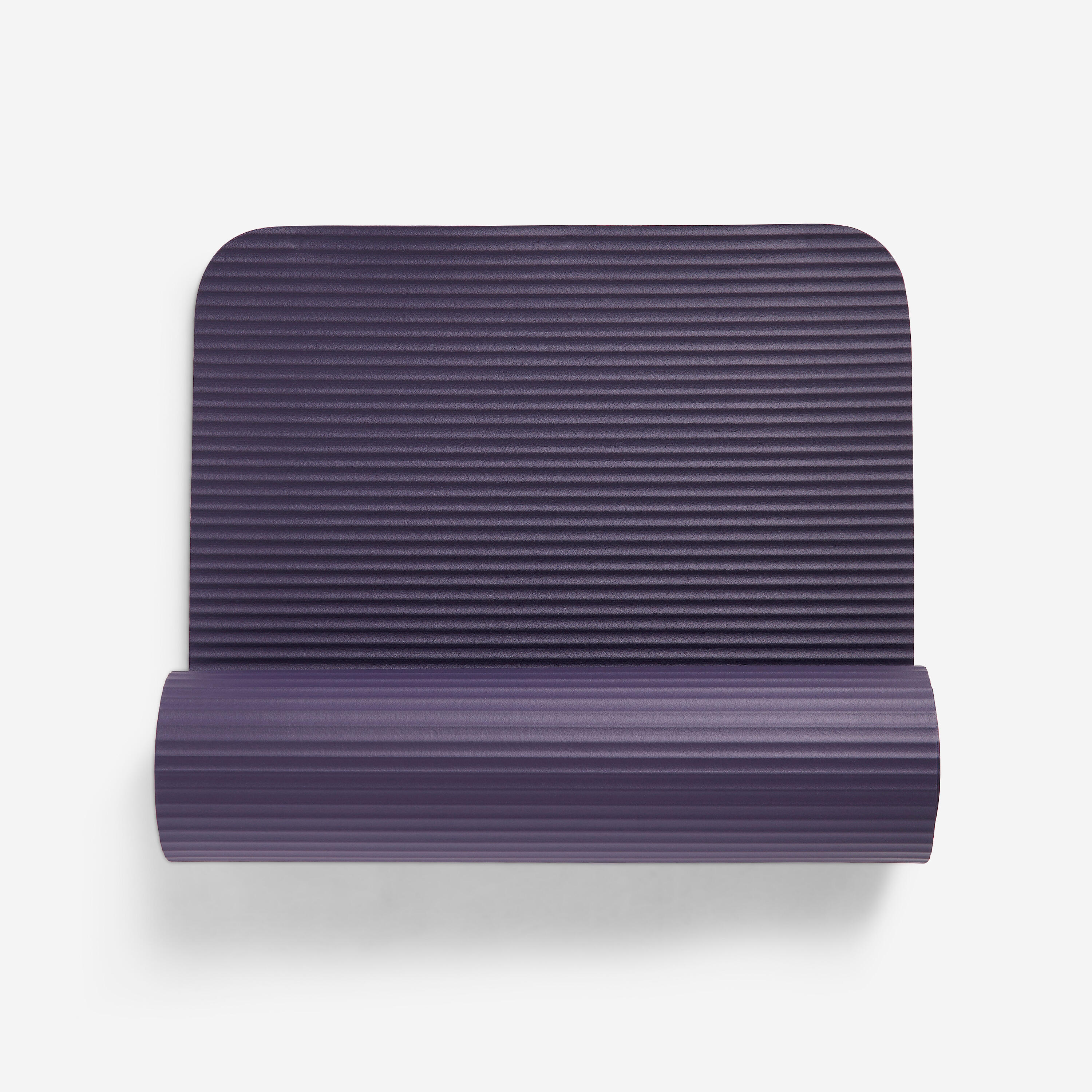
Compact fitness & gym training accessories can add variety without taking over your training space. Resistance bands can assist pull-ups or add resistance to lower-body work, mats can support floor exercises, and skipping ropes can add short cardio intervals between strength blocks. The useful feature is progression: adjustable resistance or equipment that supports several movements gives you more ways to change difficulty as your programme develops. Pro tip: keep enough clear floor space around dynamic exercises and inspect resistance bands before use for cuts, worn areas or other damage. Store elastic equipment away from strong heat and direct sunlight to help preserve its flexibility.
What footwear works well for Freeletics and functional training sessions?

Sessions that combine squats, lunges, burpees and quick changes of direction usually benefit from footwear that feels stable under load while still allowing the forefoot to flex. Selecting gym trainers & shoes for functional training means considering outsole grip, lateral stability and how close your foot sits to the floor rather than focusing only on cushioning. Running shoes can feel soft for straight-ahead movement but may be less stable during strength or multidirectional exercises. Pro tip: test your trainers with a bodyweight squat and side lunge. Your heel should remain secure, the sole should not feel excessively unstable and your toes should have enough room to spread naturally as you load the foot.