462 items
4.4/5 based on 87195 reviews collected online and in stores

Beginner Running Accessories FAQs

Which running accessories does a beginner actually need?

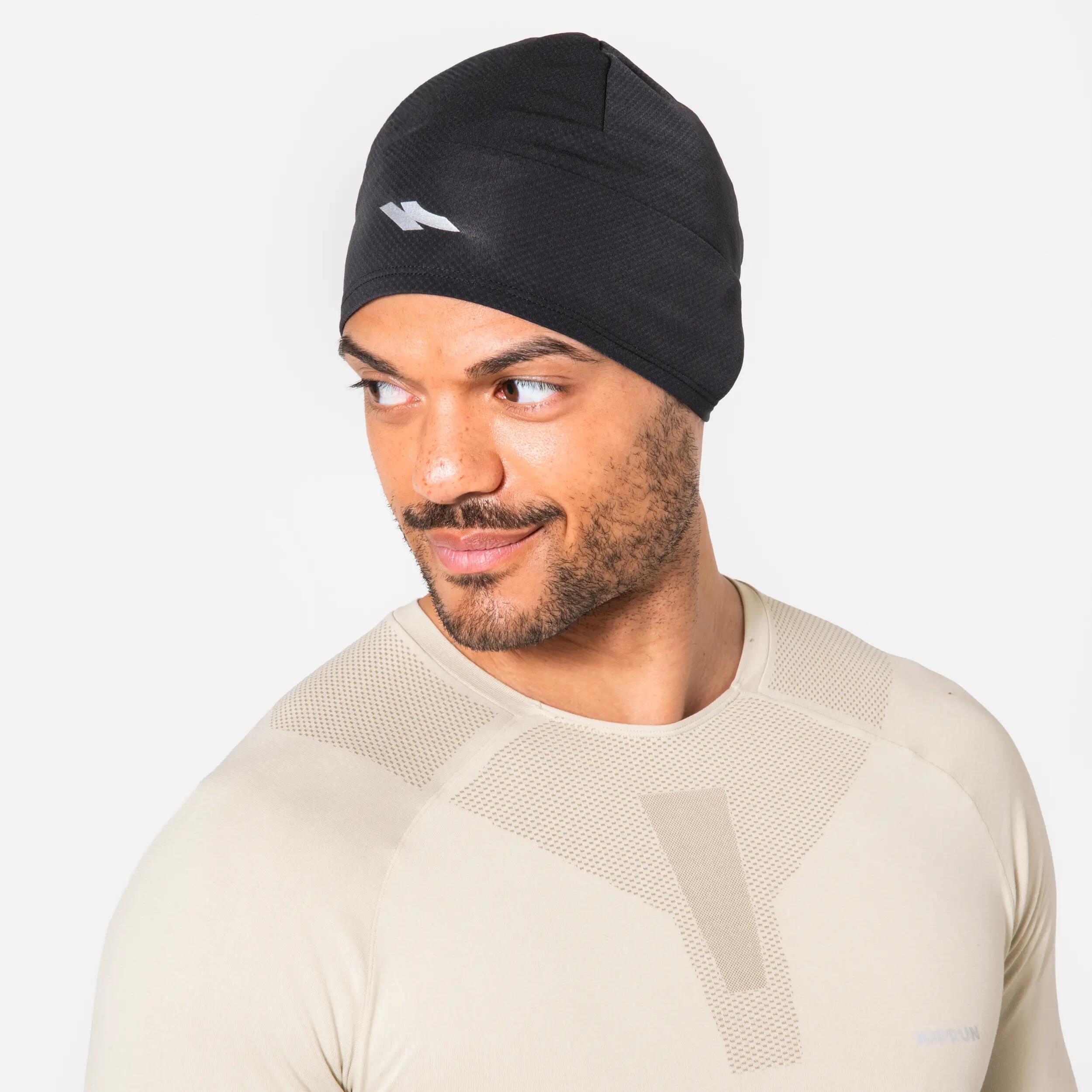
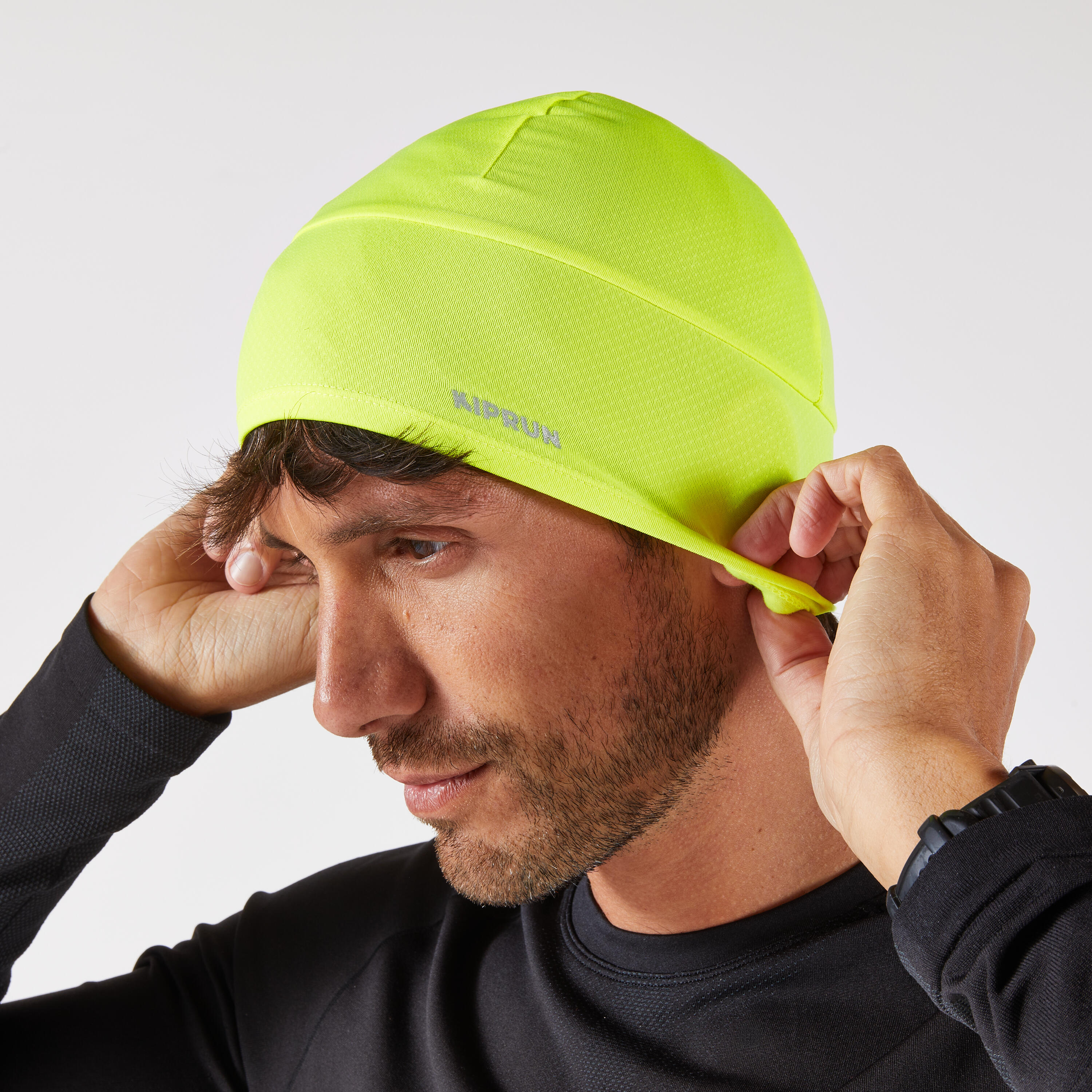
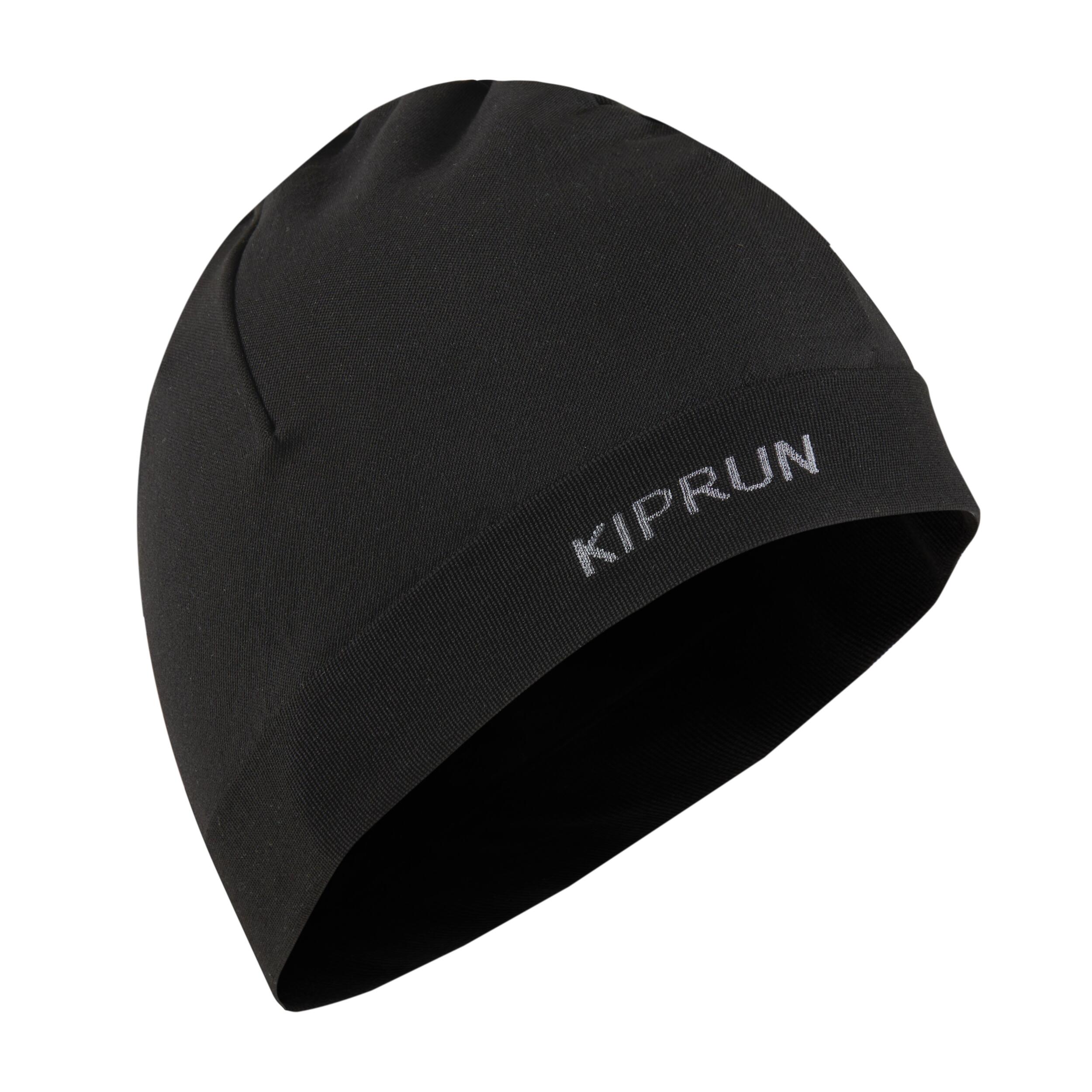
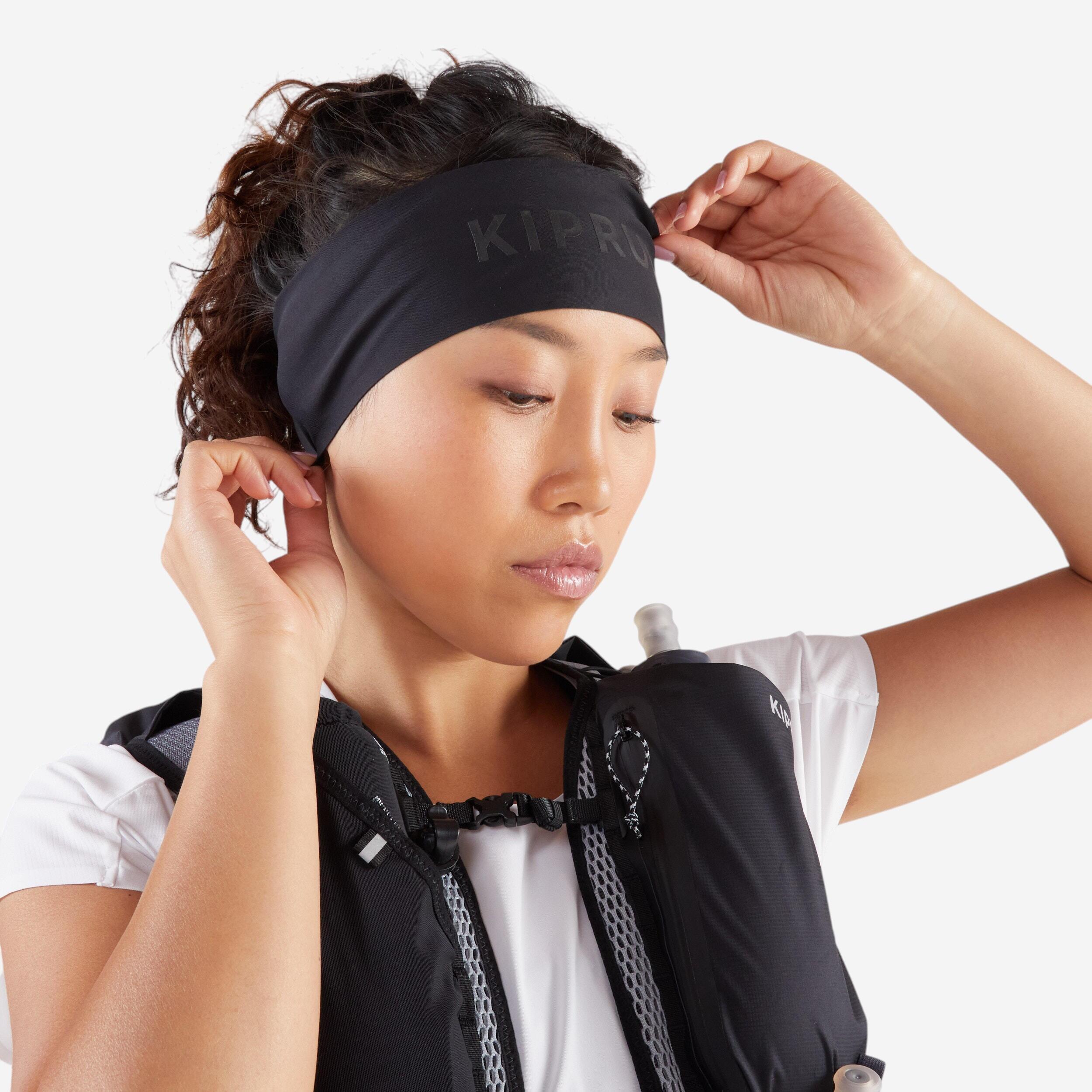
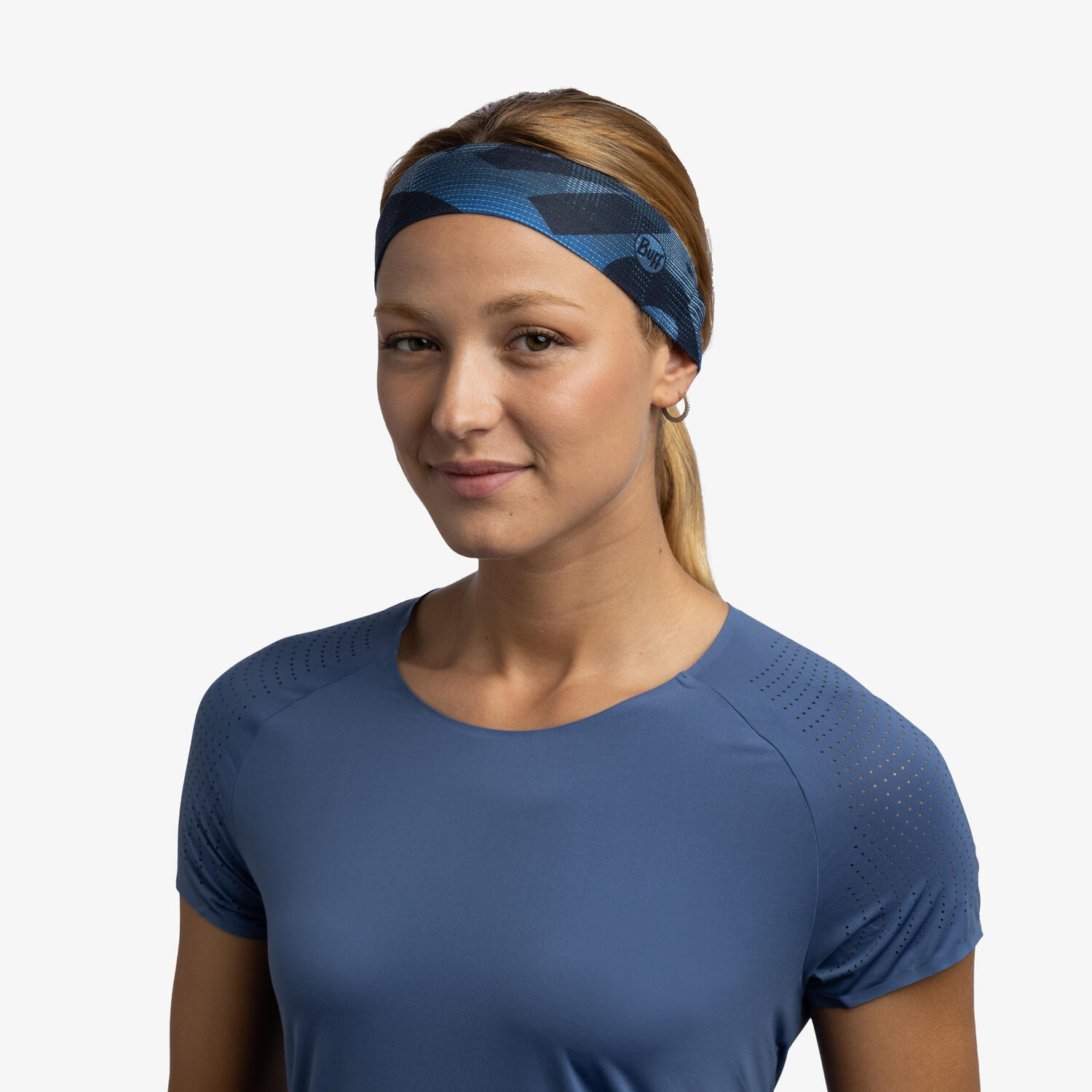
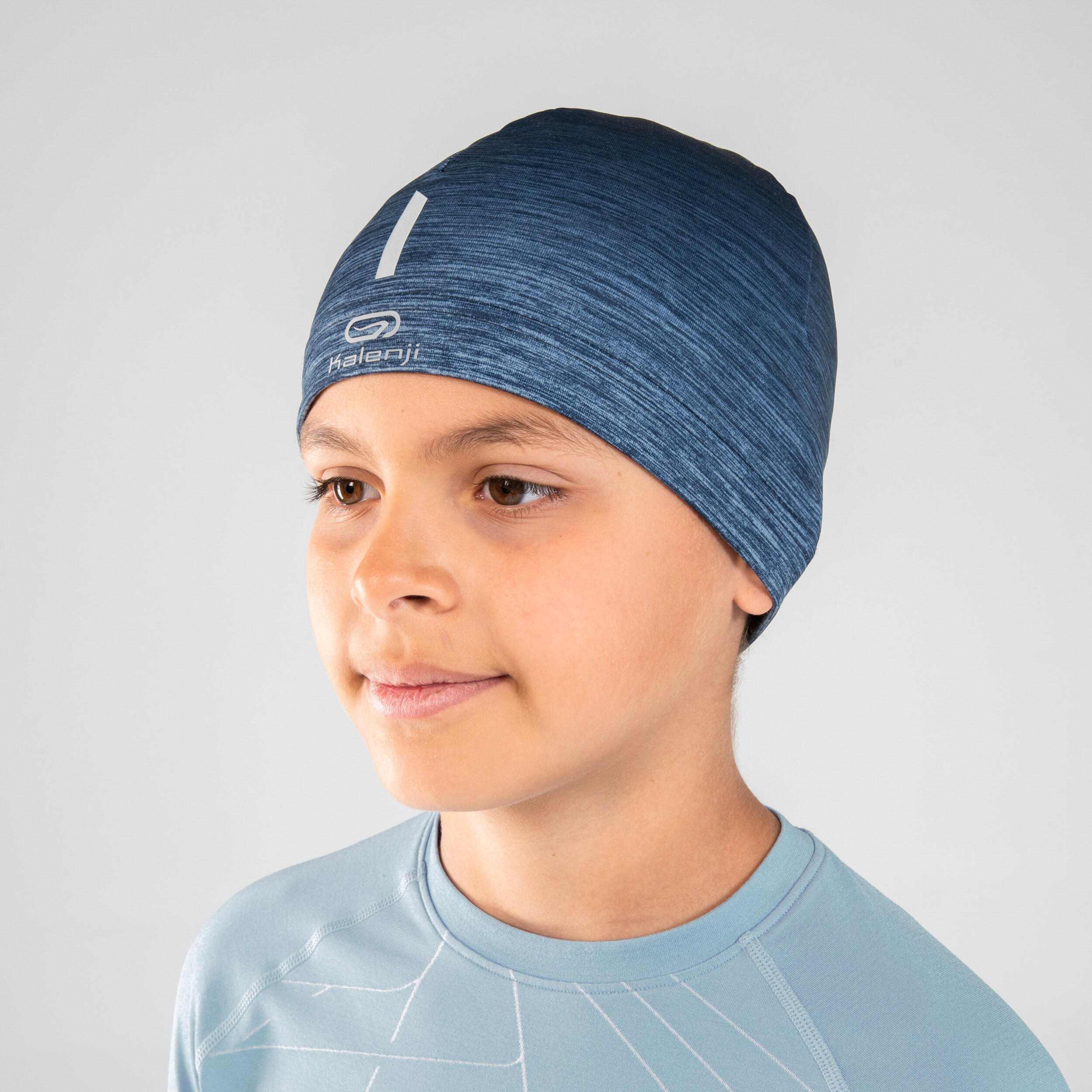
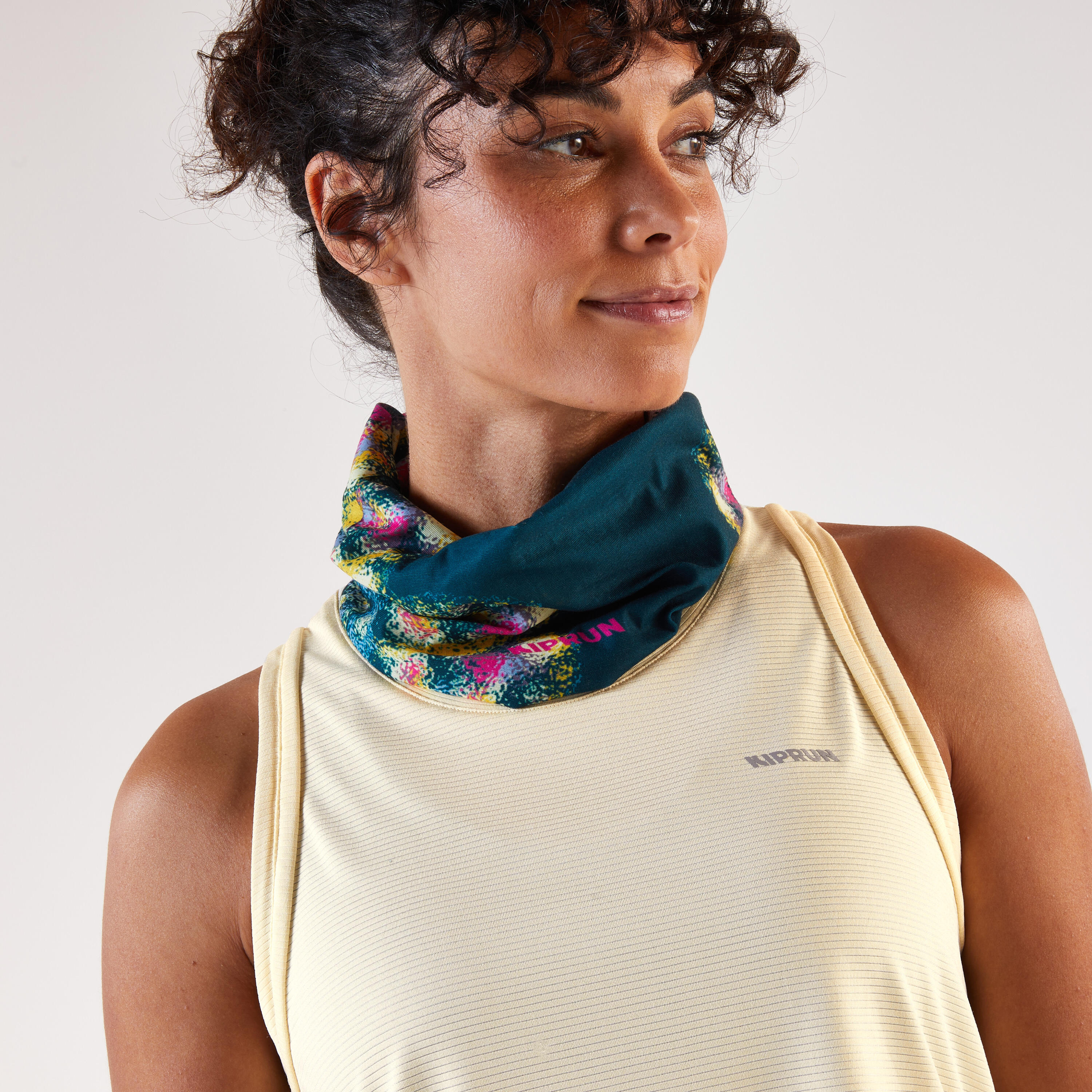
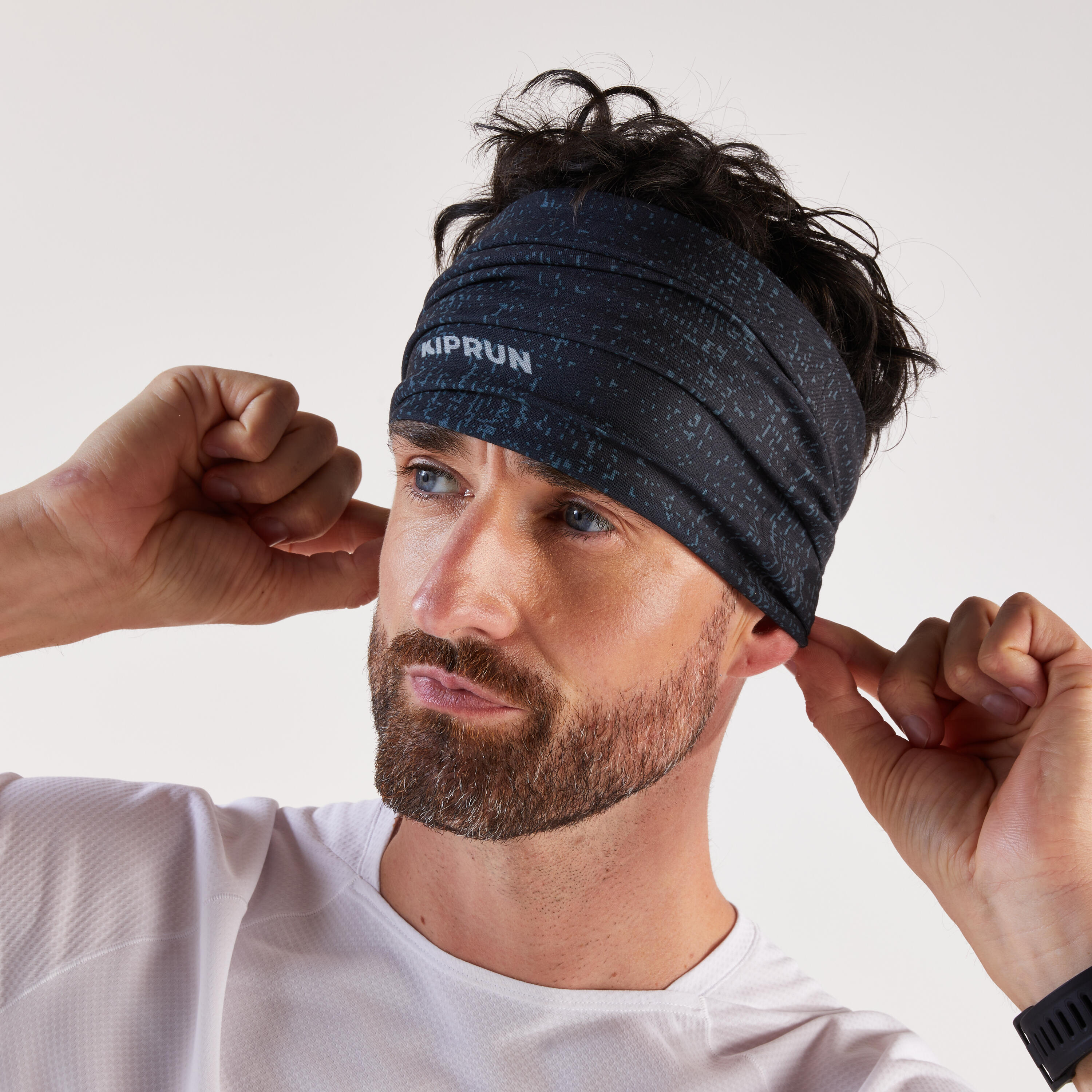
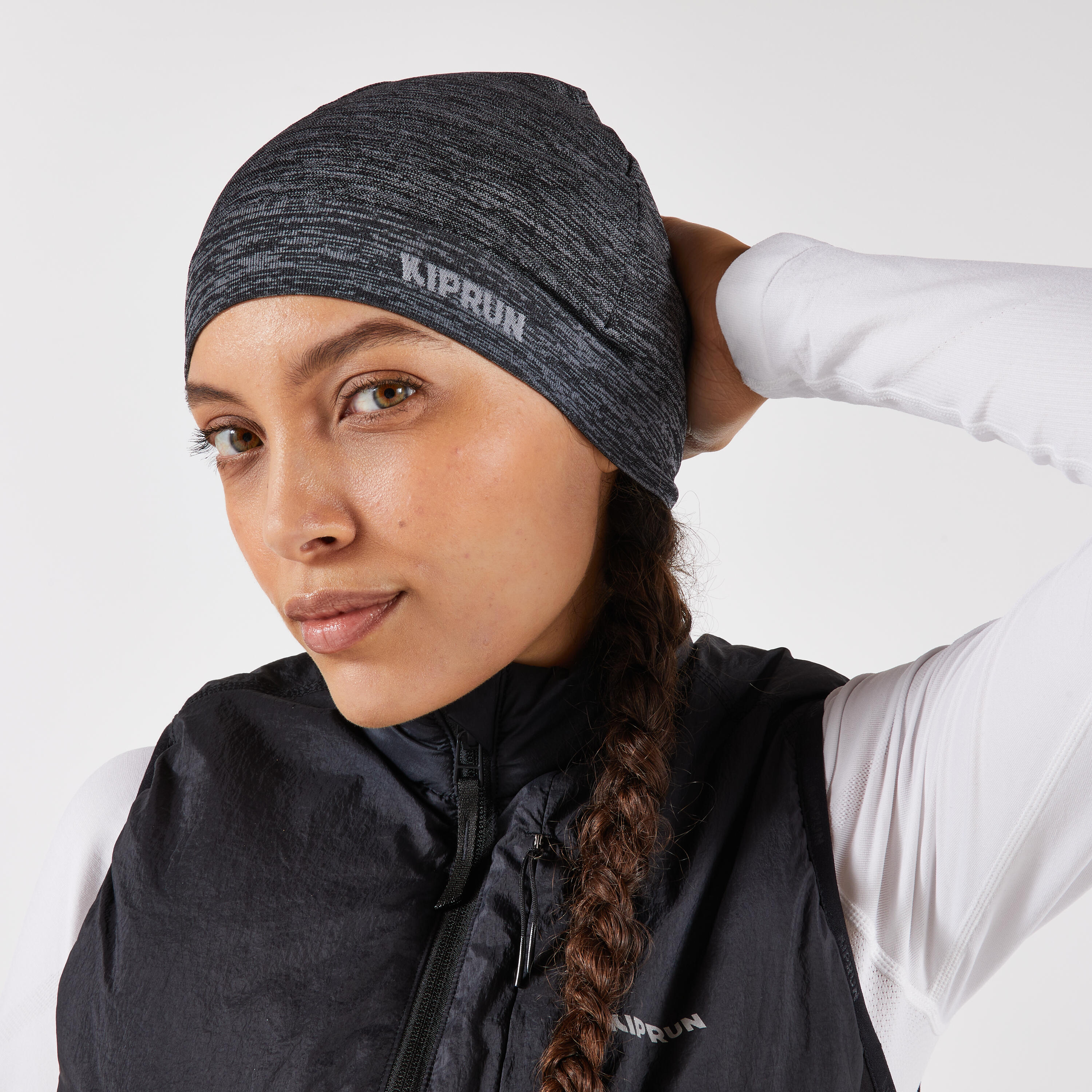
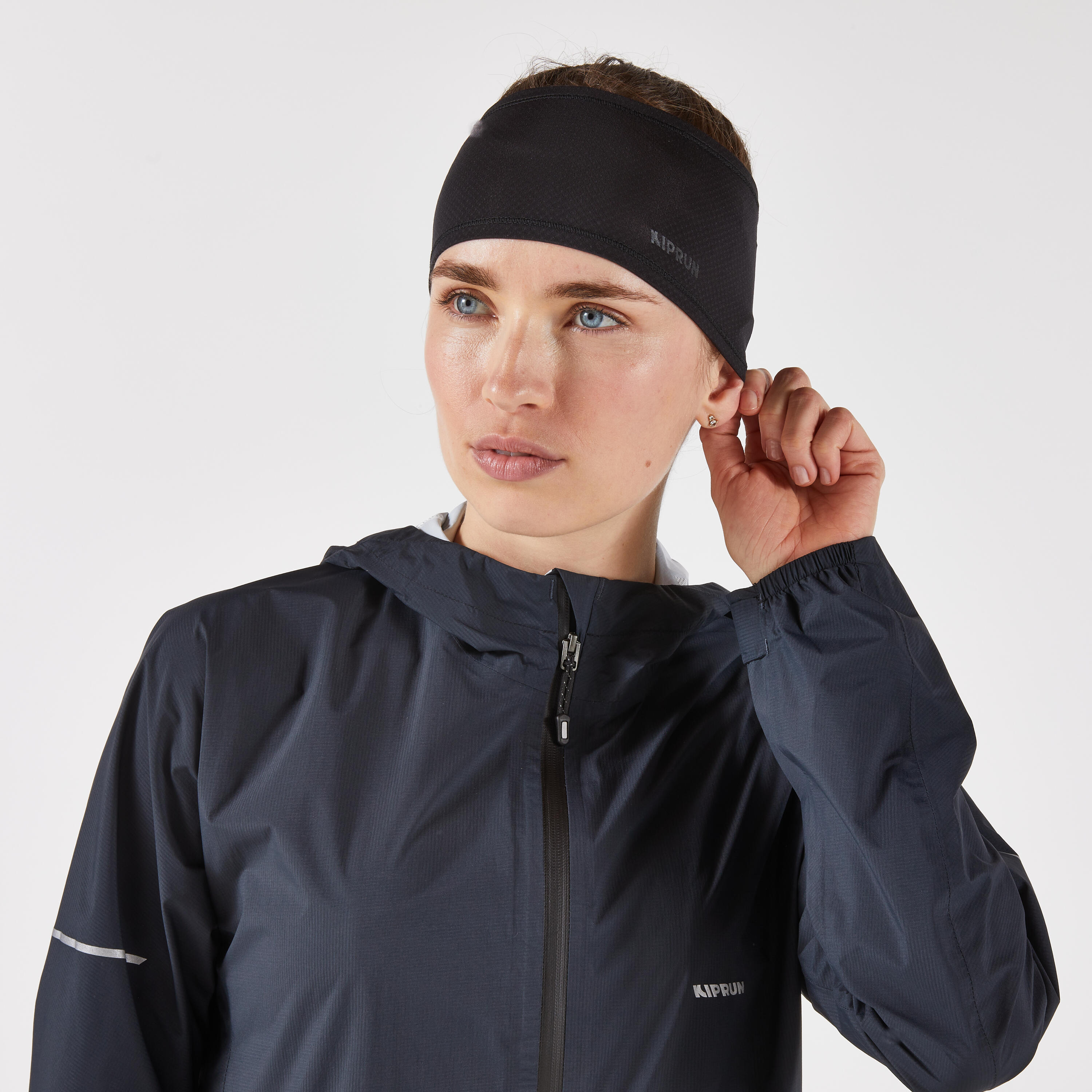
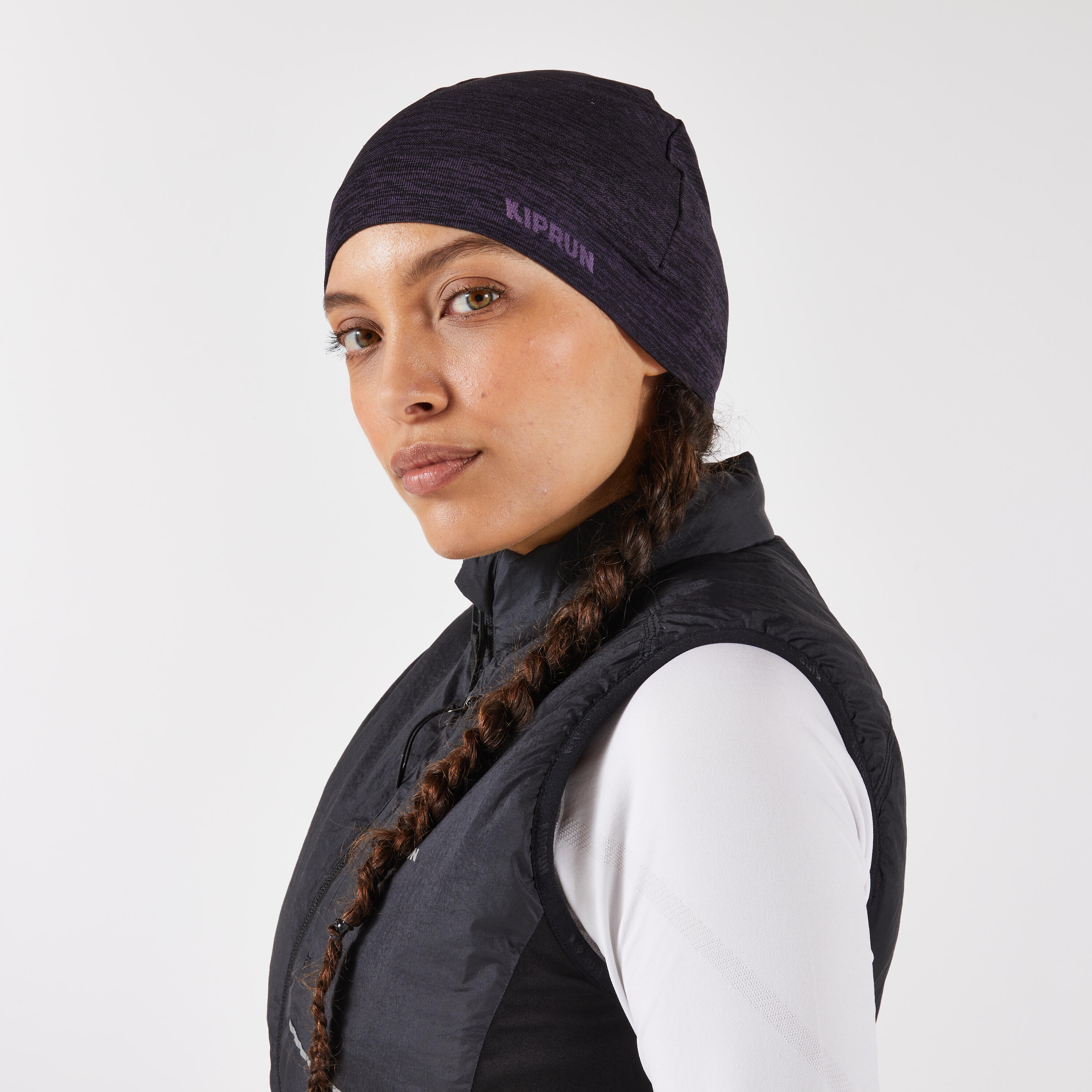
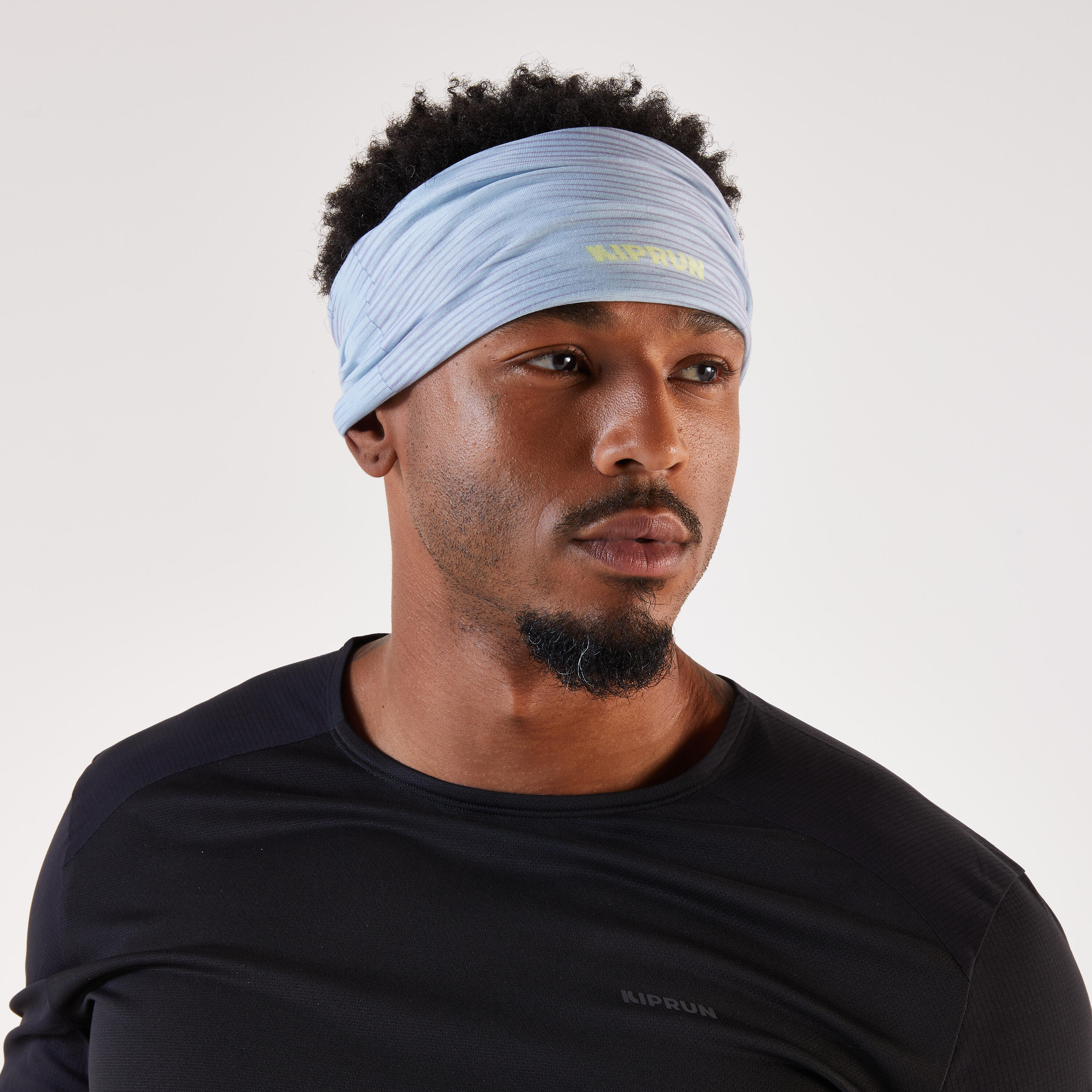
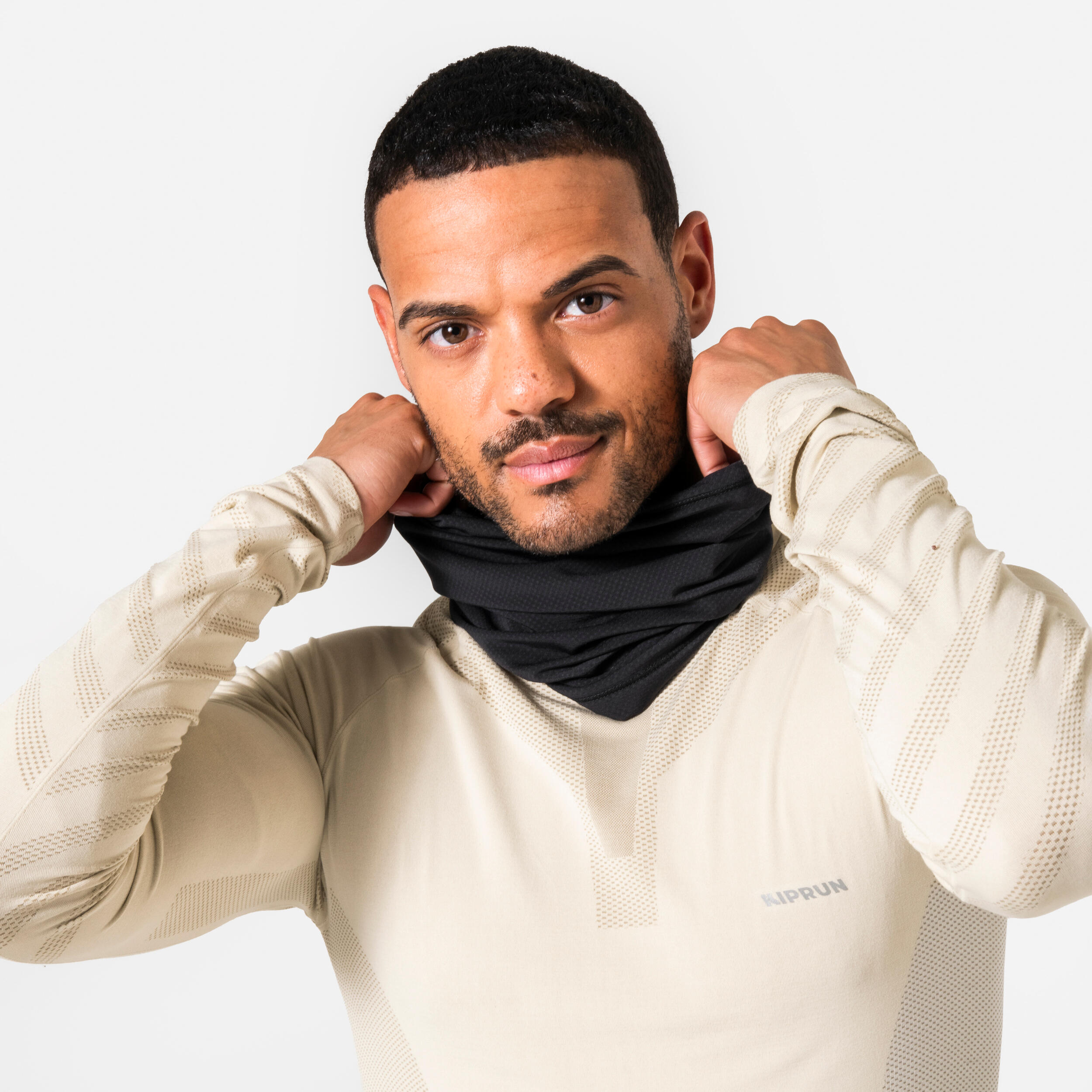
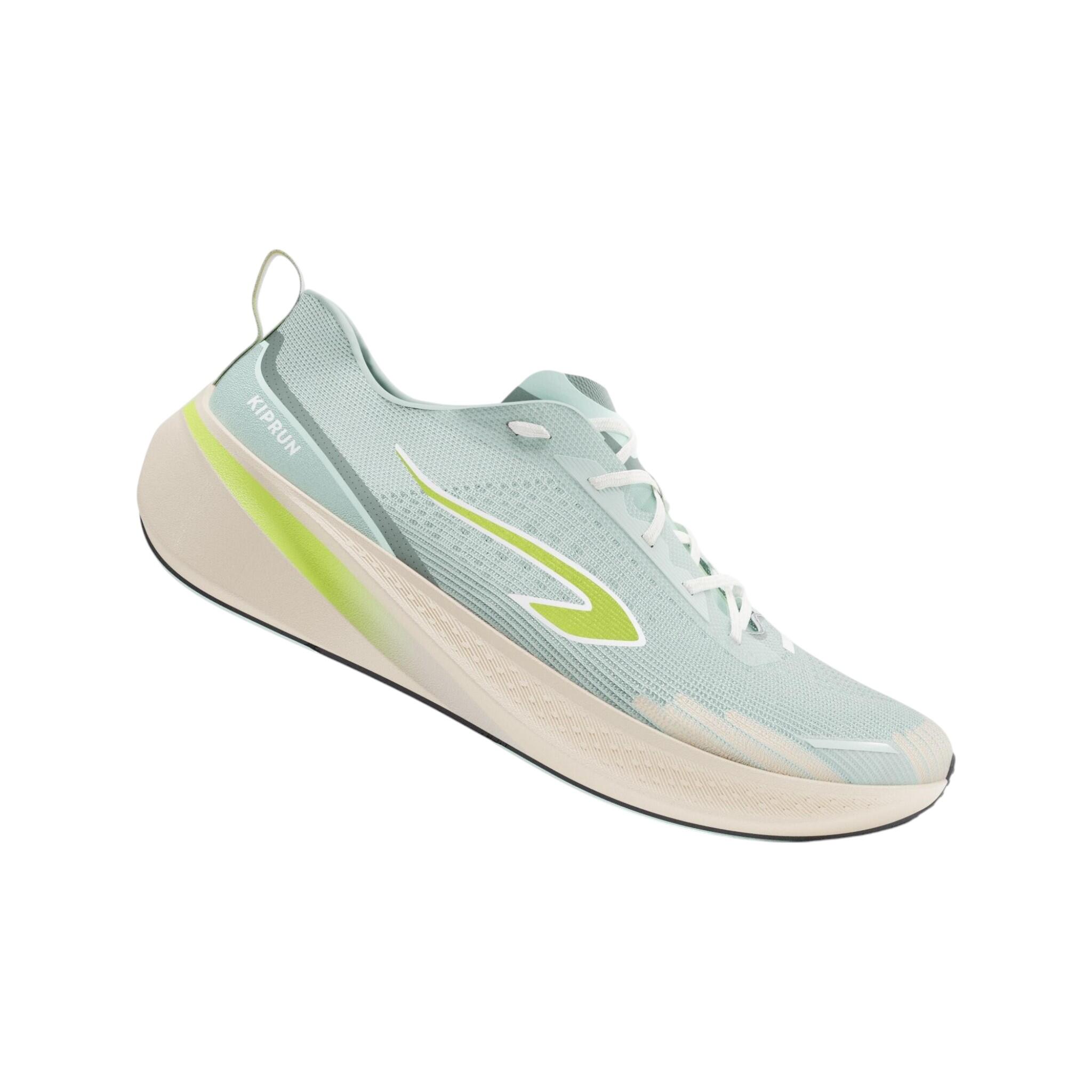
Start with accessories that solve a problem you already meet while running, rather than carrying extra kit from the first session. A small flask, weather-appropriate headwear and secure storage are practical starting points. Your shoes remain the most important part of the setup, so choose suitable beginner running shoes before adding watches or race equipment. A soft flask may help on warm or longer sessions, while a light hat or headband can manage sweat and changing temperatures. New runners on short routes close to home may need very little. Pro tip: add one accessory at a time and test whether it improves comfort, hydration or organisation without bouncing, rubbing or distracting you.

Which running flask capacity is suitable for beginners?

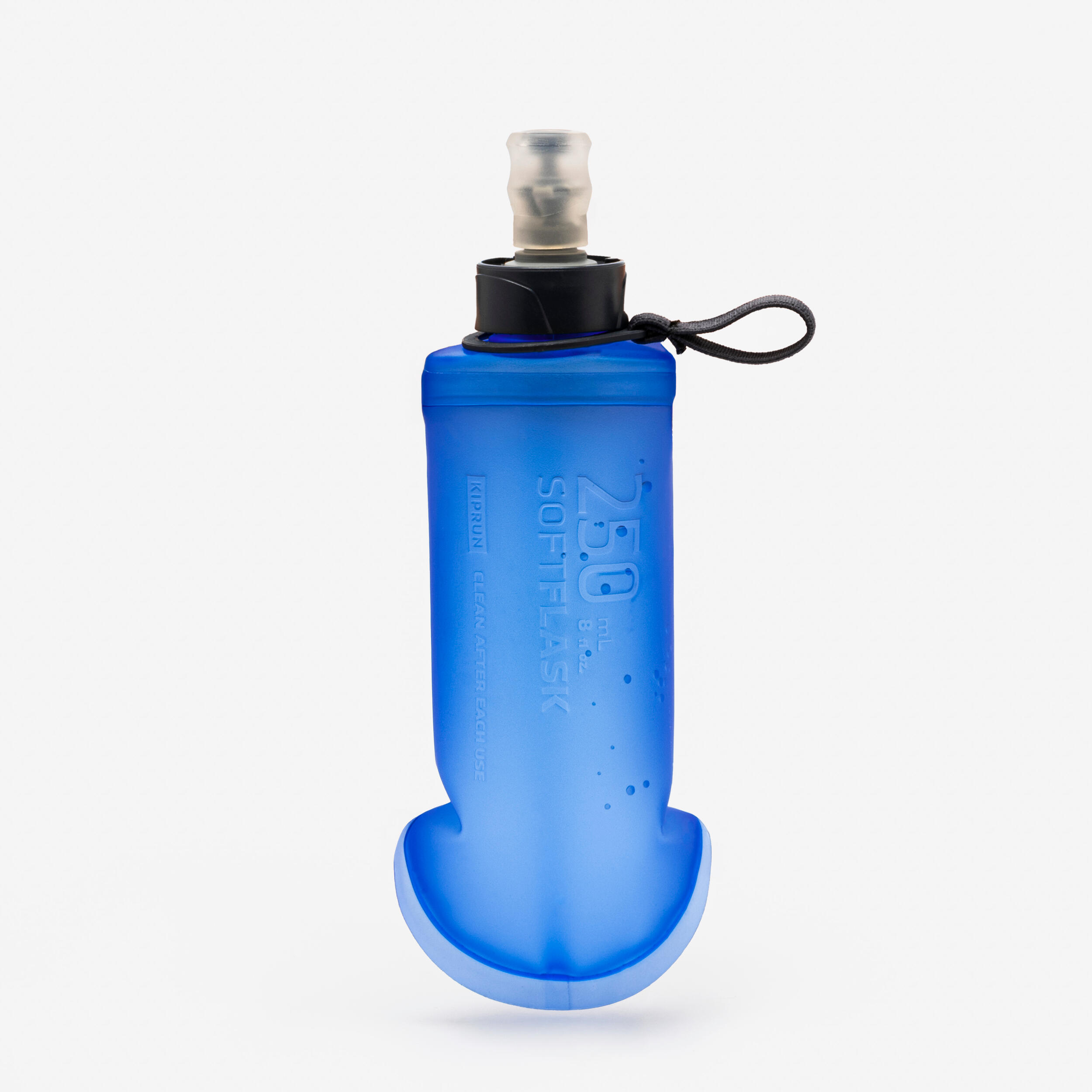
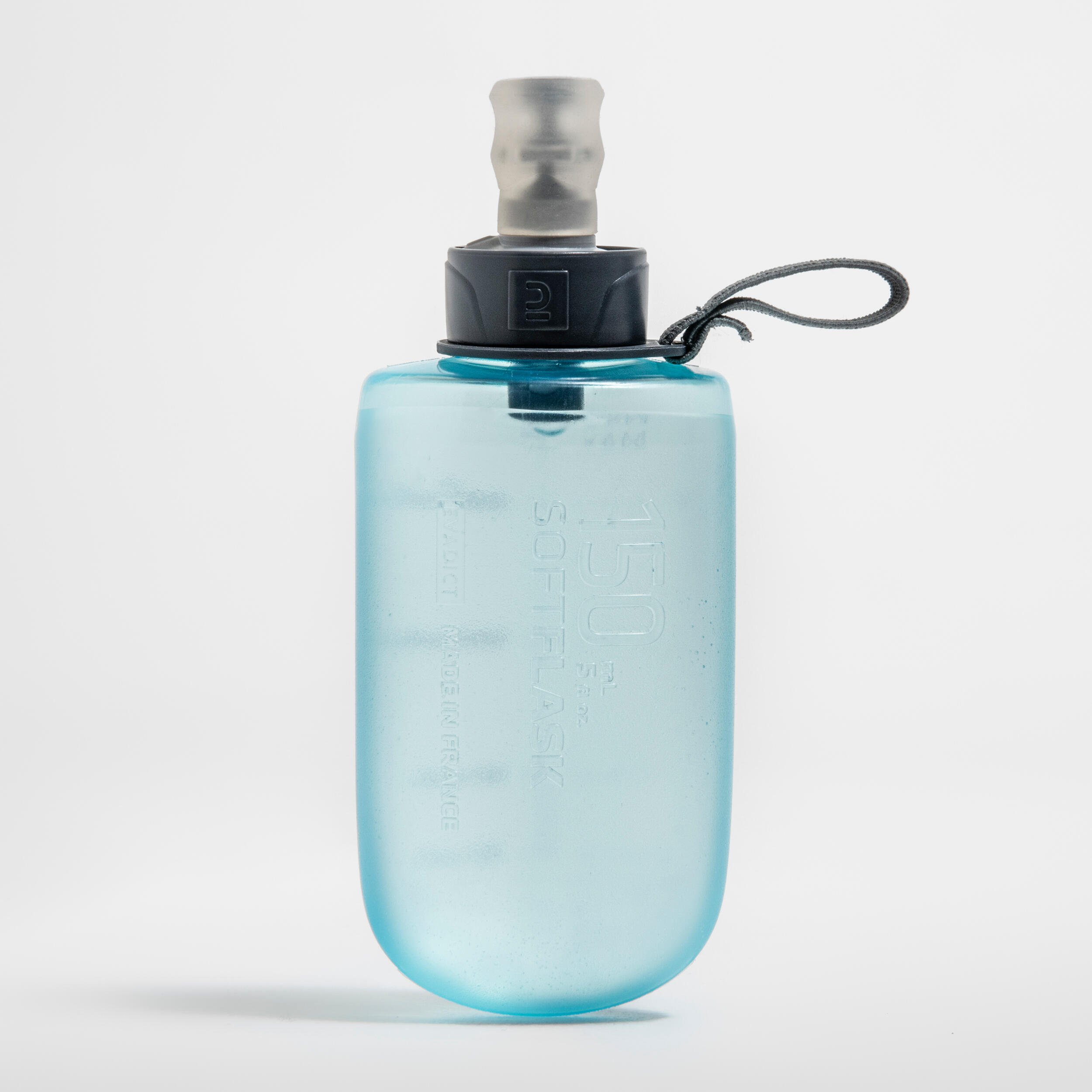
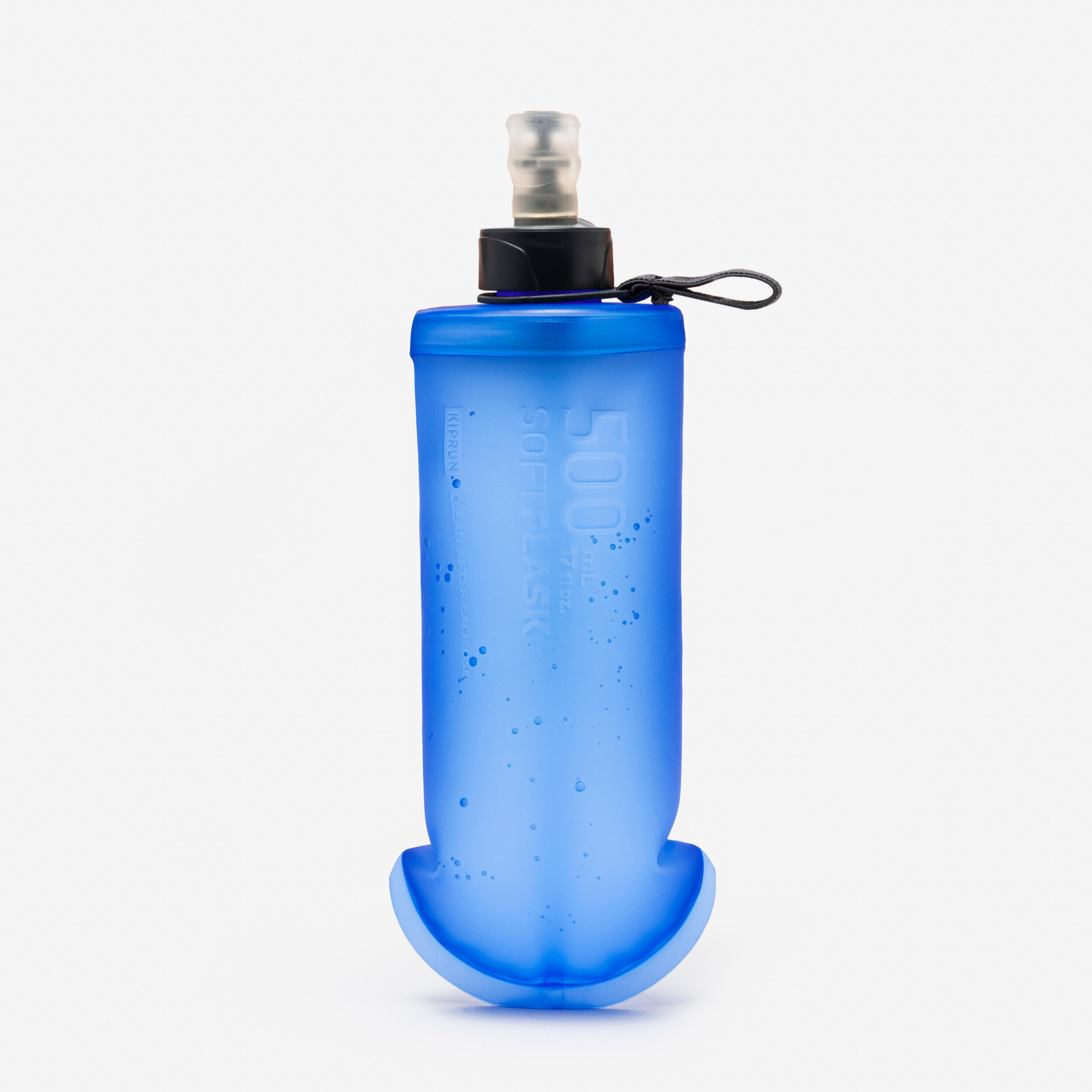
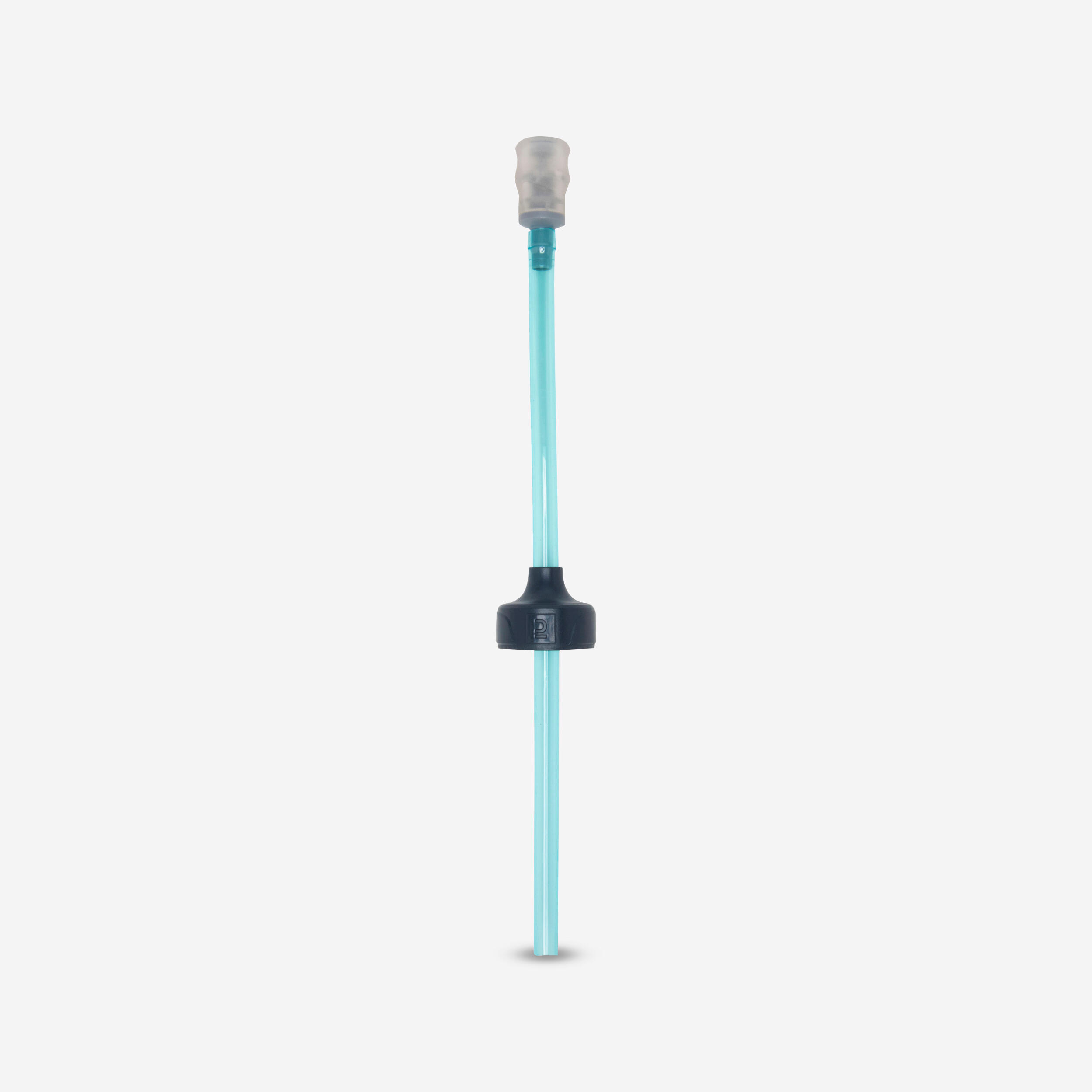
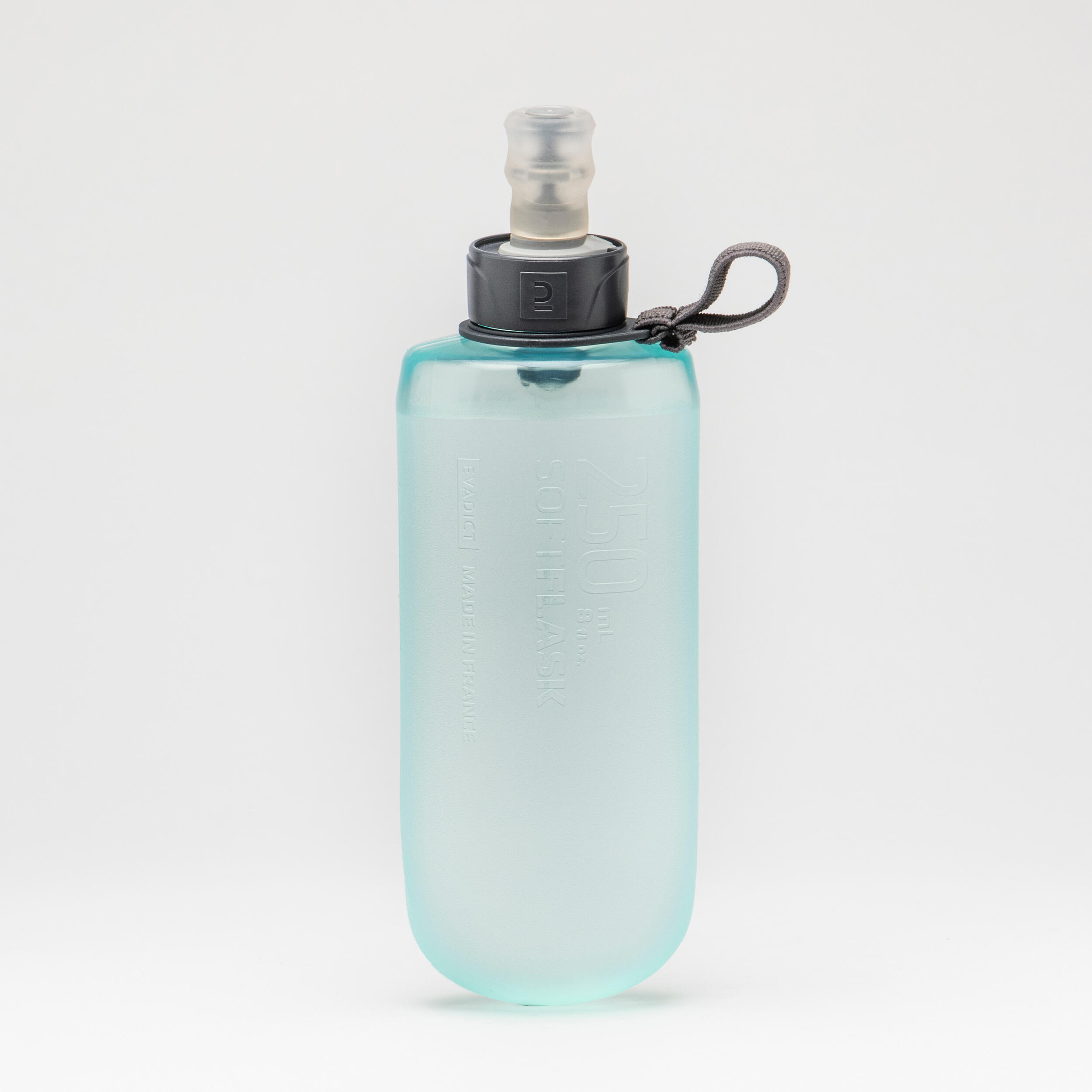
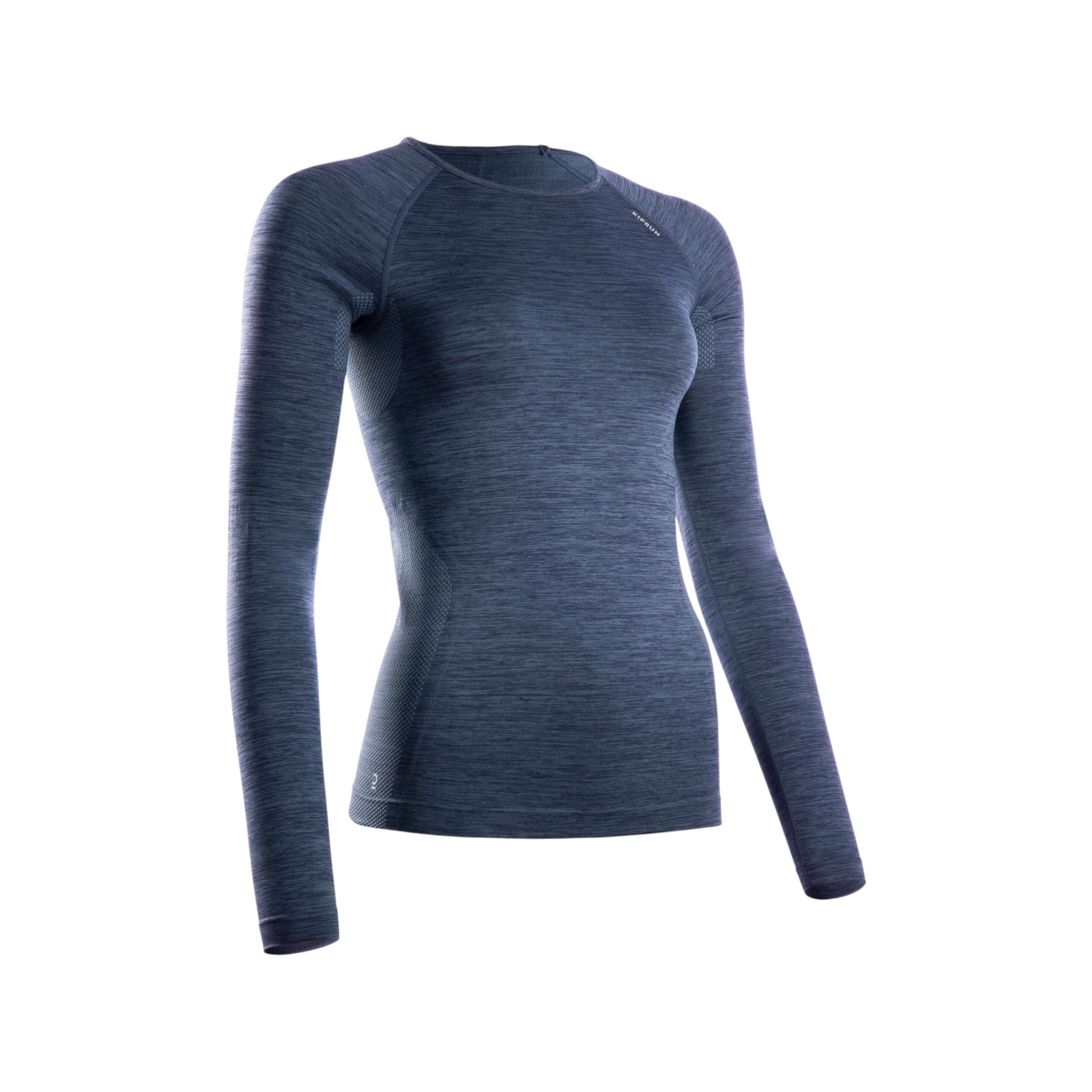
A 250 ml flexible flask provides a compact amount of water for shorter outings and can be carried using an elastic hand loop. A 500 ml model adds more capacity for warmer weather or sessions approaching an hour, although it weighs more when full. Soft walls compress as you drink, which reduces bulk and limits water sloshing inside the bottle. Squeeze out excess air before locking the valve, then test the drinking action while walking before using it at running pace. Match your hydration choice with breathable beginner running apparel, as comfortable clothing and sensible fluid intake both help you manage heat during exercise.

Do beginners need sports nutrition while running?

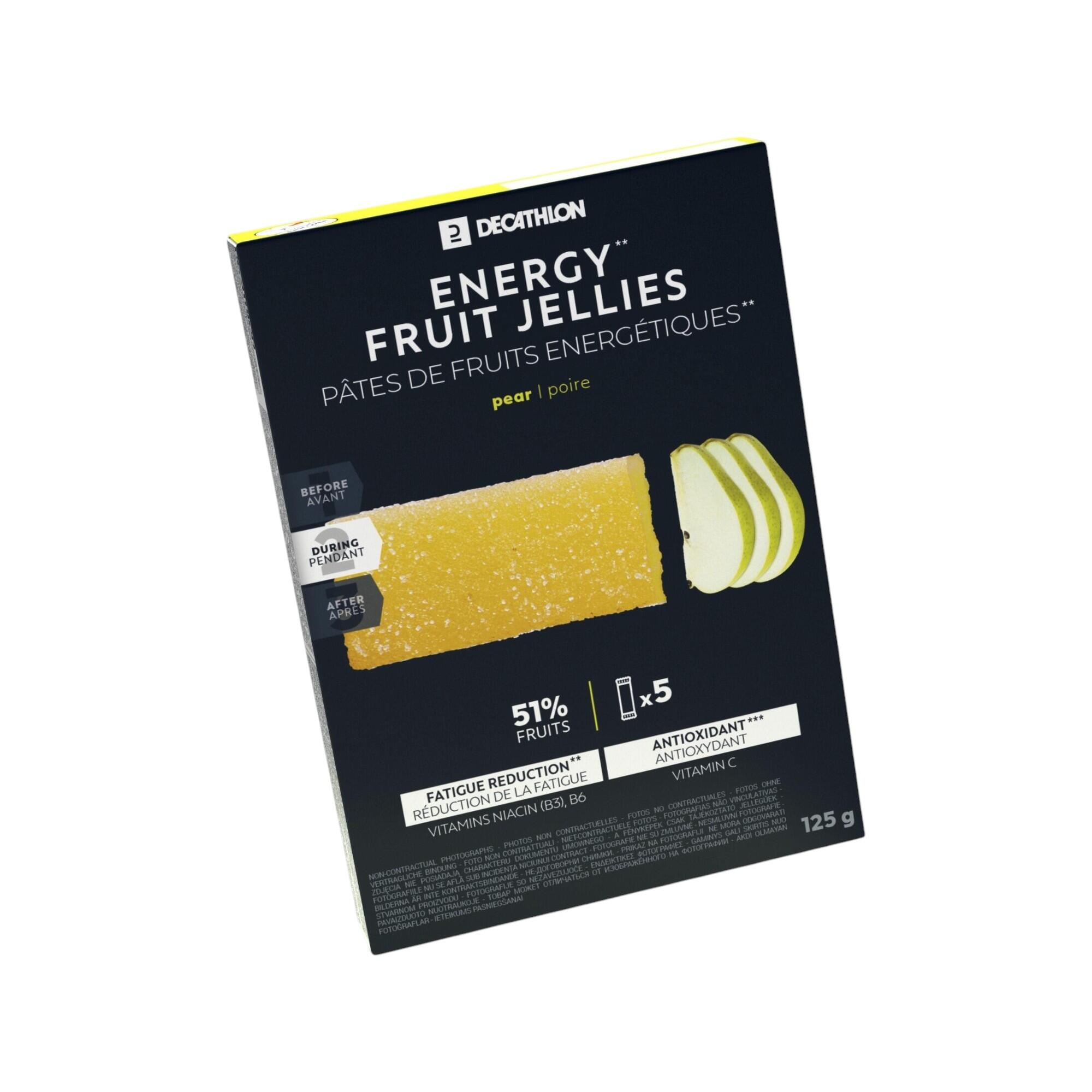
Most short beginner sessions do not require gels, energy bars or carbohydrate drinks. Water and normal meals are usually enough when the run is brief and completed at a comfortable effort. Sports nutrition becomes more relevant as your duration increases, particularly when training lasts around an hour or forms part of preparation for a longer event. Test any product gradually because concentrated sweetness or unfamiliar ingredients may upset your stomach during movement. The beginner running nutrition category can help you compare drink and fuel formats, but the product instructions and your previous training response should guide how much you use. Never introduce a new gel on race morning.

Is a GPS watch necessary when you start running?

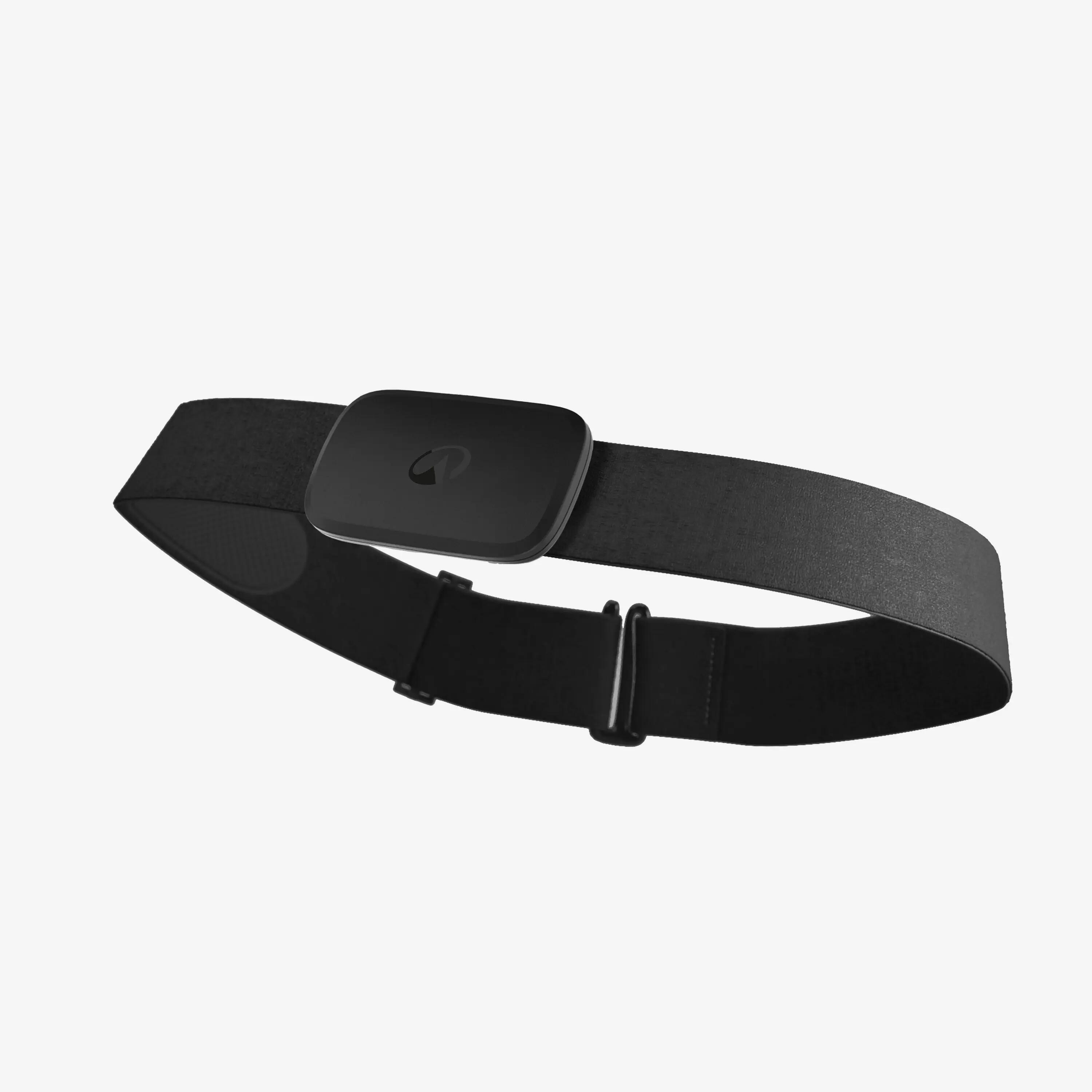
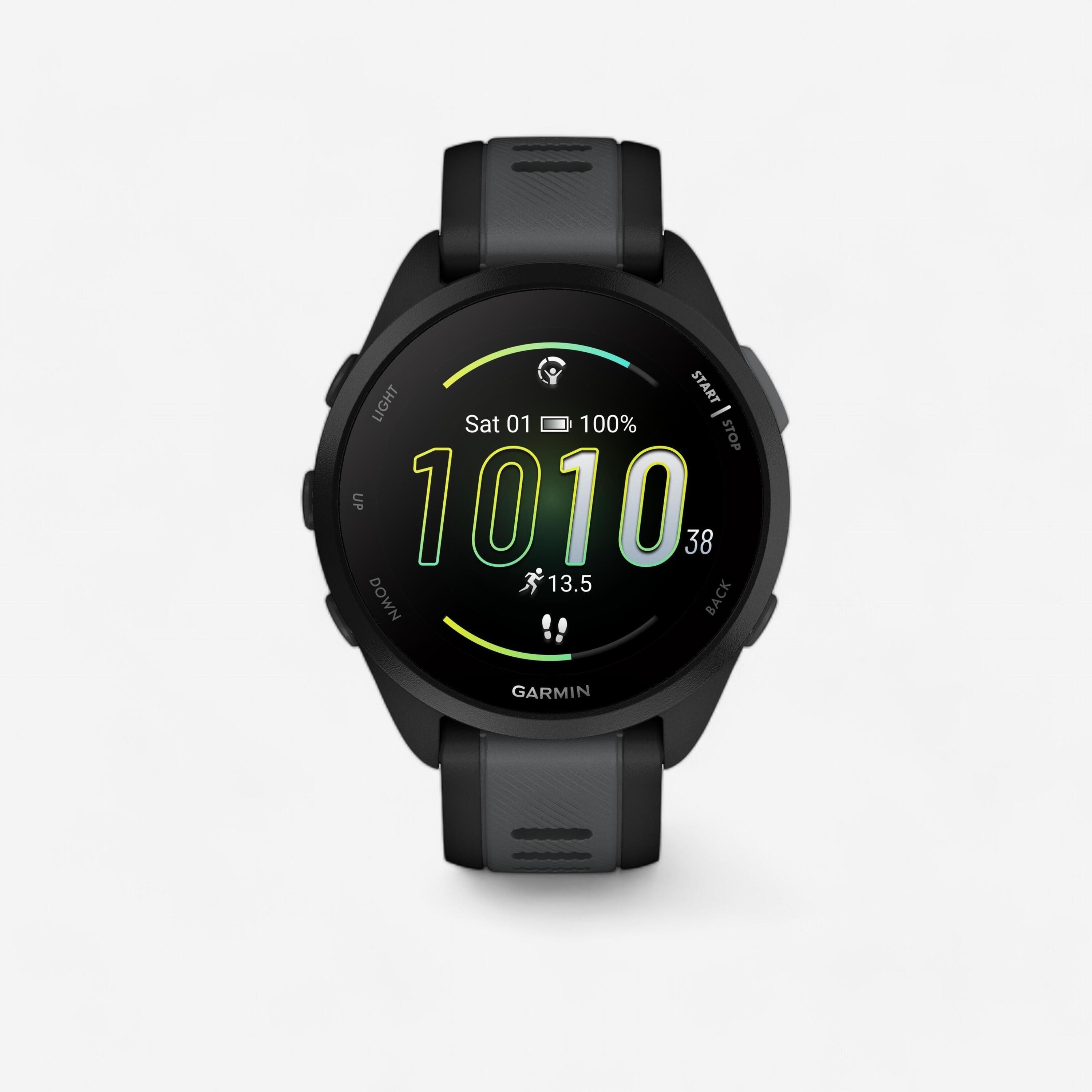
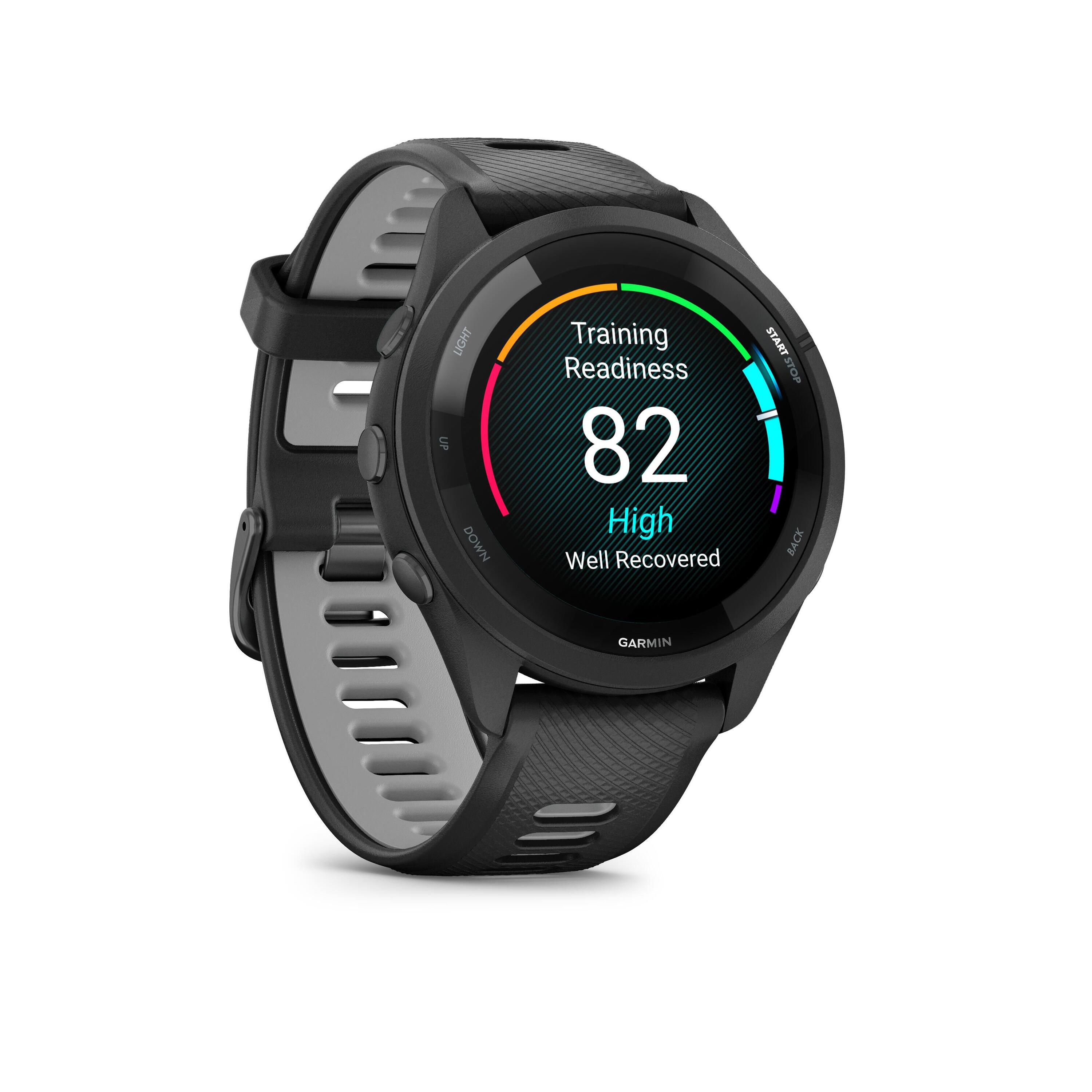
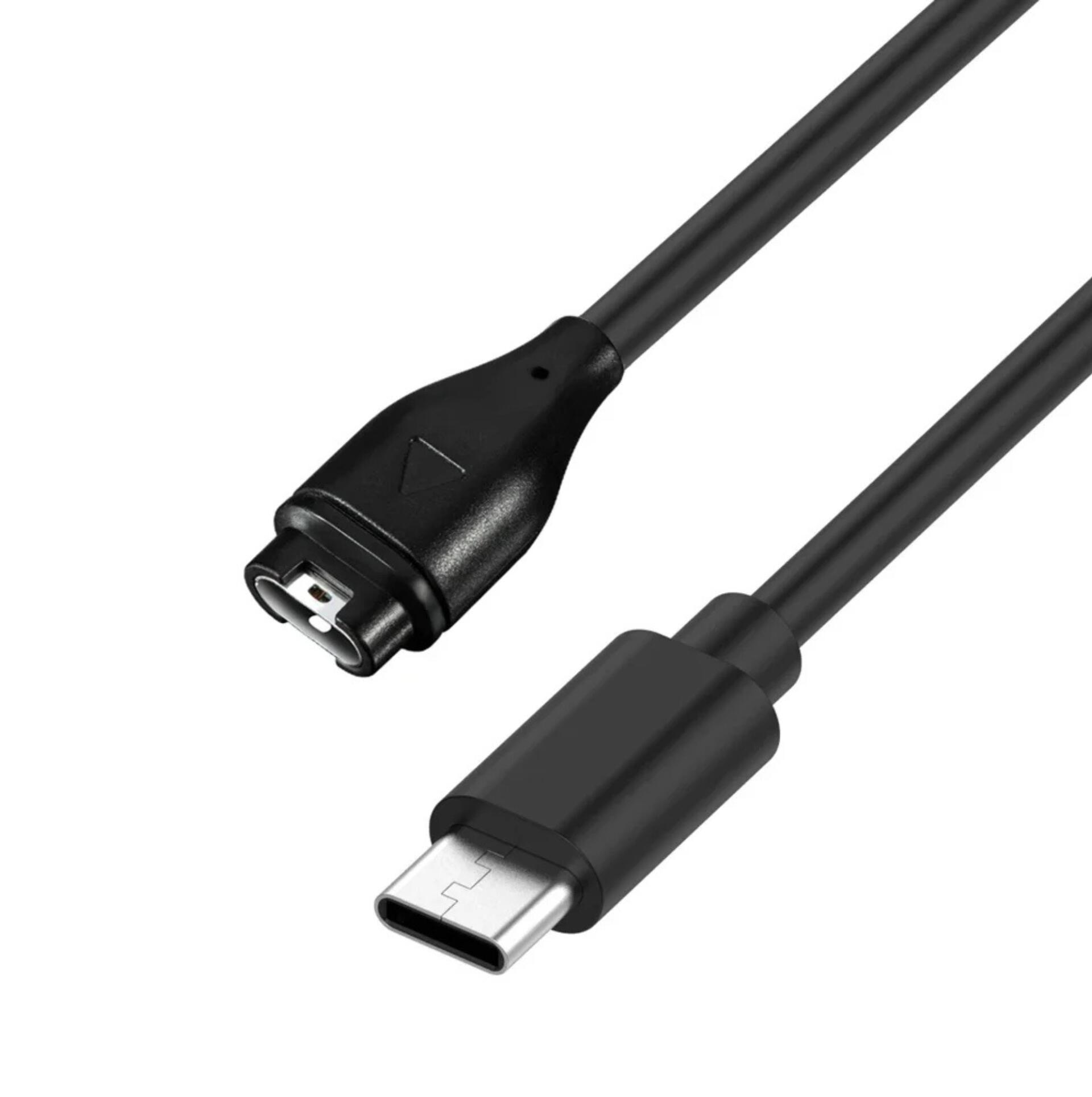
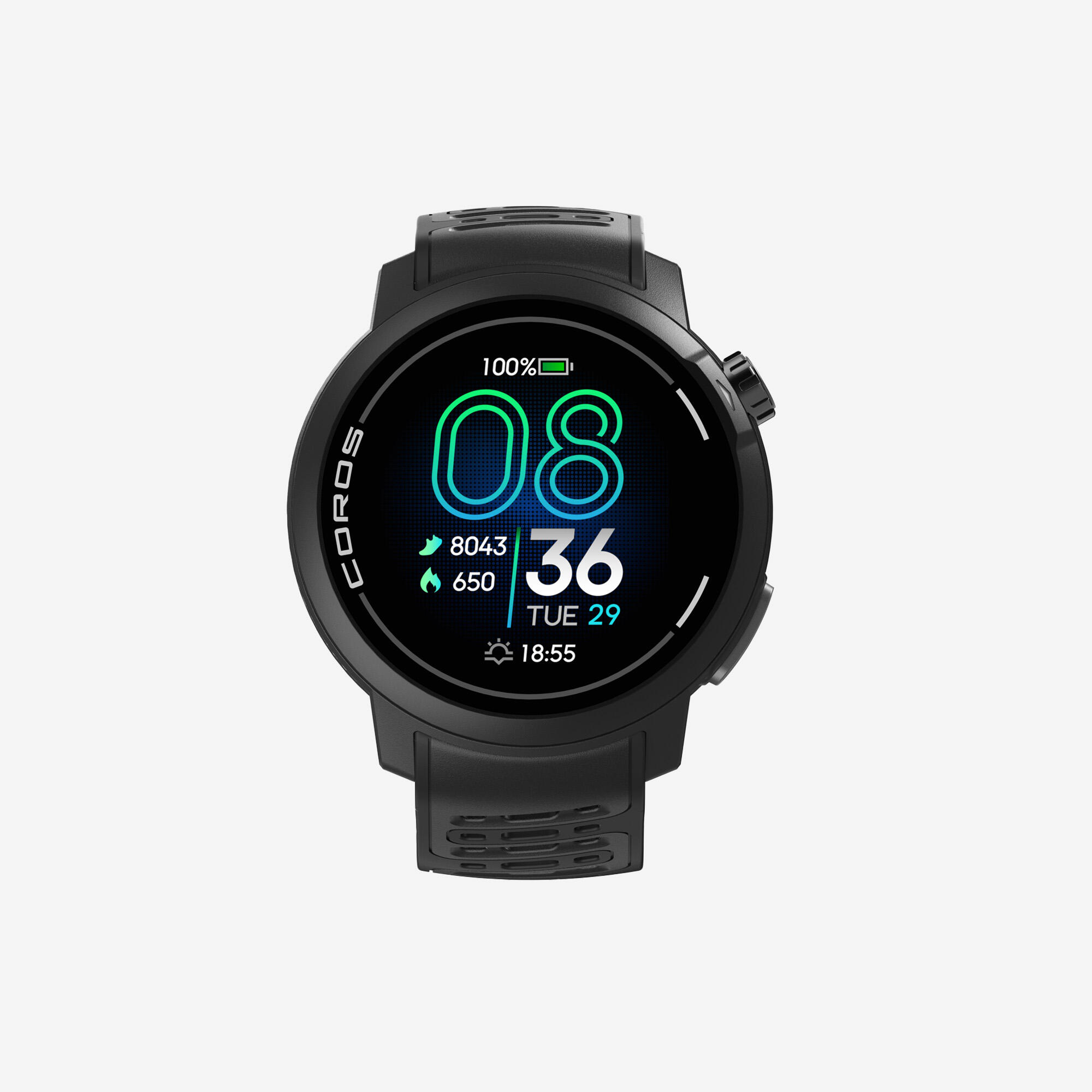
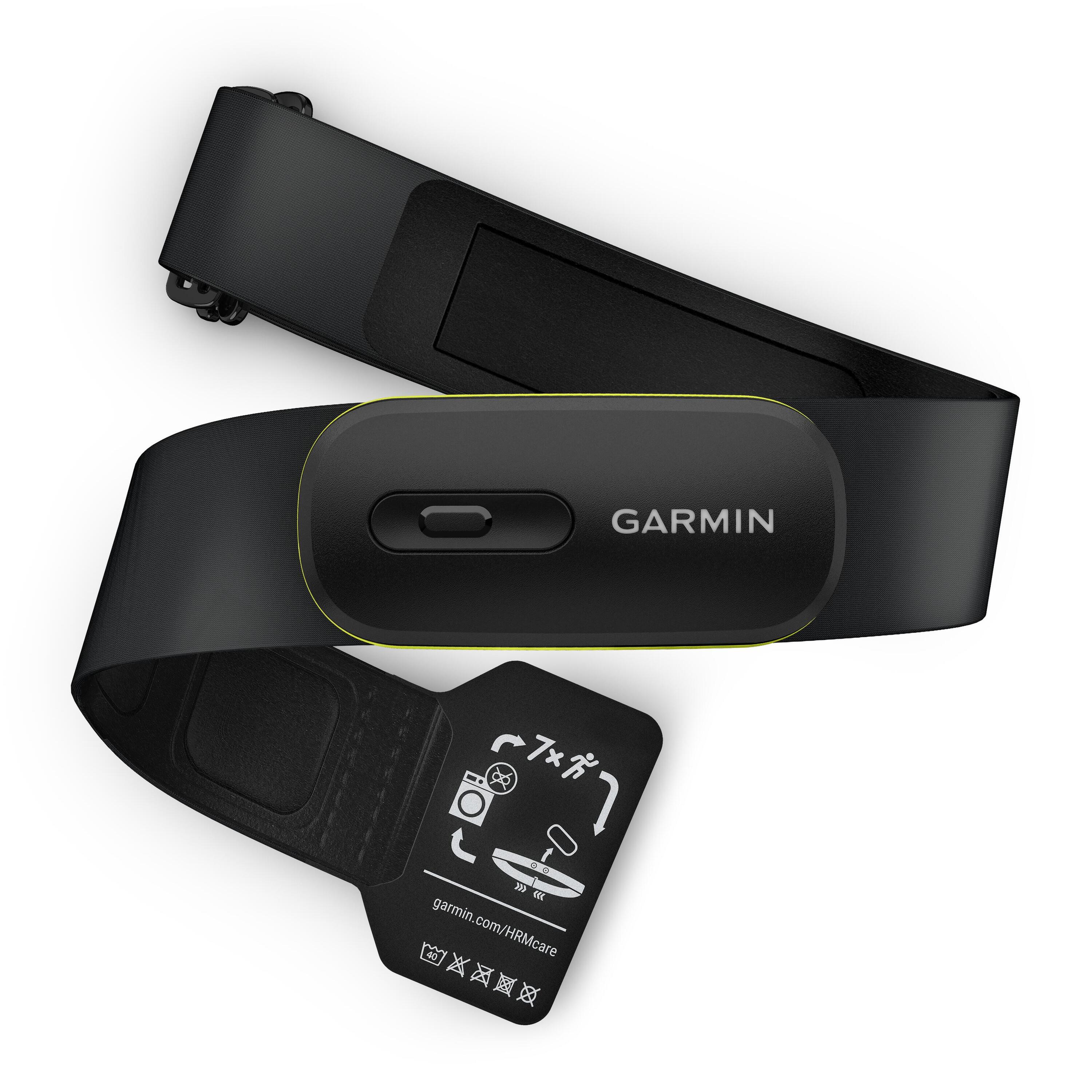
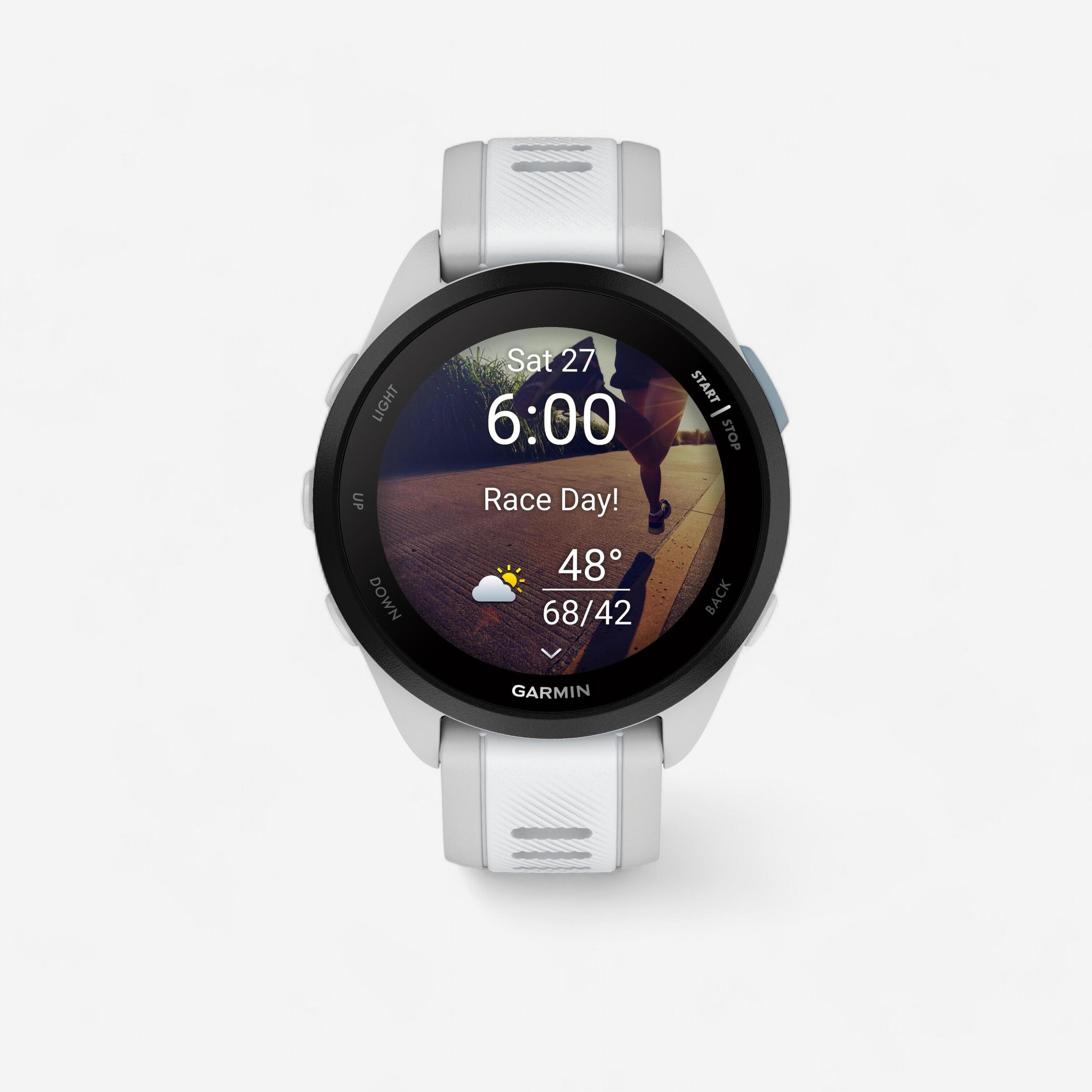
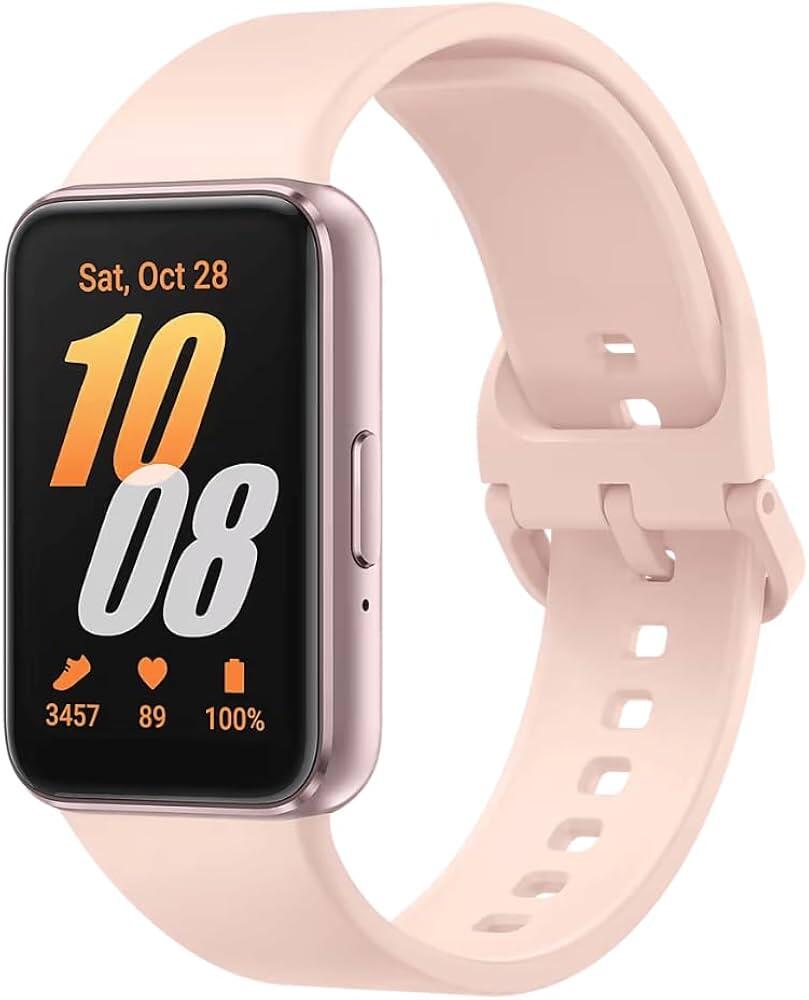
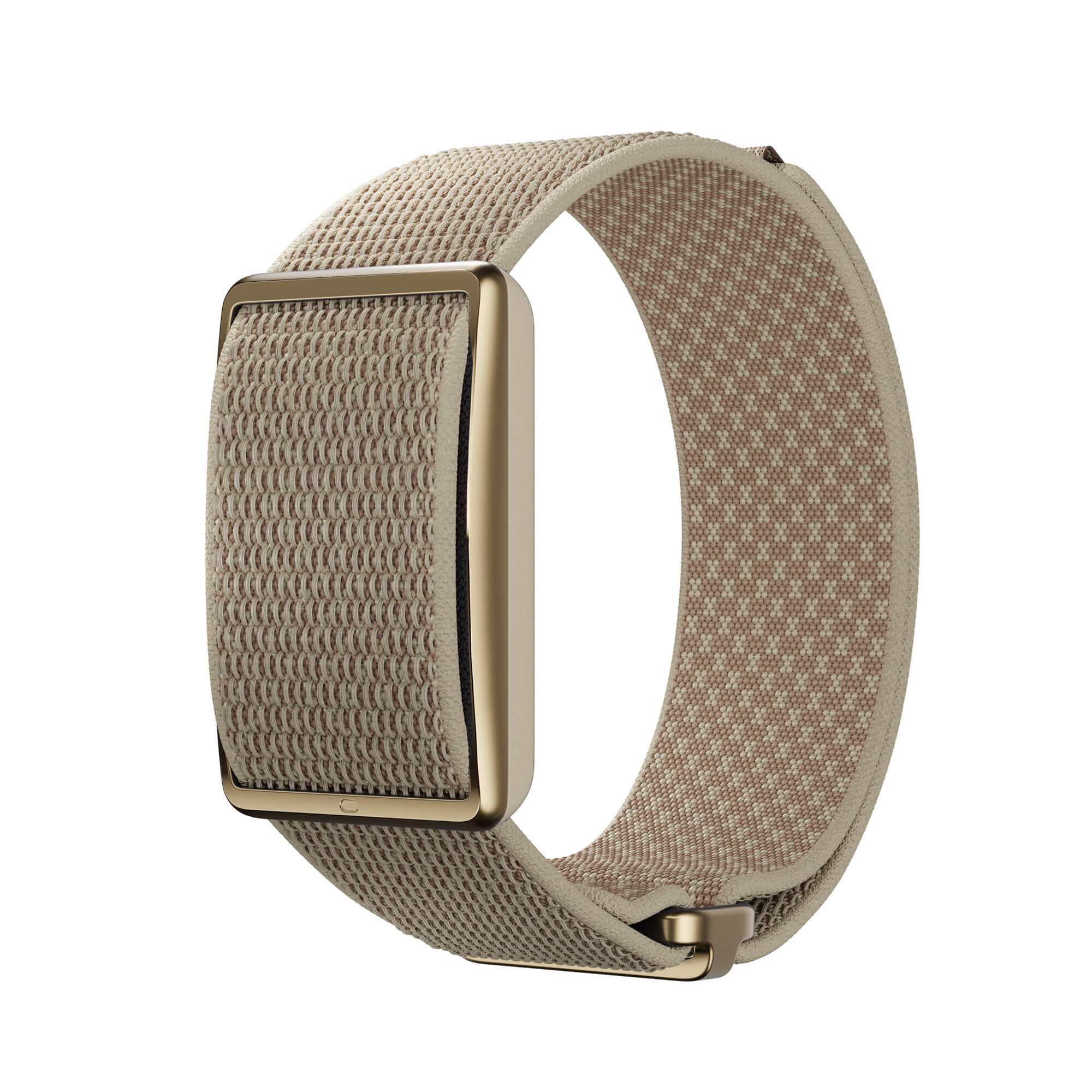
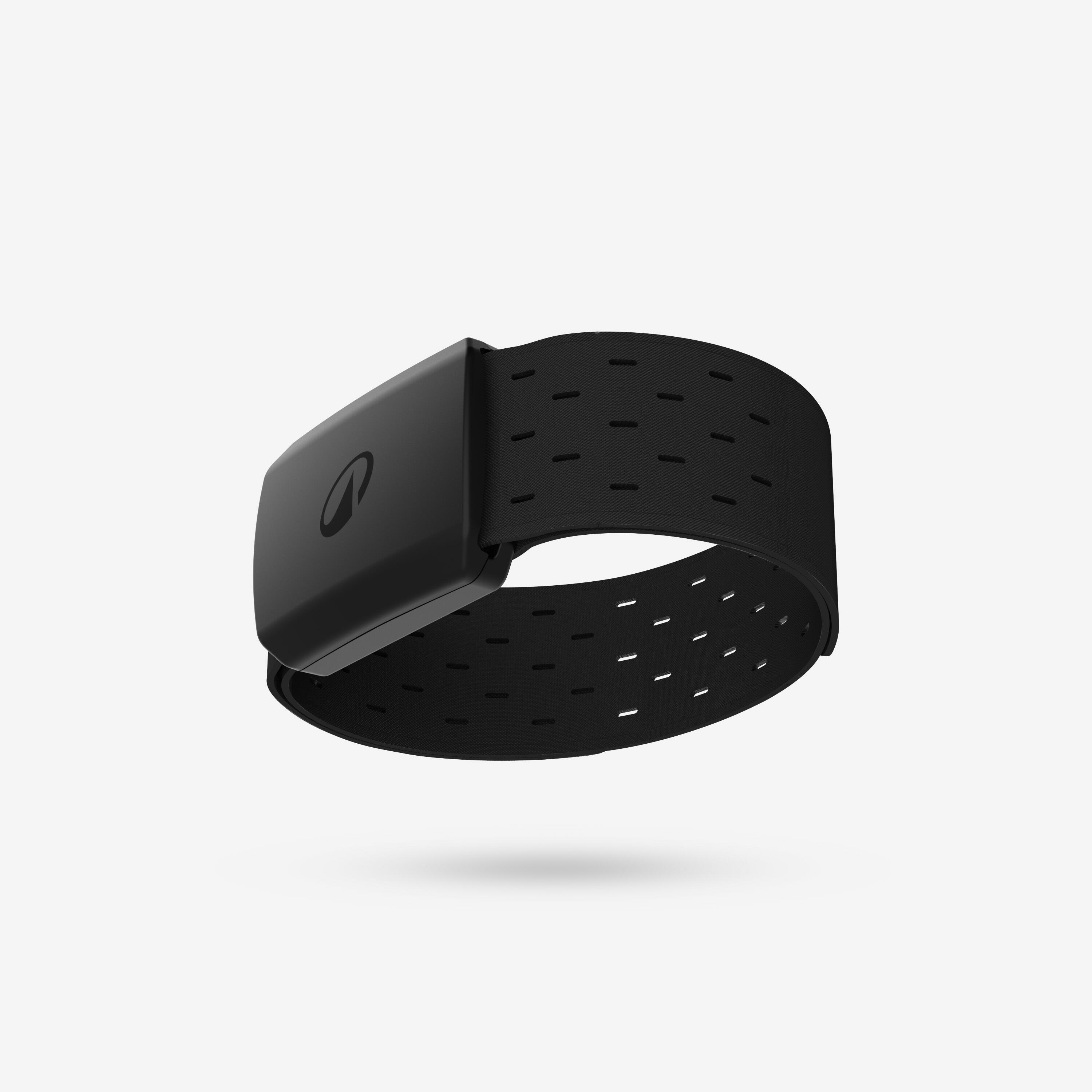
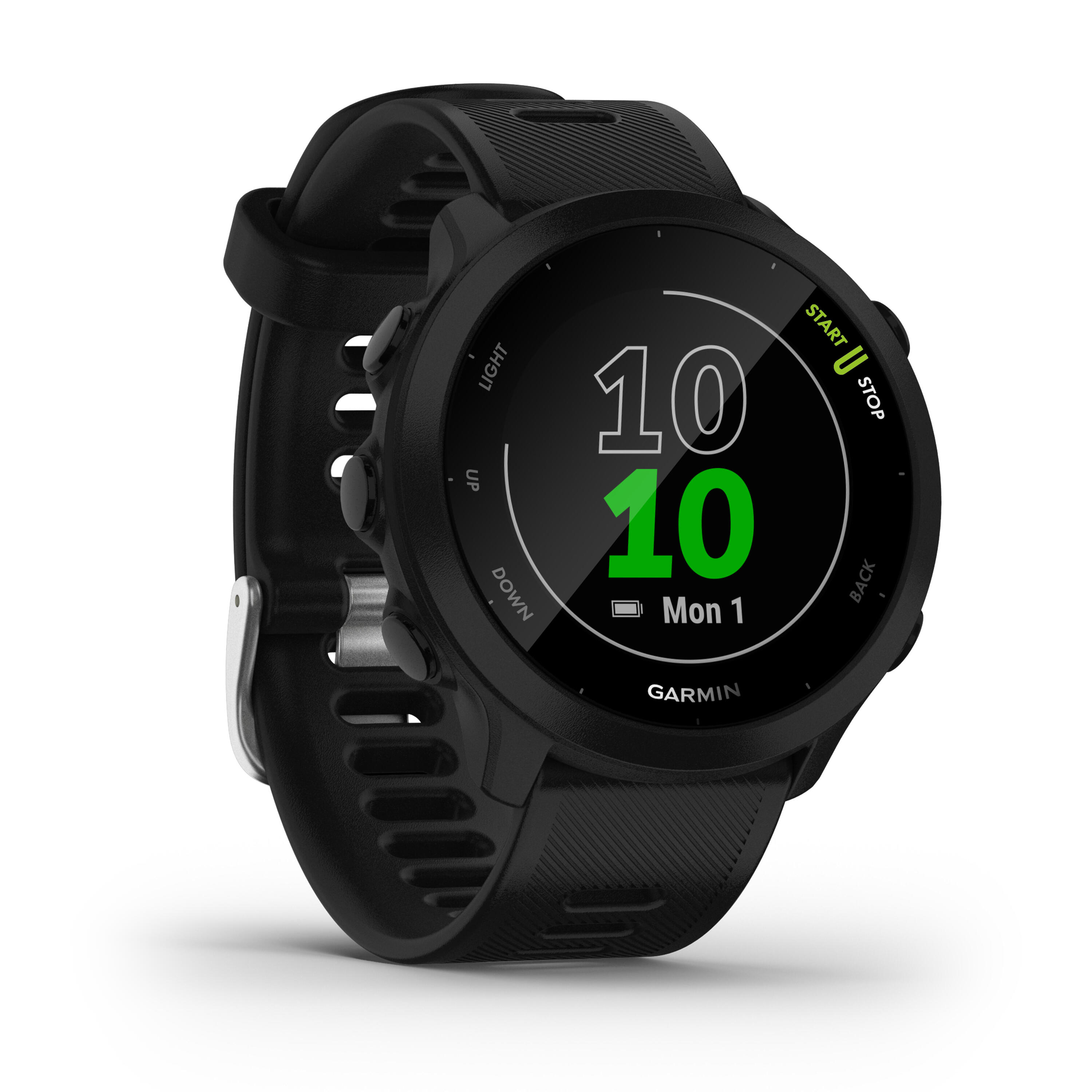
A GPS watch is optional rather than essential. Beginners can make progress using elapsed time, a simple route and an effort level that still allows controlled breathing. A watch can record pace, distance and heart rate, but constant checking may encourage you to run faster than your current fitness supports. Use data to notice gradual trends instead of judging every kilometre. A simple run-walk timer may be more helpful during the first few weeks. Once you become comfortable and consider running a 10K, GPS records can help you compare pacing across longer sessions. Pro tip: keep the watch screen simple, with only time, distance and one pace field.

How can you get your accessories ready for your first organised race?

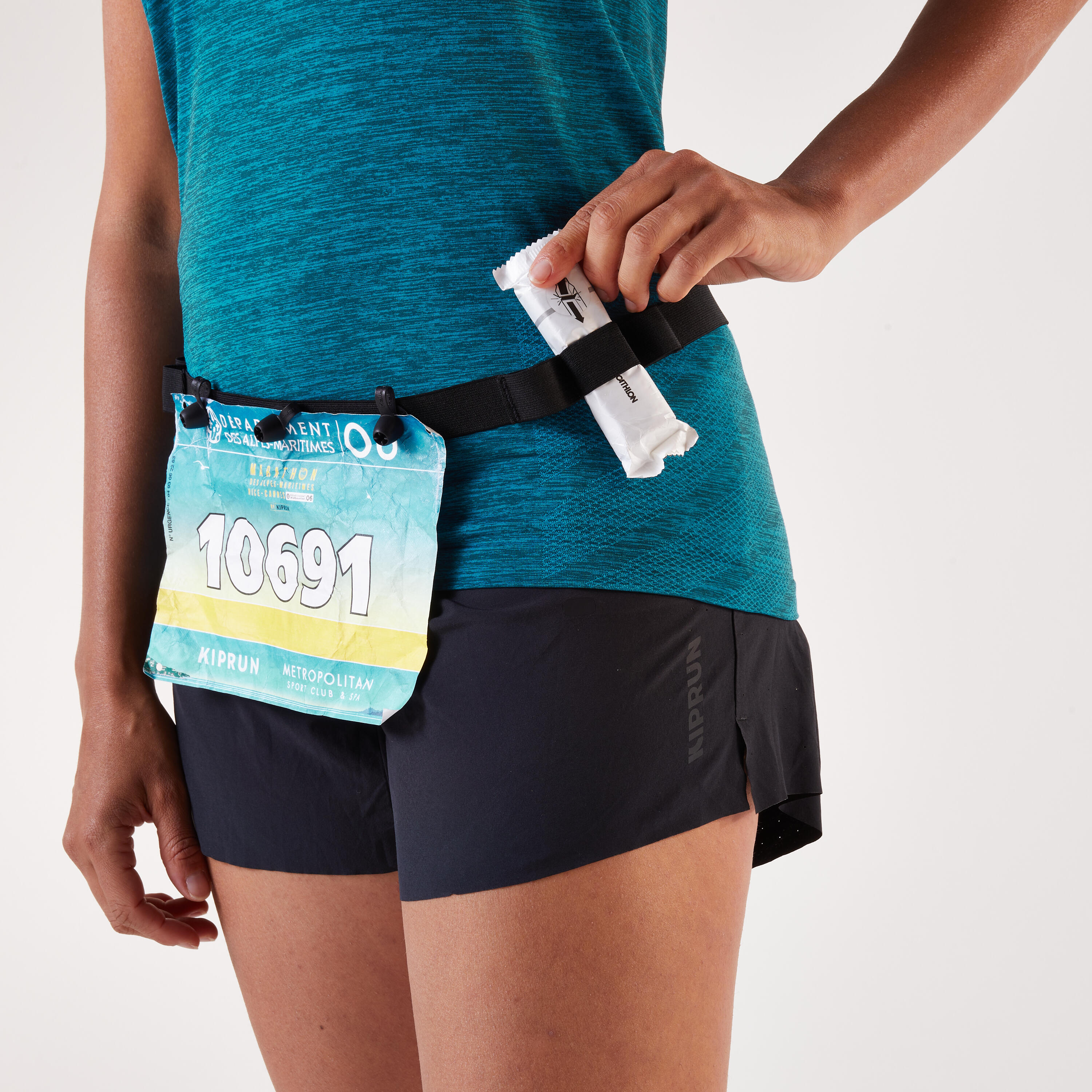
Test every item during training before race day, including your bib belt, flask, watch, hat and any fuel you intend to carry. A race-number belt can hold your bib securely without piercing your top with safety pins, while silicone loops may provide space for gels or small sachets. Adjust the fit on a practice run so the belt remains steady without feeling tight around your waist. Charge electronic devices, close bottle valves securely and review the weather forecast before packing. Store spare clothing, safety pins and post-run items with your every race essentials. Arrange everything the night before the event to spot anything missing and avoid a rushed start. The best beginner kit is familiar, comfortable and easy to use.