14 items
4.9/5 based on 8011 reviews collected online and in stores

Kids' Sailing Fleeces FAQs

Which kids' sailing fleece is most suited to cold conditions?

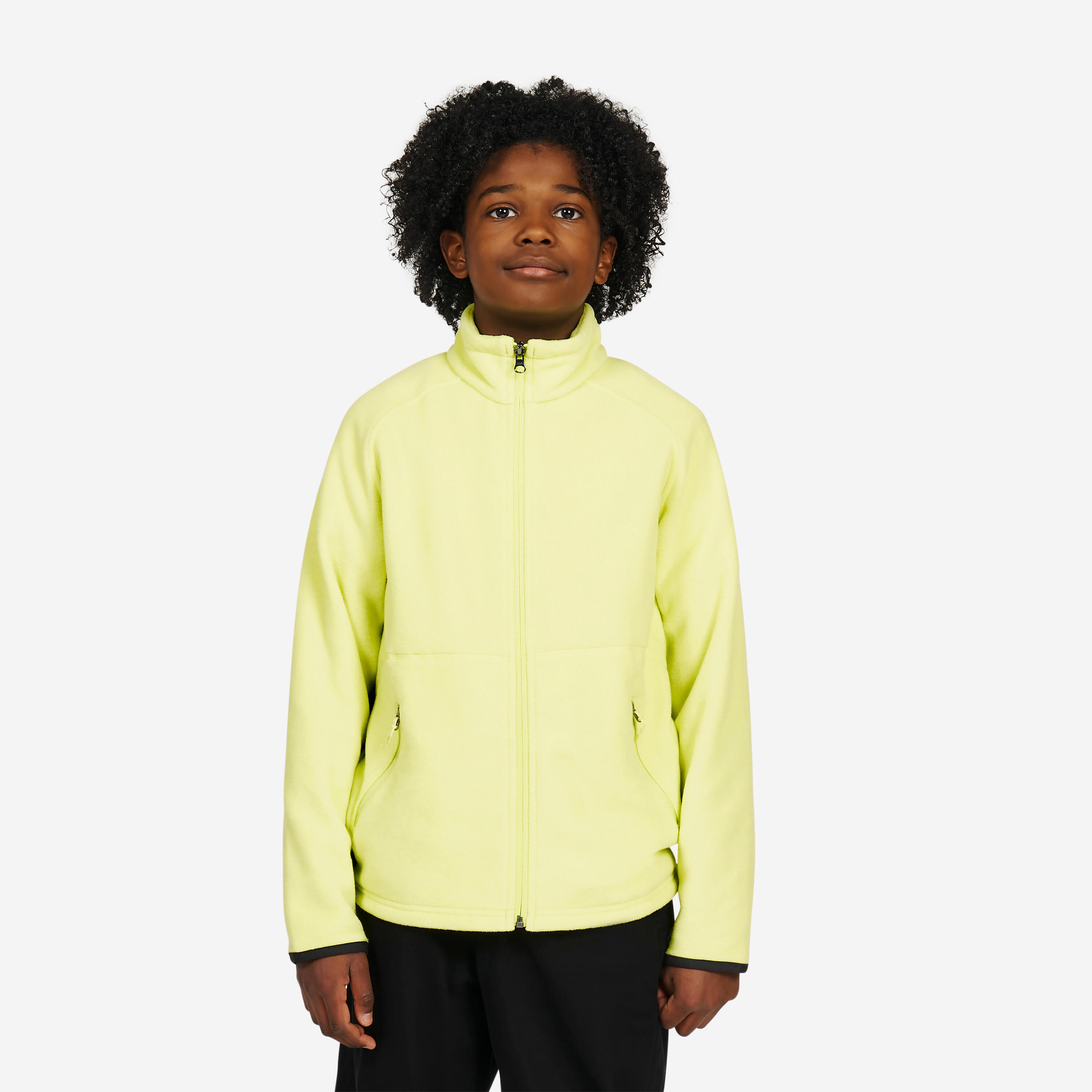
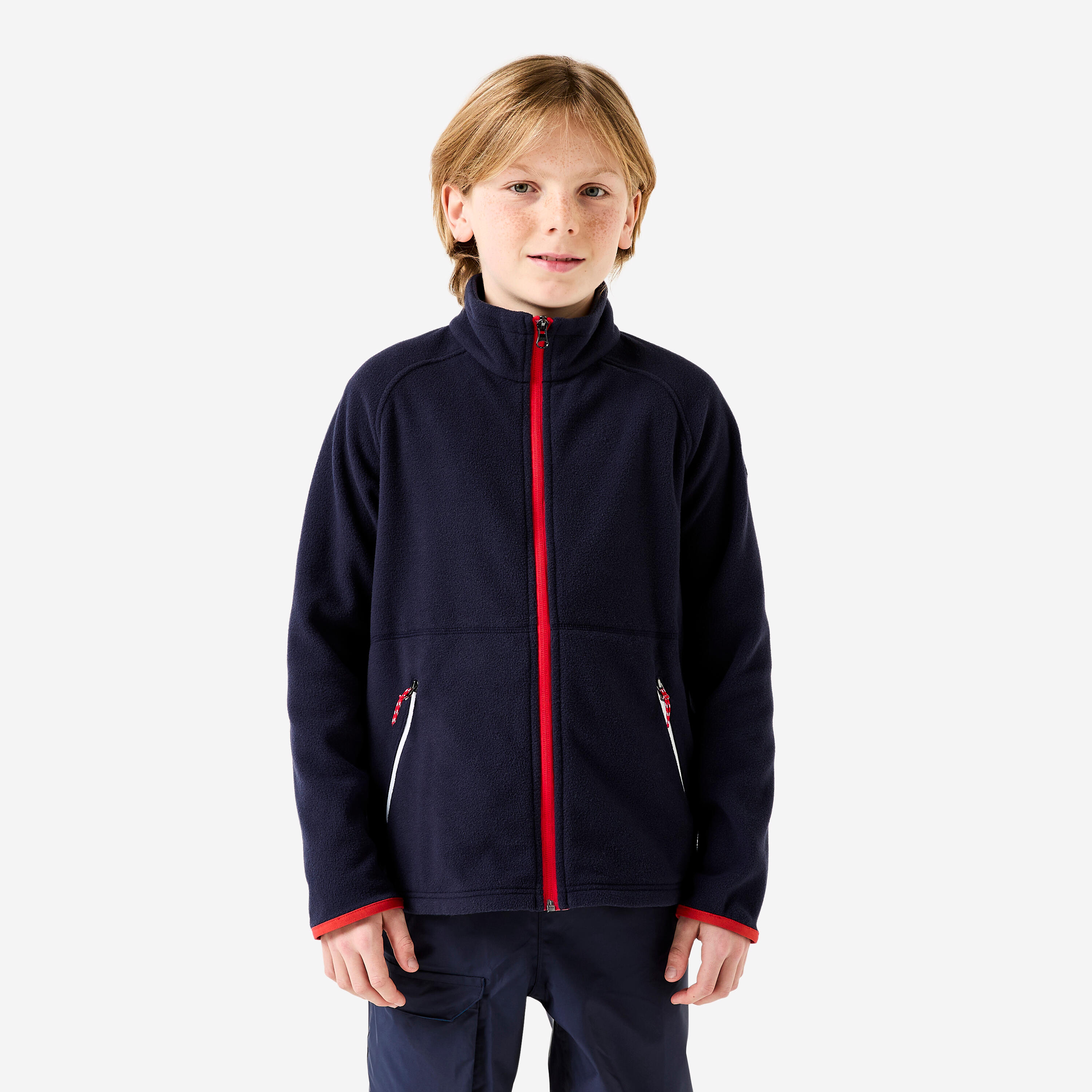
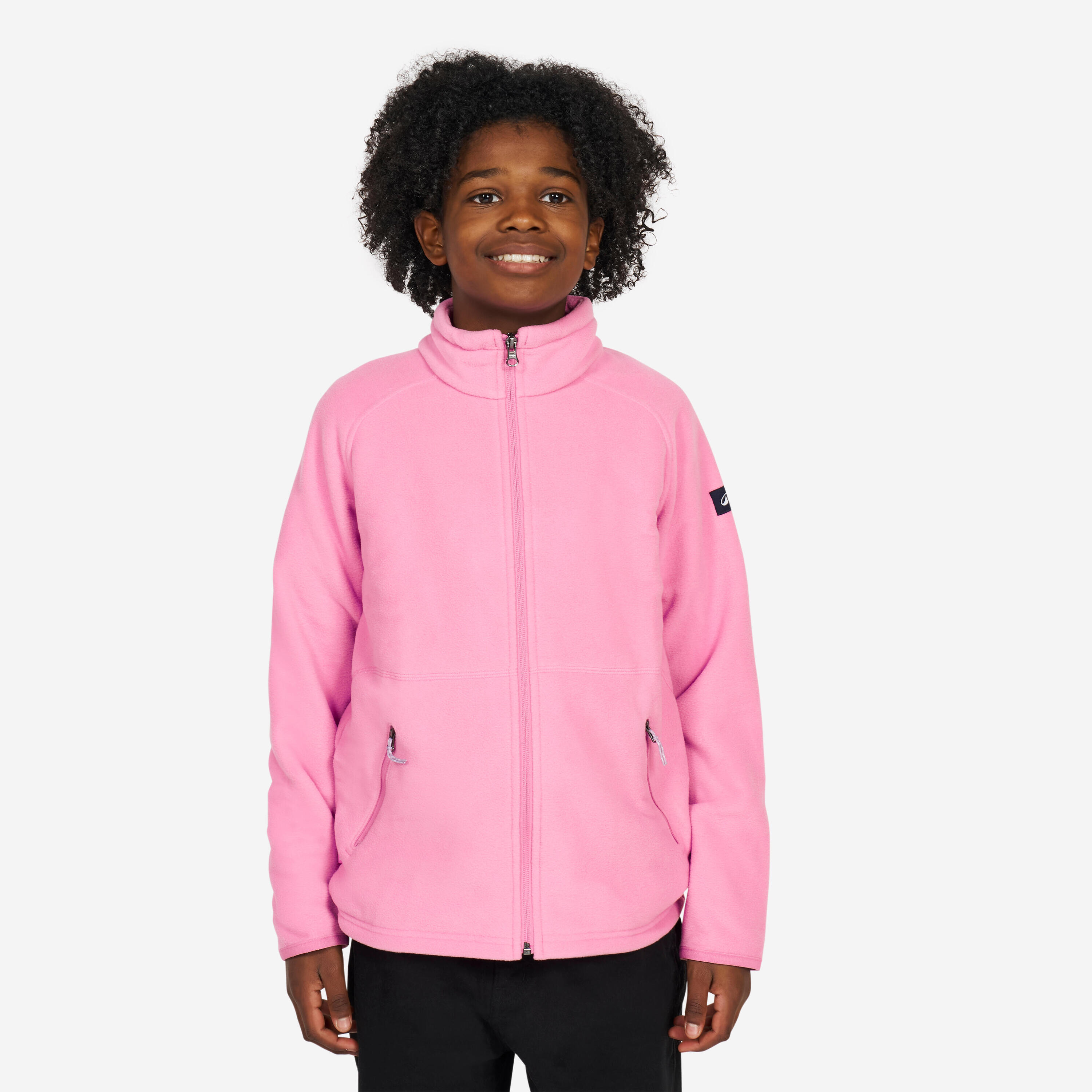
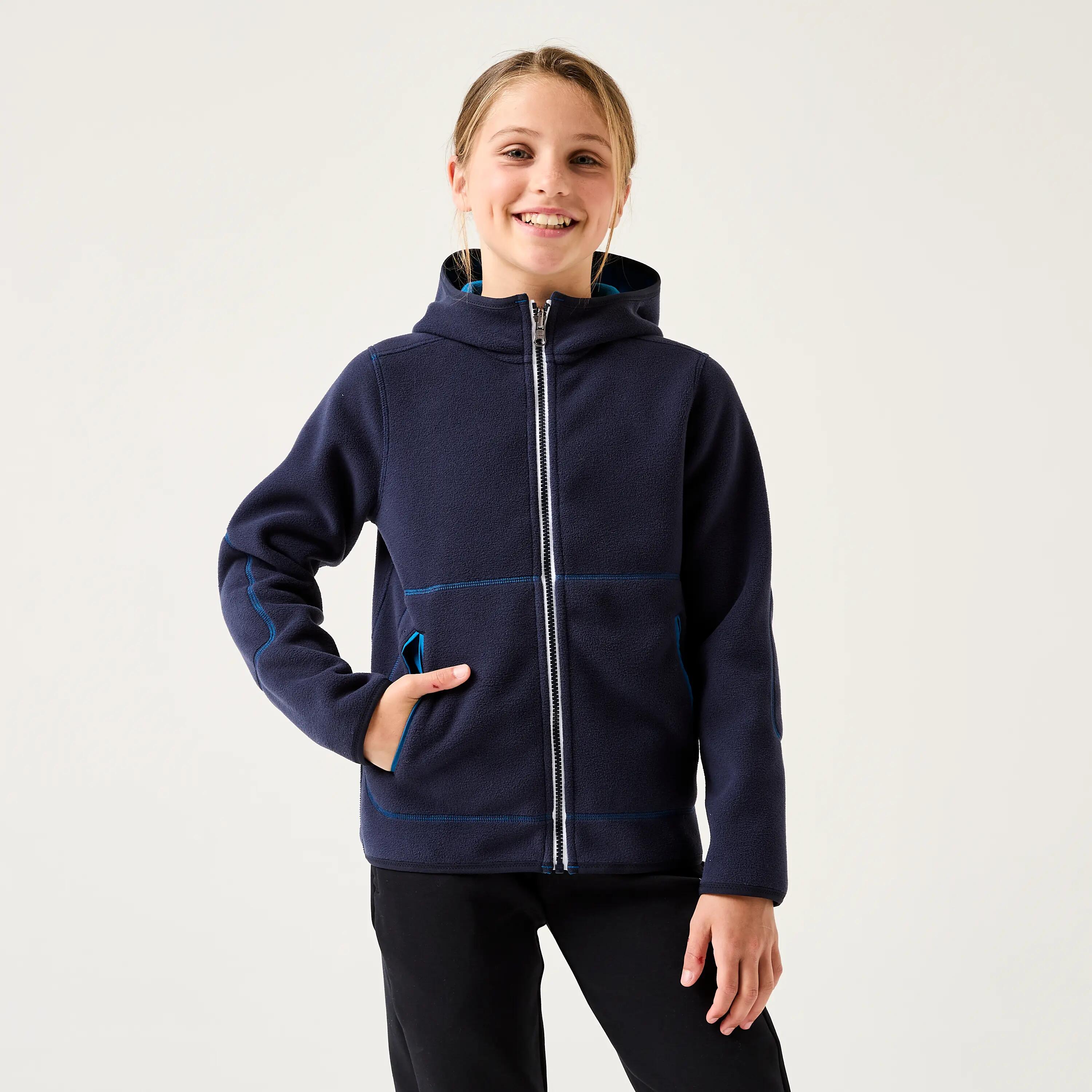
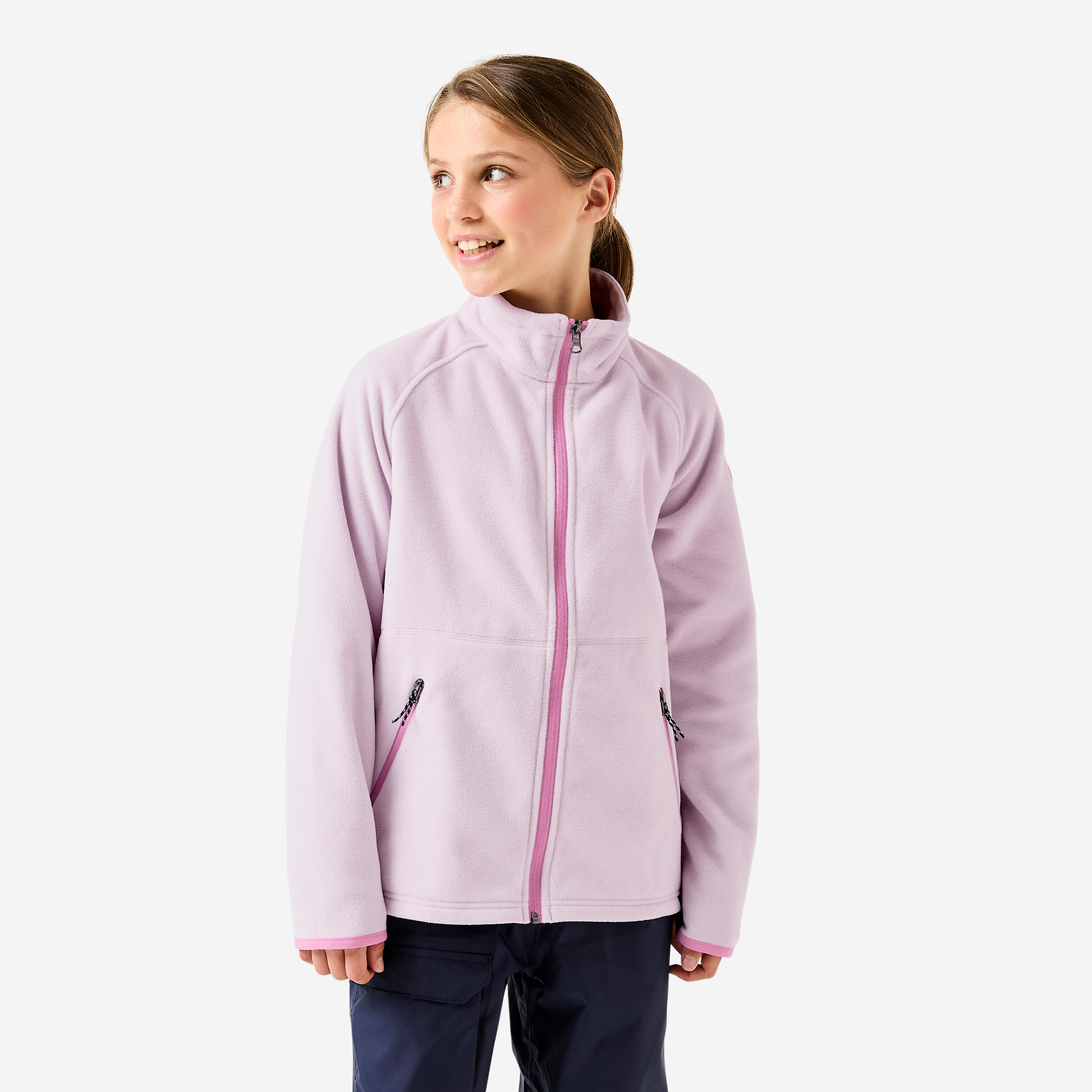
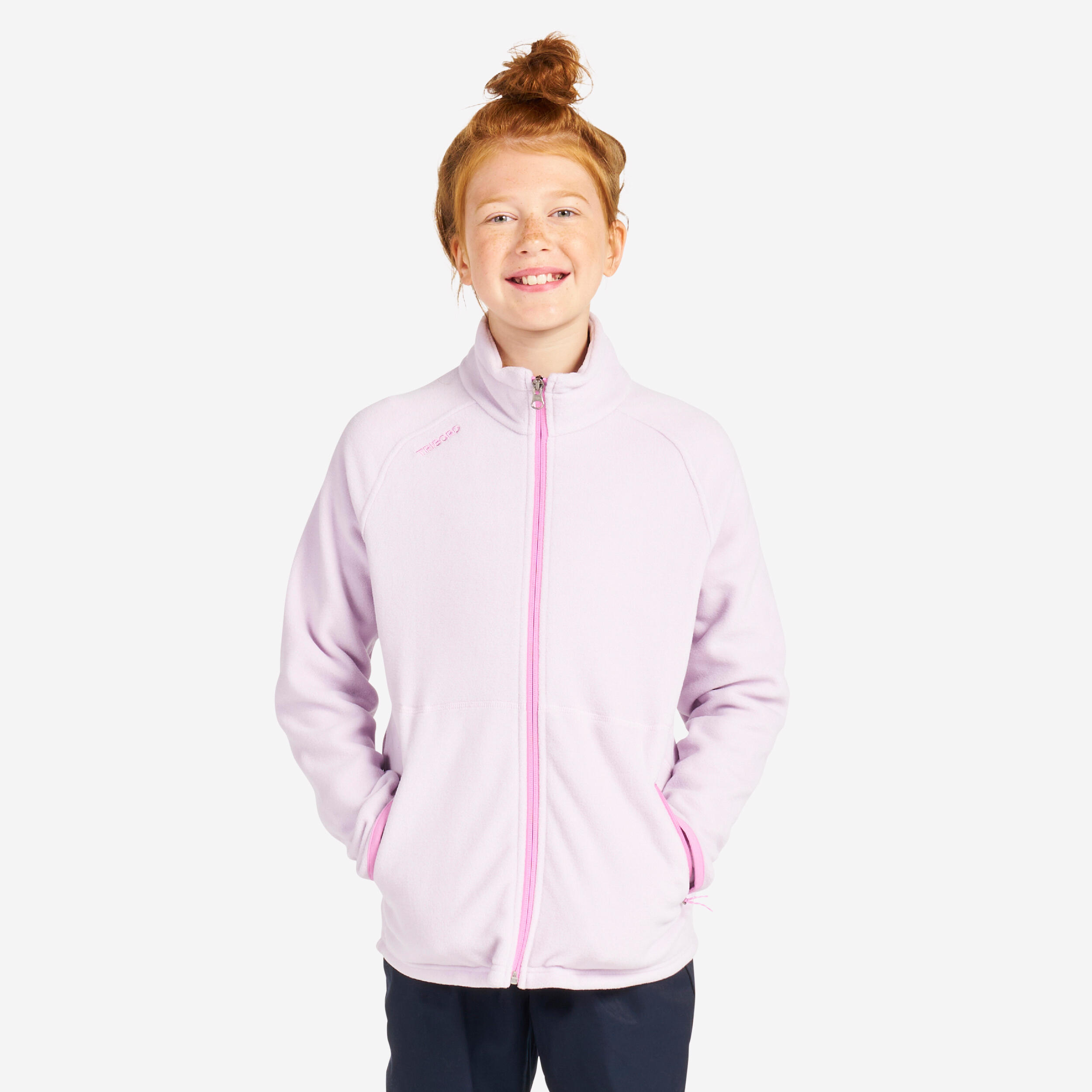
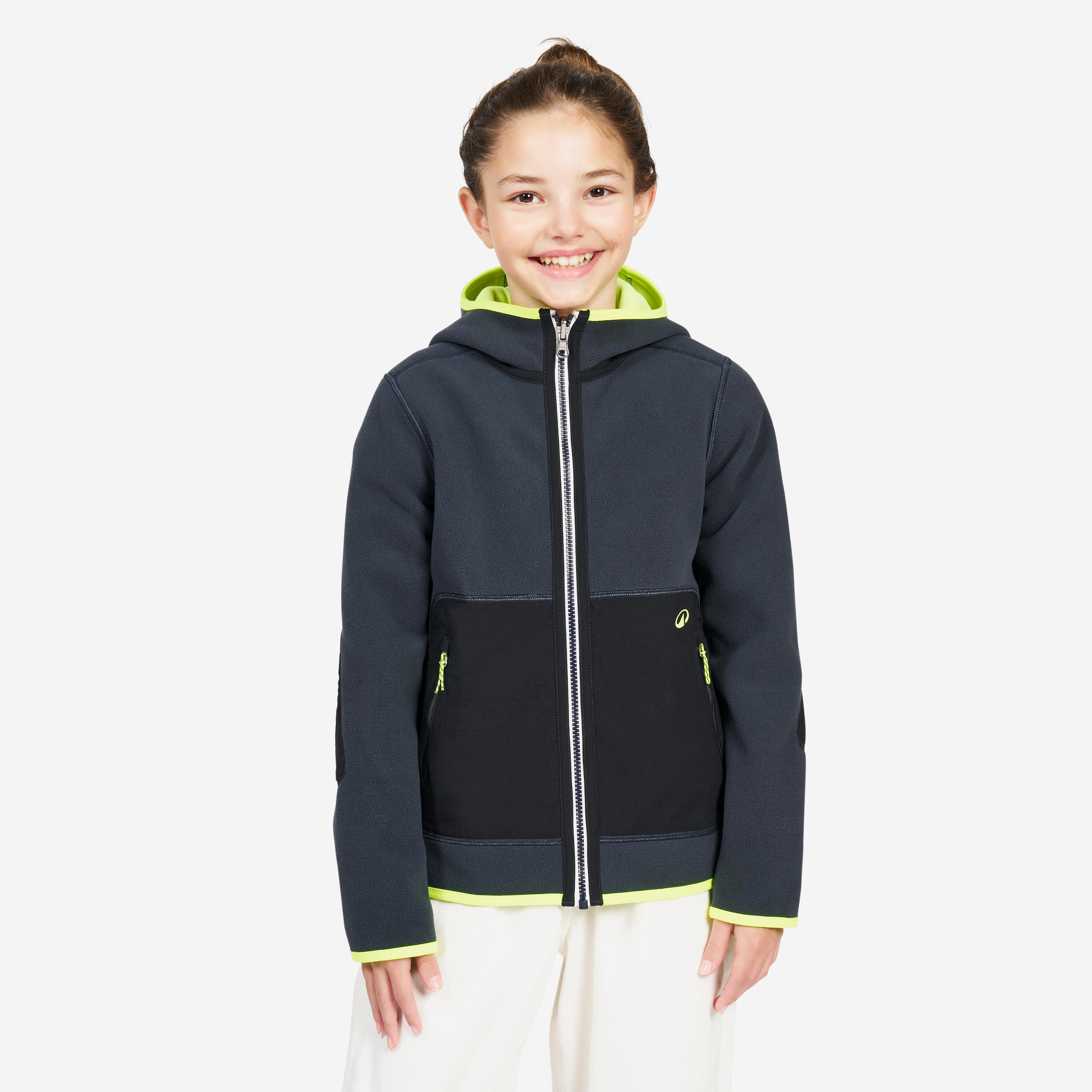
Match the fleece to the temperature, wind exposure and how active your child will be while moving around the boat. Decathlon separates its children's sailing fleeces into different warmth levels rather than treating every fleece as interchangeable. To keep you cool, damp outings around 7 degrees Celsius to 10 degrees Celsius, a kids warm sailing fleece such as the Sailing 100 uses 240 g/m² brushed fabric to trap insulating air while remaining breathable. Its cut also leaves enough room for reaching, bending and other sailing manoeuvres. Pro tip: use temperature guidance as a starting point rather than the only factor. Wind, spray and periods of inactivity can make conditions feel colder, so carry a suitable outer layer when the forecast is changeable.

What is the difference between Sailing 100 and Sailing 500 fleeces?

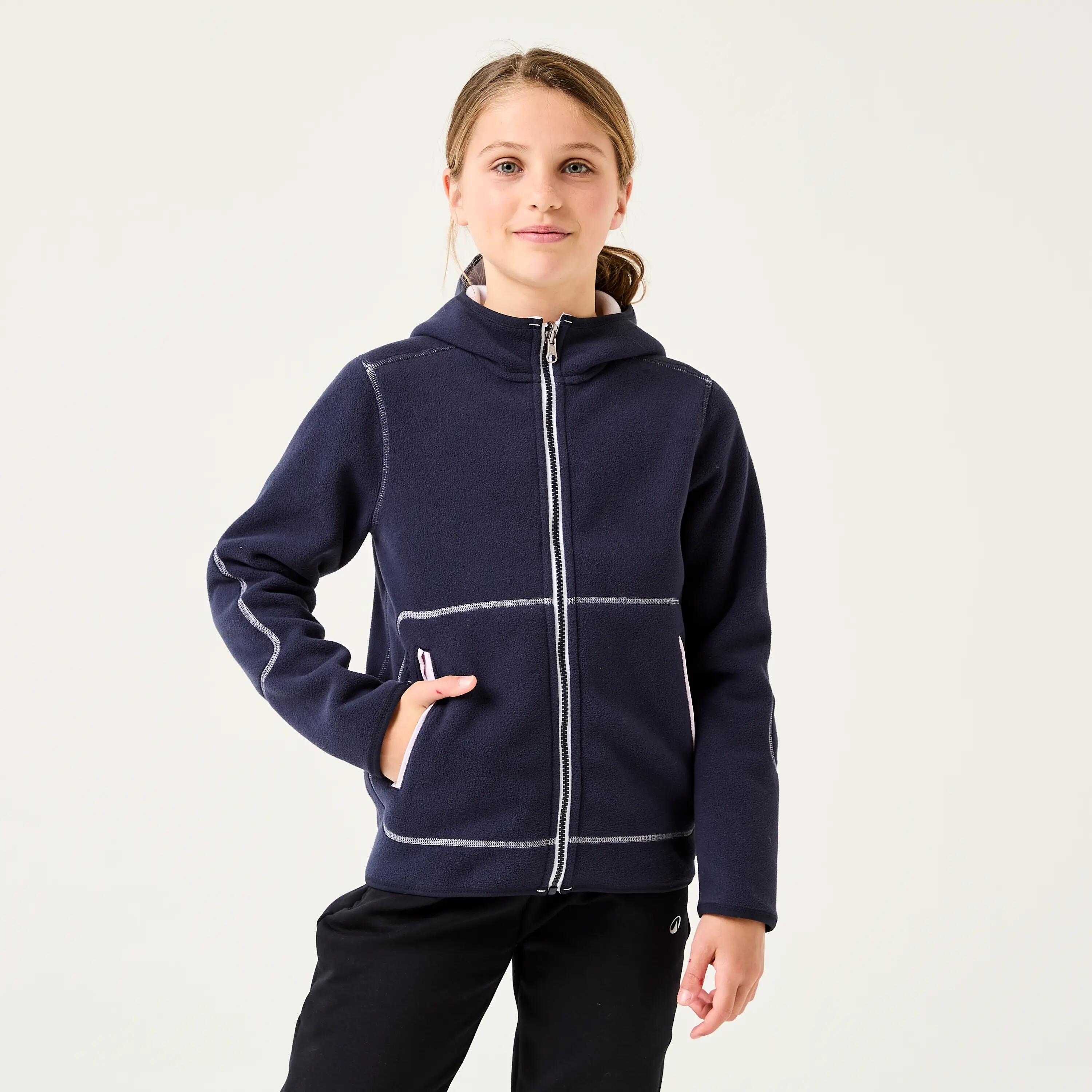
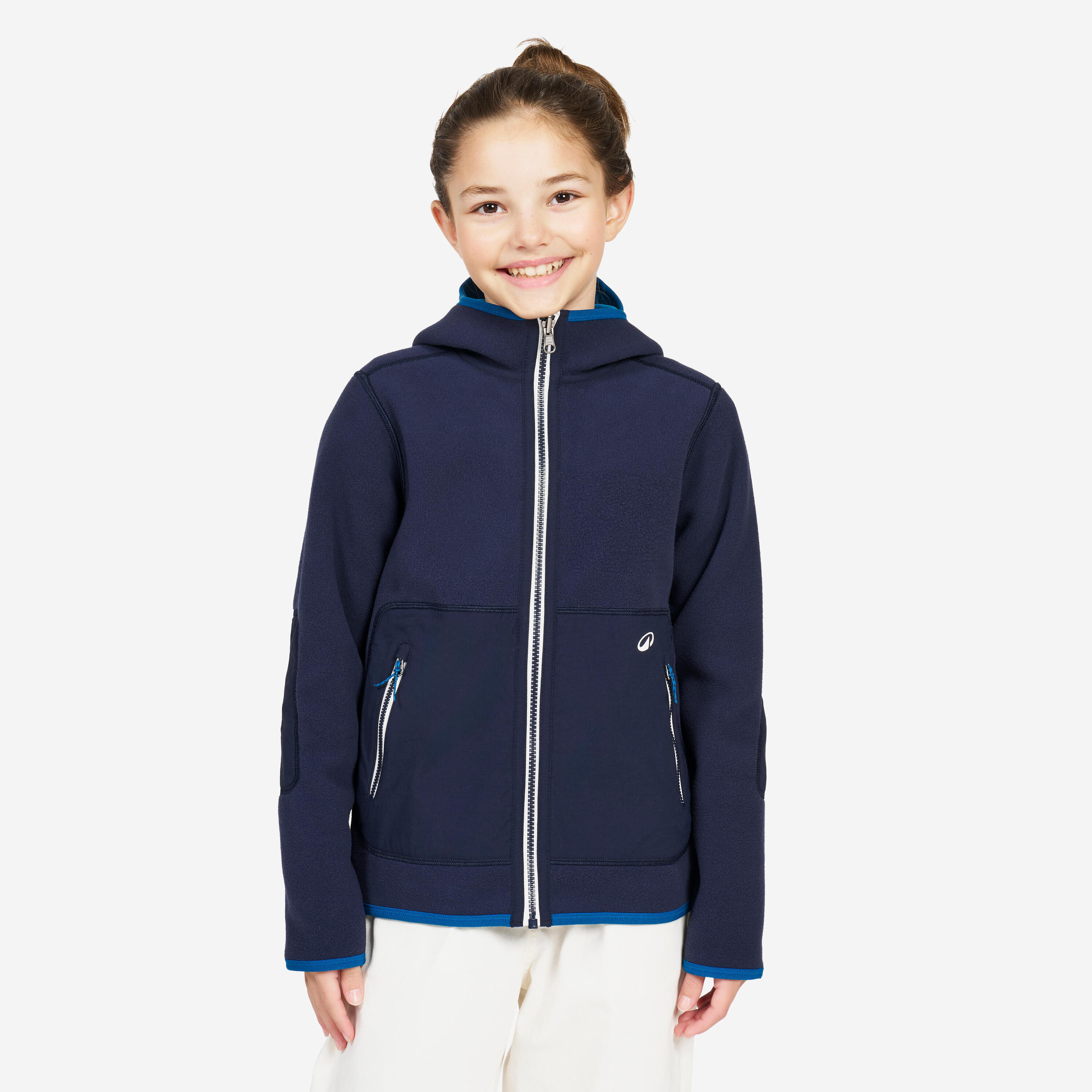
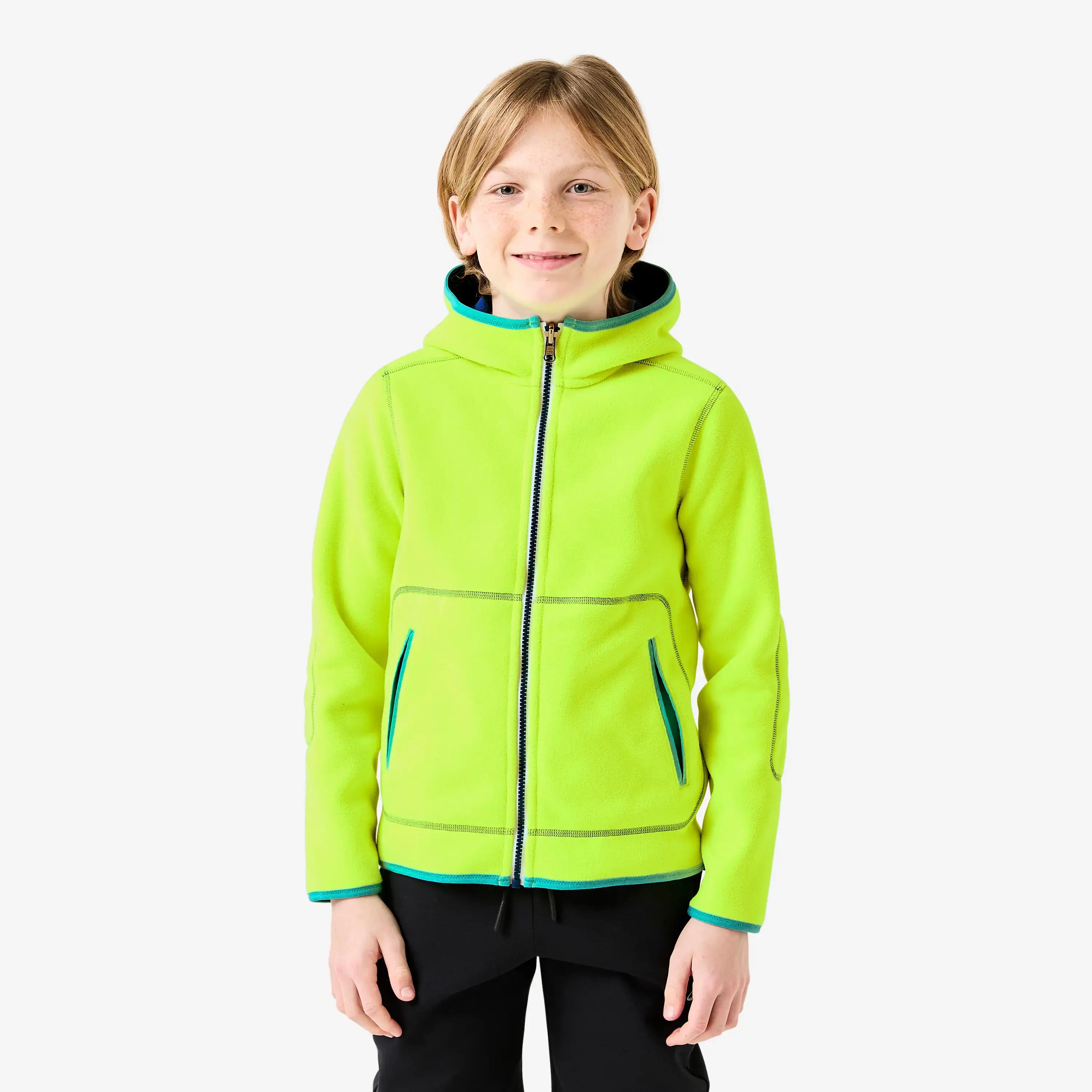
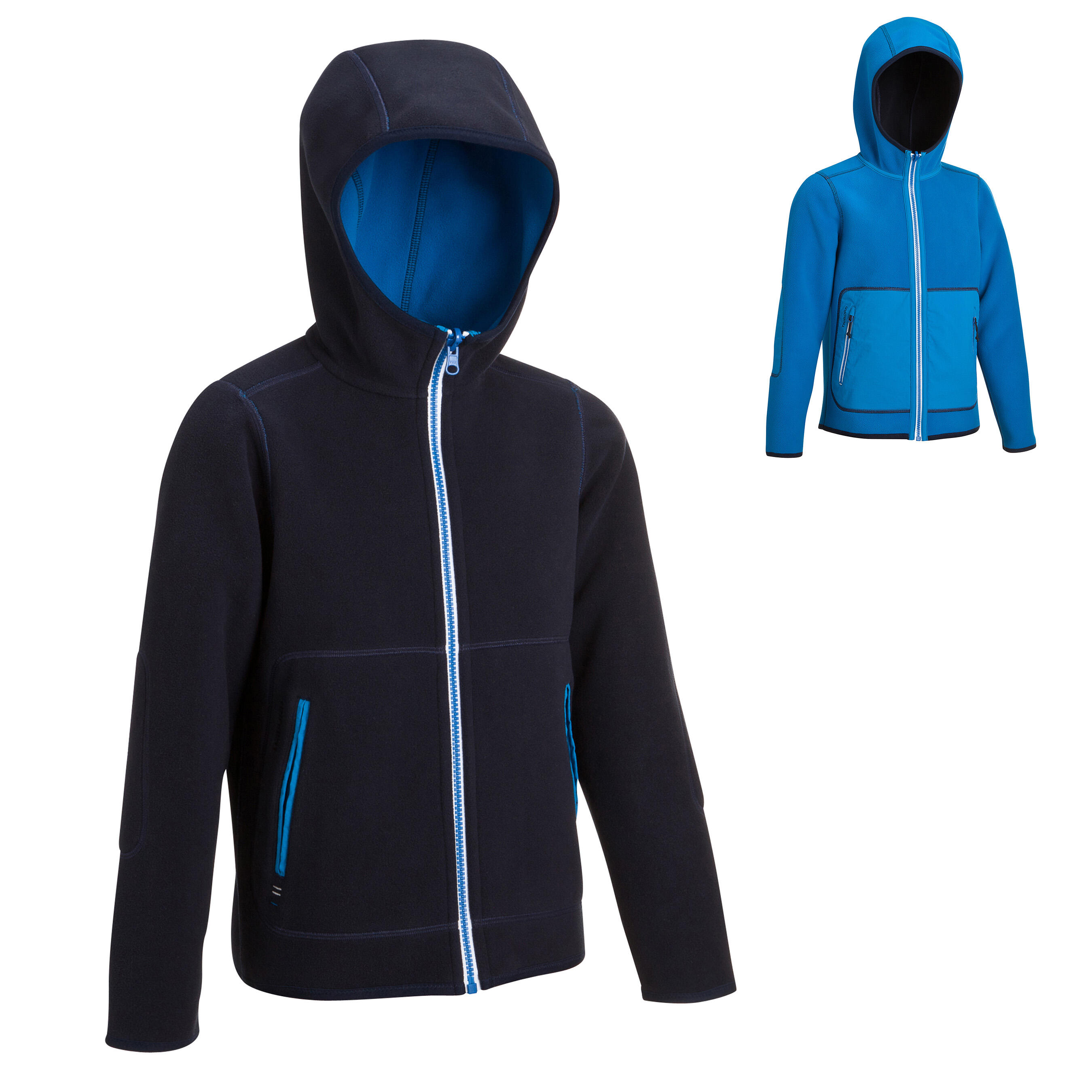
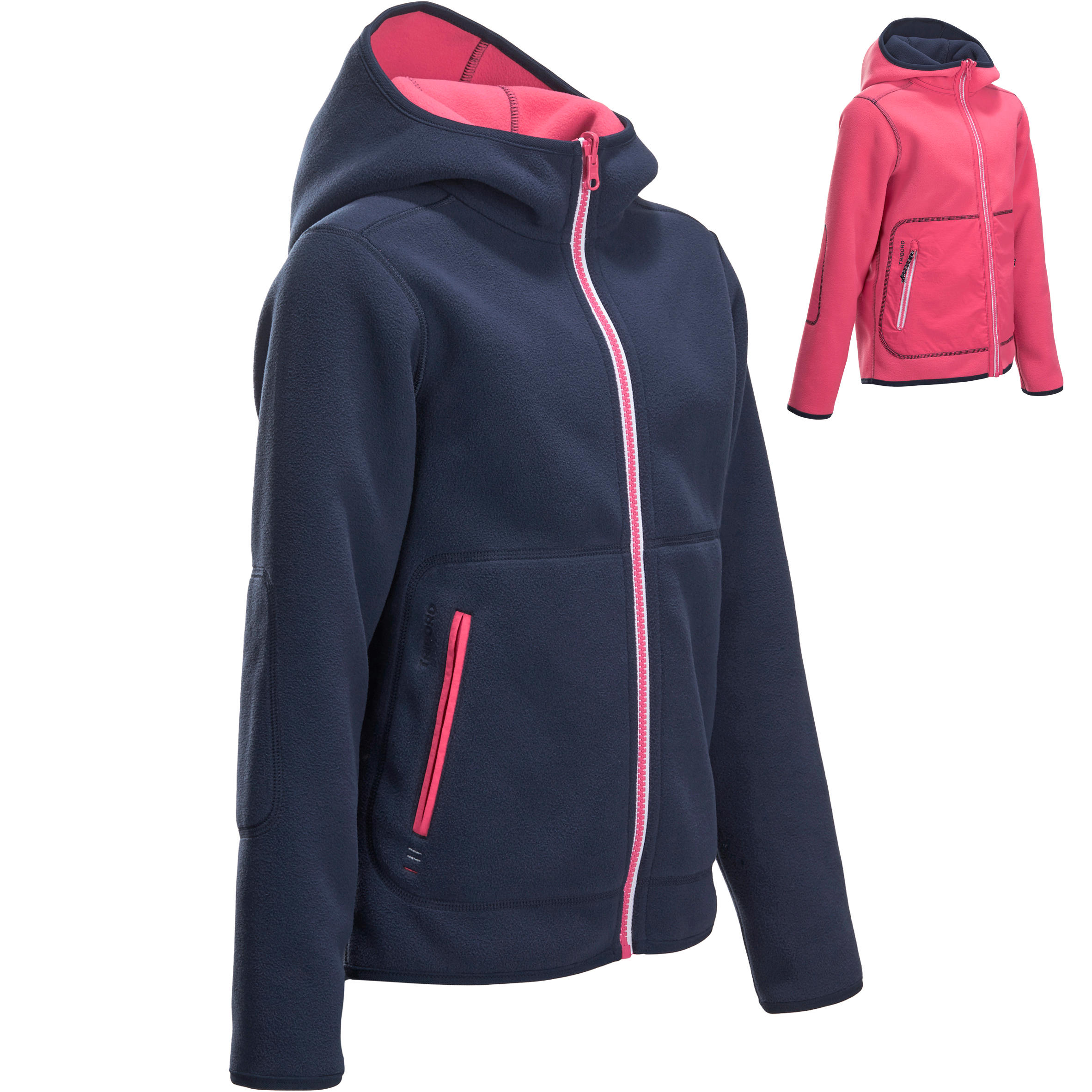
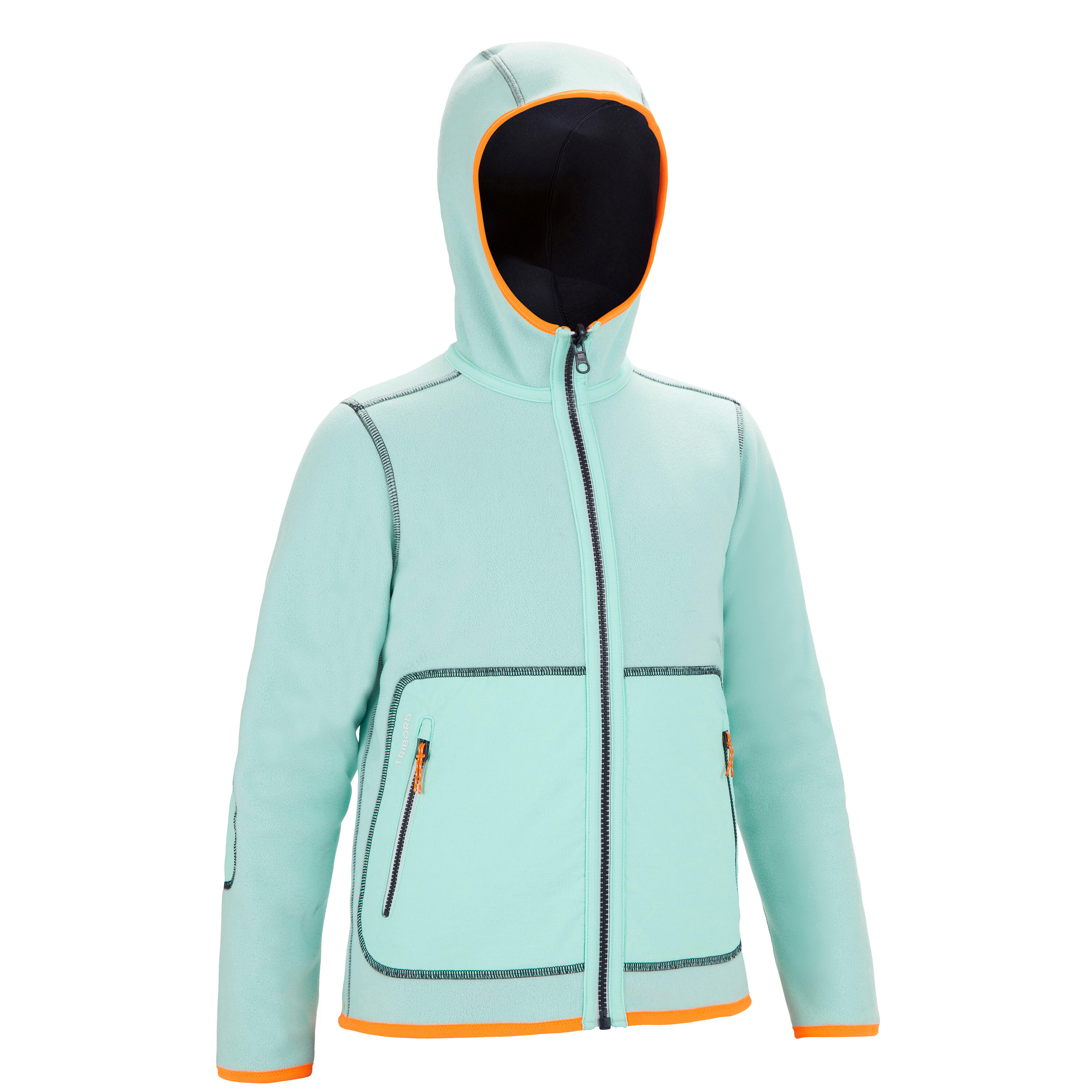
The main differences are warmth, construction and weather protection. Sailing 100 uses a lighter 240 g/m² fleece and is aimed at roughly 7 degrees Celsius to 10 degrees Celsius, while Sailing 500 uses a heavier 400 g/m² double-sided construction for conditions around 4 degrees Celsius to 7 degrees Celsius. The warmer model also adds bonded wind protection and water-repellent surfaces. Those children who need this extra versatility, a kids' reversible sailing fleece can be worn on either side while keeping functional pockets accessible. Pro tip: choose the 500 when extra warmth and wind resistance matter, but use the lighter 100 when active movement and easy layering are the bigger priorities.

How should a kids' sailing fleece fit with other layers?

A sailing fleece should leave enough room for unrestricted shoulder and torso movement without creating excessive bulk underneath waterproof clothing. Decathlon develops the lighter Sailing 100 specifically as a mid-layer, intended to sit over a T-shirt or polo and beneath a weather-resistant outer layer. Building the outfit from the wider kids' sailing clothes range can make it easier to adjust insulation as temperature and activity levels change. Pro tip: have your child reach overhead, crouch and rotate while fully layered. If the fleece pulls tightly across the shoulders or bunches underneath the jacket, the combination may restrict movement once they start handling sails or moving around the boat.

Do children need a waterproof jacket over a sailing fleece?

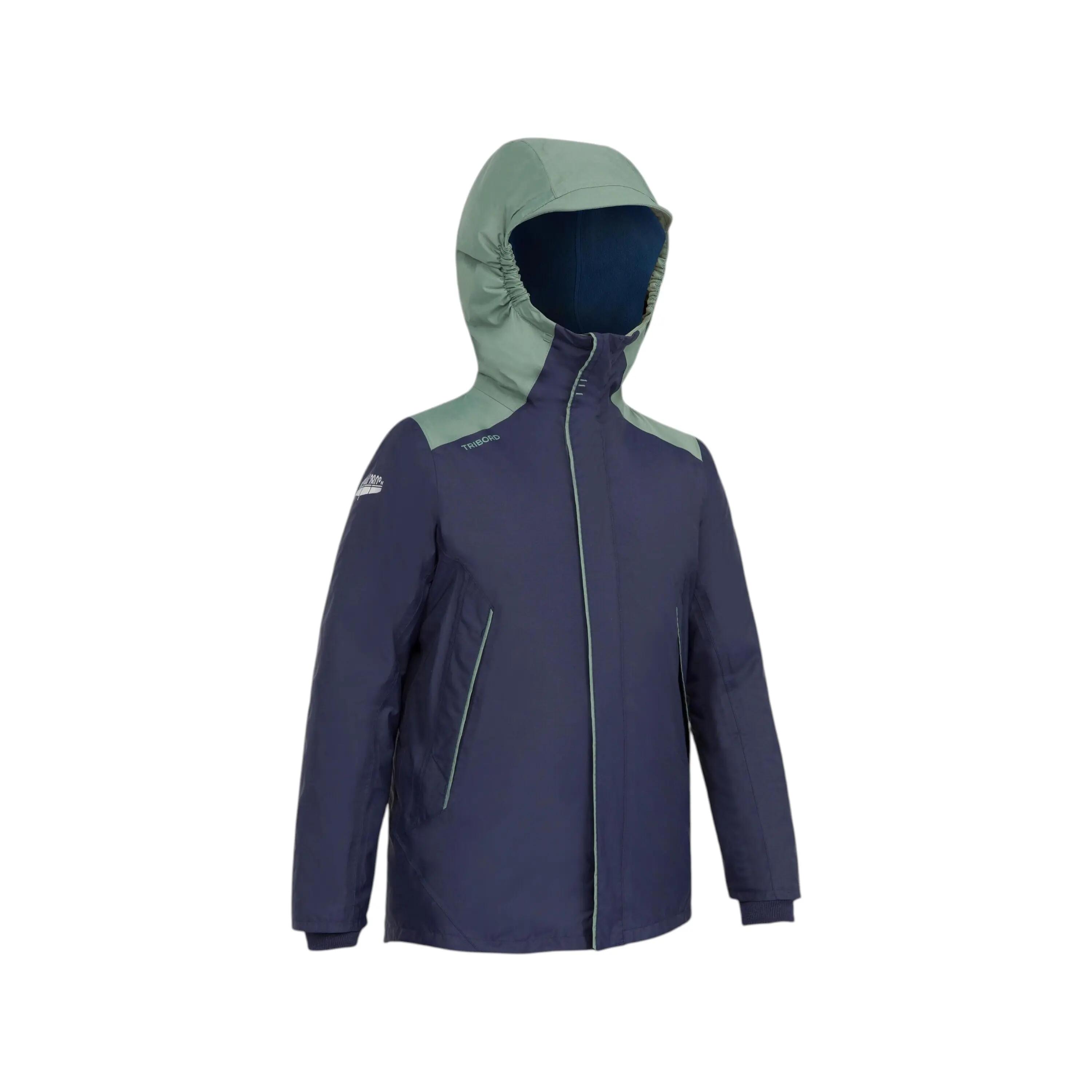
A fleece provides insulation, but it should not automatically be treated as the main waterproof layer. The Sailing 500 has water-repellent surfaces that help droplets run off, yet water repellency is different from full waterproofing. In prolonged rain or spray, adding suitable protection from the kids' sailing jacket, smock & overtrousers range gives a more complete barrier against wet and windy conditions. Pro tip: think of the fleece as the warmth layer and the jacket or smock as the weather layer. Keeping those roles separate makes it easier to remove insulation when your child gets warm without losing necessary protection from wind or rain.

How should you care for kids' sailing fleeces after use?

Regular care should remove salt, dirt and perspiration without damaging the fleece structure or technical finishes. After a day of sailing, let the garment dry properly before storing it and follow the individual washing instructions. Decathlon recommends washing the reviewed Sailing 100 and 500 fleeces at around 30 degrees Celsius while avoiding tumble drying, ironing, bleaching and dry cleaning. Water-repellent treatment on the Sailing 500 may also need renewing during the garment's life. Pro tip: do not leave a damp fleece compressed inside a sailing bag. Dry it fully and store it folded or on a hanger in a dry place so it is ready for the next session.