29 items
3.6/5 based on 18994 reviews collected online and in stores

Kids' Sailing Boots FAQs

Which kids' sailing boots suit warm, cold or wet weather?

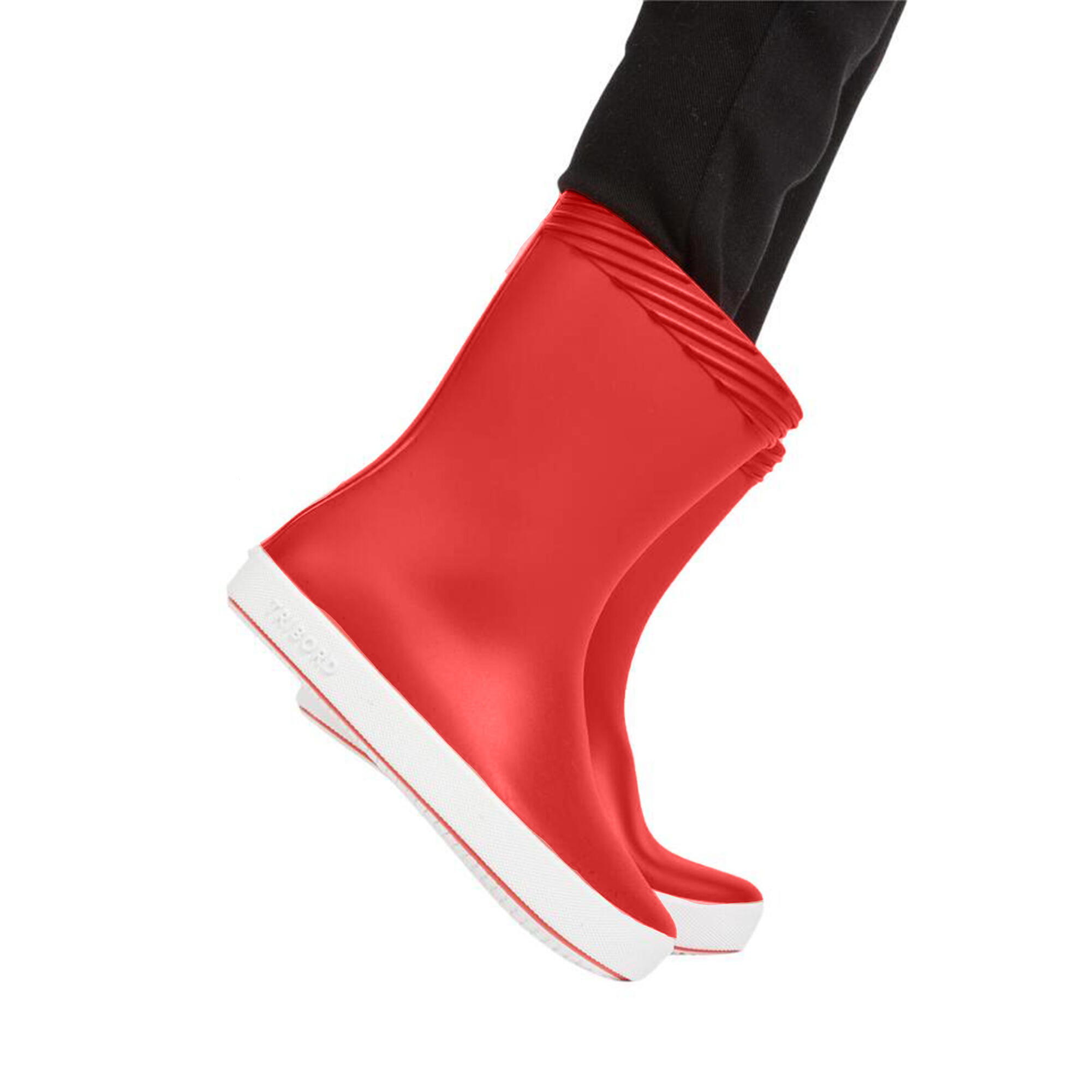
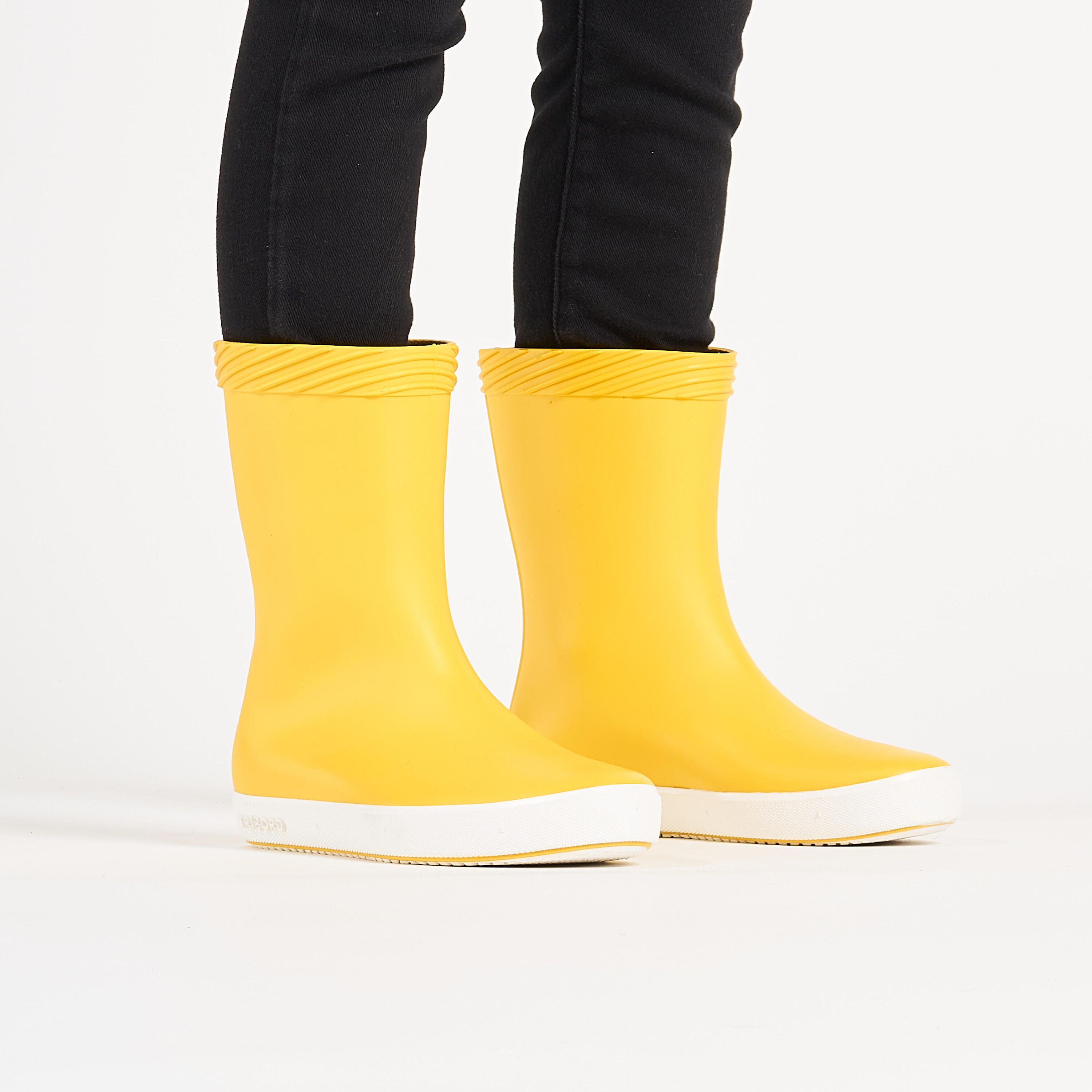
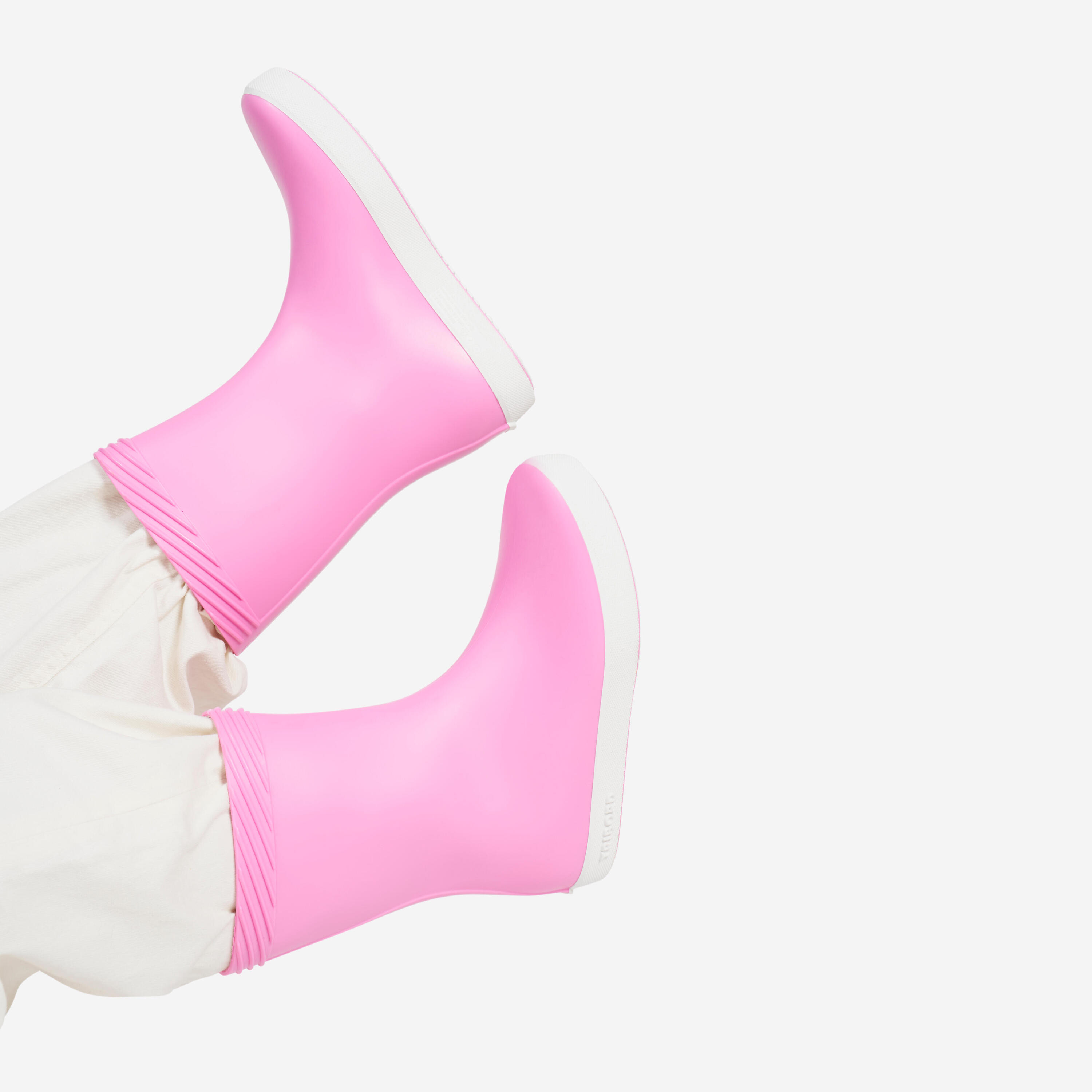
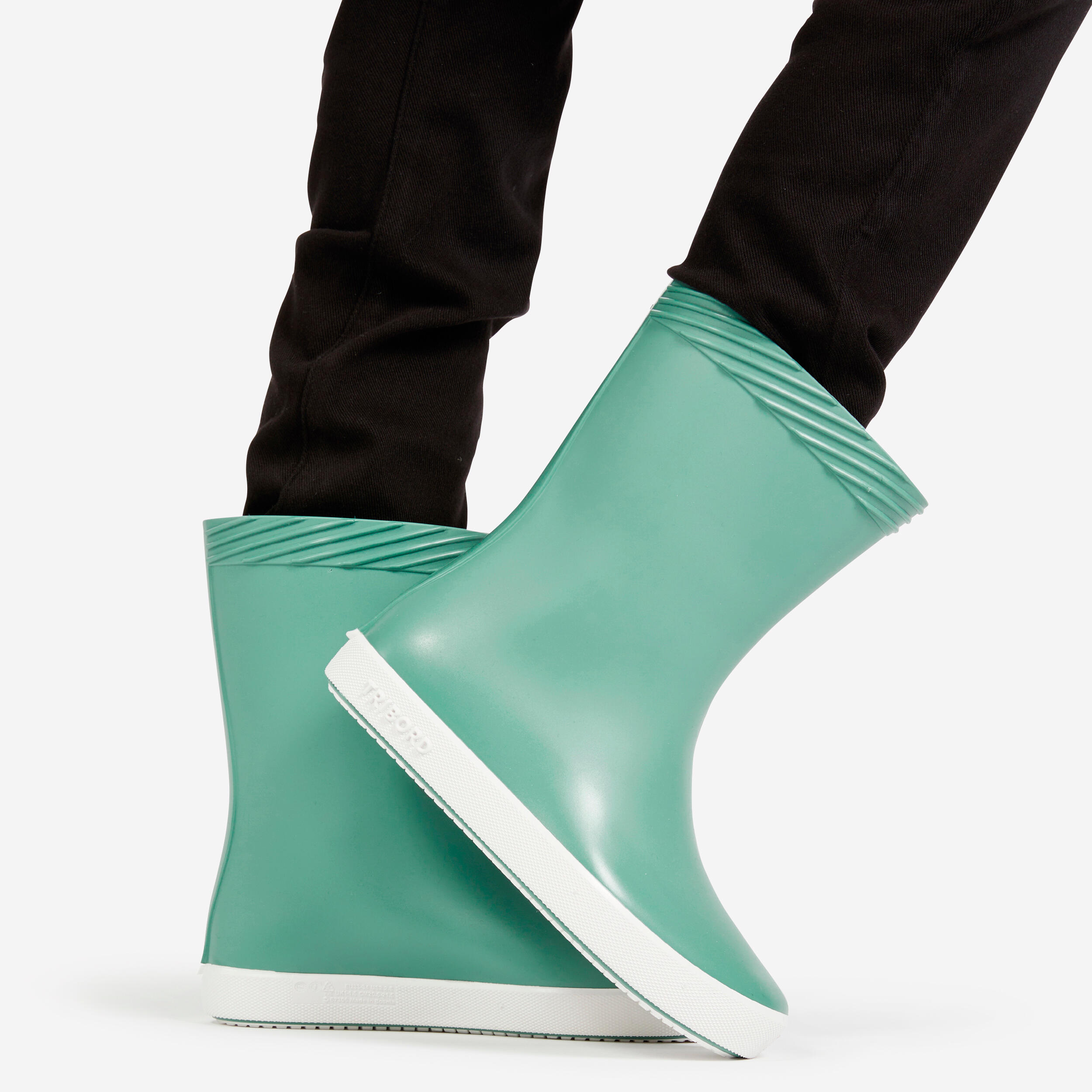
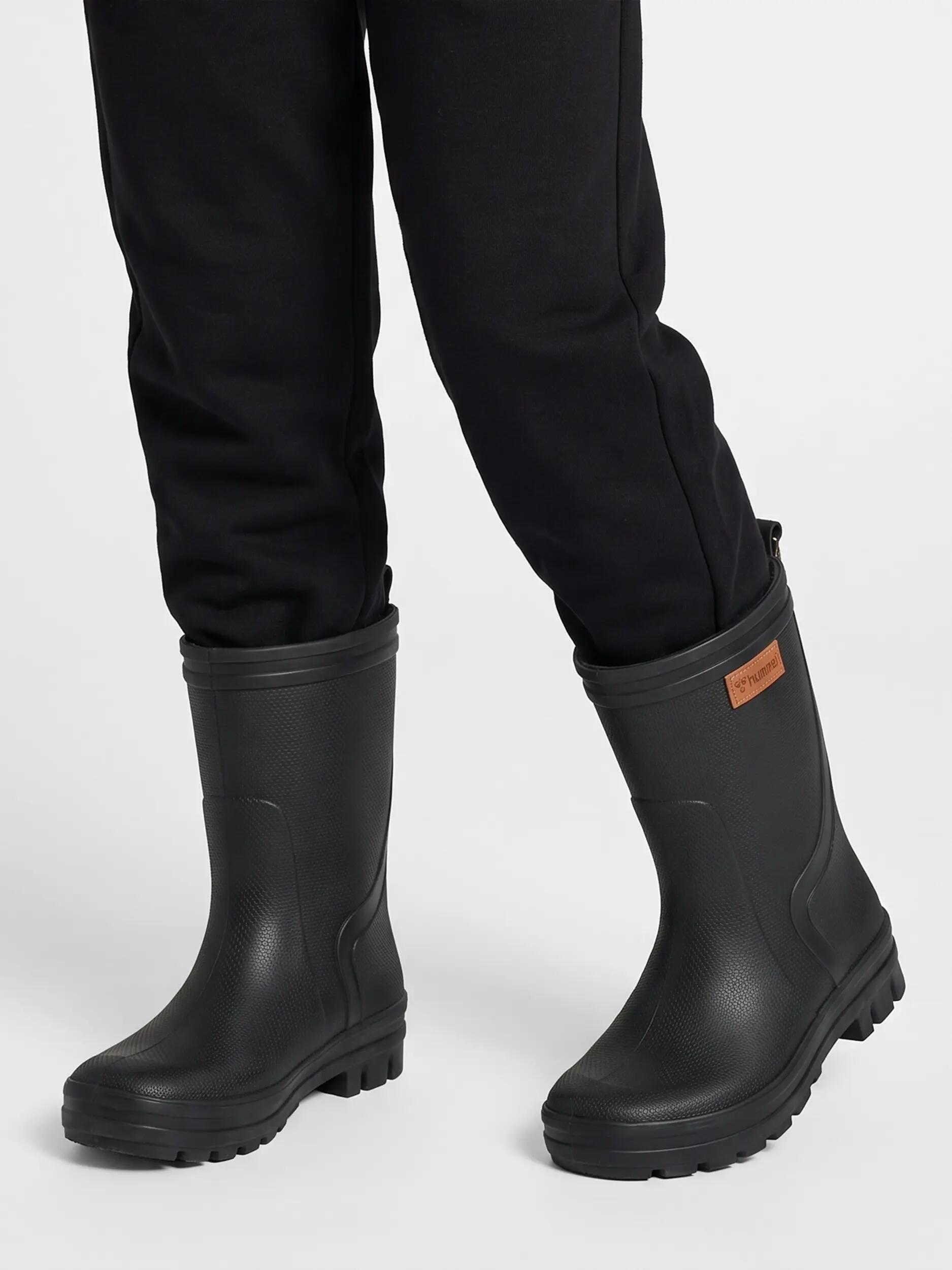
Start with how wet and cold the session is likely to be, then think about grip, fit and the amount of protection needed around the foot. Suitable for general wet-weather use, lightweight kids' sailing wellie boots can provide simple waterproof protection through one-piece injected construction without stitched water-entry points. Decathlon also tests the Rain Boots 100 for waterproofing, grip and ageing, while drainage channels in the sole help move water away beneath the foot. Pro tip: check the fit with the socks your child normally wears for sailing. Oversized boots can reduce foot hold and increase rubbing, so leaving excessive growing room may actually make movement on wet surfaces less secure.

What renders kids' sailing rain boots practical around the water?

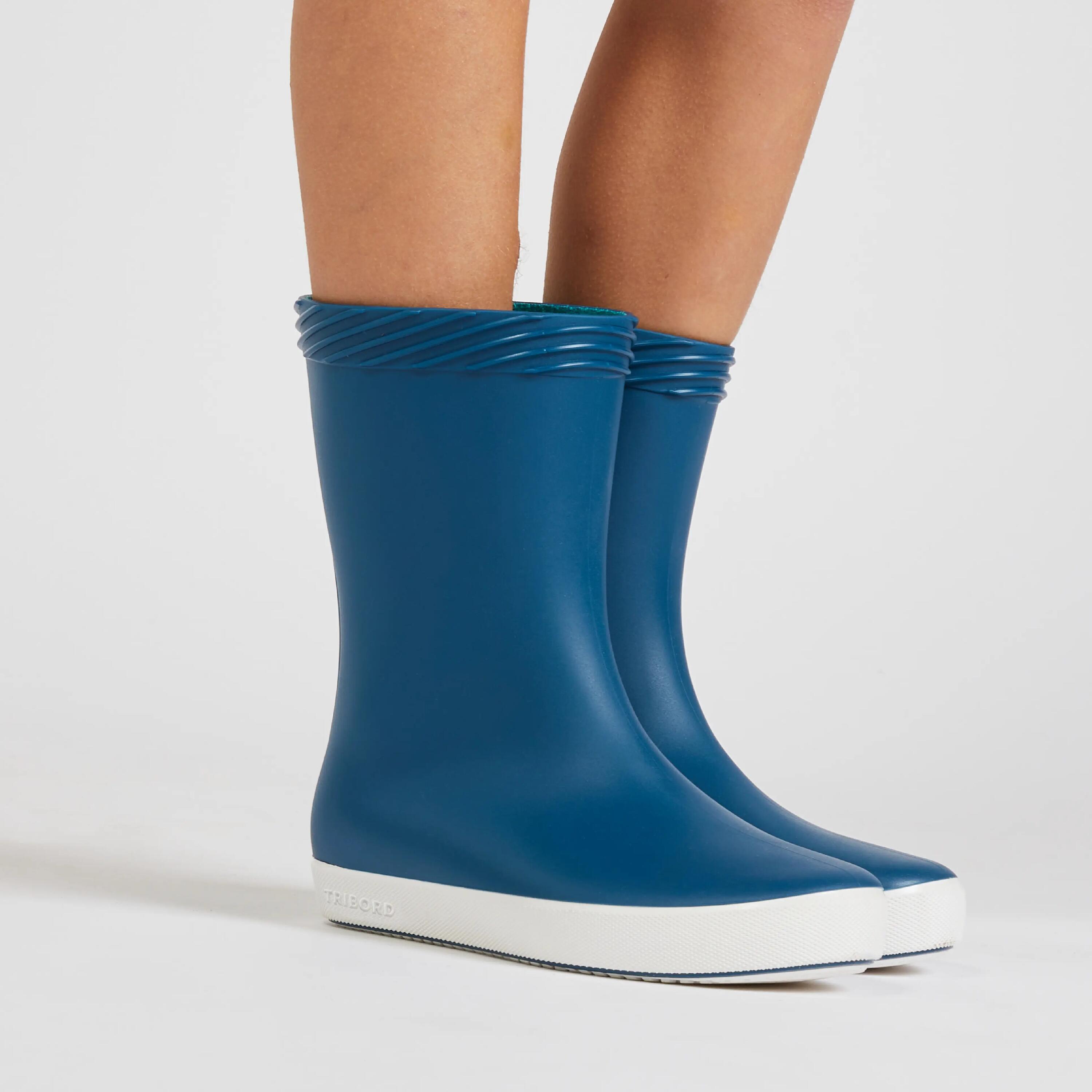
Simple waterproofing, manageable weight and easy dressing can matter as much as technical features for younger sailors. Decathlon shapes its kids' sailing rain boots with a wide upper that suits children's insteps, plus a ridged section for pulling them on and a heel lug that helps with removal. The removable moulded sockliner can also be taken out for cleaning and drying after damp sessions. Pro tip: avoid wearing these boots barefoot, as repeated contact around the shaft can irritate uncovered skin. Socks can improve comfort and also give you a more realistic fit check when choosing between the double sizes.

When are neoprene sailing ankle boots a better choice?

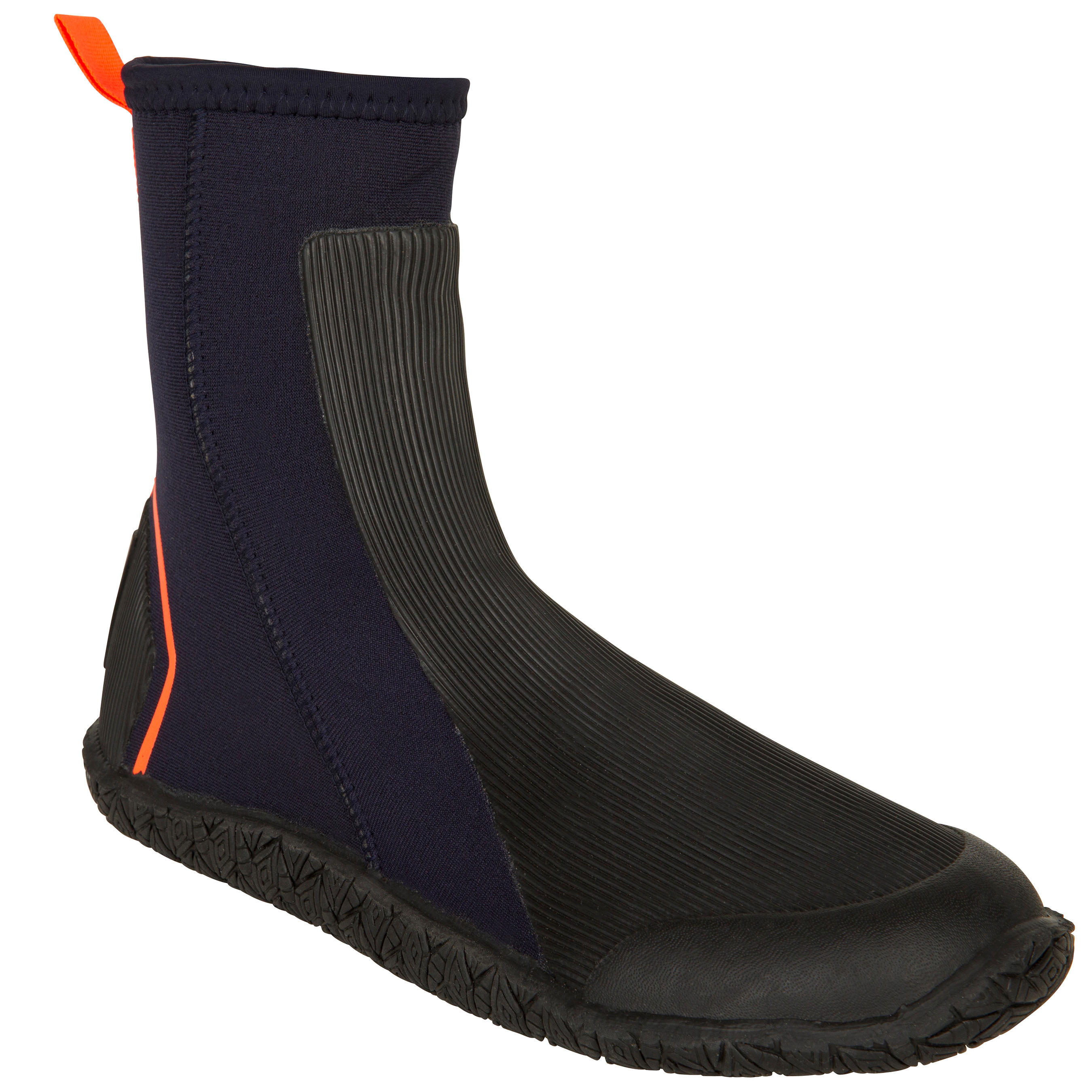
For dinghy or catamaran sessions where feet are regularly exposed to cold water and smooth wet surfaces, a more technical neoprene boot can be more suitable than a general rain boot. The TRIBORD kids' sailing ankle boots use 4 mm neoprene with glued and blind-stitched seams to help limit water exchange and retain warmth. Their non-marking outsole is made for wet deck surfaces, while rubber reinforcement over the instep protects the foot beneath a dinghy toe strap. Pro tip: if your child sits between two sizes, follow the product guidance carefully, as the reviewed TRIBORD model is intentionally generous and recommends choosing the smaller size.

How should sailing boots fit with the rest of a child's outfit?

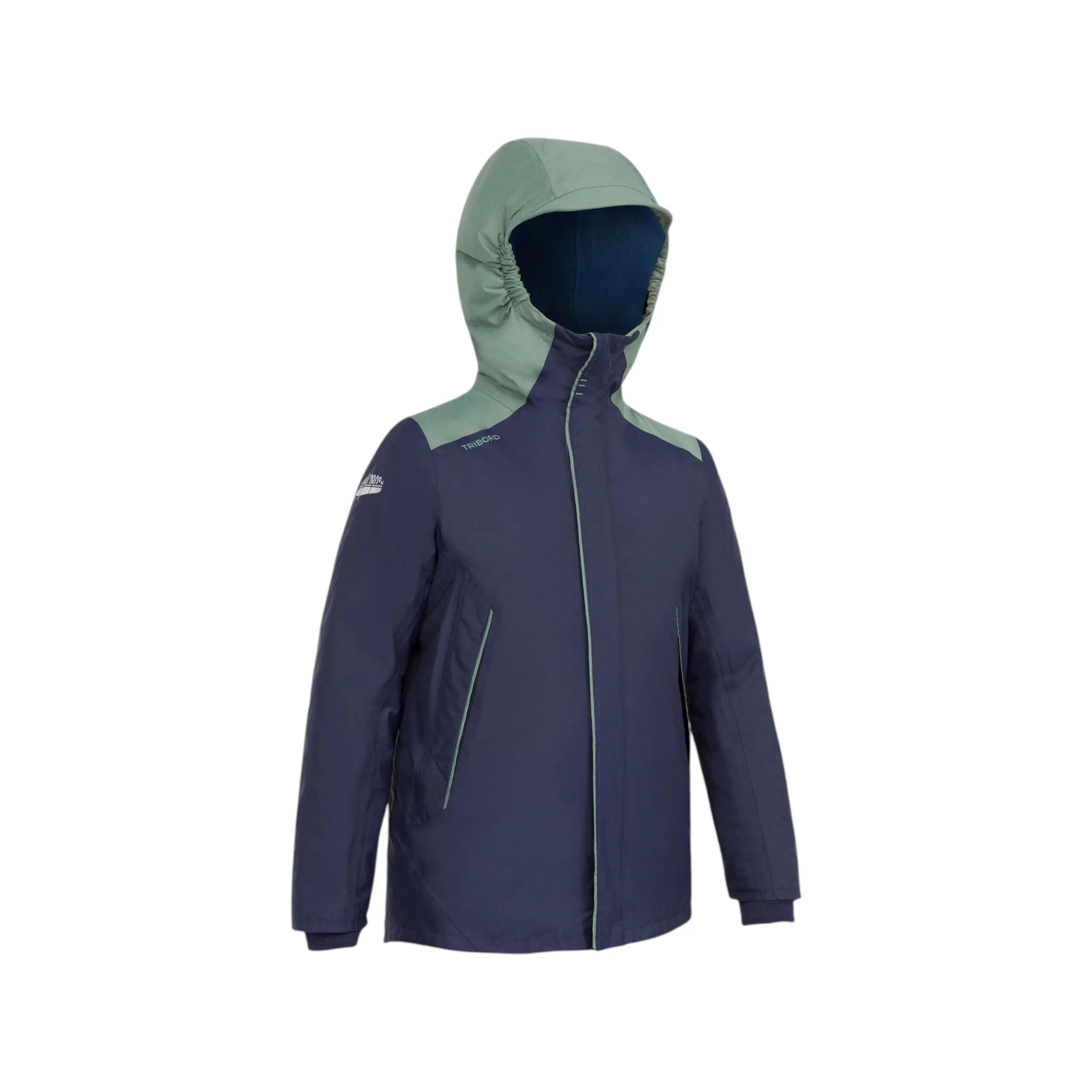
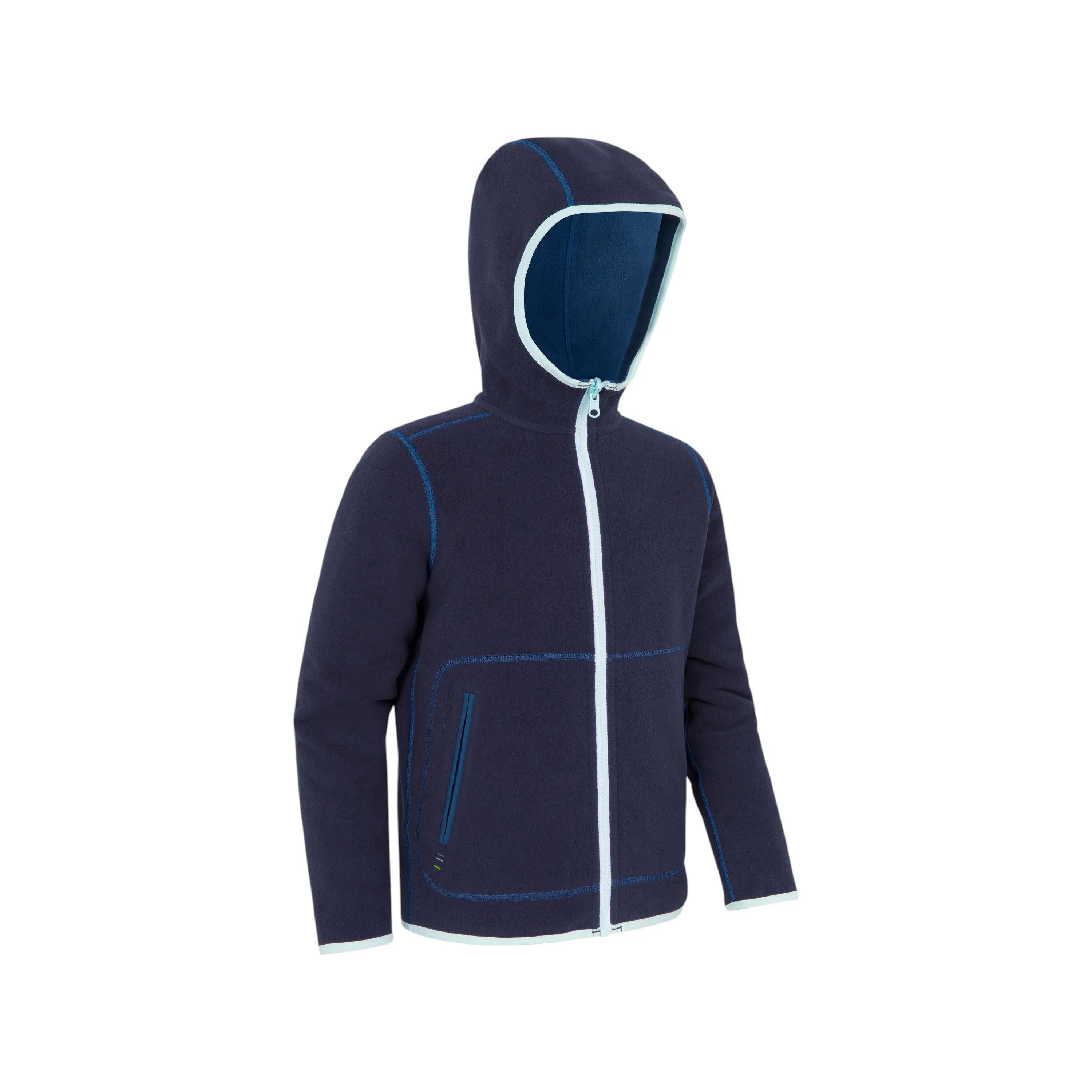
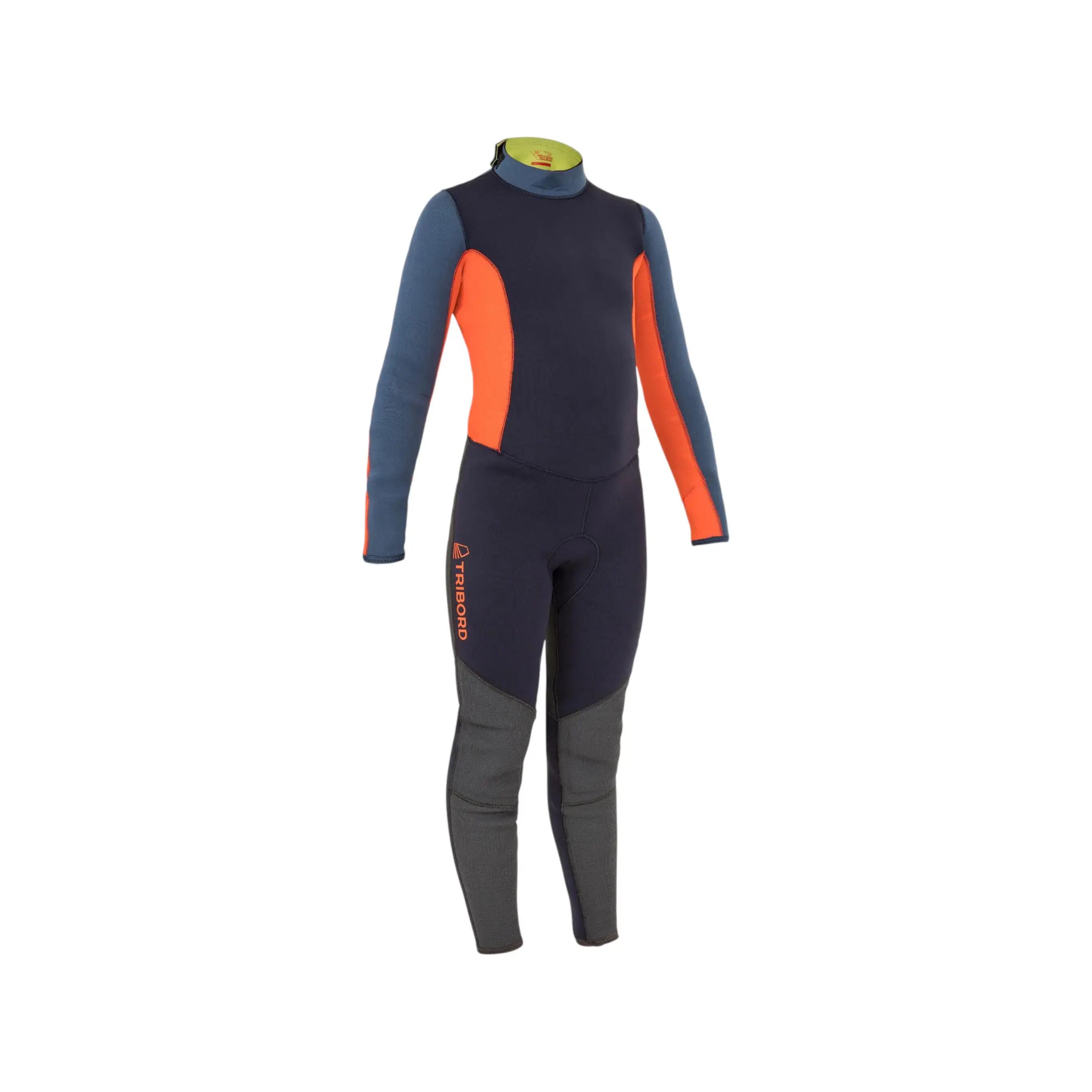
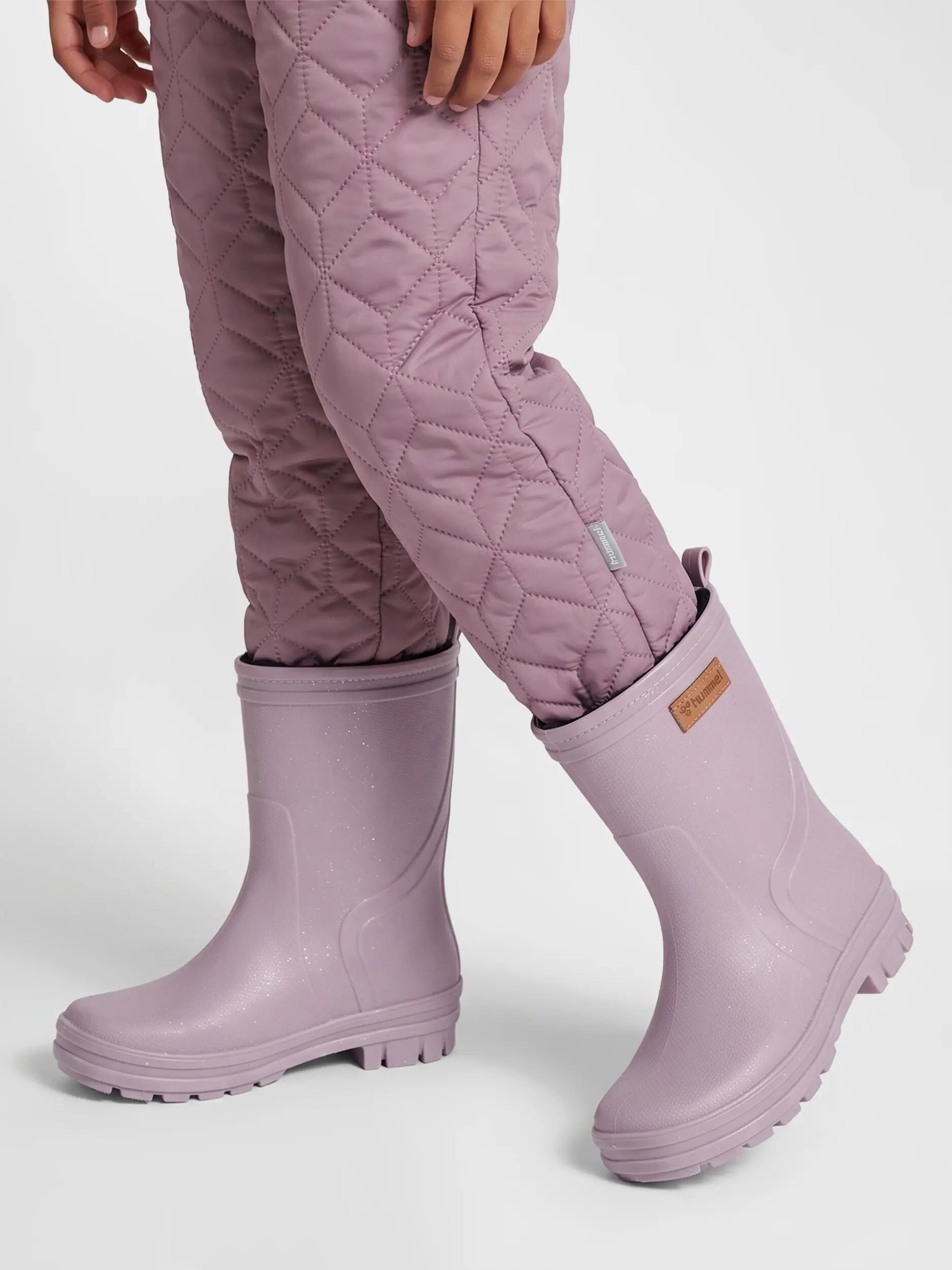
Boots should work with trousers, wetsuits and outer layers without creating bulky overlaps or leaving large gaps where water can enter. Upon building a full setup from the kids' sailing clothes range, check that trouser hems sit comfortably over or around the boot and still allow your child to crouch, kneel and move freely. Cold-weather layers may also change how much room is needed around the calf and ankle. Pro tip: have your child put on the complete outfit before going afloat and practise stepping, squatting and sitting. This makes it easier to spot rubbing, loose footwear or restricted movement before those issues become distracting on the boat.

What is the difference between sailing boots and sailing shoes?

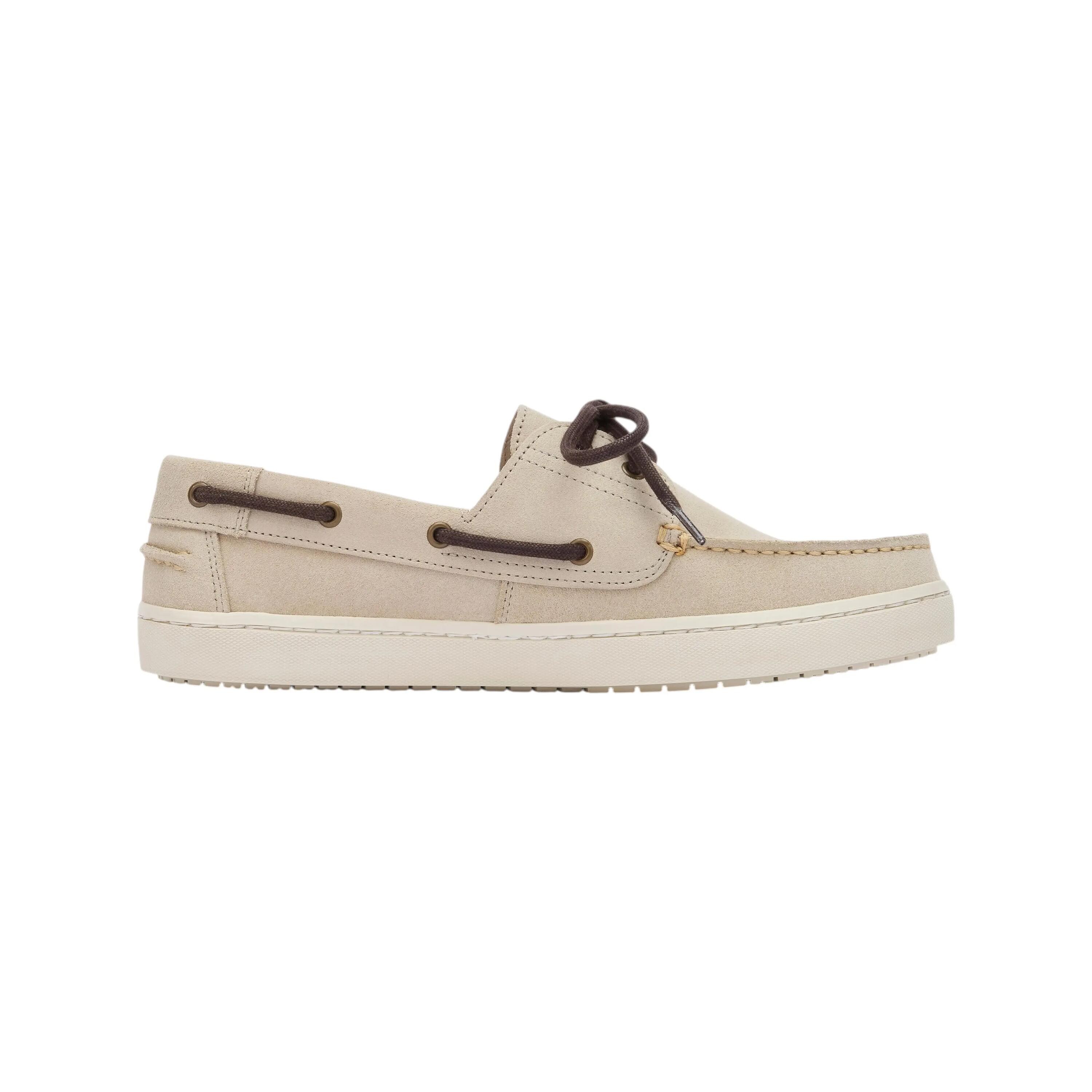
The main difference is the level of wet-weather and thermal protection. Boots can give more coverage around the ankle and lower leg, while 4 mm neoprene models add insulation for colder, wetter dinghy use. Traditional kids' sailing shoes may be more appropriate for drier yacht-deck conditions where low-profile footwear and deck grip are the priority. Pro tip: choose according to the actual sailing environment rather than treating one type as suitable for every session. After use, rinse dirty or salt-exposed boots when recommended, remove insoles where possible and let footwear dry naturally in a ventilated place away from radiators or strong direct heat.